










2025/26 represents a pivotal first year in the delivery of our Strategic Plan 2025–2030. The opening of HICSA in Sunderland stands as a flagship achievement, demonstrating our capacity to lead at regional and national level in priority sectors. HICSA is already delivering inclusive growth, attracting high levels of learner demand, engaging learners facing barriers to participation, and securing national recognition through Construction Technical Excellence College (CTEC) status. This achievement exemplifies the Strategic Plan’s ambition to combine industry excellence, social value and civic leadership.
Alongside this, we have significantly advanced our Changemaking Curriculum, embedding Global Skills across provision, strengthening employer co‑design, expanding 14–16 pathways, and deepening community engagement. The introduction of the Stronger Communities Framework has established a clear, endorsed approach to widening participation and early intervention, with early delivery already reaching young people and families at risk of disengagement. Through targeted capital investment, a robust five‑year financial plan, and clearer oversight of estates and delivery sites, the Group is now well positioned for sustainable growth across learner areas including community provision, whilst improving environmental sustainability and value for money. Equally important has been progress against Changemaking People and Services. We have strengthened
leadership capability, workforce planning, wellbeing, inclusion and digital maturity, ensuring that quality improvement, learner experience and employee engagement remain central as the organisation grows. Governance, data and systems have continued to mature, providing the Board with increased assurance and transparency.
Progress in 2025/26 demonstrates that the Strategic Plan is already delivering measurable impact for learners, communities, employers and partners. The foundations now in place position us strongly for the next phase of delivery in 2026/27, with a clear focus on scaling impact, deepening partnership, and sustaining institutional excellence.

Toni Rhodes Chief Executive Officer
Education Partnership North East


Our year in figures
17,000+ students
1,610 apprentices
90.2% achievement rate for 16 ‑18 students
Over 200 school engagement sessions reaching over 55,000 potential future learners
78.9% achievement rate for apprentices
3rd top performing FE college in the country
1,100+ employees
500+ employees donated
3,000+ hours to support local causes
Worked with 600+ North East businesses
EPNE named joint-top performing college group in the North East for student achievement.*
*NARTs 2024-25, 16-18 students
Kirkley Hall Campus named top performing land-based college nationally for student achievement.*
*NARTs 2024-25, 16-18 students
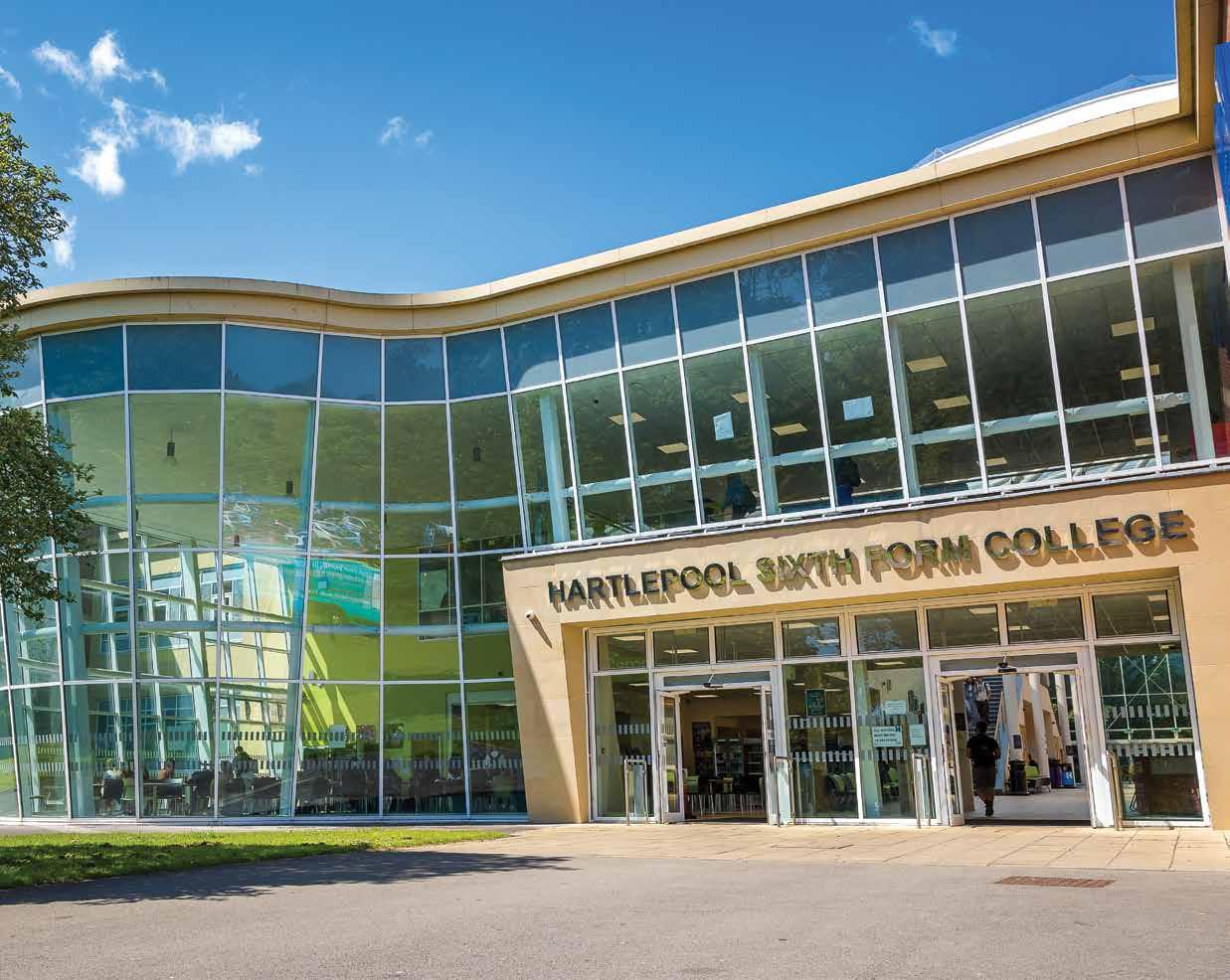
Hartlepool Sixth Form College named top performing sixth form in the country for student achievement.*
*NARTs 2024-25, 16-18 students
EPNE named SEND National Centre of Excellence
Sunderland College named North East Construction Technical Excellence College
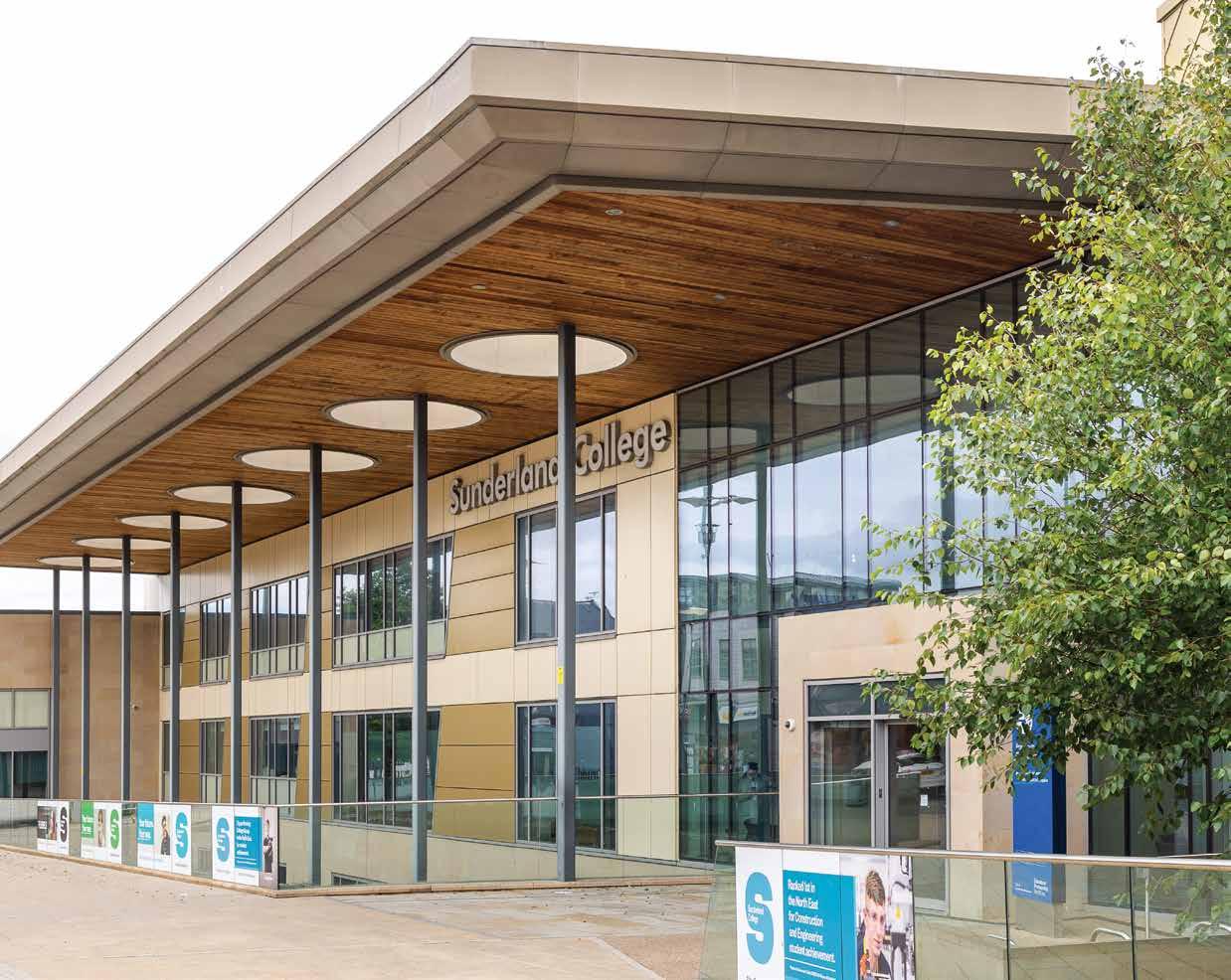
HICSA was developed from 2019 through a partnership between Sunderland College and Sunderland City Council, supported by Homes England and government funding. Opened in November 2025 by Rt Hon Bridget Phillipson MP, it positions Sunderland as a leader in construction and housing innovation, with facilities focused on modern construction, electrical work, plumbing, and design.

The academy supports over 500 learners with 74% of 16–18 year old learners facing structural barriers to taking part, and delivers the region’s first programme for students facing barriers to participation in education, employment or training alongside a dedicated BAME pathway.
In 2025, HICSA and Sunderland College were named one of ten national Construction Technical Excellence Colleges (CTECs). As the North East hub, it convenes education and industry partners, strengthened further by Allan Cook CBE’s appointment as chair of the regional Oversight Committee.
The Crown Works Studio skills partnership— EPNE, Gateshead College, Newcastle College and University of Sunderland—supports the project’s Skills Strategy, working with industry partners such as Fulwell 73 to create pathways into the creative industries.

Partners are developing initial ScreenSkills modules to help qualified tradespeople transition into on‑set carpentry, painting and decorating, and plastering. Further modules will broaden opportunities across trades and the supply chain.
Recognised as a priority growth sector by the North East Mayoral Strategic Authority, the partnership will help build a sustainable regional workforce aligned to Crown Works Studios and wider industry needs.
Once construction is complete and available for production, an estimated 2,530 production jobs will be generated, with £100.5m in Gross Value Added (GVA) for the region each year. (Saffrey Champness, 2022).
Global Skills embeds essential employability and life skills directly into the curriculum through real‑world, project‑based learning. Built around five competencies—resilience, environmental stewardship, technological literacy, leadership and social influence, and creative/critical thinking—it now has a strong evidence base following a pilot with 300+ Level 3 and T Level students.

The framework addresses clear gaps in learner preparedness as labour markets evolve. Early data shows strong confidence in teamwork, digital literacy and critical thinking, while highlighting development needs such as ethical AI and sustainability. Scaling the programme will ensure consistent delivery, visible skill development, stronger employer partnerships and future‑ready learners.
The Stronger Communities Framework sets out EPNE’s place‑based approach across Sunderland, Hartlepool and Northumberland, aligning activity with the Strategic Plan 2025–2030. It focuses on widening participation, preventing disengagement and tackling inequalities. Early delivery includes 14–16 Electively Home Educated provision, interventions for students facing barriers to participation in education, employment or training interventions through Family Hubs, the return of Bumps to Babies, and the Youth Trainee Detective Programme, which has engaged nearly 200 young people.

Endorsed by Sunderland City Council, Hartlepool Borough Council and Northumbria Police, the framework is strengthening collaboration and early intervention. Work continues toward endorsement from Northumberland County Council and DWP, with joint workshops planned to align outcomes. Next steps include consistent implementation across campuses, improved evaluation, and establishing a Stronger Communities Steering Group with annual reporting to Board of Governors.
• Introduce Global Skills
• Gain Construction Technical Excellence College status through HICSA and launch Strategic Advisory Board
Goal 1: Changemaking Curriculum
• Launch 14 16 Cluster of Excellence with the delivery of 2 additional co designed industry pathways (> 14 16 Yos)
• Integrate representation of local community groups into 6 curriculum advisory boards
• Introduce a Stronger Communities Framework and increase community delivery in 3 sites locally targeting economically inactive
• All curriculum areas to have engaged with alumni in a meaningful role
• Launch pilot group of teachers across all campuses to gain instant feedback through technology from students
Key strategic milestones have been achieved across curriculum innovation, employer engagement and community integration. Global Skills has been successfully introduced, alongside gaining Construction Technical Excellence College status through HICSA and establishing a Strategic Advisory Board. The 14–16 Cluster of Excellence has been expanded with the launch of two additional co designed industry pathways in Engineering and Professional Services, strengthening early engagement with young learners. In addition, all curriculum areas have engaged alumni, enhancing real world relevance and learner aspiration, forming a great platform for the launch of the alumni programme.
Significant progress has also been made in strengthening community and stakeholder connections. Local community representation has been embedded into six curriculum advisory boards, and a new Stronger Communities Framework has been introduced, increasing delivery across three local sites with a focus on economically inactive groups. Collectively, these initiatives demonstrate a strong commitment to collaboration, inclusivity and continuous improvement in both curriculum design and learner experience. Finally, a pilot has been launched across campuses to capture student feedback through technology.
• Learners develop globally relevant, industry aligned skills that improve employability and progression.
• Stronger employer confidence and partnership.
• Increased participation from underrepresented and economically inactive communities, supporting social mobility.
• Curriculum that is more responsive, inclusive and future focused, informed by community, alumni, and student feedback.
• Enhanced student engagement, retention and achievement through improved teaching responsiveness and learner voice mechanisms.

Curriculum teams across the group actively engage alumni in a range of meaningful roles that enhance teaching, learning, and student progression. This engagement is well established across EPNE, with activity spanning all curriculum areas and reflecting the diversity of provision.
This includes alumni led career talks, giving students direct insight into progression pathways and industry expectations, alongside structured placement and employment opportunities through alumni linked businesses, particularly in sectors such as Automotive and Construction. Alumni are also influencing curriculum quality through advisory input and active participation in curriculum planning, helping to ensure programmes remain current and responsive to industry developments.
Further activity includes delivery of specialist masterclasses, mentoring and coaching support, recorded study resources, and industry site visits, all of which enhance student experience and employability. Crucially, these interventions move beyond one off engagement to sustained partnerships with clear value for both students and curriculum teams.
This approach provides a strong foundation for Goal 5, with insights gathered now informing the structured design and development of a formal, scalable alumni programme across EPNE.
Goal 2:
Changemaking Investment
• Investment made in specialist equipment and resources equipping HICSA to be a nationally leading model for skills which will increase learner numbers by 10%
• 5 year financial plan created and modelled to target community based delivery focused on the economically inactive and/or those who need upskilling/reskilling
• Establish a strategic map of delivery sites
• Build on Sunderland’s 14 16 growth strategy in Northumberland supported by an Industry Excellence Cluster
• Create a strategic growth plan for HE with clear targets, demonstrating increase in growth by up to 200 students in the next 5 years
• Implement BMS systems strategy in estates to drive financial efficiency and to support environmental sustainability
Significant investment has been made in specialist equipment and resources to position HICSA as a nationally leading model for skills delivery, with a projected 10% growth in learner numbers. This is underpinned by strengthened strategic planning, including the development of a five year financial plan focused on expanding community based provision for economically inactive individuals and those requiring upskilling or reskilling. In parallel, a strategic map of delivery sites has been established to support coordinated and sustainable growth.
Progress has also been made in driving both regional expansion and long term growth. Sunderland’s successful 14–16 model is being extended into Northumberland, supported by an Industry Excellence Cluster to align provision with employer need. A strategic growth plan for Higher Education has also been developed, targeting an ambitious increase over the next five years. Alongside this, the implementation of a Building Management Systems (BMS) strategy across the estate will improve financial efficiency while contributing to environmental sustainability goals.
• EPNE is positioned for planned, sustainable growth across FE, HE, 14 16 and community provision.
• Enhanced capacity and attractiveness of specialist provision, particularly through HICSA, supporting learner recruitment and employer confidence.
• Improved financial sustainability and cost efficiency, underpinned by better estate utilisation and energy management.
• Increased access to learning for economically inactive and priority groups, supporting regional productivity and inclusion.
• Stronger Board assurance and strategic decision making through clear oversight of assets, investment, and growth trajectories.
• Reduced environmental footprint and improved compliance through smarter, data led estate management.

The launch of the Excellence Cluster in Engineering and Manufacturing has created new opportunities for young people aged 14–16 in Northumberland. A partnership between Northumberland College, Duke’s Secondary School, AkzoNobel, JDR Cable Systems and Universal Wolf Tharsus gives students direct access to industry led training, technical qualifications and real world engineering experience alongside their GCSEs.
Students split their time between school and Northumberland College’s Ashington Campus, where they use specialist facilities and take part in employer led masterclasses, work experience and industry activities.
Since launching in 2025, 15 students have enrolled onto the programme, with 100% progressing successfully. The Excellence Cluster helps address engineering skills shortages in the North East while creating a strong pipeline of future talent for local employers. The programme also supports students to progress into apprenticeships, further education and careers in engineering and manufacturing.
Plans include developing a Construction and Housing Excellence Cluster in partnership with Bernicia to expand opportunities for students interested in construction careers.
Goal 3: Changemaking People
• All job descriptions to define Global Skills
• Innovative Changemaking Partnership on wellbeing in the workplace
• Co develop an employee value proposition messaging framework
• Implement an approach to courageous conversations in targeted areas
• Achieve accreditation for a safe and supportive workplace
• Create a comprehensive data lead analysis on workforce planning
• Launch a gold standard teaching training programme across the NE, recruiting 15 learners
• Introduce Middle Leadership Development Framework
• Develop regional communities of practice in targeted industry sectors
• Pilot AI tools
• Partner with diverse professional networks, community organisations and universities
A strong focus has been placed on embedding Global Skills and strengthening organisational culture and capability. This includes ensuring all new job descriptions reflect Global Skills, co developing a clear employee value proposition, and introducing approaches to courageous conversations in targeted areas. An innovative Changemaking Partnership has also been established to support workplace wellbeing, alongside progress towards achieving accreditation as a safe and supportive workplace. Workforce planning has been enhanced through comprehensive data led analysis, enabling more informed and strategic decision making.
Significant strides have also been made in developing talent, leadership, and inclusive practice. A gold standard teacher training programme has been launched across the North East, alongside the introduction of a Middle Leadership Development Framework to support progression. Regional communities of practice are being developed within key industry sectors, strengthening collaboration and knowledge sharing. In parallel, there has been a clear commitment to inclusive recruitment, with partnerships established with diverse professional networks, community organisations and universities to broaden and diversify talent pipelines.
• Improved learner achievement, progression and destinations across all provision types.
• A confident, skilled and motivated workforce with clear professional development pathways.
• Stronger quality assurance and inspection readiness, with embedded evidence of impact.
• Enhanced learner experience, driven by effective teaching, support and safeguarding.
• A positive, inclusive and improvement‑focused organisational culture, sustaining long‑term performance and reputation.

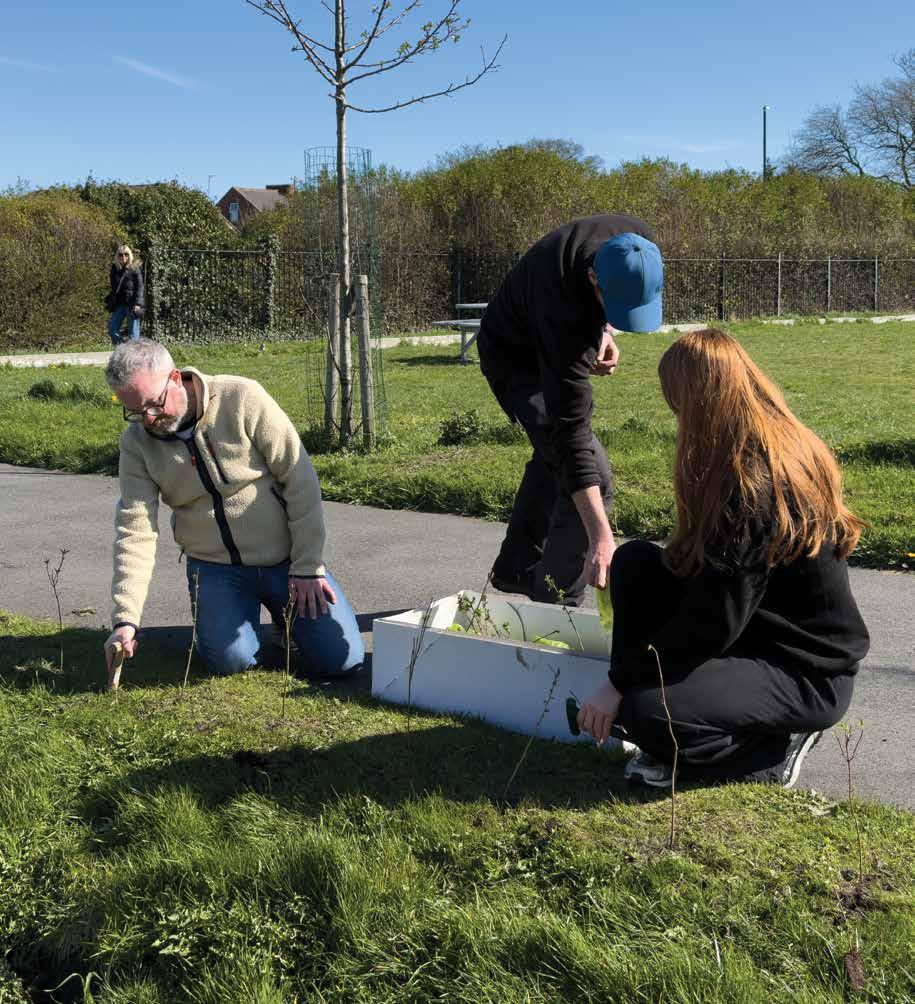
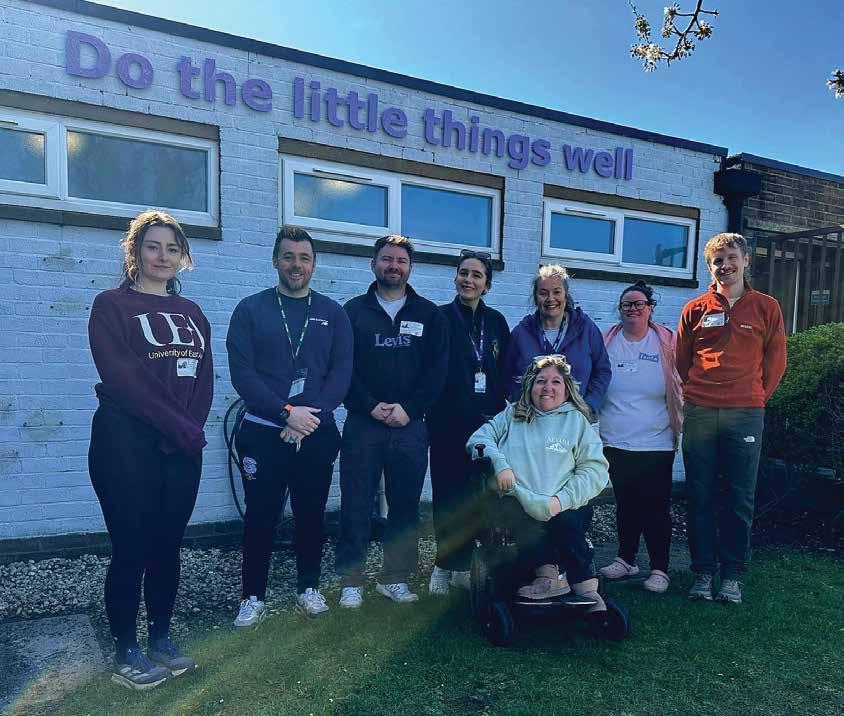
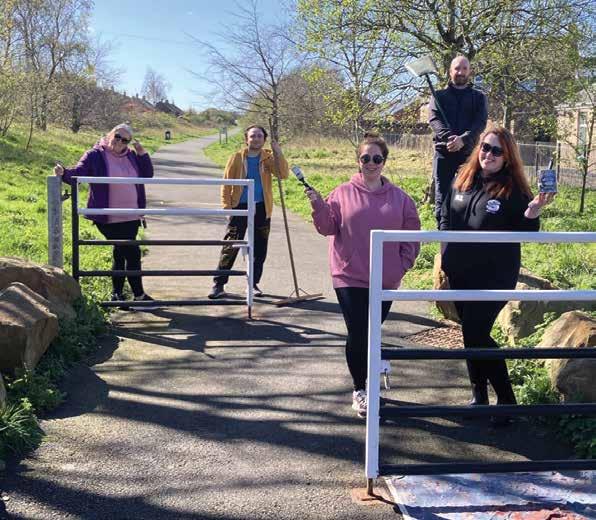
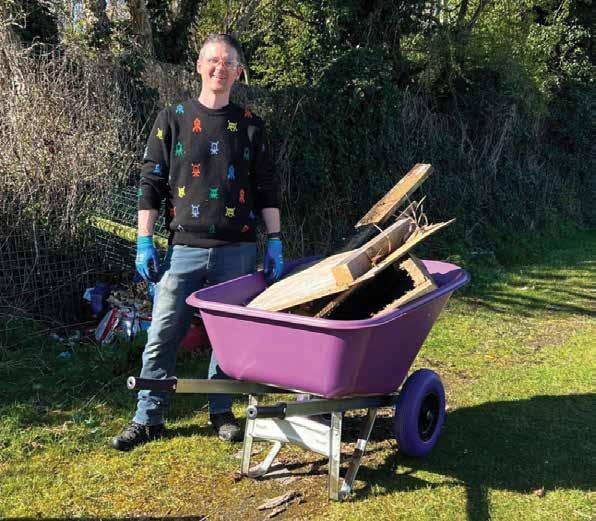

EPNE has strengthened its commitment to social responsibility through the introduction of a new employee volunteering policy, encouraging colleagues to dedicate time, knowledge and skills to causes linked to four strategic themes: Community & Social Impact, Education & Youth Support, Employability, and Environment & Sustainability.
The initiative came to life during a group wide Volunteering CPD Day in 2026, where more than 500 employees donated over 3,000 hours to support local communities and organisations across the region.
Employees took part in beach cleans, supported food banks, hospitals, care homes and charities, as well as renovating community spaces and leading nature activities for primary school children. The volunteering programme strengthened cross college collaboration, boosted employee wellbeing, delivered tangible community impact and now gives the opportunity for up to 16,000 hours per year of volunteering time across the group. Feedback from employees highlighted improved teamwork, shared purpose and pride in making a positive difference.
Goal 4: Changemaking Services
• Expand corporate services work experience offer to three schools demonstrating risk of NEET
• Advance our digital capabilities and trial emerging technologies
• Pilot Change Management process
• Launch Equity Dashboard for real time tracking
• Specialist advisory skills group in SEND to be launched
• Launch AI careers platform
• Launch bursary app to improve efficiency and student experience
• Mapping of student and visitor journeys across each campus to define a personalised experience
• Full Launch of Work Vivo
• Strategic Communications Plan for Ashington Campus through to launch
Key developments have focused on enhancing student opportunity, digital innovation, and inclusive support. The corporate services work experience offer has been expanded to several Schools with pupils at risk of NEET, alongside the launch of a specialist SEND advisory group to strengthen targeted provision. Digital capability has been advanced through trials of emerging technologies, the introduction of an AI careers platform, digital feedback from students, and the procurement of a College app to improve efficiency and the student experience. In addition, student and visitor journeys across all campuses have been mapped to create a more personalised and consistent experience.
Significant progress has also been made in strengthening organisational effectiveness, communication, and change capability. A pilot Change Management process has been introduced, as has an Equity Dashboard for real time tracking and improved decision making. Workvivo has been fully launched to support engagement and communication across the organisation, complemented by the development of a Strategic Communications Plan for Ashington Wansbeck Campus leading up to its launch. As a member of the Northumberland County Partnership, we are working collaboratively to tackle inequalities in the region. Together, these initiatives demonstrate a strong
commitment to innovation, equity, and continuous improvement in both services and stakeholder experience.
• Increased confidence from regulators, employers and partners in EPNE’s leadership and governance.
• A more engaged, motivated and resilient workforce, supported by clear expectations and inclusive practice.
• Improved digital capability and system reliability, reducing inefficiencies and improving learner and employee experience.
• Stronger compliance, safeguarding and risk management, ensuring learners are safe and supported.
• A coherent, values‑driven organisation with a reputation for professionalism, integrity and continuous improvement.
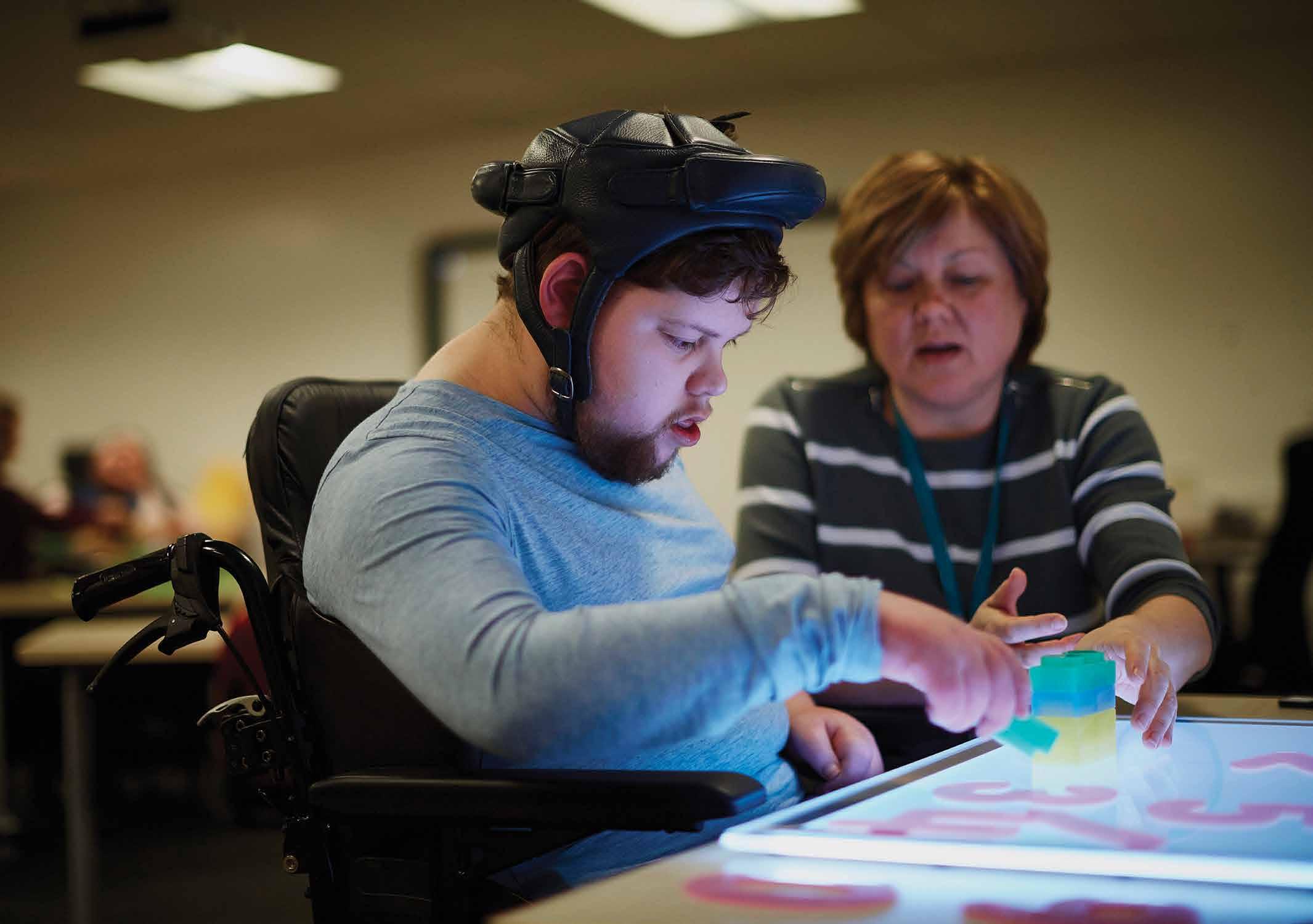
Education Partnership North East (EPNE) is a national Centre for Excellence in SEND accredited by the Department for Education and the Education Training Foundation (ETF). This designation recognises outstanding SEND practice and evidences a sustained journey at EPNE of investment, performance improvement, and a focus on inclusive SEND practice.
As one of four national Centres for Excellence, EPNE’s role is to create opportunities where FE practitioners, leaders, and governors across the country engage in high quality SEND knowledge exchange, learning together, reflecting on practice, and building confidence to deliver inclusive, high‑quality education for learners with SEND.
Under the EPNE’s theme of ‘People’ we have exceeded the commissioned KPI’s which included peer reviews, community of practice delivery and delivery of online learning sessions. We have engaged over 850 individuals over the length of the annual contract, 40% of whom have been leaders, managers and governors. Five colleges have been engaged in the peer review process, all of whom had below a good High Needs judgment.
As a result of this work and the raising of the national profile, we have also delivered at national SEND conferences, are supporting the co design and assessment of the new ETF national Status in SEND and have been active in the reshaping of the national Preparation for Adulthood (PFA) framework.
• Implement the Student Changemakers in Participatory Action research pilot
• Design and develop an alumni programme
• Introduce the Stronger Communities Framework
• Gain Construction Technical Excellence College (CTEC) status with clear KPIs that address under representation.
• Launch a 14 16 Engineering Excellence Cluster at Ashington
• Launch Strategic Advisory Board for HICSA/CTEC
• Directly contribute as an anchor organisation to shaping Northumberland’s economic strategy
Significant progress has been made in strengthening student voice, community impact and strategic partnerships. The Student Changemakers participatory action research pilot has been introduced, empowering learners to shape improvements, alongside the design and development of a new alumni programme to build long term engagement and advocacy. The Stronger Communities Framework has also been launched, reinforcing the organisation’s role in supporting local priorities and widening participation.
There have also been key advancements in technical excellence and regional influence. Construction Technical Excellence College (CTEC) status has been achieved with clear KPIs focused on addressing underrepresentation, supported by the launch of a Strategic Advisory Board for HICSA/CTEC. A new 14 16 Engineering Excellence Cluster has been established at Ashington, strengthening early talent pathways, while the organisation continues to play a key role as an anchor institution, directly contributing to shaping Northumberland’s economic strategy.
• EPNE is recognised as a key contributor to regional economic growth and skills development.
• Increased social mobility and participation, particularly for learners furthest from opportunity.
• Stronger public, employer and partner confidence as a responsive, values‑led institution.
• Clear evidence of social value, inclusion and community benefit, supporting funding, inspection and partnership assurance.
• A sustainable, respected institutional reputation that supports future growth, influence and collaboration.

The Trainee Detective programme is a hugely successful and award winning initiative that teaches young people about the dangers and real life impact of knife crime. Since launching in April 2024, with Sunderland College leading delivery alongside Northumbria Police, the Violence Reduction Unit, medical experts from James Cook University Hospital, and local magistrates, the project has engaged more than 200 schoolchildren, including students from Pupil Referral Units.
Delivered at Sunderland College’s Bede Campus and Northumberland College’s Kirkley Hall Campus, students take part in activities that follow the police investigation into the tragic murder of 18 year old Connor Brown, who was stabbed in Sunderland city centre in February 2019. They also hear from Connor’s family about how their lives were changed forever.
The programme is part of Education Partnership North East’s Stronger Communities Framework, which focuses on widening participation, preventing disengagement, and reducing inequalities.