We’ve assembled a team of well-established and highly experienced financial professionals. It has given us the ability to address every aspect of our clients’ financial needs. And by limiting the number of clients we serve, it allows us to offer an uncommon level of service and maintain our unwavering focus on helping to create quality financial solutions.
This is what we bring to the table – and what will ultimately bring you to us. If you are an individual seeking seasoned financial guidance and the comfort of working with an experienced group of advisors who call Chattanooga home, we welcome the opportunity to sit down together. Main Office: 1200 Premier Drive, Suite 100 • Chattanooga, TN 37421 Downtown Office, by appointment only: Warehouse Row • 1110 Market Street, Suite 210 • Chattanooga, TN 37402 www.RoundTableAdvisors.com • 877-770-0009 • 423-510-8889
Photographed at Ruby Falls
It’s a Diamond
“A ship in harbor is safe, but that is not what ships are built for.”
– John A. Shedd
In recent weeks, our inboxes have been filled with out-of-office replies. From European adventures to family getaways to 30A, Chattanoogans have traded work schedules for opportunities to recharge and reconnect. These autoreplies have served as a timely reminder that health extends far beyond just physical wellness.
While healthy eating habits and routine checkups are important, true well-being also includes making time for yourself, embracing new experiences, and spending meaningful moments with loved ones. Health is never onedimensional; it encompasses the mind, body, and spirit.
With that in mind, the Summer Issue of HealthScope® magazine explores a variety of topics designed to support every aspect of your well-being.
Leading the issue, local health experts share their insights on topics that can help you stay healthy throughout the summer and beyond. From “Understanding Nicotine Use” and “Fun in the Sun: Skin Health During the Summer” to “Making Sense of Migraines,” this issue offers valuable information for readers of all ages and stages of life.
In addition, three special sections await. Our annual “Strength & Structure” section spotlights three local practices delivering exceptional orthopedic care. Next, “Meet Our Doctors” introduces three physicians who are making a difference in their respective fields. Finally,
Cailey Mullinix
back by popular demand, our annual “Oral Health” section features local dental professionals sharing expert guidance on caring for your oral health, as well as that of your loved ones. You’ll also find engaging content on relationships, personal growth, mental health, beauty and style, food and fitness, and more. Be sure not to miss our interview with cover model Ani Yacoubian Riggs. A true force of nature, Ani balances co-running a family business with parenting, maintaining an impressive fitness routine, and staying actively involved in community organizations – all while making it look effortless. She never ceases to amaze me, and I have a feeling you’ll feel the same.
As always, we hope you enjoy this Summer Issue of HealthScope® magazine. And the next time you’re considering a European backpacking trip or a relaxing beach getaway, remember: it just might be good for your health.
Happy reading,
AT THE FOREFRONT OF CANCER CARE
PRECISION MEDICINE. EXPERT SUPPORT.
Lisa Duhaime, MD Board-Certified Medical Oncologist
Peeples Cancer Institute integrates innovative, precision-medicine therapies with robust patient support—from genetic-based treatment to counseling and navigation—ensuring care as unique as every individual we serve.
• ACR-Accredited Radiation Oncology
• Breakthrough care built around your biology and specific tumor characteristics
• Theranostics, advanced diagnostic imaging, and genetic testing
• National Phase III Clinical Trials with NCI-designated Winship Cancer Institute of Emory University
• Comprehensive support services that go beyond treatment
• Multidisciplinary cancer care team
1215 Memorial Driv e Dalton, Georgia
844-PCI-HOPE
VitruvianHealth.com/cancer
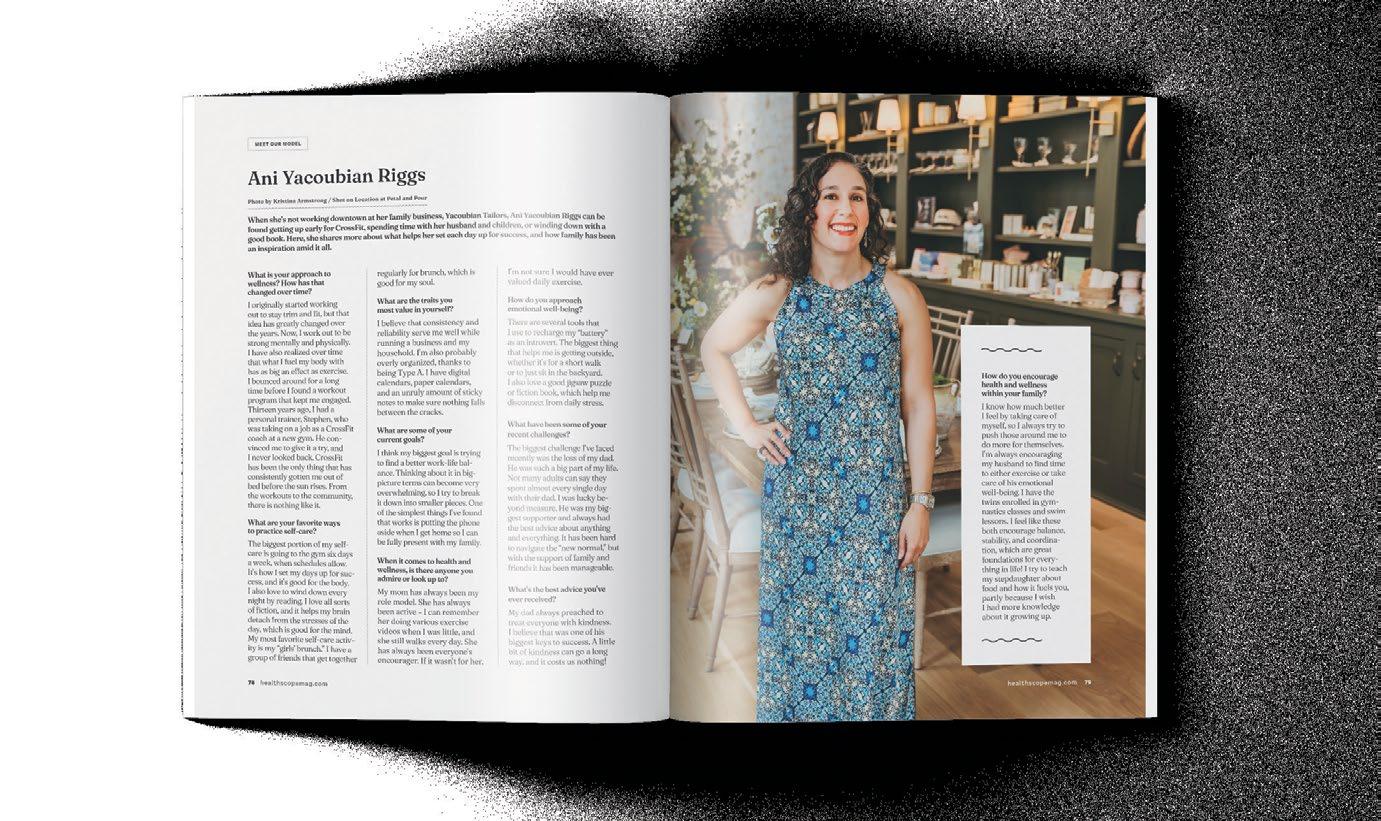
Ani Yacoubian Riggs shares her favorite healthy habits and how family has inspired her wellness journey on page 78.
Photo by Kristina Armstrong
Publisher George Mullinix
Co-Publisher Cailey Mullinix Easterly
Sales & Business Development Amanda Worley
Sales & New Business Development Meredith McNeeley
Design Lead, Sr. Graphic Designer Lauren Robinson
Sr. Graphic Designer Tamara Slocum
Managing Editor Rachel Studebaker
Editors/Digital Content Specialists Abby Callahan
Lindsey Clute Ali Lemmons
Contributing Writer/Editor Kristen Dee
Digital Marketing Manager Houston McLain
Marketing, Events, & Operations
Lauren Perry
Photographers Kristina Armstrong Rich Smith
Subscribe to CityScope® or HealthScope® magazines: Call 423.266.3440 or visit cityscopemag.com or health scopemag.com and click “Subscribe.” A one-year subscription for CityScope® or HealthScope® magazine costs $18.
To receive advertising information, change your mailing address, or share your views on editorial: Call 423.266.3440 or visit cityscopemag.com or healthscopemag.com and click “Contact.”
CityScope® and HealthScope® magazines, Choose Chattanooga® – Chattanooga Resource & Relocation Guide®, and Choose Huntsville™ – Huntsville Resource & Relocation Guide™ (the magazines) are published by CMC Media & Marketing Group, LLC, a Chattanooga, Tennessee company. Reproduction in whole or in part without written permission is strictly prohibited. Views expressed herein are those of the authors or those interviewed and not necessarily those of the publisher, editors, or advertisers. The publisher, editors, and advertisers disclaim any responsibility or liability for such material. All content associated with and included in advertisements (ads, advertorial, and special promotional sections) placed in the magazines (including photos and other visuals) are the responsibility of the respective advertiser. CMC Media & Marketing Group, LLC, cannot and does not assume responsibility for any material contained within or associated with any advertisement.
CityScope® magazine
Copyright, CMC Media & Marketing Group, LLC, 1993
CityScope® magazine is a registered trademark owned by CMC Media & Marketing Group, LLC
CityScope® magazine Southern Gentleman® is a registered trademark owned by CMC Media & Marketing Group, LLC
HealthScope® magazine
Copyright, CMC Media & Marketing Group, LLC, 1989
HealthScope® magazine is a registered trademark owned by CMC Media & Marketing Group, LLC
Choose Chatt® Copyright, CMC Media & Marketing Group, LLC, 2026
Choose Chattanooga®, Chattanooga Resource & Relocation Guide®, and Choose Chatt® are registered trademarks owned by CMC Media & Marketing Group, LLC. Chatt Choices™ is a trademark claimed by CMC Media & Marketing Group, LLC
QMy son suffers from severe allergies every spring. I’ve heard that allergy shots may help him, but I don’t know much about them. How effective are they, and how long do they take to work?
A. Allergy shots can be a real help for kids (and adults) with bad spring allergies, especially when medicines just aren’t enough. Many of my patients start noticing improvement in a few months, but it commonly takes six to 12 months for clear benefit, and the full payoff may take a year or more. Lasting tolerance is built over several years of consistent therapy, not only for spring-time allergies, but other seasonal as well as year-round allergies. In my experience, they’re worth considering when symptoms are severe, recurring, or affecting sleep, school, or sports. Be sure and talk to your primary physician or give us a call if you have any questions. Your treatment plan will always include avoidance measures, with medications or allergy shots added when appropriate. Curt Chaffin, MD
Q. When mental health systems don’t fully respond to traditional approaches, what advanced or integrative treatments are available?
A. Since the 1950s, pharmacotherapy, the use of medication, has helped many people to regain function from neuropsychiatric diseases such as depression. Unfortunately, fewer than half of patients achieve remission; 30-40% remain symptomatic, and some cannot tolerate antidepressants. Individuals who fail two or more trials are considered to have treatmentresistant depression (TRD). In these cases, evaluating genetics, neuroendocrinology, and immunology is critical, as these disorders demand a multimodal approach.
Even so, hope lies in treatments such as floatation therapy, transcranial magnetic stimulation (TMS), and ketamine. Floatation helps to lower inflammation over time; TMS helps strengthen communication between emotional and cognitive control networks; and ketamine, administered under medical supervision, promotes the growth of new neural pathways. Overall, these therapies work best within an individualized plan that prioritizes nutrition, sleep, exercise, and avoidance of neurotoxins. Rebecca Spivey, PMHNP-BC
Q. My sleep disorder is contributing to multiple other health concerns. How should I approach treatment?
A. When a sleep disorder affects multiple aspects of health, treatment should take a comprehensive and coordinated approach. Poor sleep can impact mood, cardiovascular health, metabolism, and cognitive function, so addressing the root sleep issue often leads to broader improvements. Start with a thorough evaluation to identify the specific disorder and any contributing conditions. Treatment may include behavioral interventions, medical therapies, or lifestyle adjustments tailored to your needs. Collaboration between providers – such as primary care, mental health, and sleep specialists – can ensure all related concerns are addressed effectively and that treatment strategies work together rather than in isolation.
Anuj Chandra, MD, D.ABSM
Q. I tend to get angry easily and then feel regret or guilt about how I handled the situation. How can I learn to break this cycle instead of repeating it?
A. Anger is an emotion that many people struggle with knowing how to handle. Maybe the focus should not be on stopping the anger, but on discovering the “why” or what emotions may be underneath our anger. Anger is our body’s alarm system that lets us know that our boundaries are being crossed. Anger can also be covering for some “icky” emotions like vulnerability, weakness, hurt, jealousy, or embarrassment. Those are emotions that leave us feeling less in control. When we are angry, we feel stronger and more in control. Try asking first: Where are my boundaries (physical, emotional, sexual, or time) being crossed? And/or what emotions may be underneath my anger that I need to express and process with a therapist or trusted friend? Many times, a little curiosity around anger can be more helpful than suppression. Brittney Lord, LPC-MHSP
Q. I sometimes experience temporary ringing or muffled hearing after loud events. Is this normal, or should I be concerned?
A. It’s very normal to experience ringing in the ear (tinnitus) and temporary hearing loss after loud events. These symptoms arise when microscopic nerves, called stereocilia, are overstimulated by excessively loud noise vibrations. This overstimulation causes stereocilia to have less movement than normal, which reduces the amount of sound signals going to the brain – resulting in auditory fatigue. Manifesting as muffled or reduced hearing, this fatigue can be accompanied by ringing. This can be temporary but can also cause permanent damage. Typically, any sudden or repetitive noise that’s 85dB and above can cause temporary or permanent damage. To prevent damage, custom earmolds or other forms of hearing protection are highly recommended and available with a hearing professional. In most cases, hearing will revert to normal within 48 to 72 hours. If hearing issues persist, contact a hearing professional.
Craig M. Smith, BC-HIS
Meet Our Experts
Craig M. Smith, BC-HIS Board-Certified Hearing Instrument Specialist, Audiology Services of
Curt Chaffin, MD Specialist in Pediatric and Adult Allergy and Asthma, The Allergy & Asthma Group of Galen
Anuj Chandra, MD, D.ABSM Founder, Advanced Center for Sleep Disorders
Rebecca Spivey, PMHNP-BC Psychiatric Mental Health Nurse Practitioner, Nashville Brain Institute
Chattanooga
Brittney Lord, LPC-MHSP Counselor and Outreach Coordinator, Roots Counseling Center
DR. FRANCIS CUOZZO
MD, FACS, RPVI
Nationally Recognized and Trusted Vascular Surgeons
EXPERIENCE THE BEST VASCULAR CARE
DR. CHRIS LESAR
MD, FACS, RVT
DO, FACS, RPVI
Board-Certified, Fellowship-Trained Vascular Surgeons, and Fellows of the American College of Surgeons (FACS), Leaders in Vascular Ultrasound (RPVI®, RVT ®) & Hosts of Nationally Recognized FACES of PAD Conference
DR. WILLIAM HARRIS
The Region’s Only Fully Accredited Arterial and Venous Center by the Nationally Recognized Intersocietal Accreditation Commission (IAC)
Minimally Invasive Endovascular & Advanced Vascular Imaging and Diagnostics, Full Complement of Open Vascular Surgical Options
RESTORING HEALTH & LONGEVITY
Advanced Diagnostics
Early Intervention
Rapid Access
Collaborative Care
EXPERTLY
SAVING LIMBS
Critical Limb Center
Limb Salvage Expertise
Advanced Techniques
Multidisciplinary Care
PROVIDING PERSONALIZED CARE
Individualized Plans
Full-Spectrum Services
Compassionate Team
Regional Access
LOVE,CARE, & H EALINGOTHERS
Meet Our Doctors
Compassionate and experienced, these doctors have studied, trained, and specialized in providing the highest-quality healthcare.
What follows are local providers who are leading with the utmost in quality care.
COMPASSIONATE CARE
After completing a five-year orthopaedic surgery residency and a year of specialized training in musculoskeletal oncology, Dr. Reese Courington now provides orthopaedic oncology services for pediatric and adult patients at Erlanger Orthopaedics. Now in his second year of practice, Dr. Courington is dedicated to guiding patients through some of the most challenging moments of their lives.
“The impact that can be made on a patient’s life by cutting out their cancer provides me with a sense of purpose,” he says. “I also value the strong relationships that this specialty allows me to build with patients.”
I always make an effort to put myself in my patients’ shoes.”
1
REESE COURINGTON, MD
ERLANGER ORTHOPAEDICS
What sets your practice apart?
My practice treats pediatric and adult patients with both benign and malignant cancers affecting the bones and soft tissues. I work closely with other specialties including medical oncology, radiation oncology, and pathology to formulate an individualized treatment plan for patients. I also perform total joint replacement surgeries.
2
3
What is your best advice for patients?
Take a deep breath and know that you’re not alone. Millions of people are diagnosed with cancer each year, and it is the job of my colleagues and me to provide you with the best possible care and to guide you through every step of the way.
What’s the key to making a great first impression?
I think a smile and empathy go a long way. I also like to shake hands! Physical contact is a great way to establish rapport.
4
5
How does your staff enhance your practice?
Comprehensive cancer care has a lot of moving parts for the patients with regards to appointments, surgeries, lab work, etc. Having an organized staff to serve as a “lighthouse” for these patients and to assist with the moving parts is invaluable.
What would you consider to be your main strengths?
I’d like to think that I’m fairly level-headed, which can be important in an often-stressful field. I’m also driven to provide the best care that I possibly can, which means I’m always striving to continue to grow.
MAKING AN IMPACT
JORDAN PAYNTER, MD
ERLANGER ORTHOPAEDICS
Dr. Jordan Paynter pursued a surgical career after witnessing the impact his father had as a general surgeon in Dalton, Georgia. “I shadowed him several times, and I just had fun. The job you want is the one you don’t mind waking up early for,” he shares. Now, Dr. Paynter offers compassionate care to patients at Erlanger Orthopaedics. “Being able to treat people to keep them active brings me joy,” he shares. “I get to experience the joy of meeting people using walkers, canes, and wheelchairs, and then see them walk out of my office without assistance and with a smile on their face.”
1
2
What sets your practice apart?
I specialize in minimally invasive total hip replacement surgery with reduced recovery time, and kinematic knee replacement, which has reported benefits of improved satisfaction and quicker recovery than traditional alignment strategies. Most notably, patients are treated as family in my practice.
What would you consider to be your main strengths?
My main strength is listening to patients. I find that about 90% of what you need to make the correct diagnosis comes from the patient’s story and physical exam. X-rays and tests only provide some of the details, not all of them.
3
What do you see as the most exciting new development for your profession?
The increase in same-day joint replacement surgery is very exciting. The techniques in pain control and less-invasive surgery and anesthesia have allowed patients to sleep in the comfort of their own bed at home after surgery and to be up walking confidently quicker than ever.
4
It’s humbling to see how much you can affect someone’s quality of life with appropriately performed surgery, and to receive their gratitude afterward.”
5
What is your best advice for patients?
Exercise! You would be surprised by how many of our medical problems could be solved by consistent exercise. Research supports that exercise can improve pain in arthritic joints.
What is your philosophy when it comes to the care of your patients?
Always do the right thing, no matter what it takes. If you treat someone how you want to be treated, you’ll never go wrong.
FOCUSING ON WELL-BEING
CHRIS SANBORN, MD ERLANGER METABOLIC CENTER
Specializing in bariatric surgery and obesity medicine, Dr. Chris Sanborn has been practicing for almost three decades. “Becoming a doctor gave me a way to use my interest in science to help my community in the best way I could,” he says. “It’s where I thought I could have the most impact.” Using his technical skills and aptitude for complex medical decision making, Dr. Sanborn is dedicated to helping those affected by obesity. “I think my main strength is my commitment to our patients,” he finishes. I want them to have the best care in every phase of their treatment.”
1
2
What is your best advice for patients?
Be an active participant in your care. Especially in bariatric surgery and obesity medicine, success depends on a significant effort on the part of the patient in addition to what is provided by the medical team.
How does your staff enhance your practice?
I ask each of our team members to be experts in their field. Everyone brings their expertise and diverse experience to the table to collaborate to provide the best care possible for our patients. This is true throughout the hospital, operating room, and clinic.
3
What is your philosophy when it comes to the care of your patients?
If you keep the patient’s well-being in center focus, you own the high ground.
4
I
love leading a team that provides medical and surgical care to help patients achieve a higher quality of life.”
5
What is one of your happiest professional moments?
I remember an event we held in which we celebrated milestones of our patients as well as the program. We had a patient who had undergone surgery and had lost enough weight that she didn’t need her walker anymore. She walked out on the stage with the walker and ditched it right there in front of everyone. The crowd went wild. We were extremely happy for her.
What do you see as the most exciting new development for your profession?
Seeing the integration of medical and surgical care for obesity. The rise of the new weight loss medications that are much more effective than the medications that were previously available has made the medical treatment of obesity more effective. Using these medications in combination with surgery has improved outcomes as well.
staff spotlight
SISKIN HOSPITAL FOR PHYSICAL REHABILIATION
Shea Popo, DNP, RN, NEA-BC, CRRN
Siskin Hospital for Physical Rehabilitation has announced the appointment of Shea Popo as its assistant chief nursing officer. Popo earned a doctorate in nursing practice and nursing executive leadership from Chamberlain University and holds multiple certifications including Certified Rehabilitation Registered Nurse and advanced board certification from the American Nurses Credentialing Center.
SISKIN CHILDREN’S INSTIUTE
Shelby Gaddis
Shelby Gaddis is excited to join the team at Siskin Children’s Institute as its operations manager. Prior to joining Siskin, Gaddis held leadership roles with Erlanger ExpressCare/Noon Health and Results Physiotherapy, where she oversaw recruiting, onboarding, compliance, and day-to-day operations across multiple locations. She earned a Bachelor of Science in Exercise Science from the University of Tennessee at Chattanooga.
COMMONSPIRIT MEDICAL GROUP
Sydney Richards, APRN
CommonSpirit Medical Group welcomes Sydney Richards to CommonSpirit Medical GroupOrthopedics - Ringgold, where she will help guide patients through orthopedic recovery. Bringing six years of diverse nursing experience in surgery and orthopedics, Richards earned her nursing degree from Northeast Alabama Community College and completed her master’s in nursingfamily nurse practitioner at Herzing University.
ERLANGER
Jason E. Cox, MD
Erlanger has announced that Dr. Jason E. Cox has joined Erlanger East as chief medical officer. Dr. Cox brings more than two decades of hospital medicine leadership to the role, including his current work as medical director of the Erlanger Hospitalist Group, where he leads a team of over 50 physicians and advanced practice providers across two locations. A board-certified family medicine physician, Dr. Cox has served as a medical director for multiple Tennessee health systems.
HAMILTON MEDICAL CENTER
Amy Townsend, RN
Amy Townsend, a nurse in Hamilton Medical Center’s 3B medical unit, received the DAISY Award for Extraordinary Nurses. The award, presented in collaboration with The American Organization of Nurse Executives, is part of the DAISY Foundation’s program to recognize the super-human efforts nurses perform every day. Townsend was nominated for kindness, compassion, patience, knowledge, honesty, exceptional care, and her commitment to communication.
VASCULAR INSTITUTE OF CHATTANOOGA
Amy Scott, FNP-C
Amy Scott has joined the Vascular Institute of Chattanooga as a family nurse practitioner at its Cleveland location. With a background in acute and primary care, Scott supports patients throughout their vascular journey, focusing on education, symptom management, and continuity of care.
COMMONSPIRIT - MEMORIAL HOSPITAL
Madison Thompson, RN
Madison Thompson, a nurse in the medical/surgical unit at CommonSpirit - Memorial Hospital - Hixson, was presented with the DAISY Award for Extraordinary Nurses. The award, presented in collaboration with The American Organization of Nurse Executives, is part of the DAISY Foundation’s program to recognize the super-human efforts nurses perform every day. Thompson was nominated for her positive attitude, exceptional care, and concern for her patient’s well-being.
GALEN MEDICAL GROUP
Janda White
Janda White has joined Galen Medical Group as director of marketing and communications. She will lead the organization’s marketing, branding, and communications strategies, supporting Galen’s growth and commitment to high-quality patient care. White graduated from Lee University with a bachelor’s degree in communications and is a graduate of Leadership Chattanooga. She is also active in the nonprofit community, serving on two boards and event committees.
Party like it's 1989 with the Kidney Party like it's 1989 with the Kidney Foundation for the 7 Foundation for the 7 th annual th annual 's 1989 7th
health & wellness calendar
July
5 Red, White, and Blueberries
Blueberries are the featured “firecracker fruit” at the Chattanooga Market’s annual Red, White, & Blueberries event! Celebrate Independence Day with blueberry pie eating contests and plenty of berry-themed and patriotic fun for the whole family. From 11 a.m. to 4 p.m. the First Horizon Pavilion will be lined with vendors offering fresh produce, home goods, and red, white, and blue merriment for all! chattanooga market.com/event/red-whiteand-blueberries
11
Burn Your Half Off by Run Chattanooga
Run Chattanooga presents, Burn Your Half Off – a no-pressure race event that is perfect for walkers, joggers, and runners of all abilities! With your choice of a 5K, 10K, or half marathon, take in the scenic, Saturday-morning views along the beautiful Tennessee River. With a multi-loop out-and-back route, the race includes a massive, fully stocked aid station at the center with
snacks, drinks, and supplies to keep you energized and smiling every step of the way. runsignup.com/byho
11 Chattanooga Fitness Expo
The Chattanooga Fitness Expo will celebrate its sixth anniversary at a new location – Erlanger Park’s Coca-Cola Pattern Shop! With a focus on community fitness and health, the indoor event will feature an annual Bodybuilding and Fitness Competition, Slim Fit Showdown to celebrate weight loss journeys, strength competitions, health and fitness vendor market, and more. Whether you’re a competitor, a fitness enthusiast, or simply looking for some motivation, this event promises an extraordinary experience for everyone. chattanoogafitnessexpo.com
12
Family Fun Day With Outdoor Chattanooga
Family Fun Day is a free community event that’s suitable for all ages! Pack a picnic and bring the whole family to Greenway Farms for an afternoon
in the fresh air. From 11 a.m. to 3 p.m., Outdoor Chattanooga will provide equipment for attendees to try archery or rent a canoe to paddle on North Chickamauga Creek. In celebration of National Parks and Recreation Month, there will also be “Power of Parks” themed activities, including exploring a variety of trails with handy maps, youth and adult scavenger hunts, disc golf, lawn games, and more! outdoorchattanooga.com
25 Big Hair Affair
The ‘80s and ‘90s are so back with the Chattanooga Kidney Foundation’s seventh annual Big Hair Affair! To celebrate the organization’s founding and the first kidney transplant at Erlanger in 1989, the event invites guests and their friends to don their favorite throwback outfit from the ‘80s or ‘90s and dance the night away. Taking place at the Chattanooga Whiskey Event Hall, guests can also enjoy food, drinks, a silent auction, trivia, and more. kidneyfoundation.com/ big-hair-affair
30
Seniors Got Talent 2026
The Morning Pointe Foundation presents Seniors Got Talent 2026 – an annual live talent competition showcasing seniors 60+ across the Southeast. Opening this year’s fourpart season, the Chattanooga show will be held at Silverdale Center Creekside Theatre at 6:30 p.m. Celebrate ageless talent as senior singers, musicians, dancers, comedians, illusionists, and more perform to help support scholarships and caregiver programs for partner colleges and communities. morningpointefoundation.com/ events/seniors-got-talent
August
1
Chattanooga Wellness Expo
The Chattanooga Wellness Expo, formerly known as the Minority Health Fair, is celebrating its 25th year! The expo will return to the McKenzie Arena at the University of Tennessee at Chattanooga in the Wofford Center and main concourse, offering ample space for health screenings and interactive activities. With opportunities to volunteer and sponsor, you can contribute to the mission of empowering the community and addressing health disparities. sethcminorityhealthfair.com
8
Missionary Ridge Road Race 2026
Register now for the 53rd running of the Missionary Ridge Road Race! Hosted by the Chattanooga Track Club, the 4.7-mile road race and 1-mile fun run will start and finish at Bragg Reservation, featuring spectacular views of Chattanooga and Lookout Mountain as you run through the historic neighborhood of Missionary Ridge. Participants will receive event shirts and medals, with door prizes to be awarded after the race (including cash prizes) for various category winners. All proceeds benefit the American Red Cross of Chattanooga and Team Bruner! chattanoogatrackclub.org/calendar
14-16
Chattanooga River Games
Experience the “largest extreme sport festival of the South” at the Chattanooga River Games! The multi-sport festival at Ross’s Landing is a free, threeday weekend that combines extreme sports – including high diving, highlining, wake surfing, kayak launches, cliff jumping, climbing competitions, and more; not to mention, a full scale EDM festival at night with live DJs to create an atmosphere you’ll never forget. Thrill seekers and spectators unite in celebration of adventure, outdoors, and music. rivergameschatt.com
15 StarNight 2026
Highlighting more than 60 years of service, the Siskin Children’s Institute’s largest fundraiser, StarNight 2026 will feature an evening of Western Glam – celebrating grit, grace, and giving! Held at the Chattanooga Convention Center, the widely anticipated premier gala includes a cocktail reception, elegant dinner, silent and live auctions, high-energy entertainment, and more. All proceeds help raise awareness and funds to benefit Siskin Children’s Institute. siskin.org/starnight
15 Bingo for the Grove
Inspired by the charm and glamour of an Italian summer, this year’s Bingo for the Grove theme, “La Dolce Vita,” promises an unforgettable evening with impact. Guests will enjoy a signature cocktail hour, seated gourmet dinner with table-side bar service, valet parking, lively music and dancing, and, of course, the signature bingo games featuring exciting cash prizes. Cocktail hour starts at 6 p.m., followed by bingo and an energetic DJ MCPRO dance party to close out the evening. Join the night of celebration, community, and giving back to support the important work of Orange Grove Center. orangegrovecenter.org/bingo
17 The Hatcher Classic – Summer Golf Tournament
Enjoy a round of golf at the Chattanooga Golf & Country Club for the Austin Hatcher Foundation’s annual Hatcher Classic Summer Tournament. Register your team of four and experience a day of premier golf, friendly competition, and meaningful impact – all to support children and families facing the challenges of pediatric cancer. hatcherfoundation.org/golf
23 Summer Sizzler
Experience a day of fun, family, and fitness at the annual Summer Sizzler 5K, 10K, or 15K at Camp Jordan! Registrants can expect a family-friendly event that includes race swag, awards, photos, vendors, delicious treats waiting at the finish line, an after party, and even a Kid’s Dash for children under the age of 10. Whether you’re participating as a racer, a vendor, or a volunteer, there’s plenty of fun to be had for everyone. runsignup.com/race/ tn/eastridge/summersizzlerchattanooga
numbers to know
Tackling Triglycerides
Found in butter and other fats in food, triglycerides are a common type of fat in the body. The body converts extra calories, alcohol, and sugar into triglycerides, storing them in fat cells for later use. However, high levels of triglycerides can increase your risk of heart and vascular disease.
According to the Cleveland Clinic, triglyceride levels fall into the following categories:
Protein Power
To prevent or lower high triglycerides, aim to exercise at least 30 minutes a day, eat a heart-healthy diet, and cut back on alcohol.
It Pays to be Healthy
A health savings account (HSA) is a tax-advantaged account that allows individuals to save pre-tax dollars for qualified medical expenses, including copays, prescriptions, eyeglasses, and much more. For 2026, the contribution limits are $4,400 for self-only coverage and $8,750 for family coverage.
According to the Mayo Clinic, sedentary adults should consume 0.8 grams of protein per kilogram of body weight. For example, a person weighing 150 pounds (68 kilograms) should consume around 54 grams of protein each day. For adults who exercise regularly, 1.1 to 1.5 grams per kilogram is recommended.
BEAT THE HEAT
As warmer weather approaches, it’s important to stay hydrated – especially when working outdoors. According to the Centers for Disease Control and Prevention, when working in the heat, it’s recommended to drink 1 cup (8 ounces) of water every 15 to 20 minutes.
encompasshealth.com/chattanoogarehab
ANNUAL SPE C IAL SECTION
Strength
& Structure
Caring for Bones, Joints, & Muscles
Bones, joints, and muscles are vital to your health and day-to-day activities. Read on to learn about conditions that can hinder healthy movement and the advanced solutions available to help.
By Rachel Studebaker
An Expert Weighs In
“Advances in total ankle replacement (TAR) continue to improve patient outcomes, with newer systems now using 3D technology to better match each patient’s unique anatomy. By using detailed pre-operative imaging, surgeons can plan and perform the procedure with a high level of precision, helping ensure proper alignment and fit. This personalized approach not only supports a smoother surgical process but also helps improve the long-term success of the implant.”
Christopher Lotufo, DPM, FACFAS Foot & Ankle Specialist, Center for Sports Medicine & Orthopaedics
Total Ankle Replacement
This advanced orthopedic surgery can help alleviate ankle pain caused by arthritis.
Understanding Ankle Arthritis
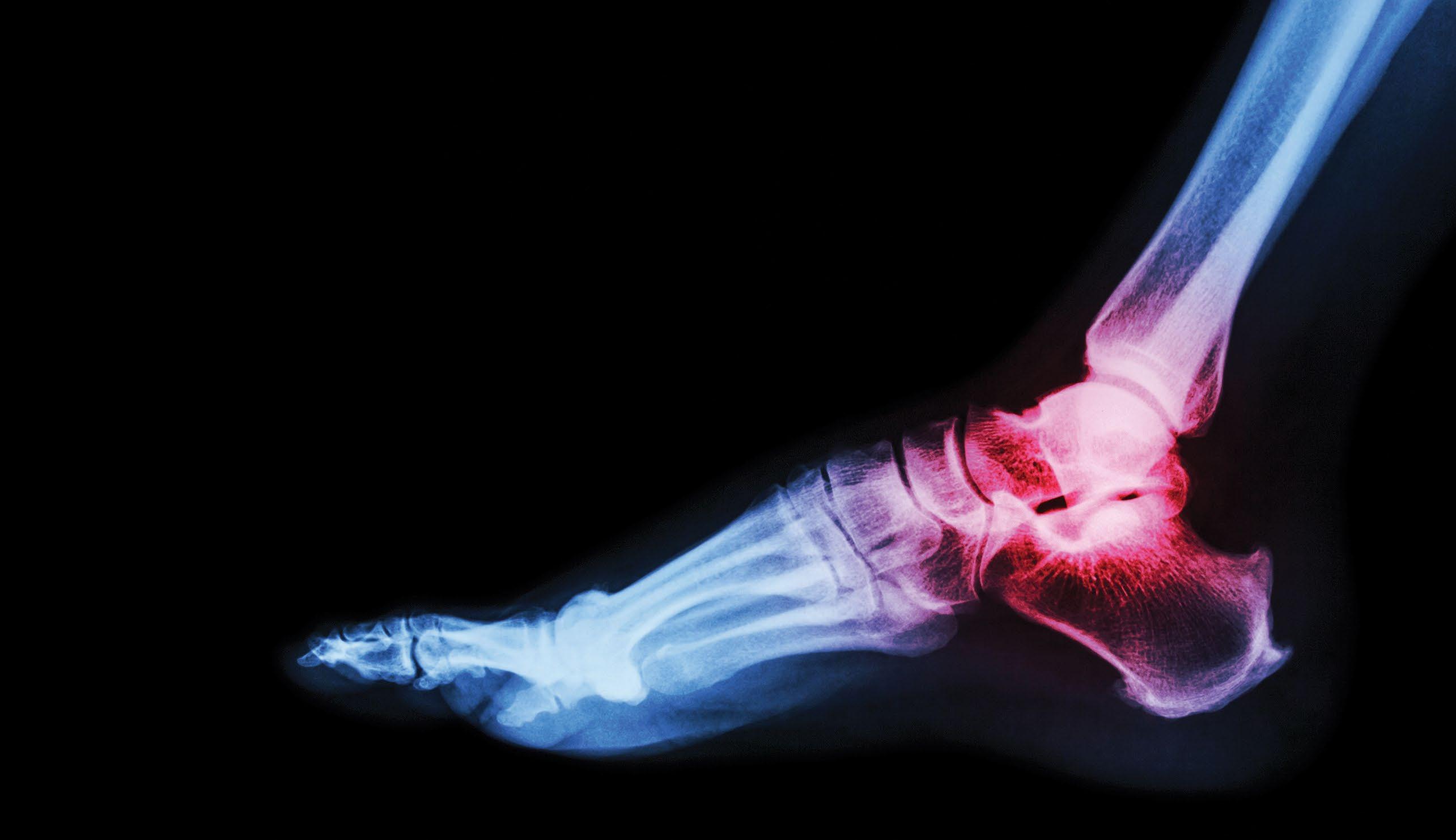
While ankle injuries are common and often heal fully, repeated sprains or a severe fracture can cause the cartilage in the ankle to begin to wear away, resulting in ankle arthritis. This can cause chronic pain that affects the ability to walk and perform everyday activities, negatively impacting quality of life. If nonsurgical treatments such as physical therapy, ankle braces, and corticosteroid injections haven’t provided relief, surgery may be recommended.
Total Ankle Replacement
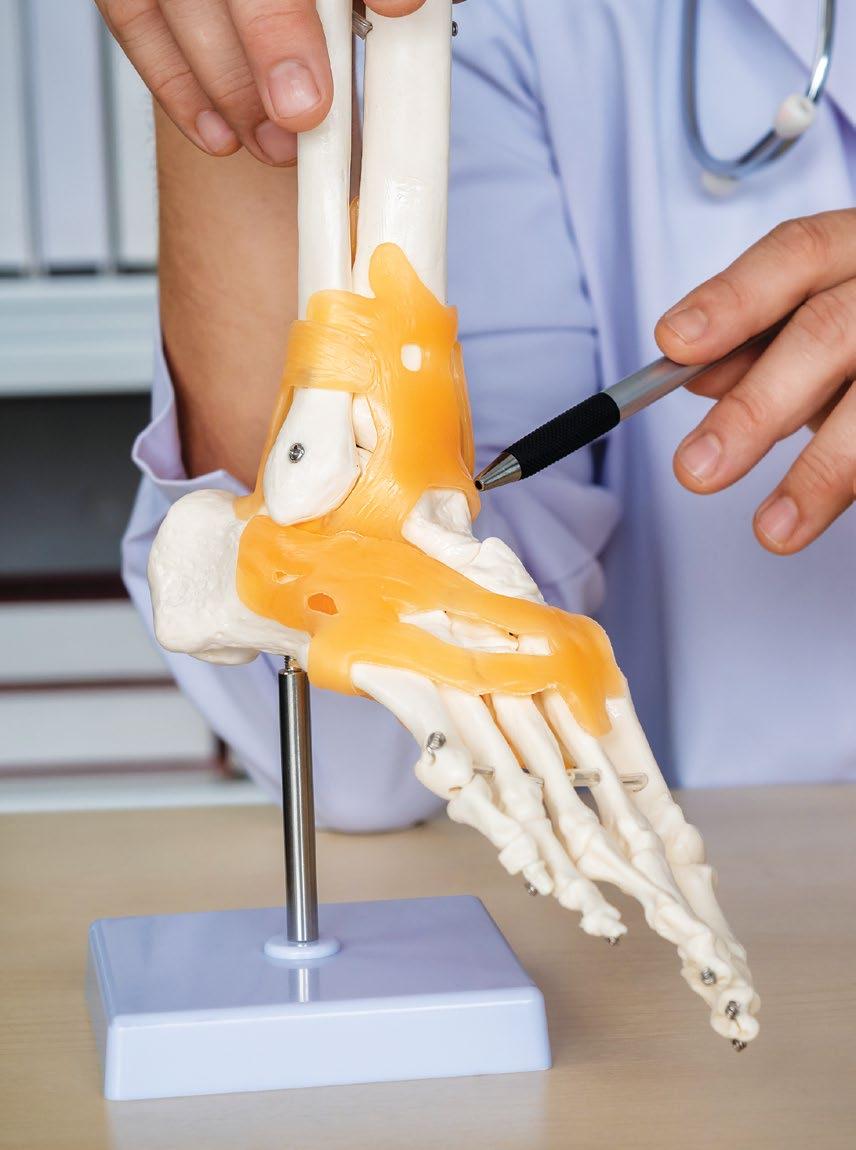
Total ankle replacement, also known as ankle arthroplasty, is an increasingly common procedure that restores mobility and relieves pain for patients with ankle arthritis. While the patient is under general anesthesia, the surgeon removes the damaged part of the ankle and replaces it with an artificial implant made of metal and plastic. Total ankle replacement can be performed in an outpatient setting, allowing some patients to return home the same day.
Benefits and Outlook
As innovations in prosthetic design and surgical methods continue to evolve, total ankle replacement has become an increasingly effective and reliable option. It offers patients an alternative to ankle fusion, which permanently fuses the ankle bones together, limiting its movement after surgery. With total ankle replacement, the ankle implant functions like a natural joint, providing a full range of motion. Following surgery, physical therapy will help strengthen the ankle and improve its range of motion. Full recovery typically takes between six months and a year, after which patients can return to light recreational activity and enjoy long-lasting pain relief and a restored quality of life.
An Expert Weighs In
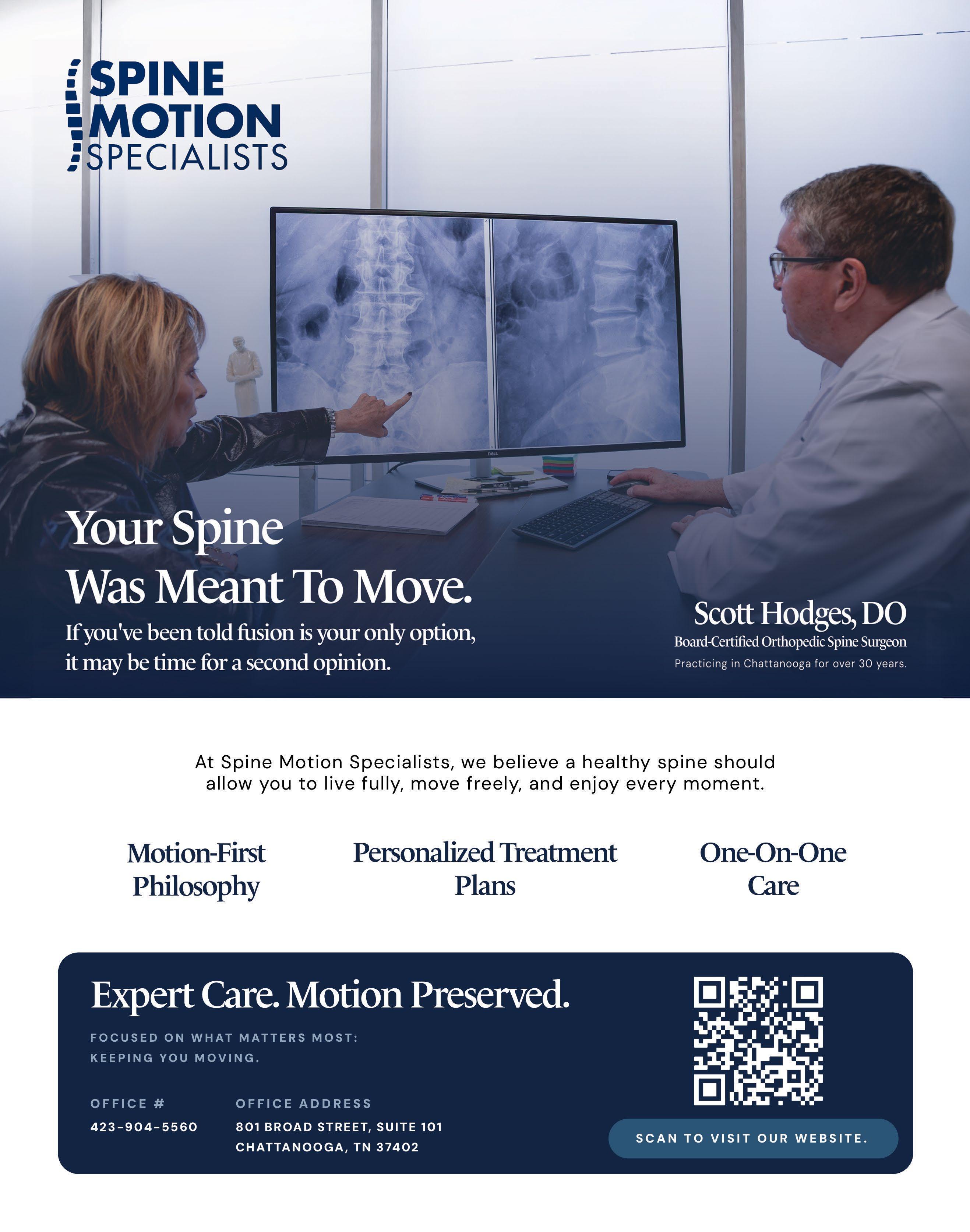
“After more than 35 years of practice, one belief still guides me: the spine was designed to move. Each spinal segment shares the load and motion with the ones above and below it. When you fuse a segment, that stress has to go somewhere, and over time it transfers to the neighboring levels and can wear them down. Preserving motion keeps that natural balance intact. No two patients are alike, so I listen first, understand what matters to you, and build a plan that protects both your pain relief and the life you want to live.”
Scott Hodges, DO Board-Certified Orthopedic Spine Surgeon & Founder, Spine Motion Specialists
Alternatives to Spinal Fusion
Motion-preserving treatments can relieve pain while preserving mobility.
Understanding Spinal Fusion
Spinal fusion is a surgery that connects two or more bones in the spine, preventing movement and thereby helping prevent pain. While this procedure can be an effective option to provide pain relief and stability, fusing the bones can permanently reduce mobility and place stress on adjacent levels above and below the fusion, which can cause faster breakdown at those levels. However, thanks to innovations in surgical techniques, motion-preserving treatment options are now available.
Alternatives Available
• Cervical disc replacement restores a disc in the neck, relieving pressure on nerves and the spinal cord.
• Lumbar disc replacement restores a disc in the lower back, treating chronic pain caused by disc degeneration.
• Facet joint replacement replaces diseased facet joints in the lumbar spine while maintaining motion.
• Microdiscectomy removes only the portion of a disc compressing a nerve, treating sciatica caused by a herniated disc while preserving stability.
• Spinal decompression removes structures that compress nerves, such as bone spurs or thickened ligaments, relieving pressure while preserving motion.
• Lumbar total joint replacement is designed to replace the function of both the disc and facet joints in the lower back to help relieve pain while preserving motion and function (pending FDA approval).
Benefits and Outlook
These alternatives to spinal fusion can treat pain and symptoms while preserving mobility and restoring quality of life by stabilizing the spine without permanently locking vertebrae together. If you are suffering from chronic neck or back pain caused by a damaged disc or other condition, speak with your doctor about whether a motion-preserving procedure is right for you.
Total Shoulder Replacement
This procedure can restore quality of life for patients suffering from shoulder pain.
Understanding Shoulder Pain
The shoulder is a ball-andsocket joint, where the upper arm bone fits into the socket of the shoulder. When this joint becomes damaged, it can cause pain, stiffness, inflammation, and loss of mobility that can interfere with even simple daily activities and negatively impact quality of life. Conditions that damage the shoulder joint include injuries and arthritis – most commonly osteoarthritis, a degenerative joint condition that worsens over time.
When nonsurgical treatments no longer provide adequate relief for shoulder pain, surgical options may be recommended. Designed to reduce pain and restore joint function, total shoulder replacement, or arthroplasty, is a safe and effective procedure and one of the most common joint replacement surgeries performed in the U.S.
How It Works
First, anesthesia will be administered to the patient. The surgeon will then make an incision in the shoulder and remove the damaged bone and cartilage from the shoulder joint, replacing it with an implant made of metal and plastic. After realigning the arm and shoulder with the new, artificial joint, they will then close the incision, and surgery is complete. This procedure typically takes one to two hours. Recovery from total shoulder replacement takes several months, during which patients will receive physical therapy to help regain range of motion and strengthen the shoulder muscles.
Benefits and Outlook
Total shoulder replacement offers a long-lasting solution to shoulder pain. After recovery, patients can return to daily activities and enjoy significantly reduced discomfort and stiffness, improved shoulder movement and strength, and a better quality of life.
An Expert Weighs In
“When nonsurgical treatments no longer offer relief, shoulder replacement surgery can dramatically improve a patient’s life. The surgery can restore function and improve pain, allowing patients to return to hobbies, activities, and sports, or even just a restful night’s sleep without severe pain. Exciting advances in the field like 3D modeling, guided surgery, and robotic assistance are maximizing pain relief, functional restoration, and implant longevity for patients.”
Daniel Doty, MD
Upper Extremity Orthopedic Surgeon, Integrity Orthopedics + Sports Medicine
Personalized
UNDERSTANDING
MAKING SENSE OF MIGRAINES
Understanding Nicotine Use: Fact
vs. Fiction
Researchers have studied cigarette use since the early 1900s, and studies in the 1950s directly linked tobacco products to cancer and other diseases. Cigarette use began to decline as awareness grew, including legal efforts such as the Cigarette Labeling and Advertising Act, which requires a warning label on every pack of cigarettes. However, according to the Centers for Disease Control and Prevention (CDC), smoking remains the number one cause of preventable disease and death in the U.S., and the use of products containing nicotine still poses a significant health risk.
By Kristen Dee
Cigarette alternatives such as vapes and nicotine pouches are often touted as a healthier option when compared to smoking cigarettes. Here, local medical professionals share their expertise on the adverse effects of nicotine use and break down common misconceptions.
Adil, MD Pulmonary and Critical Care Physician, Hamilton Physician Group – Specialty Care, Hamilton Medical Center
Troy Jensen, DO Board-Certified Family Medicine Physician, CommonSpirit Medical GroupFamily Medicine - Ringgold
Koo, MD Pulmonologist, Erlanger Pulmonology and Critical Care
Umama
Patrick
Smoking is harmful to lung health.
Smoking has been proven to be harmful for lung health, causing a variety of lung diseases such as chronic bronchitis, emphysema, and lung cancer. While lung cancer occurs in nonsmokers, the American Lung Association reports that smoking is the cause of roughly 90% of lung cancer related deaths, and 80% of chronic obstructive pulmonary disease (COPD) related deaths.
Dr. Umama Adil, pulmonary and critical care physician at Hamilton Physician Group, shares that smokers can experience “acute inhalation lung injury as you would see in somebody with exposure to toxic fumes.” She adds, “There is a direct relation between smoking nicotine and lung cancer as well as COPD, and children born to mothers who smoke have a higher risk of asthma.”
Outside of lung diseases, smoking can also cause a variety of chronic symptoms. Dr. Troy Jensen, a board-certified family medicine physician with CommonSpirit Medical Group, shares outcomes he observes in patients in his practice. “I commonly see chronic cough, wheezing, shortness of breath, recurrent bronchitis, and worsening asthma. Long-term smokers often develop COPD,” he says. “Avoiding or quitting nicotine products is one of the most powerful steps someone can take to protect their lungs.”
Vaping is less harmful than cigarette smoking.
Because cigarettes contain added chemicals that burn while you inhale, vaping may seem like a healthier or less harmful smoking alternative. However, vape fluid can contain nicotine, flavorings, chemicals, and metals that may be dangerous to lung health. Dr. Jensen explains, “Cigarettes are the most harmful because burning tobacco releases thousands of toxic chemicals. Vaping avoids combustion but still exposes the lungs to irritating and potentially harmful substances.”
Dr. Patrick Koo, a pulmonologist at Erlanger Pulmonology and Critical Care, shares that nicotine is still significantly present in cigarette alternatives. “Current medical literature shows that many electronic cigarettes and oral
nicotine products deliver nicotine rapidly and at concentrations comparable to, or even exceeding, traditional cigarettes,” he says.
Additional research is needed to compare vaping to the existing long-term cigarette use research, but early research and observation shows that vaping can cause many harmful side effects for users, especially to the respiratory system. “Lung damage observed from vaping and smoking cigarettes is similar,” shares Dr. Adil. “We are also seeing cases of asthma and COPD in patients with long vaping history as you would in someone who smokes cigarettes.” Dr. Jensen echoes this, sharing, “Vape users frequently report persistent airway irritation and even decreased exercise tolerance.”
Early research and observation shows that vaping can cause many harmful side effects for users, especially to the respiratory system.
The chemicals in cigarettes or vapes are harmful, but products that only contain nicotine are safe.
Nicotine is a highly addictive chemical compound in tobacco products as well as smokeless, tobacco-free nicotine pouches. Nicotine can significantly affect many parts of the body, including the heart and brain.
“Nicotine contributes to elevated heart rate and increased blood pressure, which lead to long-term cardiovascular risk,” says Dr. Koo.
“In adolescents and young adults, nicotine exposure may also interfere with brain development. Many users mistakenly view oral
nicotine products as a ‘safe’ alternative, despite evidence that they are associated with dependence and carry meaningful long-term health risks.”
Outside of lung health, nicotine can affect almost every organ in our body. Its use can cause increased risk of cardiovascular and respiratory issues, gastrointestinal disorders, and cancers, along with a decreased immune response, and it may have negative impacts on reproductive health.
All forms of nicotine are highly addictive.
Nicotine reacts with reward pathways in the brain and releases dopamine and other neurotransmitters that provide temporary feelings of pleasure, stimulation, and mood modulation. As use increases, so do cravings, which result from withdrawal. This occurs regardless of the method of nicotine use, including cigarettes, e-cigarettes and vapes, nicotine pouches, and other products.
Although nicotine is highly addictive, quitting is possible. Dr. Koo emphasizes the importance of planning and support, saying,
“Current medical literature shows that the highest long-term quit rates occur when counseling is combined with therapies such as nicotine patches, gum, lozenges, varenicline, or bupropion prescribed by a healthcare professional. Setting a quit date, identifying smoking triggers, and building accountability through support groups or structured cessation programs can significantly improve success. Regular physical activity, adequate sleep, and stress-management strategies may also reduce cravings.”
Fun in the Sun
SKIN HEALTH DURING THE SUMMER
If summer was a fragrance, some might say that it smells of sunscreen, aloe vera, or picaridin. This is because the rising temperatures and longer daylight hours increase the importance of prioritizing one’s skin health – especially if you want to maximize summer fun and enjoy outdoor activities. Learn how skin health can be impacted throughout the summer, as well as some skincare tips from local dermatologists.
By Abby Callahan
Catching Rays
In addition to light, the sun produces a form of energy known as ultraviolet (UV) radiation. A healthy amount of exposure to UV radiation provides individuals with the vitamin D that is necessary to function and survive. But overexposure can lead to an uncomfortable sunburn or rash, as well as increase signs of aging and the risk of developing skin health issues in the future.
Because UV radiation impacts the skin in different ways, scientists classify the energy into three different wavelengths or rays:
Penetrate deeply and cause the skin to wrinkle, tan, and/or burn. Overexposure can lead to skin cancer.
Damage the outermost layers of the skin, causing sun spots, tanning, sunburn, and blistering, which can lead to skin cancer.
Do not impact skin health, as they are absorbed by the earth’s atmosphere.
Is it possible to get that summer glow without damaging your skin?
A: Absolutely. Healthy skin naturally looks brighter and more radiant, and you don’t need UV damage to achieve a summer glow. The safest approach is combining good skincare habits with sun protection.
A few recommendations include:
• Use a broad-spectrum SPF 30+ sunscreen daily, even on cloudy days.
• Wear sun-protective clothing, hats, and sunglasses when outdoors.
• Stay hydrated and maintain a consistent skincare routine.
• Incorporate antioxidants like vitamin C to help brighten skin and protect against environmental damage.
• Use gradual self-tanners or spray tans instead of tanning beds or intentional sun tanning.
• Gentle exfoliation and moisturization can also improve skin texture and radiance safely.
Frequent tanning may look appealing short term, but it accelerates wrinkles, pigmentation changes, and skin cancer risk over time.
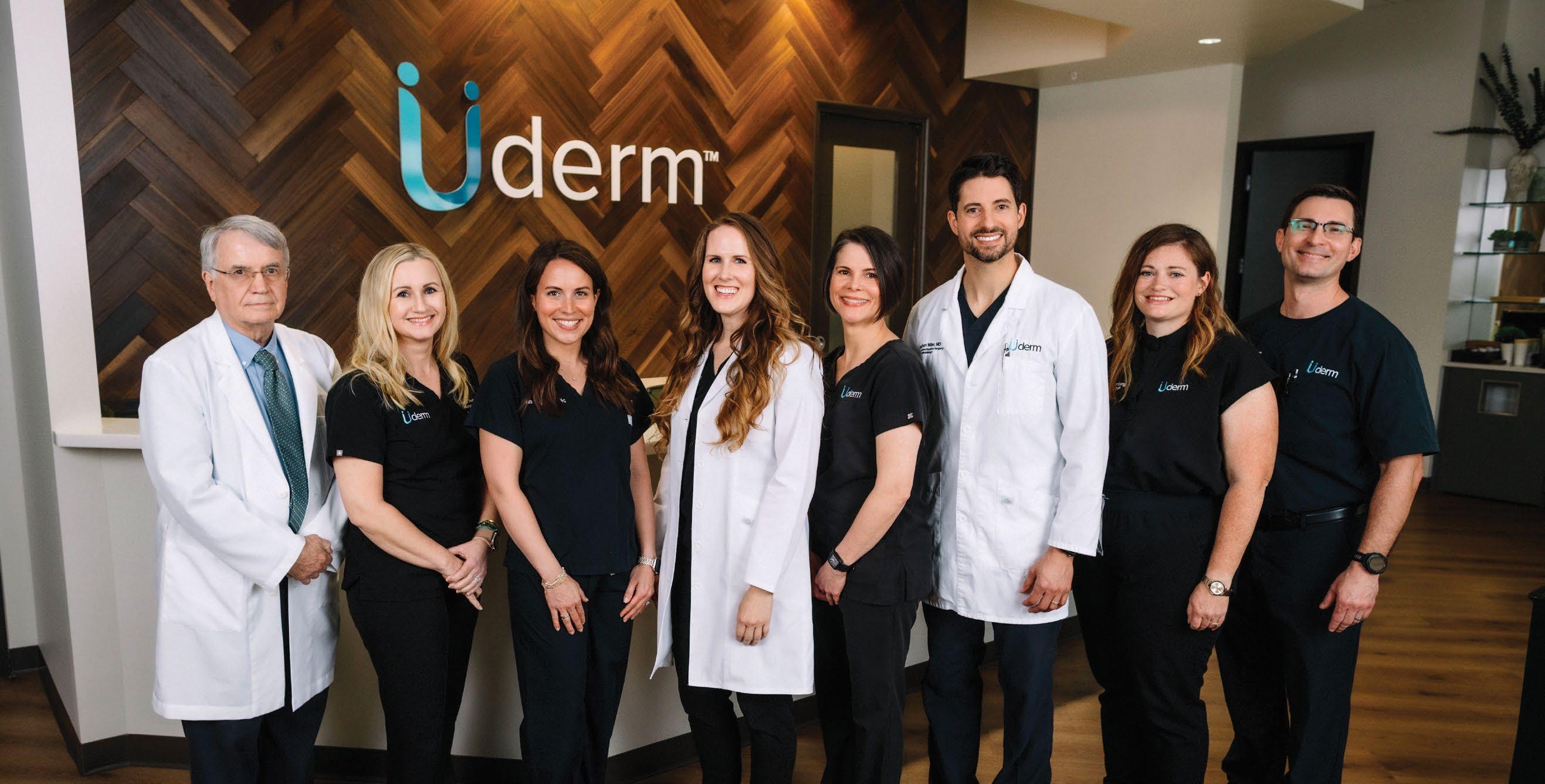
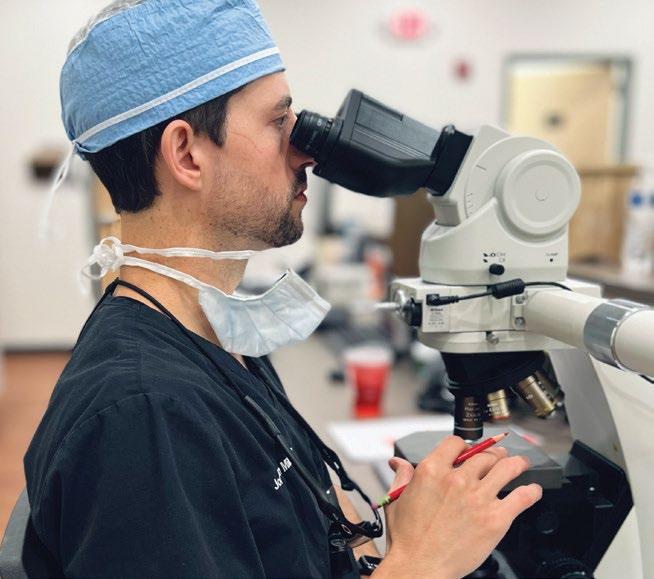
Jonathan Miller, MD, FACMS, FAAD Board-Certified Dermatologist and Mohs Surgeon, Uderm Dermatology and Mohs Surgery
Staying Cool
With the UV intensity tending to be higher in the summer, especially mid-day when UV rays have less distance to travel, the season invites individuals to be diligent about protecting their skin in various ways.
Broad-spectrum sunscreen with SPF 30 or higher is the best way to protect the skin against UVA and UVB rays. It should be reapplied every two hours or immediately after excess sweating or exiting the water/pool.
Wearing protective clothing, such as wide-brimmed hats, sunglasses, long-sleeved shirts, or a beach cover-up, can also help to protect overexposed skin. Tightly woven fabrics offer the best protection, so clothing or hats with holes should be avoided to fully protect your body, scalp, and ears.
Staying hydrated is crucial for protecting one’s skin in the summer. Drinking an adequate amount of water helps to flush out toxins and keeps the skin plump – preventing fine lines and dry, flaky patches.
Whether it’s under an umbrella, tent, or tree, relaxing in the shade can help decrease the harmful impacts and intensity of UV rays. Even so, individuals still need to apply sunscreen and wear protective clothing.
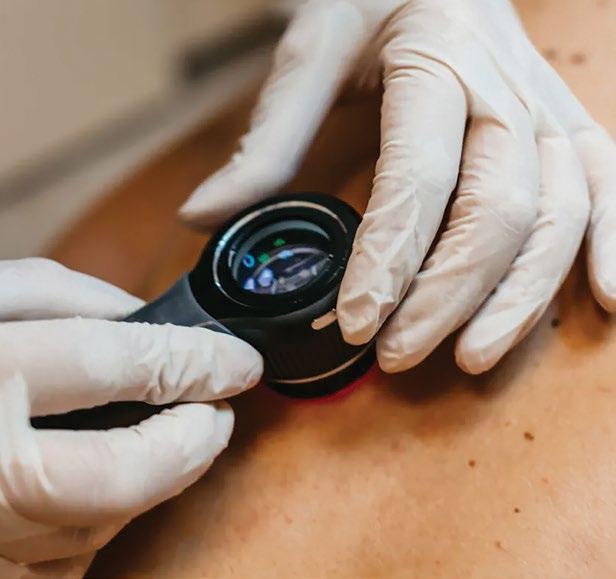
Research suggests that most skin cancers – including 90% of cutaneous melanomas – are connected to overexposure to UV rays, meaning skin cancer is highly preventable with the proper precautions. UV-induced skin cancers are also highly treatable with early detection and screenings.
Sweat and Summer Skin Conditions
Sweating helps to cool the body and purify it of toxins, but when mixed with outdoor elements, it can sometimes irritate the skin or worsen existing conditions. Potential reactions include:
• Acne breakouts – sweat combines with bacteria, oil, and dirt on the skin, clogging pores and leading to breakouts.
• Heat rash (prickly heat) – blocked sweat glands trap perspiration under the skin, causing tiny, itchy bumps.
• Flareups – sweat has sodium that dries out the skin, which can cause sensitive skin or skin that is eczema-, psoriasis-, or rosacea-prone to react or flare up.
• Chafing and irritation – sweat carries ammonia and urea that can irritate the skin; when trapped under clothing, the moisture and friction can also cause itching, inflammation, and even blisters.
To prevent the negative impacts of sweat, try exercising during the coolest parts of the day or moving indoors. It’s important to blot sweat away with a clean towel and use oil-free products on the face, neck, back, and chest. Wearing lightweight, loose-fitting clothes made of cotton will also discourage clogged pores and skin irritation.
Bite, Sting, and Rash Relief
Summer activities often lead to an increased exposure to bugs and poisonous plants. Most bug bites and stings cause mild reactions, as do poison ivy, oak, and sumac rashes, but they can still be uncomfortable. It’s important not to scratch bites, stings, or rashes, as this can lead to infection and scarring.
To relieve itching bites and stings, use creams and lotions like antihistamines, hydrocortisone, or pure aloe vera. For poisonous plant rashes, soaking in a warm bath with baking soda or applying calamine lotion or hydrocortisone cream can offer relief.
Most bites and stings fade in a few days, but severe reactions – like trouble breathing or swelling of the face or eyes – require prompt medical attention. If a poisonous plant rash worsens or impacts the eyes or face, consult a dermatologist immediately.
What are some overlooked skin hazards to be aware of during summer?
A: The primary hazard to your skin in the summer of course is the sun, but there are other hazards to be aware of. If you’re out hiking or doing yard work, use an insect repellent with 20% DEET to reduce tick and other bug bites. Check for ticks after outdoor activities and remove any as quickly as possible. Also, know how to identify poison ivy and poison oak so that you can avoid it. If you know you have been exposed to poison oak or ivy, make sure you bathe really well, washing from your elbows and knees down – twice – to remove the plant’s urushiol that causes the rash. This will hopefully prevent it or lessen the effect.
Christopher Lowe, MD, FAAD Board-Certified Dermatologist, Galen Dermatology
Why is it so important to prioritize skin health during summer?
A: Summer is when our skin faces its highest annual UV exposure, and UV radiation is the single biggest modifiable risk factor for skin cancer. In the Chattanooga area, the UV index regularly hits 8 to 10 from late spring through August, which means unprotected fair skin can start to burn in as little as 15 to 20 minutes. Beyond cancer risk, cumulative UV exposure is responsible for roughly 90% of the visible signs of skin aging, including wrinkles, brown spots, and loss of elasticity. Summer is also a good reminder to look out for the people around you. Self-checks should be a year-round habit, and the shower is a great daily opportunity to scan your own skin, but in the summer, your spouse, kids, parents, and friends are all more uncovered, and many skin cancers are first noticed by someone else. I encourage everyone to do regular head-to-toe self-checks, monitor the skin of loved ones, and encourage them to get their annual skin cancer screening. See a doctor promptly for any new or changing spots.
Eli Kim, MD
Dermatology-Focused Family Medicine Physician, Clear Derm Skin Cancer and Dermatology
Featuring exceptional doctors nominated by their peers and rigorously vetted by Castle Connolly, a national physician-led research firm and local advisory board.
LOCAL DOCTORS CONFIDENTIALLY NOMINATED SOLELY BY THEIR PEERS
VETTED BY A NATIONAL RESEARCH FIRM & LOCAL ADVISORY BOARD
TOP MD’S, DPM’S AND DO’S IN THE AREA ARE RECOGNIZED IN PRINT & ONLINE
LOOK FOR THE TOP DOCTOR EMBLEM WHEN FINDING A PHYSICIAN
AMaking Sense of Migraines
severe form of headache, a migraine causes throbbing, pulsing head pain, usually confined to one side of the head. They are often accompanied by nausea, vomiting, and hypersensitivity to noise and light. Usually lasting for anywhere from four to 72 hours, this neurological condition can disrupt individuals’ daily routines.
According to the American Migraine Foundation, more than 37 million individuals in the United States alone suffer from migraines. While men, women, and children are all affected by this condition, migraines are three times more common in women than men.
While there is no cure, medical treatment can help prevent migraines and make them less painful. Here, we’ll explore what migraines are and how to treat them, with help from experts in the community.
By Ali Lemmons
Migraines vs. Headaches
While headaches and migraines both cause head pain, migraines are considered a neurological disorder and often involve a range of symptoms beyond the pain itself.
“Migraines are often mistaken for regular headaches at first, but certain warning signs can help identify them early,” shares Dr. Bernard Parham, board-certified internist and owner of Parham Concierge Medicine. “Patients may report throbbing or pounding pain, usually on one side of the head, along with nausea, vomiting, or sensitivity to light, sound, or smells. Some people experience visual changes such as flashing lights or blind spots before the headache begins. Migraines also tend to interfere with normal daily activities and may last for several hours to days.”
Because migraine symptoms can overlap with other conditions, obtaining an accurate diagnosis is important. Migraines are diagnosed primarily through a patient's medical history, symptoms, and physical examination rather than a single test or scan. Understanding the difference between an occasional headache and a migraine can help individuals seek appropriate treatment sooner and better manage their symptoms.
Bernard Parham, MD, PLLC
Board-Certified Internist and Owner, Parham Concierge Medicine
Christina Mills, MD
Board-Certified Neurologist, Erlanger Neurology
Kent White, DDS Dentist and Owner, The Chattanooga Center for Sleep and TMJ
Different Types of Migraines
While there are several types of migraines, the two most common categories are migraine with aura (classic migraine) and migraine without aura (common migraine).
An aura is a set of symptoms that can occur before or during migraines, depending on the individual. Often visual, aura can present as visual changes, like seeing shapes, bright spots, or flashes of light; vision loss; feelings of pins and needles in the arm or leg; weakness or numbness in the face or body; and trouble speaking.
Other types of migraines include migraines in children, menstrual migraines, ocular migraines, silent migraines (aura without a headache), and chronic migraines, frequent and long-lasting episodes of migraines.
Causes/Triggers of Migraines
While the exact cause of migraines is still unknown, a combination of factors can increase your risk for having them.
“Migraine headaches stem from both genetic and environmental factors,” says Dr. Christina Mills, board-certified neurologist at Erlanger Neurology. “Genetics account for a large part of the risk – often running strongly in families – with multiple genes making the brain more sensitive to triggers.”
In fact, according to the Cleveland Clinic, up to 80% of people with migraines have a first-degree biological family member with the condition.
A trigger is something that can cause a migraine to start. Common migraine triggers include but are not limited to:
• Stress
• Hormonal changes
• Sleep changes
• Excessive physical activity
• Changes in the weather
• Missing a meal
• Exposure to bright lights, loud noises, and strong odors
“Patients can identify migraine triggers by keeping a headache diary that records meals, sleep patterns, stress levels, activities, and symptoms before each migraine episode,” adds Dr. Parham. “Over time, patterns often become clear and help patients recognize specific triggers. “
In some instances, underlying conditions can contribute to migraines. One often-overlooked factor is temporomandibular joint disorder (TMD), a condition affecting the jaw joint and surrounding muscles.
“The connection between jaw issues and migraine pain relies on a shared network of nerves and muscles,” explains Dr. Kent White, dentist and owner of The Chattanooga Center for Sleep and TMJ. “When your jaw is misaligned, it forces surrounding structures to overcompensate, directly triggering headache pathways.”
How
is a Concierge Doctor Different?
At Parham Concierge Medicine, patients pay a monthly fee for care. This is done outside of the traditional insurance-based system for a more personalized and convenient healthcare experience.
Patients benefit from flexible appointment scheduling, direct physician access, and a stronger doctor-patient relationship. Every visit allows ample time for discussion, ensuring your questions are answered and your concerns are fully understood.
Additionally, Dr. Parham’s patients experience a greater focus on proactive, preventative care needed to enjoy longer-term health and wellness. Among several benefits, patients enjoy:
24/7 CARE
FOCUSED
Because the temporomandibular joint (TMJ) sits near major nerve pathways, TMJ disorders can sometimes mimic a range of other conditions, including migraines, ear problems, vertigo, and sinus pain.
“To distinguish a jaw-related headache from a traditional neurological migraine, look for mechanical triggers, the absence of neurological auras, and a dull, steady ache that changes with jaw movement,” says Dr. White. “While a pure migraine is an episodic neurological event, a TMJ headache is a musculoskeletal issue that frequently acts as a secondary trigger for broader migraine attacks.”
Management and Treatment
While there is no cure for migraines, a variety of treatment options can help reduce their frequency and severity. Treatment plans often combine lifestyle modifications, medications, and preventive therapies.
For mild to moderate migraines, first-line treatment usually includes over-the-counter medications, like acetaminophen, ibuprofen, and aspirin. Other at-home remedies, like caffeine, resting in a dark, quiet room, and staying hydrated, can also help reduce symptoms.
For individuals who experience frequent or severe migraines, prescription therapies may offer additional relief. In recent years, migraine treatment has advanced significantly.
“CGRP-inhibitor medications (injections, pills, or infusions) block a protein called CGRP which plays a key role in triggering migraine attacks, offering effective prevention with fewer side effects,” explains Dr. Mills. She adds that other advancements in
treatment options include Botox injections, nerve blocks, neuromodulation devices, and biofeedback training.
Many doctors may also recommend seeking specialized treatment when migraines become too frequent or severe.
“Referral to a neurologist or headache specialist is appropriate if headaches occur more than a few times each month, interfere with work or daily activities, or fail to improve with first-line medications,” advises Dr. Parham. “Immediate medical evaluation is also important for sudden, severe headaches or headaches associated with weakness, confusion, vision loss, seizures, or changes in speech.”
Because migraines can have multiple contributing factors, for some individuals, addressing underlying jaw dysfunction may help reduce the frequency or severity of attacks.
“Treating TMD frequently helps with migraine headaches by relieving the triggers that set them off. Even hormonal and chemically induced migraines can be reduced by tuning down the nervous system activity,” adds Dr. White.
While there is no one-size-fits-all solution, a combination of lifestyle changes, preventive care, and targeted treatments can help many migraine sufferers find meaningful relief.
“Migraine is a real neurological disorder – not just a bad headache,” finishes Dr. Mills. “Effective treatments exist, and most patients can achieve major improvement. Don’t hesitate to seek help if headaches are disrupting your life. New options continue to bring better relief.”
Community
ANNUAL SPE C IAL SECTION
Oral Health
Tips for Healthy Teeth, Gums, & Smiles
Healthy teeth are an easy thing to take for granted, which is why it’s all the more important to take good care of them. In this section, we feature some of the best dental technologies, procedures, and services that can improve the function and appearance of your smile. Through proper upkeep and the support of professionals, you can take charge of your oral health.
By Rachel Studebaker
An Expert Weighs In
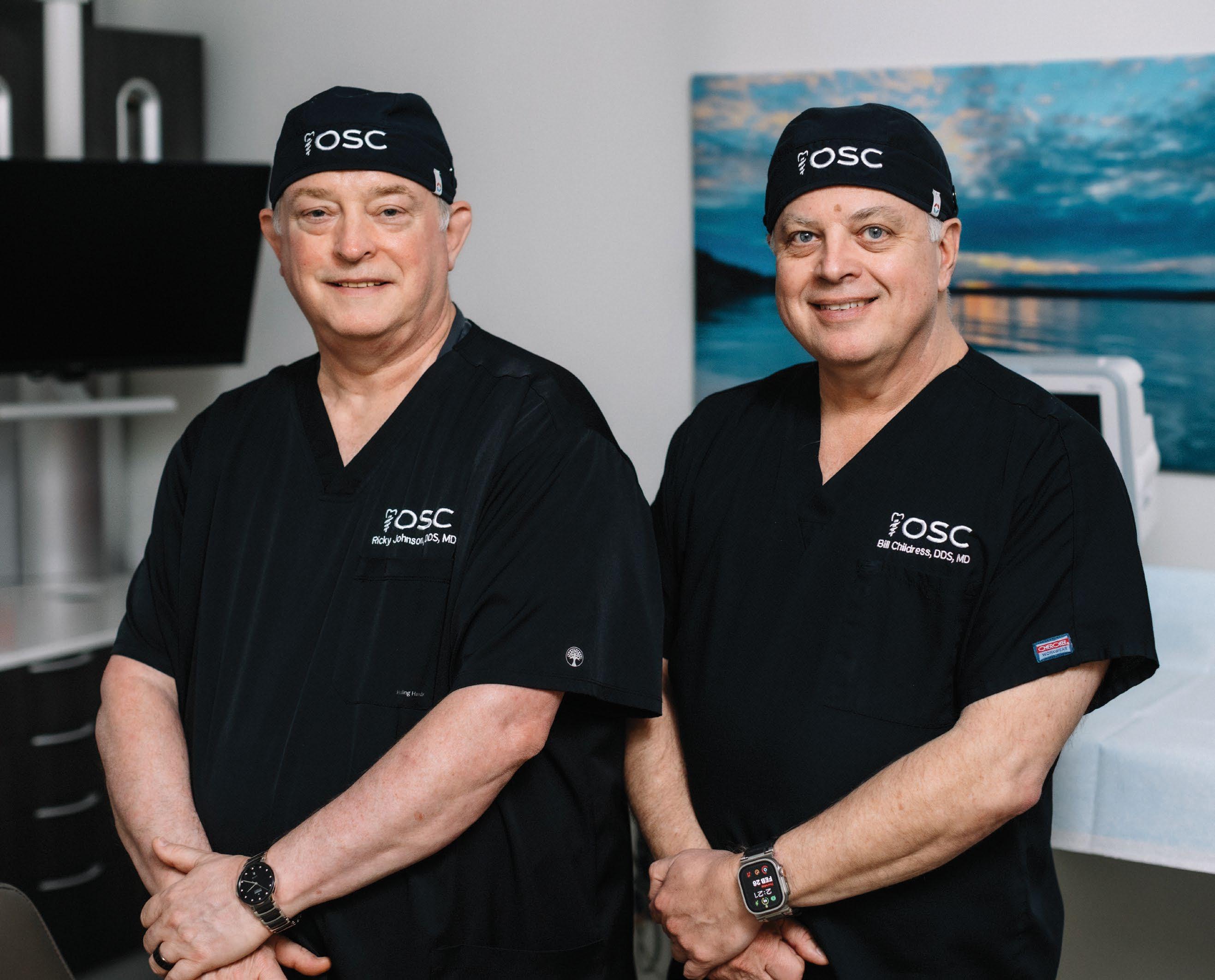
“It is best to remove wisdom teeth between the ages of 15 and 26 to prevent an increased rate of complications and difficulty in treatment associated with the surgery as you age. As a general rule, it is much easier on the patient, doctor, and surgical team to surgically remove wisdom teeth in the younger population due to the overall health and flexibility of their bone.”
Ricky Johnson, DDS, MD Oral Surgeon, Implants & Oral Surgery of Chattanooga
Wisdom Teeth Removal
This common surgery can prevent dental problems before they start.
What Are Wisdom Teeth?
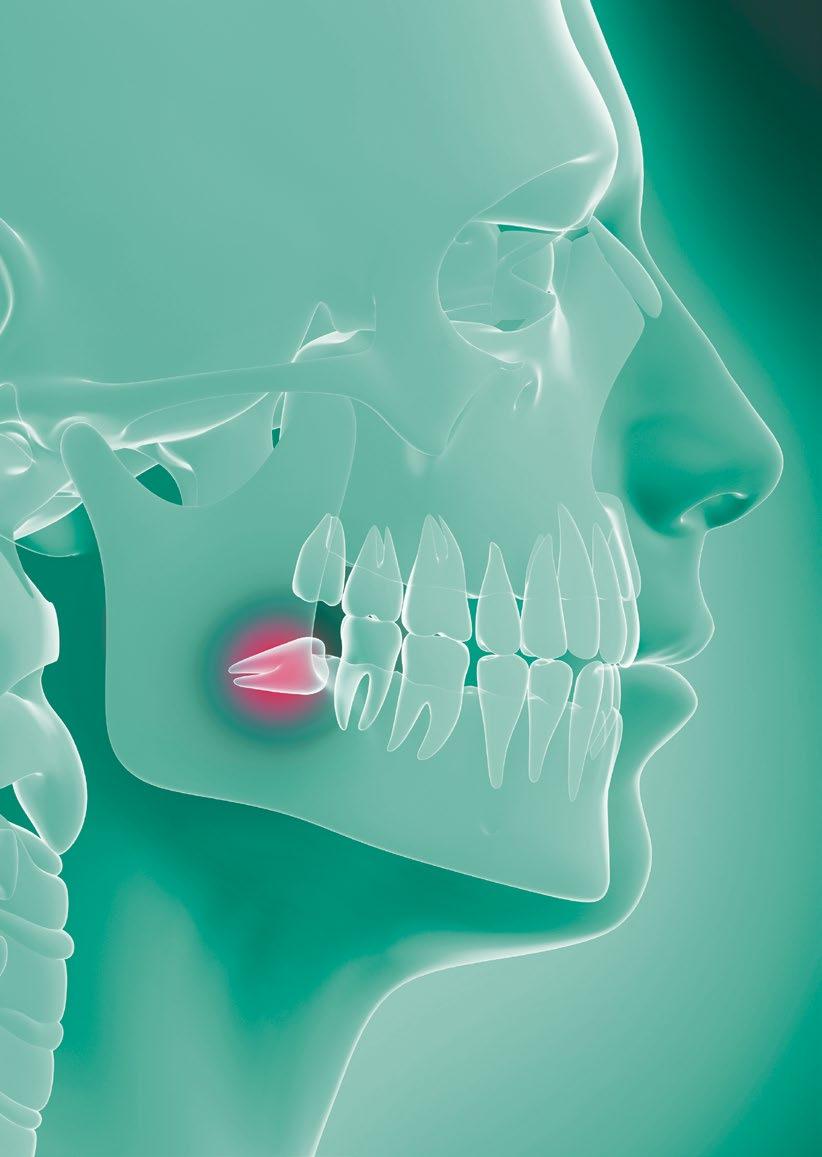
An average set of adult teeth is comprised of 32 teeth. The third molars, also known as wisdom teeth, are located at the back of the mouth and come in between the ages of 15 and 26. Because they are the last teeth to emerge, they can become impacted, meaning there isn’t enough room for them to fit in the mouth. Even when wisdom teeth emerge without complication, they are rarely functional, and because of their position in the back of the mouth, they are more difficult to clean and susceptible to cavities.
Why Wisdom Teeth Removal Is Important
While wisdom teeth are often assessed and removed before problems arise, they can cause issues if left unmonitored. Impacted wisdom teeth can be painful and lead to the growth of bacteria, causing severe, sometimes life-threatening infections. As the teeth begin to emerge, they can put pressure on the neighboring molars and cause misalignment. They are also a common source of cysts as well as tumors. Other symptoms of impacted wisdom teeth include swollen gums, jaw ache, and pain when biting, chewing, and opening your mouth.
What to Expect From the Procedure
Wisdom teeth removal surgery is very common –nearly 85% of Americans have or will have their wisdom teeth removed. The procedure typically takes less than an hour, during which the patient will receive anesthesia to ensure a painless experience. Advancements in anesthesia medications and surgical techniques have aided the recovery process, including long-lasting local anesthetics that can reduce postoperative pain and the need for narcotics during the healing period.
If you have not had your wisdom teeth removed, talk to your dentist or oral surgeon. They can evaluate the position of your wisdom teeth and determine whether removal is advised as well as help coordinate the safest and most convenient time to have them removed.
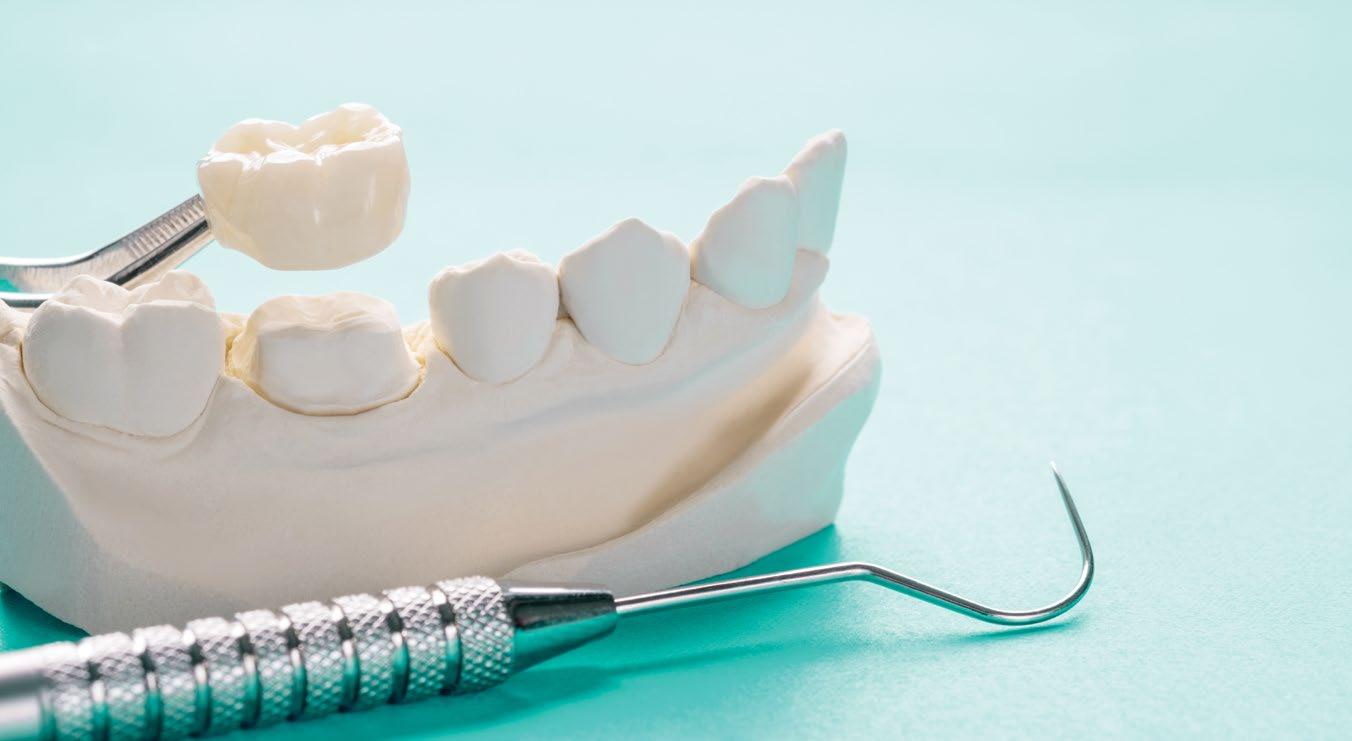
Why You Might Need a Dental Crown
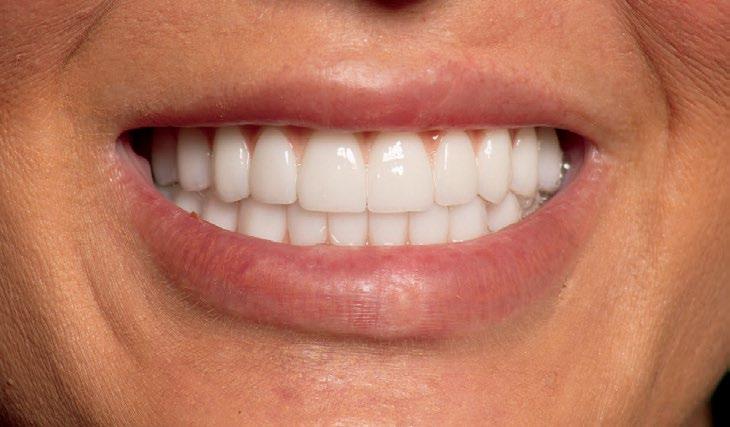
Crowns are a cap on the tooth that can address cosmetic concerns caused by discolored or misshapen teeth but are more often applied to restore function to chipped, decayed, or fractured teeth. They provide a layer of protection to the tooth that can prevent weakened teeth from breaking, restore teeth that are already broken, or hold bridges in place. A crown can also be used to support teeth that have undergone root canals or to cover dental implants. Crowns can alleviate symptoms caused by a damaged tooth, including toothache, tooth sensitivity, and discomfort while eating.
What Is CEREC?
CEREC, which stands for Chairside Economical Restoration of Esthetic Ceramic, is a same-day procedure that uses computer-aided design and manufacturing (CAD/CAM) to place a crown. During this procedure, your
dentist will first prep the tooth by removing any decay. They will then use an intraoral scanner to capture three-dimensional images of the teeth. These images are delivered to CEREC’s computer software, which designs the crown and sends these plans to an on-site machine to create a precise ceramic crown in your natural tooth color. This crown will be ready for application immediately, during which your dentist will bond it to the tooth, polish it, and remove excess debris before the procedure is complete.
The Benefits of Same-Day Crowns
In the past, getting a crown would typically take two visits – a first visit to create impressions and a second to place the new crown. Today, CAD/ CAM technology allows your dentist to place a crown in just one visit, eliminating the need for a temporary crown. CEREC same-day crowns are a safe and convenient option for anyone looking to restore their smile, either for functional or cosmetic purposes.
CEREC Same-Day Crowns
This same-day procedure is an effective and convenient option for those in need of a dental crown.
An Expert Weighs In
“With the use of CAD/ CAM in dentistry, crowns can be made same-day, eliminating the need to wait two to three weeks for crown fabrication with a temporary crown in place. Although the cost of a lab-fabricated and a same-day crown is about the same, patients save time and money by cutting out the extra visit to come back for the permanent crown. One question we are often asked is about the strength. Studies have shown that CAD/CAM tooth restorations are just as successful as crowns made with traditional materials and techniques.”
Mandy Shearer, DDS Dentist, Soddy Daisy Smiles
•
• NO
• NO pre-existing conditions or limitations
• NO waiting periods
Robert and Mandy Shearer, D.D.S.
An Expert Weighs In
“When seeking root canal care, patients should consider seeing an endodontist, a dental specialist trained in treating tooth pain and performing complex root canals. Multirooted teeth like molars and premolars may be difficult to treat with standard root canal therapy. Fortunately, endodontists have experience in treating these root canal systems. When it comes to dental discomfort, an endodontist can typically relieve your pain and get you back to work the same day.”
Chattanooga Area Endodontists
Root Canals
A widely preferred alternative to tooth extraction, root canal treatment can relieve pain, protect against future infection, and preserve your future smile.
What is a Root Canal?
Teeth are made up of four different kinds of tissues – three hard and one soft. The soft tissue, the pulp, consists of connective tissue, blood vessels, and nerves, all of which can become inflamed if bacteria enter the pulp chamber.
A root canal is a procedure that removes dead, infected, or damaged pulp from a tooth. This can relieve pain as well as protect your gums, jaw, and surrounding teeth from further infection or nerve damage and decay. Unlike tooth extraction, a root canal also allows you to keep your tooth and preserve your smile.
Signs You May Need a Root Canal
You may need a root canal if your tooth is:
• Extra sensitive to heat and cold
• Dark or discolored
• Cracked or broken
• Causing severe pain with pressure or eating
• Draining pus
• Emanating a foul taste or odor
What to Expect
The procedure itself is painless, as your dentist or endodontist will use a local anesthetic to numb the affected area. First, they will open the top of your tooth to expose the damaged pulp. Following this, they will clean the interior of the tooth and replace it with a filling. Finally, they will seal the tooth back up, and in some cases, place a crown in order to prevent bone loss and the spread of infection. You may experience some discomfort following the procedure, but it can be managed with proper aftercare.
We support the Greater Chattanooga area General Dentists and we are proud to partner with them to make every effort to help patients maintain their natural teeth and keep healthy, beautiful smiles.
ENDODONTIC GROUP PC
Kevin P. Bryant, DMD
K. Patrick Bryant, Jr. DMD
1001 Carter St., Suite H Chattanooga, TN 37402 (423) 267-1853
EAST TENNESSEE ENDODONTICS
Jason D. Latham, DMD, MSD
Cara McCary, DMD
Chad Gustafson, DDS, MSD
Rylan Gustafson, DDS, MS
Chattanooga: 1720 Gunbarrel Rd., Suite 308
Cleveland: 690 Stuart Rd., NE
Ooltewah: 5572 Little Debbie Pkwy., Suite 120 (423) 892-3131
SOUTHEASTERN ENDODONTICS
Matthew Brock, DDS, MSD
Yvette Burns, DDS, MS 2030 Hamilton Place Blvd., Suite 380 Chattanooga, TN 37421 (423) 892-4727
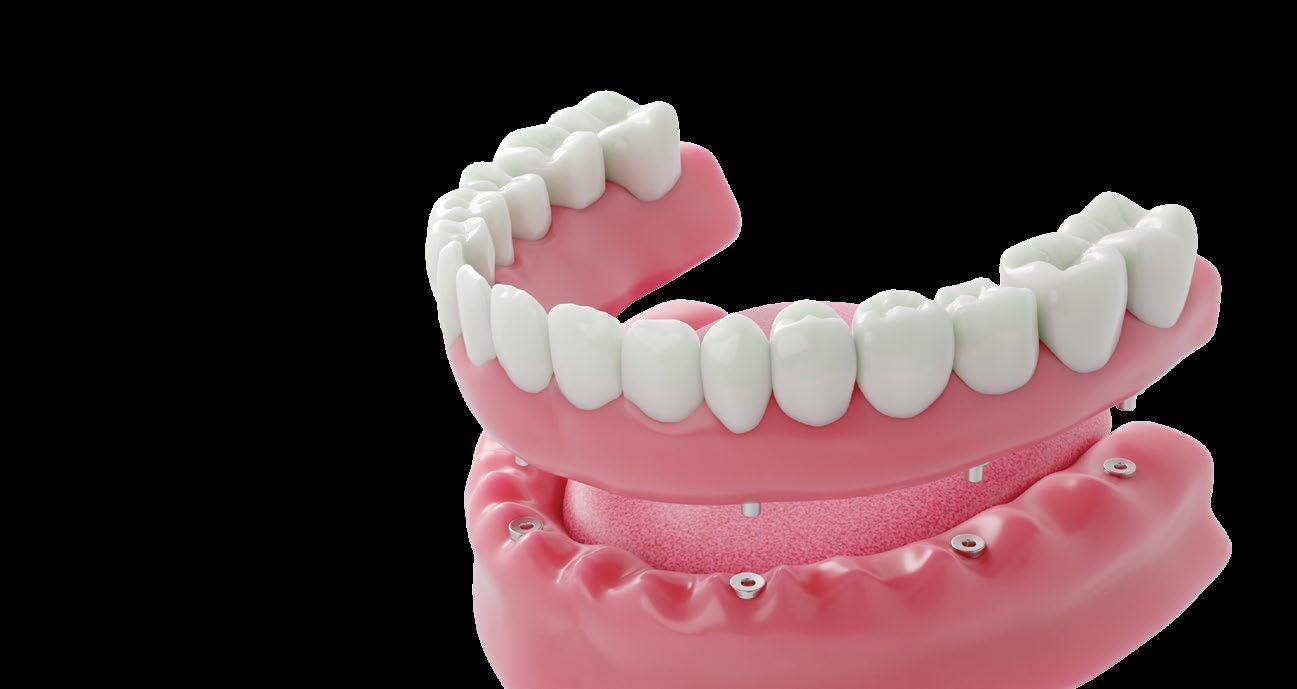
Full-Mouth Dental Implants
This innovative option can provide a full set of functional, permanent teeth.
Understanding Dental Implants
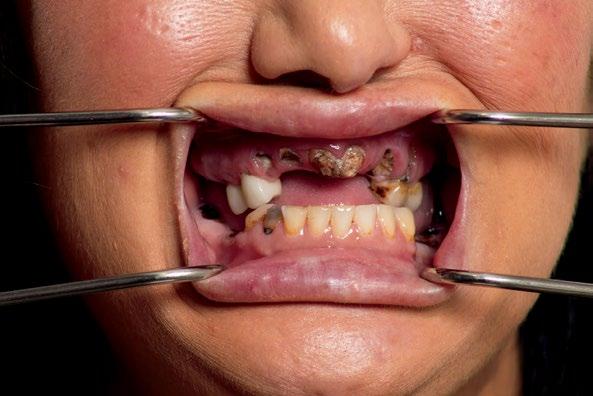
For patients suffering from damaged, decayed, or missing teeth, dental implants can help restore their smile’s appearance and function. While individual dental implants can address singular concerns, full-mouth dental implants may be recommended to replace a full arch when multiple missing teeth or widespread tooth decay is present. This dental procedure provides a permanent option with natural results, and it offers benefits compared to conventional alternatives such as dentures.
How It Works
Full-mouth dental implants can replace either one or both arches. First, four to six implants are placed into the jaw, where they bond with the bone to support the new teeth. The artificial bridge then attaches to these implants with metal connectors called abutments and is secured in place.
The Benefits of Full-Mouth Dental Implants
• Permanent. Full-mouth dental implants are a nonremovable option designed to be a long-lasting solution.
• Stable. The implants secure the bridges in place as well as replace some of the tooth roots, helping better preserve the bone and keep patients’ smiles supported and intact.
• Convenient. Unlike dentures, fullmouth dental implants are fixed in place. Simply brush and clean daily with a Waterpik.
• Quick. Thanks to innovations in implant technology, patients can receive a new set of teeth within 24 hours of the procedure.
• Functional. Full-mouth dental implants function like normal teeth, restoring up to 98-100% of original bite force so patients can eat and speak with confidence, enjoying a wider range of foods than with dentures.
• Natural. Full-mouth dental implants are virtually indistinguishable from natural teeth, addressing both cosmetic concerns and function in one solution.
An Expert Weighs In
“Full-mouth dental implants go beyond just replacing teeth. They restore stability, function, and confidence. Patients often tell us they forgot what it felt like to eat and speak without worry, and getting that back is life-changing. At Chatt Implant Center, we guide patients through every step of that journey, and seeing them walk out with a smile they’re proud of is the most rewarding part of what we do.”
Hogan Whitmire, DDS Dentist, Chatt Implant Center
An Expert Weighs In
“GLP-1 medications are helping many people achieve meaningful improvements in their health and quality of life. The goal is not to discourage their use, but rather to recognize that oral health is an important part of overall wellness. As more patients benefit from these medications, dentists are playing an increasingly important role in identifying and preventing potential side effects before they become serious problems. By staying hydrated, maintaining regular dental visits, and addressing symptoms early, patients can enjoy the benefits of weight loss while keeping their smiles healthy for years to come.”
Katie Egan, DDS Dentist, Premier Family Dental
Ozempic and Oral Health
GLP-1 medications can impact oral health in several ways.
Understanding GLP-1 Medications
GLP-1 agonists are a type of medication prescribed for type 2 diabetes and have risen in popularity as a weight loss treatment. While the most common side effects of GLP-1s relate to the digestive system, these can affect the entire body, including patients’ oral health.
Impacts on Oral Health
Common side effects of GLP-1 medications – particularly loss of appetite and gastrointestinal issues such as vomiting and acid reflux – have been linked to oral health concerns. These include:
• Dry mouth. Dehydration caused by appetite suppression and vomiting can reduce salivary flow and lead to dry mouth.
• Plaque buildup. Saliva washes away food particles and neutralizes bacteria. Without it, plaque can accumulate, putting teeth at risk of cavities and decay.
• Gum inflammation. Buildup can also cause inflamed gums and an increased risk of gingivitis.
• Enamel erosion. Stomach acids brought up from vomiting and reflux can wear down the enamel on the teeth.
• Tooth sensitivity. Worn down enamel can increase tooth sensitivity and cause discomfort when eating certain foods.
• Nutritional deficiencies. Appetite suppression can cause nutritional deficiencies, which may contribute to burning mouth syndrome, sore tongue, cracking at the corners of the mouth, delayed healing, and increased susceptibility to oral infections.
• Bruxism. Some patients taking a GLP-1 medication have reported clenching their jaw or grinding their teeth at night, known as bruxism.
Prevention and Outlook
Routine dental care and healthy practices can help prevent and improve these issues. When beginning a GLP-1 medication, it’s important to inform your dentist and maintain good oral hygiene, including brushing twice a day and flossing daily. Staying hydrated throughout the day can help prevent dry mouth, and if needed, sugar-free chewing gum and over-the-counter products such as sprays, lozenges, and rinses can help promote saliva production. To ensure proper nutrition, make sure not to skip meals and eat a healthy, balanced diet. If dental problems persist, consult your dentist.
Ani Yacoubian Riggs
Photo by Kristina Armstrong / Shot on Location at Petal and Pour
When she’s not working downtown at her family business, Yacoubian Tailors, Ani Yacoubian Riggs can be found getting up early for CrossFit, spending time with her husband and children, or winding down with a good book. Here, she shares more about what helps her set each day up for success, and how family has been an inspiration amid it all.
What is your approach to wellness? How has that changed over time?
I originally started working out to stay trim and fit, but that idea has greatly changed over the years. Now, I work out to be strong mentally and physically. I have also realized over time that what I fuel my body with has as big an effect as exercise. I bounced around for a long time before I found a workout program that kept me engaged. Thirteen years ago, I had a personal trainer, Stephen, who was taking on a job as a CrossFit coach at a new gym. He convinced me to give it a try, and I never looked back. CrossFit has been the only thing that has consistently gotten me out of bed before the sun rises. From the workouts to the community, there is nothing like it.
What are your favorite ways to practice self-care?
The biggest portion of my selfcare is going to the gym six days a week, when schedules allow. It’s how I set my days up for success, and it’s good for the body. I also love to wind down every night by reading. I love all sorts of fiction, and it helps my brain detach from the stresses of the day, which is good for the mind. My most favorite self-care activity is my “girls’ brunch.” I have a group of friends that get together
regularly for brunch, which is good for my soul.
What are the traits you most value in yourself?
I believe that consistency and reliability serve me well while running a business and my household. I’m also probably overly organized, thanks to being Type A. I have digital calendars, paper calendars, and an unruly amount of sticky notes to make sure nothing falls between the cracks.
What are some of your current goals?
I think my biggest goal is trying to find a better work-life balance. Thinking about it in bigpicture terms can become very overwhelming, so I try to break it down into smaller pieces. One of the simplest things I’ve found that works is putting the phone aside when I get home so I can be fully present with my family.
When it comes to health and wellness, is there anyone you admire or look up to?
My mom has always been my role model. She has always been active – I can remember her doing various exercise videos when I was little, and she still walks every day. She has always been everyone’s encourager. If it wasn’t for her,
I’m not sure I would have ever valued daily exercise.
How do you approach emotional well-being?
There are several tools that I use to recharge my “battery” as an introvert. The biggest thing that helps me is getting outside, whether it’s for a short walk or to just sit in the backyard. I also love a good jigsaw puzzle or fiction book, which help me disconnect from daily stress.
What have been some of your recent challenges?
The biggest challenge I’ve faced recently was the loss of my dad. He was such a big part of my life. Not many adults can say they spent almost every single day with their dad. I was lucky beyond measure. He was my biggest supporter and always had the best advice about anything and everything. It has been hard to navigate the “new normal,” but with the support of family and friends it has been manageable.
What’s the best advice you’ve ever received?
My dad always preached to treat everyone with kindness. I believe that was one of his biggest keys to success. A little bit of kindness can go a long way, and it costs us nothing!
How do you encourage health and wellness within your family?
I know how much better I feel by taking care of myself, so I always try to push those around me to do more for themselves. I’m always encouraging my husband to find time to either exercise or take care of his emotional well-being. I have the twins enrolled in gymnastics classes and swim lessons. I feel like these both encourage balance, stability, and coordination, which are great foundations for everything in life! I try to teach my stepdaughter about food and how it fuels you, partly because I wish I had more knowledge about it growing up.
Saving for Summer Vacay
Summer – the season for vacations and sun-believable vibes is here! Whether solo or with friends or family, vacations allow for emotional, mental, physical, and relational well-being. But saving for those coladas on the beach, that Grand Canyon adventure, or a shopping spree in Paris can sometimes feel stressful and overwhelming. With the appropriate financial preparation, it’s possible to fully immerse yourself in the experience without worrying about upcoming bills.
By Abby Callahan
Assess The Dest
As a first step, financial experts recommend deciding on the destination and vacation activities you want to do, as this will help to determine a budget and savings goal. Here are a few things to consider:
Distance – How far/where do you want to travel? Local vacations save on transportation, while international travel requires the cost of a plane ticket, rental car, etc.
Must-Haves – What are must-have experiences? Luxury accommodations, guided tours, and unique meals can increase your budget, so making a list and adding up the costs helps to determine your savings goal.
Feeling too expensive? Consider staying in a town that is near your desired location – as hotels in popular destinations can be more expensive. To further cut costs, check out free activities and attractions in the area.
Book Ahead
Booking flights, hotels, and even activities in advance can save you on upcharges due to demand. Here are a few timelines to consider when booking:
Flights – Prices typically spike two to three weeks before departure. Booking ahead can save hundreds of dollars.
Hotels – Book at least seven to 13 days out for domestic travel and 90 days out for international travel, as prices typically spike the closer you get to your stay.
Midweek flights can offer lower rates than weekend flights. And don’t forget to check for flight and hotel package deals, as airlines and hotel chains often run discounted promotional packages.
Budgeting Tips
Budgeting for vacation may sound complicated, but it can be easier than most may think. In fact, it’s possible to save $1,000 in six weeks by setting aside roughly $167 a week. To free up funds and start saving, try these tips:
• Make your own coffee/cook at home
• Cut nonessential purchases with a “no-spend challenge”
• Temporarily cancel/pause streaming services and memberships
• Track daily spending with financial apps
• Open a savings account dedicated for vacation funds
• Automate savings to automatically transfer on payday
Summer Jewelry Care 101
How to Keep Jewelry Sparkling All Summer Long
By Rachel Studebaker
Summertime is filled with fun in the sun, but favorite seasonal pastimes from beach vacations to pool days can take a toll on jewelry. Thankfully, with proper care, summer doesn’t have to mean sacrificing your favorite accessories. Here, we share common warm-weather culprits that can cause wear and tear, and practices to protect your precious pieces and keep them shining bright.
What to Watch Out For
Heat and humidity. The high temperatures and humidity that come with summer can harm gemstones, causing them to fade or change color over time. Porous stones like pearl and opal are especially susceptible. These conditions can also accelerate the tarnishing of metals.
Sunscreen and beauty products. Sunscreen and lotion can form a film on jewelry that dulls its shine and causes buildup that can be difficult to clean. The chemicals in many beauty products, including perfume and hair spray, can also discolor and damage jewelry.
Sweat. Sweat contains salts and oils that can tarnish metals, particularly sterling silver, causing discoloration. It can also leave pieces looking dull or cloudy and lead to buildup as jewelry accumulates residue.
Sand and saltwater. Summer is prime time for a beach vacation, but the scenic setting poses two dangers to fine jewelry. Sand can scratch gemstones and get stuck in the crevices of prongs and clasps, while saltwater can dull the luster of gemstones and corrode metals over time.
Chlorine. Pools are typically treated with chlorine, a chemical that can react with certain metals, causing discoloration and weakening alloys like silver, gold, and platinum. It can also erode jewelry’s finish and damage delicate gemstones.
Practices to Protect Jewelry
1. Leave jewelry on land. Remove all jewelry before jumping in the pool or wading into the ocean. To keep it safe from sunlight while you’re enjoying the water, put jewelry in a pouch in a shaded area or consider leaving any particularly precious pieces at home.
2. Wipe down jewelry after wearing. After swimming or spending time outdoors, give your jewelry a quick wipe down with a gentle cloth to remove residue and prevent buildup. If it gets exposed to saltwater or chlorine, rinse and dry thoroughly to prevent damage.
3. Practice proper storage. Avoid leaving jewelry in a wet environment, direct sunlight, or high heat. Instead, store jewelry
in a clean, cool, and dry place. A fabriclined jewelry box is a great way to keep jewelry safe and prevent pieces from scratching each other or getting tangled.
4. Last on, first off. Put jewelry on after completing skincare, makeup, and hair styling, and remove it before beginning a nighttime routine. This helps prevent residue from beauty products from building up on its surface.
5. Create a cleaning routine. Regularly clean jewelry using a mild soap or jewelry cleaning solution, water, and a soft cleaning brush. After rinsing well, pat pieces dry with a gentle cloth. Make sure to avoid harsh chemicals and abrasives, which can cause damage.
Get Your Glow On SUNLESS TANNING
Discover some of the best sunless tanning options for a natural, bronzy glow this summer.
By Kristen Dee
SPRAY TANS
Spray tans work by misting a layer of colored or clear developing tanning solution onto bare skin. The tan should last seven to 10 days if maintained properly, and it leaves you with a beautiful, natural glow in your preferred shade. Tanning salons and spray tanning mobile businesses, as well as some day spas, offer one-time spray tans or packages for multiple tans.
TANNING LOTIONS, FOAMS, AND SPRAYS
A variety of self-tanning options are available on the market, often customizable by the desired tan shade or your skin’s undertones. Some come in lotion form and others in a foam or spray, and they typically require a tanning mitt to apply the product to the skin.
GRADUAL TANNING PRODUCTS
If you prefer to let your tan develop over a few days to a week, some products deposit a light amount of color and allow you to build up the bronze over time. Labeled as “gradual tan” products, these are often a lotion applied multiple times a week to the face or body.
BRONZER AND BODY GLOW PRODUCTS
Bronzer instantly adds a warm glow to the skin. Bronzers and body glow products come in a variety of shades and formulas such as primers, lotions, creams, gels, or powders. Get a natural-looking glow by applying bronzer to areas where the sun would naturally touch your face, such as your nose and the high points of your cheeks.
TANNING PREP & MAINTENANCE
Shave and Exfoliate
Tanners stick best to skin that is clean, dry, and well exfoliated.
Wait to Shower or Exercise
Most tanning products require a waiting period between application and showering or exercising to help the tan develop. Follow the salon’s instructions or the instructions on the product to maintain your tan.
Use Gentle Products
When showering post-tan, use gentle cleansers and avoid scrubbing the skin. Moisturize with a lightweight, oil-free lotion as needed.
Say Bye to Bugs
How to Bug-Proof Your Home
By Kristen Dee
Summer brings warmer days filled with sunshine, outdoor barbecues, and enjoying time with family and friends. However, it can also bring unwanted pests into homes. Read on to learn about kid- and pet-safe pest control options to keep bugs outside this summer.
Find the Entry Point
One way to stop critters from coming in is to figure out how and where they are entering the home. Bugs can easily penetrate a cracked foundation, so inspect your home’s foundation for any small cracks or broken areas and seal them with caulk. In addition to the foundation, entryways like windows and doors may need to have sealers or weather stripping replaced or reinforced.
Use Natural Deterrents
Keep indoor pests away naturally with pet- and kidfriendly household products you may already have laying around your home:
Essential oils can deter many pests. Dilute the oil with water and spray around entry points (be sure to use pet-safe oil). Peppermint oil deters ants and spiders and eucalyptus oil can reduce the number of flies and roaches. These oils are also a good alternative to typical DEET-based bug sprays when spending time outdoors.
Vinegar mixed with water can deter ants. Spray on doorways, cracks, and other entry points.
Dish soap diluted with water can safely get rid of aphids on indoor plants.
Diatomaceous earth (DE) sprinkled behind refrigerators, on windowsills, and along baseboards can help get rid of critters such as cockroaches, stinkbugs, and fleas. Be sure to buy DE labeled food grade and wear a mask when applying.
Homemade fly traps attract flies with sweet smells. Combine dish soap, apple cider vinegar, and sugar or fruit chunks in a mason jar. Cover with plastic wrap and poke holes in the plastic wrap. The smells draw the flies in, and the soap traps them in the jar until you are ready to throw away the solution.
Powered insect trap devices lure in flying and crawling insects with a UV light, trapping them onto a sticky pad. There is no mess or smell when in use, and you can place them out of reach of pets and children.
Keep The Outdoors Out
Having bugs outside your home makes it more likely for them to find their way inside your home. Long grass, brush, and weeds are popular hiding spots for bugs such as ticks and mosquitos, so staying on top of lawn maintenance can reduce the amount of bugs in the yard. Along with regular lawn care, keep trash lids securely shut, remove large stones, and store firewood in an elevated place away from your home. For additional treatment, there are pet- and kid-friendly spray solutions that you can apply yourself, or have a professional come to treat your indoor and outdoor spaces.
The Great Outdoors and Family Health
With school being out for summer, screen time and digital distractions can be at an all-time high. Though it may offer your family a break from everyday stress, responsibilities, or schedules, research shows that excessive screen time falls short when compared to the connection and trust that are fostered when children spend quality time with their parents – especially outdoors.
By Abby Callahan
Why Outdoor Play Matters
Outdoor play encourages families to take the time to be fully present and communicate with one another, as well as to work together and engage in hands-on experiences. Whether it’s swimming in the lake, kicking a soccer ball, walking the dog, or flying a kite, spending time together in nature helps to promote emotional connection by reducing stress and increasing relaxation. And that’s not all. Research shows that adults and children who regularly spend time outdoors experience improved:
• Physical health
• Mental health/mood
• Sleep patterns
• Social skills
• Conflict resolution
• Creativity and vitality
• Cognitive growth
A Healthy Balance
While it can be unrealistic to spend all day outside together, it is important to plan for healthy amounts of screen time and outdoor activities.
According to the World Health Organization, children and adolescents aged five to 17 should spend at least one hour a day doing moderate- to vigorousintensity physical activity, and the Mayo Clinic recommends two hours or less of recreational screen time a day for the same age group.
At first, managing these recommendations and limits with already busy schedules may feel difficult. For this reason, experts recommend breaking outdoor play into 15-, 20-, or 30-minute increments and setting screen use for a specific time – like during the hottest part of the day or after dinner.
30 Family Outdoor Activities To Try!
1. Set up a backyard picnic
2. Start a water balloon fight
3. Have a backyard campout
4. Set up a lemonade stand
5. Pick wildflowers
6. Go stargazing
7. Make mud pies
8. Catch fireflies
9. Build a mini stick raft/boat
10. Watch a sunrise or sunset
11. Draw with chalk
12. Go hiking
13. Paint stones
14. Climb a tree
15. Take a bike/scooter ride
16. Build a backyard obstacle course
17. Go fishing
18. Raise caterpillars/butterflies
19. Play in the sprinkler
20. Plant a garden
21. Go on a nature scavenger hunt
22. Put on a backyard show
23. Play tag or flashlight tag
24. Fly a kite
25. Host a hula hoop competition
26. Play hopscotch
27. Build a bee bath to attract pollinators
28. Make petal/leaf self portraits
29. Jump rope
30. Try a new sport
Digital Detox
TAKING A BREAK FROM SCREEN TIME
From the TV on your living room wall to the supercomputer in your pocket, screens are everywhere in our hyperconnected world. While technology offers us conveniences, information, and entertainment, too much time online can lead to a host of negative consequences. In fact, according to the Associated Clinic of Psychology, high levels of screen time are linked to an increased risk of anxiety, depression, and loneliness, particularly in adolescents and young adults.
Enter the digital detox – a period of time in which to temporarily reduce or completely eliminate screen time. Here, we discuss the benefits of reducing screen time, as well as practical ways to implement a digital detox into your life.
By Ali Lemmons
Benefits of Reducing Screen Time
Whether eliminating devices altogether or simply creating a healthier balance, a digital detox offers both mental and physical health benefits. Benefits include:
IMPROVED SLEEP
Screens produce blue light, which boosts attention and reaction times. While beneficial during the day, at night, these wavelengths can disrupt the body’s circadian rhythm. Reducing screen time at night can support a healthy sleep environment.
ENHANCED PRODUCTIVITY
According to the University of Maine, the average users spends just shy of two and a half hours on social media each day. Decreasing time spent on screens means more time and mental energy are freed up for meaningful activities like exercising, being outdoors, or spending time with family.
STRONGER SOCIAL CONNECTIONS
Less time with your face glued to a screen means more time for face-to-face interactions. You’re also more likely to be fully present with friends and family when distractions are limited.
How to Do a Digital Detox
Whether you start small or go all in, these simple strategies can help you build a better balance between your online and offline life.
• MAKE A PLAN.
First, establish what you want to accomplish, identify your biggest distractions, and decide what boundaries or screen-time limits will work best for your lifestyle.
• SET GOALS.
A digital detox doesn’t have to mean cutting out screens entirely. Start with small, manageable goals, such as limiting social media usage to 30 minutes per day or putting away screens after 9 p.m.
• CREATE SCREEN-FREE ZONES.
Designate certain areas in your home, such as the dinner table or bedrooms, as device-free spaces to encourage meaningful interactions or improve sleep.
• PRACTICE MINDFULNESS.
Before reaching for your phone, ask yourself if it’s necessary or just a habit. Being mindful of your tech usage can create a healthier relationship with screens over time.
• REPLACE WITH HEALTHY HABITS.
It’s easier to stick to a detox if your time is filled with enjoyable, offline activities such as journaling, spending time outdoors, or trying out a new hobby.
• KEEP TRYING.
Like any discipline, reducing your screen usage takes time and consistency. Track your progress as you work toward your goals, keep persisting through any setbacks, and celebrate the small wins.
Fiber-Rich Foods
How to Add More Fiber to Your Diet and Why It Matters
By Rachel Studebaker
Fiber is a key component of a healthy diet. This nondigestible carbohydrate is found in many plants and supports digestive health, among other health benefits. Dietary guidelines recommend eating 22-34 grams of fiber per day, depending on your age and sex, however, studies show that most U.S. adults only get about half of this. Here, we break down why fiber is so important and share ways to implement more fiber-rich foods into your diet.
The Benefits of Fiber
One of fiber’s most important roles is helping your body maintain a healthy digestive system. There are two types of fiber, which each play a part in digestion: soluble fiber dissolves in water and slows digestion, while insoluble fiber does not dissolve in water and helps food move through the digestive tract.
Additional benefits of fiber include:
• Relieving constipation and promoting regular bowel movements
• Preventing blood sugar spikes after eating
• Lowering cholesterol levels and boosting heart health
• Helping you feel full for longer
Eating adequate amounts of fiber has been linked to reduced risk of chronic diseases, such as heart disease, type 2 diabetes, and diverticulitis. Some fibers known as prebiotics can also serve as a food source for friendly bacteria in the gut. These microorganisms ferment the fiber, creating short-chain fatty acids that strengthen and protect the digestive tract.
Tips for Increasing Fiber Intake
• Opt for whole fruits and vegetables instead of processed products and juices
• Replace white rice, bread, and pasta with whole grain options
• Eat the skins of produce such as apples, pears, and potatoes, which are packed with fiber
• Drink plenty of water to help fiber move through your system
• Gradually increase fiber intake over several weeks to avoid digestive discomfort
High-Fiber Foods
To add more fiber to your diet, reach for:
Fruits, such as berries, pears, apples, and bananas
Vegetables, such as broccoli, green peas, carrots, potatoes, and Brussels sprouts
Whole grains, such as oats, barley, quinoa, and rye
Legumes, such as beans, lentils, and chickpeas
Nuts and seeds, such as almonds, pistachios, chia seeds, and flax seeds
Eating more fiber can be as simple as snacking on berries and nuts; mixing chia seeds into smoothies; adding beans to soups; and serving a helping of veggies with dinner. While experts recommend getting fiber from eating a wide variety of whole foods, supplements can help you meet your fiber intake if needed.
HEALTHY RECIPES
Summer Salads
As the weather continues to warm, light and refreshing meals become a must-have for the summer season. From fresh produce to flavorful toppings and homemade dressings, these summer salads are packed with flavor in every bite, proving that veggies are not only good for you, but delicious, too!
Photography by Rich Smith
“This is a fun switch up on a classic caprese salad. It celebrates the produce we have available during the late spring, summer, and even into fall here in the tri-state area. Tomatoes are rich in vitamins A and C and antioxidants like lycopene, and they can reduce blood pressure as well as help with inflammation. If you aren’t a tomato lover, this salad has no love for you either!”
- Chef Brandon Moore
For the sherry vinaigrette:
• 2 Tbsp. Dijon mustard
• 1 small shallot, minced
• ½ cup sherry vinegar
• 1½ tsp. kosher salt
• ¼ tsp. sugar
• 1½ cups extra virgin olive oil
For the salad:
• 2 large heirloom tomatoes
• ½ cup cherry tomatoes
• 1 English cucumber
• 1 cup mozzarella pearls
• Salt and black pepper, to taste
• 2-3 basil leaves, for topping
In a medium bowl, add Dijon, shallot, vinegar, salt, and sugar. Whisking vigorously, slowly add olive oil until mixture starts to emulsify. Cut tomatoes and cucumber into desired sizes. Place in a separate bowl and mix with fresh mozzarella. Lightly sprinkle with salt and pepper. Drizzle small amount of the vinaigrette over salad. Top with fresh basil.
The Feed Co. Table & Tavern’s Tomato Cucumber Summer Salad
Meghan Splawn’s Poolside Pasta Salad
SERVES 6-8
For the dressing:
• 1 clove garlic, grated
• 1 small shallot, diced
• ¼ cup red wine vinegar
• ¼ cup olive oil
• 1 Tbsp. Dijon mustard
• 2 tsp. dried oregano
• ½ tsp. kosher salt
For the pasta salad:
• 12 oz. protein pasta (such as Brami), cooked and cooled
• 1 (15-oz.) can chickpeas, drained and rinsed
• 1 pt. cherry tomatoes, halved
• 3 stalks celery, diced
• 3 Persian cucumbers, diced
• 6 pepperoncinis, sliced
• 8 oz. mini mozzarella pearls
Whisk together the dressing ingredients in a large mixing bowl. Add the salad ingredients to the dressing and toss to combine. Chill the salad for an hour before serving. This salad keeps well in fridge for up to three days.
Peach and Tomato Salad
SERVES 4
Inspired by the Italian panzanella salad, this version combines tomatoes, basil, and a summer favorite – peaches! The natural juices from the tomatoes and peaches add plenty of liquid to coat the whole salad – no extra dressing required.
• 4 medium peaches, halved, pitted, and sliced, or 1 (29-oz.) can sliced peaches, packed in light syrup or their own juice, drained
• 3 medium tomatoes, sliced into wedges
• 1 small red onion, chopped
• 3 Tbsp. extra virgin olive, corn, or canola oil
“This is one of my favorite recipes for packing in our cooler and enjoying at the pool or on a beach. My family loves pasta salad, and this is a riff on a classic Italian ver sion that doesn’t have any mayo and uses protein pasta to make it heartier.”
– Meghan Splawn
• 1 Tbsp. red wine vinegar or balsamic vinegar
• ⅛ tsp. salt
• ⅛ tsp. black pepper
1 cup fresh basil, thinly sliced or coarsely torn
Put the peaches, tomatoes, and onion in a large bowl. In a separate small bowl, whisk together the oil, vinegar, salt, and pepper. Pour the dressing over the peach mixture, tossing gently to coat. Gently stir in basil and serve.
Nutritional Information
Calories 137 | Total Fat 6g | Sodium 81mg | Total Carbohydrate 22g | Dietary Fiber 4g | Sugars 17g | Protein 3g
Source: American Heart Association
FITNESS
Abby Ellis’ Shoulder Strengthening Exercises
“The goal of this exercise routine is to help those who use wheelchairs maintain stability of their shoulders and prevent pain from daily overuse, but this could benefit anyone looking to stretch and strengthen their shoulders. These should be lower intensity with higher reps to build endurance, and they work best when performed daily. All you need are resistance bands and an area to tie or secure the bands. Most people utilize a doorway in their home.”
Abby Ellis, PT, DPT, Siskin Outpatient Therapy
Model: Martí Coromina
Photography by Rich Smith
Lat Pull Down
Position your resistance band at the top of the doorway, and place your wheelchair or yourself about an arm’s length away. Grab ends of the band in both hands and keep the elbows straight. Pull your shoulders back, pinching them together, then pull the bands down toward the hips while still keeping the elbows straight. Release and return to beginning position.
External Shoulder Rotation
Turn your wheelchair or yourself where the shoulder you are working is opposite to the door and resistance band. Place a rolled towel under the working arm and hold one end of the band. Keep your hand tucked into the stomach with your elbow bent. Pull hand back out until it is in line with your shoulder. Hold for 30-45 seconds, and then return to starting position.
Row
Position your resistance band around shoulder height and place your wheelchair or yourself about an arm’s length away. Grab the ends of the band in both hands with your elbows straight. Pull back, bending your elbows and pinching the shoulders together. Slowly extend back to the starting position.
Chin Tucks
Seated upright in a chair with good posture, tuck in your chin, straightening your neck. Hold for 30-45 seconds, and then release back to natural posture.
Elbow Extension
Keep resistance band at shoulder height and wheelchair placed an arm’s length away. Grab the ends of the band in each hand, and bend your elbows back to shoulder level. Pull down on the bands to straighten your elbows, hold for 30-45 seconds and then return to the bent elbow position.
Advanced prostate care with Aquablation therapy for men with BPH.
Are frequent trips to the bathroom keeping you up at night? Aquablation therapy may help. This minimally invasive, robotic-assisted treatment for benign prostatic hyperplasia (BPH) uses a precise, heat-free waterjet to remove excess prostate tissue. The result is better urine flow, lasting relief, and a quick recovery for many men.