
2025-27

2025-27
The Financial Plan Reader’s Guide is intended to provide a basic understanding of the structure and contents of the Financial Plan document. The document is divided into the following sections:
This section includes a message from the City Manager giving an overview of the budget highlights. The message also provides the financial context for the City’s Financial Plan and outlines some key initiatives and investments in the plan.
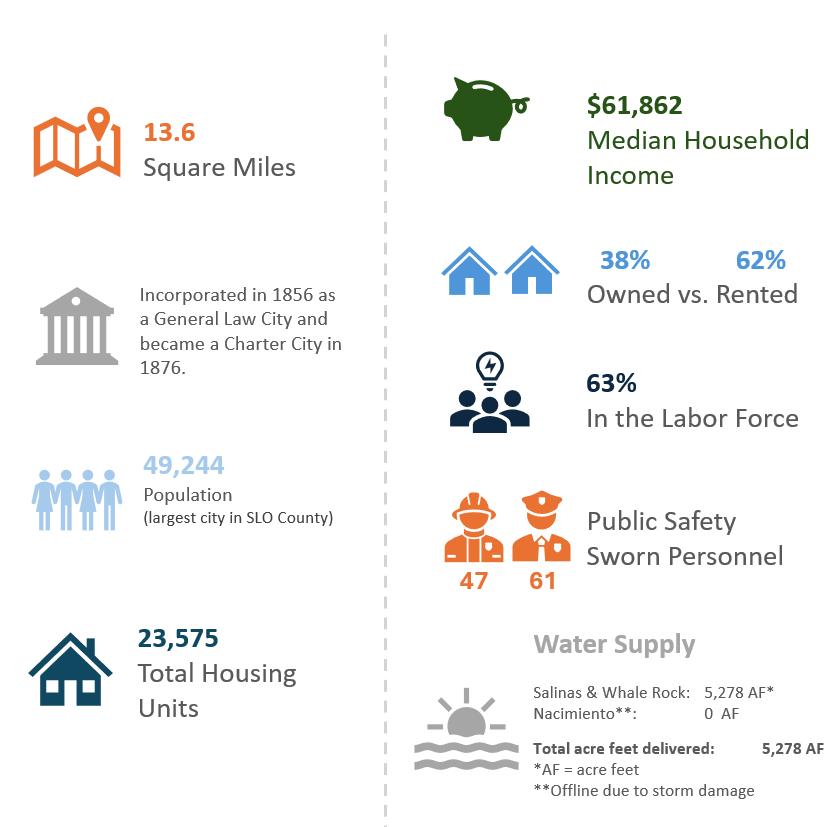
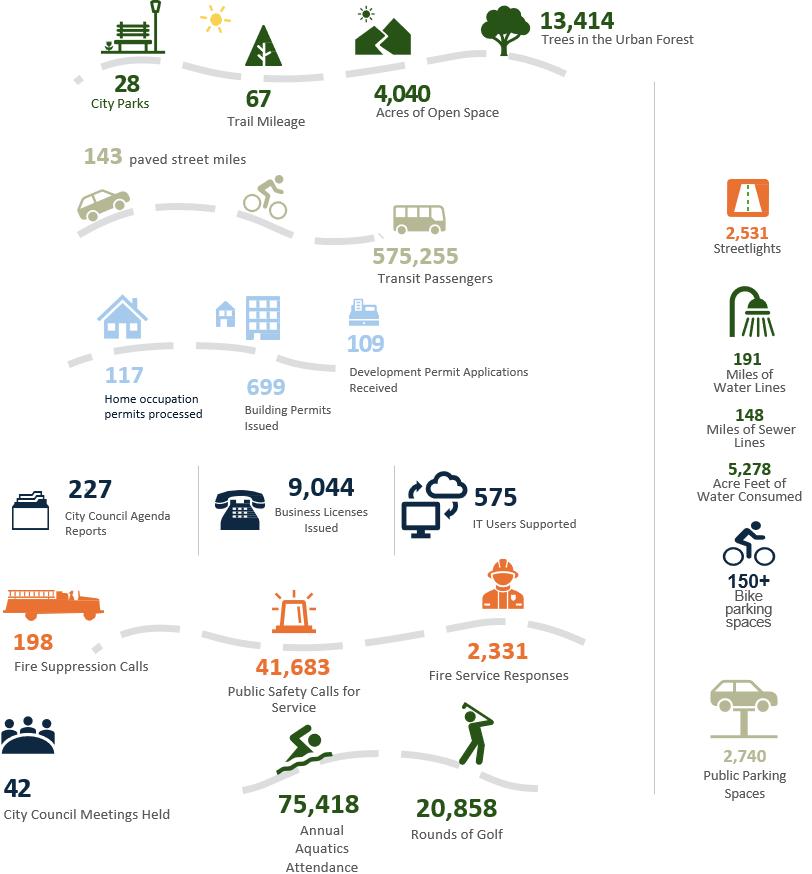
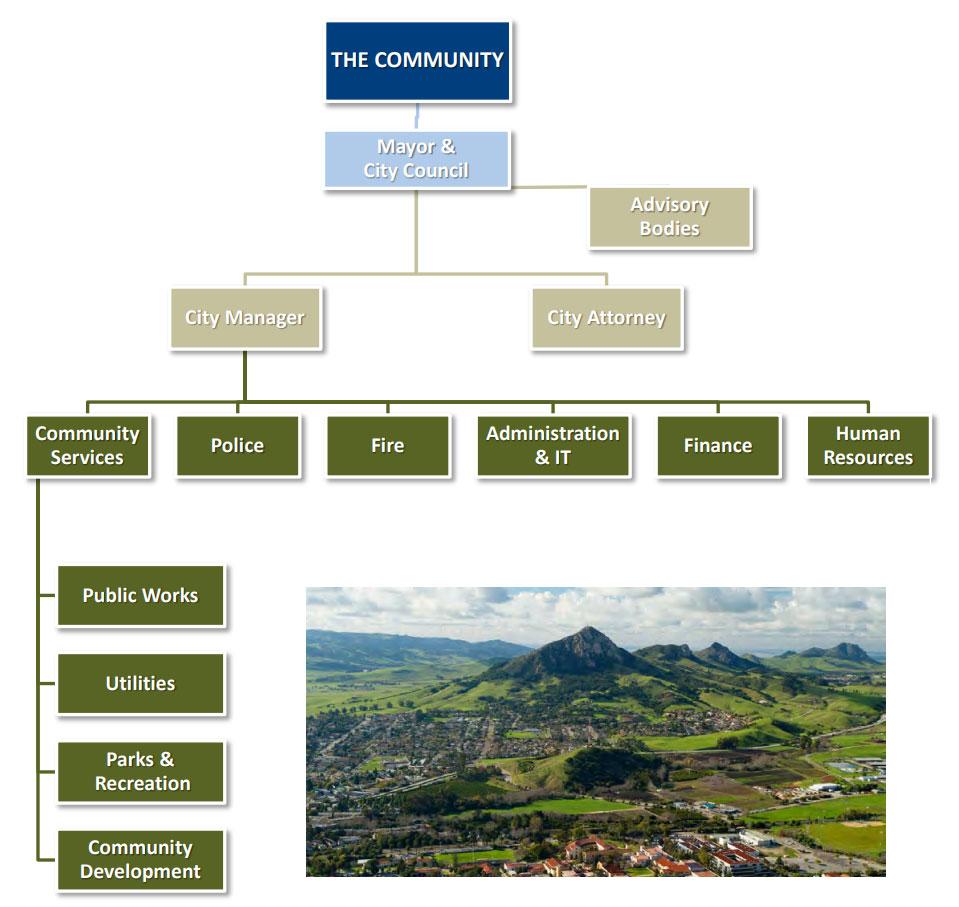
This section introduces the Mayor, Vice Mayor, and the three City Councilmembers and provides the reader with a brief overview of the City of San Luis Obispo, its location, population, interesting community information, as well as highlights of the services available to citizens and businesses. This section also includes the City of San Luis Obispo’s organizational structure.
This section includes the City Council’s adopted Budget Policies and Budget Balancing Strategies, which work together to provide a framework to guide staff in the development of the two‐year Financial Plan and annual budgets.
This section provides an overview of the City’s public engagement and budget development process. It also provides a summary of survey responses and input from the Community Forum that the City Council considers when developing its goals for the two‐year Financial Plan. The Council’s adopted Major City Goals and staff’s proposed workplan to make progress on the Major City Goals are also included in this section.
This section provides a high‐level overview of all the components presented in the following sections of this document, in more detail. Included in this section is an overview of the City’s fund structure and description of the major funds to help the reader to understand how the overall budget in structured. This section also provides a summary of the ‘All Funds’ budget and more detailed information for the General Fund, including a description of funding sources and uses. Information about transfers between funds, capital investments, debt obligations and beginning and ending fund balances for all funds is also included. Also included is information about the use of Local Revenue Measure (the City’s 1.5% sales tax approved by voters in November 2020). Finally, this section provides a consolidated long‐term financial outlook for the General Fund, including a discussion of the factors influencing the forecast for the coming two years as well as the 2027‐29 Financial Plan.
This section provides a summary of each department’s budget compared to the prior year as well as the employee summary. Further details provide a greater understanding about department operations, key highlights, and financial line‐item summaries comparing the current budget to prior year budgets and the proposed budget for the coming two years. Performance measures are also included in this secti on to highlight the work being done to address key objectives within each department. In addition to providing details on department budgets, this section also provides information for other, non‐operating City funds. Finally, this section also outlines the City’s debt capacity and considerations given when looking at issuing debt. It outlines the City’s creditworthiness and comments from the last rating review. Information on current debt for all the major funds including outstanding principal, the annual debt payment, and the year the debt will be retired is also included.
This section provides an overview of the ten‐year Capital Improvement Plan (CIP) including information about the CIP development process and an overview of project funding sources. The following information about each project proposed to be funded in the ten‐year period is also included in this section: a description of each projec t, project cost, source of funding and the amount of funding to be allocated in each of the next ten years, and operating impacts of the projects.
This section includes additional information to help the reader gain a better understanding of the budget, including: identification of the basis of budgeting and accounting, information about the City’s pension obligations, City Council‐adopted Fiscal Policies, a glossary and acronym glossary, and the appropriation limit calculation.
Honorable Mayor and Members of the City Council,
I am pleased to present the City’s balanced 2025‐27 Financial Plan. This overall $217.6 million budget ($117.6 million General Fund) for Fiscal Year 2025‐26 reflects current economic realities, and significant input from our community, advisory bodies, and the City Council. We have worked collaboratively to develop a financial plan that reflects our shared priorities and steels us against some short‐term and long‐term challenges.
With this budget, we find ourselves in a time of transition. Revenue growth is slowing and costs are rising. There is growing uncertainty resulting from a rapid shift in national economic policy via tariffs, and potential significant state and federal budget cuts. And for the first time in many years, we are facing a structural imbalance in the General Fund.
But this is not a budget of retreat. It reflects a thoughtful, forward‐looking approach. The proposed budget protects the City’s current services, invests in City infrastructure, continues progress on long‐standing Major City Goals, and aligns with our community’s values of responsibility, equity, and sustainability.
The proposed decisions that make up this plan were not arrived at lightly. City staff, under the guidance of the City Council, looked carefully at how to adapt to a new fiscal reality while still moving the City forward. We have prioritized thoughtfully, and made tradeoffs. Where we have chosen to enhance investments, we have done so with the intention to focus on areas of greatest need.
While the circumstances are different than years past, our approach should be familiar for San Luis Obispo. Our community and organization have long prioritized disciplined financial management, collaborative governance, and proactive planning. These values have carried us through prior economic downturns, natural disasters, and a global pandemic – and they guide us once again today.
The City has seen strong revenue growth in recent years. Sales Tax and Transient Occupancy Tax (TOT) revenue surged as the economy recovered from COVID‐19 and as the community supported the passage of the Local Revenue Measure (LRM) in November 2020. During the same time period, development activity increased significantly as the City permitted several large‐scale developments to meet housing targets set by the State. This has resulted in an increase in development‐related fee revenues over the last several years. The City has used this revenue growth to advance capital projects and expand key services.
Unfortunately, that revenue growth has slowed. Our current economic reality reflects broader statewide and national trends, with inflation cooling consumer spending locally and interest rate hikes chilling development activities. And while our economy remains fundamentally strong, the pace of revenue growth has clearly slowed.
Over the past year, we have seen:
Flattening sales tax revenues, including LRM receipts, which were previously expected to grow more significantly but are now trending below what was forecasted last year by at least $2.4 million annually.
Declining development‐related revenue – As noted in prior budget reports, due to a slowing of development activity, we are seeing a decrease in development services revenue of approximately $2 million in FY 2024‐25 and are forecasting a continuation of this decrease into the two years of the 2025‐27 Financial Plan.
Rising personnel and project delivery costs, including increases in the cost of construction materials, insurance, utilities, and employee compensation to recruit and retain a talented workforce.
Ongoing inflationary pressures, which continue to influence consumer behavior, project costs, and labor market dynamics.
As a result of what we have seen in the current year, I activated the City’s established Fiscal Health Contingency Plan (FHCP) in mid‐April of this year in an effort to control expenditures and provide flexibility to address the structural deficit. Activation of the plan includes both a hiring and travel chill. Under the FHCP, departments must seek permission of the FHCP committee and the City Manager to fill vacant positions and proceed with training‐related travel. Neither are prohibited entirely, but the hiring chill and travel chill force us to prioritize our expenditures to ensure that we are addressing critical needs.
When we set out to develop the 2025‐27 Financial Plan, the long‐term forecast showed a General Fund deficit of $2.5 million in FY 2025‐26 due to slowed revenue growth and increasing costs. Staff took the following actions to bring the budget into balance for the upcoming year:
Departments were directed to constrain their non‐staffing budgets to FY 2024‐25 adopted levels. Typically, non‐staffing budgets grow by the rate of inflation, matching the increase in costs for things like fuel, office supplies, training, and travel. So, holding those non‐staffing costs flat represents a cut in expenses. To ensure that this exercise does not significantly impact service levels in the 2025‐27 Financial Plan period, departments were asked to identify the impacts of keeping non‐staffing costs at FY 2024‐25 levels. Most noted that the constrained base budget exercise would result in little to no flexibility to address unanticipated items that may arise over the course of the next two years. Three departments identified a need to restore budget to address priority items. These include:
o $45,000 to the Police Department to cover the cost of the Animal Services contract with the County and other contract increases for critical public safety supports;
o $20,000 to the Public Works Department to continue sidewalk scrubbing in the downtown area; and
o $20,000 to the Administration/IT Department to support ongoing tree and vegetation fuel management.
The constrained base budget exercise reduced non‐staffing expenditures by $1.6 million compared to what was forecasted for FY 2025‐26, based on prior trends.
LRM‐funded capital expenditures were reduced by approximately $1.0 million in FY 2025‐26 and $1.5 million in FY 2026‐27 compared to what was initially forecasted and were transferred to the operating budget. The impacts of this transfer are expected to be minimal. The decreased funding for capital expenditures will help to address staff capacity constraints to deliver the ambitious Capital Improvement Plan that has almost tripled in size due to the passage of the LRM
in 2020. In FY 2024‐25, 70% of the LRM collected is supporting capital expenditures. For FY 2025‐26, that amount decreases to 69% and in FY 2026‐27 to 67%. The Financial Plan assumes that the LRM will generate $33.6 million overall in FY 2025‐26 and $34.8 million overall in FY 2026‐27.
The staffing savings assumption for the General Fund was increased from 3% to 4%, based on historical trends. This resulted in a $600,000 decrease to staffing costs and is not expected to have a noticeable impact due to natural attrition rates and the time that it takes to fill vacant positions.
More than $10.0 million in Significant Operating Budget Changes (SOBCs) were requested by departments. Of that amount, $4.2 million was requested from the General Fund, but only $741,199 of new expenditures are proposed for the General Fund in this budget to address the most significant organizational needs, while reflecting community priorities. Detailed information about proposed SOBCs can be found in the ‘Operating Budgets’ section of this Financial Plan.
Though they might appear modest, actions taken to close the forecasted deficit for FY 2025‐26 reflect our deep commitment to accomplishing the community’s priorities. These targeted reductions allow us to live within our means, preserve service levels, and remain nimble in the face of economic change and uncertainty. This two‐year Financial Plan includes measured, proactive steps to close the immediate deficit and chip away at the long‐term structural issues, all while upholding our values and strategic commitments.
Consistent with the City’s new Budget Balancing Strategies approved by the City Council earlier in the budget development process, the actions taken to balance the budget for FY 2025‐26, and the triggering of the FHCP, are largely short‐term in nature. While short‐term strategies do not solve structural issues, using them wisely provides time to allow us to develop thoughtful long‐term solutions that restore structural balance, while still preserving our ability to make progress on the Council’s adopted Major City Goals and maintain the essential services residents rely on every day.
Despite the economic uncertainty and budgetary constraints we are currently facing, this Financial Plan makes strategic investments in the City Council’s adopted Major City Goals and other community priorities. The ‘Financial Planning Process’ section of this document provides detailed information about the workplans that staff has developed to help advance the following Major City Goals over the coming two fiscal years:
Cultural Vitality, Economic Resilience, and Fiscal Sustainability
Diversity, Equity, and Inclusion
Homelessness Response
Housing and Neighborhood Livability‐ Healthy, Safe, and Affordable
Infrastructure and Sustainable Transportation
Open Space, Climate Action, and Resilience
In addition to our planned progress on Major City Goals, this Financial Plan also funds other important priority areas including:
Planning for the development of a fifth fire station, a critical addition that will improve response times and resilience in growing neighborhoods in the southern part of our community.
Implementation of a communications plan to provide information about the Citywide Single Vote method for electing City Councilmembers to advance fair, diverse representation in local elections.
Continuing public outreach and engagement training for City employees, including ways to better reach underserved and underrepresented communities.
Continuing to support innovative partnerships with the County to provide mental health support through our Community Action Team and Mobile Crisis Unit
Construction of the first phase of the Righetti Community Park, bringing new recreational amenities and green space to families and residents in the Orcutt Area and throughout the city.
Investments in open space stewardship, trail maintenance, and native habitat restoration continue to reflect our community’s deep connection to the natural environment.
Investments in major mobility improvements, including the Prado Road Bridge replacement, Prado Road/Highway 101 interchange, Broad Street Corridor enhancements, and multiple complete streets projects.
Implementation of Tier 1 projects from the City’s Active Transportation Plan and expand safe walking and biking options citywide.
Continuing to implement the Lead by Example Work Program to reduce municipal emissions and improve energy efficiency across City operations.
Investments in water and sewer projects to strengthen our ability to deliver clean water, support future smart growth, and adapt to climate extremes such as prolonged droughts.
Supporting the expansion of the Prado Safe Parking Program, family shelter access, and hotel voucher programs to address housing insecurity.
Using existing resources, we will begin implementation planning for new renter protection policies, a strategic plan for safe housing, and neighborhood livability standards, with Council study sessions beginning in fall 2025.
Continuing to provide support for SLO Restaurant Month, Buy Local Bonus, and new implementation steps for the Economic Development Strategic Plan.
These are not just budget lines. They are commitments to safety, connection, equity, resilience, quality of life and the sustainability of all of the programs and services that the City provides. They reflect the very best of what local government can do when guided by clear community goals and shared values.
While the proposed budget is in balance for the two‐year Financial Plan, the long‐term forecast for the General Fund identifies a structural deficit of almost $3 million in FY 2027‐28 and $2 million in FY 2028‐29. The deficit is driven largely by the City’s obligation to bring a fifth fire station online in FY 2027‐28, but also acknowledges increased expenditures and slowed revenue growth due to general economic conditions. The purpose of the City’s long‐standing process of developing and maintaining a long‐term forecast is to look beyond the current budget year so that we have the time to develop thoughtful and sustainable strategies to bring the budget back into balance. If left undressed, the forecasted deficit will only grow more challenging in future years.
Despite the positive investments included in this Plan, several requests for new or expanded services were not able to be funded at this time. Departments submitted more than $10.0 million ($4.2 million from the General Fund) in Significant Operating Budget Changes (SOBCs), many of which responded to important community needs, workload demands, or increasing state mandates.
After careful analysis, only $4.1 million ($741,199 from the General Fund) is included in this proposed budget. Some of the needs that were not included in this budget are:
New externally‐facing staff positions across multiple departments that would have helped to address existing deficits or expanded service delivery. These requested positions would have required cuts elsewhere or new revenue, and would ultimately result in a further widening of the structural deficit in future years. Examples include but are not limited to staff resources for urban forestry, maintenance, dispatch services, and recreation and aquatic programs.
Additional enhancements to homelessness and housing response, beyond what can be supported with current partnerships and allocations.
Expanded public programming, community engagement, and special events services that would have required ongoing resources without offsetting revenues.
Internal staffing and support roles that would improve efficiency or capacity, but which were ultimately determined to be less urgent than core operational needs.
On the capital side, we have also made strategic decisions to fund the projects, or phases of projects, that can realistically be completed each year, also taking into account the important commitments, plans, and identified safety and maintenance needs of our assets and infrastructure. This resulted in a decrease in the total number of projects identified for funding each year. However, we have also presented a ten‐year plan to show where projects will be phased in over a longer time horizon or where design work will be delayed until work can realistically be completed. For example:
Projects with limited near‐term readiness or without clear external funding sources were deprioritized in favor of those that can be implemented more efficiently or that leverage grant dollars.
Citywide initiatives, such as downtown revitalization concepts or significant City facility upgrades, are moving forward in planning phases but are not yet fully funded for construction.
Some Tier 1 Active Transportation projects are not individually itemized in the CIP but are instead supported through a general implementation account to allow for more flexible, scalable delivery based on staff and grant resources.
These decisions were not easy, but they were necessary. Rather than overextending ourselves and making the challenge in future years that much harder to address, we chose to prioritize what we can deliver well. We focused funding on maintaining existing services, addressing critical workload gaps, and preserving organizational stability.
While we have developed this balanced proposed spending plan for the coming two years, we acknowledge the many uncertainties ahead of us. The decisions we have made in this financial plan are not just about this two‐year period; they are about preparing for what will come next. The City will continue to monitor economic trends, revenue performance, and workload demands throughout the plan period, and use the FHCP currently in place to increase our flexibility to address the forecasted deficit. Staff will soon begin the hard work of developing a plan to thoughtfully and methodically bring the budget into balance in the long‐term. The community’s priorities and City Council’s Major City Goals will guide us in this work. Addressing the structural deficit will include:
Re‐examining service delivery models to enhance efficiency and equity.
Prioritizing the programs and services that we are mandated to carry out, ensure the safety of our community and help to advance our Major City Goals and community priorities.
Exploring opportunities to maximize collection of revenues that are due to the City.
Leveraging grants, partnerships, and one‐time funds to maximize impact without committing to unsustainable cost growth.
In short, we are planning not just for today, but for the years ahead. And we are doing so in a way that reflects San Luis Obispo’s tradition of community engagement, long‐term thinking and responsible financial management. By holding off now in some areas, we are preserving the capacity to say “yes” later—when the time, resources, and conditions are right.
We developed this proposed Financial Plan in partnership with the people we serve. This plan was shaped by input from thousands of residents, through surveys and comment letters, and with engagement at meetings and forums. We heard from longtime stakeholders and new voices alike who brought thoughtful and insightful ideas to the table. Thank you to everyone who shared their ideas, concerns, and hopes for our City. Together, we will continue to strive toward an equitable and responsive public process, one where people feel heard, and where government reflects the diversity of the people it serves.
I am incredibly grateful for the leadership and guidance provided by the City Council in developing this financial plan. Your dedication to serving our community, broadening community participation in the budget process, and doggedness in finding a way to both balance our budget in tough economic conditions and maintain an ambitious and achievable work plan is inspiring. Thank you to the advisory bodies, including the Revenue Enhancement Oversight Commission for their review of the LRM proposed budget, and the Planning Commission for reviewing the draft CIP budget. Last, but certainly not least, I want to thank Finance staff, Department Heads, managers, fiscal officers and other participating City staff for their heavy lift to develop the operating and CIP budgets. It was a true team effort, and I am sincerely appreciative for your contributions to our collective success. Though this budget reflects the efforts of all those mentioned above, this budget simply would not be possible without the strategic leadership and the innumerable hours put in by our Finance Director, Emily Jackson and Principal Budget Analyst, Riley Kuhn. I am deeply grateful for their commitment to keeping our City Council and community informed of our financial condition throughout the year, such that there really are no surprises. Their approach allows us to be proactive in meeting the moment.
The 2025‐27 Financial Plan is built for stability. It is a product of cautious optimism and pragmatic stewardship – of both our dollars and our community’s values. It does not solve every challenge, but it does the most important thing‐ it protects what we have built, responds to today’s needs, and creates room for continued progress on our Major City Goals for all members of our community. We do not know what the future holds. But we do know how we will meet it: together, with clarity, resilience, and a shared sense of purpose.
In closing, I want to again thank our staff, City Council, and community for being part of this important process. Your partnership and your perspective have made this a better plan and has made San Luis Obispo a more resilient city.
With gratitude and resolve,
Whitney McDonald City Manager City of San Luis Obispo

The City of San Luis Obispo is a charter city and operates under the "Council‐Mayor‐City Manager" form of municipal government. The five‐member City Council consists of the directly‐elected Mayor, a Vice Mayor and three City Council Members. The Mayor is elected to a two‐year term and the Council Members are elected to four‐year terms.
The City Council is the legislative authority and sets the policies under which the City operates. The City Council has the power to adopt ordinances and resolutions, make appointments to the City's advisory bodies, establish policies and approve programs, appropriate funds, adopt budgets, and approve contracts. The Mayor presides at all meetings of the City Council and is recognized as the official head of the City for all ceremonial purposes.
Once a Financial Plan has been adopted, the Council's focus moves to 1) advocacy for its major initiatives at the Federal, State, County and Community Partner level ‐ 2) Leadership for Community Partnerships, Regionalism, Governance ‐ 3) Monitor the impact and outcomes of work programs and direct appropriate adjustments.

The City of San Luis Obispo is a dynamic community embracing its future while respecting its past with core values of civility, sustainability, diversity, inclusivity, regionalism, partnership, and resiliency.
Located mid‐way between San Francisco and Los Angeles, San Luis Obispo is the County seat and a number of federal and state regional offices and facilities are located here, including Cal Poly State University, Cuesta Community College, the regional Water Quality Board, California Highway Patrol Dispatch Center, and Caltrans District 5 Offices. The City’s ideal weather and natural beauty provide numerous opportunities for outdoor recreation at nearby City and State Parks, lakes, beaches, and wilderness areas.
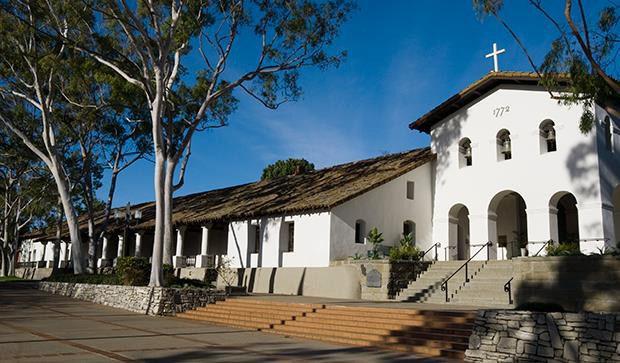

One of California’s oldest communities, the historical roots of San Luis Obispo run deep, anchored by the enduring presence of Indigenous Peoples dating back at least 15,000 years ago in the Diablo Canyon region. These first peoples hunted and shore‐picked shellfish. The Yak titʸu titʸu Yak tiłhini Northern Chumash Tribe, who have called the region home for over 10,000 years, have been integral in the historical development of the city. By 1504, coastal land exploration took place by Spanish vessels, which carried members of the Filipino community. Spanish invasion and colonization in 1769 led to the establishment of missions throughout California. The San Luis Obispo de Tolosa Mission was founded in 1772, the fifth mission in the California chain of 21 missions, around which the City of San Luis Obispo developed. It was first incorporated in 1856 as a General Law City and became a Charter City in 1876. As a Charter City, San Luis Obispo has more local authority than cities that incorporate under the general laws of the State of California. The Charter is the City’s governing document, and any changes must be approved by the voters. The City’s Charter has been amended several times since its adoption, most recently in August 2011.
The City’s distance from major metropolitan areas to the north (San Francisco) and south (Los Angeles) have allowed it to retain its historic and scenic qualities, which contribute to the superb quality of life residents enjoy and that attract visitors from all over the world. In fact,

in 2010, the City was dubbed the “Happiest City in North America” by National Geographic author Dan Buettner.
Another key feature contributing to the City’s great quality of life is its delightful downtown. The heart of which is the Mission Plaza. With its wonderful creek side setting and beautifully restored mission and parish church, Mission Plaza is the community’s cultural and social center.
This historic plaza is complemented by a bustling downtown offering great shopping, outdoor and indoor dining, night life, and its famous Thursday Night Farmers’ Market, where you can buy locally grown fresh produce and enjoy an outdoor BBQ.
This unique blend of history, culture, commerce, and entertainment make San Luis Obispo’s downtown one of the most attractive, interesting, and economically vibrant downtowns in America.
San Luis Obispo is a full‐service city that provides police, fire, water, sewer, streets, transit, parking, planning, building, engineering, and parks and recreation service to the community. The City operates under the Council‐Mayor‐City Manager form of government. The City Council appoints the City Manager and City Attorney. All other department heads are appointed by the City Manager.
Page intentionally left blank.
A. Financial Plan Objectives. Through its Financial Plan, the City will link resources with results by:
1. Identifying community needs for essential services.
2. Organizing the programs required to provide these essential services.
3. Establishing program policies and goals, which define the nature and level of program services required.
4. Identifying activities performed in delivering program services.
5. Proposing objectives for improving the delivery of program services.
6. Integrate climate risk and climate action considerations throughout all financial decisions.
7. Integrate Diversity, Equity, and Inclusion (DEI) considerations throughout all financial decisions.
8. Identifying and appropriating the resources required to perform program activities and accomplish program objectives.
9. Setting standards to measure and evaluate the:
a. Output of program activities.
b. Accomplishment of program objectives.
c. Expenditure of program appropriations.
B. Two‐Year Budget. Following the City's favorable experience, the City will continue using a two‐year financial plan, emphasizing long‐range planning and effective program management. The benefits identified when the City's first two‐year plan was prepared for 1983‐85 continue to be realized:
1. Reinforcing the importance of long‐range (“strategic”) planning in managing the City's fiscal affairs.
2. Concentrating on developing and budgeting for the accomplishment of significant goals and objectives.
3. Establishing realistic timeframes for achieving goals and objectives.
4. Creating a pro‐active budget that provides for stable operations and assures the City's long‐term fiscal health.
5. Promoting more orderly spending patterns.
6. Reducing the amount of time and resources allocated to preparing annual budgets.
C. Measurable Objectives. The two‐year financial plan will establish measurable program and performance objectives and allow reasonable time to accomplish those objectives.
D. Second Year Budget. Before the beginning of the second year of the two‐year cycle, the Council will review progress during the first year and approve appropriations for the second fiscal year.
E. Operating Carryover. Operating program appropriations not spent during the first fiscal year may be carried over for specific purposes into the second fiscal year with the approval of the City Manager.
F. Goal Status Reports. The status of major program objectives will be formally reported to the Council on an ongoing, periodic basis.
G. Mid‐Year Budget Reviews. The Council will formally review the City’s fiscal condition, and amend appropriations if necessary, six months after the beginning of each fiscal year.
A. Balanced Budget. The City will maintain a balanced budget over the two‐year period of the Financial Plan. This means that:
1. Operating revenues must fully cover operating expenditures, including debt service.
2. Ending fund balance (or working capital in the enterprise funds) must meet minimum policy levels. For the general and enterprise funds, this level has been established at 20% of operating expenditures. Additionally, it includes the revenue and rate stabilization reserves as set forth in the City’s fiscal policies under the Fund Balances and Reserves section.
3. Under this policy, it is allowable for total expenditures to exceed revenues in a given year; however, in this situation, beginning fund balance can only be used to fund capital improvement plan projects, or other “one‐time,” non‐recurring expenditures.
B. Long‐Term Liabilities and Maintenance of Infrastructure. The City will give priority to applying unassigned fund‐balance due to one‐time expenditure savings or one‐time increase in revenue to pay down long‐term unfunded liabilities and invest in infrastructure and equipment.
C. Consideration of Climate Risk and Climate Action. The City is aware of the increasingly severe and frequent natural, economic, and social disruptions presented by a rapidly changing climate. The City is also aware of the financial benefits (e.g., reduced operational costs, prudent asset management, access to green bonds, etc.) of managing climate risk and orienting towards a carbon neutral municipal operations and community. The City will include climate risk and climate action considerations in its long‐term financial planning.
D. Consideration of Diversity, Equity, and Inclusion (DEI). On June 18th, 2020, the City Council took action to affirm racism as a public health crisis and committed to making San Luis Obispo a welcoming, inclusive, and safe community for everyone (R‐11132). The City Council also set a vision of a community with core values of diversity and inclusivity in the adoption of its 2019‐21 Major City Goals. The City is committed to supporting diversity, equity, and inclusion in is operations and in the community. The City will include DEI considerations in its long‐term financial planning.
E. Revenue Stabilization Reserve – General Fund. As outlined in the City’s Fund Balance and Reserve policy, the City Council can activate a Revenue Stabilization Reserve in its General Fund to counteract any adverse revenue forecast during a period of economic uncertainties pertaining to the City’s largest tax revenue sources. For the 2023‐25 Financial Plan, this reserve has been set at $2 million and is included in the long‐term forecast.
A. Annual Reporting. The City will prepare annual financial statements as follows:
1. In accordance with Charter requirements, the City will contract for an annual audit by a qualified independent certified public accountant. The City will strive for an unqualified auditors’ opinion.
2. The City will use generally accepted accounting principles in preparing its annual financial statements and will strive to meet the requirements of the GFOA’s Award for Excellence in Financial Reporting program.
3. The City will issue audited financial statements within 180 days after year‐end.
B. Interim Reporting. The City will prepare and issue timely interim reports on the City’s fiscal status to the Council and staff. This includes on‐line access to the City’s financial management system by City staff; monthly reports to program managers; more formal quarterly reports to the Council and Department Heads; mid‐year budget reviews; and interim annual reports.
C. Budget Administration. As set forth in the City Charter, the Council may amend or supplement the budget at any time after its adoption by majority vote of the Council members. The City Manager has the authority to make administrative adjustments to the budget as long as those changes will not have a significant policy impact nor affect budgeted year‐end fund balances.
D. Development Services Revenue. The City Manager may allocate or designate 75% of over‐realized Development Services revenues exceeding adopted budget for the current fiscal year for temporary Development Services expenditures for the purpose of timely processing of development permit applications in the current fiscal year or throughout life of applicable projects. Any and all City Manager authorized allocations and funds set aside in a designation for future use, shall be reported to the Council on a semi‐annual basis.
For a comprehensive list of the City’s financial policies, please see the reference section.
The City of San Luis Obispo has created policies and procedures that guide effective government management. Adopting these as formal policies endures that they outlive staff changes, promoting stability and continuity. The City is currently in compliance with all policies as summarized in the chart below and in the details within the reference section of this report.
The City’s Fiscal Policies guide staff in the management of the City’s finances and provide a foundation for budget balancing strategies to ensure the long‐term financial sustainability of City operations, regardless of financial condition. In July 2014, the City Council adopted the Fiscal Responsibility Philosophy to ensure a focus on the long‐term health of the organization. The components of the Philosophy provide clear guidance for ensuring fiscal responsibility, and the Budget Balancing Strategies serve to operationalize that guidance. These budget balancing strategies are subject to at least bi‐annual review and are approved by the City Council with adoption of the two‐year Financial Plan every other June.
Consistent with adopted fiscal policies, staff provides quarterly budget updates to the City Council which provides the opportunity to identify budgetary issues and implement corrective measures if needed. These strategies guide both development and management of the budget, both in times of budgetary growth and contraction. One of the overarching objectives of the City’s Budget Balancing Strategies is to strike a balance between ensuring fiscal sustainability and continuing to provide programs and services to the community.
This section provides an overview of the City’s Budget Balancing Strategies and is divided into two parts outlining the City’s preferred strategies and approaches in times of (1) budgetary contraction and (2) budgetary growth.
When faced with financial difficulty, the City should identify budget balancing strategies that address both short and long‐term budget gaps, while also minimizing the impact of budget reductions to the community and employees. It also becomes increasingly important to focus on employee retention as the cost of turnover can outweigh savings produced by vacancies Focusing on creative and cost neutral or low‐cost options to keep turnover at sustainable levels is crucial for maintaining and delivering core services to the public during challenging times.
Depending on the level or type of financial difficulty being experienced, short and long‐term budget balancing strategies may be needed over multiple years. An important consideration in developing and implementing budget balancing strategies is identifying the timeframe for fixing the problem and bringing about structural balance. Utilizing reserves and other short‐term budget balancing solutions can soften the impact of reductions to programs and services. However, it is imperative that these short‐term solutions be used judiciously to maintain the City’s overall fiscal health. Relying too heavily on short‐term solutions can delay implementation of strategies to address budget deficits and may increase deficits in the long‐term.
Following is an outline of the City’s preferred budget balancing strategies and approaches in times of financial difficulty:
1. Priority Driven‐ Development of recommendations to balance the budget should be based upon consideration of legal mandates, community health and safety, basic service needs, Council’s
identified Major City Goals and other identified priorities. Proposed budget reductions should take into consideration funding requests for programs that are discretionary and for programs that are mandated by state, federal, or local legal requirements and/or health and safety needs.
2. All Departments Participate‐ While departmental budgets vary significantly due to the services provided, identified priorities, expected levels of service, and departmental revenue sources (amongst many other variables), all departments should participate in the closing of a budget gap. More specifically, no department should be exempt from consideration of budget reductions.
3. Long‐Term Budget Reductions‐ At the guidance of the City Manager, the Finance Department should require departments to incorporate a prioritized list of expenditure reductions into their annual budget submittals. Potential reductions submitted by departments should not impact the City’s ability to meet legal mandates, and should reflect consideration of basic service needs, community expectations and the Council’s identified Major City Goals. If reductions are necessary, targeted reduction amounts should be included as part of the detailed budget instructions provided to departments. If needed, reduction lists will generally be required during development of the two‐year Financial Plan or Supplemental Budgets,
4. Mid‐Year Budget Reductions‐ Mid‐year reductions may be necessary in any given fiscal year depending upon general economic conditions, recently passed legislation, or unanticipated action by other levels of government at any particular point in time. The intent of the mid‐year reductions is to help keep the current year budget in balance and to create additional unassigned fund balance at year‐end for use as a funding source in the subsequent budget year.
5. City Share of Cost‐ Some City programs are funded wholly or in part by external funding sources including Federal allocations, grants, and user fees. These funding sources may not cover the entirety of program expenditures, requiring a contribution from the City. Staff should carefully monitor external funding sources over time to ensure that they keep pace with the cost of providing the related service to ensure that the City’s share of cost does not increase over time. If external funding sources decrease or are eliminated, the associated expenditures should be considered for reduction or elimination as well. If staff believes that continuation of externally funded programs should continue despite a loss of funding, staff should inform the City Council of the loss of external funding sources and request appropriation of identified City dollars and funding sources to continue the program in full or in part.
6. Engage Employees and Employee Associations‐ Labor costs account for the majority of the City’s operating budget. City staff and negotiators are obligated to meet and confer in good faith with employee associations to negotiate labor agreements that are fiscally sustainable and aligned with the Council adopted Compensation Philosophy and Labor Relations Objectives.
7. Revenue Generation‐ Addressing budget shortfalls requires an evaluation of both revenues and expenditures. While the City is limited in its ability to generate new revenue, there is opportunity within existing City processes to ensure that the City is able to maximize existing revenues. In order to do this, the City should:
Conduct fee studies at least every three years, consistent with Section 2 of the City’s Fiscal Policies related to User Fee Cost Recovery Goals to ensure that the cost of services that provide an individual benefit are offset by fees for those services. As a part of the regular fee studies, Council should also consider policies around fee cost recovery and make adjustments if needed.
Focus on enforcement of requirements in the City’s Municipal Code to ensure that the City is recovering its costs for providing services. It should be noted that proactive enforcement of Municipal Code requirements requires a considerable investment of staff time which may limit the City’s ability to make significant progress in this area.
Revisit existing agreements with outside agencies to ensure that the City is maximizing recovery of costs for specific services provided through those agreements.
Explore opportunities to increase rates for specific taxes, where the tax rate being charged is under the maximum authorized by the City Council.
The City should carefully consider the impact on the community when taking any action to increase revenue, as general economic conditions impacting the City’s budget also impact members of the community.
8. Revisit Capital/Operating Split of Local Revenue Measure Expenditures. In November 2020, City voters passed a Local Revenue Measure (LRM), authorizing a 1.5% local sales tax to protect and maintain services and public infrastructure. The sales tax that the City collects due to the LRM funds both capital and operating expenses. Historically, the City has allocated 75% of LRM revenues to capital costs and 25% to operating costs. Staff should revisit the capital/operating split to ensure that the City is able to use LRM dollars to fund priority needs and minimize operating budget reductions to the greatest extent possible.
1. Hiring “Chill”‐ The purpose of a hiring “chill” is two‐fold: to contain costs in the current year by slowing the recruitment of vacant positions or holding certain positions vacant so that additional unassigned fund balance is available for the subsequent budget year and to allow for attrition with respect to the reduction of positions (i.e. reduce or eliminate the need for layoffs). The decision about which positions to hold vacant or slow recruitments for should also be based upon priority and need, which a focus on minimizing impacts to the community to the extent possible. Attrition is a helpful tactic but should not be the driving strategy in reducing costs.
2. Defer capital improvement and information technology projects that rely on the General Fund‐ This option saves money in the near‐term but if these types of projects are continuously deferred, City facilities and systems may deteriorate and the cost of repairs may increase over time.
3. Minimize building and information technology maintenance expenditures‐ Similar to deferring capital improvement and automation projects that require General Fund, this option saves General Fund in the near‐term. However, over time, if maintenance is deferred, City facilities and automation may deteriorate, leading to higher repair costs.
4. Early Retirement‐ Early retirement programs may be offered on a case‐by‐case basis. The intent of an early retirement program is to reduce the number of potential layoffs by enticing individuals who are considering retirement to retire sooner rather than later in order to create attrition opportunities. Depending upon the specifics, an early retirement program may or may not provide cost savings. In instances where the program does not provide a cost savings (or is cost neutral), the sole benefit would be to reduce layoffs.
5. Use of One‐Time Reserves‐ The City has set aside money in reserves, some of which is not designated for a specific purpose. This money is budgeted every year and has historically been used to help pay for unexpected costs or to help fund one‐time projects. Some of these reserves are available to help address a budget gap. However, since reserves are one‐time in nature, the use of reserves to fund ongoing operational expenditures should be limited and not considered to be a long‐term operational funding source.
1. Furloughs‐ This approach has not historically been used by the City because it is challenging to implement without significant impacts to services provided to the community.
2. Eliminate Training‐ Maintaining a skilled workforce is important for every organization, especially one as labor intensive as the City. This approach should not be included in the budget balancing strategies because in times of budget reductions, additional demands are placed upon employees and, during these times, it will be more important than ever to maintain and enhance the performance of the workforce in order to successfully manage an increased workload. While training plans and expenditures may be cut back in times of financial difficulty, they should not be eliminated.
The goal of the recovery process is to assure that the City remains adaptable to changing conditions. To ensure long‐term fiscal stability, the City must prioritize funding existing financial and operating deficits over the addition of new programs and projects.
In times of financial recovery and growth, the City aims to strike a balance in the following areas:
Financial security
Programs and services
Employee compensation and workforce investment
Following is an outline of the City’s approach:
In times when the City has funds available to support expansion of the budget, there should be a balance between the restoration of programs and services and the funding of the reserves, contingencies and designations that have been reduced to balance the budget in prior years. The City aims to maintain healthy reserves and low debt levels in order to allow for future organizational stability and continuity of services. Consideration of financial security includes a review of the following:
Ratio of reserves to the City’s General Fund operating budget‐ The City’s goal is to maintain a prudent level of savings that allows the City to plan for future needs and “weather” economic downturns. The industry standard target is to have a 20% reserve as a percent of the operating budget.
Debt Ratios‐ The City’s Debt Management policy is to generally keep the ratio of general fund debt service costs below 10% of General Fund revenue and never exceed 15%. A ratio under 5% is considered to be favorable by credit rating agencies.
Asset Maintenance and Replacement: These costs are often first to be cut in hard times and, if left unfunded, will create significant liabilities. The City should ensure deferred maintenance is prioritized by setting aside funding for asset replacement as funds become available.
Development and delivery of new programs and services or modification to existing programs and services provided to the community are based on an evaluation of need thorough an annual process that invites submittal of Significant Operating Budget Changes (SOBC’s) by Department Heads to the City Manager. The SOBC provides the City Manager with a written proposal for adding resources to a department’s budget. The written proposal must include:
A summary of the current situation and need that the SOBC will address and any relevant background to support the request.
A description of how the requested resources will address the identified need.
Identification of intended results in terms of efficiency, quality of service, outcomes, and key performance indicators.
A description of how additional resources will address a high priority City service need or Major City Goal.
An analysis of alternative solutions to address the identified problem.
The expected timeline for implementing the request, including major milestones along the way.
SOBCs that are recommended by the City Manager are dependent upon Council priorities, existing service needs, the availability of funding, consistency with existing policies and budget balancing strategies, and the anticipated results or outcomes that will be achieved by adding the resources.
Requests for new capital projects are evaluated bi‐annually by the CIP Review Committee as part of the development of the two‐year Financial Plan. Proposals for new projects require submittal of a Project Initiation Form which must include:
Proposed project title.
Project function (community and neighborhood livability, community safety, culture and recreation, environmental health and open space, fiscal health and governance, or infrastructure and transportation).
Identification of project as being annual asset maintenance, asset replacement, a new asset or a non‐asset project.
Identification of project alignment with related City priorities (Local Revenue Measure, Major City Goal, adopted planning documents, or other important objective,).
A description of the project purpose and need, including a detailed scope of work.
Identification of project consistency with the Climate Action Plan or Diversity, Equity and Inclusion considerations.
Information about project schedule and delivery, including planning or design phase services and any expected permit needs, advisory body reviews, or anticipated public outreach.
Project cost estimates and identified funding sources. As a part of this, departments should also identify ongoing costs to maintain assets, including staffing and needs.
The City is committed to providing competitive compensation as part of an overall strategy to attract and retain highly qualified employees. City staff and negotiators work to develop and maintain positive employee relations while also ensuring that negotiated labor agreements are fiscally sustainable and acceptable to the community. The City Council‐adopted Compensation Philosophy and Labor Relations Objectives establish the intent of and guide the City’s approach to labor relations.
The City Council adopted a Compensation Philosophy in 2011 which indicates that the City should require the following in evaluating competitive compensation:
Financial sustainability
Community acceptability
The relevant labor market
Internal relationships
Other relevant factors, including changes in economic condition, natural disasters, states of emergency, changes in City services, and changes in regulatory or legal requirements
The City Council also adopted the following Labor Relations Objectives in 2014, which were revised in 2018 to operationalize the Compensation Philosophy and guide labor negotiations with employee groups:
Maintain fiscal responsibility by ensuring that fair and responsible employee compensation expenditures are supported by on‐going revenues. (Theme – Fiscal Responsibility)
Continue to make progress in the area of long‐term systemic pension cost containment and reduction, including reversing the unfunded pension liability trend and other actions consistent with State law. (Theme – Cost Containment/Reduction)
Continue to effectively manage escalating health benefit costs through balanced cost sharing and other means while maintaining comprehensive health care coverage for all eligible employees. (Theme – Cost Containment)
As necessary to attract and retain well qualified employees at all levels of the organization, provide competitive compensation as articulated in the City’s Compensation Philosophy, including relevant local, statewide or national labor markets. (Theme – Recruitment and Retention)
Employee labor agreements will be negotiated in good faith, in a timely manner that avoids retroactivity provisions unless there is a compelling need. (Theme – Cost Containment)
Contract provisions shall take into consideration the City’s ability to effectively and efficiently implement and administer them using the City’s financial and human resources systems to ensure accuracy and compliance with federal, state, and local laws. (Theme –Best Practices and Compliance)
The City recognizes that improvements to and success of programs and services for the community is
dependent upon recruiting and maintaining a talented and skilled workforce.
Page intentionally left blank.

For over thirty years, the City has used an extensive process to create its two‐year financial plan and corresponding budgets. The benefits of budgeting based on a two‐year plan include:
1. Reinforcing the importance of long‐range (“strategic”) planning in managing the City's fiscal affairs.
2. Concentrating on budgeting to accomplish significant objectives over a multi‐year period.
3. Establishing realistic timeframes for achieving objectives.
4. Creating a proactive budget that supports stable operations and assures the City's long‐term fiscal health.
Major City Goals represent the most important, highest priority goals for the City to accomplish over the next two years, and as such, resources should be included in the 2025‐27 Financial Plan.
The fundamental purpose of the City’s budget process is to link, through public engagement and strategic deliberation, the interest of the community to the available financial resources to achieve desired outcomes. The process allows the City Council to engage the community in identifying strategic priorities in the form of Major City Goals while also providing information regarding the City’s established ongoing services, including the day‐to‐day work and responsibilities carried out by City employees to support residents’ quality of life.
As a part of the financial planning process, there are a variety of opportunities for the community to provide input to the City Council relative to establishment of their Major City Goals. Every two years, the City seeks input through a community survey, outreach to advisory bodies, and public comment at regular City Council meetings, including the Community Forum.
The public engagement process for the 2025‐27 Financial Plan formally kicked off in mid‐November, with the release of a community survey to gather community input relative to the priorities that should guide development of Major City Goals for the 2025‐27 Financial Plan period. The survey was open for one month and community members were notified of the survey through utility bill mailings, social media posts, promotions on the City’s website and at advisory body meetings. In total, 1,629 community members responded to the survey, representing a 25% increase in participation compared to the prior community survey for the 2023‐25 Financial Plan. The top five priorities identified in the survey were: homelessness, infrastructure maintenance, downtown vitality, housing supply and affordability, and open space. With expectations that the budget will tighten in the coming years, the survey also provided an opportunity for respondents to identify how the City might adjust funding current projects or services to accomplish any new priorities. Approximately 45% of respondents provided input, with recurring suggestions for prioritizing basic services, addressing homelessness, improving cost efficiency, and balancing priorities.
The chart below summarizes the priorities identified by respondents in the community survey:
Count of Survey Responses
The top 20 themes in the ‘other’ category included (in order):
1. More Parks and Recreation facilities
2. Parking rates and policies
3. Transportation/traffic improvements
4. Addressing homelessness
5. Healthcare access and medical system
6. Neighborhood wellness and code enforcement
7. Less bike lanes and infrastructure
8. Housing supply and affordability
9. Adobes and historic preservation
10. Broad Street corridor improvements
11. Downtown vitality and cleanliness
Tobacco concerns and second‐hand smoke
Rental protections
Public safety issues
Prioritize Righetti Park construction
Infrastructure maintenance
Accessibility for seniors and disabled community 18. Laguna Lake dredging
Permitting process improvements 20. More bike lanes and infrastructure
The information gathered through the Community Survey helped the City Council in finalizing plans for the Community Forum, including establishment of the topics for the stations that were set up for community members to learn more about the City’s programs and services and vote for ideas to advance the community’s priorities.
The Community Forum was held on January 23, 2025 at the Ludwick Community Center in San Luis Obispo. Over 200 community members participated in person or virtually. The forum kicked off with a welcome by the Mayor, and introductory comments by the City Manager and Finance Director, and included a walk‐through environment and nine interactive booths including:
1. Diversity, Equity and Inclusion
2. Downtown Vitality and Economic Development
3. Homelessness
4. Housing Supply and Affordability, Neighborhood Wellness
5. Infrastructure, Sustainable and Multi‐Modal Transportation
6. Climate Action, Open Space
7. Fiscal Sustainability
8. Public Safety
9. New Ideas
Each booth was staffed by employees with expertise in each topic area and attendees had the opportunity to have conversations with each other and with staff and submit votes on actions that the City could take to make progress in priority areas. The meeting concluded with public comment.
After the forum, the community feedback and ranking of priorities was compiled and presented to Council at the all‐day goal‐setting workshop held on Saturday, February 8, 2025. The goal setting workshop is described below and results can be found at www.slocity.org.
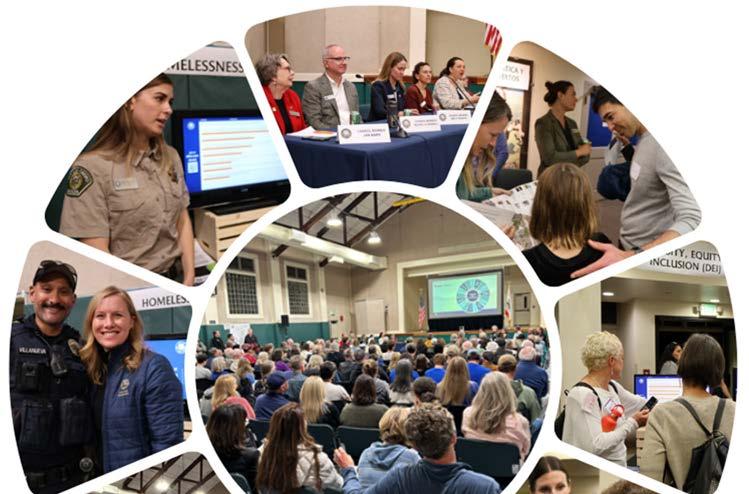

The Community Forum also met requirements related to oversight of the Local Revenue Measure (the City’s one‐and‐a‐half percent local sales tax), by providing an opportunity for the Revenue Enhancement Oversight Committee (REOC) to review and discuss the use of the revenue generated by the Local
Revenue Measure with the community.
With passage of the Local Revenue Measure in 2020, the community set the spending priorities for the measure funding as (not numbered by priority): 1) Protect Financial Stability, 2) Community Safety and Emergency Preparedness, 3) Creek and Flood Protection, 4) Address Homelessness, 5) Safe and Clean Public Spaces, 6) Economic Development and Business Retention, 7) Youth/Senior Services and Recreation Facilities, 8) Street Maintenance and Transportation, 9) Open Space/Natural Areas Preservation and Maintenance, 10) Other Services and Projects.
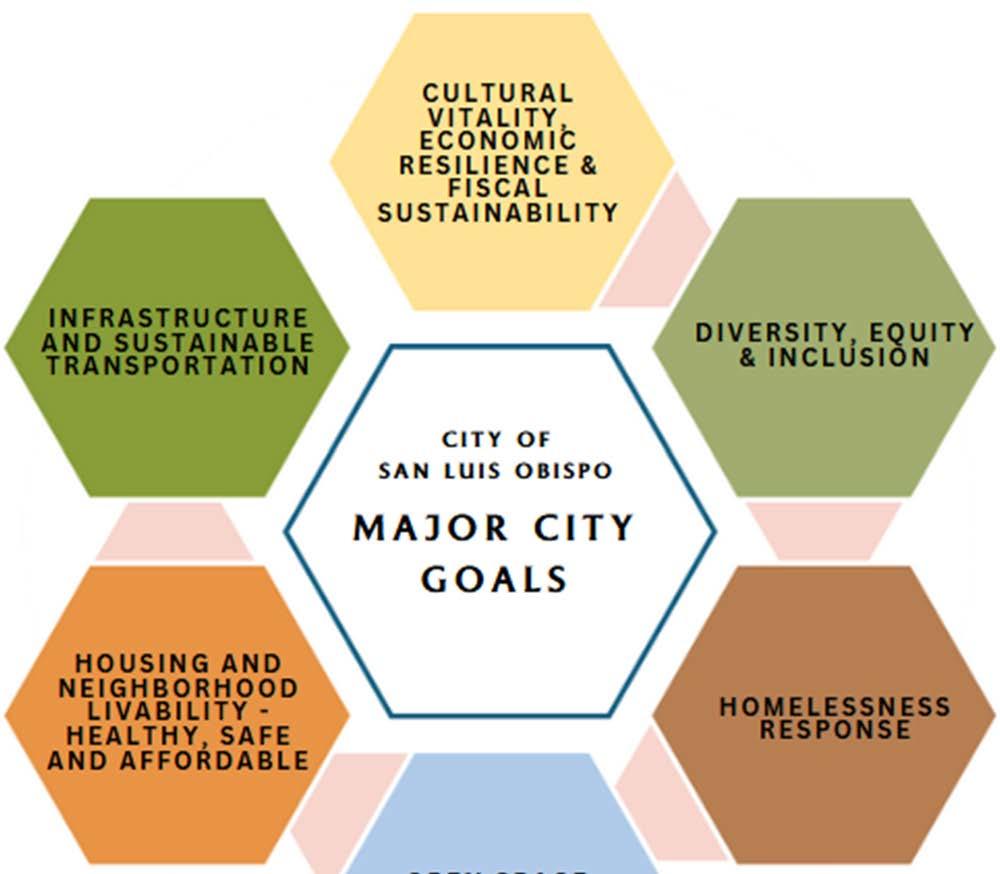
The City Council’s goal setting process was a day‐long facilitated Goal Setting Workshop on February 8, 2025. At this workshop, the Council reviewed all community input provided via the Community Survey, at the Community Forum, via public comment at regular City Council Meetings, as well as input provided by several of the City’s advisory bodies. The culmination of all the community input resulted in the development of the City Council’s Major City Goals for the 2025‐27 Financial Plan. The Major City Goals adopted by the City Council are discussed in more detail later in this section and include:

PublicEngagement

Community Surveys
Advisory Bodies


Letters from
Community Groups
Public Comment


Community Forum
Staff Budget Preparation
Revenue & expenditure forecasts
Departments prepare base budgets and propose operating changes
Draft Major City Goal work programs
Draft Capital Improvement Plan
Prepare Financial Plan Document

NOVEMBER 2024 JUNE 2025


December 10, 2024: Setting the Stage & Strategic Scan Provide Council with the framework for the two‐year financial plan and present an update on the City’s fiscal status, general plan, and Major City Goal work programs.
January 15, 2025: Budget Foundation Review with Council the goal setting process, approve City’s budget and fiscal policies, discuss economic outlook, and review current and long‐term capital outlook plan.
January 23, 2025: Community Forum

February 8, 2025: Council Goal‐Setting Workshop Review and prioritize goals and establish strategic priorities for the 2023‐25 Financial Plan.
April 15, 2025: Strategic Budget Direction Provide feedback and guidance to City Manager and staff regarding the draft budget allocations and Major City Goal work programs.
June 17, 2025: Preliminary Budget Review 2025‐27 Financial Plan and 2025‐26 Budget and adopt if there are no changes directed by Council.

1

‐ Improve the local business environment, support Downtown vitality, and help businesses thrive
Estimated Completion Date
a.Finalize a Community Work Force Agreement to support future construction work for the Prado Interchange and Public Safety Center projects. TBD
b.Implement a Business Welcome program to support business attraction, retention and expansion efforts including start up checklists for the 17 most common business types.
c.Create a disaster preparedness and resiliency guide for businesses and host an annual training.
d.Work with partners to create a roadmap for the development of a potential conference facility in Downtown SLO.
2 ‐ Support the cultural arts, including the Cultural Arts District
FY 2027 Q3
FY 2027 Q4
FY 2027 Q4
a.Complete the construction of the Mission Plaza Project to enhance the experience of the plaza and downtown.FY 2026 Q2
b.Complete the construction of the Cultural Arts District Parking Structure.
c.Complete the update to the City's Historic Resources Inventory. Complete initial phase of the project updating the Historic Preservation Ordinance and Historic Context Statement (Phase 1) and complete the update of the Historic Resources Inventory (Phase 2).
d.Implement the City’s Lease and Grant Agreements with SLO REP to support construction of the new theater and a successful opening.
e.Manage the tenanting and ongoing operations of a vendor in the Mission Plaza kiosk.
3 ‐ Support initiatives to assist the local workforce to develop the skills needed to secure quality jobs and local businesses and employers to attract and retain talent
a.Work with CAPSLO and other non profits to provide grants to support new and expanded private childcare options and evaluate other approaches, e.g. permit streamlining, fee subsidies, if needed.
b.Evaluate opportunities to partner with Cal Poly, SLCUSD, and County for employer‐supported childcare programs.
c.Support the creation or expansion of coworking opportunities, such as the Hothouse, or other shared resource facilities to lower the barriers to entry for new businesses and provide opportunities for community members to build skills.
d.Analyze and annually share relevant data and insights from the business retention and expansion program regarding labor needs with industry and workforce training partners.
4 ‐ Promote the City as an appealing community for people to live, work, visit, and invest
a.Implement the approved brand strategy to continue to build awareness of San Luis Obispo as a destination and increase occupancy in hotels.
FY 2026 Q3
FY 2026 Q2 FY 2027 Q4
FY 2027 Q4
FY 2027 Q4
FY 2027 Q4
FY 2027 Q4
FY 2027 Q4
FY 2027 Q4
FY 2027 Q4
b.Create a program to support business‐led efforts to identify and promote business areas throughout the City.FY 2027 Q4
c.Conduct a study session with the City Council to explore innovative and alternative funding methods to address the needs of business areas throughout the City.
FY 2027 Q3
5 ‐ Balance operational needs and infrastructure investments with consideration of the long‐term fiscal
a. Develop and implement a long‐term strategy to address the forecasted General Fund deficit in the 2027‐29 Financial Plan period.
b. Conduct an RFP process to evaluate banking service providers that will provide secure banking services at the best value to the City.
c. Conduct an RFP process to identify a consultant to prepare the City's annual cost allocation plan to ensure that enterprise funds are appropriately reimbursing the General Fund for services provided to them.
d. Refine the administration of the City's business license and business tax program to enhance consistency of communications and clarity around enforcement actions in order to maximize collection of business tax revenue.
e. Complete an analysis of the existing infrastructure financing program and develop a plan to implement improvements that enhance transparency and efficiency.
f. Complete a fiscal analysis of the golf operations at the Laguna Lake Golf Course and conduct a Council Study Session to evaluate fiscal impacts, capital needs, and potential reuse options prior to major infrastructure investments.
g. Develop a strategic framework that connects existing strategic plans, incorporates the City’s mission and vision, and outlines core services to support a longer‐term planning approach beyond the two‐year Financial Plan.
FY 2026 Q4
FY 2026 Q2
FY 2027 Q1
FY 2027 Q3
FY 2027 Q4
FY 2026 Q3
FY 2026 Q4
FY 2027 Q4
1

‐ Increase access and belonging for all community members
a. Provide an annual update and receive feedback on City DEI efforts at the Diversity Partners Network (DPN), which includes representatives from Cal Poly, Cuesta College, and other local organizations involved in the diversity, equity, and inclusion space.
b. Conduct an annual Community Academy program and increase application outreach, especially to underserved and underrepresented communities.
c. Host at least two listening sessions with minority‐ and women‐owned businesses (MWOBs) to receive input on the tools they need, and any barriers to overcome, to be successful business owners in the community.
d. Develop and distribute to the community and partners a brief annual report from the Office of DEI highlighting outcomes and results of DEI work.
Estimated Completion Date
FY 2027 Q4
FY 2026 Q4
FY 2027 Q4
FY 2027 Q4
FY 2026 Q4
FY 2027 Q4
e. Complete the portion of the Broadband Plan funded through the Last Mile Federal Funding Account. FY 2027 Q2
2
‐ Facilitate programs and initiatives to support diverse community engagement and representation
a. Implement a communications plan to provide education and information about the City's new Citywide Single Voting System.
b. Partner with Diversity Coalition's BIPOC Board Leadership Program to increase representation of underserved and underrepresented groups on City Advisory Bodies through a separate training/panel session in conjunction with the existing program.
c. Provide annual and on‐demand training of the City's Public Engagement and Noticing Manual for applicable City employees, including updates to better reach underserved and underrepresented communities.
d. Develop and distribute a “how to” guide in Spanish and other languages on how to participate in public meetings and share public comment.
e. Incorporate a land acknowledgement into City Council meetings and advisory body meetings.
3 ‐ Operationalize inclusive practices in City processes and policies
a. Create a Citywide Title VI Implementation Plan and other required documents.
b. Annually review four City policies and practices, as identified by City departments and the Office of DEI, to ensure inclusive language and processes.
c. Embed equity considerations into the City financial planning and budget process such as updating the Significant Operating Budget Change form.
4 ‐ Foster an inclusive organizational culture with equitable practices in recruiting, hiring, and retention
FY 2027 Q1
FY 2026 Q2
FY 2027 Q4
FY 2026 Q2
FY 2026 Q4
FY 2026 Q4
FY 2027 Q4
FY 2027 Q4
a. Develop and implement equity and inclusivity training for staff of all levels (Directors, Managers, Staff, etc.).FY 2026 Q4
b. Develop and implement a set of DEI‐focused best practices in screening and interviewing processes, such as a blind application review.
c. Take the San Luis Obispo County Family‐Friendly Workplace Assessment and implement any recommendations as feasible.
d. Integrate DEI competencies into performance evaluations for management level positions, which can include, but is not limited to, training, team development, and project implementation.
e. Annually report out on demographic data collected in NeoGov for City job applicants and Oracle for paid advisory body members and identify targeted strategies to address potential equity gaps.
FY 2027 Q4
FY 2027 Q4
FY 2027 Q4
FY 2026 Q3
FY 2027 Q3
1

‐ Facilitate sustainable growth that aligns with climate, economic, and housing goals
a. Organize a focus group to explore barriers to residential infill development—including specific discussions about the Downtown Core—and produce a memo to Council to help guide updates to the Zoning Regulations. FY 2027 Q2
b. Conduct a study session on the status of the City's growth management regulations. FY 2026 Q2
c. Conduct a study session on implications and implementation of State Fire Hazard maps for local responsibility areas. FY 2026 Q2
d. Implement actions and requirements of the State Fire Hazard Severity maps Ongoing
2 ‐ Promote the expansion and diversification of housing opportunities for all
a. Conduct an educational forum and improve the implementation of Below Market Rate (BMR) best practices to market and streamline the purchase and rental process for BMR units. FY 2027 Q1
b. Create an informational handbook to assist the community in understanding state and local regulations for the development of ADUs and the creation of Urban Lot Splits and evaluate options for adopting pre‐approved ADU plans. FY 2026 Q2
c. Annually, or as needed for compliance, and by obtaining information from housing partners, complete updates to the Zoning Regulations to implement state law and to address identified barriers to affordable housing and housing production. FY 2026 Q3 FY 2027 Q3
d. Work with SLOCOG to determine the City's RNHA allocation for the 7th Cycle Housing Element Update. FY 2027 Q4
e. Initiate an update to the 7th Cycle Housing Element through the creation of an RFP for consultant services, and present RFP to the City Council with a study session on potential scoping for Land Use and Circulation Element Update FY 2027 Q4
3 ‐ Ensure housing is safe, healthy, and affordable, while facilitating stronger protections for renters
a. Conduct a study session with the City Council to identify needs and opportunities regarding renter protections, based on the memo produced in 2024, and receive direction on items for further consideration and development.
FY 2026 Q2
b. Conduct a study session with the City Council on potential Rental Housing Registry. This study session would discuss parameters of potential registry and discussion of resources needed for establishment and ongoing maintenance of registry. FY 2026 Q3
c. Adopt and implement updated California Building Standards and local amendments (building code) FY 2026 Q1
d. Create a strategic plan for the safe housing program, and conduct outreach and engagement with a focus on both tenants and landlords. FY 2027 Q2
4 ‐ Foster diverse, connected, and safe neighborhoods that are livable for all
a. Initiate an update to the Tree Regulations to streamline housing projects. FY 2027 Q4
b. Conduct a study session with Council on Code Enforcement priorities related to safe/livable neighborhoods and receive feedback on priorities. Discuss potential updates to property maintenance standards. FY 2026 Q4
c. Update property maintenance standards to ensure they align with City priorities related to safe and livable neighborhoods and housing.
d. Create a project plan and standard operating procedures for Community Development enforcement of zoning code regulations pertaining to Greek houses. Consider potential updates to zoning code to facilitate efficient regulation of Greek houses.
FY 2027 Q2
FY 2026 Q3

1
‐ Collaborate with partners to prevent and reduce homelessness
Estimated Completion Date
a. Data ‐ Support efforts to improve data access between City, County and service providers to more effectively facilitate connecting unhoused individuals to shelter and services. Identify data platform needs and develop implementation plans. FY 2027 Q4
b. Prevention ‐ Collaborate quarterly with SLO County and housing and homeless services providers to streamline resources to enable individuals and families to remain in housing.
c. Homeless Services ‐ Meet monthly with CAPSLO to support effectiveness of the 40 Prado Homeless Service Center, including updates to Good Neighbor Policy which will be presented to Council in Q2 of FY25‐26.
d. Justice Services ‐ Continue and expand collaborations between the City Attorney/City Prosecutor, SLOPD & SLO Fire (CAT/MCU/CSOs/LPTs), County Behavioral Health, and SLO Courts to coordinate criminal warrant and Municipal Code criminal misdemeanor prosecution efforts to enhance criminal diversion, social services, and specialty court connections, including mental health, drug and alcohol, veteran's support, CARE Court, conservatorship and housing and benefits services.
e. Regional Compact ‐ Work with SLO County jurisdictions to develop and execute regional MOU to clearly outline jurisdictional responsibilities to prevent and address homelessness, create accountability measures, and ensure equitable resource allocations.
2 ‐ Leverage external funding to expand crisis response and continuum of shelter and housing programs with regional partners
a. Homekey ‐ Utilize State Homekey funding to implement Calle Joaquin Homekey project, providing 75 permanent supportive housing units which are scheduled to be fully occupied in Q1 of FY‐25.
b. Encampment Resolution Funds ‐ Complete outreach work as described in the City's Subrecipient Agreement with SLO County for implementation of the Welcome Home Village project to address encampments along the Bob Jones Bike Trail.
c. Other Funding Opportunities ‐ Actively seek and vet additional funding sources to expand crisis response efforts and continuum of shelter programs in collaboration with regional partners. Report on any progress to Council in Q4 of FY26‐27, unless grant applications are brought to Council for approval in advance of that timeline.
a. Safe Parking ‐ Facilitate implementation of the Rotating Overnight Safe Parking Pilot Program in partnership with CAPSLO and local faith community partners to expand safe parking capacity and address vehicular homelessness.
b. Hotel Voucher Program ‐ Continue implementation of Hotel Voucher Program to provide expanded capacity at 40 Prado Homeless Services Center as the CAPSLO Family Shelter is developed at 46 Prado Rd.
2027 Q4
2026 Q2
2027 Q4
Q4
FY 2026 Q4
FY 2027 Q4
FY 2027 Q4
FY 2027 Q4
c. Feedback Sessions ‐ Conduct feedback sessions with six key stakeholder groups to inform updates to the HRSP and address specific issues related to health, safety, and community well‐being for each stakeholder group. FY 2027 Q3
d. HRSP Update ‐ Update the HRSP for 2027‐2031 in alignment with the Countywide Plan to Address Homelessness.
FY 2027 Q4
4 ‐ Refine approaches to reduce the impacts of homelessness to balance safety, health, and community well‐being
a. SLOPD CAT & CSO Teams ‐ Continue/refine operation of a coordinated homelessness response including the Police Department's Community Action Team (CAT), Licensed Psychiatric Technician contracted through the County's Behavioral Health Department and a Community Service Officer (CSO). Identify potential funding sources to ensure sustainability of CAT and CSO positions.
b. SLOFD MCU Team ‐ Continue/refine operations of the Fire Department's Mobile Crisis Unit (MCU), including integration of a Licensed Psychiatric Technician contracted through the County's Behavioral Health Department. Identify potential funding sources to ensure sustainability of MCU positions.
c. Outreach & Coordination ‐ Facilitate bi‐weekly interdepartmental field team meetings and bi‐weekly inter‐agency outreach meetings to coordinate outreach, enforcement, and encampment cleanup efforts to reduce community‐wide impacts of homelessness.
d. Ask SLO ‐ Receive and respond to community member Ask SLO requests related to homelessness response and transient encampments to more efficiently address health and safety concerns. In response to Ask SLO requests, Homelessness Response staff will coordinate Field Team process for posting camps, conducting outreach, storing belongings, addressing cleanup needs, and tracking data in alignment with the City's CAMP Standards.
e. Environmental Mitigation ‐ Coordinate efforts to mitigate environmental impacts and protect creek systems in collaboration with regional agencies including quarterly meetings with Caltrans, CHP, and SLO County. Develop and implement a Vegetation Management Plan.
Q4
Q4
Q4
1

‐ Advance street safety improvements and support Vision Zero goals for all road users
Estimated Completion Date
a.Start construction of the 2025 Arterials Paving project which could include streets such as Sacramento Dr, Tank Farm, and Calle Joaquin depending on available funding. FY 2026 Q2
b.Start construction of the 2026 Roadway Sealing Project in Pavement Areas 2 & 3. FY 2027 Q1
c.Start construction of the South/King Signalized Crossing FY 2026 Q3
d. Start construction of the California/Taft Roundabout. FY 2026 Q4
2
‐ Continue implementation of the Active Transportation Plan, including expansion of multimodal transportation networks to improve connectivity, advocating for regional financial support as necessary.
a.Start construction of the Higuera Complete Streets Project. FY 2026 Q3
b.Complete the South Broad St. Corridor Plan and initiate Demonstration Project. FY 2027 Q4
c.Complete public outreach and concept design for the Foothill Complete Streets project. FY 2026 Q4
d.Promote the Roll and Stroll Education Campaign. FY 2027 Q4
e.Bring final recommendation for Grand Avenue to Council to be implemented with the 2027 Paving Project. FY 2027 Q3
3 ‐ Ensure public spaces, roads, and utilities support future growth and development
a.Finalize the design plans for construction of the Prado Bridge Widening Project. FY 2027 Q4
b.Complete the WRRF Upgrade Project.
Q3
c.Complete the Prado Interchange Final Value Engineering Report and Council Update. FY 2027 Q1
d.Evaluate and implement EV firefighting tools and technology to protect waterways and infrastructure. FY 2026 Q4
e.In collaboration with Avila Ranch contractor, pursue design and construction of interim Fire Station 5 to achieve a projected opening date of 2028. FY 2029
4 ‐ Build out park infrastructure to support community recreation and accessibility
a.Start construction of Righetti Ranch Park (Phase 1). FY 2026 Q2
b.Start construction of Devaul Ranch Playground Replacement Project. FY 2026 Q3
c.Advertise for construction bids for the Emerson Park Replacement Project. FY 2027 Q1
5 ‐ Support policies and programs aimed at expanding mass transportation and public transit
a.Execute new SLO Transit Operations and Maintenance Agreement. FY 2026 Q2
b.Reinstate transit services to pre‐pandemic levels. FY 2026 Q3
c.Increase route frequency and reduce headways consistent with recommendations of the 2025 Short Range Transit Plan. FY 2027 Q4
d.Provide transit service to San Luis Ranch and Avila Ranch neighborhoods. FY 2027 Q4
e.Expand and promote the Downtown Access Pass (DAP) program. FY 2027 Q4

1
‐ Continue implementation of the Climate Action Plan (CAP) and Lead by Example (LBE) Plan Work Programs
a.Adopt and implement updated energy reach codes (e.g., local amendments to the 2025 California Energy Code) (CAP)
b.Work with CAPSLO to complete the Department of Energy Buildings Upgrade Prize pilot projects (installing energy efficiency upgrades in 10 low‐income occupied manufactured homes) and report to Council on potential energy bill savings next steps (CAP)
c.Complete the 2027‐2031 Climate Action Plan and GHG Inventory Update (CAP)
d.Complete publicly accessible EV charging projects at various City property while continuing to develop policy and funding resources to expand access to EV charging infrastructure on public and private property (CAP)
e.Convene a circular economy stakeholder forum to inform future circular economy actions (CAP)
f.Partner with the Integrated Waste Management Authority (IWMA) to develop and distribute waste education materials to HOAs and property managers, with a focus on food waste diversion in high‐turnover multi‐family complexes and mobile home communities. (CAP)
g.Develop and adopt internal polices focused on zero emissions buildings, facilities, and vehicles (LBE)
h.Complete investment grade audits for building electrification retrofits at Swim Center, City Hall, and Corporation Yard (LBE)
i.Conduct a year‐long campaign to connect employees to low emissions commute options (LBE)
j. Install publicly accessible EV charging projects at the Cultural Arts District Parking Structure.
2 ‐ Implement disaster mitigation efforts to reduce risks from floods and fires
Construction of the Mid‐Higuera Bypass Project
the Vegetation Management Plan (VMP)
c.Treat at least 25 acres of vegetative fuels in high wildfire risk areas of City creeks and Open Space
d.Complete Waterway Management Plan, Volume 1 update
3 ‐ Strengthen community resilience through emergency preparedness, community networks, and planning efforts
a.Launch comprehensive community outreach and engagement opportunities on a quarterly basis that (i) provide general climate resilience and disaster preparedness resources, (ii) incorporate climate justice considerations in scheduling, location, and content, and (iii) support the projects described in MCG tasks 2b, 2c, and 2e
b.Empower community organizations to host "pop‐up" resilience hub events and support block and neighborhood‐level preparedness efforts
Estimated Completion Date
2027 Q2
Q3
Q1
Q1
2027 Q3
Q2
2027 Q4
c.Evaluate Community Emergency Response Team (CERT) / Listos program alternatives for community engagement and resiliency, and evaluate community receptivity to "Firewise" community designations FY 2027 Q4
d.Conduct a study session to consider options for funding stormwater and / or creek maintenance and flood preparedness in support of CASE programs
2026 Q2
4
‐ Protect, sustain and advance open space and natural and historic resources
a.Pursue priority land conservation opportunities to expand the Greenbelt, identify funding opportunities and resources, and engage with priority landowners on an annual basis Ongoing
b.Complete Johnson Ranch Open Space Riparian Restoration Project
c.Revive traditional ecological knowledge and cultural activities on City Open Space through annual engagement and dialogue with the leadership of local indigenous tribes
d.Plant at least 125 native trees in Open Space through partnerships in furtherance of the "10 Tall" goal
e. In partnership with Friends of La Loma Adobe, complete property boundary adjustment, initiate structural stabilization of the adobe, and complete trailhead connection as part of the Reservoir Canyon Natural Reserve
5
‐ Expand trail connectivity and accessibility to support biking, hiking, and outdoor enjoyment for all community members
a.Implement Firefighter Trail realignment at Reservoir Canyon Natural Reserve
b.Implement
c.Initiate
d.Enhance accessibility for all through bilingual docent led hikes, Junior Ranger Camp, and environmental education
e.Develop a sustainable trail strategy plan that incorporates passive recreation, public amenities, and equitable access, while ensuring natural resource protection
2027 Q3
Q4
The financial plan overview provides a summary level presentation of the City’s budget information. Included in this section is:
An overview of the City’s fund structure and description of the major funds;
A summary of the City’s ‘all funds’ budget (including the General Fund, Capital Projects funds, Special Revenue funds, Debt Service fund, Enterprise funds, and Internal Service funds);
An overview of the City’s revenue sources and expenditure categories;
An overview of transfers between funds;
An overview of the proposed use of Local Revenue Measure (LRM) dollars; and
The long‐term forecast for the General Fund.
More detailed information about individual department budgets can be found in the ‘Operating Budgets’ section of the budget document.
The budget document includes detailed information for fewer funds than are included in the City’s Annual Comprehensive Financial Report (ACFR). For information pertaining to funds other than those included in the budget document, please refer to the City’s ACFR, which is available on the Finance Department’s website
The City’s financial structure is separated into governmental and business activities. Revenues and expenditures are balanced at the fund level to ensure that the City has the capacity to support anticipated costs. Business activities (proprietary funds) are distinguished from governmental funds by their similarity to private sector enterprises and are financed largely through user charges.
The following graphic provides an overview of the City’s budgetary fund structure and additional information about each fund included in this document follows.
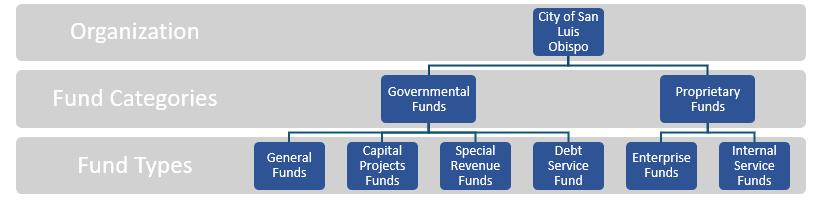
The General Fund is the main operating fund for general government operations and is primarily funded through various tax revenues and user fees that are intended to recover the cost of providing specific services.
Funding Sources
Funding Uses
Tax & Franchise Revenue Municipal Services Sales Tax
Public Safety Property and Lodging Tax
Parks & Recreation Utility User and Business Tax
Cannabis and Franchise Tax
Public Works
Community Development Service Fees
Planning and Building
Parks & Recreation Fees
Public Safety Fees
General Government
Administration
City Attorney
HR and Finance
Local Revenue Measure (LRM) funding is part of the General Fund and accounts for the local 1.5‐cent sales tax measure approved by the voters in 2020 via Measure G‐20. LRM funding is used in accordance with the community’s priorities for services and capital improvement projects. The City’s Municipal Code, under Section 3.15 – Community Services and Investment Transactions and Use Tax, guides the use of LRM revenue and provides fiscal accountability provisions. The Revenue Enhancement Oversight Committee, as directed by Municipal Code Section 2.14, makes recommendations to the City Council regarding the use of LRM funding.
Special revenue funds are established to separate and account for revenues that are restricted or committed to specific governmental activities. Special Revenue Funds include:
Downtown Business Improvement District
Gas Tax Fund
Transportation Development Act Fund
Law Enforcement Grant Fund
Public Art (Private Sector Contributions) Fund
Tourism Business Improvement District Fund
Avila Ranch Community Facilities District (CFD) San Luis Ranch Community Facilities District (CFD)
The Capital Project Funds account for financial resources used for the acquisition, construction, maintenance and replacement of major capital assets. The City has typically prepared a five‐year Capital Improvement Plan (CIP), which is refreshed every two years with development of the two‐year Financial Plan. The plan does not appropriate funding but rather serves as a budgeting tool to identify appropriations to be made through the adoption of the City’s annual budgets. The CIP included in this financial plan presents a ten‐year plan for the construction of capital projects based on projected revenues for the entire ten‐year planning horizon. More information on the Capital Improvement Plan can be found in the ‘Capital Budget’ section of this document. Capital Project Funds include:
Capital Outlay Fund
Parkland Development Fund
Transportation Impact Fee Fund
Open Space Protection Fund
Airport Area Impact Fee Fund
Affordable Housing Fund
Debt Service Fund
Fleet Replacement Fund
Los Osos Valley Road sub‐Area Fee Fund
Information Technology Replacement Fund
Major Facility Replacement Fund
Infrastructure Investment Capital Fund
The Debt Service Fund is set up to receive dedicated revenues used to make principal and interest payments on City debt. It is used to account for the accumulation of resources for, and the payment of, general obligation and special assessment debt principal, interest and related costs, except the debt service accounted for in the Special Revenue funds and Enterprise funds.
Water Enterprise Fund
The City’s Water Fund is a business‐activity and is funded predominately through its own rates to provide service. The City treats and delivers water to the public from three surface reservoirs as well as recycled water for landscape irrigation. The water service is provided to all property owners in the City including parks and sport fields.
Water Enterprise Fund
Funding Sources
Service Charges and Fees
Funding Uses
Sources of Supply Water Service Charges
Base Fee Revenue
Water Treatment
Water Distribution Cal Poly Sales
Recycled Water Sales
Water Resources Management
Administration and Engineering Development Impact Fees
Capital Infrastructure
Debt Financing
The City’s Sewer Fund is also a business‐activity and fund and operates and maintains the City’s sanitary sewer system and the Water Resource Recovery Facility. An efficient sanitary sewer system that collects and treats wastewater provides a foundation for public health and community well‐being. Rates and charges are the primary source of revenue for this fund.
Sewer Enterprise Fund
Sewer Service Charges
Cal Poly Sales
Development Impact Fees
Industrial User Charges
Administration and Engineering
Capital Infrastructure
Debt Financing
The City’s Parking Fund implements the Access and Parking Management Plan and directs the operation and maintenance of the City’s parking facilities. These facilities include parking lots in Downtown and Railroad Square, on‐street parking, residential parking districts, and three parking structures (with a fourth structure coming online in 2026). The operation is paid for by parking user fees.
Parking Enterprise Fund
Parking Meters Collection
Parking Structure Collection
Parking Leases
Long‐term Parking
Parking in‐lieu Fees
Parking Citations/Fines
The City’s Transit Fund provides daily fixed‐route transit service to the general public within City limits and to Cal Poly University. It also includes the downtown trolley service connecting downtown with the lodging district on upper Monterey Street. The services are paid for by user fares and federal and state funding Federal funding is subject to single audit requirements.
Transit Enterprise Fund
Fund
The Insurance Fund accounts for the payment of the City’s annual premiums for liability, workers’ compensation, special events, volunteer, property, and other insurances needed to protect the City and to manage the fluctuations in claims‐related expenses.
The City’s organizational structure consists of departments performing various activities necessary for the operations of the City, while the City’s finances are reported in funds. The following table portrays the City’s departments and the sources of revenue they use to provide services.
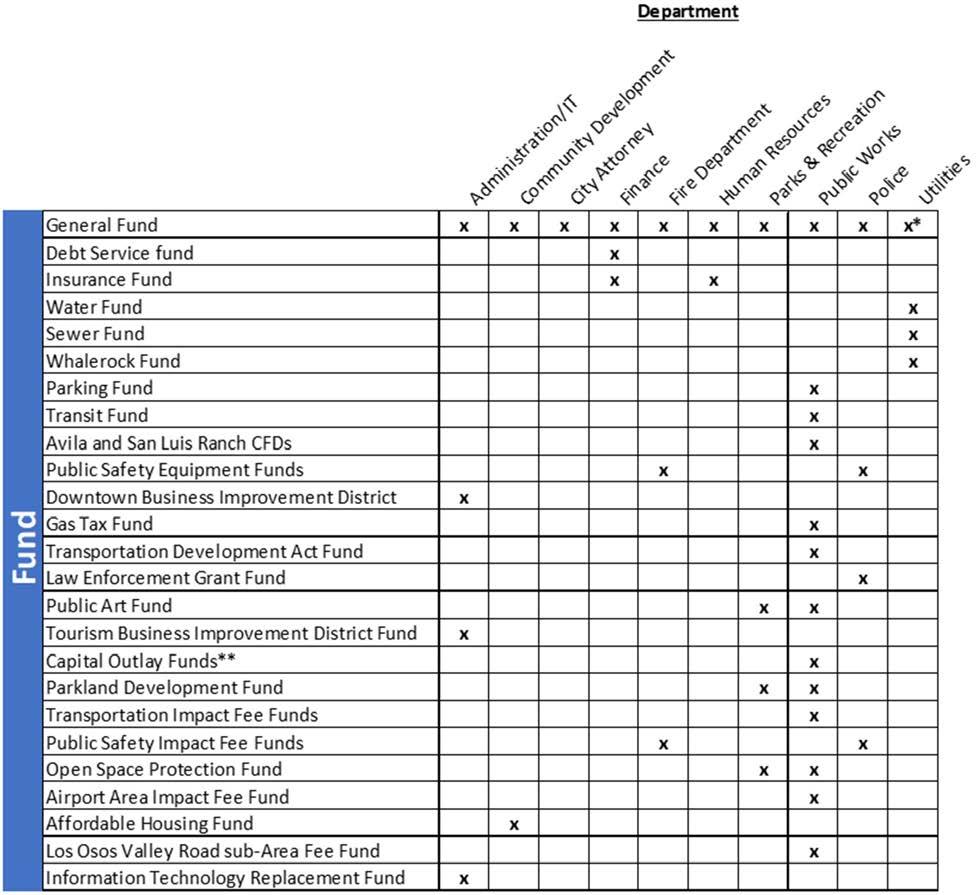
*Solid Waste and Stormwater programs only
**The Public Works department manages the Capital Improvement Plan, but the funds support capital projects for all departments
The following tables provide a high‐level summary of the City’s total budget (including General funds, Capital Projects funds, Special Revenue funds, Debt Service funds, Enterprise funds, and Internal Service funds) for the most recently completed fiscal year, current budget year, and the two Financial Plan years.
The following table provides a summary level view of proposed revenue for all funds. It does not include an assumption for use of or contribution to fund balance, which is detailed later in this section.
These expenditures are higher than revenues due to assumed use of fund balance, which is detailed
The following table shows reserve balances for each of the City’s five major funds (General Fund and four enterprise funds). Reserves are intended to help the City to address unanticipated, one‐time needs or opportunities. The City’s Fund Balance and Reserve Policy requires that the City maintain a minimum fund balance of 20% of operating expenditures in the General Fund and 20% of operating expenditures in each of the four enterprise funds.
The following table shows the undesignated fund balance for the General Fund and unreserved working capital for the enterprise funds. This is the amount of fund balance above and beyond the amount required for reserved and assigned balances.
The General Fund undesignated balance is typically used to fund additional discretionary payments towards the City’s unfunded pension obligations and additional unbudgeted fund balance will be needed to meet the $2.0 million annual target.
The City’s operations are funded through a variety of sources. Following is a summary of the City’s major revenue categories for the General Fund and identification of factors that are considered when forecasting revenue for the coming budget year. Information about funding sources for the City’s four Enterprise funds are included in the ‘Operating Budgets’ section of this document, under the Public Works and Utilities departments, which administer Enterprise fund programs.
Sales Tax is regulated by the State and applies to all retail sales of goods and merchandise except those sales specifically exempted by law. Use Tax is also regulated by the State and generally applies to storage, use, or other consumption of goods purchased from retailers in transactions not subject to a sales tax. Use Tax may also apply to purchases shipped to a California consumer from another state. The Sales and
Use Tax rate in the city is 8.75%, of which 2.5% is paid to the City. Sales and Use Tax revenue projections are based on forecasts provided by HdL, the City’s sales tax consultant.
Property Tax is regulated by the State and collected and distributed to various governmental agencies by the County. The formula for calculating property taxes is determined by Proposition 13 (the People’s Initiative to Limit Property Taxation), which was passed by California voters in 1978. Prop 13 sets the tax rate for real estate at one percent of a property’s assessed value and limits changes to a property’s assessed value based on the Consumer Price Index to two percent each year. Under Prop 13, reassessment of a new base year value is only set upon a change of ownership or the completion of new construction.
The City receives approximately 10% of all property taxes collected in the city limits. Property Tax revenues are projected by the County Assessor each year based on the total assessed value of the city, which is estimated by taking into account inflationary factors such as the Consumer Price Index, new construction, and transfers of ownership which trigger a reassessment of property values.
Transient Occupancy taxes (TOT), commonly knowns as a “bed tax,” are charged to visitors who stay in hotels, motels, short‐term rentals or similar lodgings for less than 30 days. The TOT rate is currently set at 10%. TOT revenue is projected each year by taking into account the number of beds, average daily rates, occupancy statistics, and other historical trends.
Utility User taxes (UUT) are imposed on the consumption of utility services, including telecommunications, electricity, gas, video, and water. Utility companies collect UUT from their customers as part of their regular billing procedures and then send collected funds to the City. The UUT rates for each utility were approved by voters and are currently set at 4.8% for telecommunications and video and 5% for electricity, gas and water. UUT revenue is projected each year based on historical trends.
Franchise Fees are a form of rent for use of public streets and roadways. Examples of businesses that pay franchise fees include trash collectors, cable television companies, electric utilities and oil and natural gas pipeline companies. Federal and state law limits the amount of some franchise fees (for example, video and cable television franchise fees). Franchise fees for provision of video services (like television programming) are overseen by the state. Franchise Fee revenue is projected each year based on historical trends.
The City imposes a tax on the approximately 9,300 business operators that do business within the city. Payment of the annual business tax is required in order for businesses to maintain an active business license, as required by the Municipal Code. The City’s business tax rate is fifty cents per thousand dollars or 0.05% of a business’ annual gross receipts. Business Tax revenue is projected each year based on historical trends.
In 2018, voters in the city supported Measure F‐18, enabling a cannabis tax on all cannabis businesses that operate in the city. The measure passed by voters enables the City to charge a tax of up to 10% of gross receipts for retail and delivery businesses and up to $10 per canopy square foot for cultivation. The tax rate is currently set at 6% of gross receipts. Cannabis tax revenue is projected each year based upon the number of cannabis operators and historical trends.
The City charges fees for individualized services that are only used by certain members of the community (these services include but are not limited to: checking plans for new construction, certain recreation services, and issuance of business licenses). Fees for these services exist so that the burden of covering the cost of these services is borne by the individuals using them, rather than the general taxpayer. Fee revenue is projected each year based on changes to the City’s fee schedule and other trends such as construction activity or external economic factors which indicate demand for services.
Development Review revenue is proposed to decrease by $2.0M or 30% compared to FY 2024‐25, based on revenue collection trends in the first half of FY 2024‐25. Revenues are projected to remain stagnant over the next two years as the new budget projections are more aligned with nationwide development trends.
Parks & Recreation revenue is proposed to increase by $0.2M, or 10%, due to a continued rise in outdoor rentals and special events, leading to more applications and permits; improved tracking of childcare and camp revenues, which have historically exceeded budget estimates; an increase in youth athletic program revenue; and a trend toward customers purchasing multi‐day swim passes instead of single‐use passes.
Fire revenue is proposed to increase by $0.1M or 8% due in large part to an updated contract with Cal Poly for fire services that increases with annual CPI and now includes contributions to a replacement tiller‐ladder truck that would be heavily used on the campus’s many multi story buil dings. Other increases come from the department’s Certified Unified Program Agency (CUPA) and Fire and Life Safety Inspections.
Police revenue is proposed to decrease by $0.1M or 16%. Drivers include more accurate forecasting of alarm tracking fees (the fee for permits and false alarms decreased slightly as well due to the fee study earlier this fiscal year) and lower administrative citation revenue based on recently observed trends.
Business Licenses revenue is proposed to decrease by $0.1M or 10% largely driven by fewer cannabis business license renewals.
This category is a catch‐all for revenues that do not fit into one of the major revenue categories discussed above. Revenues in this category come from a variety of sources including investment income, rental payments, grants, and other miscellaneous revenue. Revenue in this category is projected each year based on a variety of factors, including historical trends, City fee and rent amounts, and availability of grant funding. In recent years, this line item has significantly outperformed budget driven by higher than usual interest rates and investment income and the budget has not been increased to reflect this trend in order to remain appropriately conservative in an uncertain environment.
The following chart shows how much of the expenditure budget is allocated to each department within the General Fund.
This table shows the breakdown of operating costs by category:
Staffing includes employee wages and benefits (including the pension, health benefits for employees and their dependents), other benefits provided in labor agreements, and applicable payroll taxes. This category represents the single largest expenditure in the City’s budget and in individual departmental budgets. Staffing costs are projected based on the number of City employees, labor agreements, and the cost of employee benefits.
Other Operating Expenditures include contract services, materials, equipment, utilities and other expenses to support delivery of City programs and services. Contract services represent approximately half of operating expenditures, as the City relies heavily on consultants and contractors to deliver services and supplement the work of City staff. Other Operating Expenditure costs are projected based on the cost of contracts, changes to the Consumer Price Index and the need for services and supplies to support City operations.
In order to constrain budgets in response to reduced revenue projections, all departments were required to submit Other Operating Expenditures budgets with no increase from approved ongoing FY 2024‐25 levels. This exercise generated savings of $1.6 million and the primary impact will be limited ability to respond to unplanned needs citywide.
Cancellations of reserves and designations reflect use of those funds and allow the City to fund expenditures with assigned or reserved fund balance rather than revenue.
This table includes all budgeted City funds and is intended to provide insights into the total consolidated budgets. Year‐over‐year changes are generally driven by capital expenditures, appropriations of which can change from year to year and will carry over into future years until spent.
In order to align the costs and benefits of various City expenditures and support the goals and policies of the City Council, transfers are made between funds. The following table shows the various funds making transfers to the General Fund. Additional detail on each transfer can be found below.
Public Art Fund: Annual operating transfers to the General Fund cover the cost of the Public Art Coordinator position and annual operating costs for supplies and services.
Gas Tax Fund: Gas tax revenue is received in a separate fund and transferred into the General Fund to be spent on City roads and transportation infrastructure.
Housing Fund: The Affordable Housing Fund makes an annual transfer to the General Fund to cover its operating costs, including the cost of the below market rate administrator.
Transportation Impact Fee Fund: This ongoing transfer is made to cover at least half of the debt service for the obligations incurred to finance the Los Osos Valley Road overpass project.
TBID Fund: The Tourism Business Improvement District transfers 2% of its assessment revenue to the General Fund to cover operating expenses.
Parking Fund: This transfer includes debt service costs on an interfund loan used to acquire the parking lot at 1166 Higuera, an annual transfer related to construction at the former Garden Street parking lot, and a reimbursement for right of way maintenance covered by the cost of services plan
Sewer & Water Funds: These transfers are for right of way maintenance costs incurred by the General Fund covered by the cost of services plan.
IT Replacement Fund: This transfer covers the annual cost to administer the EnerGov software tool.
Avila Ranch & San Luis Ranch CFDs: As called for in their respective agreements, the Community Facilities Districts make transfers to reimburse the General Fund for agreed upon costs, such as police, fire, infrastructure construction and maintenance, and administration.
The General Fund also makes transfers out for certain expenditures detailed in the table below:
Public Safety Equipment Replacement Fund: These transfers are used to generate a balance to replace equipment at predetermined intervals. By using a replacement fund, the City is able to set aside funding for significant purchases while shielding General Fund budgets from irregular spending trends.
Insurance Fund: These transfers cover the cost of workers’ compensation and liability insurance policies. The transfers are in excess of the annual premium amounts and the difference can be used to pay uninsured claims in current and future years.
Debt Service Fund: Transfers to the debt service fund are made to cover annual debt service payments on General Fund obligations. The FY 2025‐26 amount includes $161,601 to alleviate an outstanding interfund balance created by an error made in a prior year.
The following table details transfers out of the General Fund, which includes the Local Revenue Measure Fund, to the various Capital Outlay funds:
The table below details the transfers into the General Fund under the Cost Allocation Plan:
The Cost Allocation Plan was presented to Council on April 15, 2025, and can be found at the following link: https://opengov.slocity.org/WebLink/DocView.aspx?id=207438&dbid=0&repo=CityClerk
In November 2020, the city’s voters approved a local sales tax measure (Measure G‐20) to provide additional revenue for community services and infrastructure improvements. As a General Purposes Tax, the City’s Local Revenue Measure (LRM) expenditures are categorized as General Fund capital improvement project costs or operating costs. The community set the spending priorities for the measure funding as:
Protect Financial Stability
Community Safety and Emergency Preparedness
Creek and Flood Protection
Address Homelessness
Safe and Clean Public Areas
Economic Development and Business Retention
Youth/Senior Services and Recreation Facilities
Street Maintenance and Transportation (includes bicycle and pedestrian improvements)
Open Space/Natural Areas Preservation and Maintenance
Other Services and Projects
Staff’s proposed allocation of the revenue is reviewed by the Revenue Enhancement Oversight Commission (REOC), an advisory body to the City Council, to ensure alignment with the priorities identified in the ballot language.
LRM represents the single largest funding source for the City’s General Fund. As a result, fluctuations to LRM can have a significant impact on the City’s ability to provide high quality programs and services and deliver needed and desired infrastructure projects to the community. Staff works with HdL, the City’s sales tax consultant, to track LRM revenue and develop projections for how this revenue source will perform in future years.
The Local Revenue Measure is the City’s largest revenue source. It is also one most volatile to economic conditions and recessionary impacts.
The current revenue projections reflect a cooling of the economy over 2023‐25 but not a recession. The forecast of revenues may change over time and updates will be provided to the REOC and Council
Higher labor and raw material costs along with inflationary pressures drive taxable good prices upward and, absent any changes in consumer behavior, increase Measure G‐20 revenue; however, higher prices have also significantly increased the City’s own expenditure costs.
LRM funding is primarily used to fund capital projects. In the first full year after passage of Measure G‐20, the budget allocated 74% of the LRM towards capital projects. These previous allocations towards capital projects have exceeded staff’s capacity to deliver those projects, leading to delays and funds sitting idle when they could have been used elsewhere.
The table below details the original annual budget allocations since passage of Measure G‐20:
To better align funding availability, community identified needs, and capacity constraints, the Financial Plan includes an increased allocation to operating expenses. Staff will carefully evaluate this allocation going forward as needs shift.
Expenditures are broken into the ten categories as identified in the Measure G‐20 (Local Revenue Measure) ballot language. The tables below summarize the proposed allocation of LRM by ballot measure category:
Capital expenditures of LRM fall under the following ballot measure categories:
For LRM expenditures supporting the City’s operating needs, the following table summarizes Operating Expenditures by Priority stated in the ballot measure:
The tables below include line item detail on Capital and Operating expenditures by priority:
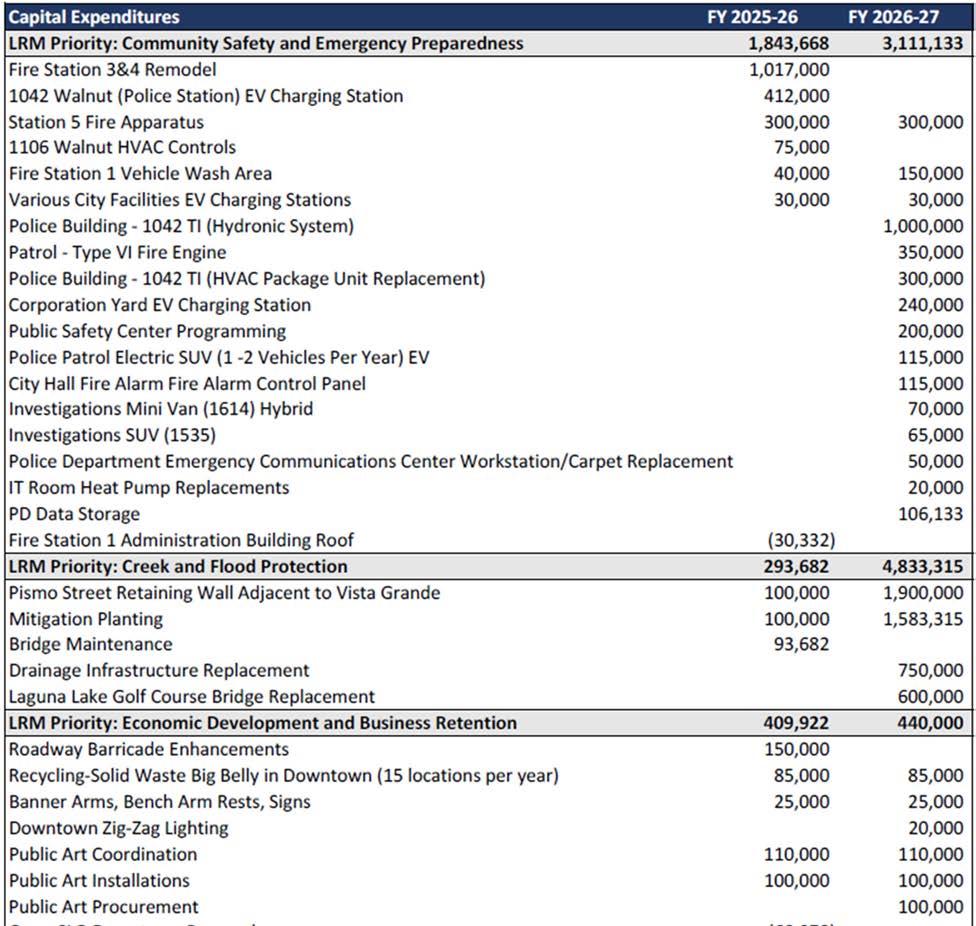
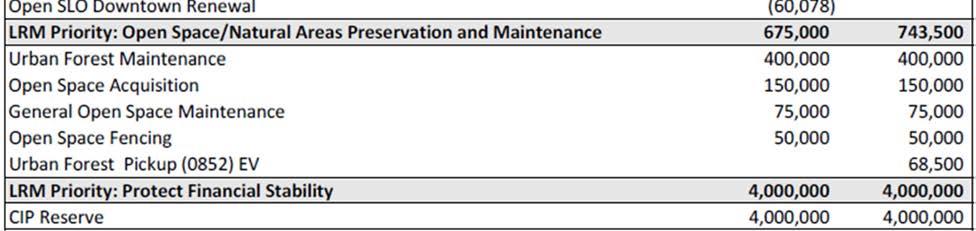
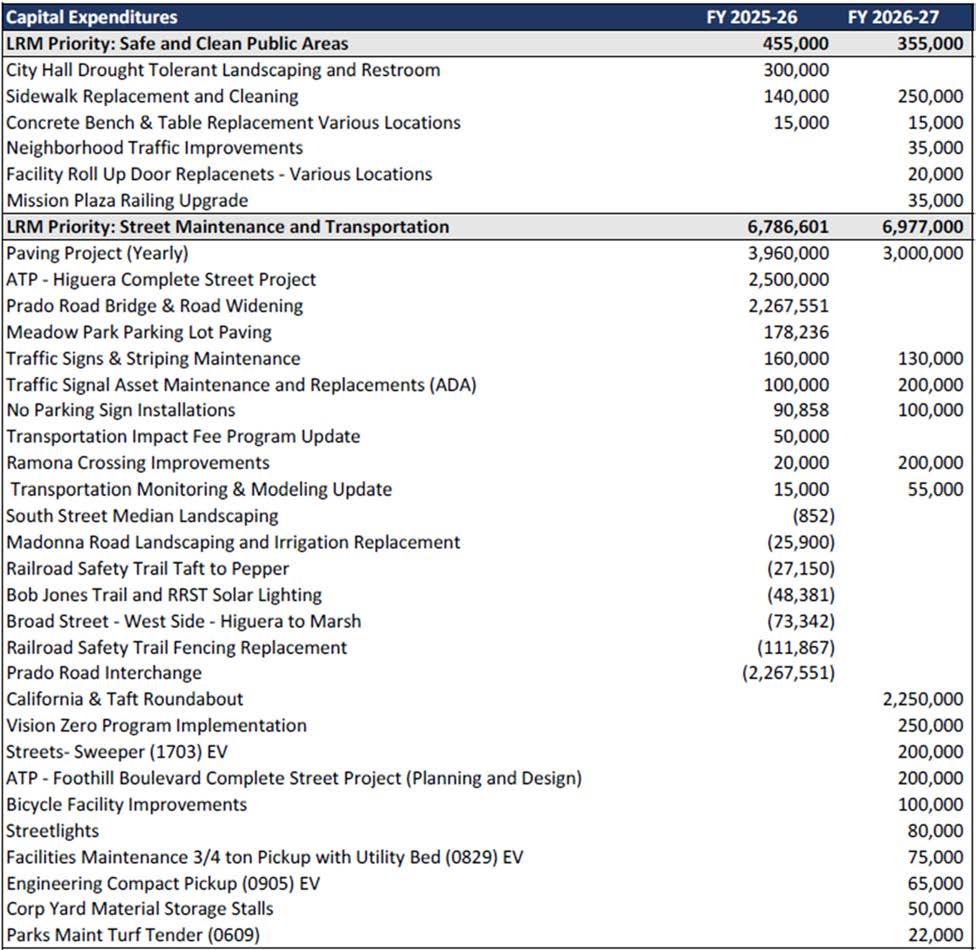
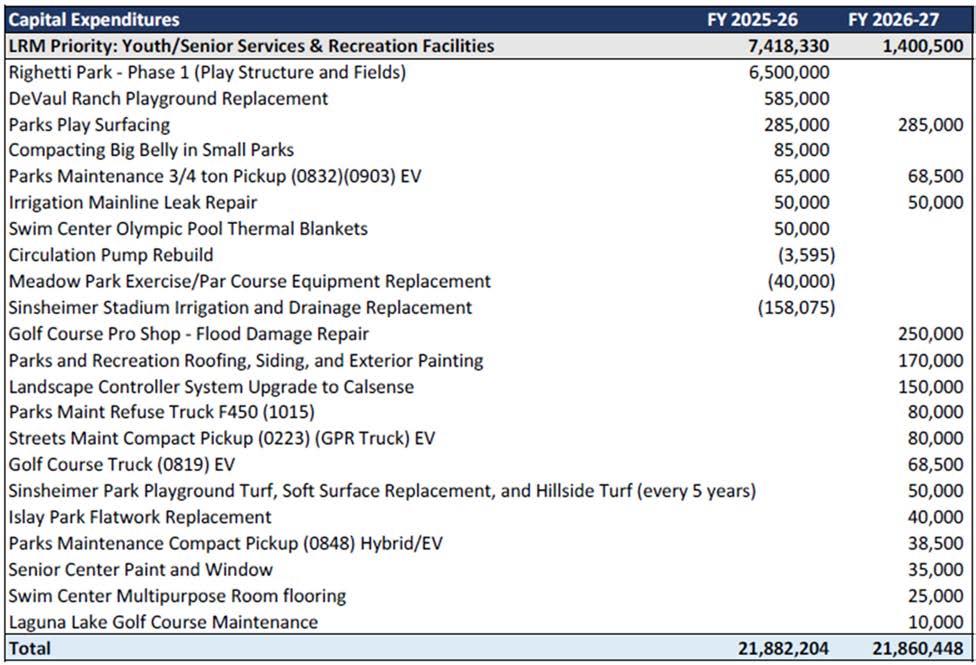
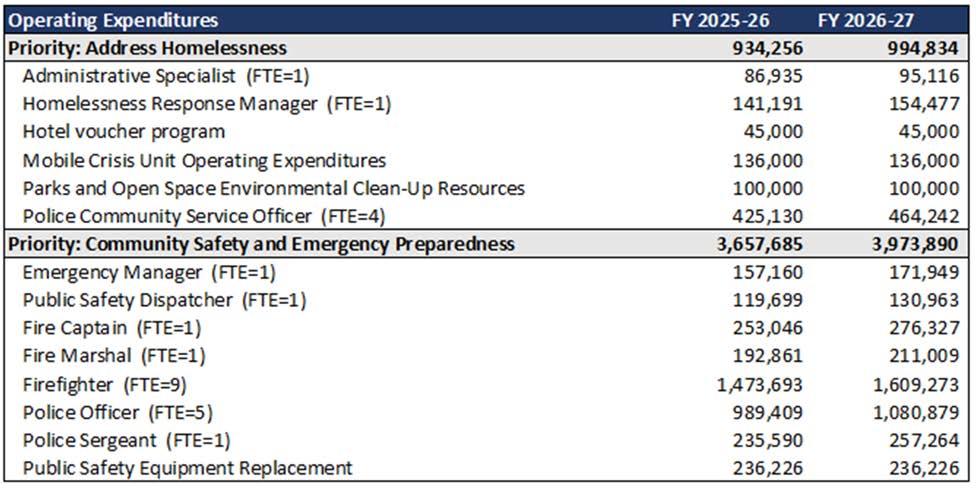
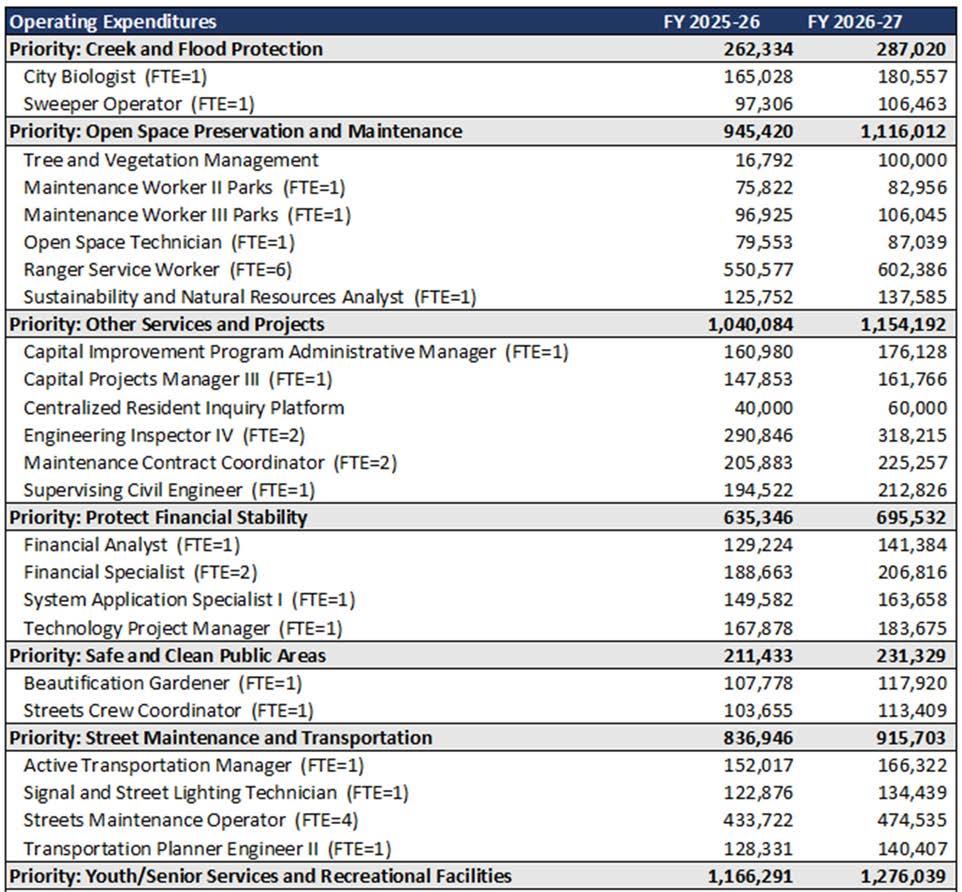
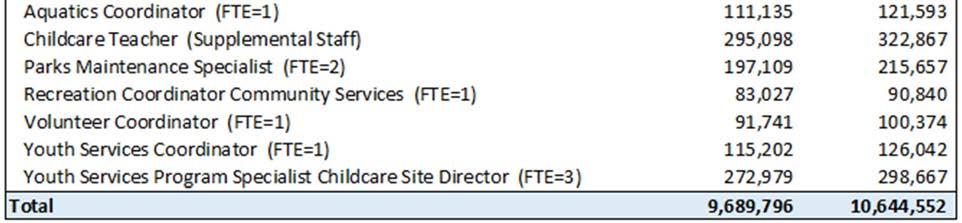
The forecast is used to provide a long‐term vision in the financial decision‐making process. While staff cannot predict the future, it is important to identify future events that will have a material impact on the City’s finances and the forecast helps staff navigate these events. The forecast for the General Fund is balanced for the two‐year Financial Plan based on the following assumptions:
The City’s practice is to budget for staffing costs without an assumption of vacancies throughout the year. This conservative approach ensures that the City is able to meet its payroll obligations and also helps to support unanticipated and unbudgeted overtime costs that departments may incur throughout the year. The City has historically assumed a 3% staffing savings each year and that assumption has been increased from 3% to 4%. This is in line with recent trends and realizing a 4% savings will save the General Fund $0.6M annually.
The percentage of Local Revenue Measure funds allocated to capital projects, which has ranged from 74% in FY 2021‐22 to 70% in FY 2024‐25, has been reduced to 69% and 67% in FY 2025‐26 and FY 2026‐27. These percentages do not take into consideration the allocation of any costs associated with staffing who are necessary to develop and build the City’s capital projects. Additionally, it is not anticipated that this shift will change the amount or type of capital projects that the City will complete during the lifetime of the current Capital Improvement Plan (CIP) because the number and type of projects that the City is able to complete in each year of the CIP is driven by the staff resources available to manage the projects. The proposed CIP has been developed to more accurately reflect the City’s capacity to complete projects based on staff resources.
These solutions, in conjunction with the development of constrained base operating budgets, should allow the General Fund to operate throughout the term of the Financial Plan without service level impacts. The out‐years of the forecast, however, still indicate a deficit, driven by the following factors:
A fifth fire station will come online in FY 2027‐28 and the operating costs are assumed to be $2.0M per year, including one‐time startup costs, staffing, and other operating costs.
Capital Expenditures are programmed to increase after the 2025‐27 Financial Plan ends.
The actions taken to balance the budget for FY 2025‐26 are consistent with the City’s Budget Balancing Strategies but are short‐term in nature and are not intended to address the forecasted deficit in future years. During the financial plan, staff will work to develop longer‐term strategies to address forecasted budget deficits consistent with the Budget Balancing Strategies.
The forecast for the General Fund, including recommended Significant Operating Budget Changes, a staffing contingency, and salary savings assumptions not included in the budgetary tables above is shown below:
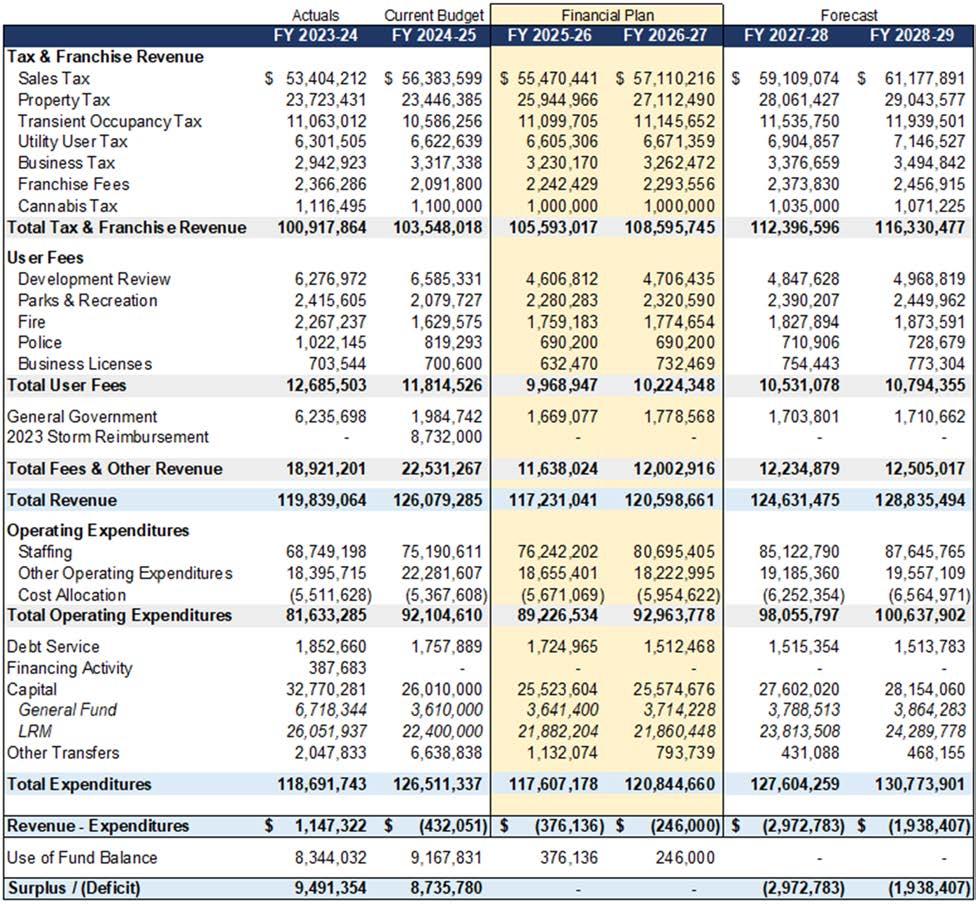
The forecast above indicates balanced budgets for the two‐year Financial Plan, deficits in the out‐years, and would have the following impacts on fund balance:
Undesignated fund balance is generated when revenues exceed expenditures or when reserved or assigned fund balances are eliminated. Relying on this balance to fund ongoing operations would lead to structural deficits and is not recommended.
Page intentionally left blank.
This section of the document provides detail on departmental budgets. Each departmental section includes:
The department’s mission statement;
An overview of the services that the department provides;
A budget summary that breaks out staffing costs from other operating expenditures and compares budgeted amounts to the current year budget and prior year actuals;
Detailed information about the department’s programs (budgeted in cost centers), along with the total expenditures for each cost center and Full Time Equivalent staff positions budget to each cost center;
A fiscal analysis to describe notable changes to the department’s budget, compared to the current year;
A summary of Significant Operating Budget Changes (SOBCs) proposed for the department;
A discussion of opportunities and challenges the department expects to address in the Financial Plan timeframe;
A summary of the department’s contributions towards addressing the City Council’s adopted Major City Goals;
A summary of 2025‐27 departmental goals; and
The department’s performance measures which are designed to evaluate departmental performance in meeting the City’s goals and objectives.
Most departments are budgeted entirely within the General Fund and are primarily supported by tax and user fee revenue. The exception to this is the Public Works Department and Utilities Department which both operate programs that are supported primarily by rates paid by users of those services (Parking and Transit programs in Public Works and Water and Sewer programs in Utilities). The departmental sections for Public Works and Utilities are expanded to include information about Enterprise Fund programs, including a long‐term forecast and fund analysis (similar to the information provided for the General Fund in the ‘Financial Plan Overview’ section of the document).
This introductory section includes information to provide the reader with more context, including information about all SOBCs requested by departments and a summary of regular staff positions allocated by the City Council.
The City provides programs and services similar to those provided by other municipalities in California. Over time, the services that the City provides have been adjusted in response to the needs and desires of the community and now include a large spectrum of departments, programs, and objectives.
Existing services are considered ongoing and the costs for those services serve as a starting point for development of the two‐year Financial Plan and annual budgets. However, those services could change based on the community engagement, changes in business needs, new technologies and goal‐setting process as the evolving needs of the community change and other, not yet established services might become more urgent or desired. It is therefore important to consider the current programs as a switch
often requires a trade‐off due to lack of available funding.
The City’s budget development process requires that augmentations to the budget to support new services or address existing service needs be formally requested via submittal of an SOBC. Requests are reviewed by the City Manager who determines which requests will be recommended to the City Council for consideration and budget appropriation. A request can be brought forth for a variety of reasons but is generally considered under the following circumstances:
1. Essential for the protection of health and safety.
2. Needed for the advancement of Major City Goals.
3. Needed to provide ongoing services to the community.
SOBCs are divided into two categories:
1. One‐time: requests that create a budgetary impact the during the Financial Plan period, but do not impact the budget on an ongoing basis.
2. Ongoing: requests that adjust the operating program budget for long‐term service delivery.
In line with guidance from previous plans, departments were asked to submit only very critical new operating budget requests, specifically ongoing budget requests. The Leadership Team reviewed the SOBCs with the City Manager and narrowed the requests down to only mission critical core services and/or health and safety related items that could be funded within available resources.
The table below summarizes all of the SOBCs submitted by departments as part of the 2025‐27 Financial Plan development process. The requests recommended for approval are highlighted in yellow. More information on the recommended SOBCs can be found in the departmental summaries that follow.
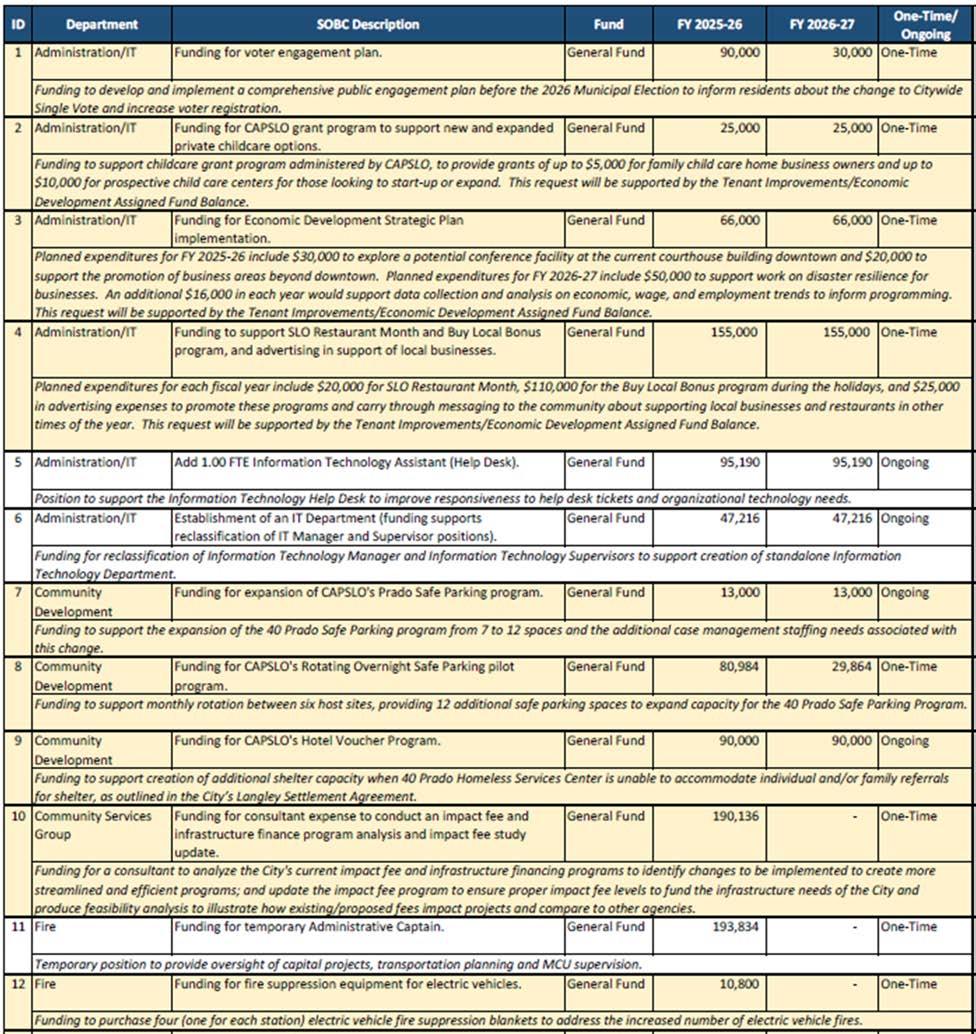
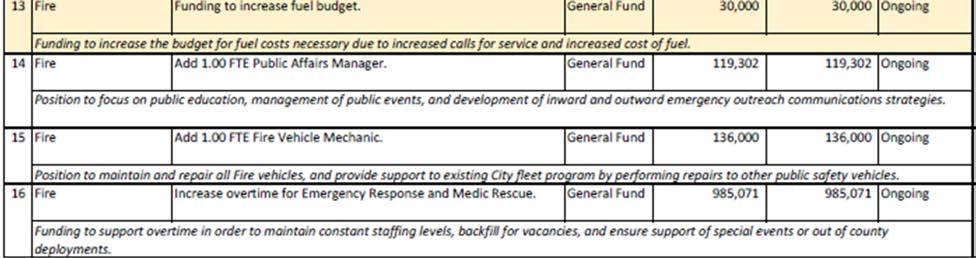
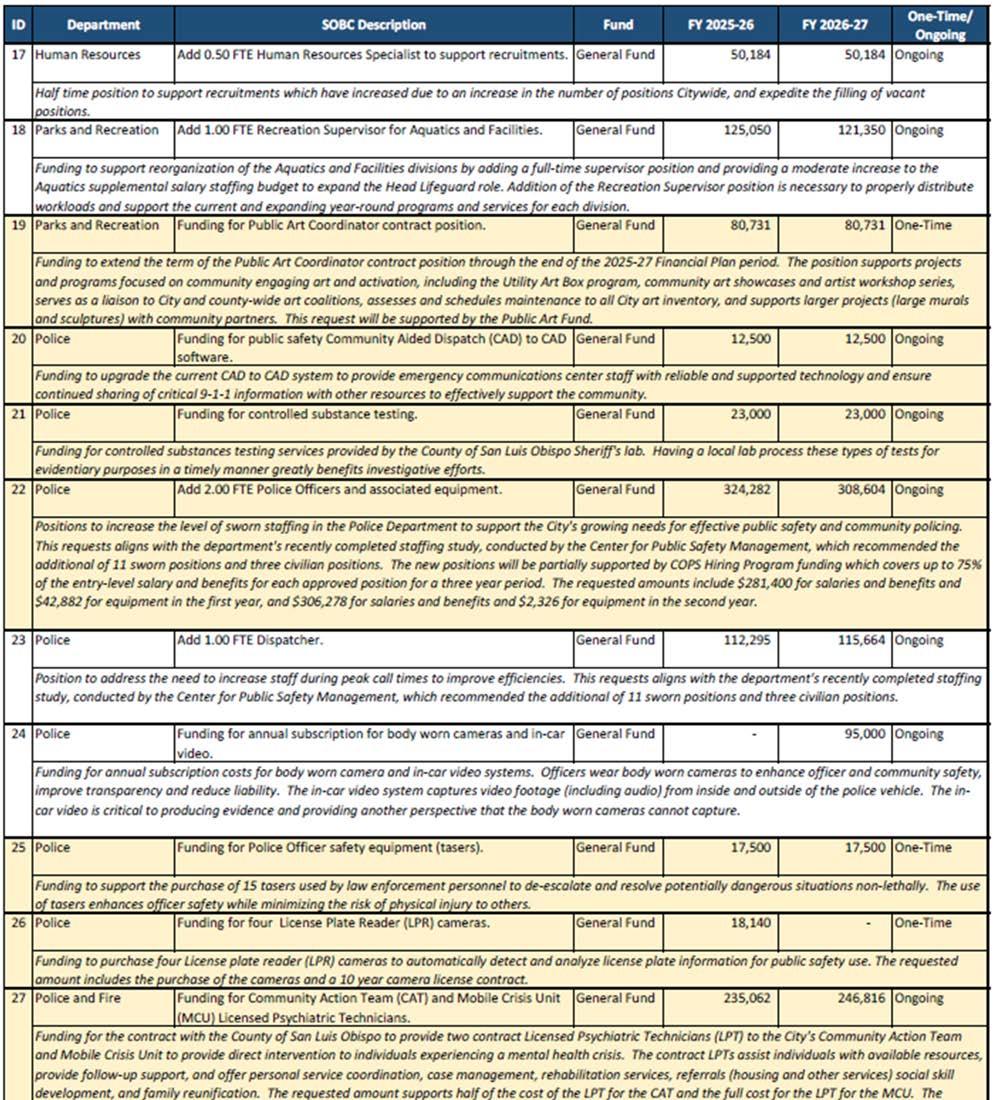
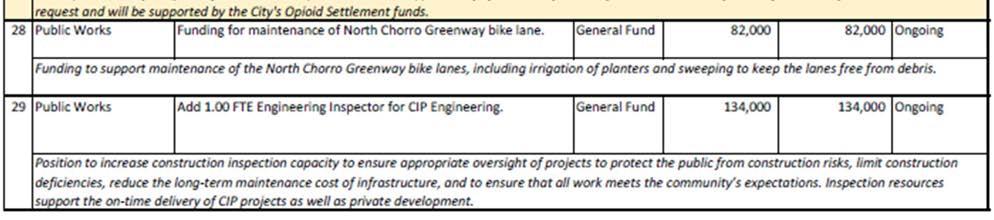
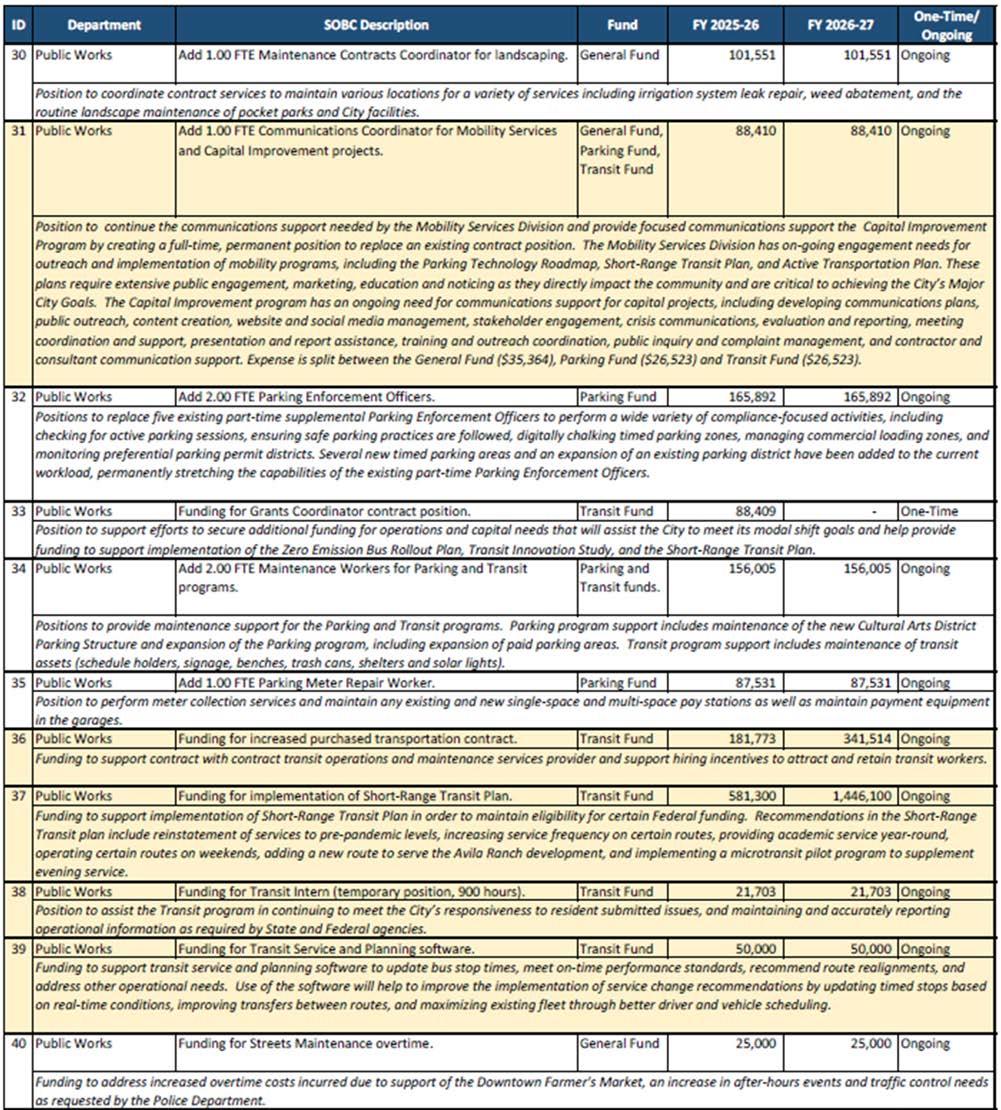
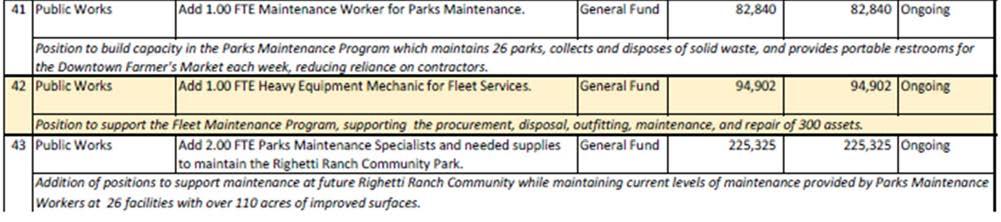
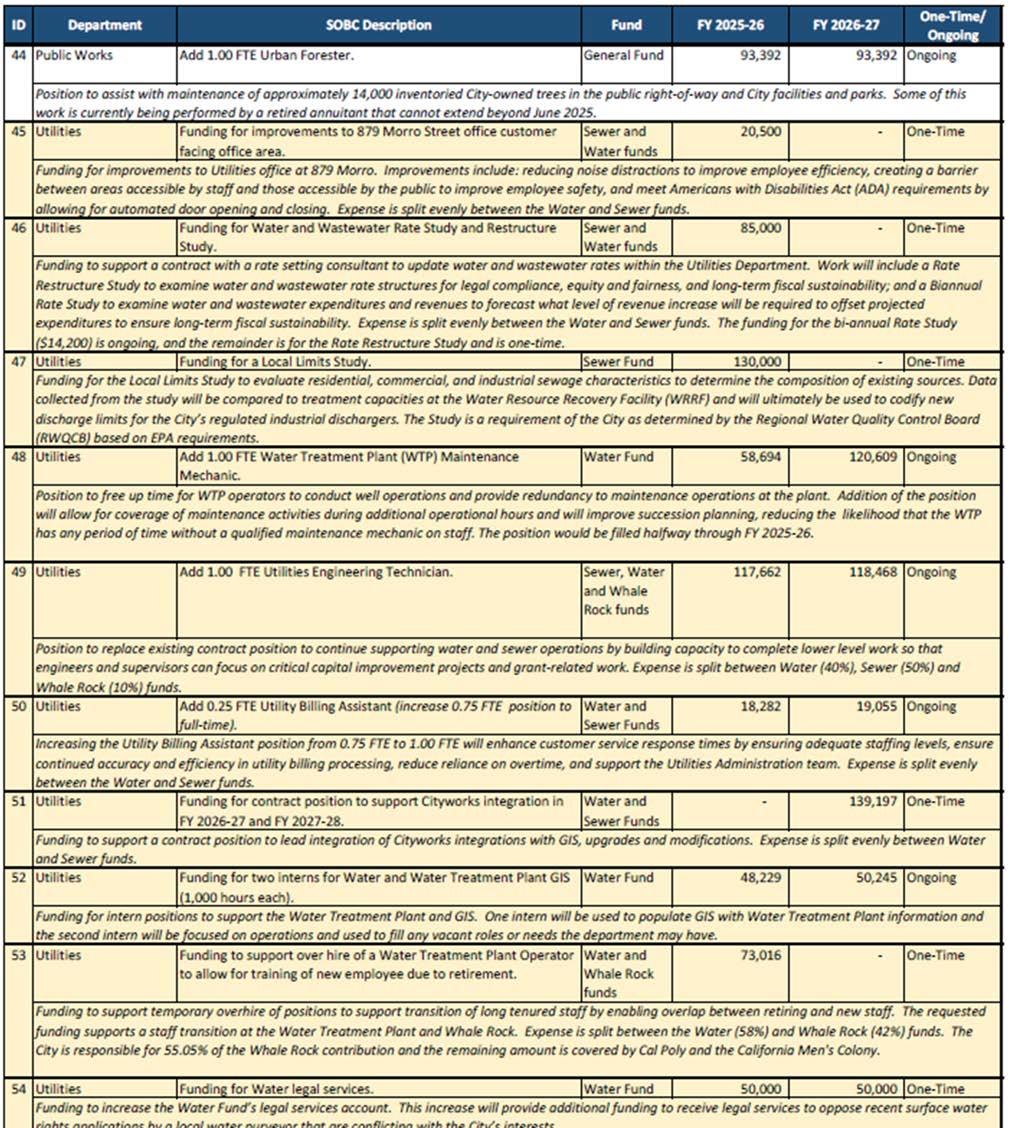
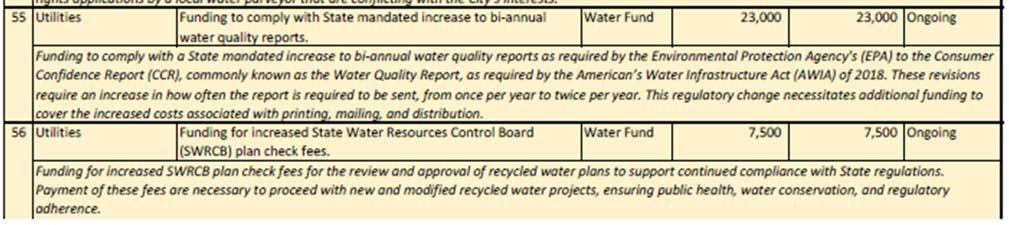
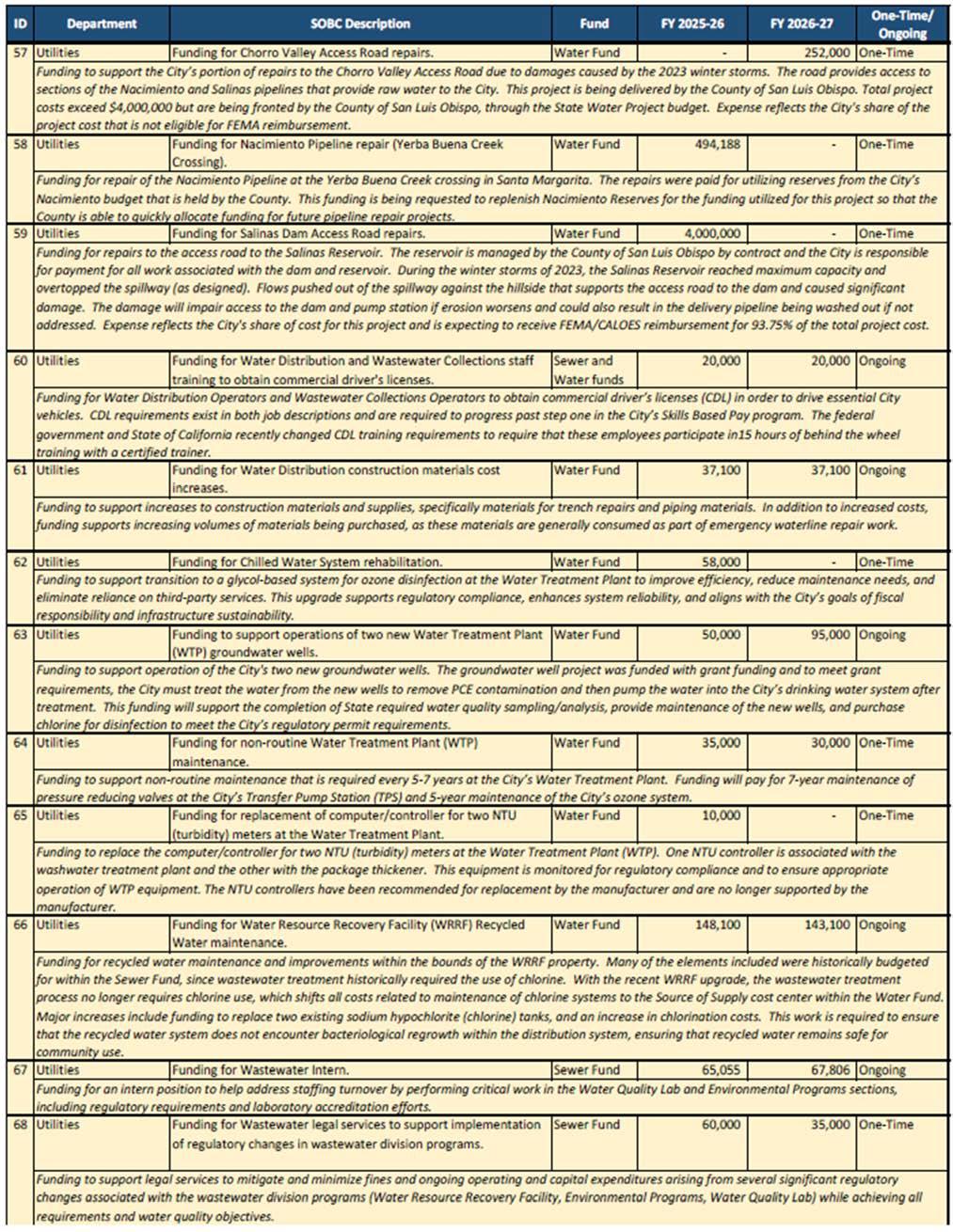
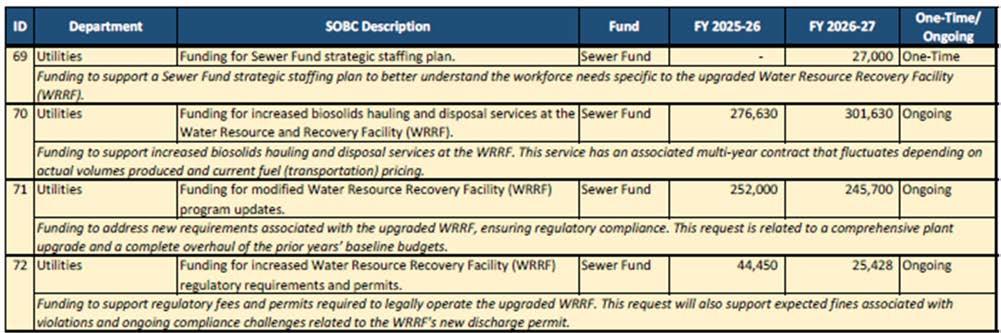
The total recommended SOBCs by funding source, net of any offsets which include grants, assigned fund balances, and contributions from other funds, is detailed in the table below:
Department specific employee counts by program can be found in the Department Operating Budget section. This section is intended to provide an overview of full‐time‐equivalent regular staffing. These positions are approved by Council on an ongoing basis and generally are essential to delivering the City’s core services. Temporary staffing is not included here as the need for temporary staff resources can vary based on community demand. Because the need for temporary staffing is variable, departments that rely on temporary staffing are provided a temporary staffing budget that they can flexibly use to support temporary needs and community demand, rather than allocated, regular positions which are specific to a particular program and staffed on an ongoing basis.
The chart below shows how regular FTE (not including temporary positions) are allocated among departments:
Citywide Position Overview by Department
The table below presents the Full Time Equivalent (FTE) positions based on their reporting structure. Some positions work across different programs or departments. Sometimes positions are moved between programs; however, net changes in the number of positions overall requires Council approval.
This table will differ from ‘Department Program’ tables included in the operating department summaries in this section, which show how headcount is allocated according to budget and frequently include
smaller allocations to allocate costs more accurately. For example, one employee in Administration & IT is included in the table below as 1.00 FTE but is included in the Administration & IT department summary as 0.67 FTE and in Utilities as 0.33 FTE because of how the position is funded.
As shown above, this budget recommends an increase of 6.25 FTE or 1.3% compared to FY 2024‐25 approved staffing. The additions are detailed in the recommended Significant Operating Budget Changes for the respective departments, and include two Police Officers, one Heavy Equipment Mechanic, one Communications Coordinator converted from temporary to regular staffing, one Water Treatment Plant Maintenance Technician, one Engineering Technician, and an increase in staffing for an existing Utility Billing Assistant position from 0.75 FTE to 1.00 FTE.
Providing leadership for the City organization in our quest to deliver exceptional service by facilitating community participation and government transparency, implementing City Council goals and programs, and fostering trust, respect and dignity for the City and the community members we serve.
The City Administration and Information Technology Department oversees many of the daily operations of the City of San Luis Obispo, ensuring effective implementation of City Council policies and programs. As a lead department for several of the Council’s Major City Goals, it provides strategic leadership, policy guidance, and operational support to advance the City's priorities.
Through the Office of the City Manager, the department plays a key role in public affairs and communications—promoting transparency, fostering community engagement, and representing San Luis Obispo’s interests at the regional, state, and federal levels. It advocates for supportive policies and secures resources that contribute to the City's long‐term success.
The Office of Economic Development and Tourism drives local economic growth, supporting businesses and enhancing the economy through tourism promotion and placemaking. The Office of Diversity, Equity, and Inclusion works to make both the City organization and the broader community more inclusive and welcoming. The Office of Sustainability and Natural Resources manages critical environmental initiatives, including the Climate Action Program, Natural Resources Program, and Creeks and Watersheds Program.
The department also oversees the City Clerk’s Office, which ensures open government and public access to records, and directs the Information Technology Division, which provides essential network infrastructure, technical support, and strategic IT planning.
The department also includes the Assistant City Manager (ACM) position. The ACM serves as the Community Services Group (CSG) administrator, overseeing the Directors of the Public Works, Utilities, Community Development and Parks and Recreation departments. This purpose of this CSG administrative position, which reports directly to the City Manager, is twofold: 1) focus on improving customer service, process/programmatic efficiencies, and collaboration within and between the CSG departments, and 2) enhance coordination between the CSG departments, Administration and IT and other City departments.
As the City’s primary liaison to key community and regional partners—including the County of San Luis Obispo, Cal Poly, the Chamber of Commerce, Downtown SLO, REACH, Central Coast Community Energy and others—the department strengthens partnerships that enhance San Luis Obispo’s quality of life and long‐term well‐being.
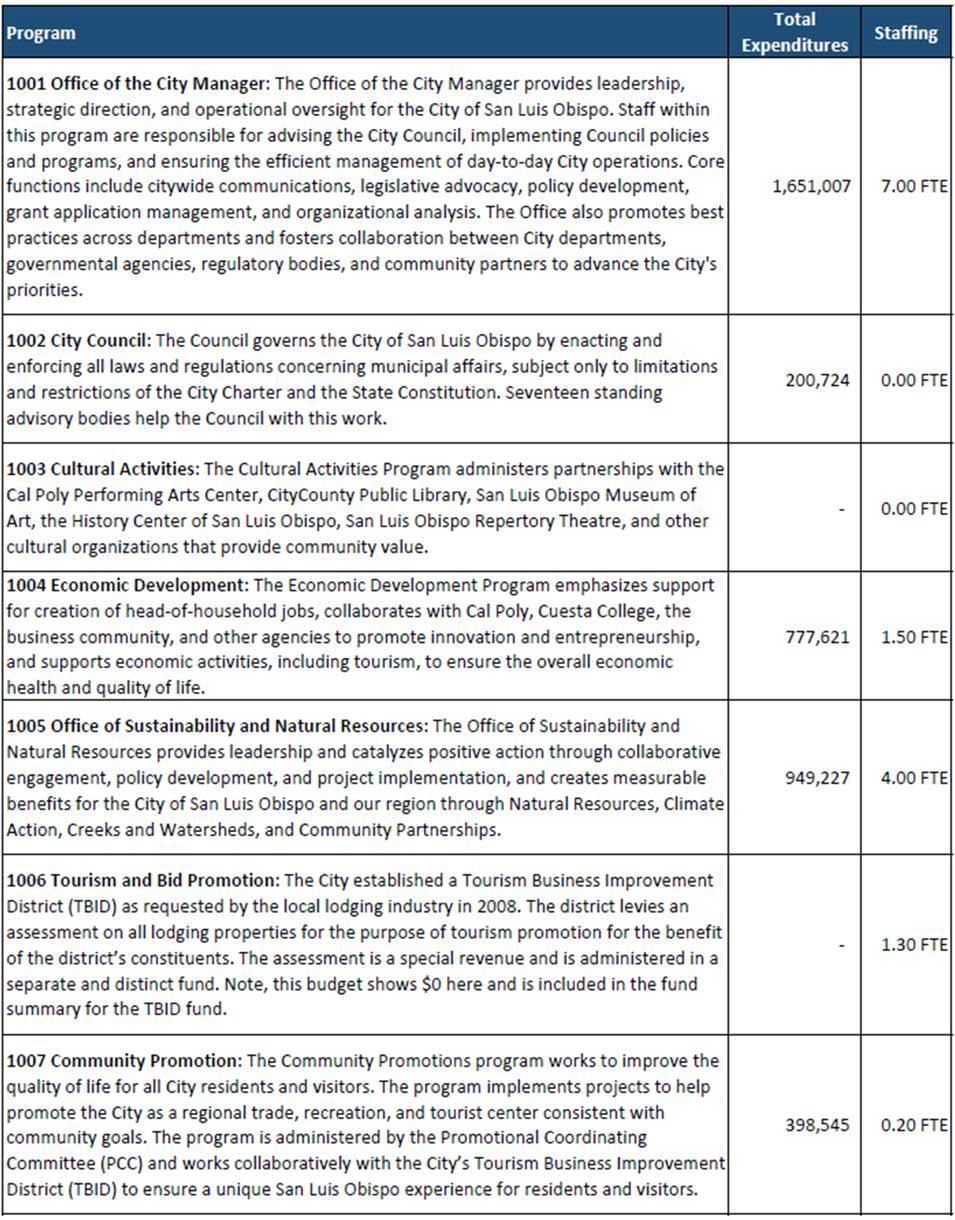
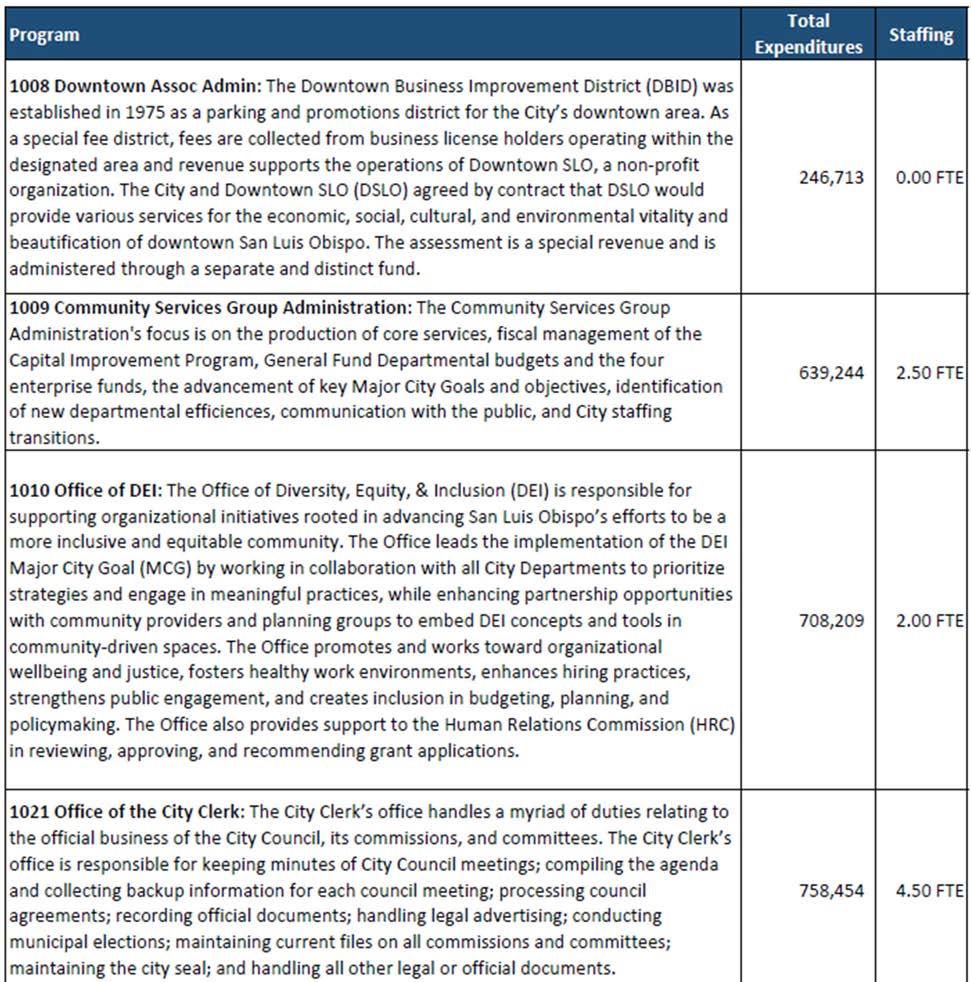
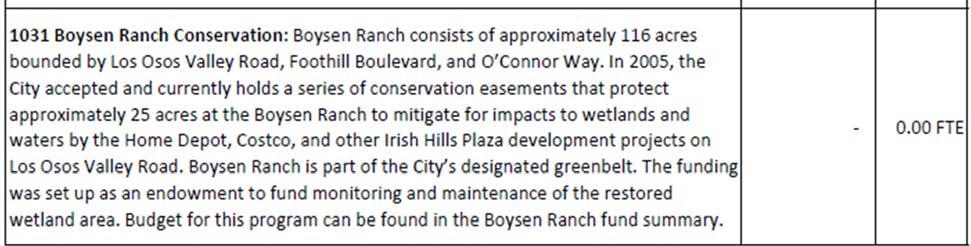
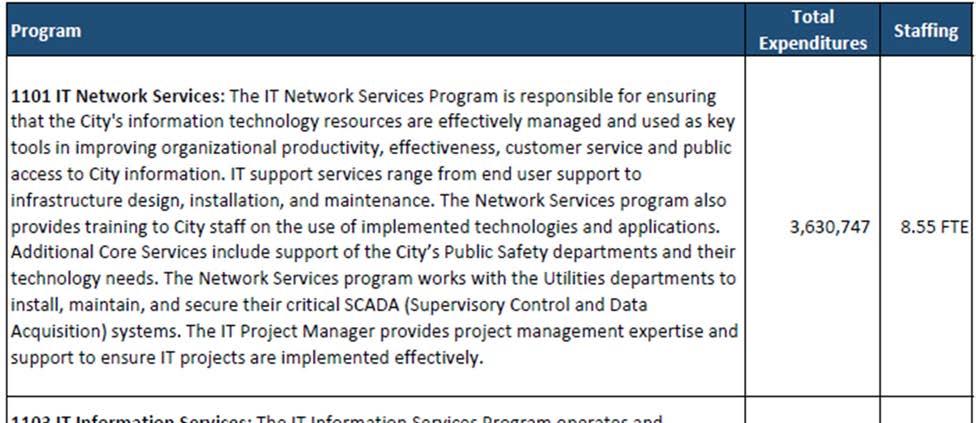
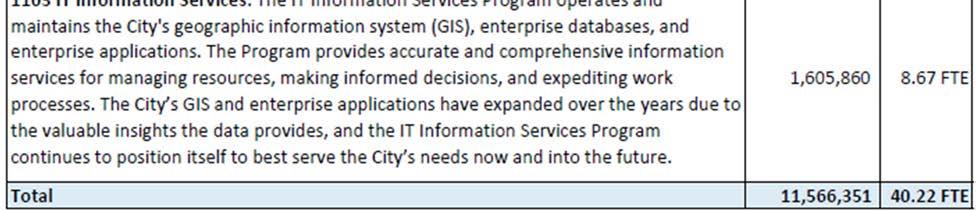
Note: The budgets above may include expenditures outside of the General Fund and therefore will not tie to the General Fund departmental budget.
Overall department expenditures are proposed to decrease by $418,021 or 4% compared to FY 2024‐25. In an effort to constrain expenditure growth, which are generally driven by annual adjustments to City employee compensation, non‐staffing costs were reduced or held flat with FY 2024‐25 adopted levels. This was achieved through a careful review of budgets resulting in trade‐offs and reallocations within the department’s programs. Any increases in non‐staffing costs were primarily driven by contractual agreements for software subscriptions or other services. Offsets included reduced costs for some fees including employee parking, modifying an IT network security project and reductions based on historical spending levels. The department will have very limited flexibility to respond to emerging needs and will assume some operational risk related to network security and computer replacement that is ultimately acceptable, but further reductions would more significantly impact services. The department will also use one‐time Local Revenue Measure funds designated for economic development to continue current economic development initiatives that do not have ongoing funding as described in the SOBC table below.
The proposed budget includes four SOBCs (all one‐time) in the amount of $336,000, summarized in the table below.
Funding for CAPSLO grant program to support new and expanded private childcare options.
for Economic Development Strategic Plan implementation.
Funding to support SLO Restaurant Month and Buy Local Bonus program, and advertising in support of local businesses.
The Administration and IT Department faces a dynamic and evolving landscape, shaped by shifts in federal policies, technological advancements, and local funding changes. One significant challenge is navigating changes at the federal level, particularly in relation to grant funding, executive orders, and regulatory changes. Despite these uncertainties, the City remains committed to progressing on the work identified by the community and City Council in the DEI strategic plan and the Climate Action Plan. In addition, Proposition 41 may present opportunities for new funding for climate adaptation and resilience work.
The City Clerk’s Office is experiencing an increased workload, specifically managing a record number of public meetings and public records requests. Additionally, staff from across the department will be focused on the transition to a Citywide Single Vote election system. This presents both a challenge and an opportunity, requiring extensive community engagement and education ahead of the 2026 elections.
In IT, rising costs for infrastructure and software maintenance, coupled with an ever‐evolving cybersecurity landscape, create ongoing challenges. The Information Services Oracle Core Team continues to refine the City’s Enterprise Resource Planning (ERP) system, ensuring compliance and improving efficiency post‐implementation. Artificial intelligence presents both risks and opportunities, necessitating thoughtful policies to ensure its safe and effective use. Meanwhile, the execution of the $4.8 million grant‐funded Broadband Project is a major step forward in expanding high‐speed internet access to unserved or underserved locations in the community, reinforcing the City’s commitment to digital equity.
For the Economic Development and Tourism programs, uncertainty in the economic climate and potential softening of growth in sales tax and transient occupancy taxes are challenges. The Economic Development Program has benefitted in recent years from one‐time funding to support local businesses to assist in recovery from the COVID‐19 pandemic. This funding is expected to be fully expended during this Financial Plan and efforts will shift to more focused support through a Business Retention and Expansion program. In addition, partner organizations in the community are increasingly challenged to find sufficient,
1 Proposition 4, approved in 2024, authorizes bonds for safe drinking water, wildfire prevention, and protecting communities and natural lands from climate risks.
sustainable funding for their operations and programming likely resulting in increased pressure on City programs and funding.
The City Administration and IT Department plays a central role in advancing the City Council’s Major City Goals by providing leadership, policy guidance, and operational support across multiple initiatives and programs. Many of the department’s core services and daily operations directly contribute to the progress of key priorities, including Cultural Vitality, Economic Resilience, and Fiscal Sustainability; Diversity, Equity, and Inclusion; and Open Space, Climate Action, and Resilience. Highlights for the 2025‐27 Financial Plan include:
Cultural Vitality, Economic Resilience, and Fiscal Sustainability:
o Implement a Business Welcome program to support business attraction, retention and expansion efforts including start up checklists for the 18 most common business types.
o Work with partners to create a roadmap for the development of a potential conference facility in Downtown SLO.
o Work with CAPSLO and other non profits to provide grants to support new and expanded private childcare options and evaluate other approaches, e.g. permit streamlining, fee subsidies, if needed.
o Conduct a study session with the City Council to explore innovative and alternative funding methods to address the needs of business areas throughout the City.
Diversity, Equity and Inclusion:
o Implement a communications plan to provide education and information about the City's new Citywide Single Voting System
o Provide annual and on‐demand training of the City's Public Engagement and Noticing Manual for applicable City employees, including updates to better reach underserved and underrepresented communities.
o Develop and implement equity and inclusivity training for staff of all levels (Directors, Managers, Staff, etc.).
o Develop and implement a set of DEI‐focused best practices in screening and interviewing processes, such as a blind application review.
Open Space, Climate Action, and Resilience:
o Complete publicly accessible EV charging projects at various City properties while continuing to develop policy and funding resources to expand access to EV charging infrastructure on public and private property.
o Complete investment grade audits for building electrification retrofits at the Swim Center, City Hall, and Corporation Yard.
o Launch comprehensive community outreach and engagement opportunities on a quarterly basis that (i) provide general climate resilience and disaster preparedness resources, (ii) incorporate climate justice considerations in scheduling, location, and content, and (iii) supports the projects described in the [Major City Goal].
o Pursue priority land conservation opportunities to expand the Greenbelt, identify funding opportunities and resources, and engage with priority landowners on an annual basis.
The department’s strategic priorities for the 2025‐27 Financial Plan are intended to support the advancement of the City’s overall objectives tied to Major City Goals, Department Strategic Plans, and other priorities that may arise. These goals are in addition to ongoing services described in the ‘Department Programs’ section above.
Strategic Goal(s)
Continue to lead the City’s Communications Program and provide timely, accurate and concise communications that provide opportunities for the community to engage with the City.
Continue to manage the City’s Information Technology Program to provide reliable resources for improving organizational productivity, effectiveness and customer service to the entire City organization and the community.
Work with regional partners to focus on the creation of moderate income plus jobs, promoting innovation and entrepreneurship, and supporting economic activities, including tourism, to ensure the overall economic health and quality of life of the community.
Implement the primary tasks set forth for the next two years as identified in the Climate Action Plan for Community Recovery, Lead by Example Plan, and the Climate Adaptation and Safety Element of the General Plan. Sustain commitment and expand focus on Open Space protection and stewardship, as well as fire fuel reduction and creek and flood control maintenance.
Further the commitment to making San Luis Obispo a welcoming and inclusive City for all by continuing to incorporate diversity, equity, and inclusion into all programs and policies, and advancing the DEI Strategic Plan.
Performance measures are designed to determine accountability, improve service quality, allocate resources, and evaluate departmental performance in meeting San Luis Obispo’s goals and objectives.
Notes: WhenusersprovideinputonatopicviaOpenCityHall,theyareaskedhowtheylikedusingit.This measure allows us to track how satisfied users are with the engagement tool itself.
Measure: # of email
Notes: The City switched to a new email marketing system and has been in the process of consolidating all subscriber lists. The increases reflected here are mos tly due to this co ns olidation.
Measure: # of Pageviews on slocity.org2,053,3721,700,0001,700,0002,300,000
Notes: Changesinexpectedtargetsareduetoelections(2025 ‐26isanon ‐electionyear,whereas2026 ‐27isan election year)
Objective:
Strategic
and opportunities.
Measure: Numberofcross ‐departmentalGreenTeam meetings
Notes: Implementation of the City's Lead by Example Plan is coordinated through the Green Team function
Measure: Numberofcommunityengagementevents and opportunties 10 101010
Notes: Communityengagementeventswillfocusoncommunitywildfirepreparednessandresilience,aswell as the 2027 ‐2031 Climate Action Plan Update
Objective:
Notes: Thismeasuresregularnetworkuptime.NetworkuptimeallowsfortheCitytomeasurethepercentage its systems are available to service department and public needs.
Notes: This measures the amount of da t a backed up by IT, and informs the City's storage needs forecasting.
Objective: Advance inclusion and belonging by growing staff capacity and improving access and engagement for all community members.
Notes: Number of Citywide workshops or related training for staff provi d ed annually.
Measure: Community Engagement n/a121416
Notes: Number of DEI ‐led or supported community engagement efforts annually.
Objective:Advanceeconomicdevelopmentandtourismeffortsthatcontributetothecommunity'squalityof life.
Strategic Goal: Suport business development and job creation
Notes: Number of start up checklists created as a part of the Business Welcome Program.
Notes: Number of contacts with business regarding attraction, retention or expansion in the City.
Advancing excellence and ethics in the delivery of legal advice and services to the City Council, Advisory Bodies and City Staff to support legally informed decision‐making, legal compliance, equity, accountability, and transparency in public service.
The legal services program is a support function that provides legal advice and representation to the City Council, all City departments, and City Advisory Bodies to accomplish Major City Goals, other important objectives, and core operational functions in accordance with the law.
The responsibilities include: providing Council, Planning Commission, Advisory Bodies, and staff across all City departments with legal review and advice to ensure general compliance with applicable laws and to minimize liability exposure; defending or managing the defense of claims and litigation against the City and initiating civil actions on behalf of the City; enforcing and prosecuting violations of the Municipal Code, including both criminal violations and civil/administrative enforcement; providing legal analysis and support in the City's review of and response to proposed county, state, and federal legislation; advising City staff on compliance with the California Public Records Act, and reviewing and producing documents subject to disclosure; and administering the appeals process for administrative citations and providing staff support to hearing officers and the City’s Administrative Review Board or Construction Board of Appeals.
at a Glance
Program
1501 City Attorney: Completes all the legal and administrative support functions under its purview including the provision of legal advice, document review, and direction on legal compliance to City Council, advisory bodies, and staff in all City departments in response to inquiries, with emphasis on legal options; minimizing liability exposure of the City through the practice of preventative law; and keeping City Council apprised of anticipated and current litigation, legislation impacting the City, and other significant legal matters.
Expenditures are proposed to increase by $143,528 or 9% due to a shift of $57,000 from the Human Resources legal services budget to the City Attorney’s Office; the salary and benefits of an additional regular staff member; and other staffing related costs like annual step and performance increases, and escalating insurance costs. In an effort to constrain expenditure growth, non‐staffing costs are flat with FY 2024‐25 adopted levels plus the budget shifted from Human Resources to centralize management of legal services contracts. The constraint was achieved through analysis of use and alignment with forecasted necessary expenditures, without the need to cut any services or support functions.
No Significant Operating Budget Changes are recommended for the department.
It is an exciting prospect to begin a Financial Plan with a nearly fully staffed department. For years, the City Attorney’s Office has been managing an increasing workload with only temporary or contract staffing assistance. The department still has supplemental staff but has also gained core, permanent positions, all but one of which are currently filled with highly skilled and dedicated staff working to meet the demands of continually changing priorities that come with emerging, urgent and sensitive matters.
The department workload volume and complexity remain high, and during the two years of the 2025‐27 Financial Plan it is expected that housing, development, personnel, climate, elections changes, litigation and many other matters will continue to demand all the focus and time of available legal resources.
Various department attorneys and staff have been assigned to support the work programs of each Major City Goal. Staff contributions are difficult to predict in advance but always include advising on legal obligations and compliance for new and changing programs; drafting and review of contracts and other legal documents in support of initiatives; and support for City staff members navigating changing and complex laws and attempting to meet program demands.
The department’s strategic priorities for the 2025‐27 Financial Plan are intended to support the advancement of the City’s overall objectives tied to Major City Goals, Department Strategic Plans, and other priorities that may arise. These goals are in addition to ongoing services described in the ‘Department Programs’ section above.
Strategic Goal(s)
Provide timely and responsive legal advice and support to City Council, Planning Commission, Advisory Bodies, and all City departments to ensure legally compliant implementation of Major City Goal work programs and delivery of core services.
Provide proactive and regular training, advice and support to the City Council, Advisory Bodies, and all City departments regarding compliance with public agency transparency and ethics laws, including the Brown Act, Public Records Act, Political Reform Act, and Government Code Section 1090, as well as Land Use, Planning, and Housing laws, regulation of public spaces, public contracting and bidding laws, public employment and labor laws, first amendment and civil rights laws, and elections laws.
‐ Increased time spent training City staff on obligations regarding maintenance of and public access to complete records to ensure all City staff feel prepared to meet the expectations of the City Attorney’s Office when responding to claims, public record requests, administrative appeals and litigation discovery.
Provide timely and effective legal representation and case management of civil claims and litigation cases, as well as effective criminal and civil enforcement and prosecution of the City’s Municipal Code to minimize liability exposure and enhance community welfare.
‐ Continuing communication and coordination with County partners to increase the number of people connected to mental health and welfare services as an alternative to criminal prosecution.
‐ Facilitating an efficient and transparent appeals program for administrative citations in support of the existing initiatives of various departments to gain code compliance through education and outreach.
Continue with training and assignment of new staff to achieve departmental sustainability and stability, and to enhance responsiveness, efficiency, and effectiveness in the delivery of legal services.
Performance measures are designed to determine accountability, improve service quality, allocate resources, and evaluate departmental performance in meeting San Luis Obispo’s goals and objectives.
Objective: Efficient and Transparent Administrative Appeals Program
Strategic Goal: Department Objectives
Measure: Administrative Citation Appeals Received by the City
Notes: In October 2024, a City Council adopted fee went into effect for hearing officer review of administrative citation appeals. This ha s significantly re duc ed the number of appeals processed beyond the initial request. Historically, some appellants used the appeal process to delay payment of their fines when they did not have a valid basis of appeal.
Measure: Appeals closed without need of a hearing
Notes: Closed in some way tha t did not include a decision being issued (e.g., withdrawn by appellant, untimely filed, voided by the issuing department). Increase in this type of closure is related to the implementation of a fee for hearing officer review and enhanced coordination between departments.
Measure: City assisted corrections to defective a pp eals to allow access to hearin g
Notes: N/A
Measure: City facilitated hearings on the record without need for personal appearance by Appellant40263030
Notes: N/A
Measure: Number of hearing days scheduled 19262525
Notes: If more than one hearing officer convened hearings on the same day, those are counted separately. In the Fall of 2024 an ex perienced hearing officer passed away. The workload he felt comfortable completing in a single day needed to be broken up when managed by the remaining hearing officers. This has increased the overall number of hearing days that need to be scheduled.
Objective: Legal Training & Compliance
Strategic Goal: Department Objectives
Measure: Number of Council, Staff, and Advisory Body legal trainings, legal updates, and compliance advisory sessions 7162020
Notes: For FY 2024 ‐25, monthly City Manager check‐ins now being added to the tally
Strategic Goal: Department Objectives
Measure: Percentage of Claims Resulting in Litigation
Notes: Litigation not arising from a liability claim is not included in this count (i.e. personnel writs)
Measure: Liability Claims Against the City Reviewed/Managed
Notes: Number of claims per year is a forecast and not a goal, with the goal always being to minimize claims and litigation to the fullest ext e nt within City control. Each year the City receives and the department coordinates review of, and response to, approximately this number of Claims Against the City.
Measure: Budget increases required to fund defense of City and address unexpected complex legal issues $70,000$136,000$175,000$175,000
Notes: Expected budget increases are a forecast and not a goal. Each year is different and mostly driven by the external variables beyond the control of the City. The City has a robust Risk Management program, and is self‐insured as a member of the California Joint Powers Authority. Howeve r, no t all costs can be anticipated, there have been steady increases in litigiousness, including numerous cases of highly questionable merit that nonetheless drive costs, and each year additional funding is necessary to support litigation defense or h ll h'
Measure : Number of multi ‐count complaints filed for misdemeanor municipal code violations 33 353030
Notes: With increased outreach to the unhoused community and coordination between agencies (court, County, mental health and housing community partners, and City departments), and the conti n uation of the recently implemented municipal code prosecutiondiversion program, our goal and expectation is that the need to file criminal com p laints will decrease.
Our mission is to serve all persons in a positive and courteous manner and help ensure that San Luis Obispo continues to be a healthy, safe, attractive, and enjoyable place to live, work, or visit. We help plan the City's form and character, support community values, preserve the environment, promote the wise use of resources, and protect public health and safety.
The Community Development Department includes the Administration, Housing Policy and Programs, Planning, Engineering, and Building & Safety divisions, which develop, implement, and track guiding policies in the City's General Plan. Plans for new construction are reviewed through planning applications to ensure compliance with city standards and policy objectives. Construction is supported by implementing zoning, building, and engineering codes and coordinating with various city departments. The Community Development Department provides services to the community directly at its public counter, and services are offered online on the department’s website. The department helps maintain the health and safety of the community directly through code enforcement activities and indirectly by guiding the City's urban form from concept to construction.
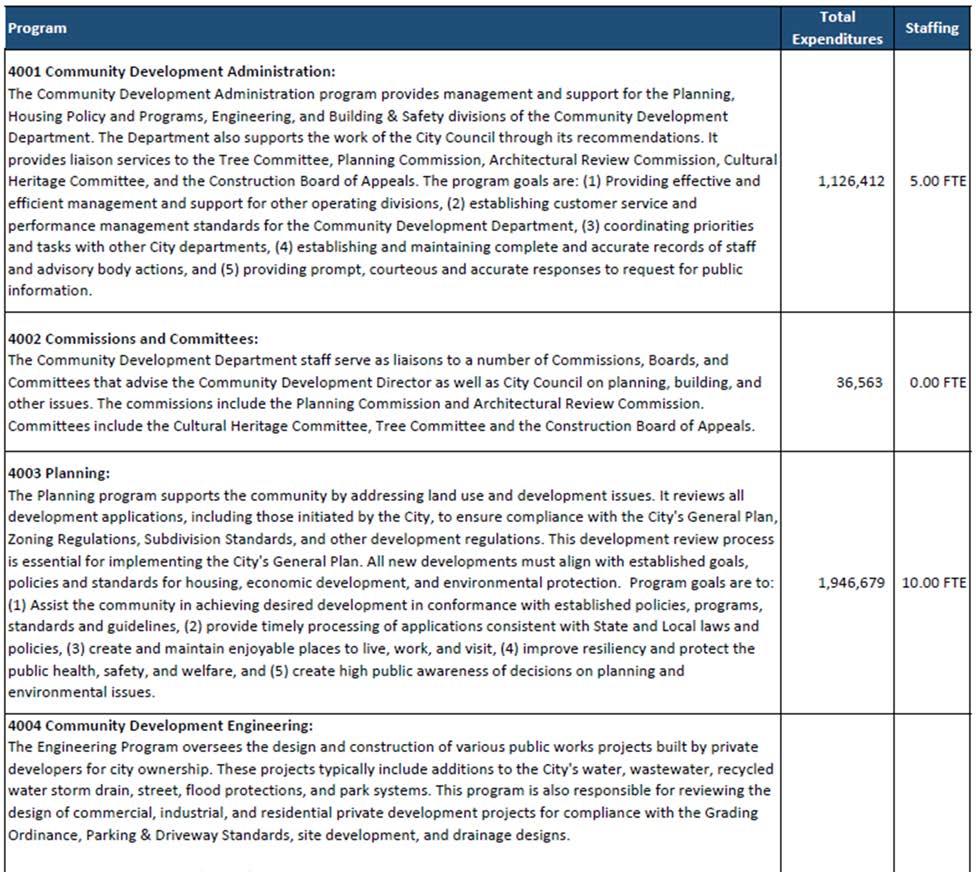
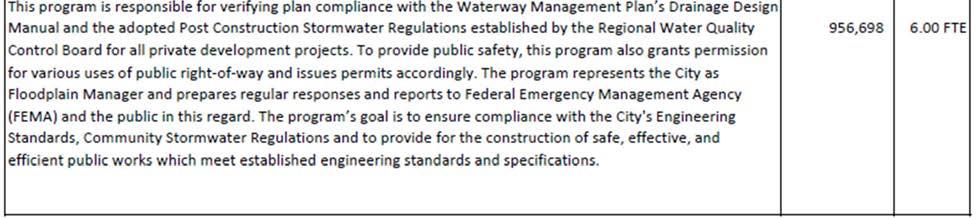
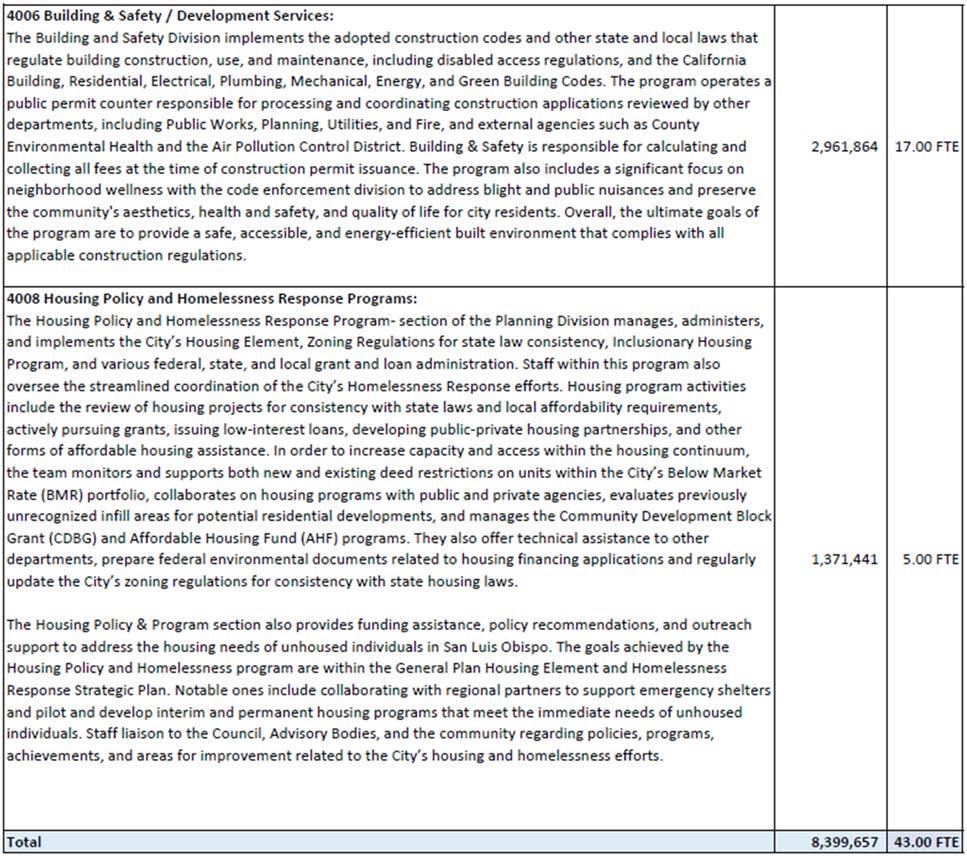
Note: The budgets above may include expenditures outside of the General Fund and therefore will not tie to the General Fund departmental budget.
Expenditures are proposed to decrease from FY 2024‐25 to FY 2025‐26 by $453,044 or ‐5%. Staffing is projected to remain the same due to the fact that there are no new positions proposed, and that the Department is losing three temporary employees that helped supplement work in the department. Other operating expenditures are proposed to decrease by $453,837 or ‐19%. The decrease is attributed to one‐time funds that were allocated in previous years to complete specific projects to carry‐out Major City Goal work programs as well as the reduction in the department consultant budget due to an anticipated reduction in development projects. Community Development anticipates completing the vast majority of plan checks in‐house. This preserves the consultant budget, which would typically be expended if there were more projects. If development increases, the consultant budget will be utilized to complete the work over the next two years.
The budget includes four Significant Operating Budget Changes in the amount of $374,120, summarized in the table below.
for expansion of CAPSLO's Prado Safe Parking program.
Funding for CAPSLO's Rotating Overnight Safe Parking pilot program.
Funding for CAPSLO's Hotel Voucher Program.
Funding for consultant e xpense to conduct an impact fee and infrastructure finance program analysis and impact fee study update.
The Department has made significant progress with stabilizing staffing levels and filling positions that were previously difficult to fill, particularly in the Engineering Division. Now that staffing has stabilized, the Department is focused on onboarding new staff and developing effective teams. In addition, due to the adoption of “pro‐housing” policies, programs, and projects over the past several years, the City is making significant progress toward meeting the provision of additional housing units and fulfilling its Regional Housing Needs Allocation (RHNA) requirements. The ongoing interest from the development community presents opportunities for additional projects that will continue to help the city meet its housing and economic goals.
The Department continues to provide transparency and performance tracking through online reporting of key performance indicators. The Department has created online dashboards that provide accurate expectations for the City’s customers regarding permit processing timelines, code enforcement responses, and customer service results, including planning cycle times, average review times, and division statistics. The Community Development Department remains committed to increased customer satisfaction and devising ways to streamline processes.
Many of the constraints facing the Department are external in nature. Housing and Neighborhood Livability and well as and Homelessness Response are Major City Goals in 2025‐27, and the Department continues to implement its work program to facilitate housing production across the housing continuum and advance programs for homelessness response. However, given the increasingly high housing costs, supporting housing partners to develop below‐market‐rate housing remains challenging. In addition, the economy has experienced turbulence and inflation, resulting in a slowdown of permit and inspection activity. As a result, the Department does not expect to meet revenue projections in FY 2024‐25 and has adjusted revenue projections downward in this Financial Plan, utilizing ‘actuals’ (revenue data). Stagnant building permit activity may also result in less affordable housing. Fewer in‐lieu fees are being collected to leverage additional below‐market‐rate housing through supporting tax credit‐financed projects.
Code Enforcement is also experiencing an increasing workload. Last year, the Code Enforcement team consistently received record‐breaking numbers of code investigation requests, which made it difficult to meet target timelines for addressing community concerns. In addition, the increased interest in addressing unpermitted Greek houses and renter protections is requiring a shift in workload within the code enforcement division. The Division will likely need to recalibrate priorities in the upcoming budget cycle to address these emerging issues.
The Department is the lead on the Housing and Neighborhood Livability and Homelessness Response Major City Goals and supports workplan items in other major city goals. For Housing and Neighborhood Livability, the Department will focus on (1) facilitating sustainable growth, (2) expansion and diversification of housing opportunities for all, and (3) ensuring that housing is safe, healthy, and affordable while (4) facilitating the study and potential creation of stronger protections for renters and (5) fostering diverse, connected and safe neighborhoods that are livable for all. For Homelessness Response, the Department will focus on (1) collaboration with partners to prevent and reduce homelessness, (2) leverage external funding with regional partners to expand crisis response and continuum of shelter, and (3) support programs that implement the Homelessness Response Strategic Plan and, (4) refine approaches to reduce the impacts of homelessness to balance safety and community well‐being. The specific workplan items that the Community Development Department is responsible for includes:
Goal: Housing and Neighborhood Livability:
o Organize a focus group to explore barriers to residential infill development – including specific discussions about the Downtown Core – and produce a memo to Council to help guide updates to zoning regulations
o Conduct a study session on the status of the City’s growth management regulations
o Conduct an educational forum and improve the implementation of Below Market Rate (BMR) best practices to market and streamline the purchase and rental process for BMR units
o Create an informational handbook to assist the community in understanding state and local regulati ons for the development of ADUs and the creation of Urban Lot Splits and evaluate options for adopting pre‐approved ADU plans
o Annually, or as needed for compliance, and by obtaining information from housing partners, complete updates to the Zoning Regulations to implement state law and to address identified barriers to affordable housing and housing production.
o Work with SLOCOG to determine the City's RNHA allocation for the 7th Cycle Housing Element Update.
o Initiate an update to the 7th Cycle Housing Element through the creation of an RFP for consultant services, and present RFP to the City Council with a study session on potential scoping for Land Use and Circulation Element Update
o Conduct a study session with the City Council to identify needs and opportunities regarding renter protections, based on the memo produced in 2024, and receive direction on items for further consideration and development.
o Conduct a study session with the City Council on potential Rental Housing Registry. This study session would discuss parameters of potential registry and discussion of resources needed for establishment and ongoing maintenance of registry.
o Adopt and implement updated California Building Standards and local amendments (building code)
o Create a strategic plan for the safe housing program, and conduct outreach and engagement with a focus on both tenants and landlords.
o Initiate an update to the Tree Regulations to streamline housing projects.
o Conduct a study session with Council on Code Enforcement priorities related to safe/livable neighborhoods and receive feedback on priorities. Discuss potential updates to property maintenance standards.
o Update property maintenance standards to ensure they align with City priorities related to safe and livable neighborhoods and housing.
o Create a project plan and standard operating procedures for Community Development enforcement of zoning code regulations pertaining to Greek houses. Consider potential updates to zoning code to facilitate efficient regulation of Greek houses.
Goal: Homelessness Response:
o Data ‐ Support efforts to improve data access between City, County and service providers to more effectively facilitate connecting unhoused individuals to shelter and services. Identify data platform needs and develop implementation plans.
o Prevention ‐ Collaborate quarterly with SLO County and housing and homeless services providers to streamline resources to enable individuals and families to remain in housing.
o Homeless Services ‐ Meet monthly with CAPSLO to support effectiveness of the 40 Prado Homeless Service Center, including updates to Good Neighbor Policy which will be presented to Council in Q2 of FY25‐26.
o Homekey ‐ Utilize State Homekey funding to implement Calle Joaquin Homekey project, providing 75 permanent supportive housing units which are scheduled to be fully occupied in Q1 of FY‐25.
o Encampment Resolution Funds ‐ Complete outreach work as described in the City's Subrecipient Agreement with SLO County for implementation of the Welcome Home Village project to address encampments along the Bob Jones Bike Trail.
o Other Funding Opportunities ‐ Actively seek and vet additional funding sources to expand crisis response efforts and continuum of shelter programs in collaboration with regional partners. Report on any progress to Council in Q4 of FY26‐27, unless grant applications are brought to Council for approval in advance of that timeline.
o Safe Parking ‐ Facilitate implementation of the Rotating Overnight Safe Parking Pilot Program in partnership with CAPSLO and local faith community partners to expand safe parking capacity and address vehicular homelessness.
o Hotel Voucher Program ‐ Continue implementation of Hotel Voucher Program to provide expanded capacity at 40 Prado Homeless Services Center as the CAPSLO Family Shelter is developed at 46 Prado Rd.
o Feedback Sessions ‐ Conduct feedback sessions with six key stakeholder groups to inform updates to the HRSP and address specific issues related to health, safety, and community well‐being for each stakeholder group.
o HRSP Update ‐ Update the HRSP for 2027‐2031 in alignment with the Countywide Plan to Address Homelessness.
o Outreach & Coordination ‐ Facilitate bi‐weekly interdepartmental field team meetings and bi‐weekly inter‐agency outreach meetings to coordinate outreach, enforcement, and encampment cleanup efforts to reduce community‐wide impacts of homelessness.
o Ask SLO ‐ Receive and respond to community member Ask SLO requests related to homelessness response and transient encampments to more efficiently address health and safety concerns. In response to Ask SLO requests, Homelessness Response staff will coordinate Field Team process for posting camps, conducting outreach, storing belongings, addressing cleanup needs, and tracking data in alignment with the City's CAMP Standards.
o Environmental Mitigation ‐ Coordinate efforts to mitigate environmental impacts and protect creek systems in collaboration with regional agencies including quarterly meetings with Caltrans, CHP, and SLO County. Develop and implement a Vegetation Management Plan.
Goal: Cultural Vitality, Economic Resilience, and Fiscal Sustainability:
o Complete the update to the City's Historic Resources Inventory. Complete initial phase of the project updating the Historic Preservation Ordinance and Historic Context Statement (Phase 1) and complete the update of the Historic Resources Inventory (Phase 2).
The Department also assists in the implementation of the Open Space, Climate Action, and Resilience Major City Goal by implementation of the Climate Action Plan and Lead by Example Plan Work Programs, implementation of disaster mitigation efforts to reduce risks from floods and fires, strengthen community resilience through emergency preparedness, community networks, and planning efforts, protect, sustain and advance open space and natural and historic resources and expand trail connectivity and accessibility to support biking, hiking, and outdoor enjoyment for all community members. In addition, the Department assists with the Cultural Vitality, Economic Resilience, and Fiscal Sustainability goal and the Infrastructure goal through coordination with staff and involvement in infrastructure financing and the review and approval of entitlements and permits for development projects. The Department will also be working closely with the Fire Department to implement actions and requirements related to State Fire Hazard maps, as noted in the work programs led by Fire in the Housing and Neighborhood Livability Goal.
The department’s strategic priorities for the 2025‐27 Financial Plan are intended to support the advancement of the City’s overall objectives tied to Major City Goals, Department Strategic Plans, and other priorities that may arise. These goals are in addition to ongoing services described in the ‘Department Programs’ section above.
Strategic Goal(s)
Lead the implementation of the Housing and Neighborhood Livability and Homelessness Response Major City Goals.
Support services to the lead departments in implementing other Major City Goals by collaborating and sharing resources and subject matter expertise.
Provide excellent customer service to internal and external customers, as well as advisory body members, regarding the processing of permit applications and policy development.
Promote a safe community and healthy neighborhoods by implementing Building and Safety Division programs, including Code Enforcement.
Monitor growth and support and update General Plan policies and Zoning Regulations standards to ensure coordination with all City Departments providing municipal community services.
Performance measures are designed to determine accountability, improve service quality, allocate resources, and evaluate departmental performance in meeting San Luis Obispo’s goals and objectives.
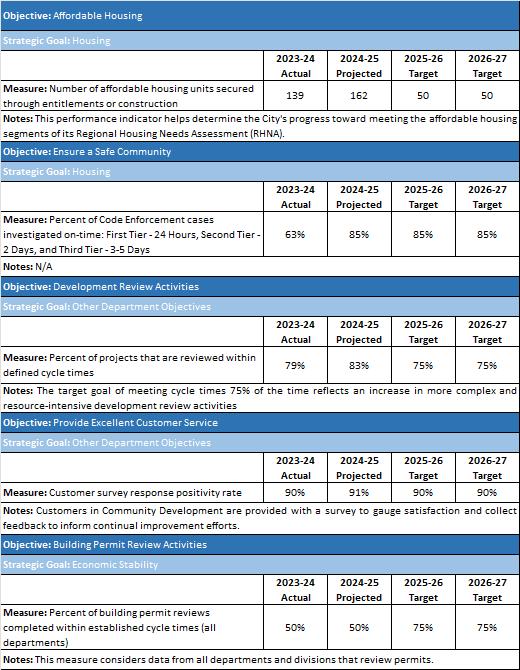
Safeguarding the City’s resources and fiscal health by implementing financial policies, procedures, and reporting systems to serve the citizens and enable operating departments to achieve their objectives.
The Finance Department is responsible for managing the City’s financial operations in accordance with applicable law, policies, standards, and procedures. This includes the preparation of the City’s budget and financial reports, administration of the City’s treasury and revenue operations, management of the City’s fiscal resources, and administration of the accounting functions including indirect City‐wide costs not easily charged to operating programs or projects. The Department also prepares the City’s audit and its Comprehensive Annual Financial Report as well as the Popular Annual Financial Report. Lastly, the Department assists the City Manager’s office in monitoring and reporting on both annual revenues and expenditures.
2001 Administration: Leads, organizes, and monitors the divisions within the Finance Department. It is responsible for managing the City’s treasury function and financial operations in accordance with established accounting standards, policies and strategic plans.
2002 Budget: Coordinates development and preparation of the City’s two‐ year Financial Pl an budget, the Fi nancial Plan Supplement, corresponding quarterly reports to the City Council, and ongoing budget administration. The program is responsible for implementation of budgetary controls and financial reporting and compliance with adopted Financial Plans and budget appropriations.
2003 ‐ Revenue Management: Administers the City’s treasury and revenue operations in accordance with e stablished fiscal policies and industry best practices. It provides day ‐ to‐ day cashier service to City customers and is proactive in developing automated features and conveniences for an efficient revenue collection.
2004 Purchasing: Supports and facilitates the timely and efficient procurement of supplies, materials, equipment, and services required by City Departments while ensuring compliance with City Policies, applicable government regulations, and best practices in public sector procurement to obtain the lowest cost while maintaining appropriate internal controls. Purchasing aids all departments in their purchasing activities.
2005 Accounting: Prepares citywide financial statements, ensures integrity of financi al data, processes accounts payable and payroll, and prepares financial reports in compliance with Federal and State regulations. Accounting is responsible for developing and monitoring the reporting systems that help assure the City’s long‐ term fiscal health, providing quality customer service, and protecting the City’s financial assets from unauthorized use.
Expenditures are proposed to increase by $154,025 or 6% compared to FY 2024‐25. Staffing is projected to increase by $71,648 or 3%, driven by annual adjustments to compensation and changes related to recently filled positions. No new positions have been added. Other Operating Expenditures are expected to increase by $82,377 or 17%, which reflects a reallocation of $90,000 in budget for credit card processing fees for business license renewals which were previously budgeted and accounted for in a non‐departmental cost center. Adjusting for this reallocation, and in an effort to constrain expenditure growth, non‐staffing budgets were reduced by $7,623, despite budgeting for annual increases for contract services. This reduction was achieved through reductions to various accounts, based on a careful review of prior years’ actuals. As a result, the department will have limited ability to complete any ad‐hoc projects requiring external resources. The department also notes that adding credit card processing fees to the department’s budget exposes it to an unavoidable variable cost.
No Significant Operating Budget Changes are recommended for the department.
The department is prepared for the opportunity to help the City navigate tighter than usual economic conditions. Specifically, the team will focus on improving the quality of services that it provides to internal customers and the community in order to prepare and manage to constrained budgets. While the difficult budget circumstances present a challenge to continuing to support the programs and services that the City provides to the community, there is significant opportunity to build trust with the City’s stakeholders through proactive and transparent communication about budgetary limitations and the actions needed in order to bring the budget into structural, long‐term balance.
The department also has considerable opportunity to update financial policies and procedures to support the current organization, given the increasing complexity of fiscal issues being addressed by municipal governments throughout the State. These include the challenge of financing infrastructure development to support mandates around the development of housing, and increasingly complicated requirements for financial transparency and reporting. On a more local level, the department has the opportunity to engage with Economic Development and other departments to refine the City’s Business License and Tax program to ensure that the City is collecting business taxes to support the City’s budget, and additional assessments to support Downtown SLO’s work to promote the downtown area.
As noted throughout this document, the current economic uncertainty and higher interest costs for borrowing both present significant challenges for the City as it works to maintain high quality services provided to the community and build key infrastructure projects to support the growing community. The department will play a key role in identifying mechanisms to support future costs, but notes that tradeoffs will be needed in to support new initiatives. Ongoing reconfiguration of the Oracle Enterprise Resource Planning (ERP) software also continues to pose significant challenges, almost seven years after the system was first implemented. The City must respond to Oracle‐imposed updates that it does not have any control over and that impact major functions of the City. The department will continue to work closely with Information Technology and Human Resources to make important system improvements to minimize compliance related issues, but notes that this time intensive work impacts that department’s ability to perform its primary functions. Finally, the department continues to lead financial recovery efforts related to the 2023 Winter Storms. The process has moved very slowly due to inconsistent guidance provided by the Federal Emergency Management Agency (FEMA), but the department will continue to work with FEMA and the California Office of Emergency Services (CalOES) to secure reimbursement for incurred costs in order to ensure that the City is able to respond to future emergencies.
The Finance Department supports all Major City Goals by providing timely and regular reporting to the City Council and the community on the status and progress of the strategic goals. The department has an integral role in the Cultural Vitality, Economic Resilience, and Fiscal Sustainability Major City Goal by leading development and management of annual spending plans that support the City’s basic services and the City Council’s priorities in a sustainable manner. In the 2025‐27 Financial Plan period, the department
will develop and implement a long‐term strategy to address a forecasted General Fund deficit, evaluate banking services providers to assist the City in managing its funds, engage in an effort to improve the City’s existing infrastructure financing program, and refine the City’s business license and tax program to ensure compliance with Municipal Code provi sions and collection of business tax owed to the City.
The department’s strategic priorities for the 2025‐27 Financial Plan are intended to support the advancement of the City’s overall objectives tied to Major City Goals, Department Strategic Plans, and other priorities that may arise. These goals are in addition to ongoing services described in the ‘Department Programs’ section above.
Continue to monitor and look for ways to reduce outstanding debt, including bonds and unfunded pension liabilities, to maintain the City’s credit ratings and ensure marketability of potential future debt issuances.
In coordination with Information Technology and Human Resources, continue to enhance and utilize the Oracle Enterprise Resource Planning and Human Resources Management System in support of accurate and timely accounting processes and reporting.
Develop and implement a long‐term strategy to achieve structural balance for the General Fund while minimizing impacts to the community to the greatest extent possible.
Develop financial and budgetary reports that are transparent and accessible to increase understanding of the City’s financial condition and support meaningful community engagement.
Support development of Citywide financial acumen by ensuring that staff has access to information, maintaining comprehensive budgetary and fiscal policies, and providing Citywide trainings on priority areas including budget development and management, payroll, and purchasing.
Administer the City’s purchasing and contracting procedures in accordance with the purchasing policy to support all departments in purchasing goods and services at the best total value for the City’s external and internal stakeholders.
Administer the City’s Business License and Tax program to maximize compliance with Municipal Code provisions and ensure collection of business taxes to support provision of City services.
Performance measures are designed to determine accountability, improve service quality, allocate resources, and evaluate departmental performance in meeting San Luis Obispo’s goals and objectives.
Objective: Financial Stability
Strategic Goal: Fiscal Policies
Measure: Number of calendar days following year‐end until ACFR is issued.
Notes: N/A
Objective: Financial Stability
Strategic Goal: Fiscal Management
Measure: Twelve ‐monthtotalrateofreturnonthe City's investment portfolio.
Notes: Based on market conditions and outside the department's control
Measure: GeneralFunddebtservicecostsasa
Notes: Targets based on existing debt loads and revenue forecasts
Objective: Financial Stability
Strategic Goal: Customer Service
Measure: Percentageofbusinesslicensesrenewed timely, prior to enforcement action being taken.
Notes: Whiletimelyrenewalsarebeyondourcontrol,thismeasureisdesignedtotrackthesuccessachievable through proactive outreach and enhanced education about the business licensing program
Measure: NumberofFinance ‐ledtrainingsprovidedto City staff.
Notes: Measuredbytrainingtopic ,notcountofindividualtraining s . Manytrainingtopicsaredelivered numerous times during the year, but will be counted as one training.
To enhance and protect the lives, environment, and property of our community and its visitors.
In addition to providing exceptional and compassionate emergency response, the Fire Department embraces comprehensive fire prevention and education strategies that include fire and life safety inspections, plan review services, fire/arson investigation, fire safety and public safety education, and City emergency management. The Fire Department has automatic and mutual aid agreements with surrounding departments, California Office of Emergency Services, and the Los Padres National Forest. With the values of Service, Loyalty, Ownership, Family, Integrity, Respect and Excellence, the Department’s vision is to be a progressive organization that leads the community in public safety and preparedness demonstrated through an unwavering commitment to the protection of lives, property, and our environment. The service the department provides will be of the highest quality recognized against local, state, and federal standards.
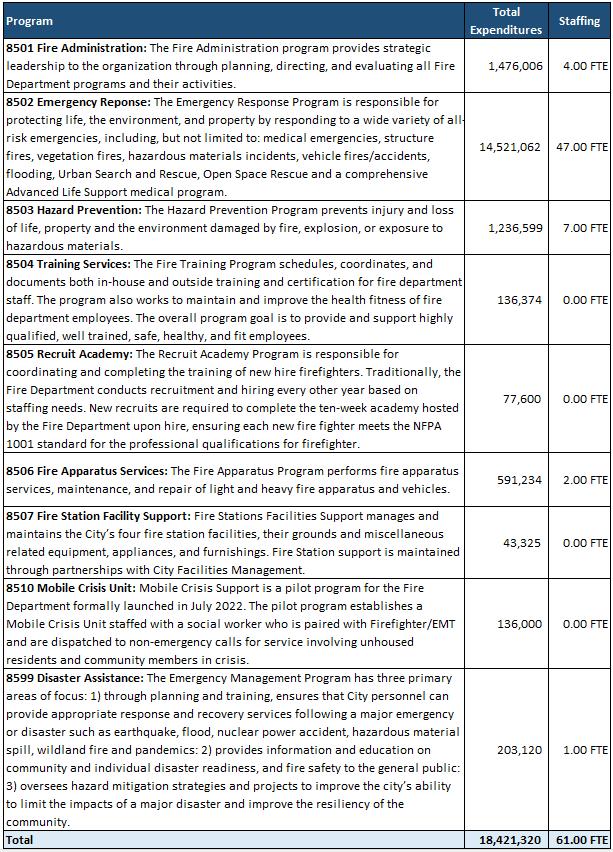
Note: The budgets above may include expenditures outside of the General Fund and therefore will not tie to the General Fund departmental budget.
Expenditures are proposed to increase by $1,252,478 or 7% due largely to previously negotiated cost of living increases in the fire union bargaining agreement. Other less impactful salary increases will be for management staff who will receive a 3% cost of living increase in July 2025. In an effort to constrain expenditure growth, non‐staffing costs are flat with FY 2024‐25 adopted levels. This was achieved through eliminating unrealized contract CPI increases, contract savings by hiring Mobile Crisis Unit staff internally (discussed in more detail below), and eliminating outdated budgeted items such as printing and directory subscriptions. Savings realized from those accounts were primarily reallocated to Apparatus Services and Emergency Response medical supplies. Both of these areas have experienced price increases and higher operational demand, yet they remain critical to maintaining the department’s ability to provide timely, effective service to the community.
The proposed budget includes two SOBC in the amount of $40,800, summarized in the table below.
As the city grows and service demands increase, the department has adapted to evolving challenges while seeking opportunities to improve efficiency and effectiveness. Through thoughtful decision‐making and collaboration, capabilities can be enhanced, innovative solutions implemented, and a high level of service maintained for residents.
The department continues to apply for grants to alleviate budget constraints while enhancing capabilities. Recent awards have funded new electric powered extrication equipment, trained staff to paramedic level of service and provided Personal Protective Equipment (PPE) for prevention staff. Leveraging grant funds, the department can maintain high service standards while easing pressure on the General Fund.
The Mobile Crisis Unit (MCU) was established in Spring of 2022, and was originally staffed with a Transitions Mental Health Association (T‐MHA) caseworker and an Emergency Medical Technician (EMT). It was quickly discovered that services could be improved by restructuring the team. The T‐MHA caseworker position was replaced with a Community Resources Services Specialist (CRSS) position, an internal position within the City. The CRSS is now paired with a contract Licensed Psychiatric Technician (LPT) from SLO County Behavioral Health. This position is paid by opioid settlement funds received from lawsuits the City joined through multidistrict litigation to seek compensation for costs incurred due to the
opioid crisis. These funds are anticipated to diminish over the coming years, so new funding sources will need to be identified for the contract LPT in the future. Together, these staff members have strengthened the MCU’s capacity to deliver more comprehensive support and provide outreach to vulnerable populations in the city connecting them with resources beyond the initial crisis response.
Staffing remains a challenge with several retirements and resignations over the past several years, leading to an increased reliance on overtime to backfill essential positions. While overtime ensures continuity of service, it also places strain on the budget. Staffing shortages have affected every division which has resulted in some salary savings to offset the increase in overtime. The department anticipates full staffing across all divisions in FY 2025‐26, eliminating salary savings while also reducing some overtime needs.
Repairs on aging apparatus’ coupled with fuel price surges led to savings in other divisions being reallocated to Apparatus Services. Truck 1, which had been experiencing engine failure and driving up repair costs, underwent a full drivetrain refurbishment, including a new engine that was completed entirely in house by the Supervising Fire Vehicle Mechanic. This will extend the life of Truck 1 to its projected 2030 end of lifespan while also reducing repair costs in the immediate future.
CalFire released the Local Responsibility Area Hazard maps for San Luis Obispo during FY 2024‐25. Over the 2025‐2027 Financial Plan, implementation of the measures tied to adoption of the Hazard maps will drive a significant portion of the workload for the Fire Prevention Bureau. The requirements associated with Hazard maps will be a significant challenge but also represent an opportunity to codify several risk reduction activities in the city, such as Vegetation Management, Home Hardening and Defensible Space. The full fiscal impact of the hazard map implementation is not yet known. Staff will programmatic and budget proposals to address the requirements of the State Hazard Maps by the end of the Fiscal Year 25/26.
The Fire Department contributes to the advancement of Major City Goals through core services and daily activities.
Cultural Vitality, Economic Resilience and Fiscal Sustainability
1b. Fire is working with Economic Development on streamlining operational permits and occupancy compatibility for new and existing businesses.
1c. Work with Economic Development on a disaster preparedness and resiliency guide for businesses and host annual training.
5d. Continue to work with various departments on refinement of City’s Business License and Operational Permit programs.
Diversity, Equity and Inclusion
1d. Continue to expand outreach to underrepresented groups in the fire service through intern program and outreach to local educational/ training institutions including Cal Ploy, Cuesta and Allan Hancock College.
Housing and Neighborhood Livability –
1c. Conduct study session in Fall of 2025 on implementation of the Fire Hazard Severity Zone Maps
1d. Implement actions and requirements of the State Fire Hazard Severity Zone Maps.
3d. Fire will coordinate with Building and Safety on Building code adoption and will lead on WUI and Fire Code adoption.
4a. Work with City Arborist and Tree Committee to implement consistent Defensible Space regulations.
Homeless Response
1a. Data ‐ Continue to work with Homeless Response Manager on collecting and coordinating data for MCU operations.
1c Homeless Services ‐ Coordinate with Homeless Response on quarterly meetings with CAPSLO
1d. Justice Services ‐ Coordinate with Justice services on function of MCU
2c. Other Funding Opportunities ‐ Continue to seek out external funding operations for MCU including ECM and CalAim funded Mobile Crisis services.
4b. SLOFD MCU Team ‐ Continue to refine operations of the MCU and identify external funding sources.
4e. Environment Mitigation ‐ Continue to integrate MCU services with vegetation management opportunities to protect the environment and reduce potential for ignition sources in riparian zones in close proximity to the built environment.
Infrastructure and Sustainable Transportation
1 – Continue to partner with Transportation team on coordination of emergency response and evacuations in the implementation of Vision Zero
3d. Evaluate and implement EV Firefighting tools and technology to protect waterways and infrastructure.
3e. Collaborate with Avila Ranch contractor on design and construction of interim fire station.
Open Space, Climate Action, and Resilience
2b. Continue to work with ONSR to complete the Vegetation Management Plan
3 – Work with internal and external stakeholders on community resilience activities through emergency preparedness, community networks and planning efforts. Includes CERT, FireWise and pop‐up reslience hubs.
The department’s strategic priorities for the 2025‐27 Financial Plan are intended to support the advancement of the City’s overall objectives tied to Major City Goals, Department Strategic Plans, and other priorities that may arise. These goals are in addition to ongoing services described in the ‘Department Programs’ section above.
Strategic Goal(s):
In coordination with Public Works and Human Resources, continue to enhance the department’s diversity, equity, and inclusion through improvements to fire station facilities, firefighter recruitment, and training.
In coordination with the Office of Sustainability, continue to reduce the department’s carbon footprint to support Climate Action through best practices and thoughtful replacement of department apparatus resources. In coordination with the Police Department, expand the Mobile Crisis Unit hours and service through outside funding opportunities and partner agencies.
Continue community preparedness efforts for disasters through development of disaster plans and monitoring creek maintenance and wildfire protection plans.
Continue the implementation of the five strategic directions identified in the Department’s Annual Operational Plan as part of the 5‐Year Strategic Plan by connecting with our community, continuously evaluate programs and service delivery, analyze relevant data to inform decision making, improve organizational culture, sustainability, and health, and support fiscal sustainability in department operation.
Performance measures are designed to determine accountability, improve service quality, allocate resources, and evaluate departmental performance in meeting San Luis Obispo’s goals and objectives.
Objective: Timely Emergency Response to ensure rapid care and hazard mitigation
Strategic Goal: Other Department Objectives
Measure: Meet the Total Response Time (TRT) goal of 7 minutes or less to 90% of all lights ‐and ‐siren emergencies in the City as defined by the Department’s Master Plan. TRT Includes Call Processing Time, Turnout Time, and Travel Time.
8:308:30 7:007:00
Notes: WhileitisnotanticipatedthedepartmentwillmeetthetimeperformancetargetsinFY2024 ‐25,they remain unchanged due to National Fire Protection Association recommended standards.
Measure: Meet the Call Processing Time Goal of 1 minute or less to 90% of all lights ‐and ‐siren emergencies in the City as part of TRT 1:321:301:001:00
Notes: Fire Department staff continues to work with Police Department staff to improve call processing times.
Measure: Meet the Turnout Time goal of 2 minutes or less to 90% of all lights ‐and ‐siren emergencies in the City as pa rt of TRT 2:051:592:002:00
Notes: Adjustments in process have allowed turnout time goal to be a chieved.
Measure: Meet the Travel Time goal of 4 minutes or less to 90% of all lights ‐and ‐siren emergencies in the City as part of TRT. 5:455:474:004:00
Note s: Traveltimeisimpactedbyconstruction,traffic,andexpandedresponsezones.Somedistantlocations with greater travel times generate a large proportion of calls increasing travel time.
Objective: Provide timely service to the development community
Strategic Goal: Housing
Measure: %ofFireDepartmentDevelopmentReview activities completed within published cycle times. 58.20%80%80%80%
Notes: Highstaffturnoverandvacanciesaffectedcompletionrate.AnewFireMarshalhasimplemented processimprovementstocontinuetoimproveturnaroundtime.Vacanciesexpecttobefilledbyyearend expanding capacity for the division.
Serving the people who serve our community.
The Human Resources Department provides support to all City departments including coordination of recruitment and selection processes; onboarding; classification and compensation; human capital management support; labor relations and negotiations; performance management; employee training and development; employee benefit administration; and leaves and disability administration. In addition, the Department oversees Risk Management and the Insurance Fund which includes liability and property claims administration; workers' compensation administration; employee safety and compliance; insurance oversight; and contract review. The Department’s Wellness program promotes a healthy and safe organization through the Employee Assistance Program, a Preventative Mental Health Services Program for public safety employees, and various education and wellness activities.
3001 Human Resources Administration: The Human Resources Administration Program provides support to all City departments in attracting, supporting, and retaining highly qualified employees. The Program manages a variety of functions including coordination of recruitment and selection, onboarding, classification and compensation, human capital management support, performance management, employee training and development, labor rel ations and negotiations, employee benefits, leaves and disability administration, and statutory and regulatory compliance.
3003 Wellness: The Wellness Program aids in managing the life experience of our employees by providing employee tools and education to improve their physical and emotional well ‐ being, thus enhancing employee productivity, re sili e ncy, and performance. The program provides employees with education and programs around fitness, nutrition, and health and safety information. In addition, the program provides professional counseling and referral services through the Employee Assistance Program and a Preventative Mental Health Services Program for public safety employees.
Expenditures are proposed to decrease in FY 2025‐26 by $239,886 or ‐11% due to items that were moved to the non‐departmental cost center or the City Attorney’s Office, such as legal fees and the leased office space at 994 Mill St. In an effort to constrain expenditure growth, non‐staffing costs are also below FY 2024‐25 adopted levels. This was achieved through a reductions in the Citywide training budget, classification and compensation consultant support, and renegotiated contracts with vendors.
The Human Resources (HR) Department is pursuing initiatives to enhance employee engagement and satisfaction through its onboarding process, training and development programs, and benefits offerings. A Citywide employee engagement survey will be offered during FY 2026‐27, and the results will inform future actions on continuing to prioritize the importance of investing in the City workforce.
The department is looking for ways to streamline administrative tasks and maximize value for employees. For example, HR staff are working with the City’s benefits broker as well as an employee committee to explore the consolidation of deferred compensation recordkeepers. There is a continued opportunity to enhance the use of the City’s Human Capital Management system (Oracle Cloud), such as expanding options for employee and manager self‐service to reduce manual data entry. However, progress is limited due to the internal Oracle team’s ongoing focus on compliance‐based projects. Additionally, the department continues to work on maximizing use of the City’s applicant tracking system (NEOGOV) for more efficient and effective recruitment and selection process, and fully transitioning personnel files from paper to electronic format. Program
New employment related regulations continue to be introduced, requiring additional staff time to implement new policies and practices to ensure legal compliance.
The volume of recruitments remains high and certain positions are difficult to fill. The department is considering ways to speed up time to hire, such as decentralizing portions of the recruitment process. There is a greater need for coaching and training to support the large number of employees who are new to their roles, particularly supervisors.
The volume of leave of absence requests, accommodation requests, and other complex personnel matters has also limited staff’s ability to pursue program enhancements.
The department is seeking various ways to contain liability and workers’ compensation claim costs, such as increasing the self‐insured retention level for the liability program with California Joint Powers Insurance Authority (CJPIA) and implementing various policies related to safety and employment practices.
No significant operating budget changes are recommended for the department.
The Human Resources Department supports the Cultural Vitality, Economic Resilience, and Fiscal Sustainability Major City Goal by negotiating successor agreements with employee groups in alignment with Council adopted Labor Relations Objectives, as well as taking action to contain liability and workers’ compensation claim costs. The department also supports the Diversity, Equity, and Inclusion Major City Goal through review and revision of relevant policies and practices, improvements to the recruitment and selection process, and providing DEI‐related training for staff of all levels.
The department’s strategic priorities for the 2025‐27 Financial Plan are intended to support the advancement of the City’s overall objectives tied to Major City Goals, Department Strategic Plans, and other priorities that may arise. These goals are in addition to ongoing services described in the ‘Department Programs’ section above.
Strategic Goal(s)
1. Attract and retain top talent to meet the needs of the organization.
a. Decrease time to hire through efficient recruitment processes.
b. Increase employee engagement and satisfaction, resulting in fewer vacancies and increased tenure.
2. Empower employees to reach their full potential.
a. Facilitate an evaluation system to deliver clear performance expectations and regular, timely feedback.
3. Reduce the total cost of workers’ compensation claims.
a. Facilitate return to work through modified duty assignments to support employee well‐being while also minimizing costs.
Performance measures are designed to determine accountability, improve service quality, allocate resources, and evaluate departmental performance in meeting San Luis Obispo’s goals and objectives.
Objective: Attract and retain top talent to meet the needs of the organization.
Strategic Goal: Decrease time to hire through efficient recruitment processes.
Notes: New hires processed refers to the total number of ne w temp o rary, contract, and regular part ‐ and full ‐time employees hired and processed by HR staff (i.e., added to HCM system, provided first ‐day orientation, enrolled in applicable benefits, etc.), excluding temporary employees hired in Parks and Recreation.
Measure: Median Time to Hire
Notes: Time to hire is defined as the number of calendar days from the dat e a hi ring requisition is submitted to the date a conditional job offer is extended for regular part ‐ and full ‐time employees.
Goal: Increase employee engagement and
Notes: The median tenure, in years, of regular part ‐ and full ‐time employees.
Vacancy Rate8%9%9%9%
Notes: VacancyRateisdefinedasthenumberofvacantauthorizedregularpositionsdividedbythequantityofauthorizedregular positions.
The
StrategicGoal:Facilitatereturntoworkthroughmodifieddutyassignmentstosupportthewell ‐beingandrecoveryofinjured employees while also minimizing costs.
Notes: The percentage of employees with temporary work restrictions who are offered accommodations to work in a modified duty cap a city resulting from a work related injury or illness. This measure is new and will be tracked starting July 2025.
Inspiring happiness by creating community through people, parks, programs, and open space.
The Parks and Recreation Department is committed to providing quality parks and facilities (such as the SLO Swim Center, Damon‐Garcia Sports Complex, and Laguna Lake Golf Course) where recreation programs, special events, activities for youth and seniors, and cultural and educational opportunities occur in an effort to encourage wellness and develop community through leisure, cultural, and social pursuits. The department also protects and preserves the City’s natural resources and open spaces and manages the Citywide Public Art and Volunteer programs. Parks and Recreation provides comprehensive program offerings for all ages with increased focus on community building as highlighted in the Parks and Recreation Blueprint for the Future (General Plan Parks and Recreation Element).
The Parks and Recreation budget is predominately comprised of staffing costs. In addition to the annual full‐time Parks and Recreation employees, the department relies heavily on supplemental employees who provide service to the community year‐round. Depending on the season, the department may have 150 to 200 supplemental employees providing services such as lifeguarding and instructional swim lessons, before and after school childcare, special events and pop‐up community events, open space education and enforcement, promoting all of the department’s activities and classes through social media and other avenues to encourage participation, and more.
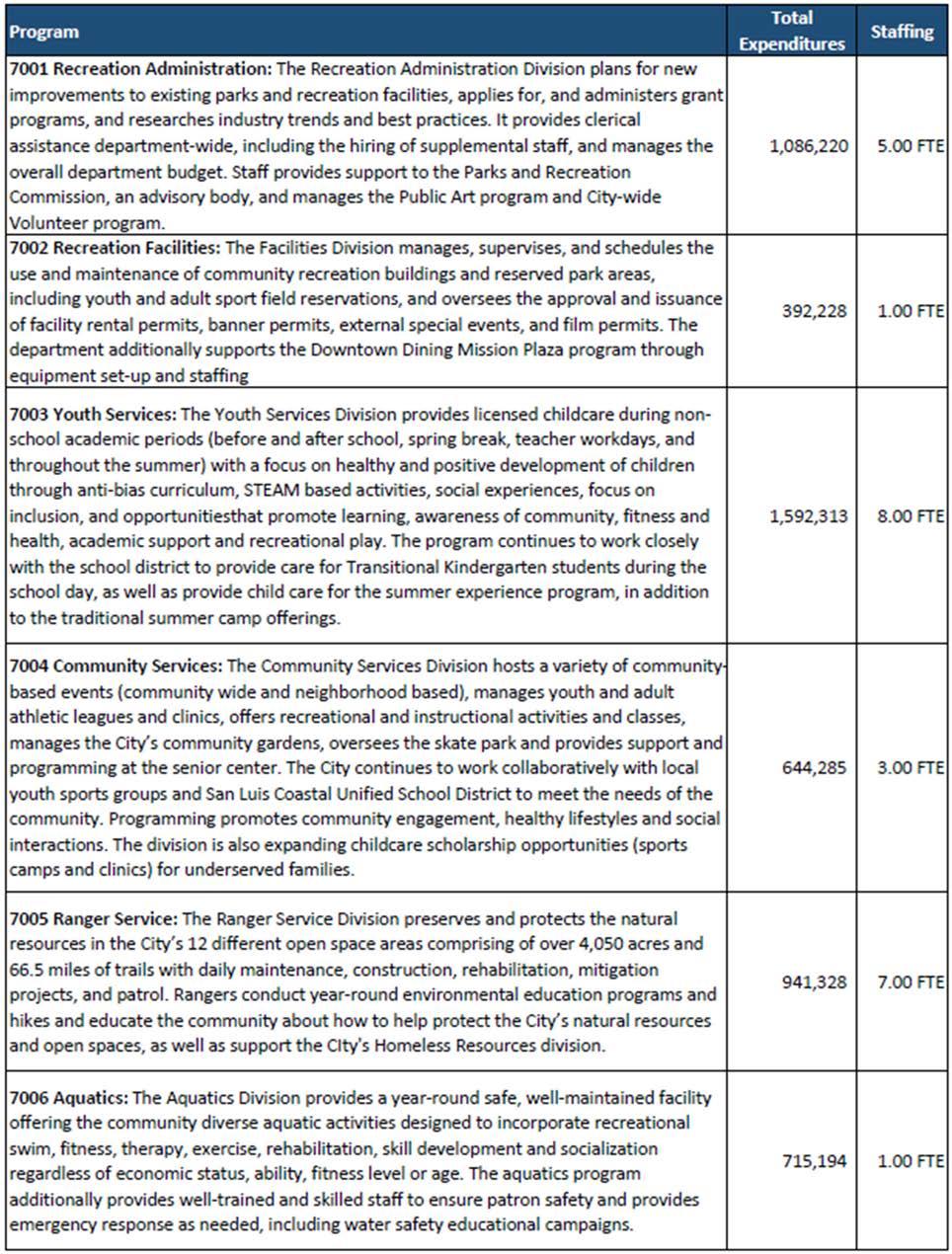
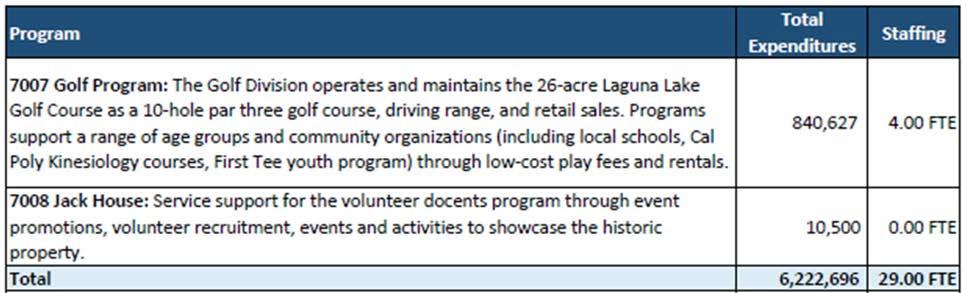
Expenditures are proposed to increase by $233,107 or 4% primarily due to increased staffing costs, specifically for temporary staff. In FY 2024‐25, temporary staff received an unbudgeted minimum wage increase, which impacted Parks and Recreation temporary staffing budget lines. In the 2025‐27 Financial Plan, the budget properly accounts for the previously unbudgeted raise, as well as regular wage increases for full‐time employees. One‐time costs from FY 2024‐25 were removed from the 2025‐27 Financial Plan, including: the SLO Healthy and Smart Budget which has been allocated a non‐department specific fund for proper tracking; the annual SESLOC agreement for payment for use of the parking lot adjacent to Damon‐Garcia Sports Complex, which has been absorbed into the operating budget going forward; and scholarship funding that was rolled over to FY 2024‐25 for family childcare services. In an effort to constrain expenditure growth, non‐staffing costs are flat with FY 2024‐25 adopted levels. This was achieved through reductions or elimination of funding across multiple areas, including strategic planning, consultant support, recreational supplies, furniture and various operating accounts, with minimal anticipated impacts to programming. Reductions and eliminations were made to cost centers that have historically contributed back to the General Fund at fiscal year‐end and should not impact scheduled programs. Golf lowered expenditures by reformatting advertising promotions and reallocating funding toward utilities, while anticipating use of CIP maintenance funds for ongoing maintenance of the Laguna Lake Golf Course. Staff parking budgets were restructured based on staffing changes, and reductions to other supplies and materials were made to offset the SESLOC Parking Agreement expense.
The budget includes one Significant Operating Budget Change in the amount of $80,731 summarized in the table below.
The Parks and Recreation Department has several opportunities to enhance its programs, facilities, and community impact. Expanding the user base of the Fee Reduction Assistance Program by increasing
marketing efforts and continuing to utilize both City provided funding and CAPSLO contributions for childcare programs, will help improve access to recreation programs, ensuring that cost is not a barrier to participation. Strengthening fundraising efforts and exploring sponsorship opportunities with local businesses and organizations can provide additional resources to support programs, events, and facility improvements. Engaging more community volunteers presents another opportunity, fostering involvement while assisting with park maintenance, facility enhancements, and program support. Additionally, pursuing grants for programming and capital projects can help fund new projects, improve infrastructure, and expand services without placing additional strain on the City’s budget. By leveraging these opportunities, the department can continue to provide quality, inclusive, and sustainable recreational offerings for the community.
Parks and Recreation faces several challenges in meeting the growing needs of the community while maintaining existing facilities and services. Supporting childcare and ensuring that programs remain affordable and accessible are ongoing priorities, requiring strategic resource allocation. Rapid residential development has added pressure to establish and maintain new park systems while also addressing priorities outlined in the Parks and Recreation Blueprint for the Future. Additionally, aging facilities such as the SLO Swim Center, Laguna Lake Golf Course, Meadow Center, and Ludwick Community Center require significant maintenance and potential upgrades to remain functional and safe, all while navigating rising construction costs which make renovations and new projects more expensive. Staffing remains a challenge, particularly in recruiting and maintaining seasonal and supplemental employees essential to delivering year‐round high‐quality programs and services. Furthermore, the department must balance efforts to manage and preserve the City’s open spaces and natural reserves with routine trail maintenance and fuel management, while also addressing the presence of transient and unhoused individuals in parks and public areas, ensuring these spaces remain safe and welcoming for all residents.
The Parks and Recreation Department plays a vital role in advancing the City Council’s Major City Goals by fostering community well‐being, enhancing public spaces, and promoting environmental stewardship. Through the development and maintenance of parks, open space, recreation programs, and cultural initiatives, the department directly supports key priorities including Cultural Vitality, Economic Resilience, and Fiscal Sustainability; Homelessness Response; and Open Space, Climate Action, and Resilience. Many of the department’s core services reflect the City’s values of inclusion, sustainability, and quality of life. Highlights for the 2025–27 Financial Plan include:
Cultural Vitality, Economic Resilience, and Fiscal Sustainability
o Support the cultural arts and Cultural Arts District by managing tenant placement and ongoing operations of a vendor in the Mission Plaza kiosk.
o Contribute to workforce development by exploring partnerships with Cal Poly, SLCUSD, and SLO County to establish employer‐supported childcare programs, helping local workers gain access to quality jobs and aiding businesses in talent retention.
Homelessness Response
o Collaborate with regional partners to expand crisis response and shelter services by utilizing Encampment Resolution Funds to support outreach and implement the Welcome Home Village project, in accordance with the City's Subrecipient Agreement with SLO County, to address encampments along the Bob Jones Bike Trail.
o Help reduce the impacts of homelessness while balancing safety, public health, and community well‐being by coordinating Environmental Mitigation efforts. This includes creek system protection, the development and implementation of a Vegetation Management Plan, and quarterly collaboration with regional agencies, including Caltrans, CHP, and SLO County.
Open Space, Climate Action, and Resilience
o Implement disaster mitigation efforts to reduce risks from floods and fires by treating at least 25 acres of vegetative fuels in high wildfire risk areas of City creeks and Open Space.
o Strengthen community resilience through emergency preparedness programs and community networks. Evaluate alternative to the Community Emergency Response Team (CERT) / Listos (CAL EOS Preparedness) programs and assess community receptivity to "Firewise" community designations.
o Protect, sustain and advance open space and natural and historic resources by completing the Johnson Ranch Open Space Riparian Restoration Project; collaborating annually with local Indigenous tribes to revive traditional ecological knowledge and cultural activities; and planting at least 125 native trees through partnerships aligned with the "10 Tall" goal.
o Improve trail connectivity and access for all users by completing the Firefighter Trail realignment at Reservoir Canyon, extending the HiBar and Panorama Trails at Miossi Open Space, and initiating the Morro View to Durata Vista Connector Trail at Irish Hills. Promote inclusive outdoor engagement through bilingual docent‐led hikes, Junior Ranger Camp, and environmental education, and develop a sustainable trail strategy plan that incorporates passive recreation, public amenities, equitable access, and natural resource protection.
The department’s strategic priorities for the 2025‐27 Financial Plan are intended to support the advancement of the City’s overall objectives tied to Major City Goals, Department Strategic Plans, and other priorities that may arise. These goals are in addition to ongoing services described in the ‘Department Programs’ section above.
Strategic Goal(s)
Continue to activate parks and public spaces with an emphasis on neighborhoods and downtown through community focused events, including volunteer opportunities, and public art that promotes inclusivity, provides cultural unity, develops a sense of community, and supports healthy lifestyles.
Implement objectives outlined in the Parks and Recreation Blueprint for the Future (Master Plan and General Element) and initiate public engagement for prioritization of projects, focused on meeting amenity needs identified by the City‐wide inventory assessment and specific to City subareas, that also factor in to help achieve carbon neutrality, inclusivity, accessibility, and connectivity.
In coordination with the Office of Natural Resources, continue to develop the new trail networks within the Open Space Trails at Righetti Hill and Miossi preserve while maintaining the current 4,000+ acres of Open Space and 67‐mile trail system. Continued focus on encampment clean‐ups, fire fuel reduction, and creek and flood control in support of the Wildland Urban Interface (WUI).
Provide affordable, inclusive, high‐quality programming for all age groups that fosters a sense of community, including enhancing and expanding equitable childcare offerings for the community.
Performance measures are designed to determine accountability, improve service quality, allocate resources, and evaluate departmental performance in meeting San Luis Obispo’s goals and objectives.
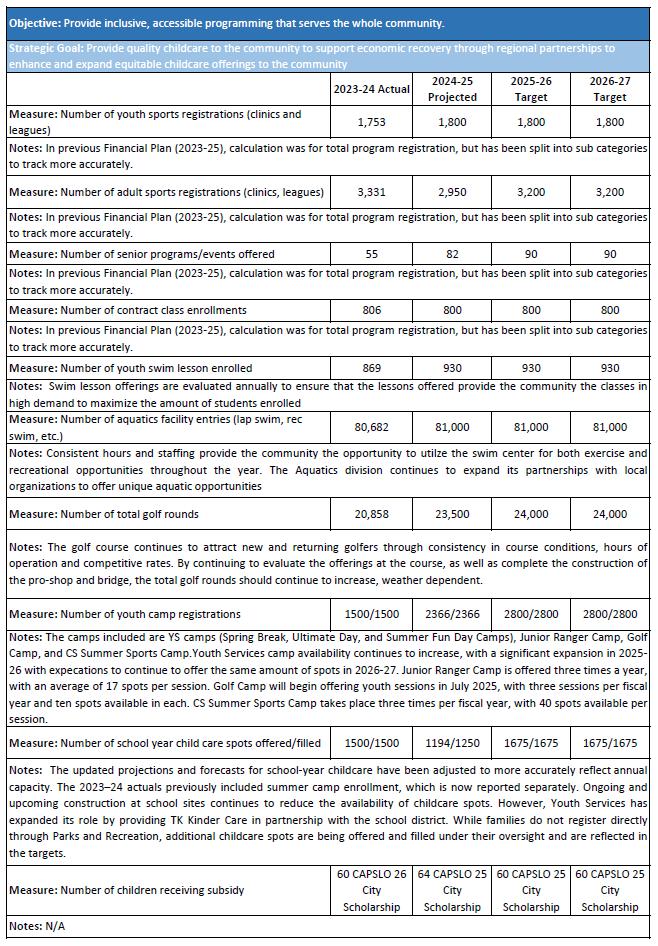
Objective: In Coordination with Public Works, engage the public to pri oritize new and re vitalized Recreational Amenities
Strategic Goal: Initiate public engagement for prioritization of projects, focused on meeting amenity needs identified by the City‐wide inventory assessment and specific to City subareas..
Measure: Number of public outreach meetings6644
Notes: Measure is dependant on the number of new or updated parks and amenties
Measure: Number of updated or new parks and amenities in process 7433
Notes: UpcomingprojectsincludeEmersonPark,RighettiParks,DeVaulPark,FuturediscussionsonLaguna Lake
Objective: Creates and fosters a sense of community through citizen involvement
Strategic Goal: Activate parks and public spaces through communi t y focused events, including volunteer opportunities, and public art that promote inclusivity, provides cultural unity, develops a sense of community and supports healthy lifestyles.
Measure: Number of Department Community Events (free or low‐cost) 25252525
Not e s: CommunityServicesprovidesavarietyoffreecommunityeventsyearround.Scrambleisonlyevent that is low cost / creates revenue. This includes Monday Meetups, Boo Bash, Super Rec Saturdays
Measure: Number of total volunteers/hours164/1935480/5800700/6000920/6200
Notes: "Number of total volunteers" is really the "number of total users registered on the volunteer management system" as it reads on this sheet. Users are not the same as volunteers (one can be a user and ne ver respond to an opportunity).
Measure: Number of volunteer opportunities35283535
Notes: FY 2023 ‐24 (# of recurring volunteer opportunities: 15; # of single day of service or expired need: 20).
Measure: Number of Public Art or Cultural Art Events5999
Notes: Includes all programming, tours, lectures, volunteer events, and workshops/tutorials.
Measure: Number of temporary/permanent public art installations 2232412
Notes: This includes any SLOMA contracted installations. Numbers fluctuate due to the changing number of Box Art installations.
Strategic Goal: Continue to develop new trail networks and maintain the current Open Space acres and trail system while focusing on riparian area con s ervation with encampment clean ‐ups, fire fuel reduction, and creek and flood control.
Measure: Number of miles of Open Space trails maintained
Notes: Ranger staff are currently building more tails and anticipate to do so over the next financial plan.
Measure: Number of staff hours dedicated to fuel reduction
Notes: Consistent hours indicates proper staff management of vegetation
Measure: Number of encampment site clean ‐ups removed from Open Spaces
Notes: Siginificantly reduced the number of transient occupants within Open Spaces due to the incre a sed number of housing opportnities in the areas.
To safeguard our community from harm by reducing crime and ensuring dignity, equity, and justice for all we serve.
The department’s Vision is a community partnership built on trust, focused on safety, and the shared values to ensure the SLO quality of life.
The Police Department consists of two operating bureaus: Operations and Administration. The Operations Bureau includes patrol services, traffic safety, and neighborhood services. The Administrative Services Bureau includes administrative services, investigative division, communications, and records units. The department maintains public safety in the community and engages in community policing to strengthen relationships, problem solve, and prevent crime.
8001 Police Administration: The Police administration program plans, directs, and evaluates all police services, including overall department leadership provided by the Chief of Police. Police administration provides business and fiscal management; personnel hiring and training; risk management; claims/lawsuit coordination; contract service administration; equipment purchases and maintenance; and computer application support for public saf ety information systems. This program is also responsible for preparing and implementing policies and procedures, ensuring appropriate training and performance standards are maintained and ensuring compliance with mandates.
8002 Patrol: The Police patrol services program utilizes uniformed personnel to respond to emergencies and calls for service; conduct preliminary investigations of criminal activity and routine traffic collisions; enforce state and City laws and statutes; apprehend criminals; manage unusual incidents; implement crime prevention strategies; and provide other public safety services.
8003 Investigations: This program investigates criminal activity. Program staff also interview and monitor convicted sex and arson offenders, coordinate and deliver enforcement, intervention, and education services to the high school, and junior high, provide forensic investigative services and evidence collection and analysis, and process and dispose of evidence and property.
8004 Police Support Services: The support services program is divided into two divisions: Communications and Records. The program is involved in Department of Justice audits, acts as custodian of criminal records and compliance with State and Federal regulations. Staff are responsible for receiving, processing and dispatching emergency and non‐ emergency calls for service, public outreach, processing police reports and citations, tracking and reporting crime statistics, and maintaining confidential information. 3,703,803 20.00 FTE
8005 Neighborhood Services: The Neighborhood Outreach Program is responsible for the coordination of services and outreach to community members with an emphasis on residential neighborhoods. The Program coordinates response to violations of the City noise ordinance, along with related follow ‐ up, data collecti on, and the issuance of warning notices and administrative citations to property owners. The program also includes support to various committees and neighborhood groups as well as receiving and acting on concerns of neighborhood residents about issues affecting the quality of life.
8006 Traffic Safety: The traffic safety program provide s enforcement of traffic laws, collision investigations, education programs, and coordination and support of special events.
Expenditures are proposed to increase by $2,105,271 or 9% due to various factors including contractual salary increases, the addition of 2.00 FTE Police Officers and related equipment, increases related to contract services (such as the contract for Animal Services with the County), and other technology needs. In an effort to constrain expenditure growth, non-staffing costs are flat with FY 2024-25 adopted levels. As a result, the department was unable to increase some accounts such as utilities, fuel, and other contract services. This may result in budget overages during this financial plan if third-party costs increase above the constrained budget amount.
The budget includes six Significant Operating Budget Changes in the amount of $630,484 summarized in the table below.
for public safety Computer Aided Dispatch (CAD) to CAD software.
Add 2.00 FTE Police Officers and associated equipment.
Funding for Police Officer safety equipment (tasers).
Funding for four License Plate Reader (LPR) cameras.
Funding for County contract for Community Action Team (CAT) and Mobile Crisis Unit (MCU) Licensed Psychiatric Technicians.
Ongoing
Staff continue to work on the Department’s 5‐year Strategic Plan which was developed in 2024. The goals of the plan include Service to the Community, Community Engagement, Diversity Equity & Inclusion, Recruitment & Retention, Health & Wellness, and Improving Infrastructure, Equipment & Technology. Overall, each goal has a work program with achievable objectives which are assigned to staff members. As part of the Strategic Plan, a department‐wide staffing study was conducted in late 2024 and the final report was presented to Council in January 2025. The results of the study reflected the need to hire fourteen additional department personnel (eleven sworn and three professional non‐sworn) within one year; these positions included two sergeants, six police officers, two detectives, one school resource officer, two dispatchers, a half time employee to assist the hiring manager and a half time employee to assist with customer service at the front counter. The funding and resources to hire all recommended positions in one year posed a significant challenge, and, as a result, staff presented to Council
implementation options to phase in the hiring over several years. Ultimately, this resulted in the current budget proposal to add just two patrol officer positions that are partially funded through a COPS Hiring Program grant awarded by the US Department of Justice. Budget constraints will continue to be a challenge as the City continues to monitor revenues and expenditures over the next couple of years due to a projected budget deficit in FY 2027‐28.
In 2024, department staff participated in over 40 community events which included visits to various schools, events in Mission Plaza, and neighborhood meet ups. These events offer incredible opportunities for public outreach and education while fostering relationships. The department is looking forward to remaining engaged and attending more events in the upcoming year.
Staffing challenges continue to occur and as a result special assignments have not been fully staffed, this includes the Traffic Safety team which only has one sergeant and two officers. When fully staffed, this team consists of a sergeant and three officers. In FY 2024‐25, the department worked to fill six vacancies which resulted from retirements and separations of employment. The department is still working to fill current officer vacancies.
In 2024, the City contracted with SLO County Behavioral Health Services for a Licensed Psychiatric Technician (LPT) position to work in partnership with the department’s Community Action Team (CAT). Per the agreement, the cost of the LPT position is split between the County and City. This position has been instrumental in supporting CAT by providing professional crisis intervention outreach and follow up to individuals in the community that require mental health services. This contract will expire in June of 2026. The City is currently funding this contract using opioid settlement funds that have been allocated to the City to help address the negative impacts of the opioid crisis. This funding is anticipated to diminish over the coming years, which will require the City to identify alternative funding sources if the LPT contract is extended.
In 2025, the department started a pilot program assigning a Community Services Officer (CSO) to the CAT program. Reallocating a CSO to the CAT program has proven to be a success; this position has added value and resources to the team’s ability to provide proactive outreach.
Homelessness Response:
1. Collaborate with partners to prevent and reduce homelessness:
Justice Services ‐ Continue and expand collaborations between the City Attorney/City Prosecutor, SLOPD & SLO Fire (CAT/MCU/CSOs/LPTs), County Behavioral Health, and San Luis Obispo Courts to coordinate criminal warrant and Municipal Code criminal misdemeanor prosecution efforts to enhance criminal diversion, social services, and specialty court connections, including mental health, drug and alcohol, veteran's support, CARE Court, conservatorship and housing and benefits services.
2. Leverage external funding to expand crisis response and continuum of shelter and housing programs with regional partners:
Encampment Resolution Funds ‐ Complete outreach work as described in the City's Subrecipient Agreement with San Luis Obispo County for implementation of the Welcome Home Village project to address encampments along the Bob Jones Bike Trail.
3. Refine approaches to reduce the impacts of homelessness to balance safety, health, and community well‐being.
SLOPD CAT & CSO Teams ‐ Continue/refine operation of a coordinated homelessness response including the Police Department's Community Action Team (CAT), Licensed Psychiatric Technician contracted through the County's Behavioral Health Department and a Community Service Officer (CSO). Identify potential funding sources to ensure sustainability of CAT and CSO positions.
Environmental Mitigation ‐ Coordinate efforts to mitigate environmental impacts and protect creek systems in collaboration with regional agencies including quarterly meetings with Caltrans, CHP, and SLO County. Develop and implement a Vegetation Management Plan.
The department’s strategic priorities for the 2025‐27 Financial Plan are intended to support the advancement of the City’s overall objectives tied to Major City Goals, Department Strategic Plans, and other priorities that may arise. These goals are in addition to ongoing services described in the ‘Department Programs’ section above.
Continue to implement the department’s 5‐Year Strategic Plan. Specifically addressing the following Goals: Service to the Community, Community Engagement, Diversity, Equity & Inclusion, Recruitment and Retention, Health and Wellness, and Improving Infrastructure, Equipment and Technology.
Continue to foster community partnerships through the department’s relationship with the CSAC (Community Safety Advisory Council) comprised of the Police Advisory Committee (PAC) and the Police Roundtable. Work to expand presence at community events and continue to use social media and other outreach resources for public awareness and education.
Support employee development and advancement through ongoing training and establishing a career track model. Implement a formal mentor program and continue to support employee mental wellness opportunities through the department’s Peer Support Program.
Invest in essential tenant improvements for 1042 Walnut. Phase one will include replacing carpet in high traffic areas, painting some interior spaces, and enhancing security in the lobby. These improvements have not been made in well over twenty years.
Finalize building improvements and relocation of investigative and administrative staff to 1106 Walnut Street upon completion of necessary tenant improvements to enhance safety and function of this new space.
Continue providing excellent public safety services to the community through community policing efforts and proactively address community concerns to reduce crime and improve safety.
Performance measures are designed to determine accountability, improve service quality, allocate resources, and evaluate departmental performance in meeting San Luis Obispo’s goals and objectives.
Objective: Reduce Crime
Strategic Goal: Create a safe community for residents and visitors.
Measure: Total Number of Part 1 Crimes per Year1,5681,5521,5361,521
Notes: Includeshomicide,forciblerape,robbery,aggravatedassault,burglary,andmotorvehicletheft.Figures shown are for the calendar year.
Strategic Goal: Utilize the department's Traffi c Safety division to focus on traffic enforcement and create safe roadways.
Measure: Total Number of Collisions per Year
Notes: Figures shown are per calendar year.
Measure: Annual Office of Traffic Safety Grant Enforcement Operations
Notes: Figures are based on specific grant related objectives outlined in the annual grant agreements which may vary from year to year. The OTS grant period is from October ‐ September.
Reduce Homeless Related Calls for Service Through Proactive Engagement
Strategic Goal: Utilize the department's Community Action Team to provide resources and services to the City's homeless community.
Measure: Calls for service related to homelessness8,7928,5288,2728,024
Notes: Figures shown are based on fiscal year.
Measure: Number of unique individuals contacted by CAT 400410419428
Notes: Figures shown are based on fisc a l year.
Measure: Number of Family and Agency Reunifications6 6
Notes: Figures shown are based on fiscal year.
Measure: Number of Local Permanent Housing Referrals 2222
Notes: Figures shown are based on fiscal year.
Measure: Total number of Mental Health/Substance Abuse Treatment Referrals 202211221228
Notes: Figures shown are based on fiscal year.
Preserve and enhance city infrastructure for an accessible, safe, and inclusive community experience.
The City of San Luis Obispo’s Public Works Department accomplishes its mission in two primary ways. One is by providing safe mobility options for residents and visitors so that all may enjoy the cultural, recreational, economic, educational, and quality of life amenities in San Luis Obispo. The other is to build and maintain the City’s assets and infrastructure to enhance community safety, health, and wellness. None of the City’s assets are an end unto themselves but rather enable residents and visitors to experience an enhanced quality of life. The department’s Vision: ‘Inspiring you to have the best day you have ever had,’ essentially means if we provide high quality mobility options and well‐maintained infrastructure, then users can experience the full benefit of living, visiting, and working in San Luis Obispo.
The department is organized into three divisions, which include the Maintenance Division, Engineering Division, and Mobility Division, housing the department’s fourteen programs, each of w hich provide a critical and unique role in fulfilling the department’s mission. Most of the department is funded by the General Fund, and two programs, Parking and Transit, are Enterprise Funds, funded by users of those services. Finally, the Flood Control program is primarily funded by reimbursement grant funds provided by the County of San Luis Obispo.
The table above summarizes the total budget for the department, including programs funded by the General Fund and Parking and Transit enterprise funds. The information that follows provides individual fiscal analyses for the department’s budget from the General Fund, as well as the two enterprise funds.
Expenditures are proposed to remain nearly flat in FY 2025‐26, increasing by $218k or 1%. The Public Works Department was able to re‐allocate existing funding within the constrained base budget to offset identified increases, including inflationary adjustments, the maintenance costs of new assets (e.g. North Broad Street Park and portions of the North Chorro Greenway), and rising utility costs. The budget also reflects the addition of two critical positions: a Heavy Equipment Mechanic and the conversion of the Communications Coordinator position from contract to full‐time regular, both proposed as Significant Operating Budget Changes (SOBCs). These additions require new General Fund dollars, as summarized in the table below. In an effort to constrain expenditure growth, non‐staffing costs are 2% below FY 2024‐25 adopted levels. This was achieved by reducing budgets in line with actuals, reducing the service frequency of several maintenance contracts, and reducing some administrative and construction tool replacement budgets. The proposed budget includes two SOBCs totaling $183,312, with $130,266 supported by the General Fund. One of the SOBCs (the conversion of the Communications Coordinator position from contract to full‐time regular) is jointly funded by the General Fund, Parking Fund, and Transit Fund. The table below reflects the General Fund share of cost for this SOBC.
Parking Fund revenue is proposed to decrease by about $416k or 4% in FY 2025‐26, in line with the proposed reductions presented in the 2024 Parking Rate Study and additional action taken by Council to reduce monthly garage permit rates. The intent of the rate reductions is to reduce the financial impact on the community while maintaining service levels, including funding investments in capital infrastructure.
Parking Fund expenditures are proposed to remain relatively flat in FY 2025‐26, decreasing by $8,443 overall. The Parking Program was able to re‐allocate existing funding within the constrained base budget to offset identified increases, including inflationary adjustments, maintenance costs, and electric service increases based on rate increases as well as the new Cultural Arts District Parking Garage coming online in 2026. In an effort to constrain expenditure growth, non‐staffing costs are 5% below FY 2024‐25 adopted levels. This was achieved by reducing budgets in line with actuals, particularly with other utility costs (water, sewer, natural gas), and by reducing credit card merchant fees budget based on an average percentage of garage and meter revenue. If actual revenue is higher than budgeted, resulting in a significant increase in credit card merchant fees, then staff will return at Mid‐Year budget review with proposed budget revisions for Council’s consideration. The proposed budget includes one SOBC which is funded by the General Fund, Parking Fund and Transit Fund. The table below reflects the Parking Fund share of cost for this SOBC.
Add 1.00 FTE Communications Coordinator for Mobility Services and Capital Improvement projects (previously a contract position, cost to be paid by General Fund and Parking and Transit Enterprise Funds).
The long‐term forecast shows a return to forecasted revenues, following a dip in certain revenues during FY 2023‐24 and part of FY 2024‐25, as the changes recommended by the Technology Roadmap were implemented. With the completion of two key projects—the new gated system at 842 Palm Garage and the new citation management software in Spring 2025—staff expects revenue projections to recover, with little to no impact on the next fiscal year.
It should be noted that the revenue projections for the "Parking Structures” for the years FY 2025‐26 to FY 2028‐29 are based on revenue forecasts of the 2024 Parking Rate Study which assume that the new Cultural Arts Parking Garage will realize similar per space revenue as the other three existing garages once
it opens for operation early in calendar year 2026. However, actual occupancy may vary due to factors such as increased parking demand in that area and decreased demand at other garages. Should demand for the new garage differ significantly from projections, staff will adjust budgets accordingly through future financial planning cycles.
Minor reductions in expenses are budgeted to cover the dip in recent revenue caused by technology issues. Planned upcoming Capital Improvement Plan Projects in this Financial Plan include safety fencing for the garages, surveillance cameras in the garages, and pay station replacement and expansion. Overall, projected unreserved working capital remains healthy in the outer years of the forecast which will be available to support capital needs in the future.
The Long‐Term Forecast table above includes expense for the proposed SOBC.
Transit Fund revenues are projected to decrease by $5.0 million (29%) in FY 2025‐26 due to the budgeting of a one‐time discretionary grant opportunity in the FY 2024‐25 that was ultimately not awarded. The decrease in revenue will not affect service delivery. Transit Fund charges for service revenues are proposed to increase year over year by about $34,000 or 3% as passenger rides are trending up.
Transit Fund expenditures are proposed to increase by $862,664 or 17% in FY 2025‐26. The Transit Program was able to re‐allocate existing funding within the constrained base budget to offset identified increases, including electric service costs to charge electric buses, fuel budget increases based on current trends, new state regulatory fees, charging station contract increases and additional advertising support for ridership promotion. This was achieved by reducing maintenance and other account budgets and removing some of the one‐time expenses that were in the FY 2024‐25 budget. There is no anticipated impact from the reduction in maintenance and other operating account budgets; however, if vehicles experience major failures resulting in higher than budgeted maintenance costs, then staff will return at Mid‐Year budget review with proposed revisions for Council’s consideration. The proposed budget includes five SOBCs totaling $861,299 from the Transit Fund in FY 2025‐26, plus one SOBC funded by the General Fund, Parking Fund and Transit Fund. The table below reflects the Transit Fund share of cost for this SOBC, as well as the other Transit Fund SOBCs.
Add 1.00 FTE Communications Coordinator for Mobility Services and Capital Improvement projects (previously a contract position, cost to be paid by General Fund and Parking and Transit Enterprise Funds).
Funding for increased purchased transportation contract.
for Transit Service and Planning Software.
Funding for Transit Intern (temporary position, 900 hours).
The Transit Fund is able to cover all current and forecasted operating and capital costs with support from Federal and State funding sources. Operating costs are projected to increase significantly over the next few years due in large part to the implementation of the Short‐Range Transit Plan service change recommendations. If changes occur in the reliability of State and Federal funding sources, reductions in service or increased reliance on fund balance would be required. Staff will continue to seek reimbursement for the grants awarded and will continue to apply for new grants to fund future capital projects. The Long‐Term Forecast above includes expenses for the proposed SOBCs.
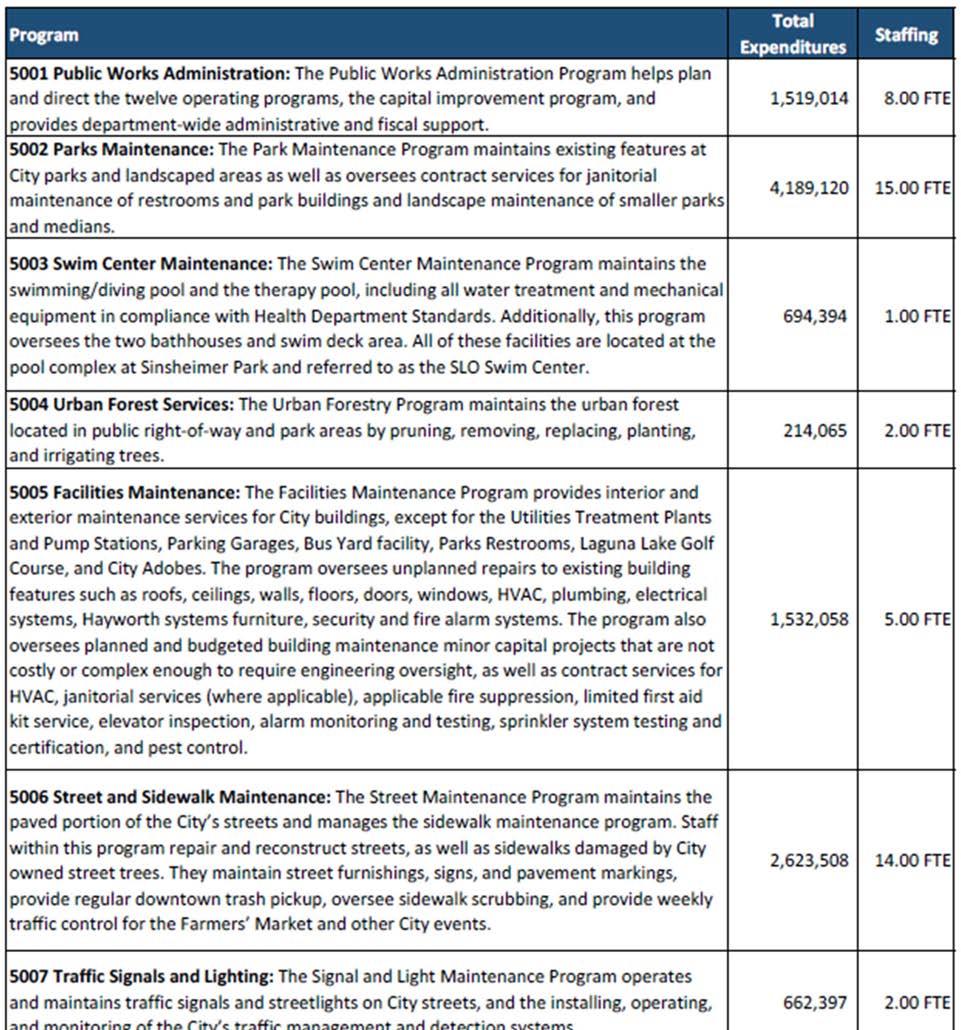
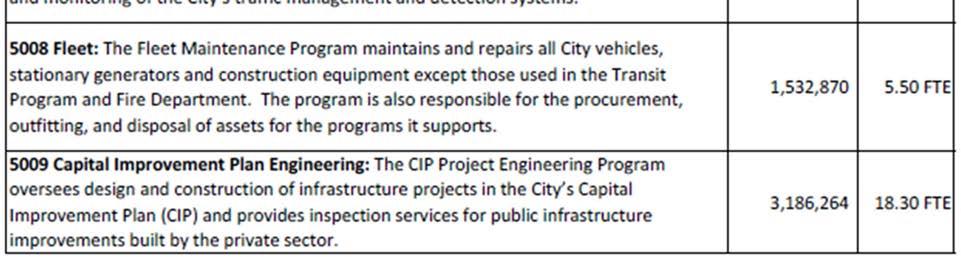
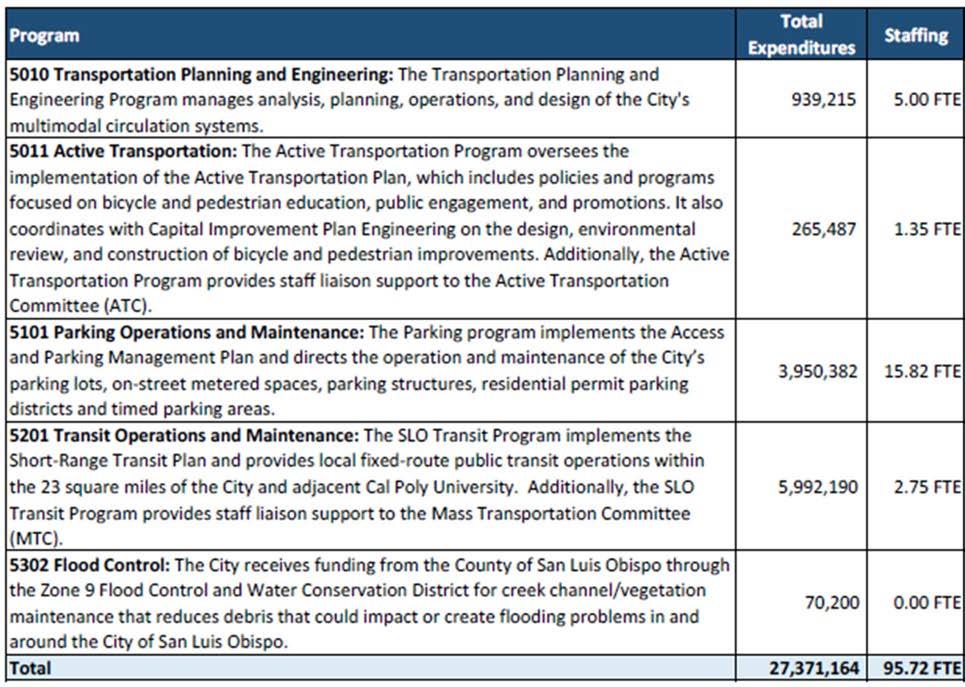
The Public Works Department faces new and recurring challenges as it strives to meet community needs and expectations. In the face of budget constraints and a growing asset inventory, the department will leverage opportunities to deliver the highest level of service to the community within available resources.
The Engineering Division is managi ng the delivery of several major projects over the next two years, including the Righetti Ranch Community Park, the Cultural Arts District Parking Structure, the Higuera Complete Streets Project, and Mission Plaza enhancements, all while fostering and building knowledge, skills and abilities in its team.
The Mobility Services Division continues to facilitate and promote sustainable transportation solutions and leverage technology to make the parking experience easy, convenient, and accessible to all users. The completion of the Cultural Arts District Parking Structure early in calendar year 2026 will immediately add about 400 new spaces to the west end of the downtown core. Ridership growth and proposed service enhancements in the Short‐Range Transit Plan (SRTP) are key opportunities identified by the public for Transit. In response, the department has submitted SOBCs to account for increased purchased transportation costs (currently provided via a bus service contract with TransDev), to augment service levels in line with the SRTP, and to fund transit service planning software to more effectively serve riders.
The Maintenance Division is committed to maintaining the City’s assets under their purview efficiently and effectively while reducing one‐time capital costs through preventative maintenance. The Maintenance Division’s operating programs are leveraging their resources to maintain service levels, while managing an increased number of assets. Additionally, the Maintenance Division is helping advance the City’s climate goals through major facility energy efficiency upgrades, fleet electrification, and the expansion of charging infrastructure.
The department is experiencing a period of service and asset growth and progress, driven by the success of the Ask SLO resident response platform, the expansion of parks and other community amenities, and the advancement of complex capital improvement projects. As infrastructure and service needs evolve, the department remains focused on recruiting and retaining skilled staff to sustain high‐quality operations. By strategically managing resources and optimizing budget allocations, the department continues to enhance services and meet the community's needs effectively.
The department will continue to prioritize communication to build community trust as progress advances on CIP projects and new services and technologies are implemented in the Mobility Services Division. To this end, it has submitted an SOBC for the conversion of a contract Mobility Services Communications Coordinator to a regular full‐time position that will also support CIP related communications.
As operating budgets tighten, the department remains optimistic that despite its lean budget, it will continue to meet community expectations, notwithstanding any major emergencies or disasters.
The department supports Major City Goals through cultural vitality, infrastructure and sustainable transportation, and resilience initiatives. Public Works will help stimulate cultural vitality in the downtown area through enhancements to the Mission Plaza and the forecasted completion of the new Cultural Arts District Parking Structure in coordination with SLO REP. Likewise, the department will oversee the development of new and upgraded park infrastructure; street safety and connectivity improvements in line with Vision Zero and the Active Transportation Plan; and long‐term planning efforts to support future growth and development, with projects like the Prado Bridge Widening, the Prado Interchange, broadband infrastructure development and the expansion of mass transportation and public transit. With the completion of the Mid‐Higuera Bypass project, improvements to flood resiliency will reduce the impacts of storm‐related damage.
Diversity, Equity and Inclusion
o Continue the implementation of the Broadband Plan, including building grant funded infrastructure.
Cultural Vitality, Economic Resilience, and Fiscal Sustainability
o Finalize a Community Work Force Agreement to support future construction work for the Prado Interchange and Public Safety Center projects.
o Complete the construction of the Mission Plaza Project to enhance the experience of the plaza and downtown.
o Complete the construction of the Cultural Arts District Parking Structure.
o Support SLO REP in beginning construction of the new theatre and manage the City’s Lease and Grant Agreements to help promote a successful public opening.
Infrastructure and Sustainable Transportation
o Start construction of the 2025 Arterials Paving project which could include streets such as Sacramento Dr, Tank Farm, and Calle Joaquin depending on available funding.
o Start construction of the 2026 Roadway Sealing Project in Pavement Areas 2 & 3.
o Start Construction of South/King Traffic Crossing Improvement.
o Start Construction of California/Taft Roundabout.
o Start Construction of Higuera Complete Streets Project.
o Complete South Broad St. Corridor Plan and initiate Demonstration Project.
o Complete public outreach and concept design for Foothill Complete Streets.
o Promote Roll and Stroll Education Campaign.
o Bring Final Recommendation for Grand Avenue to Council to be implemented with the 2027 Paving Project.
o Finalize Design Plans for Construction of the Prado Bridge Widening Project.
o Complete Prado Interchange Final Value Engineering Report and Council Update.
o Start Construction of Righetti Ranch Park (Phase 1).
o Start Construction of Devaul Ranch Playground Replacement Project.
o Advertise for construction bids for the Emerson Park Replacement Project.
o Execute new SLO Transit Operations and Maintenance Agreement.
o Reinstate transit services to pre‐pandemic levels.
o Increase route frequency and reduce headways consistent with recommendations of the 2025 Short Range Transit Plan.
o Provide transit service to San Luis Ranch and Avila Ranch neighborhoods.
o Expand and promote the Downtown Access Pass (DAP) program.
Open Space, Climate Action, and Resilience
o Complete publicly accessible EV charging projects at the Cultural Arts District Parking Structure.
o Conduct a year‐long campaign to connect employees to low emissions commute options (LBE)
o Complete Construction of the Mid‐Higuera Bypass Project
The department’s strategic priorities for the 2025‐27 Financial Plan are intended to support the advancement of the City’s overall objectives tied to Major City Goals, Department Strategic Plans, and other priorities that may arise. These goals are in addition to ongoing services described in the ‘Department Programs’ section above.
Strategic Goal(s)
Invest in critical infrastructure with the focus of delivering legacy projects to the community, including the Cultural Arts District Parking Garage, the Mission Plaza Enhancements Project, Prado Road Creek Bridge, Prado Road Interchange and the Public Safety Center replacement.
Provide core services to the community with particular focus on Enhanced Downtown Maintenance and providing maintenance services for recently constructed development projects that are ready to be assumed into the City’s inventory for maintenance. Continue to use Ask SLO as a tool to respond to community needs.
Support efforts by the Finance Department to maximize federal and state reimbursement of City funds for response to the 2023 storms. Continue focusing on Emergency Preparedness, responses to future storms, and ongoing recovery efforts from the 2023 storms that are now programed in the City’s CIP.
Implement sustainable transportation objectives from the Short‐Range Transit Plan and the Active Transportation Plan including increasing frequency and service of transit, as well as trail, pedestrian, and bicycle improvements and street enhancements to uphold traffic safety.
Increase department’s public engagement, marketing, education and noticing through purposeful, multi‐channel outreach efforts to advance the City’s Major City Goals.
Support and prioritize employee development and growth by investing time in the training, development and onboarding of new and transitioning employees. Develop an implementation plan for the Employee Engagement Survey feedback focused on training and onboarding.
Performance measures are designed to determine accountability, improve service quality, allocate resources, and evaluate departmental performance in meeting San Luis Obispo’s goals and objectives.
Objective: Enhance safe and efficient transportation
Strategic Goal: Proactively enhance safety by providing a system of safe, reliable and well-maintained roadways, sidewalks, traffic signals and streetlights
Measure: Pavement Condition Index
Notes: PCI tends to hover around 73, but the staff target is a minimum PCI of 70.
Measure: Bicycle network in total miles (Class I/II/III/IV)
Notes: Basedonprojectsalreadyfundedandonscheduleforconstructionintheseyearsandprojects anticipated to be funded in 2025-27 Financial Plan based on Draft CIP as of March 2025.
Measure: Street miles maintained
Notes: About 1 mi will be added with Avila Ranch Phase 1
Measure: Citywide fatal and severe injury crashes (latest
Notes: FY2023-24valuesbasedonthelatestavailblecollisiondataset(2019-2023).Projectedvaluesfor FY 2024-25 and future years are estimated based on an 10% reduction achieved per year.
Objective: Encourage sustainable transportation
Strategic Goal: Implement sustainable transportation objectives from the Short-Range Transit Plan and the Active Transportation Plan including increasing frequency and service of transit, as well as trail, pedestrian, and bicycle improvements and street enhancements to uphold traffic safety.
Measure: Annual SLO Transit ridership
Notes: FY 2024-25 based on actual ridership through first 6 months of fiscal year. FY 2025-26 and FY 2026-27 targets are based on the draft Short-Range Transit Plan projections.
Strategic Goal: Provide core services to the community with particular focus on Enhanced Downtown Maintenance and providing maintenance services for recently constructed development projects that are ready to be assumed into the City’s inventory for maintenance; continue to use Ask SLO as a tool to respond to community needs.
Measure: PublicWorksMaintenanceDivisionAsk SLO requests addressed 1,5711,6601,6601,660
Notes: Projected FY 2024-25 value is based on average daily volume of Maintenance requests. This number is challenging to forecast, but is not expected to decrease as increasing numbers of residents use Ask SLO.
Measure: # of trees maintained 13,42913,47913,57913,679
Notes: The urban forest number of managed trees has been aligned with the Public Works Maintenance Division scope of services. Many trees in the City's open space have been removed from the Urban Forest Services maintenance metrics as these trees are maintained by the Parks and Recreation Department's Ranger Services Program. The program will target 100 new tree plantings annually with young tree care provided by volunteers or community partners.
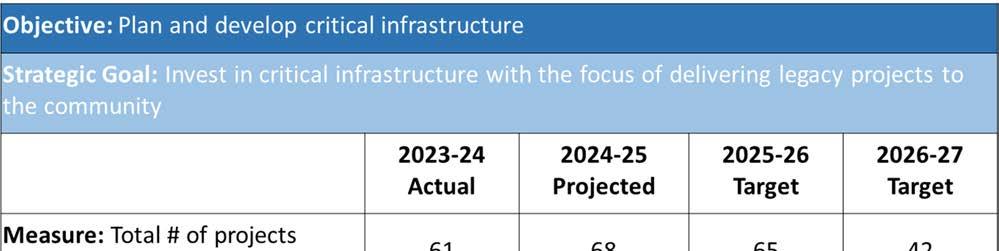
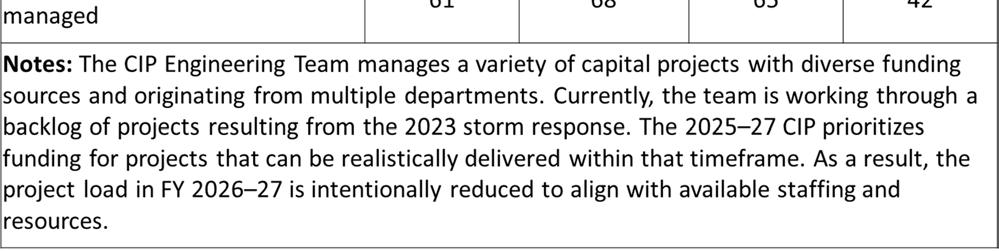
Ensuring safe, reliable, and essential utilities service.
The Utilities Department provides water and wastewater services to the City of San Luis Obispo and is responsible for the administration, billing, customer service, operation, maintenance, design, inspection, and construction of the City's water and wastewater‐related infrastructure. Additionally, the department also manages the City’s Solid Waste and Recycling Program and administers the City’s stormwater compliance program.
As a part of these services, the Utilities Department manages two Enterprise Funds (Water and Sewer), an Agency Fund (Whale Rock), and the Solid Waste and Recycling and Stormwater programs, which are accounted for within the City’s General Fund. The Solid Waste and Recycling budget is supported by AB 939 and Franchise Fee funding, both of which are restricted to waste diversion activities. The Whale Rock Fund is managed by the City, but under the governance of the Whale Rock Commission, which is comprised of the City of San Luis Obispo, California Polytechnic State University (Cal Poly), and California Men’s Colony (CMC) representatives. The City’s portion of staffing and operational expenses and capital project contributions for Whale Rock operations are budgeted within the Water Fund’s Source of Supply budget. The Department is responsible for ensuring the financial sustainability and regulatory compliance of all of these operations, optimizing resource allocation, and supporting long‐term infrastructure planning for utilities services.
Fiscal
The Utilities Department oversees the Solid Waste and Recycling and Stormwater budgets, which are managed within the City’s General Fund. During the 2025‐27 Financial Plan, staffing budgets remain fairly consistent with slight changes due to standard staffing changes such as retirements, anticipated salary raises, and retirement and Medicare contributions. Operating Expenditures significantly decrease in FY 2025‐26 due to the City’s Stormwater and Flood Control operations being separated out during the next financial plan. Flood control operations are managed by the City’s Public Works department.
No significant operating budget changes are recommended within the General Fund.
As Enterprise Funds, the City’s Water and Sewer Funds are primarily supported by revenue collected from water and sewer rates. Therefore, the City’s Water and Sewer Funds are not expected to experience the same constraints over this next Financial Plan as the City’s General Fund. To ensure the continued delivery of safe and reliable water and sewer services for years to come, it is crucial that these funds continue to make strategic investments in operations, maintenance, and capital improvements. To meet these needs, significant operating budget changes (SOBCs) have been proposed and incorporated into the Water and Sewer Fund budgets. Consequently, these funds do not have flat non‐staffing operating budgets. Ongoing investments in equipment, infrastructure, and regulatory compliance are essential to maintaining the community’s water and sewer systems and supporting long‐term operational and financial sustainability.
The increase between FY 2024‐25 and 2025‐26 and then decrease between FY 2025‐26 and 2026‐27 is primarily due to a majority of Prop 1B grant revenues for a groundwater project being anticipated to be received during FY 2025‐26. Water Sales and Base Charges are also anticipated to increase with proposed rate increases during both FY 2025‐26 and 2026‐27, as well as a slight increase in projected customer growth. FY 2023‐24 actuals appear higher than the FY 2024‐25 budget, as investment interest revenue is budgeted conservatively to remain fiscally responsible due to potential market variability. Lastly, revenue for miscellaneous penalties (customer late charges) and credit collections have been adjusted to better reflect historical actuals.
Overall, the Water Fund staffing and operating budgets will have a significant increase during FY 2025‐26 due to the City’s contributions for operations, maintenance, and capital projects for the City's three surface water reservoirs, budgeted for under the Water Source of Supply budget. Because the expenses for capital projects are included, operating expenditures for the City’s Water Source of Supply budget can
vary significantly from year to year. Overall, 88% of the increase in total expenditures between FY 2024‐25 to FY 2025‐26 can be attributed to increases in the City’s contribution for capital projects for the three reservoirs with the majority of the increase related to the Salinas Dam Access Road Repair project. Although the County of San Luis Obispo manages the Salinas Reservoir, the City is the only utility that receives water from the reservoir and therefore, must pay for the project. However, the project is expected to be reimbursable by FEMA/CalOES which would cover 93.75% of the project total making the net cost to the City $250,000. Should reimbursement for the project not be received, Staff would have to re‐evaluate the Water Fund Capital Improvement Plan and likely recommend deferral of other planned projects. Staffing costs for the Water Fund increase to accommodate anticipated staffing and benefit increases. Significant funding request changes for the Water Fund, including those for additional staffing changes and the Salinas Dam Road Repair project, are included in the table below.
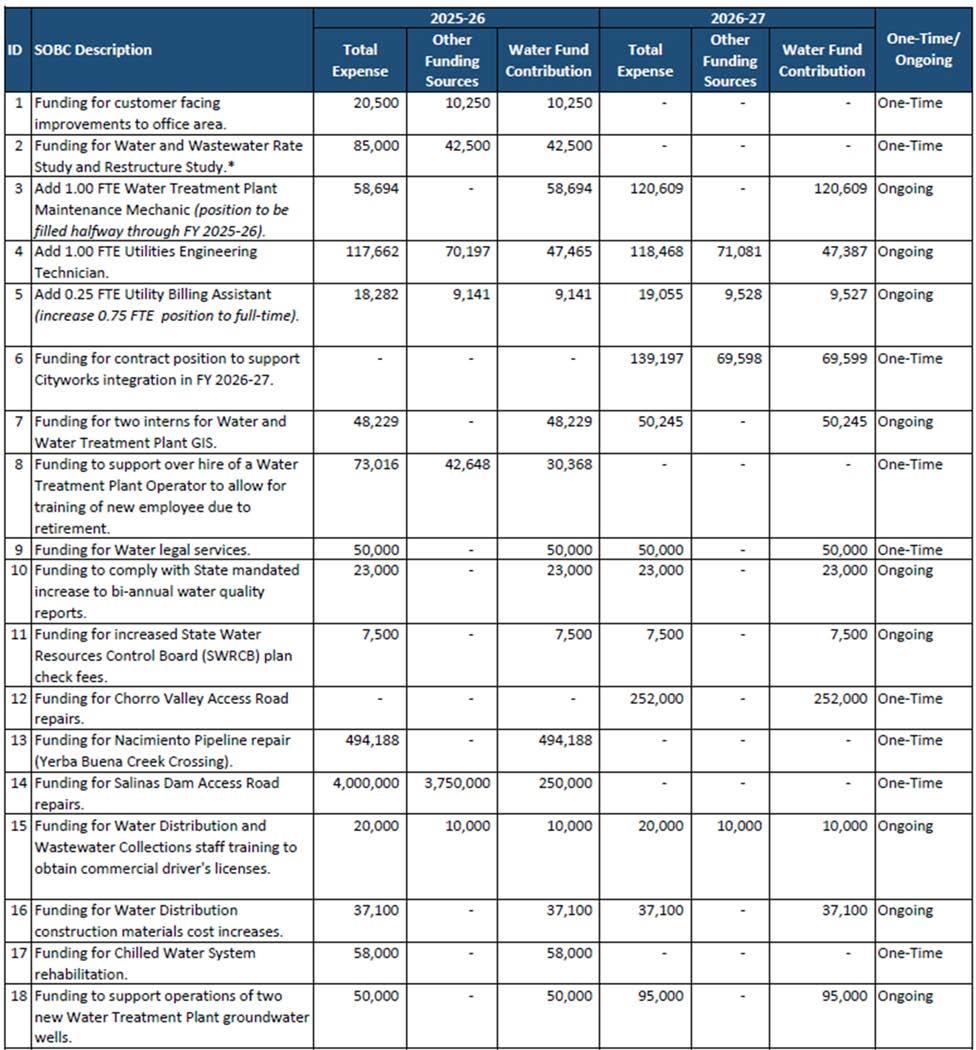
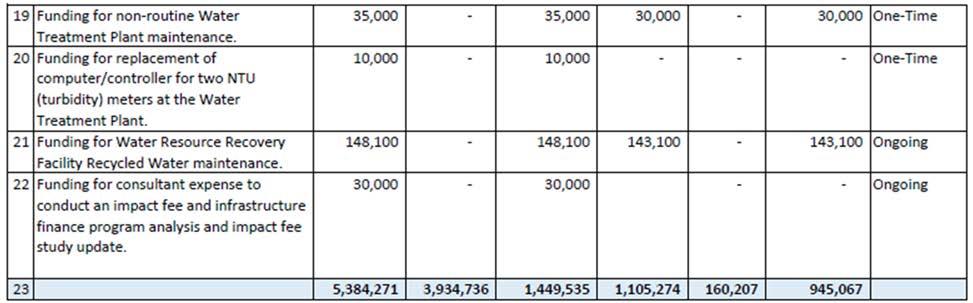
2
4
3
1
The forecast above reflects the Water Fund’s anticipated financial position, including Significant Operating Budget Changes. To address nationwide cost increases and upcoming capital improvement projects that drive water rate increases, the Department has been focusing on an approach to supplement ratepayer funds through the utilization of grant funding. Over the past seven years, the Water Fund has secured over $14.5 million in grants and alternative funding and has recently applied for an additional $2 million for projects that improve resiliency for the community while also decreasing long‐term operating costs. The Water Treatment Plant Tesla Battery Pack and the Groundwater Contamination Remediation Project were both grant‐funded and provide long‐term operational cost decreases by reducing electricity usage and allowing for electricity to be utilized during off‐peak periods for treatment operations. These projects, amongst others, focus on utilizing alternative funding sources to stabilize or decrease costs that otherwise would drive additional annual rate increases.
In addition to these measures, the Department has been exploring opportunities to sell surplus water supplies that the City is unable to use each year pursuant to policy 1.13.2 of the Land Use Element of the City’s General Plan. Surplus water sales programs include the potential to sell surplus recycled water and surplus non‐potable water from Nacimiento Lake. These water sales programs could result in additional revenue for the Department without compromising long‐term water supply sustainability. However, because surplus water sales have not been negotiated and significant additional work is required to finalize any such agreements, the forecast does not include any projected revenue from potential sales.
Similar to the Water Fund, the decrease in sewer revenue between FY 2024‐25 actuals and 2025‐26 budgeted values is mostly attributed to investment interest revenue being budgeted conservatively to remain fiscally cautious due to potential market volatility. FY 2023‐24 also included grant revenue for the Water Resource Recovery Facility (WRRF) project that was not included in the FY 2024‐25 budget, as the project was anticipated to be completed before FY 2024‐25. During both FY 2025‐26 and 2026‐27, Sewer Service Charges are anticipated to increase with proposed rate increases, as well as due to a slight increase in projected customer growth. Rate increases were higher than anticipated for the next two years due primarily to a significant loss in revenue from sales to California Polytechnic State University (Cal Poly). This is discussed more under the Sewer Fund’s Long Term Forecast section. Lastly, revenue for miscellaneous penalties (customer late charges) and credit collections have been adjusted to better reflect historical actuals.
Overall, the Sewer Funds’ staffing and operating expenditures increased 8% in FY 2025‐26 compared to FY 2024‐25 and then stabilized for FY 2026‐27 with a slight decrease for FY 2026‐27 compared to FY 2025‐26. The majority of the increased expenditure costs in FY 2025‐26 are attributed to additional funding to support the City’s new Water Resource Recovery Facility (WRRF). These include funding needs for regulatory compliance, such as the one‐time request for funding to conduct a Local Limits Study required by the Regional Water Quality Control Board (RWQCB) and Environmental Protection Agency (EPA) to establish new wastewater discharge limits for industrial users based on the updated WRRF treatment capacity and modified discharge permit limits. Additional funding includes new plant needs arising from the facility’s upgraded infrastructure, increased electrical usage, specialized maintenance, chemical requirements, instrumentation costs, as well as one‐time requests for additional legal service funding to navigate complex regulatory challenges. Regulatory fees and compliance costs have also increased due to new permit requirements and stricter environmental monitoring and funding for additional biosolids disposal due to increased biosolids production and increased costs for transportation and third‐party treatment. The primary driver for upgrading and reconfiguring the facility was new State‐mandated regulatory requirements. Significant funding request changes, including those for the additional WRRF expenses, are included in the table below.
1Funding for customer facing improvements to office area.
2Funding for Water and Wastewater Rate Study and Restructure Study.*
3Funding
4Add 1.00 regular full ‐ time FTE Utilities Engineering Technician.
5Add 0.25 FTE Utility Billing Assistant (increase 0.75 FTE position to full‐ time).
6Funding for contract position to support Cityworks integration in FY 2026‐ 27.
7Funding for Wastewater Intern.
8Funding for Wastewater legal services to support implementation of regulatory changes in wastewater division programs.
9Funding for Sewer Fund strategic staffing plan.
10Funding for Water Distribution and Wastewater Collections staff training to obtain commercial driver's licenses.
11Funding for increased biosolids hauling and disposal services at the Water Resource and Recovery Facility.
12Funding for modified Water Resource Recovery Facility program updates.**
13Funding for
14Funding for consultant expense to conduct an impact fee and infrastructure finance program analysis and impact fee study update.
Ongoing
1
4
The Sewer Fund’s Long Term Forecast reflects the anticipated financial position, including recommended Significant Operating Budget Changes and proposed rate increases of 6.5% for both FY 2025‐26 and 2026‐27. A key driver for the higher‐than‐anticipated rate increases is the significant decrease in anticipated sewer revenue from California Polytechnic State University (Cal Poly). The University is building a new wastewater treatment facility on campus and will begin treating a significant portion of its wastewater. Projected revenues are based on the projected flows provided by the University.
To address ongoing expenses related to project deferrals and inflation, staff have identified the following key areas of focus: pursuing grants, improving operations, and exploring infrastructure replacement alternatives. Over the past seven years, the Sewer Fund has received over $7 million in grants and alternative funding sources, such as loan forgiveness, to fund capital projects that would have otherwise relied on ratepayer contributions. The City has also applied for over $5 million of Inflation Reduction Act funding associated with work completed during the WRRF upgrade. If received, this could be used to offset funding that would otherwise be collected by rates or to support additional needed projects. If this funding is not awarded, the current CIP schedule will remain as forecasted. The Department is also focusing on capital planning projects, such as the Wastewater Collection System Infrastructure Renewal Strategy (long‐range plan) analysis, which allows the department to be proactive in infrastructure maintenance and replacement. Lastly, once the new WRRF facility stabilizes post‐construction, staff will be able to evaluate opportunities to further optimize processes to reduce operational expenditures and maximize the utilization of onsite biogas for energy production.
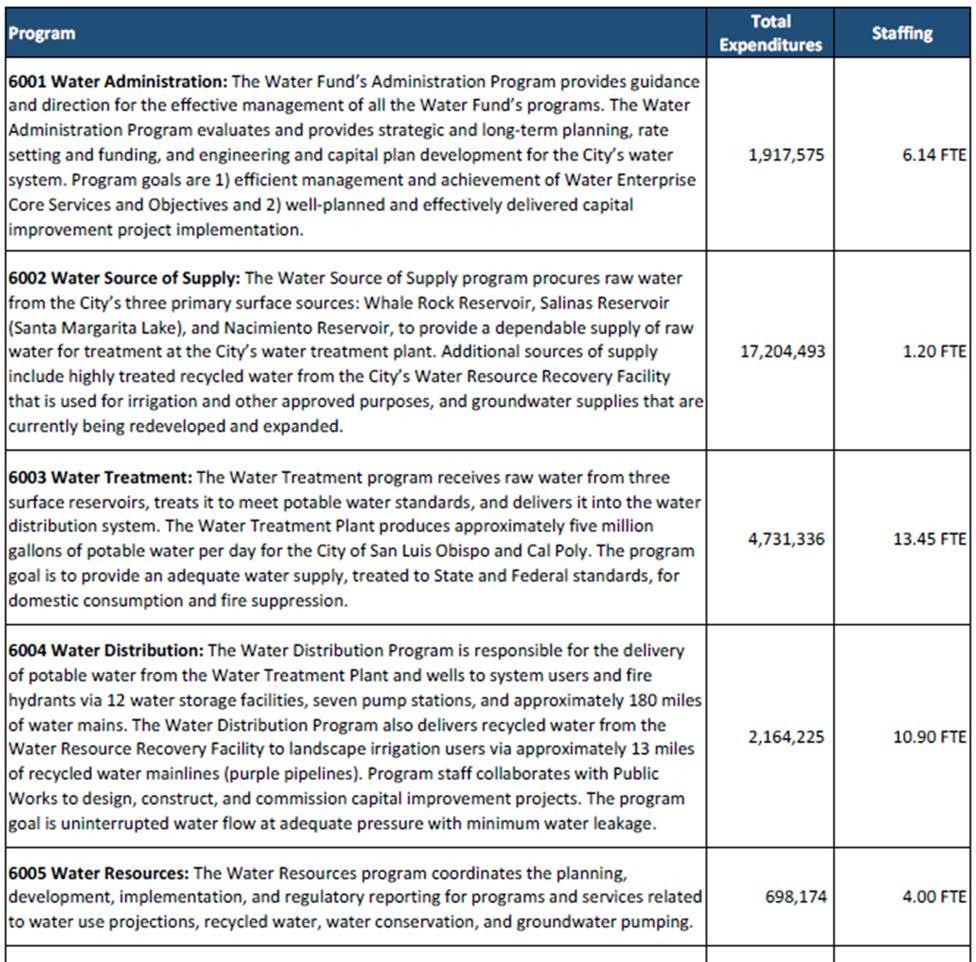
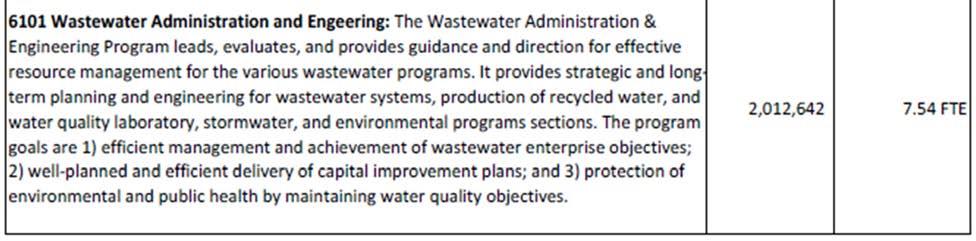
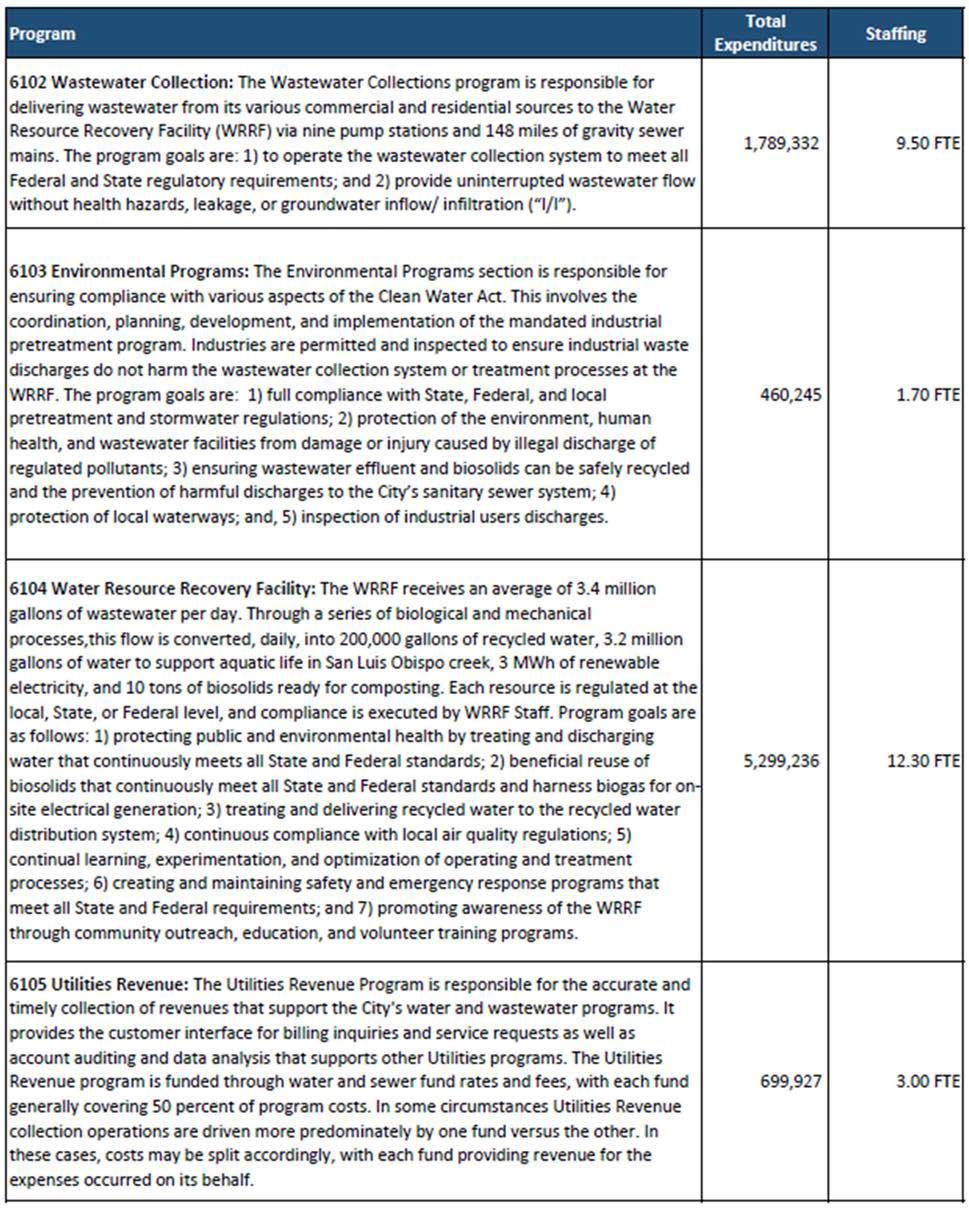
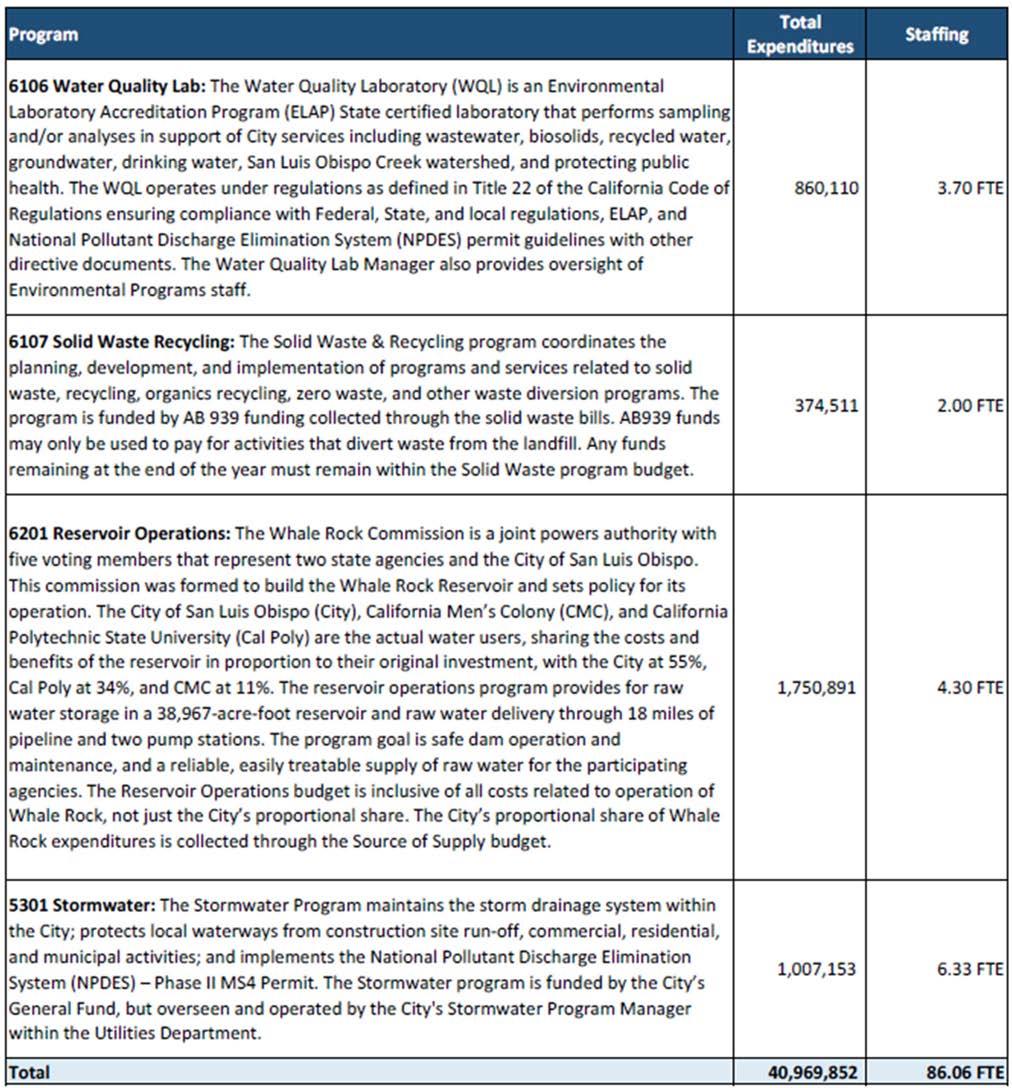
The Utilities Department continues to focus on providing essential services while planning for and delivering major capital improvement and long‐term planning projects. The Department continues to pursue grants and alternative funding sources to fund infrastructure and sustainability initiatives. Technology upgrades, such as the implementation of Advanced Metering Infrastructure (AMI) will allow the Department to enhance operational efficiency while strengthening customer service for the community.
Several Capital Improvement Projects aimed at enhancing infrastructure and operational efficiencies will occur over the next two years. Key projects include but are not limited to, construction for new groundwater wells to bring groundwater online to ensure a reliable water supply, implementing AMI, completing the construction of the Water Resource Recovery Facility (WRRF) and optimizing operation of the new facility. Additionally, the Department will continue efforts, such as the private sewer lateral offset program, to accommodate growth while addressing capacity issues in the wastewater collection (conveyance) system and controlling treatment costs at the WRRF associated with high flows due to inflow and infiltration. The implementation of SB1383 regulations for solid waste and recycling compliance will also remain a key focus during the upcoming financial plan.
Challenges continue to be rising costs, maintaining and replacing aging infrastructure, increased regulations, and potential financial constraints. While inflationary costs have begun to stabilize, the Department continues to identify increased efficiencies and new ways of doing business to manage increasing costs to ratepayers. Planning remains essential in maintaining reliability and financial stability. The Department is also working to streamline training programs for onboarding new staff, which will be helpful in addressing the high amount of turnover realized across the City with the modern workforce. Filling open positions and planning for anticipated retirements will continue to be a challenge that the Department will face over the next two years.
In addition to safeguarding public health through safe and reliable utilities services, the Utilities Department also supports the City’s goals of sustainability, focused planning, infrastructure resiliency, and fiscal responsibility. The Departments core services and daily operations advance climate action by promoting water conservation, waste diversion, and sustainable energy use. Investments in pipeline upgrades, leak detection, and water and wastewater treatment ensure reliable infrastructure while providing high quality and reliable water and sewer services.. Strategic financial management of the Water and Sewer Funds keeps utility services sustainable without overburdening rate payers. In addition to these core services, the specific Major City Goals the Utilities Department will be addressing during the 2025‐27 Financial Plan include:
Ensure public spaces, roads, and utilities support future growth and development:
o Complete the WRRF Upgrade Project
Strengthen community resilience through emergency preparedness, community networks, and planning efforts:
o Conduct a study session to consider options for funding stormwater and / or creek maintenance and flood preparedness in support of CASE programs
Continue implementation of the Climate Action Plan (CAP) and Lead by Example (LBE) Work Programs:
o Partner with the Integrated Waste Management Authority (IWMA) to develop and distribute waste education materials to HOAs and property managers, with a focus on food waste diversion in high‐turnover multi‐family complexes and mobile home communities.
The Department’s strategic priorities for the 2025‐27 Financial Plan are intended to support the advancement of the City’s overall objectives tied to Major City Goals, Department Strategic Plans, and other priorities that may arise. These goals are in addition to ongoing services described in the ‘Department Programs’ section above.
Strategic Goal(s)
1) Continue to pursue grant funding for all funds and innovative strategies to mitigate rate increases and ensure continued affordability.
2) Improve resiliency in water and sewer programs to ensure continued service delivery through emergency planning, infrastructure maintenance, and expansion of source water supplies.
3) In coordination with the Community Development Department, continue to optimize water and wastewater systems to facilitate the City’s housing goals.
4) Continue to partner with the IWMA to provide education and outreach to the community to increase waste diversion and maintain regulatory compliance with State legislation.
5) Develop strategies for Departmental efficiencies and continue to explore new ways of doing business, reducing ongoing operational costs and capital delivery costs while exploring supplemental revenue streams to reduce the rate burden on the community.
Performance measures are designed to determine accountability, improve service quality, allocate resources, and evaluate Departmental performance in meeting San Luis Obispo’s goals and objectives.
Objective: Maintain and manage infrastructure, assets, and facilities responsibly and transparently.
Strat e gic Goal: Public Stewardship
Notes: *Includes impacts from private infrastructure.
Notes: Breaks/leaks per 100 mile performance measure targeted figures are derived from AWWA Utility Benchmarking Median Figures.
Objective: Provide the Community with High Quality and Reliable Service
Strategic Goal: Public Service
Measure: Recycled Water Delivered (AF)
Notes: n/a
Measure: Number of customers who have setup an online profile to view their real ‐time water usage
Notes: The City initiated its transition to Advanced Metering Infrastructure (AMI) in 2024 an d the Ut ili ties Department aims to have all water meters and radios upgraded to AMI ‐capable technology in 2027.
Objective: Enhance Accessibility and Equity in Services
Strategic Goal: Public Service
Measure: Minimize Customer Shut ‐Off for Nonpayment
Notes: Duri ng FY 2023 ‐24 , 3 mont hs of shutoffs were canceled due to extreme weather, delayed meter readings, and impacted workloads. The number of shutoffs during FY 2024 ‐25 is comparable to FY 2022 ‐23 given the relative increase in number of customers.
Measure: Number of water/sewer customers enrolled in the customer assistance program (low‐income program). 239415465500
Notes: n/a
The Non‐Departmental Program accounts for indirect Citywide costs not clearly linked to individual departmental operating programs or projects. This budget is managed by the Finance Department, which is responsible for disbursing the allocated budget in coordination with various departments, according to established policies.
Expenditures are proposed to increase from FY 2024‐25 to FY 2025‐26 by $1,176,645 or 96%. Staffing is projected to increase by $739,753 or 93%, driven by Council‐approved negotiating parameters for three bargaining groups. Other Operating Expenditures are expected to increase by $436,903 or 101%, which reflects several re‐allocations from other departments for items more properly accounted for in non‐departmental. The Non‐Departmental budget has historically included funding for:
A staffing contingency for new labor agreements finalized after the budget was developed;
Ventures and Contingency funding for use at the City Manager’s discretion to support needs that arise mid‐year;
Citywide postage and mailing supplies;
Citywide copier maintenance and supplies;
Citywide membership and conference fees for the League of California Cities; and
General Fund leave payouts.
Re‐allocations from other departments that drive the increase in the 2025‐27 Financial Plan include:
Funding for the City’s tuition reimbursement program (formerly included in Human Resources’ budget);
Funding for the lease of 994 Mill Street for Human Resources Department office space (formerly included in Human Resources’ budget);
Contributions to other entities (including the City’s share of cost for the City/County Library and the annual contribution to the Cal Poly Performing Arts Center), which are both managed by the Administration and IT Department, but do not directly support the department’s operations (formerly included in Administration and IT’s budget);
Funding for Citywide employee recognition and the Day of Welcome program for new employees (formerly include in Human Resource’s budget);
Partially offsetting the increases noted above, a portion of the budget for credit card processing fees attributable to business licensing fees was moved into the Finance Department’s budget, where charges for actual fees incurred will be recorded.
In order to ensure that overall budgets did not increase, the reallocations into the non‐departmental program resulted in equal reductions to the previously responsible department’s budget. The reallocations noted above did not count towards budget reductions made by departments as a part of the constrained base budget exercise for FY 2025‐26.
No Significant Operating Budget Changes are recommended for the Non‐Departmental budget.
A Mello‐Roos Community Facilities District (CFD) was established and approved by City Council on October 24, 2017 (Resolution No 10844) pursuant to section 5.02.1 of the Avila Ranch Development Agreement. The CFD boundaries are identical to that of the Avila Ranch Development project and located at the northeast corner of Buckley Road and Vachell Lane and includes up to 720 dwelling units, 15,000 square feet of office and retail, 18 acres of parks, 53 acres of open space, riparian corridors and farmed agricultural land.
The primary function of the Avila Ranch CFD is a special financing mechanism which was established to fund maintenance services, fire protection services, police protection services, and for construction of facilities within the CFD boundaries. Special taxes are levied on developed parcels located in the boundaries of the CFD through the San Luis Obispo County annual property tax levy which are used to fund the annual costs required by the CFD.
Revenue Expenditures
costs associated with Maintenance, Trash Service, Street Sweeping, Water Service, Sewer Service, Electrical Service, Materials/ Supplies, Administration, Fire Protection and Police Protection. The Facilities Special Tax is collected to fund costs associated with the purchase, construction, expansion, improvement or rehabilitation of facilities required to serve the project.
Revenues are proposed to increase by $268,969 or 51% due to continued buildout of the Avila Ranch Development Project which increases the number of parcels subject to the Special Taxes as permits are issued. For FY 2025‐26 there is expected to be an additional 62 developed parcels which will be subject to the Special Tax levy. In addition, the Services Special Tax levy is escalated for inflation by 4% annually and the Fa cilities Special Tax levy is escalated for inflation by 2% annually, which is contributing to the expected increase.
Expenditures are proposed to increase by $15,601 or 5% and can be attributed to the continued buildout of the Avila Ranch Development Project. As new units are constructed and occupied, the demand for operation and maintenance services on CFD facilities and the demand for Police and Fire services will be increased. Therefore, because of the increased demand for services, the expected cost to provide those services will also increase. In addition, a portion of the increase can be attributed to contracts which are subject to annual inflation increases. There are no infrastructure facility items budgeted, therefore the Facilities Special Tax levied will remain in the fund and will be expended as facility needs are identified in future years.
Transfers Out are to the General Fund and represent the budgeted amount for City staff administration, police protection services, and fire protection services.
Boysen Ranch consists of approximately 116 acres bounded by Los Osos Valley Road, Foothill Boulevard, and O’Connor Way. In 2005, the City accepted and currently holds a series of conservation easements that protect approximately 25 acres at the Boysen Ranch to mitigate for impacts to wetlands and waters by the Home Depot, Costco, and other Irish Hills Plaza development projects on Los Osos Valley Road. Boysen Ranch is part of the City’s designated greenbelt. The funding was set up as an endowment to fund monitoring and maintenance of the restored wetland area.
Revenue
Revenues are proposed to remain unchanged from the current year despite significantly outperforming budget in the prior year due to lower interest rates earned on investments and a volatile market. Expenditures are proposed to remain unchanged at $7,500.
The Downtown Business Improvement District (DBID) was established in 1975 as a parking and promotions district for the City’s downtown area. As a special fee district, fees are collected from business license holders operating within the designated area and revenue supports the operations of Downtown SLO, a non‐profit organization. The City and Downto wn SLO (DSLO) agreed by contract that DSLO would provide various services for the economic, social, cultural, and environmental vitality and beautification of downtown San Luis Obispo. The assessment is a special revenue and is administered through a separate and distinct fund.
Revenue
Expenditures
Revenues are proposed to decrease by $11,749 or 5% based on a conservative analysis of recently observed results on assessment collections.
Expenditures are budgeted equal to expenditures. Should revenue exceed budget, the actual amount collected will be transferred to DSLO.
The Insurance Fund and Risk Management Program aim to protect the organization through risk transfer, risk control and risk avoidance. Safety in the workplace and in the community is promoted by minimizing accidents, reducing liabilities and associated costs. The City maintains an Insurance Fund for the purpose of paying its annual premiums for liability, workers’ compensation, special events, volunteer, property, and other insurances needed to protect the City and to manage the fluctuations in claims‐related expense. The Insurance Fund is managed by the Human Resources Department which runs the City’s Risk Management Program.
Revenues are proposed to remain unchanged as the fund’s only revenue stream is a recurring transfer in from the General Fund. It is expected that the annual transfer amount will need to increase in in future years in order to build and maintain adequate reserves.
Expenditures are proposed to decrease by $141,701 or 2% in line with projected changes to insurance premiums. The City has some
be
The Public Safety Equipment Fund (PSEF) was created with the 2019‐21 Financial Plan to help budget and forecast the replacement of Public Safety equipment that has expired or become damaged. The Fund received an original seed amount in FY 2019‐20 and going forward, an annual allocation is made from the General Fund. Budgeting annual amortized amounts set aside in this project account allows for crucial public safety equipment to be replaced at scheduled intervals, which smooths out the annual contribution, reducing the impact on the budget at time of replacement.
Revenue
Expenditures
Revenues are proposed to decrease by $151,108 or 39% as one‐time funding from the 2023‐25 financial plan to catch up for inflation on significant purchases including breathing apparatus and turnouts for Fire and suppressors and rifle rated vests for Police was not continued.
Expenditures are proposed to decrease by $207,360 or 51% because only smaller asset replacements are scheduled during the 2025‐27 Financial Plan.
A Mello‐Roos Community Facilities District (CFD) was established and approved by City Council on April 16, 2019 (Ordinance No 1661) pursuant to section 5.02 of the San Luis Ranch Development Agreement and located in the San Luis Ranch Specific Plan area. The boundaries of the CFD are identical to the San Luis Ranch Specific Plan area and includes 131.4 acres approved for up to 577 dwelling units and commercial development, a 200‐room hotel, 100,000 square feet of office space, 150,000 square feet of retail space, 7.8 acres of parks/ open space, and 52.3 acres of farmed agriculture land.
The primary function of the San Luis Ranch CFD is a special financing mechanism in which municipal bonds were issued to fund construction of required facilities to serve the project. The district is authorized to issue up to $25,000,000 in bonds. There is currently a total of $19,380,000 bonds outstanding. Special Taxes are levi ed on developed parcels through the San Luis Obispo County annual property tax levy which are used to fund debt service payments for the bonds issued and other operational costs of the CFD.
For the San Luis Ranch CFD, revenue received in the current fiscal year funds a portion of current year expenses and a portion of subsequent years expenses. This is required to ensure cash flow of the CFD is sufficient to fund debt service payments that are due in September prior to the 1st installments of Special Tax revenue being received in December.
Revenues are proposed to increase by $360,731 or 36% due to the buildout of the development. Parcels are taxed at the maximum rate as allowed by the Rate and Method of Apportionment (RMA). Revenue is expected to continue to increase at 2% per year until the remaining 15 Final Map Parcels permits are issued, making them subject to the Special Tax and therefore increasing the Special Tax revenue by more than 2%.
Expenditures are proposed to increase by $504,527 or 51% due to the Arbitrage Yield Restriction Liability expected to be paid to the Internal Revenue Service IRS in June 2026. A portion of the increase can also be attributed to the administration contract which is subject to a 5% annual inflation increase. In addition, the budgeted amount for City Staff allows for a 2% annual inflation increase.
The Special Tax revenues collected that are not otherwise needed to fund the administration of the CFD, debt service, or to replenish the bond reserve fund, is allocated 50/50 to the City and the Developer on a Pay‐As‐You‐Go basis. “Pay‐As‐You‐Go” is the use of Special Tax revenues to directly fund or reimburse the costs of acquisition, construction, and improvement of Authorized Facilities as part of an Acquisition Agreement with the City for required facilities needed to serve the project.
Transfers Outs include amounts allocated to the General Fund for City staff administration and includes amounts allocated to the Pay‐As‐You‐Go account for use on authorized facilities which is budgeted though the Financial Plan and Capital Improvement Plan (CIP).
The City established a Tourism Business Improvement District (TBID) as requested by the local lodging industry in 2008. The district levies an assessment on all lodging properties for the purpose of tourism promotion for the benefit of the district’s constituents. The assessment is a special revenue and is administered in a separate and distinct fund.
Revenues are proposed to increase by $102,690 or 5% based on TBID Board advisement and also informed in part through a commissioned study with Visit SLO CAL and Tourism Economics.
Expenditures are proposed to increase to the same amount in order to align with revenues. TBID policy calls for an initial expenditure budget that is equal to the revenue budget, and enables the budget to be amended during the year as needs arise.
The City of San Luis Obispo is guided by its budget and fiscal policies when managing its debt. In accordance with the policy section “Capital Financing and Debt Management”:
The City’s debt capacity cannot exceed 15% of General Fund revenues.
Its direct debt will not exceed 2% of assessed valuations.
No more than 60% of capital improvement outlays will be funded from long‐term debt.
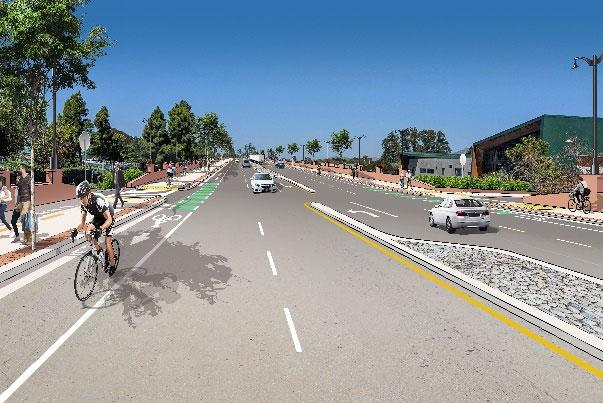
Debt should only be incurred for one‐time capital expenditures and not for on‐going operations. Borrowing for one‐time capital expenditures allows for the cost of the project to be spread over the useful life of the asset and results in the cost being paid by future beneficiaries as well as current taxpayers
The City’s bond issues are periodically reviewed by rating agencies to provide insight to the City’s financial outlook and hence its creditworthiness. The 2018 refinancing of three different lease revenue bonds was rated by Standard & Poor’s that gave the City an AA rating. In February 2025, Fitch affirmed the City’s Issuer Default Rating at AA+, also with a stable outlook. The ratings agencies cited:
The City’s strong operating performance, a moderate long‐term liability burden, strong revenue growth and solid expenditure flexibility offsetting a constrained revenue raising environment.
The City’s gap closing capacity being superior given ample reserves and moderate revenue volatility.
Budget management at times of recovery being very strong, leaving the City well prepared to manage the current period of economic stress.
The City’s engagement in thorough and conservative long‐term financial planning with a focus on maintaining structural budget balance.
The City maintaining its capital assets with minimal debt reliance and proactive efforts to pay down its unfunded retirement liabilities above actuarially determined levels.








•Extremely strong capacity to meet financial commitments. Highest rating.


• Very strong capacity to meet financial committments.

•Strong cpacity to meet financial commitments, but somewhat susceptible to adverse economic conditions and changes in circumstance.

•Adequate capacity to met financial commitments, but more subject to adverse economic conditions.

•Less vulnerable in the near‐term, but faces major ongoiong uncertainties to adverse business, financial, and economic conditions.
•Currently vulnerable and dependent on favorable business, financial, and economic conditions to meet financial committments


•Highly vulnerable; default has not yet occured, but it is expected to be a virtual certainty.

•Currently highly vulnerable to non‐payment, and ultimate recovery is expected to be lower than that of higher rates obliations.
The City currently holds $203 million in overall outstanding debt in a combination of lease revenue bonds, State Revolving Fund loans, Infrastructure‐Bank loans, and other borrowings. The longest outstanding maturity is to 2054.
The City’s debt service costs over the next ten years, including accounting adjustments for amortized bond premiums and discounts, are shown below:
The following tables outline by fund: the current debt, the purpose, the projected outstanding principal as of 6/30/2025, the FY 2025‐26 debt service costs, and the retirement year of the debt. Maturities range from 2029 to 2054
The following table summarizes current outstanding debt obligations for the General Fund, and its cash payments excluding amortized bond premiums and discounts:
The following table summarizes current outstanding debt obligations for the Parking
The interfund loan owed to the General Fund to finance the acquisition of a parking lot at 1166 Higuera is currently an interest only loan and will require principal payments beginning in FY 2026‐27.
The
The table above is based on the amounts currently outstanding. The City will continue to draw down upon the Water Resource Recovery Facility (WRRF) credit facility as construction is completed. The Sewer Fund budget includes an additional amount for these additional anticipated drawdowns.
The following table summarizes current outstanding debt obligations for the Water Fund:
Page intentionally left blank.

The Capital Improvement Program enables the City to plan, schedule, and finance capital projects to ensure cost effectiveness and conformance with established plans and policies. The City’s budget process guides the capital priorities through community input, Council goal setting, Local Revenue Measure priorities, and the biennially adopted Major City Goal work programs. The Capital Improvement Plan (CIP) and its annual implementation of projects is a major focus of local government work.
Through its adopted CIP, the City meets community needs by providing the infrastructure required for economic vitality, neighborhood wellness, housing, transportation, sustainability, active and passive recreation, public safety, cleanliness, and other basic amenities.
As part of each two-year Financial Plan, the City has traditionally prepared a five-year Capital Improvement Program (CIP) for Council consideration and approval. While only the first two years were previously incorporated into the budget, multi-year planning has remained a best practice for aligning capital needs with available resources. For this Financial Plan, the City has expanded its long-range planning by developing a full 10-year CIP that is fiscally constrained, meaning that all projects included are aligned with the City’s long-term funding forecasts. While only the first two years are funded and adopted as part of this financial plan, the full 10-year outlook serves as a strategic tool to prioritize future capital investment. This allows for better alignment of funding with realistic project delivery timelines and supports more strategic long-term planning.
The City systematically plans, schedules, and finances capital projects to ensure cost-effectiveness and conformance with established policies. Comprehensive policies governing the development and management of the CIP are primarily set forth in the City’s fiscal policies. Construction projects and equipment expenditures costing $25,000 or more are included in the City’s CIP.
Based on the Council determined goals, and balanced with the City’s financial circumstances, the recommended capital improvement projects total $112 million for the 2025-27 Financial Plan, and $659 million over the ten-year plan. City staff will work to ensure that the community is well informed of various capital projects consistent with the Public Engagement and Noticing Manual with the framework of Inform, Consult, and Collaborate
The CIP continues to face challenges from inflation, labor shortages, and rising construction costs, all of which impact the City’s ability to deliver projects on time and within budget. Since FY 2021-22, Measure G-20, the Local Revenue Measure (LRM), has been a critical source of local funding, helping to sustain the CIP amid rising costs and growing capital needs.
The City is facing an unprecedented level of capital needs, particularly in parks, public safety, and roadway infrastructure, with several projects projected to cost more than $20 million each. While Measure G-20 remains a key funding source, it is not sufficient on its own to fully fund these large-scale initiatives. Some projects in the CIP have received initial funding for early planning or scoping, while others have been
phased, when feasible, to support gradual delivery over time. Many projects are still in the early stages of development, and as a result, their full scope is not yet fully reflected in the CIP. Although the complete construction costs of these projects may not appear in the current 10-year CIP, staff continue to develop cost estimates and explore funding strategies for inclusion in future financial plans. Additional information on these efforts is provided later in this report.
Damage from the 2023 winter storms continues to impact the CIP. To address emergency repairs, the City redirected funding and staff resources from planned capital projects in the 2023–25 Financial Plan. The 2025–27 Financial Plan represents a course correction, reinvesting in previously deferred projects while also allocating funds for storm-related repairs that are still in the design phase.
Despite ongoing financial and logistical challenges, CIP staff remain focused on securing external funding, streamlining internal processes, and prioritizing resources to support timely and accountable project delivery. Staff are also committed to incorporating community feedback and advancing high-priority projects that reflect public needs and values.
It is important to note that capital projects often span over multiple years and even across financial plans. Staff continuously evaluate the CIP to determine which projects are best suited for activity depending on the resources available (people and funding) and in some instances the time of the year for construction activities. As the City adopts the 2025-27 Financial Plan, many active and ongoing capital projects remain in process that were identified and funded for activity during prior fiscal years.
In addition to cost estimates and project budgets, there are often ongoing maintenance or operating costs associated with a given asset after it is completed. This can be seen in the need for additional resources to maintain a new park or enhanced street sweeping with a new roadway or greenway being added to the City’s transportation network. While many CIP’s create efficiencies, when preparing and implementing the capital plan, staff must be mindful of the long-term impacts and the need to maintain City infrastructure.
To assist the City Manager in developing the recommended CIP for the 2025-27 Financial Plan, a designated CIP Review Committee comprised of the Assistant City Manager, Deputy City Manager, Finance Director, Fire Chief, Utilities Director, Community Development Director, Parks and Recreation Director, and Public Works Director, among other staff, evaluated project requests across the City. The Capital Improvement Program Administrative Manager oversaw the execution of the CIP and collaborated closely with the CIP Review Committee and departments citywide to ensure effective implementation.
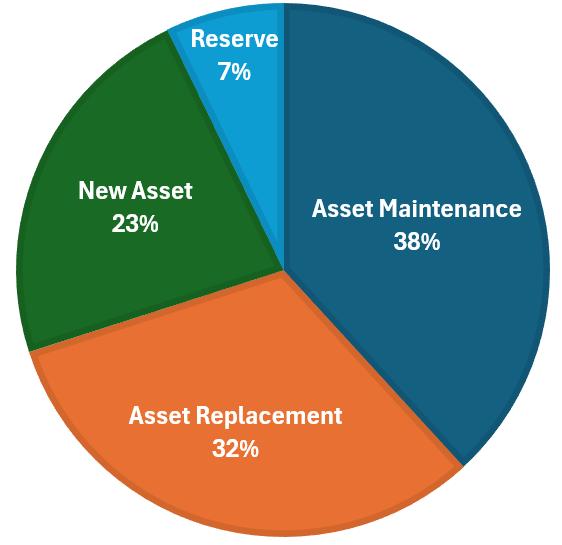
As shown in the chart to the right, the City continues to prioritize the repair and replacement of existing infrastructure. In the first two years of the 2025–27 Financial Plan, the CIP allocates 38% of the total capital budget to Asset Maintenance, 32% to Asset Replacement, 23% to New Assets, and 7% to Reserves, reflecting a fiscally responsible approach focused on preserving service reliability and quality of life. The table below details the 10-year CIP by project type. For fiscal year 2025–26, the CIP totals $53.6 million, increasing to $58.3 million in 2026–27, with continued emphasis on maintaining and replacing aging infrastructure. Funding projections in later years, particularly the spike to $173.2 million in 2029–30 highlight planned investments in new assets, including large-scale projects such as the Prado Road Interchange.
*Funding amounts are rounded to the nearest thousand dollars
Because the City’s infrastructure needs often exceed available funding, department staff must prioritize various projects taking into consideration timing, cost estimates, mandates, and useful life, among many other factors. With input from the CIP Review Committee and staff across the organization, the CIP addresses the most urgent projects, while planning for future improvements.
The City Council adopted Resolution No. 11159 (2020 Series) which established a goal of community wide carbon neutrality by 2035, with municipal operations being carbon neutral by 2030. CIP is a major factor in reaching these ambitious goals. As a result, staff consider project selection and timing through the lens of carbon neutrality when possible. This includes projects aimed at reducing energy consumption, reducing vehicle miles traveled (active transportation), incorporating bikes or electric vehicles into the city fleet, tree planting, and solid waste management.
The City Council has also established Diversity, Equity, and Inclusion (DEI) as a core organizational value and citywide goal. In alignment with this commitment, CIP planning and prioritization incorporate a DEI lens to ensure equitable access to public infrastructure and services. This includes prioritizing projects that serve historically underserved or underrepresented communities, improving accessibility for all users, and engaging diverse stakeholders throughout the planning process.
In categorizing projects and recommending them for funding consideration, the CIP Review Committee engaged in a rigorous ranking and review framework to develop the proposed projects for both the General Fund, Enterprise Funds, and various special funds. In general, projects that maintain existing infrastructure are ranked ahead of asset replacement projects, and asset replacement projects are ranked ahead of building new assets. It is important to note that generally new assets are related to Major City Goals, community enhancements, commitments in adopted City plans or contracts, or are critical infrastructure associated with development areas. This “ranking” however is a general guideline and is complemented by the following questions which were asked and applied equally to all projects as well.

Does project support economic sustainability of the community and organization?

Does project have a positive impact on ongoing operations?

Does project address a Measure G priority?






Does project address a critical community health or safety need? Does project make good on ongoing commitments?
Does project provide a visible and measurable community benefit? Does project align with Major City Goals?


Does project address core infrastructure needs?




In addition, staff identify project needs based on factors including, but not limited to:
1. Public input through committees, community groups, community forums and/or budget hearings
2. Legal requirements or mandates
3. Policy direction from the City Council and Major City Goals
4. Best practices, asset useful life, or replacement schedules
5. Studies and assessments, and professional expertise
6. Citywide planning documents or studies; including the Active Transportation Plan, Pavement Management Plan, General Plan, Climate Action Plan, among many others.
As mentioned previously, the City’s capital budget has grown significantly due to the local sales tax measure, which also allows the City to leverage local dollars to secure additional funding through regional, state, and federal grants. This increase in available resources has resulted in notable growth in General Fund projects, while substantial Enterprise Fund capital projects also continue to advance.
To deliver this expanded portfolio, staff assessed the resources needed across both the two-year and tenyear planning horizons as part of the completed 2025–27 Financial Plan. Ongoing efforts are also focused on implementing recommendations from the CIP process analysis completed by Management Partners in 2021 and refining the Public Works CIP Engineering Division’s organizational structure, job roles, tools, training, and methods ensuring continued alignment between the City’s Capital Improvement Plan and available resources.
A critical factor in the successful delivery of the CIP is the capacity of Project Managers (PMs). In allocating resources and prioritizing projects, it is essential to consider team capacity. The ability to effectively manage a complex portfolio of projects directly impacts delivery outcomes, including timeliness, scope, and budget adherence.
The CIP Engineering Team currently has eight PMs overseeing 69 projects in 2025–26 (Year 1) and 43 projects in 2026–27 (Year 2), averaging 9 and 5 projects per PM, respectively. In FY 2023-24, with the same number of project managers, the CIP Engineering Team successfully completed 30 projects averaging about 3 projects completed per PM. The average project per PM in years Year 1 and 2 of the 2025-27 Financial Plan still exceeds what is typical of past performance. While FY 2025-26 will still be high in terms of PM workload, a more balanced workload is anticipated in FY 2026-27 as prior projects conclude and create more capacity.
To help manage the current workload, consultant PM support is included in Year 1 to assist with complex and resource-intensive efforts such as the Prado Road Interchange, Prado Creek Bridge Widening, and multiple Active Transportation Projects (ATP).
By accounting for resource capacity, project complexity, and phase-specific demands, the CIP Engineering Team is well-positioned to manage project delivery within the 2025–27 Financial Plan. Through strategic resource allocation and workload balancing, projected delivery timelines are achievable.
The flow chart below outlines the general phases of a CIP project. While not every project follows the same path, this overview provides a reference for the typical progression from project identification to completion. For simpler efforts such as parking lot paving or HVAC replacements, it typically takes 12 to 18 months to reach the construction phase. Factoring this timeline into the planning process ensures realistic expectations and adequate lead time for successful delivery.
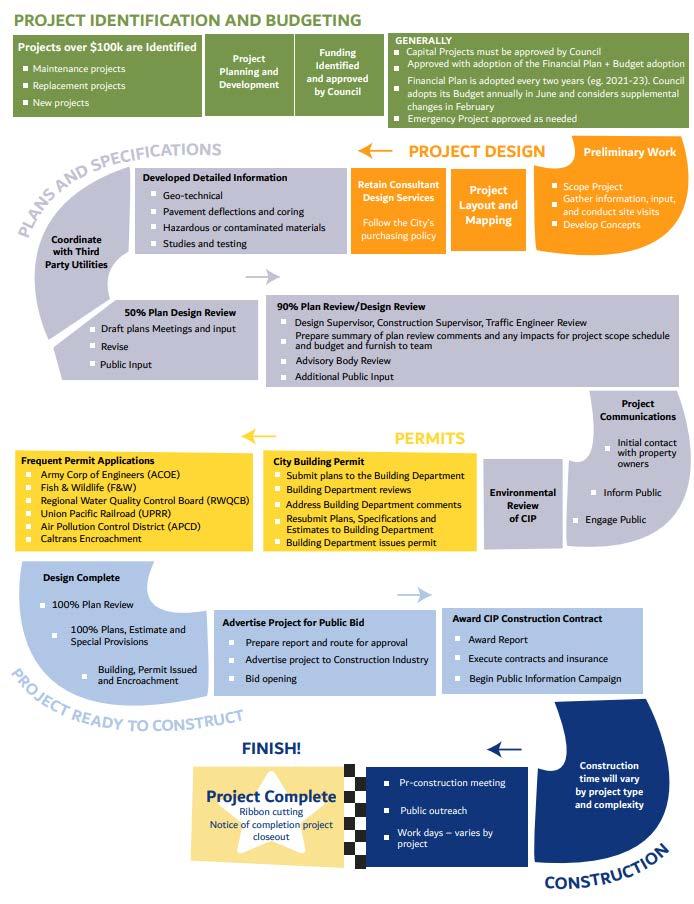
The City groups capital projects by Project Classification to provide a broader understanding of the types of investments being made across the CIP. These classifications help identify the general purpose or function of a project and support long-range planning by offering a higher-level view of where capital dollars are being directed.
The primary classifications used in the CIP include:
• Maintenance – Projects that preserve the functionality, safety, and longevity of existing City infrastructure. This includes recurring and essential activities such as annual paving and sidewalk repair programs, traffic signal and signage maintenance, parks and landscape upkeep, storm drain and utility system maintenance, and storm response and recovery efforts. It also covers specialized efforts like silt removal and other work needed to sustain core public infrastructure and services over time.
• Transportation – Projects that enhance the City’s transportation infrastructure, mobility, and accessibility. This classification includes major capital investments such as the construction of new parking garages, the Prado Interchange and bridge widening, and corridor improvements like the California/Taft Roundabout. It also encompasses implementation of the Vision Zero Action Plan, Active Transportation Plan (ATP) projects, and investments in transit, including bus and train station upgrades. These projects are aimed at improving safety, efficiency, connectivity, and sustainability across all modes of transportation.
• Community Improvement – Projects that enhance the quality of life, aesthetics, and overall experience of the City’s public spaces. This includes the development of new parks and the replacement or renovation of existing ones, installation of new trash receptacles in high-traffic areas like Downtown, public art installations that enrich the cultural landscape, and investments in new broadband infrastructure to improve connectivity for residents and businesses. These projects reflect the City’s commitment to building vibrant, accessible, and inclusive community spaces.
• Reserve – In accordance with City policy, 20% of the LRM Funding allocated to the CIP is set aside annually in a dedicated reserve account. This equates to roughly $4 million per year. The reserve plays a critical role in maintaining the City’s flexibility and resilience by providing a financial cushion for unanticipated project needs, emergency response, inflationary cost increases, or bid results that exceed budget estimates. By maintaining this reserve, the City can continue delivering critical infrastructure investments without significant delays due to funding constraints.
• Fleet – Purchases or replacements of vehicles and heavy equipment necessary for City operations, ensuring departments can continue to provide essential services effectively.
• Safety – Projects that support the protection of public health, life, and property. This classification includes critical public safety buildings such as fire stations, police facilities, and emergency operations centers, as well as safety retrofits to existing structures like parking facilities. It also encompasses infrastructure investments that enhance public safety in community spaces, such as roadway barricades used during Downtown Farmers' Markets to protect pedestrians and improve event safety.
• Public Facility – Projects that maintain or improve the City’s existing public buildings and shareduse infrastructure. This includes facility refresh and renewal projects such as new roofing, carpet, paint, HVAC upgrades, and other building systems that ensure safe, functional, and welcoming environments for staff and the public. It may also include infrastructure that supports City operations, like office IT improvements or installation of EV chargers at City facilities for fleet use. These investments help preserve the City’s assets and ensure they continue to meet operational needs.
• Information Technology (IT) – Projects that support digital infrastructure, software systems, cybersecurity, and other technology improvements that enhance internal operations and service delivery to the community.
Using these classifications allows for more strategic oversight of the City’s capital portfolio and supports informed decision-making around budget allocations, policy priorities, and service outcomes. These broader groupings also help align CIP investments with organizational goals, making it easier to communicate priorities to the public and key stakeholders.
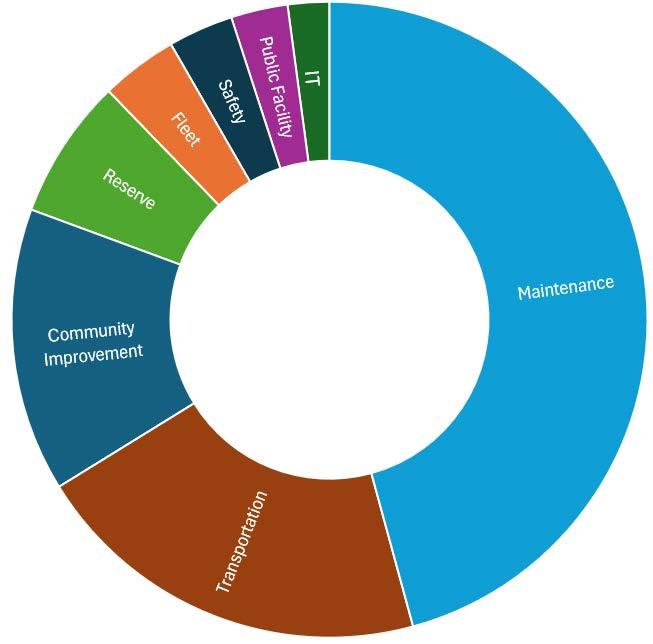
The following table summarizes the total planned investments for the 2025–27 CIP, organized by classification. These figures reflect both the 2-year funding allocations proposed for the current CIP cycle and the projected 10-year totals based on anticipated long-term needs and priorities. All funding sources are included in these totals, including local funds, enterprise funds, anticipated grants, debt financing, and other external contributions. Each classification corresponds to the categories previously described, providing a comprehensive view of how capital funding is distributed across the City's key infrastructure and service areas.
The City’s Capital Improvement Plan (CIP) is supported by a variety of funding sources, each with specific legal, policy, or programmatic restrictions. These include the General Fund, enterprise funds, special revenue funds such as Development Impact Fees and the Local Revenue Measure (Measure G-20), as well as grants and other external funding sources. Understanding the purpose and constraints of each fund type is essential to effectively planning and delivering capital projects. The following sections provide an overview of each fund’s role in supporting the 2025–27 Financial Plan and the broader capital program.
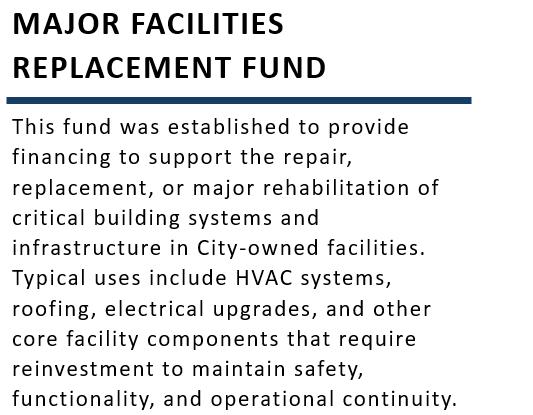
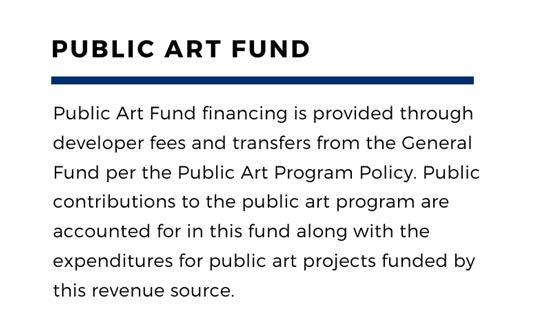
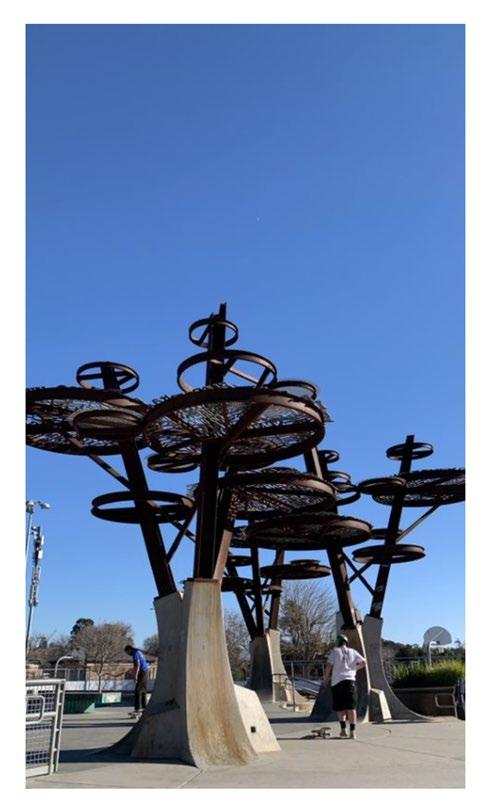
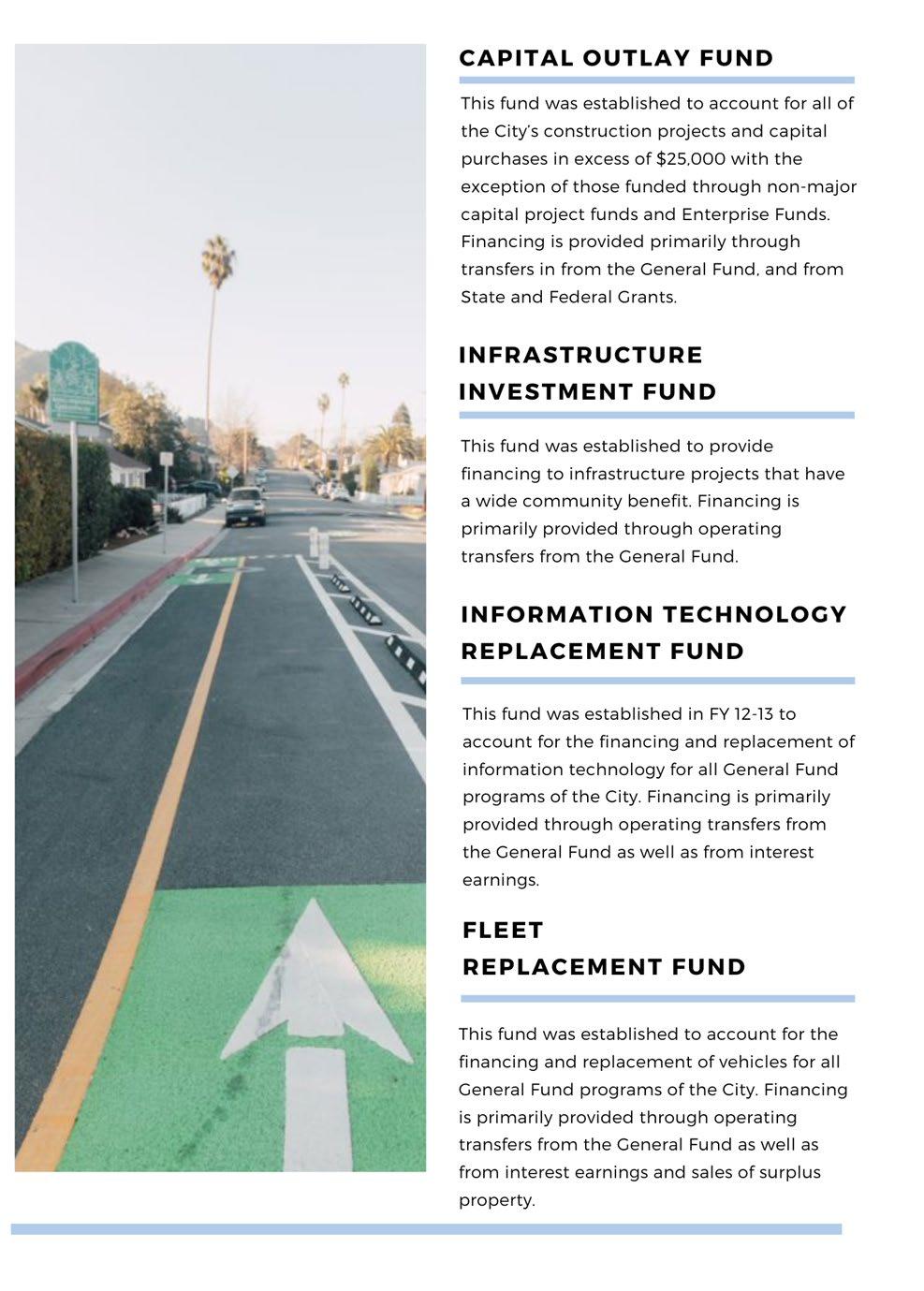
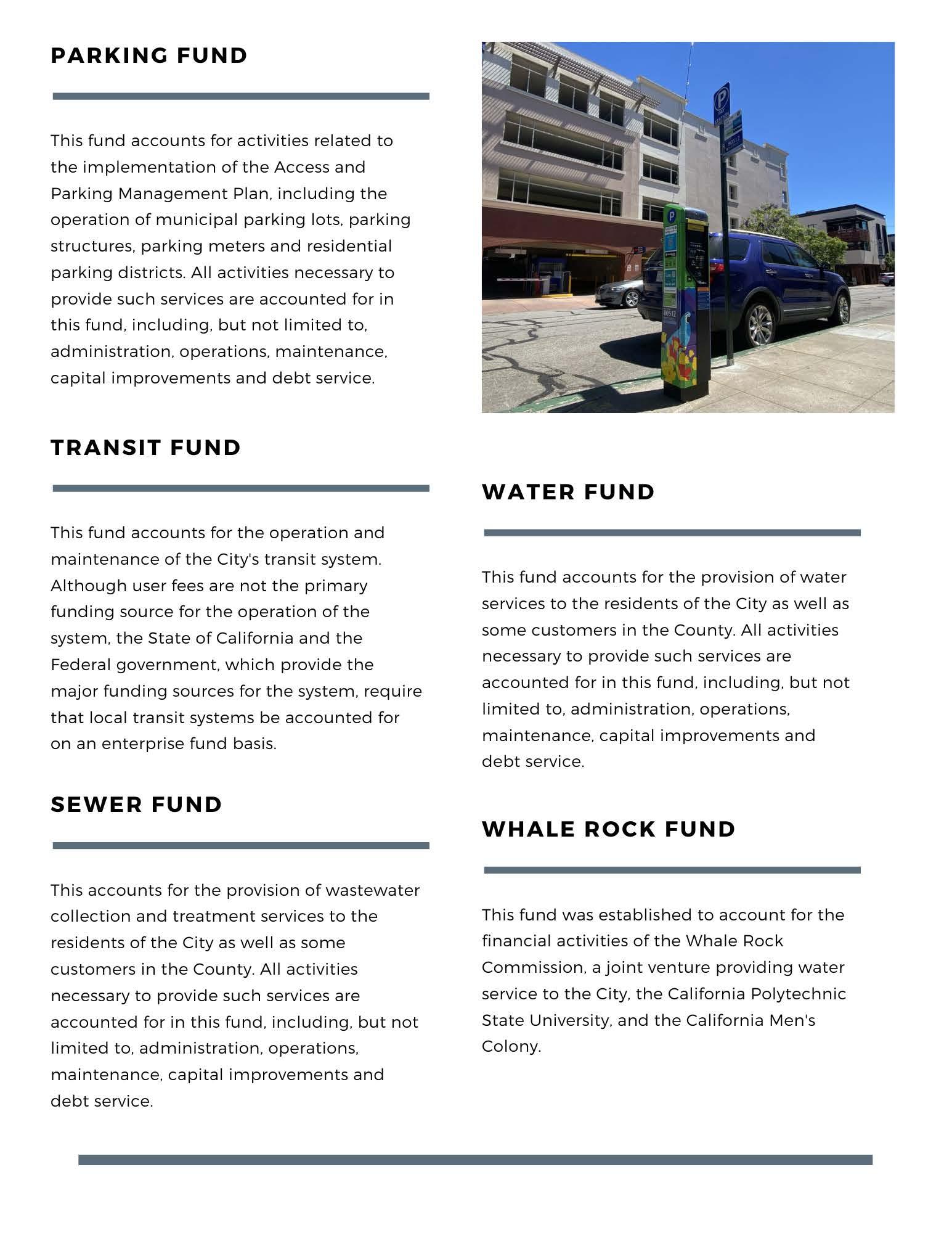
The following table summarizes the current 10-year CIP by fund
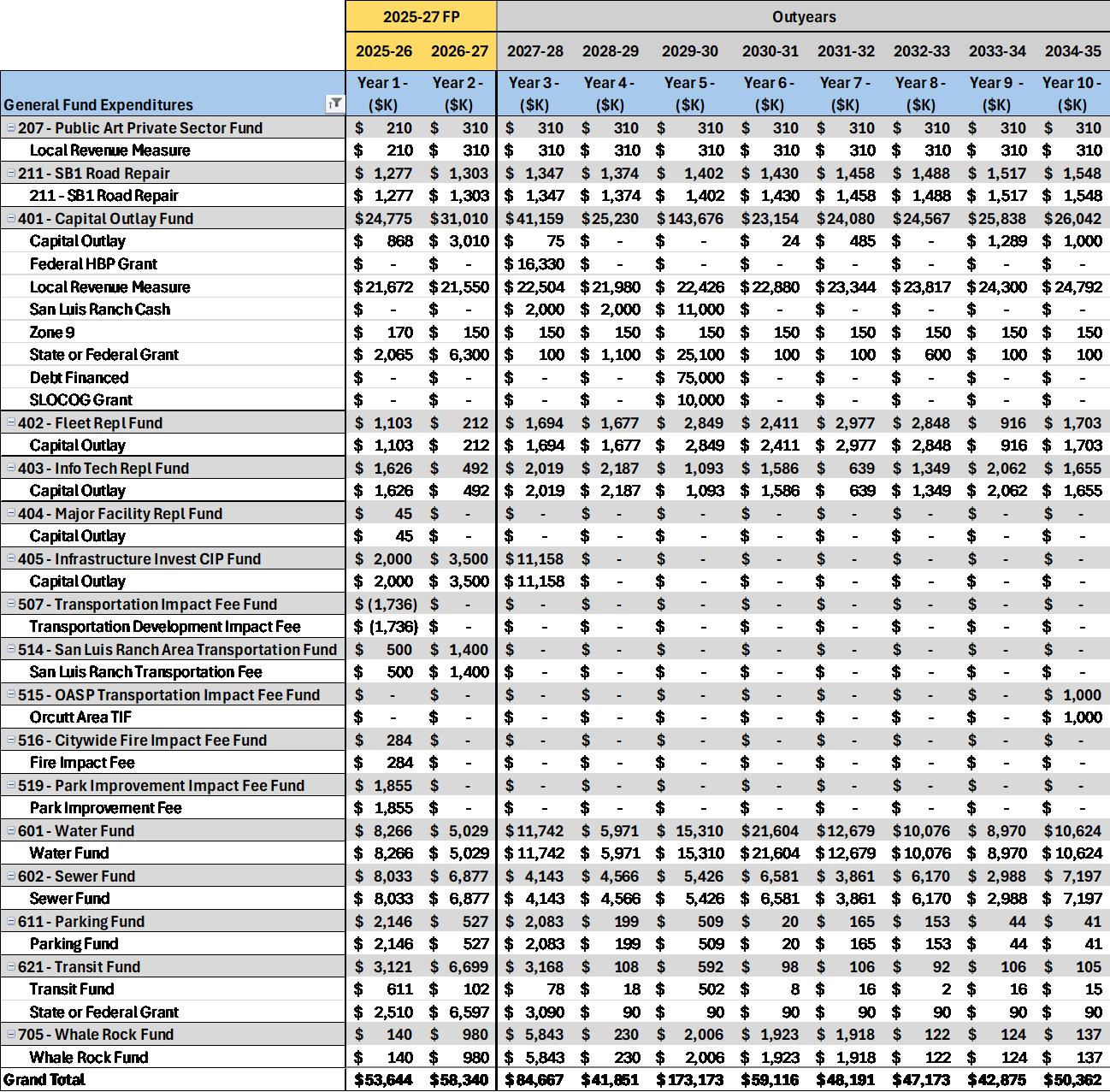
*Funding amounts are rounded to the nearest thousand dollars
The City’s CIP program, while largely comprised of funds arising from local revenues, service fees, and impact fees, also includes funding from grants, and for larger projects includes debt issuance (such as the Prado Interchange). The City typically receives grant funds from State or Federal agencies that either offset a burdensome cost for infrastructure or service needs, advance a positive environmental or ecological improvement, or stimulate the economy. Some grants the City receives are based upon regulation or a methodology, such as the City’s population. Discretionary grants are those grants where the City competes for limited funds to advance a specific project or a new way of doing business. Some of these discretionary grants are programmed into the City’s 2025-27 Financial Plan which is often required by the granting agencies. Grant activity across the City is primarily seen in the Transit program, as well as the improvement of the City’s transportation network.
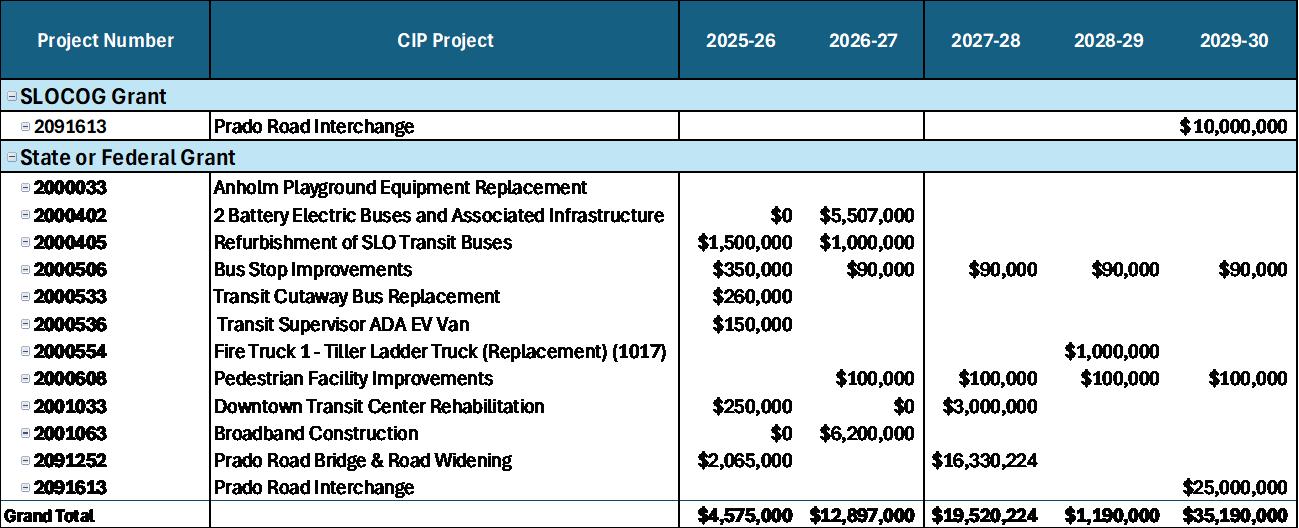
Development Impact Fees are one-time charges assessed on new development to help fund the infrastructure needed to serve the growing community. These fees ensure that new development contributes its fair share toward improvements such as parks, transportation, public safety facilities, and utilities. Collected fees are allocated to specific capital projects identified in the City’s Development Impact Fee Program and are an important funding source for expanding infrastructure capacity in step with future growth. The following section outlines how Development Impact Fees are planned to support capital projects in the 2025–27 Financial Plan.
The Citywide Transportation Development Impact Fee (TIFF) has been overcommitted by approximately $1.74 million in prior financial plans. The 2025–27 Financial Plan addresses this imbalance by aligning planned project allocations with available revenue, ensuring the long-term sustainability of the fund. As part of this correction, the Prado Road Bridge Widening project will retain $2.3 million in TIFF funding, consistent with the project team's expectations and planning assumptions.
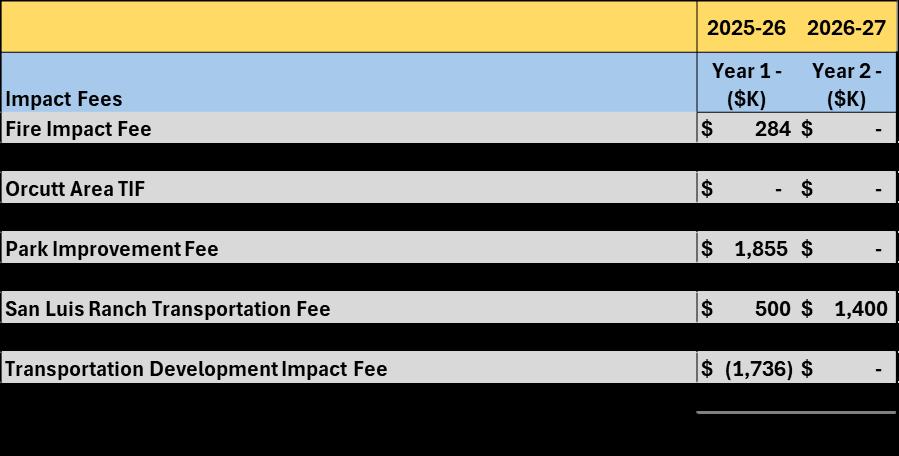
*Funding amounts are rounded to the nearest thousand dollars
The City of San Luis Obispo generally follows a “pay-as-you-go” philosophy for funding capital projects. However, for large-scale infrastructure projects with significant long-term benefits and costs, debt financing becomes a necessary and strategic tool. In these cases, issuing debt helps the City distribute costs over time while preserving current fund balances and the ability to address ongoing infrastructure needs.
Currently, the Prado Road Interchange is the only project identified in the out-years, FY 2029-30, of the CIP requiring debt financing. The project recently entered the Plans, Specifications, and Estimates (PS&E) phase, which is estimated to cost approximately $16 million, including right-of-way acquisition and utility relocation. The construction phase is estimated at $132 million, bringing the total project cost to $148 million. On February 18, 2025, staff presented these updated estimates to City Council and Council approved funding for the PS&E phase, appropriating $10 million in San Luis Ranch contributions. Staff also introduced a preliminary estimate of $100 million in debt financing to support the construction phase, which prompted Council discussion about the scale of long-term debt and the importance of pursuing grant funding and regional partnerships.
To reflect the Council’s feedback and support a fiscally responsible approach, the financing strategy reflected in the CIP was revised to anticipate $75 million in debt financing, with $25 million anticipated through unrealized grants. This adjustment reflects efforts to secure external funding and minimize the City’s debt exposure. The projected debt service is based on a 30-year bond at a 5% interest rate, with payments of approximately $4.6 million annually beginning in Year 5. During the early years, interest earnings are expected to offset some of the cost, including an estimated $3 million in Year 5 and $1.5 million in Year 6. The PS&E phase will span approximately four years, with construction anticipated to begin in late 2029. Throughout this period, staff will regularly check in with Council and work to secure outside funding to reduce the City’s debt burden.
Furthermore, the 2025-27 Financial Plan proposes to reallocate to the Prado Bridge Widening Project approximately $5 million from the combined IIF and LRM general fund contributions originally allocated to the Prado Interchange Project. At the February 18, 2025 City Council meeting, Council appropriated $10 million in San Luis Ranch contributions for the design of the Prado Interchange, which were previously
earmarked for that project. These San Luis Ranch contributions are restricted and can only be used for the Prado Interchange Project. Due to sufficient San Luis Ranch contributions, there will be no need to request additional general funding for the Prado Interchange until construction begins in Year 5. Because of this, the $5 million currently allocated from the IIF and LRM general fund contributions to the Prado Interchange Project can be redirected to the Prado Bridge Widening Project, where those funds are more urgently needed to cover construction costs. This strategic reallocation ensures the Prado Bridge Widening Project has the necessary resources to move forward without causing delays, while still maintaining the overall financial integrity of the Prado Interchange Project.
Below is a table that summarizes all budget actions for the Prado Interchange Project, including the estimated Debt Repayment starting in FY 2029-30. All funding in the table below is shown in dollars by thousands.
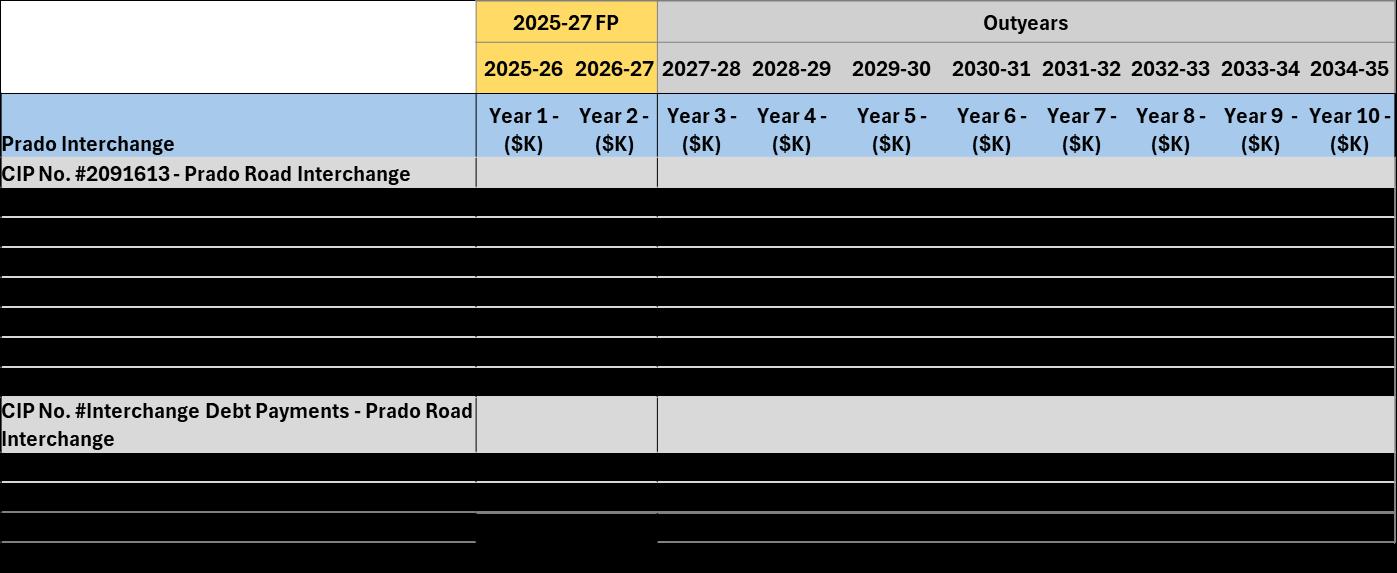
*Funding amounts are rounded to the nearest thousand dollars
In addition to the Prado Interchange Project, the City anticipates future debt financing needs for two major public safety facilities, Fire Station 5 (future replacement for the interim station being built at Avila Ranch) and the Public Safety Center. However, the first two years of this Financial Plan are focused on programming and analysis to better understand the scope, timing, and needs associated with these projects.
During the 2023-25 Financial Plan, funding was programmed for the design of a Public Safety Center. However, priorities shifted when the City purchased the building at 1106 Walnut Street in November 2022, located directly across from the existing Police Station at 1042 Walnut Street. This decision was made to address the Police Department’s immediate space needs, utilizing the available Public Safety funding for both the acquisition and the planned tenant improvements (TI), which are expected to be completed by the end of calendar year 2025.
With this shift, evaluating the condition of the existing Police Station at 1042 Walnut is essential to ensure it remains functional while the long-term plan for the Public Safety Center is developed. A two-site analysis is planned to occur shortly after completion of the tenant improvement project at 1106 Walnut to determine whether operations should be consolidated into a single facility or continue across two
locations. Once this analysis is complete, the next step will be to assess whether 1042 Walnut should undergo a major TI to remain in use long-term or if a full demolition and rebuild is necessary. Given the uncertainty surrounding the project's final scope and the City's debt capacity, particularly with the Prado Bridge project in the near-term horizon as well, investing in a TI at 1042 Walnut is recommended to maintain operations in the interim.
As part of the 2025-27 Financial Plan, funding is being allocated to continue the programming for the Public Safety Center while also addressing immediate facility needs at 1042 Walnut. This includes funding for initial paint and carpet replacement, which will be completed in Year 1 of the Financial Plan to coincide with completion of the TI at 1106 Walnut, as well as funding for the design and construction of a TI in Years 1 and 2, which will address immediate-term needs for safety improvements in the lobby as well as restroom and locker room upgrades. The TI will also replace the building’s aging HVAC and hydronic system, ensuring the facility remains operational while broader public safety infrastructure planning continues.
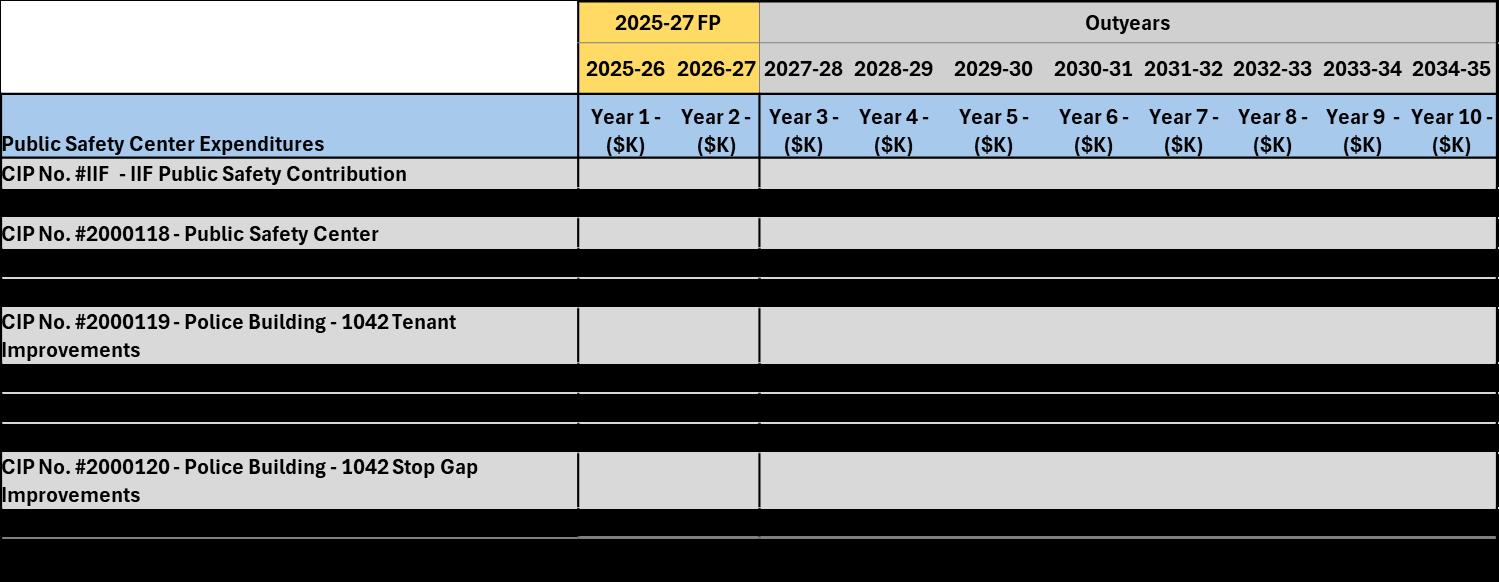
*Funding amounts are rounded to the nearest thousand dollars
Fire Station 5
Fire Station 5 remains a critical priority in addressing the growing emergency response needs on the southern end of town where the City is experiencing population growth. As part of the 2025-27 Financial Plan, funding is allocated in Year 1 for the programming and planning efforts to ensure there is a wellinformed approach to the eventual construction of a permanent station. However, immediate funding for design or construction is not necessary.
Avila Ranch, a new development on the south side of town, is addressing the immediate needs generated by its growth by constructing an interim two-person fire station, expected to be completed in Year 3 of the Financial Plan (FY 2027-28). The Fire Department has identified the need for a three-person crew, and the City is budgeting to cover the additional cost in the amount of $440,000 in FY 2027-28. This interim facility will provide coverage for the area while the City continues monitoring future development and its impact on emergency response needs.
The 2016 San Luis Obispo Fire Department Master Plan recommends a fifth fire station when the entire southern area of the City reaches 90 percent buildout. However, the definition of this threshold remains
somewhat ambiguous. As additional developments come online, staff will continue evaluating response times and service demands to determine the appropriate timing and location for a permanent Fire Station 5. In the meantime, the interim station will become operational in Fiscal Year 2027-28 to ensure adequate coverage.
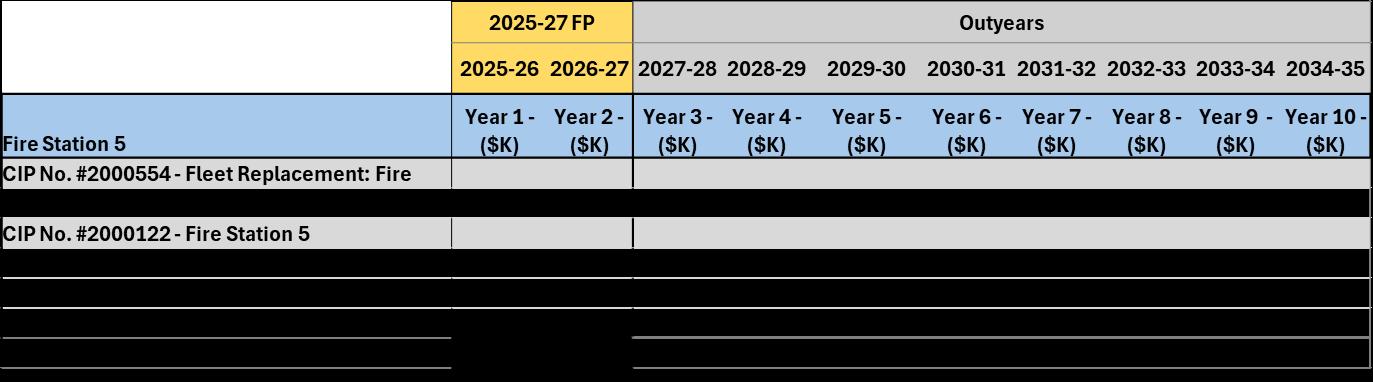
*Funding amounts are rounded to the nearest thousand dollars
Taken together, the Prado Interchange, Public Safety Center, and Fire Station 5 represent a future capital investment need that will likely require debt financing due to their scale. However, the City’s debt capacity is limited (particularly in light of the Prado Interchange project’s need for debt financing in the near term), and incurring large, long-term obligations must be carefully weighed against other critical capital needs and the ability to sustain high-quality public services over time.
Ultimately, maintaining a responsible and balanced approach to debt financing is essential to preserving the City’s long-term fiscal health while still delivering critical infrastructure that supports public safety, mobility, and quality of life. Staff continues to monitor and report to Council as updates become available.
The Orcutt Area Park Project has progressed into a phased approach due to funding limitations and inflation impacts. Originally planned to be fully funded through development fees, revenue from fees fell short, prompting the City to divide the $27.69 million project into manageable phases. The 2025-27 Financial Plan proposes adding $6.5 million to the project in Year 1 to support Phase 1 estimated at $13.5 million which will deliver core features such as play structures, restrooms, fields, patios, and parking. To date, $8.5 million has been allocated from Orcutt Area Specific Plan and Local Revenue Measure funds.
Future phases shown in the outyears for the financial plan include additional amenities like pickleball courts, a pump track, basketball and tennis courts, pocket park and key pedestrian and vehicular bridges to connect park areas. This phased strategy allows progress while aligning with broader community park priorities. The 10-year CIP reflects the City’s commitment to both new park development and the replacement of aging facilities citywide, ensuring equitable investment across neighborhoods. The table below outlines various park projects throughout the City that are programmed in the coming financial years.
*Funding amounts are rounded to the nearest thousand dollars
The community and Council have placed strong emphasis on the City’s effort to implement the programs, policies and infrastructure projects identified in the adopted Active Transportation Plan (ATP), which includes a priority list of network enhancements focused on improving safety and mobility for people walking and bicycling. While the primary focus of this Plan is on walking and bicycling, “active transportation” refers to all human-powered modes of transportation, from walking and bicycling, to scootering, skateboarding, traveling by wheelchair and using other rolling mobility devices. Over the next two years, staff will continue to deliver on the goals and objectives outlined in the ATP, as well as the Infrastructure and Sustainable Transportation Major City Goal, utilizing a variety of funding sources to leverage local funds. The table below outlines various ATP projects and respective funding sources that are programmed in the coming fiscal years.
*Funding amounts are rounded to the nearest thousand dollars
Following the severe Winter Storms of 2023, the City mobilized quickly to complete emergency repairs, several of which were delivered within the 2023 calendar year under emergency purchasing provisions. Projects not completed during the emergency period are now advancing through standard purchasing and permitting processes. While some storm-related projects may still be eligible for partial FEMA reimbursement, the City is planning to fully fund design and construction using local resources due to the uncertainty of federal reimbursement. Key sites currently under design include the Golf Course Pedestrian Bridge, Mission Plaza sidewalk repair, Prefumo Grade structure replacement, and San Luis Obispo Creek bank repair at the Elks Lodge.
*Funding amounts are rounded to the nearest thousand dollars
Staff conducted a review of existing CIP accounts to ensure that available funds are used effectively and aligned with current city goals and priorities. This effort allows the City to direct resources toward projects that are ready for delivery in the 2025-27 CIP while maintaining flexibility for future funding decisions. As part of the 2025-27 Financial Plan, $1.0 million in anticipated LRM revenue in FY 2025-26 and $1.5 million in FY 2026-27 were allocated to the operating budget rather than to capital expenditures. This adjustment better aligns funding with available project management capacity, recognizing the significant increase in workload since the passage of the LRM in 2020, and provides partial relief to the City's operating deficit. The impact on the overall LRM capital program is minimal, with the capital allocation decreasing slightly from 70% in FY 2024-25 to 69% in FY 2025-26 and 67% FY 2026-27. The table below represents two categories in which staff were able to reallocate Capital Outlay and LRM funding towards capital projects in the 2025-27 Financial Plan.
1. Completed Projects with Residual Balances – Certain projects have reached full completion and associated Notices of Completion have been filed. However, unexpended funds remain in the corresponding project accounts. Staff recommend reallocating these residual balances to advance priority projects identified in the FY 2025–27 CIP.
2. Projects Previously Funded – Several projects received appropriations for design activities in prior financial plans but have not progressed to the construction phase due to staffing limitations and shifting community priorities. As a result, the CIP Review Committee recommends prioritizing projects that are feasible for advancement within the FY 2025–27 cycle. For projects not scheduled to proceed to construction during this period, and for which funds have already been appropriated, staff recommend reallocating those appropriations to support higher-priority
needs within the 2025–27 Financial Plan. Funding for design and construction of these deferred projects may be reconsidered in a future financial plan as staffing and fiscal resources permit.
The Capital Improvement Plan (CIP) tables are organized into two primary components:
A.2025-27 CIP Project Table: Overview of all projects and summary of 10-year budget.
B. 2025-27 CIP Project Detail Sheets: Detailed pages of each CIP Project, including funding and project descriptions.
Projects can be located in several ways:
The 2025-27 CIP Project Table – This table lists all project name and the corresponding project number. This Project Number can then be used when looking up a project in the 2025-27 CIP Project Detail Sheets. Projects are listed in numerical order, by project number, in both the 2025-27 CIP Project Table and the Project Detail Sheets, by project number.
Searching by project name or keyword using Ctrl+F in either the 2025–27 CIP Project Table or the 2025-27 CIP Project Details document.
1. Locate the project in the 2025–27 Detailed CIP Project Table by using Ctrl+F and searching by project name or keyword
2. Project accounts are highlighted in gray. Sub-projects (if any) are listed in white underneath.
3. Funding amounts for sub-projects (if applicable) appear on their respective white rows. The Project row (in gray) reflects the total funding for all sub-projects within that fiscal year.
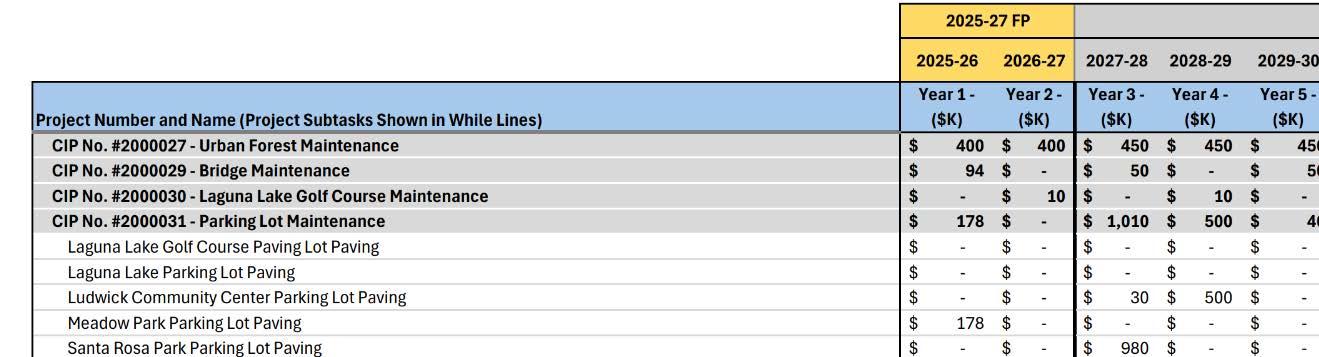
Projects
Sub-Projects Sum
4. Funding amounts are shown in thousands of dollars ($1,000 units). For example, a project with a $1,200,000 budget will appear as $1,200.
5. Funding is distributed over a 10-year period, shown in columns by fiscal year starting in Fiscal Year 2025-26.
6. Sub-projects are aligned under Projects to show breakout of scope and associated funding.
1. Locate the project in the 2025–27 Detailed CIP Project Table by using Ctrl+F and searching by project name or keyword, or by finding the page number after using the CIP table of Contents.
2. Each project write-up provides expanded context and data, including:
a. Project Number – A unique identifier for each project.
b. Major City Goal – Alignment with 2025–27 City Council priorities.
c. Project Classification – Functional area, ties to other CIP projects, community priority, and project type.
d. Project Description – Explains the purpose, need, and key elements of the project
e. Fiscal Years – Shows the distribution of funding across ten years.
f. Overall project (Upper Table) – Details all funding that support the project, which includes all sub-tasks.
g.Sub-tasks (Lower Table) – Details any sub-projects and associated annual funding (shown in light blue)
h. Fund & Funding Sources – White lines indicate funding source and amount of funding. All figures are shown in $1,000 units.
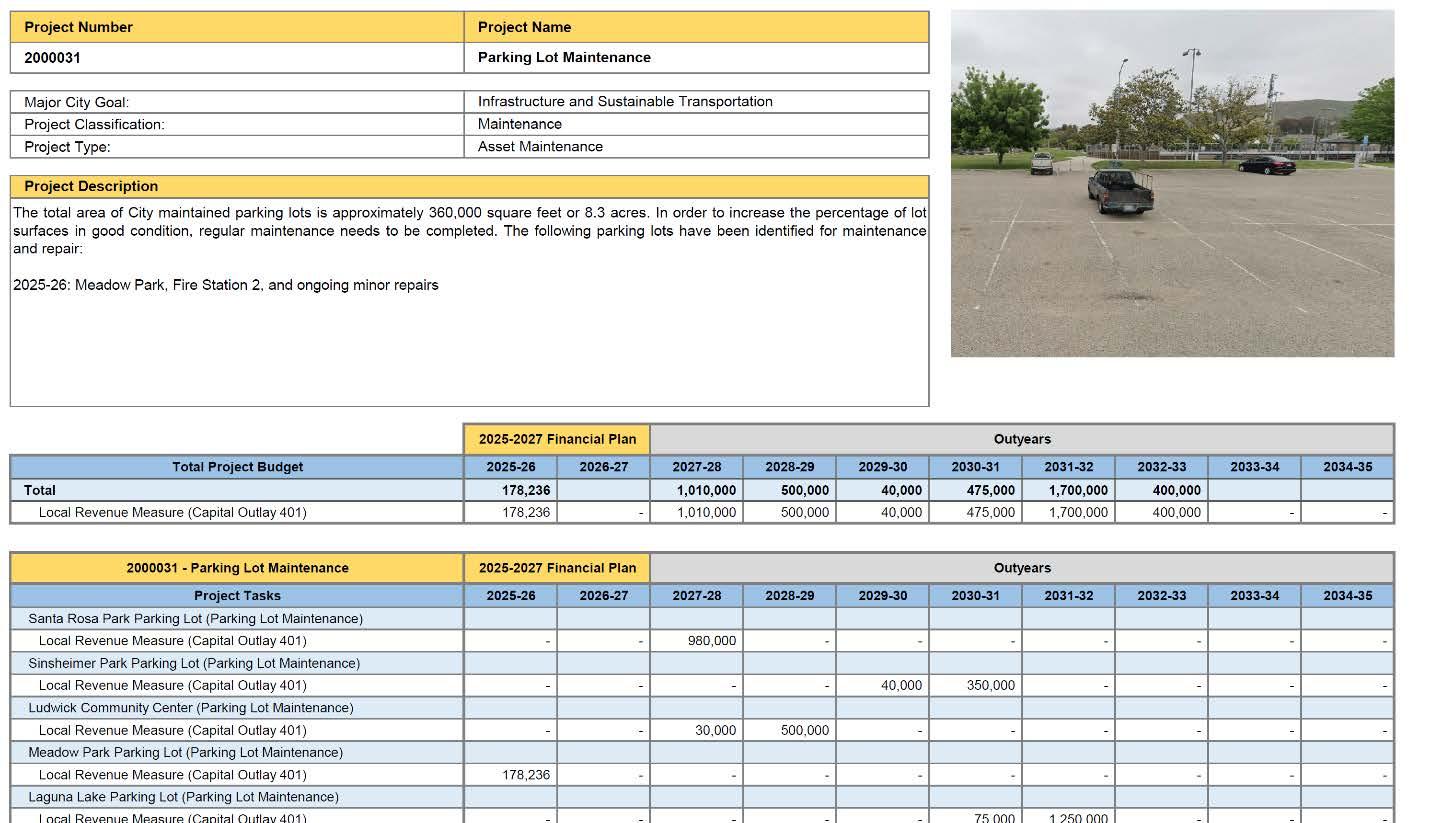
Project Description
Overall Project
Details on Project Sub-Task
(0819) EV
(1910)
Parks and Rec Admin Compact Pickup (1014)
Parks and Rec Rangers Dump Trailer (1641)
Parks and Rec Rangers F-350 (1606, 1615, 1616, 1623)
Parks and Rec Rangers Mini Ex. (1732)
Parks and Rec Rangers Tractor (1734)
Parks and Rec Rangers Trail Dozer (1825)
Parks and Rec Rangers Trailers (0715, 0716, 0717)
Parks and Rec Van (New Asset)
No. #2000520 - Fleet Replacement: Public Works
Engineering Compact Pickup (0904) EV
Engineering Compact Pickup (0905) EV
Engineering Pickup (1521, 1632, 1718, 2220, 2305) EV
Project Number and Name (Project Subtasks Shown in While Lines)
Facilities Maintenance 3/4 ton Pickup with Utility Bed (0829) EV
Facilities Maintenance 3/4 ton Pickup with Utility Bed (1624,1625)
Fleet Maintenance Forklifts (1640 & 1820)
Fleet Maintenance Service Truck (0312)
Golf Course Mower (1725)
Golf Course Mower-Reel (1907)
Parks Maint Mower (1611)
Parks Maint Refuse Truck F450 (1015)
Parks Maint Turf Tender (0609)
Parks Maintenance - Mower (1504)
Parks Maintenance 3/4 ton Pickup (0832)(0903) EV
Parks Maintenance 3/4 ton Pickup (1514,26, 27, 28, 29, 30, 1819)
Parks Maintenance Aerator (1904)
Parks Maintenance Compact Pickup (0848) Hybrid/EV
Parks Maintenance Compact Pickup (0849)
Parks Maintenance Field Prep Machine (0505, 0701, 1408)
Parks Maintenance Tractor (1807)
Parks Maintenance Turf Sweeper (1513)
Parks Maintenance Utility Cart w/ Dump (1803)
Parks MCC Compact Pickup (1013)
Streets Maint Compact Pickup (0223) (GPR Truck) EV
Streets Maint HD Roll-Off Truck (0830)
Streets Maint Paver (1001)
Streets Maintenance 1/2 Ton Pickup Truck (1525)
Streets Maintenance 3/4 ton Pickup (0820) EV
Streets Maintenance Asphalt Zipper (1802)
Streets Maintenance Backhoe (0413)
Streets Maintenance Backhoe (1714)
Streets Maintenance Compact Pickup - Replace w/ Van (0853)
Streets Maintenance Crack Seal Machine (1805)
Streets Maintenance F-550 Concrete (1519)
Streets Maintenance F-550 Paint & Sign (1622)
Streets Maintenance F-550 Traffic Control Truck(1905)
Streets Maintenance F-750 Dump Truck (1405)
Streets Maintenance Loader (0329)
Streets Maintenance Message Board (1906)
Streets Maintenance Paving Broom Sweeper (1824)
Streets Maintenance Pickup (1722)
Project Number and Name (Project Subtasks Shown in While Lines)
Streets Maintenance Pickup (1723)
Streets Maintenance Pressure Washer (2102)
Streets Maintenance Roller (1002)
Streets Maintenance Skip & Drag (1823)
Streets Maintenance Trailer (1902)
Streets Maintenance Trailer - Tack Distribution (1301)
Streets Maintenance Transfer Dump (1901)
Streets- Sweeper (1703) EV
Transportation Planning E-150 Van (1402)
Urban Forest Pickup (0852) EV
Urban Forest Chipper (1717)
Urban Forest Chipper Truck (1806)
Forestry Lift Truck (1816)
Urban Forestry Water Truck (1612)
No. #2000521
Compact Pickup (0850)
Collections Portable Pump (1730)
Wastewater Collections Caterpillar Excavator (0626)
Wastewater Collections Concrete Trailer (1804)
Wastewater Collections Dump Truck (0840)
Wastewater Collections Hydrocleaner (1407)
Wastewater Collections Portable Generator (1620)
Wastewater Collections Service Truck (1608)
Wastewater Collections Service Truck (1810)
Wastewater Collections Truck (1631)
Wastewater Collections Truck w/Dump Bed (1811)
Water Conservation Compact Pickup (1613)
Water Distribution - Water Distribution Service Truck (0847)
Water Distribution Backhoe (0720)
Water Distribution Hydro Ex Trailer (1621)
Water Distribution Meter Van (1909)
Water Distribution Pickup - Long-range (1629)
Water Distribution Pickup (1523)
Water Distribution Pickup (1724)
Number and Name (Project Subtasks Shown in While Lines)
Distribution Pickup (1903)
Distribution Pickup (1908)
Water Distribution Portable Generator (1619)
Water Distribution Portable Generator (2007)
Distribution Service Truck (0846)
Distribution Trailer (0235)
Water Quality Lab SUV (1713)
Treatment Plant Forklift (0910)
Whale Rock 1/2 Ton Truck (1630)
Whale Rock Boat Trailer
Whale Rock SUV (1738)
Rock UTV w/ Dump Bed (1509)
Investigation Sedan (1532)
Investigations Mini Van (1614) Hybrid
Investigations Sedan (1533)
Investigations Sedan (1628)
Investigations Sedan (1635)
Investigations SUV (1535)
Investigations SUV (1601)
Motors Unit #M1 (2207)
Forklift (1626)
Medic Rescue (Ambulance) (1822)
Pickup 1/2 ton (0801)
Pickup Truck 1/2 (0702)
Pickup Truck 1/2 (1719)
Pickup Truck 3/4 (1821)
Pickup Truck 3/4 (2221)
Small SUVs (2) (1604,1605)
Station 5 Fire Apparatus
SUV 1/2 Ton 4x4 (2202)
SUV 1/2 Ton 4x4 (2208)
SUVs (2) (Light Fleet) (1503, 1502)
CIP No. #2000555 - Fleet Replacement: Admin
City Hall and 919 Pool Cars (1541, 1710, 1711, 1720, 1721) EV
Information Tech SUV (1826)
Major City Goal: Project Classification: Project Type:
Description
TheCity’sUrbanForest is comprised of approximately13,000 public trees.Regulartree pruningand relatedmaintenanceprovidesfor an attractive,healthy, and safer urban forest.Thisfundingwill be used to provide annual tree pruning in neighborhoodsand thedowntown to compliment the Urban Forest Master Plan used to guide long term maintenance and operations program efforts.
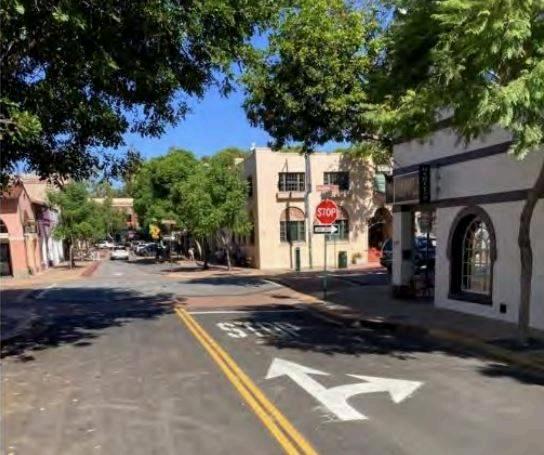
Description
TheCity of San Luis Obispo has38 vehicular bridgesand11 pedestrian bridges ranging in age from one to 100+ years old. In accordance withTitle 23of theCode of FederalRegulations(FederalHighwayAct) and theNational Bridge InspectionStandards,Caltransprovides bridge inspections on vehicular bridges over 20 feet in lengthevery2 to 4years.TheCity is committed to providingpreventative maintenancemeasures to extendtheservicelife of thesestructures.Thefollowing bridges have been identifiedformaintenance:Elks Lane Bridge
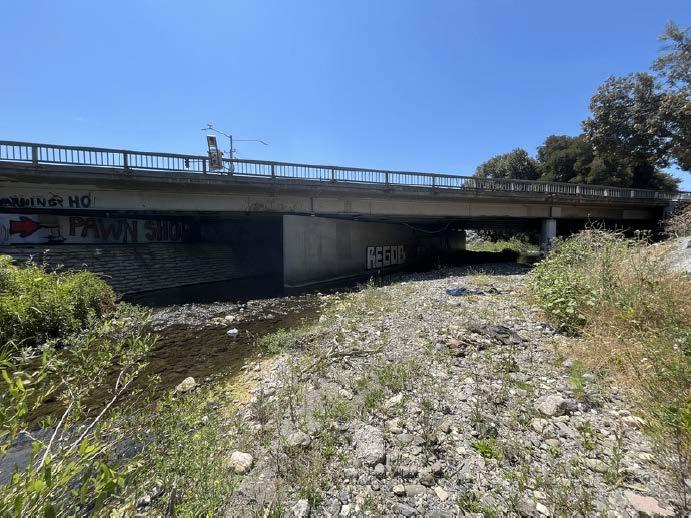
AssetMaintenanceProjectforthe

Parking Lot Maintenance
Infrastructure and Sustainable Transportation Maintenance Asset Maintenance
Project Description
Thetotal areaof Citymaintainedparkinglots is approximately360,000squarefeet or 8.3acres. In order to increasethepercentage surfaces in good condition, regular maintenance needs to be completed.Thefollowingparkinglotshave been identifiedformaintenance and repair:
2025-26: Meadow Park, Fire Station 2, and ongoing minor repairs
Major City Goal: Project Classification: Project Type:
Project Description
Pedestrian and Bicycle Pathway Maintenance Infrastructure and Sustainable Transportation Maintenance
There are approximately6.5miles of asphaltconcretepathways and bikepathswithintheCity.Examples of thesepaths are theBrookpine and SpanishOaks and Andrews and JohnsonTrail.Thesepathways are used by bicycles and pedestrians, along withoccasionalservice vehicles. To maintain accessibility to these facilities and reduce the risk of accidents, regular maintenance of pathways is important.
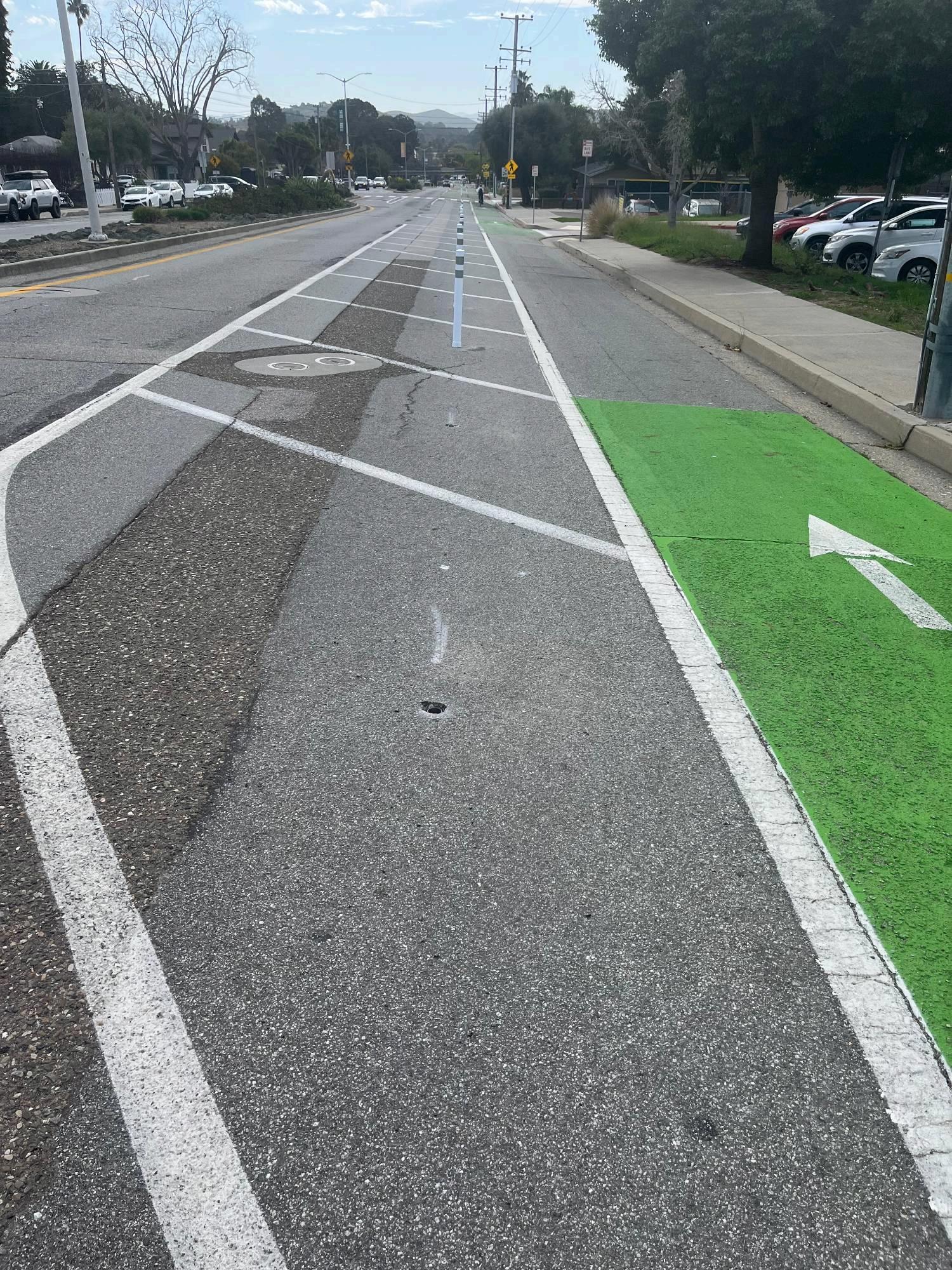
Project Description
Park playgroundequipment is required to be inspectedmonthly and replacedbased on itslifeexpectancy.Each park playgroundamenity is assessed and scheduled out for replacement within the CIP.
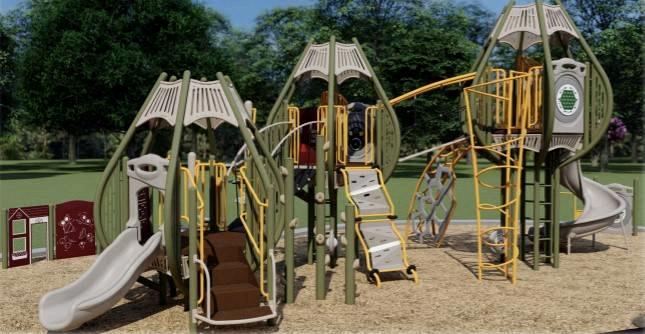
Major City Goal:
Project Classification:
Project Type:
Project Description
Storagecapacity of treatedwater is an essentialfunction of awaterdistributionsystem to provideadequateflows and pressuresthroughout thecommunity. In 2012, aconsultantwas hired to inspect and producea reportregarding theinterior and exterior of theCity’swaterstorage tanks.Followingtheinspection of thetanks,staffworkedwiththeconsultant to assignapriorityranking to eachoutlinedcapitalproject.The Edna Tank,asignificantwaterstoragefacilitysituated behind thehilltops,wasconstructed in 1974andhas astoragecapacity of 4million gallons.TheCity’slargeststeelwaterstoragetank is experiencingcorrosion on theinteriorsurfaces and requires new interior and exterior coatings to preventthecorrosionfromspreadingintothestructuralmembers.Thepurpose of thisre-coatingproject is to extendthelife of thestoragetankthroughpreventativemaintenance to prolong thelifespan of theequipment, and to avoidcostly repairs to thestructural components.
Project Classification: Project Type:
In 2018, theCitycompletedaCapitalAssetManagement Plan thatidentified needed maintenanceprojects to repair deficiencies and extend thelife of the 871 MarshParkingStructure.Thestructure has severalstructural and accessibilitydeficienciesthatthisprojectproposes to address.
City Goal:
Classification: Project Type:
Project Description
TheCity's bus washfacility has metthe endof itsusefullife and is often outof service.Thisprojectwill repair or replacefailingcomponents necessary to extend the life of the facility.
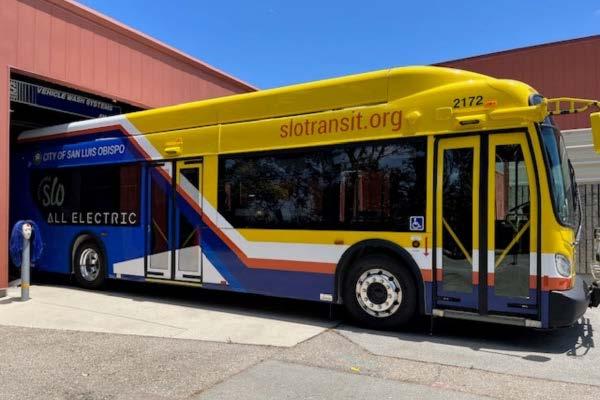
Withthededication of parkland andpark feescollectedfromdevelopmentswithintheOrcutt Area Specific Plan (OASP), theCity is constructing4phaseswithinthecommunity parkof RighettiRanch as provided in the OASP developmentplans. Park amenitiesinclude: pickleball and tennis courts, playground, restrooms, sport fields, basketball court, BBQ pavilion, and bike/pump track.
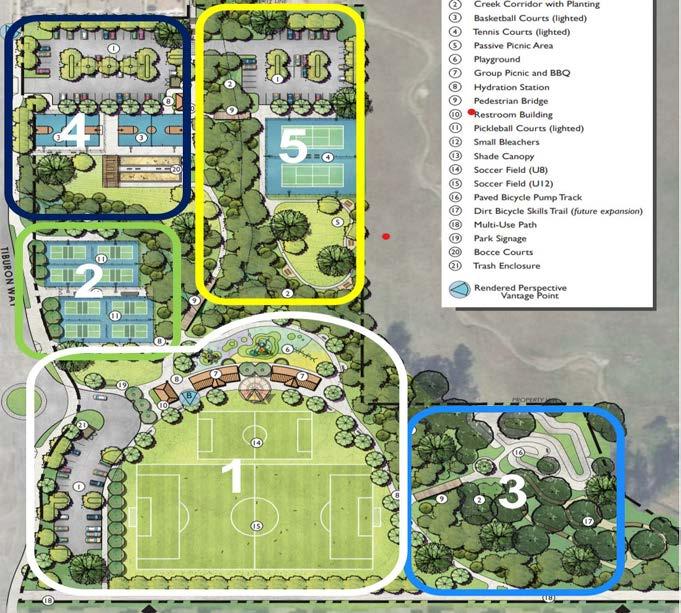
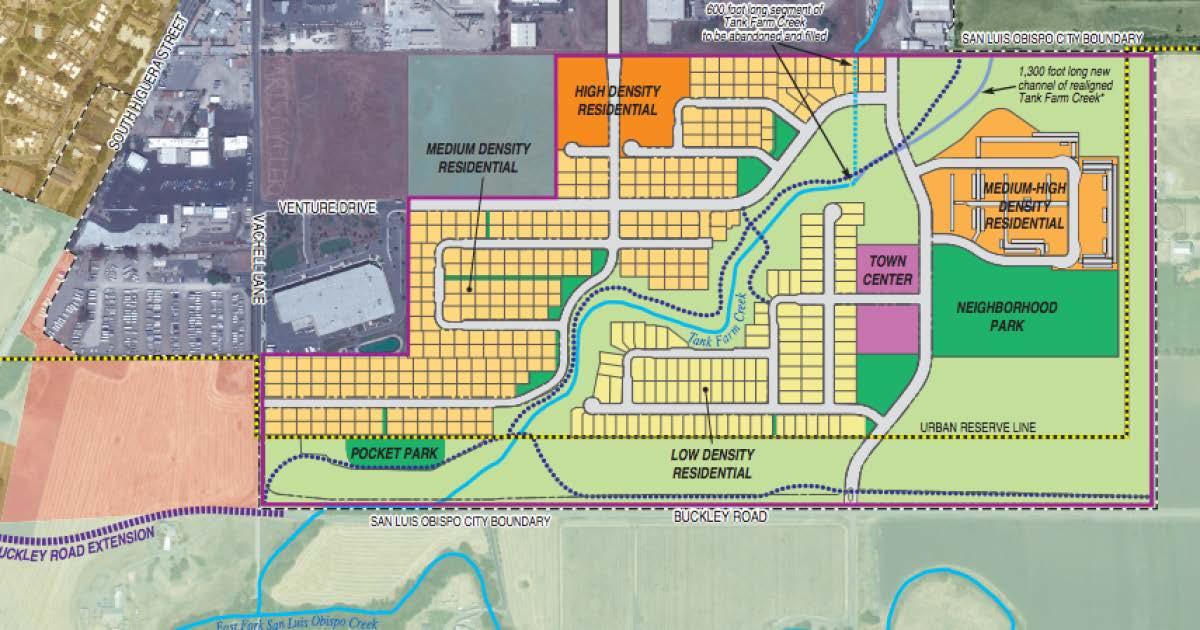
Major City Goal:
Project Classification:
Project Type:
Project Description
Infrastructure and Sustainable Transportation Community Improvement New Asset
Withthededication of parkland and collection ofpark feesfromdevelopmentswithintheOrcutt Area Specific Plan (OASP) and San Ranch(SLR),theCitywillutilizethesefundsfor newpark development and enhancements. In the OASP area, thisincludesthe development of a linear parkand apocketpark.Designswereapproved by theParks and RecreationCommission and informed community input gathered through surveys and workshops in 2023.
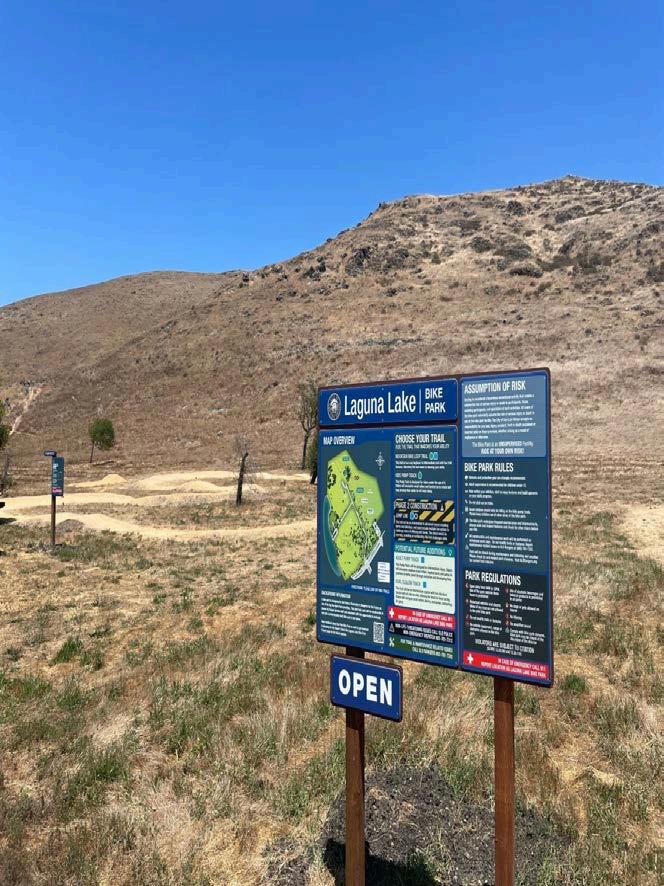
Measure (Capital Outlay 401)
Orcutt Area - Pocket Park
Local Revenue Measure (Capital Outlay 401)
Orcutt Area - Linear Park
Local Revenue Measure (Capital Outlay 401)
Project Number
2000062
Major City Goal:
Project Classification:
Project Type:
Project Description
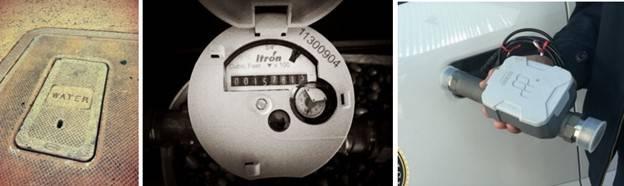
Thisprojectfundsthematerialcostforwatermeters,meterappurtenances, and meterboxeswherewaterdistributionstaff needs to remove or repair public watermeterswithinthedistributionsystemthat are reported to be defective.Theobjective of theproject is to increase accuracy and reliability ofpublic watermeters, and efficientlymanage all waterresources in acost-effectivemanner.Whenleaks are suspected,waterdistributionstaffwillusethebestavailabletechnology to monitorthewaterservice area (pressurezone)using: leak detectionequipment,soundcorrelators, radio monitoringtelemetry of waterflows around apressurezone, andpilot tests by thewater distributionstaffforatemporarydistrictmetering area. Fundingwillalsoprovidetheaddition of AdvancedMeteringInfrastructure(AMI)that canaugmenttheability to accurately read waterconsumption,promptlyprovide billing information to customers, and facilitatebetter customer service interaction during the start and stop of water services.
Tasks
Water Meter and Box (sewer fund contribution)
Meter and Box (water fund contribution)
Major City Goal:
Project Classification:
Project Type:
Distribution Fire Hydrants
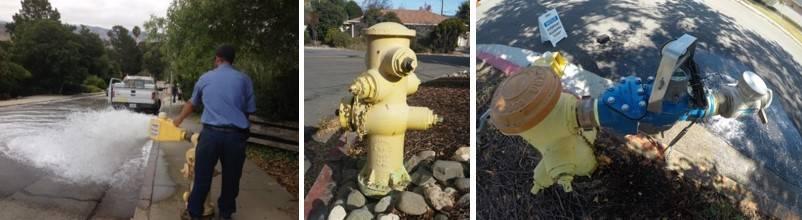
Theprojectfundsthereplacement of firehydrantunits and hydrantappurtenancesthat are reported to be defective,leaking, or corroded. Theobjective of theproject is to assessthecondition of firehydrants, and whenapplicable,replacethemwith new hydrantsthatmeet currentcodes and standardsforprotection ofpublic health and infrastructure.Whenadefectivehydrant is reported,waterdistributionstaff willusethebestavailabletechnology to monitorthewaterservice area (pressurezone)using leak detectionequipment,soundcorrelators, and radio monitoring telemetry of water flows and pressures, and catalog the inspection assessment into a database and mapping software.
Major City Goal: Project Classification: Project Type:
Replacement of waterdistributionpipes,mainlines, and relatedinfrastructure is anongoingprogram to providea reliable waterdistribution networkthatincludesfireprotection.The point repair projectwilladdressexistingdeficiencies, and thepotentialfornear-termfailure, according to priority.Theobjective of theproject is to exploreopportunities to consolidatewaterdistributionservice areas (pressurezones), and construct newpipe interconnectionsbetweenpressurezones to simplifyoperations,improvewaterreuseoperations,reducepumping needs, and eliminatepumpstations or tanksthatwouldotherwise require replacement.Projecteffortsmayinclude engineering reports, updates to thecomputerhydraulicmodel,construction plans for point repairs,constructionmanagementservices,tankre-coatings,pump maintenance,updates to constructionwaterfillingstations,materialsfor point repairs,easementacquisitions, grant applications, and field testing of water distribution infrastructure.
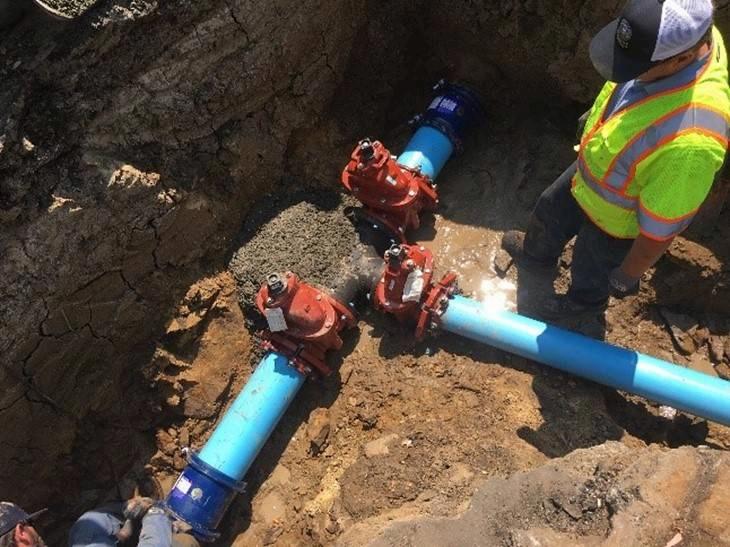
Major City Goal:
Project Classification:
Project Type:
Project Description
Big Belly Replacements Infrastructure and Sustainable Transportation Community Improvement Asset Replacement
Thisprojectwillcontinue to replacetrashreceptacleswithinthedowntown to theupdated BigBelly standard andadd recyclingreceptacles to each location.
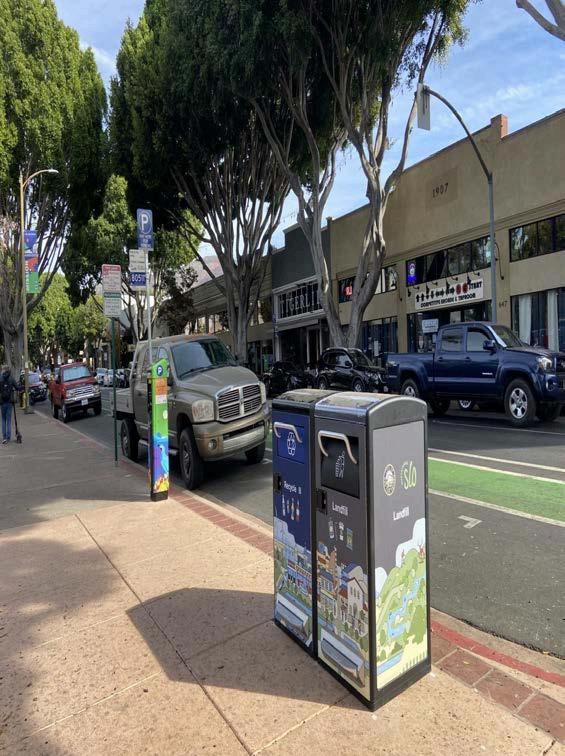
Big Belly Trash and Recycling Cans in Parks
Thisprojectsupportsimplementation of theCity'sTrafficSafety/VisionZeroprogram,fundingthehighest-prioritysafety and operational improvements to support the City's adopted goal to eliminate traffic-related fatalities and severe injuries citywide.

Project Name
Project Description
Thisprojectwillmaintain, upgrade,or replaceCityfacilitiesthatservethecommunity.Funding in thisFinancial Plan is intended to support the Corporation Yard Fuel Island Siding, Jack House Roof Repairs, and HVAC work at the Parking Services Office, among others.
2000077
Major City Goal:
Project Classification:
Project Type:
Project Description
Infrastructure and Sustainable Transportation Maintenance Asset Maintenance
TheCity’sWaterResourceRecoveryFacility(WRRF)was originally constructed in 1941. In 1993, asignificant plant werecompleted to meetchangingwaterquality requirements. In 2025, anothermajor upgrade projectknown completed,replacing older equipmentwitha new membranebioreactor and ultravioletdisinfectionsystems.Theproposedasset replacementprojectsincludeservicing:ultravioletdisinfectionvessels,influentstormpumps rehabilitation, scumpit, grit pumps, gritpipingand blowers.Construction of theseassetreplacementswill be coordinatedwiththefacility’srenewal strategy, and will allow plant staff to extend the life of essential infrastructure for environmental and regulatory compliance.
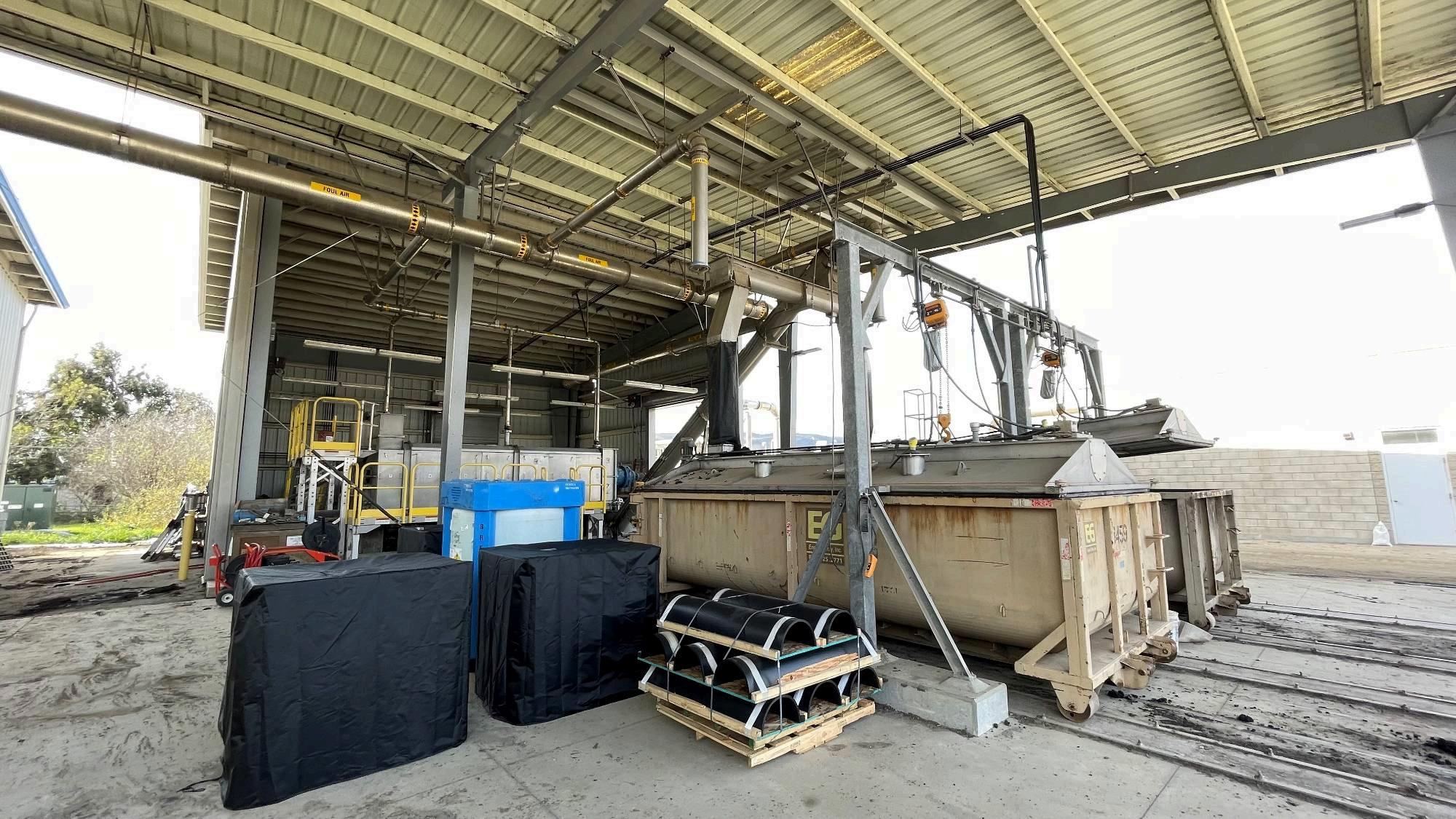
Sewer Fund (602)
Cityworks Strategic Plan & Implementation Sewer Fund (602)
UV Bulb Replacement (annual replacement)
Sewer Fund (602)
Sludge Dry Bed Polymer Feed and Piping
Sewer Fund (602)
Headworks Grit Piping and Blowers
Sewer Fund (602)
Rebuild Influent Storm Pumps
Sewer Fund (602)
Coating Maintenance
Sewer Fund (602)
Asset Replacement
Sewer Fund (602)
Major City Goal:
Project Classification:
Project Type:
Project Description
Ludwick Roof, Solar, Siding, and HVAC Infrastructure and Sustainable Transportation Maintenance Asset Replacement
TheLudwickCommunityCenterwas originally constructed in 1941andhasbeenupgraded severaltimes to itscurrentstate.Theroof, HVACsystem and rooftopsolar areall pasttheirusefullife andneed to be replaced.Thisprojectproposes to updatetheHVACsystem anall-electricheat pump,install new solarpanels,replacethe roof and repair any portions of damagedsiding to ensureitscontinueduse a community asset.
Major City Goal:
Project Classification:
Project Type:
TheSilverCityLiftStation is aSmith and Lovelessdry/wetwelldesign, and wasconstructed in 1971. Theexistingsix-inchasbestos concreteforcemainpumps under San Luis ObispoCreek (it is encased under thecreek)approximately 765 feet to amanholeupstream of the Laguna LiftStation.TheSilverCityliftstationoperateswithtwo 450 gpm,18.5horsepowerpumps.Thereplacementwill be in thesame vicinity. An additionalpropertyacquisition and easementswill be required to relocateboththe new liftstation and forcemain. In addition to theforcemainreplacement, it will require the pipe to be encased in the San Luis Creekcrossing.Thereplacementliftstationwill accommodate a portion of the future development anticipated in the Margarita Area Specific Plan.
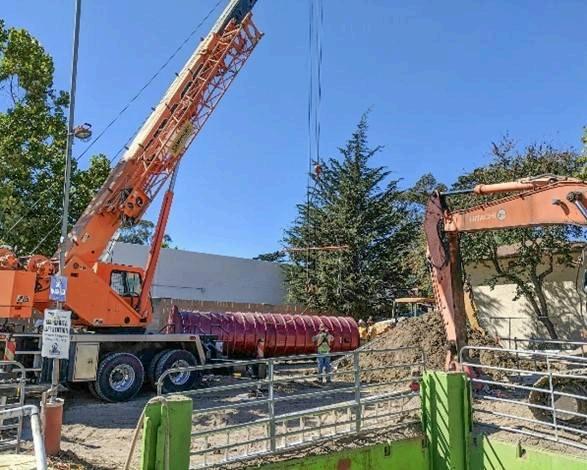
Theprojectincludesraising or loweringsewermaintenancecoverswhen road pavementoperations are performed bypublic workswithin the public right of way.Theobjective of theproject is to protectexistingsewermaintenancecoverframes andpipes fromdamage by machinery, and to efficiently complete paving operations within the roadway.
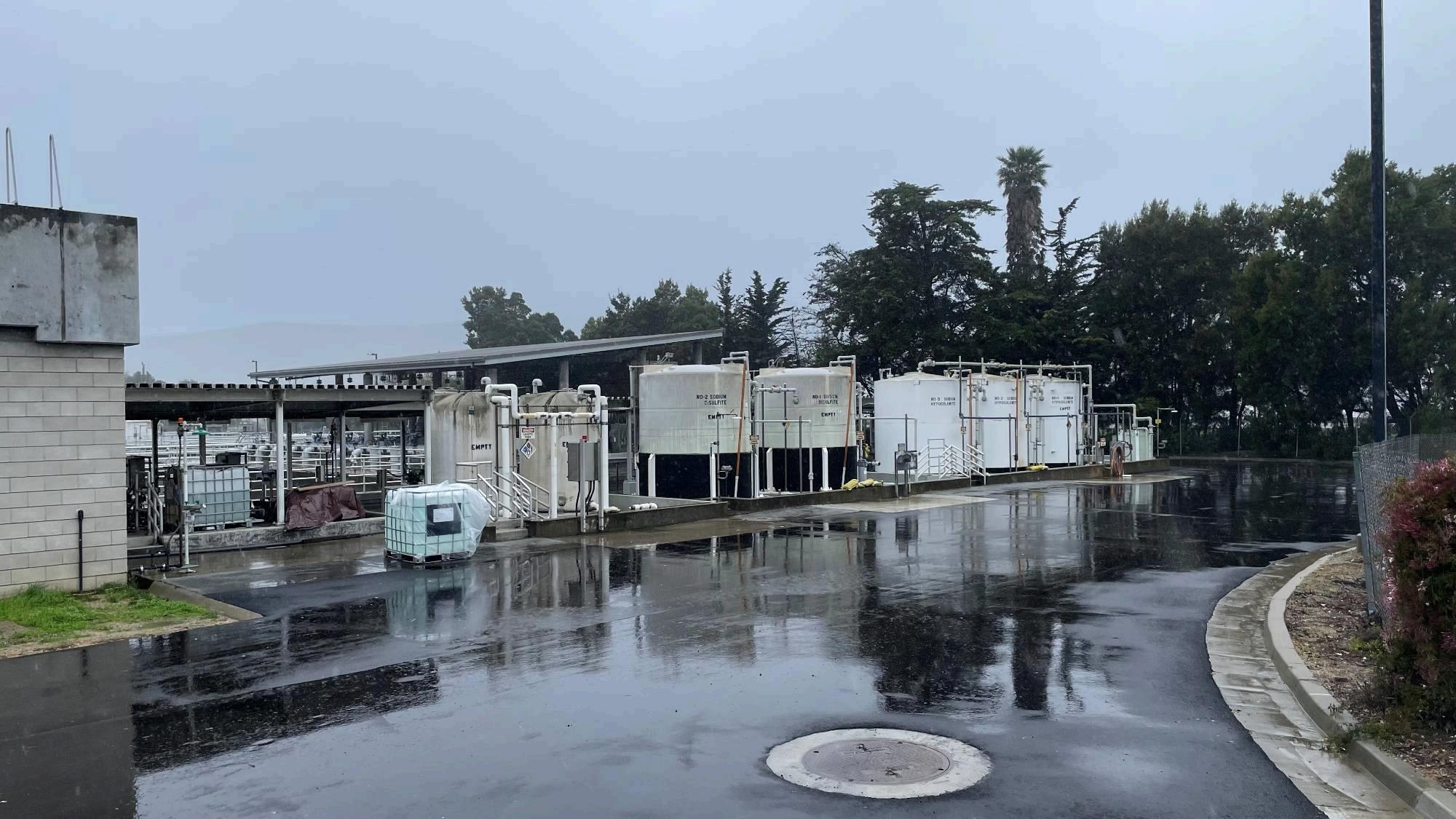
Maintenance Hole Cover Adjustments
Major City Goal:
Project Classification:
Project Type:
Project Description
Infrastructure and Sustainable Transportation Maintenance Asset Replacement
TheCity’swastewatercollectionsystemincludesapproximately 140 miles of sewer lines and relatedoperationalequipment.Some over 100 years old,andare undersized.Maintenance requirements increasedramatically aspipelineand equipmentapproachthe theirusefullife. Pipeline and operationalequipment require ongoing maintenance and conditionassessment to prioritize replacement,ensure proper function, andprolong servicelife.Theobjective of thisproject is to replaceexistingclay pipes from new 10-inchsewermainserving areas thathaveshown high inflow or infiltrationflowsbased on recordedsewerspills, andhigh flowrates during majorstormevents.The pipeline replacementprojectwill require re-routingthesewerflows near theintersection Johnson and San Luis Drive into service Area F.
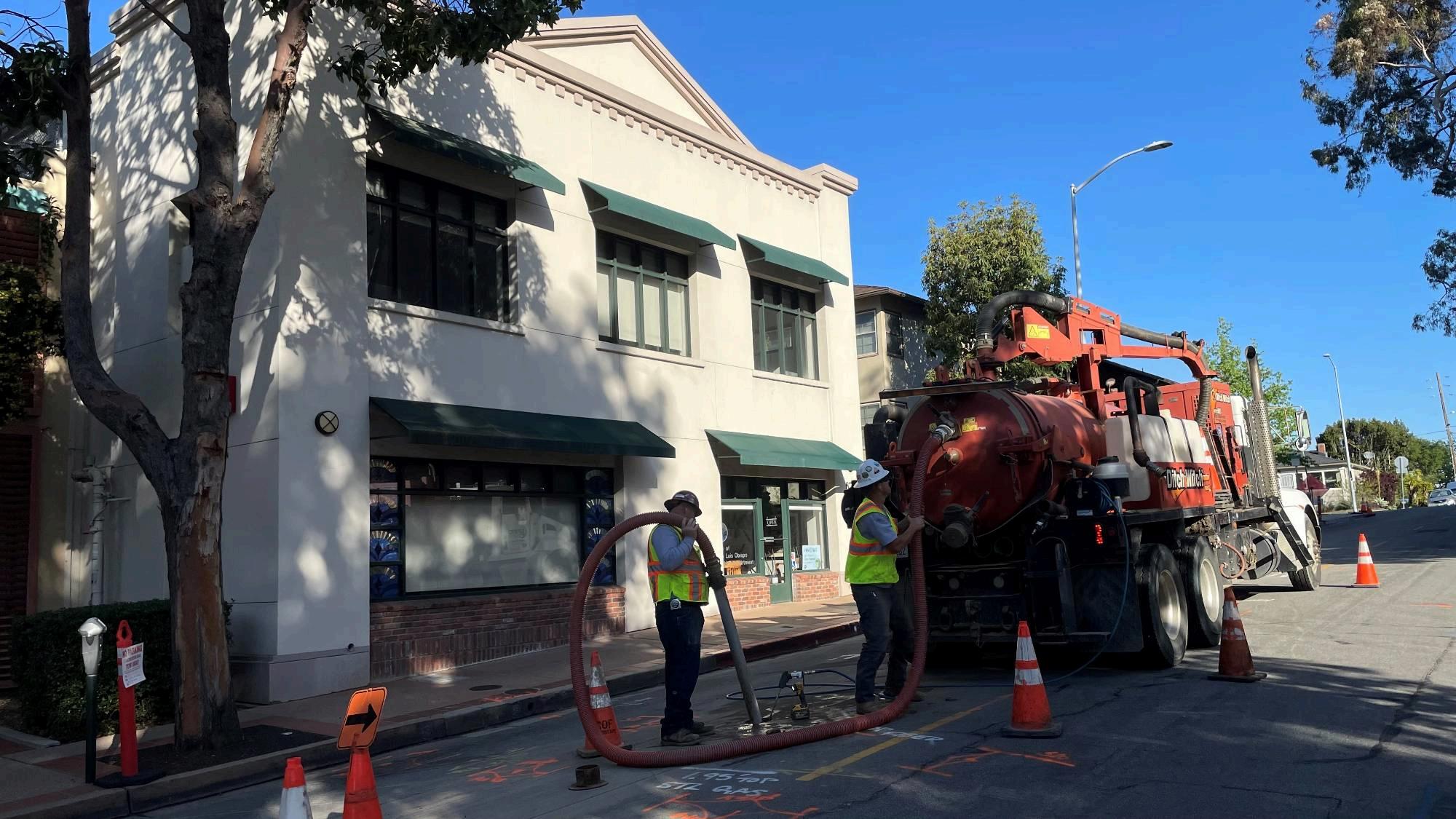
Sewer Main Replacement: Buchon - Morro to Johnson
2000093
Major City Goal:
Project Classification:
Project Type:
Project Description
Sewer-main Replacement: Serrano, Bressi, Dana, and Higuera Pipeline Replacement
Infrastructure and Sustainable Transportation Maintenance Asset Maintenance
TheCity’swastewatercollectionsystemincludesapproximately 140 miles of sewer lines and relatedoperationalequipment.Some pipesare over 100 years old,andare undersized.Maintenance requirements increasedramatically aspipelineand equipmentapproachthe endof theirusefullife. Pipeline and operationalequipment require ongoing maintenance and conditionassessment to prioritize periodic replacement,ensure proper function, andprolong servicelife.Theobjective of thisproject is to replacesewer pipes in areas thathave shown high inflow or infiltration flows based on recorded sewer spills, and high recorded flow rates during major storm events.
2000093 - Sewer-main Replacement: Serrano, Bressi, Dana, and Higuera Pipeline Replacement
Bressi, Dana and Higuera Sewer Fund (602)
2025-2027 Financial Plan
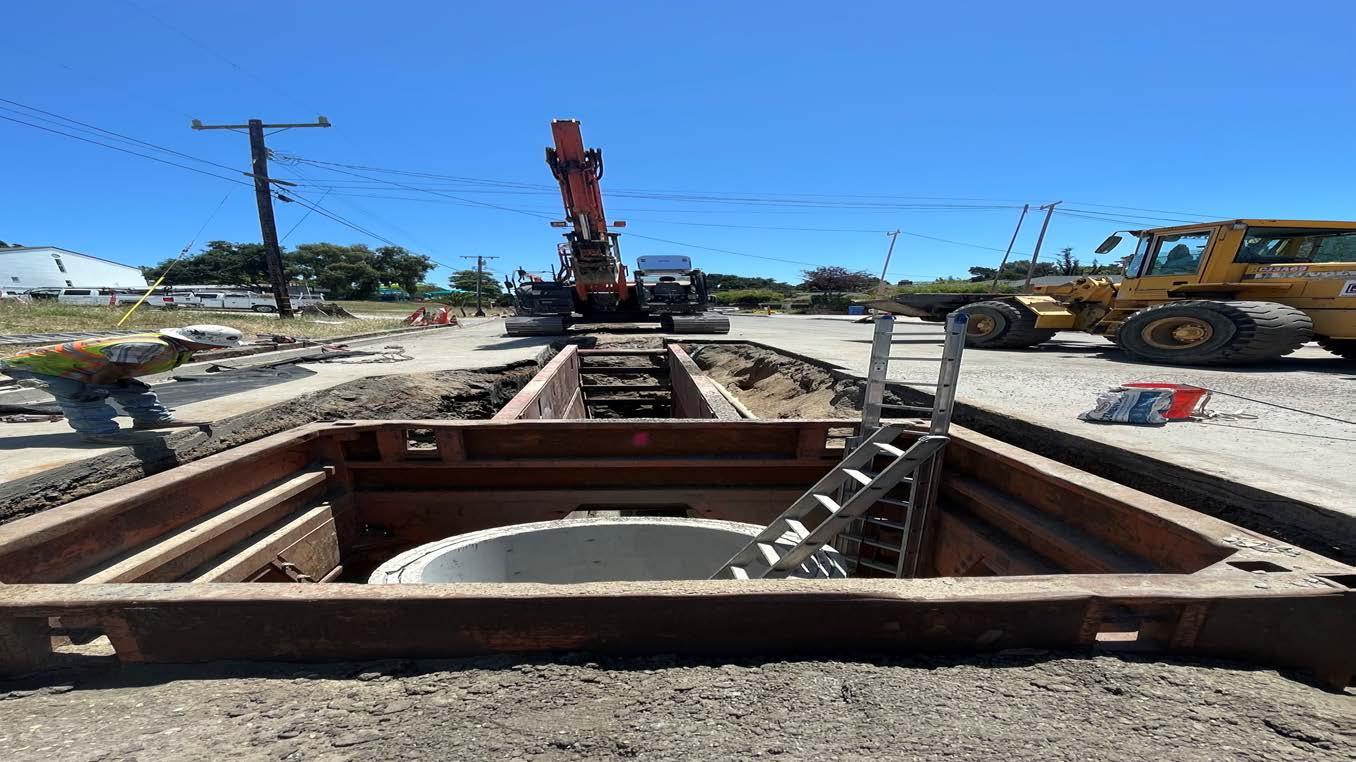
2025-2027 Financial Plan Outyears
Major City Goal:
Project Classification:
Project Type:
Project Description
Infrastructure and Sustainable Transportation Maintenance Asset Maintenance
TheCity’swastewatercollectionsystemincludesapproximately 140 miles of sewer lines and relatedoperationalequipment.Some pipesare over 100 years old,andare undersized.Maintenance requirements increasedramatically aspipelineand equipmentapproachthe endof theirusefullife. Pipeline and operationalequipment require ongoing maintenance and conditionassessment to prioritize periodic replacement,ensure proper function, andprolong servicelife.Theobjective of thisproject is to replacesewer pipes in areas thathave shown high inflow or infiltration flows based on recorded sewer spills, and high recorded flow rates during major storm events.
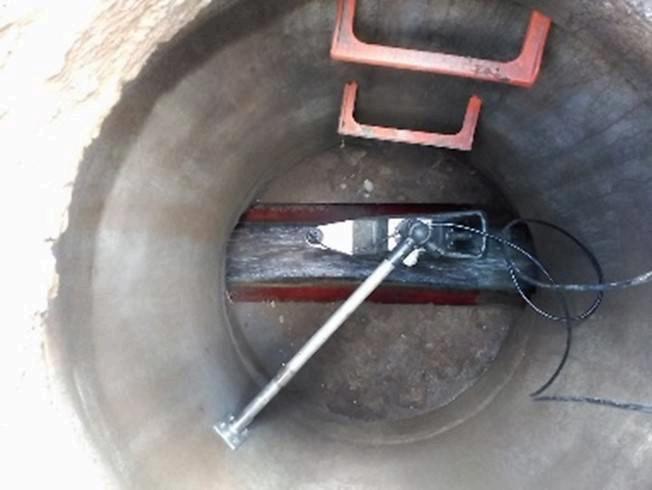
Foothill Sewer Siphon Sewer Fund (602)
Major City Goal: Project Classification: Project Type:
Thisprojectincludesthe rehabilitation of theemployee and guestparking lot areaat the BusYard facility (29 Prado Road).Theprojectwill improve functional use of the limited area available for non-fleet vehicles.
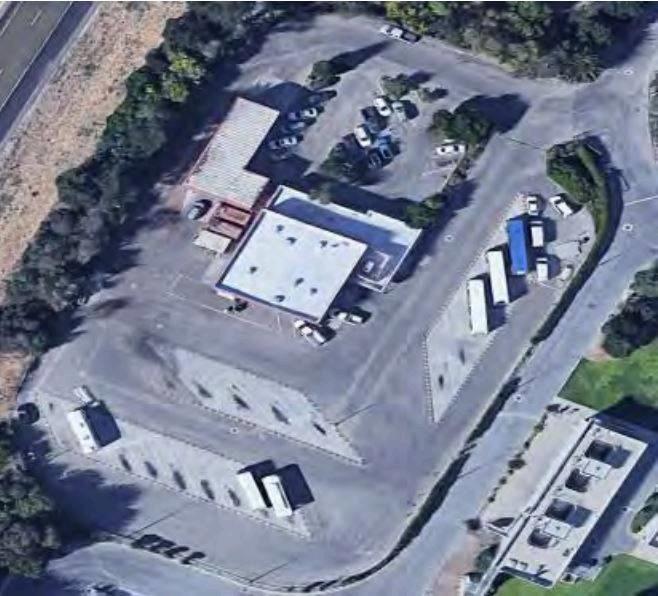
Sinsheimer Park Playground Turf, Soft Surface Replacement
Project Classification:
Project Type:
Project Description
Thisprojectwill be used to replaceexistingportions of thesoftsurfacehillsidethat are showingsigns of deterioration andnearing the endof their useful life.
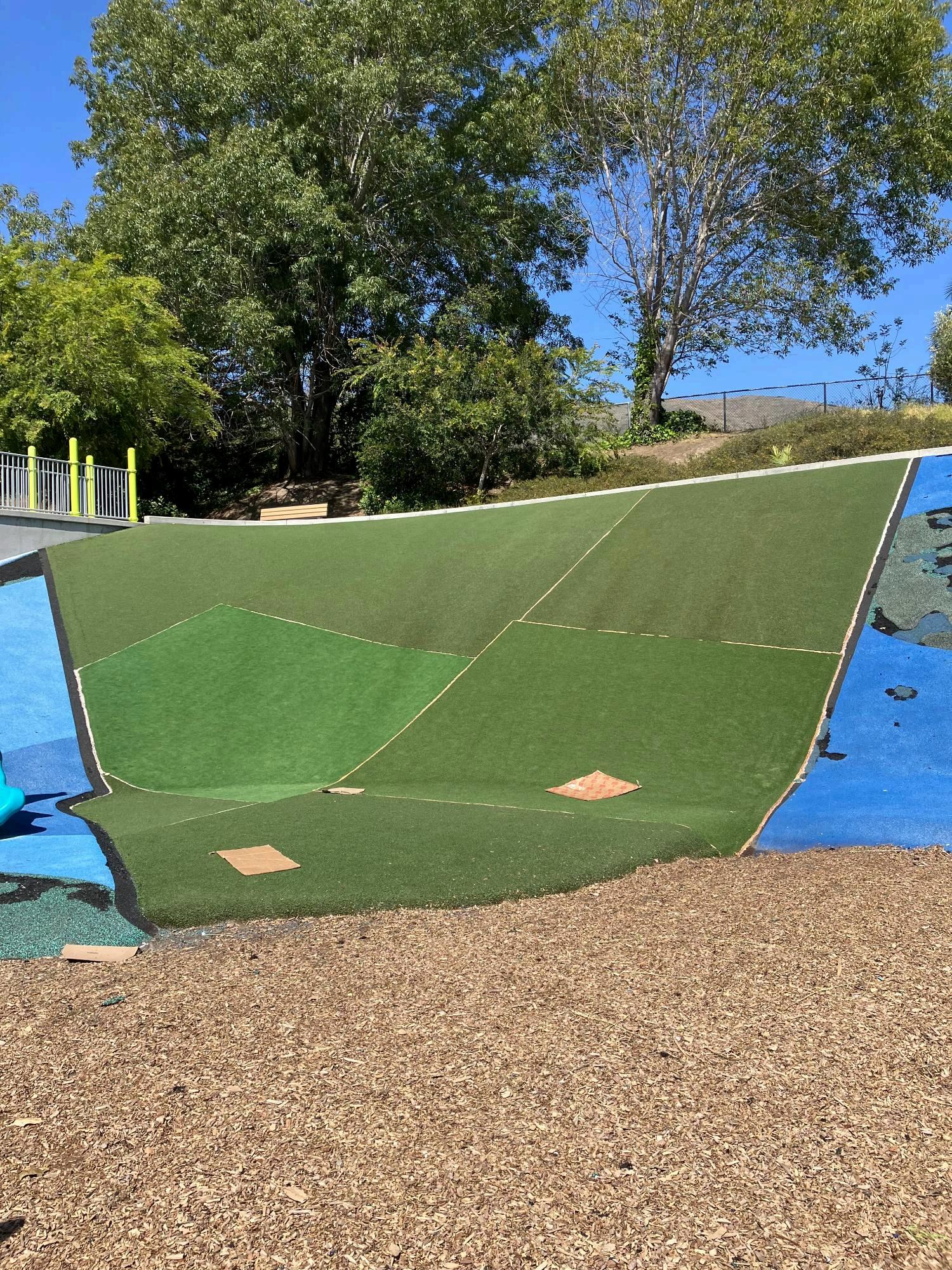
Project Number
2000117
Major City Goal:
Project Classification:
Project Type:
Project Description
Project Name
Cultural Arts District Parking Structure
Cultural Vitality, Economic Resilience, and Fiscal Sustainability Transportation New Asset
Theprojectincludestheconstruction of a new parkingstructure at theintersection of Palm and Nipomothatwillincludeapproximately 400 parking spaces, two elevators, electric vehicle charging stations, an event space and viewing deck, safe bike parking, solar panels and other amenities to support the downtown community. The total project cost is currently estimated at approximately $54.5 Million.
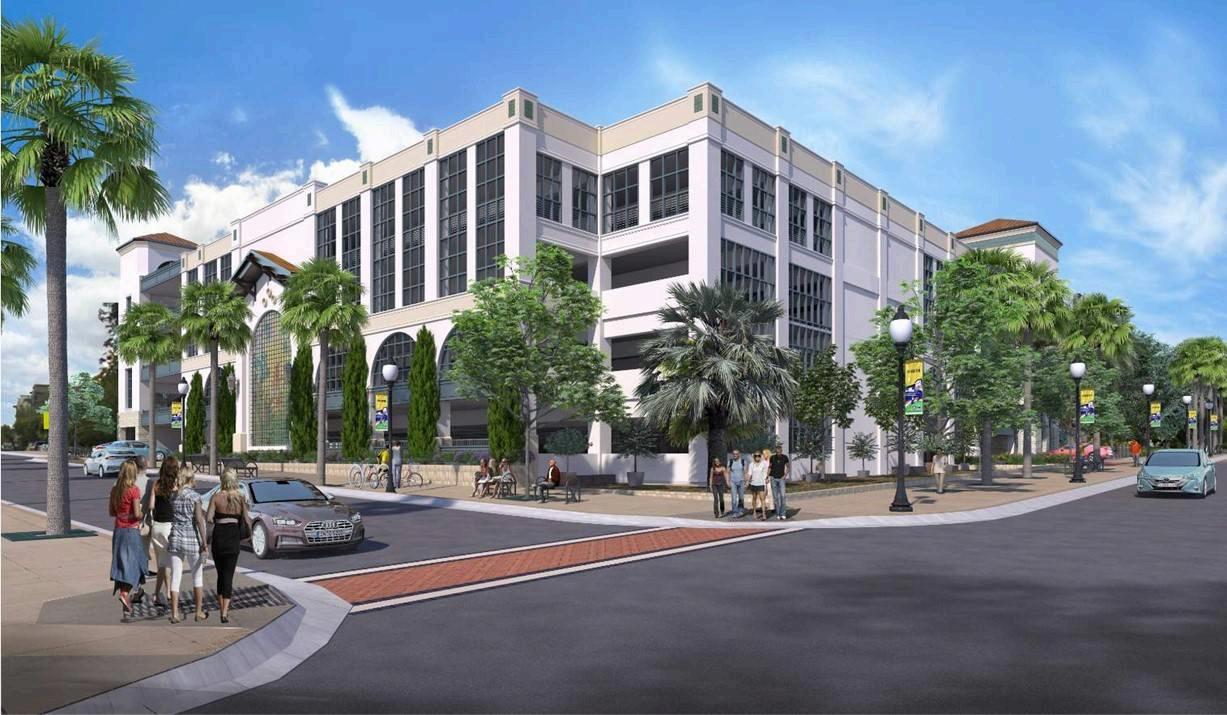
Cultural Arts District Parking Garage Construction
Outlay (Capital Outlay 401)
CADPS EV Charging SaaS and Warranty (2 Years)
Major City Goal:
Project Classification:
Project Type:
Project Description
Cultural Vitality, Economic Resilience, and Fiscal Sustainability Safety Asset Replacement
Thepolicestationwasconstructed in 1969andhasbeen identified as seismicallydeficient and inadequately sized.Thisprojectwillinitiatea study and conceptual design to identify the space needed to accommodate the police department in the future.
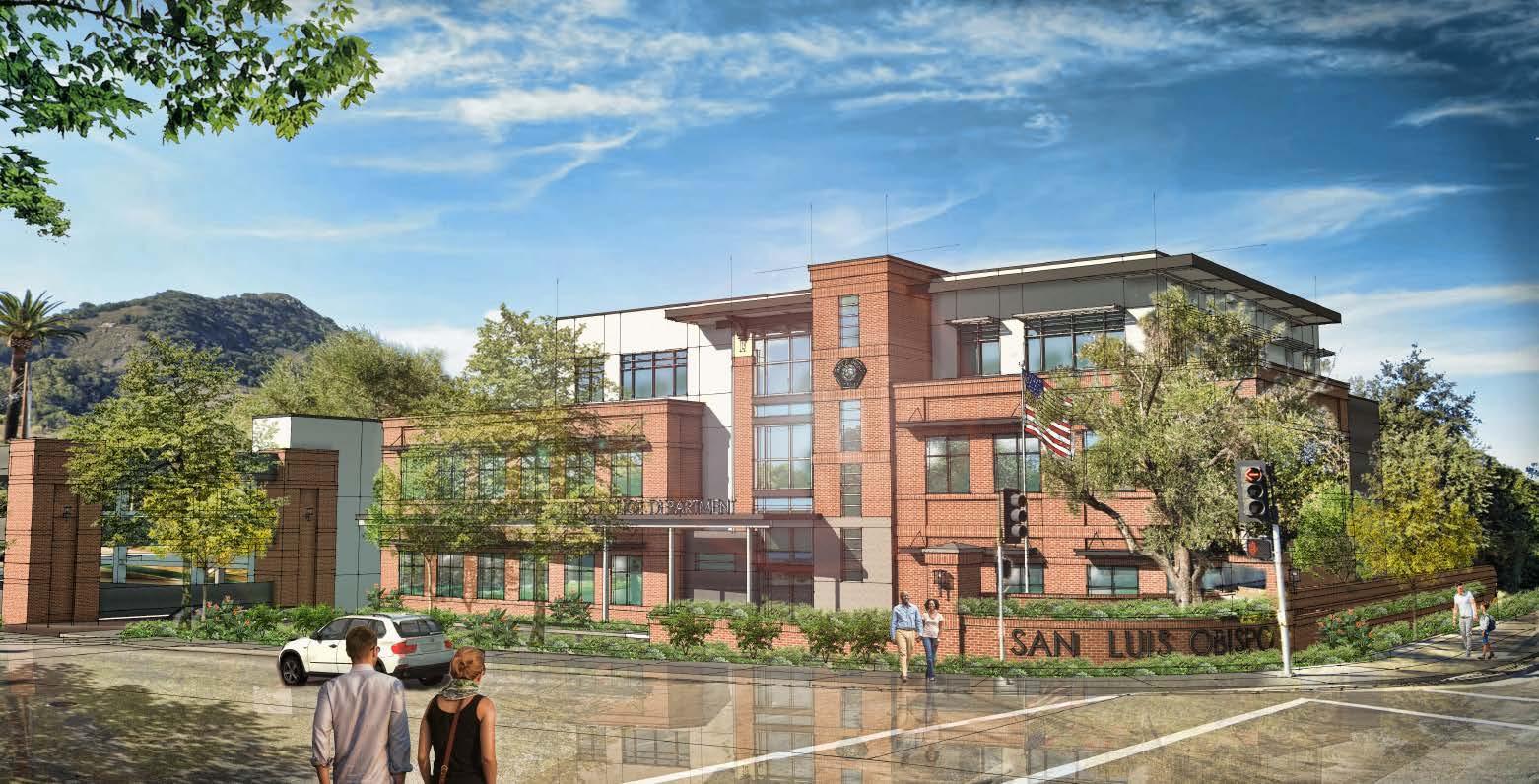
2000119
Major City Goal:
Project Classification:
Project Type:
Project Description
Project Name
Police Building - 1042 Tenant Improvements
Cultural Vitality, Economic Resilience, and Fiscal Sustainability
Maintenance
Asset Replacement
1106 Walnutwasacommercialpropertypurchased by theCity in 2023 withtheintent to movesomepolicedepartmentstaffintothe existing building,as well as constructatemporaryemergencyoperationscenter.Thepropertymust nowbe re-developed capable of housingtheinvestigations and administrationdivisions.Thisprojectincludestheaddition of internalpartitions,asecureentry system, HVAC upgrade and IT improvements.
Outlay (Capital Outlay 401)
Police Building - 1042 TI (HVAC Package Unit Replacement)
Local Revenue Measure (Capital Outlay 401)
Police Building - 1042 TI (Hydronic System)
Local Revenue Measure (Capital Outlay 401)
Police Building - 1042 TI
This is an immediate and critical needs project to replaceselectedflooring andpaint work at1042 Walnut, as well as limitedfurniture reconfiguring, as staff prepares to move and shuffle with 1106 Walnut coming on-line by the end of the year (2025).
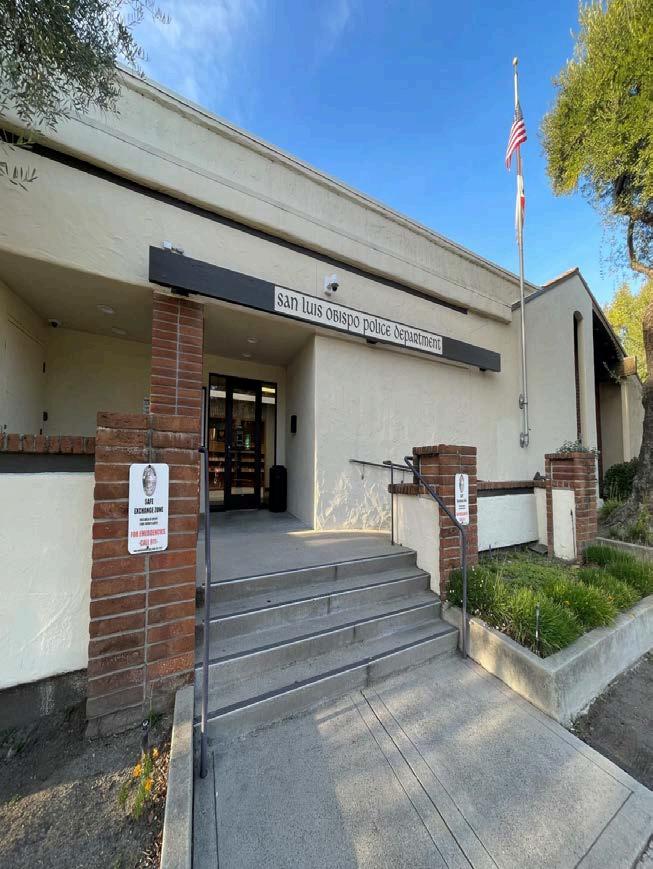
Project Number
2000121
Major City Goal:
Project Classification:
Project Type:
Project Description
Project Name
Mobility Services TI
Cultural Vitality, Economic Resilience, and Fiscal Sustainability
Public Facility
Asset Replacement
Thisprojectsupportstherenovation and reconfiguration of officespace at1260 ChorroStreet,includingupdates to thefrontcounter, workstations, and interiorlayout to improvefunctionality. Key improvementsincludethecreation of dedicatedmeetingspace,installation of modern technologies, potential HVAC adjustments, upgraded fixtures and appliances, and enhanced storage solutions.
Services TI
Project Number
2000122
Major City Goal:
Project Classification:
Project Type:
Project Description
Project Name
Fire Station 5
Cultural Vitality, Economic Resilience, and Fiscal Sustainability
Safety
New Asset
Growth in thesouthern areaof theCity is promptingexpansion of fireservices to this area in order to achieveresponsetimeobjectives. Funding to initiatethat planning forthepermanentStation5willcommencethisfinancial plan withascopingstudy.Uponcompletion of the scoping study, staff expects to better understand requirements for a future site to accommodate Station 5.
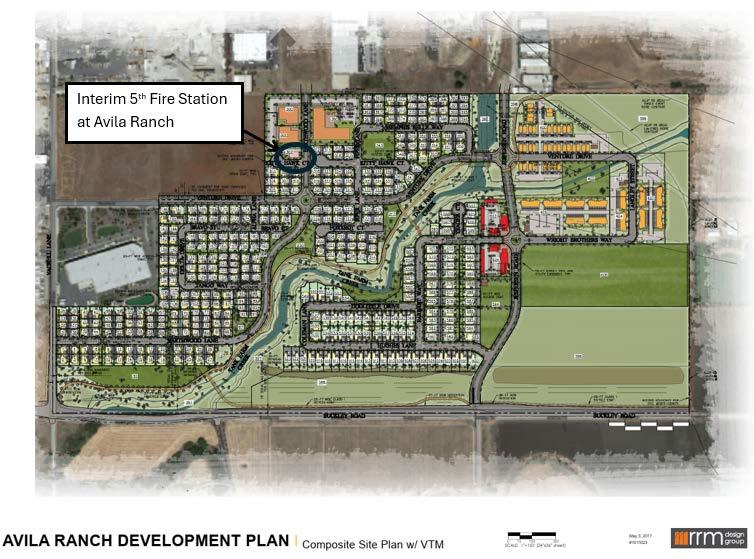
Fire Station 5 Entitlements & Environmental Local Revenue Measure (Capital Outlay 401)
Fire Station 5 Programming
Capital Outlay (Major Facility Repl 404)
Fire Station 5 (Interim)
Local Revenue Measure (Capital Outlay 401)
Major City Goal:
Project Classification:
Project Type:
TheCity of San Luis ObispoformedaGroundwaterSustainabilityAgency (GSA) in June of2017 formanagement of the San Luis Valley GroundwaterBasin (SLO Basin) in accordancewiththeSustainableGroundwaterManagementAct(SGMA).Thisprojectwillprovide financialresources to collaboratewith GSA stakeholders to effectivelymanagethegroundwaterbasin in thecity,whichmayinclude preparationof researchstudies,fieldinvestigations, legal documents, grant applications, and regional participation in thedevelopment and implementation of a groundwater sustainability plan.
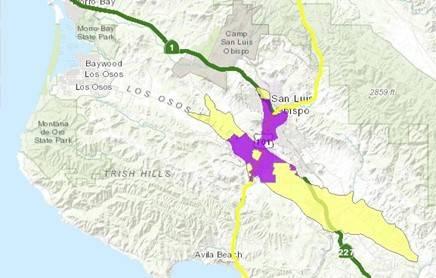
Major City Goal:
Project Classification:
Project Type:
Project Description
Banner Arms, Bench Arms Rests, Signs
Cultural Vitality, Economic Resilience, and Fiscal Sustainability
Community Improvement
Asset Maintenance
Thisprojectprovides banner arms,banners,bench arm rests, and signs in thedowntowncore. It includesthe buildout, installation and maintenance of a 4 season rotational banner program that aids the City's beautification and placemaking efforts.
Thisfundingsupportsupdates to theCity’sTransportationImpactFee(TIF) Program to ensure it remains aligned withcurrentinfrastructure needs, land useplans, and developmentprojections.Updatesincludereview of existingfeestructures,evaluation ofplanned transportation projects and costs, and analysis of projected growth to ensure a fair and legally defensible cost allocation.
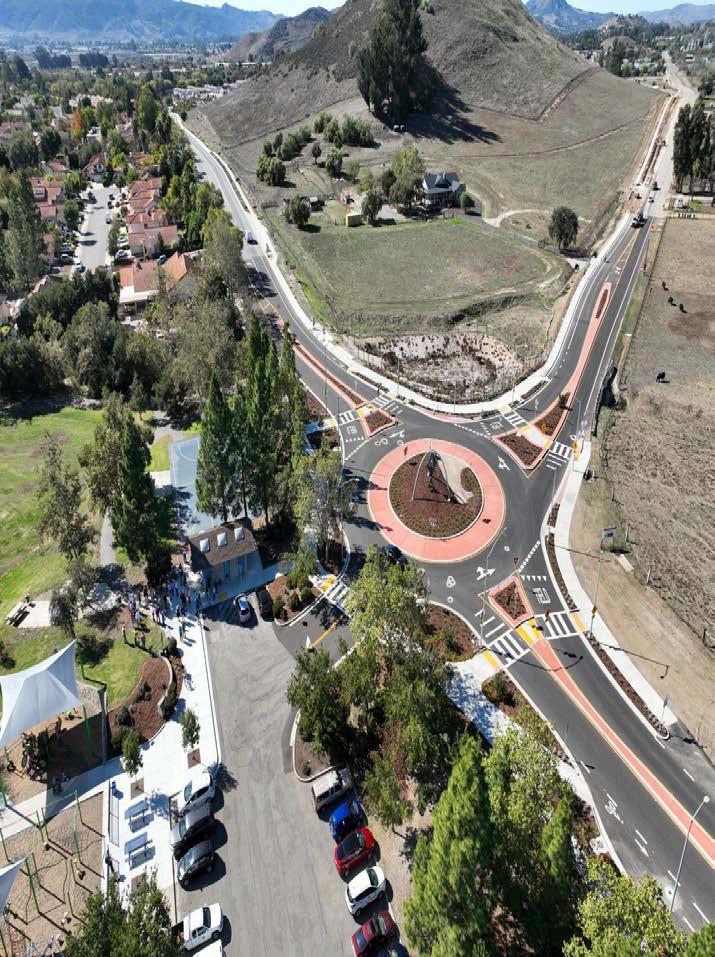
Major City Goal: Project Classification: Project Type:
As pipelines reachtheirflowcapacities, or whentheyapproachthe endof theirusefullife,a higherdegreeof maintenance managethewastewatercollectionsystem. Pipelines in the public wastewatercollectionsystem are inspectedusingspecializedvideo equipmentthatwillprioritize periodic cleaningfrequencies or recommendacompletereplacement.Based on theassessment,thisproject needed forthereplacement of claysewermainsdatingback to 1927 thatmake up potions of thebackbonesystemservingessential facilities along JohnsonAvenuewitha new 12-inchsewer-main.Theprojectwillcoordinateeffortsmade by thehospital’sinfrastructure improvements along IrisRoad and the railroad crossing to ensuredesigncapacities are adequateforcurrent and futureneeds.Fundingwill provide engineering design services, environmental clearance, permitting, easement acquisitions, and construction of the final design.
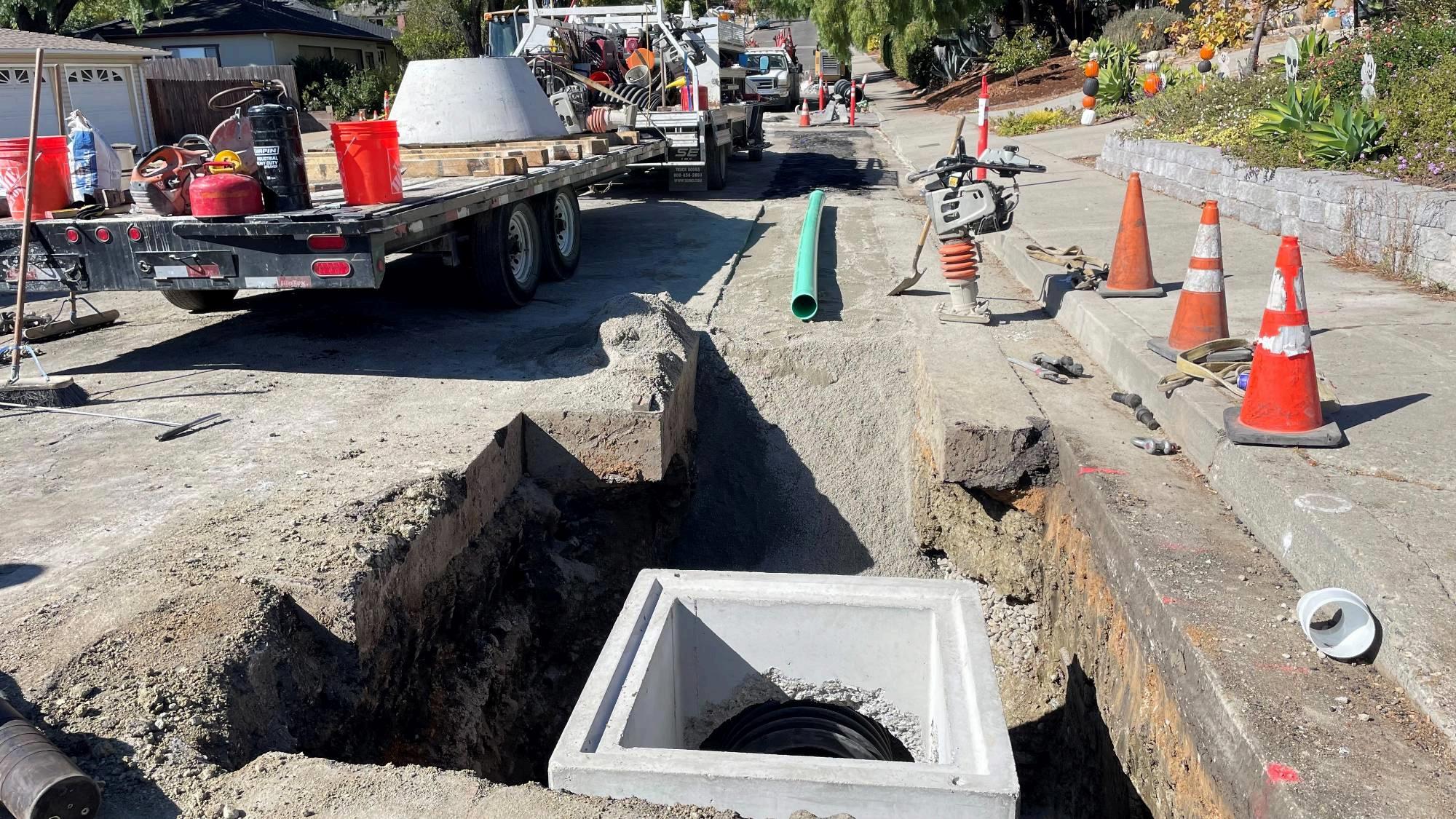
Major City Goal:
Project Classification:
Project Type:
Project Description
Silt carried by stormwatersettles at points in thecreekwherethestormwater'svelocitydecreases.Thisreduction in velocityallowssolids suspended in thewater to settleout. As thesedeposits buildup, thecapacity of thecreekdecreases and risk of flooding of thesurrounding areas increases. The regular removal of silt restores channel capacity and reduces risk of flooding.
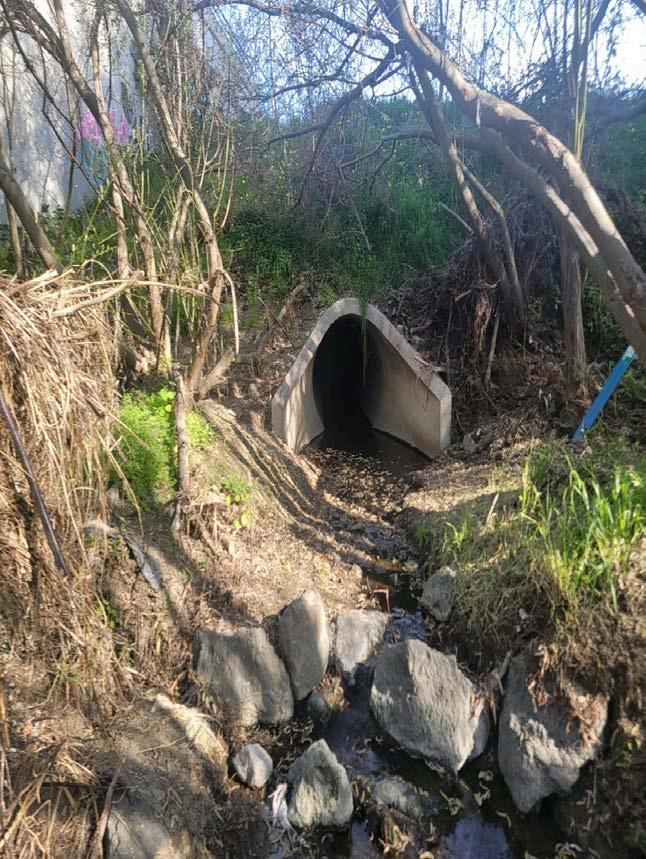
Silt Removal 2025
Thisprojectwillreplacediesel-poweredbusesthat are beyondtheirusefullifewithbatteryelectricequivalents.Thisprojectwillalsofundthe procurement and installation of charging equipment for the new electric buses.
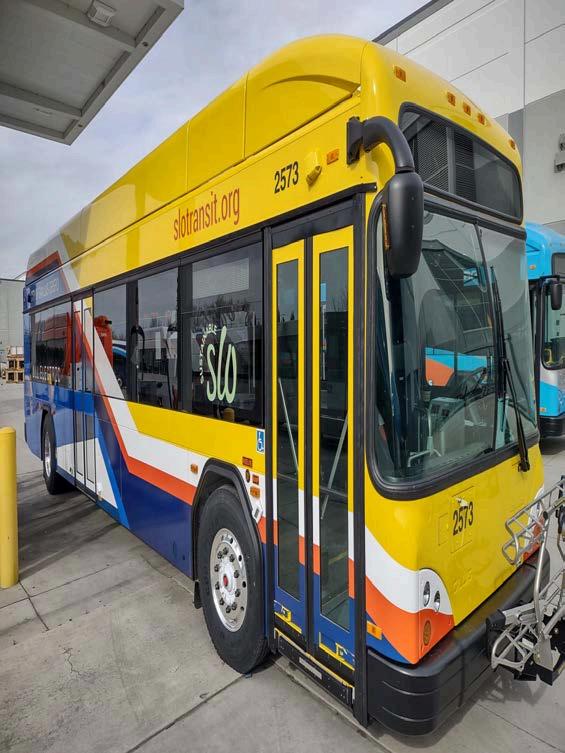
Project Classification: Project Type:
Thisprojectwillrefurbishfive old diesel-poweredbuses,extendingtheirusefullife and allowingfortheexpansion of services, as recommended by the City's recently adopted Short-Range Transit Plan.

of SLO Transit Buses (Base)
Project Classification: Project Type:
Thisprojectwillrestorethewoodsashwindows andbuildingpaintat thehistoric Senior Centerfacility and ensurethe building asealed envelop.

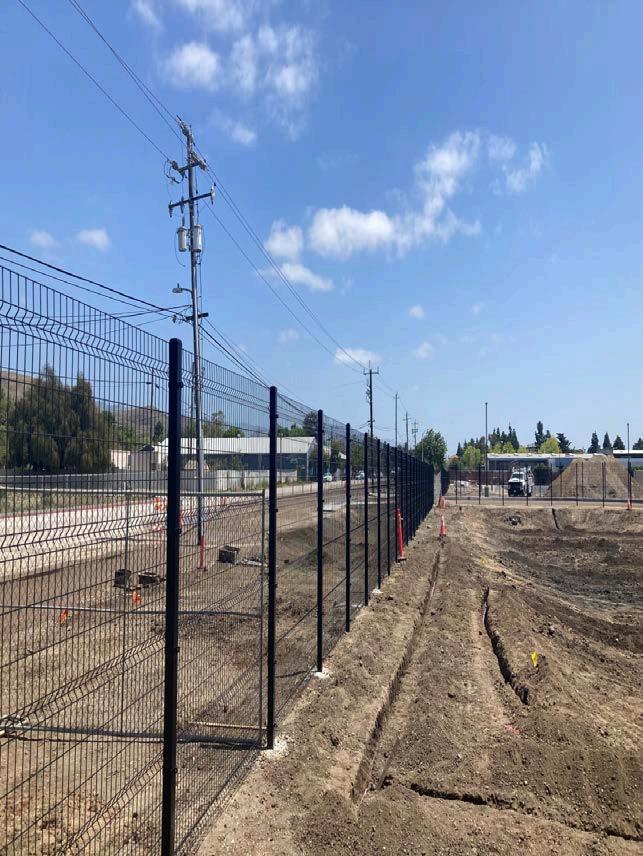
Cultural Vitality, Economic Resilience, and Fiscal Sustainability
Community Improvement
Asset Maintenance
Project Description
Thisprojectwillsupportthe PublicArt maintenance needs forthecurrentcollection of artwork,the PublicArt programming of workshops, temporary murals, and the Utility Box Art Program.
Project Classification: Project Type:
This is anongoing project to install newand to replaceexisting bus stopamenitieslikeshelters,trashreceptacles,benches,solarlighting, and informational displays at various locations that have met or exceeded their useful life.

Project Name
Electric Vehicle Charging Stations
Open Space, Climate Action, and Resilience Safety New Asset
Project Description
ThisprojectincludeselectricvehiclechargersforthePoliceStation and theCorporation Yard and includes ongoing capitalsupportfor maintenance of the existing electric vehicle charging infrastructure.
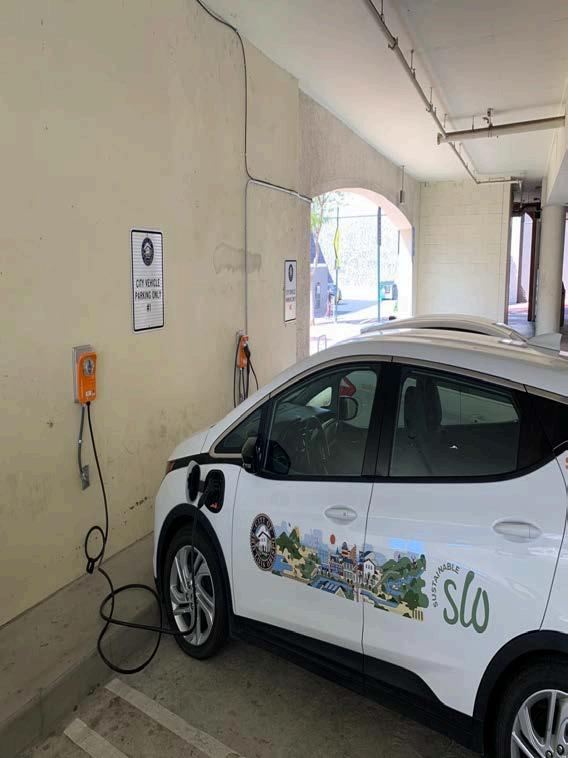
2000513 - Electric Vehicle Charging Stations
Major City Goal:
Project Classification:
Project Type:
Project Description
Amenity Upgrades and Beautification Infrastructure and Sustainable Transportation Community Improvement Asset Replacement
ThisprojectreceivedtheCalifornia Prop. 68grant award in December 2021 foramenity upgradesandpark beautification at EmersonPark. Park upgrades includeconstruction of restrooms,creation of asmallfenced dog park,installation ofan educational garden, amenity upgrades, expansion of thebasketballcourt,playground,perimeterfencing, and addition of safetylighting. As outlined in the Prop 68 Grant, the project's scheduled completion date is December 2027.
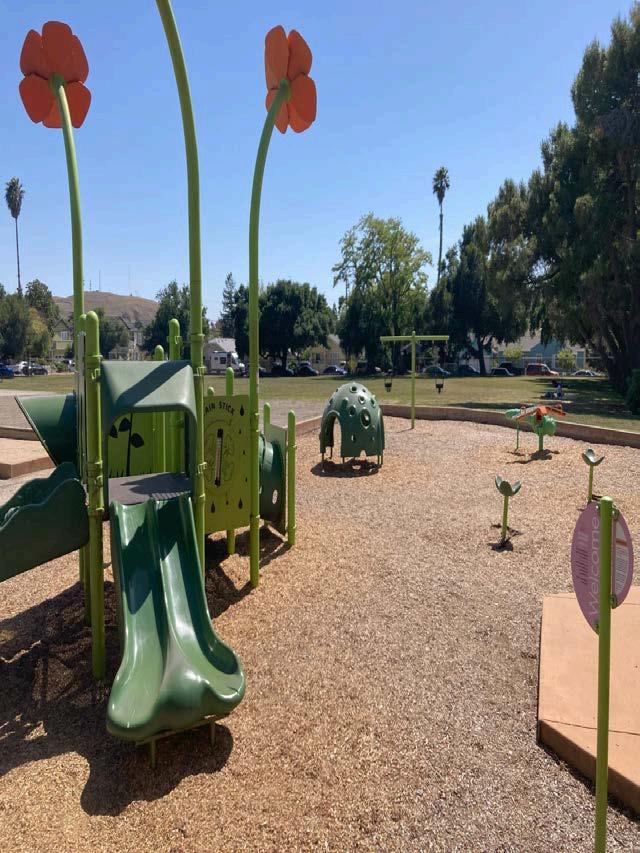
Project Number
2000516
Major City Goal:
Project Classification:
Project Type:
Project Description
Fire Station 3&4 Remodel
Diversity Equity, and Inclusion
In an effort to maketheFireDepartmentamoreinclusiveenvironment and to supporttheCityCouncil'sMajorCity Goal of Diversity,Equity and Inclusion,theFireDepartment is seeking to remodelthelivingquartersforFireStations3 and Station 4. BothStationsweredesigned withdorm-likesleepingquartersthatlackthe needed privacyforamulti-genderedstaff.Station4willalso need bathroommodifications addition to thelivingquarters.Thisprojectwill allow thefiredepartment to conductaspacestudy and design,allowingstaff to properlyplan for the remodel scope and budget requirements.
Fire Station 3&4 Remodel
Major City Goal:
Project Classification:
Project Type:
Project Description
Project Name
Fleet Replacement: Parks and Rec
Infrastructure and Sustainable Transportation
Fleet
Asset Replacement
ThisprojectfundingreplacesexistingCityvehicles in compliancewithrevisedFleetReplacement Guidelines. RevisedFleetReplacement Guidelines includetheevaluation of thefollowingcriteria:EmissionCompliance, Engine Hours,Mileage, Age, KnownManufacturer Problems,RepairCostHistory,Utilization, and FleetSystemAnalytics.Additionally,the ageand mileagereplacementtargetshave been extendedfor all vehicle and equipmentcategorieswithinthefleet.Newvehicle and equipmentreplacements are selectedwiththecleanest emissions systems possible that can be fueled and/or charged locally while meeting the end users' operational needs. 2025-2027
(Fleet Repl 402)
Local Revenue Measure (Capital Outlay 401)
Parks and Rec Rangers F-350 (1606, 1615, 1616, 1623)
Capital Outlay (Fleet Repl 402)
Parks and Rec Rangers Trailers (0715, 0716, 0717)
Capital Outlay (Fleet Repl 402)
Golf Course Cart, Spray Applicator (1911) Capital Outlay (Fleet Repl 402)
Golf Course Diesel UTV w/ Dump Bed (1733)
Outlay (Fleet Repl 402)
Parks and Rec Admin Compact Pickup (1014)
Capital Outlay (Fleet Repl 402)
Parks and Rec Rangers Dump Trailer (1641)
Capital Outlay (Fleet Repl 402)
Parks and Rec Rangers Trail Dozer (1825)
Capital Outlay (Fleet Repl 402)
Parks and Rec Rangers Mini Ex. (1732)
Capital Outlay (Fleet Repl 402)
Parks and Rec Rangers Tractor (1734)
Capital Outlay (Fleet Repl 402)
Golf Course Utility Cart (1910)

- Fleet Replacement: Parks and Rec
Outlay (Fleet Repl 402)
Golf Course Truck (0819) EV
Local Revenue Measure (Capital Outlay 401)
Golf Course Mower (1518)
Outlay (Fleet Repl 402)
Parks and Rec Van (NEW)
Outlay (Fleet Repl 402)
2000520
Major City Goal:
Project Classification:
Project Type:
Project Description
Project Name
Fleet Replacement: Public Works
Infrastructure and Sustainable Transportation Fleet Asset Replacement
ThisprojectfundingreplacesexistingCityvehicles in compliancewithrevisedFleetReplacement Guidelines. RevisedFleetReplacement Guidelines includetheevaluation of thefollowingcriteria:EmissionCompliance, Engine Hours,Mileage, Age, KnownManufacturer Problems,RepairCostHistory,Utilization, and FleetSystemAnalytics.Additionally,the ageand mileagereplacementtargetshave been extendedfor all vehicle and equipmentcategorieswithinthefleet.Newvehicle and equipmentreplacements are selectedwiththecleanest emissions systems possible that can be fueled and/or charged locally while meeting the end users' operational needs.
Parks Maintenance 3/4 ton Pickup (1514, 1526, 1527, 1528, 1529, 1530, 1819) Local Revenue Measure (Capital Outlay 401)
Facilities Maintenance 3/4 ton Pickup with Utility Bed (1624,1625) Capital Outlay (Fleet Repl 402)
Facilities Maintenance 3/4 ton Pickup with Utility Bed (0829) EV
Local Revenue Measure (Capital Outlay 401)
Streets- Sweeper (1703) (no later than a year 3 purchase) EV
Revenue Measure (Capital Outlay 401)
Streets Maintenance Compact Pickup - Replace w/ Van (0853)
Capital Outlay (Fleet Repl 402)
Parks Maintenance Field Prep Machine (0505, 0701, 1408)
Capital Outlay (Fleet Repl 402)
Streets Maintenance Trailer - Tack Distribution (1301)
Capital Outlay (Fleet Repl 402)
Streets Maintenance F-550 Traffic Control Truck(1905)
Capital Outlay (Fleet Repl 402)
Streets Maint Compact Pickup (0223) (GPR Truck) EV
Local Revenue Measure (Capital Outlay 401)
80,000
Parks Maintenance Compact Pickup (0848) Hybrid/EV
Local Revenue Measure (Capital Outlay 401)
Engineering Pickup (1521, 1632, 1718, 2220, 2305)
Capital Outlay (Fleet Repl 402)
Parks Maintenance 3/4 ton Pickup (0832)(0903) EV
Local Revenue Measure (Capital Outlay 401)
Streets Maintenance 1/2 Ton Pickup Truck (1525)
Capital Outlay (Fleet Repl 402)
Streets Maintenance Paving Broom Sweeper (1824)
Local Revenue Measure (Capital Outlay 401)
Parks Maintenance Utility Cart w/ Dump (1803)
Capital Outlay (Fleet Repl 402)
Streets Maintenance Crack Seal Machine (1805)
Capital Outlay (Fleet Repl 402)
Streets Maintenance F-550 Paint & Sign (1622)
Capital Outlay (Fleet Repl 402)
Streets Maintenance 3/4 ton Pickup (0820) EV
Capital Outlay (Fleet Repl 402)
Urban Forestry Water Truck (1612) (Financed) Capital Outlay (Fleet Repl 402)
Streets Maintenance F-750 Dump Truck (1405) Capital
Streets Maintenance Pressure Washer (2102)
Capital Outlay (Fleet Repl 402)
Fleet Maintenance Forklifts (1640 & 1820) Capital Outlay (Fleet Repl 402)
Streets Maintenance F-550 Concrete (1519)
Capital Outlay (Fleet Repl 402)
Streets Maintenance Asphalt Zipper (1802)
Capital Outlay (Fleet Repl 402)
Transportation Planning E-150 Van (1402)
Capital Outlay (Fleet Repl 402)
Streets Maintenance Message Board (1906)
Capital Outlay (Fleet Repl 402)
Streets Maintenance Transfer Dump (1901)
Capital Outlay (Fleet Repl 402)
Parks Maintenance Compact Pickup (0849)
Capital Outlay (Fleet Repl 402)
Streets Maint HD Roll-Off Truck (0830)
Capital Outlay (Fleet Repl 402)
Fleet Maintenance Service Truck (0312)
Capital Outlay (Fleet Repl 402)
Streets Maintenance Skip & Drag (1823)
Capital Outlay (Fleet Repl 402)
Parks Maintenance Turf Sweeper (1513)
Capital Outlay (Fleet Repl 402)
Parks Maint Refuse Truck F450 (1015)
Urban Forestry Chipper Truck (1806)
Outlay (Fleet Repl 402)
Streets Maintenance Backhoe (0413) Capital Outlay (Fleet Repl 402)
Streets Maintenance Backhoe (1714)
Capital Outlay (Fleet Repl 402)
Streets Maintenance Trailer (1902)
Capital Outlay (Fleet Repl 402)
Engineering Compact Pickup (0904) Capital Outlay (Fleet Repl 402)
Engineering Compact Pickup (0905) Local Revenue Measure (Capital Outlay 401)
Streets Maintenance Loader (0329)
Capital Outlay (Fleet Repl 402)
Streets Maintenance Roller (1002)
Capital Outlay (Fleet Repl 402)
Streets Maintenance Pickup (1722)
Capital Outlay (Fleet Repl 402)
Streets Maintenance Pickup (1723)
Capital Outlay (Fleet Repl 402)
Parks Maintenance - Mower (1504)
Capital Outlay (Fleet Repl 402)
Urban Forestry Lift Truck (1816)
Capital Outlay (Fleet Repl 402)
Parks Maintenance Aerator (1904) Capital Outlay (Fleet Repl 402)
Parks Maintenance Tractor (1807) Capital Outlay (Fleet Repl 402)
Parks MCC Compact Pickup (1013)
Capital Outlay (Fleet Repl 402)
Parks Maint Turf Tender (0609)
Local Revenue Measure (Capital Outlay 401)
Golf Course Mower-Reel (1907)
Capital Outlay (Fleet Repl 402)
Urban Forest Pickup (0852) EV
Local Revenue Measure (Capital Outlay 401)
Urban Forest Chipper (1717)
Capital Outlay (Fleet Repl 402)
Streets Maint Paver (1001)
Capital Outlay (Fleet Repl 402)
Golf Course Mower (1725) Capital Outlay (Fleet Repl 402)
Parks Maint Mower (1611)
Project Name
Fleet Replacement: Utilities
Infrastructure and Sustainable Transportation Fleet Asset Replacement
Project Description
ThisprojectfundingreplacesexistingCityvehicles in compliancewithrevisedFleetReplacement Guidelines. RevisedFleetReplacement Guidelines includetheevaluation of thefollowingcriteria:EmissionCompliance, Engine Hours,Mileage, Age, KnownManufacturer Problems,RepairCostHistory,Utilization, and FleetSystemAnalytics.Additionally,the ageand mileagereplacementtargetshave extendedfor all vehicle and equipmentcategorieswithinthefleet.Newvehicle and equipmentreplacements are selectedwiththecleanest emissions systems possible that can be fueled and/or charged locally while meeting the end users' operational needs.
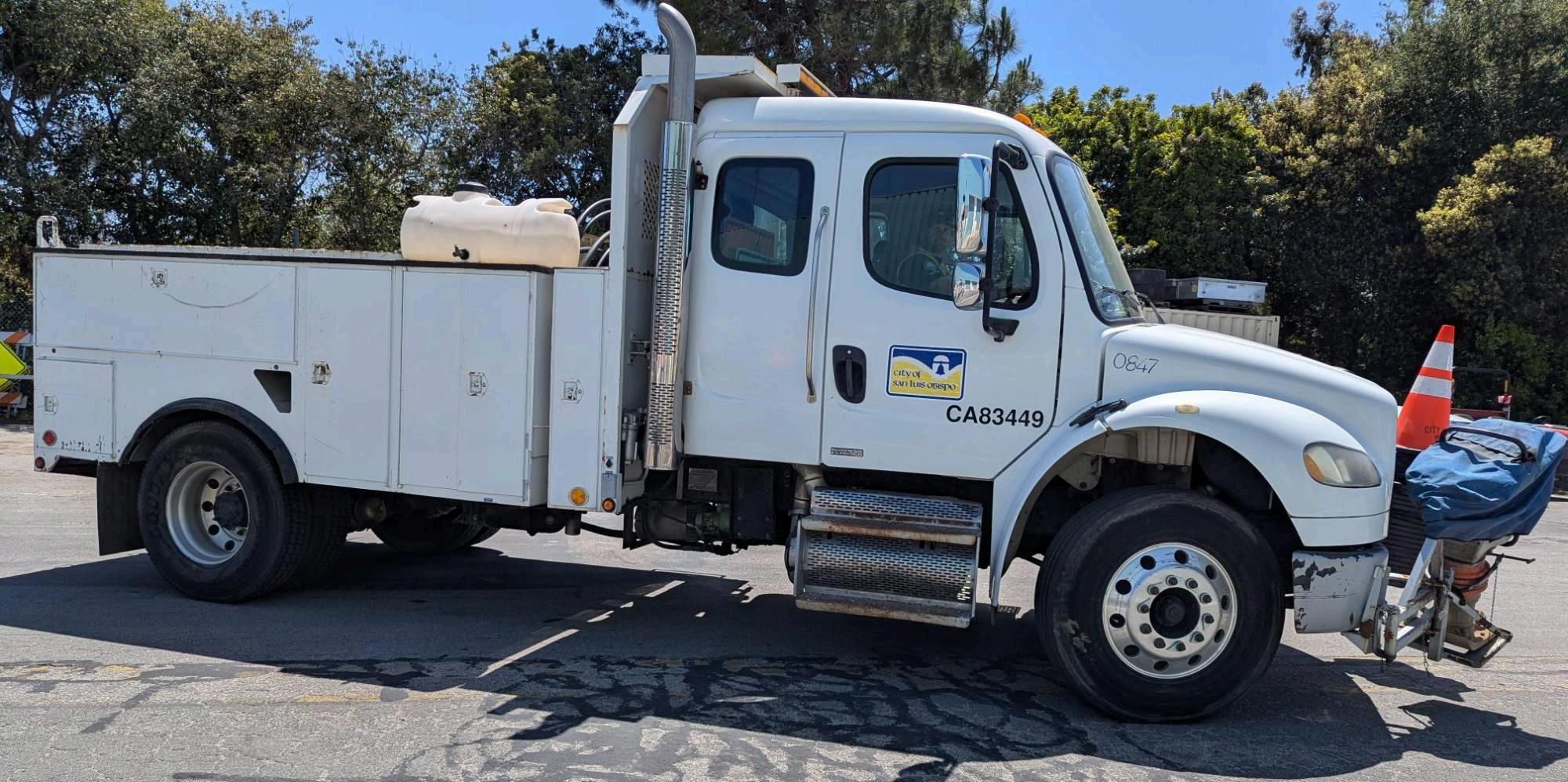
Distribution - Water Distribution Service Truck (0847)
Fund (601)
Wastewater Collections Caterpillar Excavator (0626)
Sewer Fund (602)
Environmental Compliance - Compact Pickup (0816) Sewer Fund (602)
Wastewater Collections Portable Generator (1620)
Wastewater Collections Concrete Trailer (1804) Sewer Fund (602)
Wastewater Collections Truck w/Dump Bed (1811)
Sewer Fund (602)
Water Distribution Pickup - Long-range (1629)
Water Fund (601)
Wastewater Collections Service Truck (1608)
Sewer Fund (602)
Water Distribution Portable Generator (1619)
Water Fund (601)
Water Distribution Portable Generator (2007)
Wastewater Collections Hydrocleaner (1407) Sewer Fund (602)
Wastewater Collections Service Truck (1810) Sewer Fund (602)
Wastewater Collections Portable Pump (1730) Sewer Fund (602)
Water Distribution Hydro Ex Trailer (1621)
Water Treatment Plant Service Truck (1644)
Water Conservation Compact Pickup (1613)
Fund (601)
Wastewater Collections Dump Truck (0840)
Fund (601)
Water Distribution Service Truck (0846)
Fund (601)
Environmental Compliance - Sedan (0805) Sewer Fund (602)
Water Treatment Plant Forklift (0910)
Fund (601)
Whale Rock Portable Generator (1302) Whale Rock Fund (705)
Water Distribution Meter Van (1909)
Water Treatment Plant Pickup (1004)
Fund (601)
Wastewater Collections Truck (1631)
Sewer Fund (602)
Whale Rock UTV w/ Dump Bed (1509)
Whale Rock Fund (705)
Water Distribution Backhoe (0720)
Water Distribution Trailer (0235)
Wastewater Collection Van (1643)
Fund (602)
Stormwater Compact Pickup (0850)
Capital Outlay (Fleet Repl 402)
Water Distribution Pickup (1523) Water Fund (601)
Water Distribution Pickup (1724) Water
Water Distribution Pickup (1903)
(1908)
Whale Rock 1/2 Ton Truck (1630)
Whale Rock Fund (705)
Whale Rock Service Truck (1637)
Whale Rock Fund (705)
WRRF Compact Pickup 4x4 (0851)
WRRF Compact Pickup (1522)
Fund (602)
Whale Rock Boat Trailer
Whale Rock Fund (705)
Whale Rock SUV (1738)
Whale Rock Fund (705)
Whale Rock - Boat
Major City Goal:
Project Classification:
Project Type:
Project Description
Point repairs of sewermains and relatedinfrastructure is a required effortfora reliable wastewatercollectionsystem.This point repair projectwilladdressexistingdeficiencies in asurgicalmanner, and identifypotentialfailures in the public wastewatercollectionsystemusing videoinspections ofpublic mains.Theobjective of the point repair project is to exploreopportunities to improvewastewatercatchment areas in asurgicalmethodwithlimitedimpacts to trafficcirculation and pavedroads.Theprojecteffortsmayinclude engineering reports, videoinspections,updates to thecomputerhydraulicmodel,construction plans for point repairs,constructionmanagementservices, coatings of maintenancestructures(MHs),acquisition of easements,researchfor grant programs, and fieldtesting of thewastewater collection system.
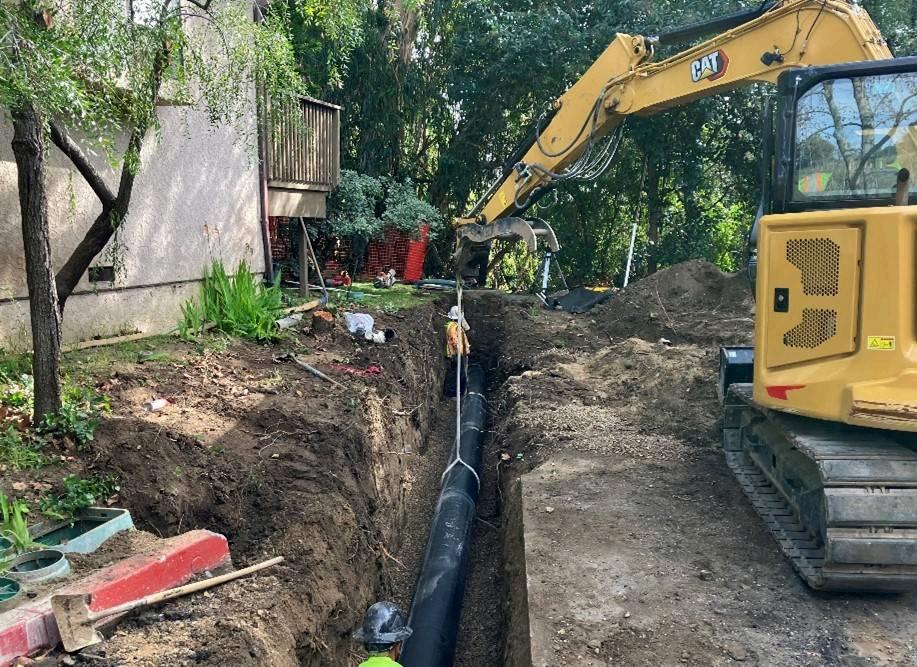
Point Repairs - Wastewater Collections System
Major City Goal:
Project Classification:
Project Type:
Project Description
Recycled Water Orcutt Street - Fernwood to Laurel Infrastructure and Sustainable Transportation Maintenance Asset Maintenance
TheCitycontinues to expandtherecycledwatersystemthat is currentlycomprised ofone distributionzone, one booster-pumpstation, one tanklocated at theWRRF.Thisprojectwillinstallcriticalinfrastructure needed to serveirrigationservices alongLaurelLaneand class1bikepath.Theobjective of theproject is to expandtherecycledwaterdistributionsystem, and meettheincreaseddemandsfor recycledwater to irrigate public parks.The newpipe systemwillmeetstandardsset by theAmericanWaterWorksAssociation(AWWA) and the State’s regulatory requirements.
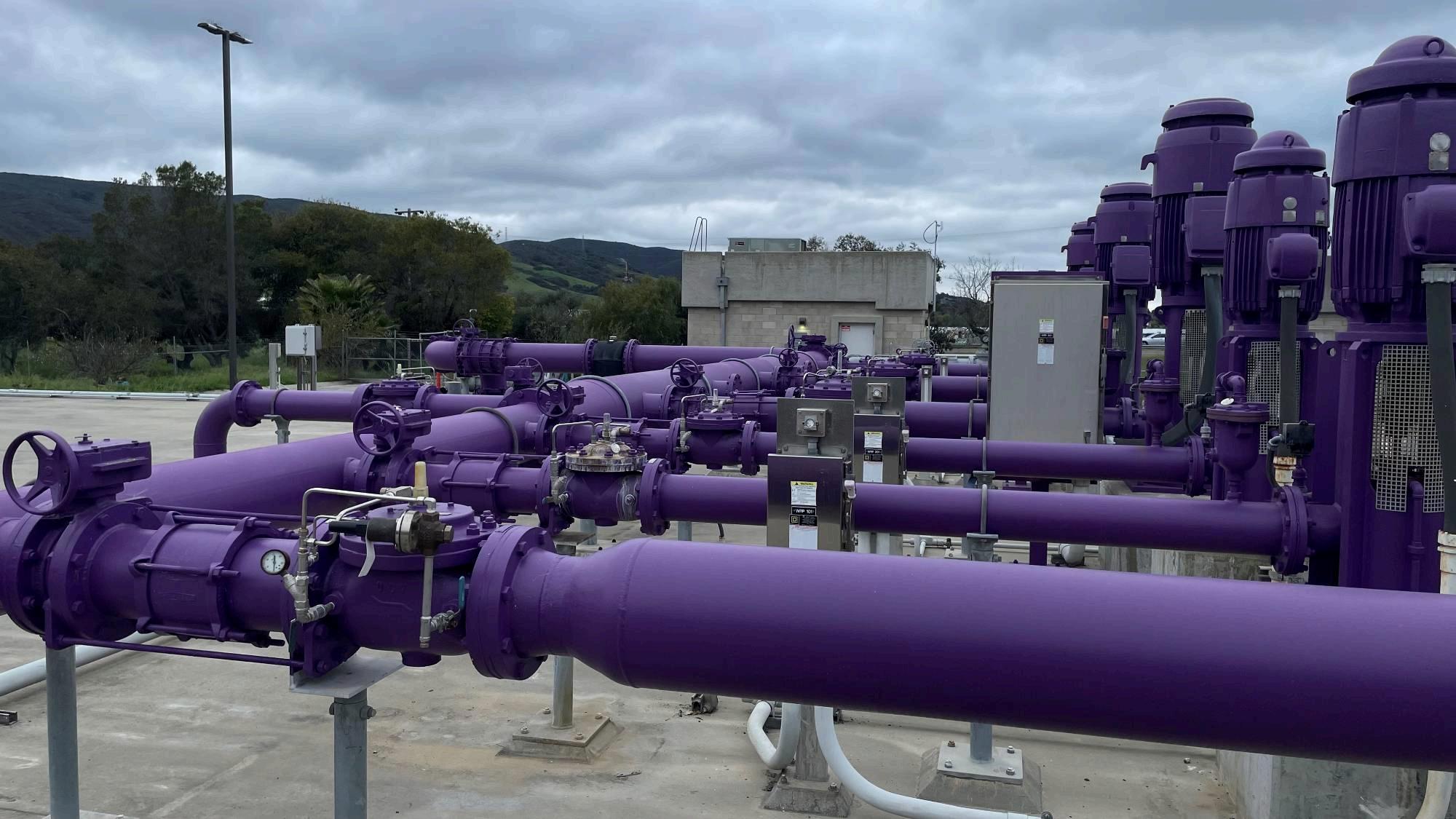
Recycled Water Orcutt Street - Fernwood to Laurel Water Fund (601)
1,900,000
Major City Goal:
Project Classification:
Project Type:
TheCityoperates and maintainstherecycledwatersystemthat is currentlycomprised ofone distributionzone, one booster-pumpstation, and aconcretetanklocated at theWRRF.Thisprojectwillinstallcriticalinfrastructure needed to reconstructchemicaldosingpumps and piping systems of therecycledwaterstoragetank.Theobjective of theproject is to improvethechemicaldosingprocess,monitorthe disinfectionperformance in thedistributionsystem, andprepareengineering studies required by theRegional Board forregulatory compliance. The project also includes installation of security fencing and replacement of telemetry components.
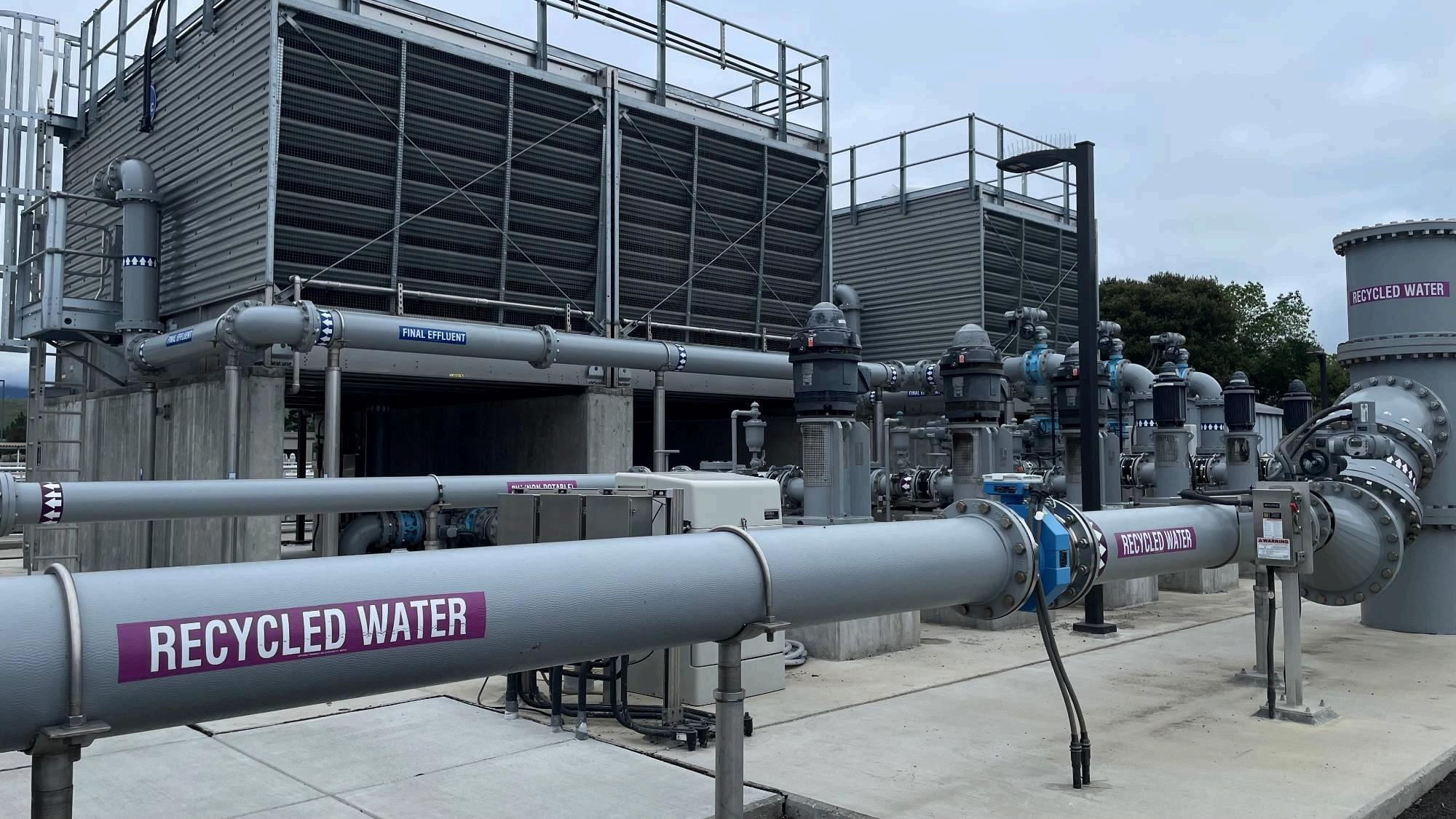
Project Classification:
Project Type:
Theprojectincludesreplacement of ultraviolet bulbsand calibration of disinfectionvessels and control panelsneeded to disinfectWRRF effluent water used by the City's Recycled Water System.
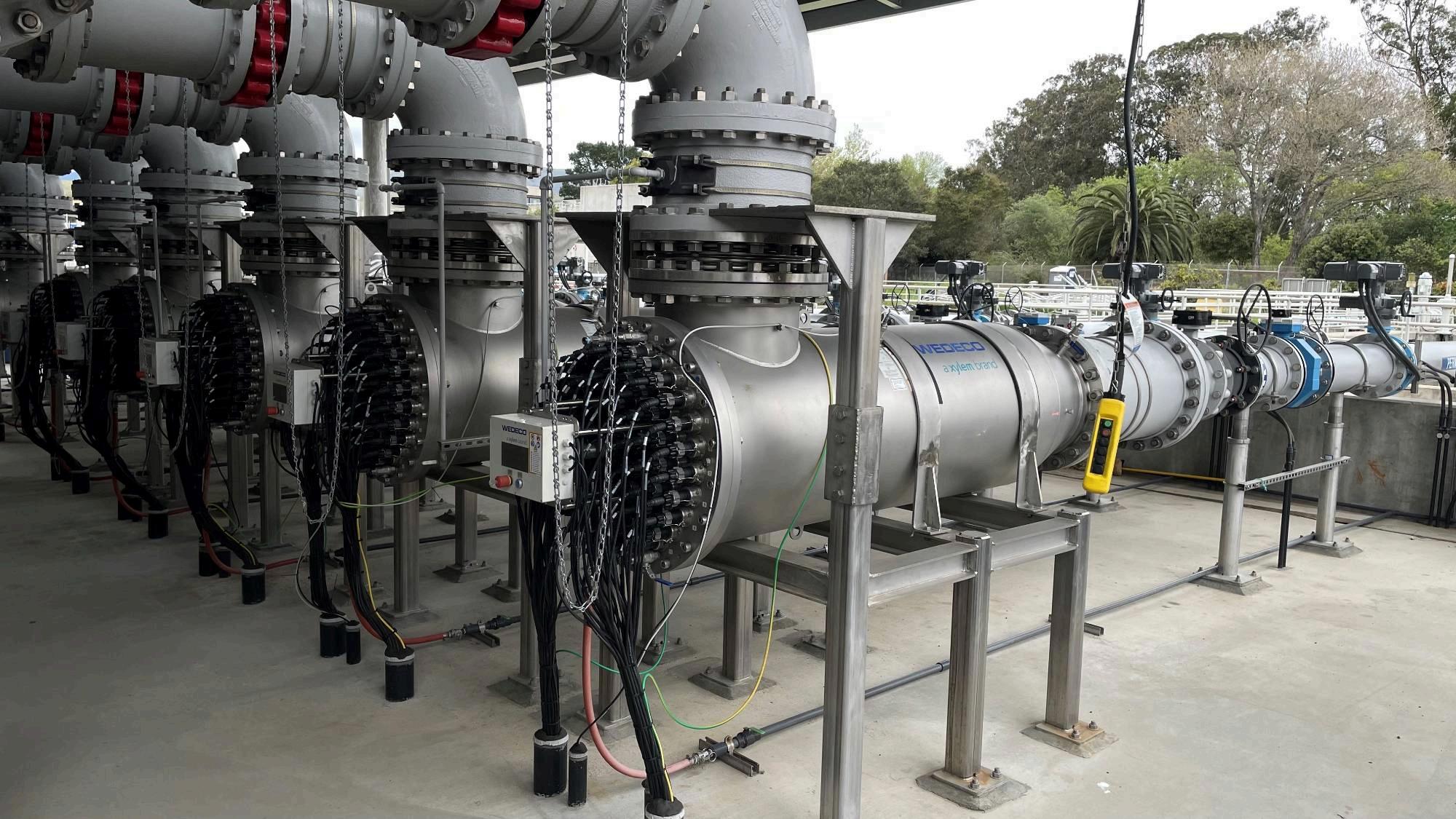
Facility Replacements
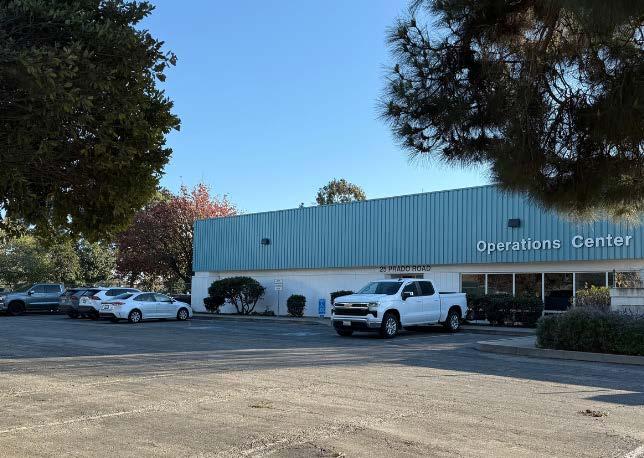
Thisprojectinvolvesreplacing aging diesel-poweredcutawaybusesthathaveexceededtheirusefullifewithbattery-electricequivalents, supporting the City’s transition to a more sustainable and energy-efficient fleet.
SLO Transitoperates an ADAvanused by contractedstaff to transport eligible riders and to respond to callsforservice. SLO Transitalso operatesacutaway bus to deliverfixedroute and tripperservices.Thisprojectwillreplacetheexistinggasoline-poweredADAvan and cutaway bus vehicles,whichhavebothmetthe endof theirusefullife,withbatteryelectricequivalents.Thisproject isin compliancewiththe City's Fleet Replacement Policy and SLO Transit's Zero-Emission Rollout Plan.
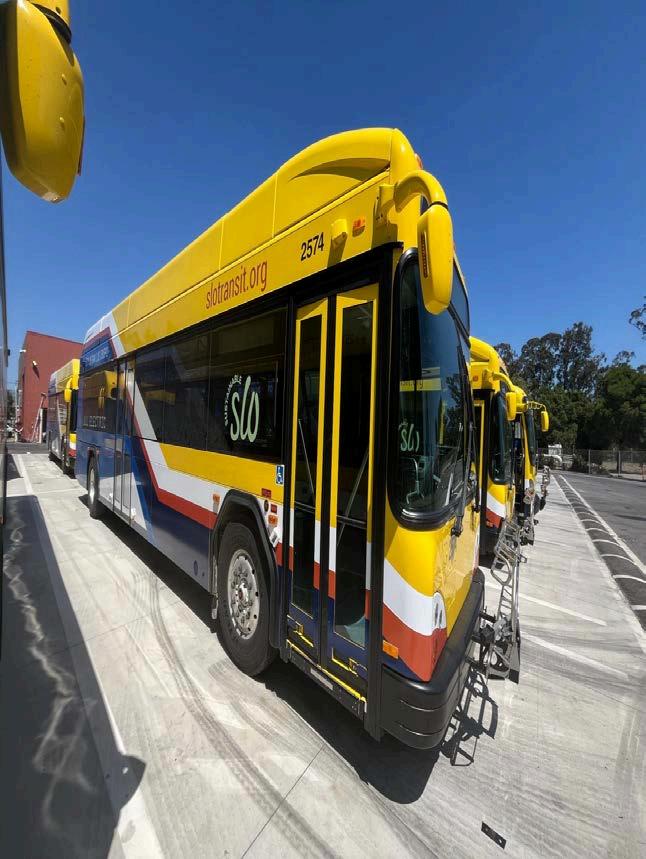
Transportation Monitoring & Modeling Update
Infrastructure and Sustainable Transportation Transportation Asset Maintenance
Project Description
As required under the General Plan CirculationElement(Policy7.7),theCityconductsauto/bicycle/pedestriantrafficvolumecountscitywide everyotheryear to monitormodeshiftchanges and trafficpatternsresultingfrom land useprojects,circulationimprovements, and changes in travelbehavior.Up-to-datetrafficcounts help supportavariety ofongoing projects and programs,includingtrackingprogresstowards adoptedmodeshifttargets,supportingtrafficstudies prepared fordevelomententitlementreview and localcirculationstudies,programming trafficsignaltiming, guiding futureroadwayimprovements, and facilitatingtheCity’sTrafficSafety/VisionZero,Operations, and NeighborhoodTrafficManagementPrograms.Thisfundingalsosupports ongoing minorupdates to theCity'sTravelDemandForecasting Model,which are necessaryfor preparing futuretrafficvolumeforecasts and vehiclemilestraveled(VMT)projectionsfordevelopment review and internal planning and monitoring.
2025-2027 Financial Plan
2025-2027 Financial Plan
Major City Goal: Project Classification: Project Type:
Project Description
Infrastructure and Sustainable Transportation Maintenance
Thisprojectwillupdatethecomputermodel of thewaterdistributionsystemthatmonitors pipe capacitiesforexisting and futureflows.The modelwillusebestavailableinformationfrom new developments and comparetheprojectionsagainstflowdataobtainedfromthe SupervisoryControl and DataAcquisition(SCADA).Theflowmonitoringeffortswill be conductedoverseveralmonths to record improvements in pipe integrity and reductions on mainbreaks.Theinformationwill be used to scheduleprioritiesfor new water pipe replacementprojects, and identifywherewaterdemandsmay be restrictingthecapacity of thewaterdistributionsystem.Thisstudywill be particularlyimportantfor properplanningofnew infillhousingdevelopments,hospitalexpansions, and possibleprojects by theuniversity needing additional water capacities.
Ongoing equipmentmaintenance at theWaterTreatment Plant is necessary to prolong theusefullife of thefacilities and ensurestaff’s ability to operatethe plantand treatwater to State and Federalstandards.Thisprojectincludes repairs or replacements to theozone contactbasin and overflow piping system,corroded pipelines, packagethickenerprocessingunit,actiflo-poly blend units,electricalpanels, washwaterreclamation pipe, implementation of assetmanagementsoftware,arc-flashelectricalstudies, andengineering services required for condition assessments of existing infrastructure.
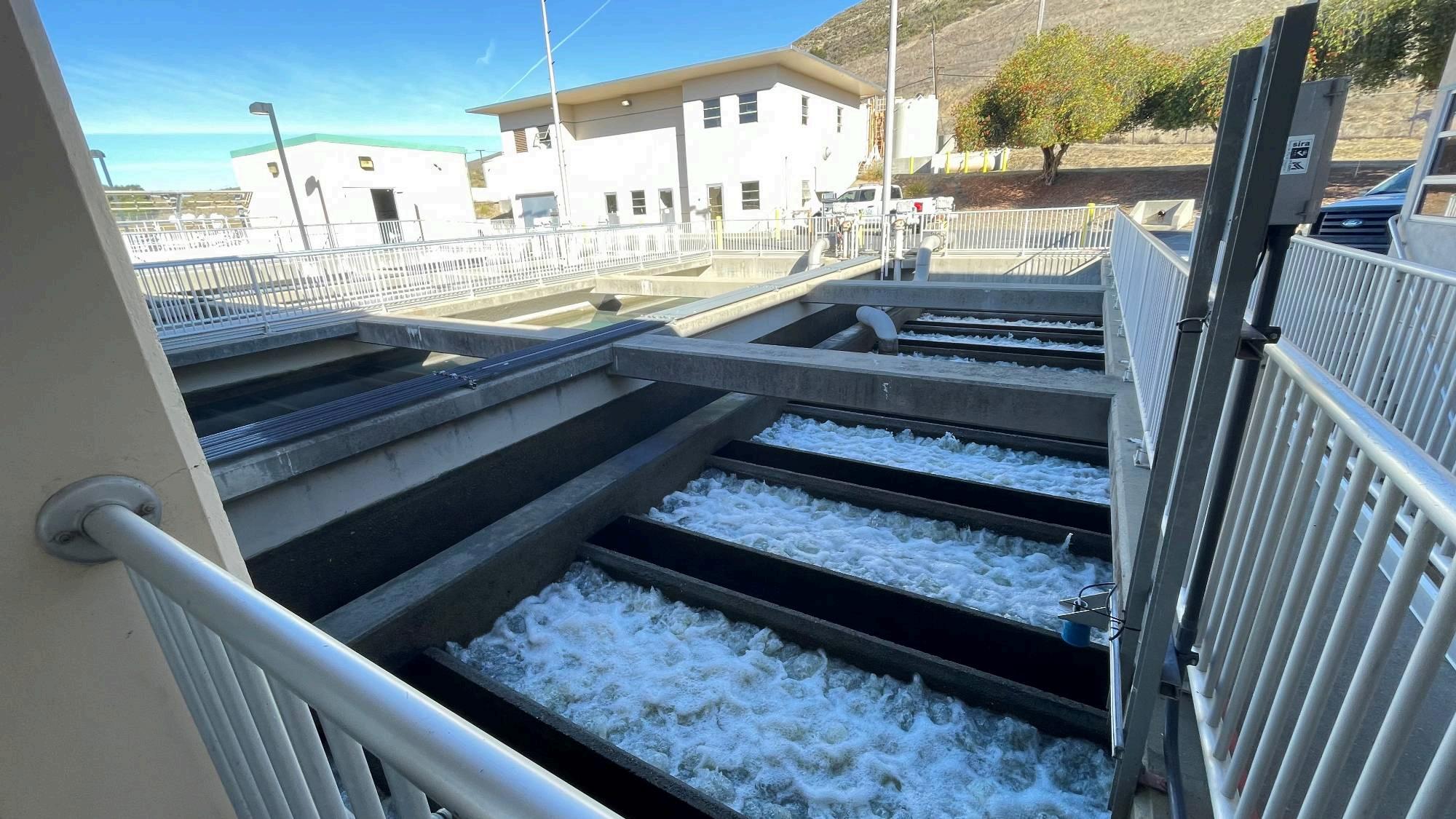
Canyon Waterline Replacement
Major City Goal:
Project Classification:
Project Type:
Project Description
The17.6miles ofpipeline conduitthattransport raw waterfromthe Salinas Reservoir to theCity of San Luis Obispowasinstalled in1960. Giventhe aging infrastructure,thisprojectwillinclude point repairs or replacement ofpipe segmentsthathaveexperiencedcorrosion havefailedthestructuralintegrityassessment in the older transmissionsystem along StennerCreek and northeast of theWaterTreatment Plant.
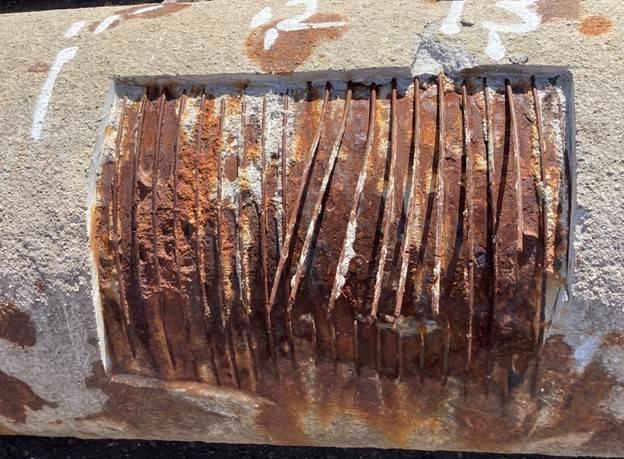
Stenner Canyon Waterline Replacement
Major City Goal:
Project Classification:
Project Type:
TheCityoperatesacomplexpotablewaterdistributionsystemthat is comprised of15 distributionzones, nine potablewaterstoragetanks, tworeservoirs,fivehydro-pneumatictanks,sevenpumpstations, 21 pressurereducingvalves(PRVs) and over 180 miles ofpipe with diameters ranging in sizefromfourinches to 30 inches.Thisprojectwillreplacecriticalinfrastructurethat has reachedthe endof itsuseful life,experiencedwatermainbreaks, and is ranked as a high priorityforreplacement.Theobjective of theproject is to replacecast-iron pipe with24-inchductile iron pipe meetingstandards by theAmericanWaterWorksAssociation(AWWA)withearthquakeresistantjoints, providing resiliency to the distribution network against vibrations and water pressure surges.
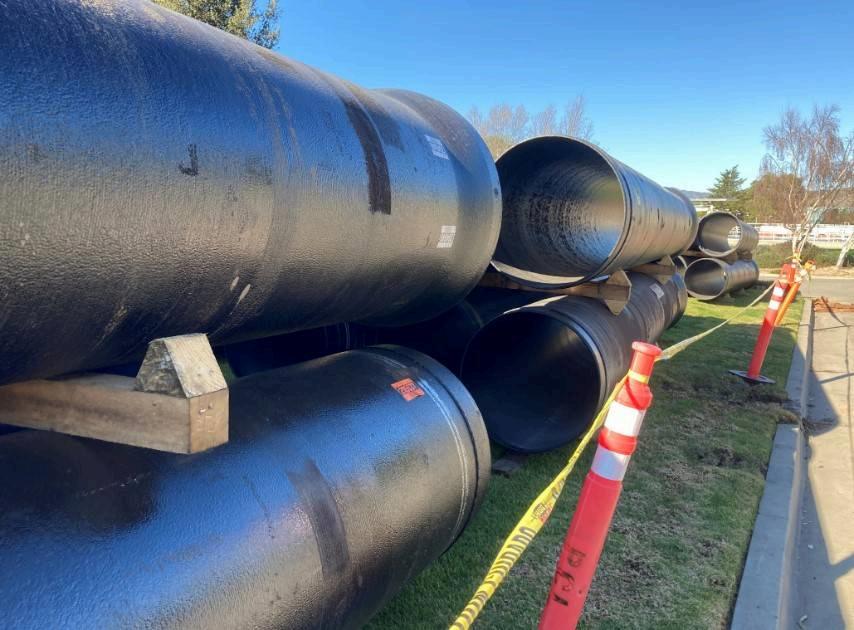
Major City Goal:
Project Classification:
Project Type:
Project Description
Infrastructure and Sustainable Transportation Maintenance Asset Maintenance
Thisprojectwillinstallawaterdistributioninter-tiebetweentwomajorpressurezones along FoothillBoulevard.Thetwopressureszones havetransmission pipelines thatdeliverwaterfromtheWaterTreatment Plant to storagetanks. In theevent of aseismicevent transmissionfailureeachpressurezonewouldprovideresiliency to thecommunity by installingtemporarypumps at connectionsprovided by theinter-tiesystem.Theinter-tiewillmeetstandards by theAmericanWaterWorksAssociation(AWWA)with earthquake resistant joints, which will provide resiliency to the distribution network during emergency conditions.
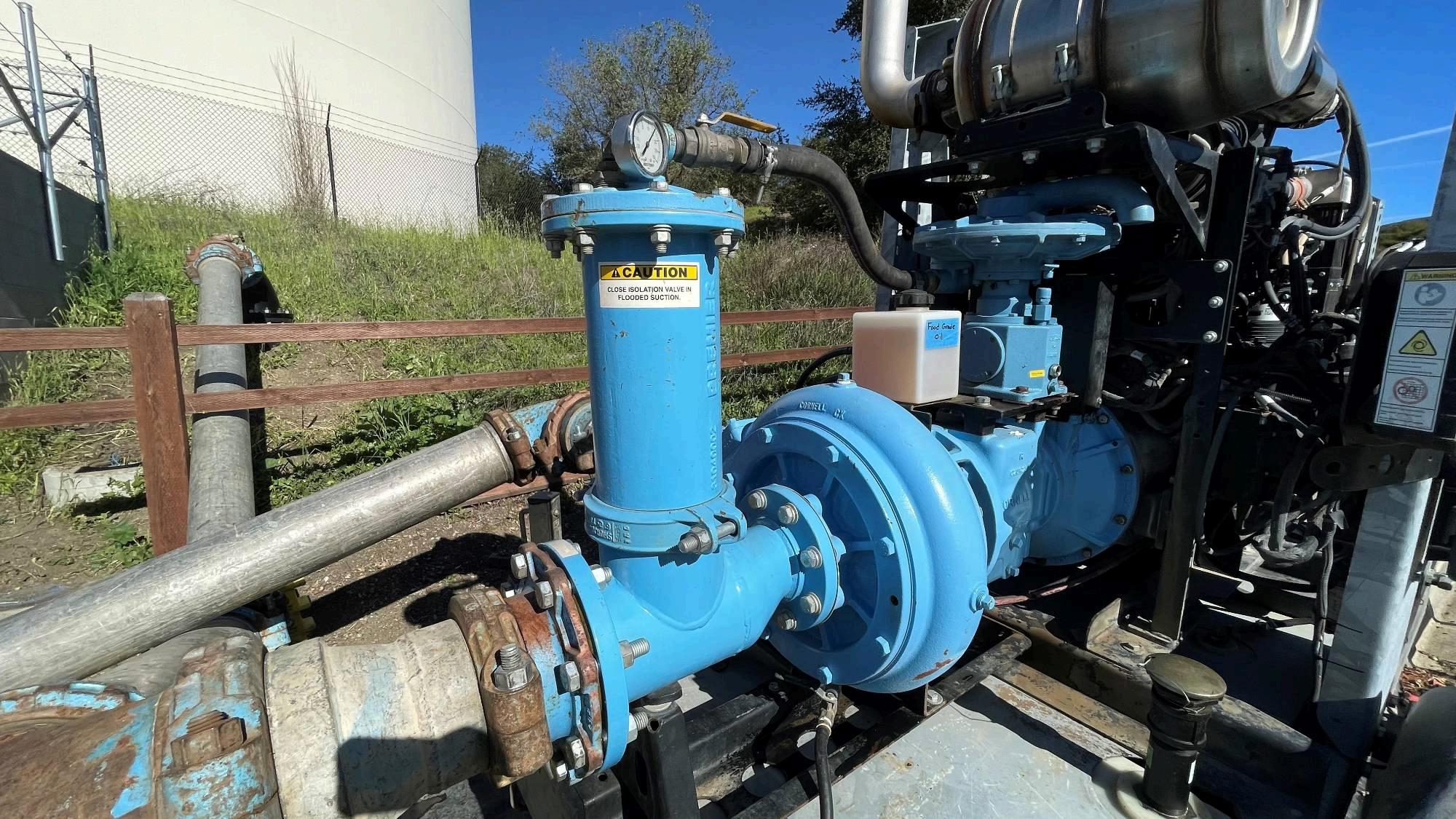
Project Classification: Project Type:
Project Description
Replacement of waterdistributionpipes,mainlines, and relatedinfrastructure is anongoingprogram required fora reliable waterdistribution network.When new developments are completed,thedemandsforwaterservices are tracked by telemetrysystems and used to thecomputermodelsthatassessthepriority of systemmaintenance,replacements, and capacityneeds.Thepurpose of thisproject forecastanticipatedcapitalexpendituresbeyondthe5-yearfinancial plan,and to providestability during thedevelopment of ratesetting studies.
Major City Goal:
Project Classification:
Project Type:
Project Description
The17.6miles ofpipeline conduitthattransportwaterfromtheWhaleRockReservoir(WRR) to theCity of San Luis Obispo,CalPoly, and CaliforniaMen’sColony rely on twomajorwaterpumpstationsconstructed in 1961. An assessment of thewaterpumpstations (PSA and PSB) is required to replacetheelectricalsystems and pumps, andupgrade the building structure to meet newbuilding codes and site access requirements. Thisprojectwillfund engineering studies,design of constructiondocuments, and implementation of infrastructure upgrades. Thereplacement of thepumpstation is needed to ensurewaterdeliveriescan be made to theCity of San Luis Obispowhenother water reservoirs are taken out of service for regular maintenance.
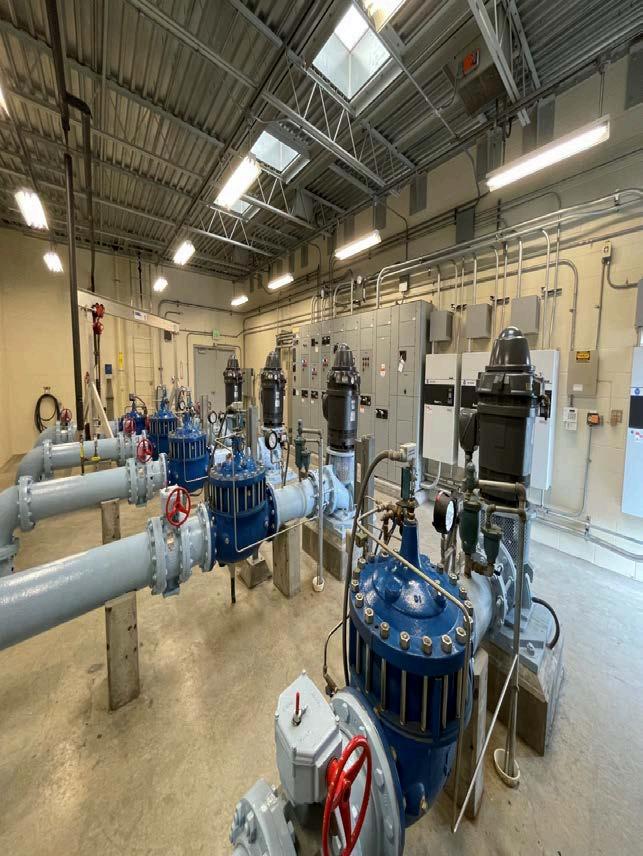
Project Classification:
Project Type:
TheCity’sWaterResourceRecoveryFacility(WRRF) long-range plan identifiedthe need for energy production, energy efficiency, and the reduction of electricalimports duringpeak demands. One of thosepriorityprojects, or Energy ConservationMeasures(ECM's), is the expansion ofbiogas production and theaddition of a new cogenerationunit.Thisprojectwillstudythefeasibility of increased bio-gas productionthroughfieldstudiesforoptimization of the new digester’sheating and mixingsystemsconstructed in 2025. Thestudieswill result in a plan to increasemethaneproduction, and convert biogas intoelectricalpowerusingacogenerationunit,whilestaying in compliancewithemissionregulations.ThisprojectwillcoordinatewiththeCaliforniaResiliencyChallenge and theDepartment of Energy’s models to consideralternativesforsustainablepowersolutions and increaseelectricalpowerproductionusingthebestavailable technologies.Thisprojectwillfund engineering studies,design,environmentalclearance,permitting, grant applications, and construction of the new infrastructure.
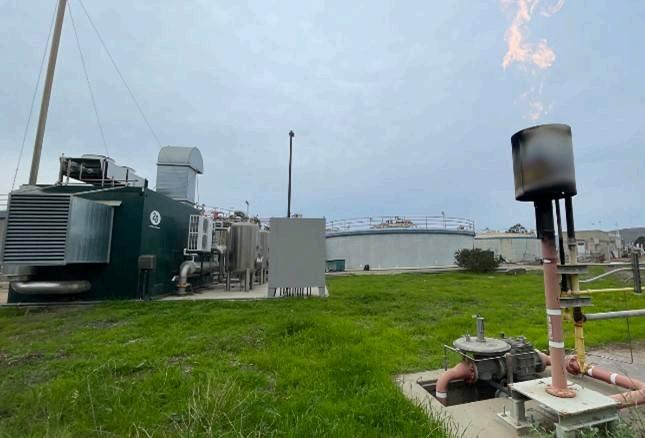
Project Type:
Project Description
Project Name
Fleet Replacement: Police
Infrastructure and Sustainable Transportation
Fleet
Asset Replacement
ThisprojectfundingreplacesexistingCityvehicles in compliancewithrevisedFleetReplacement Guidelines. RevisedFleetReplacement Guidelines includetheevaluation of thefollowingcriteria:EmissionCompliance, Engine Hours,Mileage, Age, KnownManufacturer Problems,RepairCostHistory,Utilization, and FleetSystemAnalytics.Additionally,the ageand mileagereplacementtargetshave been extendedfor all vehicle and equipmentcategorieswithinthefleet.Newvehicle and equipmentreplacements are selectedwiththecleanest emissions systems possible that can be fueled and/or charged locally while meeting the end users' operational needs.
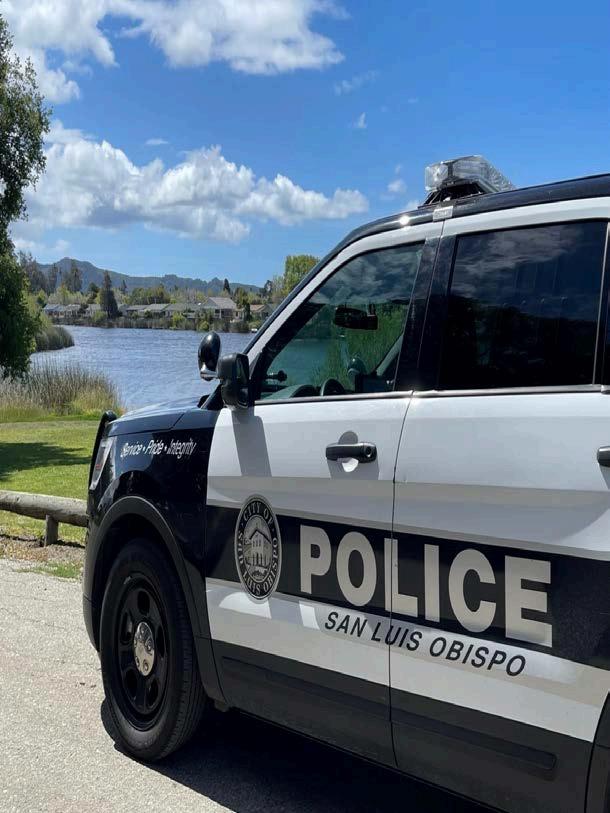
Police Investigations Enclosed Trailer (0115)
(Fleet Repl 402)
Public Safety Mobile Command Vehicle/City EOC
Revenue Measure (Capital Outlay 401)
SWAT Trailer Enclosed, 2 Axle, Complex (0845)
Capital Outlay (Fleet Repl 402)
Communications Lieutenant Vehicle (NEW) Capital Outlay (Fleet Repl 402)
Truck to tow the Mobile Command Trailer
Capital Outlay (Fleet Repl 402)
Investigations Mini Van (1614) Hybrid
Local Revenue Measure (Capital Outlay 401)
Police Investigations Sedan (1016)
Capital Outlay (Fleet Repl 402)
Police Motorcycles (1602, 1603)
Capital Outlay (Fleet Repl 402)
Patrol SUV (2 to 4 Vehicles)
Capital Outlay (Fleet Repl 402)
3.7L AWD Police Sedan (1638)
Capital Outlay (Fleet Repl 402)
Investigations Sedan (1533)
Capital Outlay (Fleet Repl 402)
Investigations Sedan (1628)
Capital Outlay (Fleet Repl 402)
Investigations Sedan (1635)
Capital Outlay (Fleet Repl 402)
Police Transport Van (0222)
Capital Outlay (Fleet Repl 402)
Investigation Sedan (1532)
Capital Outlay (Fleet Repl 402)
Investigations SUV (1535)
Local Revenue Measure (Capital Outlay 401)
Investigations SUV (1601)
Capital Outlay (Fleet Repl 402)
PD Motors Unit #M1 (2205)
Capital Outlay (Fleet Repl 402)
PD Motors Unit #M1 (2206)
Capital Outlay (Fleet Repl 402)
PD Motors Unit #M1 (2207)
Capital Outlay (Fleet Repl 402)
Police FST Truck (1633)
Capital Outlay (Fleet Repl 402)
Admin sedan (1531) EV
Capital Outlay (Fleet Repl 402)
Admin sedan (1534)
Capital Outlay (Fleet Repl 402)
Captain SUV (1715)
Capital Outlay (Fleet Repl 402)
Motorcycle (1817)
Capital Outlay (Fleet Repl 402)
Project Classification:
Project Type:
Project Description
Project Name
Fleet Replacement: Fire
Infrastructure and Sustainable Transportation Fleet Asset Replacement
Thisfundingsupportsthereplacement of existingFireDepartmentvehicles in accordancewithupdatedFireFleetReplacement Guidelines. These guidelines includeevaluationcriteriaspecific to fireservicedemands,such as EmissionCompliance, Engine Hours,Mileage, Age, KnownManufacturerIssues,RepairCostHistory,Utilization, and FleetSystemAnalytics.Giventhecriticalnature of emergencyresponse operations,the guidelines alsoconsideroperational readiness and responsecapability.Additionally, ageand mileagereplacementtargets have been extendedacross all fireapparatus and supportvehicles to ensurecontinuedservice reliability whileoptimizingreplacement cycles.
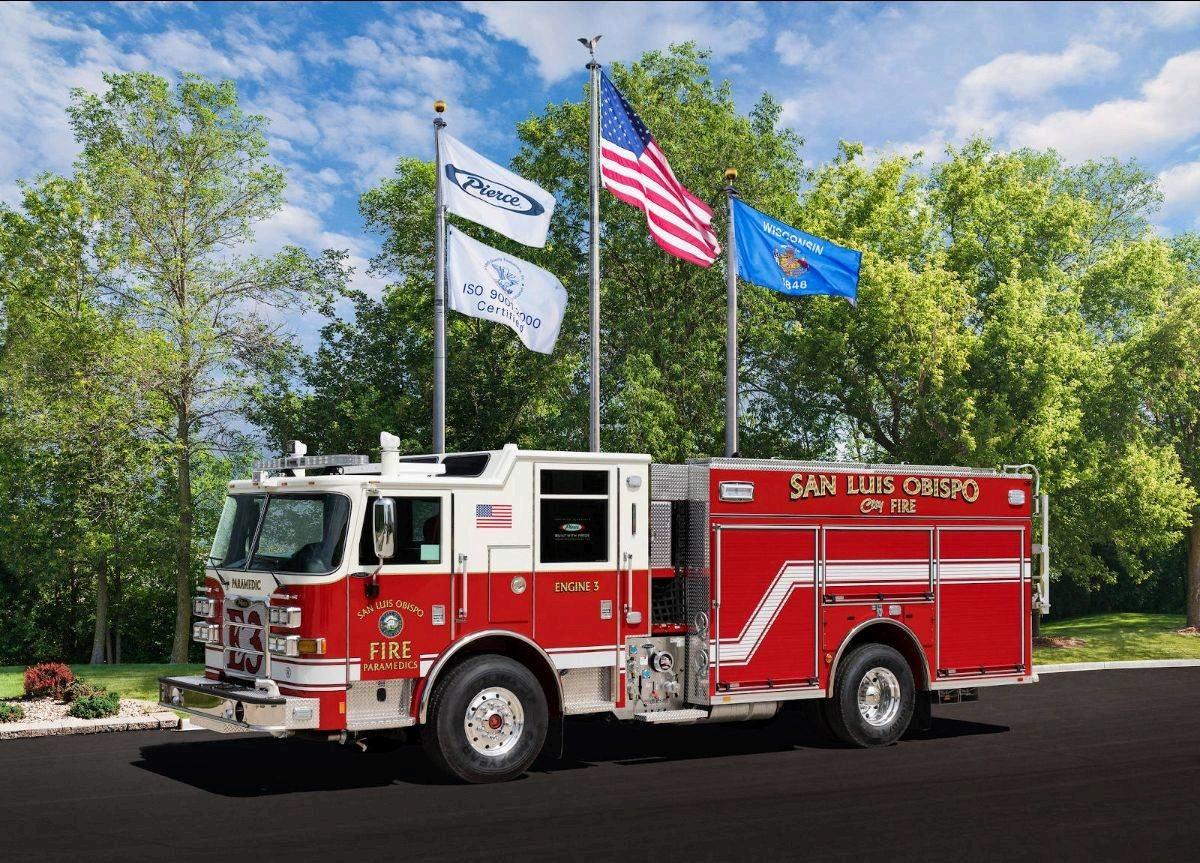
Fire Truck 1 - Tiller Ladder Truck (Replacement) (1017)
1/2 Ton SUV - Battallion Chief Vehicle (1706)
1/2 Ton SUV - General Utility Vehicle (1406)
Outlay (Fleet Repl 402)
Truck 2 - Quint (Replacement) (1814)
(Fleet Repl
SUVs (2) (Light Fleet) (1503, 1502)
Capital Outlay (Fleet Repl 402)
Cart Utility w/ Dump Bed (1802)
Capital Outlay (Fleet Repl 402)
Medic Rescue (Ambulance) (1822)
Capital Outlay (Fleet Repl 402)
Patrol - Type VI Fire Engine
Local Revenue Measure (Capital Outlay 401)
Small SUVs (2) (1604,1605)
25,000
350,000
(Fleet Repl 402)
Station 5 Fire Apparatus Local
Pickup Truck 3/4 (1821)
Pickup Truck 1/2 (1719)
Pickup Truck 3/4 (2221) Capital Outlay (Fleet Repl 402)
Pickup Truck 1/2 (0702)
Pickup 1/2 ton (0801)
1/2 Ton 4x4 (2208) Capital Outlay (Fleet Repl 402)
SUV 1/2 Ton 4x4 (2202) Capital
(1626)
Major City Goal:
Project Classification:
Project Type:
Project Description
Infrastructure and Sustainable Transportation Fleet Asset Replacement
ThisprojectfundingreplacesexistingCityvehicles in compliancewithrevisedFleetReplacement Guidelines. RevisedFleetReplacement Guidelines includetheevaluation of thefollowingcriteria:EmissionCompliance, Engine Hours,Mileage, Age, KnownManufacturer Problems,RepairCostHistory,Utilization, and FleetSystemAnalytics.Additionally,the ageand mileagereplacementtargetshave been extendedfor all vehicle and equipmentcategorieswithinthefleet.Newvehicle and equipmentreplacements are selectedwiththecleanest emissions systems possible that can be fueled and/or charged locally while meeting the end users' operational needs.
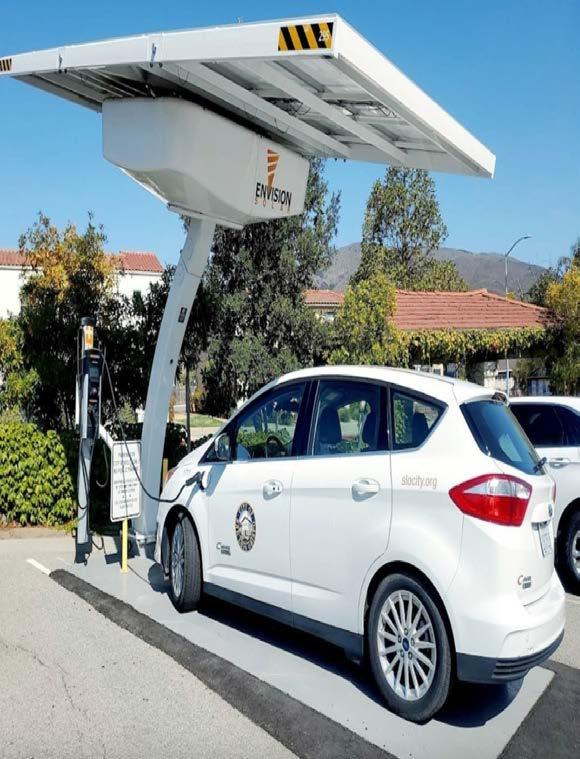
Natural Resources Pickup Truck 4x4 (1520) EV
Thisprojectwillsupporttheinitialprogrammingfortheexpansion of aquaticamenities at thecurrent SLO SwimCenter, as outlined in the P&R Blueprint and in response to community and PRC feedback.
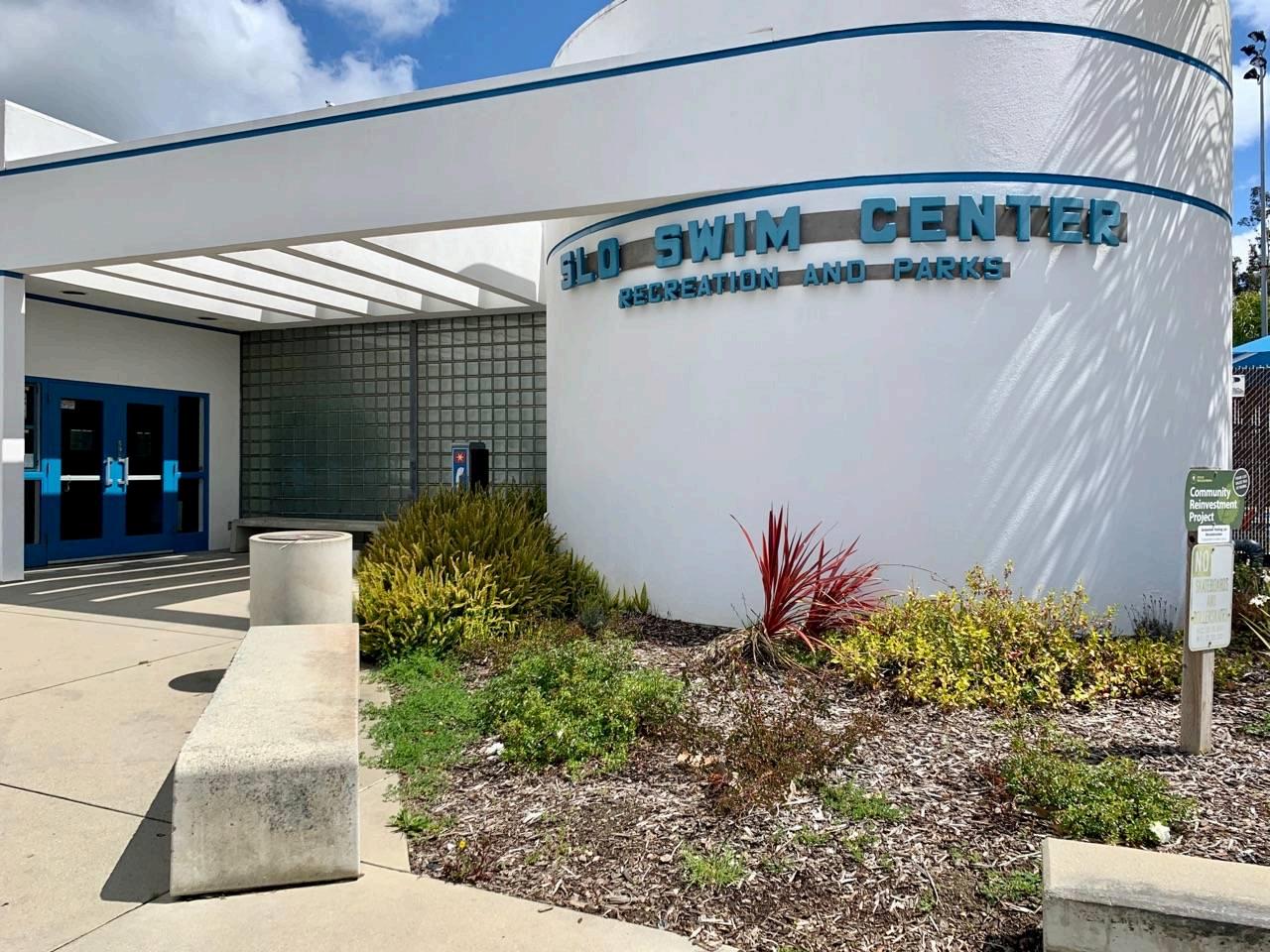
Project Number
2000561
Major City Goal:
Project Classification:
Project Type:
Project Description
Project Name
Sewer-main Replacement: Morro, Mill, Santa Rosa, and Chorro
Infrastructure and Sustainable Transportation Maintenance Asset Replacement
TheCity’swastewatercollectionsystemincludesapproximately 140 miles of sewermains.Some pipesare over 100 years old,andare undersized to handle thecurrentflowrates.Maintenance needs increasedramatically aspipelines reachtheirflowcapacities, or whenthey approachthe endof theirusefullife. Pipelines in the public wastewatercollectionsystem are inspectedusingspecializedvideoequipment to prioritize periodic cleaningfrequencies or recommendacompletereplacement.Based on theassessment,thisprojectwillreplacesewer mainsdatingback to 1948 that require high cleaningfrequencies,haveexperiencedstructuralfailures due to root intrusions, and have shown high infiltrationflowsrates during majorstormevents.Additionalfunding is requestedfortheexisting appropriation to covercost escalationsexperiencedwithproviding labor, equipment, and materialsfortheconstruction of this high-priority project, and to replacesmall water service lines damaged during the construction of the new sewer main.
Morro, Mill, Santa Rosa, Chorro Pipeline Replacement
Major City Goal:
Project Classification:
Project Type:
Project Description
Infrastructure and Sustainable Transportation Maintenance
Maintenance
TheCityoperatesacomplexpotablewaterdistributionsystemthat is comprised of15 distributionzones, nine potablewaterstoragetanks, tworeservoirs,fivehydro‐pneumatictanks,sevenpumpstations, 21 pressurereducingvalves(PRVs) and over 180 miles diameters ranging in sizefromfourinches to 30 inches.Thisprojectwillreplacecriticalinfrastructurethat has reachedthe endof life,experiencedwatermainbreaks, and is ranked as a high priorityforreplacement.Theprojectwillreplaceacriticaltransmissionmain crossingHighway 101 with newpipe meeting new standards by theAmericanWaterWorksAssociation(AWWA), and provideresiliency the distribution network against variations in pressure and flows.
Major City Goal:
Project Classification: Project Type:
The ProShop is located at theentrance of the Laguna Lake Golf Course and housesconcessions as well as equipmentavailablefor purchase, in addition to Golf Coursestaff.The building wasdamaged during aseries of winterstorms in 2021,andnow thathazardous materialshave been removed, rehabilitation of the ProShop can begin. Thisprojectproposesatenantimprovement of the ProShop, including new interiorfinishes,offices and concessionaire.Site drainagearound the building willalso be addressed to minimizethepotential for flood damage to occur again.
2000570
Major City Goal:
Project Classification:
Project Type:
Project Description
Sewer-main Replacements: Taft, Hathaway, Phillips, Buena Vista, and Loomis
Infrastructure and Sustainable Transportation Maintenance
Asset Replacement
TheCity’swastewatercollectionsystemincludesapproximately 140 miles of sewermains.Some pipesare over 100 years old,andare undersized to handle thecurrentflowrates.Maintenance needs increasedramatically aspipelines reachtheirflowcapacities, or whenthey approachthe endof theirusefullife. Pipelines in the public wastewatercollectionsystem are inspectedusingspecializedvideoequipment thatwillprioritize periodic cleaningfrequencies or recommendacompletereplacement.Based on theassessment,thisprojectwillreplace sewermainsdatingback to 1955 thatmake up portions of thebackbonesystemcrossingHighway 101and haveshown high infiltration flows rates during major storm events.
2000570 - Sewer-main Replacements: Taft, Hathaway, Phillips, Buena Vista, and Loomis
Major City Goal:
Project Classification:
Project Type:
Sewer-main Replacements: San Jose, Ramona, Monte Vista, and California
Infrastructure and Sustainable Transportation Maintenance
Asset Replacement
TheCity’swastewatercollectionsystemincludesapproximately 140 miles of sewermains.Some pipesare over 100 years old,andare undersized to handle thecurrentflowrates.Maintenance needs increasedramatically aspipelines reachtheirflowcapacities, or whenthey approachthe endof theirusefullife. Pipelines in the public wastewatercollectionsystem are inspectedusingspecializedvideoequipment thatwillprioritize periodic cleaningfrequencies or recommendacompletereplacement.Based on theassessment,thisproject is needed for thereplacement of sewermainsdatingback to 1958 that require high cleaningfrequencies,haveexperiencedstructuralfailures due to root intrusions, and haveshown high infiltrationflowsrates during majorstormevents.Thereplacement of thesewer-mainwillimprovedcapacity constrained areason thenorth partof theCity,whichwillreduceconveyance and treatmentcostsexperienced byhigh flows at theWater Resource Recovery Facility (WRRF).
2000571 - Sewer-main Replacements: San Jose, Ramona, Monte Vista, and California
San Jose, Ramona, Monte Vista, and California Pipeline Replacement
Description
Thisprojectwill upgrade the new PoliceFacility to meetthe needsof thedepartment.Additionalfunding is intended to supportHVAC upgrades to the building.
Thisprojectwillreplace public
upon equipmentlifespan,condition, and organizational requirements.

Project Classification:
Project Type:
Project Description
ThisprojectwillreplaceEnterpriseFundrelatedInformationTechnologyassetsbased upon equipmentlifespan,condition, and organizational requirements.
Project Classification:
Project Type:
Project Description
Project Name
Network IT Replacements
Infrastructure and Sustainable Transportation Information Technology Asset Replacement
Thisprojectwillreplacenetwork-relatedInformationTechnologyassetsbased upon equipmentlifespan,condition, and organizational requirements.

Project Description
In 2021, the City adopted its first Active Transportation Plan (ATP), which identifies policies, programs and projects needed to support a highquality,safe and efficientcitywidebicycle and pedestriantransportationsystem.Elements of theActiveTransportation Plan are implementedthroughprivatedevelopment as well as City-ledprograms and capitalimprovementprojects.Thisprojectfundsthe planning, design and construction of completestreetprojects,includingpedestrianaccessibilityenhancements, new pedestrian and bicyclecrossing improvements, and new and improved bicycle facilities.
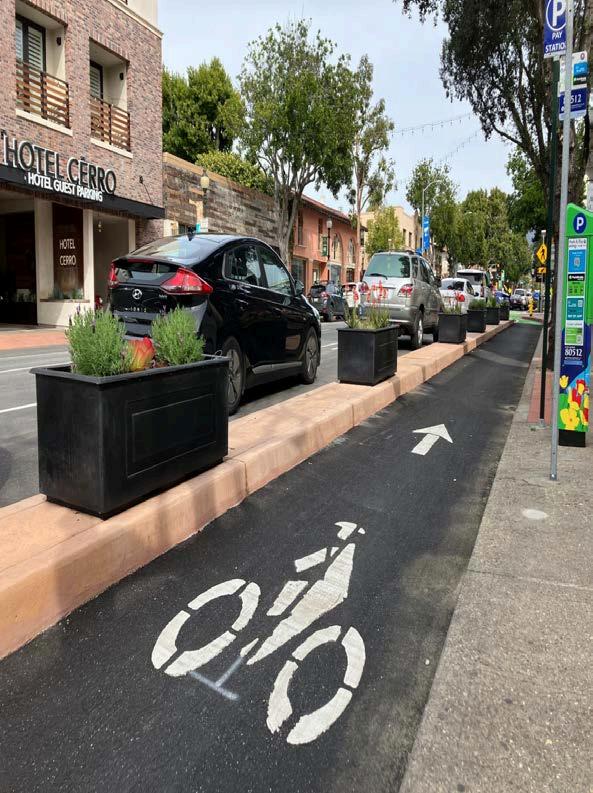
Major City Goal:
Project Classification:
Project Type:
Project Description
Fleet Replacement:
and Sustainable Transportation Fleet Asset Replacement
ThisprojectfundingreplacesexistingCityvehicles in compliancewithrevisedFleetReplacement Guidelines. RevisedFleetReplacement Guidelines includetheevaluation of thefollowingcriteria:EmissionCompliance, Engine Hours,Mileage, Age, KnownManufacturer Problems,RepairCostHistory,Utilization, and FleetSystemAnalytics.Additionally,the ageand mileagereplacementtargetshave been extendedfor all vehicle and equipmentcategorieswithinthefleet.Newvehicle and equipmentreplacements are selectedwiththecleanest emissions systems possible that can be fueled and/or charged locally while meeting the end users' operational needs.

Community Development 2 Sedan & 3 SUV's (1707, 1708, 1712, 1735, 1736)
Major City Goal: Project Classification: Project Type:
Project Description
Project Name
Fleet Replacement: Parking Infrastructure and Sustainable Transportation Fleet
ThisprojectfundingreplacesexistingCityvehicles in compliancewithrevisedFleetReplacement Guidelines. RevisedFleetReplacement Guidelines includetheevaluation of thefollowingcriteria:EmissionCompliance, Engine Hours,Mileage, Age, KnownManufacturer Problems,RepairCostHistory,Utilization, and FleetSystemAnalytics.Additionally,the ageand mileagereplacementtargetshave been extendedfor all vehicle and equipmentcategorieswithinthefleet.Newvehicle and equipmentreplacements are selectedwiththecleanest emissions systems possible that can be fueled and/or charged locally while meeting the end users' operational needs.

Major City Goal:
Project Classification:
Project Type:
Project Description
Pavementmaintenance is anongoingneedand capitalprojectpriority.TheCity’sPavementManagement Plan (PMP),adopted in 1998, providesmaintenancezoneswithintheCity,ensuringstreets are maintained in aneight yearrotation. In 2009, Counciladoptedarevitalized PMPthatalternatesbetweenmaintenance of arterial roads and sealing ofneighborhood streets.TheCitymaintains 135 miles of roadways, and in 2025 will perform maintenance on Tank Farm and Sacramento Streets, as well as Orcutt Road and Calle Joaquin.
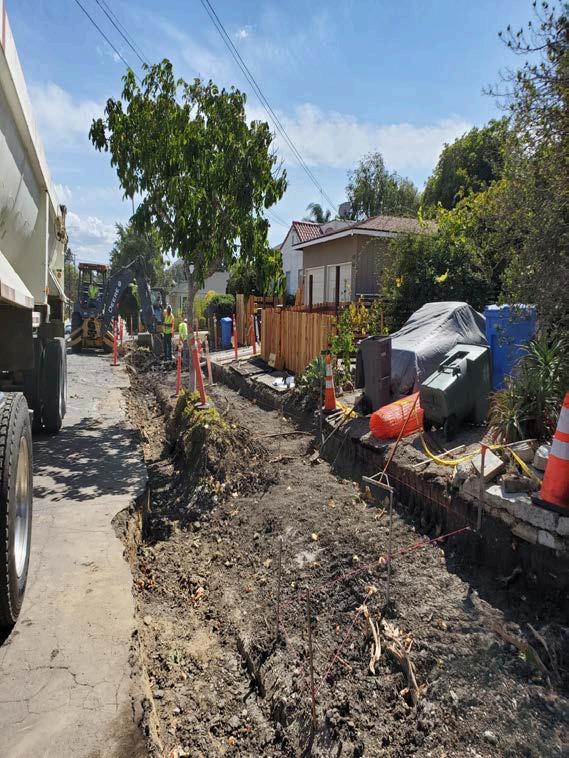
Project Number
2000617
Major City Goal:
Project Classification:
Project Type:
Project Description
Project Name
2026 Paving Project Infrastructure and Sustainable Transportation Maintenance Asset Maintenance
Pavementmaintenance is anongoingneedand capitalprojectpriority.TheCity’sPavementManagement Plan (PMP),adopted in 1998, providesmaintenancezoneswithintheCity,ensuringstreets are maintained in aneight yearrotation. In 2009, Counciladoptedarevitalized PMPthatalternatesbetweenmaintenance of arterial roads and sealing ofneighborhood streets.TheCitymaintains 135 miles of roadways, and in 2026 will perform re-sealing and re-striping of neighborhood streets within pavement areas 2 and 3.
- SB1 Road Repair
2026 Paving Project
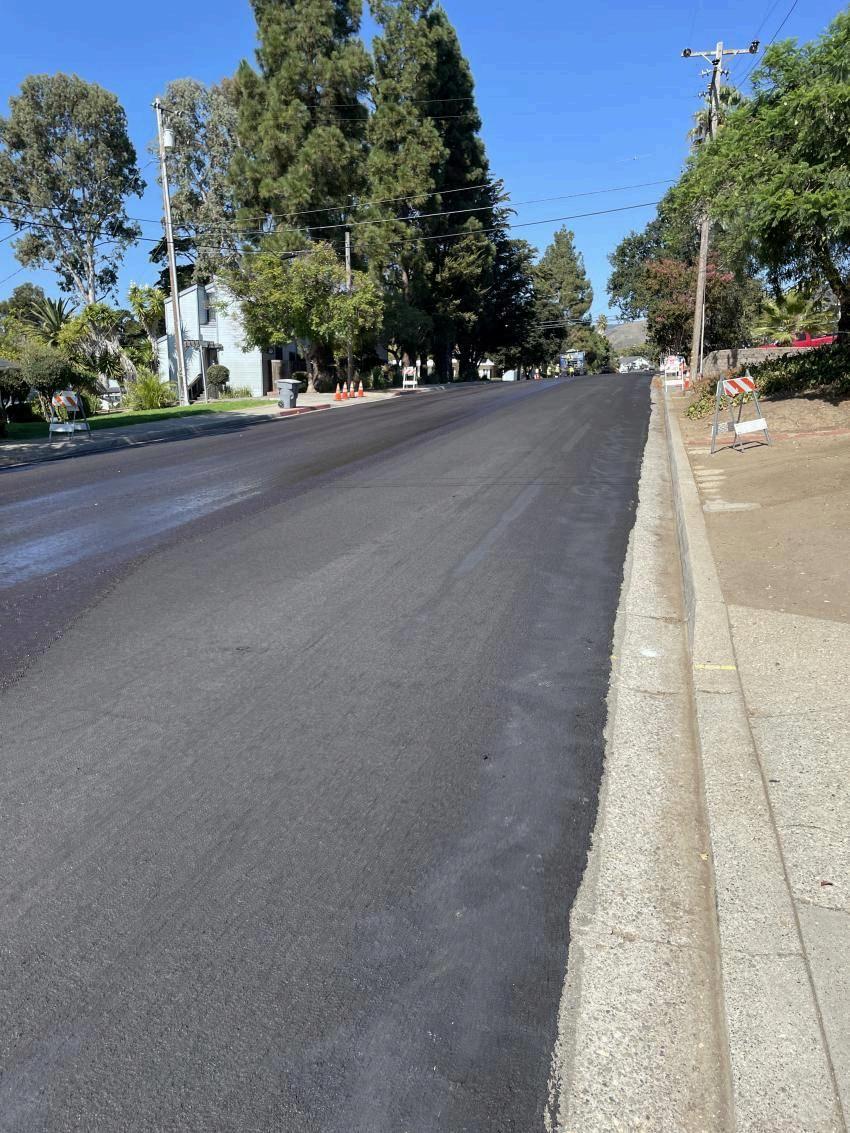
Thisprojectwillsupporttheinitialscoping of acommunitycenterthatwilleffectivelyhostcommunity-focusedprograms,childcare,events and meetings, as outlined in the P&R Blueprint and in response to community and PRC feedback.
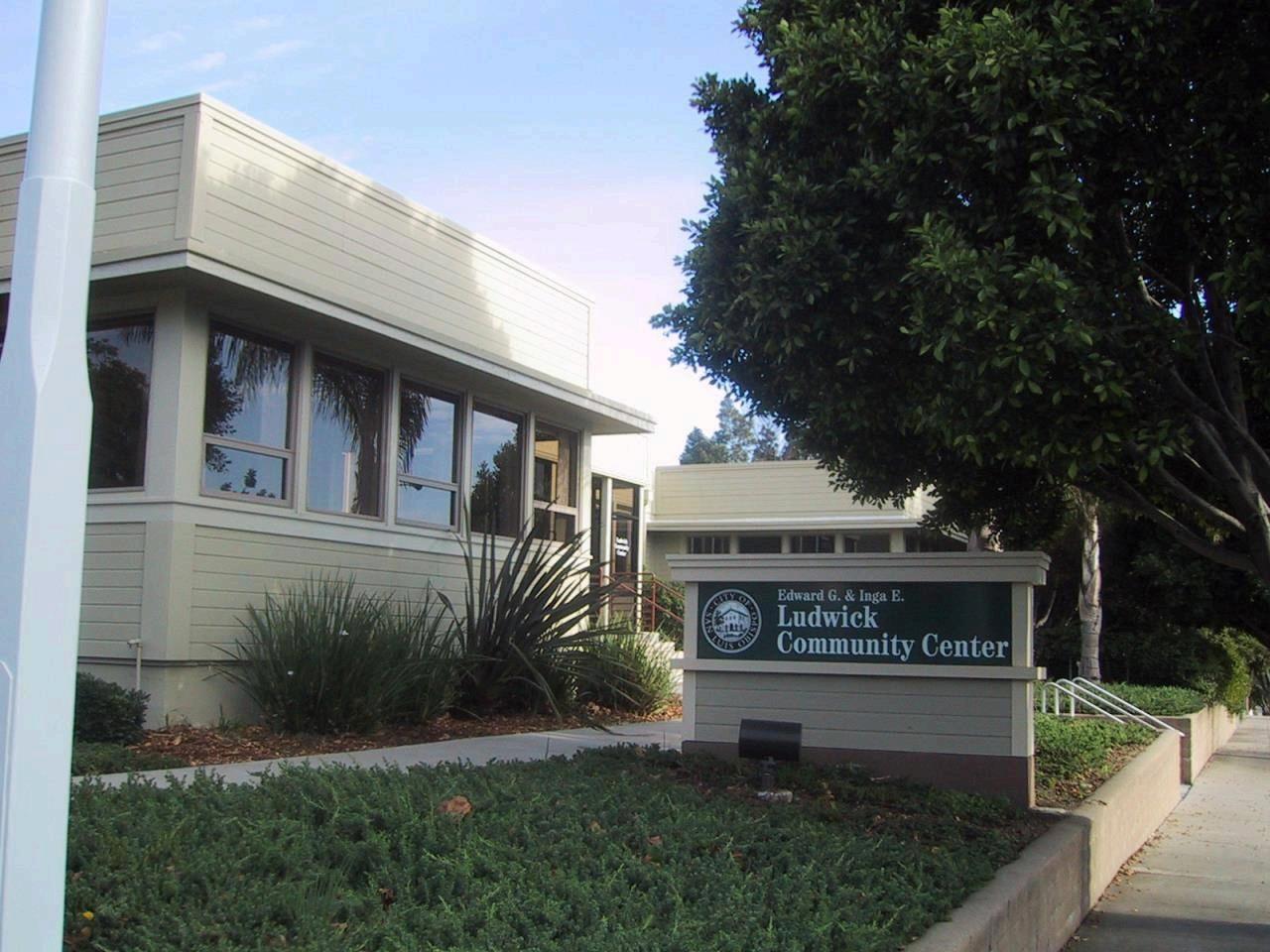
Project Name
Street Reconstruction & Resurfacing
Major City Goal:
Project Classification: Project Type:
Project Description
Pavementmaintenance is anongoingneedand capitalprojectpriority.TheCity’sPavementManagement Plan (PMP),adopted in 1998, providesmaintenancezoneswithintheCity,ensuringstreets are maintained in aneight yearrotation. In 2009, Counciladoptedarevitalized PMPthatalternatesbetweenmaintenance of arterial roads and sealing ofneighborhood streets.TheCitymaintains 135 miles of roadways, and in 2027 willperformpavementmaintenance of Prado Road and SouthHigueraStreet. In 2028, re-sealing and re-striping of Areas 4 and 5 will take place.
2025-2027 Financial
2025-2027 Financial
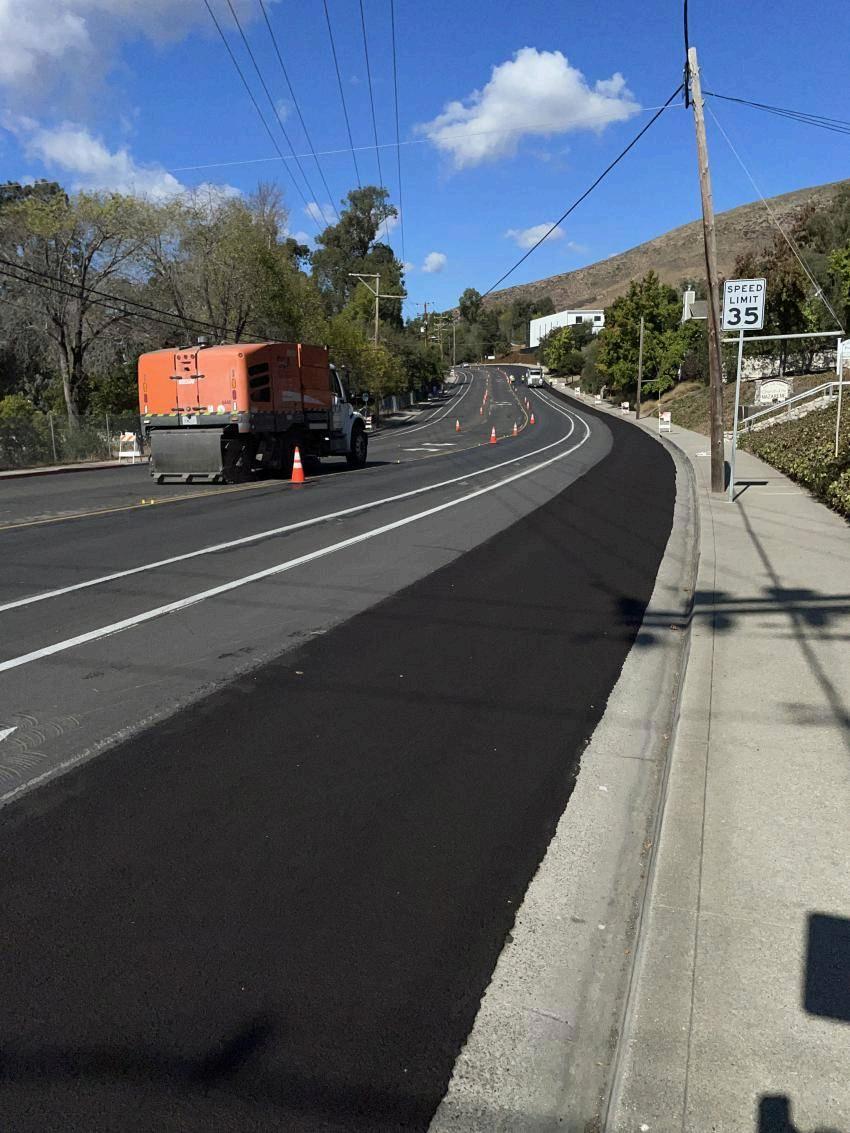
TheCity hasan establishednetwork of streetswithcurbs,gutters, and sidewalks.Thissystemincludesover 200 miles of sidewalk and more than2,400pedestriancrossingpoints at intersections. Ongoing sidewalk and curbrampreplacementinstallations are necessary to support the City’s commitment to maintaining a complete and accessible pedestrian path of travel.
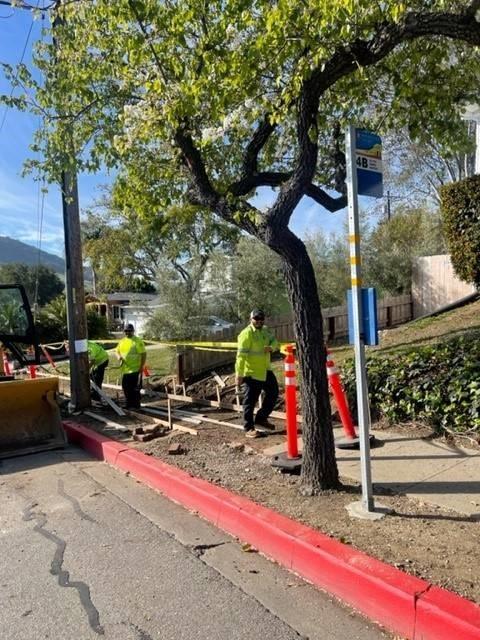
TheCity is responsibleformaintainingapproximately15,000trafficsigns, 134 miles of roadwaystriping, and70 trafficsignals.Thisproject fundsreplacements andupgrades to trafficsigns,refreshingfadedroadwaystriping and pavementmarkings, and maintenance modernization of trafficsignalsystems,such as thereplacement of outdatedsignalcabinets and controllers, upgrades to emergencyvehicle preemption equipment, and accessible pedestrian signals.
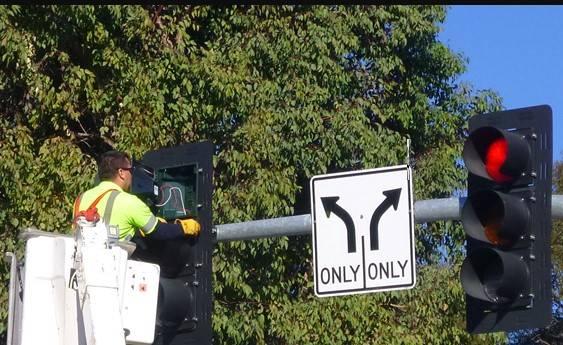
Major City Goal:
Project Classification:
Project Type:
Project Description
Water Distribution Utility
Infrastructure and Sustainable Transportation Maintenance Asset Maintenance
Thisprojectincludes repairs to paved areasby Job Order Contract(JOC) and City’spurchasingpolicieswherewaterdistributionstaff need to remove or repair serviceconnectionswithinthe public right of way.Theprojectwillremovecityownedpolybutyleneserviceconnections, cast iron fittings, and deterioratedwaterpipes, and efficientlyreplaceseveraltemporaryasphaltpatcheswithpermanentpavementusing bulk orders from the JOC.
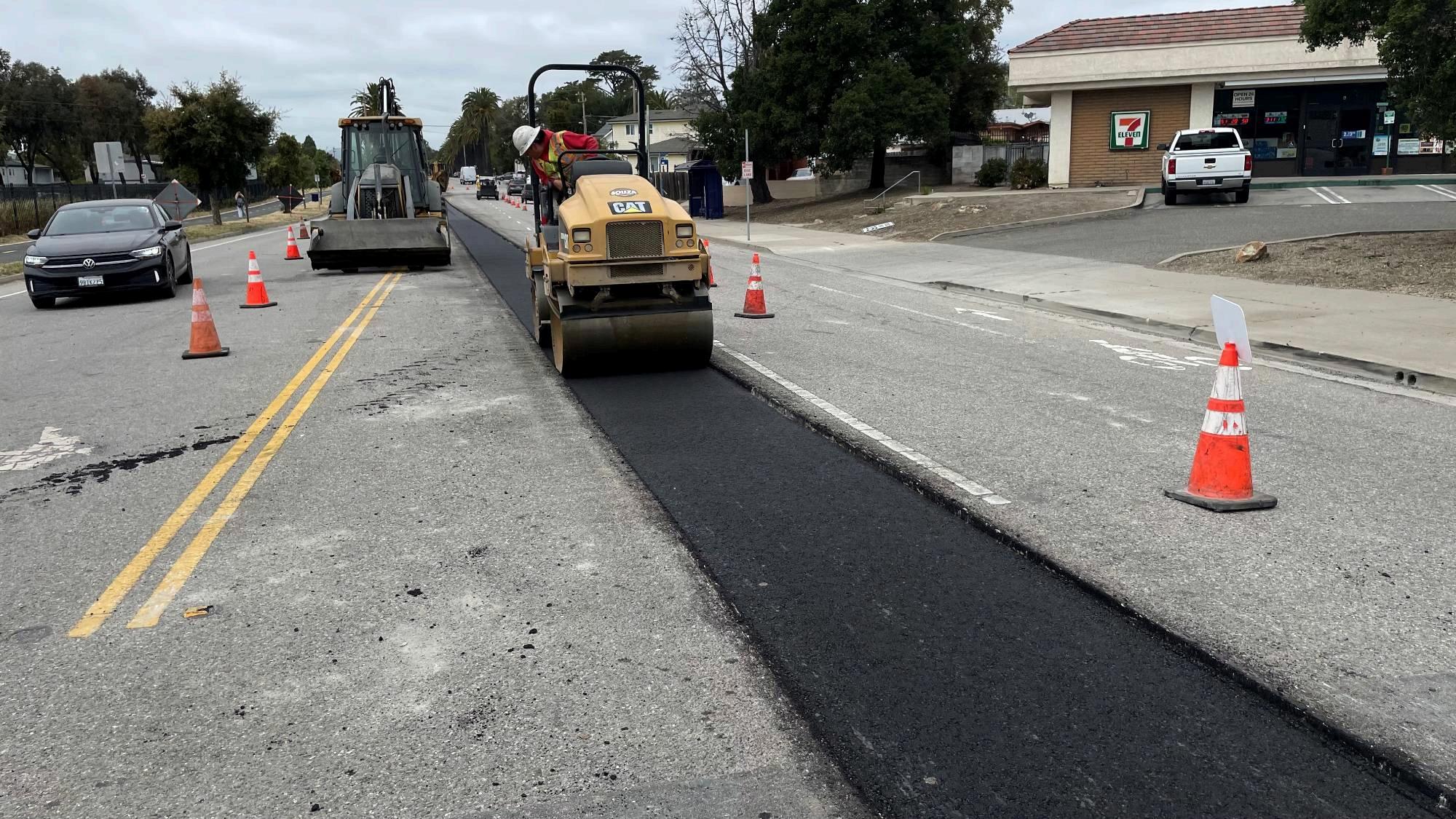
Trench Repairs- Water
Major City Goal:
Project Classification:
Project Type:
Project Description
Thisprojectincludesraising or loweringwatervalvecoverswhen road pavementoperations are performed bypublic workswithinthe public right of way.Theobjective of theproject is to protectexistingwatervalves and accesscoversfromdamage by pavingmachinery, and to efficiently complete paving operations within the roadway.
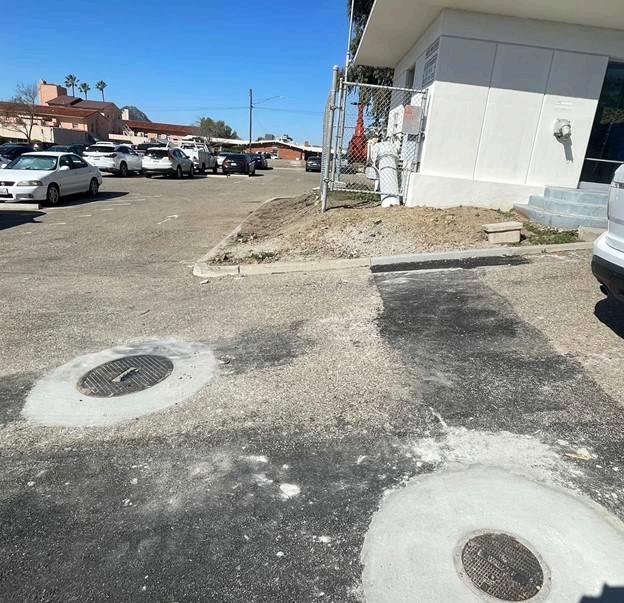
Water Valve Cover Adjustments
2001009
Major City Goal:
Project Classification:
Project Type:
Project Description
WhaleRockReservoirwas originally constructed in 1961. In 2018,an assessmentwascompleted to evaluatethecondition of theDam’s spillway and relatedinfrastructure per requirements set by theDivision of Safety of Dams(DSOD).Therecommendations by the assessmentincludecapitalimprovementprojects required to operatethefacility in asafe and reliable manner per DSOD requirements. Additionally,the ongoing maintenance of thefacility and associatedinfrastructure at theWhaleRockReservoir are necessary to prolong the usefullife of thefacilities and ensurestaff’sability to operatethe damand deliverwater to theCity.Thisprojectwillfund all necessary studies, engineering design,permitting,environmentalclearance, and construction of theproposedimprovements required to address annual inspectionreports preparedby DSOD and CityStaff.Theimprovementscurrentlyidentifiedinclude,stillingbasininspection and repairs,spillwayrepairs,concretesealing,securityfencing, road pavement,advancedinstrumentation,intakestructureinspection, and repairs to intake structure valves and appurtenances.
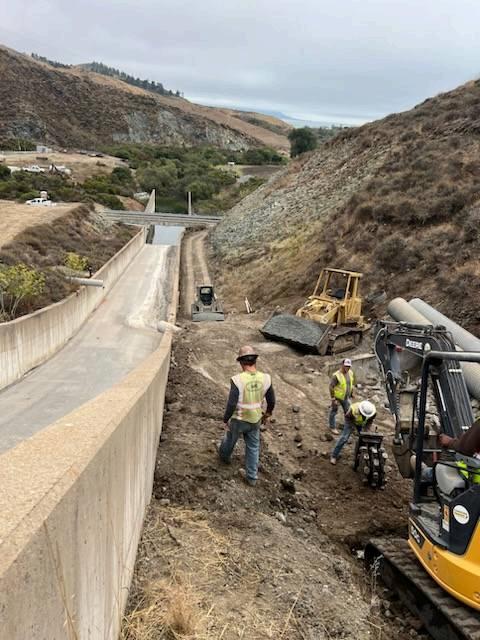
Intake Valve Replacements
Whale Rock Fund (705)
Shop Pavement Repair
Whale Rock Fund (705)
Reservoir Fencing
Whale Rock Fund (705)
Stilling Basin
Parks require ongoing maintenance in order to continue to provideusersasafe and qualityexperience.This Annual AssetMaintenance Projectprovides ongoing fundingforthemaintenance and replacement of a park infrastructure.Thisaccountprovidesfunding annually parks surfacing maintenance and water supply infrastructure including the installation of hydration stations.
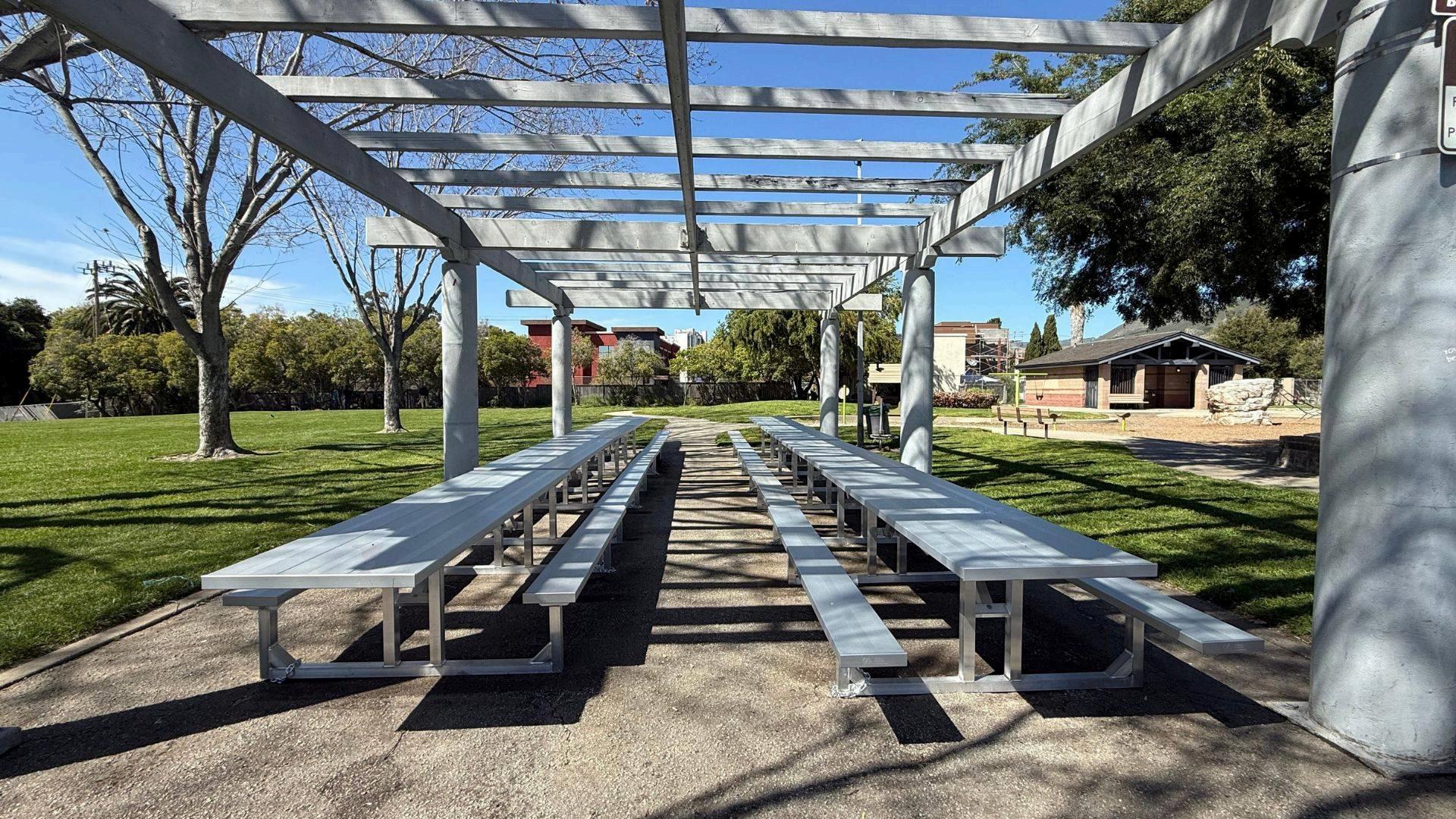
Open Space, Climate Action, and Resilience Maintenance
Asset Maintenance
Project Description
Thisprojectsupportscontinuedimplementation of theCity’sadopted Open SpaceMaintenance Plan. The ongoing maintenance ofall City Open Space is premised on theprotection of naturalresources,includingplants,animals, geologicand historicfeatures and thenatural areas themselves.Maintenanceincludes:enhancement to existingtrailheads;maintenance and construction of approved and sustainable trails andopen spacefacilitiesforpassiverecreationpurposesonly;removal of illicitmaterials and non-authorizedtrails;improveduser and naturalresourcesafety; land restoration and stewardshipprojects;invasivespeciestreatment and control;erosioncontrol and stabilization; education of usersviapatrols and communityoutreach; and management of thewildland-urbaninterface.Additionally,funding helps establish new open space trails associated with recent acquisitions and planning for public use.

Traffic Improvements
Major City Goal:
Project Classification:
Project Type:
Project Description
Thisprojectcontinuesefforts to addresstrafficconcerns in residential neighborhoods, includingcollector and arterialstreetswithfronting residential.EachyeartheCityreceivesrequestsforsolutions to reducespeeding and cut-throughtrafficproblems.Thisprojectfundsthe implementation of small to moderatelysizedprojects to correcttraffic-relatedproblems.Occasionally, larger needsare scoped developed into capital projects and budgeted individually.
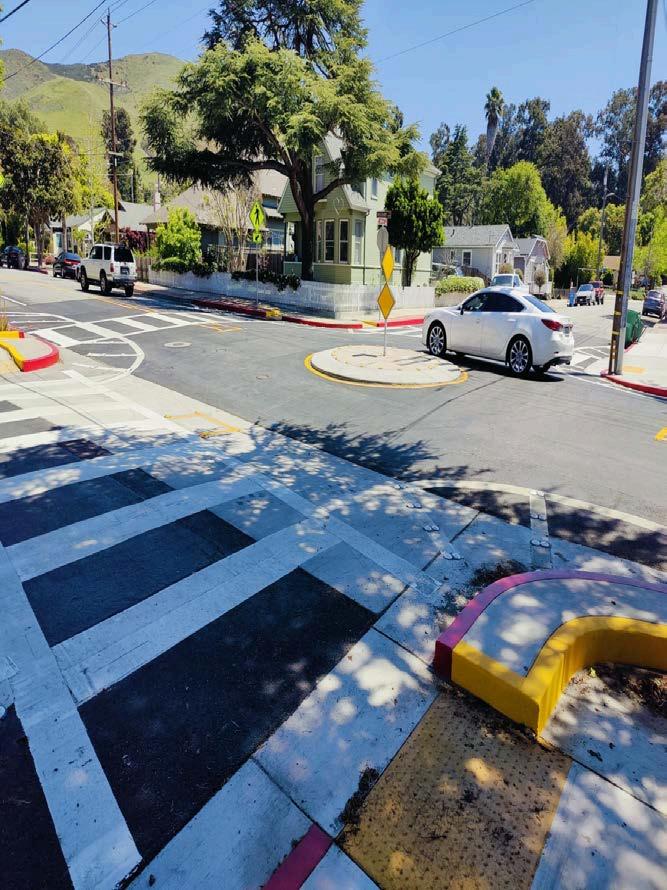
This annual assetaccountsupportstheestablishment ofnew streetlightsrequested by thecommunity

Major City Goal: Project Classification: Project Type:
The17.6miles ofpipeline conduitthattransportwaterfromtheWhaleRockReservoir(WRR) to theCity of San Luis Obispo,CalPoly, and CaliforniaMen’sColony is 57 years old. Giventhe aging infrastructure, an assessment of the pipeline’s condition hasbeen completed to properly schedule repairs or replacementprojects.Understandingthecondition of theWRR pipelinehas assisted in planning for long term pipeline reliability and associatedmaintenanceneeds,minimizing pipeline failures and associateddisruptions,cost, and waterleaks.The followingscheduled repairs willinclude point repairs or replacement ofpipe segmentsthathaveexperiencedcorrosion or havefailedthe structural integrity assessment.
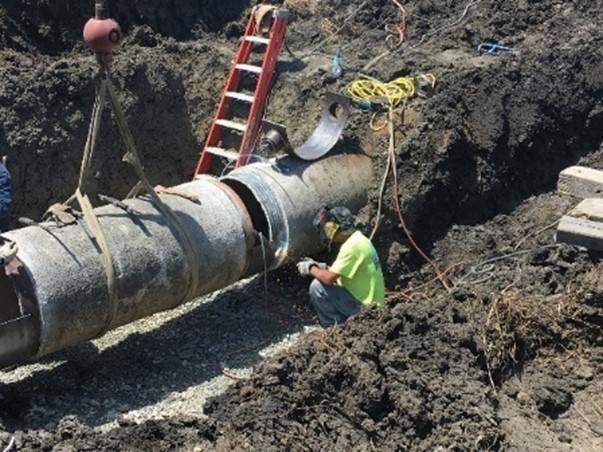
Major City Goal:
Project Classification:
Project Type:
Project Description
Replacement of wastewatercollectionpipes, and relatedinfrastructure is anongoingprogram fora reliable sanitarysewercollectionsystem. Theprogram’sinflow and infiltration program willconduct pipe integritytests,videoinspections ofpublic sewers,smoketesting areas, and schedule point repairs to addressexistingdeficienciesaccording to priority.Theobjective of theproject is opportunities to consolidatesewercollectionsystemsthatmay run parallelalong roadways, and construct new sewerlateral interconnections that can simplify maintenance operations, reduce illegal stormwater connections into the sewer, and rehabilitate fractures in clay pipes thatmay be experiencinggroundwaterinfiltration due to soilsettlements or root instructions.Adecrease of infiltrationflowswill result in lower energy costs needed to treatsewervolumes at thewastewatertreatmentplant.Theprojectwillfundsewerlateralrebates, engineering reports,construction plans for point repairs,acquisition ofpublic sewereasements,constructionmanagementservices,sewer manhole re-coatings, sewer flow monitoring studies, and field testing of wastewater piping infrastructure.

Sewer Inflow and Infiltration Reduction
Theprojectincludes repairs to paved areasby Job Order Contract(JOC)wherewastewatercollectionstaff need to addresssystemfailures, or potholingoperations along the public sewersystem.Theobjective of theproject is to efficientlyreplaceseveraltemporaryasphalt patches within the roadway that resulted from potholing operations with permanent pavement using bulk orders from the JOC.
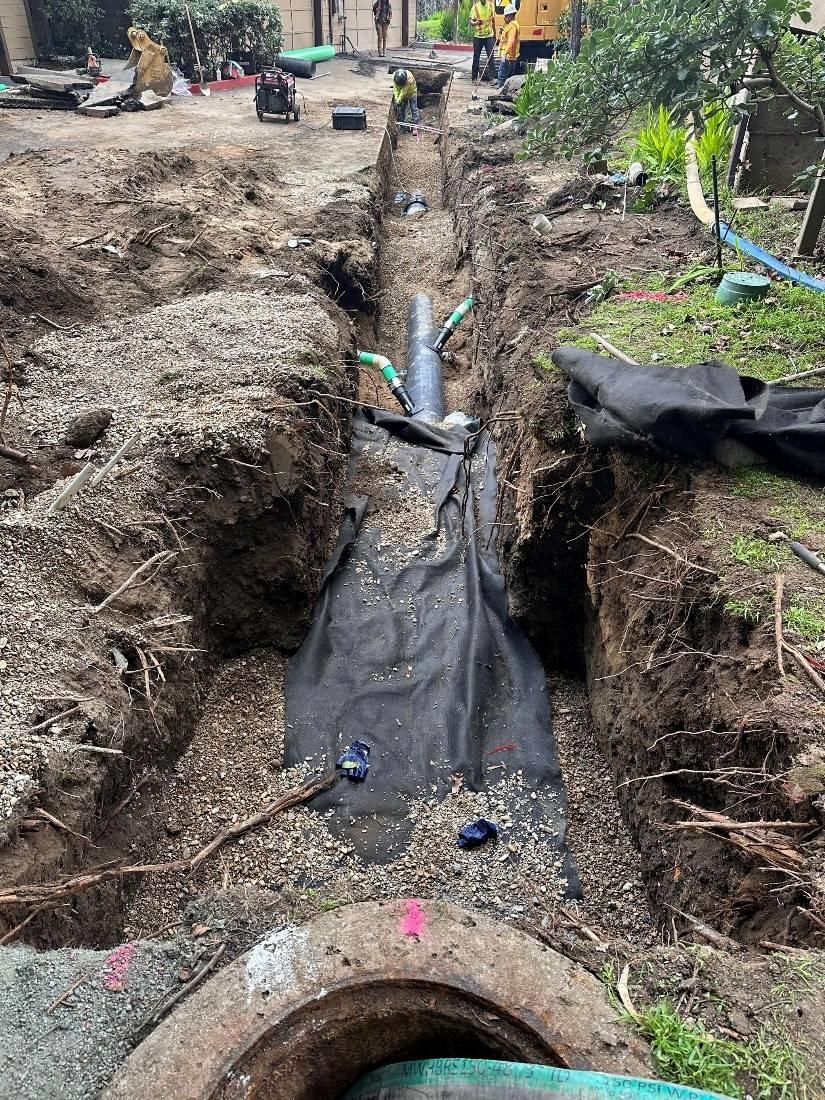
Major City Goal:
Project Classification:
Project Type:
The ongoing maintenance of thefacilities and equipment at theWaterTreatment Plant is necessary to prolong theusefullife of thefacilities and ensurestaff’sability to operatethe plantand treatwater to State and Federalstandards.Thepurpose of thisproject is to securea servicecontractforequipmentmaintenance required by theozonedisinfectionsystem and associatedchillersystems.Theproductvendors conducttheservicemaintenance to ensureoptimalperformance and collaboratewith plant operators during normaloperations of the disinfection system.
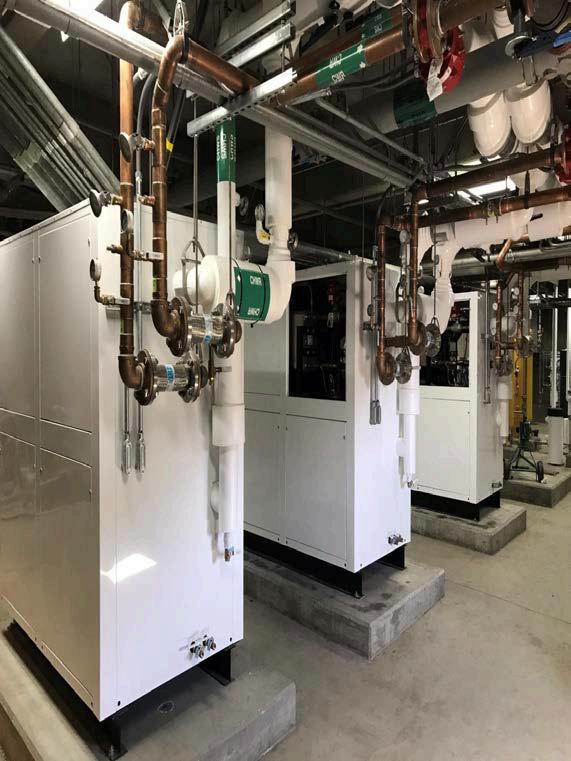
Major City Goal:
Project Classification:
Project Type:
Thisprojectincludes buildingand facilityelectrificationretrofits at the SLO SwimCenter,CityHall, and theCorporation Yard in support of Council's adopted goal of carbon neutral municipal operations by 2030.
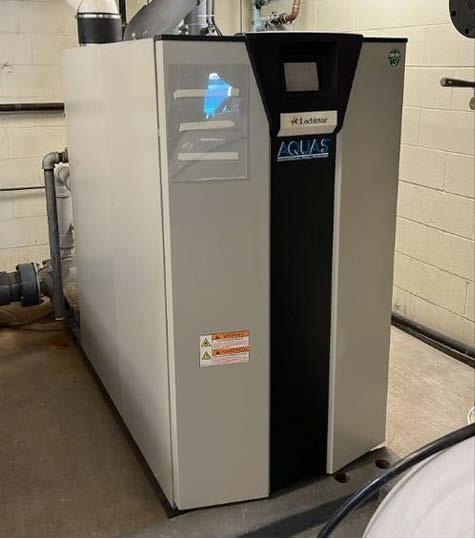
Major City Goal:
Project Classification:
Project Type:
ParkingEnforcementcurrentlyoperates3GenetecLicensePlateRecognition(LPR)camerasystems.The LPR unitswerepurchased December 2023. The hardware is covered under warranty for 4 years and will need to be updated in early 2028.

License Plate Recognition Replacement (Cameras)
Major City Goal:
Project Classification:
Project Type:
Project Description
Laguna Lake Golf Course Irrigation Improvements
Infrastructure and Sustainable Transportation Maintenance
Asset Replacement
ProjectFund is to supportoverhauls and infrastructureimprovements to the Laguna Lake Golf Courseirrigationsystem.Thelifeexpectancy of a golf coursetechnicalirrigationsystemvariesfrom 10 to 30 years.The Laguna Lake Golf Courseirrigationwasinstalled in 1976, exceedingitsfunctionallifespan.TheParks and Recreationmaster plan, (Parks+Recreation Blueprint fortheFuture: 2021-2041) highlighted theLLGC’sfailingirrigationinfrastructure andhas aMid-Term goal (5 to 10 years) to assess and implementa rehabilitation of the irrigation and utilities at the course.
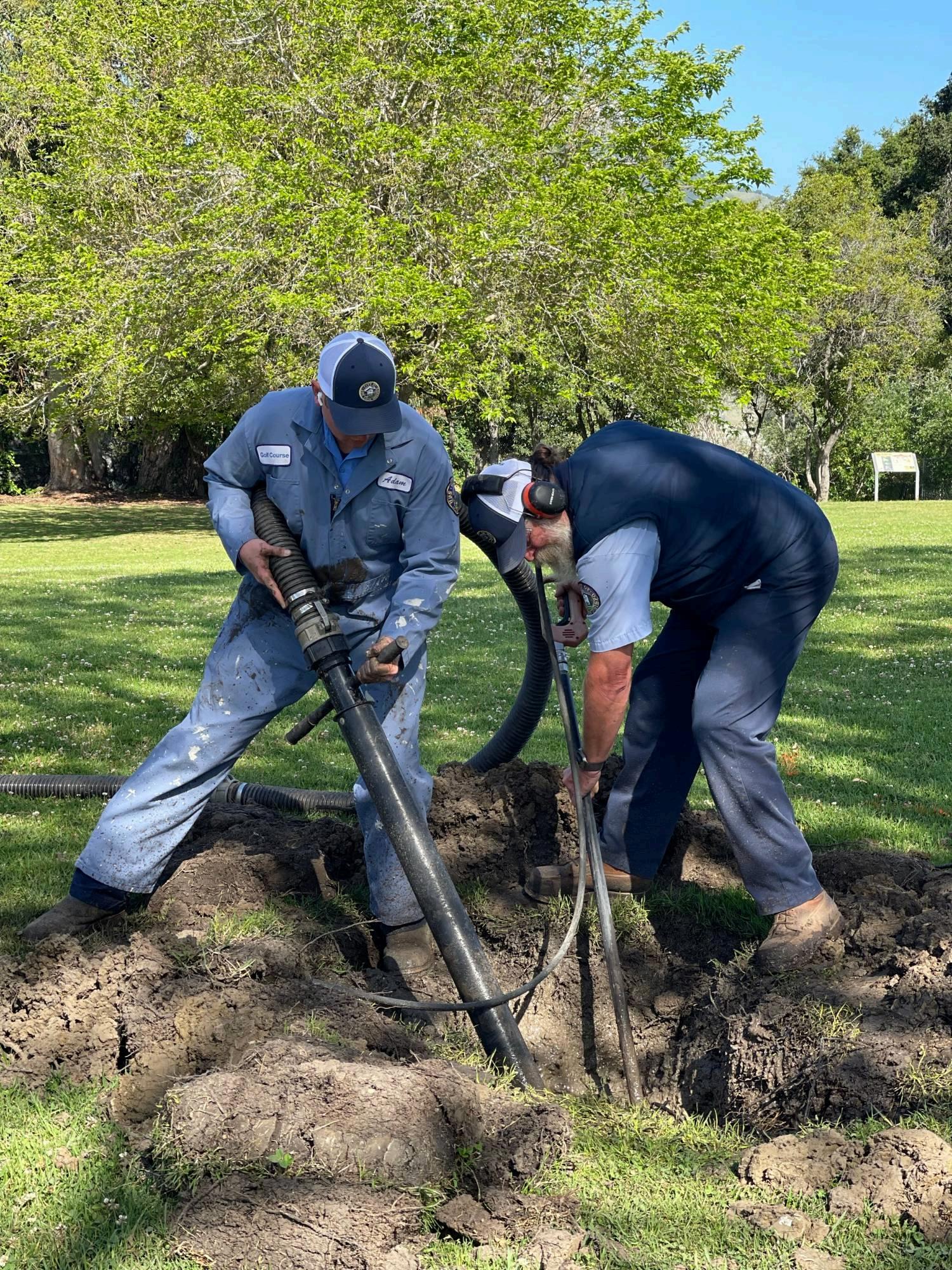
Laguna Lake Golf Course Irrigation Improvements
Pismo Street Retaining Wall (Storm Recovery)
Major City Goal:
Project Classification:
Project Type:
Since 2008, thehillslope along PismoStreetbetweenMorro and Chorro hasbeen deteriorating,resulting in installation of protectivek-rail barriers chain link fencing to preventrockfallfrominjuringthepublic. In December 2021, additionalfailures and dislodging ofboulders occurred,necessitatingageotechnicalconsultant to evaluatetheslope.Thesedamageswerefurtherexacerbated in theWinter 2023 storm events, and since then design of a wall to retain the slope and protect the property above have been under design.
Major City Goal:
Project Classification:
Project Type:
Description
Thisprojectwill rehabilitate theexistingDowntownTransitCenterthat opened foroperations in 2002. Theprojectscopeincludesthe removal and replacement of theexistingmissionstylestructures,demolition of concrete,theaddition ofnew passenger seating,digitaldisplays and smart bus stopsigns,possibleconduitforfutureopportunitycharging,expansion ofbus bays expansion of services, ADA improvements, and security cameras.
Theproposedproject is to addressimprovements at thecurrent range facility to meetcurrent needs forfirearmssafetyqualifications and defensivetactics.Bothinterior and exterior areasare in needof rehabilitation, includingpower and lighting in theobstaclecourse area, removing unstable ground areas and installing a durable surface. Perimeter fencing is dilapidated and needs replacing.
Thisprojectwillextendroadway and curb,gutter, and sidewalk to the railroadright of wayfromitsexistinglimits. It willalsocreateabike and pedestrian pathway connection to the end of High Street and the railroad station parking lot through UPRR right of way.
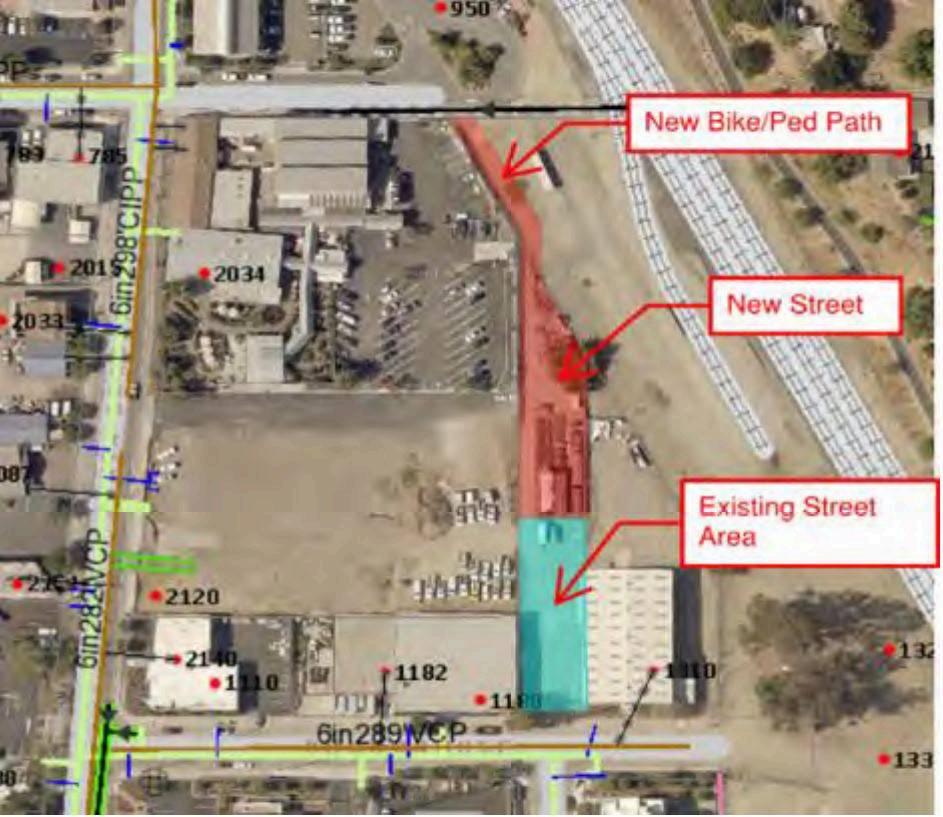
Major City Goal:
Project Classification:
Project Type:
Majormaintenance of theWaterResourceReclamationFacility(WRRF)includes ongoing upkeep of treatmentprocesssystems,pumps, blowers,electrical and controlsystems, and relatedinfrastructurenecessaryfora reliable and compliantwastewatertreatmentoperation. theWRRF is currently undergoing amajor upgrade, significantmaintenanceactivities arenot expected in the near term.However, forlong-termmaintenance in theoutyears of theFinancial Plan is essential to ensurecontinuedregulatorycompliance,operational reliability, and cost predictability.
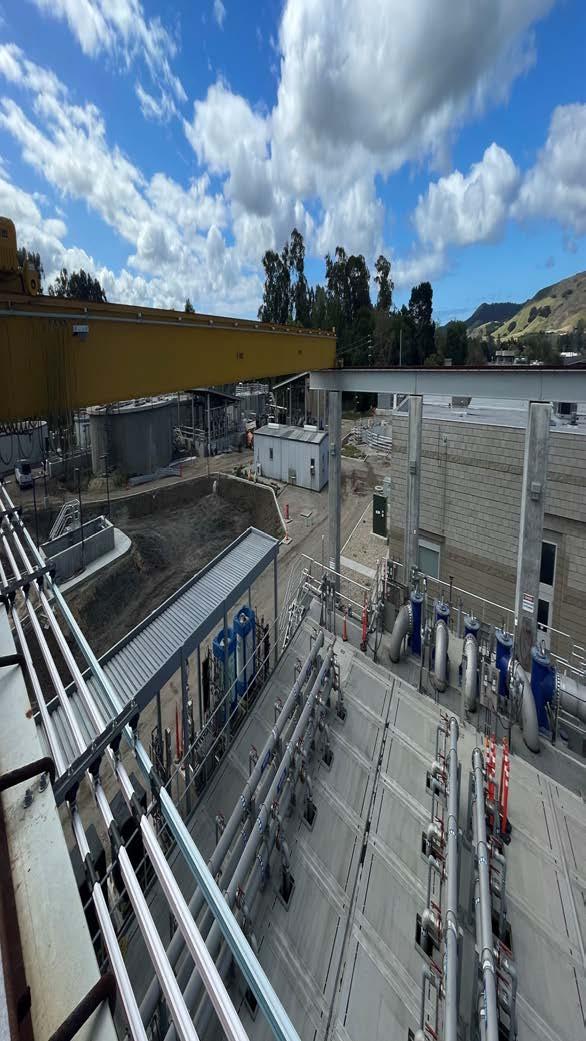
Major City Goal:
Project Classification:
Project Type:
Project Description
Sewer Main Replacement: Broad, Murray, and Chorro
Infrastructure and Sustainable Transportation Maintenance
Asset Replacement
TheCity’swastewatercollectionsystemincludesapproximately 140 miles of sewer lines and relatedoperationalequipment.Some pipesare over 100 years old,andare undersized.Maintenance requirements increasedramatically aspipelineand equipmentapproachthe endof theirusefullife. Pipeline and operationalequipment require ongoing maintenance and conditionassessment to prioritize periodic replacement,ensure proper function, andprolong servicelife.Theobjective of thisproject is to replaceclaysewer pipes from 1968 located near MurrayStreet andalong thecreek parallel to ChorroStreetthat has shown high inflow or infiltrationflowsbased on recorded surcharges, andhigh recordedflowrates during majorstormevents.Thefirstphase of thisprojectwill look at designparameterswiththe objective of replacingthesewermainwith new plastic pipe usingopen-trenchconstruction, pipe bursting,slip-line, or cured in place rehabilitation methods.
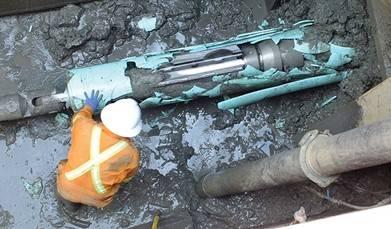
2001040
Major City Goal:
Project Classification:
Project Type:
Project Description
Waterline Replacement: Chorro - Highland to Meinecke 24-inch Pipeline Replacement
Infrastructure and Sustainable Transportation Maintenance Asset Replacement
Thewatertransmission pipelinealong ChorroStreetfromHighland to Meinecke is scheduledforreplacement by theWaterMaster Plan. Installed in 1953 usingconcretecylinder pipe (CCP) and cast-ironmaterials,the pipelinedoesnot meetcurrentseismicstandards and needs replacementwithinthenext5years.Theexisting18-inch CCP will be replacedwitha new 24-inchseismicrestrainedductile iron pipe forthedistribution of treatedwaterintotheFoothill and Downtownserviceareas.The new alignmentwillfollowEnvironmentalProtection Agency (EPA)-recommended design guidelines for“lifelineservices”providing reliable waterresources during catastrophicevents.This projectwill allow bypasspumpingopportunitiesforfuture pipeline replacementprojects and futureinterconnectionsbetweenthetwomajor pressure zones: High Pressure and the Downtown/Foothill Zone.
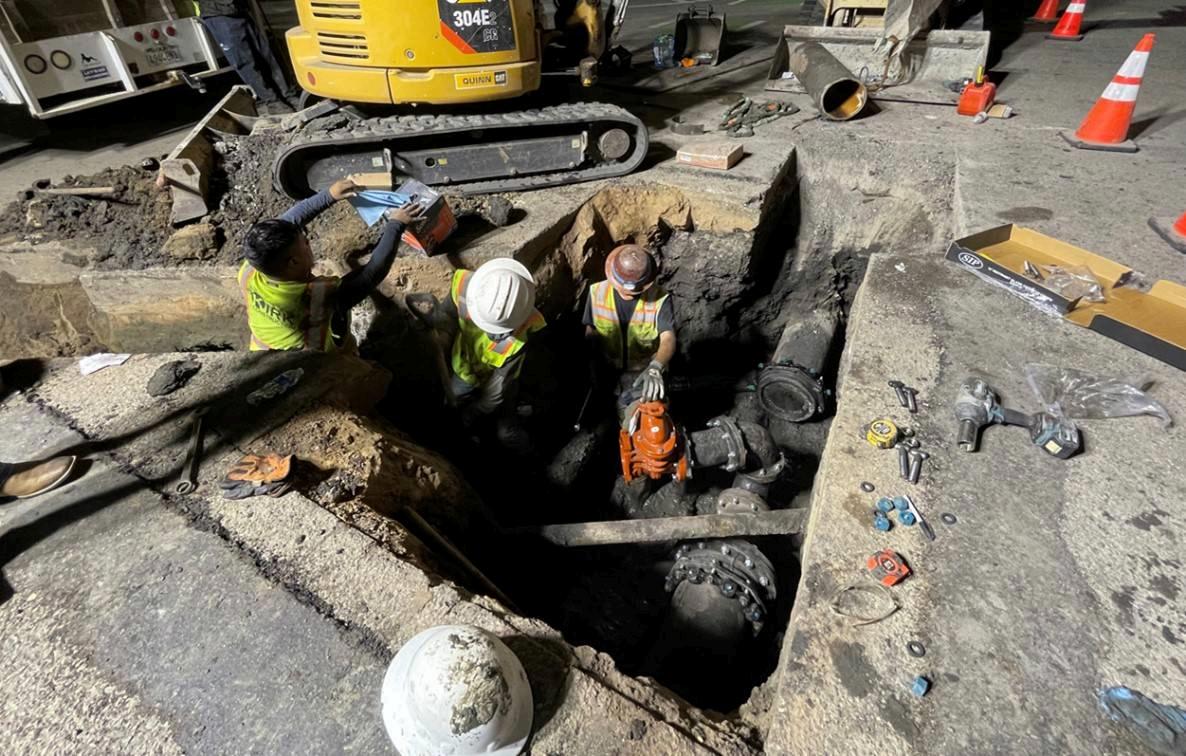
2001040 - Waterline Replacement: Chorro - Highland to Meinecke 24-
Waterline Replacement: Chorro Street From Highland to Meinecke
2001041
Major City Goal:
Project Classification:
Project Type:
Water Treatment Plant - Filter Media Replacement and Underdrain Repairs
Infrastructure and Sustainable Transportation Maintenance Asset Maintenance Project Description
The ongoing maintenance of thefacilities and equipment at theWaterTreatment Plant is necessary to prolong theusefullife of thefacilities and ensurestaff’sability to operatethe plantand deliverpotablewater to theCity of San Luis Obispo.Theproposedprojectincludesastudy phase to analyzethecondition of thewaterfiltermedia and associated undrain system.Thestudywilldevelopaframeworkforthedesign and construction of a new filtermedia ofequalor greaterperformance,which is a required treatmentprocess to meetState and Federal regulations for drinking water standards.
Water Treatment Plant - Filter Media Replacement and Underdrain Repairs
Major City Goal:
Project Classification:
Project Type:
Project Description
Infrastructure and Sustainable Transportation Maintenance Asset Maintenance
The 2015 WastewaterInfrastructureRenewalStrategy(IRS or masterplan)identifiedsewerservice areas withcapacityconstraintsfrom stormwaterinfiltrationsintothesewersystem. One of thecapacityconstrained areas (Area A) is locatednorth of Foothill and west of Chorro, and is currently undergoing sewermainimprovements to removeexistingclaysewer pipes with new fusedplastic pipes using high density polyethylene(HDPE).Other ongoing improvements to reducecapacityconstraintsincludereplacement of sewerlateralsthroughlateral rebateprograms oras triggered bybuilding permitsubmittals.Additionally,thecollaborationwiththe 790 Foothilldevelopmentidentifiedthe opportunity to improvetheconditions in Area A by transferringthesewerservingtheprojectsite and adjacentparcelsfrom Area A to the Area Csewer pipe network,which has availablecapacity.Theproposed pipeline replacementprojectwillexpand on thisinitial point repair completed by thedevelopment, and replacetheexisting6-inchsewermain along ChorroStreetwitha larger pipe fromHighland to Meinecke.
Chorro - Boysen to Rougeot Sewer Pipeline Replacement Sewer Fund (602)
2,750,000
Major City Goal:
Project Classification:
Project Type:
Project Description
Recycled Water Pump Station Maintenance
Infrastructure and Sustainable Transportation Maintenance Asset Maintenance
Therecycledwaterpumpstation and storagetankwasconstructedwithintheWaterResourceRecoveryFacility(WRRF) in 2003and needof maintenancework.The required maintenanceincludesassetreplacement of existing pipe supports andpipe fittingsthat experiencedsettlements due to pressuresurges and minorcorrosionproblems.Theprojectwillcorrecttheexistingdeficiencieswith pipeline spools and re-coattheexterior of the pipe manifold to extendthelife of thepumpstationinfrastructure, and install programmable logic controller that will integrate with the plant’s telemetry system.
Effluent Meter Replacement
Recycled Water Pump Upgrade
Major City Goal:
Project Classification:
Project Type:
Project Description
Recycled Water Storage Tank Infrastructure and Sustainable Transportation Maintenance Asset Replacement
Therecycledwaterpumpstation and storagetankwereconstructedwithintheWaterResourceRecoveryFacility(WRRF) needs additionalstoragecapacity.Thepurpose andneed forthisproject is to begin astudyphase of thestoragetankexpansion.The expansionopportunitiesmayincludeincorporatingstrandedassetsthatcould get repurposed intoarecycledwatertank, or sitesthatcouldincorporateatank andpipe transmissionsystemthatcanaddresspressures and systemdemands.Thestudycouldinclude preliminary design, land title research to evaluate site constraints, and property acquisitions.
2001048
Major City Goal:
Project Classification:
Project Type:
Project Description
Waterline Replacement: Santa Rosa - Stenner Creek Road to Highland 30-inch Pipeline
Infrastructure and Sustainable Transportation Maintenance Asset Replacement
Thewatertransmission pipeline extendingfromtheWaterTreatment Plant to SantaRosaRoad is not constructed of standardmaterial types or sizes and if a leak occurs, it would be difficult to repair withoutputtingmanyresidents outof waterservice,triggering boil water noticesacrosstheeasternside of theCity.Installed in 1964 usingconcretecylinder pipe (CCP)materials,the pipelinedoesnot meet currentseismicstandards and is needed forreplacementwithinthenext5years.Theexisting27-inch CCP will be replacedwitha new30inchseismicrestrainedductile iron pipe forthedistribution of treatedwaterintotheFoothill and Downtownservicesareas.The new alignmentwillfollowEnvironmentalProtectionAgency (EPA)-recommended design guidelines for“lifelineservices”providing reliable water resources during catastrophic events.
Water Line Replacement: Santa Rosa - Stenner Creek Water Fund (601)
Major City Goal:
Project Classification:
Project Type:
Project Description
Replacements of pumps,valves,fittings, pipe manifolds,flowmeters,electricalcomponents,telemetry, and relatedinfrastructure arean ongoingneed for reliable wastewaterliftstations.Thepurpose of thisproject is to categorizecostsformajorassetreplacements neededat liftstations to extendthelife of theinfrastructurewithouthaving to replacetheentirefacility.Theprojectmayinclude engineering reports, updates to thecomputerhydraulicmodel,construction plans forliftstation rehabilitation projects,constructionmanagementservices, coatings,pumpmaintenance,bypasspumpingservices,telemetry upgrades, electricalrepairs,fieldtesting of infrastructure, andearly purchase of materials that are now experiencing long lead times due to delays in supply chains.
Major City Goal:
Project Classification:
Project Type:
Project Description
Source Water Strategic Plan
Infrastructure and Sustainable Transportation Community Improvement
Asset Maintenance
Withsubstantialcompletion of theWRRF’sPhase1Upgrade (SLO WaterPlus) in 2023and regulatory requirements forpotablere-use,this SourceWaterStrategic Plan is needed to look at possibleroadmapsthatcanconsiderthepreservation or expansion of theCity’sWater Portfolio.Phase1replacedWRRF’s aging infrastructurewitha new membrane-bioreactor(MBR) and ultravioletdisinfectionsystem,that providestreatmentcreditsthatcan be expandedintoafuturebeneficialreuse program throughdirect or indirectpotablesystems.The strategic plan willstudyrestrictions of potablere-use on surface or groundwaterprograms, and developadecisionmatrixfor new projects that may expand the City’s source water portfolio.

Source Water Strategic Plan
Major City Goal:
Project Classification:
Project Type:
Project Description
Water Storage Tank Inspection and Cleaning Infrastructure and Sustainable Transportation Maintenance
Storagecapacity of treateddrinkingwater is an essentialfunction of awaterdistributionsystem to provideadequateflows and pressures throughoutthecommunity. In addition to waterstoragetanks at theWaterTreatmentPlant,there arenine waterstoragetankslocatedwithin theCity’sdistributionsystem, and afewhave been in operationsincethe early 1940s.Maintenance of waterstoragefacilities is necessary to prolong theusefullife of theseassets and ensuresstaff’sability to operatethewatersystem to State and Federalstandards.Thisproject will fund inspection, cleaning, and disinfection cycles needed at water storage tanks.
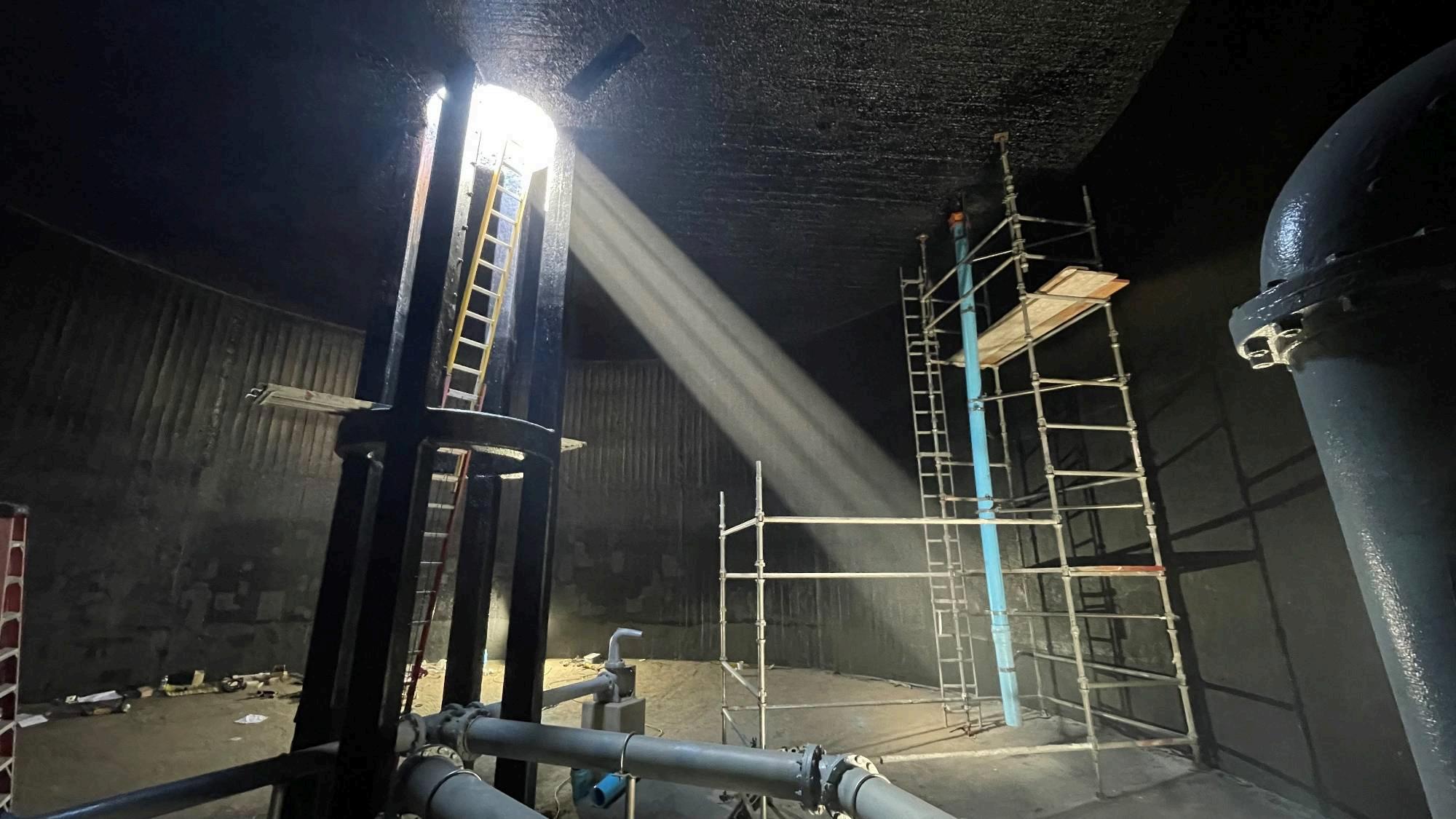
Reservoir 1 Floating Cover
Reservoir 2 Floating Cover
Major City Goal:
Project Classification:
Project Type:
Project Description
Replacement of waterdistributionpipes,mainlines, and relatedinfrastructure is anongoingprogram for reliable waterdistribution and protection.Thiswaterline abandonmentand connectionsprojectwilladdressexistingdeficiencies ofpublic watermains in asurgicalmanner by eliminatingpubliclymaintained lines that need to get consolidatedintoa new pressurezone, or eliminatingdistributionmains running though backyard easements.
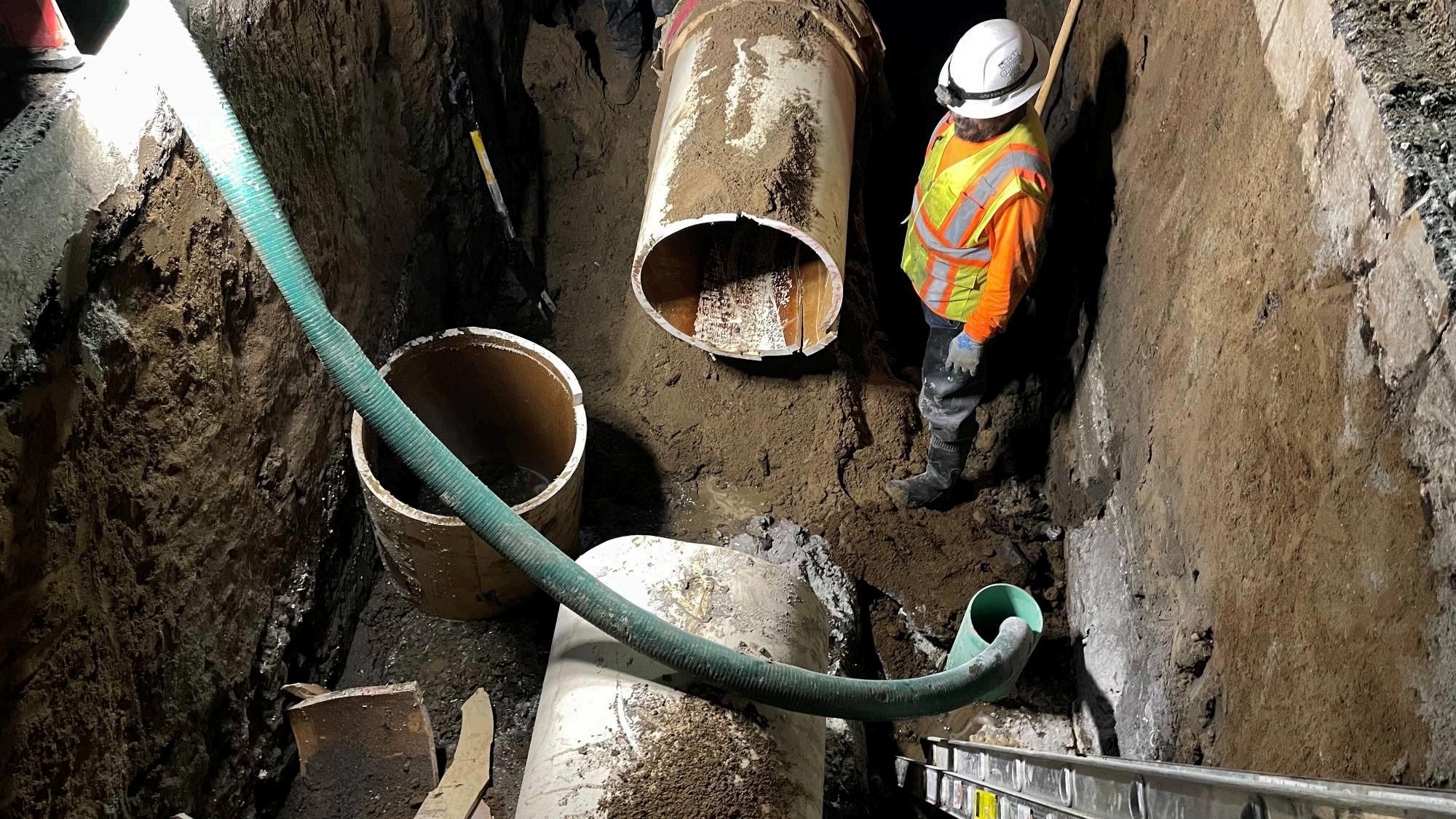
Waterline Abandonment & Connections
Major City Goal:
Project Classification:
Project Type:
Project Description
Majormaintenance of waterdistributiontanks,pumps,electricalsystems,telemetry, and relatedinfrastructure is anongoingprogram required fora reliable waterdistributionnetwork.When new developments are completed,thedemandsforwaterservices are tracked by telemetrysystems and used to calibratethecomputermodelsthatassessthepriority of systemmaintenance,replacements, and capacity needs.Thepurpose of thisproject is to forecastanticipatedcapitalexpendituresbeyondthe5-yearfinancial plan,and to providestability during the development of rate setting studies.
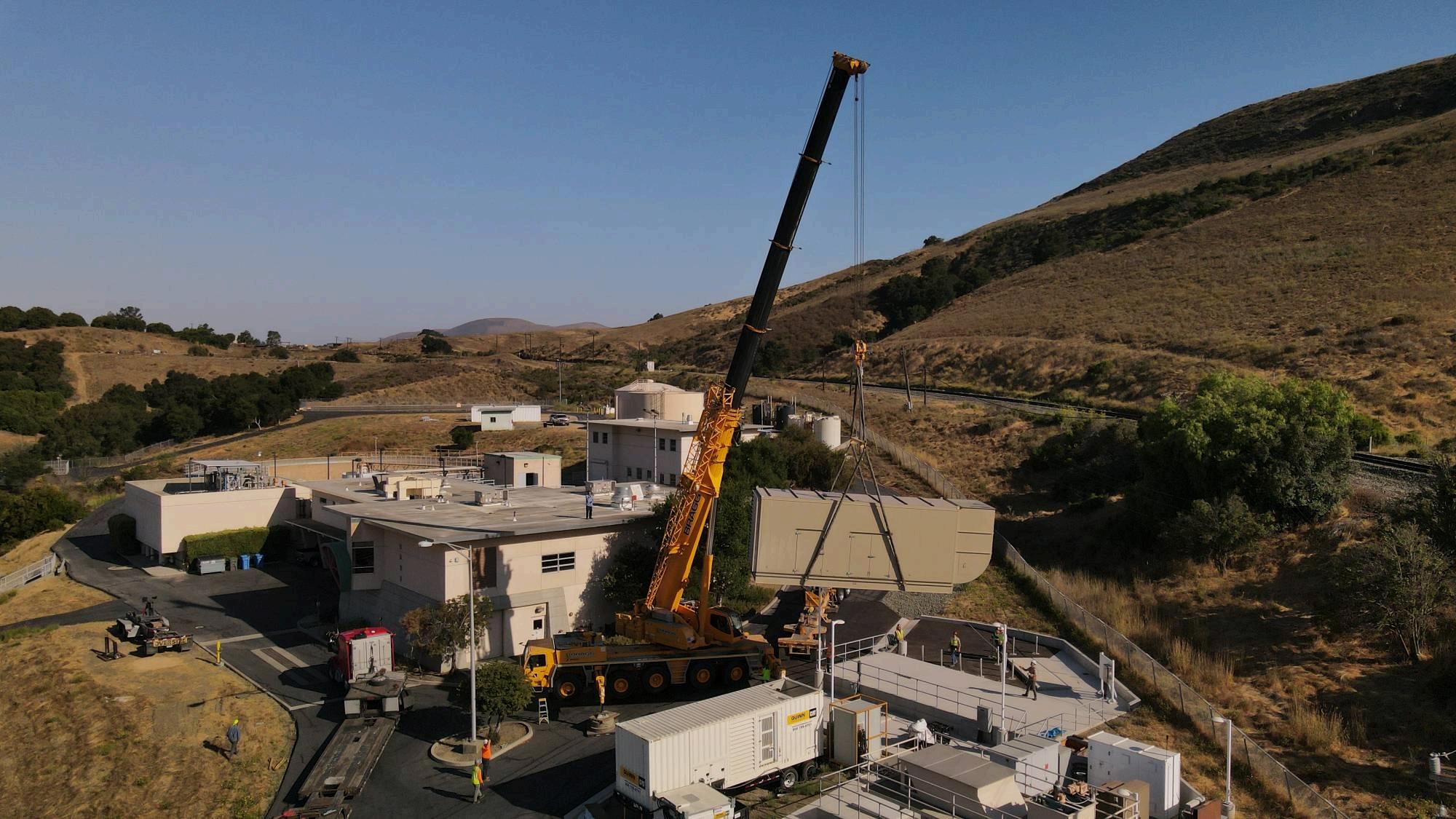
Major City Goal:
Project Classification:
Project Type:
TheWRRF hasbeen in operationsincethe 1930’s withvariouslevels ofupgrades in 1964,1992,and mostrecently in 2023. Thestaff facilitiesincludes:thelaboratory,operations building,and theadministration building, whichhave notbeenupgraded sincetheir original construction.This building maintenancecategorywillprovideassetreplacementfunds to renovateancillaryfacilities and extendthelife of thefacility.Current needs includereplacement of thelaboratorychemicalvent, air circulationfans,HVACsystem, and security upgrades to the existing building entrances and doors.
TheWaterTreatment Plant hasbeen in operationsincethe 1940’s withsomefacilities upgraded in 1963,1994,and2008. Additional repairs,maintenance, andenergy efficiencyprojectswerecompletedbetween 2010and2023. The Building MaintenanceProjectwill provideassetreplacementfunds to repairroof and windowleaksexperienced in theadministration buildingand replacethecarpet on the second floor of the building.
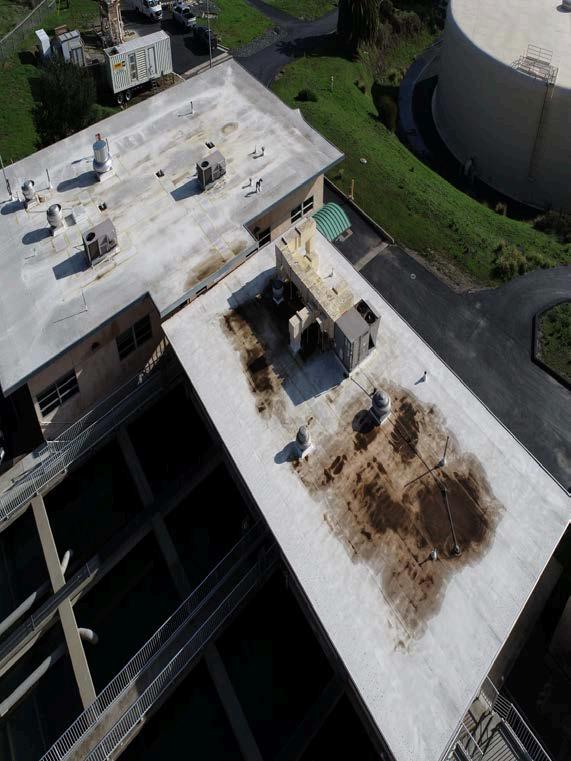
- Higuera Complete Street Project
Thisprojectincludescompletestreet and activetransportationsafetyimprovements along theHigueracorridorbetweenMarshStreet Los Osos Valley Road,bikeway and pedestrianenhancements on MadonnaRoadbetweenHigueraStreet and the US 101 SB Ramps, neighborhood greenwayimprovements along Bridge Street/Corrida/WoodbridgeStreeteast of Higuera.Improvementsincludebuffered protectedbikelanes,bicycle and pedestriancrossingimprovements,hi-visibilitycrosswalks,ADAcurbramp upgrades, speedreduction elements, and traffic signal upgrades.
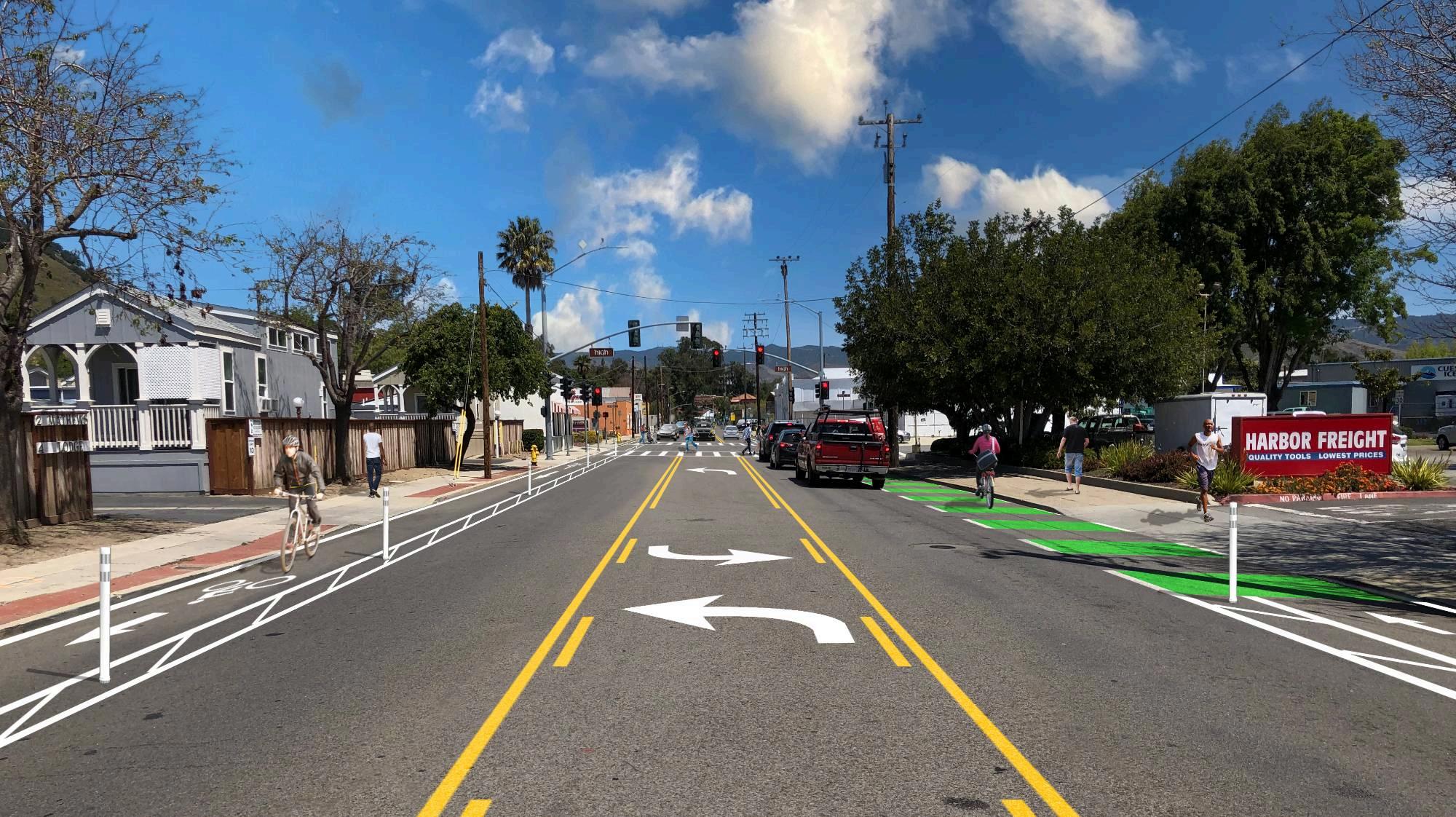
Major City Goal:
Project Classification:
Project Type:
Project Description
ATP - Foothill Boulevard Complete Street Project
Infrastructure and Sustainable Transportation Transportation New Asset
Thisprojectincludescompletestreet and activetransportationsafetyimprovements along FoothillBoulevardbetweenthewesterncitylimits and CaliforniaBoulevard,consistentwiththeActiveTransportation Plan, BishopPeak/PachecoElementarySafeRoutes recommendationsfromtheCity'sTrafficSafety/VisionZero planning. Improvementsincludebuffered/protectedbikelanes,pedestrian crossing improvements, and speed reduction elements.
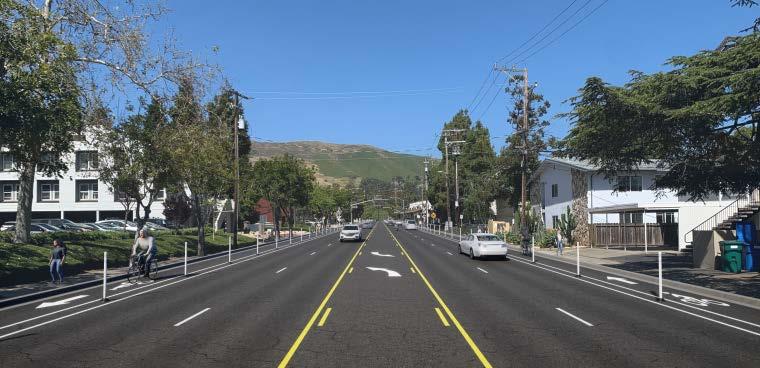
ATP - Foothill Boulevard Complete Street Project (Planning and Design)
Foothill
Project Name
ATP - Railroad Safety Trail (Orcutt to Tiburon) and Bullock Culvert Replacement
Infrastructure and Sustainable Transportation Transportation New Asset
Project Description
Thisprojectincludesclosingtheexisting gap in theRailroadSafetyTrailwithintheOrcutt Area, extendingtheshared-usepath parallel Bullock Lane betweenTiburonDrive and Orcutt road. Theprojectalsoincludesreconstruction of theexisting narrow culvert on Bullock to providewidthfortwoautolanes,ashared-usepath on thewestside and continuoussidewalks on theeastside, and pedestrian bicycle safety improvements at the Bullock Lane/Orcutt Road intersection and adjacent at-grade rail crossing.

ATP - Railroad Safety Trail (Orcutt to Tiburon) and Bullock Culvert Replacement (Including Orcutt Road Railroad Crossing Upgrades)
Major City Goal:
Project Classification:
Project Type:
Project Description
InformationTechnology(IT)staffhave lead an effort to identify areas in theCityunderserved by high-speedfibertechnology,called Broadband. This Broadband plan allowedtheCity to apply for and receiveStatefunding to help serveresidentslacking high speedinternet. Thecurrentprojectwillinstall undergroundand overheadfiber line thataprivateInternetServiceProvidercanconnect to and offerinternet. Future phases of this project will connect City facilities to Broadband and create a redundant City-wide loop.
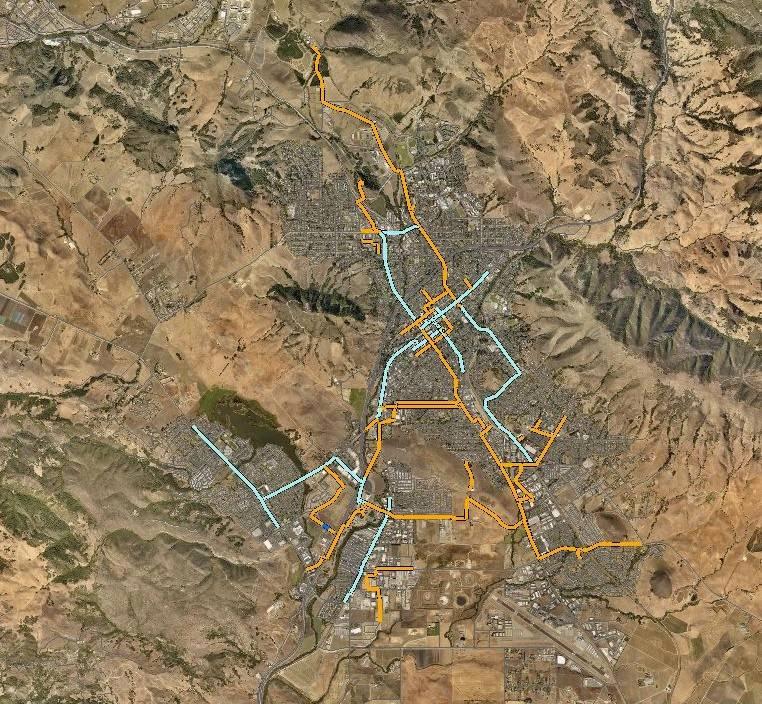
Project Classification:
Project Type:
Thisprojectwillinvestigatemodifications to thecrossing on Ramona,withtheintent to constructimprovementsprovidingadditional pedestrian crossing comfort, if feasible within the existing road right-of-way and topographric constraints.
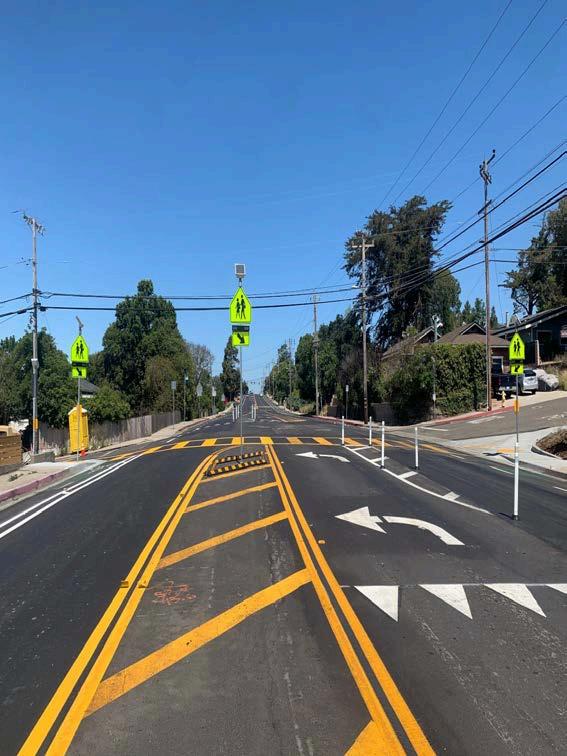
Major City Goal:
Project Classification: Project Type:
Project Description
Infrastructure and Sustainable Transportation Transportation New Asset
Thisprojectincludescompletestreet and safetyimprovements along Broad StreetbetweenSouthStreet/Santa Barbara Avenue and the southerncitylimits near Farmhouse Lane. Improvementswill beguidedby therecommendations of theCity'sActiveTransportation Plan, TrafficSafety/VisionZero Plan, and2014 South Broad Street AreaPlan. Improvements are expected to includeaddition ofnew signalized intersections,streetlighting,potentialforbuffered/protectedbikelanes,landscapedmedians,pedestriancrossingimprovements and speed reduction elements.
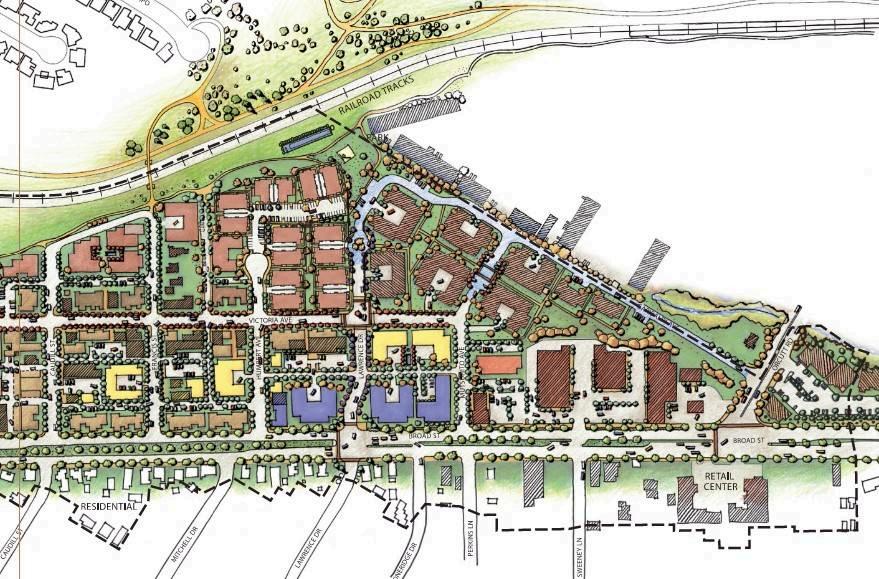
Major City Goal:
Project Classification:
Project Type:
Project Description
Response and Recovery Infrastructure and Sustainable Transportation Maintenance Asset Replacement
TheCity of SLO wasstruckwithmultiplestormeventsfromDecember 2022 throughMarch 2023, whichwereafederallydeclaredmajor disaster.Staff are leading efforts to respond to theinfrastructuredamagecaused by theseevents and mitigatefuturedamage to the maximum extent feasible.
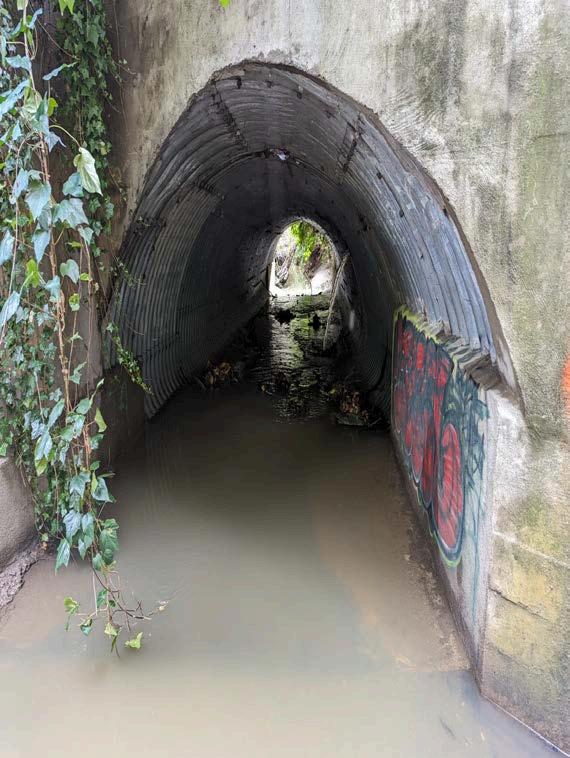
Laguna Lake Golf Course Repairs Bridge Replacement (Storm Response and Recovery)
Local Revenue Measure (Capital Outlay 401)
Mitigation Planting (Storm Response and Recovery) Local
Mission Plaza Creek Sidewalk Repair
SLO Creek Repairs at Elks Lodge
Revenue Measure (Capital Outlay 401)
Prefumo Creek Grade Structure
2001073
Major City Goal:
Project Classification:
Project Type:
Project Description
Infrastructure and Sustainable Transportation Maintenance Asset Replacement
Duringthe 2023and2024 storms,severeerosionwasobserved along PerfumoCreek, near OceanaireStreet, and acrossthealignment of an existing15-inchsewermaincrossingthecreek.Thisproject is needed forthereplacement of aclaysewer pipe datingback to 1958 that requires high cleaningfrequencies along backyardeasements, has experiencedstructuralfailures due to root intrusions, andhas shown high infiltrationflowsrates during majorstormevents.Theprojectwillincludea new creekcrossing at a new location not susceptible to creekflows or erosion, and eliminatethe need to cross behind residentialparcels by constructingthe new sewermain along therecently completed road and bridge on Froom Ranch Road south of Oceanaire.
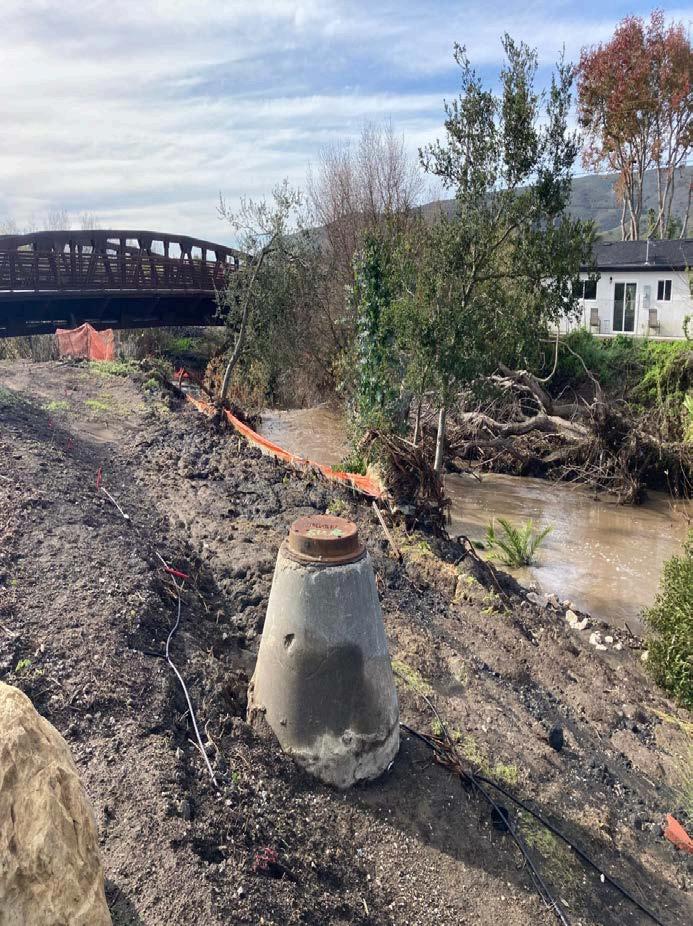
Oceanaire - Cayucos to Froom Road
Sewer Fund (602)
enaire - Laguna to Cayucos
Sewer Fund (602)
Thisprojectincludestheinstallation
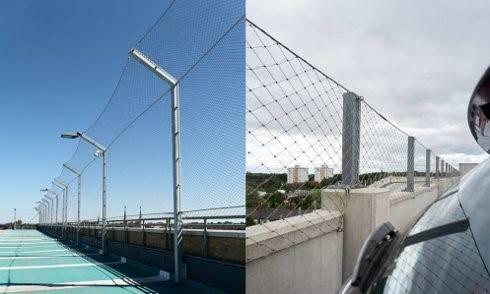
Project Classification:
Project Type:
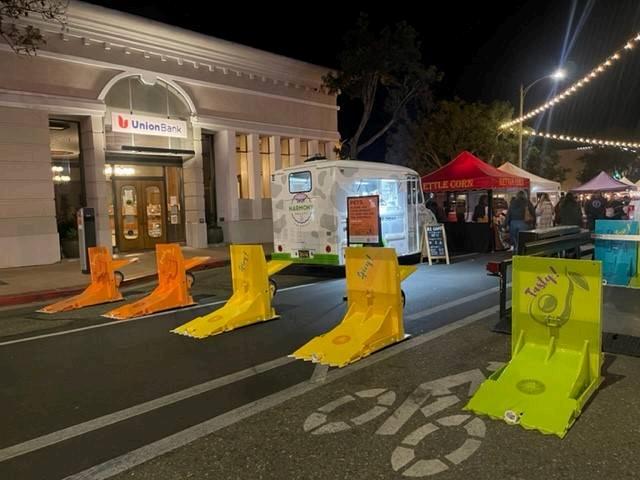
This annual assetmaintenanceprojectaddressesmajormaintenance and replacement of pipes,culverts, and constructed drainage channels to provideincreasedfloodprotection and reducedlikelihood of loss of property. Budget is used to address high priority maintenance and repair of pipes and culverts past their design life and at risk of failure, as well as emergency repairs.
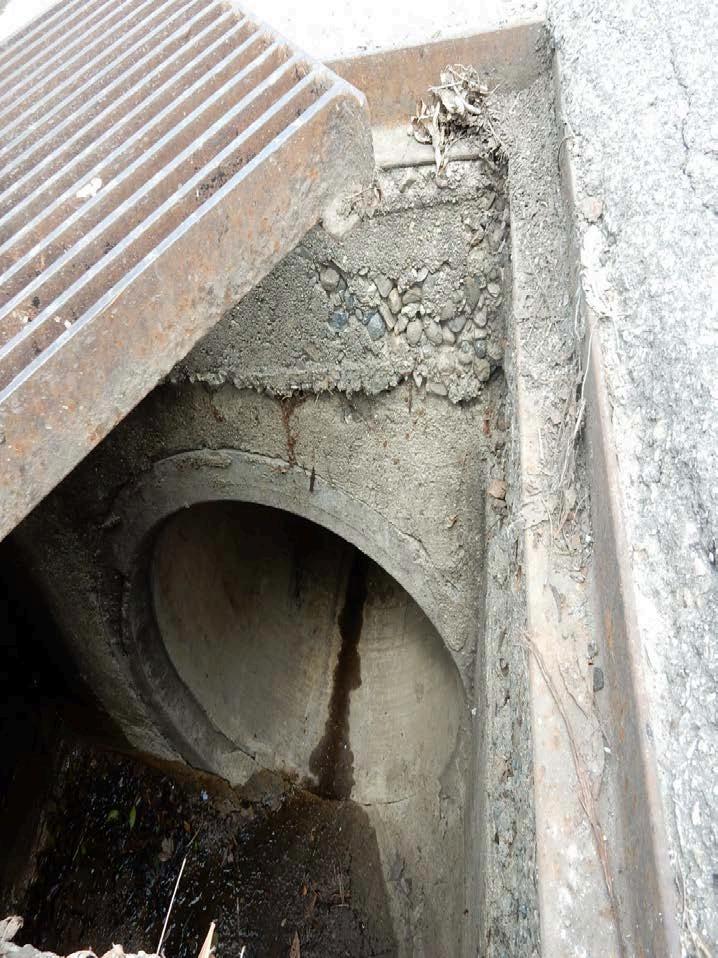
Major City Goal:
Project Classification:
Project Type:
TheCity’sWaterResourceRecoveryFacility(WRRF)must beupgraded to complywithstricterdischargelimits required by theCentral CoastWater Board (CCWB), to increasecapacity to servetheCity’spopulation at General Plan build out, and to replaceexisting aged facilitiesthathavereachedthe endof theirservicelife.Thedraft 2015 WRRFFacilities Plan identifiestherelated upgradesand associated costs.Stricterdischargelimitswill require new treatmentprocesses as well as changes to currentprocesses at theWRRF to remove nutrients and disinfectionby-products prior to releasingenvironmentalwater to San Luis ObispoCreek.Theselimits are required to meet theCCWB’sBasin Plan for inland waterbodies.TheRegionalWaterQualityControl Board adoptedarevisedNationalPollutantDischarge EliminationSystemPermitwithstricterdischarge requirements thatwentintoeffectDecember 1,2014and requires theCity to meetthese new standards.TheWRRF’scapacitywill be increasedfromitscurrent5.1million gallonsperday (MGD) to approximately5.4MGD to meet theprojectedgrowthforthenext 20 yearswhileseveral agedor obsoleteprocesseswill require upgradesor removal.Thisprojectwillalso maximizerecycledwaterproduction and includemuch neededupgrades to buildingsand communicationinfrastructure. All aspects of the upgrade will consider a triple bottom line approach to ensure the facility becomes a valuable community asset.
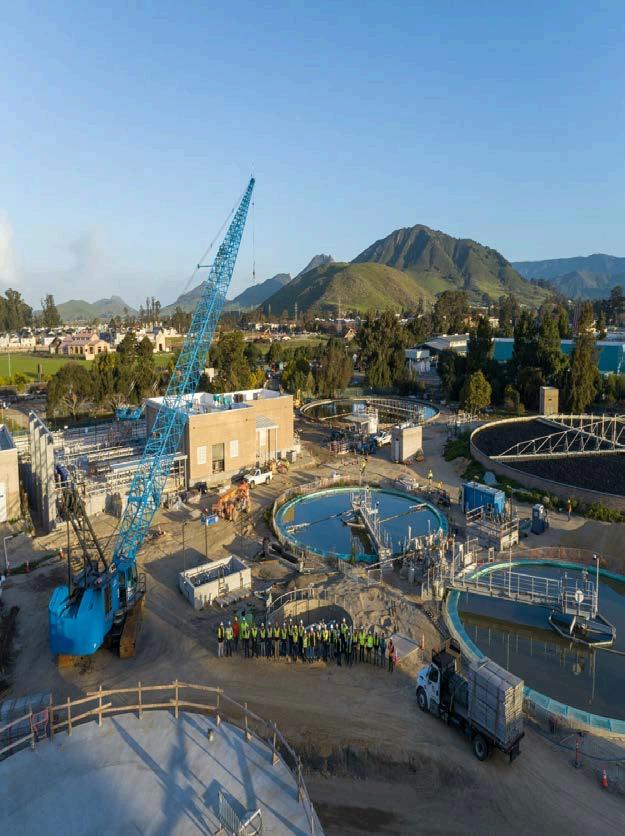
Major City Goal:
Project Classification:
Project Type:
Project Description
and
FoothillLiftStation is theoldest in theCity’swastewatercollectionsystem and isin alocationwithlimitedvehicleaccessformaintenance. Thisstation is over 50 years oldand is operatingbeyonditslifeexpectancy.Theequipmentwas originally installed in Broad Street and Orcutt area,but wasremoved and warehoused,thenreconfigured and installed in itspresentlocation in pumpfloorwas repaired in 1995 to addressexternalcorrosions, and in 2013 theforce-mainfailed and repaired to extendthelife facility.Replacement of theliftstation hasbeen prioritizedwiththeothernecessarysystemcomponents. It is recommendedthatthestation be relocatedapproximately 500 feetwest of itscurrentlocation to servefuturedevelopment.Relocatingthestationwould require of 500 feet of gravity, a new force-main, easement acquisition, and installation of modern control panels and telemetry systems.
Prado Road Bridge Widening
Infrastructure and Sustainable Transportation Transportation New Asset
The bridge over San Luis ObispoCreek at Prado Road is functionallyobsolete,structurallydeficient, and can no longer accommodatethe City’smulti-modalneeds.Thisprojectproposes to replacethe bridge withawider one whilearmoring San Luis ObispoCreek to maximizeits hydrauliccapacity.Additionally,theintersection at Prado and SouthHiguerawill be widenedwithprotectivefeaturesforbicycles and pedestrians to operate in conjunctionwiththewidened bridge. All overheadutilities in the area will beundergrounded to provideamore aesthetic and resilient corridor.
Major City Goal:
Project Classification:
Project Type:
Project Description
Infrastructure
TheCitycurrentlyoperatestwopotablereservoirs(No.1 and No.2)thatwereconstructed in thelate1960’s.Reservoir #2 is a7.44milliongallon (MG)reservoir equipped with new floatingcoversinstalled in 2024 to extendthelife of thestoragetank but is deficient in meeting new building codes.Becausethereservoir is onebig basinused as astoragetank,theentirewatervolumemust be takenout-of-service during maintenance and inspections.Thewaterdistributionhydraulicmodelidentifiedopportunities to consolidatewaterdistributionzones to improveoperations,reducepumpingneeds,eliminatetanks and pumpstationsthatwouldotherwise require replacement,improvefireflow, and improveavailablefirestorage.Replacement of Reservoir #2 witha new High-PressureZone(HPZ)waterstoragetankwillinclude construction of two new 2.5-MGabove-groundtanks at theexistingreservoirsite or equivalentelevation.Thiswillprovidecritical redundancy andallow fortankmaintenancewithoutserviceinterruption. It willalso be designed to increasewatermixing in thereservoir, whichwill in turnlessentheoverall ageof water. Older water age contributes to disinfectionby-products,aregulatedsubstancewhichmay be harmful to humanhealth.Thestudyphasewillresearchconstructability and identifyfundingoptions, andbegin propertyacquisition, preliminary designs, and environmental clearances needed to secure State or Federal funding.
Sewer Lift Station Replacement - Airport
Major City Goal: Project Classification: Project Type:
Maintenance Project Description
The Airport LiftStation is located on Broad Street near theintersection of Fiero Lane. Thisstation is aSmith and Lovelessdry/wetwell design. It operateswithtwo-240gpm,5horsepowerpumps and840 feet of existingeight-inchforcemain and was originally constructed by San Luis ObispoCounty in 1968; theCitytookoveritsoperation and maintenance in 2000. Due to age,poor structuralconditions, and exteriorcorrosion,thestation is operatingbeyonditslifeexpectancy.Thereplacementliftstationwill be sited to accommodatefuture development of the AirportArea Specific Plan, whichwillincludeadditionalgravitysewers and a new sewerforcemain.Effortswill be made to look foralternativesolutions to eliminatethe need fora longer forcemain,whichmay require additionalgravitysystems,easement and property acquisitions through the recent Fiero Annexation completed in 2021.
Project Number
2091503
Major City Goal:
Project Classification:
Project Type:
Project Description
California & Taft Roundabout
Infrastructure and Sustainable Transportation Transportation Asset Replacement
Thisprojectincludesinstallation of a roundabout at theintersection of California&Taft,whichimprovestrafficsafety and road users.Thisprojectalsoimprovespedestrian and bicycleconnectivity to thenewly-constructedsegment of theRailroadSafetyTrail the west side of California Boulevard.
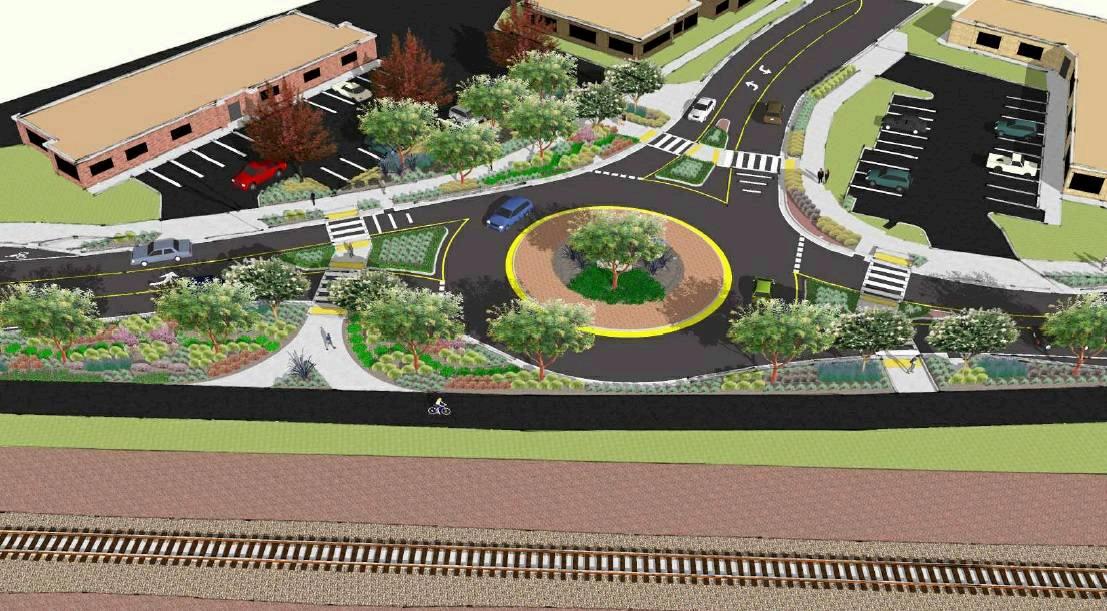
California & Taft Roundabout
Project Description
TheCity of San Luis Obisposecured grant fundsforcleanup and monitoringefforts of groundwatercontaminationwithintheCity’sbasin caused by tetrachloroethylenecontamination,alsoknown as Perchloroethylene(PCE).PCE is achemicalthat is typicallyassociatedwith dry cleaners,textileoperations, and metaldegreasingactivities.Localgroundwaterqualitysampling has documented areasof the San Luis Obispo Valley GroundwaterBasinunderlyingtheCitythathavelocalizedgroundwatercontaminationfromPCE.The originof the contaminationremainsunknown;however, itis not believed to be fromafacilityowned by theCity of San Luis Obispo.Thepurpose of this project is extractthegroundwater and remediatethebasinthroughafilteringprocessthatmeetsState and Federalregulations.Use of availablegroundwaterresourceswouldimproveresiliency in theCity’swatersupplyportfolio, and based on estimatespublished in the San Luis Obispo Valley BasinGroundwaterSustainability Plan, theCityanticipates about 700-acre-feet of groundwater is availableforuseeach year.TheCity doesnot currentlyusegroundwater as adrinkingwatersource but considersgroundwater as avaluablewaterresourcethat will help the City meet its future water supply and resiliency goals.
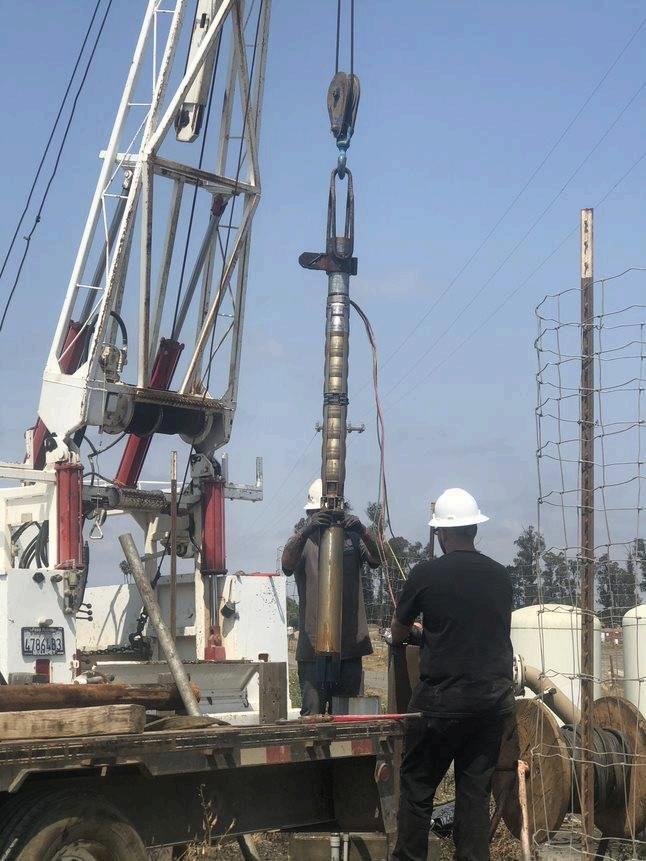
Project Name
Project Classification:
Project Type:
Project Description
Theexistinginterchange at Prado Road is atgradeand cannotaccommodatedevelopment needs withintheCity and region. Prado be extendedacrossHwy 101,and theNorth Bound onand offrampswillalso beadded to thisraisedinterchange.Elks Lane routed and forma new intersectionwiththedriveway to theCityCorporation Yard and WaterResourceRecoveryFacility.Corporation assetswill be re-organized to allow theinterchange to be constructed. Prado Roadwillalso be widenedfromElks Lane to the Prado Bridge. Grant Funding will be pursued during future design phases to help fund construction costs to the maximum extent possible.
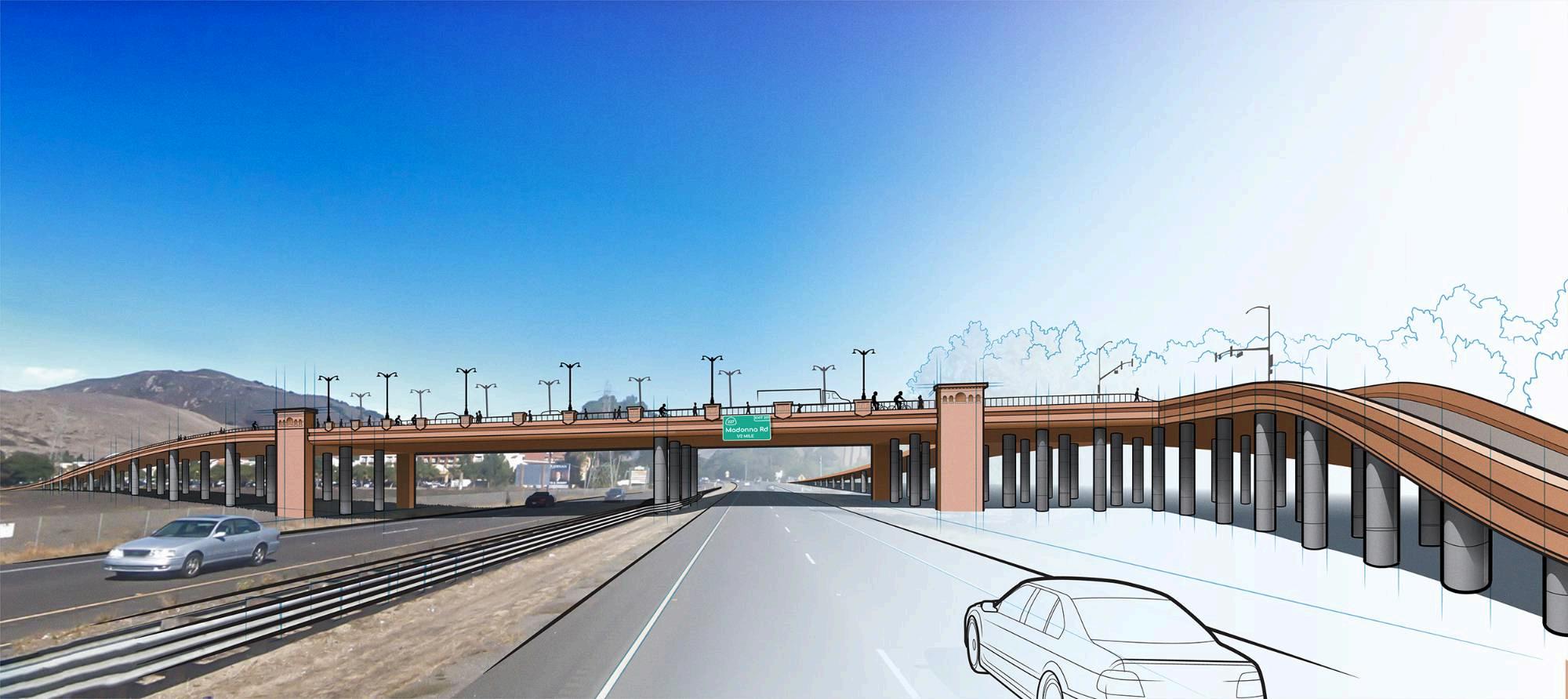
Project Number
2091633
Major City Goal:
Project Classification:
Project Type:
Project Description
In order to complywiththeCity’sPhase II SmallMS4Permit(SectionE.11-PollutionPrevention/GoodHousekeepingforPermittee OperationsProgram),materialstoragestallsmust be covered in order to preventstormwatertransfer of thevariousmaterialsstored in the stallssuch as sand,dirt,streetsweepingdebris, and coldpatch,whichcan be toxic to aquaticlife.Thisprojectdemostheexistingmaterial stalls at the Corp Yard and rebuilds them to provide a vaulted root and backwall with an option to install solar panels on the roofing.
Major City Goal: Project Classification: Project Type:
Project Description
Thisproject is driven by stormwater requirements. Theinfrastructure being installedwillsupportcompliancewiththe needed compliance standards.
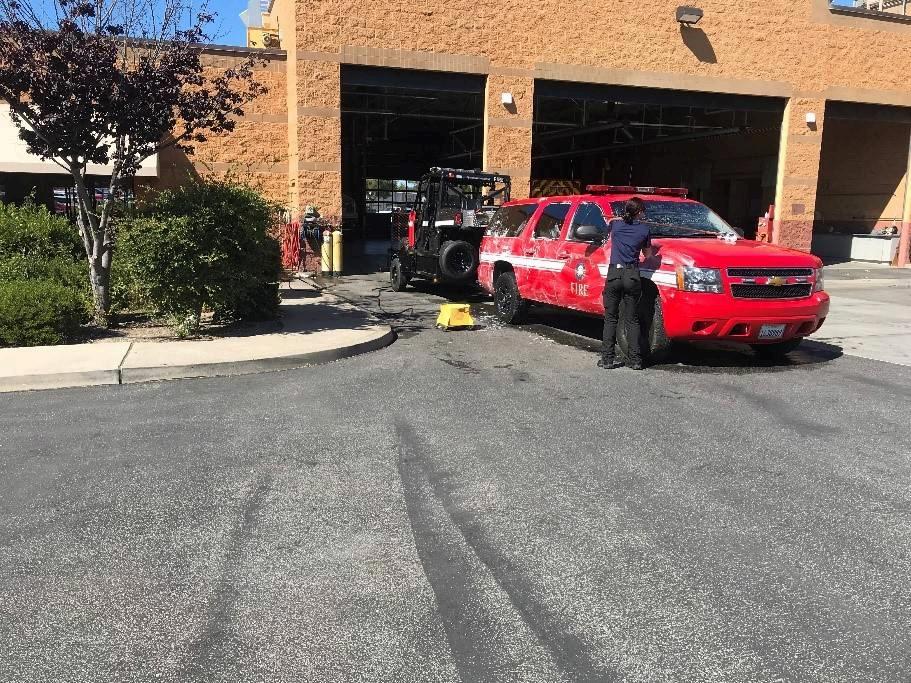
Major City Goal:
Project Classification:
Project Type:
Project Description
Infrastructure and Sustainable Transportation Maintenance
Asset Maintenance
TheCity’swastewatercollectionsystemincludesapproximately 140 miles of sewermains.Some pipesare over 100 years old,andare undersized to handle thecurrentflowrates.Maintenance needs increasedramatically aspipelines reachtheirflowcapacities, or whenthey approachthe endof theirusefullife. Pipelines in the public wastewatercollectionsystem are inspectedusingspecializedvideoequipment thatwillprioritize periodic cleaningfrequencies or recommendacompletereplacement.Based on theassessment,thisproject is needed for thereplacement of sewermainsdatingback to 1949. Thesewermains run along backyardeasements and haveshown high infiltrationflows rates during major storm events, which continue to exceed the flow capacity of the original design.
Sewer Main Replacement: Chorro – Meinecke to Murray
The 2015 WastewaterInfrastructureRenewalStrategy(IRS or masterplan)identifiedsewerservice areas withcapacityconstraintsfrom stormwaterinfiltrationsintothesewer piping system.Replacement of sewer pipelines,and relatedinfrastructure is anongoingprogram required fora reliable wastewatercollectionsystem.When new developments are completed,thedemandsforsewercapacities are tracked by telemetrysystems andare used to calibratethecomputermodelsthatassessthepriority of systemmaintenance,replacements, and capacityneeds.Thepurpose of thisproject is to forecastanticipatedcapitalexpendituresbeyondthefinancial plan,and to providestability during the development of rate setting studies.
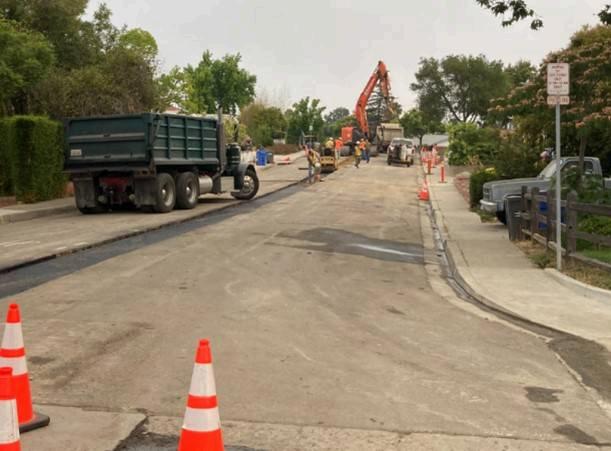
Thisprojectwillinstall new watermetersthattrackwaterresourcescoming in andoutof theWaterTreatment Plant to improvethe accounting of volumes and flows impacting the water distributions system during water loss audits.
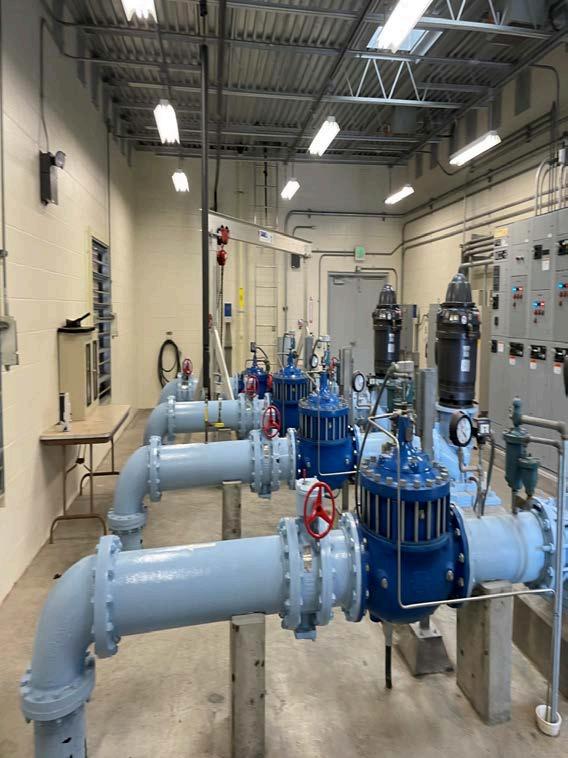
2099110
Major City Goal:
Project Classification:
Project Type:
Project Description
Laguna Lake Dredging
Infrastructure and Sustainable Transportation
The Laguna LakeNatureReserve is 344-acres of Cityowned land. Laguna Lake is anaturallyoccurringwater body althoughthelake and surroundingwatershedhave been modifiedincludingthererouting of PrefumoCreekinto Laguna Lake in the1960’s.Thisrerouting of Prefumo Creek has increased sediment deposits into the lake, and this project will dredge excess sediment from the lake bed.

Laguna Lake Dredging
TheCitycontinues to activelypursue land purchases and conservationeasements to enhancethe Greenbelt around theCity,whichprotects watersheds and maintains habitat connectivity. Funding for this project is matched by grant funding to implement open space acquisition.

Thisfundingserves as aplaceholder to theInfrastructureInvestmentFund(IIF) in anticipation of futurecostsrelated to thedevelopment a new Public SafetyCenterand/orproposedFireStation 5. Whilethespecificscope and timeline of theseprojectsremainuncertain, anticipatedthatsignificantinvestmentmay be required in thecomingyearsforactivitiessuch as entitlementwork, land acquisition, preliminarydesign,environmentalreview, or otherpre-constructionneeds.Allocatingfunding in theoutyearsallowstheCity to remain flexible and responsive as more information becomes available and planning efforts progress.
Project Description
In accordance with city policy, city shall maintain 20% of LRM funding in reserve.
Page intentionally left blank.
Budgetary basis refers to the basis of accounting used to estimate financing sources and uses in the budget. The City prepares its budget for each fund in accordance with its respective basis of accounting. The City prepares a two‐year Financial Plan and appropriates a one‐year budget. The City Council approves the appropriation for governmental funds and business activities (enterprise funds).
In accordance with generally accepted accounting principles (GAAP), the City’s financial reporting system is organized on the fund basis consisting of three major fund types ‐ governmental, proprietary, and fiduciary. The City’s various funds have been established in order to segregate and identify those financial transactions and resources associated with providing specific activities or programs in conformance with special regulations, restrictions, or limitations.
Governmental funds are reported using the current financial resources measurement focus and the modified accrual basis of accounting. Revenues are recognized as soon as they are both measurable and available. Expenditures generally are recorded when a liability is incurred; however, debt service expenditures, as well as expenditures related to compensated absences and claims and judgments, are recorded only when payment is due.
Proprietary (Enterprise) funds are accounted for on the flow of economic resources measurement focus and use the accrual basis of accounting. Under this method, revenues are recorded when earned and expenses are recorded at the time liabilities are incurred. The only type of proprietary funds that the City uses are enterprise funds for water, sewer, parking, and transit services. Within this document, they are reported under business activities.
Fiduciary funds. The City has established fiduciary funds, which are used to account for funds held by the City as an agent for private individuals, organizations or other government agencies. Unlike other types of funds, fiduciary funds only report assets and liabilities, thus they do not have a measurement focus since they do not report operating activity. However, fiduciary funds do use the accrual basis of accounting to recognize receivables and payables.
Internal Service fund. The City created an internal service fund to account for the resources needed to pay for liability, workers compensation, and other benefit‐related costs. Internal service funds typically assess a fee or seek reimbursement for the amounts that are expended and are not expected to accumulate fund reserves unless needed for a future payment.
Along with 3,000 other cities and local agencies, the City of San Luis Obispo contracts with the California Public Employees Retirement System (CalPERS) for its “defined benefit” retirement plan, which covers all regular employees (and temporary employees when required by State law). In 2012, the City proactively negotiated a lower second tier retirement benefit for employees hired after CalPERS contracts were amended. In addition, the Public Employee Pension Reform Act (AB 340) became effective in January 2013 and created the third, and even lower, tier retirement benefit. Under this program, employees who are considered new to the CalPERS retirement program are enrolled under the new law. Currently, 72% of all participating City employees are enrolled in the lower retirement tiers.
CalPERS establishes the annual employer contribution rate that is charged against the City’s payroll costs for eligible employees. The annual contribution rate is comprised of the following components:
1. Normal Cost, which is the amount needed to fund benefits earned by active employees in the upcoming year.
2. Unfunded liability required contribution, which is the amount charged to pay down the pool’s unfunded liability.
Each October, CalPERS provides an actuarial valuation report for each benefit plan that updates certain values to reflect changes in plan activity since the previous valuation. These changes include but are not limited to:
The difference between the expected rate of return and the actual rate realized.
Changes in the number of plan members who retire each year.
Changes in the number of new plan members.
Changes in the annual payroll provided to existing members of the plan.
The actuarial valuations also provide new information on the variables associated with maintaining the plan, such as the amount of the unfunded liability and the annual Employer Contribution rate, which represents the amount that the City is required to pay for every dollar of eligible payroll, beginning the following fiscal year. The information used for this report is taken from the latest valuation report that was issued for the year ending June 30, 2023.
CalPERS is a separate and distinct legal entity from the City and serves as an independent fiduciary in managing the City’s retirement plan assets.
The following summarizes CalPERS employer contributions since 2011‐12.
2011‐12
2012‐13
$4,202,200
$4,418,518
2013‐14 $4,152,103
$4,226,700
$4,347,255
$8,428,900
$8,765,773
$4,528,325 $8,680,428 2014‐15
$4,607,331
$5,027,328 $9,634,659 2015‐16 $5,885,722
$5,824,217 $11,709,939 2016‐17
$6,299,915
$6,776,945 $13,076,860 2017‐18 $5,910,345
$6,693,987 $12,604,332 2018‐19
$8,348,780
$9,361,882 $17,710,662 2019‐20 $7,167,638 $7,709,918 $14,877,556 2020‐21 $7,631,620 $8,069,806 $15,701,426 2021‐22 $12,756,585 $15,923,929 $28,680,514 2022‐23 $9,721,641 $11,050,124 $20,771,765 2023‐24 $10,004,005 $11,022,370 $21,026,375
In July 2024, CalPERS reported a 9.3% net return on investments for the 12‐month period that ended June 30, 2024. Under the current provisions of the CalPERS Asset Liability Management process, returns that exceed the established 6.8% discount rate require the Board of Administration to review whether to lower the rate for future years. Lowering the discount rate would have the immediate effect of a lower funded ratio and higher normal cost for the City. Fortunately, the target rate remains unchanged at 6.8% and the City should benefit from the 9.3% FY 2023‐24 returns with lower unfunded liability contributions in FY 2026‐27.
In 2018, City Council adopted a Fiscal Health Response Plan (FHRP) to help address the City’s unfunded liabilities. One component of the FHRP included making additional discretionary payments (ADPs) to CalPERS. To date, the City has made a total of $22.3 million in ADPs to paydown its pension liability.
In March 2023, staff engaged with Foster & Foster, an independent national actuarial consulting firm, to perform a review of the City’s progress in paying down unfunded liabilities. Based on the Foster & Foster actuarial report, the City’s commitment to paying down its pension debt by making additional ADPs has helped to make progress on improving the plan’s overall funded status. Feedback provided by the City’s independent Actuary is that the City is taking appropriate action to make progress in paying down the unfunded pension liabilities. A negative investment return of ‐7.5% in FY 2021‐22 provides a good reminder that the City’s ability to address unfunded liabilities is heavily impacted by factors outside of the City’s control. The primary recommended strategy coming out of the Foster & Foster report is to continue to make required and Additional Discretionary Payments; the City Council adopted Fiscal Policies prioritize ADPs and the City assumes that at least the first $2.0 million of unassigned fund balance will be used to make Additional Discretionary Payments annually.
CalPERS has published the employer rates for 2025‐26 as well as projected rates for the following year, as shown below. These contribution amounts do not reflect any employee cost sharing contributions, and for many plans, the actual cost to the City is lower. While CalPERS has been able to create separate rates for each of the Safety Plan Benefit Tiers, they have chosen to create a blended rate for all three Miscellaneous retirement benefit tiers. The table below is based on the June 30, 2023 valuation date, which is the latest available valuation.
In addition to the rate for the normal cost, CalPERS requires a fixed annual amount to pay down the unfunded liability. The June 30, 2023 valuation provides the amount for 2025‐26 and a projection for 2026‐27 as shown below.
Employees are making contributions to CalPERS along with employer contribution rates. Employee contribution rates vary, depending on retirement tier. Beginning in January 2014, the Police Officers’ Association (POA) agreed to contribute an additional 3.0% of pay to help offset the employer’s share of retirement costs. In 2019 and 2020, the POA agreed to phase in an additional 3.0%, bringing their total additional contribution to 6.0%. During this same period, the Police Management, Fire, Unrepresented Management, and Confidential bargaining groups also agreed to contribute an additional 3.0% of pay to help offset the employer’s share of the retirement costs.
Miscellaneous 7.0% to 10.5% Public Safety Sworn 9.0% to 17.5%
The following shows CalPERS funding levels for the City’s Miscellaneous Plan and Safety Pool for the actuarial valuations from June 30, 2011 through June 30, 2023. This is the most recent actual information that is available from CalPERS.
A. Diversified and Stable Base. The City will seek to maintain a diversified and stable revenue base to protect it from short‐term fluctuations in any one revenue source.
B. Long‐Range Focus To emphasize and facilitate long‐range financial planning, the City will maintain current projections of revenues for the succeeding five years.
C. Current Revenues for Current Uses. The City will make all current expenditures with current revenues, avoiding procedures that balance current budgets by postponing needed expenditures, accruing future revenues, or rolling over short‐term debt.
D. Interfund Transfers and Loans. In order to achieve important public policy goals, the City has established various special revenue, capital project, debt service and enterprise funds to account for revenues whose use should be restricted to certain activities. Accordingly, each fund exists as a separate financing entity from other funds, with its own revenue sources, expenditures and fund equity.
Any transfers between funds for operating purposes are clearly set forth in the Financial Plan, and can only be made by the Finance Director in accordance with the adopted budget. These operating transfers, under which financial resources are transferred from one fund to another, are distinctly different from interfund borrowings, which are usually made for temporary cash flow reasons, and are not intended to result in a transfer of financial resources by the end of the fiscal year.
In summary, interfund transfers result in a change in fund equity; interfund borrowings do not, as the intent is to repay the loan in the near term.
From time to time, interfund borrowings may be appropriate; however, these are subject to the following criteria in ensuring that the fiduciary purpose of the fund is met:
1. The Finance Director is authorized to approve temporary interfund borrowings for cash flow purposes whenever the cash shortfall is expected to be resolved within 45 days. The most common use of interfund borrowing under this circumstance is for grant programs like the Community Development Block Grant, where costs are incurred before drawdowns are initiated and received. However, receipt of funds is typically received shortly after the request for funds has been made.
2. Any other interfund borrowings for cash flow or other purposes require case‐by‐case approval by the Council.
3. Any transfers between funds where reimbursement is not expected within one fiscal year shall not be recorded as interfund borrowings; they shall be recorded as interfund operating transfers that affect equity by moving financial resources from one fund to another.
Fees will be reviewed and updated on an ongoing basis to ensure that they keep pace with changes in the cost‐of‐living as well as changes in methods or levels of service delivery.
In implementing this goal, a comprehensive analysis of City costs and fees should be made at least every three years. In the interim, fees will be adjusted by annual changes in the Consumer Price Index. Fees may be adjusted during this interim period based on supplemental analysis whenever there have been significant changes in the method, level or cost of service delivery.
In setting user fees and cost recovery levels, the following factors will be considered:
1. Community‐Wide Versus Special Benefit. The level of user fee cost recovery should consider the community‐wide versus special service nature of the program or activity. The use of general‐purpose revenues is appropriate for community‐wide services, while user fees are appropriate for services that are of special benefit to easily identified individuals or groups.
2. Service Recipient Versus Service Driver. After considering community‐wide versus special benefit of the service, the concept of service recipient versus service driver should also be considered. For example, it could be argued that the applicant is not the beneficiary of the City's development review efforts: the community is the primary beneficiary. However, the applicant is the driver of development review costs, and as such, cost recovery from the applicant is appropriate.
3. Effect of Pricing on the Demand for Services. The level of cost recovery and related pricing of services can significantly affect the demand and subsequent level of services provided. At full cost recovery, this has the specific advantage of ensuring that the City is providing services for which there is genuinely a market that is not overly‐stimulated by artificially low prices.
Conversely, high levels of cost recovery will negatively impact the delivery of services to lower income groups. This negative feature is especially pronounced, and works against public policy, if the services are specifically targeted to low‐income groups.
4. Feasibility of Collection and Recovery. Although it may be determined that a high level of cost recovery may be appropriate for specific services, it may be impractical or too costly to establish a system to identify and charge the user. Accordingly, the feasibility of assessing and collecting charges should also be considered in developing user fees, especially if significant program costs are intended to be financed from that source.
Very low‐cost recovery levels are appropriate under the following circumstances:
1. There is no intended relationship between the amount paid and the benefit received. Almost all "social service" programs fall into this category as it is expected that one group will subsidize another.
2. Collecting fees is not cost‐effective or will significantly impact the efficient delivery of the service.
3. There is no intent to limit the use of (or entitlement to) the service. Again, most "social service" programs fit into this category as well as many public safety (police and fire) emergency response services and the ability to appeal planning decisions. Historically, access to neighborhood and community parks would also fit into this category.
4. The service is non‐recurring, generally delivered on a "peak demand" or emergency basis, cannot reasonably be planned for on an individual basis, and is not readily available from a private sector source. Many public safety services also fall into this category.
5. Collecting fees would discourage compliance with regulatory requirements and adherence is primarily self‐identified, and as such, failure to comply would not be readily detected by the City. Many small‐scale licenses and permits might fall into this category.
The use of service charges as a major source of funding service levels is especially appropriate under the following circumstances:
1. The service is similar to services provided through the private sector.
2. Other private or public sector alternatives could or do exist for the delivery of the service.
3. For equity or demand management purposes, it is intended that there be a direct relationship between the amount paid and the level and cost of the service received.
4. The use of the service is specifically discouraged. Police responses to disturbances or false alarms might fall into this category.
5. The service is regulatory in nature and voluntary compliance is not expected to be the primary method of detecting failure to meet regulatory requirements. Building permit, plan checks, and subdivision review fees for large projects would fall into this category.
The following general concepts will be used in developing and implementing service charges:
1. Revenues should not exceed the reasonable cost of providing the service.
2. Cost recovery goals should be based on the total cost of delivering the service, including direct costs, departmental administration costs and organization‐wide support costs such as accounting, personnel, information technology, legal services, fleet maintenance and insurance.
3. The method of assessing and collecting fees should be as simple as possible in order to reduce the administrative cost of collection.
4. Rate structures should be sensitive to the "market" for similar services as well as to smaller, infrequent users of the service.
5. A unified approach should be used in determining cost recovery levels for various programs based on the factors discussed above.
Based on the criteria discussed above, the following types of services should have very low‐cost recovery goals. In selected circumstances, there may be specific activities within the broad scope of services provided that should have user charges associated with them. However, the primary source of funding for the operation as a whole should be general‐purpose revenues, not user fees.
1. Delivering public safety emergency response services such as police patrol services and fire suppression.
2. Maintaining and developing public facilities that are provided on a uniform, community‐wide basis such as streets, parks and general‐purpose buildings.
3. Providing social service programs and economic development activities.
4. Appealing planning decisions. Appeal fees are charged based on a tiered system and fees for all tiers should be at 15% cost recovery for both applicants and non‐applicants, based on the cost of responding to appeals initiated by the applicant.
The following cost recovery policies apply to the City's recreation programs:
1. Cost recovery for activities directed to adults should be relatively high.
2. Cost recovery for activities directed to youth and seniors should be relatively low. In those circumstances where services are similar to those provided in the private sector, cost recovery levels should be higher.
Although ability to pay may not be a concern for all youth and senior participants, these are desired program activities, and the cost of determining need may be greater than the cost of providing a uniform service fee structure to all participants. Further, there is a community‐wide benefit in encouraging high‐levels of participation in youth and senior recreation activities regardless of financial status.
3. Fees for golf activities should be comparable to other communities.
4. Cost recovery goals for recreation activities are set as follows:
High‐Range Cost Recovery Activities
a. Adult athletics
(60% to 100%)
b. Banner permit applications
c. Major commercial film permit applications
Mid‐Range Cost Recovery Activities ‐ (30% to 60%)
d. Triathlon
e. Summer and Spring Break Camps
f. Junior Ranger camp
g. Childcare services
h. Classes
Low‐Range Cost Recovery Activities‐ (0 to 30%)
i. Aquatics
j. Community gardens
k. Minor commercial film permit applications
l. Skate park
m. Parks and Recreation sponsored events (except for Triathlon)
n. Youth sports
o. Teen services
p. Senior services
5. For cost recovery activities of less than 100%, there should be a differential in rates between residents and non‐residents. However, the Director of Parks and Recreation is authorized to reduce or eliminate non‐resident fee differentials when it can be demonstrated that:
a. The fee is reducing attendance.
b. There are no appreciable expenditure savings from the reduced attendance.
6. Charges will be assessed for use of rooms, pools, gymnasiums, ball fields, special‐use areas, and recreation equipment for activities not sponsored or co‐sponsored by the City. Such charges should be based upon comparability with other communities. However, the Director of Parks and Recreation is authorized to charge fees that are closer to full cost recovery for facilities that are heavily used at peak times and include a majority of non‐resident users.
7. A vendor charge of at least 10 percent of gross income will be assessed from individuals or organizations using City facilities for moneymaking activities.
8. The Director of Parks and Recreation is authorized to offer reduced fees such as introductory rates, family discounts and coupon discounts on a pilot basis (not to exceed 18 months) to promote new recreation programs or revive existing ones.
9. The Parks and Recreation Department will consider waiving fees only when the City Manager determines in writing that an undue hardship exists.
The following cost recovery policies apply to the development review programs:
1. Services provided under this category include:
a. Planning (planned development permits, tentative tract and parcel maps, re‐zonings, general plan amendments, variances, use permits).
b. Building and safety (building permits, structural plan checks, inspections).
c. Engineering (public improvement plan checks, inspections, subdivision requirements, encroachments).
d. Fire plan check.
2. Cost recovery for these services should generally be very high. In most instances, the City's cost recovery goal should be 100%.
3. However, in charging high cost recovery levels, the City needs to clearly establish and articulate standards for its performance in reviewing developer applications to ensure that there is “value for cost.”
4. Building Permit Plan Check Services – The City of San Luis Obispo offers building permit plan check services through consultants at a set price, not to exceed 65% of the City’s fee for the service. Building Permit Plan Check Services are offered by the City on a 100% cost‐recovery basis, and the service is provided after the fee is paid in full. As a result, the Finance Director is authorized to make appropriations from the related revenue account to cover the cost of the services provided.
I. Services Supporting Sustainability Goals of the City Fees for services that support the sustainability goals of the City should be set at 50% cost recovery. These include:
1. Building permits for:
a. Electric Car Charging System
b. Graywater System
c. Graywater/Rainwater Harvesting System
d. Heat Pump
e. Insulation/Energy Update
f. Photovoltaic Systems
g. Photovoltaic Unit Installation – Residential
h. Residential Photovoltaic System
i. Solar/PV System ‐ Commercial BLDG
j. Solar/PV System – Multifamily BLDG
k. Solar Water System Fixtures ‐ BLDG
l. Doors/Windows
m. Electric Service Upgrades
n. New/Altered Circuits
o. Window Retrofit
2. Pedicab Fee and Pedicab Renewal Fee
J. Concealed Carry Weapon Permit fee
The Concealed Carry Weapon Permit fee should be based upon comparability with other communities.
In setting user fees, the City will consider fees charged by other agencies in accordance with the following criteria:
1. Surveying the comparability of the City's fees to other communities provides useful background information in setting fees for several reasons:
a. They reflect the "market" for these fees and can assist in assessing the reasonableness of San Luis Obispo’s fees.
b. If prudently analyzed, they can serve as a benchmark for how cost‐effectively San Luis Obispo provides its services.
2. However, fee surveys should never be the sole or primary criteria in setting City fees as there are many factors that affect how and why other communities have set their fees at their levels. For example:
a. What level of cost recovery is their fee intended to achieve compared with our cost recovery objectives?
b. What costs have been considered in computing the fees?
c. When was the last time that their fees were comprehensively evaluated?
d. What level of service do they provide compared with our service or performance standards?
e. Is their rate structure significantly different than ours and what is it intended to achieve?
3. These can be very difficult questions to address in fairly evaluating fees among different communities. As such, the comparability of our fees to other communities should be one factor among many that is considered in setting City fees.
A. Water, Sewer, and Parking. The City will set fees and rates at levels which fully cover the total direct and indirect costs—including operations, capital outlay, and debt service—of the following enterprise programs: water, sewer, and parking. For water and sewer, the rate setting process will be in accordance with Proposition 218 and its notification requirements.
B. Transit Based on targets set under the Transportation Development Act, the City will strive to cover at least twenty percent of transit operating costs with fare revenues.
C. Ongoing Rate Review. The City will review and adjust enterprise fees and rate structures as required to ensure that they remain appropriate and equitable.
D. Cost of Service Fees. The City will treat the water and sewer funds in the same manner as if they were privately owned and operated. This means assessing reasonable cost of service fees in fully recovering service costs.
The purpose of the cost of service fee is reasonable cost recovery for the use of the City’s services such as street rights‐of‐way and public safety. The appropriateness of charging the water and sewer fund a reasonable cost of service fee for the use of the City streets is further supported by the results of studies from Arizona, California, Ohio, and Vermont which concluded that the leading cause of street resurfacing and reconstruction is street cuts and trenching for Utilities.
The Council recognizes that generally accepted accounting principles for state and local governments discourage the “earmarking” of General Fund revenues, and accordingly, the practice of designating General Fund revenues for specific programs should be minimized in the City's management of its fiscal affairs. Approval of the following revenue distribution policies does not prevent the Council from directing General Fund resources to other functions and programs as necessary.
A. Property Taxes. With the passage of Proposition 13 on June 6, 1978, California cities no longer can set their own property tax rates. In addition to limiting annual increases in market value, placing a ceiling on voter‐approved indebtedness, and redefining assessed valuations, Proposition 13 established a maximum county‐wide levy for general revenue purposes of 1% of market value. Under subsequent state legislation, which adopted formulas for the distribution of this countywide levy, the City now receives a percentage of total property tax revenues collected countywide as determined by the State and administered by the County Auditor‐Controller. The City receives 14.9% of each dollar collected in property tax after allocations to school districts.
Accordingly, while property revenues are often thought of as local revenue sources, in essence they are State revenue sources, since the State controls their use and allocation.
With the adoption of a Charter revision in November 1996, which removed provisions that were in conflict with Proposition 13 relating to the setting of property tax revenues between various funds, all property tax revenues are now accounted for in the General Fund.
B. Gasoline Tax Subventions. All gasoline tax revenues (which are restricted by the State for street‐related purposes) will be used for maintenance activities. Since the City's total expenditures for gas tax eligible programs and projects are much greater than this revenue source, operating transfers will be made from the gas tax fund to the General Fund for this purpose. This approach significantly reduces the accounting efforts required to meet State reporting requirements.
C. Transportation Development Act (TDA) Revenues. All TDA revenues will be allocated to alternative transportation programs, including regional and municipal transit systems, bikeway improvements, and other programs or projects designed to reduce automobile usage. Because TDA revenues will not be allocated for street purposes, it is expected that alternative transportation programs (in conjunction with other state or federal grants for this purpose) will be self‐supporting from TDA revenues.
D. Parking Fines. All parking fine revenues will be allocated to the Parking Fund, except for those collected by Police staff (who are funded by the General Fund) in implementing neighborhood wellness programs.
The City of San Luis Obispo shall invest public funds in such a manner as to comply with state and local laws; ensure prudent money management; provide for daily cash flow requirements; and meet the objectives of the Investment Policy & Management Plan in priority order of Safety, Liquidity, and Return on Investment.
The purpose of the Investment Policy and Management Plan is to establish policies, practices, and procedures to be used in administering the City's investment portfolio in accordance with the City's Statement of Investment policy.
The City's primary investment objective is to achieve a reasonable rate of return on public funds while minimizing the potential for capital losses arising from market changes or issuer default. Although the generation of revenues through interest earnings on investments is an appropriate City goal, the primary consideration in the investment of City funds is capital preservation in the overall portfolio. As such, the City's yield objective is to achieve a reasonable rate of return on City investments rather than the maximum generation of income, which could expose the City to unacceptable levels of risk.
In determining individual investment placements, the following factors shall be considered in priority order: 1) Safety 2) Liquidity 3) Yield – (Return on Investment). The City will also take into account Environmental, Social, and Governance (ESG) objectives, the City’s Socially Responsible Investment Policy, and other qualitative considerations as directed by Council and required by the Investment Policy & Management Plan.
A. The Council will annually adopt a resolution establishing the City's appropriations limit calculated in accordance with Article XIII‐B of the Constitution of the State of California, Section 7900 of the State of California Government Code, and any other voter approved amendments or state legislation that affect the City's appropriations limit.
B. The supporting documentation used in calculating the City's appropriations limit and projected appropriations subject to the limit will be available for public and Council review at least 10 days before Council consideration of a resolution to adopt an appropriations limit. The Council will generally consider this resolution in connection with final approval of the budget.
C. The City will strive to develop revenue sources, both new and existing, which are considered non‐tax proceeds in calculating its appropriations subject to limitation.
D. The City will annually review user fees and charges and report to the Council the amount of program subsidy, if any, that is being provided by the General or Enterprise Funds.
E. The City will actively support legislation or initiatives sponsored or approved by League of California Cities which would modify Article XIII‐B of the Constitution in a manner which would allow the City to retain projected tax revenues resulting from growth in the local economy for use as determined by the Council.
F. The City will seek voter approval to amend its appropriation limit at such time that tax proceeds are in excess of allowable limits.
Link to the City’s Fund Balance & Reserve Policy
This policy establishes guidelines and procedures for allocating and reporting the City’s fund balances in the financial statements in accordance with Governmental Accounting Standards Board (GASB) Statement No. 54 and as committed by the City Council effective beginning fiscal year ending June 30, 2021.
Additionally, the policy establishes the City’s reserve levels to address protection from risk and unexpected situation that require financial resources. The City of San Luis Obispo faces risks such as revenue shortfalls during recessions and losses from extreme events, like earthquakes, wildland fires, flooding, and other natural disasters. Prudent reserve levels help make sure that the City of San Luis Obispo can respond quickly and decisively to those events. Reserves also support vital public services during revenue declines. As such, the City’s reserve policy describes how much the City will retain in the reserves and stipulates activation and acceptable uses of the reserves.
Since reserve levels need to be considered when establishing fund balances, both are addressed within this policy.
With the 2018‐19 Financial Plan Supplement, the City adopted its Fiscal Health Response Plan (FHRP); a three‐year plan to address the City’s escalating unfunded pension liability stemming from the CalPERS’ changes under the Public Employees’ Pension Reform Act (PEPRA). PEPRA prescribe that a member agency’s pension liability had to be paid down over a 30‐year period which triggered annually escalating contributions through 2045.
The FHRP therefore targeted a realignment of revenues and expenditures to allow for additional payments to CalPERS, negotiated additional contributions toward pension payments for employee groups, and prioritized the use of unassigned fund balance once the City’s Financial Statements had been audited and accepted by the City Council The goal of this realignment was the payment of the unfunded liability (UFL) over a reduced timeline therefore securing pensions for City employees and saving the City considerable interest payments.
Given the long‐term ramifications of the deliverables put in motion through the FHRP, this section addresses the City’s long‐term commitment to payment of the UFL, annual additional discretionary payments (ADPs), and the needed prioritization to hold the shortened timeline.
1. The City sets the following prioritization of unassigned General Fund balance:
a. Additional discretionary payments to CalPERS
b. Infrastructure investments
c. Emerging Health and Safety needs of the community
2. The City commits to ADPs to CalPERS and adding an annual inflator equal to increases in payroll whenever CalPERS reaches its discount rate or larger rates of return based on what is presented in the latest five‐year forecast.
3. Whenever CalPERS does not reach its adopted discount rate, the City commits to first use any unassigned fund balance to counteract the investment loss CalPERS experienced. It will add the loss to the committed ADP as outlined above to safeguard the investment already made toward the early repayment of the UFL.
A. CIP Projects: $25,000 or More. Construction projects which cost $25,000 or more will be included in the CIP and are accounted for in the Capital Outlay Fund. Minor capital outlays of less than $25,000 will be included with the operating program budgets.
B. CIP Purpose. The purpose of the CIP is to systematically plan, schedule, and finance capital projects to ensure cost‐effectiveness as well as conformance with established policies. The CIP is a five‐year plan organized by the same functional categories as the City’s operating programs. The CIP reflects a balance between capital replacement projects‐ those that repair, replace, or enhance existing facilities, equipment or infrastructure, and capital facility projects‐ those that significantly expand or add to the City’s existing fixed assets.
C. CIP Project Type. Projects are categorized by type, including:
1. Asset Maintenance – Reoccurring and annual needs that maintain existing assets.
2. Asset Replacement – Periodically reoccurring and/or annual needs that replace existing assets with similar assets.
3. New Asset – Periodic needs to expand the number of assets that serve the community.
Asset maintenance projects and costs should be considered before recommending funding for projects to replace existing assets or construct new assets. Asset Maintenance projects are not ranked by the CIP Review Committee.
D. CIP Project, Project Manager. Every CIP project will have a “project manager” who will be responsible for managing the project scope, budget, and timeline. Project managers will be
responsible for ensuring that required phases are completed on schedule, authorizing all project expenditures, ensuring that all regulations and laws are observed, regularly communicating with project proponents and other stakeholders, and reporting on project status. Project management will primarily be performed by staff in the Public Works Department, but staff from other departments may also manage projects.
E. CIP Review Committee. The CIP Review Committee provides governance of the CIP by evaluating and prioritizing capital projects based upon an established set of criteria to ensure alignment with Major City Goals, the General Plan, strategic growth objectives and needs for services provided within the City. The Assistant City Manager serves as Chair of the Committee and the Director of Public Works is Vice Chair; other members include: Deputy City Manager, Director of Community Development, Director of Finance, Director of Parks and Recreation, Director of Utilities, and a public safety department head (rotating between th e Fire Chief and Police Chief). The CIP Administrative Manager, City Engineer, Principal Budget Analyst, DEI Manager, and Sustainability Manager provide staff support to the Committee. The Committee is responsible for:
1. Assessing the City’s fiscal and staff capacity to deliver projects so that the recommended CIP represents what can realistically be accomplished; and
2. Recommending to the City Manager the projects and associated budgets that should be included in the biennial financial plan; and
3. Considering requests for new projects that may be requested outside of financial plan development to address emergent needs; and
4. Evaluating the re‐prioritization of projects as needs and conditions change in order to ensure consistency with project evaluation criteria, ability to deliver projects, and City priorities.
F. Project Request Forms. The CIP Review Committee requires that departments submitting a request for an Asset Replacement or New Asset project to be funded in the Five‐Year CIP cycle submit a Project Request Form (PRF) to formally document the project request. The PRF is intended to ensure that the Committee has necessary information to evaluate and prioritize projects for funding. In addition to completion of the PRF, the Committee may also request a presentation from the requesting department to gather additional information. The content of the PRF shall include, but not be limited to the following:
1. Proposed project title
2. Proponent (Client) department
3. Proposed managing department or division
4. Project function (Major City Goal Alignment)
5. Project type
6. City priority alignment
7. Project scope
1. Purpose and Need (including approved planning documents or mandates)
2. Consistency with Climate Action Plan
3. Consistency with DEI
4. Impact to Operations
8. Proposed project schedule/delivery
9. Estimated project budget and funding source(s)
G. Creation of Projects. New projects shall only be considered during development of the biennial financial plan. Staff requests for projects outside of the financial plan development process will be considered only if they are intended to address an emergency need. Staff may create new projects as directed by the City Council at any point.
H. CIP Phases. The CIP will emphasize project planning, with projects progressing through at least two and up to ten of the following phases:
1. Designate. Appropriates funds based on projects designated for funding by the Council through adoption of the Financial Plan.
2. Study. Concept, site selection, feasibility analysis, schematic design, environmental determination, property appraisals, scheduling, grant application, grant approval, specification preparation for equipment purchases.
3. Environmental Review. EIR preparation, other environmental studies.
4. Real Property Acquisitions. Property acquisition for projects, if necessary.
5. Design. Final design, plan and specification preparation and construction cost estimation.
6. Construction. Construction contracts.
7. Construction Management and Special Inspections. Contract project management and inspection, soils and material tests, other support services during construction.
8. Equipment Acquisitions. Vehicles, heavy machinery, computers, office furnishings, other equipment items acquired and installed independently from construction contracts.
9. Debt Service. Installment payments of principal and interest for completed projects funded through debt financings. Expenditures for this project phase are included in the Debt Service section of the Financial Plan. Generally, it will become more difficult for a project to move from one phase to the next. As such, more projects will be studied than will be designed, and more projects will be designed than will be constructed or purchased during the term of the CIP.
I. CIP Appropriation. The City’s annual CIP appropriation is based on the projects designated by the Council through adoption of the Financial Plan. Upon adoption of the Financial Plan, the Capital Improvement Program (CIP) is concurrently approved, authorizing appropriations for projects with allocated funding in the designated fiscal year. Appropriations are processed at the start of the fiscal year, ensuring that funds are available in the project account within the City’s financial management system.
If project costs at the time of bid award are less than the budgeted amount, the balance will be reappropriated to the CIP reserve, or be allocated to another project. If project costs at the time of bid award are greater than budget amounts, five basic options are available:
1. Eliminate the project.
2. Defer the project for consideration to the next Financial Plan period.
3. Rescope or change the phasing of the project to meet the existing budget.
4. Transfer funding from another specified, lower priority project.
5. Appropriate additional resources as necessary from fund balance.
6. Appropriate funding from the Capital Reserve.
J. CIP Project Lapse. Appropriations for CIP projects lapse three years after budget adoption. Projects which lapse from lack of project account appropriations may be resubmitted for inclusion in a subsequent CIP. Project accounts, which have been appropriated, will not lapse until completion of the project phase.
K. CIP Reporting. Staff shall publish reports on the progress of delivering the Capital Improvement Plan at least quarterly, as part of Quarterly Budget Reports provided to the City Council. These reports shall include a summary of project budgets, a status update on projects in progress, and a listing of projects completed within the quarter.
L. Public Art. CIP projects will be evaluated during the budget process and prior to each phase for conformance with the City's public art policy, which generally requires that 1% of eligible project construction costs be set aside for public art. Excluded from this requirement are underground projects, utility infrastructure projects, funding from outside agencies, and costs other than construction such as study, environmental review, design, site preparation, land acquisition and equipment purchases. It is generally preferred that public art be incorporated directly into the project, but this is not practical or desirable for all projects; in this case, an in‐lieu contribution to public art will be made. To ensure that funds are adequately budgeted for this purpose regardless of whether public art will be directly incorporated into the project, funds for public art will be identified separately in the CIP.
M. General Plan Consistency Review. The Planning Commission will review the Preliminary CIP for consistency with the General Plan and provide its findings to the Council prior to adoption.
N. Climate Action Plan Implementation. Council adopted Resolution No. 11159 (2020 Series) establishes a goal of community‐wide carbon neutrality by 2035 and municipal operations carbon neutrality by 2030. The City’s Capital Improvement Program is a critical implementation tool, and every CIP will be evaluated for alignment with these climate goals. Examples of ways projects or project components can align the with goals include (but are not limited to):
1. Elimination or reduction of vehicle miles traveled (e.g., active transportation and transit improvements),
2. Elimination or reduction of fossil fueled appliances, vehicles, and equipment,
3. Reduced energy consumption (e.g., efficient mechanical equipment, efficient lighting, etc.)
4. Carbon storage through tree planting or landscape management, and
5. Solid waste/ green waste diversion
O. Diversity, Equity and Inclusion. In 2020 the City Council declared diversity, equity, and inclusion (DEI) as integral aspects of their City Mission and Meta Goal, ensuring that through policies,
programs, and projects, San Luis Obispo will foster a community that is welcoming, equitable, safe and inclusive for all. The City’s Capital Improvement Program is a critical component of achieving these goals by ensuring that capital projects are designed to be accessible, inclusive, and safe for diverse populations. Capital Improvement Projects can advance diversity, equity, through project design and accessibility, diverse representation in art components of projects, ensuring there are programs to subsize costs for low‐income communities to access the project, providing opportunities to diverse populations and stakeholders for community input, including DEI as a priority in RFPs or project scope, and ensuring the project does not disproportionately burden one community over another.
Link to the City’s Capital Financing & Debt Management Policy
The City of San Luis Obispo (City) will maintain, at all times, debt management policies that are fiscally prudent, consistent with State and Federal law, and reflective of the most opportune financing strategies to deliver on the needs and goals of the community and the City organization. The Debt Management Policy establishes objectives, parameters, and guidelines for responsibly issuing and administering the City’s debt. Prudent management of the City’s debt program is necessary to achieve cost‐effective access to the capital markets and demonstrate a commitment to long‐term financial planning and sustainability.
The policy sets forth key objectives for the City in issuing and administering the City’s debt, which are to:
Maintain the City’s sound financial position.
Minimize debt service and issuance cost.
Maintain access to cost‐effective borrowing.
Achieve and maintain highest reasonable credit rating.
Ensure full and timely repayment of debt.
Maintain full and complete financial disclosure and reporting including voluntary disclosures.
Ensure compliance with State and Federal laws and regulations.
This policy establishes the framework for when the City of San Luis Obispo should consider issuing debt and the overall acceptable debt burden. Long‐term debt is an effective way to finance capital improvements by matching the term of the debt with the useful life of the asset being financed. Properly managed debt provides flexibility in current and future operating budgets and provides the City with the long‐term assets required to deliver services, programs, and public infrastructure to the community. The City recognizes that effective debt management practices require a comprehensive Debt Management Policy that details the use of capital debt to support the capital infrastructure in the community while maintaining a stable and prudent fiscal outlook.
1. General Purpose Debt Capacity. The City will carefully monitor its levels of general purpose debt. Because the City’s general‐purpose debt capacity is limited, it is important that the City only use general purpose debt financing for high‐priority projects when it cannot reasonably use other financing methods for two key reasons:
a. Funds borrowed for a project today are not available to fund other projects tomorrow.
b. Funds committed for debt repayment today are not available to fund operations in the future.
In evaluating debt capacity, general‐purpose annual debt service payments should generally not exceed 10% of General Fund revenues; and in no case should they exceed 15%. Further, direct debt will not exceed 2% of assessed valuation; and no more than 60% of capital improvement outlays will be funded from long‐term financings.
2. Enterprise Fund Debt Capacity. The City will set enterprise fund rates at levels needed to fully cover debt service requirements as well as operations, maintenance, administration and capital improvement costs. The ability to afford new debt for enterprise operations will be evaluated as an integral part of the City’s rate review and setting process.
A. Regular Staffing
1. The budget will fully appropriate the resources needed for authorized regular staffing.
2. Regular employees will be the core work force and the preferred means of staffing ongoing, year‐round program activities that should be performed by regular full‐ or part‐time City employees rather than limited‐term employees or independent contractors. The City will strive to provide competitive compensation and benefit schedules for its authorized regular work force. Each regular employee will:
a. Fill an authorized regular position.
b. Be assigned to an appropriate bargaining unit, unless designated as an unrepresented management or confidential classification.
c. Receive salary and benefits consistent with labor agreements or other compensation plans.
3. To manage the growth of the regular workforce and overall staffing costs, the City will follow these procedures:
a. The Council will authorize and approve funding to increase headcount for regular full‐time equivalent positions.
b. The Human Resources Department will coordinate and approve the hiring of all regular and temporary staff.
c. All requests for additional regular positions will include evaluations of:
The necessity, term, and expected results of the proposed activity.
Staffing and materials costs including salary, benefits, equipment, uniforms, vehicles, clerical support, and facilities.
The ability and cost of private industry to provide the proposed service.
Additional revenues or cost savings, which may be realized.
4. Periodically, and before any request for additional regular positions, programs will be evaluated to determine if they can be accomplished with fewer regular employees. (See Productivity Review Policy)
5. Total expenditures for regular, temporary, and contract staff hired to provide operating and maintenance services will be limited to approved budgets for regular, temporary, and contract salaries and benefits.
1. The hiring of temporary staff will not be used as an incremental method for expanding the City's regular work force.
2. Temporary staff include all employees other than regular employees, elected officials, and volunteers. Temporary staff include seasonal or occasional employees, employees with irregular schedules, limited benefit employees limited‐term contract employees, CalPERS retired annuitants, and leased employees. Temporary staff may work on a full‐ or part‐time basis and will generally augment regular City staffing. Temporary staff may be used as extra‐help during peak workloads, coverage during extended absences of regular employees, seasonal workforce, a means to assess ongoing staffing needs, or as the staffing method for program delivery that is most effectively staffed using part‐time hours to ensure adequate coverage.
3. The City Manager and Department Heads will encourage the use of temporary staff rather than regular employees to meet peak workload requirements, fill interim vacancies, and accomplish tasks where less than full‐time, year‐round staffing is required.
4. Under this guideline, temporary staff hours will generally not exceed 1,000 hours annually, or about 50% of a fulltime position. There may be limited circumstances where the use of temporary staff on an ongoing basis in excess of this target may be appropriate due to unique programming or staffing requirements. However, any such exceptions must be approved by the City Manager based on the review and recommendation of the Directors of Finance and Human Resources.
5. Limited‐term contract employees are defined as temporary staff, eligible for defined benefits, with written employment contracts that have a defined end‐date and are approved by the Director of Human Resources and City Attorney. Limited‐term contract employees will generally be used for medium‐term (generally between six months and two years) projects, programs, or activities requiring specialized or augmented levels of staffing for a specific period of time. The services of limited‐term contract employees will be discontinued upon completion of the assigned project, program, or activity. Accordingly, limited‐term contract employees will not be used for services that are anticipated to be delivered on an ongoing basis and as such, a determination as to the expected need will be made at the end of each contract term and prior to extending or renewing a contract.
6. Temporary Agency Employees are employed during short‐term, peak workload assignments to be accomplished using personnel contracted through an outside employment agency (OEA). In this situation, it is anticipated that City staff will closely monitor the work of temporary agency employees and minimal training will be required. However, they will always be considered the employees of the OEA and not the City. All placements through an OEA will be coordinated through the Human Resources Department and subject to the approval of the Director of Human Resources.
1. Overtime should be used only when necessary and when other alternatives are not feasible or cost effective.
2. All overtime must be pre‐authorized by a department head or delegate unless it is assumed preapproved by its nature (e.g., overtime that results when an employee is assigned to standby and/or must respond to an emergency or complete an emergency response).
3. Departmental operating budgets should reflect anticipated annual overtime costs and departments will regularly monitor overtime use and expenditures.
4. When considering the addition of regular or temporary staffing, the use of overtime as an alternative will be considered. The department will take into account:
a. The duration that additional staff resources may be needed.
b. The cost of overtime versus the cost of additional staff.
c. The skills and abilities of current staff.
d. Training costs associated with hiring additional staff.
e. The impact of overtime on existing staff.
Independent contractors are not City employees. Independent contractors are used in construction of public works projects and delivery of operating, maintenance, or specialized professional services not routinely performed by City employees. Such services will be provided without close supervision by City staff, and the required methods, skills, and equipment will generally be determined and provided by the independent contractor. Contract awards will be guided by the City's purchasing policies and procedures. (See Contracting for Services Policy)
A. General Policy Guidelines
1. Contracting with the private sector for the delivery of services provides the City with an opportunity for cost containment and productivity enhancements. As such, the City is committed to using private sector resources in delivering municipal services as a key element in our continuing efforts to provide cost‐effective programs.
2. Private sector contracting approaches under this policy include construction projects, professional services, outside employment agencies, and ongoing operating and maintenance services.
3. In evaluating the costs of private sector contracts compared with in‐house performance of the service, indirect, direct, and contract administration costs of the City will be identified and considered.
4. Whenever private sector providers are available and can meet established service levels, they will be considered as viable service delivery alternatives using the evaluation criteria outlined below.
5. For programs, services, and activities currently provided by City employees, conversions to contract services will generally be made through attrition, reassignment or absorption by the contractor, after fulfilling required meet and confer obligations.
B. Evaluation Criteria
Within the general policy guidelines stated above, the cost‐effectiveness of contract services in meeting established service levels will be determined on a case‐by‐case basis using the following criteria:
1. Is a sufficient private sector market available to competitively deliver this service and assure a reasonable range of alternative service providers?
2. Can the contract be effectively and efficiently administered?
3. What are the consequences if the contractor fails to perform, and can the contract reasonably be written to compensate the City for any such damages?
4. Can a private sector contractor better respond to expansions, contractions or special requirements of the service?
5. Can the work scope be sufficiently defined to ensure that competing proposals can be fairly and fully evaluated, as well as the contractor's performance after bid award?
6. Does the use of contract services provide us with an opportunity to redefine service levels?
7. Will the contract limit our ability to deliver emergency or other high priority services?
8. Overall, can the City successfully delegate the performance of the service but still retain accountability and responsibility for its delivery?
Ensuring the “delivery of service with value for cost” is one of the key concepts embodied in the City's Mission Statement (San Luis Obispo Style— Quality With Vision). To this end, the City will constantly monitor and review our methods of operation to ensure that services continue to be delivered in the most cost‐effective manner possible.
This review process encompasses a wide range of productivity issues, including:
A. Analyzing systems and procedures to identify and remove unnecessary review requirements.
B. Evaluating the ability of new technologies and related capital investments to improve productivity.
C. Developing the skills and abilities of all City employees.
D. Developing and implementing appropriate methods of recognizing and rewarding exceptional employee performance.
E. Evaluating the ability of the private sector to perform the same level of service at a lower cost.
F. Periodic formal reviews of operations on a systematic, ongoing basis.
G. Maintaining a decentralized approach in managing the City's support service functions. Although some level of centralization is necessary for review and control purposes, decentralization supports productivity by:
1. Encouraging accountability by delegating responsibility to the lowest possible level.
2. Stimulating creativity, innovation and individual initiative.
3. Reducing the administrative costs of operation by eliminating unnecessary review procedures.
4. Improving the organization's ability to respond to changing needs and identify and implement cost‐saving programs.
5. Assigning responsibility for effective operations and citizen responsiveness to the department.
H. Maintaining City purchasing policies and procedures that are as efficient and effective as possible.
AAbatement. A reduction in amount, degree, or intensity of something, such as a tax.
Account. A separate financial reporting unit. All budgetary transactions are recorded in accounts.
Accrual Basis. A basis of accounting in which transactions are recognized at the time they are incurred, as opposed to when cash is received or spent.
Actuarial. A person or methodology that makes determinations or required contributions to achieve future funding levels that address risk and time.
Ad Valorem Tax. A tax levied on the assessed value of real estate and personal property. This tax is also known as property tax.
Adopted Budget. The proposed budget as formally approved by the City Council.
Appropriation. An authorization made by the City Council, which permits the City to incur obligations to make expenditures for specific purposes.
Assessed Valuation. A value that is established for real and personal property for use as a basis for levying property taxes.
Asset. Resources owned or held by a government that have monetary value.
BBalanced Budget. A budget in which planned funds or revenues available are equal to planned fund expenditures.
Bond. A written promise to pay a sum of money on a specific date at a specified interest rate. The interest payments and the repayment of the principal are detailed in a bond ordinance. The most common types of bonds are general obligation and revenue bonds.
Bond Rating. The City of San Luis Obispo uses both of the Nation's primary bond rating services ‐ Moody’s Investors Service and Standard & Poor's. These rating services perform credit analysis to determine the probability of an issuer of debt defaulting partially or fully.
Bond Refinancing. The payoff and re issuance of bonds to obtain better interest rates and/or bond conditions.
Budget. A plan of financial operation for a specified period of time (fiscal year). The Annual Budget
authorizes and provides the basis for control of financial operations during the fiscal year.
Budget Adjustment. A procedure to revise a budget appropriation either by City Council approval through the adoption of a supplemental appropriation ordinance for any interdepartmental or inter‐fund adjustments or by City Manager authorization to adjust appropriations within a departmental budget.
Budget Calendar. The schedule of key dates or milestones that the City follows in the preparation, adoption, and administration of the budget.
Budget Document. The instrument used by the budget‐making authority to present a comprehensive financial program to the City Council.
Budget Team. A fun group of hard‐working employees responsible for budget preparation, benchmarking, forecasting, and financial analysis.
Budget Message. The opening section of the budget that provides the City Council and the public with a general summary of the most important aspects of the budget, changes from the current and previous fiscal years, and recommendations regarding the financial policy for the upcoming period.
Budgetary Basis. This refers to the form of accounting used throughout the budget process. These generally take one of three forms: GAAP, cash, modified accrual, or some type of statutory form.
Budgetary Control. The control or management of a governmental unit or enterprise in accordance with an approved budget for the purpose of keeping expenditures within the limitations of authorized appropriations and available revenues.
CCapital Assets. Assets of long‐term character that are intended to continue to be held or used, such as land, buildings, machinery, furniture and other equipment.
Capital Budget. The appropriation of bonds or operating revenue for improvements to facilities and other infrastructure.
Capital Improvements. Expenditures related to the acquisition, expansion, or rehabilitation of an element of the government’s physical plant, sometimes referred to as infrastructure.
Capital Improvement Plan (CIP). A plan for capital expenditures to provide long‐lasting physical improvements to be incurred over a fixed period of several future years. The City of San Luis Obispo’s City Charter requires annual submission of a five‐year capital program for City Council acceptance.
Capital Outlay. Expenditures that result in the acquisition of, or addition to, fixed assets.
Cash Basis. A basis of accounting in which transactions are recognized only when cash is increased or decreased.
Contingency. A budgetary reserve set aside for emergencies or unforeseen expenditures not otherwise budgeted.
Core Service. A principal service or product delivered by a program or department that is necessary to the successful operation of the City.
DDebt Service. The amount of interest and principal that a City must pay each year on net direct long‐term debt plus the interest it must pay on direct short‐term debt.
Deficit. The excess of an entity’s liabilities over its assets or the excess of expenditures over revenues during a single accounting period.
Department. A major administrative unit of the City that indicates overall management responsibility for an operation or a group of related operations within a functional area. Departments are comprised of divisions, programs, and/or sections.
Depreciation. Expiration in the service life of capital assets attributable to wear and tear, deterioration, action of the physical elements, inadequacy, or obsolescence.
Diversity, Equity and Inclusion (DEI). The City of San Luis Obispo values diversity, promotes equity and belonging, actively denounces all forms of bigotry and believes that both in value and practice San Luis Obispo can be a place where all individuals* are treated with dignity, respect, and inclusion. The City is dedicated to building a community and government in which diversity is celebrated, inclusion and equity are embedded in policy, and all members of the public are represented to ensure San Luis Obispo is a place all can thrive. *All individuals refer to all cultures, national origins, gender identities, gender expressions, sexual orientations, pregnancy statuses, racial and ethnic identities, linguistic backgrounds and languages, age, disabilities, genetic information, veteran status, and spiritual/religious beliefs.
Division. A functional unit within a department.
EEncumbrance. The legal commitment of appropriated funds to purchase an item or service. To encumber funds means to set aside or commit funds for a future expenditure.
ESG Investing. Environmental, Social, and Governance refers to the three central factors in measuring the sustainability and societal impact of an investment in accompany or business. The method rates company’s environmental footprint, social behavior, and company governance such as labor practice, governing board composition, talent management, product safety, and data security to name a few.
Estimated Revenue. The amount of projected revenue to be collected during the fiscal year.
Expenditure/Expense. This term refers to the outflow of funds paid for an asset obtained or goods and services obtained.
FFinancial Reserves. An unappropriated source of funding that can be utilized to meet unexpected budgetary needs.
Fiscal Year. The time period designated by the City signifying the beginning and ending period for recording financial transactions. The City of San Luis Obispo has specified July 1 to June 30 as its fiscal year.
Forfeiture. The automatic loss of property, including cash, as a penalty for breaking the law, or as compensation for losses resulting from illegal activities. Once property has been forfeited, the City may claim it, resulting in confiscation of the property.
Full Faith and Credit. A pledge of a government’s taxing power to repay debt obligations.
Full‐Time Employee. A full‐time employee working 38‐40 hours per week and receiving benefits.
Fund. A set of inter‐related accounts to record revenues and expenditures associated with a specific purpose. Fund structure presented below
Capital Projects Fund. Capital Projects Funds are used to account for financial resources to be used for the acquisition or construction of major capital facilities (other than those financed by Proprietary Funds and Trust Funds).
Debt Service Fund. Debt Service Funds are set up to receive dedicated revenues used to make principal and interest payments on City debt. They are used to account for the accumulation of resources for, and the payment of, general obligation and special assessment debt principal, interest and related costs, except the debt service accounted for in the Special Revenue Funds and Enterprise Funds.
General Fund. The General Fund is the general operating fund of the City. It is used to account for all activities of the City not accounted for in another fund.
Special Revenue Fund. Special Revenue Funds are set up as accounts for Federal or State grants legally restricted to expenditures for specific purposes.
Enterprise Funds. Enterprise Funds are used to account for operations including debt service (a) that are financed and operated in a manner similar to private businesses – where the intent of the government body is that the costs (expenses, including depreciation) of providing goods or services to the general public on a continuing basis is financed or recovered primarily through user charges; or (b) where the governing body has determined that periodic determination of revenues earned, expenses incurred, and/or net income is appropriate for capital maintenance, public policy, management control accountability, or other purposes.
Internal Service Funds. Internal Service Funds are established to account for an entity that provides goods and services to other City entities and charges those entities for the goods and services provided.
Fund Balance. The difference between revenues and expenditures. The beginning fund balance represents the residual funds brought forward from the previous year (ending balance)
GGenerally Accepted Accounting Principles (GAAP). Uniform minimum standards for financial accounting and recording, encompassing the conventions, rules, and procedures that define accepted accounting principles.
General Governmental Revenue. The revenues of a government other than those derived from and retained in an Enterprise Fund. General Governmental revenues include those from the General, Debt Service, and Special Revenue Funds.
General Obligation Bonds. Bonds that finance a variety of public projects such as streets, buildings, and improvements; the repayment of these bonds is usually made from secondary property taxes, and these bonds are backed by the full faith and credit of the issuing government.
Goal. A statement of direction based on identified strategic priorities. Should be measurable and able to be achieved in 3 to 5 years
Grant. A contribution by the State or Federal government or other organization to support a particular function. Grants may be classified as either categorical or block depending upon the amount of discretion allowed the grantee.
IIndirect Cost. A cost necessary for the functioning of the organization as a whole, but which cannot be directly assigned, such as administrative support, facility maintenance or custodial services.
Inflation. A rise in price levels caused by an increase in available funds beyond the proportion of available goods.
Infrastructure. Public domain fixed assets including roads, curbs, gutters, sidewalks, drainage systems, lighting systems, and other items that have value only to the City.
Interest Income. Revenue associated with the city cash management activities of investing fund balances.
Intergovernmental Resources. Funds received from federal, state, and other local government sources in the form of grants, shared revenues, and payments in lieu of taxes.
Inter‐fund Transfer. The movement of monies between funds of the same governmental entity.
Inter‐local Agreement. A contractual agreement between two or more governmental entities.
Internal Services Charges. The charges to user departments for internal services provided by another government agency, such as data processing, equipment maintenance and communications.
LLevy. To impose taxes for the support of government activities.
Long‐Term Debt. Debt with a maturity of more than one year after the date of issuance.
MMajor City Goals. The most important, highest priority goals for the City to accomplish over the next two years, and as such, resources should be included in the 2025‐27 Financial Plan.
Major Fund. Funds whose revenues, expenditures/ expenses, assets, or liabilities (excluding extraordinary items) are at least 10 percent of corresponding totals for all governmental or enterprise funds and at least 5 percent of the aggregate amount for all governmental and enterprise funds. These represent the City's most important funds and include the General Fund.
Mandate. A requirement from a higher level of government that a lower level of government perform a task in a particular way or standard.
Mission Statement. The statement that identifies the particular purpose and function of an entity.
Modified Accrual Basis. The basis of accounting under which revenues are recognized when measurable and available to pay liabilities. Expenditures are recognized when the liability is incurred except for interest on long‐term debt which is recognized when due, and the noncurrent portion of accrued vacation and sick leave, which is recorded in general long‐term debt.
Municipal Code. A collection of laws, rules, and regulations that apply to the City and its citizens.
NNeighborhood Services. A program developed to promote and strengthen the stability, development, revitalization, and preservation of neighborhoods through community‐based problem solving.
Net Position. Governmental financial statement reporting for proprietary funds where assets plus deferred outflows of resources, less liabilities, less deferred inflows of resources, equals net position program.
OObjective. A specific measurable and observable result of an organization’s activity, which advances the organization toward its goal.
Ombudsman. One that investigates reported complaints, reports findings, and helps to achieve equitable settlements.
OPEB. Other post‐employment benefits are benefits that an employee will begin to receive at the start of retirement such as health care and deferred‐compensation arrangements.
Operating Budget. The portion of the budget that pertains to daily operations that provide basic governmental services. The operating budget contains appropriations for expenditures such as personnel, supplies, utilities, materials, travel, and fuel.
Operating Expenses. The cost for personnel, materials, and equipment required for a department to function.
Operating Revenue. Funds that the government receives as income to pay for ongoing operations, including such items as taxes, user fees, interest earnings, and grant revenues. Operating revenues are used to pay for day‐to‐ day services.
PPay‐As‐You‐Go Financing. A term used to describe a financial policy by which the capital program is financed from current revenues rather than through borrowing.
Per Capita. A measurement of the proportion of some statistic to an individual resident determined by dividing the statistic by the current population.
Performance Budget. A budget that focuses upon departmental goals and objectives rather than line items, programs, or funds. Workload and unit cost data are collected in order to assess the effectiveness and efficiency of services. Typical measures collected might include average emergency response time for the fire.
Performance Measure. Data collected to determine how effective and/or efficient a program is in achieving its objectives.
Policy. A plan, course of action or guiding principle designed to set parameters for decisions and actions.
Prior Year Encumbrances. Obligations from previous years in the form of purchase orders or contracts that are chargeable to an appropriation, and for which a part of the appropriation is reserved. They cease to be encumbrances when the obligations are paid or otherwise terminated.
Potable Water. Water that is fit to drink.
Program. Group activity, operations, or organizational units directed to attaining specific objectives and achievements and budgeted as sub‐units of a department.
Program Budget. A budget that allocates money to the functions or activities of a government rather than to specific items of cost or to specific departments.
Property Tax. A levy upon the assessed valuation of the property within the City of San Luis Obispo upon each $100 of assessment.
RRetained Earnings. An equity account reflecting the accumulated earnings of an enterprise or internal service fund.
Revenue. Funds that the government receives as income. It includes such items as tax payments, fees from specific services, receipts from other governments, fines, forfeitures, grants, shared revenues, and interest income.
Revenue Bonds. Bonds usually sold for constructing a project that will produce revenue for the government. That revenue is pledged to pay the principal and interest of the bond.
Reserve. An account used to indicate that a portion of a fund’s assets are legally restricted for a specific purpose and is, therefore, not available for general appropriation.
Resolution. A special or temporary order of a legislative body requiring less legal formality than an ordinance or statute.
Resources. Total amounts available for appropriation including estimated revenues, fund transfers, and beginning balances.
Risk Management. An organized attempt to protect a government’s assets against accidental loss in the most economical method.
SSales Tax. Tax imposed on the taxable sales of all final goods.
Source of Revenue. Revenues are classified according to their source or point of origin.
Special Assessment. A compulsory levy made against certain properties to defray part or all of the cost of a specific improvement or service deemed to primarily benefit those properties.
State and Local Fiscal Recovery Funds. Federal program authorized by the American Rescue Plan Act (ARPA) to provide $350 billion to state, territorial, local, and Tribal governments across the United States to support their response to and recovery from the COIVD‐19 public health emergency.
Strategic Plan. A document outlining long‐term goals, critical issues, and action plans that will increase the organization’s effectiveness in attaining its vision, priorities, mission, goals and objectives.
System Development Charge. That portion of the connection charge that is determined to be the customer’s proportionate share of the cost of providing transmission, pumping, and storage facilities required to serve the various distribution areas or zones within the system.
TTax Levy. The resultant product when the tax rate per $100 is multiplied by the tax base.
Taxes. Compulsory charges levied by a government for the purpose of financing services performed for the common benefit of the people. This term does not include specific charges made against particular persons or property for current or permanent benefit, such as special assessments.
Transfers In/Out. Amounts transferred from one fund to another to assist in financing the services for the recipient fund.
UUndesignated Fund Balance. The portion of a fund’s balance that is not legally restricted for a specific purpose and is available for general appropriation.
Unencumbered Balance. The amount of an appropriation that is neither expended nor encumbered. It is essentially the amount of money still available for future purposes.
Unfunded Pension Liability. The difference between assets in a pension fund and the amount of benefits the fund is required to pay out in the long‐term.
Unreserved Fund Balance. The portion of a fund’s balance that is not restricted for a specific purpose and is available for general appropriation.
Useful Life. The period of time that a fixed asset is able to be used. This can refer to a budget period of time for an equipment class or the actual amount of time for a particular item.
User Charges. The payment of a fee for direct receipt of a public service by the party who benefits from the service.
3CE Central Coast Community Energy
ACFR Annual Comprehensive Financial Reports
AP Accounts Payable
APWA American Public Works Association
AR Accounts Receivable
ARB Administrative Review Board
ARC Architectural Review Commission
ARPA American Rescue Plan Act
ATC Active Transportation Committee
BAR Budget Amendment Request
CAD Computer Aided Dispatch
CALOES California Office of Emergency Services
CALPERS California Public Employee Retirement System
CAP Cost Allocation Plan
CAPSLO Community Action Partnership of San Luis Obispo
CAR Council Agenda Report
CAT Community Action Team
CBOA Construction Board of Appeals
CCCI California Construction Cost Index
CDBG Community Development Block Grant
CDD Community Development Department
CEQA California Enivronmental Quality Act
CHC Cultural Heritage Committee
CMR City Manager Report
COPS Community Oriented Policing Strategy
COS Cost of Services
CPA Certified Public Accountant
CPI Consumer Price Index
CPUC California Public Utilities Commission
CUP Conditional Use Permit
CVRA California Voting Rights Act of 2001
DEITF Diversity, Equity, Inclusion (Task Force)
DSLO Downtown San Luis Obispo
EOC Emergency Operations Center
EV Electric Vehicle
FEMA Federal Emergency Management Agency
FMLA Family and Medical Leave Act
FMM Financial Management Manual
FPSC Financial Plan Steering Committee
FTE Full Time Equivalent
FY Fiscal Year
FYTD Fiscal Year‐to‐date
GAAP Generally Accepted Accounting Principles
GASB Governmental Accounting Standards Board
GFOA Government Finance Officers Association
GIS Geographic Information System
GL General Ledger
HAZMAT Hazardous Materials
HA Housing Authority
HR Human Resources
HRC Human Relations Commission
IAFF International Association of Fire Fighters
IOC Investment Oversight Committee
IT Information Technology
ITSC Information Technology Steering Committee
JPA Joint Powers Authority
LAFCO Local Agency Formation Commission
LAIF Local Agency Investment Fund
LGBQT Lesbian, Bisexual, Gay, Transgender, Questioning
LRM Local Revenue Measure
MCU Mobile Crisis Unit
MDC Mobile Data Computer
MOA Memorandum of Agreement
MOU Memorandum of Understanding
MTC Mass Transportation Committee
MUP Minor Use Permit
NEPA National Environmental Policy Act
NOV Notice of Violation
OSHA Occupational Safety and Health Administration
PAFT Popular Annual Financial Report
PB Personnel Board
PC Planning Commission
PCC Promotional Coordinating Committee
PERS Public Employees' Retirement System
PFF Public Facilities Fees
PO Purchase Order
POA Police Officers’ Association
POST Peace Officer Standards and Training
PRRC Parks and Recreation Commission
PW Public Works
REOC Revenue Enhancement Oversight Commission
RFI Request for Information
RFP Request for Proposal
RFQ Request for Qualifications
RMS Records Management System
SLFRF State and Local Fiscal Recovery Funds
SLOCEA San Luis Obispo City Employees' Association
SLOCOG San Luis Obispo Council of Governments
SLOPSOA San Luis Obispo Police Staff Officers' Association
SLOREP San Luis Obispo Repertory Theatre
SOBC Significant Operating Budget Change
SOP Standard Operating Procedure
SRF State Revolving Fund
TAC Technical Advisory Committee
TBID Tourism Business Improvement District
TC Tree Committee
TDA Transportation Development Act
THMA Transitions‐ Mental Health Association
TOT Transient Occupancy Tax
USGS U.S. Geological Survey
UT Utilities
UUT Utilities Users Tax
VLF Vehicle License Fee
The City’s appropriation limit is based on the Gann Spending Limit Initiative, a State constitutional amendment adopted by the voters on June 6, 1979 and amended in 1990 with Proposition 111. It is anchored in the State Constitution under Article XIIIB.
The limit restricts appropriations from tax revenues by State and local governments. Under its provisions, no local agency can appropriate proceeds of taxes in excess of its “appropriation limit”. Excess funds may be carried over into the next year. However, any excess funds remaining after the second year must be returned to taxpayers by reducing tax rates or fees; a majority of the voters may approve an override to increase the limit.
The City’s appropriation limit is calculated by considering population growth and cost of living as allowed under Proposition 111.
The following summarizes changes in the City’s appropriation limit and appropriations subject to the limit for the past ten years as well as the appropriation limit for FY 2025‐26. A positive variance indicates that the City’s appropriations are lower than the allowable limit.
This section includes General Ledger Account level detail for all funds’ operating budgets by department and cost center. Because it includes all funds, department totals may not equal summary tables included elsewhere in the budget. Accounts included in the following tables are limited to operating expenditures, including staffing and other operating expenditures, and do not include non‐operating costs like capital expenditures, debt service, or transfers.
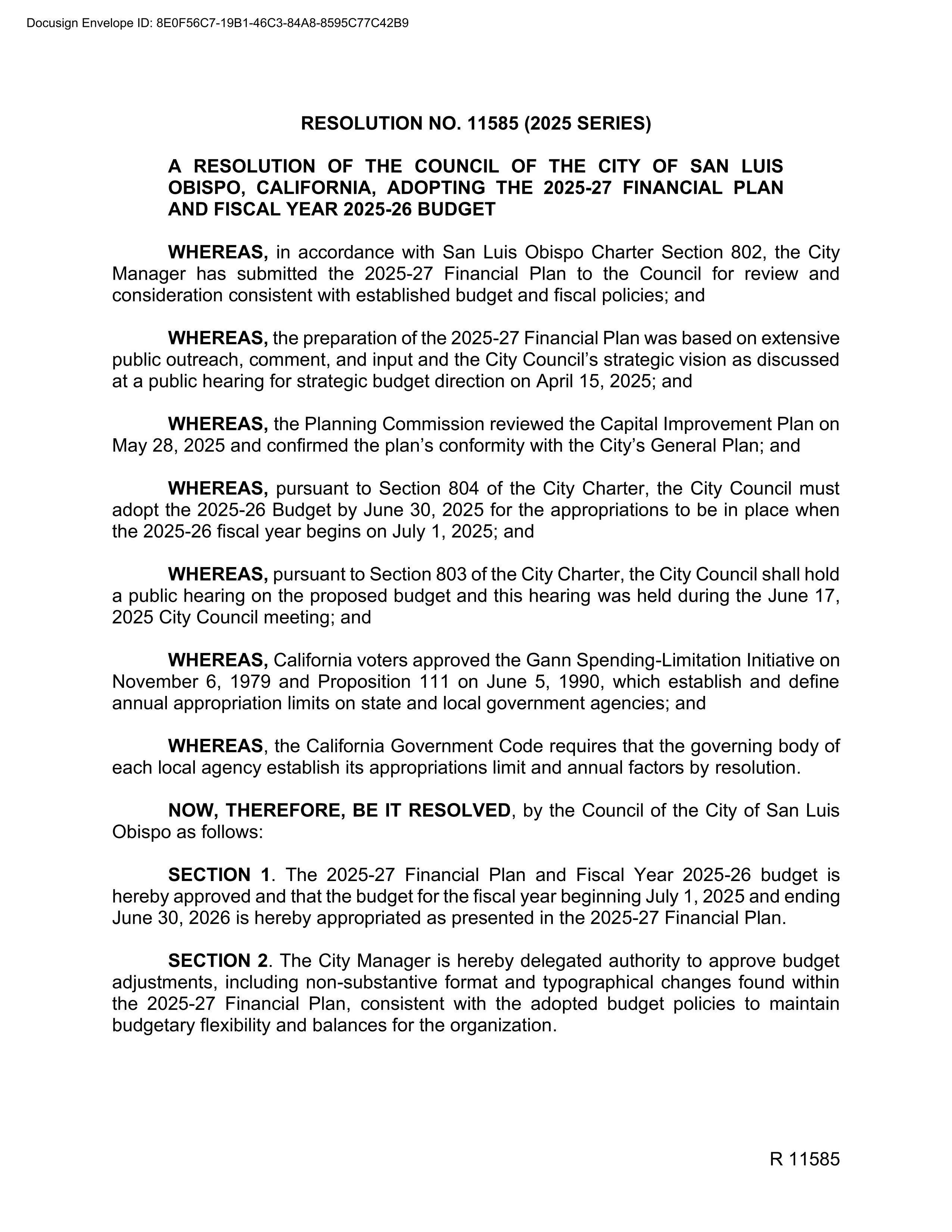
WHEREAS, in accordance with San Luis Obispo Charter Section 802, the City Manager has submitted the 2025-27 Financial Plan to the Council for review and consideration consistent with established budget and fiscal policies; and
WHEREAS, the preparation of the 2025-27 Financial Plan was based on extensive public outreach, comment, and input and the City Council’s strategic vision as discussed at a public hearing for strategic budget direction on April 15, 2025; and
WHEREAS, the Planning Commission reviewed the Capital Improvement Plan on May 28, 2025 and confirmed the plan’s conformity with the City’s General Plan; and
WHEREAS, pursuant to Section 804 of the City Charter, the City Council must adopt the 2025-26 Budget by June 30, 2025 for the appropriations to be in place when the 2025-26 fiscal year begins on July 1, 2025; and
WHEREAS, pursuant to Section 803 of the City Charter, the City Council shall hold a public hearing on the proposed budget and this hearing was held during the June 17, 2025 City Council meeting; and
WHEREAS, California voters approved the Gann Spending-Limitation Initiative on November 6, 1979 and Proposition 111 on June 5, 1990, which establish and define annual appropriation limits on state and local government agencies; and
WHEREAS, the California Government Code requires that the governing body of each local agency establish its appropriations limit and annual factors by resolution.
NOW, THEREFORE, BE IT RESOLVED, by the Council of the City of San Luis Obispo as follows:
SECTION 1. The 2025-27 Financial Plan and Fiscal Year 2025-26 budget is hereby approved and that the budget for the fiscal year beginning July 1, 2025 and ending June 30, 2026 is hereby appropriated as presented in the 2025-27 Financial Plan.
SECTION 2. The City Manager is hereby delegated authority to approve budget adjustments, including non-substantive format and typographical changes found within the 2025-27 Financial Plan, consistent with the adopted budget policies to maintain budgetary flexibility and balances for the organization.
No. 11585 (2025 Series)
SECTION 3. The City’s appropriation limit and annual adjustment factors for Fiscal Year 2025-26 are adopted as follows:
Upon motion of Vice Mayor Shoresman, seconded by Council Member Francis, and on the following roll call vote:
AYES: Council Member Boswell, Francis, Marx, Vice Mayor Shoresman, and Mayor Stewart
NOES: None
ABSENT: None
The foregoing resolution was adopted this 17th day of June 2025.
Mayor Erica A. Stewart
ATTEST: Teresa Purrington, City Clerk
APPROVED:
J. Christine Dietrick, City Attorney
IN WITNESS WHEREOF, I have hereunto set my hand and affixed the official seal of the City of San Luis Obispo, California, on ______________________. Teresa Purrington, City Clerk
6/ 25/ 2025 | 5: 03 PM PDT