Miramichi Growth Study Council Presentation March 2026
City of Miramichi Growth Plan
Introduction
• The City of Miramichi has retained Watson & Associates Economists Ltd. to prepare a Growth Plan to guide residential, employment, and infrastructure growth over a 25-year horizon.
• The plan will cover Miramichi’s urban communities and rural lands.
• The plan will provide analysis and evaluations to determine where and how the City of Miramichi will grow through the year 2051.
• Today’s presentation presents findings from Phase 3.
City of Miramichi Growth Plan (Cont’d)
Study Objectives
• Establish a long-term vision of where and how population, housing, and employment growth shall occur in the City of Miramichi.
• Provide a clear direction for planning and policy development related to growth management, urban land needs, and long-range municipal service planning.
• Maximize the positive impacts of growth while strategically managing its implications on municipal systems and natural resources.
• Ensure financial, environmental, and socio-economic sustainability.
City of Miramichi Growth Plan (Cont’d)
Project Schedule
Phase 1 Phase 2
Phase 3 Phase 4
City
of Miramichi Growth Plan (Cont’d)
Considerations for the City of Miramichi
• Municipal decision makers are required to answer questions regarding long-range planning, including:
How Are We Growing?
Where Are We Growing?
How Do We Phase Growth?
How do We Align Growth with Servicing? What Type of Housing is Needed? What is the Market for Development?
Preferred Growth Forecast
How are we growing?
Miramichi Preferred Growth Forecast
Population Growth: 2006 to 2051
Note:
Housing Forecast by Structure Type
Miramichi Preferred Growth Forecast
Growth: 2026 to 2051
• Statistics Canada 2021 Census place of work employment data has been reviewed. The 2021 Census employment results have not been utilized due to a significant increase in work at home employment captured due to Census enumeration occurring during the provincial COVID-19 lockdown from April 1, 2021, to June 14, 2021.
• Employment figures include work at home and no fixed place of work. Figures have been rounded.
Employment Forecast by Sector
Preferred Growth Forecast, 2026 to 2051
Note: Employment figures include
Source: 2026 to 2051
Growth Scenarios
Where are we growing?
Growth Scenarios
• Scenario 1 - Suburban Focus – highly oriented to new greenfield development
• Scenario 2 – Balanced Growth – Balanced approach to infill/intensification and greenfield development
• Scenario 3 – Compact Growth – Accommodate urban growth only on currently serviced lots/lands – accommodated primarily through infill and redevelopment
City of Miramichi
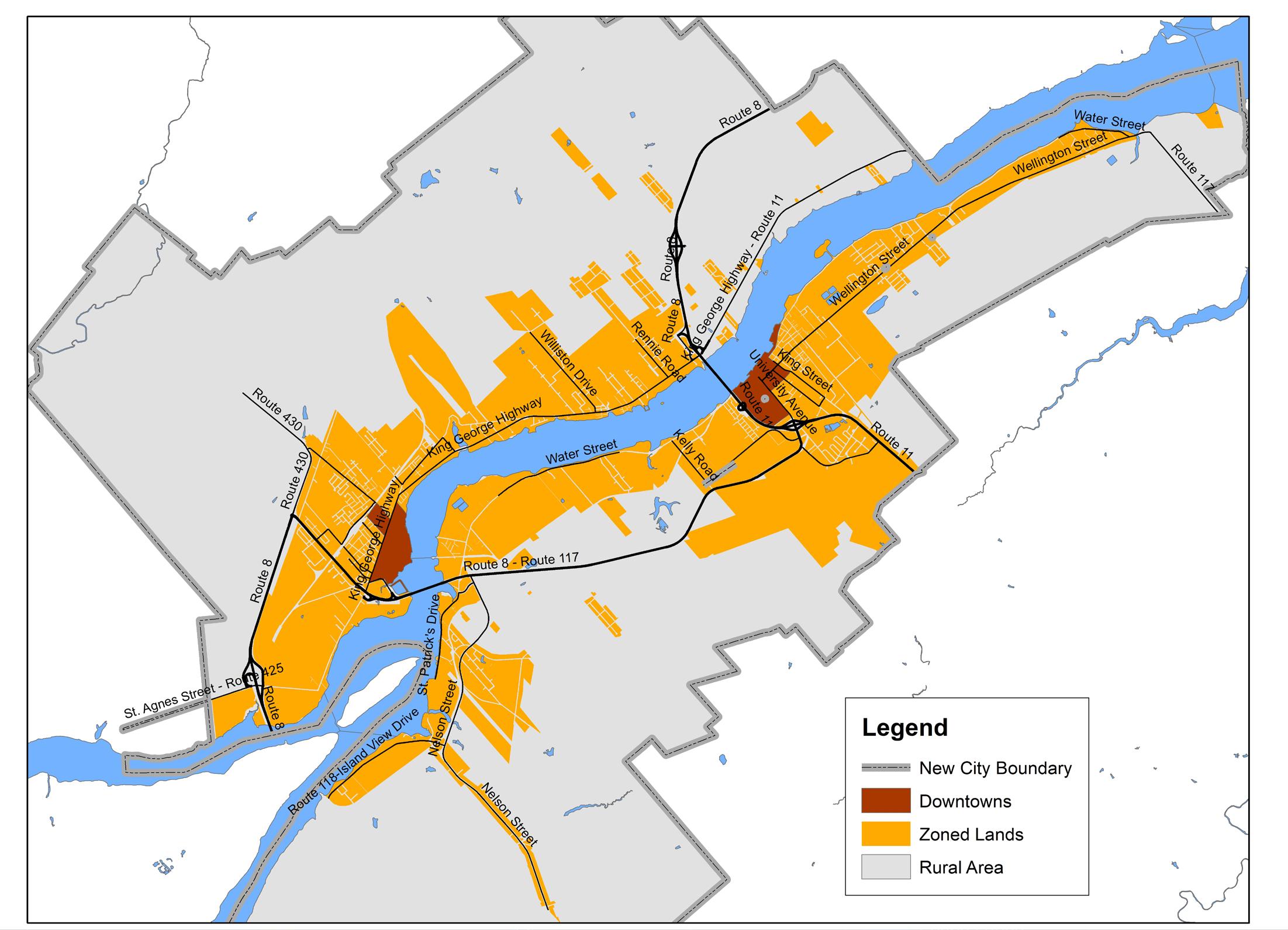
Urban Structure Map and Growth Considerations
• Downtowns (Chatham and Newcastle)
• Infill/intensification
• Serviced Areas Outside of Downtowns
• Remaining serviced lands/lots
• Infill/intensification
• Potential New Growth Areas
• Designated Greenfield Areas Not Currently Serviced
• Rural Area
Chatham
Douglastown
Loggieville
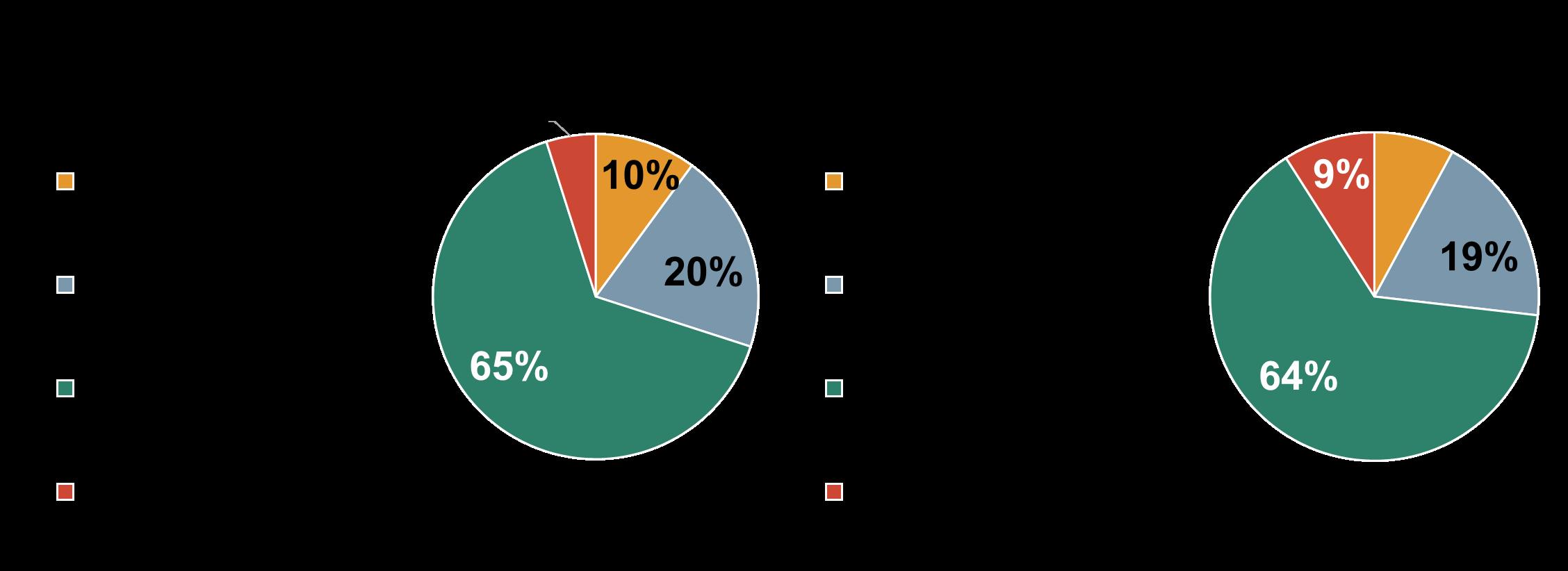
Scenario 1
Suburban Focus
• Allocate urban growth largely in undeveloped greenfield areas.
MOST IN GREENFIELD
LEAST IN INFILL
LEAST IN DOWNTOWN
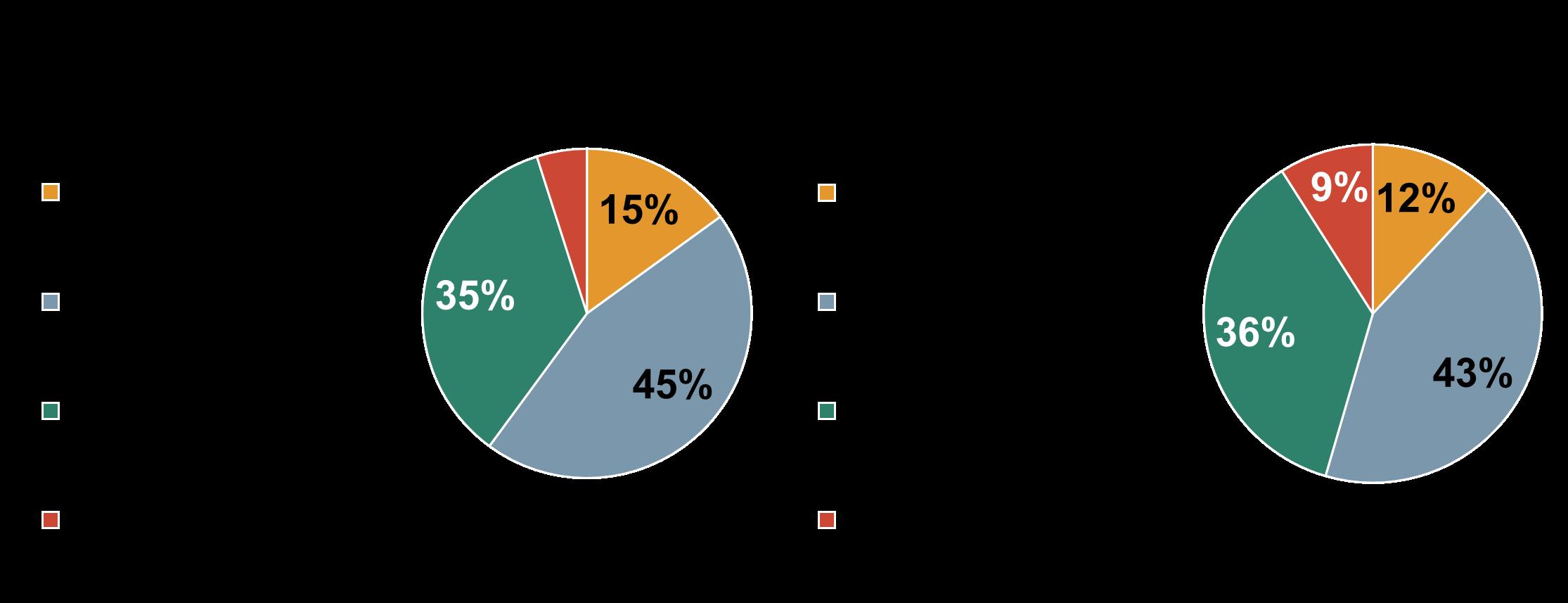
Balanced Growth
• Balances growth across downtowns, infill areas and new greenfield development
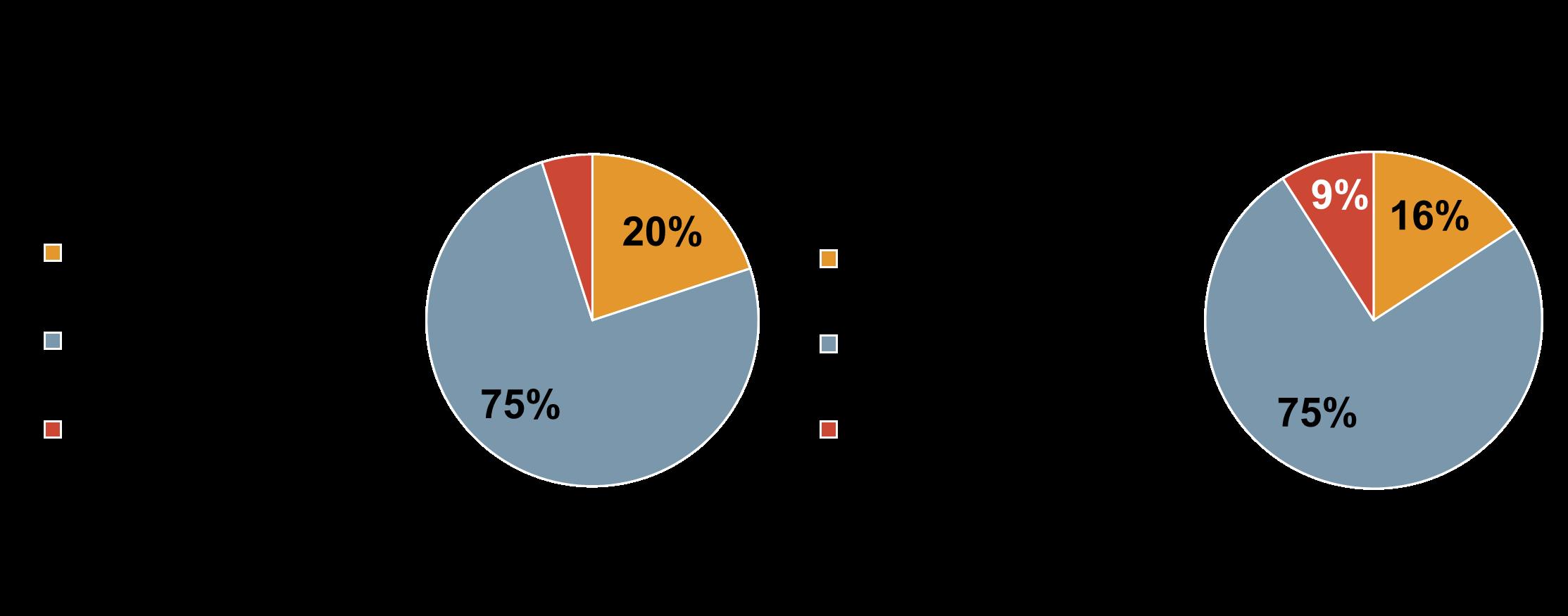
Scenario 3
Growth
• All urban growth accommodated in downtowns and infill locations.
LEAST IN GREENFIELD
MOST IN INFILL MOST IN DOWNTOWN
Growth Scenarios
Urban Land Needs to 2051 – Beyond what is currently zoned/serviced
• Additional urban growth land is required to accommodate residential and non-residential development for Scenarios 1 and 2.
Urban Land Needs within New Greenfield Growth Areas
• Under Scenario 3, no additional new greenfield growth area land to accommodate growth
Financial Impact Analysis
Growth Scenarios
Servicing Analysis
• Servicing analysis was undertaken to identify investment needs in designated greenfield areas that are not currently serviced.
• Additional capital costs are related to infrastructure in new greenfield areas not currently serviced
• Investments required for infrastructure in existing areas have already been undertaken or are planned for upgrades.
Servicing Needs for Greenfield Areas
New watermains
New/upsized
sanitary sewers
New well
Upgrades to lift
stations & new pumps
Operating Budget Impacts
• Operating budget impacts (i.e. day-to-day expenditures) are generally driven by population/employment growth.
• Operating budget impacts are expected to be similar for all three growth scenarios.
Summary of Financial Impacts of Servicing
Scenario 1: highest servicing costs for new greenfield areas
Scenario 2: mid-range costs related to new growth in greenfield areas
Scenario 3: no anticipated servicing needs for new growth within existing areas
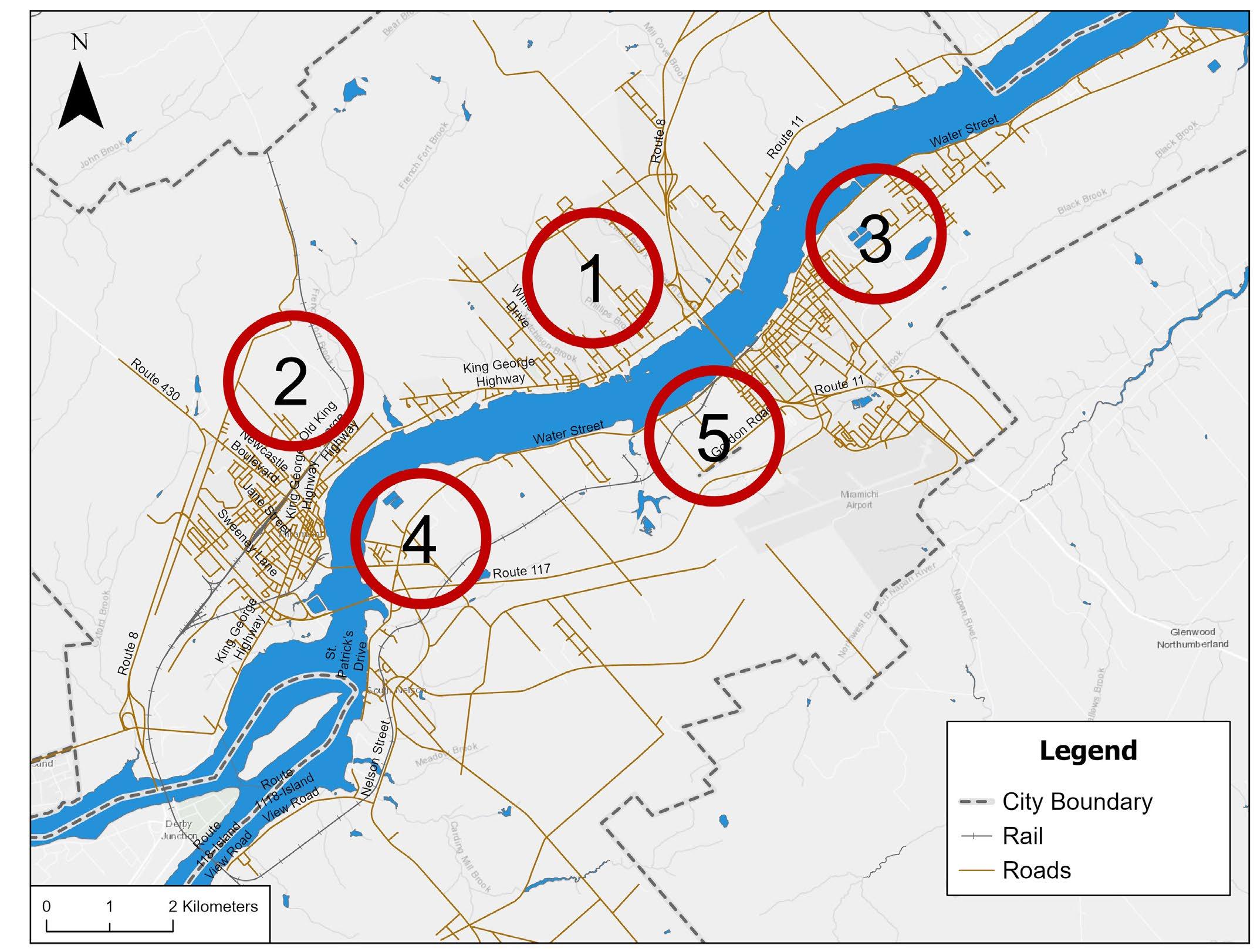
Potential Greenfield Growth Areas
Opportunities for Greenfield Development and Servicing Needs
Servicing Needs in Potential New Greenfield Areas
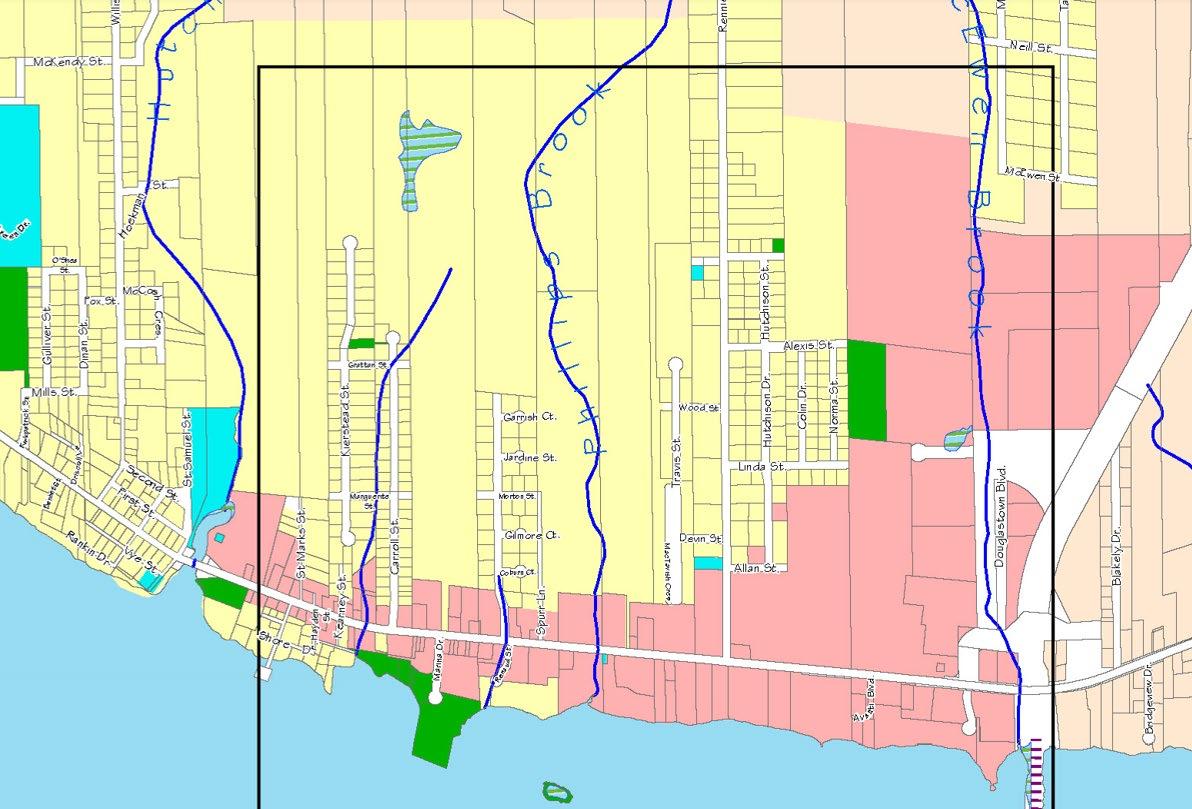
Douglastown
• New watermains and sanitary sewers to extend servicing
• Upsizing of existing sanitary sewers to provide servicing to new areas
• Upgrades to existing lift stations and pumps
Potential Greenfield Expansion Growth Area
Rennie Rd.
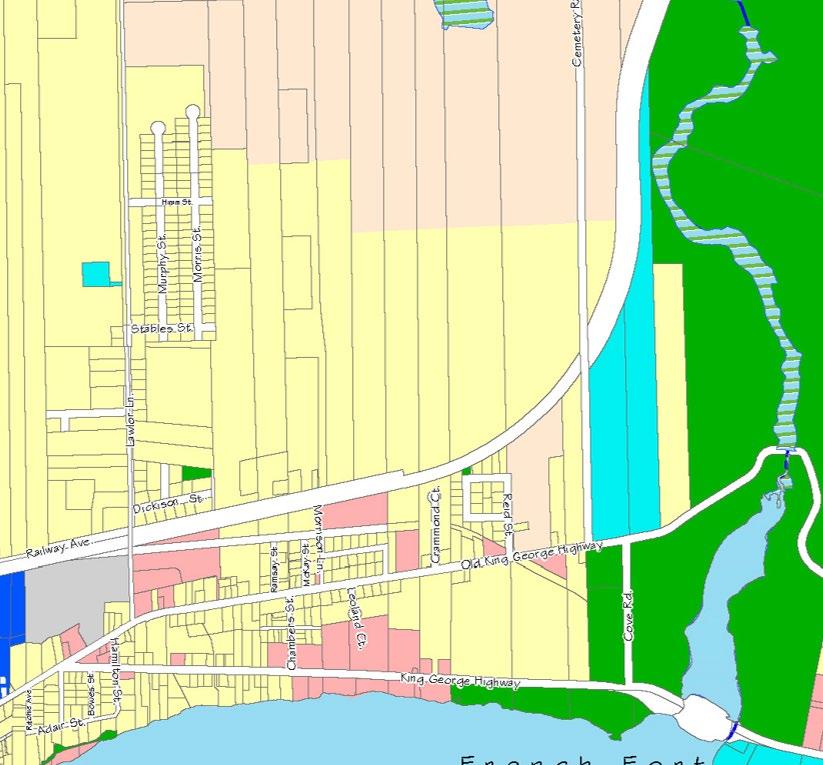
Servicing Needs in Potential New Greenfield Areas
Newcastle East
• New watermains and sanitary sewers to extend servicing
• Upsizing of existing sanitary sewers to provide servicing to new areas
• Upgrades to existing lift stations and pumps
Servicing Needs in Potential New Greenfield Areas
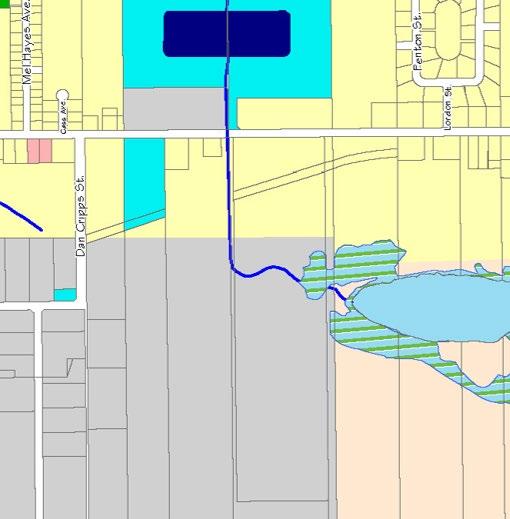
Taintville
• New watermains and sanitary sewers to extend servicing
• Upgrades to existing lift stations and pumps
• A new well may be required
Dan Cripps St.
Wellington St.
Servicing Needs in Potential New Greenfield Areas
• New watermains and sanitary sewers to extend servicing
• Upgrades to existing lift stations and pumps
• New well may be required Chatham Head
• Upsizing of existing sanitary sewers to provide servicing to new areas
Miramichi Regional Hospital
Water St.
Servicing Needs in Potential New Greenfield Areas
Chatham West
• New watermains and sanitary sewers to extend servicing
• Upgrades to existing lift stations and pumps
• New well may be required
Financial Impacts
Costs Related to Servicing Designated Greenfield Areas
• A high-level assessment of growth-related infrastructure investments required in the unserviced greenfield areas was undertaken
• Initial costs could be funded through development charges or cost-sharing agreements between developing landowners
• Lifecycle costs per capita are related to ongoing annualized costs related to asset maintenance/replacement once the growth infrastructure is constructed Initial Growth-Related Capital Costs
• Growth capital cost per capita/employee is based on the total growth-related capital cost divided by the potential growth in each area, identified under Scenario 1
• How well does the growth scenario contain future urban growth?
• How well does the growth scenario promote a more compact built urban form?
• How well does the growth scenario support mixed uses and the development of complete communities?
• How well does the growth scenario support vitality of the Downtowns?
Growth Scenarios Assessment - Considerations
Livability and Sustainable Community Design
• How well does the growth scenario align with the housing market demand and provide for housing market choice?
• How well does the scenario align with industrial and commercial land needs?
• How well does the scenario support access to public transit, and other sustainable and active modes of travel?
• How well can the option potentially respond to climate change and other potential unforeseen shifts in demographics, economic conditions, and advances in technology?
Growth Scenarios Assessment - Considerations
Infrastructure, Servicing and Municipal Fiscal Impacts
• How well does the growth scenario use existing or planned infrastructure?
• How well does the scenario ensure that growth is financially viable over the long term through optimization of existing municipal infrastructure and public service facilities, and minimization of long-term operations and maintenance costs?
Growth Scenarios Evaluation
Preliminary Assessment
• Overall, Scenario 3 and Scenario 2 rank more favourably than Scenario 1
Criteria
Growth Management and Built Environment
Scenario 1 –Suburban
Scenario 2 –Balanced Growth
Addresses few aspects of this consideration
Livability and Sustainable/Resilient
Community Design
Infrastructure, Servicing and Municipal Fiscal Impacts
Addresses some aspects of this consideration
Addresses few aspects of this consideration
Addresses some aspects of this consideration
Addresses most aspects of this consideration
Addresses some aspects of this consideration
Scenario 3 –Compact Growth
Addresses most aspects of this consideration
Addresses some aspects of this consideration
Addresses most aspects of this consideration
Next Steps
• Phase 4: Identification of Preferred Growth Scenario and Generalized Implementation Strategy