





Dear Miramar Residents and Businesses:
On behalf of the City of Miramar, I am pleased to present the 2025 Annual Water Quality Report. This report reflects the efforts of the dedicated City employees that work continuously to provide a safe and dependable drinking water supply.
You will be pleased to know that Miramar continues to develop the City’s infrastructure to meet the current and future needs with reliability and sustainability in mind. Our Capital Improvement Program (CIP) allows us to maintain and improve the water, wastewater, and reuse infrastructure. The CIP projects are designed to replace aging equipment at our treatment facilities, expand treatment capacity to accommodate population growth, improve treatment processes, and rehabilitate and/or upgrade our aging water distribution and wastewater systems.
In 2025, the City made improvements to the utility system with the following capital projects:
• Design phase has reached 60% completion for the Anaerobic Digester #3 at the Wastewater Reclamation Facility.
• Construction has been completed for Phase 3 of the Country Club Ranches Watermain Project.
• Construction has been completed for the new 2.5 MGD Reverse Osmosis train at the West Water Treatment Plant.
• Construction has been completed on the new raw water main as part of the West Water Treatment Plant capacity expansion and upgrades.
• Construction is underway for the addition of two new Floridan raw water wells at the West Water Treatment Plant.
• Design phase has reached completion for the sand separators at the East Water Treatment Plant, which are necessary to pretreat the raw well water.
• The Leak Detection Program replaced 271 water service lines and installed 150 pressure sensors.
The Utilities Department projects presented above demonstrates the City of Miramar’s commitment to providing safe and reliable drinking water that meets all Federal, State, and local water quality standards.
Best regards,
Dr. Roy L. Virgin City Manager
For water test results, please call City of Miramar Water Quality Laboratory, at (954) 883-5201
For all inquiries i.e., water leaks, water service activation, water billing questions and general questions, please contact the Customer Service Response Team at (954) 602-HELP (4357)
This Miramar Water Report was produced by the Utilities Department of the City of Miramar, Florida Published June 2026.
Also available in Spanish and Creole at: Water Quality Laboratory | Miramar, FL (miramarfl.gov)

Miramar’s drinking water comes from two underground reservoirs, the Biscayne Aquifer and Floridan Aquifer. The Biscayne Aquifer is a highly porous zone recharged primarily by rainfall and by surface water sources, mainly Lake Okeechobee and the Everglades. It is located approximately 60 to 150 feet below Miramar’s ground surface. The Floridan Aquifer is a deeper and more confined aquifer, where water is withdrawn at approximately 1,350 feet below Miramar’s ground surface.
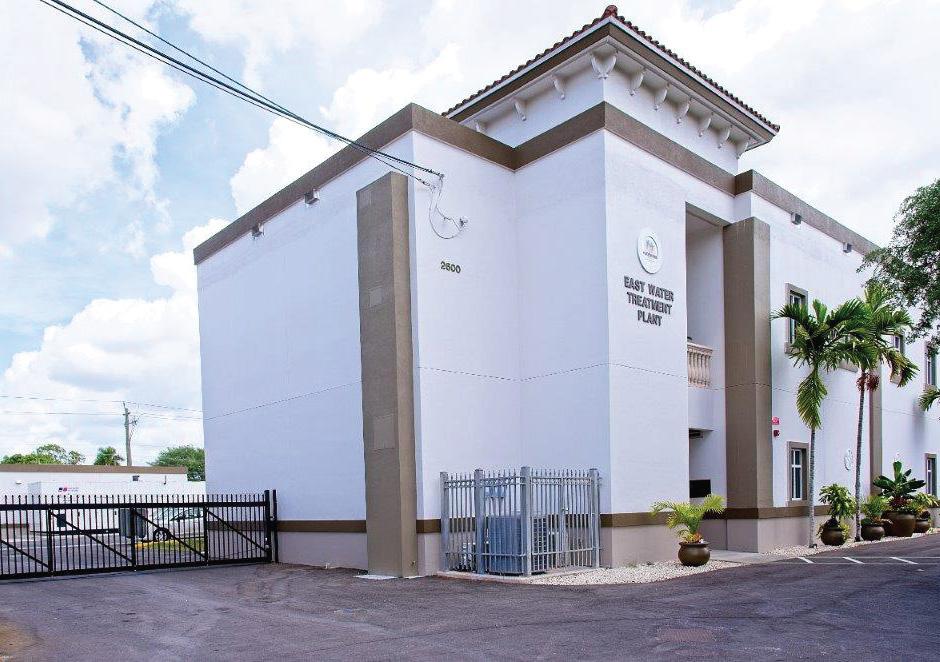
The City of Miramar owns and operates two water treatment plants (WTPs), East WTP and West WTP, both of which receive groundwater withdrawn from the Biscayne and Floridan Aquifers by production wells. The water passes through two different processes; the East WTP utilizes the nanofiltration treatment process; the West WTP utilizes both the nanofiltration and the reverse osmosis treatment processes. Both processes are designed for the removal of sediments, harmful bacteria and certain minerals before disinfection by chlorination. Disinfection is accomplished by the addition of chlorine.
To ensure that tap water is safe to drink, the EPA prescribes regulations which limit the number of certain contaminants in water provided by public water systems. The Food and Drug Administration (FDA) regulations establish limits for contaminants in bo led water, which must provide the same protection for public health.
Drinking water, including bo led water, may reasonably be expected to contain at least some small amounts of contaminants. The presence of contaminants does not necessarily indicate that the water poses a health risk. More information about contaminants and potential health effects can be obtained by calling the Environmental Protection Agency’s Safe Drinking Water Hotline at 1-800-426-4791
The sources of drinking water (both tap water and bo led water) include rivers, lakes, streams, ponds, reservoirs, springs, and wells. As water travels over
the surface of the land or through the ground, it dissolves naturally occurring minerals and, in some cases, radioactive material, and can pick up substances resulting from the presence of animals or from human activity.
Contaminants that may be present in source water include:
A. Microbial contaminants, such as viruses and bacteria, may come from wastewater treatment plants, septic systems, agricultural livestock operations, and wildlife.
B. Inorganic contaminants, such as salts and metals, which can naturally occur or result from urban stormwater runoff, industrial or domestic wastewater discharges, oil and gas production, mining, or farming.
C. Pesticides and herbicides, which may come from a variety of sources such as agriculture, urban stormwater runoff, and residential uses.
D. Organic chemical contaminants, including synthetic and volatile organic chemicals, which are by-products of industrial processes and petroleum production, and can also come from gas stations, urban stormwater runoff, and septic systems.
E. Radioactive contaminants, which can be naturally occurring or be the result of oil and gas production and mining activities.
IMMUNOCOMPROMISED PERSONS
Some people may be more vulnerable to contaminants in drinking water than the general population. Immunocompromised people such as people with cancer undergoing chemotherapy, people who have undergone organ transplants, people with HIV/AIDS or other immune system disorders, some elderly, and infants can be particularly at risk from infections. These people should seek advice about drinking water from their health care providers. EPA/CDC guidelines on appropriate means to lessen the risk of infection by Cryptosporidium and other microbiological contaminants are available from the EPA Safe Drinking Water Hotline at 800-426-4791.
If present, elevated levels of lead can cause serious health problems, especially for pregnant women and young children. Lead in drinking water comes primarily from materials and components associated with service lines and home plumbing. The City of Miramar is responsible for providing high quality drinking water but cannot control the variety of materials used in plumbing components. When your water has been si ing for several hours, you can minimize the potential for lead exposure by flushing your tap for 30 seconds to two minutes before using water for drinking or cooking. If you are concerned about lead in your water, you may wish to have your water tested. Information on lead in drinking water, testing methods, and steps you can take to minimize exposure is available from the EPA Safe Drinking Water Hotline at 800-426-4791 or at epa.gov/safewater/lead.
The City of Miramar’s public water system routinely monitors for contaminants in your drinking water according to Federal and State laws, rules, and regulations. Except where indicated otherwise, this report is based on the results of our monitoring for the period of January 1 to December 31, 2025. Data obtained before January 1, 2025, presented in this report are from the most recent testing done in accordance with the laws, rules, and regulations.
The City of Miramar’s WTPs are in compliance with all National Primary Drinking Water Regulations. Radioactive tests are conducted once per year. Lead and Copper were sampled at 76 voluntary sites in June 2023. The 90th percentile value of the latest samplings for lead and copper are reported in the table herein. The next Lead and Copper sampling event will be conducted by June 2026.

In 2025, the Florida Department of Environmental Protection performed a Source Water Assessment on our system. The assessment was conducted to provide information about any potential sources of contamination in the vicinity of our wells. There are six (6) potential sources of contamination identified for this system with low susceptibility levels. The assessment results are available by calling the City of Miramar Customer Service at 954-602-HELP (4357) or by visiting the FDEP Source Water Assessment and Protection Program website at h ps://prodapps.dep.state.fl.us/swapp/
A: absent
Action Level (AL): the concentration of a contaminant which, if exceeded, triggers treatment or other requirements which a water system must follow.
Maximum Contaminant Level (MCL): The highest level of a contaminant that is allowed in drinking water. MCLs are set as close to the Maximum Contaminant Level Goal (MCLG) as feasible using the best available treatment technology.
Maximum Contaminant Level Goal (MCLG): The level of a contaminant in drinking water below which there is no known or expected risk to health. MCLGs allow for a margin of safety.
Maximum Residual Disinfectant Level (MRDL): The highest level of a disinfectant allowed in drinking water. There is convincing evidence that addition of a disinfectant is necessary for control of microbial contaminants.
Maximum Residual Disinfectant Level Goal (MRDLG): The level of a drinking water disinfectant below which there is no known or expected risk to health. MRDLGs do not reflect the benefits of the use of disinfectants to control microbial contaminants.
NA: not applicable
Not detected (ND): indicates the substance was not found by laboratory analysis.
Parts per billion (ppb) or micrograms per liter (ug/L): one part by weight of analyte to 1 billion parts by weight of the water sample.
Parts per million (ppm) or milligrams per liter (mg/L): one part by weight of analyte to 1 million parts by weight of the water sample.
Picocurie per liter (pCi/L): a measure of radioactivity in water
Treatment Technique (TT): a required process intended to reduce the level of contaminants in drinking water.
Naturally present in the environment.
Erosion of natural deposits.
Discharge from fertilizer and aluminum factories.
Water additive which promotes strong teeth when at the optimum level of 0.7 ppm.
Salt water intrusion, leaching from soil
By-product of drinking water disinfection.
Water additive used to control microbes.
Corrosion of household plumbing systems.
Leaching from wood preservatives.
Discharge of drilling wastes.
Discharge from pharmaceuticals and chemical factories.
Discharge from petroleum and metal refineries.
Discharge from mines.
Discharge from steel and pulp mills.
Corrosion of galvanized pipes.
Runoff from waste ba eries and paints.
Discharge from metal refineries.
Human and animal fecal waste.
EPA fi h Unregulated Contaminant Monitoring Rule: The 1996 Safe Drinking Water Act (SDWA) amendments require that once every five years EPA issue a new list of no more than 30 unregulated contaminants to be monitored by public water systems. The fi h Unregulated Contaminant Monitoring Rule (UCMR5) was published in the Federal Register on December 27, 2021. UCMR5 requires sample collection for 30 chemical contaminants between 2023 and 2025. UCMR 5 will provide new data that will improve the agency’s understanding of the frequency that 29 per- and polyfluoroalkyl substances (PFAS) and lithium are found in the nation’s drinking water systems, and at what levels. The monitoring data on PFAS and lithium will help the EPA make determinations about future regulations and other actions to protect public health under the SDWA. We are required to publish the analytical results of detected unregulated contaminants in our annual water quality report. If you would like more information on the EPA's Unregulated Contaminant Monitoring Rule and UCMR5, please visit www.epa.gov/dwucmr/learn-about-unregulated-contaminant-monitoring-rule or call the Safe Drinking Water Hotline at (800) 426-4791.

Water is an essential part of our everyday lives, and conserving water is the most cost-effective and environmentally sound way to reduce demand for our natural resources. To promote environmental protection and public awareness, the Utilities Department offers public outreach and educational programs for all who have an interest in helping reduce water consumption. We offer these programs to civic groups, homeowner associations and local schools, and are available for career day events. Our programs include facility tours, water and environmental conservation, and sewer back-up prevention. To schedule an outreach event, please call 954-602-HELP (4357) or email customer service at CSRTHELP@miramarfl.gov.
Water conservation starts with you and by becoming conscientious in reducing the amount of water your household uses, as well as finding different ways to use less, you can save money in the process. It is easier than you think. Here are a few conservation tips:
• Operate automatic dishwashers and clothes washers only for full loads. Scrape – don’t rinse –dishes before loading. Turn off the tap when brushing your teeth.
• Check every faucet in your home for leaks. Repair dripping faucets by replacing the washers
inside. One drop per second wastes 2,700 gallons of water per year.
• Did you know just by listening, you can check your toilet for leaks? You can also check by adding a few drops of food coloring in the tank, or placing dye tabs, which the City of Miramar offers free of charge, and watching to see if the color shows up in the bowl without flushing. If you detect color in the bowl, it means you have a leak. An average toilet leak can waste up to 100 gallons a day. Fixing toilet leaks saves up to 30,000 gallons a year.
• Using your water meter to detect hidden leaks is easy. Located in the front of your home typically near the sidewalk or street, your meter has a small triangle or a digital log that moves or increase in count while consumption is in use. Simply turn-off all your faucets, wait 15 minutes then check the meter again. If the small triangle is still moving or your log has a higher number, you have a leak. Please contact the CSRT team at 954-602-HELP (4357) if you suspect you have a water leak.
• Installing low flow aerators and showerheads is another effective method to save water. Installation usually can be done by hand or with a wrench.
• Use a broom or leaf blower instead of a hose to clean leaves and other debris off your driveway or sidewalk.
• Avoid unnecessary toilet flushes. Dispose of tissues, insects, medicines, and other waste in the trash.
Replace your toilets that use 1.6 gallons per flush or more with High Efficiency Toilets (HETs) and receive up to $100 rebate per toilet. Please note, a maximum of two HET rebates are available per household and if your current toilets were purchased or installed a er January 1, 1994, they are not eligible for the rebates. Visit www.conservationpays.com/about-us/#miramar
See how easy saving water can become part of your everyday family practices? For free low-flow aerators, and showerheads, please call customer service 954-602-HELP (4357) or you can email us at CSRTHELP@miramarfl.gov. Find out more about how to save water and money by visiting h p://conservationpays.com/.
The WaterSense label will help you identify high-efficiency products, homes and programs. These water efficient options provide the same performance and quality you've come to expect, but with the added benefit of water savings. These products are backed by an independent third-party certification and meet EPA's specifications for water efficiency and performance. So, when you use WaterSense labeled products in your home or business, you can be confident you'll be saving water without sacrificing quality.
City of Miramar Year-Round Landscape Irrigation Rule
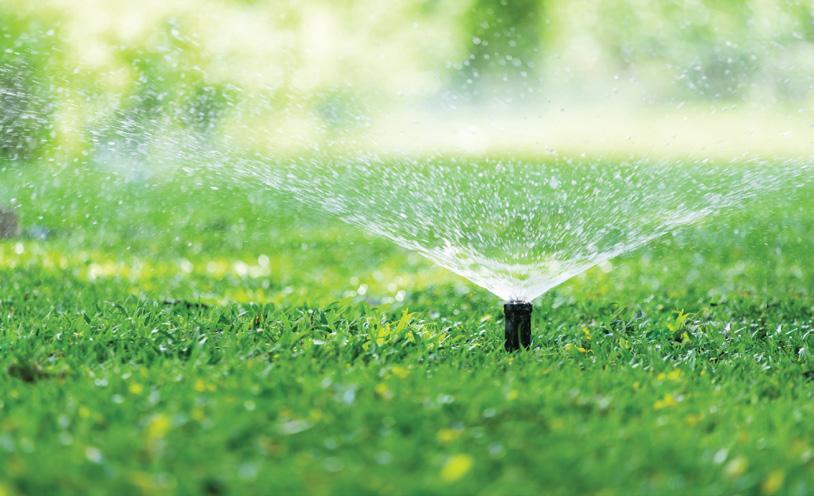
Lawn watering is limited all year in South Florida by the South Florida Water Management District's Year-Round Landscape Irrigation Rule and local ordinances. Miramar is required to follow the Broward County schedule located at Lawn Watering Restrictions | South Florida Water Management District (sfwmd.gov) and described below:

All landscaping
• Watering is allowed only before 10 a.m. or a er 4 p.m.
• Residents and businesses with an odd-numbered street address may water lawns and landscapes on Wednesdays and/or Saturdays before 10 a.m. or a er 4 p.m.
• Residents and businesses with an even-numbered street address, no street address, or those who irrigate both even and odd addresses within the same zones, which may include multi-family units and homeowner’s associations, may water lawns and landscapes Thursdays and/or Sundays only before 10 a.m. or a er 4 p.m.
• For the most efficient use of water, residents should avoid irrigating their landscape more than once per day.
New landscaping, sod, or other plantings
• New landscaping that has been in place less than 30 days can be watered on Mondays, Tuesdays, Wednesdays, Thursdays, Saturdays, and Sundays only before 10 a.m. or a er 4 p.m.
• Landscaping that has been in place from 31 days to 90 days can be watered on Mondays, Wednesdays, Thursdays, and Saturdays only before 10 a.m. or a er 4 p.m.
Reclaimed Water for Irrigation
• Residences and businesses that use reclaimed water for irrigation can water on all days, except between 10 a.m. - 4:00 p.m.
Violations
• Local law enforcement or city/county zoning and code enforcement agencies have the authority to issue warnings and citations that can lead to fines.
• Violations of water restrictions may be reported to City of Miramar Code Enforcement at 954-602-HELP (4357).
Neighborhood Improvements
The City of Miramar Utilities Department continues our commitment in providing water and wastewater improvements throughout the City.

To promote conservation efforts, the City of Miramar initiated the City-wide Water Leak Detection Program. In 2025, a contractor was hired to install 150 pressure sensors and complete 271 total line replacements, which will further assist us in saving water.
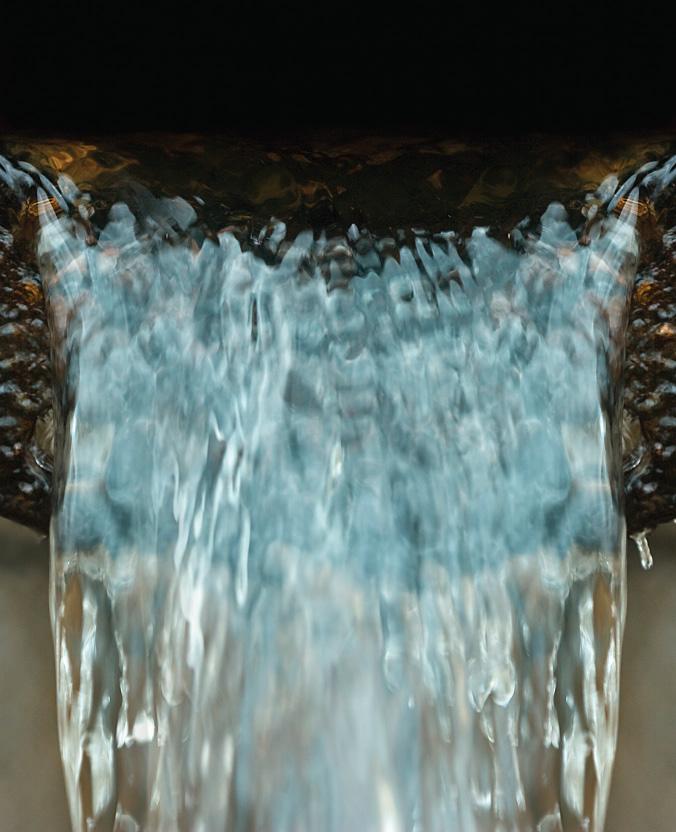
The City of Miramar’s wastewater collection system provides sewer services to the residents and businesses of Miramar. Due to aging and normal deterioration, the sewer pipes that were constructed in the 1950’s need to be repaired and/or replaced as they have reached the end of their useful life. In 2025, regular maintenance of the City’s wastewater collection system included the cleaning, televising, and lining of 15,000 linear feet of gravity sewer mains, inspection and cleaning, and rehabilitation of 79 manholes.
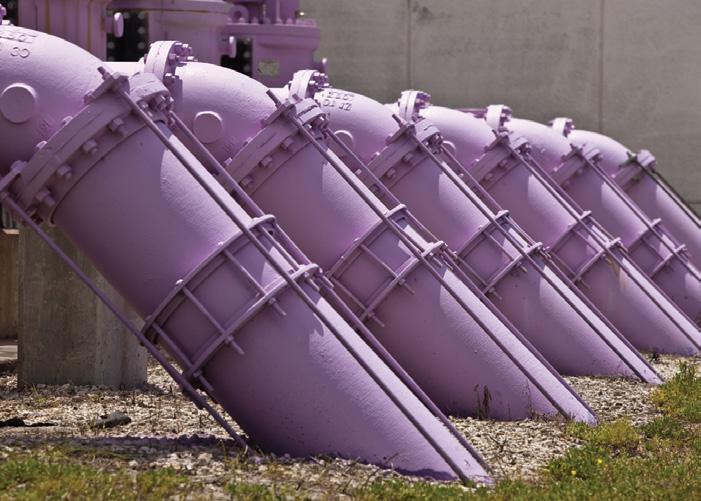
As part of our conservation efforts, the City of Miramar will continue to implement its reclaimed water program and extend water services to benefit more communities and businesses. By connecting more customers to the reclaimed water system, the City is promoting water conservation and encouraging the efficient and effective use of reclaimed water. In 2025, the City identified two (2) new reclaimed users permi ed for irrigation use by the South Florida Water Management District (SFWMD). The City of Miramar continues to collaborate with the State of Florida, the Florida Department of Environmental Protection, Broward County Environmental Protection and Growth Management Department, and the South Florida Water Management District in promoting water reuse and conservation.
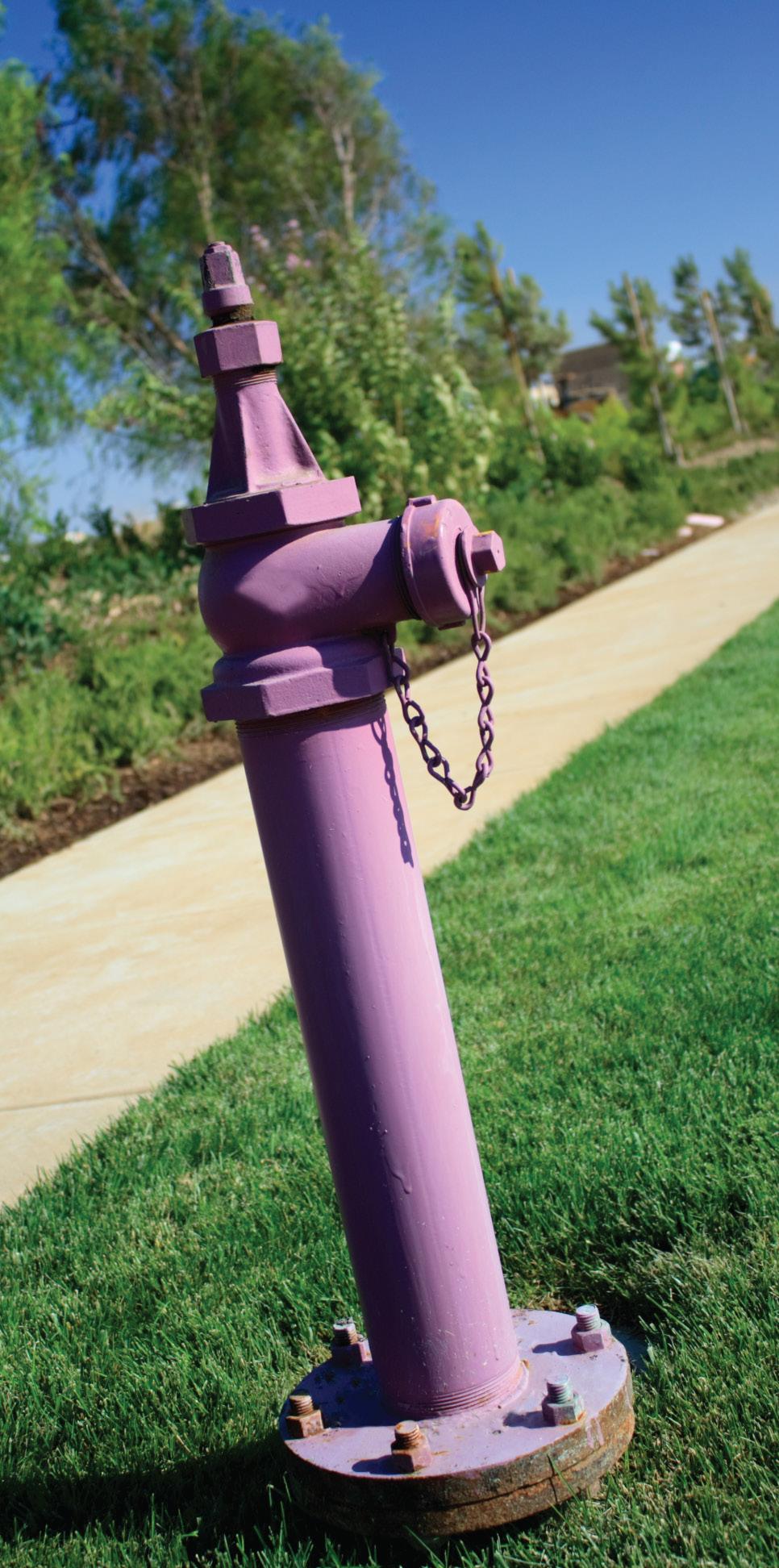
The City of Miramar runs a robust Reclaimed Water Treatment Program at the WWRF. The WWRF has a permi ed wastewater treatment capacity of 12.7 MGD, while the reclaimed program has a permi ed capacity of 7.5 MGD of high-quality reclaimed water for unrestricted public access (irrigation) and in-plant use. The following corridors have been identified for future expansion: Pembroke Road between SW 160th Avenue to SW 178th Avenue, SW 172nd Avenue between Pembroke Road and Miramar Parkway, and Miramar Parkway between SW 160th Avenue to SW 184th Avenue. The project was completed in 2025.