


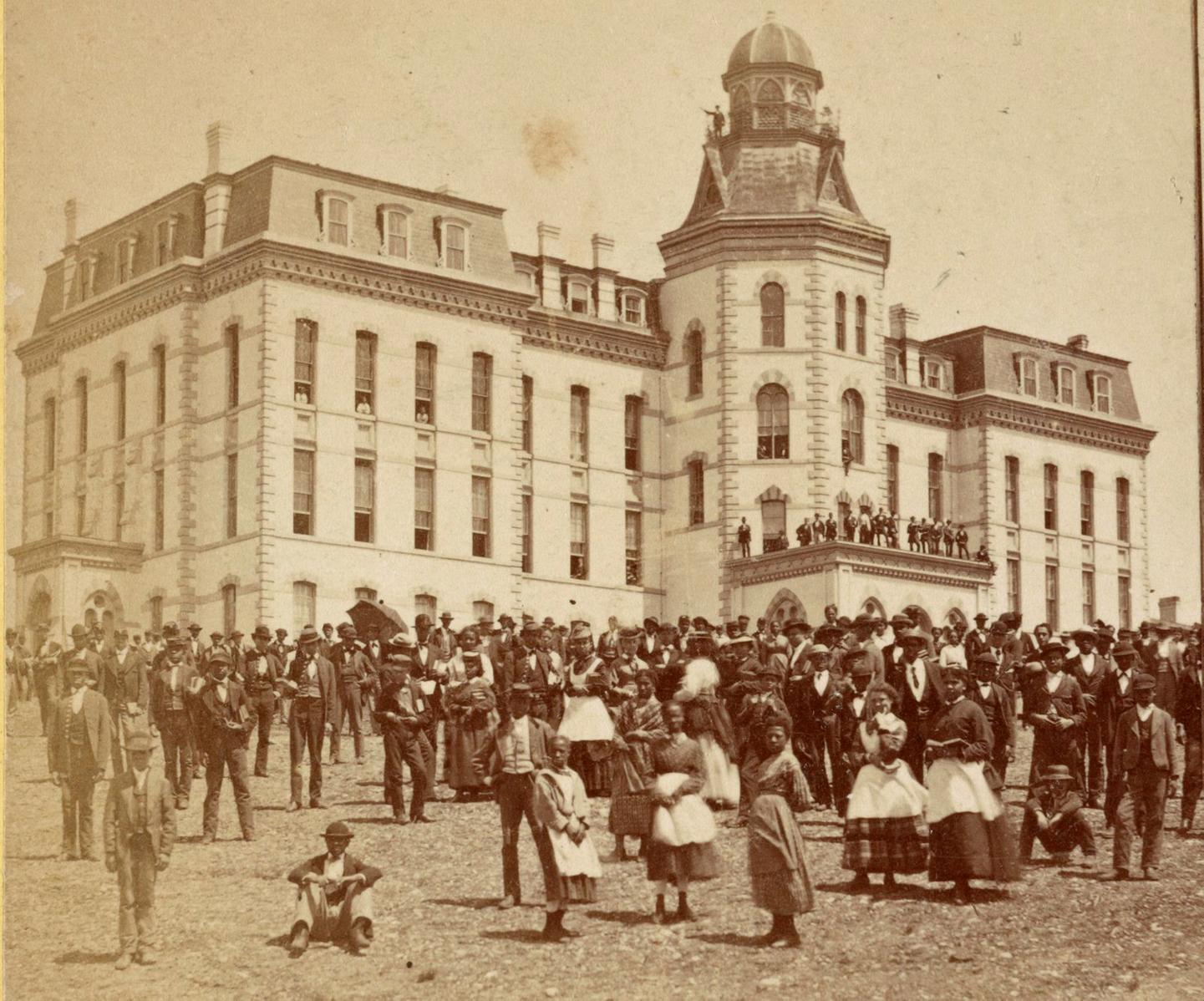

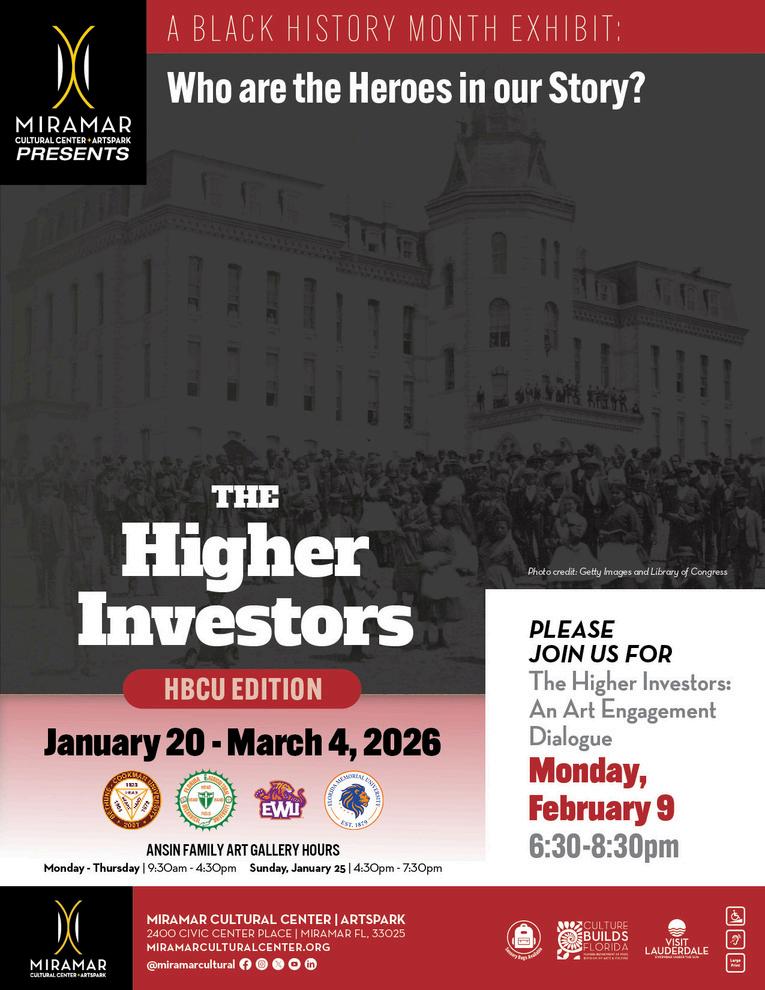





HBCUs (Historically Black Colleges and Universities) were primarily created to provide educational opportunities for African Americans during a time when they were largely excluded from mainstream higher education due to racial segregation. These institutions played a crucial role in educating Black Americans, especially after emancipation, and continue to be vital in promoting educational equity and cultural identity. Today, HBCUs welcome students of all races, offering vital pathways to higher education, career advancement, and cultural empowerment, with around 107 institutions across the U.S. providing degrees and enrolling more than 200,000 students. Fifty-six are privately funded while another 51 are public colleges and universities. The privately funded Spelman College is the highest ranked HBCU. Florida A&M and North Carolina A&T Universities share the number 7 slot and are the highest ranked public institutions
An HBCU is officially defined by the Higher Education Act of 1965 as: "...any historically black college or university that was established prior to 1964, whose principal mission was, and is, the education of black Americans..."
This act authorized direct federal funding to support these institutions for the first time
• The establishment of HBCUs occurred in three distinct periods, each driven by different social and political forces.
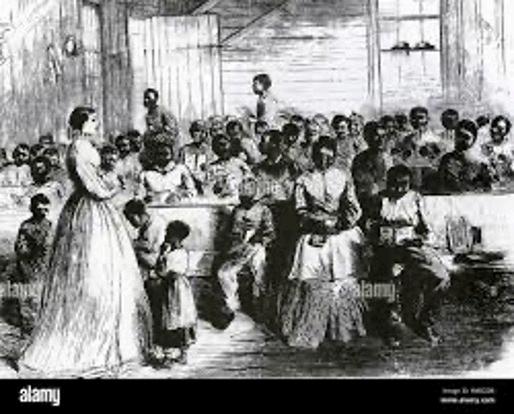
Before the Civil War, opportunities for higher education for African Americans were almost nonexistent. The earliest institutions were founded in the North by abolitionists and religious groups to provide basic education and vocational training
Cheyney University of Pennsylvania




The nation's oldest HBCU, founded as the African Institute from a $10,000 bequest by Quaker philanthropist Richard Humphreys University of the District of Columbia
Traces its origins to the Normal School for Colored Girls, founded by abolitionist Myrtilla Miner
The first degree-granting HBCU, originally chartered as the Ashmun Institute by Presbyterian minister John Miller Dickey and his wife, Sarah Emlen Cresson.
The first HBCU to be owned and operated by African Americans, founded in Ohio in a collaboration with the African Methodist Episcopal (AME) Church
Following the Civil War, the movement to educate nearly four million newly freed African Americans accelerated dramatically. This era saw a surge in the founding of HBCUs across the South, largely driven by two key groups:
The Freedmen's Bureau (1865-1872):
A federal agency that provided food, housing, and medical aid, its most lasting achievement was its work in education. The Bureau helped establish and fund schools and universities, including Howard University Religious & Missionary Organizations: Groups like the American Missionary Association (AMA), along with Black and white churches (Baptist, Methodist, Presbyterian), founded dozens of institutions to train teachers and ministers


The Second Morrill Act of 1890 was a pivotal piece of federal legislation. It required former Confederate states to either admit Black students to their existing land-grant universities or establish separate institutions for them
. This act did not grant land, but instead provided annual federal funds for these new schools
. This led to the creation of "1890 Land-Grant Universities," which focused on agricultural, mechanical, and industrial education Examplesof1890Land-GrantInstitutions:


Founder
Humphreys
Miner
John Miller Dickey
William Jefferson White
Oliver O. Howard
Contribution
A Quaker philanthropist whose $10,000 bequest in 1832 funded the creation of the African Institute, which became Cheyney University
An educator and abolitionist who, despite intense opposition, founded the Normal School for Colored Girls in Washington, D.C. in 1851, the forerunner of the University of the District of Columbia
A Presbyterian minister who, with his wife Sarah Emlen Cresson, founded the Ashmun Institute, which would become Lincoln University , the first degreegranting HBCU
A Baptist minister and cabinetmaker who organized the Augusta Institute in 1867, which later became Morehouse College
A Union general and Commissioner of the Freedmen's Bureau who used the bureau's resources to help establish and fund Howard University, which was named in his honor
Plessy v. Ferguson
Brown v. Board of Education
The Supreme Court upheld the constitutionality of racial segregation under the "separate but equal." doctrine. This decision institutionalized Jim Crow laws, making segregated education the law of the land and reinforcing HBCUs as the primary, and often only, option for Black Americans to pursue higher education for over 50 years.
The Supreme Court unanimously ruled that racial segregation in public schools was unconstitutional, declaring that "Separate educational facilities are inherently unequal."
This decision overturned Plessy v. Ferguson and began the long and difficult process of desegregating America's schools
In addition to formally defining HBCUs, this act created federal grant and loan programs that provided financial assistance, opening doors to higher education for many more students