VISITATION FRAMEWORK
December 2025

December 2025
We acknowledge the Palawa people as the original and ongoing owners and custodians of Lutruwita/Tasmania, including the banks of Kanamaluka/Tamar River, where we gather. We pay our respects to their Elders past and present and acknowledge that sovereignty was never ceded. We honour the strength, culture and stories of the Tasmanian Aboriginal people who have met on these lands for generations and continue to care for Country today.
Launceston is more than a destination. It is a living, breathing city shaped by its people, its places and its stories.
For generations, visitors have been drawn here by our natural environment, the warmth of a local Launnie welcome, and the quiet confidence that runs beneath everything we do.
As we launch the city’s first Launceston Visitation Framework, we set a clear and purposeful path to ensure that every visitor who walks our streets feels like a local. Connected, inspired and eager to return.
This framework is built on the understanding that visitation is not just about numbers. It is about enhancing liveability, fuelling prosperity, and celebrating the very essence of Launnie.
It reflects the voices of our community. From the growers and makers who define our UNESCO City of Gastronomy, to the families who want a city that works for residents and visitors.
Guided by our 10-Year Strategic Plan and its pillars of People, Place and Prosperity, we have identified seven focus areas that will shape our visitor economy over the next five years: from making everyone
feel they belong, to telling our story authentically, building a city that buzzes year-round, and ensuring growth is balanced, resilient and smart.
We know our strengths: a compact, walkable city cradled by nature, rich in heritage and alive with creativity. We also know where we must improve: better transport connections, a stronger night-time economy, more inclusive experiences, and a digital presence that matches the warmth of our welcome.
None of this happens in isolation. This framework is a commitment to shaping our future together, with industry, with regional partners, with Visit Northern Tasmania and Tourism Tasmania, and most importantly, with you, our community.
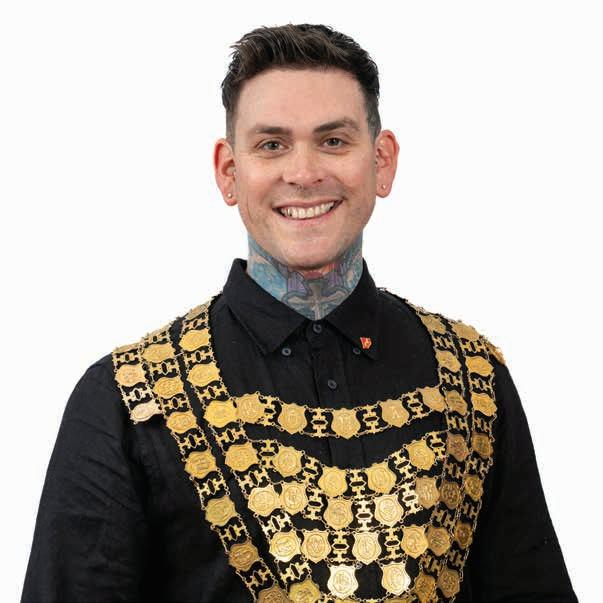
As Mayor, I am proud to lead a city that doesn’t chase the spotlight but earns it through authenticity, care and connection. The Launceston Visitation Framework is our roadmap to a future where visitation doesn’t just grow our economy. it grows our pride, our identity, and our sense of home.
Welcome to Launnie.
— Mayor Matthew Garwood

This framework uses a set of terms that have specific meaning in the context of Launceston’s visitor economy. Defining them here ensures clarity and consistency.
Basecamp: Launceston is the natural basecamp for exploring Northern Tasmania. As the region’s central hub, it connects visitors to the Tamar Valley, Meander Valley and the island’s wild northern landscapes, while offering all the comforts, culture and character of a vibrant city. Being a basecamp means more than a starting point; it reflects Launceston’s role as a destination in its own right and its importance to the wider region.
Community: Launceston’s character is shaped by its people. From those whose families have lived here for generations to those who have recently made the city their home, each brings stories, traditions and ideas that add to the mix. Together, they form a community that is warm, welcoming and quietly extraordinary. A city where diversity is not just present but celebrated and where every contribution helps weave the rich fabric of Launnie’s identity.
Connected: In this framework, connected refers to more than physical infrastructure. It encompasses technological connections (Wi-Fi, EV charging,
RV facilities), physical networks (roads, walkways, signage), natural environments (rivers, reserves) and social landscapes. Connectivity shapes accessibility for all visitors, particularly those with varying abilities.
Culture: Culture in Launceston is layered and diverse. For tens of thousands of years, the Stoney Creek Nation gathered on the banks of kanamaluka and clans across the island met at the Gorge, a sacred place. Today, Tasmanian Aboriginal culture continues to thrive as a vital and living part of our city. Alongside this deep history, Launceston’s culture is also expressed in its creativity, arts, food, festivals and everyday way of life. From heritage streets and green spaces to galleries, live music and events, culture shapes how we live, connect and welcome others.
Event: Events are defined as planned public or private gatherings that deliver cultural, social, economic or environmental outcomes. They can range from small community activities to major festivals, business events and civic ceremonies. Within the City of Launceston, events are recognised
for their ability to connect people, activate spaces, celebrate identity and drive visitation. They include, but are not limited to, food and wine festivals, arts and cultural programs, sporting fixtures, conferences, exhibitions and community celebrations.
Gastronomy: Gastronomy is more than food, it is the connection between people, place and produce. In Launceston, it reflects how we grow, make, share and celebrate what comes from our region. As Australia’s second UNESCO City of Gastronomy, Launceston’s gastronomy recognises the creativity and care embedded in our food systems, from local producers and farmers to chefs, brewers and artisans.
Sector vs industry: The word sector captures the broad system of people, organisations and influences that make up visitation. The term industry refers more narrowly to businesses grouped in categories, such as hospitality or accommodation. We use sector to reflect the wider ecosystem that supports Launceston’s visitor economy.
Positive impact: Defined by Tourism Tasmania as “maximising good, minimising harm and sharing benefits broadly.” This principle underpins our
approach to ensuring that tourism supports both the community and the environment.
Undercurrent: The undercurrent is the essence of Launceston’s place brand — the subtle, authentic qualities that define the city. It is the rhythm of daily life, the warmth of community and the creative energy that visitors experience when they connect with Launnie.
Visitor servicing: Visitor servicing refers to the ways visitors are supported before, during, and after their stay in Launceston. It includes both faceto-face interactions, such as at the Launceston Visitor Information Centre, ambassadors, and digital touchpoints like websites, social media, and wayfinding.
Visitor/visitation vs tourist/tourism: We use the term visitor throughout this framework because of its broad relevance. A visitor is anyone who comes to Launceston from outside their home place, whether for leisure, work, study, or to see family and friends. A tourist, by contrast, is often defined more narrowly as someone travelling for leisure. Every visitor shapes our economy and our community, and all are part of Launceston’s story.
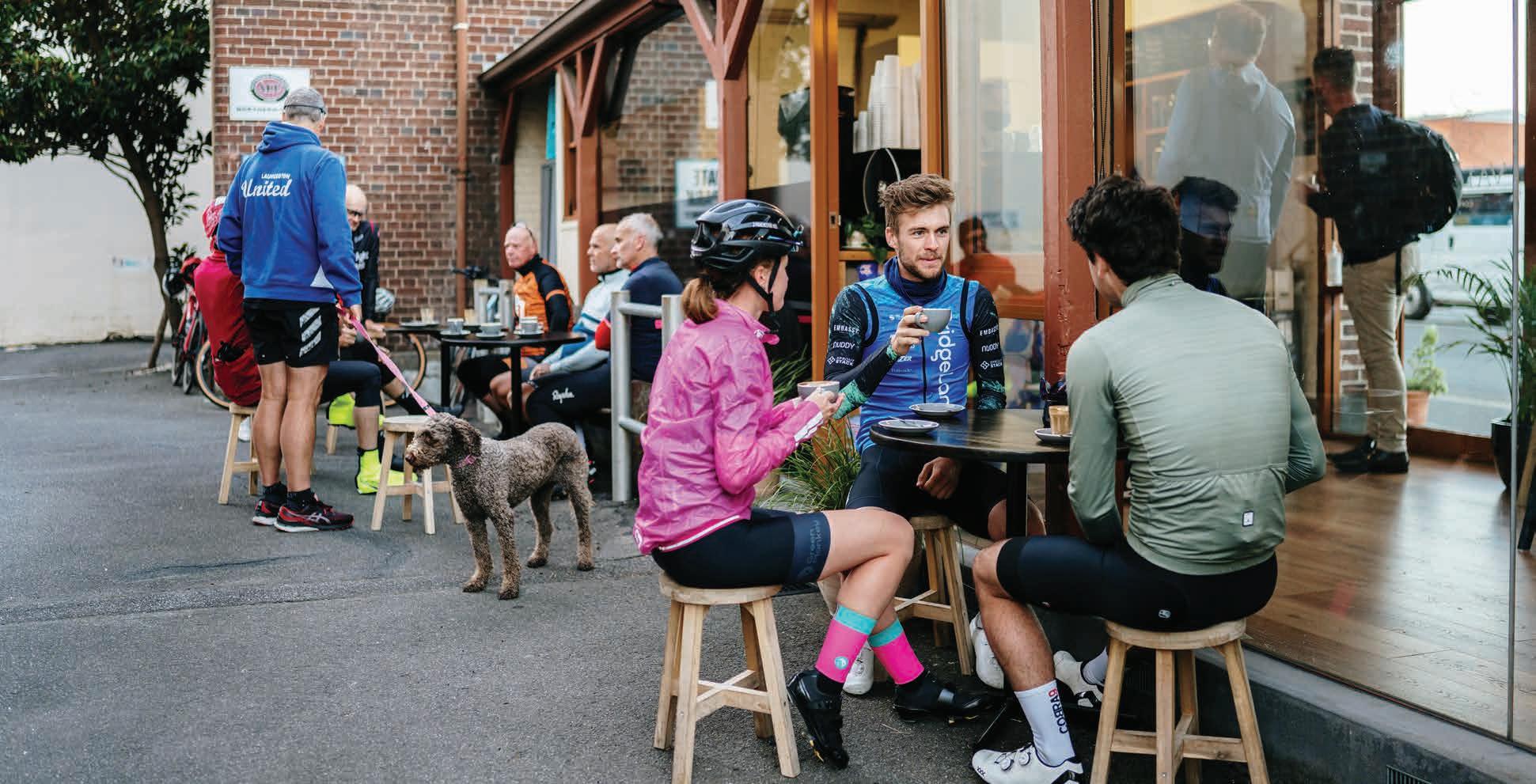
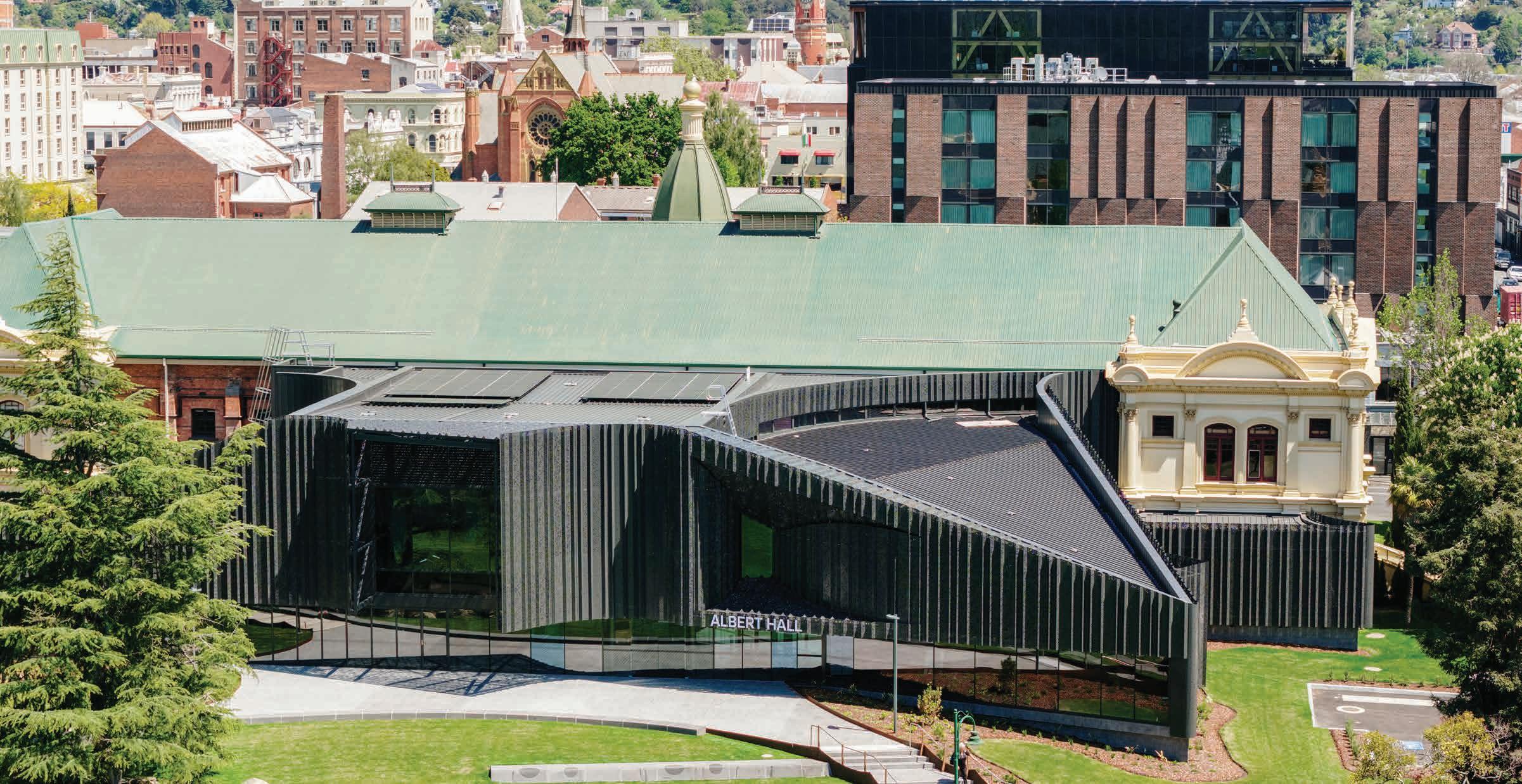
Launceston is a city where heritage, creativity and nature come together to create a distinctive visitor experience. Visitation has long been part of our story, shaping our streets, supporting local business and connecting us to the world. Today, the visitor economy is more than an industry, it is a driver of liveability, prosperity and community pride.
The Launceston Visitation Framework sets a clear direction for how Council will lead, enable and advocate for visitation over the next five years. It builds on the successes of the 2019–22 Tourism Plan and responds to new opportunities and challenges in a rapidly evolving visitor landscape. Guided by the City of Launceston’s 10-Year Strategic Plan and its core pillars of People, Place and Prosperity, the framework identifies Council’s three key roles in visitation:
Provide clear direction for Launceston’s visitor economy, ensuring strategies, data and priorities align with Council’s 10Year Strategic Plan. This includes convening partners, setting the vision and embedding visitation into broader city planning.
Create the conditions for growth by investing in infrastructure, placemaking, digital platforms and visitor services. Enabling also includes supporting operators and industry capability, so local businesses can thrive and visitors have quality experiences.
Represent Launceston’s interests at regional, state, national and international levels to secure investment, raise visibility and ensure the city’s story is told authentically. Advocacy includes building strong partnerships that position Launceston as a destination of choice and amplify its unique identity.
Visitation contributes significantly to Tasmania’s $3.52 billion visitor economy and supports more than 50,800 jobs statewide. The north plays a central role in this success, welcoming over 731,000 visitors annually who come for our food, events, nature and culture. The framework ensures we continue to capture these benefits while shaping visitation in a way that enhances the daily lives of residents.
Our vision is for Launceston to be recognised nationally and internationally as a welcoming, humanscale city where every visitor feels like a temporary local. To achieve this, the framework focuses on seven priorities:
1. Everyone belongs - Making Launceston a city where all visitors feel valued, connected and able to participate fully in what the city offers.
2. Authentically Launnie - Amplifying the place brand through food, heritage, arts and creativity and ensuring every interaction reflects Launceston’s unique character.
3. Vibrant city life - Building a year-round mix of events, experiences and activities that extend dwell time, encourage repeat visitation and strengthen the night-time economy.
4. Balanced and resilient - Balancing visitation with liveability, embedding environmental responsibility, strengthening the workforce and ensuring the visitor economy supports long-term resilience.
5. Smart decisions - Using research, insights and digital tools to guide decisions, measure outcomes and connect with audiences in more personalised and impactful ways.
6. Stronger together - Strengthening ties with industry, regional partners and all levels of government to grow Launceston’s reputation, share resources and maximise impact.
7. Well-connected city - Improving transport, signage and accessibility to make it easier for visitors to arrive, move around and experience the city and its surrounding region with ease.
Implementation will be supported by annual action plans, ongoing monitoring and a review in 2027–28 to ensure accountability and responsiveness. By aligning Council’s efforts with the Tasmanian Government’s Visitor Economy and Events strategies and by leveraging our unique identity, Launceston is positioned to grow as a destination of choice while delivering lasting benefits for our community and economy.
This framework is not just about attracting more visitors. It is about ensuring visitation enhances who we are, celebrates what we value and secures a prosperous and sustainable future for Launceston. Visitation supports local jobs and contributes directly to the vitality of our CBD, events and creative sectors.
The City of Launceston extends sincere thanks to all who contributed to the development of the Visitation Framework. We acknowledge the valuable input of local businesses, tourism and hospitality operators, cultural partners, industry bodies and regional stakeholders whose insights and experience have helped shape this framework.
This framework reflects a shared vision for a vibrant, inclusive and future-ready visitor economy, one that continues to strengthen Launceston’s identity, liveability and reputation as a leading regional destination.
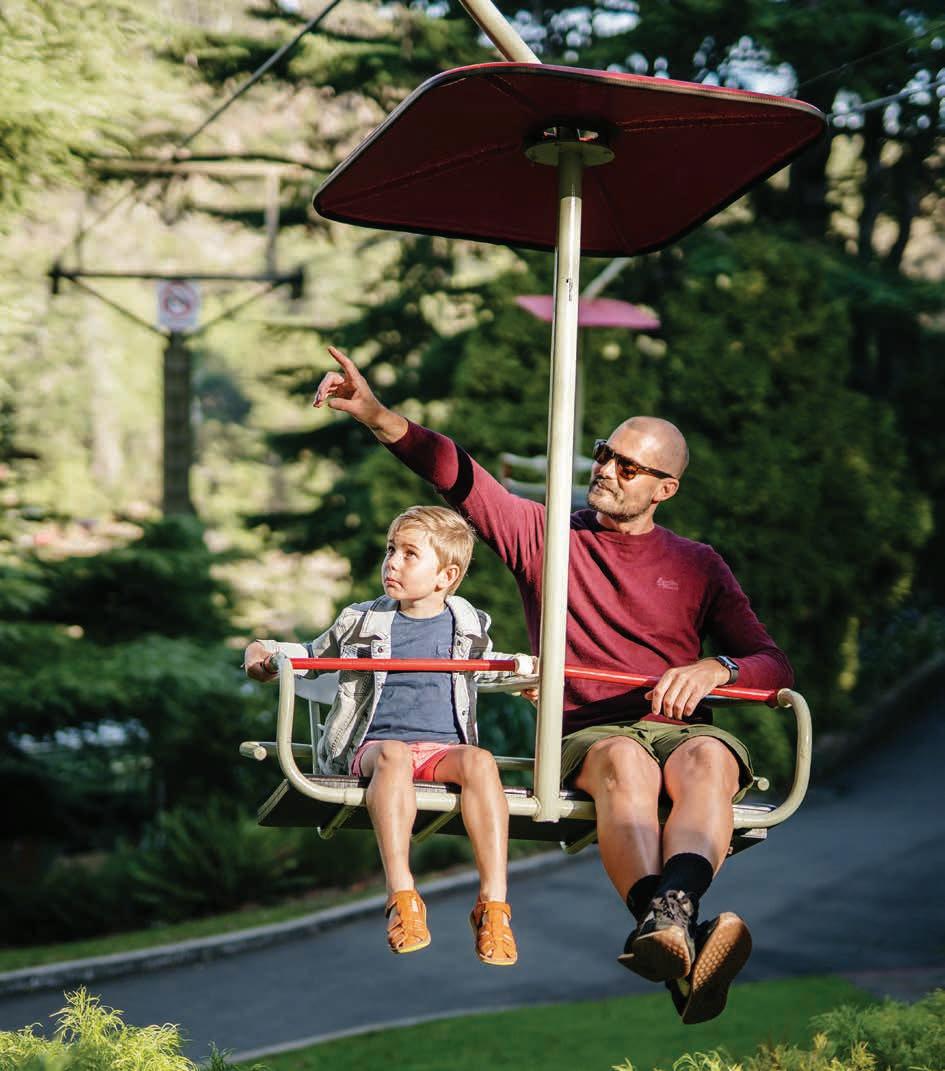
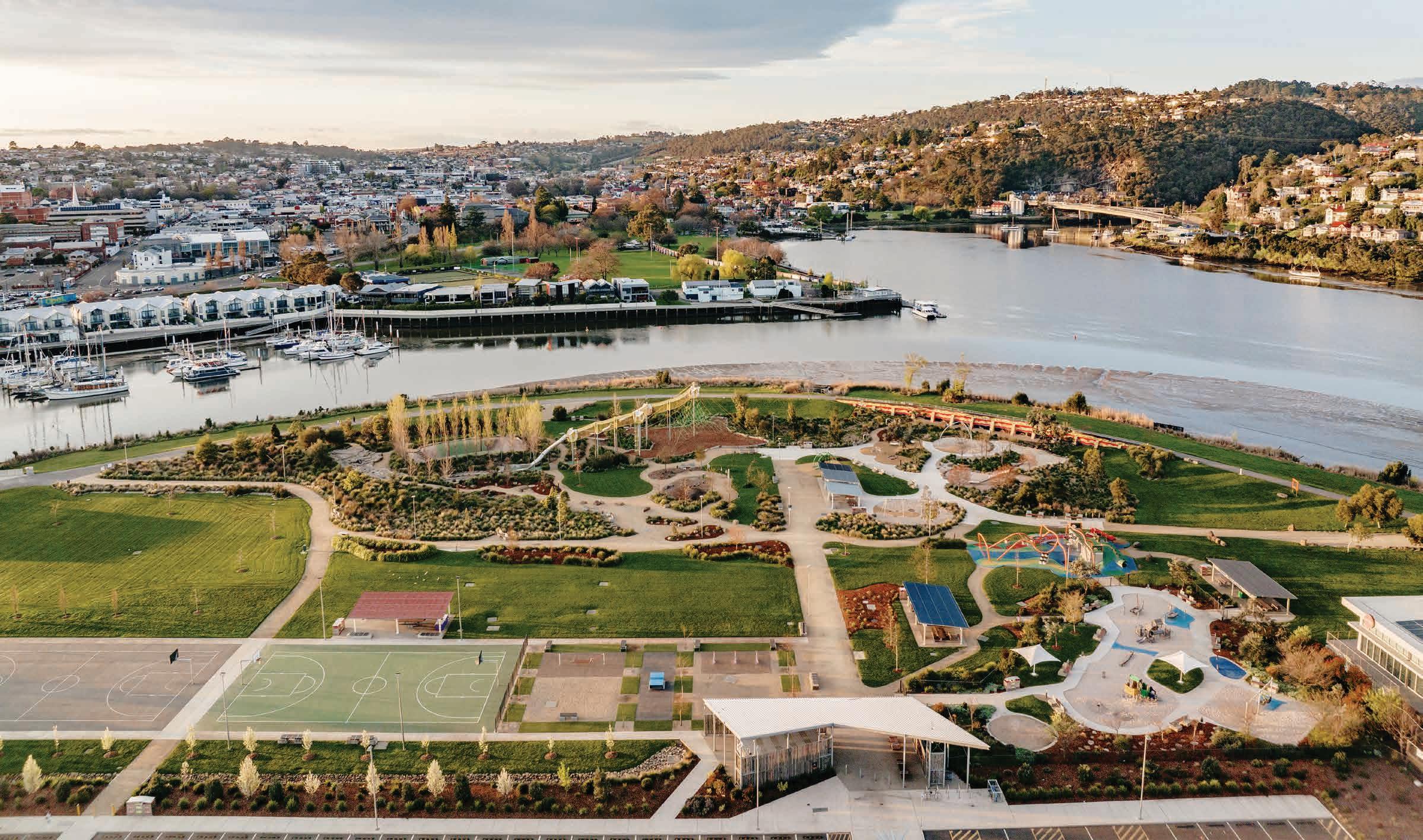
Launceston is recognised worldwide as a city of connection and welcome. A place where people are invited to share our stories and experience our gastronomy, landscapes, and culture. Visitors feel part of the community, exploring a city where heritage meets innovation, and where the visitor economy strengthens liveability, creativity, and opportunity.
Undercurrent narrative: There’s something that runs beneath the surface here, a quiet confidence that defines Launceston. You may not see it at first, but you feel it. In the morning light over the Gorge, in the curve of a heritage street, in the welcome of a stranger. It’s an undercurrent, shaped by generations of makers, growers, dreamers and doers who’ve built a city with creativity, care and community at its heart.
Cradled by three waterways, Launnie is both grounded and growing, a cultural hub and a city of gastronomy where nature and innovation flow side by side. From our first storytellers, the Tasmanian Aboriginal people, to the generations who now call this place home, Launceston has always been a meeting place where people come together to share, create and connect.
As the basecamp for Northern Tasmania, Launceston anchors the visitor journey, the place where every great Tasmanian story begins. It connects travellers
to the Tamar Valley, Meander Valley, and wild northern landscapes, while offering all the comforts, creativity, and character of a vibrant regional city.
Our city is human in scale and rich in character. Heritage buildings stand easily beside modern design, while laneways, galleries, parks and markets reveal a rhythm that’s both relaxed and alive. We’ve mastered the art of simple pleasures: good food, good company, and a deep respect for place.
We don’t chase the big-city spotlight. We’d rather let authenticity do the talking. Here, the farm gate is the local store, nature is our playground, and every visitor is welcomed as a temporary local.
This is Launnie, a city that balances heritage with innovation, creativity with calm, and everyday life with something quietly extraordinary.
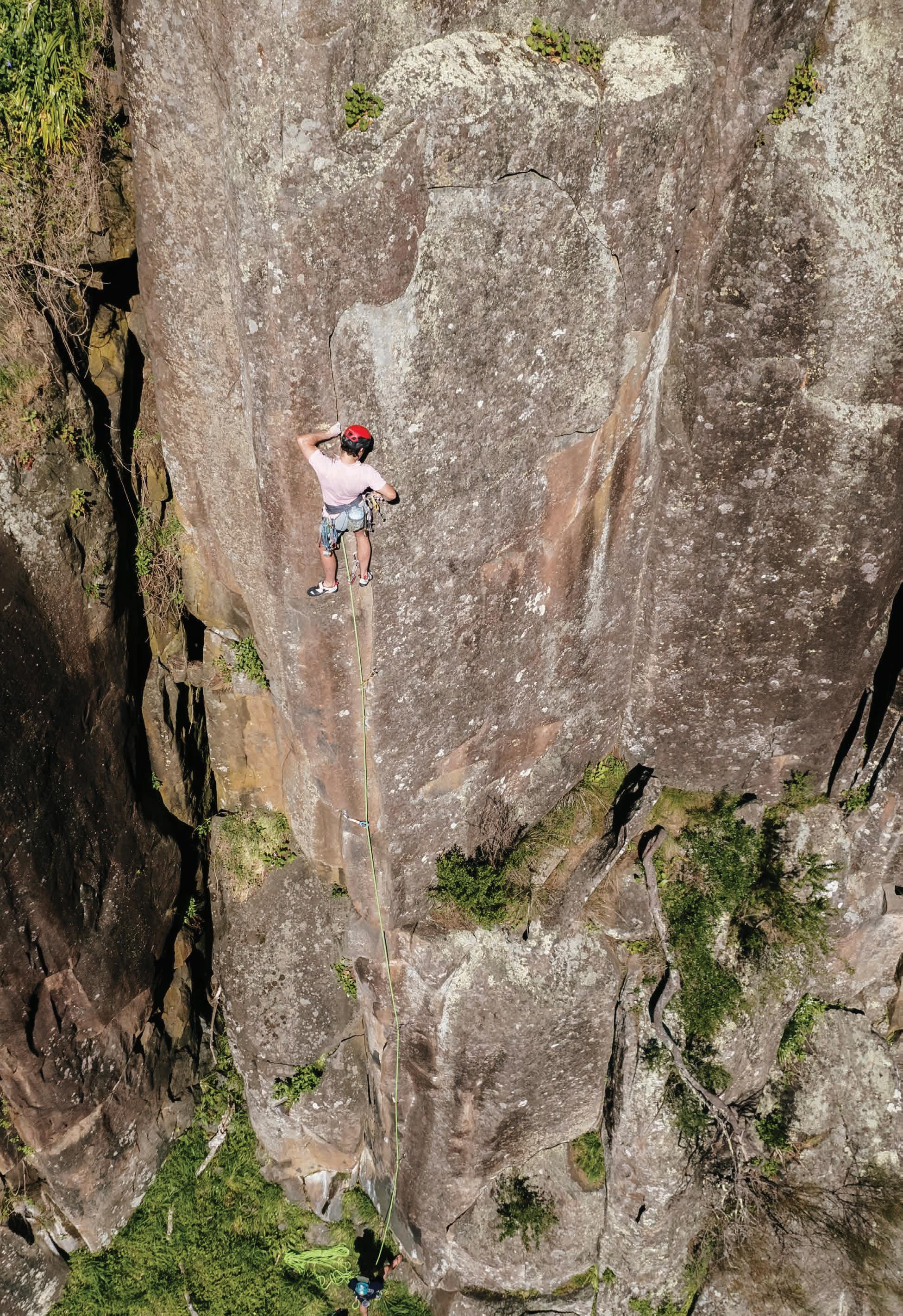
The Visitation Framework is designed to work in step with broader strategies and policies at the local, regional and state level. It ensures tourism growth is not pursued in isolation but as part of a coordinated approach to city-making, community wellbeing and economic resilience.
At the local level, the Visitation Framework directly aligns with the City of Launceston’s 10-Year Strategic Plan, supporting objectives that celebrate identity, enhance liveability, foster economic prosperity and reinforce Launceston’s role as a regional hub. It does not stand alone rather it builds upon and complements the work already underway across Council. It complements key initiatives such as the City Heart Project, which is revitalising the city centre with more welcoming, walkable and accessible spaces. City Heart provides the physical platform on which visitation can thrive, while the Visitation Framework ensures that these investments translate into meaningful outcomes for visitation and the wider visitor economy.
The framework connects closely with the City of Launceston Events Framework, recognising events as a key driver of visitation, economic activity and community pride. From food and wine festivals and cultural celebrations to major sporting fixtures, conferences and national competitions, events stimulate overnight stays, increase visitor spend and encourage repeat visitation. By aligning strategies, Council ensures that investments in public space, cultural identity and destination marketing deliver stronger outcomes.
Launceston Central is a Council-funded, place-based marketing partner that works at street level with local businesses, residents, and visitors already in the city. Together, our efforts strengthen the CBD as a welcoming, creative and commercially vibrant destination that builds a thriving day- and night-time
economy that encourages people to stay longer, explore more, and keep returning.
Launceston’s role as the basecamp for Northern Tasmania makes collaboration with neighbouring councils critical. By working closely with West Tamar, George Town, Meander Valley, Northern Midlands, Break O’Day and others, we can ensure visitors see Launceston as part of a broader northern journey. Shared itineraries, joint campaigns and storytelling help strengthen the entire region while reinforcing Launceston as the natural hub.
Visit Northern Tasmania provides the regional layer of destination management, amplifying Launceston’s story through shared marketing, industry development and advocacy while we focus on place-based initiatives that showcase our city’s unique strengths.
Tourism Tasmania provides the statewide platform for marketing and research, which Launceston can leverage to sharpen its decision-making and visibility in national and international markets. By utilising their data, insights and consumer research, we ensure our strategies are aligned to real demand drivers. Campaign partnerships also provide opportunities to amplify Launceston’s stories to audiences we could not otherwise reach.

These insights are drawn from the Launceston Visitor Profile and Experience Report (June 2025), prepared by Myriad Research on behalf of the City of Launceston. The report combined intercept surveys in Launceston in February 2025 with online surveys of recent visitors, capturing the experiences and perspectives of more than 1,300 respondents across domestic and international markets.
The findings provide a detailed picture of who is visiting Launceston, why they come, how they spend their time and money and

what shapes their overall satisfaction. They also highlight the strengths that underpin our visitor economy such as nature, gastronomy and culture, alongside opportunities to improve transport, dining and late-night experiences.
This evidence base is central to the Visitation Framework, ensuring that future priorities and actions are grounded in the lived experiences of our visitors.
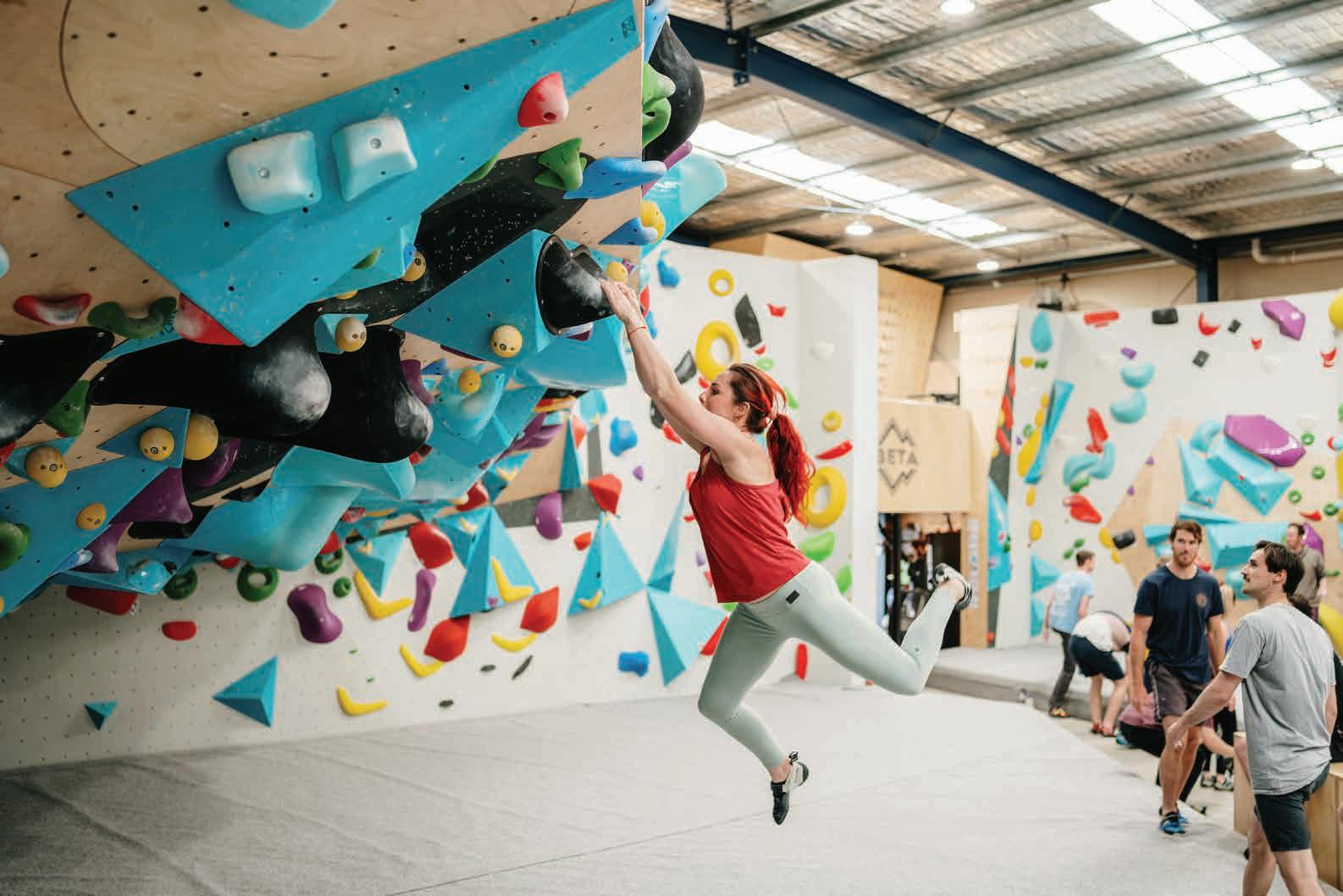

• Visitors identified transport and accessibility as areas needing attention (only 42% felt there were enough transport options).
• There were calls for more casual dining, late-night options and budget accommodation.
As our own research and the Tasmanian Visitor Survey from Tourism Tasmania show, Launceston is uniquely positioned to capitalise on strong visitation trends. Visitors spent $3.52* billion across Tasmania
in the year ending March 2025, supporting more than 50,000† jobs. Northern Tasmania recorded its best year on record, with Launceston at its heart, driving overnight stays, visitor spend and regional dispersal across the North.
These results reinforce Launceston’s position as Northern Tasmania’s natural hub. A city capable of converting strong regional visitation trends into sustained local benefit.
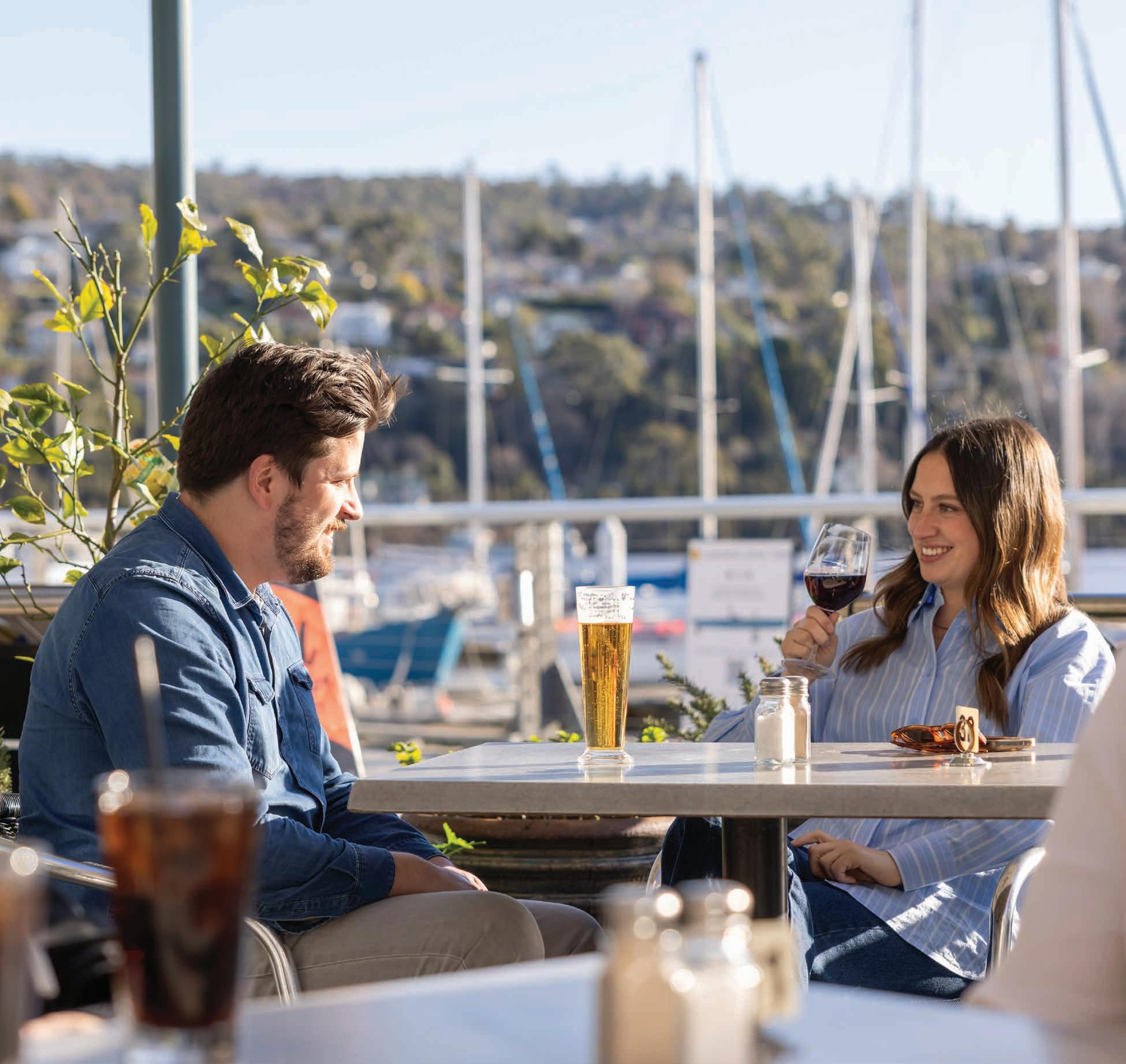
Guided by the City of Launceston’s strategic pillars; People, Place and Prosperity this Visitation Framework outlines an approach to visitation that is authentic, inclusive and sustainable.
It celebrates what makes Launnie unique, strengthens every step of the visitor journey, and delivers cultural, social and economic value that enriches life for both visitors and the community.
Visitation in Launnie is about connection. Visitors are welcomed as temporary locals, invited to explore deeply, share stories, and feel part of daily life. A thriving visitor economy builds community pride, supports wellbeing, and creates opportunities for residents to benefit from and participate in the life of the city.
• Building community connection: Create inclusive and memorable experiences that bring people together and celebrate what makes Launnie special — our creativity, food, culture and lifestyle. Locals and visitors connect through shared experiences that foster belonging and pride.
• Living our values: Keep Launnie welcoming, safe and sustainable by promoting accessibility, cultural respect, and inclusion throughout the visitor experience. Encourage participation, care for place, and behaviours that reflect Launceston’s values as a city that welcomes everyone.
Launnie’s sense of place is central to its appeal. The charm of the city, its rich heritage, and its seamless connection to nature define its character and set it apart. Protecting and celebrating these qualities ensures Launceston remains distinctive and vibrant in a competitive tourism landscape.
• Celebrating who we are: Share stories that amplify Launnie’s identity — from its UNESCO City of Gastronomy status to its heritage architecture, creative energy and river landscapes. Invite exploration of the city’s streets, green spaces and historic sites, connecting people to the spirit of place.
• Creating great spaces: Maintain welcoming, inclusive and accessible public spaces, transport networks and visitor services that meet the needs of diverse travellers and enhance city life. Initiatives such as the City Heart Project play a key role in shaping a more walkable, connected and people-focused city centre that benefits both residents and visitors.
A strong visitor economy underpins Launnie’s prosperity, it supports local jobs, stimulates investment, and strengthens Launceston’s reputation as one of Australia’s leading regional cities. Visitation drives activity in hospitality, retail, arts and transport, while also fostering local innovation and creativity.
• Backing local growth: Build the capacity of Launnie’s operators, makers and industries to deliver distinctive, high-quality visitor experiences. Support innovation that aligns with the city’s strengths and helps local businesses thrive.
• Keep the city buzzing: Encourage activity throughout the year and across all times of day. Develop opportunities that grow the night-time economy, extend visitor stays, and ensure the benefits of visitation are shared citywide.
Launceston’s visitor economy is shaped by a unique mix of assets, pressures and potential. Understanding what we do well, where we face constraints and where new opportunities lie is essential for setting the direction of the framework.
This section highlights Launceston’s current position through the lens of People, Place and Prosperity. It recognises the qualities that already set the city
apart, acknowledges the challenges that need to be addressed and identifies the opportunities that will help Launceston remain resilient, competitive and authentic in the years ahead.
By focusing on these three pillars, we can ensure that the visitor economy strengthens community connections, celebrates our city’s distinctive identity and delivers lasting benefits for both residents and visitors.
• Launceston’s reputation for warmth and hospitality, where visitors are welcomed as temporary locals.
• Strong community pride and willingness to share stories and experiences with visitors.
• Established volunteer and grassroots networks supporting events and visitor services.
• Positive resident attitudes toward tourism, reinforcing community support for visitation initiatives.
• Limited diversity of offerings and experiences for younger demographics, youth visitors, and culturally diverse travellers.
• Pressure on residents during peak visitation periods, risking community fatigue.
• Develop experiences and storytelling that reflect the full diversity of Launceston’s community — from cultural heritage to creative youth expression.
• Strengthen programs that connect visitors with locals through food, arts, or shared learning experiences (e.g. tours, markets, volunteering).
• Embed accessibility and inclusivity standards into tourism communication, events, and public realm projects to ensure everyone feels welcome.
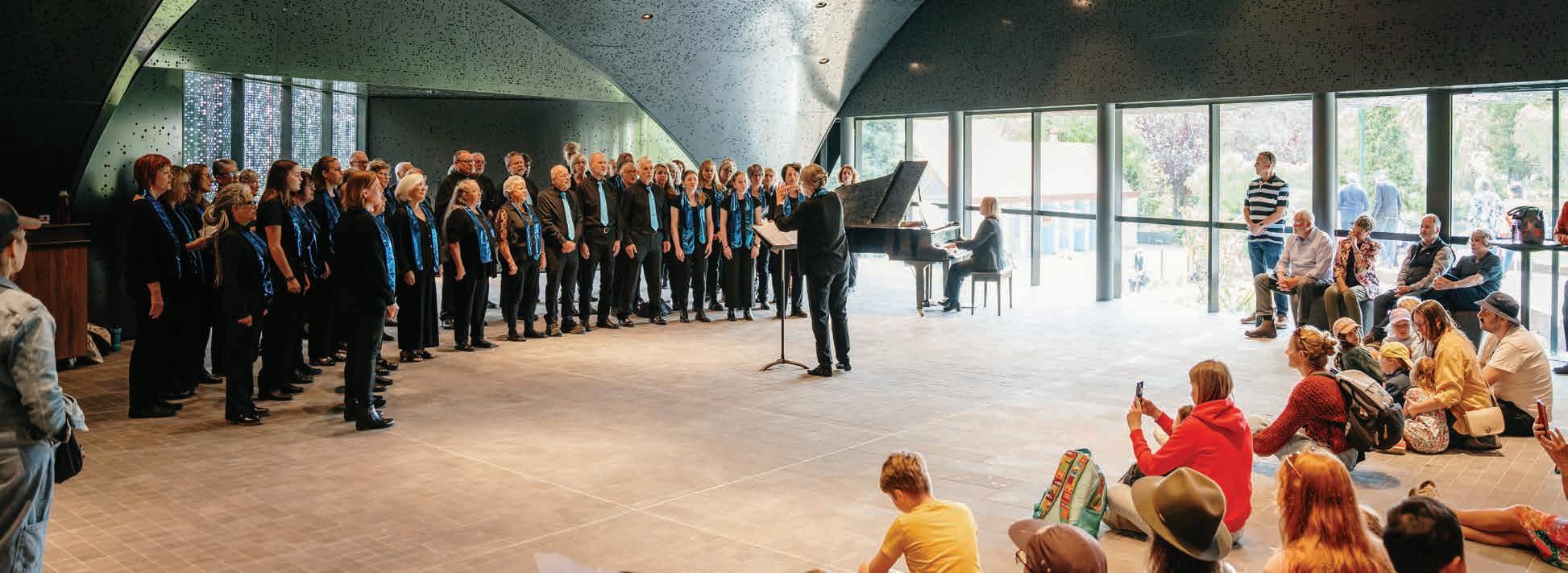
• City Heart Project investments are transforming streetscapes and public spaces into more attractive, visitor-friendly environments.
• A compact, walkable city centre with rich heritage and over 148 parks and green spaces.
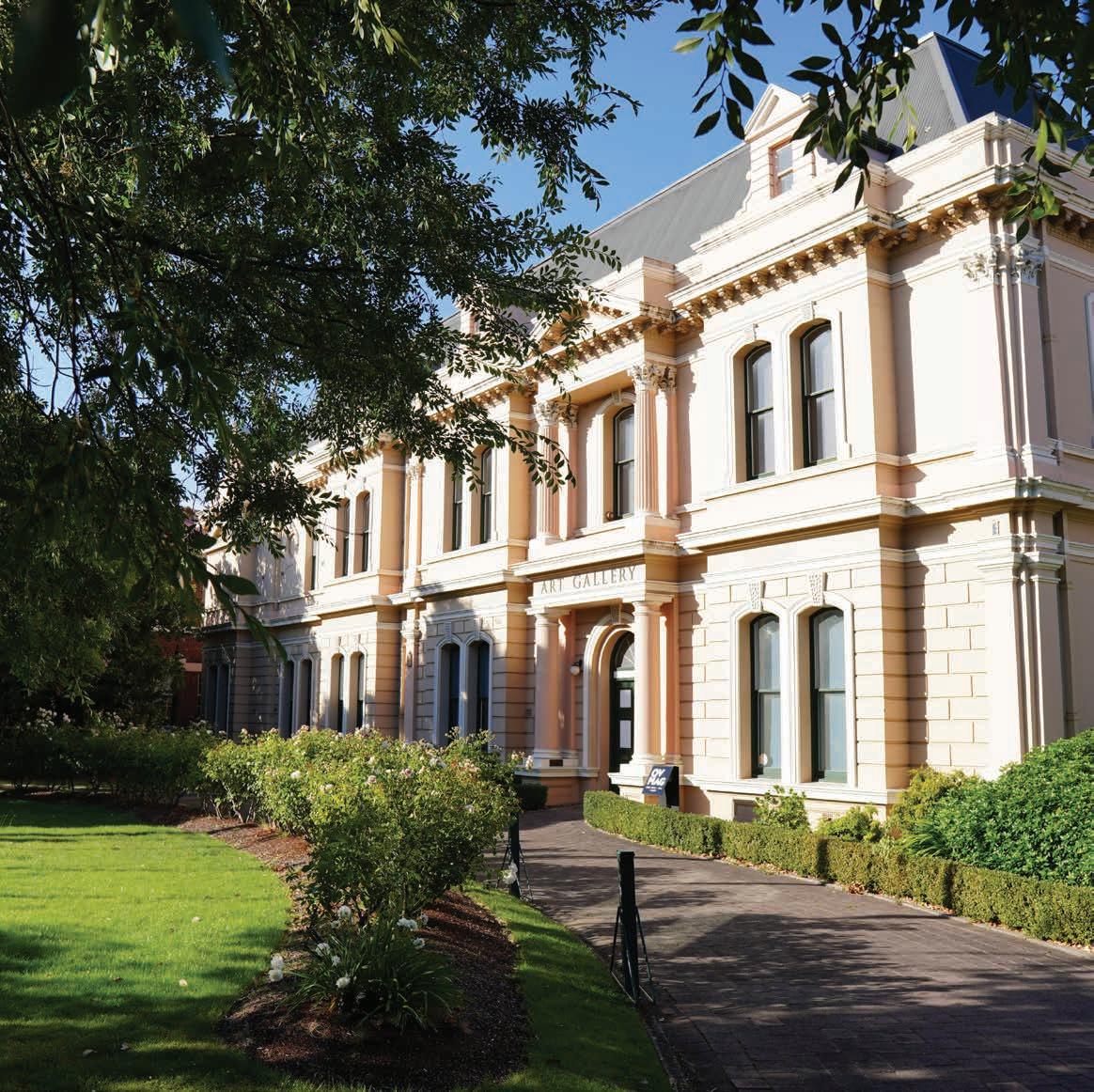
• The Queen Victoria Museum and Art Gallery (QVMAG) as a cornerstone of Launceston’s cultural identity, offering nationally significant collections, engaging exhibitions and strong visitor appeal.
• Unique natural assets such as Cataract Gorge, Tamar River and surrounding trails.
• Recognition as a UNESCO Creative City of Gastronomy, adding global visibility.
• Rich built heritage and wellpreserved architecture that defines Launceston’s identity.
• Transport connectivity issues, including limited public transport and active transport networks.
• Underutilised night-time economy and winter programming.
• Limited visibility of QVMAG’s role within the broader tourism narrative.
• Visitor awareness of Launceston’s cultural and gastronomic strengths remains limited outside Tasmania.
• Gaps in interpretation and storytelling that connect visitors emotionally to the city’s natural and built heritage.
• Balancing preservation of heritage with adaptive reuse and modern accessibility requirements.
• Activate the city’s waterfront, laneways and heritage precincts with new experiences.
• Expand winter and after-dark programming to address seasonality and extend dwell time.
• Leveraging City Heart upgrades to improve wayfinding, accessibility and visitor orientation, making Launceston easier to navigate and more enjoyable to explore.
• Activate QVMAG as a destination anchor through stronger integration with the city’s tourism and events narrative. Connecting exhibitions, heritage collections and creative programming with Launceston’s identity.
• Enhance heritage interpretation across the city by collaborating with QVMAG, heritage partners and local creatives to develop walking trails, digital guides and interpretive signage that bring Launceston’s stories to life.
• Collaborate with transport providers to develop visitorfriendly mobility options, including potential hop-on hop-off connections between major visitor sites, cultural institutions, and the city centre, improving access and wayfinding.
• Visitation contributes significantly to Launceston’s economy, with strong subsectors in food, beverage and accommodation.
• Launceston Airport provides strong air access as Tasmania’s second busiest airport.
• Festivals and events generate measurable economic and cultural benefits.
• QVMAG contributes to Launceston’s prosperity not only as a visitor attraction but also as an employer, educator and partner in the city’s creative industries.Rich built heritage and well-preserved architecture that defines Launceston’s identity.
• Workforce shortages in hospitality, tourism and event delivery, especially in peak periods.
• Heavy reliance on interstate markets, particularly Victoria, leaving vulnerability to market shifts.
• Limited capacity in some infrastructure (e.g. accommodation at peak times).
• Competition from other regional cities investing in destination marketing and digital platforms.
• Build industry capability and workforce resilience through training and partnerships.
• Leverage data and digital platforms to personalise marketing and track impact.
• Strengthen partnerships with neighbouring councils and regional operators to create joint offerings.
• Attract investment in accommodation, transport and visitor infrastructure to support long-term growth.Enhance heritage interpretation across the city by collaborating with QVMAG, heritage partners and local creatives to develop walking trails, digital guides and interpretive signage that bring Launceston’s stories to life.
• Advocate for more transport options and potentially hop off and off bus
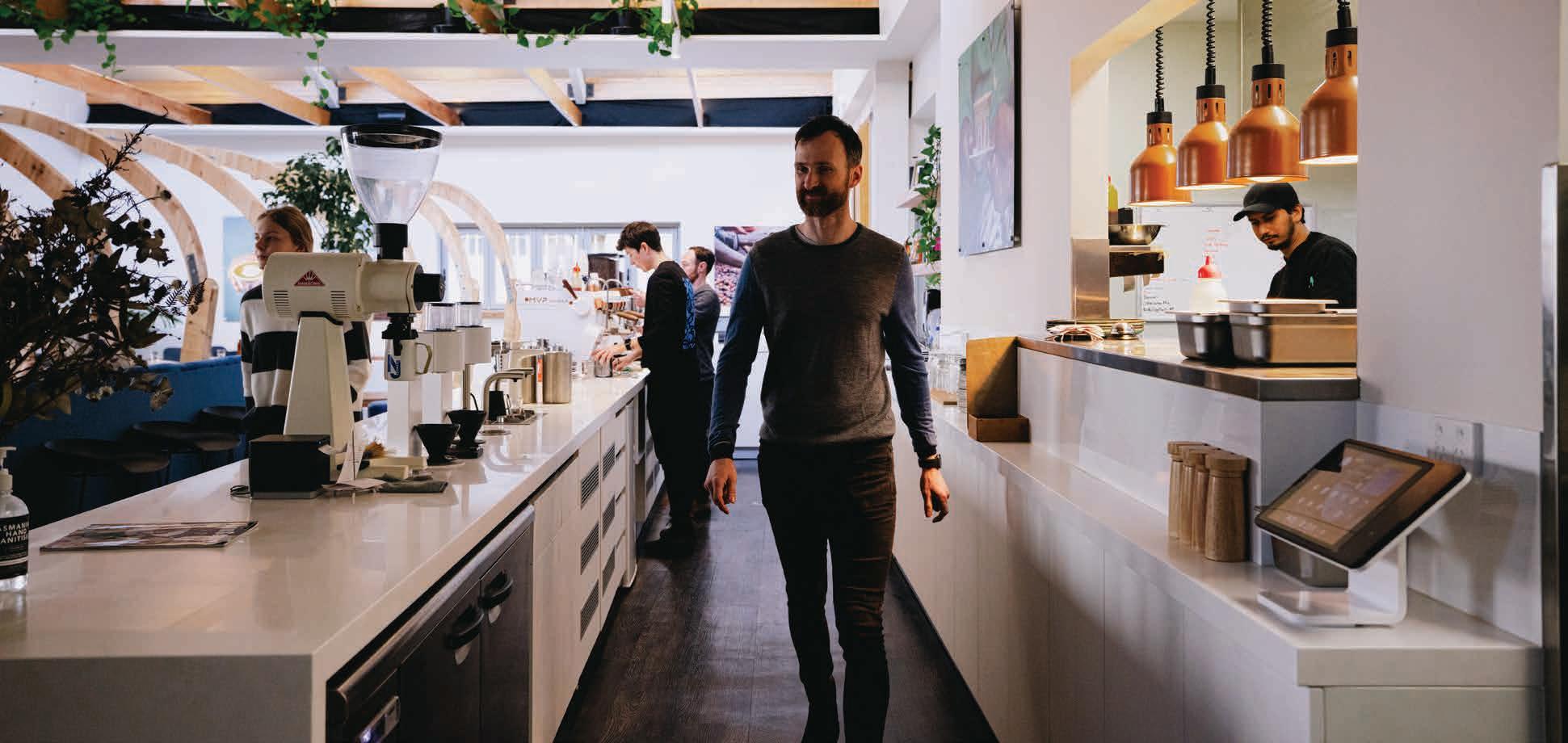
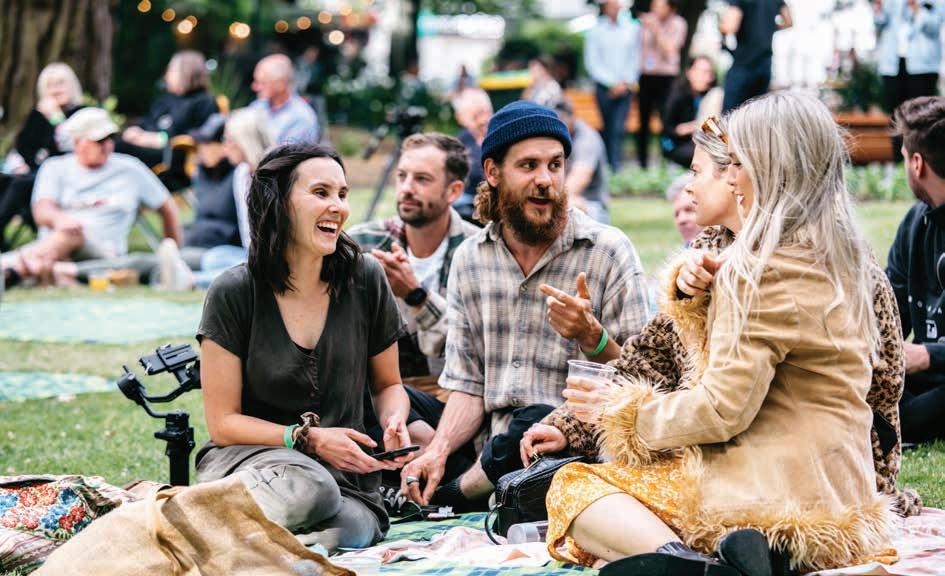
Launceston is a city that thrives on its human scale. Visitors are never lost in a crowd; instead, they are welcomed with warmth, generosity and a sense of belonging. The strength of our visitor economy lies not only in attractions or itineraries but in how people feel when they are here. From a simple smile at Harvest Market to a heartfelt welcome at a local café, visitors are treated as temporary locals, invited to slow down, participate and connect.
Belonging is not an abstract concept; it is central to how Launceston positions itself as a destination. This framework embraces inclusivity as a guiding principle, recognising that every visitor, regardless of age, ability, culture, or background, shapes and is shaped by their experience of the city. When people feel included, they are more likely to return, to share their experiences with others and to contribute to the reputation of Launceston as a city that is as welcoming as it is distinctive.
Creating inclusive and welcoming experiences requires practical action. This means embedding universal design principles into public spaces, ensuring that parks, attractions and events are accessible and safe for all. It includes providing multilingual information, clear wayfinding and culturally inclusive storytelling that reflects both Aboriginal heritage and the diverse communities that call Launceston home.
Inclusivity is also about representation and cultural safety. Launceston’s identity is layered and living: Aboriginal stories sit alongside European heritage, migrant histories and the contemporary creativity of local communities. Visitors should encounter these stories authentically, whether through interpretive signage, local guides, or cultural programming. At
the same time, the framework acknowledges that inclusivity extends beyond heritage to embrace the everyday. From child-friendly facilities in public spaces to events that appeal across generations and cultural backgrounds.
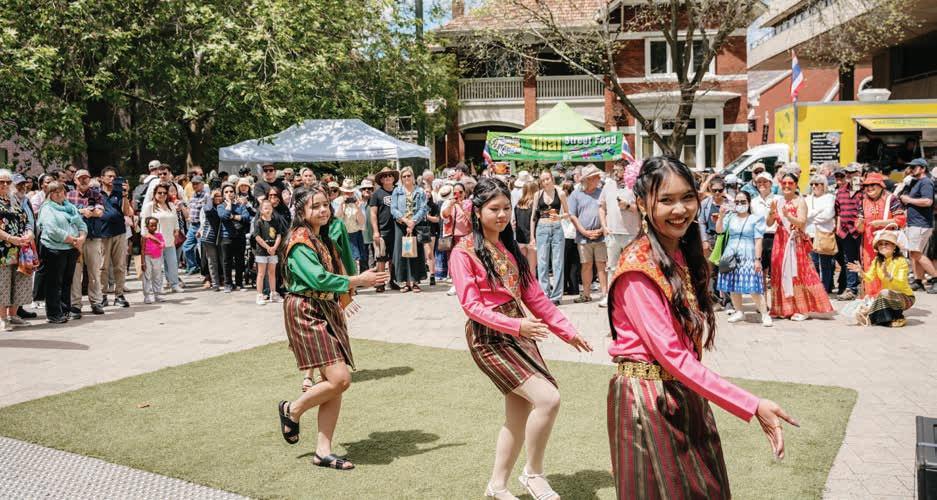
There are also opportunities to expand Launceston’s appeal by recognising the needs of specific visitor groups. Young travellers are seeking vibrant, social activities and evening experiences, while older visitors often prioritise ease of access, comfort and authenticity. Families, international students and culturally diverse audiences are all important growth markets and tailoring offerings to these groups will broaden Launceston’s reach. Equally, building the capability of the tourism and hospitality workforce through training in accessibility, cultural awareness and customer service will ensure that inclusivity is lived consistently across the city.
Launceston already has strong foundations. Its network of green spaces provides free and accessible opportunities for recreation. The city’s compact, walkable scale makes it easy for visitors to navigate. Initiatives like accessible playgrounds, improved waterfront pathways and inclusive design in new developments demonstrate commitment. But inclusivity is not a one-time achievement, it requires ongoing effort, investment and collaboration between council, operators and the community.
By prioritising belonging, Launceston ensures that the visitor economy is more than a generator of economic activity. It becomes a driver of community pride, a platform for cultural exchange and a way of strengthening the social fabric of the city. Visitors leave not only with memories of what they saw and did, but with a sense of connection by being part of Launnie’s story. Belonging is not an add-on. It is at the heart of how we welcome the world.
At the heart of Launceston’s visitor economy is its Place brand, a shared narrative that captures the city’s character, creativity and lived experience. More than a logo or tagline, it is a unifying story that positions Launnie as welcoming, grounded and human in scale. It amplifies what locals already know to be true: that Launceston is a place where heritage, gastronomy, culture and community blend naturally to create something deeply memorable. The forthcoming destination website will be a cornerstone in telling this story cohesively and compellingly.
The UNESCO Creative City of Gastronomy designation is a natural extension of this brand. It celebrates our paddock-to-plate traditions, our thriving food and beverage scene and the generations of growers, makers and chefs who shape the region’s culinary identity. Gastronomy here is not a marketing gimmick; it is lived daily from backyard gardens and market stalls to world-class wineries, breweries and restaurants. The designation provides a globally recognised platform to share Launceston’s authenticity, while strengthening local pride and creating industry opportunities.
Authenticity is also reflected in Launceston’s arts, heritage and creative culture. The city’s built heritage tells stories of resilience and innovation, while venues like QVMAG, the Princess Theatre and smaller creative precincts connect residents and visitors with world-class exhibitions, performances and festivals. Public art, live music and grassroots cultural programming add vibrancy to streets and neighbourhoods, ensuring that culture in Launceston is not confined to institutions but experienced throughout the city.
The Place brand provides a powerful tool for weaving these stories together. Its language and visual identity can be embedded across digital platforms, print collateral, the Visitor Information Centre and even physical spaces like signage, basecamps and
public art. In doing so, every touchpoint becomes an extension of the city’s story, reinforcing consistency and authenticity. Launceston’s story becomes not fragmented or generic, but distinctly “Launnie.”
There are clear opportunities to expand implementation of the Place brand within the visitor economy. Marketing and promotion must extend Launceston’s reputation beyond Tasmania by investing in compelling digital platforms, working with Tourism Tasmania on joint campaigns and amplifying the unique character of the city through targeted media. Local operators can be empowered with resources and toolkits to connect their businesses with the broader city identity, making them ambassadors of Launnie’s story. Events and festivals can adopt the language and themes of the Place brand, ensuring that every program strengthens the connection between identity and experience.
The brand can also be physically embedded into the city through streetscapes, wayfinding and basecamps that create a sense of arrival and immersion. These interventions, when combined with strong storytelling, make visitors feel like they are stepping into a place with a clear identity and confidence in its uniqueness.
Importantly, “Authentically Launnie” recognises that authenticity cannot be manufactured. It comes from lived experience, shared pride and stories that are deeply rooted in place. Visitors are not asked to consume a staged version of Launceston but to experience it as it is; warm, creative and intimately connected to its people and landscape.
By investing in and expanding the Place brand, Launceston ensures that it competes not on spectacle but on depth and character. Visitors leave with more than a list of attractions; they leave with a sense of Launnie’s story, one that they can carry, share and return to again and again.
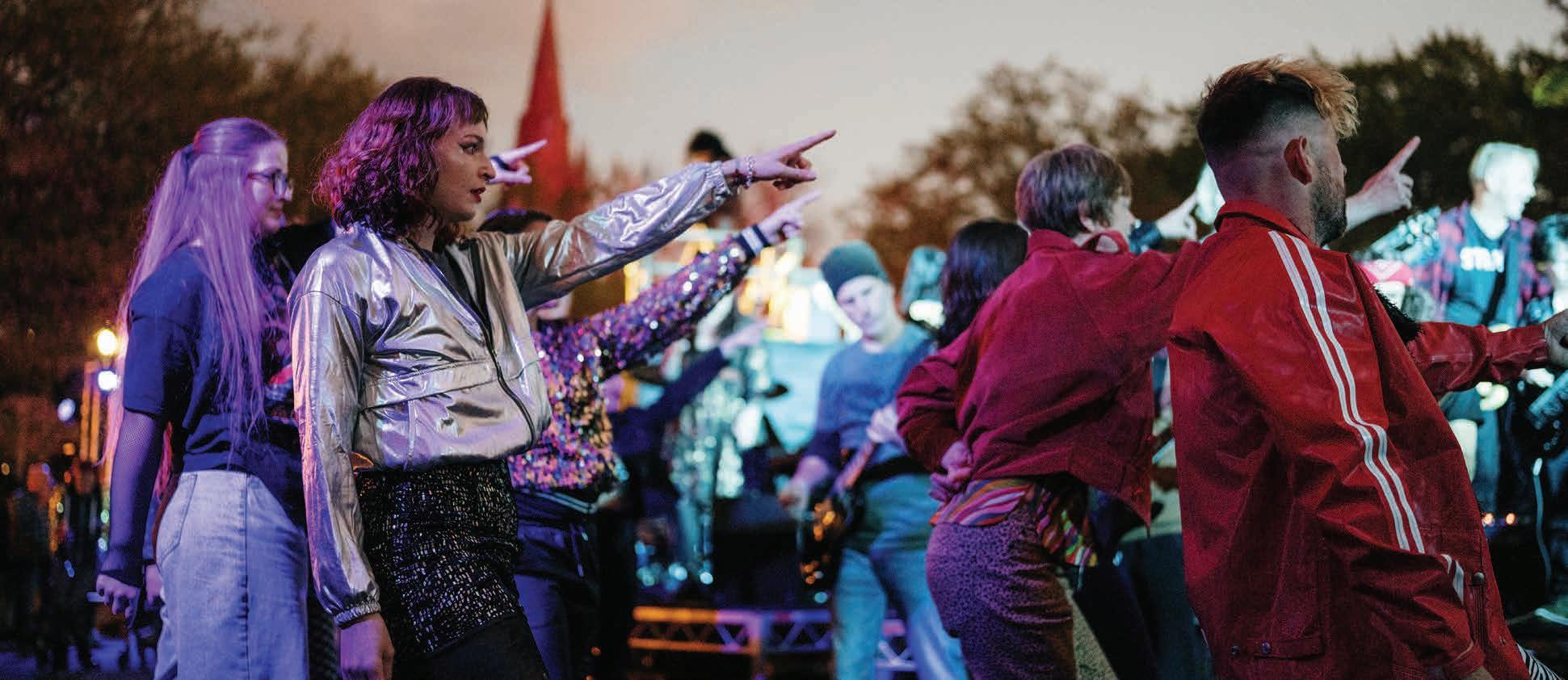
For Launceston to thrive as a destination, the city must feel alive not only during festivals or peak seasons but throughout the entire year. Vibrancy is more than a buzzword, it is the everyday sense of energy, culture and hospitality that visitors encounter when they walk our streets. A strong calendar of events and experiences is vital, but equally important is the capacity of our businesses, venues and public spaces to meet visitor expectations consistently.
Currently, variability in opening hours and service availability is one of Launceston’s most pressing challenges. Inconsistent schedules across hospitality, retail and attractions reduce dwell time, limit spend and weaken our reputation as a welcoming host city. For instance, a visitor arriving on a Sunday or late in the evening may find limited dining or shopping options. Addressing these gaps requires a coordinated effort between Council, industry bodies and local operators to encourage alignment, trial extended hours and promote a “city open” approach that visitors can trust.
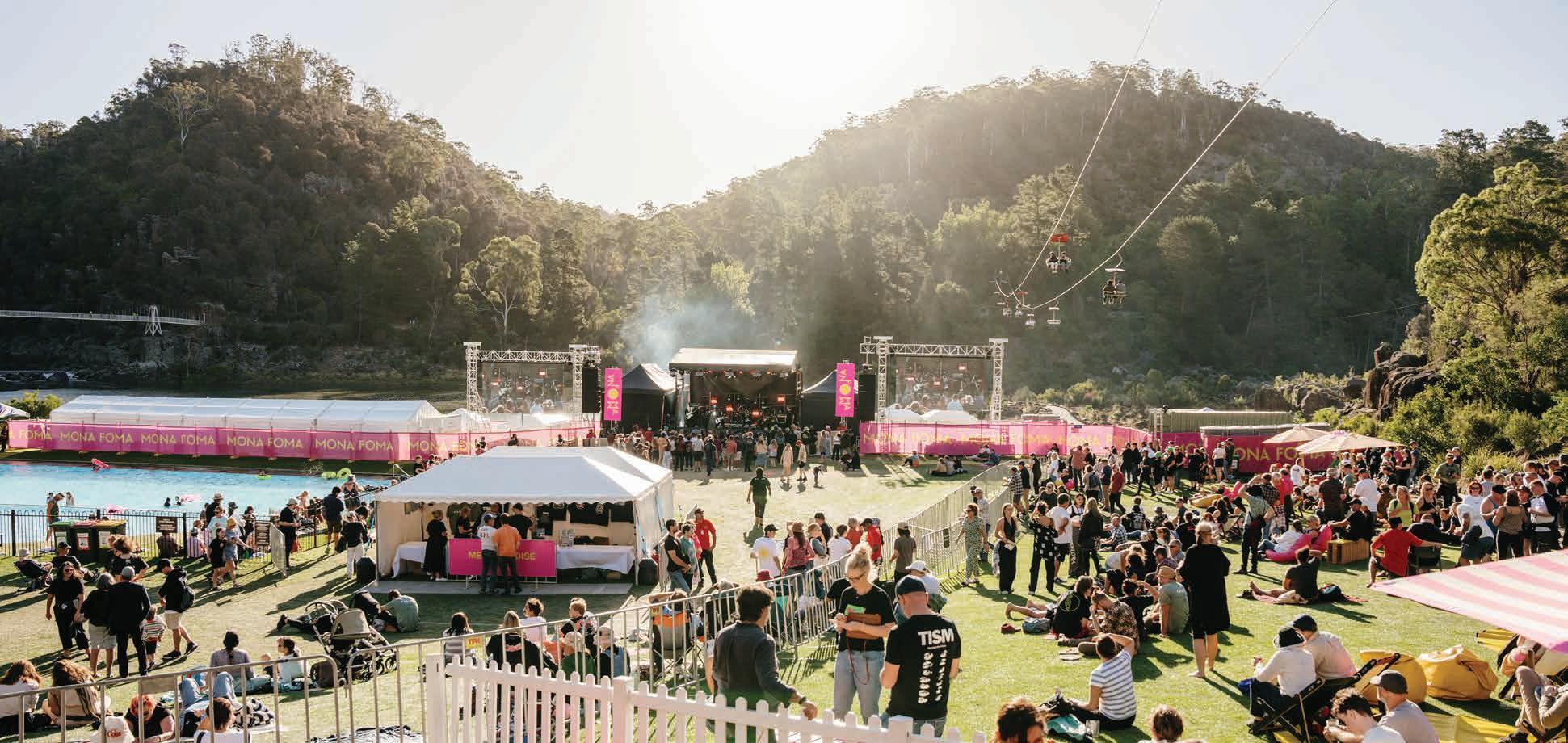
Evenings and after-dark activity play a crucial role in both visitor appeal and resident liveability. Launceston has already shown its capacity to come alive at night through events like Festivale, Junction Arts Festival and Mona Foma, but the goal is to extend that vibrancy into regular programming. Live music, theatre, galleries and hospitality venues can be activated to ensure that nights in Launceston are as inviting as its days. Encouraging a strong and safe night-time economy not only boosts economic returns but also supports public safety by increasing foot traffic and providing inclusive, welcoming spaces for people to gather.
Seasonal programming adds another layer of vibrancy. Winter presents both challenges and opportunities. While colder months can reduce visitor numbers, curated experiences from food trails and seasonal markets to winter light shows can create compelling reasons for people to visit. By using campaigns like Tasmania’s “Off Season” model, Launceston can position itself as a year-round destination where something new and authentic is always unfolding.
The City Heart Project plays a central role in enabling this vibrancy. By improving public spaces, connectivity and civic amenity, it creates the physical foundation for events, outdoor dining and evening activation. Better lighting, safer streets and welcoming precincts invite locals and visitors alike to stay longer and experience more. This infrastructure investment, paired with targeted programming, transforms Launceston from a place people pass through to one where they linger.
Vibrant city life is also about workforce capacity. Operators must be supported to deliver consistent and quality service, especially when experience visitor growth. Training in hospitality, customer service and cultural awareness builds confidence across the sector, ensuring that every interaction reflects Launceston’s warmth and professionalism.
In short, vibrancy is about consistency, confidence and creativity. By encouraging consistent and extended trading hours, strengthening after-dark activity, curating seasonal programming, and building capacity, Launceston can ensure that every day offers something to see, taste, and celebrate.
Launceston’s visitor economy must grow carefully, balancing opportunity with responsibility. Growth at any cost risks undermining the very assets our natural beauty, heritage and community character that draw people here in the first place. Balanced and resilient growth ensures that tourism enhances rather than diminishes Launceston’s liveability, sustainability and long-term prosperity.
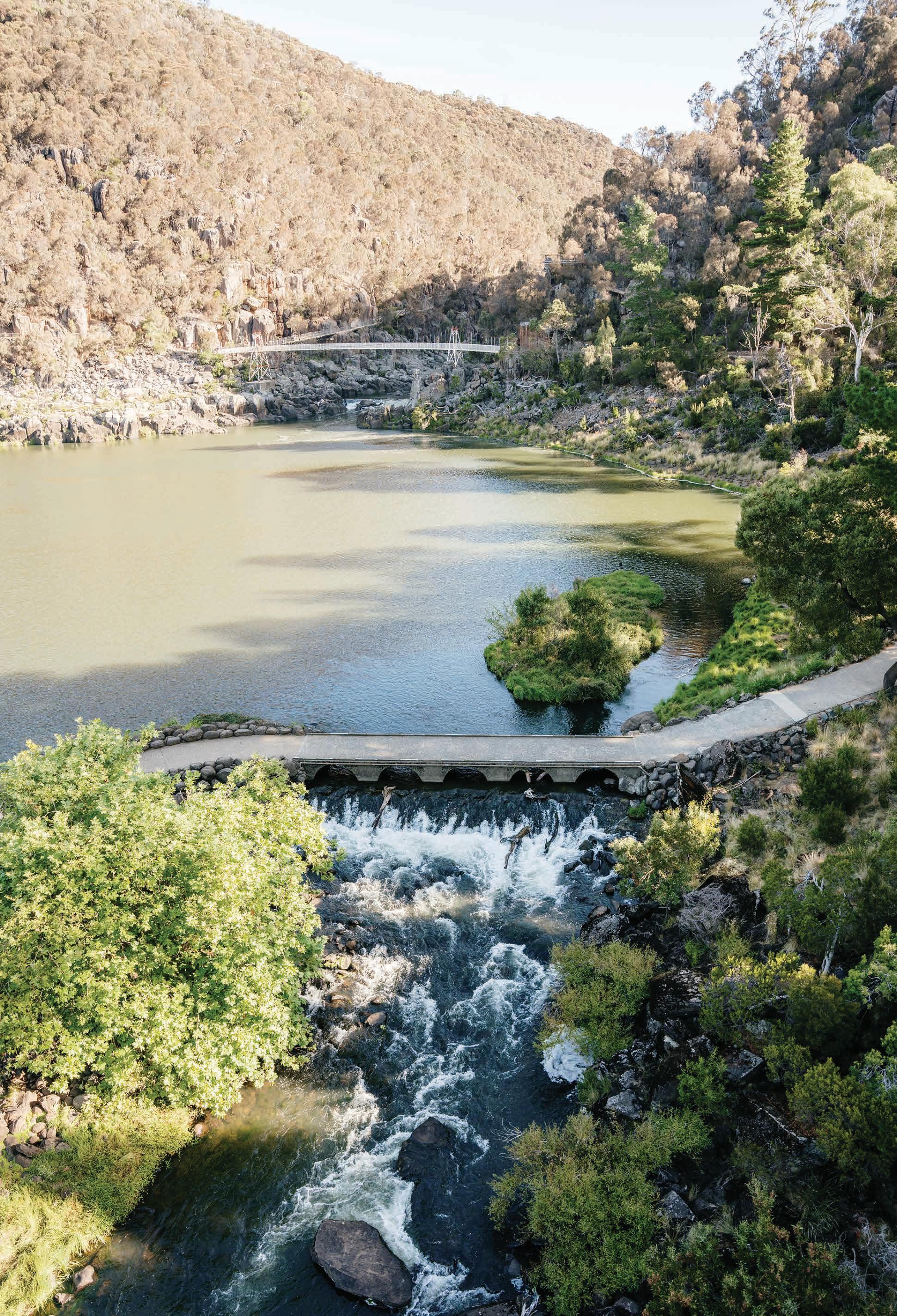
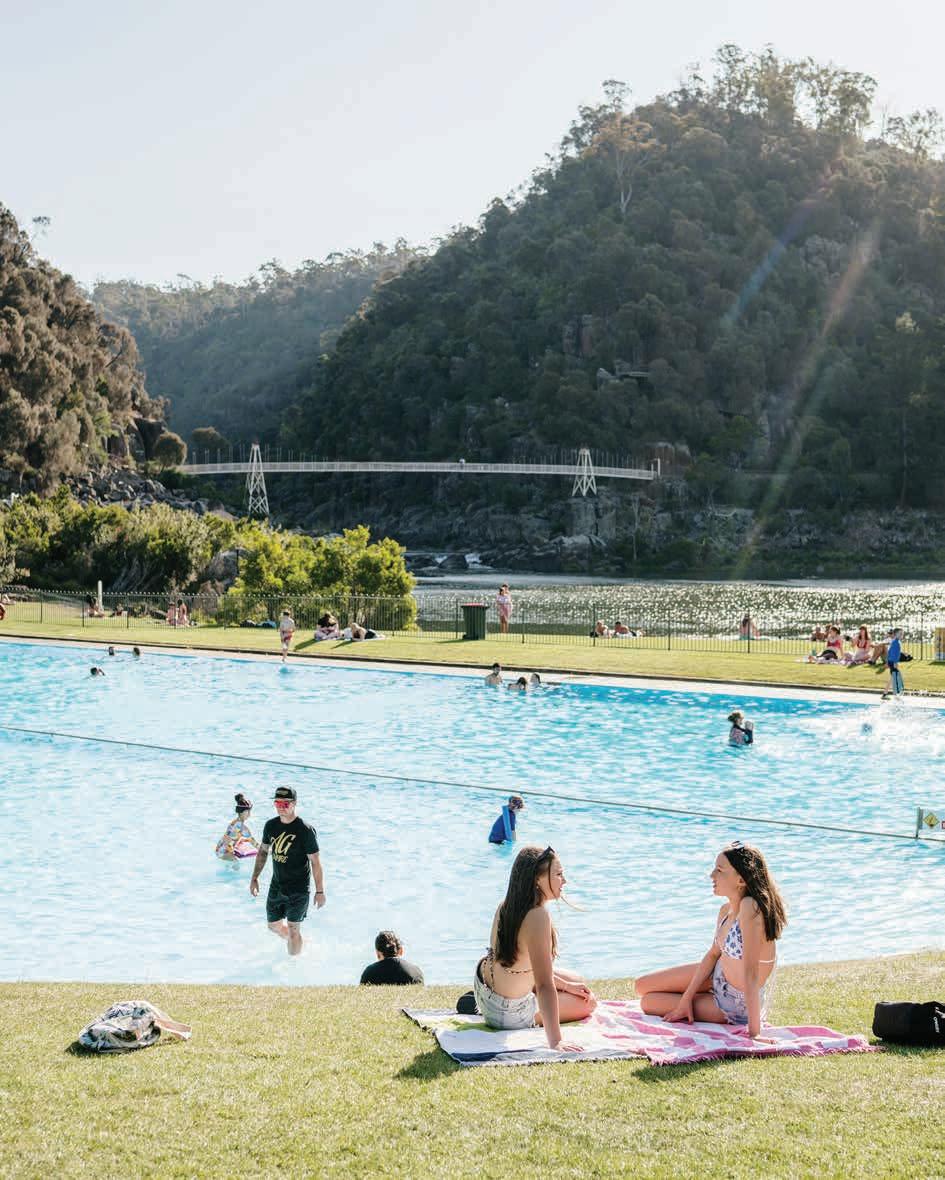
Environmental sustainability is foundational. Visitors come for Cataract Gorge, where the waterways meet and the city connects with nature. From the Tamar Estuary to the North and South Esk, Launceston’s waterways shape its identity — inviting exploration and reflection. Protecting these assets through low-impact practices, investment in greening and climate resilience ensures they remain central to Launceston’s appeal. Alignment with Council’s Urban Greening Strategy and open space priorities highlights the importance of integrating nature into both the visitor experience and community wellbeing.
Social sustainability is equally critical. Tourism should foster pride, inclusion and cultural celebration, not friction. By involving residents in shaping visitor experiences, celebrating diversity and embedding Aboriginal and multicultural stories into the narrative of the city, Launceston strengthens community buyin. Visitors who feel welcomed by locals and locals who see benefits from visitors, create a mutually reinforcing cycle of pride and prosperity.
Economic resilience means spreading benefits broadly. Too often, tourism dollars concentrate in a few sectors or peak seasons. Launceston’s framework focuses on distributing activity throughout the year and across industries, ensuring that businesses from cafés to cultural venues and retailers all share in the rewards. Stable, year-round employment in hospitality, events and visitor services reduces seasonal vulnerability and supports local livelihoods.
Resilience also requires adaptability. The tourism and hospitality sector faces workforce shortages, rising costs, and rapidly changing traveller behaviours. Council’s role is to enable collaboration and advocacy by working with partners such as TasTAFE, VXT (Visitor Experience Training), and industry associations to strengthen training pathways and workforce capability. By supporting innovation,
promoting flexible business models, and connecting operators with resources and programs, Launceston can ensure its visitor experiences remain high-quality and competitive, even through disruption and change.
Finally, Launceston’s unique positioning as a UNESCO Creative City of Gastronomy allows it to integrate sustainability into food and farming systems. From farm-to-fork storytelling to food security initiatives, gastronomy connects environmental care with cultural identity, providing a globally recognised framework for sustainable practice. Integrating gastronomy principles into circular economy initiatives offers new opportunities for sustainable tourism leadership.
Balanced and Resilient is about long-term stewardship. By embedding sustainability, building workforce capacity and ensuring tourism works for both residents and visitors, Launceston strengthens its reputation as a regional city where growth is sustainable, community is supported and the visitor economy is an enduring asset.
The strength of Launnie’s visitor economy depends on how well it is understood. To compete with confidence and adapt to change, Council must invest in data, research and digital tools that provide a clear picture of who visits, why they come and how they experience the city.
Currently, data is fragmented. The Tasmanian Visitor Survey, Launceston Airport passenger movements, accommodation data and event acquittals each tell part of the story. Council-owned and operated experiences such as QVMAG, Cataract Gorge, City Park, Albert Hall and the Visitor Information Centre offer further opportunities to gather sophisticated, first-hand insights that go well beyond door counters or attendance estimates. Understanding visitor behaviour across these touchpoints will help capture the full value and impact of visitation.
We will use insights to track trends, identify gaps and make evidence-based decisions that maximise outcomes. Regular reporting will ensure transparency and accountability, providing councillors, partners and the community with a clear view of progress and the broader impact of visitation over time. A mid-term review cycle will keep the framework responsive, relevant and aligned with emerging opportunities.
Digital platforms are central to this effort. The development of launceston.com.au will provide the city with a dedicated digital home, a place where
Launnie controls its story and gathers first-party data. Unlike third-party sites, it will integrate place branding with visitor information, event promotion and investment opportunities. By tracking user behaviour, measuring conversions and testing content, the site becomes both a storytelling platform and a powerful data resource.
Performance matters. Research shows that fastloading, user-friendly websites significantly increase engagement and conversion. A one-second delay in load time can reduce conversions by 20%, while well-optimised sites deliver 70% longer sessions and higher satisfaction. For Launnie, investing in digital performance means more than impressions, it means bookings, enquiries and extended stays.
Smart decisions rely on culture as much as technology. Embedding evidence-led planning across Council ensures that marketing, infrastructure and investment choices are based on data, not guesswork. It also builds confidence with stakeholders and councillors by demonstrating measurable outcomes and return on investment.
By committing to research, reporting and digital capability, Launnie positions itself as a proactive city that leads with clarity. Smart Decisions Now ensures resources are directed where they have the greatest impact and keeping the visitor economy adaptable, resilient and competitive.
Launceston’s visitor economy thrives through collaboration. No single organisation can deliver the full spectrum of experiences that define the city and success depends on strong partnerships between Council, industry, community and government.
Within Council, visitation touches multiple portfolios: events, open spaces, parks and recreation, economic development, communications, arts and culture, sustainability and transport. By ensuring alignment between these teams, Council ensures a cohesive approach to destination management where every investment reinforces the visitor journey.
Regionally, Launceston’s role as the basecamp for Northern Tasmania requires close collaboration with neighbouring councils. Joint itineraries, shared campaigns and regional branding opportunities highlight Launceston as both a basecamp and a destination in its own right. Visitors benefit from seamless experiences that connect city life with wine trails, wilderness and coastal adventures.
Visit Northern Tasmania (VNT) also plays a role as the regional tourism organisation. While VNT leads broader destination management and marketing for the north, the City of Launceston can draw on our data, research and industry engagement to inform decision-making and ensure the city’s story is represented authentically within a regional context.
At the state level, partnerships with Tourism Tasmania, Events Tasmania, Business Events Tasmania and Brand Tasmania extend Launceston’s reach beyond Tasmania.
These organisations provide research, marketing platforms and promotional reach into national and international markets. By leveraging these channels while telling our own distinct story, Launceston ensures its identity stands out while benefitting from the scale and visibility of state-wide campaigns.
Industry collaboration is equally vital. Local businesses, producers, event organisers and cultural organisations bring experiences to life. Council’s role is to lead, enable and advocate, ensuring these partners are supported, visible and connected. Initiatives like toolkits for operators to adopt the Place brand or campaigns co-developed with precinct associations amplify local stories while reinforcing the city-wide identity.
Collaboration also fosters innovation. By sharing knowledge, pooling resources and testing new approaches, Council and its partners can create campaigns and experiences that resonate more strongly with target audiences. This collective effort avoids duplication, maximises impact and ensures Launceston competes effectively against other regional destinations.
Stronger Together is not just a principle but a practical approach: building alignment across levels of government, industries and communities to deliver outcomes greater than the sum of their parts. In Launceston, partnership is the foundation of a thriving visitor economy and the driver of long-term success.
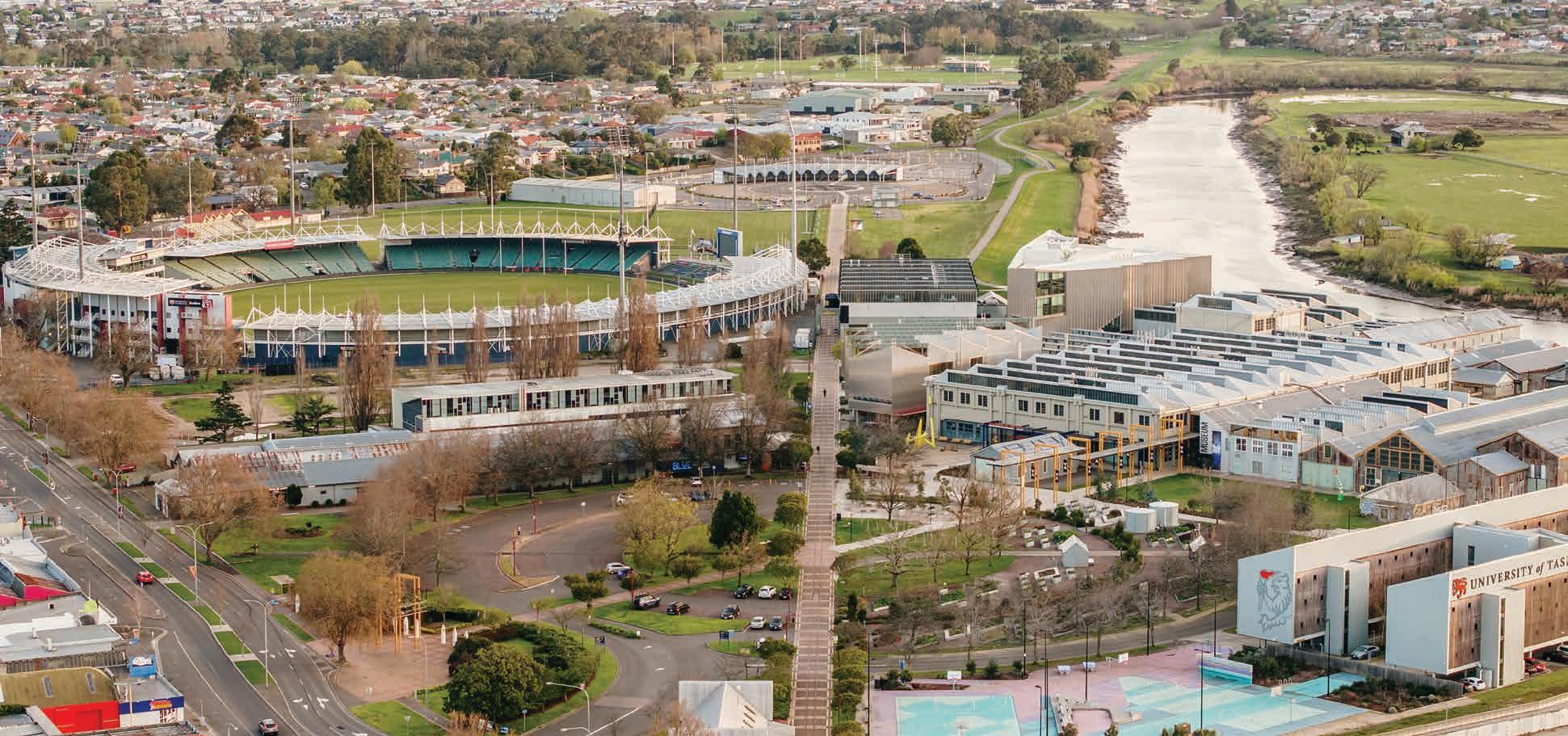
Accessibility and connectivity are essential for a strong visitor economy. Launceston’s role as the basecamp of Northern Tasmania gives it a strategic advantage, but also a responsibility to ensure that visitors can arrive easily, move seamlessly and connect meaningfully with both the city and the wider region.
Air access remains a cornerstone of Launceston’s visitor economy. The city welcomed over 1.4 million passenger movements in 2024–25, representing a 0.8% year-on-year. Continued growth in both leisure and business travel underscores Launceston’s importance as the basecamp to Northern Tasmania. To sustain this momentum, partnerships with Launceston Airport, airlines, and regional tourism organisations will be essential to maintain competitive routes, improve connectivity, and respond to emerging visitor demand. With air travel volumes forecast to rise nationally, proactive collaboration now will help secure Launceston’s role as a key regional hub supporting tourism, trade, and event visitation.
Ground connectivity also plays a critical role. This visitor segment alone contributes over $220 million in annual direct spending in Tasmania, with an average stay of 25 nights and a strong preference for regional travel beyond Hobart. This reinforces the importance of well-maintained roads, accessible RV facilities, and clear wayfinding that link Launceston with surrounding attractions and communities. Projects such as the RV Dump Point installation and improved digital visibility of self-drive facilities will strengthen Launceston’s reputation as a welcoming and functional base for road-based travellers.
Within the city, connections must be intuitive. Visitors should be able to explore on foot, by bike, e-scooter, or public transport without barriers. A safe, attractive walking and cycling network enhances both the visitor experience and local liveability. The new transit centre, along with investment in signage, wayfinding and lighting through the City Heart Project, strengthens Launceston’s identity as an easy, accessible and welcoming city.
Accessibility is not limited to transport. Inclusive design in public spaces, attractions and digital touchpoints ensures that all visitors, regardless of age, ability, or background, can participate fully in the city’s offerings. Step-free access, multilingual signage and clear navigation tools contribute to a seamless and welcoming experience.
Regional connectivity is also critical. Visitors rarely see Launceston in isolation; they view it as the heart of a broader journey across Northern Tasmania. Strengthening partnerships with neighbouring councils, transport providers and regional tourism operators ensures that Launceston continues to act as a basecamp for dispersal, extending visitor stays and spreading economic benefits.
Well-Connected City reinforces the idea that infrastructure is more than physical, it is also social and digital. By improving transport, accessibility and partnerships, Launceston can deliver a visitor experience that feels effortless, intuitive and enjoyable. It strengthens Launceston’s role as a basecamp while ensuring visitors can move easily through and beyond its streets.