

















This resource contains information for educators to plan your BUGS self-guided visit with your students.
Bugs are the hidden heroes of our planet.

From pollinating plants to breaking down waste, these fascinating creatures play vital roles in ecosystems everywhere.
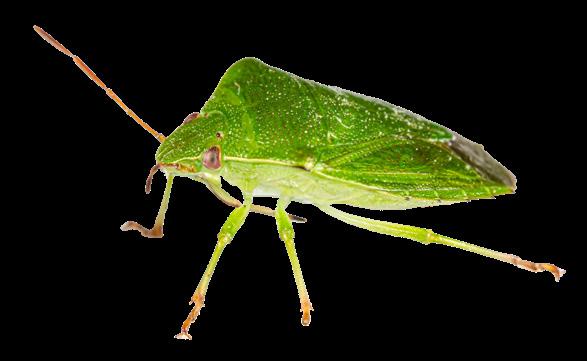
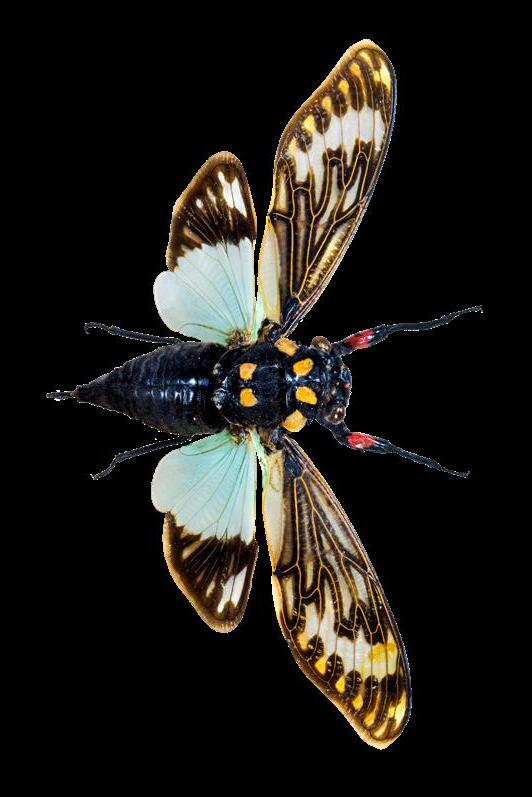
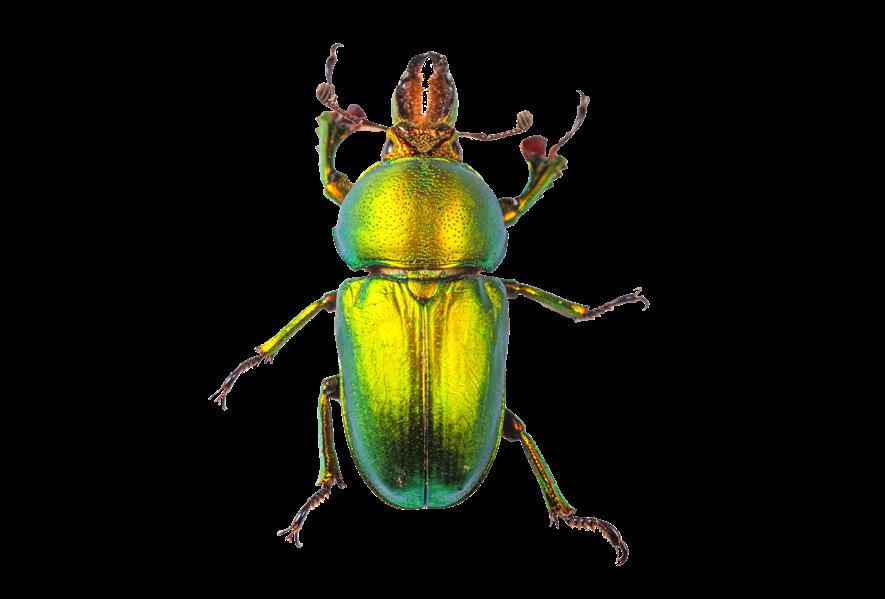
Marvel at the incredible variety found in the world of bugs, from beautiful butterflies and brilliant beetles to marvellous millipedes and spectacular spiders.
These tiny wonders are the most abundant and diverse group of organisms on earth.
Experts believe there are more species not yet named by science than those already described.
Discover amazing bug superpowers and learn to love nature’s little helpers.
Visitors will be invited to learn through play and discovery – to get hands-on, curious, and creative as they explore the world of bugs.
With interactive displays, playful challenges, and opportunities to see these tiny creatures up close, the exhibition encourages children and adults alike to appreciate insects and arthropods in fun and engaging ways.
The following sections will assist you in planning a fun and engaging visit with your students:
What to expect when you arrive



What to expect during your visit
– module specific information
Resources available for your visit
What to expect during your visit – suggested discussion points
• Fill in the School Booking Request Form here to book your self-guided visit. Bookings are essential for all groups visiting QVMAG. This allows us to manage the number of students onsite, access to galleries and exhibitions, and provide the best educational experience for all students.
• When you arrive at the Museum, there will be a staff member to greet you and sign you in. You’ll need to provide the number of students and adults who are with your group on the day.
• If your visit includes using our breakout space, we’ll take you there to drop off your school bags and get settled in. You can also use this space for your lunch break (if needed).
• If you’re not using our breakout space but your students have school bags, we’ll take you to the back racks in the Learning Centre to store them. Your students will be able to access their bags during your visit, but they won’t be able to take them into the exhibition spaces. Teachers may take their bag containing first aid kits, class lists/supplies, and other required items.
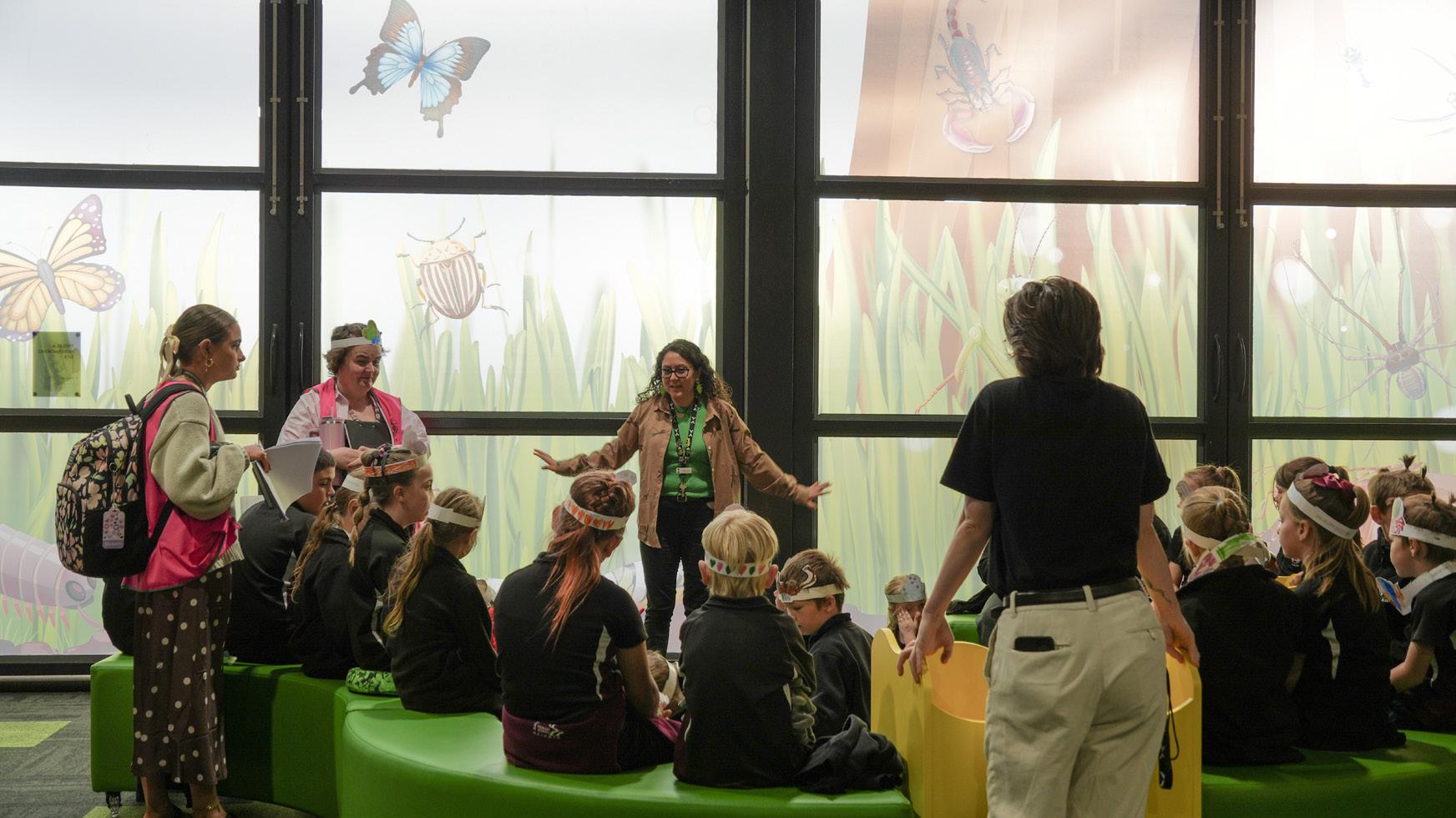








BUGS is designed to be explored through its many interactive displays. The exhibition content connects to the Australian Curriculum sub-strand Science understanding - Biological sciences across year levels. Each of the following points may be used to guide discussion with your whole class or in small groups of students.
You’ll find many examples of different bug features – like legs, wings, and mouthparts, or their colour, habitats and skills.
• Compare and contrast bugs based on their features and identify the parts that make up the specimens. Explore similarities and differences of particular features within and between groups of bugs.
• Students can use their detective skills to find them and identify the groups that might exist based on their external features.
• How many things can you find that fly? Find groupings based on ways of moving.
• Explore pinned specimens and consider how scientists name and classify species using scientific conventions.
You’ll find images and information about life cycles and metamorphosis.
• Looking at the characteristics of bugs at different stages of life, students might identify examples they may have seen in their own backyards.
• Consider how changes to environments and survival needs relate to evolutionary changes in species.
You’ll find examples of bug ‘superpowers’, skills, and roles in their habitat’s ecosystem spread across the exhibition.
• Identify physical and behavioral characteristics and how these enable bugs to survive.
• Explore how camouflage is used by prey and predators. See how many bugs are hidden throughout the images and specimens in the space.
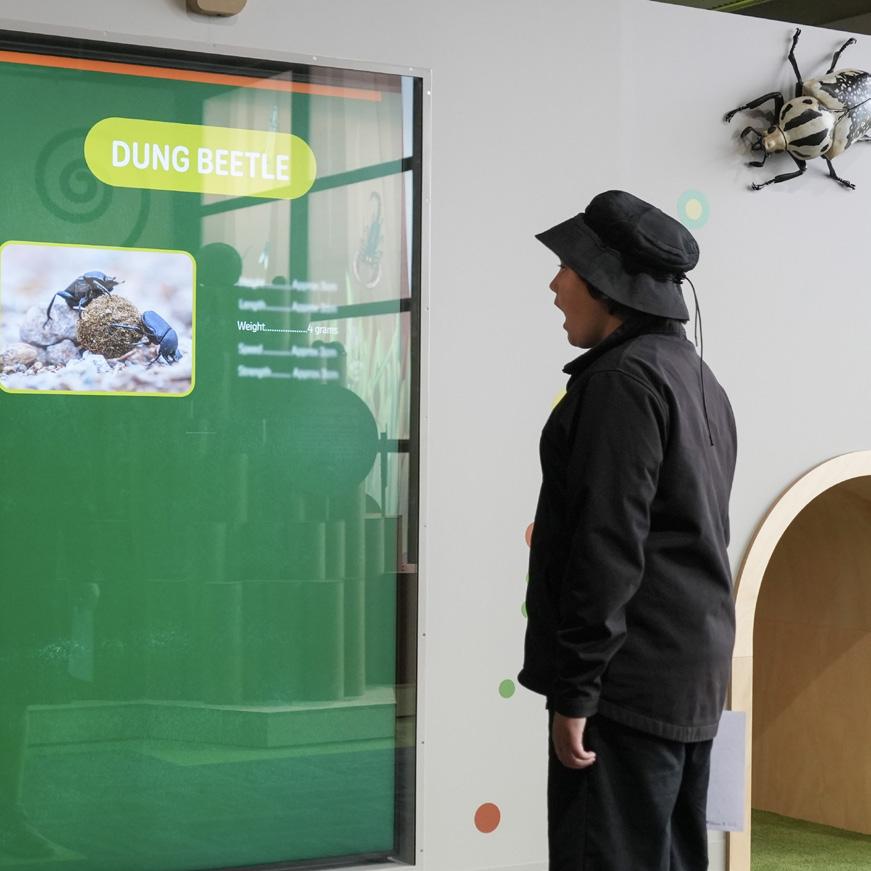
• Learn about the importance of decomposers in their habitat – in particular, the famous dung beetles.
• Think about how bugs obtain food, what they eat, and how they eat – look at the mouthparts in the close-up (macro) photography to help think about this last one.







There is no set route to follow, but you may wish to tailor your visit to your specific learning goals. The following information about the content in each of the exhibition’s five main thematic zones can assist you with your planning:







COCOON: INSECT VS ARTHROPOD
BUG SUPERPOWERS


NATURE’S HELPERS




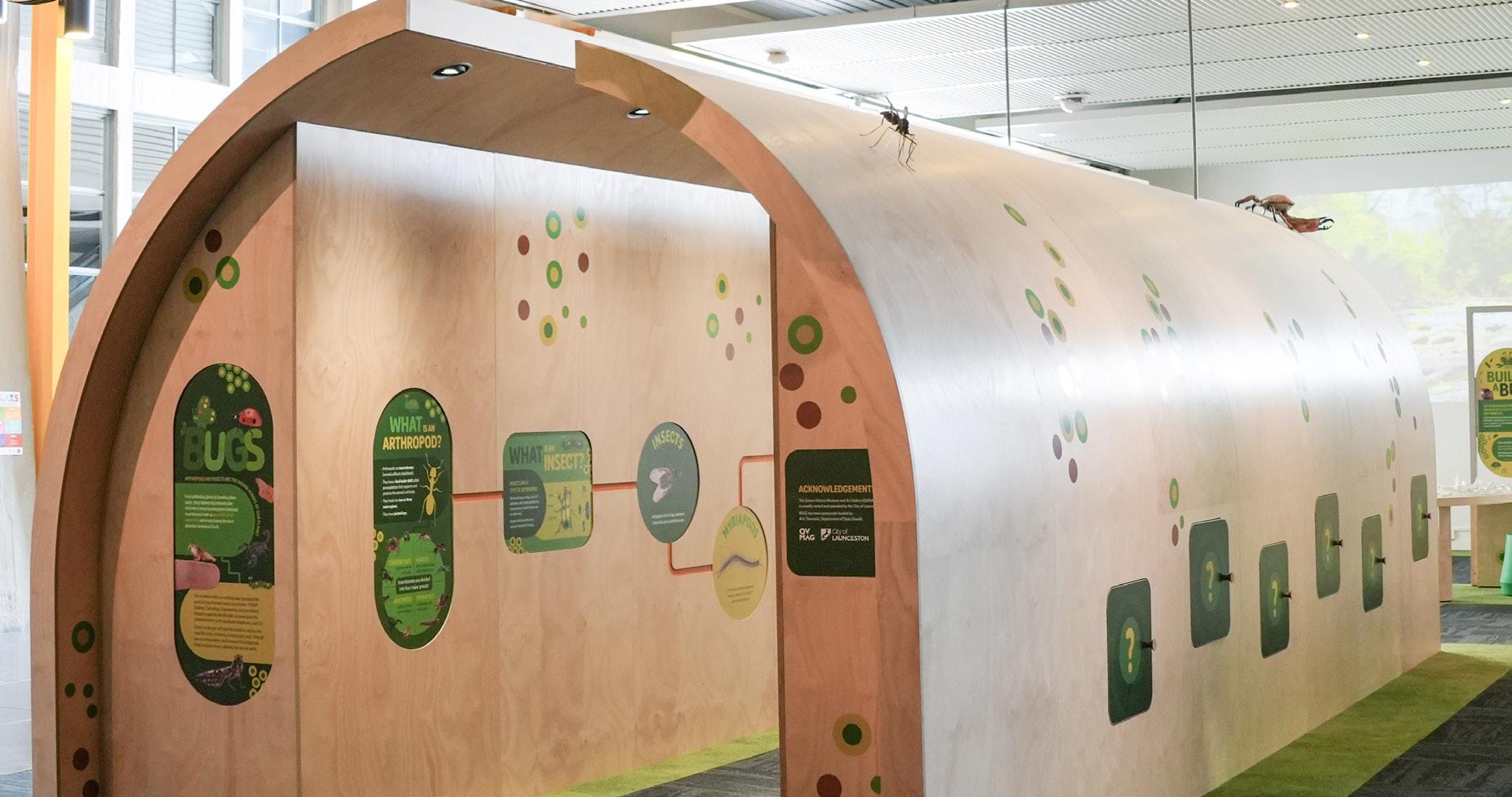
• This module discusses what makes an insect and an arthropod – and overarchingly, demonstrates that ‘bugs’ are more than just beetles, ants, and spiders. Inside the cocoon structure, you’ll find information about:
• Insect features
• Life cycles of insect and arthropods
• A sliding magnifier to look more closely at some specimens
• So you think you know bugs? quiz on a touchscreen
• A life-cycle spinner interactive
• The learning isn’t only on the inside of the cocoon! On the outside of the structure – nearest to the walkway –there is an evolutionary timeline with tactile elements. On the exhibition side, there are six Fun Fact doors, complete with complementary illustrations that students will have fun discovering.
• Beyond the cocoon, the Build-A-Bug activity station encourages visitors to create an existing species – or create their own – using the body part pieces at the table and their knowledge of insect features, gained from the information panels and activities in the cocoon. This bench will accommodate a small group of students at a time.
• At the Draw-A-Buginteractive station, students can colour a butterfly or beetle template on the touchscreens –and then watch them come to life on the wall projection. There are two touchscreens at this station.





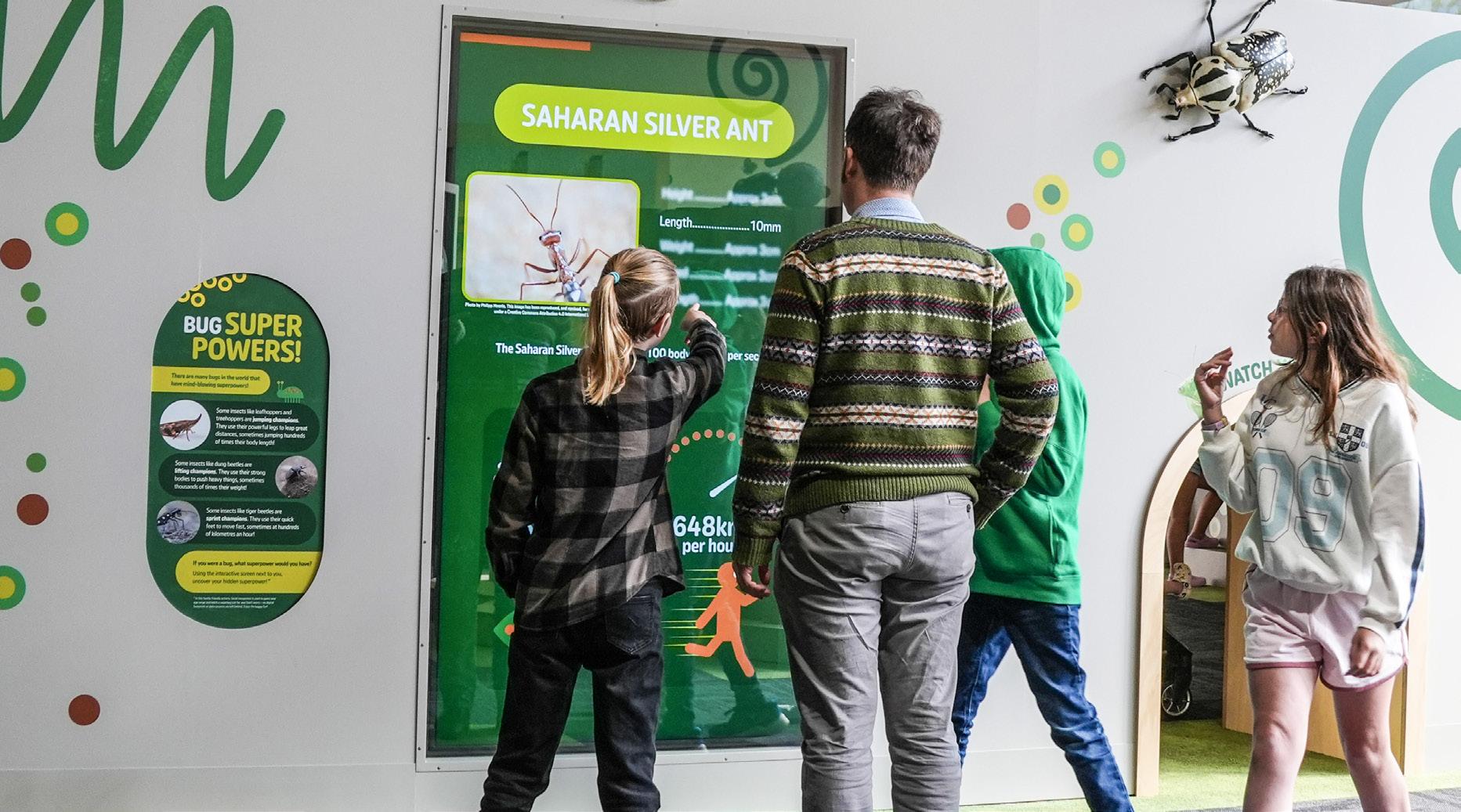
• This module focuses on the hidden superpowers of insects and arthropods, including biofluorescence, camouflage, and super speed and strength.
• The wall on the cocoon-side displays showcase biofluorescent species. Students can see how these species look different under UV lights by pressing the switches under each diorama.
• In the leafy cylinder display at the end of the wall, see how many camouflaged specimens you can spot in the diorama.
• On the side of the wall in the large exhibition space, stand in front of the If I were a bug interactive screen. Discover your bug superpower - see how much you could lift, how far your could jump, or how fast you could move if you had the equivalent speed or strength of a bug.






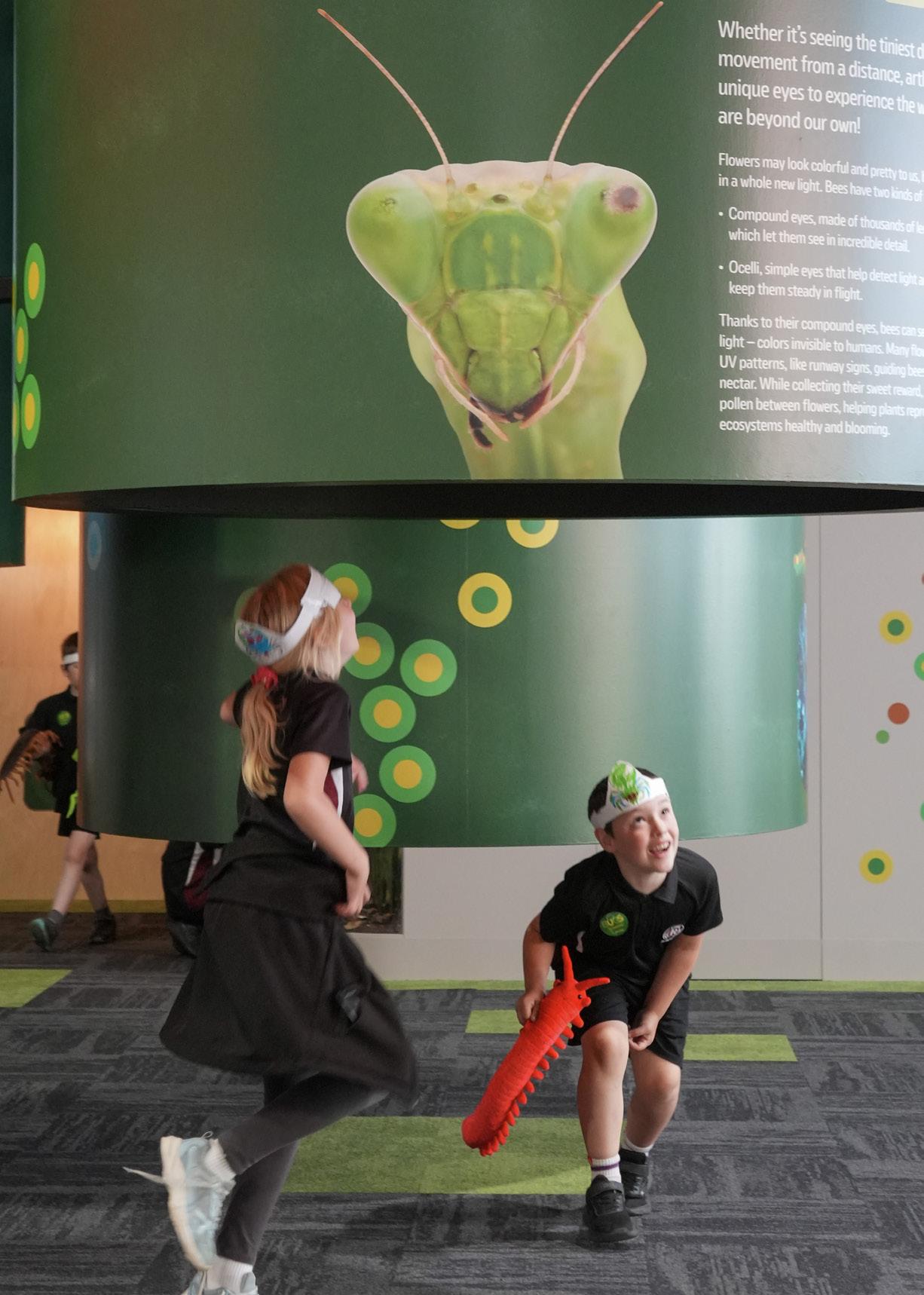
• These three large tubes are designed for visitors to stand underneath to view the world as a bug might, with module text displayed on the outside. The two highest tubes can also accommodate wheelchair users.
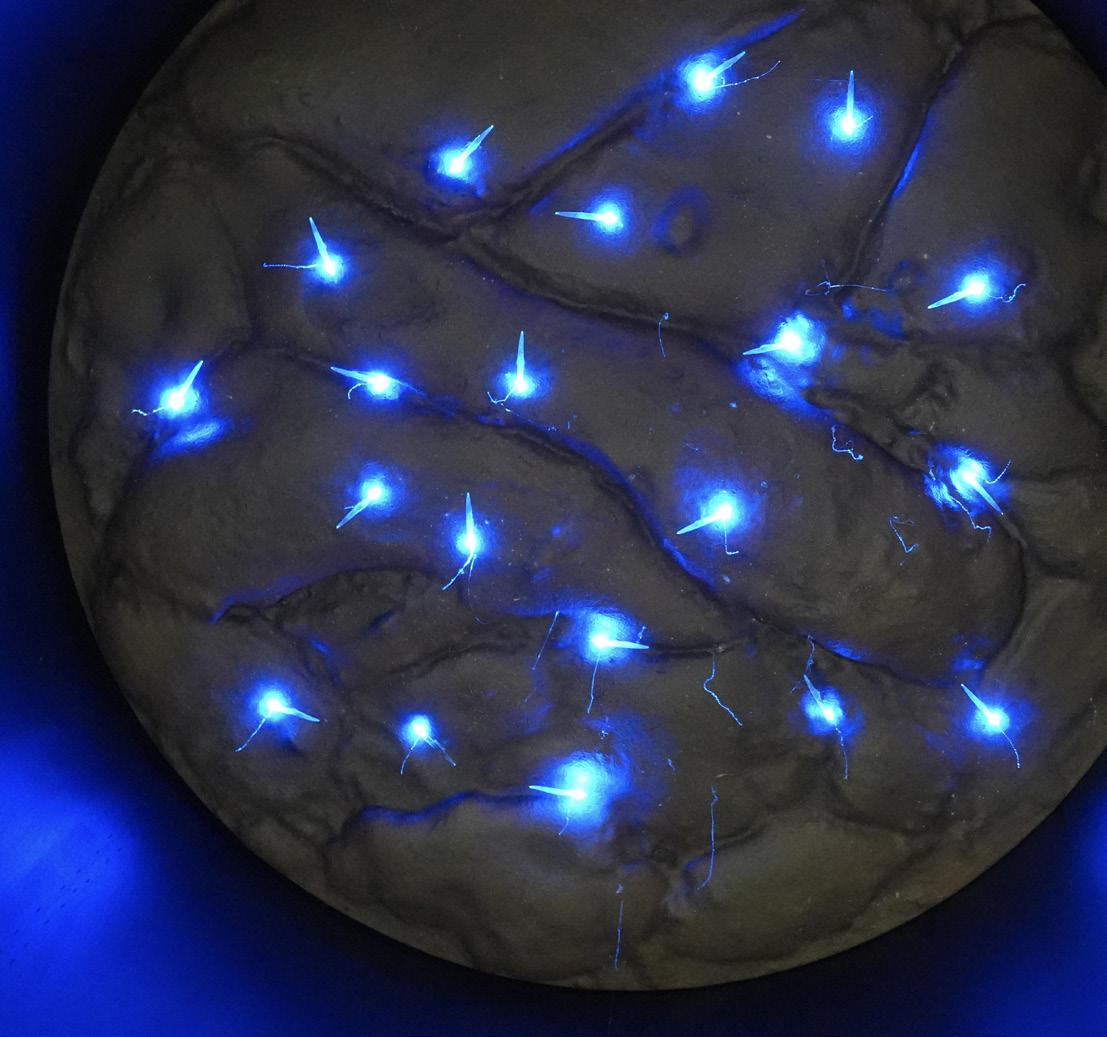
• Two tubes replicate real glow worm caves, showing the details of cave ceilings that humans can’t see in real life (due to low light levels underground). Students will discover just how big the glow worms actually are!
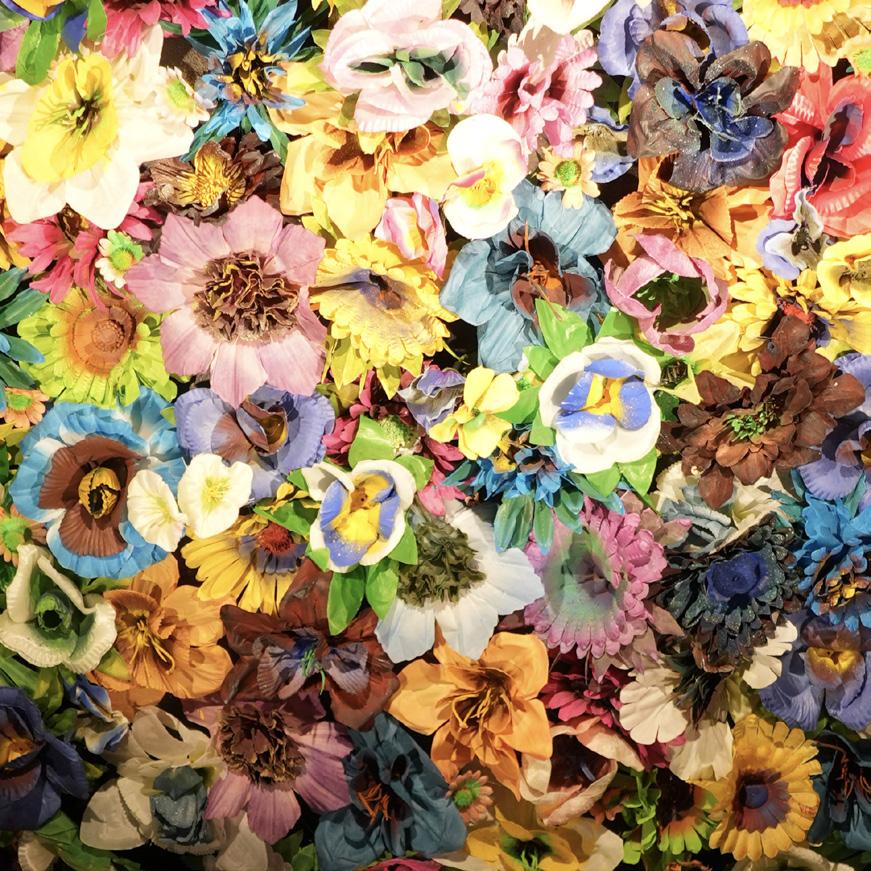
• The other tube replicates how bees see flowers. They can see across a much broader spectrum, so every flower is a bright burst of colour.



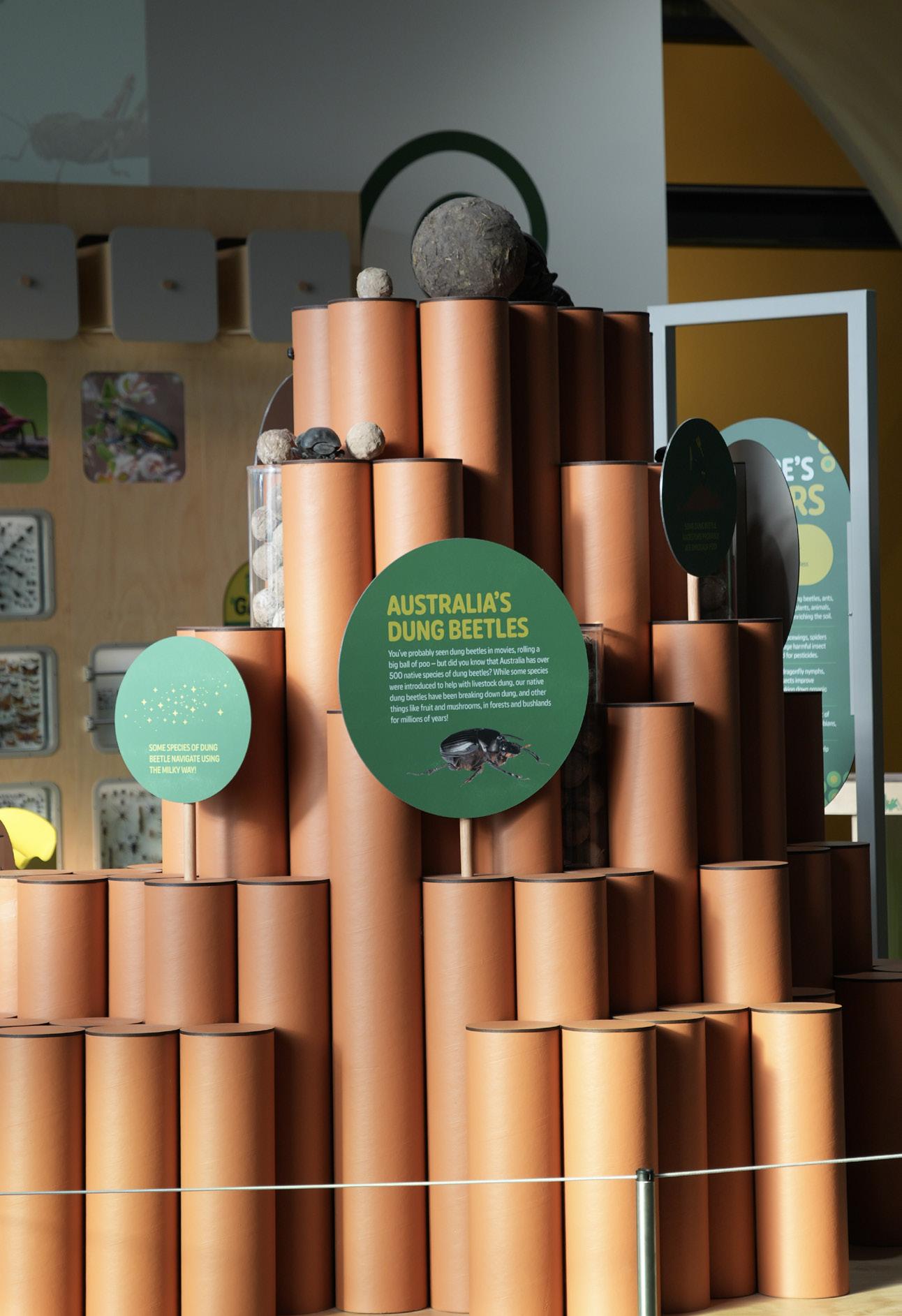
• Inspired by ant and termite nests, this display showcases the hard work of decomposers, such as dung beetles.
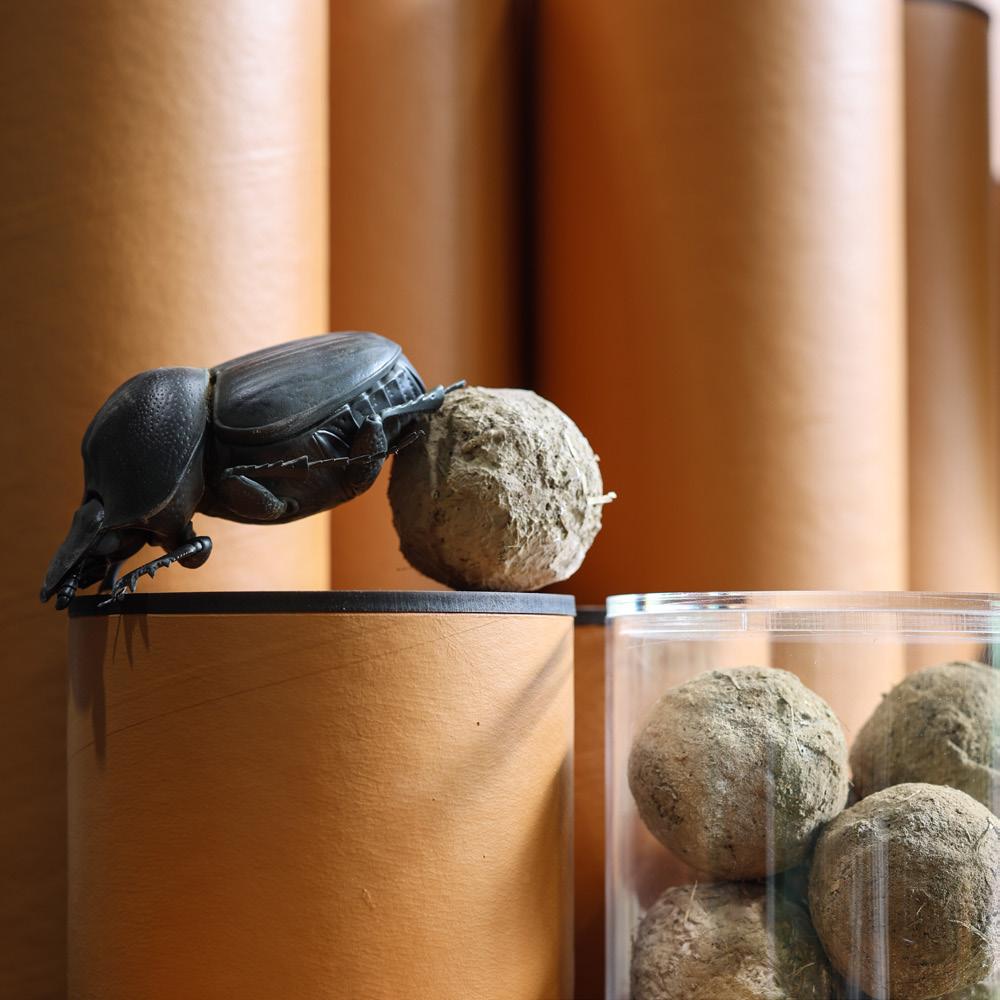
• The display includes information on ‘lollipop stands’ about dung beetles, as well as many over-sized and true-to-size beetle and dung models.





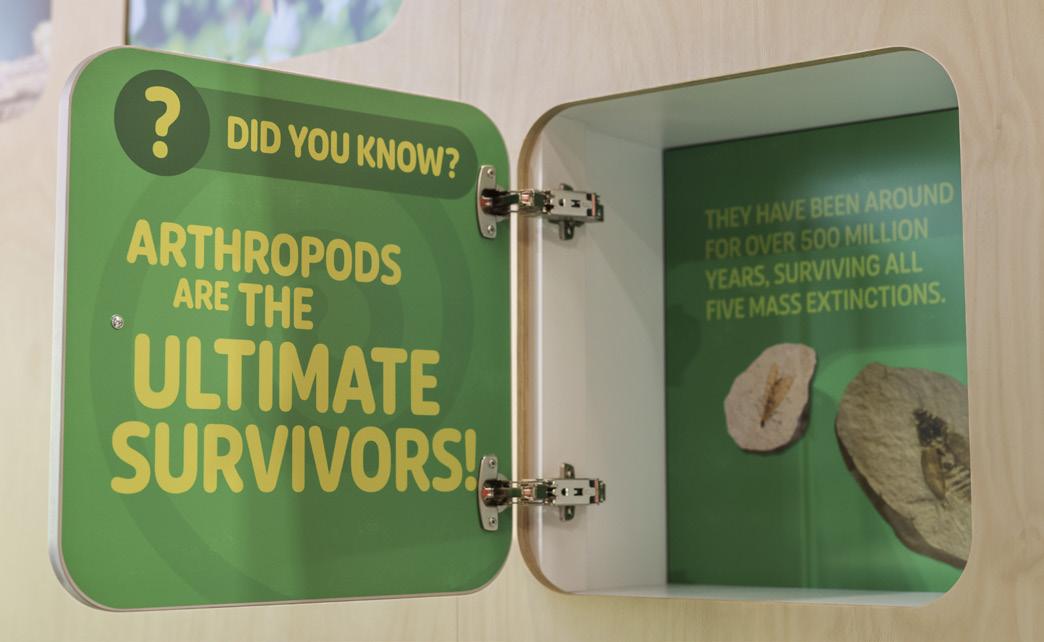
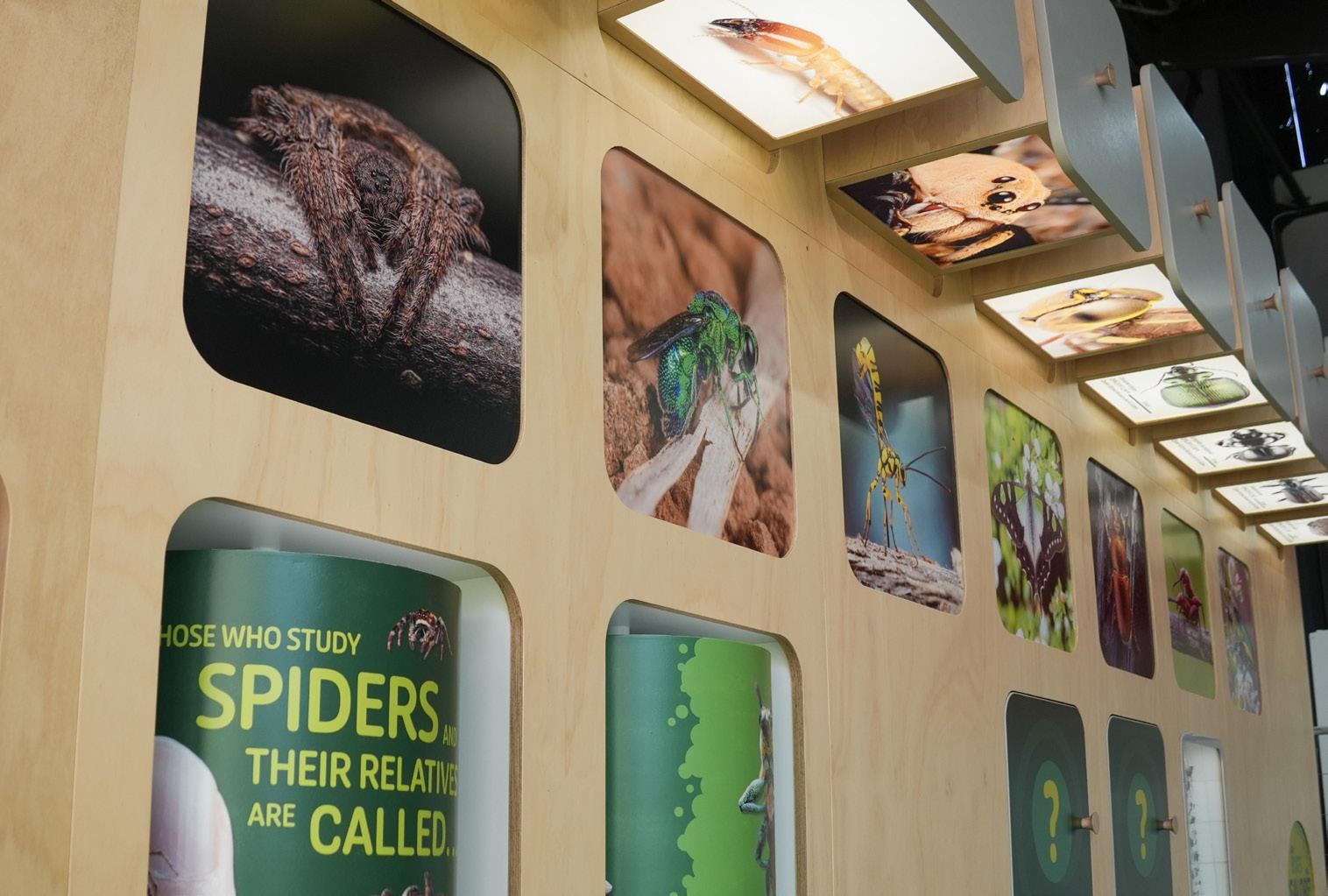
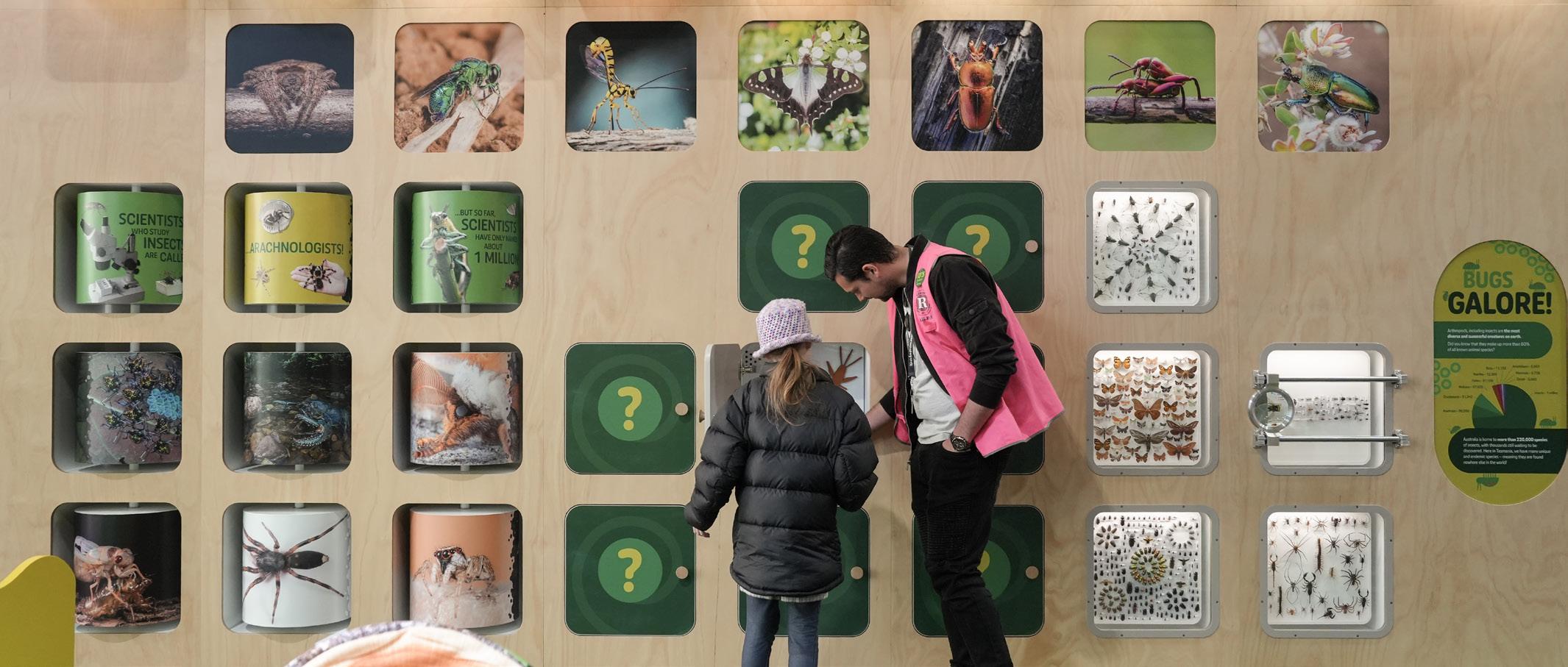
• The Bugs Galore wall includes cases with pinned specimens, fun fact doors, sounds and videos, and spinners – all with imagery that highlights just how diverse the bug world is.



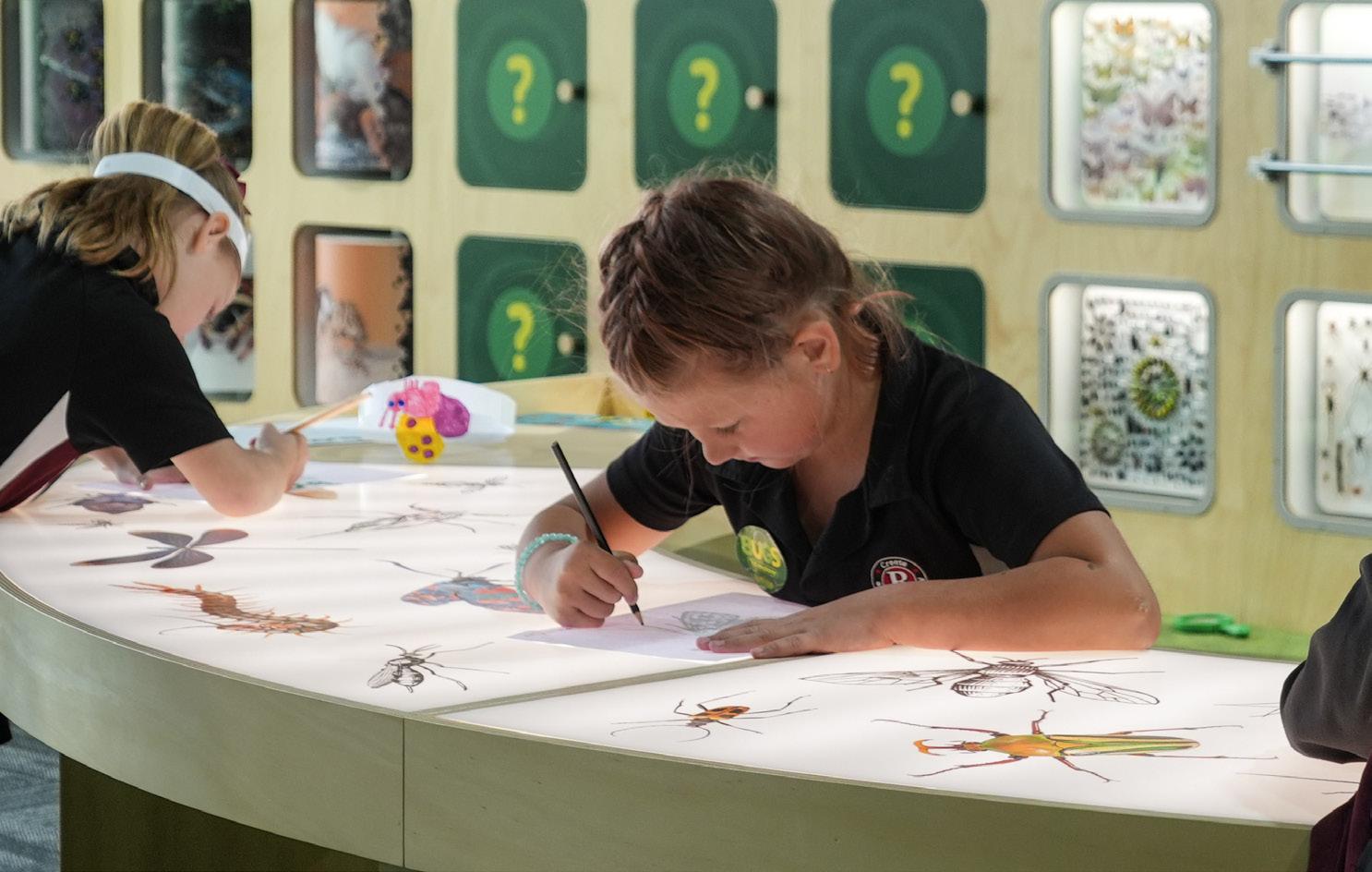
• The lightbox table has a variety of images of insects and scientific drawings that can be traced or used as inspiration. Students can use the pencils and paper provided at the station. This station has stools and can accommodate small groups at a time.
• Please be mindful of leaving this station tidy for other visitors to use afterward (or even at the same time).
• This area has a selection of giant bug plushies, books and card games – perfect for relaxing and downtime. Information about each of the plushie species can be found on the side of the yellow bookshelves.
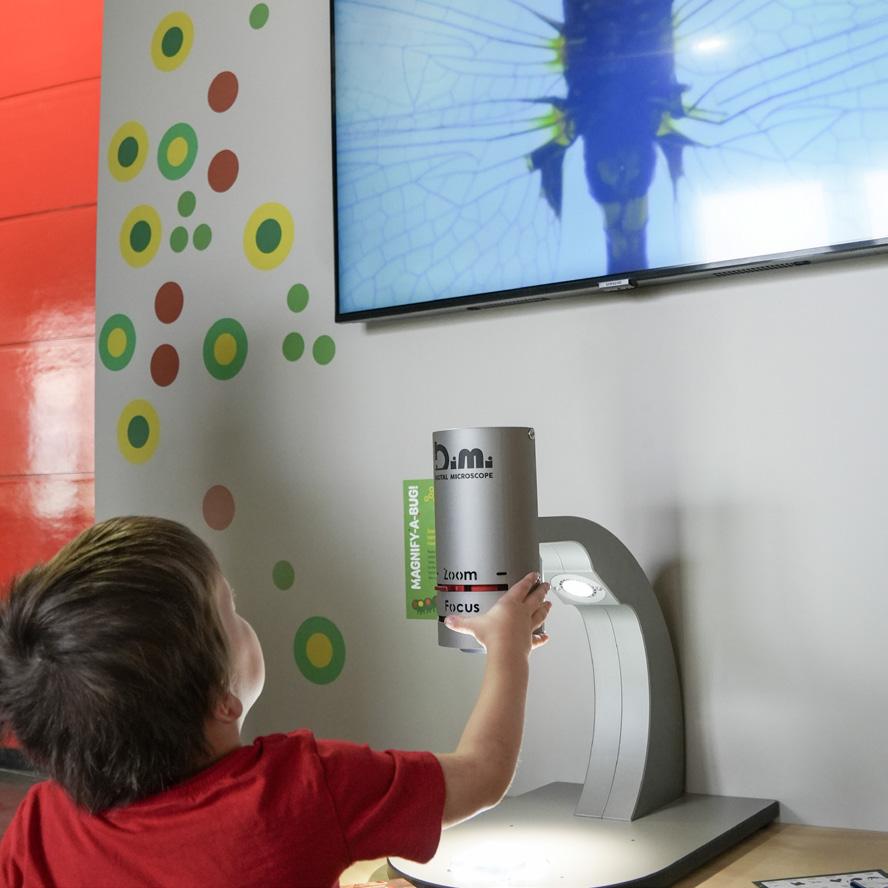
• Zoom in on a variety of resin-encased specimens at two digital microscope stations. These microscopes display on a TV screen mounted on the wall behind the bench, so small groups can use these stations at the same time.
• See if you can find all 67 hidden bugs on the Find-A-Bug wall. This activity uses an A5 answer card provided by QVMAG. If you would like your students to do this activity during your visit, please let us know at the time of booking. That way, we can ensure there are enough copies for your group. Please also bring your own grey lead pencils, as we have a limited amount available to borrow.





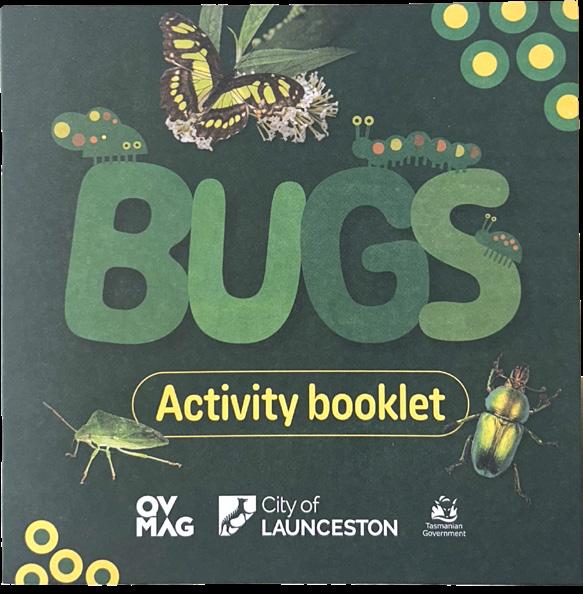
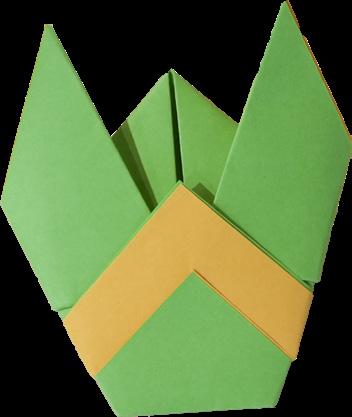
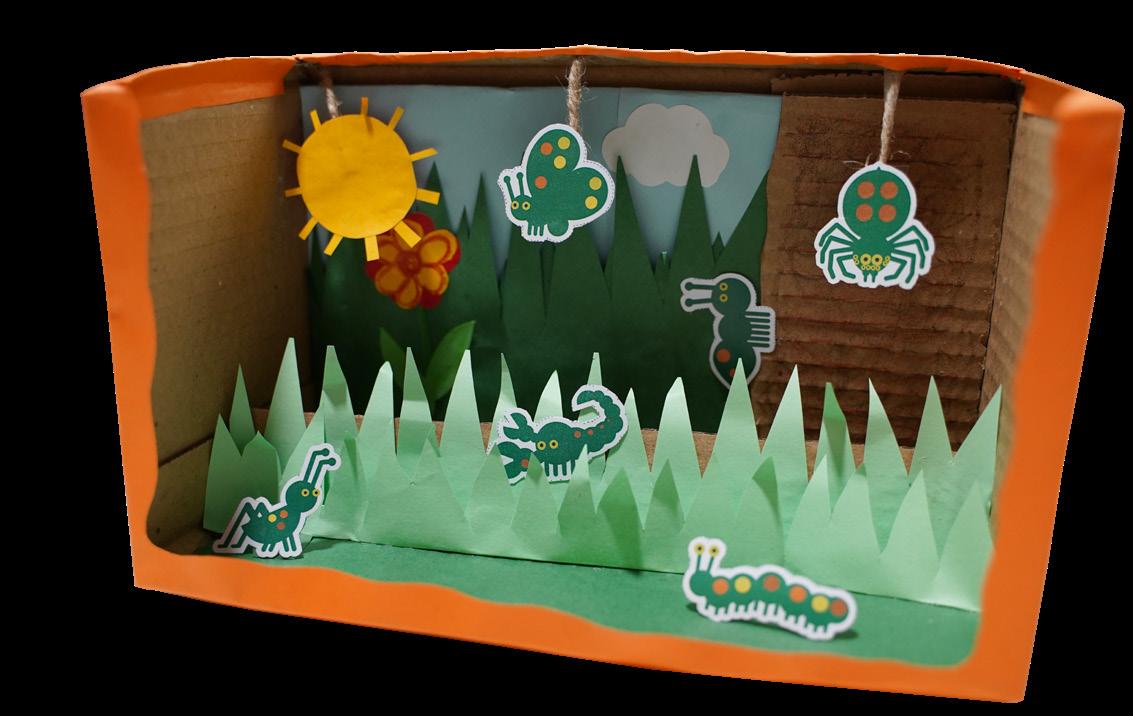
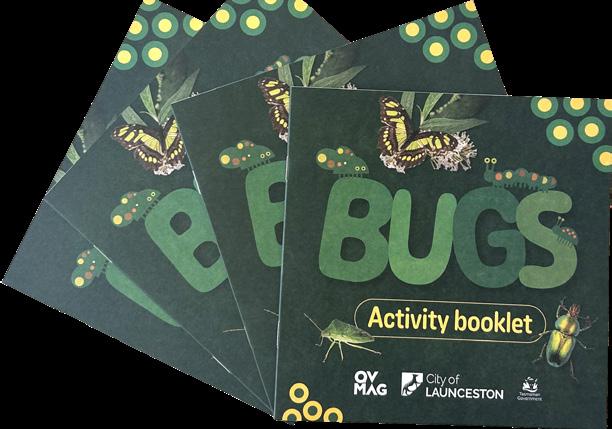
The BUGS activity book contains a variety of activities. Some can be completed during your visit (puzzles, colouring in), but most will be suitable for the classroom (origami, craft activities). These can be a great way to continue your bug exploration back in the classroom.
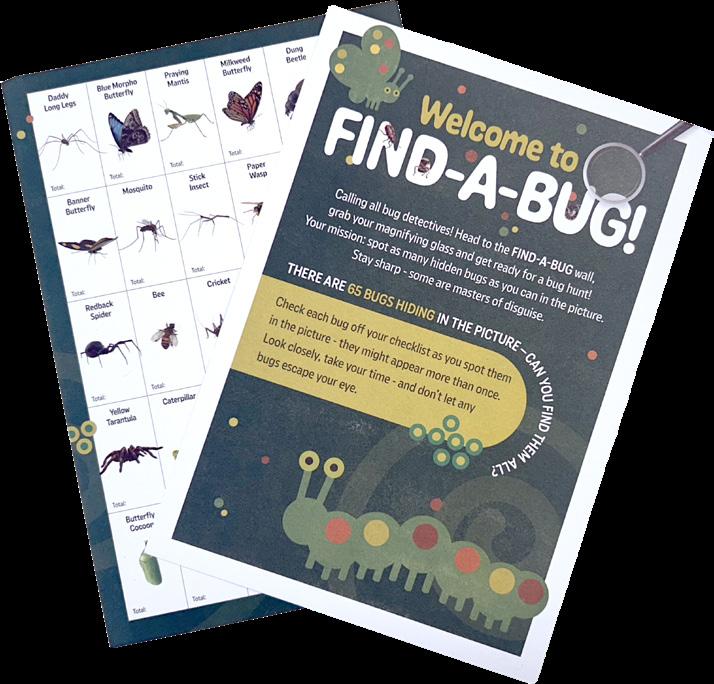
A fun onsite activity for your students. Head to the Find-A-Bug wall section on page 11 for more information.
• We have additional activities suitable for the classroom available to download from our website: qvmag.tas.gov.au/Learn/Schools-educators/Learning-resources
• Over time, we’ll be adding new activities, so keep an eye out for more fun projects for your students.
• While you’ll have a lot of fun self-guiding in BUGS, you may wish to participate in a hands-on workshop with one of our Education Officers. You can see bookable workshops here: qvmag.tas.gov.au/Learn/Schools-educators/Information-for-schools
This exhibition is designed for learning through play, exploration and discovery. If you would like more information to support you with your visit, please reach out to the QVMAG Learning team who are very happy to assist.