Learn about the water cycle at Santa Clara Community Park!
pg. 5
Learn about the water cycle at Santa Clara Community Park!
pg. 5
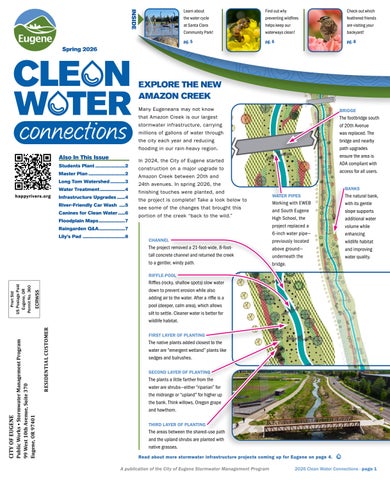
Many Eugeneans may not know that Amazon Creek is our largest stormwater infrastructure, carrying millions of gallons of water through the city each year and reducing flooding in our rain-heavy region.
Find out why preventing wildfires helps keep our waterways clean!
pg. 6
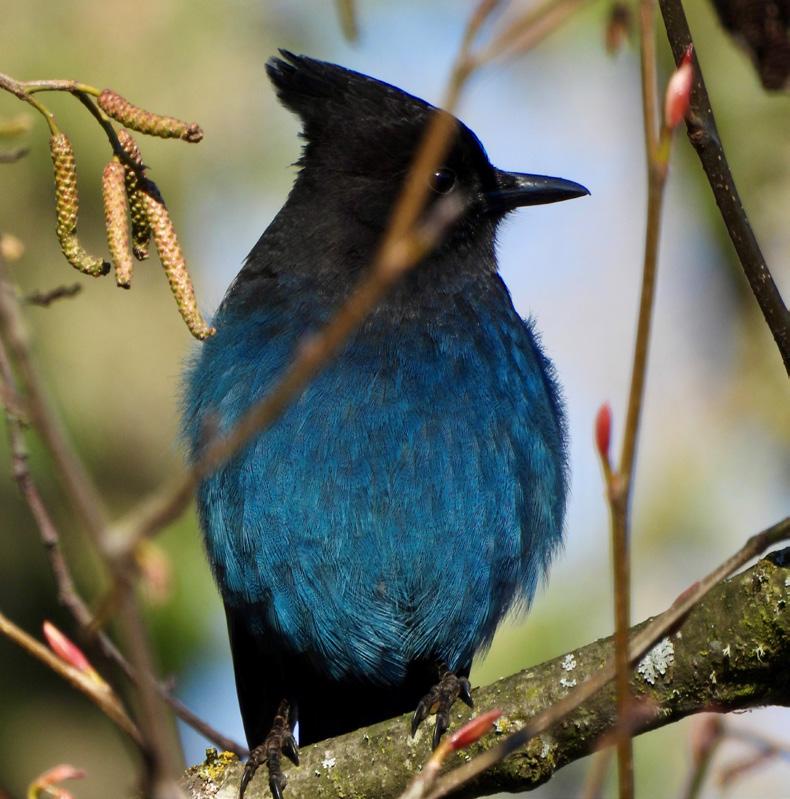
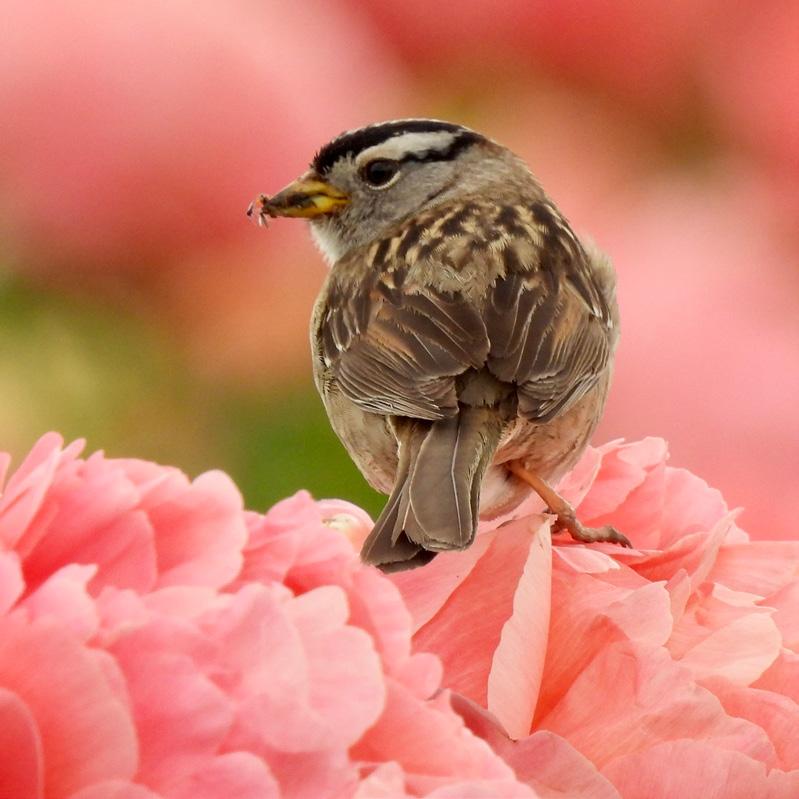
Check out which feathered friends are visiting your backyard!
pg. 8
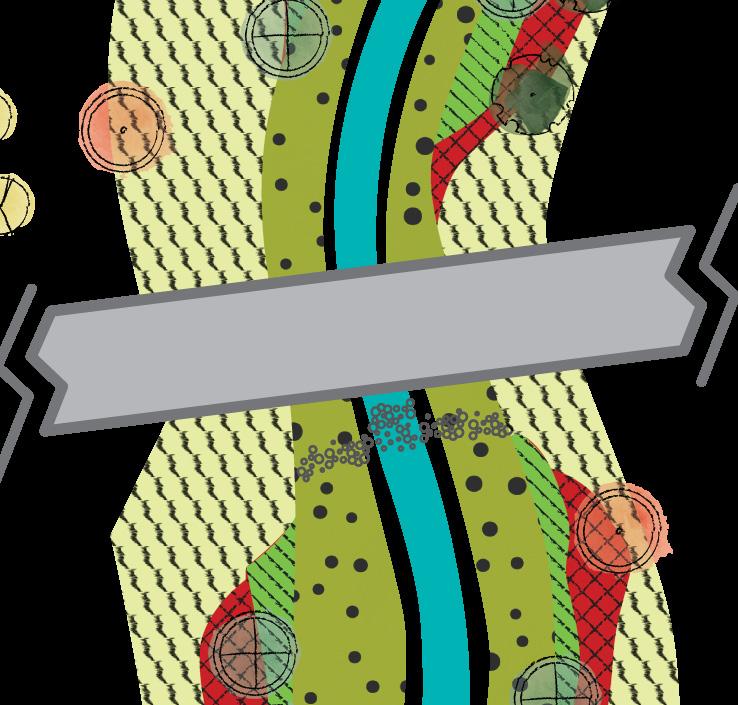
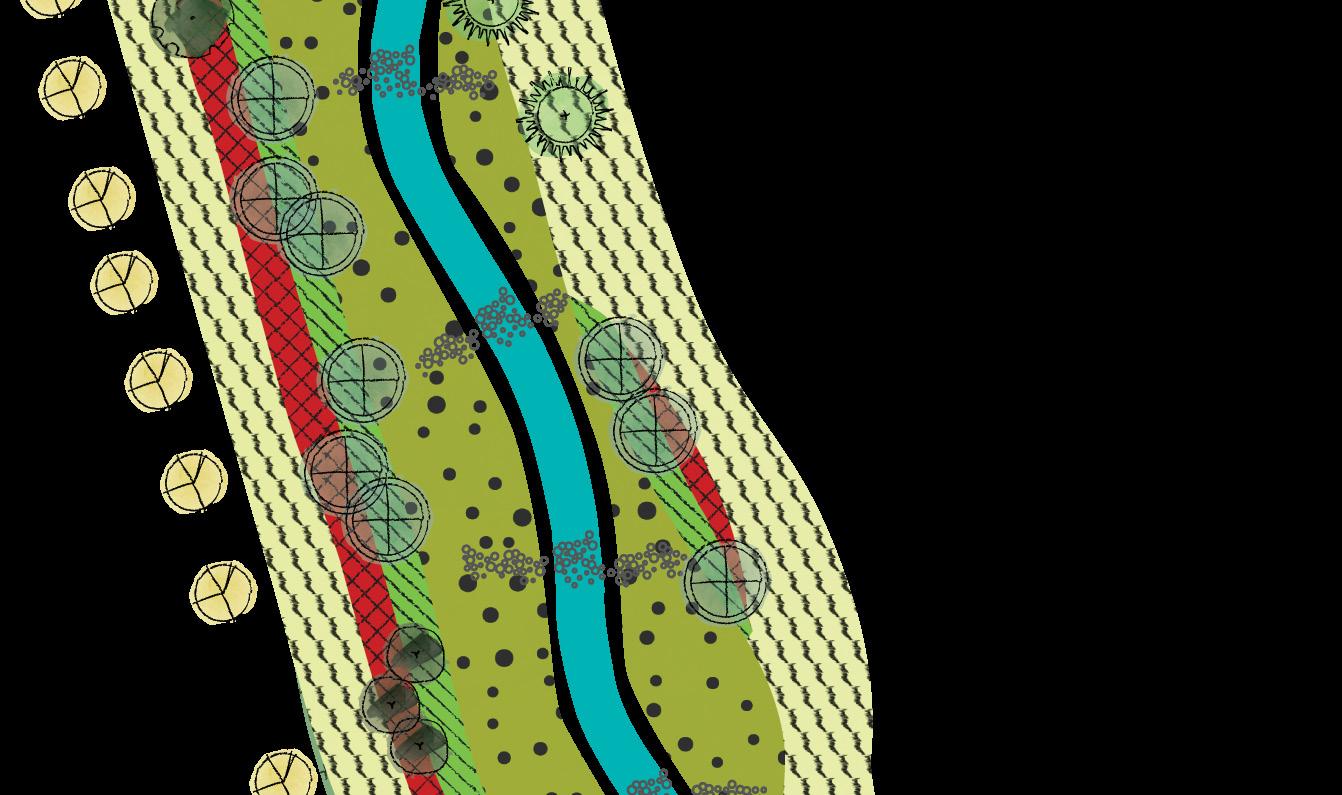
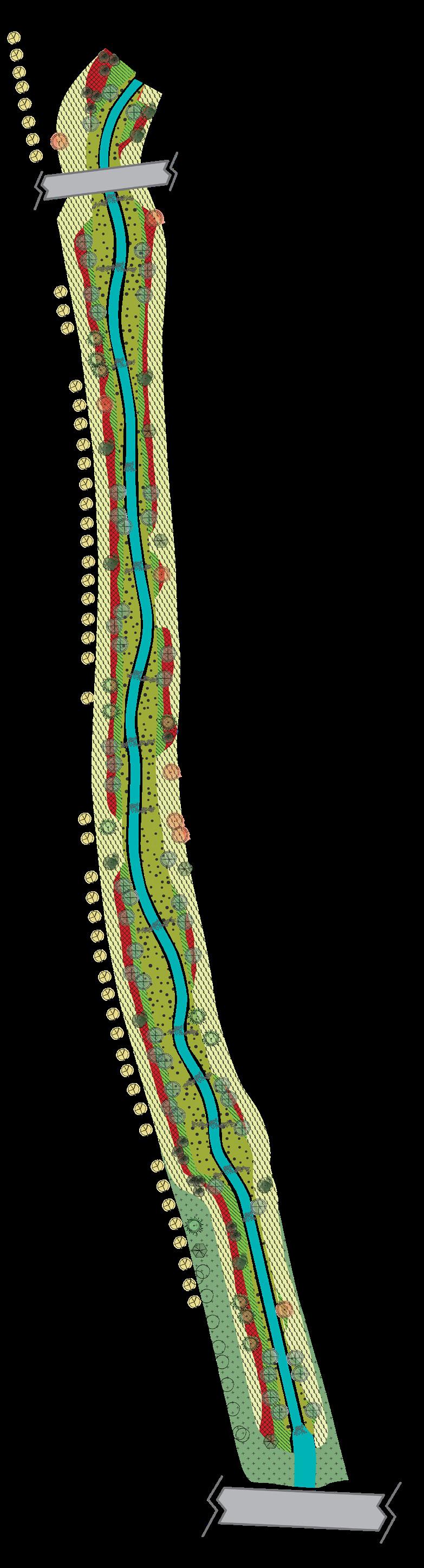
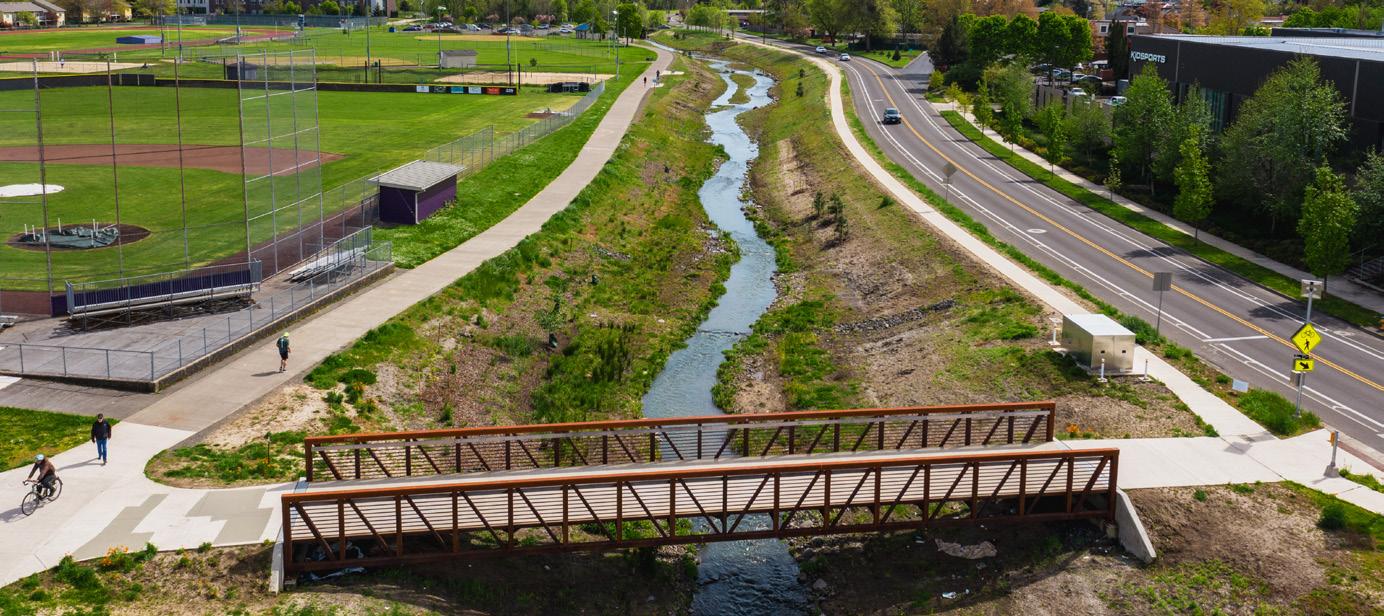
In 2024, the City of Eugene started construction on a major upgrade to Amazon Creek between 20th and 24th avenues. In spring 2026, the finishing touches were planted, and the project is complete! Take a look below to see some of the changes that brought this portion of the creek “back to the wild.”
CHANNEL
The project removed a 21-foot-wide, 8-foottall concrete channel and returned the creek to a gentler, windy path.
RIFFLE-POOL
Riffles (rocky, shallow spots) slow water down to prevent erosion while also adding air to the water. After a riffle is a pool (deeper, calm area), which allows silt to settle. Cleaner water is better for wildlife habitat.
FIRST LAYER OF PLANTING
The native plants added closest to the water are “emergent wetland” plants like sedges and bulrushes.
SECOND LAYER OF PLANTING
The plants a little farther from the water are shrubs—either “riparian” for the midrange or “upland” for higher up the bank. Think willows, Oregon grape and hawthorn.
THIRD LAYER OF PLANTING
The areas between the shared-use path and the upland shrubs are planted with native grasses.
WATER PIPES
Working with EWEB and South Eugene High School, the project replaced a 6-inch water pipe— previously located above ground— underneath the bridge.
BRIDGE
The footbridge south of 20th Avenue was replaced. The bridge and nearby path upgrades ensure the area is ADA compliant with access for all users.
BANKS
The natural bank, with its gentle slope supports additional water volume while enhancing wildlife habitat and improving water quality.
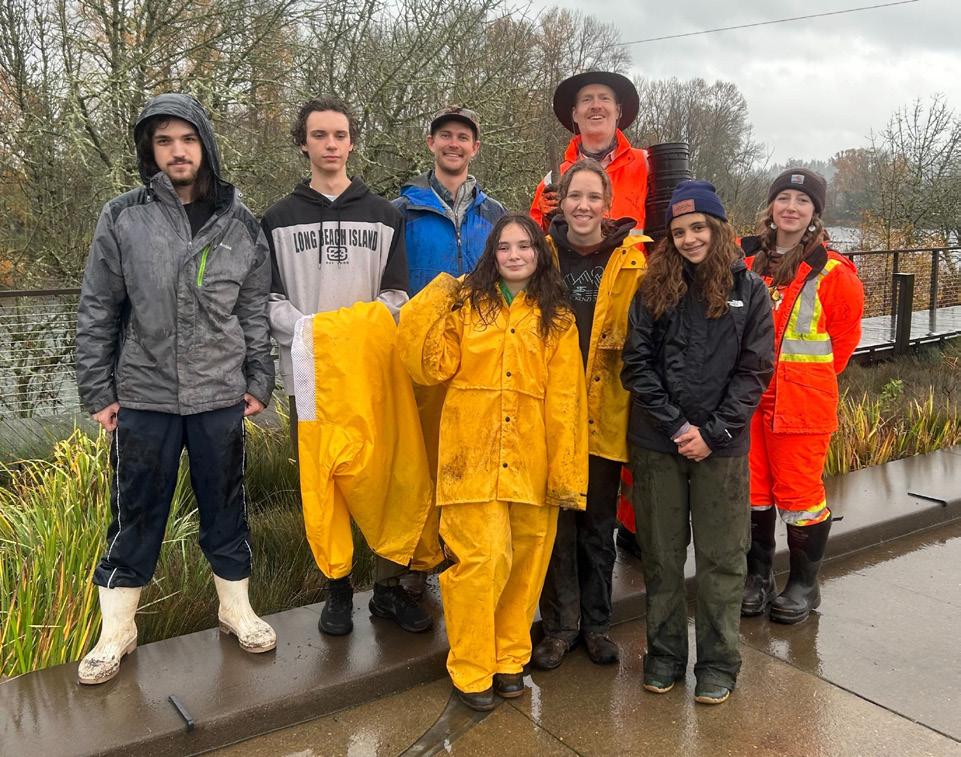
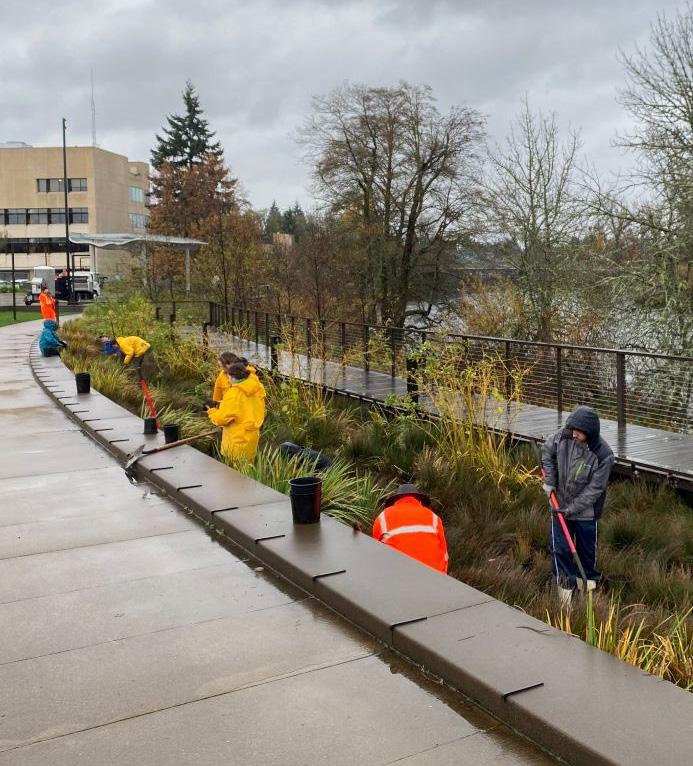
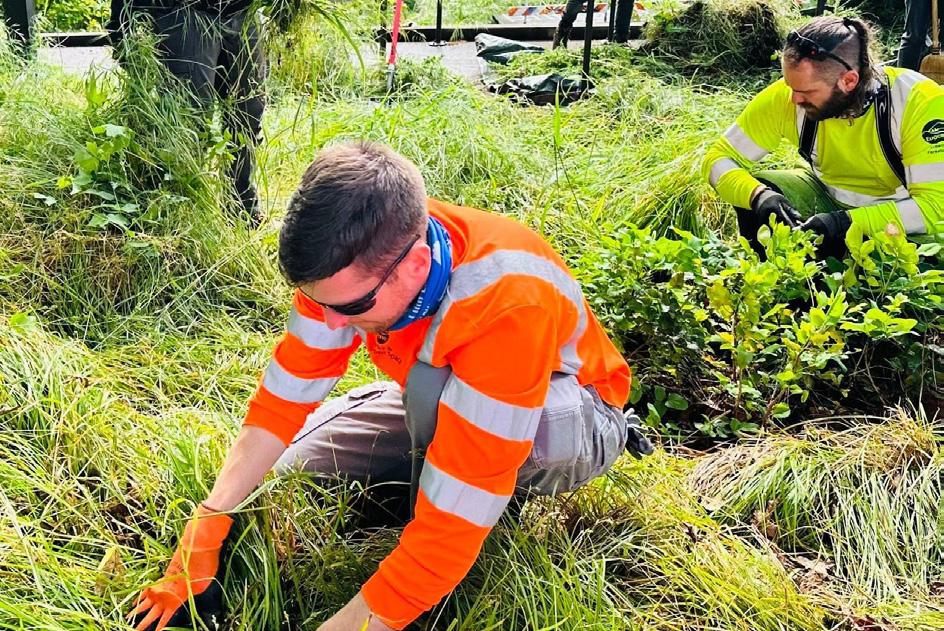
McKenzie High School’s Watershed Action Teams for Education, Restoration and Service program stepped out of the classroom and joined parks staff for a hands-on day of learning.
WATERS students began their journey at Roosevelt Yard, where they got a behindthe-scenes look at how the City manages stormwater and why it’s so important to our community. From there, students rolled up their sleeves at Downtown Riverfront Park, planting 55 native plants in a rain garden that will help protect local waterways for years to come.
More than just a day outdoors, the experience connected students directly with the people who care for Eugene’s rain gardens every day. We’re grateful to the students and staff from McKenzie High School for bringing such energy and purpose to this day of learning, service and community impact.
Eugene Public Works Engineering is working on an updated Stormwater Basin Master Plan to identify new capital improvement projects to address flood control, water quality and natural resource preservation during the next 20 years. In partnership with the engineering consulting firm Brown and Caldwell, Public Works Engineering staff are updating City stormwater models. Their goal is to assess the capacity of the stormwater system under current conditions and to identify “future buildout” conditions that reflect anticipated development throughout the city’s Urban Growth Boundary.
Alongside environmental consultant Jeff Krueger Environments LLC, staff from Lane County Engineering and City of Eugene Public Works Engineering, Parks and Open Space, and Maintenance are identifying opportunities to improve water quality and wildlife habitat in local creeks and streams. This assessment could lead to projects similar to the Amazon Creek Restoration Project (featured on the front page of this newsletter) and the 5th Avenue and Seneca Water Quality Improvement project, completed in 2025.
Brown and Caldwell will also help with an
to assess what rainfall might look like later this century. This analysis will be used to create resilience in our stormwater system for future generations.
All of this work is ongoing, and a final report is expected to be completed by fall 2026. Keep an eye out for more information and for opportunities to provide input on the Engage Eugene website and at upcoming open house events.
Businesses and property owners are responsible for maintaining storm drains on their property, but help is available! The Storm Drain Assistance Program offers parking lot drain cleaning for a flat fee of $70 per drain.
All Lane County businesses are eligible to apply through May 31, 2026 for these reduced rates. For more information, visit LaneCountyor.gov/SCAP.




A watershed council is a local group that works to protect and restore the health of all the land that drains into a river, stream or other body of water through voluntary action. Think of them as caretakers for the land where rain falls and flows into our local rivers. The Long Tom Watershed Council is based in Eugene and takes care of the Long Tom Watershed—an area that includes most of Eugene. LTWC operates several programs that focus on environmental restoration: rural aquatic restoration efforts, upland oak habitat restoration, ecological fire, tribal ecological land stewardship and urban habitat restoration. One of these programs is called the Urban Waters and Wildlife Program.
What does the Urban Waters and Wildlife Program do?
The UWWP is unique among Oregon watershed councils and works mainly within Eugene and Springfield to clean stormwater before it reaches rivers and streams. UWWP partners with local businesses to install voluntary green stormwater projects on their properties. These include rain gardens (check out the Q and A on Page 7), bioswales and bioretention planters that slow down and filter runoff, cleaning water instead of it going directly into the creek or river.
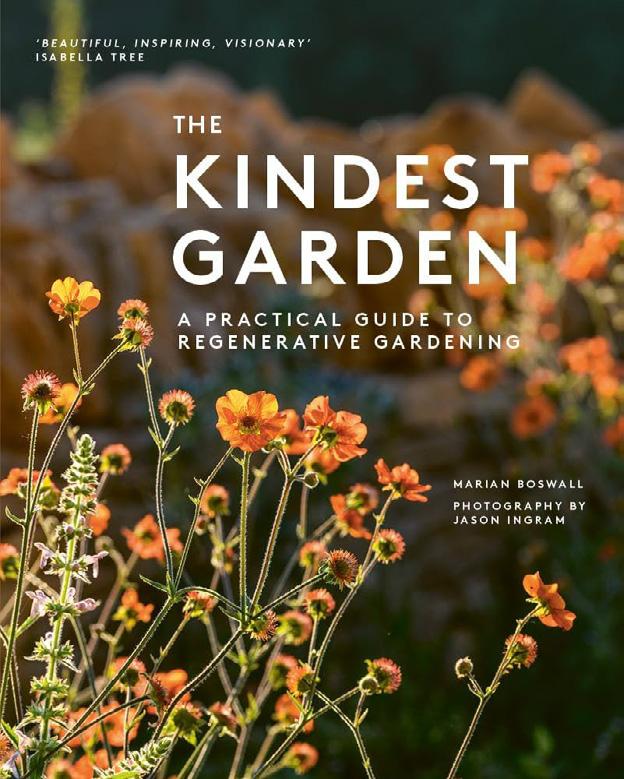
The Kindest Garden gives practical advice on creating beautiful outdoor spaces that also nurture wild plants and animals.
When it rains, water picks up pollution as it flows across parking lots and rooftops. UWWP rain gardens catch this dirty water and clean it using plants, soil and tiny organisms that capture pollution.
Rain gardens do more than just clean water. They also provide homes for birds, bees and other wildlife. The trees and plants create shade that keeps neighborhoods cooler in the summer. And to help wildlife thrive, UWWP rain gardens include at least 85% native plants.
UWWP and its regional partners are getting ready to start a two-year study to see how well these rain gardens clean the water. They will test the water going into the gardens and compare it to the water coming out. This will help us understand how water quality is affected by green stormwater infrastructure so we can build and design better rain gardens in the future, ensuring local rivers and streams are cleaner for fish, wildlife and people.
for check-out at the Eugene Public Library!
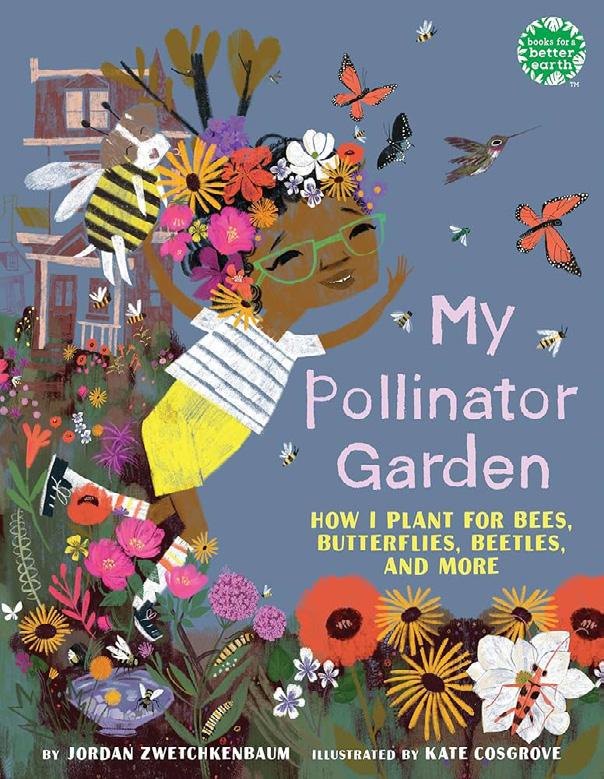
treat for garden-loving families, My Pollinator Garden explores ways kids can help neighborhood insects and birds thrive.
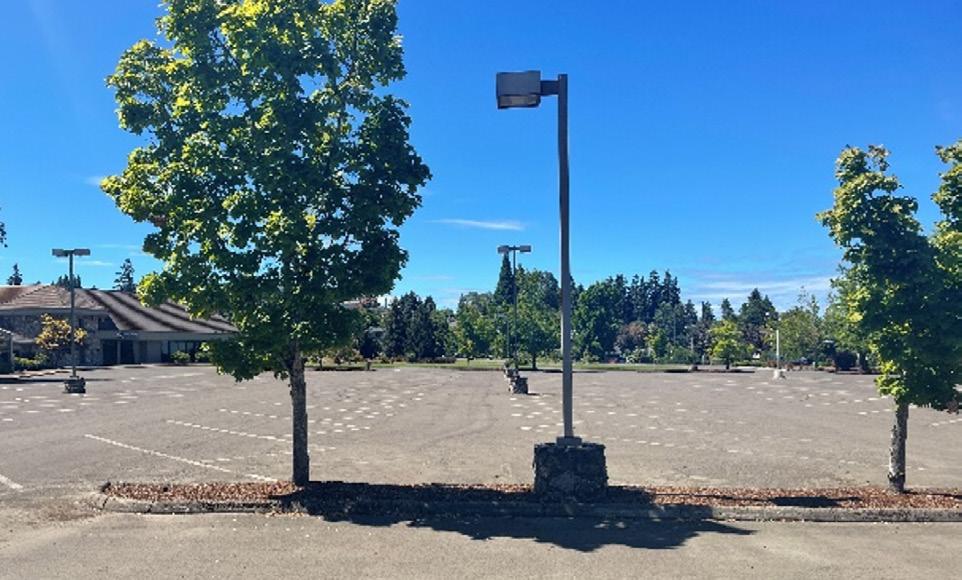
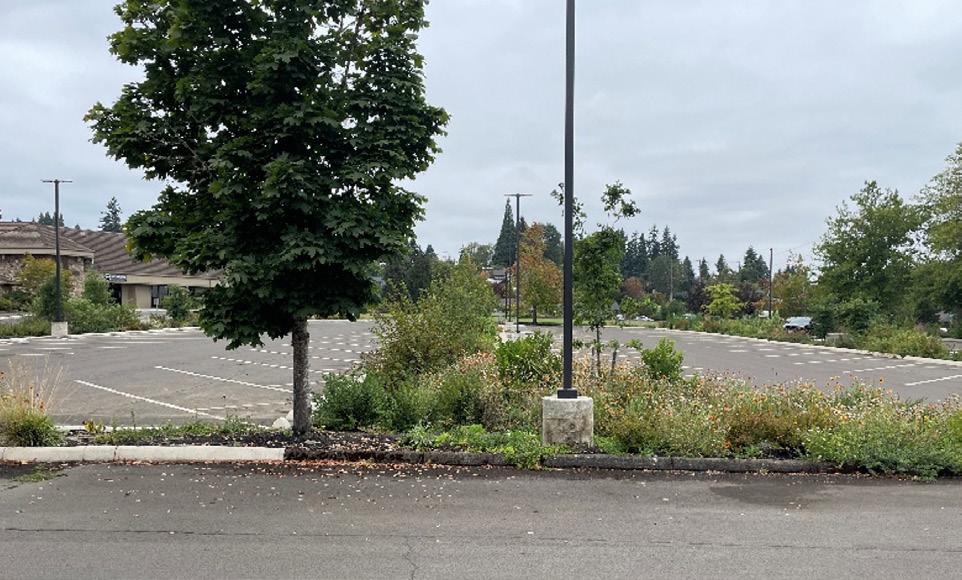
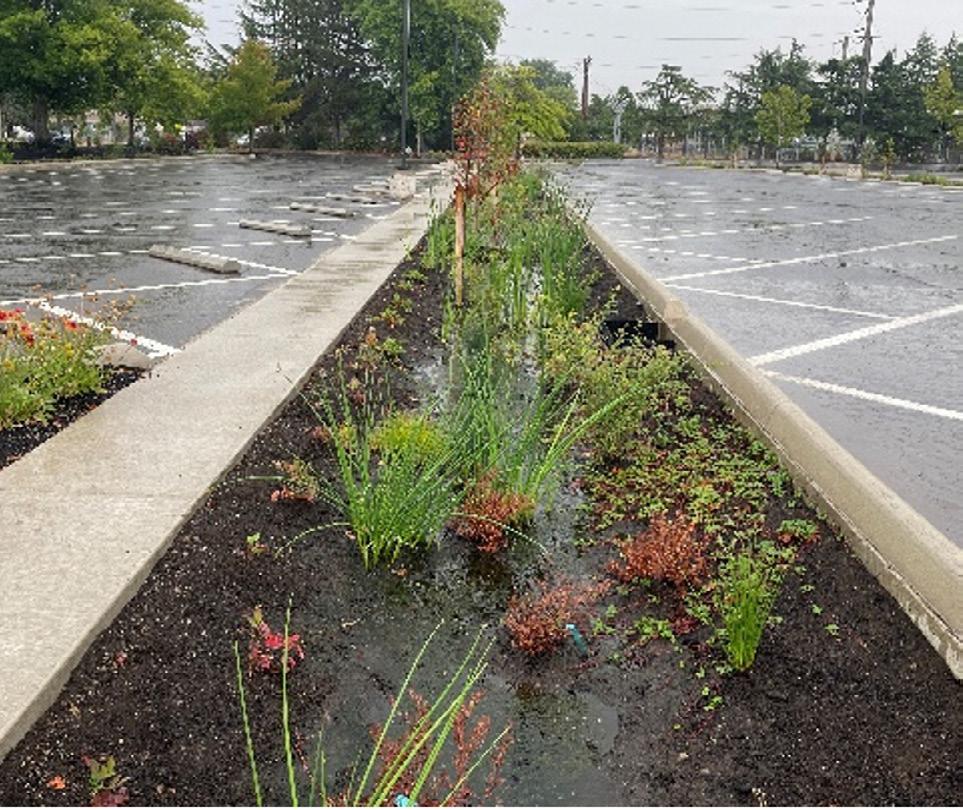
One business that has partnered with LTWC to retrofit its parking lot is Willamette Christian Center. This joint project transformed the 2-acre asphalt parking lot by adding four long rain gardens (each 200 feet!). These planters filter pollutants and cool the stormwater before it reaches Amazon Creek. The native and nativecompatible plants provide food and shelter for bees, birds and other wildlife that lives in the city.
This project is special because UWWP designed each of the four rain gardens with different soil types. This gives LTWC a chance to test which design works best for cleaning water.
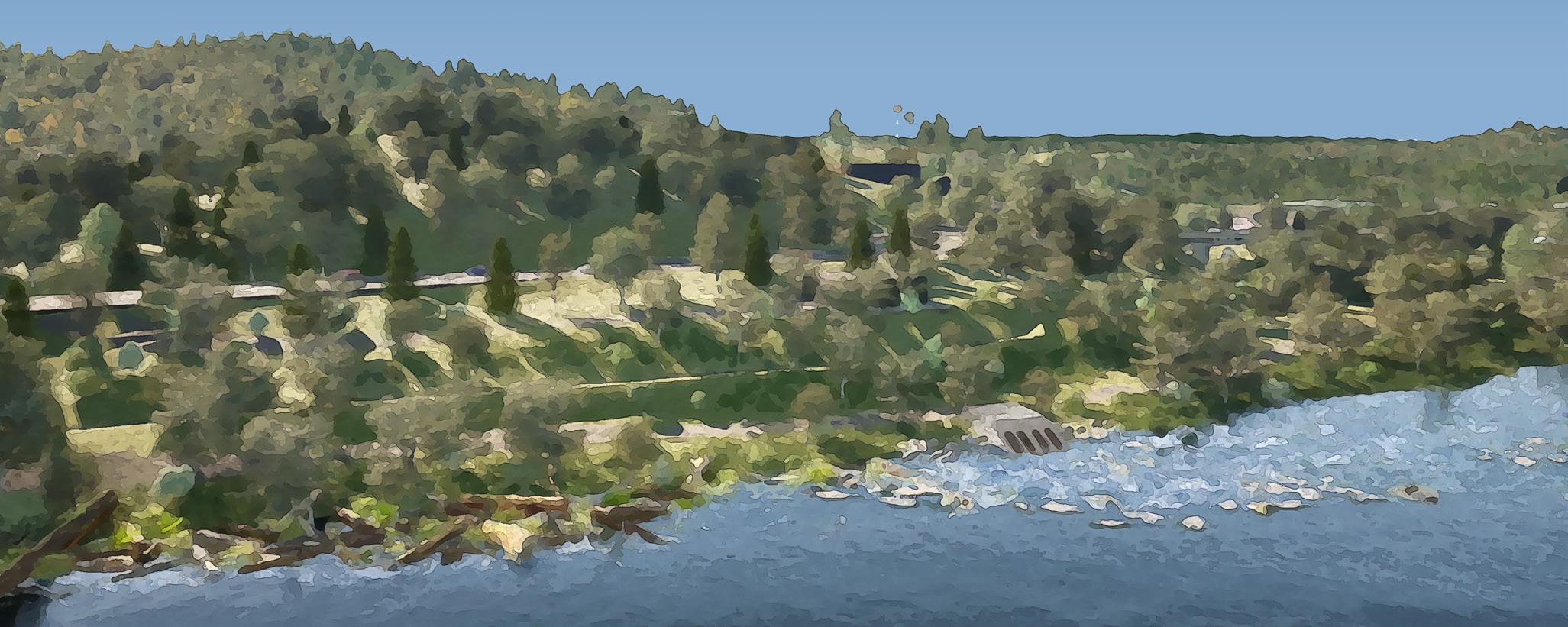
Eugene is one of the largest communities in the Pacific Northwest to rely on a single source of water and a single drinking water treatment plant. This puts us at risk of experiencing an extended water outage due to a chemical spill on the McKenzie River, equipment failure at our existing plant, earthquake, extreme storm or other natural disaster.
The Eugene Water & Electric Board is working to eliminate this risk by preparing to build a new water treatment plant on the Willamette River, where water quality is excellent. The plant would supplement our primary water supply and serve as a critical backup during an emergency.

Unlike many new plants, this project is about resilience, not growth. EWEB plans to withdraw the same amount of water overall but from two sources instead of one. This will better balance demand across local watersheds. EWEB will also replant riparian areas, install new fish habitat and implement a source water protection program on the Willamette River as part of the project.
By diversifying our sources and investing in the Willamette River, we can increase the resilience of our community and our local watersheds at the same time. Learn more: eweb.org/willamette
Lane Alerts is an opt-in service that helps emergency response agencies keep the public updated when there is severe weather, fire, flooding, evacuation orders, local area emergencies and other events.
To receive emergency alerts, warnings and notifications in a format you choose (text, email, phone call, etc.), sign up and encourage family members, neighbors and coworkers to sign up as well. To opt in, visit:
Lane Alerts at qr.eugene-or.gov/lanealertsCWC or scan the QR code!
is published by the City of Eugene Public Works Department to enhance awareness of stormwater and related surface water management issues.
Senior Editor: Rachael Perry
Graphic Designer: Andrew Kim
Thanks to our contributors: Marion Barnes, Jack Blackham, Garian Cika, Eric Dearden, Paul Gordon, Miranda Hawkes, Jacob Klinko, Auriana Koutnik, Amber Lamet, Gareth Newnham, Becky Nickell, Elle O’Casey, Rachael Perry, Hannah Shafer, Emily Steel, Rachael Vaicunas, Claire Wray and Marina Wrensch
Bird photographs for Lily’s Pad: Twyla Bohrer
For more information about stormwater, e-mail pwadmin@eugene-or.gov.
Our City’s plan to upgrade its stormwater drainage system—the Stormwater Capital Improvement Program—is funded by user fees and system development charges. Every two years, the Public Works Stormwater CIP Subcommittee updates this six-year plan, creating a list of projects based on input and requests from a variety of sources, including adopted plans, policy documents, neighborhood and advisory groups, and boards and commissions.
The following projects are scheduled for construction in 2026:
● Old Coburg Road Stormwater Retrofit: Adding splash pads to vegetated stormwater facilities to improve maintenance efficiency and sediment removal.
● The East Ridge Village Stormwater Retrofit : Reconstruction of the outfall from an infiltration pond located on Brackenfern Road between East 25th Avenue and Rockcress Road. This project will allow for proper conveyance, treatment and flow control of runoff through the stormwater facility.
● Park Forest Drive Project: Upgrading stormwater manholes and pipes to eliminate surcharge and erosion issues between Park Forest Drive and W 28th Avenue.
Several other projects are currently in the planning and design phase, including improvements at North Delta Highway, the East Santa Clara Waterway, North Gilham and Trainsong Park.
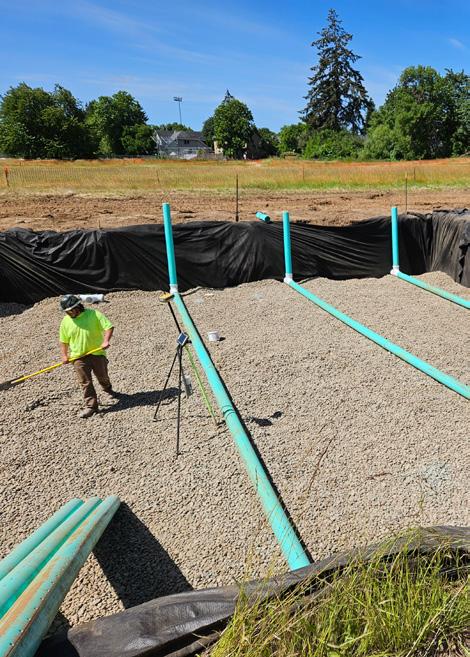
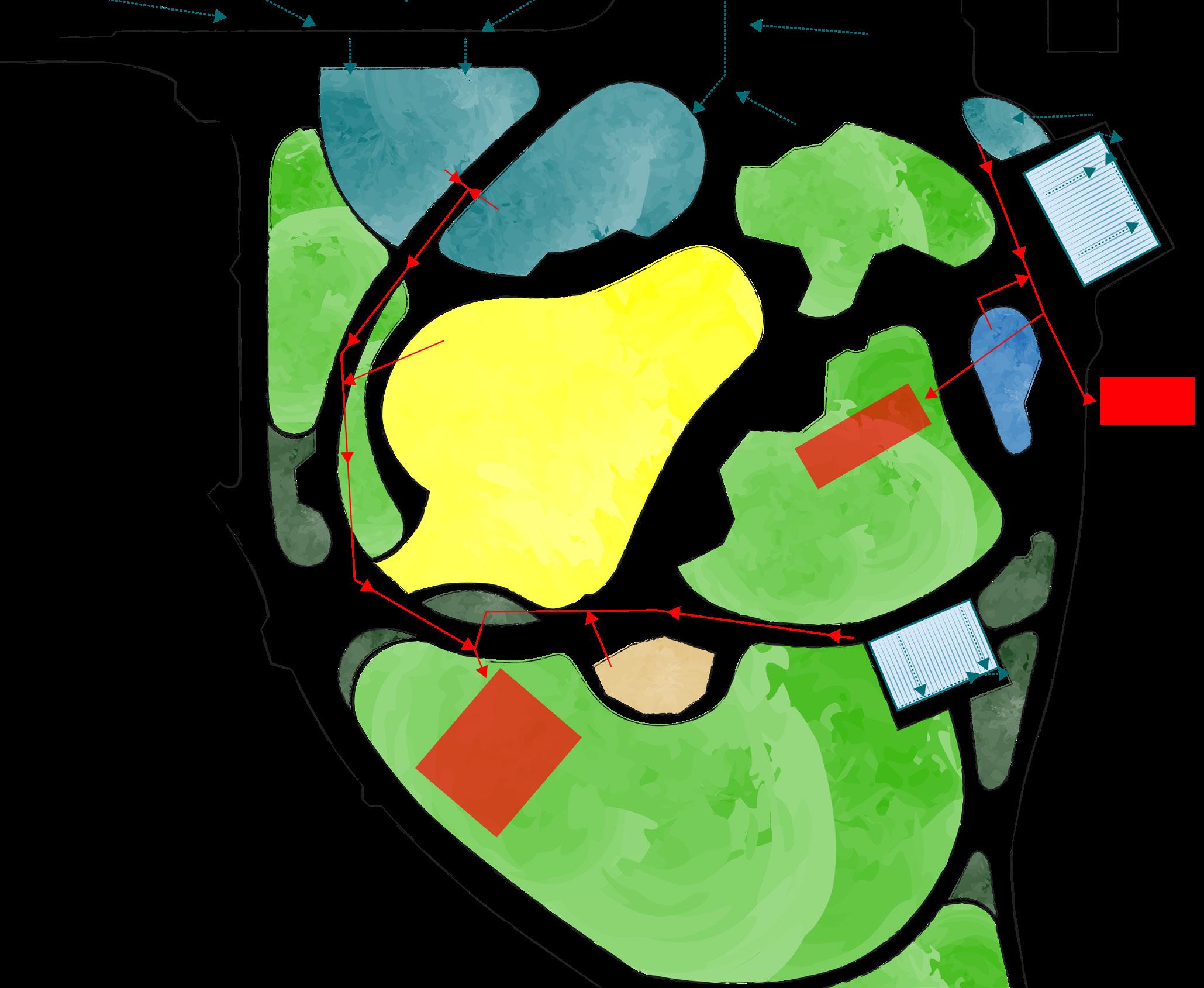
FILTRATION
ROCK GALLERIES
Store and infiltrate collected stormwater and potable water.
RAIN GARDENS
Rainwater from hard surface are directed to rain garden for treatment via vegetation.
Potable water and rainwater captured here and directed via underground pipes.
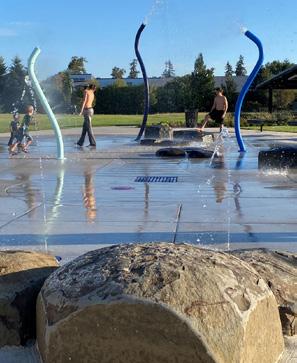
Santa Clara Community Park is a newly constructed open space in north Eugene featuring a big playground, a three-stall restroom building, a spray play area, a shelter structure, a sand play area and a 37-stall parking lot. When it rains, these features collect a great deal of water runoff. In addition, the spray play area, which is activated by park visitors, releases 90 gallons of water per minute. This water would usually be collected in catch basins, stormwater planters or similar facilities and then moved via pipes underground to the Willamette River or Amazon Creek. However, these methods were not possible in this case, as this neighborhood does not have stormwater piping in the right of way. That meant that any stormwater collected within the park would need to be treated and infiltrated within the park boundaries.
Infiltration tests onsite showed extremely high or rather fast infiltration rates, meaning water disappears relatively quickly into the soil. This was a good sign for this park. The project design
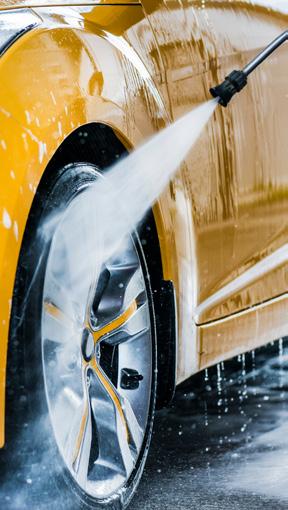
When you see a car being washed in the street, have you ever thought about what happens to all that dirty, soapy water? It often runs down a gutter and into a storm drain. Because this pollutant-filled water doesn’t get cleaned before it empties into streams and rivers, it can harm the local plants, fish and wildlife that we love.
Luckily, with a few easy steps, you can prevent carwash pollution.
Above-ground drainage direction
Below-ground drainage direction in pipes
team chose to treat the stormwater runoff in large rain gardens. The water from the parking lot, plaza and surrounding sidewalks makes its way into the two large treatment facilities. Water from the restroom roof and overflow from a nearby drinking fountain are directed to a smaller rain garden. The plants and soil remove most pollutants as the water moves through.
Most of the water will infiltrate in these rain gardens. However, if there is a large storm and the rain gardens fill up, water goes into overflow structures and runs through underground pipes to three underground storage areas called soakage trenches or infiltration areas. They are large, rock-filled basins wrapped with fabric to keep the rock and surrounding soil separate. Here the water can be stored until it soaks into the soil, recharging our groundwater table. The infiltration areas offer a great opportunity for the City of Eugene to collect, treat and absorb clean water within the park boundaries. This method is quite unique for a City of Eugene park!

● Use commercial car washes. They drain water into the sanitary system where it can be treated to remove pollution before it is released into the Willamette River. Some even recycle and reuse water on site.
● If you wash at home with more than water:
○ Choose soaps, cleaners and detergents labeled phosphate-free and biodegradable. Vegetableand citrus-based soaps are the safest products.
○ Wash in a grassy or gravel-filled area where runoff doesn’t flow to storm drains.
○ Control water volume by using a spray nozzle.
Are you a school, church or nonprofit that uses car washes to raise money? Borrow a Fish-Friendly Car Wash Kit from the City of Eugene Public Works team free of charge. The kits contain sump pumps that can be used to divert wash water to wastewater sewers or grassy areas as well as other materials to help make your car wash a success. To learn more, call 541-6824929 or visit eugene-or.gov/happyrivers and click on Fish-Friendly Car Wash.
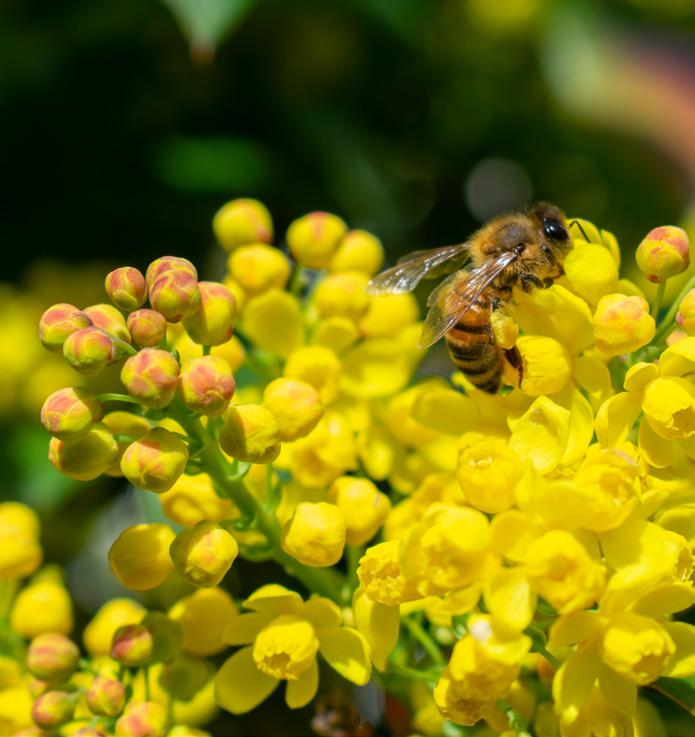
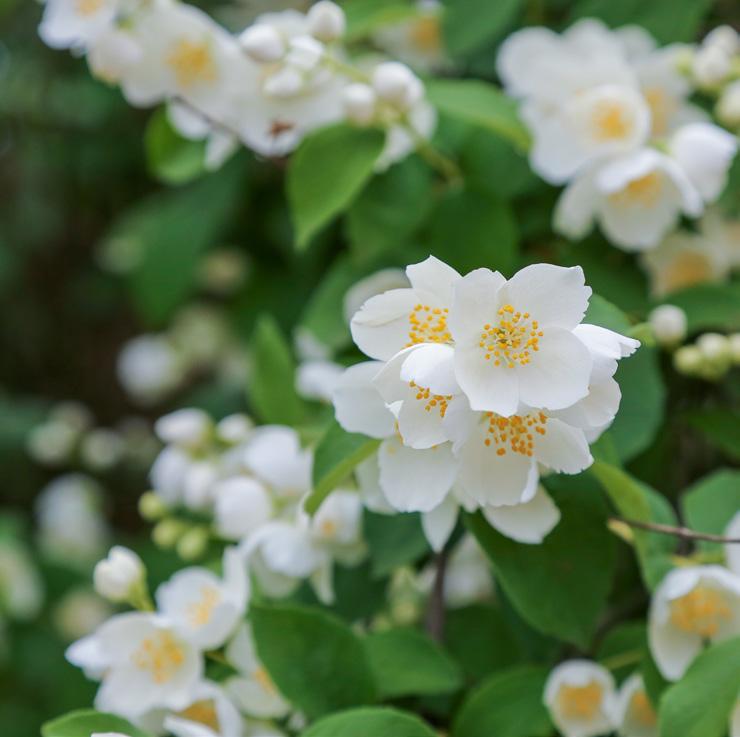
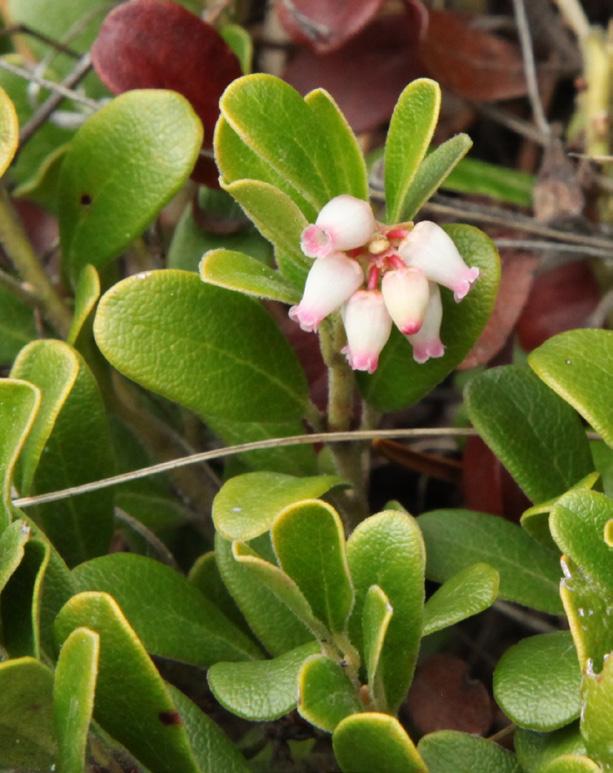
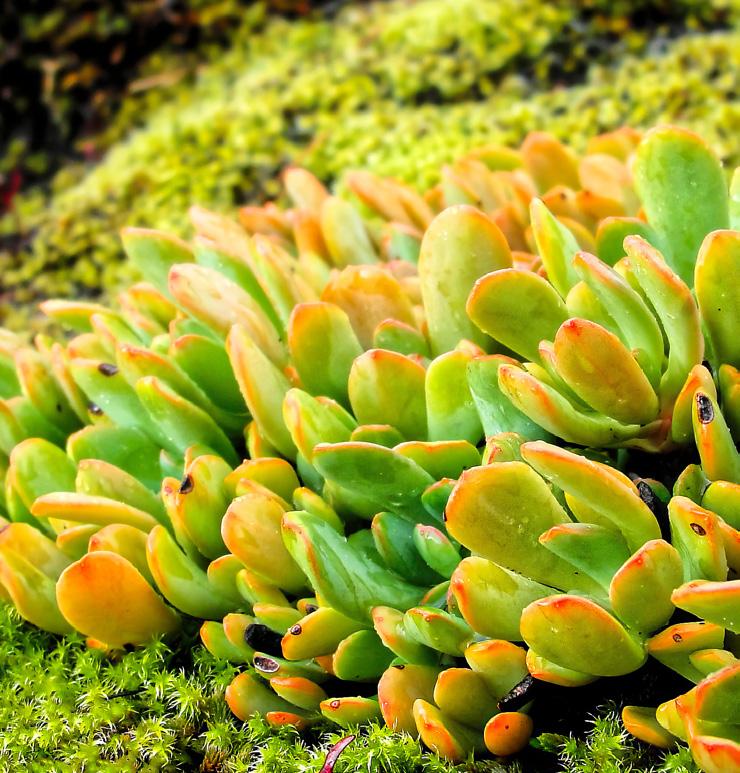
Wildfires can destroy structures and natural vegetation. Did you also know that highintensity wildfires can change the soil structure and create water-repellent soil conditions? This means it is harder for the soil to absorb moisture, which increases surface runoff and the risk of erosion.
Increased runoff and erosion, in turn, can carry damaging chemical and organic pollutants into our rivers and streams. That’s why preventing high-intensity wildfires can keep our waterways healthier!
With fire season just around the corner, Eugene area residents and businesses have many resources to reduce the risk of wildfire and lessen potential effects on rivers, streams and lakes.
One of the most important things you can do to lessen the impact of wildfires is to create a defensible space around your home. Here are some things you can do:
A Remove burnable items and vegetation within 5 feet of your home.
A Do not use combustible bark mulch; limit the use of mulch within 30 feet of your home.
A Reduce vegetation and flammable items within 30 feet of your home.
ATrim tree limbs back 10 feet from roofs.

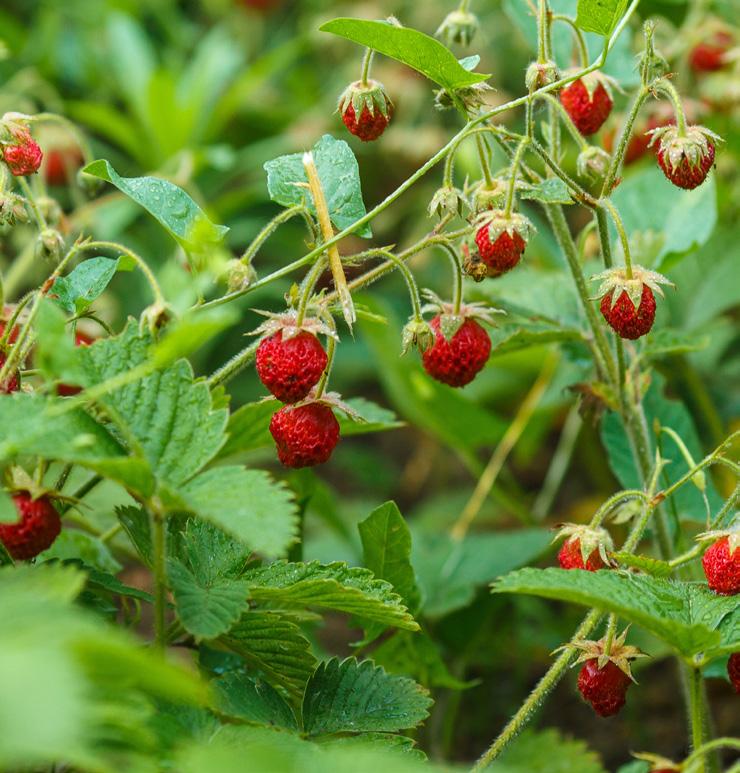
Eugene Springfield Fire offers free defensible space checks to help you better protect your home. Assessments include personalized advice and techniques that can make your home resilient to embers.
Your landscaping choices can also help lower your risk. OSU Extension Services provides information on fire-resistant plants for home landscapes, some of which are native species and pollinator-friendly.
Emergency preparation doesn’t stop at wildfire prevention, though. Preparing a 72-hour go bag and signing up for emergency alerts can help you and your family be prepared and well-informed. Lane Alerts provides information on many hazards our community faces, including flooding, weather events and other emergencies.
Information on Lane Alerts and Go Bags: Emergency Evacuation | Eugene, OR Website
Request a Defensible Space Assessment: Defensible Space Inspection Report
OSU Fire-Resistant Plant Guide: Fire-resistant Plants for Home Landscapes | OSU Extension Service
Available for check-out at the Eugene Public Library!
With information on more than 100 of the Pacific Northwest’s most pollinator-friendly plants, use this handy guide to plan your native plant garden.
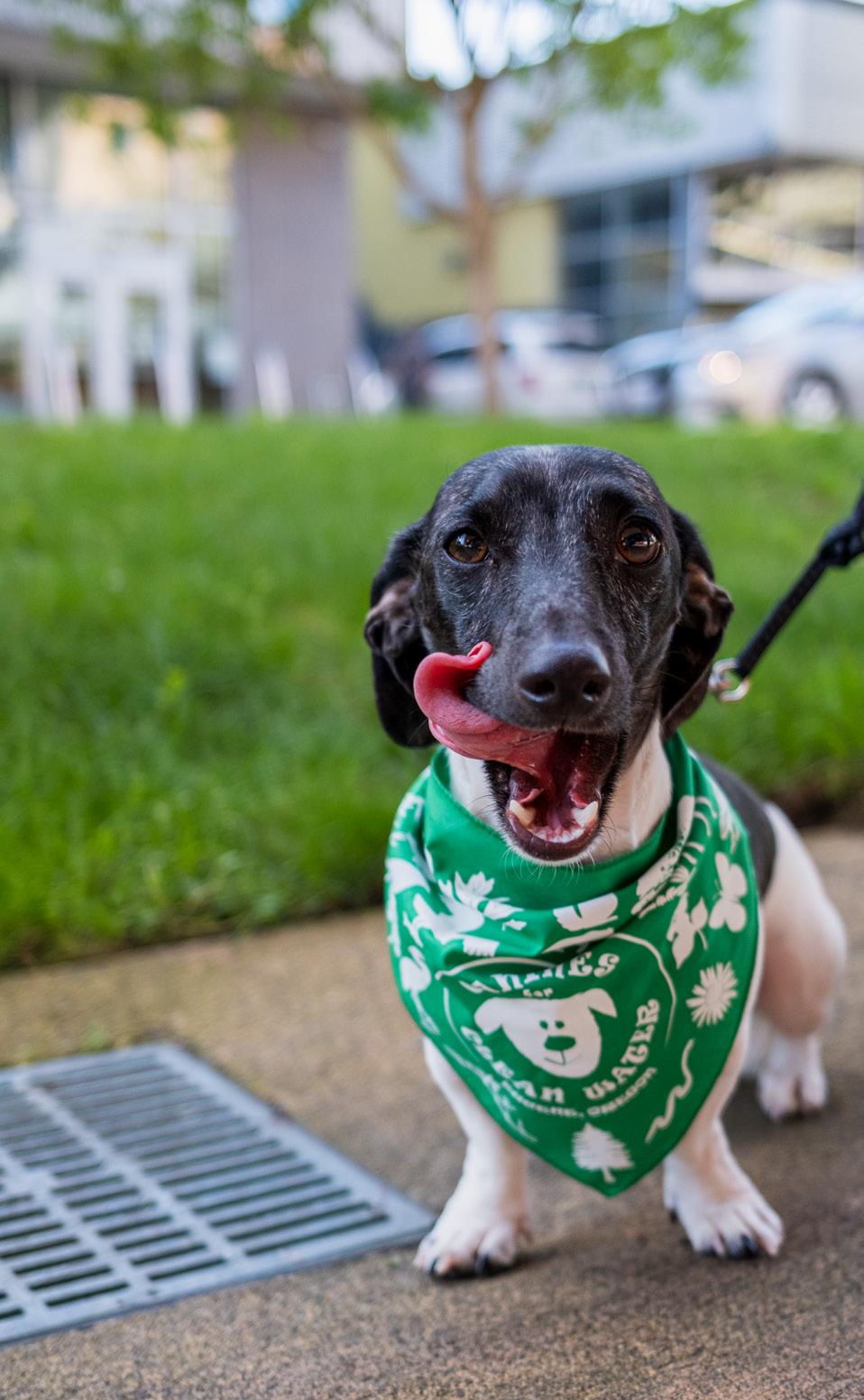
Pet waste can add up when left behind in parks, streets and yards. Dog poop is loaded with microorganisms that can get people sick. Rainwater carries the bacteria and toxins from that poop into storm drains and ditches that flow directly to rivers and streams. When pet waste decays there, it speeds up the growth of algae and aquatic weeds, using up valuable oxygen that fish need to survive.
The best way to isolate these nasties: scoop poop and dispose of it!
Want to do your part? Pledge to pick up after your pup and the City of Eugene will send you a free dog bandana like the one modeled above on Nash! Learn more at eugene-or.gov/cleancanines
Canines for Clean Water Pledge: I promise to pick up after my dog and place all pet waste in the garbage so it won’t pollute our local rivers and streams.
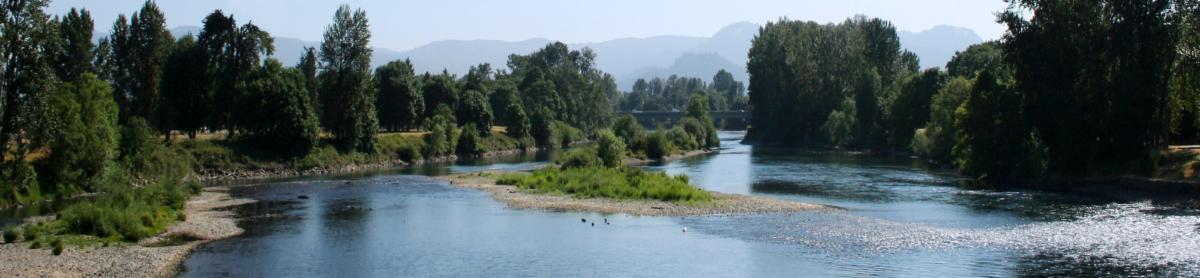
A “100-year flood” does not mean it happens once every 100 years. It means there is a 1% chance of a flood that big happening in any year. Because the name can be confusing, it is often called the base flood . A “500-year flood” means there is a 0.2% chance of a flood that size in any year. The area that could be flooded by a base flood is called the regulatory floodplain or the Special Flood Hazard Area. Structures and properties in the SFHA can still flood during smaller storms, and more than one “100-year flood” can happen in one year, even though it is unlikely. FEMA estimates that 25–30% of floods happen outside the SFHA.
Since 1968, FEMA has created flood maps for the entire country. These maps help communities plan safe development and help property owners, insurance companies and lenders understand flood risks. Eugene’s current maps come from older FEMA studies, which include detailed work on the Willamette River and Amazon Creek. Other areas were mapped using simpler methods.
FEMA, the State of Oregon, Lane County and the City of Eugene are updating flood maps to give a clearer picture of flood risk. FEMA has created online tools where residents can learn how the maps are changing, how the updates may affect them and how flood insurance works.
Residents are encouraged to visit FEMA’s online resources, look up their property’s flood risk and ask questions. Updated maps for the Coast Fork and Middle Fork Willamette River can be found through FEMA’s Flood Risk Product Tool or by emailing regionxhelpdesk@starr-team.com.
Flood risks change over time. Mapping technology has also improved. By using new data, FEMA can make more accurate maps. These updated maps help people make better decisions about protecting their property and planning future development.
The updated Flood Insurance Rate Maps or RiskMAPs show where flood risk is high, moderate or low. If your property is in a highrisk area (flood zones that start with the letter A), you must have flood insurance if your mortgage comes from a federally-regulated or insured lender.
Flooding is the most common and most expensive natural disaster in the U.S. Homes in high-risk areas have about a 26% chance of flooding during a 30-year mortgage. More information about flood risks and flood insurance is available on the City of Eugene’s website: eugene-or.gov/flood
For questions about the flood maps or floodplain development, please contact the City Floodplain Administrator, Jack Blackham, at CEPWEFloodplain@eugene-or.gov.
You’ll find more than books at the Eugene Public Library! Did you know seeds are available to all visitors?
● What: Free seeds to take home and grow
● Who: Anyone who visits, no library card required
● Where: Second floor of the downtown Eugene Library in an antique card catalog and at the Bethel and Sheldon neighborhood libraries
● When: All year round! Call 541-682-5450 for more information or to learn how you can donate!
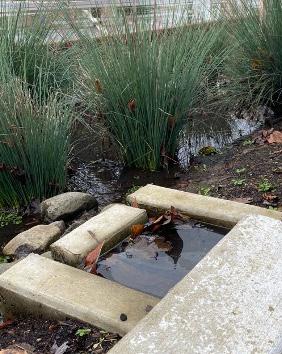
A shallow, planted basin that captures and filters runoff. It slows water release to prevent downstream erosion and protect local rivers.
Why does rainwater need filtering?
City runoff picks up metals and pesticides. Unlike wastewater, Eugene’s stormwater drains directly into waterways untreated.
What plants are best?
Native wetland plants. They thrive in our wet winters and dry summers, requiring less water and maintenance while supporting local wildlife.
What maintenance is required?
Dense planting crowds out weeds. Thatch grasses annually and trim shrubs as needed to keep the garden healthy and effective.
Check twice yearly and after heavy rains. Ensure inlets are clear, check for erosion and verify the garden drains within 24 hours.
For permitted and public rain gardens: Email: raingarden@eugene-or.gov Phone: 541-682-4800
1. Start by paying attention.
Find a comfortable place to sit or walk slowly. Be very quiet. Listen for bird sounds. Look around. When you see a bird, watch what it does. Is it eating? Is it communicating? Is it resting or hiding?
You might use:
● Binoculars – to see birds better. Look at size and shape, and the feather, beak, eye and leg colors.
● Bird Field Guide – a book to help identify birds.
● Nature Journal – a notebook for drawings and notes about what you see.
You can borrow a whole bird-watching kit from the Eugene Public Library! The Bird-Watching Backpack includes adult and child binoculars, as well as some field guides.
2. Find some bird-watching spots.
Birds are all around. Try looking in your backyard, a park, a river or pond, or even a window view of a garden. Sit still and watch for a while.
3. Make your garden bird-friendly.
● Keep cats indoors. Free-roaming cats are a serious threat to birds.
● Plant native species that provide seeds and attract the insects birds need for food.
● Provide clean water for drinking and bathing. A birdbath in a shaded spot works well.
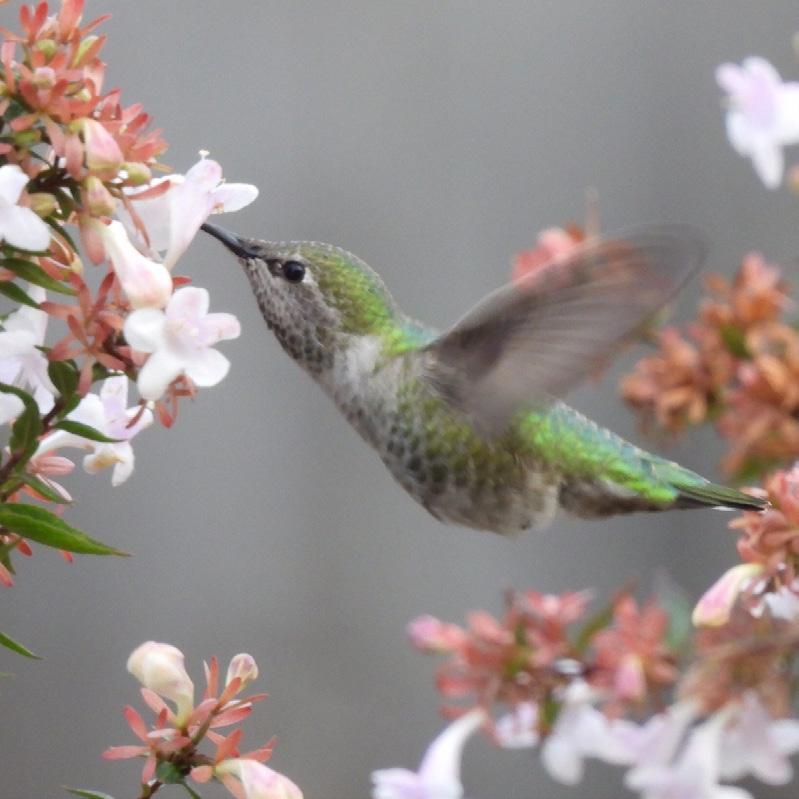
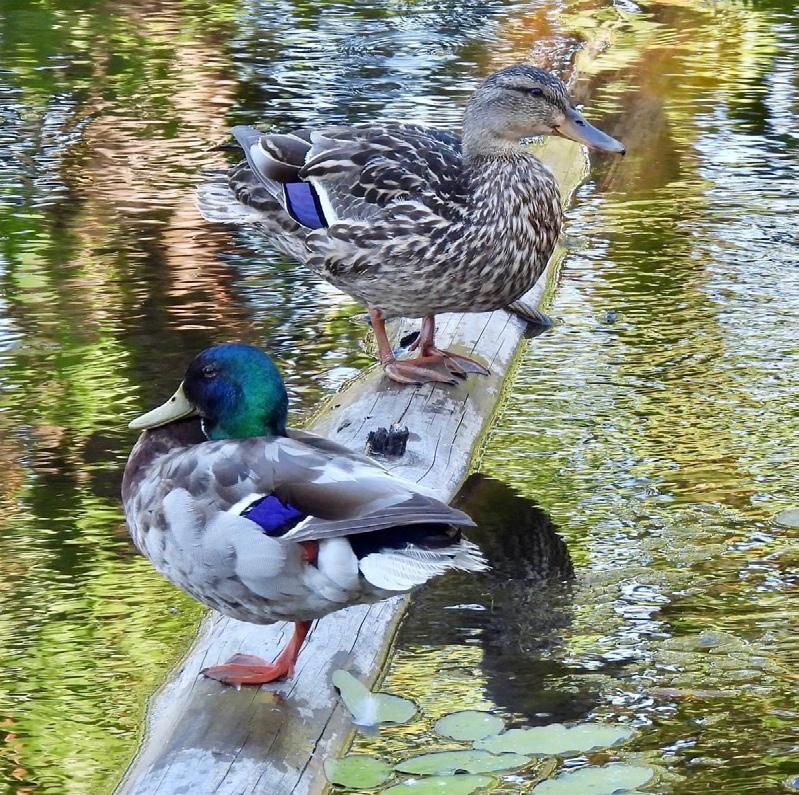
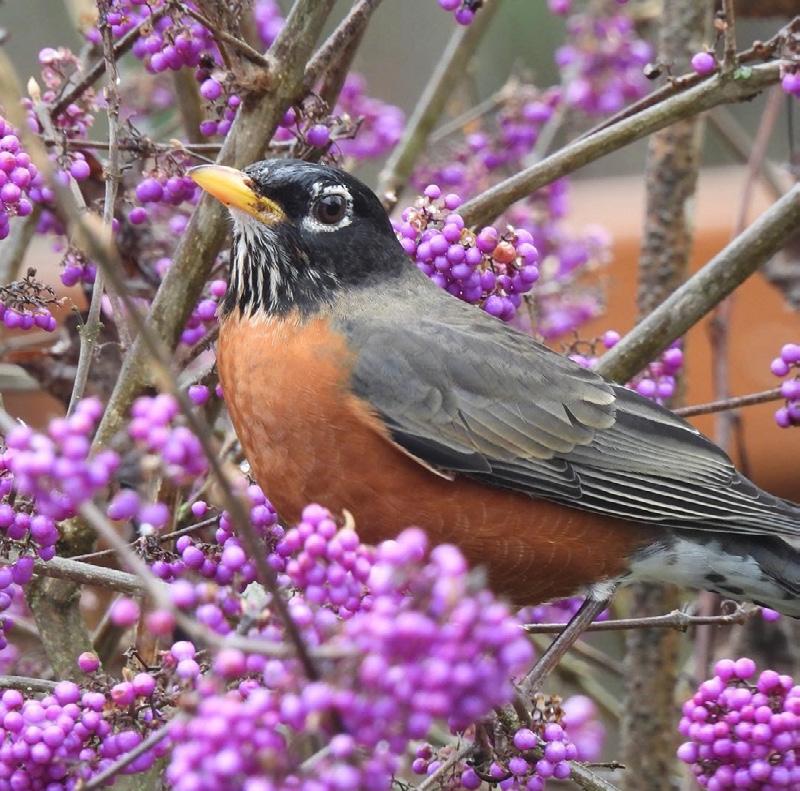
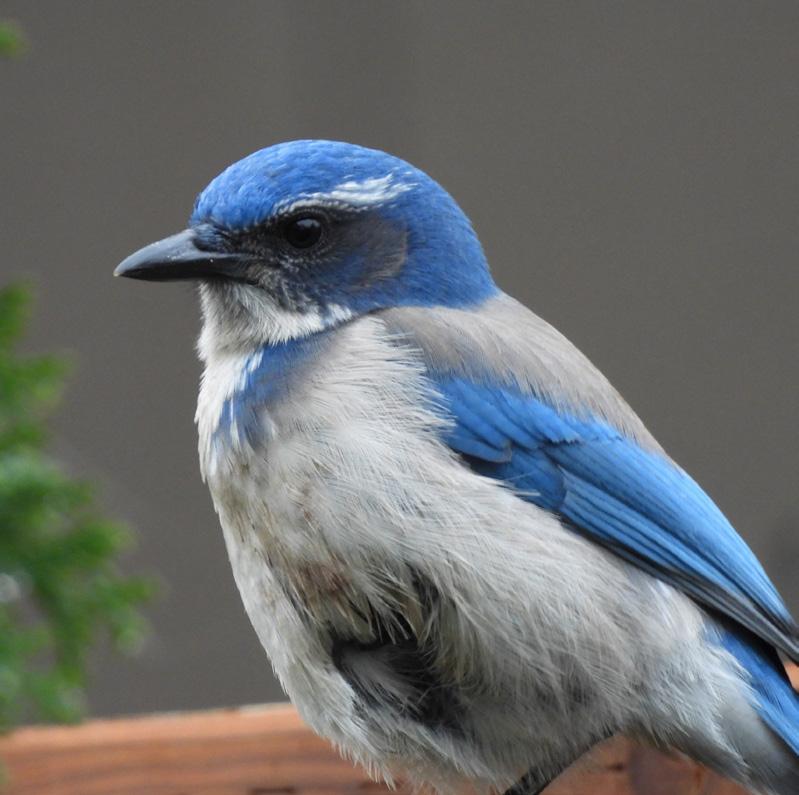
Birds brighten up our community with color and song! They are an important part of healthy ecosystems. Our feathered neighbors work hard to keep the land balanced and thriving.
Fruit-eating birds spread seeds with their nutrient-rich poop, and some birds hide big seeds like acorns in the ground, helping to plant new trees. Hummingbirds pollinate plants. Many birds eat pesky insects, and raptors like to munch on rodents. Scavenger birds prevent disease and water pollution by eating rotting stuff.
Even in busy towns, if you look and listen, you can find many feathered friends!
A bird watcher is someone who enjoys watching and identifying birds. Bird watchers use their senses; they listen quietly and look carefully. They may use binoculars to get a closer look at birds without bothering them.
Are you 18 or younger? Email us at pwadmin@eugene-or.gov, and we’ll send you a free pair of pocket binoculars! (available while supplies last)
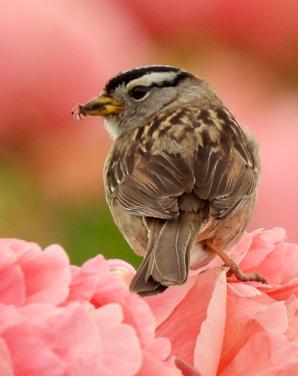
of birds by Twyla Bohrer