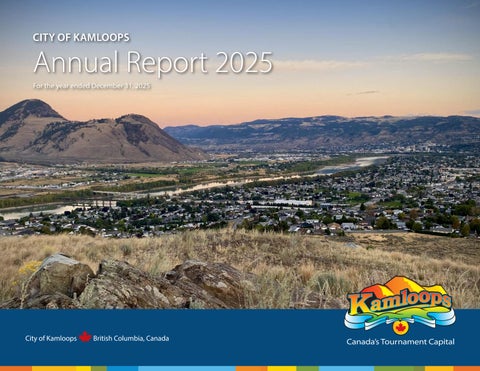
Annual Report 2025
For the year ended December 31, 2025

City of Kamloops British Columbia, Canada
CITY OF KAMLOOPS, BRITISH COLUMBIA, CANADA
Annual Report 2025
For the year ended December 31, 2025

Communications and Community Engagement Division and Corporate Services Department
The City of Kamloops acknowledges that we are located on Tḱemlúps te Secwépemc territory, situated within the unceded ancestral lands of the Secwépemc Nation. We honour and respect the people, the territory, and the land that houses our community.
Prepared by: City of Kamloops
Front Cover: Darcie Weston Inside Cover: Susan Myles

This is...
Nestled at the confluence of the North and South Thompson Rivers, the city of Kamloops, British Columbia, is located on the Tḱemlúps te Secwépemc territory, situated within the unceded ancestral lands of the Secwépemc Nation. The City values its close relationship with the Tḱemlúps te Secwépemc, whose people and government maintain a profound connection to this region.
Kamloops sits on land that has been of great cultural and economic significance since time immemorial and continues to thrive as a vibrant and growing urban centre. With a population of over 103,000, Kamloops is one of Canada’s fastest-growing large urban communities, welcoming new residents from across the country and around the world. This growth adds to the city's dynamic character and deepens the diversity that defines our community.
Incorporated in 1893, Kamloops has evolved into a modern urban hub while retaining its welcoming spirit and western hospitality. In an age of rapid climate change, Kamloops has become a critical connecting point within the interior of BC, hosting and training volunteers and first responders and supporting evacuees when fires and floods impact communities throughout our region.
As Canada’s Tournament Capital, Kamloops is proud to lead in the development of amateur sports and cultural events at grassroots up to elite levels. Our inclusive and accessible approach has made us a premier destination for tournaments, training camps, and competitions from small to international in scale.
More than 800 dedicated City employees bring the mission of Making Kamloops Shine to life every day. Guided by strategic direction from City Council, these professionals deliver essential services, maintain and build critical infrastructure, foster sustainable growth, and work to enhance community well-being. This annual report reflects their achievements, challenges, and continued commitment to serving the people of Kamloops with integrity, innovation, and care.

Bruce Birundu, Kathleen Fisher, Peter Olsen, Mary Putnam, Jobin George CITY OF KAMLOOPS






Message from the Chief Administrative Officer
The past year has been one of meaningful progress and achievement for the City of Kamloops. In an environment marked by growing complexity and rising expectations, we have remained focused on delivering results that matter to our community. Through collaboration and a commitment to continuous improvement, 2025 stands out as a year where we advanced key priorities, strengthened partnerships,and laid important groundwork for the future.
One of the most significant areas of progress has been the continued momentum of the Build Kamloops program. In early 2025, we established an integrated project delivery team for the Kamloops Centre for the Arts, bringing together 11 partners—including City staff, architects, engineers, contractors, and trades—to collaboratively guide the project from design through construction. This model, which has proven successful in past major projects, positions us well to deliver a complex, communityfocused facility that meets high expectations for quality, inclusivity, and value. The official groundbreaking marked a milestone moment for a project decades in the making. At the same time, we continued to engage the community to shape complementary initiatives, including a partnership with the Thompson-Nicola Regional
Library to incorporate library services into the future arena multiplex. These milestones, along with early philanthropic support, reflect both strong community interest and confidence in the vision for Build Kamloops.
Through collaboration and a commitment to continuous improvement, 2025 stands out as a year where we advanced key priorities, strengthened partnerships, and laid important groundwork for the future.
We also made important strides in modernizing how we serve our residents. The launch of the City’s new ePermit system represents a major step forward in improving access, efficiency, and convenience for homeowners, builders, and developers. This work is part of a broader commitment to embracing digital transformation. As we begin to explore the role of enhanced technology and artificial intelligence, we are taking a thoughtful, measured approach, identifying opportunities to enhance operations and customer experience while recognizing that meaningful implementation will take time. This is an area where we anticipate significant growth and innovation in the years ahead.
Partnerships were at the heart of many of our most impactful accomplishments in 2025. Working closely with Tḱemlúps te Secwépemc and a wide range of local, regional, and provincial partners, the City helped deliver major events, collaborative training, and initiatives that

strengthened relationships and community outcomes. Highlights included the successful hosting of the National Aboriginal Hockey Championships through the Host Kamloops Tḱemlúps partnership as well as conferences focused on reconciliation, inclusion, and youth leadership that brought together diverse voices from across the region.
Collaboration also played a critical role in advancing emergency preparedness and community safety. Joint training exercises and initiatives with regional partners enhanced coordination, communication, and readiness in the face of increasingly complex risks, including wildfire. At the same time, new collaborative models, such as the Kamloops Interagency Supports Table, brought together front-line professionals across sectors to provide timely, coordinated support to individuals and families experiencing elevated risk, reflecting a proactive, preventative approach to community well-being.
These partnerships extended into cultural collaboration, including work to strengthen relationships between local museums in support of reconciliation. Extensive collaboration with community partners, including
Thompson Rivers University, produced the You Are Here Kamloops Cultural Strategic Plan in 2024, which earned national recognition in 2025 with a Creative City Impact Award. Across all of these initiatives, a common theme emerged: by working together, we can achieve more, build stronger connections, and create lasting benefits for our community.
As we look ahead, we do so with confidence and clarity. The progress made in 2025 reflects a shared commitment to innovation, collaboration, and service excellence. While challenges will continue to evolve, the City of Kamloops is well positioned to meet them—guided by strong partnerships, dedicated staff, and a clear vision for the future.

Byron McCorkell
Chief Administrative Officer, City of Kamloops

CITY OF KAMLOOPS
Kevin Myles
City Management
Public Mayor and Council
City Administration and Departments
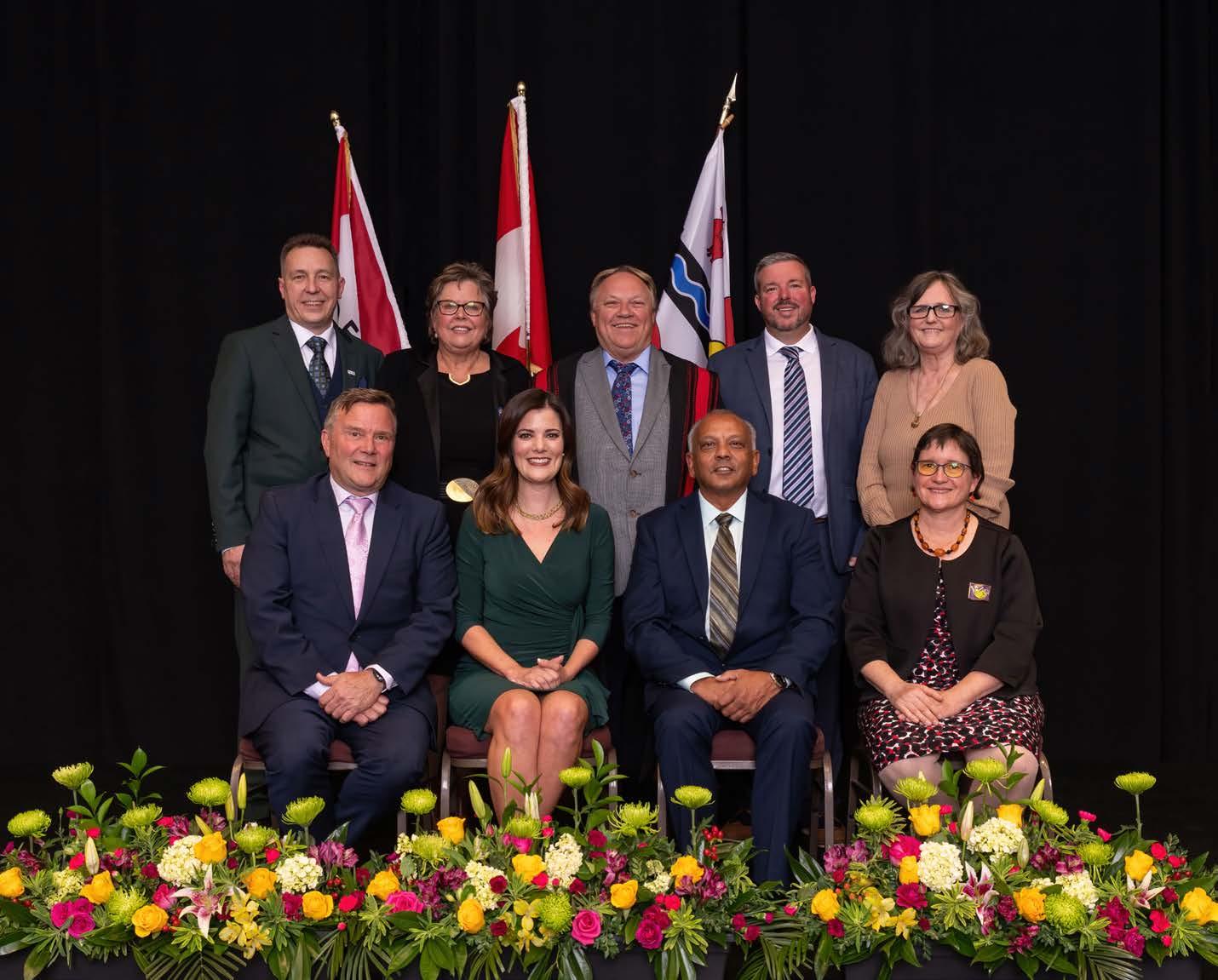
City Council 2022–2026






Bold action for a safe, vibrant, and resilient community.

Mayor Reid Hamer-Jackson Councillor Dale Bass Councillor Nancy Bepple
Councillor Kelly Hall
Councillor Stephen Karpuk
Councillor Margot Middleton
Councillor Katie Neustaeter
Councillor Mike O’Reilly
Councillor Bill Sarai
Peter Olsen
COUNCIL'S VALUES
We build trust in our Council, organization, and community by being:
Respectful • Collaborative • Accountable
Purposeful • Optimistic

COUNCIL'S MISSION
Our mission is to be leaders and stewards by tackling important community issues to position the city for growth, vitality, and resilience to best serve our residents.
Christopher A. James
COUNCIL'S STRATEGIC PRIORITIES
Safety & Security
The City of Kamloops takes action to ensure all residents feel safe and secure in our community.
Governance & Service Excellence
The City of Kamloops has strong, accountable governance and makes fact-based decisions.
Livability & Sustainability
The City of Kamloops fosters a high quality of life for an inclusive, diverse, and sustainable community.
Peter Olsen
Christopher A. James
Peter Olsen

Economic Health
The City of Kamloops cultivates a positive business environment to support a vibrant and resilient economy.
Advocacy
The City of Kamloops clearly and strongly advocates for Kamloops to other organizations and levels of government.
Advocacy in Action:
City Council has identified these key topics in their Advocacy Strategic Priority.
• Justice Reform
• Housing
• Campus of Care
• Seniors Supports
• Wraparound Services for Supportive Housing
• Mental Health and Addiction Supports
• Immigration Supports
• Fire Mitigation
• Additions to Reserve Land
• Family Doctors
• Increased Staffing for BC Ambulance Service
• Agricultural Land Reserve Amendments
• Tax Amendments to Support Community Land Trusts
• HandiDart and Taxi Service Levels
• Support Agencies and Other Organizations Advocating for our Common Goals
Christopher A. James
Sarvesh Khosla
Message from City Council
2025 marked the third year of progress under City Council’s four-year Strategic Plan, and we are proud of the meaningful strides made toward our shared vision for Kamloops. Guided by our four key priorities— Safety and Security, Governance and Service Excellence, Livability and Sustainability, and Economic Health—Council and staff continued to deliver results that matter to residents. We identified 171 actions across 20 areas of focus, and almost all are actively underway with measurable progress.
Advancing community safety and well-being remained a central focus this year. Through sustained advocacy, the City achieved an important milestone with the Province granting peace officer status to our Community Services Officers, strengthening local safety efforts. Programs such as the Guns and Gangs Prevention initiative continue to demonstrate positive outcomes, while partnerships with BC Housing and Interior Health are supporting more integrated approaches to shelter and supportive housing. Construction milestones, including progress at Mission Flats and McGill Road, highlight continued action to address supportive housing needs in our community.
Council also made important progress in enhancing the quality of life for Kamloops residents. The adoption of the updated Active Transportation Plan supports a more connected and sustainable city, while initiatives like the Bike Valet program continue to grow through strong partnerships. New and improved amenities, including the YMCA Station Plaza Care and Learning Centre, the accessible water park at Albert McGowan Park, the mini rink at McArthur Island, and the Riverside Park
Skating Loop, provide meaningful benefits for residents. Community spirit was on full display during the inaugural Kamloops Christmas Market, which welcomed thousands of visitors and supported local businesses.
Supporting economic growth and building for the future remained a priority. The City advanced key infrastructure projects, including servicing the Southwest Sector industrial lands to unlock new development opportunities. Progress on Build Kamloops, highlighted by the groundbreaking of the Kamloops Centre for the Arts, represents a transformative investment in the community’s cultural and economic future. In addition, critical projects in public safety, infrastructure, and environmental sustainability were supported by grant funding in an increasingly competitive funding landscape.
Advocacy efforts were instrumental in advancing Council’s priorities. Through ongoing engagement with provincial and regional partners, Council championed key issues, including housing, health services, infrastructure, and emergency preparedness. These efforts contributed
to important outcomes, including the announcement of a new complex care facility in Kamloops. Council also worked collaboratively with neighbouring communities to address shared challenges, protect fair taxation practices, and advocate for critical investments that support long-term growth.
As we reflect on 2025, we remain committed to building a safe, inclusive, and resilient community. The progress achieved this year demonstrates the strength of our partnerships and the value of a clear, strategic focus.
Together, we will continue working to ensure a strong future for Kamloops.
City Council 2022–2026
City of Kamloops
Peter Olsen

Safety & Security
The City of Kamloops takes action to ensure all residents feel safe and secure in our community.
AREAS OF FOCUS
SAFETY
We prioritize the safety of our community for residents, businesses, and visitors.
HOUSING
We proactively create opportunities to increase the inventory of diverse housing supply so that residents can access and move throughout the housing continuum.
SOCIAL SUPPORTS
We intentionally collaborate with key partners to create innovative solutions that respond to and address the community’s needs.
EMERGENCY PREPAREDNESS AND RESPONSE
We build community resiliency, mitigate the impacts of emergency events, streamline response, and ensure our protective services align with evolving needs.
BUILT ENVIRONMENT
We create diverse community spaces for people to safely travel through, gather in, and experience our community.
DID YOU KNOW?
The City advanced the Qu’Appelle Boulevard Extension Project in 2025, a 1.1 km roadway designed to improve transportation connections and emergency access for Juniper Ridge and Rose Hill residents. Road alignment and vegetation clearing began in 2025, with major construction scheduled for 2026 and completion anticipated in 2027.
A Controlled Burn, A
More Resilient Future
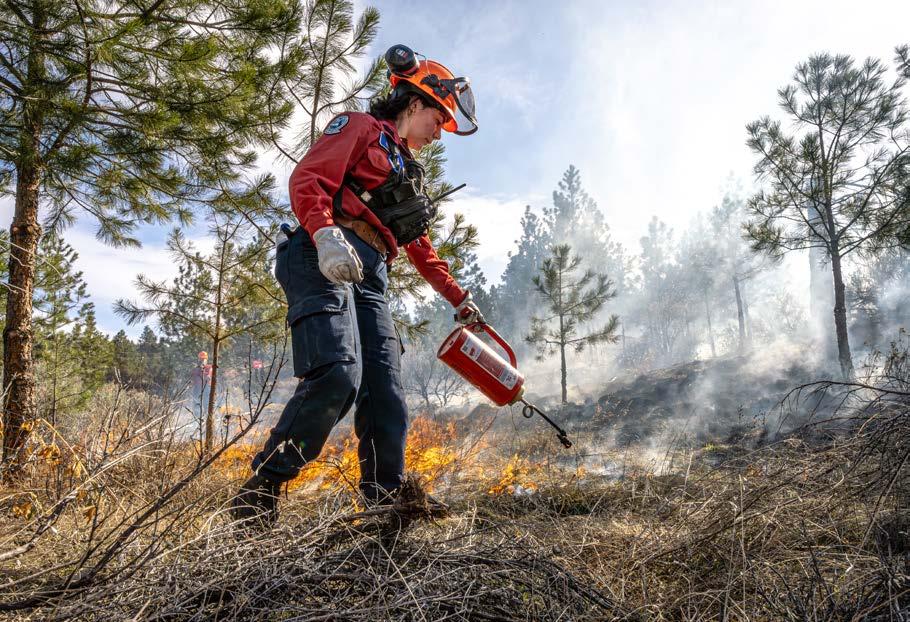
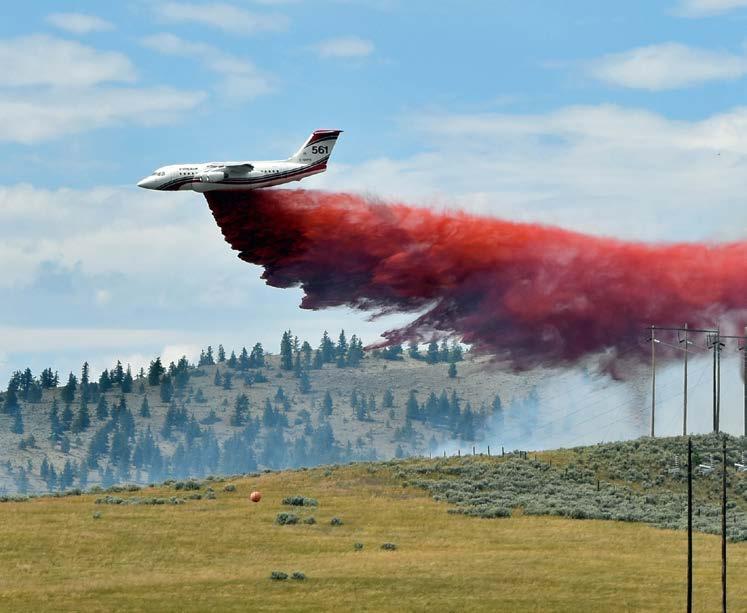
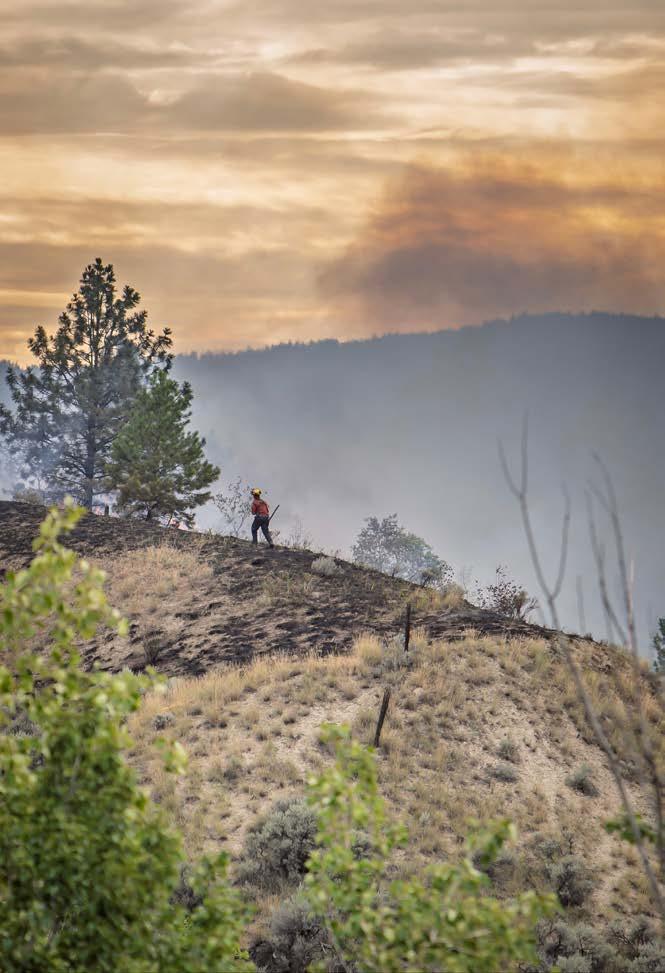
On March 7, 2025, the City of Kamloops, with support from Kamloops Fire Rescue, Tḱemlúps te Secwépemc, and BC Wildfire Service, successfully carried out an 8 ha prescribed burn in the Rose Hill area. This marked the first prescribed burn within city limits in several years, an important and proactive step in strengthening community wildfire resilience.
A prescribed burn is the carefully planned and controlled use of fire to meet specific land management objectives. In Rose Hill, the project achieved several key goals: reducing wildfire risk and improving public safety, revitalizing native vegetation, and providing valuable cross-training opportunities for crews. Working together in a controlled environment ahead of wildfire season strengthens coordination, communication, and readiness for when wildfires threaten close to home.
Building on this success, additional collaborative prescribed burns are planned for Petersen Creek Nature Park and the Lac Du Bois Grasslands Protected Area in the coming years, reinforcing a shared commitment to community safety, ecosystem health, and partnership.
BC Wildfire Service
DID YOU KNOW?
During Fire Prevention Week, October 5–11, Kamloops Fire Rescue joined fire services across North America to raise awareness of the hidden fire risks of lithium-ion batteries. These batteries power many everyday devices but can overheat, explode, or release toxic smoke if damaged, improperly charged, or thrown in the garbage or recycling. Four fires at the City’s primary recycling facility in 2025 were suspected to be caused by improperly disposed batteries. The videos created and shared as part of the educational campaign were viewed more than 25,000 times, building meaningful awareness about this lesser-known public safety concern.
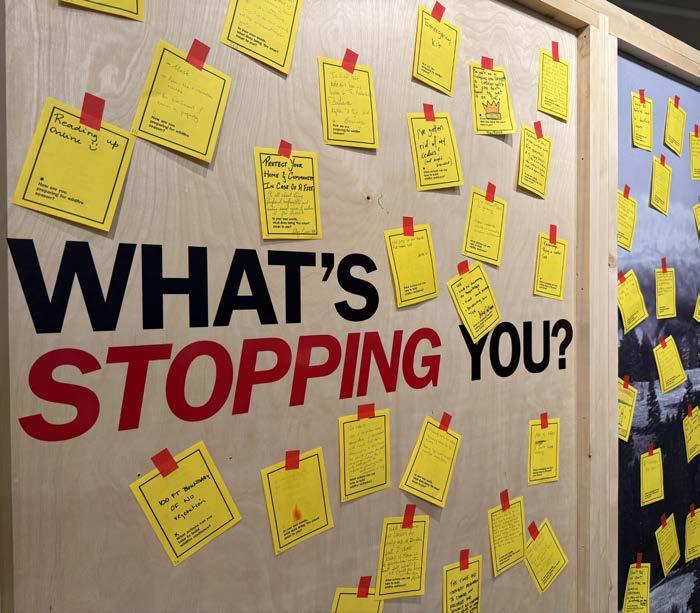
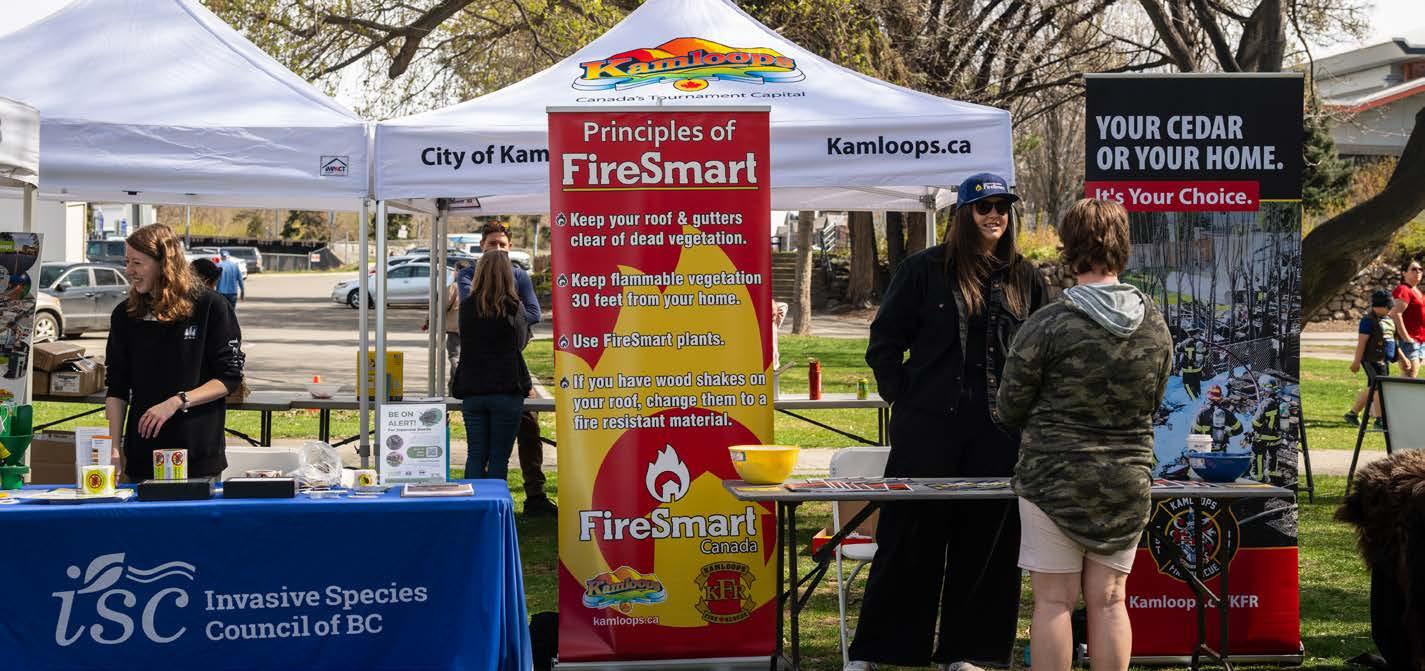
FireSmart Momentum: A Community Taking Action
In 2025, the Kamloops community made meaningful progress in wildfire prevention and resilience through an expanded FireSmart program. A total of 216 property owners participated in free FireSmart assessments conducted by trained specialists. Due to overwhelming demand, the program quickly booked to capacity, prompting the City to expand resources and open a second round of appointments later in the season. Through the Community Fuel Reduction Incentive program, $144,200 in rebates supported residents in removing hazardous cedar and juniper vegetation around their homes, directly reducing wildfire risk and strengthening neighbourhood resilience.
The City also secured a two-year, $200,000 grant from Intact Financial Corporation to further enhance local wildfire mitigation efforts. Beginning in 2026, this funding will expand available rebates to include home improvements such as upgrades to vents, gutters, windows, siding, roofing, and decks—helping residents take practical steps to better protect their properties.
Community learning and engagement were equally important this year. From July to August, the Kamloops Museum and Archives, in collaboration with Thompson Rivers University, presented Hot Topic, an interactive cultural mapping exhibition exploring residents’ lived experiences with wildfire, funded through Wawanesa’s Community Resilience Program. The project, which is the first phase of a year-long study, combined art, research, and historical archives to deepen understanding of community perceptions and preparedness. A September open house brought together partners from across the community, reinforcing a key insight: building wildfire resilience depends not only on awareness, but on fostering a strong sense of individual and collective agency to take action.
City of Kamloops
267 HOME ASSESSMENTS FireSmart 2025 by the Numbers
1,889 CEDARS AND JUNIPERS IDENTIFIED FOR REMOVAL
$144,200
DISTRIBUTED IN COMMUNITY FUEL REDUCTION INCENTIVE REBATES
$200,000
SECURED IN ADDITIONAL GRANT FUNDING TO GROW THE PROGRAM
Peter Olsen
KAMLOOPS FIRE RESCUE RESPONSE TIMES
Kamloops Fire Rescue Update
66% OF CALLS WERE MEDICAL RESPONSES
2,408
10,443
Kamloops Fire Rescue
DID YOU KNOW?
Kamloops Community Patrols launched in March 2024, building on the success of the Crime Prevention Team’s pre -pandemic Citizens on Patrol program. The new name better reflects the program’s goal: providing a visible, reassuring presence in neighbourhoods and helping deter unwanted activity. The impact was clear on September 25, 2025, when a patrol team located two stolen vehicles during their shift using the Stolen Auto Recovery app. In 2025, volunteers completed 98 patrols and contributed 897 hours in the field. As the program continues to grow, the City is actively recruiting new volunteers to help expand this positive community presence.
Collaborative Training for Emergency Response
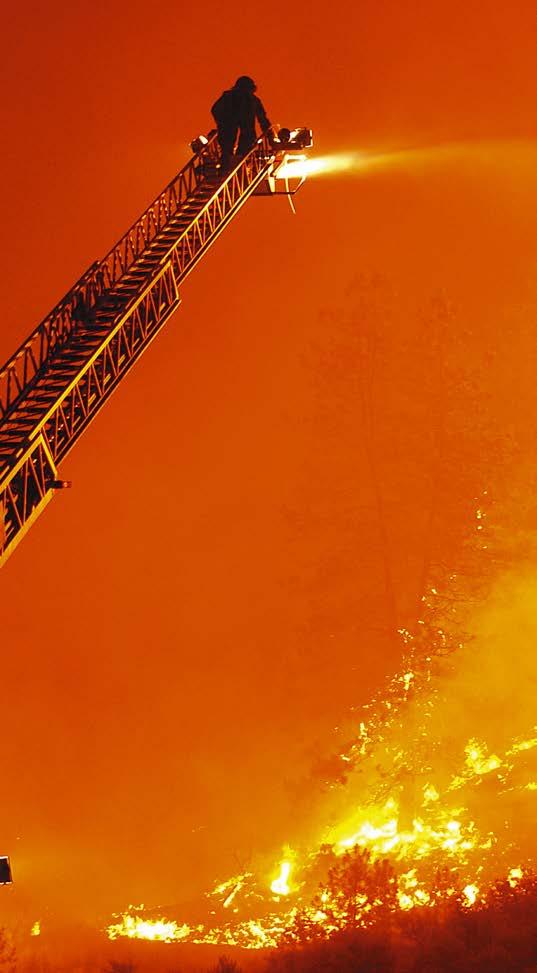
In June 2025, emergency response partners from across the region came together for a three-day functional training exercise designed to simulate a fast-moving wildfire threatening multiple areas around Kamloops.
The exercise brought together teams from the City of Kamloops, Tḱemlúps te Secwépemc, the Thompson-Nicola Regional District, the provincial Ministry of Emergency Management and Climate Readiness, Interior Health, and Thompson Rivers University to practise coordination and decision making in a realistic Emergency Operations Centre setting. The first two days focused on foundational instruction, followed by a live simulation that challenged participants with evolving scenarios, phased evacuations, and real-time decision pressures to reinforce collaboration and readiness.
The training was designed to test systems, build stronger partnerships, and increase confidence in emergency roles and responsibilities. Key outcomes included improved inter-agency communication, clearer understanding of Emergency Operations Centre functions, enhanced public messaging capability, and stronger cross-jurisdiction relationships. This exercise laid the foundation for future, more complex simulations and remains part of the City’s ongoing commitment to preparedness, resilience, and building community capacity to respond effectively when emergencies arise.
Terry Kress

Volunteers Bridging Communities and Building Resilience
Emergency Support Services volunteers are the true backbone of emergency response in Kamloops and the Thompson-Nicola region. Approximately 200 individuals contributed over 6,220 volunteer hours in 2025, providing unwavering support to evacuees, participating in extensive training, and strengthening emergency preparedness across the province.
In 2025, the City of Kamloops continued to strengthen its commitment to emergency preparedness through collaboration, inclusivity, and community engagement. On June 10, the City partnered with Tḱemlúps te Secwépemc and regional emergency partners to host the Bridging Communities Emergency Support Services Preparedness Gathering. This event brought together Emergency Support Services volunteers, municipal and First Nations leaders, and agency representatives to reflect on lived experiences of evacuation, enhance relationships, and identify opportunities to improve culturally respectful and inclusive emergency planning. Breakout discussions and shared storytelling helped lay the groundwork for tools such as a Community Navigator checklist to support culturally informed emergency response, reinforcing the City’s focus on resilience that respects both community and culture.
Every year, Emergency Support Services volunteer achievements are recognized during a peer-nominated awards ceremony. In 2025, the ceremony included an inaugural Award of Excellence, which was presented to Emergency Support Services Director Roline Sims in recognition of her extraordinary leadership and commitment.
Emergency Support Services by the Numbers in 2025
195 ACTIVE VOLUNTEERS
6,000+ VOLUNTEER HOURS
1,822
HOURS SERVING AS HOST TO EXTERNAL EVACUEES
161 HOURS SUPPORTING LOCAL EVACUEES
City of Kamloops

Connecting Early and Acting Faster Through Coordinated Social Supports
In December 2025, the Kamloops Interagency Supports Table launched a new collaborative initiative designed to provide timely, coordinated assistance to individuals and families facing acutely elevated risk. Based on the proven Situation Table model, this confidential, rapid-response approach connects people to critical services before harm occurs. The table brings together front-line professionals from health, education, social services, housing, and policing to address complex, multi-sector challenges through a preventative, risk-driven lens rather than an incident-driven response. Operating under strict confidentiality protocols and chaired by the City of Kamloops, the initiative records only de-identified data to track community risk trends and help inform local policy.
The Kamloops Interagency Supports Table is supported by 23 organizations and agencies, with more than 65 trained professionals who have completed extensive online and in-person training to respond effectively within their existing roles. Together, they provide a broad range of services—from youth and family supports to assistance for seniors and women fleeing violence—ensuring timely help for those at greatest risk. The initiative was made possible in part through advocacy by Kamloops City Council to secure provincial funding for required training. The combined investment of the Province, local partners, and the City reflects a strong, shared commitment to improving community safety and well-being and to proactive service delivery in Kamloops.
Wayne Parsons
DID YOU KNOW?
In July, the City of Kamloops launched a new Lost and Found Animals Facebook page dedicated to sharing information about animals that have found themselves in the care of Community Services.
The goal of the page is to reunite pets with their families. For the six months that the page was active in 2025, it was well received by the community and helped reunite five dogs with their owners.

Community Services Officers Elevated to Peace Officer Status
The City of Kamloops reached a historic milestone in 2025 with the swearing in of its first cohort of Community Services Officers with peace officer status. Forty-five officers took their oath across two ceremonies held in Council Chambers on September 2 and October 23, formalizing their designation under the Community Charter. This advancement follows Council’s adoption of the Delegation of Bylaw Enforcement Authority Bylaw in 2024, which clarified and expanded the authority of Community Services Officers in carrying out their work.
Community Services Officers continue to focus on enforcing City bylaws—they are not police officers and do not carry weapons. However, peace officer status gives them clearer legal authority and added protections while on duty. Community Services Officers can issue tickets, serve summons, request identification, enter property where permitted, execute search warrants related to bylaw offences, and seize property or animals when authorized. These changes strengthen the City’s ability to address bylaw concerns effectively and support a safe, well-managed community for everyone.
Peter Olsen
31,692 CALLS FOR SERVICE IN 2025
A Safer Kamloops Starts with Our Youth
In 2023, the City of Kamloops was selected as one of 22 British Columbia municipalities to implement community-driven programming to prevent youth involvement in gun and gang violence, funded through the federal Building Safer Communities Fund. The Guns and Gangs Intervention and Prevention Program provides wraparound outreach supports, free after-school programming, and expert-led education to help youth build resilience and make positive choices. In 2025, the program delivered 50 educational events and participated in six community events, significantly expanding its reach across schools, organizations, and community groups.
Key initiatives included collaborative events with the RCMP and the Combined Forces Special Enforcement Unit of British Columbia, school presentations by Paralympian Greg Stewart, professional and youth training sessions led by Kelly Tallon Franklin of Courage for Freedom, and the second annual Change Makers Youth Conference hosted in partnership with Tḱemlúps te Secwépemc. Outreach efforts also extended to 35 local hotels and motels to raise awareness of human trafficking warning signs, strengthening Kamloops’ coordinated approach to prevention, education, and early intervention.

Peter Olsen
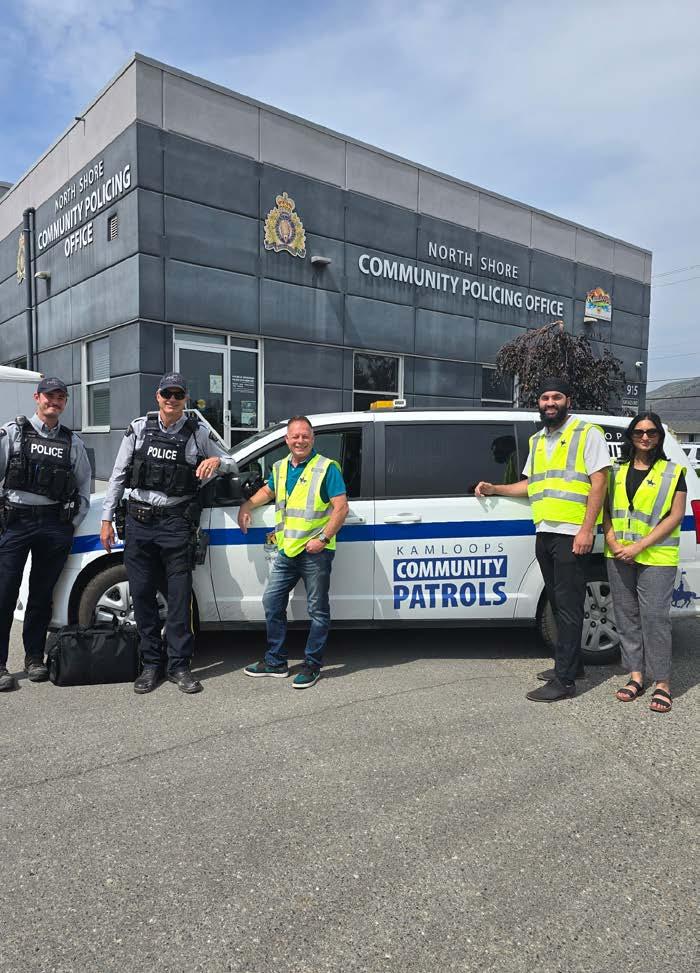
Strengthening Community Safety Through Partnership and Technology
In February 2025, the City’s Crime Prevention Unit launched a new closed- circuit television (CCTV) camera registry initiative designed to strengthen community safety through collaboration and technology. Developed in partnership with Crim Intel, the program encourages local businesses to voluntarily register their security camera systems in a secure database accessible to the RCMP.
Throughout the year, staff and dedicated volunteers visited businesses across the community to introduce the program and highlight how participation can assist investigations by providing timely access to potential video evidence when incidents occur nearby. These conversations also created opportunities to share information about the RCMP’s Online Crime Reporting system, helping business owners understand how to report non-emergency incidents quickly and conveniently.
The response from the business community has been strong. To date, approximately 380 properties have registered their camera systems, creating a growing network of potential investigative resources that can support law enforcement efforts while fostering a shared commitment to safety.
By combining proactive outreach, education, and innovative tools, the CCTV camera registry initiative demonstrates how partnerships among the City, businesses, volunteers, and the RCMP can help build a safer and more connected community.
City of Kamloops
DID YOU KNOW?
In August 2025, the City expanded Victim Services to provide support 24 hours a day, seven days a week. Working alongside the local RCMP, trained staff and volunteers assist victims and witnesses during traumatic events, such as domestic violence, serious motor vehicle collisions, sudden death or suicide, and other critical incidents. They provide immediate crisis intervention and ongoing support throughout investigations and court proceedings. Victim Services also helps individuals facing immigration-related concerns or those unable to return to their home countries due to natural disasters, conflict, or criminal activity. Police officers connect victims with Victim Services during these situations, ensuring they receive specialized care while allowing officers to focus on investigations and other duties.

78,862 VEHICLES CHECKED
56 COMMUNITY PRESENTATIONS
85 COMMUNITY EVENTS
2,892
VOLUNTEER HOURS
Crime Prevention by the Numbers in 2025
Peter Olsen

Targeted Policing, Safer Communities
Public safety remained a key priority in 2025, with Kamloops RCMP continuing to work closely with the City and community partners to support a safe and resilient community. In 2025, Kamloops RCMP responded to more than 43,000 files, reflecting the wide range of policing services provided to residents. While Criminal Code offences increased slightly compared with the previous year, overall crime levels remain lower than earlier in the decade. Kamloops RCMP continued to focus on targeted enforcement and proactive policing, including efforts by specialized units such as the Crime Reduction Unit, which removed more than 60 firearms from the community, seized illegal drugs, and recovered dozens of stolen vehicles.
Along with enforcement efforts, Kamloops RCMP expanded initiatives aimed at prevention and victim support. Programs introduced in 2025 included new tools to help protect individuals experiencing intimate partner violence, such as providing cameras to high-risk victims to enhance safety and strengthen investigations. Officers also worked closely with social service providers and community organizations to respond to complex issues, including missing person cases, vulnerable populations, and mental health-related incidents. Through collaboration, targeted policing strategies, and community partnerships, Kamloops RCMP continues to adapt to emerging challenges while enhancing safety and well-being for all residents.
43,000+
Peter Olsen
Advocacy in Action:
In 2025, Council continued to advocate strongly for community safety and security by engaging with other levels of government. In addition to meetings with the province at the Union of British Columbia municipalities, Council members participated in a variety of intergovernmental advocacy meetings to discuss multiple formal advocacy letters supporting key initiatives, including FireSmart policy, an Emergency Support Services facility, a sobering and assessment centre, and a community court. Advocacy efforts also addressed infrastructure and service priorities such as rebuilding the Red Bridge, a robust housing continuum, recoveryfocused social housing, emergency management, policing costs, and Interior Health outreach teams, helping ensure local needs and concerns were clearly communicated and advanced.
After years of advocacy and engagement with the Province and BC Housing, the City welcomed the provincial announcement in March of a purpose-built complex care facility in the Columbia Precinct lands near the hospital. This facility will add much-needed integrated health and housing solutions for residents with complex mental health and substance use challenges.
Jobin George
Governance & Service Excellence
The City of Kamloops has strong, accountable governance and makes fact-based decisions.
AREAS OF FOCUS
ASSET MANAGEMENT
We plan for the development, improvement, repair, and replacement of our infrastructure.
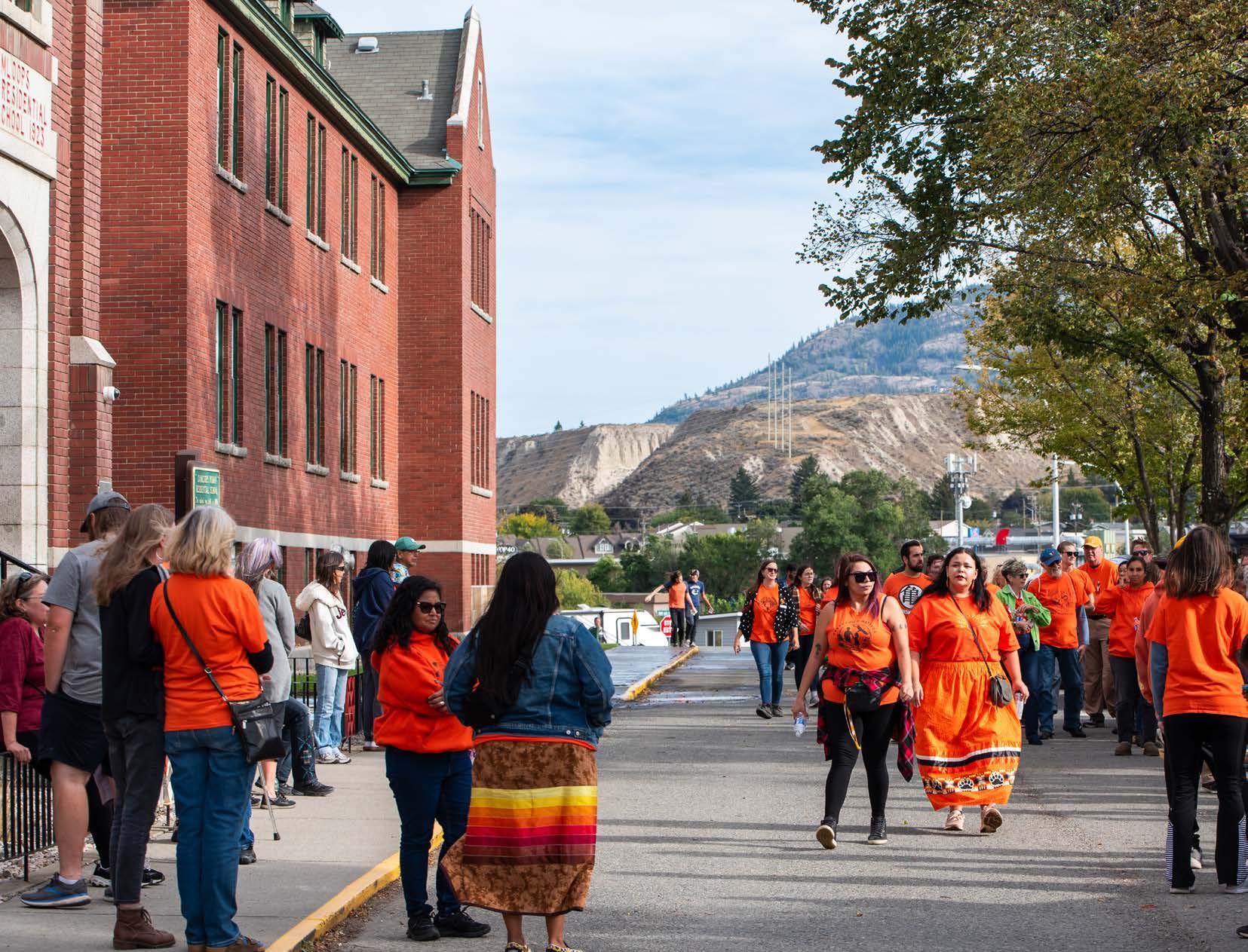
TRUTH AND RECONCILIATION
We take action to advance Truth and Reconciliation through the guidance and leadership of our Indigenous partners.
COMMUNITY ENGAGEMENT
We promote purposeful, available, and innovative engagement opportunities to ensure a range of voices are heard, thus informing decisions, creating transparency, and cultivating relationships.
FISCAL RESPONSIBILITY
We are accountable to Kamloops residents and businesses in providing effective management, best value, and responsible use of tax dollars.
SERVICE EXCELLENCE
We promote the continuous development of staff and encourage innovation in process and service delivery.
GOVERNANCE
Council embraces our diversity and shared commitment to the citizens of Kamloops. We put the interests of the City ahead of our own and advocate with a unified voice, fostering public confidence through healthy debate and sound decision-making which we collectively stand behind.
Mary Putnam
City Leadership Shines on the Provincial Stage for Fourth Straight Year
For the fourth consecutive year, a City of Kamloops employee has been recognized by the Local Government Management Association of BC for professional excellence and outstanding contributions to local government, among 1,200 members and 189 local governments. At the Local Government Management Association Annual Conference held June 10–12, 2025, Corporate Officer Maria Mazzotta received the Award for Professional Service in Leadership, honouring her exceptional governance expertise, principled leadership, and steadfast commitment to effective local government.
Corporate Officer Mazzotta’s recognition continues a strong tradition of excellence within the organization, following recent award recipients Stephanie Nichols (2024 Distinguished Member Award), Tammy Robertson (2023 Professional Service Award - Leadership), and David Trawin (2022 President’s Award). These honours reflect individual accomplishment and the depth of talent, dedication, and service-driven culture fostered within the City of Kamloops as an organization serving Kamloops residents.


What We Heard from Residents Leading Into 2025
At the beginning of 2025, the City of Kamloops released the results of its 2024 Citizen Satisfaction Survey, highlighting priority areas to increase overall resident satisfaction and quality of life. Conducted by Forum Research, the survey showed that 75% of residents rate their quality of life as good or very good. Most residents feel they receive good value for tax dollars, though opinions are split on cutting services versus increasing taxes, with broad support for funding infrastructure and safety resources.
Overall satisfaction with core services like recreation and green spaces remains high, and the City has identified communication, public engagement, and infrastructure improvements as priority areas while acknowledging that many top community concerns—such as health care, mental health, and addiction—fall outside municipal jurisdiction.
Christopher A. James
Maria Mazzotta
Peter Olsen

Bringing The National Aboriginal Hockey Championships to Kamloops
2025 marked an important milestone in the growing partnership between Tḱemlúps te Secwépemc and the City of Kamloops with the successful hosting of the National Aboriginal Hockey Championships. The week-long tournament in May, which welcomed more than 300 athletes across 12 teams from throughout Canada, marked the first major event jointly bid on and delivered through Host Kamloops Tḱemlúps, a collaborative partnership between the City, Tḱemlúps te Secwépemc, Tourism Kamloops, and the Kamloops Sport Council. The championship showcased elite male and female Indigenous hockey talent while bringing communities together in a celebration of sport, culture, and connection.
With leadership from Tḱemlúps te Secwépemc, the host committee worked closely with volunteers, Elders, and event organizers to ensure cultural protocols were honoured through venue blessings, ceremonies, and on-site guidance for athletes and visitors. Multiple City of Kamloops divisions supported event delivery, helping create a welcoming experience for participants and spectators while generating an estimated $566,100 in economic benefits for the community. The success of the championships demonstrates significant potential for further collaborative event hosting opportunities, and the Host Kamloops Tḱemlúps committee remains committed to ongoing collaboration.
Mary Putnam
DID YOU KNOW?
In 1910, Indigenous Chiefs from the Secwépemc, Syilx, and Nlaka’pamux Nations met with Prime Minister Sir Wilfrid Laurier in Kamloops to present a powerful document asserting their sovereignty and land rights. More than a century later, in 2025, Tḱemlúps te Secwépemc, the City of Kamloops, and the Kamloops Museum and Archives hosted the unveiling of a revitalized memorial plaque commemorating this historic meeting and its lasting impact. The plaque includes a QR code that lets visitors explore photos and stories from this important moment in history.
A Partnership of Museums to Advance Repatriation
and Cultural Collaboration
A new grant secured in 2025 is helping strengthen collaboration and reconciliation between the Kamloops Museum and Archives and the Secwépemc Museum and Heritage Park. The two museums received $5,250 from the Heritage BC Heritage Legacy Fund to support ongoing work to build a museum-to-museum relationship rooted in reconciliation and cultural planning. The funding will help the partners develop a plan to repatriate First Nations cultural belongings to their communities of origin while also supporting related education, programming, and processes that deepen understanding and collaboration.
Leaders from both organizations say the work will involve strong community engagement and shared learning, highlighting the importance of creating welcoming spaces that uplift community voices. Activities planned include workshops, gatherings, and conversations that build awareness and understanding, offering new opportunities for the public to learn about repatriation and reconciliation as National Indigenous Peoples Day approaches in 2026.
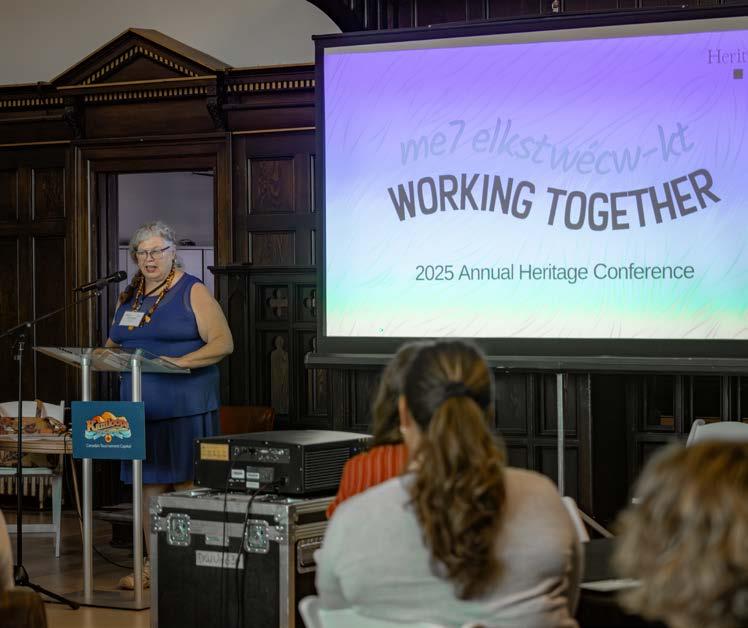
The grant came on the heels of a jointly developed conference by Heritage BC, the Secwépemc Museum and Heritage Park, part of the Tḱemlúps te Secwépemc Language and Culture Department, and the Kamloops Museum and Archives, which welcomed Indigenous and non-Indigenous governments and delegates from across BC to build and shape discussion on our identity and heritage.
Beth Taylor

Co-Hosting Conferences that Build Leaders and Spark Dialogue
In October 2025, Tḱemlúps te Secwépemc and the City of Kamloops partnered to host two conferences focused on reconciliation, inclusion, and community dialogue. Both governments emphasized the importance of transparency and collaboration, committing to meaningful conversations about equity, diversity, and community-led change. By creating spaces for honest discussion and listening to community voices, the partners aim to help build a more just and inclusive future.
The first event, the Change Makers Youth Conference on October 24, brought together youth aged 12 and older for a free, full-day program centred on leadership, cultural exchange, and reconciliation as part of the Building Safer Communities Fund’s Guns and Gangs Prevention Program. Just days later, the sold-out Rethinking Community: Diverse Community Voices Conference welcomed leaders and community members from across sectors to explore accessibility, equity, and belonging through keynote talks and collaborative sessions. The strong turnout and enthusiasm from both events have encouraged the partners to continue the work, including plans for additional youth conferences in 2026.
Sulliman Aiad
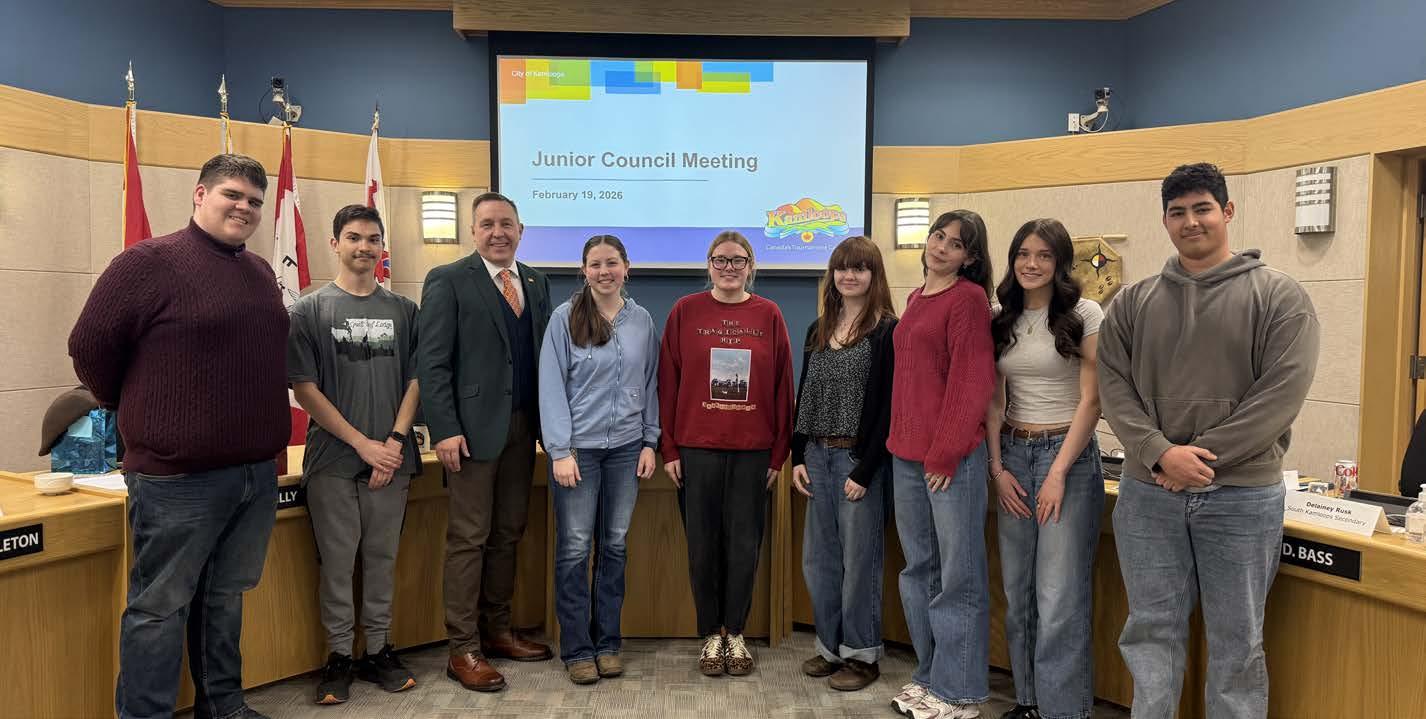
2025/2026 Junior Council
Junior Council is a body of local high school students in grades 10 to 12 that functions as a mirror of City Council. Chosen for their leadership potential and commitment to community service, these students serve for one school year from September to June. During their term, they receive administrative reports and discuss, deliberate, and vote on key issues. Their recommendations are shared at regular Council meetings, ensuring that youth perspectives help shape important decisions.
In 2025, Junior Council members expanded their community impact through a mid-term initiative focused on progress and accountability. As part of the project, several Junior Councillors interviewed City Councillors about key priorities, achievements, and ongoing work. The interviews were filmed and shared on social media to inform residents about the work of their local government and encourage greater civic awareness.
FREEDOM OF INFORMATION REQUESTS
City of Kamloops
2025–2026
City of Kamloops Junior Council (from left to right: Matthew Lysak, Shayne Makortoff, City Councillor Stephen Karpuk, Jaycee Hallstrom, Emma Kristjanson, Delainey Rusk, Ava Reiger, Alondra Kernaghan, Zeinedine Amor)

Investing in Safety, Reinvesting in Community
DID YOU KNOW?
In 2025, the City of Kamloops held an inaugural snowplow-naming contest and received a whopping 7,891 votes on 172 name submissions. The winning names were submitted by five wonderfully creative local kids:
• Parks Tool Cat: Han Snowlo - Hudson, age 4
• Grader: Darth Grader - Declan, age 9
• Single Axel Plow: Buzz Ice Clear - Laura, age 9
• Snowblower: Blizzard Wizard - Mace, age 9
• Tandem Plow: Windrow Willy - Bradford, age 3
The City of Kamloops received more than $299,000 in incentive funding in 2025 through WorkSafeBC’s Certificate of Recognition (COR) program, exceeding expectations following another strong safety audit year. Verified through a comprehensive audit conducted by the BC Municipal Safety Association, the City achieved an impressive 84% and passed the rigorous evaluation with distinction. The audit included on-site interviews, documentation reviews, and workplace observations, with particular commendation for program administration, senior management commitment, and the contributions of the Joint Health and Safety Committees.
The enhanced incentive reflects the City’s strong organizational safety culture and ongoing commitment to ensuring employees return home safely each day. Significant credit is due to individual staff across the organization and their continued dedication to upholding high standards of workplace health and safety.
The additional funds will be reinvested into City programs and services, delivering further value to the community while reinforcing a safe and supportive workplace.

Kathleen Fisher
Murray Mitchell

Advocacy in Action:
In 2025, Council advanced good governance and service excellence through targeted advocacy with senior levels of government. Council issued four advocacy letters, met with the Ministry of Housing and Municipal Affairs to seek modernization of legislation and participated in a meeting with the Province to request critical infrastructure investment and call for meaningful consultation on the implementation of Bill 15, the Infrastructure Governance Act.
The City of Kamloops also worked in partnership with neighbouring municipalities and regional districts to successfully pause proposed changes to BC Assessment’s valuation of pipeline infrastructure—protecting local taxpayers from a significant shift in tax burden and reinforcing the importance of fair, transparent assessment practices.
Josh Berson - CUPE
2025 PROCUREMENT ACTIVITIES
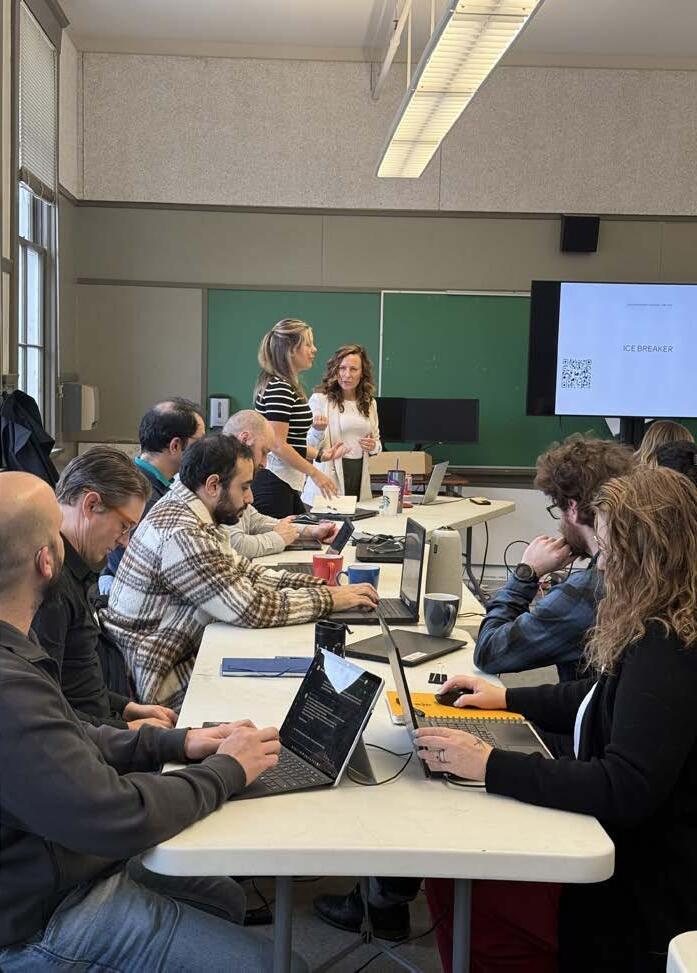
Delivering Kamloops’ Largest Integrated Project Delivery Project to Date
Early in 2025, the City of Kamloops was excited to kick off management of the flagship Build Kamloops project—the Kamloops Centre for the Arts—by establishing an integrated project delivery team. The City’s past successes with integrated project delivery, including the Canada Games Aquatic Centre renovations and the South Kamloops water system upgrades, have delivered projects on time and under budget, demonstrating that this collaborative model is well-suited for complex, large-scale initiatives.
The Kamloops Centre for the Arts integrated project delivery team consists of 11 partners—City staff, architects, engineers, general contractors, and key trades—who were assembled early in the project process to jointly plan, design, and construct a facility that meets community needs while staying within set conditions of satisfaction. Meeting biweekly since February 2025, the team focused on reducing waste, managing risk, and sharing both responsibilities and rewards equally, ensuring a high-performing, innovative, and community-driven outcome. The integrated project delivery approach allowed construction of groundworks and foundations to begin while detailed design continued, helping the City maintain momentum and leading to a timely groundbreaking later that same year.
The Kamloops Centre for the Arts is the City’s largest integrated project delivery project to date, and construction will continue with a proven integrated project delivery approach through to project completion. As the City looks ahead to future Build Kamloops projects, ongoing learning and established best practices in integrated project delivery will help ensure success with efficient and accountable use of taxpayer dollars.
City of Kamloops
Maintaining City Assets 2025
4th Avenue Sanitary Upgrade
Installing sanitary main and realigning ducting and piping from Battle St to Lansdowne St
Brock Arena Refrigeration Plant Upgrade
Replacing aging infrastructure while recognizing sustainable initiatives
Pacific Way Exit Expansion
Adding a second left-hand turning lane
Overlanders Bridge Maintenance
Repairing surface conditions of bridge deck joints and the multi-use pathway
Columbia Street Traffic Optimization
Signal timing, intersection improvements, and lighting upgrades between 1st Ave and 6th Ave
Pioneer Park Upgrades
Adding a multi-use pathway connecting the Rivers Trail from east to west
Albert McGowan Upgrades
Replacing the aging water park with a newly upgraded accessible water park
Riverside Park Courts
Updating court lights to LED lighting
Columbia Street Paving Resurfacing from 1st Ave to 3rd Ave
Lower Springhill Erosion Project
Upgrading drainage, armouring with rip -rap, and restorative planting
Sifton Lane/Hwy 5A Multi-Use Pathway
Installing a sanitary main and constructing a multi-use pathway connection along Highway 5A
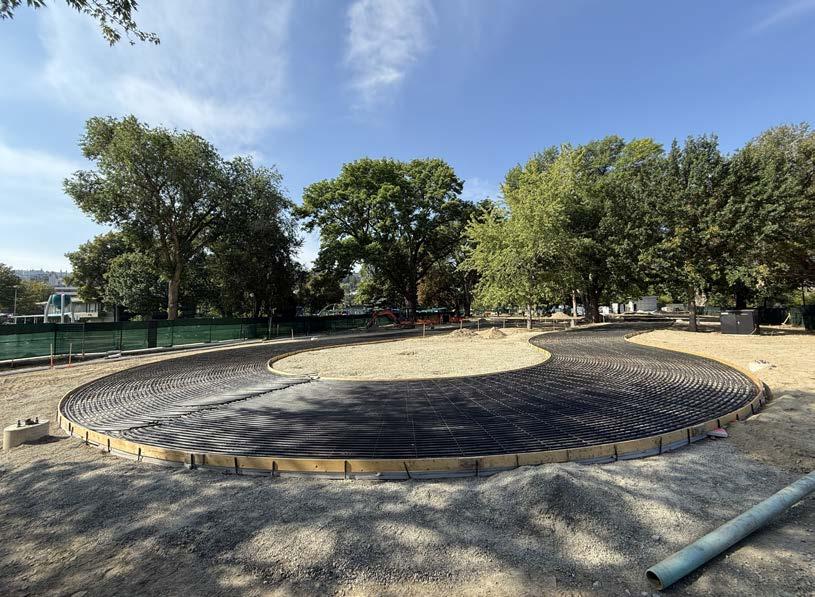
From Commitment to Completion: A New Skating Feature at Riverside Park
One of the most exciting projects in Kamloops throughout 2025 was the construction of the Riverside Park Skating Loop, a vibrant new winter recreation destination in the heart of downtown, which opened in January 2026. First approved by Council in 2023 and fully funded through a $7.16 million grant from the Province’s Growing Communities Fund, the project was designed to expand year-round recreation opportunities and increase winter use of Riverside Park. Following detailed design and regulatory approvals in 2024, construction began in spring 2025 and was completed with minimal disruption to green space and no impact on the spray park or playground—ensuring residents could continue enjoying the park throughout the build.
The finished facility features a 400 ft. skating loop with an adjoining open rink for drop-in skating, complemented by ambient lighting, firepits, flexible seating, rubberized walkways, a miniature Zamboni with dedicated storage, and a designated food truck zone to support community events.
Designed for accessibility and year-round use, the space offers barrier-free, curbless entry and converts to a walking path and recreation area outside the winter season. Equipped with a stateof-the-art refrigerated ice system that operates in temperatures of +8°C or cooler, the skating loop is expected to provide approximately four months of winter enjoyment each year—creating a welcoming gathering place for residents of all ages.
998 REPAIRED TRAFFIC SIGNS 82
TRAFFIC SIGNS Number of Awarded Contracts by Value 2025 14% $1,500,001–$5,000,000
City of Kamloops
City Secures Over $4 Million in Highly Competitive Grant Environment
The City is celebrating an exceptional year in external funding, securing over $4 million through more than 20 successful grant applications in 2025—significantly exceeding the total funding secured in recent years. This achievement stands out amid increasing competition and reduced funding availability across Canada, where many strong applications are going unfunded.
Despite these challenges, the City’s success reflects strategic planning and a strong commitment to advancing community priorities.
Funding secured in 2025 will support a wide range of initiatives, including upgrades to emergency response systems, infrastructure improvements, disaster and climate resilience efforts, and expanded social services. Investments will also enhance environmental sustainability through tree planting and active transportation initiatives while supporting cultural programming, community events, and projects that advance Indigenous engagement and Truth and Reconciliation. Additional funding will strengthen emergency preparedness, public safety programs, and services for vulnerable populations.
Looking ahead, the City recognizes that securing grant funding will become increasingly challenging as funding pressures continue to grow nationwide. Staff remain committed to adapting and refining their strategic grant-writing approaches to stay competitive.
AREAS OF FOCUS SUPPORTED BY GRANTS IN 2025:
• $2,050,000 - Emergency support and emergency response
• $700,000 - Wildfire and other climate change preparedness
• $500,000 - Infrastructure upgrades
• $420,000 - Social services and victim services
$4 million+ 20+ 9+
Jacob Thomas

Expanding the Reach of Digital Communications
This year, the City of Kamloops significantly broadened its digital presence to connect with more residents and meet audiences where they are. Subscribership/followers grew by 12–25% on all active social media channels. In addition to strengthening existing channels, the City launched and actively grew its presence on TikTok, Bluesky, and Threads. These emerging platforms provide new opportunities to share timely updates, highlight community stories in fresh and engaging formats, and reach audiences who increasingly rely on short-form, conversational content.
By diversifying its platforms and tailoring content to each channel’s unique style, the City has enhanced its ability to deliver clear, accessible, and approachable information to a broader audience than ever before.
10K NEW SOCIAL MEDIA FOLLOWERS
64K
TOTAL SOCIAL MEDIA FOLLOWERS
12 million+ TOTAL SOCIAL MEDIA IMPRESSIONS
19% from 2024 TOP 3 MOST-VIEWED SOCIAL MEDIA POSTS (INSTAGRAM AND FACEBOOK)
85,747
56,572
50,637
Peter Olsen
GOVERNANCE &
KAMLOOPS.CA TOP-MOST VIEWED PAGES
283,270
KAMLOOPS.CA HOMEPAGE 10.16%
(percentages of total website views)
129,739
TRAFFIC DATA AND WEBCAMS 4.65%
105,235 CAREER OPPORTUNITIES 3.77%
101,822 POOL SCHEDULES AND HOURS 3.65%
BIGGEST ONLINE ENGAGEMENT TURNOUT:
508
CONTRIBUTORS
Arena Multiplex Survey
364 CONTRIBUTORS Kamloops Transit Fare Review Survey
43
ACTIVE ENGAGEMENT PROJECTS IN 2025
270
CONTRIBUTORS
Child Care Action Plan Survey
54K+
WEBSITE VISITORS
4,136 CONTRIBUTIONS
3 TOP-VIEWED PROJECTS:
• Overlanders Bridge Maintenance Project
• Build Kamloops
• Riverside Park Outdoor Skating Facility
Public Engagement 2025
The Public Engagement timeline illustrates a selection of key engagement initiatives that took place from January to December 2025. Outlined below is the level of engagement, the project name, engagement method, and key dates.
INFORM
INFORM
Tranquille Road Sanitary Main and Road Enhancement Project Phase 3
LET’S TALK: JANUARY–ONGOING
INFORMATION SESSION: JANUARY 23 & MAY 15
INVOLVE
Modernizing the Building Bylaw
LET’S TALK: JANUARY TARGETED WORKSHOPS: JANUARY
INVOLVE
Name the Snowplow Contest!
LET’S TALK: FEBRUARY
INFORM
Wildfire Risk Reduction
INFORMATION SESSION: JANUARY 30
INFORM
Pacific Way/Highway 1 Left Turn Project
LET’S TALK: FEBRUARY–JUNE
INFORMATION SESSION: FEBRUARY 22
CONSULT
2025 Budget
LET’S TALK: JANUARY–APRIL
INFORMATION SESSION: FEBRUARY 13
Capital Projects
(7th Avenue and Pioneer Park Project, Albert McGowan Park Upgrades, Dalhousie Trunk Main, 1786 West Water Servicing, 4th Avenue Sewer Upgrades, Southwest Sector Industrial Water Servicing, Southwest Sector Sanitary Main, Transient Air Valves, Lorne Street Rail Safety Improvements, Westsyde Road Paving Project, Riverside Park Outdoor Skating Facility, Columbia Street Paving Project)
LET’S TALK: ONGOING
INFORM
Spring Home Show
INFO BOOTHS: APRIL 5–6
INFORM
Voyent Alert!
TEST ALERT: MAY 8
INVOLVE
Active Transportation Plan Update 2025
LET’S TALK: MAY–OCTOBER WORKSHOP: MAY 13
CONSULT
Transit Fare Review
LET’S TALK: APRIL
INFORM
Sifton Lane Sewer Main Upgrades and Hwy 5A Multi-Use Pathway
LET’S TALK: 2024–NOVEMBER
CONSULT
Let’s Talk Communications
LET’S TALK: MAY
EVENT
Emergency Services Day
MAY 10
INFORM
Overlanders Bridge Maintenance Project
LET’S TALK: JUNE–OCTOBER
CONSULT
EPermit Project
LET’S TALK: JUNE–DECEMBER
INFORMATION SESSION: JUNE 25
BETA TESTING: JUNE–NOVEMBER
CONSULT
Responsible Liquor Consumption
LET’S TALK: JUNE–OCTOBER PILOT PROJECT INVOLVE
CONSULT
KAMPLAN: Official Community Plan Update 2025
LET’S TALK: JUNE
OPEN HOUSES: JUNE 11, 18, 19, 24
CONSULT
Child Care Action Plan
LET’S TALK: SEPTEMBER–OCTOBER
FOCUS GROUPS: NOVEMBER 20 & 24
CONSULT
Kamloops Arena Multiplex
LET’S TALK: ONGOING
POP-UP INFORMATION SESSION: SEPTEMBER 20
Hot Topic: A Cultural Mapping of the FireSmart Program
MAPPING EXERCISE AT KMA: AUGUST
OCTOBER 5–11
EVENT
Kamloops Centre for the Arts Groundbreaking NOVEMBER 26
CONSULT
2026 Budget
LET’S TALK: NOVEMBER
INFORMATION SESSION: NOVEMBER 19
CONSULT
North Shore
Watershed Plan
LET’S TALK: DECEMBER
INFO BOOTHS: OCTOBER 18–19

Livability & Sustainability
The City of Kamloops fosters a high quality of life for an inclusive, diverse, and sustainable community.
AREAS OF FOCUS
RECREATION AND CULTURE
We prioritize the development of amenities to cultivate diverse and equitable opportunities for recreation, arts, and culture.
HEALTHY COMMUNITY
We foster an environment that supports and promotes healthy living through community, recreation, and social connection.
INCLUSIVITY
We reduce barriers for underrepresented groups to bring inclusivity, diversity, and fairness to our community.
CLIMATE ACTION
We practice discipline in our environmental responsibility by enhancing the City’s resiliency and capacity for mitigating climate change. We actively implement actions to reduce our environmental impacts.
MOBILITY
We improve accessibility for our citizens by intentionally creating a safe, well-connected city for people of all ages and abilities using various modes of transportation.
Farhan Naveed Chowdhury
DID YOU KNOW?
In 2025, the City chose to preserve a piece of greenspace in Brocklehurst by purchasing it from School District No. 73. Although not an official City park, the property at 2393 Parkcrest Avenue has historically been managed as such, with grounds maintenance and field bookings already incorporated into ongoing budgets and processes. Preserving neighbourhood parkland provides lasting benefits for both the community and the environment.
Kamloops Cultural Plan Earns National Award
The City of Kamloops received national recognition in 2025 for its You Are Here Kamloops Cultural Strategic Plan 2024–2034, earning the Creative City Impact Award in Cultural Planning at the Creative City Network of Canada Summit. The award celebrates excellence in municipal cultural planning and recognizes Kamloops’ place-based approach and meaningful community engagement. The 10-year plan outlines a shared vision for arts, culture, and heritage in the community, identifying initiatives and resources to support the needs of a growing city while strengthening local identity and creativity.
The plan’s development was shaped through extensive collaboration with community partners, including Thompson Rivers University and the Kamloops Museum and Archives, as well as the cultural planning consultancy Patricia Huntsman Culture + Communication. Through cultural mapping, research, and public engagement, residents helped identify the community’s cultural assets and priorities for the future. The award also reflects the lasting vision of former Recreation, Social Development, and Culture Manager Barbara Berger, whose leadership helped lay the foundation for a long-term cultural strategy that will guide Kamloops’ cultural development for the next decade and beyond.

Kelly Funk
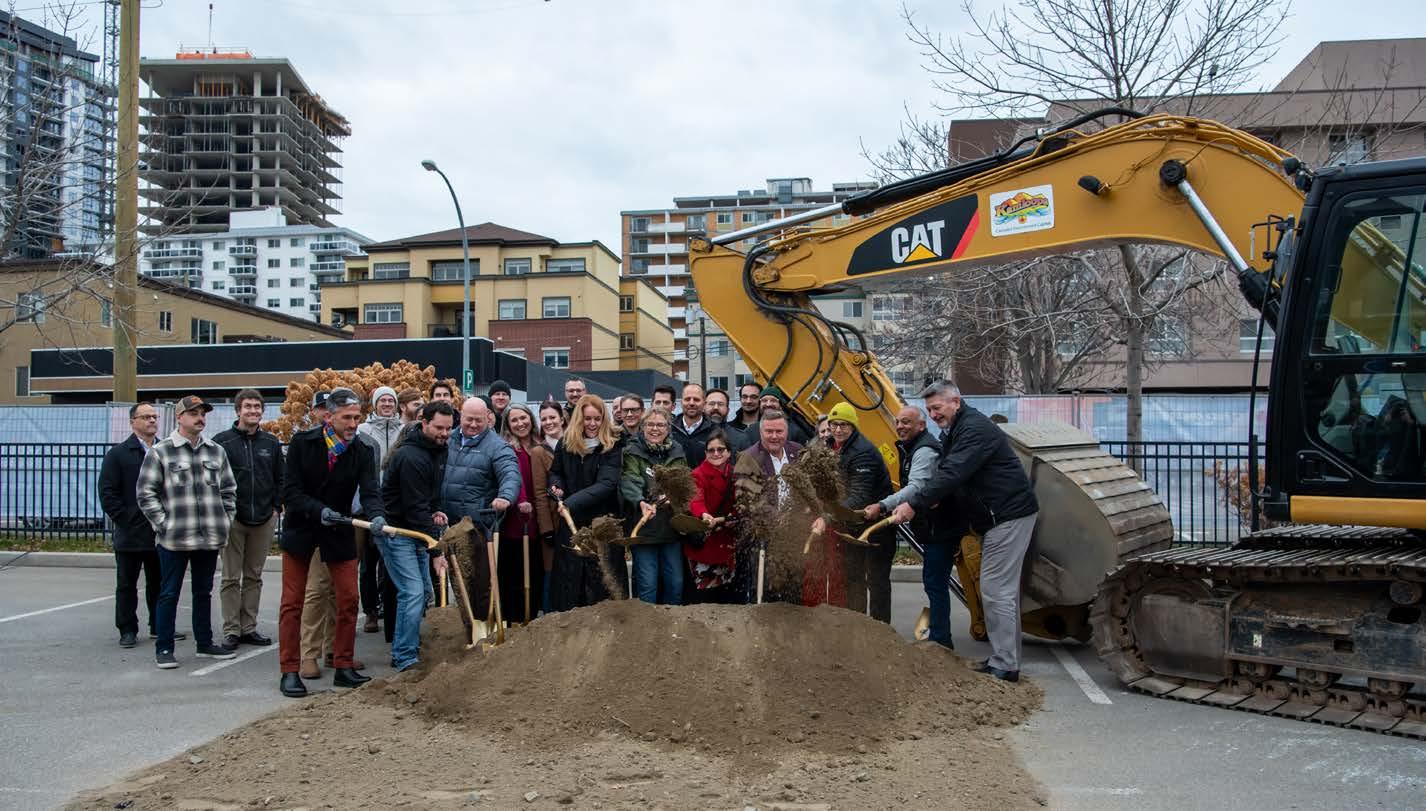
Breaking Ground on the Kamloops Centre for the Arts
In 2025, the City of Kamloops celebrated the official groundbreaking of the Kamloops Centre for the Arts, marking the start of a transformative cultural project decades in the making. This new facility will host concerts, theatre, dance, graduations, and community events, providing a space where residents of all ages and abilities can come together to learn, celebrate, and connect. Designed for inclusivity, the Kamloops Centre for the Arts will feature two state-of-the-art theatres, a welcoming lobby and gallery, accessible seating and elevators, sensory-friendly spaces, and underground parking, ensuring everyone can participate in the cultural life of Kamloops.
Beyond the performances and exhibitions, the Kamloops Centre for the Arts is expected to strengthen community connections and enhance the city’s social fabric. It will provide opportunities for local schools, arts organizations, and community groups to showcase their work while attracting visitors and supporting downtown businesses through increased cultural tourism. With construction underway and completion anticipated in 2029, the Kamloops Centre for the Arts promises to be a vibrant gathering place that inspires creativity, celebrates local talent, and creates shared experiences for generations of residents to come.
Mary Putnam
DID YOU KNOW?
The City conducted extensive engagement on Build Kamloops initiatives in 2025 with an openness to thinking and working creatively to maximize the potential of planned new facilities. One outcome of this engagement was an announcement in July that, through a partnership with the Thompson-Nicola Regional Library, the future arena multiplex in Dufferin could include space for library services. This unique collaboration marks a significant step in promoting community connection and making shared use of public infrastructure. As an added benefit, the future library location will have access to bookable community rooms within the facility, leading to increased usage during daytime hours. This thoughtful shared use of public space offers flexible programming opportunities and helps both partners make the most of shared resources.
A Strong Show of Community Spirit for the Kamloops Centre for the Arts
A strong show of community spirit marked a major milestone for the Build Kamloops program as the BC Interior Community Foundation, on behalf of the Sandy and Ellen McCurrach Family Fund, presented the program’s first community donation since its launch—a generous $10,000 gift in support of the Kamloops Centre for the Arts. Councillors Kelly Hall and Bill Sarai joined City staff and representatives from the BC Interior Community Foundation at Purity Garden Centre, a third-generation McCurrach family business, to celebrate the contribution and the community partnership behind it. The donation reflects a shared commitment to strengthening Kamloops’ cultural future and building momentum for a transformational project that will enrich the city for generations to come.

City of Kamloops
DID YOU KNOW?
A new Playbox was unveiled at Tournament Capital Ranch on September 13, bringing smiles to families attending a local softball tournament. Donated by United Way BC, the weatherproof container is filled with more than two dozen shared games and sports items—from soccer balls and mini lacrosse sets to jumbo checkers and a parachute— encouraging free, active play for visitors. The City of Kamloops will monitor the Playbox, with Parks staff opening and closing it during facility hours in the spring and summer. The initiative offers a fun, accessible recreation option for families visiting the park and for the nearby communities of Rayleigh and Heffley Creek.
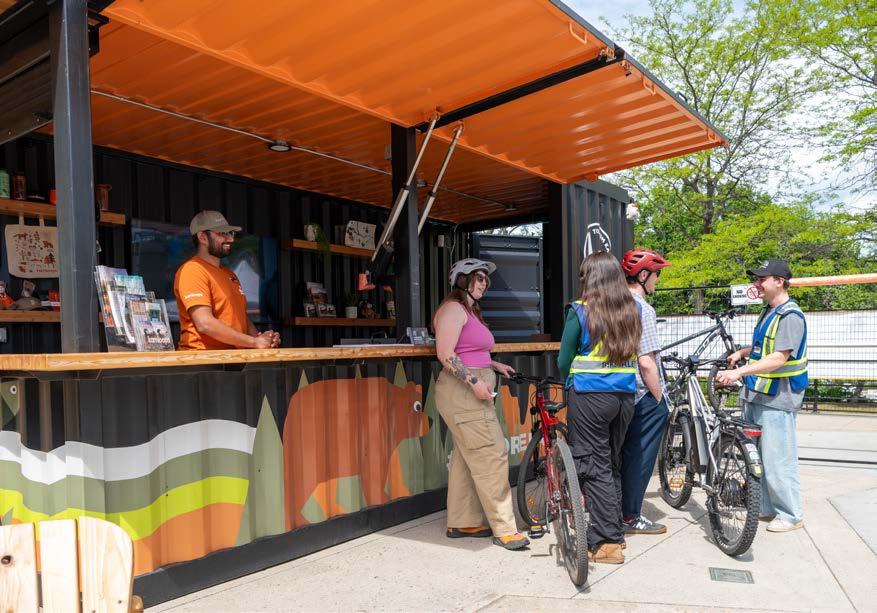
Enabling Active Transportation Through Bike Valet Services
In partnership with Tourism Kamloops, the City co-delivered the 2025 Bike Valet service at the Sandman Centre west plaza, with a satellite location at the Saturday Kamloops Farmers’ Market. Complimentary bike valet service was also provided at major community events, including Canada Day, Overlanders Day, Kamloops Daybreak Rotary Ribfest, and Brew Loops, all of which saw increased usage compared to the previous year.
Co-delivery with Tourism Kamloops reduced operating costs by nearly 50%, and cross-trained staff enhanced service delivery and community engagement. Survey feedback showed high satisfaction, with the service widely viewed as secure, convenient, and supportive of active transportation.
2,154 BIKES PARKED AT THE BIKE VALET
7.5% from 2024
Mary Putnam
DID YOU KNOW?
In the second full year of curbside residential organic waste collection in Kamloops, the City collected over 6,276 tonnes of organic materials, up from around 5,000 tonnes in 2024, diverting them from our landfills.
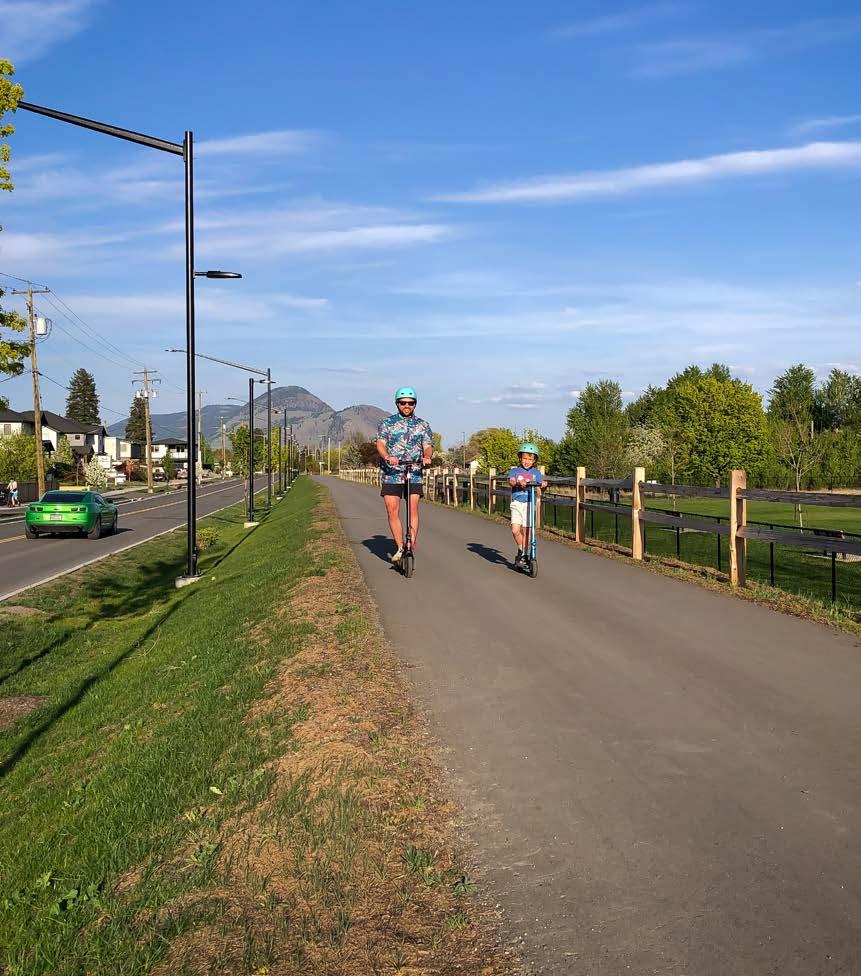
A New Path Forward for Active Transportation
In 2025, the City took an important step toward a more connected and sustainable future by updating its Active Transportation Plan. The update builds on the City’s long-term transportation vision by strengthening the network for walking, cycling, and other forms of active mobility. Through community engagement, technical review, and collaboration with stakeholders, the updated plan identifies priority corridors and projects that will make it easier and safer for people to move around Kamloops without relying solely on a vehicle. The plan supports the broader goal of increasing the share of trips made using sustainable transportation while helping reduce congestion and the need for costly road expansions.
The refreshed plan outlines a long-term network that will better connect neighbourhoods with schools, workplaces, parks, and key destinations across the city. It includes proposed expansions of protected bike lanes, multiuse pathways, sidewalks, and other improvements to create a safer, more accessible transportation system for everyone. By prioritizing strategic projects and coordinating them with other infrastructure work, the City is positioning active transportation as a practical and attractive choice for daily travel— supporting healthier lifestyles, stronger community connections, and a more resilient transportation network for years to come.
City of Kamloops
Advocacy in Action:
In 2025, Council championed initiatives that support a healthy, sustainable, and livable community through ongoing advocacy with senior levels of government. Council sent nine letters and participated in multiple meetings to advance priorities, including Build Kamloops project funding, infrastructure investments for growth, transportation and active transportation funding, child care capacity expansion, and environmental stewardship. Advocacy efforts also addressed urban wildlife management, progress on school infrastructure, and the design of the cancer centre—helping ensure these important projects and services continue to meet the community’s evolving needs.
Supporting Working Families Through New Child Care Spaces
The City of Kamloops celebrated an important milestone for local families with the grand opening of the YMCA Station Plaza Care and Learning Centre on June 3, 2025. Developed in partnership with YMCA BC, the centre began welcoming families earlier in the spring and created 32 new licensed child care spaces for infants, toddlers, and children aged three to five. The project was the result of strong collaboration and a clear need identified through staff engagement in 2022, which revealed that many employees were struggling to find reliable child care that allowed them to fully participate in their work and daily lives.
Supported through the ChildCareBC New Spaces Fund and the Canada-British Columbia Canada-Wide Early Learning and Child Care Agreement, the new centre marked a meaningful step toward improving access to affordable, high-quality child care in Kamloops. By helping address a long-standing gap for both City staff and families in the community, the centre has strengthened support for working parents while creating a safe, welcoming environment where young children can learn, grow, and thrive.

City of Kamloops
DID YOU KNOW?
In June, Kamloops came alive with movement, connection, and community spirit as thousands of residents joined forces for the ParticipACTION Community Better Challenge to help the city achieve a Top 40 Finalist finish. Through a wide range of low-barrier, inclusive, and fun physical activity opportunities, more than 31,000 residents were engaged, many of whom registered for the challenge and entered weekly prize draws. By registering, hosting, tracking, and/or promoting their own ParticipACTION initiatives, 43 organizations and community partners amplified the initiative's impact.
An Engaging Exploration of New Liquor Policy in
Riverside Park
In summer 2025, the City of Kamloops launched a Responsible Liquor Consumption Pilot Program in Riverside Park, reflecting a willingness to explore new approaches to public space while listening closely to community perspectives. The pilot permitted adults aged 19 and older to responsibly consume their own liquor within a designated area surrounding the Rotary Bandshell from noon to 9:00 pm. The location was selected for its visibility, accessibility, and connection to existing activities, such as picnicking and the popular Music in the Park. Clear guidelines remained in place to ensure safety, including municipal bylaws and enforcement measures prohibiting intoxication or disturbances.
Public feedback throughout the pilot demonstrated the importance of remaining open to dialogue and responsive to residents’ experiences. Early responses were strongly polarized, with opinions nearly evenly divided between supporters and opponents. As the summer progressed and more residents experienced the program firsthand, awareness and understanding grew, and feedback increasingly shifted toward strong support. By continuing to monitor the pilot and gather community input, the City demonstrated a thoughtful, measured approach—testing new ideas while ensuring residents’ voices help guide future decisions about how shared public spaces can best serve the community.

Peter Olsen
New in the Loops in 2025
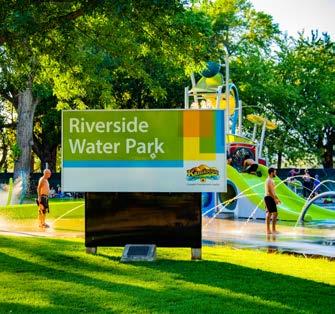
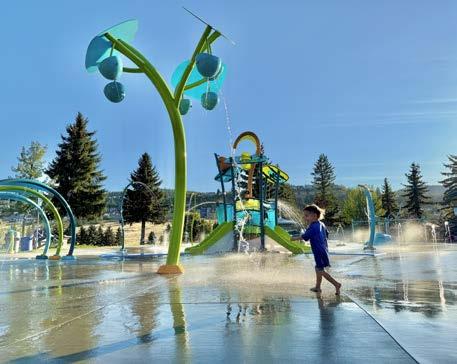
ALBERT MCGOWAN ACCESSIBLE WATER PARK
The City celebrated the opening of a newly upgraded accessible water park at Albert McGowan Park in 2025. As part of the multi-phased Albert McGowan Park Upgrades Project, the new water park introduced colourful spray features, modern surfacing, and a water recirculation system designed to conserve water while providing a fun and safe place for families to cool off. Supported in part by the Canada Community-Building Fund, the improvements created a welcoming community gathering place designed for sustainability, accessibility, and play.

THE KAMLOOPS CHRISTMAS MARKET
The holiday season shone a little brighter in 2025 with the launch of Kamloops’ inaugural Christmas Market at Riverside Park. Organized by the Kamloops Sports Council in collaboration with the City of Kamloops, Tourism Kamloops, and the Kamloops Central Business Improvement Association, the 10-day event transformed the Heritage House parking lot into a festive, European-inspired outdoor marketplace. From November 21 to 30, more than 23,000 visitors passed through the gates to explore vendor chalets, a walk-through Christmas tree display, dazzling light installations, and a towering, 40 ft. live Christmas tree while enjoying nightly entertainment in a cozy warming tent.
The City of Kamloops received and Events and Festivals Excellence Award from the BC Recreation and Parks Association recognizing the outstanding event planning and delivery of this inaugural event. The market showcased 46 vendors, including local artisans, food vendors, craft breweries, and coffee and food trucks, creating a vibrant celebration of local creativity and seasonal charm. Vendor feedback was overwhelmingly positive, with many reporting strong sales and near sell-outs, while the event generated an estimated $2.6 million in economic impact. Promoted through collaborations with local influencers, the market quickly became a new holiday highlight for residents and visitors alike. With plans already underway to expand the event in 2026 with more chalets, vendors, and entertainment, the Kamloops Christmas Market is poised to grow into a beloved annual tradition that supports small businesses and strengthens the city’s winter tourism appeal.
Peter Olsen
Megan Charlebois

NEW NORTH SHORE MINI RINK
In October, the City celebrated the grand opening of a new mini rink at the McArthur Island Sport and Event Centre. The rink is designed to support U-7 and U-9 hockey development by providing a scaled-down ice surface that aligns with Hockey Canada’s best practices. It also increases overall ice availability for skating clubs and public skating and creates additional ice time for older age groups at other full-sized rinks, helping meet the growing demand for ice time in Kamloops. This project was completed in time for the 2025 skating season and nearly 20% under its overall budget.
PUBLIC MISTING STATIONS
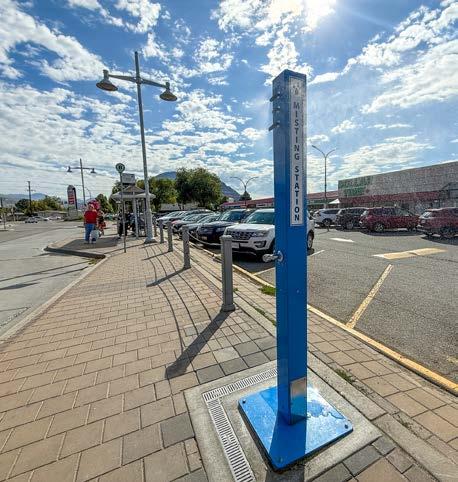
As an action out of the City’s Extreme Heat Response Plan finalized in 2024, staff were hard at work installing new outdoor misting stations, drinking fountains, and water bottle refill stations throughout the city in 2025. These new amenities are designed to bring additional cooling options to the places where Kamloops residents work, walk, and play.
SIFTON LANE MULTI-USE PATHWAY
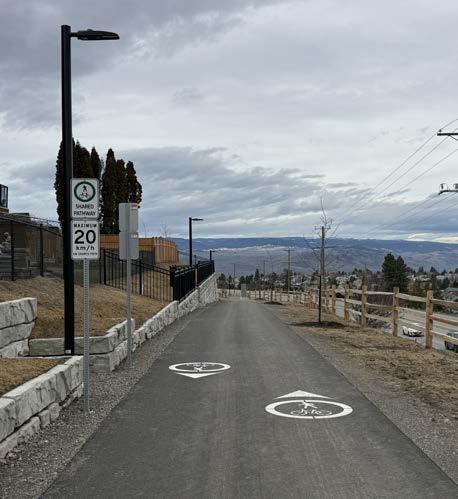
The City of Kamloops celebrated the completion of a new multi-use pathway along Highway 5A, creating an important link in the city’s growing active transportation network. Connecting to existing bike lanes on Summit Drive, the path provides a safe, accessible, year-round route for walking, cycling, and other wheeled activities, supporting healthier and more sustainable ways to get around. With winter maintenance, thoughtful lighting, and new tree plantings, the pathway offers a welcoming space for residents to stay active and enjoy the corridor. This project was funded in part through BC Active Transportation Infrastructure Grants ($500,000) and a Federation of Canadian Municipalities Growing Canada’s Community Canopies Grant ($200,000).
City of Kamloops
City of Kamloops
City of Kamloops
DID YOU KNOW?
In 2025, the City of Kamloops secured more than $550,000 in grant funding to support climate change adaptation work in the Thompson River watershed. Funding from the Disaster Resilience and Innovation Fund and the Community Emergency Preparedness Fund will support the development of a climate adaptation plan and a detailed study on declining river levels. The work will help assess risks to critical infrastructure such as water intakes, wastewater systems, and river crossings as summer low-flow conditions become more frequent. The project will also be carried out in collaboration with Tḱemlúps te Secwépemc, combining traditional knowledge and technical expertise to protect the region’s water resources for future generations.
2025 Community Climate Action Grants
In 2025, the City continued to support community-led environmental initiatives through its Climate Action Grant program, which funds projects that advance Kamloops’ commitment to a healthy and sustainable community. Grants are awarded to projects that benefit residents, strengthen neighbourhood pride and wellness, respect principles of equity and climate justice, and support climate resilience and greenhouse gas reduction while aligning with the Community Climate Action Plan.
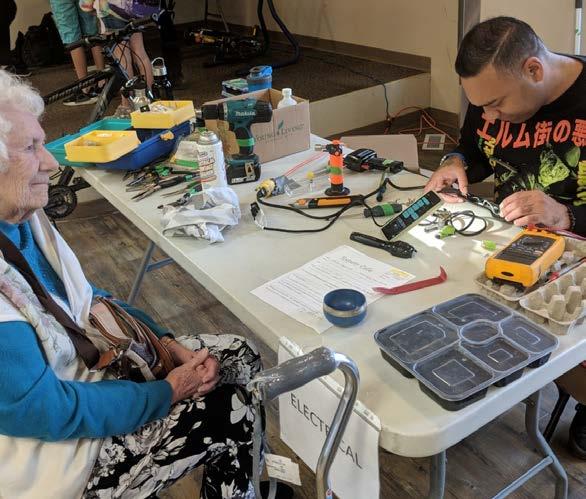
Twelve community projects received $19,805 in funding, supporting a wide range of local initiatives, including bike safety training for young students, school garden and tree planting projects, community Repair Cafés, nature stewardship events, and workshops on climate awareness and emergency preparedness. Together, these initiatives demonstrate how local partnerships and grassroots ideas are helping build a more resilient and sustainable Kamloops.
12
$19,805
Transition Kamloops Repair Café

Jessi Minnabarriet
KAMLOOPS TRANSIT (CONVENTIONAL) BOARDINGS PER MONTH
*A switch in software affected the reliability of the data collected for August in 2024.
Enhancing the Everyday Transit Experience
Kamloops Transit continued to demonstrate strong, steady performance in 2025, with ridership increasing by approximately 4% over the previous year and reaching about 115% of pre-pandemic levels. This growth keeps the system in step with other Tier 1 transit systems across British Columbia and reflects sustained community confidence in public transportation. At the same time, the phased fare increase introduced in September 2025 marked an important step toward aligning local fares with those in comparable municipalities.
Key service enhancements included expanding Route 18 Mt. Paul to offer weekend service, extending weekday evening trips, and improving access with new stops at Sweláps Market. The route’s extension along Chief Eli Larue Way has further strengthened connections for the Tḱemlúps community.
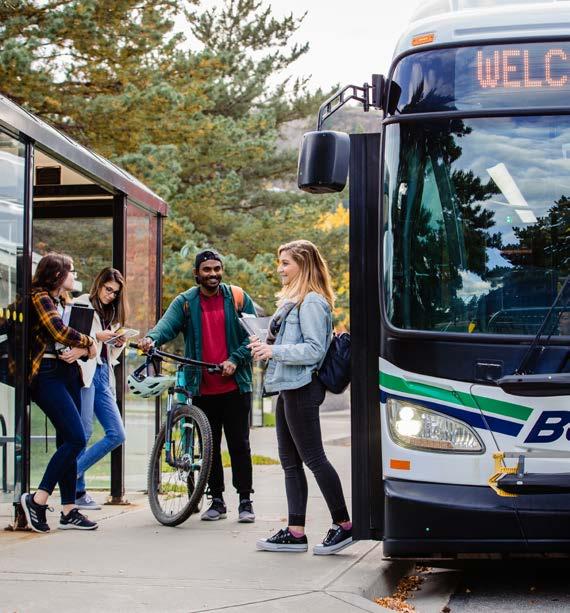
Significant investments in infrastructure and customer experience are reshaping how residents interact with the transit system. In the third year of the Transit Shelter Improvement Program, 12 new shelters were installed, bringing the total to 42. Funded in large part through the Investing in Canada Infrastructure Program, which covered 80% of the costs, these upgrades are delivering tangible benefits for riders. The impact has been widely recognized, with Kamloops earning the Most Improved Award in the Superlative Stops category of the 2025 Riders Choice Awards—an honour driven directly by customer feedback. Building on these improvements, transit programs and partnerships expanded in 2025, including increased participation in the Class Rides Free Program and a range of special event services. Together, these efforts highlight a continued commitment to reliability, accessibility, and a more comfortable, connected transit experience for the Kamloops community.
Kathleen Fisher
DID YOU KNOW?
Thanks to progress made in 2025, Kamloops is scheduled to receive 10 heavy-duty electric buses. Each electric bus is projected to save the equivalent of one tanker truck of diesel fuel per year, or about 550 fill-ups for a mid-size car. In preparation for the electric buses, the bus depot on Ord Road is being retrofitted with charging dispensers that look very much like the ones used to charge electric cars. The buses will start arriving in fall 2026 and continue to winter 2027.
2025 City Events
Each year the City hosts a variety of events to bring the community together to celebrate in various ways. This year's events included:

Christopher A. James

Economic Health
The City of Kamloops cultivates a positive business environment to support a vibrant and resilient economy.
AREAS OF FOCUS
BUSINESS DEVELOPMENT
We ensure our efforts and investments are measurable and accountable.
ECONOMIC STRENGTH
We build strategies to increase our competitive advantage, cultivate growth, and support our residents.
PARTNERSHIPS
We seek and foster the key relationships that will support our economic goals.
GROWTH MANAGEMENT
We are deliberate and purposeful in planning for the growth of our community.
Christopher A. James
DID YOU KNOW?
In 2025, the City completed a $11.8 million water infrastructure project and began a $22.5 million sanitary infrastructure project to service the Southwest Sector Industrial Lands. The projects included installing approximately 3.3 km of water and 6.4 km of sanitary trunk mains, including complex drilling beneath the Trans-Canada Highway to connect the Iron Mask area to Mission Flats. Beginning in 2026, the project will have established the essential services needed to open up large tracts of industrial land for development. This expansion will help support the continued growth of the City’s business sector.
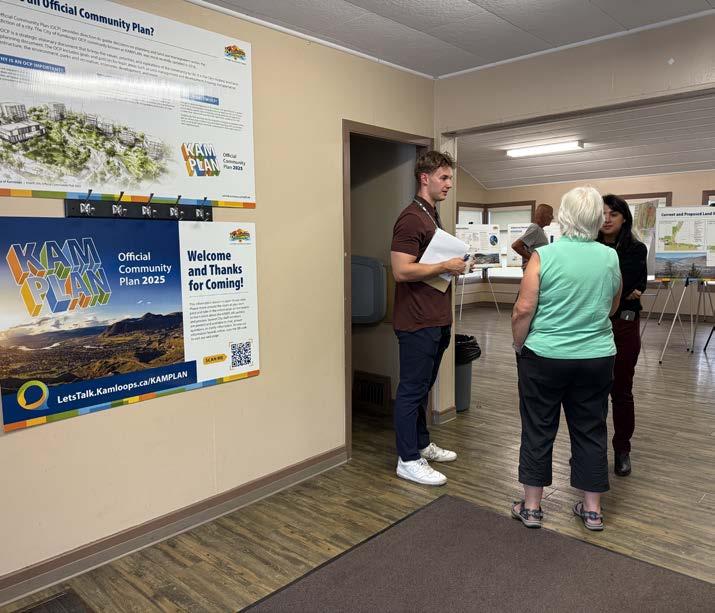
KAMPLAN Update Aligns Growth and Housing Needs
Planning for a growing community remained a key priority in 2025 as the City updated its Official Community Plan, known as KAMPLAN. As the City’s long-term vision for how Kamloops will grow and evolve, KAMPLAN guides decisions about where people live, work, and play while reflecting the community’s values and priorities.
The 2025 update responded to new provincial legislative requirements for all local governments in British Columbia to align their official community plans with projected housing needs. The changes helped ensure Kamloops is planning responsibly for growth over the next 20 years while maintaining vibrant, livable neighbourhoods.
The updated plan was shaped through comprehensive community engagement in spring 2025, including collaboration with internal departments, the KAMPLAN Advisory Group, industry representatives, and Tḱemlúps te Secwépemc, along with public input gathered through in-person and online consultation.
Changes included updated land use designations that focus growth in town centres and mixed-use areas, supporting compact development and strong neighbourhood centres. With the plan projecting a population of 134,000 by 2045 and identifying capacity for significantly more housing than current projections require, the updated KAMPLAN positions Kamloops to thoughtfully manage growth while ensuring space for the homes, services, and opportunities the community will need in the decades ahead.
City of Kamloops

Corey Rajala
BUILDING PERMIT BREAKDOWN -
BUILDING PERMIT BREAKDOWN - UNITS
APPLICATION SUMMARY - ANNUAL TOTALS

Kevin Keyser

Updating Building Regulations for a Growing Community
On March 4, Council adopted Building Regulation Bylaw No. 11-84, 2025, modernizing the City’s approach to regulating construction and aligning local requirements with provincial legislation and the British Columbia Building Code. The updated bylaw enhances construction protocols to support a safer, more sustainable, and resilient community while providing a stronger foundation for future development in Kamloops. Replacing the City’s previous building bylaw, which was adopted in 2006, the new framework regulates standards related to the design, construction, and occupancy of new buildings, as well as the alteration, demolition, and relocation of existing structures. The modernization represents a substantial shift in the City’s construction regulations, focusing on long-term community vitality by supporting safety, resilience, and efficiency in building activities.
The bylaw was shaped through engagement with industry professionals and the community. City staff met with builders and development representatives and hosted a public information session where residents and industry interest holders could learn about proposed updates and provide feedback. Input gathered through these discussions helped refine the final bylaw, ensuring it reflects both regulatory requirements and practical experience from those working in the construction sector. The updated bylaw improves the administration of building regulations, clarifies the responsibilities of property owners and registered professionals, streamlines permit processes, and strengthens compliance and enforcement measures. By clearly outlining processes within the bylaw itself—rather than relying on policies developed over time—the changes provide greater clarity and consistency while supporting safe, efficient building practices across the community.
Christopher A. James

City of Kamloops

Real Estate in Kamloops
$1.15 billion IN RESIDENTIAL SALES
1% from 2024
$801,577
AVERAGE SALE PRICE OF A SINGLE-FAMILY RESIDENTIAL HOME
4% from 2024
$376,734
AVERAGE SALE PRICE OF A STRATA CONDO
1,750 RESIDENTIAL UNITS SOLD
2% from 2024
AVERAGE SOLD/ASKED PRICE RATIO
3% from 2024 96.08%
0.5% from 2024
Nitya Yeldandi
Advocacy in Action:
In 2025, Council supported local economic health through focused advocacy with senior levels of government. Council authorized seven advocacy letters and participated in multiple meetings to champion the needs of key industries, including lumber, mining, and the skilled trades. Efforts also included working with the Province to advance the development of airport lands and seeking partnerships in emerging sectors. City and Tḱemlúps te Secwépemc leadership continue to jointly advocate for the Red Bridge to be rebuilt to ensure the vital economic connection between the communities is reinstated. Council further advocated for continued investment in the Small Business Rebate Program and for housing acceleration funding to support sustainable economic growth.
ePermit Application System Launch Improves Service and Transparency
The City of Kamloops reached an important milestone in modernizing its services with the launch of the new ePermit application system in late 2025. Led by the City’s Information Technology Division and Development, Engineering, and Sustainability Department, the project followed a full year of planning, technical design, and system development to make it easier for homeowners, builders, developers, tradespeople, and registered professionals to apply for permits online.
At the time of the launch, 21 permit application types across building and planning were available through ePermit, paving the way for additional permit types to continue to come online.
The new system significantly improves the customer experience, allowing users to submit applications, upload documents, and track progress from application to completion in one convenient digital space. Users can apply for permits anytime, make payments online, receive realtime status updates, and get notifications as their applications progress toward approval.
ePermit further streamlines services by integrating with MyCity, an existing secure online interface that allows residents and business owners to digitally access and manage accounts for utilities, property taxes, and dog and business licences.
Early adoption of the service was strong, with 34 permit applications and 52 building information requests submitted online in the final weeks of 2025, demonstrating the building and development community’s enthusiasm for a faster, more transparent, and accessible way to access City services.

Christopher A. James

Samantha Fiddick
ZONING APPROVALS
DEVELOPMENT PERMIT APPROVALS
BUILDING PERMIT APPROVALS
DID YOU KNOW?
The City provides funding and partnered with local business improvement associations on several initiatives and events in 2025, including the Santa Claus parade, the North Shore Block Party, Overlanders Day, and the Tapestry Festival. The new Business Improvement Associations Public Realm Improvement Fund was also put to great use, lighting trees along the core shopping blocks of Victoria Street and funding the creation of murals, signage, and banners on the North Shore.
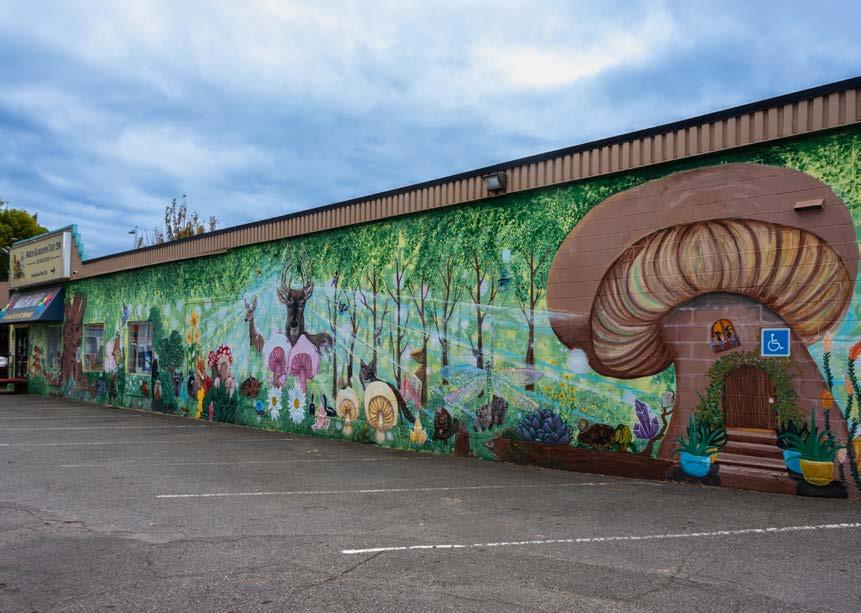
A New Framework for ShortTerm Rentals in Kamloops
Updates to short-term rental regulations in 2025 were driven by the Province’s introduction of the Short-Term Rental Accommodation Act, which was designed to help more people find a place to live while strengthening oversight of tourist accommodations. The legislation established a new provincial role in regulating short-term rentals and provided local governments with stronger enforcement tools. In certain municipalities, including Kamloops, the Short-Term Rental Accommodation Act limits shortterm rentals to the home where the host lives or to a secondary suite or accessory dwelling unit on the same property.
Provincial legislation created an opportunity for Kamloops to revisit and refine its local housing policies. In May, Council adopted zoning and business licence bylaw amendments to align municipal regulations with provincial requirements. These changes updated definitions and permitted short-term rentals of less than 30 days within a property owner’s principal residence or in a residential suite on the same property and require a business licence for rentals listed on a short-term rental platform for fewer than 90 days. The licensing process requires proof of a valid building permit to support the legalization of residential suites and ensure compliance with zoning, the British Columbia Building Code, and other safety requirements. Together, these updates increase homeowners’ flexibility to offer short-term accommodations while supporting residential livability and public safety.
Peter Olsen
Kamloops Business Community Strength
7,004 ACTIVE BUSINESS LICENCES 2% from 2024 743 NEW BUSINESS LICENCES ISSUED 12% from 2024
1,358 BUSINESSES CLOSED 64% from 2024* DID YOU KNOW? 33.9% of all approved business licences at the end of 2025 were home-based businesses.
*The increase in closed business licences in 2025 reflects an administrative cleanup of invalid licences, including businesses where fees have not been paid for years but were never formally closed, duplicate licences, and one-time event licences from previous years.
Business Licence Activity
Business Licence Activity
LICENCES/NEW BUSINESS LICENCES
Venture Kamloops
In 2025, Venture Kamloops continued to advance its mandate of fostering a resilient and diversified local economy through strategic initiatives, enhanced digital tools, and strong partnerships. A key milestone was the launch of a fully redesigned venturekamloops.com platform, featuring dedicated “Live,” “Work,” and “Invest” sections that improve access to information for residents, businesses, and investors. The organization also introduced several practical resources, including a Business Valuation Calculator, a Guide to City Requirements for Commercial Leasing, a Physician Attraction and Business Support Guide, and updated Real Estate Development Data for 2025.
317 BUSINESSES ASSISTED
471 REFERRALS TO PARTNERS
31 NEW AND ACTIVE INQUIRIES 289 PARTNERSHIPS (SHARING RESOURCES)

YKA (Kamloops Airport)
At Kamloops Airport, 2025 was defined by leadership, innovation, and a strong commitment to sustainability and community well-being. The airport proudly hosted the British Columbia Aviation Council conference, welcoming aviation leaders from across British Columbia and providing a platform to highlight Kamloops as a strategic and well-connected regional hub. A significant achievement was the attainment of Biosphere Certification, an internationally recognized designation aligned with the United Nations Sustainable Development Goals, demonstrating measurable progress in environmental stewardship, including a reduction in carbon emissions from 2024 to 2025.
The airport strengthened its role in community safety through a partnership with Not in My City. This initiative included comprehensive staff training to identify and respond to potential human trafficking situations as well as the installation of awareness signage, contact information, and QR codes throughout the terminal to support public education and reporting. These efforts underscore the airport’s commitment to responsible operations and community leadership.
Peter Olsen
DID YOU KNOW?
In 2025, Tourism Kamloops and the Kamloops Central Business Improvement Association developed a new historic downtown tour. The Thursday Tales and Treasures Tour was designed and delivered primarily for Rocky Mountain Railtour participants to increase programming upon arrival in Kamloops. The tours will resume in summer 2026.
Tourism Kamloops
Tourism Kamloops experienced strong momentum and measurable impact in 2025, driven by strategic investments, innovative partnerships, and targeted marketing initiatives. Key achievements included the release of a Mountain Biking Economic Impact Study and the launch of the Freeride campaign, which generated 7.5 million impressions. Additional milestones included Golf Kamloops Marketing Consortium record-breaking sales and the celebration of Tourism Kamloops’ 20th anniversary.
Throughout the year, Tourism Kamloops collaborated with the City of Kamloops Bike Valet to create a summer adventure hub, supported the launch of YKA Link to expand air service, and contributed to the successful marketing of the inaugural Christmas Market. The organization further expanded its offerings by launching merchandise sales online and working with local partners to introduce new guided experiences, including biking, hiking, culinary, and snowshoe tours, reinforcing its commitment to sustainable tourism growth.
3.2% IN ACCOMMODATION OCCUPANCY COMPARED TO 2024
Chamber of Commerce
The City of Kamloops supports the Kamloops and District Chamber of Commerce and the business community in many ways. Once again in 2025, the City helped uplift the business community through the 39th Annual Business Excellence Awards, which presented 16 awards for business excellence in 2025. The City of Kamloops Community Service Award was awarded to Teck Highland Valley Copper.
The City also sponsored the Livestream of the Economic Outlook presentation to ensure the event was fully accessible. The event featured presentations from Venture Kamloops and Sc.wénwen Economic Development Corporation as well as a panel discussion featuring elected leaders from the City of Kamloops, Tḱemlúps te Secwépemc, the Government of British Columbia, and the Government of Canada.
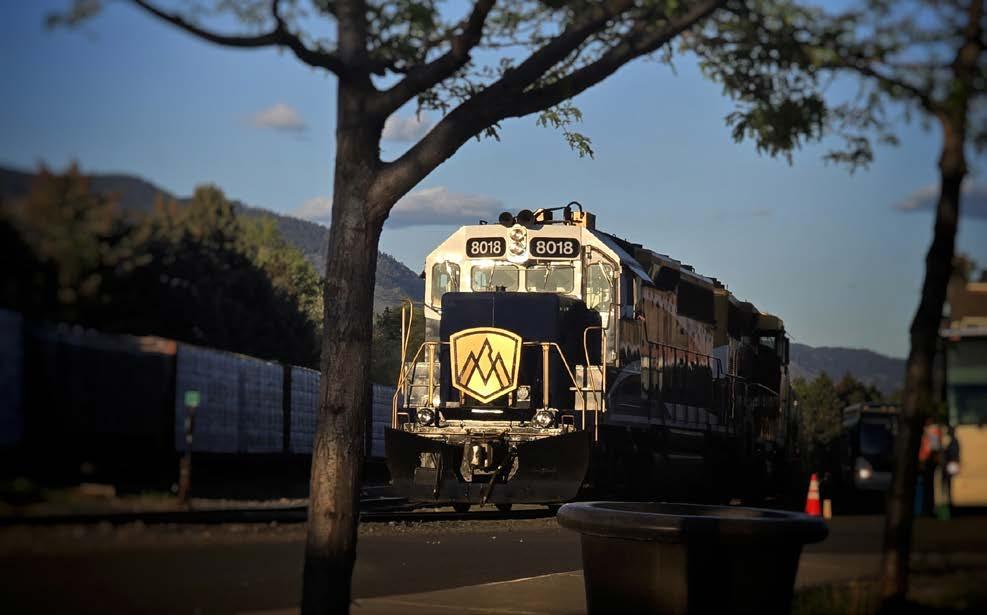
Mike Bruno
Financial Statements
For the year ended December 31, 2025
by:
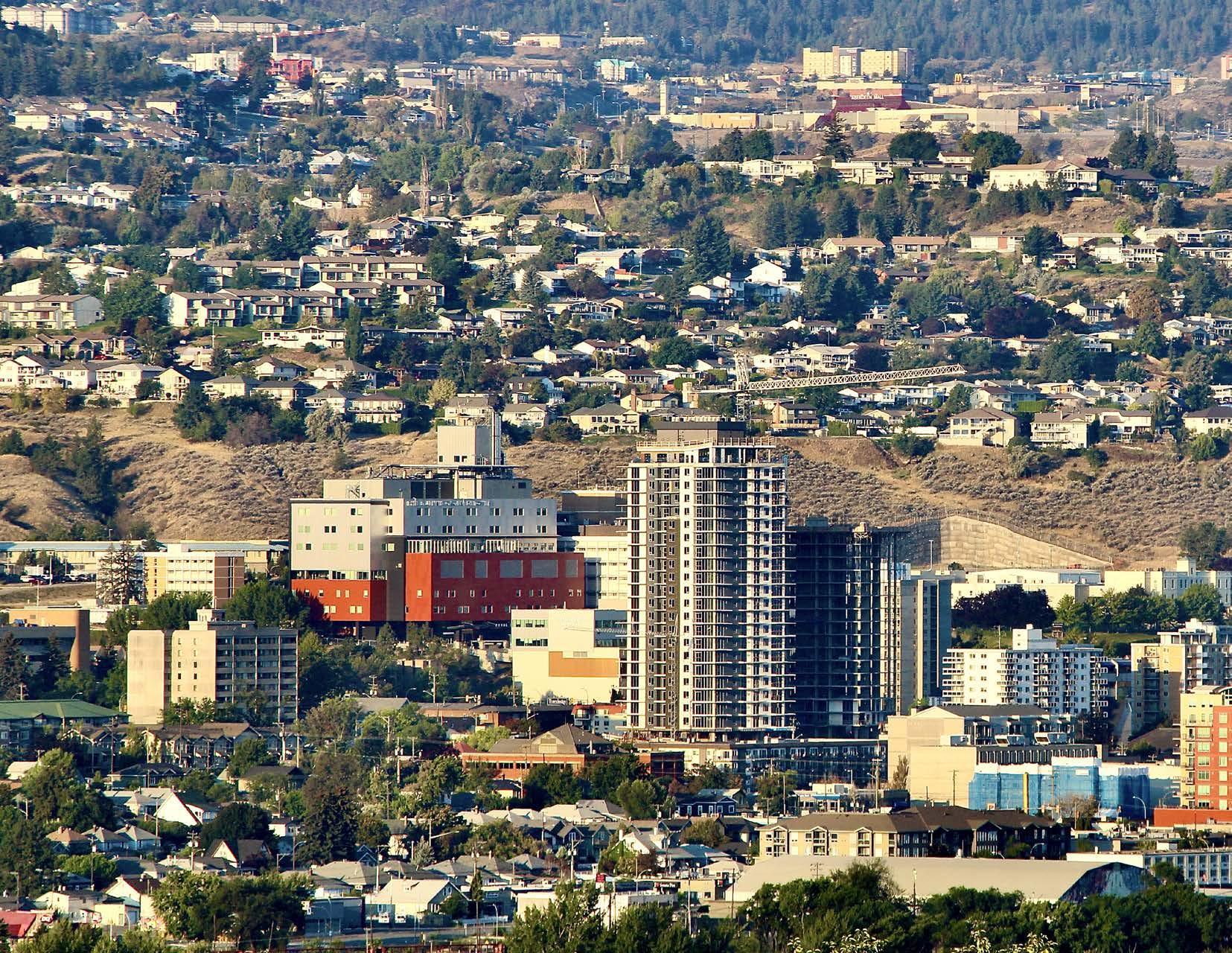
City of Kamloops, British Columbia, Canada
Prepared
City of Kamloops, Corporate Services Department

Report from the Corporate Services Director
CORPORATE PLANNING PROCESS
The 2023–2026 Kamloops City Council Strategic Plan and Council-approved service levels are the primary documents that support the direction and priorities of the annual budget planning process. Objectives and priorities are focused on the strategic priorities of Safety and Security, Governance and Service Excellence, Livability and Sustainability, and Economic Health.
The City’s operating budget allocates resources to deliver services at existing levels and address issues or concerns raised through public consultation and changing administrative requirements reflecting changes in the overall working environment.
The corresponding capital plan is developed based on the ongoing need to provide a proactive asset management program for civic infrastructure, maintain service levels, and accommodate new amenities and projects related to city growth, public demand, and community needs. The result is a five-year plan that outlines how projects will be funded and where renewal efforts will be focused.
THE ANNUAL PLANNING PROCESS
The City’s budget planning process begins in June, with department managers reviewing their existing budgets to identify changes that will affect service delivery in the upcoming year. Finance staff monitor the broader economic environment and predictors for information that will impact the budget. Items identified for the 2025 budget included the following:
• construction inflation remains higher than consumer inflation
• considerable skilled labour shortages
• supply chain issues continue to cause timing challenges for ordering goods
• interest rates have declined
• world events such as conflict, elections, and various geopolitical situations that impact the City’s access to goods and services
Each of these occurrences is considered when developing the annual budget. Many non-financial impacts are considered, including those difficult to quantify, such as a changing environment and weather patterns. Climate-related events have and will continue to affect the City’s operations.
Changes to the budget include increased costs for unionized staff and police services as well as broader world economic conditions, particularly those impacting the construction industry, which contributed to the need for increased tax-based funding. 2025 saw a moderate increase in population growth, but changes to federal immigration policies will affect future growth and may affect growth-related tax funding. The ongoing impacts of trade uncertainty challenge the organization’s supply chains and its access to products related to steel, plastics, aluminum, and fossil fuels.
These impacts resulted in a 7.42% increase in the City's 2025 taxation funding requirements, raising the overall funding requirement to $162.0 million. These inflationary impacts were not limited to taxation-based services. Utility services such as water, sanitary sewer, garbage, recycling, and organics saw an expected increase in materials to maintain the current asset management program.

The City’s water rates increased by 15% in 2025, resulting in an additional $68, bringing the annual rate to $519 for the average residential home. Sewer rates were set at 5.0% over the 2024 rates, resulting in an increase of $25, increasing the annual cost to residents to $518 for the average home.
Solid waste and recycling fees increased to maintain adequate revenues to support the operational costs for the commercial collection program. The annual collection rates for the 245 L and 360 L recycling carts increased by $4. The annual collection rate for the 180 L garbage cart increased by $15 and for the 245 L garbage cart by $24. Much of the investment in the City’s landfills is required to maintain the compliance requirements for operating highly regulated waste management facilities. The City introduced the Curbside Residential Organic Waste in mid-2023. The annual rate for organics is $12 per curbside residential user.
CANADIAN AWARD FOR FINANCIAL REPORTING
Government Finance Officers Association of the United States and Canada (GFOA) awarded a Canadian Award for Financial Reporting to the City of Kamloops for its annual financial report for the fiscal year ended December 31, 2024. The Canadian Award for Financial Reporting program was established to encourage municipal governments throughout Canada to publish high quality financial reports and to provide peer recognition and technical guidance for officials preparing these reports.
In order to be awarded a Canadian Award for Financial Reporting, a government unit must publish an easily readable and efficiently organized annual financial report, whose contents conform to program standards. Such reports should go beyond the minimum requirements of generally accepted accounting principles and demonstrate an effort to clearly communicate the municipal government’s financial picture, enhance an understanding of financial reporting by municipal governments, and address user needs.
A Canadian Award for Financial Reporting is valid for a period of one year only. We believe our current report continues to conform to the Canadian Award for Financial Reporting program requirements, and we will be submitting it to GFOA to determine its eligibility for another award.
Government Finance Officers Association of the United States and Canada has given an Award for Outstanding Achievement in Popular Annual Financial Reporting to the City of Kamloops for its Popular Annual Financial Report for the fiscal year ended December 31, 2024. The Award for Outstanding Achievement in Popular Annual Financial Reporting is a prestigious national award recognizing conformance with the highest standards for preparation of state and local government popular reports.
In order to receive an Award for Outstanding Achievement in Popular Annual Financial Reporting, a government unit must publish a Popular Annual Financial Report, whose contents conform to program standards of creativity, presentation, understandability, and reader appeal.
An Award for Outstanding Achievement in Popular Annual Financial Reporting is valid for a period of one year only. This is the first year that the City has applied for and received a Popular Award.


Canadian Award for Financial Reporting
FINANCIAL REPORTS
The accompanying consolidated financial statements of the City of Kamloops are the responsibility of management. The consolidated financial statements are presented to City Council for information, review, and approval. The annual financial report includes the consolidated financial statements presented by the City’s appointed auditors. The consolidated statements include the General and Utility Funds, the Venture Kamloops Business Development Society, the Kamloops Airport Authority Society, and the Kamloops Community Land Trust Foundation.
FINANCIAL POLICIES
The City has several financial policies. Some of these policies have received formal Council approval, while others are corporate policies grounded in fiscal responsibility, legislative requirements, and public accounting standards. The following lists several of these key policies.
Investment Policy: This policy provides the City with an approved framework for managing its investment program that complies with the Community Charter. The primary investment objectives for the City are the preservation of capital and high liquidity. Therefore, a conservative investment approach is taken. The City maintains a balanced portfolio of cash and investments to ensure a smooth flow of funds for its use.
Expense Reimbursement Policies: These policies provide guidelines for employees and other authorized individuals regarding travel and expense reimbursements. It defines approval authorities, per diem and vehicle use rates, eligible and ineligible expenditures, and expense claim documentation requirements.
Procurement Policies: These policies establish principles and guidelines for governance and oversight of the procurement of goods, services, construction, and professional consulting services for the City of Kamloops. This series of policies establishes the need
for the City to enter procurement activities in a fair, open, and transparent manner in alignment with the regulatory requirements of regional, national, and international trade treaties.
General Reserves: This policy provides guidance and direction for the development, maintenance, and use of the City's General Fund reserves. The policy provides guiding principles and objectives focused on the organization's overall long-term financial health. In addition to these principles and objectives, the intended purpose of each fund is defined along with desired value ranges, where appropriate, identifying the minimum and the maximum values for the specific reserve.
Capital Assets Policies: This policy sets out the accounting treatment for recording tangible capital assets so that users of the financial report can discern information about the investment in property, plant, and equipment and the changes in that investment. The principal issues in accounting for tangible capital assets are the accurate recognition of the assets' value, the determination of their carrying amounts, the recognition of amortization charges, and the recognition of any related impairment losses.
Permissive Tax Exemption Policies (Places of Worship and Not-For-Profit Organizations): These policies provide guidance to Council for processing applications for exemptions from property taxes.
Although the Community Charter states that exceptions are at the discretion of Council, these policies provide principles to guide the evaluation of applications.
FINANCIAL OVERVIEW
Entering 2025, organizations were optimistic that many of the challenges from the previous year’s economic environment were behind us and that there would be a positive trend, with relief from inflation and interest rates and increased economic certainty.
Consumer inflation was expected to trend towards historical levels while drawing interest rates downward towards historical levels, signalling a more optimistic forecast for the future and a return to expected economic conditions.
What occurred was a continuation of the overall challenges being faced in the global economy. Early in the new year, economic stability was challenged by a series of tariffs imposed by a key trading partner on many industries, most of which impacted key manufacturing activities relied upon by municipal governments. The result was job losses across industries, a slowing of the economy, and rising inflation as the cost of goods began to climb. Adding to the economic challenges were changes made by the federal government to limit immigration. These restrictions contributed to another challenge for many corporations and municipalities in sourcing skilled workers across many employment sectors and reignited the war on hiring skilled individuals.
In response, consumer-based inflation increased throughout the year, as did interest rates to manage the inflationary impacts. The real estate market slowed throughout the year, and property values began to moderately drop. Economic uncertainties have slowed the development market, except for public sector projects.
Consumer-based inflation and interest rates began to return to lower levels late in 2025; however, sectorial inflation, particularly in the construction and industrial grade goods and complementary services, continued to increase due to continued concerns within the overall supply chain and the availability of raw materials. These market conditions continued to impact order times and the availability of replacement parts and equipment, which, at times, were being pushed out beyond normal periods by 12–36 months.
Continued military conflicts impact the price of many of the goods and services that require oil and oil-based products. This was directly felt in the delivery of all goods that are provided by truck to areas of the country and the city.
FINANCIAL POSITION
For the year end December 31, 2025.
The financial position is calculated as financial assets less liabilities, resulting in either a net financial asset or a net financial debt. A net financial asset position is an indicator of the funds available for future expenditures, and a net financial debt position is an indicator of funds required to pay for past expenditures.
In 2023, the City’s net financial debt position changed with the introduction of reporting on asset retirement obligations, as required under Public Sector Accounting Standards 3280. As a result, the City continues to present a net financial debt position.
Contributing to the increase in net financial debt for 2025 was the issuance of new debt related to the Build Kamloops initiative. As the City begins to have active projects under the Build Kamloops initiative, the Kamloops Centre for the Arts, and the arena multiplex, debt will be drawn to manage the increase in cash outflows, ensuring no impact on general operations.
The City’s non-financial assets increased by $66.7 million, bringing the non-financial asset total in 2025 to $1.52 billion. The increase was the result of the addition of new capital assets, offset by amortization and asset disposals, with a net additional value of $44.8 million. 2025 marks the second consecutive year the City has invested in civic infrastructure over $100.0 million.
The result of the changes in net financial position and non-financial assets was an increase in the accumulated surplus to $1.45 billion in 2025, strengthening the City’s overall financial position.

Gail P. Fenwick
CONSOLIDATED STATEMENT OF OPERATIONS
The City’s revenues in 2025 increased by $27.8 million over 2024. Taxation revenue increased in 2025 by $11.9 million from $156.0 million to $167.9 million as a result of a Council-approved increase of 7.42%. The increase in City property taxation revenues was required to fund policing services, with the addition of five new members towards the latter half of the year, cost increases in labour contracts, and inflation-related increases to maintain and deliver the current council service levels.
Increases in fees and services in the utilities operations were required to reflect inflationary increases in operating costs and labour. Total government transfers increased by $1.7 million.
Investment income decreased due to the expiration of investments made several years ago when rates were high. Investment income dropped by $2.3 million between 2024 and 2025. Given the direction of interest rate trends over the past few months, it is expected that investment income will remain stable or decline slightly year over year.
The City’s expenses in 2025 were $9.7 million higher than in 2024. Major impacts affecting the operational cost side of the organization included the City’s response to increased and enhanced security for the business sectors; increased support to address the homelessness crisis; and increased investment in protective services, including policing and community services officers; and the need
to maintain approved service levels in a very volatile, inflationary environment.
The City’s continued investment in the municipality remains focused on delivering Council’s strategic priorities, on overall asset management, and on asset replacement programs.
LOOKING FORWARD
Entering 2026, an overall sense of uncertainty remains. Global economics are having a greater impact on national and provincial economies. The national economy is expected to grow slowly. Contributing factors include reduced population growth, lingering effects of US tariffs, and a cooling labour market, though inflation is expected to settle near the 2% target. Housing markets could see the start of a recovery due to lower interest rates and movement in the housing and development markets.
For the City, moving into the new year brings some challenges similar to those experienced over the past four to five years. Some of the challenges experienced in the recent past continue to affect operations, and there are significant lead times for goods impacted by tariff changes. The labour market continues to be challenged due to skilled trades and professional skills shortages, and environmental concerns are still at the forefront of people's minds moving into an expected hot and dry summer.
Optimism is high in the city, as the publicly approved borrowing for building two new, much-needed City assets will break ground under the Build Kamloops program. The Kamloops Centre for the Arts is expected to cost $212.0 million. Concurrently, the $150.0 million arena multiplex project is expected to bring employment opportunities and economic benefits to the city.
Municipal elections will occur in October and are expected to bring many City residents forward who are interested in asking questions and possibly seeking support to provide governance leadership to the City. If the past is any indication, these events always provide opportunities to introduce new ideas for consideration.
Respectfully submitted,

Dave Hallinan, FCPA, FCMA
Corporate Services Director, City of Kamloops
May 1, 2026

Sarvesh Khosla
Management's Responsibility for Financial Reporting
The accompanying consolidated financial statements of the City of Kamloops (the "City") are the responsibility of management and have been approved by the Mayor and Council of the City.
The consolidated financial statements have been prepared by management in accordance with Canadian public sector accounting standards. Consolidated financial statements are not precise since they include certain amounts based on estimates and judgments. When alternative accounting methods exist, management has chosen those it deems most appropriate in the circumstances, in order to ensure that the financial statements are presented fairly, in all material respects.
The City maintains systems of internal accounting and administrative controls of high quality, consistent with reasonable cost. Such systems are designed to provide reasonable assurance that the financial information is relevant, reliable and accurate and the City's assets are appropriately accounted for and adequately safeguarded.
The City is responsible for ensuring that management fulfills its responsibilities for financial reporting and is ultimately responsible for reviewing and approving the financial statements.
The Committee of the Whole reviews the City's consolidated financial statements and recommends their approval to City Council. The Committee meets periodically with management, as well as the external auditors, to discuss internal controls over the financial reporting issues, to satisfy themselves that each party is properly discharging their responsibilities, and to review the annual report, the financial statements and the external audi tor's report. The Mayor and Council takes this information into consideration when approving the financial statements for issuance to the ratepayers. The Mayor and Council also appoint the engagement of the external auditors.
The financial statements have been audited by BDO Canada LLP in accordance with Canadian generally accepted auditing standards on behalf of the ratepayers. BDO Canada LLP has full access to the Council and management.

Margot
Middleton Deputy Mayor
April 14, 2026

David Hallinan, FCPA, FCMA Corporate Services Director
April 14, 2026

Tel: 250 372 9505
Fax: 250 374 6323
www.bdo.ca
To the Members of Council of the City of Kamloops
Opinion
We have audited the consolidated financial statements of the City of Kamloops and its controlled entities (the "Consolidated Entity"), which comprise the consolidated statement of financial position as at December 31, 2025, and the consolidated statement of operations and accumulated surplus, the consolidated statement of changes in net financial debt, and consolidated statement of cash flows for the year then ended, and notes to the consolidated financial statements, including a summary of significant accounting policies. In our opinion, the accompanying consolidated financial statements present fairly, in all material respects, the consolidated financial position of the Consolidated Entity as at December 31, 2025, and its results of operations, its change in net financial debt and its consolidated cash flows for the year then ended in accordance with Canadian public sector accounting standards.
Basis for Opinion
We conducted our audit in accordance with Canadian generally accepted auditing standards. Our responsibilities under those standards are further described in the Auditor’s Responsibilitiesfor the Audit of the Consolidated Financial Statements section of our report. We are independent of the Consolidated Entity in accordance with the ethical requirements that are relevant to our audit of the consolidated financial statements in Canada, and we have fulfilled our other ethical responsibilities in accordance with these requirements. We believe that the audit evidence we have obtained is sufficient and appropriate to provide a basis for our opinion.
Responsibilities of Management and Those Charged with Governance for the Consolidated Financial Statements
Management is responsible for the preparation and fair presentation of the consolidated financial statements in accordance with Canadian public sector accounting standards, and for such internal control as management determines is necessary to enable the preparation of consolidated financial statements that are free from material misstatement, whether due to fraud or error.
In preparing the consolidated financial statements, management is responsible for assessing the Consolidated Entity’s ability to continue as a going concern, disclosing, as applicable, matters related to going concern and using the going concern basis of accounting unless management either intends to liquidate the Consolidated Entity or to cease operations, or has no realistic alternative but to do so.
Those charged with governance are responsible for overseeing the Consolidated Entity’s financial reporting process.
Tel: 250 372 9505
Fax: 250 374 6323
www.bdo.ca
Auditor's Responsibilities for the Audit of the Consolidated Financial Statements
Our objectives are to obtain reasonable assurance about whether the consolidated financial statements as a whole are free from material misstatement, whether due to fraud or error, and to issue an auditor’s report that includes our opinion. Reasonable assurance is a high level of assurance, but is not a guarantee that an audit conducted in accordance with Canadian generally accepted auditing standards will always detect a material misstatement when it exists. Misstatements can arise from fraud or error and are considered material if, individually or in the aggregate, they could reasonably be expected to influence the economic decisions of users taken on the basis of these consolidated financial statements.
As part of an audit in accordance with Canadian generally accepted auditing standards, we exercise professional judgment and maintain professional skepticism throughout the audit. We also:
Identify and assess the risks of material misstatement of the consolidated financial statements, whether due to fraud or error, design and perform audit procedures responsive to those risks, and obtain audit evidence that is sufficient and appropriate to provide a basis for our opinion. The risk of not detecting a material misstatement resulting from fraud is higher than for one resulting from error, as fraud may involve collusion, forgery, intentional omissions, misrepresentations, or the override of internal control.
Obtain an understanding of internal control relevant to the audit in order to design audit procedures that are appropriate in the circumstances, but not for the purpose of expressing an opinion on the effectiveness of the Consolidated Entity's internal control.
Evaluate the appropriateness of accounting policies used and the reasonableness of accounting estimates and related disclosures made by management.
Conclude on the appropriateness of management’s use of the going concern basis of accounting and, based on the audit evidence obtained, whether a material uncertainty exists related to events or conditions that may cast significant doubt on the Consolidated Entity’s ability to continue as a going concern. If we conclude that a material uncertainty exists, we are required to draw attention in our auditor’s report to the related disclosures in the financial statements or, if such disclosures are inadequate, to modify our opinion. Our conclusions are based on the audit evidence obtained up to the date of our auditor’s report. However, future events or conditions may cause the Consolidated Entity to cease to continue as a going concern.
Evaluate the overall presentation, structure and content of the consolidated financial statements, including the disclosures, and whether the financial statements represent the underlying transactions and events in a manner that achieves fair presentation.
Obtain sufficient appropriate audit evidence regarding the financial information of the entities or business activities within the Consolidated Entity to express an opinion on the consolidated financial statements. We are responsible for the direction, supervision and performance of the group audit. We remain solely responsible for our audit opinion
We communicate with those charged with governance regarding, among other matters, the planned scope and timing of the audit and significant audit findings, including any significant deficiencies in internal control that we identify during our audit.
Tel: 250 372 9505
Fax: 250 374 6323 www.bdo.ca
Other Matter – Unaudited information
We have not audited, reviewed or otherwise attempted to verify the accuracy or completeness of Schedule 3 on page 31 of the Entity’s consolidated financial statements.

Chartered Professional Accountants
Kamloops, British Columbia April 15, 2026
Consolidated Statement of Financial Position as at December 31, 2025 (in thousands of dollars)
Consolidated Statement of Financial Position as at December 31, 2025 (in thousands of dollars)
City of Kamloops
City of Kamloops
Consolidated Statement of Operations and Accumulated Surplus
(Note 13)
Margot Middleton Deputy
David Hallinan, FCPA, FCMA
Expenses (Note 13)
(Note 13)
Consolidated Statement of Change in Net Financial Debt For the year ended December
(in
City of Kamloops
1.Significant accounting policies
City of Kamloops
Notes to the Consolidated Financial Statements
December 31, 2025 (in thousands of dollars)
The City of Kamloops (the "City") was incorporated in 1893 under statute of the Province of British Columbia. Its principal activities include the provision of local government services to residents of the incorporated area. These include cemetery; community development; corporate administration; environmental services; fire services; infrastructure maintenance; legislative and enforcement; parks, recreation and cultural services; police services; public transit; solid waste utility; water utility; and sewer utility. The City is also responsible for the Kamloops Airport Authority Society and the Venture Kamloops Business Development Society.
(a)Basis of presentation
The consolidated financial statements of the City have been prepared, in all material respects, in accordance with Canadian public sector accounting standards ("PSAS") for local governments as recommended by the Public Sector Accounting Board ("PSAB").
(b)Basis of accounting
The basis of accounting followed in these consolidated financial statements is an accrual method and includes revenues in the period in which the transactions or events occurred that gave rise to the revenues and expenses in the period the goods and services were acquired and a liability was incurred.
(c)Basis of consolidation
The consolidated financial statements include the accounts of the Kamloops Airport Authority Society, the Venture Kamloops Business Development Society and the Kamloops Community Land Trust Foundation. Separate audited financial statements have also been prepared for the Kamloops Airport Authority Society and the Venture Kamloops Business Development Society. Inter-fund balances and transactions have been eliminated.
The Kamloops Airport Authority Society, the Venture Kamloops Business Development Society and the Kamloops Community Land Trust Foundation are controlled by the City through its appointment of the Board of Directors of each entity. The consolidated financial statements include all accounts of these entities.
The City has established the Kamloops Community Land Trust Foundation. The establishment of the Foundation was a key step in filling the housing gap within the City. The Foundation is currently in the pre-development phase and has not incurred any operating activity in the year.
(d)Revenue
recognition
Revenues from transactions with performance obligations are recognized when (at a point in time) or as (over a period of time) the City satisfies the performance obligations, which occurs when control of the benefits associated with the promised goods or services has passed to the payor.
Taxation for municipal purposes is recorded at estimated amounts when it meets the definition of an asset, has been authorized and the taxable event occurs. For property taxes, the taxable event is the period for which the tax is levied. As taxes recorded are initially based on management’s best estimate of the taxes that will be received, it is possible that changes in future conditions, such as reassessments due to audits, appeals and court decisions, could result in a change in the amount of tax revenue recognized.
The City recognizes revenue from users of the water, sewer, solid waste disposal, and rentals of City property services on a straight-line basis over the period of time that the relevant performance obligations are satisfied by the City.
The City recognizes revenue from administrative services, building permits, development permits, sales of goods and other licenses and permits at the point in time that the City has performed the related performance obligations and control of the related benefits has passed to the payors.
Revenue from transactions without performance obligation is recognized at realizable value when the City has the authority to claim or retain an inflow of economic resources received or receivable and there is a past transaction or event that gives rise to the economic resources.
The City recognizes revenue from tax penalties and interest, parking ticket fines, and other revenue without associated performance obligations at the realizable value at the point in time when the City is authorized to collect these revenues.
City of Kamloops
Notes to the Consolidated Financial Statements
December 31, 2025 (in thousands of dollars)
1.Significant accounting policies (continued)
(e) Government transfers
Government transfers are recognized as revenue in the consolidated financial statements when the transfer is authorized and any eligibility criteria are met, except to the extent that transfer stipulations give rise to an obligation that meets the definition of a liability. Transfers are recognized as deferred revenue when transfer stipulations give rise to a liability. Transfer revenue is recognized in the statement of operations as the stipulation liabilities are settled.
(f)Inventory
Inventory is valued at the lower of cost and replacement cost with cost determined by the average cost method.
(g)Tangible capital assets
Tangible capital assets are recorded at cost less accumulated amortization. Costs include all costs directly attributable to the acquisition or construction of the tangible capital asset including transportation costs, design and engineering fees, legal fees and site preparation costs. Contributed tangible capital assets are recorded at fair value at the date of contribution.
Assets were amortized using the straight line method. There are several different amortization periods used for each major category of assets, as follows:
Land No amortization taken
Site improvements 5 to 50 years
Vehicles, machinery and equipment5 to 10 years
Buildings 15 to 50 years
Roads and linear assets 10 to 75 years
Water infrastructure 10 to 75 years
Sewer infrastructure 10 to 75 years
Communication network 20 years
Computing infrastructure 4 to 10 years
Amortization is not taken on tangible capital assets until they are ready for use. The City holds several works of art and historic treasures that have not been included in the tangible capital assets, including displays at the museum, statues located throughout the City and various works of art and decorations in the facilities.
(h)Non-financial assets
Non-financial assets are held for use in the provision of goods and services but are not available to discharge existing liabilities. These assets have a useful life extending beyond the current year and are not intended for sale in the ordinary course of operations.
(i)Reserves
Reserve funds are grouped into the following categories: Risk mitigation, Opportunity, Restricted, Planned capital, and Working capital. Amounts are reserved either internally or by statute for specific future purposes.
City of Kamloops
Notes to the Consolidated Financial Statements
December 31, 2025 (in thousands of dollars)
1. Significant accounting policies (continued)
(j)Contaminated sites
A contaminated site is a site at which substances occur in concentrations that exceed the maximum acceptable amounts under an environmental standard. A liability for remediation of contaminated sites is recognized when the City is directly responsible or accepts responsibility; it is expected that future economic benefits will be given up; and a reasonable estimate of the amount can be made. The liability includes all costs directly attributable to remediation activities including post remediation operations, maintenance and monitoring.
(k)Use of estimates
The preparation of financial statements in accordance with Canadian public sector accounting standards requires management to make estimates and assumptions that have an effect on the reported amounts of assets and liabilities and the disclosure of contingent assets and liabilities at the date of the financial statements and the reported amounts of revenue and expenses during the year. Actual results could be different from those estimates. Significant estimates in these financial statements include the useful lives of tangible capital assets, post-employment benefit payable and asset retirement obligations.
(l)Collection of taxes on behalf of other taxation authorities
The taxation, other revenues, expenses, assets and liabilities with respect to the operations of the Thompson Nicola Regional District, Hospital District and other government entities with which the City interacts are not reflected in these financial statements.
(m)Retirement benefits and other employee benefit plans
The City's contributions due during the period to its multi-employer defined benefit plan are expensed as incurred. The costs of other retirement benefits that accumulate over the period of service provided by employees are actuarially determined using the projected benefit method prorated on services based on management’s best estimate of retirement ages, inflation rates, investment returns, wage and salary escalation, insurance and health care costs trends, employee turnover and discount rates. Adjustments arising from changes in actuarial assumptions and actuarial gains and losses are amortized over the Expected Average Remaining Service Lifetime (EARSL) of active employees.
(n)Deferred Revenue - Development Cost Charges
Development cost charges ("DCC's") collected to pay for capital costs due to development are recorded as deferred revenue. DCC's are recognized as revenue when the related development costs are incurred.
(o)Budget information
Budget information was included in the City's Five-year Financial plan (20252029) and was adopted through Bylaw No. 16-330 on April 8, 2025.
City of Kamloops
Notes to the Consolidated Financial Statements
December 31, 2025 (in thousands of dollars)
1. Significant accounting policies
(continued)
(p)Financial instruments
Cash and equity instruments quoted in an active market are measured at fair value on initial recognition. All other financial instruments are measured at cost or amortized cost. The carrying amount of each of these financial instruments is presented on the statement of financial position.
Unrealized gains and losses from changes in the fair value of financial instruments are recognized in the statement of remeasurement gains and losses. Upon settlement, the cumulative gain or loss is reclassified from the statement of remeasurement gains and losses and recognized in the statement of operations. Interest and dividends attributable to financial instruments are reported in the statement of operations. There are no unrealized changes in fair value as at December 31, 2025 and December 31, 2024. As a result, the City does not have a statement of remeasurement gains and losses.
When investment income and realized and unrealized gains and losses from changes in the fair value of financial instruments are externally restricted, the investment income and fair value changes are recognized as revenue in the period in which the resources are used for the purpose specified.
For financial instruments measured using amortized cost, the effective interest rate method is used to determine interest revenue or expense.
Portfolio investments are initially measured at cost and subsequently measured at amortized cost, which includes the original cost plus transaction costs and associated investment income on an effective interest method. When an investment is written down to recognize an impairment loss, the new carrying value is deemed to be the new cost basis for subsequent accounting purposes.
All financial assets are tested annually for impairment. When financial assets are impaired, impairment losses are recorded in the statement of operations.
Transaction costs are added to the carrying value for financial instruments measured using cost or amortized cost. Transaction costs are expensed for financial instruments measured at fair value.
(q)Asset retirement obligations
An asset retirement obligation is a legal obligation associated with the retirement of a tangible capital asset that the City will be required to settle. The City recognizes asset retirement obligations when there is a legal obligation to incur retirement costs in relation to a tangible capital asset, the past transaction or event giving rise to the liability has occurred, it is expected that future economic benefits will be given up, and a reasonable estimate of the amount can be made.
Asset retirement obligations have been recognized based on the estimated future expenses upon remediation of the tangible capital asset and determined by discounting the expected future cash flows.
The carrying amount of the obligation is reassessed at each financial reporting date. Increase in the obligation related to the passage of time are recognized as accretion expense. Changes related to the timing or amount of the undiscounted cash flows are adjusted against the cost of the related tangible capital asset. The liability is reduced as abatement is performed.
Amounts capitalized as a result of an asset retirement obligation are amortized with the related tangible capital asset in accordance with the policy outlined in Note 1 (g).
2.Segmented information
The City of Kamloops is a diversified municipal government institution that provides a wide range of services to its citizens. Distinguishable functional segments have been separately disclosed. The nature of the segments and the activities they encompass are as follows; and quantitative data on these segments can be found in Note 13.
During the year, the EcoSmart Team unit was reallocated from 'Development, engineering, sustainability & public transit' to 'Utilities'. The comparative figures have been reallocated as a result.
2.Segmented information (continued)
City of Kamloops
Notes to the Consolidated Financial Statements
December 31, 2025 (in thousands of dollars)
Subsequent to year end, the City formed the Communications and Strategic Partnerships Department under a new Director. The Department merges the Communications & Community Engagement Division (currently reported within Community & culture) and the Indigenous & External Relations Division (currently reported within the Corporate administration). These changes are effective for 2026.
(a)Protective services
This segment includes all of the operating activities of the following:
Bylaw enforcement, parking and animal control.
Kamloops Fire and Rescue Services Division including fire prevention, suppression and education. This function also includes maintenance of the fire department fleet, equipment and operation of the Fire Training Centre.
Polices Services Division. This includes the activities of the RCMP and the municipal staff who support these activities.
(b)Civic operations
This segment includes all of the operating activities of the Civic operations department that involve the repair and maintenance of the City's infrastructure assets including the road network, the storm water (drainage) network, buildings, parks and the City's vehicle fleet. Any repair and maintenance of buildings used by the Community & culture segment is reflected within that segment.
(c)Utilities - Sewer, Solid waste, and Water
This segment includes all of the operating activities related to the collection and treatment of waste water (sewage) throughout the City, the collection and disposal of the resident's garbage, recycling and organics products, the EcoSmart Team, and the treatment and distribution of water throughout the City.
(d)Development, engineering, sustainability & public transit
This segment includes many of the activities of the Development, Engineering, and Sustainability departments including building permits, business licenses, zoning, development applications, engineering services, real estate and sustainability initiatives and programs. This segment also includes all of the planning and operating activities of the Public Transit Division to provide Public Transit services to the City.
(e)Corporate administration
This segment includes all of the internal support functions of the City. This includes Employee Services (previously Human Resources), Information Technology, Finance, Legislative services, Enterprise Risk Management and the Chief Administration Officer's department.
(f)Community & culture
This segment includes the operating activities of the parks, recreation, cultural services and communications departments. This includes the revenue and expenses to provide recreation and culture programs throughout the City. Recreational facilities are maintained by the Civic operations department with costs being represented within Community & culture.
(g)Cemeteries
This segment captures all of the revenue and expenses associated with Cemetery operations including providing services to the public and maintenance of the cemetery infrastructure.
(h)Kamloops Airport Authority Society
This segment includes all of the operating activities of the Kamloops Airport Authority Society ("Kamloops Airport") whose mandate is to oversee the operation of the Kamloops Airport and the repair and maintenance of its assets.
(i)Venture
Kamloops Business Development Society
This segment includes all of the operating activities of the Venture Kamloops Business Development Society ("Venture Kamloops").
3.Cash and Investments
City of Kamloops
Notes to the Consolidated Financial Statements December 31, 2025 (in thousands of dollars)
4.Accounts Receivable
Restricted for Specific Purposes:
The City's investments consist of Gu aranteed Investment Certificates, Government bonds, Principal protected notes and Protected high interest savings accounts. Details of investments held are:
The market value of short-term investments is $111 million (2024 - $86 million).
year end, the amounts outstanding for the City's trade accounts receivable are as
City of Kamloops
Notes to the Consolidated Financial Statements December 31, 2025 (in thousands of dollars)
4. Accounts Receivable
(continued)
The plan does not require any contribution from employees. The retirement benefit liability at December 31, 2025 includes the following components:
5. Accounts Payable
6.Post-employment benefits payable
The City of Kamloops sponsors a defined benefit plan for retirement benefits other than pensions for certain employees. The plan provides for a payout of accumulated sick leave for CUPE local 900 employees; an early retirement incentive payment and deferred vacation payout for IAFF local 913 employees; and an early retirement incentive payment for Management employees.
benefit obligation,
actuarial (loss) gain
Actuarial valuations for accounting purposes are performed using the projected benefit method prorated on services. The most recent actuarial report was prepared on January 9, 2026 using data as of December 31, 2025. The accrued benefit obligation shown for 2025 is based on amounts included in the 2026 valuation.
The actuarial valuation was based on a number of assumptions about future events, such as inflation rates, interest rates, wage and salary increases, and employee turnover and mortality. The assumptions used reflect the City’s best estimates. The expected inflation rate is 2.90% (2024 - 2.79%). The discount rate used to determine the accrued benefit obligation is 4.20% (2024 - 4.20%).
The retirement benefit expense is included in the statement of operations as a component of salaries and wages.
City of Kamloops
Notes to the Consolidated Financial Statements December 31, 2025 (in thousands of dollars)
7.Liability for remediation of contaminated sites
The City of Kamloops has used the standards contained in Schedule 2 (Industrial and Commercial Purposes and Activities) of the Contaminated Sites Regulation of the British Columbia Environmental Management Act to determine whether a potential liability exists. None of the uses of the parcels identified under Canadian PSAS 3260 meet the criteria listed in Schedule 2 of the Contaminated Sites Regulation, and accordingly the City has not recognized any liabilities for remediation of contaminated sites.
8. Deferred Revenue
9.Long-term debt
(a)Long-term debt outstanding:
During the year, $40 million of new debt was acquired under Bylaw No. 57-1 for the Kamloops Centre for the Arts and $20 million of new debt was acquired under Bylaw No. 57-2 for the Arena Multiplex and design of related Build Kamloops recreation initiatives. These funds have been invested for future application to project cash flows.
Kamloops Airport Authority Society debt is included in the General Fund balance. The amount outstanding on December 31, 2025 was $- million (2024 - $0.758 million).
(b)Future principal repayment and sinking fund earnings on outstanding borrowings over the next five years and thereafter are as follows:
1,2912893402392,159
1,4592903,4941735,416 12,838 4,371 5,194 1,657 24,060 Sinking fund67,3892,3743,76977774,309
City of Kamloops
Notes to the Consolidated Financial Statements
December 31, 2025 (in thousands of dollars)
9.Long-term debt (continued)
The weighted average interest rate on long-term debt in 2025 was 2.08% (20242.01%). Consolidated interest expense on long-term debt was $2.802 million (2024 - $2.712 million).
Sinking fund assets, managed by the Municipal Finance Authority, are used to reduce long term debt to be repaid. In the event the City does not default under any of its obligations, the sinking fund earnings will be used to offset future principal repayments.
(c)Un-issued debt:
The City internally finances certain capital projects pending the issue of long-term debt and/or short-term debt. For budget and financial reporting purposes, borrowed funds received in the current year are applied to advances pending from prior year's. A summary of the current year's transactions and cumulative advances pending debenture issue are as follows:
10.Asset Retirement Obligations
The City's asset retirement obligation consists of the following obligations:
(a)Landfill closure and post-closure costs
The City owns and operates three landfills: Barnhartvale, Kamloops Resource Recovery Center and Mission Flats. The amounts recorded are based on the presently known obligations that will exist over multiple closure dates and monitoring periods as various phases of the landfills are completed. The final closure of the landfills is currently expected to be in 2051, 2066 and 2061. Monitoring of the landfills will be required for an additional 100 years after final closure. Estimated costs of $43 million (2024 - $45 million) have been discounted to the present value using a discount rate of 3.36% per annum (2024 - 3.36%). During the year the estimates based on changes to future closure costs were updated as a result of progressive closure activities.
(b)Asbestos abatement obligation
The City owns and operates several buildings that are known to contain asbestos, which represents a health hazard and which various regulations require specific considerations upon asset retirement. The buildings all have an estimated useful life of 30-130 years from the date of completion of construction, of which various numbers of years remain. Estimated costs of $3.7 million (2024 - $3.7 million) have been discounted to the present value using a discount rate of 3.36% per annum (2024 - 3.36%).
(d)Unused credit facility:
Pursuant to Bylaw No. 16-306, the City was authorized to apply for a credit facility of $6.0 million. The City has an unused demand overdraft facility agreement with TD Commercial Banking. When drawn upon, interest rates will be equal to the bank’s prime rate.
(c)Dams, wells and irrigation systems
The City owns dam, well and irrigation infrastructure which are legislatively required to be remediated upon retirement of the asset. The assets have estimated useful lives of 50-75 years, of which various years remain. Estimated costs of $5.4 million (2024 - $5.4 million) have been discounted to the present value using a discount rate of 3.36% per annum (2024 - 3.36%).
City of Kamloops
Notes to the Consolidated Financial Statements
December 31, 2025 (in thousands of dollars)
10.Asset Retirement Obligations
(continued)
(d)Salt and snow storage sites
The City owns three sites that are used for salt and or snow storage. Due to the possible contamination of the sites that would represent a hazard, the sites are required to be remediated upon retirement. The sites have remaining useful lives of 60-65 years, of which various years remain.
Estimated costs of $6.0 million (2024 - $6.0 million) have been discounted to the present value using a discount rate of 3.36% per annum (2024 - 3.36%). During the year estimates for the Mission Flats Old Civic Operations yard were updated based on new information.
(e)Asset retirement obligation continuity:
LandfillsOther 2025
Significant estimates and assumptions are made in determining the asset retirement costs as there are numerous factors that will affect the amount ultimately payable. Those uncertainties may result in future actual expenditures that are different than the amounts currently recorded. At each reporting date, as more information and experience is obtained as it relates to these asset retirement obligations, the estimates of the timing, the undiscounted cash flows and the discount rates may change. Adjustments to these factors are accounted for as an adjustment to the asset retirement obligation and the related tangible capital asset in the current period on a prospective basis.
LandfillsOther2024
The asset retirement obligation has been estimated using a net present value technique using the assumptions as described above. The related asset retirement costs are being amortized on a straight-line basis over the remaining useful lives of the assets.
City of Kamloops
Notes to the Consolidated Financial Statements December 31, 2025 (in thousands of dollars)
11.Tangible Capital Assets
During the year the City received $nil (2024 - $0.868 million) in land and infrastructure from developers and $2.876 million (2024 - $5.869 million) from other sources. These contributed tangible capital assets were recorded at fair value at the date of contribution. Non-cash additions related to the remeasurement of asset retirement obligations for the year were $nil (2024 - $3.976 million). No interest was capitalized and no write-downs of capital assets occurred during the year. In 2024 and 2025, the Kamloops Airport Authority Society reclassified amounts between reporting categories resulting in the noted Adjustments.
City of Kamloops
Notes to the Consolidated Financial Statements December 31, 2025 (in thousands of dollars)
12.Accumulated
surplus
(a)Risk mitigation reserves
(c)Restricted reserves
(b)Opportunity reserves
(d)Planned capital spend reserves
City of Kamloops
Notes to the Consolidated Financial Statements December 31, 2025 (in thousands of dollars)
12.Accumulated surplus (continued)
(e)Working capital
Balance at December 31, 2023 $2,655 $29,984 $8,564 $12,147 $100 $16 $53,466 Operating (deficit) surplus for the year (105)1,354(535)(7,813)- 18(7,081) Balance at December 31, 2024 $2,550 $31,338 $8,029 $4,334 $100 $34 $46,385 Operating (deficit) surplus for the year (186)(9,820)(5,045)1,453- (15)(13,613) Balance at December 31, 2025 $2,364 $21,518 $2,984 $5,787 $100 $19 $32,772
(f)Capital equity
City of Kamloops
Notes to the Consolidated Financial Statements December 31, 2025 (in thousands of dollars)
13.Operating revenue and expense by segment. 2025 actual amounts with 2025 fiscal plan and 2024 actual comparables
Summary of departments and major categories
Taxation$70,522$35,779$-$14,012$35,802$11,782$-$-$-
Fees,ratesandsalesof service4,69092360,6559,9274,2267,6268113,4763
Gain(Loss)asset disposal-81(341)2,036--1(1)-
Salariesandwages$36,627$26,240$10,181$9,307$15,479$12,495$536$-$- $110,865 $106,010$101,162 Personnelexpenses2992009914157787--- 1,403
Crossfunctional services451(12,312)13,681230(4,080)611376-- (1,043) (509)(544)
Debtservicingand capitalcosts26152,369(1,609)201(36)-169- 1,360 2,4572,273 Amortization1,41425,03910,6861,2072,524-772,0642 43,013 42,99539,837
Totalexpenses$75,360$61,875$54,940$37,558$29,056$21,069$1,313$2,382$836 $284,389 $282,320$274,669
Excess(deficiency)of revenuesover expenses$1,742$(11,545)$30,710$(71)$23,803$(317)$(409)$1,737$(833) $44,817 $14,704$26,757
City of Kamloops
Notes to the Consolidated Financial Statements December 31, 2025 (in thousands of dollars)
14.Taxation
In
the
Developer provided assets are contributions of capital and utility infrastructure in new developments and are completed by the developer. Contributed assets are contributions of capital and utility infrastructure from additions in previously completed developments.
City of Kamloops
16.Government transfers
17.Commitments and Contingencies
(a) The City of Kamloops has entered into various agreements and contracts for services and construction for periods ranging from one to five years.
In addition to the above contracts, the City of Kamloops has entered into various agreements with contractors related to the Kamloops Centre for the Arts totaling approximately $174.5 million. Contract lengths are to the completion of the project, currently estimated to be in 2029 and include standard penalty clauses for termination outside of the defined contractual terms.
The City of Kamloops has also entered into contracts related to the validation of the Arena Multiplex totaling approximately $2.6 million. Validation is expected to be completed May 2026.
(b) The City of Kamloops, as a member of the Thompson Nicola Regional District, is liable for its proportion of any operating deficits or long-term debt related to functions in which it participates.
(c) The City of Kamloops is a participant in the Municipal Insurance Association of British Columbia. Should the Association pay out claims in excess of premiums received, it is possible the City, along with other participants, would be required to contribute towards the deficit.
(d) The City of Kamloops and its employees contribute to the Municipal Pension Plan (a jointly trusteed pension plan). The board of trustees, representing plan members and employers, is responsible for administering the plan, including investment of the assets and administration of benefits. The plan is a multiemployer defined benefit pension plan. Basic pension benefits provided are based on a formula. As of December 31, 2025, the plan has about 273,000 active members and approximately 133,000 retired members. Active members include approximately 47,000 contributors from local governments.
City of Kamloops
Notes to the Consolidated Financial Statements
December 31, 2025 (in thousands of dollars)
17.Commitments and Contingencies (continued)
Every three years, an actuarial valuation is performed to assess the financial position of the plan and adequacy of the plan funding. The actuary determines an appropriate combined employer and member contribution rate to fund the plan. The actuary's calculated contribution rate is based on the entry-age normal cost method, which produces the long-term rate of member and employer contributions sufficient to provide benefits for average future entrants to the plan. This rate may be adjusted for the amortization of any unfunded actuarial liability.
The most recent actuarial valuation for the Municipal Pension Plan as at December 31, 2024 indicated a $2,675 million funding surplus for basic pension benefits on a going concern basis.
The City of Kamloops paid $8.447 million (2024 - $7.964 million) for employer contributions while employees contributed $7.363 million (2024 - $6.902 million) to the plan in fiscal 2025.
The next valuation will be as at December 31, 2027 with results available in 2028.
Employers participating in the plan record their pension expense as the amount of employer contributions made during the year (defined contribution pension plan accounting). This is because the plan records accrued liabilities and accrued assets for the plan in aggregate, resulting in no consistent and reliable basis for allocating the obligation, assets and cost to the individual employers participating in the Plan.
(e) From time to time the City of Kamloops is brought forth as defendant in various lawsuits. The City reviews its exposure to any potential litigation for which it would not be covered by insurance and assesses whether a successful claim against the City would materially affect the consolidated financial statements of the City. The City reserves a portion of its operating surplus for future payment of insurance deductibles and payment of claims for which it would not be covered by insurance. The City is currently not aware of any claims brought against it that if not defended successfully would result in a material change to the consolidated financial statements of the City.
(f) The City issues certain of its debt instruments through the Municipal Finance Authority. As a condition of these borrowings and as required by legislation, a debt reserve fund is to be established in the amount of one-half the average instalment of principal and interest as set out in the agreement(s) entered into. The reserve is funded in part by cash, being the withholding of 1% of the total issue proceeds, and the remainder being funded by a demand note whereby the City may be required to loan certain amounts to the Municipal Finance Authority. These demand notes are contingent in nature and are not reflected in the accounts of the City.
(g) The Kamloops Airport Authority Society has entered into a lease agreement with Kamloops Airport Ltd. for a forty-five year term ending August 27, 2042. The lease provides for the option to extend the term for a further 20 years.
The lease agreement requires that Kamloops Airport Ltd. operate and maintain the Kamloops Airport in a manner consistent with good business practices and shall use their best efforts to generate optimum revenues and rent. The lease agreement also contains specific conditions for compliance with a series of requirements, including environmental standards, minimum insurance coverage, specific accounting and reporting requirements and various other matters that have a significant effect on the day to day operation of the airport.
City of Kamloops
Notes to the Consolidated Financial Statements December 31, 2025 (in thousands of dollars)
18.Trust Funds
The City operates the cemeteries and maintains a cemetery perpetual care fund in accordance with the Cremation, Interment and Funeral Services Act. In accordance with PSAS guidelines, the Cemetery Perpetual Care Trust Fund is excluded from the City's consolidated financial statements.
The City is the beneficiary of certain endowment funds that are held by the British Columbia Interior Community Foundation: the City of Kamloops Centennial Fund "A", the City of Kamloops Centennial Fund "B", the 1979 Winter Games Legacy Fund, the 1993 Canada Summer Games Fund, the 2006 BC Summer Games Legacy Fund, the Art Gallery Reserve Fund and the Arts Legacy Fund.
All of the income earned in the City of Kamloops Centennial Fund "A" is reinvested in the fund. 90% of the income earned in the City of Kamloops Centennial Fund "B" is returned to the City to support the grant-in-aid program and the remaining 10% is re-invested in the fund. 75% of the income earned in the 1979 Winter Games Sports Legacy Fund is distributed to the City and the remaining 25% is re-invested in the fund. All of the income earned in the 1993 Canada Summer Games Legacy Fund is re-invested in the fund. 75% of the income earned in the 2006 BC Summer Games Legacy Fund is distributed back to the City and the remaining 25% is re-invested in the fund. All of the income earned in the Art Gallery Reserve Fund is distributed to the City. 75% of the income earned in the Arts Legacy Fund is distributed back to the City and the remaining 25% is reinvested in the fund.
In accordance with PSAS guidelines, trusts administered by a government organization should be excluded from the City's consolidated financial statements.
City of Kamloops
Notes to the Consolidated Financial Statements December 31, 2025 (in thousands of dollars)
19.Fiscal Plan
The Financial Plan By-law adopted by Council at the time of adoption of the Annual Taxation By-law did not anticipate amortization expense. In addition, some expenses that were classified as capital expenses did not represent new assets or extend the life or service capacity or improve the quality of an existing asset and, therefore, must be added to the operating expenses. These expenses are added to the Financial Plan and presented as the fiscal plan in these Financial Statements as follows:
City of Kamloops
Notes to the Consolidated Financial Statements
December 31, 2025 (in thousands of dollars)
20.Financial Instruments
Financial Instrument Risk Management
The City is exposed to credit risk, liquidity risk, and interest rate risk from its financial instruments. This note describes the City's objectives, policies, and processes for managing those risks and the methods used to measure them. Further qualitative and quantitative information in respect of these risks is presented below and throughout these financial statements.
There have not been any changes from the prior year in the City's exposure to above risks or the policies, procedures and methods it uses to manage and measure the risks.
Credit risk
Credit risk is the risk that one party to a financial instrument will cause a financial loss for the other party by failing to discharge the obligation. The City is exposed to credit risk through its cash, investments and accounts receivable.
The City manages it credit risk for cash and accounts receivable by placing its cash and investments with high credit quality financial institutions and using a credit approval process for certain recurring accounts receivables. The City measures its exposure to credit risk based on the length of time accounts have been outstanding and historical collections. The maximum exposure is the carrying value of cash, investments and accounts receivable as outlined in notes 3 and 4. Accounts receivable arise primarily as a result of utilities, property taxes, and grants. Based on this knowledge, credit risk of cash and accounts receivable are assessed as low.
The City manages exposure to credit risk for investments by ensuring adequate diversification and by maintaining its investments in line with the requirements of Section 183 of the Community Charter of the Province of BC. As a result, the City has reduced exposure to market or fair value risk. The maximum exposure to credit risk on investments is the carrying value outlines in note 3.
Liquidity risk
Liquidity risk is the risk that the City will encounter difficulty in meeting obligations associated with financial liabilities. The Ci ty is exposed to liquidity risk through its accounts payable, long-term debt and investments.
The City manages this risk by closely monitoring maturity dates of investments and ensuring they include items that are highly liquid, by monitoring cash flows and forecasting upcoming outlays and by having the ability to increase tax rates and user fees per bylaws in order to increase cash. Also to help manage the risk, the City has in place a planning, budgeting and forecasting process to help determine the funds required to support the normal operating requirements. The City's fiveyear financial plan is approved by Mayor and Council, which includes operational activities and capital expenditures. The City measures its exposure to liquidity risk based on extensive budgeting and results of cash flow forecasting. The contractual maturities of long-term debt are noted in note 9 and accounts payable maturities are all within the next fiscal year.
City of Kamloops
Notes to the Consolidated Financial Statements December 31, 2025 (in thousands of dollars)
20. Financial Instruments (continued)
Interest rate risk
Interest rate risk is the risk that the fair value or future cash flows of a financial instrument will fluctuate because of changes in market interest rates. The City is exposed to interest rate risk through its long-term debt and value of investments.
The City manages interest rate risk on its long-term debt by holding all debt through the Municipal Finance Authority at a fixed rate, with refinancing typically being completed at the ten or fifteen year mark. Therefore, fluctuations in market interest rates would not impact future cash flows and operations relating to longterm debt.
Total repayments over the next 5 years are as follows:
Investments that are subject to interest rate risk are investments held with approved financial institutions. The risk is caused by changes in interest rates. As interest rates rise, the fair value of the investments decreases and, as interest rates fall, the fair value of these investments increase.
Kamloops Airport Authority Society
City of Kamloops
City of Kamloops
City of Kamloops
Growing Communities Fund
The Province of British Columbia distributed conditional Growing Communities Fund (GCF) grants to communities at the end of March 2023 to help local governments build community infrastructure and amenities to meet the demands of population growth. The GCF provided a one-time total of $1 billion in grants to all 161 municipalities and 27 regional districts in British Columbia.
The City received $15.692 million of the GCF in March 2023.
Statistical Reports
For the year ended December 31, 2025
City of Kamloops, British Columbia, Canada
Prepared by: City of

Corporate Services Department
Kamloops,

CONSOLIDATED REVENUE AND EXPENSES
FIVE-YEAR CONSOLIDATED REVENUE BY SOURCE
EXPENSES BY CATEGORY
FIVE-YEAR CONSOLIDATED EXPENSES BY CATEGORY
FIVE-YEAR ACCUMULATED SURPLUS
DID YOU KNOW?
THE ANNUAL SURPLUS measures whether a City has maintained its net assets in a year. An annual surplus in the year shows that revenues raised in the year were sufficient to cover the year's cost.
THE ACCUMULATED SURPLUS represents the City's net economic resources. An accumulated surplus is that amount by which all assets exceed all liabilities. An accumulated surplus indicates that the City has net resources that can be used to provide future services.
PRINCIPAL CORPORATE TAXPAYERS 2025

DID YOU KNOW?
The City of Kamloops only determines and receives the municipal portion of property taxes. Over a third of property taxes are set by and collected for other authorities.
Property taxes can’t really be compared apple to apple from one municipality to the next because average home values can vary a lot, skewing the data, and the services provided by municipalities in different communities can also vary. Kamloops tax rates continue to be competitive with other BC municipalities of a similar size.
Includes general municipal property tax values; does not include special levies, utilities, or taxes levied by other taxing authorities. Based on largest individual corporate folio. Taxes levied based on a percentage of total municipal taxes.
Source: City of Kamloops, Financial Services Division
Sarvesh Khosla
DID YOU KNOW?
The per-capita debt for Kamloops is low even though the City has to provide services and infrastructure for all of its residents and some of the surrounding areas; unlike other municipalities that can share major infrastructure costs with neighbouring communities.
LONG-TERM DEBT AND DEBT PER CAPITA (EXCLUDING BUILD KAMLOOPS)
POPULATION AND PER CAPITA LONG-TERM DEBT (EXCLUDING BUILD KAMLOOPS)
DID YOU KNOW?
While project financing is obtained in advance it may not be used immediately. Any excess cash is invested until required in order to maximize its value.
BUILD KAMLOOPS DEBT
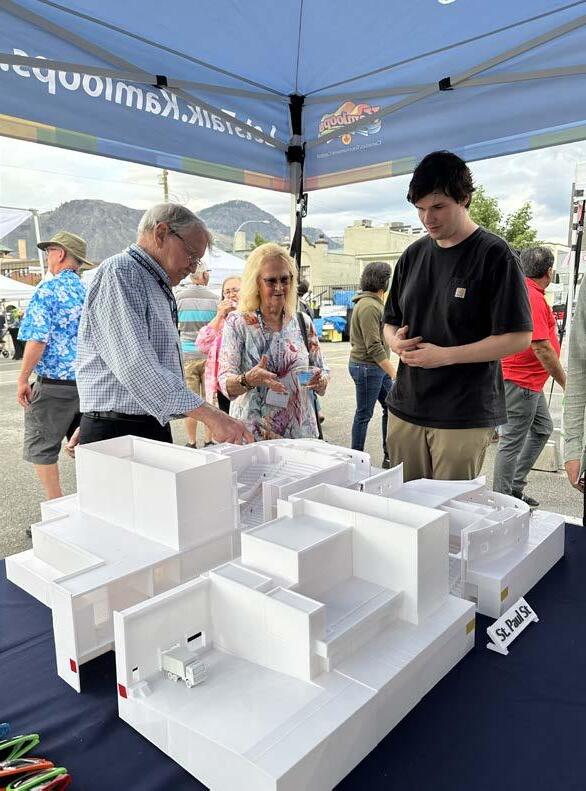
City of Kamloops
receives
GRANTS RECEIVED
ACQUISITION OF TANGIBLE CAPITAL ASSETS
DID YOU KNOW?
Tangible capital assets include past transactions and events. It is calculated as the difference between financial assets and liabilities. It provides an indication of the affordability of additional spending.
Tangible capital assets include land, buildings, equipment, computering networks, roads, sidewalks, lighting, water, sewer and drainage infrastructure. The City's capital assets also include the Kamloops Airport facilities and equipment.
CITY OF KAMLOOPS FULL TIME EQUIVALENT POSITIONS

Source: City of Kamloops, Employee Services and Corporate Services
CUPE (OUTSIDE): Unionized municipal employees working non-desk jobs including trades, fleet crews, parks crews, labourers, etc.
CUPE (INSIDE): Unionized municipal employees working desk jobs
IAFF: Unionized members of Kamloops Fire Rescue
EXEMPT (NON MANAGEMENT): Advisors and liaisons in non-unionized roles including human resources, safety, and external relations
MANAGEMENT: Non-unionized employees in leadership roles
Kathleen Fisher
Workforce Composition
TOP 3 INDUSTRIES IN SERVICES SECTOR
In the Services sector, Health Care, Retail, and Professional Services lead employment, representing a dominant portion of the workforce.
NUMBER OF EMPLOYEES BY INDUSTRY
HEALTH CARE AND SOCIAL ASSISTANCE WORKERS
WHOLESALE AND RETAIL TRADE WORKERS
TOP 3 INDUSTRIES IN GOODS SECTOR
The Goods sector is mainly driven by industries such as Construction, Manufacturing, and Agriculture, which together account for a substantial share of the workforce.
34,300
CONSTRUCTION WORKERS
MANUFACTURING WORKERS
PROFESSIONAL, SCIENTIFIC AND TECHNICAL SERVICES WORKERS
48,400 54,700 26,300 20,800
9,200 FORESTRY, FISHING, MINING, QUARRYING, OIL AND GAS WORKERS

Source: Statistics Canada - Labour Force Survey December 2025
Tracey Mourre
NEW CONSTRUCTION AND BUSINESS LICENCES
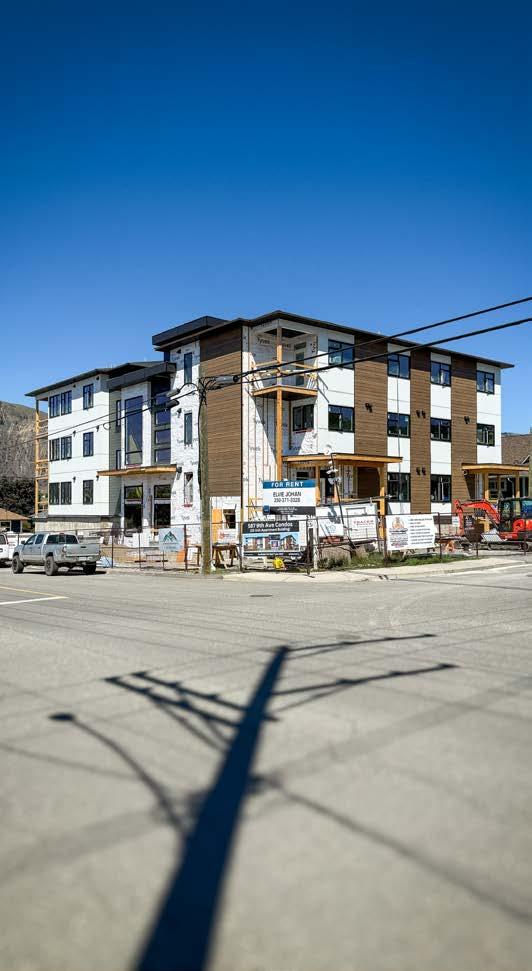
Source: City of Kamloops, Development, Engineering, and Sustainability Department
City of Kamloops
Development, Engineering, and Sustainability Application Summary
Permissive Tax Exemptions
Every year, the City of Kamloops receives applications from non-profit organizations that own land and qualify for tax exemption under the requirements of provincial legislation. In 2025, the following non-profit organizations qualified:
Provincial Legislation (the Community Charter) statutorily exempts the building and the land on which the building stands, for places of worship, specific seniors' housing, hospitals, and private schools. Council may, by bylaw, permissively exempt the land surrounding the building. In 2021, Council adopted bylaws to exempt the following surrounding lands:
PLACES OF WORSHIP
Revitalization tax exemptions are limited to municipal property taxes (Sec 197(1)a of the Community Charter) and do not extend to school and other property taxes. Council adopted said bylaws to exempt the following properties.
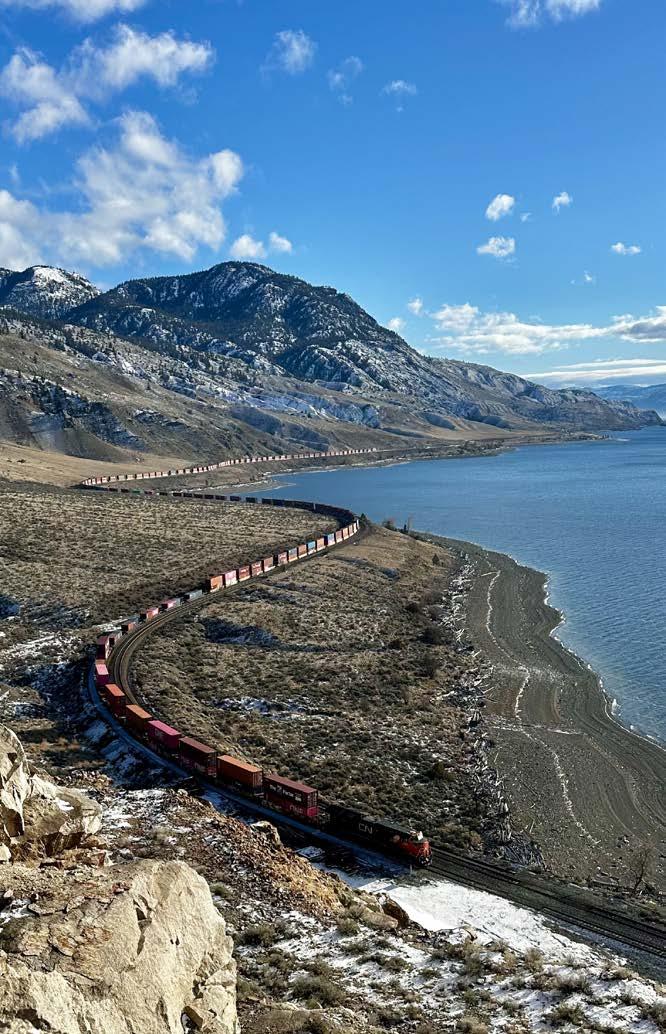
Milan Sangha
Tournament Capital Grants
TOURNAMENT CAPITAL GRANTS
17,879
20,790
$9,985,745

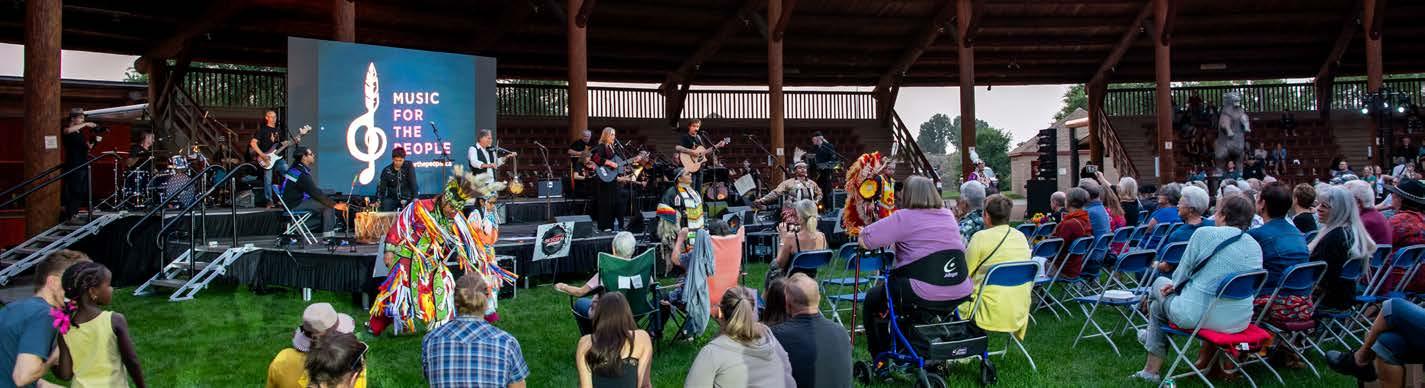
Mary Putnam
TRANSFER OF FEDERAL REACHING HOME GRANTS
SOCIAL AND COMMUNITY DEVELOPMENT GRANTS
Community Service Agreements

Vicki Baerg
Important Contact Information
City of Kamloops
City Hall: 7 Victoria Street West, Kamloops, BC, V2C 1A2
250-828-3311 | info@kamloops.ca Kamloops.ca | LetsTalk.Kamloops.ca
Report an Issue
8:00 am–4:00 pm: 250-828-3461
For emergencies, press "1" for an after-hours contact
Hours of Operation
8:00 am–4:00 pm
Closed on weekends and statutory holidays
Mayor’s Office
250-828-3494
Kamloops.ca/Council
City Department List Kamloops.ca/Departments
Chief Administrative Officer’s Office 250-828-3498
Communications and Community Engagement 250-828-3445
Development, Engineering, and Sustainability 250-828-3561
Corporate Services 250-828-3811
Community and Culture 250-828-3400
Protective Services: 250-828-3569
Civic Operations 250-828-3461
Employee Services 250-828-3439
Community Services (Bylaws) 250-828-3409 Kamloops.ca/CommunityServices
Landfill Kamloops.ca/Landfills
Tournament Capital Centre Kamloops.ca/TCC
Bus Schedule and Fares BCTransit.com
Venture Kamloops VentureKamloops.com
Tourism Kamloops TourismKamloops.com
Fire 911
Ambulance 911
RCMP (Bilingual) 560 Battle Street 250-828-3000
Royal Inland Hospital 311 Columbia Street 250-374-5111
Drive BC DriveBC.ca
Weather Weather.gc.ca

CITY OF KAMLOOPS
Wayne Parsons