KAMLOOPS POINT-IN-TIME COUNT

Annual Enumeration Report
Annual Enumeration Report
The City would like to thank everyone who contributed their time and expertise to the Kamloops 2025 Point-in-Time Count, including all the organizations and the volunteers who participated. Without the community’s support, the Kamloops Point-in-Time Count would not be possible. The City would also like to thank the individuals experiencing homelessness who took the time to share their personal stories with us. The City hopes that this report can add to the efforts to reduce homelessness in our region.
The project team and community partners included the following:
■ City of Kamloops
■ Tḱemlúps te Secwépemc
■ ASK Wellness
■ A Way Home Kamloops
■ BGC Kamloops
■ Canadian Mental Health Association Kamloops Branch
■ Community Living British Columbia
■ Lighthouse Project
Funder: Reaching Home Program: Canada’s Homelessness Strategy
■ Interior Community Services
■ Interior Health
■ Kamloops Aboriginal Friendship Society
■ Kamloops and District Elizabeth Fry Society
■ Ministry of Social Development and Poverty Reduction
■ Out of the Cold Shelter Society
■ The Mustard Seed Kamloops
The City of Kamloops occupies land that, since time immemorial, has been a place of great cultural and economic importance in our region. The City acknowledges that we are located on Tḱemlúps te Secwépemc territory, situated within the unceded ancestral lands of the Secwépemc Nation. We honour and respect the people, the territory, and the land that houses our community.

The Kamloops 2025 Point-in-Time Count took place on October 15 and 16, providing a snapshot of the number of people experiencing homelessness within a 24-hour period. Typically, Point-in-Time Counts serve two purposes. First, to count the number of people experiencing homelessness during a specified time frame, and second, to collect demographic and service -need information through surveys.
Funding for this initiative comes from the federal government’s Reaching Home: Canada’s Homelessness Strategy grant. As part of the Reaching Home agreement, communities participate in nationally coordinated point-in-time counts. A count (enumeration) is required every year, while the survey is carried out once every three years. The next Point-in-Time Count with the survey is planned for 2027. Conducting annual counts helps ensure a consistent, year-to-year understanding of the number of people experiencing homelessness nationwide. Data from the 2025 Point-in-Time Count will also inform the BC provincial count.
A group of 54 volunteers, made up of outreach workers, shelter staff, people with lived experience of homelessness, and others, participated in the Kamloops Point-in-Time Count. Data was provided from 10 shelters, and enumeration screening tools were completed throughout the City of Kamloops. Counts were conducted along various
THE 2025 KAMLOOPS POINT-IN-TIME COUNT FOCUSED EXCLUSIVELY ON THE COUNT AND DID NOT INCLUDE THE SURVEY COMPONENT.
walking routes on streets, in parks, along riverbanks, and at two magnet events designed to encourage participation. During the 24-hour period, 419 individuals were counted. The information collected will help guide decision makers, planners, and service providers in advocating for and developing programs and services that support our community’s most vulnerable.
The Point-in-Time Count methodology is representative of the number of people experiencing homelessness on a given day. It provides a baseline for understanding the most visible and often most vulnerable individuals in our community. The actual ongoing number of people experiencing homelessness is likely much greater. The information within this report should not be taken in isolation. Additional data sources should be used to provide a more comprehensive understanding of homelessness in our community.
The Canadian Observatory on Homelessness defines homelessness as “the situation of an individual, family or community without stable, safe, permanent, appropriate housing, or the immediate prospect, means and ability of acquiring it.” (Gaetz et al., 2017). This includes:
Sheltered Homelessness:
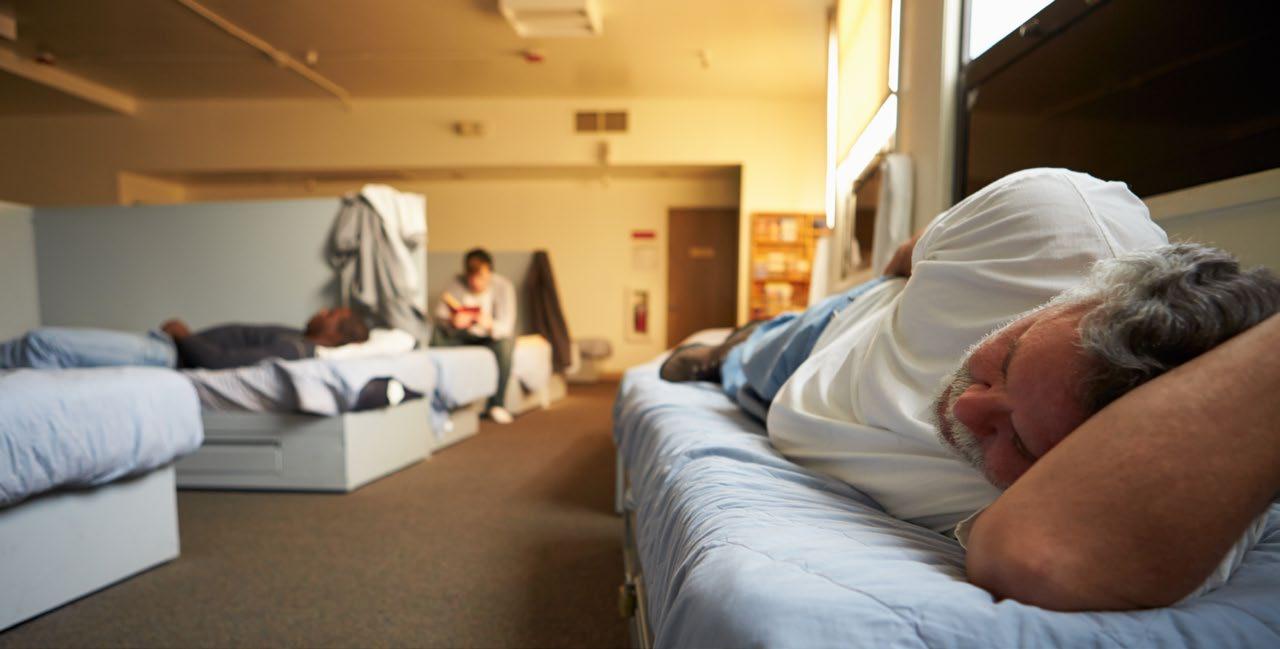
An individual stays in an emergency shelter, a transition house for women and children fleeing violence, or a safe house for youth.
Unsheltered Homelessness:
An individual sleeps in locations unfit for human habitation, including streets, alleys, parks, vehicles, abandoned buildings, ravines, or other outdoor areas.
An individual temporarily stays with others without secure or permanent housing, commonly referred to as “couch surfing”, including stays with family, friends or acquaintances.
In 2016, the Canadian Observatory on Homelessness estimated that 235,000 Canadians experience homelessness, and the number of Canadians who experience homelessness on any given night to be 35,000 people (Gaetz et al., 2016).
“It [homelessness] is the result of systemic or societal barriers, a lack of affordable and appropriate housing, the individual/household’s financial, mental, cognitive, behavioural or physical challenges, and/ or racism and discrimination. Most people do not choose to be homeless, and the experience is generally negative, unpleasant, unhealthy, unsafe, stressful and distressing.” (Gaetz et al., 2017).
Key structural factors influencing homelessness include poverty, access to affordable housing, access to health supports, and ongoing discrimination. Additionally, gaps exist within systems that support vulnerable populations, including the child welfare system, mental health and substance use services, and discharge planning for hospitals. Personal health circumstances, such as traumatic events, mental health problems, substance use disorder, physical disabilities, and relational issues, may also factor into someone’s likelihood of experiencing homelessness.
The Point-in-Time Count is a commonly used methodology across Canada that provides a snapshot of the number of people experiencing homelessness in a community within a 24-hour period.
Point-in-Time Counts provide a common language and comparable data sets for service providers, governments, and communities to use in planning. Year-over-year comparisons identify trends or changes in the number and type of people experiencing homelessness. The information gathered will contribute to the local, provincial, and national understanding of homelessness. The Kamloops 2025 Point-in-Time Count focused exclusively on enumeration, the systematic process of counting individuals experiencing homelessness within a 24-hour period.
Enumeration is derived from two components. The first is a shelter count from staff at local shelter sites, which provides the total number of clients staying in sheltered locations on the night of the count. The second is an unsheltered count, which includes individuals who indicated they had stayed in an unsheltered location the previous night. These individuals were reached by volunteers conducting surveys during the day following the shelter count. An example of the unsheltered enumeration screening tool used by volunteers is in Appendix 1.
Additional data sources considered during the Kamloops 2025 Point-in-Time Count include observed homelessness and individuals staying in public systems and treatment centres.
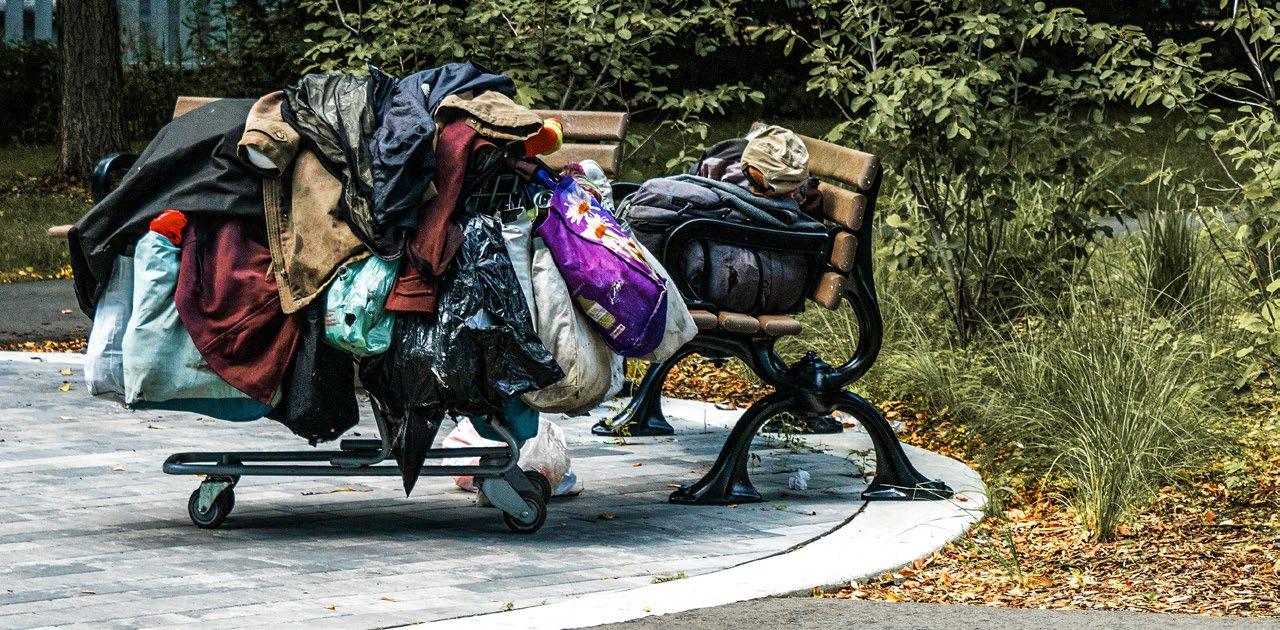
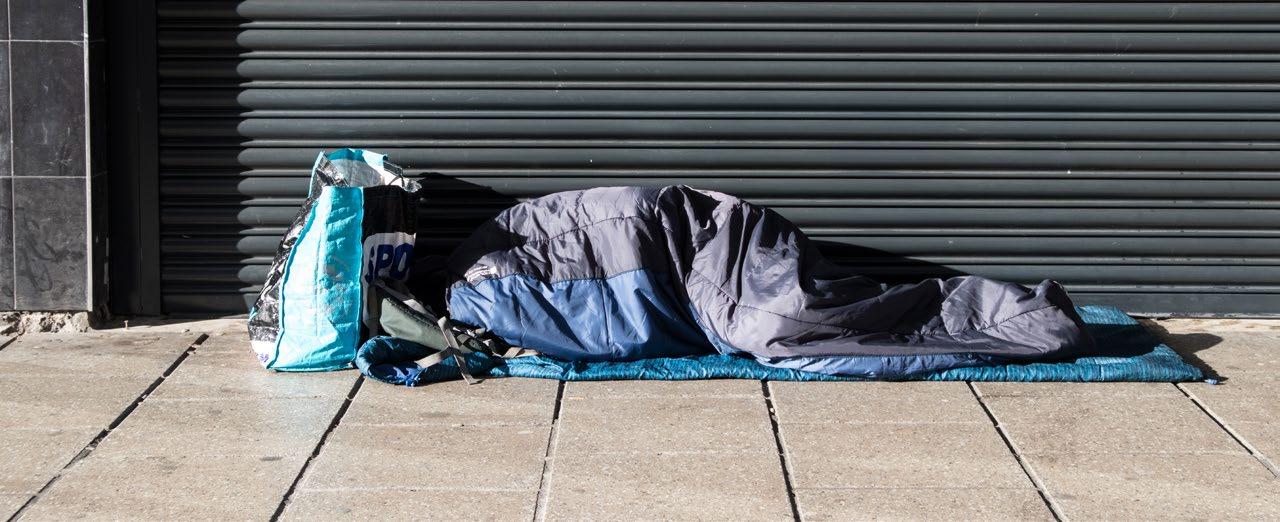
Observed homelessness is defined as individuals who appeared homeless but were unable or unwilling to participate in the interview questions. Volunteers were instructed to identify individuals sleeping or lying down in an unsheltered location and had belongings with them, such as backpacks, garbage bags, shopping carts, sleeping bags, bedrolls, etc.
On October 16, 2025, 48 individuals were reported on the observed homelessness tally sheets. For an individual to be included on the tally sheet, volunteers were required to note the location and provide a description of the indicators of homelessness. An example of the tally sheets used by volunteers is in Appendix 2.
Public systems are institutional systems owned by or funded by the government (e.g. education, health care, and justice). In 2025, Kamloops collected data to report on the number of people without permanent housing staying in public systems on the night of October 15. Data was collected from the Royal Inland Hospital Emergency Department and BC Corrections.
The Performance, Research and Evaluation unit at BC Corrections provided data via administrative reports. The data was based on individuals in provincial custody between 8:00 pm on October 15 and 8:00 am on October 16 whose primary address in BC Corrections’ case management system was listed as Kamloops, and the analysis of the housing address suggested a precarious or uncertain housing situation upon release. Based on this dataset, it is estimated that 25 people in provincial custody met these criteria on October 15–16, 2025.

The Interior Health Epidemiology and Surveillance Unit provided data for the Kamloops 2025 Point-in-Time Count. Using internal systems, they extracted information that found between 8:00 pm on October 15 and 8:00 am on October 16, two individuals were in the Emergency Department with no fixed address or whose address was at a shelter location.
Two treatment centres in Kamloops—Day One Society and A New Tomorrow Treatment Solutions—provided data via administrative reports. The data was based on individuals in treatment between 8:00 pm on October 15 and 8:00 am on October 16 whose primary address in the centres’ case management systems was listed as Kamloops, and the analysis of the housing address suggested a precarious or uncertain housing situation upon discharge. Based on this dataset, an estimated 12 individuals in treatment met these criteria on October 15–16, 2025.
The information collected from observed homelessness tally sheets, public systems, and treatment centres provides a more comprehensive picture of homelessness in Kamloops. However, due to limitations in the data and to maintain consistency and comparability with datasets from previous years’ Point-in-Time Counts, the information has been shared but will not be included in the number of individuals identified as part of the enumeration total.
■ The data cannot be verified as current by the individual, which affects its reliability.
■ The length of someone’s incarceration was not considered in the results, which could have an impact on the future likelihood that they would be considered unhoused once released.
■ For observed homelessness, there is potential for observer bias and risk of duplication.
Point-in-Time Counts provide a snapshot of the number of individuals experiencing homelessness over a 24-hour period. While results provide a trend over time and allow for a common language across communities, there are limitations to the methodology, such as:
■ The Point-in-Time Count is an estimate of the minimum number of people experiencing homelessness. It is important to recognize that this is an undercount.
■ The hidden homeless, who are individuals usually staying with friends, family, or strangers who do not have the security of continued residency, are hard to connect with and may be missed in the count.
■ Women and youth are more likely to experience hidden homelessness. Families are also more likely to intentionally hide or not use regular homelessserving agencies due to fear of losing their children.
■ Volunteers participate in training before the count; however, there is a risk that they can interpret questions differently or lead responses based on their own bias when asking the screening questions.
On October 16, 2025, two magnet events were organized to encourage participation in the Point-in-Time Count. The events were hosted by the Kamloops Aboriginal Friendship Society and the ASK Wellness Society in collaboration with Interior Health. The magnet events targeted people experiencing hidden homelessness and provided services such as seasonal influenza and COVID-19 vaccines, assisting with BC Cancer cervix self-screening, testing for sexually transmitted infections, wound care, mental health and substance use services, and access to opioid agonist therapy. Warm food and drinks, raffle prizes, and connections to other supports were also provided to participants.

At least 419 people were experiencing homelessness in Kamloops over a 24-hour period on October 15–16, 2025. This number includes 274 people who were counted in shelters on the night of October 15 and 136 people who were identified as experiencing unsheltered homelessness on October 16.
One of the screening questions asked participants where they slept the night before. Shelter numbers were collected directly from the shelter operators. In addition to this, individuals were interviewed during the day, and those who said they stayed in shelter were removed from the enumeration.
*Other includes hotel/motel or unsure.
274 SHELTERED 9 HIDDEN 136 UNSHELTERED
Compared with 2021, shelter counts in 2025 showed more available beds and higher use. There were 180 shelter beds in 2021 compared to 287 shelter beds in 2025. Based on the occupancy rates of 65% in 2021 and 95% in 2025, more people experiencing homelessness were accessing shelter services at the time of the Kamloops 2025 Point-in-Time Count.
While shelters are an emergency response to homelessness and do not help to address the housing crisis, they provide individuals with the very basic necessities of life. For some, a shelter can be the first step in rebuilding their lives. Accessing shelter can help individuals connect with resources and provide them with a short-term, stable environment, which can help prepare them for more stable, longer-term housing.
MORE PEOPLE EXPERIENCING HOMELESSNESS WERE ACCESSING SHELTER SERVICES AT THE TIME OF THE KAMLOOPS 2025 POINT-IN-TIME COUNT.
Results from the Kamloops 2025 Point-in-Time Count will be used by decision makers, planners, and service providers to inform programs and services, guide advocacy efforts, and support funding applications.
The Point-in-Time Count methodology is representative of the number of people experiencing homelessness on a given day. It provides a baseline for understanding the most visible and often most vulnerable individuals in our community. The number of people experiencing homelessness is likely much higher. The information within this report should not be taken in isolation. Other data sources should be used to add to a more comprehensive understanding of homelessness.
The causes of homelessness are a combination of structural factors, system failures, and individual circumstances. To better support vulnerable people in our community, changes to key institutions and policies, the development of more inclusive and targeted programs, and a notable change in attitudes, biases, and treatment toward the unhoused population are needed.
THROUGH A COORDINATED EFFORT THAT ADDRESSES THESE ROOT CAUSES, WE CAN CREATE A COMMUNITY WHERE EVERY INDIVIDUAL HAS THE OPPORTUNITY TO LIVE WITH DIGNITY AND STABILITY.

Canadian Observatory on Homelessness (2019). Indigenous Peoples. Homeless Hub. Retrieved September 18, 2023, from https://www.homelesshub.ca/about-homelessness/ population-specific/indigenous-peoples
Canadian Observatory on Homelessness (2021). Substance Use & Addiction. Homeless Hub. Retrieved September 18, 2023, from https://www.homelesshub.ca/abouthomelessness/topics/substance-use-addiction
Canadian Observatory on Homelessness (2024). Guide to Point-in-Time Counts in Canada (4th Edition). Retrieved December 9, 2025, from https://www. homelessnesslearninghub.ca/ about-homelessness/topics/ overnight-locations
City of Kamloops. (2021). Point-in-Time-Count Report. https:// www.kamloops.ca/our-community/housing-homelessness/ homeless-count
City of Kamloops. (2024). Point-in-Time-Count Report. https:// www.kamloops.ca/our-community/housing-homelessness/ homeless-count
Employment and Social Development Canada (2021). Guide to Point-in-Time Counts in Canada: Edition 3.1. Homelessness Learning Hub. Retrieved September 11, 2023, from https:// homelessnesslearninghub.ca/library/resources/guide-pointtime-counts-canada-edition-31/
Gaetz, S., Gulliver, T., & Richter, T. (2014). The State of Homelessness in Canada 2014. Homeless Hub. Retrieved August 25, 2023, from https://www.homelesshub.ca/sites/ default/files/attachments/SOHC2014.pdf
Gaetz, S., Dej, E., Richter, T., & Redman, M. (2016). The State of Homelessness in Canada 2016. Homeless Hub. Retrieved September 11, 2023, from https://homelesshub.ca/sites/ default/files/SOHC16_final_20Oct2016.pdf
Gaetz, S., Friesen, C., Harris, A., Hill, B., Kovacs-Burns, C., Pauly, K., Pearce, B., Turner, B., & Marsolais, A. (2017). Canadian Definition of Homelessness. Homeless Hub. Retrieved March 11th, 2025, from https://www. homelesshub.ca/sites/ default/files/ COHhomelessdefinition.pdf
Homelessness Services Association of BC (2021). 2020/21 Report on Homeless Counts in B.C. HSABC. Retrieved July 15, 2023, from https://hsa-bc.ca/2020-homeless-count.html
Infrastructure Canada (2019). Reaching Home: Canada’s Homelessness Strategy Directives. Retrieved August 25, 2023, from https://www.infrastructure.gc.ca/homelessness-sansabri/directives-eng.html#h2.2
Tḱemlúps te Secwépemc (2019). Our Land. Retrieved September 21, 2023, from https://tkemlups.ca/profile/ history/our-land/
The Homeless Hub (2024). Preventing Youth Homelessness in Canada. The Role of Education Policies. Preventing Youth Homelessness in Canada with Education Policies.
Hello, my name is and I’m a volunteer for the City of Kamloops homelessness and housing needs study
A.Have you already spoken to someone today with this clipboard and lanyard? [YES: Thank and end] [NO: Continue script]
We are working to measure recent changes in the population experiencing homelessness in our community. This should only take about 1 minute to complete. Participation is voluntary and your name will not be recorded. Results will contribute to the understanding of how homelessness is changing across Canada and will help to support programs and services that prevent and end homelessness.
B.Are you willing to answer a brief question about housing and homelessness in our community? [YES: Go to C]
[NO: Thank and record on enumeration sheet, if applicable]
C.Where did you stay last night? (DO NOT READ CATEGORIES) (Circle appropriate letter)
a. DECLINE TO ANSWER
b. OWN APARTMENT / HOUSE
[THANK and record on enumeration sheet if community is including observed homelessness and surveyor believes individual is experiencing homelessness.]
[If B, THANK RECORD, and END
c. SOMEONE ELSE’S PLACE SURVEY]
d. MOTEL / HOTEL (SELF FUNDED)
e. HOSPITAL
f. TREATMENT CENTRE
g. JAIL, PRISON, REMAND CENTRE
h. HOMELESS SHELTER (e.g. emergency, family or domestic violence shelter, warming centre, drop-in)
[IF C OR D, Continue to C1]
[THANK, RECORD, END SURVEY]
[THANK, RECORD, END
i. HOTEL / MOTEL FUNDED BY HOMELESS PROGRAM SURVEY]
j. TRANSITIONAL SHELTER/HOUSING
k. UNSHELTERED IN A PUBLIC SPACE (e.g. street, park, bus shelter, forest or abandoned building)
[THANK, RECORD, and END
l. ENCAMPMENT (e.g. group of tents, makeshift shelters or other long-term SURVEY] outdoor settlement)
m. VEHICLE (e.g. car, van, recreational vehicle (RV), truck, boat)
[Proceed with instructions for
n. UNSURE: INDICATE PROBABLE LOCATION (b. – m.) probable location response]
C1. Do you have access to a permanent residence where you can safely stay as long as you want?
a. YES
b. NO
c. DON’T KNOW
d. DECLINE TO ANSWER
Thank you for agreeing to take part in this survey.
[THANK and END SURVEY]
[THANK, RECORD, and END SURVEY]
Area: _____________________________ Time:_____to_____ Surveyor: _____________________ Contact phone #: __________
Instructions: This sheet can be used to record observed homelessness. For those who are unable or decline to answer the screening questions, but who you believe may be experiencing homelessness, please record the indicators of homelessness.