
Vol.I,Issue1 .
©2026,WranglerPress
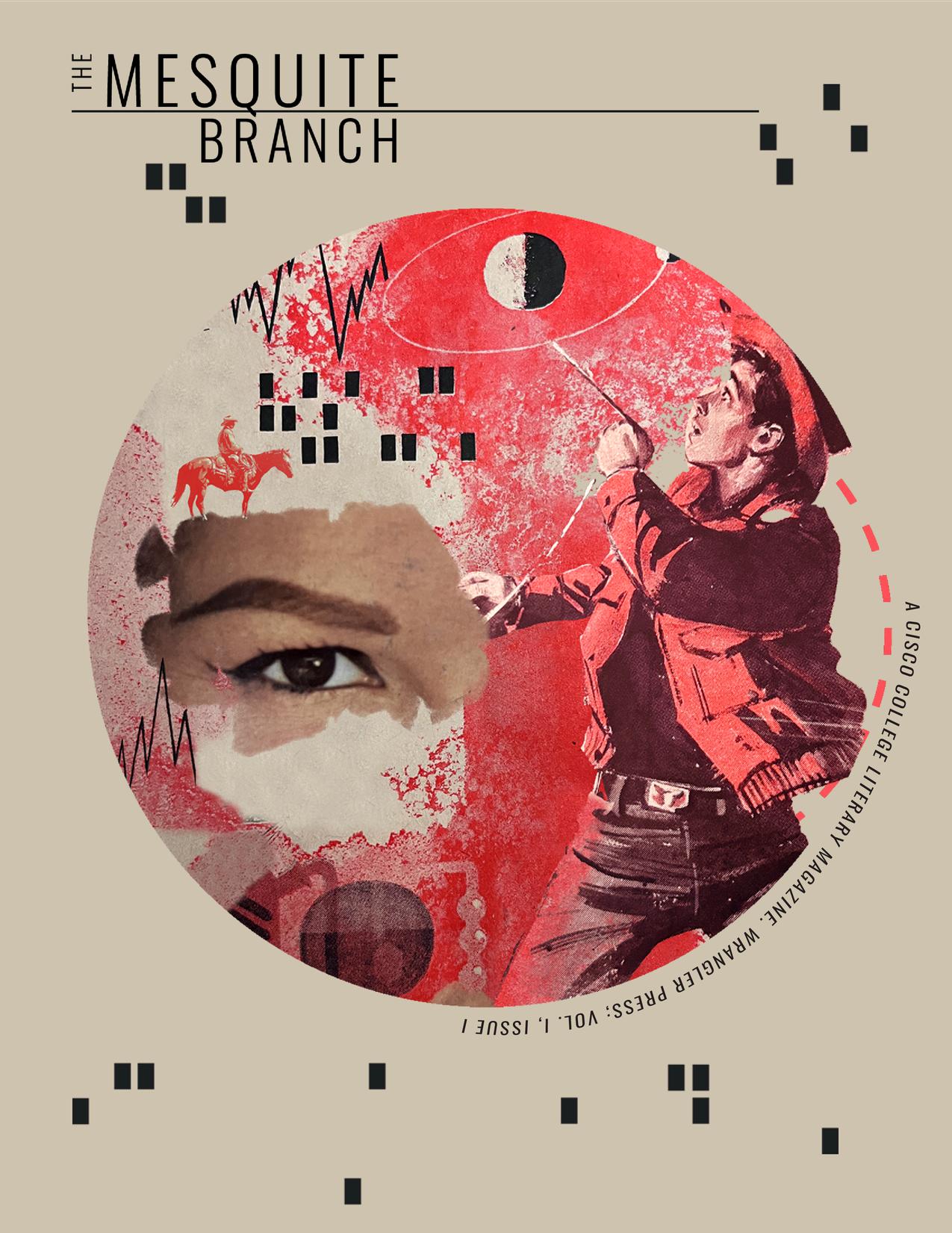
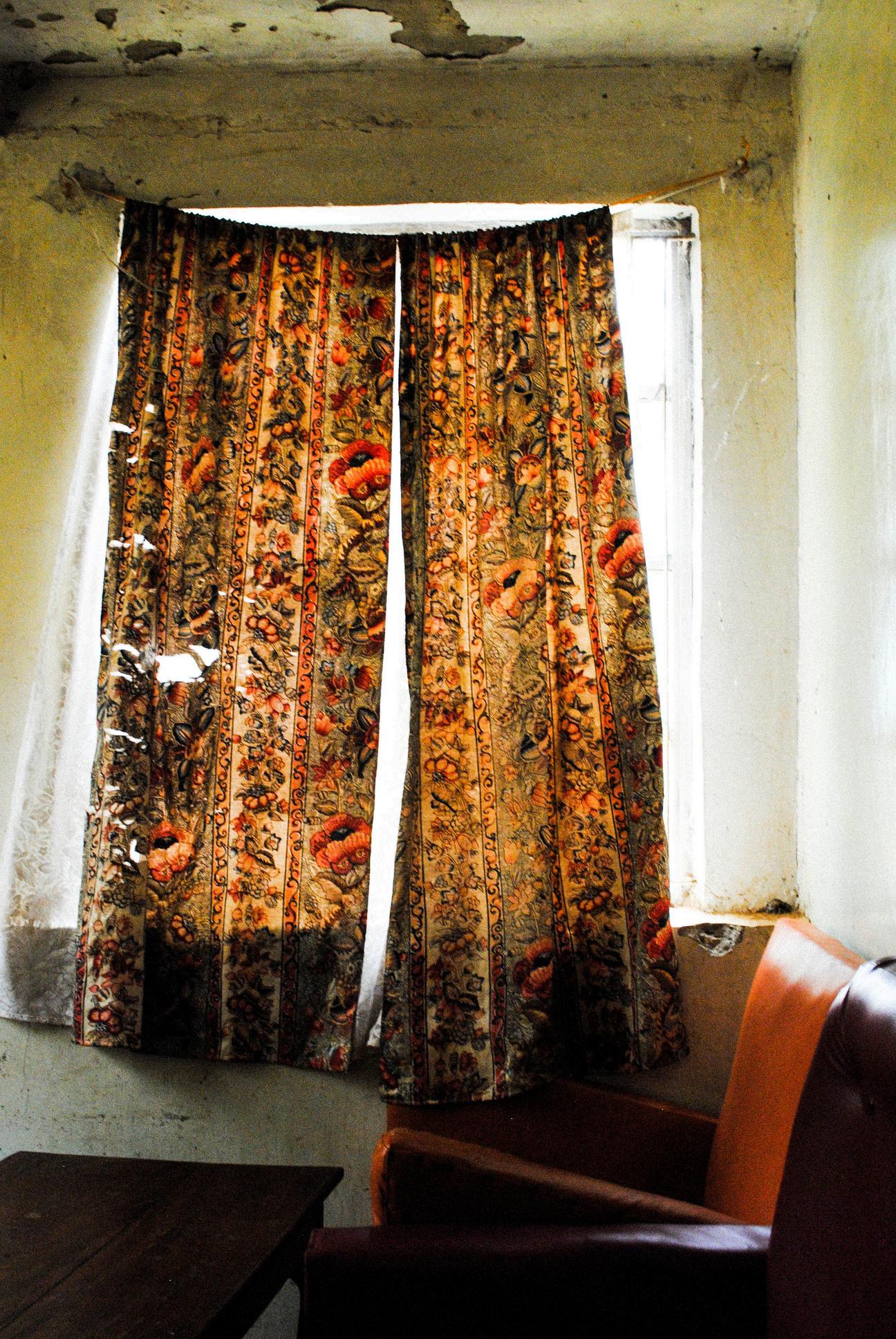
Coverimage,“Memory Holes”byJohnMark
Lapham,©2026
DesignbyKyleSmith
When I signed on to edit Cisco College’s first literary magazine, I had one big goal: variety. I wanted to include work from students, seasoned writers, artists, the whole shebang. Easy enough. But then came the question every editor dreads: what’s the theme? I’ve never been good with themes. When teaching, I start semesters with grand thematic plans, only to abandon them halfway through. Maybe it’s my skepticism of the concept. I remember a screenwriting instructor barking at our grad school workshop, “Never write from theme!” Flannery O’Connor agreed: “Theme should grow naturally from the story and characters, not be imposed as a lesson.” Fair point. At least when storytelling.
And here’s the truth editing a first issue feels a lot like writing a first draft. You can’t force it. There’s too much variety here too many voices, too many styles to cram into one neat box. Besides, much like “mood,” another amorphous literary term, theme is slippery. Better to leave that to you, the reader. Robert Frost said, “A poem begins in delight and ends in wisdom.” So, I’ll let you decide what wisdom (and delight) this collection holds.
What I can promise is something worth steeping in. Bold fiction, sharp essays, striking photography, and art that surprises. Inside, you’ll find gang members and stalkers wrestling with morality, an exotic dancer chasing her dream of Juilliard, a young man caught between the sacred and the profane...
Welcome to the first issue of The Mesquite Branch, named for the scrappy, abundant tree native to West Texas. (Tree? Shrub? Bush? Depends who you ask.) A special thanks to Denver David Robinson, John Mark Lapham, Matt Leavitt, Jodi Frizzell, and the group of gifted writers and artists--both new and established--who lent their voice and vision to this project and made it happen.
– Kyle Smith, Editor
by Holly Carignan
You will grow a thick, lifelong bedrock of fear and humiliation, a hardened, crusted sedimentary record of your experiences It starts when you are four, at the community pool, on the slide, and the neighbor, a grown man, stands at the bottom with his arms open wide to catch you. Your parents beckon you from the pool and tell you to never ever do that again.You don’t understand but you feel a hot, hot shame on your sunburned face.
When you are in kindergarten, a policeman comes to your class and warns you about strangers. You and your classmates line up and, one by one, have your descriptions written down lest you do not heed the warnings. The nurse notes a raised, dark mole on your right shoulder You didn’t know it was there. You later look in the mirror and decide you hate it.When you are in the second grade, a child you don’t know is abducted from a
nearby neighborhood. Your mother discusses the matter with the other moms at the bus stop, and they all cluck, tsk and sigh. You picture sinister, thieving men pushing their way up from hell and through manholes, aching, ravenous, ready to pluck children off the streets. You cease riding your bicycle for a week.
You develop before the other girls in your class Two boys needle you every recess, request a showing of your tits. That summer, a pretty girl, one grade higher, gathers a group of girls at the community pool to torment you about the hair in your armpits. Your mother does not permit you to wear a bra or shave, says you are too young. You start wearing shirts two sizes too big over your bathing suit.
When you are twelve, you are riding your bicycle to the community pool and a car slows beside you. It’s a dinged-up Volkswagen Rabbit, its driver shaggy and filthy, and you think again of those men coming out of manholes. You make the mistake of looking into his eyes, the tar pool of his molten core. His tongue practically lolls out of his head as if he is a stinking, overheated jackal.He speeds away. You continue to the pool, your pedaling reaching a fevered momentum. You are hypervigilant, scanning front, back, left, right. When you arrive, your mother is already there, relaxing on a lounger.You, sweaty but cold, gasping, stay by her side for the entire afternoon. At the end of the day, your mother is irritable as she tried to maneuver your bicycle into the trunk of her car This time, you stay off your bicycle for the rest of the summer.
When you are thirteen, your parents corner you in your bedroom to tell you that you are getting fat. You do something about it. When your period stops, your parents reverse course and try to get you to gain weight. One day, in the middle of school, your mother picks you up and takes you to the gynecologist.It has never occurred to you that anyone, or anything, could possibly go between your legs and inside your body.The gynecologist is an old man with glasses, face wrinkled like a pale raisin, his breath stale. You see a foreign metal device on a tray next to the bed and the old man tells you to put your feet in the stirrups. You feel cold air on your naked bottom. The man inserts the device, and it feels like he is slowly opening an umbrella, all spokes and cold metal, in your body. It hurts. A lot. Your mother later drops you off at school and you sit in class, shaken and white. You turn and glance at the kid behind you but don’t know why exactly. He asks what your problem is. You shrug, turn back
around. You decide to forget, to stuff the day’s events into that crowded wasteland in your memory where such things belong. The mist of a depression starts to settle on your skin like a sticky insecticide.
In the tenth grade, you ride your bicycle with your friend Stacy. You pass a car parked on the side of the road with a man working underneath it. The man is on his back, his face obscured by the floor of the car, his fly open and his penis hanging like a dead, flaccid eel washed ashore. Down the road, at a stoplight, Stacy, her face ashen, asks if you saw what she saw.You sputter out a yes. This is the last time you and Stacy will talk about it, but you will always wonder if that man did it deliberately. You will never know. Sometimes, a mystery must stay a mystery.
The summer before you graduate high school and leave home for the University of Florida, a story about a serial killer in that college town makes national headlines That night, you are filled with dread while you lie awake in your dark bedroom. You sleep with the lights on that night. And the next.And the next. Until your father tells you not to. Months later, you see The Silence of the Lambs in the theater and your dread returns. This time, you go to bed with a book light on, but the battery conks out and leaves you alone in the dark. Before you move into the University of Florida dorms, you have that horrid mole removed by a dermatologist who later calls to tell you it is not cancerous.For a fleeting moment, you wonder how they will identify your body now, but remember with relief that there are always dental records. That fall, you ride your bicycle to class and pass a wall onto which the victims’ names had been spraypainted. Every day that semester, as you glide by, you say those names aloud, into the wind, like an elegy.
Before you graduate, you attend a reading by a southern author who describes Florida as a “penis hanging off the belly of America” and this amuses you. Degree in hand, you pack your shit, drive north, and wave goodbye to America’s penis You find an apartment, a job, a cat you name Pumpkin. You love that cat with every atom, every proton, neutron and electron of your being.
One day, two years later, you find a note written on a ragged scrap of paper and stuck under your car’s windshield wipers.It says, in a shaky pen, “We are from different worlds but we are the same.” You accuse a man who has been pursuing you for a date of leaving that note on your
car. He denies it, and for reasons you don’t understand, you believe him. You will never find out who left it there, but one day you will have your suspicions.
Not long after you find the note, you go hiking with some friends, and you all go off the main path. You find the horn of an old Victrola in the middle of the forest, just sitting there alone The horn is strangely bright and brassy in that wet forest. You and your friends marvel at this random discovery and circle it like you are in an X-Files episode and have just discovered a flying saucer.
Your back is tight and throbbing after that hike, but you haul your garbage out to the dumpster anyway, out through your sliding door into the cool, silent darkness. You will wonder days later whether you had locked that sliding door before you and Pumpkin settled into your cuddle and drifted off to sleep together
You awaken to a stranger, a man, a man shrouded in the blue light of your clock radio. He yanks you up by your hair and tells you that if you scream, he will fucking kill you. You believe him. You know immediately what is about to happen. He gives you simple instructions: turn here, do this, touch that, suck my cock. You think of these directions as steps in a howto manual. It is all mechanical and you will do what you must.
You remember that Victrola horn, its random appearance in your life. How, you wonder, did it wind up in the middle of the forest? You question whether it was an omen, a sign of events to come, but you can’t come up with a logical connection between a rape and a Victrola.In your mind, you try to draw complicated diagrams of the connection, make what seem like brilliant mental leaps only to find yourself hopelessly confounded. The man starts a casual conversation with you, asks your name, your cat’s name, what kind of job you have. You lie. You sense a sad loneliness in this man, a pulsing desperation and you almost feel sorry for him
The man makes you get in the shower, tells you to count to one hundred. He calls out an apology, his voice trailing you know he is leaving. You count, and you hate each number as it drops out of your mouth.You shut off the spigot, tiptoe wet, scared, and weary into your room. He is gone, your sliding door open – the one you may or may not have locked. Pumpkin is in a low, tight crouch behind the television. You call the police.
“One detective looks like Morgan Freeman, and the other barks his impatience at you because you cannot tell him what surfaces, besides your body, the man may have touched. You request that this detective kindly stop, just stop. Your sentence ends in a trailing, bloodless ellipsis. You are dying infinite deaths in front of these men, these strangers. Morgan Freeman tells him to cut the shit.”
And the Victrola? Sometimes a mystery must stay a mystery.
There are squad cars, a swarm of officers and two detectives. One detective looks like Morgan Freeman, and the other barks his impatience at you because you cannot tell him what surfaces, besides your body, the man may have touched. You request that this detective kindly stop, just stop Your sentence ends in a trailing, bloodless ellipsis You are dying infinite deaths in front of these men, these strangers. Morgan Freeman tells him to cut the shit. They cover your walls, bathroom doorway, and sliding door with fingerprint powder, bag up your clothes, your bedding, tell you to go to the hospital to have evidence collected off your body. Your body is a crime scene. Pumpkin twines his way around Morgan Freeman’s legs. He pats Pumpkin’s head.
Over the weeks and months to follow, you meet with Morgan Freeman at the police station to go over your story again and again and again After each session, Detective Freeman escorts you out the back door and stands on the balcony, his hands resting on the rail, his foot, propped up on the bottom rung, watching you make your way down the stairs and across the lot to your car.You turn and wave before unlocking the door. You will always remember his kindness.
Several weeks after the assault, it comes to you in a synaptic jolt: you know exactly who left that note on your car You call Detective Freeman, and he asks you if you still have it. You promise to look for it and tear through your apartment. It makes you crazy. When you give up, you tell Detective Freeman you can’t find it, but you know exactly who left it. You are sure.We may never know, he tells you, a tinge of sorrow in his voice.
You max out two credit cards hiring people to move your belongings into a third-floor apartment with a buzzer. Over the next year, you read about three more rapes in your former apartment complex. The police set up a female decoy in the neighborhood and find a man following her with his zipper undone and his junk hanging out. Always with the goddamned open zippers, you think to yourself. You are unable to identify his picture, but the DNA speaks for itself.
You attend the man’s arraignment. He comes out in shackles. You hear them rattling with his shuffling steps. He looks like he just woke up from a lifelong bender.He is unshaven, his hair long, dark and bushy. He is
entirely unfamiliar to you, which startles you. But now you know his name. You see a middle-aged couple waving at this man and know, without needing to be told, that they are his parents. After he is arraigned, you go into the bathroom where you nearly collide with the man’s mother who is exiting, and you apologize.You drive home and think of all the inane apologies you have made in your life and realize that it is not you who must apologize It occurs to you that even the rapist himself knew this. You, too, from then on, will always know this.
The rapist cuts a deal with the prosecutor and is sentenced to twenty-four years in prison. You will live your life, with or without purpose. It is yours to choose. You go back to the forest to look for that Victrola horn but are unable to find it.You will never find that note.You have grown tired of mysteries.You send Morgan Freeman a thank-you card. Pumpkin remains your truest love.
For a while, like clockwork, on the anniversary of the rape, you dream about the rapist. In some of those dreams, you are expecting him, sitting in your bed and waiting.Oddly, it is not a feeling of dread you have in these dreams, but resigned expectation. He is a part of your bedrock, whether you like it or not.The dreams, though, eventually stop.In the last dream, the rapist is unable to get through that sliding door. He pulls, tugs, yanks, pounds his fists on the glass, but he cannot get in.His hands bleed. He crumples into a heap As dawn approaches, he vaporizes like a vampire in a shaft of light. The rape becomes like an ancient star whose ragged light has traveled through great distances of time and space to reach you so faded that you barely recognize it. You feel no fear now, and you find this odd.
Ten years after the rape, you jog past a motorcyclist waiting at a stoplight. He looks you square in the face and makes an obscene gesture with his tongue. You envision him skidding over an oil slick and laugh. You stop, lift your middle finger at this man, and continue jogging into the deepening dusk.
Holly Carignan lives in St Augustine, FL with her three irresistible, pesty, entertaining cats, one dog and a boyfriend She has an old, unused MA is psychology and, more recently, a BS in biochemistry When she is not slogging away in a hospital lab, she is home writing by computer light in the comfortable darkness of her messy house She is a proud member of a weekly writing group called The Scrawl, as well as the Westport Writer’s Workshop she is forever indebted to them for their friendship and support. She has had work published in the Connecticut Literary Anthology and an upcoming piece in Blood+Honey. She once won honorable mention in the Seventeen magazine fiction contest her proudest moment. This piece was previously published in the Connecticut Literary Anthology.

by Aiden Clawson
15-40, 5-6, second set, down double match point. My shirt blowing on my chest from the breeze, sweat dripping down my face, sun beating down on my hair. I bounce the ball twice as much as normal, thinking of a way to escape the situation I find myself in. I toss the ball and hit it with all the spin I could muster, followed by a sprint to the net, attempting to catch my opponent off guard Unfortunately, without realizing, I had leaned to the left while serving, causing the ball to go directly to my opponent's forehand I forget to prep my feet, and I dump the ball straight into the net.
I stand, in shock, disappointed I lost in such a way Hands on my hips I look to the bleachers
Mom, Rachel, Gavin No disappointment on their faces, only confusion. I turned to look at my opponent and saw he was walking to the add side of the court. I pondered a moment before realizing I had been so overwhelmed with how bad I was playing, I’d forgotten the score. The point I’d just played wasn’t 15-40
It was 0-30.
For most people, this would be a worse position, being so in their head they can’t keep score, down not one or two or three but four count ’em match points.
But I was relieved Relieved I had already experienced the disappointment of losing, so now I was free of pressure. I had a second chance
The 18th of May, 2024, was not particularly one of my best days. I had a good draw in the tournament I played in that day and was full of excitement. I paraded onto Court One, full of ambition. The sun was shining, the grass smelt fresh, the sound of balls bouncing on other courts, the squeaking of shoes all of it made for a nice morning. I was a good foot taller than my opponent, and was hitting the ball incredibly clean I quickly rushed to a 6-1, 4-1 lead, momentum so firmly on my side even my mother would congratulate my opponent on the good shots he’d hit.
Then, it happened. Something all tennis players fear. I got comfortable. I began dismissing the match as already over, thinking of strategies to win against my next round opponent Before I knew it, I was fighting for my life in a third set tiebreak and ultimately walked off the court.
Defeated Again
“I want to withdraw from the tournament,” I told Rachel I sat down on the bench outside the tournament building. “My serve is not good enough for tournament play, I can’t play matches right now ”
In her soft yet firm voice, Rachel shut down any
ideas of quitting “That is exactly why you need to play in tournaments. You can hit serves all day in practice and think your serve is good, what you need is the pressure of tournaments ”
I tried to argue with her, but ultimately I knew that deep down she was right My consolation bracket match was against an opponent I knew and respected. While I had won every match prior, they had not been easy matches
I skulked out to Court Fourteen, incredibly nervous I doubted my chances
The opening few games of the match were incredibly competitive. I was playing as if I hadn’t just suffered a terrible blow, hours prior. I was hitting my shots good as ever. One particular forehand caused a commotion from my friends in the audience However, despite the quality at which I started I lost the first set 3-6. In the midst of the second set, I completely missed a ball and hit it directly into the bottom of the net As I headed to the bench to grab my water and wipe the sweat off my hands, I overhead Gavin tell the rest of my friends, “He’s already lost this match ” His voice, those words reverberated in my head. Time slowed.
I went down 5-6, 0-40, match point
I had to prove Gavin wrong. This was personal.
Something happened, I’m not sure what, but it drew lightening, and the lightening moved my limbs with precision and skill. I grinded every point, absolutely refusing to miss I not only saved all four match points but went on to win the match in a dominant third set. It wasn’t a championship match, nor one against a much higher-ranked opponent, but this minor win was a big one for me. Huge.
I’m still trying to learn how to recreate that sensation of control and its accompanying relief, how to zone out all pressure. But as superpowers go, it remains elusive. Like if Superman could only fly by accident and every time he tried again, the ground stayed where it was. If an ability is something you can summon at will, I hesitate to call it that
So, I’m left with questions. Where did this instinct come from? And how can I get it back?

by Denver David Robinson
High on sugar and disregard, my brother, two friends, and I leave the Abilene Country Club, where Doug has just bought us milkshakes and triple-decker Monte Cristos for lunch by signing his grandfather’s name. I’m racing down Treadway Blvd., trying to get us across town, back to Abilene Christian High before the bell rings. The radio is turned up and the wind whips through the open windows: Sixteen, and spring. We’re pushing it. But really, we don’t care if we’re late.
At College Drive, I hang a right and just before the slight dip and curve that crosses over Cedar Creek, Doug shouts something from the backseat and hurls his white Styrofoam cup out the passenger window. I look and see it fly from the window and slam into the chest of one of two Black girls walking toward us on the sidewalk. The Styrofoam explodes, its straw-pierced plastic lid flies and I never see it fall. Vanilla milkshake snakes across the girl’s chest, face, hair, torso, and she stops, just freezes―arms at her sides, palms open to the sky with fingers splayed and screams. Loud enough to hear over the radio. All of it happens fast, the milliseconds expanding, collapsing like accordion bellows. She doesn’t yet know what’s happened, but she knows she’s been hit.
My eyes tear up but, No, I cannot cry. Chris is seated next to me.
Jonathan, my younger brother, screams at Doug, his best friend in all the world, “What the fuck, man!” He knocks the shit out of him in the backseat. Doug curls into a ball, half-choking, halfwheezing his deep, bronchial laugh. I slow down. I think we should stop, turn back, I mean, I don’t know, Is she all right? Are you all right!? Doug can be a real asshole sometimes. Can I drive you somewhere? But I know we cannot stop. We are four white teenage boys and one of us has just thrown a vanilla milkshake at a Black girl in the Black part of town and ruined her day and probably more and we might end up being held responsible, beaten up. Seen.
Now we’ve passed her, and someone shouts, “Faster! Go! Go! GO! Get us outta here!” I stomp on the gas pedal and swerve and manage to keep us heading up E. North 16th to Campus Court and park across from Zona Luce. We spill out of my two-door Mustang, run across the street, cursing―Doug, you motherfucker!―enter the school building, and disperse to our respective classrooms, late.
Almost right away I forget about the girl and her friend, about the milkshake, the shock and stab of it. I bury it, strike all traces of the assault from memory. After all, I didn’t do it. Yeah, I know it was wrong and stupid and mean, that I should have stopped, but also, I don’t even know that girl and probably never will, and maybe she didn’t see me, my car, Doug, or any of us, just the sudden flash of white before the milkshake slammed into her eyes. It’s too damn painful to think about, so I don’t.
I put distance between me and the crime until one day a line in Greg Bottoms’ Lowest White Boy triggers my memory and there it is: A milkshake thrown; a screaming girl. At first, I wonder did that actually happen? but when I reach out to my
brother and Chris, they confirm, Yeah, things went down that way, and I hate it, because today I know that I’m complicit, a coward, and I cannot ask Doug why he threw that damn milkshake in the first place―though I know―because he’s been dead for over twenty years, burnt up in his car that he flipped driving home one night, drunk and high as that lid and straw I never saw fall. And there’s no way to find that girl, now a woman roughly my age, I hope, or her friend. To say, I was there.
I know what happened.
I threw that fucking milkshake.
Denver David Robinson’s work has appeared in Buckman Journal, Vice, Christian Science Monitor, Reunion: The Dallas Review, and elsewhere. He has received an Oregon Literary Fellowship in Nonfiction, GLAAD's Outstanding Digital Journalism - Multimedia Award, and the Richard J Margolis Award for nonfiction writers of social justice A native of Memphis, he lives in Portland, Oregon.
by Doug Abeles
It was my Jew-fro, backpack and Sex Pistols t-shirt that gave me away. I hadn’t been in Jerusalem twenty-four hours when footloose tourist-me was approached at the Western Wall by an Orthodox yeshiva recruiter who marked me as low-hanging fruit, a wayward Jew ripe for returning to the fold. My “conversion” slash indoctrination at Yeshiva Aish HaTorah, where he took me to attend a free lecture, only required a week. Six days, to be precise. The same time it took God to create the universe.
I learned that there were actually 613 Commandments or mitzot. I learned that there was an ongoing spiritual battle within all of us between the Yetzer HaRa (the inclination to do good) and the Yetzer Tov (the inclination to do evil). I learned that I needed a Hebrew name and a kosher circumcision (as opposed to the medical one I received at birth) and a bar mitzvah, all of which my nonobservant parents had spared me of. I reveled in logical arguments and philosophical debates with my instructors and fellow students.
At least for a while.
After three grueling months of 12hour-a-day immersion in over-lit classrooms wreaking of the youngadult sweat of my fellow yeshiva bochers, my 22-year-old self was very much in need of a break. I asked for, and was granted, one day off. I considered visiting Jerusalem’s Biblical zoo but opted instead for Yad Vashem, the Holocaust Museum. After all, what better place to go for a relaxing mental health day than a holocaust museum?
As my bus sputtered up Mount Herzl, where Yad Vashem occupied 45 terraced acres, I was overcome by the same sort of jangly anticipatory excitement I used to feel during grade school field trips to the Museum of Natural History. Perhaps that’s why I couldn’t help but wonder if Yad Vashem had a gift shop, and if so, what kind of souvenirs might be on sale. “Never Forget” memo pads? Coffee mugs solemnly inscribed “6,000,000”? T-shirts emblazoned with “I visited Yad Vashem and all I got
was this t-shirt!”?
With a squeal the shuttle’s overtaxed brakes signaled our arrival, or should I say my arrival, at the Visitor Center. At this mid-afternoon hour I was the sole passenger. Perhaps the majority of Yad Vashem’s visitors preferred an early start. Perhaps to finish in time for lunch. I knew there was a cafeteria on the grounds, though I shuddered to imagine what Holocaust-themed food might be served there. Watery potatopeel soup with a side of maggotinfused black bread?
I had dressed that day with special care, wearing a thrifted charcoal gray suit and leather shoes I had acquired from the Yeshiva’s give-away closet As I stepped off the bus, I tried to will myself into an appropriately somber state of mind but the intense sunshine made it impossible. Couldn’t it have been raining? Or at least overcast? Shouldn’t Yad Vashem be perpetually shrouded in a gloomy envelope of mist and fog, the way Skull Island is in King Kong? Instead, I shielded my eyes from the radiant light, held my
yarmulke in place against the desert breeze, and gazed up into a sky as blue as the star of David on the Israeli flag.
I reached into my suit jacket pocket for the off-brand plastic camera my mother had given me as a going-away gift before I left Great Neck. That wellintentioned yet wasted present was typical of my mom and me, too. I’d accepted her impulse to do something nice but poorly researched and never questioned whether it would serve my needs. When I eventually returned to the States months later and had my film developed, I realized just how crappy a camera it was. Every picture was grainy and out of focus. I was crestfallen at the time, but looking at the photos today, I realize that their fuzziness is an apt representation of my trip. I was fuzzy back then; lacking any clear sense of self or purpose. Also less-than-articulated was my assimilated mother’s detachment from her own Jewishness. This despite the fact that she and her family had fled Belgium during WWII, narrowly escaping the Nazi advance. She
thought the Orthodox ridiculous, particularly the Hasidim; the men with their long beards and peyes, the women in their low-quality wigs and puritanical clothes.
What was I seeking at the yeshiva and what had I found? Moral certainty, meaning, purposefulness and, most importantly, it seemed, an identity. I transformed almost instantly into a zealot, the flesh and blood embodiment of one of those inflatable tube men you see today flapping in front of car dealerships, only I was filled with the air of fervent conviction, shimmying and shaking with self-righteous certitude. Then, to my own dismay, after just three months at the yeshiva, I found myself struggling. Not with my faith I still believed with obnoxious certitude that God existed and that the Jews were his chosen people but I didn’t feel a connection to God. My intellect was on board but my soul had yet to clamber on. This absence was most noticeable to me during three-times-a-day prayer. As I davened in sync with my yeshiva brethren I uttered the words but felt nothing.
I tried shuckling, the characteristic rocking motion that was supposed to help channel the sacred spirit, but no matter how enthusiastically I shuckled the only thing I felt was dizzy Maybe this isn’t for me, I thought, terrifying myself. I liked my new identity; the fear of losing it compelled me to schuckle even harder. I must have looked as if I were banging my head against an invisible wall. And in a metaphorical sense, I was. Wasn’t it worse more sinful to believe in God yet reject him? More sinful than to be a non-believer who rejected him from the get-go? Aswirl in existential doubt, I harbored halfsecret hopes my trip to Yad Vashem might re-invigorate me with the same passion and certitude I had felt just a few weeks before.
Still outside the main gate, I peered through my camera’s viewfinder and snapped away as I pivoted on one heel. I believed erroneously that I was capturing the panoramic beauty of the bleached hills in the distance, which appeared snow-covered in the shimmering afternoon heat. I was halfway through my photographic arc
“It finally hit me that what I was seeing were glossy photos of a woman and two men doing the exact things
Sodom and Gomorrah was destroyed for.”
Jupiter, Neptune, and Pluto by Caravaggio
when it appeared in the lower right corner of my viewfinder It being a discarded magazine lying on the sandstone sidewalk No need for trash to be sullying the sacred threshold to Vad Yashem, I thought, in the persnickety inner voice I’d cultivated in the course of my studies. I’ll not be lazy; I’ll throw it out. My act would be a good deed. A mitzvah.
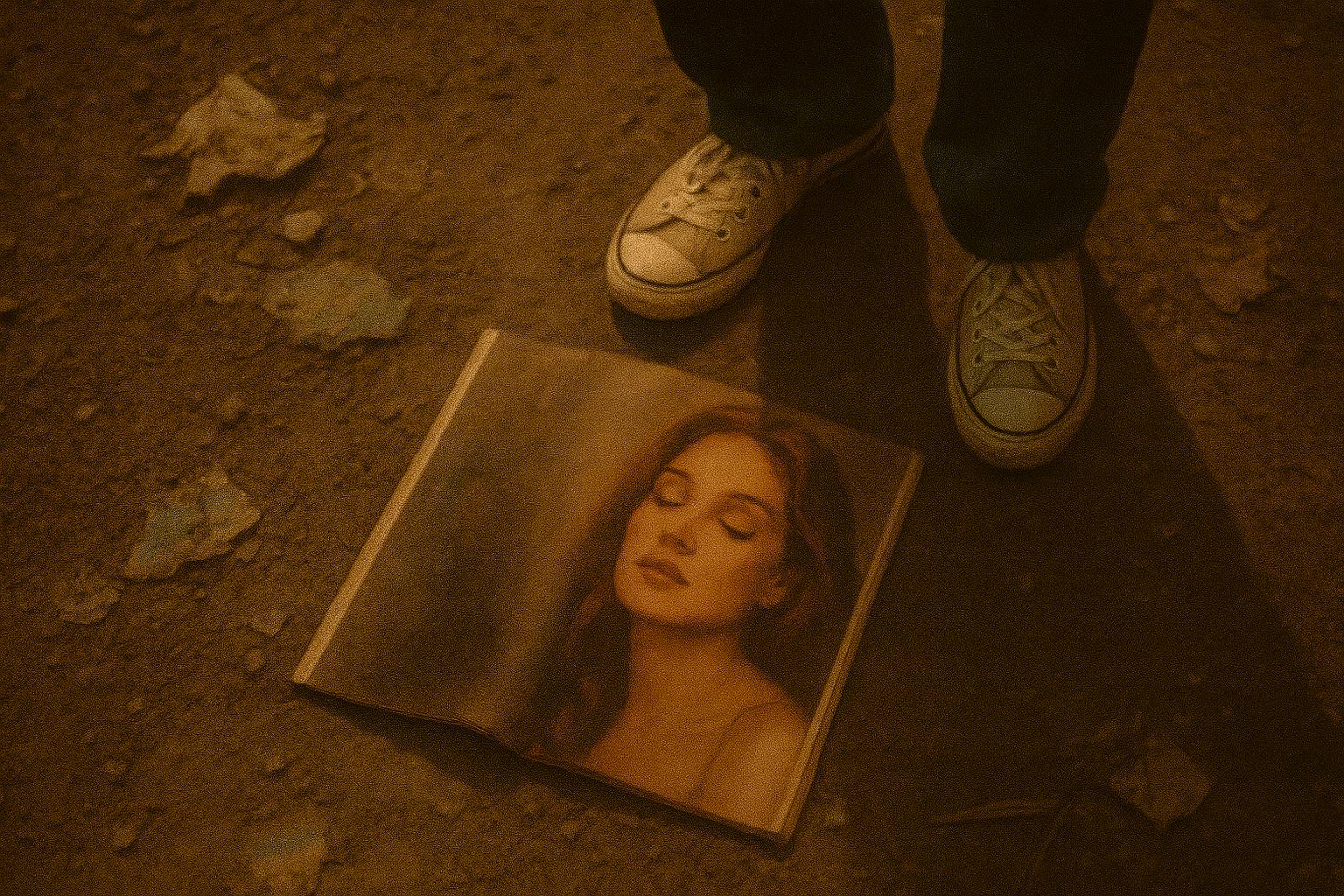
As I walked towards the magazine, I registered the lurid reds and pinks of its fluttering pages. Must be a copy of Paris Match or Life, I thought, innocently. Then I stood over it and it took some time for what I saw to resolve into coherent images. It finally hit me that what I was seeing were glossy photos of a woman and two men doing the exact things Sodom and Gomorrah was destroyed for. A porn mag. Here at Yad Vashem. How was it even possible? I looked around to make sure I was alone before picking it up. How unseemly it would be, how mortifying, if someone were to spot yarmulke’d me leafing through the pages of a spank mag on this hallowed ground.
What was it doing here? What kind of debauched soul brings porn to Yad Vashem? And such vile porn! One section featured a woman, red-headed and freckled, on top of one man while another man entered her from behind. She was looking over her shoulder, head thrown back, mouth open, her rigid tongue sticking out like a wailing mother in Picasso’s “Guernica,” only she was presumably in ecstasy. This was nothing like the airbrushed Playboy and Penthouse magazines I’d furtively enjoyed in my pre-orthodox life. Mesmerized, I stared at the image for far too long.
What do I do now, I finally asked myself. In my brief time at the yeshiva I had learned there were specific prayers or brouchas one was encouraged to recite when beholding certain wondrous sights. For example, there is a broucha to be uttered upon seeing lightning, another to recite when viewing newly blossomed trees, yet another to say when gazing upon the ocean for the first time in thirty days (yes, the brouchas can be that oddly specific). There was not,
as far as I knew, a broucha to be recited when observing a three-way And yet, given the awestruck feeling I experienced viewing the pictures, I felt compelled to recite something. And so, I uttered the only broucha I knew by heart: the one that’s spoken when beholding a rainbow.
Barukh ata Adonai Eloheinu, melekh ha'olam, zocher ha'brit ve'ne'eman bi'vrito ve'kayam b'ma'amaro. “Blessed are you, Lord our God, King of the Universe, who remembers the covenant and who is faithful to His covenants and fulfills His word.”
Was I wrong to say it? Of course, only part of me says today, unable to shake the suspicion that I’d viewed a wonder on par with a shooting star or an albino elephant. I debated what to do with my find. In my old life I was more Portnoy than Puritan, but ever since encamping at the yeshiva and connecting to my Jewish roots (in what I now take irreverent pleasure in describing as my “come to Jesus moment" a
misuse of that term if ever there was one), I had accepted completely the injunction against onanism and had refrained from spilling my seed. It had been ninety-three days since I last jerked off. Not that I was counting. And now I was being tempted by a magazine, appropriately titled, Eve.
I surveyed the plaza once more to make sure I was alone before returning my gaze to the mag in my now sweating hands Was this a trial from God, I wondered? Was Hashem testing my loyalty the way he had tested Abraham when he commanded him to sacrifice his son Isaac? It seemed equally plausible to my addled mind that this filth was a heavenly reward, a bit of positive reinforcement for my recent commitment to Orthodox Judaism.
On the other hand, I was dutiful enough to entertain the notion that God wanted me to eschew the temptation so that my devotion to Him would grow and I would be rewarded in other ways.
On the other hand (I was summoning my inner Tevye from Fiddler on the Roof at this point), maybe my discovery of the mag was a miracle akin to the manna from Heaven God provided the Jews fleeing Egypt
On the other hand…
On the other hand…
On the other hand…
I stood for what seemed like an eternity, rocking indecisively from foot to foot. In the end, I arrived at a compromise. I carefully tore out a single, glossy page, choosing one that included four separate pics of the threesome. More bang for the buck, I figured. I carefully folded it and placed it in the inner pocket of my suit jacket. The rest I tossed into a nearby trash can. In my steadfast logic, retaining one page was much less sinful than keeping the entire thing. And, on a practical level, one page was far easier to conceal. As I finally passed through the entry gate and entered the Yad Vashem visitor center, I wondered if
anyone else had ever walked these hallowed grounds with something so vile on their person. Was there an equivalent act in all of Judaism that posed such an affront to God? The only thing comparable, I imagined, would be if while visiting the Western Wall, instead of inserting a folded written prayer into the stone cracks, I inserted a rolled-up slice of ham.
Together, my stashed smut and I took in all of Yad Vashem’s memorials and museums, including The Hall of Remembrance, The Warsaw Ghetto Square, The Valley of Communities, The Memorial to the Deportees Cattle Car and perhaps most perverse of all, the Children’s Memorial. What did I feel? Let’s just say this: never underestimate the ways the anticipation of a sexual experience (even a solo one) can insulate one against horror. The page of porn got me through the museum even as it kept me from fully experiencing it.
The denial and disassociation required to do what I was doing was a defining characteristic of mine. I recall that,
when I was five, I went through a phase during which I couldn’t be bothered to walk from my bedroom to the bathroom to pee Instead, I would urinate in a corner of my room, my stream creating a foamy puddle in the plush red wall-to-wall carpeting. Over time, a crusty, discolored patch formed, which our live-in housekeeper Hattie eventually discovered and pointed out to my mother. When confronted, I denied all responsibility, insisting it wasn’t me that’d peed there. My mom neither pressed nor punished me. Rather, she calmly requested that in the future I please use the toilet. Realizing my denial left me consequence-free, the incident reinforced in me the notion that deceit, both to myself and others, was my stock in trade.
My porn and I toured Yad Vashem until closing, returning to the Main Gate for the last bus out. This time the shuttle was crowded. As I walked down the aisle in search of a seat I could feel the folded page in my pocket radiate searing heat. I noticed the stares of fellow passengers
“Pervert!” one said. “Sicko!” hissed another. “Deviant!” shouted a third. Or so I imagined. After returning to my yeshiva dormitory I futzed about until my roommates went to dinner. I entered the empty communal bathroom and locked myself in a stall. I unfolded the page and gazed once more upon the God-forsaken images.
Then I performed the inevitable. It was glorious.
Once finished, I fastidiously re-folded the page and put it in my pocket, using the same tender care I gave when putting away my tefillin, the leather phylacteries I had been taught to wear during weekday prayer. Then I cleaned up and went to dinner.
I feel guilty for my transgression?
Yes and no. I knew the rabbis would have admonished me for my lapse, but the truth was, in the three months since my arrival at the yeshiva, that moment in the stall was the closest I had come to experiencing transcendence. Swear to God.
Doug
in
His
include
Send

by Anne Hollyday
When I was eleven or twelve, an age when a girl could be traded like canned peaches in a pantry, my mother loaned me to Melinda O’Kay for 25 cents an hour. Twenty-five cents, enough for a burger at White Tower, or two scoops of ice cream, or a movie matinee ticket. Mom and Mrs. O’Kay arranged it while chatting poolside at the Wilton Riding Club, their legs shimmering like mirages beneath lawn chairs. I listened in on their conversation, but acted oblivious.
“Annie can do it,” Mom said, her eyes undetectable behind sunglasses.
And just like that, I became a babysitter. I had grown up under the care of various babysitters, and considered my role a milestone. Mrs. O’Kay was a real estate broker in Wilton, Connecticut, with three children under the age of eight. She was married to John, a baby-faced man who had quit his job at an ad agency a year earlier. Babysitting for the O’Kays was the first time I had worked outside my home. Before this, I had only babysat for my brother Tom, who was three at the time, starting when I was about eight. In retrospect, this feels a little like child labor, but in the sixties, this sort of thing was considered excellent preparation for womanhood.
“There were a handful of car rides with conversation. That was enough to make me feel, for a flickering moment, like I mattered. And I felt: he sees me, not as a girl, not as a babysitter, but as someone with unique thoughts.”
Mom was an uncertain role model for me. One night, when I was about nine, I awoke from a dead sleep to witness her, dressed in her nightgown and sobbing at the end of my bed.
“I am an alcoholic, Annie,” she told me “I thought you should know” Back then, I wasn’t sure what alcoholism meant, only that it was something unpredictable and shameful involving adults. Moments later, Mom traipsed off, a ghostly figure in her white nightgown, having successfully delivered her message. It took me awhile to fall back to sleep.
Years later, at 40, Mom gave up drinking for good. Her sobriety was precipitated by a gallbladder attack.
Even though Mom hadn’t held a job since getting married, she had higher aspirations for me, starting with the rite of passage of my babysitting and ending, she hoped, with my marrying and having children
That first day at the Okays was a babysitter’s nightmare, and many others followed. After Mom dropped me off and Mrs. O’Kay departed for an open house, I ran upstairs to see why Amy, the baby, was crying.Mrs. O’Kay had
given birth to Amy just a month earlier, and there were no instructions on the baby’s crib. In a panic, I telephoned home. “Mom, can you tell me how to pick up a baby?” “Yes,” she said. She sounded very far away. “Support the baby’s head,” she said. “You’ll be fine. I’ve got to go, now.” I couldn’t expect Mom to rescue me. She chose not to interfere in how other people ran their homes or their lives.
I hoisted Amy out of her crib and rested her head on my shoulder. Her sturdy body felt more compact than the life-sized baby doll I had owned and given away at age 9 I had dressed my doll in my brother’s cast-off baby clothes She had a cloth body and a plastic head with life-like blue eyes that blinked. As soon as I began bouncing Amy on my shoulder and crooning a little song, she gurgled her approval. I wound up a stuffed toy elephant that sang gentle lullabies. I placed Amy under her blanket beside the elephant. She slept, and I exhaled.
Downstairs, I discovered that John Jr., aka Jacey, and Mindy, two angelic-looking tow-heads, aged 7 and 5, had toaster-ovened their Easy-Bake TV dinners and were eating the desserts first. The moment their parents had stepped outside the front door, they leaped onto me and began pummeling me as my initiation. At least dinner was a distraction. While Mom obsessed over invisible kitchen stains like a monk devoted to a god of household surfaces, Mrs O’Kay used her dishwasher as a storage cabinet. The O’Kays’ house was a nineteenth-century New England mansion with impressive mahogany antiques littered with sippy cups.
Meanwhile, I spotted a list on the fridge from Mrs. O’Kay that read like a prison term for hard labor: Do all the dishes. Wash all the laundry. Bathe the kids.
I had never washed a dish or folded a sock at home. But in that house, I was servant, governess, and handmaid. An unpaid Cinderella minus the glass slipper, scrubbing ketchup off shoddy, beige, daily-wear china. I don’t think either of my parents had any idea of the pressure I was under
The fridge looked like it had been curated by someone with a degree in food decomposition: ancient Jell-O with a rubbery crust, half a chicken without Saran Wrap, and leftover discolored meat.
This marked the beginning of my three-year servitude to the O’Kays. Every month or so, I’d babysit. Mrs. O’Kay wore silk scarves and pale orange lipstick. She would breeze out the door with a “Now, kids and Annie, I’m off to show the colonial on Swallow Back Ridge” as if she were headed to Paris, rather than dragging a prospective buyer through a rambling fixer-upper.
While Mrs. O’Kay hustled out in the world, Mr. O’Kay stayed home, puttering around the study or down at his workbench in the basement. Men of that generation, including my own father, kept far afield from household chores, so I didn’t find anything odd in this arrangement. The kids kept me busy, whether I was playing board games with them or bribing them with candy to pick up toys in the den. Once, when I asked Mr. O’Kay for a can opener, he ransacked a few drawers in the kitchen, then handed me a meat tenderizer mallet with the solemnity of a priest offering communion, as though I could pound the can open.
On the few occasions when Mrs. O’Kay returned to the house a few minutes early, she would march into the kitchen and transform herself from a brusque businesswoman to an adoring mommy. She would demand of her kids: “Mindy, Jacey, did you thank Annie for taking such good care of you?” The kids would hug me appreciatively while their mother was present. Without her, they resorted to roughhousing and begged me for more candy.
I was eventually offered a raise to 75 cents an hour, which seemed like a small fortune. I learned that while I loved playing games with the kids, from hide-andseek to Monopoly, I hated cleaning up. I soon left stacks of dirty laundry alone and only washed the dishes we used. In other ways, life at the O’Kays improved. While baby Amy was so oversensitized at first that she burst into tears if she heard the word “no,” she grew into a sturdy three-year-old full of mischief and laughter. I doted on her. Soon, we were reading Where the Wild Things Are and Goodnight, Moon together.
“Goodnight stars, goodnight air,” I read to her.
“Goodnight woices evweewhere,” Amy said back to me happily
In time, I succeeded in getting Mindy and Jacey to put away their toys and take a hand in choosing quieter board games instead of pummeling me.
“You did such a great job of waiting for your turn,” I told Mindy over a game of Chutes and Ladders.
At the end of each afternoon, Mr. O’Kay would pull the family jeep around and drive me home. Our car rides were never silent. There were moments when he spoke to me, not like a teenage drudge, but as a real person. We talked about movies, books, and counterculture I mentioned seeing Easy Rider with my parents, and he frowned when I said Dad didn’t like the music. Steppenwolf.
“A tragic flaw,” Mr. O’Kay said.
Beyond babysitting, I was widening my experience with others. It wasn’t flirtation; it was something more alluring: Mr. Okay’s attention. I was a sponge in a rainstorm. There were a handful of car rides with conversation. That was enough to make me feel, for a flickering moment, like I mattered. And I felt: he sees me, not as a girl, not as a babysitter, but as someone with unique thoughts.
Mr O’Kay offered an amiable quality that Dad, a scholarly and sometimes distracted real estate lawyer, lacked. “You children should learn to read more history,” Dad often said, sounding like a professor, whether we wanted his advice or not.
To Mr. O’Kay, living in the moment worked. “It’s all copacetic,” he said.
Mr. O’Kay began spending more time away from the house, although he wasn’t working. Then one day, everything shifted under my feet like loose
linoleum. I was half-asleep on the couch in the den after sponging Amy off from a mess of melted chocolate. Jacey appeared dripping with water and mud from a garden hose. “There’s a car in the driveway,” he said.
Mr. O’Kay pushed open the door and walked in, his babyish face lit up, cheeks flushed. And there she was. A strange woman. Not Mrs. O’Kay. Someone younger, blonder. Red varnished lips. She flounced into a nearby armchair like royalty, laughing at a shared joke. She clinked some ice cubes into a glass, and Mr. O’Kay handed her a drink as if on cue The two of them saw me and exchanged a look There was something both superficial and familiar in the way she glanced at Mr. O’Kay. I felt recognition. She reminded me of the Baroness in The Sound of Music, a film I had seen five times. She didn’t belong in the house.
I saw that both Mr. Okay and the woman were drinking more. They were laughing, moving slowly, acting tipsy. I was worried about leaving the kids alone with the two of them. My babysitting stints didn’t end until Mrs. O’Kay came home, and she wasn’t here.
“Be right back,” Mr. O’Kay told the Baroness, planning to drive me home as though nothing was different Should I say I’d wait until Mrs O’Kay came home, I wondered. Then I thought about how Mom never interfered in other people’s business, and I kept my mouth shut.
Raised by two quiet parents, I had spent a lifetime of shyness and was unable to imagine confronting Mr. Okay with my concerns. So, silence was my guide.
Things were different. Mr. O’Kay drove the powder blue Dodge Dart because Mrs. O’Kay had the Jeep. His cheeks were redder, his breath medicinal, and he moved like a man hiding secrets in the trunk. After almost hitting a mailbox, he drove extra carefully with both hands on the wheel to ensure he didn't swerve off the road
A week or so later, at the Wilton Riding Club, Mom broke some unexpected news. We wore our bathing suits under the end-of-summer sky, and the air had started to cool We were in the pool, our legs shimmering underwater Mrs O’Kay was replacing me with Allison Evers, who was 10 years old. Younger. Cheaper, the third daughter in a socially prominent Wilton family with manicured fingernails and blonde braided hair, whom I knew only by sight. I was 14 now. Mrs. O’Kay and Allison’s mother were friends. Allison was closer in age to Mindy.
I thought about this for a few moments. I was being replaced – not for what I had seen but for what I couldn’t offer Mrs O’Kay had not expected me to report on Mr. O’Kay’s visit with the blonde woman. I had kept quiet about that. I couldn’t be certain, but I felt that my replacement was due to my lack of social skills. Allison, with her fashionable older sisters, hair-braiding abilities, and Bonne Bell lip gloss, would show Mindy how to be popular It was something I couldn’t offer between obsessive readings of Jane Eyre and reflections on “A Separate Peace.” Mindy would love her.
“Mrs. O’Kay didn’t even tell me herself,” I complained to Mom. “I’m not surprised,” Mom said. “You did fine, Annie. Besides, Melinda is Scottish and frugal,” she added, as though her saving money explained my betrayal. Mom was smoking a Kent, her robe belted loosely like surrender
I dove into the pool and swam to the far end – faster and faster, as though ambition could carry me like a current, pulling me away from my underachieving parent and the life I feared would be mine I hadn’t expected Mom to go to bat for me with the O’Kays, but still, the shock of my being let go felt numbing. To my credit, I didn’t cry.
During those three years, I changed. Mom’s compass no longer pointed anywhere I wanted to go. I had learned to rely on myself, to outmaneuver toddlers, to ignore grown-ups’ indiscretions. I had managed a battery of daily, unexpected crises and had become a miniature, self-sufficient adult After babysitting, I worked as a summer day camp counsellor at Singing Oaks in Weston, Connecticut, and as a Mother’s Helper in Martha’s Vineyard.
Next, I wore shoes with heels and blouses that buttoned. I took on office jobs in publishing and at law firms. But somewhere, a shadow of me still lived in that Easy-Bake chaos of a kitchen.
Years later, while working in publishing in New York City, I read a blurb in a Wilton newspaper. Mrs. O’Kay’s real estate practice was booming. Mindy had been accepted into Wellesley. Jacey had joined the Peace Corps. Amy was starring in a high school play. I felt absurdly proud of the O’Kay kids, who had grown up to be so well-adjusted, and I felt absurdly sad. Once, I had been their moon and stars
I was also proud of myself, an underpaid Cinderella who had escaped her servitude to thrive in the outside world.
Anne Hollyday enjoys writing non-fiction essays She has been published in Smith Magazine, Anemone Magazine, and business magazines, including Marketing Computers, Risk Management Magazine, and Forbes SIA She earned her M S in Strategic Communications from Columbia University in New York City in 2012 and works part-time as a marketing proposals manager for a New York law firm. She lives with her husband, Timothy Kelley, in Upper Manhattan.
by Denver David Robinson
Once, heading back to Memphis after Christmas break, I sat next to a boy my age on a connecting flight from Minneapolis. We acknowledged each other with a curt nod, buckled in, and sat back in silence. Around the time we reached cruising altitude and flight attendants took to the aisle, I noticed he had pulled out a Walkman cassette player and popped in state-of-the-art, in-ear headphones. I was impressed. I still had only the less expensive technology wonky, foam earphones held together by a metal frame. The boy had also opened a book. I strained without turning my head to see what he was reading and was stunned to find a miracle: a tender sex scene between two men in love, skillfully rendered.
It hadn’t occurred to me that such scenes between men could be found in fiction. All I’d known of gay love and sex in print were the stapled, photocopy booklets of gay erotica an older friend had handed down to me. Those stories depicted improbable scenes utilizing bananas and chains and seemed to have more to do with calisthenics than desire or even doing it. Whether arousing or vexing, none of them were deftly structured or intimate. Good for a quick wank, and sometimes not.
So, the words on the pages of the book held open in the hands of the handsome stranger seated next to me came as a kind of thunderclap. I lost myself fully for the several minutes it took me to read the two pages. When I finished, I realized my neighbor hadn’t turned the page. I realized, too, that I was leaning toward his lap. I cast a sideways glance. I’d been caught.
“Looks like a good book,” I said, sitting up, my face red hot. “What is it?”
He flipped the book over so I could read its dust cover: The Lost Language of Cranes. A novel by David Leavitt. “Got it for Christmas!”
Cranes? A gay novel? For Christmas?
“I’ll find a copy.”
“Start with Family Dancing, his first book. It’s all short stories.”
All I knew of short stories were those I’d read in my high school English AP class "The Tell-Tale Heart,” “The Lottery,” “The Gift of the Magi” all straight and sexless. I liked short stories, but I had never heard of a gay short story, much less a collection of them. Would Leavitt’s short stories deliver?
“What’d you like about them?”
“The characters, their experiences, how they get by. Or don’t.”
Is a story ever more than that?
The flight attendants reached our row, pressing bags of peanuts into our hands, filling beverage orders. Somewhere over Minnesota or Iowa, we exchanged names.
“What are you listening to?”
“Ministry’s new one, Twitch. ”
“Cool, I like Ministry,” I lied.
“Wanna listen?” He pulled the earphone from his left ear and extended it toward me.
His earphone in my ear made me feel warm and woozy. I liked being yoked to this beguiling stranger as we sat with our forearms touching. Beneath the armrest, his muscled thigh pressed into mine. I pressed back. Ministry’s industrial synth-pop never sounded better.
For the next hour, we listened and read together, mostly in silence. After landing, I asked if he lived in Memphis.
“Knoxville. I’m a sophomore at UT. You?”
“Memphis State. Second-semester freshman.”
I was disappointed. Knoxville was a whole six-hour drive away. I doubted I could make it that far in my old Ford Mustang. Nonetheless, I decided I’d ask for his phone number.
Our paths dovetailed a few minutes more. He walked toward his connecting gate and I toward baggage claim to find my aunt, who’d offered me a ride home. I was relieved that she’d not been standing at the gate when we emerged from the jet bridge. Then, just as I was working up the nerve to ask the UT sophomore for his number, I saw her beaming and pacing toward me. I slowed and stopped. For a moment, the boy and I stood and stared awkwardly at each other.
“My aunt,” I said, nodding in her direction. My nerve fizzled and fled.
We said a quick goodbye and parted. As my aunt threw her arms around me, I turned and watched him walk away.
“Who was that?” she asked, following my gaze.
“A friend.”
“A friend?” She looked quizzically at me and then toward the boy’s receding figure. “Did I cut y’all off?” she asked. “Wanna catch him while you can?”
It was a signal, an unexpected life preserver I could not yet choose to grab. Doing so would have meant exposure and no return during a time when young gay men were still being sent into conversion therapy, shunned by their families, and worse.
For several days after that flight, I was obsessed with finding him again. I called an operator in Knoxville but found no listing. Phonebooks and databases at the library yielded no information. It didn’t occur to me to place an ad. Where would I have done so, and would ‘Desperately Seeking Hot Collegiate Who Shared His Book and Headphone on Minneapolis Flight’ have yielded any result? I remained regretful and angry at myself for being afraid to ask for his number or to run after him. It had been so hard to meet and befriend any gay men my age. Opportunities came via chance, telegraphed by a glance and framed in silence or a few hedged words; connections and friendships began and faded in seconds, risk ever present. Eventually, when given the option to move to Knoxville, I chose to leave Tennessee permanently, for better or worse, and set out for the Pacific Northwest.
Now, it’s been almost 40 years since I forgot the boy’s name.
But thanks to him, I found copies of David Leavitt’s novel and short story collection at Davis-Kidd Booksellers in East Memphis the day after our flight. Still, it took another two years before I learned there were already many gay and lesbian novels in the world. That there were whole bookstores in other cities devoted exclusively to carrying them, as well as greeting cards and other memorabilia designed just for us.
Decades later, I still wonder where he is. What did he think of Leavitt’s novel? Had he already read books by Jean Genet, Rita Mae Brown, and Andrew Holleran? What about Baldwin’s Giovanni’s Room? Does he still listen to Ministry? What would have happened had I asked for his number?
I hold these unanswerable questions a little more gently today. And some part of me still sits at 35,000 feet reading a gay love story with a beautiful and generous stranger, listening to music on shared earphones, our plane’s shadow passing over the middle of a country that never meant for us to meet and thrive and last.
*Title from the lyrics of “Isle of Man – Version II” by Ministry, Twitch, 1986
Copyright © 2025 by Denver David Robinson All rights reserved This piece was first published by Chapter 16, Humanities Tennessee
by Sara Atwood
Nautilus – Gr. nautilos, sailor; cephalopod
I bought the dwarf nautilus fossil at a gem and mineral show in Arizona, choosing it from one table among hundreds in a vast, sunbaked parking lot. Shows like these are a rockhound’s paradise. One spends the first thirty minutes or so dazed, wondering where to begin; once begun, the problem is knowing when to stop. For the uninitiated, the experience is bizarrely underwhelming: a hot stretch of asphalt crammed with displays of fossils, rocks and minerals, crowded by an odd assortment of folks willing to pay money (sometimes significant sums) for them. Once, after I’d made several purchases at such a show, I caught my husband shaking his head.
“How much did you just pay for that bag of rocks?” he asked, “You know I could find you some for free.”
I bought the nautilus because I love fossils, because I’m fascinated by nautili, because its smooth curves please my fingers, because
it’s beautiful.
The quiet, rumpled dealer from whom I bought it had a number of specimens on his table, each one carefully polished to reveal the whorls of ancient chambers made golden by calcification, stone filling the space once swollen by gas and water. Animal become mineral, the small creatures shone in the sun, out of both time and their natural element. To touch them was to reach deep into the past. I took ages to choose, holding each one up to catch the sunlight, feeling its weight in my hand Each time I thought I’d decided, my eye would be caught by the shimmer or curve of one I’d replaced, so I’d double back to compare I became aware of a kind of compulsion in my behavior, a need to examine each fossil again and again, deferring the moment of decision. I was in danger of becoming stalled at this display all afternoon, paralyzed by beauty. Resisting the compulsive tide, I made my choice and walked off, bearing riches in a plain paper bag.
For me, the nautilus is the highlight of visits to the aquarium. The chambered nautilus (nautilus pompilius) is named for its ability to regulate buoyancy and movement by controlling the volume of water within the divisions of its shell. Yet the name conveys something of the creature’s mystery as well, suggesting concealment and reticence, enclosure and hidden spaces. The nautilus can retract into its shell to avoid predators or the intrusive gaze of aquarium visitors. At the aquarium, the nautilus dwells in a twilight tank in a dimly lit gallery of other deep-water species Its natural habitat is the water column, where it moves between the ocean floor and surface, so the tank is largely free of plants, rocks, or sand This emptiness, combined with the low light, creates an illusion of great depth The nautilus seems to disappear completely when it propels itself outside the illuminated area. Its reemergence is like the sudden flickering to life of a hologram: sunburst-striped shell, radial pupils like a stroke of black ink on lensless white eyes, “arms” (cirri) waving like sea grass in the current.
The shell itself accommodates a striking chambered architecture. The nautilus lives in the chambers successively, moving from smallest to largest as both it and the shell develop, converting the unoccupied compartments into an efficient jet propulsion system. The shell is a lustrous logarithmic spiral, a figure defined by the property of selfsimilarity, which simply means that though the size of the spiral changes with each curve, its shape is unaltered. Seventeenth-century Swiss mathematician Jacob Bernoulli, fascinated by this aspect of the logarithmic spiral, called it the spira mirabilis, “miraculous spiral ”
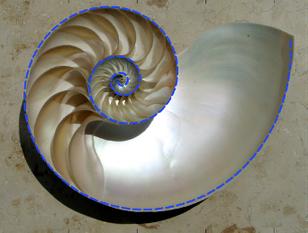
The nautilus shell was once thought to be a golden spiral (in which the curve conforms to the golden ratio), but
although it is an almost perfect spira mirabilis, it falls just short of the gilded ideal. The chambered nautilus is much larger than my fossil nautilus, which fits easily into the palm of my hand, but this is the greatest difference. Nautilus pompilius, little changed over millions of years, is often called a ‘living fossil’ and its anatomy remains primitive compared with other cephalopods. There is certainly something alien and ancient in its fixed and staring eyes, its steady, silent movement through the depths. It is a wonder of design: graceful and efficient, its shell is a natural work of art, as artists and collectors have long acknowledged During the seventeenth century, nautilus shells introduced to the Netherlands by Dutch East India Company traders (an early example of environmental depredation) were fashioned into elaborate drinking vessels. The shells were often displayed in eighteenth-century cabinets of curiosities, or wunderkammer, alongside other natural history specimens and rare or exotic items.
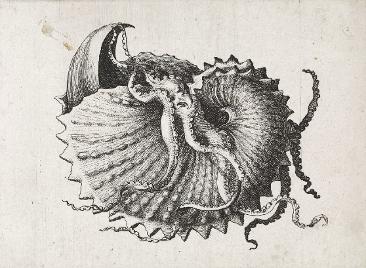
Nautili were also of great interest to naturalists, whose specimens were depicted by artists like Dutch etcher Wenceslaus Hollar (1607-77). Hollar’s 1645 etching of “The Nodose, or Knobbly Paper Nautilus,” combines scientific observation (Hollar worked from a prepared specimen), with fantastical flourish (note the small beaked head emerging from the shell).
The nautilus has been the subject of literary as well as visual art. Hollar’s etching calls to mind Marianne Moore’s 1940 poem “A Glass-Ribbed Nest ” Moore later changed the original, figurative title of her poem for something simpler (though arguably less intriguing): “The Paper Nautilus ” Actually a species of octopus called the Argonaut, the paper nautilus constructs a parchment-like shell to house its eggs and, like the true nautilus, to control its movement through the water.
Moore’s isn’t the only nautilus poem. In the more conventional “The Chambered Nautilus” (1858) Oliver Wendell Holmes pulls out the poetic
stops to make the nautilus a metaphor of spiritual development; his dramatic imagery (the nautilus as a “ship of pearl,” with “irised ceiling” and “sunless crypt”), mythological references (Triton, Sirens, mermaids), apostrophe, archaic diction, and generous exclamation marks culminate in a cri de coeur: “Build thee more stately mansions, O my soul,/ As the swift seasons roll!/ Leave thy lowvaulted past!”[i]
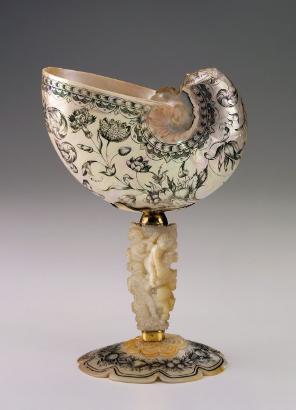
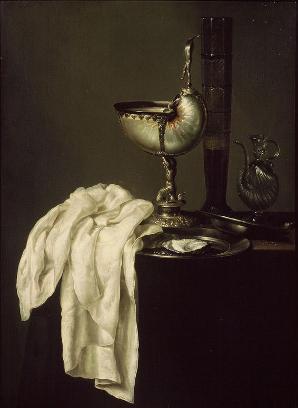
Moore’s paper nautilus is also (if less obviously) metaphorical, but her approach is more nuanced and oblique. She composed three versions before settling on the one we know today. The compositional history of the poem reveals her careful attention to language and to what Virginia Woolf calls the “sunken meanings” of words, their tricksiness and resistance to simple denotation.[i] Even etymology, carefully mapping a word’s long trail through time, can’t convey its subtle emotional register, its many associations and connotations. As John Ruskin put it, a word “carries not only its instant meaning, but a cloudy companionship of higher or darker meaning,” according to its use.[ii]
In Moore’s poem, the nautilus embodies a vital, feminine, creative impulse. The creature “constructs her thin glass shell,” and “guards it/ day and night; she scarcely/ eats until the eggs are hatched.[iii] Moore centers the nautilus’s agency. Her creature is a maker, whose
watchful guarding suggests the proprietary impulse of the creative artist, the single-minded pursuit of her ends. Poet, from the Greek poein/poiein, means ‘to make, create, compose,’ and Moore’s poem is about creation, the nautilus’s labour a metaphor for the work of the poet (particularly, in this case, of the female poet).
All this may seem a long way from my fossil nautilus and nautilus pompilius, but the spiral of associations curves outward, part of a multifaceted, complex attraction that has gripped people for centuries.
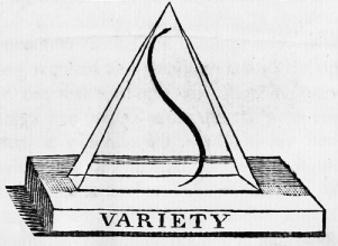
We are drawn to these enigmatic creatures: to an intimation in them of the ancient and primeval, to their beauty and vitality, and to the aesthetic and mathematical grace and precision of their shells Their spira mirabilis is akin to what William Hogarth identified in the eighteenth century as the ‘line of beauty,’ or serpentine line Hogarth considered this S-shaped, undulating line the
most graceful and pleasing of forms. Repeated throughout nature, from plants and flowers to human bones, it was, he believed, vital to the work of artists and architects. For Hogarth, this line combined “FITNESS, VARIETY, UNIFORMITY, SIMPLICITY, INTRICACY, AND QUANTITY; all which co-operate in the production of beauty, mutually corrected and restraining each other occasionally.”[i]
The serpentine line differs in shape from the logarithmic spiral, but there is something essential and profound about them both, something intimately connected with the mystery, material and spiritual, of life itself. They are a manifestation of the vital energy that animates nature and of the interconnectedness of all life. Their appearance throughout the natural world, from galaxies and cyclones to shells, plants, certain
headland-bay beaches (such as Half Moon Bay, CA), and even the human cornea, reveals an intriguing pattern of correspondence and connection. Despite all we know, scientifically and mathematically, about the nautilus and its shell, something remains inscrutable or, as Bernoulli declared, mirabilis. Ruskin, who looked closely and thought deeply about the natural world, described this numinous element as a “strange veil of intermediate being” between nature and humanity, a “link between the Earth and Man.”[i]
Andrew Wyeth’s Chambered Nautilus (1956) reveals a similar understanding of the link between humans and nature and the power of the nautilus to express it. Wyeth depicts his invalid mother-in-law, Bess James, in her Maine home on the coast. Sitting up in bed, a slight figure with arms wrapped round her knees, Bess gazes out a window. The palette is characteristically subdued and simple, composed primarily of whites and browns. The sheer bed-curtains that hang from the four-poster rhyme with
the white sheets and with the white light that fills the window and falls upon Bess’s face and her blue-white nightgown, picking out a shimmering pattern in the fabric. The gown has a gauzy, insubstantial quality, much like the bed-curtains. These are caught in a gentle breeze, presumably from an open, unseen door, as the window is closed. The thin blanket pulled partway up the bed and over Bess’s knees is nearly the same sandy color as her face and hands and the woven basket that sits beside her pillow. Inside the basket the white edge of what might be a letter and the darker outline of a book are just visible. A heavier, woven blanket draped across the footboard is a darker brown, closer in hue to Bess’s hair, the walls, and the top of a chest that sits at the foot of the bed On this chest is a pearly-white chambered nautilus, its surface iridescent in the light, the inner wall of the open shell glowing pinkly. The shell is separated from the brighter, predominantly white part of the composition by the dark, vertical endcolumns of the four-poster bed. It gleams and shimmers from the
darkest portion of the picture, connected to the figure of Bess both in its brightness and by its placement along a line that extends diagonally from the top left corner of the picture to Bess’s head and knee and continues along the bed to the nautilus in the lower right corner. (Wyeth may have encoded a further reference to the nautilus in the composition of the picture, which appears arranged around a rough logarithmic spiral that begins in the upper right corner, passing the nautilus shell on its downward trajectory before curving upwards, across the upper left corner and into a final curve that rests at Bess’s head)
The viewer is struck by Wyeth’s handling of light, the gossamer transparency and motion of the curtains, the fragile intensity of the woman’s figure. We needn’t know that Bess James had been ill for several years when this picture was made, or that she would die only three years later, to sense a profound, even unsettling, meaning just below the surface. Like so much of Wyeth’s
work, there is something enigmatic about the picture; it hints at a broader narrative. The quality and distribution of light, particularly where it floods the window, obscuring the view of the sea; the movement of air through the room; the thoughtful, wasted figure these details imply a moment, and a life, poised between two worlds. As Wyeth himself observed, “There is motion in Rembrandt his people turn toward the light. But it’s frozen motion; time is holding its breath for an instant and for an eternity. That’s what I’m after.”[i]
Yet nothing conveys the picture’s theme as powerfully, or unexpectedly, as the nautilus shell. A shell in a seaside room is unremarkable, even commonplace, and it is precisely because this is so that Wyeth’s nautilus is so resonant. The nautilus makes sense in that room; it is as much a part of the space as the bed, the curtains, the window. Simultaneously mundane and metaphysical, the nautilus is both temporal artifact and spiritual symbol: the sailor, outside its “bourne
of Time and Place,”[i] crossing the bar. Its opalescent, empty chambers suggest an imminent lifting of the strange veil. Like Oliver Wendell Holmes, Wyeth saw in the nautilus a metaphor of life, the spiral of existence winding toward Bess’s “lastfound home.”[ii]
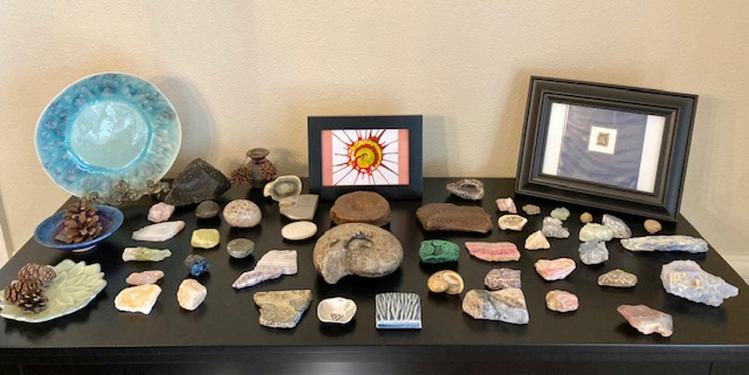
The fossil nautilus that I carried home from Arizona glows golden from my own Wunderkammer my shelves of rocks, minerals, shells, oak galls, seedpods, pinecones, and other fossils. Each object is its own, inscrutable self, but also a thread in a vast web of relations: material, emotional, cultural, aesthetic I glimpse in them a fundamental, elegant balance in which all things are intimately linked and interdependent, both mundane and miraculous. It may be true, as some commentators say, that the natural world would be better off without humans, given the damage we inflict on it. But the numinous quality of nature exists only in our connection with it; it is we who invest
it with meaning. My nautilus is simultaneously part of the physical, sensual world, the abstract realm of ideas, and my personal mythology. Its quiddity reminds me of the complexity and richness of life. Reminds me to look closely, feel deeply, think clearly. “These things, these things were here and but the beholder / Wanting: which two when once they meet, / The heart rears wings bold and bolder / And hurls for him, O half hurls earth for him off under his feet.”[i]
Beautiful and evocative, my nautilus is ghosted by myth, metaphor, and memory Long dead, it is alive with the sort of meaning that transcends the fraught present moment, animated by associations that multiply, shift, and refract Solidly silent, it speaks of life and death, the unity of existence, deep time and present time of time unredeemable and all the more precious for it.
[1] Oliver Wendell Holmes, “The Chambered Nautilus,” https://www.poetryfoundation.org/poems/44379/thechambered-nautilus
[1] Virginia Woolf “Craftsmanship ” The Death of the Moth London: The Hogarth Press, 1945 126-132
[1] John Ruskin, The Works of John Ruskin (Library Edition) 39 vols Ed E T Cook & Alexander Wedderburn London: George Allen, 1903-1912 Works, 34 335-7
[1] Marianne Moore, “The Paper Nautilus,” https://poets org/poem/paper-nautilus
[1] William Hogarth, The Analysis of Beauty. Ronald Paulson, ed. New Haven: Yale UP, 1997. 23.
[1] Works, 7.14-15.
[1] Richard Meryman, Andrew Wyeth: A Secret Life. New York: Harper Perennial, 1996.
[1] Alfred Tennyson, “Crossing the Bar,” https://www.poetryfoundation.org/poems/45321/crossing-the-bar
[1] Holmes, “The Chambered Nautilus,” https://www poetryfoundation org/poems/44379/the-chamberednautilus
[1] G M Hopkins, “Spring,” Poems and Prose London: Penguin, 1985 31
Sara Atwood is an Oregon-based writer and a writing/literature instructor at Portland State University and Pacific Northwest College of Art. Her academic work has appeared in journals such as Nineteenth-Century Prose and The Journal of Pre-Raphaelite Studies and she has contributed creative work to The Buckman Journal and Earthlines magazine. Her book, Ruskin’s Educational Ideals, is published by Routledge. She is working on a memoir.
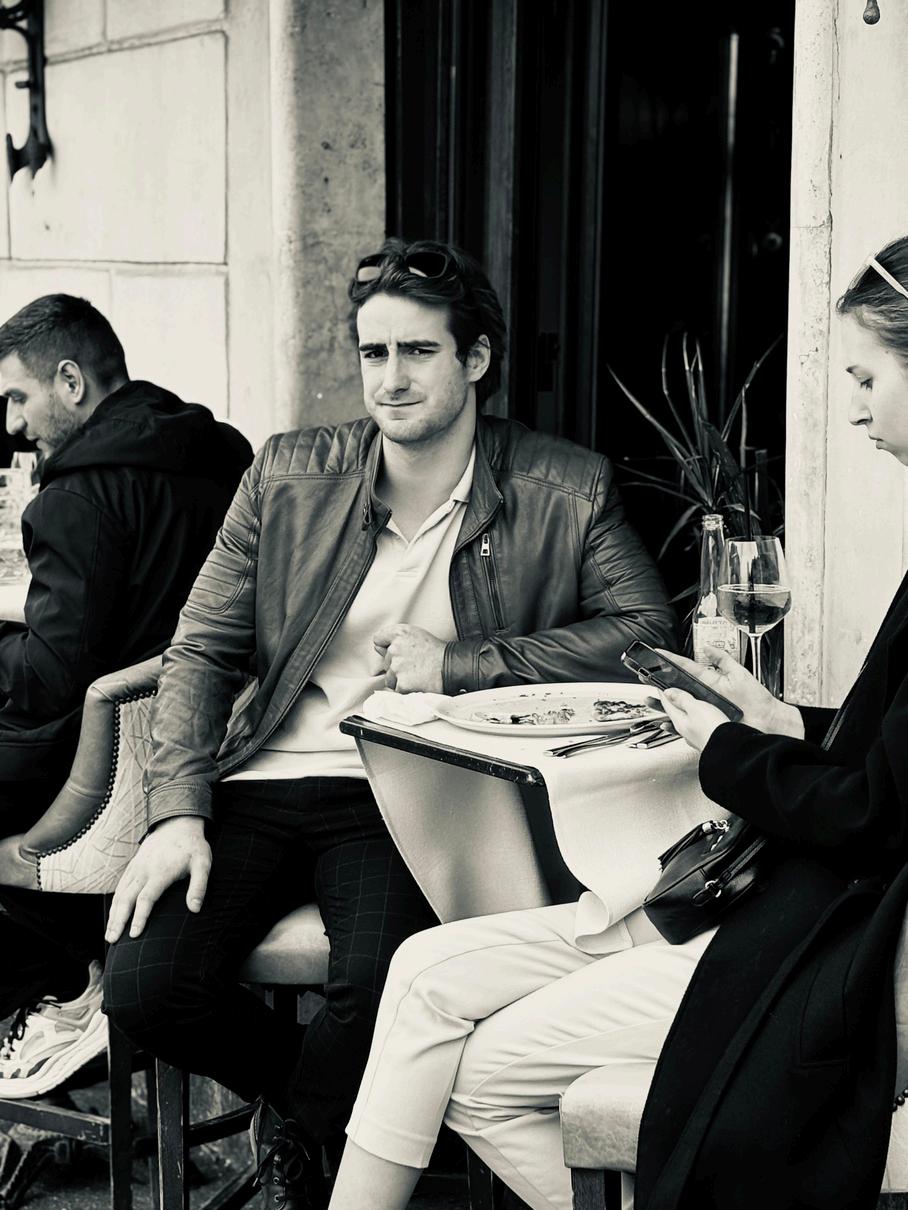
TA LY is a dream that keeps returning for the rest of your life.
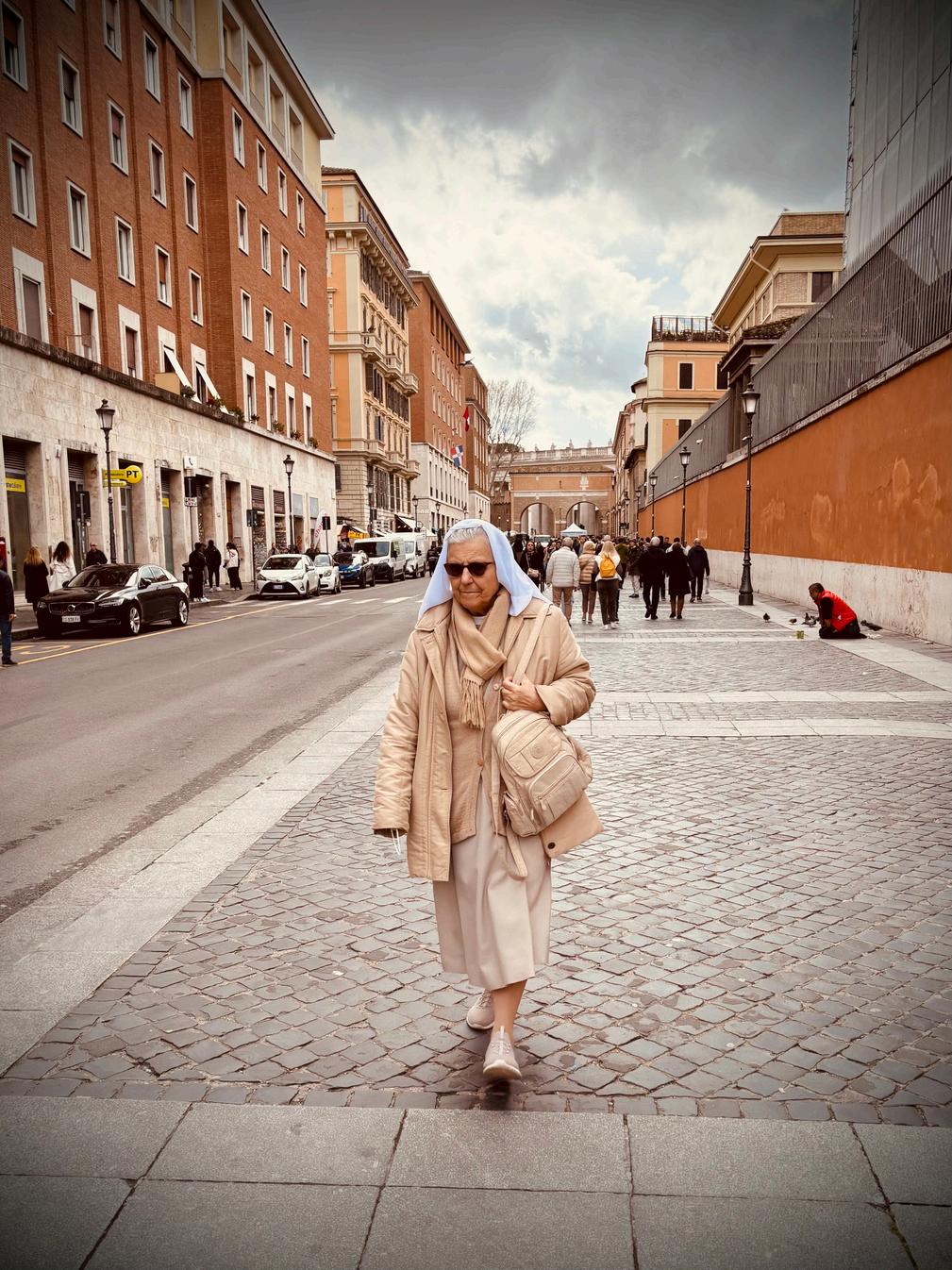
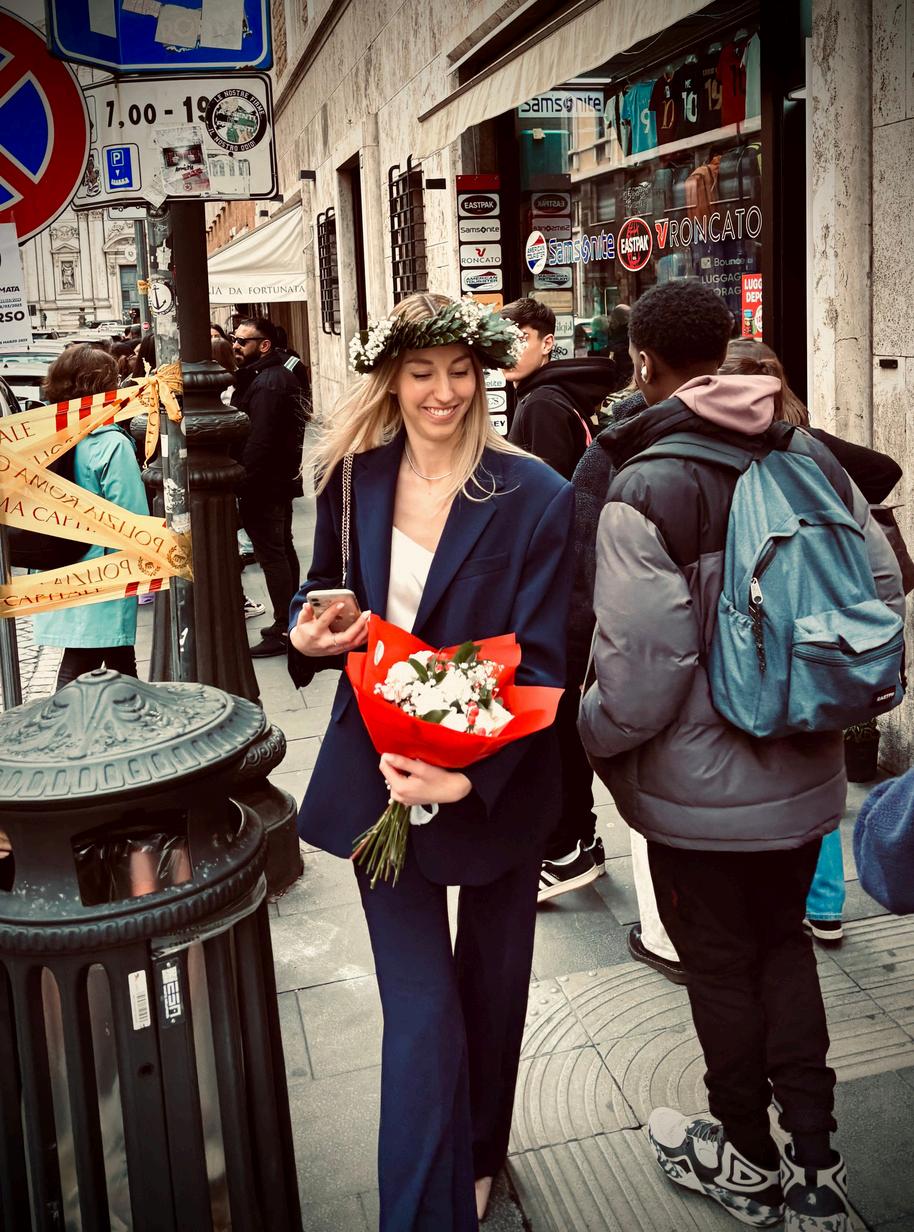
Last year, I spent some time in Naples and Rome, and the beauty of the place floored me. Not just the architecture and history, but the people. Everywhere you looked, groups of friends were out together, talking, laughing, just being. Henry James said Italy “has a personality that penetrates its people.” Maybe that’s why the place practically hums with connection.
I did what I could with an iPhone to capture that specific brand of joy. I hope you enjoy these candid street shots as much as I enjoyed taking them.
– Kyle Smith, Editor







Alaskan winds grip my waist, push me to the coastline, Meet me at Point Hope tonight, where the lights cut through the skyline. I can see my life flash in those tides, For this is the place where I once died.
The ocean swallows me whole, spits me somewhere far, A city across the water, might be Uelen, truthfully, who knows where we are. But it fades to static, a dream left behind, I wake to the cold reality shivering down my spine.
Bring me McDonald’s fries, take a seat by my side, Don’t cry, I’ve already made up my mind. The salt in the wind makes it hard to hide, Your tears taste like the sea when you try not to cry.
Come through my spruce cabin, let's just unwind, I’ll light the fire and we’ll forget about tonight. Your warmth and the flame are all that I need, To outlast the frost built up in my heart.
Embrace me, and let me embrace you Bite me, and I’ll bite you too. My time’s been borrowed for half a decade, But you gave me peace that I can’t trade.
I linger with the tide, you shimmer through the flame, You glow like the sun as I dissolve in the grey. The waves pull me under where the northern lights flew, Still, I haunt the wind, just to stay near you.
And I could toss paper planes your way, hoping to communicate But you’re like a hurricane, you tear apart what i say I wish I could make you stay, I really do, But until then, have some coffee, from me to you, that I brewed.
If I touch you, it means I like you, But if I don’t, it means I love you. And girl, I know you’re mad at me, I do I don’t blame you, cause I’d be mad at me too.
And I can easily tell, ‘Cause each time you look at my face, your eyes slightly squint. It’s a quiet kind of anger, but it still hits, I see myself in your eyes and I hate who I see.
And I could toss paper planes your way, hoping to communicate But you’re like a hurricane, you tear apart what i say I wish I could make you stay, I really do, But until then, have some coffee, from me to you, that I brewed.
You sometimes have me so confused, I can’t tell if it’s me or just my heart you choose. But take them both, yeah, I’m already bruised, If it brings you peace, then I’ve got nothing to lose.
You could pick through my ribs, Pull out my intestines and lay them on the ground Cause your temper’s a bomb and I’ve seen it before 48 98, yeah, I’ve been to that war.
by anonymous


by Daniel Dagris
Demons are harmful to all living things, but most can’t see them. You can. You follow them with your eyes, which your family finds upsetting. When they look, they see nothing descending from the ceiling like great spiders just as they doze in an armchair. Nor do they notice how, as demons gather, the voidsong grows. A loss of the sounds of life. A silencing of breath, of leaves in autumn winds, of the music box-like jingles that waft from dreaming minds of all who sleep.
You try to explain, but your family hushes you. Unable to listen, too. Instead, they talk about you as if you’re not even in the room.
“She ran into me the other day,” Austin says.
“What a dummy,” Cleo says.
Your family just breathes wet snores with mouths ajar as crawly little fiends slide inside and chew on their perceptions, nip and tear at the edges of memories, unspool patience, then nest and settle in for days. Last time your family forgot you, and their raised voices invited more evils to the feast.
Not that you are safe for seeing demons. Get in-between any predator and their meal and you become a target, even if the predator stands only a few inches tall. A scoop of nightmare on two legs, or two-hundred, or none. Rest often but never for too long. Sleep in different places, high or low, open or hidden, the more unusual the better. Cover your eyes, your ears keep their options few. In a fight, they rear, they strike. Even at two or three times their height, demons are as dangerous when cornered as they are once inside you. You’ve lost a series of whiskers over the last month. After the last encounter, stuck by a stinger, your eye began twitching, a tick under stress. Now they come more. They’ve seen you bleed; they need only overwhelm or outsmart you. And you, in your prime, bounding, strafing, scaling shirts and dresses and jackets in the closet. Where nightmares hide. Clothes still warm with human presence, invested with identity, and sometimes moths which are already so close to madness they offer no meal to the darkness. Demons can survive on the soul residue left in a favorite outfit while waiting to be slipped into before biting, like a creature hidden in un-shook bedsheets. A spider’s web spun of things we love.
You press against Austin and Cleo as they pad into darkened rooms, flicking on lights, brushing their teeth, disrobing, and putting on pajamas. Winding through their legs, you show a love that leaves no space for nightmares to cling.
“Let’s lock her out tonight?” Cleo says, “I need the sleep.”
“She’ll just paw at the door,” Austin says.
You chew on a wool sock left unhidden, an offering to your strength.
“I liked that sock,” Cleo says.
Then as your humans turn off ugly ceiling lights and switch to dim reading lamps, you settle in the crook of Austin’s legs and stare into dark corners.
Something shifts beneath the blankets. Captivated, you unknot your
shoulders. It moves again, a mound caught beneath your pounce.
“Calm down, Bubbles. I’m just getting comfortable,” Austin says, before getting back out of bed and opening a window.
You follow and perch on the sill as a screed of smells rush in: the moist exhale of plants, the sweat of animals, the sulfurous bodies of concentrated evil, car exhaust. Demons cross the lawn, lurk in flowerbeds, bushes, and among tree branches. Eyes glint back at you with the shine of a red moon absent from your night sky. Some demons, hungry and dumb with youth, chase squirrels; creatures that only need to feel watched to burst into movement, time after time, until the demon spends its entire essence or pursues a slower, more oblivious target.
Chest puffed and proud, your confidence, whisker alignment, and ear tilt, all present power. You return to the crook of legs and wrap your tail.
Lights out.
Demons cast no shadows as they slide and slither, skirt and skitter, from ceiling corners, from dresser drawers overfull and slanted where they hang ajar, from the open window, riding in on cold night air, from under the bed, this army of contagious cruelty. Their voidsong deafening the room. The darkest point of night approaches and with it these evils close ranks, close the distance, close in.
You’ve napped for this.
You stretch, back arched, tail taut, ears fluttering.
You pounce. Lunging, clawing, striking, blotting out their half-lives, leaving only cold mist where they stood. But more sweep in to overwhelm as a tentacle-shaped demon slips into Austin’s ear and corkscrews out of sight, warping the faint jingle of his dreams. You bound from Austin’s hips to ribs, to pillow, to nightstand. A water glass thumps to the ground. Its splash muffled by the rug.
“Bubbles!” Austin says.
A clap of broad palms then you are scooped, tossed into the hall, the door shut behind you. You cry, shout, press and claw at the bedroom door. You slip a pleading paw in the space underneath, beans grasping.
Nothing.
Soon the tunes of human dreams drift anemically into the hall. Austin’s dreamsong muddied by an intruder. You must get back inside. You can barely hear your own thoughts in all this silence.
You bolt down the hallway, around the corner as the stairwell curves beneath you, your claws allowing you a tight circle at high velocity. You reach the landing beside the living room, and beyond: a wall of windows looking out on a courtyard filled with hundreds of bursts of darkness folded in on itself, eager to gorge. Above them, your only hope for reentry, the bedroom window.
So, it must be. You sprint across the wooden floor, then the rug, claws claiming purchase and flinging you forward faster. Onto the couch your tearing couldn’t be more necessary. A leap at the naked window screen where nails dig deep and hold tight. You’d rather lose one than fail. The force of your impact presses the screen out at one corner and you fall into the gap, a claw folding as the bent screen pins your leg. Demons draw near as you writhe and yowl.
“What now?” Austin moans from upstairs.
Maybe you’re too late the tentacle already warping his mind, darkening his demeanor.
“Bubbles is zooming,” Cleo says.
You release a battle cry, plant your paws, and push at the screen until your
Some demons, hungry and dumb with youth, chase squirrels; creatures that only need to feel watched to burst into movement, time after time, until the demon spends its entire essence or pursues a slower, more oblivious target.
leg pops free. You race back across the floor, up a few stairs, bound up and off the wall, springing with a renewed effort to cannonball your might against the screen. One side gives and you tumble through and land on petunias: black and blue. Black and blue indeed, but there’s no time to lick your wounds.
You’ve never been outside unsupervised and unharnessed. You’re an indoor cat. One of a chosen few, selected for your exemplary… loyalty and downy belly fluff...
You dash across the courtyard once. Twice. Freedom looks good on you. The wind tussles your fur. New smells and the promise of crevasses you’ve never occupied tickle your whiskers and draw you further out into the yard than you’ve ever seen from windows…
Wait. Only moments out of doors and you don’t even recognize yourself. You crouch, check your flank, lick spots on your coat ruffled by exertion, and see the window upstairs, beyond which your loved ones need you. You took an oath: to purr and protect.
The tree with branches slung out toward the window your way back in. You plunge between ranks of demons. Pounce through rare openings. Spiral up the tree as your sprint goes vertical. Whiskers detect, almost thinking for you. Patches of voidsong gather, but you skirt them before the silence drives you mad. A prick stings your haunch. A pinch tweaks your tail at its tower kink. You ignore the pain as you target the limb that catwalks toward the window too thin at its end to stand on. You’ll need momentum. You crouch, tail end wiggling. The faint dream song of your human floats into the night, misses notes, stumbles.
A streak you bolt up the branch, coil into a final leap, and slam down onto the limb just as something sharp, cold, and nightmare numb penetrates between your beans, then something bone cold enters your ear despite their defensive flutters. The chill spirals inside, dizzying, just as three paws instead of four send you flying. Your tail spins to adjust, a propeller on a
plane with engines sputtering.
Crash.
You slam into the screen, no longer the bullet you meant to be. Now wishing only to cling.
Austin growls, volume rising from rumble to roar. He tosses off the covers, pulling them from Cleo as well.
“Calm down,” Cleo says.
You try to cry out, but the voidsong drifting from the darkness of the room addles your thoughts. It’s all you can do to hold on.
“I can’t take Bubbles going berserk every night,” Austin says, “I’m ready to open the door and leave her to the damn coyotes ”
“Is your cat on the window screen?” Cleo says, as you shove a plea up from your guts and into the night.
“What the hell, Bubbles?” Austin says, running to the window. “How’d you get out there?”
You throb where stung. Paw quaking--loosing its grip. You yowl.
“Imma run next door and ask Donny to borrow his ladder,” Austin says.
“There’s no time,” Cleo says, “Let’s just hold a sheet under her.”
You feel a claw come loose and wail louder. The demons, an ocean of hungering voidsong beneath you.
“You just want to let her fall?”
“Austin, she’s slipping,” Cleo says, “And you just said you want to let her outside to get eaten.”
“Fine, I’m the bad guy!” Austin disappears into the hallway, slamming closets and cabinet doors.
“Nobody has to be the bad guy,” Cleo rushes after him, “That’s not where we keep the sheets.”
The backdoor squeals open as your claws give out. As you fall you spread your legs wide tail swinging to aim your feet at the ground, then fingers, palms, forearms, chest, you’re scooped from the plummeting sky by soft hands.
Cleo cradles you, your eyes wide, tail bushy, nails clinging to her pajama sleeves.
“I’ve got her.”
She has you.
“Oh, thank god!” Austin says. “I can’t believe you just caught her like that. Did she scratch ”
“Just quiet down and get the door,” Cleo says. “She’s scared.”
Austin runs to the door and holds it open. Once inside, Cleo tries to set you down, but you hold tight.
“Maybe we should keep her in the bedroom tonight,” Cleo says.
Moments later, Cleo slides into bed, holding you against her as she lays down.
“I know. I know,” she says. “It’s scary out there. You can sleep on me tonight, but don’t get used to ” but her words are drowned out by your purring.
Austin lays down beside you both and places a hand on your back.
“Hey, sorry about my tone,” Austin says. “I don’t know what got into me. I think you saved my cat’s life.”
“She’s tough,” Cleo says, then turns to Austin. “You and me, we’re on the same team.”
Austin nods. “I’ll try to remember that.”
Soon he’s sleeping, dreamsong, untainted. The excitement must have cleared his mind.
“It’s ok, Bubbles, you’re safe,” Cleo says, her voice drowsy as she holds you close.
From what you can see, you are. But your purr, you realize, wafts clumsily, crooked, rhythm broken. Your humans can’t hear it.
But you can.
Daniel Dagris is an author from the Pacific Northwest and an alumnus of Viable Paradise. His fiction has been recommended by Best Horror of the Year and nominated twice for the Pushcart Prize. Daniel's work has appeared in Portland Review, Bridge Eight, Maudlin House, and elsewhere
by Frederick Manuel Moreira
We were posted up in the west, chillin’ by the liquor store A blunt cycled through our circle as we all took a hit. Coronas were gripped, and others were resting by our feet. When the blunt recycled, its cherry glowed in the night. Lasted four rotations. After, I flicked the roach and took a sip of my ’Rona. I leaned against the brick of the liquor store to let my buzz coast.
There were four of us. Ernie, Albert, Tony, and me. We been homies since kindergarten, known each other forever. This was the route of our routine. Friday night, liquor store, get lit.
An awkward silence was shattered by Ernie when he said with a facetious tone and a stone expression, “How much you get paid Johnny?”
I glanced at him with a confused and squinted glare. “Get paid for what?”
“To babysit,” he said with a faded grin, “’cause you been baby-sittin’ that shit for an hour, drink that shit G.”
Albert, Tony, and Ernie busted out laughing, all their voices echoing through the late night on our silent block. Primary ones in sight were a few tweakers and trashcan junkies roaming around. Very few in and out of the store.
I ignored them all because something caught my eye. A car parked on the side of the road at the end of the block. Had somebody sitting in the driver seat. I saw the cherry of a cigarette shine bright, then fade as someone took a hit. Looked like the car was running, too.
I told everybody to shut the fuck up. The homies picked on me, and Tony said, “Come on, don’t be mad G, we’re just fuckin’ with you.” I dismissed what I saw and continued with the course of our conversation. It isn’t uncommon
for people to be chillin’ or even sleeping in their car around here.
Ernie tapped me on my chest to get my attention. “Hey John, when do G’s become OG’s?”
I said in a playful fuck-you kinda way, “I don’t know, when Ern?”
“When they lose their pussy flees.” He said so proudly that he had a smile smeared to both ears.
“You’re fuckin stupid Ernie, you come up with that shit yourself?” I softly laughed and smiled.
“You know it homie.”
I took a few more sips of my 40, then looked down the street again ’cause the car was moving slow now. The foolishness turned to seriousness real quick, and my high vaporized in a flash. The headlights were still blacked out as the car stalked, concealed from the light, advancing with a smooth steady creep. I was suspecting, and my suspicion grew as it neared, lights still off as it rolled up on us
Usually we’re all strapped, but today most of us were naked. We didn’t have our pieces ’cause we went to one of the OG’s pads earlier for a birthday party and he was on parole, so he told us not to bring anything that would get him caught up with a violation. Ernie was the only one caring his li’l Sig Sauer cause Ernie was the only one that didn’t go.
“Fuckin’ drive-by, Ern blast!” I alerted.
I dropped my 40, it shattered on impact. Ernie drew quick and caught the driver in the neck before they got close enough to get a shot off, the driver swerved right and slammed their ride into a parked car on the side of the road. They had a passenger and two more scraps in the back that hopped out and started bustin’ at Ern.
Me, Tone, and Al already started to beat feet and cut the corner in front of the store to escape their line-of-fire. Ern got two more shots off, then the fire of two automatic weapons filled the air and we knew Ern was done by the silence of his Sig.
One of the gunmen chased us to the corner of the store and started buckin’ with their Tech-9 so we cut right and dipped down the alley. We were bookin’ it, running for our lives. Three more blocks to safety, Tony lived close and had a few straps we could protect ourselves with. When we got to his place, we ran straight for his room He grabbed his AR, passed me a li’l high-point nine with some hollow-tips, and tossed Albert a Bull Pub loaded with slugs. I wasn’t complaining. The High-Point was better than a twenty-two.
By that time the block was starting to get crowded. Five-O had a perimeter quickly being established. They were searching for the shooters, as well as us. But we weren't moving. Tone put on I Refuse to Lose by Brotha Lynch and turned up the system to drown out the sirens.
“When they come to the door, don’t say shit,” he said over the bass and rhymes. “Just ignore it. If they ain’t got no warrant, we don’t gotta do or say shit ”
“Tone, them scraps listen to this shit, put on Blue Bird, ” Albert said.
Tony told him after he hit a cigarette, smoke exhaling from his nose and mouth. “I don’t give a fuck ’bout them, I just give a fuck bout the message in the music. I ain’t losing.”
“Well play that shit next. Bluebirds got a message too.”
I said with utmost doubt, “You guys think Ern made it?”
“I don’t think so,” Al said under his breath, head down. “We gotta get ’em for this shit.”
The next day, we saw on the news. Ernie got shot eleven times, pronounced DOA. I thought about his last moments, us bailing while he took the bullets. Memories of childhood, school, parties, good times with the homie Birthday parties back when we were shorties, water fights, dares to do stupid shit.
We didn’t even know why we got shot up. We knew a southerner got blasted a few weeks ago, but didn’t know who was responsible. Could have been anybody, maybe some feign trying to come up. The details weren't known to us.
Next day, we found out what was going on. Ain’t no secrets around here word move fast. They wanted to do the hit because of some shit one of our other people did one of our big homies not us. Vernon shot up a park a few weeks ago when the Scraps were in our territory, flagging their colors, and we’ve made it known don’t be wearin’ blue in the west. Vern sat in silence though, and no one else knew ’cause he acted alone. Some of the southerners fled, all they saw was red. They knew it was a Norteño, but they didn't know which one of us. It’s just the way it is, if one of us hits them, they will hit any of us. Guilt by association. One’s identity defined by affiliation. Individual actions in collective circles, perceived and believed to be the actions of each and every. All deemed guilty.
Ern caught both the motherfuckers on the driver's side. Now we have four more families that want a get-back on us.
Not on Ernie, all of us.
I started drinking and thinking. Thought, Eye for an eye, tooth for a tooth, until we’re all blind and toothless. But really it’s until we’re all dead and have killed each other. It’ll never stop. Hate perpetuates ’til it dominates, annihilates each and every one of us. No one wins with this shit.
But I keep my thoughts to myself.
Albert was dead-set on a get-back, and we weren't gonna let him roll alone Vern said he’d be another trigger, too Tony went and jacked a little Civic, easy swipe. We all got some throwaways. Vern said he had a plug on an AK, so we had one automatic. We planned for next weekend, drive-by for a drive-by.
Time between, we were drinking and mourning Ern. Tension was tight, emotions traveling with destructive force. We were snapping on each other, mean muggin’ any other. One of the little homies was chilling over at Tony's house with us, and we told him to call and get us some tree. When the dude got there, he tried to pull a fast one. I told him to let me peep that shit. Fucker sprinkled blueberry Kool-Aid on the weed to try and pass it off as some fire ass blueberry Could smell the fuckin powder, done that shit back in the day myself, and he tried to skimp the sack. I called him out on that shit immediately.
“That shit ain’t no eighth, fuckin’ two-point-five if anything, get that shit the fuck outta here.”
Little smart-ass decided to mouth-off. “Man, fuck you and what you’re about.”
“Fuck me? Na, fuck you!” I pulled my 45 from my front waistband and shoved that shit in his face “What the fuck you got to say now, you little bitch?” The fire of my anger pushed me to the back of my head. I didn't have anything up in my forehead but rage. I was locked in a cage. I squeezed that trigger.
“Shit, my bad G…” he said. I had him trembling, couldn't even stare into the barrel, his eyes were slammed shut. But my eyes were wide because he tried testing.
“Motherfucker, I’d hit you with my flow before you even know which way to go. Left, right, or back out that fuckin’ door. You sure ain’t
I placed my hand on the grip of the piece, took a hold of it and its power. He pulled his cell phone out his front pocket and put on “Straight Up Menace.” Coming out that tiny-ass speaker. We sat and listened in my living room. [...] A real W-T-F moment, but then, they all are.
coming forward ’cause you’ll get caught with a hot one. The fuck outta here, punk!”
Boundaries are borders, and tolerance is a boundary. A high tolerance has great boundaries but low tolerance has a small perimeter of boundaries This motherfucker was trespassing within boundaries he shouldn't have crossed. He's lucky I let him slide.
After he left and everything calmed down, I went to the store, got us all some beer. After a few hours I got a little fucked up and hit up my lady Samantha for a ride. I told her to come swoop but she was taking her sweet-ass time, so I called her back.
I said, “Where you at bitch, you know I’m impatient?!” She was threw back and said, “excuse me?” She didn’t like that too much, but I didn’t give a fuck what that bitch likes, got me over here waitin’ with expectation and no explanation.
Sam showed anyways, I think she was trying to be understanding. When I went out and hopped in the whip, she yakked. Just sat there parked, looking at me. Her eyes spoke a thousand words her mouth had yet to utter.
“I wanna teach you something my Abuelito told me back in the day,” she said. “He said, ‘a moment of anger has the ability to inflict an injury that can last a lifetime, or end a lifetime.’ That shit hurt baby, but I put out the fire you lit because I love you. I don’t talk or treat you like that. Don’t treat or talk to me like that ” What was it I was saying about boundaries? ’Cause I forget Her calm approach put my mind at ease, settled something down inside of me.
I told her ,“I’m sorry Sam, I been all fucked up since Ernie got killed, been taking it out on everyone and everything.”
“I know, Chulo. Just don’t keep doing it.”
The day for retribution had dawned. This wasn't just another ride, it was time to avenge Ernie, time for war. We were all gonna roll on these fools. Tony was driving, fist squeezing the steering wheel, jaw clenched as he drove. Me in the backseat with my extended-clip glock gripped. Vernon next to me behind the driver seat with his automatic sittin’ pretty in his lap He scanned the streets for a target. Albert sat next to Tony in the passenger seat directly in front of me with the Bullpup full of buckshot. We were ready.
We drove around for a while, streets clogged with double-parked whips, corner boys, busted storefronts. After about thirty minutes, we saw a group of six well-knowns at the park. We circled the block, Tony drove regularly as we scoped out our attack in silence. They were sitting around a picnic table, drinking and smoking, laughing. A familiar scene.
Vern slid the strap off his lap, thumbed one in the head. The car went quiet in that loud way Everybody braced Something climbed up my throat rage or grief, hard to tell. Same sickness, different name. I’d tried to walk straight, swallowing pride, keeping my hands clean. But my heart started knocking faster than the bass in the trunk, like it remembered who I used to be and was tired of pretending to forget.
Albert and I leaned out the window and hung over the roof of the car as we took aim. Some of them saw and started running. We opened fire. I squeezed my trigger three times but missed each. Albert was blasting the semiautomatic shotgun, Vernon squeezing the trigger on the AK. Too many bullets flying to count. Two took cover behind a few nearby trees.
Vern was spraying and caught two runnin’, hot shells flying out the rifle and landing on Tony. Tone got burned from the shell casings and said, “mother fucker!” Speeding up and squirming from the burn. The jolt from acceleration knocked us off balance. Two of them started returning fire, bullets chewing their way into the metal of the car. Albert got one with a shotgun, dropped him to his knees with a blood-soaked white tee. I got the other shooter in the leg, collapsed and fell to his face.
An unseen member that was walking down the block behind us opened fire, Albert got hit in the back of the head and went limp, dropping his Bull Pup in the street, hanging half in and half out the window. I turned and returned fire, five bullets, hitting him twice, put him on the ground. I stopped, stared at Albert, looked into the hole inside his head.
I slid back inside the car and sat on the seat, then screamed. “Fuck man, they got Albert!” Tony learned over and pulled Albert in by the waist of his pants, then took a corner. We peeled away.
We ditched the car in an alley about four blocks away, leaving Albert in the passenger seat in rings of blood. I stashed Sam’s car in this alley so we could ditch and dip. She didn’t know what I borrowed her car for. We had to travel in silence with this violence. I pulled a three-gallon jug of gasoline out the front seat, torched the Honda with Albert in it.
I drove, Vernon sat passenger. Tony down in the backseat to remain unseen. We fled the scene, leaving the neighborhood. Police drove by, sirens screaming. I drifted over next to the sidewalk and let them pass. As soon as it was clear, we continued to a spot where we agreed to bury our weapons.
Possession is nine-tenths of the law.
I was alone when I got home, had me a beer in the fridge and I needed to crack it. I heard a knock at the door, and by the time I walked over to check it somebody was already walking in. In all this shit, I forgot to lock up. A sooth with a blue rag hanging out his left front pocket came in, gun in hand, motioning to my recliner. I sat down as commanded. Didn’t see much else to do.
The southerner said in a low tone, “I’m one of the motherfuckas that blasted your homie.” He held his handgun with both hands clasped in front of his waist, like a military man. He paused, took the magazine out, checked it in front of me to show it was loaded, then slid it back in and pulled back on the chamber.
A round in the barrel now.
“I lost my parents when I was nine, the homies took me in, then I got clicked up,” he said. “They were all I had. I lost myself when I lost them, feel like I been lost since”
He looked at me with tired eyes, blank-ass face. He took five steps toward me. I counted them. My mind was clear. He turned the gun around and held it by its barrel.
Then he tossed the gun on my lap, turned around, moved over to my couch and sat back, real comfy like. Like he was about to yell at some umpires on TV and shit.
I looked down at the weapon, gleaming up at me.
Nothing felt unexpected any more, not even this.
“Last request before you make a decision, pimp,” he said. “Can I play a song before you end this shit?”
“Whatever you want,” I said. “Suicidal motherfucker.”
I placed my hand on the grip of the piece, took a hold of it and its power. He pulled his cell phone out his front pocket and put on “Straight Up Menace.” Coming out that tiny-ass speaker. We sat and listened in my living room. Little yellow curtain torn over the window, flapping against the screen
A real WTF moment, but then, they all are.
Contemplation of my decision flowed like a river through my mind, traveling in and out of multiple towns that polluted its waters, coursing along in a nature environment that purified, but then back through another neighborhood that diluted and polluted it went.
I told him, “I’m gonna tell you something before I make my final decision, G.” I became quiet for six seconds before I continued. I was still counting.
“There are three frogs sitting on a log next to the river,” I said. “And one of the frogs decided to jump in the water How many frogs are sitting on that log now?”
Without hesitation and with confidence he said, “Two.” With the same stone expression Ern had right before he killed him.
“Nah, there’s still three frogs sittin’ on that fuckin log,” I said. “You see, that frog decided to jump into that water, but that motherfucker didn’t act on his decision. The decision supported with action is the one that creates meaning.”
It was his turned to be stunned, even if his face didn’t show it
I released the mag and cleared the chamber. Magazine fell in my lap, stray bullet clinked against the floor.
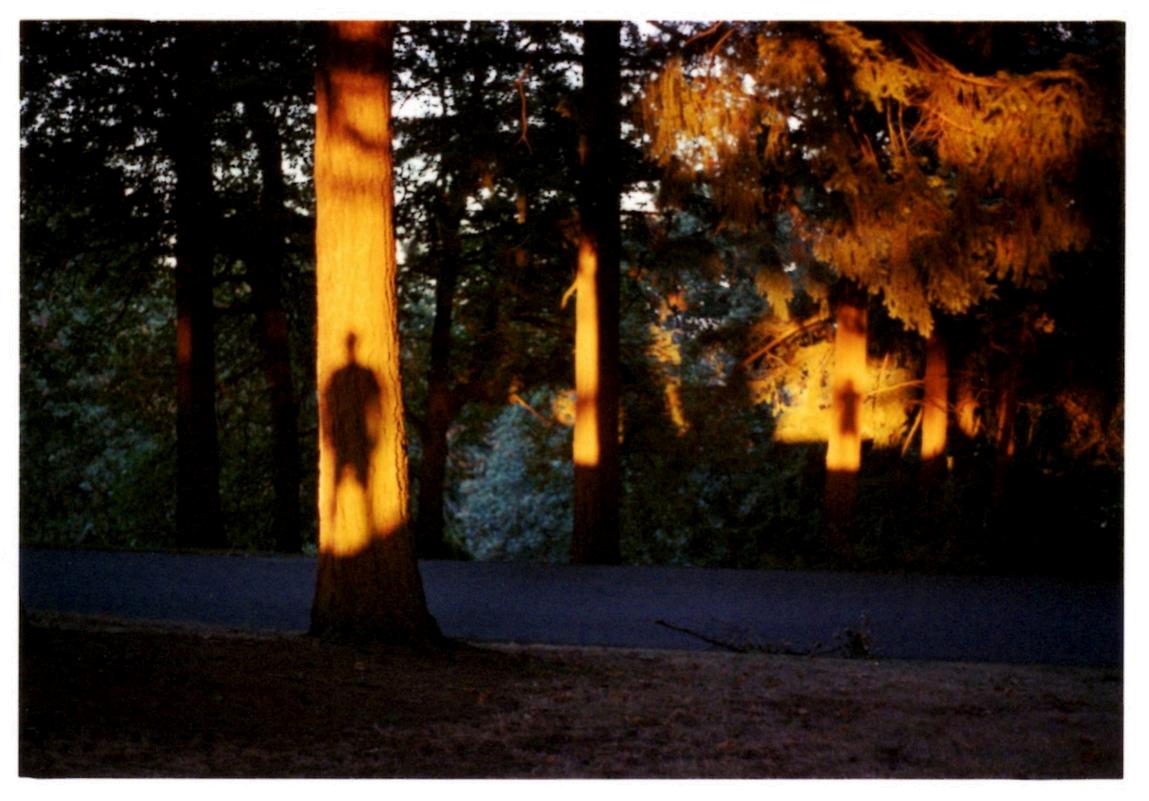
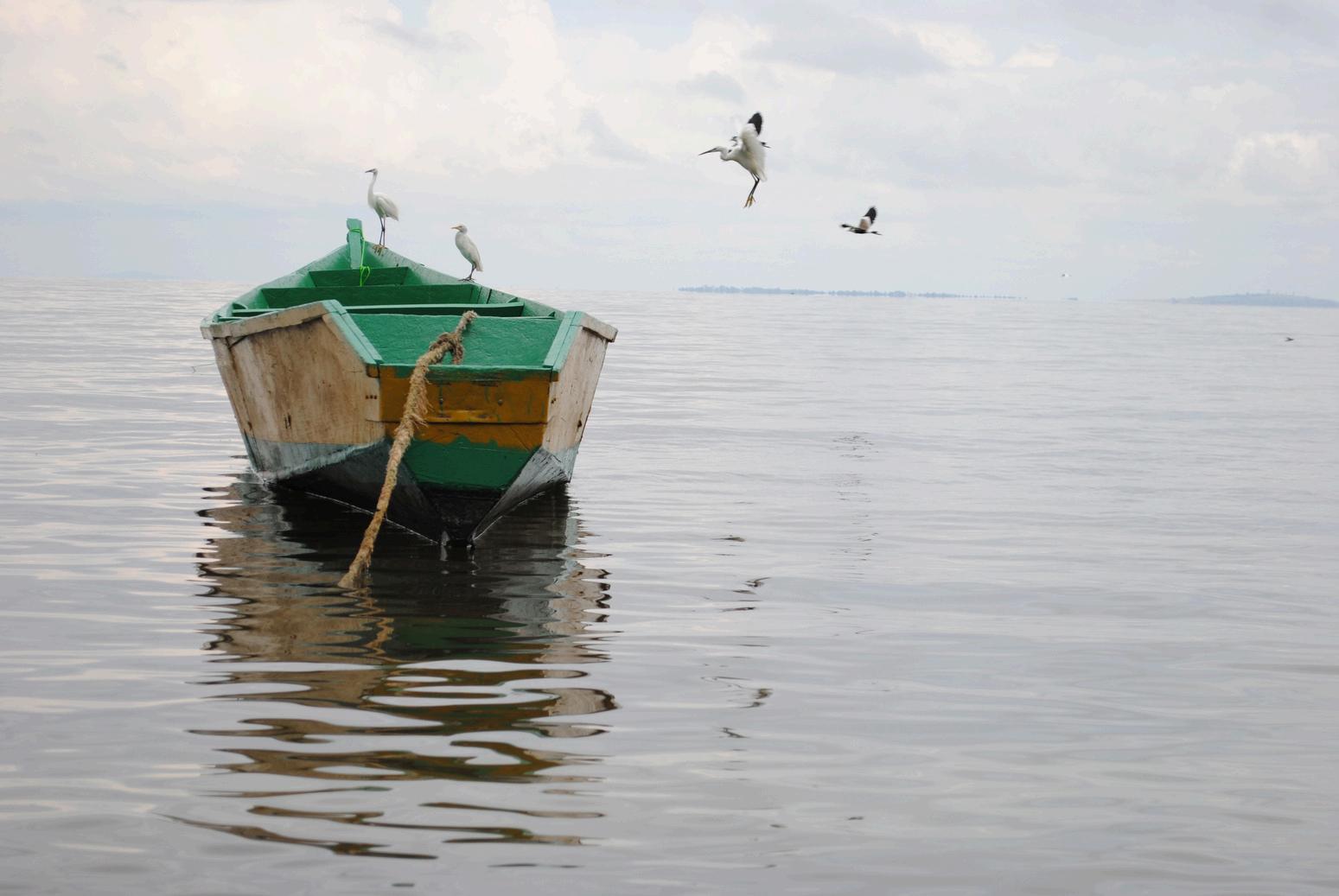
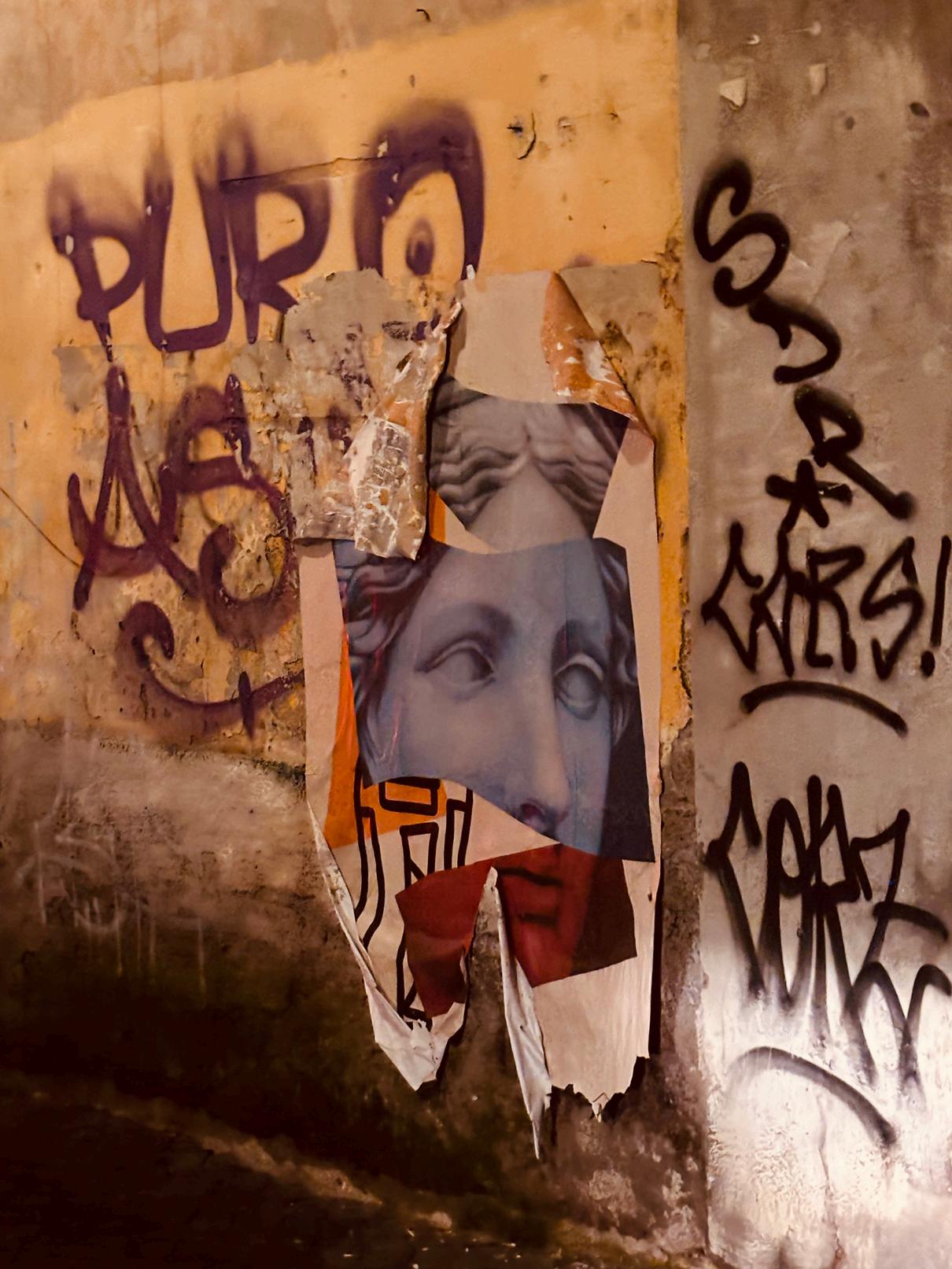



by Jacquelyn Coffee
The purple sequined halter and gold Spandex Capri pants I had heroically squeezed into in the plane’s john needed a reboot, but it was too late for that. Sequins were popping off in rhythm with my stride through the crowded Termini train station, and Rome’s mid-May humidity had shrinkwrapped the pants to my thighs. The effect was like wading through a vat of maple syrup. I dragged a big wheely suitcase I desperately wanted to be rid of, so I followed the signs and dumped it at the baggage check where I could fetch it later.
The Internet company I’d been working for in Manhattan’s Silicon Alley had gone belly-up two weeks previously. The outfit had been in a downward spiral from the beginning, an IPO pump-and-dump scam that resulted in employees being laid off en masse with three months’ severance, paid for by the lemmings who’d jumped in at the second round. All we had to do to collect was sign an agreement that we wouldn’t sue theplanet.com (not its real name) for anything.
Sue them? I was astonished at my blind luck and hotfooted it out of town as soon as the check arrived in my mailbox. My plan was to spend the summer in Rome living off my windfall, and I wasn’t tempting fate by sticking around. Call me woo-woo superstitious, but was having visions of theplanet.com rising again, zombie-like from the grave of its class-action suits with all pay-outs clawed back.
I’d been to Rome before, most recently with my former boyfriend, an ambulance-chasing lawyer named Darwin. We met when I was pounding the catwalk at Pure Platinum, an upscale “gentlemen’s club.” Through Darwin’s sponsorship all I’d gotten to see of the Eternal City was a junior suite at the Excelsior Hotel and the room service waiters. Now I was returning on my own dime to see the place at my leisure without having to romp around as a Dallas Cowboys cheerleader, Sheena of the Jungle, or a nympho French chambermaid.
My overnight flight on Alitalia had been a breeze, though it narrowly missed being a disaster. There’d been a big bruiser of a guy sitting in the seat
directly in front of me. While the plane was revving on the runway for takeoff, he’d turned around and yelled at me, “Stop kicking the back of my seat!” Why, I wondered for the nth time, does the primo asshat on every plane end up sitting either next to or directly in front of me? I’m an antsy flier, I’ll admit it, and the Stoli martinis I’d slammed at the airport bar hadn’t smoothed me out yet. So I might have bumped his seat a little, but nothing for him to get jock itch over.
There was a real cute Italian girl sitting beside the big galoot and he had her wedged into the corner of her seat mashed against the fuselage. He was apparently smitten by her and undeterred that she spoke no English and he spoke no Italian. So, he was trying to communicate with her by scribbling notes on airsickness bags and making flamboyant hand gestures. Nonsense I could have ignored, but then he began to punctuate his charades with moose-in-the-midst-of-rutting-season noises that were disgusting to overhear.
I agonized over the dilemma.
The beverage cart finally made its lazy-ass way around to us and Rambo-onthe-Make asked for two beers. I took it as a sign: St. Christopher had smiled upon us and was giving me a thumbs up. Somebody had to intervene on behalf of the hapless passengers trapped in our section. If not me, whom? If not now, when?
When he got up to go to the john, I took the opportunity to slip into his seat and introduce myself to the Italian girl in my raggedy Italian. She told me despairingly, “That pazzesco is driving me crazy, and I can’t change my seat because the plane is full!” She spoke decent English but didn’t want the nutball (her word) to know it. I told her, “It’ll be okay, honey. The gentleman’s drink just needs refreshing.” I dropped two blue valiums into what was left of his second can of Bud and scrammed back to my own seat.
It wasn’t long before the pazzesco was out for the count and the rest of us caught a break, thanks to the miracle of modern pharmacology.
The first item on my To-Do list when I got into town was find a place to stay. The area around Termini train station was a decrepit pissoir, so I got it behind me in a hurry. I turned down a street that had train tracks in the middle of it with orange trams rumbling by every few minutes. The street ended at a littered piazza saved from total grubbiness by a splendid church, Saint Mary Major, according to my guidebook. I thought about scoring some weed from the nun at the foot of the church steps actually, a guy with a mug like Yogi Berra who was dressed in a nun’s habit and doing a jam-up business selling reefer. But my Good Angel was telling me I should focus on getting a roof over my head before I started goofing around.
Crossing the piazza, I passed a flea market of Africans hawking all kinds of counterfeit junk knockoff watches, designer handbags, bootleg CDs. There was a sad fountain with its basin full of trash and graffiti all over it. And an honest-to-Ramses Egyptian obelisk with a motley crew of no-hopers sprawled on the pavement around it pin-eyed dope fiends, tattooed teenage slackers, and brain-burnt alkies nodding out or talking to themselves. On my way past them, I got hit up twice for spare change, and then I turned onto a street named Via Cavour, where things brightened up instantly.
I knew at first sight that this broad avenue with the suave French-sounding name was going to be my main drag. It had bus stops, a Metro stop, and several once upon a time piss-elegant hotels gone seedy and forlorn that I was confident I could schmooze myself into at a discounted monthly rate. There was enough street traffic to discourage creeps and bag snatchers, and plenty of street lights to find your way home at night after a few too many. The tranny whore stroll at the end of the block I counted as a bonus. Working girls know what’s up better than your average mailman. They afford a kind of off-kilter security (plus fashion tips from the razor’s edge). And when you threw in the Irish pub (what the heck was that doing there?), it had all the amenities of home.
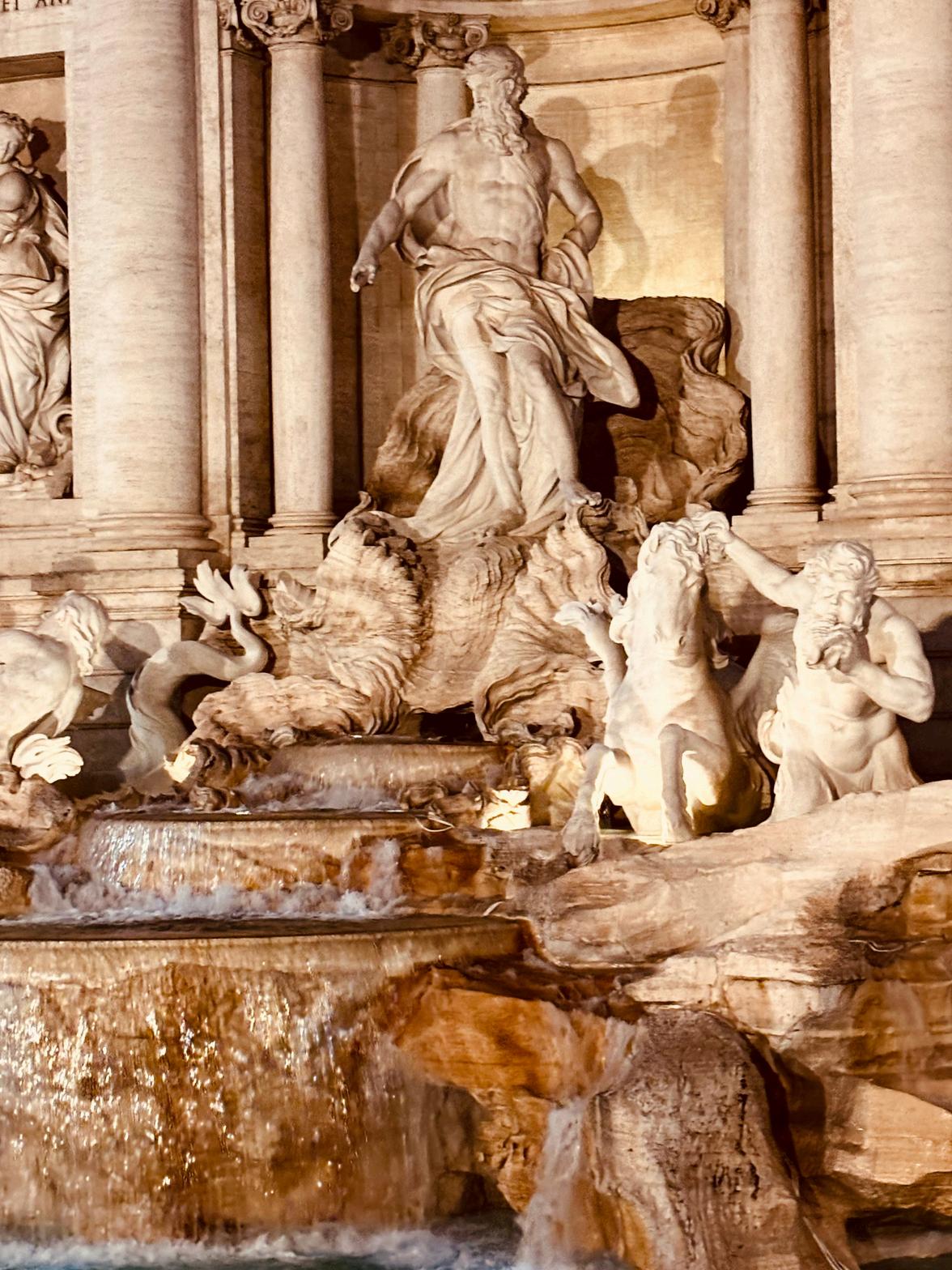
“Piacere di mio,” he responded smoothly. And then without missing a beat —“You must be a college girl.” That was rich. Had I gone to college, it would’ve been when the peanut farmer was president, but Italian men are congenital flirts and I was tricked out like a Tina Turnerette, so there we were—stuck in each other’s orbits.
I stepped off the curb in the direction of a crumbling heap calling itself the Hotel Mezzaluna when suddenly a silver BMW shot into my path and screeched to a halt right in front of me. The driver lowered the passengerside window, leaned over and asked me something in rapid Italian. He was good-looking in that smoldering Mediterranean way, so I responded as best I could that I didn’t speak Italian very well. He found this encouraging and beamed at me. “That’s okay, I can speak English!” He leapt out of the car, ran around the back fender and approached me with a dazzling smile, extending his hand. “My name is Roberto and I’m a pilot for Alitalia Airlines.”
“No kidding? My name’s Clancy. Piacere. ” I shook his hand.
“Piacere di mio,” he responded smoothly. And then without missing a beat “You must be a college girl.” That was rich. Had I gone to college, it would’ve been when the peanut farmer was president, but Italian men are congenital flirts and I was tricked out like a Tina Turnerette, so there we were stuck in each other’s orbits.
“No, I’m just here on vacation,” I told him, lashes batting furiously.
Then he asked if he could borrow my map because he was lost, and I had to stifle a laugh. If there was one thing I was dead certain of, it was that the guy wasn’t lost. But I handed him my map anyway, because Mom taught me it doesn’t cost anything to be nice.
Roberto explained to me that he lived in Florence and was driving around Rome in circles with nothing to do for the next two days. His airline was out on strike.
“You don’t say?” I had to smile. I’d gotten off an Alitalia plane within the past hour, but what a charming liar! He looked marvelous in a grey Armani jacket and a crisp white shirt that smelled like laundry soap. He glanced at his stainless Rolex like a 747-load of VIPs was waiting for him out on the tarmac, then asked if I would go have a drink with him.
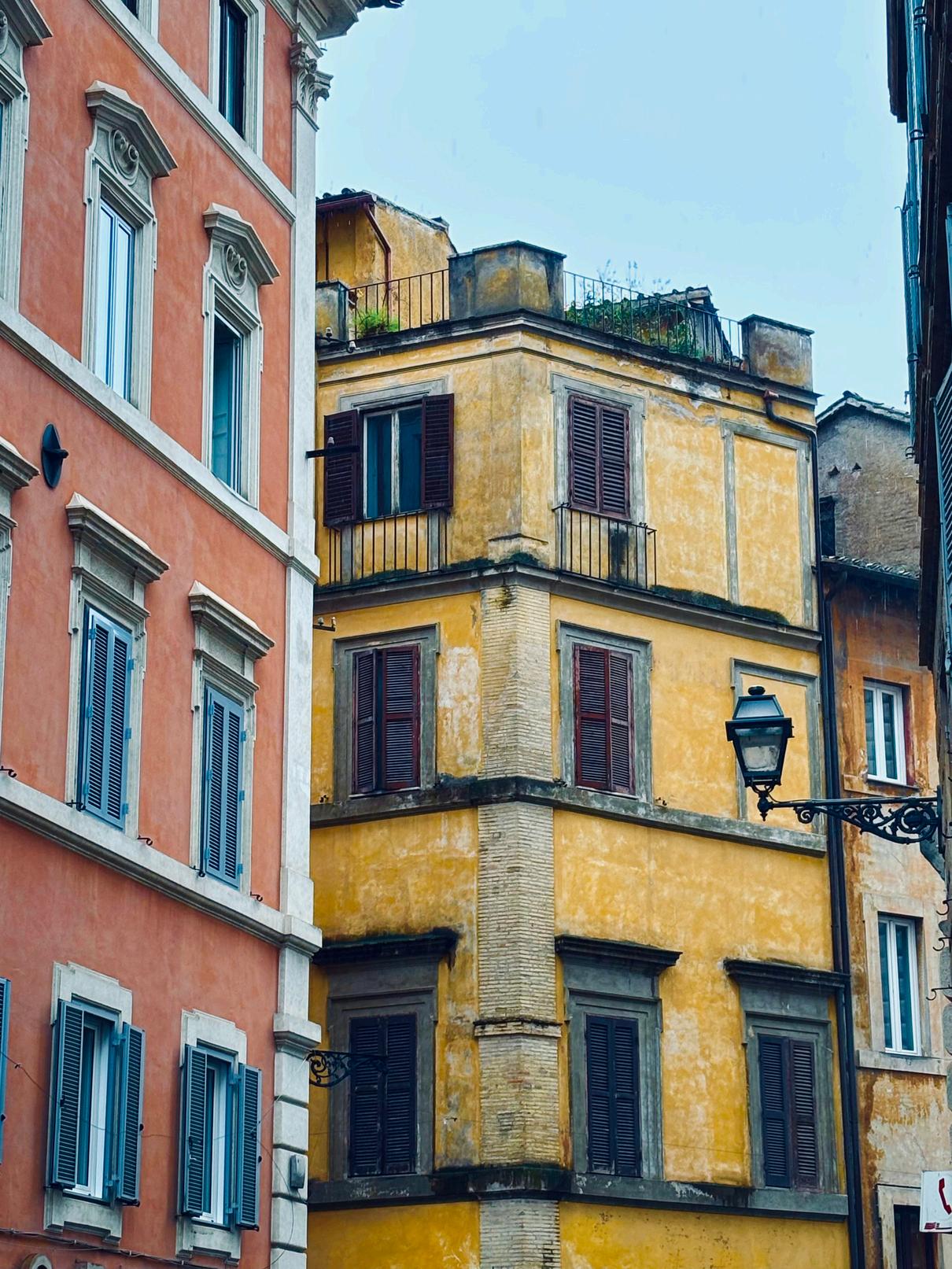
Who, me? The queen of conspiracy theorists who sees Freemasons and Illuminati in my breakfast cereal should get into a car in a strange city with a predatory stranger? I quickly weighed the pros and cons. What if this guy was a Latin Ted Bundy, trolling for a dungeon captive? Serial-killer whackos didn’t occur in Italy as they do in the U.S., but there was still an off-chance. On the other hand, if I were any judge of manflesh, it was a mortal cinch this one would be loads of fun to go tooling around town with. To ask to see his alleged pilot’s license would kill the spontaneity of the moment. But there was a Fiumicino Airport parking sticker on his windshield. Hmmmm. What clinched it was that my gold springalators were starting to make my ankles swell, so I decided to take the plunge into the pilot pool.
He opened the car door for me with a gallant “Andiamo!” and I got in.
Roberto drove like a daredevil, one hand on the wheel, cellphone in the other. We zipped around the Colosseum, up the Via dei Fori Imperiali past the Forum, then tore down Via Nazionale and made a murderous circle around the Fontana di Esedra. Some guy in a Mercedes tried to pass us on the Via Veneto and was given an expert array of obscene gestures out the window with Roberto’s cellphone hand. We whooshed past the American Embassy and through the Porta Pinciana.
I was struggling to get my seatbelt on, but the G-force had me pinned to the back of my seat.
The umbrella pines of the Giardino Borghese whipped past in a blur. We shot out of the gardens airborne at Piazza del Popolo, hit the ground with a thud, then zigzagged through alleys, Roberto forcing Vespas off the cobblestones all the way to the Tiber. We hung a sharp left and sped down the lungotevere, then braked to a halt on the Ponte Vittorio for me to get a three-second glance at Castel Sant’Angelo.
I grabbed for my seatbelt, but not fast enough.
Roberto floored it again and off we zoomed down the Via del Conciliazione
with the enormous edifice of St. Peter’s looming closer and closer dead ahead of us until it filled the windshield. At the last second, I covered my eyes with my hands. We screeched around a corner on two wheels and I fell off the seat.
Roberto glanced down at me on the floor and let up on the gas a smidge. “Are you okay?”
“Sure,” I lied. I climbed back up and tried not to heave all over the upholstery by closing my eyes and thinking about Antonio Banderas.
We shot up to the top of a big hill overlooking the city where he stopped the car with a jolt and we both got out. I would’ve kissed the ground if I thought I could have gotten back up. My entire Roman tour in this prototype of the new Italian fighter jet had taken about twelve minutes. I no longer harbored any doubt as to Roberto’s vocation in life.
He strode over to a small café with me trailing behind him, my knees still wobbly. He ordered drinks and made small talk with the barkeep while I recentered myself.
“What is it?” I asked suspiciously, as he handed me a dinky glass of something that looked and smelled like Hawaiian Punch. What I really could have used was a double vodka neat.
“Just try it.” he said, with authority, as though telling the flight attendants to prepare for take-off. He was having the same, so I figured why not go along. We chin-chinned and clinked glasses. It was a powerful eye-opener, as though I needed waking up after almost losing my lunch in the car.
We were atop a hill with a spectacular view of the city, obviously a rendezvous for Roman inamorati. There was a wedding being performed nearby between an adorable couple who must have been in their 70s. After the brief ceremony, the petite silver-haired bride beckoned to me and when I walked over, she handed me a camera and asked if I would take a picture
for them. They looked so happy and cute together. She wore a jaunty blue and white sailor-style dress and carried a white lace parasol, and the groom was quite the dapper gent in a three-piece navy pin-striped suit with an ascot. I took their photo against the lovely amber-rose cityscape then wished them buona fortuna e felice molto.
Then Roberto and I traded trumped-up life stories and all that brutal selfassessment gave us both an appetite, so he suggested we go for dinner.
After another flat-out rally race through the streets of Rome, I found myself seated in a cushy little trattoria eating a perfect dish of linguini while hearing out Roberto’s spiel as to why he and I should spend the rest of the night together doing the horizontal bop. I could tell that his argument, though passionate and persuasive, was mainly just for show. Since I’d gone along with all of his suggestions thus far, he assumed it was a done deal and was now only going through the niceties.
That’s when it occurred to me (the wine helped) that I could spend the entire summer getting plucked from the streets of Rome and shown the town suck up unlimited drinks eat at swell restaurants. All I’d have to do on my end would be to keep my hair routinely blondified and go easy on the pasta so my tramp trousseau would still fit me.
Yes, la dolce far niente was definitely something for me to think about.
Roberto’s cards were on the table, so it was my turn. I blotted my lips with my napkin, leaned forward and fixed him with a look of longing. “There’s just one more thing I’d like to see before I see the rest of you.”
“Anything at all, cara mia. ”
“Is the Trevi fountain very far from here?”
“It’s less than 50 meters. We can walk.”
It was that magical twilight time when the Rome sky deepens to the most intense indigo and its old buildings take on an amber glow. Flocks of starlings wheel overhead making formations in synchrony with thousands of church bells. The street lamps come on and the whole place looks like a Maxfield Parrish painting.
I could hear the torrent of water almost as soon as we left the restaurant. We strolled hand-in-hand down the cobblestones, turned a corner and suddenly came upon Neptune’s horses charging up out of a thundering wall of water. I stopped dead in my tracks, stunned by the audacity of the spectacle. Rome’s got its tinkling little ballerina fountains and then it’s got the Trevi. If you’ve never seen it, try to imagine if a chunk of Niagara Falls somehow got magically diverted to a tiny Renaissance piazza.
Roberto found us a place to sit on the lip of the fountain near a small pool Le Fidanzata, it was called in my guidebook, meaning “Grotto of the Betrothed.” We were away from the mad crush of tourists having their pictures taken front and center of the Trevi’s magnificent stage set. I stuck my hand into the shimmering water, scooped a palmful and let it trickle through my fingers. Then I spotted a café and said to Roberto, “How about a nightcap?”
“Certamente, bombolina, what would you like?”
I leaned over and kissed him. “This one’s on me, caro mio. You wait here so we don’t lose these swell seats.”
I was back at his side pronto with a pair of negronis. Nothing says “Rome” to me like that bitter, citrusy potion. We chin-chinned and played some more kissy face. Then Roberto showed me the proper way to toss my coin into the fountain in order to ensure my return to the Eternal City, and to him, he added in a hoarse whisper, “or the rest of his life would be pointless.” I sprayed Campari all down the front of myself and he had to blot me dry with his handkerchief.
“To do a proper Trevi coin toss,” he told me, “you sit with your back to the fountain, place the coin (any denomination as long as it’s Italian) in your right hand, and toss it over your left shoulder.”
I did like he said to be a good sport, but I knew he was leaving a lot out. According to tradition, you toss one coin to return to Rome, two coins to get married, and three coins to get divorced. I briefly considered handing him three coins and telling him, “Go for it,” but men don’t find wiseasses appealing in ahem intimate situations, so I dummied up.
Naturally, we had to go to Roberto’s place since I didn’t have my own. The building must have dated from ten popes ago and it had an enormous door, the kind of door that belongs behind a moat in a fairy tale. He explained to me as we trudged up the stairs (the elevator was broken) that we were going to one of Alitalia’s pilot layover pads. Another gigantic door, we walked in, he turned on the light.
The absurdity of the place suckerpunched me, and I couldn’t catch my breath. I inhaled deeply and burst out laughing. I turned around slowly to take it all in. Holy ginzo bordello, Batman! Clearly, the rookie pilots had been given free rein to decorate.
The place looked like an Amsterdam massage parlor at closing time. There were nude girlie posters and calendars scotch-taped to every one of the walls and naked lady sculpture lamps (as tall as me!) on each side of the rumpled double bed. There was a small bathroom and a makeshift bar of sorts. By which I mean a bunch of cardboard boxes containing hundreds of teensy, nip-size bottles of bourbon, scotch, vodka, rye, gin, brandy (remarkably like the ones you get on airliners), and a big box of stacked plastic cups. No ice because no fridge. But for entertainment, there was an old black & white TV hooked up to a VCR with a United Nations of porn films to choose from American, German, Japanese, French, Spanish, Brazilian.
So, I guess you could say we had the bare essentials a bed, a bath, a bar and a grab-bag of skin flicks. La dolce vita, indeed. I was reeling from it all and kicking myself for having left my Nikon in the suitcase I’d checked back at the station. Without proof, who would believe this?
Roberto sat down on the bed and yawned.
I said to him, “I’m not boring you, am I?”
“No,” he said falling backward on the bed and closing his eyes. “I’m going to take your clothes off,” he told me with a yawn.
“That’s okay,” I said, “I’ll take them off for you. Let’s have some music and get this party started.” There was a dusty boom box radio sitting on the floor next to the bed. I turned it on and fiddled with the knobs until I found a station playing some Madonna thing. But as I got ready to launch into my pole-dancing hootchie mama routine, I saw that not even the 1812 Overture was going to snap Captain Roberto back to the floorshow. Ground control had lost him on the radar. He was out cold.
I turned off the radio, pulled off his shoes, and turned off his cell phone that he’d placed on the nightstand. Then I got the car keys out of his jacket he’d thrown over the back of a chair. Last thing, I turned off the naked lady lamps so he’d have an undisturbed nap, which, judging from his body weight, the alcohol he’d consumed, plus the tranqs that had fallen into his drink back at the Trevi, should last about six or seven hours. Plenty of time for me to take the Beamer out for a leisurely spin, collect my bag from the station, find a place to stay, and have the car back before he woke up.
Which is just what I did.
I left the car unlocked in a spot pretty much where the pilot had originally left it with the keys in the glove box. I took one of my business cards from the now-defunct theplanet.com and clipped it to a note I placed on the driver’s seat, along with a single red rose.
Dear Roberto:
Thank you for showing me Rome. There’s no hospitality like that of the Italians. I had a swell time.
I topped off the gas tank for you, but you better take her into the shop to get that knocking in the right front wheel well checked.
I’m sorry we didn’t get to know each other better in the Biblical sense, I mean. But with the crazy hours and stress you pilots are under, I’m sure I’d be dead-ass tired too, so no offense taken.
I’m giving you a rain check for the next time you’re in New York!
Ciao, & alla prossima!
Clancy
Jacquelyn Coffee grew up in Miami, Florida, came to New York City as a 15-year-old runaway and stayed. She’s an un-degreed auto-didact.
During her early time in NY she was a spoken-word performance artist, appearing at many open mics and showcases The Improv, Catch a Rising Star, Café La MaMa, Theatre for the New City, P.S. 122, ABC No Rio, Nuyorican Poets’ Café, KGB Bar, Pyramid Club, Save the Robots, etc.
Jackie lives in East Elmhurst, Queens, and is currently working on a novel-in-stories set in 1970s Manhattan.

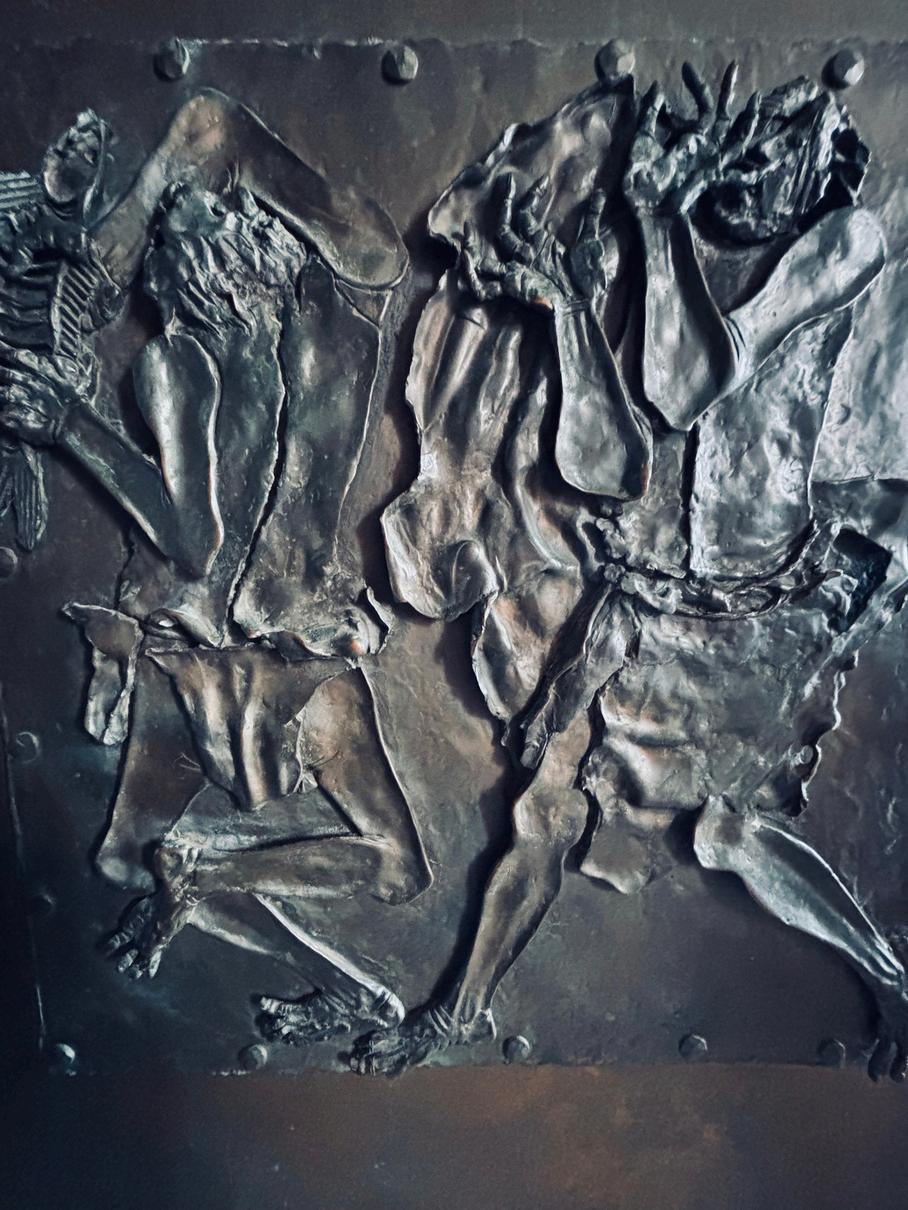

The sun rose on a cold winter morning, chasing the shadow of night and warming the cobbled streets. Light poured through the upstairs window of the blacksmith’s shop, where it illuminated a man and a woman, both lying in bed. The man stirred first, rubbing a hand over his face before rolling over to gently caress the shoulder of his wife. He wrapped his arms around her and dipped his head to place a soft kiss on her neck. She gave a contented sigh and rested her hands on his arms where they crossed her waist. They stayed in each other’s embrace until the sounds of the city grew to a volume that refused to be ignored. Horse hooves struck cobblestone like hammers upon an anvil; conversations rose and fell to a simmer as people passed; children could be heard laughing, enjoying their race down the alley.
“Sounds like the city is awake, Elric,” the woman said, brushing hair from her face and sitting up.
“Yes, we should be too,” Elric said, getting out of bed and heading to the wardrobe to get dressed.
“I’ll finish making the nails for Mr. Garou if you could make a box to put them in.”
The woman barked out a short laugh. “I can easily make a dozen boxes before you're done with the nails.”
“Don’t sound too confident, you’re the one still in bed.”
“I’m simply giving you the advantage. You’ll need it.”
“Is that so?” Elric laughed, watching his wife’s eyes ignite. “I better get to work then. Try not to get too many splinters.” With that, he headed downstairs, grabbing two thin rods of iron before moving through their shop and out the door toward the forge.
The winter air chilled Elric’s face and ears as he stepped outside, puffs of white smoke forming with each breath. He set the two iron rods on the anvil and started to clean the forge, effortlessly sweeping good pieces of coal away from ash and chunks of clinker. With the forge thoroughly cleared of debris, Elric made a crater in the center, then picked up a couple of old newspapers from a stack on the ground and crumpled them into a ball before tossing it into the crater. He retrieved a matchbox from his pocket and struck a match across the brick edge of the forge, the flame slowly building as it was placed on the paper. With a gust from the bellows, the flame roared to life, sending smoke and embers into the air.
Elric grabbed one of the rods, making a nick in it at the length he needed before hammering the piece over the anvil’s edge until it broke off, landing in the dirt at his feet. He repeated this four times, making five identical pieces of iron. Elric placed the first piece of iron in the fire and moved to the bellows, quickly pressing down on it twice before rotating the rod with a pair of tongs.
Once the iron was indistinguishable from the curling flames, he took it to the anvil and hammered it into the shape of a large carpentry nail before dunking it into a barrel of water, the nail hissing in protest. One after another, each iron rod was fed to the flames and brought to the anvil to be shaped, embers erupting from them with each strike. Elric finished the nails and gathered them in a cloth before putting out the forge’s fire and heading into the shop.
“Sigrid?” Elric called. “I made those nails pretty quickly, you’ll need some luck to have made a dozen boxes in that ti ” His voice fell off.
Sigrid stood with her elbows resting on the store counter, her head hung low, draping curtains of red hair across an incomplete wooden box.
“What happened?” he asked, rushing over, concern gripping his voice. He parted a portion of her hair, trying to get a glimpse of her face. Sigrid slowly looked up; her face was pale. Beads of sweat dotted her hairline.
“I’m alright, just a bit lightheaded.”
Elric looked at the counter. Sigrid had set out everything she needed to make the boxes nails, a hammer, wood panels, and chiseling tools. She had only finished one.
“How long have you been standing here?”
“Not long. I started setting up shortly after you left, then got lightheaded partway through the second box.”
“You’re speaking well, that’s good. Let's go to the bedroom, you need to rest,” Elric said, stepping to her side and preparing to help her upstairs.
“I’m fine. It’s nothing I haven’t handled before.” Sigrid straightened and took a step toward the counter before halting. Her legs began to shake and her breathing became shallow. She took another hesitant step and fell. Elric quickly caught her and noticed that her skin was cold and clammy.
Sigrid sighed. “I should lay down.”
Elric supported Sigrid as they shuffled through the shop, up the stairs, across their bedroom, and into bed, occasionally stopping when she felt too weak to move.
“I’ll go to Lydia’s when I take Mr. Garou his nails; she’ll have something for you,” Elric said, draping the fur covers across the shivering, pale form of his wife.
With the box of nails in hand, Elric made his way through the city streets. The bustle from the morning had died down to a level that was unusual for the time of day, with the occasional cough from vendors breaking through. A part of Elric was curious about the aberrant change in the city, but his concern for Sigrid urged him forward until he eventually arrived at Lydia’s shop.
“Welcome. What can I do for you?” a stout, middle-aged woman asked from behind a counter. Despite the winter, the shop smelled earthy, and the walls were littered with various jars, each containing different-colored creams, powders, liquids, and syrups. Several raw ingredients hung from the ceiling. Behind the counter was an assortment of large tomes and a flask with a twisting neck.
Elric stepped up to the counter, slightly out of breath. “Hi, Lydia,” he said. The greeting was kind, but his voice portrayed the fear that weighed on him. “My wife is sick, and I was hoping you had something that could help her.”
“Sigrid is sick? Poor thing, what are her symptoms?” Lydia asked, grabbing a book from the shelf behind her and placing it on the counter. Elric recalled his wife’s symptoms to her, his fingers picking at his calloused palms. Lydia froze upon hearing his description.
“Oh dear,” she said, a grim expression darkening her face. “I need to see her in person. I have an idea of what she has, but I’m unsure.”
“What is it? Is she going to be alright?” Elric asked, panic hammering a nail
“
through his heart.
“Like I said, I have an idea, but I need to see her to be sure.”
“Alright, I have a delivery to make, then I’ll head back. Do you remember where we live?”
“Yes.”
“Then I’ll meet you there.”
Elric pounded through the cobbled streets, haunting imagery and scenarios of Sigrid branding his mind with each step. The road was slick with sleet, and he had to catch himself from falling several times on the way back. Once home, Elric burst through the front door and hurried up the stairs to find Lydia sitting by the bed, one of Sigrid’s hands wrapped in both of Lydia’s.
“Is she alright?” Elric whispered, afraid that his voice might wake his wife from her serene sleep.
Lydia gently laid Sigrid’s hand on the bed and got up, walking past Elric and saying, “Follow me,” before leaving the room.
Downstairs, Lydia and Elric sat on opposite sides of the dining table. Concern wrinkled Elric’s face, while sorrow clung to Lydia’s like a heavy iron mask.
“There’s been a new illness recently that no existing remedy has been able to cure, and it seems like Sigrid has it.” Lydia’s words were heavy but laced with a small hint of hope. “The best chance for Sigrid right now is to find someone who can use magic to heal her.”
Elric looked puzzled. “Magic? I don’t know anyone who uses magic. Do you?”
“No. But I know where you can start. There’s an elf who moved into a house not far from my shop. I heard that he used to be a teacher; maybe he can help.” Elric stood and quickly grabbed parchment, an inkwell, and a quill and handed them to Lydia.
“Write out the directions to his house; I'll visit him in the morning.” She nodded and jotted down a couple of directions before getting up, saying farewell, and wishing Sigrid better health before stepping out into the dark. Once Lydia was gone, Elric crept back upstairs and slid into bed, his hand curled tightly around the piece of parchment.
When morning came, Elric was greeted by an empty bed, confusion overtaken by worry as he bolted up. “Sigrid,” he called, stumbling out of bed and struggling to put on his clothes in his haste to head downstairs. “Sigrid!” he called again.
“In here,” a quiet, raspy voice answered from the dining room. Elric rounded the corner to find Sigrid sitting at the table with some bread and a wedge of cheese in front of her. The clothes she wore were ill-fitting, and her skin held the same pale hue from the day before. When she spoke, it sounded like ash being scraped from coal. Elric gently sat in front of her.
“How are you feeling?” he asked, eyes sweeping over her withered appearance.
“Not good,” she stated, tearing off a piece of bread and eating it.
Elric was silent for a moment, contemplating his next words. He wished he didn’t have to ask the question; the thought of it alone made him feel like he was about to abandon his wife in a time of need, but she wasn’t going to get better unless he found a person who could use magic. “I’m going to go talk to someone who might be able to help you. Do you think you’ll be alright on your own for a while?”
Sigrid’s laugh came out short and gruff. “I haven’t met a sickness that could keep me down. I’ll be fine while you’re gone.”
Elric knew she was lying; every movement she made was slow and painful, but trying to convince her to rest would get him nowhere. He gave a reluctant nod, got up, and headed out into the cold city, following Lydia’s directions toward the elf’s house.
The house was more lavish than Elric expected. The exterior was painted white with dark mahogany frames. Lush hedges sat just below the first-floor windows, each growing different-colored flowers. When Elric walked up the cobblestone steps toward the door, the air became warmer, and he could hear the faint chirping
of birds as if it were spring. His first knock was met with no response. He raised his fist to knock again, but the door opened before he could.
Standing in the doorway was a tall, slender elf with blond hair tied back into a bun. He wore flowing white robes that were embroidered with golden thread forming the shapes of flowers and vines.
“You must be Elric, yes?” he asked, his words flowing like a stream. “You may call me Heron.”
“You know who I am?” Elric asked, his face contorting in bewilderment.
Heron smiled. “Lydia told me that you would be coming and explained your unfortunate situation.”
“That saves me the time of telling you everything. Can you help?” The question filled Elric with a sense of hope.
“No,” Heron said flatly, his face shifting to an unreadable expression. “I can, however, teach you the Elvish language and through that, magic.”
Elric was indignant. Learning a language was going to take time that he wasn’t sure Sigrid had, and even if he did, there was no guarantee that he could help her by using it.
“Why can’t you just heal Sigrid yourself?” His words came out more aggressive than he intended.
The elf’s face softened to a look of pity. “Because it would be dangerous. A spell to help someone is much harder to weave than one that can harm.”
Elric, in his frustration, couldn’t understand the reasoning behind the elf’s refusal to help. “If it’s harder to do, then wouldn’t it be safer to have you cast it?”
“That’s a fair conclusion to come to, but you have the advantage of knowing her.” Heron sighed at the perplexed look lingering on Elric’s face. “You’re a blacksmith, are you not?”
“I am.”
“Then envision magic in this way. A person will come to you when they need their armor repaired because you understand how it is meant to function and possess the knowledge necessary to bring it back to its original state. Magic works in the same manner; if I attempted to heal your wife without understanding her first, I would risk changing her for the worse.”
Elric was silent for a moment, thinking over the elf’s words before finally understanding their meaning.
“Alright, I get it, but Sigrid doesn’t have the time for me to learn a language.”
“Not to worry. Once Lydia told me of your trouble, I started working on a lesson plan for you to learn only what is necessary to help your wife.”
Elric’s frustration ebbed. “Let’s get to work then.”
Heron stepped aside and gestured for Elric to come in. The interior was as impressive as the outside. Colorful carpets decorated the wooden floor. Bookshelves filled with beautifully made volumes and journals lined nearly every wall. Paintings of historical figures and royalty were hung around the room, and in the corner was an animated piano that softly played on its own.
Heron walked toward a set of stairs and waved a hand above his head, making four books leave a shelf and stack neatly in the air behind him. With another twirl of his wrist, the books moved closer to Elric. “These books will cover the basic understanding of Elvish as well as how to properly form and identify sentence structures, use correct grammar, and channel the language into arcane potential.” Heron stopped abruptly and turned on his heels. “Any questions so far?”
Elric stood with the stack of books in his arms, overwhelmed by the amount of information that was thrown at him. “Do you expect me to learn all of this today?”
“No, but that doesn't mean we can’t try. Follow me, we don’t have time to spare.” Heron spun back around and bounded up the stairs.
Elric followed, passing through a doorway and into Heron’s office. More bookshelves decorated the edges of the room, and a vibrant rug, similar to the one
downstairs, was sprawled out across the polished wooden floor. Above him was a large golden sphere made of rings that hovered near the ceiling. In front of a window was a sturdy oak desk where Heron was seated.
Elric spent the rest of the day poring over the books, with Heron answering his questions and breaking down concepts he struggled to grasp. The rules of the language were tricky to follow, and many of his attempts to find patterns or connections were in vain. His progress was slow and arduous, but after several hours of Heron’s help, he could quickly recall almost every letter, how they sounded, and he deciphered short words. Body, repair, purify, heal. Each word boosted his morale, reminding him of what the end goal was: healing Sigrid. Elric was partially through the first chapter of An Introduction to the Arcane when Heron interrupted him.
“That’s enough for today. You can head home.”
“What?”
“Rest is important for an expanding mind, and you made great progress today. Be proud of that.”
Heron turned his attention away from him and began to write. Elric stared at the back of his head in stunned silence, the scratching of Heron’s quill being the only sound in the room until he spoke again.
“If you could put the books back on their shelf when you leave, that would be appreciated."
Without a word, Elric moved downstairs and began to put the books back on the shelf, but froze as he got to the last one. An Introduction to the Arcane. He opened it to the page he had been reading. He couldn’t decipher the page entirely, but certain words caught his attention: spell, channeling, cast. This was the page he needed. Elric looked over his shoulder at the staircase and listened for any sign of Heron approaching. When he was sure Heron wasn’t coming, Elric grabbed the page and, in one motion, ripped it from the book. He then placed the book back on the shelf.
Elric’s trek home was cold and dark. The sun had vanished long ago, and sleet daggered from the sky like shards of glass. He ignored the needles of pain that
whipped across his face, his thumb running across the smooth surface of the folded page in his pocket. After entering his house, he placed the page on the counter and began to study it, reading and rereading the words, practicing the movements and hand gestures until they became second nature.
With the page in hand, he crept upstairs and into the bedroom. Elric placed the page on the bed, slowly lifted his arms, and started to chant the Elvish words he knew while moving his arms and hands to form sigils. Silver wisps of smoke quickly wrapped around Sigrid’s body and shifted with Elric’s movements and voice. Flashes of her pale skin ran through Elric’s mind her unnatural voice, the beads of sweat, her shaking body. All his memories of her since she had gotten sick flooded into his head and overwhelmed him. When he finally broke free, Sigrid was violently convulsing on the bed, saliva covering her chin and spattering across her pillow. Elric ran over to her side, the silver wisps of the spell vanishing, and with them, the convulsions.
Sigrid was still and deathly silent. Horrified, Elric slowly knelt down and embraced Sigrid, his entire body shaking with grief and fear. He held her far into the night even after she began to take rough, wheezing breaths.
Elric was still holding onto Sigrid when the sun emerged. Only when he heard the sounds of the city did he finally let go. He slowly stood, pocketed the torn page, and made his way toward Heron’s house. The route he took quickly became a hazy fog in his memory.
When Elric stepped into Heron’s office, he was met with a daunting sight. Heron was sitting at his desk with An Introduction to the Arcane open before him. The jagged remains of the stolen page pointed toward Elric, naming him the perpetrator.
“Actions born from desperation rarely lead to lasting success.” Heron’s voice carried a biting cold that made his disappointment clear. “Do you have the page?”
Elric retrieved the folded parchment from his pocket and placed it on Heron’s desk. Heron took the page and aligned the torn edges. With a wave of his hand and a few whispered words, the tears began to stitch themselves together until
each ridge and valley smoothed out into their proper form.
Heron finally rose from his chair and turned to face Elric, his words retaining the chill from before as he spoke. “I should expel you from my home for your blatant disregard for my authority and trust.” His eyes swept over Elric in silent consideration before seeming to reach a conclusion. “However, I have given my heart away once before, and I understand the desires that come with such an action. So, you will be allowed to continue learning until Sigrid has fully recovered, but after that is achieved, you won’t be welcome here again.”
Elric gave a solemn nod, and Heron handed him the repaired book. The final lesson with Heron was conducted at a quick pace, and through it, Elric was able to find where he had gone wrong with the spell. The image he had of Sigrid was tainted by the memories of her ill form, causing the spell to harm her. Elric ended the lesson with new resolve, and he marched home, determined to cast the spell correctly.
Elric took a deep breath and steadied himself as he started to chant. The same haunting memories appeared to him like the night before, but he was unwavering, focusing on the beautiful amber of Sigrid’s hair in the sun, the bark of her hearty laugh, and the endless passion she carried through life. The silver mist returned and settled on Sigrid’s skin, turning to a brilliant gold before dispersing. Exhausted, Elric dropped his arms and fell into bed next to Sigrid, the sound of her breathing lulling him to sleep.
by
Morning light found Willy exactly where it always did, seated at his window like a soldier waiting for orders. A habit born in Vietnam, where first light taught a man to see before he was seen. His knotted fingers, sure and eager, noodled through the slats of the blinds. His eyes scanned the street for her.
There she was. Clara.
She stepped off the bus with her right foot first, always. Her navy-blue scrub was crisp, and her badge clipped, hair tied neatly in a ponytail. Willy could almost smell the faint trace of vanilla following her as she reached the door. A grin crept across Willy’s tired face, steadying his wrinkles as he waited. His room smelled faintly of linen and wood varnish; each surface gleamed, wishing for company. On the nightstand, anabolic bottles stood obediently along with a dusty laptop. His cane, long rubbed clean of fingerprints, leaned its weight against the closet door. By the doorway, his worn slippers waited patiently, evidence of a life lived on careful feet.
Anyone would assume he could walk, yet the limp from a firefight long ago made them nod and look away. The neighbors never caught him on the porch passing out candy on Halloween, never glimpsed him leaning on the fence to chat, never imagined the careful motions he made behind closed doors. Crippled Willy, they whispered. The veteran behind the windows, a man who had perfected helplessness.
Willy made certain Clara knew not to climb the stairs without first preparing his medication and meals.
He waited in his room on the second floor. He heard her footsteps pause, then begin the climb, each step bringing her closer to the man who had rehearsed every message she answered.
Initially, he had swiped right: Clara Hill, twenty, nursing student, afraid of dogs, looking for an older man to notice her. For weeks, he became Jake Williams, thirtytwo, new to the area, and sent careful messages asking if she could tend to an ailing grandfather each morning. No rush, Willy-as-Jake said. He preferred someone who thought things through. After a week’s hesitation, she agreed to an hourly wage.
He said CPR wasn’t required, but occasionally yelling at a pill organizer was. “Good,
I’ve been saving my screams for the right moment,” she messaged, and, he imagined, chuckling. She could never have suspected that the quiet old man she walked past every day was the same one scripting her mornings all along. To Willy, Clara became the soft voice stitching and securing the emptiness of his life. To her, for all he knew, he might only be a paycheck, another small dent in the nursing loans that never forgave themselves. Like most mornings she worked for Willy, Clara moved through the kitchen with practiced precision, singing “Sweet Home Alabama” as she measured his food and sorted the pills. Pinned to the fridge, the To-Do chart bossed her around in bold print: spoon-feed meals, steady him in the shower, dry between his toes, massage legs, check heart rate twice, blue pills before meals, red after.
Clara made her way up the staircase, two photographs hung along the wall: one of Willy receiving his veteran’s medal, the other of him with his late wife. Each creak of the stairs marked her approach. Upstairs, Willy listened attentively, pretending to be asleep. Clara’s hand brushed gently along his shoulders to wake him, a touch he searched for every morning. And in his dreams.
He greeted her with that familiar smile, bright and anticipating her presence. After breakfast and the usual blue before meals, she helped him into a clean shirt, read him the paper, and silently appreciated that he never needed diapers.
“You’ve been quiet today,” he said, tilting his head.
“I’m just thinking through the morning,” she replied, brushing a strand of hair from her face.
He smiled faintly. “Or maybe thinking about how much time you want to spend here.”
She laughed a little, unsure what he meant.
“Of course,” he said softly. “But what if the time…” His voice trailed off. “What if the time you spent here was longer?”
She froze, the brush hovering over his thin hair.
“Clara,” he said, eyes tracking her reflection in the coffee mug, “what if you
stayed here? Moved in. You know, just to help me.”
“I can’t,” Clara said quickly, forcing a smile. “You know I have a dog, Mr. Williams. Remember Buckley?” With her phone, she waved a photo of her floppy-eared spaniel at him.
He didn’t like it when she called him Mr. Williams. It made him feel like a stranger around her.
“You only call me that when you’re lying,” he said, squinting.
“I… I am sorry, Willy,” she stammered. “I’m also in the middle of my lease.”
Her practiced answer stung him. He gazed at her as she slipped away down the creaking stairs, leaving only footprints fading into the quiet that would linger until she returned.
She left him a letter on the kitchen counter. Willy did not read it. He didn’t need to.
That day, he couldn’t rest. Something in him, something old, broken, and lonely, told him to follow her. The thing that always caused him to strike out. His sandals memorized the route: out the door, down the street to the café, across the curb to the bus stop. She always grabbed takeout matcha at the café, but tonight her hair fell loose, her shoulders relaxed, her eyes bright, and a man leaned close, laughing at something she said.
No uniform. No dog.
No Willy.
He muttered under his breath, scanning her date: “What fool wears sweaty blue sneakers and a baseball cap on a date?”
Willy crouched slightly behind a lamppost, noting the man’s cheap socks wrinkling at the ankles, elastic stretched past its limit. “This is what she likes?” he whispered, tone tight, liver-spotted fists flexing at his sides.
He lingered behind a streetlight and parked cars, cataloging the tilt of her head, the gestures of her fingers, the curve of her smile, until she boarded the bus and
vanished from view.
He took the bus to a discount store down the block, combing through the racks until he found a baseball cap and sneakers, examining every crease, every thread, every telltale wrinkle in the socks before buying them.
A new watch, a small bouquet, and a white candle joined the items in his arms, each one a piece of the world he intended to present to her. A gesture of his affection. He returned home in the clothes he’d purchased, moving through the house like a man possessed.
Dark blue drapes were drawn with precision, polished floors reflecting his intentions. Rugs were smoothed flat and windows were shuttered against the outside world. He angled the dining chairs just so and set the table with two plates, two knifes, and two forks. He imagined the café inside these walls, her laughter echoing, the man in the ballcap replaced by him. It wasn't an imitation. It was an improvement.
Falling asleep in one of the dining chairs, he stared at the ceiling, imagining a safe haven. He told himself perhaps a nice dinner would persuade her to stay, make the world outside irrelevant, and her life here, and only here, her only reality.
The next morning, Clara got off the bus, but Willy wasn’t in his recliner when she unlocked his door and stepped inside. She stepped inside and adjusted a chair as she walked, her gaze meeting the still, dark figure he cut at the top of the stairs.
He saw her freeze. The way Clara halted, as if she had walked into a story she was not meant to enter. Every tiny movement, the widening of her eyes, the slight parting of her mouth, the caught breath, etched itself into his mind. He hadn’t meant to startle her.
“Mr. Williams how are you standing?” Her voice was so thin he could almost tear it. Willy watched her face absorb him, piece by piece.
“Oh, Clara,” he said, voice low and uneven, “I knew you’d be happy to see me.” He watched her face freeze on the wobble of his legs, which he performed so carefully.
He let out a strained, “Oh, Clara, help.”
Clara rushed up the stairs and reached for him. His hands locked around her arms, stopping her entirely.
She struggled, twisting, but he held her tight, his strength belying the frailty everyone assumed.
Her foot caught the edge of the top step. The carpet seemed to lurch beneath her. Instinctively, Willy lunged forward, farther than his battered body should have ever dared, and his hand shot out toward hers. For a bewildering moment, Clara felt his grip brush her wrist. Willy tipped forward, knees buckling, body jerking into the gap between the pair of them.
He did not fall with violence, just a strange, slow crumble, the kind that old bones surrender to. His hip struck the edge of a stair, pain radiating up his spine, bright as a flare. He tried to cry out, but it came as a whimper, drowned by the muffled thud of Clara’s hurried steps. She stumbled away from him, catching herself at the foot of the stairs and scraping her palms on the wall.
Willy’s legs were tangled beneath him at an angle that made no sense. He tried to move.
Nothing. No hint of feeling, not even when he clawed at his own thigh, breath trembling in shallow, animal gasps. He watched Clara, wild-eyed, fingers at the lock of the front door, eyes darting to the street. For a second, their gazes met, his full of disbelief, hers of horror, disgust.
She hesitated, one foot over the threshold, as if she should say something, as if she might help him. She did not. She vanished, closing the door behind her.
He dragged himself with the stairs’ railing, trying to will feeling, anything, back into his legs, but his body remained lifeless. He did not have the strength to sob; only dry croaks rattled in his chest, each softer than the one before it. The light through a crack in the blue drapes scattered across the floor.
The day was otherwise unforgiving in its ordinariness.
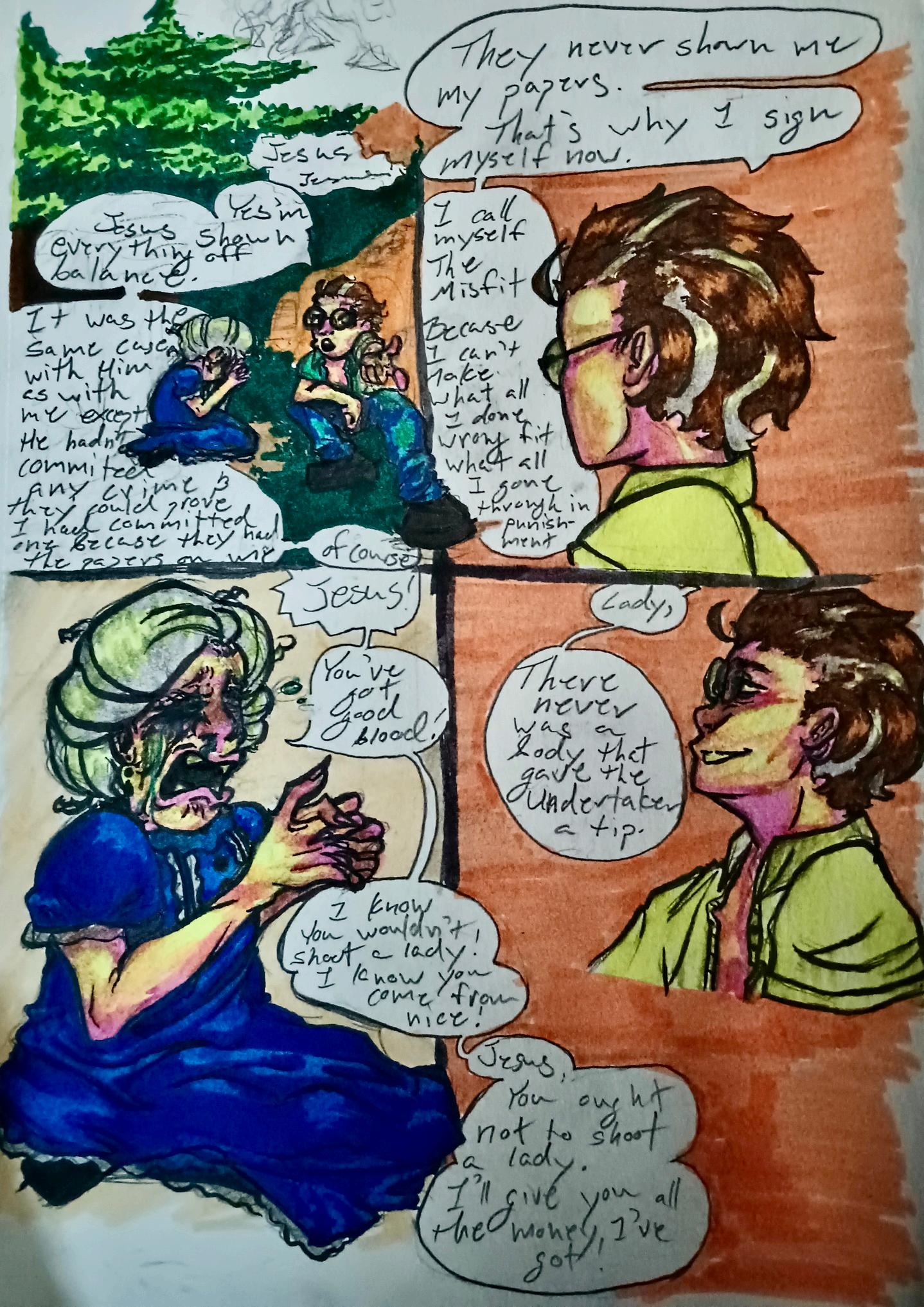
by Logan Dempsey
based on “A Good Man is Hard to Find”
by Flannery O’Connor
by Kayla St. James
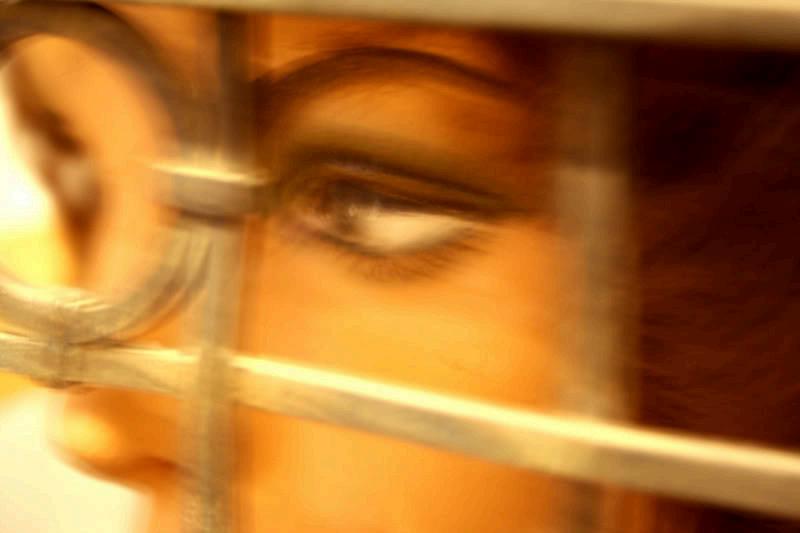
I have always wondered if death treats us better in the afterlife than how we treat each other while we’re alive. As I race down the highway in the witching eyes of dusk with a dead man in my passenger seat, I can’t help but hope whoever this man sees in Hell is far worse than I am. My eyes dart between the rearview and the side mirrors to confirm I’ll be the only witness of this night. Thankfully, the only lights out here are the stars, some streetlights, room lights of towering hotels, and my blood-ridden, half-broken headlights.
I glare over to the man in my company. He twitches a few times; his eyes bolted shut, breathing lightly. Maybe “dead” was an overreaction, but he certainly is dying. I scan my rearview again and focus my attention on the interior of the car. The seat coverings, originally a pale pinkish color, are now covered in dirt, grass, gravel and hematic clusters. Blood covers the stereo where I’ve had Depeche Mode’s “Halo” on repeat. Even my iced coffee, sitting in my cupholder, had a newly fresh, oozing topping drizzled on the whipped cream. On the bright side, the small, crocheted smiley face hanging from my rearview is untouched, but even with that, there’s no paint or detail job could replace the overarching sense of death in this car. This man has lost a lot of blood, and that is my problem now.
“Typical Henry,” I say, redirecting myself to the road in front of me, “Leaving a mess wherever you go. Can’t even be bothered to clean it up. What’s your deal?”
Henry didn’t respond with words, but rather coughed out a mouthful of sinister, crimson blood.
“Man, you really need to see a doctor. I know you don’t like going, but that cough of yours isn’t getting any better. I hope you didn’t get Emily sick.”
Emily had been my best friend throughout high school. The school wasn’t too big or fancy, but we both sang in the girls’ choir and took an interest in medical biology. We were both blond, blue-eyed, and tall, though she was
more of an animal person and I was a people person. Towards the end of our senior year, we had an argument about our places in the world and what we thought would be a perfect future. She was more traditional and Christian than I could ever be. The way I saw it, we should all be able to live comfortably in a world with accessible healthcare, where everyone strives to help each other in any way they can, and evil is dealt with properly. She believed everyone, including me, should follow Christianity as close as possible and without hesitation to avoid Hell. That was not something up for debate, and though I didn’t disagree with her, I didn’t completely agree either. I didn’t go to church consistently, but people who “praise the Lord” tend to not practice what they preach. Some of the kindest people I’ve ever met were atheists, and I often aligned myself with them more than people of my own religion.
Emily and I split ways for college, where she moved a few cities over to attend a prestigious university for a pre-veterinary degree. I stayed in our hometown and went to a college 45 minutes away for Kinesiology.
Though Emily and I never talked after high school, I scrolled through her social media from time to time, just to see how she was doing. The answer to that was always: great. There’s no doubt she remained incredibly attractive, smart, talented, and loved what she was doing. I’ve seen posts of her getting scholarships like they were made specifically for her. And how she was basically Jesus at her internship. Emily had a special way of caring for her fur patients and never let a single one slip through her fingers. I liked that about her. Even as a kid, she worked to ensure the best life for those around her.
It’s a shame not everyone reciprocated the love they received from her. One day I was scrolling through her page, and I learned, about a year and a half ago, she started dating this guy at college, Henry. Maybe I was just trying to look out for her like I did in high school, or maybe I’m just a stalker, but I decided to dig into Henry’s background.
I peer at my rearview mirror and see a white Corvette flying onto the entrance ramp, a few other cars behind it. I hope the people coming on are too focused on getting somewhere they don’t look closely at my blood stained Cherokee. My jeep is dark red, so maybe the blood blends in. That would be helpful.
It would also be helpful if the nearest hospital wasn’t so damn far away. That’s what Henry’s probably thinking right now. The truth is I passed an emergency room a few minutes ago, but I don’t think it’s time for Henry to seek medical attention just yet.
The Corvette behind me flings forward, and other cars follow. I examine my rearview again to see the silhouette of a cop car a few car lengths behind me.
“Don’t do it. Please don’t do it. Not now!”
Maybe this was karma for not hearing Henry's pleas an hour or so earlier. The light and siren of the cop behind me did not hesitate to respond. I pull over to the shoulder, slow down, and come to a stop. I drop my head into my hands. Crap. How am I going to explain this? I can tell the officer I’m on my way to the hospital. Henry’s buckled up in my front seat, too, so that’s not suspicious. I give him a few slaps on the face, “Are you still here?”
Henry groans; his eyes flutter slightly.
“Okay, good. That’s good. You being alive is good. You can stay like that for right now, but don’t forget you can die on the way to the hospital. Only if you want to, of course. I know you don’t like being told what to do.”
I look back to the road only to realize the police officer has not stopped behind me but was in pursuit of another vehicle. Most likely the Corvette that sped past earlier. I put my hazards on so I can breathe.
Henry probably needs a breath after that, too.
“Breathing is life’s greatest pleasure” is a quote by Giovanni Papini, a philosopher born in 1881. That’s the quote Henry put in his dating profile to signify he was going to be a respiratory therapist. He had listed his name as Samuel, his middle name. I found the quote ironic because if Giovanni Papini met Henry in this day and age, he would’ve told Henry to die.
That’s how I started our first online conversation, too. He thought that was funny. I thought it was funny that he was open to cheating on his girlfriend. Everything he responded with was assertive but had a special charm to it. I asked him about his personal life college, friends, hobbies. We also talked about things like bad hospital experiences, his inability to swim, and personal responsibility. Everything you need to determine if you’d be compatible with a person.
He never once mentioned Emily, not even as a friend. He even gave me his private Instagram that Emily didn’t know about. There was no trace of her there either, and friends she would not have liked at all. I actually ran into Emily about a month ago. She had come home for a week to surprise her mother for her birthday. She was at a boutique downtown, buying flowers and a gift. When we made eye contact, she smiled so brightly, I almost forgot we’d had a serious falling out and that I was talking to her boyfriend online.
We chatted for a few minutes, catching each other up on the highlights of the past three years. Emily talked about college, friends, hobbies, but said nothing about Henry. I kept waiting for her to say his name or something about him, a boyfriend, anything. Nothing. I took notice of her makeup and clothes. She looked stunning, as always, so polished and delicate, but makeup can only hide so much. Someone less perceptive would’ve missed her blackened eye. She wore sweats, fully covering her arms and legs. Since she had somewhere to be, we couldn’t talk for long, but I ended up giving her my phone number. I told her she could call me if she needed anything, but I knew she understood that already.
When that time came around a few mornings later, she simply texted, “Heyy! I need coffee!” And just like that, I was on my way to the nearest coffee shop. It was Emily’s last day in town. She explained she always had a story of us to share with her friends at college, so we might as well catch up while she was here. Our coffee date was mostly studying for exams. We quizzed each other and talked out the thought processes behind every answer we gave. It was a lot of fun, but I could tell there was something weighing on her.
When we were in high school, I always assured Emily that she could confide in me no matter what. I let her know that I still upheld that principle. It turned out Emily had the chance to go through Henry's phone and discovered I was talking with him. Surprisingly, she wasn’t mad at me for it. They had hit a rough patch, and she was expecting that kind of thing from him. I apologized for not telling her immediately and blamed it on my curiosity.
She smiled and told me I hadn’t changed. I couldn’t argue with that. We went on a spending spree later that day pastries, clothes. We even went thrifting like the old days. I bought her a pretty wristwatch with a sterling band. It needed fixing the second hand ticked but in the same spot each time but she appreciated the sentiment. At the end, we said goodbye and promised to keep in touch.
I take a deep breath, flick on my turn signal and shift the gear into drive. I survey the road, with nobody in sight. I’m alone this time, except for Henry. Though I hate his guts, I can’t help but applaud his endurance.
When I pass by the Corvette and the police officer, I notice they are finishing up. They made it some way down the road. I make sure I’m not speeding or going too slow, staying in my lane, hoping my faulty headlight doesn’t catch the cop’s interest. We’re on the final stretch to the hospital. The Corvette re-enters the highway, followed by the cop. The cop stays in his lane. I stay in mine. The Corvette exits and leaves us alone. I look over to
Henry, slumped over facing the window from when I slapped him. I maintain a good distance from the cop. It doesn’t seem like he wants to steer clear of me, though I see him on my right, looking straight at me. The lights come on.
Five nights ago, I was lounging around my apartment, cozy as could be after a week of passed exams. My phone buzzed with a text from Emily.
“Hey! Can I call you in a minute?”
“Sure! I’m free right now, so call whenever you’re ready :).”
My phone never rang.
Four nights ago, I got a post notification from Emily’s Instagram: “Please pray for Emily! She was assaulted last night and is recovering in the hospital.” Signed off by her mother.
Three nights ago, I visited Emily’s parents. They told me she’d been admitted to the hospital with several broken bones, bruises, internal bleeding, even a collapsed lung. A neighbor had heard Emily screaming and called the police. She had seen a man jump into a car and speed away, but it was too dark to see fully.
That’s a horrendous phone call to get.
I brought her parents some homemade alfredo. They didn’t eat much, but they gave me the address of the hospital.
That night I also reached out to Henry, saying I had time to finally meet him in person. He agreed and said there was something we needed to talk about. He gave me his address.
Two nights ago, I drove out to see Emily. She was in a medically induced coma. The nurses told me she was a fighter, though I knew that already. They also said she might not pull through. I knew that wasn’t true.
One night ago, I went to the police station. They didn’t have much to work with, but a neighbor down the street from Emily caught the vehicle on camera. Though it may have been the lighting, it looked oddly like a vehicle Henry posed with in a picture he took with friends on his private Instagram. A vintage-y sports car, white, with a spoiler. I provided the picture to the police and told them what I could about Emily and Henry’s relationship. They said they would look into it.
Tonight, I ventured to Henry’s house. He lives in a little A-frame house on the outskirts of town, where there’s plenty of land between the houses. He was waiting for me at the front of his long gravel drive; hands folded in front of him like a gentleman. A foolish one, that is.
My guess is that he never hesitated to hurt Emily, so I didn’t spare him a second either. He turned his back to direct me where to park, and I just went for him. He flew up on the hood with a loud thud. I reversed, plunging him back to the ground, and accelerated forward. Thump. I reversed. Thump-thump.
I don’t know how many times I went back and forth like that, but when I was done, I brought him to the side of my car that faced his house. The side no one else could see. I squatted next to his dirt-filled face. The car had its turn with Henry. Then it was my time.
For a second, I wonder if this is over for me. If I turn myself in, Henry can still reach the hospital Emily is in. She could see the pain he caused her inflicted back on him. But, by turning myself in, Henry might see the light of day again. What about Emily? If a judge decides Henry’s a young man with a bright future, who will comfort Emily’s parents bearing the cross that their daughter’s life is not valuable enough to sentence him properly?
When she smiled at me at the boutique that day, I don’t think it was because she was truly happy to see me. It was her break from the hell she was living. A reminder of a happier time.
But even if Emily did wake up next to him, all battered and beat, she would be upset with me, or whoever she thought capable of this misery.
She believes in forgiveness. I believe in freedom. So, no, it’s not over yet.
I speed past the officer, headed towards a long bridge hovering over the lake connecting one side of the city to the other. The officer is behind me, sirens blaring. He rudely bumps my Cherokee a few times.
I’ve never driven down this bridge before, but I read the news. In fact, it was Henry who told me about the city council and all the ways they could improve bridge safety but refuse to. I know that despite thousands of cars traveling on this bridge every day, the design was not cleverly thought out. I accelerate to 80, 90, 100 mph, and I really do think about it for a second. Emily would be disappointed in me if she knew this was happening. She was too kind. Is too kind.
Halfway over the bridge, I take a sharp right and plow through the weak street barrier. For a second, I can imagine myself flying like an angel, though I’ve always known I’d never be one. It’s nice to feel the weightlessness just before the deep plummet in front of me.
Henry wakes up just in time.
Kayla St. James is a student at CIsco College.
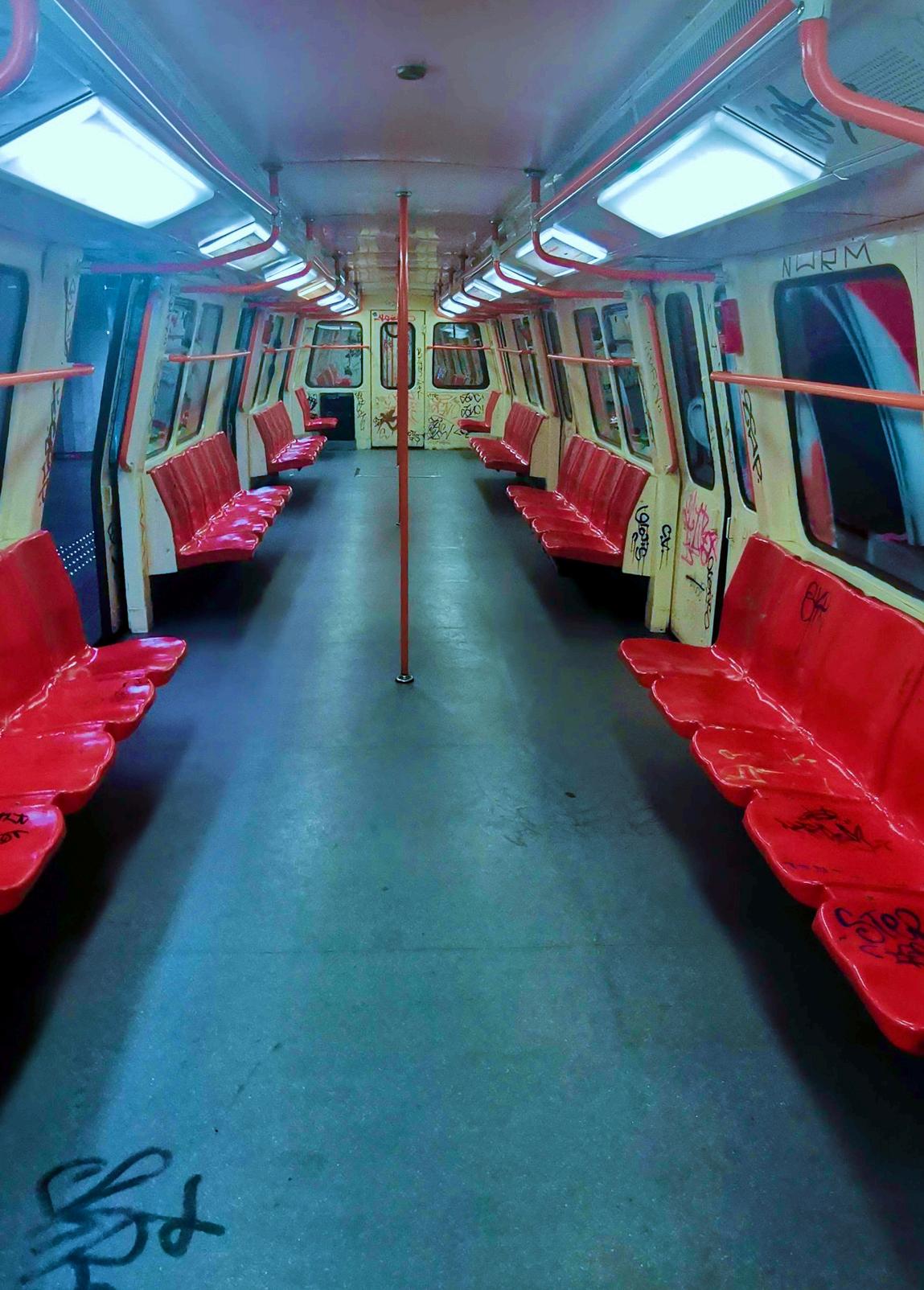




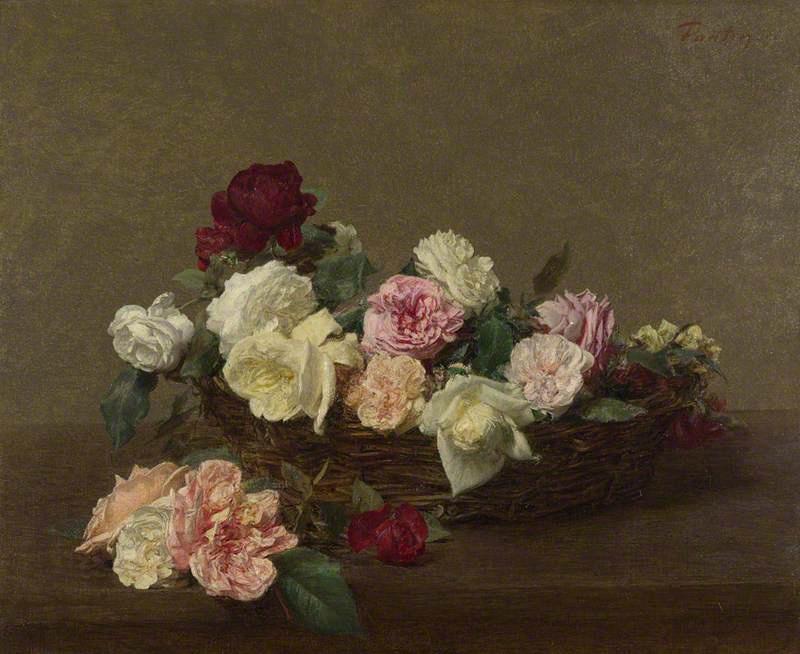
In Mrs. Carter’s English III, Ruby fidgeted with the scholarship application, absently curling the corners of the pages. Juilliard’s mission statement beamed at her from her laptop: to provide the highest calibre of artistic education for gifted dancers and actors from around the world. At seventeen, in Sherwood a town where even the mail left early ambitions ran low. Yet here she was, dreaming.
Before she started dancing, the only club Ruby knew was the poetry club, the kind that met after school She lived in a world where the strands of her hair made library shelves. She knew calculus and could recite the periodic table backwards if you woke her at 3 a.m. But none of that mattered in the place where she spent her nights, where the air smelled raw and tangy, filled with men eager to touch, lest they judge a book by its cover. She wondered if the dean of the Dance Division wanted honesty or heroism, because she had plenty of one but little of the other. How do you explain survival without it sounding like a sob story? How do you turn pain into twelve-point, Times New Roman?
Ruby flipped open her notebook and tried to anchor herself. Students were supposed to read their library books for independent study, but the room was filled with low gossip and squeaky sneakers. Pen hovering over the application, she tried to focus on Juilliard and the endless possibilities it would offer, but her thoughts were scattered.
Mrs. Carter leaned over her desk, her smile cutting through the chaos.
“Ruby,” she asked, voice warm, “how’s the college hunt going?”
Ruby hesitated, fingers drumming the edge of her notebook. “Just a couple of words left on my essay,” she said, voice steady but distant, her mind calculating bills and imagining late nights spent earning them “Almost done”
Mrs. Carter nodded. “That’s good. Keep pushing.”
“Yes, ma’am,” Ruby muttered, forcing a small smile. Inside, she felt the weight of reality pressing down; her dream of attending a prestigious college, a
a conservatory in New York, verged on the impossible. She was stuck on the first page of her essay. She was supposed to write about the first time she remembered dancing. A ballet recital, footlights, itchy leotard, fear. She was four-and-a-half.
The bell rang, and Ruby closed the laptop. Later that evening, it was steel under her palms. Ruby whipped her hair and collected bills in her towering heels, where the men could lean over their buffet plates and cop a feel of her calves and ankles with their hands Usually, they tipped Sometimes they pawed at her empty-handed. They called her “Ruby Rose,” her stage name.
A man in a Rangers cap stood and swayed toward the edge of the stage. It was never good when they stood like that, without heading for the buffet or the bathroom. Ruby moved past the man, so close she could smell his breath, stagnant with cheap whiskey.
“Hey, fresh meat,” he said, his teeth catching the neon. “Should be in school, not up here. Ain’t that right?”
Ruby’s spine stiffened before she let her mask compose itself The man’s laugh shredded the music for a second.
“You know,” he said, wobbling like he might topple, pointing at her, “with talent like that
” DJ Kev cranked the bridge of Metallica’s “Enter Sandman,” her signature song. The loud music cues usually worked, and the men would settle. Tonight, the crowd interrupted, hands clapping, screams stabbing the air, tables shouting, a tide that wanted to pull her under.
Is this where you want to stay? The question wasn’t gentle. It gnawed, clawed, and grew teeth She shoved it down and finished her split while her dream tugged at her ankles. She told herself it would be temporary. Just until the stack of envelopes thinned, just until her mother stepped from her opioid maze. Home was no refuge, no clever fox protecting the cubs. Home was her mother’s sunken eyes, two black holes pulling the light from the room. Her mother’s body had become a ledger of Dr. Reid's prescriptions.
The liver that failed wasn’t just a medical problem; it was a countdown.
Ruby looked her mother in her eyes, more rheumy than usual, and handed off the cash from the night before. The bills were damp, never crisp, in her hand.
“I can’t keep paying for your choices forever,” Ruby said. “I have to think about my future too That’s for bills, not the meds you’re lying to get ”
Her mother smiled, a proud smile that carried both praise and accusation. “Where’s all this money coming from, you slob?”
No sound came except for the slam of Ruby’s bedroom door. She blasted her AirPods to shield herself from the volley of yells aimed at her: “You’re worthless.” “You were a mistake.” “You only add to my pain.”
She picked up her laptop and paused at the blinking cursor, wondering if she should delete everything.
After school on Monday, she made haste to Aunt Mae’s, a welcoming home across town, where the air smelt of seasoned chicken and chamomile tea.
Aunt Mae kept a Bible in one drawer and a flask in the other. Ruby wondered which one got more use. And Aunt Mae eyed Ruby like a hawk in a housecoat, quiet, skeptical, but kind. She didn’t ask many questions, but Ruby could feel them bubbling under the surface, tucked behind those narrowed eyes and her ever-stirring pot of pottage.
“This is my last night,” Ruby said, dropping her overstuffed backpack on the porch.
“Last night, huh?” Aunt Mae raised an eyebrow. “That’s what folks say before I read about ‘em in the Sunday paper.”
“Not me,” Ruby said, forcing a smile. “Dance school, remember?”
“College girls don’t disappear at night and show up plum tuckered out.” Aunt Mae had her reservations but knew Ruby was a smart girl, savvy. “Who’s going to take care of that walking disaster of a mother?”
“She’s getting her transplant, next month. Dad put a word in for her.” This wasn’t true. Her father vanished before Ruby could talk; he promised to play his role but disappeared under the weight of his own failures.
Ruby slipped into her long brown trench coat, smelling of sweat and jasmine perfume. Underneath, she was already in uniform: red lace, tight straps, and a rhinestone thong.
Music thumped through her chest; her hips swung and swayed, and her heels clacked on the floor. In a quieter corner of her mind, she imagined teaching others to dance. Her hands glided through the motions, guiding invisible others.
Back home, the human-shaped pill bottle swayed in the hallway Her mother cornered her, a silent weight pressing against her lips.
“I called Aunt Mae,” her mother whispered, something metallic and medicinal riding her breath. “She said you weren’t house-sitting tonight.”
Ruby’s mouth went dry, scrambling for a lie.
“Don’t go to your room expecting that pile of cash I found under your bed,” her mother said.
Ruby’s heart thundered in her ears
“Why would you touch my money?” she shouted. In another essay, she might’ve written about family support. In this one, she could only write about survival.
Her mother hadn’t always been hard; once, she’d been warm, laughing easily. But the pain in her life had narrowed her world to two escapes pills or a gun. Her face twisted.
“You’re selling drugs, aren’t you? You’re selling pills and not giving me any!”
“I’m not, Mom. I’m not selling anything, please, just give it back. It doesn’t belong to you.”
But it didn’t matter. Whack. Her knuckles struck Ruby’s face.
The cold click of a gun gave way to a blast a bullet tore through a picture of her hanging on the wall. Ruby collapsed on the floor; fear seizing her body.
“I’m sorry, mother. I’m not selling drugs. I’m not. Please believe me.”
The gun trembled in her mother’s hand, then dropped.
Ruby ran to her room and locked the door. That night, she lay awake, staring at the water stains on the ceiling, listening to the creaks and groans of the old building. She heard her mother moving through the apartment below. The opioids crept closer with every hour, bringing their fog of confusion, drowsiness, and frightening silences she’d learned to fear. The pen in her hand trembled, as if it knew it was about to betray her, spilling secrets into the shape of sentences.
The next morning, silence. A sweet, sickly odor seeped from the bathroom door, pulling Ruby in. Her mother lay slumped against the toilet, her skin washed in a bluish-gray that clung to her like frost. Her lips were almost white, and her eyes were half-open, holding a glassy stare, as if she’d been looking through the world rather than at it The bottles scattered across the tile had spilled their contents. Some tablets had dissolved into chalky smears on the floor. Her mother’s chest was still, lips slightly parted, her body limp in a way that spoke of hours without breath. A faint foam clung to the corner of her mouth.
The lifeless house sat still. Ruby didn’t scream. She didn’t cry. She just stared, letting the silence settle over her like a sheet.
She called Aunt Mae, her voice flat. “She’s gone. I found her.”
Time didn’t move again until Aunt Mae came, arms warm and trembling, holding Ruby while the ambulance came, followed by the police and the questions. So many questions.
Ruby answered everything, voice steady. Her eyes dried on the words, “What’s your name?”
Up the road, the mail truck parked and came closer with each stop.
Abigail Cooper is a student at CIsco College.

I unlocked the door to my one-bedroom apartment. The air inside was heavy and smelt like old carpet and takeout boxes. A single lamp in the corner of the room flickered, its sputtering light tired and dull. I tossed my keys down on the counter, garnished with half-empty cups of water and a mountain of bills staring at me. I tore through them all rent, utilities, credit cards each more expensive than the last.
My phone buzzed, breaking my latest string of dreadful self-talk.
Mom.
I watched the screen display her profile until it vanished, replaced by a “missed call” notification. The resounding silence felt heavy. I couldn’t deal with her now. I didn't have the energy to hold us both together tonight. I pushed the thought away and resumed calculating what could afford to wait until next week's paycheck.
All that number-crunching gave me a headache, so I grabbed my lighter and made my way outside. Halfway through my cigarette, I sank onto the cracked concrete step, next to a dead potted cactus, and stared up at the sky. Dark, endless, twinkling with indifference. My ash caught in a gust of wind and scattered into the air, which made me think of Tinker Bell scattering gold flecks from her wand. (I watched a lot of Disney DVDs as a kid.) I laughed a little; you have to laugh. Besides, it’s funny. The stardust of my adult life had turned out to be cigarette ash.
Hours later, the sweet aroma of pancakes lifted me from sleep. I rolled over. Weirdly, my bed felt bigger than the night before. My eyes opened with an ease I’d forgotten Maybe it was all that extra space, but for once, my body wasn’t coursing with cortisol, the terrible stress hormone responsible for waking us.
When I looked down, my black sheets were gone, replaced with pink zebra print? Whose sheets were these? Something about them looked
not-quite familiar but almost. It took a moment to register, but they looked like the sheets I begged my parents for as a kid.
“Those look like they belong in a brothel,” I recall Mom saying but eventually she gave in and bought them for me.
No.
No way
I bolted upright and surveyed the room. A wall covered with boy band posters. A pile of High School Musical DVDs shoved in the corner. A dresser plastered with way too many Disney stickers.
What the ever-living fuck?
A knot coiled in my stomach, which I proceeded to punch in order to wake myself. A pinch wouldn’t do. I needed a gut-punch.
But nothing happened
“Wake. Up.”
Nothing.
“Wake. Up. ” Nada.
Third time’s a charm. I slammed my eyes shut and commanded myself.
“Samantha, wake the fuck up!”
But when I opened them, the boys from the boy bands and Zac Efron were still plastered to my wall. Oh Zac, forever seventeen with dreamy emerald eyes and long, side-swiped bangs. Those bangs screamed 2008
in a way nothing else did.
I stood, my legs wobbly as a newborn colt’s. Cautiously, I walked over to the floor-length mirror in the corner of the room. My room. Back when I only had one to call my own. Before I could add to that list a rusted-out bathroom, a living room that doubled as an unofficial art studio, a kitchen. (Excuse me, a kitchenette).
I moved carefully, the floorboards whispering under my weight, and stood in front of the mirror. My face was younger, softer, but with an alertness that had already etched itself in my eyes. I saw a familiar exhaustion and worry there.
I shouldn't be here.
Gentle footsteps approached and stopped at my door, followed by a knock on its hollow frame. I turned to look at the open entryway as my mother appeared. Her eyes held a light my memories hadn't done justice to. She had clearly been through her share of hardships, but the light it was still there She was herself, not tainted by years that hadn't happened yet.
“Breakfast is ready, Sam. What are you doing?”
I froze as my heart hammered in my chest. What was I doing? More importantly, what would ten-year-old me say? Something stupid, probably.
“Just-looking,” I said, immediately regretting my choice of words. Just looking?
She smiled easily, not thinking anything of my vague reply, and left the door open behind her. I glanced at myself one last time. To make sure this was real, that I was real.
I was real, alright.
I crept down the hallway, which seemed twice as long and cavernous as I remembered, my fingers trailing the patterned wallpaper in shades of coral and teal, a vestige of the “’90s hangover” our house embodied aesthetically. I brushed against the memories that lingered there, too, not all of them bad. In fact, most were not. Like the time I snuck milk to some kittens in the backyard, before their mother carted them away.
The kitchen was warm, filled with the scent of butter and corn syrup posing as real-deal maple Sunlight poured in from the window as Mom glided around the kitchen. I had to fight the urge to tell her to sit while I plated our food. Instead, I climbed into the open chair waiting at the table.
Mom sat a plate of pancakes, bacon, and eggs in front of me. The steam swirled, mixing in the air, filling my chest with a nostalgia I didn’t know was possible. When was the last time I’d had pancakes?
I poked at the eggs and brought a bite to my mouth. They were fluffy and perfect. Mom always included a dollop of sour cream. I’d forgotten that detail What a difference it made For years, I've tried to replicate Mom’s eggs but have never been able to. I’d forgotten the sour cream.
Sunlight danced in the window, highlighting the scene in front of me. If I could freeze this moment I would. The food, the ambiance, her. Everything as it was and should be, everything in place.
Mom’s voice was calm, but I could hear the edge in it, a quiet hesitancy.
“Your dad should be home anytime now.”
Her words struck a wrong note My fingertips went cold, iced over I wanted to respond, but all I could do was nod. I caught myself holding my breath. I didn’t touch my food for the next 10 minutes. With my fork and knife, I dissected the now-soggy pancakes, trying to square the circle of my new dream reality.
The sound of a car door closing sliced through the house, signaling his arrival. My chest tightened in a way I remembered too well. Outside, I could hear gravel crunch under his approaching weight. Every muscle in my body braced, ready to flee, but with nowhere to go. He lingered at the door, as if savoring the quiet before stepping into the mess he created. The deadbolt clicked in protest as he unlocked it, as though it was trying to spare us from him.
The air felt different, charged and heavy, when he walked in with a tooeasy grin. I heard the scrape of his keys against the counter, the click of his boots on the tile. There was a pungency in the air, one I’d lost memory of the faint metallic tang of cold air from the loading docks, aquatic and dirty, like sealife and exhaust. So familiar it hurt.
For a minute, everything seemed normal. The pain seemed normal. He joked about the weather and my mom laughed quietly, each of them, I recognized now, silently gauging the other. This was the curious language of adults. I knew what was coming, but just for a second, I let the breath I was holding slip free.
“Honey, why don't you go play in your room?” Mom offered, her eyes begging me to oblige.
I looked back and forth at them, but there was nothing I could say. I already knew how this ended. ***
My hand was trembling when I reached for my door, but instead of latching it, I pulled it just far enough so it looked closed. That way it wouldn't alert them when I pried it open My young life had been filled with such discreet calculations.
Down the hall, their voices faded in and out rising, interlapping, battling each other.
“You said you got off at eight.”
“I did. I already told you my manager asked me to help with the next shipment.” The rehearsed lie rolled off his tongue.
Her voice rose, brittle and tired.
“You think I'm stupid?”
“Oh Jesus. Here we go. Can't you just drop it? I worked all night. I'm exhausted. I can't deal with you right now.”
“Deal with me?! So what about your daughter waiting for you all morning? Do you just deal with her too? Like we’re chores to you?”
I could've mouthed the lines along with them if I wanted.
The zig-zag of silence and screaming taunted me from the other end of the house. I sank down, knees tucked against my chest, fingers pressed against the rough grooves in the carpet
A mason jar collided with the living room wall, right on cue. Glass shards scattered across the floor.
I flinched, but it didn't scare me now. I was more worried about the dent that it must have left in the wall, and what size painting she'd use to cover it.
Then came the slam of the front door. I crept out of my room as he marched out to his car, like if he stayed any longer, something would snap That was my cue to start picking up the broken pieces that were sprawled on the floor.
I laid down on my bed, but before I closed my eyes, the tension around me had mostly faded, had grown muffled and faint. The smell of pancakes was gone, replaced with the must of apartment carpet. When I
got up to open the door, I was greeted by my quiet, messy apartment. My piles of bills, my takeout containers. Pieces I’d painted myself decorating my walls. One painting in particular stood out to me, one I’d had a hard time finishing. What had begun life an abstract piece had transformed into an impressionistic field of wildflowers, bright and jumbled, the orange and lavender hues spilling out of the frame.
The painting wasn't there, on my wall, to hide any scars or dents. Not at all It was there because I liked it

by Boaz Luke Hammonds
Last night a kid in my school was killed on her birthday. Shot to death by another student, her best friend. I heard the shots from my room. I heard her fall on the floor of the office upstairs.
She was only nine years old. Same age as me.
She became the talk of the school for the morning. I’d hear her name tossed around, from the bedrooms to the cafeteria Well, not really her name Nobody here had a real name. We called her by her number, Twenty-one.
I sat down in my seat in the cafeteria and waited for the breakfast bell to ring. A bunch of kids walked in all at once in lines. The room was already dim enough without bodies blocking all the sunlight from the only two windows. Without that light, the cafeteria was gray and musty. At least we had clean tables. The cafeteria was cut into small squares and each square had a group.
My group was the first group and the closest one to the first of the two windows. We had a table that sat only ten people just like the others. A couple others sat beside me Number Five to my left and Number Seven to my right. I wanted to talk to them but they both looked mean so I kept my head down. Everyday I wished I could get out of here, but everyday I’m stuck.
I looked up and saw Number Ten sit down beside an empty seat. Number Nine still hasn’t been replaced. It’s weird because Twenty-one was going to be replaced by tomorrow. The School Nurse just kept telling us that Head Master killed Number Nine and we’d see a replacement soon. Hopefully whoever that is won’t have to experience the same dread we do, even though I know they will.
“Hey, Six,” Ten whispered from across the table. His voice made any bad thoughts go away instantly.
“Hey, brochacho, what’s shaking?” A funny line from a book I read, Wheeler’s Guide to Fun. I quoted it literally all the time. Well actually only when I was with my friends. I have to thank Eighteen again when I see him next. He
always brought me books from his assassinations that are way better than the ones at the academy library.
“I’m exhausted from last night’s training, but I’m excited for recess today! Do you want to play hide and seek with Thirteen and Twenty-eight?”
I nodded but before I could ask about playing cops and robbers too, the bell rang That meant that breakfast had started and food was about to be served. We had to be quiet while eating. That was the rule. We always followed the rules. You’d go up to the office if you didn’t. The Chef who made our food never showed himself. There were a lot of rumors about why, like what if he’s a robot? Or worse, what if he’s just a floating brain with telekinesis?! Actually, that one never caught on. Only Ten and me believed it. We liked to make up stories like that. My favorite story we made was about my parents still searching for me beyond the academy’s walls.
The School Nurse became our waitress and delivered our food. She was nicer than Head Master but she still made a lot of kids cry. Not me. If we called her a waitress though we’d definitely go to the office Just the thought makes me sweat.
Ten got his food last at our table. It made sense because he was the last of our number group after all. But he was definitely not the coolest. That’s always me. I guess we do have the same blonde and fluffy hair though. The only real difference with our looks is our eye color. His are blue and mine are green. Despite that, we could have been mistaken for twin brothers. I mean since everyone wears the same black button-up uniform, it’s hard to tell similar people apart. I wouldn’t ever tell Ten this because he would tell me that it’s bad to lie, but sometimes I would tell people that we actually are brothers It felt nice to have some sort of family
I was chowing on a bowl of rice and chicken with lettuce and carrots on the side. We got one glass of water ,and that was it. It wasn’t big either. We had fifteen minutes until breakfast ended, then the bell rang again so we could talk again. Every day was the same cycle. Over and over and over again until
we either die or kill each other.
I heard a couple kids in the next group talking about the Head Master. They were quiet, but I had really good hearing, like super good. They mentioned that he would be gone all day, but it sounded like they weren’t sure. I looked at Ten and he looked at me. We both had the same thought.
“You think he’s going out to find a new Twenty-one?” Ten asked me in a small voice.
“Of course he is,” I said while puffing out my chest.
Our group started walking in line to put away our dishes. “It’s probably just a rumor, but— It would be nice to have a day without Head Master. Imagine everything we could do without worrying about the office.” Ten was the last of us to put away his plate and cup.
“We can do anything! Anything we want, like…” I looked at the window and saw a bird flash by It was outside Free
“What were you going to say, Six?”
“Nothing.”
I went to math class first and then languages. But I kept thinking about getting out. I felt like a feather all day until recess. Head Master being gone was the highlight of my life. Groups one two and three have the same schedule so I got to spend recess with my friends Ten, Thirteen, and Twentyeight. Everyone played in the same grassy area with a small playground nearby Well, “play” is a strong word because it was still practice but just a more fun kind of practice. Just behind the playground was a forest. We were absolutely not allowed to go past the trees but our combat professor was way nicer than Head Master so a lot of kids did it anyway. Number Nine went out to the forest and got shot by Head Master. I can still hear the gunshot in my head. Ten, Thirteen, Twenty-eight, and me played hide and seek for a little
bit before Ten found Eighteen’s old soccer ball.
“Do you guys think Fourteen is okay?” Twenty-eight said before kicking the ball.
Twenty-eight was the caring and quiet one but you wouldn’t guess it by looking at her. She’s tall and strong and she had black eyes and black hair. Since she was super pale, too, I called her our friendly ghost girl She killed two people.
“Fourteen is fine! Fourteen is always fine! She probably got over it really quickly!” Thirteen said while she caught the ball with her foot and kicked it to Ten. Thirteen didn’t look normal. She had red eyes and she had blue hair, like bright blue. It was really long and curly too. It only turned blue after she visited the office last year. And her smile is stretched too far. Like she can’t control it. She was so timid and shy before her ninth birthday. But people change. I still like playing with her because Ten says that Thirteen is still a good person and I believe my best friend. She killed one person.
“Who would be fine after killing their best friend?” Ten kicked the ball to me. He was our only voice of reason and he was way too nice. Whenever someone was having a bad day, Ten would be there for them instead of with me. I think he learned that from Eighteen. He hadn’t killed anyone.
“Creepos!” I was the cool guy of the group. I would never kill anyone even if I was told to. I know killing is wrong because the books Eighteen gave me told me so. But that could also mean dying to Head Master. Which is worse? I caught the ball with my foot and shot it up into the sky just to balance it on my head which I failed at in a very cool way.
I got laughed at but that was okay because I kicked the ball so far into the forest behind the playground that they were all amazed.
“Now you have to go get it,” Ten told me.
I groaned and said okay. I ran into the forest and it got super dark because of all the trees but I wasn’t afraid of the dark anymore so it was fine. I must have kicked it farther than I thought because I kept running for like five minutes and I couldn’t find it. I did find some birds though. They were singing in the trees. When I tried to join them, they flew away. I guess my singing really is bad. So I kept running instead. I ran until I saw the wall that kept anyone from getting out. Normally there were guards to stop me from getting close but not this time. I walked right up to the wall and I could even touch it. It was cold. I heard it was solid concrete and now I could tell it’s true. If I looked up, all I saw was wall and sky. I walked with the wall for a few minutes and it led me to a gate It looked like it was from the 1800’s or something It was as big as the wall, but instead of solid concrete, it was iron bars twisted in weird patterns. I couldn’t make any sense of them. When I got closer to it I saw something to the side of the gate. A number pad.
I can get out.
I tried pressing random numbers but all I got was a loud siren and a red flashing light. The siren stopped, but the light didn’t. That was probably nothing to worry about. I tried more random numbers and then more and then more again. The bell rang for recess to be over.
As soon as it did I started running because I was going to be late for roll call and I did not want to be sent to the office when Head Master came back. But I was stopped. A familiar blue streak knocked me off my feet with a solid punch to my gut. I rolled onto my back and held my stomach like it had a hole in it. Thirteen stood with two red suns beaming down at me.
“You made a mistake,” she said with a giggle. That grin felt like a gun pointed right at my head. “We all heard it.”
“Wh… What?” I asked. My lungs started to feel heavy. The world drowned out around me What did I do? Is someone mad at me? Am I going to go to the office? Oh god don’t let it be that, I’d rather shoot myself twice.
“I can help you!”
“What… how?”
“An alarm went off! The combat professor is so mad, but I told him I could take care of it! He’ll be here soon if you don’t let me help!”
I couldn’t say yes. I couldn’t say anything. My voice was held captive by the lump in my throat. I nodded.
“Good! I’ll be over there! Try to deal with your problem before the teacher gets here! Buh-bye!” And she walked away.
I couldn’t puff out my chest. Everything was falling on me and going through me at the same time. I went through what Eighteen told me to do when I couldn’t puff out my chest. Five things I can see… Trees, and grass, and bushes, and Thirteen at the number pad, and birds. Four things I can touch, my clothes, and the ground, and my hair, and… oh, no no no… What else…The roots, I can touch the roots.
“Are you done yet? ‘Cause I am!” Thirteen beamed above me.
I’m not… No, I have to puff out my chest… I have to…
“Get up!” Her smile twisted into a horrifying sneer. “You don’t want to die, right?”
I nodded and steadily got up. My stomach still hurt and the world was still spinning.
Thirteen took my hand and led me to the playground.
“How How did you know what to do?” I whispered
Thirteen looked at me with a bigger grin than usual. “You know you aren’t the first person to try that! I helped someone else figure out how to disable the alarm! Remember Nine?”
Nine? The girl who ran into the forest and never came back? I thought that Head Master shot her… but maybe she actually escaped! That means I can escape!
“Wait, why didn’t you go with her?” I asked.
I swear her smile faded for half a second
“It was my birthday.”
The combat professor was there waiting for us. He only gave me and Thirteen a warning for being five whole minutes late to roll call so I owe him my literal life. I went to lunch and then my disguise class which was super boring and then I went to my combat biology class. Dinner never tasted great after learning about how to dice the human body. Then it was night.
I was back in my room and away from all the noises in the school finally. It was so much easier to think there I had everything the way I wanted it My bed was next to the window in the back corner. The window had blue curtains that draped all the way down to the wood floor. My desk was on the opposite wall and had every drawer and cabinet I would need. I had a dark blue plastic chair to sit in when I needed to think really hard, like right then.
I thought and thought and thought some more about how to open the gate. Instead of opening it normally and tripping that alarm, what if I cut the bars? They were thick and close together but if I could get a giant laser gun I could cut a hole in them. No, there’s no such things as laser guns. I looked in my drawers. Nothing but papers and pens and a knife. I checked the time. It was eight at night I could try to sneak out and put in more random numbers, but then I’d start the alarm…
I rolled my head back and smiled to myself. What am I gonna do when I’m free? Get a bicycle? Try ice skating? Oh, or maybe even find my parents! They’re definitely still looking for me. Most of the students here don’t know their families but maybe I can find mine and tell them how much I wished they would comfort me like in my books.
I heard faint chirping. I looked at my closed curtains. Was there a bird outside? I walked closer. I grabbed one of the curtains and slid it to the side, revealing a small robin perched on a branch in the dark. It looked at me with one eye and tilted its head. Do you want to come inside? I knew it would say yes. I fiddled with the latch for a moment before sliding the window up. The cold air rushed past me and filled my lungs with fresh feelings of hope. I reached out to the bird, stretching myself past the window
Just before I reached it, I heard a loud ding dong dong ding. I shrunk back into my room and quickly closed the window. I looked up at the speaker above my door.
“Will Assassin Student Number Six please report to the Head Master’s office immediately.”
Not again. The pit came back. Not again, please, not again. I fell onto my chair and heaved. Five things, five things… Eighteen please come back soon… Where is Ten when you need him
“Thank you and goodnight.”
Ding dong dong ding. The bird was gone. My heart was beating out of my chest. I gulped down the breath in my throat and stood up. I stepped forward and then again and then again. Out my white bedroom door to the grey stairs. Up the stairs to the pitch black door at the top. It towered over me with a gold smile that read HEAD MASTER’S OFFICE. Even with a black hole swallowing me from my gut, I had enough courage to scrunch my face back at it. This is the same room that gave Thirteen that stretched smile. I wouldn’t let it infect me too I grabbed the golden doorknob and turned it The floor
inside was bleak, gray concrete and had some expensive-looking white side tables and chairs on top of it. The white walls were covered in antique paintings probably from Da Vinci or Van Gogh. At the back of the room was a desk and in front of the desk was Ten.
“Ten?” I stepped inside the room.
He was shaking and holding his arm. Every sniffle made me want to look away from him but I didn’t. I puffed out my chest and hid my hands behind me so Ten wouldn’t see they were shaking. I could barely stand on my legs, but I would do anything before letting my brother see me scared He needs me to be his hero. I need him to help me. I can’t do this without him.
But why would Ten be in the office?
“Number Six.” And I shrunk into a pea-sized coward. I looked up and saw his stubbly grey chin. His black suit and tie matched his hair and his soul. His golden eyes shot right through my head. I didn’t dare look up to meet his gaze. He was standing taller than a mountain behind the desk.
“So glad you could make it.”
But he was supposed to be gone. I couldn’t get words out of my mouth. Instead, I focused on trying to straighten my body. Puff out your chest, Six!
“I heard you got into some trouble today.” Head Master walked from around the desk. “I am willing to look past it, as it is your birthday.” He put a hand on Ten’s shoulder. “I wondered for so long what to get you.”
Oh. It was my birthday already? No one really cared about birthdays in the academy. They only meant you were closer to killing more people or dying yourself.
“I finally came to the conclusion that you know what you want best. Right?”
I opened my mouth but nothing came out.
“Right?” He stepped forward
I shrunk a little more to squeeze out, “yessir.”
“Good.” I saw his hand go for his back pocket and pull out a golden revolver. “This was something I picked out for myself. I haven’t gotten to use it yet, but as a show of gratitude for your apology, I’ll let you have the first shot.”
No.
Ten hiccuped as more tears rolled down his cheeks. Head Master walked past him and held out the gun to me
No. My answer is no. But I couldn’t stop myself from taking the gun. Head Master walked back behind the desk and sat down in his chair.
“After this, you can tell me what you want for your birthday. Oh, and don’t worry about Number Ten asking for you to let him live. If he does, shoot him twice.”
I couldn’t look Ten in the eyes. I looked at his shoes instead. The same shoes as mine. And the pants. And the shirt. Why couldn’t he be the one shooting me? My arms shook as I held the gun up When I aimed it at him I could barely hold it up to his chest. Let alone his head. But his tears stopped falling. I forced my eyes up to see his face. He was smiling at me. Not like Thirteen. A smile that calmed my arms enough to aim higher.
He dropped to the floor with a hole through his forehead. I didn’t even hear the gun go off. It was so heavy that I almost dropped it.
“Good work, Assassin Number Six.” Head Master walked around the desk.
“You did so well. I am very proud of the man you are becoming.”
I wanted to vomit. He put his hand on my shoulder, as if he were a father when he knew that he was a demon. “Now tell me, what do you want for your birthday?”
I couldn’t look away from Ten’s body. It was so motionless. So cold. His eyes were like glass bulbs.
“I want my family back,” I whispered.
Head Master let out a breath. I hoped that he might kill me, but now I know that even that relief is too much to ask for.
“Go to your room.”
I had a nightmare that night. And the next night. And the next. I stopped reading books. I stopped puffing out my chest. I stopped seeing birds from my bedroom window.