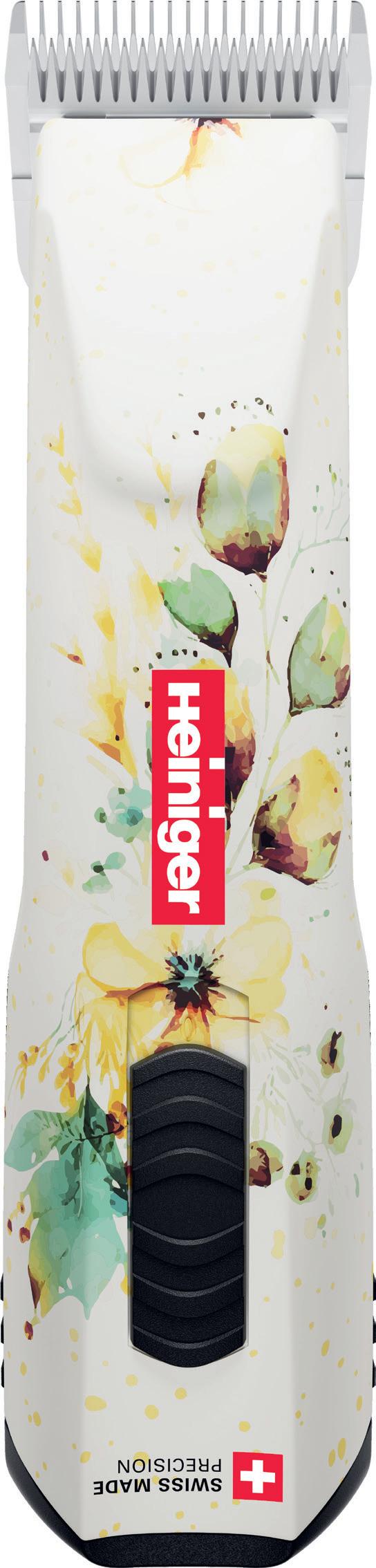
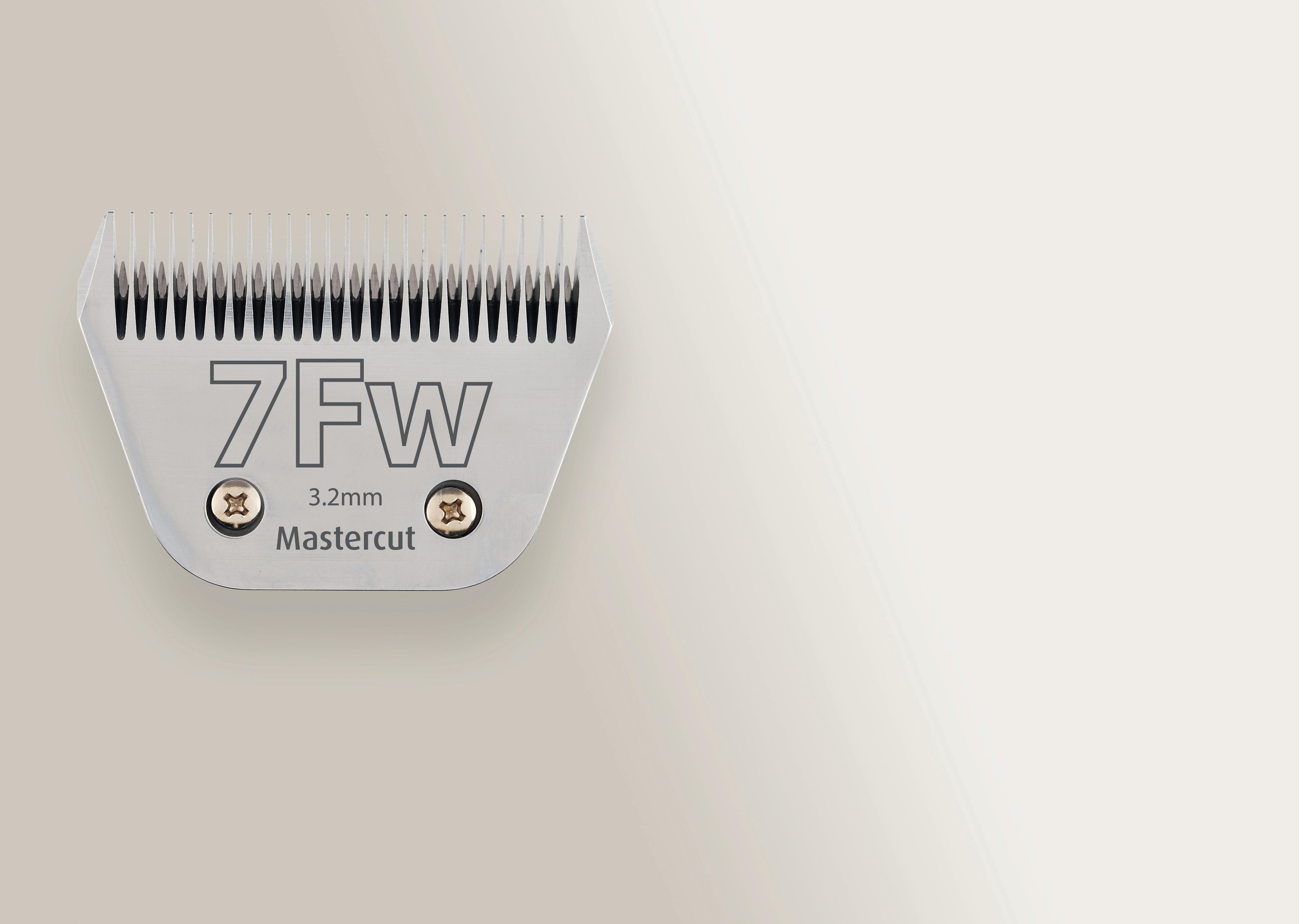
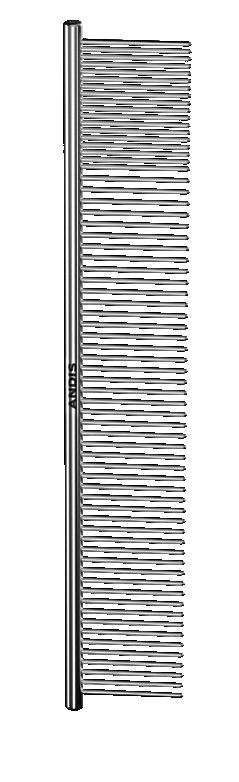
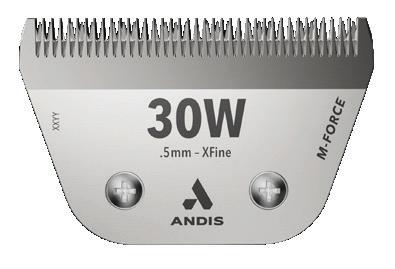
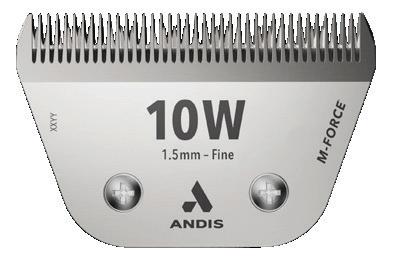
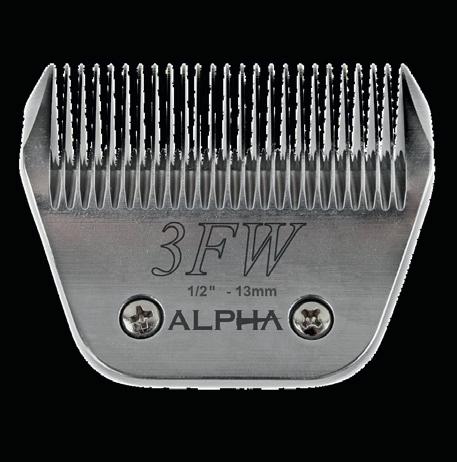
Designed to meet the real-world demands of busy groomers, Mastercut’s Superwides deliver 25% more cutting width - making light work of any clipping job. These blades aren’t just an upgrade, they’re the smarter way to groom.
Designed to meet the real-world demands of busy groomers, Mastercut’s Superwides deliver 25% more cutting width - making light work of any clipping job. These blades aren’t just an upgrade, they’re the smarter way to groom.
Editor Tom Woollin tom@tgmpublishing.co.uk
Commercial Director
Mike Smith mike@tgmpublishing.co.uk 01795 509110
Design and Production
Grant Waters grant@cimltd.co.uk
James Taylor james@cimltd.co.uk
Credit Facilities Manager
Gwen Lee creditcontrol@cimltd.co.uk 01795 509103
Digital & Web Developer
Xhulio Bishtaja digital@cimltd.co.uk
Marketing Manager
Lucas Payne lucas@cimltd.co.uk
Social Media Manager
Lily Lawson socials@cimltd.co.uk
Director Tom Woollin
Managing Director John Denning © 2026 Cogent Multimedia Limited, 1st Floor, Saphir House, 5 Jubilee Way, Faversham, Kent, ME13 8GD. No part of this magazine may be reproduced or stored in a retrieval system or transmitted in any form – electronic, mechanical or physical – without express prior permission and written consent of the publisher. Contributions are invited and when not accepted will be returned only if accompanied by a fully stamped and addressed envelope. Manuscripts should be type written. No responsibility can be taken for drawings, photographs or literary contributions during transmission or in the editor’s hands. In the absence of an agreement the copyright of all contributions, literary, photographic or artistic, belongs to Cogent Multimedia Limited. The publisher accepts no responsibility in respect of advertisements appearing in the magazine and the opinions expressed do not necessarily represent the views of the Publisher. The Publisher cannot accept liability for any loss arising from the late appearance or non publication of any advertisement.

Welcome to the July issue of Total Grooming Magazine.
As we head into one of the busiest seasons of the year for professional groomers, this issue is packed with insight, inspiration and practical advice designed to support you through the summer rush. Across the industry, groomers are continuing to play an increasingly important role in canine health and wellbeing, and this month we explore exactly how grooming professionals are helping pets look and feel their very best from the inside out. One of our key features this month focuses on nutrition and the growing connection between diet, coat quality and overall health. We speak to leading industry experts about how groomers are uniquely positioned to spot the early signs of nutritional deficiencies, skin issues and coat concerns, while also helping educate owners about healthier choices and wellnessfocused products.
We also take a deep dive into the evolving world of professional shampoos and coat care. From coat-specific formulations and skin-safe ingredients to dilution ratios, spa treatments and luxury add-on services, our feature explores how modern grooming products are transforming salon standards and business profitability alike.
Elsewhere in the issue, Rachel Bean shares valuable advice on staying vigilant during the busy season, highlighting the important role groomers play in recognising hidden health concerns and supporting canine welfare. We also shine a spotlight on feline grooming with Katie Gwilt’s thoughtful feature on creating calm, stress-free environments for cats in the salon.
Finally, our Groomer of the Month feature introduces the inspiring Melissa Bull of Phoenix Dog Grooming, whose passion, dedication and commitment to education continue to make a real impact within the industry.
Whether you’re looking for practical tips, fresh inspiration or simply a reminder of the incredible work groomers do every day, we hope this issue leaves you feeling informed, motivated and proud to be part of such a passionate profession.
Enjoy the issue.
www.simpsons-online.co.uk

Tom Woollin Editorial Director
Melissa Bull shares how passion, education and eco-conscious grooming helped her build a thriving salon business in Scotland.
We explore how modern shampoos, coat-specific formulas and luxury spa treatments are transforming today’s grooming salons.
Rachel Bean discusses busy season vigilance and why groomers are often the first to spot hidden health concerns in dogs.
Industry experts reveal how nutrition is becoming a vital part of coat care, skin health and overall canine wellbeing.
Katie Gwilt explains how creating a calm, low-stress environment can completely change the grooming experience for cats.
Professional pet groomers have always played a vital role in maintaining the health and well-being of the UK’s dogs and cats. Now, they are also becoming an important voice in protecting the environment.
Professional pet groomers have always played a vital role in maintaining the health and well-being of the UK’s dogs and cats. Now, they are also becoming an important voice in protecting the environment.
A recent survey conducted jointly by the Pet Industry Federation (PIF) and Total Grooming Magazine (TGM) among TGM readers has provided valuable insight into how pet groomers are managing flea and tick treatments in their salons and how aware they are of the environmental impact of some commonly used products.
The findings have already been used by PIF to inform its submissions to both the House of Lords inquiry into insect decline and the Veterinary Medicines Directorate (VMD) Call for Evidence on the use of fipronil and imidacloprid in companion animals.
Fipronil and imidacloprid are active ingredients found in many spot-on flea and tick treatments. While they are effective in controlling parasites, they have also been detected in UK rivers and waterways, where they are highly toxic to aquatic insects and other invertebrates, even at very low concentrations.
One potential route into waterways is through dogs being bathed or swimming soon after a spot-on treatment has been applied. Residues can be washed from the coat and skin into drains, eventually reaching rivers and streams. This is an issue of direct relevance to the grooming industry, where bathing is a routine part of many appointments.
However, PIF has also highlighted an important point in its evidence to policymakers: fipronil is not used only in pet flea products. It can also be found in other household and commercial insect
control products, meaning environmental contamination is likely to have more than one source. Understanding the relative contribution of each source is essential before introducing measures that could unnecessarily restrict access to effective parasite control for pet owners.
The survey found that most groomers encounter evidence of fleas or ticks on a relatively small proportion of the pets they see. However, many reported that parasite activity is no longer confined to the warmer months. Some respondents said fleas appear more persistent than in previous years, while others reported seeing ticks earlier in the season.
This suggests that groomers are often among the first professionals to spot changing parasite patterns. They see pets regularly, inspect coats closely and frequently speak to owners about flea and tick control.
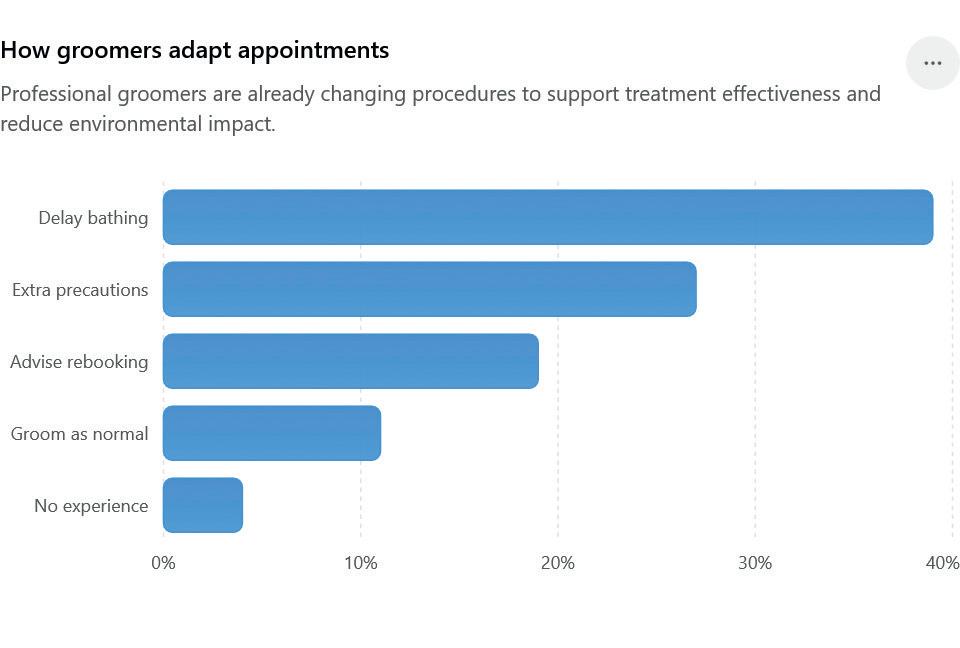
Encouragingly, many groomers are already taking practical steps. Respondents said they ask clients whether a spot-on treatment has recently
been applied and, where necessary, adjust the grooming appointment. This may include delaying bathing, avoiding the application site, wearing gloves, taking additional precautions or advising the owner to rebook.
This approach supports current VMD guidance, which recommends leaving at least four days between applying a spoton treatment and bathing a dog. PIF recommends that the grooming industry follows this advice and incorporates the four-day gap into salon policies, client consultations and booking procedures.
Following this guidance helps protect the effectiveness of the treatment while also reducing the risk of active ingredients being washed into the drainage system.
The VMD review has also prompted discussion about whether products containing fipronil or imidacloprid should only be supplied by vets, pharmacists or Suitably Qualified Persons, rather than being widely available through retail outlets. Some veterinary voices argue






that tighter controls could encourage more appropriate use and reduce environmental harm.
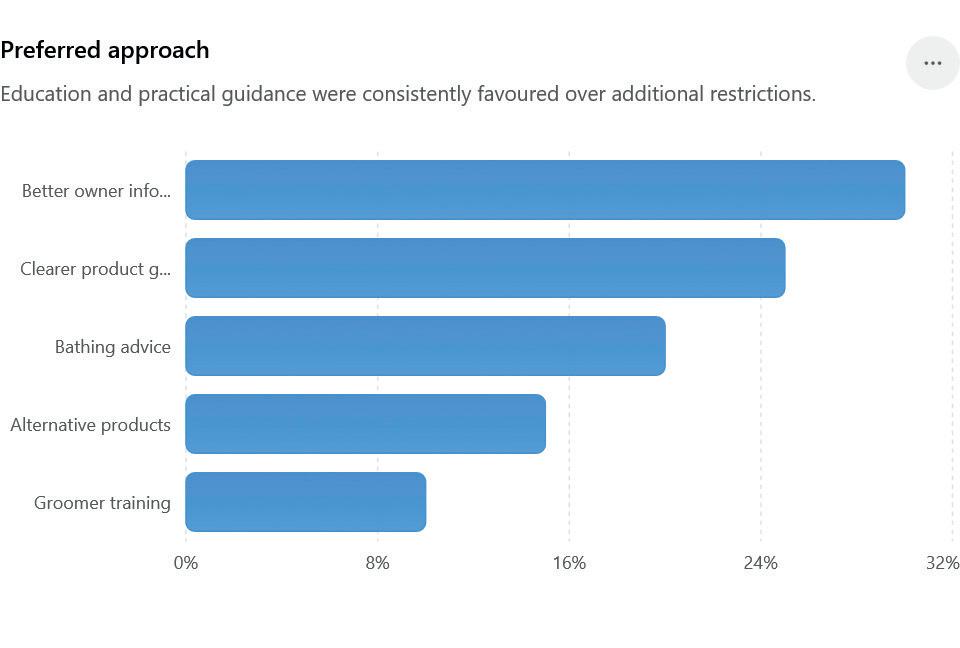
The survey responses suggest that groomers recognise the need for responsible use, but many favour better education and clearer guidance rather than restriction alone. Respondents asked for clearer product labelling, information on which products contain fipronil or imidacloprid, practical advice on bathing intervals, owner leaflets and training materials for grooming businesses.
Several also questioned whether routine monthly parasite treatment was always necessary, suggesting that treatment should be based on individual risk, lifestyle and professional advice rather than automatic fixed schedules.
The strongest message from the survey is that groomers want to be part of the solution. Every day, they inspect coats, identify parasites, talk to owners and provide practical advice. With the right information and support, groomers can help owners understand how to use flea and tick products responsibly, without compromising pet welfare.
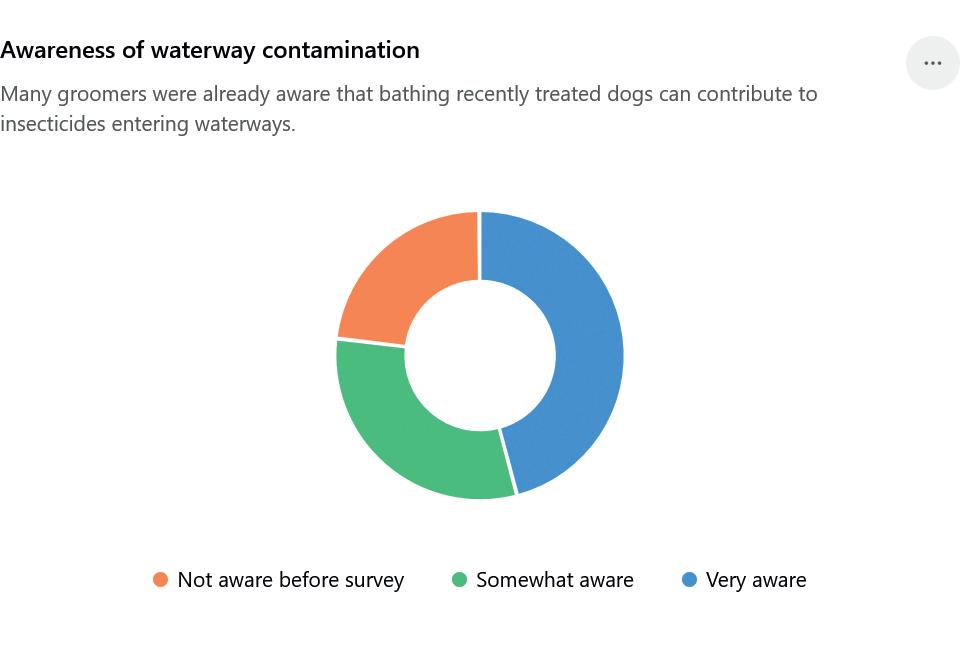
The survey also showed that awareness of waterway contamination is still developing. This makes education across the profession especially important. Simple steps, such as asking about recent treatment, delaying baths for four days and giving owners clear advice, could make a meaningful difference.
Protecting pets from fleas and ticks remains essential. But protecting waterways and biodiversity is also important. The two goals do not have to be in conflict.
By working with regulators, vets, SQPs, manufacturers, retailers and groomers, the pet industry can support responsible parasite control while helping to reduce unnecessary environmental impact.
As awareness grows, professional groomers are proving that they are not only experts in coat care. They are trusted advisers, animal welfare advocates and increasingly important partners in protecting the health of our pets and the health of our waterways.
Pet Industry Federation info@petfederation.co.uk www.petfederation.co.uk
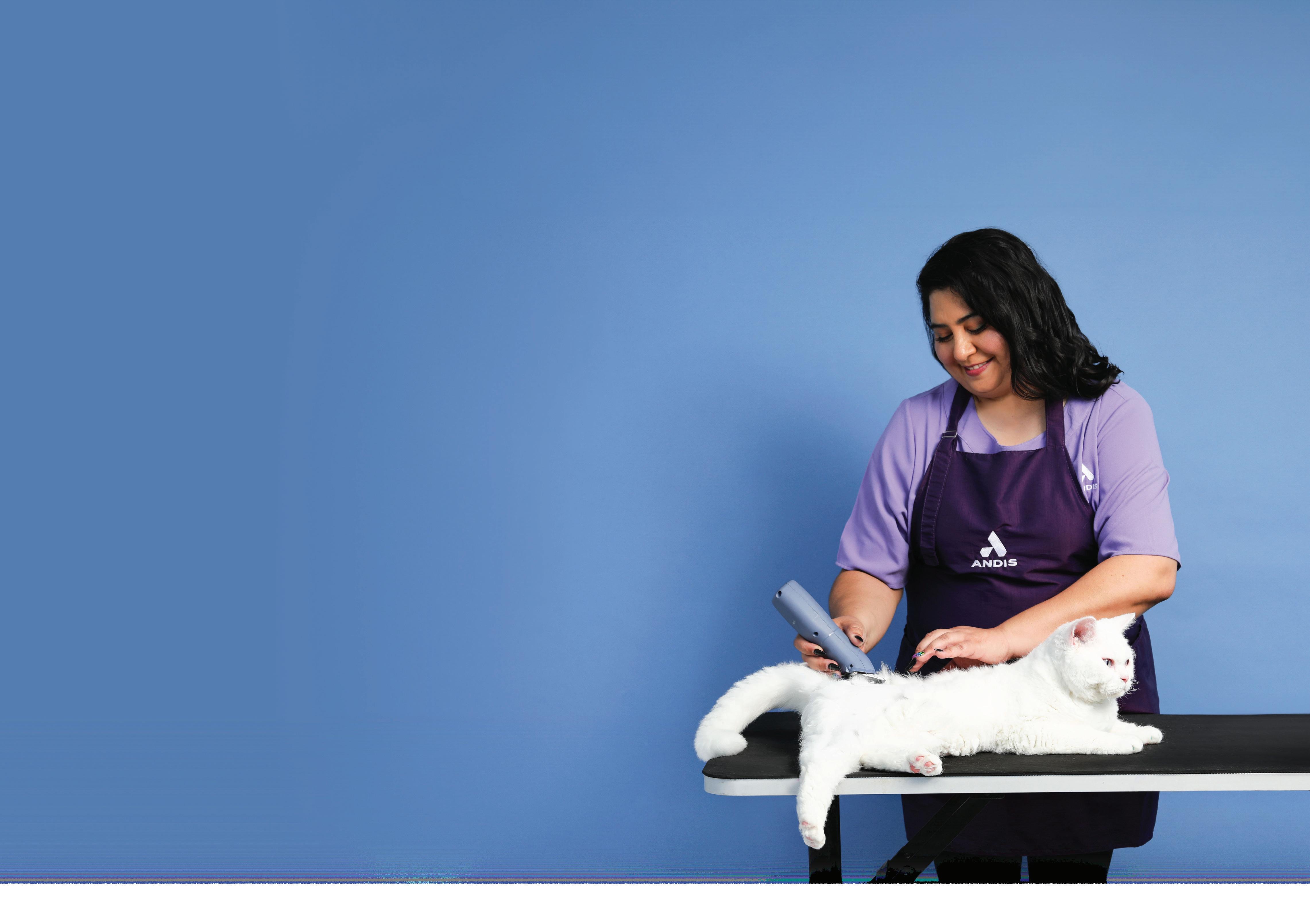





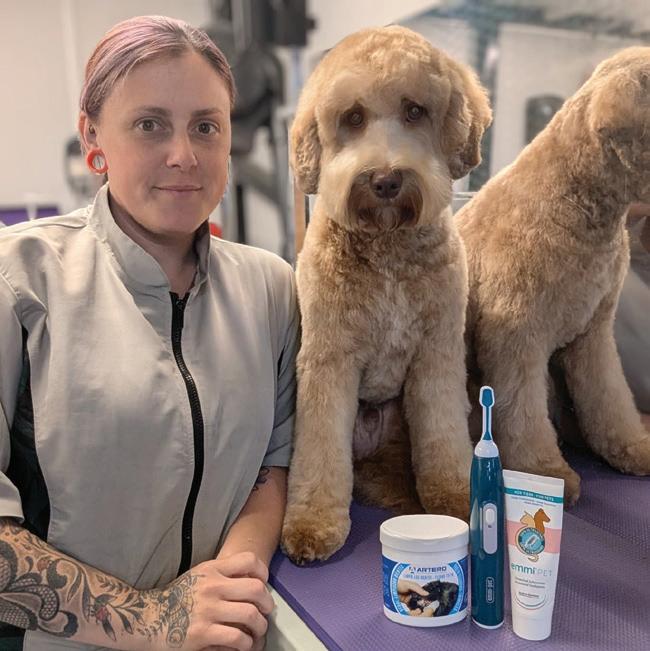
From volunteering at a rescue kennel to running a thriving eco-conscious salon in Scotland, Melissa Bull has built Phoenix Dog Grooming through passion, perseverance, and continuous learning.
Specialising in both dog and cat grooming, Melissa shares how education, breed-standard styling, and community inspiration continue to shape her career.
How did you first get started in grooming, and what inspired you to choose this as your career path?
I was volunteering at a dog rescue and boarding kennel while working in the domiciliary care sector, and I kept seeing the horrible state some of the rescue dogs were in. I wanted to be able to help them by removing matted coats, dirt, parasites, and more, so I decided to sign up for my Level 2 City & Guilds qualification in Dog Grooming. From there, it had a real snowball effect and things just got busier and busier.
Have you had any standout mentors along the way?
I joined Bill Betts’ business mentor programme in 2020, and he has helped me tenfold with the business side of things. Lisa Hart has also always stood out in the industry for me, and I’ve had the pleasure of hosting her for a seminar at my salon. I admire her work ethic and morals within the industry, as well as falling in love with her Schnauzer grooms, both Asian-style and breed standard. Generally, though, I draw inspiration from so many people in the industry, from big names to smaller groomers — it would be impossible to name them all.
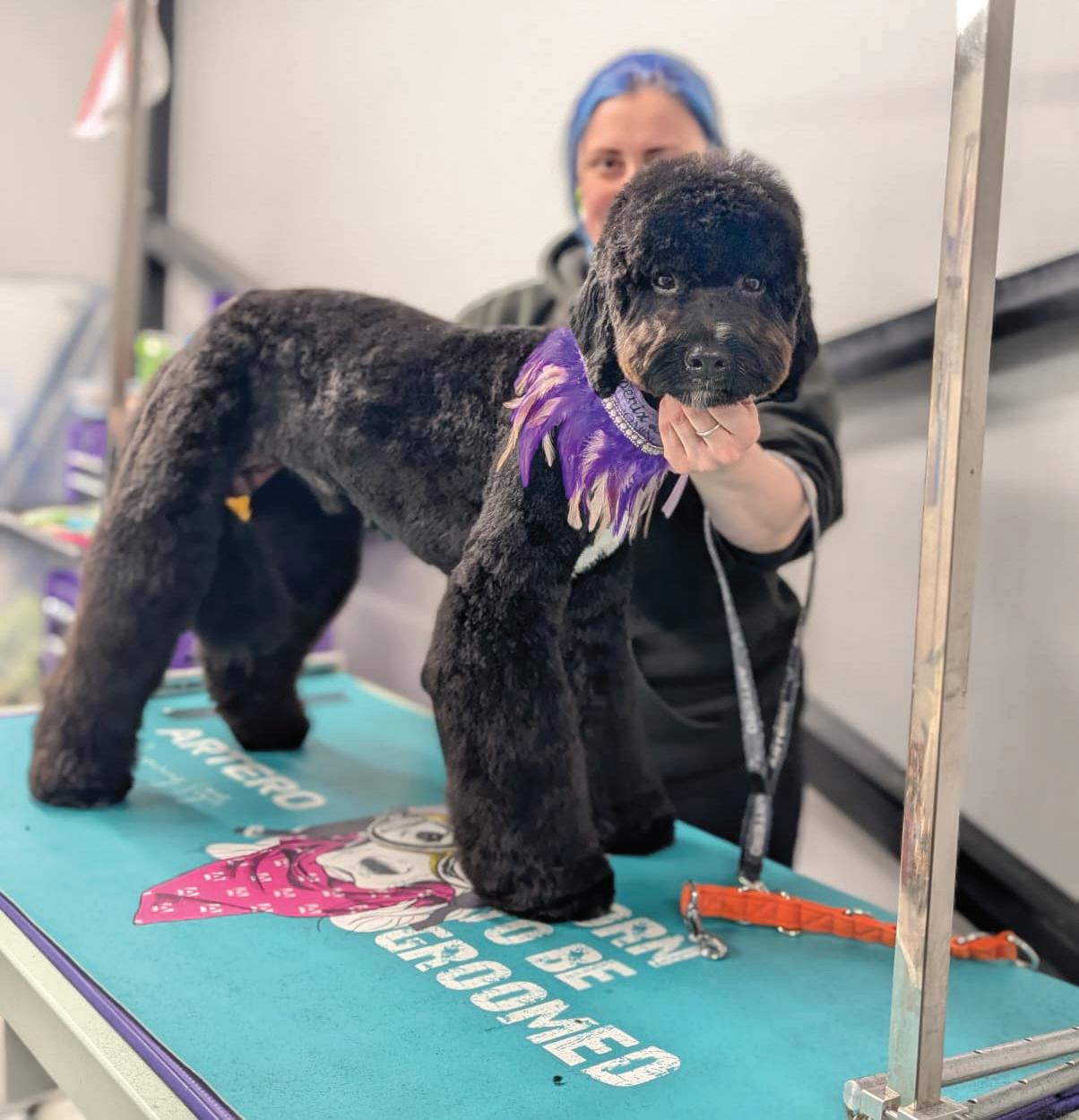
Can you walk us through how you run your business day to day — what makes your salon or service unique in the way it operates?
I’m a one-man band. Having employed people previously, I decided I wanted to scale back and return to working by myself again. I generally work four days a week grooming in the salon and take one day for admin tasks such as restocking my shop and website, packaging orders, delivering training for EmmiPet, and anything else that needs doing.
I usually groom four to five dogs a day, recording content for social media as I go or streaming live on TikTok. I’m
also a cat groomer, and there are very few near me, so I allocate two to three cat grooming days per month, which are usually booked well in advance.
I try to keep my salon as “green” as possible. All my postal packaging is recyclable, pet hair gets recycled with the Green Groomers Collective, and I offer a shampoo refill service to reduce plastic waste, to name just a few things.
My partner, Peter, is a service engineer and cleaning specialist for the pet grooming industry in Scotland, so I think us working alongside and complementing each other’s businesses makes us pretty unique. We’ve even been referred to as a “power couple” before — haha!
What have been some of the biggest challenges you’ve faced in your grooming career or business, and how have you overcome them?
Moving from Oxford to Falkirk — around 400 miles — was a huge challenge for me. I didn’t realise the differences between English and Scottish business law, so there was lots of red tape to overcome when transferring the business.
The logistics of moving an entire salon’s contents from one place to another, while arranging storage in between, definitely caused anxiety. I was trusting all the equipment I’d spent six years collecting in someone else’s hands. Thankfully, though, it all paid off. The business has absolutely thrived since the move, and I’m so glad I made the decision.
What do you love most about being a pet groomer, and what keeps you passionate about the work?
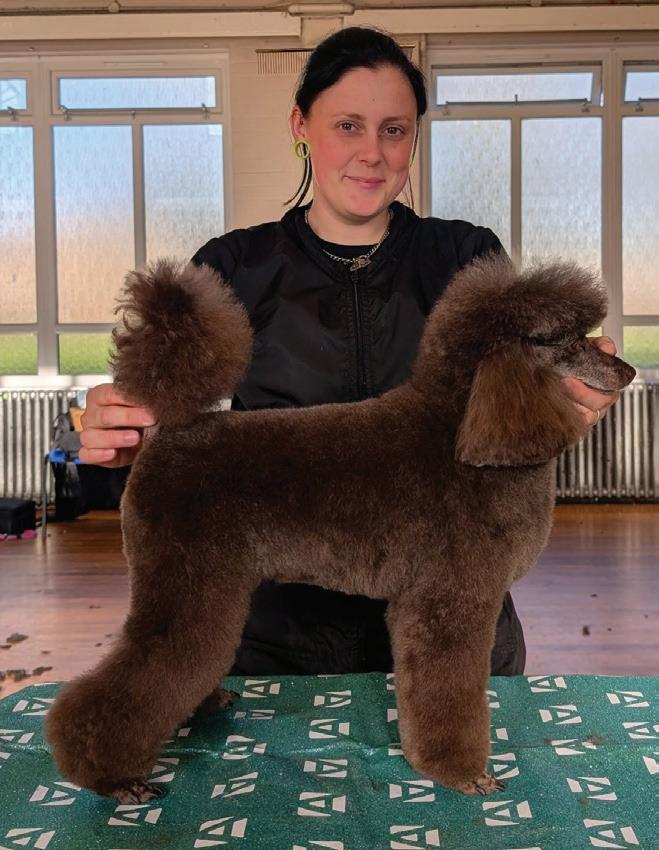
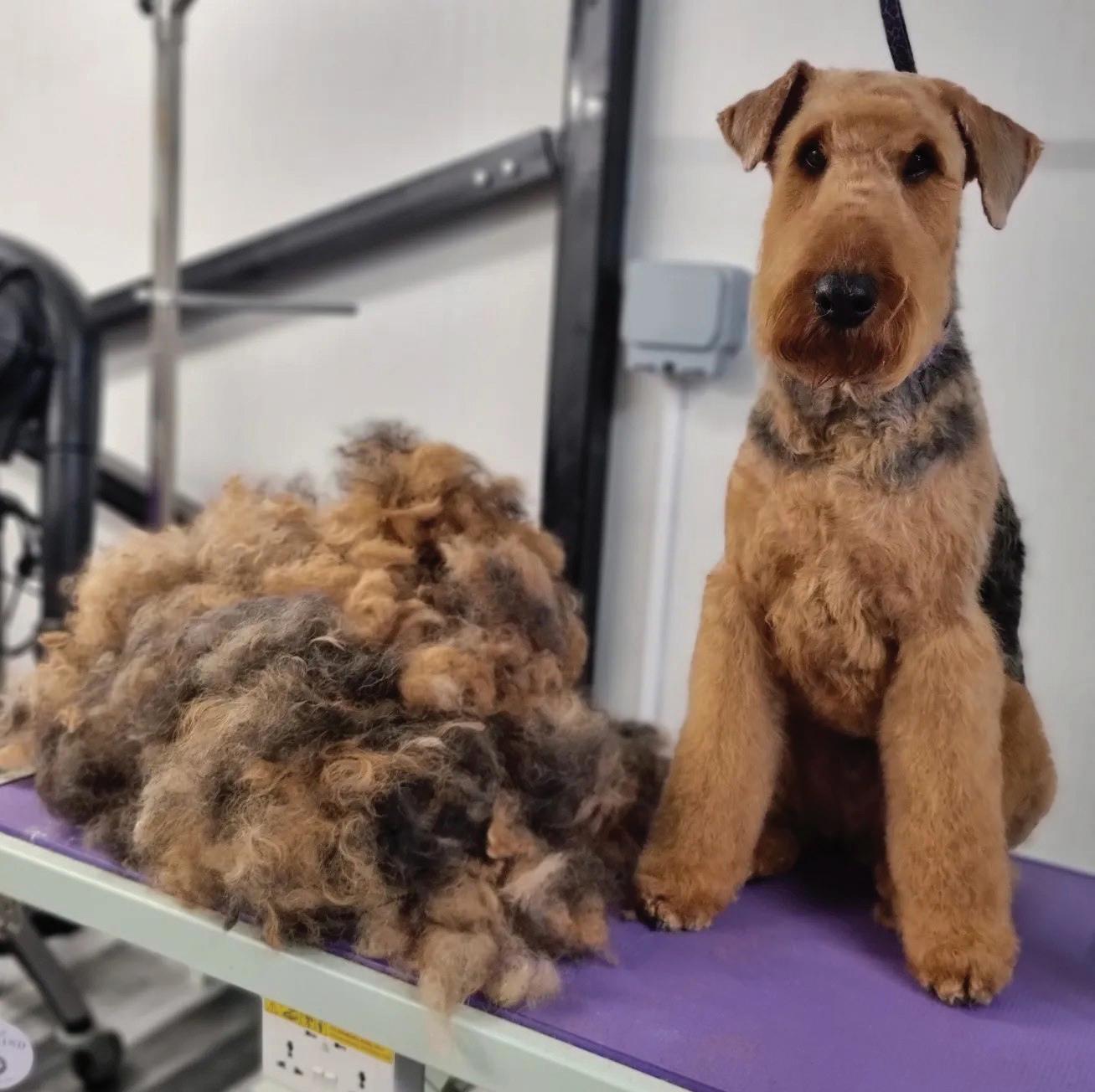
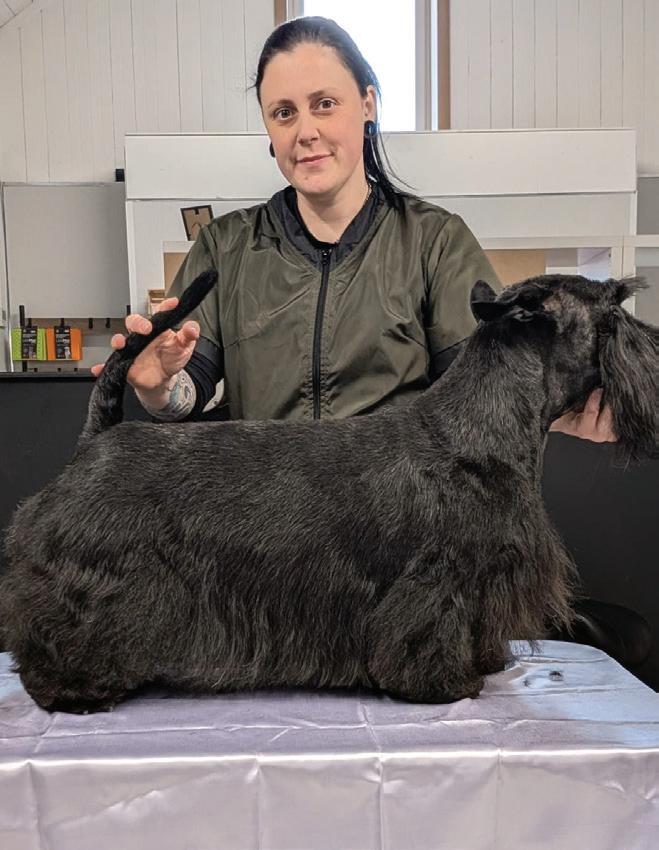
I absolutely love sharing my knowledge with other dog groomers, as well as learning from other people myself. My biggest passion is traditional breed grooming. With the rise in crossbreeds, Asian-style grooming has become hugely popular in the industry, but for me it’s breed standards that really catch my eye.
I love learning why certain breeds have specific trims and how those styles relate to the jobs the breeds were originally developed to do.
What tips or lessons would you share with aspiring groomers to help them build both their skills and confidence?
Invest in your education. Don’t stop learning after your training course — attend as many seminars and workshops as you possibly can because you will always learn something new every time.
Allow yourself more time to complete your grooms so you have the chance to practise your skills properly, and make sure you price your grooms well enough
to allow for that extra time. Don’t fall into the trap of “quantity over quality”. It’s easy to feel like you need to groom more dogs each day to make ends meet, but that isn’t always the answer. Groomer burnout is very real.
Where do you see the grooming industry heading in the next few years, and how do you plan to evolve your business or skills alongside it?
I’d really like to see some kind of regulation or legislation introduced to support our industry. I think it’s important that we’re all singing from the same hymn sheet and working to a recognised minimum standard.
I’ll continue to develop my own skills and undertake further education in pet grooming. My next steps are to gain further qualifications in both teaching and grooming, because education will always be a huge part of my career.
I’m also excited to see new groomers coming to the forefront and showcasing new skills. The incorporation of grooming competitions into Crufts is particularly exciting, and I’m sure that will open up new opportunities and avenues for people within the industry.
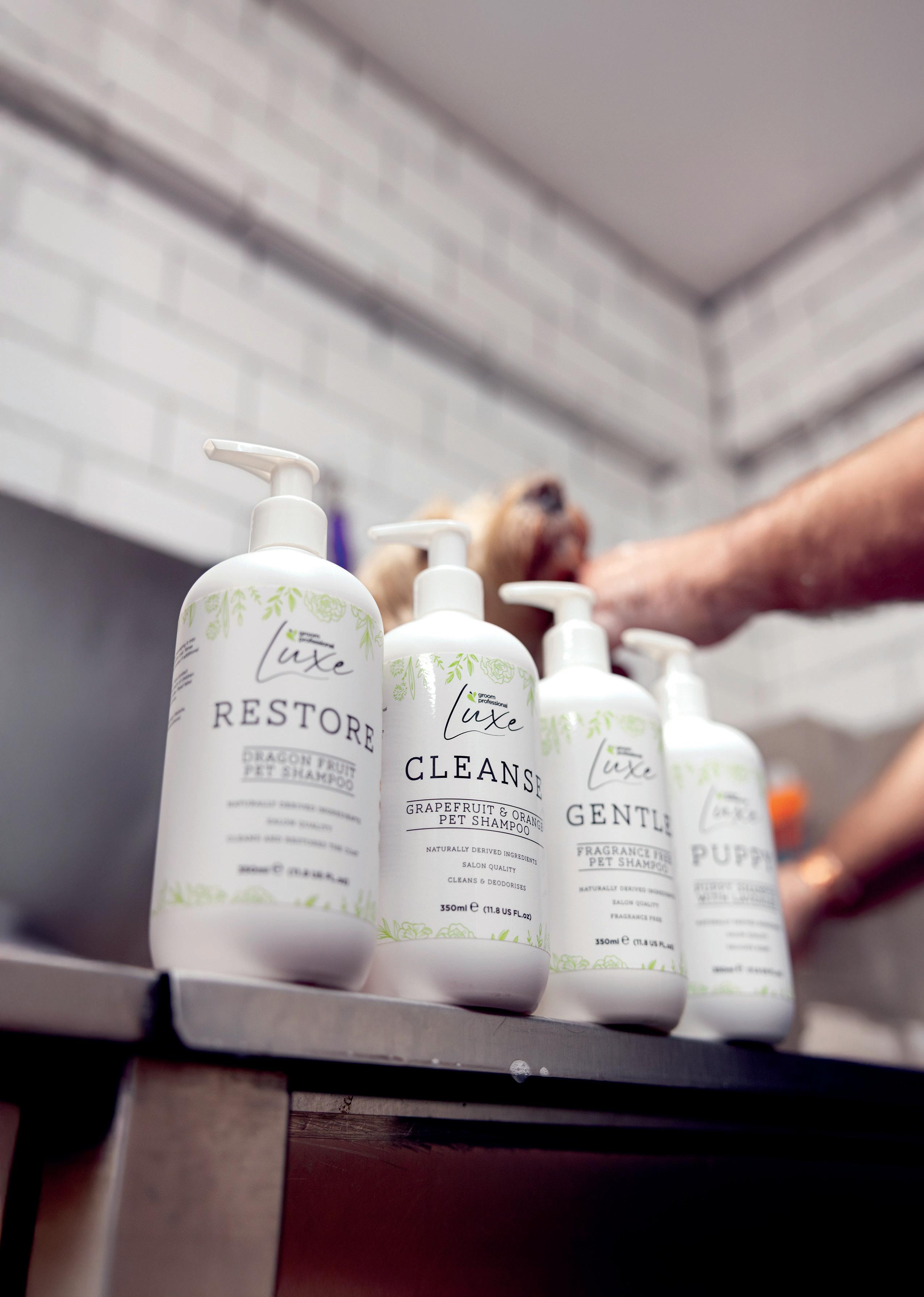
From dilution ratios to coat-specific formulas, the shampoo choices made in the salon can dramatically impact grooming results, efficiency and skin health. With so many products available, understanding what really matters can help groomers improve coat finish, save money and deliver a better overall experience for both dogs and owners.
Different coat types require different formulations, and using the correct shampoo can significantly improve grooming results. Volumising shampoos work well for double coats, while moisturising formulas suit curly or dry coats. Tailoring products to each dog helps improve coat condition, drying time and finish quality while making styling easier for the groomer.
A cheaper bottle does not always mean better value. Highly concentrated shampoos often deliver a much lower cost per wash, making them more economical in busy salons. Checking dilution rates also helps groomers maintain consistency, improve efficiency and reduce unnecessary product waste over time while protecting profit margins.
More dogs are arriving at salons with allergies, sensitivities and skin conditions than ever before. Groomers should look for transparent ingredient lists, gentle formulations and hypoallergenic options wherever possible. Choosing skin-safe shampoos not only protects the dog’s coat and skin but also builds trust and confidence with owners.
Popular products may not always suit every salon environment. Water hardness, bathing systems, coat types and workflow can all affect how a shampoo performs. Testing products
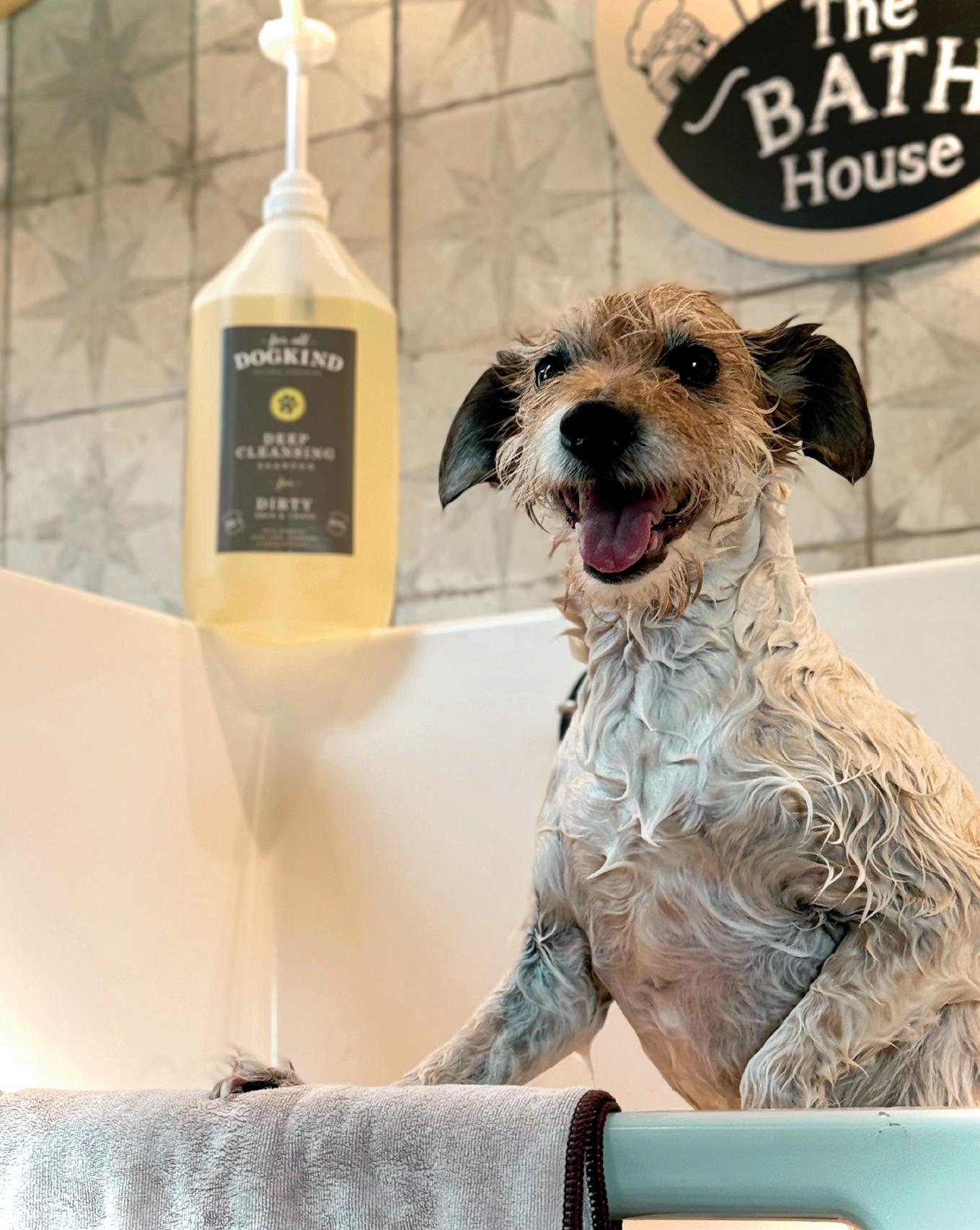
properly within your own salon allows groomers to identify what genuinely works best rather than relying purely on social media or industry trends.
Modern shampoos can do far more than simply clean the coat. Spa treatments,
conditioning masks, de-shedding systems and luxury bathing experiences are becoming increasingly popular with clients. Offering specialist shampoo services can improve coat health, elevate the salon experience and create valuable add-on revenue opportunities for grooming businesses.
From coat-specific formulas and skin-safe ingredients to dilution ratios and luxury spa treatments, professional groomers are becoming increasingly selective about the shampoos they use. Total Grooming spoke to five industry experts to discover what matters most in the modern salon and how shampoo trends are continuing to evolve.
For many groomers, shampoo is no longer simply a finishing touch in the bathing process. It has become one of the most important tools in the salon, capable of improving coat condition, speeding up workflow, enhancing the final finish and even increasing revenue through premium treatments and add-on services.
As grooming standards continue to rise, so too do expectations around the products used in professional salons. Ingredients, dilution ratios, skin sensitivity, fragrance longevity and coat-specific formulas are now major considerations when choosing a shampoo range.
According to Colin Taylor, Director of Colin Taylor Products, reputation still plays a huge role in purchasing decisions. “Firstly the brand reputation, then ingredients, followed by how the products dilute,” says Colin. “I’m not fussed on scent as long as it’s pleasant.”
That focus on performance over marketing is something echoed throughout the industry. While fragrances and packaging once dominated purchasing decisions, today’s groomers
are becoming increasingly educated about formulation quality and long-term value.
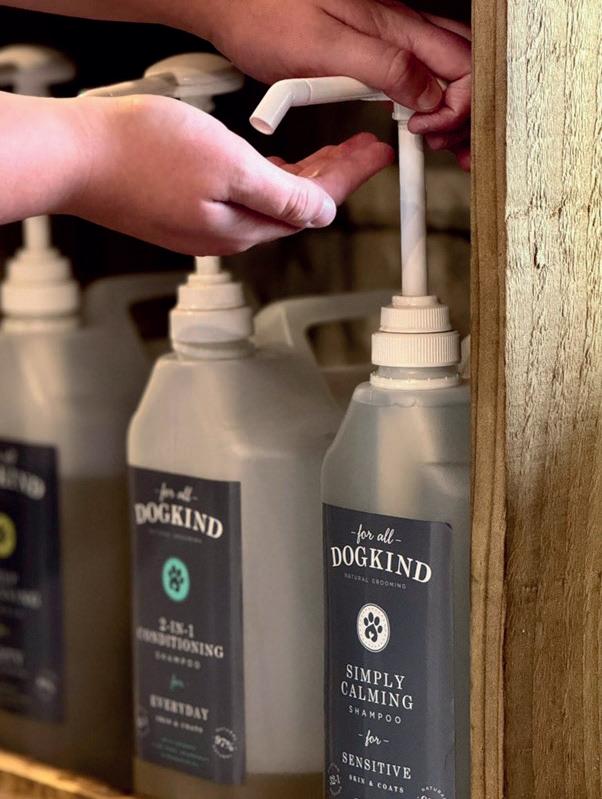
Laura Redstone, Founder of For All DogKind Ltd, believes the industry has changed significantly in recent years. “Professional groomers today prioritise skin safe, high-performance and costefficient shampoos,” says Laura. “This represents a clear shift from earlier years when strong fragrances and lather were often the main selling points.”
She believes the increase in canine skin sensitivities has played a major role in this evolution, alongside greater awareness
of natural ingredients and growing client expectations. “The change is driven by rising rates of skin sensitivities in dogs, stronger owner expectations, and the growth of awareness around using natural products,” she explains.
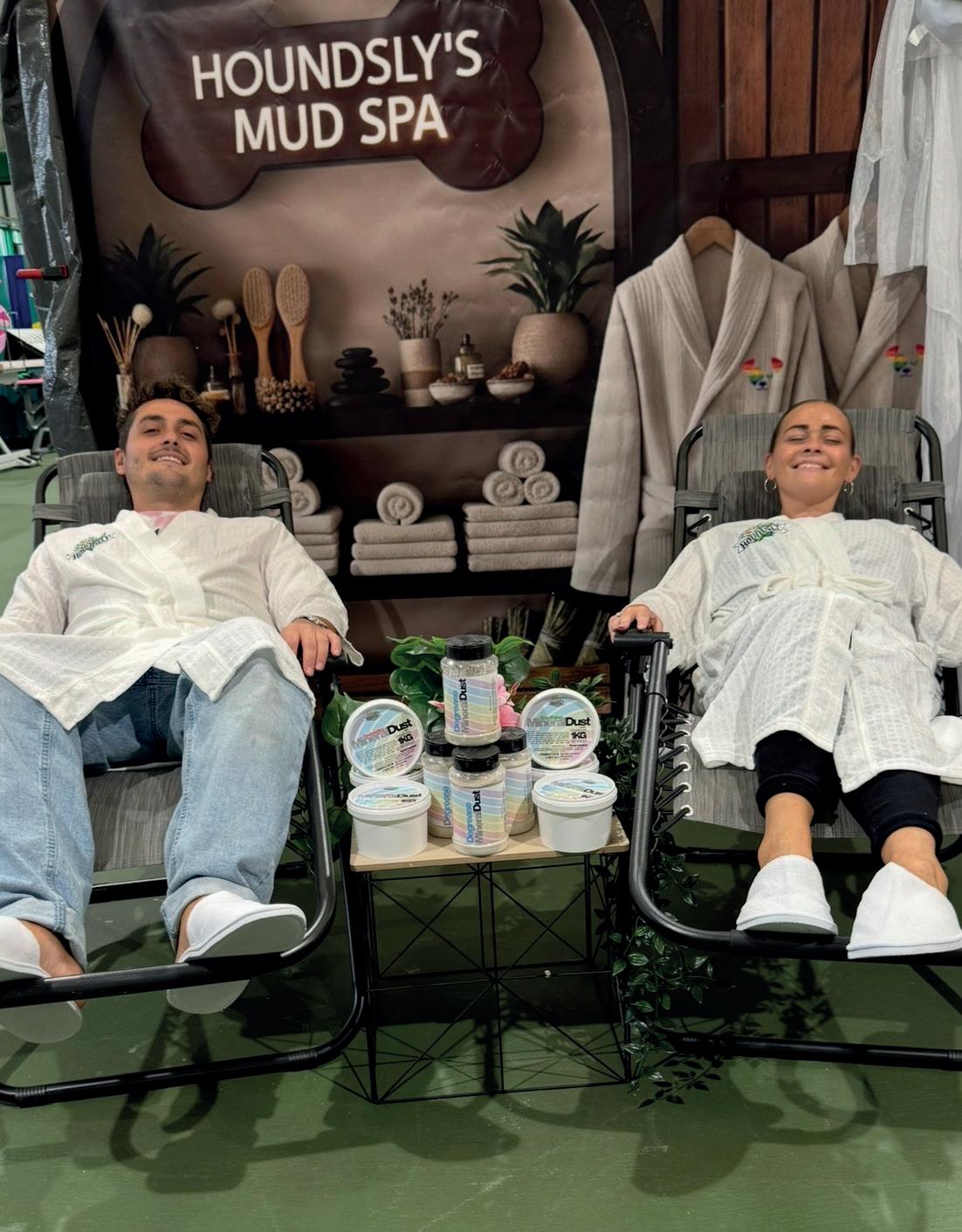
Growing awareness around skin and coat health is something Sam Waddington from Houndsly has also noticed. “Professional groomers today are looking for far more than just ‘does it smell nice?’ or ‘does it lather well?’” says Sam. “The industry has changed massively over the last few years, and groomers are now far more educated about skin health, coat condition and ingredients.”
Sam believes this shift is a positive one for the industry, particularly as groomers become more aware of how coat-specific formulations can impact results. “As formulations have evolved, people have realised that using the right products can genuinely make their job easier and improve the final result,” he says.
Coat-specific bathing systems have become one of the defining trends in professional grooming. Rather than relying on one universal shampoo, groomers are increasingly selecting products designed for particular coat textures, skin types or grooming goals.
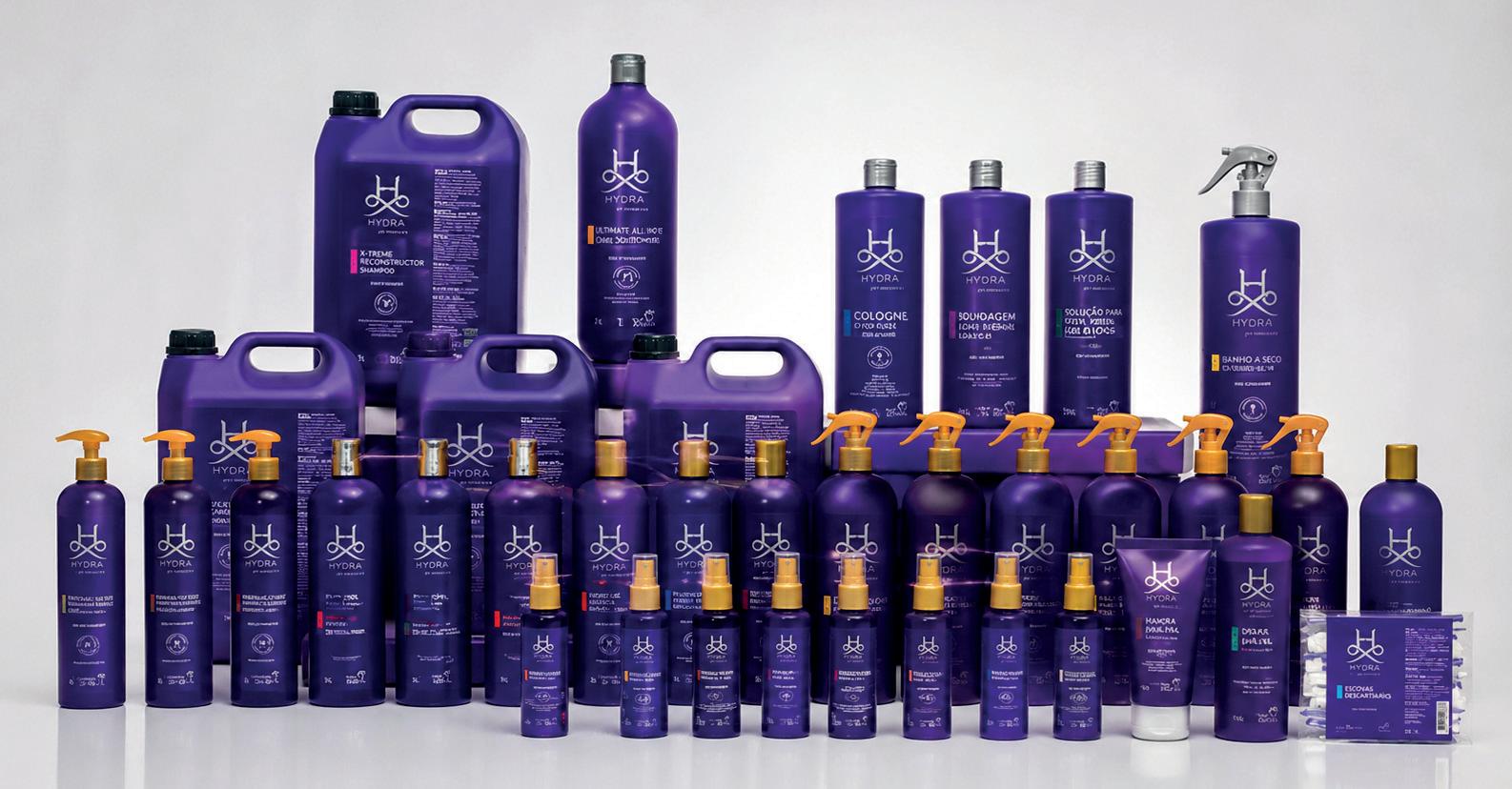
Tiffiny Saywell, Hydra Reference
Groomer UK for Redcape Ltd, says this demand for specialist products has transformed what groomers expect from their shampoo range. “Professional groomers today are looking for products that not only clean well, but also improve the overall finish, coat condition and salon experience for both the dog and the owner,” says Tiffiny.
“Years ago, shampoos were mainly chosen for basic cleaning power and value for money, whereas now groomers are far more focused on coat-specific results, skin health, luxury fragrances and premium finishes.”
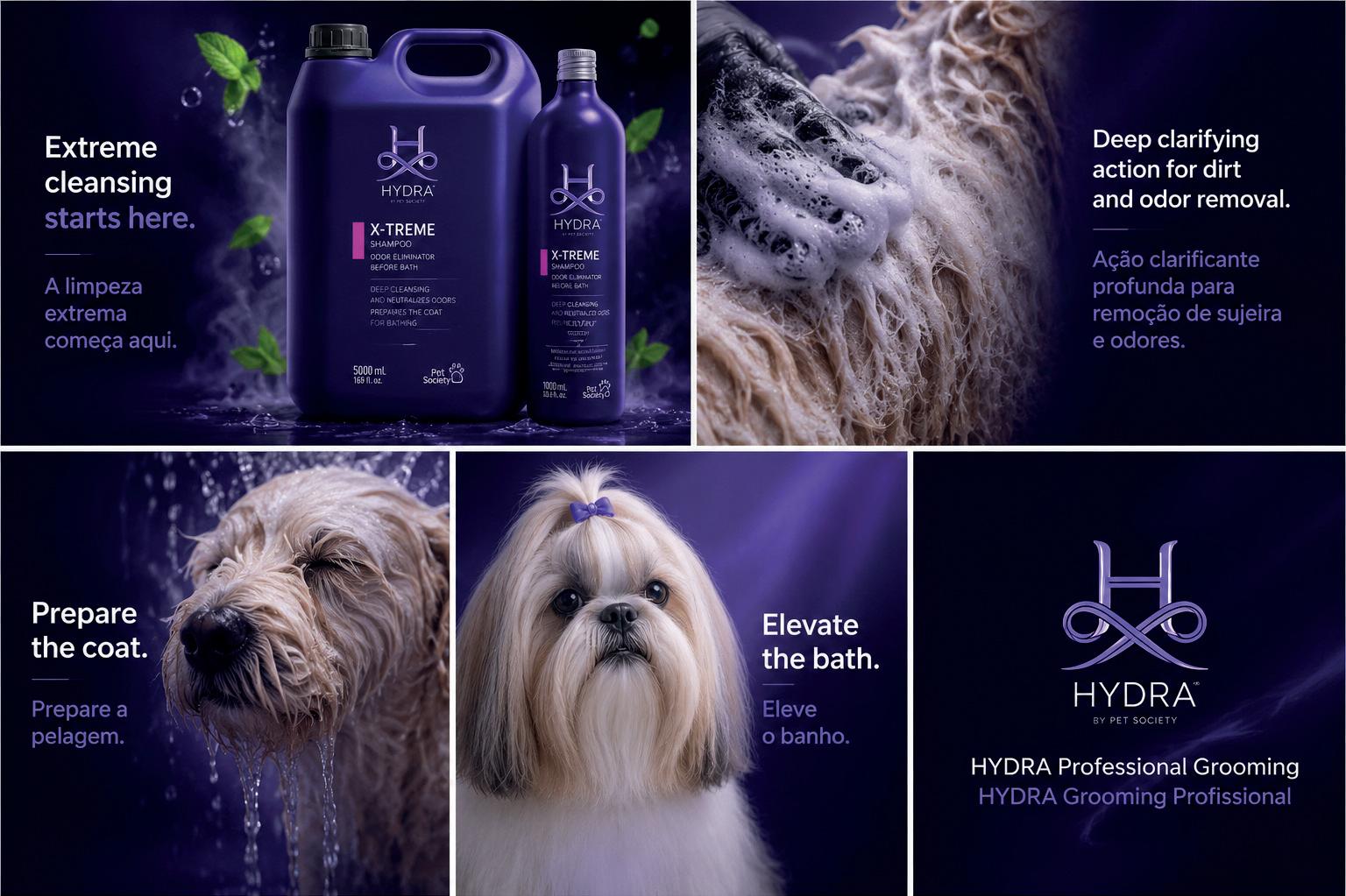
Tiffiny points to the growing popularity of tailored systems that allow groomers to adapt products depending on the coat in front of them. “A brand like Hydra by Pet Society has become really popular because it offers different solutions for different coat types and salon needs, rather than a ‘one shampoo fits all’ approach,” she says.
The ability to customise services is increasingly important in busy salons where efficiency matters just as much as results. Products that improve drying times, reduce brushing effort or enhance finish quality can significantly impact daily workflow.
Mike Wildman ICMG, owner and founder of Classie Dog Grooming and Classie Dog Products, says versatility is one of the key reasons he relies on premium professional ranges. “I like a range like a shampoo and conditioner in the same brand,” says Mike. “I use Chris Christensen products and they have a huge variety that cover all coat types.”
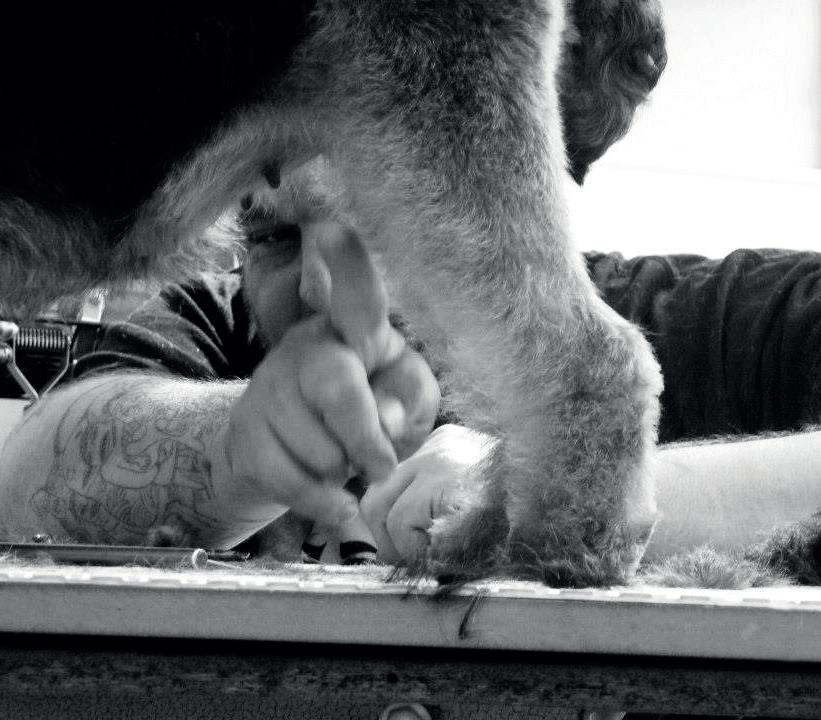
Mike also highlights the importance of specialist products for dogs with skin concerns. “I always use a lot of hypoallergenic shampoos or medicated types as I do a lot of hand stripping and have so many dogs that suffer with allergies or skin conditions.”
Across the industry, hypoallergenic and sensitive skin products are becoming increasingly essential rather than optional. Groomers are seeing more dogs with allergies, reactive skin and coat issues than ever before, creating demand for gentler, transparent formulations.
Laura says ingredient transparency is now a major consideration for many professionals. “Look for products that list their ingredients,” she advises. “Transparency is a strong indicator of quality and helps you confidently explain
your choices to clients.”
Her company publishes full INCI ingredient lists and safety certificates to reassure groomers that products are safe for professional use. For many salon owners, however, performance alone is not enough. Rising business costs mean shampoos must also offer strong economic value, particularly in highvolume salons.
Dilution ratios and cost-per-wash calculations are now central to purchasing decisions across the industry. Colin says dilution is one of the biggest factors he considers when choosing products.
“I want the dilutions to be between 15 to 20 to one,” he explains.
Sam agrees that groomers are becoming much more aware of value beyond the initial bottle price. “There’s been a big shift towards understanding value over just looking at the price of a bottle,” he says. “Our shampoo dilutes at 50:1, so although the upfront cost might look higher than some products, the cost per wash actually works out significantly lower.”
Mike also highlights the benefits of concentrated formulas in a busy salon setting. “I use a 50 wash brand in the Chris Christensen range and using a hydrobath this has an excellent dilution rate of 50 parts water to one part shampoo,” he says. “Cost effective buy, absolute top quality with excellent results.”
Tiffiny believes groomers should carefully assess how shampoos perform across several practical areas before investing in a range. “I’d recommend looking at concentration ratios and value for money, drying time and finish quality, skin and coat health benefits, fragrance longevity, and how the products perform on different coat textures,” she says. As well as economics and performance, luxury grooming experiences are also driving shampoo trends. Spa treatments, conditioning masks and add-on services have become a major growth area for many salons.
“One of the biggest trends right now is premiumisation within grooming,” says Tiffiny. “Clients are treating grooming more like a luxury wellness service, so there’s increased demand for high-end shampoos, coat treatments and spa packages.”
Sam has seen the same trend emerge within salons across the UK. “One of
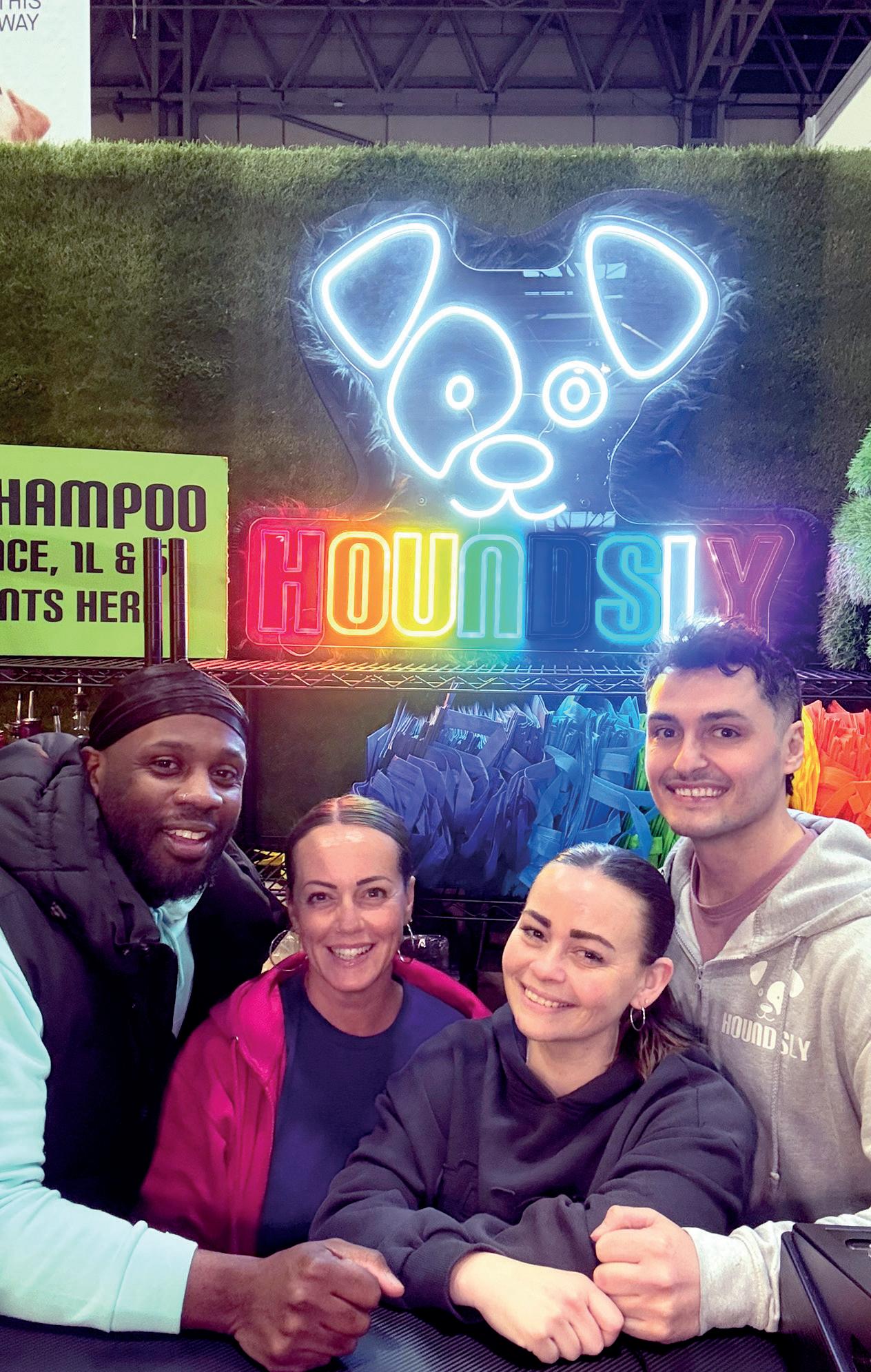
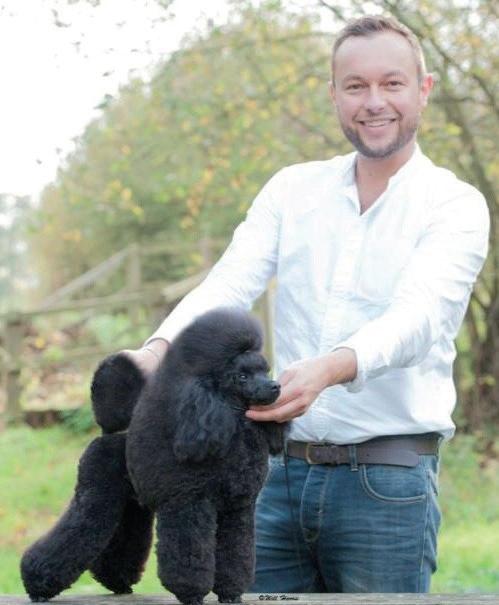



the biggest trends we’re seeing at the moment is the rise of spa treatments and salon add-ons,” he says.
For groomers facing physically demanding schedules and rising operating costs, add-on services can provide valuable additional income while also improving coat and skin health. “If groomers can improve a dog’s skin or coat health while also increasing revenue, it makes complete sense why these treatments are becoming so popular,” Sam explains.
Tiffiny believes premium treatments are now becoming an important part of salon differentiation. “In salons now, addon treatments are one of the biggest growth areas,” she says. “Services such as skin hydration treatments, coat repair masks and de-shedding packages are incredibly popular with clients.”
Of course, with so many products on the market, selecting the right range can still feel overwhelming, particularly for newer groomers. Laura’s advice is simple: do your research.
“My best advice is to look at independent product reviews,” she says.
Sam believes real-world testing is equally important because every salon environment is different.
“Things like water hardness, water temperature and even the bathing system you use can completely change how a shampoo behaves,” he explains.
“What works brilliantly for one groomer might not work the same way for another.”
Colin also warns against blindly following trends. “Sometimes the trend may be on point, other times it may not,” he says. “What works for some may not work for you.”
Ultimately, while trends, branding and marketing all influence the market, the consensus among professionals remains clear: performance matters most.
For today’s groomers, the ideal shampoo is no longer just about creating a clean dog. It is about improving efficiency, protecting skin health, enhancing coat finish, supporting business profitability and delivering an experience clients are willing to pay more for.
As the grooming industry continues to evolve, shampoos are evolving with it — becoming smarter, more specialised and increasingly tailored to the needs of both groomers and the dogs in their care.
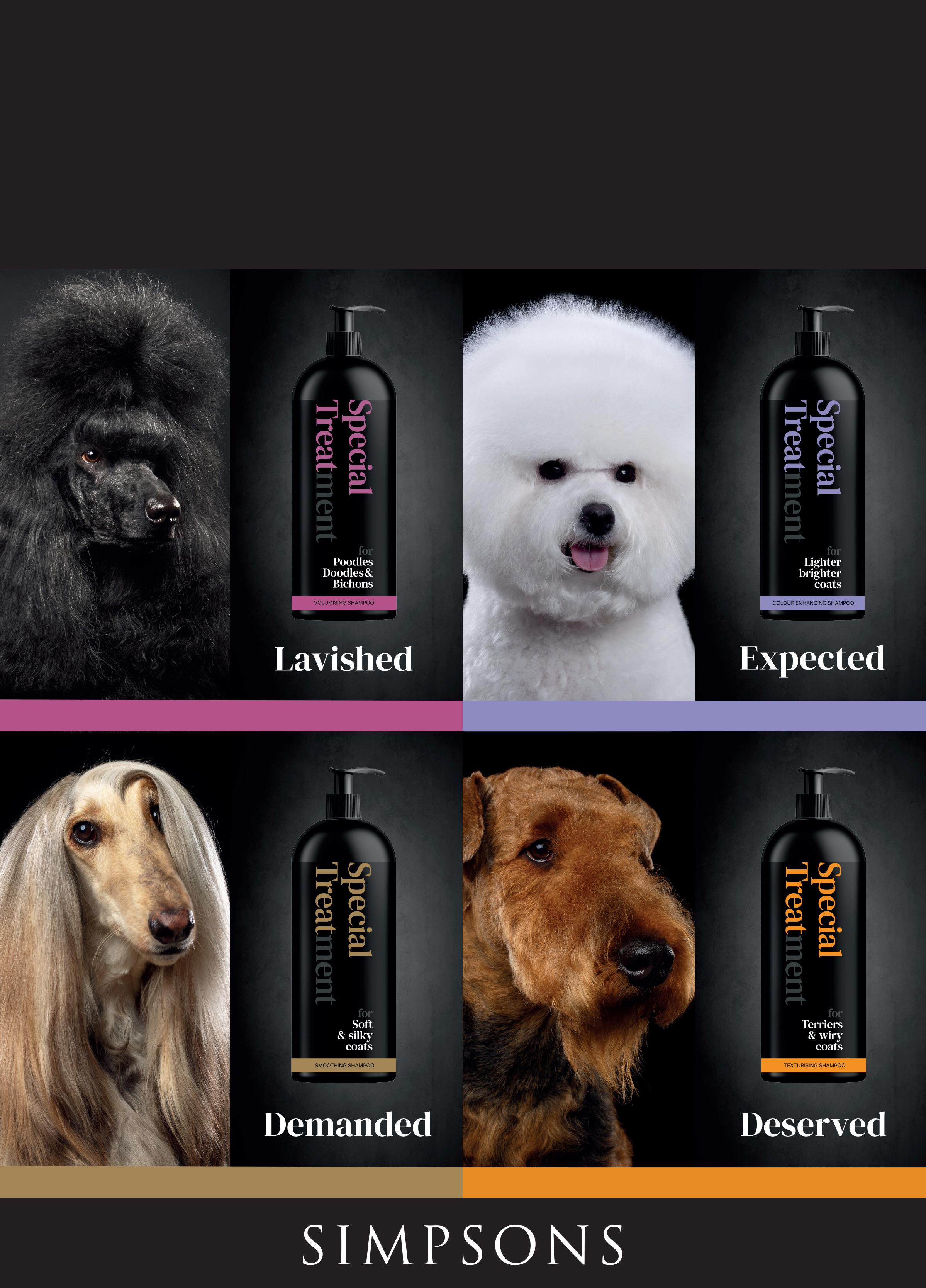
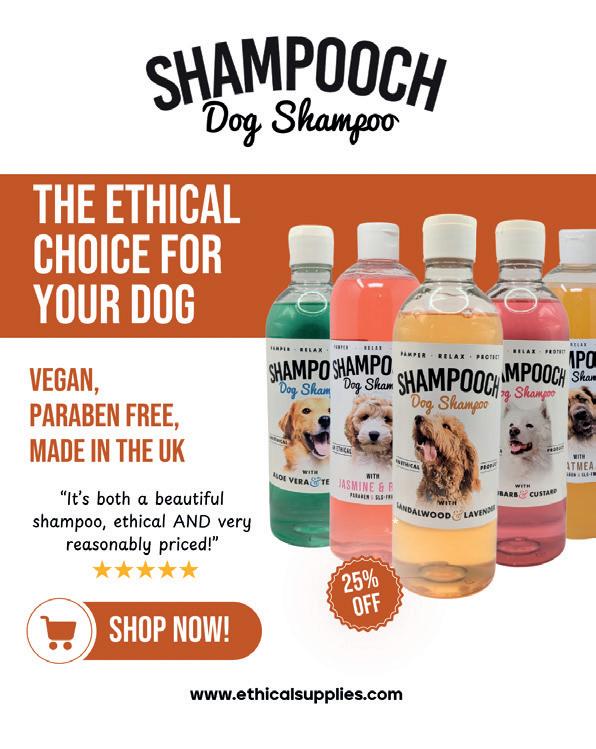
Unlock the secret to professional-grade results, designed by you! Shampooch thrives on direct feedback from hundreds of groomers monthly, ensuring our products fill real market needs. Our perfected range of 5 shampoos offers superior cost-effectiveness with a 25:1 dilution rate. Each formula is meticulously crafted in the UK, guaranteed paraben-free, and completely vegan, offering ethical, effective care for every dog.
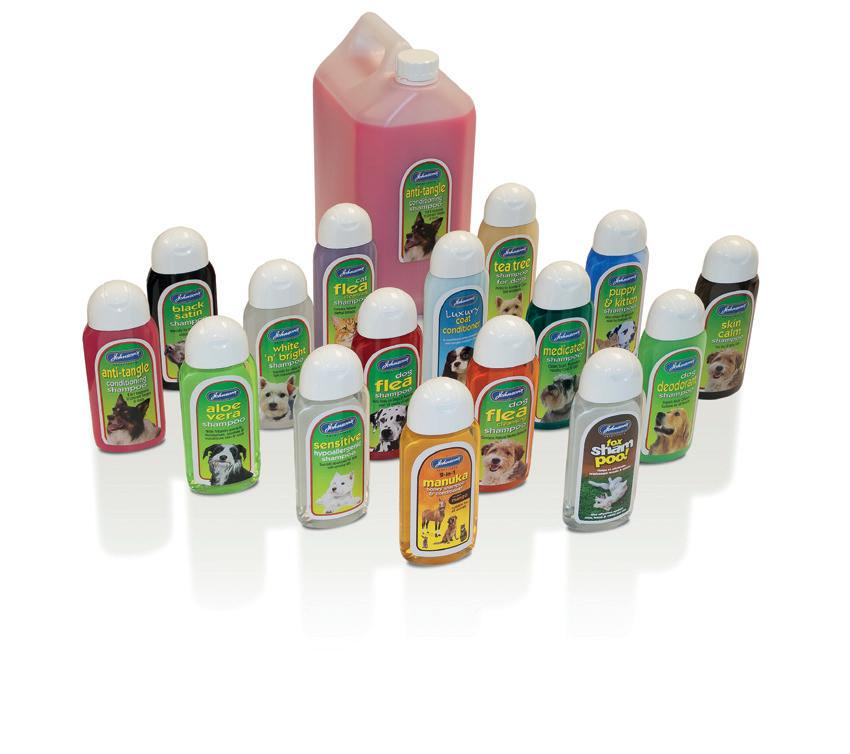
Discover Johnson’s affordable and trusted range of shampoos for dogs and cats. Made in the UK, our veganfriendly and paraben-free functional shampoos help maintain healthy skin and coats while being kind to sensitive pets. Whether you need flea cleansing, soothing, or deep-conditioning formulas, our diverse range of shampoos, all available in bulk 5ltrs, caters to every need. Trusted by pet lovers for generations, Johnson’s shampoos are a staple in grooming routines that prioritise pet wellbeing.
Ready for the ultimate grooming solution? Explore the full collection at EthicalSupplies.co.uk
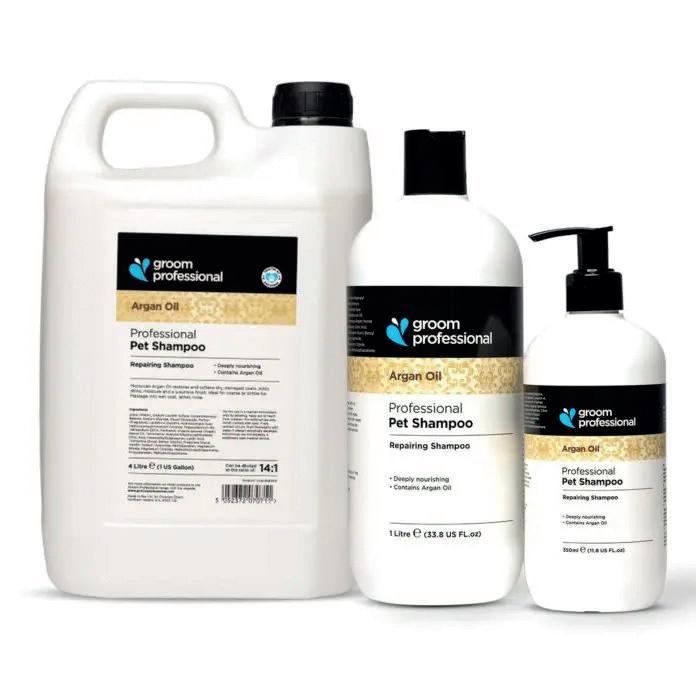
In the world of professional grooming, choosing the right shampoo is essential not only for cleanliness but for maintaining the health, texture, and appearance of a dog’s coat. Groom Professional Argan Oil Shampoo has become a trusted staple among groomers thanks to its nourishing formulation and suitability for a wide range of coat types. Infused with the enriching properties of argan oil and Vitamin E, this shampoo offers more than just a clean coat, it delivers deep care from root to tip.
Available from Christies Direct T: 02827666879
E: support@christiesdirect.com www.christiesdirect.com
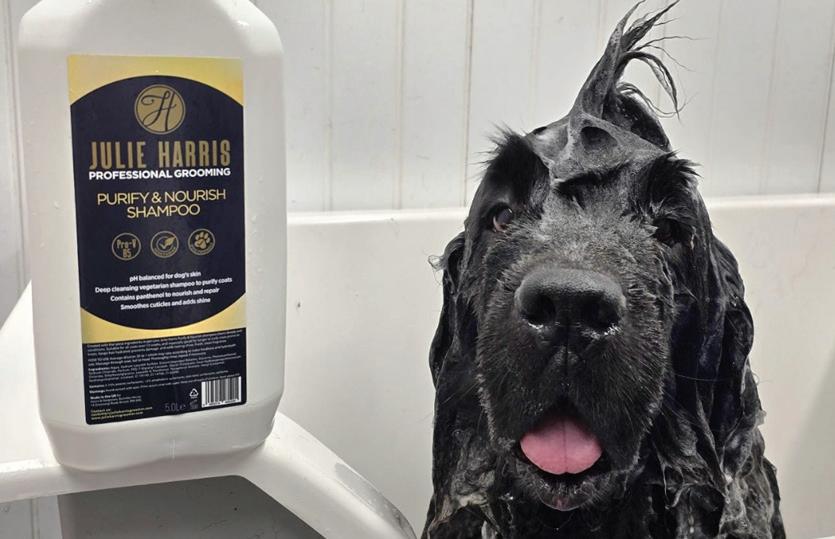
Julie Harris Professional Grooming Purify & Nourish 2 in 1 deep cleansing and conditioning shampoo. Now with a little conditioner to complete the wash by moisturising the skin, sealing the cuticles, and adding shine. Suitable for all dogs. Safe and gentle vegetarian ingredients, kind to hands, dilute 20:1. 5L gives >200 hydrobaths. Fresh, clean cotton fragrance.
Available from www.julieharrisgroomer.com, Mutneys, Rabart Canine, Amazon. Email: hello@julieharriseducation.com Facebook: julieharrisprofessionalgrooming Instagram: julie_harris_professional
Email: info@johnsons-vet.com
Phone: 0121 378 1684
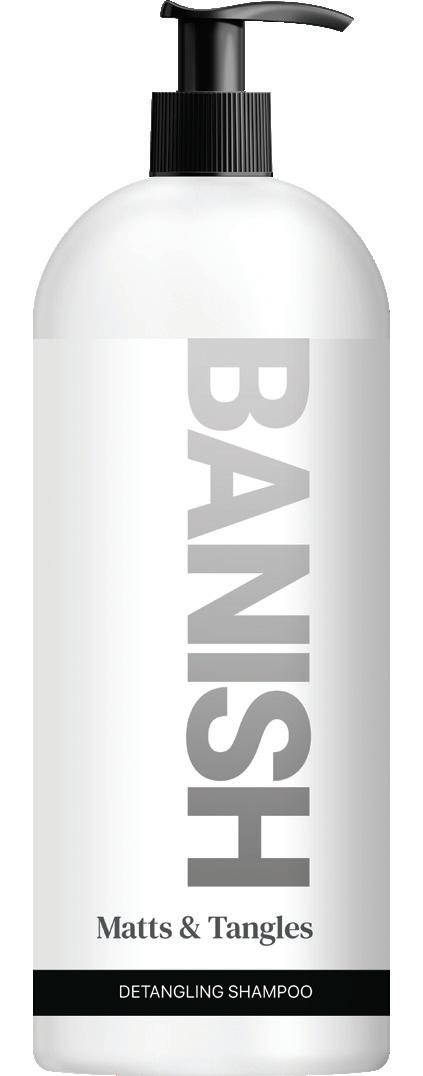
Fans of BANISH will love this new shampoo. Specially formulated using their renowned dematting elixir to impart a super soft, static and tangle free coat that’s perfect for styling and grooming. The highly concentrated formula is ideal for daily salon use and, can be used in conjunction with BANISH Super Conditioner as part of an intensive dematting treatment.
Available from: Simpsons Grooming Supplies 01354 691 830 post@simpsons-online.co.uk www.simpsons-online.co.uk
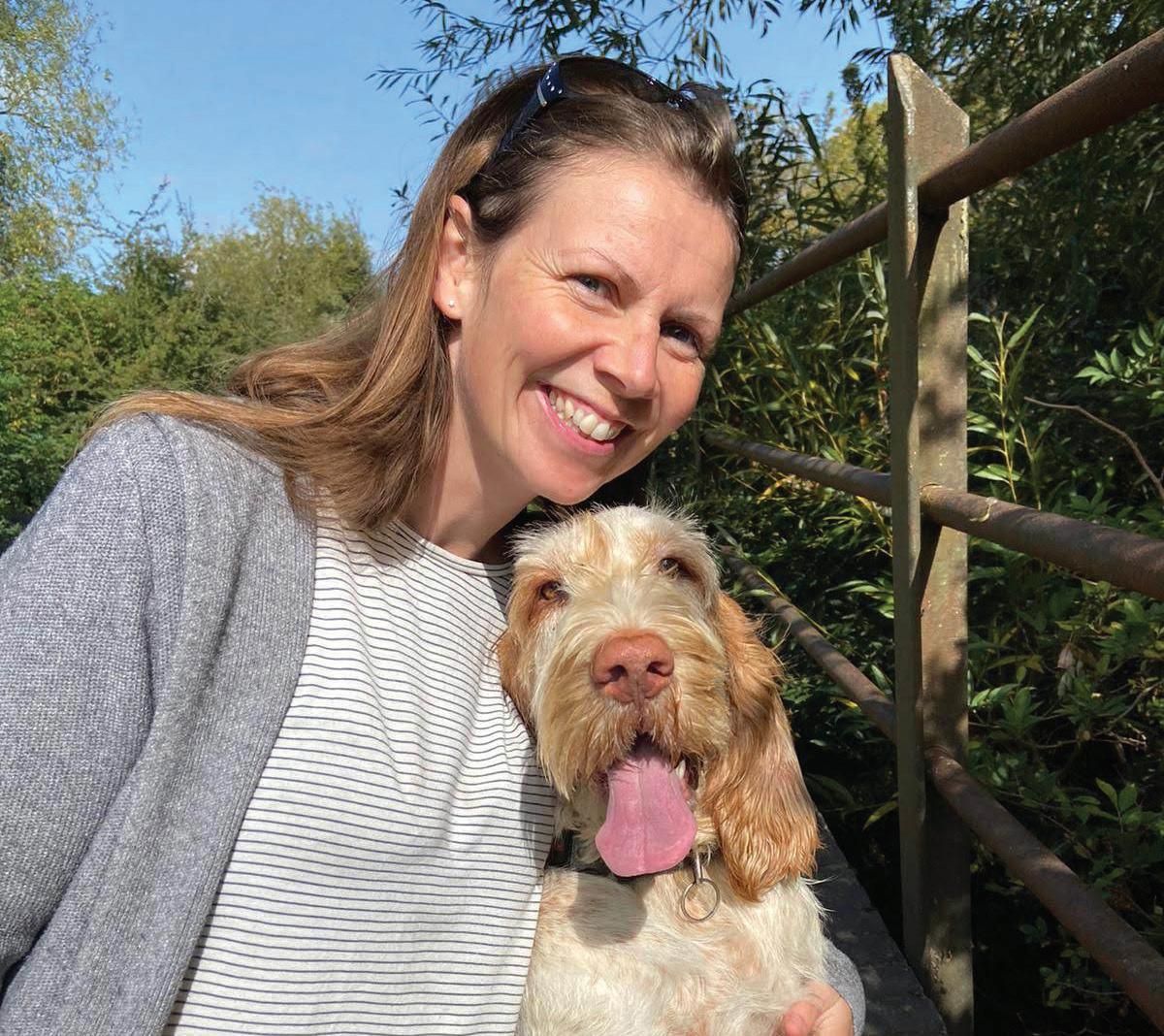
The world of insurance can feel overwhelming. With so many types of cover available, it’s not always obvious what you actually need or what each section protects you from. Here, we have given you a breakdown of the types of cover you may need to keep your grooming business running smoothly. By Harriet Bush, Senior Account Handler at Cliverton Insurance Brokers.
This protects you if a member of the public is injured or their property is damaged because of your business activities. For example, if a client trips in your salon or their belongings are damaged, this is the cover that responds.
The amount you’re insured for (called the indemnity limit) varies between insurers, so it’s worth comparing options.
Important: Public liability protects third parties only. It does not cover you personally as the business owner.
This is a section within your public liability policy that specifically covers animals while they are in your care.
Example: If you accidentally nick a dog’s skin during grooming and it needs stitches, this is the section that you would claim under.
Non-negligent cover protects you when something happens that is outside your control.
Example: A dog injures itself in a crate while waiting to be collected even though you were not negligent, this is the section that you would claim under.
If you have anyone working for you, including paid staff and sometimes volunteers, Employers’ Liability is often a legal requirement. It protects you if an employee becomes ill or injured because of their work and makes a claim against you.
The legal minimum limit is £5 million, and failing to have this cover when required can result in fines of up to £2,500 per day.
Important: This is not personal accident cover for employees.
This covers your tools, equipment, and sometimes your premises against risks such as theft, fire, flood, storm damage, and in some cases accidental damage.
Example: If someone steals your clippers, dryers, and combs, this cover helps you replace them.
Different insurers offer different limits. Some base it on the value of your equipment, while others offer set amounts like £5,000 or £10,000. Important: There is usually an excess
(the amount you pay towards a claim), so make sure your cover limit is higher than your excess.
At Cliverton, we source public liability cover at either £5 million or £10 million, including care, custody and control and non-negligent cover as standard, both aligned with the full selected public liability limit. Employers’ liability cover is available up to £10 million, covering manual workers, clerical staff, and volunteers, alongside cover for a wide range of assets such as equipment, buildings, and glass. Speak to our knowledgeable team or you can obtain a quote and purchase a policy via our website.
01328 857921
info@cliverton.co.uk
www.cliverton.co.uk
Grooming is about far more than hand-stripping and teddy-bear cuts. Every appointment doubles as a welfare check, providing an opportunity to spot skin issues, parasites, wounds, or changes that may require veterinary attention. As the UK grooming sector embraces the new Canine & Feline Sector Group (CFSG) Best Practice Guidelines for Dog and Cat Groomers (2025), biosecurity is becoming an essential part of professional salon standards.
The new guidelines establish a benchmark for professionalism across the grooming industry, helping groomers deliver high standards of animal welfare, hygiene and customer care.
The guidance highlights the importance of protecting pets from pain, injury, suffering and disease, while also emphasising the need for effective cleaning policies and biosecurity practices within grooming businesses.
Hair, dander, saliva and organic debris can all contribute to contamination if surfaces and equipment are not cleaned effectively between pets. Some of the busiest areas in a salon are also the most likely to harbour contamination:
• Grooming tables and restraints should be disinfected after each use.
• Bathing areas require routine cleaning and disinfection to remove hair, shampoo residues and organic matter.
• Combs, brushes, scissors and clipper blades should be cleaned and disinfected after every groom.
• Crates, carriers and holding areas should be cleaned and disinfected between occupants.
One of the most common mistakes is applying disinfectant to a dirty surface. Organic matter can reduce the
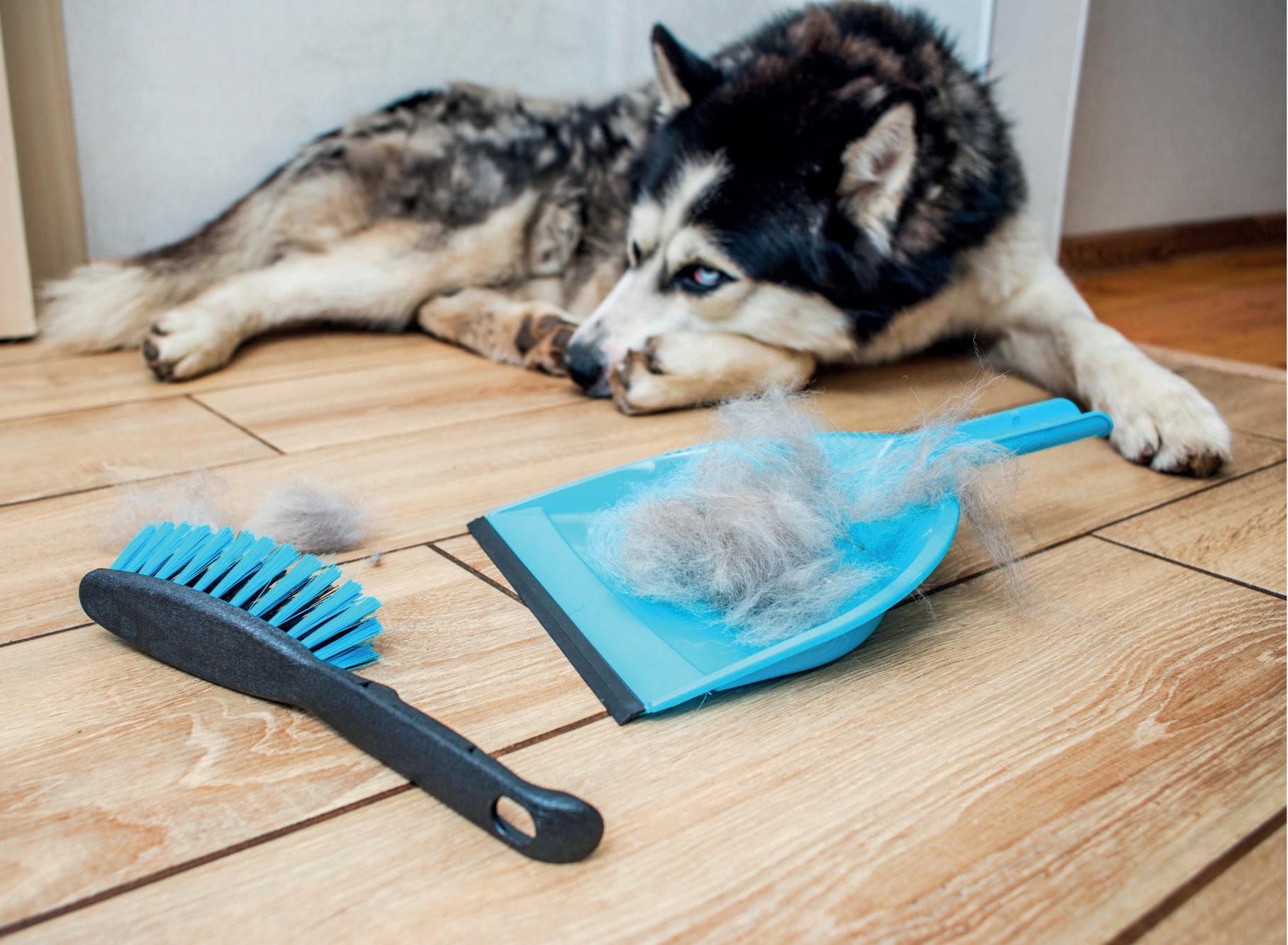
effectiveness of many disinfectants, so the recommended process is:
1. Remove hair and visible contamination.
2. Clean the surface thoroughly.
3. Apply a veterinary disinfectant according to the manufacturer’s instructions.
4. Allow the required contact time before reuse.
The guidance also reminds groomers that some disinfectants, including certain phenolic and pine-based products, can be harmful to cats. Choosing products specifically designed for use in animal environments is therefore important.
Effective biosecurity is about more than keeping a salon looking clean. It helps reduce the risk of infection spreading between pets, protects staff, and builds trust with customers.
Clear cleaning and disinfection protocols demonstrate professionalism and help ensure consistency across the
salon. Visible hygiene standards can also reassure increasingly health-conscious pet owners that every effort is being made to safeguard animal welfare.
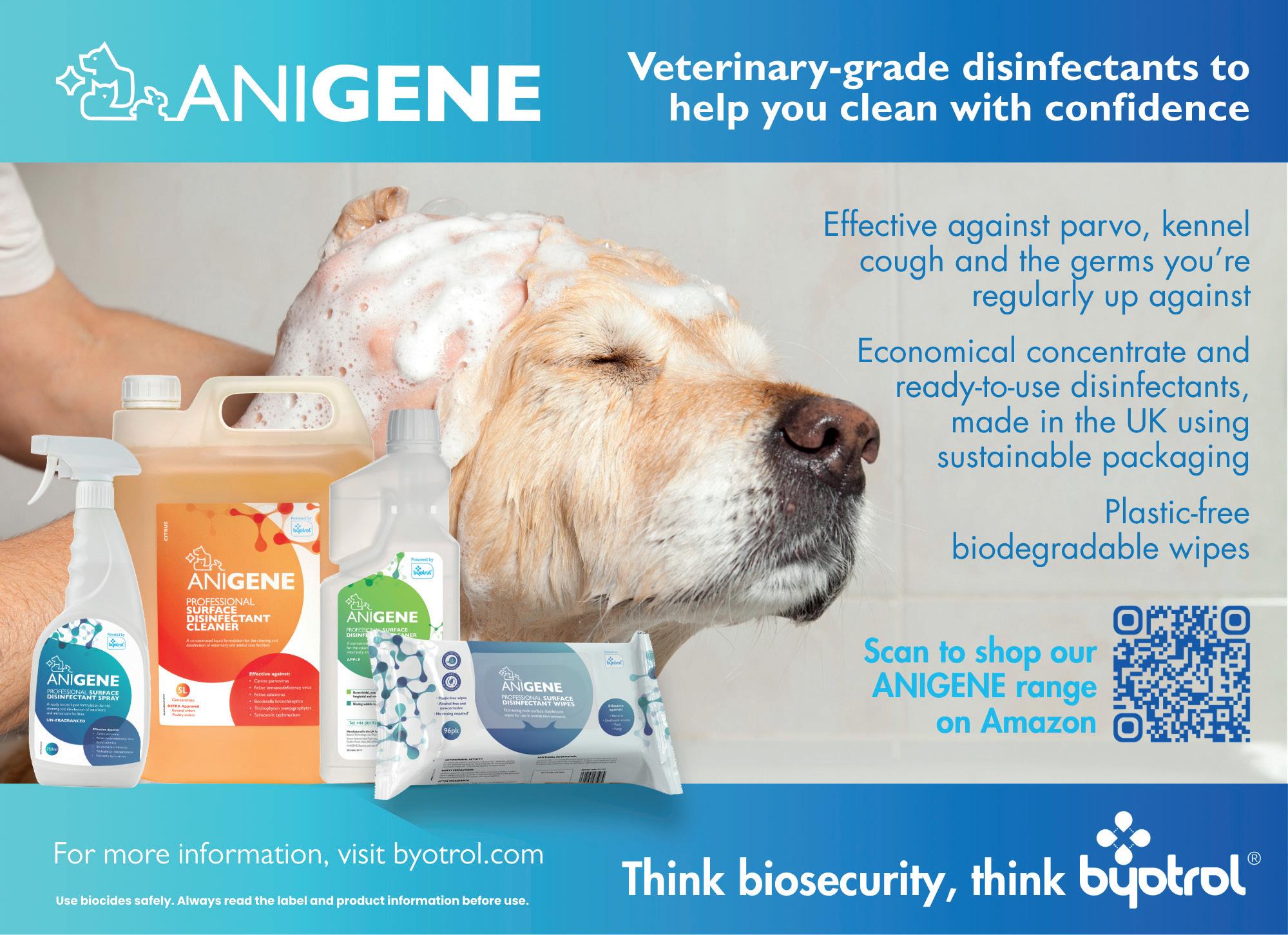
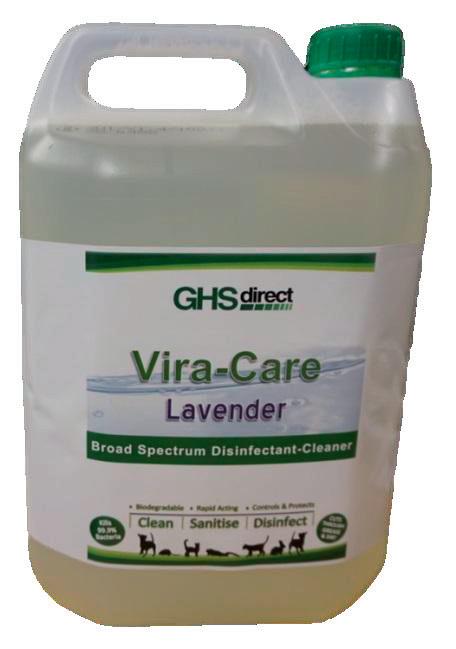
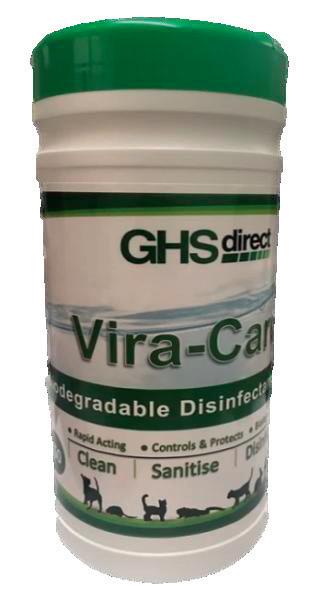
Byotrol has spent decades supporting hygiene and infection prevention in veterinary and animal-care environments. Trusted by veterinary practices, referral hospitals and animal welfare organisations across the UK, the ANIGENE range helps groomers apply veterinary-grade biosecurity standards within their salons.
Alongside its range of concentrates and ready-to-use disinfectants, Byotrol also provides free CPD-accredited biosecurity training and grooming salon protocols to help maintain high standards.
To learn more about ANIGENE and veterinary-grade biosecurity solutions for grooming salons, visit byotrol.com.

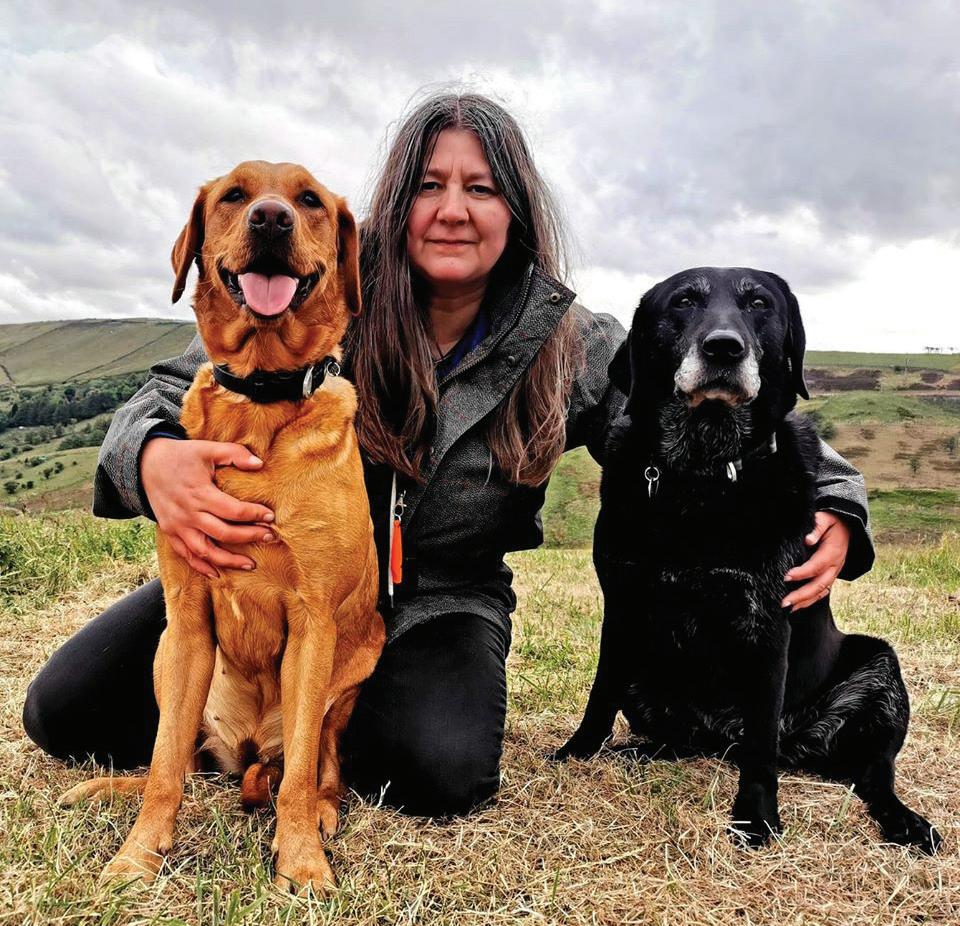
This month, Rachel Bean shares insights from behind the scenes of animal welfare on film sets before turning her attention to the busy summer grooming season. From spotting hidden health concerns to supporting dogs’ wellbeing, she highlights the vital role groomers play in safeguarding canine health every day.
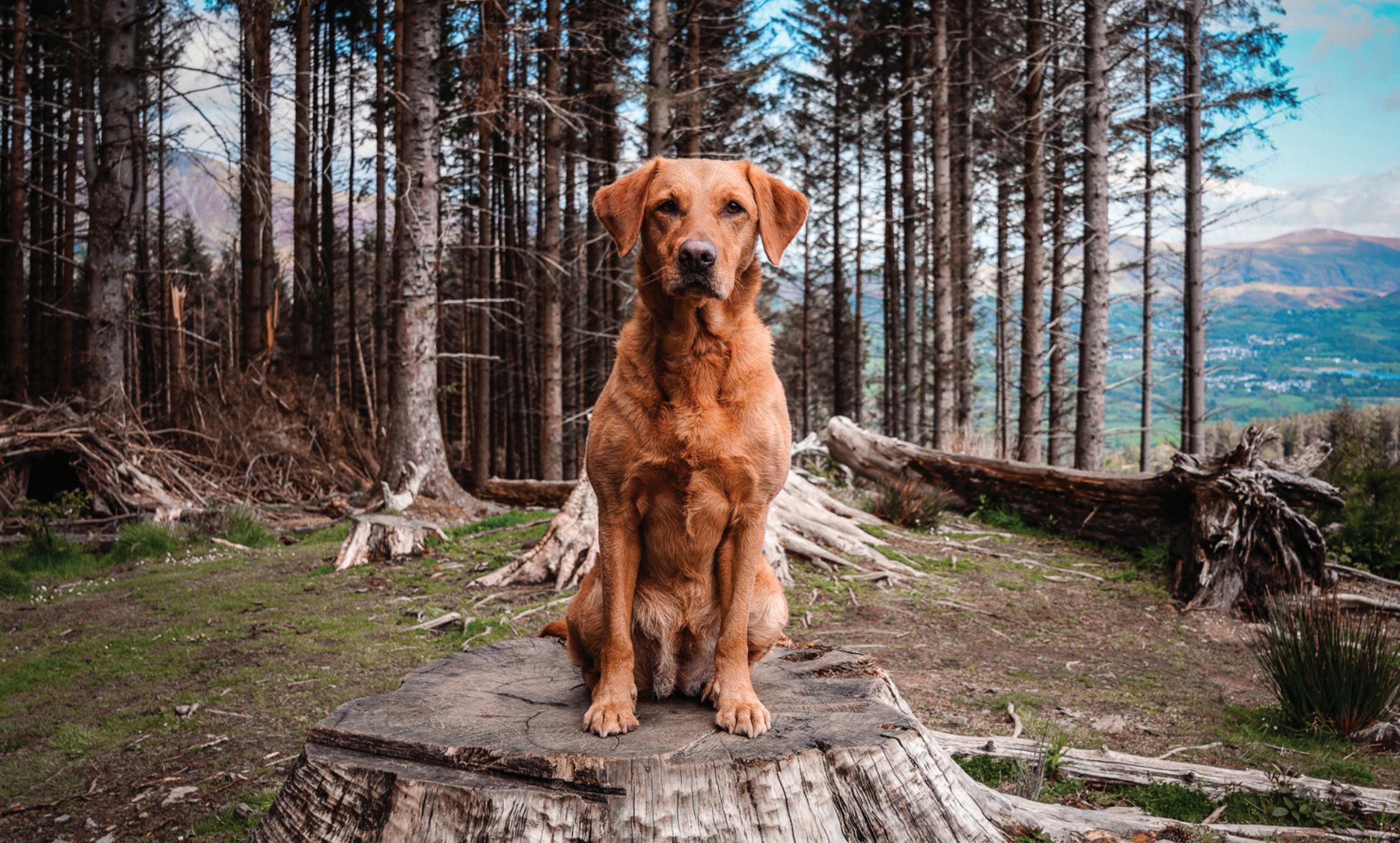
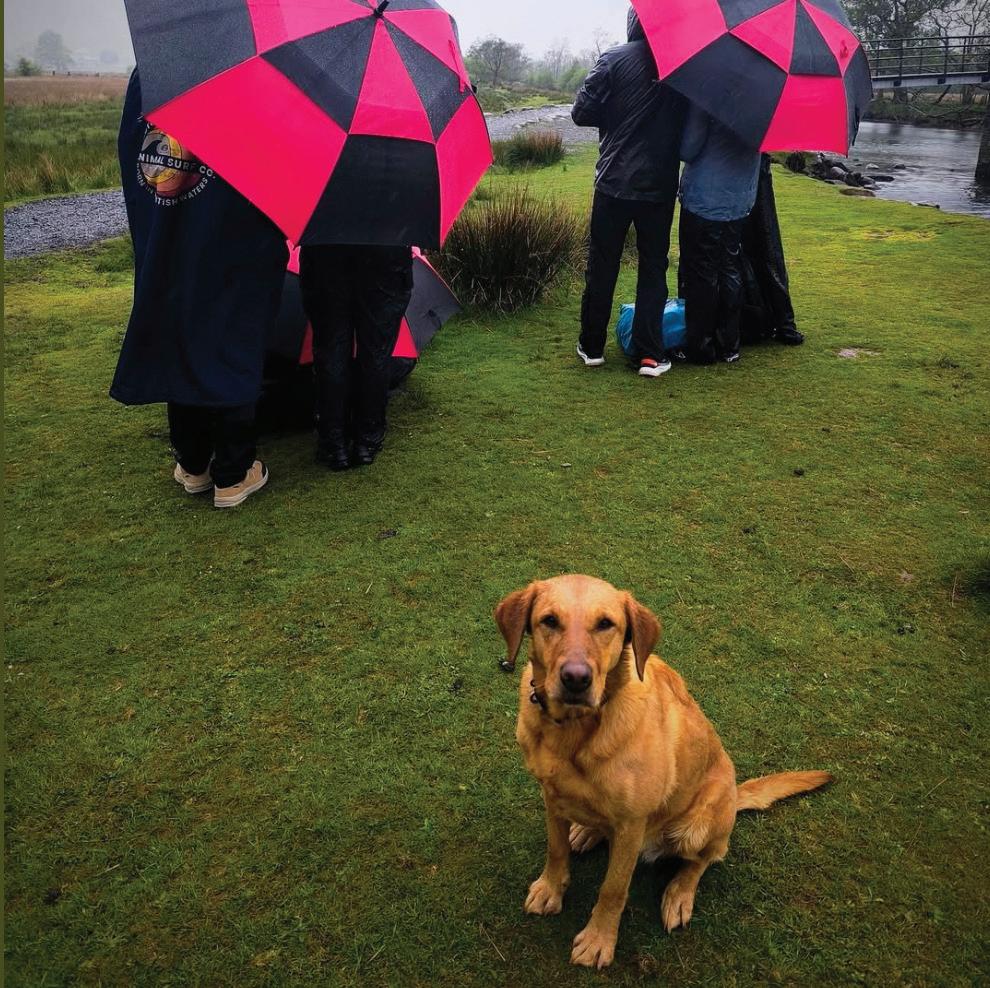
As I write this month’s column, I’m nursing a slightly battered umbrella, a pair of muddy boots and one very smug little dog called Chilli, who has spent the past week living her best life in the Lake District.
It’s been a busy few weeks for me, with one particularly exciting project involving some top secret filming in one of the most beautiful parts of the country. Chilli was invited along too, and while she naturally assumed she was the star of the production, I was actually there in my role as co-founder of Vet on Set, a company which provides veterinary professionals to oversee animal welfare during media
productions across the UK.
People are often surprised to learn that vets and welfare professionals are present behind the scenes during filming involving animals, but it’s such an important role. Whether it’s television, advertising, film or photography work, ensuring animals are safe, comfortable and properly cared for is absolutely essential. Animals can’t advocate for themselves, so it’s our responsibility to make sure their welfare is never compromised for the sake of a shot.
Back home, we are now firmly heading into one of the busiest periods of the year for dog groomers. After months of winter coat growth, muddy walks and
owners putting off appointments during colder weather, many dogs are arriving in salons looking rather overgrown and in desperate need of a proper tidy-up.
While grooming appointments are obviously about coat care and comfort, they also provide a hugely important opportunity to assess a dog’s overall wellbeing. Groomers are often among the first professionals to notice subtle physical or behavioural changes, sometimes long before an owner realises there may be a problem.
Here are some things particularly worth keeping an eye out for during those busy summer grooms.
Lumps, bumps or swellings are
an obvious one. While many can be harmless fatty lumps or cysts, any new growth should always be monitored and assessed by a veterinary professional. If you notice something unusual, mention it calmly and professionally to the owner and suggest they arrange a veterinary check.
Skin issues are another common concern at this time of year. Hot spots, redness, scabbing, sores, excessive dandruff, flaky skin or strong odours can all indicate underlying problems ranging from allergies and parasites to infections or hormonal conditions.
Ear problems are also incredibly common, especially in spaniels, doodles and heavily coated breeds. Excess wax, redness, inflammation or unpleasant smells may indicate infection or chronic irritation. Dogs who flinch when their ears are touched or repeatedly shake their heads may also need veterinary attention.
Summer also brings an increase in grass seeds, which can become lodged between toes, in ears or under skin folds. Groomers are often the first to spot swelling, tenderness or tiny entry holes caused by migrating grass seeds, which can become serious very quickly if left untreated.
Dental disease is another issue frequently overlooked by owners. Bad breath, inflamed gums, excessive drooling or reluctance to have the face touched may indicate painful dental problems.
Behavioural changes can be equally important. A dog that suddenly becomes reactive during grooming, struggles with handling or seems unusually withdrawn may actually be experiencing pain or discomfort rather than simply “misbehaving”.
The key thing when raising concerns with owners is communication. Nobody likes feeling criticised, so approach conversations with empathy and professionalism. Stick to observations rather than diagnoses. Phrases such as, “I noticed this area seemed a little sore today,” or “It may be worth asking your vet to take a look at this lump,” can make discussions feel supportive rather than alarming.
And finally, remember to look after yourselves too during the busy summer rush. Grooming is physically demanding work, often performed in
warm environments with long hours on your feet. Stay hydrated, pace yourselves where possible and don’t underestimate the emotional labour involved in caring for so many dogs every single day.
Until next month, from me and Chilli, hopefully with slightly drier weather ahead.
Find out more at www.rachelbean.co.uk
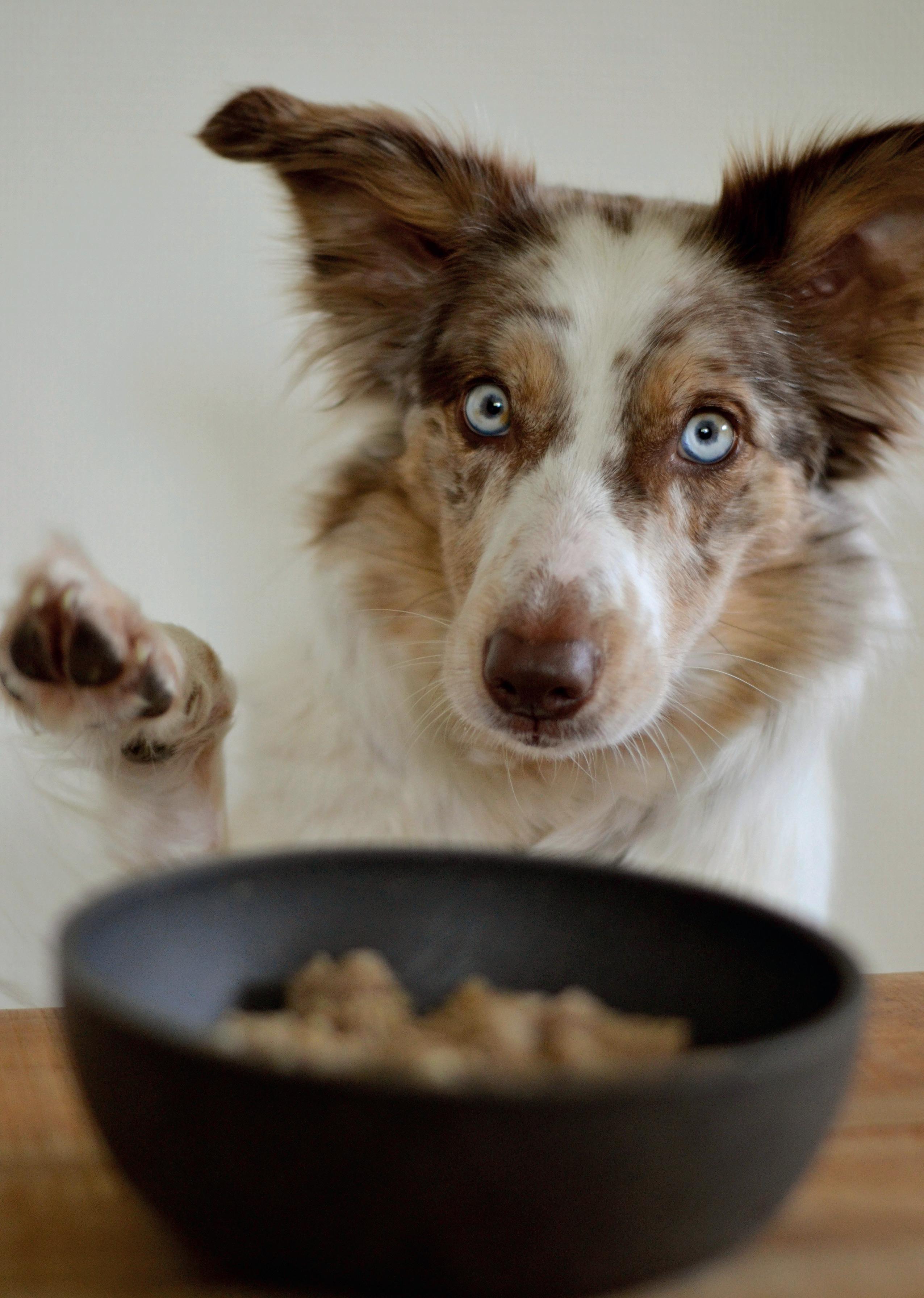
Nutrition plays a major role in coat quality, skin health and overall wellbeing — and groomers are often the first professionals to spot when something is wrong. From recognising the signs of poor diet to recommending better feeding habits, these five essential tips can help groomers support healthier dogs both inside and out.
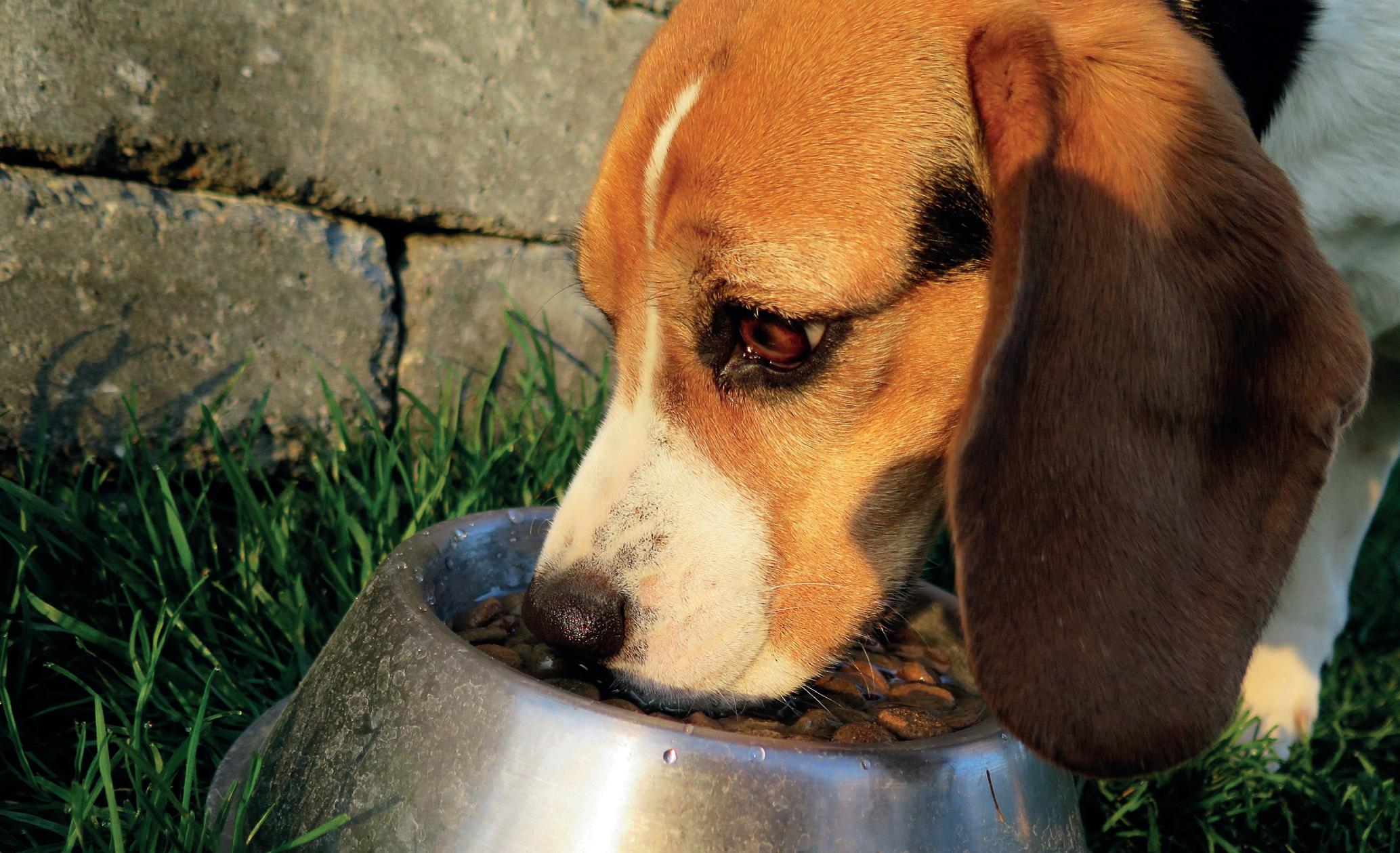
Dry skin, excessive shedding, dull coats, thinning hair and recurring irritation can all point towards underlying nutritional deficiencies. Groomers see dogs regularly, making them perfectly placed to notice gradual changes owners may miss. Recognising these warning signs early allows groomers to encourage owners to review diet quality or seek veterinary advice where appropriate.
Understanding pet food labels is essential when discussing nutrition with clients. Encourage owners to look for quality protein sources, healthy fats and clearly identifiable ingredients while avoiding excessive fillers, artificial additives and overly processed
products. Groomers do not need to be nutritionists, but basic ingredient knowledge helps build trust and confidence with clients.
When retailing treats or supplements, focus on carefully selected products that genuinely support wellbeing rather than overwhelming clients with endless options. Functional treats containing omega oils, collagen or natural ingredients can complement healthy skin and coat maintenance. Clients are more likely to trust recommendations that feel authentic, simple and genuinely beneficial to their dog.
Nutrition can be a sensitive topic, so conversations should always feel
supportive rather than judgmental. Groomers are in a unique position to educate owners because they often build long-term relationships with both dogs and clients. Simple advice around hydration, treat moderation and choosing balanced diets can make a noticeable difference to overall coat condition over time.
Coat condition is rarely just about grooming products alone. Dental health, allergies, digestive issues and underlying medical conditions can all impact skin and coat quality. Groomers should feel confident discussing general wellbeing while recognising when concerns require veterinary referral. Healthy coats begin with healthy dogs, and nutrition forms an important part of that bigger picture.





















From skin health to coat shine, nutrition is becoming an increasingly important conversation within the grooming industry. As owners look beyond aesthetics and towards overall wellbeing, groomers are uniquely placed to spot the signs of poor diet and guide clients towards healthier choices that support dogs from the inside out.
For many professional groomers, the condition of a dog’s coat tells a much bigger story about its overall wellbeing. While shampoos, conditioners and grooming techniques all play their part, experts across the industry increasingly agree that true coat quality starts long before the dog reaches the grooming table.
As awareness around canine nutrition continues to grow, salon owners and groomers are finding themselves at the centre of conversations about skin health, shedding, allergies and coat condition. From natural feeding to functional treats and supplements, nutrition is now firmly on the radar for pet owners wanting to improve both health and appearance.
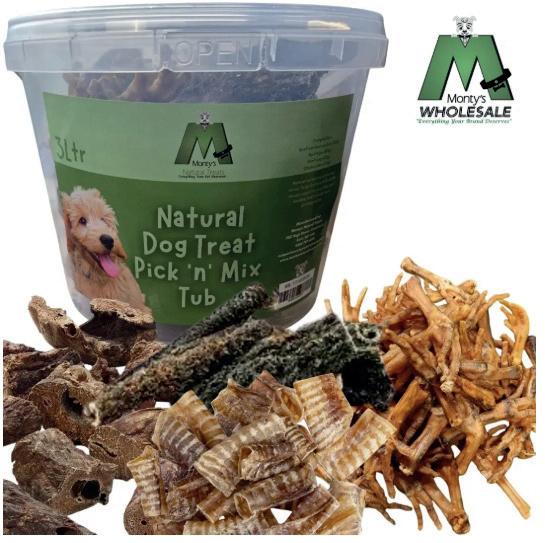
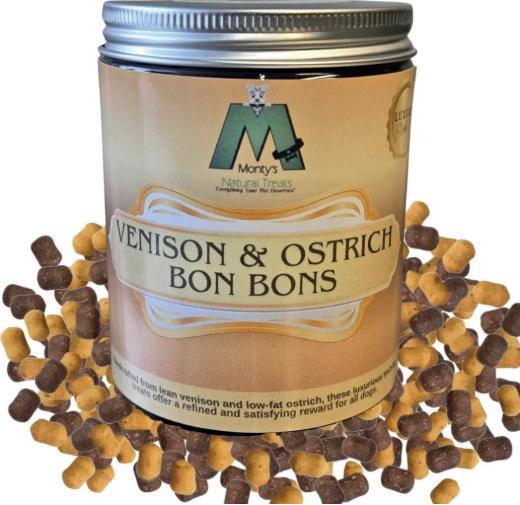
According to Luke Jones, Managing Director of Monty’s Wholesale, coat condition is often one of the clearest outward indicators of internal health.
“From our perspective as a natural dog treat brand, nutrition has a direct and visible impact on both coat quality and skin health,” explains Luke. “A shiny coat and healthy skin are often external indicators of what’s happening internally.”

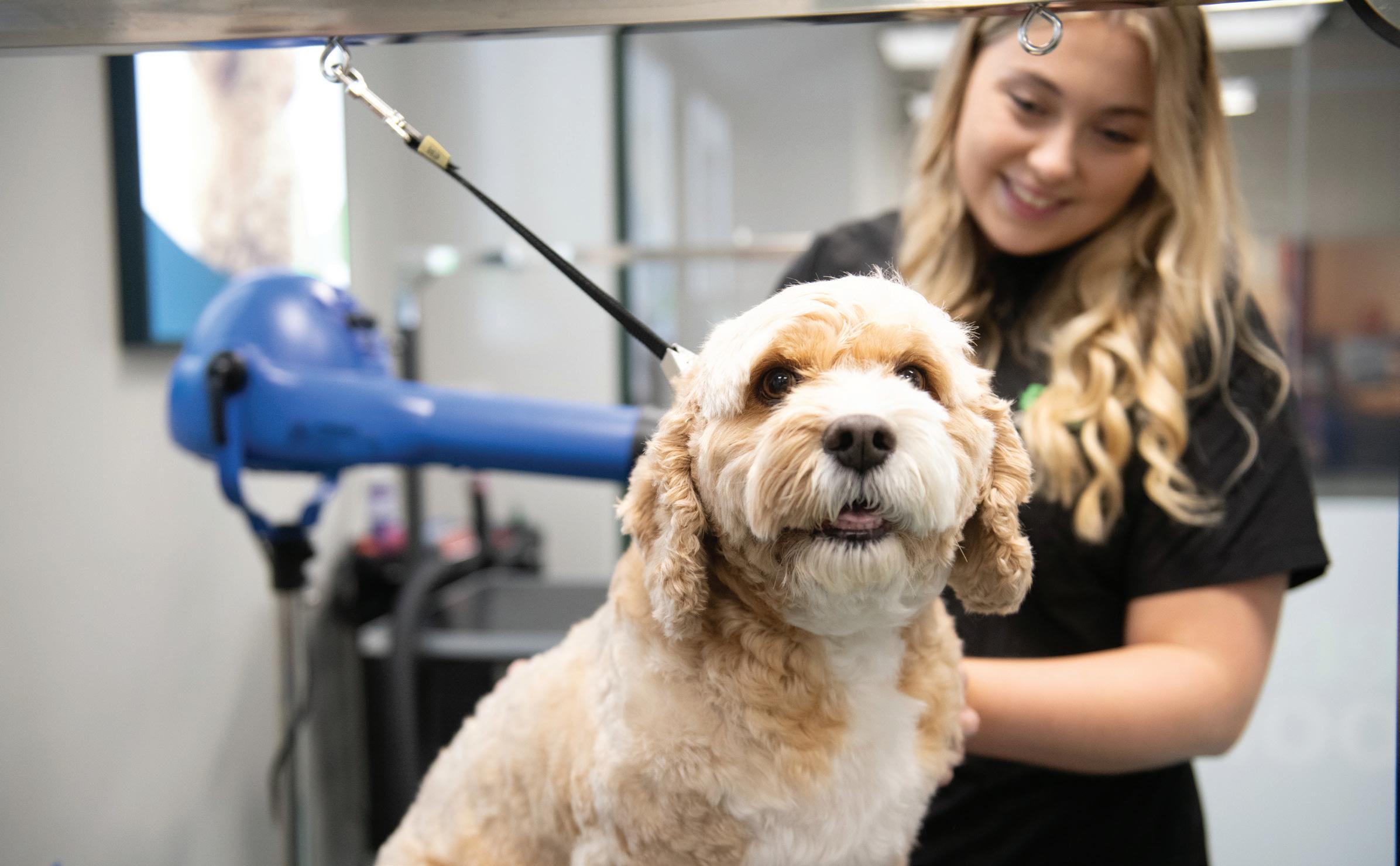
When they’re looking for a fresh trim, or a new style, we’re the people pets turn to. With hundreds of Salons across the UK, our mission is to keep the nation’s pets looking, and feeling, fantastic. But we can’t do it alone. Join us, and you’ll be joining a true team. One that encourages you to be yourself, values your skills and unique contributions, and respects each other’s differences.
Whether you’re new to grooming or you’re ready to apply your expertise, make a fresh start with Pets Grooming, roles available at all levels - Assistant Stylist, Stylist and Head Stylist.
Whatever stage of your career you’re at, we’ll support you with all the training and expert knowledge you need to develop your skills and grow as part of a dynamic team. And our comprehensive benefits package, including generous annual leave, an extra day off for your birthday, enhanced pension contribution and colleague discount to help you thrive in and out of work.
To find out more and search for roles near you, scan the QR code.

He says diets rich in quality proteins, healthy fats and natural nutrients can help support skin barrier function, reduce inflammation and encourage stronger, healthier coats. Equally, poor quality diets or overly processed foods can quickly show themselves through dullness, irritation and dryness.
“We often hear from customers that improvements in itchiness, dryness and coat softness become noticeable once they switch to more natural, minimally processed products,” he adds.
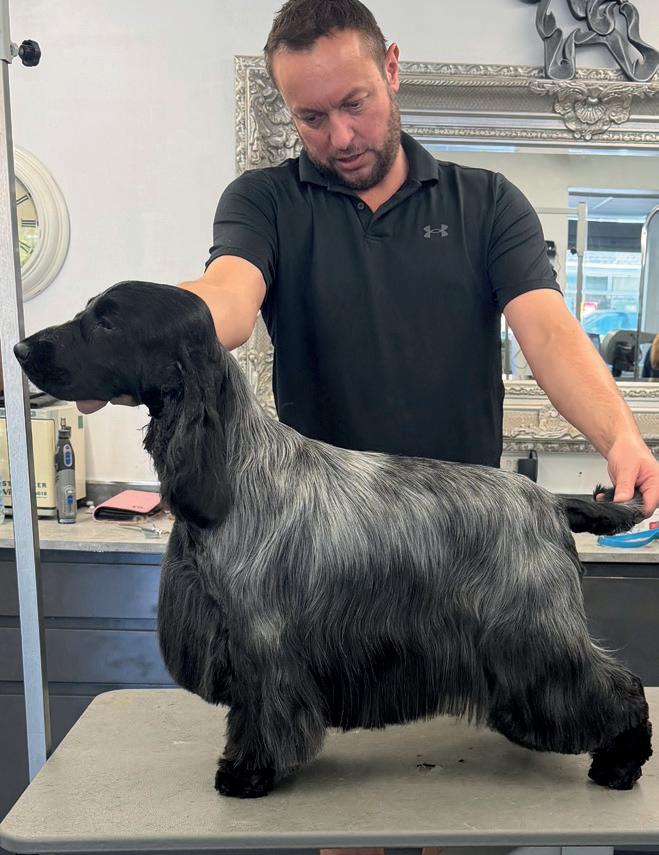
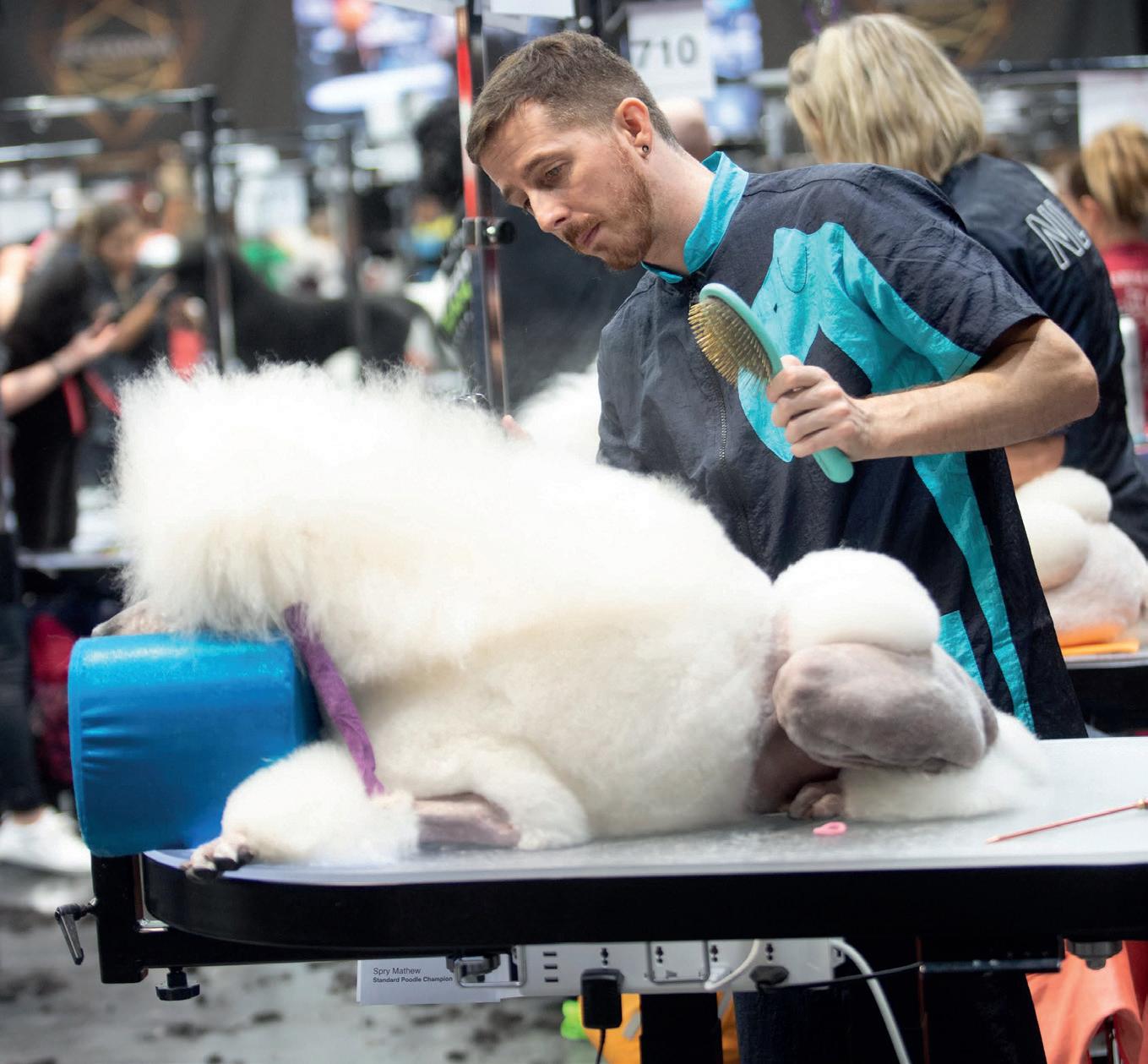
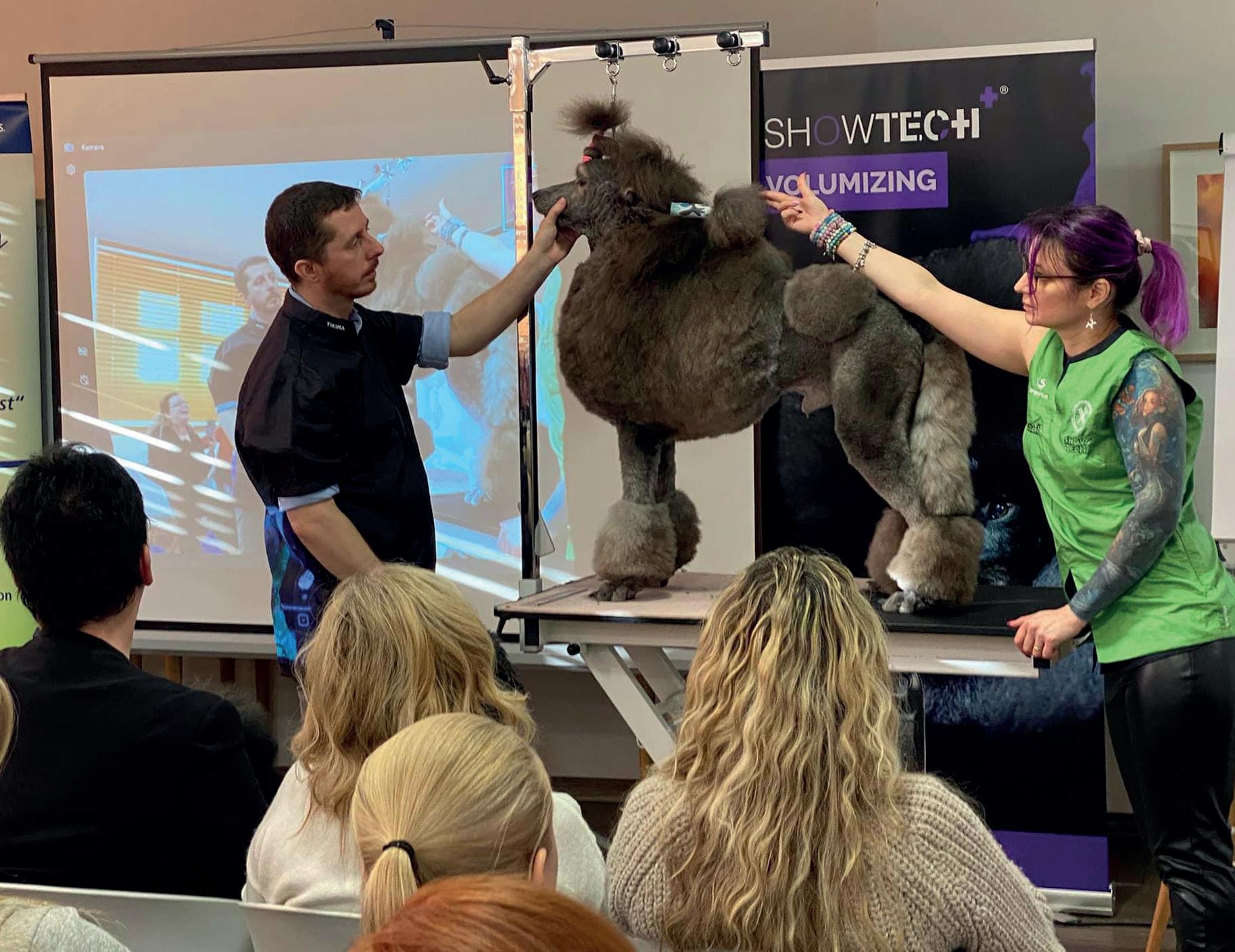
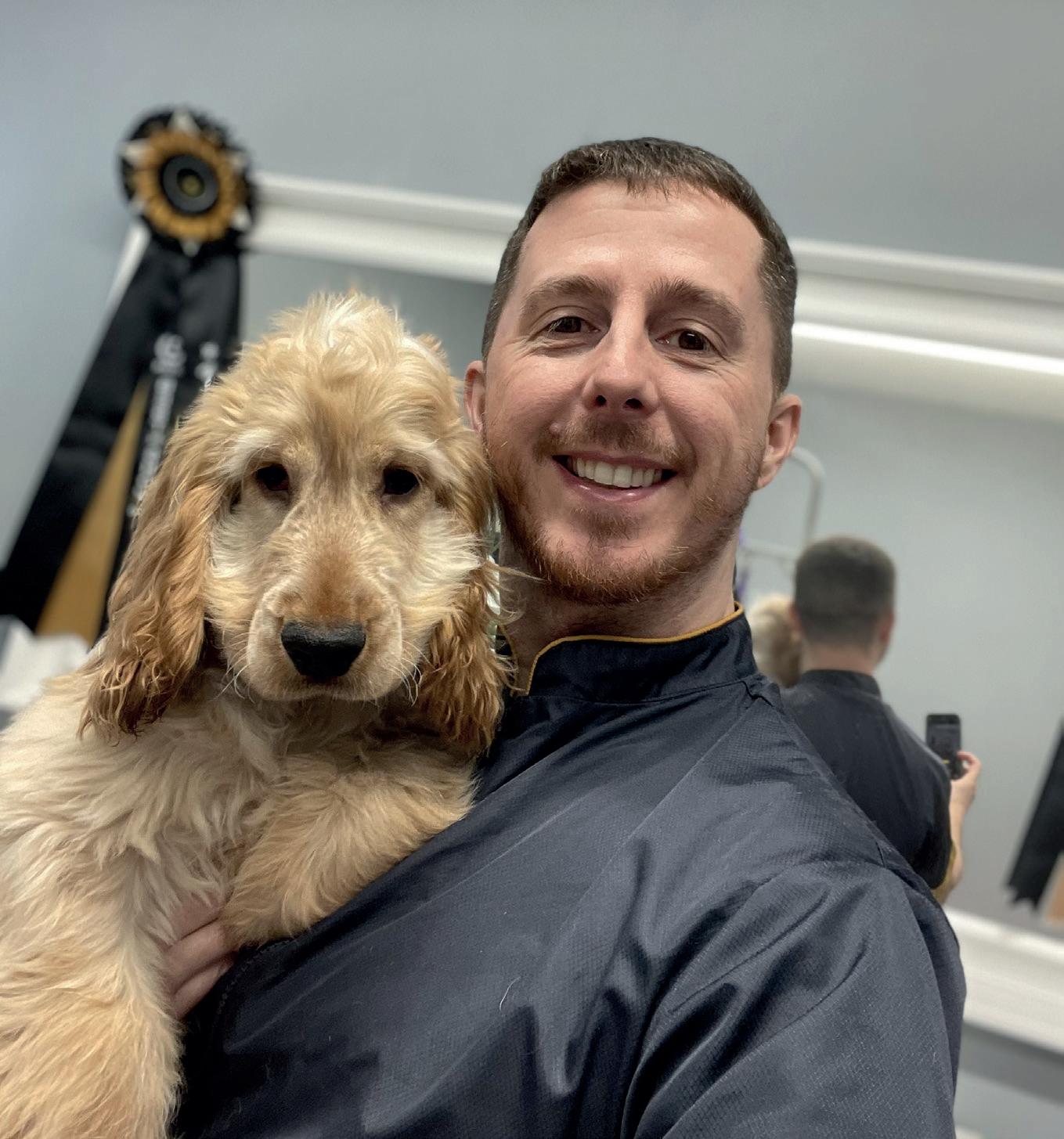
That view is echoed by Mathew Spry, owner of Barkingham Park Pet Spa and the Welsh Grooming Academy, as well as an international European judge and co-organiser of Cymru Groom Competition. For Mathew, healthy coats begin with healthy skin. It really is a case of inside out,” says Mathew. “If the skin isn’t healthy, the hair it produces won’t be healthy either, and then the overall styling and finish of any haircut simply won’t work the way it should.”
He believes groomers often see the visible effects of poor nutrition before owners recognise there is an issue. “Skin dryness, hair loss or thinning, and hair losing its vibrancy of colour are all things I see regularly on the grooming table, and they can all be indicators of nutrient deficiencies within the body.”
As pet owners become more educated and proactive about canine wellness, nutrition has evolved far beyond simply choosing a standard kibble. Functional feeding is now one of
the biggest trends shaping the market, with owners actively seeking products designed to deliver specific benefits.
Luke says targeted supplementation and functional treats are driving innovation throughout the industry.
“Pet owners are looking for products that offer both enjoyment and functional benefits, whether that’s supporting skin and coat health, digestion, calming, or joint care,” he explains. “We’re seeing growing demand for natural, species-
appropriate ingredients and products with a clear purpose, rather than generic treats with little nutritional value.”
This shift also presents opportunities for grooming salons. Groomers often build close relationships with clients over many years, placing them in a trusted position when discussing wellbeing concerns.
“Grooming salons are in a unique position because groomers often notice changes in a dog’s skin and coat before owners do,” says Luke. “That creates an opportunity for gentle education and trusted recommendations.”
However, many groomers are still cautious about where the line sits between offering advice and stepping into veterinary territory. For Mathew, education is key. “I feel very comfortable discussing nutrition with clients,” he says. “I think it’s really important that groomers have a solid understanding of nutrition so they’re able to advise clients on the best things to feed their dogs.”
With a previous background in pet retail and a diploma in canine nutrition, Mathew believes groomers should use the regular contact they have with dogs to help owners make informed decisions, while still recognising when veterinary intervention is necessary.
“We’re in a privileged position — we see these dogs regularly and we notice






changes. That knowledge should be put to good use.”
The impact that diet changes can make is something many groomers witness first-hand. Mathew recalls a particularly personal example involving one of his own Standard Poodles. “She was getting older and was struggling with very dry hair as well as recurring anal gland infections,” he explains. “When we switched her diet, the change within about three weeks was quite dramatic.”
The results went far beyond coat quality alone. “Her whole vibrancy of life improved — she had more energy, she seemed happier and healthier overall, and her coat came back with real shine and lustre. It was a powerful reminder that what goes in really does show on the outside.”
For salon owners considering retailing nutritional products, authenticity and education appear to be central to success. Rather than overwhelming clients with endless options, Luke recommends focusing on carefully selected products that genuinely support canine wellbeing. “Customers respond well to authentic recommendations from professionals they trust,” he says. “Stocking natural, transparent brands and being able to explain the purpose and benefits of products can make a significant difference.”
Ingredient transparency is becoming increasingly important for consumers, with many owners paying closer attention to labels and sourcing than ever before.
Luke advises groomers to look for quality protein sources, omega-3 fatty acids, collagen and naturally nutrient-dense ingredients while avoiding unnecessary fillers, artificial additives and heavily processed ingredients.
Mathew agrees, particularly when it comes to treats and impulse purchases.
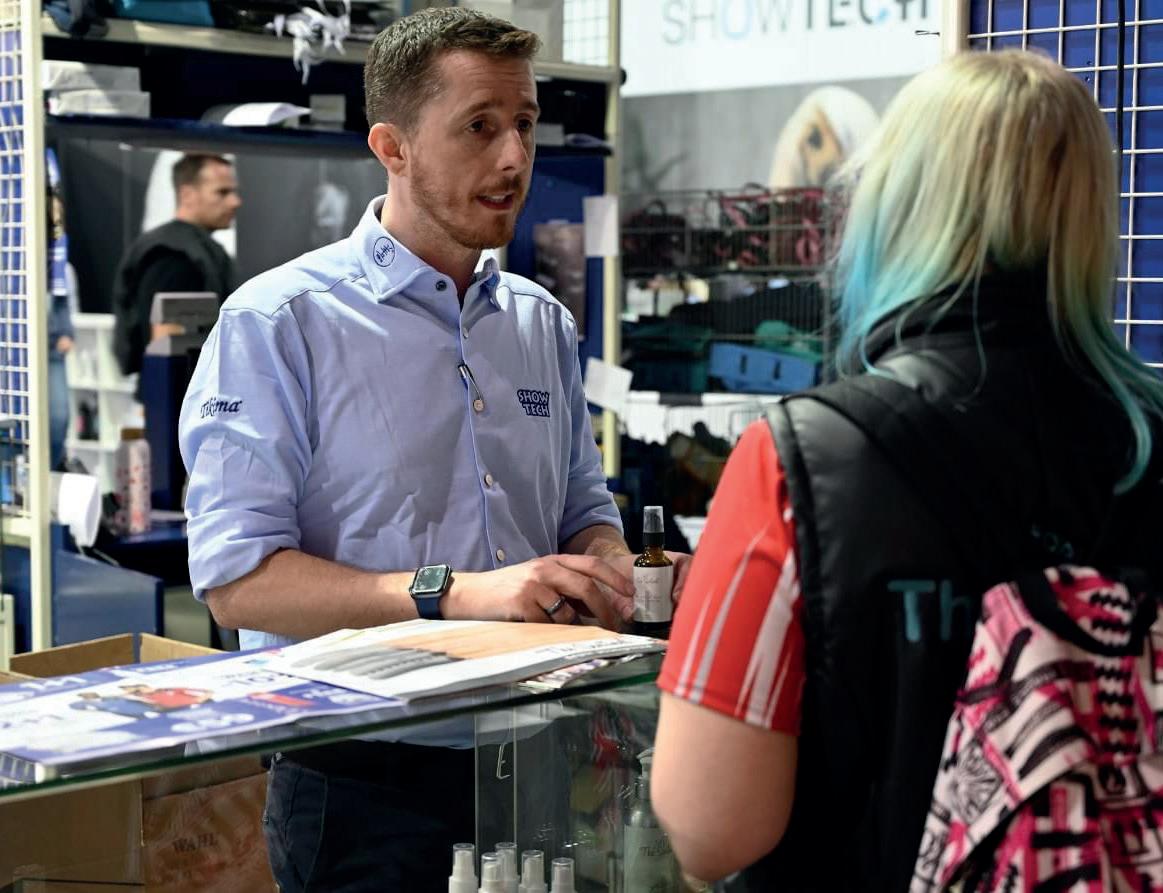
“The first thing I’d say is stop the treats — particularly the packaged ones where you don’t recognise half the ingredients,” he says. “If there are more than five ingredients in a product and you can’t identify what they are, you probably shouldn’t be eating it yourself, and you certainly shouldn’t be giving it to your pet.”
He also highlights the oftenoverlooked role dental health can play in overall skin and coat condition. “Everything in the body is connected,” he explains. “Invest in the best quality food you can afford — and if cutting out treats means you can afford a better quality main diet, that’s absolutely the right trade-off.”
As the grooming industry continues to evolve alongside wider conversations around pet wellness, nutrition is clearly becoming an essential part of the professional groomer’s toolkit. While groomers are not there to diagnose medical conditions, their ability to recognise changes, educate owners and recommend trusted products means they are increasingly helping dogs look and feel better from the inside out.
Join the new community designed specifically for groomers who want practical business guidance without intimidating corporate jargon.
Weekly coaching & support
Marketing & social media gui dan ce
Business growth strategi es
Community
S upport from grooming industry specialists
Scan to join the club!
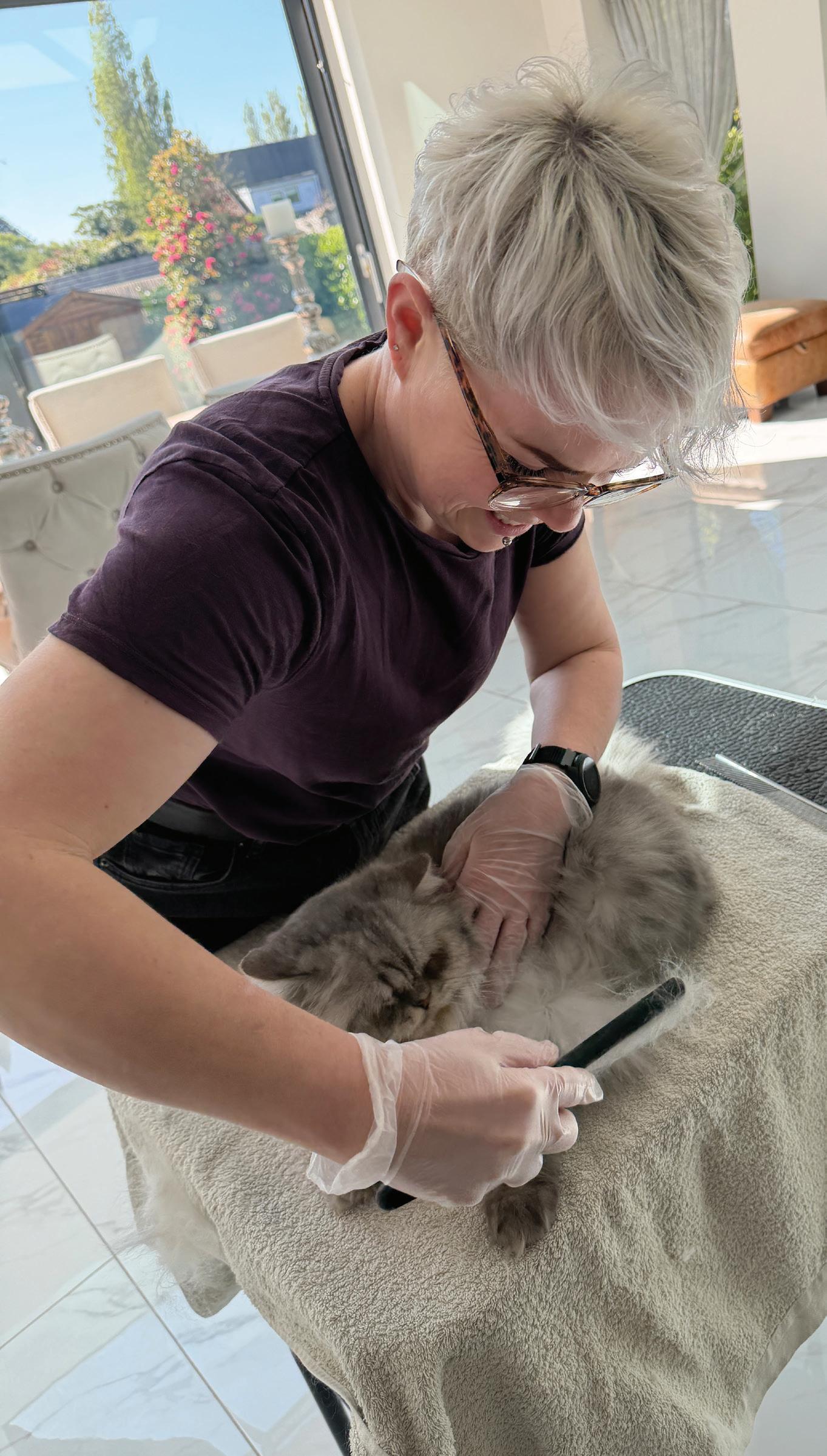
Cat grooming is about far more than technique. Katie Gwilt explores how noise, smells, lighting, surfaces, and routine can shape a cat’s emotional response before grooming even begins. By understanding the feline sensory world, groomers can reduce stress, build trust, and create calmer, safer experiences for both cats and professionals alike.
Have you ever been working with a cat who tenses even before you pick up a grooming tool? Sometimes the problem isn’t the groomer or the technique, it’s the environment around them.
Cats live in a highly sensory world and notice everything around them. They are acutely aware of :
• Unfamiliar sounds
• Sudden movements
• Strong smells
• Vibrations
• Changes in routine I’ve lost track of the amount of times I have sneezed at home and one of my own cats wakes up extremely startled! Things as simple as sneezing can be over whelming to a cat. With their enhanced hearing and sense of smell they can pick up so much more than our much simpler capabilities can even dream of.
I am always reminding clients that cats are both predator and prey. Their very survival depends on them noticing subtle changes and reacting to potential threats. In a grooming environment (especially if this is a new salon they are visiting) they may be asking : where can I escape? Is this place safe? What are those noises? Who has been here before me that I can smell? Am I trapped?
The pheromones from previous cats (and dogs) can longer in the air so if the previous cat was very stressed the next one can pick up on it straight away. If the environment feels unpredictable, the nervous system becomes activated before grooming even begins and they are already releasing adrenaline and getting ready to shift into fight/flight/ freeze mode.


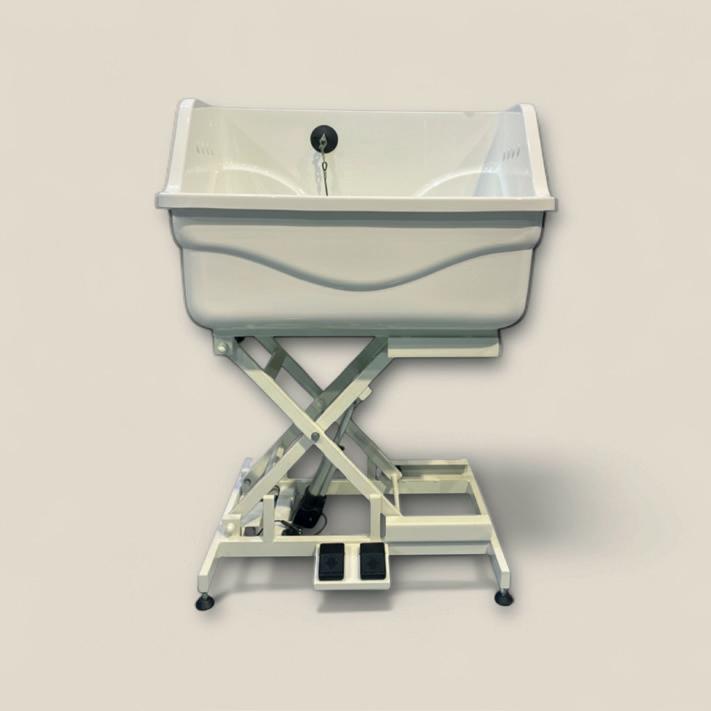
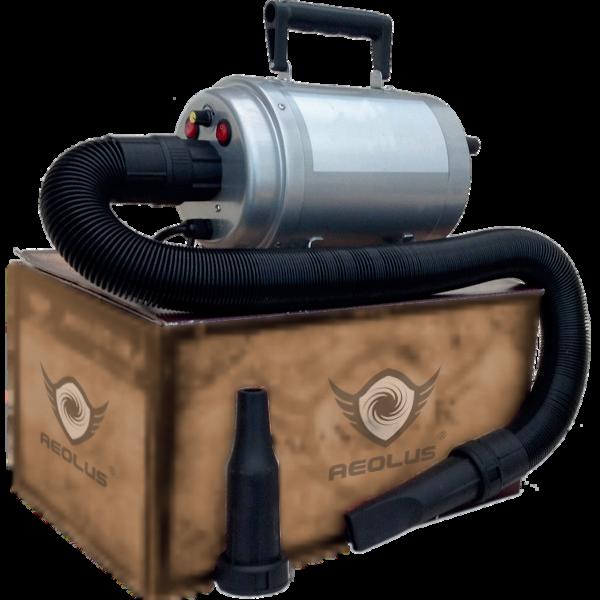
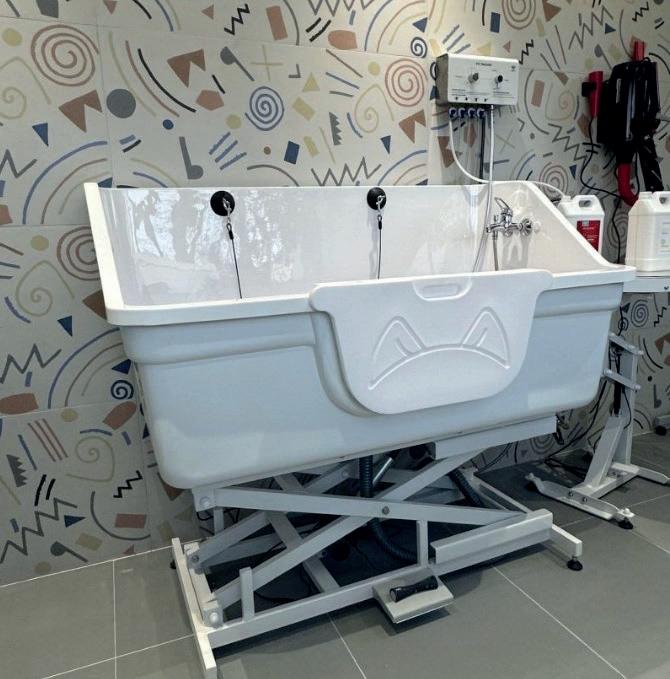
Available in three sizes and a chose of colours
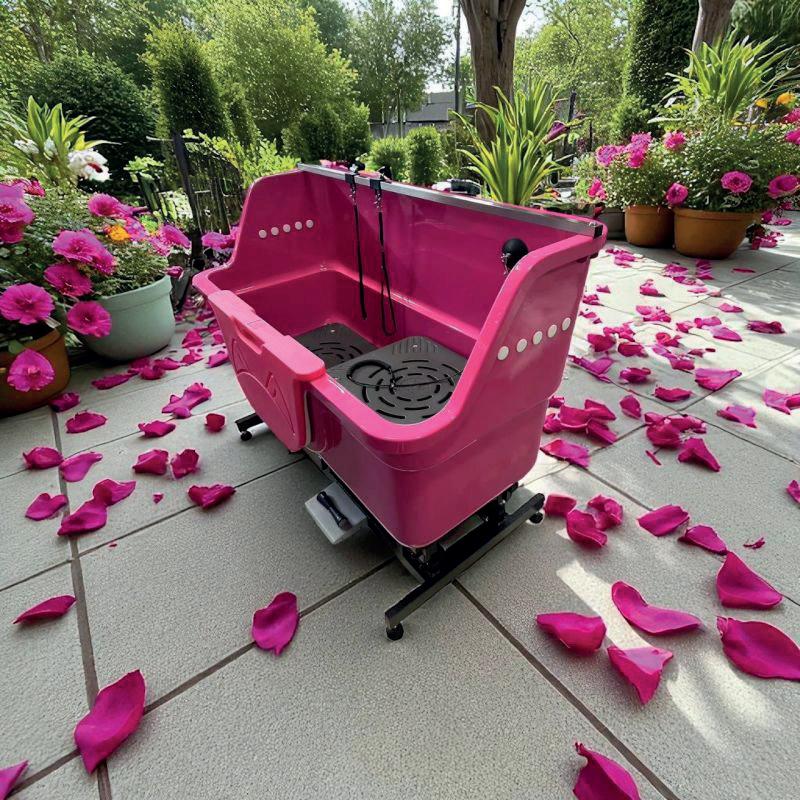
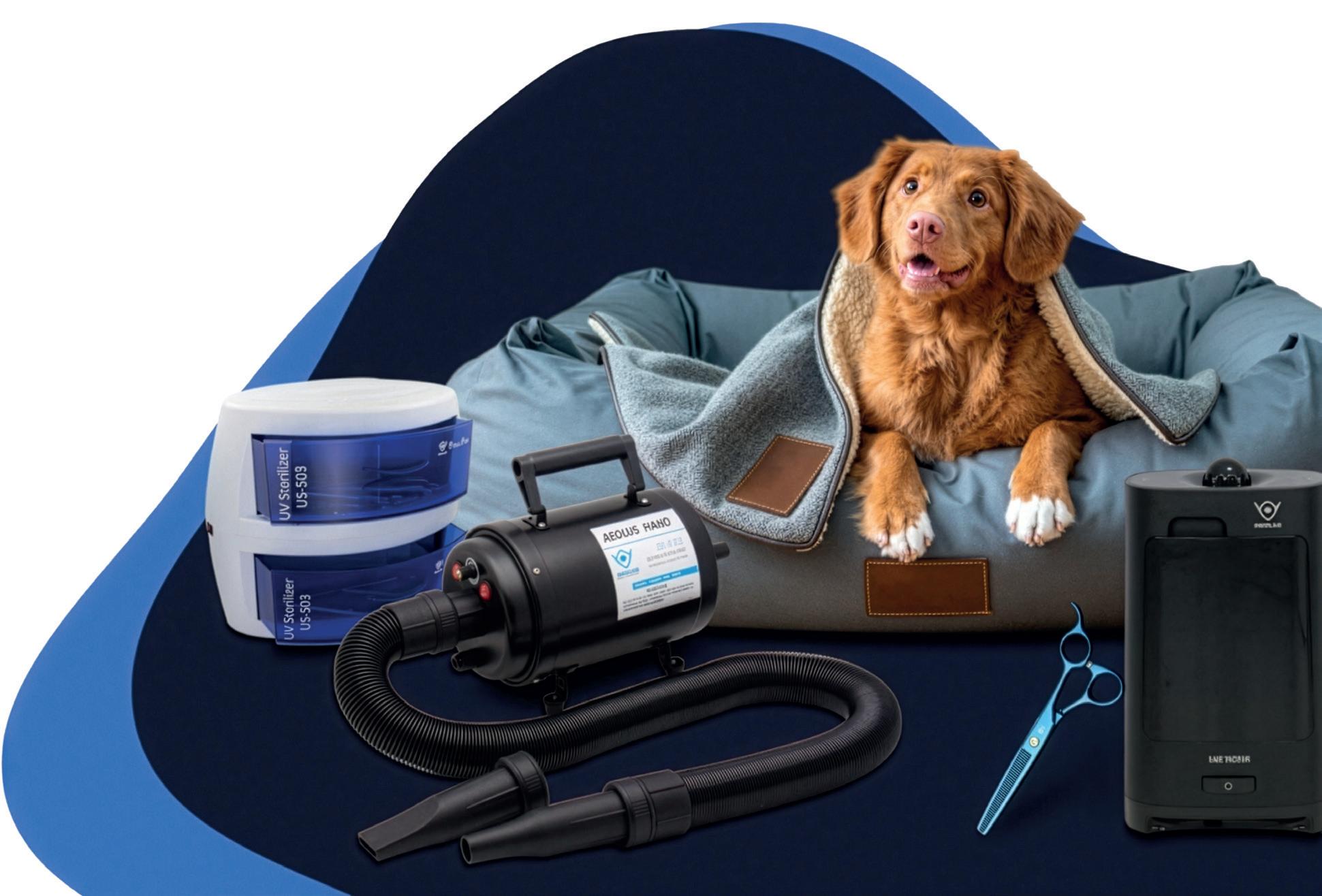
Aeolus leaders in quality grooming products Tables, Baths, Dryers and much more!
Honestly there are a lot! Lets go through them in categories :
1. Noise – are there barking dogs or other cats in the background? The sounds of grooming tools like clippers and dries. Are there doors opening and closing? Are there people talking? Is there a lot of traffic either vehicle or people walking near by?
2. Smell – even if you don’t have dogs in on the same day as cats (I highly recommend you never mix the two species on the same day in your salon) the smell will still linger. There is also the smell of cleaning chemicals, perfumes and any other animals who have been stressed.
3. Visual Stimulation – people and other animals moving around in the background can cause tension and stress. As mentioned already people or vehicles moving past. We need bright strong light to groom by but do the cats feel about this harsh lighting?
4. Handling Surface – a slippery table or one with a wobble / unstable footing can be a point of anxiety for cats. Think about older cats or those with health issues who may be in pain and what being on a hard surface will feel like.
5. Lack of Hiding Opportunities – No familiar bedding, no towel to hide under and no ability to hide will all push a cat out of its comfort zone.
Providing a towel or blanket for a cat to
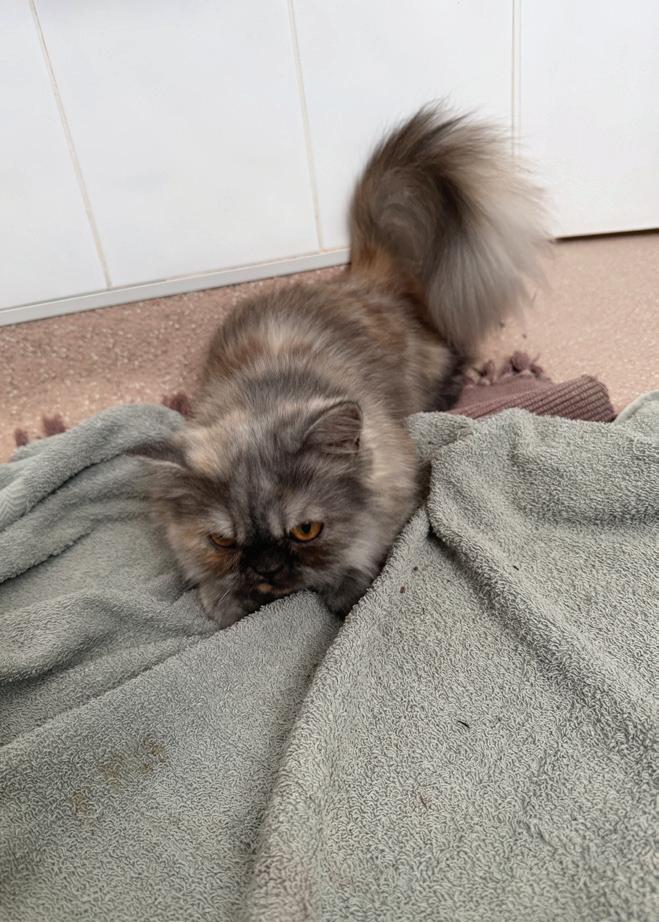
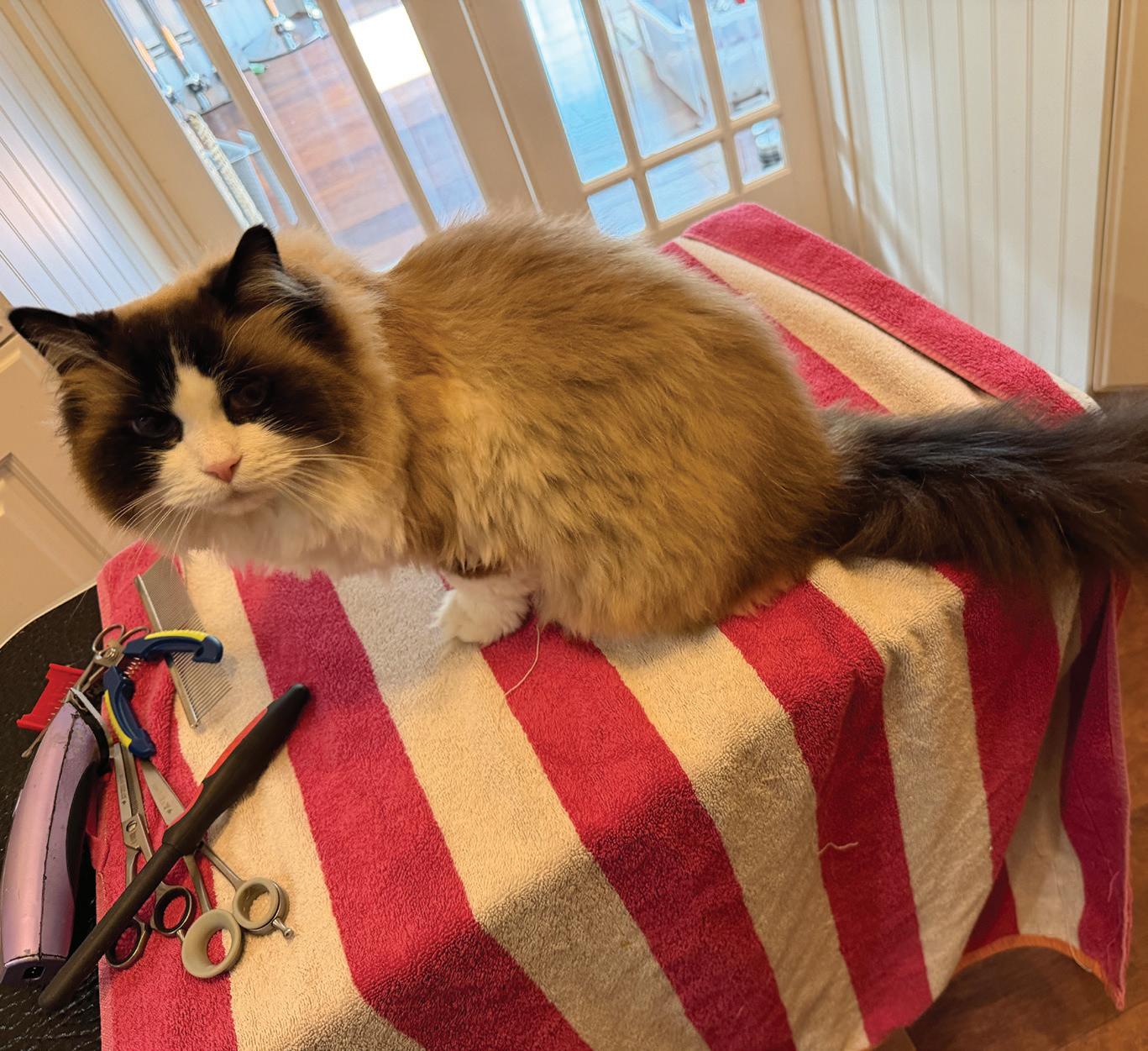
hide under can be really useful. If you can get one from their home brought in with them then it will smell comforting for the cat and go even further to make them feel safe. Sometimes the most simple of tools is the most effective. I always take a towel from home in the carrier if I have to take my cat to the vets for just these reasons.
Cats are always more comfortable when they can predict what is going to happen next. You can help this in the grooming
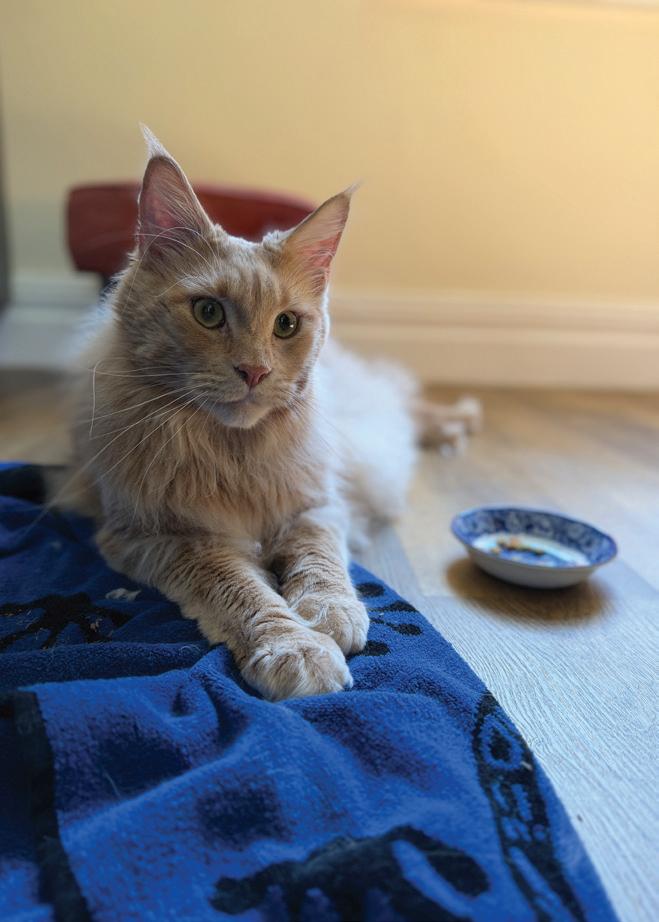
environment by using a consistent routine (I try to finish by cleaning the cats ears as most like this and it becomes a signal we are just about finished). Go slow, especially with your handling and try to move limbs within the usual range of movement. Keep your movements calm and speak slowly. I like to have relaxing music on in the background when I am grooming. Honestly it is more to keep me relaxed first rather than the cats in my care. They benefit from my calmer presence and also get the benefit of the music too.
Working in a quiet room with a non slippery surface and a calm approach will get you the best results when it comes to cats. Keeping the amount of things the cat has to process to a minimum is the goal. I mostly work as a mobile groomer in the homes of my clients and find just sitting on the floor or sofa with a towel from the home provides the best environment for many cats. Before looking to change your grooming techniques, start by having a look around the space you groom in. Sometimes it is a case of not doing more but looking at is there anything you can remove instead. Find ways to help the cats feel safe enough to cope with the groom.
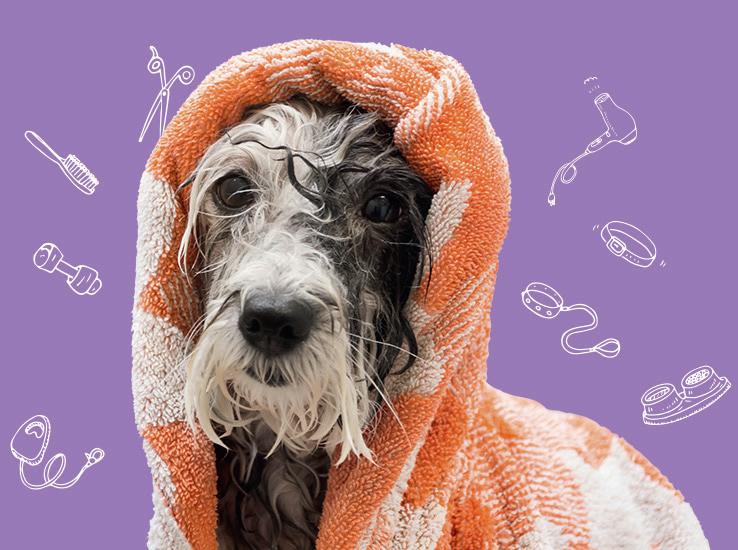




A focused update on welfare, law and professional standards. In this edition, the Animal Focused Alliance’s Vicky Skinner looks at three things currently shaping the sector - new research on canine anxiety, an important data protection change, and the conversation around a new dog health assessment.
A large study from the American based Dog Aging Project has found that more than 84% of dogs showed at least mild signs of fear or anxiety in everyday situations, but what is most interesting is that grooming activities like nail trimming and bathing were excluded from the study as these were already assumed to be a cause of fear or anxiety. Drawing on owner-reported data from more than 43,000 animals, it is one of the most comprehensive datasets of its kind, and aside from grooming activities the most common triggers were unfamiliar people and unfamiliar dogs.
The study’s author was careful to note this does not mean most dogs have a clinical disorder but that the research shows just how common fear responses are, and how important it is that we pay attention to them. Being aware of changing behaviour in the dogs you work with can ensure that working practices can be adapted and addressed before the behaviour escalates into a more traumatic experience for both the dog and the groomer as without intervention, fear-based behaviours can worsen over time, increasing the risk of more serious outcomes, including aggression.
From 19th June 2026, the Data (Use and Access) Act 2025 requires all UK organisations that hold client data to have a clear process for handling data protection complaints, with no exemptions regardless of size or sector, so groomers are directly affected. The Act amends the existing UK GDPR and Data Protection Act 2018 rather than replacing them.
In practice, you need to tell people how to raise a data protection concern
with you, and the simplest place to do this is your privacy policy. A short, clearly signposted statement, including that they can also complain to the ICO if they are not happy with the outcome, is enough. It’s also worth making sure your privacy statement is available through your website or if clients request it.
You may have seen the ongoing discussion about the Innate Health Assessment (IHA), a 10-point visual checklist where a dog should pass 8 of the 10 criteria, launched to highlight the welfare problems linked to extreme conformation. The tool is designed for local authority officers and breeders to assess if a dog is suitable for breeding, but there has been some controversy about it. To clarify, the IHA is not about banning breeds. APGAW,
who developed it, have been clear they are not banning any breeds, but seeking to make them healthier and more sustainable, and the tool applies to all dogs regardless of breed or type. It remains voluntary, not a legal requirement but there is still ongoing debate with supporters valuing its simplicity, while others note it is purely visual and does not consider genetics or health tests.
We monitor developments across the sector and translate them into practical, plain-English guidance, so you can work confidently and professionally with animal welfare always at the centre of what you do.
For more information visit www.animalfocusedalliance.co.uk