JUNE 2026
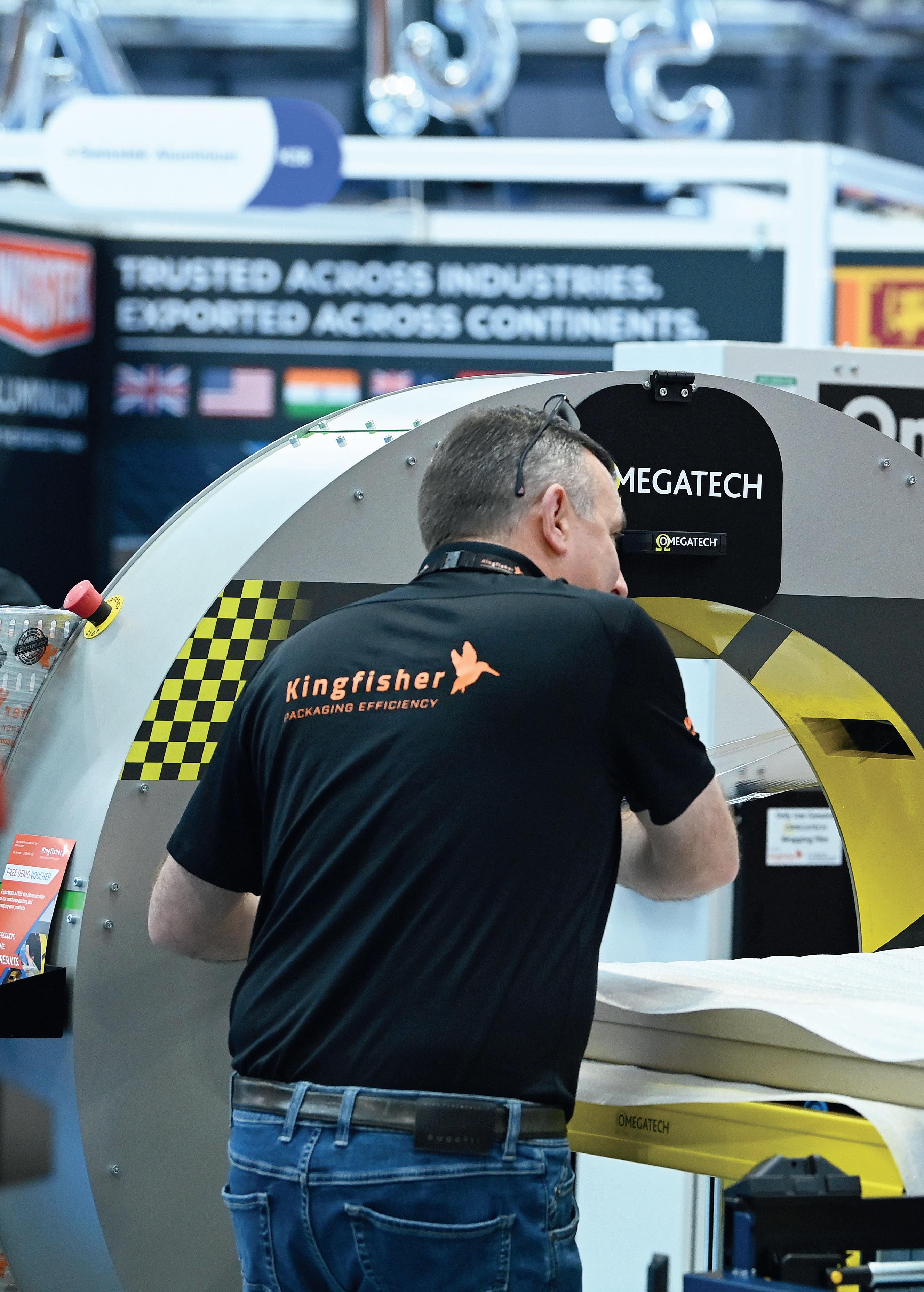
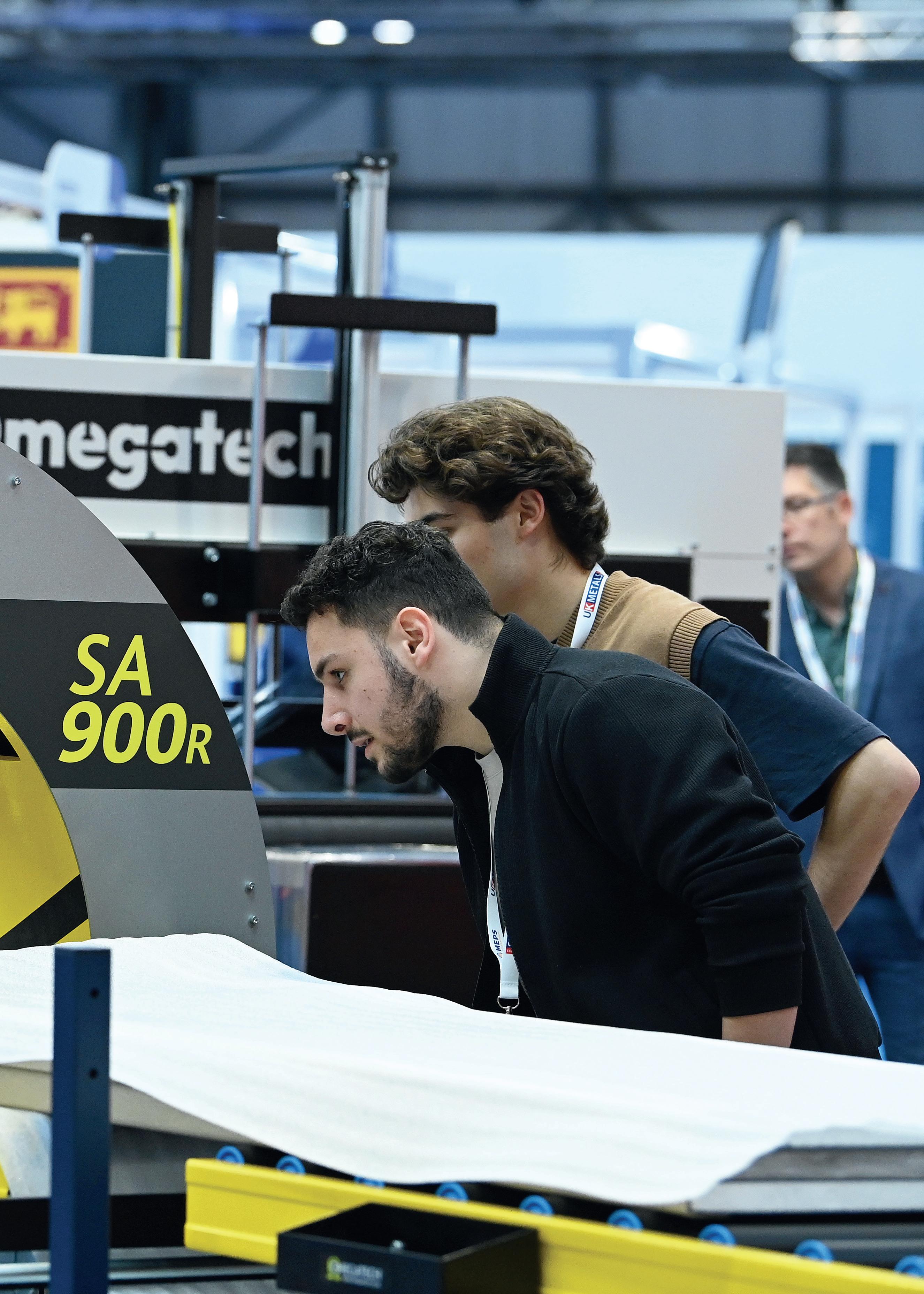
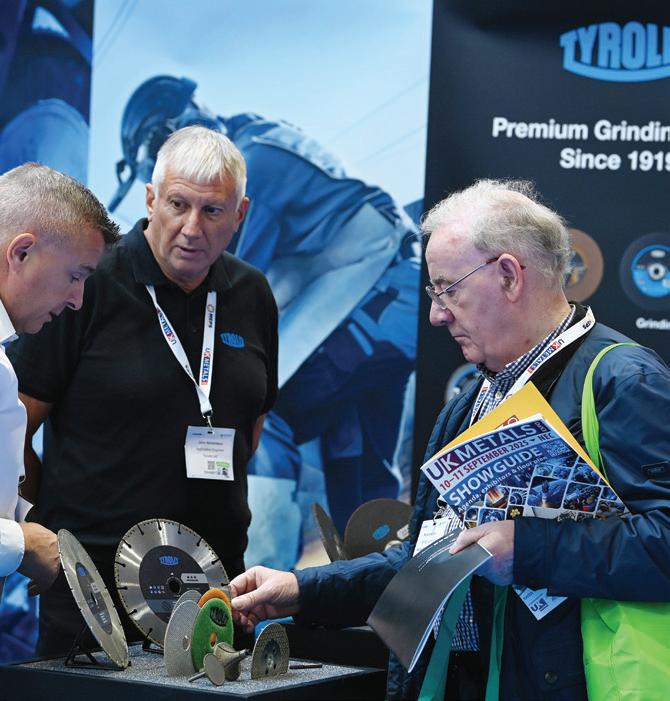
P 60 - UK Metals Expo, returning to NEC Birmingham on 4–5 November 2026, has quickly become the place where the UK metals and manufacturing community comes together to move real projects forward.

P 60 - UK Metals Expo, returning to NEC Birmingham on 4–5 November 2026, has quickly become the place where the UK metals and manufacturing community comes together to move real projects forward.
One Platform.
Unified 2D + 3D Vision.
Edge-Native Intelligence.
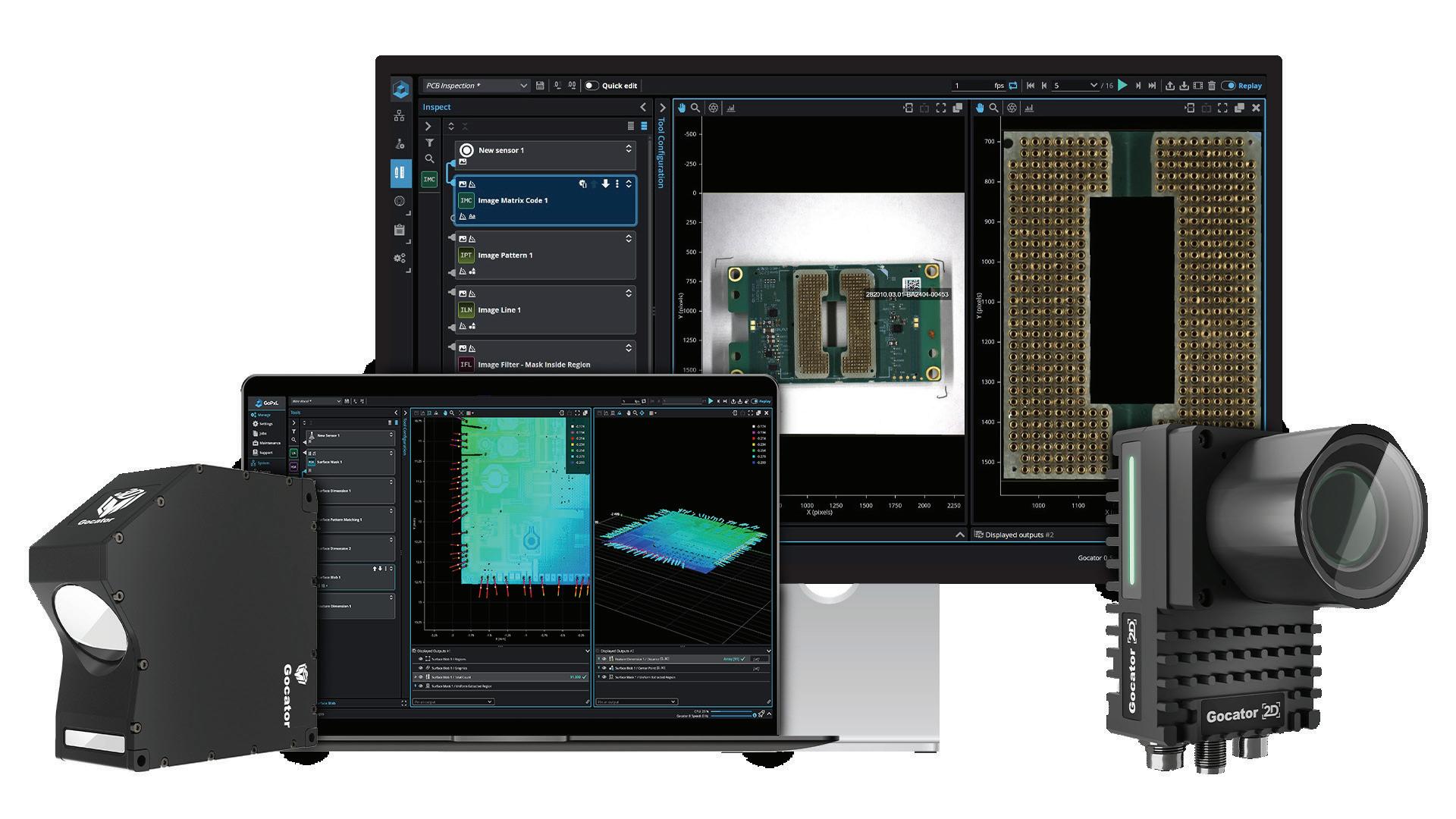
Unified 2D + 3D AI Inspection at the Edge

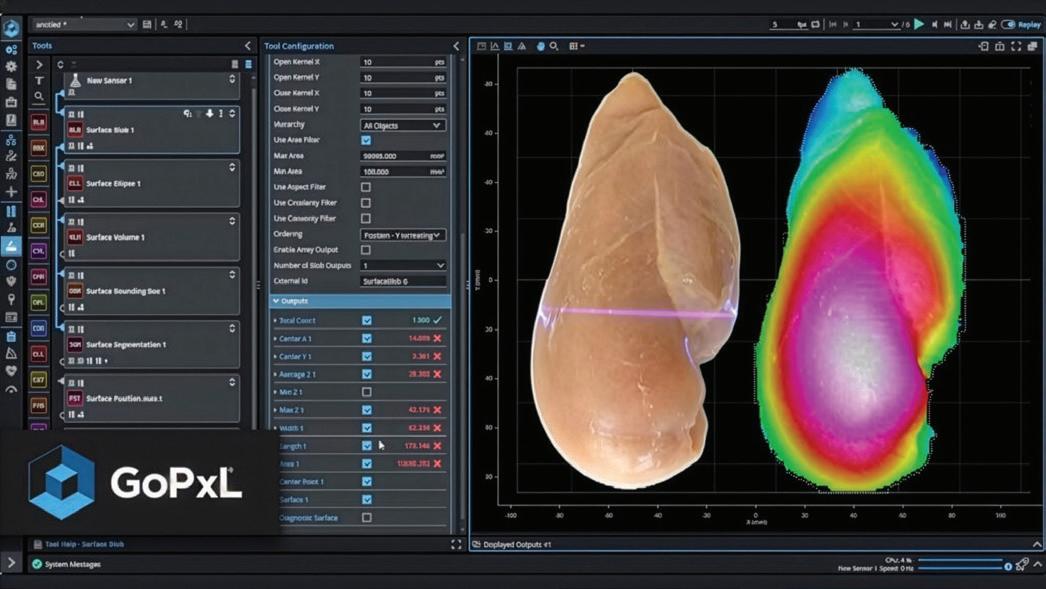
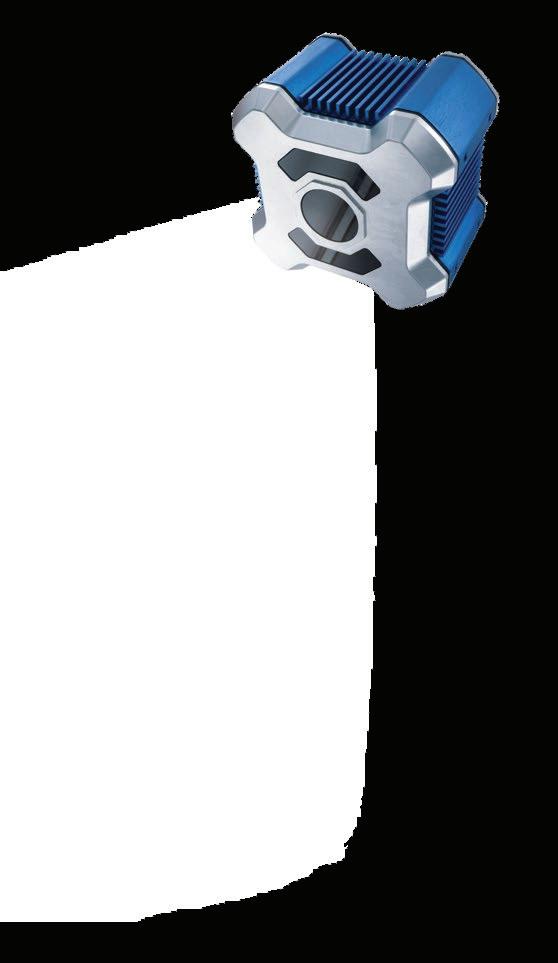
Modern inspection requires more than standalone vision tools. It requires a unified platform By combining Gocator® 2D Smart Cameras, Gocator® 3D Smart Sensors, and GoMax® accelerators with the GoPxL® platform, manufacturers unlock powerful AI-driven inspection directly at the edge This integrated system detects complex defects, validates dimensions, and processes synchronized 2D and 3D data in real time with no external PCs, no middleware, and no cloud dependency
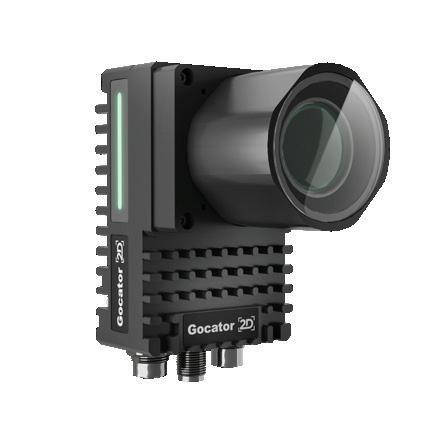
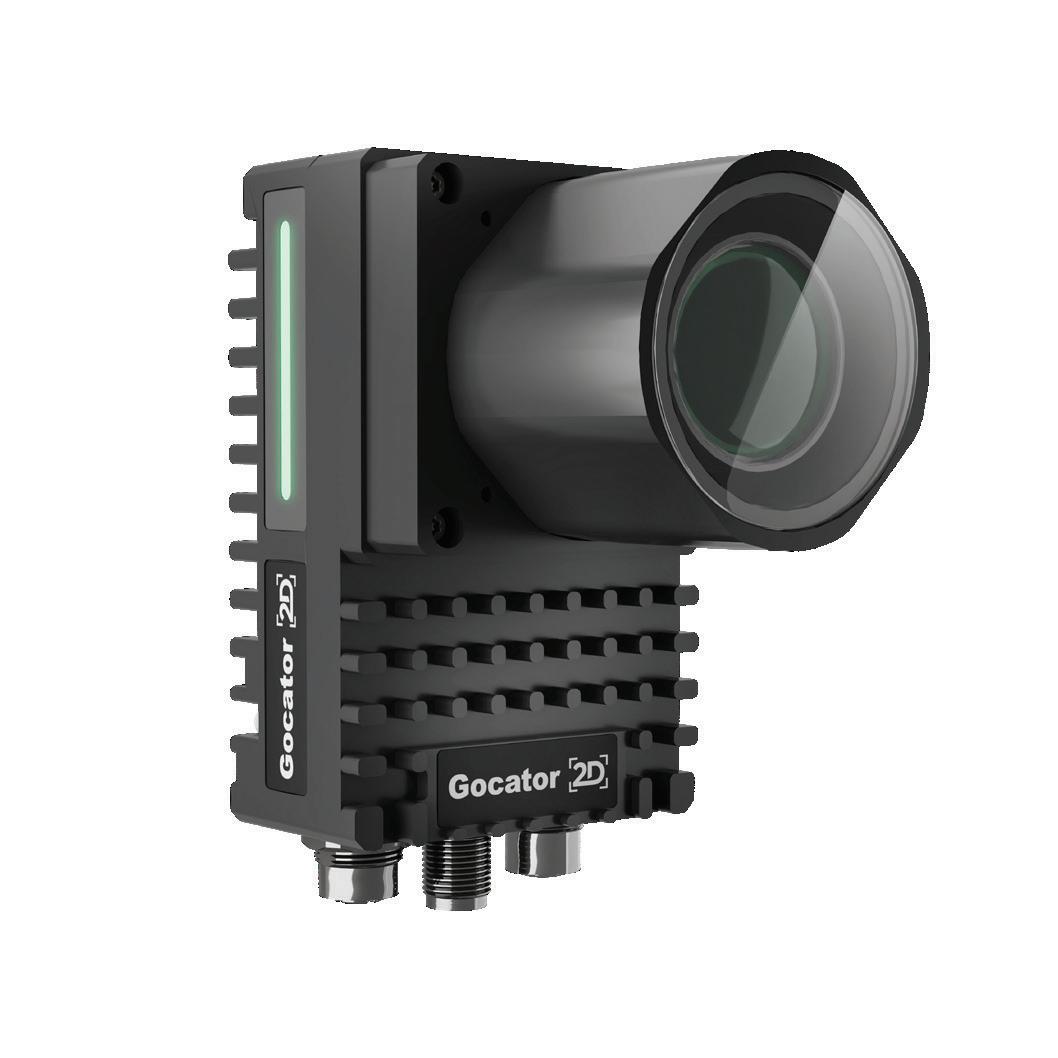
2D Smart Cameras:
All-in-one vision systems that capture high-resolution images and process inspection data internally without the need for an external PC
Best for: High-speed surface inspection, label verification, part presence/absence, and identifying cosmetic defects where depth data is not required
Laser Line Profilers:
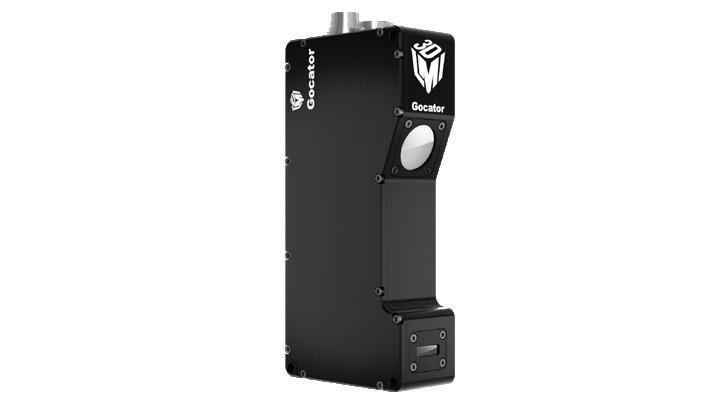
High-speed sensors that use laser triangulation to generate high-resolution 3D point clouds of objects in-line at production speed
Best for: High-volume manufacturing environments requiring precise, non-contact 3D measurement and defect detection of parts in constant motion.
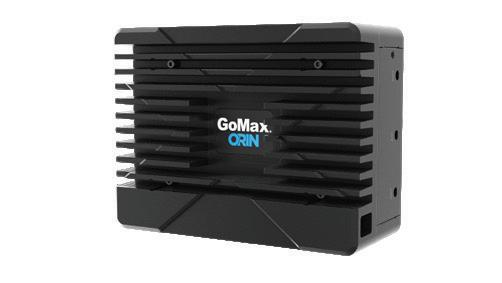
Smart Vision Accelerator:

oMax ORIN smart vision elerators provide higher ls of AI-ready performance o support increasingly demanding machine vision inspection requirements
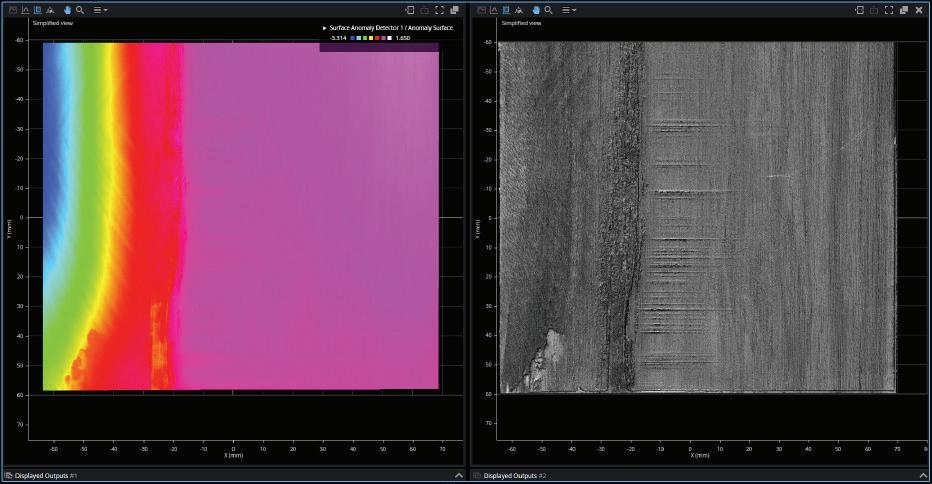
Train on 2D intensity or 3D height map data
Scan parts with intensity and surface data, select the best option during training, and use a 3D visualizer to enhance labeling accuracy
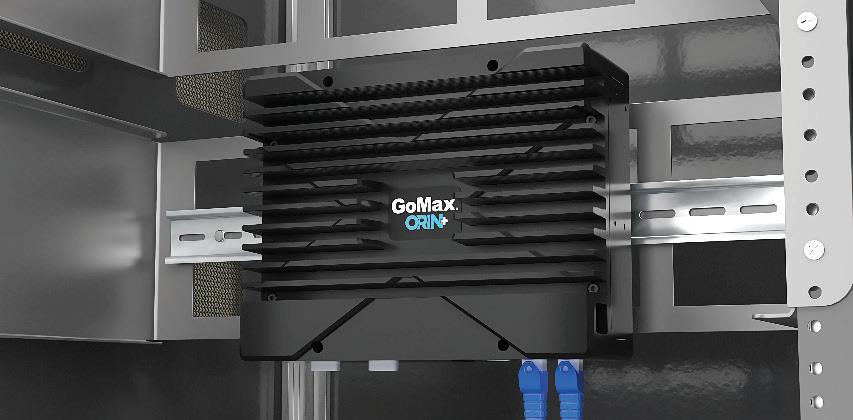
Train on the production line
Train data directly on GoMax to save time, cost, and security risks, with seamless model pd si h li
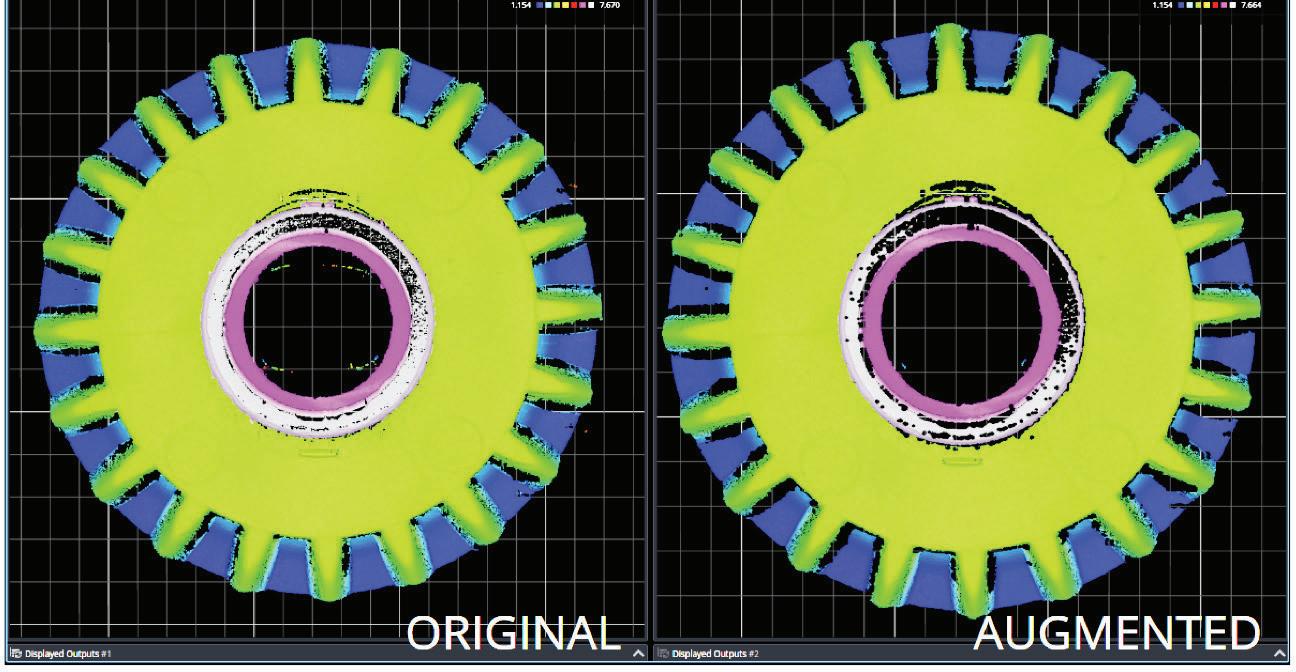
Generate synthetic and augmented data
Reduce training images by integrating synthetic defects and augmented frames to boost model performance.
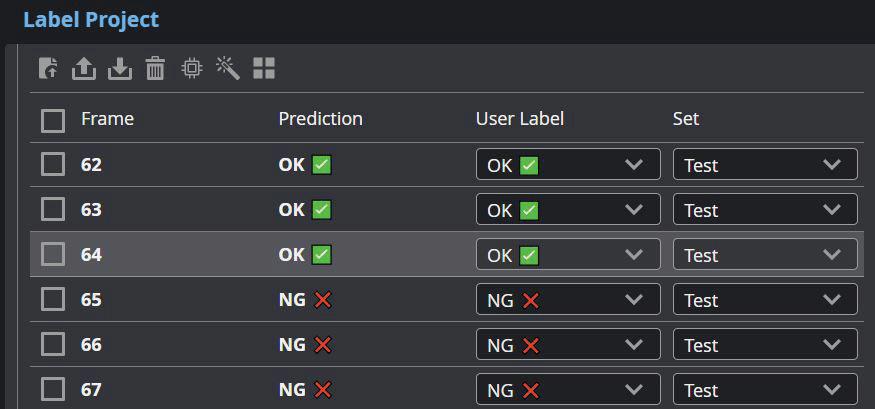
Use Prediction to label new production data
Use assisted labeling after initial training for fast and easy iteration.
Integrate your inspection—from 2D surface to 3D structure with the Gocator Ecosystem. No PC. No Cloud. No Compromise.
Editor
Oliver Batt oliver@cimltd.co.uk
Publication Manager
James Burke jb@mepca.com 01795 509105
Head of Brand Development
Jim Bearden jim@mepca.com 01795 509105
Design & Production
Grant Waters grant@cimltd.co.uk
James Taylor james@cimltd.co.uk
Administration Manager
Natalie Woollin admin@cimltd.co.uk 01795 509103
Credit Facilities Manager
Gwen Lee creditcontrol@cimltd.co.uk 01795 509103
Head of Digital
Xhulio Bishtaja digital@cimltd.co.uk
Marketing Manager
Lucas Payne lucas@cimltd.co.uk
Director Tom Woollin tom@cimltd.co.uk
Managing Director
John Denning
© 2026 Cogent Multimedia Limited, 1st Floor, Saphir House, 5 Jubilee Way, Faversham, Kent, ME13 8GD. No part of this magazine may be reproduced or stored in a retrieval system or transmitted in any form – electronic, mechanical or physical – without express prior permission and written consent of the publisher. Contributions are invited and when not accepted will be returned only if accompanied by a fully stamped and addressed envelope. Manuscripts should be typewritten. No responsibility can be taken for drawings, photographs or literary contributions during transmission or in the editor’s hands. In the absence of an agreement the copyright of all contributions, literary, photographic or artistic, belongs to Cogent Multimedia Limited. The publisher accepts no responsibility in respect of advertisements appearing in the magazine and the opinions expressed do not necessarily represent the views of the publisher. The publisher cannot accept liability for any loss arising from the late appearance or nonpublication of any advertisement.
Welcome to the June issue of MEPCA magazine.
I have just returned from attending AVEVA World, the world’s foremost industrial intelligence event, in the beautiful city of Milan, famed for industry and fashion; indeed, it was one of the best dressed conferences I’ve attended, and I can die happy knowing that a Milanese attendee complimented my suit.

I will report on what I learned from this amazing show in the coming issues. For now, to introduce this edition’s Digital Transformation focus, here’s some insight from the final day’s keynote speech by Nina Schick, the strategic mind behind Industrial Intelligence. She holds that 2025 was the last year preindustrial intelligence and 2026 is what termed the “inflection year”, a pivotal turning point in the acceleration of AI-powered and digital solutions, something I believe is evident in the digital solutions and expertise covered in this issue.
Leading the charge is Epicor, industrial software expert: turn to page 21, where Epicor addresses the frontline execution gap between strategy and actualisation. Also in this section, we look at the challenge of data siloing with expertise from Hexagon (p.24), while two of our prior Manufacturing Champions, Dr Katharina Roettger (p.36) and Biplab Sah (p.35), share their digital domain expertise.
Elsewhere in this issue, I report on the recent Robotic Workforce panel discussion at LCCA, where I jumped at the chance to interview Mike Wilson of the MTC, an authority on all things robotic (p. 16), we also bring you a fascinating Q&A with Quantum Design (p.48), and much more.
I hope you enjoy this issue.
Oliver Batt, Editor
To subscribe to MEPCA visit our website www.mepca.com or scan the QR code.












One of the UK’s leading providers of advanced manufacturing solutions has hailed its best ever MACH after securing nearly £1m of new orders.
Carfulan Group, which works with hundreds of companies to help shape the future of industry, saw deals signed across many of its major brands, including Metrios, OGP, VICIVISION and ZOLLER.
In total 1,810 enquiries were taken during the five days of the show, with many of these now progressing into on-site visits at customer sites or demonstrations at its Advanced Innovation Centre in Derbyshire.
Carfulan Group placed the new M-Series from OGP UK at the centre of its appearance, representing the next generation of multi-senor metrology.
The flagship M50 system, powered by the Intellicentric-M optimal system, has been designed for customers who need high accuracy across complex, multi-feature components.
This technology was joined by the rapid shopfloor measurement expertise of the Metrios 332 and VICIVISION’s Techno 918 turned part inspection system. Visitors were able to see the 918 configured with a combined conical laser and scanning probe solution.
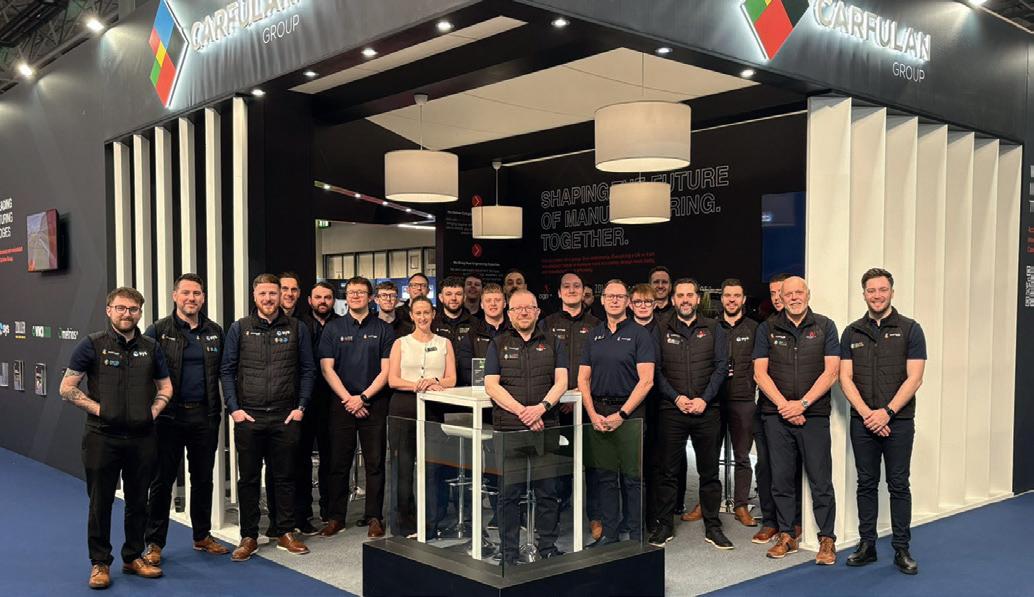
“We went to MACH with our biggest ever showcase of technologies that help manufacturers reduce set-up times, achieve greater accuracy and support new products to get to market quicker,” explained Chris Fulton, Managing Director of Carfulan Group.
“With the leads we’re progressing, I’m confident we’ll secure over £3m of new business as a result of attending the UK’s largest industrial show and we are already planning to be at MACH 2028,” he concluded. carfulan.com
Creative data technology provider, InterSystems, today at the Gartner Data and Analyst Summit, announced a new partnership with digital twin specialist, T2 Design Solutions Ltd (T2). The partnership sees T2 join the InterSystems ecosystem as a Solution Partner.
The partnership combines T2’s digital twin expertise with InterSystems data platform technology that works alongside the customer’s existing IT and data infrastructure. Together, the companies will enable organisations to connect digital representations of physical assets with real-time operational data, improving the accuracy, scalability, and day-to-day usability of digital twins. The collaboration will support organisations looking to move beyond static visual replicas into connected operational environments. While digital twins are often used to visualise physical environments, their value increases when connected to the live and historical data that underpins operational decision-making.
T2’s digital twin environments give teams an intuitive way to understand complex spaces from retail and manufacturing sites to any organisations managing high-value physical assets. InterSystems data platform technology adds the structure and interoperability needed to connect these environments with operational systems at

scale for improved visibility and operational performance. Looking ahead, the business and operational benefits are expected to grow as digital twins evolve beyond static visual replicas into fully connected operational environments. With access to richer, real-time and historical data, organisations will be able to model change, anticipate issues earlier, and make decisions with greater speed and confidence. t2ds.com intersystems.com
Ateam of four budding robotics engineers from Buckhurst Hill have returned from the 2026 VEX Robotics World Championships as the only UK team to receive an award in the Elementary category this year.
The team put together by STEM for Kids, an after-school robotics club, attended the competition that attracts 15,000 competitors from 52 countries and won the Build Award, recognising their outstanding robot design and engineering excellence.
With support from The London College of Contemporary Arts (LCCA), the team were named as UK National Champions in March and travelled to St. Louis in the US to showcase their designs, remote controlled build abilities and teamwork whilst the robots competed in a series of high-energy, head-to-head challenges.
The VEX Robotics World Championship is one of the largest and most prestigious robotics competitions in the world, bringing together students from primary school through to university level. The challenges are designed to test engineering, coding, and collaboration skills with a view to preparing students for a future in the STEM workforce.

Aditya Yagnik, Founder of STEM for Kids said: “It’s incredible that just two years after STEM For Kids was founded, we are now producing world leading teams of young engineers. Beyond the competition itself, the experience has given the students confidence and a clear sense of what a career in STEM could give them.”
The team’s success is a powerful example of how collaboration between education providers can drive meaningful impact.
vexrobotics.com
The IOA Diploma in Acoustics and Noise Control is a flexible way to get into the acoustics profession, with remote learning options that fit around your life.
You’ll cover the essentials, core acoustics principles, lab methods, and your own project, then pick two specialist modules in areas such as Building Acoustics, Electroacoustics, Environmental Noise or Noise & Vibration Control.
You can study at UK centres or online, wherever suits you, and keep a good work–life balance along the way.
With over 50 years of experience, the Institute of Acoustics also connects you to a global network, events, and ongoing CPD. Find out more at: www.ioa.org.uk/education-training












E: education@ioa.org.uk T: +44 (0)300 999 9675 www.ioa.org.uk
Institute of Acoustics, Silbury Court, 406 Silbury Boulevard, Milton Keynes MK9 2AF





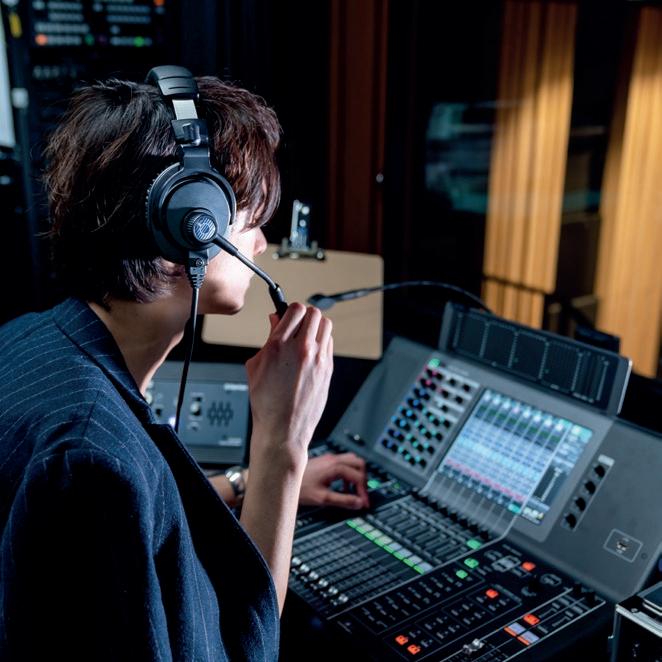

As China embarks on the second phase of its robotics evolution, it pulls ever further ahead of the UK. With a renewed confidence, the UK is poised to turn these lessons into progress and close that gap, as Oliver Selby, BARA Chairperson and Head of Sales at FANUC UK explains here.
As Chairman of the British Automation & Robotics Association, I have the privilege of engaging closely with system integrators, manufacturers, technology developers and end users across the UK. Entering 2026, one message stands out clearly: despite global uncertainty, UK industry is showing renewed confidence. Automation and robotics are now recognised not as optional improvements but as essential tools for competitiveness, resilience and sustainable growth.
The global race for industrial competitiveness is increasingly being fought on the factory floor, and today the contrast between China and the UK could not be clearer. China is not just adopting robots at scale; it has already progressed with their new Five-Year Plan into a second phase of robotic evolution, while much of UK general industry is still at an early stage of first-time automation. Its Five-Year Plan places robotics and AIpowered automation at the heart of national economic growth.
This is not simply ambition; it is a coordinated industrial strategy that aligns government policy, regional investment and industrial execution around a single objective: productivity through intelligent automation.
In the UK, automation is still too often viewed as an isolated capital investment rather than essential economic infrastructure. Chinese manufacturers, by comparison, have moved rapidly beyond basic labour substitution. They are now embedding robots with artificial intelligence and data-driven optimisation to improve quality, flexibility and efficiency at scale. This creates a virtuous cycle of deployment, learning and cost reduction that is difficult to match if adoption remains slow or fragmented.
The challenges for the UK are clear. Many UK manufacturers, particularly small and medium-sized enterprises, remain under-automated due to skills gaps, uncertainty and limited access to coordinated support. Automation maturity today is less about owning robots and more about integrating them into connected, optimised production environments.
That said, there are genuine reasons for optimism. At the recent MACH Exhibition, the Automation and Robotics Pavilion hosted by Automate UK saw exceptional levels

of engagement. The footfall, quality of leads and depth of conversations demonstrated that British manufacturers are increasingly serious about automation as a route to competitiveness, not just cost reduction. Discussions ranged from first-time robot deployments through to advanced applications integrating AI, machine vision and flexible automation.
The breadth and maturity of these conversations point to a more positive market outlook. Confidence is improving, project pipelines are forming, and there is a clear shift from curiosity to commitment. If this momentum is matched with sustained skills development, targeted investment support and a clearer national narrative around automation, the UK can accelerate robot deployment and narrow the gap.
China’s progress is a warning, but it should also be a catalyst. The UK still has world-class engineering, innovative automation suppliers and strong manufacturing foundations. The task now is to move faster, at scale and with purpose.
automate-uk.com/our-associations/bara/
With more than 96% of manufactured products containing a chemical input, the chemicals sector remains fundamental to UK manufacturing, industrial capability and economic growth. Tim Doggett, CEO of the Chemical Business Association (CBA), looks at these interconnected sectors and the challenges they face.
The chemicals sector occupies a unique position because it connects so many industries and supply chains. As a result, it often provides an early indication of wider economic pressures, changing trade patterns and shifts in industrial demand.
The challenges affecting the chemicals sector also reflect the pressures across manufacturing and industrial supply chains.
These are not isolated issues, but the cumulative effect of multiple pressures converging. Rising operational costs, geopolitical instability, energy volatility, regulatory complexity, skills shortages and rapid technological change are all reshaping the operating environment.
This sits against a backdrop of longer-term structural change. Globalisation and the offshoring of manufacturing capacity have altered industrial competitiveness across Europe and the UK. More recently, events such as the pandemic, Brexit, the war in Ukraine, tariff uncertainty and instability in the Middle East have exposed vulnerabilities within global trade and supply networks.
Domestically, businesses have also had to navigate more than a decade of political uncertainty, with frequent leadership changes, shifting priorities and a lack of longterm consistency affecting confidence and investment.
What has become clear in recent years is that volatility is no longer a short-term disruption but something businesses are increasingly having to plan around.
That means businesses must think differently. The companies that will succeed are unlikely to be those simply waiting for conditions to improve. They will be the organisations that understand their supply chains in depth, take a measured, long-term approach to investment, maintain flexibility, and adapt to changing market conditions.
This is where collaboration becomes critical. Manufacturing and chemicals are deeply interconnected sectors, and neither can operate in isolation. Stronger partnerships across industry, alongside greater consistency and longer-term clarity in government policy, will be essential to supporting investment, strengthening industrial resilience and ensuring the UK remains competitive.
Recent disruption has reinforced the importance of maintaining reliable industrial capability closer to home. For many sectors, strong domestic manufacturing capacity will become even more important as businesses reassess risk, security of supply and long-term competitiveness. There will undoubtedly continue to be challenges ahead. However, periods of disruption also create opportunities. Businesses that recognise the scale of change taking place and adapt accordingly will be in a stronger position to navigate what is likely to remain a challenging and complex operating environment.
chemical.org.uk

MEPCA are delighted to introduce Dr William Beer, founder and CEO of Tunley Environmental, as our Manufacturing Champion for June. Here, he discusses the company’s origins, offers advice to manufacturers and addresses the ambiguity of AI’s environmental impact.
Taking time out of his demanding schedule running three companies to speak with our editor, Dr William Beer reflected on the moment that sparked the founding of Tunley Environmental back in 2016.
In its first guise, Tunley Engineering, as it was called, turned around failing engineering departments. About a year into that, a client approached them for assistance with a Net Zero recovery project. “It was like the lightning in a jar we’ve been waiting for,” he recalled. Tunley Environmental was born, applying an engineering mindset to the challenges of sustainability.
William admits this wouldn’t have been possible without the galvanising experience of managing an engineering department prior to Tunley. There, he was tasked with reducing their lead times from 14 days to 10. When he was reliably hitting the two-week mark, he was expecting a pay rise only to be met with fury from his boss. “‘Wait, you’re happy that you’re just doing your job?’” From that point, he was targeted against a two-day lead time.
He rose to that challenge, turning what had been a 14-day lead time to just two. “I couldn’t have set up a company without that experience. It just taught me grit, real grit.”
William often sees companies with overly ambitious sustainability end-goals frozen like “deer in the headlights,” whereas the best thing they can do, he explained, is start and move forward.
He also advises avoiding knee-jerk reactions to sustainability pressures. One of their clients manufactures premium office partitioning systems with aluminium frames, and they were under pressure to replace the aluminium with timber. Instead, Tunley helped them to a find a low carbon aluminium supplier. As aluminium is infinitely recyclable and, in this case, it was 75% postconsumer content produced in hydro power furnaces, it was the superior choice.
AI use in sustainability is also something met with kneejerk reaction from many. But in William’s experience there is a lot ambiguity about AI’s impact on the environment.
In his book, 99 Facts of Climate, Science, and Society, every image bar one was AI generated. Tunley’s team studied the impact of using AI over traditional means, and found that to create each image manually would have

taken hours, but with AI it took just a few minutes. “What’s the environmental impact of fuelling a person, with them being at a desk, their laptop being on, their lights being on, their heating being on, versus 98 prompts in AI, and maybe a few iterations thereafter?”
On the opposite end of the scale, there’s LinkedIn, where nearly every image is AI generated. A pragmatic, responsible use of AI can be invaluable to a sustainability project, but using it for its own sake is wasteful, as with any resource. “I think that’s a really important differentiation to make,” he said; “Is this a necessary or an unnecessary use?”
AI models have proved invaluable to several of their clients’ sustainability projects. It all comes down to the specific use-case. For more science-based insights on sustainability, visit Tunley Environmental’s website.
tunley-environmental.com

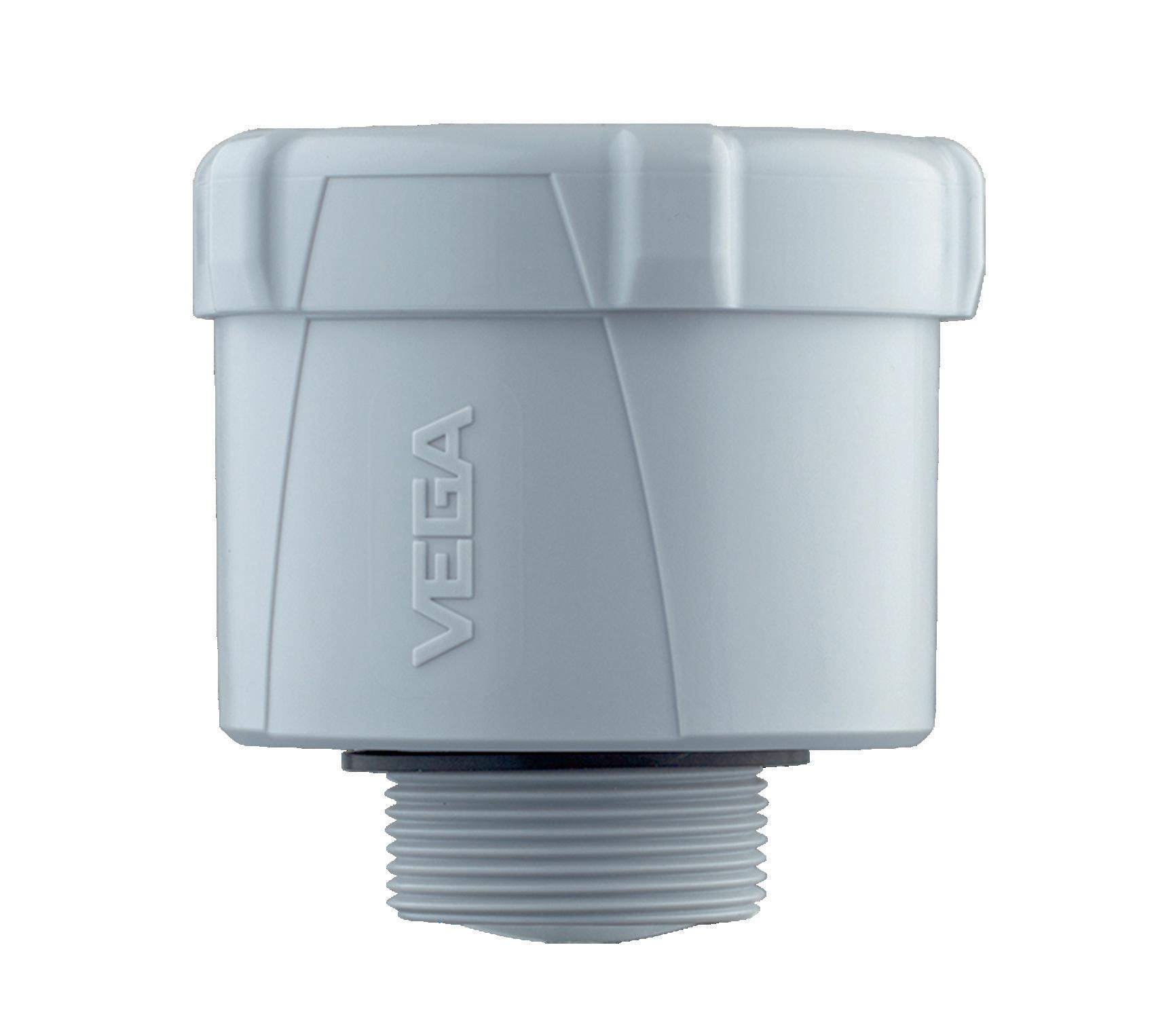

VEGAPULS Air 41
Autarkic, continuous level measurement for liquids and bulk solids.
Everything is possible. With VEGA


• Simplified inventory monitoring through VEGA Inventory System – accurate data acquisition, clear tank visualisation and streamlined logistics planning
• Exact measurement results independent of medium, process and environmental conditions
• Maintenance-free operation due to non-contact 80 GHz radar technology
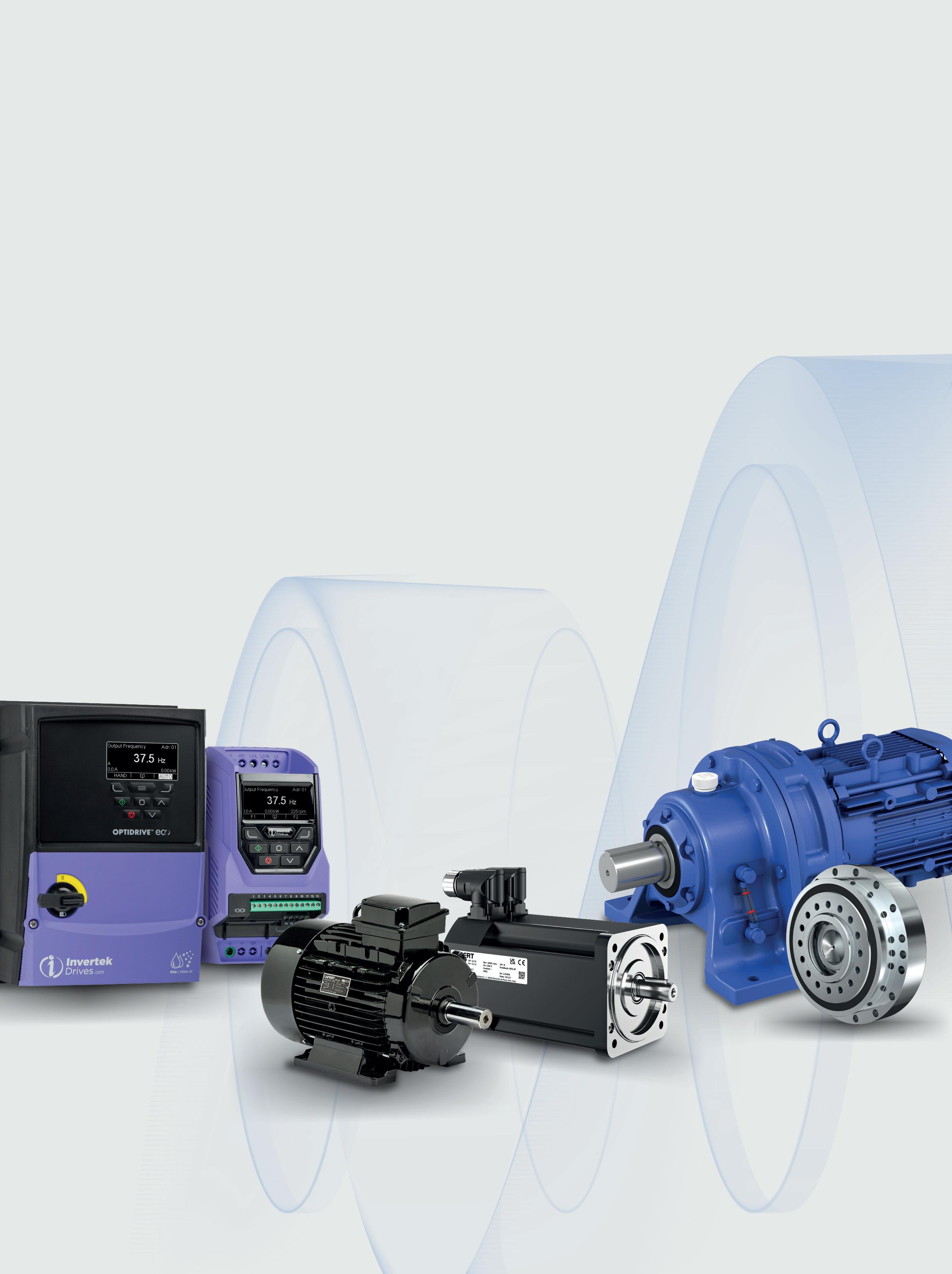
As supply chain disruptions put manufacturing procurement departments under strain, it has never been more crucial to select reliable suppliers. What machinery OEMs should look for in a drive technology supplier is covered here, with commentary from Nigel Evans, Sumitomo Drive Technologies EMEIA Marcoms Manager.
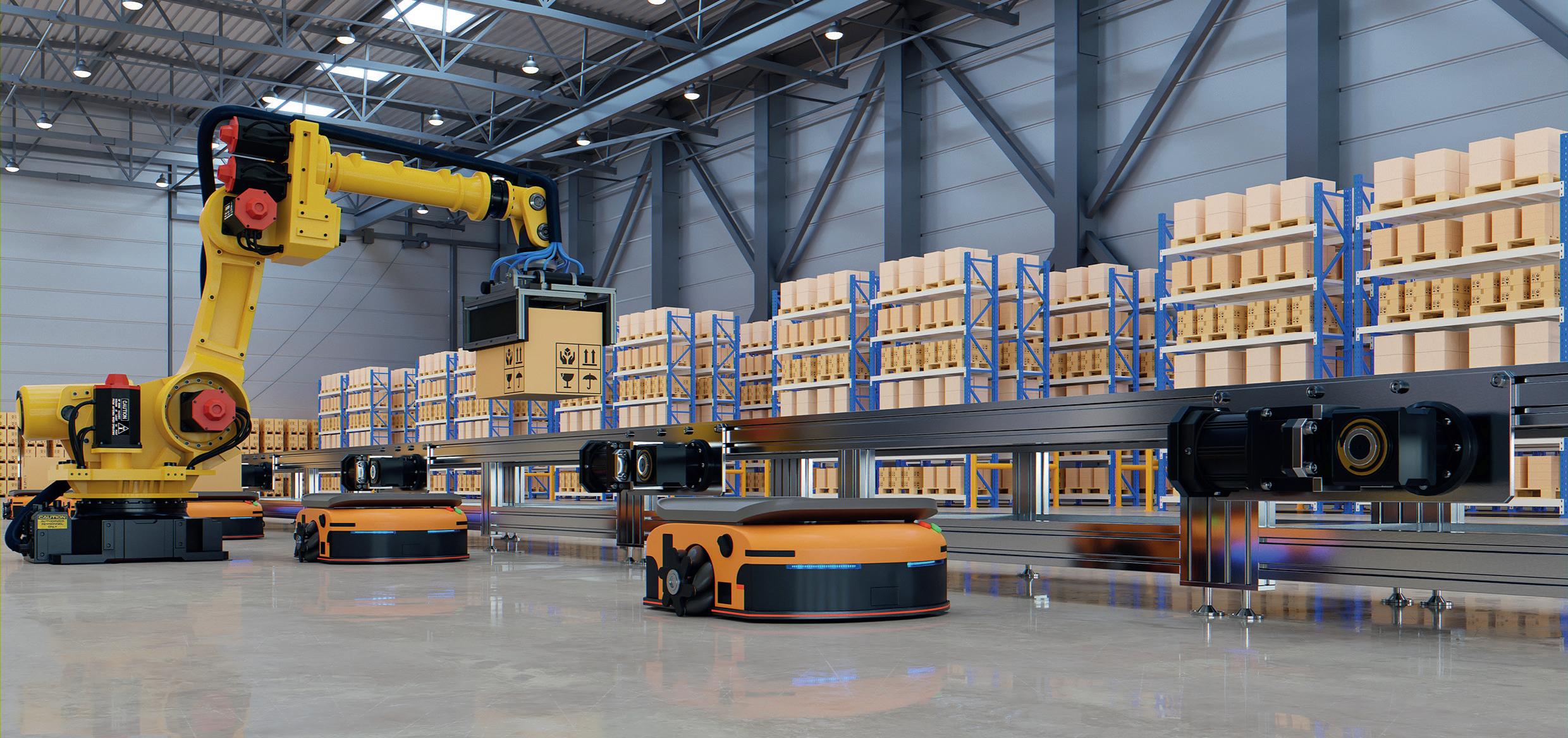
An essential KPI for manufacturing procurement departments is minimising the number of approved suppliers without negatively impacting the supply of critical components and services. This is particularly important for machinery OEMs that need to consistently deliver a first-class customer experience to end-users.
Machinery OEMs should look for the breadth of a supplier’s product portfolio, the specialist expertise of its teams, and its global presence, which enables a partnership approach that ensures smooth supply and repeatable quality for all aspects of their motion control requirements.
“Suppliers need to tick a number of boxes if they want to develop close working relationships with machinery OEMs,” comments Nigel Evans, Sumitomo Drive Technologies EMEIA Marcoms Manager. “As well as supplying products
which meet the customer’s technical requirements, they also need to be able to guarantee consistent product quality, standards compliance, ethical business practices, delivery lead times and technical support SLAs. Suppliers also need to demonstrate that they are financially secure with strong leadership to provide customers with peace of mind that risks to their supply chain are minimal.
“Supply chain issues can have negative knock-on effects, which can cause long-term reputational issues, selecting reliable supply partners plays a key role in helping to ensure OEMs can deliver a first-class service to their own customers and maintain their reputations.”
Sumitomo Drive Technologies, part of Sumitomo Heavy Industries, has established strategic alliances with many industry-leading machinery OEMs, delivering energy efficient, precise motion control for a huge range of operational requirements.
“Drive technologies play a critical role in a huge range of machine applications including CNC machining, automated cells, robotic arms, materials handling applications, highspeed packaging, heavy industry and process control, and energy production,” continues Nigel. “We can provide stand-alone products including gears, motors and variable frequency drives (VFDs), and our business model also enables us to provide integrated solutions that combine the very best products and technical expertise for individual customer requirements.
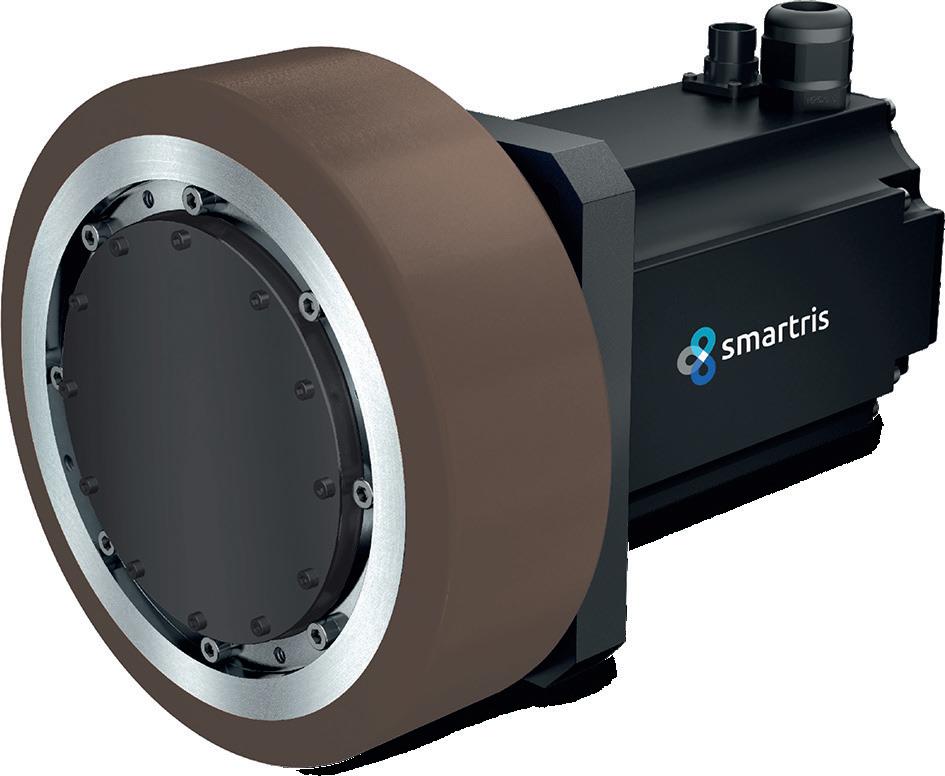
Lafert Group, which became part of Sumitomo Drive Technologies in 2018, provides electric motors designed to meet the particular needs of machinery manufacturers that serve industries including woodworking, CNC machining, marble and ceramics, and glass. In the industrial machinery sector workpieces can pass over the machining line at high speeds and are subjected to very fast operations. Quick and accurate calibration is essential to ensure the correct speed parameters, positioning, pressure exerted and synchronisation required for precise machining.
Sumitomo Drive Technologies offers precision gears, gearmotors and gearboxes from brands including Cyclo, Hansen Industrial Transmission, Paramax, Altax and many more.
“Our extensive product offering enables us to match the right products for individual customer needs,” continues Nigel. “This helps to make the OEM’s life easier as they have access to a vast array of product options from one supplier.”
Sumitomo Drive Technologies is the inventor of the cycloidal gear (Cyclo) which works by sharing the load across the reducer components. This makes them more compact, durable and precise than conventional cog gears. High torques, input speeds and reduction ratios can all be achieved depending on the models selected.
Cycloidal gears are used in a wide range of industries. They can be installed as compact and robust standard gears in machines and systems to create an all-round solution, or integrated into highly specialised designs for specific scenarios. They are also used as backlashfree motion control gears in robotics, machine tools and medical technologies.
Lafert’s range includes compact, high-efficiency motors rated up to IE6, as well as a range of brushless servo motors that is one of the most complete on the market with a range of nominal torques from 0.18 to 390 Nm.
Variable frequency drives from Sumitomo Drive Technologies brand Invertek Drives are widely included as part of the standard specification in a wide variety of industrial machines. The brand-new Optidrive E4 general purpose drive includes dual-channel Safe Torque-Off (STO) to SIL3, making it the perfect choice for machinery manufacturers who need to ensure their products are compliant with the machinery directive and international product standards.
“By integrating an Optidrive E4 VFD into the machine’s design, manufacturers can be confident that their customers will benefit from precise motor control, energy efficiencies and the highest levels of safety,” comments Nigel.
Sumitomo Drive Technologies operates specialist teams throughout the world. As such, the company has access to a huge wealth of knowledge and experience that can be drawn on to solve even the most complex motion control challenges, with products that benefit from the latest technologies.
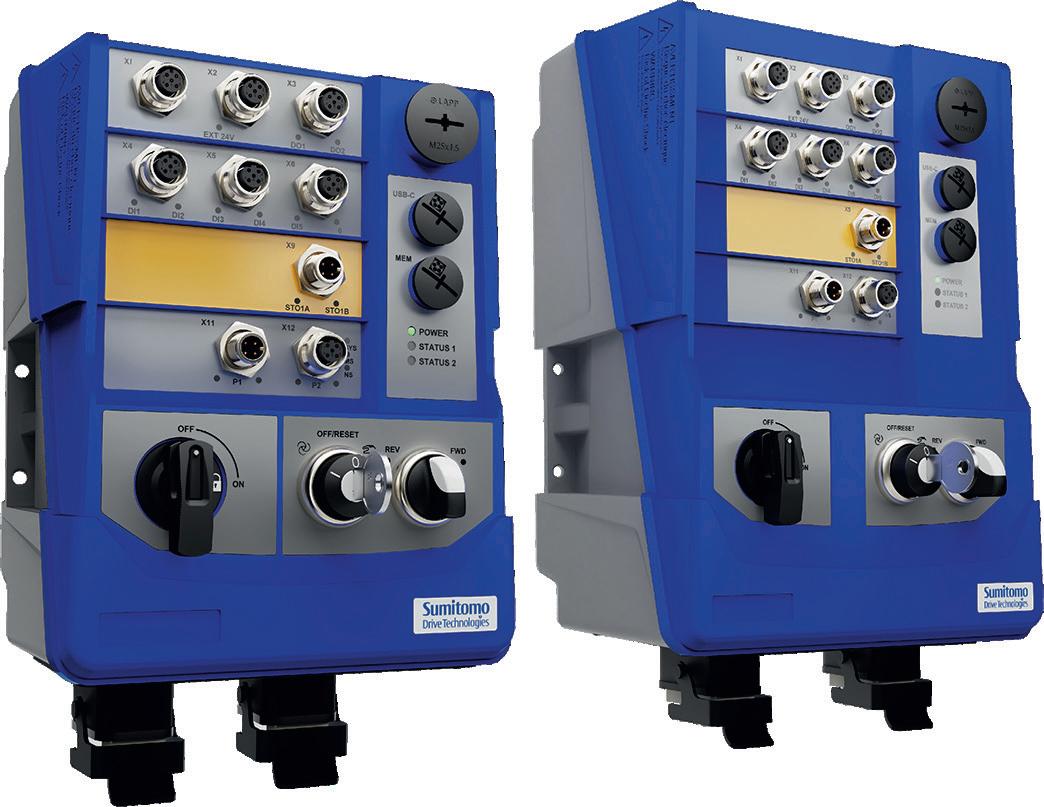
“As a manufacturer itself, Sumitomo Drive Technologies recognises the value of strong supplier partnerships,” concludes Nigel. “We don’t just act as a supplier to machinery manufacturers; we work as their motion control partner – working collaboratively with our own teams and our customers to deliver the desired levels of motion control performance for their products, benefitting both them and their end-users.”
Visit the website below to find out more about products and services offered by Sumitomo Drive Technologies throughout the EMEIA region.
emeia.sumitomodrive.com/en-gb
MEPCA reports on the Blueprint for a Robotics Workforce panel discussion, addressing the UK’s robotics potential and its adoption struggles to date, followed by a post-panel interview with Mike Wilson, Chief Automation Officer, MTC.
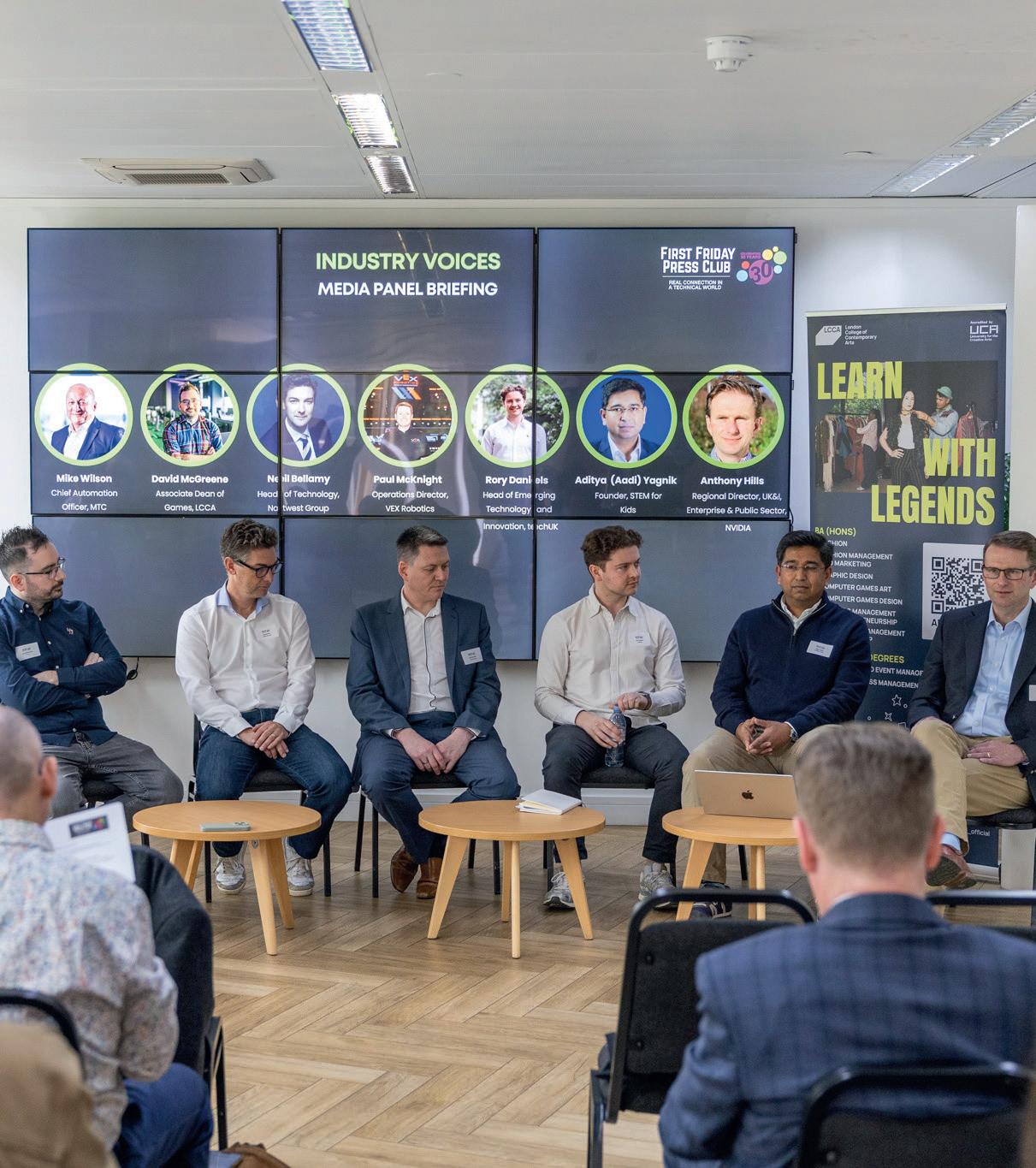
At the London College of Contemporary Arts (LCCA), over-looking the historic Tower of London, leading professionals from a wide spectrum of robotics-enabling disciplines joined host Mike Wilson for a panel discussion on the future of UK robotics.
Organised by Cadence Industrial & Technical Communications, the panel was made up of: David McGreen, Associate Dean of Games; Anthony Hills, Regional Director, UK&I, Enterprise & Public Sector, NVIDIA; Paul McKnight, Operations Director, VEX Robotics; Rory Daniels, Heads of Emerging Technology and Innovation, techUK; Neil Bellamy, Head of Technology and Innovation, Media & Telecoms, NatWest Group; and Aditya Yagnik, Founder of STEM for Kids.
Mike Wilson, a leading authority on UK robotics and automation, laid out the all-too-familiar state of play: the UK continues to lag behind the rest of the world in
robotics adoption, measured in robotics density (number of operational robots per 10,000 employees). The UK sits 24th in robotics density and is the only G7 nation not featured in the top 20.
It’s a concern that has remained consistent in the last 10 years. What has evolved, however, is the understanding of why and, even more crucially, what the UK can do to address it.
Hosted at a University and with over half of the panellists connected to academia, there was an emphasis on the impact of the low take-up of STEM subjects, particularly how to engage students in STEM as early as possible and the overcoming the challenges of keeping them engaged. David McGreene maintained that skills from more creative industries like games development are transferable to
more technical disciplines, diverting these sought after skill sets, like programming, to where they can be used in robotics and engineering. David also highlighted the importance of continuity between curriculums and industry.
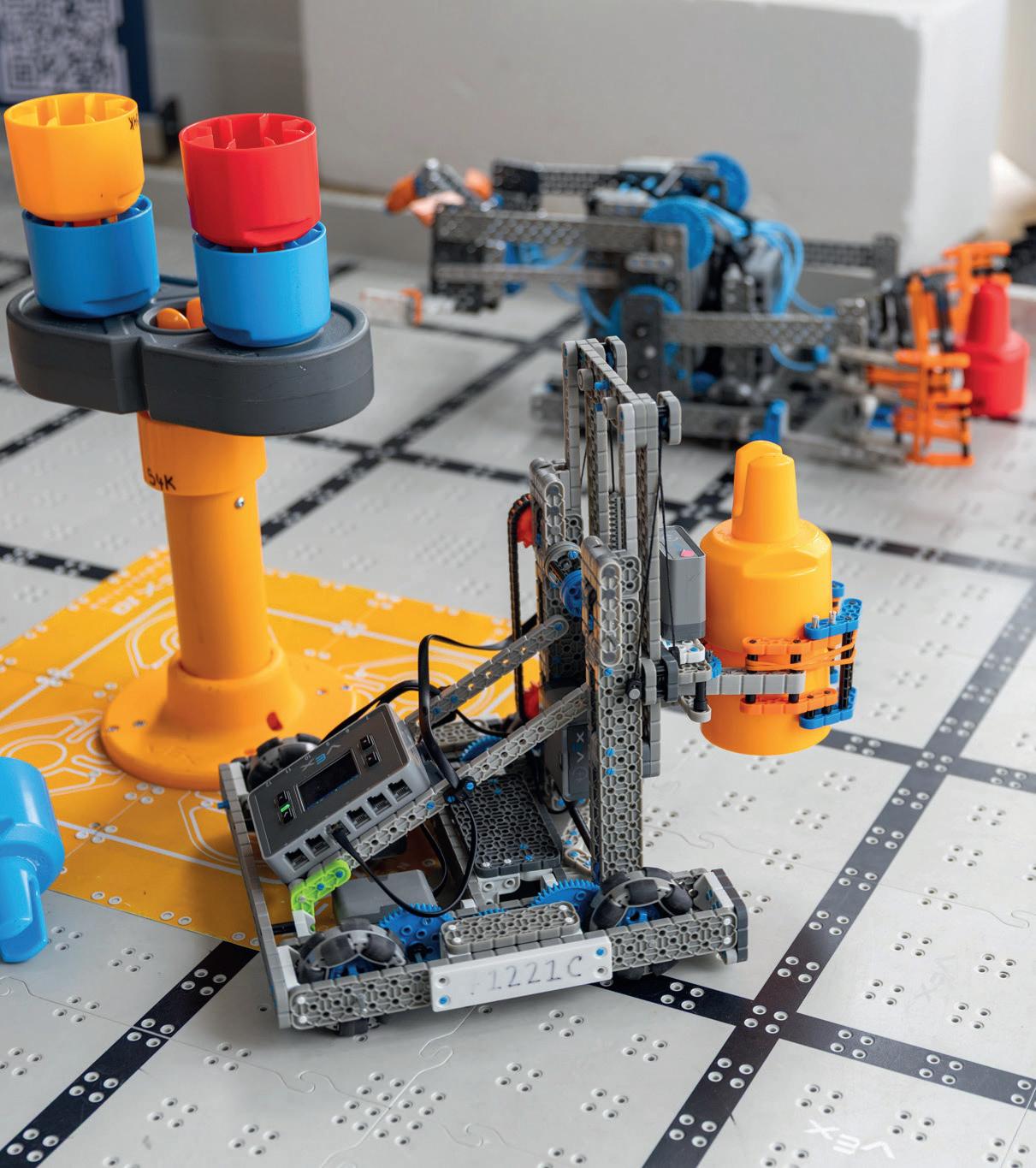
Aditya Yagnik’s mission is to encourage engagement through hands-on STEM learning at a much earlier age. Through robotics programmes supported VEX Robotics, STEM for Kids is creating competition winning teams of young robotics programmers, which is bucking gender disparity trends and leaving lasting impressions on the students. One of their teams demonstrated their incredible robotics skills after the panel discussion (pictured).
Academic skills and education were certainly not the only barriers to the UK’s robotics adoption addressed by the panel, with issues such as investment, culture and business skills also raised as barriers.
Rory Daniels, maintained that the UK has existing capabilities that should logically see it high up on the density chart, but he highlighted what he saw as two fundamental issues preventing these capabilities being leveraged: fragmentation and public perception.
The UK’s ecosystem is fragmented and disjointed, which prevents natural collaboration. He went on to point out that with the Industrial Strategy in place this is changing for the better. There is now a drive to bring the robotics hubs dispersed around the country together under one governing body, reducing this fragmentation.
Public perception of robotics is the other important factor. This impacts business’ perceptions of the risks of robotics and makes them question whether they are a key driver of productivity. There is also the largely debunked, yet persistent idea of job replacement: “They think that robots are replacing jobs when really it’s tasks we should be talking about, not people,” he said. This cultural issue has an impact on both deployment and investment.
Investment was a core issue for Neil Bellamy, whose assessment of UK businesses and SMEs in particular is that they are reluctant to borrow. This goes beyond robotics, highlighting a wider issue with risk-adversity in UK businesses, particularly SMEs, as well as a lack of knowledge of how to apply for funding.
After the panel discussion, our editor had the pleasure of speaking with host Mike Wilson to discuss some of the topics raised. As Rory Daniels had said earlier that day, it is better to think of robots replacing tasks rather than jobs. However, we often hear of the tasks that robots are suited for being the repetitive, mundane or manual, and these are also the kind of tasks we would traditionally associate with entry level positions and apprenticeships.
While Mike believed that the concern could be the case in other industries when it comes to AI, offering the legal profession as an example, in manufacturing, there are two major factors that undermine this as a valid concern.
The first, he said, is the labour shortage: there simply aren’t enough people who want to work in manufacturing. Young people don’t want to do repetitive manual

tasks, and they already have an aptitude for technology that makes them more suited to programming and maintenance. So, from the outset, they are not interested in doing the jobs that the robots do, he insisted.
The other angle to this, he explained, is that manufacturing as a whole has a significant skills shortage. He used welding as an example: The industry is struggling to train enough welders, and those with the skillset do not want to do repetitive welding tasks. Instead, they are interested in complex welds, which is better suited to a human’s skillset, leaving the robots to do the welding task that needs to be done 100 times per day.
Speaking of skills more broadly, the MTC had looked at skills in relation to robotics adoption in SMEs, matching the skills needed to those offered by apprenticeship programmes and identifying the gaps. This brought to light a “raft” of skills that were needed. Many of those over looked were more practical, business-related skills, such as specification writing and change management, which larger companies pass on to their employees.
Mike said: “With the exception of a level 6 apprenticeship in robotics, which is brand new, the only apprenticeship in the whole of the UK that taught how to buy capital equipment is for farm equipment.”
Given what Neil Bellamy revealed earlier about UK SME’s reluctance to borrow, this provides a new dimension to the problem. Indeed, as Mike explained, all the banks he speaks to are keen to lend, but either business aren’t approaching them, or they are doing so without a coherent plan, because of fundamental acumen skills gap.
The benefit of the technology is proven, he said, “The gap is the actual procurement; the doing. And I think that’s the bit we’ve learned. Now our focus is on how we address it.”
stemforkids.co.uk the-mtc.org

Sponsored By
In manufacturing, strategy is rarely the problem. Execution is. The gap between design and what actually happens on the shop floor is now one of the biggest drivers of lost productivity, inconsistent quality and missed growth targets. Here, Epicor address how to close the frontline execution gap in manufacturing.

Recent research from Nucleus1 highlights a widening “execution gap” between manufacturers that have modernised frontline operations and those still relying on fragmented, manual approaches. This gap is now a defining factor in workforce readiness, operational consistency, and financial performance.
Nucleus surveyed 400 business leaders and identified a clear split. “Leading Adopters” have implemented digital frontline practices across training, task execution, guidance, and compliance, while “Partial Adopters” still rely on disconnected tools and manual processes.
The difference in outcomes is significant. Leading Adopters achieve more standardised work, faster
onboarding, and more sustainable improvements. Partial Adopters experience greater variability, directly affecting productivity, quality and margins.
The advantage does not come from a single tool. It comes from connecting frontline capabilities into a unified system that supports workers through embedded guidance, validation and visibility.
One of the clearest indicators of the execution gap is workforce readiness. Many manufacturers still depend heavily on supervisor-led training and shadowing. While useful for knowledge transfer, these approaches are difficult to scale and often lead to inconsistent execution.
Leading Adopters instead embed digital, on-the-job training directly into workflows. More than 70% of new
hires in these organisations reach full productivity within four weeks because guidance is consistent, accessible and tied directly to execution.
The impact extends beyond onboarding. Workers with access to real-time instructions rely less on guesswork and trial-and-error problem solving, reducing operational risk and variability.
Workforce readiness is no longer defined by whether employees have been trained, but by how quickly and consistently they can apply that training on the job.
The execution gap becomes even more visible when manufacturers try to sustain process improvements. More than half of Leading Adopters report that new frontline processes become standard practice after go-live, compared with less than one-third of Partial Adopters.
In weaker execution environments, improvements often fail to scale. Teams revert to old habits, inconsistencies emerge across shifts and locations, and supervision increases to compensate.
A major reason for this gap is how work is structured and verified. Many organisations still depend on tribal knowledge held by experienced individuals rather than embedded within systems. Leading Adopters instead use digital platforms to assign tasks, track skills, confirm completion and provide work instructions in real time.
This creates a closed-loop execution model where work is assigned, executed and validated against defined standards.
Many manufacturers still treat frontline execution as a training issue rather than a systems issue. Training alone cannot guarantee consistency because real-world conditions vary constantly.
The organisations closing the execution gap are not simply training more; they are embedding guidance, support and validation directly into frontline operations.
The execution gap ultimately shows up in financial and operational performance.
Leading Adopters are 20 percentage points more likely to report productivity improvements, nearly twice as likely to improve employee retention, and significantly more likely to achieve compliance and audit gains. They also report reductions in downtime, rework and waste.
Together, these benefits create more predictable operations with lower reliance on supervision and greater resilience during disruption or workforce change.
Manufacturers are facing labour shortages, supply chain volatility, and rising customer expectations while still lacking visibility into what is happening on the frontline. Many organisations continue to assume competence rather than verify it.
This challenge becomes even more critical as firms
invest in AI, automation and advanced analytics. These technologies depend on structured, standardised processes. Without consistent frontline execution, even advanced systems struggle to deliver value.
Frontline execution is no longer a back-office concern. It is now a prerequisite for resilience, scalability, and digital transformation.
Businesses successfully closing the execution gap tend to follow a consistent path:
• Start with a focused use case such as onboarding, quality checks, or maintenance execution
• Centralise training, procedures and compliance standards into a single source of truth
• Embed guidance directly into workflows so workers can access instructions at the point of work
• Connect skills, tasks and execution to ensure the right work is performed by the right people
• Reinforce adoption through validation and system-driven accountability rather than supervision alone
The goal is not simply digitisation. It is operationalisation: turning processes into consistent, repeatable actions across the workforce.
The frontline execution gap directly affects how companies train employees, execute processes and deliver results.
Manufacturers that treat execution as a system rather than a supervisory effort are building a clear advantage in productivity, consistency and scalability. Those that do not will continue to absorb the cost of variability.
To understand how your organisation compares and where the biggest execution gaps exist, explore the full Nucleus research report.
1. bit.ly/4d5RWts
Empowering frontline workers has become a critical priority for manufacturers and supply chain organisations. Traditional training methods, such as job shadowing, paper-based SOPs and standalone learning systems can’t keep pace with today’s rapidly evolving operational demands. A fresh approach is required.
As workforce dynamics shift and technology adoption accelerates, organisations must rethink how they enable their people to perform, adapt and grow. Here are five key areas to focus on when building a more capable and agile frontline workforce:
Training should not be a separate activity; it must be integrated into the flow of work. When employees can access step-by-step guidance, digital SOPs, and job aids directly on the shop floor, learning becomes continuous and contextual. This approach enables workers to build skills while performing tasks, significantly improving time to productivity and reducing reliance on informal knowledge sharing.
Today’s frontline workers expect information to be accessible, visual, and easy to consume. Lengthy manuals and classroom sessions are being replaced by short videos, images, and interactive content available at the point of need. Making learning digestible improves knowledge retention and allows workers to quickly find answers without disrupting operations.
Consistency is essential for maintaining quality, safety, and efficiency. Manufacturers should provide clear, digital instructions and workflows that guide employees through complex tasks. By making it easy to “do the right thing”, businesses reduce variability and ensure that critical procedures are carried out correctly every time. Reinforcement mechanisms, such as sign-offs and embedded prompts, help drive accountability and compliance.
Empowerment requires visibility. By tracking worker
proficiency and evaluating performance in real time, organisations gain a clearer understanding of workforce capabilities. This data can then be used to identify skills gaps, guide targeted training, and support career development. Linking tasks to skills also enables more effective workforce planning and cross-training initiatives.
Frontline workers are uniquely positioned to identify inefficiencies and improvement opportunities. Providing mechanisms for capturing feedback and acting on it, creates a powerful cycle of engagement and innovation. When employees see their input leading to meaningful change, they are more likely to take ownership of processes and contribute to ongoing improvement efforts.
Organisations that focus on these five areas can transform their frontline workforce into a strategic advantage. By embedding continuous learning into everyday operations, businesses can improve performance today and build the resilience needed for the future.
Learn more at Smart Manufacturing Week by joining Epicor’s speaker for a session on Connected Worker: Why it Matters and How it’s Transforming Manufacturing on 4 June at 10:30am, in the Digital Transformation Solutions Theatre.
epicor.com/en-gb/

Empowering an Agile Frontline Workforce with Continuous Learning

Whether a digital transformation project is in its infancy or well matured, data siloing can upend its effectiveness. Here, we look at why data siloing can be such a barrier to building effective digital ecosystems, and what can be done to avoid or rectify it, with expertise and practical advice from Stephen Graham, VP Product & Technology for Hexagon’s Production Software division.

On the second day of AVEVA World, Milan, Michael Wade, Professor of Strategy and Digital and Director of IMD Global Centre for Digital and AI Transformation, IMD Business School, asked the audience to guess the barriers experienced in creating a digital ecosystem pilot across independent yet connected organisations. He offered them three choices. The first, was competitive concerns. The second, was cultural resistance. The third, was data and technology. An overwhelming majority picked cultural resistance.
“The issue was not the strategy, not the intent, it was not the motivation; it was actually the practical challenges of breaking the silos, getting the systems to talk to each other,” Michael revealed.
The audience included some of the leaders in the field of digital ecosystems and industrial intelligence, including a large contingent from Microsoft and numerous data analysts, as well as many other leading experts from the field of digital technologies. The amount of domain expertise in the room was incredible, and yet the majority
of those in the room were inclined to believe that the problem would more likely be organisational over data communication.
The presentation was based on creating a digital ecosystem across separate organisations, and, of course, on a much larger scale than most manufacturers in the UK will be considering. But whether it’s between departments in a single company or across multiple organisations, the same principles apply: creating an effective digital ecosystem is hamstrung if the data cannot be used to its fullest potential, and this can easily be overlooked.
But what can manufacturers do to avoid the pitfalls of data siloing as they embark on digital transformation journeys?
Stephen Graham is VP Product & Technology for Hexagon’s Production Software division, leading product strategy and technology development across software solutions that support connected manufacturing workflows, from design and programming through to production and quality. His work focuses on helping manufacturers use data, automation and digital tools to improve productivity, reduce risk and make better decisions across the production process.
Data siloing is one of the most common reasons digital transformation fails to deliver its full value in manufacturing. Many manufacturers have invested in advanced systems across design, planning, programming, production, quality and reporting, but those systems do not always share information easily. As a result, teams can still be working from different versions of the truth.
That creates friction at exactly the points where manufacturers need speed and confidence. A change made in design may not flow cleanly into CAM. Production knowledge may remain with individual programmers or operators. Quality data may be captured too late to influence earlier decisions. Instead of creating a connected digital thread, the business ends up with pockets of useful information that are difficult to reuse. Transformation then becomes a series of isolated improvements, rather than a stronger, more predictable manufacturing process.
The best way to prevent data silos is to start with the workflow, rather than the technology. Manufacturers should look carefully at how information moves from customer requirement to design, programming, production, inspection, and delivery, then identify where data needs to be shared, reused, or trusted by different teams.
This means choosing systems that can connect into the wider manufacturing environment, but it also means being

disciplined about process. Data standards, ownership, naming conventions and clear handover points matter. A connected system will only create value if people understand what information should be captured and how it will be used.
It is also important to avoid treating digital transformation as a one-off installation. Manufacturers need an incremental roadmap that allows new capabilities to be introduced without disrupting proven production workflows, while steadily improving visibility across the business.
For manufacturers already dealing with data silos, the starting point should be to identify where the silos are creating the greatest production risk or inefficiency. It is rarely realistic, or necessary, to replace everything at once. A more effective approach is to map the most important workflows and understand where information is being reentered, duplicated, lost, delayed, or interpreted differently by different teams.
From there, manufacturers can prioritise the areas where better data flow would have the clearest operational impact. That might mean connecting CAD/CAM and CNC workflows more effectively, improving access to proven programming strategies, linking production and quality data, or creating clearer visibility between planning and the shop floor.
The goal is not simply to integrate systems for the sake of integration. It is to make manufacturing knowledge easier to capture, trust and reuse.
hexagon.com
When it comes to smarter safety, technology is only half the story. In this interview, Jose Arcilla, CEO of HSI, discusses the challenges of safety programme adoption, why human judgement remains crucial and the increasing focus on psychological safety.
When Jose Arcilla talks about why safety programmes fail, he isn’t looking at the technology, he’s looking at the people asked to use it.
“It’s not the technology that fails,” shares Jose, CEO of HSI. “It’s the adoption.”
Frontline workers in manufacturing and engineering are carrying significant cognitive load, from production targets and maintenance schedules to shift pressures. Overlay a cumbersome system and you’re not solving a problem; you’re creating a new one.
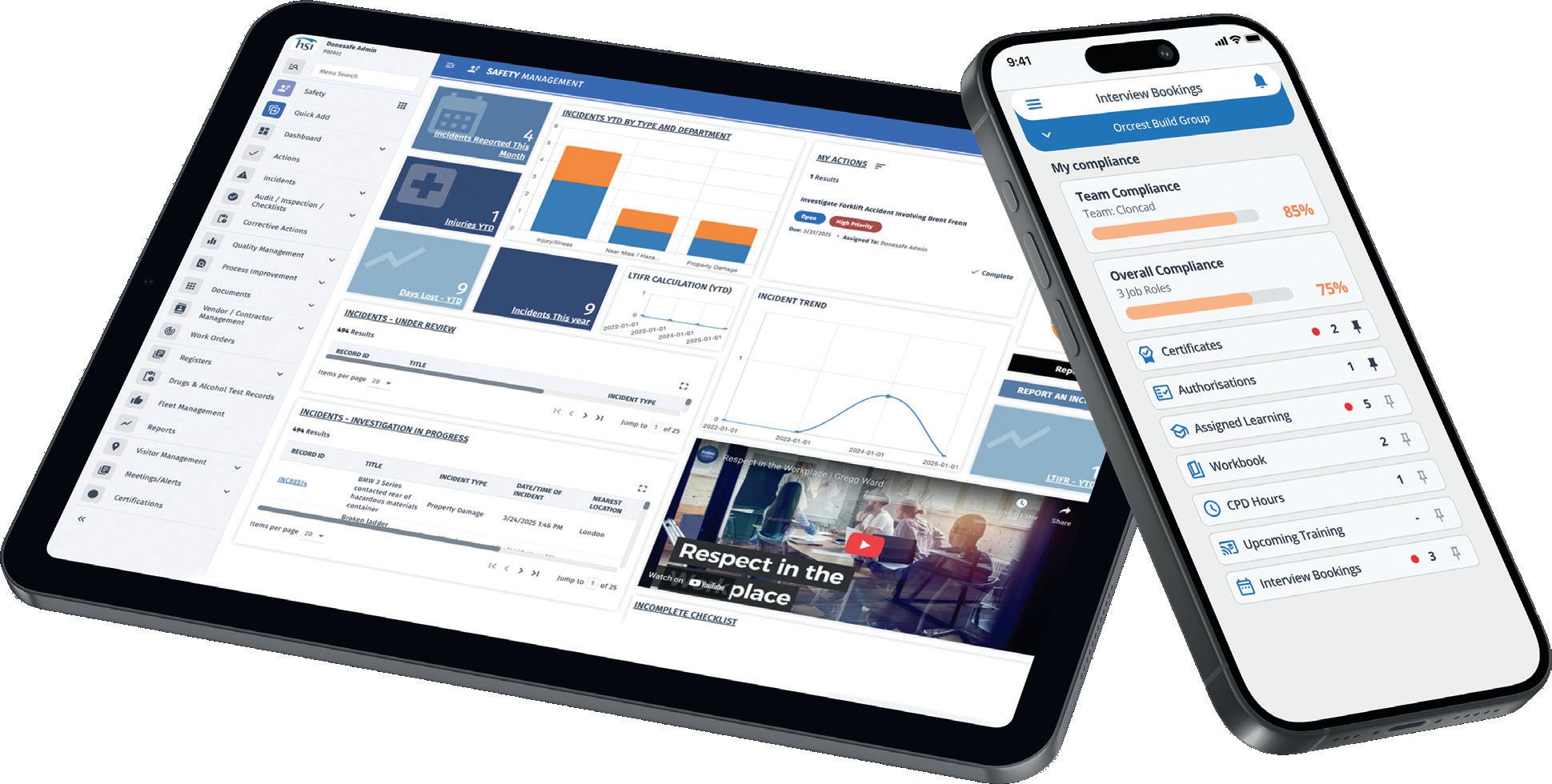
It’s a simple observation, but one that shapes how HSI develops HSI Donesafe, its EHS management platform for safety, risk, compliance and workforce capability. It also underpins the company’s continued investment in its European presence as demand for EHS software grows.
Ask most organisations why their safety programmes underperform and they’ll point at the technology. Jose disagrees.
“The assumption that if you buy the best platform with the most advanced features and AI, adoption will follow is fundamentally flawed,” he says. “You must think about how you integrate it into the way people work. Not how you track and monitor, but how you help people identify and address issues.”
“This is why we invest in customer advisory boards, convening customers multiple times a year to work through what they need, not what we think they need”. Jose says the distinction matters: when the company asked customers about AI a few years ago, none had it top of mind. But when asked what they wanted from the product, they described what AI can deliver: fewer steps, faster recommendations, less friction. “They weren’t talking about AI,” he says, “they were talking about its benefits.”
AI is playing a central role in how safety platforms are developed, but Jose is careful to define what that means. The approach is to ring-fence AI within curated datasets including incident records, training history, inspection data and regulatory content rather than drawing on open internet sources. The result, he argues, is the authoritative

and auditable insights that come from evidence-driven risk mitigation.
“People are drawn to general AI systems, without knowing where the data is coming from, and use AI answers for a real safety issue,” he says. “That blows my mind.” In workplace safety, where a wrong decision can carry serious consequences, the provenance of data is not a technical detail. It’s a requirement.
Equally important is keeping humans in the decisionmaking loop. “Customers tell us that they want AI to enhance their capabilities and improve efficiency. But they still want to make the final call. No one wants AI acting on their behalf and getting it wrong on safety.”
Image-based hazard recognition, developed in response to customer demand, enables organisations handling thousands of site images a day to automatically identify potential risks. In one case, a photograph revealed a
chemical storage area without a fire extinguisher and no safety data sheet. The system flagged it and alerted the relevant person, turning a buried image into an actionable insight.
“Not every organisation in EHS is a large enterprise,” says Jose. “Smaller companies need to start by solving one problem, whether it’s a training gap, a compliance checklist, digitising a process, then build from there.”
This is what adoption looks like: technology that meets organisations where they are, rather than forcing them into rigid processes. For smaller teams, where safety professionals are juggling multiple responsibilities, the ability to move quickly, without a long rollout, can determine whether a system gets used.
Larger organisations take a broader view, configuring systems around their internal processes and ways of working. “As regulations and policies change, as the business pivots,” says Jose, “they can change the workflows, the forms, and evolve how the system works. We put that flexibility in their hands.”
Jose is fielding questions about psychological safety, an area of regulatory interest, and one he expects to continue gaining traction in the UK and Europe. “With physical risk, the training data, the root causes and the hazard identification are well established,” he says. “With psychological safety, you’re asking different questions: what communication channels exist for people to raise concerns? Are your managers trained to identify signs of distress that have nothing to do with physical safety?”
The psychological ones are also less visible. “You can go into most organisations that have a safety programme and they will be able to tell you what PPE is required and what training is needed for a specific piece of equipment. But ask them how they’re identifying early signs of mental health issues, and the answer is much less clear.”
It is here that Jose’s central argument holds: technology is only part of the answer. This is where more integrated approaches are showing value, not by replacing human judgement which remains critical, but by providing structure and visibility. Emerging capabilities now assess how well wellbeing policies are reflected in daily operations, helping to surface gaps between stated intent and operational practice. Without the right processes and human oversight, visibility alone won’t improve outcomes.
As regulatory expectations evolve, the ability to
demonstrate that a safety programme is not only in place, but functioning as intended may become as important as the programme itself.
What emerges from the conversation with Jose is a constant thread: the value of safety technology is inseparable from the people and processes around it. Whether the challenge is physical hazard management, workforce training, or the complex territory of psychological safety, the same principle applies. The systems that succeed are those built around how people work, and the organisations that understand that are the ones best placed to turn regulatory pressure into operational advantage.
As organisations face increasing pressure to manage risk, maintain compliance, and protect their people, many are turning to digital solutions to improve visibility and control.
HSI Donesafe is one such platform, bringing together EHSQ management with workforce training, competency and operational risk in a single, connected system.
Delivered via a cloud-based, AI-enhanced platform, it combines intelligent workflows, smart forms, and configurable modules to support proactive and datadriven decisions. By connecting siloed processes, it enables organisations to strengthen oversight, improve efficiency and respond better to emerging risks.
The company has been building its footprint across the EMEA region through a series of targeted acquisitions. In late 2024, it acquired Ireland-based workforce competency and compliance management platform Skillko, followed with London-based and risk assessment and method statement (RAMS) workforce training solutions provider HandsHQ in 2025.
These moves have strengthened its presence and expanded its capabilities, positioning the business to better support organisations in complex, high-risk environments.
donesafe.com/uk
As AI adoption accelerates across manufacturing, Mei Dent, CPTO at TeamViewer, looks at the key drivers behind this increased adoption, the benefits it brings, and what manufacturers can do to leverage AI in their own operations.
Unplanned downtime costs UK manufacturers up to £736 million a week.1 Whilst setting teams back financially, such disruptions also affect productivity and operations, slowing production, reducing efficiency and ultimately damaging customer relationships.
As manufacturing environments become increasingly complex, businesses are under growing pressure to operate with greater speed and precision. In response, AI and connected technologies are becoming essential tools for modern manufacturing operations, helping organisations reduce disruption, improve decision-making and remain competitive in a rapidly evolving market.
This shift is also transforming the workforce itself. The adoption of AI, which 78% of manufacturing leaders now use weekly,2 supports more data-driven decision-making and connected operations, enabling businesses and employees to work more productively and efficiently. As these technologies become more embedded in day-today processes, manufacturers are increasingly moving away from legacy systems towards smarter, more adaptive operations.
However, successful adoption depends not only on the technology itself, but also on supporting the workforce to use these tools effectively. Human oversight remains critical to ensuring AI systems continue to learn, adapt and deliver reliable outcomes while maintaining full operational control.
In practice, this shift is already accelerating everyday operations. AI adoption has surged in manufacturing because it addresses key industry challenges, including skilled labour shortages and ongoing supply chain disruption caused by geopolitical instability and global crises.
At the same time, AI enables workers to focus on highervalue tasks by automating time-consuming operational processes such as customer support, reporting and data analysis. Its applications also extend to forecasting and operational planning. For example, AI models can forecast demand at a highly detailed level, helping manufacturers determine production volumes, inventory requirements and material reordering schedules more accurately.

When combined with human expertise and oversight, these capabilities allow businesses to make faster, more informed decisions while improving operational efficiency across the organisation.
Despite growing adoption, however, just 28% of manufacturing leaders identify as AI experts3. Many organisations still lack the in-house expertise needed to deploy and scale AI effectively beyond initial pilot phases. Concerns around data security and reliability also continue to contribute to hesitation.
As a result, continued education and workforce development will play a critical role in enabling longterm adoption. This is particularly important as the next generation enters the workforce, with AI capabilities increasingly becoming central to maintaining progress in the manufacturing sector.
When implemented effectively, AI and connected technologies deliver benefits across the organisation. One of the clearest examples is predictive maintenance, where AI helps manufacturers identify when machines are likely to require servicing before failures occur. This allows
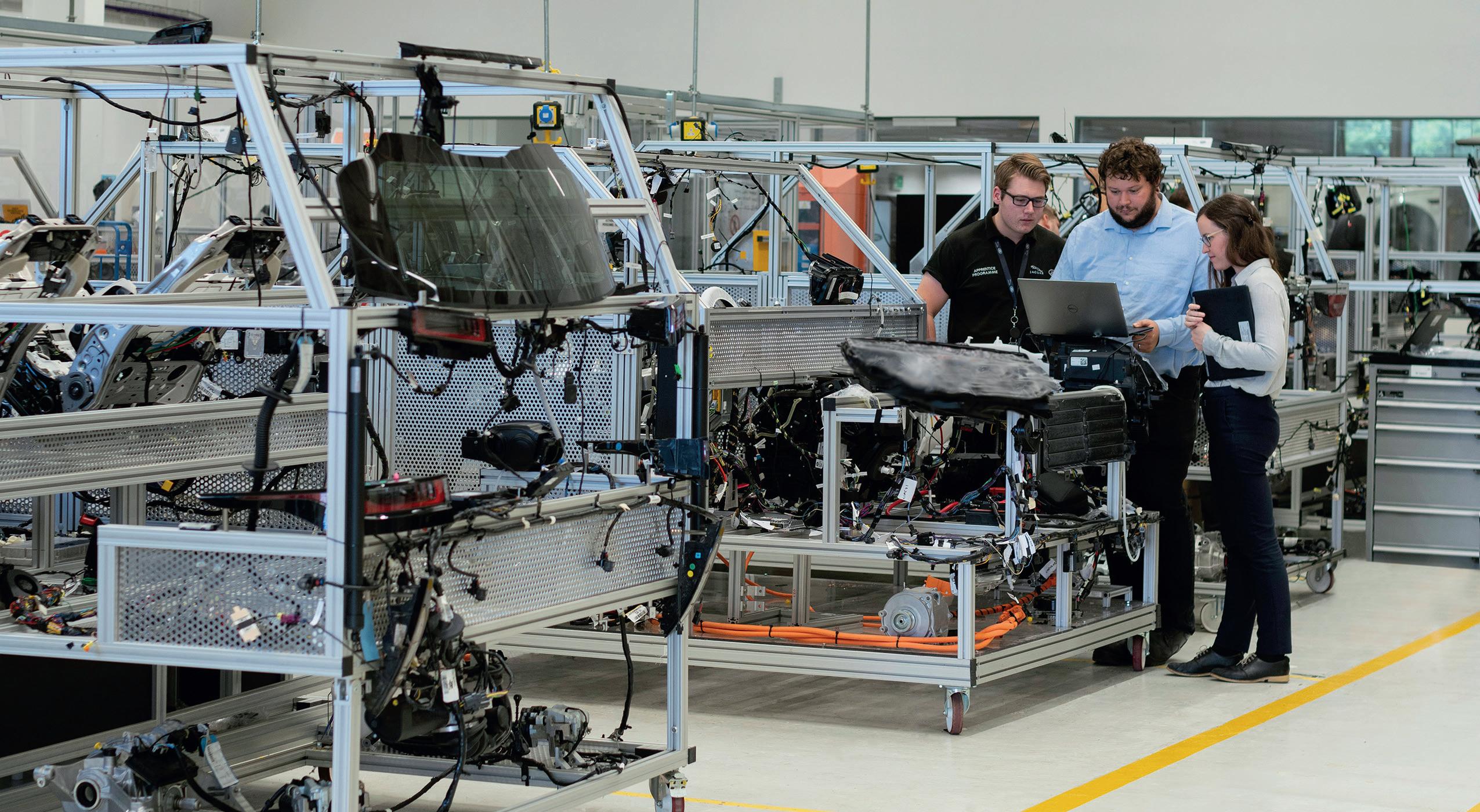
businesses to reduce unplanned downtime and improve resilience.
AI can also help optimise production schedules, improve resource allocation and reduce waste through more effective use of operational data.
Alongside AI, technologies such as augmented reality (AR) and remote support are also helping manufacturers strengthen frontline operations. Workers can access stepby-step guidance during complex tasks, while technicians repairing equipment can use AR glasses to view instructions directly overlaid onto machinery or connect with remote experts for real-time support.
These tools not only reduce errors and shorten training times but also help less experienced workers complete highly skilled tasks with greater confidence.
The competitive implications are becoming increasingly significant. Manufacturers that delay investment risk higher operating costs and slower decision-making compared to organisations already using AI to optimise operations and respond more quickly to changing market conditions.
Alongside skills gaps, legacy infrastructure remains another significant barrier to adoption. Many manufacturers still rely on systems that were not designed to integrate easily with modern digital tools, making implementation both complex and costly.
Upfront investment can also present challenges, particularly for businesses operating on tight margins where return on investment must be clearly demonstrated
at every stage. As a result, many manufacturers continue to take a phased approach to adoption, implementing AI incrementally while evaluating operational improvements and measurable ROI over time.
For organisations looking to scale successfully, adoption therefore requires a combination of workforce training, strategic planning and clear operational objectives.
The manufacturing industry has a long history of adapting to new challenges by refining processes and adopting technologies that strengthen operations and support workers. That transition is now accelerating as smart manufacturing becomes the industry standard.
With increasing investment in AI, connected systems and digital tools, manufacturers have an opportunity to build more resilient, adaptive operations capable of responding more effectively to disruption.
Ultimately, the organisations that invest not only in technology, but also in the workforce skills needed to support long-term adoption, will be best positioned to remain competitive and drive sustainable growth in the years ahead.
teamviewer.com/en
1. reliability.fluke.com/unplanned-downtime-costs-manufacturers-up-to-852mweekly/
2. bit.ly/4wDxKqj
3. bit.ly/4dv31TF
Here, Chris Lloyd, Chief Solutions and Technology Officer, Syspro, explains how implementing AI inside Enterprise Resource Planning (ERP) is key to turning insight into action.
Manufacturers are swimming in data and starved for decisions. The promise of digital transformation was real-time visibility and agility, and those investments have largely delivered. But the next question is harder: what do you do with all that intelligence? That is where ERP stops being a system of record and starts being a system of action.
IoT, cloud platforms and digital twins have reshaped the operational layer, giving manufacturers real-time data, predictive insight and the ability to simulate before they commit. But infrastructure alone does not drive outcomes. Someone, or something, has to act on it.
Yet the true backbone of digital transformation lies in ERP systems. ERP integrates data, automates processes and delivers end to end visibility across the supply chain. It consolidates information from IoT devices, production lines and financial systems, enabling manufacturers to forecast demand, manage inventory, and coordinate tasks seamlessly.
ERP also strengthens cybersecurity, ensuring connected machines and sensitive data remain secure in increasingly complex digital environments. For mid-market manufacturers in particular, this is where a purpose-built ERP earns its keep, by serving as the governed operational core that gives every other technology something to connect to.
The next frontier is AI, but with a critical distinction. Simply put, without context, AI gives recommendations. With context, it drives execution. It is clear that AI alone cannot replace the operational depth manufacturers depend on, and that real value emerges when AI works inside ERP, leveraging the rules, routings and compliance structures already embedded in manufacturing systems.
This integration allows AI to act within trusted guardrails, weighing trade-offs across production, procurement and finance, and making decisions that are traceable and auditable. Consider a supply disruption at 2am, for example: AI without an ERP context raises an alert; AI inside ERP can weigh available stock, alternative suppliers,
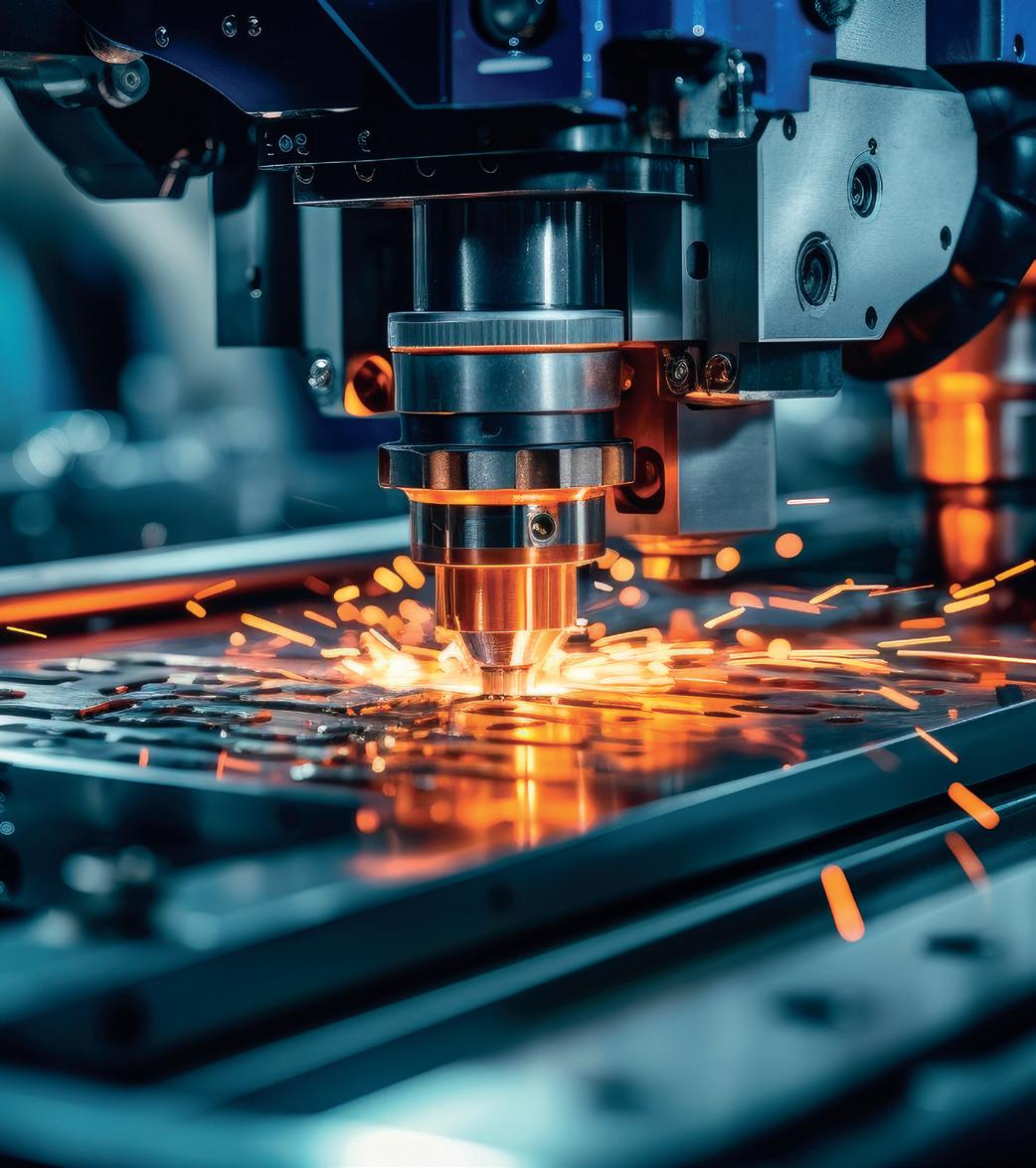
production schedules and margin impact and action a response within the rules the business has already set.
As a result, ERP has been transformed from a system of record into a system of action. AI embedded in ERP workflows enable manufacturers to achieve better margins, tighter inventory control, reduced downtime and faster responses to change. It is not about replacing ERP, but activating its operational context so AI can deliver outcomes, not just insights.
The convergence of IoT, cloud, ERP and AI will define competitiveness as Industry 4.0 unfolds. Manufacturers that embed intelligence into governed systems will gain agility, resilience and sustained advantage. Digital transformation is not a one-time project. It is an ongoing journey where context turns potential into execution. Embedding intelligence into the systems where decisions actually happen is the real transformation.
Syspro.com
As supply chains are forced to become more agile, digital transformation in warehouse operations requires adaptive automation, says Andrew Southgate, VP, Business Development, EMEA at Lucas Systems.
Today’s warehouse operating environment is defined by constant disruption. Demand volatility, supply chain shocks, sudden promotional spikes and ongoing labour constraints have made change the norm rather than the exception. In this context, rigid automation can actively hinder performance and inflate costs.
Recent research underscores this. A survey1 conducted by Lucas Systems with Wakefield Research found that 92% of supply chain leaders experienced major unplanned disruptions in the past year, with most facing multiple incidents. This isn’t occasional turbulence; disruption is now a persistent condition. As a result, 86% of leaders say it is now critical that their technology investments improve adaptability.
This transformation closely mirrors broader digital transformation trends in manufacturing and supply chain operations. Across the industry, organisations are seeking connected technologies, real-time data visibility and advanced digital strategies to move toward smart operations. Systems must be flexible, data-driven and capable of continuous optimisation. Static processes and fixed automation architectures are being replaced by intelligent, software-defined environments that can respond dynamically to changing conditions.
The challenge is that many warehouses are still operating with legacy systems built for stability, not agility. While these systems perform well under predictable conditions, they struggle when assumptions break down. In fact, 77% of surveyed leaders report that at least half of their systems are too rigid to respond effectively to disruption. That rigidity introduces measurable financial consequences. Among those impacted, 90% say it increases operational costs by up to 25%, driven by overtime, temporary labour, expedited shipping and missed service levels.
By contrast, adaptable automation delivers tangible value. Sixty-two percent of executives report operational cost benefits between 11% and 25% when flexibility is built into their systems. This reframes adaptability as more than an operational advantage. It becomes a core financial strategy, directly influencing cost efficiency, throughput and scalability.
In practice, adaptable automation is enabled through digital capabilities: dynamically reassigning work,

rebalancing labour in real-time, optimising workflows continuously, and scaling operations through software rather than hardware changes. These capabilities align with the principles of digital transformation, where data and intelligence drive decisions at every level.
Real-world examples illustrate the impact. Medusa Distribution, a distributor of smoke and vape products, modernised its operations by combining warehouse management and execution technologies with voicedirected workflows and AI-driven optimisation, achieving a 40% productivity increase and significant cost savings. Similarly, educational publisher Cengage transformed its fulfilment operations into a strategic growth engine, enabling expansion into third-party logistics and scaling to millions of units during peak periods.
The takeaway is clear: the true return on investment comes from systems that can evolve continuously, leveraging data, connectivity and intelligent software to keep pace with reality.
lucasware.com
1lucasware.com/thought-leadership/overcoming-disruption/
Warehouses need the capability to sense and adapt quickly and cost efficiently as the supply chain, market, and customer demands change.
can help equip your operation to sustain growth and resilience now and in the future.
us today to learn how.

The pilot works flawlessly. The team is confident. The executive sponsors are excited. Then scaling begins and everything that could go wrong, does. Legacy systems refuse to integrate. Equipment varies site to site. Local teams were never trained, six months becomes eighteen and one budget becomes three. Welcome to the ‘3x challenge’, one that is not an accident but a predictable outcome.
By Biplab Sah, Enterprise Architect.
Every transformation starts with a pilot: a promising team, contained scope, and measurable results. When the dashboards look clean and sensor data flows, excitement builds. Someone inevitably says, “This is exactly what the business needs more of.”
Then comes the natural question: can we roll this out to other sites?
On paper, it sounds simple. The technology is proven, the business case is positive, and the team is confident. The logical next step is replication.
This is where many organisations misunderstand their own success.
A Pilot often works because it is protected from the matrixed reality of the enterprise. It is usually built around one line, one site, one problem and one focused team. The people involved are often the best people available. They know the technology, they know the problem, and they have enough freedom to move quickly.
That environment gives evidence something can work. But it creates false certainty. The pilot avoids dealing with every old machine, every site variation, every legacy system. It proves a narrow point in a controlled setting, not scalability.
That is not a criticism of pilots. Pilots are valuable. The danger is treating success as proof scaling is simple.
The pilot works not because it has solved enterprise complexity, but because it has avoided much of it.
The work that makes scaling possible is often not the work that gets celebrated.
People remember dashboards and downtime reductions. They forget the hidden work: integration decisions, security reviews, support models, training plans – the work that decides whether the solution survives.
In my experience, this hidden work is where scale is either built or lost.
Manufacturing solutions scale not because technology is good, but because organisations clarify where it lives, design repeatable data models, embed security early, and bring operations teams into the story before handover.
Before announcing a rollout timeline, Leaders must answer four questions:
• Do we understand integration complexity across all target sites, or are we extrapolating from the easiest environment?
• Do local teams have skills, time, and confidence to own it after go-live?
• Have we defined structured handover from project to operations?
• Are we sequencing based on site readiness, not just leadership ambition?
If any answer is unclear, you are not ready to scale.

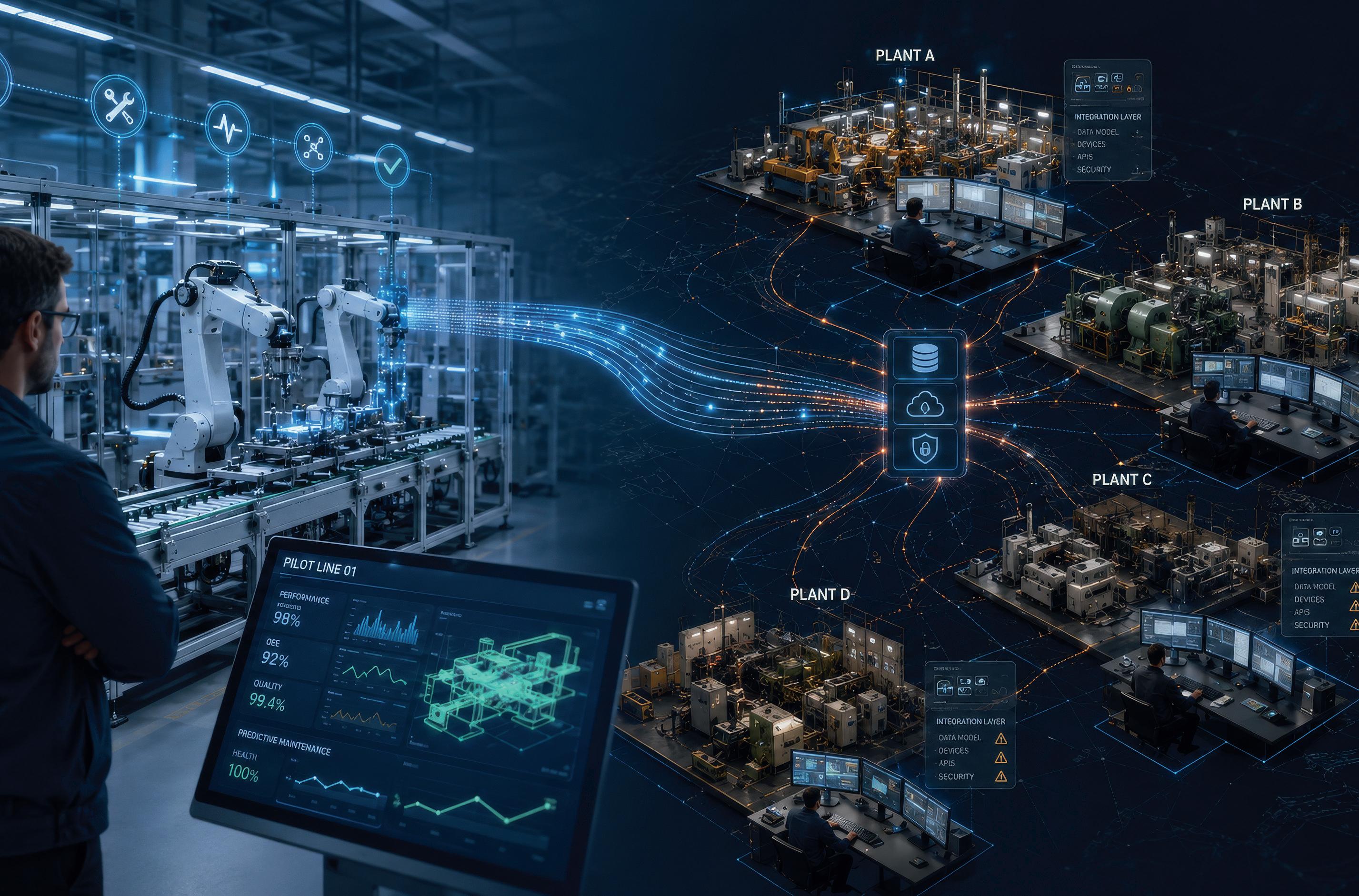
The answer is not to slow every pilot down. Speed matters. Focus matters. Teams need room to prove the idea. But while the POC team is proving the technology, another small team should be proving whether the organisation is ready to scale it.
I think of this as a parallel scale model. It has three workstreams running at the same time:
1. POC Delivery builds and validates the solution in a focused environment. This keeps the pilot fast, practical and outcome led.
2. Enterprise Architecture Mapping documents integration, data, security, equipment and site variation early. It exposes the complexity that will decide whether rollout is realistic.
3. Capability and Ownership Planning defines who will own, support, operate and improve the solution after golive. This prevents the classic handover gap between expert teams and local operations.
The second workstream, enterprise architecture mapping, is usually skipped. Done right, it is practical discovery: How does this connect to the MES? What data contracts are needed? Which security requirements will
slow deployment if left until the end?
The third workstream is just as important. A solution that depends forever on the original expert team is not scaled; it is an extended consultancy. Real scaling begins when operations can own the system with confidence.
Digital transformation is an organisational design problem rather than a technology problem. The teams that scale pilot success aren’t the ones with better technology choices, they’re the ones who asked early: “How do we structure governance, roles and decision-making so that 400 people can move with the velocity and clarity that 8 people had in a pilot?”
That question determines whether your transformation scales elegantly or stalls. Answer it right and enterprise scale becomes achievable. Answer it wrong and you’ll fall right back into the 3x challenge, spending the next three years and triple the budget explaining to your board why you still can’t scale what worked in the pilot.
The good news? The answer is within reach. You just must ask the right question before it’s too late.
linkedin.com/in/biplabsah/
What does digital transformation look like in practice? For many manufacturers, the challenge lies in knowing where and how to begin. This article, co-authored by Dr Katharina Roettger and Catrin Jones at CPI, showcases two projects to demonstrate how a focused, value-led approach to digitalisation can deliver real results with minimal disruption.
Both projects detailed here followed a transferable core methodology, developed by CPI, a technology innovation catalyst: understanding process challenges, assessing existing data and usage, and defining realistic steps with immediate value while laying the foundations for a full digital transformation.
The projects were delivered through the Foundation Industry Sustainability Consortium (FISC) and the Centre of Expertise in Advanced Materials and Sustainability (CEAMS), both funded by Innovate UK.
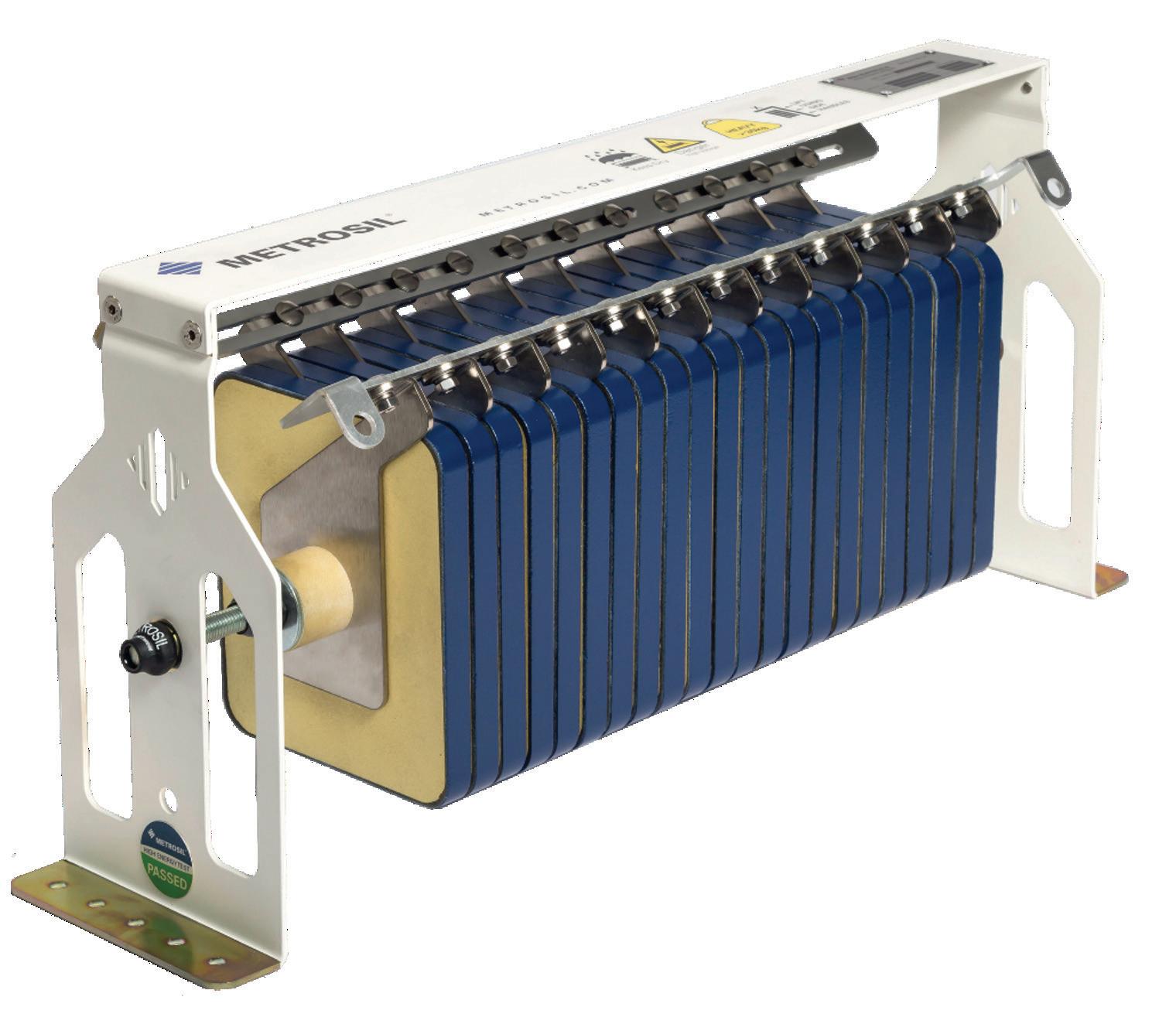
M&I Materials manufactures specialist materials for industry and science. This project focussed on advancing the digital maturity of their Metrosil varistor line, used to protect infrastructure from over-voltages. After in-depth mapping of the manufacturing process and data flows, CPI developed a roadmap of standalone value-adding steps towards a fully digitised production plant.
M&I held 70 years of technical varistor specifications as physical documents, with no effective way to automatically search or reuse information. Working closely with M&I, CPI developed an automated workflow to transcribe and standardise documents into a searchable database. This transformed an underused archive into a valuable digital asset, enabling further optimisation.
Metrosil varistors undergo a final test with visible and thermal videos captured. Previously, failure modes such as sparks were identified manually. CPI tested the feasibility of automating detection using large language models by developing an end-to-end automated cloud-based workflow that ingests videos, analyse them, and return the relevant failure codes. Once implemented, this removes interpretation variability and manual analysis.
CPI also supported Therma-Chem, a Scottish, family-run SME supplying industrial boiler cleaning chemicals, to digitalise their operations. Like many companies, ThermaChem held large volumes of data which were manually analysed, but lacked the skills to unlock the full value.
CPI transformed their existing Excel-based data into an intuitive, interactive dashboard showing boiler performance, cleaning schedules and ROI, and proved the feasibility of machine learning-based predictive
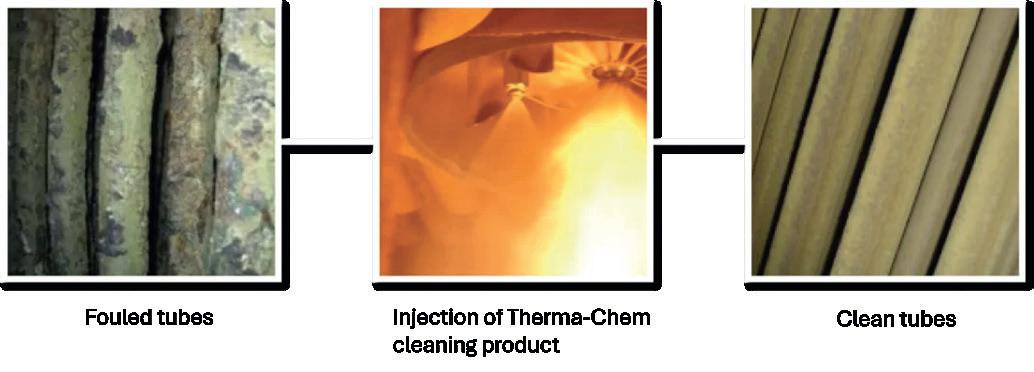
maintenance models, helping customers reduce downtime and energy use.
CEO Ron Semple explains: “Working with CPI allowed us to offer automated, data-driven solutions that led to significant growth in our business, currently annualising at over £1.4 million and growing.”
Together, these examples show that digital transformation succeeds when it starts with existing data, clear problem statements and realistic, value-adding steps.
uk-cpi.com
Any company operating in the EU must comply to the EU AI Act. Here, Chris Whyborn, Head of Cybersecurity Services (UK & Europe) for TÜV SÜD Business Assurance, a global provider of auditing and certification services, offers his insights on de-risking AI deployment.
Any manufacturers deploying AI within their systems must successfully integrate technical safeguards with ethical and legal compliance across the entire AI lifecycle. They must ensure they fully understand their responsibilities, liabilities and potential exposure, ensuring that any AI systems are trustworthy, fair and secure.
The EU AI Act requires companies to take a risk-based compliance approach, and non-compliance may result in significant fines. While this does not apply to organisations based outside the EU, it does apply if they operate in it. An organisation should therefore classify AI systems into the risk classes defined in the EU AI Act to understand applicable requirements, and whether it is affected by the regulation.
Manufacturers that want to harness the full potential of AI must assess organisational readiness and ensure risks are managed effectively so that the AI system is fit for large-scale deployment. Risks include those associated with safety, security, legality, ethics, societal, performance and sustainability.
Effective due diligence reduces the likelihood of occurrence and demonstrates that proportionate measures have been taken to address the risk or the consequence. All aspects along the lifecycle of an AI system and its data must be covered, including data preparation and quality, model development and fairness, explainability, deployment readiness, and ongoing monitoring and feedback. The organisation must, therefore, be fully prepared, both technically and culturally, for widespread adoption, making staff training and readiness for effective incident response essential.
ISO/IEC 42001:2023 is the first internationally recognised standard for AI management systems (AIMS). It provides a structured framework for organisations to develop, implement and operate AI systems, analyse risks and impacts, and establish protective measures.
As AI deployment gains traction, ISO 42001 helps organisations overcome associated pressures, including building trust and ensuring readiness for laws like the EU AI Act. It also provides a competitive edge if any part of a manufacturer’s supply chain requires proof of AI safety.
AI governance is not solely a topic for the IT department

as seemingly harmless systems can introduce bias due to faulty or one-sided training data. An AIMS will help to keep processes and decisions transparent and controllable by prompting companies through structured risk management.
Although ISO/IEC 42001:2023 certification is not a regulatory requirement, it represents a solid basis for compliance with current and future AI regulations, helping organisations manage their AI responsibly in the long term. A certified AIMS helps to secure innovations, minimise risks and increase the trust of stakeholders and customers.
tuvsud.com/en-gb
Learn here how computer hardware manufacturer, Exacta Technologies, has doubled revenue since implementing enterprise resource planning (ERP) software.
Exacta Technologies needed software to support growth while building increasingly complex products. “Since we started using MRPeasy, we have achieved over 100% growth in revenue,” says Chris Landen, Managing Director.
Exacta Technologies Group is a computer hardware manufacturer from Bristol, UK. The business has two divisions: Exacta Technologies and Blackcore.
Exacta Technologies focuses on building custom hardware platforms tailored to customers’ software requirements, while Blackcore specialises in highperformance, overclocked trading servers used in electronic trading environments.
Prior to 2019, Exacta used Sage to manage accounting and inventory. However, as production complexity increased, the lack of manufacturing-specific functionality became a barrier to further growth. After exploring several options, they chose MRPeasy on account of its robust functionality and its native integration with Xero.
“MRPeasy stood out because of its excellent balance of user-friendliness and depth of functionality expected from much larger systems,” Landen explains.
According to Landen, who led the implementation, moving on to a new system was a challenge mainly due to the complexity of the operation. The company manages large numbers of BOMs, including matrix BOMs, and deals with subcontracting and multi-stage production. “But MRPeasy gave us the flexibility we needed,” Landen says.
Five years after the implementation, Exacta Technologies has 66 users set up on MRPeasy. Even at this number of users on the most expensive package, Landen maintains that the software remains affordable. According to Landen, some of MRPeasy’s biggest benefits are the structure it introduces into a business as well as the visibility it provides.
“We now have standardised processes and clear visibility across production, stock, and purchasing,” he says. “This allows us to coordinate more effectively and reduce manual errors and bottlenecks.”
MRPeasy’s BOM functionality is something that Landen
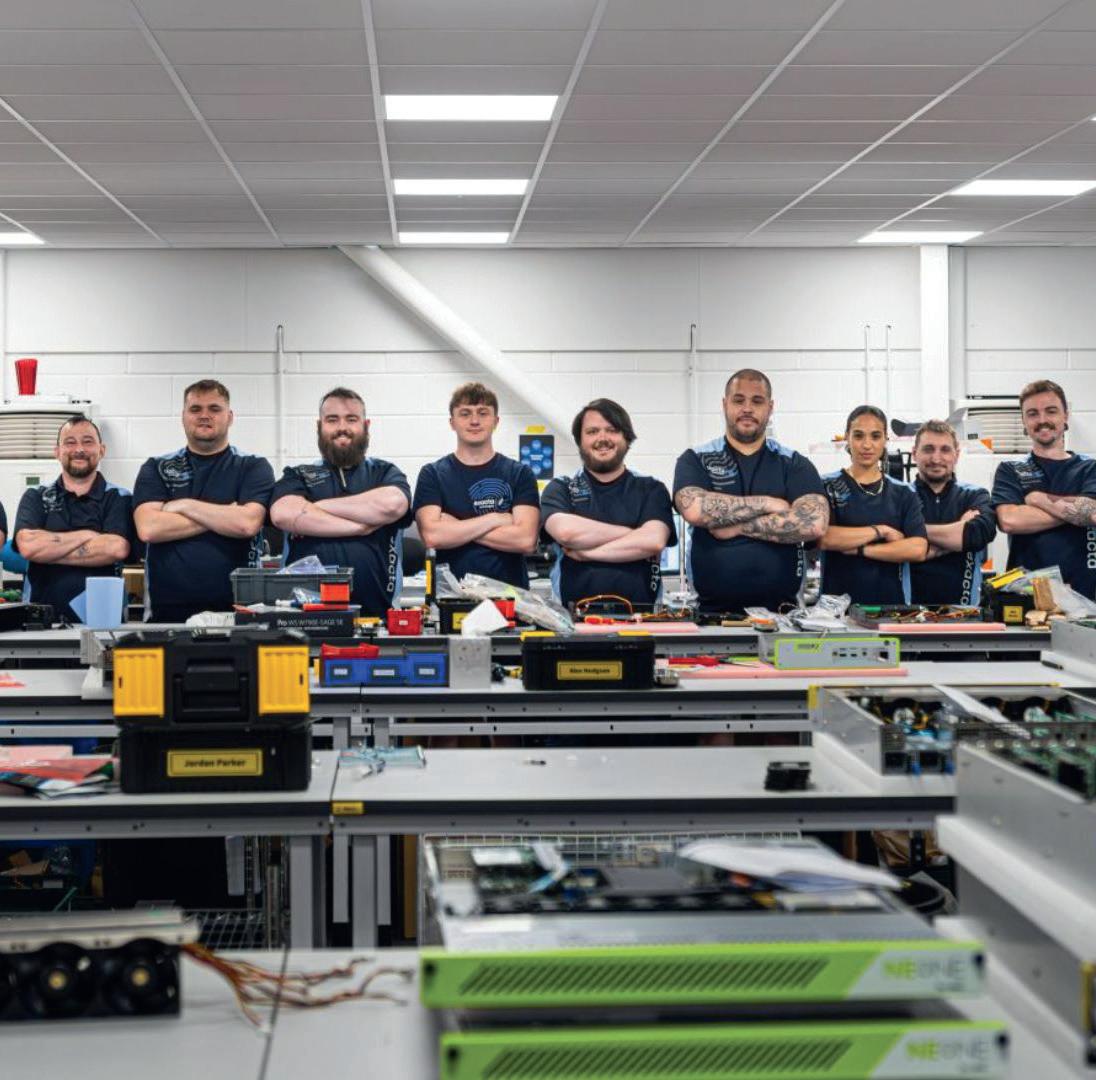
highlights consistently: “Our product set is large and complex. MRPeasy allows us to manage multi-level and configurable BOMs while controlling revisions and engineering changes properly.”
The software has also enabled Exacta to get control over its inventory and purchasing, which helps prevent shortages and production stoppages.
“We have continuous visibility into what components we hold and what’s required next,” Landen maintains. “That’s been invaluable when dealing with long global lead times and constrained supply chains.”
Landen emphasises that MRPeasy has substantially improved the company’s internal processes, which has consequently had a positive effect on their customer satisfaction.
“We’re able to quote faster and schedule more accurately,” Landen says. “That directly improves delivery reliability and customer communication.”
Perhaps most importantly, MRPeasy has provided Exacta Technologies the operational backbone and focus that supports their rapid expansion and increasing order volumes, resulting in the company’s headcount tripling.
mrpeasy.com
Lower costs, implementation ease and digital connectivity democratisation are breaking barriers to digital transformation, explains Milesh Patel, Supplier Manager, Automation & Control/Electrification for RS UK & Ireland.
The perceived high cost and complexity, combined with a lack of true understanding of digital transformation, may once have presented a barrier to entry or adoption. But industrial organisations increasingly recognise the cost of not embracing digital transformation is far higher than standing still, and the impact prohibitive on growth and innovation.
The cost of entry for digital connected automation products is continually dropping. At the same time, implementation is getting simpler, and data sharing protocols are democratising data. Digital transformation is more accessible than ever for industrial players.
Digital connected technologies may once have been considered accessible only to large-scale manufacturers with significant budgets. Sensors, controllers, networking hardware and cloud-enabled monitoring platforms – once considered premium investments – are now available at lower price points. This makes them available to a much broader range of machine builders, system integrators and end users, enabling a shift in approach to productivity, maintenance and digital transformation.
This accessibility is no doubt being influenced by developments in the consumer Internet of Things (IoT) market. Industrial suppliers are recognising the value of adopting similar principles: easier setup, remote access and streamlined diagnostics in factory environments.
Meanwhile, the easier set-up is being driven by intuitive configuration tools, standardised installation processes and plug-and-play capabilities. The technical barriers that may have once slowed digital adoption are increasingly diminishing.
Data sharing protocols and architectures like IO-Link are fast moving from ‘new and different’ to ‘every day’ for designers and machine builders. Ethernet is now the accepted data connectivity backbone for all automation systems. Any legacy protocols, like Modbus and Profibus, have migrated to use Ethernet rather than legacy, proprietary cabling and connectivity. This further democratises digital connectivity, with the result being
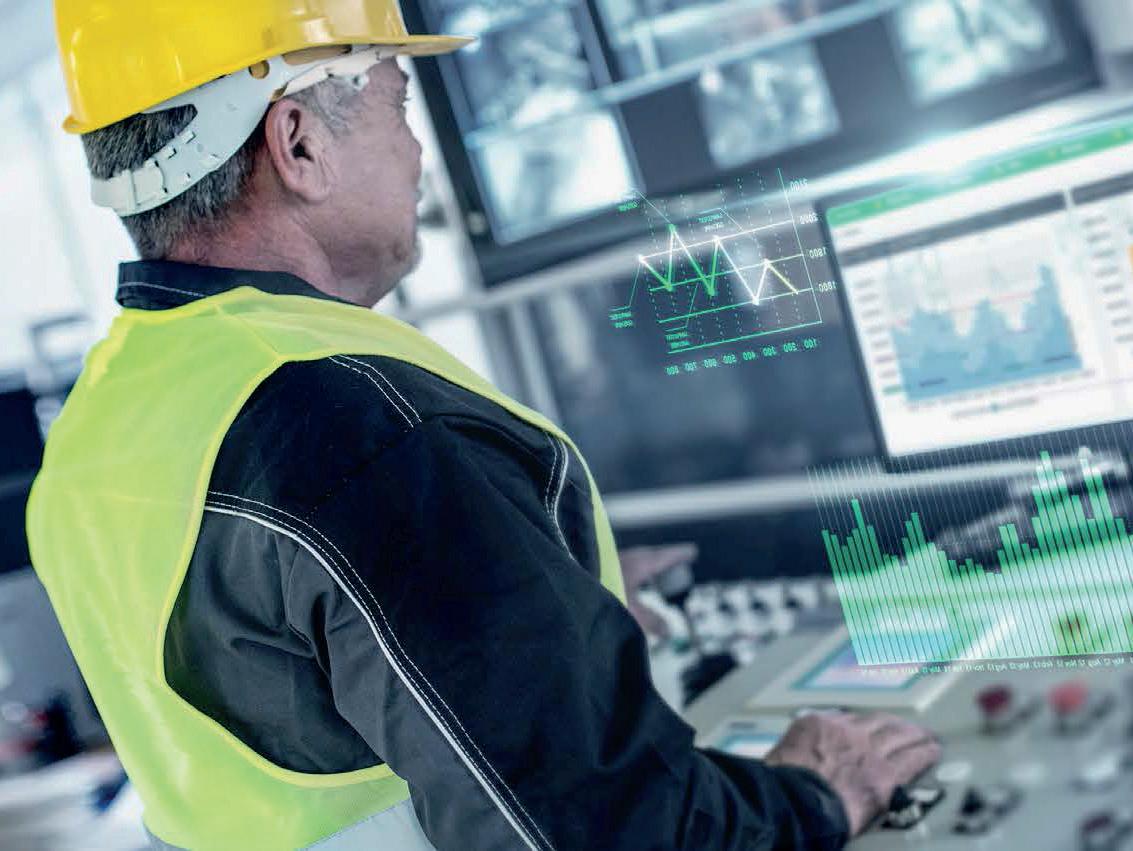
more efficient data movement from individual machine components to plant-wide systems, enterprise networks, and even cloud-based analytics platforms.
Some of the manufacturers leading the way on this digitisation journey include Sick, IFM and Omron. RS works with around 50 manufacturers in this area, and is also continually developing the RS PRO automation offer to include more digital connectivity products, which helps to lower the real-world cost of entry for machine and equipment makers.
Additionally, advances in open-source industrial edge computers, like those based on the Raspberry Pi single board computer, allow data within a machine or process to be easily conveyed to the cloud. Being open-source means they can run a variety of different programming codes, like Node-RED, while being protocol agnostic and linking legacy PLC systems and the wider network or cloud. Meanwhile, industrial Ethernet-connected thermal imagers allow thermal image data to be easily broadcast across the site and beyond.
For industrial organisations, this shift signals a major opportunity, making connected automation more attainable than ever. Democratisation improves operational efficiency and accelerates innovation, and embracing these technologies is key to maintaining competitive relevance in an increasingly connected industrial landscape.
uk.rs-online.com/web/
In plastics manufacturing, traditional material drying can lead to production instability. Fortunately this process is being revolutionised by digital transformation, as industrial equipment supplier Summit Systems explains here.
As plastics manufacturers continue accelerating digital transformation strategies, the focus is shifting beyond machine connectivity alone. Today, manufacturers are looking for technologies that directly improve productivity, maximise machine uptime and reduce operating costs through smarter use of production data.
One area where this is becoming increasingly important is material drying. Drying has a major influence on process stability, part quality and production efficiency. Inconsistent drying can lead to defects, material degradation, process interruptions and unplanned downtime, all of which reduce machine utilisation and increase cost per part.
Traditional drying systems typically rely on indirect environmental measurements such as dew point to control performance. These systems can be affected by ambient conditions, maintenance issues and material variability, often creating inconsistencies that impact production stability and throughput.
The Maguire ULTRA Vacuum Dryer takes a different approach. Using vacuum technology based on fixed physical principles rather than variable environmental conditions, ULTRA delivers faster, more stable and highly repeatable drying performance.
The productivity benefits are significant. With drying times reduced to a fraction of those required by traditional desiccant systems, processors can dramatically increase material availability and reduce waiting times between production changes. Faster drying means moulding machines spend less time idle waiting for dry material, helping maximise uptime and improve overall equipment effectiveness (OEE).
At the same time, ULTRA helps reduce production bottlenecks by ensuring a continuous and reliable supply of correctly dried material. Reduced thermal stress on the resin also improves consistency and part quality, minimising scrap, reducing process interruptions and supporting more stable long-term production.
Alongside productivity improvements, ULTRA also delivers major energy savings. Energy consumption can typically be reduced by more than 60% compared with conventional drying methods, helping manufacturers lower operating costs while supporting sustainability targets and reducing CO2 emissions.
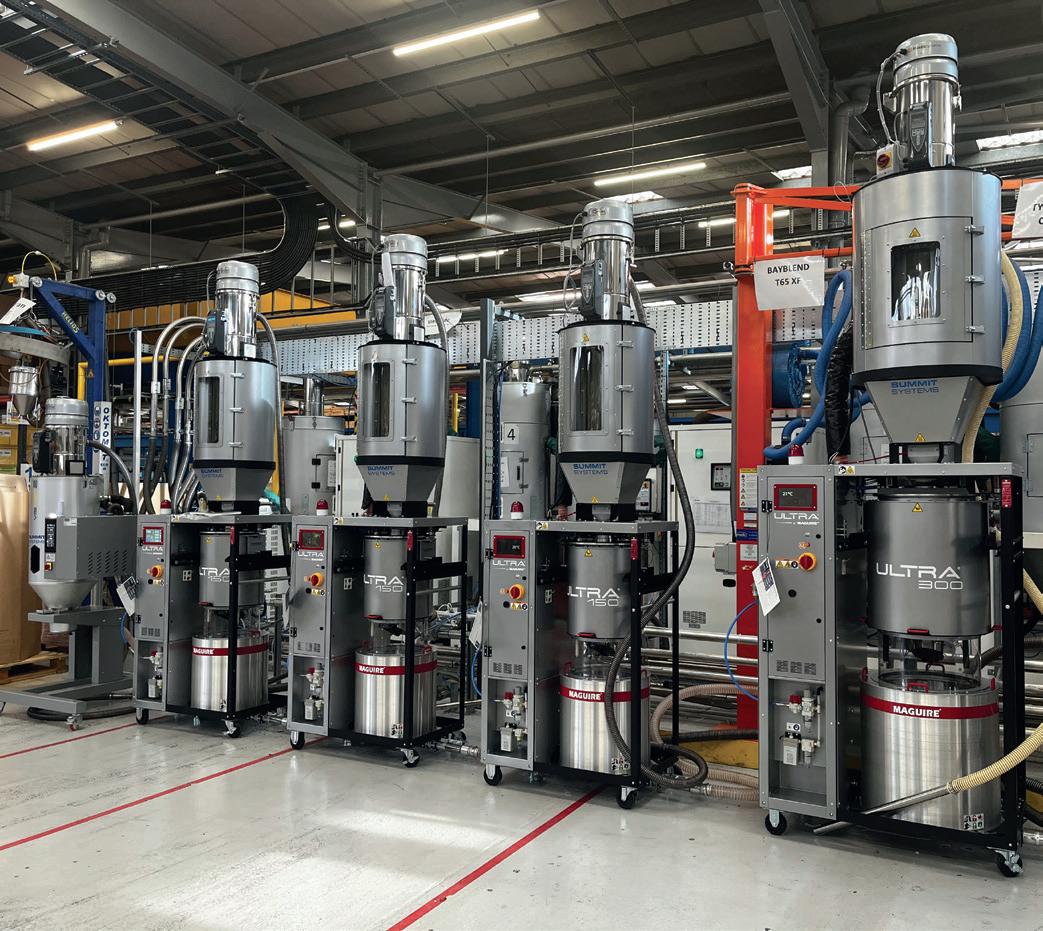
For manufacturers focused on data-driven production, ULTRA transforms drying into a fully connected process. The system continuously captures and records key operating parameters including material temperature, vacuum pressure, cycle duration and throughput. These time-stamped process records provide engineers with valuable operational insight, enabling faster troubleshooting, improved traceability and better process optimisation across multiple machines or production lines.
When integrated with wider factory systems such as MES or plant-wide monitoring platforms, drying becomes part of a connected manufacturing environment where real-time data supports faster decision-making and more efficient production management.
Digital transformation in plastics manufacturing is ultimately about improving performance, uptime and profitability. Technologies such as the ULTRA Vacuum Dryer microsite demonstrate how smarter drying can help manufacturers increase productivity while reducing energy consumption and environmental impact.
Visitors to Interplas 2026 can learn more about ULTRA Vacuum Drying on the Summit Systems stand, Hall 10, Stand M50, at the NEC Birmingham.
summitsystems.co.uk
Manufacturing doesn’t have a data problem; it has a visibility problem. Here, Tascomp, industrial automation software & systems developer, addresses common misconceptions about the role of data digital transformation.
For decades, manufacturers have relied on historical reporting to drive improvement.
Shift reports. Spreadsheets. Whiteboards. Utility bills reviewed at the end of the month. Downtime entered manually after the event. While these methods may provide some level of visibility, they often only tell part of the story; and sometimes, not even the right story.
The challenge is that modern manufacturing environments move too quickly for delayed information. By the time a problem appears on a report, the opportunity to prevent it has usually already passed.
Take downtime as an example. A machine may show 90% uptime on paper, yet still suffer from hundreds of short interruptions throughout the day. These “microstops” are often accepted as being “within the cycle” or simply never recorded at all. Individually, they may only last a few seconds. Collectively, they can represent hours of lost production every week.
The same applies to energy usage. With oil and energy prices continuing to rise, manufacturers are under increasing pressure to understand not just how much energy they consume, but where it is being used, where it is being wasted, and what “good” actually looks like.
Traditionally, energy has been monitored at a very high level, typically through monthly utility bills or sitewide metering. The issue with this approach is that it disconnects energy usage from production activity.
Two production lines may produce the same output, yet one could consume significantly more energy due to inefficient changeovers, prolonged idle running, poor operational discipline, or ageing equipment. Without live, contextualised data, those inefficiencies remain hidden.
This is where real-time manufacturing visibility changes the conversation.
Modern manufacturing monitoring systems such as PlantRun connect directly to machines, sensors, and utilities infrastructure to capture live operational data automatically. Production output, cycle times, downtime, machine status and energy consumption can all be viewed in real time and linked together in a meaningful way.
The ones who track the live, meaningful data can begin to identify trends and behaviours that traditional reporting methods often miss entirely:
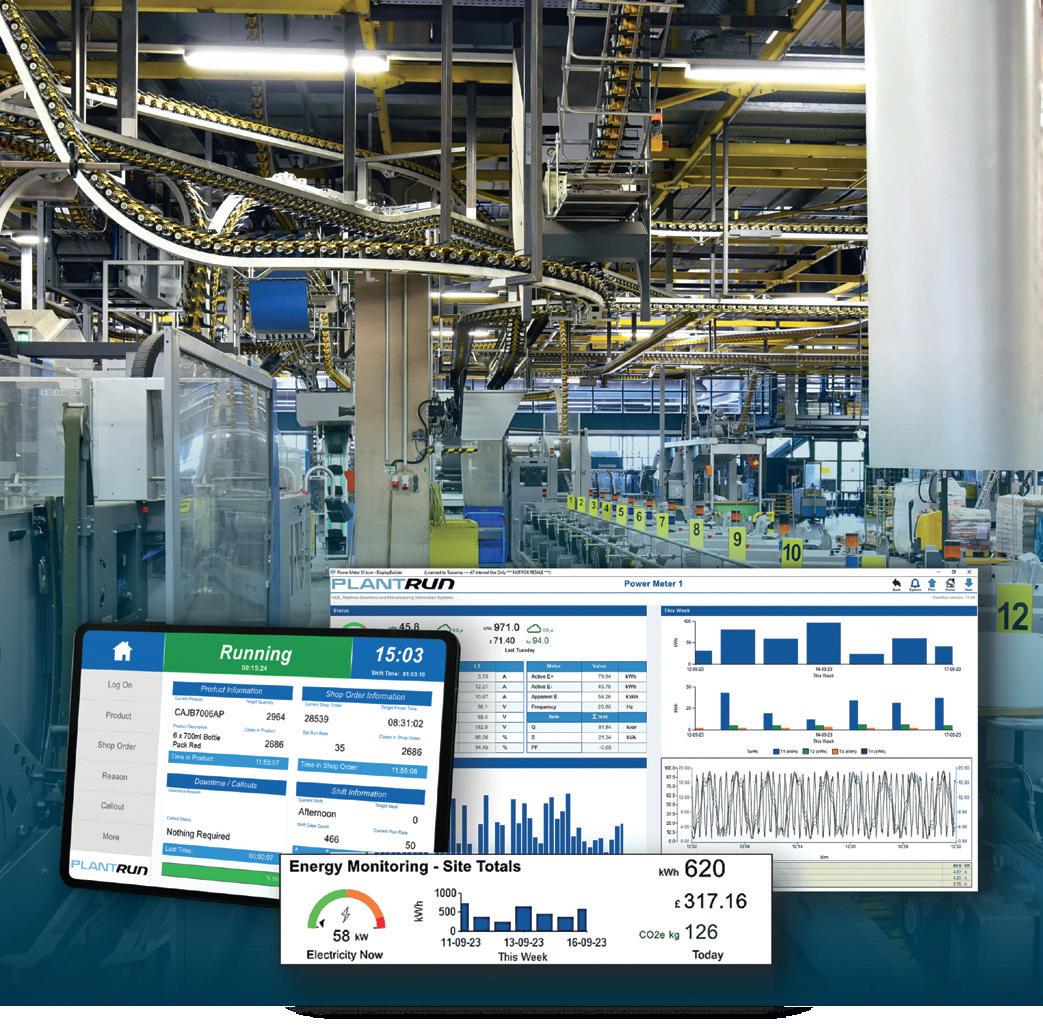
• Why does one shift consistently consume more energy than another?
• Why do some operators experience significantly more short stops?
• Why does a process become less efficient later in the week?
• Which machines continue consuming power while not producing?
These are the types of questions that drive meaningful continuous improvement.
Digital transformation requires visibility, context and being able to make decisions based on accurate, live information rather than assumptions or delayed reporting.
The manufacturers gaining a competitive advantage today are not necessarily the ones with the most data; they are the ones with the clearest picture of what is really happening on the shopfloor.
To learn more about how PlantRun helps manufacturers monitor production, downtime, OEE and energy usage in real time, visit:
plantrun.co.uk
• MIL-DTL-38999 performance in a cost-effective commercial connector
• Excellent EMI shielding (≥65 dB at 10 GHz)
• Corrosion-resistant composite shells
• Fast 360° coupling for easy installation
• Operating range up to +125°C
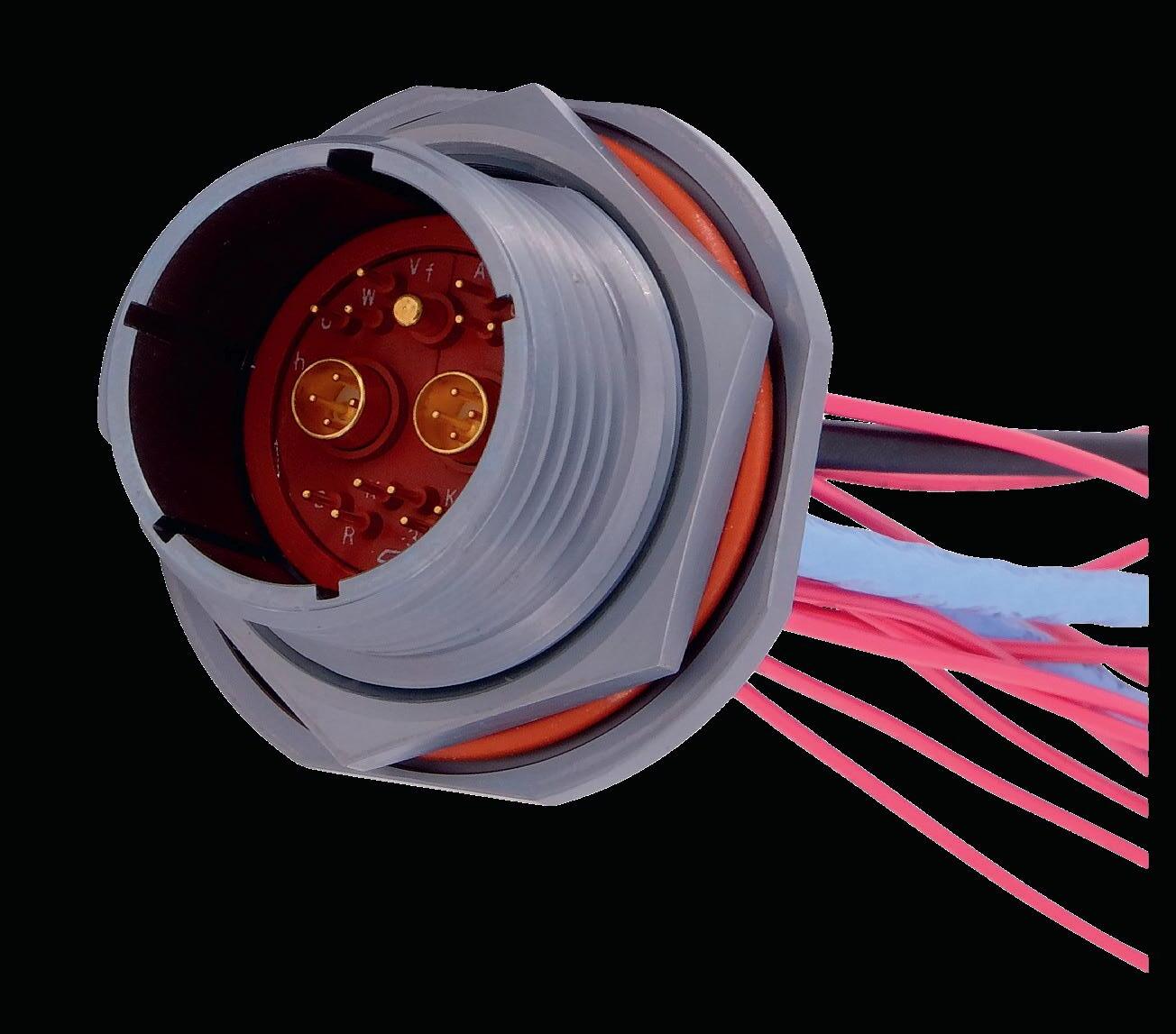
PEI-Genesis offers value-added connector assembly and technical support from our local facility for fast, reliable delivery.
peigenesis.com


As manufacturers increase investment in connected technologies and smart systems, one critical gap remains: how work is actually carried out. Here, Keith Tilley, CEO of Intoware, explores how capturing work execution data is essential to achieving true digital transformation.
In manufacturing, digital transformation has accelerated through the adoption of connected machines, IoT sensors and business management systems such as ERP, MRP and MES.
These technologies have significantly improved how operations are monitored, planned and optimised. However, one critical area is often overlooked: how the work is actually carried out on the shop floor. This gap is where many transformation initiatives fall short.
While machines and systems generate vast amounts of data, they do not always ensure that tasks are completed consistently, correctly or with full visibility. Crucially, they also do not capture the human actions behind the process, the steps, decisions and evidence that define how work is actually carried out.
This lack of visibility makes it difficult to trust data, identify inefficiencies or confidently improve processes.
One of the key challenges in manufacturing is the lack of real time, reliable data from execution.
Traditional methods often involve recording information after a task has been completed, which can lead to inaccuracies or missing detail. This delay reduces the value of the data and limits its usefulness for decision making.
Digitising work instructions changes this. By guiding workers through tasks step by step, digital systems enable data to be captured as the work happens. This can include photos, readings, timestamps and sign offs, creating a structured and verifiable record of each activity.
This creates a new and often missing dataset: “work execution data” Unlike machine data, which shows what equipment is doing, this captures what people are doing, providing context, validation and insight that cannot be obtained from systems or sensors alone. Platforms such as WorkfloPlus are designed to capture execution data at the point of work, ensuring it is structured, consistent and instantly available.
Maintaining quality across manufacturing operations is crucial.

When processes are carried out differently between individuals, shifts or sites, the risk of errors and rework increases. Standardised digital instructions help eliminate this variation by ensuring that every worker follows the same defined process.
Compliance remains a top priority for manufacturers, particularly in regulated industries.
Digital execution provides a clear advantage by creating a complete audit trail for every task. Each step is recorded, providing evidence of who completed the work, when it was carried out and how it was performed.
This level of transparency reduces the risk of noncompliance and supports faster, more confident auditing processes and encourages accountability.
As the industry continues its move towards smart manufacturing, the importance of how work is executed cannot be ignored. Digital transformation is about ensuring that work is carried out correctly and consistently, with full visibility at every stage.
By capturing execution data at the point of work, manufacturers can bridge the gap between planning and reality, unlocking the full value of their digital investments and gaining confidence in how work is actually being done.
intoware.com
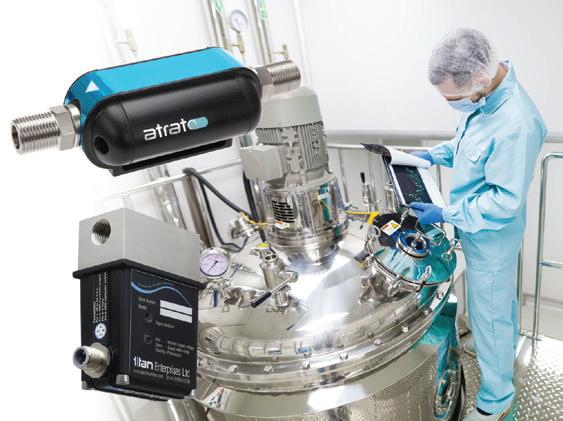

Titan Enterprises is a leading design and manufacturer of innovative end user and OEM high-performance flowmeters and flow measurement instrumentation, used within a wide range of processes, environments and applications.
• Compact, robust, reliable
• Excellent accuracy and repeatability
• Measure low to high flow ranges
• High chemical resistance
• NSF-Approved mini turbine flowmeters Titan’s liquid flowmeters are designed and manufactured to ISO 9001 with traceable calibrations.
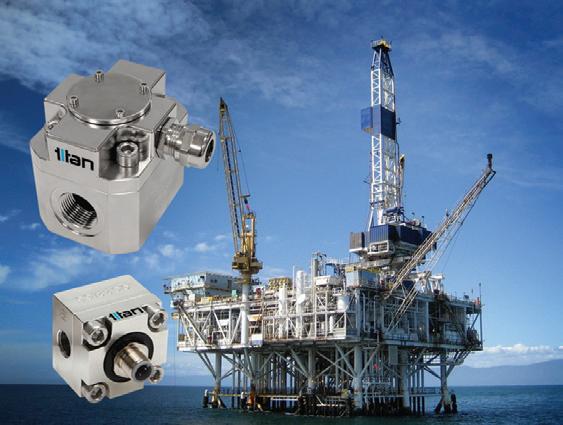
+44 (0)1935 812790 sales@flowmeters.co.uk www.flowmeters.co.uk
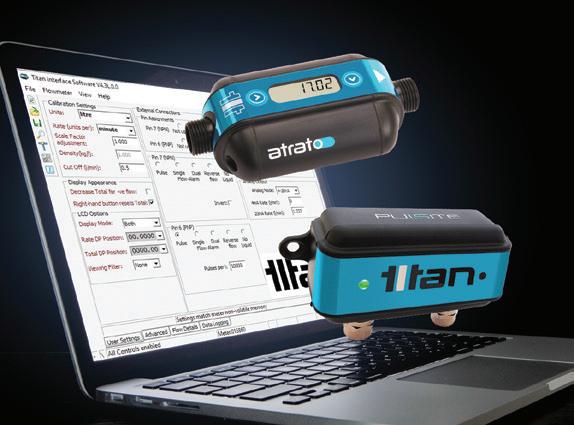
REQUEST A FREE QUOTE TODAY Breakthrough Flowmeter Technology





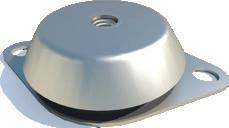

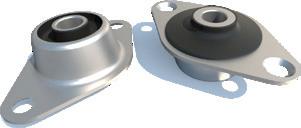
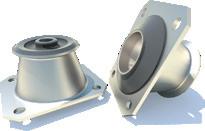

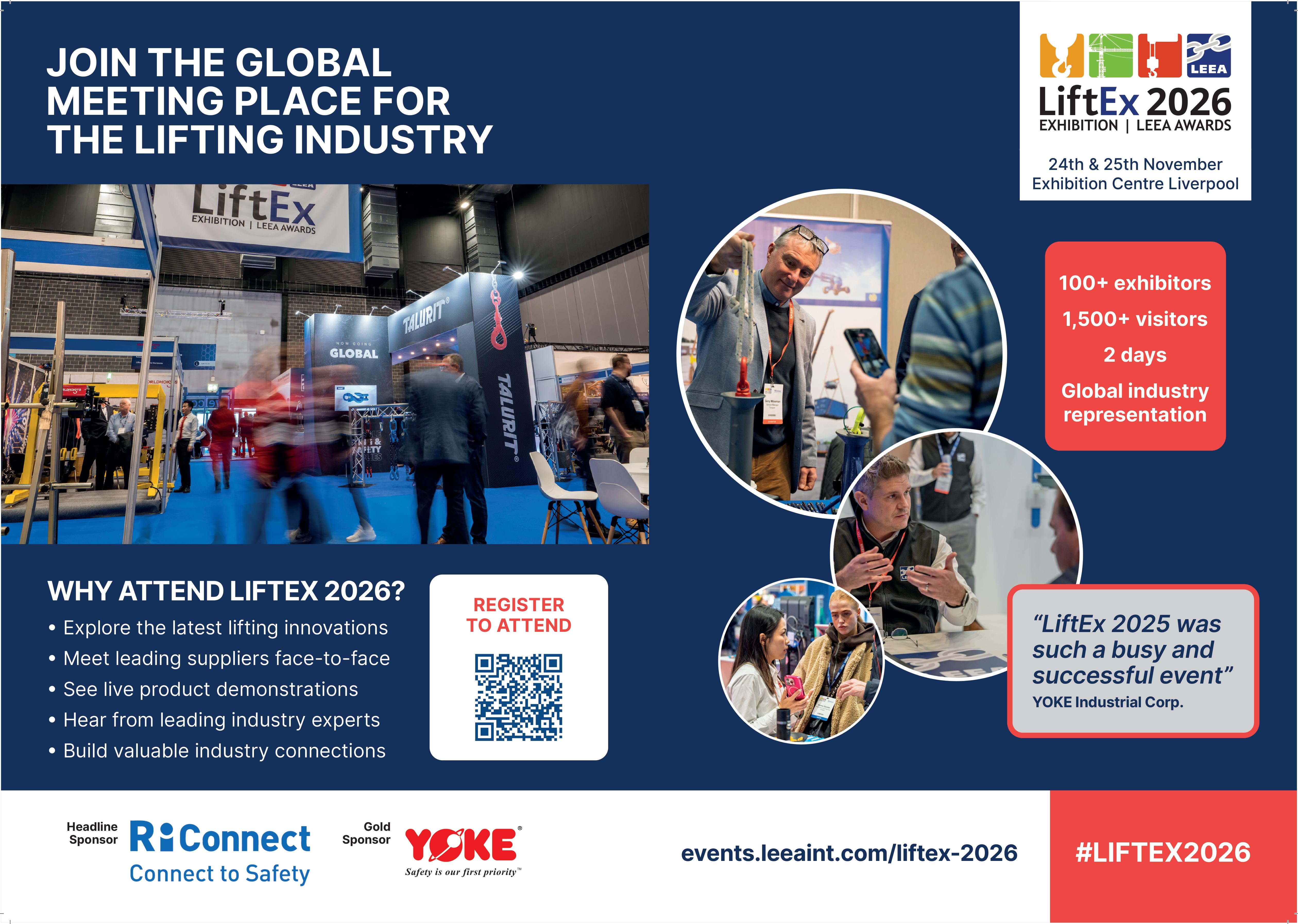
In this exclusive Q&A, Quantum Design, a provider of advanced materials characterisation systems used across academia and industry, shares its insights on the latest developments in the field and discusses the benefits of bringing materials characterisation in-house.
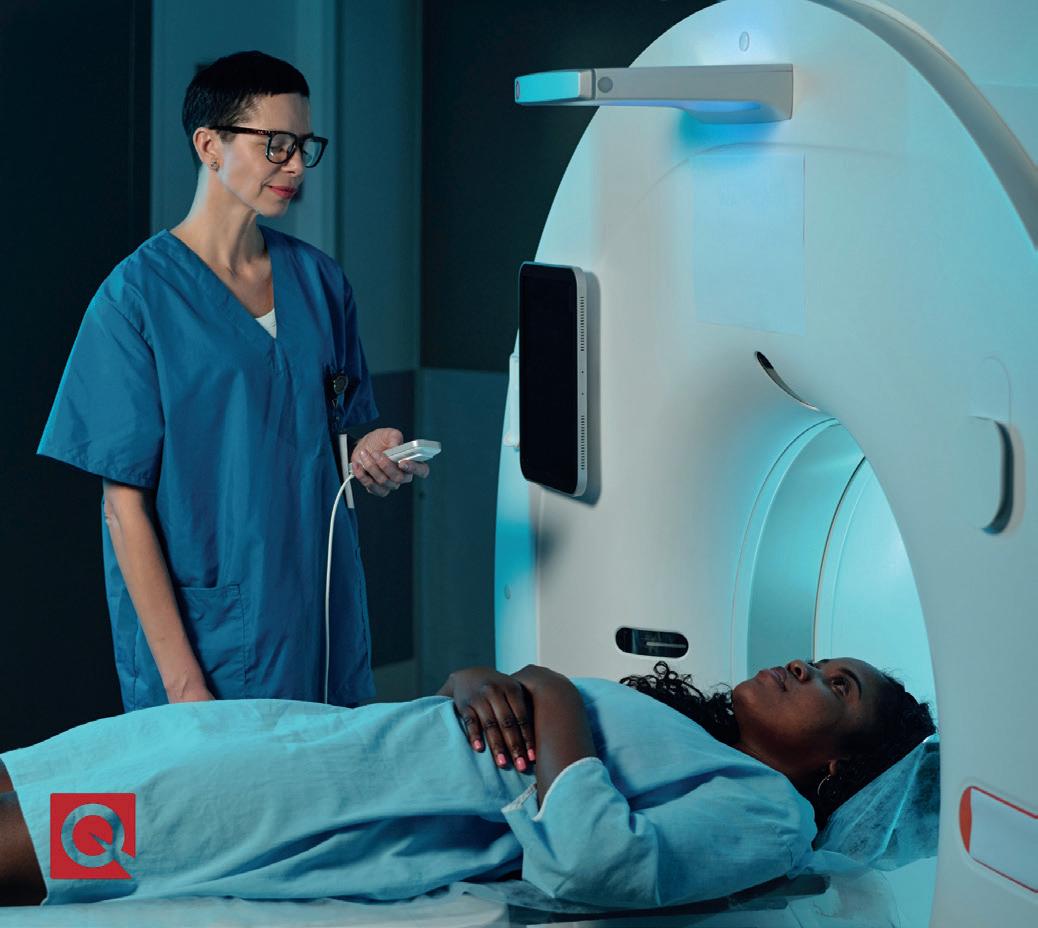
Materials characterisation encompasses an incredibly broad realm that generally includes the analysis of a sample’s compositional, structural, or physical properties. Additionally, this characterisation can be applied to bulk samples, devices and/or surfaces.
Quantum Design’s VersaLab® primarily caters to physical property measurements of bulk samples and devices. More specifically, the electric, magnetic, thermal and optical properties of functional materials including semiconductors, superconductors, battery materials, hard and soft magnetic materials, magnetic recording media, magnetocaloric materials, photovoltaics, etc. The markets and industries that commonly utilise this form of materials characterisation include energy & power systems, power electronics and semiconductors, advanced materials R&D, automotive (EV), and industrial SMEs.
Probing the physical properties over a wide range of temperatures and magnetic fields is crucial not only to mimic the environment in which a given material needs to operate, but to also understand the underlying mechanisms that govern their behaviour. A better
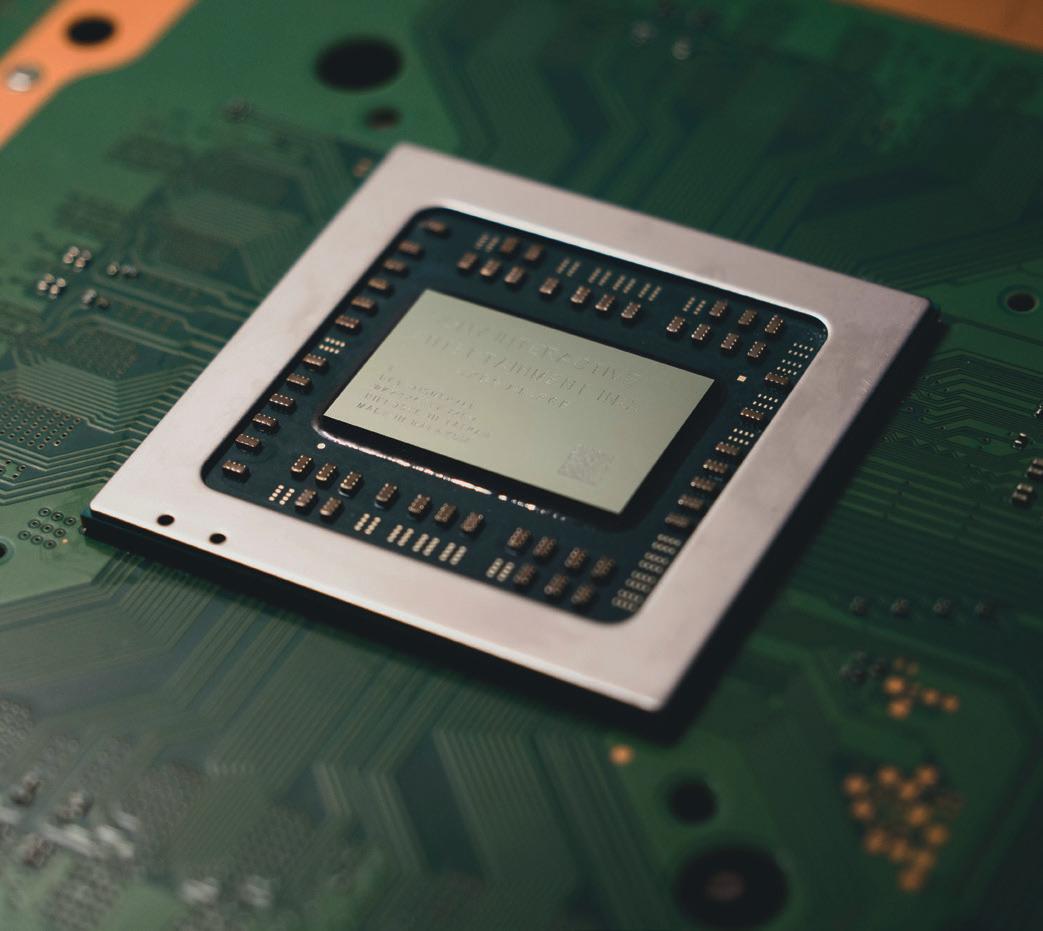
understanding of why a given material behaves the way it does enables material scientists to better improve and optimise sample synthesis.
One of the biggest materials characterisation challenges is simply access to equipment. Many organisations still rely on external laboratories or shared facilities for lowtemperature or magnetic measurements. That often means delays, limited availability and slower development cycles. As advanced materials, electronics and quantum technologies continue to develop, more teams need access to reliable measurement tools. At the same time, expectations around speed and iteration have increased–waiting weeks for test results is no longer acceptable in many industries.
In many cases, they aren’t solving it—they’re working

around it. That might involve outsourcing testing, collaborating with universities, or relying on a small number of central systems. Another solution is to simply perform fewer types of measurements being performed. For example, a comprehensive characterisation of a high-temperature superconductor would normally involve at least electric and magnetic measurements. If time and money is critical, one of these measurements may need to be sacrificed. These approaches introduce bottlenecks, potentially unnecessary compromises, and reduce flexibility. Having the ability to perform such measurements in-house with an easy-to-use physical property measurement system capable of quickly performing a wide range of measurement types would be ideal.
We’re seeing a shift towards compact, cryogenfree systems that allow organisations to bring core measurements in-house. One example of this approach is the VersaLab system from Quantum Design, which provides a practical platform for performing electrical and magnetic measurements without the complexity of traditional cryogenic setups.
To that end, in terms of support infrastructure, the VersaLab only requires single-phase 220 V power and industrial grade helium gas, meaning it can be installed in a wide range of industrial environments. The available temperature (50- 400 K) and magnetic field (+/- 3 tesla) range are usually more than suitable for a wide range of applied functional materials. Furthermore, the modular design allows one to easily swap between more than 15 different electric, magnetic, thermal and optical measurement modes in one instrument within minutes.
As mentioned before, such correlations between different measurement types are necessary to fully understand the mechanism that govern a given materials performance. This, coupled with an easy-to-use programmable interface, means that the system is usable by experienced R&D scientists as well as less experienced technicians.

In addition to giving more complete characterisations without compromise, having such capabilities in-house significantly reduces turnaround time. Instead of waiting for access to external systems, engineers can run tests immediately, iterate faster and make decisions with real data and in real time. Shortening the cycle time between making, measuring, and analysing materials will always have a major impact on development timelines.
An in-house rapid and flexible materials characterisation measurement platform is particularly relevant for industrial R&D teams, SMEs working on advanced materials, and engineering groups that need fast feedback during development. It’s also useful in environments where ease of use and reliability are critical. Moreover, that there is no need for custom wiring allows this to fit in any lab environment, adding to an overall low-barrier to entry.
As requirements become more specialised—such as accessing lower temperatures or higher magnetic fields— organisations may need to step up to more advanced platforms such as the cryogen free DynaCool®, which takes advantage of a similar modular design and overall user experience as the VersaLab. Finally, if surface analysis, particularly at the nanoscale is critical, e.g., for devices, coatings, nanoparticles, etc., a correlative microscopy platform such as FusionScope® can fill in the measurement gaps left by the VersaLab or DynaCool.
MEPCA thanks Quantum Design for this enlightening look at materials characterisation. For further information on how to bring this quality of analysis in-house, please visit the company’s website. qd-uki.co.uk

As the next generation of battery anodes ushers in new production processes, the precision regulation of gas flow becomes ever more critical, explains low-flow specialist Bronkhorst.
Rechargeable lithium-ion batteries play a central role in today’s energy transition, powering everything from portable electronics to electric vehicles. While much attention is paid to cell design and materials, the manufacturing processes behind advanced battery components are equally critical. In particular, the production of next generation anode materials places stringent demands on process control, especially when it comes to gas flows.
Traditionally, graphite has been the dominant anode material in lithium ion batteries. However, silicon has emerged as a promising alternative due to its much higher capacity for storing lithium ions. This advantage comes with a challenge: silicon expands and contracts significantly during charging and discharging, making it mechanically less stable than graphite. To balance performance and durability, silicon carbon composite anodes are increasingly being developed and industrialised.
One widely used method for producing these composite anodes is chemical vapour deposition (CVD). In this process, gaseous precursors such as silane, nitrogen and acetylene are introduced into a heated reactor, where they react and deposit as a solid composite layer on a porous carbon substrate. The quality and consistency of the resulting anode material depend directly on how accurately these precursor flows are controlled.
Silane, in particular, requires careful handling. It is highly reactive and must be dosed with high precision (typically around 1% of full scale) while maintaining long term repeatability. Any fluctuation in flow rate can affect the microstructure of the deposited material, leading to variations in battery performance or yield losses during production.
Thermal mass flow control technology is well suited to this type of application. In industrial battery manufacturing environments, thermal mass flow controllers supplied by Bronkhorst are used to regulate the dosing of gaseous precursors in CVD-based anode production processes. Because thermal flow measurement is directly linked to the mass of the gas, it is inherently insensitive to changes in pressure or temperature that are common in industrial environments. This makes it possible to maintain stable precursor dosing throughout the CVD process. In addition,

robust instrument design and high leak integrity are essential to safely handle reactive gases such as silane and to prevent contamination or clogging within the system. From a manufacturing perspective, scalability is another key requirement. Battery production lines must be able to transition from pilot scale to high volume output without compromising process stability. Accurate and repeatable gas flow control supports this scale up, contributing to consistent product quality as production capacity increases.
As battery technologies continue to evolve, so too do the demands placed on manufacturing processes. Reliable flow control may operate in the background, but it plays a decisive role in enabling the industrialisation of advanced anode materials, helping bridge the gap between laboratory innovation and large scale energy storage solutions.
bronkhorst.com
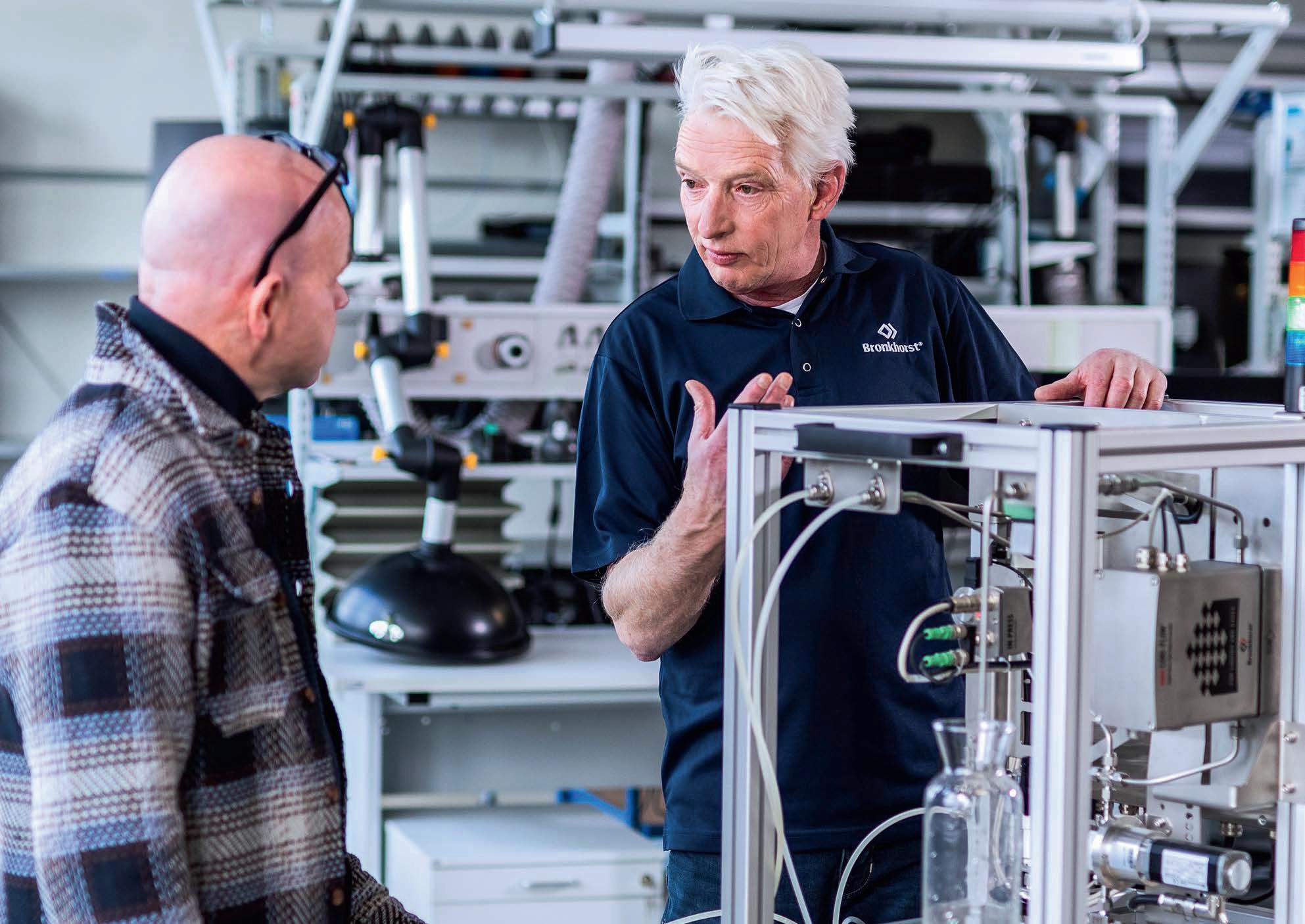
Unlock reliable, compact, and fully tailored flow solutions for your OEM equipment. Bronkhorst combines decades of expertise with a collaborative approach to deliver exactly what your process needs.
Your benefits:
100% customised solutions, co-created with you
Compact, robust, and reliable integration
Cost-saving, plug & perform solutions
Modular, innovative designs 45+ years of expertise
Jayne Jones, Head of Marketing at Axair Fans, has spent over ten years building the voice behind one of the UK’s most respected industrial fan suppliers. Here, she sets out how they’re setting standards in the UK fan industry by standing up.
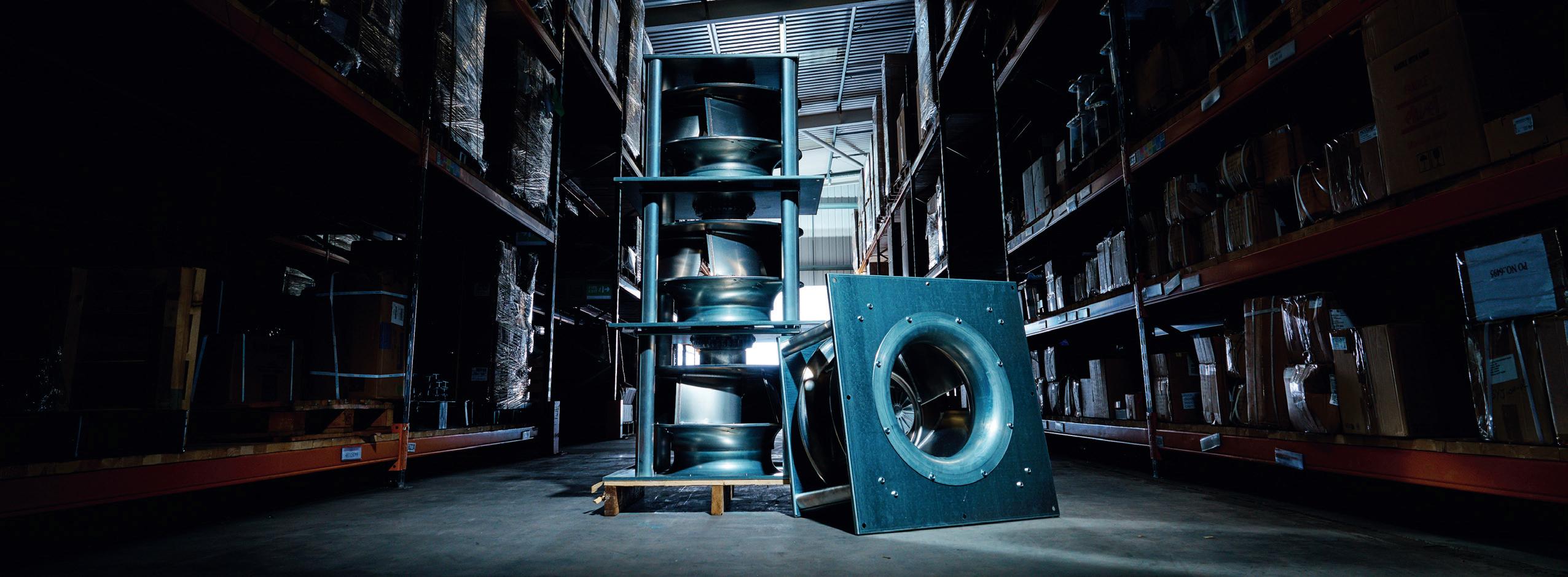
It’s great to work in a business with a genuinely strong reputation, a deep product range, and over three decades of relationships built on doing the right thing by customers. So, if the experience of working with Axair really is as good as customers tell us, I wondered why we weren’t talking about it more openly?
Customers would say they’d recommended us, or that they choose us because we make things easy. I kept thinking, that’s the focus, not just the fan range, certifications, or prices, more the fact that when something gets complicated, we show up.
That insight became the foundation for Stands Up, our most recent visual campaign, and one that does something slightly unusual in industrial fan supply. Rather than leading with product, it leads with a promise of what customers should expect from a fan supplier, not only in specification terms, but across the whole experience of working with a fan supplier.
This all came from conversations the Axair team were already having. Customers weren’t struggling to find fans, they were struggling with suppliers who were slow to respond, vague in their recommendations, or absent once the order was placed. The product was rarely the
problem, everything around it was. To back this up further, I’d even watched our team troubleshoot other suppliers’ installations to help customers get back on track. The issues weren’t ours, yet we still stood up every time.
Standing up is about setting a clear standard, what customers should expect from us (and, frankly, from any supplier), and what we’ll do when things don’t go to plan. It’s real and direct.
Standing up covers every stage of the customer journey, from the speed of response to a first enquiry, to the quality of pre-sale technical guidance, to support long after a fan is installed. Each element reflects what Axair already does, the visuals simply make it easy to see. Plus, I know so many people love our technical team, so why not include them?
The distinction matters. Anyone can claim good service, we wanted to define what it means in practice.
An engineer chasing a specification late on a Friday, a contractor who needs stock confirmed before committing to anything, or an OEM calling months after delivery because a third-party contractor is having an issue on site. Those are the moments that count, the moments where we stand up.
axair-fans.co.uk/stands-up


WE DON’T JUST SELL FANS!
We’re trusted by leading UK engineers to deliver industrial fan solutions that address complex application and air movement challenges. No AI responses, no stock photos.
Real engineering expertise that stands up.
Ideal Power has formed a strategic partnership with Power Good to deliver high-performance DC/DC converters for reliable system design. Introducing the 28SHBF and 28SQBF series.
Engineers need DC/DC converters that fit their designs, maintain stable operation and remain reliable in the field. That is why the 28SHBF and 28SQBF series, developed in collaboration with PowerGood, are built for modern electronics where PCB space is limited and system stability matters.
These PCB mount converters deliver regulated output, strong efficiency and consistent performance from the start, helping engineers achieve clean, dependable DC power across embedded systems, control boards, industrial equipment and precision electronics.
With proven manufacturing behind them and expert support from Ideal Power, they can help reduce design risk early and ease the move from prototype through to production.
The 28SHBF and 28SQBF series give flexibility based on the power requirements, while helping engineer to keep the PCB layout clean and efficient.
The 28SHBF series is built for applications that need higher output capability, maintaining stable performance under continuous load while supporting strong thermal performance in demanding industrial and embedded systems where PCB space needs to be used efficiently.
The 28SQBF series suits lower power applications where space is limited, combining high efficiency, low energy loss, and controlled heat performance to support longterm reliability in precision electronics, control systems and compact PCB designs.
Engineers need components that reduce risk, not add to it. These DC/DC converters support reliable system design with a wide input range for varying supply conditions, along with stable and regulated DC output for sensitive electronics. Straightforward to integrated, the compact PCB mount design also saves board space, while the high efficiency operation reduces heat and

improves performance. In addition, the converters’ builtin protection, including short circuit, overcurrent and overvoltage.
Safety, efficiency and compliance need to work together from the start, which is why the 28SHBF and 28SQBF series are tested and approved to recognised international standards to support confidence throughout development, testing and production.
• Certifications: UKCA, CE
• Compliance: RoHS and REACH
• Safety Standards: EN 62368-1 / IEC 62368-1
Engineers need more than basic product data, they need a DC/DC converter that suits their PCB layout, electrical requirements and production plans.
Ideal Power supports this process with technical knowledge, trusted manufacturing partners, and supply management. It can help identify a suitable PCB mount DC/DC converter based on the output, footprint and performance requirements, so that power designs stay consistent from development through to production.
idealpower.co.uk
Work with Ideal Power from the start of your project to get the right PSU first time.
Our expert-led support, bespoke products, and flexible call-off service help you avoid delays, reduce risk, and stay in control. Visit our Website

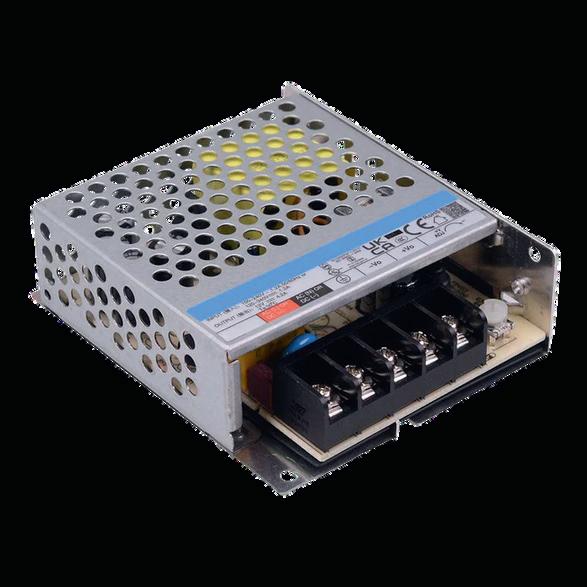
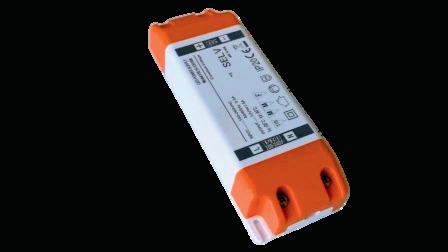
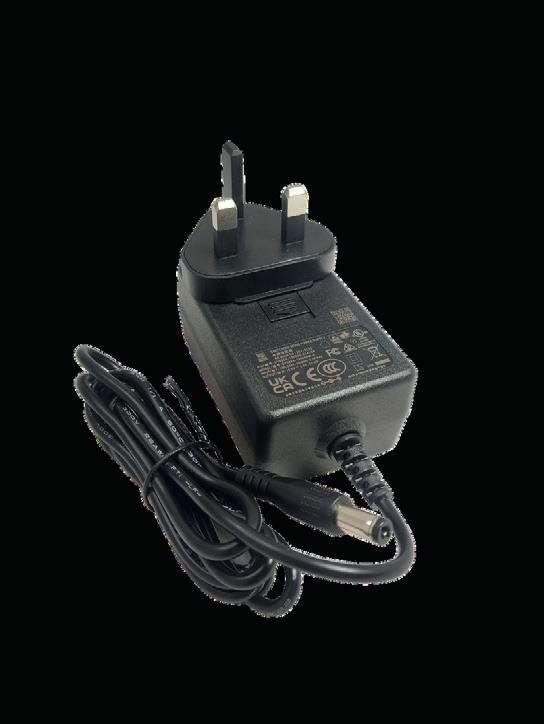


As companies in safety, industrial hygiene and occupational health brace for the TSI phase out, safety equipment supplier Shawcity explains what this end of service means for users and why many organisations are transitioning to AeroFit.
TSI has announced a planned phase-out of support for two widely used respirator fit testing instruments: the PortaCount 8030 and 8038. Service support will end in 2027, with calibration services continuing only until 2030. While this timeline may seem distant, it is already prompting safety, industrial hygiene and occupational health teams to plan ahead.
Fit testing plays a vital role in respiratory protection programmes, ensuring workers are properly protected in hazardous environments. Because it directly supports compliance and worker safety, continuity of reliable, calibrated equipment is essential. As devices move toward end-of-support status, organisations are increasingly focusing on how to maintain consistency without disruption.
The good news is that this transition does not require a complete overhaul of existing processes. Instead, modern solutions such as AeroFit are designed to provide continuity while introducing meaningful improvements in performance and usability.
The PortaCount 8030 and 8038 have been widely used across healthcare, construction, manufacturing, and emergency response sectors for quantitative respirator fit testing. As manufacturer support phases out, organisations may begin to experience several challenges:
• Reduced access to servicing after 2027
• Limited calibration support beyond 2030
• Increased risk of downtime due to ageing components
• Potential disruption if repair pathways are no longer available.
Because fit testing depends on accuracy, traceability and consistency, these risks are encouraging many organisations to explore replacement strategies early rather than waiting for operational issues to arise.
AeroFit has emerged as a next-generation fit testing solution designed specifically for organisations moving beyond older particle counting systems. Rather than requiring teams to relearn entirely new workflows, AeroFit builds on familiar testing principles while introducing

updated hardware and software capabilities.
One of the key advantages is continuity. AeroFit uses the same foundational technology that 8030 and 8038 users already understand, helping reduce training time and transition friction. At the same time, it introduces a more streamlined, modern experience designed for today’s safety programmes.
Organisations evaluating their next steps are increasingly drawn to AeroFit for its practical advantages include advanced APC technology that delivers precise, stable and repeatable results with improved accuracy. The device also has a compact, portable design for easy deployment across fixed and mobile testing environments.
What’s more, AeroFit’s quiet and efficient operation makes it suitable for clinical and office settings, while optional battery power enables full mobility and use in situations without mains electricity.
Adding to this flexibility, there’s no requirement for tablets, Bluetooth, or Wi-Fi.
AeroFit is also easy to integrate, Compatible with OHD Logic cloud software and shared accessories, reducing complexity and cost, while the touchscreen interface simplifies operation and reduces training time.
Contact Shawcity to request a free AeroFit demonstration and to explore trade-in offers.
bit.ly/4dtyIxQ

Automotive (EV)
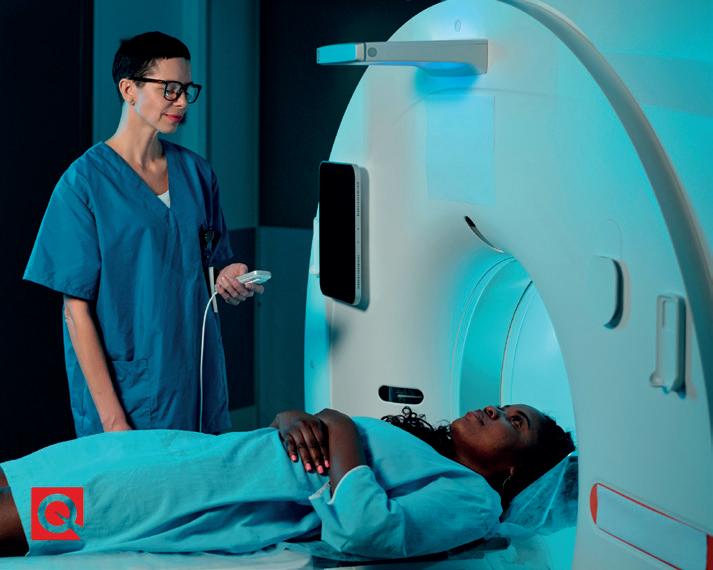
Advanced Materials

Energy and Power Systems

This compact, cryogen-free system measures electrical, magnetic, thermal and optical properties. Operating from 50–400 K with fields up to 3 tesla. Ideal for research labs needing flexible, high-quality materials analysis.
Bring advanced materials characterisation into any lab environment. Speak to us about configuring VersaLab for your applications.
• Cryogen-free operation lower cost simpler infrastructure
• Compact footprint ideal for space-limited labs
• Multi-technique platform electrical, magnetic, thermal measurements
• Fully automated high reproducibility, reduced operator burden
www.qd-uki.co.uk (01372) 378822 | info@qd-uki.co.uk
• Scalable with PPMS options future-proof investment
In industrial safety engineering, emergency stop and emergency shutdown are essential safety functions. Kraus & Naimer, Austria-based switchgear specialist, explains the key differences, standards and applications for emergency stops and shutdowns.
Although often used interchangeably, emergency shutdown and emergency stop perform different technical roles and address different types of hazards. Understanding this distinction is vital for compliant machine design, effective risk assessment and safe operation.
An emergency stop is designed to halt hazardous machine movements or processes as quickly as possible to prevent or reduce imminent danger. When activated, the machine is brought to a safe, controlled stop. The power supply remains on initially and is interrupted only after standstill; a sudden loss of power is avoided to prevent secondary hazards.
Emergency stops are primarily used to protect against mechanical hazards, such as rotating, moving, or crushing components.
An emergency shutdown is intended to eliminate electrical hazards by immediately disconnecting the power supply to a machine or system. During an emergency shutdown the power is cut instantly and the machine comes to an uncontrolled standstill. This function is used when electrical risks represent the primary hazard.
Unlike emergency stops, emergency shutdowns prioritize immediate hazard elimination over controlled deceleration.
The Machinery Directive 2006/42/EC requires machines to be equipped with at least one emergency stop device to protect against existing or imminent hazards. However, exceptions apply to hand held or hand guided machines and machines where an emergency stop would not reduce risk or could introduce additional hazards.
Relevant standards, including DIN EN ISO 13850, specify that emergency operating devices must be clearly identifiable, unambiguous in function, and easily distinguishable from their surroundings.
Standards emphasize rapid recognition of emergency operating devices.
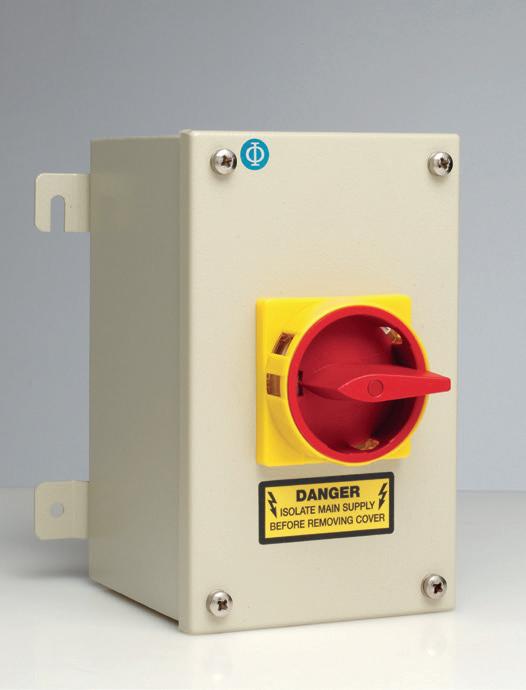
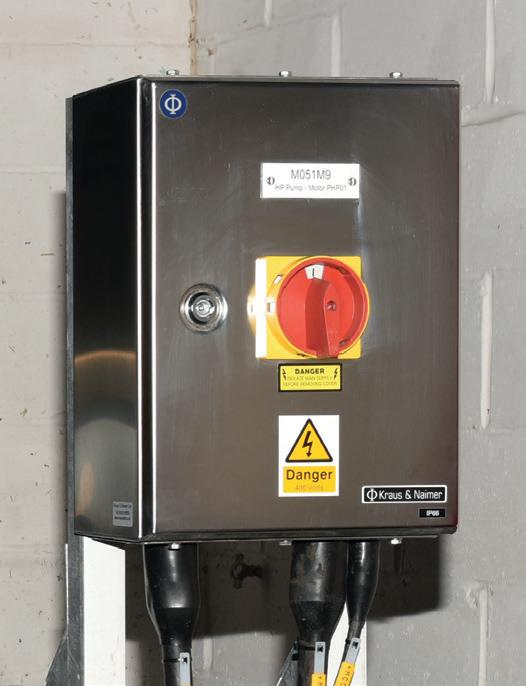
• Red is specified for the actuating element
• Yellow is used as a contrasting background This colour combination ensures reliable visibility, even in stressful situations or reduced visibility.
Emergency stops are used when dangerous movements must be halted without immediate power disconnection. For example, imagine that a lathe jams during operation in workshop. The operator presses the emergency stop button and the spindle decelerates to a stop while power remains on, reducing mechanical risk.
Emergency shutdowns, on the other hand, are applied when electrical hazards require instant power removal. Take for example an industrial robot cell when unauthorised person enters the danger zone. Activating the emergency shutdown immediately disconnects power, halting motion and eliminating electrical risk.
The choice between emergency stop and emergency shutdown must be based on a thorough risk assessment, considering the nature of the hazard, the consequences of power loss and applicable standards. Correct alignment of safety function and risk is essential for both operator protection and regulatory compliance.
krausnaimer.com/gb_en
Britain’s manufacturers are under pressure to decarbonise, stabilise supply chains and squeeze more productivity from every asset. Against that backdrop, UK Metals Expo, returning to NEC Birmingham on 4–5 November 2026, has quickly become the place where the UK metals and manufacturing community comes together to move real projects forward.
Unlike broad, generalist industry gatherings, UK Metals Expo is built around the end-toend metals supply chain. Under one roof you will find primary producers, stockholders, processors, fabricators, surface treatment experts, recyclers and technology providers, alongside engineers and manufacturers responsible for specifying, purchasing and maintaining metal-based components and systems.
The 2025 edition hosted almost 300 exhibitors and attracted decision makers from organisations such as BAE Systems, TATA Steel, Boeing, JLR, Nissan, GKN Aerospace, JCB, Airbus, Leonardo and Balfour Beatty – companies actively investing in UK based capability and resilience.
Exhibitors for 2026 already include Swiss Steel, Hydro Aluminium, Behringer, Bridgnorth Aluminium and Van Leeuwen, underlining the breadth of the market now using the event as a strategic sales and collaboration platform. The 2026 edition will run alongside Advanced Engineering and Lab Innovations, creating a cross-sector hub that connects materials suppliers, manufacturing engineers, R&D and quality teams across multiple industries.
Running alongside the exhibition is a free to attend conference programme that tackles the issues shaping metals use in manufacturing and engineering. Planned topics for 2026 include:
• Green Steel Revolution: Port Talbot’s arc furnace construction and its impact on green steel and scrap metal markets
• CBAM Countdown: preparing for the Carbon Border Adjustment Mechanism, effective January 2027
• Decarbonisation Realities: pathways and challenges for low-carbon metals
• Supply Chain Resilience: reshoring, local content, and risk-proofing strategies
• Material Innovation: new alloys and lightweight solutions for performance gains
• Industry 4.0 in Metals: AI, automation, and the skills gap.
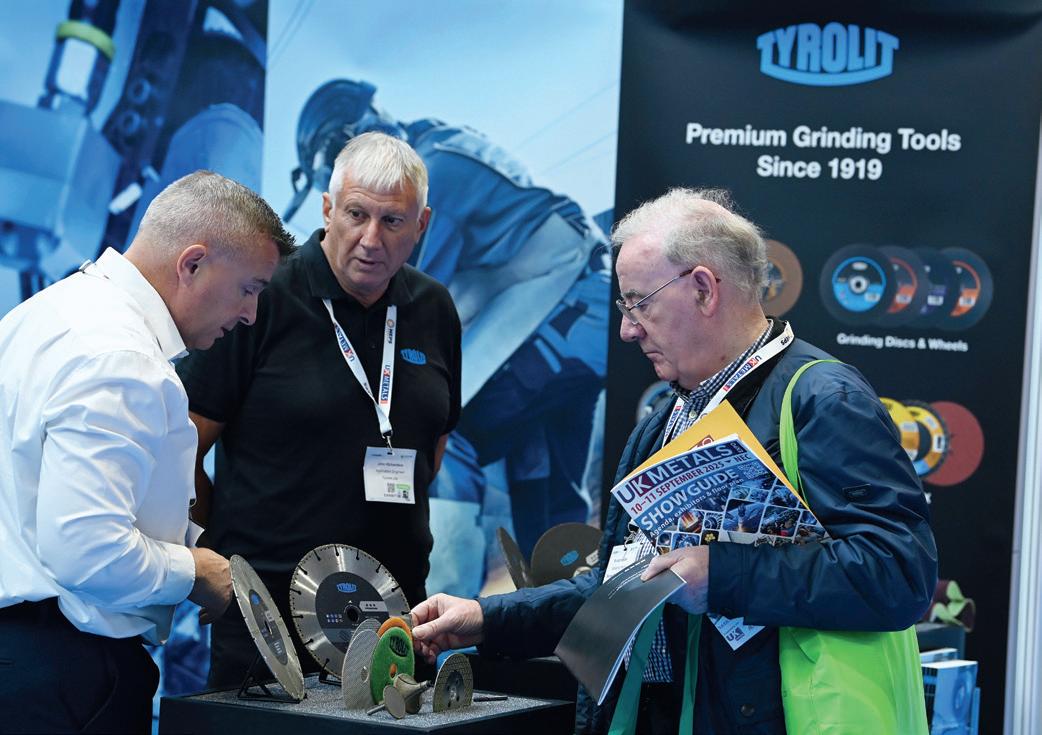
Speakers from producers, OEMs, technology innovators and trade bodies will share case studies and lessons learned, giving visitors the context they need to justify investment in new equipment, suppliers and processes.
With major projects moving from planning to delivery in infrastructure, energy, transport and advanced manufacturing, UK Metals Expo 2026 offers a time efficient way for MEPCA readers to survey the market, compare solutions and strengthen their supply chains, while also tapping into the innovation communities brought together by Advanced Engineering and Lab Innovations.
Companies looking to position themselves at the heart of the UK metals and manufacturing conversation – and convert that visibility into a stronger pipeline – can find stand options and sponsorship opportunities below.
Attendees can register their interest to attend and be notified when free visitor registration opens.
ukmetalsexpo.com/exhibit/ ukmetalsexpo.com
4 & 5 November 2026, NEC Birmingham Co-Located with:
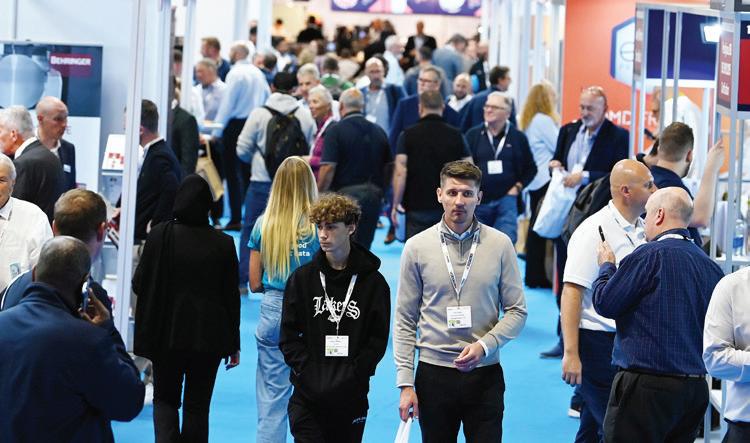
300+ exhibitors 15,000+ attendees across 2 co-located shows
100+ speakers 30+ seminars across 4 Theatres
“The show has always been really good in the past. We get lots of interest from high-level decision makers who are looking for new products, new services, and find it’s a great way to generate leads”
Dave Hargest, Siemach Machinery Ltd.

















The leading event that brings the entire metals supply chain together with the worlds of engineering, manufacturing & construction. Already exhibiting: Supported