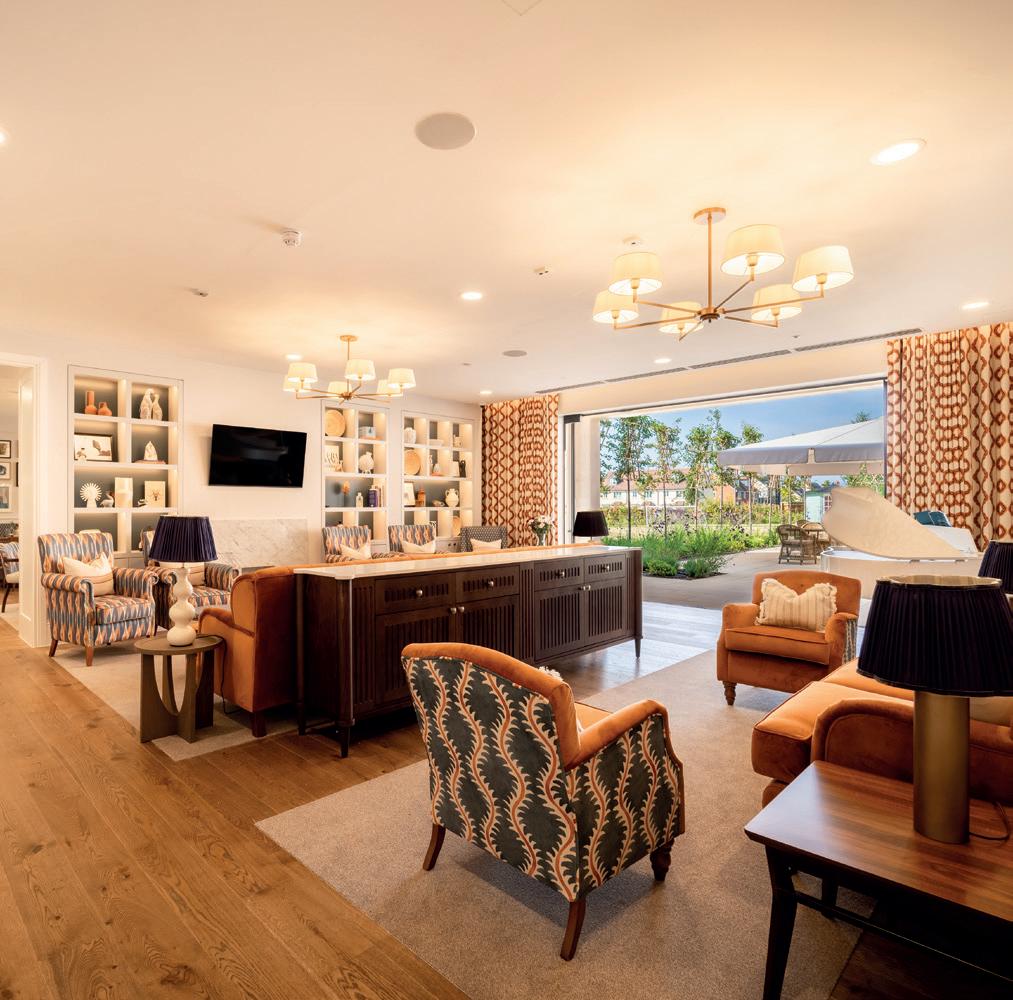
June’s issue of Care Home Magazine brings together two themes that sit at the heart of modern care: Activities and Marketing. While they may seem distinct, both ultimately shape how residents experience daily life, and how wider communities understand the value of care homes.
Our Activities feature explores how providers can thoughtfully combine fundraising with meaningful engagement to create moments that are both purposeful and enjoyable.
Meanwhile, Marketing takes a more reflective turn, examining the ethics of “selling” care and how transparency, dignity and trust must remain central to every message we put out.
June also marks an important moment for the sector with Care Home Open Week, taking place from 15th to 21st June. With a World Cup-inspired focus this year, it’s a timely opportunity to celebrate social care, open doors to local communities and showcase the vibrancy within our homes.
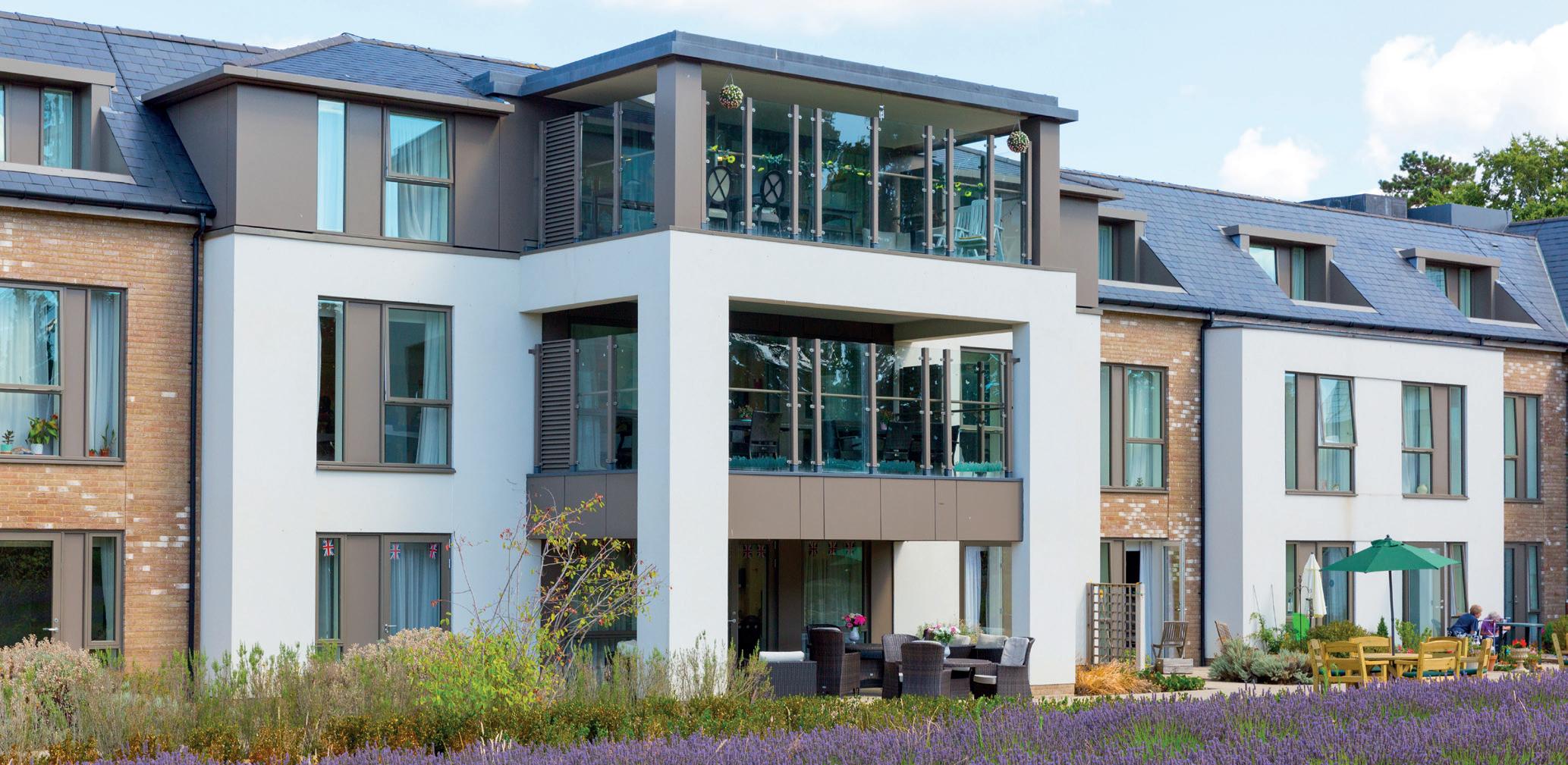
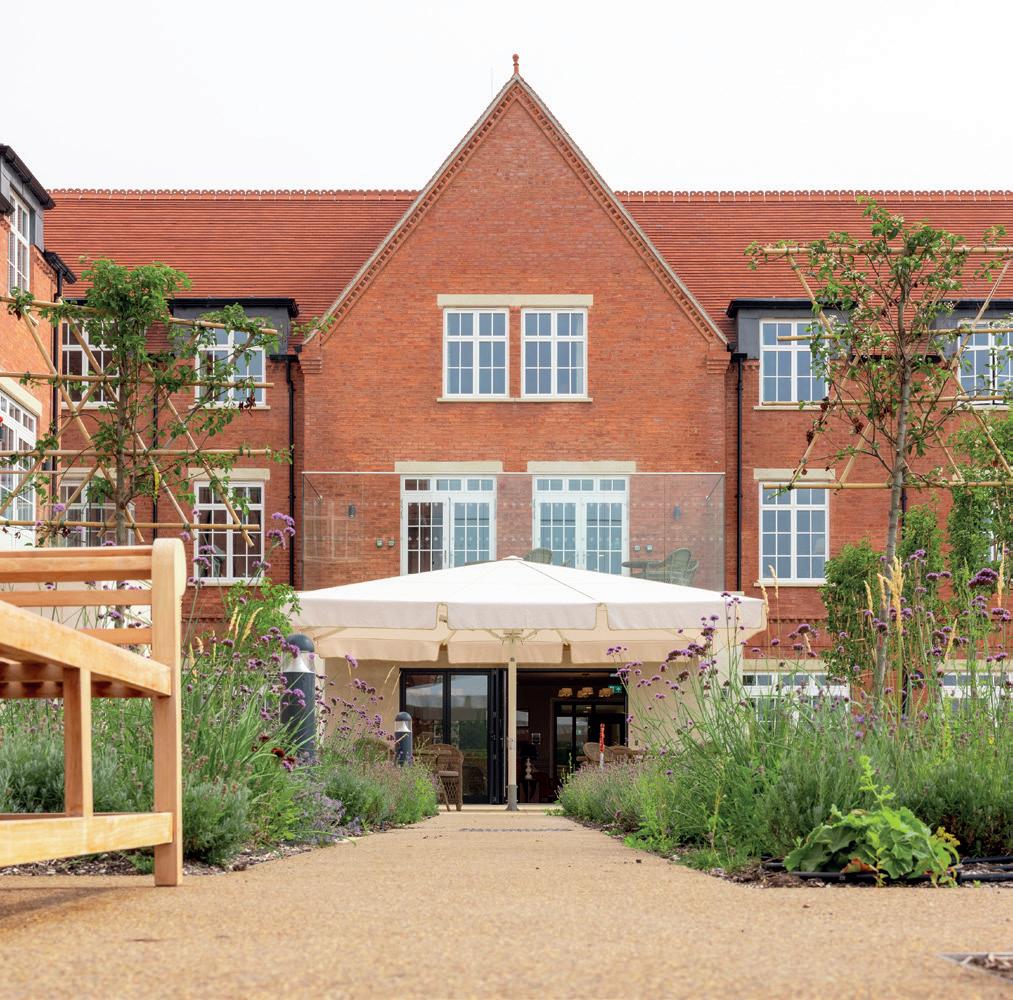
That spirit is reflected throughout this issue. Our Care Home of the Month, Hendon Hall by Signature, demonstrates how strong community links and creative engagement, particularly through sport, can foster connection and pride. Similarly, our Activity of the Month, Moveball, offers an inclusive, adaptable way to bring residents together, perfectly aligned with the excitement of the upcoming Moveball World Cup.
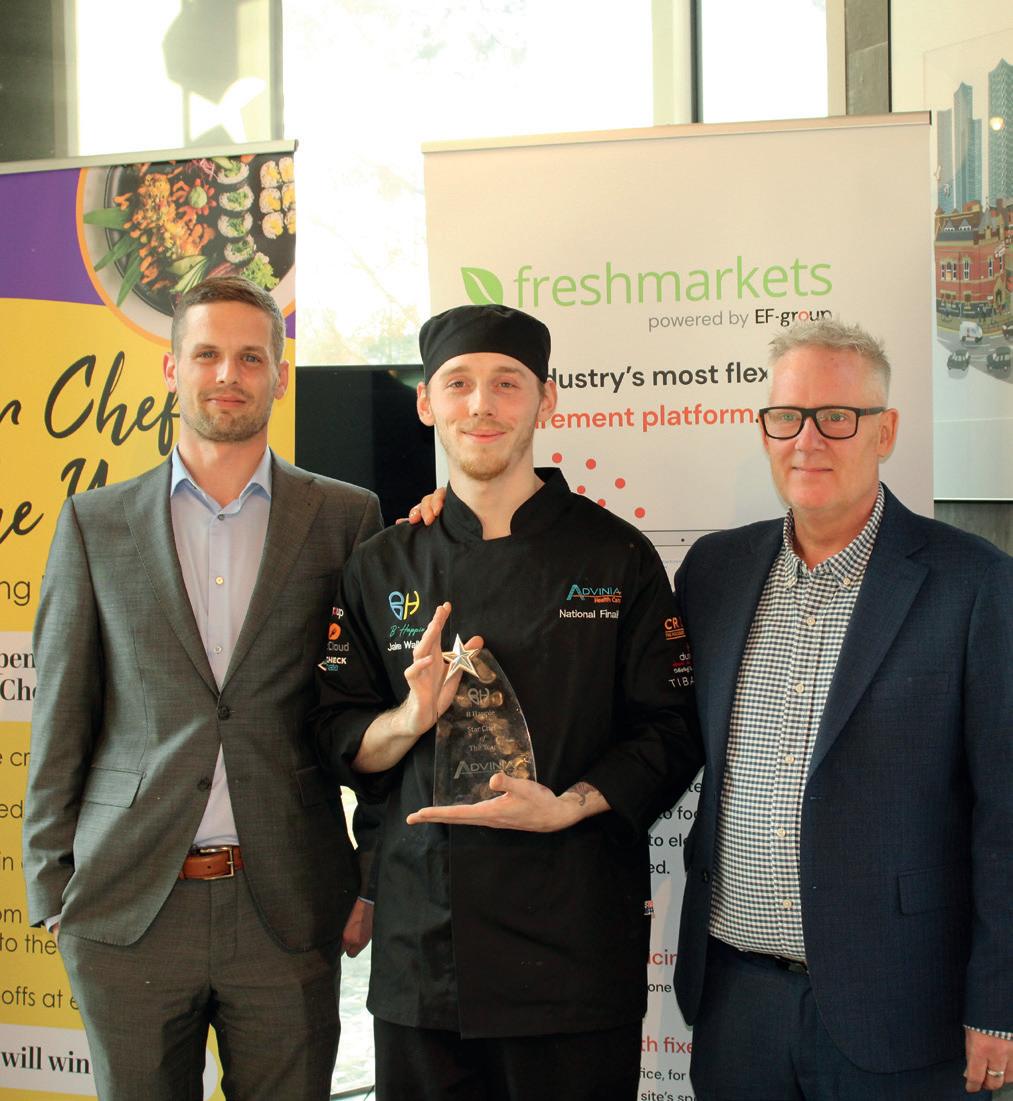
In Dishing Up, Jake Walker of Advinia Healthcare shares a Katsu Curry recipe, a reminder of the importance of variety and cultural representation in menus; something residents increasingly value and enjoy.
Finally, we introduce Re:Cognition Health, whose work in Alzheimer’s research and innovation highlights progress in understanding and supporting cognitive health.
As always, this issue is packed with insight from across the sector: practical, thoughtful and forward-looking.
Tani Johnson, Chief Editor
Table of Contents
10 Re:Cognition Health
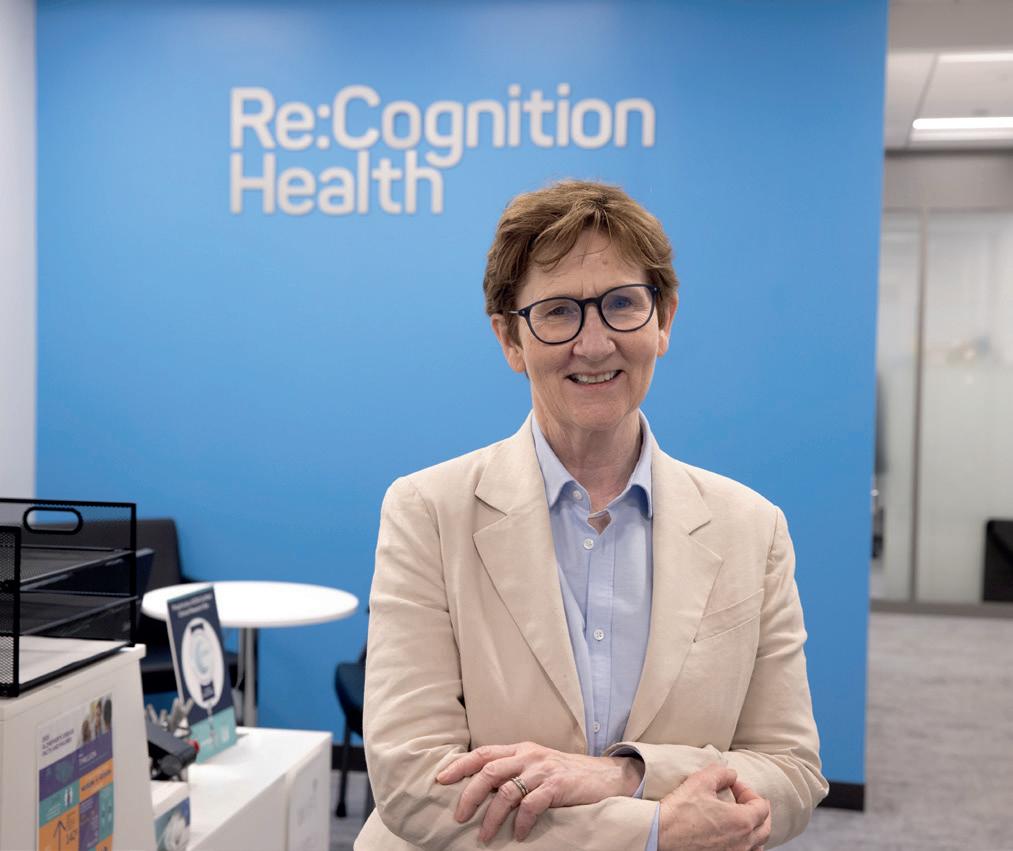
Explore how early detection and innovation are transforming Alzheimer’s care, with Dr Emer MacSweeney highlighting a shift towards proactive diagnosis and treatment.
14 Find Your Room
Discover how Find Your Room is enabling care providers to maximise occupancy by promoting real-time room availability across care homes.
23 Activities
Explore how care homes are using activities to support resident wellbeing, engagement and meaningful daily living.
30 Activity of the Month
Discover how Moveball uses football-inspired, inclusive sessions to boost participation, spark reminiscence and create meaningful, consistent engagement.
39 Marketing
A look at ethical marketing approaches, highlighting how organisations are building trust, transparency and long-term engagement through responsible, values-led communication.
48 Dishing Up
Global Flavours features Chef Jake Walker’s Chicken Katsu Curry and how global cuisine can be adapted for safe, flavourful care dining.
Industry update
Care Home Residents help set World Record on Cash for Kids Day
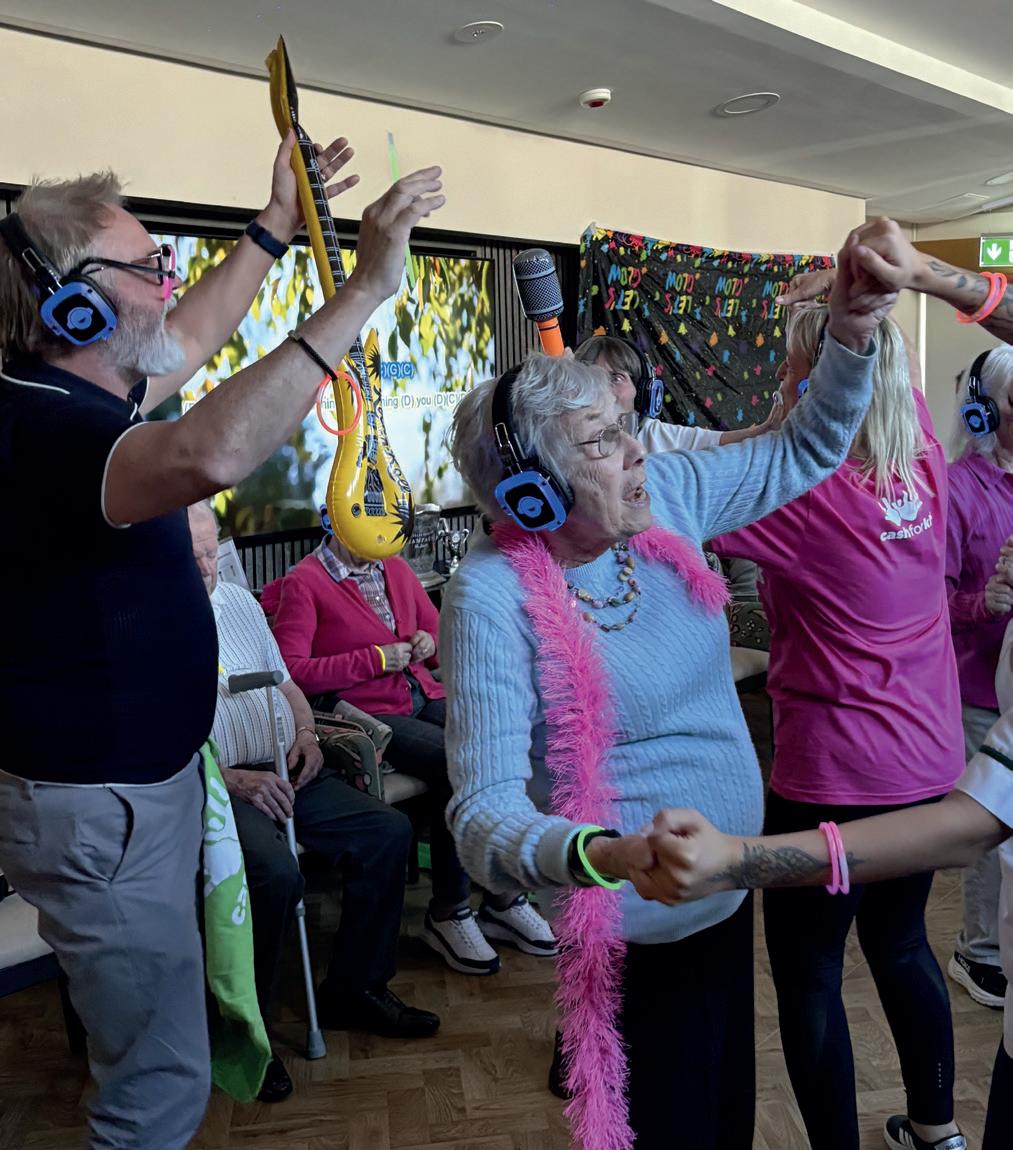
Colleagues, residents and family members across Meallmore Care Homes took part in a wide range of fundraising activities designed to bring people together and raise money for Cash for Kids, a national initiative supporting children living in poverty. From silent discos and afternoon teas to themed fancy dress competitions and raffles, the homes were filled with energy, laughter and community spirit, raising over £700 across the Central West region.
This year, the campaign focused on The World’s Biggest Music Quiz, which was part of an official GUINNESS WORLD RECORDS™ effort to set the record for the largest online quiz. Residents and staff participated in the quiz while enjoying themed entertainment throughout the day, creating a shared celebration across different generations.
At Kelvinside Manor in Glasgow’s West End, residents took part in a lively silent disco with music, dancing, and props. All money raised is used directly to support local initiatives that provide children with food, activities, and vital assistance during the summer holidays.
‘Outpouring
of kindness’ as care home’s Hazel gifts lifelong teddy bear collection to children’s charity
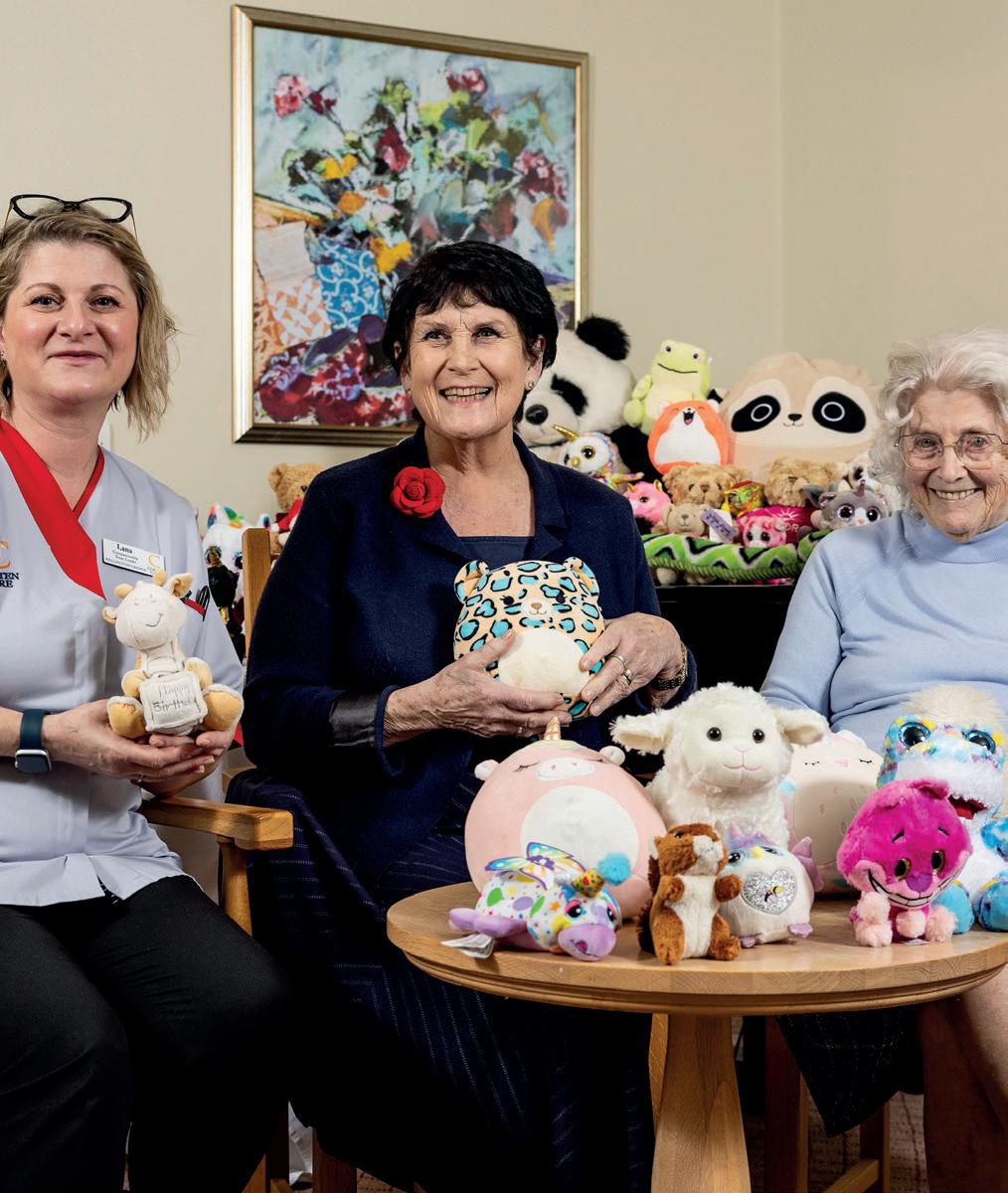
Abig-hearted care home resident has donated her lifelong collection of teddy bears to a charity providing specialist nursing care for children with life-limiting or terminal illnesses.
Hazel Wooldridge, who lives at Colten Care’s Wellington Grange in Chichester, was inspired to act after a presentation at the home by the Sussex Snowdrop Trust, which supports children and families facing serious illness. Moved by the charity’s work, she decided her treasured collection should bring comfort to others who need it most.
Hazel’s gesture quickly sparked a wider response across the home, with staff and fellow residents also contributing soft toys. In total, more than 70 teddy bears and soft toys of varying sizes, colours and characters were gathered for donation.
Hazel said, “I’ve collected teddy bears all my life, and they’ve always brought me comfort. When I heard about the children Snowdrop supports, I knew I wanted my bears to go to children who might need a bit of comfort and love during a very difficult time.”
How Could Smarter Catering Support Your Catering Team and Boost your Bottom Line?
Catering Procurement Plus from White Oaks, empowers your in-house catering team to deliver nutritious, homestyle meals while cutting costs and streamlining daily operations. With Catering Procurement Plus, you get:
Support from catering & operations specialists Resident engagement support
Re:Cognition Health
Dr Emer MacSweeney, CEO & Medical Director at Re:Cognition Health, explains why early detection, advanced diagnostics and proactive intervention are reshaping Alzheimer’s care.
A Gap That Couldn’t Be Ignored
When Re:Cognition Health was founded in 2011, dementia care pathways were often unclear and reactive. Patients with early cognitive concerns were advised to “come back in a year,” despite the emotional toll this uncertainty caused them and their families. There was little meaningful intervention available, and diagnosis clarity was limited.
For Dr MacSweeney, this was unacceptable. It exposed a systemic problem: the lack of urgency in tackling cognitive decline in patients actively seeking answers. Re:Cognition Health was founded on the conviction that this situation needed to change.
Seeing the Future of Alzheimer’s Care
Early on, the organisation recognised the rapid progess in neuroscience, even when Alzheimer’s was widely considered untreatable. Growing understanding of disease biology was opening the door to earlier diagnosis and more targeted treatment. Instead of accepting decline as inevitable, the focus shifted towards improving outcomes through proactive intervention, earlier diagnosis and informed clinical decision making.
The Silent Progression of Disease
A key reason for this shift is the increasing recognition that Alzheimer’s begins long before symptoms are noticeable. Toxic proteins amyloid and tau can build up in the brain for decades while people remain functional. By the time cognitive symptoms are seen, damage has already occurred and is often irreversible. This silent progression highlights the need for early detection. As Dr MacSweeney emphasises, cognitive decline is not a normal ageing process. Changes in memory, reasoning, or behaviour should lead to assessments, not be ignored.
Transforming Diagnosis Through Innovation
Re:Cognition Health has been at the forefront of integrating new diagnostic methods. Innovations like blood-based biomarker testing are transforming Alzheimer’s detection by providing a more scalable and less invasive option compared to traditional techniques such as PET scans or lumbar punctures. These developments are essential for diagnosing the disease
earlier, allowing clinicians to identify risks and intervene before extensive neurological damage takes place.
A New Era of Treatment
Alongside diagnostic advances, treatment options have also evolved, with the emergence of amyloid-targeting therapies marking a significant milestone, offering the potential to slow disease progression in its early stages. While not curative, these treatments provide patients with a greater opportunity to maintain cognitive function, independence, and quality of life.
Implications for the Care Sector
For care providers, these developments signal a shift towards proactive cognitive health management rather than reactive support. As awareness and diagnostic tools improve, early detection is becoming an expectation across the sector, making adaptation essential to improve outcomes for residents and families.
Re:Cognition Health partners with care providers to deliver specialist cognitive assessments, advanced diagnostic testing and structured referral pathways, supporting early diagnosis and access to emerging treatments such as Leqembi and Kisunla where clinically appropriate.
To discuss referrals or clinical education sessions, contact referrals@re-cognitionhealth.com or www.recognitionhealth.com.
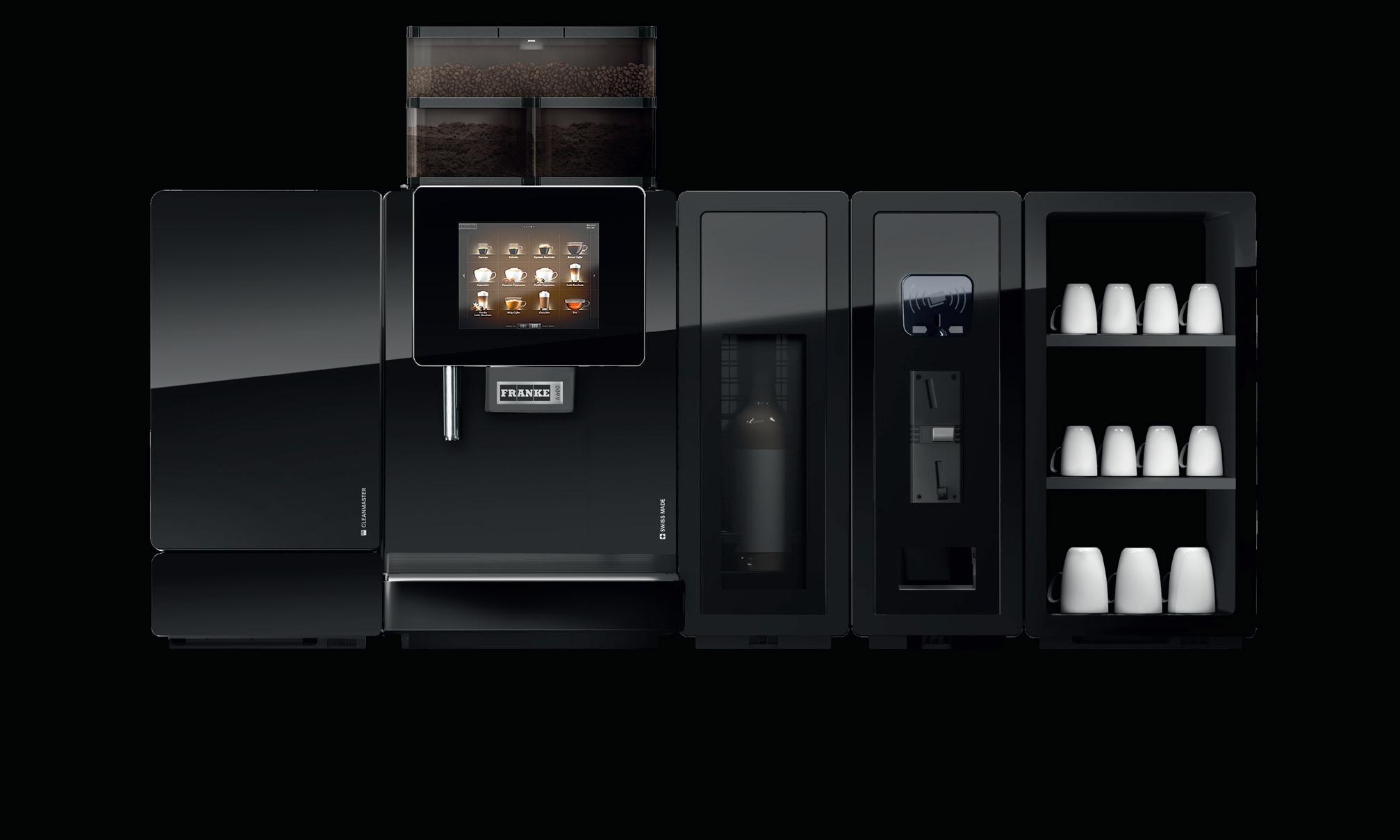
Upgrade your beverage service with the Classic A Line: Franke’s automatic coffee machine range, designed to simplify and elevate care home catering operations.
Latte, cappuccino, iced coffee, hot chocolate, and more... the Classic A Line crafts over 80 to 300 cups a day with effortless precision.
Featuring customisable add-ons such as milk fridges, cup warmers, and automated cleaning systems, rely on the Classic A Line to ensure drinks are consistently delicious –and every shift runs seamlessly.
But that’s not all. Monitor and optimise fleet performance in real-time thanks to Franke Digital Services (IoT) access, alongside ongoing maintenance support from over 100 Franke engineers across the UK and Ireland.
1966 Lives On
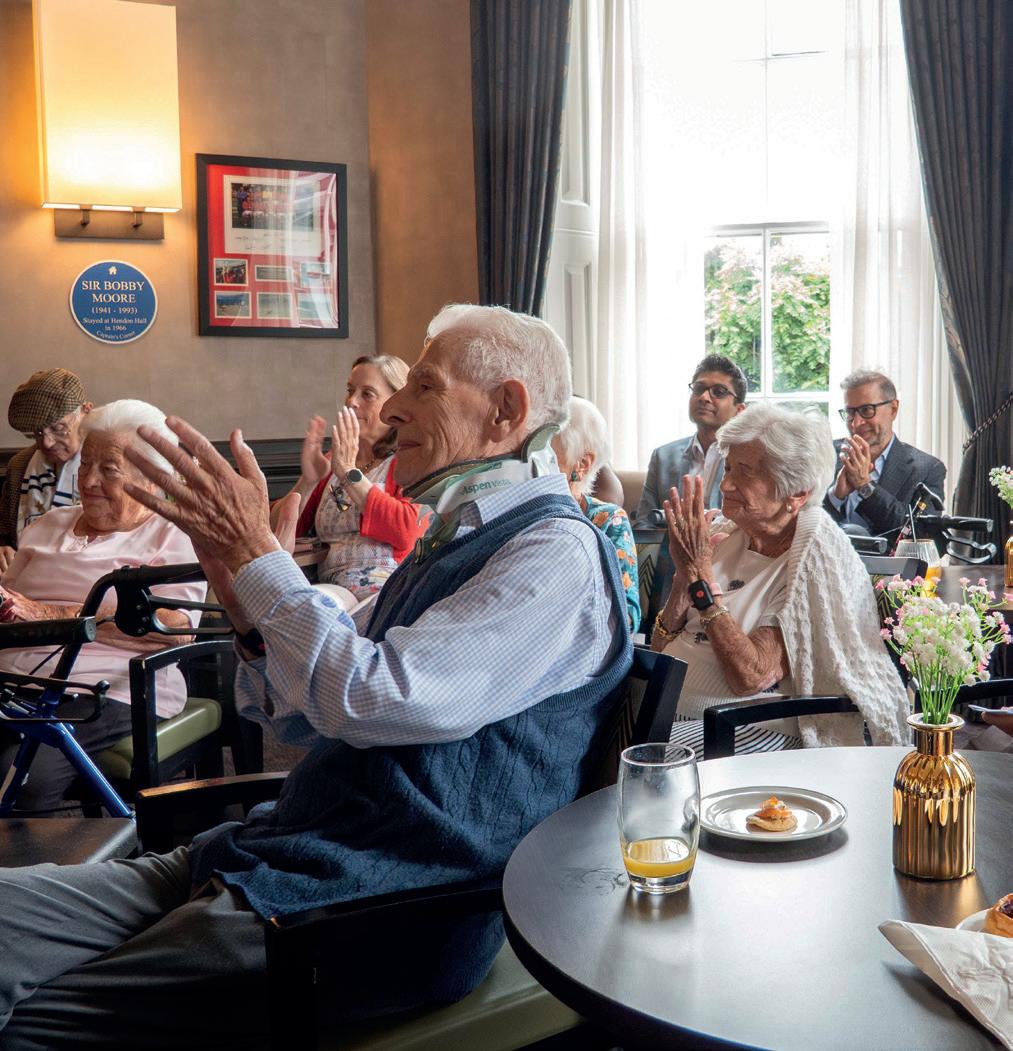
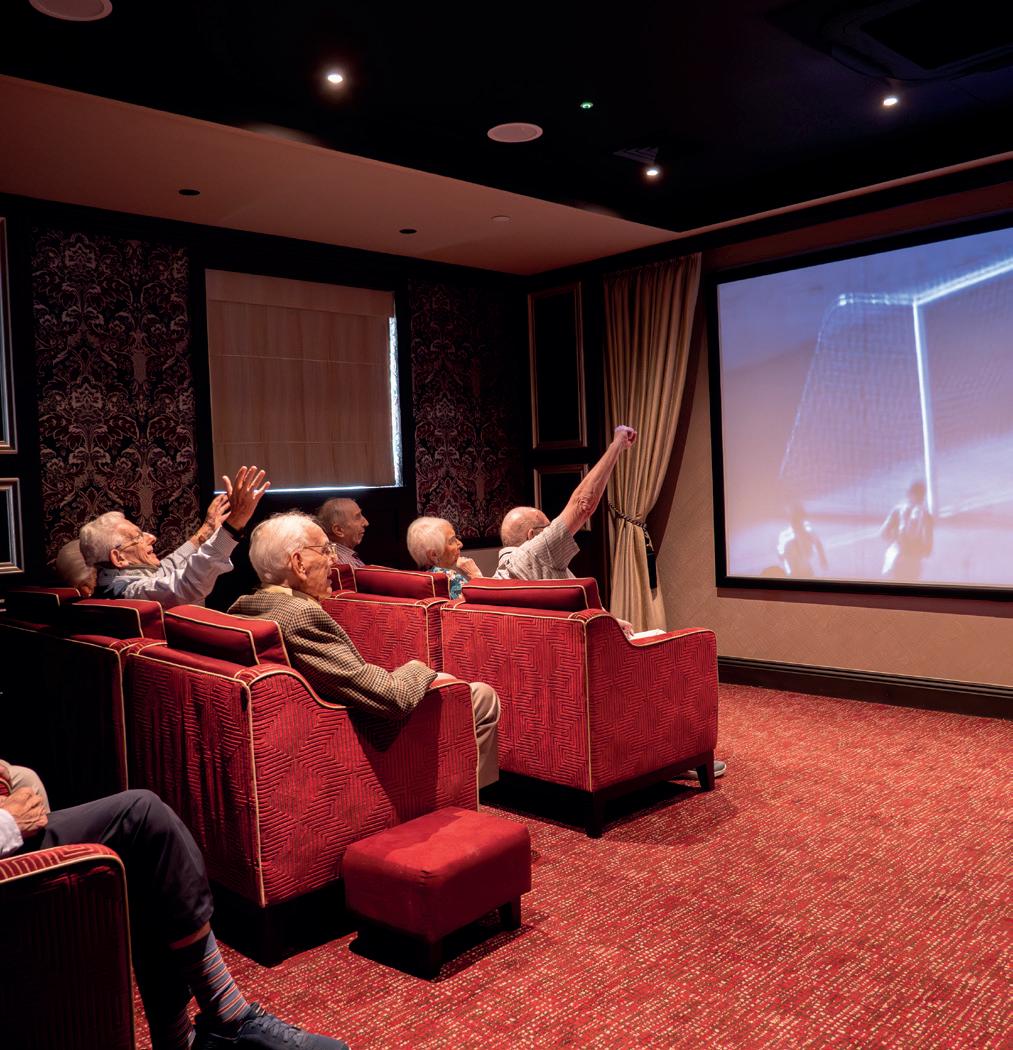
Residents at Signature at Hendon Hall marked Care Home Open Week with a nostalgic screening celebrating England’s historic victory and community connection.
The event brought together residents, relatives, and members of the local community as part of the national initiative led by Championing Social Care, which encourages care homes across the UK to open their doors and showcase the role they play at the heart of their communities.
The celebration combined match highlights, memorabilia, storytelling, and a full screening of the final, offering residents the chance to relive one of English football’s most iconic moments in a setting uniquely connected to the tournament. Hendon Hall was formerly a hotel and served as the base where the England squad stayed during the 1966 World Cup.
A highlight of the afternoon was resident Edward Cohen, who attended the 1966 final at Wembley aged 28 after securing a ticket through family connections. He recalled the intensity of the match and the atmosphere as England secured victory in extra time.
“As we went into extra time, the atmosphere in the stadium was feverish,” he said. “We all went wild as the crowd surged onto the pitch, even though there was still time left to play. When the final whistle blew, everyone went onto the pitch again – England had won the World Cup.”
Edward said revisiting the match at Hendon Hall carried particular meaning given the building’s history. “It brings back so many memories watching it
here, knowing the England team stayed in this very building.”
The event also included a World Cup-themed quiz, highlights screening, and a filmed contribution from former ball boy Neil Rioch.
Vishal Shah from Championing Social Care shared: “Signature at Hendon Hall organised this wonderful event as part of Care Home Open Week, an initiative of Championing Social Care that invites care homes throughout the UK to open their doors. The goal is to celebrate their communities and demonstrate that modern care is warm, welcoming, and vibrant. The event was about more than football; it was about connection, community, and highlighting the importance of meaningful experiences that social care provides for thriving in life.
Social care is central to communities nationwide, and events like this spotlight the incredible people with rich life stories who live and work in social care every day. This event exemplifies the spirit of Care Home Open Week, and with thousands of similar events across the UK, we encourage everyone to find out what their local care home is doing this week and to participate.”
Care Home Open Week (15–21 June) encourages care homes across the UK to open their doors to the public, strengthening community links and showcasing the vibrancy of modern social care.
Real-Time Care Access
The team behind Find Your Room explains how their platform is streamlining the connection between care providers and care seekers through real-time availability and simplified search.
Find Your Room is a new app and website solution enabling care seekers to find services with current availability. Whether they’re looking for care or nursing homes, supported living, or home care, care seekers can search by location and care type to find suitable services –without worrying that their chosen care provider will be unavailable.
Founded by Nathan Coowar, a care home owner with years of experience in the sector, Find Your Room aims to provide a solution for the problems faced by care seekers and care providers.
Nathan, who developed Find Your Room while running his own care home in Surrey, says: “These days, the high costs for advertising make it difficult for care providers. And if you’re looking for care, it’s increasingly hard to find the right placement. We get so many calls from care seekers in the community, as well as local authorities and hospital discharge teams – even in neighbouring counties.
“Our goal is to provide the infrastructure that care seekers and care providers both need. We’re all used to getting live availability for everything these days –
property listings, hotels, and even restaurant bookings. Our website and app hope to provide a similar service for care seekers and care providers.
“Real-time availability listings can be absolutely invaluable for people who need immediate care, as well as providers trying to fill care home rooms.”
Helping care providers
As care providers all know, it can be both difficult and expensive to advertise your care home to the right people. However, Nathan hopes to keep costs low for care homes.
Currently, Find Your Room charges just £24 per month for care providers to register a property or service with them, and registered charities and nonprofit services can sign up for free.
Each month, the site gets more than 100,000 impressions. So, when care providers register their properties, they’re putting themselves in front of thousands of potential clients, making it that much easier to fill their vacant rooms and provide a great service for the people who need it.
As care seekers can search by availability, registering
Lucy Henson Clark
Nathan Coowar
with Find Your Room won’t increase a care home’s workload when it’s fully occupied. Prospective residents will know about vacancies before they make contact. Administrators, receptionists, and care managers need not worry about an increase in phone calls or emails when they’re fully occupied.
Helping care seekers
Looking for care for yourself or a family member is stressful. It can take a long time, too; your local authority might suggest some nearby care services, or you may have recommendations from family and friends, but you’ll have to contact all of these properties individually to find out if they have availability.
The burden of finding appropriate care placements can be even more time-consuming for social workers, hospital discharge teams, and other health and social care professionals. They often spend hours on the phone or waiting for responses to enquiries about availability, while potential service users are waiting in hospital or not receiving appropriate care at home.
With the Find Your Room app and website, however, care seekers can search for nearby care services and filter by availability – saving a significant amount of time, as they only need to contact services with vacancies. Whether you’re a busy discharge coordinator or an anxious family member, you can make
sure that the individual who needs care is supported as quickly as possible.
Care is a family business
Nathan grew up immersed in the adult social care sector, as his family owned a care home. Now, he runs the home himself, alongside working on Find Your Room. He says: “I was brought up with both parents working in the adult social care system, and I’ve witnessed firsthand how so many changes have come in over the years – some good and some bad.”
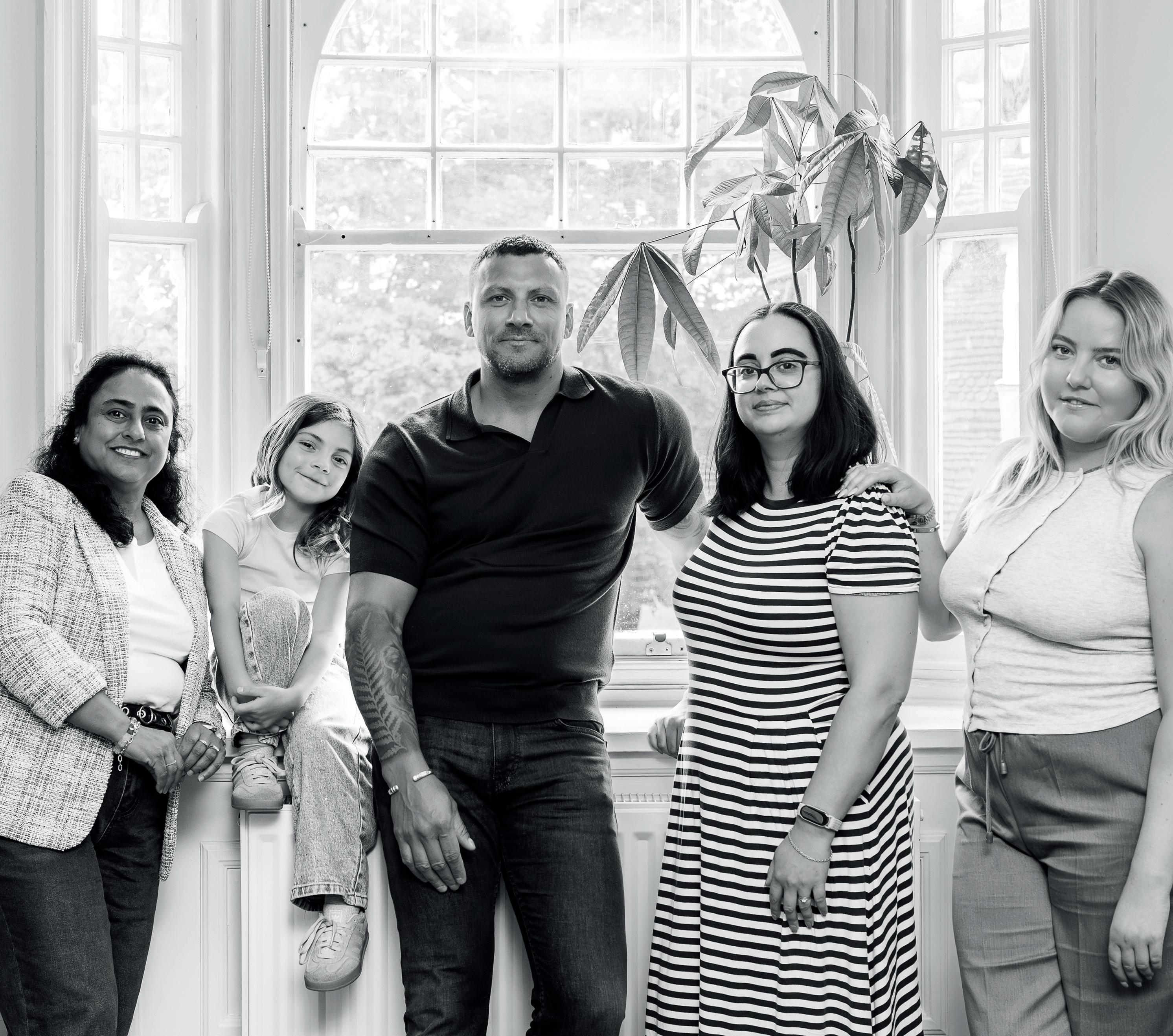
Find Your Room is a group effort, too. Nathan has assembled a team of experts around him, both care professionals and other specialists.
Included on the team are Partnerships Director Beth Fitzgerald, who draws on experience across a variety of sectors, and Alka Bagga, who brings more than 35 years of development and programming expertise to lead app and website development. Lucy Henson Clark has worked in adult social care for 15 years and draws on that experience to advise care seekers on the site’s info hub.
However, Nathan is clear on who’s really in charge: his daughter Sadie. “She’s the real boss. She’s the one who gives me the direction and drive that I need to make Find Your Room the go-to destination for care seekers and care providers!”
Find Your Room Team
Care Home of the Month Hendon Hall: Signature Senior
Lifestyle
Sponsored By
Hendon Hall has a unique legacy, including hosting the England World Cup-winning squad in 1966. How do you bring that history to life for residents and visitors today?
Hendon Hall has such an incredible history, and it’s something we’re genuinely proud of. The connection to the 1966 England World Cup squad is always a great talking point and gives the home a real sense of identity and character. Many of our residents remember that era themselves, so it often sparks lovely conversations, memories, and shared stories. We like to celebrate that heritage naturally through storytelling, photographs, and themed moments at big sporting events, helping residents and visitors feel connected to the building’s history and the wider community around it.
Operating within a Grade II listed property, how have you balanced preserving the building’s character with delivering a modern, luxury care environment?
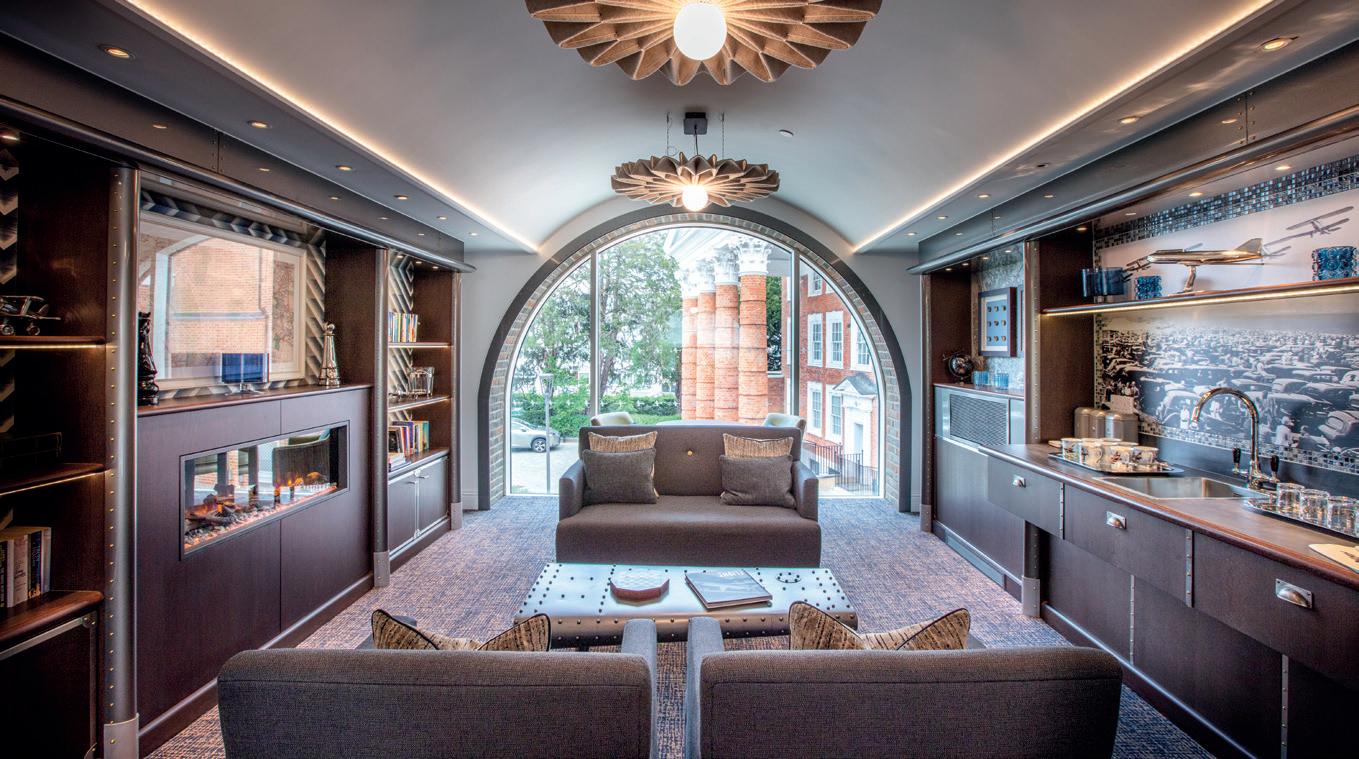
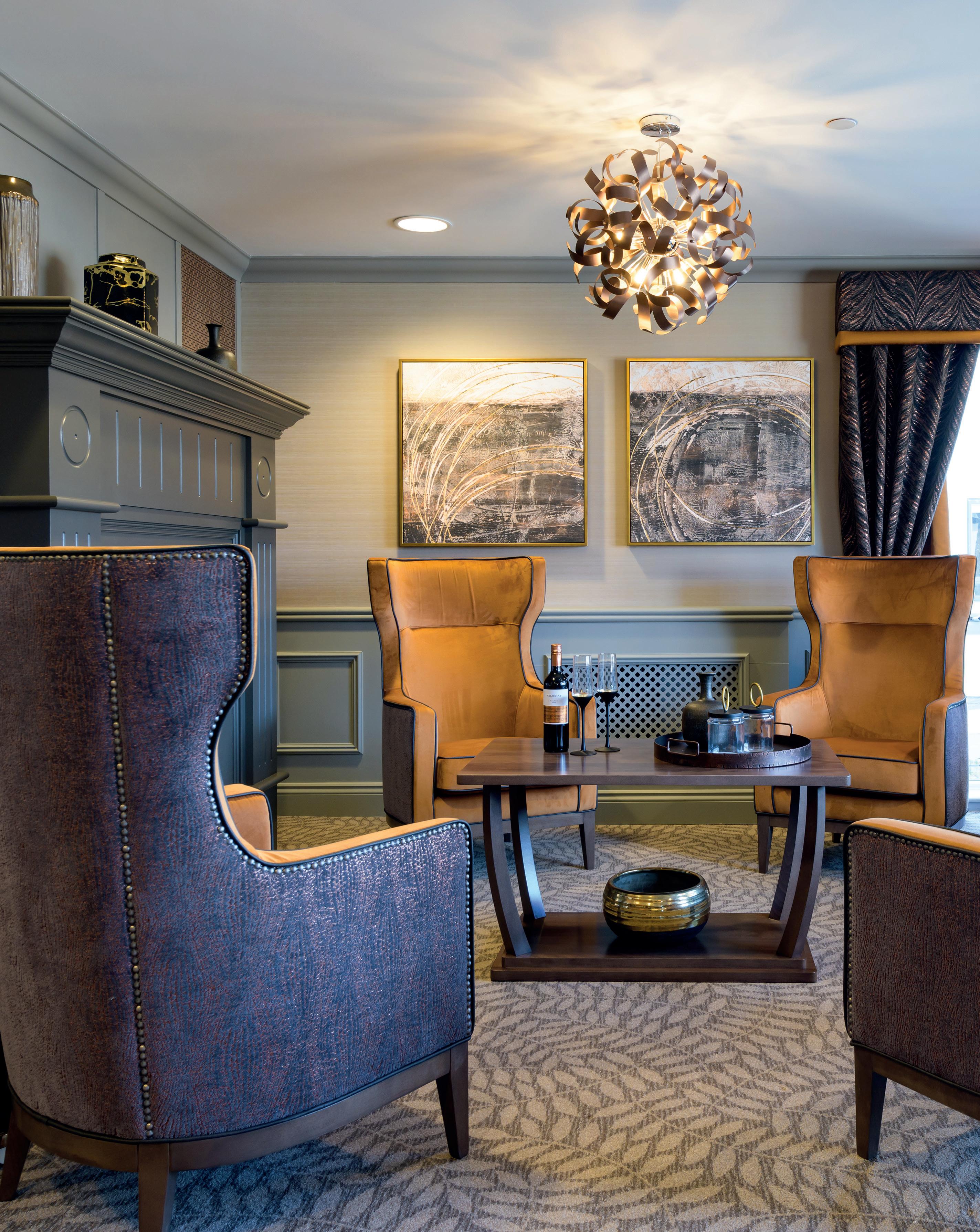
That balance has been really important to us because the character of Hendon Hall is part of what makes it so special. The building has so much warmth and personality, and we wanted to preserve that while still creating an environment that feels comfortable, luxurious, and well-suited to modern care. Residents benefit from beautifully designed spaces, elegant
lounges and high-quality facilities, but it still feels like a home rather than an institution. We’ve worked hard to ensure the home supports accessibility, well-being, and everyday comfort while respecting the history and charm of the building itself.
Signature is known for its hospitality-led approach. What does “hotel-style living” look like in practice at Hendon Hall, and how does it enhance resident wellbeing?
For us, hospitality is really about how people feel when they live here. We want residents to feel relaxed, valued and able to enjoy life in a way that still feels personal to them. That means restaurant-quality dining, beautifully presented spaces, engaging activities and a team who genuinely know the residents as individuals. It’s not just about care needs, it’s about lifestyle, independence and continuing to enjoy the little things that matter. Whether that’s enjoying a glass of wine with friends, spending time in the gardens or joining one of our events, it all plays a huge part in overall wellbeing.
With residential, nursing, dementia, and respite care all offered, how do you maintain consistent quality while tailoring care to very different needs?
Everything starts with the individual. Although
residents may require different types of support, everyone deserves the same level of warmth, dignity and personalised care. Our teams work incredibly closely together, and there’s a real shared culture throughout the home around quality and consistency. At the same time, we know no two residents are the same, so care plans, routines, activities and support are always tailored around the person, their preferences and what matters most to them. That’s what helps us create a consistent experience while still making care feel personal.
From landscaped gardens to communal lounges, which features of the home do residents engage with most, and how were these spaces designed with their needs in mind?
The gardens are a huge favourite with residents and families, especially during the warmer months. We’ve put a real focus on making these spaces that can be enjoyed across generations, and one of the things that’s gone down incredibly well is introducing activities for grandchildren to enjoy with their grandparents.
It’s created some really lovely moments for families and brings so much energy into the home. Inside, our lounges and communal areas are designed to feel comfortable, social and welcoming rather than clinical. A lot of thought goes into how residents naturally use the spaces day to day, making sure they support independence, conversation and relaxation.
What is it about your team at Hendon Hall that consistently elevates the resident experience and sets the home apart from competitors?
Honestly, it’s the people. The team at Hendon Hall genuinely care and that comes through in everything they do. There’s a real warmth within the home, and residents become part of an extended family. It’s often the small things that make the biggest difference, remembering how someone likes their tea, knowing what makes them smile or taking extra time to support a family member who might be finding the transition difficult. That human side of care is what really sets the home apart and creates the atmosphere people feel when they walk through the door.
Small Steps, Big Protection
Insurance claims in care homes usually result from everyday oversights, not dramatic events, as Stuart Hulbert from Brents Insurance explains. Regular processes, checks, and documentation help reduce risks and prevent losses.
In my experience, the majority of insurance claims in care homes arise not from extraordinary events, but from everyday issues that could often be prevented with simple checks and clear procedures.
Good risk management does not need to be complicated. A few practical measures can significantly reduce the likelihood of property damage, resident injury, and liability claims, while also providing insurers with the documentation needed to defend allegations when incidents do occur.
Property Risks: Prevention Starts with Routine
Many serious property claims begin with maintenance issues that were either overlooked or not recorded. Key areas to review include:
• Electrical inspections and PAT testing
• Fire alarm and emergency lighting servicing
• Boiler and heating maintenance
• Roof and gutter inspections
• Legionella monitoring
• Kitchen extraction cleaning
These checks should be scheduled, completed, and documented. Water damage remains one of the most common and disruptive causes of claims, yet regular roof inspections and prompt repair of minor leaks can often prevent substantial losses.
Liability Risks: Focus on Everyday Hazards
Public and employers’ liability claims frequently arise from slips, trips, falls, moving and handling incidents, and medication errors.
Simple controls include:
• Daily walk-round inspections
• Prompt removal of hazards
• Regular staff refresher training Risk assessments tailored to residents’ needs
• Accurate accident and near-miss reporting
Near misses are particularly valuable.
Documentation: Your Best Defence
Even where a claim lacks merit, insurers need evidence to defend it effectively.
The most useful documents include:
• Signed risk assessments
• Training records
• Maintenance logs
• Cleaning schedules
• Accident investigation reports
• Policies and procedures with review dates
In the event of an incident having a process to complete a full assessment report of what took place including input from those involved will capture important information whilst all is fresh in everyone’s memory. A well-kept file can make the difference between a claim being successfully defended and one being settled simply because evidence is unavailable.
A Practical Annual Review
At least once a year, managers should ask:
• Are our risk assessments current?
• Are maintenance records complete?
• Have policies been reviewed?
• Are staff training records up to date?
• Have near misses been analysed?
Risk management is not about eliminating every possibility of loss. It is about demonstrating that reasonable steps were taken to protect residents, staff, and property.
When those steps are documented, care providers are in a far stronger position—both operationally and when facing an insurance claim.
Stuart Hulbert
Brents Insurance
Chartered Insurance Brokers
You deserve insurance that works as hard as you do.
Established in Brentwood in 1963, an essential part of the Brents service is our philosophy of teamwork. Our friendly staff make it their business to understand our customers’ requirements, plus they have a detailed knowledge of the UK care sector insurance market to secure competitive terms and cover.
• Residential care
• Nursing care
• Elderly care
We can arrange your Care Home Insurance with independent, impartial advice so that the cover arranged meets your requirements and that of the regulator and Local Authority.
Contact us today to find out how we can support you with your care business insurance.
01277 223344
https://brents-care.co.uk/
Strength Through Nutrition
White Oaks Dietitian, Valentina Giannelli, discusses the role of nutrition and hydration in falls prevention.
Falls and fractures are common and serious health issues faced by older people. According to UK Government statistics, around a third of people aged 65 and over fall at least once each year. By the time they reach 80, that rises to half. These falls lead to distress, pain, loss of confidence, loss of independence, and in too many cases, loss of life.
Falls are the most common preventable cause of injury and death in care homes, so understandably, we talk a great deal about falls prevention in care settings. While physical activity is a key strategy for falls prevention to improve strength and balance, an oftenunderestimated strategy operates in the background of everyday life: the food and drink being served. Proper hydration and nutrition are critical.
The Power of Protein
Calcium, vitamin D, and protein play important roles in muscle and bone strength. Calcium supports bone strength and mineralisation; vitamin D improves calcium absorption and supports muscle strength and balance; and protein is the foundation of muscle strength, which is fundamental for balance.
After the age of 65, protein needs increase significantly - by up to 50% compared to younger adults. Older people need at least 1 to 1.2 grams of protein per kilogram of body weight per day which for most people translates to roughly 70 to 90g daily.
When residents do not consume enough protein, their muscles weaken. The margin between walking confidently and losing footing becomes much smaller. Not only are they at a higher risk of falling, but residents who are protein and calcium-deficient are at far greater risk of fracture if they do fall. Hip fractures alone cost the NHS approximately £2 billion per year, and around 20% of hip fracture patients enter longterm care within the first year following their injury.
One of the biggest challenges we face is that, at this age, appetite decreases, and the portions people can comfortably eat become smaller. For catering teams, it’s not just about understanding the importance of these nutrients, because most already do, but about delivering enough of them in smaller, more palatable portions, within menus that residents enjoy.
This requires strategic thinking as well as nutritional awareness.
At White Oaks, this has led us to rethink our protein and calcium sources. An example of where we’ve altered our menus to meet this need is the introduction of venison. Venison provides around 22g of protein per 100g, is naturally lean, rich in iron and B vitamins, and significantly lower in saturated fat than equivalent cuts of beef.
What works well here is that venison is not an unfamiliar ingredient. It works beautifully in the dishes residents already love, such as stews, pies, mince-based meals, and lasagne. Rather than asking residents to adapt to ‘new’ food, we are improving the nutritional value of the meals they already look forward to, and feedback from our residents has been excellent.
For calcium, we factor in nutrient-dense desserts, such as rice pudding and cheesecake, and always having cheese and biscuits available - it doesn’t need to be fancy. Fortified milk or milkshake with skimmed powder provides extra protein and calcium, and it’s a source of fluid too!
The Hidden Epidemic of Dehydration
While nutrition is often under-discussed, dehydration is
Valentina Giannelli
often invisible and a major contributor to falls in older people.
Along with a reduced appetite, the body’s thirst mechanism also becomes less sensitive with age. Residents may be clinically dehydrated without feeling thirsty at all. Over 65, the target is to drink 3 to 3.5 pints of fluids per day. But if thirst has declined and drinks are repetitive or uninspiring, intake can quickly drop well below what the body needs to function safely.
The consequences are serious and mimic other conditions. Dehydration causes confusion, dizziness and fatigue - all of which dramatically increase fall risk. It also contributes to urinary tract infections, which in older adults frequently present not with obvious symptoms but with sudden disorientation and unsteadiness. Residents can be admitted to the hospital following a fall that was, at its root, caused by not drinking enough water.
For catering and care teams, the response must be proactive rather than reactive. Structured drink rounds, variety in what is offered, and an appreciation that all fluids - including soups, juicy fruits, teas, coffee, smoothies - can meaningfully shift daily intake. Encouraging residents to keep hydrated to the level they need requires deliberate effort and creativity.
A Nuanced Approach
Older adults are not one single group. Needs, priorities and goals vary significantly depending on the setting. In care homes, the focus must be restorative: highprotein, calorie-dense foods served in smaller, more frequent portions. Hydration needs to be built into the
structure of the day, not left to chance.
In more independent living environments, the approach shifts towards the preventative. Here, the goal is sustaining health over the long term: adequate protein and fibre, heart-healthy fats, calcium and vitamin D, and the dignity of choosing what and when to eat.
What cuts across both settings is enjoyment. If food and drink are not enjoyed, they are not consumed. The most carefully designed menu in the world is pointless if the food and drink is left untouched. This is where creativity and versatility are key.
The Cost of Fragility
The NHS spends enormous sums responding to falls. Ambulance services attend around 700,000 calls from older people who have fallen each year, and emergency admissions top 220,000 annually for the over-65s. The total cost of fragility fractures in the UK is estimated at £4.4 billion per year. Much of this is preventable.
Of course, not all of this can be avoided through nutrition and hydration changes, but they have a critical role to play. Catering decisions made in care home kitchens can have long-term consequences that reach hospitals and long-term care placements.
The conversation about falls prevention must become one about what we put on the table. Great food and drink are at the heart of great care - it brings not just nutrition, hydration and improved health, but also comfort, joy and a sense of community to residents every day. The importance of good food and drink should never be underestimated.
Don’t let unmanaged devices steal valuable time from your residents.
Trust the experts.
Subsidium currently manages over 50,000 devices across the care sector. We turn chaotic, vulnerable tablets into secure, clinical tools instantly. From Kiosk Mode to overnight updates, we handle the entire lifecycle behind the scenes.
No distractions. No data risks. Just technology that works, so your team can too.
Book a demo today
Activities
Essential 5
This Essential 5 reframes activities as an outcomes-driven discipline, not a task list. These are the five factors that consistently separate good programmes from genuinely impactful ones.
Purpose Before Planning
Planning activities with a clear purpose is essential; without it, even the most creative schedules can seem superficial rather than meaningful. The aim, whether to decrease isolation, maintain mobility, or encourage cognitive engagement, should steer both the activity design and how its impact is assessed. This method shifts the focus from simply occupying time to achieving tangible wellbeing results. Additionally, it ensures activities align with care plans, integrating them into the overall care approach instead of viewing them as isolated tasks.
Personalisation at Scale
Person-centred care is well established in theory, but execution within group activity settings is where many homes struggle. True personalisation doesn’t mean one-to-one sessions for everyone; it means designing experiences that allow individual relevance within shared environments. This requires detailed life history work, ongoing observation, and flexibility in delivery; the difference is subtle but powerful.
Consistency Over Creativity
Creativity often takes the spotlight in activity programs, with themed days, external entertainers, and seasonal events. Although these have their value, consistency remains the key to making a real impact. Residents gain the most from routines they can rely on and predict. Regular, well-executed sessions boost confidence, lessen anxiety, and foster a sense of stability. Creativity then serves to enrich this solid foundation, rather than replace it.
Skilled Facilitation, Not Just Delivery
Two homes may deliver the same session, yet achieve very different outcomes depending on the facilitator’s approach. Strong facilitators understand group dynamics, pick up on non-verbal cues, and adapt their delivery in the moment. They recognise when to step in, when to step back, and how to gently encourage quieter residents to take part without creating pressure.
5 4 3 2 1
Measuring What Matters
Often, success is judged by attendance or completion, not impact. True measurement focuses on outcomes like mood changes, engagement levels, social interactions, and overall wellbeing. The data collected should inform planning; activities that receive positive responses should be prioritised, while those that do not should be adjusted or replaced. This approach fosters a continuous improvement cycle, ensuring programmes develop based on actual evidence rather than assumptions.
Fundraising as Meaningful Engagement
Expert insight from the National Activity Providers Association (NAPA) highlights how fundraising can move beyond events to become a powerful, everyday tool for engagement, wellbeing and community connection in care homes.
Reframing fundraising in care homes
The NAPA Standards of Practice highlight activity and engagement as key to wellbeing, identity, and community ties. Within this approach, fundraising can evolve from sporadic events to an integral part of a care home’s daily culture. Instead of merely being an occasional activity, fundraising can enable residents to participate, express themselves, and stay connected with the broader community. This signals a shift in perspective: from viewing activity as simply occupation to viewing it as meaningful purpose.
From one-off events to embedded practice
In many homes, fundraising still centres on standalone events such as seasonal fairs, raffles or themed charity days. While these can be positive, they are often staffled and sit apart from residents’ everyday routines and interests.
Embedding fundraising requires a different approach. It means aligning it with ongoing activity provision so that it emerges naturally from residents’ preferences, histories and abilities. The focus shifts away from
engagement.
In practice, this is less about introducing new initiatives and more about adapting what already exists. Creative, social and physical activities can all incorporate a fundraising element without losing their primary purpose. The emphasis remains on engagement, with fundraising as a secondary outcome.
Designing double-purpose activities
Some of the most effective approaches are those that deliver both therapeutic value and a fundraising outcome. These double-purpose activities align closely with established principles of good care, supporting physical health, cognitive stimulation and emotional wellbeing.
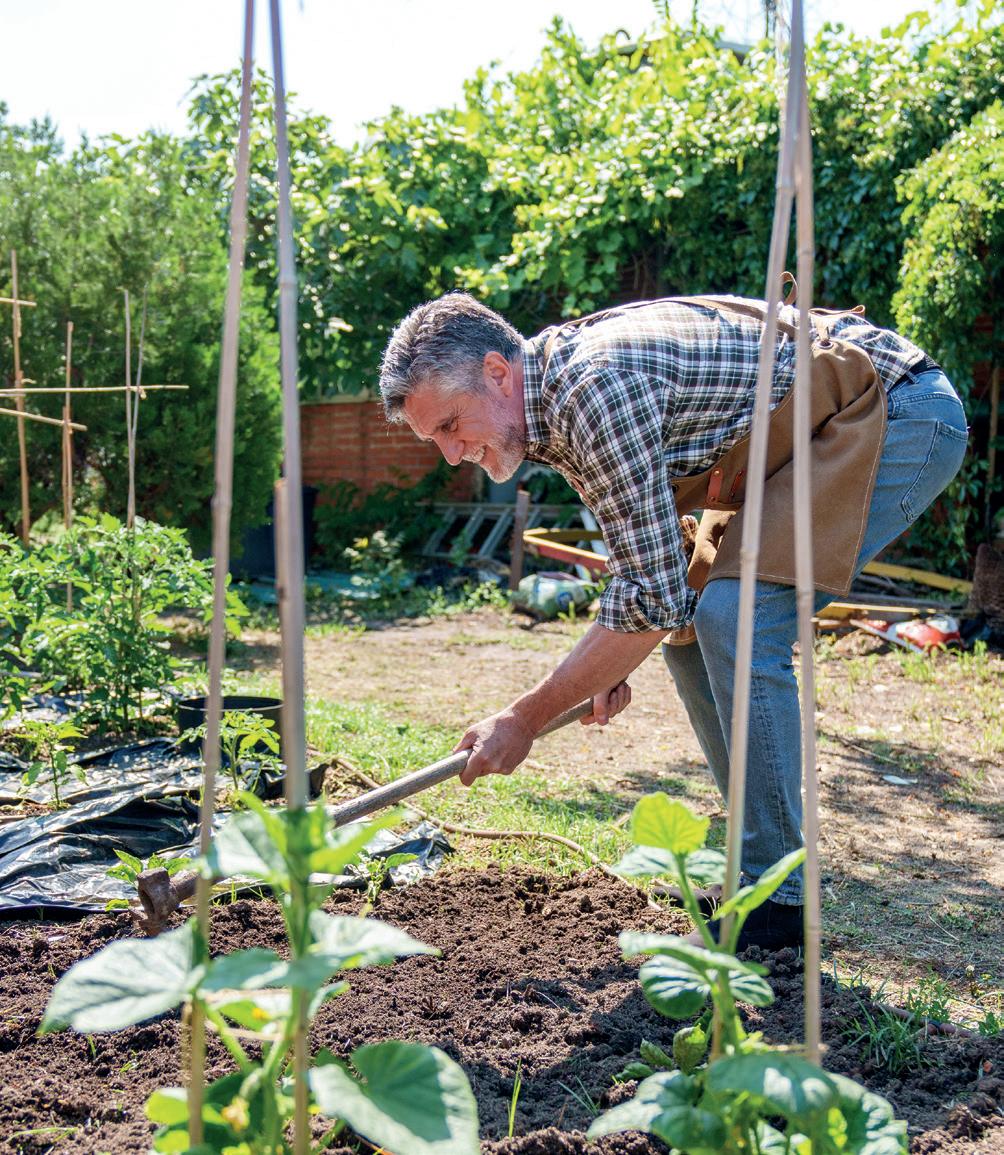
Gardening can support movement, sensory engagement and reminiscence, while also creating opportunities for plant or produce sales. Baking and food-based activities can foster social interaction and routine while forming the basis of community-facing initiatives.
Creative activities such as knitting, painting or
special events towards consistent, meaningful
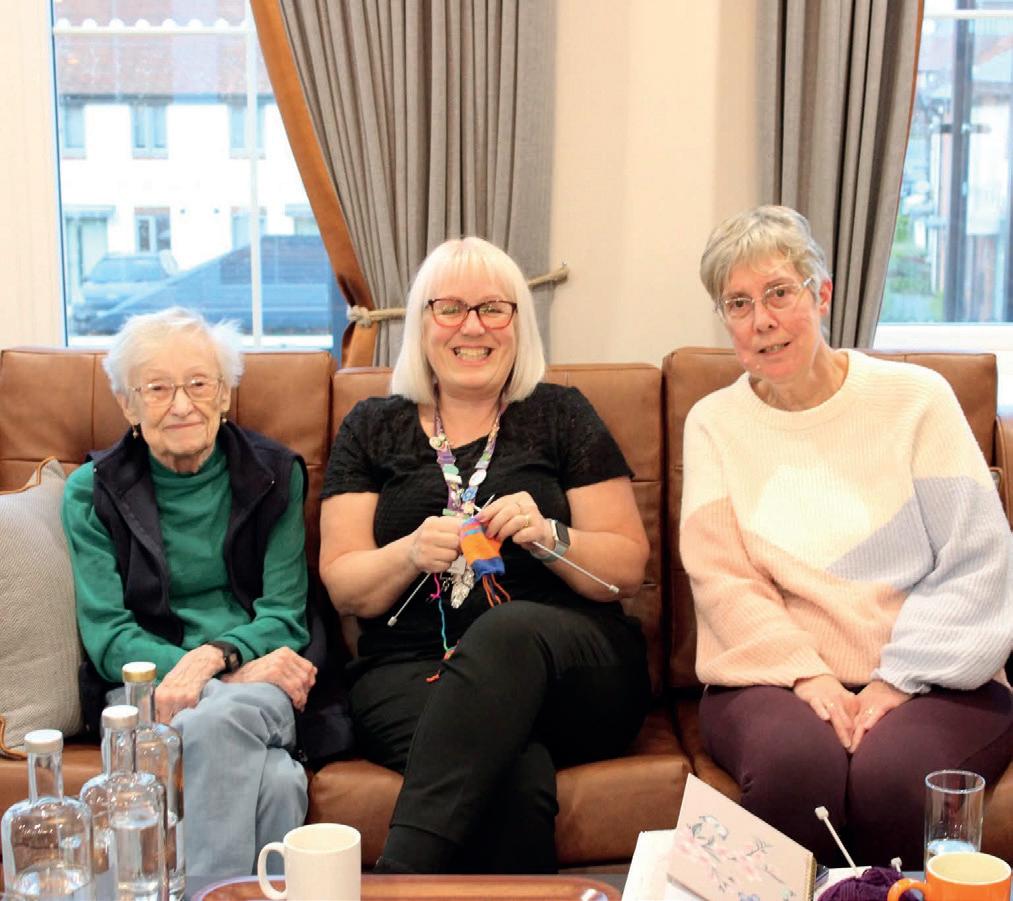
Knit and Knatter at Aston Manor
Residents Painting
card-making can support fine motor skills and selfexpression, while producing items that may be shared or displayed as part of a wider fundraising effort. Intergenerational work can also play a role, combining social connection with opportunities for community involvement and support.
In each case, the activity retains its intrinsic value. The fundraising element should never override the experience itself.
Supporting person-centred care
A key strength of activity-led fundraising is its alignment with person-centred practice. Effective implementation depends on understanding residents’ backgrounds, interests and preferences, and using this insight to shape meaningful opportunities for participation.
For individuals who may have experienced a loss of role on entering care, these opportunities can be significant. Contributing to a shared project, whether through planning, creating, hosting or simply taking part, can support a sense of identity and usefulness. This approach also encourages more collaborative activity planning. Residents are not passive recipients, but active participants in shaping what takes place.
This reflects NAPA’s emphasis on autonomy, choice and ongoing involvement in decision-making.
Strengthening community connections
Fundraising activities can also support more consistent and meaningful engagement with the local community. A clear purpose can make it easier to involve external partners, from families and volunteers to schools and community groups.
Over time, this can help reposition the care home as an open, engaged environment rather than a closed setting. Community-facing activities create opportunities for shared experiences, where residents are seen as active contributors rather than solely as recipients of care.
This reciprocal model is important. Successful engagement is not about the community supporting the home in isolation, but about building relationships that offer value in both directions.
Making it sustainable in practice
For providers, embedding fundraising into everyday activity does not necessarily require additional resources, but it does require consistency and clarity.
Regular opportunities for participation, rather than reliance on large occasional events, are more likely to become part of the home’s culture. This might include ongoing projects, repeatable formats or partnerships that develop over time.
Clarity of purpose is equally important. Staff teams need to understand how fundraising aligns with care outcomes to ensure it remains appropriate and proportionate. Without this, it may feel tokenistic or overly task-driven.
Relevance also matters. Causes that resonate with residents’ experiences or interests are more likely to support meaningful engagement.
Measuring what matters
The success of fundraising in care settings should not be defined solely by the amount raised. While financial outcomes are important, they represent only one aspect of impact.
A broader evaluation should consider resident engagement, emotional wellbeing, confidence and social connection. Observational insight, feedback from residents and families, and evidence of participation can all provide a more complete picture.
Inclusion is another key consideration. Homes should assess whether activities are accessible and adaptable, ensuring that residents with different needs and abilities can take part in ways that are meaningful to them.
There is also value in recognising the impact on staff and the wider community. Collaborative initiatives can support team cohesion, encourage creativity and strengthen external relationships, all of which contribute to a positive care environment.
A broader definition of value
Within the NAPA framework, fundraising is not simply about generating income. At its best, it is a vehicle for supporting dignity, purpose and connection.
When embedded thoughtfully, it can enhance existing activity provision, strengthen community links and create opportunities for residents to remain active participants in the world around them.
For care home operators, the implication is clear: fundraising is most effective not when it is added on, but when it is built in.
Residents Gardening
The Inclusive Screen
Discover how dementia-friendly television is transforming screen time in care settings from passive viewing into structured, person-centred engagement; supporting wellbeing, sparking connection, and enabling consistent, meaningful activity even within busy environments.
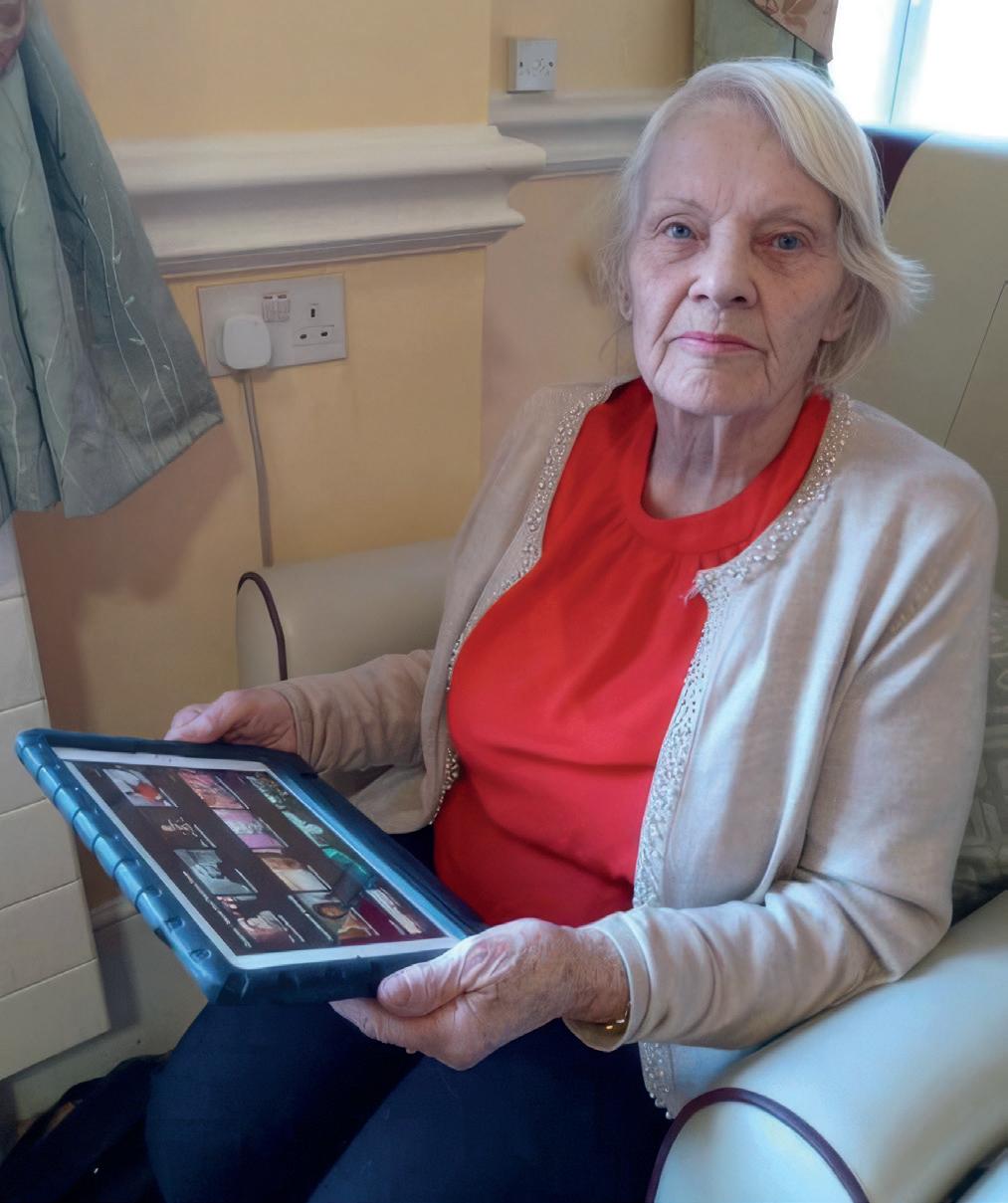
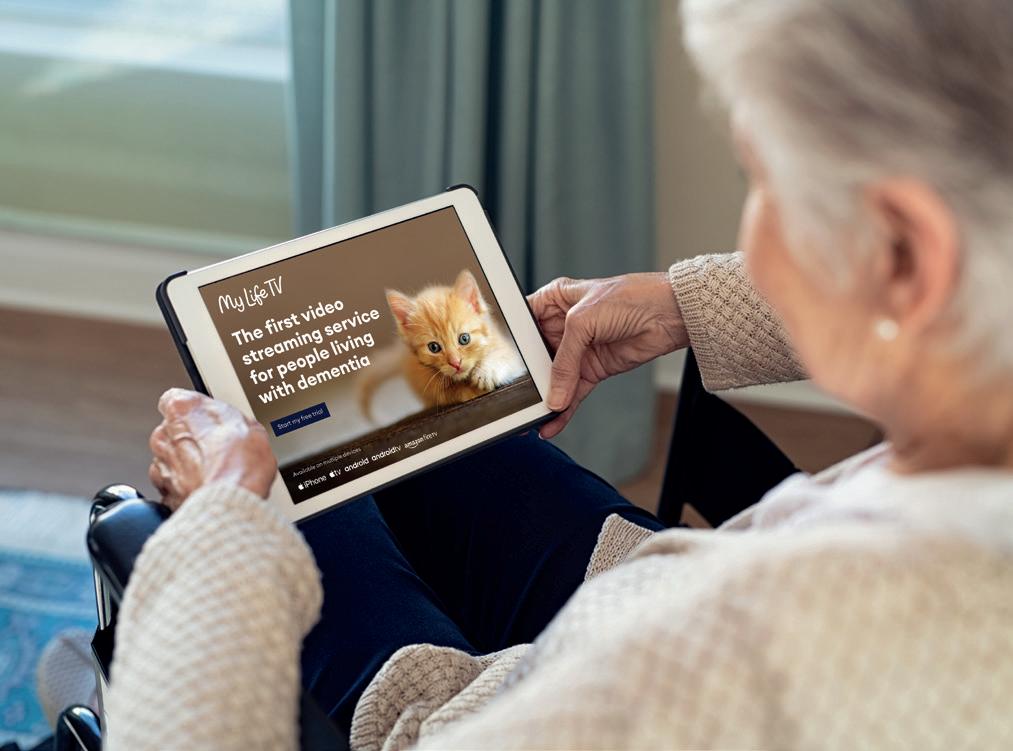
In care settings, meaningful activity is no longer viewed as an “added extra”; it is central to wellbeing, connection and quality of life. Yet delivering engaging, person-centred activities consistently within busy care environments remains a challenge. Increasingly, providers are recognising that platforms such as My Life TV can play an important role, not as passive background entertainment, but as a structured tool for purposeful engagement.
Recent My Life TV research (The Inclusive Screen: How to Make TV Dementia-Friendly) highlights an important distinction between traditional television and dementia-friendly content. Mainstream TV can sometimes overwhelm or disengage viewers through fast pacing, complex storylines or overstimulating sound. Dementia-friendly media, by contrast, is intentionally designed to calm, connect and support participation.
This shift from passive viewing to active engagement is transforming how activity teams use screen-based content. Rather than simply “putting the television on”, My Life TV can form the basis of structured sessions including reminiscence, music and movement, chair yoga, quizzes, breathing exercises and one-to-one engagement. Sessions can be adapted according to mood, energy levels and cognitive ability, helping teams maintain consistency while remaining responsive to individual needs.
Naomi Daglish, My Life TV Advisory Panel member and Lead Happiness & Wellbeing Ambassador at Advinia Healthcare explains: “Television can be used as
an intentional engagement tool… It can help support emotional expression and shared social experiences. Used effectively, television can help reduce anxiety, promote orientation, and strengthen relationships between residents, colleagues and families.”
One Wellbeing Lead adds: “We’ve found My Life TV particularly valuable in helping staff deliver consistent activities, even on very busy days. The platform gives the team a reliable framework to build sessions around quickly and confidently.”
Dementia-friendly television is also person-centred and generationally relevant. Today’s residents may connect more strongly with the music, culture and memories of the 1960s, 70s and 80s. My Life TV’s range of content allows teams to tailor sessions around personal histories, interests and cultural preferences, supporting dignity, choice and inclusion.
As care providers continue to focus on evidencebased wellbeing approaches, dementia-friendly media is becoming an increasingly valuable part of the activity toolkit, supporting connection, participation and meaningful moments every day.
MLTV in Cecil Court
The Power of Touch
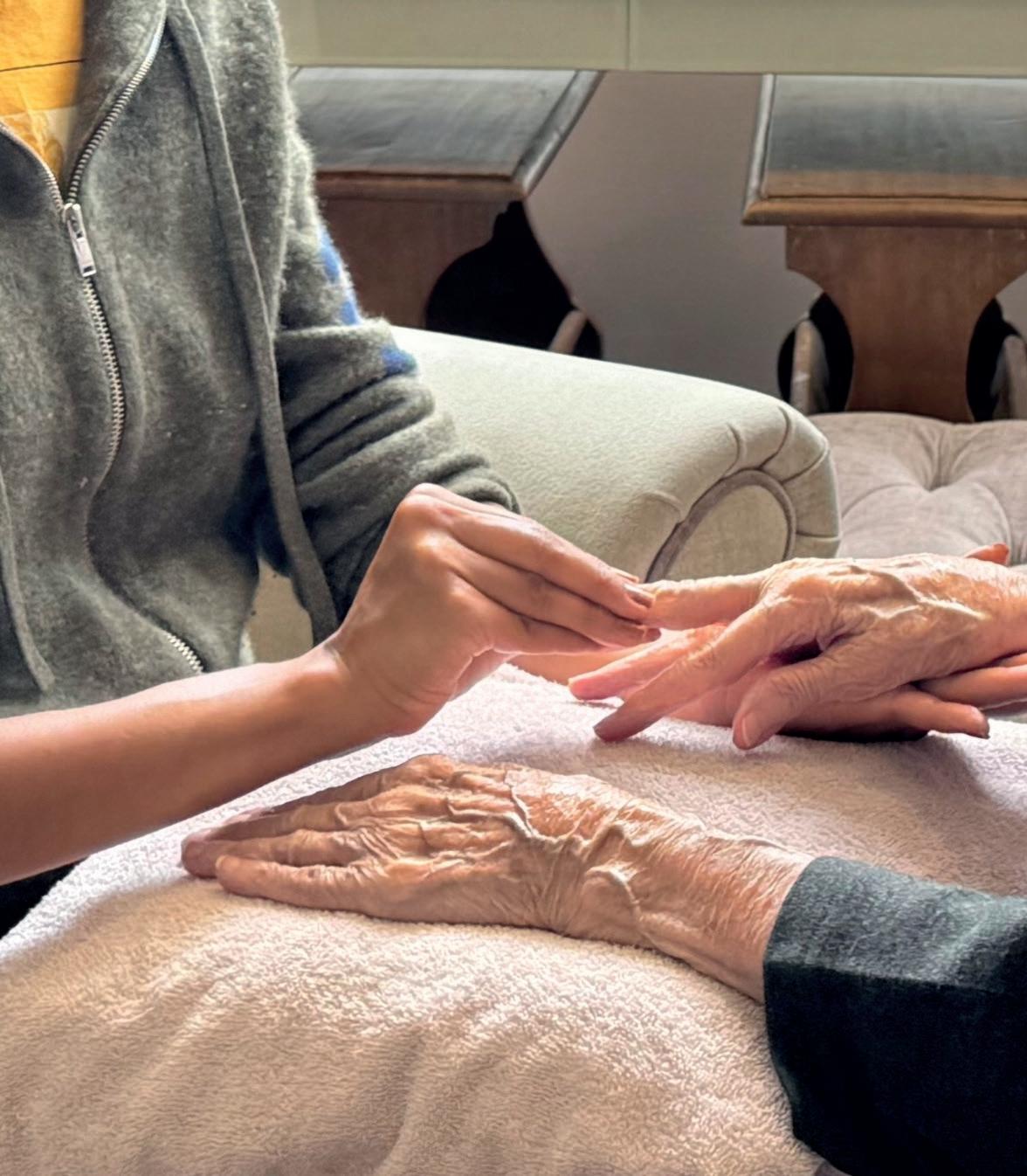
An eight-week project led by Maida Care is highlighting the power of touch in care, demonstrating how massage therapy and other non-pharmaceutical approaches can significantly improve physical comfort, emotional wellbeing, and overall quality of life for residents living with Parkinson’s.
Providing person-centred care for individuals with Parkinson’s presents challenges and opportunities. While medication plays a vital role, there is growing recognition of holistic, non-pharmaceutical approaches in enhancing quality of life. An eight-week massage therapy project across four London care homes explored this, offering residents a programme supporting physical, emotional and psychological wellbeing.
Funded by Parkinson’s Care and Support UK, the only UK charity dedicated to non-drug approaches to Parkinson’s wellbeing, the project was delivered by Maida Care, a London-based agency bringing holistic therapies into care homes to enhance residents’ quality of life. Together, they aimed to show how accessible therapeutic interventions can complement traditional care.
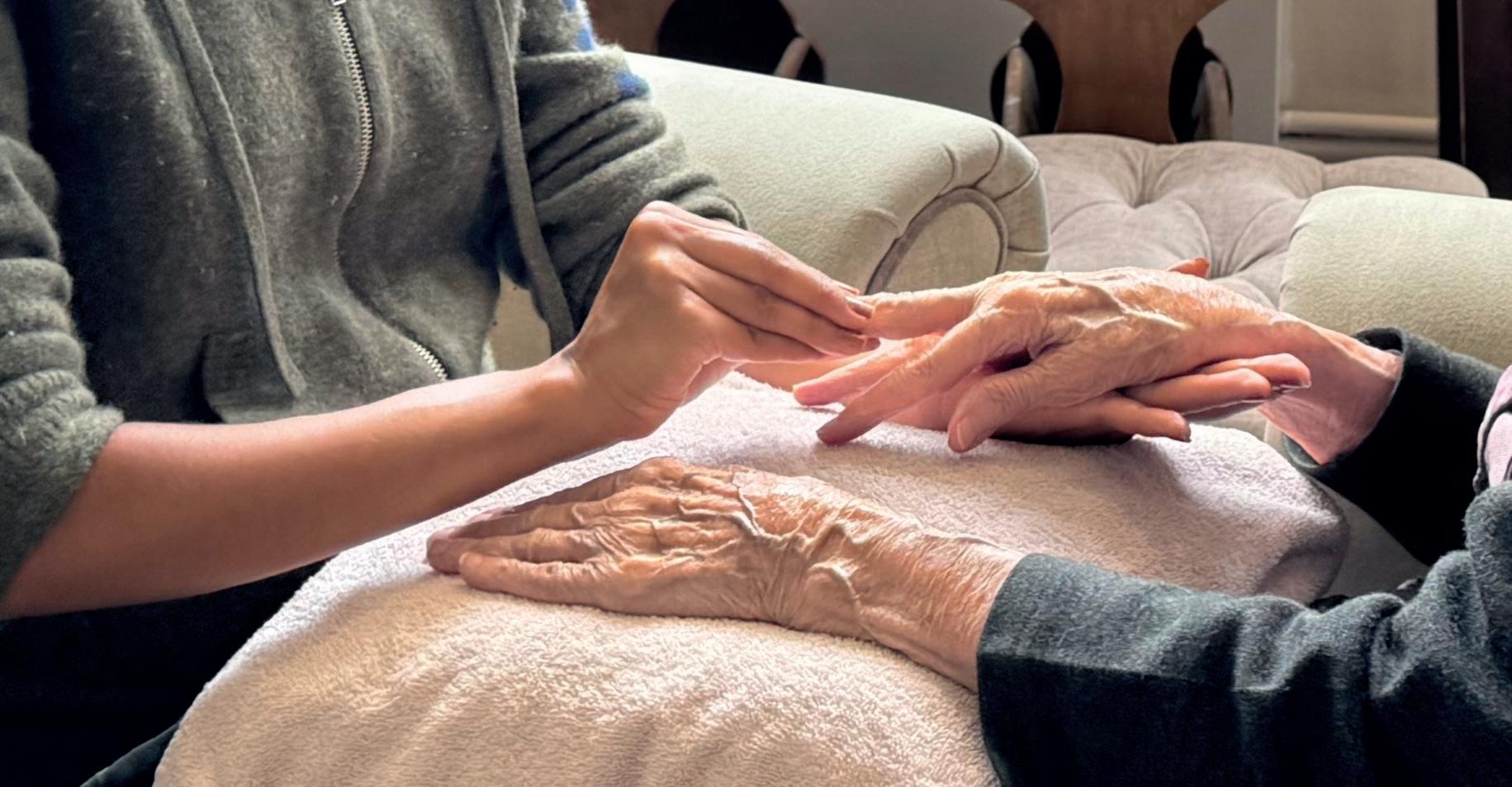
The project involved eight residents diagnosed with Parkinson’s, each receiving one tailored massage session per week. Every session included a health consultation alongside the massage, ensuring a person-centred approach. Delivered by qualified practitioners experienced in complex health needs, the programme was carefully integrated into each home’s care framework, with clinical teams supporting consent and risk management. The outcomes proved both measurable and meaningful.
Physically, many participants experienced noticeable improvements. Around 75% reported reduced pain and muscular rigidity, a common Parkinson’s symptom. Some also showed improved mobility, with greater ease of movement. Better sleep often followed, linked to reduced discomfort and increased relaxation.
Emotionally, the impact was particularly significant. Anxiety, low mood and depression are common in Parkinson’s and are often difficult to address in routine care. In this project, all participants reported feeling more relaxed and less stressed after sessions, with many noting improved mood and reduced anxiety over time. For some, the sessions became a vital part of their week, offering comfort, calm and meaningful human connection, reducing feelings of isolation and distress.
“The sessions had a clear positive impact on our residents, improving relaxation, mood and overall wellbeing,” says Steve Williams, Hospitality Manager at Signature Senior Lifestyle, Hendon Hall.
“All participants looked forward to the massage sessions and found them beneficial, supporting both physical wellbeing and mental health. Such services could significantly improve the quality of life for residents with Parkinson’s,” says Nishma Haria, Development Manager at Candlewood House Care Home.
The project highlights the value of massage therapy in supporting physical, emotional and psychological wellbeing for people living with Parkinson’s. With all participants reporting improved wellbeing, this demonstrated how this intervention can make a meaningful difference in care home settings, even over a short period of time and may support wider adoption of holistic care approaches. Parkinson’s Care and Support UK and Charlotte Kahn, Founder of Maida Care, are now exploring how the project could be developed further and expanded to reach more care homes and residents living with Parkinson’s.
maida-care.com parkinsonscare.org.uk
Resident Recieving a Hand Massage
Movement into Meaningful Moments
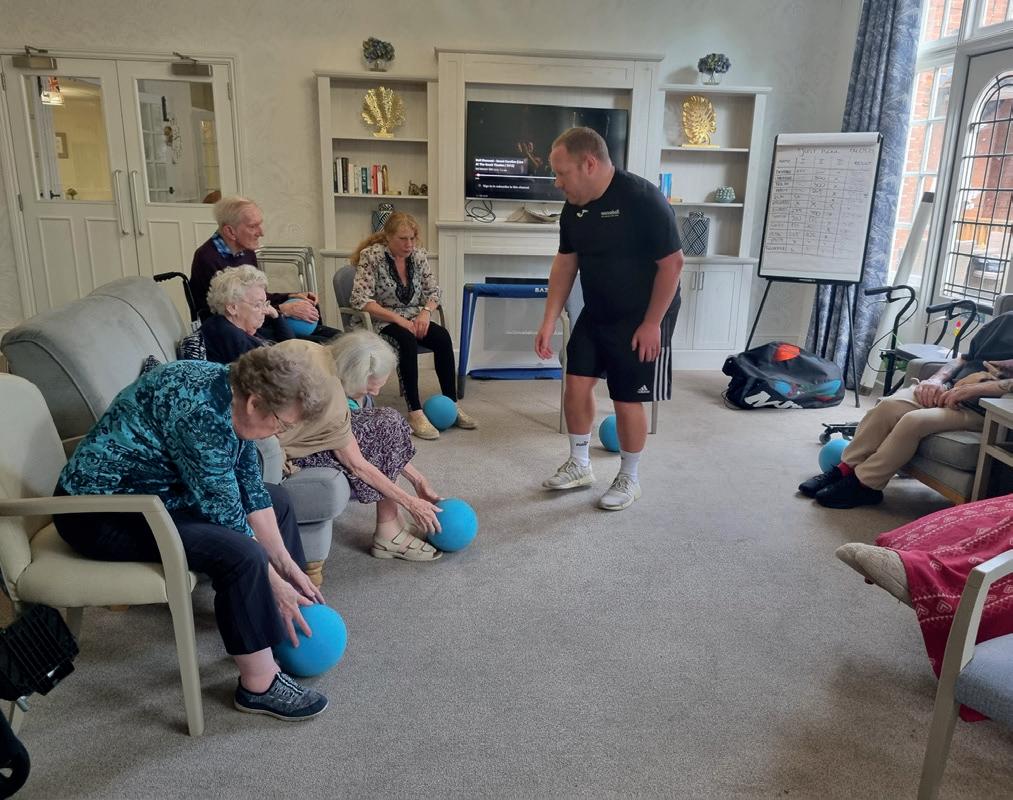
With the World Cup bringing excitement and shared nostalgia, Moveball offers the perfect June activity, turning football-inspired sessions into meaningful moments of connection, reminiscence and inclusive engagement across the home.
Rethinking Activity in Care Homes
In care homes, activities are far more than a way to fill time; they are fundamental to wellbeing, identity and overall quality of life. Yet for many leadership teams and activity coordinators, the real challenge lies not in scheduling sessions, but in delivering experiences that consistently engage residents, energise the environment and create meaningful outcomes. Moveball has been developed in direct response to this challenge, offering a structured and inclusive approach that transforms group activity into something far more impactful.
A Simple Concept with Lasting Impact
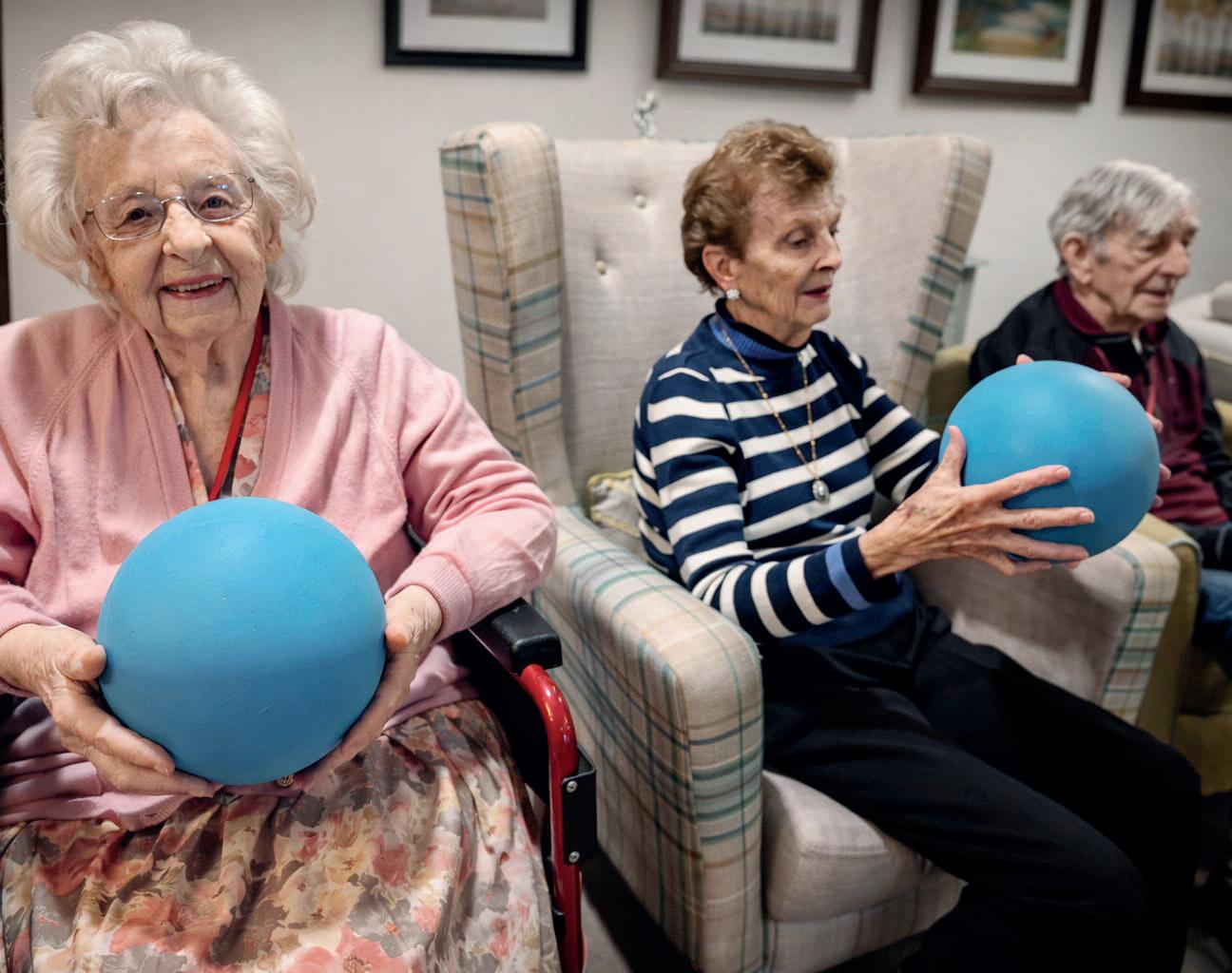
At its core, Moveball is a group activity built around simple, ball-based games inspired by familiar sports such as football, netball and cricket. The emphasis is not on competition or technical ability, but on participation. Every resident has a ball, and every resident is actively involved throughout the session. Rather than asking individuals to opt in, the design of the activity naturally draws them into engagement through movement, touch and familiarity. The ball becomes more than just equipment; it acts as a
catalyst for interaction, helping to unlock confidence, connection and shared experience.
A Whole-Person Approach to Engagement
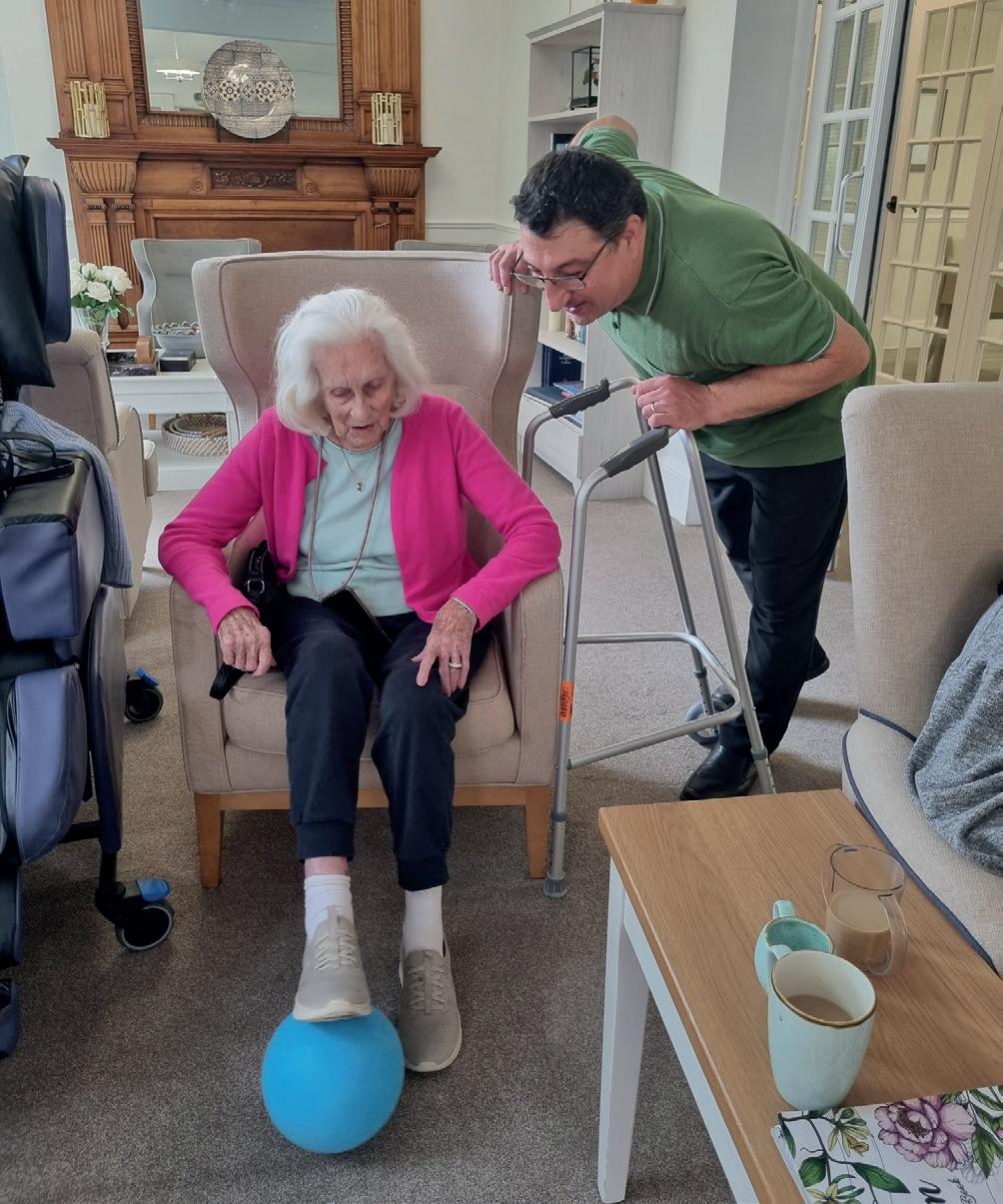
Each session is carefully structured to deliver a multidimensional experience. Residents take part in light, adaptable physical movement, simple reaction-based exercises and team-focused challenges that encourage communication and cooperation. This integration of physical, cognitive and social elements ensures the activity supports the whole person. It is not limited to one aspect of wellbeing, but instead contributes to improved mood, increased participation and stronger social connection over time.
Designed for Consistency
One of the most persistent challenges in care home activity provision is inconsistency. Engagement levels can fluctuate depending on residents’ mood, staffing pressures or the format of the session itself. Moveball addresses this through a deliberately structured approach. Sessions are predictable enough to create reassurance and familiarity, yet varied enough to maintain interest. They are designed to be inclusive of
mixed abilities, including residents living with dementia, and are delivered with an energy that creates a noticeable shift in atmosphere.
This consistency has a clear impact. Activity coordinators often report that Moveball is one of the few sessions with reliably high participation across the group. Residents who might usually observe from the sidelines begin to take part, and over time, engagement becomes the norm rather than the exception.
Unlocking Memory and Identity
Moveball’s impact goes beyond participation, with a notable effect on memory and emotional connection. The use of sport as a framework resonates strongly with many residents, particularly those for whom football and other games played a significant role in their lives. In one session, a resident stayed behind to share a photo album featuring England’s World Cup victory, recalling players, matches and personal experiences at Wembley. He became visibly emotional, describing his reaction as “happy tears” as he revisited those memories.
These moments are not accidental. They are created by an environment that combines familiarity, movement and shared experience, allowing residents to reconnect with their identity in a natural and meaningful way. This is particularly powerful in dementia care, where traditional reminiscence approaches may not always achieve the same level of engagement.
Small Physical Wins That Matter
The physical benefits of Moveball are delivered through subtle, incremental progress rather than intensive exercise. Many residents begin sessions feeling hesitant, choosing to observe rather than participate. However, the accessibility of the activity allows them to engage at their own pace. A simple pass or small movement can be enough to build confidence and encourage further involvement.
By the end of the session, these residents are often more relaxed, more engaged and actively participating. These small wins, repeated consistently, can lead to improvements in mobility, confidence and overall wellbeing. In care settings, where progress is often gradual, this kind of sustained engagement is particularly valuable.
Extending Engagement: The Moveball World Cup
Building on its core sessions, Moveball has introduced the Moveball Senior and Dementia Care Community World Cup Experience. Running over five and a half weeks alongside the football World Cup, the programme transforms individual activities into a shared, ongoing experience. With weekly themes, team-based participation and structured daily content, it creates a sense of continuity and excitement that extends beyond single sessions.
Residents benefit from a renewed sense of purpose and anticipation, with daily updates, challenges and
opportunities for discussion. It provides something to look forward to and talk about, reinforcing routine and social connection within the home.
Supporting Activity Teams and Leadership
For activity teams, the World Cup experience offers a practical solution to the ongoing challenge of planning and delivery. By providing a ready-made framework with resources and structured content, it reduces the pressure of constantly generating new ideas while maintaining high levels of engagement.
From a leadership perspective, Moveball provides a reliable and visible engagement solution. Sessions are energetic, inclusive and easy for families and visitors to recognise as meaningful. They contribute to a positive atmosphere and support a culture that prioritises resident wellbeing.
More Than Just an Activity
The most effective activities in care homes are those that create moments rather than simply occupy time. Moments of connection, confidence, identity and enjoyment define high-quality care. Moveball demonstrates that these outcomes can be achieved through simple, well-designed interventions that prioritise participation and inclusivity.
By combining physical movement with cognitive stimulation and social interaction, Moveball offers an approach that is both practical and impactful. Through its weekly sessions and extended programmes such as the World Cup experience, it is helping care homes move beyond activity as a task and towards activity as a meaningful, consistent and transformative part of daily life.
Made for Living
Georgie Wilkins, Customer Relations Manager at Care UK’s Liberham Lodge, shares her views on person-led care, keeping activities inclusive and exciting, and the privilege of working in a resident’s home space.
Liberham Lodge in Little Bookham, Surrey, is home to 74 residents and, as Georgie explains, “every person who lives here is different, and that’s the most important thing to consider when a team is working to deliver holistic care.”
The team gets to know residents prior to their move-in date, making sure they and their loved ones complete the ‘getting to know you’ form. This document provides an important introduction to any new resident. It includes references to special memories, information about their friends and family, their favourite food and drink, and the hobbies they love.
“Our brilliant lifestyle team, led by Mandip Sidhu, makes sure that no residents are left out of our busy activity schedule,” Georgie says. “No matter a resident’s individual preferences and capabilities, if they want to be involved and included, the whole home will work together as a team to make it happen.”
There are several popular clubs and activities at the home, and colleagues make sure members of the community feel welcome to join in too.
Now that the seasons are changing, several residents are donning their gardening gloves as part of the home’s Gardening Club. The group has recently planted strawberries, courgettes, cucumbers and tomatoes and
looks forward to their hard work paying off over the coming months.
Art Club proves popular for many residents, with canvases and postcards painted or drawn during these sessions serving as decoration in Georgie’s office. A more recent addition is the Debate Club, set up by resident Sheila, and the home is in the process of starting its own choir.
The home is also accredited under the Veteran Friendly Framework, which encourages connections for those who have served in the armed forces or have family links. As a result, local veterans have visited the home’s weekly Gentleman’s Club to swap stories and maintain an important sense of community.
“Community looks different to everyone,” Georgie explains. “We make sure we support residents who prefer small group sessions and provide the opportunity for one-to-one activities, like Namaste care or Art Club. The team are tuned in to every resident’s needs and dedicated to helping them live fulfilling lives. This is their home, and we are lucky to work here.”
Fulfilling lives can look different for every resident.
As part of Care UK’s Wishing Tree programme, resident Merlyn recently got her first tattoo at the age of 88, and Georgie hopes that many more wishes will follow in the months to come.
Liberham Lodge
The healthcare & care home interior design specialists
Catalyst Interiors is revolutionising the world of interior design with our ground-breaking experiential approach to dementia care environments!
• Residential Care • Nursing Care • Dementia/Memory Care
• Retirement Living • Care Villages • Assisted Living
• Medium Secure • Mental Health Services • Addiction • Autism
Scan here to see our award-winning care home interiors
Cleaning Challenges
James Marston, a Trainer and Assessor at BICSc, discusses how staffing shortages and role overlaps are declining cleaning standards in care homes.
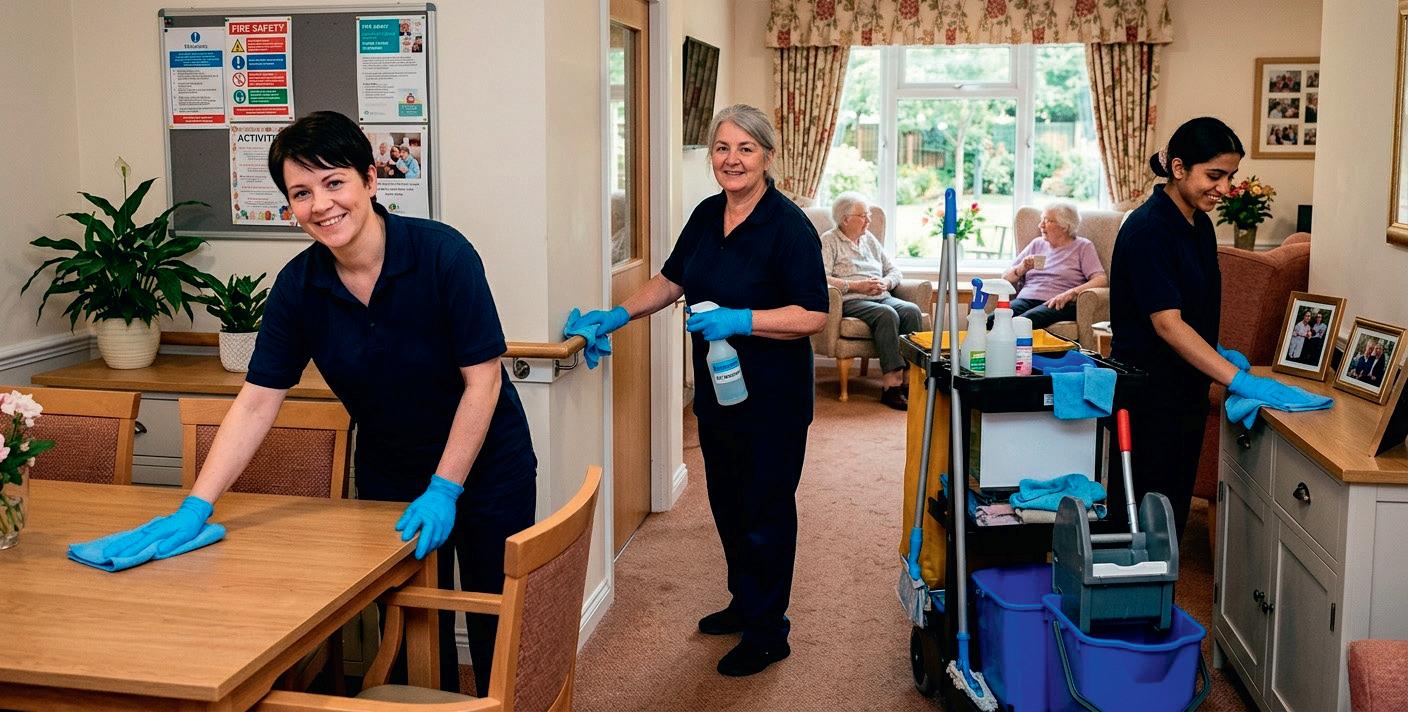
Ithink we would all agree on the pressures staff face caring in the community. Cleaning operatives stand with the whole team to ensure they provide the highest level of care. More recently, the term crossover has become a key strategy. Crossing over roles when the need arises means staff with different responsibilities respond as if performing another role. This may happen when staff shortages occur and cover, or flexibility is required.
It’s understood that treatment and procedures must be carried out by trained nurses or care staff; however, support and assistance with patients may have to be provided by whoever is there at the time. Cleaning staff will not stand by when help is required. If these occurrences become regular, then fewer surfaces are cleaned and the risk of infection increases. Buildings with unwell residents, regular visitors, and specialist washroom facilities need a regular cleaning and disinfection schedule to keep risk down. If cleaning operatives are pulled from these schedules, then buildings become less safe.
Time pressures, budget constraints and staff shortages can lead to postponed deeper cleaning of
floors, bedrooms, and communal areas. Washroom facilities in regular use require periodic deep cleaning in addition to daily cleaning. Deep cleaning targets viruses and bacteria that can harm vulnerable people in care environments. It’s vital that residents, staff, and visitors have strong confidence in the building. The building is clean and fit for purpose. The National Standards of Healthcare 2025 regulation section 15 states that care homes have standards to meet, and they must comply.
Budgets are tight for all. Extra cleaning can be carried out by external contractors, which can be expensive. Putting off deeper cleaning can lead to early deterioration of surfaces and damage, along with unexpected costs. Finding impacted dirt that cannot be removed, with no solution to resolve it, is souldestroying.
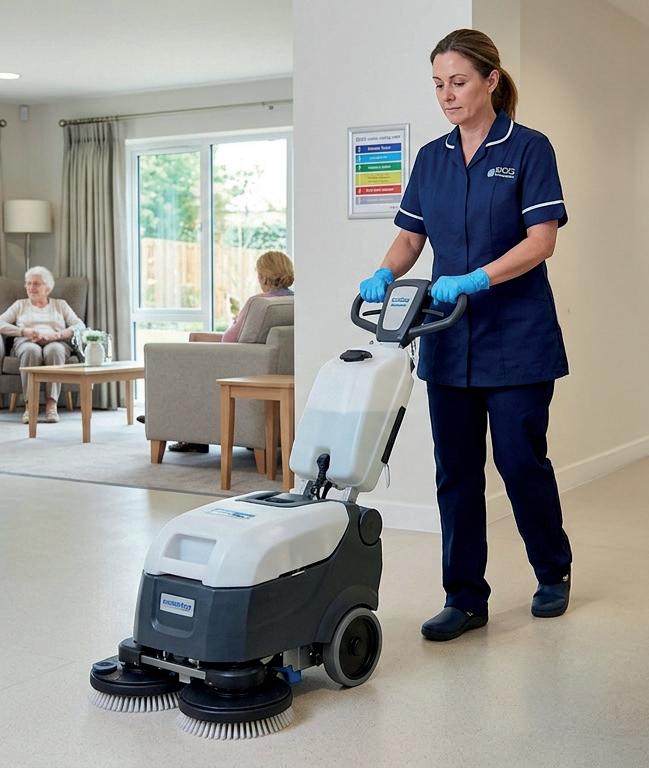
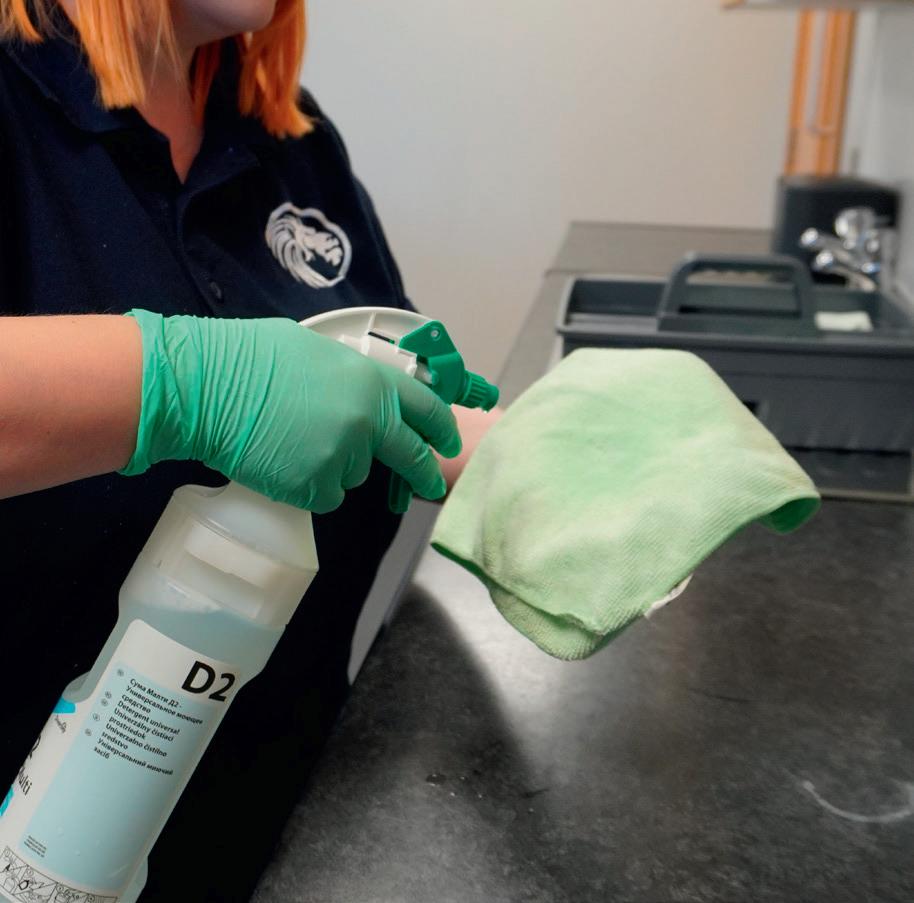
Technology and modern equipment, with the right training, can be the right answer for care homes. Today’s machines, such as scrubber dryers for hard and soft floors, are specialist, easy to operate, and affordable. In-house cleaning teams can operate them. A much deeper clean on a daily or weekly basis will keep surfaces clean and safe, eliminating the need for expensive deep-cleaning costs. It’s not just machines that can make a difference. Disposable microfibre technology, in the form of handheld cloths, damp mops, or disposable dust-sweeping mops, reduces time spent and collects far more dirt than a standard or disposable cloth.
Staff knowledge and training are key to success. BICSc trains your team both online and face-to-face, using technology and the latest techniques to equip them. This will upskill them and improve your cleaning procedures. BICSc can help further with business support, budgets, inspections, and advice when you need it, to reduce the burden of deep-cleaning costs and keep your care home at the highest standards.
The best team is your own team. It makes sense to invest in your workforce!
The best team is your own team; invest in your workforce.
Ease your care home cleaning challenges with
HOW
CAN TRAINING BENEFIT YOUR BUSINESS?
• Skills selection for any scenario
• Improves efficiency & consistency across teams
• Boosts staff performance Scan to learn more about skills training!
Fit for Work
New research from Alsico highlights the growing role of uniform design in shaping the workforce experience across care settings, linking comfort, communication, and inclusivity to day-to-day performance, wellbeing, and how supported staff feel at work.
Conversations around workforce experience within the care sector have continued to grow over the past year, particularly around the everyday factors that influence comfort, wellbeing, and job satisfaction at work.
Research commissioned by Alsico involving 410 UK care workers explored some of these experiences in more detail, identifying areas including workplace adjustments, communication, comfort and uniform suitability as factors influencing day-to-day working life.
One of the clearest findings was the relationship between comfort and performance. More than half of respondents agreed that the fit of their uniform affected how well they could carry out their role, highlighting the importance of garments that support movement and comfort during long, physically demanding shifts.
The findings also suggested that practical workplace experiences are often interconnected. Respondents who discussed challenges with heat, movement, and physical comfort during shifts also highlighted broader concerns about feeling supported and understood in the workplace.
Traditionally, areas such as uniform selection and workplace processes have often been approached primarily through practicality, consistency and compliance. However, the research highlights the growing importance of the wearer experience within modern care environments.
This reflects broader conversations taking place across occupational wear and healthcare environments, where organisations are increasingly reviewing how everyday products can better support diverse workforces and physically active roles.
For employers, one important theme emerging from the findings is the value of communication and feedback. The research found that some respondents were unclear about available workplace support processes or adjustments, reinforcing the importance of ensuring employees feel informed and included in conversations that affect their daily work experience.
The findings also support growing discussions around inclusive design within workplace clothing. Flexibility, movement, sizing and suitability for different body types are becoming increasingly important considerations across many sectors, particularly in environments involving long shifts and high levels of physical activity.
While uniforms remain only one part of the wider workplace experience, the research suggests they can still play a meaningful role in how supported and comfortable employees feel throughout the working day.
As expectations around workplace experience continue to evolve, the conversation around uniforms is evolving too, moving beyond standardisation alone towards a greater focus on comfort, inclusivity and the real experiences of the people wearing them every day.
Experience matters
Designing, manufacturing and delivering the UK’s largest uniform projects
Scan here to discover why the UK’s largest healthcare organisations trust alsico
Essential 5
Marketing can feel stressful and time-consuming – but it’s an essential part of running a care service. In this article, Lucy Henson Clark from Find Your Room shares some tips about how to market your care home and help customers find you.
Know your clients and their customer journey
Build up a picture of your prospective clients. What are their needs? Where do they spend time? How are they likely to contact you? When you know the answers to these questions, you’ll be able to plan your marketing so that you can reach the right people easily. Ask current residents and their families about what marketing worked for them, and vary your campaigns accordingly.
Make yourselves visible
Introduce yourself to prospective clients before they need you, and build relationships with people in your area. Make sure that you have a visible presence at community events, in local newsletters, and on relevant social media pages. Consider holding garden parties or hiring out halls or meeting rooms, if you have the available space and resources. If you’re known as the friendly and approachable care provider in your area, care seekers will come to you when they’re looking for support.
Get online
Most of our clients and their families spend time online – and that’s where they’ll look for care, too. Care seekers often want to see a professional and trustworthy website, as well as more informal “behind the scenes” shots on social media. You should list your services and vacancies on directory sites as well – after all, if your care home doesn’t have an online presence, prospective clients won’t be able to find you.
Don’t assume knowledge
For many of our clients, this will be their first foray into the social care world. They might not grasp the difference between a care home and a nursing home, know how to apply for funding, or even fully understand their own care needs. It’s important to explain things fully to them – without overwhelming them. Make sure that everyone who will speak to prospective residents knows how to signpost them to the right services, and reassure them.
5 4 3 2 1
Your clients are your most valuable marketing tool
Prospective clients and their families want to know that they’ll be happy with your care service. Who better to reassure them than your current happy clients? Get testimonials and reviews from service users and their loved ones, and post them on your website and social media pages. If you’ve recently thrown a 100th birthday party, or helped a resident fulfil a lifelong dream? Share those good news stories online and with local media.
Care on Show
Discover how care homes can visibly demonstrate meaningful, person-centred dementia care, using My Life TV to create engagement, reassurance and a stronger sense of everyday wellbeing for residents and families.
For families searching for a care home for a loved one living with dementia, the decision is rarely based on facilities alone. Increasingly, relatives want reassurance that the home will offer not just safe care, but a meaningful quality of life, one where residents remain emotionally connected, socially engaged and recognised as individuals.
In a competitive care market, this shift matters. Families are looking closely at how homes demonstrate person-centred care in practice, not simply in brochures or policy statements. As a result, wellbeing initiatives that can be seen, experienced and evidenced are becoming increasingly important in shaping reputation, trust and occupancy.
This is where platforms such as My Life TV are helping care providers stand out.
Unlike mainstream television, which can feel overstimulating or confusing for people living with dementia, My Life TV has been specifically designed around dementia-friendly principles. Their report
The Inclusive Screen: How to Make TV DementiaFriendly highlights how slower pacing, familiar imagery, calm audio and accessible presentation can reduce cognitive overload while supporting comfort, orientation and emotional connection.
For prospective families visiting a home, these differences are immediately visible. Rather than seeing residents passively sitting in front of a television, they may witness people singing together, reminiscing, participating in quizzes, responding emotionally to familiar music or simply appearing calm and engaged within a shared social environment.
One Registered Manager explains: “The slower pace, calming visuals and familiar themes help residents feel comfortable and included. Families tell us they are reassured seeing their relatives actively participating rather than simply sitting passively in front of a television.”
That reassurance has significant marketing value. Families often make decisions emotionally as well as practically, and the atmosphere they experience during
a visit frequently shapes their perception of the home’s culture and quality of care. Genuine moments of engagement, laughter and connection communicate far more than promotional claims ever could.
“Relatives often comment on the atmosphere in the home when My Life TV sessions are taking place,” says a General Manager.
“They see residents singing, smiling, reminiscing and interacting naturally. It provides visible reassurance that wellbeing and person-centred engagement are embedded within our daily care culture.”
Importantly, My Life TV also helps homes to provide person-centred care in tangible ways. With a broad range of content, from music and reminiscence to nature and movement, teams can tailor engagement around personal interests and life stories.
“What families value most is seeing that we know the person beyond their diagnosis,” explains a Dementia Care Manager. “It gives us a practical way to demonstrate person-centred care rather than simply talking about it.”
Ultimately, meaningful wellbeing initiatives are no longer “nice additions”; they are central to how families evaluate quality, compassion and culture. My Life TV enables care homes not only to enrich daily life, but to show what truly person-centred dementia care looks like in practice.
Selling Care Ethically
Ethical marketing is becoming essential in care, as providers move away from pressure-led sales towards approaches grounded in transparency, empathy and trust. With expert insight from Carl Roberts of Boutique Care Homes, Paul Lawson of Advinia Healthcare, and Jayne Connery of Care Campaign for the Vulnerable, the sector is redefining success around relationships, not just occupancy.
In care, the word ‘sales” has traditionally felt uncomfortable, as it suggests pressure, persuasion, and targets; concepts that clash with values like dignity, compassion, and safeguarding. However, with ongoing occupancy pressures and rising competition, providers are compelled to reconsider their self-presentation.
The solution isn’t to push sales harder but to change how they sell. A more mature approach is emerging across the sector: one that views marketing not just as a transactional task but as a process to build trust, grounded in transparency, empathy, and long-term relationships. Ethical marketing is no longer optional; it is increasingly the most effective way to achieve commercial success.
From conversion to connection
One of the key shifts is understanding the context
in which care choices are made. Families are not merely browsing; they are navigating through crisis, uncertainty, and often feelings of guilt. As Carl Roberts, Director of Sales and Marketing at Boutique Care Homes, states, “nobody ever window shops for care.”
This insight changes the entire admissions process, as families make emotionally driven, urgent decisions that affect their entire households. This fundamentally alters how marketing and admissions teams operate. Instead of focusing solely on conversion, the home’s role becomes to guide families toward the best outcome, whether that involves your service or not. Traditional sales tactics like emphasising urgency, scarcity, or “closing the deal” may achieve short-term occupancy but can harm reputation in the long run.
Families under pressure are less likely to advocate, which is crucial in a sector reliant on word-of-mouth. Conversely, relationship-driven approaches tend to
perform better. As Carl explains, becoming a “trusted influencer” in family decision-making fosters trust that boosts both conversion rates and long-term reputation.
The problem with pressure
Despite progress, outdated practices still remain. Paul Lawson, Head of Sales and Marketing at Advinia, emphasises that high-pressure tactics, such as implying that beds might not be available soon, are inappropriate in care settings. Such methods rush families into decisions that deserve careful thought, risking poor placements and future issues.
Likewise, Carl points out that “chasing a crisis”, using urgency to drive decisions during vulnerable moments, is highly damaging for the sector. Overpromising is also common; telling families what they want to hear, especially about complex care needs, creates a disconnect between expectations and reality. When this mismatch becomes clear after admission, it damages trust. Ethical marketing challenges these harmful behaviours by replacing pressure with patience and false promises with transparency.
What transparency really looks like
Transparency is frequently discussed but less often clearly defined. Practically, it involves being upfront about the full reality of care: early, clear, and consistent communication. Paul highlights the importance of managing expectations from the start by explaining fee structures, annual increases, and additional services like hairdressing or transport.
The principle of “under-promising and overdelivering” is seen as essential for building longterm trust. Carl goes further, suggesting that true transparency means “saying the quiet things out loud,” including openly addressing care limitations before admission, even if it risks losing a potential resident. Jayne Connery supports this view, emphasising that families seek honesty, not perfection. She points out that communication often falters during tough times, when providers become defensive rather than transparent. “Families can cope with challenges,” she says, “but struggle when they feel dismissed or shut out.” Transparency now also extends to education, with providers offering guidance on funding, care pathways, and conditions such as dementia, thereby supporting families and establishing themselves as trusted, credible sources of information.
Handling enquiries with empathy
If ethical marketing has a front line, it is handling inquiries. Each inquiry is a vulnerable moment, and the way it is managed influences the entire relationship.
Transparency should be viewed as a demonstration of confidence, not a sign of weakness.
Carl states that admissions teams should “offer support, not solutions.”
Leading with a sales pitch at this stage risks alienating families who need reassurance and understanding most. Empathy, rather than sympathy, is crucial; this means understanding the full context of a family’s situation, including emotional, practical, and personal factors that influence their decision.
Practical actions include clearly explaining contracts and fees, encouraging families to review information at their own pace, and sharing regulatory reports to help them make informed choices. Sometimes, this approach may even lead families to decide against a care home placement altogether. As Paul mentions, inviting families to visit the home beforehand can lead them to choose alternative care options. Despite this, such outcomes should still be considered successful because the decision aligns with the individual’s best interests.
The commercial case for ethics
The idea that ethical marketing conflicts with business success is becoming increasingly outdated. In fact, all the evidence suggests the opposite. Carl points out that word-of-mouth, which is based entirely on trust, consistently surpasses other channels in conversion rates.
Families who feel supported rather than pressured are much more likely to recommend a provider to others. Similarly, Jayne emphasises that lived experiences shape reputation in care. “Families talk. Staff talk. Professionals talk.” Transparent and ethical engagement reduces the gap between expectations
and reality, a gap that is often the source of complaints. There are also operational advantages: handling ethical inquiries reduces the risk of mismatched placements, which can be upsetting for residents and disruptive to services; investing time to find the right fit results in more stable, successful admissions.
A shared responsibility
Ethical marketing isn’t the sole responsibility of providers; partners, suppliers, and sector organisations all play a vital role. Jayne emphasises that collaboration is key to fostering transparency, consistency, and accountability throughout the sector.
Trusted partners should uphold values rather than weaken them, making sure messaging reflects the genuine experiences of residents and families. Importantly, collaboration enables more honest discussions about the challenges in care, and this openness can build trust rather than diminish confidence. Transparency should be viewed as a demonstration of confidence, not a sign of weakness.
Redefining success
Ultimately, ethical care sales require redefining success. It’s not just about filling beds but about fostering relationships, supporting families, and ensuring every placement is appropriate. Paul highlights that resident wellbeing should precede sales, while Carl stresses long-term advocacy over immediate profit.
In a sector where trust is fragile and vital, ethical marketing isn’t just correct; it’s also the most effective strategy. Over time, this approach fosters sustainable growth.
Consistency Matters
In a sector where trust is built over time, Refresh PR explores why consistent, authentic visibility, not a one-off campaign, is the key to engaging families, building confidence, and staying front of mind when care decisions matter most.
In the care sector, decisions rarely happen overnight. Families don’t move a loved one into a care home on impulse; instead, they research, revisit, compare, and often wait until the moment feels unavoidable. That’s why consistent visibility matters far more for care homes than one-off spikes from marketing campaigns.
Often, care providers can fall into a reactive pattern. A new facility opens, an award is won, or an event takes place, prompting a burst of marketing activity across channels, before they fall quiet again until the next big piece of news. But from the perspective of a decisionmaker this inconsistency can raise more questions about day-to-day experience. If a care home isn’t regularly visible, it becomes harder to build familiarity and trust.
The reality is that many decision-makers in this sector are not the residents themselves but their adult children or next of kin. This group is often balancing careers, responsibilities, and the emotional weight of making the “right” choice. They are usually time-poor, digitally savvy, and likely to begin their search online long before making an enquiry.
This is where consistency becomes essential.
Social media, in particular, plays a crucial role in maintaining consistent visibility. Platforms such as Facebook and Instagram remain popular among adults researching care options for parents, offering a window into daily life within a home. Regular updates, whether that’s resident activities, a snapshot of the nutritious
meals, staff stories, or community involvement, help build a picture of warmth, reliability and routine.
This content does not need to be overly polished or campaign-led. Authenticity often resonates more strongly. A simple post celebrating a resident’s birthday, or showcasing a team member’s dedication, can be far more impactful than a staged promotional message. These moments provide reassurance that care is not just promised, but delivered every day.
Beyond social media, consistency should extend across all touchpoints, from website updates and local media coverage to review platforms. Each interaction reinforces perception. When messaging is aligned and regularly refreshed, decision-makers in the research stage can trust that the perception they are building is reliable and safe enough to take the next step.
For smaller or independent homes, this presents a significant opportunity. While larger groups may invest heavily in campaigns, consistency is something any provider can achieve with the right focus. Showing up regularly with genuine, relevant content can build stronger connections than sporadic, high-budget activity.
Ultimately, in a sector built on trust, visibility is not about being seen once. It’s about being seen often, and in the right way. Because when the time comes for a family to make a decision, they are far more likely to choose a care home they recognise, feel familiar with, and believe they can trust.
refreshpr.co.uk
Global Flavours
Chef Jake Walker from Hammerwich Hall, Advinia Healthcare, shares his Chicken Katsu Curry recipe, demonstrating how globally inspired dishes can be adapted for IDDSI-compliant, fortified diets in care settings, balancing nutrition, safety, and flavour while supporting dignity and enjoyment at mealtimes.
Chicken Katsu Curry exemplifies how modern, worldwide-inspired dishes can be effectively adapted for care home dining, even with IDDSI and fortified diet constraints. Rather than restricting creativity, these guidelines are inspiring new approaches to menu creation, presentation, and dining experiences for seniors.
A Versatile Base for Texture Modification
At the heart of the dish is the curry sauce, which provides a naturally smooth, cohesive base that lends itself well to adaptation across IDDSI Levels 3–5. With careful adjustment of thickness and consistency, it can be tailored to individual resident needs while retaining its recognisable flavour profile. Crucially, the sauce also supports hydration during meals, improving swallowing ease and overall mealtime safety for residents living with dysphagia.
Maintaining Recognition in Modified Meals
A key challenge in texture-modified catering is maintaining visual and sensory familiarity. In this dish, the chicken, rice, and pickled vegetables can be prepared through mincing, chopping, or blending, while still being arranged to resemble the original meal. This recognisability is important not just visually but also for stimulating appetite, supporting independence, and preserving dignity at the table.
Fortification Without Complication
Chicken Katsu Curry is a highly efficient source of energy and protein from a nutritional perspective. The sauce can be fortified with ingredients such as fullfat dairy, butter, cream, or protein powders, enabling catering teams to boost caloric content without increasing portion sizes. This is especially beneficial for residents with diminished appetite, unintentional weight loss, or greater nutritional needs due to frailty or recovery.
Expanding the Role of Global Flavours in Care Catering
There is increasing acknowledgement across the sector that care home menus need to move beyond traditional “safe” dishes to stay engaging and current.
Adding globally inspired meals like Chicken Katsu Curry reflects shifting resident demographics and expectations, as well as a broader change in how dining is viewed in care settings.
These dishes add variety, spark interest, and can serve as conversation starters during mealtimes, enhancing social interaction and nutrition. When done carefully and safely, international cuisine becomes more than just menu variety; it transforms into a means for inclusion and enrichment. It demonstrates that
Katsu Curry
residents are being offered a thoughtfully curated, responsive culinary experience rather than a simplified or limited dining experience.
Driving Appetite and Experience at Mealtimes
Operationally, the dish works well in a care kitchen environment. Its appealing aroma, well-balanced spices, and familiar presentation encourage appetite, especially for residents with decreased food interest. This sensory attractiveness is vital in settings where sustaining sufficient intake is often difficult.
Dignity Through Design-Led Catering
Ultimately, dishes like Chicken Katsu Curry demonstrate how care catering can successfully balance clinical requirements with culinary ambition. By embedding IDDSI principles within flavour-led, globally inspired menus, providers can support not only nutritional outcomes but also dignity, enjoyment, and identity at the dining table.
Chicken Katsu Curry with Pickled Red Cabbage
Pickled Red Cabbage
• 1/2 head red cabbage, cored and thinly sliced
• 2 cups (480ml) rice vinegar
• 1 cup (240ml) water
• 2 tbsp (30g) granulated sugar
Method
1. Combine the rice vinegar, water, and sugar in a saucepan and bring to a gentle simmer.
2. Place the sliced red cabbage into a bowl or jar.
3. Pour the hot pickling liquid over the cabbage and allow to cool.
4. Refrigerate until needed.
Katsu Curry Sauce
• 1 cup + 3 1/2 tbsp (218g) unsalted butter
• 3 sweet onions, julienned
• 1 quart (946ml) chicken stock
• 1 Granny Smith apple, peeled and grated
• 1 tbsp (15g) tomato paste
• 1/2 cup (72g) all-purpose flour
• 1 tbsp (15g) garam masala
• 1/4 cup (30g) medium curry powder
• 1 tbsp (14g) dark soy sauce
• 2 tbsp (25g) Worcestershire sauce
• 1 tbsp (15g) honey
• Salt, to taste
Method
1. Melt the butter in a large pan over medium heat.
2. Add the onions and grated apple, then sweat them down until softened.
3. Stir in the tomato paste, garam masala, and curry powder.
4. Cook for a few minutes until fragrant and the oils begin to release.
5. Add the Worcestershire sauce and dark soy sauce.
6. Stir in the flour and cook out for 1–2 minutes.
7. Gradually add the chicken stock, whisking continuously until smooth.
8. Add the honey and season with salt to taste.
9. Blend until smooth, then reheat before serving.
Chicken Katsu
Method
1. Butterfly the chicken breasts for even cooking.
2. Prepare three trays or bowls:
• Flour in the first
• Beaten egg mixed with a splash of milk in the second
• Panko breadcrumbs in the third
3. Season each with salt and pepper.
4. Coat the chicken first in flour, then in the egg mixture (allowing excess to drip off), and finally in the breadcrumbs.
5. Fry at 170°C until golden brown and the internal temperature reaches 75°C.
To Serve
Spoon rice into one side of a bowl and the curry sauce onto the other. Slice the chicken katsu and place it over the rice, allowing part of it to sit in the sauce. Garnish with the pickled red cabbage and sliced spring onions.
Jake Winning Advinia Chef of the Year 2026
Haddenham Park
On the 14th of May, I had the pleasure of attending an event at Haddenham Park Care Home & Apartments for a tour and a 3-course lunch.
Avisit to Haddenham Park Care Home & Apartments offered a clear example of how design, care and lifestyle can be brought together with real intent. A state-of-the-art, purpose-built home in the heart of Buckinghamshire, it also benefits from strong transport links, including being just a short walk from the local train station; an important consideration for visiting families.
From the outset, what distinguishes the home is its attention to detail; not just in layout, but in the thinking behind it. Natural light flows throughout the building, enhancing the sense of openness and calm, while the interiors are carefully curated, with artwork that feels personal rather than decorative. Each piece appears to have been selected with purpose, contributing to an environment that feels considered, warm and reflective of individual identity, rather than generic.
The inclusion of on-site apartments adds another important dimension. For residents who value greater independence or for couples wishing to remain together, this model provides meaningful choice. It’s a subtle but significant shift away from a one-size-fits-all approach, recognising that later-life living is not a single journey, but a spectrum of needs and preferences.
Particularly notable was the dementia community, which has been designed with both sensitivity and practicality in mind. The space strikes a careful balance between safety and freedom, with a standout feature:
the expansive rooftop balcony. Large, secure and accessible, it offers residents the opportunity to spend time outdoors, take part in activities, or simply enjoy fresh air; something that is often overlooked, yet critically important for wellbeing in dementia care.
Technology has also been integrated in a way that supports, rather than intrudes. The use of Nobi smart lights is a strong example, providing discreet fall detection through intelligent lighting. More broadly, the team demonstrated a clear openness to innovation, with additional technologies, such as voice-assisted support via Alexa +, being implemented throughout the home, signalling a forward-thinking approach to care delivery.
The experience was topped off by the quality of hospitality. Dining is clearly a priority, and the food reflected this: well-prepared, thoughtfully presented and, importantly, properly seasoned. It’s a small detail, but one that speaks volumes about daily life within the home.
While the setting itself is undeniably impressive, it’s clear that the aesthetic is a complement to, not a substitute for, the standard of care. What emerges overall is a home that doesn’t just look exceptional but operates with a strong, resident-focused ethos, elevating the experience of living well through its environment, choices, and attention to the details that truly matter.
Haddenham Park - Gardens
Haddenham Park - Lounge
A Game Changer for Dementia Care
Why choose My Life TV?
• First on-demand streaming service designed for people living with dementia
• Hundreds of hours of carefully curated, dementia-friendly content
• Supports cognitive, emotional, and physical wellbeing
• Calm, engaging programmes – never overwhelming
What’s included?
• Nature films and reminiscence programmes
• Music, sing-alongs and quizzes
• Creative activities
• Gentle movement sessions and chair yoga
Perfect for care homes
• Ideal for group sessions or one-to-one engagement
• Helps spark conversation and connection
• Easy to use for activity coordinators and care teams
Get started today
• Seven-day free trial
• Full onboarding and ongoing support
“My Life TV is a complete game changer for our residents – we use it daily. Our residents are mesmerized, so focused!”