





For many years, Bar Magazine and Hotel Magazine have been recognised as two of the leading hospitality publications in the UK — trusted by operators, venue owners, hotel groups, bartenders, suppliers and hospitality professionals across the industry.
Through our magazines, digital platforms and live events, including The Bar Magazine Awards and The Hotel Magazine Awards, we’ve built a reputation for celebrating the people, businesses and ideas shaping modern hospitality culture.
Now, we are incredibly proud to begin bringing that platform to India.
This month’s issue marks the start of our journey into one of the most exciting hospitality markets anywhere in the world. Across bars, restaurants, hotels and nightlife venues, India is experiencing a remarkable wave of creativity, ambition and growth — and it’s something we’re genuinely excited to become part of.
What stands out most is the energy behind the industry. There is a new generation of operators, bartenders, hotel teams and hospitality leaders building venues and experiences that feel bold, original and globally relevant, while still remaining deeply connected to India’s own culture and identity.

As we begin building Bar Magazine India, our ambition is not simply to report on the industry, but to support it.
We want to work closely with venues, hospitality groups, suppliers, associations, charities and the wider hospitality community to create a trusted platform for industry news, business insight, venue features and success stories — while helping connect the Indian hospitality scene to a wider international audience.
We are also proud to begin this journey alongside Lux Calibrate, whose partnership and belief in the long-term potential of the Indian hospitality industry has been a major part of making this launch possible.
Over the coming months, we’ll be expanding our India-focused coverage significantly, meeting operators and venue teams across the country, and shining a light on the people helping push the industry forward.
And this is only the beginning.
We have some very exciting news to share with the Indian hospitality industry in August — and we cannot wait to reveal more soon. For now, we simply want to say thank you for welcoming us so warmly already. We’re excited for the journey ahead.
India,
TOM WOOLLIN DIRECTOR
29 64
EDITOR-IN-CHIEF
Eleasha Pritchard ep@cimltd.co.uk
PUBLICATION MANAGER
Manjeet Griffiths manjeet@cimltd.co.uk Tel 01795 509109
HEAD OF BUSINESS DEVELOPMENT
Jazmine Davis jazmine@cimltd.co.uk
8 HOSPITALITY HEROES
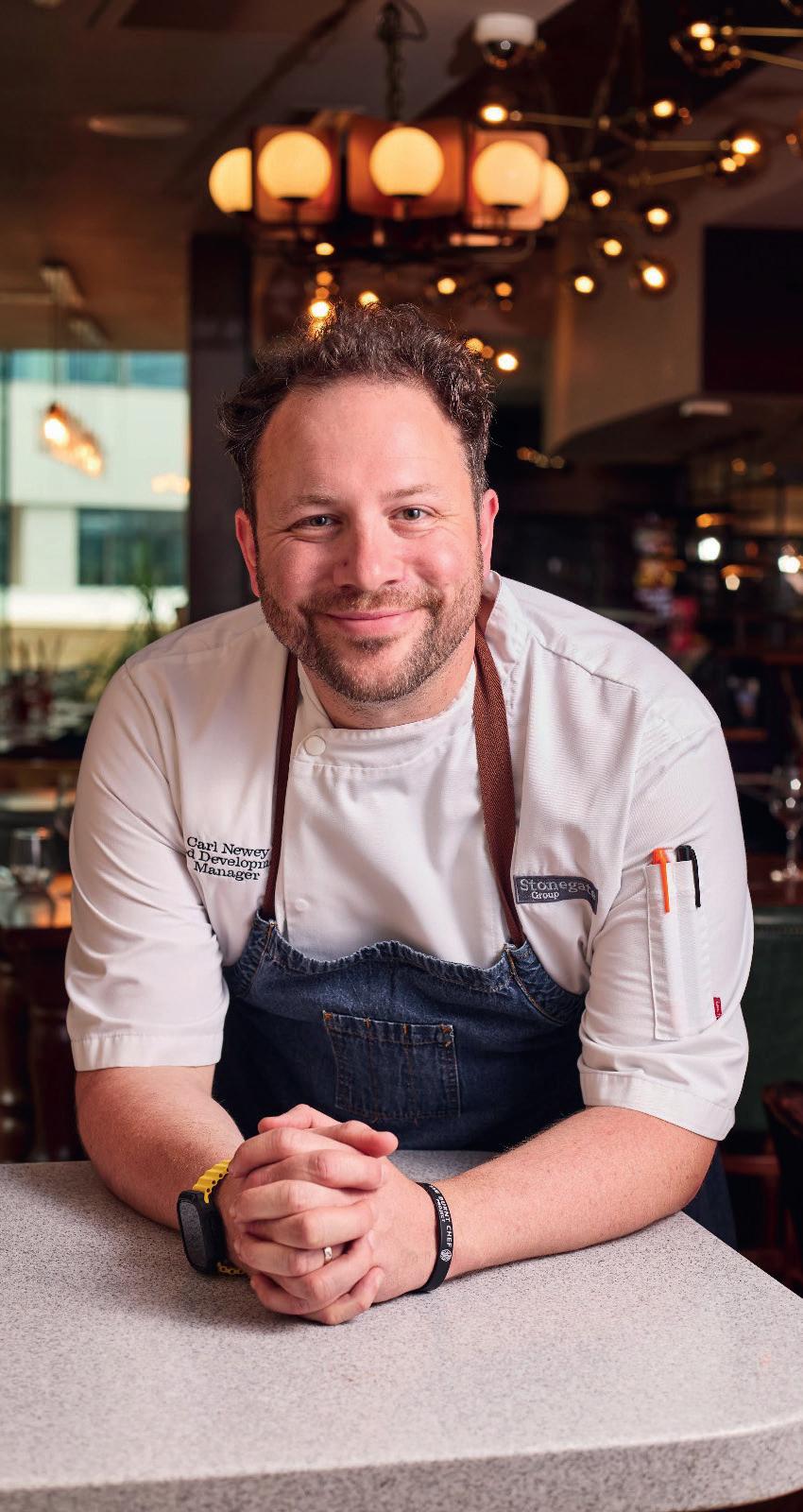
From trainee butcher to Food Development Manager and mental health advocate, Carl Newey shares his journey of innovation, leadership and wellbeing, reflecting on the evolution of pub dining and the future of hospitality.
11 BAR MAGAZINE AWARDS
We’re excited to bring you the latest on the Bar Magazine Awards 2027 — from how you can get involved to the unveiling of our official partners.
29 A SPOTLIGHT ON: APERITIFS & DIGESTIFS
We explore the growing popularity of aperitifs and digestifs and the opportunities they present for venues.
36 VENUE OF THE MONTH
Edinburgh’s Vivien combines elegant cocktails, exceptional wines and restaurant-quality dining with warm, personalised hospitality, as Bar Manager Rebekah George reveals how the venue balances sophistication with accessibility to create a distinctive presence in the city’s drinks scene.
39 SUSTAINABILITY
We explore how sustainability is reshaping the on-trade and driving the industry towards a greener future.
48 NEW CREATIONS
Simon Hodgson, Tequila Brand Ambassador at Pernod Ricard UK, showcases a refreshing spritz-style serve with Código 1530 Rosa Blanco.
57 GIN
We explore the gin category, examining market performance, shifting consumer preferences and the latest innovations shaping gin serves across the on-trade.
64 HOSPITALITY AROUND THE WORLD
Dominic Dijkstra, Director of Mixology at Waldorf Astoria Osaka, shares how Canes & Tales captures the heart of Osaka’s cocktail culture through Japanese ingredients, compelling storytelling and a hospitality-first approach that creates lasting guest connections.
ACCOUNT MANAGER
Harrison Hume hh@cimltd.co.uk
HEAD OF DIGITAL
Xhulio Bishtaja digital@cimltd.co.uk
CREDIT FACILITIES MANAGER
Gwen Lee
creditcontrol@cimltd.co.uk
MARKETING MANAGER
Lucas Payne lucas@cimltd.co.uk
SOCIAL MEDIA MANAGER
Lily Lawson socials@cimltd.co.uk
DESIGN & PRODUCTION
James Taylor
Grant Waters
DIRECTOR
Tom Woollin
MANAGING DIRECTOR
John Denning
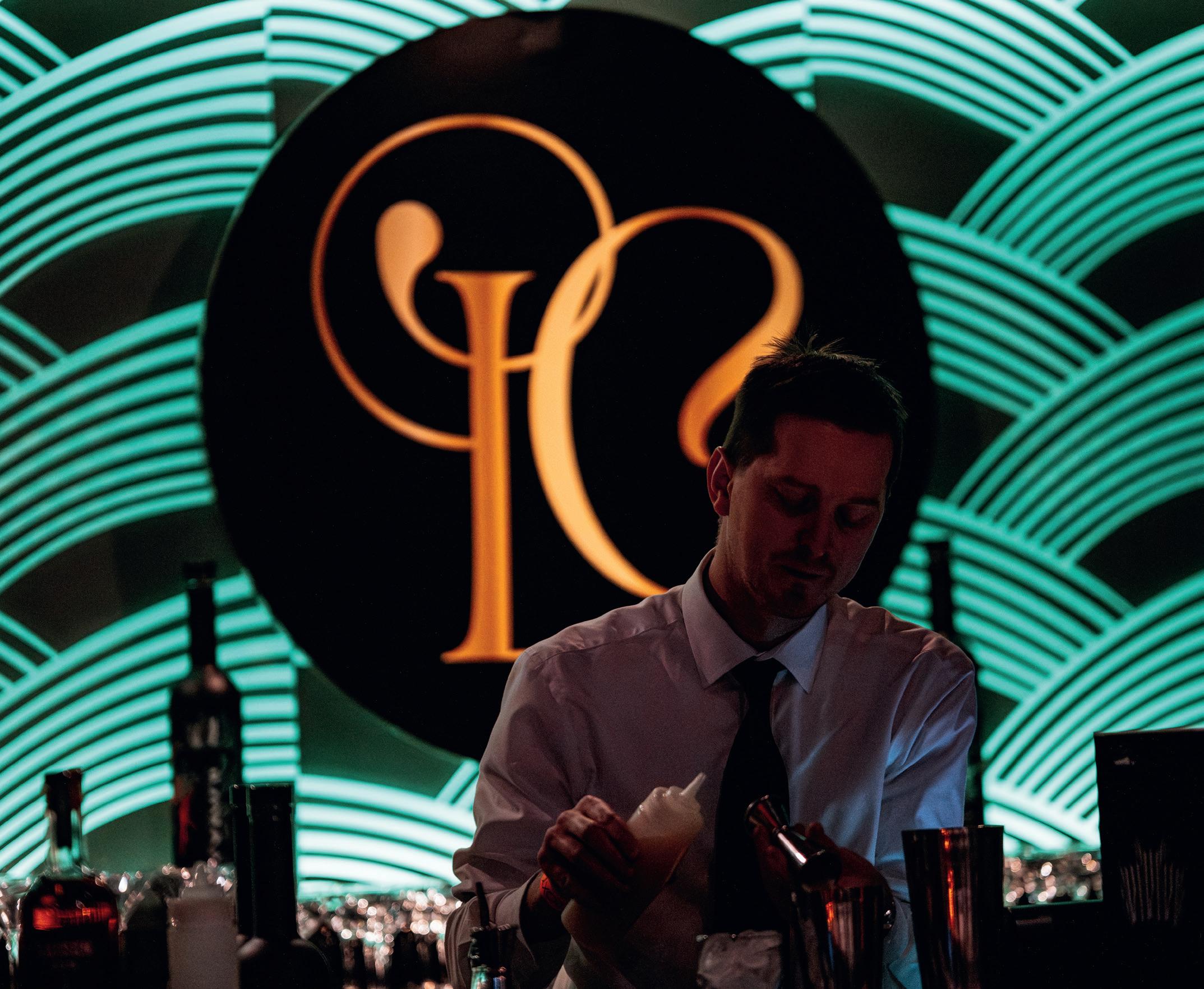
Luxury drinks consultancy and distribution business Lux Calibrate has announced a new partnership with leading UK hospitality media brand Bar Magazine, as the publication officially prepares to launch into the Indian market.
The partnership marks a major step forward in Lux Calibrate’s continued mission to champion Indian spirits, hospitality and drinks culture on a global stage.
Founded by hospitality professionals with roots in the Indian industry, Lux Calibrate has spent recent years working extensively with some of India’s most exciting spirits brands across the UK and European markets, helping introduce Indian products and talent to international audiences.
Now, the company says it is turning its attention towards supporting and celebrating the wider hospitality landscape within India itself.
For nearly 20 years, Bar Magazine has been one of the UK’s leading hospitality media sources, and together, the two businesses will launch Bar Magazine India, creating a platform dedicated to covering the venues, operators, bartenders and hospitality professionals shaping modern Indian hospitality culture.
August Jain, Director of Lux Calibrate, said: “At Lux Calibrate,
we’ve always believed the world is only beginning to discover the depth of talent, creativity and quality coming out of India’s hospitality and spirits industry.
“Having grown up around the hospitality industry in India ourselves, this partnership feels incredibly personal to us. There’s a passion within Indian hospitality that is impossible to replicate — the people behind the bars, restaurants and hotels here genuinely care about creating unforgettable experiences, and that deserves to be celebrated properly.
“When we started speaking with the team at Bar Magazine, it immediately felt like the right fit. They’ve spent nearly two decades building a trusted platform around hospitality in the UK — not just reporting on the industry, but supporting it, championing it and bringing people together.”
Alongside regular editorial coverage, venue features and hospitality news, the partnership has also confirmed that a major industry announcement will be revealed in August — something both companies describe as “a hugely exciting next step” for Indian hospitality.
In the meantime, venues and hospitality professionals across India are being encouraged to connect with the Bar Magazine India and Lux Calibrate teams to share their stories, venues and latest developments.
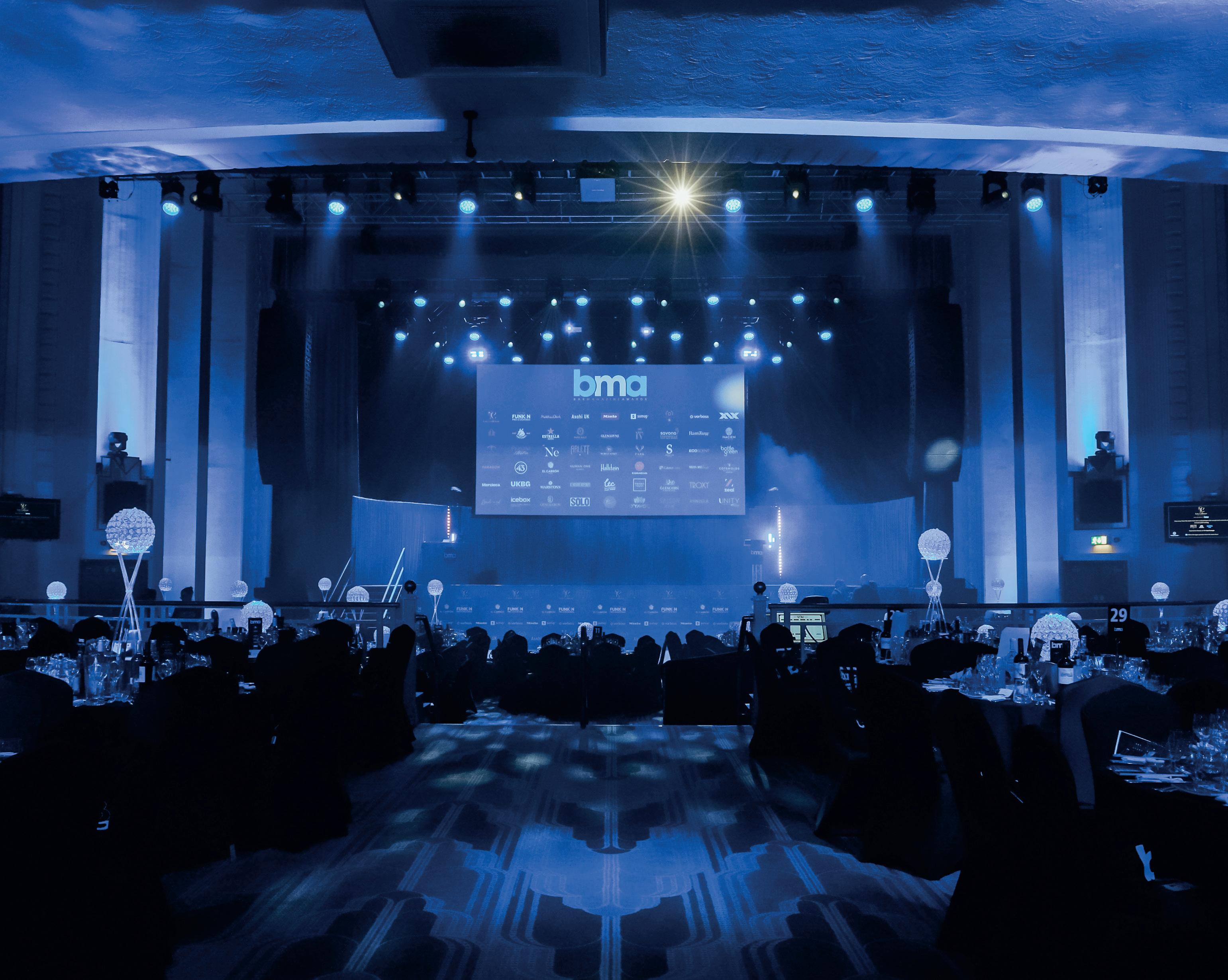
One of the UK’s best-known hospitality media brands is officially launching in India, with Bar Magazine confirming plans to expand its editorial coverage, industry partnerships and hospitality network into the region over the coming months.
For almost two decades, Bar Magazine has been a leading voice within the UK hospitality sector, covering the people, venues and businesses shaping the country’s bar, restaurant and hotel industries. Alongside the publication, the company also operates The Bar Magazine Awards and The Hotel Magazine Awards — two of the UK’s largest hospitality events.
The move into India comes as the country’s hospitality industry continues to attract growing international attention, with luxury hotels, cocktail bars, nightlife venues and independent operators helping drive a new wave of creativity and innovation across the sector.
Bar Magazine says its focus will be on building strong relationships within the industry while creating a platform dedicated to celebrating the people behind India’s hospitality success stories.
The company is also launching into the market alongside luxury drinks partner Lux Calibrate, with both businesses describing the partnership as a long-term investment into the future of Indian hospitality.
Tom Woollin, Director of Bar Magazine, commented: “The energy coming out of India’s hospitality industry right now is genuinely incredible. There’s a level of creativity, passion and ambition across bars, restaurants and hotels that deserves global recognition, and we feel extremely honoured to have the opportunity to support and celebrate that growth.
“What excites us most is the people behind the venues — the operators, bartenders, managers and hospitality teams dedicating themselves to creating unforgettable experiences for guests every day. We want to help showcase those stories, spotlight that talent, and build a platform that truly champions the industry here in India.”
Over the coming months, Bar Magazine India will begin publishing regular industry news, venue features, interviews and hospitality-focused editorial coverage, while also inviting venues and hospitality professionals across India to share their latest openings, achievements and stories.
The company has also confirmed that a major announcement relating to the Indian hospitality industry will be revealed in August, describing it as “a hugely exciting next step” for the sector.
To be involved, email lucas@luxbma.com or visit www.luxbma.com
FROM TRAINEE BUTCHER TO FOOD DEVELOPMENT MANAGER AND MENTAL HEALTH
ADVOCATE, CARL NEWEY HAS BUILT A CAREER DEFINED BY CREATIVITY, LEADERSHIP AND A PASSION FOR PEOPLE. IN THIS EXCLUSIVE INTERVIEW, HE REFLECTS ON THE EVOLUTION OF PUB DINING, THE IMPORTANCE OF WELLBEING IN THE WORKPLACE AND WHAT THE FUTURE HOLDS FOR THE HOSPITALITY INDUSTRY.
CARL, CAN YOU WALK US THROUGH YOUR JOURNEY INTO HOSPITALITY AND WHAT FIRST DREW YOU TO THE CULINARY WORLD?
My journey into hospitality started at a young age. I began as a trainee butcher, learning basic preparation and developing an appreciation for quality ingredients. It didn’t take long for me to realise I wanted more, and that led me into hotel kitchens where I discovered the energy, teamwork and creativity that define the industry.
Over the years, I worked across a variety of hospitality businesses, learning from talented chefs and gaining experience in different styles of operation. What always appealed to me was that no two days were ever the same. Hospitality combines craft, leadership and innovation in a way few industries can.
Today, as Food Development Manager for The Chapter Collection, Heritage Pubs and Pubsmiths, I have the privilege of helping shape menus, develop people and drive standards across the estate. Beyond my operational role, I am also proud to serve as a Chief Ambassador for The Burnt Chef Project, helping to raise awareness of mental health and wellbeing across hospitality. Bringing people together through food remains the most rewarding part of the job.
WHAT DOES YOUR ROLE INVOLVE ON A DAYTO-DAY BASIS?
The role is incredibly varied. My responsibilities range from menu development and food innovation to supporting operational teams and ensuring consistency across our pubs.
A large part of my time is spent working with head chefs and kitchen teams, whether that’s delivering training, reviewing dishes, analysing performance or helping overcome operational challenges. I’m also heavily involved in food strategy, ensuring our menus remain relevant, commercially successful and aligned with guest expectations.
Alongside this, I spend time researching food trends, working with suppliers and exploring new ingredients and techniques. The challenge is balancing creativity with practicality, creating dishes that excite guests while remaining deliverable across a busy estate.
HAS THE ROLE OF FOOD WITHIN PUBS AND BARS EVOLVED DURING YOUR
The transformation has been remarkable. Historically, food was often secondary to drinks in many pubs. Today, food is a major driver of customer choice, with guests actively seeking restaurant-quality dining alongside a great drinks experience. Modern pubs have become destinations for celebrations, social occasions and premium dining experiences. This shift has
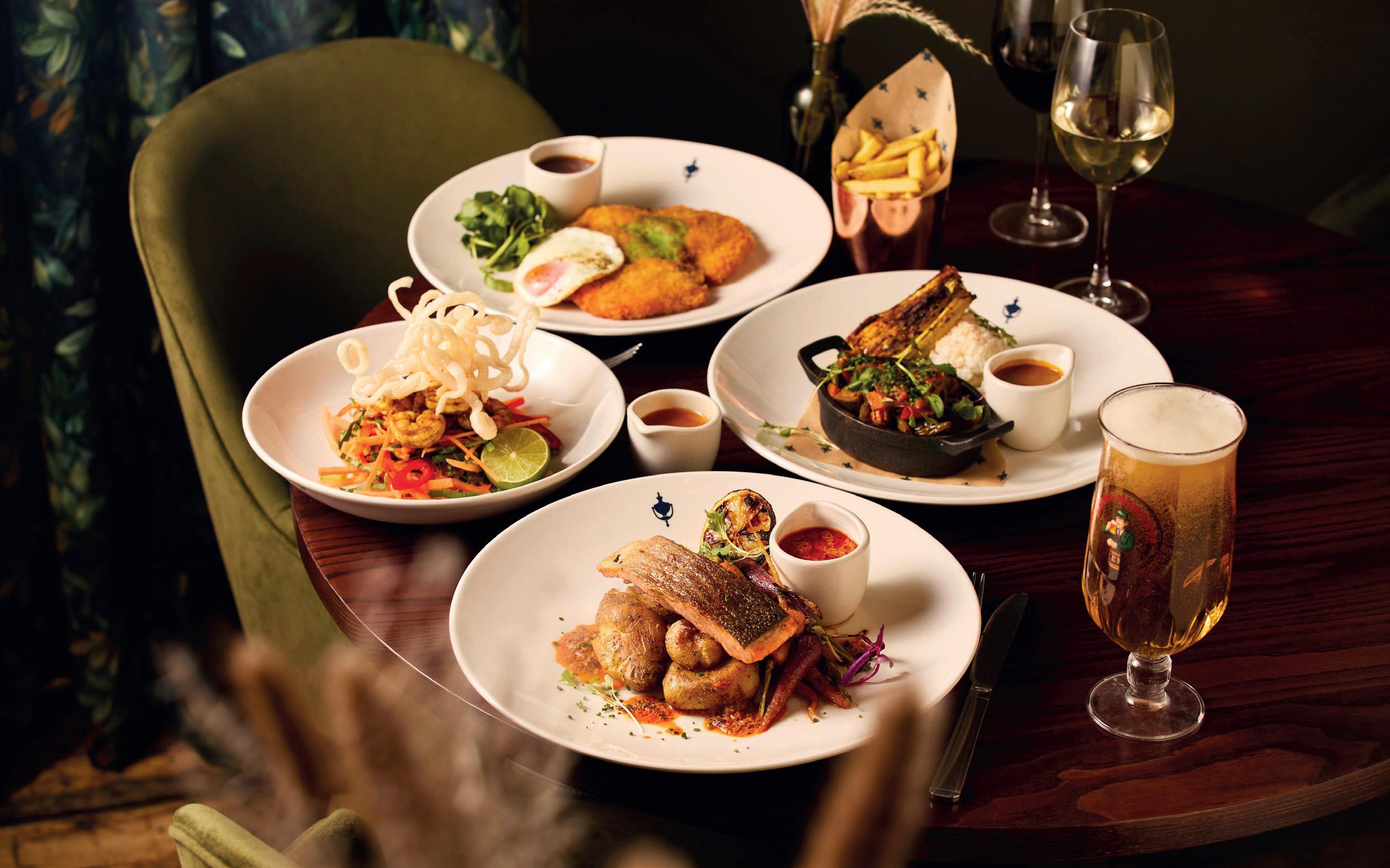
encouraged operators to invest more heavily in culinary talent, menu development and ingredient quality, raising standards across the industry.
Customers are looking for quality, authenticity and value. They want dishes made with great ingredients, but they also want choice and flexibility.
There is growing demand for globally inspired flavours, seasonal ingredients and menus with a story behind them. At the same time, guests still appreciate familiar favourites, provided they’re executed exceptionally well. Consumers are also far more informed than ever before, with social media and food culture raising expectations around presentation, consistency and quality.
For me, true hospitality is about making people feel welcome, valued and cared for. Great hospitality goes beyond serving food and drink; it’s about creating experiences that guests remember long after they leave.
From a leadership perspective, I believe hospitality starts behind the scenes. When teams feel supported, respected and empowered, they’re far more likely to create exceptional guest experiences. That’s something I’m particularly passionate about through my work as Chief Ambassador for The Burnt
Chef Project. Looking after people isn’t just good leadership, it’s fundamental to creating a successful hospitality culture.
IN THE WAY YOU DEVELOP MENUS AND MANAGE
Sustainability plays an important role in menu development. We’re constantly looking for ways to reduce waste, maximise ingredient utilisation and make responsible sourcing decisions without compromising quality.
Thoughtful menu design, seasonal ingredients and educating teams on waste reduction all play a role. Small improvements made consistently can have a significant impact across an estate.
What excites me most is the continued creativity and innovation within the industry. I believe we’ll see an even greater focus on experience-led dining, where food, drink, atmosphere and storytelling come together to create memorable occasions.
I’m also encouraged by the growing focus on people. Through my involvement with The Burnt Chef Project, I’ve seen first-hand how committed the industry is becoming to supporting wellbeing and creating healthier workplace cultures. Food will continue to be a key reason people choose to visit pubs and bars, and that creates exciting opportunities for the future.
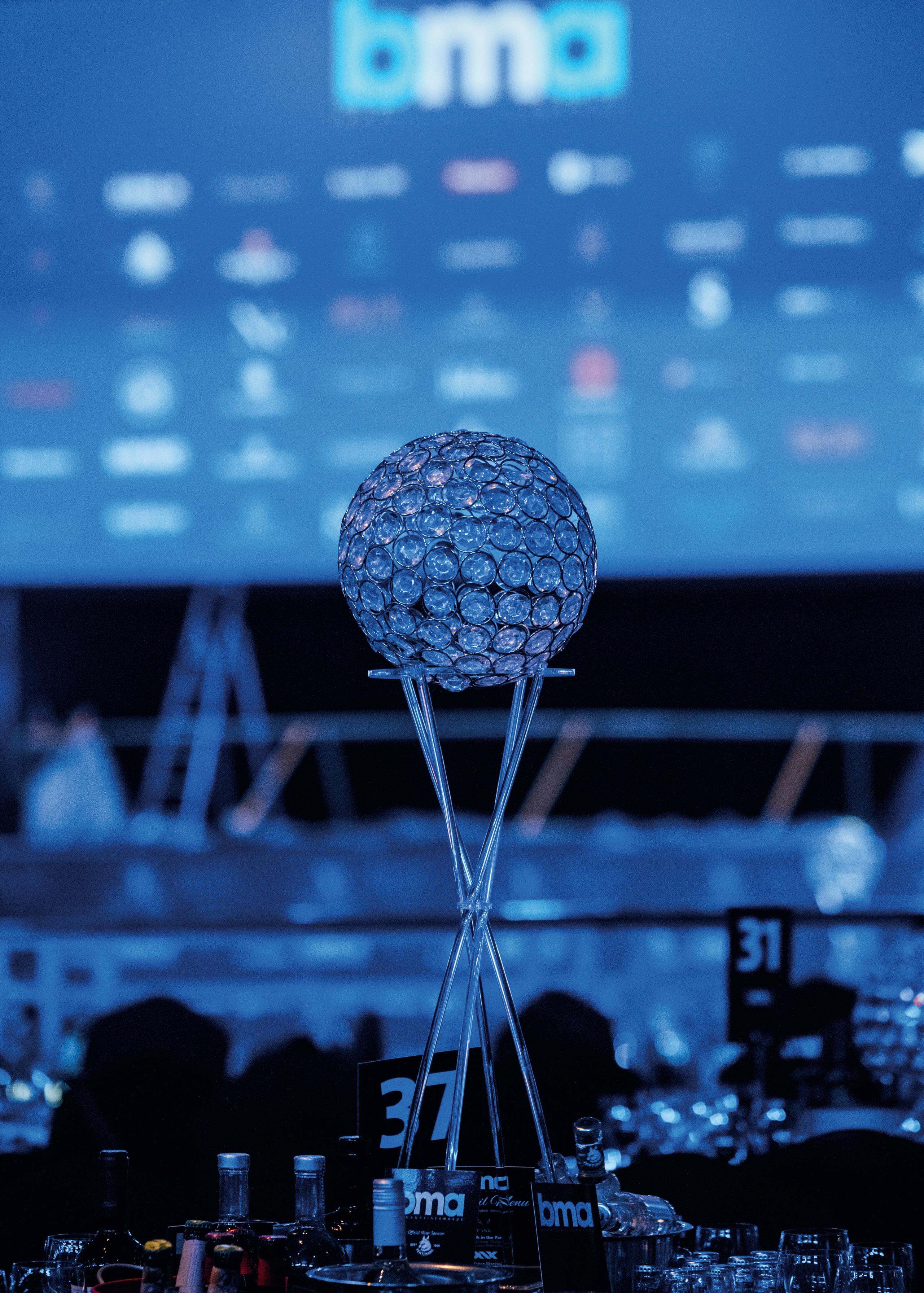
THE BAR MAGAZINE AWARDS RETURN FOR 2027, CALLING ON THE UK’S MOST AMBITIOUS OPERATORS, INNOVATORS AND HOSPITALITY HEROES TO STEP UP, BE SEEN, AND BE CELEBRATED ON THE INDUSTRY’S BIGGEST STAGE.

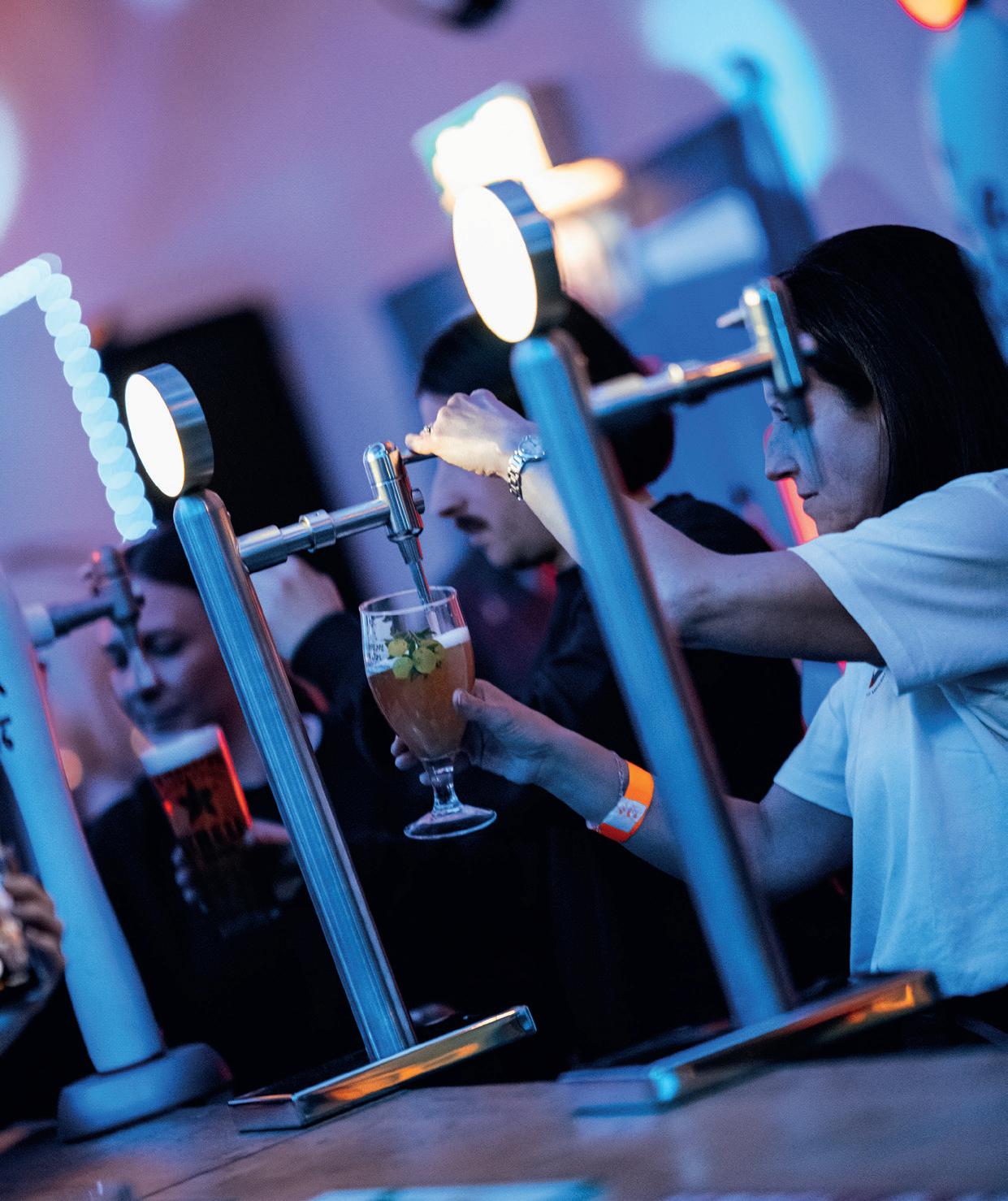
Applications are now open for the 2027 Bar Magazine Awards – your opportunity to step forward, celebrate excellence across your team, and shine a light on the people and venues shaping the future of hospitality.
Each year, the awards recognise the individuals, concepts and teams redefining what great hospitality looks like across the UK. From visionary Venue Managers and boundary-pushing Mixologists to marketing innovators, sustainability champions and the industry’s Unsung Heroes, the ceremony reflects the full breadth of talent driving the sector forward.
Submitting an entry is about more than the possibility of
winning. It’s a chance to tell your story properly – to articulate what you’ve built, benchmark your work against the very best in the industry, and gain recognition from a respected panel that understands what true excellence looks like. For many, even being shortlisted can elevate reputations, strengthen team culture, and unlock new opportunities.
Just as importantly, the BMAs are a platform to champion others. Hospitality is built on collaboration, and behind every standout venue are individuals whose contribution often goes unseen. Nominating peers is a way to ensure that dedication, creativity and consistency are properly acknowledged.
With categories spanning leadership, creativity, innovation, sustainability, inclusivity, group success and venue excellence, the
2027 Awards are designed to reflect the evolving priorities of the industry – and the people raising its standards every day.
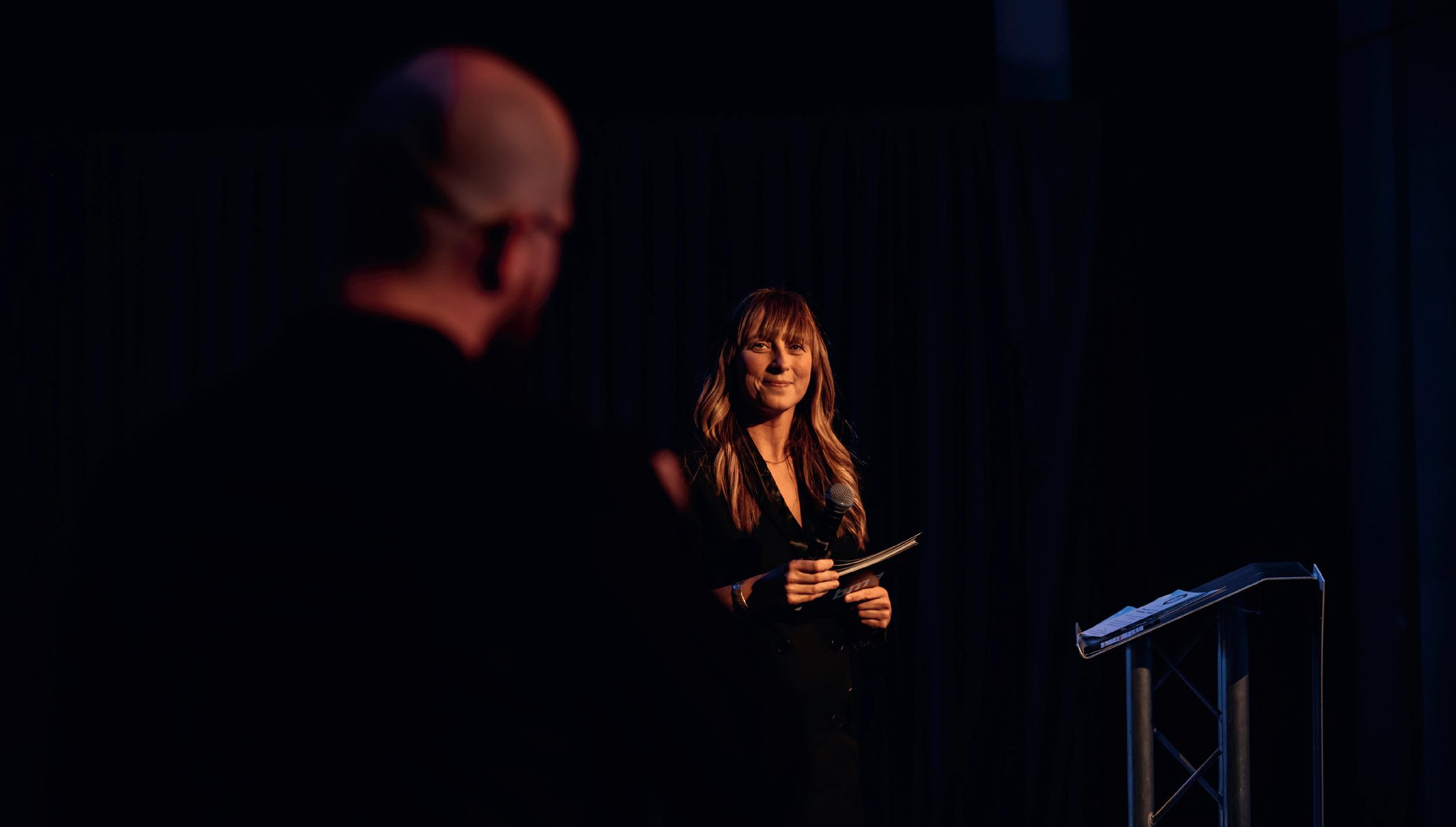
The 2027 ceremony will be guided by two hosts who represent modern hospitality at its most dynamic: Jack Sotti and Kate Meehan.
Jack Sotti brings a career shaped by global exploration and creative ambition. From early days in Leeds’ student bar scene to formative experiences in Auckland and the experimental cocktail culture of Melbourne, his journey has been defined by curiosity and craftsmanship. His time at Eau De Vie helped refine a theatrical, precision-led approach to bartending, while international recognition opened doors into consultancy, concept development and presenting. As host, his focus is on energy and storytelling – creating a sense of connection in the room and ensuring the celebration feels alive, inclusive and personal.
Kate Meehan brings over two decades of experience spanning bartending, distilling, brand building and media. Beginning her career in Liverpool, she moved through flair bartending and gin distillery development into large-scale hospitality and drinks consultancy, including work with media platforms such as Jamie Oliver’s Drinks Tube and high-profile private events. Her expertise spans both creativity and commercial strategy, with a strong focus on agave spirits and modern drinks innovation. Today, she continues to champion a people-first approach to hospitality, grounded in adaptability and evolution.
Together, Jack and Kate bring a hosting style that is deliberately unpolished in the best possible sense – energetic, responsive and deeply guest-focused. Expect spontaneity, humour and moments that feel shaped with the audience rather
than performed at them. Their combined approach mirrors the Awards themselves: hospitality as a shared experience built on connection, creativity and care.
Whether you’re putting forward a standout individual, a pioneering venue, or your entire team, now is the time to share your achievements with the wider industry. Applications and nominations for the 2027 Bar Magazine Awards can be submitted directly via the official website, where you’ll find full category details, entry guidance, and deadlines. Take the opportunity to put your work in front of an expert judging panel and ensure the people and ideas shaping your success get the recognition they deserve.
barmagazineawards.co.uk
GAIN INDUSTRY RECOGNITION THAT MATTERS
Be judged by an expert panel that understands real hospitality excellence and positions your work alongside the best in the UK.
TELL YOUR STORY BEYOND YOUR VENUE WALLS
Showcase the ideas, people and achievements that define your impact over the past 12 months.
ELEVATE YOUR TEAM AND OPEN NEW DOORS
Shortlisting alone can boost morale, strengthen reputation and create fresh opportunities for growth and visibility.
AS A RETURNING SPONSOR OF THE BAR MAGAZINE AWARDS 2027, ECOSCENT CONTINUES TO CHAMPION EXCELLENCE ACROSS THE HOSPITALITY SECTOR. BARABAS BALOG, HEAD OF MARKETING AT ECOSCENT, TELLS US HOW SCENT MARKETING IS HELPING BARS, RESTAURANTS AND HOTELS CREATE MORE MEMORABLE GUEST EXPERIENCES, WHY ATTENTION TO SENSORY DETAIL MATTERS, AND WHY CELEBRATING HOSPITALITY EXCELLENCE THROUGH INDUSTRY AWARDS IS SO IMPORTANT.
TELL US MORE ABOUT THE BRAND AND WHAT SOLUTIONS YOU OFFER THE HOSPITALITY SECTOR…
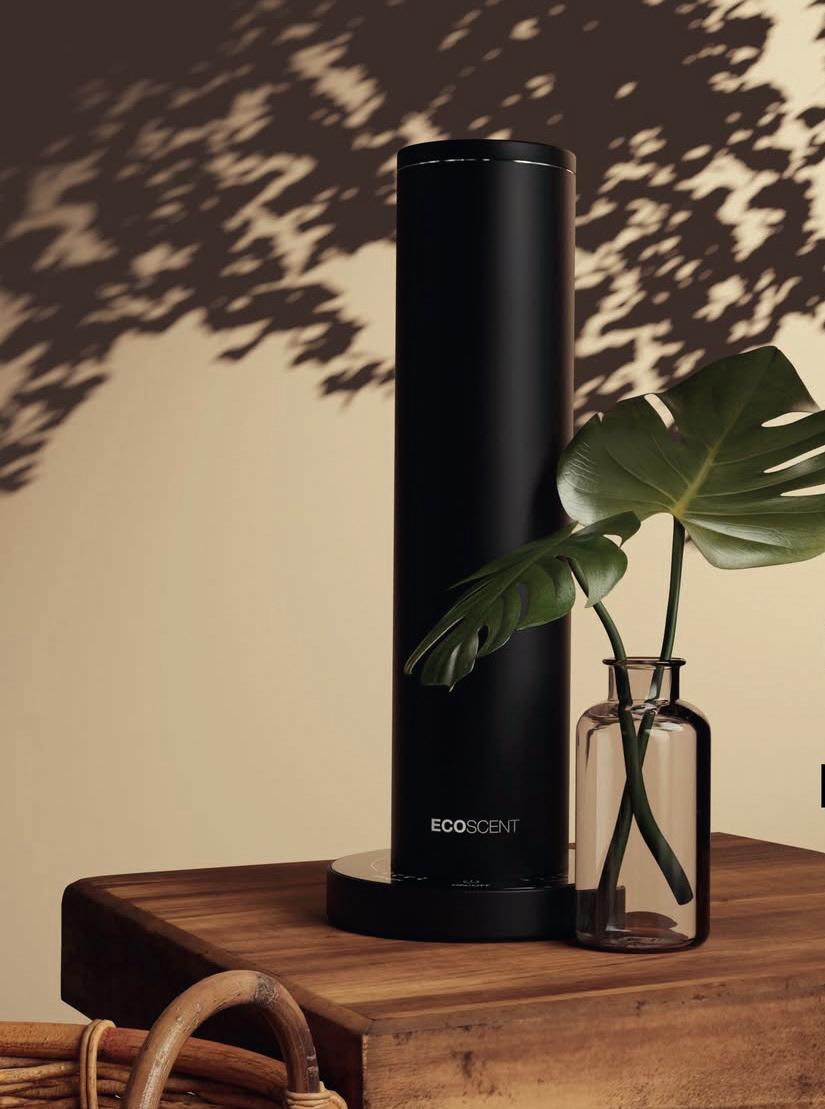
EcoScent is a London based Scent Marketing company working with some of the world’s most respected businesses, and some of the most celebrated bars and hospitality venues worldwide. From premium cocktail bars and boutique hotels to large scale venues and restaurants, we help brands create environments that are not just seen and heard, but genuinely felt the moment a guest walks through the door.
What sets us apart from competitors is simple: we do not just supply a product, we offer a true end to end solution. From the first conversation through to installation, fragrance selection and ongoing support, every detail is considered. Our fragrances are crafted from sustainably sourced essential oils, free from parabens, sulphates and petrochemicals. With over 500 signature fragrances to choose from, alongside a fully bespoke service for brands who want something entirely their own, we offer complete flexibility.
Our Scent Machines are designed to work quietly and consistently in the background, whether that is a discreet unit behind a bar or a fully integrated HVAC system running throughout an entire venue.
The teams behind great bars put everything into the details: the glassware, the lighting, the music, the service. Scent is the one sense that ties all of that together before a single cocktail is poured. Research shows that guests in well scented environments stay longer, feel more comfortable and are significantly more likely to return. For venues serious about the full guest experience, it is one of the smartest investments they can make.
Enormously. We work closely with a number of bars across the country, and what strikes us every time is the level of care and attention teams put into their craft, night after night, guest after guest. The people behind these venues are exceptional, and they deserve to be recognised for it.
Awards like the Bar Magazine Awards matter because they shine a light on that dedication: on the nights that go right, the experiences that stay with people, and the teams who make it all happen. We are proud to play even a small part in those spaces, and proud to support an industry that holds itself to such a high standard.
ecoscent.co.uk
Scent is the one sense that ties all of that together before a single cocktail is poured.
MATTHEW ORME, DIRECTOR AT WENLOCK SPRING SHARES HOW AN EXCLUSIVE FOCUS ON HOSPITALITY HAS HELPED THE BRAND BUILD A REPUTATION FOR QUALITY AND SERVICE OVER THE PAST 30 YEARS, AND WHY RECOGNISING EXCELLENCE THROUGH THE BAR MAGAZINE AWARDS MATTERS MORE THAN EVER.
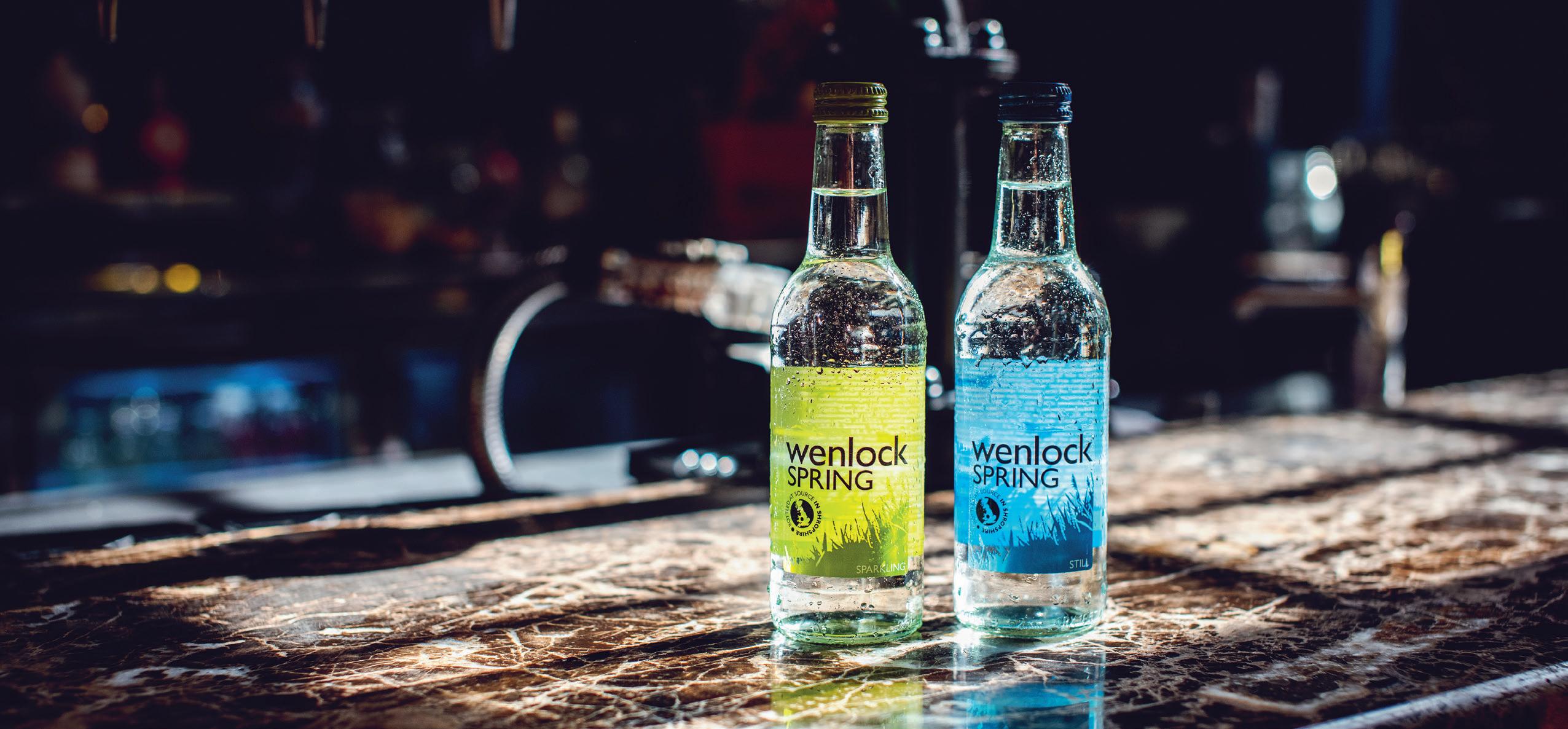
For more than 30 years, Wenlock Spring has been supplying premium natural source water to the hospitality sector, building a reputation for quality, service and a genuine understanding of the needs of pubs, bars, restaurants and hotels. Drawn from our source in the heart of Shropshire, Wenlock Spring is dedicated exclusively to the out-of-home market, and is available only through delivered foodservice and drinks wholesalers. You won’t find Wenlock Spring in cash and carries or on supermarket shelves, which gives the brand a level of exclusivity that helps operators enhance their customers’ experience.
Our exclusive focus on hospitality is what truly differentiates Wenlock Spring. We understand that every product on a menu should contribute to both the guest experience and the profitability of the venue. That’s why we actively encourage operators to train their teams to always ask guests whether they would prefer still or sparkling water. It’s a simple but highly effective upselling opportunity, particularly as water is often an additional purchase.
Consumer drinking habits are also evolving. With the rise of “zebra drinking” – alternating alcoholic and non-alcoholic drinks throughout an occasion – premium still and sparkling water has become the perfect accompaniment. It allows guests to moderate their alcohol consumption while remaining fully engaged in the social experience, creating opportunities for venues to drive additional sales and enhance customer satisfaction.
HOW IMPORTANT ARE EVENTS LIKE THE BAR MAGAZINE AWARDS TO THE INDUSTRY?
Awards are absolutely vital, particularly during challenging times. They shine a spotlight on excellence, innovation and dedication across the hospitality sector. From the excitement of preparing an entry to the anticipation of the shortlist announcement, and the pride of winning an award, the entire process brings teams together and provides a significant morale boost. The Bar Magazine Awards are a wonderful celebration of the very best of British hospitality, and a valuable opportunity to recognise the talented people and businesses that make our industry so special.
wenlockspring.co.uk
WITH SUMMER FINALLY HERE WHO BETTER TO TALK CIDER WITH THAN MAGNERS, THE BRAND WHO FIRST REVOLUTIONISED THE CATEGORY BACK IN EARLY 2000S. TODAY IT IS STILL THE NO.1 PACKAGED APPLE CIDER BRAND IN THE ON TRADE IN GB 1 – WHICH IS QUITE THE FEAT GIVEN HOW MUCH THE CATEGORY HAS GROWN IN THIS TIME. WE HEAR FROM MATT BENTLEY, CIDER BRAND DIRECTOR AT C&C GROUP, ABOUT THE TRENDS SHAPING CIDER, THE OPPORTUNITIES AHEAD AND HOW MAGNERS CONTINUES TO STAY AHEAD OF THE CURVE.
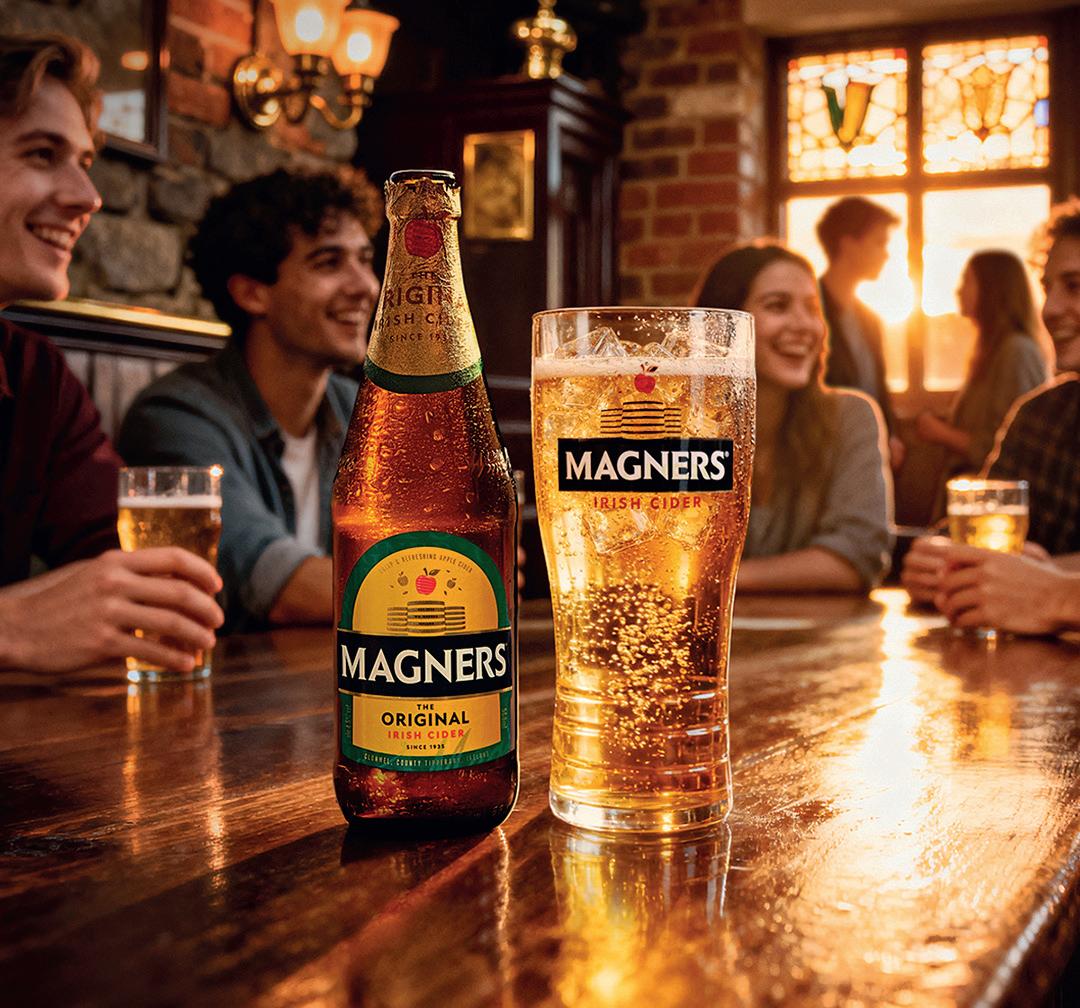
CIDER IS SUCH A BIG PART OF C&C’S BRAND PORTFOLIO, WHAT BRANDS DO YOU OFFER?
Cider is a huge part of C&C Group, both in the UK and Ireland but also globally – we’re the third largest cider producer in Europe (excluding the UK)2 and also have a footprint across the US and Australia.
Our cider portfolio offers a mix that appeals to variety of cider drinkers. At its heart is Magners, one of the most wellknown and loved cider brands in the country with strong brand awareness amongst consumers. Last year saw significant investment in the brand which included the launch of Magnertism as well as a full rebrand across all touch points. We also took back our UK distribution from AB InBev giving us greater control of the brand across markets. As a result, Magners is back in growth for the first time and we are following up a busy 2025
with exciting plans that involves the search for the UK’s next stand-up star as we strengthen our position with comedy, which we know resonates well with our audience. Our ‘Share the Craic’ comedy search will offer a major platform for new voices in comedy with the winner awarded a month-long, funded slot on stage with Underbelly at Edinburgh Fringe 2026. Magners will also be showing up throughout the major arts festival with pouring rights across 13 venues as well as a dedicated Magners bar.
Magners portfolio includes Original, Dark Fruit and Magners 0.0%, which offers the same refreshing, great taste as our original cider just without the alcohol.
Also in the C&C portfolio is Orchard Pig, a premium apple cider with strong appeal. Crafted using the finest West Country apples, Orchard Pig has a balanced bitter and sweet taste with
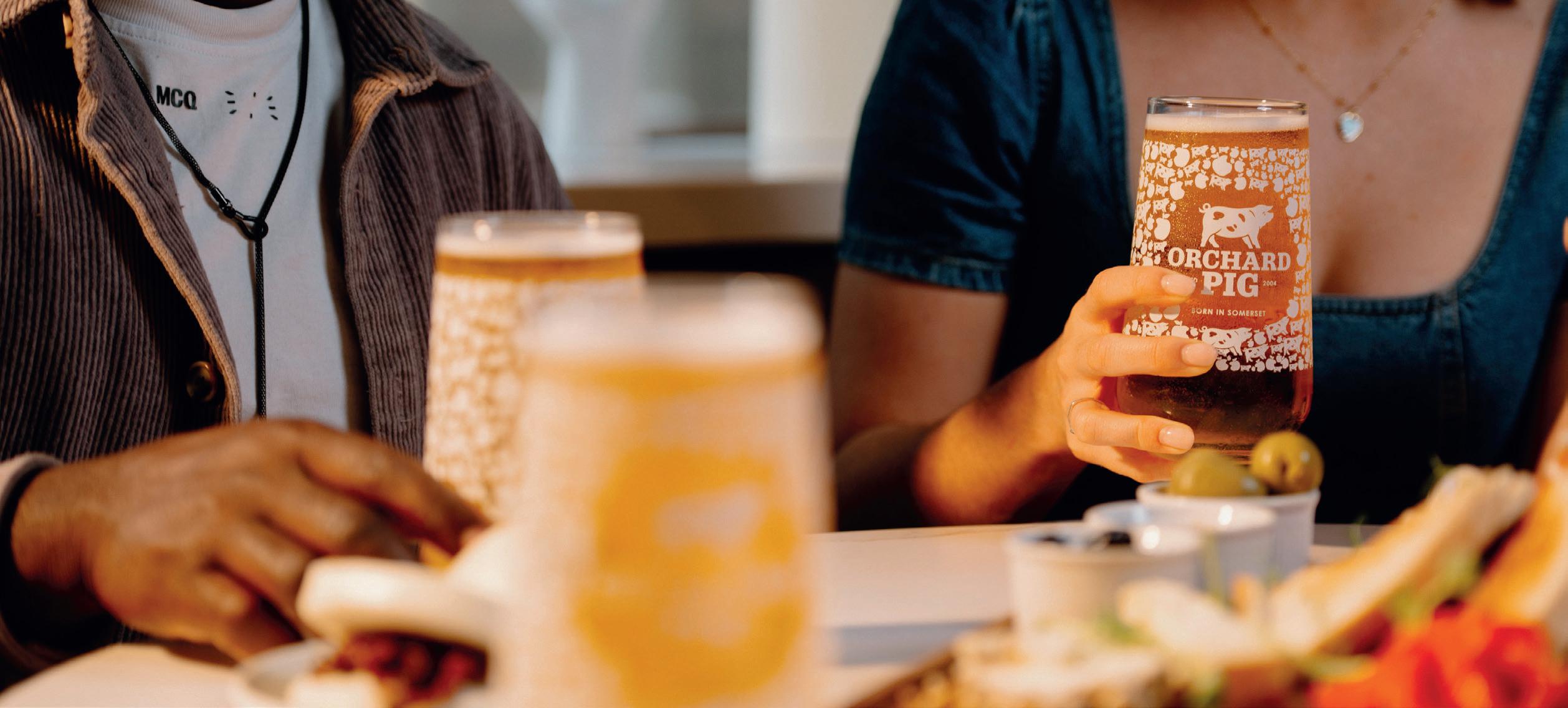
less bubbles making it a great accompaniment with food. This gives venues the opportunity to serve more occasions when they stock Orchard Pig.
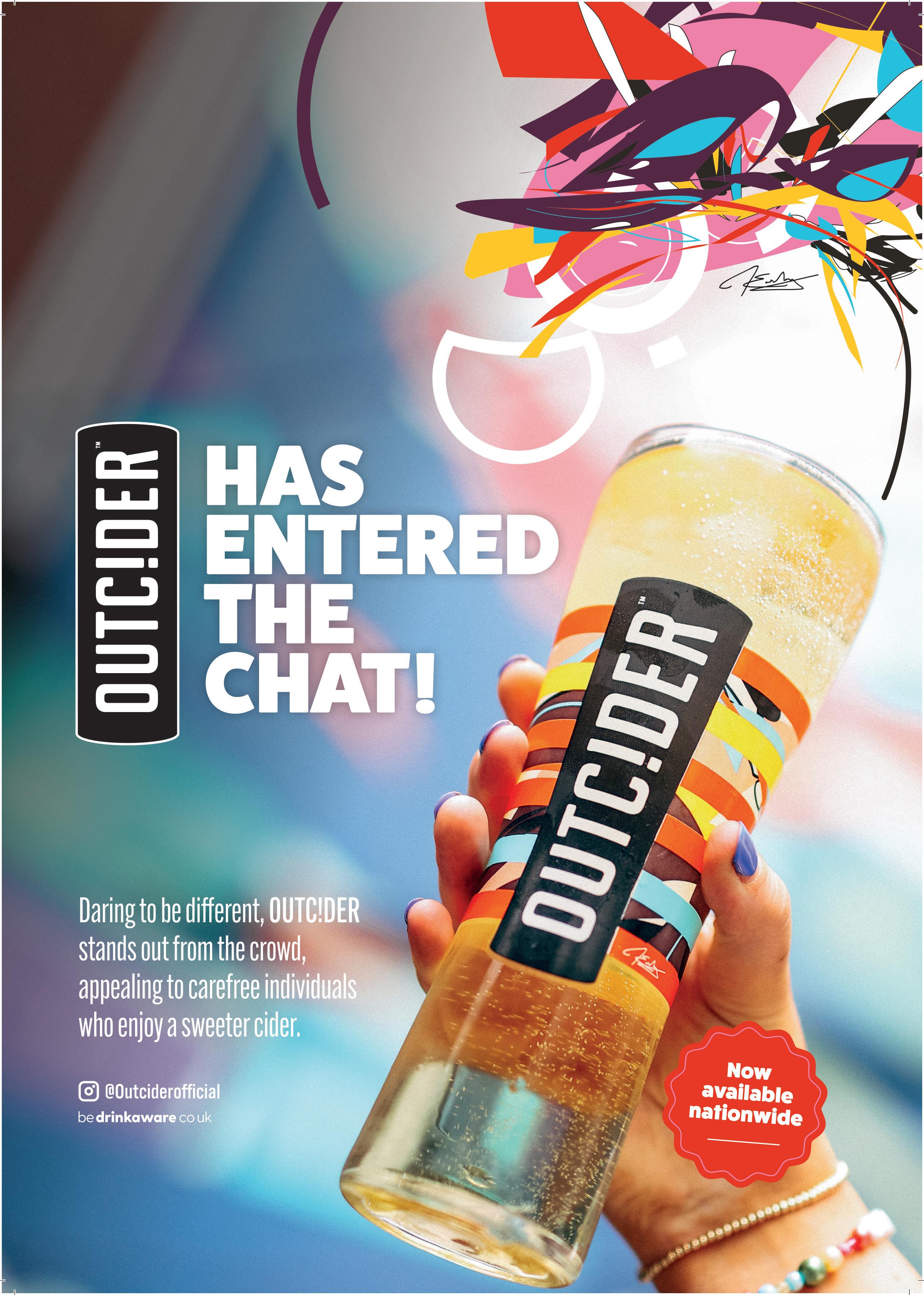
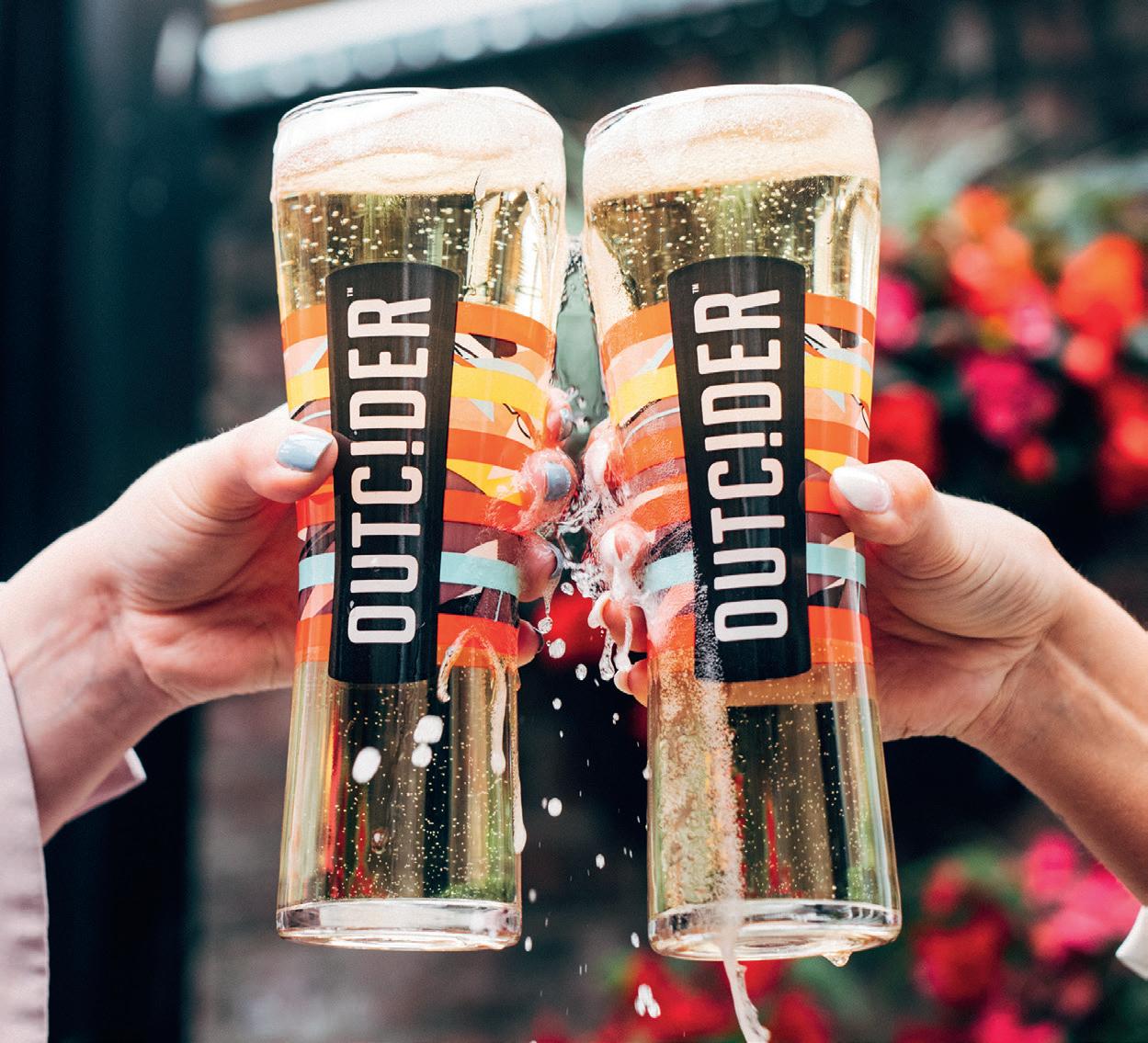
Our most recent offering is OUTC!DER which delivers a refreshing take on traditional cider and is directed at younger drinkers in the category who we know are choosing cider as their drinks of choice. The brand has already seen significant success in Northern Ireland where it is the number one cider based on rate of sale3 and has recently expanded into England and Wales on trade in time for summer. In a sea full of apples and orchards, OUTC!DER gives venues the opportunity to offer something new in cider.
WHAT DO YOU THINK IT IS ABOUT THE CATEGORY THAT APPEALS TO SUCH A VARIED AUDIENCE?
The development of the cider category over the years has meant that there’s now a fantastic choice of ciders available to venues that appeal to an even wider range of consumers.
The majority of drinkers are in the 34 to 49 category, but we know that when compared with other alcohol categories cider over indexes with a younger audience and is the favourite drink for 19% of Gen Z alcohol drinkers4. OUTC!DER is well placed to meet this with its incredibly fresh, sweet and intense apple flavour, that appeals to younger drinkers.
The range and versatility of cider is also helping the category play into more occasions, and it is now a drink more widely enjoyed all year round. Cider is becoming more relevant in food-led settings as brands like Orchard Pig highlight their place alongside food. This is enabling venues to play into increased occasions, particularly during summer months which is already a key time for the category.
Consumers are prioritising longer serves that offer good value for money - according to research recently undertaken by National Association of Cidermakers, cider came out higher than other drinks in all categories, including taste, quality and value for money5
WHAT DO YOU THINK IS NEXT FOR CIDER IN 2026 AND WHAT DOES C&C GROUP HAVE PLANNED?
In line with wider macro trends, we will see an increase in no and low variants with people increasingly moderating for various reasons and the rise of GLP-1 drugs. Moderation is now a part of modern culture and cider has been shown to be the most appealing option for non-drinkers considering such a drink, highlighting its importance on the bar. This can be seen across the category, with no and low cider up 21% volume growth year on year6
Innovation will continue across the category with flavour being a key component across cider, as it is with beer, and we would expect to see seasonal releases and limited edition drops particularly as we come into the summer months. Despite continued cost concerns, consumers are still choosing to trade up and prioritise quality with demand for premium ciders continuing to grow.
Over the coming months we will continue to work closely with our customers in the on trade, both existing and new, supporting them to ensure they can maximise the category for their individual venues. From increasing dwell time and spend but also how to drive consumers into outlet. We’ve a great portfolio of brands, offering a mix that appeals to a variety of drinkers, and we’ve also got some exciting innovation plans in the pipeline. C&C is best placed to be the cider category partner of choice for venues across the UK - supported by our investment in cider, a diverse portfolio and robust brand strategies.
1 CGA OPM 52 w/e 21.03.26
2 GlobalData: The Global & European Cider Market, 2026
3 CGA OPM 52 w/e 31.03.26 - NI On Trade
4 YouGov Profiles+Great Britain 52wks to 22nd Feb 2026, Gen Z alcohol drinkers, n=624
5 National Association of Cidermakers 1,250 UK adults and four consumer focus groups 2026
6 Circana All Outlets GB MAT to 21.03.26
AS BABCO EXPANDS ITS PORTFOLIO WITH INNOVATIVE SPIRITS, PREMIUM RUM AND A NEW READY-TO-DRINK LAUNCH, CEO LEWIS BOWEN DISCUSSES HOW THE DISTRIBUTOR IS HELPING VENUES DRIVE SALES, CREATE MEMORABLE GUEST EXPERIENCES AND STAY AHEAD OF EVOLVING CONSUMER TRENDS IN THE ON-TRADE.
BABCO HAS DEVELOPED A STRONG AND DIVERSE DRINKS PORTFOLIO — WHAT DO YOU THINK MAKES YOUR BRANDS STAND OUT WITHIN THE ON-TRADE MARKET TODAY?
Each of our brands occupies a distinct space on the bar and versus other distributors. We don’t solely focus on premium or super premium brands, nor do we solely focus on the mainstream. Our portfolio has been carefully developed to meet evolving consumer tastes while giving operators products that can genuinely add value and drive sales.
Tofka offers a unique proposition that taps into the growing demand for theatre and fun – as well as being an interesting flavour that can either be enjoyed on its or complementary to other spirit categories and serves.
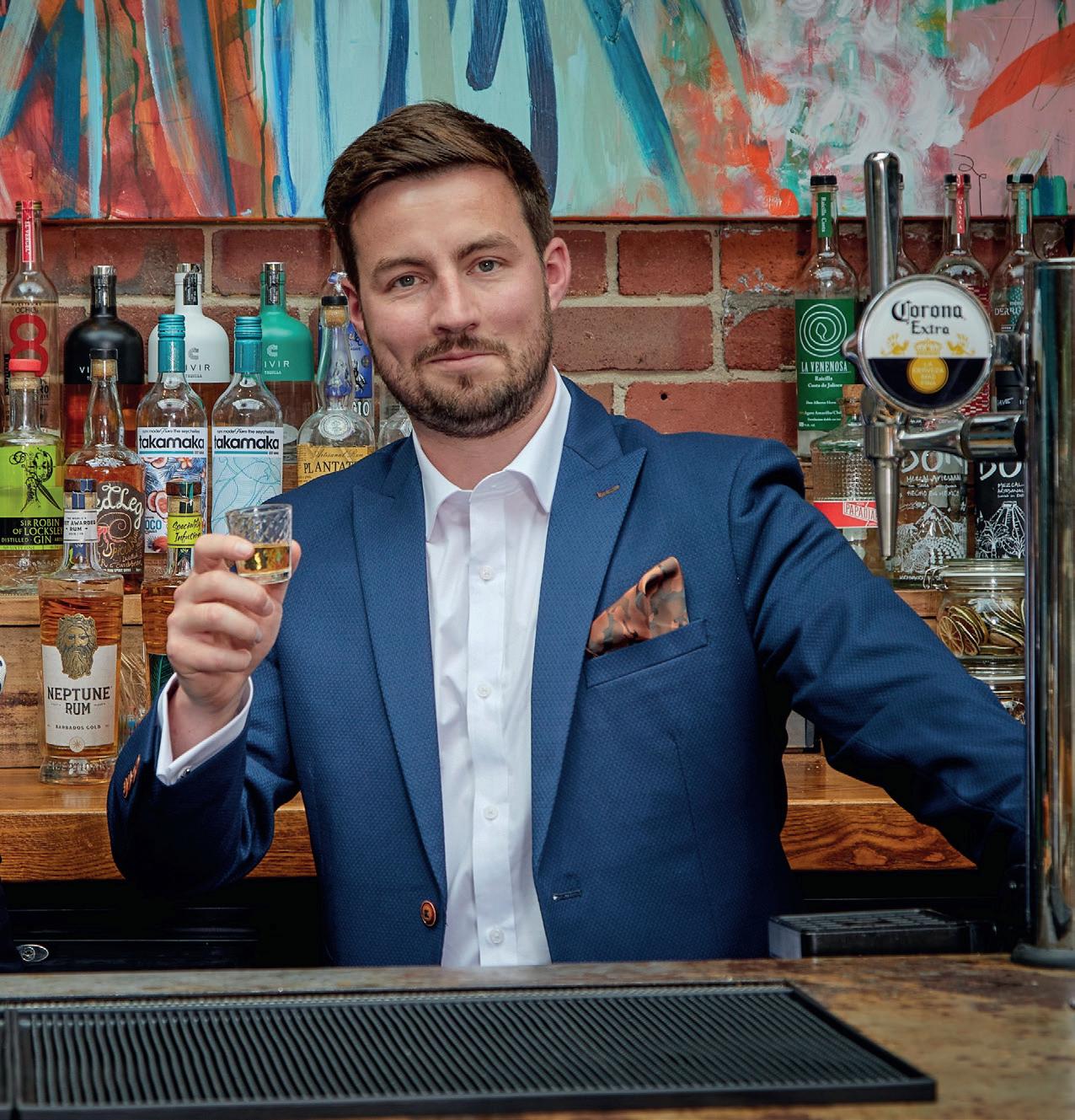
Neptune Rum is an incredible selection of rums that hail from the Foursquare Distillery - appealing to bars who are looking to enhance their rum and cocktail offering.
WHAT ARE THE KEY THINGS BABCO CAN OFFER ON-TRADE PARTNERS BEYOND JUST SUPPLYING DRINKS, IN TERMS OF SUPPORT, EXPERIENCE, AND BRAND COLLABORATION?
We understand that venues need brands that not only perform commercially but also bring energy and excitement to their customer experience and who contribute to the venue’s overall proposition.
That includes offering marketing support, staff training, menu development, activation ideas, and collaborative promotional activity.
Because we operate a focused and agile portfolio, we can work closely with individual venues and groups to create tailored opportunities that have the venue in mind first. For example, we developed a POS solution specifically for an account that not only showcases our Golden Touch serves (Tofka served with bubbles) but also gives staff an efficient tool to deliver different types of glassware and multiple drinks on one go.
WITH COMPETITION IN THE DRINKS SECTOR CONSTANTLY EVOLVING, HOW DOES BABCO HELP VENUES CREATE MEMORABLE GUEST EXPERIENCES THROUGH ITS PORTFOLIO?
Today’s consumers are looking for more than just a drink; they are looking for experiences, stories and moments worth sharing. That is where strong brands become incredibly important.
Savano is particularly exciting in terms of guest experience because it is a brand that sits at the intersection of premiumisation and lifestyle appeal.
From a theatrical perspective, the shimmer effect of Tofka never fails to impress and with our new drink strategy that sees
Tofka paired with sparkling wine, we can play a significant part in celebratory and winning moments.
LOOKING AHEAD, WHAT ARE BABCO’S FUTURE PLANS FOR EXPANDING ITS DRINKS PORTFOLIO AND STRENGTHENING ITS PRESENCE WITHIN THE ON-TRADE SECTOR?
The immediate priorities for BABCO are the launch and growth of Savano, which we believe has the potential to become a significant player within the premium RTD category. Alongside that, our POS development has been significant for Tofka and we are looking forward to rolling those out to participating venues. In addition, Neptune Rum, we will be strengthening its proposition with a new campaign too.
More broadly, we are constantly evaluating opportunities that align with emerging consumer trends and premium drinking occasions. Our aim is not simply to add more products, but to build brands that have a clear purpose and can create genuine value for our customers.
babco.co.uk

INSPIRED BY MEXICAN HERITAGE, DEDICATED TO JAGUAR PRESERVATION AND DRIVEN BY AN OBSESSION WITH CRAFTSMANSHIP, FRANK ACOSTA REVEALS HOW ACOSTA TEQUILA IS AIMING TO MAKE ITS MARK ON THE UK’S GROWING PREMIUM SPIRITS SCENE.
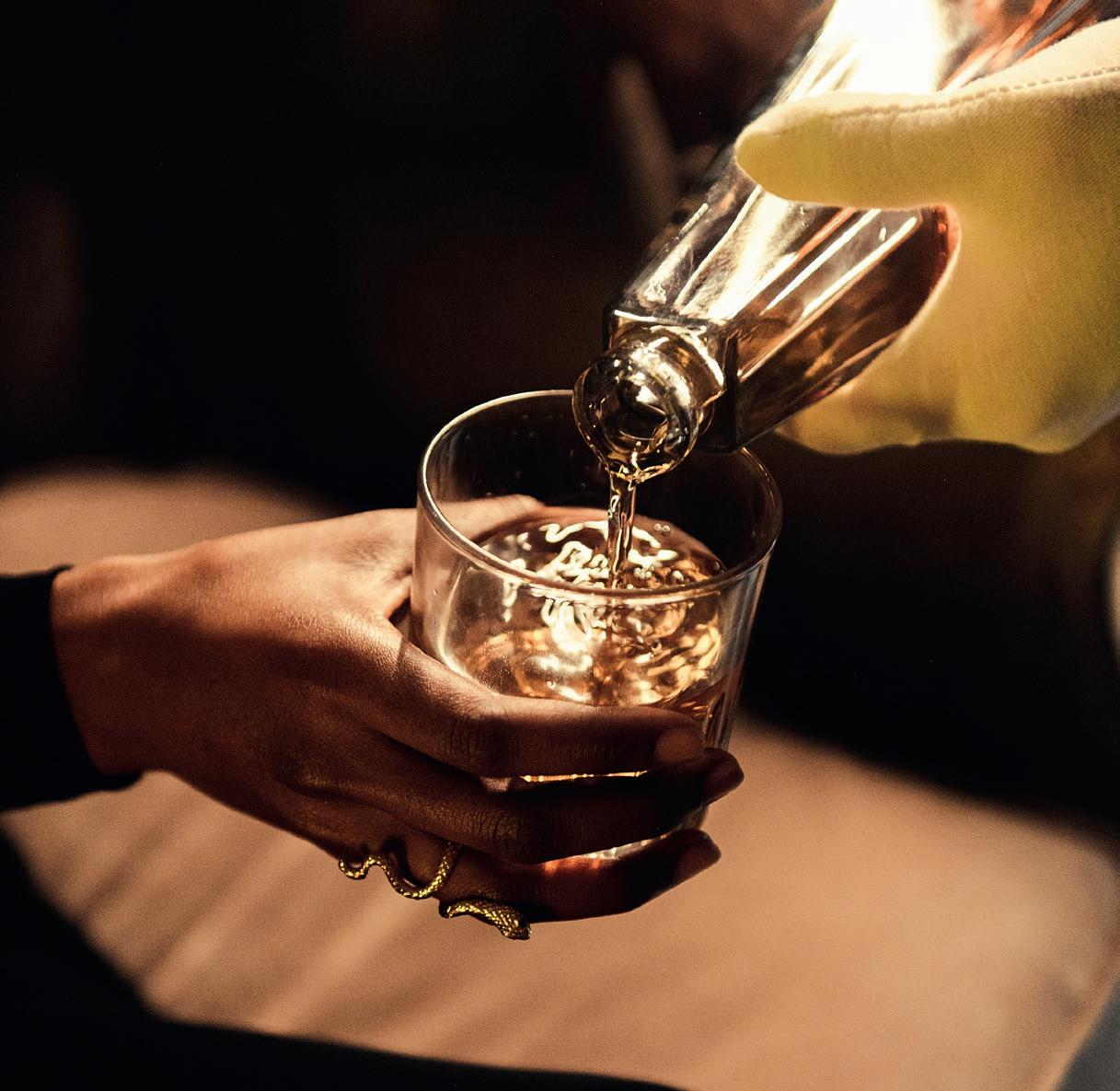
Acosta Tequila is built around four core brand pillars: ‘Owning the Night’ – our mantra – Jaguar Preservation, Mexican Heritage, and finally, Taste and Art.
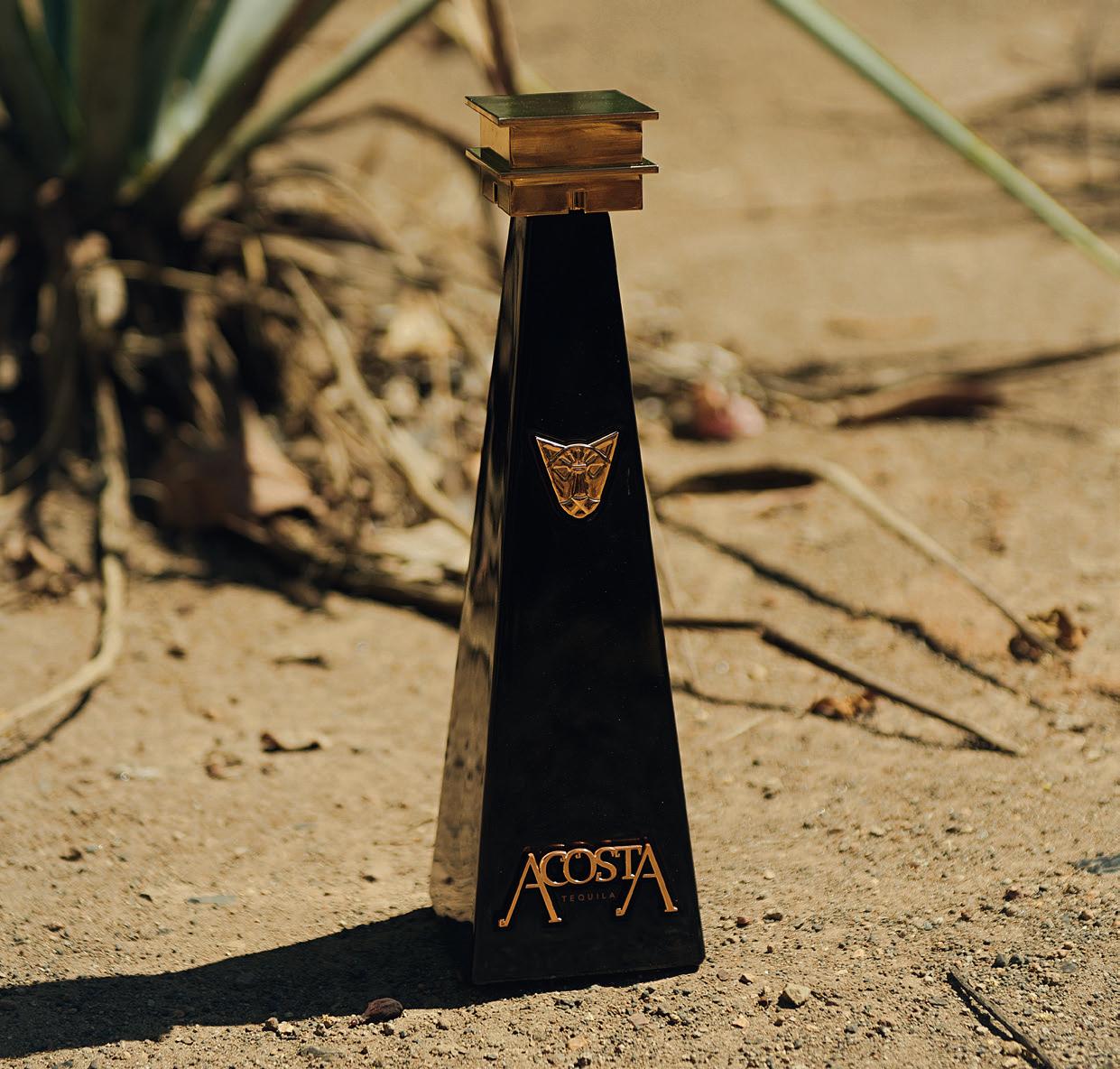
The concept of Owning the Night connects directly to our focus on jaguar preservation. The jaguar is the iconic symbol featured on our bottle and holds deep significance in Mesoamerican culture, where it was often viewed as a deity and a guide to the underworld. We chose the jaguar not only because of its cultural importance, but also because it’s a species that urgently needs protection.
To better understand these animals, I spent time in the Amazon, exploring the ecosystem and learning about their habitat firsthand. I travelled through parts of Brazil near the Bolivian border, hoping to encounter a jaguar in the wild. It wasn’t easy; there simply aren’t many left. You see plenty of caimans, which are one of their primary food sources, but very few jaguars.
Then one day, a jaguar appeared right in front of us along the Amazon River. Watching it swim through the water was incredible. It was such a powerful reminder of what a magnificent
animal it is. Unfortunately, jaguar populations continue to decline due to habitat loss, human encroachment, conflicts with livestock farming, and the broader effects of climate change.
One of my long-term dreams is to help establish a sanctuary that supports jaguar conservation and breeding efforts, ensuring that future generations can continue to experience this remarkable species.
This naturally leads to the third pillar of our brand: Mexican Heritage.
I am Mexican, and Acosta is my family name. This project was created as a tribute to my culture and my roots. Growing up, I wasn’t deeply connected to my Mexican heritage. I remember my grandmother speaking to me in Spanish, and I often didn’t understand what she was saying. My father was more connected to his culture when he was younger, but over time he became more Americanised, which was common during a period when cultural identity wasn’t always openly embraced.
The fourth pillar, Taste and Art, combines two elements that I believe go hand in hand.
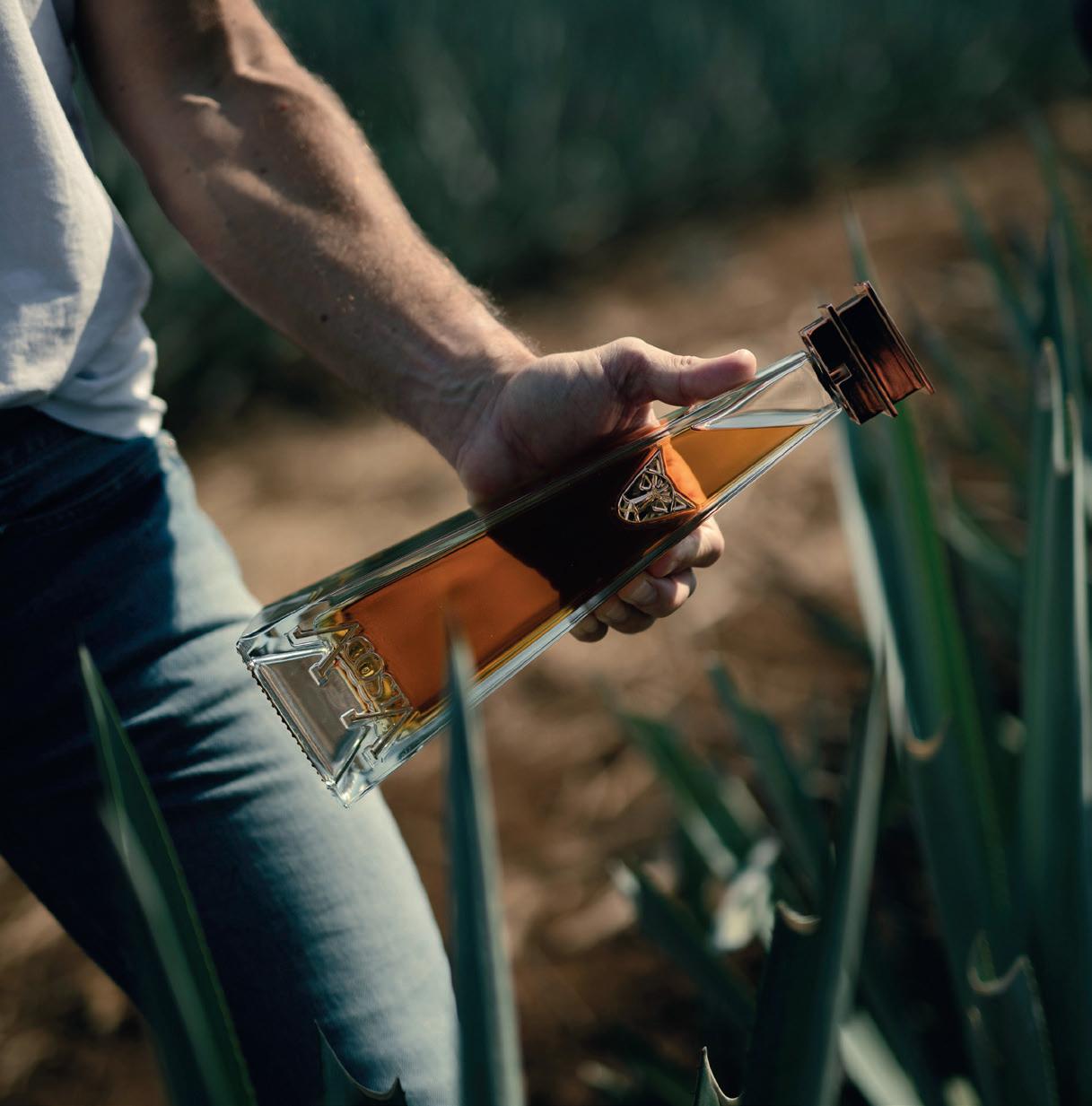
It took me nearly two years to develop the flavour profile of this tequila. When I started, I was a novice, so I immersed myself in learning every aspect of the craft. I travelled to France to select barrels and studied topics such as oak varieties,
barrel toasting and charring, wood porosity, and how different environmental factors influence aging and flavour. The process taught me that tequila-making is truly an art form.
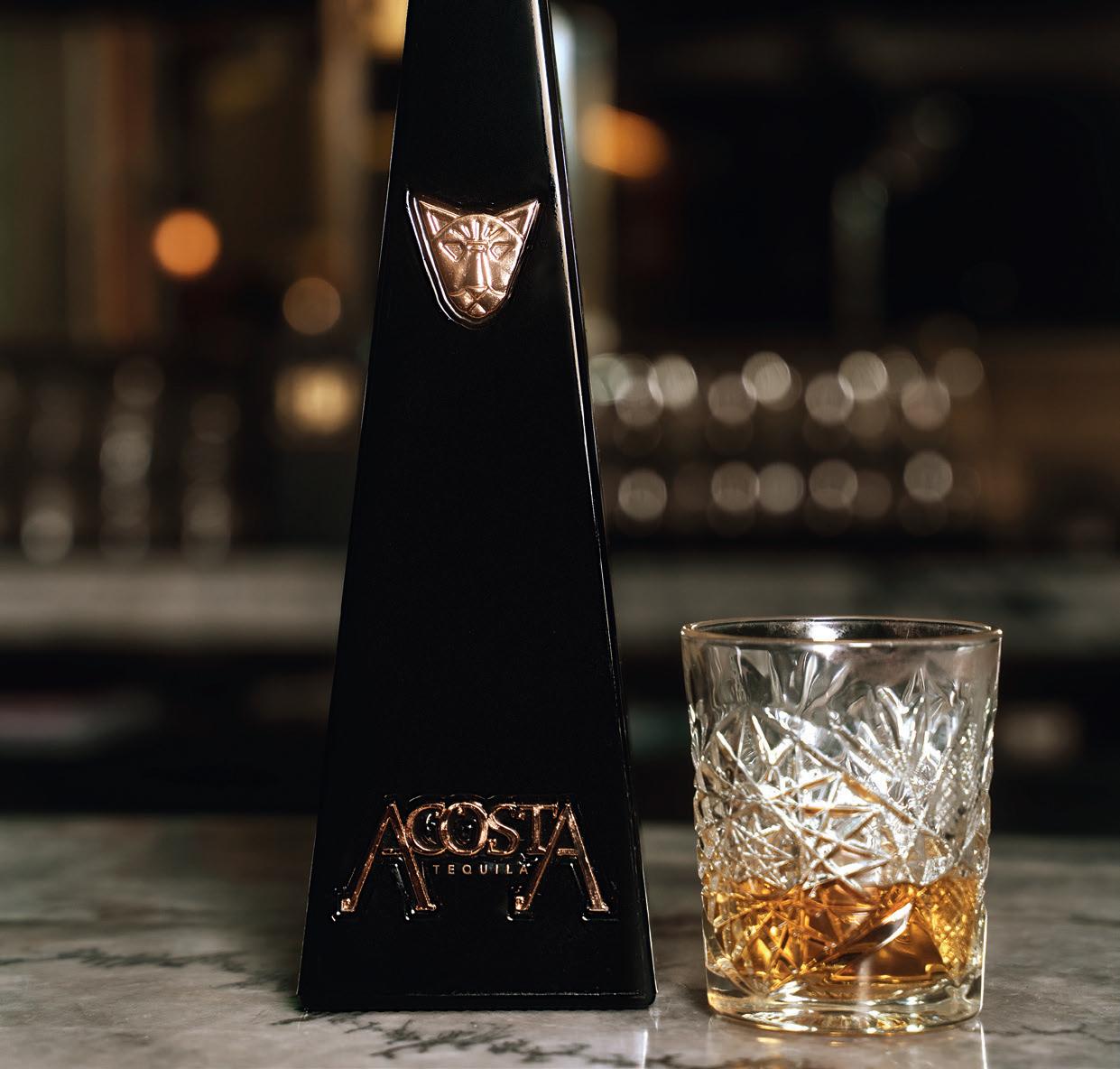
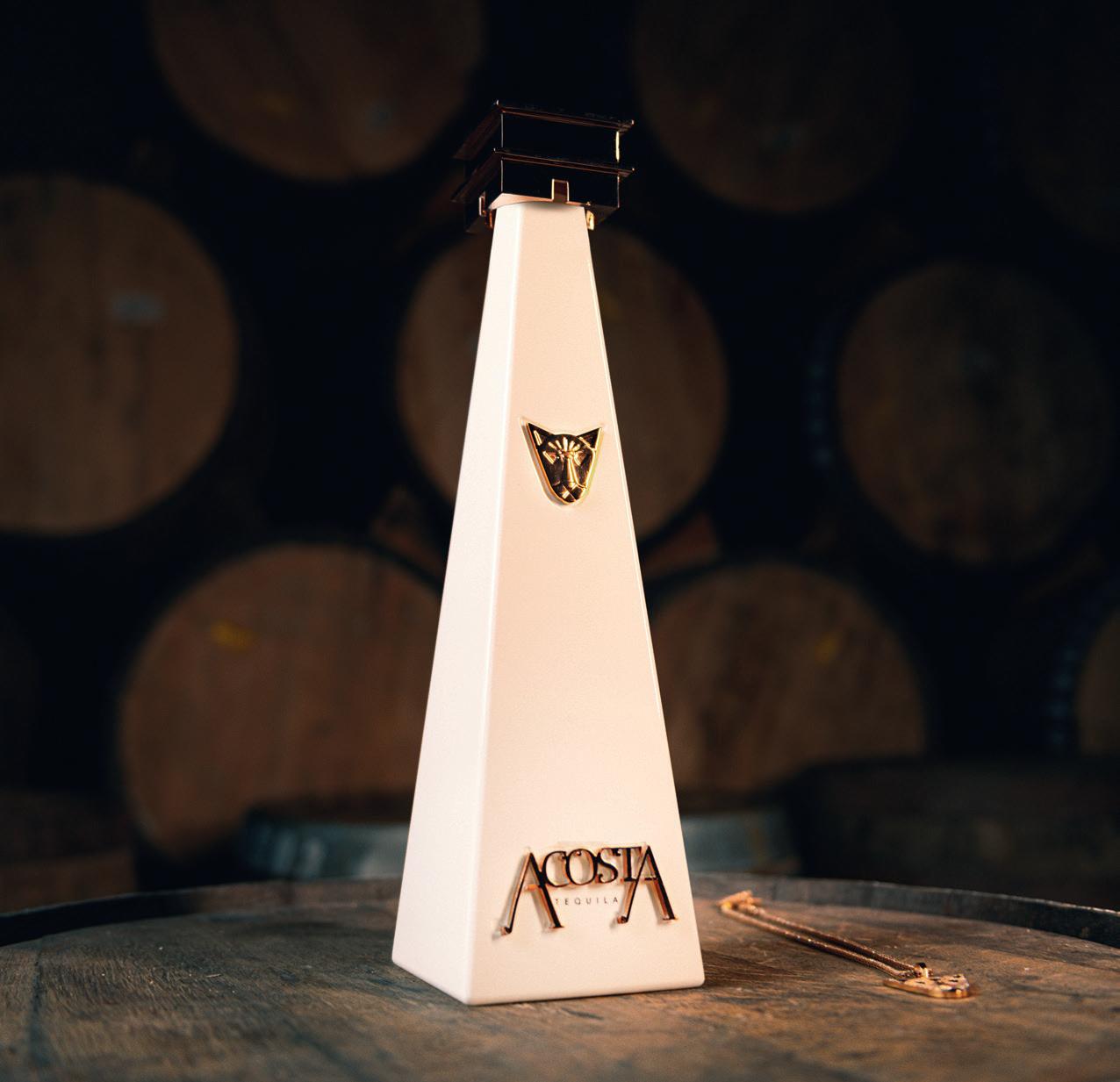
That same artistic mindset influenced the design of the bottle itself. I personally sketched the bottle, and if you look closely, you’ll notice that the jaguar’s nose is incorporated into the bottle’s shape. Every detail was intentional, from the hand-cut and engraved caps to the overall design.
We have secured trademarks worldwide, along with intellectual property protections and U.S. design patents covering elements of the bottle and packaging. I’ve invested a tremendous amount into bringing this vision to life.
HOW DO YOU THINK THIS STORY TRANSLATES INTO THE QUALITY AND TASTE OF THE TEQUILA?
For me, everything you create is a reflection of who you are. People express themselves through the choices they make – the clothes they wear, the car they drive, what they drink and the products they surround themselves with.
Take someone sitting across from you – without them saying a word, you start to form an impression of who they are. The same is true of the products people choose to consume.
What you drink says something about you; it’s part of your personal identity and how you express yourself. That’s why we view Acosta Tequila as more than just a spirit – it’s an extension of the person enjoying it.
The story behind the brand influences everything we do, including the quality of the product. We put tremendous care into every detail, from the flavour profile and barrel selection to the bottle design and overall experience. We wanted to create something distinctive, intentional and memorable because that’s what our customers value.
Our ideal customer embodies the same characteristics represented by the jaguar: confident, fearless, independent. They are people who embrace life, take risks and make their own path.

BARTENDERS SPECIFICALLY, WHAT DO YOU THINK MAKES ACOSTA TEQUILA STAND OUT IN TERMS OF ITS FLAVOUR PROFILE AND MIXABILITY?
I’ve had the opportunity to meet a lot of bartenders, and one thing I’ve noticed is that bartenders here in the UK tend to be very polished and knowledgeable about their craft. Of course, every bartender has their own preferences and opinions, but overall, the response to our tequila has been overwhelmingly positive.
I’d say nine out of ten bartenders really enjoy the product. They appreciate both the quality of the tequila and how it presents itself visually. It looks incredible on a back bar; when you have a well-organised bar, the bottle really stands out and adds to the overall presentation.
From a mixability standpoint, our Joven is the expression I’d recommend for cocktails. Because it’s only lightly rested and remains very tequila-forward, it mixes exceptionally well without losing the character and flavours that make it unique. It allows bartenders to create cocktails while still letting the tequila shine through.
When it comes to the Reposado, Añejo and Extra Añejo, however, my preference is to enjoy those neat. Those expressions are designed to showcase the complexity developed through the aging process, and I think they are best appreciated on their own.
More broadly, I believe there’s an opportunity to educate consumers about enjoying premium tequila neat. Many people are used to masking spirits with mixers, sugar, and other ingredients, but a well-crafted tequila doesn’t need to be hidden. When made properly, it can be smooth, approachable and enjoyable on its own.
Our goal has always been to create a clean, high-quality tequila that people can appreciate for its craftsmanship and flavour, whether they’re enjoying a cocktail made with our Joven or sipping one of our aged expressions neat.
IN AN INDUSTRY WHERE BARTENDERS HAVE SUCH A STRONG INFLUENCE ON WHAT CONSUMERS DISCOVER AND TRY FIRST, HOW ARE YOU BUILDING RELATIONSHIPS WITH BARS AND HOSPITALITY PROFESSIONALS?
For me, it comes down to being accessible and being present.
You have to show up. You have to make sure your clients know who you are. That means visiting their venues, supporting their businesses, eating at their restaurants, and spending time in their bars. It’s about being a real person and a familiar face, not just a voice on the phone or a name on an invoice.
I make a point of talking directly with bartenders and hospitality professionals. Not as a brand owner trying to impress people, but simply as myself.
Those conversations matter. Bartenders and venue owners appreciate authenticity. They see so many brands come and go, but not many founders take the time to sit down, have a burger or a steak, and build a genuine connection.
It’s a simple philosophy, but it’s not always easy to execute. It takes time, consistency, and effort. In many ways, it’s becoming a bit of a lost art, but I still believe it’s one of the most effective ways to build a lasting brand.
I think education starts with consistency. Bartenders and brands both have a role to play, but it can’t be a one-time effort. You can hold a training session, but doing one training a year isn’t enough. Education requires ongoing engagement.
As a brand, you have to keep showing up. That’s really what marketing is. You can spend millions on billboards and advertising, or you can invest your time in building relationships and being present. The more people see you, the more familiar they become with the brand, and over time that recognition turns into trust and advocacy.
Bartenders ultimately have the freedom to recommend what they believe in. If a guest comes in asking for a particular tequila, a great bartender can take that opportunity to introduce them to something new. It’s about saying, “I know what you normally drink, but I’d love for you to try this. I think you might enjoy it.”
Of course, that takes time and effort. On a busy Friday night when a bartender is making hundreds of drinks, those conversations are difficult to have. But during quieter moments, there’s an opportunity to create a more personal experience.
I’d encourage bartenders to make guests feel like they’re discovering something special. Anyone can order a well-known brand, but introducing someone to a new tequila and explaining the story, craftsmanship, and flavour behind it creates a much more memorable experience. That’s how you build appreciation for tequila as a category and help consumers move beyond simply taking shots.
We’re really excited to be entering the UK market and seeing what we can build here. I believe the UK tequila category is still in its early stages, which presents a tremendous opportunity.
We’re seeing growing interest in premium tequila around the world, and I think that trend will continue as the hospitality industry evolves and consumers become more adventurous with what they drink. Over the next few years, I expect the tequila market here to grow significantly.
For us, the goal is to get involved early, build genuine relationships and contribute to that growth. If we can stay ahead of the curve and continue introducing people to what makes our brand unique, I think there’s a lot of potential for success in the UK.

FROM BREATHTAKING SKYLINE VIEWS TO VIBRANT MEDITERRANEAN FLAVOURS, EDNOR PRONJAJ, GENERAL MANAGER AT SOLAYA, TAKES US BEHIND THE SCENES OF LONDON’S ROOFTOP HOTSPOT. DISCOVER HOW HE BALANCES HIGH EXPECTATIONS, TEAM ENERGY AND SEASONAL INNOVATION TO CREATE AN UNFORGETTABLE DINING AND DRINKING EXPERIENCE FOR GUESTS.
TELL US ABOUT SOLAYA…
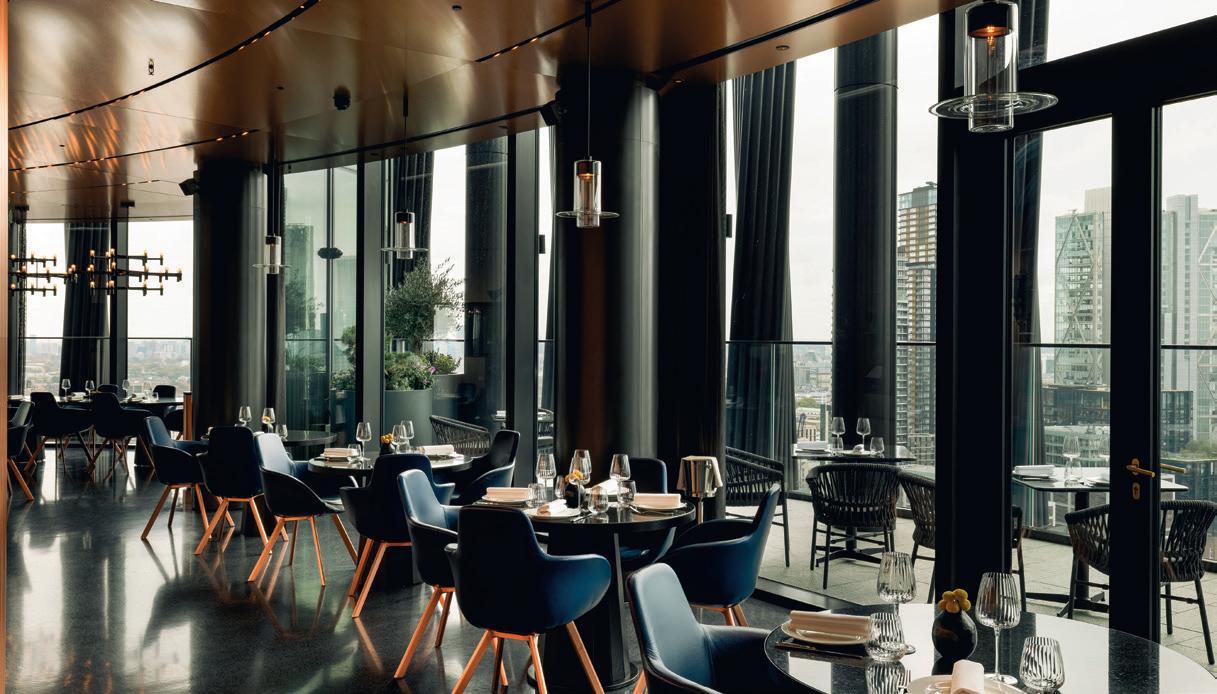
Located in art’otel London Hoxton on the 25th floor, Solaya is a rooftop restaurant and bar concept centred around the modern Mediterranean sharing concept, set within vibrant design. The experience is built to feel social and energetic, combining elevated food and drinks with a relaxed, but refined, service style.
THE VIEWS OF THE LONDON SKYLINE FROM SOLAYA ARE INCREDIBLE — HOW MUCH DID THAT SHAPE THE CONCEPT FROM THE START?
The views were a huge influence from the very beginning. Being positioned above the city naturally led us to create a concept that feels open, lively and celebratory. The skyline is part of the overall guest experience, shaping everything from the atmosphere to the pacing of service.
RUNNING A ROOFTOP VENUE IN LONDON ISN’T STRAIGHTFORWARD. WHAT HAVE BEEN THE BIGGEST CHALLENGES – OR SURPRISES –THAT COME WITH THE LOCATION?
The main challenge is, of course, the unpredictability of the weather, which directly impacts planning and guest flow. However, it has also pushed us to be more agile as a team, adapting quickly to maintain consistency in service. Another key factor is managing high guest expectations that naturally come with the rooftop setting.
HOW DID THE ORIGINAL IDEA FOR SOLAYA COME TOGETHER, AND HOW DO YOU KEEP THAT CONSISTENT DAY TO DAY?
The concept was built around creating a destination that
blends great food, strong drinks and an engaging atmosphere. Consistency comes down to clear standards, daily briefings, and strong leadership on the floor. We focus heavily on training communication to ensure the experience remains aligned with the original vision.
HOW WOULD YOU DESCRIBE THE FOOD OFFERING, AND HOW IT ALIGNS WITH YOUR DRINKS’ MENU?
The food is modern Mediterranean with a sharing concept, designed to be vibrant, seasonal and approachable. The drinks menu compliments this with fresh, balanced flavours, from cocktails to wine, all designed to enhance the social dining experience, rather than overpower it.
HOW IMPORTANT ARE YOUR TEAM IN ENSURING YOU DELIVER EXCEPTIONAL SERVICE IN LINE WITH SOLAYA’S IDENTITY?
The team is absolutely central. Service at Solaya is not just about the technical execution; it’s about energy, personality and creating memorable moments. A strong team culture ensures that every guest interaction reflects the everyday consistency.
WHAT’S NEXT FOR SOLAYA?
Our focus is on building consistency, strengthening our identity, and continuing to grow our reputation as a leading rooftop destination in London. We are also looking forward to evolving our offering through seasonal changes, thereby enhancing the overall guest experience.
@solayalondon solayalondon.com
FROM THE VINEYARDS OF CATALONIA TO SOME OF THE WORLD’S MOST INNOVATIVE COCKTAIL BARS, JUAN TORRES MASTER DISTILLERS IS REDEFINING HOW BRANDY IS ENJOYED TODAY. WITH A PORTFOLIO DESIGNED FOR MODERN HOSPITALITY AND A COMMITMENT TO BARTENDER COLLABORATION, TORRES BRANDY BRINGS MEDITERRANEAN CHARACTER, VERSATILITY AND STORYTELLING POWER TO EVERY SERVE.
For nearly a century, Juan Torres Master Distiller’s, the spirits division of Familia Torres, has been distilling and ageing brandy in Catalonia, shaped by Mediterranean vineyards and the creative energy of Barcelona. That blend of Penedès and city has turned the brand into an iconic name in Spanish brandy and a natural fit for modern bar culture worldwide.
HERITAGE AS A LIVING ASSET
Juan Torres Master Distillers’ expertise in base wines, distillation and barrel ageing is treated as a living asset for today’s bartenders. The family’s know how is translated into reliable, characterful spirits built for mixing, through ongoing collaboration with bartenders, training sessions and co created serves with bars around the world.
Born from carefully selected wines and a long Catalan tradition, Torres brandies are rich and complex yet fruit driven and elegant. This wine driven profile offers a distinctive alternative in the dark spirits set and gives bartenders a clear flavour identity to work with.
The Torres Brandy range is conceived less as a toolkit to shape guest experiences across venue types and dayparts, rather than just a ladder of price points.
Torres 10 is the natural entry: approachable, great value and ideal for mixed drinks, long serves and highballs in casual dining, neighbourhood bars and high energy venues. The Torres 10 Barrel Series adds extra character for the same occasions, while remaining highly mixable.
Torres Alta Luz, the first crystalline brandy in history, opens the category to new palates. Its clear, luminous profile is perfect for bright twists on classics like the Paloma or for vibrant signatures such as a Spicy Mango serve.
Torres 15 was developed explicitly for cocktail bars. Its structure and aromatic intensity ensure the spirit still stands out in complex builds, with notes of dried fruit, toffee, vanilla, coffee and gentle spice. It performs equally well in stirred, spirit forward drinks and fresher, citrus driven cocktails.
A striking example is the clarified Piña Colada with Torres 15
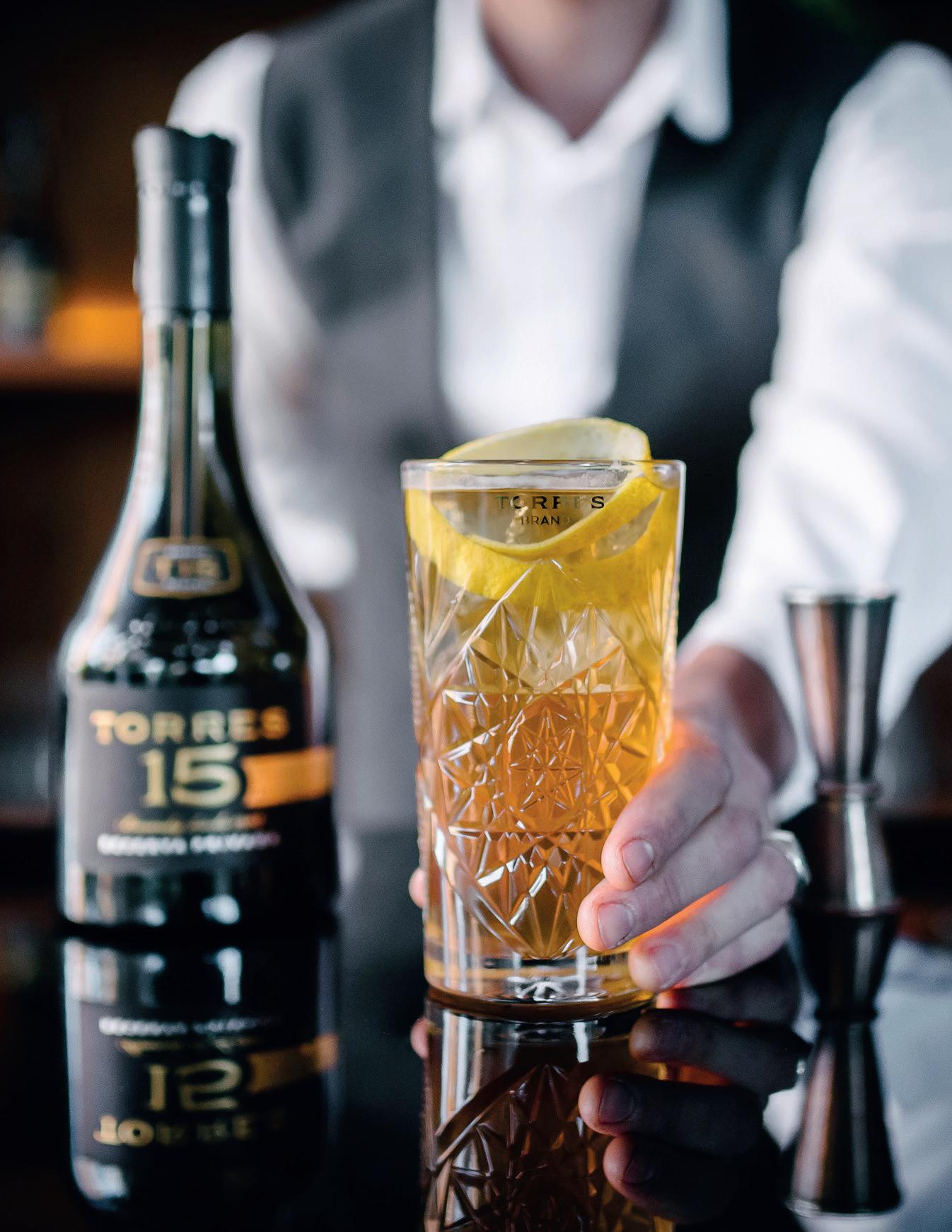
at Handshake Bar in Mexico City, a reference point on the global bar scene.
At the premium end, Torres 20 is widely used in gastronomic restaurants and luxury hotel bars, often served neat or on the rocks and featured in dessert pairings and tasting menus.
Jaime I crowns the experience in curated tastings and exclusive serves, where glassware, service ritual and storytelling help create
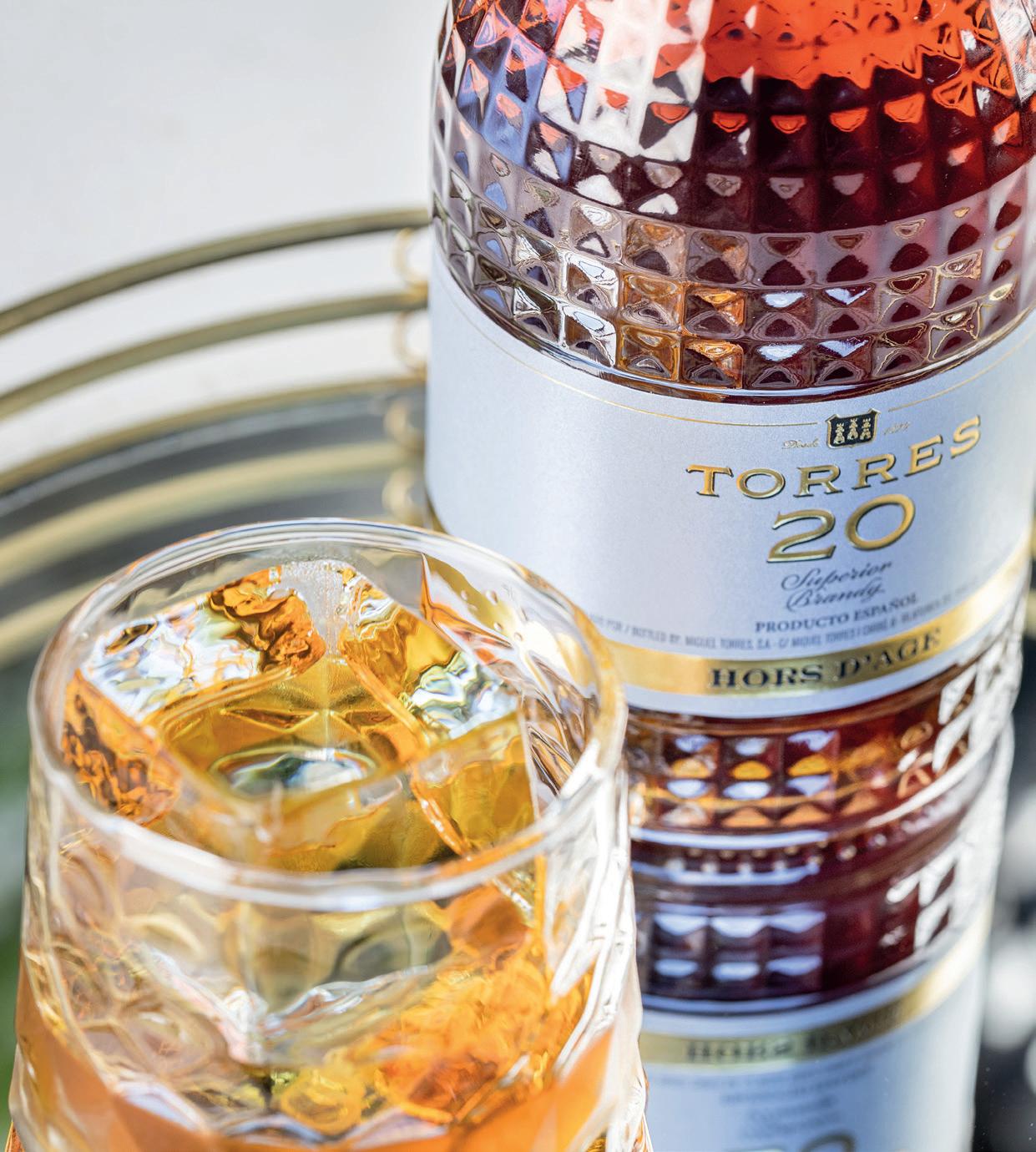
a memorable final impression.
This layered portfolio lets venues assign each reference to specific moments and price tiers, while keeping a coherent Mediterranean narrative on the back bar.
Brandy is moving beyond its traditional after dinner role to become a flexible cocktail ingredient, and Torres 15 sits at the heart of that evolution. Blended using both older and newer barrels, it combines depth with aromatic impact, giving bartenders confidence that the base spirit will hold its own when used as an alternative to whisky or rum in classic templates.
For guests, this means discovering something familiar yet different: a cocktail built on a wine driven, Mediterranean spirit instead of grain or molasses, with a distinctive flavour and story.
In an increasingly competitive back bar, what sets Torres Brandy apart is a combination of flavour, versatility and genuine engagement with the trade:
Close collaboration with bars
Torres supports bartenders through training, brand education and long term partnerships, co creating signature serves that reflect each venue’s personality and clientele.
Story driven innovation
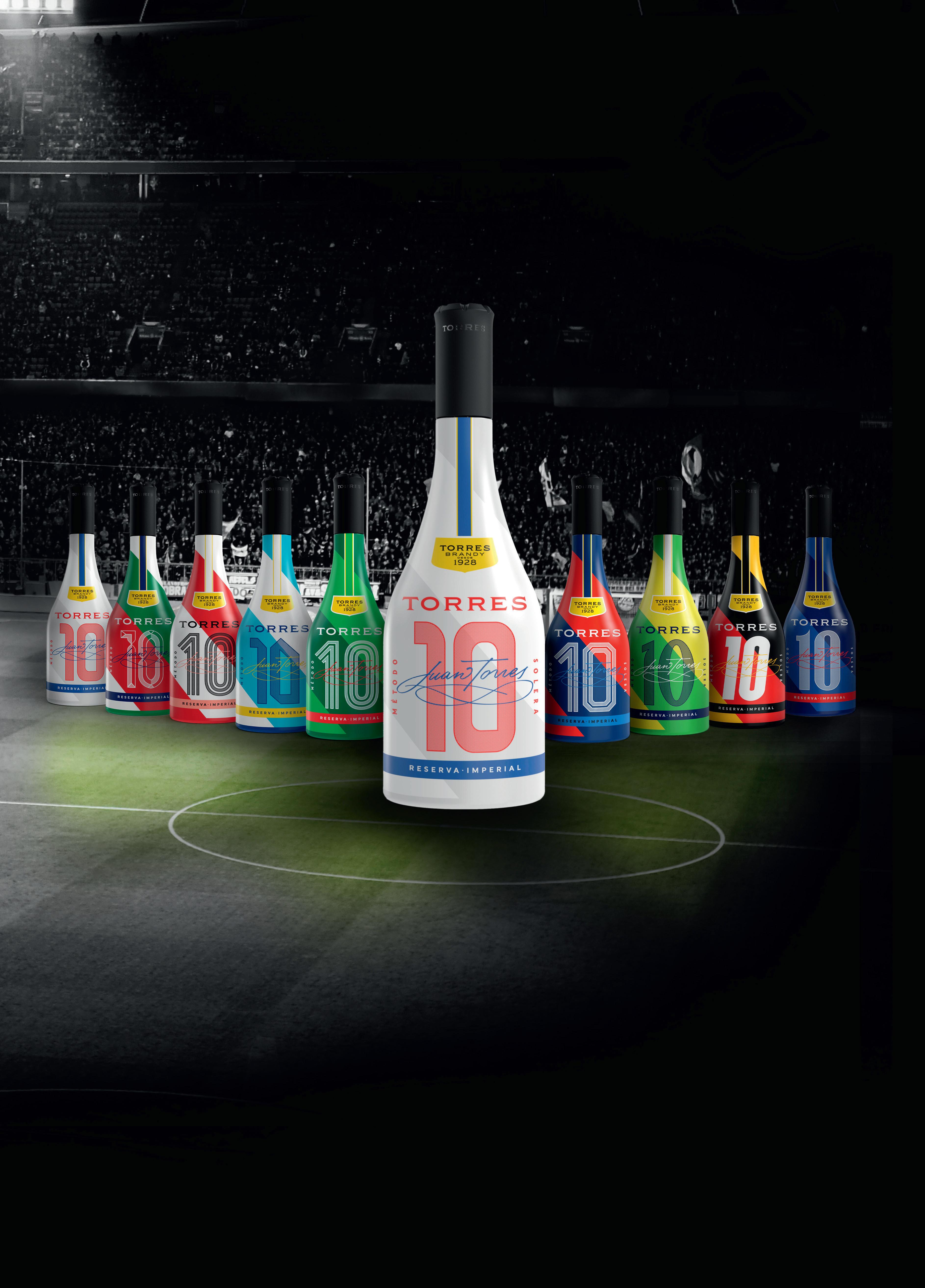
Limited editions connect the brand with cultural moments. The Torres 10 “The Greatness of 10” collectible edition, celebrates the iconic number 10 and one of the most exciting moments of
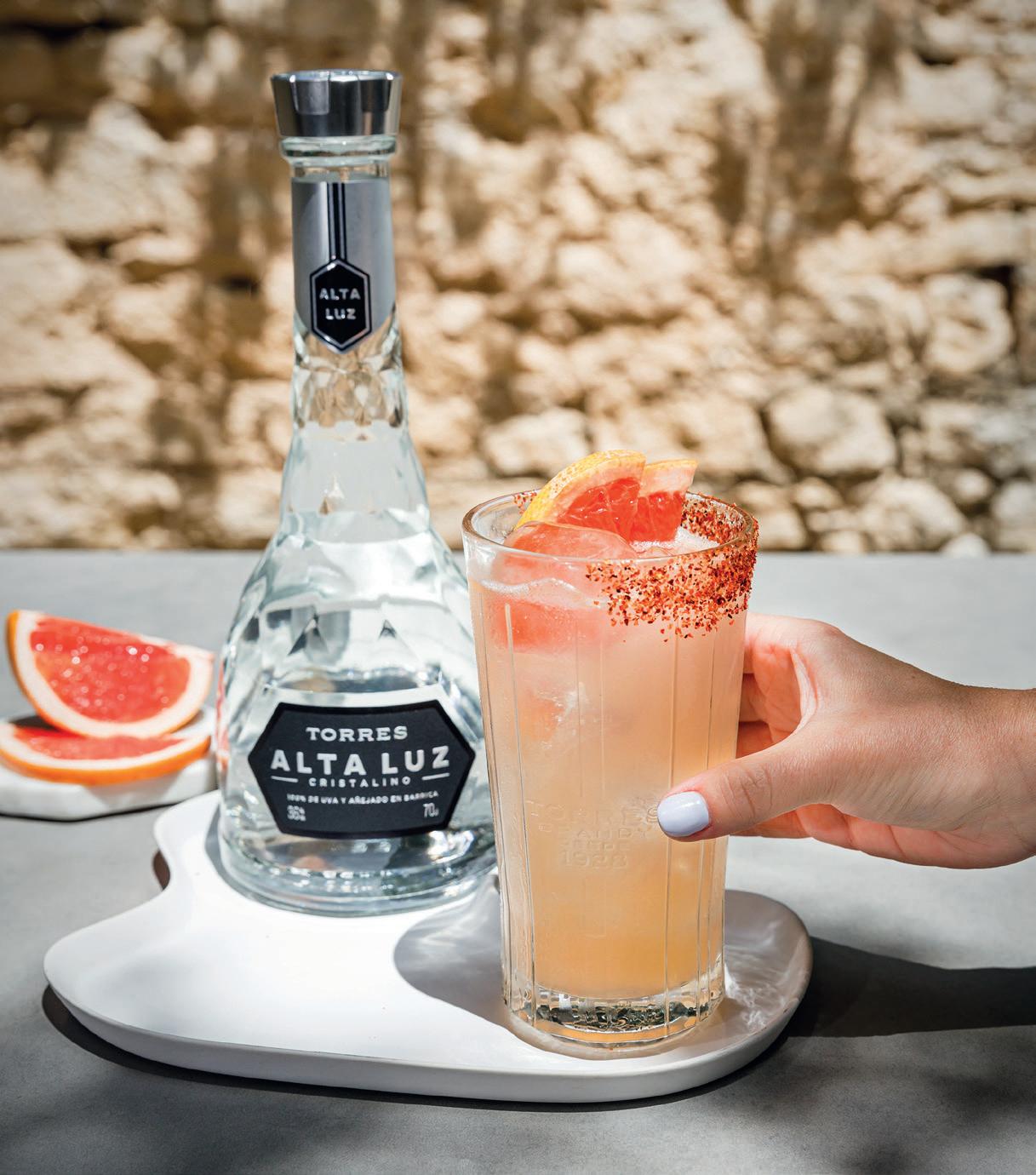
ALTA LUZ PALOMA
A crystalline twist on the Paloma, using Torres Alta Luz to bring a refined, grape based dimension to one of the most globally popular long drinks.
INGREDIENTS:
45ml Torres Alta Luz
60ml fresh pink grapefruit juice
10ml agave syrup, to taste
10ml fresh lime juice
Premium grapefruit soda
Grapefruit wedge and salt rim, to garnish
METHOD:
If desired, lightly salt the rim of a highball glass. Next, fill the glass with ice and add Torres Alta Luz, grapefruit juice, agave syrup and lime juice. Stir briefly to mix and chill, and top up with grapefruit soda. Finally, garnish with a grapefruit wedge and serve.
the year, giving bars an instant platform for themed serves and activations.
Versatility with a strong identity
From high volume mixed drinks with Torres 10 to refined sipping and pairing experiences with Torres 20 and Jaime I, the range is highly usable behind the bar while maintaining a clear Mediterranean point of view. In the hands of bartenders, Torres Brandy becomes not just a bottle on the shelf, but a storytelling tool that links vineyard, barrel and glass.
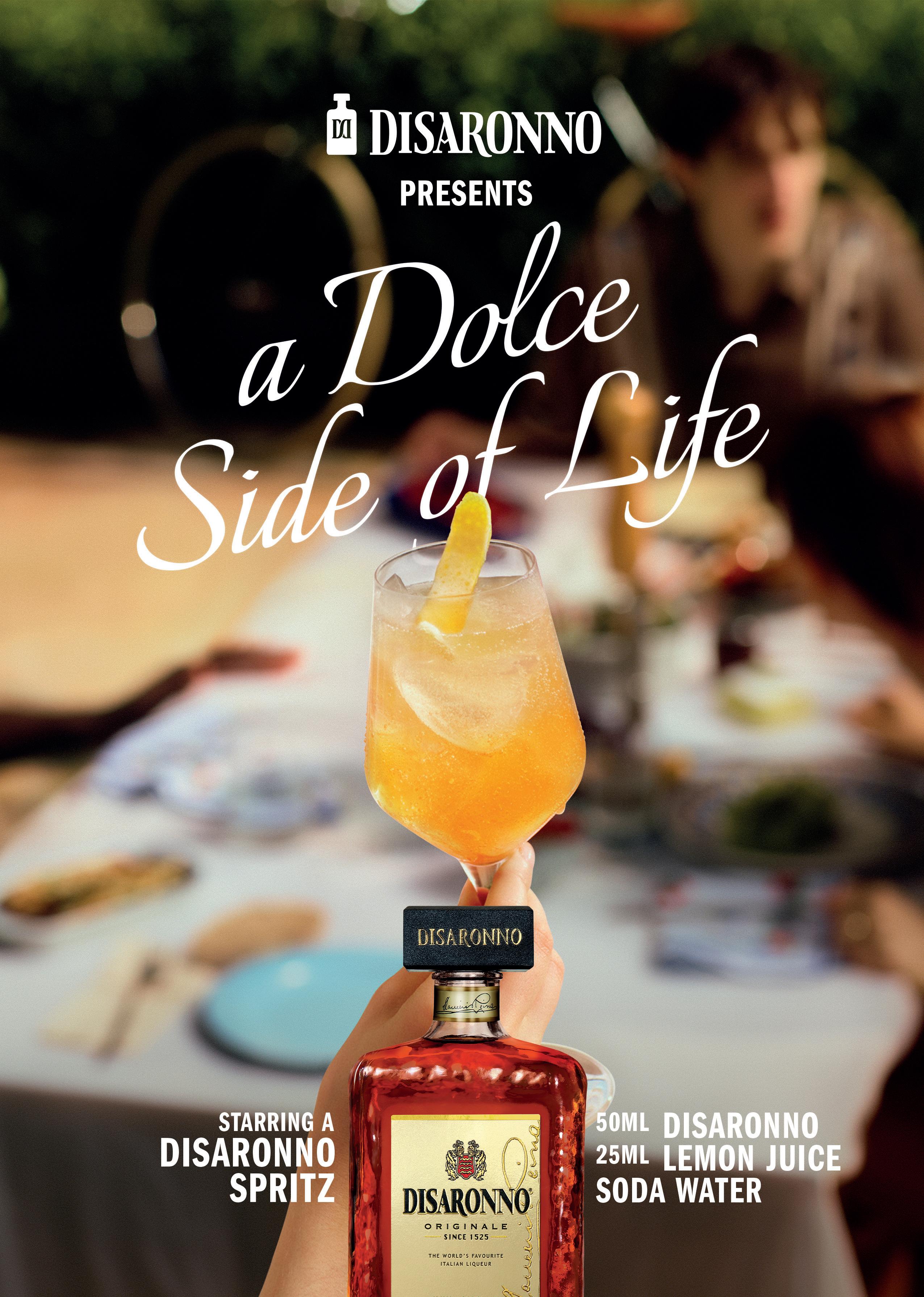
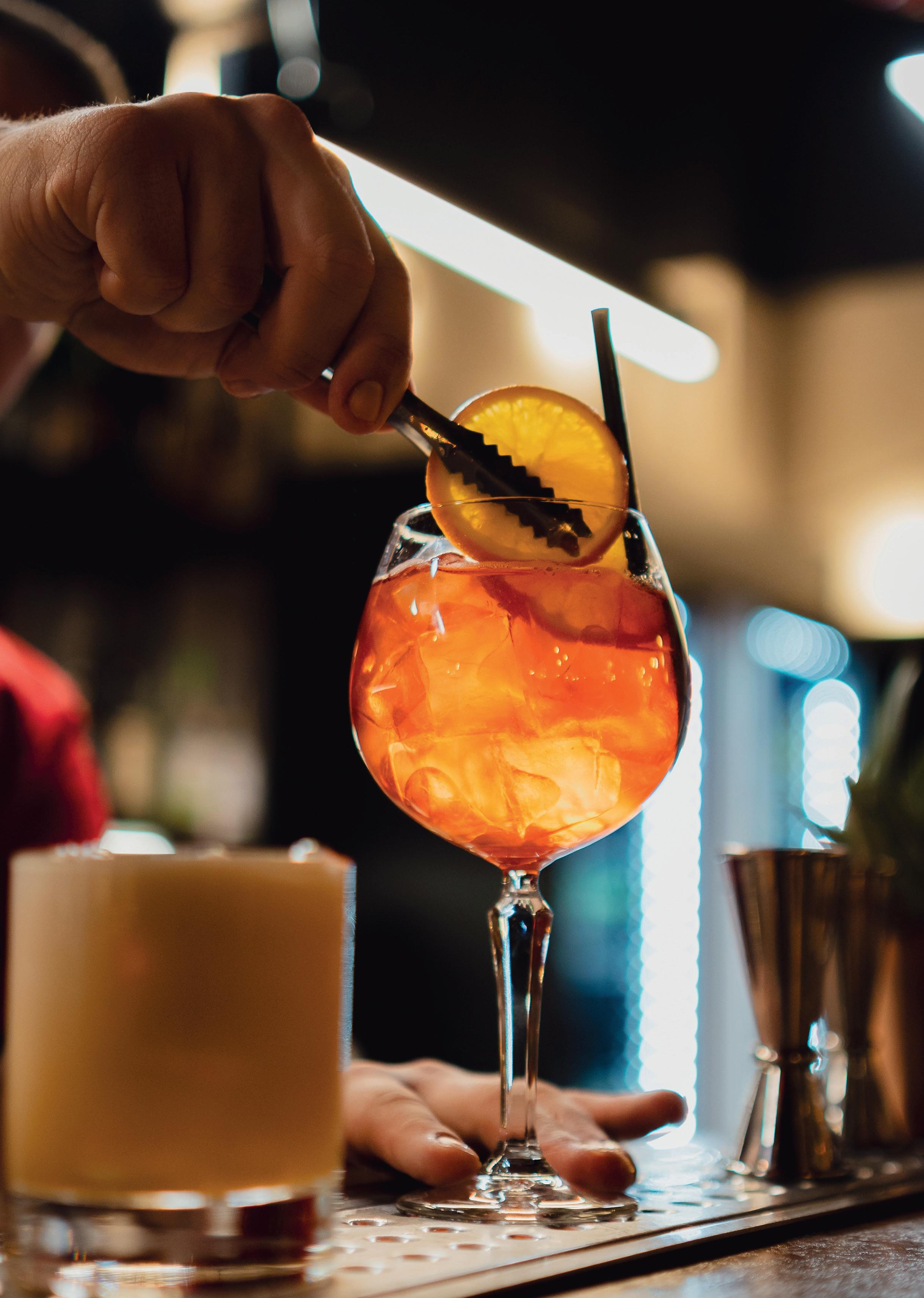
FROM SPRITZES TO AFTER-DINNER SERVES, WE EXAMINE THE TRENDS DRIVING DEMAND FOR APERITIFS AND DIGESTIFS AND WHAT THEY MEAN FOR VENUES.
FROM PROMOTING PRE-DINNER SERVES ALONGSIDE SHARING PLATES TO BROADENING PERCEPTIONS OF WHAT CONSTITUTES A DIGESTIF, OPERATORS CAN TAKE SIMPLE STEPS TO DRIVE DEMAND AND BUILD CUSTOMER FAMILIARITY. HERE ARE FIVE PRACTICAL WAYS TO BOOST APERITIF AND DIGESTIF SALES ACROSS YOUR VENUE.
1
APERITIFS WITH LIGHT BITES AND SHARING PLATES
Aperitifs are designed to awaken the palate, making them an excellent match for bar snacks, small plates and sharing boards. Encourage customers to enjoy drinks such as spritzes, vermouths or dry fortified wines alongside olives, loaded fries, charcuterie, cheese boards, or tapas-style dishes. Featuring suggested pairings on menus or table talkers can help drive awareness and make ordering decisions easier. Sharing food naturally encourages longer dwell times and additional rounds of drinks, while aperitif recommendations can increase both food and beverage sales in a relaxed, social setting.
2
DEDICATED APERITIF AND DIGESTIF
Promotions can be an effective way to introduce customers to categories they may not regularly order. Consider offering aperitif serves as part of an early-evening drinks deal or featuring a rotating “Drink of the Week” that highlights a specific vermouth, spritz or bitter liqueur. Similarly, digestifs can be promoted through after-dinner offers, coffee pairings or seasonal serves. By giving these drinks greater visibility through targeted promotions, pubs and bars can encourage trial, build familiarity, and create opportunities for customers to discover new favourites beyond standard beer, wine and cocktails.
3
Many customers associate digestifs solely with traditional options, such as brandy, port, or herbal liqueurs, but the category can be broadened to include premium sipping spirits. Aged tequilas, mezcals, rums, whiskies and cognacs can all be positioned as after-dinner serves for guests looking to savour a drink rather than order another round. By presenting digestifs as a wider range of slow-sipping options, pubs and bars can appeal to a broader audience and cater to different taste preferences. This approach also makes the category feel more accessible, encouraging guests to explore products they may already recognise, and enjoy them in a new context.
4 5
As moderation continues to influence drinking habits, offering no- and low-ABV aperitifs and digestifs can help broaden the category’s appeal. Alcohol-free bitters, aperitif-style spritzes, botanical drinks and low-strength fortified wines allow guests to enjoy the ritual and flavour profile of these serves without consuming as much alcohol. Including these options on menus alongside their full-strength counterparts ensures they are seen as a genuine choice rather than an afterthought. This approach can attract moderation-minded consumers, designated drivers and guests seeking lighter alternatives, helping venues create additional sales opportunities across different occasions.
Knowledgeable staff can be the strongest driver of aperitif and digestif sales. Customers are more likely to order when they understand a drink’s heritage, production method, flavour profile and ideal food pairing. Encourage team members to confidently explain why a citrus-forward aperitif complements seafood dishes or how a herbal digestif can follow a rich meal. Storytelling transforms a simple recommendation into a memorable experience. When combined with food suggestions, staff expertise helps create confidence and encourages guests to try something beyond their usual order.
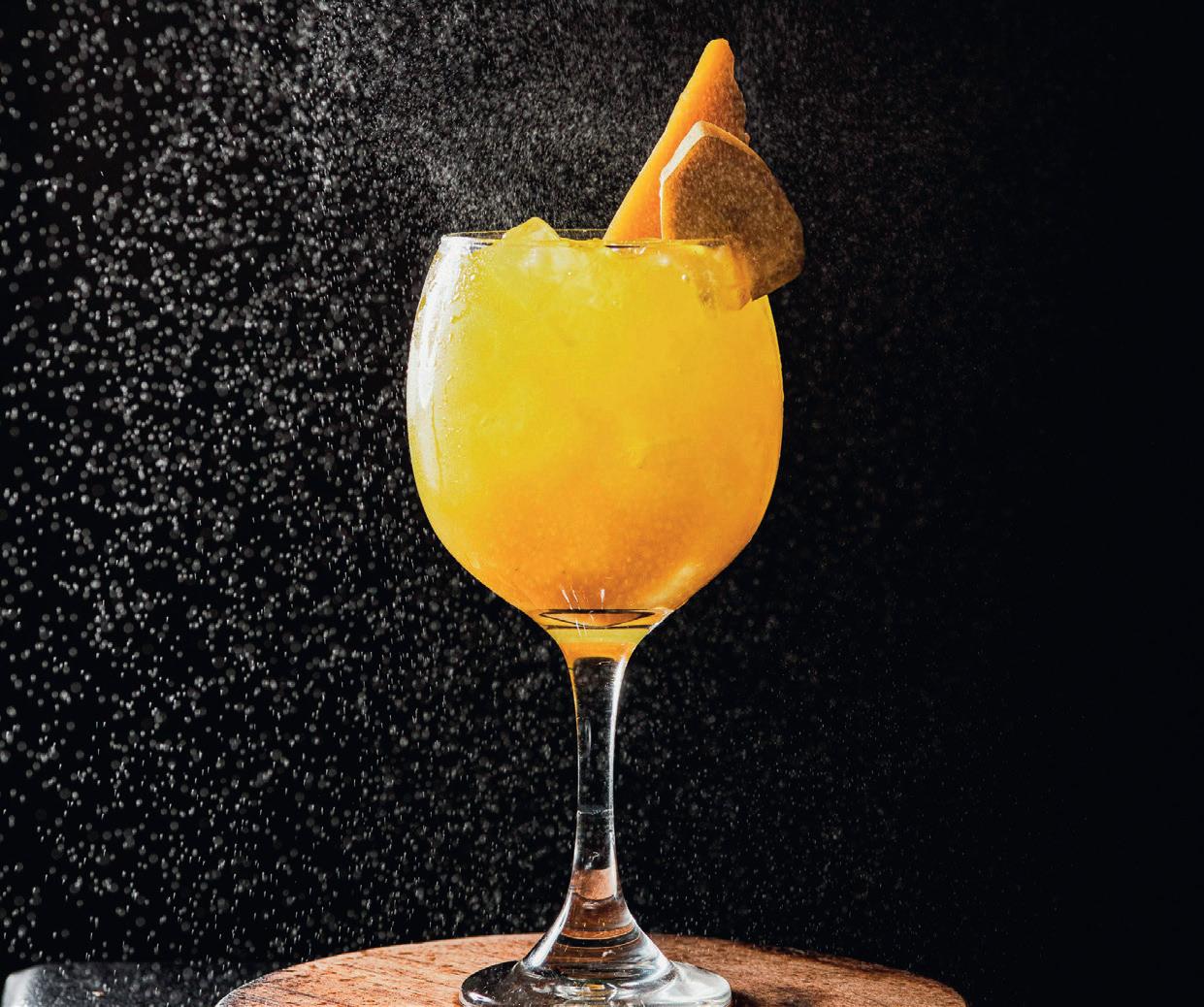
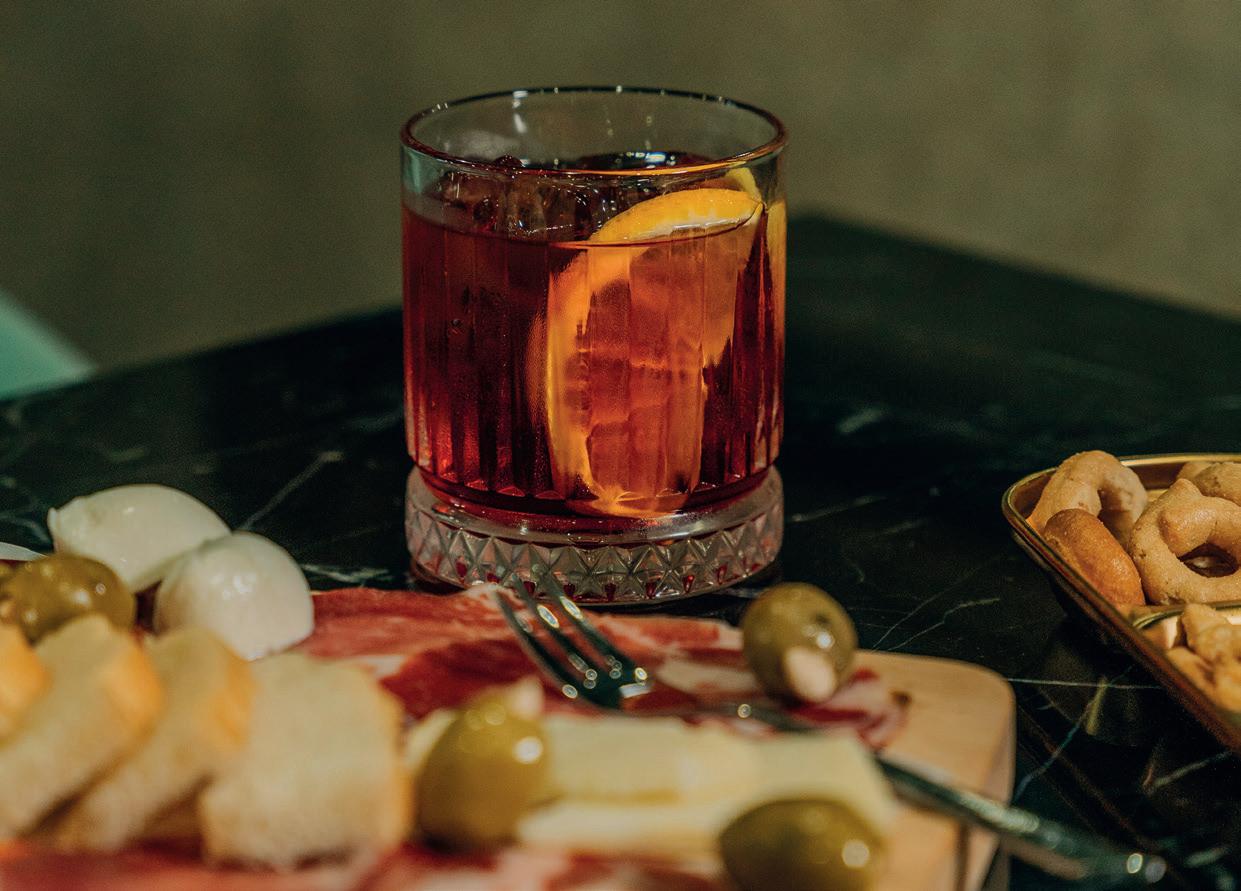
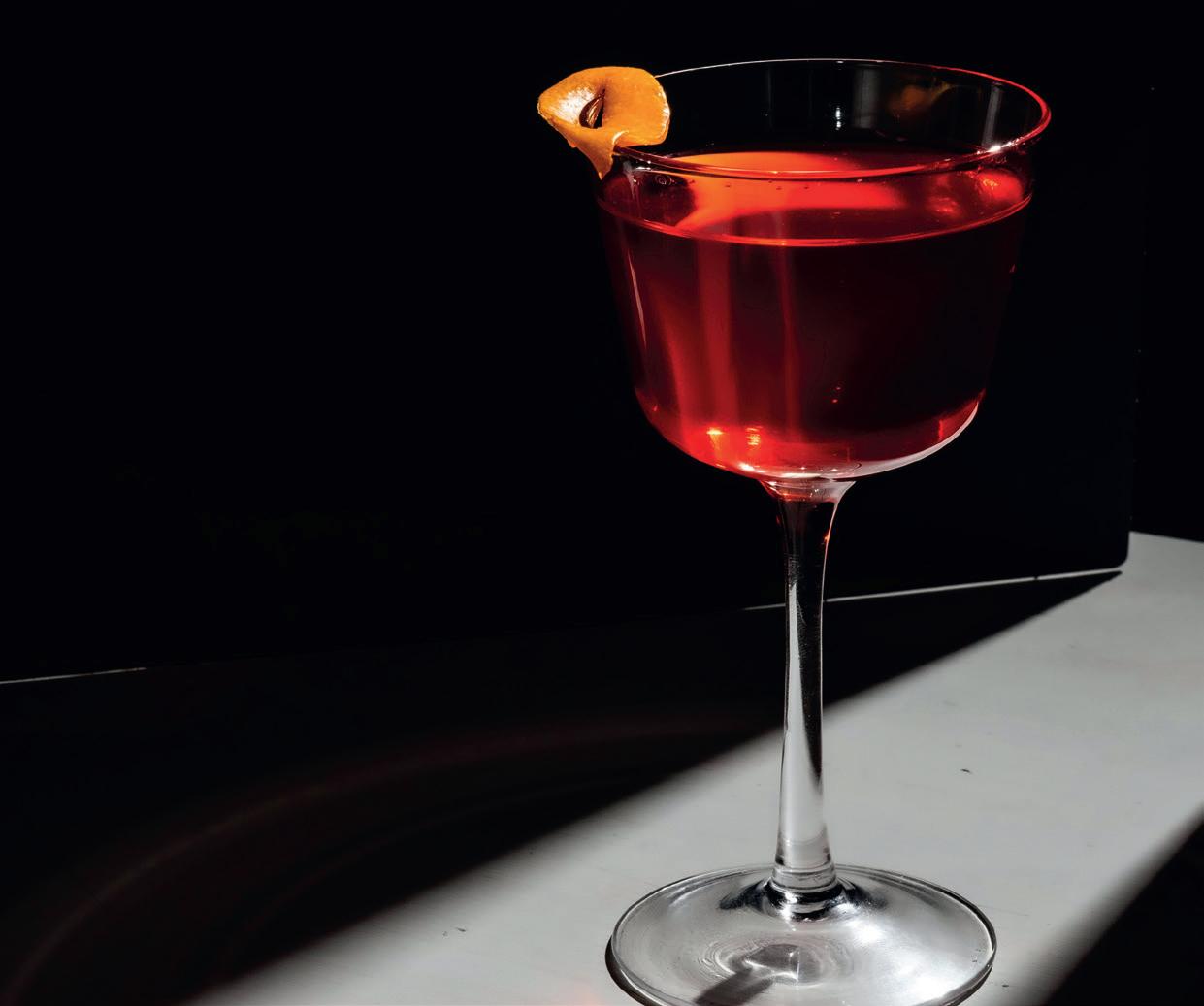
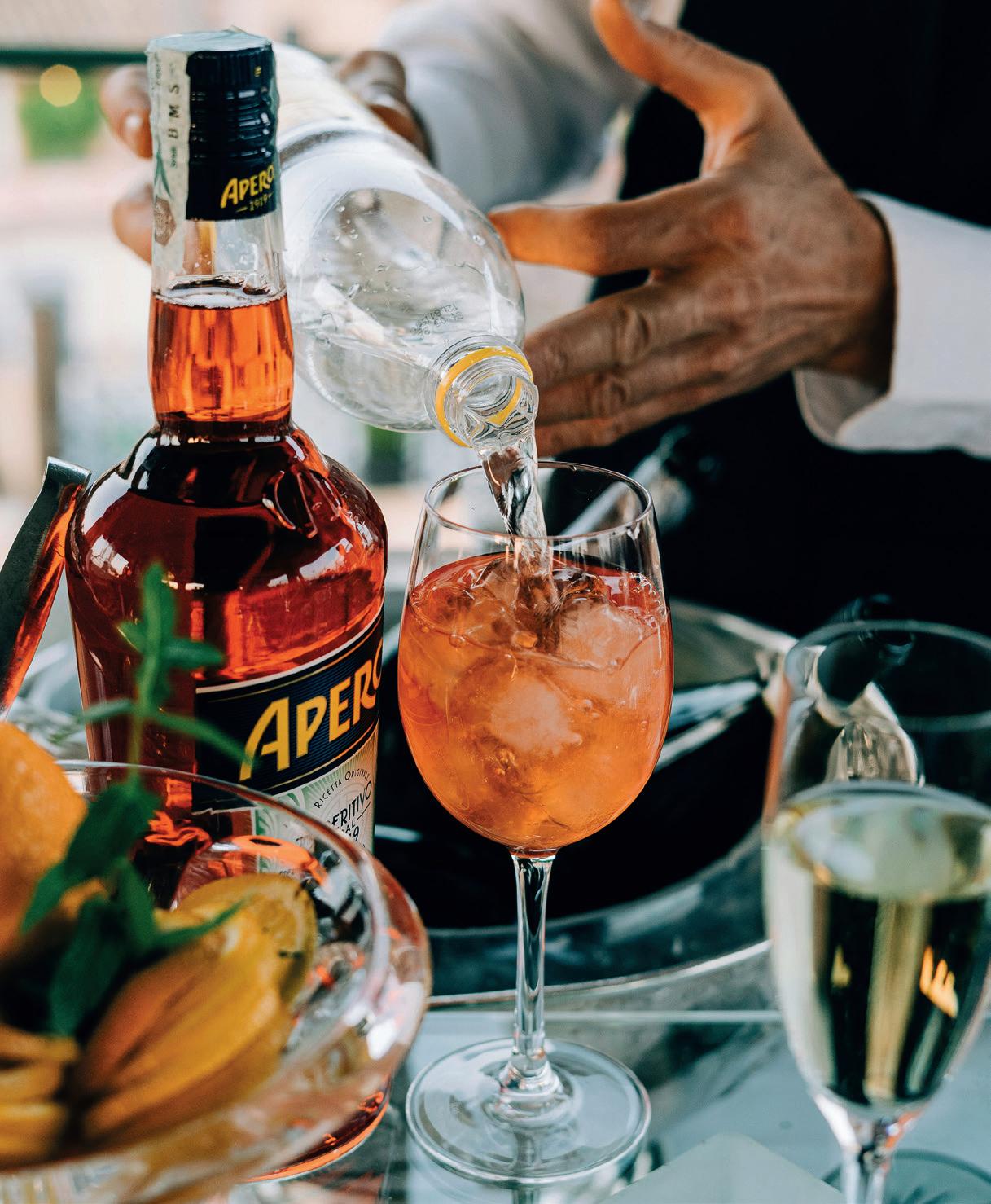
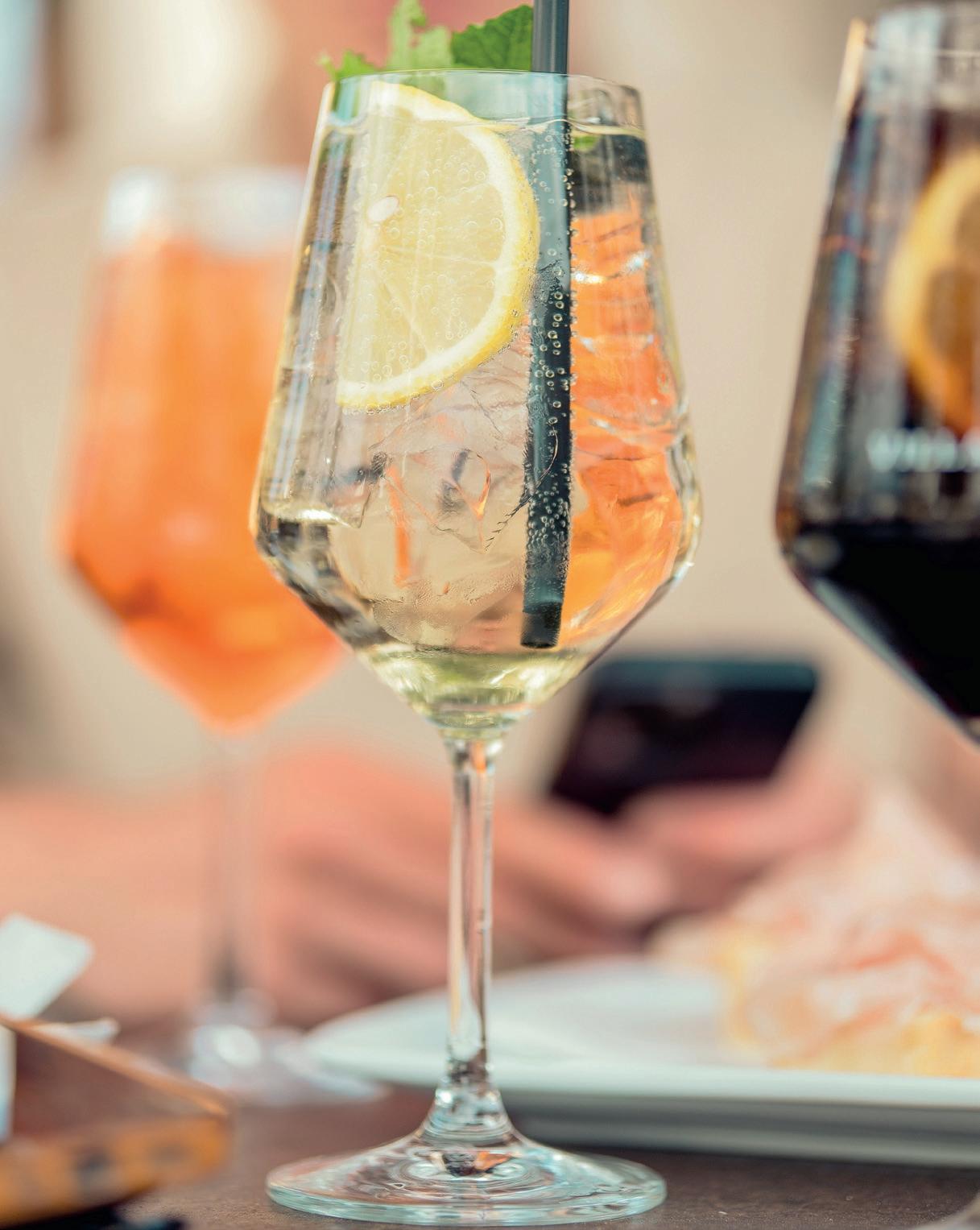
WITH THE HELP ON INDUSTRY EXPERTS, WE EXPLORE HOW APERITIFS AND DIGESTIFS ARE CREATING NEW DRINKING OCCASIONS FOR GUESTS.
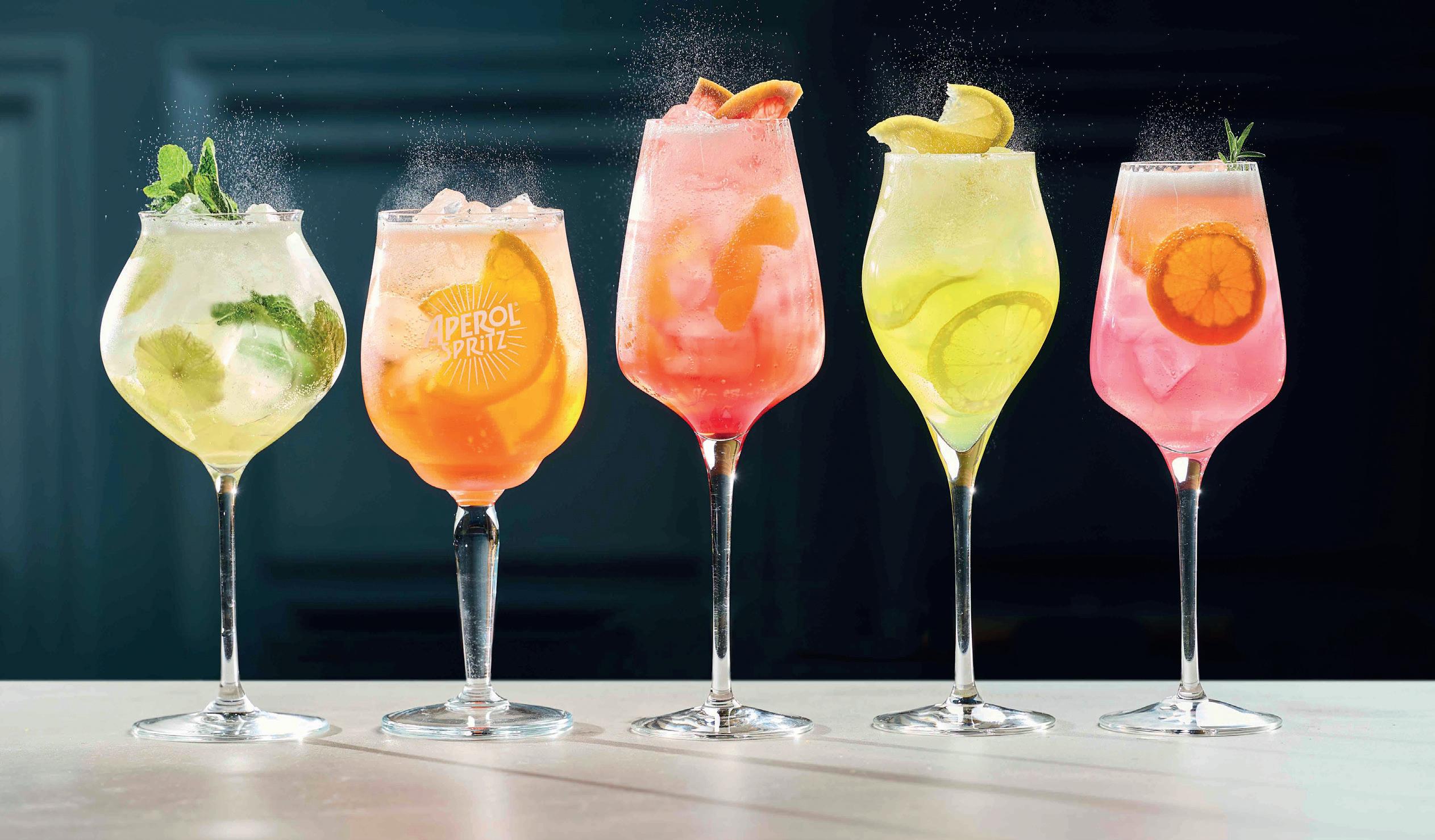
Aperitifs and digestifs are no longer niche moments confined to continental dining traditions. Across UK pubs and bars, they are becoming increasingly important tools for driving premiumisation, creating new drinking occasions and extending customer spend beyond the traditional first and last round.
That shift is being fuelled by changing consumer habits. According to Bacardi’s 2026 Cocktail Trends Report, the Spritz has become the number one cocktail choice among UK Gen Z drinkers, with 34% of 18–29-year-olds naming it their go-to cocktail this summer. Nearly half (46%) of Gen Z consumers who selected Spritz cited the Hugo Spritz as a favourite variation.
The report also points to changing social habits, with 37% of Gen Z and 42% of Millennials saying they now socialise earlier in the evening than they did a year ago. Bacardi describes this as
the rise of the “daycap” — replacing traditional late-night drinking with longer, lighter serves enjoyed in the late afternoon.
For operators, the opportunities stretch far beyond a seasonal cocktail trend.
“Spritz drinks are going to be a huge trend again this summer and they suit the pre-dinner moment perfectly,” says Gavin Troman, Spirits Category Manager at Booker. “Brands are innovating with new flavours and formats, garnishes and mixer combinations and operators and bars should tap into the potential while it’s at its peak.”
The growth of aperitifs reflects a broader shift in consumer expectations. Drinks are increasingly expected to deliver more than refreshment; they need to create moments.
Giuseppe Gallo, Founder and Director of Italicus Rosolio di Bergamotto and Savoia Vino Aperitivo, believes that expectation
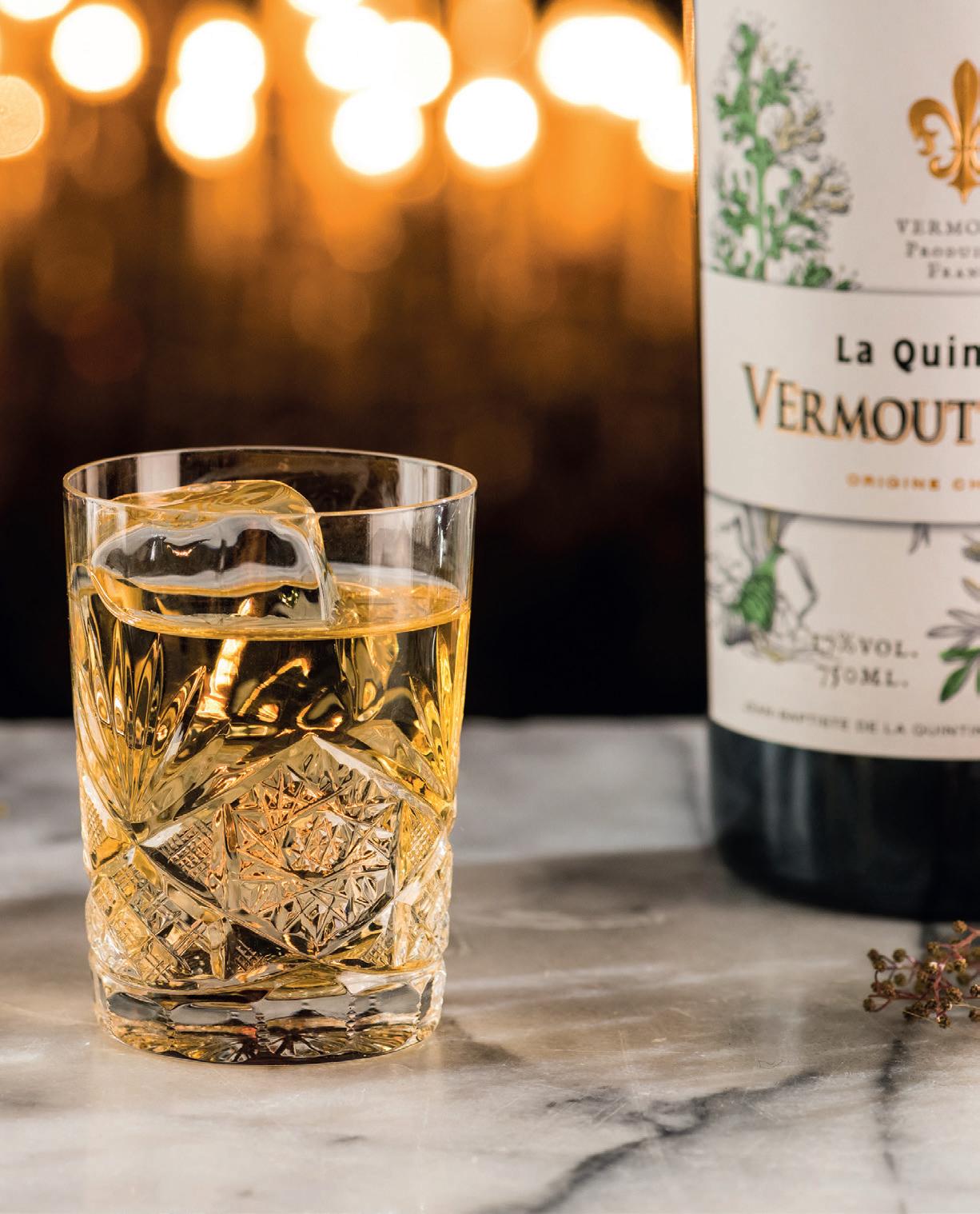
is helping reshape on-trade drinks strategy.
“Aperitifs and digestifs are playing an increasingly important role in driving both incremental spend and premiumisation across the on-trade,” he says. “Consumers are looking for drinks that offer flavour, ritual and occasion, and these categories naturally encourage trade-up opportunities through premium serves, quality ingredients and food pairings.”
That sense of occasion is opening opportunities for venues to diversify.
Luca Manni, Corporate Bar Manager at Giacosa and Paszkowski, says these categories are creating entirely new consumption moments.
“Aperitifs and digestifs are playing an increasingly important role in driving average spend thanks to their ability to create additional consumption occasions and encourage guests to explore premium products,” he says.
According to Luca, today’s consumers are increasingly interested in “quality, provenance and the overall drinking experience”, creating opportunities to expand beverage lists through “a broader selection of amari, vermouths, artisanal liqueurs and cocktails”.
Chris Jones, Managing Director at Paragon Brands, sees a similar trend.
“There’s a buzz in the drinks industry about aperitifs and digestifs as Brits embrace the concept and add these drinking moments to their night out,” he says. “The choices of drinks for these occasions are usually high-quality spirits, liqueurs and cocktails, so can command a higher price point, bringing a sense of luxury and sophistication to the occasion.”
No discussion of aperitifs is complete without addressing the continued rise of the spritz. Its appeal appears simple: approachable flavour, visual theatre and a lighter style of drinking.
Tristram Fini, Brand Ambassador for Campari Group UK, says the category’s growth has been remarkable.
“We can’t talk about the spritz trend without recognising the role Aperol Spritz has played in growing the category from relative obscurity beyond Italy in less than 20 years.”
But the category is no longer defined by a single serve.
“As more products enter the market, we’re seeing greater diversity and innovation, which is fuelling continued popularity,” Tristram adds. “With a broader range of flavour profiles and serves, there is now something for everyone.”
Gavin is seeing that evolution play out clearly.
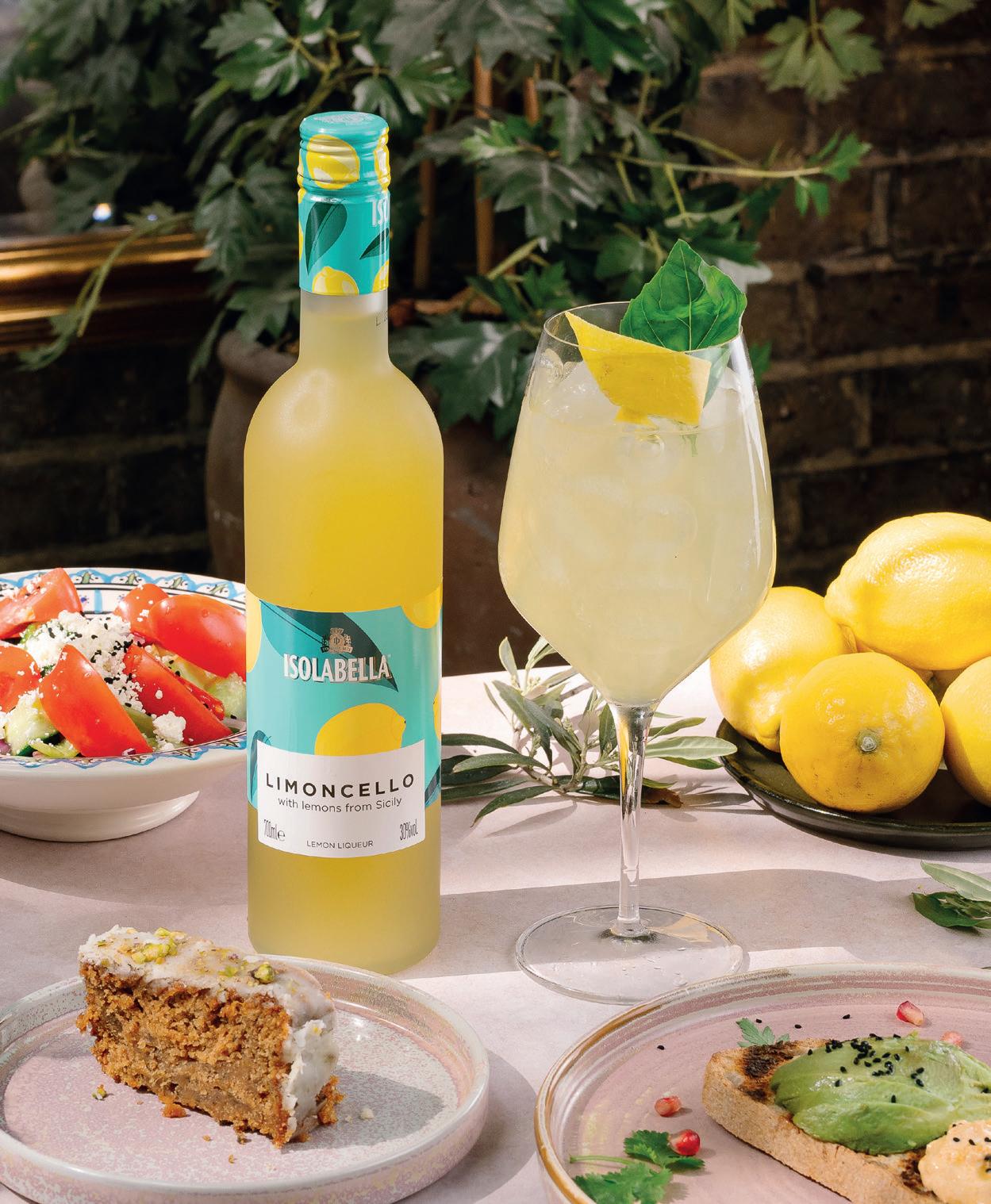
“Demand for the classic Aperol Spritz is at an all time high and now, demand for Hugo and Limoncello Spritz is soaring following viral trends on social media and celebrity endorsement,” he says.
“These liqueurs tap into different flavour preferences, appealing to those who prefer a sweeter taste profile, especially among younger demographics who may move away from bitter notes towards fruitier flavours.”
Mercedes Venster, On-Trade Marketing Manager at Disaronno International UK, believes consumers’ perception of aperitif drinks has fundamentally changed.
“Historically, some aperitifs were associated with a single traditional serve, but today bartenders are exploring a far wider range of cocktail applications,” she says.
“This renewed creativity has helped bring the category back
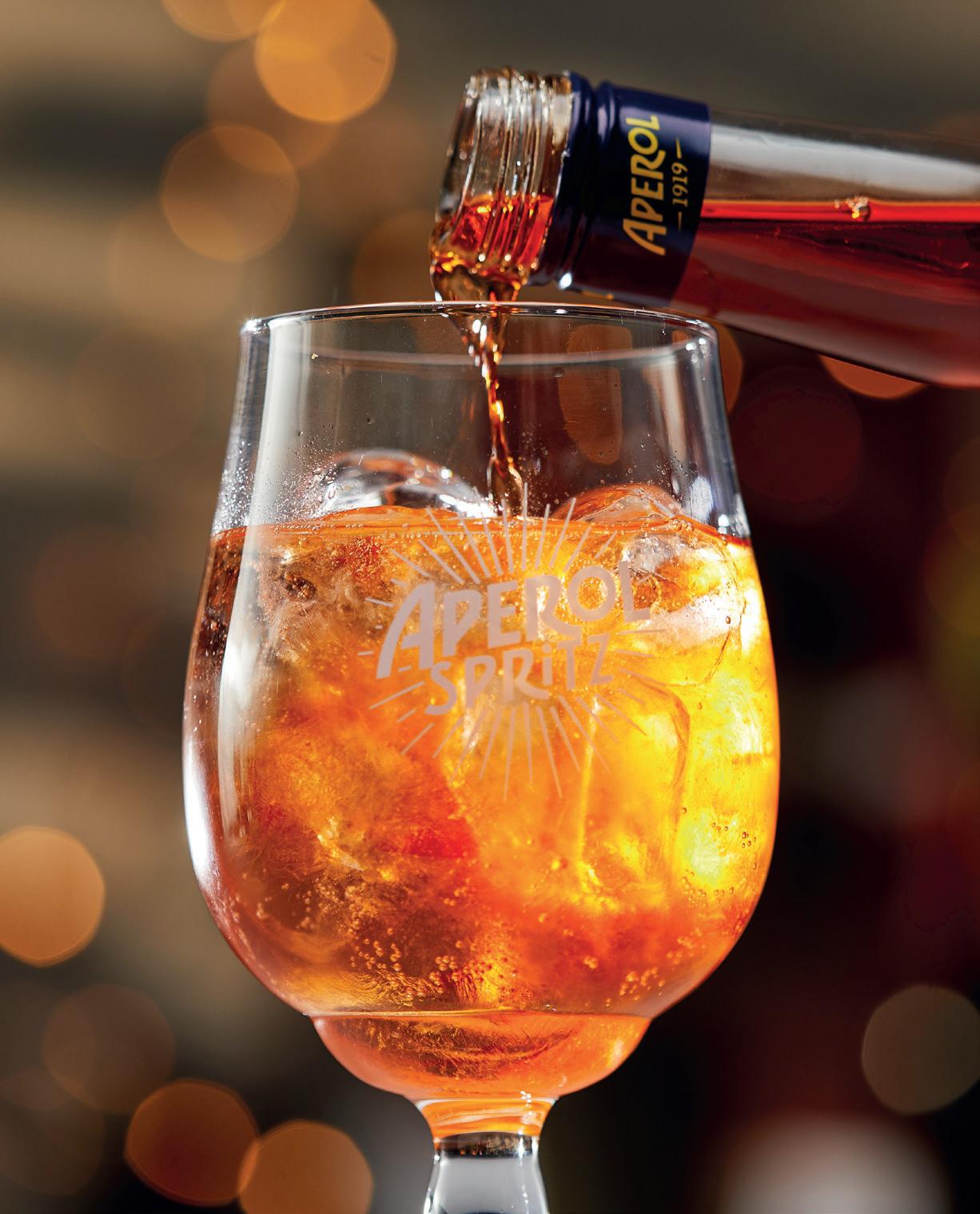
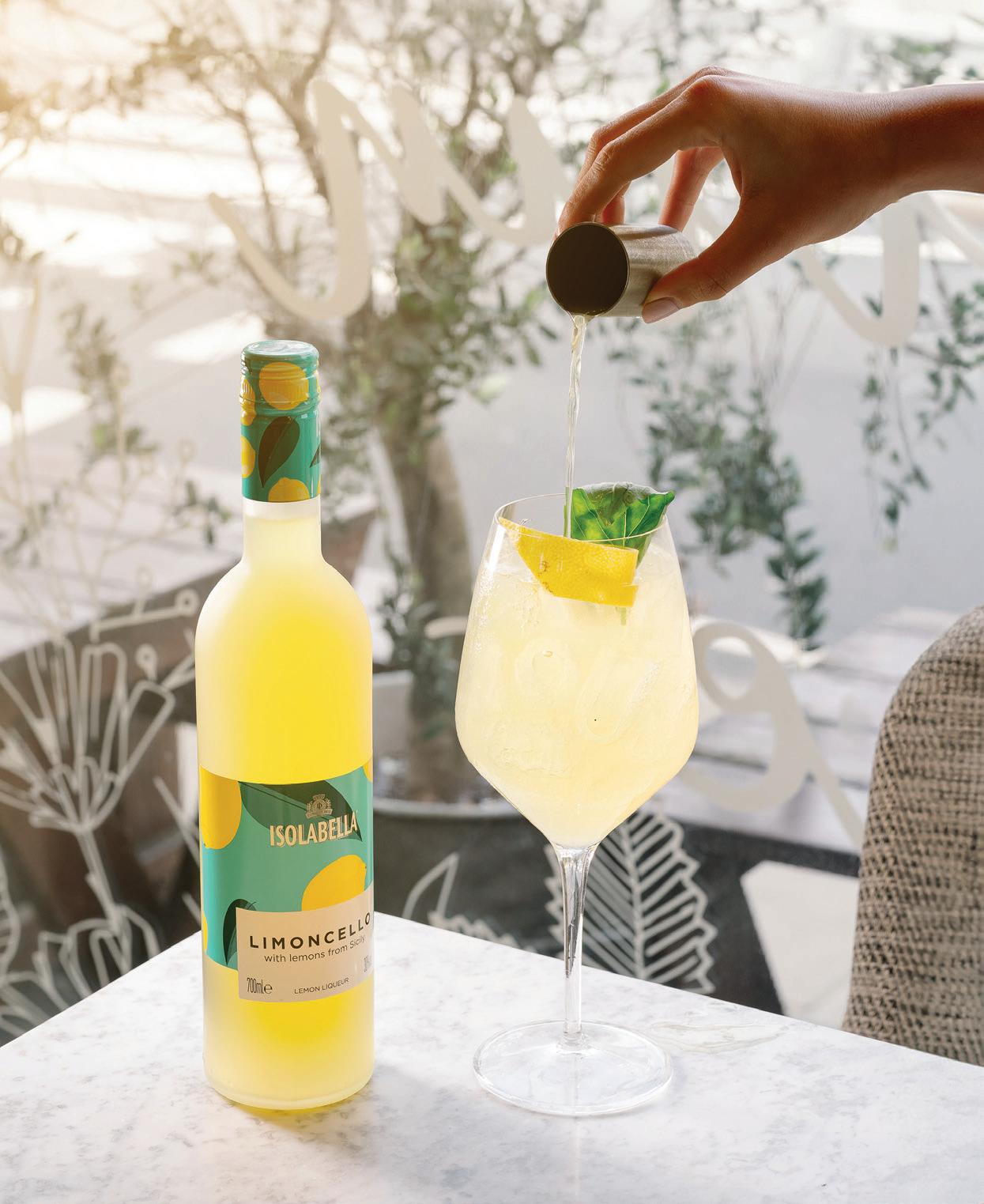
into focus, with aperitif-style drinks now appearing in spritzes, lighter cocktails and aperitivo-inspired menus.”
That innovation extends beyond Italy. Chris points to changing flavour preferences shaping the category.
“Spritz trends in the UK are moving towards lighter, floral and fruity alternatives to the classic Aperol Spritz,” he says. “Gen Z and younger consumers are driving the ‘spritz-style’ surge as they gravitate towards the serve for its low effort, high impact nature.”
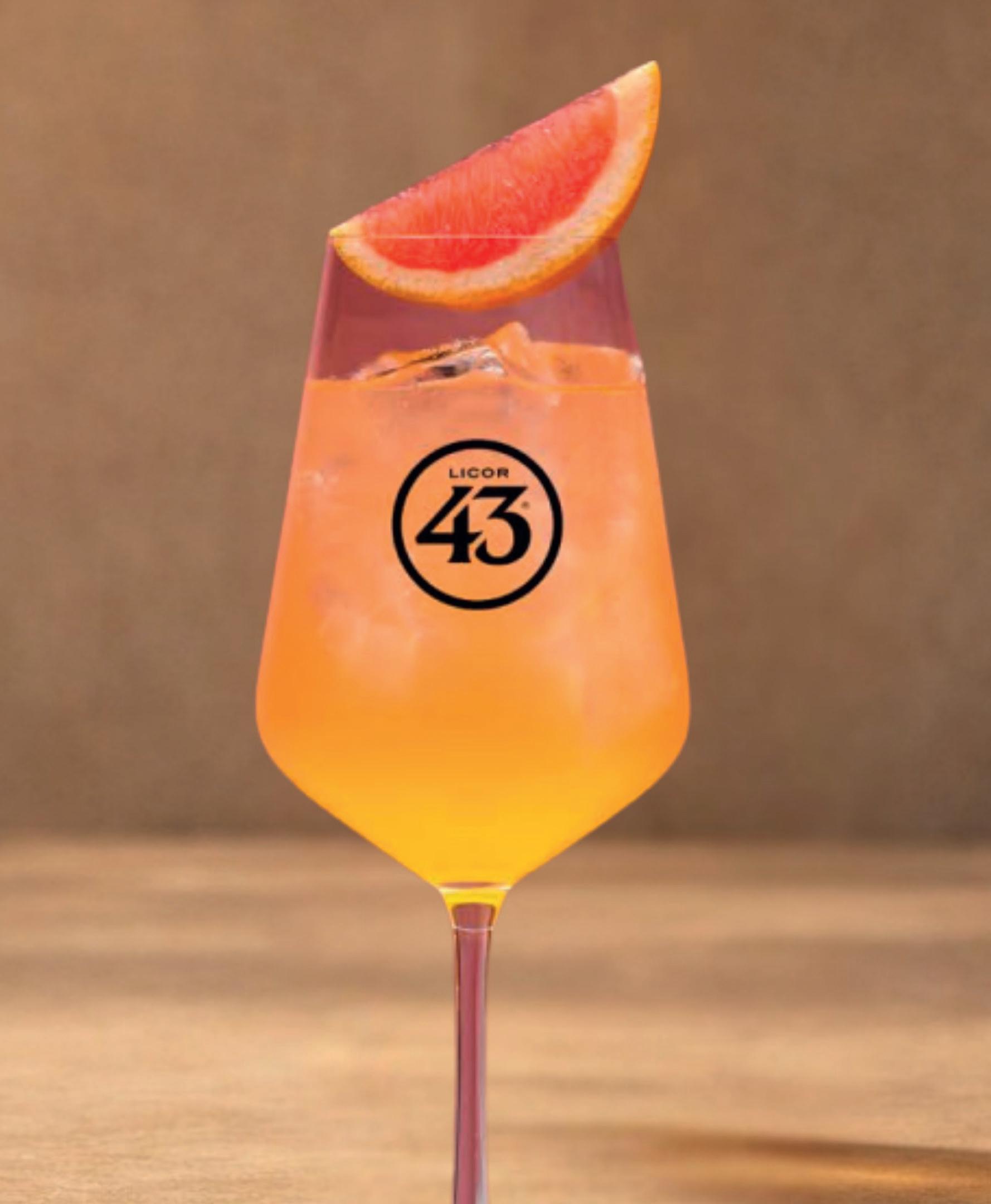
Paragon is championing Spanish-style aperitif moments through serves such as the Licor 43 Ibiza Spritz.
According to Chris, the serve captures what consumers increasingly want: “beautiful to look at”, “creative, light flavours” and a lower-alcohol format that still feels contemporary and elevated.
The most successful operators are no longer treating spritzes as another cocktail listing. Instead, they are building occasions around them.
“Bartenders and operators are approaching spritz more strategically, using it to unlock occasion-led drinking,” says Tristram.
“This is reflected in menu design, visibility and branded activation kits, helping position the spritz as the first shared drink of the occasion.”
Giuseppe says the venues seeing the strongest results are creating dedicated moments.
“Dedicated aperitivo menus, prominent spritz sections, foodpairing suggestions and well-timed promotions around post-work and pre-dinner occasions all help drive visibility and trial.”
Presentation also plays a major role.
“Consumers are highly influenced by serves that feel premium, sociable and shareable,” Giuseppe adds.
Mark Makin, Enterprise Brands Controller, agrees.
“The most successful venues are making Spritzes highly visible and offering a distinctive variety of serves with eye catching presentation, and dedicated menus,” he says.
“They treat Spritzes as an occasion-led experience tied to early evening socialising and daytime drinking moments.”
Operationally, spritzes also offer practical advantages.
Gavin notes they are “simple to assemble and can be served in sharing jugs and pitchers for groups”, helping reduce pressure on bar teams.
They create theatre too. As Gavin suggests, “A tray of these arriving at the table is visually striking, brings the wow factor to the occasion, and gets the party started.”
Alongside the growth of spritzes sits another long-term trend: moderation.
Consumers continue to seek lower-ABV options — but without sacrificing flavour or experience. Mercedes believes aperitif-style drinks align naturally with this behaviour.
“Many consumers are approaching alcohol with greater intentionality, becoming more mindful about how and when they drink,” she says.
She adds: “Lower-ABV serves, bitter flavour profiles and lighter cocktails align well with this shift, allowing consumers to participate in social occasions without feeling they are overindulging.”
Tristram sees aperitifs becoming increasingly central to the future of the category.
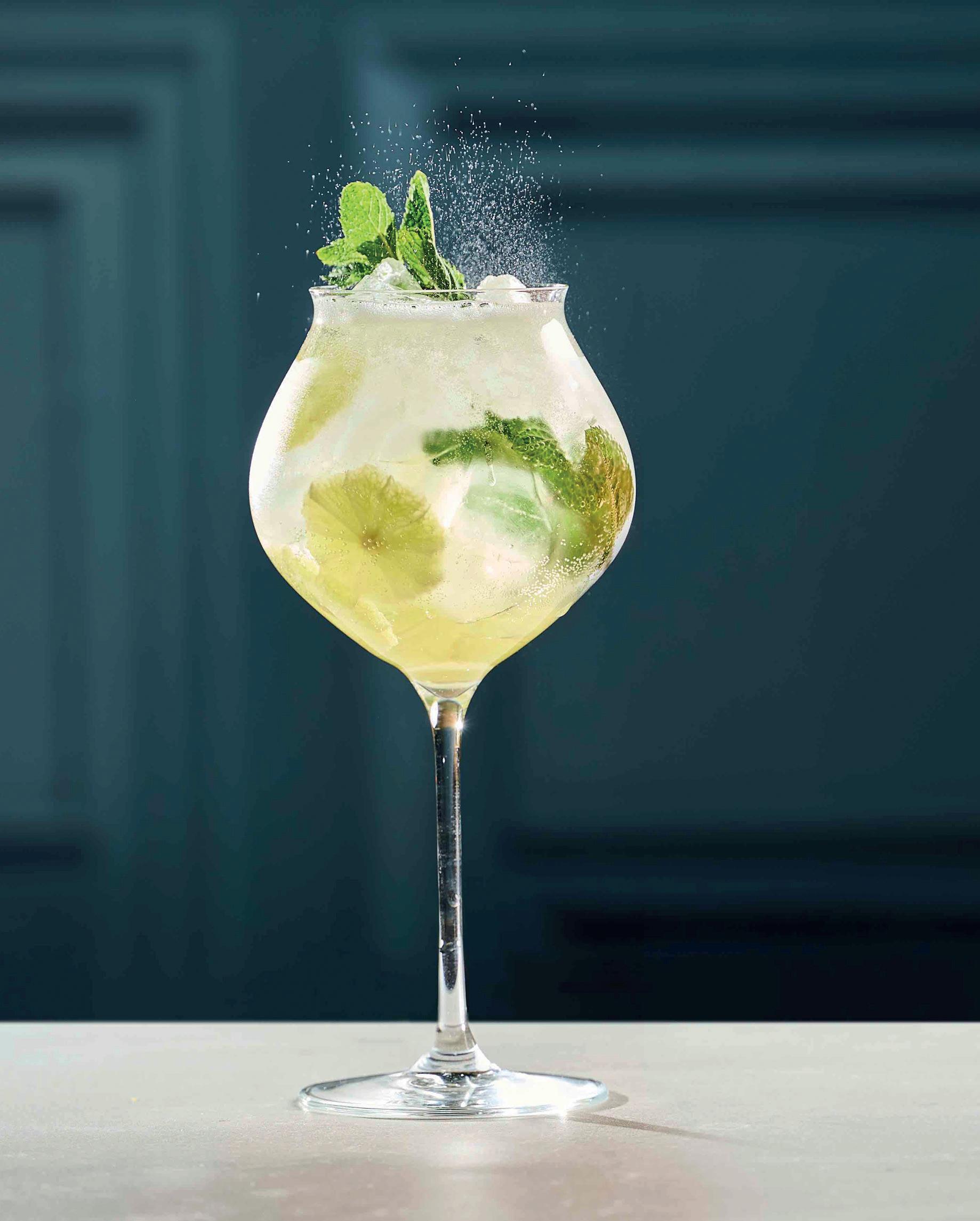
“At its core, the aperitivo moment is about ritual and shared experience, aligning naturally with moderation trends and the rise of low and no-alcohol options.”
Mark points to growing versatility behind the bar.
“Aperitifs also offer bartenders versatility within the growing low-abv cocktail space, both as a standalone base and as a modifier that can help reduce alcohol content without losing complexity or flavour.”
William Franci, Head Bartender at Giacosa, says aperitifs already play an important role in cocktail development.
“They can often replace part of a spirit base, allowing us to create lighter, more approachable drinks without sacrificing depth or character.”
He adds, “Many traditional aperitifs and liqueurs are naturally sugar-forward.”
If aperitifs have become a clear growth area, digestifs remain one of the most underdeveloped opportunities in UK hospitality.
“Digestifs remain underutilised in the UK, largely due to limited understanding of how and when to serve them,” says Tristram.
Yet, operators are increasingly finding ways to modernise the occasion. The team at Booker is seeing growing interest in sweeter and more approachable serves.
“For the digestif moment, we’re seeing a trend for coffee liqueurs and coffee tequilas, as well as trending flavoured spirits such as salted caramel vodka,” says Gavin.
“These drinks keep the evening going and also bring additional spend to the table.”
Giuseppe believes operators should think beyond neat pours.
“By introducing after-dinner serves, cocktail applications,
tasting flights or simple food-pairing recommendations, operators can extend dwell time, increase spend per head and create a more complete hospitality experience,” he says.
Mark points to examples where venues are already evolving the moment.
“Guests still want that sense of indulgence at the end of a meal, but increasingly with lower-ABV options.”
Execution remains critical.
“Simple cues such as a dedicated ‘after dinner’ section or a suggested finishing serve can significantly increase uptake without adding operational complexity,” Mark says.
At Giacosa, William sees cocktails as the gateway.
“One of the most effective ways is by incorporating digestifs into cocktails,” he says. “If guests enjoy the cocktail, they often become interested in trying the digestif neat as well.”
Chris also sees broader consumer openness to after-dinner drinks.
“We’re seeing drinkers of all ages and taste preferences opt for a digestif after dinner, rather than a dessert.”
Whether served before dinner, between courses or as the final drink of the evening, aperitifs and digestifs are becoming less about tradition and more about creating moments.
For operators, the opportunity is clear: build occasions, create theatre and give guests reasons to stay longer.
The venues that win will not necessarily be the ones with the longest cocktail lists — but the ones that understand exactly when consumers want to drink, and what experience they want those drinks to deliver.
INSPIRED BY THE SPIRIT OF BELLE ÉPOQUE POET RENÉE VIVIEN, EDINBURGH’S VIVIEN BLENDS REFINED COCKTAILS, EXCEPTIONAL WINES AND RESTAURANT-QUALITY DINING WITH WARM, PERSONALISED HOSPITALITY. REBEKAH GEORGE, BAR MANAGER, SHARES HOW THE VENUE BALANCES ELEGANCE AND ACCESSIBILITY, WHILE CARVING OUT ITS OWN DISTINCTIVE PLACE IN THE CITY’S THRIVING DRINKS SCENE.
TELL US MORE ABOUT VIVIEN. WHAT’S THE STORY AND CONCEPT BEHIND THE VENUE?
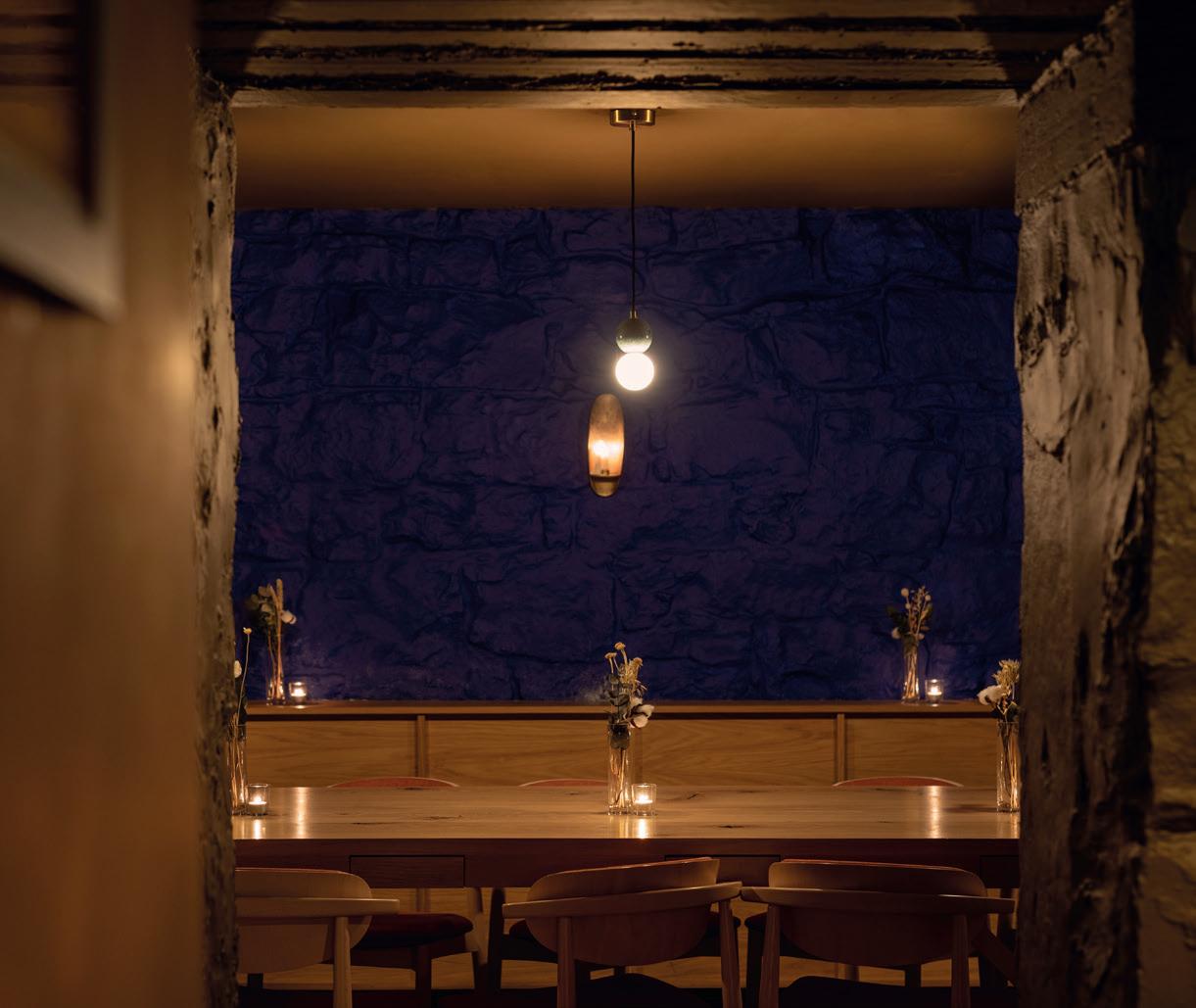
Named after Renée Vivien, the celebrated lesbian poet of Paris’ Belle Époque, Vivien draws inspiration from her rebellious spirit, creative independence and the decadence of the era she inhabited.
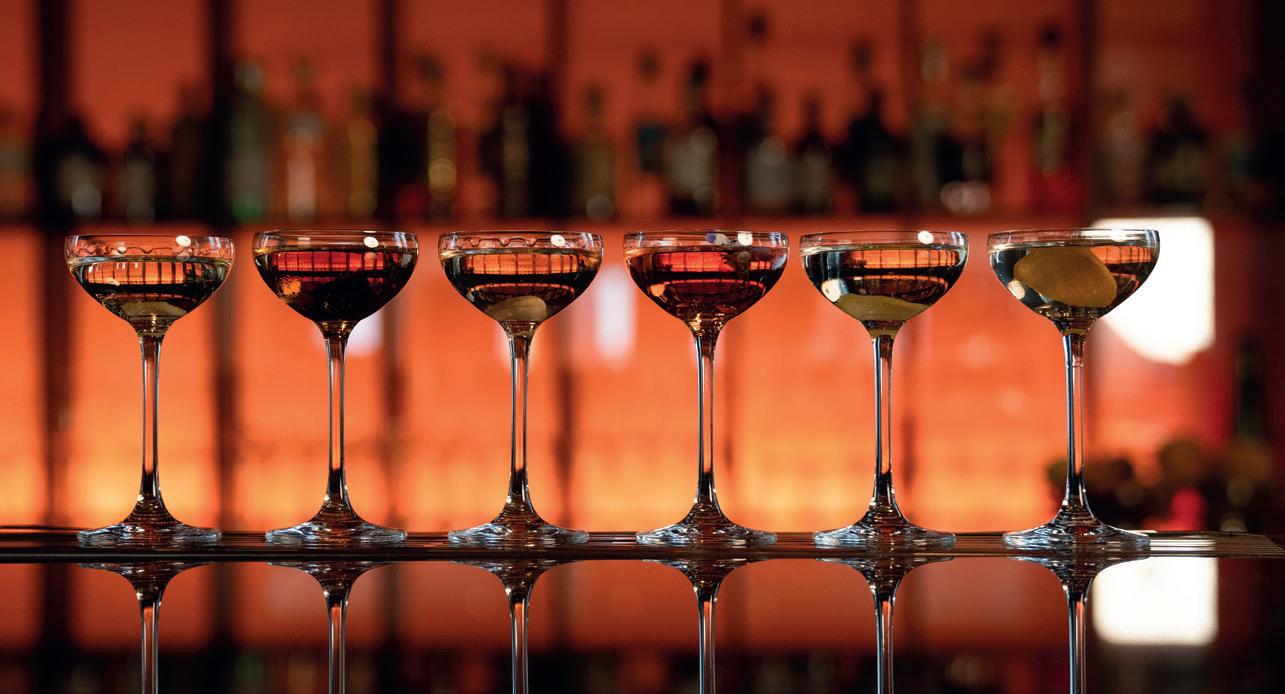
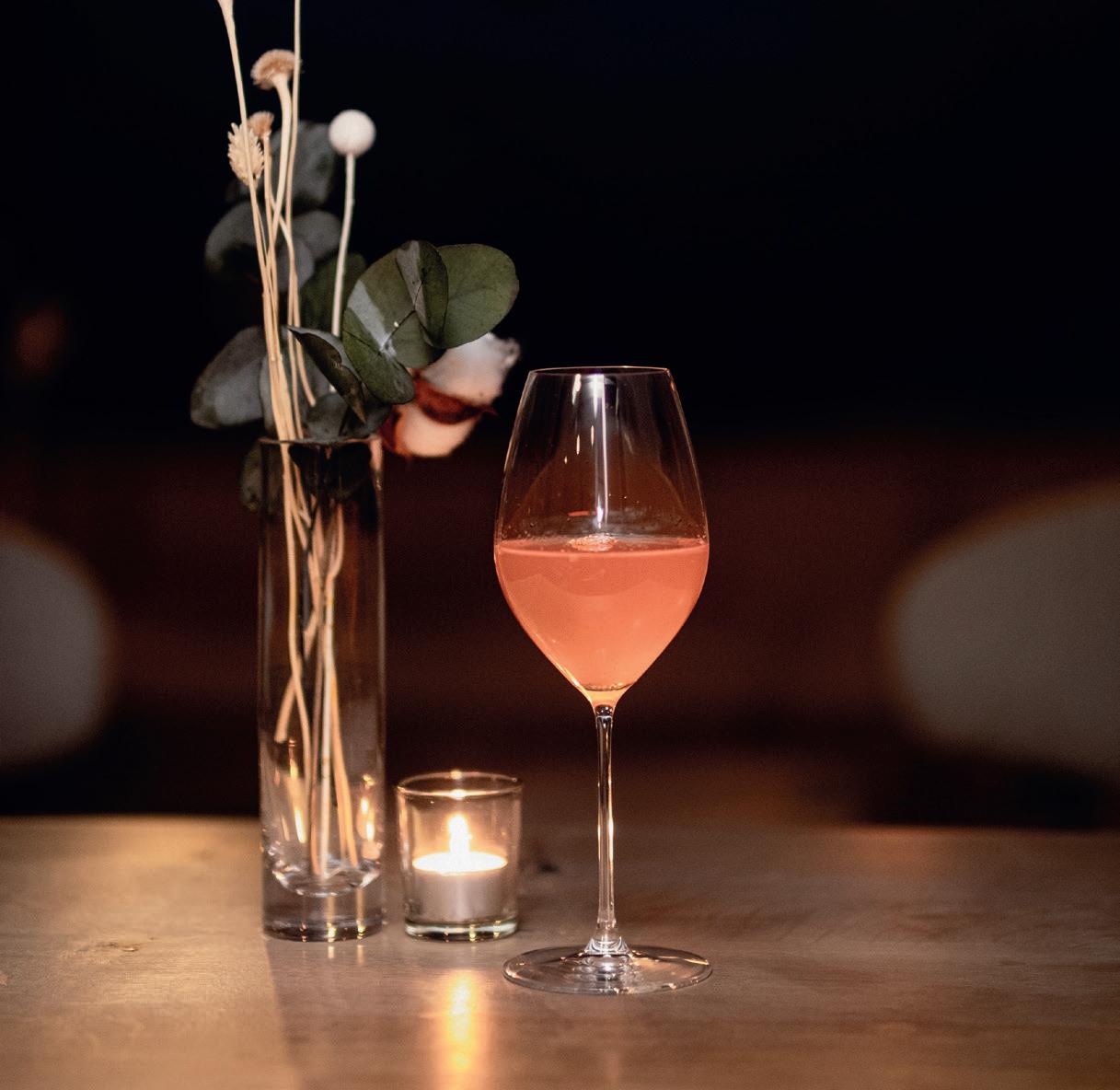
Tucked away beneath the streets of Edinburgh, the bar embraces its basement setting with low lighting, candlelit tables and an atmosphere that feels intimate, escapist and a little unconventional. This is balanced by playful, eclectic design touches that prevent the space from feeling overly formal.
Much like its namesake, Vivien aims to be elegant without being rigid, sophisticated without taking itself too seriously. It’s a space designed for guests to settle in, whether for a single cocktail, a glass of wine and a snack, or an entire evening.
HOW WAS THE COCKTAIL CURATED AND HOW DOES IT SPEAK TO GUESTS – COCKTAIL CONNOISSEURS AND CURIOUS DRINKERS ALIKE?
When creating a menu, I often begin by exploring lesser-known French ingredients and producers, using those discoveries as a foundation for developing new drinks. The challenge then becomes making those flavours accessible. While we enjoy introducing guests to something unfamiliar, we always pair those
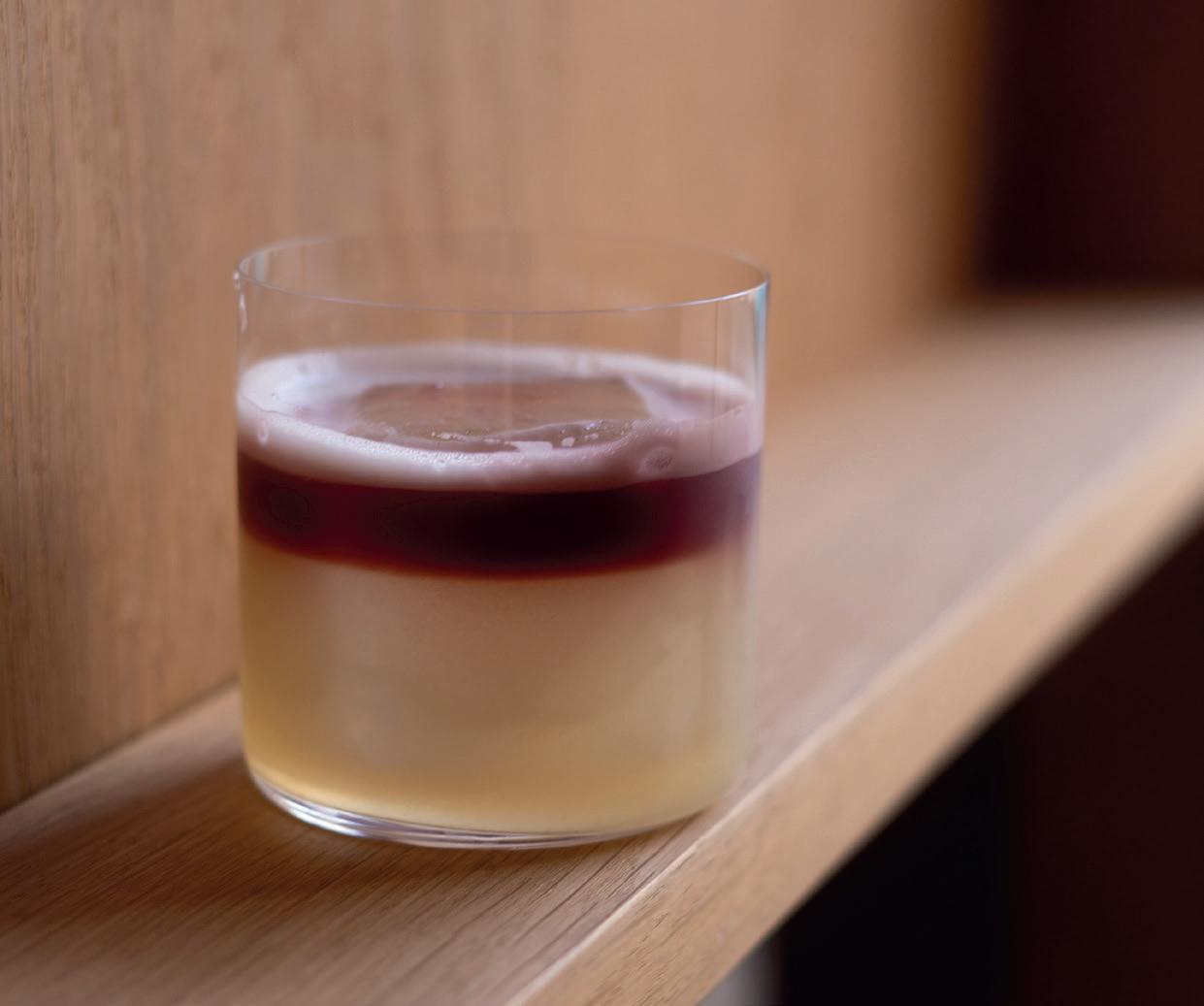
elements with recognisable flavours and styles to ensure the menu remains approachable.
Balance is at the heart of every drink we create. That applies not only to flavour, but to the overall composition of the menu itself. We want guests to find everything from long, refreshing serves to spirit-forward classics; from familiar favourites to more adventurous options.
When building a fruit-forward or sweeter cocktail, I’ll often introduce a subtle bitter element to add complexity and prevent the drink from becoming cloying. Likewise, with spirit-led serves, I look for ways to soften and round out the profile through techniques such as fat-washing, creating drinks that remain complex while being welcoming to a broader audience.
Ultimately, we want the menu to reward both the cocktail enthusiast looking for something new and the guest simply looking for a delicious drink.
WHAT DOES TRUE HOSPITALITY MEAN TO THE TEAM, AND HOW DOES VIVIEN OFFER A DIFFERENT EXPERIENCE COMPARED TO OTHER VENUES IN THE CITY?
One of the first things I was taught in a professional bar was, “I want a fact from every table.” Fifteen years later, that idea still shapes how we approach hospitality.
For us, hospitality is about genuinely hosting people. Taking
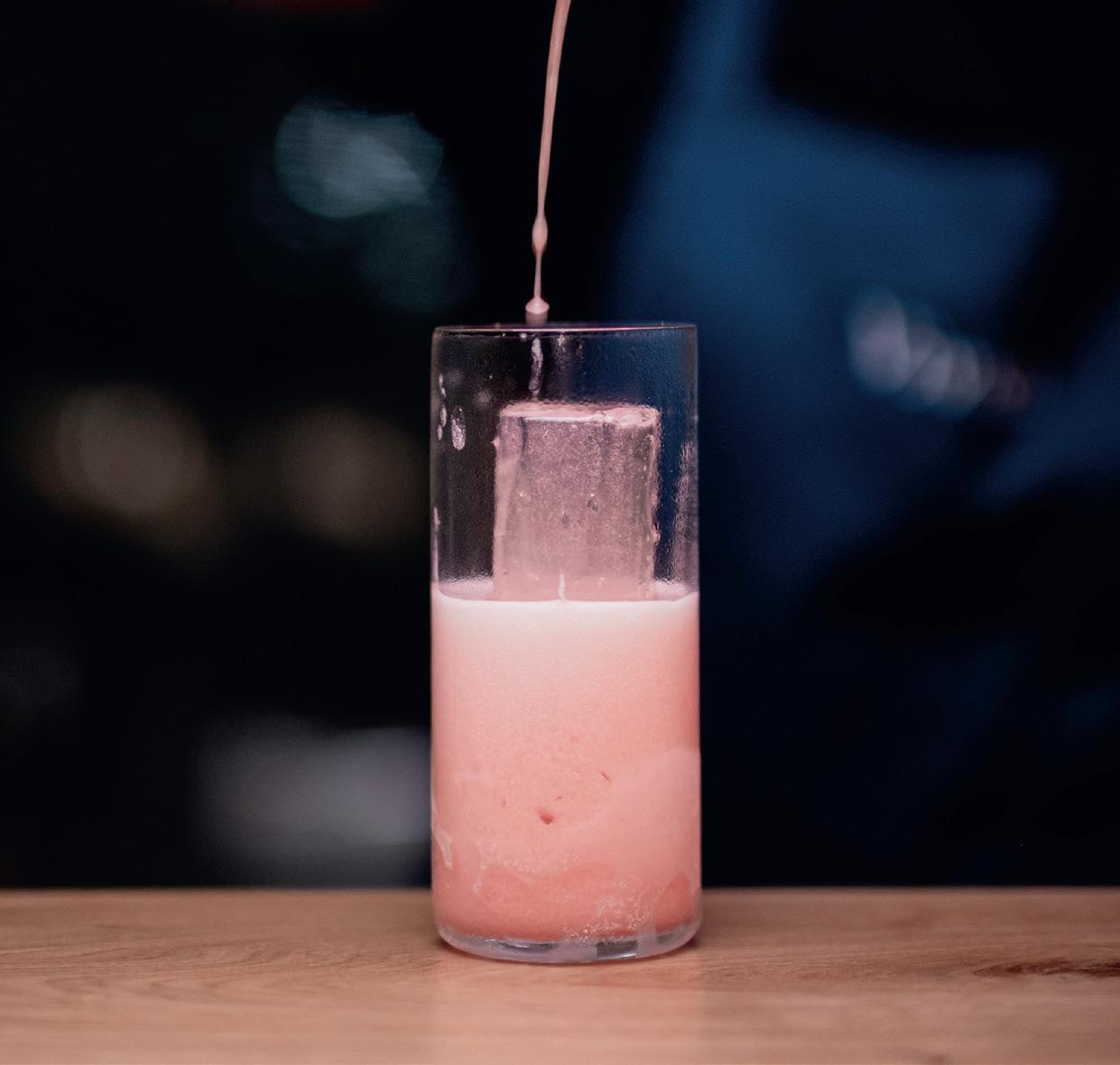
the time to get to know our guests, understanding what they comma after and creating a personalised experience rather than simply taking an order. We want people to feel recognised when they walk through the door.
What makes Vivien distinctive is that we approach service with the same attention to detail you’d expect from a great restaurant. With our sister restaurant, Vinette, located upstairs, there is a natural connection between the two spaces, allowing guests to move seamlessly between dining and drinking throughout the evening.
That relationship also allows us to offer a food programme that goes beyond traditional bar snacks. Alongside carefully curated wines and cocktails, guests can enjoy everything from artisan cheese selections to dishes such as crispy fried chicken seasoned with lemon and thyme. We believe there are very few places in Edinburgh that combine restaurant-quality food, an ambitious wine list, thoughtful cocktails and genuinely attentive hospitality under one roof.
HOW DO YOU FEEL GUEST BEHAVIOURS AND TASTES ARE EVOLVING? ARE THERE ANY TRENDS, INGREDIENTS OR STYLES PROVING PARTICULARLY POPULAR?
One of the most noticeable shifts we’re seeing is that guests are drinking more deliberately. Rather than simply looking for more, they’re increasingly looking for better; whether that’s a beautifully made cocktail, a premium glass of wine or a sophisticated nonalcoholic option.
Martinis have certainly enjoyed a resurgence, with our House Dirty Martini becoming our best-selling cocktail. Made with Gin Mare, Cocchi Dry and Americano vermouths, alongside an artichoke leaf and basil and rosemary-infused brine, it’s served ice
cold from the freezer and has become something of a signature serve. We expect it to remain on the menu, while evolving seasonally as local ingredients become available.
We’re also seeing growing interest in premium wines, particularly guests wanting to explore smaller producers, distinctive regions and higher-quality wines by the glass. Alongside that, expectations around low- and no-alcohol drinks have changed dramatically. Guests no longer want an afterthought; they expect the same level of creativity, balance and presentation as any other cocktail. It’s an area we’re particularly excited about and one we continue to develop.
HOW DOES VIVIEN AIM TO CONTINUE ESTABLISHING ITSELF AS A STANDOUT VENUE? ANY EXCITING NEWS OR INNOVATIONS YOU CAN SHARE?
Our ambition is to continue blurring the lines between cocktail bar, wine bar and restaurant. We believe guests increasingly want venues that can offer a complete experience rather than specialising in just one area.
Going forward, we’ll continue investing in our wine programme, developing our non-alcoholic offering and exploring new techniques and ingredients within our cocktail menus. Seasonality will play an increasingly important role, allowing us to showcase local produce alongside the French influences that underpin the concept.
Most importantly, we want Vivien to become known not just for what is in the glass, but for how people feel when they’re here. Great drinks can be found in many places; genuine hospitality, thoughtful food, exceptional wine and a sense of occasion are what we believe will continue to set us apart.
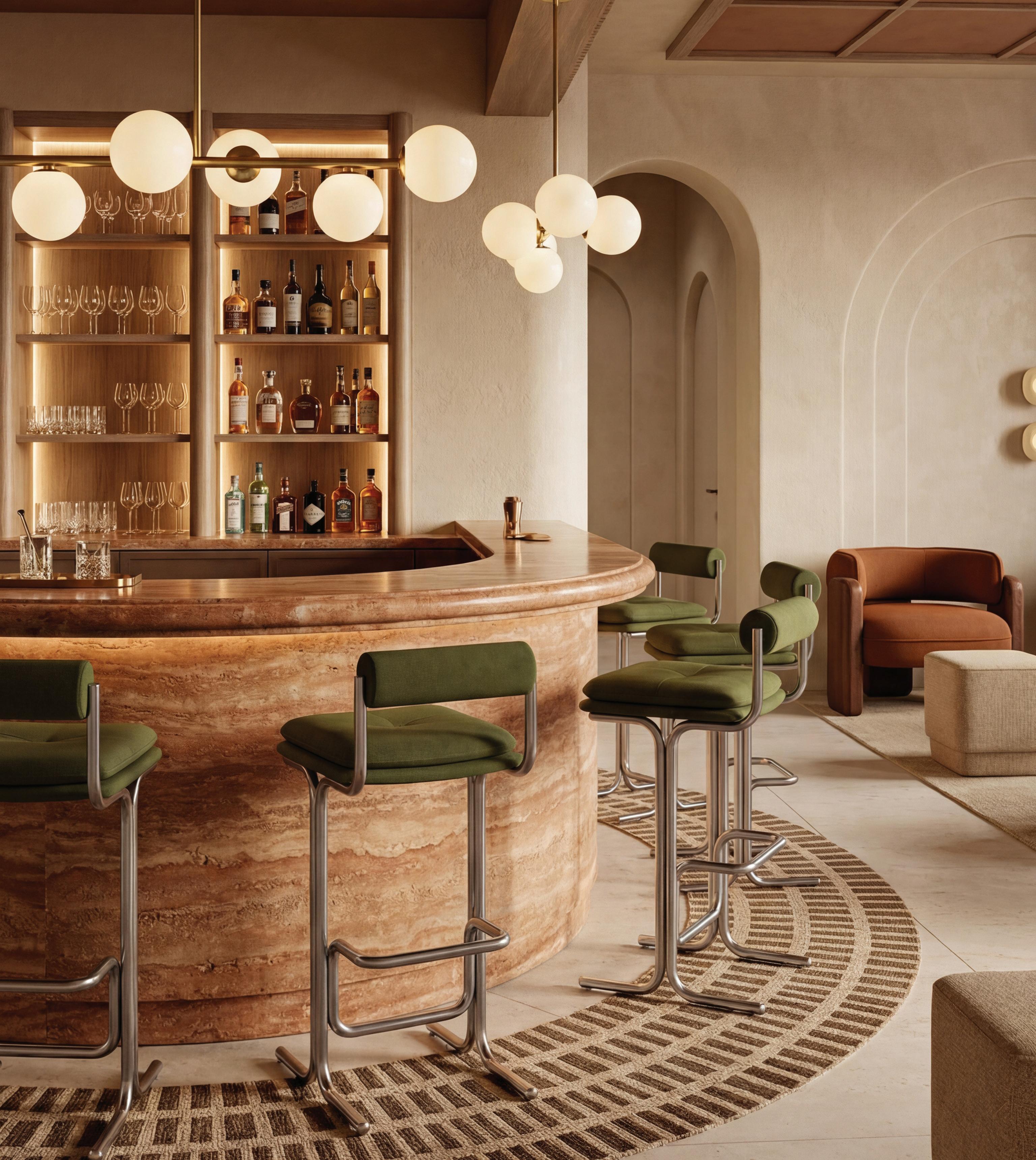
Exclusive 20% off IN STOCK ITEMS, Email trade@cultfurniture.com quoting code BAR20.


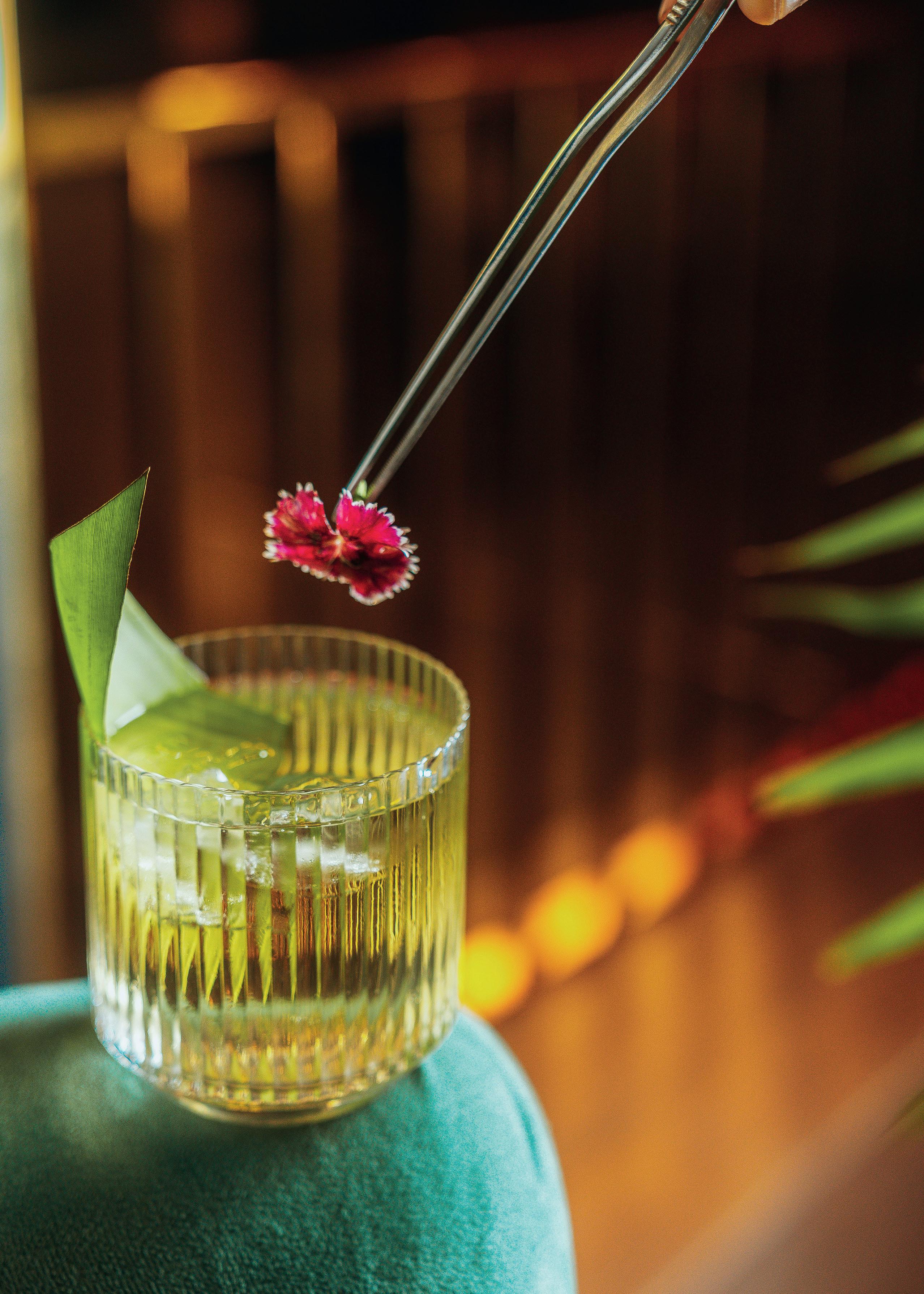
FROM EMERGING INNOVATIONS TO INDUSTRY BEST PRACTICES, WE EXAMINE HOW SUSTAINABILITY CONTINUES TO TRANSFORM THE ON-TRADE AND HOW, TOGETHER, WE CAN CREATE A MORE SUSTAINABLE FUTURE.
FROM REDUCING WASTE AND SOURCING SEASONAL INGREDIENTS TO PARTNERING WITH RESPONSIBLE SUPPLIERS AND COMMUNICATING ENVIRONMENTAL CREDENTIALS, SMALL CHANGES CAN HAVE A SIGNIFICANT IMPACT. THESE FIVE ESSENTIAL STRATEGIES WILL HELP OPERATORS CREATE COCKTAIL MENUS THAT ARE BOTH ENVIRONMENTALLY CONSCIOUS AND COMMERCIALLY EFFECTIVE, WITHOUT COMPROMISING ON CREATIVITY, QUALITY OR THE GUEST EXPERIENCE.
1
A sustainable cocktail menu starts with ingredients that are in season and sourced locally whenever possible. Seasonal produce requires less energy for cultivation, storage and transportation, resulting in a lower carbon footprint. Working with local farmers and suppliers also supports regional economies while ensuring fresher, higher-quality ingredients. Rotate cocktails throughout the year to showcase what is naturally available, rather than relying on imported fruits and herbs. This approach encourages creativity behind the bar, reduces supply-chain emissions, and provides guests with a menu that reflects the unique character and flavours of the local area.
2
One of the most effective sustainability strategies is adopting a zero-waste or low-waste philosophy. Bartenders can use every part of fruits, vegetables and herbs by transforming peels into syrups, pulp into garnishes, and surplus ingredients into infusions or shrubs. Citrus husks can become cordials, while leftover pineapple skins can be fermented for flavourful mixers. By maximising ingredient usage, venues reduce food waste and lower purchasing costs. This not only improves environmental performance, but also creates opportunities for unique flavour profiles that distinguish the cocktail programme from competitors.
3
The selection of spirits, wines, beers and mixers has a significant influence on a cocktail menu’s sustainability credentials. Prioritise producers that demonstrate responsible farming, renewable energy use, ethical sourcing and environmentally conscious packaging. Consider featuring Certified B Corporation brands where appropriate. Sourcing from regional distilleries can further reduce transportation emissions while supporting local economies. Communicating these choices on the menu not only enhances transparency, but also allows guests to support brands that align with their environmental and social values.
4 5
Many cocktail programmes generate unnecessary waste through elaborate garnishes and disposable accessories. Sustainable menus focus on garnishes that are edible, functional, and sourced from ingredients already used elsewhere in the bar. Avoid excessive fruit slices, plastic picks, cocktail umbrellas and other decorative items that contribute little to the guest experience. Dehydrated fruit, herb stems and reusable presentation elements can provide visual appeal with less environmental impact. Simplifying garnish strategies reduces waste, lowers costs, and demonstrates a thoughtful approach to sustainability without compromising drink quality or presentation.
Sustainability efforts become more impactful when guests understand and appreciate them. Use menu descriptions to highlight locally sourced ingredients, waste-reduction initiatives, and environmentally responsible suppliers. Brief explanations can help customers make informed choices and create a stronger connection to the drinks they order. Staff training is equally important, enabling bartenders to confidently discuss sustainability practices and answer guest questions. When sustainability becomes part of the overall storytelling experience, it enhances brand reputation, encourages responsible consumption, and differentiates the venue in an increasingly environmentally conscious market.
SUSTAINABILITY IS RESHAPING THE BAR AND PUB SECTOR. WITH THE HELP OF INDUSTRY EXPERTS, WE EXPLORE HOW THIS SHIFT IS UNFOLDING ACROSS THE INDUSTRY AND HOW IT IS REDEFINING HOSPITALITY IN PRACTICE.
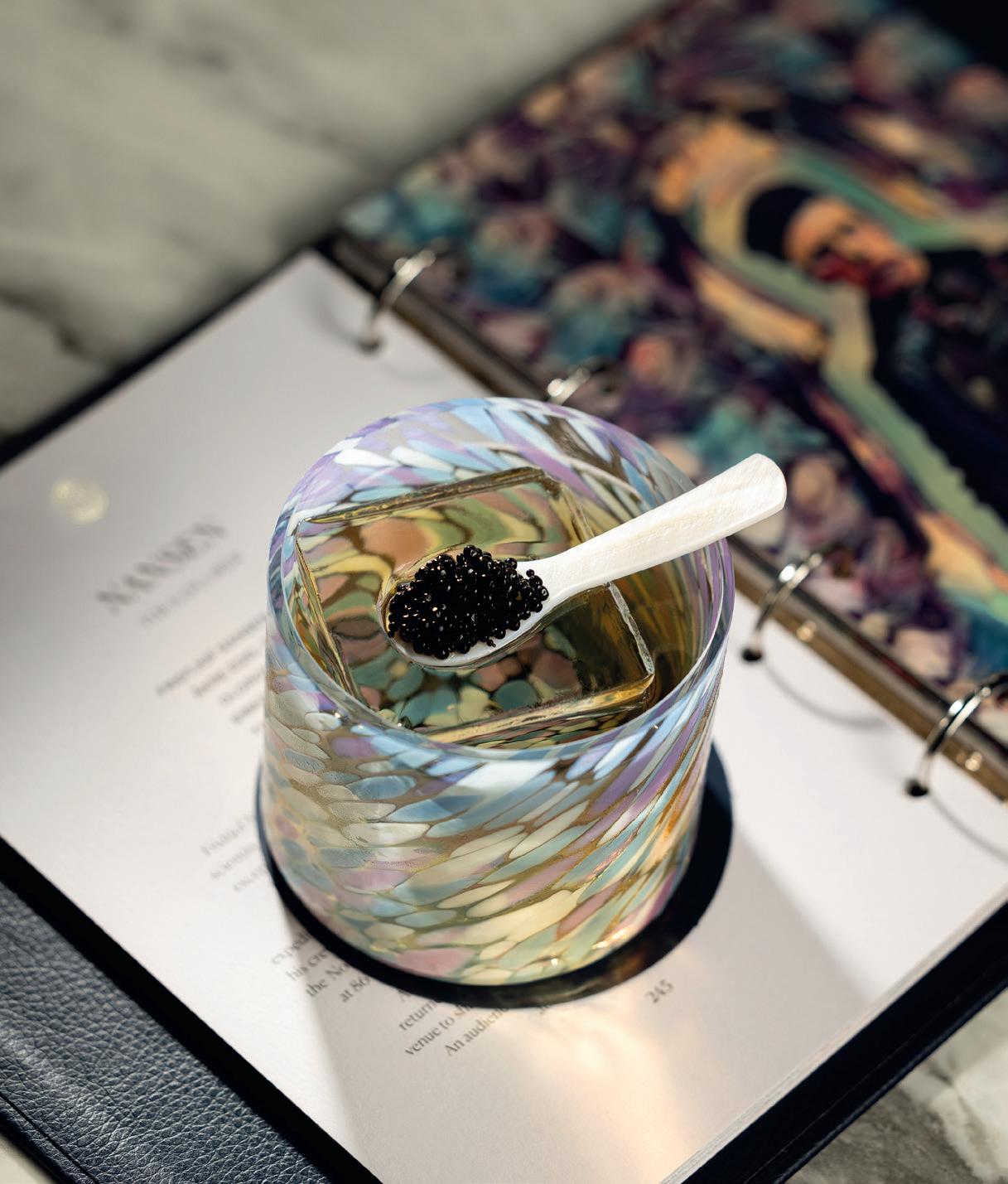
Sustainability is no longer a marginal concern in the bar and pub sector. It is increasingly shaping how venues define quality, creativity and even luxury. Across hospitality, there is a growing recognition that environmental responsibility is not separate from good business; it is becoming central to it.
What is particularly striking is how this shift is happening at both an industry-wide level and within individual venues. On one hand, organisations like the Sustainable Restaurant Association are helping define best practice frameworks. On the other, bars like Britannia Bar are translating those principles into deeply local, practical operations.
Together, they reveal a sector in transition: from sustainability as a target to sustainability as a way of working.
Over the past five years, sustainability has moved firmly into the mainstream of hospitality thinking. According to Juliane Caillouette Noble, CEO of The Sustainable Restaurant Association, this change is being driven by a combination of customer expectations, workforce values, and economic pressure.
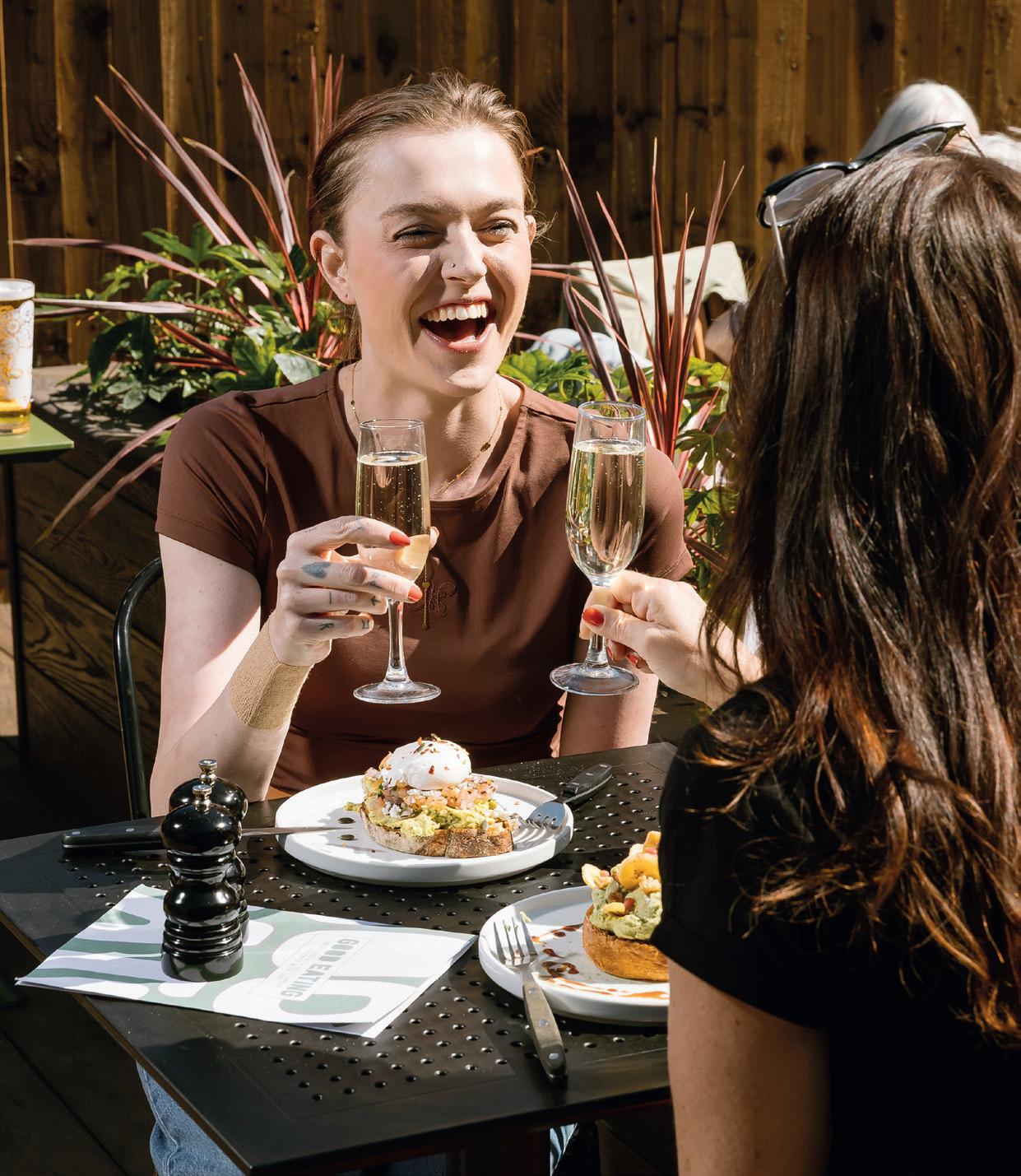
As she explains, “General awareness around sustainability is certainly on the rise. Authentic storytelling has never been more important in terms of building a relationship with customers. The provenance of your ingredients, the uniqueness of the drinks you serve, the clever ways you build circularity into operations — these are the stories that cut through the noise and help customers to feel connected to your brand.
“The average team member is now asking much more of their employer, too; social and environmental responsibility now have direct implications for motivation and retention.”
She adds, “With costs rising across the board, there also is a stronger business case than ever to get a firm handle on metrics like waste and energy, both of which can create serious costs savings.”
This combination of storytelling, staff engagement and cost efficiency reflects how sustainability has matured from aspiration to necessity.
At venue level, this shift is often expressed more simply but no less powerfully. At Britannia Bar in Trondheim, Executive
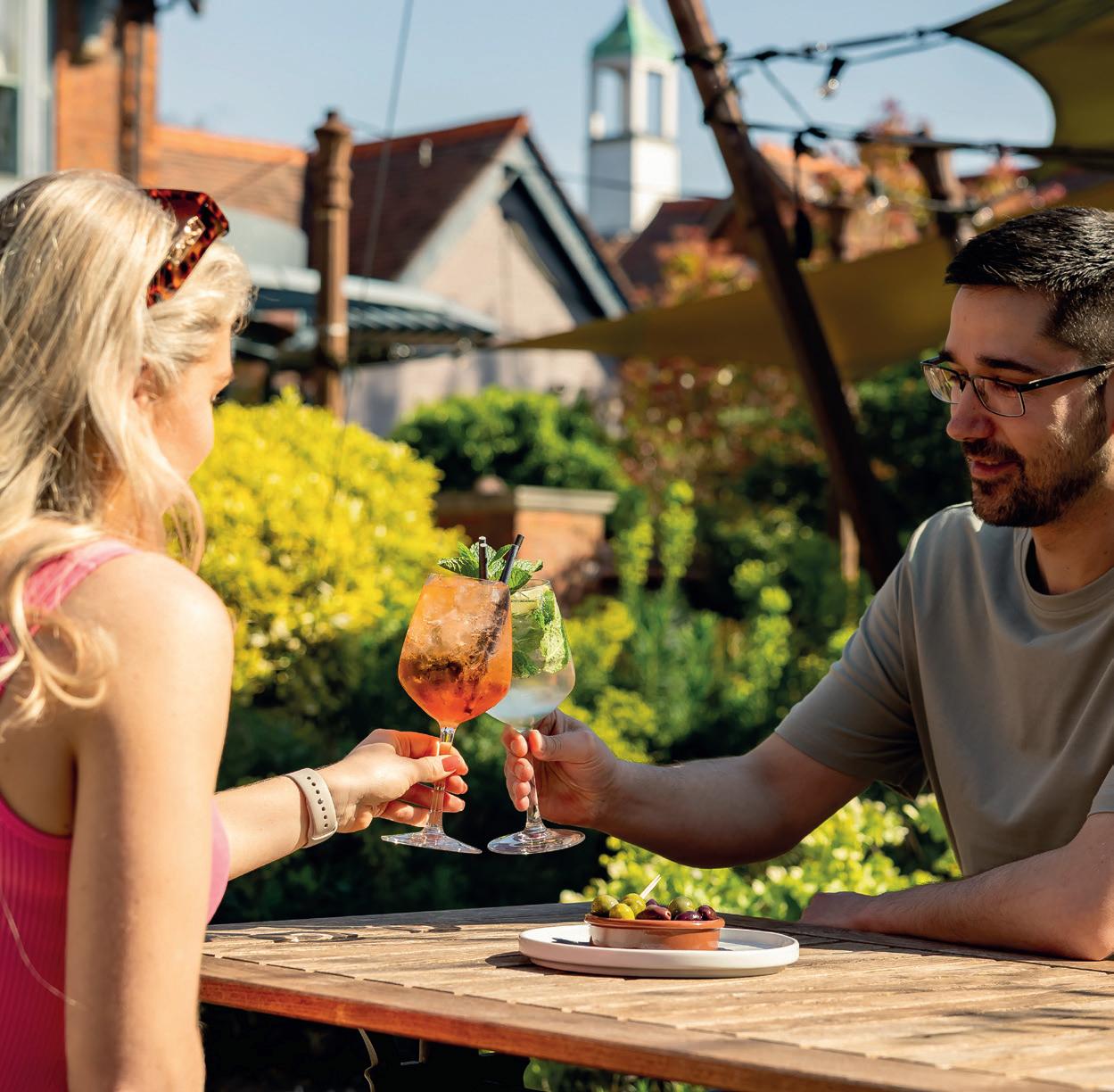
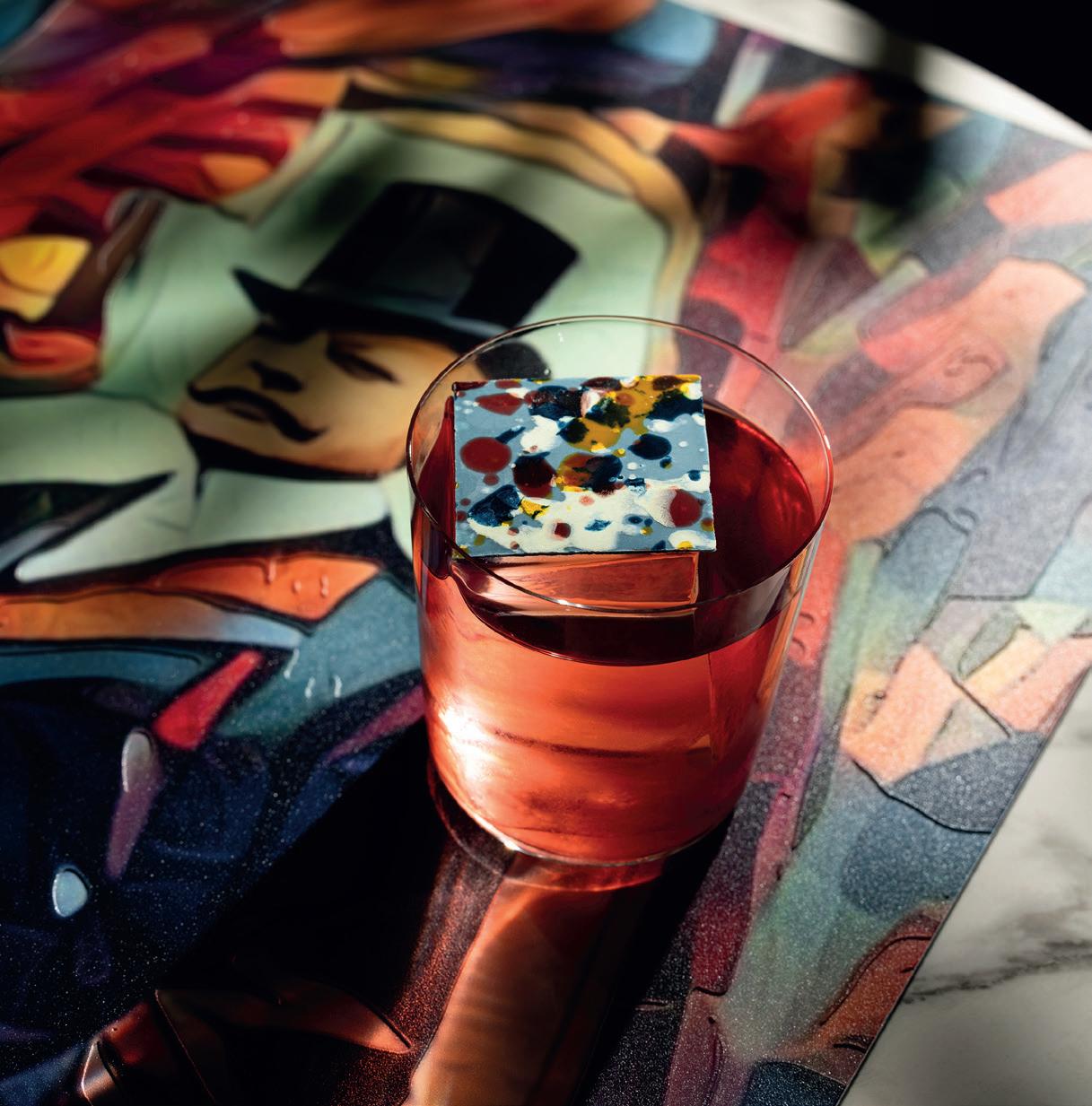
Bar Manager Øyvind Lindgjerdet describes sustainability as something embedded in sourcing decisions rather than measured through formal frameworks.
“Sustainability, for us, starts with where things come from. We work closely with local producers and foragers in Trøndelag, which reduces transport while giving us better quality and stronger seasonality.
“We don’t run any data-driven carbon accounting system, but we look at impact in practical terms. How far do the ingredients travel, how are they produced, and how much of the raw materials do we actually use. The goal is always to get more out of less, fewer imported products, more local, and better utilisation of everything we bring in.”
To the team at Britannia Bar, sustainability is no longer optional; it is deeply embedded in both their short- and longterm plans.
Øyvind shares, “Looking ahead, we’re focused on strengthening local partnerships, preserving more seasonal ingredients, and becoming more structured in how we track waste and purchasing.”
One of the most visible changes in sustainable hospitality is the renewed focus on provenance. Where ingredients come from –and the story behind them – has become a defining part of how bars communicate value.
Juliane notes that this is now central to guest engagement.
“It’s worth looking at your ingredients; the story of your supply chain is what moves people. Even if you don’t serve food, you can ensure your drinks offering is unique and designed to reflect your local context.
“Spirits made by small-scale distilleries, heritage flavours and localised twists on classic cocktails are on the rise in a lot of the establishments we see on the list for The World’s 50 Best Bars, and this is filtering out across more of the sector,” she notes.
This idea of “place” is also fundamental to Britannia Bar’s approach, where sustainability is closely tied to regional identity
and creativity. As Øyvind explains, working locally is not a constraint but a creative driver.
“Sustainability isn’t a compromise for us; it’s an opportunity to showcase the unique flavours of our region. Working with local ingredients pushes creativity because you’re constantly adapting to what’s available. Many of our best ideas come from that process.”
Øyvind reveals how sustainability credentials can actually elevate the guest experience.
Luxury, on the other hand, is about how the guest feels. It’s the atmosphere, service and attention to detail. Sustainability can actually make that experience more meaningful because there’s a genuine story and sense of place behind what’s in the glass,” he says.
While storytelling plays a powerful role in shaping guest perception, much of sustainability’s impact comes from operational change – particularly around energy, sourcing and waste reduction.
Juliane emphasises that the most meaningful progress often lies in specific, operational interventions.
“Electrifying kitchens, switching to renewable energy and minimising waste (both food and packaging) are some of the most straightforward and impactful ways to reduce emissions.
“Because the biggest proportion of emissions for a hospitality business are Scope 3 (those that lie outside your operations), it’s also really important to look at the carbon impact of your supply chain. If you serve food, increase the proportion of delicious, thoughtfully created plant-based dishes on your menu. Focus on local ingredients wherever possible, and speak to your suppliers about how they’re tackling their emissions, working with them to implement more sustainable practices,” she adds.
At Britannia Bar, waste reduction and celebrating Norwegian food culture go hand-in-hand.
“This is something we actively work on during development, not just after the fact. Preservation techniques are a big part of
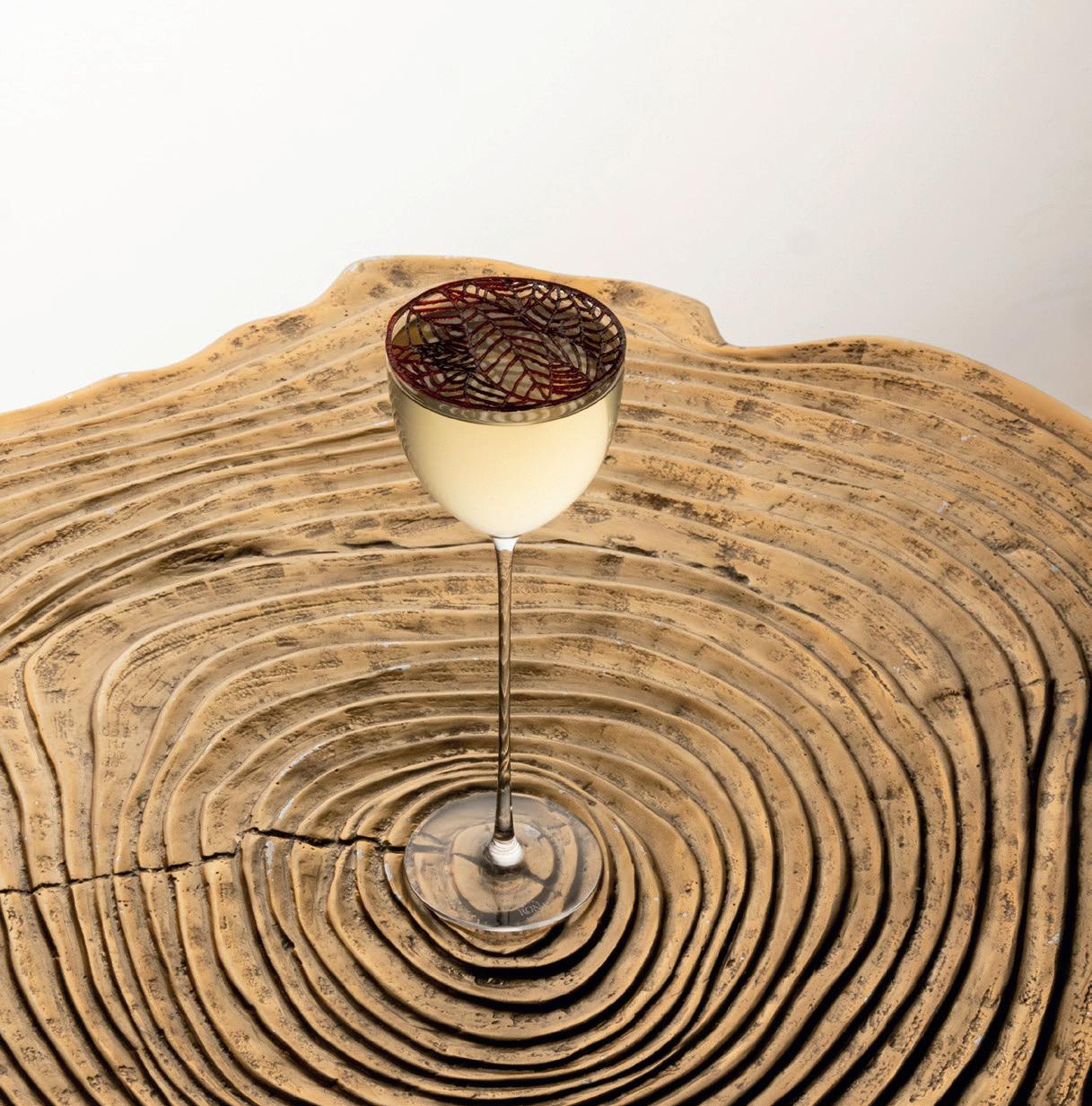
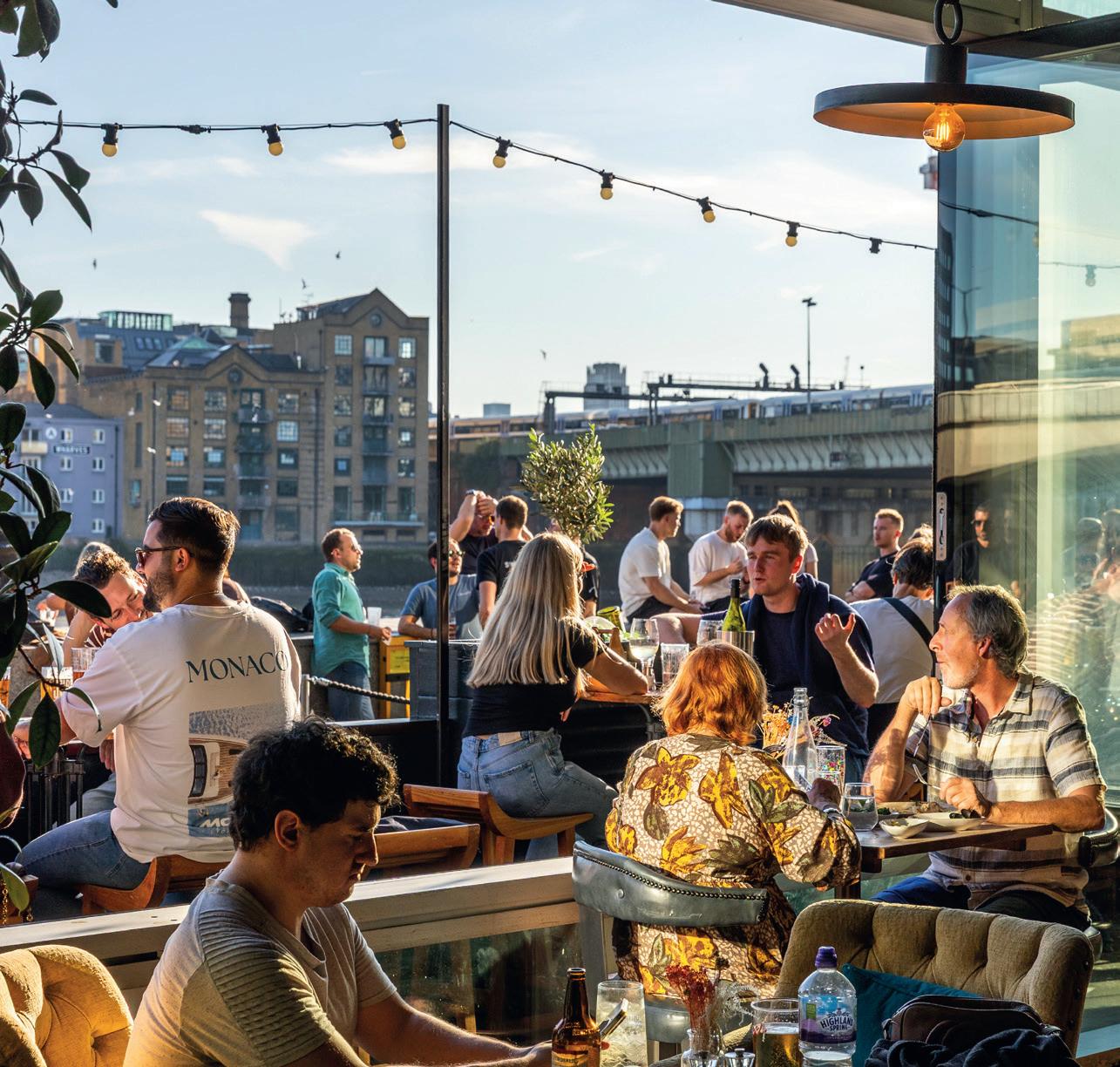
Norwegian food culture and an important part of what we do at Britannia Bar. Much of our work focuses on capturing ingredients at their peak and extending their lifespan beyond the season,” Øyvind reveals.
As sustainability becomes more visible to guests, communication has become increasingly important, but also more complex. Venues must balance transparency with hospitality, ensuring sustainability enhances rather than overwhelms the guest experience.
Juliane stresses the importance of credibility.
“Pursuing third-party credentials is a good way to reassure customers that your business is operating in environmentally responsible ways. With increasingly high expectations and stringent legislation, however, it’s important that operators choose an assessment that is robust, thorough and evidencedriven — one that will stand up to scrutiny.”
At Britannia Bar, communication takes a more subtle form. Rather than presenting sustainability as a separate message, it is woven into storytelling at the point of service. Øyvind explains, “We don’t present sustainability as a separate message, it’s built into the story of each cocktail.
“Every drink on the Portraits of Britannia menu is connected to a historical person and a piece of local history. The ingredients naturally become part of that narrative, helping guests understand where the flavours come from and why they’re there.”
He adds, “The key is to keep it human. Some guests want the full story; others simply want a great drink and a short explanation. If it’s done well, it adds depth to the experience without ever feeling like a lecture.”
This reflects a broader trend in hospitality: sustainability is most effective when it is felt rather than told.
Looking ahead, both agree that the next phase of sustainability will be defined by structural innovation, particularly in energy systems, packaging and supply chain design.
Juliane points to electrification and packaging reform as key priorities.
“The electrification of kitchens is proving to be very meaningful, impactful capital expenditure. One recent study by HESS (in partnership with Global Cooksafe Coalition and The SRA) showed that electrification would save a typical UK gastropub £8,839 (17%) in energy costs annually, with a 64% cut in energy consumption and a 65% drop in carbon emissions. Those are really compelling returns.
“Drinks packaging also needs a rethink. One of the biggest emissions drivers in the industry is that glass is heavy, and we are constantly shipping it all over the world. We’re seeing more pubs and bars work with their suppliers to switch to lighter, larger, reusable formats, like wine in kegs.”
For Britannia Bar, however, it is about redefining what a worldclass bar looks like in a sustainability-conscious era. As Øyvind explains, “I think the definition of a world-class bar is changing. Years ago, the focus was often on technique and innovation. Today, authenticity, identity, hospitality and consistency matter just as much. The great bars of the future will have a clear sense of place: where they are, what they represent and how they operate behind the scenes.
“For us, that means continuing to build something rooted in Trondheim through stronger local sourcing, better systems and a team that understands why we do things, not just how.”
Sustainability in bars and pubs is becoming embedded in the very definition of hospitality. From industry-wide frameworks to thoughtful menu development, the direction of travel is consistent: more local sourcing, lower-impact operations, stronger systems and more meaningful storytelling.
What emerges clearly is that sustainability is not a limitation on hospitality, but an evolution of it. It deepens creativity, strengthens operations and ultimately, reshapes what guests value in modern bars and pubs.

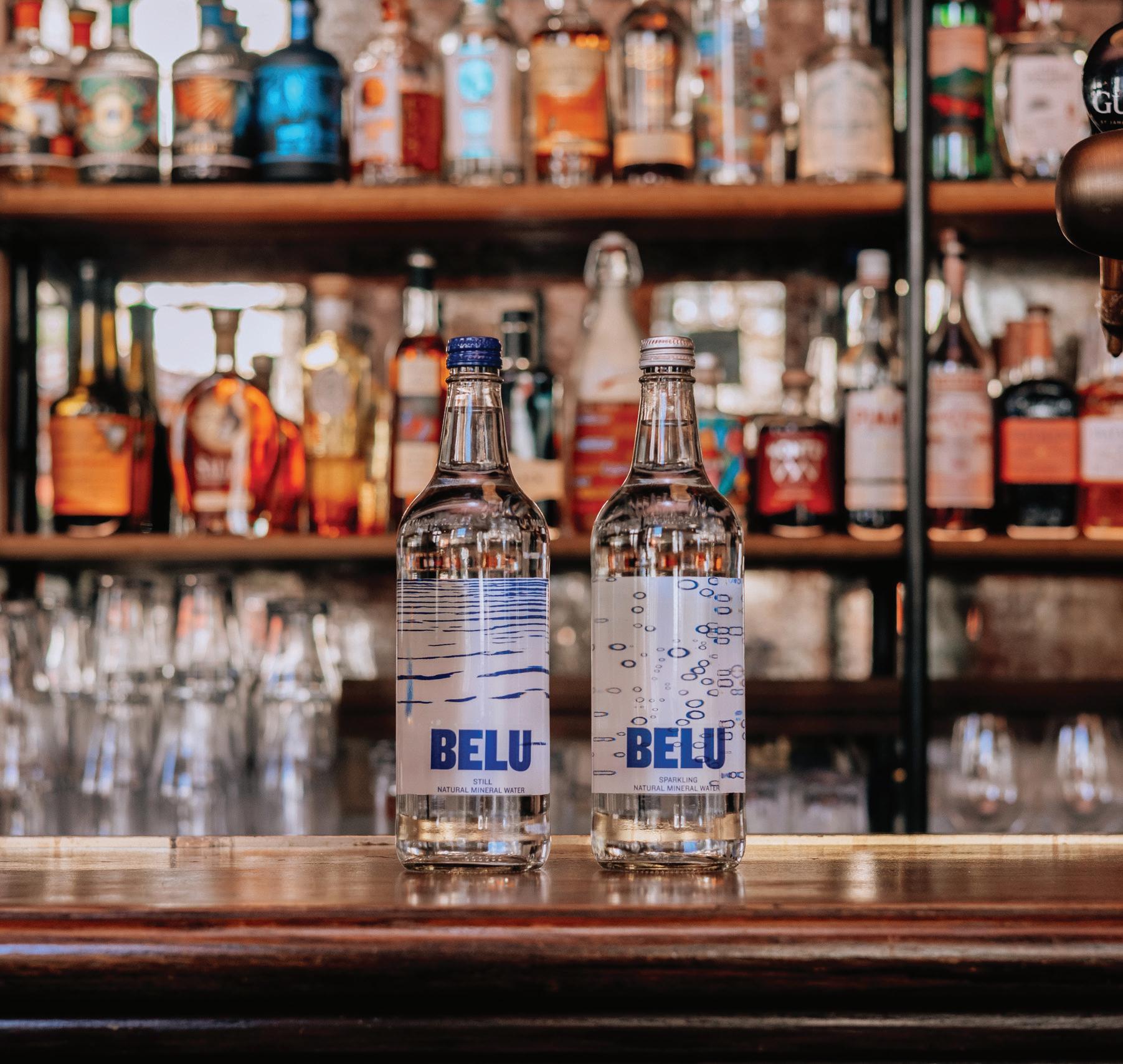

Belu is the water trusted by great bars and pubs that take their drinks seriously and their impact even more so. We’ve given £6.5m to WaterAid since 2011, transforming the lives of over 435,000 people.
LANCHESTER WINES ON THE COMMERCIAL LOGIC BEHIND SMARTER WINE RANGING, AND WHY THE RIGHT BOTTLE IN THE MIDDLE OF YOUR LIST COULD BE YOUR MOST POWERFUL MARGIN DRIVER.
Wine lists can be a headache. Too long and guests disengage, too short and you look like you’re not trying. Get the ranging wrong and you’re either leaving money on the table or watching perfectly decent bottles gather dust. With energy bills still biting, staffing costs rising and guests increasingly value-conscious, the pressure to get it right has never been greater.
Lanchester Wines, one of the UK’s leading independent wine suppliers, has spent years working with on-trade operators to build lists that perform, commercially and experientially. Their approach centres on a straightforward principle: the wines in the middle of your list are where the real opportunity lies.
Forget ‘house’ and ‘premium’ for a moment; the wines that really cover most of your sales are the ones sitting between the two - dependable, high-performing bottles sourced from emerging regions and alternative varieties that over-deliver on quality and value. These are the wines guests order all day, every day, and the ones that protect your margin while giving customers something genuinely worth drinking.
The cheapest wine isn’t always the most profitable while a bottle that disappoints leads to complaints, returns and a guest who orders tap water next time. Consistency, vintage to vintage, glass to glass, builds trust, drives repeat orders and makes your team’s job easier. When ranging, think rate of sale and reliability as much as price.
Your till knows more about your wine list than you do. Strip back slow-movers that tie up cash and quietly undermine the guest experience. Double down on proven performers with strong margin and low wastage. A leaner list, built on real sales data, is easier to navigate, easier to sell and more profitable to run.
A good wine supplier relationship goes well beyond the order sheet. Lanchester Wines’ account managers work alongside operators to analyse range, margins and rate of sale, identifying opportunities to simplify lists, respond to duty changes and stay ahead of shifting guest preferences. That kind of partnership is a commercial advantage worth using.
Even the best-ranging wine list underperforms without an engaged team behind it. Regular, short tastings and straightforward product knowledge sessions directly lift up-sell rates.
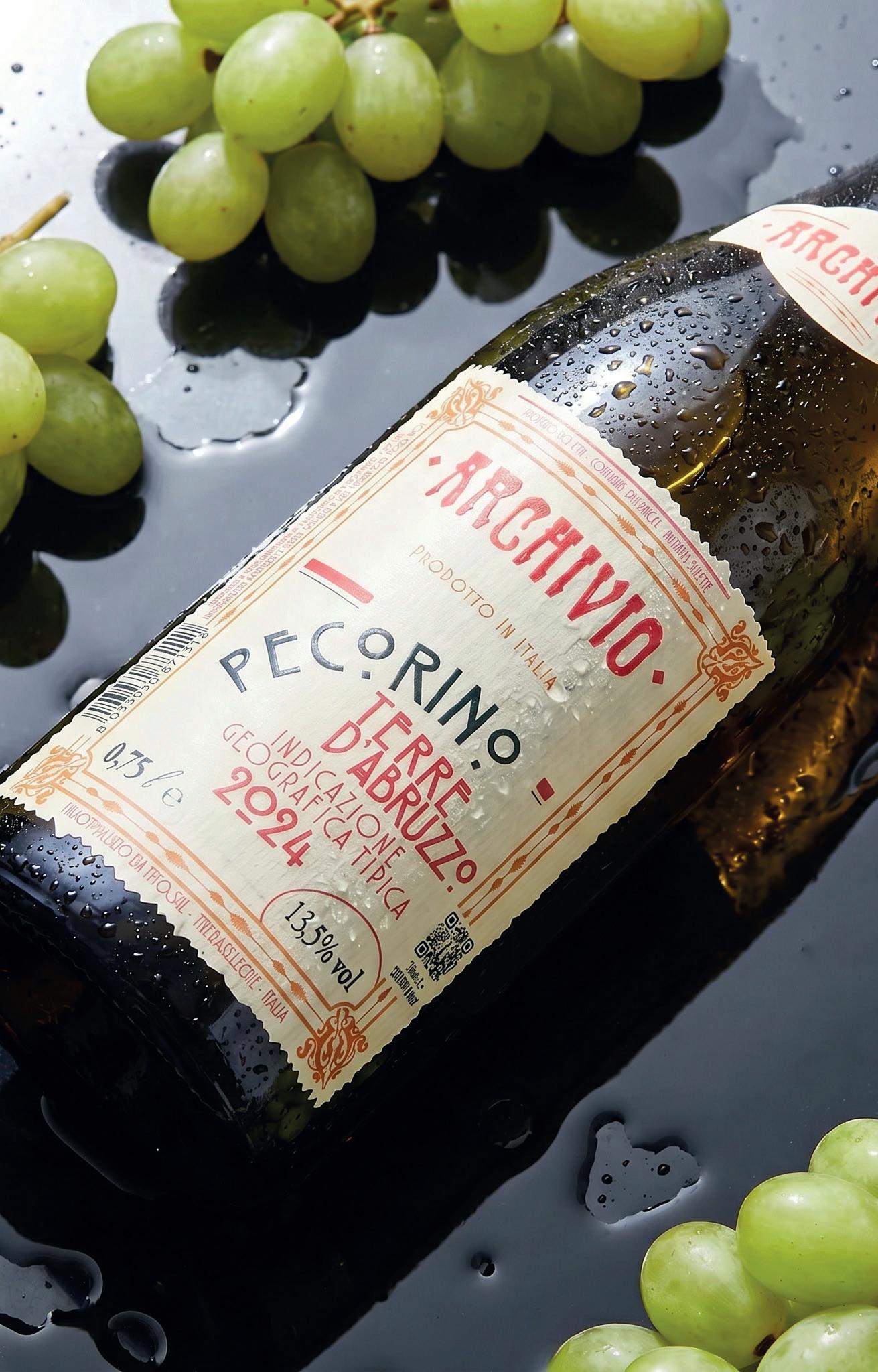
When staff understand why a wine is on the list, its story, its value, its food match, they recommend it naturally. And confident recommendations drive revenue.
Wine doesn’t have to be complicated, but it does have to work. Get the middle of your list right, and the rest tends to follow.
For more information, visit lanchesterwines.co.uk
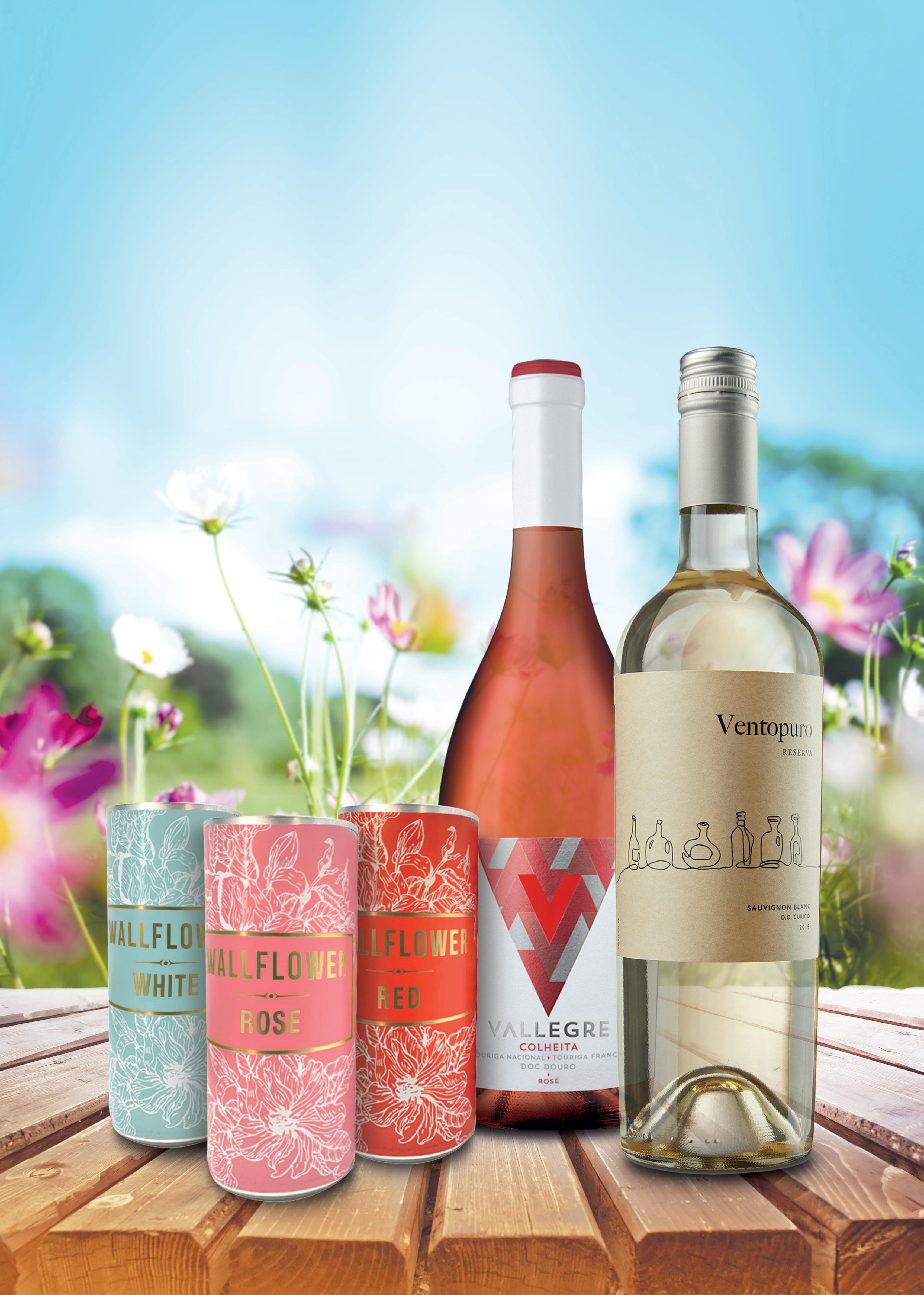
SIMON HODGSON, TEQUILA BRAND AMBASSADOR AT PERNOD RICARD UK, SHARES A SPOTLIGHT SERVE USING CÓDIGO 1530 ROSA BLANCO — A LIGHT, SPRITZ-STYLE
COCKTAIL DESIGNED TO ALIGN WITH THE GROWING DEMAND FOR FRESH TEQUILA SERVES ACROSS THE ON-TRADE.
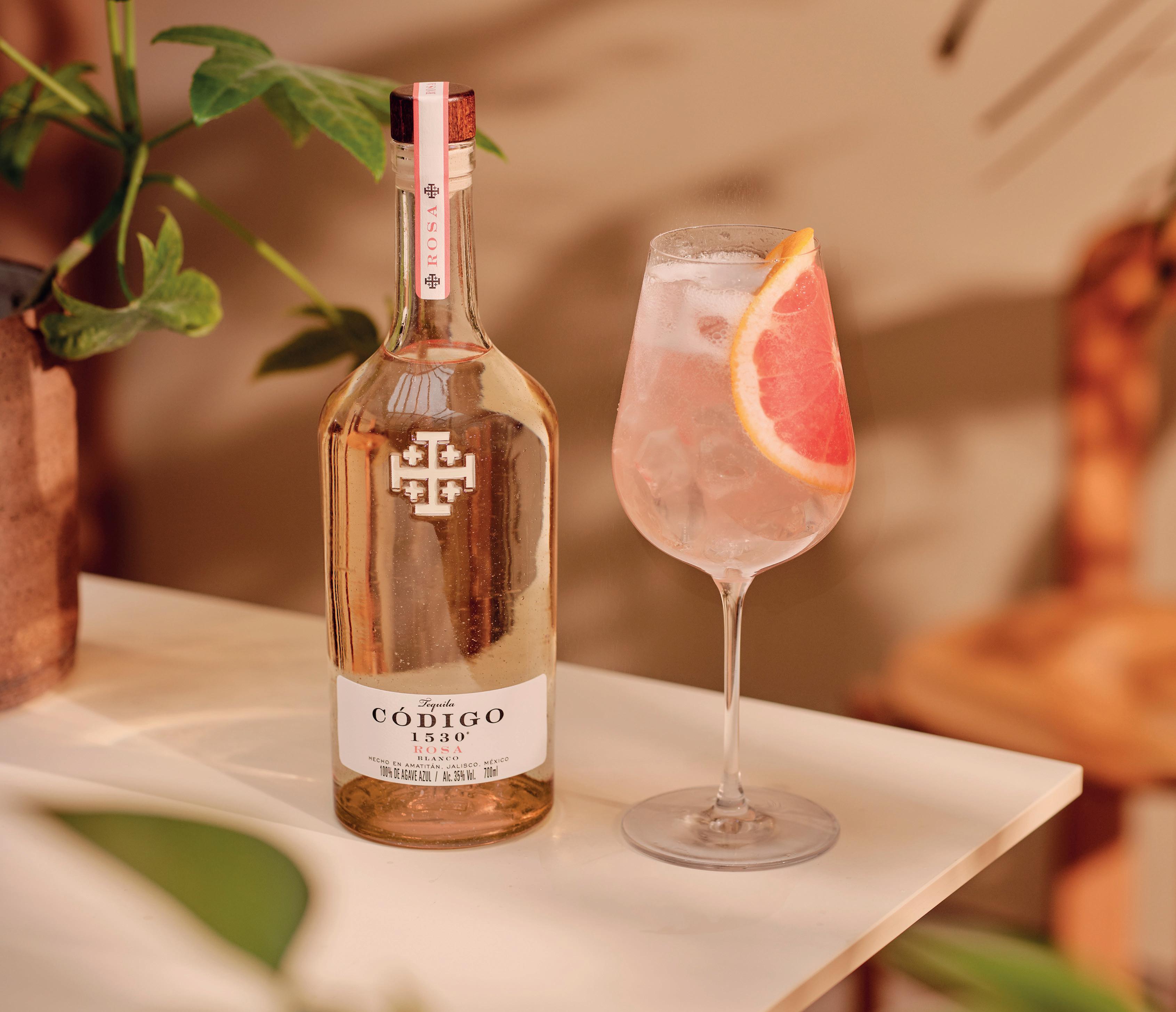

As tequila continues to premiumise within the UK market, bartenders are increasingly looking to balance authenticity with versatility — delivering serves that both showcase the category’s heritage and meet evolving consumer preferences for lighter, more refreshing drinks.
Código 1530 sits firmly within this ultra-premium space.
Rooted in generations of private tequila-making traditions in Amatitian, Jalisco, the brand is guided by a simple principle: to produce tequila without compromise. Using fully mature Blue Weber agave and avoiding additives entirely, Código 1530 is simply made from 100% agave, water and yeast.
This clean, expressive profile creates an ideal foundation for modern cocktail development, particularly within formats that highlight freshness, acidity and balance. One expression that lends itself particularly well to this approach is Código 1530 Rosa Blanco.
Rested in uncharred Napa Valley Cabernet French white oak barrels, Rosa develops its delicate blush colour naturally, alongside soft notes of red berry, floral agave and a gentle, rounded finish. The result is a tequila that feels both distinctive and highly adaptable — bridging the gap between classic agave serves and the more approachable aperitivo-style drinks that continue to resonate with consumers.
Rosa has a softness and brightness to it that makes it perfect for longer, lighter serves — particularly in a spritz format.
Drawing on the enduring popularity of the Paloma, Hodgson’s serve reinterprets the classic flavour profile through a more contemporary, effervescent lens. By lengthening the drink and enhancing its citrus and fruit notes, the result is a cocktail that is both familiar and elevated — designed with summer drinking occasions and high-energy bar environments in mind.
“The aim with this serve was to take something recognisable
and rework it into a format that feels more in tune with how people are drinking now,” he says. “The Paloma is already such a well-loved combination, but by opening it up into a spritz, you increase its versatility without losing that core identity.”
“This is a drink that’s designed to be easy to serve, easy to enjoy, and visually striking on the bar. You’ve got that balance of citrus, sweetness and gentle bitterness, but with a lightness that makes it perfect for all-day occasions. It’s a great example of how tequila can move beyond the expected and into more contemporary drinking styles.”
As the category continues to evolve, serves like the Código Rosa Paloma Spritz demonstrate how heritage and innovation can work hand in hand — offering operators a way to elevate tequila while tapping into formats that feel relevant, accessible and premium.
INGREDIENTS:
25ml Código 1530 Rosa Blanco
25ml Lillet Rosé
25ml Grapefruit Juice
75ml Soda Water
Grapefruit wheel, to garnish
METHOD:
Build over ice in a large wine glass. Add Código 1530 Rosa, Lillet Rosé, fresh grapefruit juice then lightly stir. Top with soda water. Gently lift to combine and garnish with a grapefruit wheel.
AS PUBS AND BARS FACE GROWING PRESSURE TO IMPROVE EFFICIENCY, REDUCE WASTE AND MEET SUSTAINABILITY GOALS, TECHNOLOGY IS PLAYING AN INCREASINGLY IMPORTANT ROLE BEHIND THE SCENES. JAMES WOODMAN, DIRECTOR OF SMARTDISPENSE®, EXPLAINS HOW HEINEKEN’S CELLAR MANAGEMENT SOLUTION IS HELPING OPERATORS SAVE TIME, CUT COSTS AND DELIVER CONSISTENTLY HIGH-QUALITY PINTS.
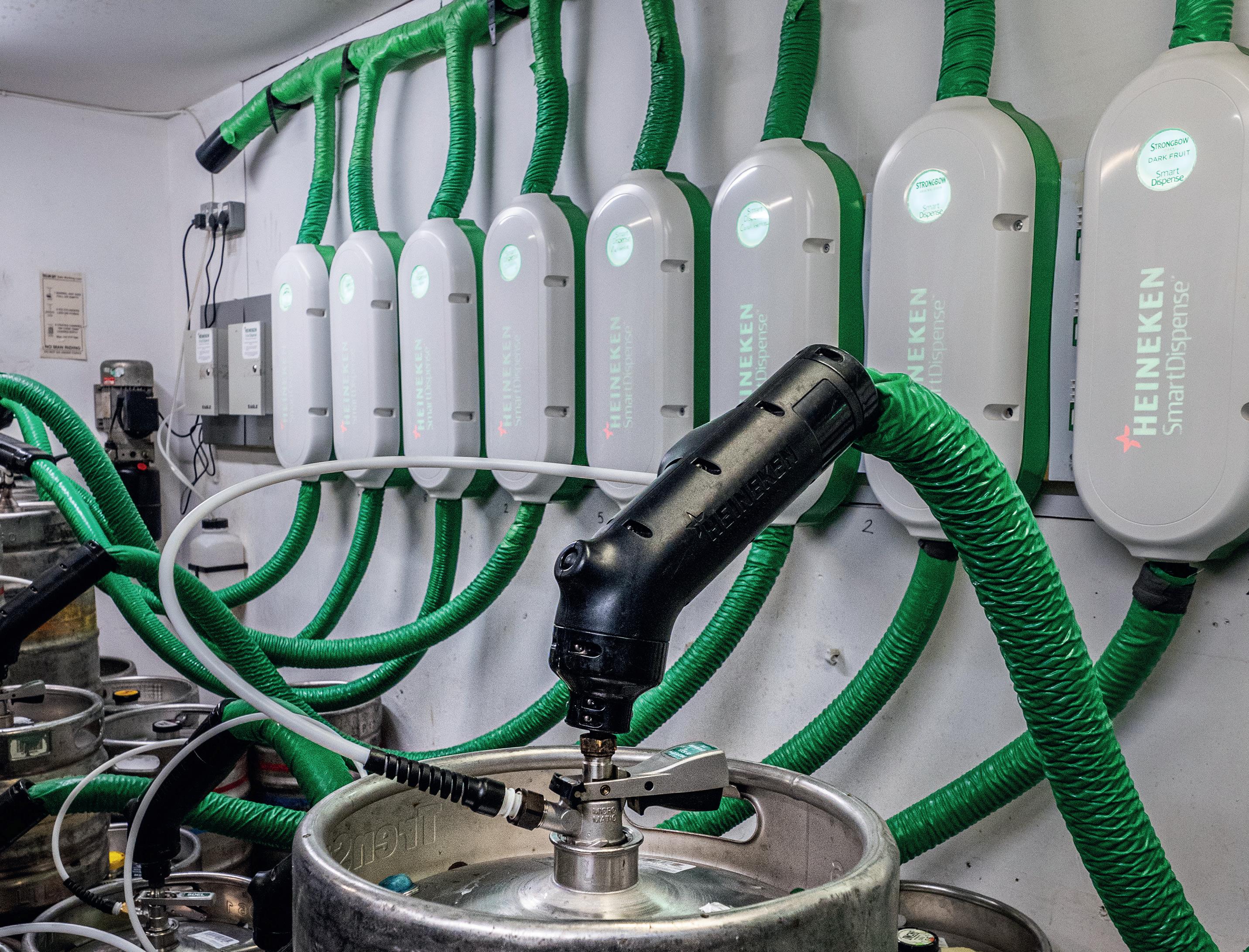
HOW DOES HEINEKEN SMARTDISPENSE® STREAMLINE OPERATIONS IN PUBS AND BARS, AND WHAT IMPACT DOES IT HAVE ON SERVICE SPEED AND PRODUCT CONSISTENCY?
The SmartDispense® service offers customers far more than
our cellar technology alone - it’s a holistic package of ongoing support from our dedicated team of expert technicians that aims to reduce demands on staff time and ensure seamless running of operations.
Day-to-day tasks, like keg changes, are far less complicated
and time-intensive with our cellar systems in place, helping to minimise down-time and allow staff the capacity to prioritise topquality customer service.
Our line cleaning service can also save approximately 156 hours of staff time per year - we offer a 6 or 12 weekly service visit, complete with a 52-point full-system MOT handled by our specialist teams. It gives management the assurance that the system is running smoothly and the pour is second to none.
Our core purpose is about lightening the operational load for venue management - helping them to protect the quality standards and improve operational performance to maximise the value of their draught category for the long-term. It is our commitment to ongoing support that gives them the time and flexibility to show up for their customers and offer the quality of service that makes a real difference for consumers, front-ofhouse, while we take care of what happens behind the bar.
YOU SHARE HOW HEINEKEN SMARTDISPENSE® HELPS VENUES REDUCE WASTE AND MANAGE COSTS, PARTICULARLY IN TERMS OF DRAFT BEER LOSS OR OVER-POURING?
Our specialist technology solutions can offer venues a significant reduction in wastage - up to 18,000 pints of water, beer and chemicals a year for a ten-tap outlet on a three-pint pull. It puts the true value of our systems in perspective for operators - knowing that SmartDispense® can deliver a meaningful savingboth in terms of cost and resource.
Not only that, but with a more efficient system in place, it naturally offers higher yields, creating the opportunity for our customers to benefit from greater volumes of sales. When we take these two points together - the cost effectiveness of installing SmartDispense® is evident, and we get to hear it everyday from our partners too.
IN WHAT WAYS DOES SMARTDISPENSE® ENHANCE THE CUSTOMER EXPERIENCE, FOR EXAMPLE THROUGH FRESHNESS, FLAVOUR CONSISTENCY, OR SELF-SERVICE OPTIONS?
When we launched to market in 2014, our technology was designed, first and foremost, to deliver quality and consistency of draft beer and cider for the consumer. We know that the quality of a pint is determined long before a tap is pulled. That’s where we come in.
We set our customers up for success by managing the cellar conditions, line hygiene and even supporting front-of-house training to ensure that operators can rely on an effortless, perfect pour, every time.
Our commitment to end-to-end quality control creates a difference that punters can taste, and keeps them coming back to our partner venues where they know they’re getting a top-quality pint.
HEINEKEN EMPHASISES SUSTAINABILITY IN ITS OPERATIONS. HOW DOES SMARTDISPENSE® CONTRIBUTE TO REDUCING ENVIRONMENTAL IMPACT, SUCH AS LOWER CARBON FOOTPRINT, PACKAGING, OR ENERGY USE?
Our SmartDispense® technology is sustainable by design - by its very nature it delivers improved efficiency and more streamlined operations.

Above and beyond the reduction in wastage - our Cellar Manager and Remote Manager systems can deliver a 30% reduction in cellar electricity usage - at once saving both energy and costs, and helping our partner venues demonstrate their commitment to a greener business model at a time when customers expected climate-consciousness to be ingrained in day-to-day operations.
And, when the sustainable choice is also the most costeffective, it really is a no-brainer.
HOW DOES ADOPTING SMARTDISPENSE® ALIGN WITH BROADER TRENDS IN SUSTAINABLE HOSPITALITY, AND WHAT ROLE CAN PUBS AND BARS PLAY IN DRIVING THIS CHANGE?
We know from working closely with our hospitality partners that they have witnessed a broader shift in customer expectations - “sustainability” and “quality” are becoming increasingly synonymous in the minds of consumers and responsible practice, in day-to-day operations, is the mark of a business that places their customers values’ first.
It sounds simple, but it’s not a small ask for operators who are balancing multiple priorities to take care of staff, customers and product simultaneously.
One thing that operators can do to make that joint commitment to quality and sustainability feel more achievable is choosing to work with brands that align with the core values of both the venue teams and customers and have sustainability as a priority.
By working with a partner, like SmartDispense®, we can take care of the heavier lifting, and manage the sustainability of operations and product behind the bar - minimising waste, reducing energy consumption, and protecting resources - to allow staff the freedom to show up front-of-house and deliver a quality product and service that keeps customers coming back time and again.
FROM THE ROAR OF THE CROWD TO SHARING A BAG OF CRISPS WITH FRIENDS, THE BRITISH PUB REMAINS THE ULTIMATE SETTING FOR LIVE SPORT. TYRRELLS’ RESEARCH SHOWS IT’S NOT JUST THE GAME THAT DRAWS FANS IN –SNACKS, ATMOSPHERE AND SOCIAL CONNECTION MAKE THE MATCHDAY EXPERIENCE TRULY MEMORABLE.
New research from Tyrrells, KP Snacks premium crisp brand, reveals how the British pub is central to enjoyment of sports viewing. The findings come as we approach an exciting summer of sport, with nearly half of UK adults (49%) planning to watch live sport at a pub this summer.
Keris and Lee, who run the Pig & Whistle in South West London are looking forward to a busy few months: “We are hoping for a great summer. Sport is an important part of our offer and not only do we have the World Cup, we are one of the closest pubs to the queue for Wimbledon” and they’re expecting to draw big crowds.
Tyrrells’ research has revealed that watching sport at the pub is about far more than the game itself. According to the research, 78% of pub-goers say watching sports at the pub improves their enjoyment versus watching at home because of the atmosphere.
Snacks have an important part to play in enjoyment too. Two thirds (67%) of pub-goers purchase snacks while watching live sport, and 81% agree that a good range makes the experience more enjoyable.
The research also revealed that 80% say they enjoy sharing snacks with friends during a match, with the team at the Pig & Whistle confirming “picking” is much more common when watching sports. “During sporting events, customers will come in and start with snacks as they only plan on eating after the game or at half time,” say Keris and Lee.
When it comes to what customers reach for, crisps are the clear winner, chosen by nearly three quarters (72%) of those who snack at the pub during live sport.
“Crisps are our biggest seller and stocking a variety of sizes and flavours is how we keep our customers happy and coming back,” say Keris and Lee.
Expectations have also shifted: “Three or four years ago people wanted really posh bar snacks, only in bowls, however we’re now seeing retro flavours making a comeback alongside premium staples like Tyrrells”. The Pig & Whistle recently switched to Tyrrells for their core range of crisps and Keris
and Lee say: “customers have responded well to the quality, packaging and new flavours.”
SUPPORT FOR PUB OPERATORS
Sam Trabelsi, Out of Home Controller, KP Snacks says: “This summer is shaping up to be a busy one for sporting occasions, driving much needed footfall for pubs. Our research shows just how much the full experience matters to fans. It’s not just about the games being broadcast, it’s the atmosphere, the company, and the snacks too”
Now in its third year, the Tyrrells’ League of Tyrrellbly Good Taste competition is continuing to support pubs to drive bagged snacks sales by offering free point-of-sale materials, plus the chance to win a year’s worth of free stock worth over £5,000. The competition is live now, and runs until the end of October 2026.
Would your pub like to take part in the League? Register for free at tyrrellscrisps.co.uk/league to become a Tyrrellbly Tasteful Establishment.
All research conducted by Censuswide among 2,000 UK consumers. The data was collected between 29 April and 01 May 2026.
MIRKO FURCI, HEAD OF MIXOLOGY AT DOVER YARD, 1 HOTEL MAYFAIR, SHARES THE STORY BEHIND THE VENUE’S LATEST MENU – RADICAL: A STORY TOLD FROM UNDERGROUND – AND THE ROLE SUSTAINABILITY PLAYS IN SHAPING MODERN HOSPITALITY.
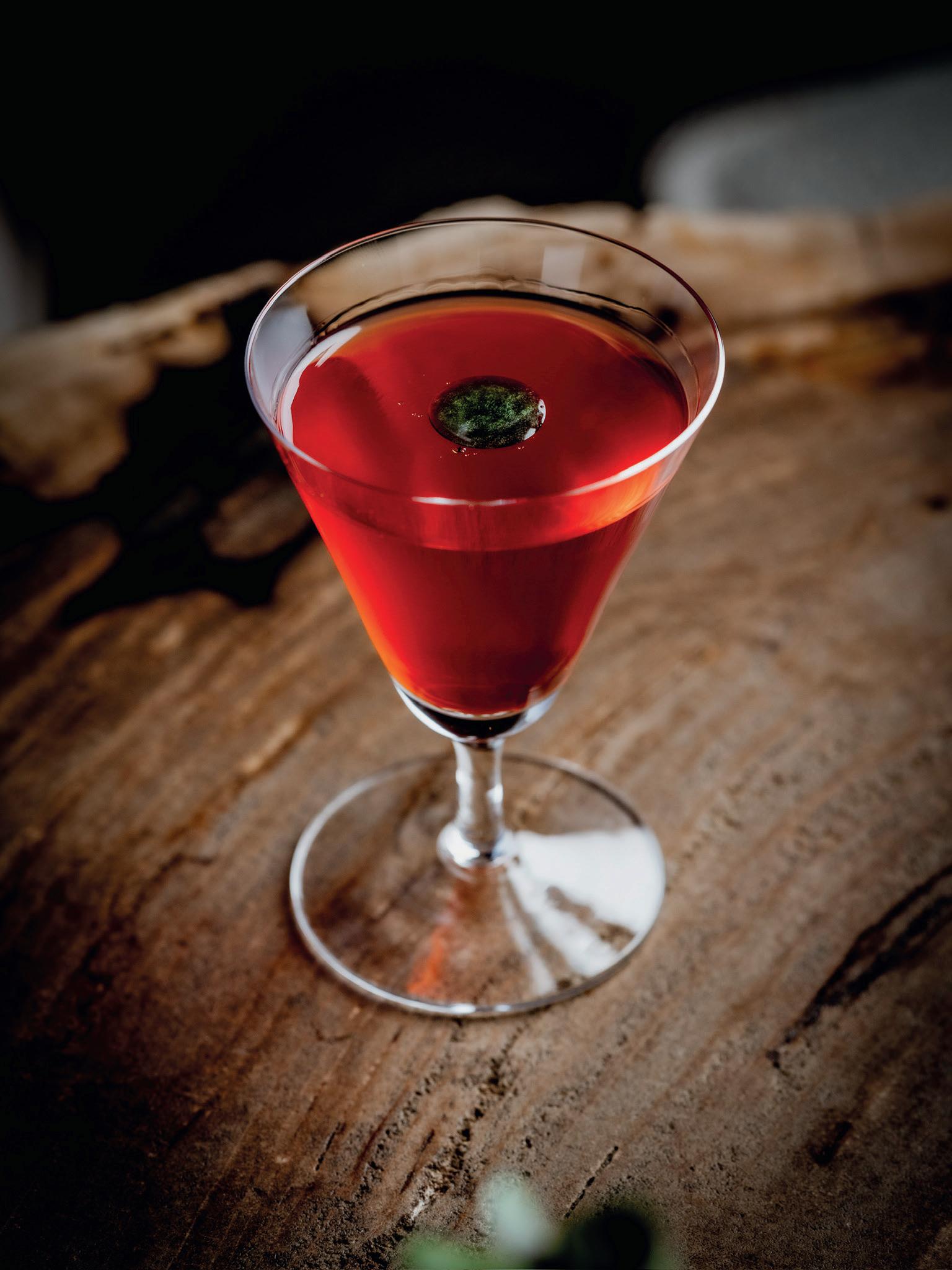
Radical: A Story Told From Underground, Dover Yard’s newest cocktail menu, explores the hidden potential of UK soil through sustainable techniques, modern preservation and nature-led creativity. Inspired by what lies beneath the surface, it uncovers unexpected flavours, textures and stories rooted in the land itself.
The experience is divided into three chapters - Extraction, Rebirth and Transformation - each approaching the theme from a different perspective.

Extraction explores both ancient and contemporary preservation techniques, adopted as tools to extend the life of ingredients while intensifying and extracting their deepest flavours.
Rebirth is dedicated to repurposed ingredients and secondary transformations, giving new life to elements often overlooked, trimmed or discarded during daily operations, and elevating them into refined flavour components.
Transformation focuses on progressive mixing techniques
and modern liquid innovation, embracing more avant-garde approaches to flavour, texture and structure while remaining deeply connected to sustainable practice.
Together, these three chapters form a story of rediscovery, one that celebrates the unseen richness of the underground.
WHERE DID THE ORIGINAL IDEA FOR RADICAL COME FROM, AND WHY DID YOU WANT TO FOCUS SPECIFICALLY ON ROOTS AND OVERLOOKED INGREDIENTS?
The original idea for Radical came from wanting to challenge the way we define luxury in cocktails. For years, luxury in our industry has often been associated with imported or exotic ingredients, but I became more interested in exploring what could be achieved through local produce, seasonality and ingredients that are usually overlooked or discarded. Roots became a natural focal point because they perfectly represent that philosophy. They are humble, deeply connected to the earth, and incredibly complex from a flavour perspective, yet they rarely take centre stage in cocktails. Through Radical, I wanted to show that sustainability and creativity can coexist without compromising elegance, depth, or the guest experience.
THE MENU FEELS VERY STORY-DRIVEN, WITH SECTIONS LIKE EXTRACTION, REBIRTH AND TRANSFORMATION. HOW DO YOU BALANCE CREATIVITY AND CONCEPT WITH MAKING DRINKS PEOPLE SIMPLY WANT TO ORDER AGAIN?
For me, the concept should never overpower the drinking experience. A guest might initially be attracted by the story behind a drink, but they will only order it again if it genuinely tastes great and feels approachable.
That’s why, even with sections like Extraction, Transformation and Rebirth, the foundation of every cocktail is still balance, texture and familiarity. I always try to create a bridge between something innovative and something emotionally recognisable to the guest.
The storytelling gives the menu identity, but the priority is making drinks that people crave, remember, and feel comfortable coming back to multiple times.
A LOT OF THE INGREDIENTS ARE REPURPOSED FROM ACROSS THE HOTEL AND RESTAURANT. WAS SUSTAINABILITY ALWAYS PART OF THE CREATIVE PROCESS, OR DID IT DEVELOP NATURALLY AS THE MENU CAME TOGETHER?
A bit of both, honestly. Sustainability was always part of the vision because it’s deeply connected to both 1 Hotel Mayfair and the way I personally approach hospitality today. But, at the same time, a lot of ideas developed very naturally throughout the creative process. For us, sustainability is not a marketing angle, it’s simply becoming part of the creative language behind the bar.
DOVER YARD ALREADY HAS A STRONG REPUTATION IN LONDON. WHAT ARE YOU HOPING THIS MENU DOES FOR THE BUSINESS; DO YOU SEE IT BRINGING IN A DIFFERENT CROWD OR CHANGING HOW PEOPLE VIEW THE BAR?
I think the goal is less about changing what Dover Yard is, and more about refining and strengthening its identity. The venue
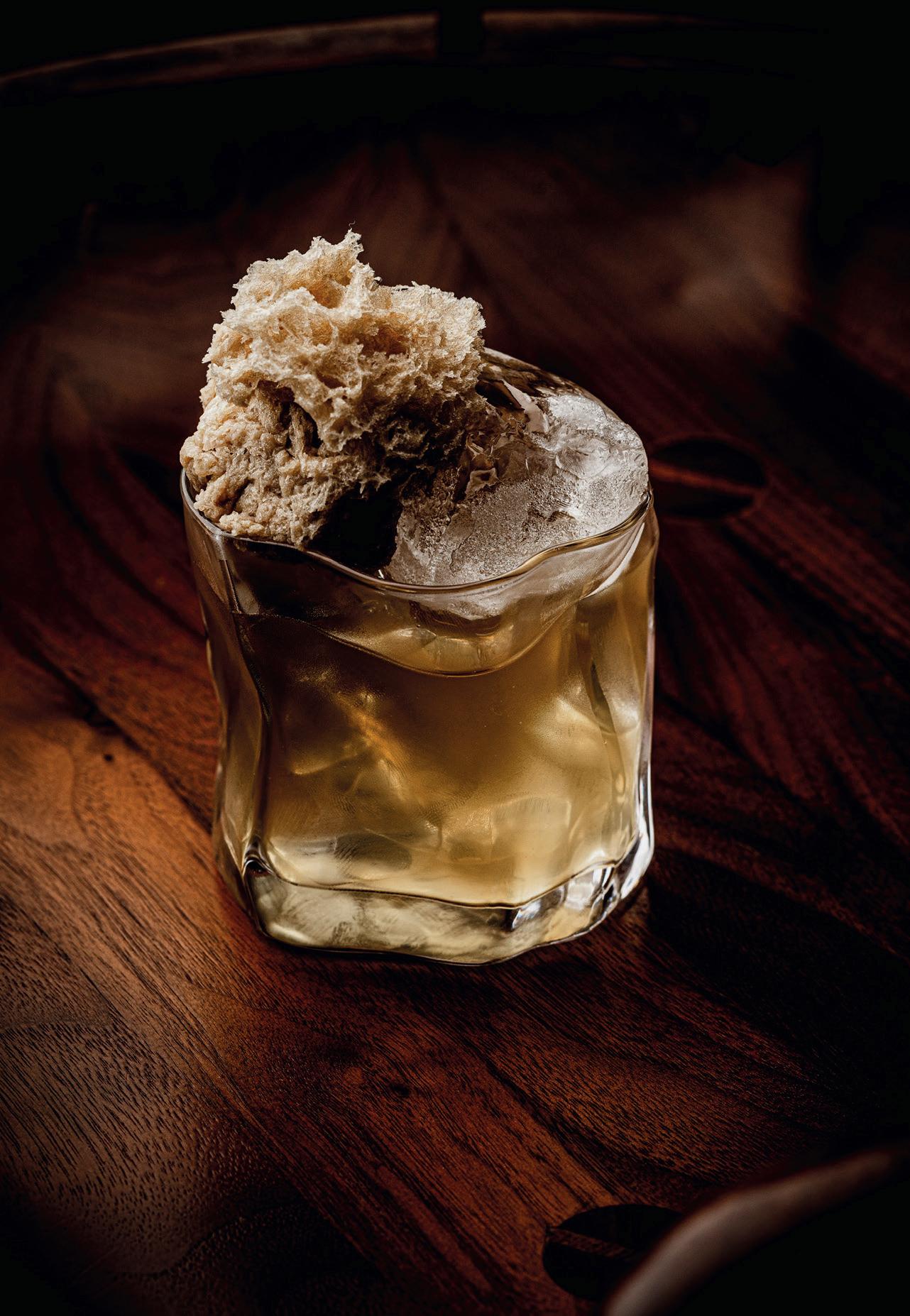
already has a great energy and a very approachable atmosphere, which is something I never want to lose.
What I hope this menu does is give people a clearer understanding of what we stand for creatively - a style of hospitality and mixology that feels modern, thoughtful and rooted in sustainability, while still remaining fun and accessible.
MENUS LIKE THIS ARE VERY VISUAL AND SOCIAL-MEDIA FRIENDLY. HOW IMPORTANT IS MARKETING AND GUEST STORYTELLING WHEN LAUNCHING A NEW COCKTAIL LIST TODAY?
It’s incredibly important, because today a cocktail menu doesn’t live only inside the venue anymore. Guests experience it online before they ever sit at the bar, so storytelling and visual identity have become part of the overall hospitality experience.
That being said, I think the key is authenticity. If the story, the visuals and the drinks all feel aligned, guests connect with it in a much more genuine way. I never want something to exist purely because it looks good on social media - the substance still has to be there.
For us at Dover Yard, marketing is really about creating an emotional connection with the guest and giving people something memorable to talk about, both online and offline.
@doveryard.london
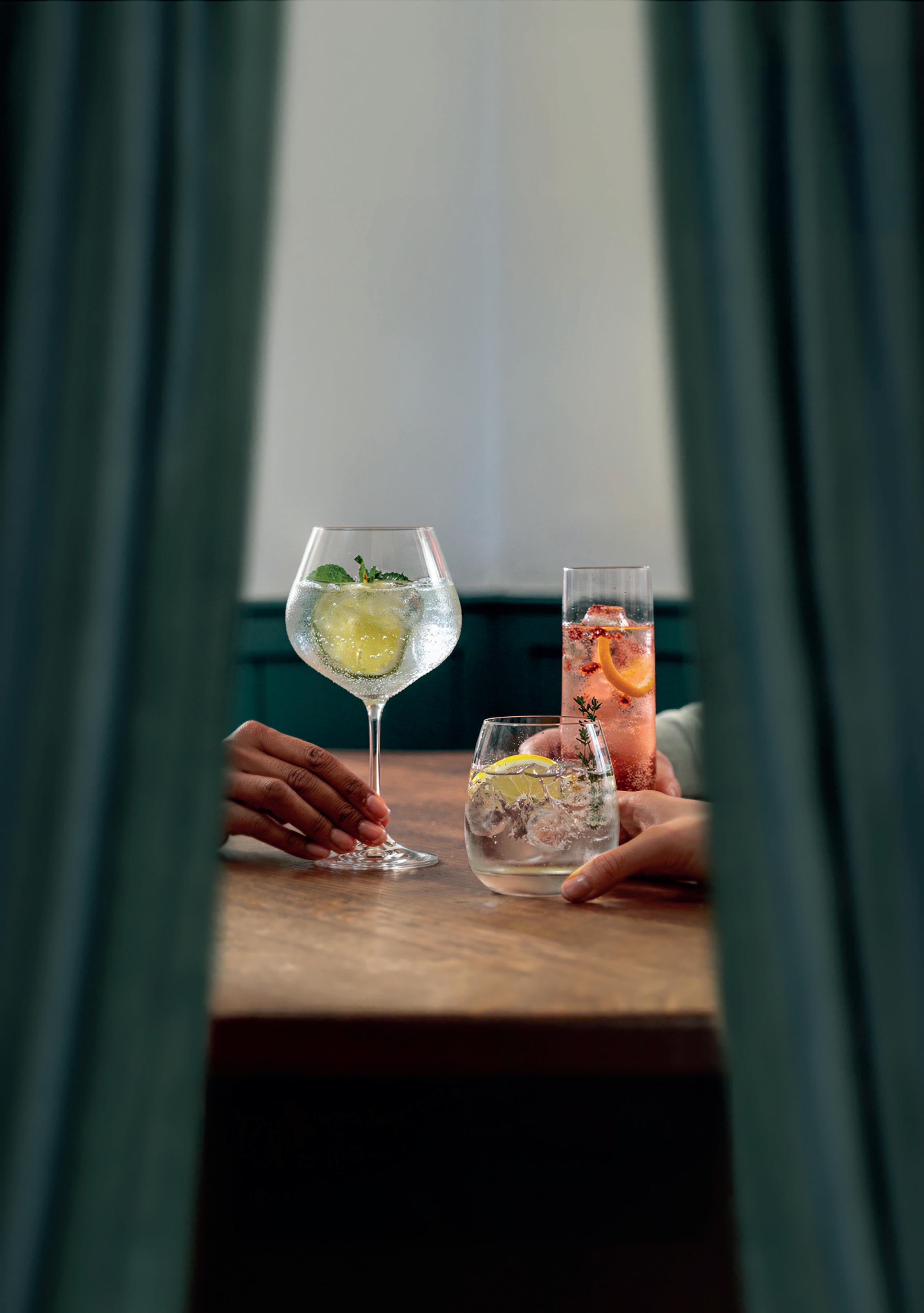

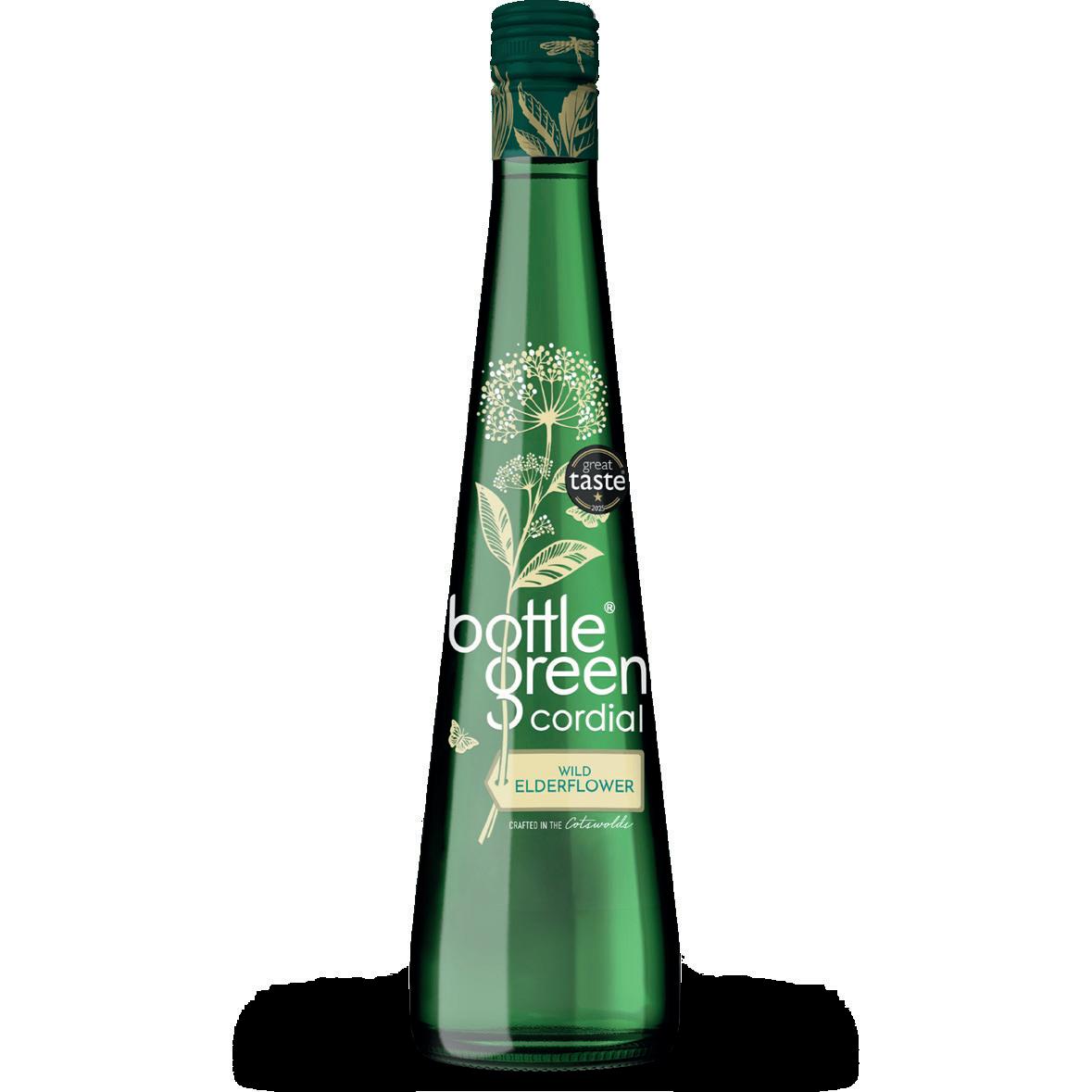
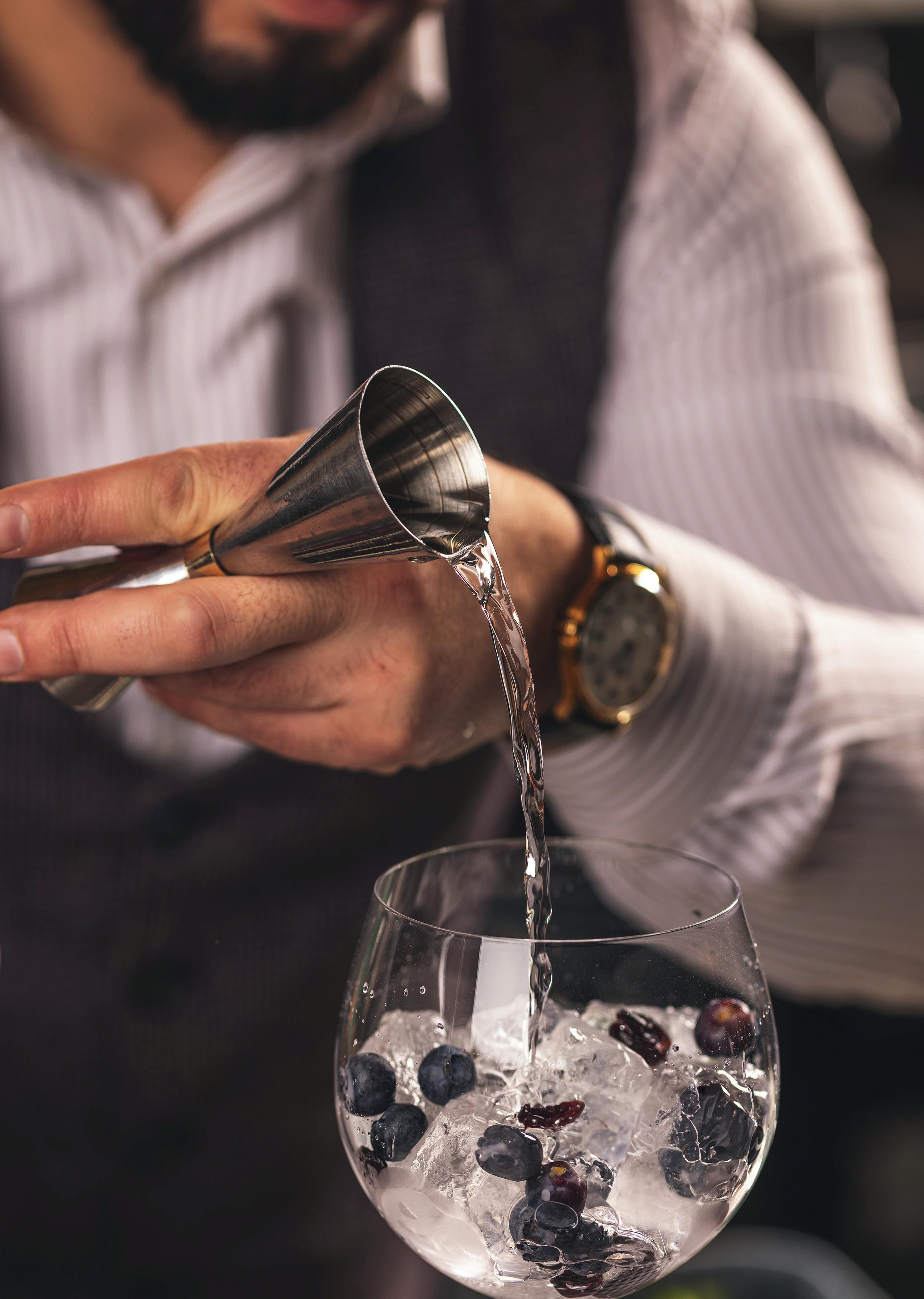
A DEEP DIVE INTO THE GIN CATEGORY, UNCOVERING CATEGORY PERFORMANCE, EVOLVING CONSUMER TRENDS AND THE LATEST GIN SERVE INNOVATIONS.
WE SHARE FIVE REASONS WHY GIN IS PERFECTLY POSITIONED TO TRANSFORM POPULAR SERVES INTO MEMORABLE DRINKING OCCASIONS, WHILE ALSO HELPING BARS AND PUBS DRIVE ENGAGEMENT, DISCOVERY AND PREMIUMISATION.
1
The Martini has firmly re-established itself as one of the most in-demand cocktails in bars and pubs worldwide. Guests are embracing everything from classic Dry Martinis to Dirty Martinis and Gibsons, seeking sophistication and a stronger connection to the spirit itself. This trend presents a significant opportunity for venues to highlight gin selection as a key part of the experience. Different gins can dramatically influence a Martini’s flavour profile, allowing bartenders to recommend personalised serves and encourage experimentation. As consumers become more knowledgeable and discerning, premium gin choices help elevate the cocktail, simultaneously increasing perceived value and guest satisfaction.
2
Classic cocktails remain popular because guests recognise and trust them, but consumers also appreciate discovering something new. Gin allows operators to strike this balance perfectly. By introducing a contemporary, local or distinctive gin into established serves such as the Negroni, Gimlet, Tom Collins or French 75, venues can create a fresh experience without changing the recipe itself. The result is a cocktail that feels both familiar and exciting. This approach encourages repeat visits from guests who want to revisit their favourite classics while exploring new flavour profiles and premium spirit options.
3
Today’s consumers increasingly value experiences and authenticity alongside quality drinks. Gin offers bartenders a rich platform for storytelling, from unique botanical blends and local ingredients to production techniques and brand heritage. These stories help transform a simple cocktail order into a more engaging and memorable guest interaction. Whether discussing a gin’s citrus-forward profile, regional provenance or sustainable credentials, staff can create a stronger connection between the drink and the consumer. This added layer of engagement enhances the overall experience, differentiates the venue and helps build loyalty among guests seeking more meaningful drinking occasions.
4
One of the strongest trends in modern drinking culture is the move towards minimalist cocktails, where fewer ingredients place greater emphasis on quality and flavour. Serves such as the Martini, Gibson and Gin & Tonic rely heavily on the base spirit to deliver the drinking experience. This is where gin excels. Its carefully selected botanicals provide layers of citrus, spice, floral and herbal notes that create complexity without requiring additional ingredients. For bartenders, gin offers a simple way to elevate classic serves, while guests enjoy a more refined and memorable cocktail that showcases craftsmanship and flavour in every sip.
5
Few spirits can match gin’s versatility behind the bar. Its broad spectrum of botanical flavours makes it suitable for a wide range of cocktail styles, from aperitifs and spritzes to highballs, sours and spirit-forward classics. This flexibility allows operators to feature a single premium gin across multiple menu sections, resulting in distinctly different guest experiences. For consumers, it creates opportunities to explore different serves throughout an occasion without moving away from a spirit they enjoy. For venues, gin provides a powerful tool for menu innovation, premiumisation and guest engagement while maintaining operational simplicity and consistency.
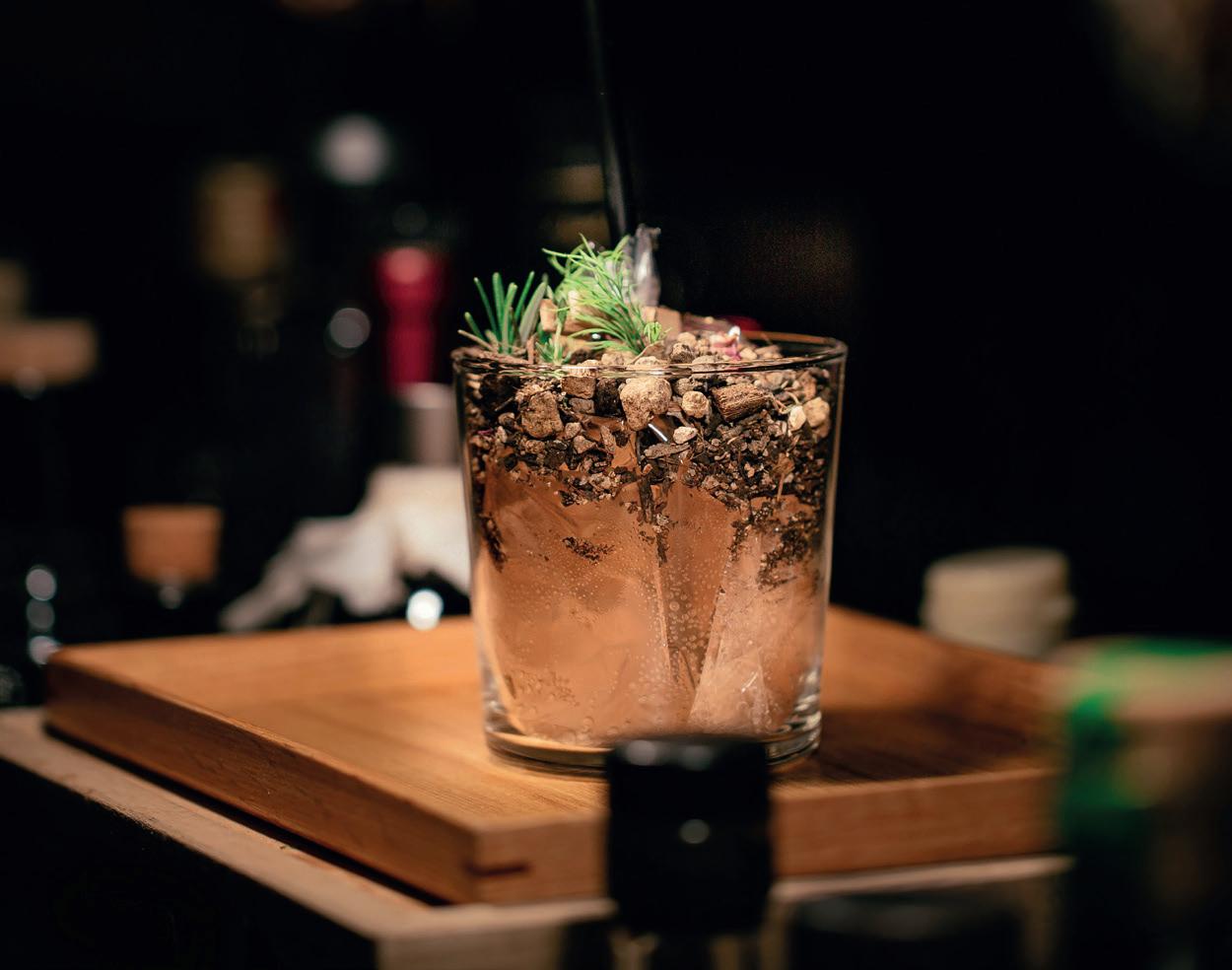
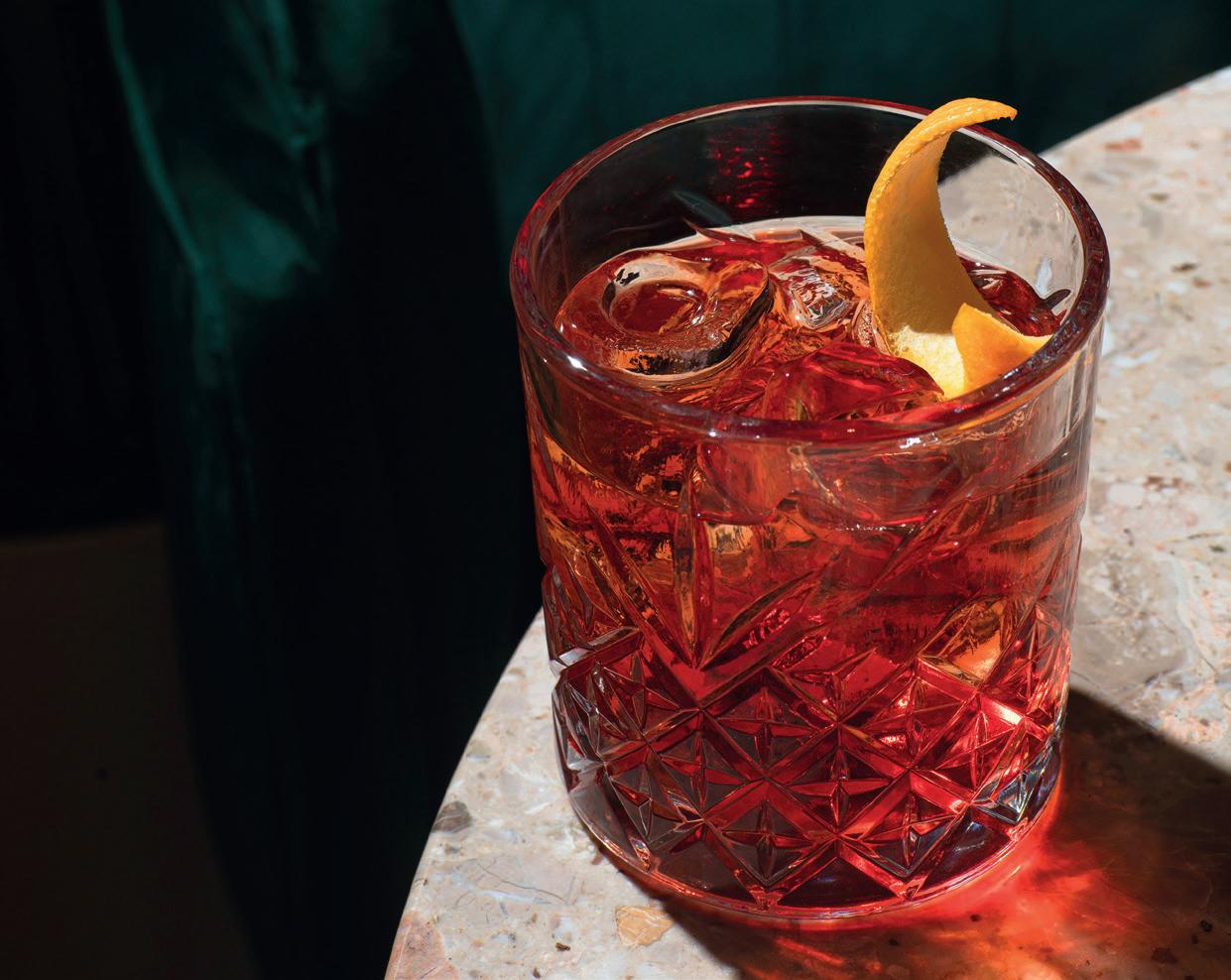
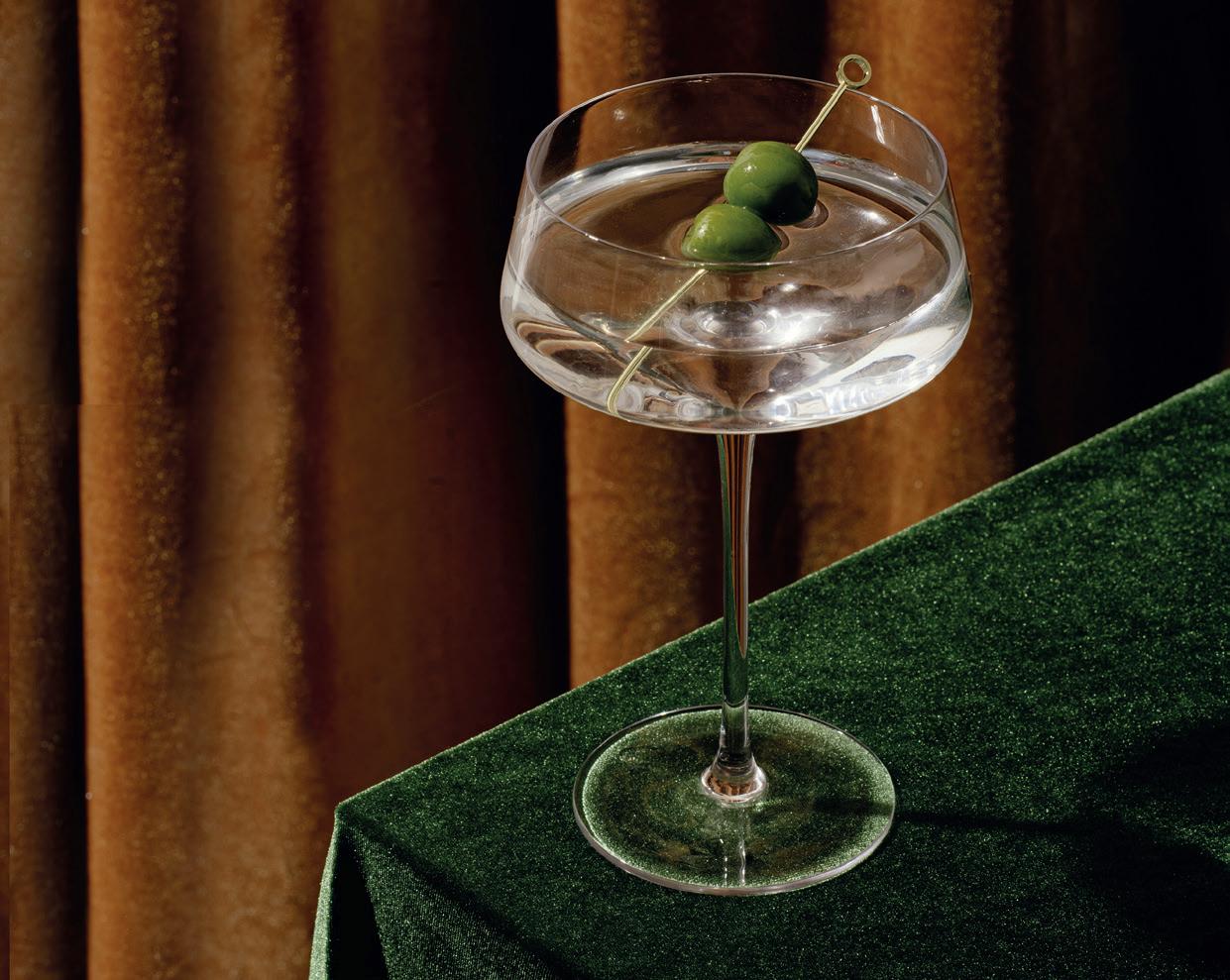
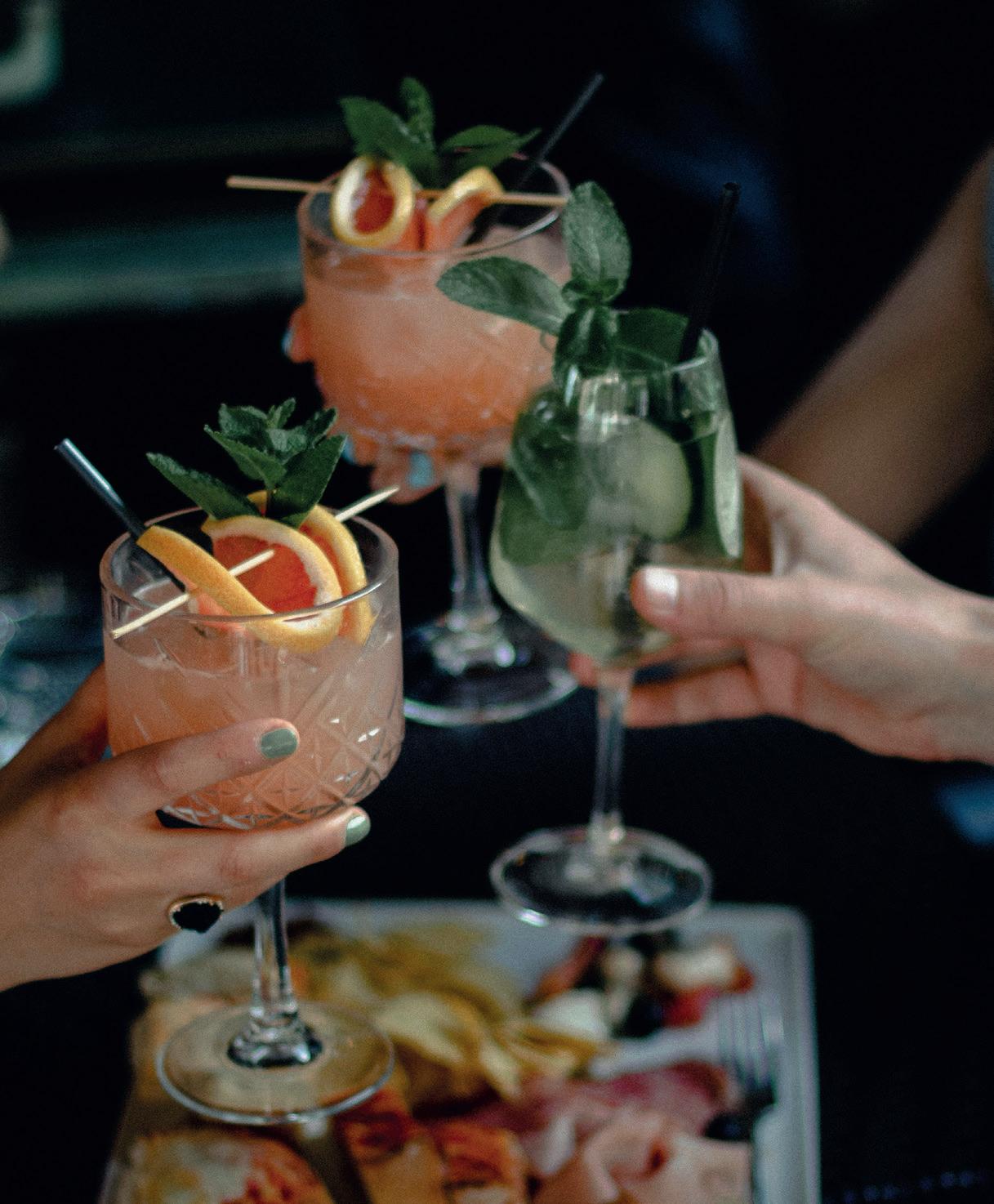
WE EXPLORE HOW GIN IS EVOLVING BEYOND ITS ‘BOOM’ YEARS, AND WHY PREMIUM SERVES, FLAVOUR DISCOVERY AND EXPERIENCE-LED DRINKING CONTINUE TO CREATE OPPORTUNITIES FOR OPERATORS.
Few categories have shaped the modern bar landscape quite like gin.
Over the past decade, gin has moved from dependable staple to cultural phenomenon, redefining backbars, inspiring experimentation and creating a generation of consumers with a deeper understanding of flavour, provenance and serve occasion than perhaps any spirit category before it.
Today, the category finds itself in a different position. The explosive growth years may have settled, and broader pressures across the drinks market continue to influence spending habits, but gin remains remarkably resilient. Consumers may be drinking differently, but they are not necessarily walking away from the category. Instead, operators are seeing a more considered relationship emerge – one centred on quality, experience, flavour exploration and premium serves.
For venues navigating changing consumer expectations, gin still offers substantial opportunity. The question is no longer simply how many gins should sit on the backbar, but how venues can create distinctive experiences that justify spend and maintain engagement.
The gin category has matured significantly since its breakout years, but industry voices suggest that longevity – not novelty –is becoming its defining strength.
Calum Fraser, Hendrick’s Brand Ambassador UK North, believes the category’s endurance sets it apart from previous drinks trends.
“Gin has spent much of the last decade or more at the forefront of consumer minds,” he says. “The ‘gin boom’ has led to venues to completely reshape how their backbar looks as well as restructuring the spirits industry as a whole.”
Drawing on experience behind the bar, Calum points to how gin has outlasted many previous category cycles.
“Having been a bartender 20 years ago and witnessing the vodka boom, and then in turn a huge shift in single malt and a thirst for craft beer, I think it’s safe to say that gin’s peak was both more sustained, and, is having a drastically longer tail.”
That distinction matters. Rather than disappearing once the novelty faded, gin appears to have retained a loyal consumer base that continues to seek out quality and discovery.
“But through each of these trends, the thing that remains consistent is that once the demand in the category starts to slide, it is the premium serves that remain well placed to thrive and hold consumers,” Calum adds.
That premiumisation trend continues to influence purchasing decisions across bars and pubs. Consumers who entered the category during its growth years have become more selective and more knowledgeable.
“And so it remains for gin, as bars rationalise their range, those consumers that have fallen in love with juniper in the 2000’s remain dedicated not to a collection of speed rail spirits, but to
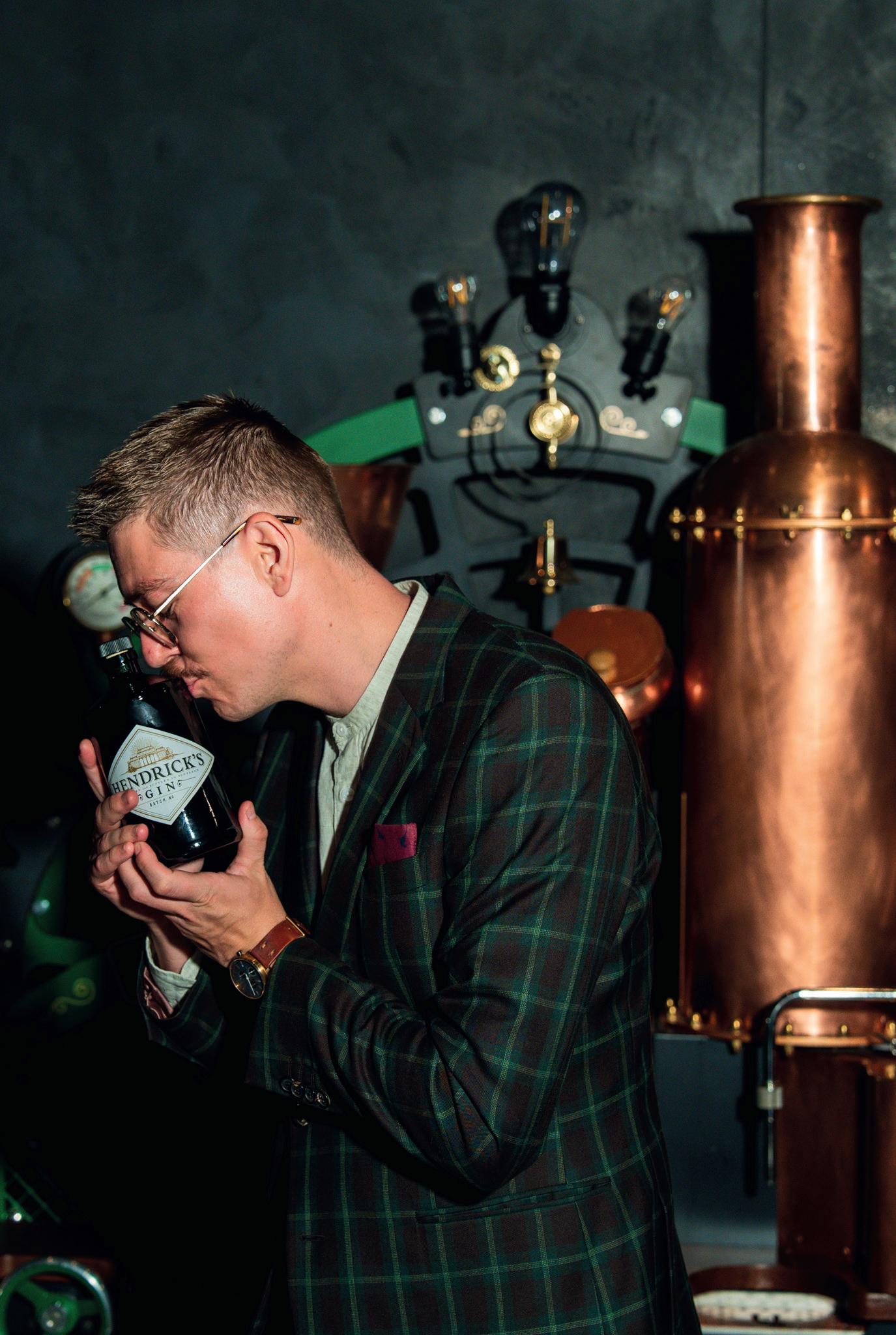
the premium spirits that they have had time and opportunity to explore,” Calum finishes.
This shift presents a significant opportunity for operators. Rationalisation does not necessarily mean reducing value, it means curating more effectively and thoughtfully.
One of gin’s most enduring strengths is its ability to connect consumers with story and place.
Patrick McCaig, Managing Director at Otter Brewery, argues that despite broader challenges across spirits, gin’s identity remains a major driver of its on-trade performance.
“Following its resurgence a few years ago, gin remains a
popular spirit for many drinkers. Whether sipped in G&T or shaken into a cocktail, gin has reclaimed its spot on backbars,” he explains.
Importantly, provenance continues to influence purchasing behaviour.
Patrick says, “For many customers, their loyalty to gin lies in its artisanal roots and small-batch production so it is no surprise that locally produced gin always performs well as this is recognised for its premium quality and exceptional taste.”
Consumers increasingly want products that feel intentional and authentic rather than mass-market. Local production stories, botanical narratives and visible craftsmanship all contribute to perceived value.
Patrick points to Otter Brewery’s own move into the category as an example of how producers continue to innovate while staying rooted in identity.
“Encompassing a flavour of the South West, Otter Brewery has recently broadened its portfolio to offer its own gin. Distilled on site, Otter Brewery’s New Moon Gin delicately combines a unique recipe of twelve botanicals: sweet coconut contrasts beautifully with zesty notes of grapefruit and juniper, whilst subtle hints of seaweed as a nod to Otter Brewery’s Devon heritage.”
This focus on regionality reflects a wider trend within premium spirits: consumers increasingly buy into flavour stories as much as the liquid itself.
If one theme consistently emerges across the category, it is that consumers are becoming more intentional in how they drink. Economic pressure, moderation trends and changing social habits have all contributed to fewer occasions – but potentially higher expectations.
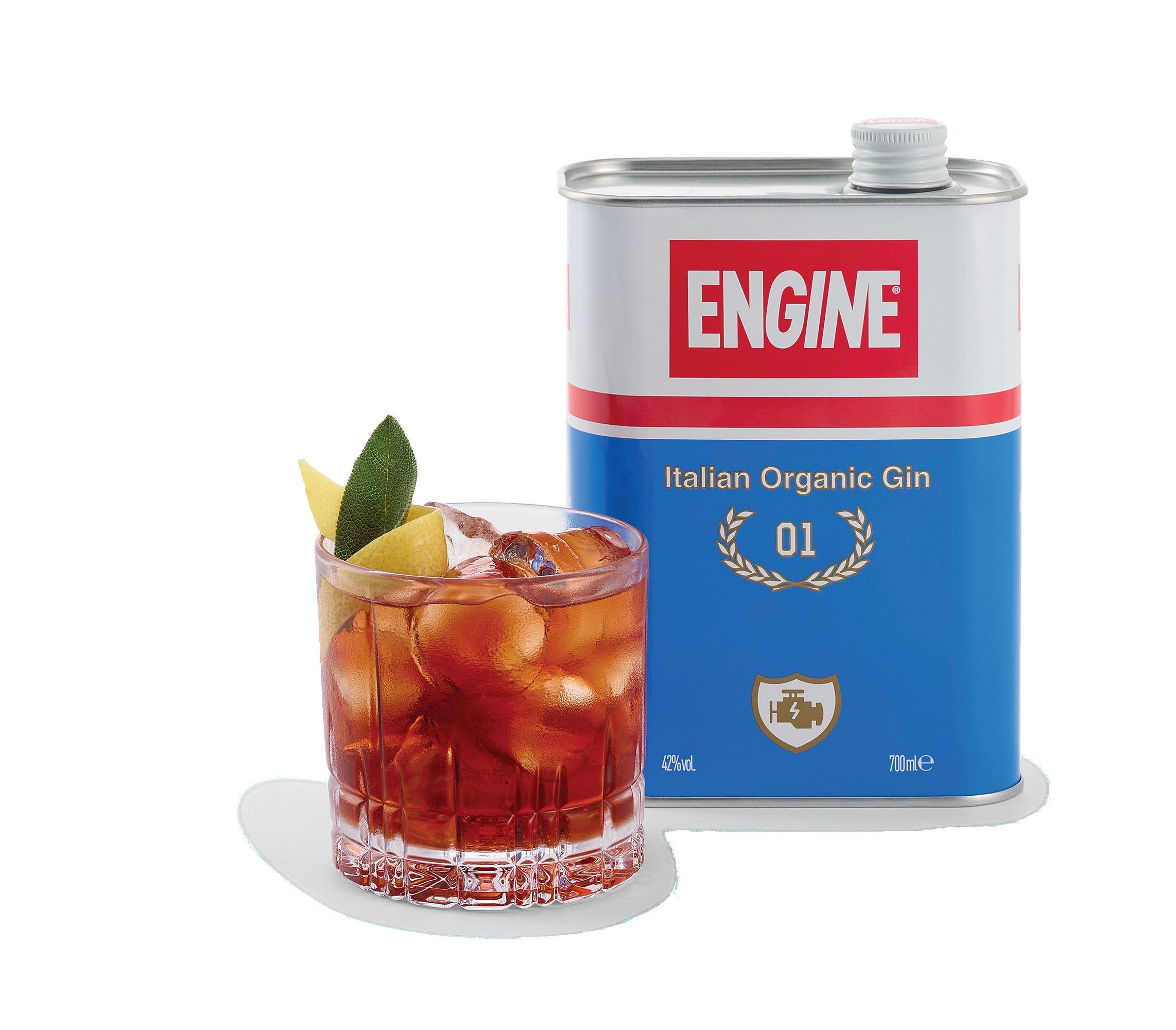
made in front of their eyes,” says Patrick.
While premiumisation continues to shape the category, flavour remains central to how consumers navigate menus.
Calum believes this behavioural shift is reshaping what successful gin serves look like.
“Guests are drinking less and more consciously. As evenings out are fewer than before, many are looking for elevated serves as a moment to treat themselves, while also seeking out longer serves, ensuring that they can continue to have a drink at hand with less potential of a sore head in the morning.”
Consumers increasingly want serves that feel special without necessarily being stronger. Presentation, ritual, ingredient quality and perceived value become more important than alcohol volume alone.
That evolution also supports premium pricing strategies. A carefully constructed gin serve can deliver theatre, conversation and occasion in ways that many categories struggle to match.
Patrick sees cocktails playing a particularly important role.
“To capitalise on the growth of gin, bars should prioritise artisanal varieties to tempt customers with something a little different. Thanks to gin’s versatility, these premium spirits can then be upsold into cocktails,” he explains.
“This may include traditional tipples, such as negronis and martinis, or for a more exclusive offering, operators could create a gin-based, original cocktail that is unique to your bar,” Patrick adds.
For operators, exclusivity remains powerful. Signature serves allow venues to maintain margin while giving consumers a reason to return.
According to Calum, flavour cues help consumers make confident decisions.
“While flavoured gins may have had their five minutes of fame, flavour within gin serves remain pivotal. Giving consumers a descriptor to latch on to before ordering a drink is key for confidence in the drink they are ordering,” he shares.
Traditional combinations still have relevance. Yet, emerging flavour directions suggest consumers are becoming increasingly adventurous.
“Classic combinations will continue to remain popular, think elderflower, red fruit or citrus, but these guests continue their want to explore and have matured alongside the gin category.
So, expect them to be intrigued by pickles, spice and specifically brine in 2026,” Calum notes.
That move toward savoury and unexpected profiles aligns with wider cocktail trends. Guests familiar with gin’s botanical complexity are increasingly willing to move beyond fruit-led serves into more layered territory.
For operators, this creates space to experiment without abandoning familiarity.
Seasonality also continues to influence consumer demand –and warmer months remain a crucial trading opportunity.
Mercedes Venster, On-Trade Marketing Manager at Disaronno International UK, sees lighter and more refreshing formats driving menu decisions.
“As the warmer months approach, refreshing and lighter-style drinks come to the forefront of bar menus, with spritz-style
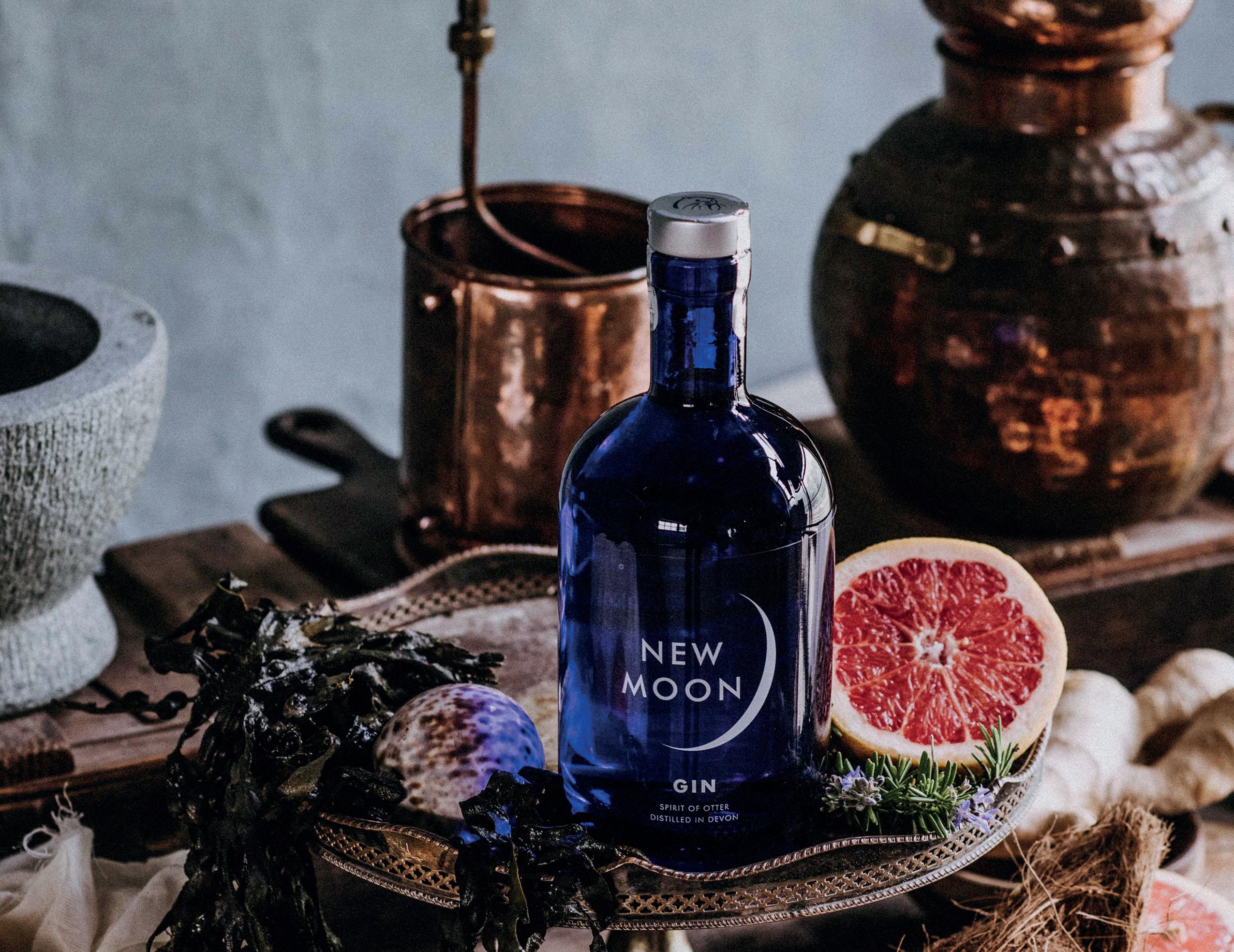
cocktails continuing to lead the way. Spritzes are now the number one cocktail in pubs, and the category continues to evolve as bartenders experiment with new flavour combinations.”
However, differentiation remains essential.
“Consumers are increasingly looking for more than the same spritz repeated across every venue. Introducing a variety of flavour profiles and ingredients allows operators to add a sense of originality while still building on a format that guests already know and enjoy,” she explains.
Brand collaboration can also support innovation.
“Collaborating with brands can be particularly valuable here, as suppliers can support venues with menu development, training and serve inspiration. This helps operators introduce fresh ideas while maintaining consistency and quality across their drinks offering,” Mercedes adds.
Another emerging opportunity lies in extending gin’s presence beyond traditional drinks menus.
Patrick suggests operators with food offerings should think more broadly.
“Otter Brewery’s New Moon Gin doesn’t just excel at cocktails,
and for bars with a food offering, this can become a vital ingredient in a range of desserts. Gin is ideal for everything from elevating cheesecakes to drizzling over citrus sorbets, helping to appeal to customers by offering flexibility over how they choose to enjoy this spirit,” he says.
As operators continue to seek incremental spend and memorable experiences, these crossover opportunities may become increasingly valuable.
Gin no longer needs to prove itself. Its explosive growth phase may be behind it, but the category appears to have entered a more sustainable chapter – one built on premium choices, elevated serves and a consumer base that has become more knowledgeable and more selective.
For venues, success is less about offering endless choice and more about delivering considered experiences: strong stories, distinctive flavour profiles and serves that feel worth the occasion.
Consumers may be drinking less, but they are asking more of what they do choose. And for gin, that expectation could be exactly what secures its next era of growth.
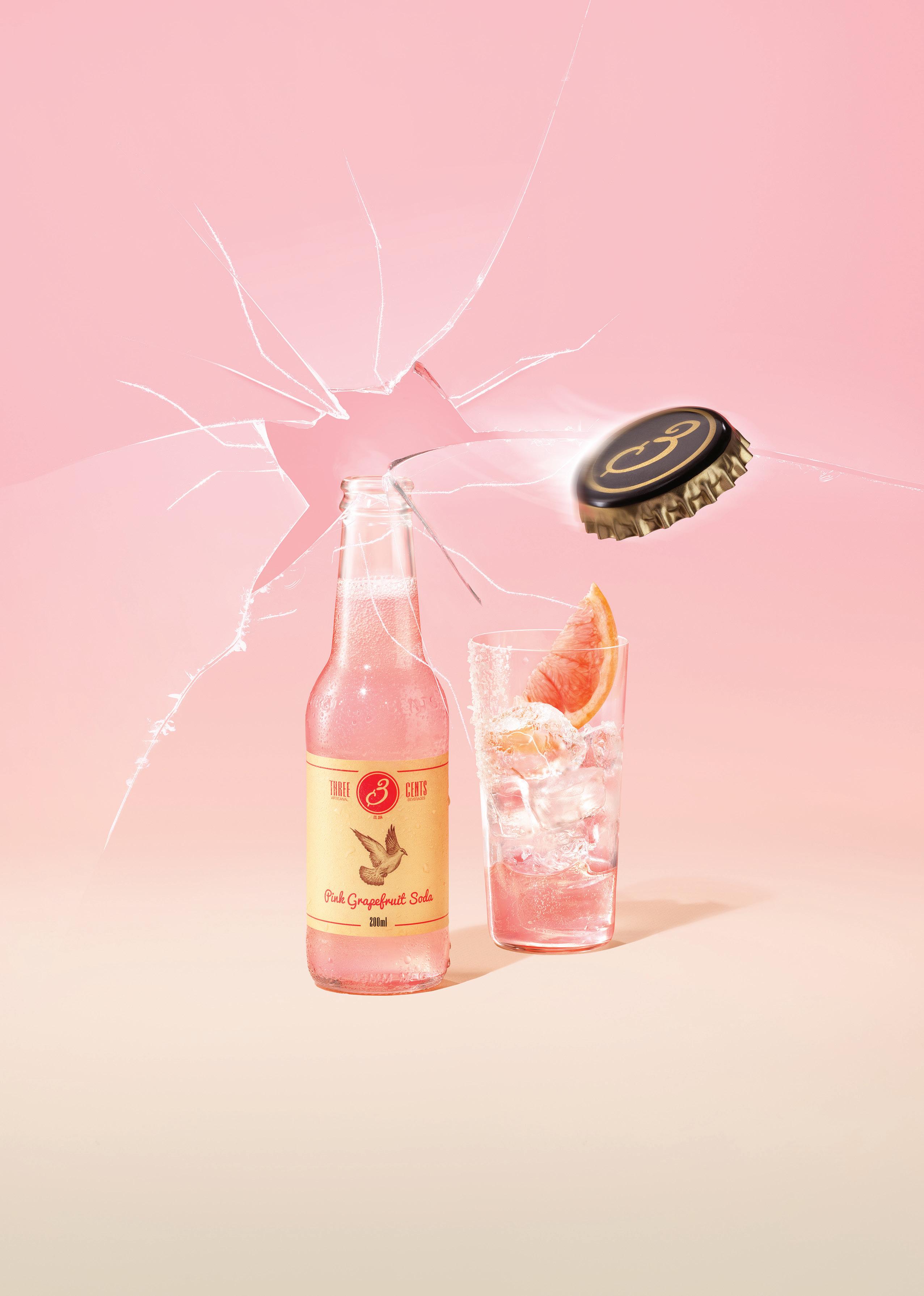
OSAKA’S COCKTAIL CULTURE IS BUILT ON WARMTH, COMMUNITY AND A DEEP-ROOTED SPIRIT OF WELCOME. FOR DOMINIC DIJKSTRA, DIRECTOR OF MIXOLOGY AT WALDORF ASTORIA OSAKA, HOSPITALITY GOES BEYOND SERVICE – IT’S ABOUT STORYTELLING, CELEBRATING JAPANESE INGREDIENTS AND CREATING MEANINGFUL CONNECTIONS THROUGH EVERY DRINK SERVED AT CANES & TALES.
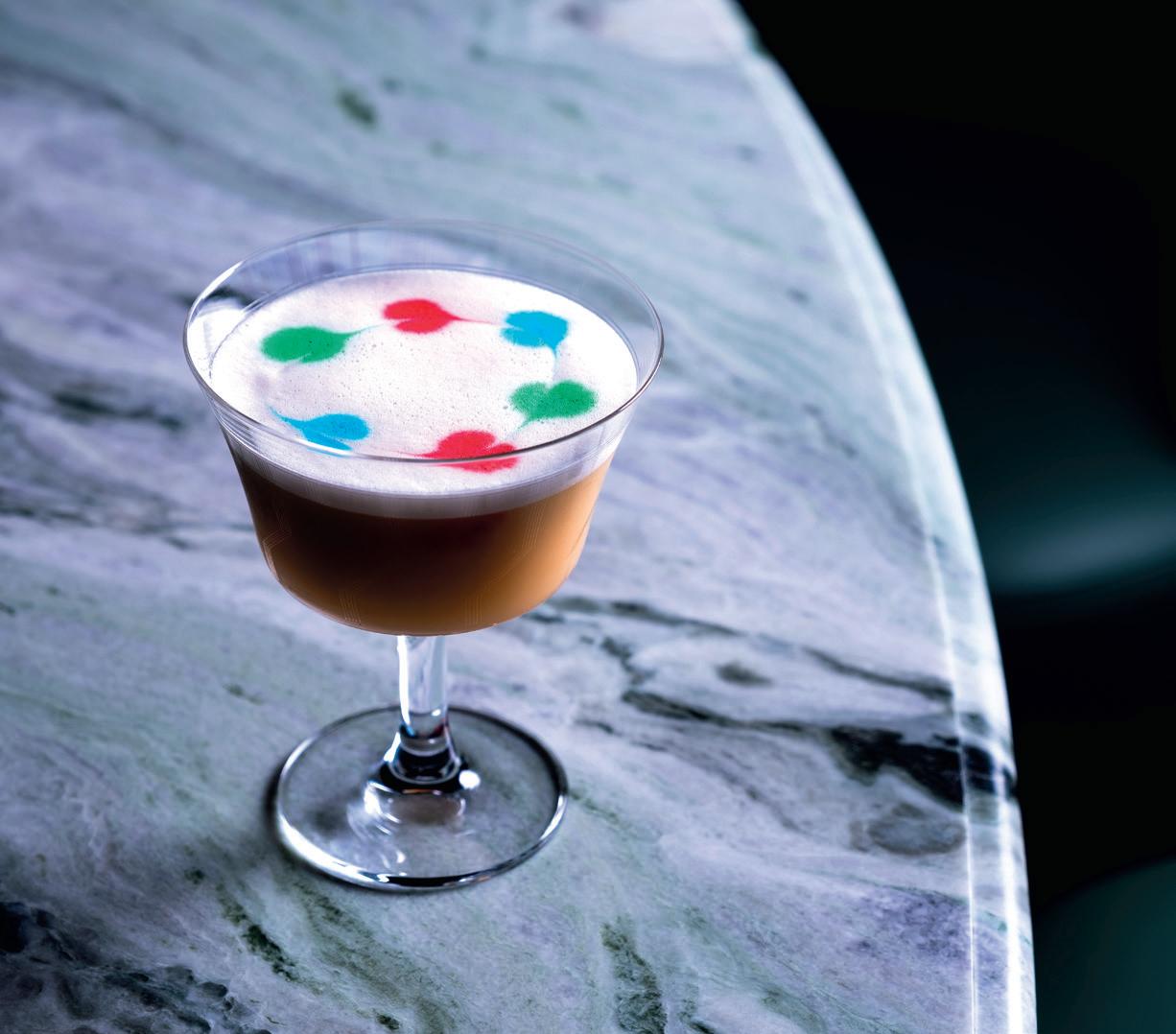
Osaka is a city that doesn’t take long to welcome you in. When I first moved here, I was struck by how open and approachable people were, and I think that same attitude defines the city’s bar scene.
There’s a genuine warmth to hospitality in Osaka. Guests are looked after with incredible care, but it’s rarely formal or intimidating. People want you to have a good time. Conversations happen naturally, bartenders are generous with their knowledge, and there’s a strong sense of community both behind and across the bar.
I think a lot of that comes from Osaka’s food culture. This is a city that loves eating, drinking and bringing people together. Hospitality is a part of everyday life here, whether you’re sitting at a tiny local bar or at one of the city’s leading cocktail destinations, there’s a feeling that you’re being welcomed into someone’s world.
The city’s cocktail scene has grown enormously in recent years; we’re seeing more international guest shifts, more collaboration, and more attention from overseas. But, what I enjoy most is that Osaka hasn’t lost its character; it’s still a city where hospitality comes first, and I think that’s what makes it special.
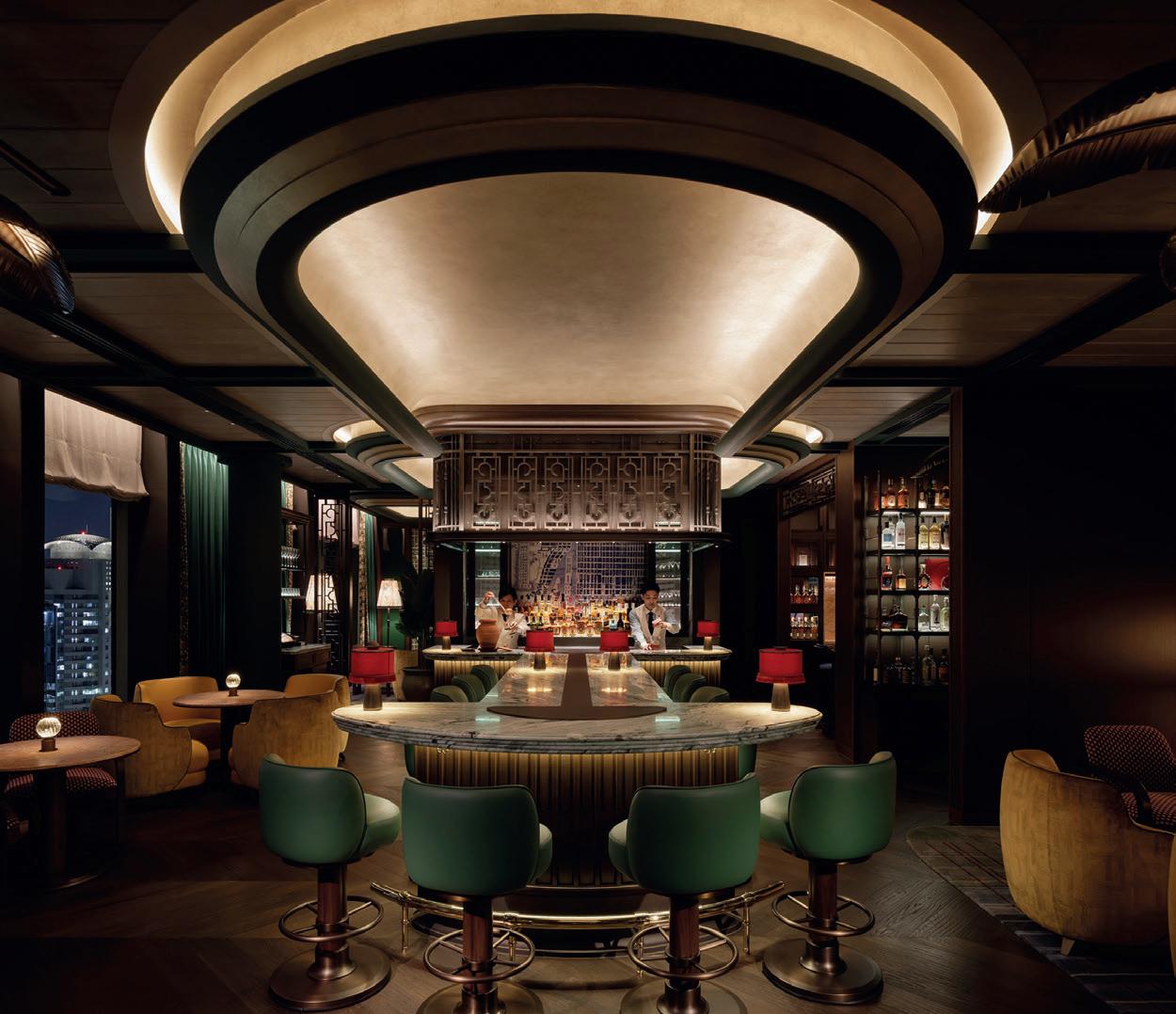
WHAT ROLE DOES STORYTELLING PLAY IN HELPING GUESTS CONNECT WITH UNFAMILIAR INGREDIENTS OR TECHNIQUES?
Storytelling is the foundation of everything we do at Canes & Tales. From day one, we wanted to create something that felt bigger than a cocktail menu. We wanted guests to discover stories through the drinks they were experiencing.
Our current menu is inspired by F. Scott Fitzgerald’s Tales of the Jazz Age, with each cocktail drawing inspiration from a different short story. The narrative gives guests a starting point. Even if they’re unfamiliar with a particular ingredient, flavour or technique, they can connect with the emotion, character or theme behind the drink.
I’ve always found that guests are much more interested in why something exists than in how it was made. They might appreciate that a cocktail has used a complex preparation method, but what they remember is the story. The technique should support the experience, not become the experience.
Storytelling also gives us the freedom to introduce guests to ingredients they may never have encountered before. Once there’s a narrative attached to a drink, people become more curious and willing to explore. That’s where some of the most memorable experiences happen.
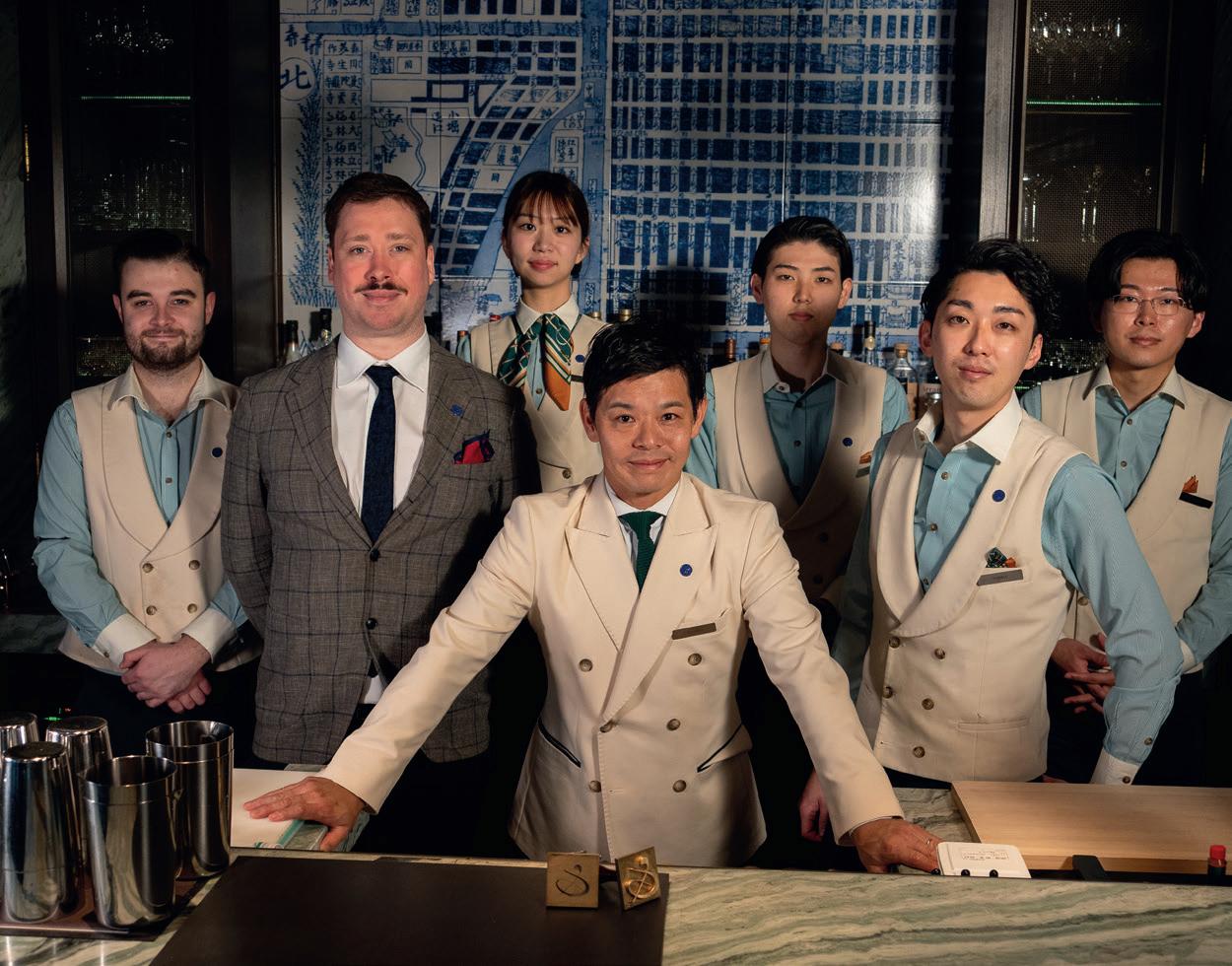
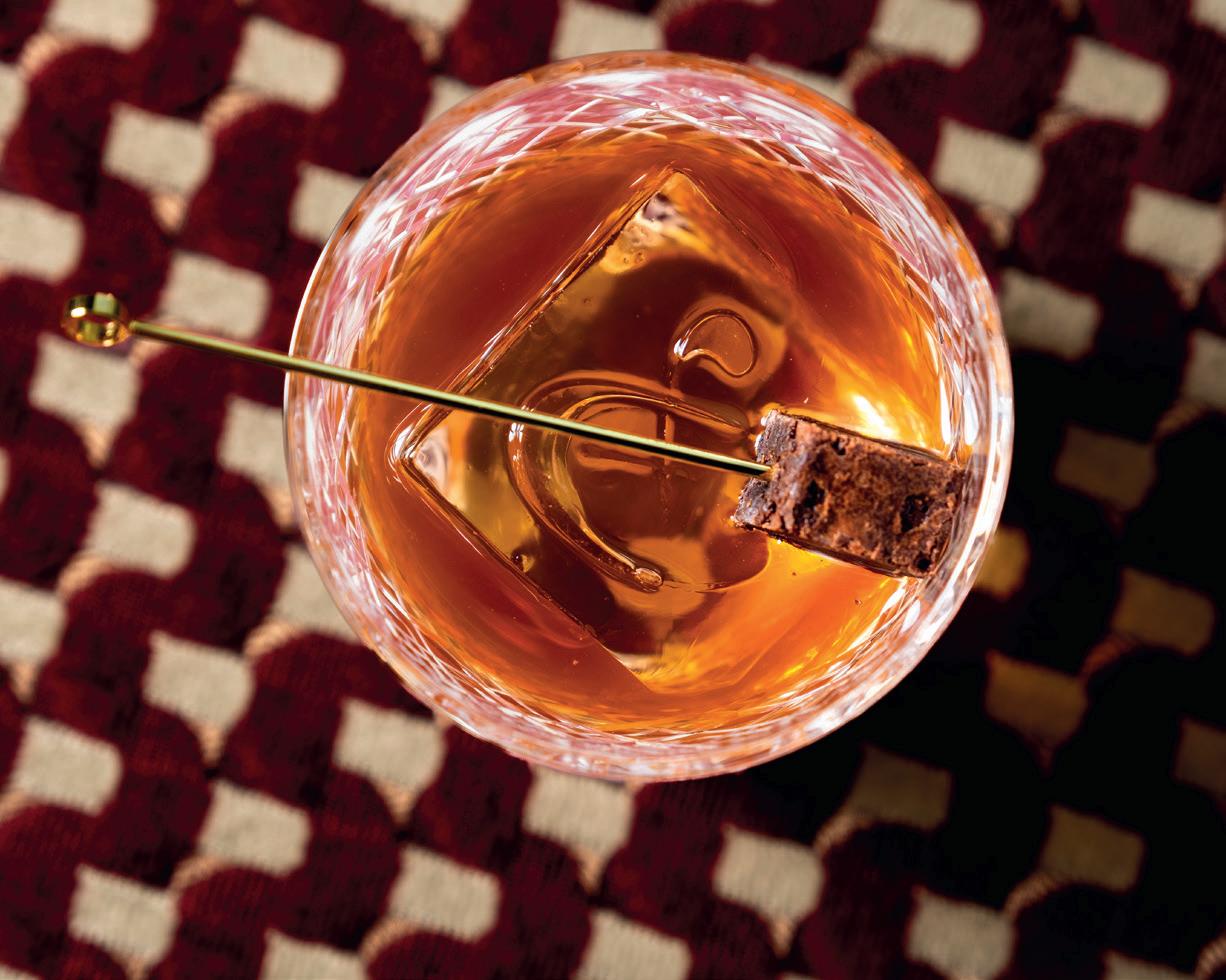
As we develop future menus, storytelling will continue to guide our approach. The next chapter for Canes & Tales will remain heavily inspired by literature and the idea that every great cocktail has a story worth telling.
One of the biggest influences on our cocktail programme isn’t actually coming from the bar world, it’s coming from Japanese cuisine.
Japanese chefs have always had a deep respect for seasonality, locality and sustainability, long before those ideas became global trends. That mindset has had a huge impact on how we approach drinks. Rather than looking for the next fashionable ingredient, we’re often looking at what’s growing around us, what’s in season, and that becomes the basis of our Seasonal Menu.
Japan offers an incredible range of regional produce. Whether it’s tea, citrus, herbs, vegetables or traditional fermented ingredients, there’s always something new to explore. The challenge is finding ways to present those flavours through cocktails while still making them approachable for an international audience.
We’re also seeing continued growth in alcohol-free and lowerABV drinking, which is encouraging bartenders to think differently about flavour and structure. At the same time, techniques that enhance texture, such as clarification, carbonation and foam, continue to evolve.
US MORE ABOUT YOUR USE OF
IN YOUR SERVES AND GARNISHES. HOW ARE GUESTS RESPONDING TO THIS?
Foam is something we’ve been exploring more and more because it allows us to add another dimension to a cocktail.
Most guests initially notice the visual aspect. A well-executed foam immediately creates intrigue and gives a drink a distinctive identity. But, for us, its value goes far beyond appearance. Foam can carry aroma, introduce texture and deliver flavour in a very precise way.
In drinks like May Day and Tarquin of Cheapside, the foam isn’t there simply as a garnish, it’s an integral part of the drinking experience. The aromas reach the guest before the liquid does, and the contrast between the foam and the cocktail underneath creates a changing perception of flavour as you drink.
What’s been interesting is how quickly guests engage with it. Foam creates a talking point. People naturally ask questions about what they’re tasting and how it works. Once they realise it’s contributing to the flavour, rather than just used as decoration, they become even more invested in the drink.
I think that’s one reason we’re seeing more bartenders embrace it. It offers both creativity and functionality, which is a combination that’s hard to ignore.
LOOKING AHEAD, HOW DO YOU SEE CANES & TALES’ COCKTAIL PHILOSOPHY EVOLVING OVER THE NEXT FEW YEARS?
I see Canes & Tales continuing to become a bridge between international cocktail culture and Japanese hospitality.
I’ve been fortunate to work in many different countries throughout my career, and one thing I’ve learned is that great hospitality transcends language and geography. At Canes & Tales, we’re constantly looking at how we can bring together ideas from around the world while remaining rooted in Japan.
Storytelling will continue to play a central role in that evolution. It’s what gives our menus their identity and allows us to create experiences that guests remember long after they’ve left the bar.
I’m also passionate about championing Japanese ingredients on a global stage. Japan has some of the most remarkable produce, teas and traditional flavour traditions in the world, yet many remain unfamiliar outside the country. I think bars have a unique opportunity to introduce guests to those ingredients in a way that’s engaging and accessible.
Ultimately, I don’t think our goal is simply to make more innovative cocktails. It’s to create experiences that connect people, spark curiosity and showcase the incredible ingredients and hospitality culture that Japan has to offer.
@canesandtales