Report of the CIED Delegation Visit to Rwanda
The Consortium for International Education and Development (CIED), New York
1. Introduction
As part of a renewed commitment to promoting reciprocal knowledge exchange across Africa, the United States, and Europe, a delegation from The Consortium for International Education and Development (CIED), New York undertook a weeklong visit to Rwanda. The visit focused on strengthening institutional partnerships and fostering collaborative initiatives in academic research, leadership development, and media training.
The delegation engaged with key institutions, including:
● East African University, Rwanda (EAUR)
● Institut Catholique de Kabgayi (ICK)
● University of Rwanda, Huye Campus
● Rwanda Journalists Association (ARJ)
The overarching goal of the visit was to formalize strategic partnerships that support capacity building for faculty and students, while advancing shared priorities in higher education and journalism practice.
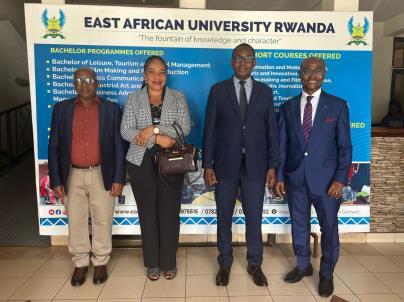
2. Engagement at East African University, Rwanda (EAUR)
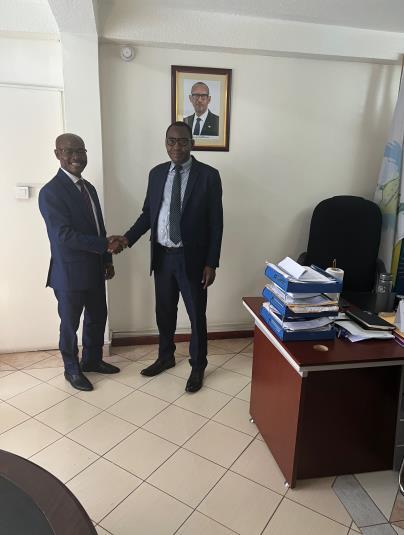
The delegation held substantive discussions with the Vice Chancellor, Professor Kabera Callixte, focusing on:
● Intra-African research collaboration
● Faculty sabbatical initiatives
● Professional development certificate programs offered by CIED
Professor Kabera highlighted critical challenges facing higher education in Africa, particularly:
● Limited teaching resources
● Insufficient capacity development opportunities for faculty and students
In response, Dr. Uchenna Ekwo emphasized CIED’s strategic commitment to addressing the brain drain crisis, noting that a significant proportion of African scholars who study abroad do not return to their home institutions.
He stated:
“We seek to promote brain circulation among African scholars and peers around the world through the Faculty Sabbatical Initiatives and student exchange programs.”
Dr. Ekwo underscored the importance of creating structured pathways for intra-African academic mobility and collaboration, positioning CIED as a facilitator of global scholarly exchange rooted in African institutional strengthening.
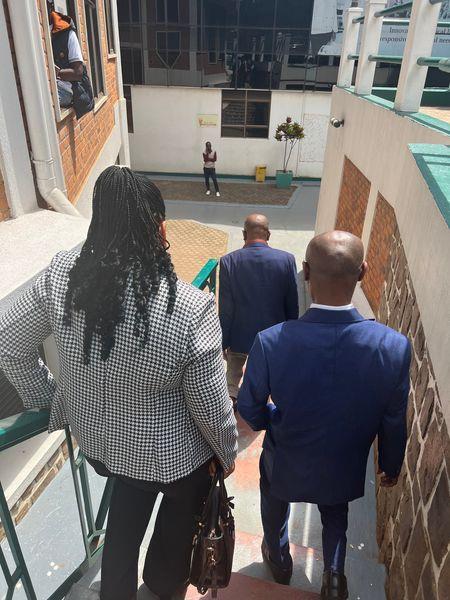
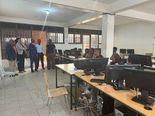
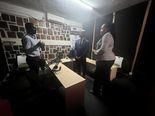
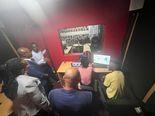
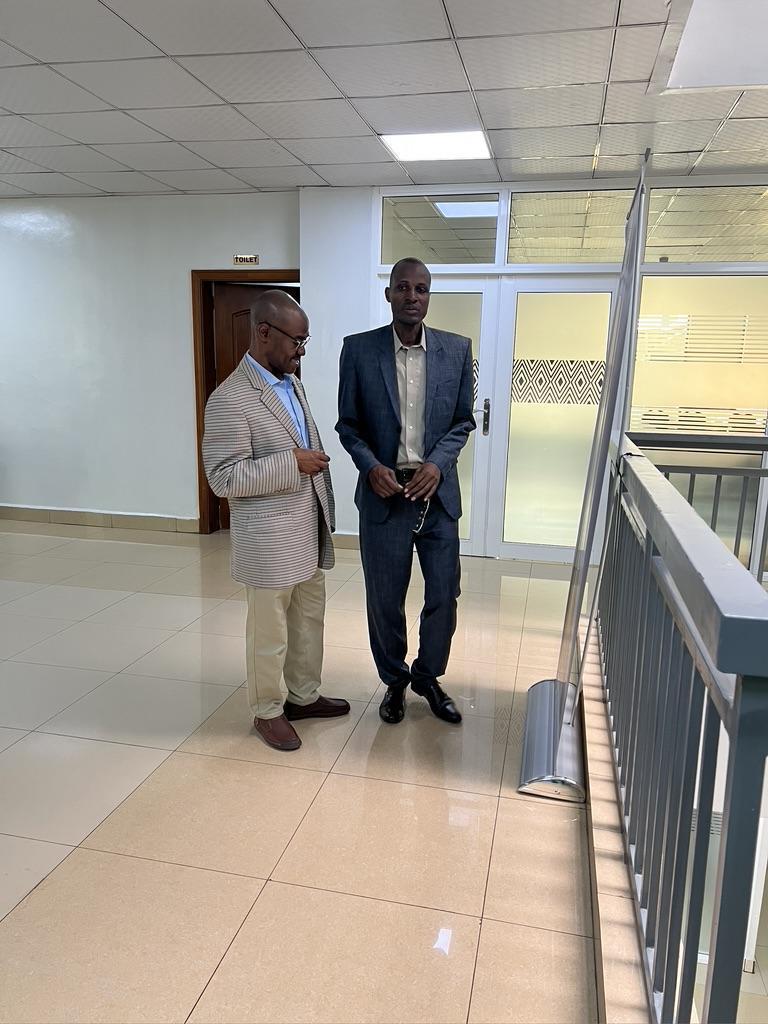
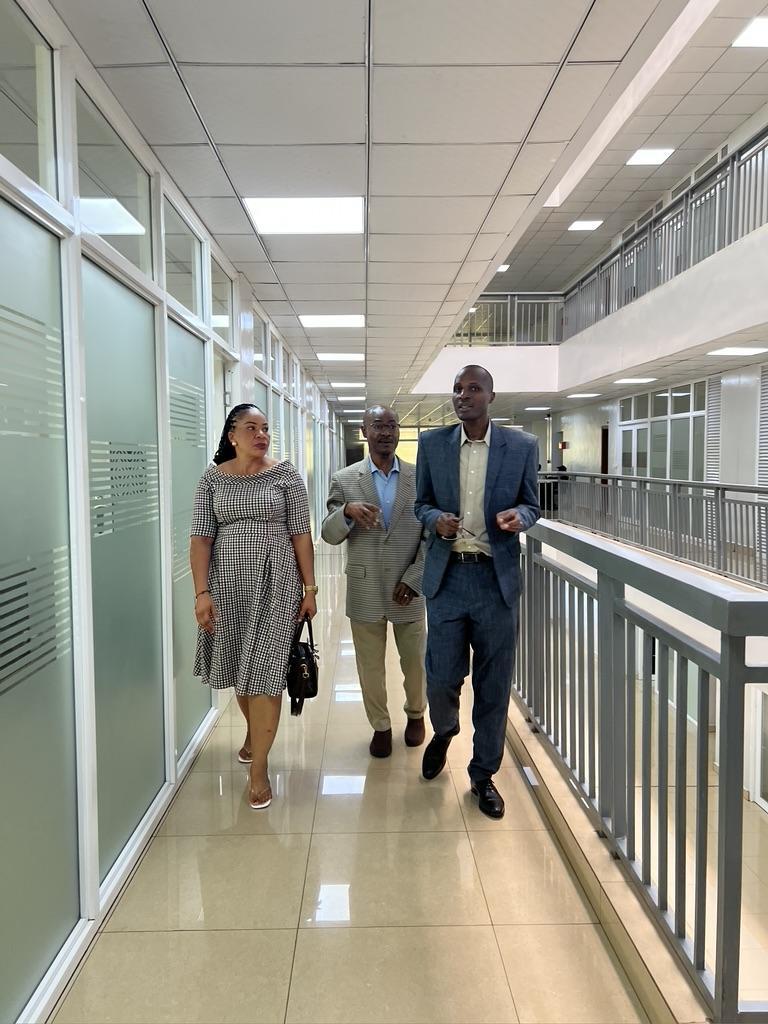
The delegation also toured EAUR’s radio, television studios, and multimedia laboratories, led by Jean Baptiste Hategekimana of the Department of Journalism and Communications. While the facilities demonstrated strong potential, they were observed to be in need of technological upgrading to meet contemporary media training standards.
3. Visit to Institut Catholique de Kabgayi (ICK)
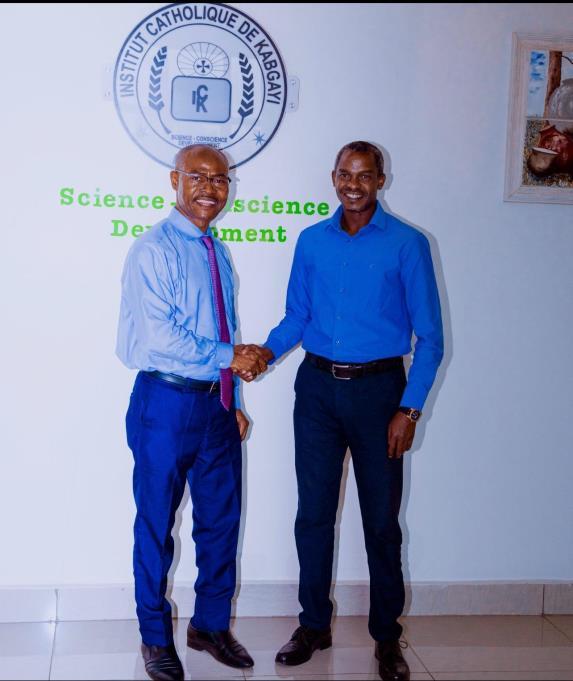
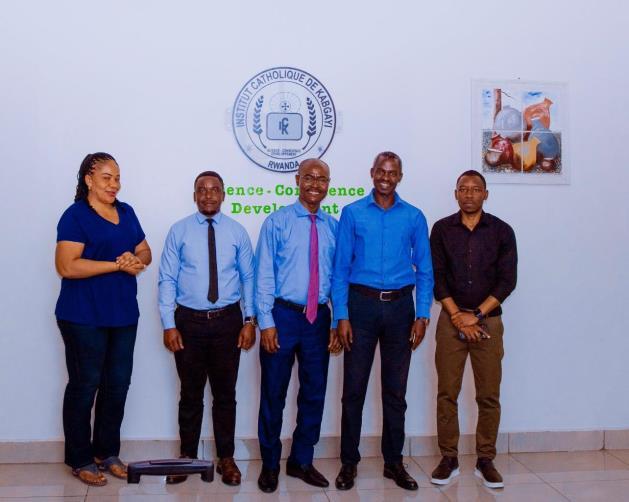
At ICK, the delegation was received by the Deputy Vice Chancellor, Reverend Father Dr. J.M. Vianney Samarwa, who engaged in discussions with Dr. Ekwo on:
● The ongoing collaboration between ICK and CMPI (Center for Media and Peace Initiatives)
● Opportunities for expanded partnerships within the Faculty of Journalism and Communication Studies
Dr. Samarwa identified a key institutional challenge:
● The shortage of qualified faculty, particularly affecting graduate-level programs
The ICK leadership, including:
● Mugiziki Aloys, Dean of the Faculty of Journalism and Communication Studies
● Philbert Mboonigaba, Coordinator of Partnerships expressed strong interest in deepening collaboration with CIED, especially in faculty development and curriculum enhancement.
Cultural and Historical Engagement
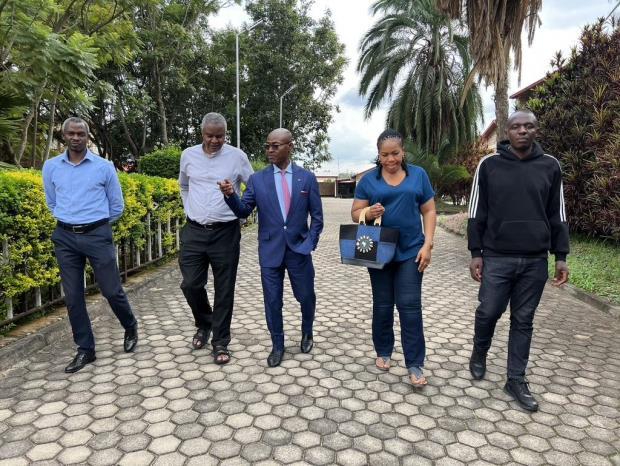
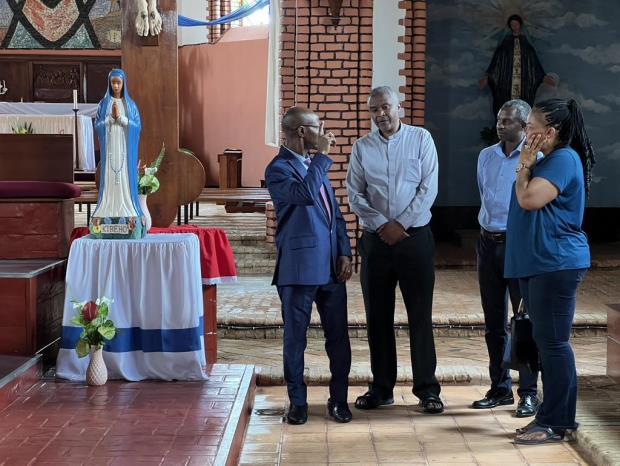
As part of the visit, the delegation toured the Cathedral Basilica of Our Lady in Kabgayi, a historic landmark and spiritual center of the Roman Catholic Church in Rwanda since 1905.
The tour, conducted by Monsignor Jean De Dieu Hodali, provided valuable cultural and historical context, reinforcing the importance of integrating heritage, ethics, and education in development partnerships.
The ignoble role played by journalists in the 1994 genocide in Rwanda still haunts journalism practice in the country and even in the entire region.
4. Engagement at the University of Rwanda, Huye
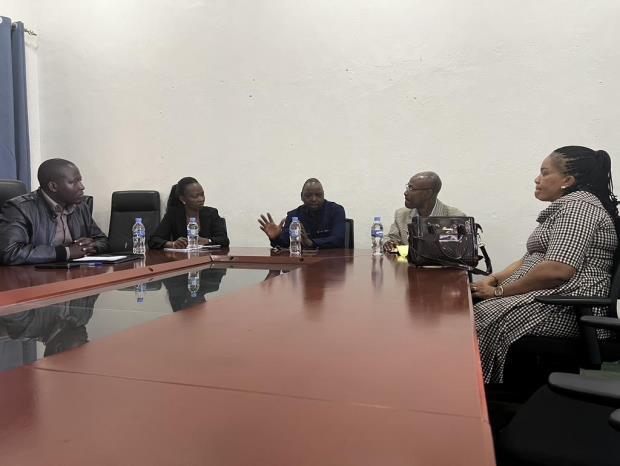
The delegation met with the leadership of the College of Arts, Languages, and Communication, including:
● Dr. Ruterana Canisius (Dean)
● Ms. Jeanne Arc Mukana
● Athanase Munyarugando
● Eugene Hagabimana
Discussions focused on:
● Journalism education in the digital age
● Institutional challenges in higher education
● Opportunities for collaborative research and student engagement
Following the engagement, both institutions agreed to pursue a partnership aimed at:
● Joint faculty research collaboration
● Student internship opportunities
● Strengthening journalism training and innovation
This partnership reflects a shared commitment to advancing media education and professional practice in Africa’s evolving digital landscape.
5. Meeting with the Rwanda Journalists Association (ARJ)
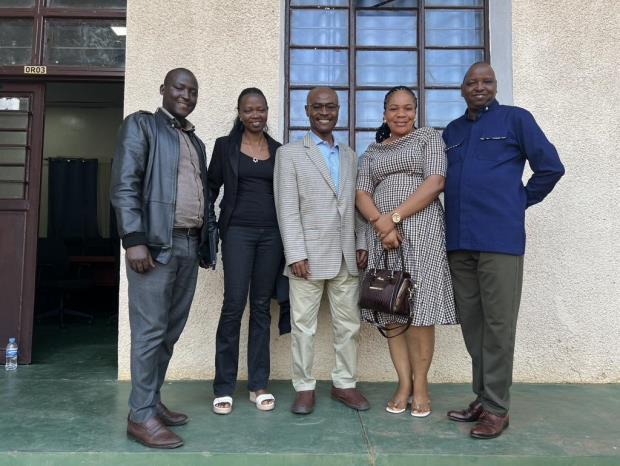
At the ARJ headquarters in Kigali, Dr. Ekwo held high-level discussions with the Executive Secretary, Emmanuel Hubumuremyi.
The conversation focused on:
● Enhancing media literacy education
● Promoting citizen engagement
● Combating disinformation and hate speech
Both parties reflected on the historical role played by sections of the media during the 1994 genocide, acknowledging the urgent need for ethical journalism and responsible media practice.
Mr. Hubumuremyi emphasized that:
● Sustainable impact requires long-term professional development programs, rather than short-term workshops with limited effectiveness
● CIED expressed readiness to collaborate with ARJ in designing comprehensive training programs aimed at strengthening journalistic standards and resilience.
6. Strategic Significance of the Visit
This visit aligns closely with Dr. Uchenna Ekwo’s broader work as:
● President of CIED, New York
● Carnegie African Diaspora Scholar
The mission reinforces CIED’s strategic priorities:
● Promoting brain circulation instead of brain drain
● Supporting faculty and student mobility across Africa and globally
● Building institutional capacity through sustained partnerships
● Advancing media literacy and democratic engagement
7. Key Outcomes
The visit yielded several important outcomes:
● Agreement to formalize institutional partnerships
● Commitment to collaborative faculty research and exchange programs
● Identification of priority areas for capacity building
● Strengthened relationships with journalism and media organizations
● Increased alignment on long-term professional development initiatives
8. Conclusion
The CIED delegation’s visit to Rwanda marked a significant step toward building enduring academic and professional partnerships in Africa. The engagements demonstrated strong mutual interest in collaborative innovation, capacity development, and knowledge exchange
As CIED continues to expand its footprint across the continent, these partnerships will play a critical role in shaping a more inclusive, sustainable, and globally connected higher education ecosystem in Africa.