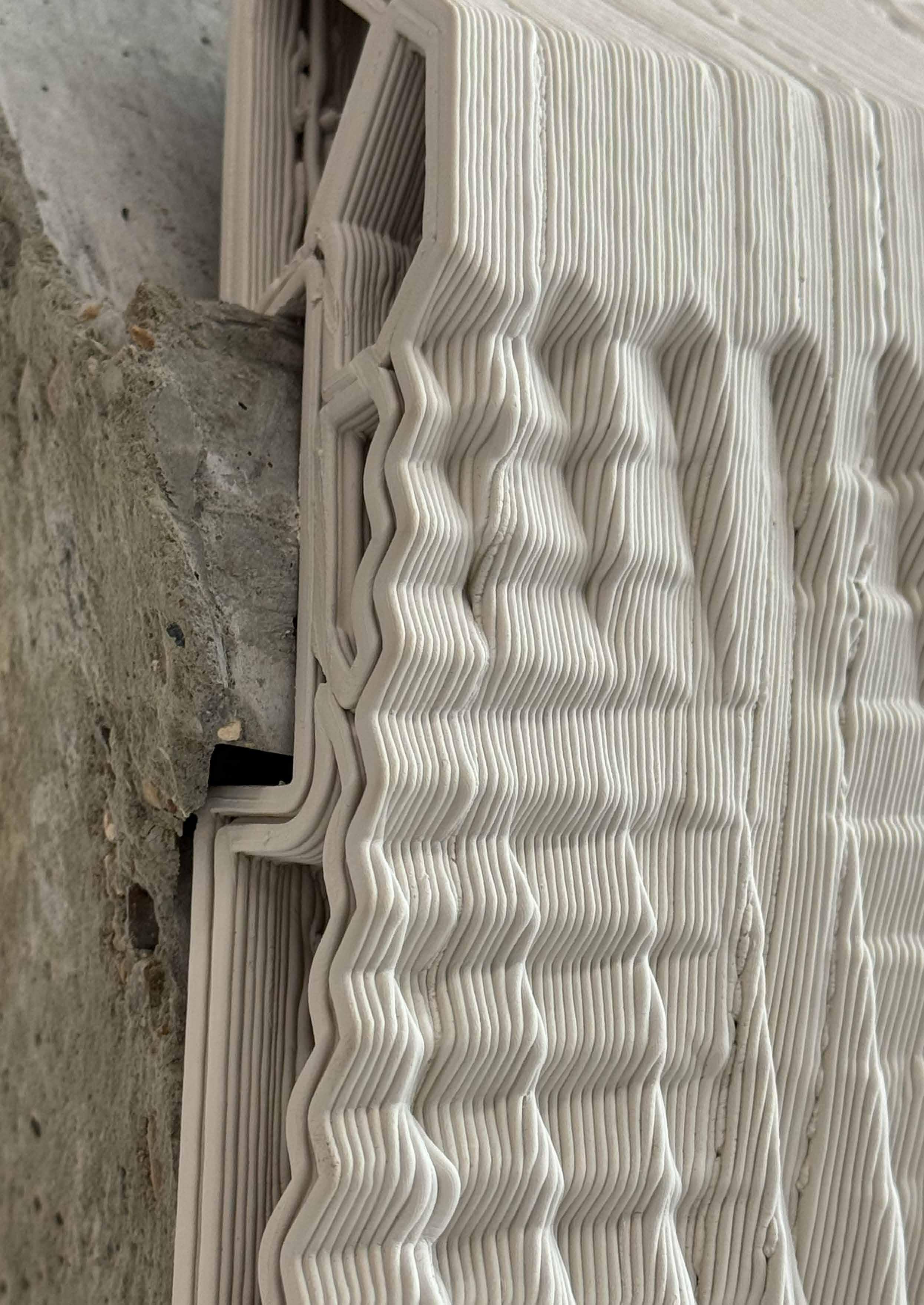
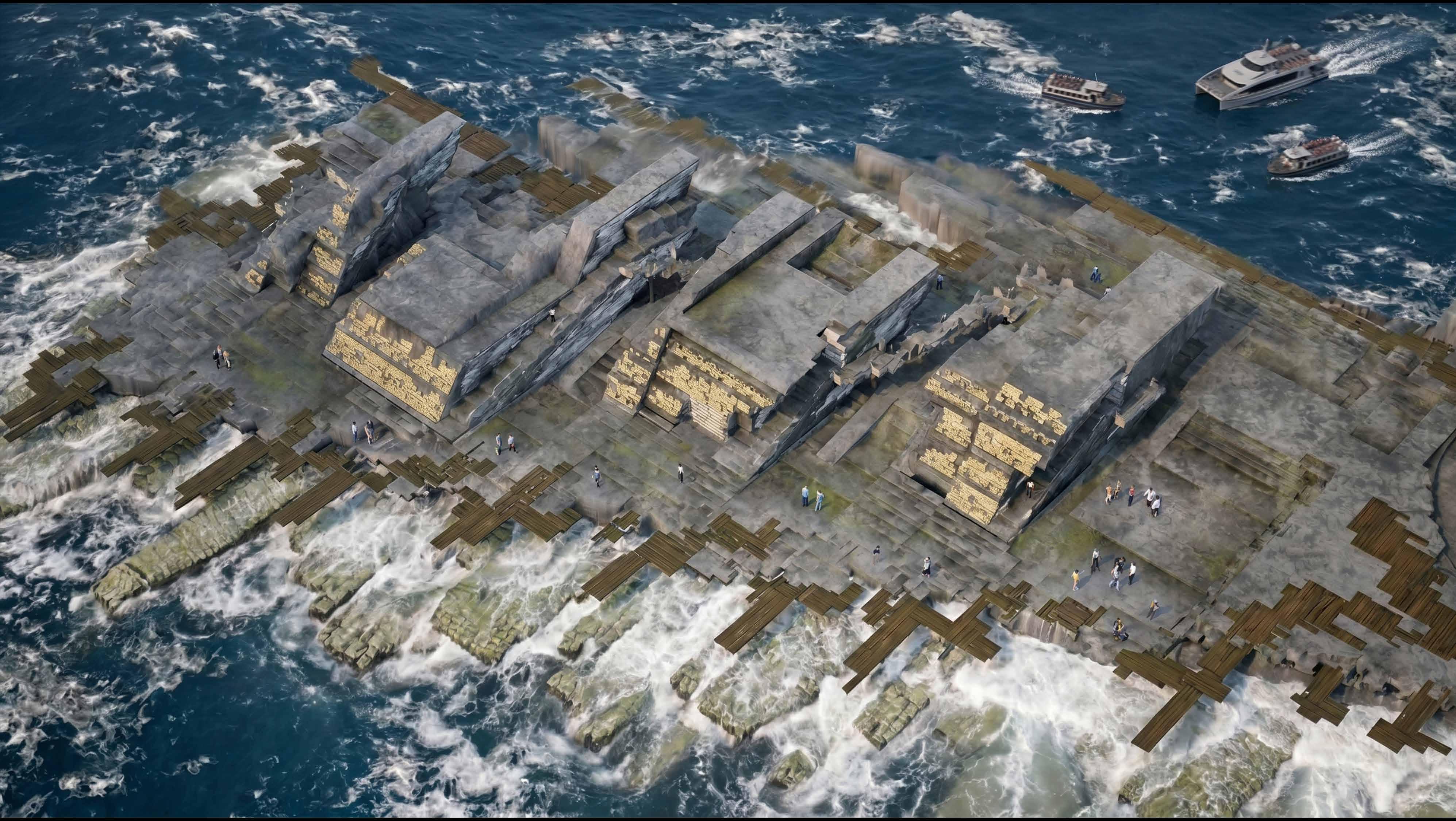
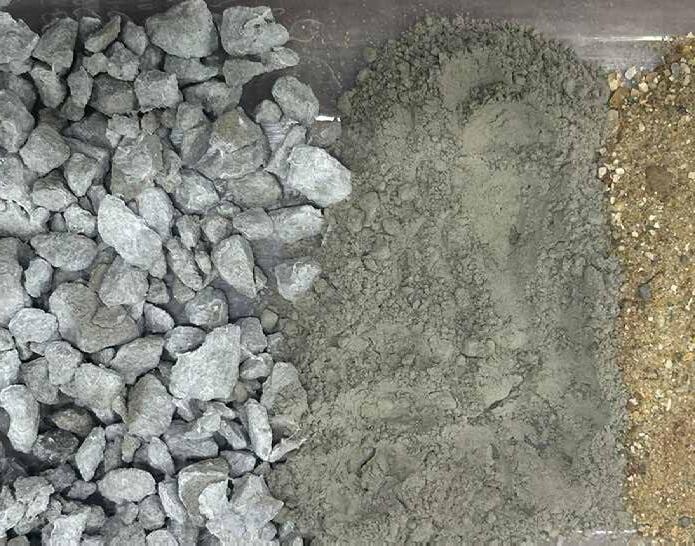
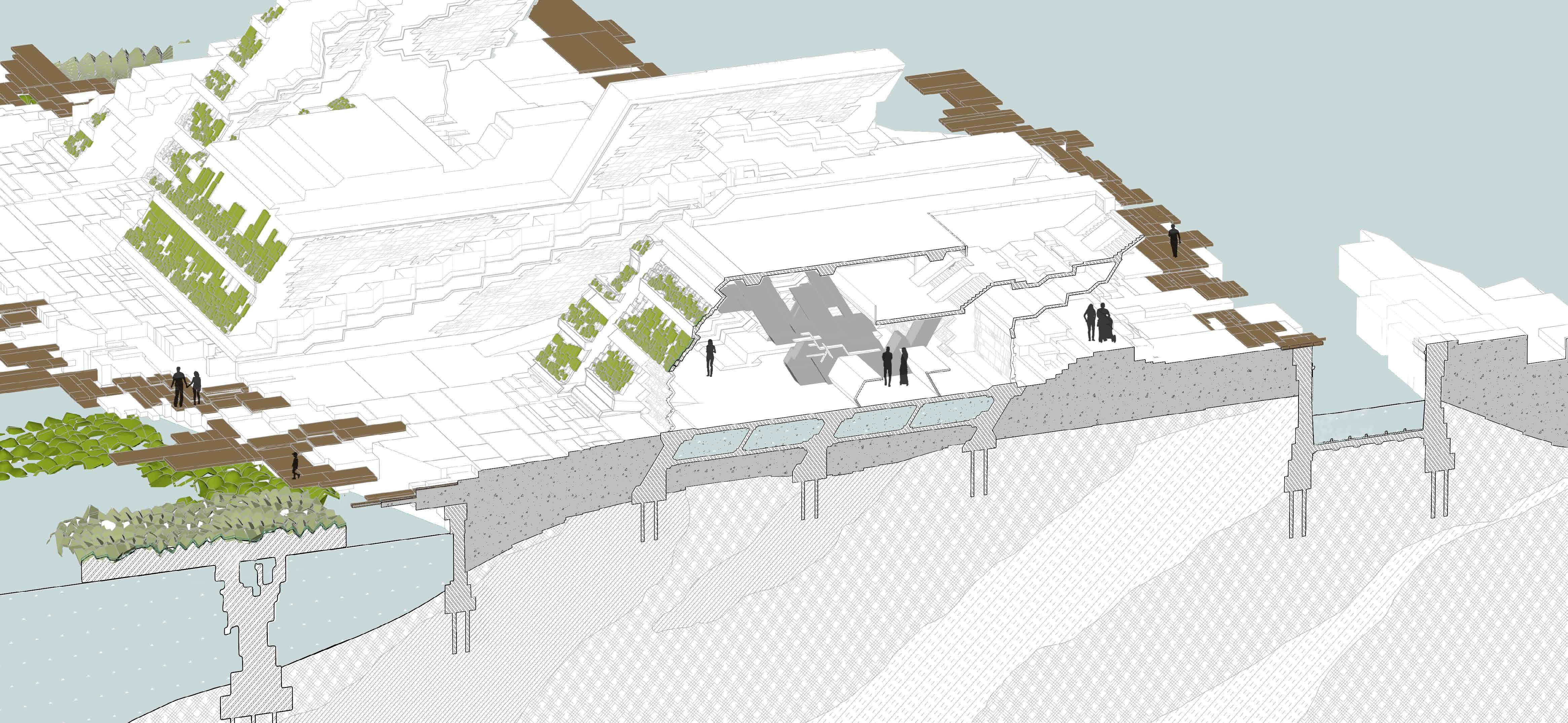
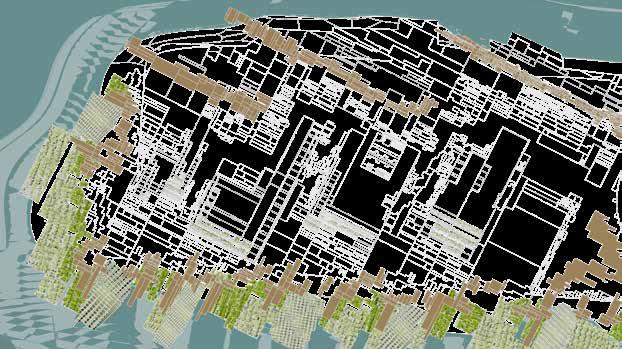
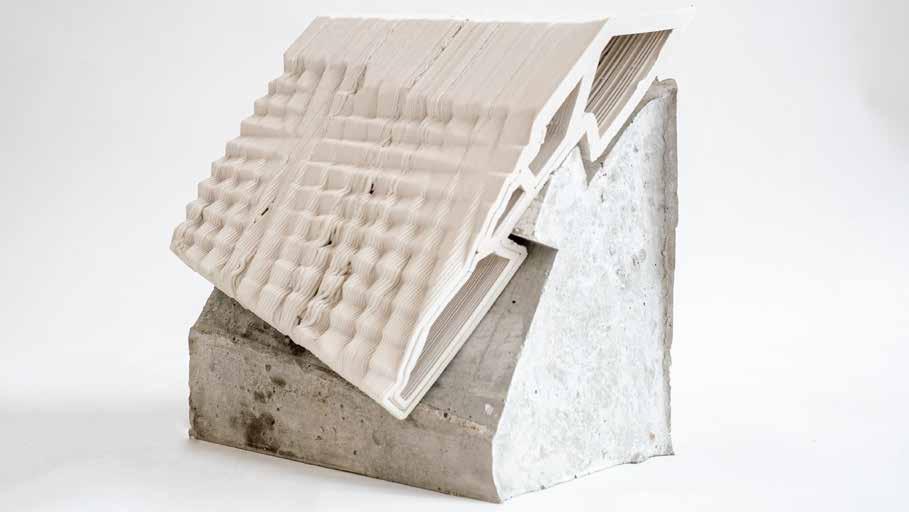
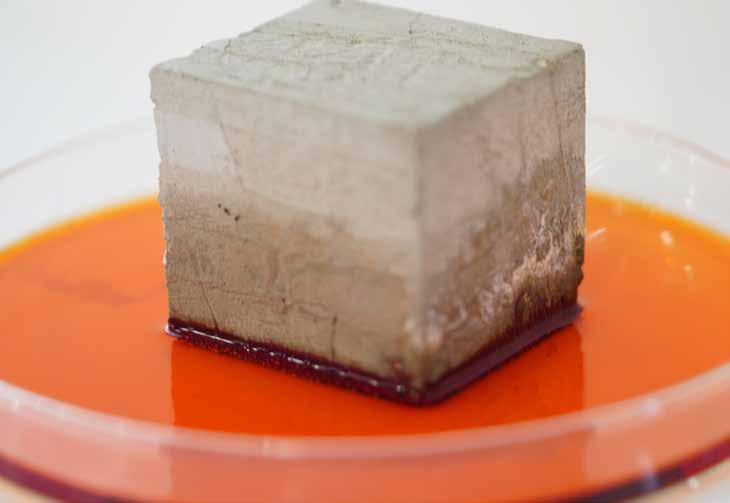
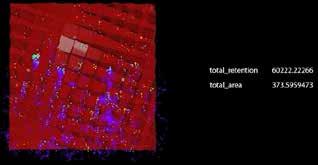
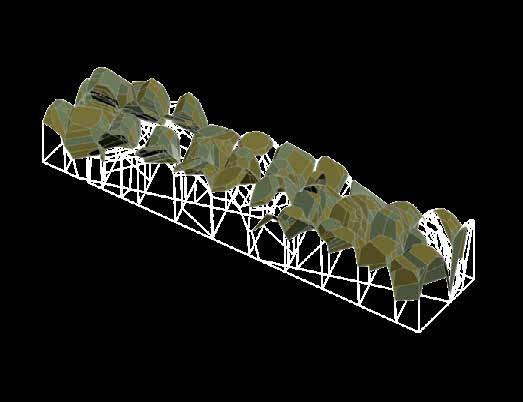
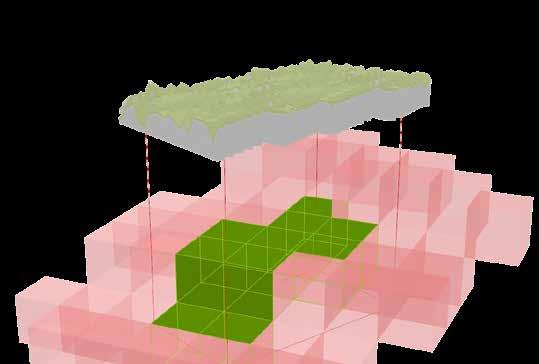
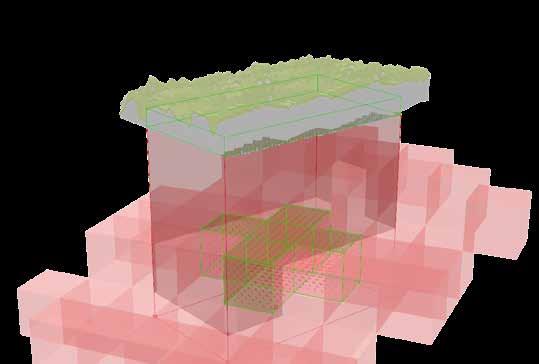
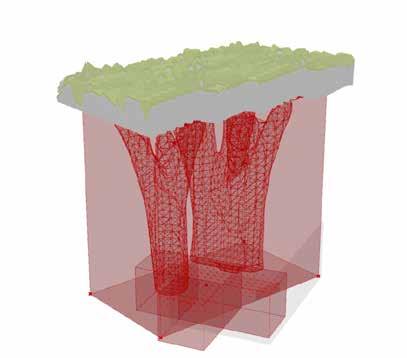
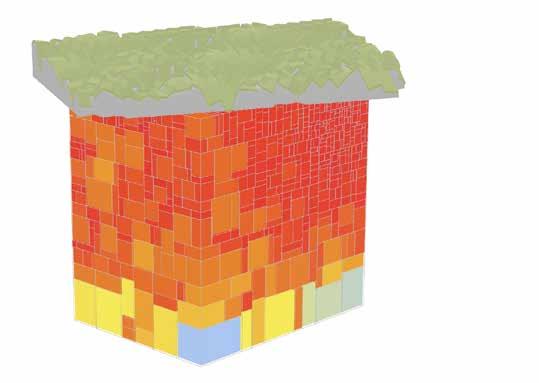
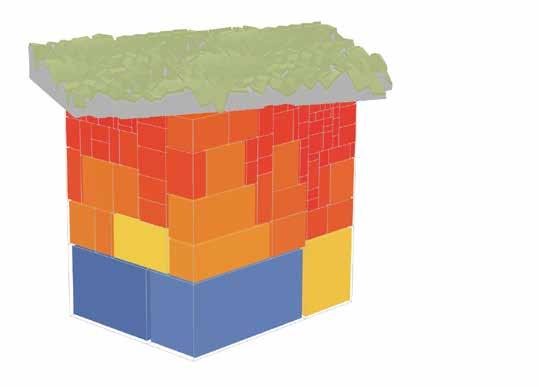
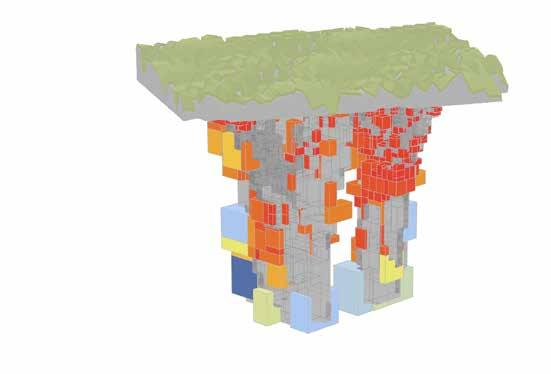
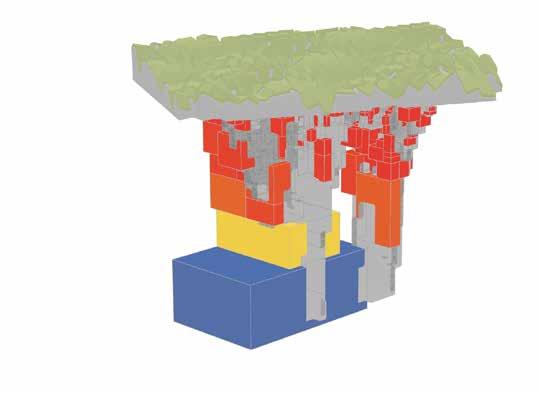
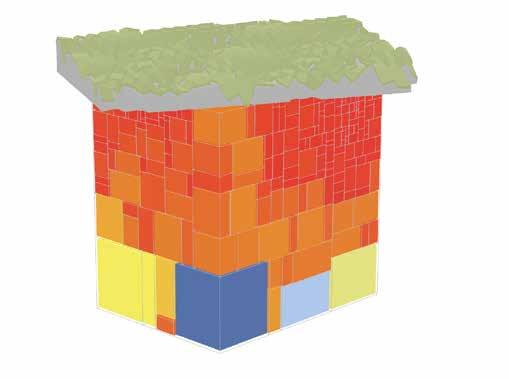
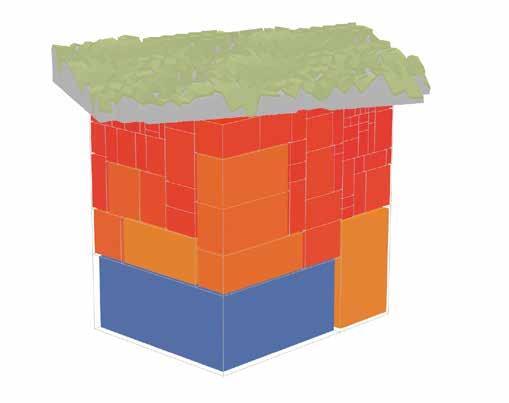
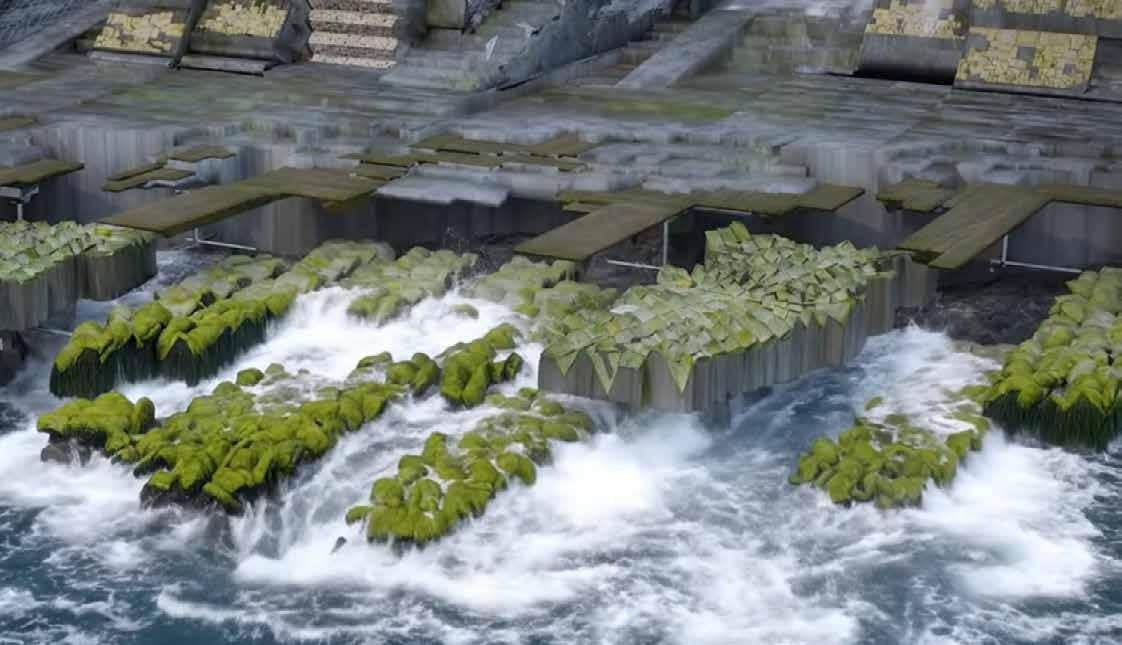
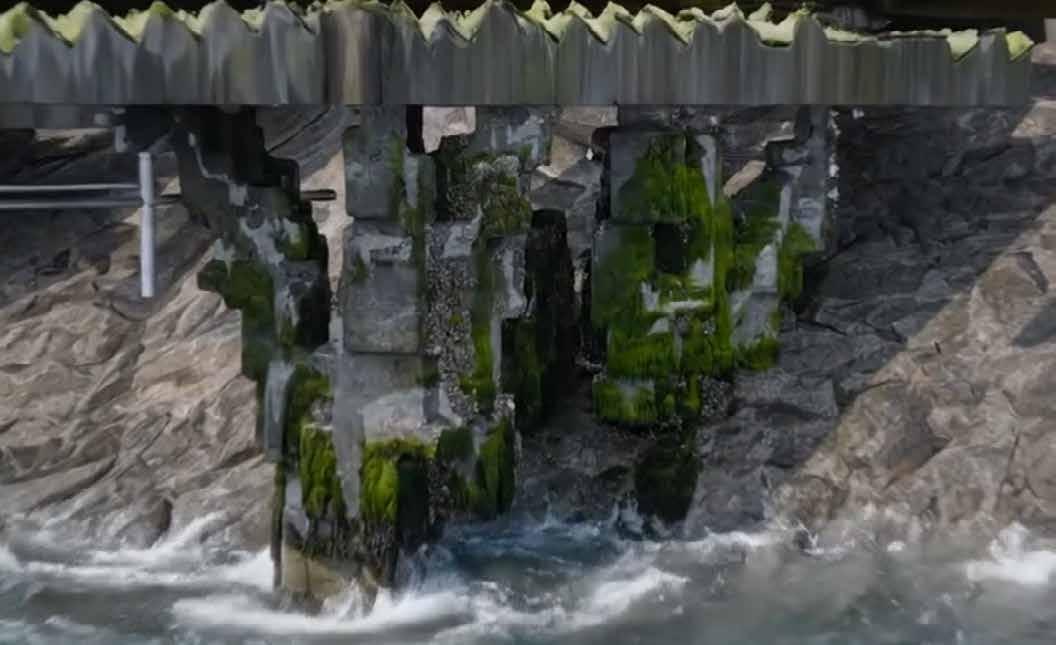
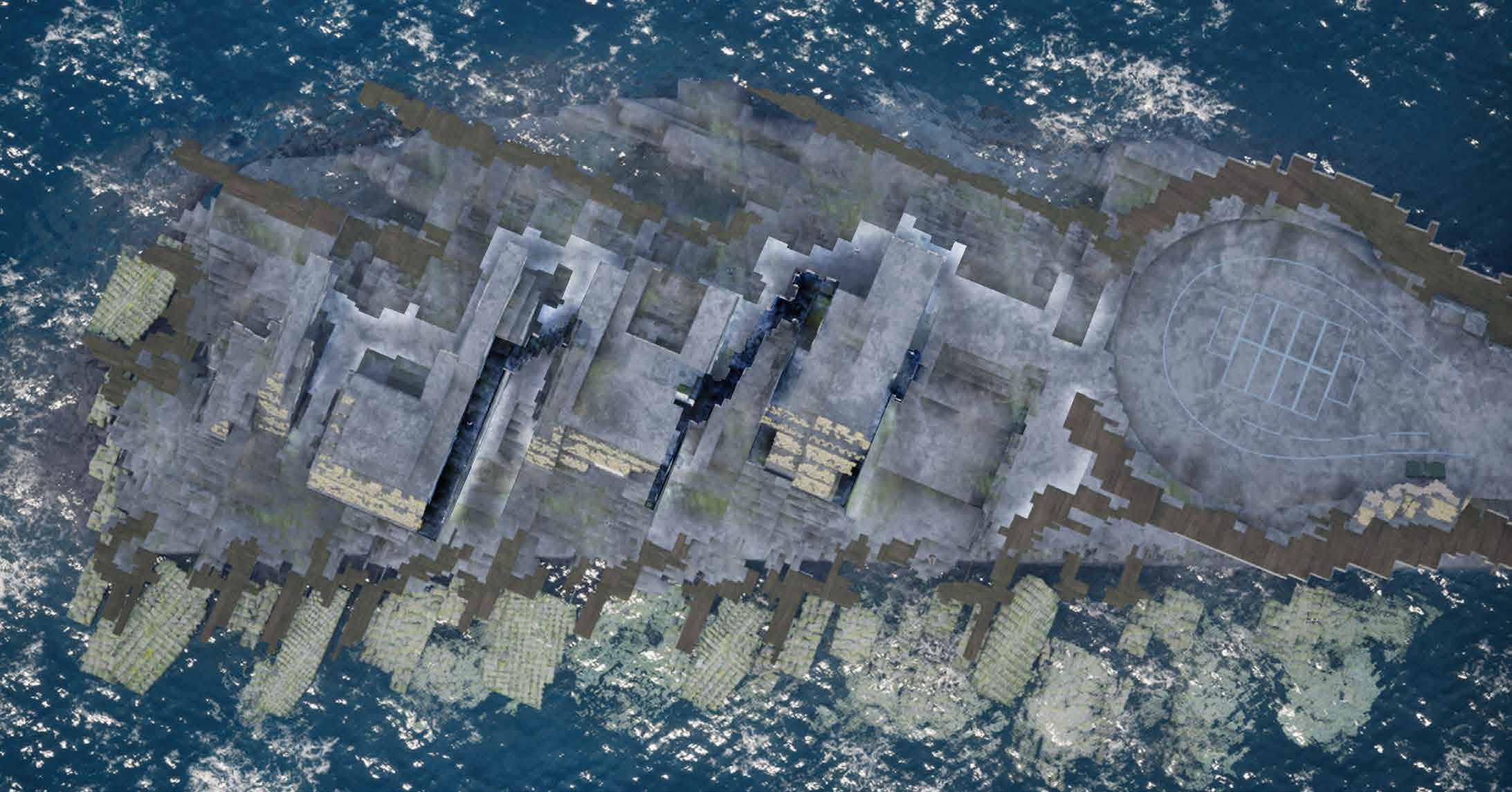
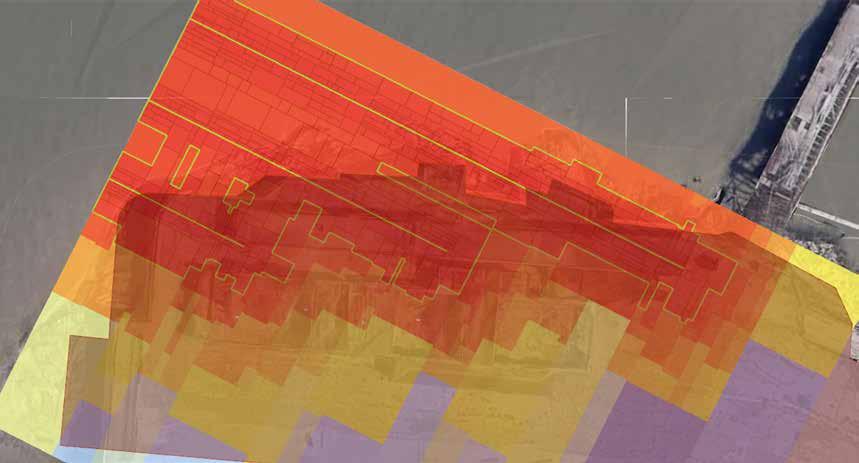
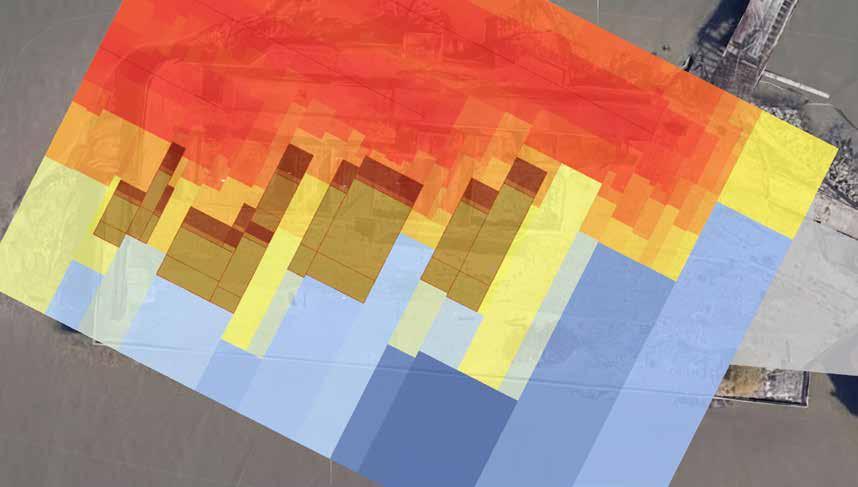
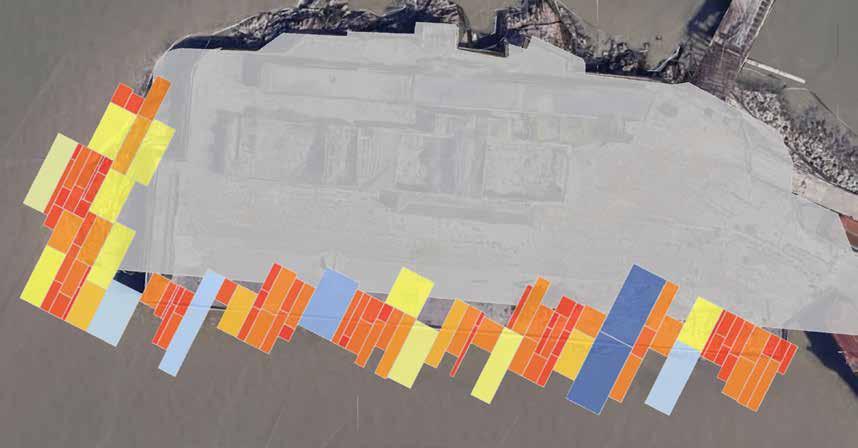
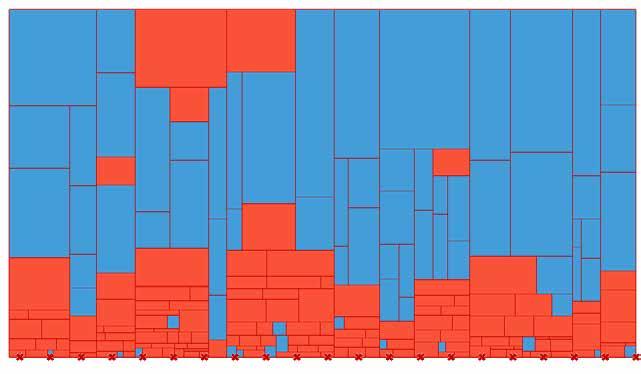
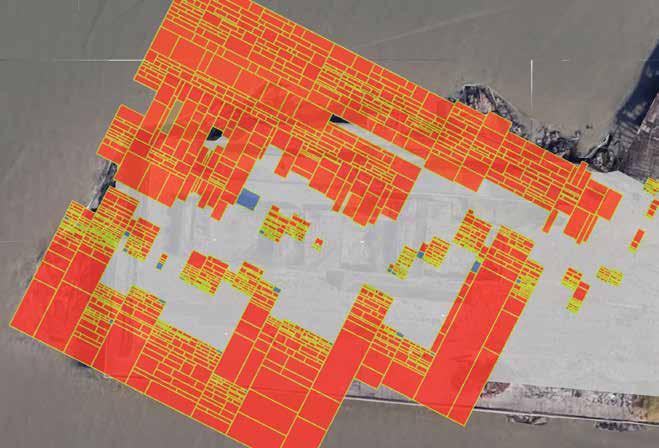
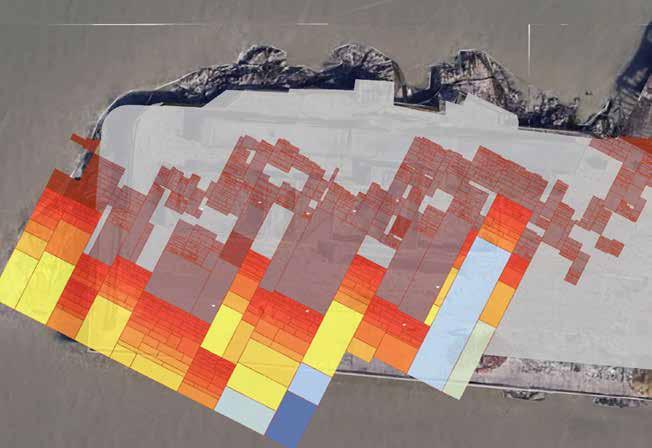
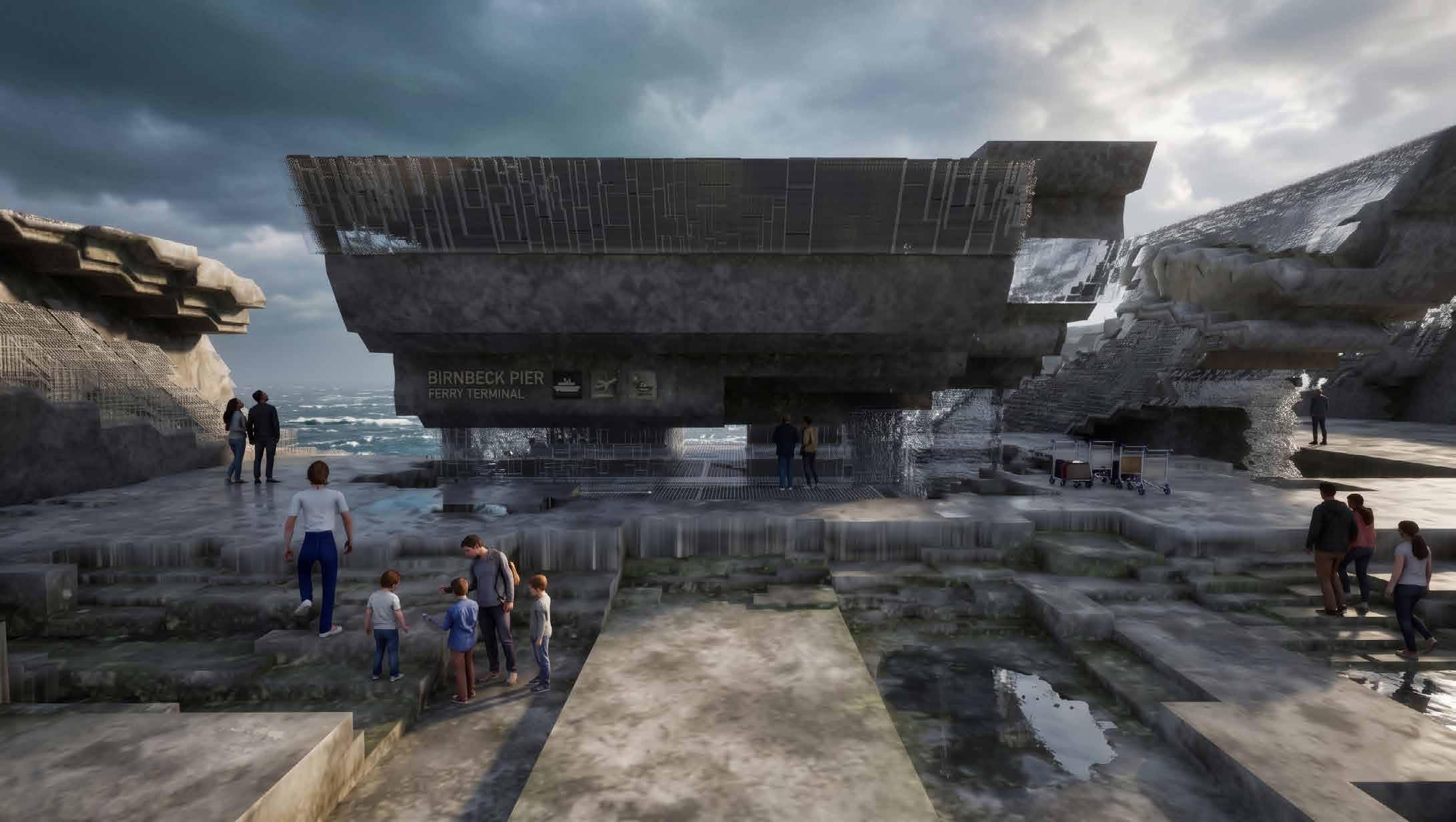
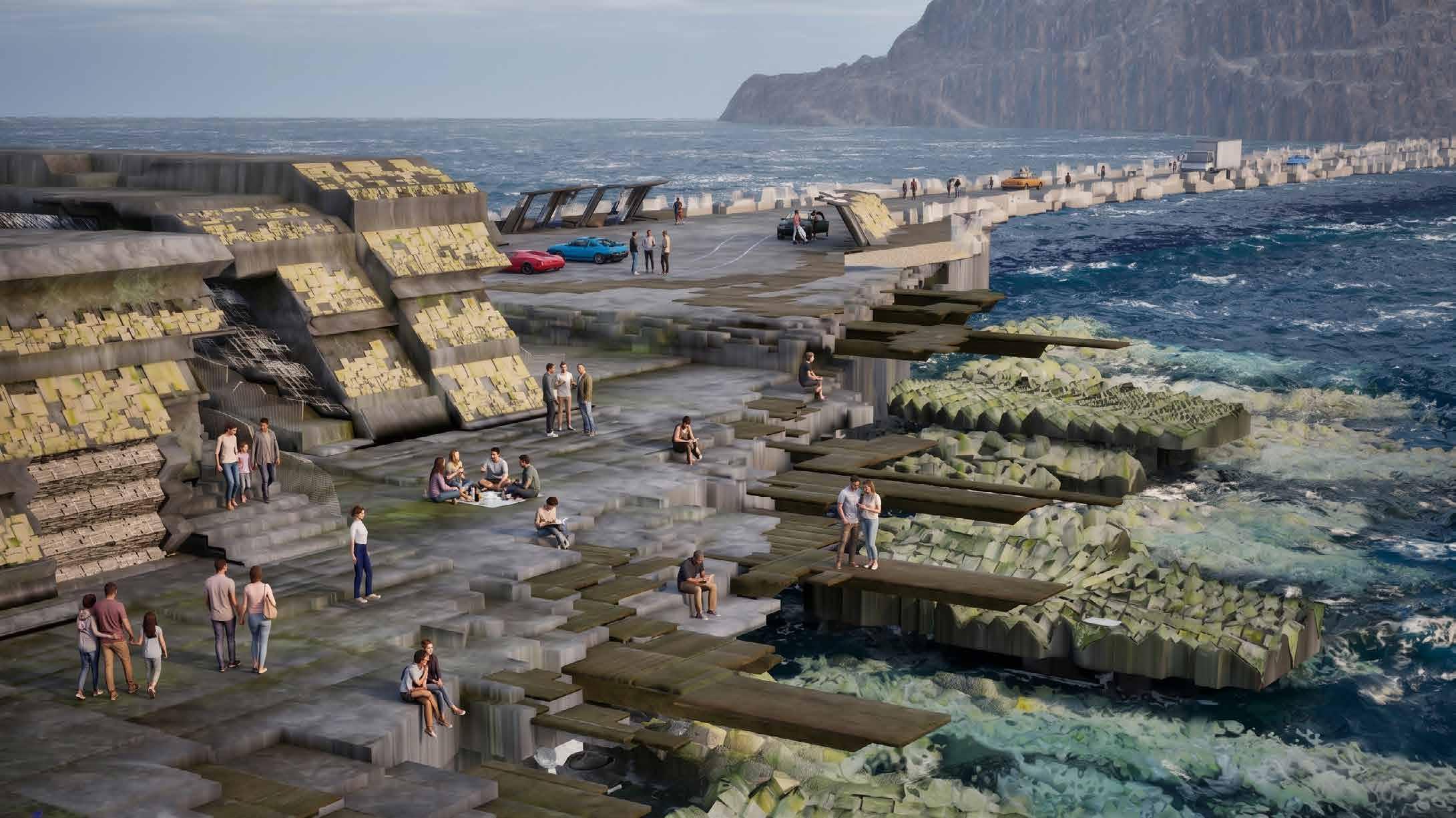
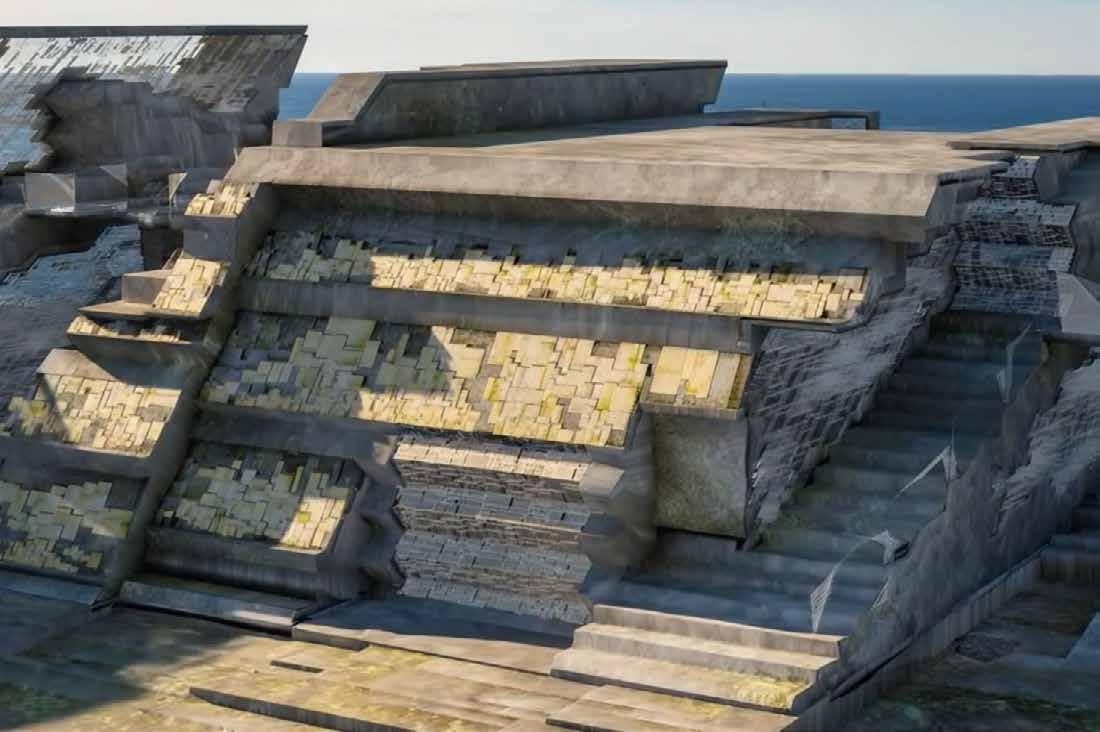
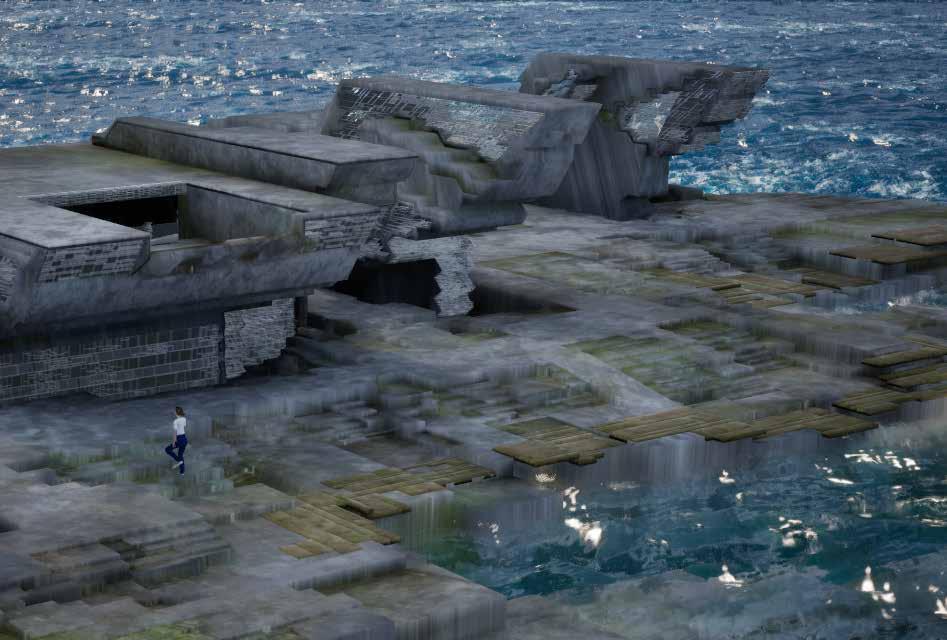
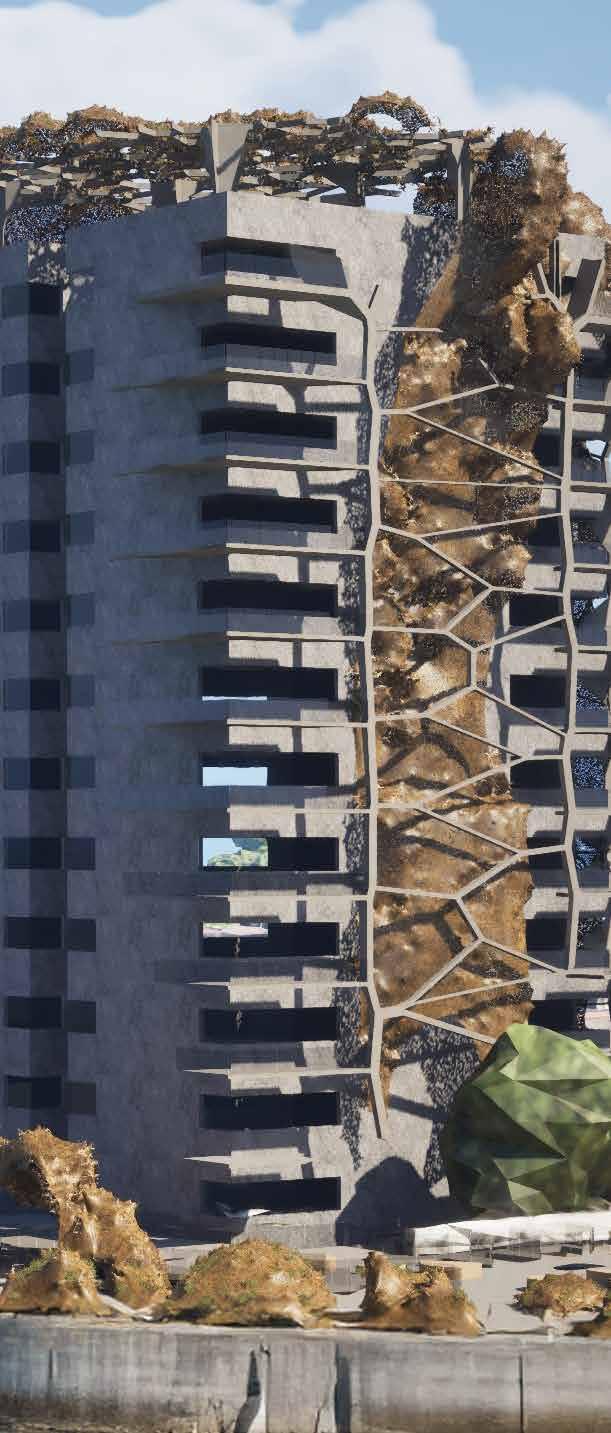
Halo-tectonics redefines coastal defense by shifting architecture from mechanical resistance to metabolic collaboration with the sea. Located at the ruined Birnbeck Pier, the project upcycles hypersaline concrete waste into a performance-driven landscape that functions as a living, closed-loop biorefinery.
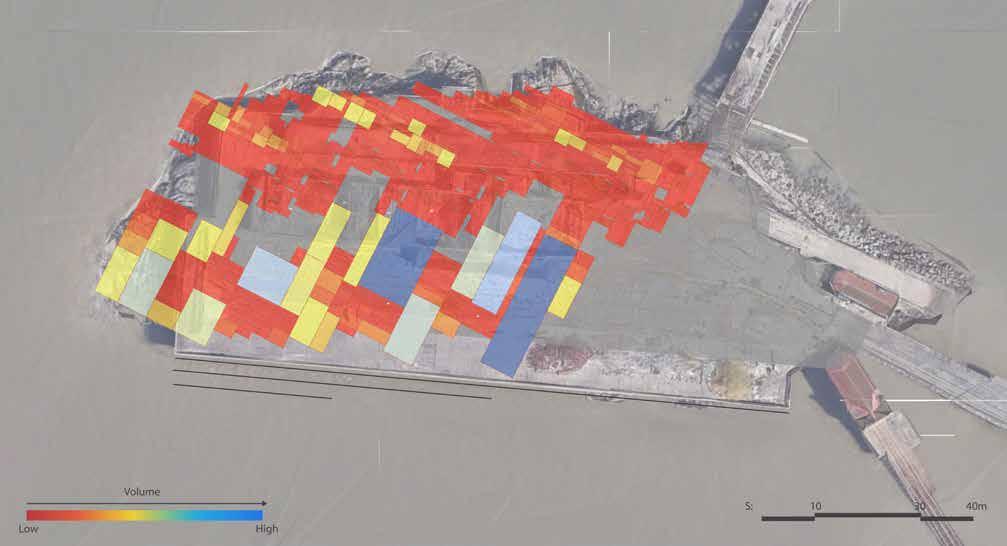
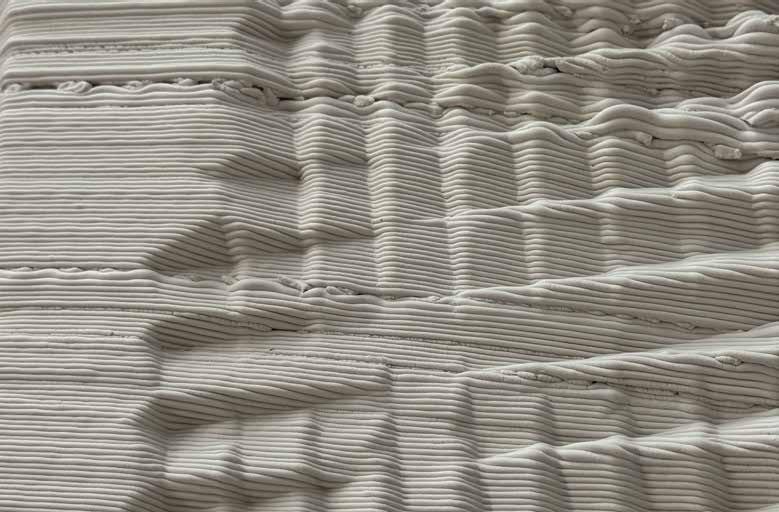
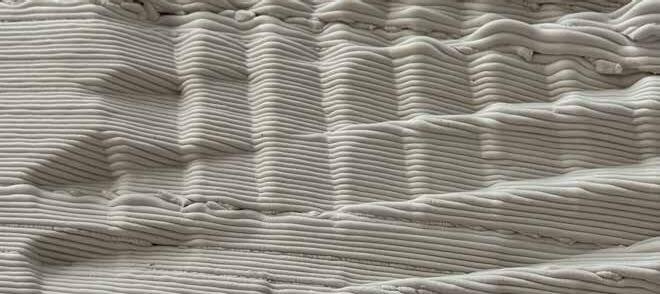
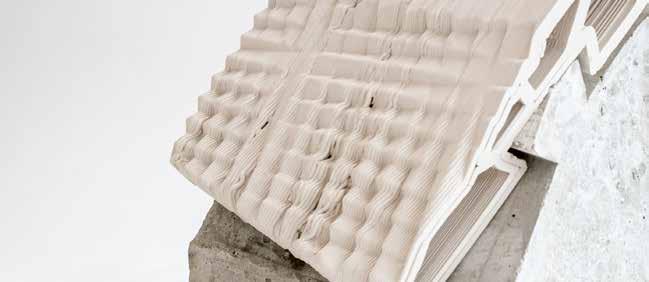
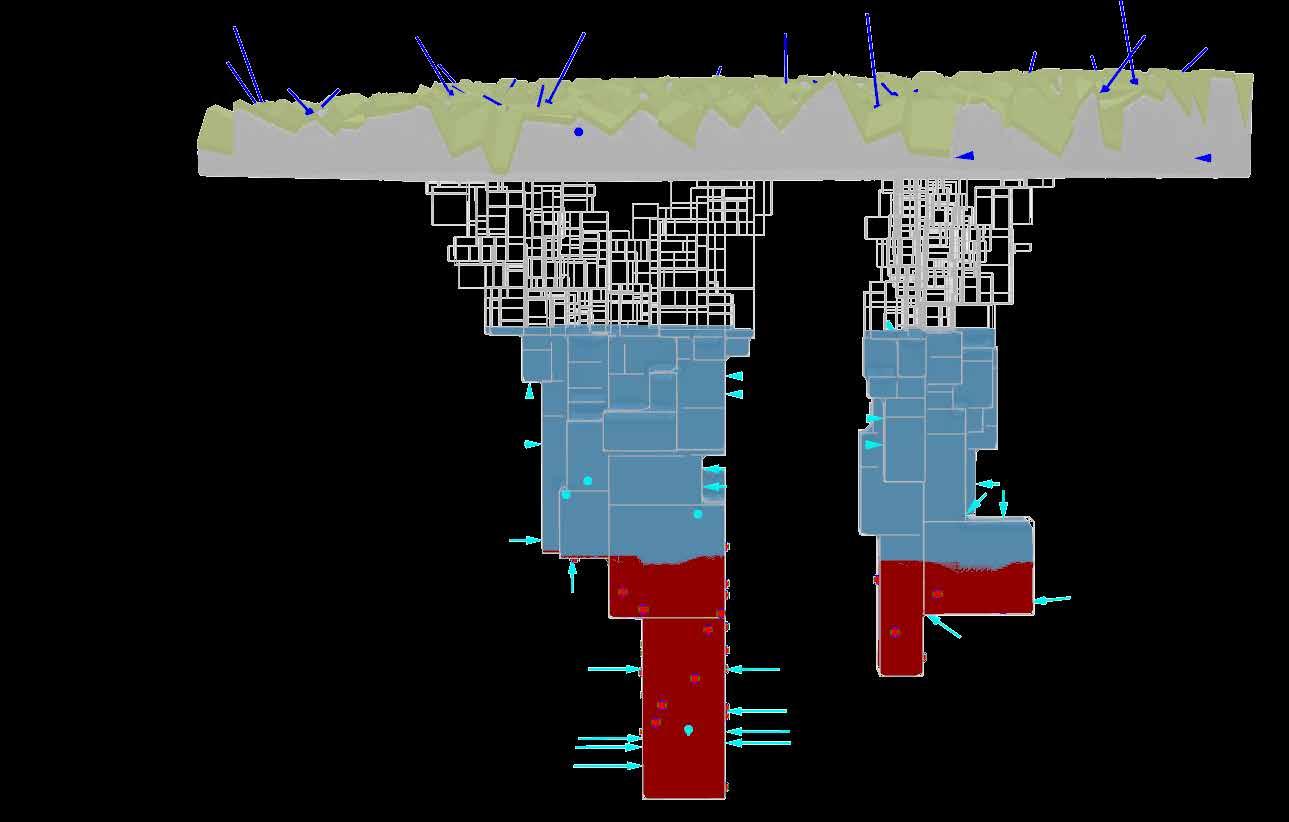
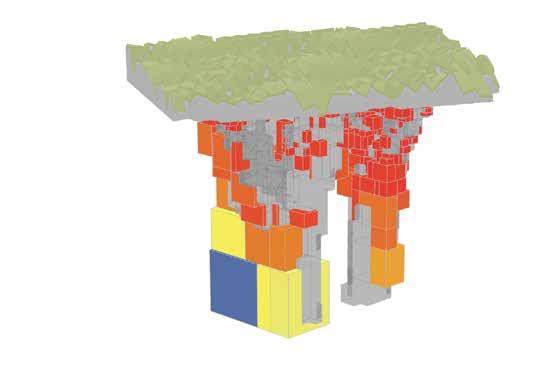
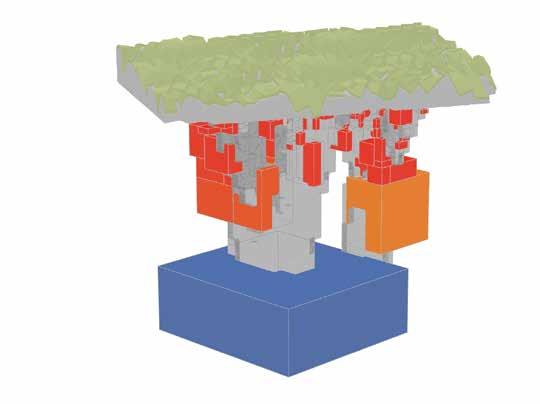
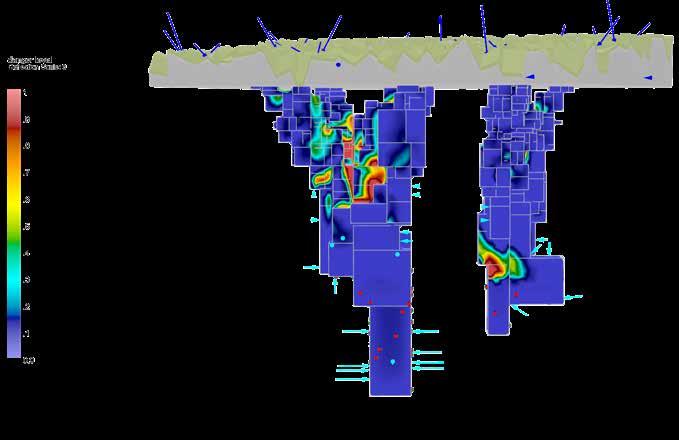
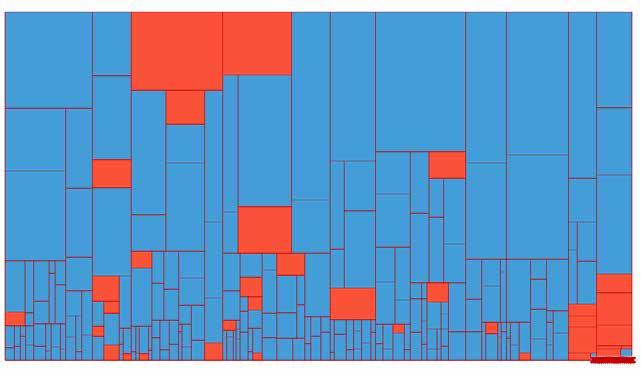
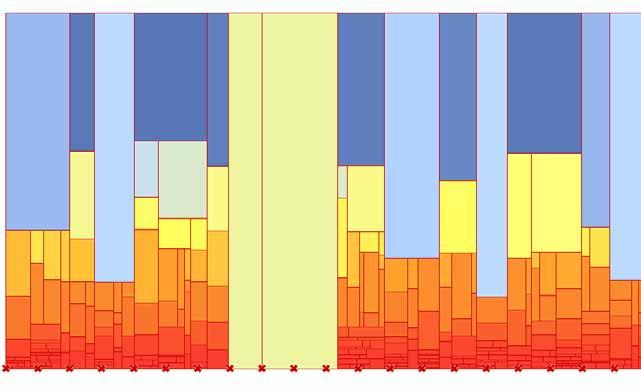
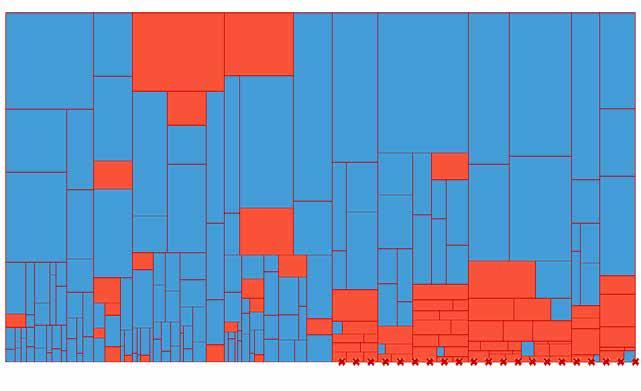
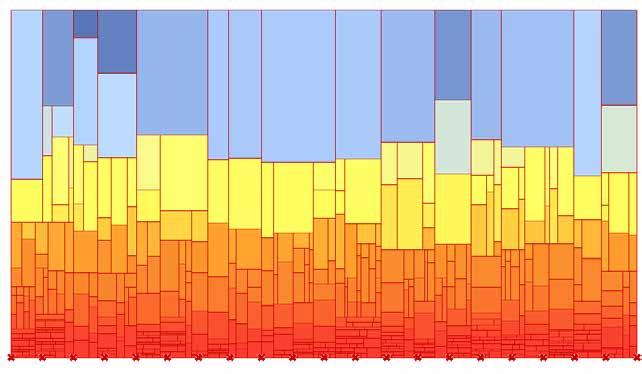
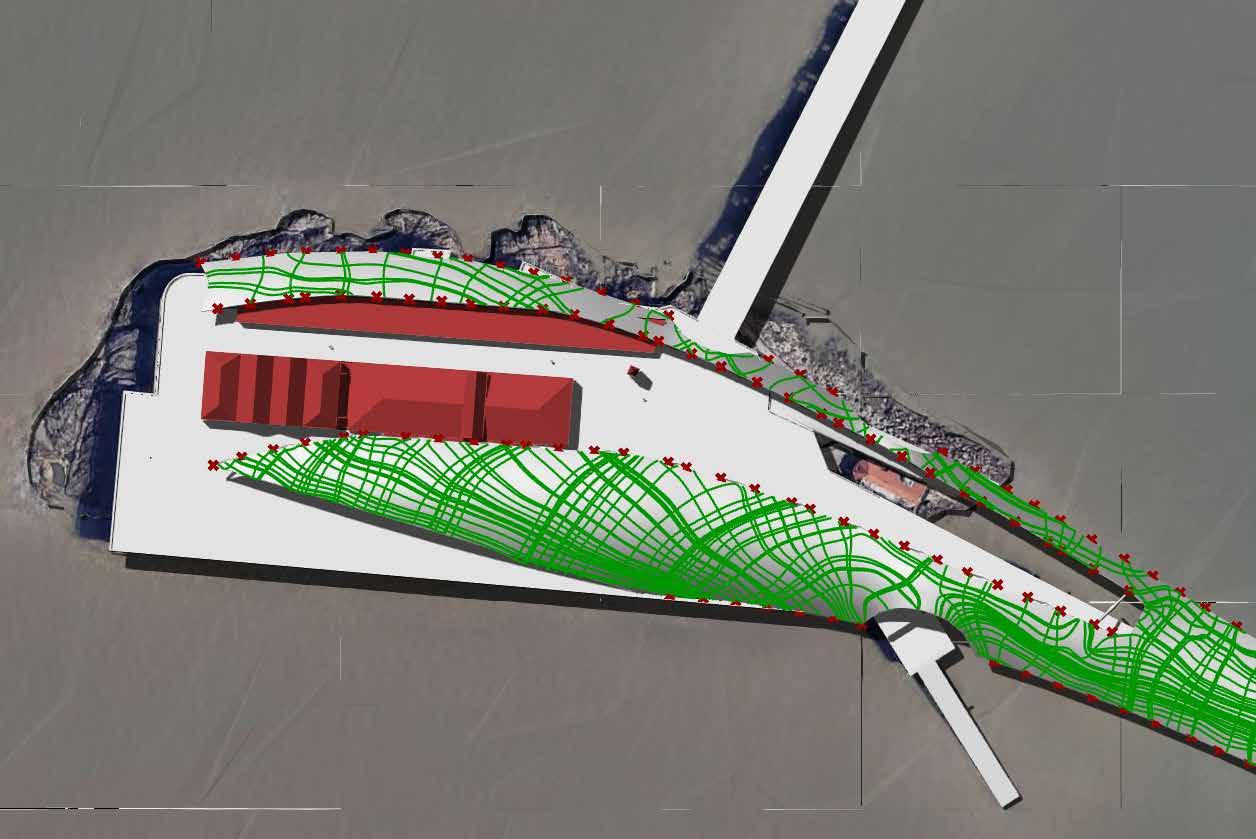
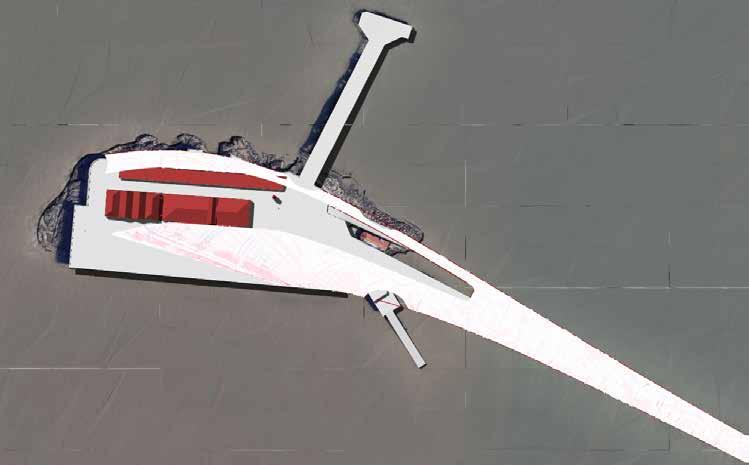
Through a data-driven computational layout, the architecture carves out spaces for a ferry terminal, marine research hubs, and public tidal parks. Wrapped in a bio-receptive ceramic skin engineered to cultivate wild microalgae, Halo-tectonics dissolves the boundary between infrastructure and ocean—creating a selfsustaining threshold shared equally by humans and the marine ecosystem.
Decarbonized Infrastructure via Closed-Loop Material Lifecycles [Life Cycle Assessment (LCA) Framework]
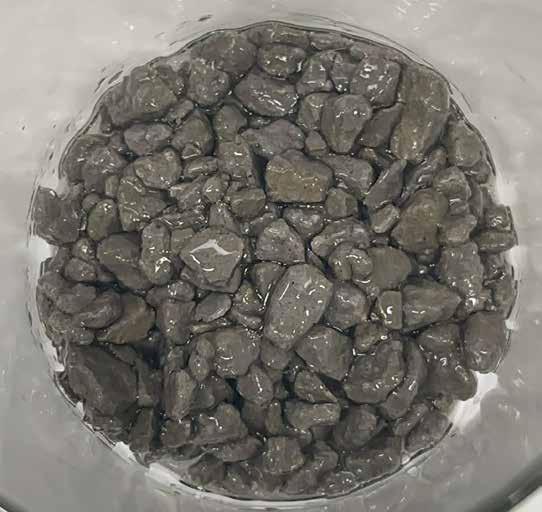
Rather than deploying carbon-intensive, sacrificial coastal barriers, the architecture integrates a circular material strategy evaluated through a continuous Life Cycle Assessment (LCA) framework. By transforming on-site structural waste into high-performance marine concrete and using permanent, bio-receptive cladding as a non-destructive biomass-harvesting canvas, the project targets net-negative operational carbon over a 100-year structural lifespan.
Key words: Bio-integrated Design, Environmental Architecture, Bio-composite Materials, Urban Heat Island Mitigation, Public Space Activation
Animation[Visualization]
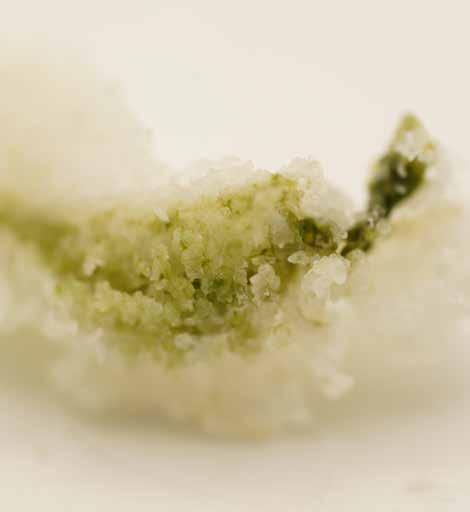
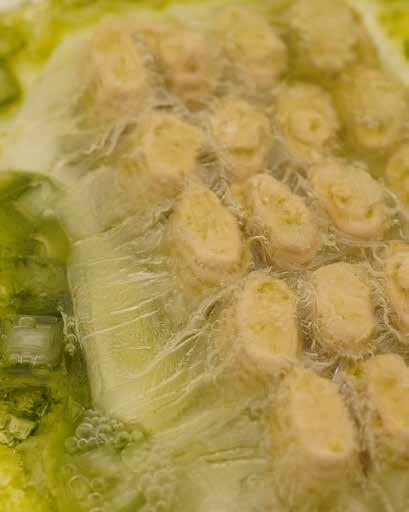
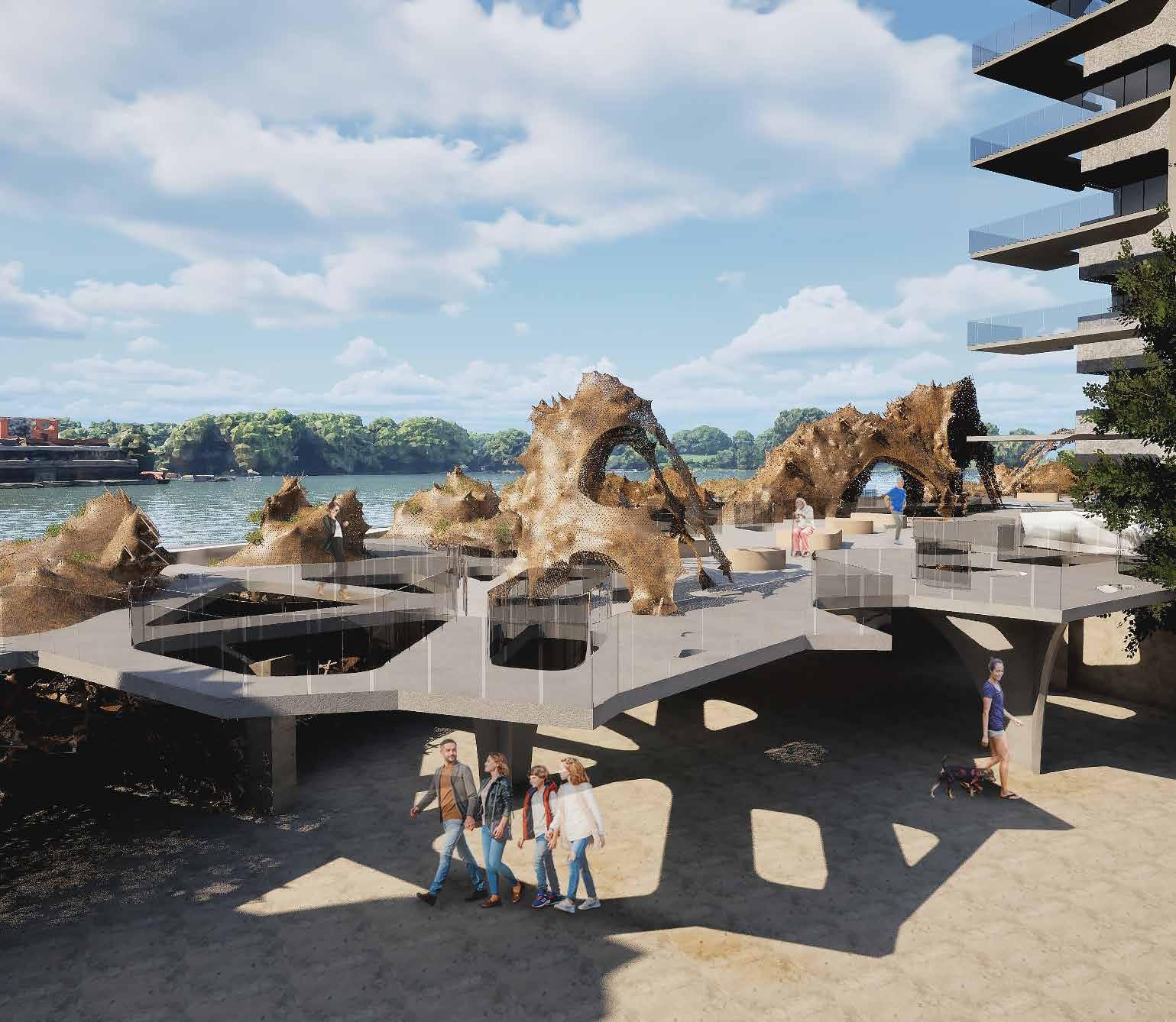
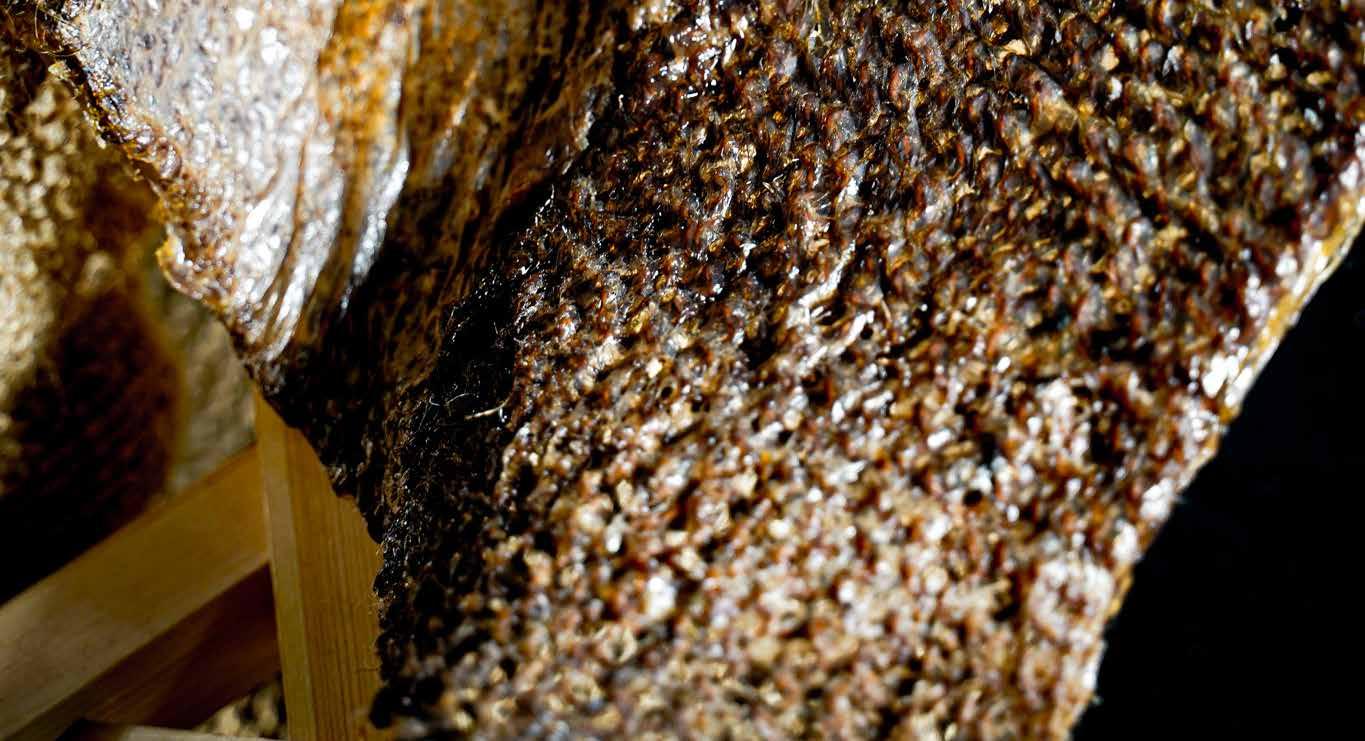
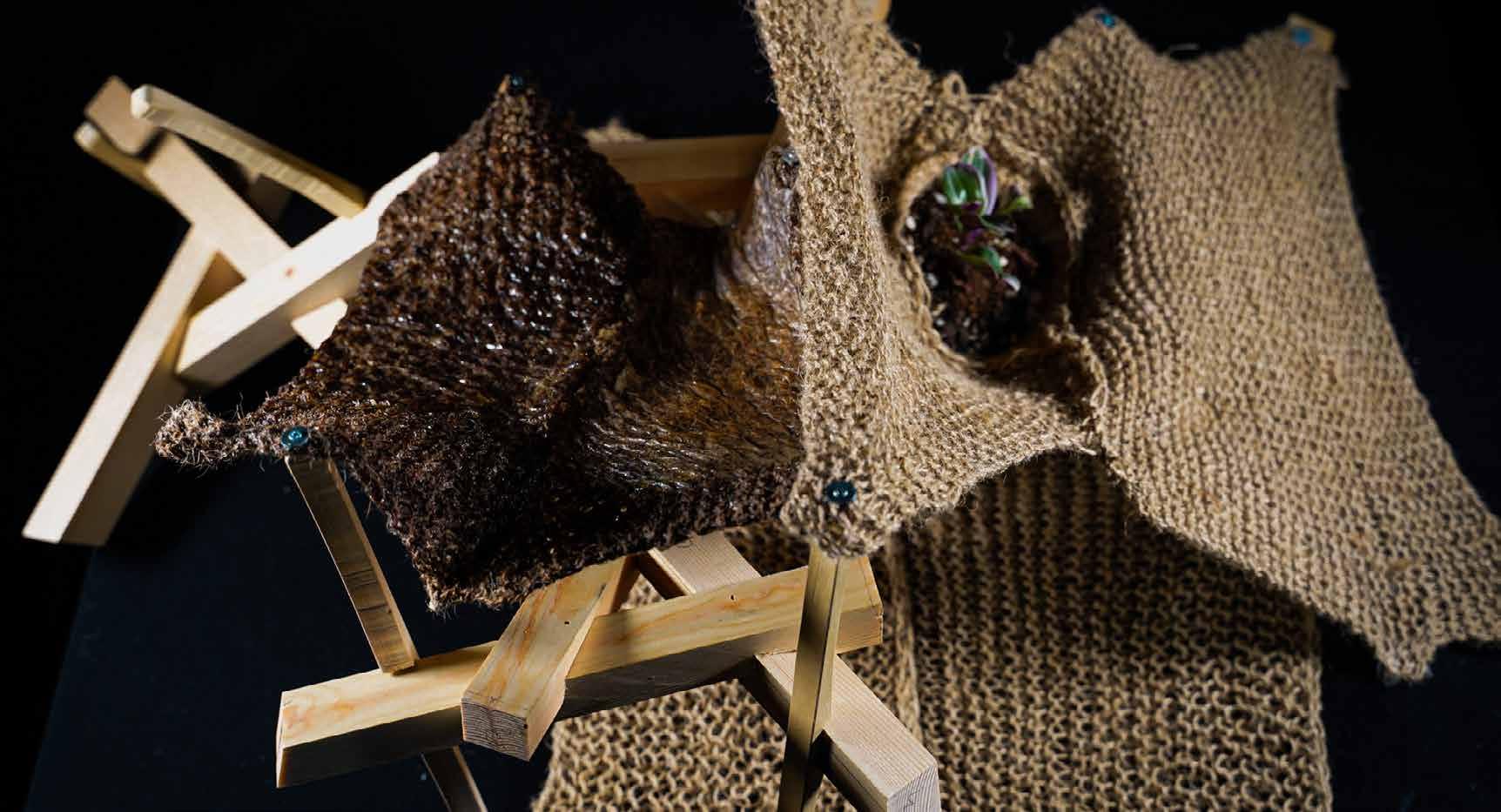
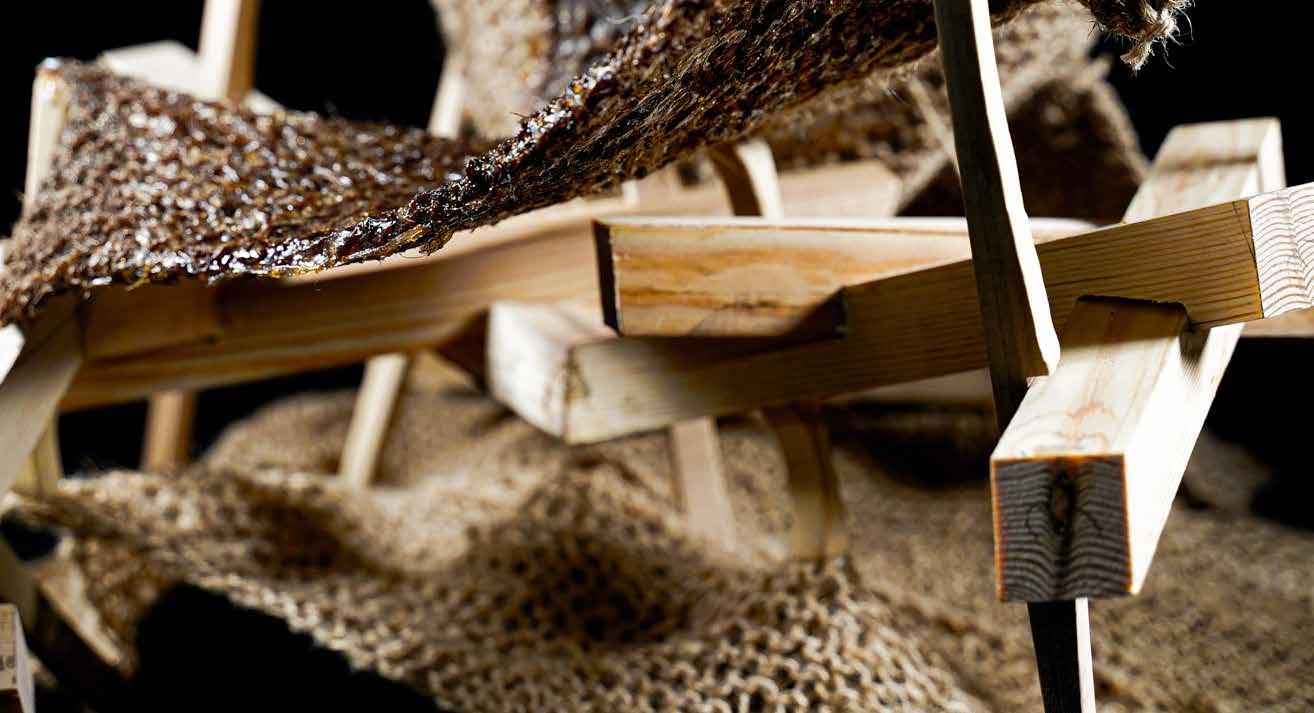
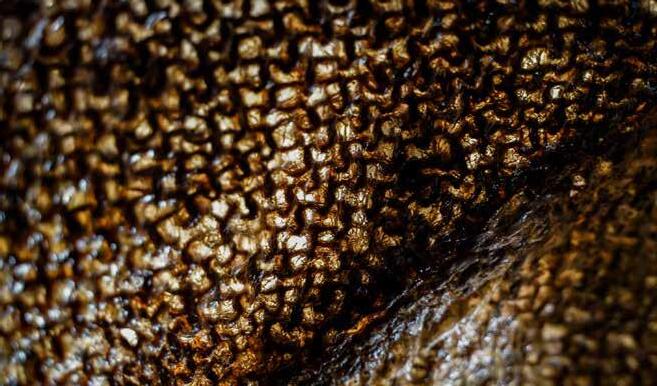
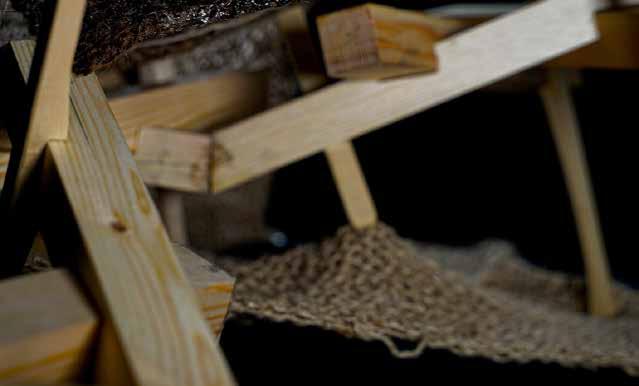
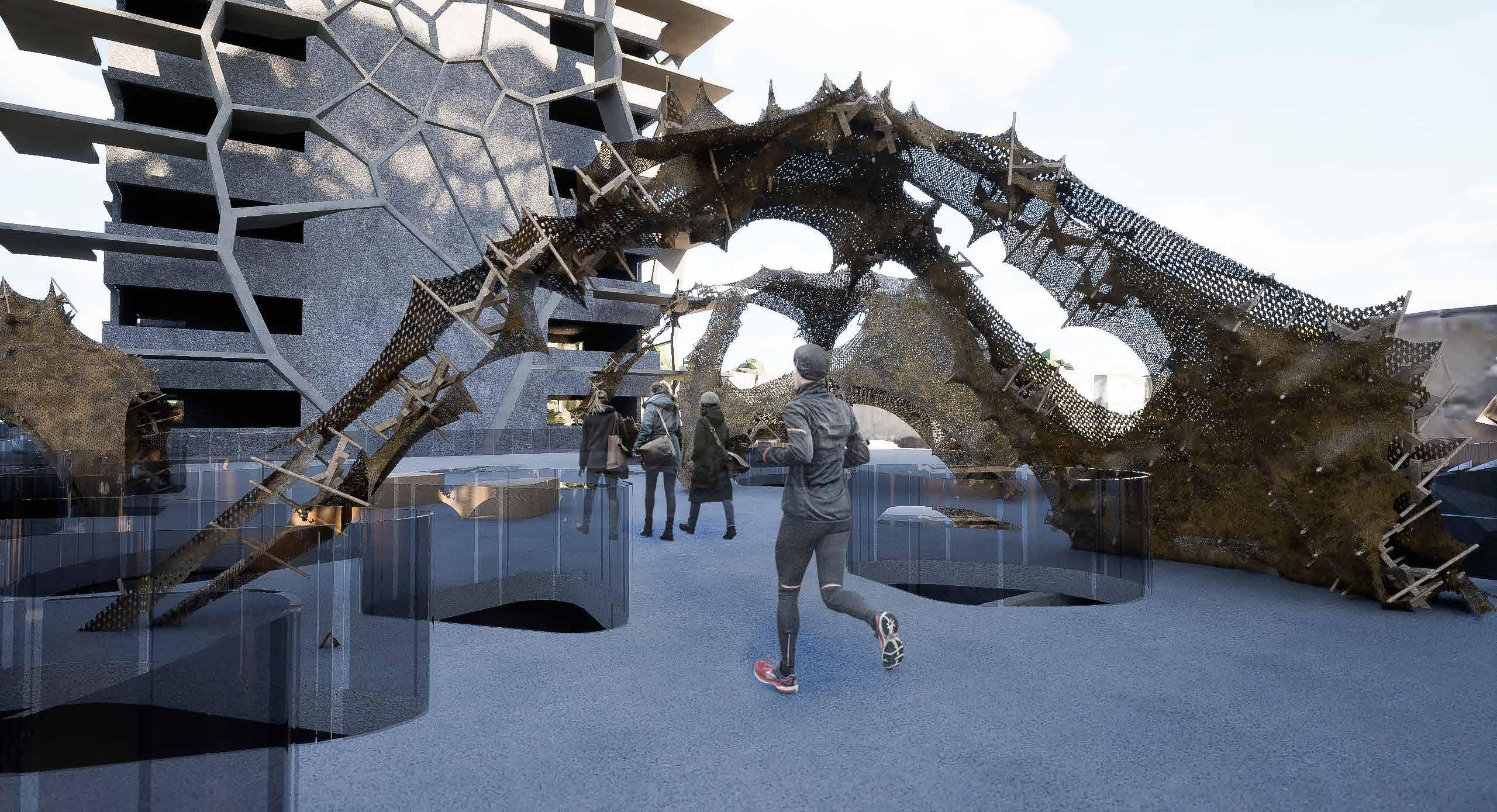
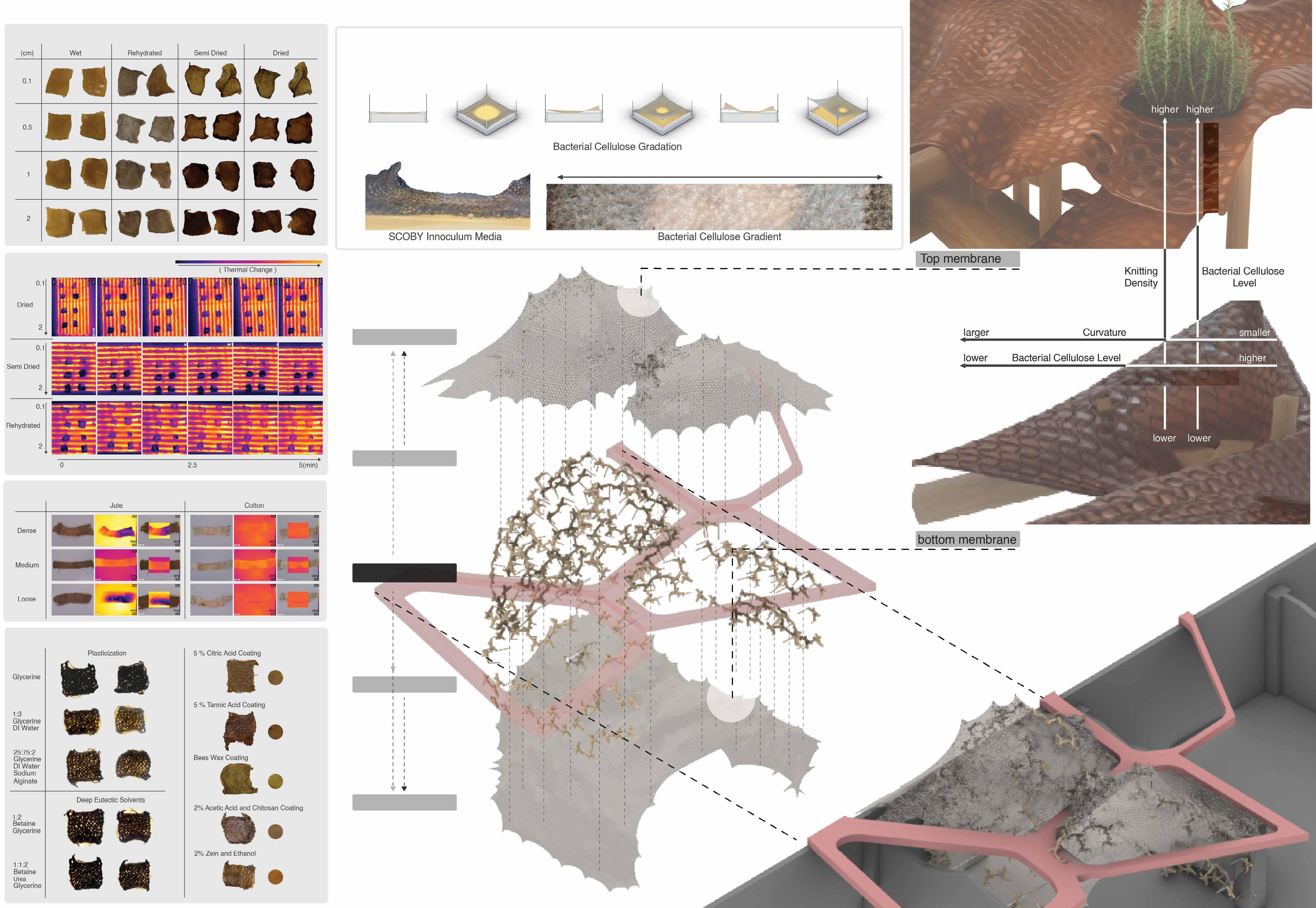
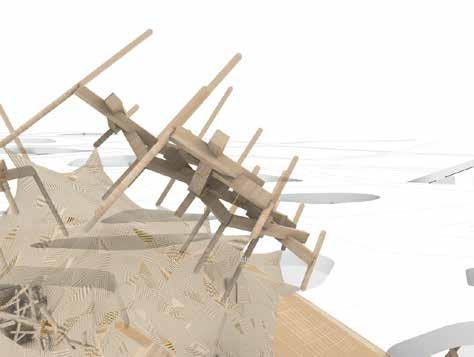
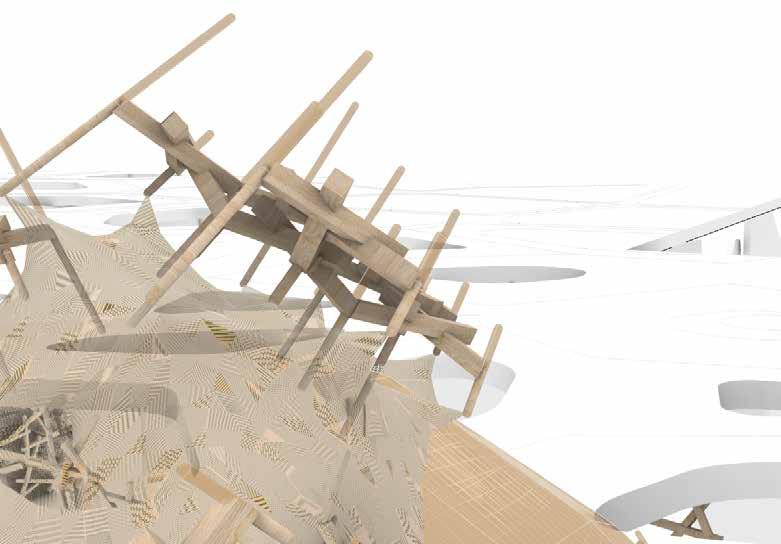
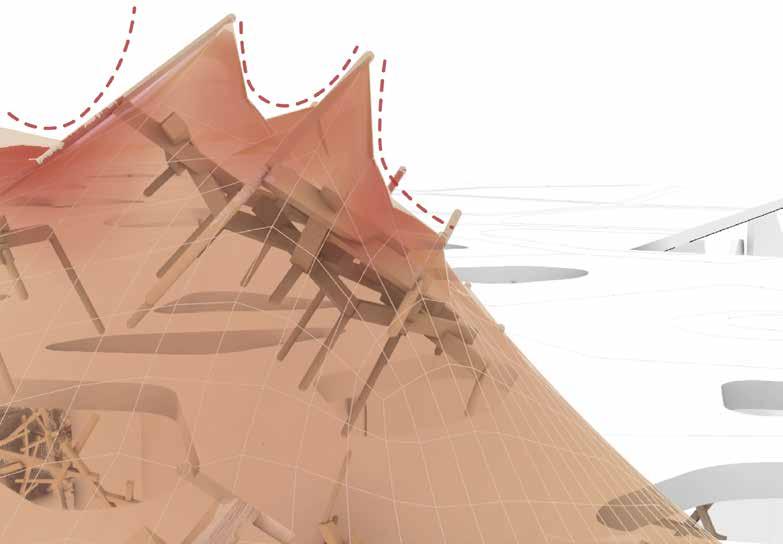
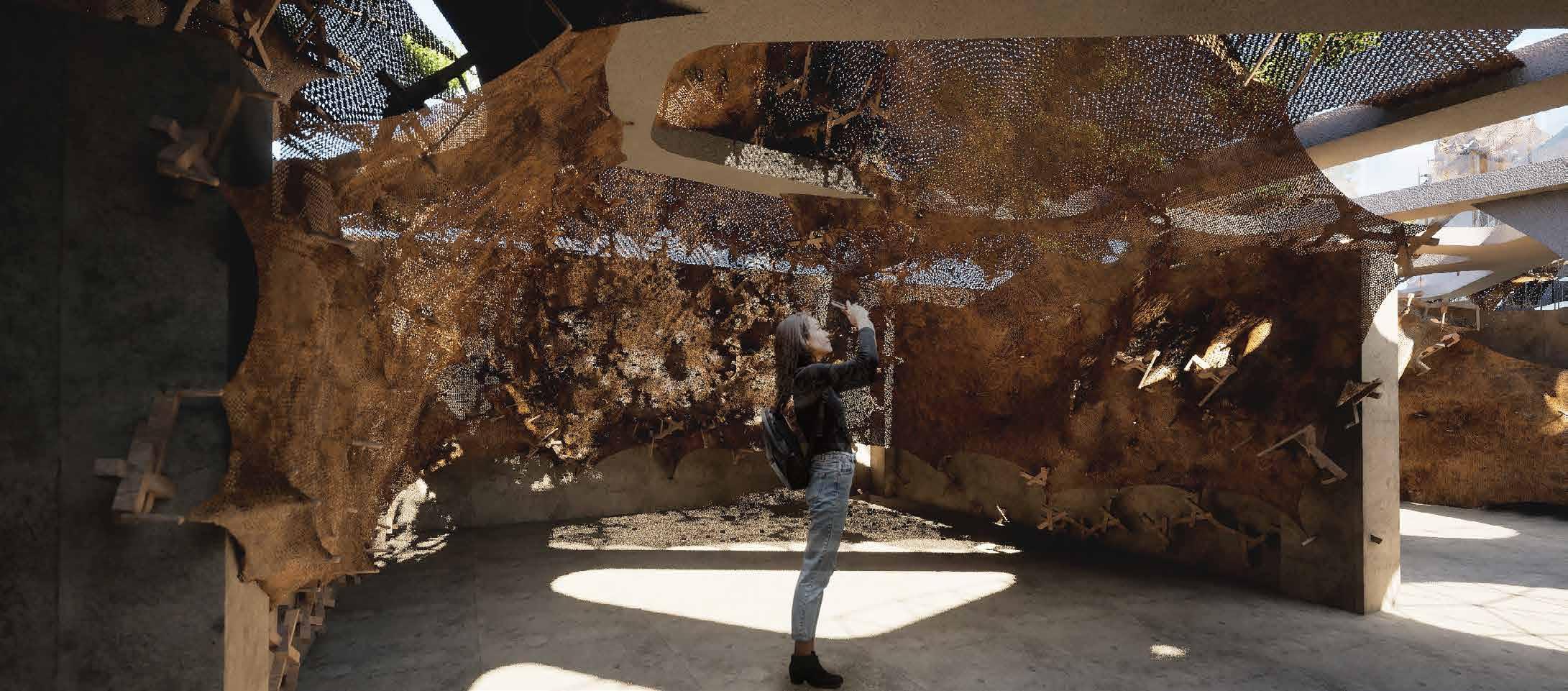
This project explores bacterial cellulose–knitting composites as bio-material systems for thermal regulation in architecture. A reciprocal frame provides the permanent structural base, while replaceable secondary rods shape the knitted textile into heat-pocket geometries that optimize both thermal retention and solar exposure. Through computational simulation and CNC fabrication strategies, the design scales from material prototypes to façade and rooftop applications, demonstrating a sustainable integration of bio-materials, structure, and environmental performance.
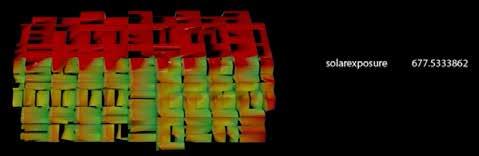
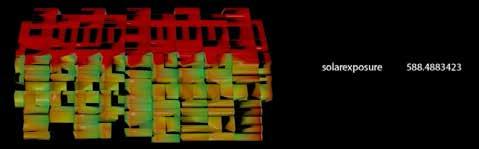
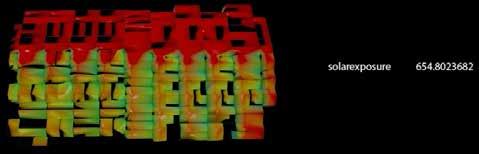
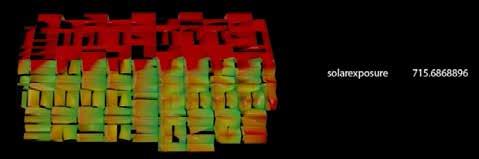
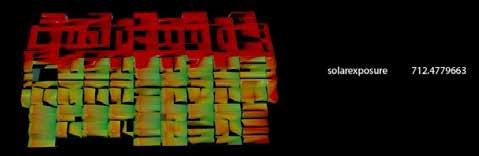
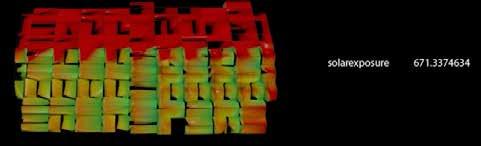
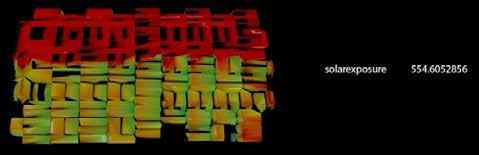
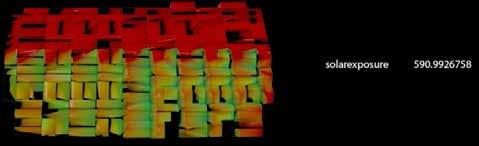
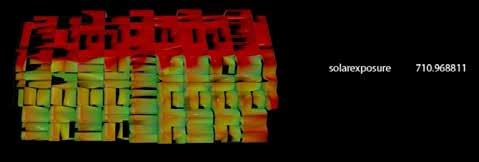
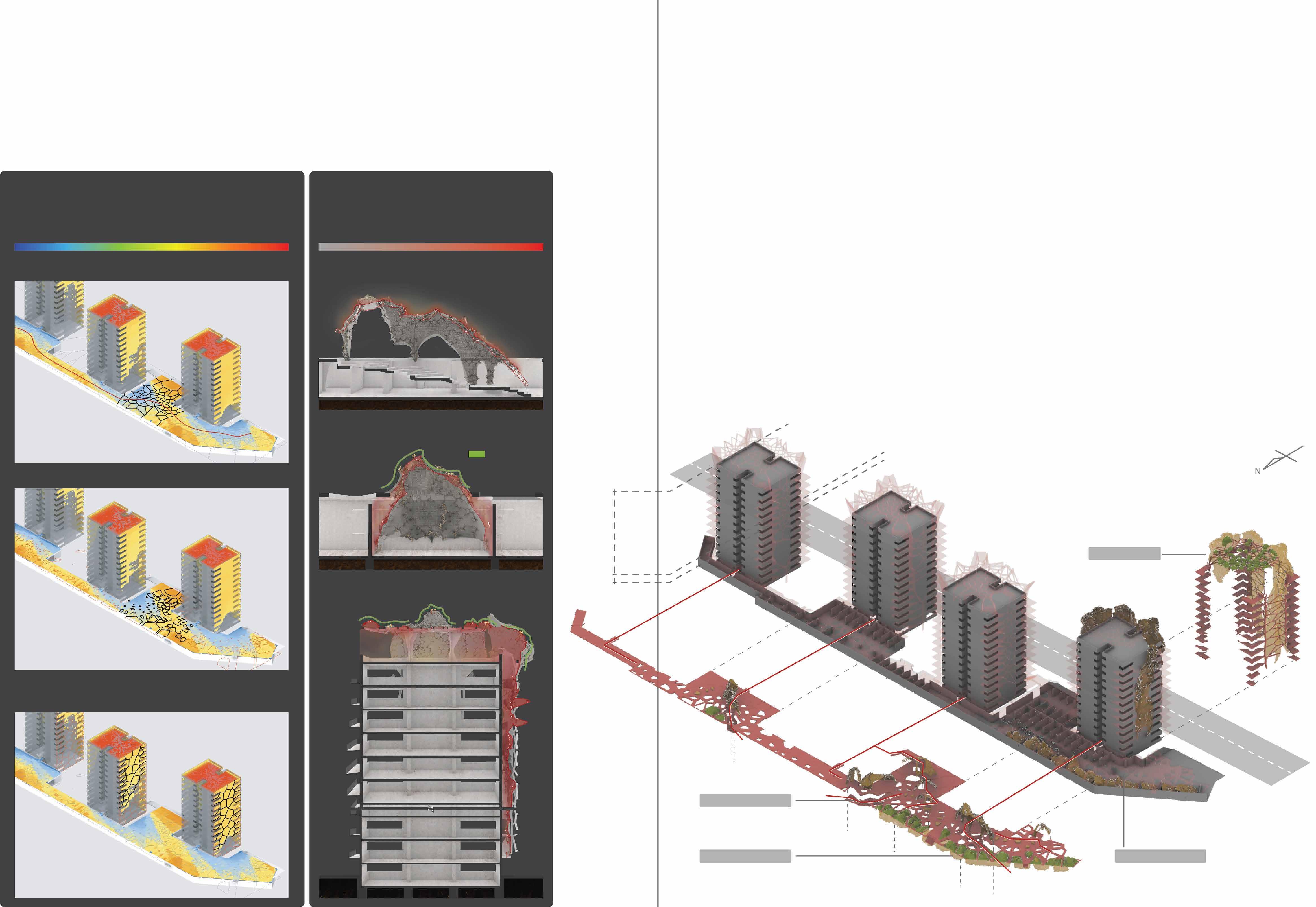
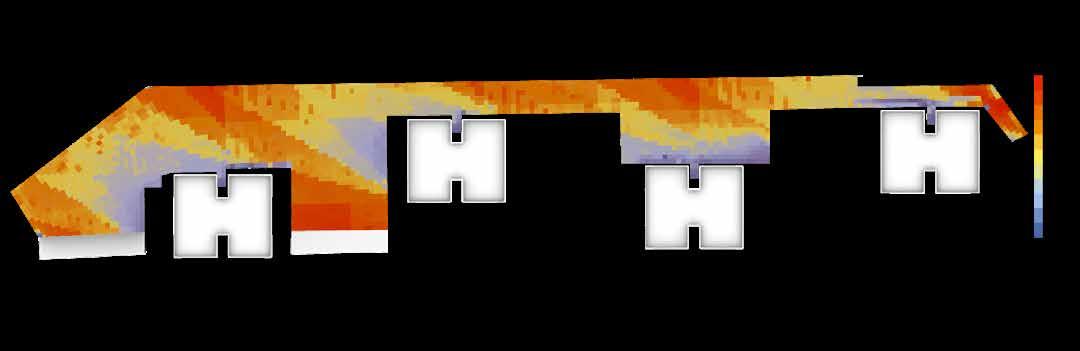
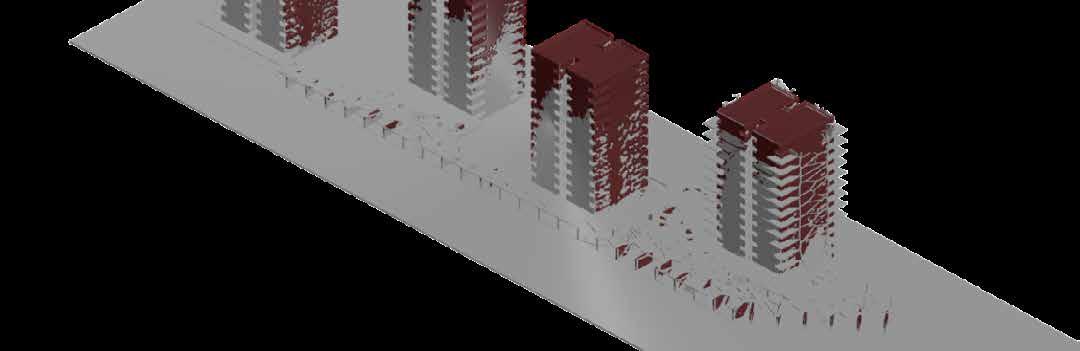
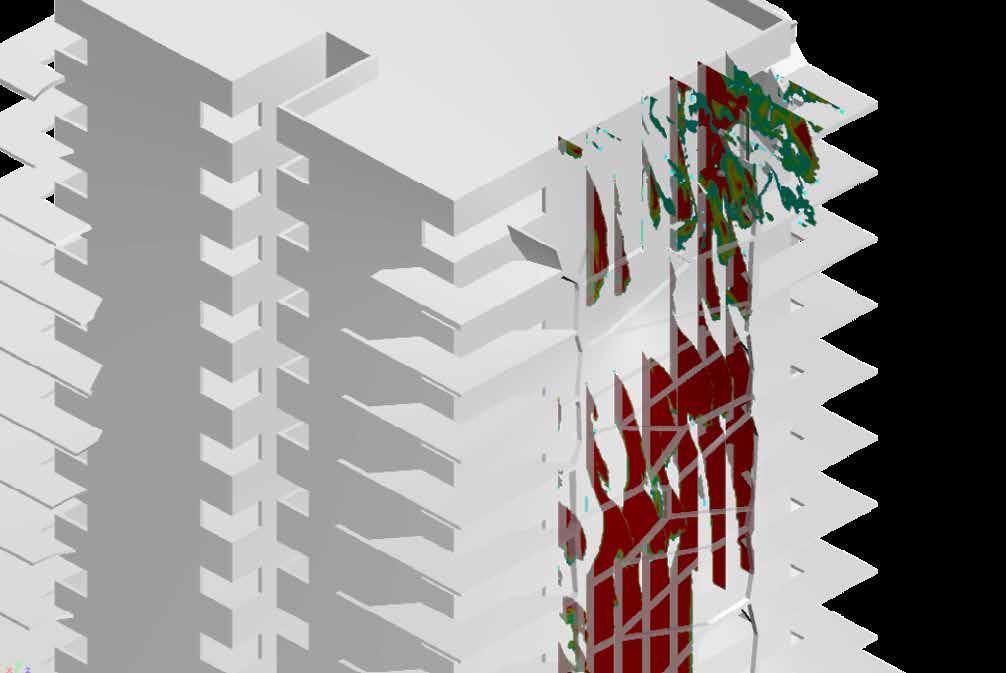
Solar Analysis-based Design
Bacterial Cellulose Knitting Composite
Scaffold
Structure Overview & Material Experimentation
Bacterial Cellulose Thickness Test
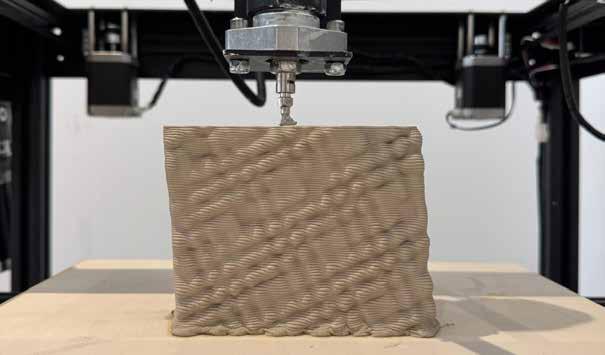
To upscale a BC-knit composite production an incubator was designed to hold a larger volume of SCOBY culture and provide a wider surface area for the liquid-air interface, additional parts were added to be able to control the knit-media interaction therefore creating a BC gradation across the knit.
Thermal Test
knitting textile knitting textile
Secondary rods
Reciprocal frame
Secondary rods
BC-Knit Density: Ambient Temperature
Elasticity Treatment Hydrophobicity Treatment
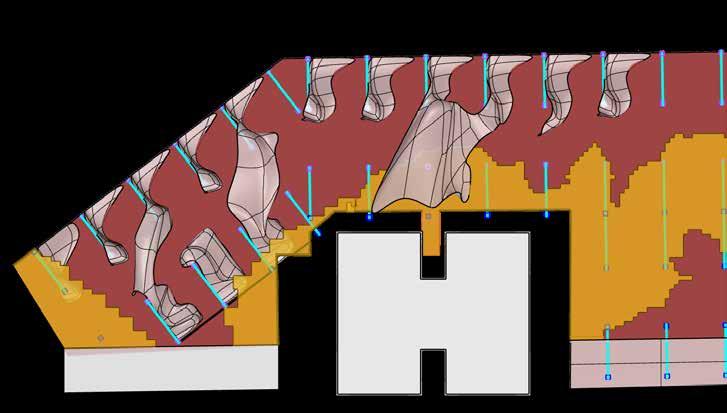
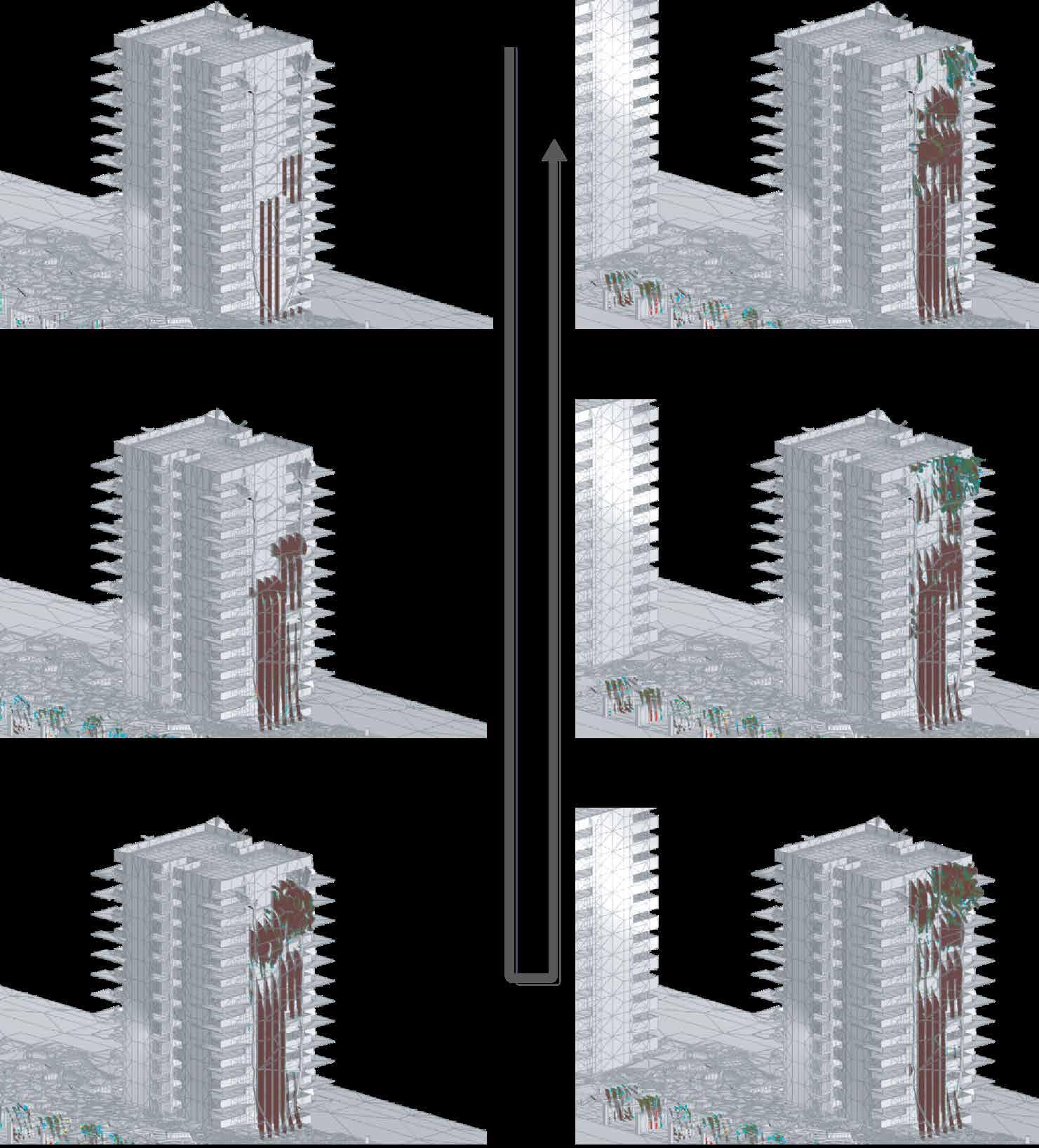
Base Geometry Formation - Thermal Threshold Extraction
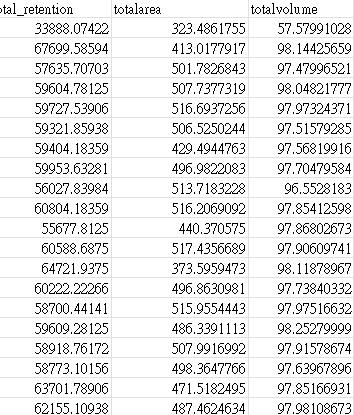
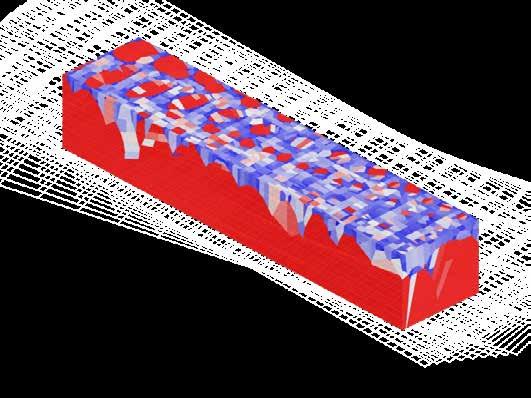
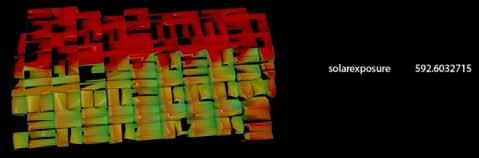
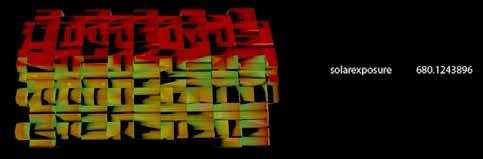
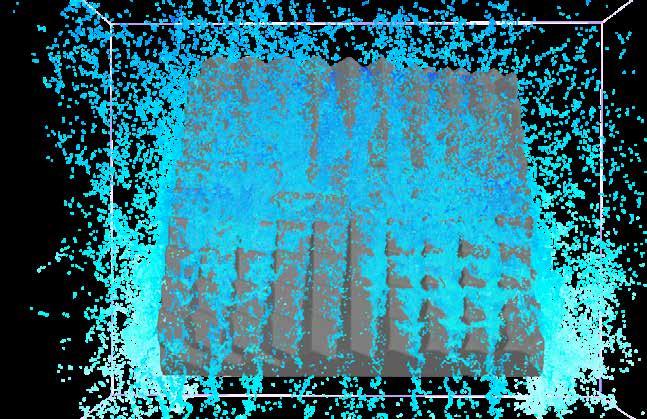
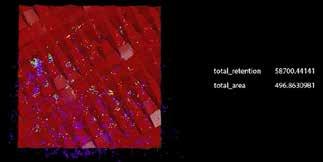
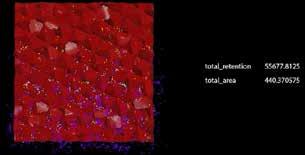
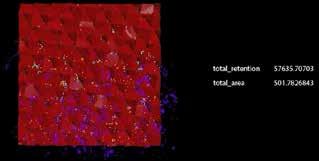
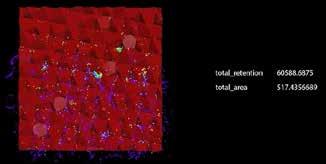
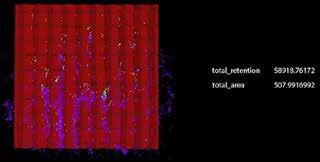
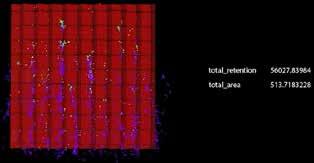
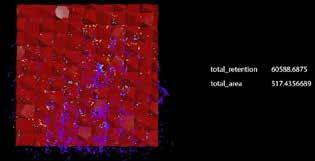
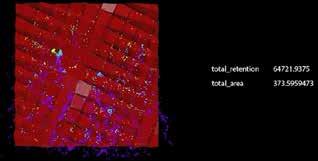
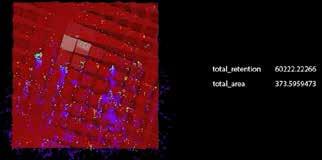
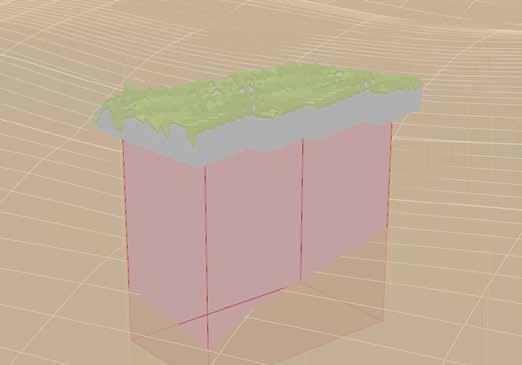
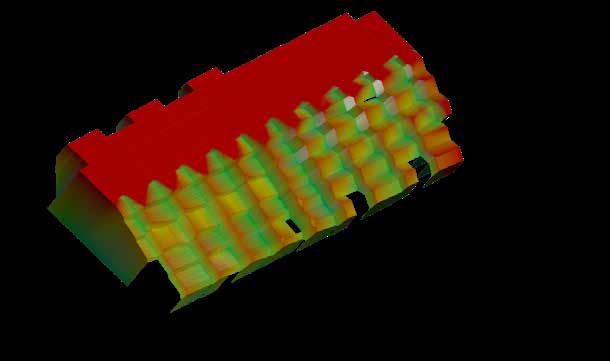
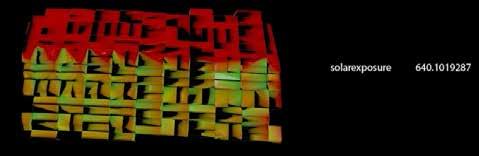
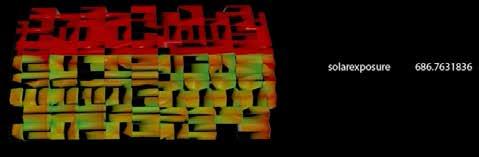
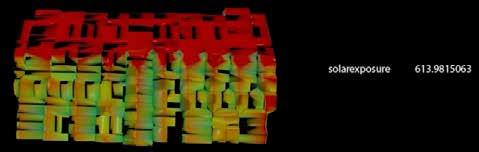
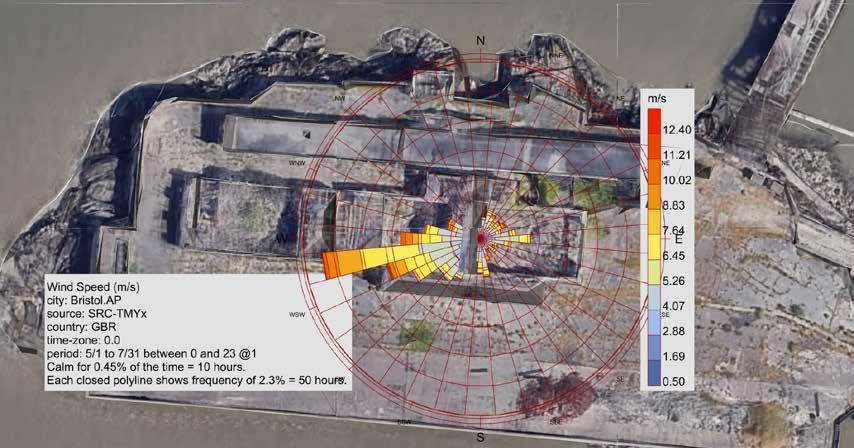
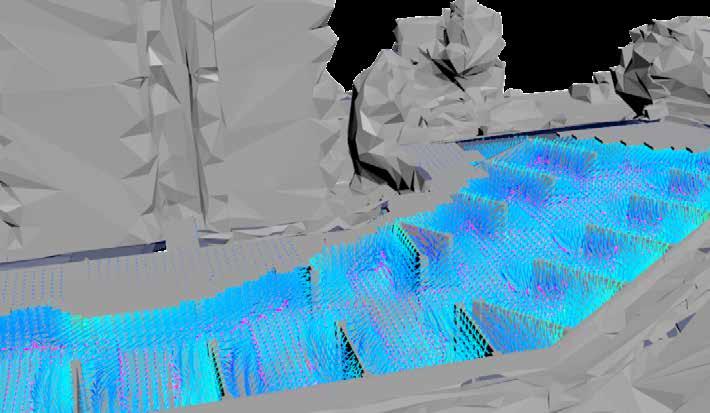
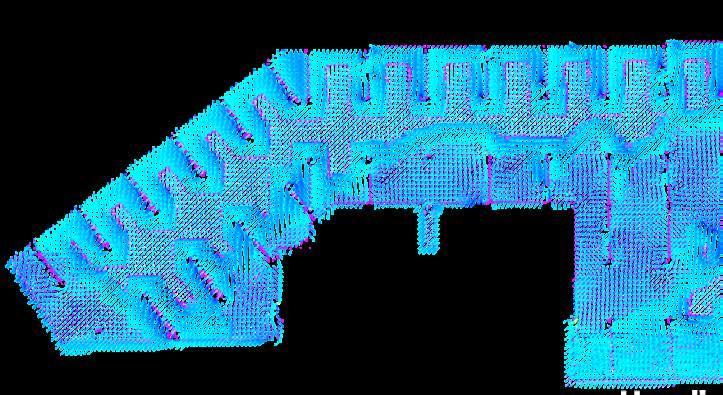
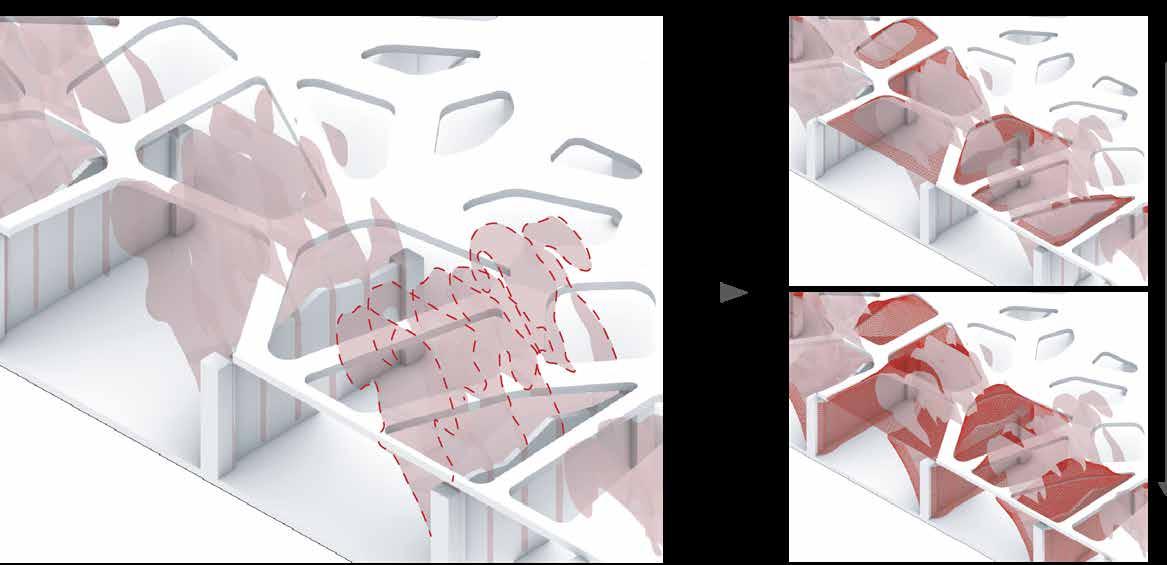
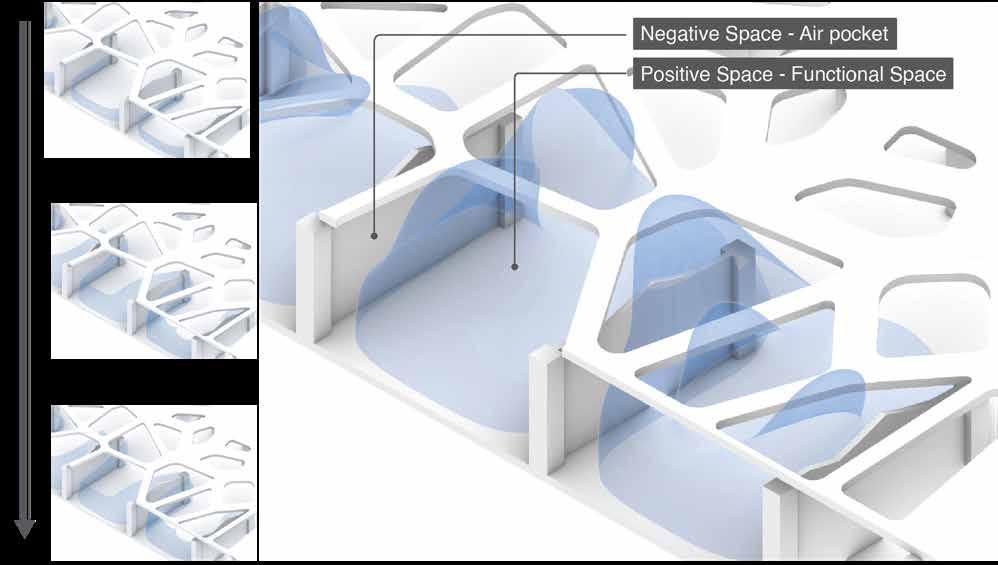
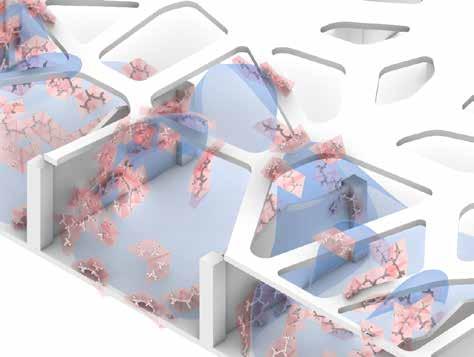
Natural ventilation and heat from sunlit concrete are simulated in Houdini, where thermal gradients shape airpocket geometry, turning heat flow into a form-finding tool.
The reciprocal frame shapes the knitted textile into a hedgehog-like geometry, forming air pockets that enhance thermal retention and stabilize the interior microclimate.
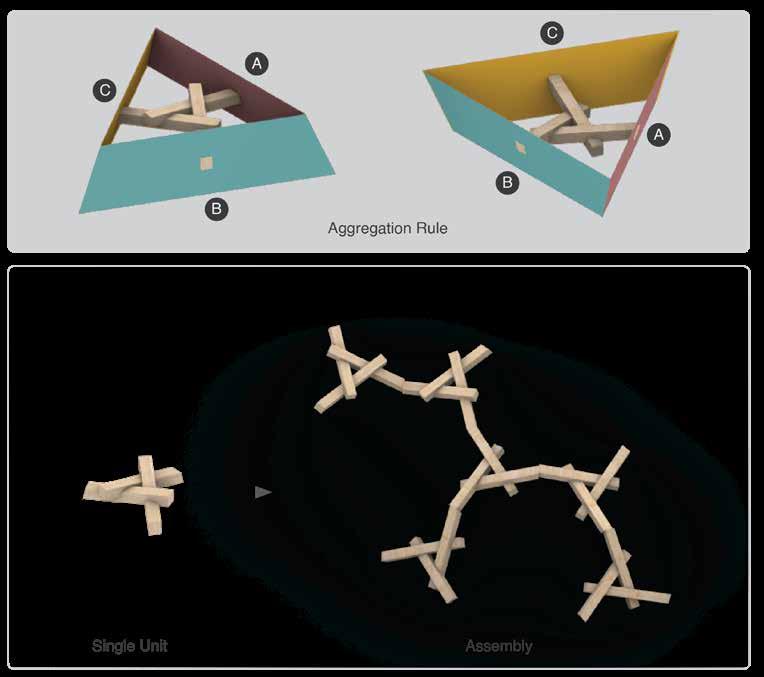
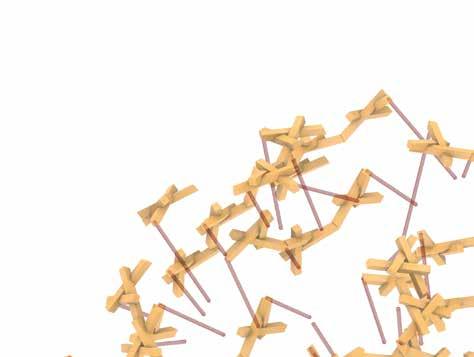
The system is built from identical frame units connected with direct and reverse joints, creating a modular logic that streamlines fabrication and allows efficient, adaptable growth across the heat field.
Thesis: Structural Surface Integration, 2025-2026
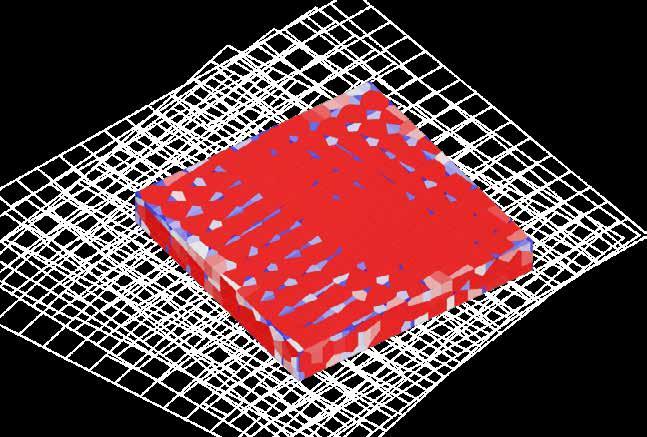
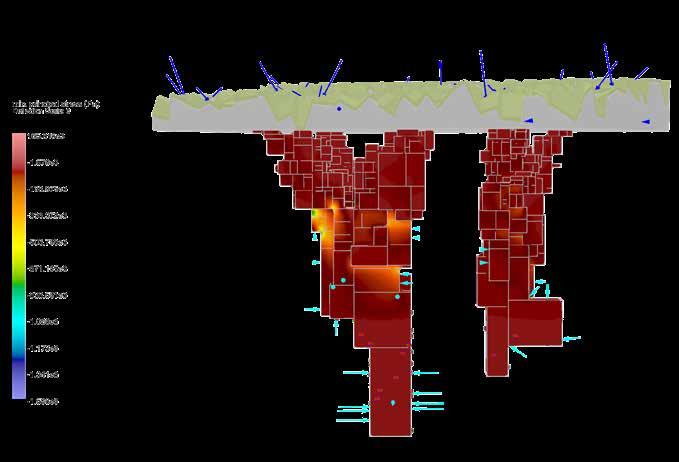
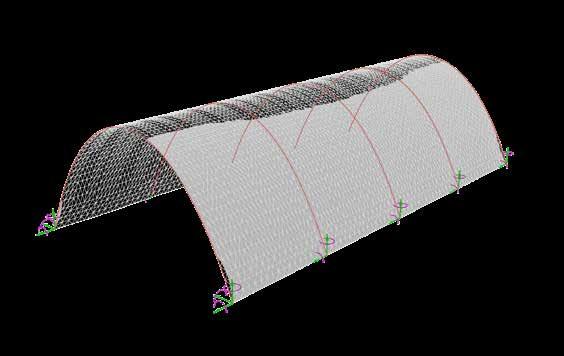
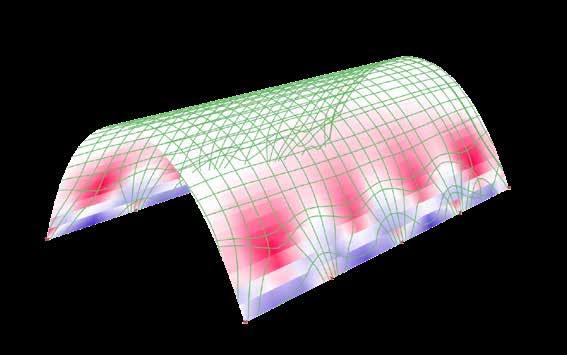
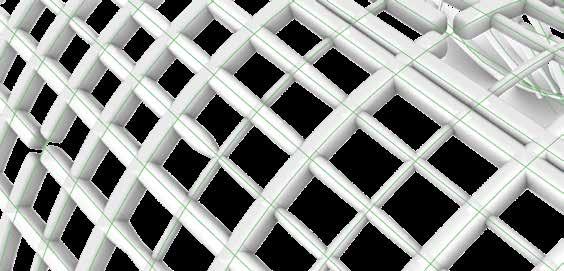
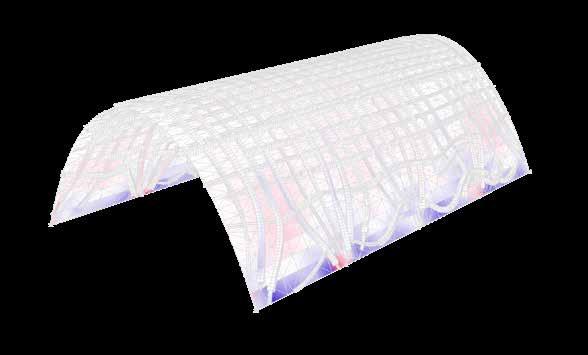
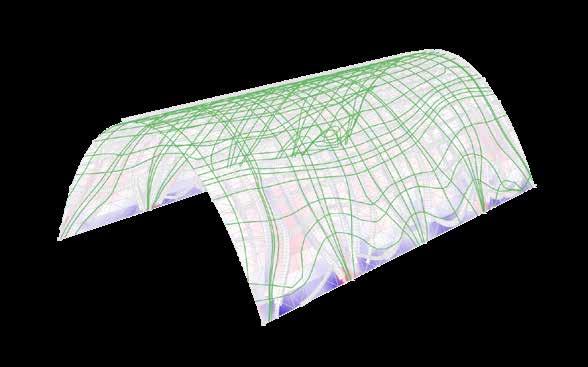
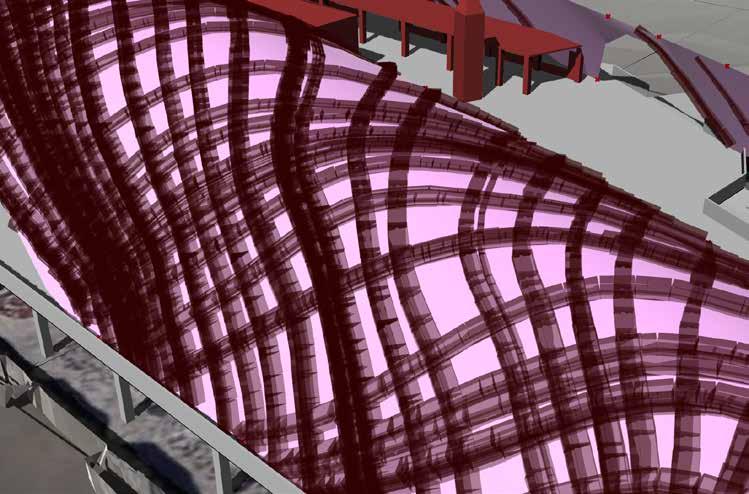
This research develops a computational workflow to unify formal aesthetics with structural performance. Utilizing Kangaroo for shape-finding and Karamba3D for FEA (Finite Element Analysis), I translated stress trajectories into differentiated rib systems. The project demonstrates a “logic-first” approach to bespoke shells, focusing on forceflow optimization, parametric rib extraction, and sectional depth to achieve materialefficient, bio-integrated architecture.
Surface has Depth: Ribbed Shell Systems as Structurally Articulated Surfaces
Step1 - Geometry Definition
Step2 - Shell analysis and Principal Stress Extraction
Step3 - Rib Generation and Rib Cross-Section Optimization