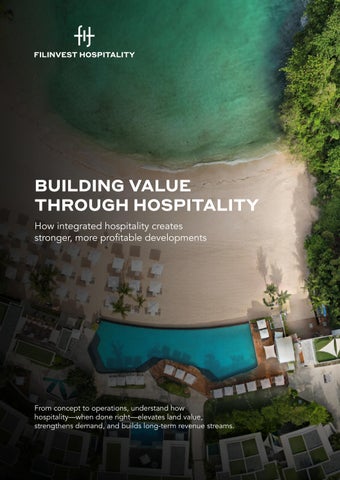
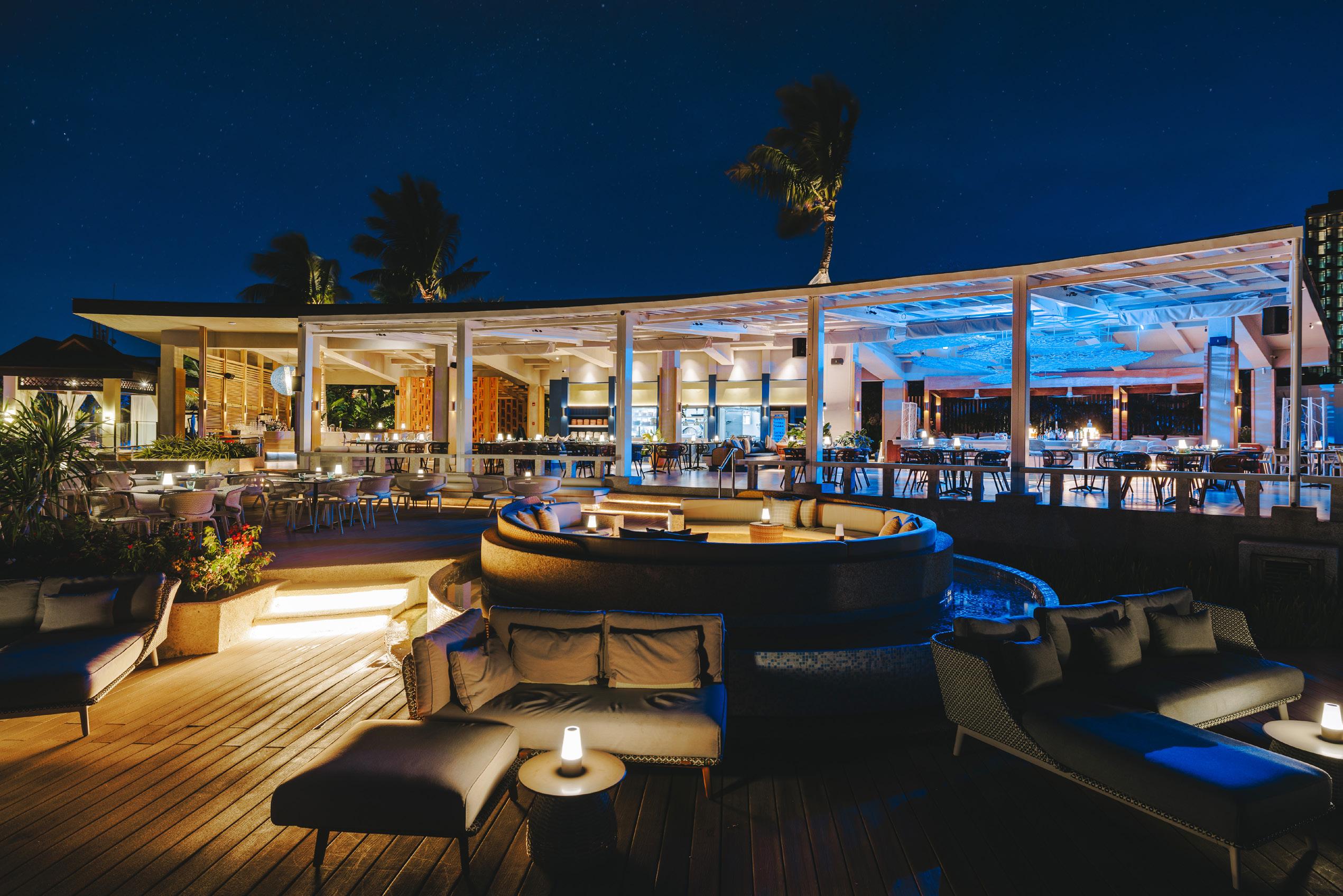
How integrated hospitality creates stronger, more profitable developments
From concept to operations, understand how hospitality—when done right—elevates land value, strengthens demand, and builds long-term revenue streams.
Hospitality Is No Longer an Add-On. It’s a Value Engine.
Developments today are no longer defined by what they build but by how people experience them. Across markets, hospitality-led environments are outperforming traditional developments. Why?
Because they do more than provide space, they create destinations, drive foot traffic, and extend dwell time.
Hotels, branded residences, food and beverage concepts, and lifestyle amenities are no longer “nice-to-haves.” When properly integrated, they become:
• Demand generators
• Brand anchors
• Revenue multipliers
• Long-term asset enhancers
But here’s the catch:
Not all hospitality creates value. Poorly positioned hospitality destroys it just as fast. The difference lies in strategy, timing, and execution.
From Individual Assets to an Integrated Hospitality Platform
Filinvest’s Hospitality portfolio has evolved beyond standalone properties into a cohesive ecosystem designed to support developments at every stage.
This includes: This integrated structure allows for:
but
them from the ground up.
Decisions Made Early Define Outcomes Later
Many developments bring in hospitality expertise too late —after key decisions have already been locked in.
By then, the following are already fixed:
• Site planning
• Space allocation
• Target market assumptions
• Financial models
At that stage, hospitality becomes reactive.
Early involvement changes that.
When hospitality is integrated at the planning phase, it helps:
Validate whether a hotel, resort, or lifestyle component is viable
Define the right product type (not just “what fits,” but “what works”)
Shape the guest journey from day one
Align design with operational realities
Optimize revenue streams beyond room sales
It prevents expensive misalignment and unlocks stronger long-term returns.
End-to-End Hospitality Expertise
Filinvest Hospitality supports projects across the full lifecycle.
1. Concept & Positioning
We define:
• What the property should be
• Who it is for
• Why it will win in the market
Because a generic hotel in a competitive market is a liability.
2. Technical Services & Pre-Opening
We ensure:
• Efficient layouts
• Operational readiness
• Smooth transition from construction to launch
This reduces costly rework and accelerates time to market.
3. Marketing & Commercial Strategy
We build:
• Brand identity and storytelling
• Demand generation strategies
• Distribution and pricing frameworks
Not just awareness but conversion and sustained demand. Long-term.
4. Business & Management
Consulting
We provide:
• Feasibility insights
• Financial modeling support
• Operating structure recommendations
Grounded in real-world and data-backed performance, not theoretical projections.
5. Food & Beverage Concepts
We create:
• Standalone dining destinations
• Revenue-driving culinary experiences
• Concepts that attract both guests and local markets
Concepts designed to delight guests built as true revenue drivers, not supporting amenities–ones that get renowned globally.
6. Lifestyle, Wellness, and Recreation
We integrate:
• Spa and wellness programming
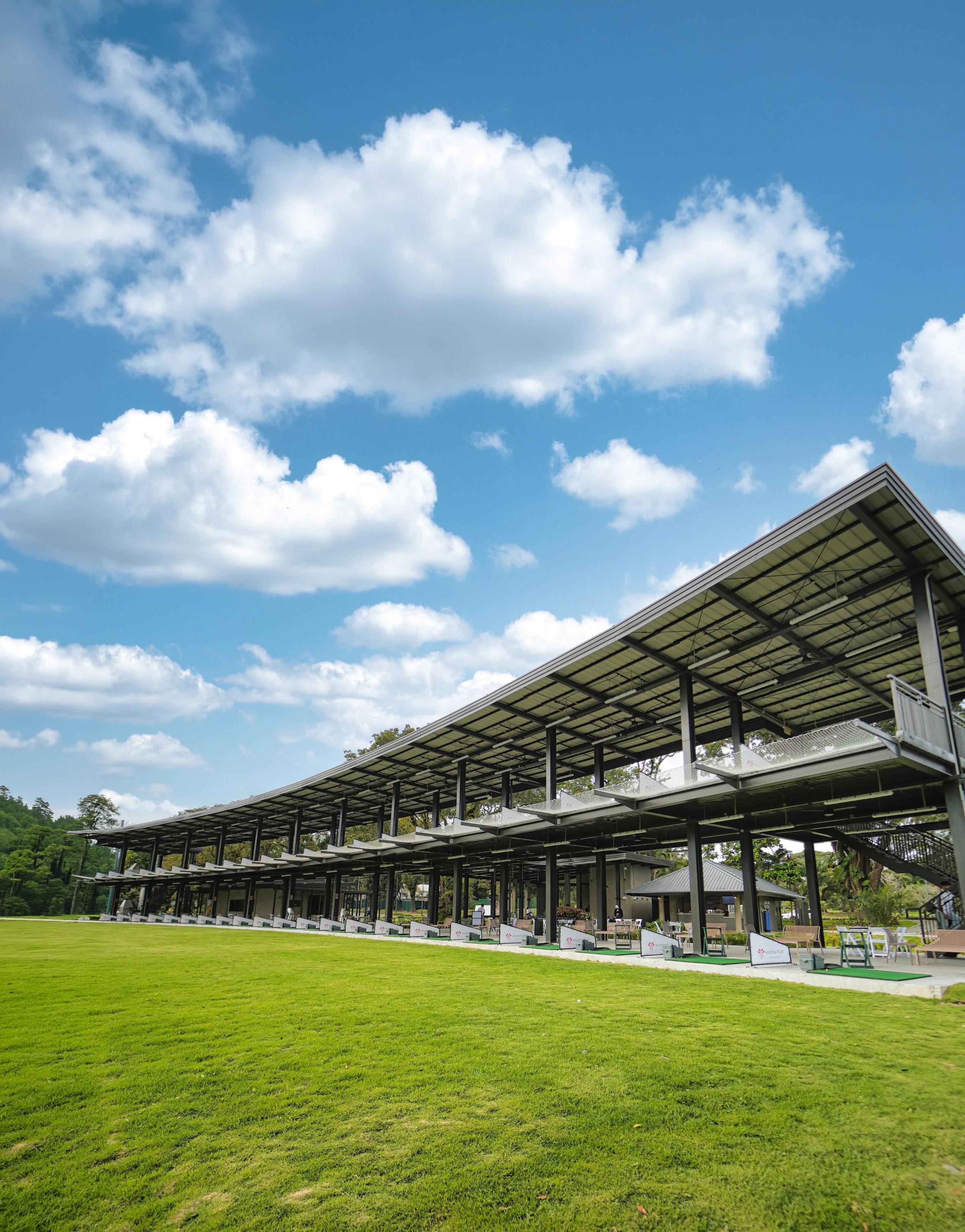
• Golf and recreational assets
• Experience-led amenities
They are key differentiators in today’s market.
Hospitality-Led Opportunities Across Asset Types
Hospitality strategy is not one-size-fits-all. Its role and potential varies by development type.
City Developments
• Drive weekday occupancy and corporate demand
• Anchor mixed-use developments
Resorts
• Capture leisure demand and destination travel
• Command premium pricing when differentiated
Mixed-Use Developments
• Activate retail and public spaces
• Extend dwell time and spending
Recreational Estates (Golf, Wellness, Lifestyle)
• Build long-term community value
• Attract high-value markets and investors
The Common Thread: Hospitality, when integrated correctly, strengthens the entire ecosystem.
Assess Your Development
Use this as a starting point:
1. Market Fit
• Who is your primary demand driver?
• Is there an underserved segment?
2. Product Clarity
• Is your concept clearly differentiated?
• Or is it interchangeable with competitors?
3. Revenue Streams
• Beyond rooms or units, where does revenue come from?
• Are F&B, events, or experiences fully leveraged?
4. Guest / User Journey
• What makes your development worth visiting—and returning to?
5. Timing
• At what stage are you bringing in hospitality expertise?
• What decisions are already locked in?
Strong developments are not built on size alone but on clarity, positioning, and execution.