Under Pressure: Botanical Hauntings
54 The Valley Rd, Johannesburg, 2025
Under Pressure: Botanical Hauntings
Conversations between Prints and Plants
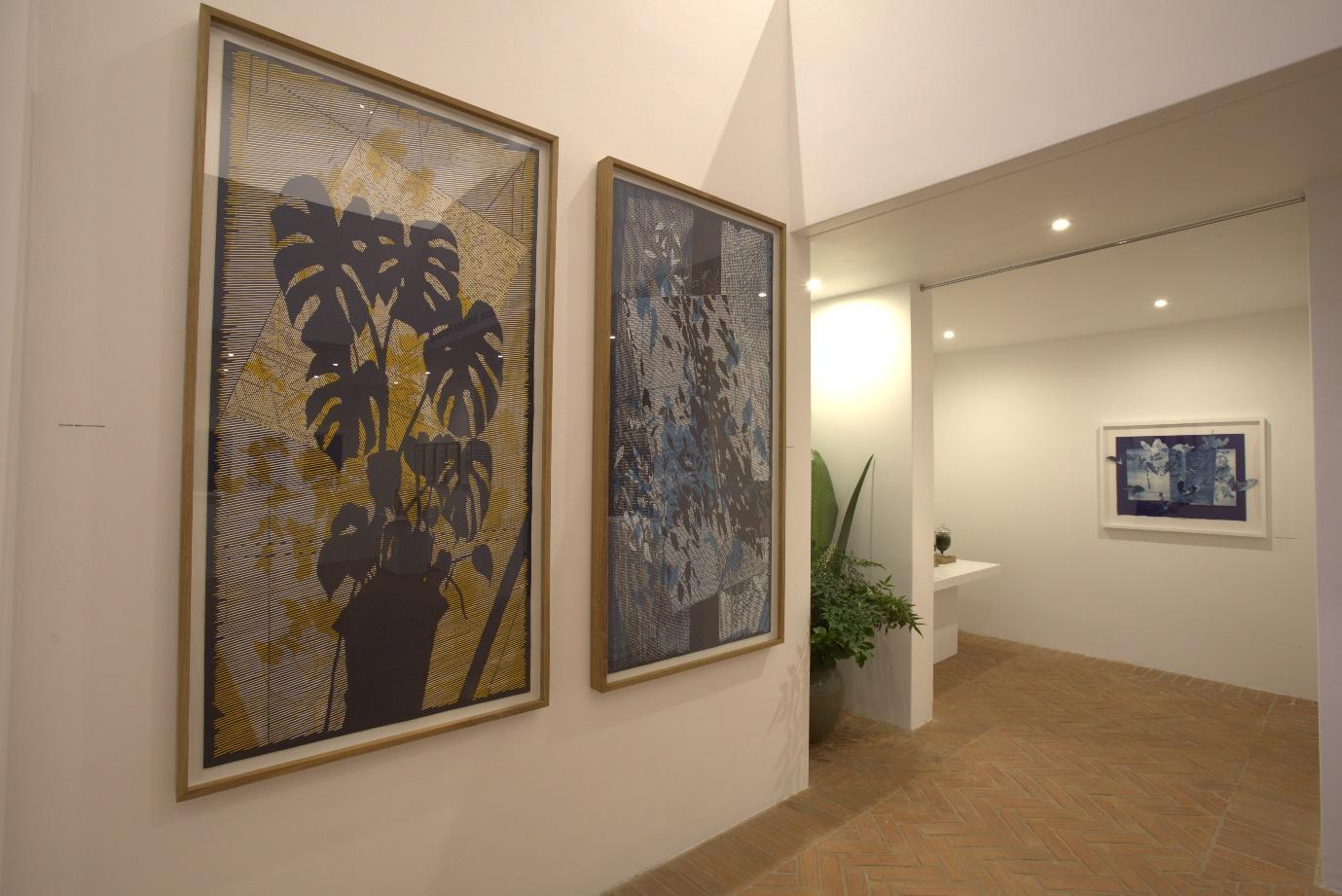
Botanical specimen’s lie dried out and closed away in folders in herbariums all over the world, but as active agents many are now threatened or extinct, alive only in our imaginations. The ‘hauntings’ in the title of the exhibition is intended to evoke the sense of a disappearing world, a world that can sometimes, however, be (re)found in the present through artistic evocations.
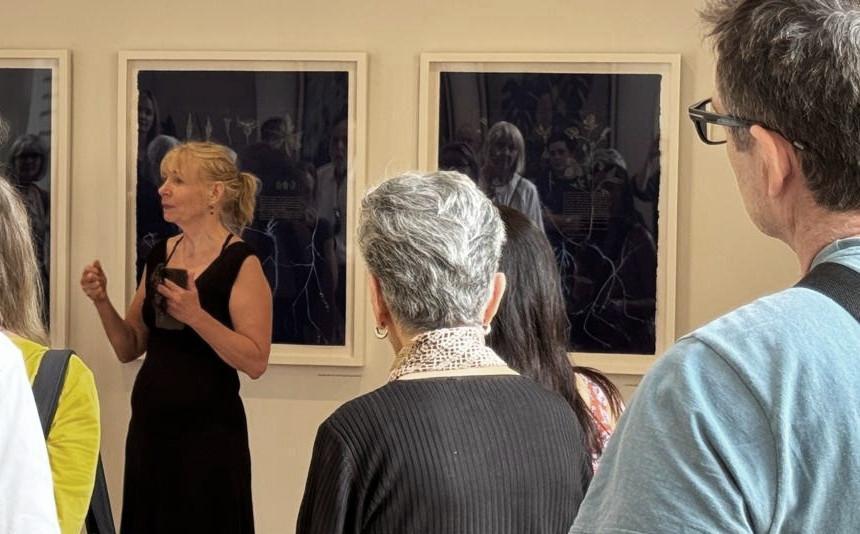
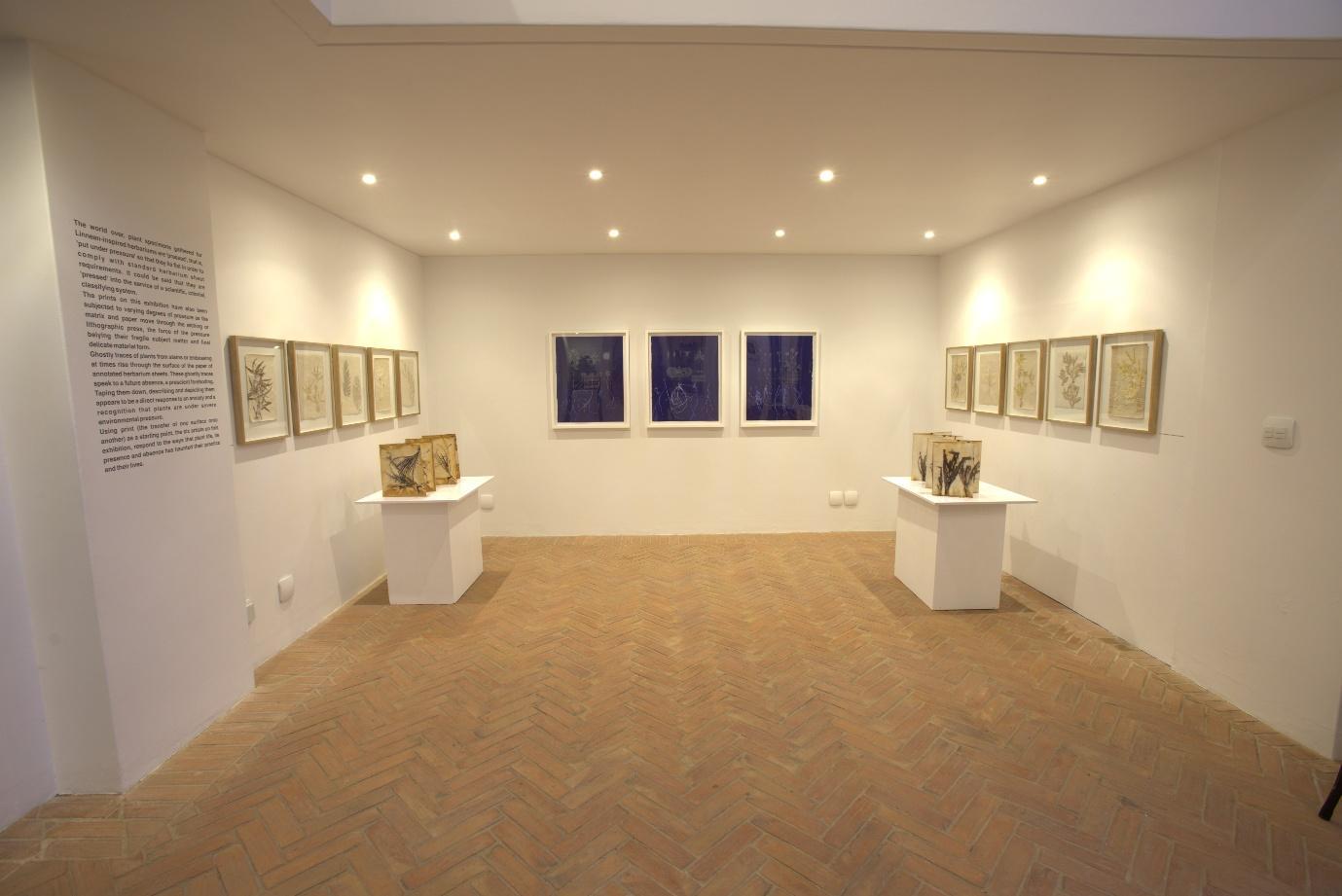
The interdisciplinary online seminar series, Plant Lives, organized by Isabel Hofmeyr and Sarah Nuttall in 2025 were the initial inspiration for what finally became the group exhibition, Under Pressure: Botanical Hauntings, an exhibition that I curated and included five other South African artists who incorporated printmaking in their practice.
While listening to the Plant Lives series, my physical space was that of Makhanda in the Eastern Cape, a frontier town with a fraught colonial history. I listened to discussions that took place online with speakers from all over the world on subject matter that ranged from
the problematic histories of what plants alien or native, botany and how it intersects with exploitation and empire, classification and colonialism, migration and multispecies, (to name a few). These discussions motivated me to visit the Selmar Schonland Herbarium, the second oldest Herbarium in South Africa, established in 1860 and situated in the Albany Natural History Museum.
In the herbarium I noticed how ghostly traces of plants from stains or embossing at times rose through the surface of the paper of the annotated herbarium sheets. These ghostly traces seemed to be alluding to a future absence, a prescient foreboding.
Reason I
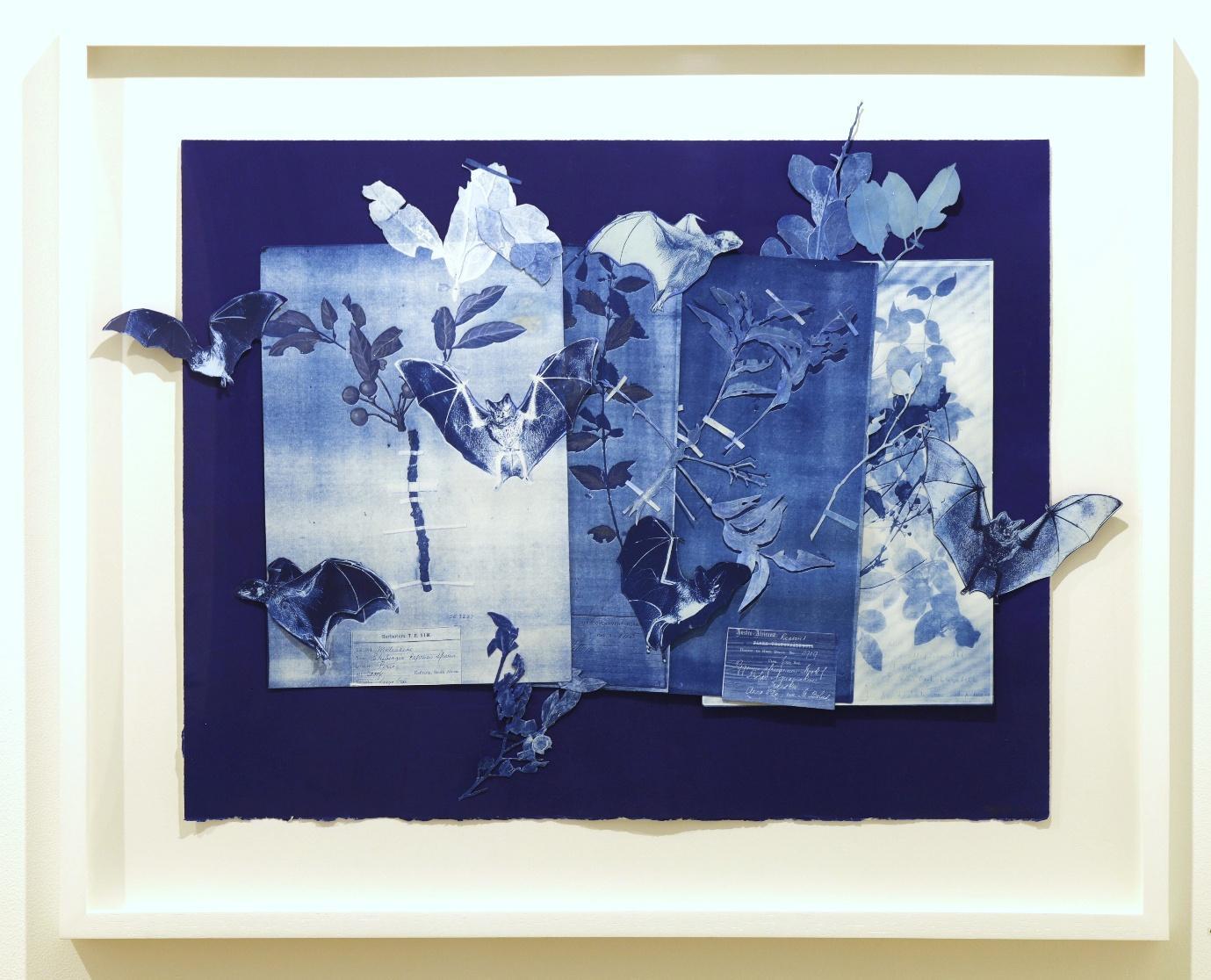
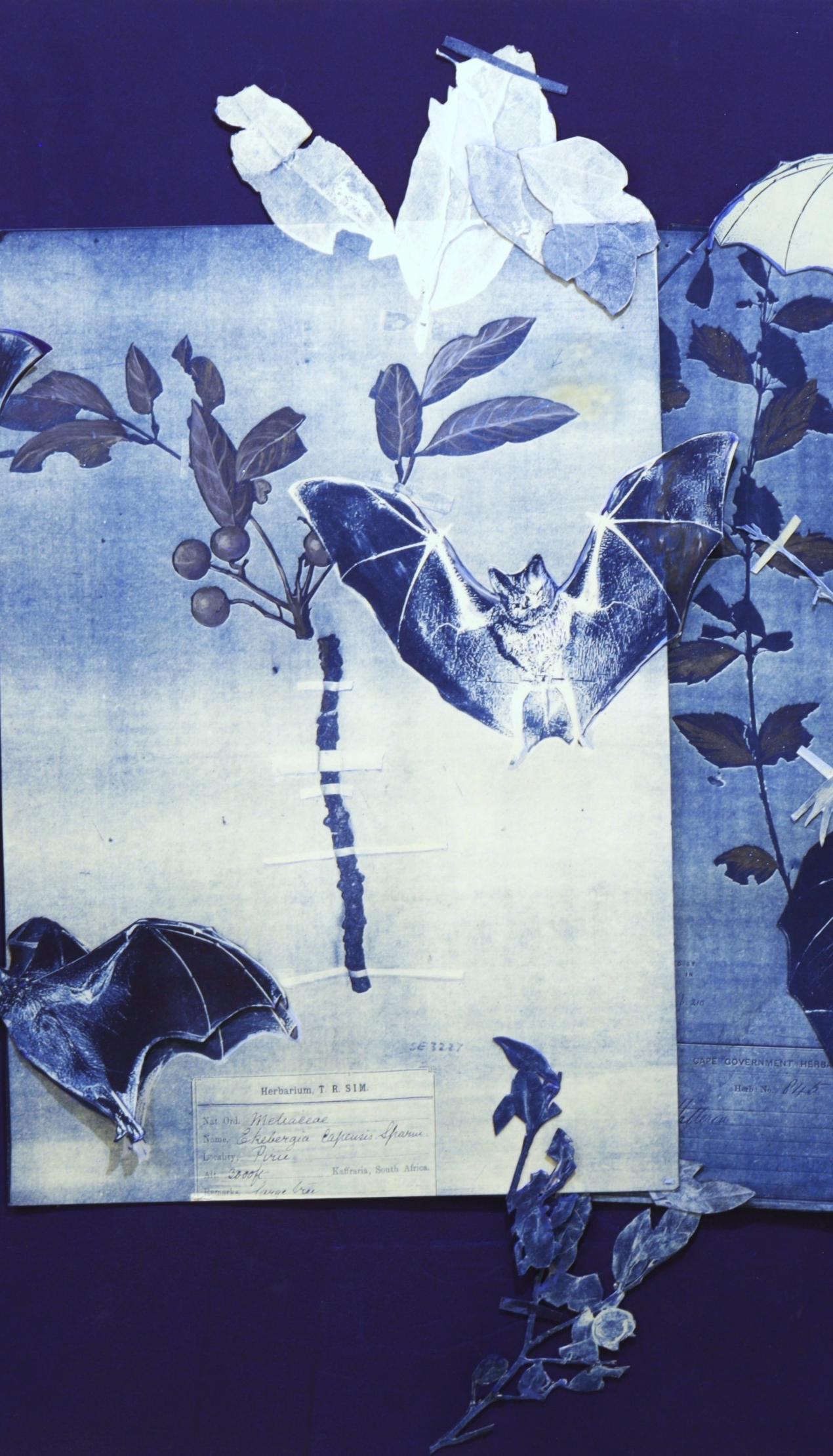
My contribution to the exhibition included four works. ‘Reason I’ includes cyanotypes created from the herbarium sheets gathered from the Selmar Schonland Herbarium. I reference Goya’s etching ‘The Sleep of Reason produces Monsters”, this etching by Goya has creatures of the night, bats, owls, and a lynx hovering over a sleeping figure. In Reason I Specimens from the Meliaceae family (chosen because their fruit is eaten by bats) threaten to escape the rigid boundaries of their prescribed pages. The bats that circle around Goya’s reader flit amongst the botanical pages, disturbing his sleep and ours.
Shadow Crops
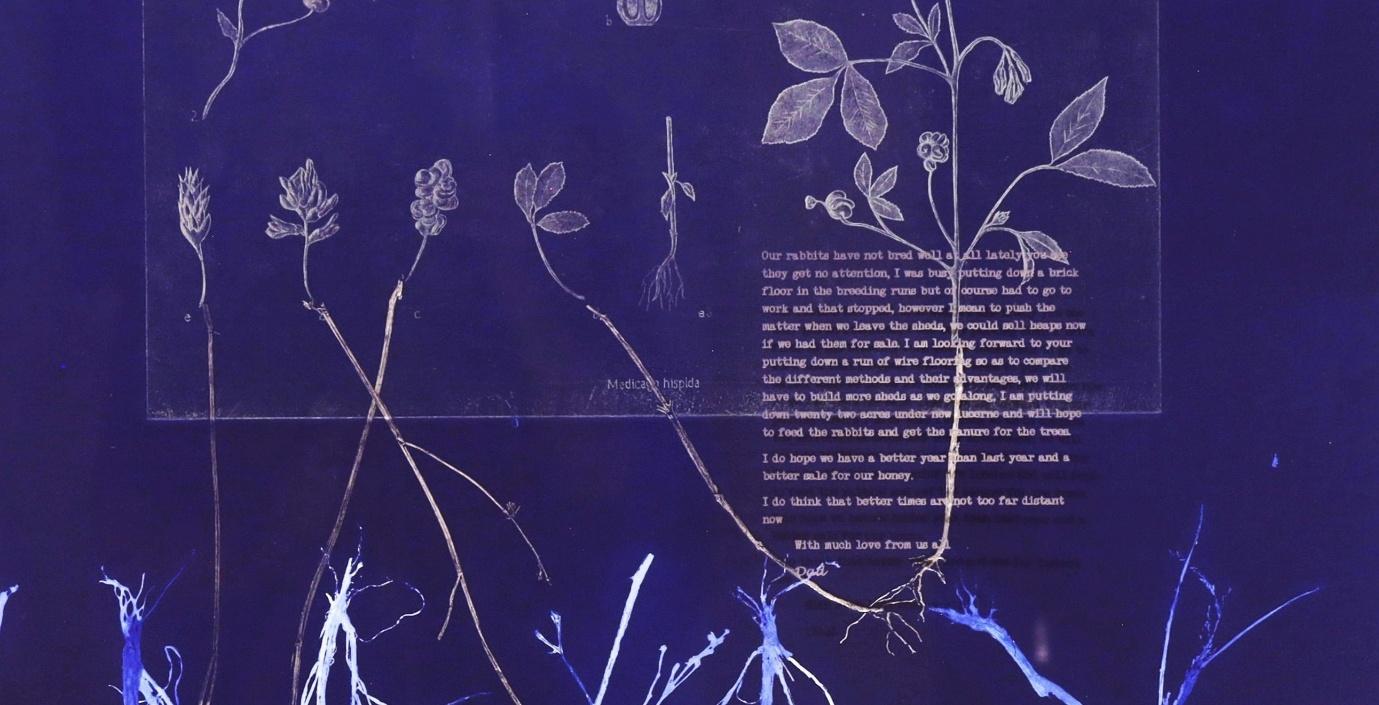
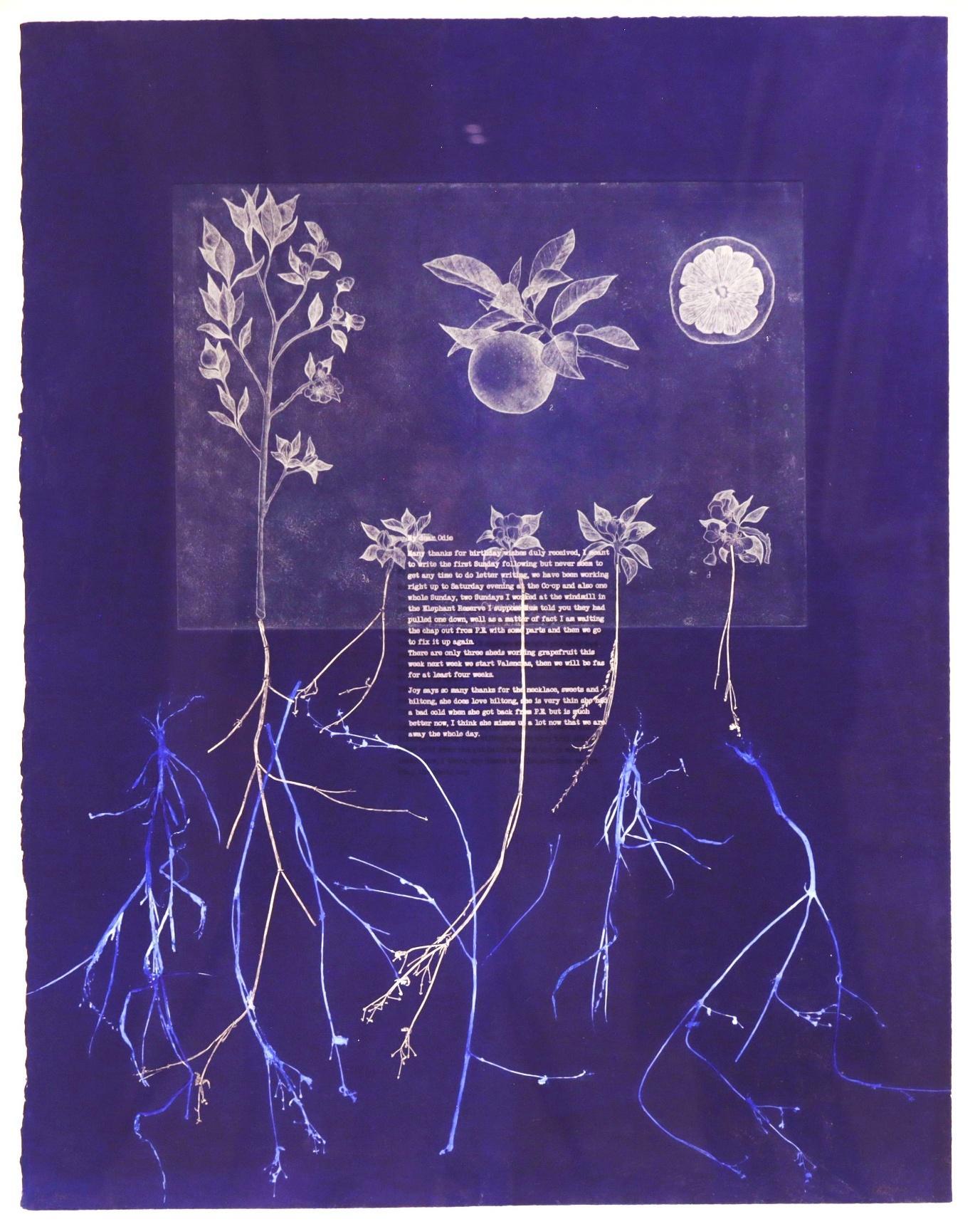
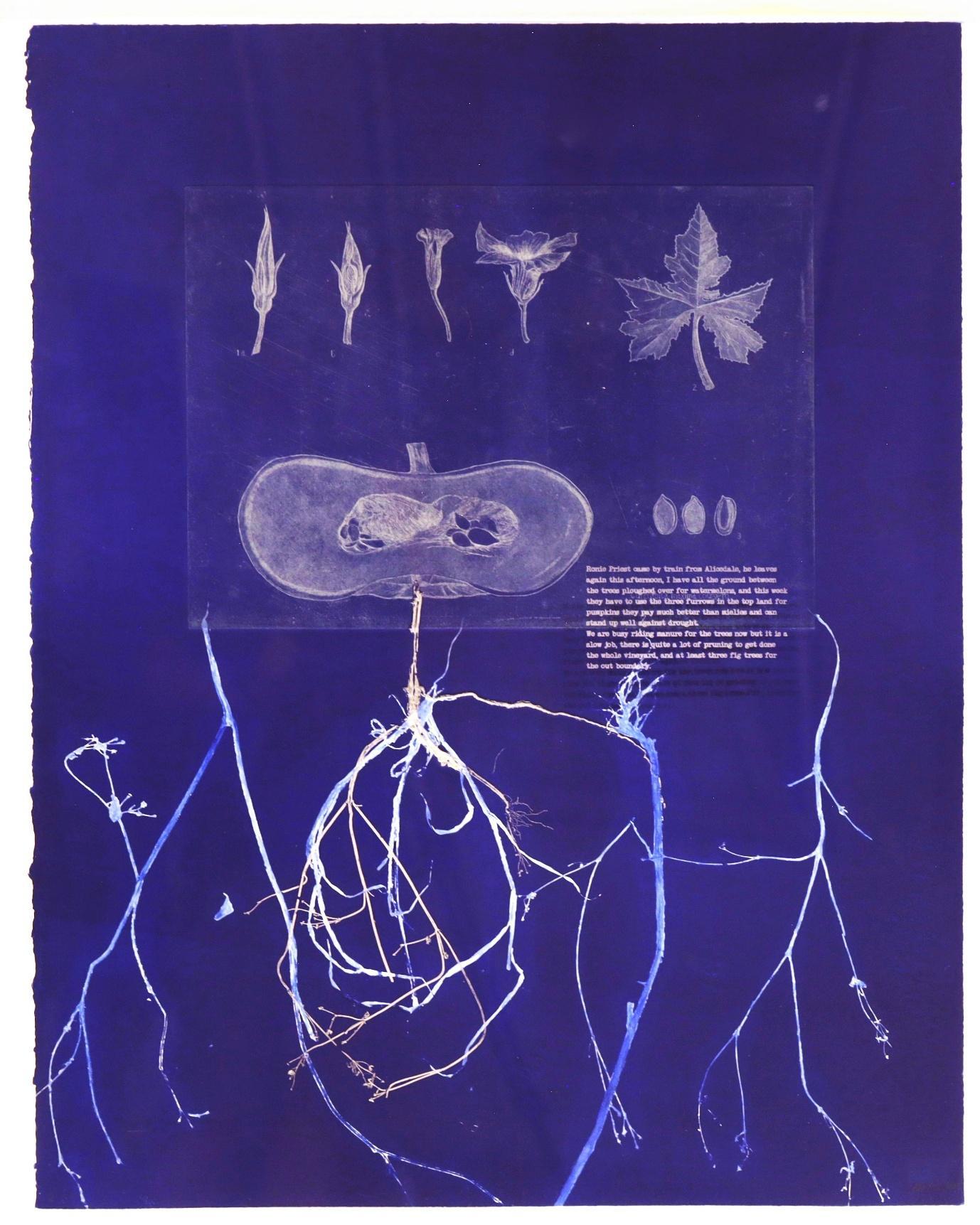
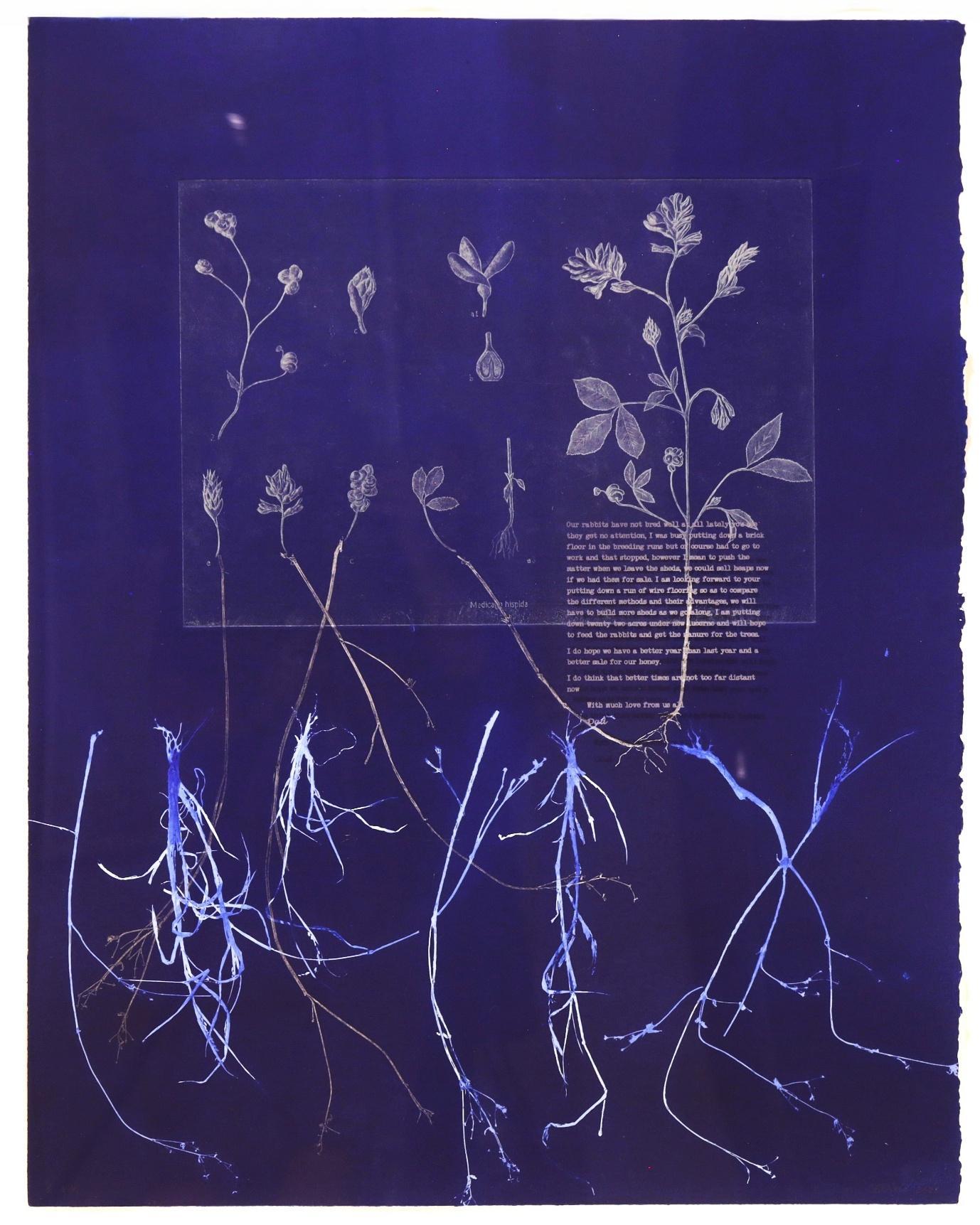
Written from a farm in the Eastern Cape, my great-grandfather writes to his son about the many crops he is trying to grow on the recalcitrant land. Grapefruit, pumpkins and lucerne are amongst the crops he names, plants that would not have been of much interest to the European botanists who looked for more exotic species to collect and re(name).
I used excerpts from this letter to engage with ideas on land and colonial spaces, with thoughts on what occurs both and above the ground we live on. Scientific dissections of plants are interrupted by personal narratives and the transferred roots of plants bring attention to what lives below the soil.
By creating copper etchings of these familiar plants in the accepted scientific style along with their Latin, Linnean nomenclature, the local and known is made alien, contrasting with the embodied daily rituals of farming.
Prof. Isabel Hofmeyr in her closing address writes that,
This exhibition is timeous and constitutes a rich strand in these debates on plant lives. We might describe the exhibition as polybotanical, opening up different paths for thinking about plants, both on and off the page.
Plants and the page have long been intimately associated, materially, linguistically, and metaphorically. Paper contains cellulose; parts of the book are named for plants (leaf, fascicle); anthologies are often likened to gardens and vice versa. Yet at the same time, plants and the page have an uneasy relationship. How does one fit the plenitude of the plant world, the scale of large plants and trees and their deep, deep time, onto that most human of measures, the white field of the page?
This exhibition offers an abundant set of contemplations on this question. Let me draw out some cross-cutting themes. The first concerns plants as ancestors, allies, and teachers. Plants are of course our ancestors, they come long before us and they enable us to breathe. They will take care of us after we die. We will all have vegetal afterlives as our remains will be circulated by plants.