Faith Communities
TRAINING GUIDE
Utilizing the Film Sound of Hope: The Story of Possum Trot

Kathleen Belanger, MSW, PhD
Emmerentie Oliphant, MSW, PhD
Rebekah Weigel, MA


CWLA Press is an imprint of the Child Welfare League of America. The Child Welfare League of America is the nation’s oldest and largest membership-based child welfare organization. We are committed to engaging people everywhere in promoting the wellbeing of children, youth, and their families, and protecting every child from harm. All proceeds from the sale of this book support CWLA’s programs in behalf of children and families.
Copyright © 2026. Possum Trot Film, LLC. All rights reserved. Neither this book nor any part may be reproduced or transmitted in any form or by any means, electronic or mechanical, including photocopying, microfilming, and recording, or by any information storage and retrieval system, without permission in writing from the copyright holder and the publisher. For information on this or other CWLA publications, contact the CWLA Publications Department at the address below.
CHILD WELFARE LEAGUE OF AMERICA, INC.
1600 K Street NW, Suite 505, Washington, DC 20006 www.cwla.org
Cover and text design by Charity Betts
Printed in the United States of America
ISBN: 978-1-58760-268-9
Library of Congress Cataloging-in-Publication
COLLABORATING WITH
Faith Communities
TRAINING GUIDE
Utilizing the Film Sound of Hope: The Story of Possum Trot
Written by: Kathleen Belanger, MSW, PhD
Emmerentie Oliphant, MSW, PhD
Rebekah Weigel, MA
Acknowledgments
Introduction
Training Overview
How to Use This Guide
Module One:
Faith (Religion and Spirituality) as a Motivator and Sustainer in Foster Care and Adoption
Learning Objectives
Human Flourishing in Child Welfare
The Importance of Faith and Spirituality in Human Flourishing
Faith as a Motivator and Sustainer
Faith Can Drive Responsibility to Foster and Adopt
Listening to God Can Guide Families to Foster and Adopt
A Disconnect Between Faith Communities and Public Child Welfare Systems
Resource Sheet One
Resource Sheet Two Activities
Module Two: Faith in Spiritual and Religious Coping
Learning Objectives
Spiritual Coping and Healing
Spiritual Coping and Church Attendance Expand Coping Resources
Tools to Support Spiritual Coping and Healing
Faith-based Therapies, Theories and Assessments
Faith Communities as Practical Partners in Coping
Module Three: Trauma and Forgiveness
Learning Objectives
Trauma is Complex and Impacts Well-Being
Trauma Impacts in the Form of Past and Current Events
Foster Families Creating Safe Environment for Coping with Trauma
Faith and Forgiveness Play Vital Role in Coping with Trauma
An Example — Faith and Forgiveness
Resource Sheet Five Activities
Module
Four: Partnering with Faith Communities
Learning Objectives
Faith Communities Provide an Array of Resources Activity
Faith Communities Provide Support to Child Welfare Workers
Faith Communities Play a Role in Recruiting Foster Families
Models of Community Development to Increase Faith Community Engagement
Activity
Final Thoughts and Advice Authors
ACKNOWLEDGMENTS
We would like to express our deepest gratitude to the many individuals, churches and organizations who gave invaluable feedback that helped shape this training guide.
We are grateful to CWLA (Child Welfare League of America) for helping to bring this training to those on the frontlines of child welfare—the dedicated professionals and caregivers working tirelessly on behalf of children and families who are vulnerable.
The authors would like to thank Rachel Adams, Editor at CWLA Press, and Marlene Saulsbury, Director of Publications at CWLA, for their assistance with the editing and production of this manual, as well as Linda Spears, President and CEO of CWLA, for her leadership and understanding of the importance of faith communities in the field of child welfare.
We want to thank Joe Knittig, CEO of CarePortal and Executive Producer of Sound of Hope: The Story of Possum Trot, for championing this film from the beginning and raising the funding to develop this training guide.
Thank you to Charity Betts, Design Manager for the Christian Alliance for Orphans (CAFO), for generously sharing your time and exceptional talent in bringing the layout and design of this training to life.
Thank you to the amazing LA team — Dominique Robinson, Faith Based Program Manager for LA County DCFS, Pastor Dan Broyles, Pastor of Care and Strategic Planning at Valencia Hills Community Church, and Pastor John Jefferson of Del Air Baptist Church—for sharing years of experience in Los Angeles County and pioneering at the intersection of faith and child welfare. What a joy and inspiration you are!
Our sincere appreciation also goes to Rachel Medefind and the Christian Alliance for Orphans (CAFO) for your thoughtful feedback and collaboration, and for your profound dedication to equipping the Christian faith community to care for children and families in need.
Thank you to the 111 Project team — Chris Campbell, Executive Director of the 111 Project, Kristen Langrehr, Western Oklahoma Director, Kalla Jones of OK DHS, Misty Seale, Regional Manager, and Pastor Jonathan and Alysa Knox of Magnify Church — for lending your time and expertise and helping others glean from your experiences.
To each of you — thank you for your vision, dedication, and unwavering commitment to children and families. Your contributions have made this work possible and continue to shape the future of child welfare.
Introduction
There is much we can learn from the lived experiences of those involved in the child welfare system, including children, families, resource families, communities, organizations, child welfare staff, supervisors, and communities of faith.
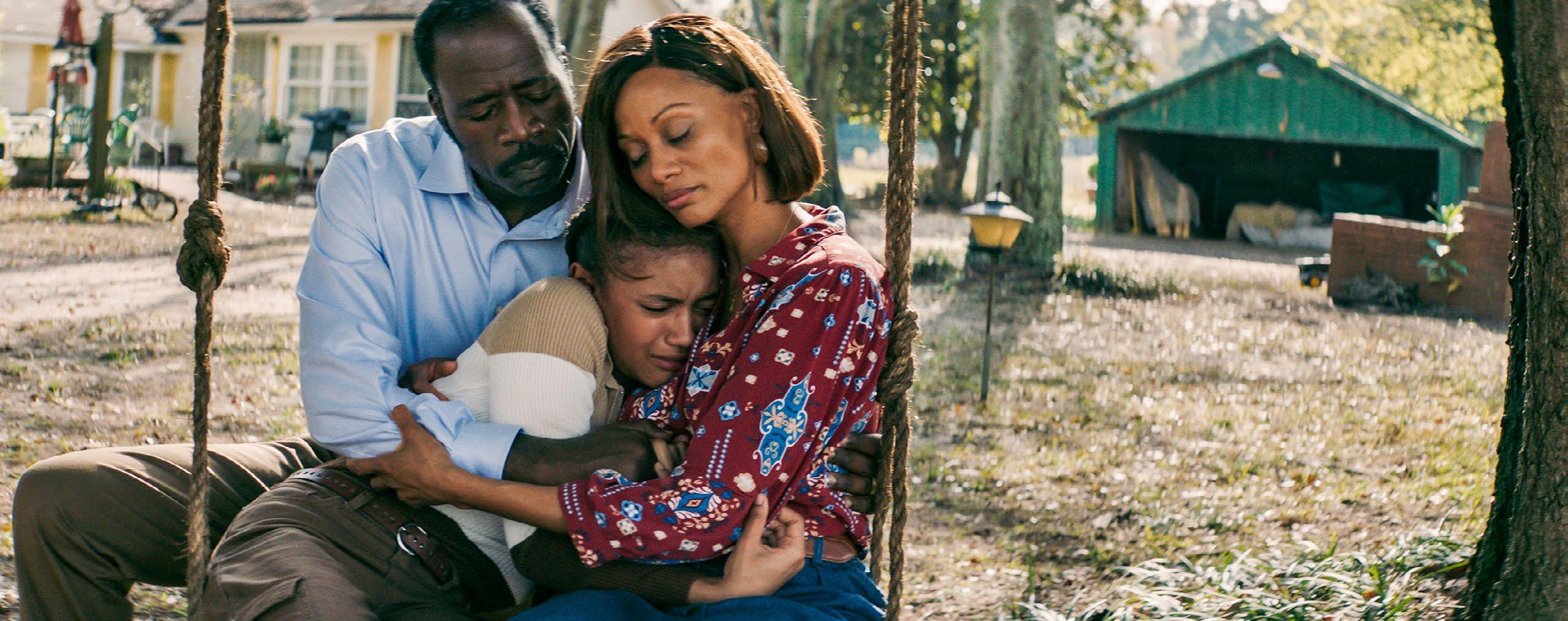
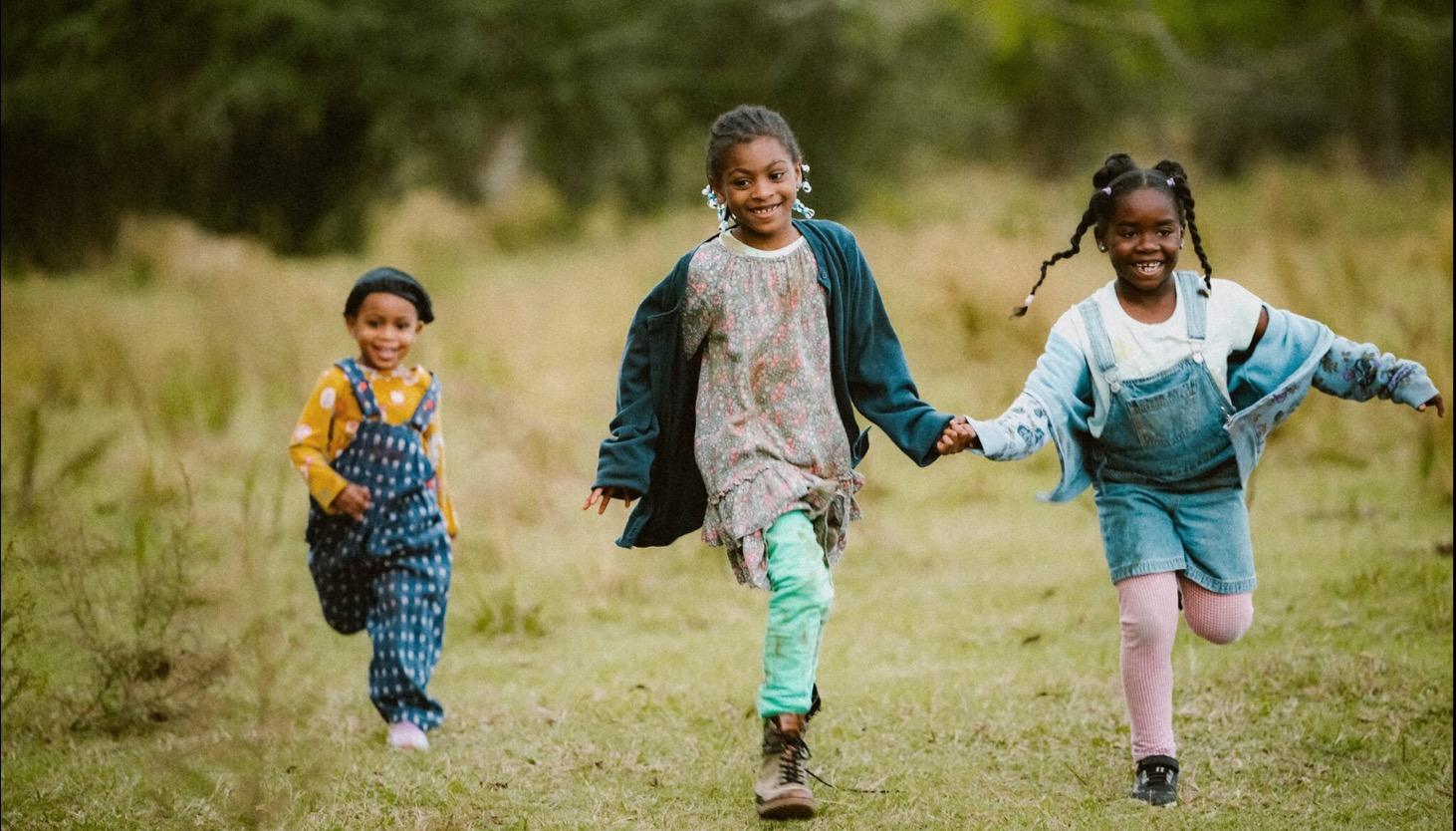
The film Sound of Hope: The Story of Possum Trot is based on a true story of a church community that adopted 77 children from the child welfare system, including the faith and spirituality that both inspired adoptions and supported them. The selected scenes in the training provide scenarios and case studies that demonstrate the struggles faced by all members of the system, including children, resource families, staff, administrators, geographic communities, and faith communities. These scenes reveal common struggles, raise questions, and offer ways to address challenges and provide some practical solutions along with support, perseverance, and joy. The scenes include a recognition that faith and spirituality, along with support from faith communities, can assist with those struggles.
The training is solidly built on research in child welfare, foster care and adoption, community practice, and the role of faith and spirituality in health and mental health. As such, it is extensively evidence-informed, with notations and references for further exploration. We wish to acknowledge the mission of child welfare to address child protection, in-home family preservation, foster care, and adoption.
While the training utilizes the film, child-serving agencies, nonprofit organizations, and churches can host no-cost screenings for impact purposes. Find out more at www.possumtrotimpact.com.
Training Overview
Module One provides an overview of faith, religion and spirituality as a motivator and sustainer in foster care and adoption. It provides an overview of the new research related to the importance of faith and spirituality in human flourishing, with an emphasis on incorporating this understanding for better child welfare practice. Not only are scenes from the film tied to the learning materials, but the materials include panel discussions from experts in the field who have formed partnerships between faith communities and public child welfare. Finally, there are exercises that deepen the exploration of materials and help integrate the knowledge into practice.
Coping with trauma and challenges is an integral part of child welfare practice. Drawing on extensive research and practice highlighted in the Handbook of Religion and Health and the Duke Center for Spirituality, Theology and Health, along with other research and practice, the second module focuses on faith and spiritual and religious supports. It provides an increased understanding of coping; a knowledge of appraising threatening situations; and tools to assist with coping, resilience, and hope. Again, practitioner panel discussions, film scenes and exercises help to integrate the knowledge into practice.
The third module introduces the role of faith, spirituality and religion into the field of trauma: its complexities, vicarious trauma, and understanding the ways in which faith and spirituality can impact positive outcomes. The module also provides insights into forgiveness, with real examples. This module is an overview and introduction to new material that can be used in conjunction with much more intense professional education on trauma.
The goal of the fourth and final module is to increase an understanding of the many positive outcomes that can be achieved when faith communities collaborate with public child welfare at all stages of a family’s journey, including prevention, family preservation, foster and adoptive family recruitment and support, and post-adoption support, along with support of those who work tirelessly with children and families. It highlights the role of faith communities as connected assets and distribution networks of goods that the entire system needs while highlighting competent collaborative practice. Finally, it provides specific tools to form those partnerships and to set collaborative goals, objectives and tasks to improve the lives of children, families, and child welfare practitioners.
Each module can be delivered on its own to professionals (with continuing education credits), to faith communities, or to a combined group. Each module can be delivered online (remotely) or faceto-face. However, the ideal delivery is for a full day of delivery on-site, ending with collaborative problem solving and goal setting for specific states, Tribes, or jurisdictions.
Child welfare policy and practice differs by state, by county, by locality, by Tribal practice, and by jurisdiction, just as faith practices differ not only by religious affiliation but by individual faith community practices. However, the entire curriculum is designed to be adaptable to the specific needs and assets of local communities. Each locality can incorporate specific policy, just as each faith community can share what is part of its calling, its assets, and its treasure.
Sound of Hope: The Story of Possum Trot highlights what has been and can be accomplished when people of faith realize their call, their individual and collective responsibility for children and families who are vulnerable. It is our intent that this curriculum helps to enable these partnerships everywhere.

How to Use This Guide
The intent of the guide is to provide a broader understanding of the child welfare system that addresses both the responsibility of people of faith and resources available from faith communities to care for children and families most in need, and then to provide a practical approach to engaging the faith community so that no children remain without homes.
CHILD WELFARE ORGANIZATIONS
This guide is evidence-informed and created by those in the field of child welfare, with continual contributions from research and practice. It is designed to provide continuing education credits for social workers and other professionals. Each module can be delivered face-to-face or remotely on its own for 2 to 3 credit hours of training, depending on the depth of delivery, and can include the agency’s own guidelines for working with communities of faith and state/jurisdictional requirements. The training can be delivered by CWLA, the authors, or local/staff trainers can be trained to deliver the content and guide discussions. Contact the authors or the CWLA training department for more information. (See bios at the end of the guide.) It is very helpful to have experienced facilitators from outside the agency to help develop goals and objectives. Again, screening the film is free for those who are using it to improve the lives of children and families.
FAITH COMMUNITIES, CHURCHES OR INDIVIDUALS
Communities of faith or individuals interested in helping can use this guide in multiple ways, depending on your goals. First, screening the film in groups can enlighten your whole community about needs and possibilities. Then, use the guide on your own, completing exercises module by module in groups. Finally, you can set your own goals, objectives, and tasks to achieve what you have chosen for your church or faith community. Depending on your needs, facilitation can be face to face or provided remotely.


UNIVERSITIES AND TITLE IV-E PROGRAMS
This guide is specifically designed to address out-of-home care, the goal of Title IV-E. We encourage Title IV-E programs to include a screening of the film and some form of utilizing the materials in this guide to bring theory into practice for students and new child welfare staff. The film and training guide can also be use to help students in assessment, planning, intervention and evaluation, to understand prevention in child welfare, and to examine community organizations and macro practice. Training with universities can be facilitated in person or remotely.
AS A RECRUITMENT TOOL FOR CHILD WELFARE ORGANIZATIONS, CHILD PLACING AGENCIES, AND COMMUNITIES OF FAITH
The guide was specifically designed to be used as a community recruitment tool, not just to recruit resource families, but to recruit assistance in supporting families identified as at-risk or reported to the child welfare system to prevent child removals. It is also designed to increase the amount of support for child welfare and child placing agency staff who have the overwhelming task of preserving and protecting families. We recommend pre-training discussions to identify your particular needs and partners, and then a day and a half of collaborative training that includes both the community (churches, volunteers, interested agencies and partners) and the child welfare staff. A recommended schedule is provided on the following page. It can also be condensed into a single day of training or adapted to meet the needs of the community.
DAY ONE
9am - 11am Screening Sound of Hope: The Story of Possum Trot
11am - 12pm Break & Debrief the Film
• Questions and thoughts that arise
• How it relates to this community
12pm - 1pm Lunch & Data
• How many children are placed in out-of-home care?
• How many are waiting for homes, available for adoption?
• What are the specific needs of child welfare staff?
• What has the staff identified as resources that, if available, could help families remain at home?
1pm - 1:15pm Break
1:15 - 3:15pm Group Discussions
• Communities of faith, volunteers, etc., break into one group, with child welfare and child placing staff in another. Each group will be led by a facilitator who will guide the discussion briefly through modules 1-3, identifying topics that may be revisited later and suggesting possible goals that the agency and community might want to address.
3:15pm - 4:00pm Debrief Day One
• Groups rejoin and report what they have learned and what they broadly hope to accomplish.
DAY TWO
9am - 10am Review of Yesterday’s Work, Thoughts, Suggestions
10am - 11am Generate Goals & Measurable Objectives
11am - 12pm Making It Real
• Setting tasks and time frames, along with a broad structure for oversight and communications.
Sound of Hope Engagement Campaign Guide MODULE ONE
Faith (Religion and Spirituality) as a Motivator and Sustainer in Foster Care and Adoption
The module explains faith as a motivator and sustainer in foster care and adoption. It describes the reasons why parents adopt and how faith can impact their decisions. It addresses the key role of child welfare workers to facilitate faith-based decision-making to foster and adopt. Child welfare workers include social workers, Title IV-E students/staff, and foster/adoptive staff.
Learning Objectives
1. To increase an understanding of faith and spirituality in human flourishing, particularly as it relates to children and families.
2. To increase an understanding of the influence of faith on individuals’ choices to foster and adopt.
3. To increase an understanding of how faith and faith communities support and strengthen positive outcomes in foster care and adoption.
4. To explore common goals and possible partnerships between faith communities and public child welfare.
To access all of Session One videos in one place, scan or click. (password: SOHDISCUSSION)
Human Flourishing in Child Welfare
The idea of “welfare” or well-being has been an area of concern for thousands of years (Jarden & Roache, 2023), encompassing a variety of factors, including ability to handle stress, independence, how people feel. And yet, isn’t this the goal of child welfare: the well-being of children and families? Current research has focused not simply on well-being, but on flourishing. What leads to flourishing or a good life? The Global Flourishing Study (see https://globalflourishingstudy.com/), co-led by Dr. Tyler VanderWeele of the Harvard T. H. Chan School of Public Health through their Human Flourishing Program (see https://hfh.fas.harvard.edu/), and Dr. Byron Johnson, Director of the Institute for Studies of Religion at Baylor University through Baylor’s Institute for Studies of Religion (see https://www.baylorisr.org/), asks the question: “What is flourishing and how can we attain it as a society?” (VanderWeele, n.d., p. 5).
The study examines human flourishing, defining it as “A state in which all aspects of a person’s life are good, including the contexts in which that person lives” (p. 3). Through rigorous research they arrived at a measure of flourishing with multidimensional aspects of life, beginning with five domains: happiness and life satisfaction, physical and mental health, meaning and purpose, character and virtue, and close social relationships. A sixth domain, financial and material stability, was added because of its importance in sustaining the others. A short survey was constructed based on previously validated measures of well-being, with two questions for each domain, 12 questions in all (see Resource Sheet). There are several aspects of this study that make it unique:
1. The surveys are conducted globally and longitudinally, providing a solid basis for all levels of examination, from the individual to the societal level.
2. There are four research partners: Baylor University, Harvard University, Gallup, and the Center for Open Science. This ensures that the research is of high-quality; that the questions and procedures follow interview protocols universally, across countries and languages; and that the data collected is available for all researchers to use.
3. Numerous philanthropic organizations have provided financial backing for the project, with funding already surpassing $50 million. There has already been a large body of research answering multiple questions about who is flourishing, and future waves of data will explore factors contributing to flourishing. In addition, open-source data results in multiple studies. On April 30, 2025, alone, 36 studies were rolled out, connecting the findings to multiple fields.
The Importance of Faith and Spirituality in Human Flourishing
A growing body of flourishing research suggests that regular religious participation in a variety of ways may be linked to a range of positive outcomes relevant to child welfare efforts. In fact, VanderWeele (2017) reviewed and summarized studies that particularly linked regular attendance at religious services with better physical health, improved mental health, stronger social ties and community belonging, and a sense of purpose central to flourishing.
Many researchers are now engaging in rigorous longitudinal study designs with extensive controls for other variables. For example, the associations with flourishing are much stronger for communal religious participation than for spiritual-religious identity or for private practices.
While social support explains part of how religion impacts health positively, this only explains a small portion of the associations. Many other mechanisms appear to be operative, as well. It may be the confluence of the religious values and practices, reinforced by social ties and norms, that gives religious communities their ability to affect so many aspects of human flourishing. More studies are continuing to explore these other mechanisms.
One of the benefits of the Global Flourishing Study is the ability to link flourishing with data in other longitudinal studies. Chen & VanderWeele (2018) analyzed data for more than 5,000 youth ages 8-14 until they reached adulthood (ages 18-30). They found that weekly religious service attendance and/or prayer/meditation was associated with lower depression, substance use and sexual risk taking behaviors, higher life satisfaction, and greater purpose and forgiveness.
Whatever the specific causes, we know enough to understand that religion, spirituality, and involvement in religious practice and community can be an important part of child and family wellbeing, and as evidenced by Sound of Hope: The Story of Possum Trot, it will be very helpful for child welfare to address and collaborate with faith communities and faith-based organizations. It will also be helpful to stay abreast of the continued findings to apply them to policy and practice.
See the following interviews with Dr. Byron Johnson from Baylor University for an overview of the study and its findings:
Faith and Human Flourishing with Byron Johnson
October 18, 2024, the Trinity Forum
Beyond Happiness: The Roots of Flourishing
Season 9, Episode 905, October 21, 2025
Faith as a Motivator and Sustainer
When we are talking about faith in the context of child welfare work, we are generally referring to intrinsic spirituality, or the centrality of God in our lives. The Handbook of Religion and Health defines religion as: “The phenomenon wherein a system of beliefs and practices unites adherents into a community with a shared vision for attaining union with, or the experience of, the divine or transcendent” (Koenig et al., 2024, p. 10). Spirituality, on the other hand, is defined as “A set of individual beliefs, practices, and ways of being that are intended to assist in attaining union with, or experience of, the divine or transcendent” (Koenig et al., 2024, p. 11).
The difference between religion and spirituality, then, refers to beliefs, practices, etc., that are part of community (religion) vs. those that are individual. Both religion and spirituality — both organized practices and one’s own perspective and interactions with God (or a sense of the divine or transcendent) — have an impact on people’s lives, with implications for child welfare.
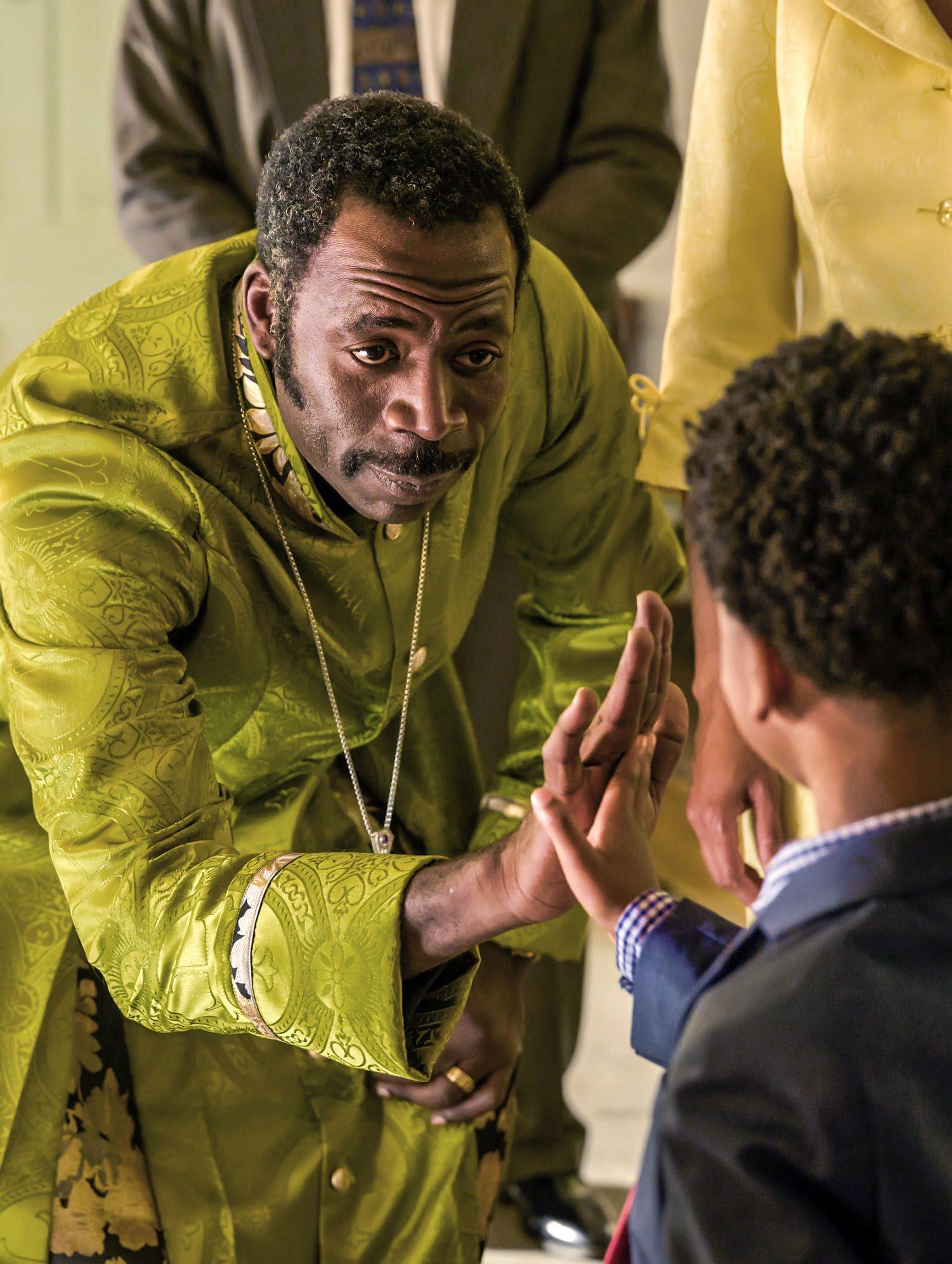
Sound of Hope: The Story of Possum Trot presents various scenarios that illustrate why parents choose to foster and adopt, specifically within the framework of faith-based motivations. In the film, the real families of Possum Trot illustrate a calling from God and a deep sense of responsibility, driven by faith, that resulted in a lifelong commitment.
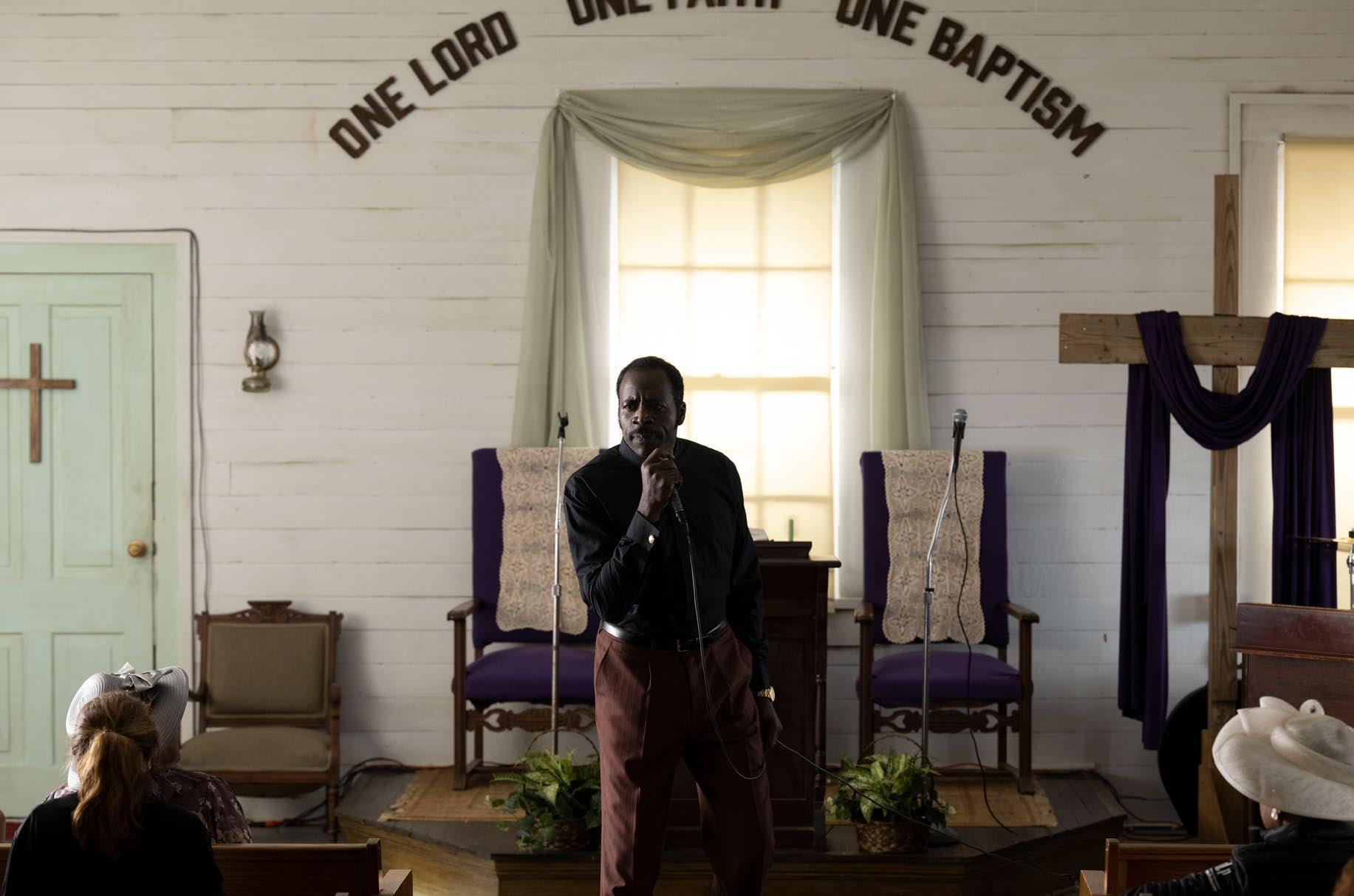
SCENES TO EXPLORE
(Click or scan to view scene)
(password: SOHDISCUSSION)
THE LORD SPEAKS
THE KITCHEN
Faith Can Drive
Responsibility to Foster and Adopt
In studying adoptions from the child welfare system by 113 families from Texas and Louisiana, including the 14 Bennett Chapel families who responded, 93% belonged to a religious congregation, 86% attended church nearly every week or more, and faith in God was the greatest reason Texas families (83) adopted and the second most important reason for the Louisiana families’ (28) decision to adopt (Belanger, 2004, p. 87). Only five families said that faith in God did not affect their decision to adopt (p. 88).
In addition to the motivation to foster and adopt, faith enables parents to be successful and resilient in adoption. Foster parents who were introduced to fostering through religious affiliations reported higher levels of satisfaction in their role as a foster parent as compared to other foster parents (Cox et al., 2002).
Listening to God Can Guide Families to Foster and Adopt
Listening to God as an act of faith can guide families to foster and adopt. Child welfare workers can guide decision-making about foster care and adoption through facilitation and discussing the calling to foster and adopt with potential parents. This calling starts with listening. Listening includes being quiet and recognizing God’s voice. It is important to find ways in which God speaks. Listening is an art, and faith traditions focus on reflection, meditation, contemplation, spiritual exercises, and prayer. Child welfare workers can work with religious leaders and faith communities to strengthen quiet and silence practices as part of supporting foster families.
As a child welfare professional, it is important to ask:
Do we encourage listening to God?
How do we allow foster parents to explore their decisions in light of faith?
Thinking about the trauma foster/adoptive children have experienced, how can we be open to religion and spirituality as an asset?
How can we be open to religious support?
How can we assist parents to become still to listen — especially in the chaos often created by trauma?
How can we be open to practical ways in which spirituality and religious affiliations can help families foster and adopt?
Child welfare workers have a deep understanding of the lived experiences of foster and adoptive parents. In addition to understanding the realities that families experience, it is important to acknowledge the role of faith as a calling and purpose, resilience through faith, and the support of a faith community.
A Disconnect Between Faith Communities and Public Child Welfare Systems
Recently, Los Angeles County pastors and a public child welfare administrator discussed their observations about possible reasons for this disconnect. They suggest that while the history of helping those in need stems from faith communities and churches, and while those who want to love their neighbor often share the same goals as public agencies, there is often fear, mistrust, misunderstandings on both sides, and that we must overcome this “Grand Canyon Divide” in order to help children and families.
Pastor Dan Broyles, a social worker and pastor, suggests that while faith communities and public child welfare systems both want families to succeed, they do not often collaborate or share information with one another.
In Panel Discussion One, Pastor Jefferson explains that churches have a divine commission to be responsible for widows and orphans, but that when child welfare system intervention began during the 1960s, church responsibility became secondary. In Panel Discussion Two, Dominique Robinson, Director of Faith in Motion initiative of Los Angeles County, explains the importance for child welfare to consider faith communities as experts and essential partners in helping.
LA County Panel
Discussion One
Jefferson Church State Divine Commission
LA County Panel
Discussion Three
All Church State Lens Grand Canyon Divide
LA County Panel
Discussion Two
Robinson Church State
In Panel Discussion Three, Pastor Broyles, Pastor Jefferson, and Ms. Robinson discuss the hesitancy on the part of the church to work with public child welfare. Pastor Broyles noted that the Child and Adolescent Needs and Strengths assessment tool (Praed Foundation, n.d.) includes two questions about spirituality as part of assessing the whole person, while Pastor Jefferson discusses the mistrust that African American communities often have with governmental entities because of past broken promises. Ms. Robinson highlights the importance of holding public child welfare accountable. Panelists noted the essentiality of collaboration — and that collaboration does not mean endorsing all beliefs or actions, but allowing differences while communicating and building trust. As Pastor Jefferson noted, if the church is one lens and government is another, bringing both lenses together creates the focus that is needed to help children and families.
Flourishing Measure
Please respond to the following questions on a scale of 0 to 10:
1. Overall, how satisfied are you with life as a whole these days? (0 = Not satisfied at all, 10 = Completely satisfied)
2. In general, how happy, or unhappy, do you usually feel? (0 = Extremely unhappy, 10 = Extremely happy)
3. In general, how would you rate your physical health? (0 = Poor, 10 = Excellent)
4. How would you rate your overall mental health? (0 = Poor, 10 = Excellent)
5. Overall, to what extent do you feel the things you do in your life are worthwhile? (0 = Not at all worthwhile, 10 = Completely worthwhile)
6. I understand my purpose in life. (0 = Strongly disagree, 10 = Strongly agree)
7. I always act to promote good in all circumstances, even in difficult and challenging situations. (0 = Not true of me, 10 = Completely true of me)
8. I am always able to give up some happiness now for greater happiness later. (0 = Not true of me, 10 = Completely true of me)
9. I am content with my friendships and relationships. (0 = Strongly disagree, 10 = Strongly agree)
10. My relationships are as satisfying as I would want them to be. (0 = Strongly disagree, 10 = Strongly agree)
11. How often do you worry about being able to meet normal monthly living expenses? (0 = Worry all the time, 10 = Do not ever worry)
12. How often do you worry about food, safety, or housing? (0 = Worry all the time, 10 = Do not ever worry)
These 12 items have been used around the world to assess various domains of flourishing, or human well-being: Happiness and Life Satisfaction (#1-2), Mental and Physical Health (#3-4), Meaning and Purpose (#5-6), Character and Virtue (#7-8), and Close, Social Relationships (#9-10). A sixth domain, Financial and Material Stability (#11-12) may be necessary to sustain the other domains over time. The background and motivation for these items and the flourishing domains can be found in: VanderWeele, TJ. (2017). On the promotion of human flourishing. Proceedings of the National Academy of Sciences, USA, 31:8148-8156.
Reasons Why Resource Parents
Foster
and Adopt
Religious responsibility can be one of the most important reasons for why resource parents foster and adopt:
Denby and Rindfleisch (1996) indicate that religious obligation was one of the main aspects for foster parent recruitment specifically among African American populations.
Religious duty as a calling to adopt:
16% of foster parents cite religious calling as a motivator for fostering (Rodger and colleagues, 2006) and 15% indicated that personal motivations such as Christian duty were a motivator for fostering (Baum et al,, 2001).
Faith and a strong connection with a church:
Buehler and colleagues (2003) found that strong faith, support from the church, religious beliefs, and church involvement were all motivating factors for fostering.
A specific goal to ultimately adopt:
Gillis-Arnold and colleagues (1998) discuss the differences in motivations for foster parents who have a goal of adoption. Interestingly, prior research has found that foster parent trainees seeking adoption have stronger motivations than nonadoptive trainees in four areas: rescuing a child, companionship for adult, replacing grown children, and companionship for own child.
Financial support:
A study by Gillis-Arnold and colleagues (1998) found that nonadoptive foster parent trainees were more motivated by financial gain than their adoptive counterparts. Recognizing these differences may help streamline the process for fostering by focusing on specific motivators for the two groups.
All of these factors can help families consider fostering and adopting, help them engage in the process, and help them as they support chidlren who are vulnerable.
ACTIVITIES
Exercise One
Reflect & Discuss:
Reflect on and discuss the following questions.
• In your practice experience as a child welfare professional, what role does faith play in parents’ decisions to adopt? What examples have you seen?
• How many families have you encountered who have expressed faith in God as part of their decision to adopt?
• Why do you think people might be motivated by both their faith and their church to adopt?
• Think of the great variety of ways in which faith has manifested itself in those inquiring about foster care and adoption. How open are child welfare professionals to their thoughts and feelings about faith? How should child welfare workers help explore their questions and interests, specifically regarding faith and adoption?
• How do you view families’ faith in God and their involvement with religious activities in relation to adoption?
• How should child welfare workers “recruit” families with spiritual and religious motivation?
Exercise Two
Discuss:
Discuss the following in a group.
• In your experience, how do families, children, and the faith community interact with and view social workers?
• How do families, children, and members of your faith community talk about the presence of religiosity or God in their involvement with child welfare?
REFERENCES
• Belanger, K. (2004). The impact of religiosity, religious support and CPS support on special needs adoption: Child, family and parent Outcomes. [Doctoral dissertation, University of Houston.]
• Baylor University. (2025, October 21). Beyond happiness: The roots of flourishing. [Video.]. Baylor Connections. https://connections.web.baylor.edu/season-9/episode-905-beyond-happiness-rootsflourishing
• Chen, Y., & VanderWeele, T. (2018). Associations of religious upbringing with subsequent health and well-being from adolescence to young adulthood: An outcome-wide analysis. American Journal of Epidemiology, 187(11), 2355-2364.
• Cox, M.E., Buehler, C., & Orme, J. G. (2002). Recruitment and foster family service. The Journal of Sociology & Social Welfare, 29(3), 151-177.
• Jarden, A., & Roache, A. (2023). What is Wellbeing? International Journal of Environmental Research and Public Health, 20(6), 5006.
• Koenig, H.G., VanderWeele, T.J., & Peteet, J.R. (2024). Handbook of religion and health. Oxford University Press.
• Praed Foundation (n.d.) The Child and Adolescent Needs and Strengths (CANS). https:// praedfoundation.org/tcom/tcom-tools/the-child-and-adolescent-needs-and-strengths-cans/
• The Trinity Forum. (2024, October 18). Faith and human flourishing with Byron Johnson. https://ttf.org/ events/online-conversation-faith-human-flourishing-with-byron-johnson/
• VanderWeele, T. (n.d.) Human flourishing: An introductory framework. The Human Flourishing Program, Harvard Institute for Quantitative Social Science.https://hfh.fas.harvard.edu/sites/g/files/ omnuum8886/files/2025-09/HFH.framework.final8%20%28single%20page%20version%29-small.pdf
• VanderWeele, T. (2017). Religious communities and human flourishing. Current Directions in Psychological Science, 26(5), 476-481.
Sound of Hope Engagement Campaign Guide MODULE TWO
Faith in Spiritual and Religious Coping
The module explains the role of faith beliefs and spiritual and religious practices in coping and overcoming challenges. Resilience and hope are essential parts of coping and healing; religious coping and healing encompasses beliefs and practices and can be supported by community resources.
When faith is experienced as supportive and empowering, it functions as a protective factor and a positive response to trauma. The lived experiences of children in foster care are impacted by different traumatic experiences and often manifest in their behavior and ability to effectively bond with their foster family. New foster parents bring their own lived experiences to the fostering relationship as well.
It is important for child welfare workers to acknowledge and embrace religious coping and healing methods to support families. Child welfare workers include social workers, Title IV-E students/staff, and foster/adoptive staff.
Learning Objectives
1. To increase an understanding of faith-based coping and healing, and how belief systems can provide a lens through which to view problems and solutions related to foster care.
2. To strengthen awareness of primary appraisal of the situation, secondary appraisal, and coping resources in working with foster parents.
3. To increase knowledge of selected tools available to assess spirituality and facilitate interventions integrating faith and spirituality.
4. To increase knowledge about the role of resilience and hope in coping and healing.
To access all of Session Two videos in one place, scan or click. (password: SOHDISCUSSION)
SCENES TO EXPLORE
(Click or scan to view scene)

(password: SOHDISCUSSION)
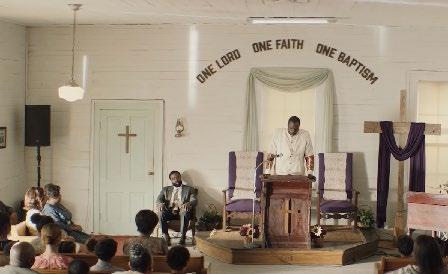
THE PRAYER CLOSET
COMING TOGETHER
Spiritual Coping and Healing
Life presents us with many trials, situations that challenge us, and circumstances that harm us. How people cope with those challenges contributes to the outcomes that come from the challenge. Some problematic ways to deal with stress include anger reactions and actions (damaged relations, violence, abuse), and avoidance (alcohol and substance abuse, prescription medications). However, using spiritual coping mechanisms is linked directly to more positive outcomes. Religious coping “involves the mobilization of religious beliefs or practices in response to… threats to well-being” (Koenig et al., 2024, p. 50). This might involve praying, meditating, giving thanks, attending religious services, forgiving, receiving support, or serving others. Numerous studies have linked religious coping mechanisms to reduced stress, better health and mental health outcomes, and, in general, better life outcomes (Koenig et al., 2024, p. 57-65). However, there are some things to keep in mind in the field of child welfare — particularly how children and families view God as the center of their religious views.
Kenneth Pargament, professor emeritus of psychology at Bowling Green State University, spent years researching how people cope with traumatic life events and which coping mechanisms provide better outcomes. He found that those who believe that God is loving, kind, and looking out for our best interests had more positive outcomes. However, those who see God as demanding and punishing had worse outcomes when utilizing religious coping mechanisms (Pargament et al., 2001). This profoundly impacts child welfare. In one educational seminar on this topic, a child welfare worker told the story of a young boy placed in a religious home. The boy refused to go to church services or to pray with the family, though he was thriving in the home. One night, the foster mother asked the child why he didn’t want to pray or go with them to church, and he replied, “Because I am so happy here and I don’t want God to find me and send me back.” Listening, again, is essential. For those serving in child welfare, understanding the positive roles of churches and parents in conveying God’s loving nature to children in care can enable better support and longterm outcomes.
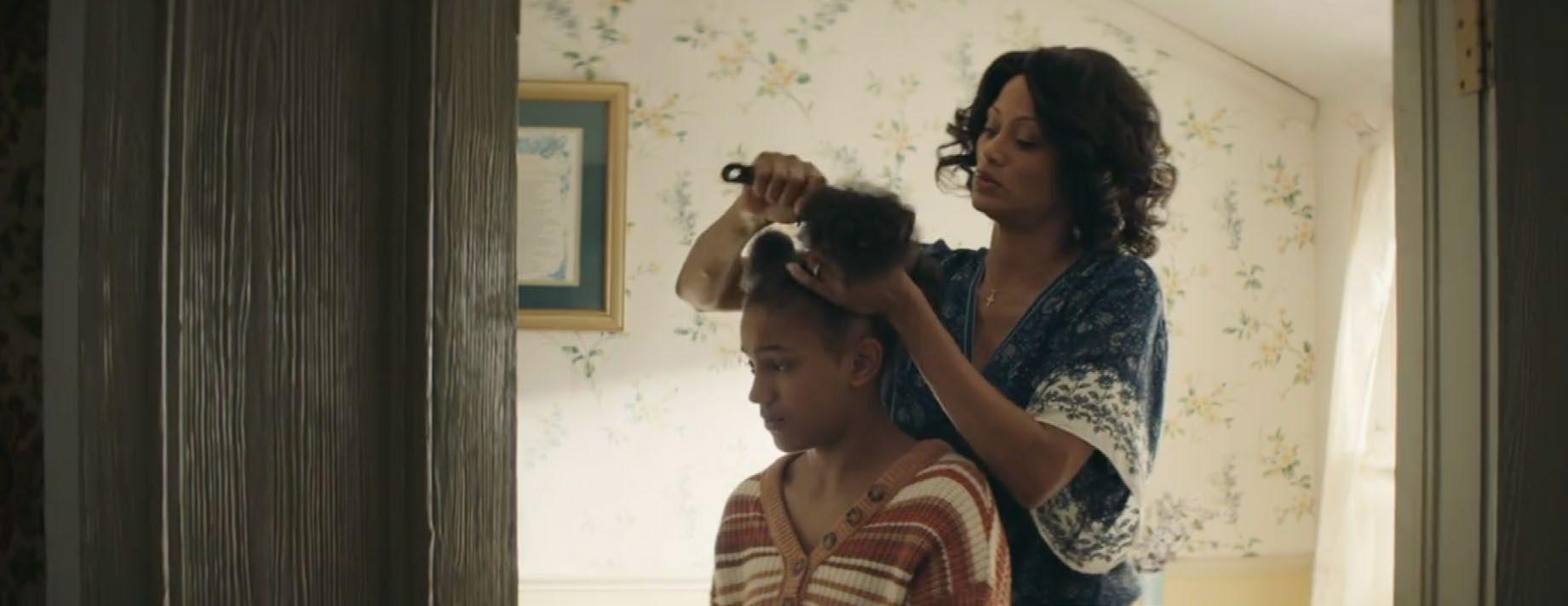

Child welfare workers can integrate clients’ faith, spirituality, and religious coping mechanisms to address trauma. In her work, Holly Oxhandler, professor and associate dean for research at Baylor University, examines the ethical and effective integration of clients’ religion and spirituality into social work and mental health practice, with a strong emphasis on how these elements support coping mechanisms and build resilience. Though not specific to child welfare, her work highlights the importance of fostering adaptive coping strategies and emotional resilience (Oxhandler & Parrish, 2016; Oxhandler et al., 2024).
Koenig, VanderWeele, and Peteet (2024) refer to this as religious appraisal, or an understanding of the context of the threatening event, and describe approaches to dealing with stress: primary appraisal, secondary appraisal, and “expanding the repertoire of available coping mechanisms” (p. 62). Primary appraisal relates to “how threatening a life event is to psychological, social, or physical wellbeing” (Koenig et al., 2024, p. 62). If there is a strong attachment to God, then the threat may not be perceived as threatening. If a person believes that dealing with a difficult child is relatively nonthreatening to his/her family’s life, and indeed a way to grow closer to God, the person is better able to cope with the situation. Secondary appraisal relates to “whether anything can be done to overcome, cope with, or adapt to the stressor” (p. 62). “If one believes that God is loving, concerned about a person, is willing to help, and is able to help, then these conditions may help the person feel less alone in their situation, believing that powerful help is available.” (p. 62). However, “the belief that God is angry and punishing, or has little power to make a difference, or the feeling of being abandoned by one’s faith community is likely to have the opposite effect” (p. 62).
Spiritual Coping and Church Attendance Expand Coping Resources
Spiritual coping practices, regular church attendance, and a sense of belonging broaden the range of coping responses available to individuals and are associated with stronger psychological, physical and spiritual outcomes. Regular attendance (at least weekly) of religious services is associated with 20–30% lower rates of depression and 3–6 times lower suicide risk across all demographics (Li et al., 2016a; Li et al., 2016b), in part because of increased sense of purpose and participation with a religious community. Attendance also correlates with reduced (25-35%) mortality over 10–15 years; social support from church communities explains about a quarter of this benefit, enabling better emotional coping during life’s challenges (Li et al., 2016a; Chen et al., 2020).
Church involvement builds social ties that help people cope and even grow in the face of trauma and hardships. Frequent service attendance increases the odds of forming friendships, marrying, and joining non-religious groups, all of which help in coping and in increasing resilience to stress, and support long-term flourishing (VanderWeele, 2017).
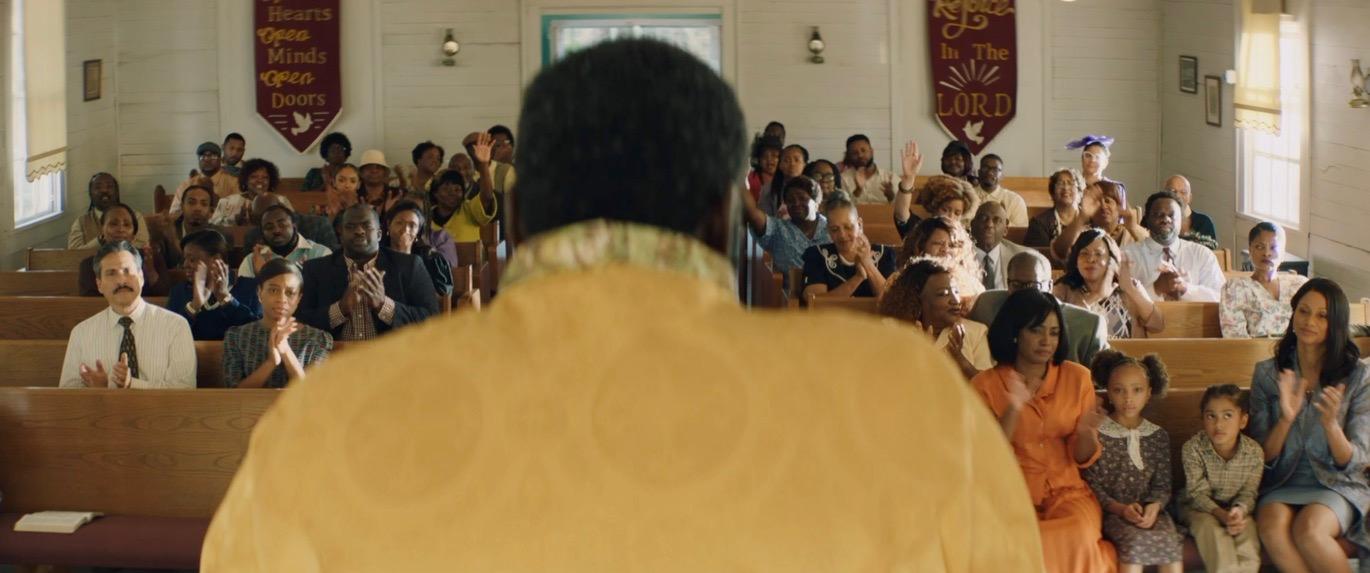
Faith Communities Offer Hope Through Ongoing Connection with God and Each Other
While optimism refers to having a positive outlook when there is some level of control over a situation, hope doesn’t immediately presume “that the future will be good but rather focuses on the possibility that it may be good, characteristically in difficult or challenging circumstances” (Bruininks & Malle, 2005, p. 327). Stated another way, hope is optimism even when all seems lost and beyond human control. Such hope is the essential tenet of faith. As an example, in her research, Belanger and colleagues (2008) capture the driving narrative from one of the Possum Trot families: “If it weren’t for the Lord, I would have given up” and “to me it is a daily walk” (p.100). Stern (2021) emphasizes that hope protects us against depression and suicide. It is a shield that protects people against the negative impact of trauma. Belonging is an integral part of hope. Child welfare workers can assist foster families in teaching children in their care how to understand their place within the family and the surrounding support community. Ultimately, hope can help the foster family to find joy, gratitude, and comfort. As depicted in Possum Trot and backed by research, families and communities with faith to find and depend upon hope in the most difficult circumstances have an intrinsic advantage in caring for children with extreme trauma.
Resilience and Hope are Powerful Aspects of Religious Coping
Faith traditions offer meaning and practices, while hope orients people toward a future, and resilience supports ongoing adaptation and growth. Specific practices play a strengthening role in building resilience and can result in hope and healing. The practices include seeking spiritual support, worship, prayer, and communal sharing.
Bennett Chapel Missionary Baptist Church — the faith community featured in Possum Trot — demonstrates how belief systems and religion can provide a framework for foster families to solve problems: how to move together, how to cope with a situation, how to break patterns of destruction, and how to build positive parent-child relationships with wraparound support. Faith and belief systems provide a lens through which foster families can look at problems and solutions in community. These systems can enable children in foster care and their foster families to give specific meaning to situations and to better understand what is happening to them and ask questions about why a specific situation occurs (Belanger et al., 2008).
Tools to Support Spiritual Coping and Healing
A variety of tools can be used to support spiritual coping and healing. These include faith-based therapies and theories, and spiritual assessments.
Faith-based Therapies, Theories, and Assessments
An example of a faith-based therapy is Christian Based Cognitive Behavioral Therapy (TBCT). For full workbook and treatment protocol for Christian TCBT, see “Religious Cognitive Behavioral Therapy (Christian Version)” through Duke Center for Spirituality and Health at https:// spiritualityandhealth.duke.edu/files/2021/11/RCBT-Manual-Final-Christian-Version-3-14-14.pdf.
Example of use of Christian TBCT: Koenig and colleagues (2024) discuss “moral injury,” which is defined as “persistent feelings of guilt, shame, sense of betrayal, feelings of moral transgression, loss of meaning, loss of trust, difficulty forgiving, religious struggles and loss of faith, resulting from transgressing moral values or observing others do so” (Koenig et al., 2024, p. 126). While moral injury is often related to PTSD, moral injury may be of particular focus with child welfare because of the serious moral questions related to the abuse and neglect of children. Faith, spirituality, religious support, and religious cognitive behavioral therapy are noted as successful in addressing moral injury (Koenig et al., p. 126).
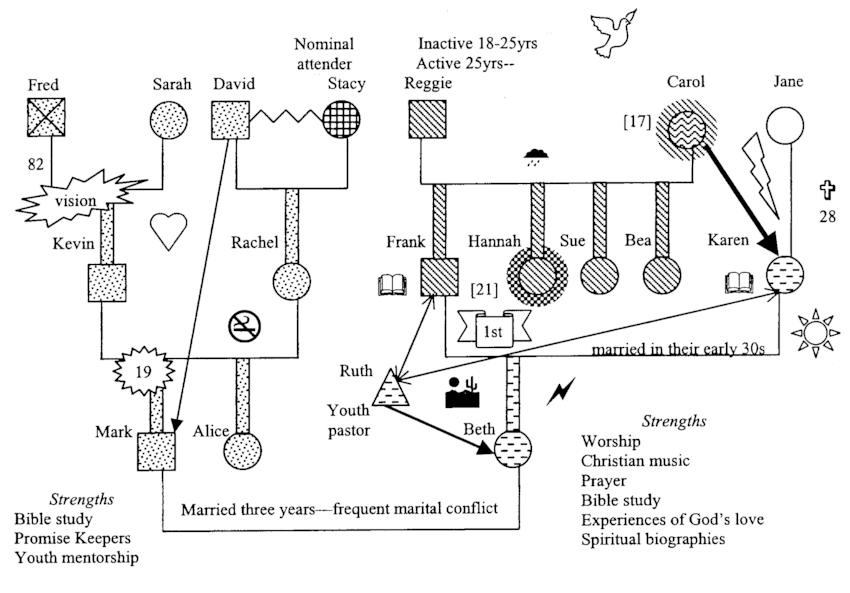
Spiritual assessments for staff and families are very beneficial when working with foster families. Assessments such as the spiritual ecogram is a tool to assess and help the foster families to reflect. It enables child welfare workers to develop an understanding of the foster family’s religious life and how it impacts overall well-being. The visual ecogram highlights the families’ beliefs and values, which impact how they function and how they bond with the child in their care.
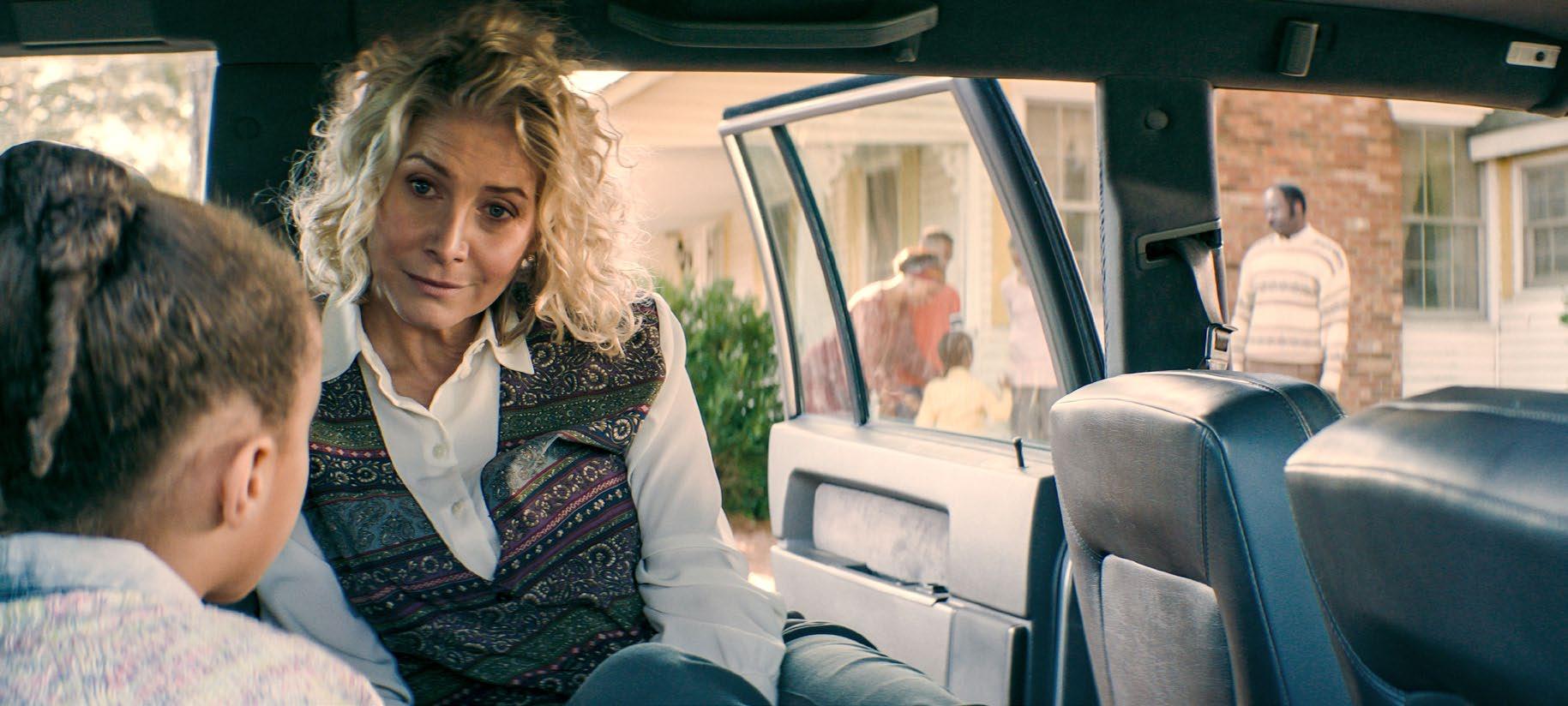
Faith Communities as Practical Partners in Coping
Since churches are an important tool in helping children and families cope, how can workers and administrators overcome barriers to working with churches?
To understand and embrace why faith, spirituality, and community can be such a strong advantage in supporting children and families who have experienced extreme trauma, child welfare workers and faith communities near them can become skilled by learning what is needed to care for their children in language they can understand. They can walk alongside them, supply basic needs in a loving, supportive way and reduce loneliness. They can be trustworthy instead of a threat, collaborating with public child welfare. In Panel Discussions Three, Pastor Broyles, Pastor Jefferson, and Ms. Robinson discuss how child welfare workers and faith communities can overcome biases and mutual distrust by communication and trust building, being mutually accountable and collaborative problem solving.
LA County Panel Discussion Five Churches as Trustworthy Partners
Spiritual Ecograms
What is a spiritual ecogram?
Spiritual ecograms are based on the concepts of genograms and ecomaps. Hodge (2005) emphasizes that spiritual ecograms can help alleviate the sense of hopelessness and purposelessness in which problems flourish (p. 293).
What is the purpose of a spiritual ecogram?
It provides visual overview of the individual/families’ beliefs, faith practices, worship, prayer, faith communication, local fellowships, and connection to church or faith community. Specific dynamics including faith support, strengths, resilience, and interaction are highlighted.
How can it be used by child welfare workers?
Child welfare professionals can provide this to a willing foster or adoptive family to help that family develop a visual spiritual ecogram. A spiritual ecogram can become an important tool to discuss and reflect on the spiritual coping of foster parents, children in foster care, and other family members.
By repeating the exercise, with related discussions and reflections, the ecogram helps guide and assess growth and change over time.
Can it be used by child welfare workers to assess their own biases and experience?
Spiritual ecograms can be beneficial to workers to reflect on their own experiences and how these impact their support to foster parents and children.
Sample Spiritual Genogram/Ecogram
by David R. Hodge (2005)
Exercise One
Watch & Discuss:
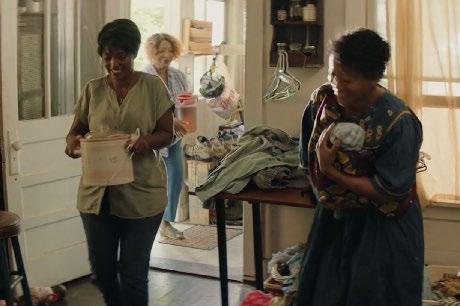
Watch the following Possum Trot clip and discuss it.
• What do you think or feel about this clip?
• In your experience, in what situations have you seen highly effective wraparound support for foster or adoptive families coping with trauma?
• What, if any, difference did that make in the outcome for the children?
SERVING ONE ANOTHER
(password: SOHDISCUSSION)
Two
An Introduction to CarePortal
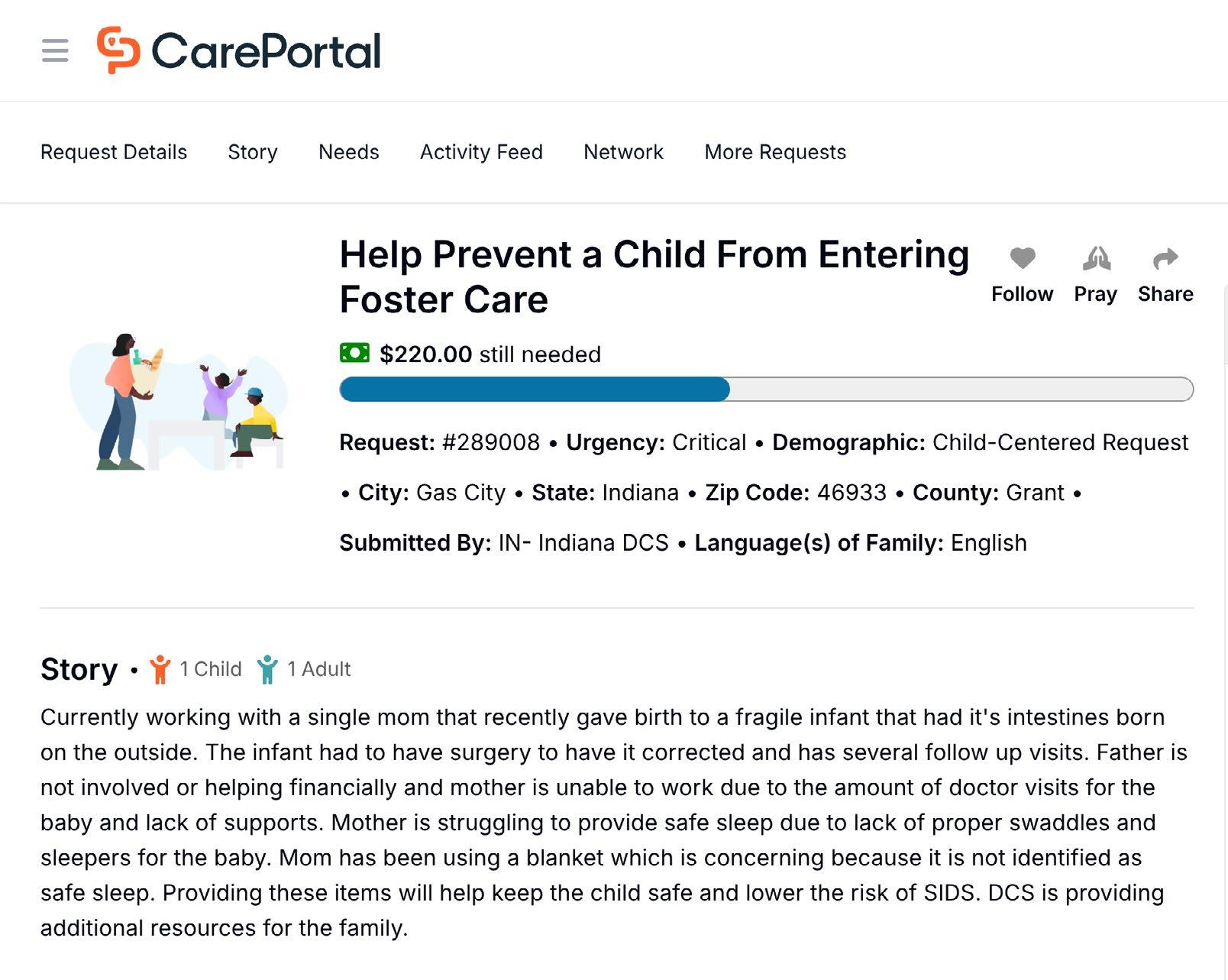
CarePortal (www.careportal.org) is a care-sharing technology through which social workers enter vetted needs of kids and families in crisis, and local church response teams in proximity can say “yes” to meet those needs, building supportive relationships with the families and the social workers in the process. In more than 80,000 CarePortal surveys, social workers were asked whether working with the faith community to serve families together helped them feel supported in their work; 96% agreed or strongly agreed. This is evidence of a growing and positive trend of child welfare workers and faith communities partnering together in practical ways.
• Think about the needs of the children who have been placed in emergency care in your community. Examine the CarePortal need below and see how it might have helped you.
• What were the immediate needs that had to be met and how did you meet them?
• How might CarePortal have helped you with your own job?
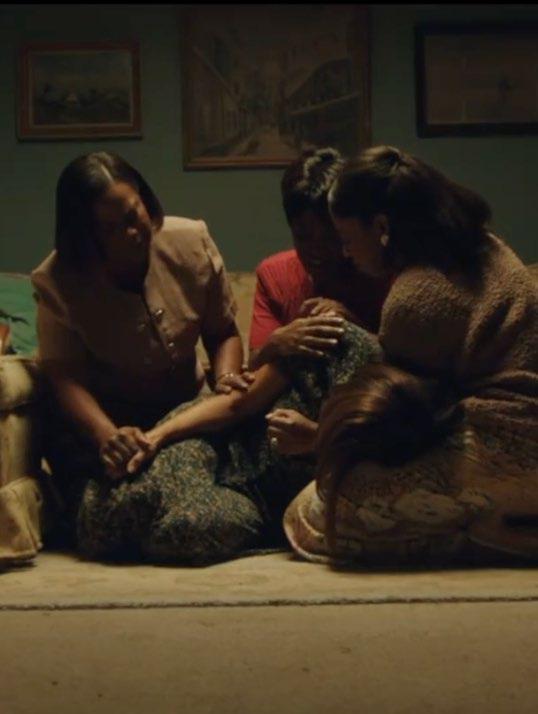
“He can take you to deep places with someone by your side.”
SOUND OF HOPE: THE STORY OF POSSUM TROT
REFERENCES
• Belanger, K., Copeland, S., & Cheung, M. (2008). The role of faith in adoption: achieving positive adoption outcomes for African American children. Child Welfare, 87(2), 99-123. PMID: 18972934.
• Bruininks, P., & Malle, B. F. (2005). Distinguishing hope from optimism and related affective states. Motivation and Emotion, 29(4), 327–355. https://doi.org/10.1007/s11031-006-9010-4
• Duke Center for Spirituality, Theology and Health at Duke University. (2014). Religious cognitive behavioral therapy. https://spiritualityandhealth.duke.edu/files/2021/11/RCBT-Manual-FinalChristian-Version-3-14-14.pdf
• Gerber, M. M., Boals, A., & Schuettler, D. (2011). The unique contributions of positive and negative religious coping to posttraumatic growth and PTSD. Psychology of Religion and Spirituality, 3(4), 298–307. https://doi.org/10.1037/a0023016
• Hodge, D. R. (2005). Spiritual ecograms: A new assessment instrument for identifying clients’ strengths in space and across time. Families in Society, 86, 287-296.
• Koenig, H.G., VanderWeele, T.J., & Peteet, J.R. (2024). Handbook of religion and health. Oxford University Press.
• Li, S., Okereke, O. I., Chang, S.-C., Kawachi, I., & VanderWeele, T. J. (2016a). Religious service attendance and lower suicide risk among women. JAMA Psychiatry, 73(8), 845–851. https://doi. org/10.1001/jamapsychiatry.2016.1243
• Li, S., Stampfer, M. J., Williams, D. R., & VanderWeele, T. J. (2016b). Association of religious service attendance with mortality among women. JAMA Internal Medicine, 176(6), 777–785. https://doi. org/10.1001/jamainternmed.2016.1615
• Oxhandler, H. K., & Parrish, D. E. (2016). The development and validation of the religious/spiritually integrated practice assessment scale. Research on Social Work Practice, 26(3), 295-307. https://doi. org/10.1177/1049731514557691
• Oxhandler, H. K., Polson, E. C., Moffatt, K. M., Anders, G., Pearce, M., Vieten, C., & Pargament, K. (2024). Helpful and harmful approaches to integrating religion/spirituality into mental health care: A national survey of current clients’ experiences. Journal of Religion and Health. Advance online publication. http://doi.org/10.1007/s10943-024-02072-x
• Pargament, K. I., Koenig, H. G., Tarakeshwar, N., & Hahn, J. (2001). Religious struggle as a predictor of mortality among medically ill elderly patients: A 2-year longitudinal study. Archives of Internal Medicine, 161(15), 1881–1885. https://doi.org/10.1001/archinte.161.15.1881
• VanderWeele, T. J. (2017). Religious communities and human flourishing. Current Directions in Psychological Science, 26(5), 476–481. https://doi.org/10.1177/0963721417721526
Sound of Hope Engagement Campaign Guide MODULE THREE
Trauma and Forgiveness
The module describes trauma and its impact on children and families prior to engagement with child welfare, during foster care and adoption, and trauma faced by birth and foster/adoptive families post-placement. Trauma is a complex experience, and it impacts individual, family, and generational levels. The module explores the benefits of faith and forgiveness in coping with trauma. Finally, the module addresses the vicarious trauma experienced by child welfare workers.
Learning Objectives
1. To increase understanding of the complexities of trauma, and how it impacts well-being, and foster parent and child dynamics.
2. To increase knowledge about vicarious trauma and how it affects the child welfare worker.
3. To strengthen an understanding of the role of faith in creating a safe environment.
4. To increase awareness of the role of faith and forgiveness in coping with and healing trauma.
To access all of Session Three videos in one place, scan or click. (password: SOHDISCUSSION)
SCENES TO EXPLORE
(Click or scan to view scene)

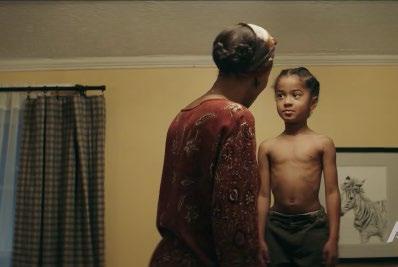
(password: SOHDISCUSSION)
THE PRINCIPAL’S OFFICE
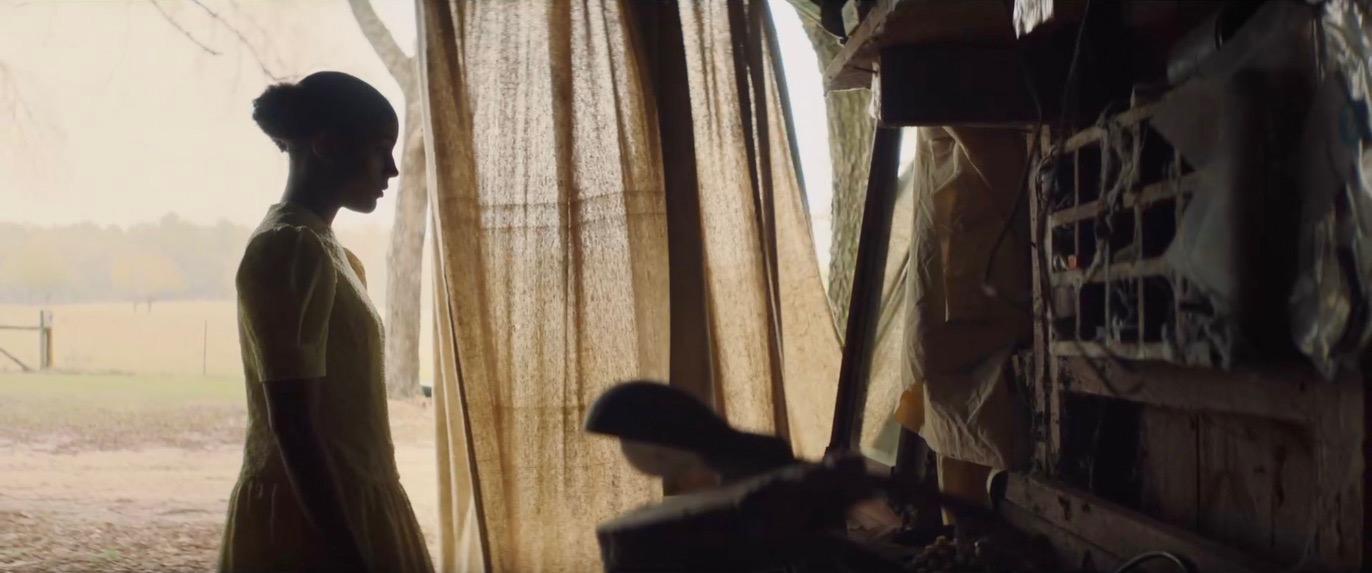
BATHTIME
Trauma is Complex and Impacts Well-Being
What is trauma and how does it impact children in foster care and their families? Burke and Sylvester (2021) refer to trauma as an event that an individual sees as deeply distressing or disturbing. Wamser-Nanney and Vandenberg (2013) refer to multiple trauma events, which have been defined as chronic, interpersonal traumas that begin early in life. In fact, trauma is often intergenerational: trauma experienced by one generation that affects subsequent generations. In this context, traumatic events may not happen in the current generation, but the impact of previous traumas is evident (Keaney et al., 2024).
Different forms of trauma can impact children in foster care; they can experience it themselves or witness it happening to someone else (such as a parent). Types of trauma include child abuse and neglect, intimate partner violence, and gender-motivated violence. Childhood traumas may relate to adverse childhood experiences (ACES). The Centers for Disease Control and Prevention (2025) define ACEs as traumatic events occurring between ages zero and 17. Such trauma experienced by a child often leads to adverse health and mental health outcomes. Findings reported by Caglayan and colleagues (2025) indicate that exposure to ACEs is associated with an increased and graded risk of adult-onset physical illness and poor self-rated health. Findings reported by Hughes and colleagues (2017) identified a strong relationship between multiple ACEs (violence, mental illness, and problematic substance abuse) and the presence of ACEs in the next generation (exposure to parental domestic violence, mental illness, and substance use). Thus, ACEs are indicative of the intergenerational effects that can lock families into cycles of adversity, deprivation, and ill health (p. 365).
Traumatic events can result in post-traumatic stress disorders, illnesses such as cancer, and premature mortality. Some leading experts make the case that childhood trauma is, perhaps, the most significant public health crisis in our nation. According to Naomi Burke Harris, founder of the Center for Youth Wellness and former Surgeon General of California, “Childhood trauma increases the risk for seven out of ten of the leading causes of death in the United States. In high doses, it affects brain development, the immune system, hormonal systems, and even the way our DNA is read and transcribed. Folks who are exposed in very high doses have triple the lifetime risk of heart disease and lung cancer and a 20-year difference in life expectancy” (Burke Harris, 2014).
Trauma Impacts in the Form of Past and Current Events
Rance (2015) says that trauma and suffering will eventually touch each human life. This trauma can come in many forms, from a one-time event to repeated crises. For those in faith communities, trauma can seem to originate from the hand of God or from humanity’s evilness. Trauma can affect a person emotionally, physically, socially, and spiritually. How a person copes with these events will determine their emotional negative pathology or well-being (p. 27). Schreiber and Culbertson (2014, p.1211) refer to the impact of abuse and neglect on a child’s development, including spiritual development. The authors emphasize that trauma can impair socialization.
Foster Families Creating Safe Environments for Coping with Trauma
Although foster care is not an ideal situation, it can and should provide children who need out-ofhome care with a better alternative than continuing to experience maltreatment, abuse, or neglect within their homes of origin (Font & Gershoff, 2020). Before removal, a child’s family environment has undermined their sense of safety, stability, and bonding. Even when a child is in a safe foster home, the impact of the trauma may still be present. Child welfare workers can help foster families develop insight into how past trauma influences the behavior of the child in their care; for instance, they may come from a destructive family and find it difficult to cope with positive boundaries and rules. In working with faith-based foster and adoptive families, the child welfare worker should not hold back in discussing the full impact of trauma, encouraging families who are part of faith communities to apply faith and forgiveness as mechanisms of healing.
Faith and Forgiveness Play a Vital Role in Coping with Trauma
Krause (2011) found that for 696 adults age 66 and older, religious involvement through church attendance, private prayer, and church-based support led to positive coping responses, forgiveness of others, and self-forgiveness.
Chen and colleagues (2021) found that adolescents who attended church and engaged in prayer/ meditation are significantly more likely to forgive others. Davis and colleagues (2013) conducted a meta-analytic review of 64 studies and found that several kinds of forgiveness are correlated with spirituality and religion, including forgiveness across relationships (trait forgiveness), forgiveness for a specific offense (state forgiveness) and self-forgiveness. The evidence is clear that when forgiveness is an anchoring and practiced tenet of faith, it can assist in healing trauma, even intergenerational trauma. Perhaps faith and forgiveness can even help with the healing of vicarious trauma that is experienced by child welfare workers.
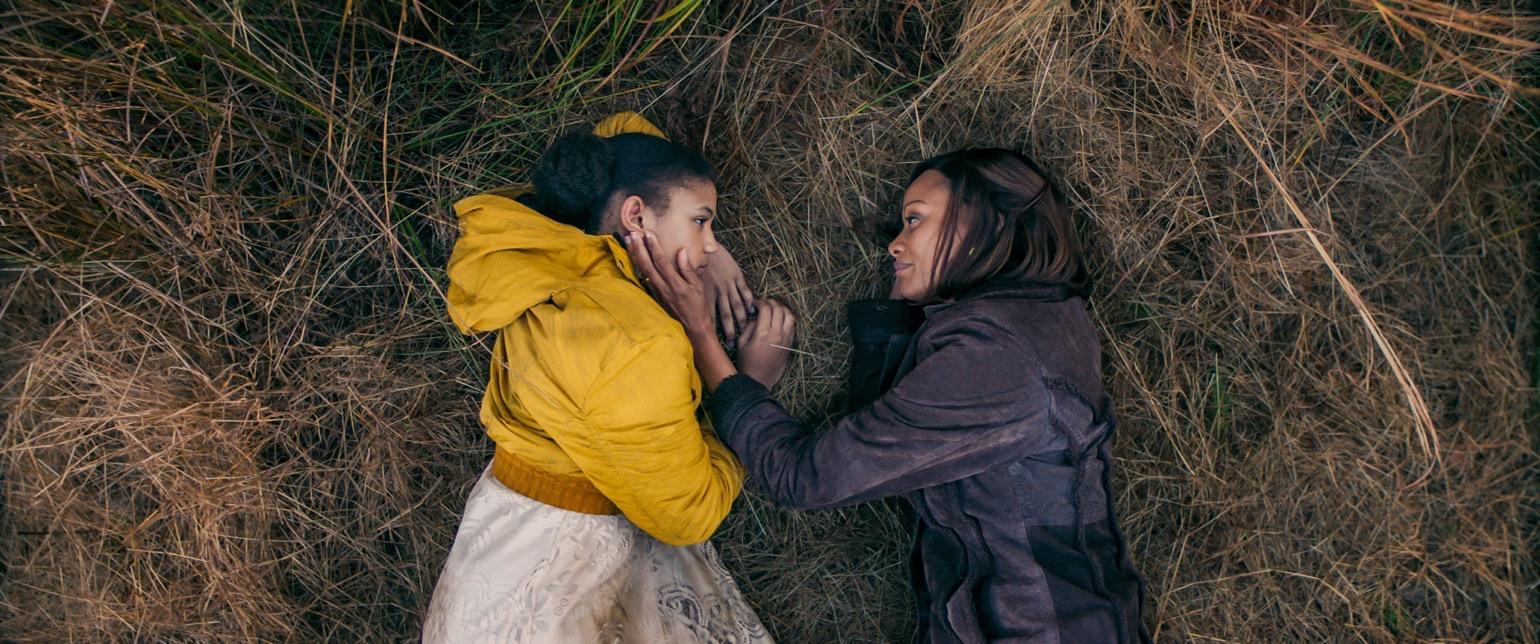
Faith and Forgiveness
One adoptive family provides an excellent demonstration of the way in which faith and forgiveness played a vital role in coping and healing.
In her book, When There Is Crisis: A Handbook for Christian Foster & Adoptive Families Facing Serious Struggle (Medefind, 2025b), Rachel Medefind describes ways forgiveness not only helps children and families cope, but can be transformative, “unmatched” and even a cornerstone in the healing process (p. 174-186). She shares her daughter Eden’s experience on the Christian Alliance for Orphans website (Medefind, 2025a), reprinted below with permission of the author.
“As an infant, I was abandoned at a rough bus station in rural Ethiopia – left in a basket to be found by a kind stranger. As I grew, the circumstances of my birth caused my heart to fill with bitterness. But, over time, I determined that I wanted to forgive.
For a season, I committed to praying a blessing each day upon my biological family. I prayed that God’s goodness would enter their lives even though I may never know them personally.
This commitment – a difficult decision to make at the time – played a significant role in coming to feel deeply that God’s hand was upon my life from the very beginning. Though I was abandoned, I was not forsaken. Someone found me and made sure I was cared for. Beyond that, I believe that God had intentions for my life long before I was born, and He continues to work out His plans for me today. This redemptive remembering has transformed my heart. “
Her mother, Rachel Medefind, adds: “Over a year ago, we visited Sodo, Ethiopia, where Eden was found. Her heart swelled with love for the people there, and she continues to pray for them. Despite the pain of her early life, Eden sees God’s loving action in her story, and this has empowered her to bless those who were a source of pain.”
Families have found many ways to help their children cope and heal through faith and forgiveness. While further research is needed, Medefind (2025a & 2025b) offers practical evidence-informed steps to encourage and strengthen forgiveness.
Child Welfare Workers & Vicarious Trauma
Vicarious trauma is the emotional and psychological impact of repeated exposure to the trauma of others. In the case of child welfare workers, working with abuse and neglect can have an emotional, physical, and psychological impact on their well-being.
Risk Factors
Repeated exposure
High caseloads
Severe trauma cases
Limited or no time to recover
Inadequate training
Minimum peer support
Supervision problems
Inability to create work-life balance
Personal trauma
Responses to Vicarious Trauma
Self-regulation
Self-care
Private processing
Debriefs with peers and supervisors
Supervision with a focus on trauma impact
Boundary setting
Work-life balance activities
Strategies to address re-traumatization
Resources
The National Child Traumatic Stress Network www.nctsn.org
Child Welfare Information Gateway cwslibrary.childwelfare.gov
Watch & Discuss:
Watch the following Possum Trot clip and discuss it.
• In what ways does this clip portray faith and forgiveness as essential to healing?
• How does Donna Martin demonstrate self-forgiveness and forgiveness toward others?
• How does Susan experience faith and forgiveness as healing in her life?
• Have you experienced such faith and forgiveness in the process of your day-to-day work? If so, explain what happened and what difference it made?
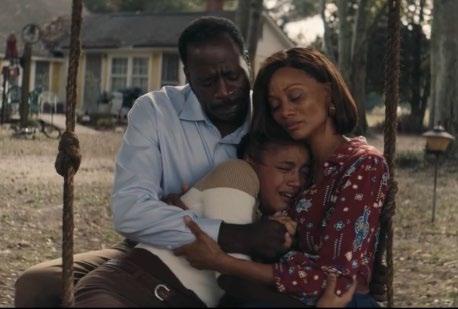
THE SEARCH & SWINGSET
(password: SOHDISCUSSION)
REFERENCES
• Belanger, K., Copeland, S., & Cheung, M. The role of faith in adoption: achieving positive adoption outcomes for African American children. Child Welfare, 87(2), 99-123.
• Burke Harris, N. (2014). How childhood trauma affects health across a lifetime [Video]. TED Conferences. https://www.ted.com/talks/nadine_burke_harris_how_childhood_trauma_affects_ health_across_a_lifetime?share=1f14dca8f7
• Burke, K., & Sylvester, J. (2021). Leading with care: Navigating a journey to health with trauma informed care leadership. CMSAtoday. https://cmsatoday.com/2021/11/22/leading-with-carenavigating-a-journey-to-health-with-trauma-informed-care-leadership/
• Caglayan, S., Høye, A., Thimm, J.C., Wang, C., & Grønli, O.K. (2025). Association of adverse childhood experiences with physical illness and self-rated health in the population-based Tromsø Study. European Journal of Public Health, 35(3), 498–504.
• Chen, Y., Kim, E.S., & VanderWeele, T.J. (2021). Religious-service attendance and subsequent health and well-being throughout adulthood: evidence from three prospective cohorts. International Journal of Epidemiology, 49(6), 2030-2040. doi: 10.1093/ije/dyaa120
• Davis, D. E., Worthington, E. L., Jr., Hook, J. N., & Hill, P. C. (2013). Research on religion/spirituality and forgiveness: A meta-analytic review. Psychology of Religion and Spirituality, 5(4), 233–241. https:// doi.org/10.1037/a0033637
• Gerber, M. M., Boals, A., & Schuettler, D. (2011). The unique contributions of positive and negative religious coping to posttraumatic growth and PTSD. Psychology of Religion and Spirituality, 3(4), 298–307. https://doi.org/10.1037/a0023016
• Harris, N. B. (2014). How childhood trauma affects health across a lifetime. TEDMED, https:// www.ted.com/talks/nadine_burke_harris_how_childhood_trauma_affects_health_across_a_ lifetime?share=1f14dca8f7
• Hodge, D. R. (2005). Spiritual ecograms: A new assessment instrument for identifying clients’ strengths in space and across time. Families in Society, 86, 287–296.
• Hughes, K., Bellis, M.A., Hardcastle, K.A., Sethi, D., Butchart, A., Mikton, C., Jones, L., & Dunne, M.P (2017). The effect of multiple adverse childhood experiences on health: a systematic review and meta-analysis. The Lancet Primary Care, 2(8), e356-e366.
• Font, S. A., & Gershoff, E. T. (2020). Foster care: How we can, and should, do more for maltreated children. Social Policy Report, 33(3), 1–40.
• Keaney, J., Byrne, H., Warin, M.,& Kowal, E. (2024). Intergenerational trauma. In M. Pentecost, J. Keaney, T. Moll, & M. Penkler (Eds.), The handbook of DOHaD and society: Past, present, and future, directions of biosocial collaboration (pp. 166-173). Cambridge University Press.
• Koenig, H.G., VanderWeele, T.J., & Peteet, J.R. (2024). Handbook of religion and health. Oxford University Press.
• Krause, N., & Bastida, E. (2011). Church-based social relationships, belonging, and health among older Mexican Americans. Journal for the Scientific Study of Religion, 50(2), 397–409. https://doi. org/10.1111/j.1468-5906.2011.01575.x
• Medefind, R. (2025a). Forgiveness as a path to healing: A practical guide for foster and adoptive families. Christian Alliance for Orphans. https://cafo.org/forgiveness-as-a-path-to-healing-a-practical-guidefor-foster-and-adoptive-families/
• Medefind, R. (2025b). When there is crisis: A handbook for Christian foster & adoptive families facing serious struggle. Christian Alliance for Orphans.
• Rance, V. (2015). Biblical personalities and trauma: Towards a theology of wellbeing. Paper presented at the 43rd annual meeting of the Society for Pentecostal Studies. https://www.researchgate.net/ publication/278727688
• Schreiber, J. C., & Culbertson, M. J. (2014). Religious socialization of youth involved in child welfare. Child Abuse & Neglect, 38(7), 1208–1220.
• Wamser-Nanney R, & Vandenberg, B.R. (2013). Empirical support for the definition of a complex trauma event in children and adolescents. Journal of Trauma and Stress. 26(6), 671-8. doi: 10.1002/ jts.21857. PMID: 24490245.
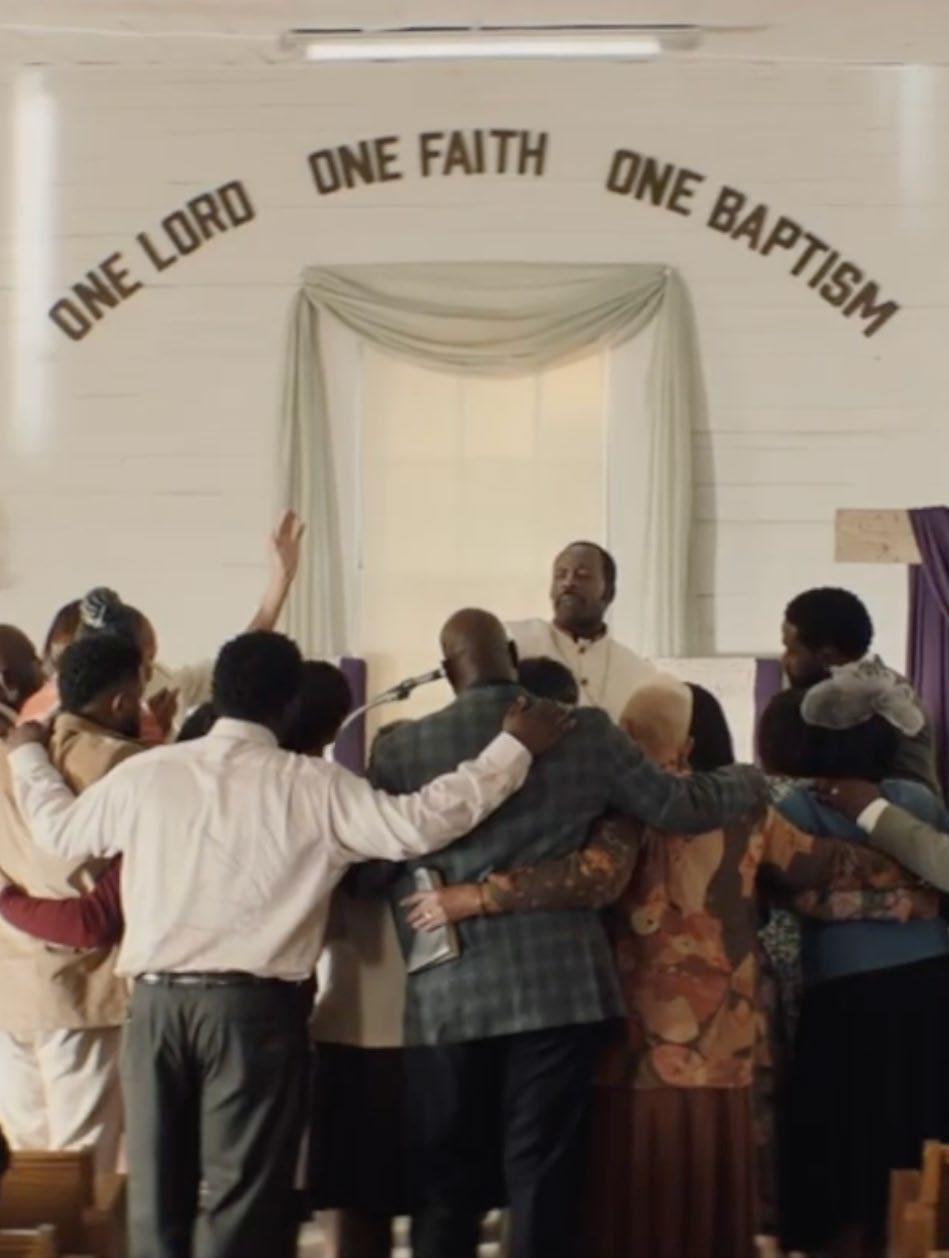
“The burden is only light when it’s shared.”
SOUND OF HOPE: THE STORY OF POSSUM TROT
Sound of Hope Engagement Campaign Guide MODULE
Partnering with Faith Communities
This module highlights the role of faith communities in positive and successful outcomes for families in all stages of the child welfare system, from prevention to child placement and postplacement or in-home support. Faith communities can play a vital role in supporting not only children and families, but also child welfare workers. Finally, the module provides tools to help build and sustain partnerships with faith communities.
Learning Objectives
1. To increase understanding and awareness of resources and support services that are and have been available through communities of faith, including: prevention, family preservation, foster and adoptive family recruitment and support, and post-adoption support.
2. To increase understanding of faith communities as connected assets and distribution networks of goods and services that support children, families, and child welfare staff.
3. To strengthen child welfare workers’ skills and competencies to effectively partner with faith communities in promoting positive outcomes for children and families through shared language, shared goal setting, and shared planning.
4. To provide specific tools, including the use of Sound of Hope: The Story of Possum Trot, to increase partnerships with faith communities in achieving better outcomes for children and families.
To access all of Session Four videos in one place, scan or click. (password: SOHDISCUSSION)
SCENES TO EXPLORE
(Click or scan to view scene)

(password: SOHDISCUSSION)
CPS TRAINING
COMING TOGETHER
Faith Communities Provide an Array of Resources
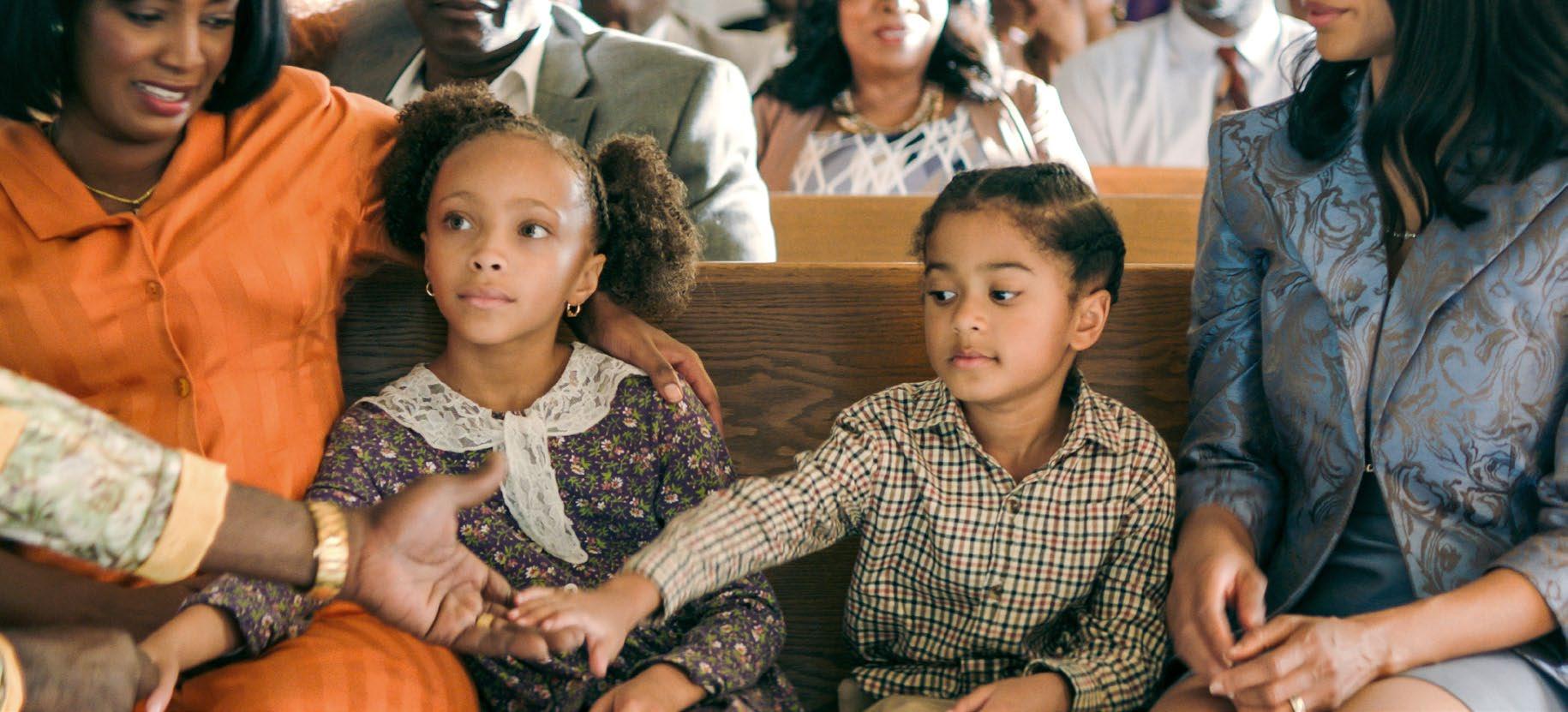
In the ongoing national conversation about faith-based social services, people sometimes remark that “the church” was the world’s first social service agency. Their point is well taken. Communities of faith have always helped the hungry, the hurting, and the disadvantaged. And throughout human history, wherever there were children in need, communities of faith could be counted on to take care of them (Cipriani et al., 2004). This begins the report by AdoptUSKids in 2004 to help promote child welfare agencies working with communities of faith. The report highlights efforts by many, including “foundling hospitals” established in Europe in the seventh and eighth centuries, the first orphanages in Italy in the fifth century, and church-run orphanages in the United States in the 1800s. With the establishment of the Children’s Bureau by Congress in 1912, over time, “faithbased organizations relinquished much of their child welfare role to the government or established separate social service agencies that were governed more centrally by the denomination” (Cipriani et al., 2004, p. 5). The report outlines the benefits that faith communities can bring to child welfare: shared beliefs and values that bring comfort to families in stress; an extended family network for support; a sense of belonging as a member of a family and congregation; and crisis intervention services, counseling, and other (wraparound) services. In addition, “families recruited through their religious institutions often come to see foster care and adoption as a way of living out their faith, answering a calling and making a difference in the world” (Cipriani et al., p. 8).
The work of faith-based organizations and communities of faith has expanded exponentially since 2004, along with the research that clarifies the importance of faith to flourishing. Simply participating in religious services may help prevent involvement with public child welfare. Van Tuyll and colleagues (2025) conducted a meta-analysis linking spiritual engagement in faith communities to reduced violence risk (55.4% of outcomes show deterrence) and enhanced resilience, preventing maltreatment and entry into the child welfare system.)
Some churches also offer specific services that are successful in preventing families from entering the child welfare system. Among those services are financial literacy, housing assistance, workforce training, parenting classes, life skills training, coaching, home visiting and mentoring, all serving to stabilize families and reduce child welfare involvement (Mcleigh & Taylor, 2020; Gordon, 2022; O’Neill et al., 2010). In addition to prevention services, faith communities provide support for foster and adoptive families, including respite care, meals, child care, transportation, and household assistance to alleviate isolation, stress, and burnout among foster parents.
Some provide training to church members to specifically help them support foster families, reducing caregiver fatigue, frustration, and isolation, and leading to better family dynamics and lower child reentry rates into care (Hodge et al., 2022). Some churches provide comprehensive “wraparound” teams, including trained babysitters and mentors — though the evidence for specific outcomes related to wraparound services is difficult to determine objectively because of variations in the meaning of the term and in delivery (Bergstrom and colleagues, 2020).
Casey Family Programs (2020) describes the numerous ways in which child protection agencies partner with faith-based organizations (FBOs) to care for the most vulnerable and those who serve them. Faith-based organizations can “help heal and bridge the relationship between a child protection agency and families,” especially when there is mistrust in an agency that removes children. Supporting child welfare workers and staff directly not only helps workers who are struggling to keep up with their jobs but also helps change perceptions and relationships. One of the ways in which faith communities can successfully help the child welfare system efficiently and effectively is through their connectedness within the church or community, and by being connected to other faith communities.
The report provides an example of a faith-based organization, Safe Families for Children, that “seeks to bring the church and community together to keep children safe and families together.” Its goal is to reduce the number of children entering the foster care system by providing temporary, volunteer-based support to families facing a crisis by connecting families in need with host families from local churches. These host families temporarily care for their children, while volunteers provide support to the parents to help them stabilize and prevent the need for state intervention.
The program has a network of more than 5,000 churches and has provided 1.2 million nights of safety for children instead of foster care, with a 98% reunification rate for families (see https://safefamilies.org/).
Churches and faith-based organizations can support reunification by hosting family visitations, can work as a collective to solve problems, and recruit and support resource families (Casey Family Programs, 2020).
Churches and faith-based organizations have adopted a worker (individually and directly helping the worker), hosted visitation centers at churches, brought lunches to child welfare staff once a month, and partnered to provide resources for both the worker and the family. Assistance has ranged from making sure that the workers’ restrooms and pantries are well stocked for when they go to court, to larger projects and drives.

Another faith-based resource discussed earlier in Module Two is CarePortal. CarePortal is a technology platform that connects social workers and human service agencies — who identify needs for children and families in crisis — with local churches, businesses, and community members who meet those needs. The process begins when a caseworker submits a verified request for a specific item, such as a car seat or a bunk bed. Once approved, the request is sent to nearby community responders, who can “commit” to meeting the need through the app. Church members then arrange to provide the item and connect with the family, offering meaningful connection and support. More than 8,000 local churches and response teams are part of the platform (see www.careportal.org).
Learn more about CarePortal
Watch & Discuss:
Watch the following clips to learn how collaboration is happening in Oklahoma.
Panel Discussion Six, Part One
A conversation with Chris Campbell, Executive Director 111 Project, Kristin Langrehr, Western OK Director 111 Project, and Misty Seale, Regional Manager 111 Project.
Panel Discussion Six, Part Two
A conversation with Kalla Jones, OK DHS, Kristin Langrehr, Western OK Director 111 Project, Pastor Jonathan and Alysa Knox from Magnify Church, OK.
Learn more about Project111
Watch the panel conversations above and then discuss.
• How much do churches, faith communities, and faith-based organizations do to directly support child welfare staff in your community?
• How can churches provide more help? What barriers are there to providing help? Do they know what you need to help children and families who are vulnerable? Are there mechanisms in place for them to provide you with that help?
SCENES TO EXPLORE
(Click or scan to view scene)

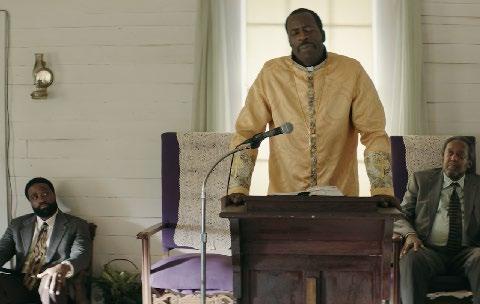
(password: SOHDISCUSSION)
ADOPTING MORE
REV. MARTIN INSPIRES THE CHURCH
Faith Communities Provide Support to Child Welfare Workers
By acknowledging the importance of partnerships, faith communities can enhance relationships with child welfare workers. Pastors and volunteers can provide practical support to families, which lightens the burden of the child welfare worker. In addition, emotional and faith support help child welfare workers to feel valued and accepted. Some examples of how faith communities can help child welfare workers are:
• Supporting workers by prayer, cards and by “adopting a worker”; for example, individual members can bring something for their worker’s birthday, pray for them individually, or be ready to provide other support. One church has groups adopt units, meet regularly to learn of needs and meet those needs.
• Screening Possum Trot with church and community members and engaging them in the recruitment of homes.
• Providing child welfare workers with meeting space.
• Helping child welfare organizations with messaging and communicating both needs and successes to their local city, state, and communities of faith.
Faith Communities Play a Role in Recruiting Foster Families
Possum Trot illustrates both the way that churches can wrap their arms around their own families who choose to adopt and how they can tap into congregations to recruit new families.
The Christian Alliance for Orphans (CAFO) encourages churches across the globe to bring awareness to the plight of children who are vulnerable on the second Sunday in November for Pure Religion Sunday (see cafo.org/pure-religion-sunday.) Their work is based on James 1:27, which describes “pure religion” as caring for the orphans and widows.
Many churches also bring awareness in May for Foster Care Awareness Month, preaching sermons to inspire, and inviting nonprofits, CPS staff, and leaders to share about their needs.
The Faith Community shares common goals with child welfare workers; to enhance child safety, to have fewer children in the system, to promote healthy families, to promote independence, and to care for others who are most vulnerable.
Models of Community Development to Increase Faith Community Engagement
Two specific models are the Asset-Based Community Development model (ABCD) and Participatory Action approach.
The ABCD model is strengths-focused and builds on social capital and talents of community members. Volunteers are driven by their passion to help and support. The model shifts the focus from delivering services to inviting community members to become co-creators of change. Strong connections and partnerships are built, with the emphasis on collective decision-making. The model generates hope through assessing what is working and what is not working and finding solutions.
The participatory action approach is similar in many ways. Community members are not only engaged, but they are also part of decision-making. In fact, they drive the change. Through inclusion, respect, open communication and empowerment, community members take the lead in bringing about change. Participatory action uses reflection to design interventions while assessing the needs of the community at the same time.
Both these models work very well to create collaborations between faith communities, foster families, and child welfare workers.
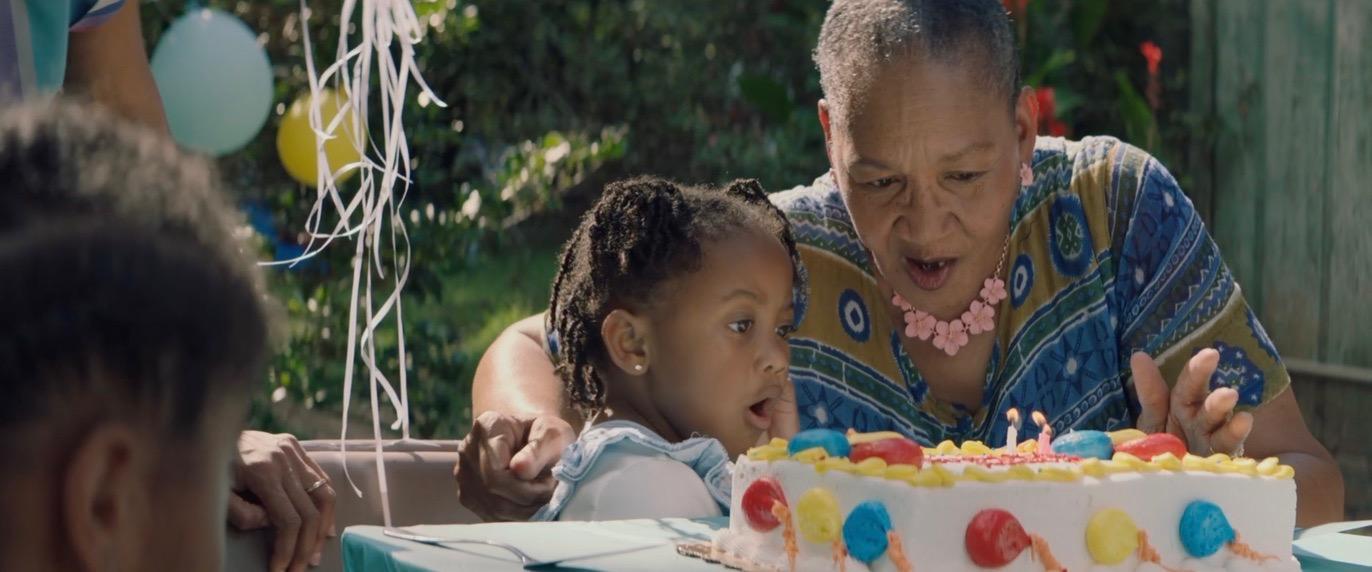
Engagement Table
Complete the table below. It outlines the kinds of collaboration, from awareness to shared responsibility, and the organizations that an agency is hoping to engage. This table can be modified and also used for evaluation purposes. It answers questions such as:
• Did you engage with the group/church/organization you intended to engage with?
• Did you engage at the level you had hoped to?
• What can you do in the future?
Anticipated
Support/ Collaboration (Did anyone step up to help?)
Shared Responsibility (Did anyone foster/ adopt etc.?) Own
Actual Results Awareness Contact/ Engagement Support/ Collaboration (Did anyone step up to help?)
Own Church/ Agency
Two or More Churches
Foster Care/ Adoption Agency Broad Community, City, Zip Code
Name of Organization
Type of Organization City
Date of Film Showing(s)
Contact
Shared Responsibility (Did anyone foster/ adopt etc.?)
Sound of Hope: The Story of Possum Trot demonstrates a willingness and commitment to help children and families flourish. But partnerships require intentional effort, and above all, trust.
Watch the film clip below and then discuss.
• How was trust built in Possum Trot?
• What helped Donna Martin trust Susan Ramsey? What helped Susan Ramsey trust the Martins?

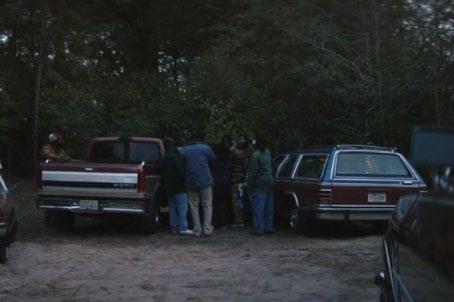
THE CHURCH RESPONDS
OBSERVING COMMUNITY
(password: SOHDISCUSSION)
Building upon asset-based models of established best practices from child welfare resources the partnership-building process can be broken down into key steps, often emphasizing inclusivity, communication, and sustainability. These partnerships leverage churches’ community networks for recruitment, support services, and prevention while aligning with agencies’ mandates for child protection (Capacity Building Center for States, n.d., p. 3-4).
1. Identify potential partners.
Start by mapping potential partners. Which churches and faith-based organizations have direct connection to the child welfare system, to workers or supervisors, or to administrators? Which have expressed an interest in helping? Who are the most active or most outwardly/community-focused?
Use needs assessments or open meetings to determine interest. Screening Possum Trot and gathering attendance information can be very helpful!
Example: Child welfare agencies build trust with faith groups through family fun days, leading to active participation in family team conferences.
2. Build trust and relationships.
Trust is personal. Identify who is most trusted in your agency, who is the most connected? Meet person to person. Have coffee. Listen. Get to know the person behind the agency. Pastors and associate pastors may be eager to engage but often churches or other faith organizations have outreach coordinators, missions pastors, service committees or other personnel or volunteers assigned to community outreach. Go to their events. Become trustworthy. And don’t be afraid of criticism. Listening to criticism is the first step, demonstrating openness and willingness to adapt (when you can), and to solve problems. Communicating is essential for all partnerships.
3. Develop a shared vision and goals and set measurable objectives.
It helps to start small, with activities that don’t tax anyone too much. Recruitment activities provide an excellent opportunity for shared visioning and shared work plans while building trust and overcoming obstacles.
Either in a large or small group setting, collaboratively examine the needs. How many children are in the child welfare system in their zip code? Why? How many children require out of city/county placements due to scarcity of foster care families? What are the greatest obstacles to children remaining in their homes? Then in the same setting, identify the assets to address the needs. How many churches are there in the identified community? How many other faith-based organizations? What do they do, and how does their mission fit child
welfare’s needs, from prevention to out-of-home care and family support. Data is important, and shared data is essential. Through shared data partners can determine measurable objectives and track the activities needed to meet those objectives.
4. Identify responsibilities for tasks and establish infrastructure and agreements when necessary. It helps to create formal and informal committees or work groups with clear roles, communication channels, and funding plans, although many objectives won’t require funding but in-kind service. For instance, a church might be able to host monthly foster care meetings, providing dinner and babysitting and an invitation for interested couples to learn about fostering. A nonprofit organization might host a luncheon once a month for child welfare workers. A set of churches might host a screening of Possum Trot, with child welfare workers available for discussion after. Another may host volunteer training, or training to support families within child welfare protocols. Churches have funded and delivered training on trauma informed care.
5. Implement, monitor, evaluate and set new objectives and tasks.
When there are clear and measurable objectives along with specific time-oriented tasks and responsibilities, monitoring is relatively easy. Did we do what we said we would? What problems were encountered in the process? Evaluation answers the question about whether what was done accomplished what was intended.
Collaborative monitoring and evaluation solidify partnerships and reinforce that everyone is in this together.
An excellent example of an ongoing partnership is Los Angeles County’s Faith in Motion, part of The Communities in Motion initiative. Their website suggests 10 ways faith-based organizations can partner with child welfare, and provides a great deal of information (see https://www.communitiesmotion.com/dcfs-faith-based-engagement/).
Example of a modified Gantt chart:
The modified Gantt chart is a tool to plan a project. Child welfare workers, communities, and churches can collaborate using the chart to design and guide their projects. The planning can be in the form of a table or bar chart, or a graph. It is not only used to plan projects; it also informs decision-making.
Vision gives direction to the project through a specific focused and concise statement describing the desired end state of the project. Goals are clear statements of the desired outcomes of the project. Goals are in line with the priorities of a project. Each goal has a measurable objective, specific and concrete (see SMART — specific, measurable, achievable, realistic and time-phased, at
https://www.cdc.gov/healthy-youth/funded-programs/pdf/brief3b.pdf). Actions are very specific steps that move the project forward, i.e., the steps to reach each objective. Note the specific persons responsible for these actions, within a specific timeframe, and with a desired date of completion. See below.
Final Thoughts and Advice
As Dominique Robinson, Faith Based Program Manager for Los Angeles County DCFS, states in the panel discussion below:
“Never underestimate the value and the power of faith in helping to improve the outcomes of who you’re working with. It is extremely important and monumentally powerful to have faith involved, and I can’t overstate it enough to embrace it! Don’t run from it!”
Please see the entire panel discussion below for advice from all members: Dominique Robinson, Pastor Dan Broyles, Pastor John Jefferson, and Rebekah Weigel, producer/screenwriter.
LA County Panel
Discussion Four
Advice From the Field
REFERENCES
• Bergström, M., Cederblad, M., Håkansson, K., Jonsson, A. K., Munthe, C., Vinnerljung, B., Wirtberg, I., Östlund, P., & Sundell, K. (2020). Interventions in foster family care: A systematic review. Research on Social Work Practice, 30(1), 3-18. https://doi.org/10.1177/1049731519832101
• Capacity Building Center for States, (n.d.) Building and sustaining collaborative community relationships. https://capacity.childwelfare.gov/sites/default/files/media_pdf/building-collaborative-communitiescp-00147.pdf
• Casey Family Programs. (2020, October). How are child protection agencies partnering with faith-based organizations to support vulnerable families? [Strategy brief]. https://www.casey.org/media/20.07-QFFSComm-Faith-based-initiatives.pdf
• Cipriani, M. J., Henneman, K., McKenzie, J. K., Holtan, B., Jones Gaston, R., Lyons, N., Barry, C., Brown, J., Duncan, S., Figurski, D., Ford, S., Funchess, A., Goodman, D., Hylka, T., Jenovai, A., Lakin, D., Malone, S., Miller, G., McKenzie, J., Niemann, J., Peck, C., Roe, M., Walker, P., & Children’s Bureau Staff. (2004). Finding common ground: A guide for child welfare agencies working with communities of faith. The Spaulding Institute. https://www.myflfamilies.com/sites/default/files/2023-05/cultcompfbguide.pdf
• Gordon, K. W. (2022). Preventative program for at-risk families of child maltreatment: Using home visiting and intergenerational relationships [Doctoral dissertation, California Baptist University]. ProQuest Dissertations and Theses Global. https://share.calbaptist.edu/bitstreams/a17182a5-df31-4262b098-d239376bbed1/download
• Hancock, B. R., Davis, D. E., & Van Tongeren, D. R. (2022). The effectiveness of faith-based organizations designed to support adoptive and foster care families: A systematic review of the literature. Spirituality in Clinical Practice, 12(1), 57–71.
• Hodge, D. R. (2005). Spiritual ecograms: A new assessment instrument for identifying clients’ strengths in space and across time. Families in Society, 86, 287–296.
• McLeigh, J., & Taylor, R (2019). The role of religious institutions in preventing, eradicating, and mitigating violence against children. Child Abuse and Neglect, 110(pt1), 104313.
• O’Neill, E. O., Gabel, J., Huckins, S., & Harder, J. (2010). Prevention of child abuse and neglect through church and social service collaboration. Social Work & Christianity, 37(4), 381–406.
• Van Tuyll Van Serooskerken Rakotomalala, S., Anis, K., Hillis, S., Tucker, S., Li, X., & Stok, M. (2025) The role of positive spirituality in preventing child maltreatment and promoting resilience: a perspective on policy and practice. Frontiers in Public Health, 13, 1656760. doi: 10.3389/fpubh.2025.1656760
AUTHORS
Kathleen Belanger, MSW, PhD
Kathleen Belanger, PhD, is Professor Emeritus of Social Work at Stephen F. Austin State University and an elected councilperson for the city of Nacogdoches, TX. She received her PhD from the University of Houston and her MSW from UT Austin with a concentration in Community Organizing and Social Administration, and has been working with communities ever since. She has been teaching community practice, grant writing, program development and evaluation for 30 years, with a focus and strength- and asset-based approaches. As a consultant with the National Resource Center for Diligent Recruitment, she spent 6 years providing intensive and ongoing help to states, Tribes, and jurisdictions on systems change and collaborative foster and adoptive parent recruitment, retention, and development. She served on the National Advisory Committee for Rural Health and Human Services for 4 years, advising the Secretary of Health and Human Services on rural policy development, and has chaired, co-chaired or served on numerous CWLA committees. She has authored or co-edited 3 books, three special issues of academic journals, and more than 50 peer reviewed or invited articles. She is a recipient of the Champion for Children award from CWLA for her work with rural children and families, and the Distinguished Professor award from Stephen F. Austin State University. kbelanger75960@yahoo.com
Emmerentie Oliphant, MSW, PhD
Emmerentie Oliphant earned a PhD in Social Work from the Rand Afrikaans University (RAU), South Africa in 1993. Emmerentie started practicing social work in South Africa in 1988 and worked in child welfare, trauma, crisis intervention, criminal justice, substance abuse, international social services, and community development. This work included being an agent for International Social Services. She has 32 years teaching social work to undergraduate and graduate students. While teaching in South Africa, Dr. Oliphant managed a faith-based trauma clinic and a social work private practice which focused on child abuse and neglect. Since 2000, Emmerentie has been a consultant to international and US agencies, specializing in program development and evaluation, including community impact and revitalization, child abuse and neglect assessments and interventions, youth offender treatment, family empowerment and substance abuse interventions. In 2006, Emmerentie joined Stephen F. Austin State University and currently serves as the Doctorate in Social Work Director. ayze.consultants@gmail.com
Rebekah Weigel, MA, Producer & Writer
Rebekah Weigel holds a Master of Arts in Psychology from Pepperdine University and is a foster and adoptive mother of five. She serves as a National Ambassador for CarePortal, working to mobilize faith communities to meet critical needs within the child welfare system. An award-winning writer and producer, Rebekah is dedicated to using storytelling as a catalyst for meaningful social change. As the writer and producer of Sound of Hope: The Story of Possum Trot, she helped bring national attention to the power of faith and community in transforming the lives of children in foster care. The film has inspired a growing movement to support children and families across the country and around the world who are vulnerable. Through both media and advocacy, she remains committed to championing stories that foster hope, mobilize communities, and create lasting impact. rebekah@peacetreeproductions.com
LA COUNTY PANEL PARTICIPANTS
Pastor
John L. Jefferson,
Senior Pastor, Del Aire Baptist Church
Pastor John L. Jefferson is a dedicated faith and community leader with over 45 years of ministry and service. He has served as Pastor of Del Aire Baptist Church since 2000, where he has led significant church revitalization efforts and expanded community-based programs that support families, youth, and vulnerable populations. Under his leadership, the church has established partnerships with local agencies to provide services such as early childhood education, family visitation support, food distribution, and mentorship for at-risk youth. Pastor Jefferson is a recognized Fatherhood Champion, Cultural Broker, and community advocate who collaborates with public and nonprofit partners to strengthen families across Los Angeles County. He is a devoted husband, father, and grandfather who remains committed to serving others with compassion, faith, and integrity. pastorjljeff@delairebc.org

Dominique Robinson, Faith Based Program Manager, LA County DCFS
An LA native, Dominique Robinson grew up in Southern California. She is a proud graduate of UCLA where she obtained her MSW degree. Her desire to create better pathways to success for youth and families has been the driving force of a career in child welfare that spans more than two decades. Currently, Ms. Robinson is the Faith Based Program Manager at the Los Angeles County Department of Children and Family Services (DCFS), the largest child protection services agency in the nation. She oversees the LA County Faith in Motion (LAC FIM), Initiative which governs faith-based engagement in 19 regional offices and specialized programs. The mission of LAC FIM is to establish collaboration and partnerships between DCFS and faith-based organizations that strengthen communities, support healthier families, and improve self-sufficiency. Ms. Robinson takes pride in being a champion for vulnerable populations and an advocate for systemic change. Her passion to build stronger collaborations that create healthier families and communities, fuels her commitment to improving child welfare and remains an essential aspect of her work. robind@dcfs.lacounty.gov
Pastor Dan Broyles, Pastor of Care and Strategic Planning, Valencia Hills Community Church
Dan Broyles is the Pastor of Care and Strategic Planning at Valencia Hills Community Church and has been working at churches since 2002. Previously, he was a social worker for the County of Los Angeles, where he helped children who were abused and neglected. Mr. Broyles has a M.S. in Marriage and Family Therapy from California State University at Northridge. In addition, he has received a B.S. in Biblical Studies and a B.S. in Human/Family Development from Grace University in Omaha, Nebraska. Mr. Broyles is licensed as a pastor and as a Marriage Family Therapist. In 2019, he was the recipient of the “Kathryn Barger Commitment to Service Award’ (Los Angeles County) and in 2021 he was the recipient of the “Citizen of the Year” for the United States by the National Association of Social Workers. He has been a guest speaker at many universities, non-profits, churches, and government organizations. Ten years ago, he started a local human trafficking task force in Santa Clarita, and about four years ago he helped co-start a non-profit called Saga. He also has spent time in Haiti and Dominican Republic teaching community members about abuse and trauma. Currently, he is the co-chair for the Faith Collaborative for the Department of Children and Family Services in Los Angeles County. pastordan@valenciahills.com

For more information about no-cost screenings or in-person training requests please email contact@possumtrotimpact.com or visit www.possumtrotimpact.com. www.cwla.org $19.95