Economic Development Reform in Chautauqua
County, New York
Designing Systems for Collective Impact:
Case Study


Chautauqua County’s journey toward renewed economic vitality began with a simple but urgent realization: its fragmented approach to community and economic development was holding back economic opportunity. For decades, overlapping organizations, competing agendas, and a lack of unified leadership limited the county’s ability to respond to demographic decline, workforce shortages, and structural economic challenges.
In 2018, Chautauqua County leadership and the County of Chautauqua Industrial Development Agency (CCIDA) partnered with Camoin Associates to assess and reform the system. From the earliest stages of this systemic transformation, the Ralph C. Wilson, Jr. Foundation has been a steady partner, poised to provide strategic support. The assessment eventually led to the creation of the Chautauqua County Partnership for Economic Growth (“Partnership”). The Partnership emerged as a single entity designed to align public, private, and philanthropic efforts around a shared vision for progress. With this structure in place, the county launched its first countywide Economic Development Strategic Plan in 2020, setting bold priorities across five pillars: Business Development, Placemaking, Infrastructure, Housing, and Workforce Readiness.
Through the Partnership, more than 60 communitybased projects have advanced across the county between 2021 and 2025. The objectives range from countywide workforce campaigns and healthcare training initiatives to downtown revitalization, placemaking investments, small business development, and feasibility studies that unlocked new housing opportunities. These projects were made possible, in part, by a catalytic Project Leveraging Fund, supported by the Ralph C. Wilson, Jr. Foundation. The Ralph C. Wilson, Jr. Foundation funds also helped the Partnership attain additional funding and expand staff capacity, further expanding its ability to tackle complex projects that would have been infeasible only a few years before.
The results of the Project Leveraging Fund are striking. For every $1 spent from the Foundation’s Project Leveraging Fund between 2021 and 2025, an additional $46 was contributed by other public, nonprofit, and private sources. This multiplier effect enabled communities to pursue projects that would have been unattainable without dedicated early-stage support. Many projects used the leveraging dollars to meet state or federal matching requirements, to complete design or planning work, or to build the technical capacity needed to secure competitive awards.
For every $1 spent from the Foundation’s Project Leveraging Fund between 2021 and 2025, an additional $46 was contributed by other public, nonprofit, and private sources.
The Chautauqua County experience offers several lessons for rural regions and funders seeking to close the gap between planning and implementation:
Small, well-timed, flexible investments can unlock millions in outside funding and accelerate action.
Strong leadership with a clear vision is essential to coordinate partners, align priorities, reduce duplication, and compete in a fast-paced economic development landscape.
Implementation capacity, not lack of transformational ideas, is a persistent issue rural communities face in their economic development efforts.
Multi-year funding transforms local systems, allowing counties to plan beyond annual cycles and maintain momentum across administrations.
The experience in Chautauqua County offers broader relevance for other rural communities navigating similar structural and economic challenges. Through a process of aligning leadership and clearly defining shared priorities, the creation of the Partnership demonstrates that rural regions can build the collaborative infrastructure needed to compete for investment and accelerate locally driven growth.
County leaders identify fragmentation as the county’s central economic challenge. The CCIDA engages Camoin Associates to assess the system and recommend structural improvements.
The Partnership is formally established with five cross sector work groups.
The Partnership launches its Economic Development Strategic Plan (2020–2025), which identifies bold goals across the five work groups.
The Partnership helps launch an emergency working-capital loan program and secures Economic Development Administration (EDA) CARES Act Revolving Loan Fund funding.
Ralph C. Wilson, Jr. Foundation awards a $1,050,000 multi-year grant, establishing the Project Leveraging Fund.
$4.3 million in American Rescue Plan Act (ARPA) is allocated by the County for economic development-related projects which are managed by the CCIDA. $500,000 of the ARPA funds are designated for Partnership projects.
The City of Dunkirk secures a $10 million Downtown Revitalization Initiative (DRI) award, supported by the Partnership’s technical assistance.
Cummins Inc. announces its plan to invest $452 million to upgrade its Jamestown engine plant.
Wells Enterprises announces Phase II to the redevelopment of its ice cream manufacturing facility. The three phases of the project total $512 million in investment.
Ralph C. Wilson, Jr. Foundation awards a second multi-year grant of $1,625,000, which supports the creation of a full-time program manager position to sustain momentum.
Live CHQ talent attraction campaign launches.
The Village of Westfield wins $4.5 million in the third round of the NY Forward Program. The Partnership is developing an Updated Strategic Plan to guide the next five years of economic progress in Chautauqua County.
In 2018, when a prominent local business leader, George Borrello, became the County Executive, he identified fragmentation as the county’s core economic challenge. He saw that uncoordinated efforts across agencies, municipalities, and civic groups weakened results and argued that true competitiveness required collaboration and a single, unified voice. Fragmentation was the central problem, but overcoming it would not come easily.
Since Chautauqua County organized its government in 1811, the topography of the county has separated its residents. It has shaped where people live, how infrastructure developed, and where public investments were made.
The Chautauqua Ridge, part of the Northern Appalachian Plateau, forms a modest but defining rise across the county. It marks the line where water flows north toward the Great Lakes and the St. Lawrence River, and south toward the Mississippi. Though not a daunting physical barrier, the ridge has long influenced patterns of travel and settlement. Over time, it created a subtle yet persistent demarcation between the northern and southern parts of the county, linked by only a few transportation routes.
Since the county’s founding, an unusually large number of local government entities were established, creating overlapping jurisdictions that make policy coordination challenging and efficient delivery of services difficult. There are 18 school districts and 43 incorporated municipalities, including two cities, 27 towns, and 14
villages. About half of the cities and towns (one city and 14 towns) are in the southern half of the county, where roughly 60% of residents live. The county seat is in Mayville on the north side of Chautauqua Lake, while the largest city, Jamestown, is on the south.
The location of economic activities added another layer of separation. The south part of the county saw early business and industrial clustering largely because of waterpower and transport routes draining south, while the north developed around agriculture, tourism, and lake-oriented commerce. These differences, reinforced by local governance structures and commuting patterns, created distinct economic identities within one county.
Over time, each side of the county developed its own networks, priorities, and funding channels. Regional planning and economic development programs evolved in pieces, each responding to different market pressures and institutional boundaries rather than a shared countywide vision.
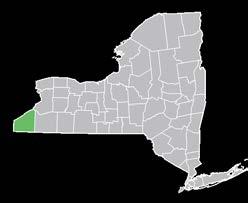
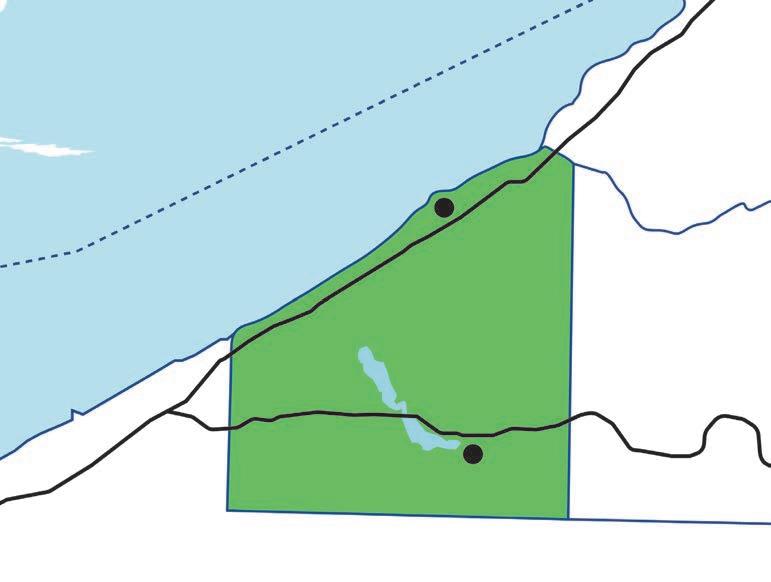

By 2018, these divisions had hardened. To better understand how they affected employers and workers, the new county administration met with 107 businesses in 100 days. The businesses represented a small but instructive sample of the county’s 3,000 firms. These 107 businesses collectively reported 766 long-term open positions in a county that had lost 13% of its jobs in the last decade. Jobs were available and going unfilled at a moment when hundreds of residents were seeking jobs. Many described two outward pulls that strained the local economy and the ability to fill some jobs: south toward Pennsylvania’s stronger business climate and north toward the larger Buffalo and Erie County labor market.
To policymakers, business owners, and residents alike, it seemed the county was being “pulled apart,” a phrase heard often. The challenge was to find ways to bring it together again, building on shared assets and a common future.
The County Executive and the CCIDA decided to begin addressing this fragmentation by examining existing structures before writing a new economic strategy. The CCIDA retained Camoin Associates, a national economic development consulting firm, to assess organizational effectiveness and recommend structural improvements. The process emphasized transparency, broad stakeholder engagement, and alignment with national best practices for economic development organizations.
Camoin Associates conducted interviews with officials, business leaders, and community groups to identify where organizational gaps were potentially contributing to stagnant economic outcomes. There were 17 stakeholder meetings, plus 25 individuals and county staff interviews. Facilitated workshops attended by 28 organizational leaders were held to debate priorities, explore new possibilities and structures, draft organizing principles to change behaviors, and arrive at consensus for coordinated actions that included stakeholder responsibilities, funding, and governance.
In addition to the on-the-ground perspective, economic research and analysis demonstrated
The county’s population and household count were both projected to fall by 3% between 2018–2023.
Median age increased from 40.9 (2010) to 42.4 (2018), with expectations to reach 43.1 by 2023.
Rising median household income (+16%) and per capita income (+18%) signaled improvement for some, but not enough to offset shrinking labor force participation.
the historic economic headwinds facing the region. Case studies of high-performing economic development organizations nationwide were compiled with a focus on term limits for boards, established funding sources, marketing and communications channels, strategic plans, and collaborative relationships.
Stakeholder interviews revealed a deep dissatisfaction with the current organization of community and economic development. Themes from the conversations covered three primary areas:
Stakeholders across municipalities, nonprofits, and quasi-public agencies acknowledged that data and ideas were rarely shared across organizations.
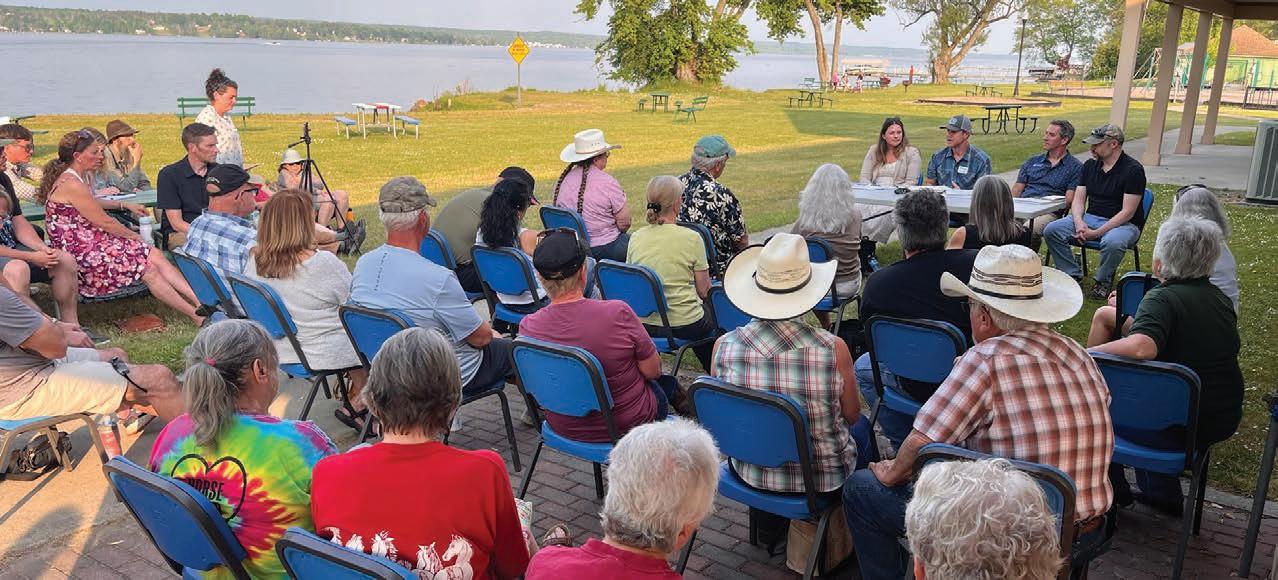
Too little investment: Many interviewees admitted that without stronger leadership and cross-jurisdictional collaboration, the county could not compete with peers who were securing investments to advance their economic development goals. One example is in Dutchess County where leaders formed “Think Dutchess,” designed to coordinate messaging and business development among stakeholders to better compete for limited state resource dollars and private sector projects.
Too many overlapping agendas and lack of a unified voice: Stakeholders did not feel that the county had a strong shared vision, or unified county strategy.
Prospects for future investment was perhaps the most immediate concern facing county leaders and stakeholders and helped drive home the consequences of fragmented systems. While philanthropy groups and the CCIDA were viewed positively, capital for entrepreneurship and growth ventures was scarce:
Businesses reported difficulty accessing growth-stage capital without leaving the county.
Philanthropy was described as “second to none” but was heavily concentrated in certain areas (particularly Jamestown).
Stakeholders praised the CCIDA but noted “zero angel and venture capital here.”
Quantitative rankings, qualitative comments, and demographic data converged on a central problem: Chautauqua County had strong assets but weak systems. Its civic and economic leadership environment was rated barely mid-level, and its prosperity drivers were either underutilized (tourism, philanthropy) or underperforming (workforce, innovation). Unless leaders overcame turf battles and developed a unified strategy, the county risked further decline relative to peers.
The diagnosis was clear: Chautauqua County possessed enviable natural, cultural, and philanthropic assets, yet its fragmented structures limited the ability to act collectively. Economic development elsewhere had already evolved toward regional collaboration, entrepreneurial ecosystems, and workforce solutions. Chautauqua County risked falling behind without systemic change. For the County Executive, this underscored the need to first fix process and structure. Only then could the county credibly pursue an ambitious economic development strategy.
Camoin Associates’ final report, completed in 2019, concluded that Chautauqua County stood at a crossroads: do more of the same or act together to move from stagnant economic growth toward greater countywide prosperity.
Stakeholders strongly supported a new model grounded in collaboration and professionalization. Key recommendations called for creating a countywide entity organized around shared interests and coordinated actions to address the county’s most pressing economic priorities. This new structure became the Partnership, designed to align public and private efforts under a single framework for collective impact.
The Partnership established five cross-sector work groups focused on workforce readiness, business development, housing, placemaking, and infrastructure. Each group brought together municipal leaders, businesses, and civic partners to identify barriers, set shared goals, and coordinate implementation across jurisdictions. What distinguished the Partnership was its ability
to influence behavior across multiple systems. It replaced fragmented, parallel efforts with a culture of joint problem solving, data-informed decision making, and mutual accountability for measurable outcomes.
The creation of the Partnership positioned Chautauqua County within a fully functional economic development ecosystem. It clarified roles among core institutions, namely:
Policy and finance through the CCIDA Planning and coordination through the Partnership
Implementation through municipal and nonprofit partners
Strategic support through philanthropy and state agencies
This ecosystem approach helped ensure that workforce, housing, infrastructure, and business development efforts were interconnected rather than siloed. In doing so, the Partnership became both the backbone and convener of countywide development efforts, reinforcing collaboration as the central driver of economic competitiveness.
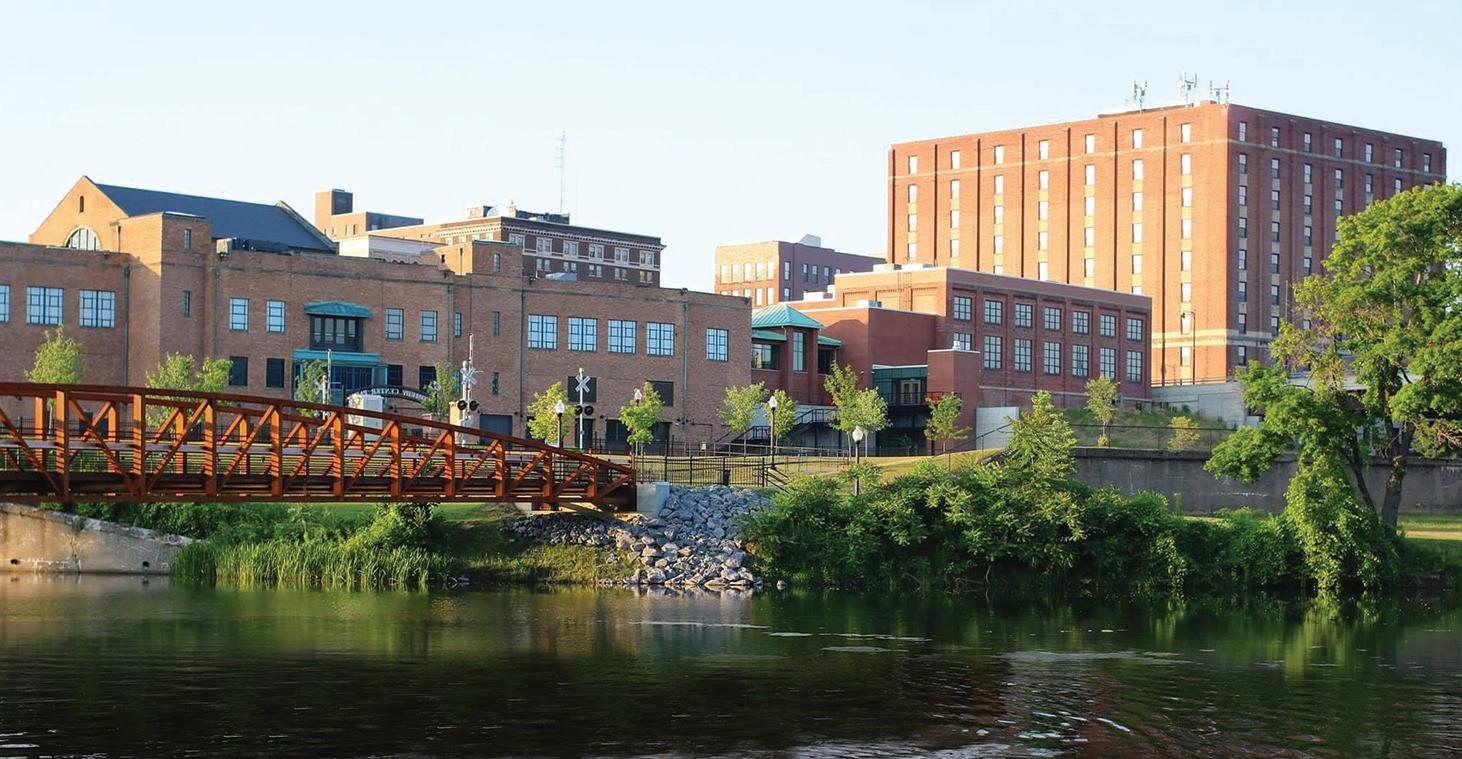
By the conclusion of Phase I in 2019, Chautauqua County had achieved something it had not experienced in decades: a unified governance structure for economic development. The formation of the Parnership signaled a new era of collaboration. Yet leaders recognized that organizational reform alone was insufficient. To reverse long-standing patterns of job loss, population decline, and income stagnation, the county needed a forward-looking strategy that was grounded in rigorous data, shaped by extensive engagement, and bold in its recommendations.
Phase II began in 2019 and focused on developing the five-year Chautauqua County Economic Development Strategic Plan (2020–2025). The process, facilitated by Camoin Associates under the leadership of the CCIDA and the Partnership, translated structural reforms into an actionable blueprint for long-term prosperity. Funding commitments were made by the county and the CCIDA, with a commitment to approach both local and regional philanthropic partners to support this collaborative process.
The Northern Chautauqua Community Foundation pledged support and together with the county, they approached the Ralph C. Wilson, Jr. Foundation which provided initial operational support and became a strong partner in the community change process.
From the outset, it was recognized by the CCIDA and new leadership at the Partnership that the Strategic Plan would only succeed if it was owned by institutional interests and key stakeholders in the community. This process was crucial in building trust and equipping community partners to carry out the implementation.
The process prioritized inclusivity, transparency, and collaboration:
With initial leadership provided by the CCIDA, work groups were formed around five pillars: Business Development, Placemaking (formerly Community Development, includes elements of Tourism and Destination Development as well), Infrastructure, Housing, and Workforce
Readiness. Each was co-chaired by leaders from both the public and private sectors. Camoin Associates facilitated meetings with the work groups to explore needs, propose projects, make recommendations, and define metrics to be considered as part of the Strategic Plan.
Stakeholder involvement was extensive. More than 100 individuals contributed through interviews, facilitated workshops, and surveys, representing government, business, education, nonprofits, and philanthropy.
The Strategic Plan rested on a robust economic base analysis and industry assessment. Findings revealed core economic strengths and some underlying assets for the Partnership to act on.
Chautauqua County’s economy was unusually concentrated in manufacturing, with 17% of jobs in the sector, having a location quotient that was 2.14 times the national average. Manufacturing contributed 26% of the County’s Gross Regional Product, the largest share of any industry.
Yet the sector shed more than 1,000 jobs between 2009 and 2019, raising concern that further automation and restructuring could erode the base.
Only 12% of residents held bachelor’s degrees, compared to 20% statewide.
Employers consistently reported shortages in technical, trade, and soft skills.
The Strategic Plan identified five game changers, each designed to deliver transformative, long-term impact within the structure of the Partnership’s five work groups. Each work group had additional strategies to build out over time, with various public, private, and philanthropic partners that were best suited to drive strategies forward.
Develop site for advanced manufacturing, science, and research hub.
Other strategies included: Bring at least two development-ready sites to market, create small business financing tools and entrepreneurship support, and leverage renewable energy opportunities as a source of revenue and branding.
Initiate a talent retention and attraction campaign.
Other strategies included: Align PreK–12 outcomes with workforce readiness standards, expand training at Jamestown Community College and SUNY Fredonia to address in-demand occupations and support childcare and workplace amenities as workforce anchors.
Build 500 new units by 2030 and rehabilitate aging stock.
Other strategies included: Encourage downtown infill and adaptive reuse of vacant upper floors and modernize zoning to permit higher densities in core communities.
Generate 10% growth in total tax revenues in core communities within 7 years.
Other strategies included: Advance downtown revitalization through façade improvements, catalytic mixed-use projects, and shared service efficiencies; expand broadband access and waterfront development; and integrate placemaking into every investment.
Increase visitation by 50% within 5 years.
Other strategies included: Expand four-season attractions and create a countywide transportation shuttle system, strengthen branding, integrate north–south county assets, and promote Chautauqua as a year-round destination.
While implementing any strategic plan requires balancing resources and priorities among partners, the rollout of the Economic Development Strategic Plan in early 2020 coincided with the onset of the COVID-19 pandemic. Although the crisis disrupted business activity, the county’s new structure proved its value immediately. The Partnership, already fully operational, provided the coordination and capacity needed to respond quickly to changing conditions.
Drawing on its cross-sector work groups, the Partnership helped the county launch an emergency working-capital loan program and secure EDA CARES Act funding for a revolving loan fund. Together, these efforts delivered over $2.6 million in critical business assistance at an extremely challenging time in 2021, retaining 1,077 jobs and creating 21 new positions. It also created an online resource hub, fielded hundreds of calls from local employers, and assisted in developing reopening safety plans. While the pandemic tested every community, Chautauqua County’s response demonstrated the strength of the infrastructure
built through the Partnership. Formed just in time, it did exactly what it was designed to do. It connected stakeholders, directed outside resources into the county, and built a more resilient and adaptive local economy.
Phase II demonstrated that rural counties could reposition themselves when structure, research, and strategy converged. What began in Phase I as organizational reform matured into a bold, data-driven roadmap to restore prosperity, competitiveness, and resilience in Chautauqua County.
As the planning process concluded, the Ralph C. Wilson, Jr. Foundation remained a committed ally to the Partnership, signaling that additional resources could be available to support execution of the Strategic Plan. With that prospect in mind, the Partnership sharpened its focus on identifying which actions could be realistically advanced within the next five years, while also laying the groundwork for longer-term strategies.
In 2021, following a successful application, the Foundation awarded the Partnership a multi-year grant of $1,050,000. The award was designed as a flexible source of funds that could help the county overcome barriers that commonly stall rural economic development projects. While a portion of the $1.05 million went towards building staff capacity for the Partnership, the grant was primarily designated towards a “Project Leveraging Fund.” This leveraging fund enabled the county to allocate funding to support the development and execution of projects that aligned with game changers and/or other initiatives outlined in the 2020 Economic Development Strategic Plan.
Additionally, and perhaps most impactful, was the ability to use the Project Leveraging Fund as
match contributions for other state, federal, and philanthropic funding sources. The proportion of matching funds required by state or federal sources varies and can range anywhere from 20% to 50%. This matching contribution that is expected of applicants is often prohibitive and shuts out deserving projects from valuable resources. The Project Leveraging Fund helped to ease this gap and create a path forward for dozens of projects across the county. Under the leadership of the new County Executive, Paul “PJ” Wendel, a commitment of $500,000 from Chautauqua County’s American Rescue Plan Act (ARPA) funding helped to maximize the impact of the leveraging fund.
The projects selected for funding represented a wide range of topics and community priorities, but all supported the shared vision outlined in the 2020 Economic Development Strategic Plan. To evaluate proposals submitted for the leveraging fund, the Partnership used the following criteria:
Alignment with the Economic Development Strategic Plan
Project readiness and the capacity of the sponsor to manage the project’s scope
After scoring and prioritizing the submissions, the Partnership sought input from its Advisory Committee, incorporated feedback on the proposed rankings, and finalized the list of funded projects. Since 2021, the Project Leveraging Fund has provided critical matching dollars to 60 projects, enabling them to transition from mere ideas into tangible initiatives with real impacts on Chautauqua County residents.
The Project Leveraging Fund from the Ralph C. Wilson, Jr. Foundation contributed to projects with a range of objectives. The project descriptions below demonstrate the range of activities impacted by the fund.
Project Sponsor: Lakewood Community Development Corporation (LCDC)
The Village of Lakewood and the Lakewood Community Development Corporation will develop a multi-phase plan for improvements to an existing park, capitalizing on its unique location on the shore of Chautauqua Lake. This plan aims to attract more users and facilitate increased patronage of businesses along Chautauqua Avenue by boaters on Chautauqua Lake. The first phase includes new two-tiered playground equipment. Future phases may include walkways and other amenities to attract boaters from the lake and into the village.
Project Sponsor: 1891 Fredonia Opera House PAC
The project will replace seating inside the 1891 Fredonia Opera House Performing Arts Center. The current seats, originally installed in 1926, are uncomfortable and no longer meet today’s patron expectations. The replacement seats will be larger width, and the new seating layout will include greater distance between rows, where possible, to increase patron leg room. The seats, while contemporary in their width and comfort level, will appear historic in their design and thus blend with the vintage appearance of the theatre. Also, the project includes leveling a rear portion of the orchestra’s sloped floor to allow for construction of a wheelchair seating platform. This will bring the previously grandfathered Opera House seating area into full ADA compliance.
Project Sponsor: Cornell Cooperative Extension of Chautauqua County
This project will develop a strong, year-long marketing campaign launch focused on promoting the county’s

Maximum contribution to a project:
$50,000
Minimum contribution to a project: $4,000
Average contribution to a project: $18,333.33
For every $1 of funding spent from the Project Leveraging Fund in this time period, another $46 were contributed by other public, non-profit, or private sector entities.
The Project Leveraging Fund also helped progress strategies and game changers that were identified in the Economic Development Strategic Plan across the Partnership’s five pillars. The fund supported:
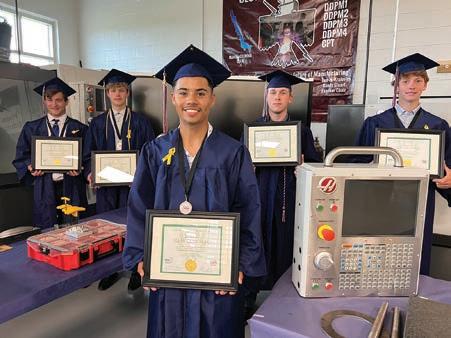
Initiatives to support advanced manufacturing like the Dream It, Do It Tech Career campaign, technical assistance for small businesses by Chautauqua Opportunities for Development, Inc., and startup support through the Fredonia Technology Incubator.
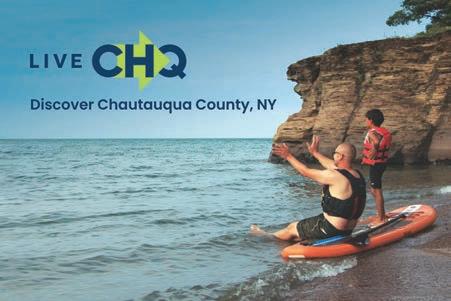
The launch of the Live CHQ talent attraction campaign in 2024, along with marketing and website enhancements to draw new residents and workers to employers across the county.

A feasibility study on code administration and enforcement, addressing a critical barrier to advancing housing rehabilitation projects.
Placemaking (including the former pillars of Community Development and Tourism and Destination Development)
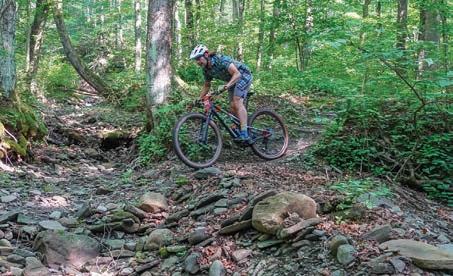
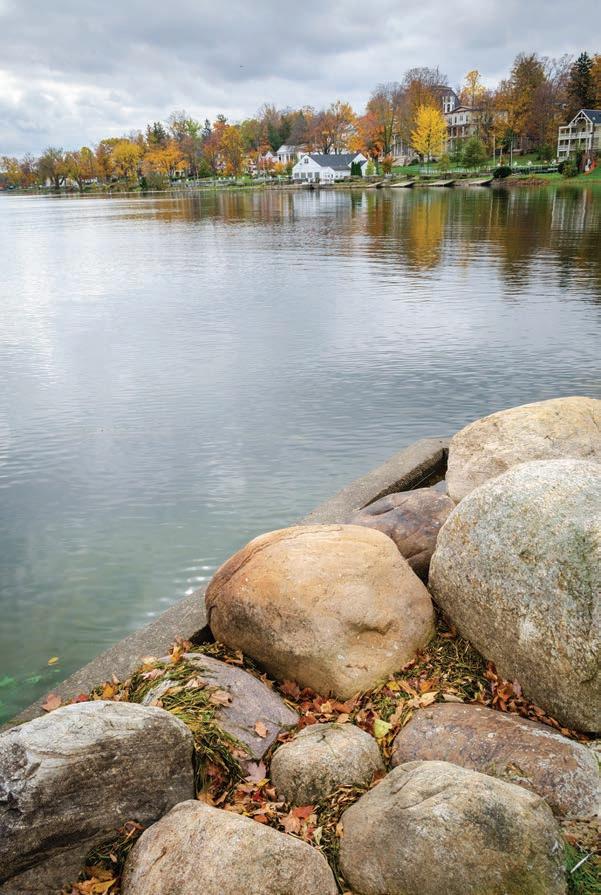
Investments in public art like the Paint CHQ Mural Program, trail improvements at Harris Hill State Park, and a Master Plan for Lakeside Park on Chautauqua Lake.
Each of these elements contributed to building an environment that is investment ready and makes Chautauqua County more desirable for business to stay and grow and attract new businesses.
Beyond the Project Leveraging Fund, the Foundation’s award to the Partnership expanded the organization’s capacity to meet the particular needs of Chautauqua County communities who have ambitions to address challenges in their communities but typically lack the staff capacity to take on transformational projects. With increased internal capacity, the Partnership expanded its role providing technical assistance to local municipalities, which helped strengthen applications for competitive New York State programs such as the Downtown Revitalization Initiative (DRI) and NY Forward. They were also able to manage diverse funding streams for brownfield redevelopment, infrastructure projects, trail management, and public art.
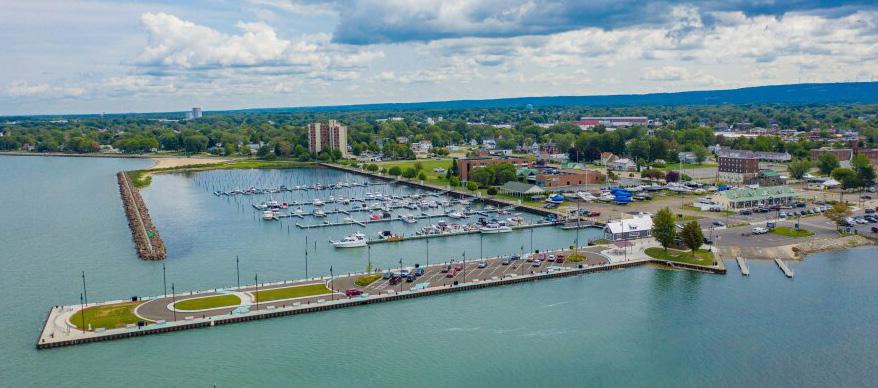
The City of Dunkirk is one of the Chautauqua County communities that benefited from technical assistance from the Partnership. After several years of unsuccessful applications, the City of Dunkirk was awarded $10 million through the DRI process in 2023. Dunkirk’s Director of Development credits the Partnership with providing the technical assistance necessary to bring abstract concepts into reality.
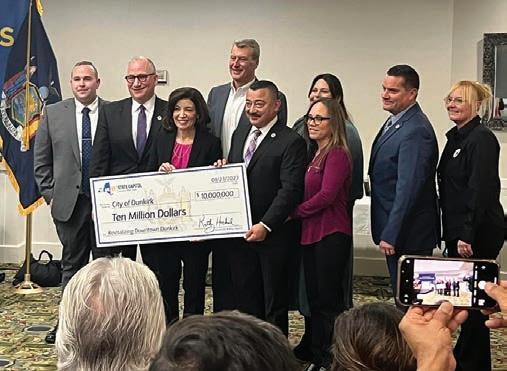
“The collaboration between City of Dunkirk and CCPEG helped to secure the Downtown Revitalization Initiative (DRI) award by providing additional design and engineering professionals to more fully develop projects, but was only the beginning. It’s the close partnership that has helped to launch DRI projects, especially those at the waterfront area surrounding the marina that will bring new development and investment that will be transformational.”
VINCE DEJOY CITY OF DUNKIRK DIRECTOR OF DEVELOPMENT

Between 2021 and 2024, the Partnership relied on creative funding strategies and close collaboration with philanthropic allies such as the Northern Chautauqua Community Foundation and the Gebbie Foundation to build and sustain staff capacity. The Partnership solidified its capacity in 2024 with a second multi-year award from the Ralph C. Wilson, Jr. Foundation, totaling $1,625,000. This second multi-year award supports the creation of a full-time program manager position, ensuring the Partnership has the bandwidth to stay deeply engaged with communities and provide hands-on assistance where it is most needed. The investment in a full-time position enables the Partnership to carry
out the essential day-to-day work required in a community like Chautauqua County. These tasks change daily and range from meeting directly with local partners, helping them access and leverage outside funding, and guiding project development from an idea to implementation.
While Chautauqua County has made meaningful progress, additional staff capacity is essential as the Partnership and its collaborators confront the fiscal and economic challenges ahead. Municipal budget constraints, job losses, and rapidly evolving technologies continue to test rural resilience. These pressures underscore one of the Partnership’s core lessons: deep-rooted, structural challenges demand coordinated, cross-sector solutions. As the Partnership shapes its 2025–2030 priorities, this unified approach will remain central to its strategy and its ability to deliver long-term impact.
Philanthropy has long played a role in supporting economic development across the country, but the Ralph C. Wilson, Jr. Foundation’s direct commitment to implementation in Chautauqua County stands apart as truly distinctive. This investment validated the county’s deliberate process, first establishing the Partnership, then crafting a comprehensive Strategic Plan, and then providing the resources necessary to move from vision to action with unprecedented speed and scale.
What began as an effort to bring structure and inclusion to a fragmented system has evolved into a model for how small and rural communities can plan strategically, align resources, and achieve measurable results. The Foundation’s support did more than fund individual projects: it created conditions for success. Rather than acting as a transactional project funder, the Ralph C. Wilson, Jr. Foundation served as a strategic partner, helping the county build a durable system and community capacity. This investment also enabled the Partnership to attract additional funding from state, local, and private sources which catalyzed programs that would have otherwise remained just hopeful concepts.
The process and model advanced in Chautauqua County have already been replicated in the surrounding region. Cattaraugus County adopted this same framework to develop a strong economic vision and strategic plan rooted in its own assets, and subsequently secured funding to implement the highest-priority initiatives identified through that planning effort. The Ralph C. Wilson, Jr. Foundation and Camoin Associates supported Cattaraugus County in this process as well, demonstrating the transferability of the approach and its value to other rural communities.

The lessons from Chautauqua County offer a blueprint for other rural regions across the Rust Belt to strengthen their own economic ecosystems. With the right structure and targeted investment, communities can convert local aspirations into meaningful outcomes. This process has shown that when local leadership, public investment, and philanthropy operate in tandem, communities that have endured decades of stagnation can redefine what is possible.