
The
LADY BROWN
an academic magazine with a creative spirit
Vol. 14 • 2026
LADY BROWN
an academic magazine with a creative spirit
Vol. 14 • 2026
Published by: Honors College Student Association
Printed by Chowan University Graphic Services
The Legend of "The Brown Lady"
Any university campus that’s been around for this long—Chowan University was founded in 1848—really ought to have its own myths, and so Chowan does in the legend of “The Brown Lady.” More than a hundred years ago, she was described in the school’s yearbook as the daughter of a wealthy family from the region who honored her parents’ wishes by attending Chowan, putting off marriage to her fiancé, but tragically dying during her sophomore year. A different version of her legend has her jumping to her death from the top floor of the school’s famous Columns Building after her husband (or fiancé) dies during the Civil War. But the main detail that remains the same in every version is her preference for wearing a brown gown made of taffeta, one that would rustle as she walked that has earned the name of “The Brown Lady.” Legend also consistently portrays her as a silent ghost, only recognizable by the rustling of her dress in the hall or on the breeze. But her legend continues to speak at Chowan, now honored through the magazine that you’re now reading.
Editorial Board
Timothy Hayes
Faculty Editor Professor of English
Tya Hernandez Criminal Justice Honors College Student Association
David Ballew Professor of History
Bo Dame Professor of Biology and Physical Sciences
Jennifer Groves Newton Assistant Professor of Graphic Design
Allyson Leggett University Graphic Services Print Production Technician
Destiny Vaughan Accessibility Services Coordinator
Welcome
Welcome to the 14th edition of The Brown Lady, a creative and academic magazine that celebrates some of the most remarkable work created by Chowan University students during the past year! I invite you to explore and enjoy the collection of exceptional writing, art, music, and design in this issue. This year’s edition features our first example of original clothing design in many years plus our first-ever criminal justice capstone essay!
This year’s issue begins with the striking design of Emma Joyner’s “Native American Regalia,” which honors the lives of MMIW (Murdered and Missing Indigenous Women). Next come two precise and compelling designs by Kayleigh Roberts, the clever typography of the letter S in “Sharks” and the “catalog” look of “New Life.” These are followed by two beautiful illustrations from Caryn Bowe, our cover artist this year. Vibrant colors make her “Crane” stand out, while “Hand” is expert and handdrawn, showing off her impressive skills. The opening section concludes with Lorelei Hopkins’s timely and relevant capstone essay “Neurodivergence in a Global Crisis.”
In the middle section, more impressive designs dominate. First is the environmental warning of Elias Everett’s “No Snow, No Snowboarding Social Media Ad.” Then, two complex images confront us: the intricate and challenging “Layers” from Isaiah Gause and Sreshta Puducheri’s colorful homage to India, “Sight.” In the centerfold of this year’s issue, we present a “triptych” of images that cleverly call out double standards related to gender in our society in Mya Turner’s “Hysterical Man,” “Bedroom,” and “Catcalling.” Next come two strong images that use similar colors in different ways. Willie Bridgers’ “JDM Bikes” thrives on symmetry and geometry while Alauna Wilson’s “Swan Boat” celebrates asymmetry and a bit of whimsy. This section concludes with our second research essay, Alex Bishop’s powerful and compelling investigation “Lack of Mental Health Care in Prison and Its Effect on Recidivism.”
Our final section begins with two images from the darker side of life. Isaiah Gause returns with his nightmarish vision of the “Tooth Fairy,” while Emashara’e Seaberry presents an iconic and vivid representation of “Rage.” Kayleigh Roberts returns us to the lighter side of life with two designs, the enchanting and whimsical “Magical Mushroom” followed by a childhood dream brought to life in “Candy Land.” The humor continues with two more images by Emashara’e Seaberry. The first, “Waffles vs. Pancakes,” offers a humorous visual for the ongoing rivalry between the two. Speaking of rivalries, in “Tortoise and Hare,” she captures one of the most famous ones ever in this memorable image. Finally, we close this year with a song from Elizabeth Waltz, whose song “North Carolina” was featured last year. In “Lights and Sirens,” Waltz reminds us of those who stand with the wounded in their hardest moments—the first responders who make a difference every day.
On behalf of this year’s editorial board, I encourage you to spend some time with each of these impressive works in the weeks, months, and years to come. I hope you are as proud of these talented students as we are. Enjoy. . .and, as always, be sure to congratulate this year’s contributors!
Dr. Tim Hayes Faculty Editor


Native American Regalia Emma Joyner












Kayleigh Roberts







Sharks
New Life
Kayleigh Roberts
Crane
Caryn Bowe
Caryn Bowe
Neurodivergence in a Global Crisis: The Effects of COVID-19 on Mental Well-Being, Functioning,
and Diagnostic Accessibility
Lorelei Hopkins
Neurodivergence is a non-medical term used to describe individuals whose brains work differently (Cleveland Clinic, 2025). A medical diagnosis is not required to identify as neurodivergent. An Australian sociologist named Judy Singer coined the term “neurodiversity” in the late 1990s to acknowledge that all brains develop differently. Neurodiversity is categorized into two main groups: neurotypical and neurodivergent (Northwestern Medicine, 2024). The neurotypical category includes individuals whose brain functions typically and is like others that are their age. The neurodivergent category includes individuals whose brains process information differently from most people of their age. Approximately 15-20% of the global population identifies as neurodivergent.
In recent years, the definition for neurodivergence has become an umbrella term for autism spectrum disorder, attention deficit hyperactivity disorder, and other cognitive disorders. Autism spectrum disorder is a lifelong condition that is characterized by persistent challenges with social communication, repetitive behavior, and restricted interests (American Psychiatric Association, 2024). Early signs of autism can be observed before a child is a year old. In some cases, autism is not diagnosed until a child is in school and observed in comparison to their peers.
One of the most common medical disorders affecting children is attention deficit hyperactivity disorder or ADHD (American Psychiatric Association,
2025). ADHD can be a chronic and debilitating lifelong disorder. ADHD is characterized by inattention, hyperactivity, and impulsivity. In most cases, ADHD is observed initially in school-aged children when their symptoms are noticed as classroom disruptions. Boys are diagnosed with ADHD more than girls because of the gender differences in noticeable symptoms.
The world felt like it turned upside down, especially for neurodivergent individuals, when the SARS-CoV-2 or Coronavirus was discovered in Wuhan, China, at the end of 2019. The virus spread throughout the world, entering the United States in January 2020. The Coronavirus spread quickly, which caused the world to lock down for two weeks originally. Schools closed, and jobs classified as nonessential had employees work remotely. People were strongly encouraged to wear face masks that covered their noses and mouths in public spaces, and masks were mandatory in some places. It became a social norm to remain six feet apart from others in public. Most restaurants became carry-out only, and grocery stores had numerous shortages in their stock.
The lockdown isolated many people from their routines and social interactions, which were replaced with screens. Some people were unable to see their family members because they were high risk or immunocompromised. Over 1,000,000 deaths from the COVID-19 pandemic were reported in the United States between January 2020 and March 2023 (Coronavirus Resource Center, 2025). Many
people were unable to properly say goodbye to their family members, which could prolong the grieving process. Humans are naturally social creatures, so when we are isolated for prolonged periods, it can be detrimental to our mental health. Many people panicked and feared getting sick as a result of isolation. The pandemic changed many things, including daily life, for everyone. These disruptions had a significant impact on neurodivergent individuals worldwide.
Diagnosing and Treating Neurodivergence
Neurodivergence is a relatively new field of psychology, and, because of this, there is little conformity in the understanding of the symptoms, diagnosis, and treatment of these disorders. Autism Spectrum Disorder (ASD) and Attention Deficit Hyperactivity Disorder (ADHD) symptoms are not always obvious and can vary in the ways they present themselves. Many people associate childhood autism with children who are nonverbal and childhood ADHD with disruptive children who cannot sit still in class. While these characterizations can be true, ASD and ADHD can also present as a person being extremely academically gifted or very anxious or depressed at a young age. Historically, most research has focused on symptoms in boys, so today there is an even more limited understanding of ASD and ADHD symptoms in girls (Pelham, 2024). Due to these misunderstandings, some individuals receive diagnoses as children, while others wait decades to receive an official diagnosis. On average, girls are diagnosed five years later in life than boys.
Many neurodivergent people “mask” their way through life or cover up their symptoms, imitating the way other people function and attempting to cover any lapses, so no one notices their behavior. When the world shut down in March 2020, everyone was isolated and had to find new routines, but neurodivergent individuals were removed from their models of social behavior and no longer needed to mask their behavior for the sake of others. It is clear that the COVID-19 epidemic changed the world in many ways, but, for the neurodivergent community, it completely transformed their understanding of their symptoms and disorders.
Pediatric Autism Spectrum Disorder
The number of pediatric ASD diagnoses increased during the pandemic. A study by St. Victor et al. (2024) comparing electronic medical records from two pediatric clinics in New York showed an increase
Neurodivergence in a Global Crisis
in the number of new autism diagnoses from the pre-pandemic (2017-19) and pandemic (2021-23) periods. The first clinic, Royale Pediatric Healthcare, provided records from 182 patients; 63 of them were diagnosed in the pre-pandemic period while 119 were diagnosed during the pandemic period. The second clinic, Bayside Pediatrics, provided 355 patients who had 149 pre-pandemic and 206 pandemic diagnoses. St. Victor et al. (2024) showed that there was an increase in the number of new autism diagnoses but did not provide a definitive cause for the increase.
A second New York study used two cohorts for its COMBO (COVID-19 Mother Baby Outcomes) Initiative (Firestein et al., 2024). The COMBO Initiative used data from hospitals affiliated with Columbia University’s Irving Medical Center (CUIMC) and divided the groups into the COMBO-EHR cohort and the COMBORSCH cohort. The COMBO-EHR cohort used electronic health records of children born between January 2018 and September 2021 that had one or more valid M-CHAT-R survey scores. The COMBO-RSCH cohort was a prospective research group that enrolled mother-child dyads with infants that completed the M-CHAT-R survey.
The M-CHAT-R (Modified Checklist for Autism in Toddlers, Revised) is a 20-item yes/no survey that focuses on neurodevelopmental milestones and early autism symptoms (Firestein et al., 2024).
COMBO-EHR had 1,664 children in the sample; 442 were born before the pandemic (March 2020) while 1,222 were born during the pandemic. COMBO-RSCH used 385 children in the sample, with 74 born before the pandemic and 311 born during the pandemic. The medical records in the Firestein et al. study were also used to determine maternal SARS-CoV-2 status. The study showed that prenatal SARS-CoV-2 exposure was associated with lower rates of positive M-CHAT-R screening in both cohorts, but it was less significant in the COMBO-RSCH cohort. This shows that prenatal exposure to the COVID-19 virus did not increase the likelihood of a toddler screening positive for autism. The results show that participants who had maternal exposure had lower positive screening or were less likely to be diagnosed with ASD than other participants.
General Population Neurodivergence
There was also an increase in the number of ADHD diagnoses in the European country of Finland (Auro et al., 2024). Nationwide registers are used to collect
data on the entire population. The data from these registers were used in a longitudinal cohort study that assessed three different timepoints. These timepoints were 2015, 2020 (before pandemic), and 2022 (after the pandemic). Researchers only included new ADHD diagnoses in the study and analyzed the data from January 2015 until June 2022. Finland has a population of approximately 5.6 million people (World Health Organization, 2024). There was a large increase in new diagnoses of ADHD in Finland between 2020 and 2022 (Auro et al., 2024). In 2015, the general population only had 117 ADHD diagnoses per 100,000 people. That number increased to 238 per 100,000 in 2019-20 and was almost four times the 2015 general population rate in 2022 at 477 per 100,000. Finnish boys under 13 had the highest diagnostic rates of ADHD in the entire population over the entire study, with 721 boys being diagnosed per 100,000 in 2015. This number increased to 1,243 (per 100,000) in 2019-20 and 1,745 (per 100,000) in 2022. The rate of ADHD diagnoses for boys under 13 increased by more than 1,000 (per 100,000) over a 7-year span. The most significant increase in ADHD diagnoses during the pandemic (2020-2022) came from girls/young women ages 13-20 and women aged 21-30. The 13-20 age group had a diagnostic rate of 577 per 100,000 in 2020. In 2022, the rate was 1,488 per 100,000, which is an average increase of 911 new ADHD diagnoses per 100,000 in a two-year period. These statistics show a drastic increase in the number of new ADHD diagnoses in Finland but do not show us a definitive cause for the increase. Auro et al. (2024) share that “pandemic-associated changes in living conditions and lifestyle” could be a potential source of these results. The results of this study may not be replicable in other countries, like the United States, due to the lack of accessible and accurate information on members of the entire population and their medical histories.
An analysis of published data from the pandemic period (2020-2021) found that “individuals with ADHD present risk factors that make them vulnerable to negative consequences of the pandemic and impact treatment efficacy” (Segenreich, 2022). Segenreich also noticed that telemedicine can be a very useful tool for continuing ADHD treatment and monitoring. The use of online resources and health care was popularized during the pandemic out of necessity but could shape the way neurodivergence and other psychiatric care is treated in the decades following the pandemic. Most of the workforce was impacted by the pandemic, and allowing people to work from home for extended periods of time
changed expectations for corporate office jobs. Working from home allows more flexibility and has numerous benefits, but a major drawback is the lack of face-to-face social interactions. Some undiagnosed individuals who were masking their neurodivergence struggled during the remote work period and may have struggled to go back to working in an office setting. These struggles may have been an indication of neurodivergence and could lead to an adult seeking an official diagnosis.
Professional Perspectives
The pandemic not only affected the patient side of diagnostic services, but it also affected the provider side. A sample of 52 autism diagnostic service professionals were surveyed about their roles and how services were before and during the pandemic (Spain et al., 2022). These participants represented several countries, but most of them were based in the United Kingdom. The participants were required to use sufficient English and be involved in conducting autism assessments for any age group. Approximately 73% of the sample worked in public services, 6% in independent practice, and 21% in both. Most of the providers worked primarily with adults (60%), with 31% working with children or adolescents, and the remaining 10% working across the lifespan. These professionals were surveyed using demographic, open-ended, and closed questions about service provision and telehealth autism services. Researchers also inquired about their experiences conducting autism assessments.
Approximately 52% of providers reported some service disruption, and 58% reported longer waiting times (Spain et al., 2022). Providers in the sample had “polarized views of accessibility, validity, and reliability of telehealth autism assessments” (Spain et al., 2022). Some providers experienced more disruptions to care than others. Also, some professionals had more difficulties than others accessing telehealth services and felt like it was an effective resource in providing care. Many providers prefer face-toface interactions when providing care, while others feel they are able to provide effective care through a computer screen. Having multiple options for psychological care is imperative for the adapting tech-focused world. Giving people multiple, flexible options for receiving care helps them find what works best for them, which is what they need.
In a time when everything was delayed, having a way to get a much-needed diagnosis or talking to
someone who has the training to support you during global isolation was what was needed. Telehealth services are something that can help millions of people if applied and monitored appropriately. Providers will be able to help clients when they need it, and it allows patients who may not have access to reliable transportation to be able to get the help they need. A major drawback of telehealth services, however, is that some of them have been accused of hiring unqualified and unlicensed individuals as providers. This could lead to improper care or incorrect diagnoses being provided. A proper diagnosis is imperative for neurodivergence, because it allows the individual to further understand themselves and their behavior. The use of telehealth services and other virtual resources was a way that the diagnostic and treatment pathways were impacted during the pandemic.
Mental Health and Functioning
Mental health has become a very popular topic in psychology recently. While struggling with mental health is not a new phenomenon, openly discussing the struggle is. Everyone struggles with their mental health at some point in their lives; the only difference is the severity of their symptoms. Neurodivergent individuals can experience extreme amounts of anxiety and depression, which can negatively impact their mental health. The COVID-19 pandemic disrupted everyone’s routines and lifestyle. Many individuals with ADHD and autism are sensitive to change, which is what the pandemic presented. These changes could have caused some adverse effects on the mental health of many people.
Attention Deficit Hyperactivity Disorder (ADHD)
A Canadian study on the mental health of families with children who have ADHD found that the pandemic did increase mental health side effects (Winfield et al., 2023). The parents in this study completed an online demographics survey and also completed a virtual 60-minute semi-structured interview with a researcher. The children were only interviewed by the researchers for 30 minutes. The interviews identified that the children experienced increased anxiety and discontentedness. The parents shared that they had experienced some deterioration to their overall mental health.
Researchers identified that the impacts could stem from a lack of routine, social support, and social interaction (Winfield et al., 2023). The pandemic created an environment where these children were
stuck at their house for months with no opportunity to spend time with friends, go to school, or participate in activities that they might have enjoyed before the quarantine. The parents had to find activities that their child would enjoy and could provide the necessary stimulation required to maintain the child’s attention. Children with ADHD may change interests more frequently and get bored of things faster than other neurotypical children. Having to manage these conditions could be the cause of the parents’ deteriorating mental health.
According to published literature, the pandemic may not have affected the mental health of everyone with ADHD. A United Kingdom-based study on adults with ADHD did not find evidence of a significant deterioration to mental health (Adamou et al., 2020).
A sample of 24 adults with ADHD was examined using cross-sectional surveys. The surveys focused on patient health, generalized anxiety, brief adjustment, perceived stress, and perceived social support. The sample included 18 males and six females whose ages ranged from 18-25 years old (with a mean age of 21.75). The results of this study imply that maintaining ADHD treatment could reduce effects on mental health caused by the pandemic. However, this study has many limitations. The sample only included young adults (under 25) and had a small sample size that may not be attributable to the general population of adults with ADHD.
The difference in the results of the pandemic’s impact on mental health for individuals with ADHD could stem from geographical differences or overall lifestyle differences. Another cause for the differences could come from the treatment these individuals were receiving. Pediatric ADHD might need more direct intervention than a young adult. A child with ADHD could still be trying to figure out what does or does not work for them and how they can manage their symptoms. While adult ADHD still needs support, they might already know what helps them. Adults in the Adamou et al. (2020) study might have had an easier time maintaining some of their existing routines than the children in the Winfield et al. (2023) study. As adults, most communication with your friends and family may have already been handled digitally. For children, most of their social interaction with peers happens at school or during other in-person activities. The Adamou et al. (2020) study’s small sample may have included individuals who have good overall mental health or people who lie on the surveys. The Winfield et al. (2023) study could have also contained individuals Neurodivergence
who have poor mental health or people who responded to the demand characteristics instead of answering honestly.
A narrative review of existing articles found that children and adolescents with ADHD were experiencing more ADHD-related symptoms and having more behavioral issues (Davoody et al., 2022). The articles identified factors such as less physical activity, school closures, and remote learning consequences as potential causes of the rise in behavioral problems. Additional factors included difficulties coping with preventative guidelines and adverse parental behavior. This review shows that the pandemic made an impact on the behavior and routines of children and adolescents with ADHD but does not provide any evidence for adverse mental health effects. The information from Davoody et al. (2022) is useful for determining the consequences of the pandemic and how it could impact mental health but is limited in determining if there was a legitimate impact.
Autism Spectrum Disorder
An online survey that took place in the United Kingdom sampled 286 adults (Capp et al., 2022). The sample had an age range of 18-72 and asked participants to categorize themselves into one of four identification groups. The first group was neurotypical adults and included 98 participants. Autistic adults were the second group and included 73 participants. The third category was other neurodivergent adults (53 participants), and the final category was autistic adults with additional neurodivergent identity (63 participants). Researchers used the QoLVID (Quality of Life During COVID-19) survey and a cross-sectional design. Results from the survey showed that autistic adults consistently had high anxiety, depression, and loneliness compared to the results from neurotypical participants. Autistic adults also had lower QoL scores compared to the neurotypical group. All groups in the survey had participants report that they felt their QoL, mental health, and loneliness had worsened due to the pandemic. These results show that the pandemic may have highlighted increased need for mental health services for the entire U.K. adult population. Emphasis may need to be placed on both autistic and neurodivergent adults for additional support.
Neurodivergent Adults
Undergraduate college students from a large urban university in Toronto, Ontario, participated
in semi-structured interviews that focused on their experiences as a neurodivergent individual during the pandemic (Alves et al., 2025). The study included 17 students aged 18-38. Participants were required to have a diagnosis of being neurodivergent or be in the process of receiving an official diagnosis or be strongly suspected of being neurodivergent. Twelve of the participants had ADHD, seven had ASD, and four had a learning disability. The interviewers asked open-ended questions about the effects of the pandemic on daily life, coping strategies, symptoms, barriers, and advice they have for others with similar diagnoses. Participants identified exacerbation of symptoms, difficulties following protocols, increased challenges in school and social settings, and overall negative impacts on mental health as challenges they faced during the pandemic. The participants also identified that they had the opportunity to live authentically, self-reflect, connect with an online community, and some participants were able to get an official neurodivergence diagnosis.
The results of the Alves et al. (2025) study may be limited by a small sample size and because researchers did not aim to generalize results to the general population. The focus of the research was how the pandemic affected the experience of neurodivergent college students. The challenges and opportunities the participants encountered may not be applicable to younger children and adolescents nor to older adults. While these results may not be applicable to the general population, they are useful for narrowing down what age groups of neurodivergent individuals experienced the most severe mental health side effects.
Conclusion
In conclusion, the literature shows that there has been an increase in diagnoses of both ASD and ADHD (Auro et al., 2024; St. Victor et al., 2024). Firestein et al. (2024) displayed that being exposed to the coronavirus prenatally does not increase your likelihood of being diagnosed with autism. The cause for the increase in diagnoses of these neurodivergent disorders has not been determined yet, but it likely stems from the isolation created by the pandemic and not within the virus itself. Future research on diagnostic rates for ASD and ADHD could build off these results and determine if the rates are increasing more as we get further away from the initial global shutdown. More data is needed to determine if the pandemic increased awareness of the signs of neurodivergence or if the isolation made
it seem like there is more neurodivergence. The Auro et al. (2024) study on ADHD diagnoses in Finland showed increasing diagnoses in their 2019-20 data period, which included time before the pandemic began and the early months of quarantine.
The pandemic also brought major changes to the world of psychology with the implementation of telemedicine. Telemedicine has received mixed reviews among professionals but helped manage the negative consequences of the pandemic that individuals with ADHD are more vulnerable to (Segenreich, 2022; Spain et al., 2022). Telemedicine can help provide better mental health support to individuals because it can be conducted remotely and when necessary, instead of having a longer waiting time to get an appointment with a provider. If monitored appropriately, telemedicine can help everyone get the support they need. Future research could focus on surveying patients on their experiences with traditional therapy and telemedicine. They could also focus on wait times for both services and if utilizing both services makes it easier or more difficult for providers to help their clients.
In society’s shift to a more technologically focused world, social media has become a tool for increasing vulnerability and talking openly about mental health. This shift prompted researchers to focus on how the pandemic affected the mental health of neurodivergent individuals. Children with ADHD had increased anxiety and also experienced an increase in ADHD symptoms and behavior (Davoody et al., 2022; Winfield et al., 2023). Autistic and other neurodivergent adults also experienced mental health deterioration (Alves et al., 2025; Capp et al., 2020). The Adamou et al. (2020) study was the only study that did not find evidence of significant mental health deterioration; however, that study used a very small sample of adults with ADHD.
Future studies on the mental health of neurodivergent individuals could use larger sample sizes, so that the results are able to be generalized to the entire neurodivergent population. It may be difficult for researchers to focus on mental health from the pandemic as we get further away from the beginning of quarantine, but there are other aspects of neurodivergent mental health that could be the focus instead. How neurodivergent individuals react to and handle change, tragedy, and trauma could be focused on instead of the pandemic.
Millions of lives were changed over half a decade ago when the pandemic began. The world looks a lot different now, and some people are still trying to find their new normal. Change is hard for individuals with ASD and ADHD, which is why it is essential to continue conducting research on these groups to improve access to resources and to educate others. Neurodivergence was impacted by the pandemic, but it does not have to be in a negative way. Increased awareness and popularity can promote the need for more diverse research that focuses on all genders, age groups, and backgrounds.
References
Adamou, M., Fullen, T., Galab, N., Mackintosh, I., Abbott, K., Lowe, D., & Smith, C. (2020). Psychological effects of the COVID-19 imposed lockdown on adults with attention deficit/hyperactivity disorder: Crosssectional survey study. JMIR Formative Research, 4(12), Article e24430. https://doi.org/10.2196/24430
Alves, T., Butterfield, K.M., & Desrocher, M. (2025). Neurodiversity and COVID-19: A qualitative study on the experiences of university students during the COVID-19 pandemic. Neurodiversity, 3(1). https://doi. org/10.1177/27546330251339563
American Psychiatric Association. (2025, October). What is ADHD? https://www.psychiatry.org/patientsfamilies/adhd/what-isadhd
American Psychiatric Association. (2024, January). What is autism spectrum disorder? https://www. psychiatry.org/patients-families/autism/what-isautism-spectrum-disorder
Auro, K., Holopainen, I., Perola, M., Havulinna, A. S., & Raevuori, A. (2024). Attention-deficit/ hyperactivity disorder diagnoses in Finland during the COVID-19 pandemic. JAMA Network Open, 7(6), Article e2418204. https://doi.org/10.1001/jamanetworkopen.2024.18204
Capp, S. J., Mason, D., Colvert, E., Agnew-Blais, J., & Happe, F. (2022). COVID-19 and perceived changes to quality of life, anxiety, depression, and loneliness in autistic and other neurodivergent U.K. adults. Autism in Adulthood: Challenges and Management, 4(3). https://doi.org/10.1089/aut.2021.0078
Cleveland Clinic. (2022, June 2). Neurodivergent. https://my.clevelandclinic.org/health/ symptoms/23154-neurodivergent
Coronavirus Resource Center. (2025). United States overview. Johns Hopkins University & Medicine. https://coronavirus.jhu.edu/region/united-states
Davoody, S., Goeschl, S., Dolatshahi, M., DavariAshtiani, R., Saffarpour, R., Sodeifian, F., & Brand, S. (2022). Relation between ADHD and COVID-19: A narrative review to guide advancing clinical research and therapy. Iranian Journal of Psychiatry, 17(1). https://doi.org/10.18502/ijps.v17i1.8055
Firestein, M.R., Manessis, A., Warmingham, J. M., Xu, R., Hu, Y., Finkel, M. A., Kyle, M., Hussain, M., Ahmed, I., Lavallee, A., Solis, A., Chaves, V., Rodriguez, C., Goldman, S., Muhle, R., Lee, S., Austin, J., Silver, W.G., O’Reilly, K. C., ... Dumitriu, D. (2024). Positive autism screening rates in toddlers born during the COVID-19 pandemic. JAMA Network Open, 7(9), Article e2435005. https://doi. org/10.1001/jamanetworkopen.2024.35005
Northwestern Medicine. (2024, April). Understanding neurodiversity. https://www.nm.org/healthbeat/ healthy-tips/Understanding-Neurodiversity
Pelham, V. (2024, June 5). Why ADHD goes undetected in girls. Cedar-Sinai Blog. https://www.cedars-sinai. org/blog/why-adhd-goes-undetected-in-girls.html
Segenreich, D. (2022). The impact of the COVID-19 pandemic on diagnosing and treating attention deficit hyperactivity disorder: New challenges on initializing and optimizing pharmacological treatment. Frontiers in Psychiatry, 13, Article 852664. https://doi.org/10.3389/fpsyt.2022.852664
Spain, D., Stewart, G. R., Mason, D., Robinson, J., Capp, S. J., Gillan, N., Ensum, I., & Happe, F. (2022). Autism diagnostic assessments with children, adolescents, and adults prior to 18 and during the COVID-19 pandemic: A cross-sectional survey of professionals. Frontiers in Psychiatry, 13, Article 789449. https://doi. org/10.3389/fpsyt.2022.789449
St. Victor, R., Mulakalapalli, S., Park, Y., & Daly, E. (2024). Rise in autism spectrum disorder diagnoses: A comparative analysis of pre-pandemic and pandemic periods. Cureus, 16(9), Article e70167. https://doi.org/10.7759/cureus.70167
Winfield, A., Sugar, C., & Fenesi, B. (2023). The impact of the COVID-19 pandemic on the mental health of families dealing with attention-deficit hyperactivity disorder. PLOS ONE, 18(3), Article 0283227. https://doi. org/10.1371/journal.pone.0283227
World Health Organization. (2024). Finland. https:// data.who.int/countries/246

Elias Everett
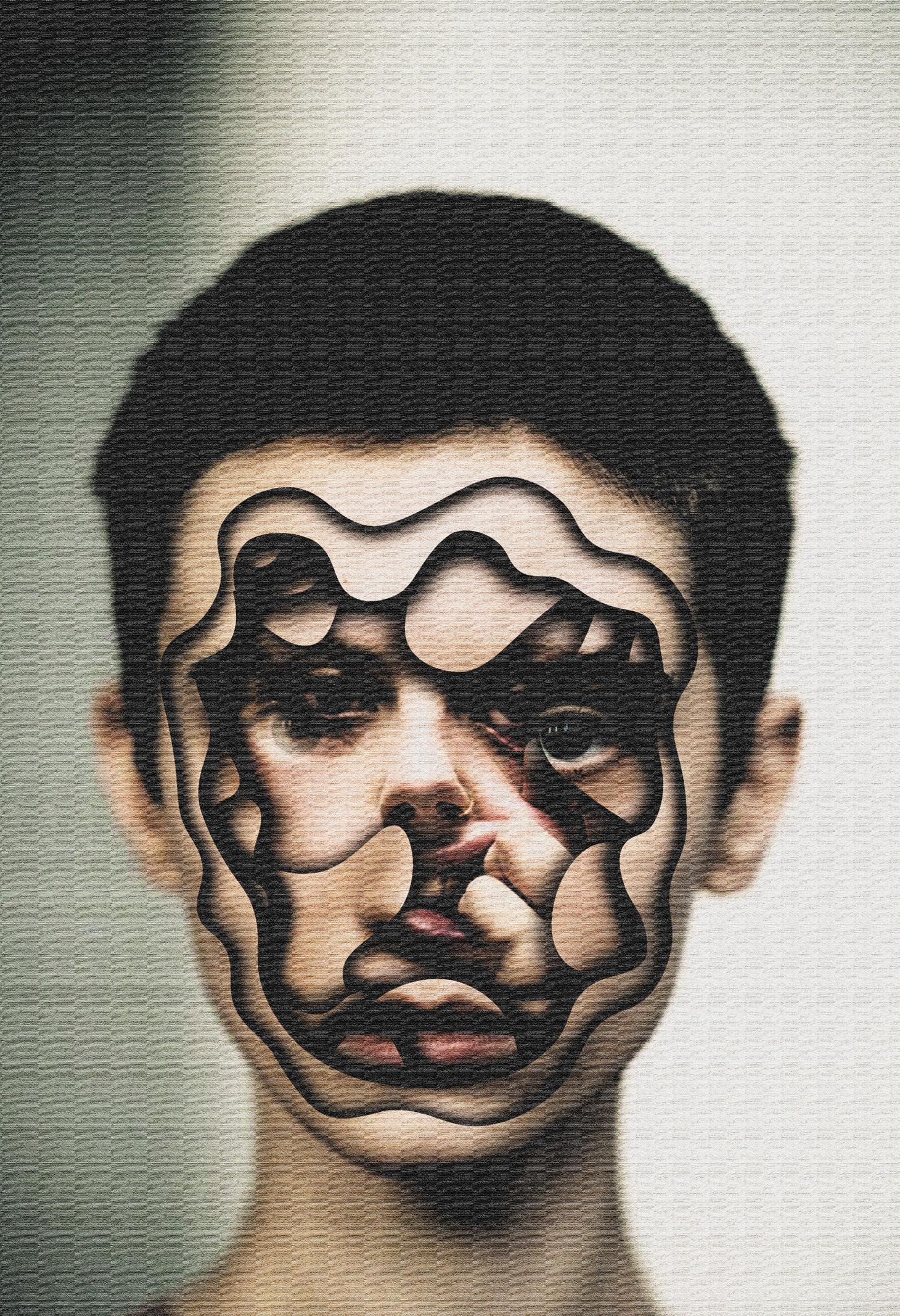
Layers Isaiah Gause

Sight
Sreshta Puducheri
He must be on his period.
Hysterical Man
Bedroom
Catcalling
Mya Turner
Boys will be boys




JDM Bikes
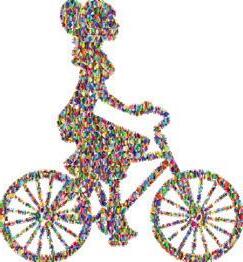
JDM Bikes
Willie Bridgers


Lack of Mental Health Care in Prison and its Effects on Recidivism
Alex Bishop
Abstract
The United States has always had a serious problem in dealing with mental health issues. There has been a constant stigmatization of mental health, and asking for help for something within a person’s mind is often viewed as being weak. For those who have taken the step to ask for help, they may find that the rising costs of mental health services make it difficult to stay consistent with them. Living in a rural area can also make access to mental health care difficult. There is one place in the United States where access to mental health care becomes even more difficult to come by. That place is the United States’ criminal justice system. The criminal justice system focuses on criminality, rather than the underlying reasons for it. This means that people with mental health issues often go ignored throughout their time in prison. People with a mental illness also end up being treated unfairly while in prison. It is almost as though they are targeted and given harsher punishments than their peers who do not have a mental illness. The criminal justice system as a whole is also not built to deal with individuals who have a mental health condition. Prison employees are not given proper training or taught that the patterns of thinking are different in individuals with mental health issues. Therefore, they are unfairly targeted throughout the criminal justice system. All of this leads to a higher recidivism rate for offenders who deal with mental health issues.
Introduction
The United States has always been lacking in the mental health care that it provides for its citizens. The standard for mental health care has never been high, and many often cannot receive access to the mental health care that they need due to
stigmatization or high costs. When considering the United States criminal justice system, that standard of mental health care becomes exponentially lower. If people already struggle to find access to care within society itself, they certainly will not be finding it in any criminal justice institution. For decades now, mental health within the criminal justice system has been put on the backburner. It has become a last thought when sentencing and even within the first stages of the criminal justice process. More often than not, people with a severe mental illness are unfairly targeted by law enforcement in arrests. This is not because law enforcement officers have something against those with mental health issues. Rather, it comes from a severe lack of training for these officers about mental health. There is almost zero training when it comes to dealing with an offender who has a mental health issue. Therefore, they are arrested and put on trial just like other offenders. Their situation becomes worse as they go through trial and are more than likely sentenced to prison. They then spend the entirety of their term receiving inadequate, if any, mental health care. This means that their condition stays the same or becomes even worse within their time in prison. Once released, they are often thrown back into a never-ending cycle of reoffending and never getting the help they need.
History
To understand where this disadvantage for mentally ill individuals began, one must go to the very beginning of mental health care in the United States. The very first ideas of mental health care in the United States began after the Civil War ended. At this time, it was referred to as “mental hygiene” rather than mental health. This term was first coined by William Sweetzer in 1843 (Mandell, 1995). From there, this idea of “mental hygiene” was expanded.
Lack of Mental Health Care in Prison and its Effects on Recidivism
“After the Civil War, which increased concern about the effects of unsanitary conditions, Dr. J. B. Gray, an eminent psychiatrist, envisioned a communitybased mental hygiene that would operate through education, social culture, religion, and involvement in national life” (Mandell, 1995). This idea continued to be expanded upon and was soon given an actual definition to base its practices on. In 1893, Isaac Ray, a founder of the American Psychiatric Association, defined mental hygiene as “the art of preserving the mind against all incidents and influences calculated to deteriorate its qualities, impair its energies, or derange its movements. The management of the bodily powers in regard to exercise, rest, food, clothing, climate, the laws of breeding, the government of the passions, the sympathy with current emotions and opinions, the discipline of the intellect—all these come within the province of mental hygiene” (Mandell, 1995). This idea of taking care of mental hygiene turned at the beginning of the 20th century. At this time, Darwinian thinking became the overwhelmingly popular view. “This view provided little hope for recovery of the mentally deviant” (Mandell, 1995). However, there did seem to still be hope for the positive evolution of mental health care at this time. At the forefront of this was G. Stanley Hall. “Among leading thinkers of this period, G. Stanley Hall was convinced that early treatment might reduce both the severity and reoccurrence of mental illness” (Mandell, 1995). Another prominent supporter of this idea was Adolph Meyer. “In 1906 he wrote on ‘The Problem of Aftercare and the Organization of Societies for the Prophylaxis of Mental Disorders’” (Mandell, 1995). This idea of mental hygiene continued to evolve and change over time. Great strides were made when Clifford Beers, a former insane asylum patient, wrote his own agenda for a mental hygiene society. “Beers called for the formation of a permanent voluntary health agency whose prime function would be to prevent the disease of insanity by providing information about it to the public” (Mandell, 1995). The first signs of this being widespread throughout a public setting happened around the time of World War II. Paul Lemkau saw the effects war had on soldiers firsthand and noticed that an early detection of mental disorders, and thus earlier treatment, could lead to a lower likelihood that a person would develop a serious neurotic disorder (Mandell, 1995). “Weaving these strands of experience together, Lemkau conceived the idea of locating mental hygiene activities in local health departments close to community sources of stress. He envisioned a psychiatric clinic located in each local health department” (Mandell, 1995). These
ideas continued to be expanded upon in the years to come.
These individuals all certainly made a great contribution towards the mental health care system as a whole. However, one figure rises to the top when it comes to contributions made to the progression of mental healthcare. That person is Dorothea Dix. No discussion can be had about the improvements of mental health care within the United States without her name being mentioned. While Lemkau came up with the idea of creating specific wards for the mentally ill to hospitals, Dix proposed that they create entire hospitals solely for the treatment of the mentally ill. “In the early days of the United States, mental health care was practically nonexistent. . . There was little or no attempt at treatment, except for perhaps exorcism by a priest. People with mental disorders could consider themselves lucky if the available therapies were merely ineffective—they were often brutal and harmful, guided as they were by superstition. Unless a member was afflicted with serious mental illness, most early American families were unaware of this hidden human suffering” (Nelson, 2021). Dix saw this and aimed to put an end to it. She worked as a nurse to prisoners, where she saw the deplorable conditions they were put through. She described the abysmal conditions that she witnessed: “In cages, closets, cellars, stalls, pens! Chained, naked, beaten with rods, and lashed into obedience” (Nelson, 2021). Instead of sitting back and allowing these people to be treated this way, Dix sought change. She spent her time travelling from state to state, going to different places where those with serious mental conditions were kept and gathering evidence of the struggle that they were facing (Nelson, 2021). She drew her ideas from those that were popular in Europe at the time. “It was originally known in France as a traitement moral. The best translation of the French word moral in English is "morale," and it connotes the psychological nature of the treatment rather than a sense of right and wrong” (Nelson, 2021). Dix continued to fight for her ideas until mental institutions were eventually launched due to her work. “The first asylums funded through Dix’s campaign began accepting patients in the 1830s, freeing scores of people from restraints. With an approach that incorporated elements of moral treatment, superintendents strove for more than humane custody; they sought to cure their patients. There is evidence that many patients improved and some even recovered” (Nelson, 2021). Dorothea Dix led an extremely successful campaign, and she is the reason
mental institutions began to rise throughout the United States.
Dorothea Dix opened the gateway for a new type of mental health care. Her hard work and dedication are where the idea of psychiatric hospitals, also known as “insane asylums,” took shape. “But the opening decades of the nineteenth-century brought to the United States new European ideas about the care and treatment of the mentally ill. These ideas, soon to be called ‘moral treatment,’ promised a cure for mental illnesses to those who sought treatment in a very new kind of institution— an ‘asylum’” (D’Antonio, n.d.). The history of ignoring those with mental health issues was now far in the past. At this time, it seemed that mental health treatment was prioritized, as many sought ways to solve these different problems. “The moral treatment of the insane was built on the assumption that those suffering from mental illness could find their way to recovery and an eventual cure if treated kindly and in ways that appealed to the parts of their minds that remained rational. It repudiated the use of harsh restraints and long periods of isolation that had been used to manage the most destructive behaviors of mentally ill individuals. It depended instead on specially constructed hospitals that provided quiet, secluded, and peaceful country settings; opportunities for meaningful work and recreation; a system of privileges and rewards for rational behaviors; and gentler kinds of restraints used for shorter periods” (D’Antonio, n.d.). A leader in the formation of these hospitals quickly rose to prominence, and soon all hospitals seemed to be created based on of his ideals. “Thomas Kirkbride, the influential medical superintendent of the institute of the Pennsylvania Hospital, developed what quickly became known as the ‘Kirkbride Plan’ for how hospitals devoted to moral treatment should be built and organized. This plan, the prototype for many future private and public insane asylums, called for no more than 250 patients living in a building with a central core and long, rambling wings arranged to provide sunshine and fresh air as well as privacy and comfort” (D’Antonio, n.d.). With a system in place, mental hospitals seemed to be flourishing.
With a moral treatment plan in place, things seemed to be going great. People with mental illness were now finally getting access to the care they needed. The care no longer focused on isolation but instead on gentle techniques that aimed to cure their illness. However, things were not as great as these mental health professionals liked to make it seem. Despite
the previous statements of wanting a cure for mentally ill people, the main focus actually was on isolation from the general public. “The purpose of the earliest mental institutions was neither treatment nor cure, but rather the enforced segregation of inmates from society. The mentally ill were considered social deviants or moral misfits suffering divine punishment for some inexcusable transgression” (Fabian, 2017). Patients from these asylums kept records of the things that happened to them. These things strayed far from the plan that “moral treatment” had claimed to set in place. “Journalist Nellie Bly captured the asylum atmosphere firsthand when she went undercover at the Blackwell Island Insane Asylum in New York in 1887. Not only was Bly committed without much of an examination to determine her sanity, but the conditions were harsh, cruel, and inhumane. ‘For crying the nurses beat me with a broom-handle and jumped on me,’ described one patient to Bly. ‘Then they tied my hands and feet, and throwing a sheet over my head, twisted it tightly around my throat, so I could not scream, and thus put me in a bathtub filled with cold water. They held me under until I gave up every hope and became senseless’” (Fabian, 2017). The treatment this patient went through certainly does not follow the “gentle” treatment that they claimed to practice in these asylums. Oftentimes, these places used hydrotherapy and submerged patients going through a manic episode in tubs of warm or cold water. “People were either submerged in a bath for hours at a time, mummified in a wrapped ‘pack,’ or sprayed with a deluge of shockingly cold water in showers” (Fabian, 2017). Straying even further from gentle treatment was the use of harsh restraints. “Asylums also relied heavily on mechanical restraints, using strait jackets, manacles, waistcoats, and leather wristlets, sometimes for hours or days at a time. Doctors claimed restraints kept patients safe, but as asylums filled up, the use of physical restraint was more a means of controlling overcrowded institutions” (Fabian, 2017). Not only did the patients go through psychological torture at these asylums, but they also experienced physical torture as well. Many doctors at the time believed that bodily fluids or infected parts of the body were part of why these patients became mentally ill. Thus, these doctors aimed to expel the illness by any means necessary. “Although Benjamin Rush, who’s considered to be the father of American psychiatry, was first to abandon the theory that demon possession caused insanity, this didn’t stop him from using old ‘humoral treatments’ on asylum patients to cure their minds. Instead of letting out demons, as the treatment was originally
Lack of Mental Health Care in Prison and its Effects on Recidivism
intended, he thought the body’s fluids were out of balance. As such, ‘he purged, blistered, vomited, and bled his patients’” (Fabian, 2017). Benjamin Rush was not the only one to believe such things. There are also accounts of doctors pulling rotten teeth, removing parts of organs, and even injecting schizophrenia patients with malaria-infected blood to try and stop these illnesses from becoming worse (Fabian, 2017). More inhumane treatment inside of these asylums included shock therapy as well as lobotomies. Shock therapy aimed to cure its patients by knocking them out and hopefully being cured of their illness when they woke up. “Brought to the United States by Manfred Sakel, a German neurologist, insulin shock therapy injected high levels of insulin into patients to cause convulsions and a coma. After several hours, the living dead would be revived from the coma, and thought cured of their madness. This process would be repeated daily for months at a time, with doctors sometimes administering as many as 50 to 60 treatments per patient. . .However, the procedure was obviously risky and caused amnesia” (Fabian, 2017). An even more damaging practice was lobotomies. “The practice was brought to the United States thanks to Walter Freeman, who began experimenting with lobotomies in the mid-1940s, which required damaging neural connections in the prefrontal cortex area of the brain thought to cause mental illness . . The problem was lobotomies didn’t just stop bad behaviors. They damaged people’s memories and personalities, which even Freeman admitted: ‘Every patient probably loses something by this operation, some spontaneity, some sparkle, and some flavor of the personality’” (Fabian, 2017). These harsh treatments strayed far from what these facilities were originally created for. This and the overcrowding of them is what eventually led to these institutions being shut down all together.
The history of long-term abuse associated with asylums is what eventually led to the movement to deinstitutionalize mental health care.
“Deinstitutionalization as a policy for state hospitals began in the period of the civil rights movement when many groups were being incorporated into mainstream society. Three forces drove the movement of people with severe mental illness from hospitals into the community: the belief mental hospitals were cruel and inhumane; the hope that new antipsychotic medications offered a cure; and the desire to save money” (Yohanna, 2013). This all aided in the eventual closing down of these asylums and releasing patients back into the public. There were many different stages of this movement, with
earlier ones focusing on getting patients out of mental hospitals. After that was tackled, the focus, much later, turned to improving and expanding the mental health services provided within the community (Koyanagi, 2007). The government also got involved and attempted to aid in this movement. “Federal policy significantly influenced states to shift between institutional sites of care. The CMHC [Community Mental Health Center] program was expanded over the 1970s. Medicaid and Medicare covered a broad range of mental health services while SSI [Supplemental Security Income] and SSDI [Social Security Disability Insurance] provided income support” (Koyanagi, 2007). This federal policy was aided by President John F. Kennedy. “In 1963, President John F. Kennedy sent a special message to Congress calling to replace institutions with comprehensive community programs to provide outpatient care, day treatment, rehabilitation, foster-home services and public education on mental health. . . As did the Joint Commission, Kennedy called for a tripling of funds to meet the goals he outlined” (Koyanagi, 2007). Unfortunately, these different stages all led to the same thing: asylum patients being released and reintroduced into society without any proper reintroduction.
This all culminates into the bigger picture of mentally ill prisoners today. “The USA has the highest rate of incarceration in the world: one of every 100 adults, a 600% increase in 40 years. . . The overall proportion of the population with mental disorders in correctional facilities and hospitals together is about the same as 50 years ago. Then, however, 75% of that population were in mental hospitals and 25% incarcerated; now, it is 5% in mental hospitals and 95% incarcerated” (Bark, 2014). These numbers certainly seem backwards. In the past, when mental health was less spoken about and more seen as an issue, there were higher numbers of people in a specially formulated mental health facility. Now, however, it seems they are being incarcerated rather than sent to the facilities that offer the care that they so desperately need. These numbers only seem to get worse as they go on. “Once incarcerated, half of inmates are found to have a psychiatric disorder and 15-20% a serious mental illness. In the 1930s, only 1.5% of 9,958 prisoners in New York City had a psychosis. Now, New York City’s jail, Riker’s Island, with 12,000 inmates, has 40% with a psychiatric diagnosis, and a third of those have major mental illnesses” (Bark, 2014). These amounts seem staggering, and the care being provided does not match up with the number of inmates with a mental illness. “In 2011, 34% of federal
prisoners and 17% of jail inmates received mental health treatment. In 2000, of the 1558 state public and private adult correctional facilities, 1394 provided mental health services: 70% screened inmates, 65% conducted psychiatric assessments, 51% provided 24-hour mental healthcare, 71% provided therapy or counseling, 73% provided psychotropic medications, and 66% helped released inmates obtain community mental health services. States vary in the provision of treatment: therapy is provided for 2.7% to 37% of prisoners; medication for 1.1% to 39%. Those states that provide the least are among the ten states with the highest rates of incarceration” (Bark, 2014). While it seems these numbers are high, quantity does not equal quality. A prison may provide mental health services, but the quality of those services is to be questioned. The differing rates in care between prisons is also something to look into. There should be a universal standard set in place for the basic care of these prisoners.
Effects
The lack of mental health care provided causes long-lasting effects on these prisoners. This impacts not only the prisoners but also the criminal justice system itself. “In the last quarter of the 20th century, the dramatic reduction of inpatient mental health care was accompanied by an equally dramatic increase in criminalization and incarceration. In 1973, the United States incarcerated adults at a rate of 161 per 100,000 adults; by 2007, this rate had quintupled to 767 per 100,000” (Warth, 2022). General statistics show just how bad incarceration rates were after the deinstitutionalization movement. However, statistics focused solely on those with mental health issues show just how bad this problem is. “People with mental illness in the U.S. are 10 times more likely to be incarcerated than they are to be hospitalized. More than 70% of people in U.S. jails and prisons have at least one diagnosed mental illness or substance use disorder or both, and up to a third of incarcerated people have a serious mental illness” (Warth, 2022). With all of this being said, the prison system punishes people with mental illness rather than working on rehabilitating them. “Muhammad, White-Harrigan and Beck all agree that our prison system is – by design – ill-equipped to humanely care for people with mental illness and that it instead systematically and harshly punishes such individuals” (Warth, 2022). Jack Beck went into further detail about this point. “Effective mental health treatment focuses on empowering people, but prisons systematically strip people of their humanity, autonomy, and agency.
Any deviation from prison rules or norms is met with harsh punishment. Correctional staff do not view behaviors symptomatic of a mental illness through a therapeutic lens but instead through the custody and control lens, and the prison staff respond to such behaviors punitively instead of therapeutically. Prisons make no special accommodations for a person’s mental illness; such persons are expected to adhere to the same rules as everyone else, even when their mental illness impairs their ability to do so. Indeed, when people with mental illness violate prison rules, their behavior is viewed as volitional and manipulative, even when it is clearly connected to their mental illness” (Warth, 2022). As stated previously, prisons do have mental health care in place. However, the quality of this care is far under par. “Both Muhammad and Beck emphasize that there are prison-based programs for people with mental illness that on paper are designed to be therapeutic and rehabilitative, but in practice fall short of these goals and are either underutilized or ineffectively utilized. . . . The result is a system that harshly punishes people because of their mental illness, subjecting them to disciplinary measures, such as loss of privileges, "keep-lock" and solitary confinement, at disturbingly high rates. The problems conforming to rules and protocols – and their perceived danger – also results [sic] in people with mental illness typically serving longer sentences” (Warth, 2022). People with mental illnesses are also subject to harsher punishments while in prisons. “Despite the adverse impact that solitary has on people’s well-being, New York’s prisons continue to subject people with mental illness to solitary confinement at disproportionately high rates. As of 2017, approximately 28% of all people in solitary confinement in New York prisons had a recognized mental health diagnosis” (Warth, 2022). Solitary confinement has been proven to have adverse psychological effects on prisoners. Yet, it continues to be used as a punishment for those already struggling with mental illness. In turn, their illness can worsen. “The impact of solitary confinement is devastating, causing high rates of suicide, suicide attempts and self-harm. The suicide rate in New York’s prisons is now at historically high levels, and often higher than the national prison suicide rate” (Warth, 2022). Many studies have shown the psychological effect that being in a prison has on inmates yet major change remains unseen.
The most notable experiment about psychological effects faced in prisons is the Stanford Prison Experiment. The experiment was carried out by
Lack of Mental Health Care in Prison and its Effects on Recidivism
Philip G. Zimbardo from August 15 to August 21, 1971 (“Stanford Prison Experiment,” n.d.). Students were recruited to participate through a local newspaper advertisement. Through this ad, 24 students were chosen and randomly assigned to a group of prisoners and guards (“Stanford Prison Experiment,” n.d.). While the experiment was supposed to last one to two weeks, it was ended by experimenters after only six days “as the experiment escalated out of hand when the prisoners were forced to endure cruel and dehumanizing abuse at the hands of their peers” (“Stanford Prison Experiment,” n.d.). According to Zimbardo, this experiment showed how “ordinary college students could do terrible things” (“Stanford Prison Experiment,” n.d.). The main goal of the experiment was to expand on the idea, found by psychologist Dr. Stanley Milgram, that people can be blindly led to follow authority. Zimbardo’s experiment, however, expanded on this thought. They wanted to see what a prison setting would do to people who were not used to such a setting (American Psychological Association, 2004). “They wanted to determine what prison-like settings bring out in people that are not confounded by what people bring into prisons. They sought to discover to what extent the violence and anti-social behaviors often found in prisons can be traced to the ‘bad apples’ that go into prisons or to the ‘bad barrels’ (the prisons themselves) that can corrupt behavior of even ordinary, good people” (American Psychological Association, 2004). The study was set up so that students from all across the United States who replied to the newspaper ad would be interviewed, given personality tests, and have background tests completed on them to determine whether or not they were “mentally and physically healthy, normal and well-adjusted” (American Psychological Association, 2004). After being selected, each participant of the experiment was then randomly assigned to be either a prisoner or a prison guard. The prison was set up in the basement of the Stanford Psychology Department and was designed to incorporate the central features present in the psychology of imprisonment (American Psychological Association, 2004). “The major results of the study can be summarized as: many of the normal, healthy mock prisoners suffered such intense emotional stress reactions that they had to be released in a matter of days; most of the other prisoners acted like zombies totally obeying the demeaning orders of the guards; the distress of the prisoners was caused by their sense of powerlessness included by the guards who began acting in cruel, dehumanizing and even sadistic ways. The study was terminated prematurely because it
was getting out of control in the extent of degrading actions being perpetrated by the guards against the prisoners – all of whom had been normal, healthy, ordinary young college students less than a week before” (American Psychological Association, 2004). The Stanford Prison Experiment is certainly one of the best examples of how a prison environment can psychologically affect both prisoners and guards. It has been 53 years since this experiment has taken place and there still is inadequate mental health care in prison systems.
With the treatment of mentally ill offenders put into consideration, one must also look into the recidivism rates that offenders with mental illnesses face. “As of May 2017, the Federal Bureau of Prisons oversaw almost 188,000 inmates – and nearly 8,000 of them were considered to have a serious mental illness like schizophrenia or bipolar disorder. Research has shown that prison inmates with serious mental illness are more likely to return to prison (that is, they have a higher recidivism rate). These inmates may face particular challenges on their release from prison that could contribute to the cycle of repeated incarceration. For example, in addition to finding housing and a job, they may also need to find mental health treatment” (U.S. Government Accountability Office, 2024). With these recidivism rates in mind, the next task becomes finding out how these rates can be lowered among inmates with a mental illness.
How To Change It
With recidivism rates among inmates with mental illness being so high, plenty of research has been done to look into how to change them. One of the main ways to reduce the recidivism rates is offering the mental health care these offenders need. Rather than leaving them to the prison systems, where the lack of basic care is an extreme problem, the criminal justice system should refocus efforts on getting these offenders help. Lowering recidivism rates would also allow the criminal justice system to stop using resources on the same, serial reoffenders. This would free up resources to focus on other tasks and crimes that are happening within the area.
The Federal Bureau of Prisons (BOP) has been investigating how to reduce recidivism rates in general. Their ideas for lowering the general recidivism rate include prioritizing mental health treatment for inmates. The BOP has been working to overhaul its policies on the treatment and care of inmates with mental illness. “Among other changes,
Lack
in May 2014, BOP issued new internal guidance prioritizing the use of cognitive behavioral therapy and other evidence-based treatment programs proved to be effective in correctional settings. Since then, BOP also established a number of ‘secure mental health step-down units,’ which provide housing and treatment for inmates with serious mental illness and a significant history of restrictive housing units. In addition, as part of the Bureau’s education reforms, the agency hired its first-ever school psychologist to assist in developing programs for inmates with special learning needs” (“Prison Reform,” 2023). While not fully focusing on mental health, another plan that they created was reducing the use of solitary confinement and other forms of restrictive housing (“Prison Reform,” 2023). “In January 2016, the Department Justice of Justice announced a series of reforms designed to safely limit the use of solitary confinement and other forms of restrictive housing throughout the criminal justice system. As part of this effort, BOP agreed to end the practice of placing juveniles in restrictive housing and to limit its use for low-level disciplinary infractions. In addition, the Department of Justice issued more than 50 ‘Guiding Principles,’ which cover a range of important reforms [sic] areas including the use of restrictive housing as a form of punishment, the appropriate conditions of confinement in restrictive housing, and the proper treatment of vulnerable inmate populations, such as juveniles, pregnant women, LGBT inmates, and inmates with serious mental illness” (“Prison Reform,” 2023). Again, while not targeted specifically at treating mental illnesses, reducing the use of solitary confinement as punishment will very likely reduce the unfair treatment of inmates with mental health disorders.
The Federal Bureau of Prisons continued their research after this. Their later research was even more focused on lowering recidivism rates based on inmates with mental illnesses. They came up with four main ways to do this. The first way they found was assessing risk. “Individuals should be screened as early in the booking process as possible and throughout their involvement in the criminal justice system to detect substance abuse and mental health disorders. An individual’s risk of reoffending should also be assessed based on factors associated with recidivism – like criminal history, poor relationships with family, and antisocial personality traits” (U.S. Government Accountability Office, 2024). Screening this early in the process could prove to be extremely important to those offenders with mental health issues. It can help give the criminal justice system a
path to follow, one that possibly means getting them the health treatment they need, rather than locking them up. Their second way of reducing recidivism was planning treatment. “Treatment approaches should be tailored to address mental health and substance abuse needs in prison and after release. Examples include psychopharmacology (which uses medications to reduce depression, psychosis, or anxiety) and cognitive behavioral therapy, which aims to address dysfunctional thoughts, moods, or behavior thought counseling” (U.S. Government Accountability Office, 2024). If a person is not suited to being able to go to a mental health treatment facility, this certainly seems like the second-best option. Once again, the earlier this can be done, the better. The sooner an offender can receive a personalized treatment plan, the sooner they can begin thinking about rehabilitation and reentering society. This leads into the third way the Federal Bureau of Prisons found to reduce recidivism: identifying post-release services. “Correctional agencies and community treatment providers should help facilitate continuity of care as individuals leave prison – for example, by helping inmates apply for benefits like Medicaid or Social Security before their release” (U.S. Government Accountability Office, 2024). These could benefit any inmate and could certainly benefit inmates with mental health issues. It would allow them to get access to the care they need outside of prison before they even leave. This also can benefit them if they do not have a stable support system outside of prison. The last idea they generated was coordinating with communitybased providers. “Correctional agencies should share information from assessments and treatment programs with community-based mental care providers to avoid gaps in care” (U.S. Government Accountability Office, 2024). This connects with the last point but is still vitally important. It is important that a person’s care continue on a stable schedule, even outside of the strict confines of a prison. Having this coordinated by the prison can make this process even easier for the former inmate and also make it easier for them to follow through with their schedule if they are being checked up on.
The main way of reducing recidivism rates in mentally ill patients is changing thinking patterns. This is the main thought of psychologist Dr. Robert Morgan. “Morgan’s program, Changing Lives and Changing Outcomes, seeks to address antisocial thinking and behavior patterns – which he calls ‘criminalness’ – among inmates who have been diagnosed with mental illnesses. The program is
novel because it diverges from the traditional belief that providing better mental health care alone will reduce the chances of criminal behavior patterns. Morgan contends that it’s critical to combine mental health care and treatment for criminalness because inmates can learn not only how to cope with mental illness, but also practical life skills such as how to challenge antisocial thought patterns and to develop healthy connections with others” (Stringer, 2019). Morgan’s studies have shown that people with mental illness are in the criminal justice system because of their different way of thinking. Where a normal person would usually see someone bumping into them as an accident, a person with a mental illness may be more likely to see it as a show of dominance (Stringer, 2019). His studies also showed that people with mental illness were at an increased risk of victimization, psychiatric rehospitalization, and criminal recidivism. In addition, they had an extremely difficult time adjusting to the institutional environment, and, as a result, their psychiatric symptoms worsened (Stringer, 2019). With all of this in mind, Morgan aimed to change this train of thought and help incarcerated people stay out of prison once released. “In a pilot study, he tested his model of addressing both psychiatric and criminogenic needs with 47 male inmates who were in prison or a residential facility. The six-month program included 155 hours of group and individual therapy sessions in which clinicians taught participants about healthy ways of dealing with anger and fear, how to interpret situations, medication adherence and other skills. He found that participants experienced decreased depression, anxiety, hostility, paranoid ideation, psychoticism and reactive criminal thinking” (Stringer, 2019). Other doctors aim to aid the prisoners while in prisons as well. Dr. Dave Stephens “believes that interactions between correctional staff and inmates significantly influence the mental health of prisoners, and he’s improving conditions for inmates by teaching correctional employees about the brain’s response to trauma” (Stringer, 2019). Dr. Stephens, through the National Institute of Corrections’ training center in Colorado, has been able to train more than 100 jail and prison wardens, mental health professionals, caseworkers, and nurses on how to communicate with inmates in ways that minimize the chances of possibly retraumatizing those who have a history of trauma (Stringer, 2019).
“He helps staff understand that many inmates, especially those with mental illness, have histories of physical, sexual or emotional abuse that lead to distrust and a sense of worthlessness. Stephens explains how to halt this cycle by being respectful to
inmates and by teaching them what to expect when they encounter new situations. Correctional officers who conduct pat-down searches, for example, can explain beforehand what they will be doing to the inmate. . . . He also encourages facilities to provide inmates information at the time of booking about what they might experience psychologically once they are incarcerated and steps to take if they are having symptoms of anxiety, depression or other types of mental illness” (Stringer, 2019). Something as simple as an explanation of what is going to happen can make a huge difference for someone who has a mental illness. It allows them to prepare for what is coming and to possibly ease their anxiety or stress, which is what often makes people act out if those levels are too high. An explanation of how to receive care for mental illness at the very beginning of a prison sentence could also make a world of difference for someone who needs the help but does not want to ask for it.
Conclusion
A lack of mental health care has been an ongoing issue in the United States for centuries. There has always been a stigma around mental health care, and asking for help is often seen as someone being weak. Luckily, this has changed in recent years for many in the United States. However, the effect of this change has not yet been seen in the criminal justice system. People within the criminal justice system face a disproportionate lack of mental health care compared to those who do not encounter the criminal justice system. The criminal justice system has also always been disadvantaged towards those with mental illnesses. Things seemed to be turning around with the introduction of asylums to the United States in the 19th century. These were buildings solely focused on treating mental health issues, which was previously unheard of. At the beginning, these asylums seemed to be effective. However, there was ongoing abuse hidden within the walls. Once that abuse and mistreatment was brought to light, asylums were put to an end, and deinstitutionalization of mental illnesses began. While this was thought to be an improvement for those facing mental health issues, the problems had only just begun for them. There was a lack of training everywhere on how to deal with mentally ill individuals, which led to an extreme rise in incarceration rates for those with a mental illness. When in prison, those with a mental illness were proven to be treated unfairly and inhumanely. They had much higher rates of solitary confinement punishments compared to those who did not have a
mental illness, and solitary confinement was proven to worsen a person’s mental condition.
Prisons were now being scrutinized for their treatment of people with mental health conditions, very similarly to how asylums were being scrutinized for their treatment of patients. Experiments were performed to prove the psychological effects that imprisonment has on a person, the most notable being the Stanford Prison Experiment. This experiment was so shocking because it had to shut down early because of how damaging it was to the mental health of the “prisoners.” This experiment just proved that incarceration deeply affects a person’s mental health. So much so that those with mental health issues face higher recidivism rates when being released from prison. This could be for numerous reasons, but the main reason breaks down to the lack of mental health care they receive. Because of this disparity, many different companies strive to come up with ways to lower the recidivism rates of offenders with mental illnesses. These methods focus on pre-prison, in prison, and post-prison ways of helping offenders with mental illness. The main way found to reduce recidivism rates is to offer prisoners the mental health care that they need. This can come in many different forms, including things such as therapy or medication. Either way, ensuring that prisoners have access to adequate mental health care is the main way to solve the mental health crisis in prisons. Another way is to get rid of ancient practices used in prisons, such as solitary confinement as punishment. Solitary confinement has been proven to only harm a person’s mental state, and there are much more humane ways of solving issues. Screening throughout a person’s entire time within the criminal justice system is also something that is extremely important. Constant screening allows for a way to tell if the prisoner’s condition is continuing to worsen, or showing improvement, throughout their time in contact with the criminal justice system. Another way of dealing with mental health in prison is training guards and other staff who deal with inmates how to handle trauma. Well-trained staff can certainly improve mental health conditions. Lastly, post-prison therapy and training on coping mechanisms can really help fight recidivism.
Each of these are extremely promising ways to reduce recidivism in those who deal with mental health issues. The largest issue now is the lack of uniformity across the United States. Each prison is run extremely differently and has different rules from
ones even down the road. A main way to solve the issue with a mental health problem in prisons is to enact a standard for every prison in the United States to follow.
References
American Psychological Association. (2004, June 8). Demonstrating the power of social situations via a simulated prison experiment. https://www.apa.org/ topics/forensics-law-public-safety/prison
Bark, N. (2014a, August 1). Prisoner mental health in the USA. International psychiatry : bulletin of the Board of International Affairs of the Royal College of Psychiatrists. https://pmc.ncbi.nlm.nih.gov/articles/ PMC6735145/
D’Antonio, P. (n.d.). History of psychiatric hospitals. • Nursing, History, and Health Care • Penn Nursing. https://www.nursing.upenn.edu/nhhc/nursesinstitutions-caring/history-of-psychiatric-hospitals/
Fabian, R. (2017, July 31). The history of inhumane mental health treatments. Talkspace. https://www. talkspace.com/blog/history-inhumane-mentalhealth-treatments/
Koyanagi, C. (2007, August). Learning from history: Deinstitutionalization of people with mental illness as precursor to long-term care reform. https://www. kff.org/wp-content/uploads/2013/01/7684.pdf
Mandell, W. (1995). Origins of mental health. Johns Hopkins Bloomberg School of Public Health. https:// publichealth.jhu.edu/departments/mental-health/ about/origins-of-mental-health
Nelson, E. (2021, December 6). Dorothea Dix’s Liberation Movement and why it matters today. American Journal of Psychiatry Residents’ Journal. https://www.psychiatryonline.org/doi/10.1176/appi. ajp-rj.2021.170203
“Stanford Prison Experiment.” Spotlight at Stanford. (n.d.). https://exhibits.stanford.edu/spe Lack of
“Prison reform: Reducing recidivism by strengthening the Federal Bureau of Prisons.” Department of Justice Archive. (2023, November 29). https://www.justice.gov/archives/prison-reform
Stringer, H. (2019, March). Improving mental health for inmates. Monitor on Psychology. https://www. apa.org/monitor/2019/03/mental-heath-inmates
U.S. Government Accountability Office. (2024, August 29). Recidivism among prison inmates with serious mental illness. U.S. GAO. https://www.gao.gov/ blog/2018/10/24/recidivism-among-prison-inmateswith-serious-mental-illness
Warth, P. (2022, December 5). Unjust punishment: The impact of incarceration on Mental Health. New York State Bar Association. https://nysba.org/unjustpunishment-the-impact-of-incarceration-onmental-health/?srsltid=AfmBOopLr41-Up4PhUMlhOw M90Mo3H85tx1OUlkq74O2Q3Zt6sgswJMp
Yohanna, D. (2013, October 1). Deinstitutionalization of people with mental illness: Causes and consequences. Journal of Ethics | American Medical Association. https://journalofethics.ama-assn.org/ article/deinstitutionalization-people-mental-illnesscauses-and-consequences/2013-10
Emashara'e Seaberry
Magical Mushroom
Kayleigh Roberts

Candy Land
Kayleigh Roberts
Waffles vs. Pancakes
Emashara'e Seaberry
Tortoise and Hare Emashara'e Seaberry
Lights and Sirens
Lights and Sirens
Elizabeth Waltz
Verse 1
Started off with sad eyes and a heavy heart. Every time I’m passing by a car crash, my eyes would widen, staring out the window as silent prayers filled my head.
Chorus
Now I’m riding in the back seat, lights and sirens blazing, learning how to make my difference in this world. Adrenaline rush under my skin, my mind calms and prayers to Him. Now I’m riding in the back seat, lights and sirens blazing.
Verse 2
Then I was standing in the highway, gloves on and nervous to help. I hold their hand and offer a smile, and silent prayers filled my head.
Chorus
Verse 3
Now I'm working towards the big test, hours more of studying to go. Gonna learn how to be His healing hands, and silent prayers will still fill my head.
Chorus x2
Outro
Now I'm riding in the back seat, lights and sirens blazing. Riding in the back seat, lights and sirens blazing.
To hear a performance of this song, please scan the QR Code.
Contributors
Alexandra Bishop, Psychology and Criminal Justice (’25)
Caryn Bowe, Graphic Communications, minor in Graphic Design (’25): For me, I strive to make designs that will not only create a positive impact but also make the viewer use their imagination. No matter the form, my intention with my work is to always connect the viewers with the passions that mean the most to me and share my inner self with the outside world. In my free time, I enjoy spending time with family and friends and also writing poetry and books. I hope to one day have my own business and possibly work with a company doing animation.
Willie Bridgers, Graphic Design (’26): This year, I will be a graduating senior and hopefully come back next year for my Masters in the grad program. I like to describe myself as a silly, fun, outgoing person who really, really loves to fish a lot. I am also a mechanic on the side. “JDM Bikes” is really about my love for Japanese motor vehicles, and I really liked bikes when I was younger. So, I wanted to incorporate the two while I also have a lady present.
Elias Everett, Graphic Design (’28)
Isaiah Gause, Graphic Design (’25)
Lorelei Hopkins, Psychology (’26): On campus, I am a member of the Honors College and work as a tutor in the Writing Center. At home in Bladenboro, NC, I enjoy spending time with family and taking care of our cats, dogs, and chickens, or being a chicken tender, as I like to call it.
Emma Joyner, Graphic Design (’27): I am a very talented artist. I am a Jingle dress dancer that does pow-wow competitions. I work hard to show love and character in all my work. My regalia is a woman's fancy shawl regalia that I hand made that represents MMIW (Murdered Missing Indigenous Women).
Sreshta Puducheri, Business Administration (’25)
Kayleigh Roberts, Studio Art and Graphic Design (’25): During my time at Chowan, I majored in Studio Art and Graphic Design. The memories I made while creating these pieces are ones I will cherish forever. It is truly an honor to have my work published in The Brown Lady. I hope you enjoy viewing these pieces as much as I enjoyed creating them. Thank you!
Emashara’e Seaberry, Graphic Communications (’25)
Mya Turner, Graphic Design (’25): I'm from England and moved to North Carolina to be a part of the women's soccer program here, which was one of the best and most memorable experiences of my life! I grew up playing soccer, which ultimately inspired these pieces of work. As a girl playing in a traditionally male-dominated sport, I faced a lot of stereotypes from an early age that translated to many areas of my life growing up. In my pieces, I explored these gender stereotypes in society, using both humor and cartoon-style illustrations to challenge double standards and encourage people to question outdated ideas.
Elizabeth Waltz, Business Administration (’26): Elizabeth has been writing original music for several years, using songwriting as a way to process experiences, faith, and personal growth. Her latest song, “Lights and Sirens,” reflects her growing passion for service and healing through emergency response. Through vivid imagery and heartfelt reflection, the song captures both the emotional weight and calling behind that path.
Alauna Wilson, Graphic Design (’27): I play volleyball and serve as a chaplain for Chowan. My piece “Swan Boat” was created for a Graphic Design History assignment. The assignment was to design a poster around a mode of transportation in the style of postmodernism.

See the Brown Lady online: www.chowan.edu/BrownLady
Cover: “Crane” by Caryn Bowe