Understanding Male Fertility: Causes and Modern Treatments
Common Causes of Male Infertility
● Low Sperm Count: The most frequent cause, lowering chances of fertilization.
● Poor Sperm Motility: Reduced sperm movement affects the ability to reach and fertilize the egg.
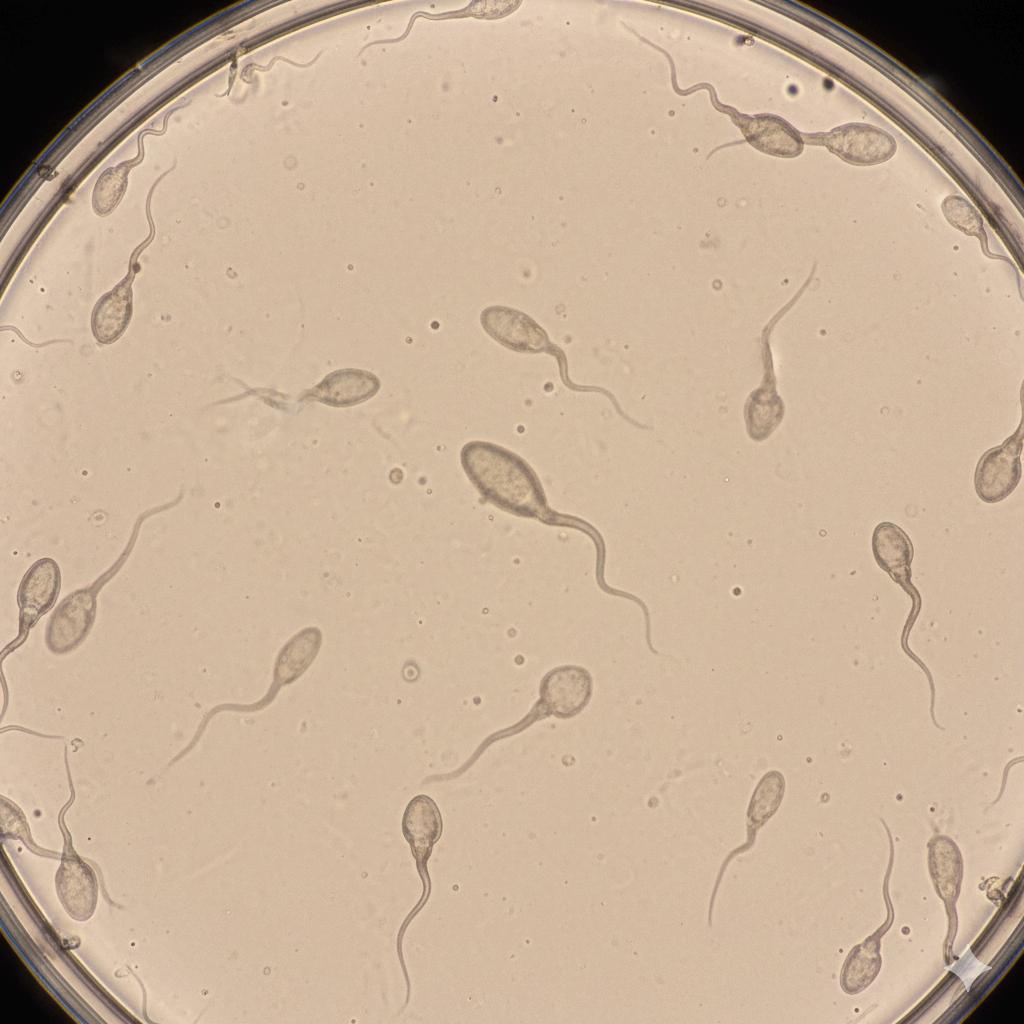
● Abnormal Sperm Morphology: Irregular sperm shape can hinder fertilization.
● Varicocele: Enlarged scrotal veins that disrupt sperm production.
● Hormonal Imbalances: Testosterone and other hormones regulate sperm production.
● Infections: Some infections damage sperm or reproductive organs.
● Ejaculation Disorders: Conditions like retrograde ejaculation reduce sperm delivery.
● Genetic Factors: Abnormalities affecting sperm development or function.
● Lifestyle & Environmental Factors: Smoking, alcohol, drugs, stress, obesity, heat exposure, and toxins can impair fertility.
Modern Treatments for Male Infertility
● Lifestyle Modifications: Quitting smoking, reducing alcohol, weight management, and stress reduction can enhance sperm health.
● Hormonal Therapy: Corrects hormonal imbalances to boost sperm production.
● Antibiotics: Used to treat infections affecting fertility.
● Surgical Intervention: Procedures like varicocelectomy repair vein issues affecting sperm quality.
● Assisted Reproductive Technologies (ART):
● Intrauterine Insemination (IUI): Direct sperm placement into the uterus for mild cases.
● In Vitro Fertilization (IVF) with Intracytoplasmic Sperm Injection (ICSI): Injects a sperm directly into the egg, ideal for severe male factor infertility
● Advanced Techniques: Testicular sperm extraction (TESE) retrieves sperm directly for use in ART procedures.
The Importance of Early Diagnosis
Early evaluation by fertility specialists, including hormonal tests, genetic screening, and imaging, helps determine the root cause and tailor effective treatments. With personalized care, many men regain fertility, offering renewed hope for couples.