RESILIENCE DRIVES GROWTH
CEDC ANNUAL MEETING
WELCOME
CEDC is proud to welcome our newly elected Board of Directors, a dedicated group of local leaders committed to advancing economic growth and opportunity throughout Chippewa County. We are grateful for their willingness to serve and excited for the experience, insight, and leadership they bring to the organization. Joining the Board are Tim Bartels of Excel Energy, Laura Bushendorf of the Chippewa Falls Area Unified School District, Kelli L. Ludwigson of Ludwigson Angus, Jason Revelle of Integrated Design Solutions, Tim Rindahl of BMO, Tyler Sperry of Mower Sperry Insurance Agency, and Laurie Zadra of Hoeft Builders. Together, these individuals represent a diverse cross-section of industries and expertise that will help guide CEDC’s mission and support the continued success of our communities, businesses, and workforce.





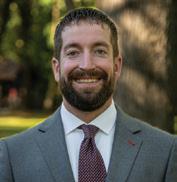

Kelli Ludwigson Ludwigson Angus
Laura Bushendorf CFAUSD
Tyler Sperry Mower Sperry Insurance Agency
Laurie Zadra Hoeft Builders
Tim Rindahl BMO
Tim Bartels Excel Energy
Jason Revelle Integrated Design Solutions
WISCONSIN’S UNIQUE SPHAGNUM MOSS INDUSTRY
The latest episode of the CEDC’s BEAR Discussions Podcast takes listeners into one of Wisconsin’s most unique and globally significant industries—sphagnum moss harvesting.
Host Charlie Walker and co-host Ken Pearson of Jackson County Economic Development & Tourism recently sat down with David Epstein, owner of Mosser Lee, for an engaging conversation recorded in Jackson County. Their discussion highlights the fascinating history of Wisconsin’s sphagnum moss industry; an industry rooted in wetlands formed more than 10,000 years ago following the retreat of the Wisconsin Glacier.
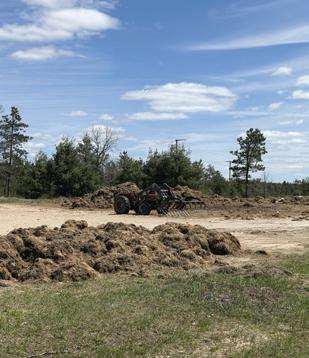
Today, Wisconsin remains the only state in the nation that commercially harvests sphagnum moss at scale, with much of the activity centered in the marshlands of Jackson, Monroe, Wood, and Clark counties. The naturally sterile, highly absorbent moss gained prominence during World War I as to cotton bandages and has since become an essential product for horticulture, green house operations, hydroponics, and plant transportation around the world.
During the episode, Epstein shares insights into the evolution of the industry, the innovation required to harvest moss sustainably, and the importance of invest ing in both people and communities. He also discusses the challenges and oppor tunities facing rural regions and explains how treating employees well can contribute to long-term business success and stronger local economies.

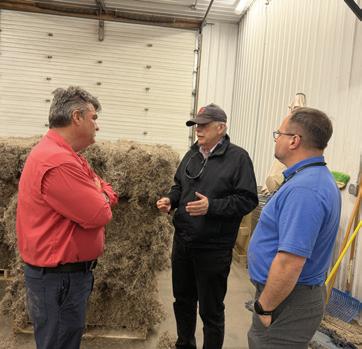
Like all BEAR Discussions episodes, the con versation offers listeners a candid look at the entrepreneurs, industries, and community leaders shaping economic development throughout west ern Wisconsin. Whether you’re interested in business, history, manufacturing, agriculture, or rural development, this episode provides a unique perspective on an industry many people have never heard of—but one that has a worldwide impact.
Listen to Episode 612
WHERE CAN I LISTEN? CATCH UP On past episodes!
“Keep Your Eye on the Target” with David Epstein


A FEAST OF CURIOSITY
HOW STEAM NIGHT SERVED UP THE FUTURE
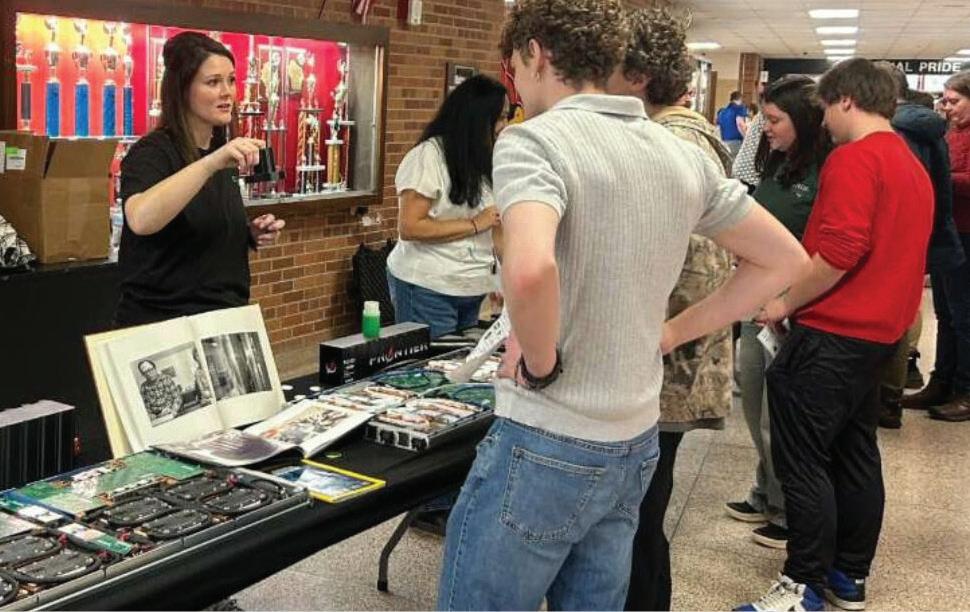
When students, families, educators, and employers gathered for this year’s STEAM Night at Chippewa Falls High School, the atmosphere felt less like a school event and more like a community celebration of curiosity, innovation, and opportunity. With more than 2,000 attendees filling the school’s commons, hallways, and classrooms, the event showcased the power of collaboration between education, industry, and families.
Hosted through a partnership between CEDC and Chippewa Falls High School teachers and staff, STEAM Night provided students of all ages with hands-on experiences designed to spark interest in Science, Technology, Engineering, Arts, and Mathematics. From robotics demonstrations and coding challenges to engineering projects, digital art displays, and interactive sci-
ence experiments, every station offered a new opportunity for discovery.
More than 50 businesses, manufacturers, educational partners, and hiring organizations participated in the event, helping students and families connect classroom concepts to real-world careers available throughout the Chippewa Valley. Industry representatives shared information about emerging technologies, workforce opportunities, apprenticeship programs, and the skills needed to succeed in today’s economy.
One of the most rewarding aspects of the evening was the active involvement of parents and families. Rather than simply observing, parents explored exhibits alongside their children, asked questions, participated in activities, and

engaged with local employers. Their involvement highlighted the important role families play in encouraging curiosity, lifelong learning, and career exploration.
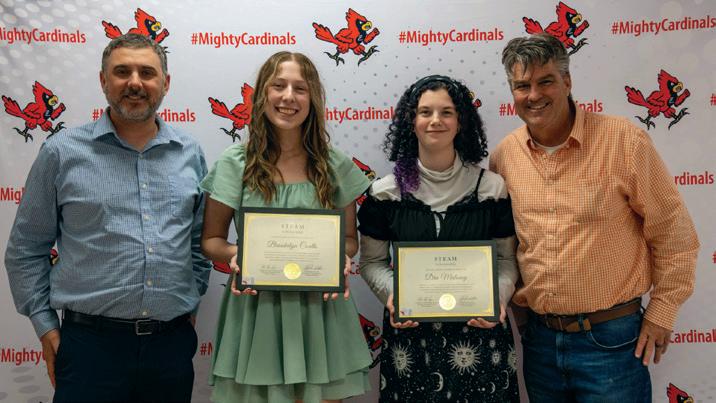
The evening also generated funds for two STEAM Scholarships. Congratulations to Dru Maloney and Brookelyn Coutts, whose dedication to academics, leadership, and STEAM-related pursuits earned each of them a $2,000 STEAM Scholarship. Their accomplishments reflect the talent and potential being cultivated within our schools and community.
As Chippewa Falls High School science teacher Nick Gagnon shared, “STEAM Night gives families a chance to see what we’re cooking up in our classrooms—and gives kids the opportunity to try something new by meeting with our area employers and connecting with them.”
CEDC Board Member Alan Coopman of TTM Technologies echoed that sentiment, noting, “Investing in curiosity today means investing in our workforce tomorrow. When students can
picture their future here, we’re building both stronger families and a stronger economy.”
By the end of the evening, the exhibits may have been packed away, but the inspiration remained. The collaboration between educators, students, parents, volunteers, CEDC, and more than 50 participating organizations demonstrated what is possible when a community comes together to invest in its future. STEAM Night was more than an event—it was a vision of what happens when education, workforce development, and community partnership align to create opportunities for the next generation.
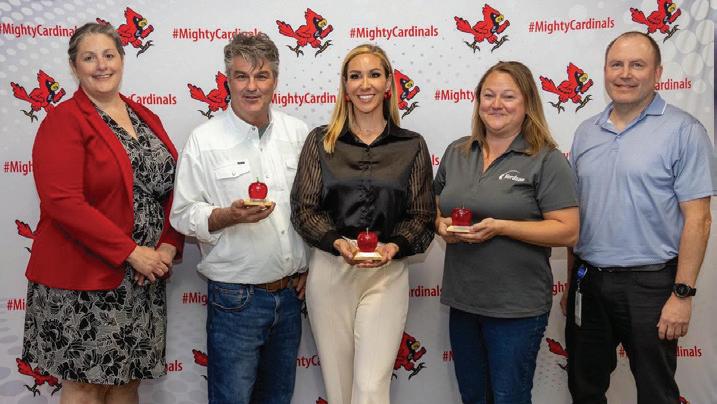
Because of CEDC’s commitment to supporting our future talent and its strong partnership with the Chippewa Falls Area Unified School District, the organization was honored with an Apple Award at the end of the school year. This award reflects a shared commitment to preparing the next generation of leaders, innovators, and skilled professionals while strengthening the local workforce pipeline and CEDC supporter Nordson EDI received one as well.

GROWING BEST TOGETHER
The Forecast Lunch, an exclusive CEDC event and part of CEDC’s Business Expansion, Attraction, and Retention (BEAR) program, was presented with generous sponsorship from Frandsen Bank & Trust. The event brought together business owners, entrepreneurs, lenders, educators, manufacturers, agricultural leaders, and public-sector partners from across the region. The goal was simple but important: to better understand the economic forces shaping our communities so local leaders can make informed decisions that support continued growth and prosperity.
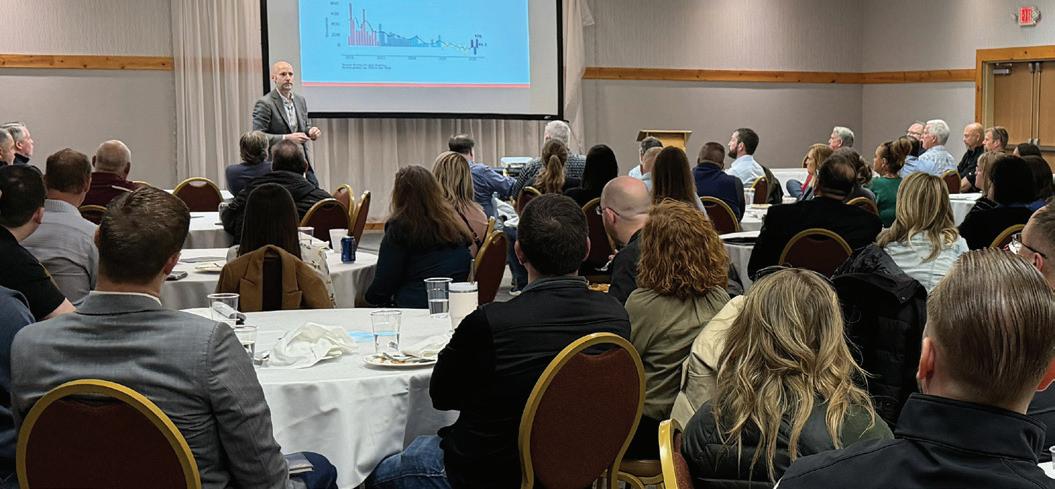
More than 80 CEDC investors gathered for the luncheon to hear featured economist Dr. Gary A. Wagner discuss national, state, and local economic trends and connected them to what employers, producers, and communities are currently experiencing. Wagner provided valuable context on inflation, interest rates, labor markets, and investment activity while highlighting how economic shifts affect industries that serve as the backbone of Chippewa County.
Drawing on comparisons across Metropolitan Statistical Areas (MSAs) - geographic regions linked by shared economic activity and workforce connections - Dr. Wagner noted that Chippewa Valley employment has recovered faster than both Wisconsin and the nation since the pandemic. That performance places the region among the stronger-performing metro areas in the country for employment recovery, underscoring the resilience of local businesses, manufacturers, agricultural producers, and entrepreneurs. The message resonated throughout the room: the Chippewa Valley’s diverse economy, anchored by industries such as dairy, manufacturing, healthcare, and professional services, continues to provide a strong foundation for future growth and opportunity.
As a CEDC investor-only event, the Forecast Lunch also served as a valuable opportunity for investors to connect directly with one another, exchange insights, and gain timely economic intelligence that can help guide business and organizational decision-making. The strong attendance and engagement reflected the collaborative spirit that continues to drive economic success throughout Chippewa County.
HISTORIC ROUNDTABLE VISIT PRESIDENT TRUMP VISITS CHIPPEWA
On June 5, 2026, Chippewa County found itself in the national spotlight as President Donald Trump visited Chippewa County for a roundtable discussion focused on American agriculture at Custer Farms, a multigenerational farming operation. This visit marked a historic occasion; it was the first time in more than two decades that a sitting President had visited our county and provided an opportunity to showcase Chippewa to audiences throughout the nation.
CEDC staff and members of the Board of Directors were fortunate to be invited to participate in the agricultural roundtable. The invitation reflected the important role economic development plays in supporting the long-term success of agriculture throughout the region. Through business retention, expansion, and attraction efforts, CEDC has worked alongside local agricultural producers to help create opportunities for growth, investment, and market expansion.
Over the years, CEDC has supported efforts that helped local agricultural operations expand production and increase access to export markets, strengthening both individual businesses and the broader agricultural economy. These investments create jobs, generate local spending, and reinforce Chippewa County’s reputation as a leader in agricultural innovation and production.
The presidential visit also highlighted many of the strengths that have helped Chippewa earn recognition as one of Wisconsin’s leading economic development destinations. The county’s designation as a BDO Zone reflects the community’s strong business climate, infrastructure, workforce assets, and commitment to growth.
For CEDC, one of the most meaningful outcomes of the visit was the visibility it generated for Chippewa County. National media coverage introduced audiences across the country to our community and the industries that make
it successful. Economic developers work every day to showcase the strengths of their communities, and the presidential event provided an excellent opportunity to advertise Chippewa to the nation.
Chippewa County continues to be a place where businesses can grow, entrepreneurs can succeed, and families can build their futures. Our strong agricultural heritage, diverse manufacturing base, skilled workforce, and exceptional quality of life make this region an attractive place to invest and do business.
While the national spotlight may only last for a moment, the work happening across Chippewa County every day continues to build a stronger future. CEDC remains committed to supporting that growth by fostering investment, strengthening workforce pipelines, supporting entrepreneurs, advancing agricultural innovation, and creating opportunities that benefit businesses, residents, and communities throughout the county.


CELEBRATING 15 YEARS OF DRIVING SUCCESS
AT THE CEDC CHARITY CLASSIC
For 15 years, the Chippewa Economic Development Corporation’s (CEDC) Annual Charity Classic has brought together business leaders, community champions, and golfers for a day that is about far more than the scorecard. What began as a small networking event has grown into one of the region’s premier business and philanthropic traditions, creating meaningful connections while supporting organizations that strengthen the quality of life across our communities.
This year’s tournament marked a significant milestone as CEDC celebrated the 15th anniversary of the event. Held at Whispering Pines Golf Course, the Charity Classic once again demonstrated the power of collaboration, bringing together sponsors, teams, volunteers, and community partners with a shared commitment to making a difference.
Over the past decade and a half, the tournament has evolved into a cornerstone event for CEDC. Through sponsorships, team registrations, raffles, contests, and generous donations, the Charity Classic has raised more than $250,000 for nonprofit organizations serving residents throughout the region. These funds have helped support programs and services that improve lives, strengthen families, and contribute to vibrant communities.
Beyond its charitable mission, the Charity Classic has become a valuable connecting and relationship-building opportunity. For one day each year, business owners, manufacturers, entrepreneurs, elected officials, educators, and community leaders step away from conference rooms and gather on the golf course. Conversations that begin on a tee box often lead to new partnerships, innovative ideas, and collaborative projects that benefit Chippewa County long after the final putt drops.
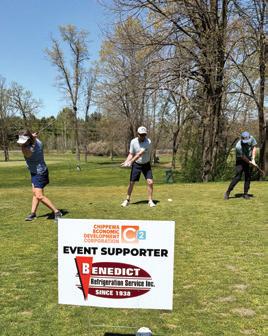
Many of CEDC’s successful initiatives have roots in relationships strengthened through events like the Charity Classic. The relaxed atmosphere encourages meaningful discussions about workforce development, business expansion, entrepreneurship, and community growth, topics that remain at the heart of CEDC’s mission.
Reaching 15 years is a testament to the unwavering support of CEDC investors, sponsors, volunteers, board members, and participants who have helped the event thrive through changing economic conditions and evolving community needs. Their commitment has transformed a golf outing into a lasting tradition of giving back.
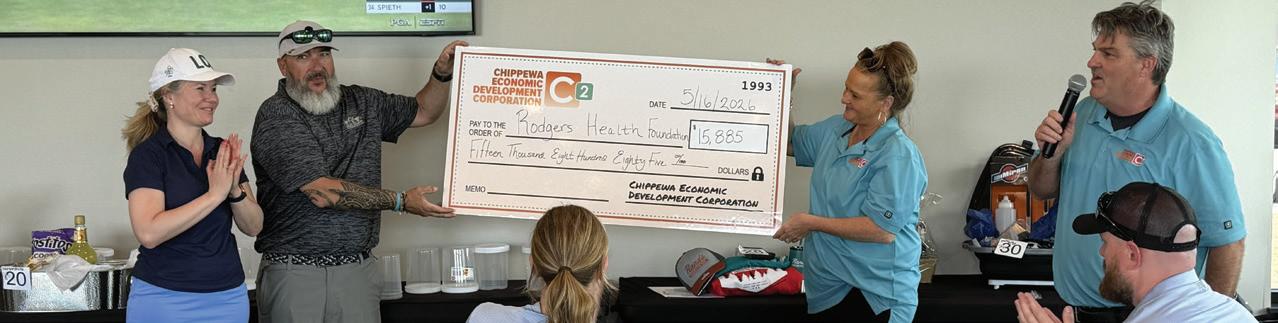
The 2026 Charity Classic continued that tradition of impact. Thanks to the generosity of participants and sponsors, this year’s event raised $15,885 for the Rogers Behavioral Health Foundation, helping advance access to critical mental health resources and support services for individuals and families across the Chippewa County.
As CEDC celebrates this milestone year, the organization remains grateful for everyone who has played a role in the tournament’s success. The Charity Classic stands as a reminder that when business and community come together, remarkable things can happen.
Here’s to 15 years of drives, putts, partnerships, and philanthropy—and to many more years of driving success throughout Chippewa County.
WHERE CARE TAKES ROOT ROGERS GROUNDBREAKING
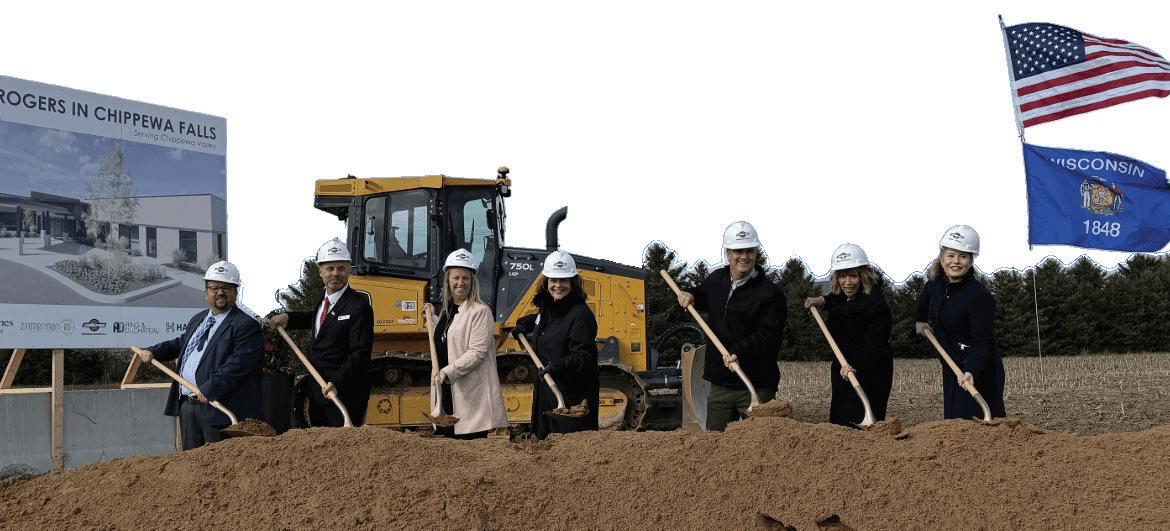
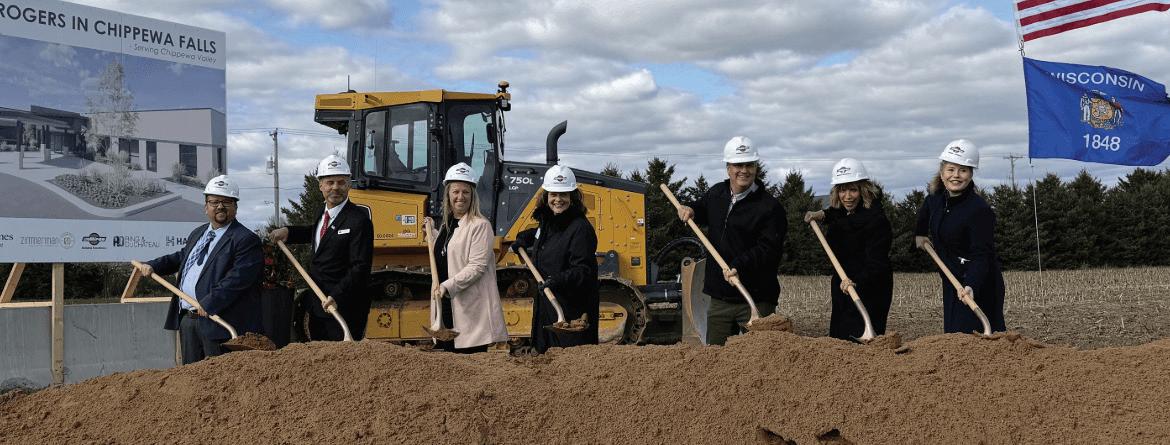
CEDC was proud to celebrate the groundbreaking of the new Rogers Behavioral Health hospital in Chippewa Falls, a project that represents a major accomplishment for our organization, our partners, and the entire Chippewa Valley. More than the ceremonial milestone of breaking ground, the event reflected a shared belief that strong communities are built intentionally through economic development and collaboration.
In economic development, we often talk about speed to market. Communities that move quickly and thoughtfully are the ones that succeed. This project is a strong example of that. From vision to action, Rogers Behavioral Health, the City of Chippewa Falls, Chippewa County, state leaders, and regional partners worked together to move the project forward in a way that serves residents sooner rather than later. That level of collaboration is especially important in addressing mental and behavioral health needs and now stands as a model for the Chippewa Valley.
What makes this project especially meaningful is how it came together. Partners embraced a “give first” mindset, focusing on long term community impact rather than short term recognition. That spirit of collaboration reflects CEDC’s approach and one of the region’s greatest strengths.
Mental health care is not only a service, but also
broadband, access to health care is foundational to a strong community. Healthy people are essential to a strong economy, supporting employers, schools, and families alike. The Rogers Behavioral Health campus represents a long-term investment in both mental health infrastructure and regional economic resilience.
Upon completion, Rogers Behavioral Health will provide crisis stabilization, residential treatment, and outpatient care for adolescents and adults across the region, supporting the health and well-being of our friends, families, neighbors, and coworkers. CEDC extends its sincere appreciation to Rogers Behavioral Health and to all public and private partners who helped make this important investment in Chippewa Falls possible.
Foundation Behavioral Health
GiveNever up MAGGI THORNE
CEDC ANNUAL MEETING
RESILIENCE DRIVES GROWTH
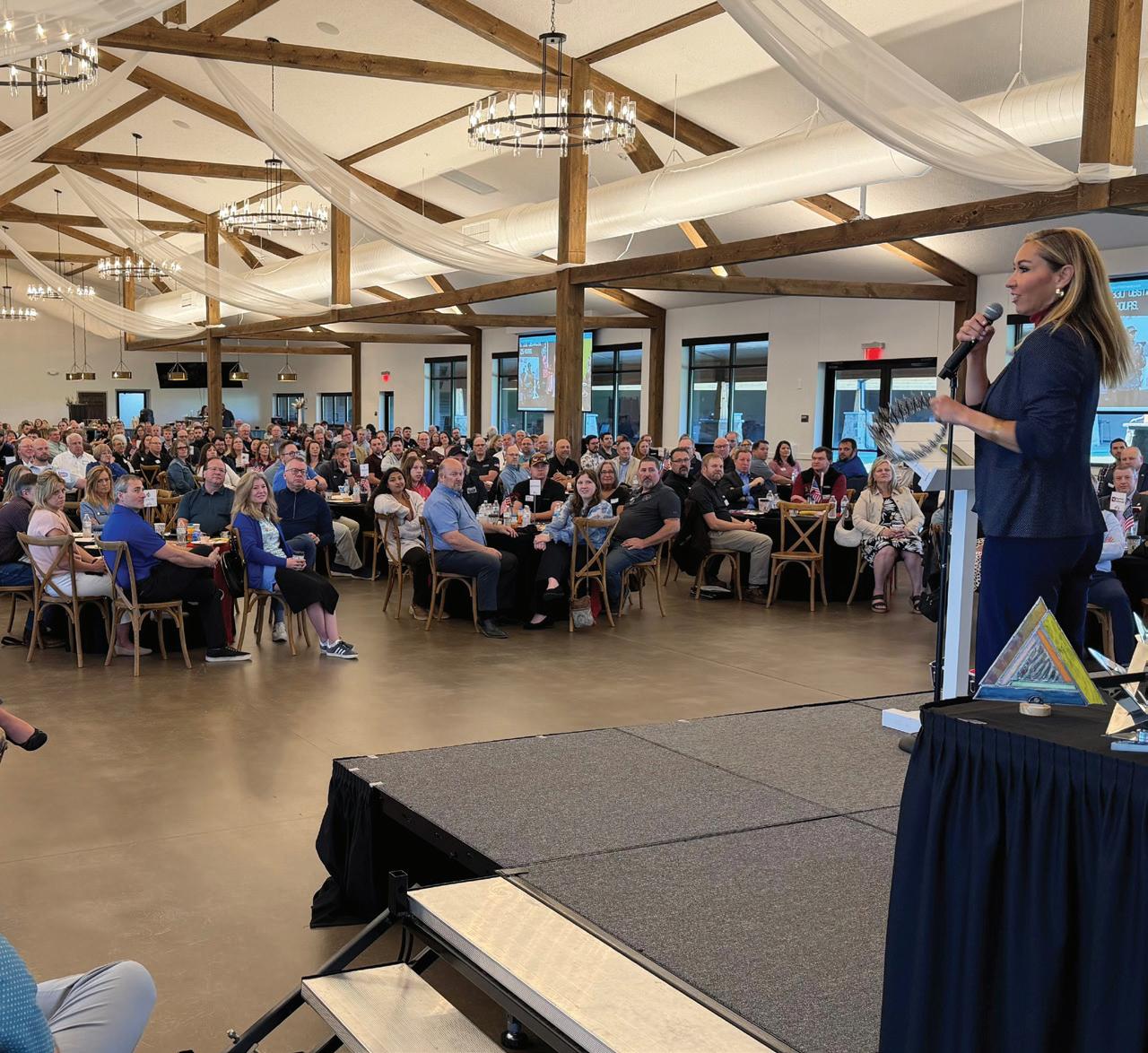
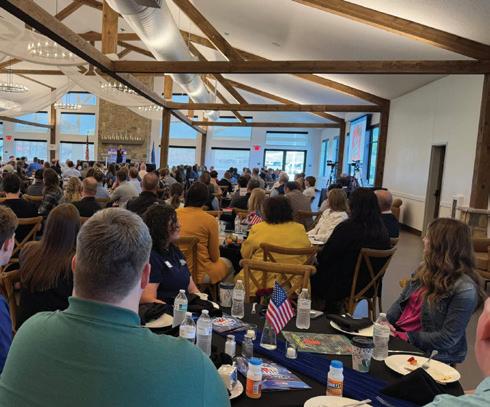
In mid-May, the CEDC brought together over 450 agri-business leaders, community leaders, entrepreneurs, business partners, youth apprentices and economic stakeholders for our annual meeting - a morning defined by resilience, collaboration, and a shared conviction.
The breakfast meeting’s standout moment came from keynote speaker Maggi Thorne, who took the stage at the Eau Claire Event District with calm, grounded confidence. Her message was straightforward and powerful: “never give up!”
Speaking at the Eau Claire Event District, Thorne reflected on the realities facing communities and businesses today, including market volatility, inflation, workforce challenges, and economic uncertainty. Rather than dwelling on obstacles, she emphasized the importance of persistence, collaboration, and intentional investment in people.
Drawing from her experiences as a nine-time American Ninja Warrior competitor, Thorne compared economic development to navigating a demanding obstacle course where resilience, teamwork, and consistent effort determine long-term success. Progress, she explained, is rarely the result of a single breakthrough. Instead, it comes from years of steady work, strong partnerships, and a willingness to keep moving forward.
During her visit to Chippewa County, Thorne experienced firsthand many of the initiatives that are helping shape the region’s future. Over two days, she met with hundreds of students at Chippewa Falls High School, discussed emerging workforce technologies and career pathways, celebrated youth apprenticeship programs alongside local employers, participated in conversations with business and community leaders, and joined a podcast discussion focused on workforce development and innovation.
A central theme of her visit—and of the Annual Meeting itself— was the critical role youth apprenticeships play in building a sustainable workforce pipeline. Apprenticeships continue to connect students with meaningful career opportunities while helping employers develop the skilled and talented workforce they need to remain competitive.
For CEDC, apprenticeships are more than a workforce program; they are a longterm economic development strategy. They:
• Build a reliable pipeline of skilled workers who understand local industries and opportunities.
• Connect students and young professionals directly with Chippewa County employers.
• Provide practical, affordable pathways into high-demand careers in manufacturing, healthcare, construction, information technology, and skilled trades.
As Thorne noted throughout her visit, the future of workforce development is not simply about filling open positions. It is about creating pathways, fostering belonging, and helping young people see a future for themselves within their own communities.
Thorne specifically highlighted the leadership of CEDC President & CEO Charlie Walker and Casey Hedrington, noting their ability to bring together schools, businesses, manufacturers, economic development organizations, and local leaders around a common goal: helping the next generation discover meaningful career opportunities close to home.
That spirit of collaboration was evident through out the Annual Meeting and culminated with the presentation of the Chippewa Next-Gen Makers Award, recognizing local employers whose com mitment to workforce development is helping shape Chippewa County’s future. This year’s recipi ents included:
• Cadrex
• Catalytic Combustion
• PMI
• Riverside Machine
• Wisconsin Metal Fab
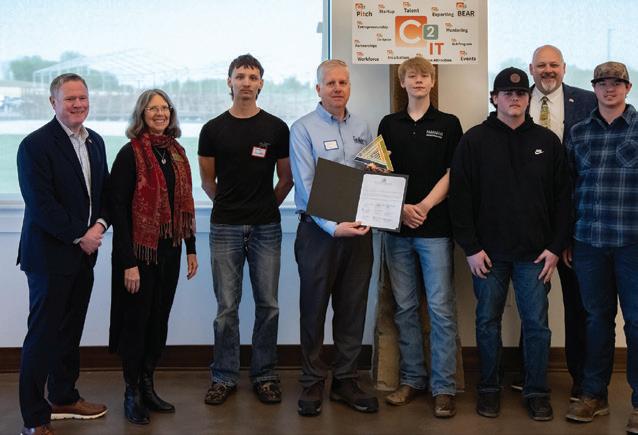
These manufacturers have made significant investments in hands-on learning opportunities, youth apprenticeships, and career exploration initiatives, demonstrating how private-sector leadership can strengthen an entire community.
The week concluded with another example of community investment in action as CEDC hosted its annual Charity Classic Golf Outing benefiting Rogers Behavioral Health
Whether through workforce development, education, apprenticeships, or mental health initiatives, the message remained consistent: in vesting in people remains one of the most important investments Chippewa can make.