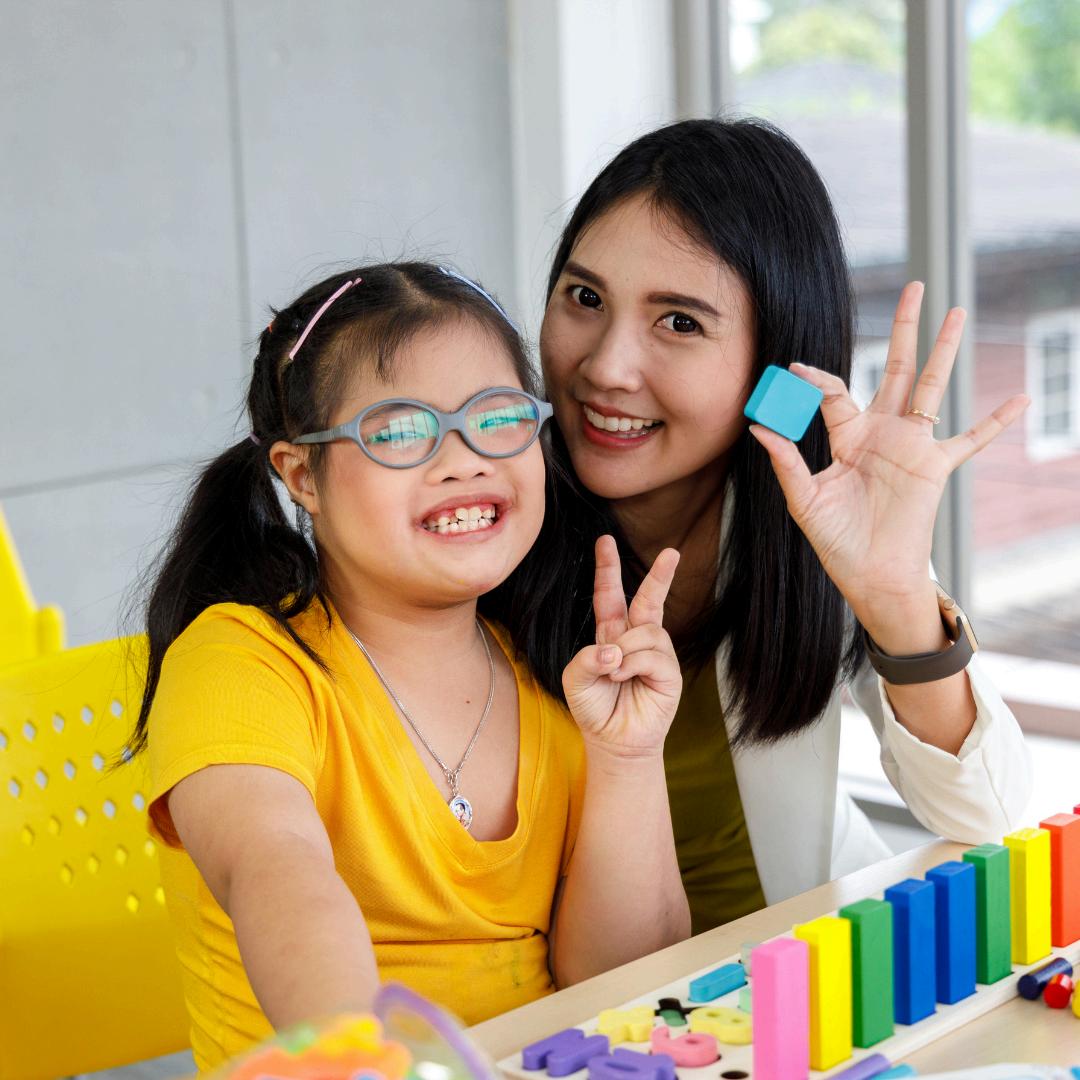
Improving Communication Skills Through Speech Therapy in Ipswich
A person's ability to communicate is essential for self-expression, social interaction, and meaningful engagement with the world. For children with disabilities, communication challenges can significantly impact their social development, academic performance, and overall quality of life. In Ipswich, where a variety of specialised programmes are available to support children with
speech and language challenges, speech therapy is a fortunately quite successful strategy that can help improve communication skills in children. Through tailored therapies, children can develop the necessary skills to communicate effectively, build self-confidence, and participate more fully in their communities.
What is Speech Therapy?
Speech-language pathologists (SLPs), who are qualified to evaluate, diagnose, and treat speech, language, and communication impairments, offer speech therapy as a professional service For children with disabilities, speech therapy targets specific communication challenges that may include articulation (pronouncing words clearly), fluency (such as stuttering), receptive and expressive language skills (understanding and using language), and social communication (interacting appropriately in social settings).
Speech therapy involves both structured activities and play-based techniques designed to meet each child's individual needs. Therapists work together with children and their families to build a plan that supports communication development while considering the children's areas of strength and development.
Benefits of Speech Therapy for Children with Disabilities
Improving Speech Clarity
Improving speech clarity is one of the main advantages of speech therapy for kids with impairments Children with difficulty pronouncing words may find it hard to express themselves, leading to frustration and social isolation. Speech therapy helps children learn to correctly form sounds, phrases, and sentences so others can understand them more easily
Through regular speech exercises, therapists help children strengthen the muscles needed for speech production, such as those involved in the mouth, tongue, and vocal cords. They may also use visual aids, games, and repetition to encourage the child to practice specific sounds or word formations until they become more comfortable and confident in their speech.
Enhancing Language Comprehension and Expression
Many children with disabilities also experience delays in language comprehension and expression, making it difficult for them to understand others or effectively convey their thoughts and feelings. Speech therapy addresses receptive language (understanding spoken or written) and expressive language (using words to communicate thoughts, feelings, or needs).
For example, a child may have trouble following instructions or not understand certain words' meaning In these cases, speech therapy helps by providing exercises to improve listening skills, vocabulary, and sentence structure. By building these skills, children can improve their ability to understand others and express themselves more clearly, which supports their success at school and in social interactions.
Supporting Social Communication Skills
Social communication is another essential aspect of speech therapy, especially for children with conditions like autism spectrum disorder (ASD), Down syndrome, or other developmental disabilities. These kids could have trouble making eye contact, understanding social signs, or having reciprocal discussions Through speech therapy, they can improve their ability to communicate socially and engage with adults and peers.
Speech therapists often use role-playing, social stories, and other interactive strategies to teach children how to initiate conversations, take turns, and understand non-verbal cues like body language or facial expressions. With time and practice, children can develop greater social awareness and feel more confident engaging in everyday interactions
Reducing Speech-Related Anxiety
For many children with communication challenges, speaking in public or in front of peers can be a source of anxiety. This anxiety can be exacerbated when a child struggles to be understood or has difficulty expressing themselves clearly. Speech therapy can play an essential role in reducing this anxiety by helping children improve their speech clarity and language skills in a supportive and non-judgemental environment.
As children progress in therapy, they gain confidence in their communication abilities, which helps to alleviate the fear of speaking in social or academic settings. This improved self-esteem can positively affect other areas of their lives, including their social relationships and academic performance.
Supporting Cognitive Development
Speech therapy also supports cognitive development by helping children build essential skills beyond language For example, cognitive abilities like memory, concentration, and problem-solving are intimately related to language development. By improving a child's ability to process and understand language, speech therapy can also enhance their cognitive development and help them perform better in various tasks
Therapists may use activities that promote critical thinking, memory recall, and sequencing, which can aid a child's academic learning and day-to-day functioning.
The Role of Speech Therapy in Ipswich
Ipswich is home to highly skilled speech-language pathologists working with children with disabilities Families in Ipswich have access to tailored speech therapy services that focus on each child's individual needs. Many families can obtain financial assistance for speech therapy services through the National Disability Insurance Scheme (NDIS) and other community-based initiatives, guaranteeing that kids get the finest care available
Speech therapy services in Ipswich often incorporate the latest therapeutic techniques, from traditional one-on-one sessions to group therapies and play-based interventions. The goal is to create a positive and engaging learning environment where children can improve their communication skills while feeling supported and encouraged
In summary, speech therapy is vital for helping children with disabilities in Ipswich improve their communication skills, build confidence, and engage more fully with the world around them Whether a child needs help with speech clarity, language
comprehension, or social communication, speech therapy provides the necessary support for children to thrive. By addressing these challenges early on, speech therapy children disability Ipswich can empower children to reach their full potential in their academic and personal lives. With the proper treatment and support, children with disabilities can break down barriers to communication and build the skills they need to succeed