Making Children’s Rights Real
The Children’s Commissioner for Wales’ Strategy for 2026-2029
The Children’s Commissioner for Wales’ Strategy for 2026-2029
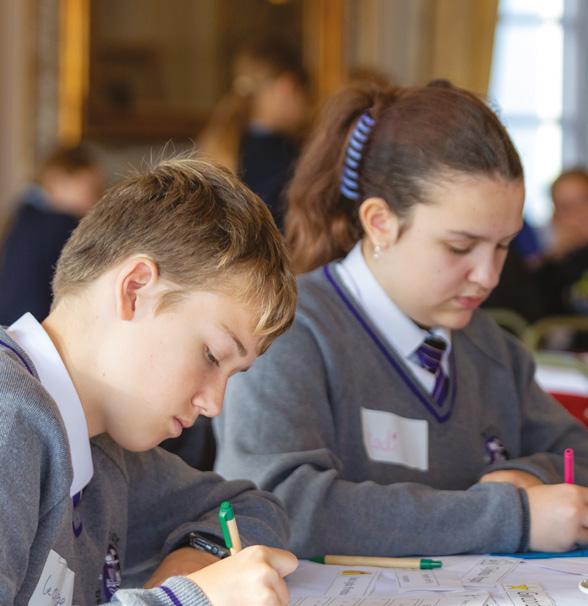
Over the last three years I have been privileged to be able to travel the length and breadth of Wales listening to children and young people. This strategy is built on those voices, insights and testimonies which children have shared directly with me and my colleagues.
As
a team, I’m proud to say that we have reached over 36,000 children and young people across every local authority in Wales.
I have also personally engaged with children through visits to 67 schools and 44 other youth settings including youth groups, residential children’s homes and hospitals.
A further 20,000 children and young people have shared their views with us via our Monthly Matters initiative, while more than 3,500 took part in our recent The Right Way Survey telling us how much they know about children’s rights, and which issues they remain most concerned about. No fewer than 1,982 children have been supported by my specialist Children’s Rights Advice and Assistance Team. I want to say a huge thank you to every child, young person, adult and professional who has taken the time to share with me their views and experiences, and who has trusted me and my team to act on those insights.
I have heard and seen the impact on children of children’s rights not being prioritised or not being put into practice. Because of this, over the next three years, we pledge to do everything we can to:
Increase our reach to all children in Wales – so every child knows there is a strong and independent champion to stand up for their rights
Support children’s rights in practice – so every child knows how to seek help, raise concerns and access appropriate support when their rights are not respected
Use children’s voices and experiences to drive improvement in local and regional practice – so that what children tell us, directly leads to improvements in practice
Make children’s rights and voices a national priority – so that children’s needs are central and not peripheral to every national decision and conversation
With your support, we look forward to delivering on this strategy and making children’s rights real.
Rocio Cifuentes MBE
Children’s Commissioner for Wales
April 2026
+
67 44
20,000
3,500 1,982

The Children’s Commissioner for Wales exists to promote and protect the rights of all children and young people in Wales, as set out in the UN Convention on the Rights of the Child (UNCRC) and embedded in Welsh law.
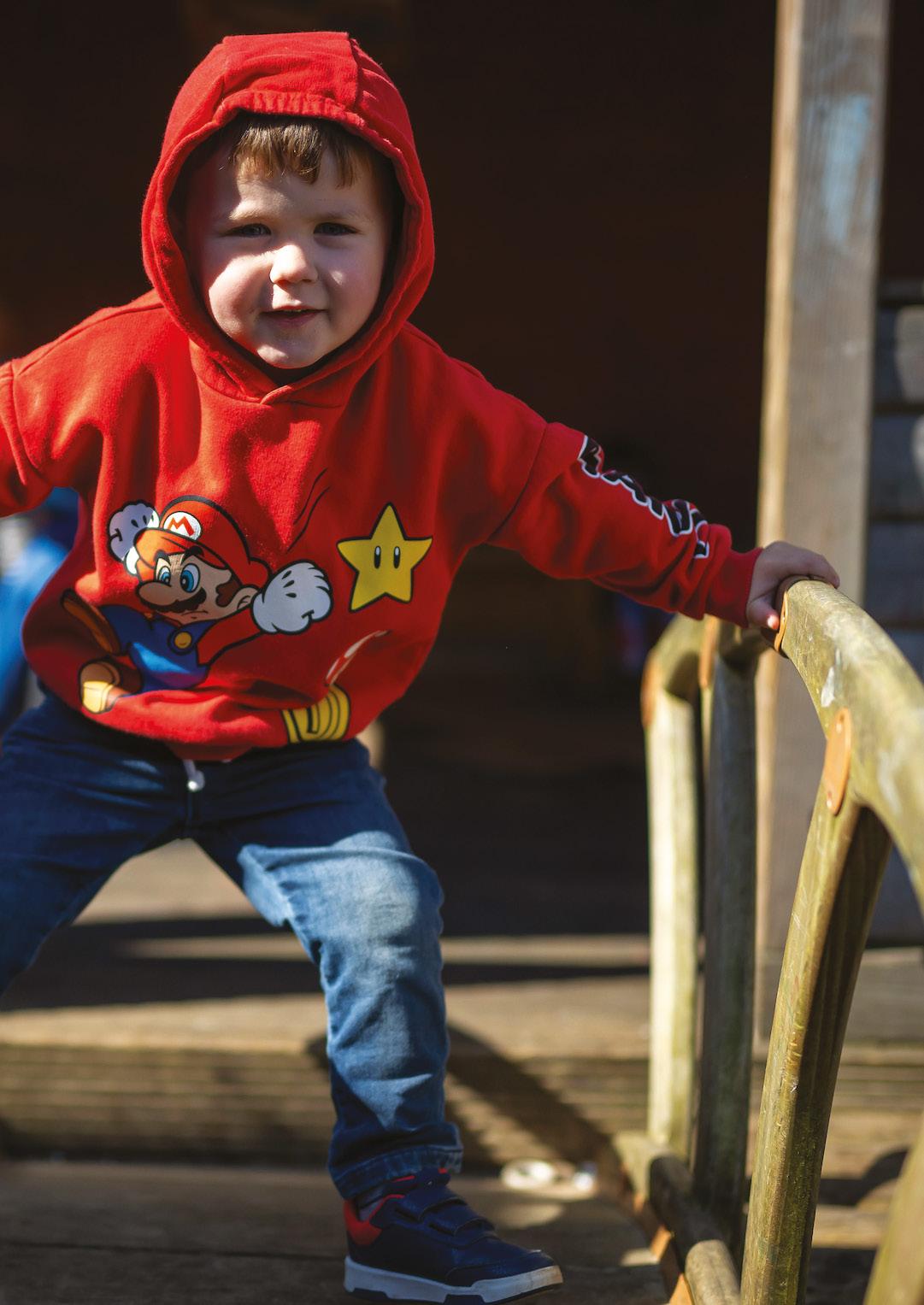
A Wales where every child and young person understands their rights, knows the Children’s Commissioner is there to stand up for those rights, and is able to access support for those rights to be realised.
We listen to and speak up for children and young people in Wales so that their rights are protected, and we support, challenge and influence public services in Wales to make a positive impact on their lives.
Over the next three years, we will focus on making a practical positive difference to children’s rights, amplifying children’s voices, and holding Welsh Government and public bodies to account, so that every child in Wales is happy, healthy and safe.
Our purpose
My office serves four functions through which we deliver our remit of protecting and promoting children’s rights.
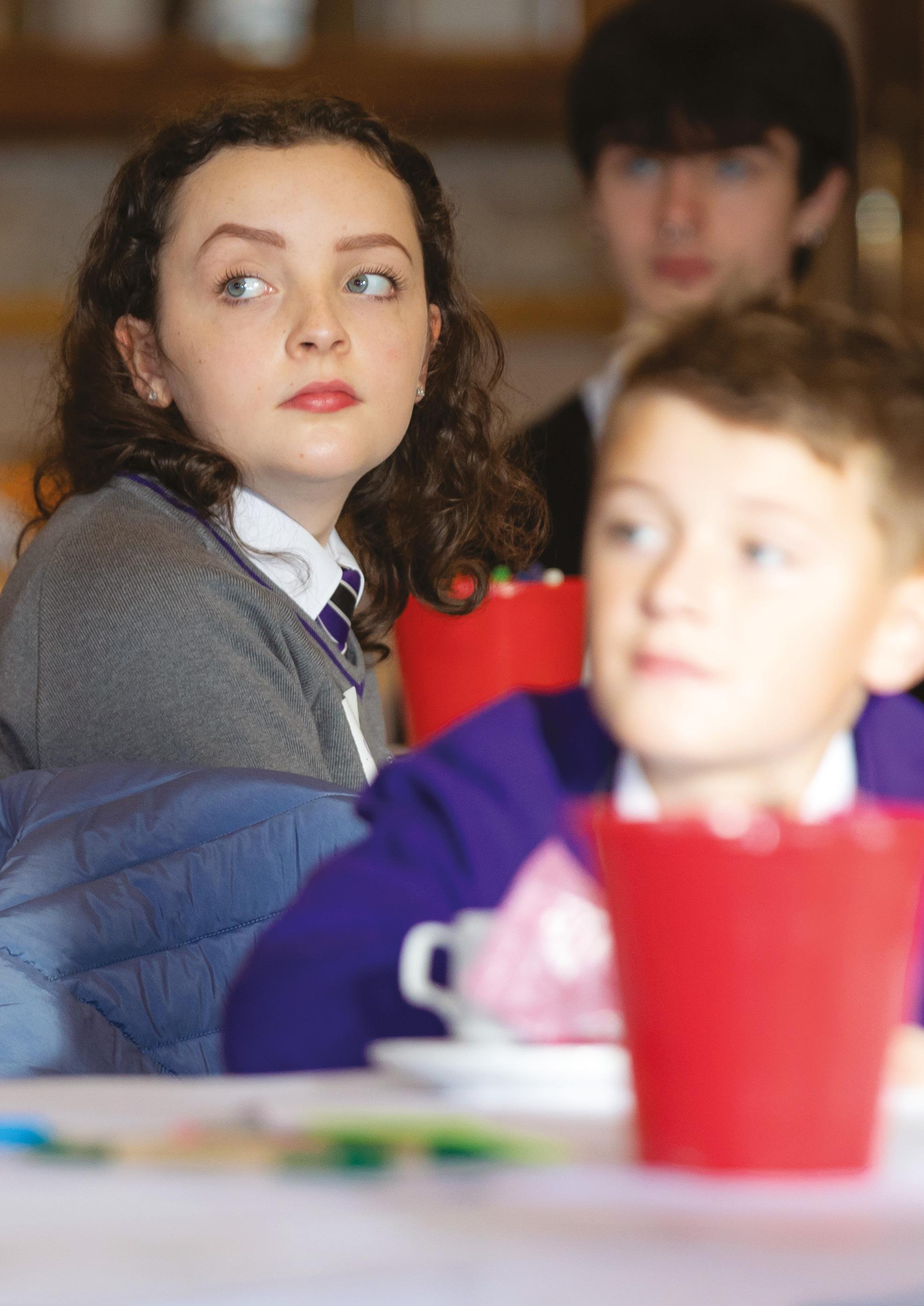
They are:
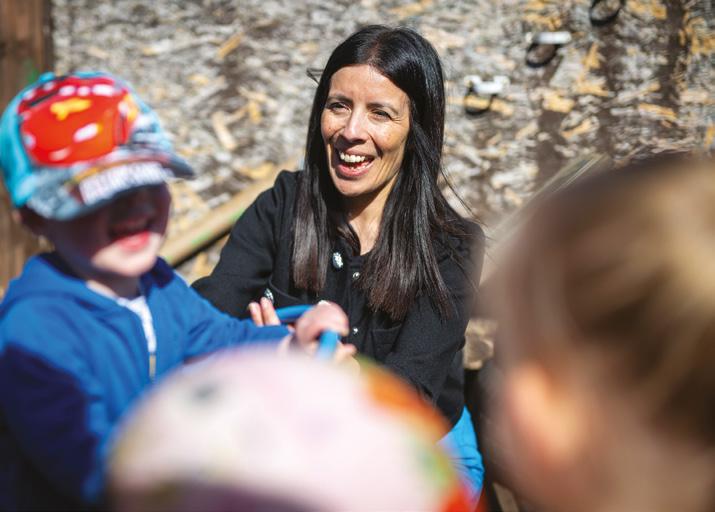
A rights ‘realiser’ –making rights real:
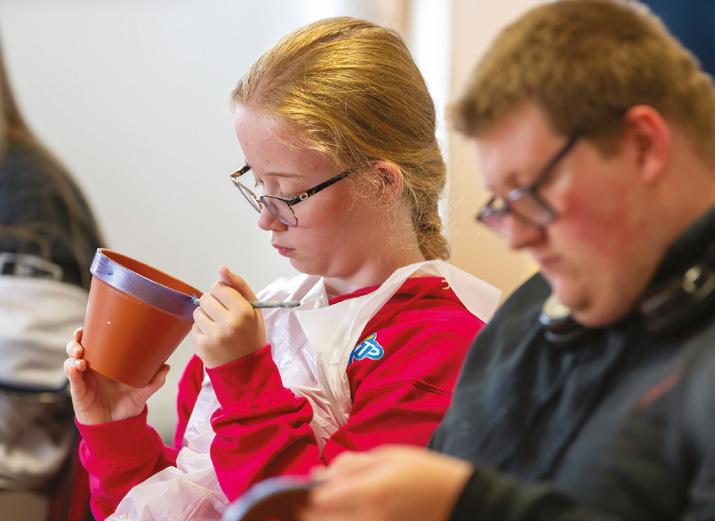
We help children access their rights in practice
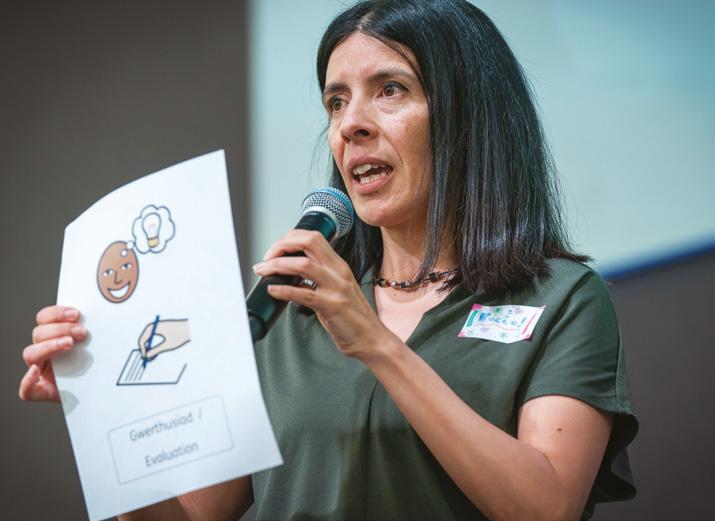
A challenger:
We challenge decision-makers and public bodies to improve children’s lives
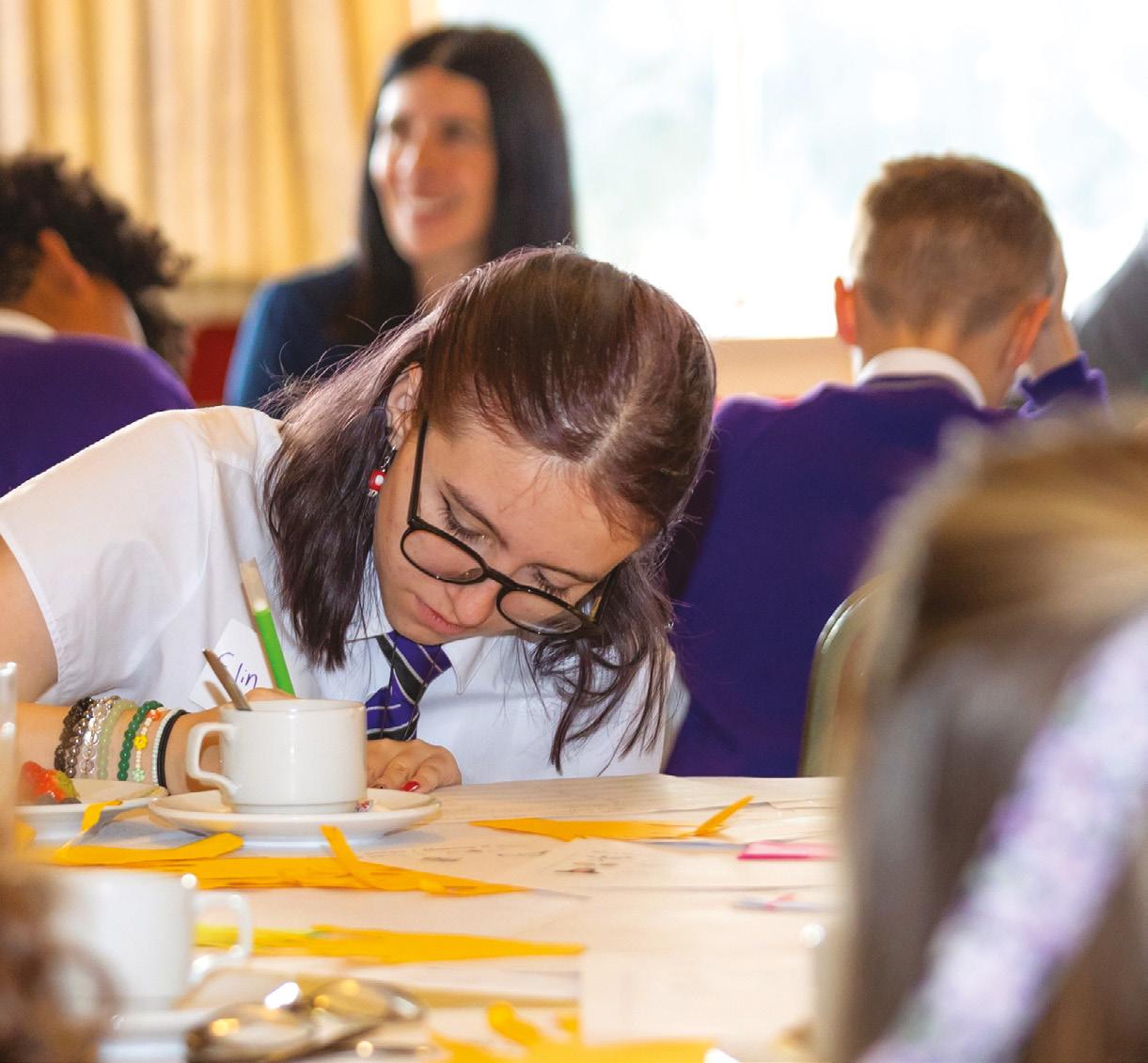
Here for all children: We listen to and make sure we are accessible to all children
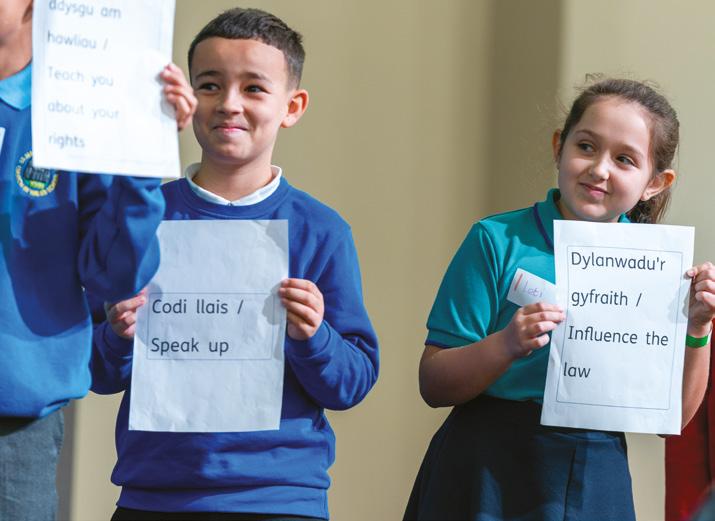
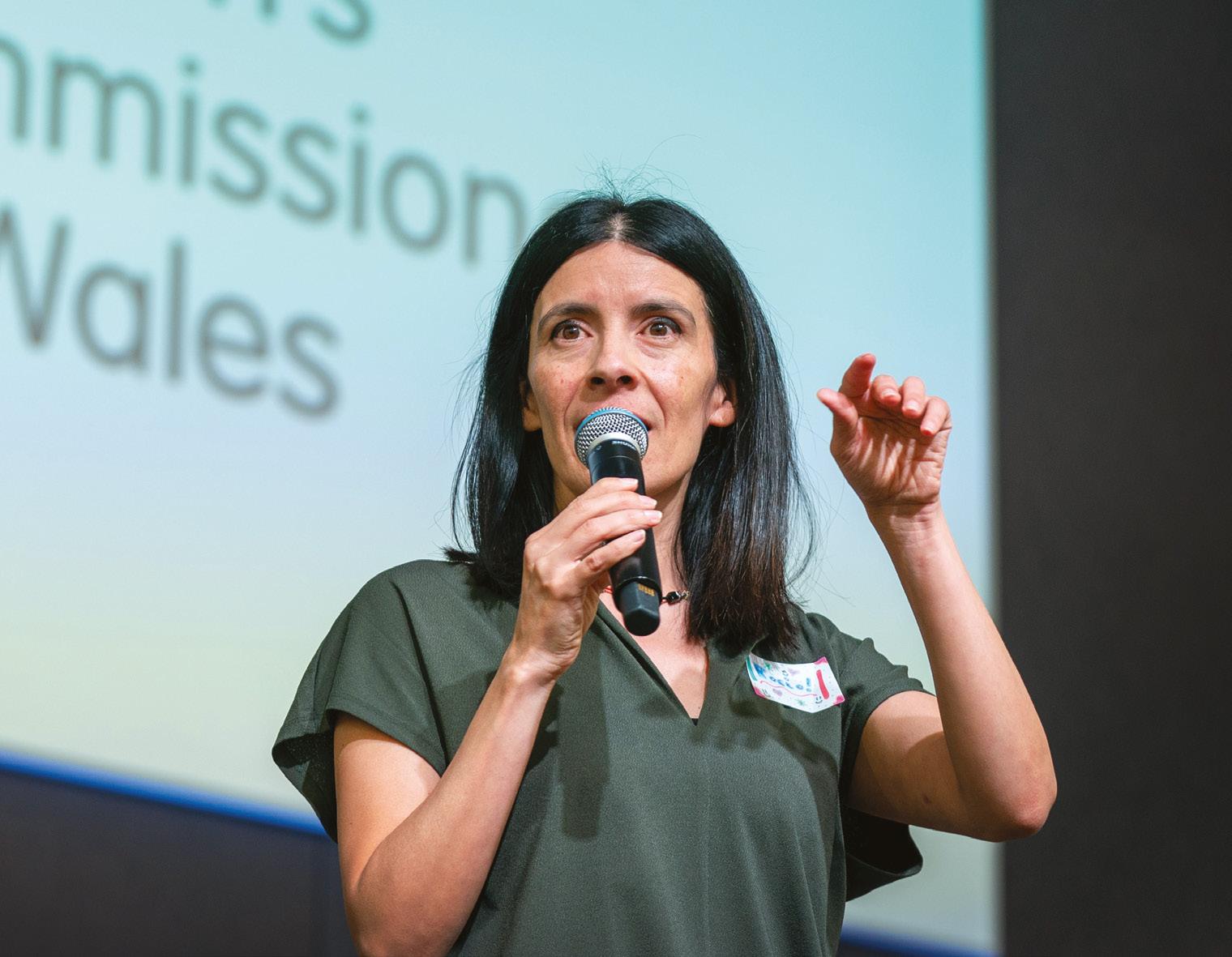
A truth teller: We speak out on behalf of children and shine a light on their experiences

Children and young people in Wales face growing and intersecting challenges, including:
Poverty and cost-of-living pressures
Mental health, health and wellbeing concerns
Inequalities in access to education, and educational support
Safeguarding risks, including online harms
Continuing experiences of bullying, and discrimination
Climate change and global geo-political uncertainties
As my office enters its 25th anniversary year, there is no room for complacency, and children’s rights are arguably more at risk than they have been in a generation. In these uncertain times globally, but also locally, and nationally, it is imperative that we continue to convince both hearts and minds of the fundamental importance of prioritising children and their rights.
Whilst Wales has made a strong commitment to, and has in place an emerging legislative framework for, children’s rights, there is still further work to do and the UNCRC is not yet fully incorporated into Welsh legislation. Furthermore, we know that children’s rights are not evenly experienced and that children from some groups face significant and disproportionate barriers to accessing their rights.
This strategy focuses on continuing to press for strengthening that legislative framework, reducing inequalities in access to rights, as well as closing the gap between rights on paper and children’s lived experiences.
Our strategic objectives (2026–2029):
Strategic objective 1: Increase our reach to all children in Wales (Here for all children)
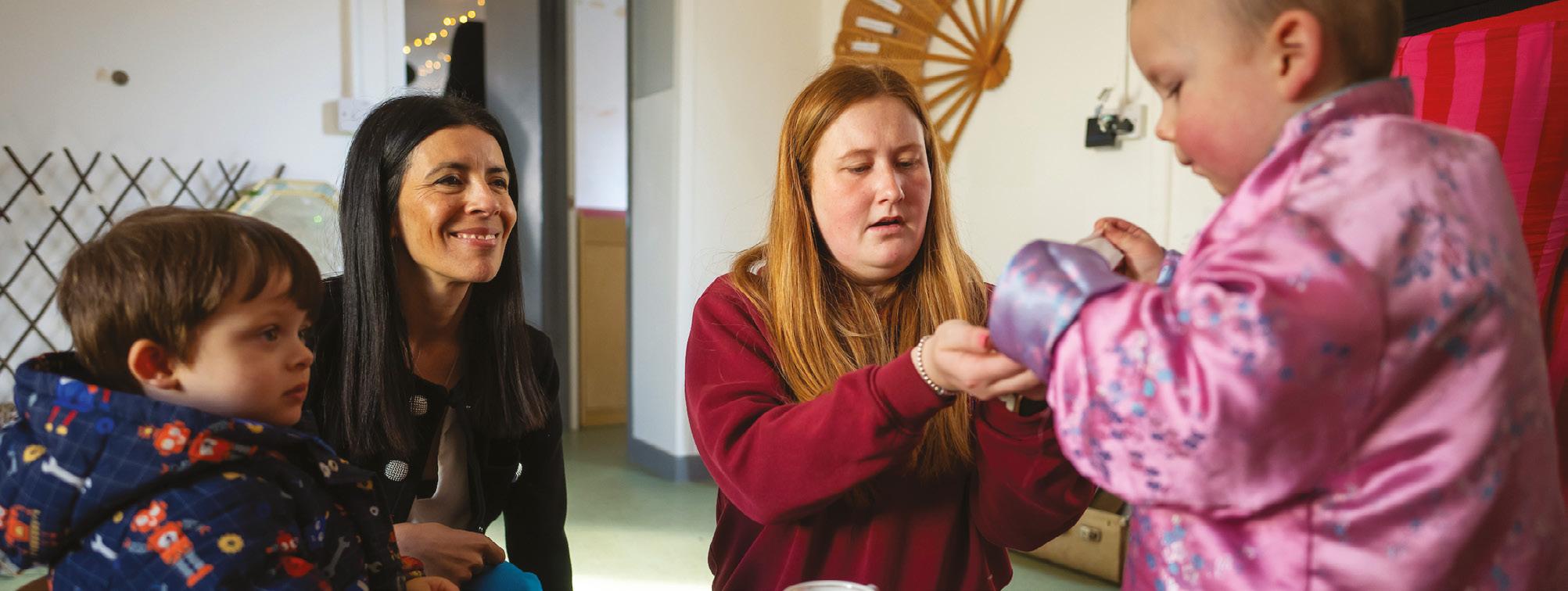
Outcome: By 2029, more children will be aware of the Children’s Commissioner for Wales and her office and of what the office does.
We will:
Strengthen our communications to raise awareness of our different functions including pathways for advice and support
Engage directly with children and young people from diverse backgrounds across Wales, targeting under-reached communities, including care-experienced children, disabled children, and children from minority ethnic communities
Continue to ensure our participation work is safe, accessible, inclusive, and meaningful
Show children how their views and experiences have informed and influenced our own work and wider policy and practice
What success looks like:
Children from all backgrounds report knowing who the Commissioner is, what her office is for, and feeling confident to engage with us
Participation of children and young people is embedded across all our work, and effectively informs our policy positions
Children’s views are visibly reflected in wider policy, practice, and public debate
Our strategic objectives (2026–2029):
objective 2: Support children’s rights in practice (Making rights real)
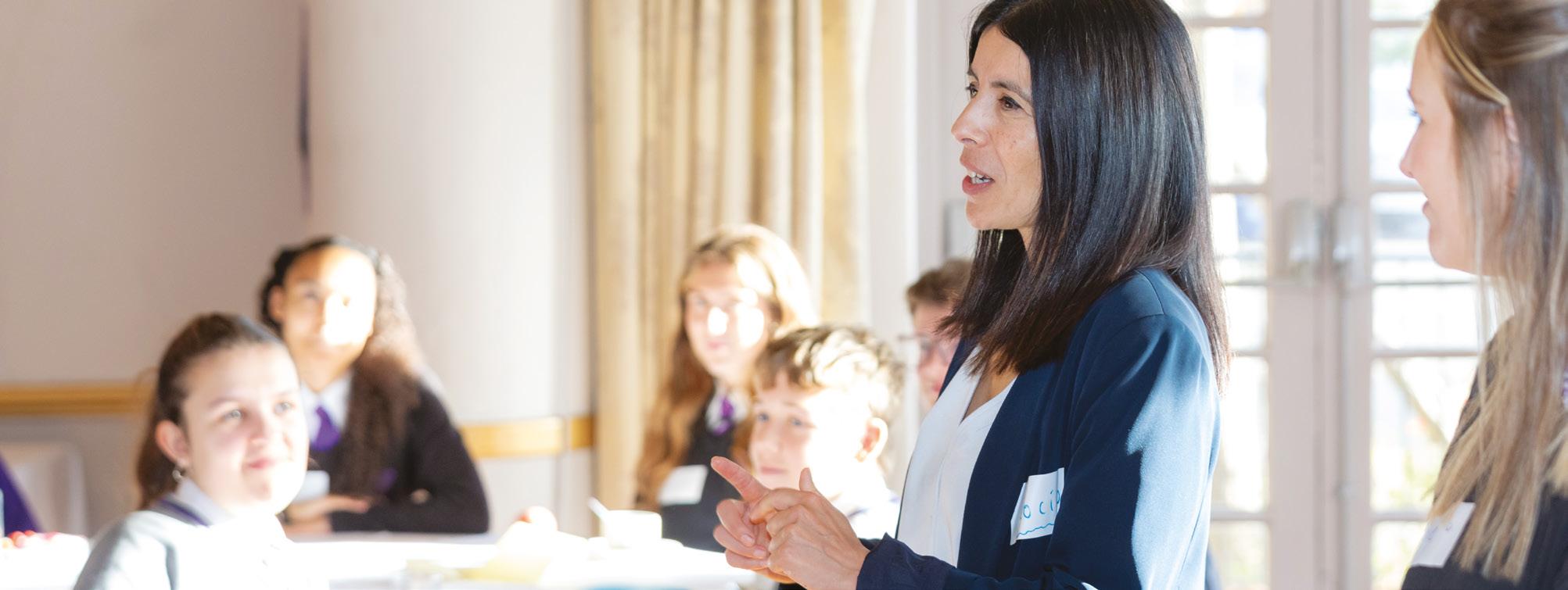
Outcome: By 2029, more children and families are able to access help, advice, and support from the Children’s Commissioner for Wales when they need it, and understand wider pathways to advice and support.
We will:
Raise awareness of our advice and assistance service, with a strong focus on accessibility and reach
Make effective use of our evidence, casework data, and children’s lived experience to identify systemic barriers to rights
Challenge service providers and public bodies wherever children’s rights are at risk
Work with partners including other advice providers to increase awareness of pathways to advice and support, highlight systemic issues and promote a children’s rights approach
What success looks like:
Children and adults are more aware of the advice and assistance service and there is increased casework arising from this Children and adults more clearly understand when to contact us and when to contact other advice and support providers
Our interventions lead to improved support for children and respect for children’s rights
Strategic objective 3: Use children’s voices and experiences to drive improvement in local and regional practice (Truth teller)
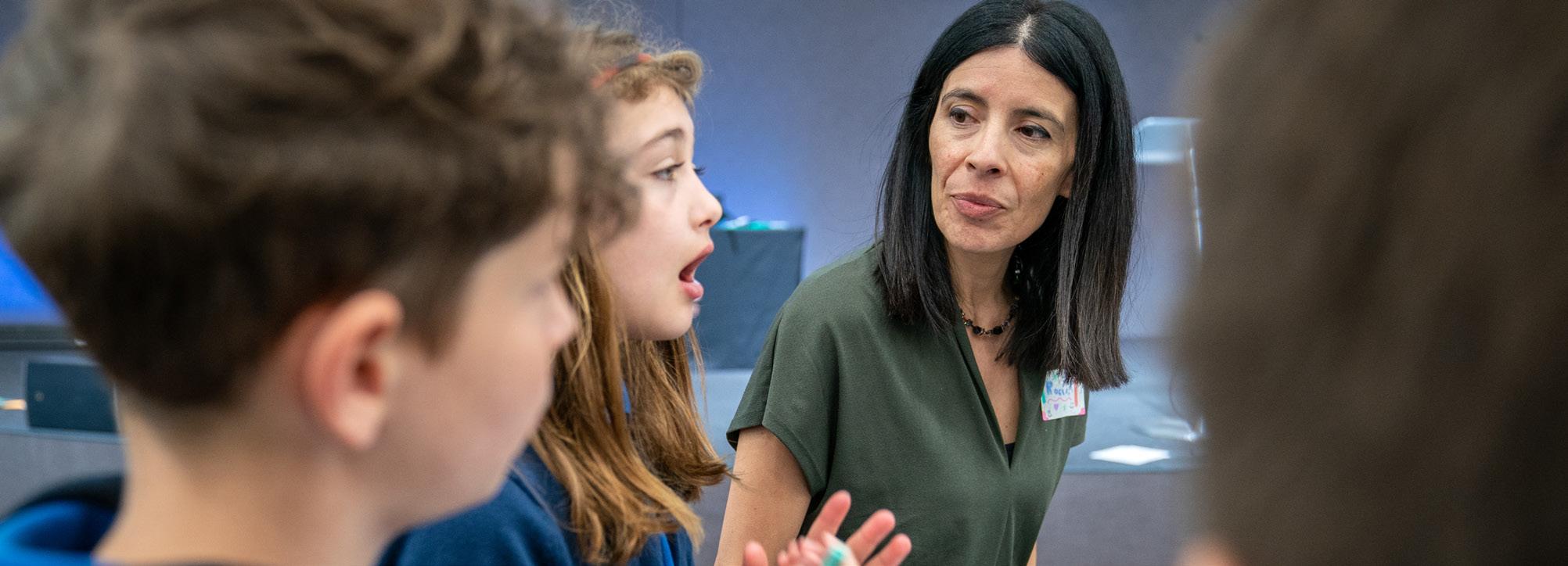
Outcome: By 2029, local and regional services improve how they respect, protect, and realise children’s rights.
We will:
Use children’s lived experiences, casework, and evidence to identify patterns and systemic issues
Strengthen engagement with Local Authorities, Health Boards, and other public bodies
Regularly share relevant evidence with public bodies about what is and is not working for children
Develop our children’s rights selfassessment toolkit to aid organisations to monitor their progress towards implementing a children’s rights approach
Support services to better understand and apply children’s rights in everyday practice
What success looks like:
Public bodies demonstrate improved practice informed by children’s experiences
Local services make changes in response to our findings and national recommendations
Children experience more consistent, rights-respecting services across Wales
Strategic objective 4: Make children’s rights and voices a priority (A challenger)
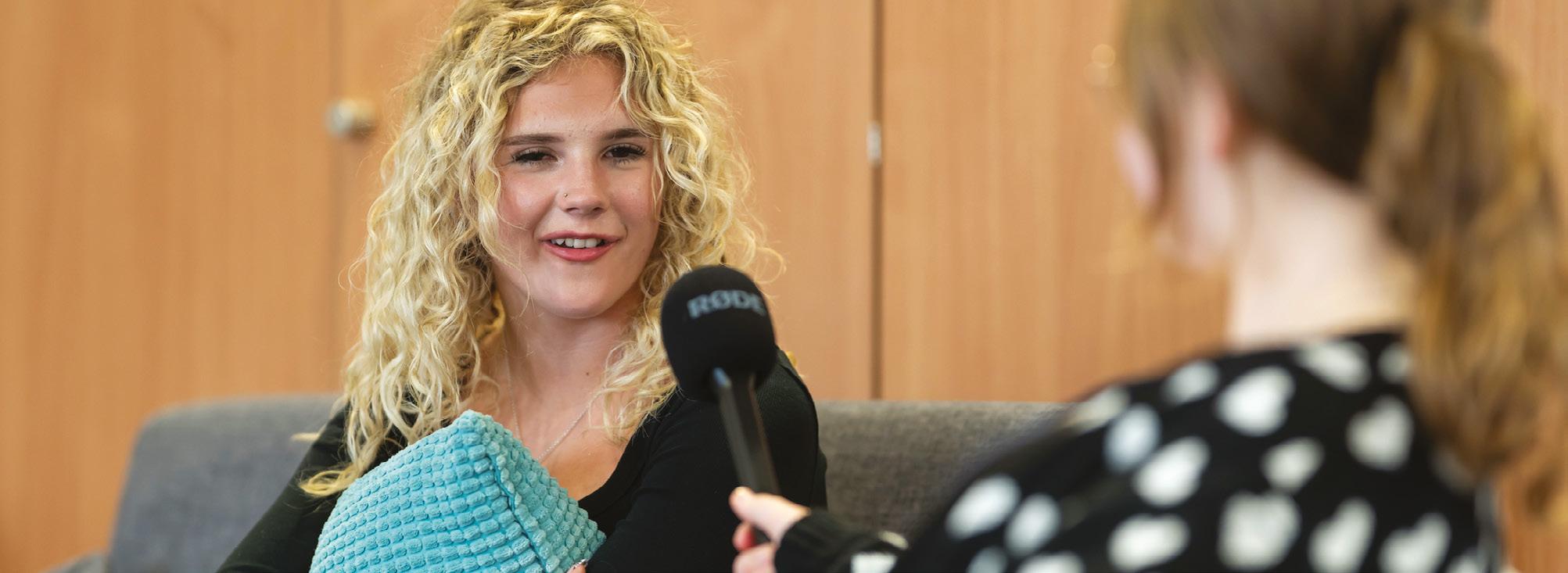
Outcome: By 2029, children’s rights are demonstrably prioritised and decision-making at national levels is appropriately informed by the participation of children and young people.
We will:
Collaborate with others to continue to call for full UNCRC incorporation into Welsh legislation and for the independence of our office to be strengthened
Monitor and influence Welsh Government legislation and policy through a children’s rights lens, including monitoring compliance with the Rights of Children and Young People (Wales) Measure 2011, and with the Children’s Rights Scheme including use of Children’s Rights Impact Assessments (CRIAs).
Advocate for sharpened focus on children and young people by public bodies and public service boards, and greater UNCRC compatibility
Focus specifically on the duty on Local Authorities to support the participation of children in decisions which affect them
Focus on five thematic priorities:
– Child poverty
– Health, Mental Health and Wellbeing
– Safeguarding & Corporate Parenting
– Access to education
– Tackling discrimination and bullying
Publish clear, evidence-based recommendations and track progress against them
What success looks like:
Children’s rights and voices are visible in laws, policies, public debates and strategic decisions
Public bodies demonstrate increased focus on children and young people and improved consideration of and compatibility with the UNCRC and the Children and Families (Wales) Measure 2010.
There is a roadmap towards full incorporation of the UNCRC
Our recommendations lead to measurable and sustained change
Across all priorities, we will continue to focus on the following areas in order to strengthen our:
Visibility ensuring children and the adults who support them know who we are, what we do and how to reach us.
Accessibility removing barriers to engagement, advice or support.

Diversity and inclusion reflecting the experiences of all children in Wales.
Connection to our purpose and to each other staying connected as a team and grounded in children’s rights and lived experience.
Use of evidence making the best possible use of our casework data, insights from our engagement and children’s voices.

Over the next three years, the Children’s Commissioner for Wales will be a strong, visible, and independent advocate for children’s rights – challenging when needed, collaborative where possible, and always guided by the voices, experiences, and best interests of children and young people.
In order to be accountable and transparent about our progress, we will:
Publish annual updates against this strategy
Track progress against clear outcomes and recommendations
Report publicly on changes achieved and challenges remaining
Use feedback from children, young people, and stakeholders to continually improve our work