From Allocation to Impact: Managing Large Budgets While
Maintaining Excellence
By Chief Michael Vogel
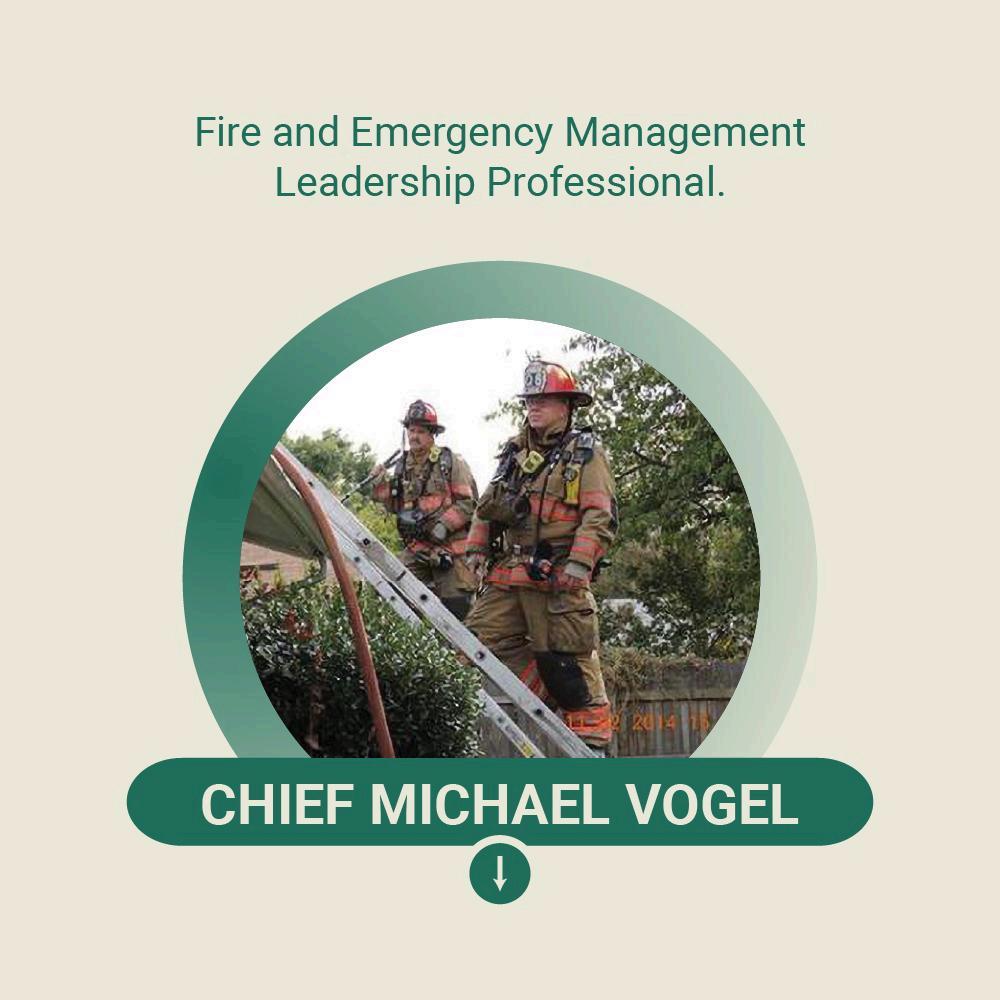
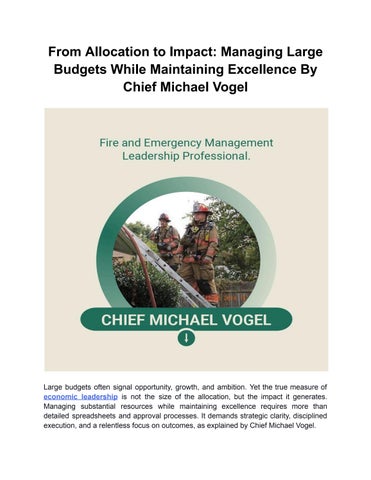
Large budgets often signal opportunity, growth, and ambition. Yet the true measure of economic leadership is not the size of the allocation, but the impact it generates. Managing substantial resources while maintaining excellence requires more than detailed spreadsheets and approval processes. It demands strategic clarity, disciplined execution, and a relentless focus on outcomes, as explained by Chief Michael Vogel.
The journey from allocation to impact begins with alignment. Every dollar assigned should reflect clearly defined priorities that support the organization’s mission. Without this alignment, even well-funded initiatives can drift into inefficiency or mission creep. Leaders must ensure that budgeting is not a mechanical annual exercise but a strategic tool that translates vision into actionable plans. Clear objectives, measurable performance indicators, and defined timelines create a framework where spending decisions are directly tied to results.
Excellence also depends on rigorous oversight. Large budgets introduce complexity, multiple departments, layered approvals, long-term projects, and diverse stakeholders. Transparent reporting systems and regular performance reviews are essential to maintain accountability. Financial dashboards, milestone tracking, and cross-functional collaboration help prevent silos and ensure that resources are used as intended. When teams understand that impact is continuously monitored, stewardship becomes embedded in the culture.
However, maintaining excellence is not solely about control; it is equally about intelligent flexibility Markets shift, costs fluctuate, and unexpected challenges arise. Effective financial management builds in contingencies and encourages adaptive planning. Reforecasting, scenario analysis, and proactive risk assessment allow organizations to adjust without compromising standards. Agility ensures that excellence is sustained even when conditions change.
Investment in people is another critical factor Large budgets often fund advanced systems and infrastructure, but service quality ultimately depends on capable teams. Training, leadership development, and performance incentives reinforce a culture where individuals understand both financial responsibility and quality expectations. When employees see how their work contributes to a broader impact, they become active participants in sustaining excellence.
Impact must be measured beyond financial compliance. True success lies in tangible improvements, enhanced services, stronger communities, satisfied clients, or measurable social outcomes. Communicating these results to stakeholders builds trust and reinforces the value of disciplined financial management.
Managing large budgets is both a privilege and a responsibility. When allocation decisions are strategic, oversight is strong, and adaptability is embraced, substantial resources become catalysts for lasting impact. Excellence is not accidental; it is the product of intentional stewardship that transforms funding into meaningful, measurable progress.