Scherzo capriccioso, Op. 66
Theodore Thomas, who would later found the Chicago Symphony Orchestra, met Antonín Dvořák in Berlin in May 1867, following a performance of Beethoven’s Fidelio. In the diary of his European trip that spring, Thomas says simply: “The opera itself made a great impression on me. Met Dvořák afterwards.” At the time, Thomas was thirty-one years old and had only recently established the Theodore Thomas Orchestra that would quickly become a staple of American concert life. Dvořák was just twenty-five and had not yet written any of the music for which he is famous today.
Thomas eventually would follow Dvořák’s career very closely, performing many of his works soon after they were written and introducing several important scores to the United States. His championship of Dvořák in this country—as with Wagner, Brahms, and Richard Strauss—helped to make his works a standard part of the American orchestral repertory while they were, in fact, still new. The first of Dvořák’s compositions that Thomas premiered in the United States was the Slavonic Rhapsody in A-flat major, which he conducted in Cincinnati in February 1880, followed by the D major symphony (the one we know as no. 6) in New York City in January 1883. The next year, Thomas introduced this Scherzo capriccioso in Brooklyn, on November 8—a year and a half after the first performance in Prague. (The New York Times review mistakenly called it a Rondo capriccioso—or perhaps it was actually billed that way at the time.) Before moving to Chicago, Thomas gave several more U.S. premieres of Dvořák’s music, including the great D minor symphony (no. 7).
In Chicago, Thomas programmed the Scherzo capriccioso for the first season of subscription concerts. Written less than a decade earlier, it is one of the pieces that quickly established Dvořák’s fame as a composer of brilliance and panache, with a flair of rhythmic lilt and melodic charm. Particularly because of its masterful orchestral effects—including the harp, a rare visitor in the Dvořák orchestra—the Scherzo capriccioso captures Dvořák at his most colorful. It is this aspect of his
COMPOSED 1883
FIRST PERFORMANCE
May 16, 1883; Prague, Bohemia
INSTRUMENTATION
2 flutes and piccolo, 2 oboes and english horn, 2 clarinets and bass clarinet, 2 bassoons, 4 horns, 2 trumpets, 3 trombones, tuba, timpani, percussion, harp, strings
APPROXIMATE
PERFORMANCE TIME 12 minutes
FIRST CSO PERFORMANCES
January 15 and 16, 1892, Auditorium Theatre. Theodore Thomas conducting
July 21, 1945, Ravinia Festival. Alfred Wallenstein conducting
MOST RECENT
CSO PERFORMANCES
July 8, 1989, Ravinia Festival. James Conlon conducting March 10, 12, and 15, 2016, Orchestra Hall. Sir Mark Elder conducting
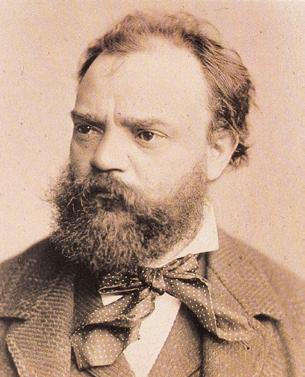
this page: Antonín Dvořák, portrait, 1882. Gallica Digital Library, Bibliothèque nationale de France
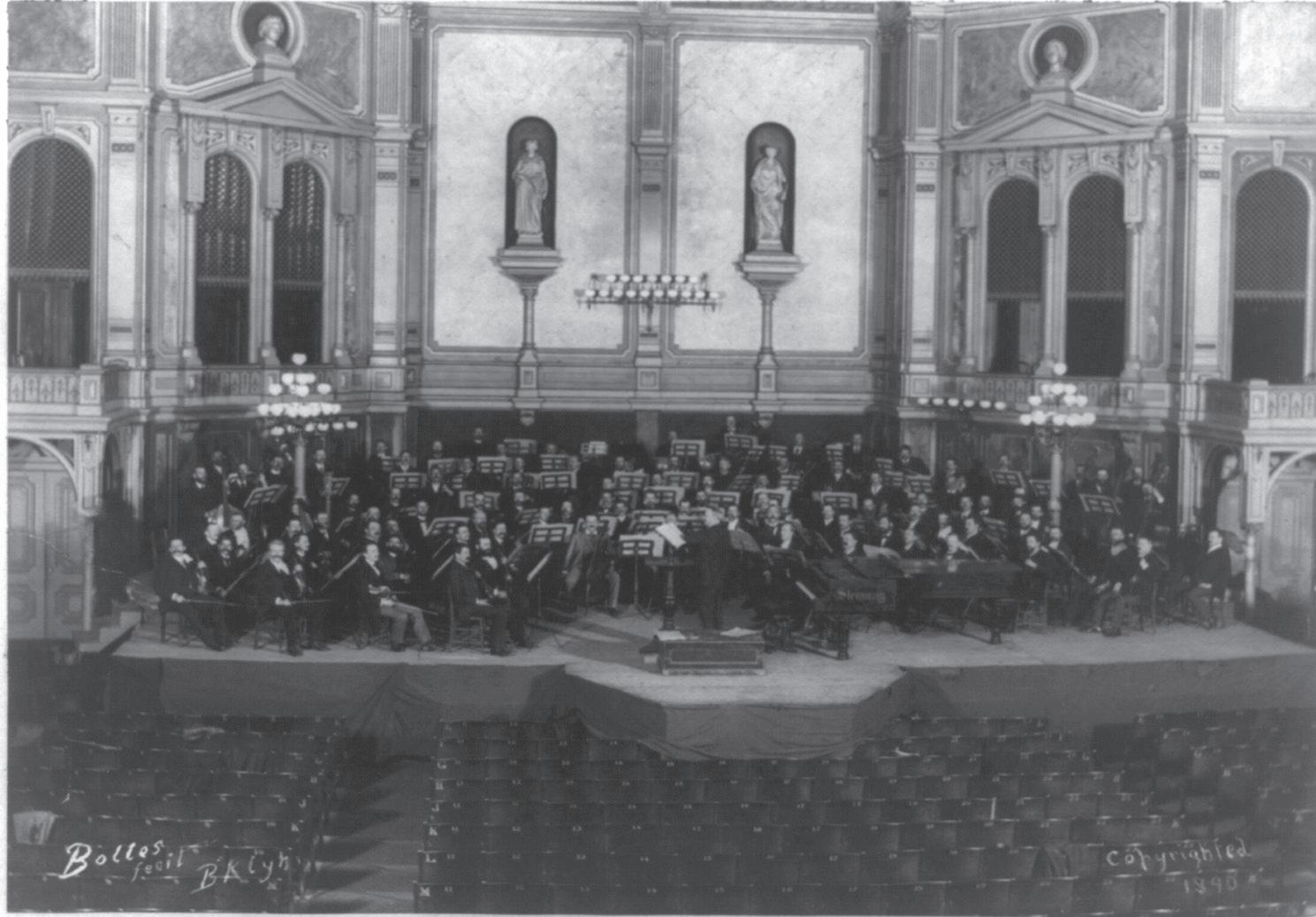
next page: Theodore Thomas and his eponymous orchestra at Steinway Hall, New York City, 1890. Photo credited to the studio of Charles Edwin Bolles (1846–1914). Library of Congress, Prints and Photographs Division
abundant talent that first won audiences’ favor, even if it suggests little of the depth of the later music. The Scherzo capriccioso was beloved from the start—it was among the pieces suggested by audience members for the Orchestra’s “Popular (Request) Programs” as early as 1894. It appeared on eleven of the first twenty-five Chicago subscription seasons and then continued to be a staple of the Orchestra’s so-called Popular Concerts until the 1960s. Then, like a number of other dazzling orchestral showpieces that once reigned supreme, it slipped from the repertory. When the Orchestra played the score during its Dvořák
Festival in 2009, those were the first Chicago Symphony performances in Orchestra Hall in more than forty years and the first subscription concert performances in nearly seven decades.
IN MEMORIAM
The Chicago Symphony Orchestra family joins the music world in mourning the loss of American conductor, pianist, and composer Michael Tilson Thomas and his husband Joshua Robison. Robison died on February 22 and Tilson Thomas on April 22, 2026.
Tilson Thomas enjoyed a remarkable partnership with the Chicago Symphony Orchestra and Chorus, appearing on our podium numerous times over the course of fifty years, first at the Ravinia Festival in July and August 1970 and most recently in Orchestra Hall in November and December 2023. He and Robison—who would become Tilson Thomas’s manager, adviser, and strategic planner—first met as children in middle school and later reconnected in New York in their twenties, becoming partners in 1976 and marrying in 2014.
We extend our sympathies to their families, colleagues, and friends, and dedicate these concerts to their memory.
For more information, please visit cso.org/mtt.
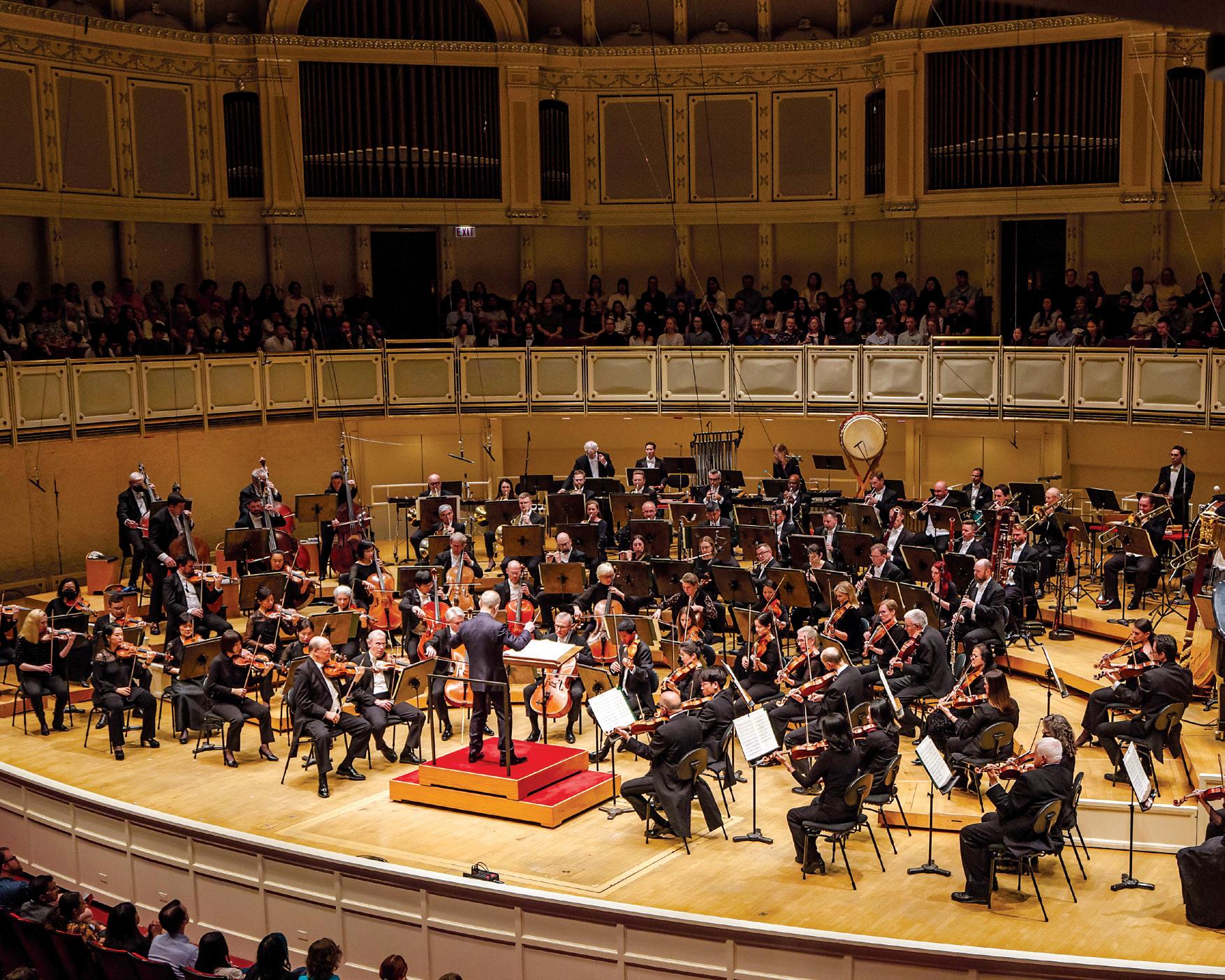
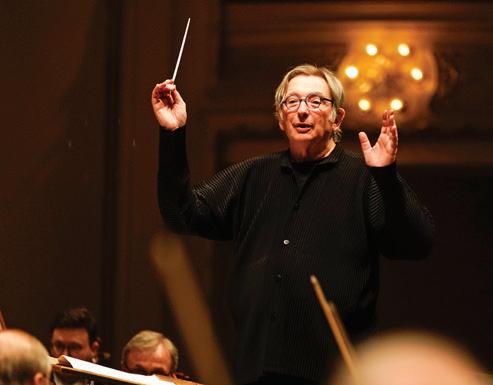
Michael Tilson Thomas leads the Chicago Symphony Orchestra in Orchestra Hall on November 30, 2023. Photo by Nuccio DiNuzzo
BÉLA BARTÓK
Born March 25, 1881; Nagyszentmiklós, Hungary (now Sînnicolau Mare, Romania)
Died September 26, 1945, New York City
Piano Concerto No. 3
After the last measure of this concerto, Béla Bartók wrote the Hungarian word vége (the end). This was the last score Bartók completed before he was moved from his 57th Street Manhattan apartment to the West Side Hospital, where he died four days later.
His friend Tibor Serly visited him on his last night at home, and he found Bartók propped up in bed, surrounded by manuscript pages and medicine bottles, trying to finish the orchestral score of his third piano concerto. The great composer, weak and near death, was fighting the clock, filled with ideas he wouldn’t get time to tell us. Bartók’s son Peter had already drawn the bar lines on the paper, so it was simply a matter of Bartók writing in the parts. He got within seventeen measures; Serly assumed the relatively straightforward task of deciphering the composer’s shorthand and filling in the blanks.
Bartók’s last five years, spent entirely in the United States, were neither productive nor happy. For two years after his arrival in October 1940, he wrote nothing new. In April 1942 his health took a sudden turn for the worse and he never regained his full strength. But Koussevitzky’s commission for the Concerto for Orchestra in May 1943 rekindled much of Bartók’s old spirit. The music began to flow. His last year, 1945, marked a new high point, except that time ran out.
For the first time in years, Bartók worked on two major pieces at once—the Third Piano Concerto and the Viola Concerto that he left in sketches on odd scraps of paper. This almost desperate surge of activity may well have come from a realization of the severity of his illness. When he left his Manhattan apartment for the last time, he was sketching a seventh string quartet and considering a commission for a double concerto from a two-piano team. Bartók turned to a hospital doctor and said, “I am only sorry that I have to leave with my baggage full.”
COMPOSED 1945
FIRST PERFORMANCE
February 8, 1946; Philadelphia, Pennsylvania
INSTRUMENTATION
solo piano, 2 flutes (2nd doubling piccolo), 2 oboes (2nd doubling english horn), 2 clarinets (2nd doubling bass clarinet), 2 bassoons, 4 horns, 2 trumpets, 3 trombones, tuba, timpani, side drum, xylophone, triangle, tam tam, bass drum, cymbals, strings
APPROXIMATE PERFORMANCE TIME 23 minutes
FIRST CSO PERFORMANCES
December 8, 1951, Orchestra Hall. Béla Böszörményi Nagy as soloist, Rafael Kubelík conducting
July 14, 1960, Ravinia Festival. Leonard Pennario as soloist, Constantin Silvestri conducting
MOST RECENT
CSO PERFORMANCES
July 5, 1986, Ravinia Festival. Stephen Hough as soloist, James Levine conducting
May 24, 25, and 26, 2018, Orchestra Hall. Mitsuko Uchida as soloist, Esa Pekka Salonen conducting
CSO RECORDINGS
1965. Peter Serkin as soloist, Seiji Ozawa conducting. RCA
1990. András Schiff as soloist, Sir Georg Solti conducting. London (video)
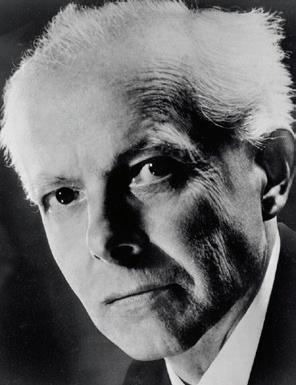
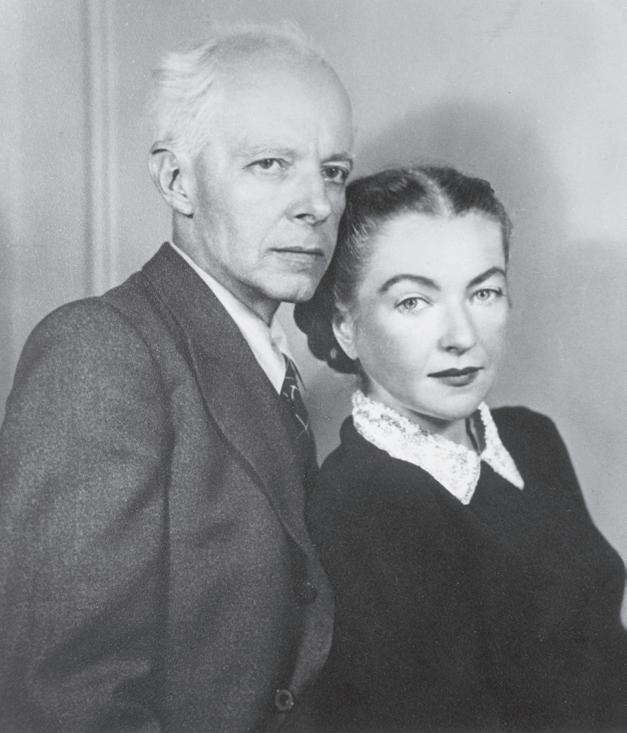
this page: Béla Bartók, portrait, 1943. Russian International News Agency (RIA Novosti) | next page: Béla Bartók with his wife Ditta Pásztory‑Bartók (1903–1982), 1945. Photo by Hulton Archive/Getty Images
Bartók knew he would never play his third concerto; its solo part is written not in the explosive and incisive style that suited his own hands—the style of his first two concertos, which he often did play—but in a serene and more lyrical vein meant for his wife Ditta (it was intended as a birthday gift).
At the opening of the Allegretto (the marking is one of the few tempo indications Bartók actually wrote in), the piano etches a strong, simple melody—one note in each hand, two octaves apart, against a murmur in the strings. Although the music rises to moments of enormous energy and bristling excitement, the texture remains remarkably uncomplicated and transparent. It’s as if Bartók meant for us to hear every note. The left hand of the piano solo often mirrors the right hand or plays the same music in contrary motion. The scoring is light—the trombones play in only two measures—and there’s much doubling of instrumental lines; rarely does Bartók weave a dense fabric of many individual voices. To those who had never understood Bartók’s music, this new simplicity was dismissed as the sad product of his weakened condition (just as in the previous century, Beethoven’s visionary harmonies were blamed on his deafness).
Beethoven recovered from a serious illness. (Bartók uses the marking Adagio religioso for the only time in his music; Serly later adopted it for the unfinished Viola Concerto.) Like the corresponding movement from Beethoven’s quartet, it has an uncommon serenity and a complete command of a few perfectly suited materials. The strings begin like Beethoven’s, slowly unfolding and refolding a tiny idea. The piano pronounces a benediction of eloquent chords.
The fragile middle section is Bartók’s last evocation of night music. Over string tremolos, the piano, oboe, clarinet, and flute trade birdcalls— some drawn from Bartók’s own notations made while he recuperated the previous year in Asheville, North Carolina. The orchestra is used sparingly, to wondrous effect. The piano awakens to the full power of the night, in ripples of sound and cascading chords, but the winds restore calm and quiet. The piano plays a lovely two-part invention, rises to a great climax, and then yields to the infectious pulse of the final Allegro vivace.
The second movement is based on Beethoven’s “Heiliger Dankgesang” (Holy Song of Thanksgiving), the sublime third movement of the String Quartet, op. 132, written after
The finale’s main theme, with its identifying rhythm (short-long, long-short), recurs again and again, separated by aggressively fugal passages. The movement is lucid and relaxed, even in the most complex counterpoint. Bartók is in complete command throughout. There’s no mystery surrounding the last seventeen bars; the composer’s shorthand instructions were all Serly needed to complete, without any doubt, what is Bartók’s last fully envisioned work.
PYOTR TCHAIKOVSKY
Born May 7, 1840; Votkinsk, Russia
Died November 18, 1893; Saint Petersburg, Russia
Symphony No. 5 in E Minor, Op. 64
COMPOSED
May–August 26, 1888
FIRST PERFORMANCE
November 17, 1888; Saint Petersburg, Russia. The composer conducting
INSTRUMENTATION
3 flutes (3rd doubling piccolo), 2 oboes, 2 clarinets, 2 bassoons, 4 horns, 2 trumpets, 3 trombones, tuba, timpani, strings
APPROXIMATE PERFORMANCE TIME
52 minutes
FIRST CSO PERFORMANCES
April 1 and 2, 1892, Auditorium Theatre. Theodore Thomas conducting
July 26, 1936, Ravinia Festival. Henry Weber conducting
MOST RECENT
CSO PERFORMANCES
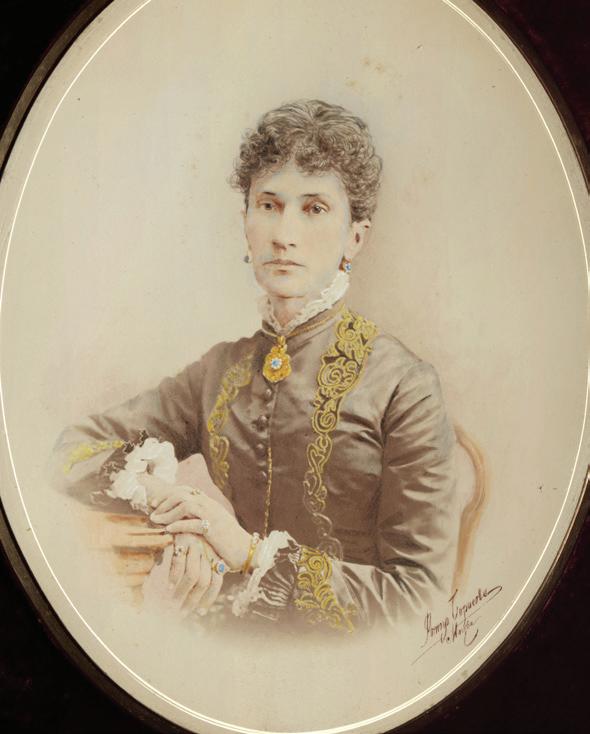
Ten years passed between Tchaikovsky’s Fourth and Fifth symphonies—a decade which saw his international reputation grow as he finished Eugene Onegin and three other (less successful) operas, the Violin Concerto, the 1812 Overture, the Serenade for Strings, a second piano concerto, the Manfred Symphony, the A minor piano trio, and the Capriccio italien. As he began this symphony, Tchaikovsky feared his muse was exhausted. “I am dreadfully anxious to prove not only to others, but also to myself, that I am not yet played out as a composer,” he said at the time. In the spring of 1888, Tchaikovsky had recently moved into a new house outside Moscow, and as he was beginning this symphony, he found great joy working in his garden; he wrote to his patroness, Nadezhda von Meck, that when he was “past composing” he might devote himself to growing flowers. Work on the new symphony was often rough going. “The beginning was difficult,” he reported midsummer, “now, however, inspiration seems to have come.” He later complained, “I have to squeeze it from my dulled brain.” But by
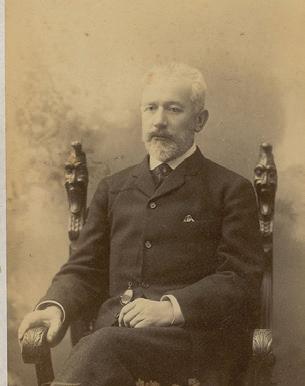
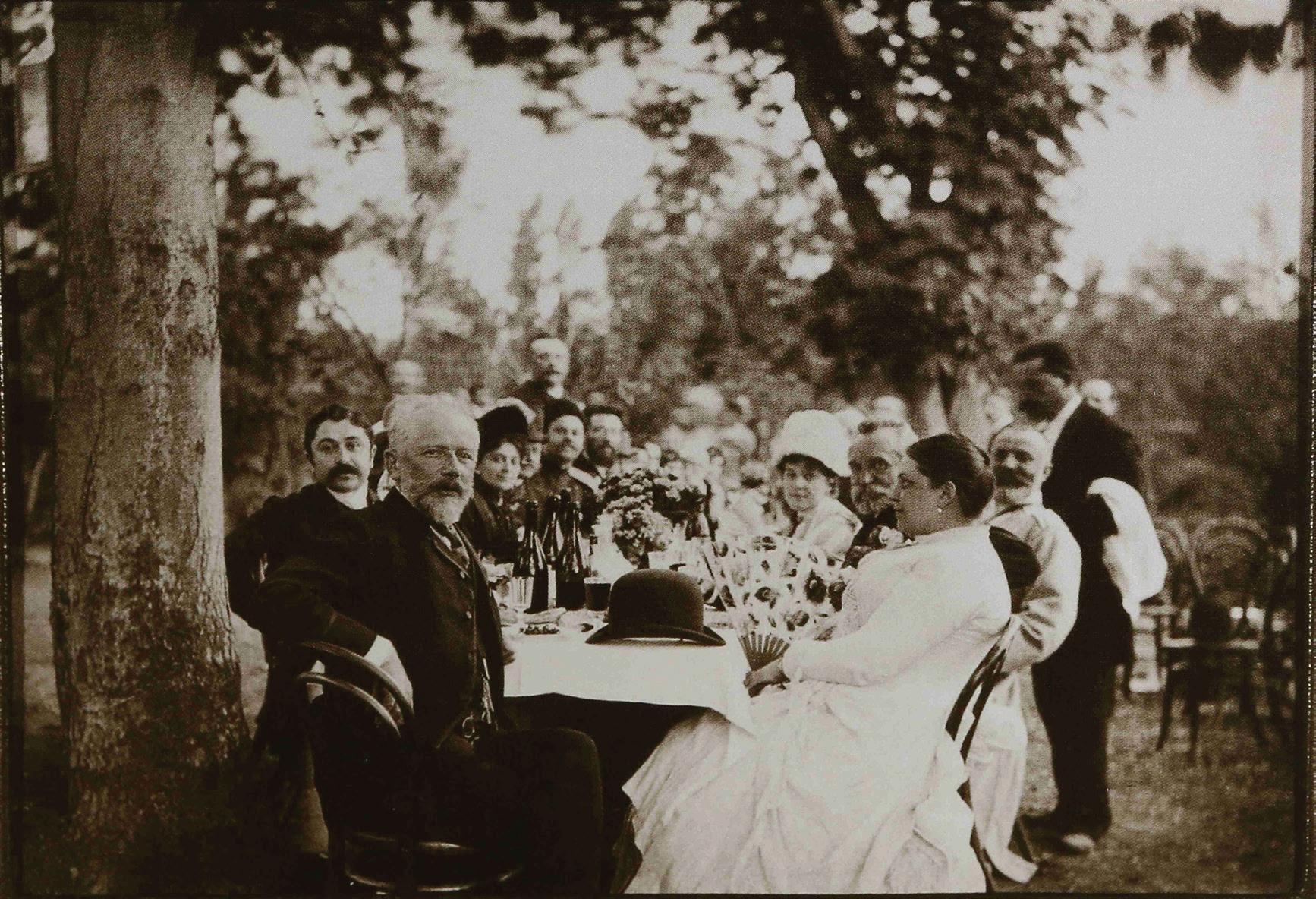
this page, from top: Pyotr Tchaikovsky, cabinet card portrait attributed to Franciszek de Mezer (ca. 1830–1922), Kyiv, Ukraine | Nadezhda von Meck (1831–1894), portrait, 1880s. State P. Tchaikovsky Memorial Musical Museum‑Reserve, Klin, Moscow Oblast, Russia. Photo by Fine Art Images/Heritage Images/Getty Images | next page: Tchaikovsky, second from left, after his European tours, at a luncheon with family and friends at Ortachala Gardens in the Mtkvari River, Tiflis, Russian Empire (now Tbilisi, Georgia). Photo by Georgian photographer Iosif Andronikashvili (1855–1928), 1889. State P. Tchaikovsky Memorial Museum Collection, Moscow, Russia. Photo by Fine Art Images/Heritage Images/Getty Images
December 9, 10, and 11, 2021, Orchestra Hall. Andrés Orozco Estrada conducting
June 27, 2023, Pritzker Pavilion, Millennium Park. Riccardo Muti conducting
July 15, 2023, Ravinia Festival. Marin Alsop conducting
CSO RECORDINGS
1928. Frederick Stock conducting. Victor
1966. Morton Gould conducting. RCA (third movement)
1968. Seiji Ozawa conducting. RCA
1975. Sir Georg Solti conducting. London
1985. Claudio Abbado conducting. CBS
1987–88. Sir Georg Solti conducting. London
1995. Daniel Barenboim conducting. Teldec
the end of the summer, when four months of intensive work had brought him to the last measures of the symphony’s finale, he admitted that “it seems to me that I have not blundered, that it has turned out well.”
Tchaikovsky’s Fourth Symphony had been his answer to Beethoven’s Fifth: it’s a symphony of triumph over fate, and he explained its meaning in detailed correspondence with Mme von Meck. For his next symphony, Tchaikovsky again turned to the theme of fate, although this time he gave away little of the work’s hidden meaning. As a motto theme, Tchaikovsky picked a phrase from Glinka’s A Life for the Tsar, which accompanies the words “turn not into sorrow.” Before he began composing, he sketched a program for the work in his notebook, labeling the theme as “complete resignation before Fate” and describing the first movement as “doubts . . . reproaches against xxx.” That xxx, like the cryptic Z that appears elsewhere in the same pages, refers,
almost without doubt, to the homosexuality he dared not admit. (It remained a well-kept secret during his lifetime. His friends didn’t know what to make of the disastrous match that publicly passed for a marriage—lasting only weeks and driving the composer to attempt suicide—or of his one satisfying relationship with a woman, Nadezhda von Meck, whom he never met in fourteen years and couldn’t bring himself to speak to the one time they accidentally passed on the street.)
The symphony opens with an introduction in which the motto theme is quietly played by the clarinet (it returns later in the most dramatic form). The Allegro also begins with a gently moving theme in the clarinet, doubled by the bassoon. (Tchaikovsky launches this E minor melody from the lower C, rising a third to E, rather than from the lower fourth, B—the more predictable start, and the way many listeners
incorrectly remember it.) This ultimately leads to the remote key of D major, where the violins introduce a lovely sighing theme, delicately scored at first, then blossoming to encompass the full orchestra. The development section travels through many harmonic regions, but presents very little actual development, because Tchaikovsky’s themes are full melodies, not easily dissected.
The Andante presents one of Tchaikovsky’s most beloved themes, a horn melody so poignant and seductive that it tempts many listeners to overlook the eloquent strands the clarinet and oboe weave around it. The opening bars of quiet sustained chords begin in B minor and then swing around to D major—that unexpected tonal territory from the first movement—before the hushed entry of the horn. The lyrical flow is halted by the motto theme, first announced by the full orchestra over a fierce timpani roll midway through, and once again just before the end.
The third movement is a minor-key waltz; a livelier trio, with playful runs in the strings, also sounds uneasy, suggesting something sinister on the horizon. Perhaps it’s the fateful motto theme, which sounds quietly in the low winds just before the dance is over. The finale opens with the motto, fully harmonized and in the major mode.
This furiously driven movement often has been derided as overly bombastic, formulaic, and repetitive, although it has many delicate touches, including a high, singing theme in the winds. The tempo never eases, not even in the one moment of repose that is marked pianissimo and lightly scored. The motto theme sweeps through, once at a brisk speed, and then, near the end, leading a magnificent march. It’s the main melody of the first movement, however, that comes rushing in to close the symphony.
Tchaikovsky conducted the first performance of the symphony in Saint Petersburg in November 1888 and introduced the work in Europe on a concert tour in early 1889. In Hamburg he met Brahms, who postponed his departure in order to hear his Russian colleague’s latest symphony; Brahms liked what he heard, except for the finale. Tchaikovsky was far from written out. Before he even finished this symphony, he began the fantasy overture Hamlet and a few weeks later started work on a new ballet about a sleeping beauty who is awakened with a prince’s kiss.
Phillip Huscher has been the program annotator for the Chicago Symphony Orchestra since 1987.
PROFILES
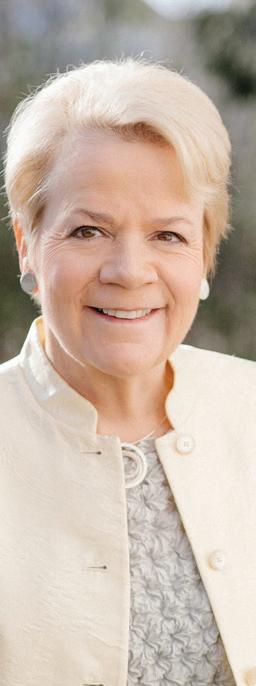
Karina Canellakis Conductor
FIRST CSO PERFORMANCES
May 19, 20, 21, and 22, 2022, Orchestra Hall. Thomas’s Brio, Schumann’s Piano Concerto with Kirill Gerstein, and Strauss’s Ein Heldenleben
MOST RECENT CSO PERFORMANCES
April 3, 4, and 5, 2025, Orchestra Hall. Sibelius’s The Oceanides, Dvořák’s The Wild Dove, and Rachmaninov’s Symphonic Dances
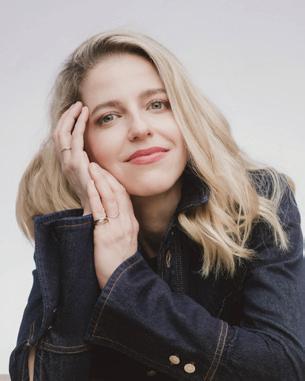
Chief conductor of the Netherlands Radio Philharmonic Orchestra since 2019 and principal guest conductor of the London Philharmonic Orchestra since 2021, Karina Canellakis is internationally acclaimed for her symphonic and operatic performances and welcomed by the finest musical institutions across the globe. With the NRPO, she programs and leads a season of wide-ranging repertoire as well as opera in concert at the Royal Concertgebouw Amsterdam and TivoliVredenburg in Utrecht. Highlights of the 2025–26 season have included her Vienna Philharmonic Orchestra debut at Salzburg Mozart Week in January and a European tour with the London Philharmonic and Anne-Sophie Mutter in February; in April–May she makes her Staatsoper Hamburg debut in company director Tobias Kratzer’s production of Bartók’s Bluebeard’s Castle and Zemlinsky’s A Florentine Tragedy
She opened the current season in August with her Lucerne Festival debut and performances at MusikFest Berlin with the Netherlands Radio Philharmonic and Choir on tour celebrating Pierre Boulez’s centenary and the Edinburgh International Festival with the BBC Scottish Symphony Orchestra and Choir. She also returned to the San Francisco, Swedish Radio, and Vienna symphony orchestras and debuted with the Orchestre de la Suisse Romande in Geneva.
Canellakis conducts opera in concert each season with the NRPO at the Royal Concertgebouw; in March she led Britten’s Peter Grimes featuring tenor Allan Clayton in the title role. Past concert operas include a multiyear cycle of works by Janáček and Wagner’s Siegfried and acts of Tristan and Isolde and Die Walküre. She made her critically acclaimed Santa Fe Opera debut in 2024 with Strauss’s Der Rosenkavalier and led Olivier Py’s production of Poulenc’s Dialogues of the Carmelites at the Théâtre des Champs-Élysées in Paris last season.
April 2023 saw the start of a multi-album collaboration between Canellakis, the Netherlands Radio Philharmonic, and Pentatone, beginning with their debut release, Bartók’s Concerto for Orchestra and Four Orchestral Pieces, which received a Grammy Award nomination. Her second album, Bluebeard’s Castle, was released in April 2025 to glowing international reviews. She was also a featured artist for the launch of Apple Music Classical, with a recording of Beethoven’s Piano Concerto no. 1 with Alice Sara Ott.
Canellakis has developed close relationships with several of the world’s leading orchestras, regularly returning to the Bavarian Radio Symphony, Chicago Symphony Orchestra, Orchestre de Paris, New York Philharmonic, Vienna Symphony, Boston Symphony Orchestra, Munich Philharmonic, and the Cleveland and Philadelphia orchestras. She was principal guest conductor of the Berlin Radio Symphony Orchestra (2019–23) and a featured artist-in-residence at the Musikverein in Vienna (2023–24). In July 2025 she made her debut in Japan with the Tokyo Metropolitan Symphony Orchestra and at the Pacific Music Festival in Sapporo.
Also a virtuoso violinist, Karina Canellakis grew up in New York City, where she learned conducting and score-reading from her father Martin Canellakis. She was later encouraged to become a conductor by Sir Simon Rattle while playing in the Berlin Philharmonic’s OrchestreAkademie. She performed for several years as soloist, guest leader, and chamber musician until conducting took over after she won the Sir Georg Solti Conducting Award in 2016.
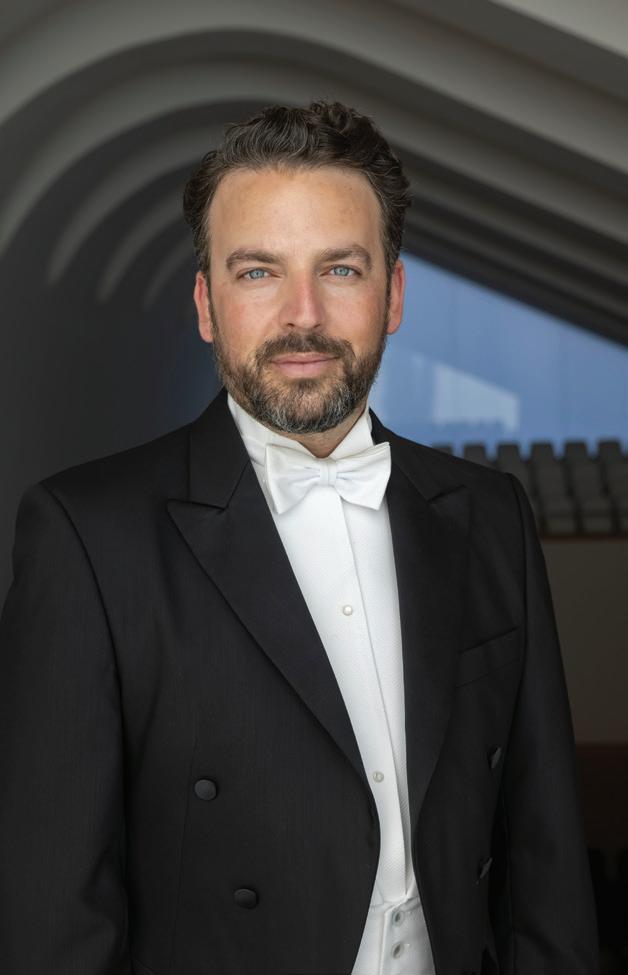
Conrad Tao Piano
FIRST CSO PERFORMANCES
August 5, 2022, Ravinia Festival. Ravel’s Piano Concerto in G major, Carlos Miguel Prieto conducting
October 19, 20, 21, and 24, 2023, Orchestra Hall. Gershwin’s Concerto in F for Piano and Orchestra, James Gaffigan conducting
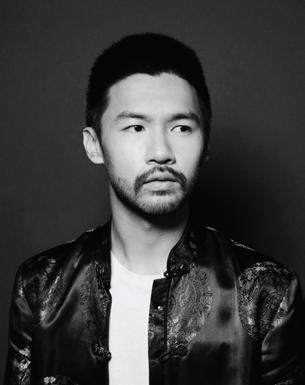
Conrad Tao is a pianist and composer celebrated for his boundary-defying artistry as well as his powerful performances of traditional repertoire. He appears regularly as a soloist with leading orchestras and at major venues across the world.
In the 2025–26 season, Tao returns to Orchestra Hall as both soloist and recitalist, first performing music by Bartók with the Chicago Symphony Orchestra and Karina Canellakis and later a program featuring arrangements of songs by Gershwin alongside works by Schoenberg, Strayhorn, Schumann, and others. He also returns to the Los Angeles Philharmonic at the Hollywood Bowl with Marin Alsop and to the New York Philharmonic at the Bravo! Vail Festival with Santtu-Mathias Rouvali. Recital highlights include returns to Germany’s KlavierFestival Ruhr and the Celebrity Series of Boston, and to the Seattle Symphony with Poetry and Fairy Tales, a program blending works by David Fulmer, Rebecca Saunders, Todd Moellenberg, Brahms, and Ravel.
Tao reunites with Robert Spano for performances of John Adams’s Century Rolls (San Diego Symphony) and Bernstein’s The Age of Anxiety (Atlanta Symphony). He also joins Matthias Pintscher and the Konzerthausorchester Berlin for Pintscher’s NUR and travels to Tokyo for
Mozart’s Piano Concerto no. 17 with the NHK Symphony and Jaap van Zweden. He made his harpsichord debut at Princeton University in Patricia Kopatchinskaja’s Dies Irae
Recent highlights include his return to Carnegie Hall with Debussy’s Twelve Etudes and his original composition Keyed In, and appearances with the San Francisco Symphony and Nicholas Collon, Philadelphia Orchestra and Marin Alsop, Boston Symphony Orchestra and Dima Slobodeniouk, New York Philharmonic and Jaap van Zweden, and the Cleveland Orchestra and Jahja Ling. In 2024 he toured Europe with the Kansas City Symphony and Matthias Pintscher to mark the hundredth anniversary of Gershwin’s Rhapsody in Blue, with sold-out performances at the Elbphilharmonie, Berlin Philharmonie, and Royal Concertgebouw Amsterdam.
Tao continues performing his own works, including Flung Out, a homage to Gershwin, which he played at the Aspen Music Festival, and The Hand, a companion to Beethoven’s Piano Concerto no. 1, commissioned and performed by the Kansas City Symphony. His orchestral work Everything Must Go premiered with the New York Philharmonic and later in Europe with the Antwerp Symphony. He also tours Counterpoint, his collaboration with dancer Caleb Teicher, and performs regularly with the Junction Trio alongside Stefan Jackiw and Jay Campbell.
Tao’s recordings include Voyages, Pictures, and American Rage (Warner Classics); the loser by David Lang (Cantaloupe Music); and Bricolage with brass quartet the Westerlies (Westerlies Records).
Conrad Tao is a recipient of the Avery Fisher Career Grant, the Gilmore Young Artist Award, and a New York Dance and Performance Bessie Award for his collaboration with Caleb Teicher on More Forever.
PHOTO BY SHERVIN LAINEZ
A Musical Tribute to
Chicago Symphony Orchestra
Klaus Mäkelä Zell Music Director Designate
Joyce DiDonato Artist in Residence
VIOLINS
Robert Chen Concertmaster
The Louis C. Sudler Chair, endowed by an
anonymous benefactor
Stephanie Jeong § Associate Concertmaster
The Cathy and Bill Osborn Chair
David Taylor*
Assistant Concertmaster
The Ling Z. and Michael C.
Markovitz Chair
Yuan-Qing Yu*
Assistant Concertmaster
So Young Bae
Cornelius Chiu
Gina DiBello
Kozue Funakoshi
Russell Hershow
Qing Hou
Gabriela Lara
Matous Michal
Simon Michal
Sando Shia
Susan Synnestvedt
Rong-Yan Tang
Baird Dodge Principal
Danny Yehun Jin
Assistant Principal
Lei Hou
Ni Mei
Hermine Gagné
Rachel Goldstein
Mihaela Ionescu
Wendy Koons Meir
Ronald Satkiewicz ‡
Florence Schwartz
VIOLAS
Teng Li Principal
The Paul Hindemith Principal Viola Chair
Catherine Brubaker
Youming Chen
Sunghee Choi
Paolo Dara
Wei-Ting Kuo
Danny Lai
Weijing Michal
Diane Mues
Lawrence Neuman
Jikun Qin
Max Raimi
CELLOS
John Sharp Principal
The Eloise W. Martin Chair
Kenneth Olsen
Assistant Principal
The Adele Gidwitz Chair
Karen Basrak
The Joseph A. and Cecile Renaud Gorno Chair
Richard Hirschl
Olivia Jakyoung Huh
Daniel Katz
Katinka Kleijn
Brant Taylor
The Ann Blickensderfer and Roger Blickensderfer Chair
BASSES
Alexander Hanna Principal
The David and Mary Winton
Green Principal Bass Chair
Alexander Horton
Assistant Principal
Daniel Carson
Ian Hallas
Robert Kassinger
Mark Kraemer
Stephen Lester
Bradley Opland
Andrew Sommer
FLUTES
Emma Gerstein
Jennifer Gunn
PICCOLO
Jennifer Gunn
The Dora and John
Aalbregtse Piccolo Chair
OBOES
William Welter Principal
Lora Schaefer
Assistant Principal
The Gilchrist Foundation, Jocelyn Gilchrist Chair
Scott Hostetler
ENGLISH HORN
Scott Hostetler
Riccardo Muti Music Director Emeritus for Life
CLARINETS
Stephen Williamson Principal
John Bruce Yeh
Assistant Principal
The Governing
Members Chair
Gregory Smith
E-FLAT CLARINET
John Bruce Yeh
BASSOONS
Keith Buncke Principal
William Buchman
Assistant Principal
Miles Maner
HORNS
Mark Almond Principal
James Smelser
David Griffin
Oto Carrillo
Susanna Gaunt
Daniel Gingrich ‡
TRUMPETS
Esteban Batallán Principal
The Adolph Herseth
Principal Trumpet Chair, endowed by an anonymous benefactor
John Hagstrom
The Bleck Family Chair
Tage Larsen
TROMBONES
Timothy Higgins Principal
The Lisa and Paul Wiggin
Principal Trombone Chair
Michael Mulcahy
Charles Vernon
BASS TROMBONE
Charles Vernon
TUBA
Gene Pokorny Principal
The Arnold Jacobs Principal Tuba Chair, endowed by Christine Querfeld
* Assistant concertmasters are listed by seniority. ‡ On sabbatical § On leave
The CSO’s music director position is endowed in perpetuity by a generous gift from Zell Family Foundation. The Louise H. Benton Wagner and Erika and Dietrich M. Gross Principal Flute chairs are currently unoccupied.
TIMPANI
David Herbert Principal
The Clinton Family Fund Chair
Vadim Karpinos
Assistant Principal
PERCUSSION
Cynthia Yeh Principal Chair sponsored by an anonymous benefactor
Patricia Dash § Vadim Karpinos
LIBRARIANS
Justin Vibbard Principal
Carole Keller
Mark Swanson
CSO FELLOWS
Ariel Seunghyun Lee Violin
Jesús Linárez Violin
The Michael and Kathleen Elliott Fellow
ORCHESTRA PERSONNEL
John Deverman Director
Anne MacQuarrie Manager, CSO Auditions and Orchestra Personnel
STAGE TECHNICIANS
Christopher Lewis
Stage Manager
Blair Carlson
Paul Christopher
Chris Grannen
Ryan Hartge
Peter Landry
Joshua Mondie
The Chicago Symphony Orchestra string sections utilize revolving seating. Players behind the first desk (first two desks in the violins) change seats systematically every two weeks and are listed alphabetically. Section percussionists also are listed alphabetically.
Discover more about the musicians, concerts, and generous supporters of the Chicago Symphony Orchestra Association online, at cso.org.
Find articles and program notes, listen to CSOradio, and watch CSOtv at Experience CSO.
cso.org/experience
Get involved with our many volunteer and affiliate groups.
cso.org/getinvolved
Connect with us on social @chicagosymphony
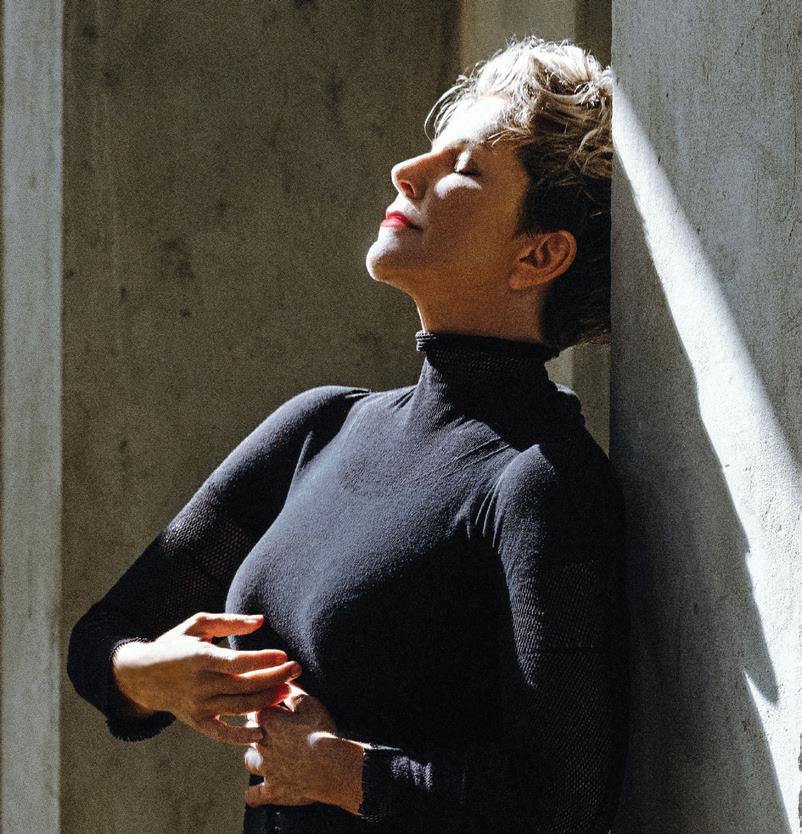
Conductor Joe Hisaishi with the CSO, June 2024; CSO Artist-in-Residence Joyce DiDonato
Chicago Symphony Orchestra Association Board of Trustees
OFFICERS
Mary Louise Gorno Chair
Chester A. Gougis Vice Chair
Steven Shebik Vice Chair
Helen Zell Vice Chair
Renée Metcalf Treasurer
Jeff Alexander President
Kristine Stassen Secretary of the Board
Stacie M. Frank Assistant Treasurer
Dale Hedding Vice President for Development
Chicago Symphony Orchestra Association Administration
SENIOR LEADERSHIP
Jeff Alexander President
Stacie M. Frank Vice President & Chief Financial Officer, Finance and Administration
Dale Hedding Vice President, Development
Ryan Lewis Vice President, Sales and Marketing
Vanessa Moss Vice President, Orchestra and Building Operations
Cristina Rocca Vice President, Artistic Administration
The Richard and Mary L. Gray Chair
Eileen Chambers Director, Institutional Communications
Jonathan McCormick Managing Director, Negaunee Music Institute at the CSO
Visit cso.org/csoa to view a complete listing of the CSOA Board of Trustees and Administration.
For complete listings of our generous supporters, please visit the Richard and Helen Thomas Donor Gallery.
cso.org/donorgallery