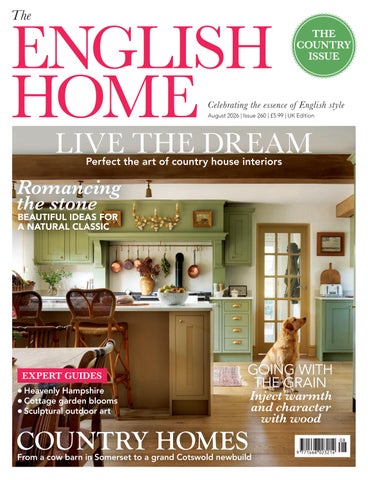

ENGLISH HOME
Perfect the art of country house interiors


BEAUTIFUL IDEAS FOR A NATURAL CLASSIC



• Heavenly Hampshire
• Cottage garden blooms


From a cow barn in Somerset to a grand Cotswold newbuild Romancing the stone



• Sculptural outdoor art COUNTRY HOMES








Notebook
13 SPOTLIGHT ON... New interiors studio This Home Grows.
14 PEOPLE & PLACES Interiors news and creative collaborations.
20 DESIGN DISCOVERIES Beautiful new finds for country living.
26 JOIN THE COUNTY SET Designs capturing the colour, character and spirit of British counties.
28 BEST IN SHOW Infuse schemes with a cornucopia of vibrant fruit and vegetable motifs.
30 THE EDIT A round-up of home and garden updates.
70 SUBSCRIBE Save 72% in our Summer Sale and receive 6 issues for £10,
English Homes
32 A WARM WELCOME The owners of this Sussex farmhouse have updated their much-loved home to provide more space and layered comfort.
42 A TASTE OF PROVENCE Lovingly transformed from a crumbling cow barn, this country haven is imbued with the gentle charm of the French countryside.
52 BLANK CANVAS TO COLOURFUL MASTERPIECE Bursting with vibrant colour, striking artworks and beautifully considered planting, this Victorian cottage delights inside and out.
60 BALANCING ACT Interior designer Victoria Wormsley helped transform a Georgian-style Cotswolds house create an elegant yet practical family home.
Style Inspiration
71 WELCOME HOME Create an inviting path and entrance.
72 COUNTRY DREAMING Ideas for decorating the principal bedroom and bathroom of the house in three different country aesthetics.
78 SERIES DESIGNERS’ SECRETS ANCILLARY ROOMS Discover how leading interior designers create hardworking yet beautiful pantries, boot rooms and utility spaces in their own homes.
86 NATURAL WARMTH Explore the beauty and versatility of wood for kitchens, flooring and bespoke projects.
95 SET IN STONE Creative ways to introduce stone and stone-effect finishes into your home.
Living The Season
103 BLUEBERRY, OAT & HONEY SCONES A summery twist on a quintessential treat.
104 IN TUNE WITH NATURE Embrace the sights, harvests and tastes of August.
108 WHERE ART MEETS NATURE Discover the craftsmanship behind garden sculptures.
114 MAKE A STATEMENT Elegant garden ornaments to create a focal point.
117 THE JOYS OF LATE SUMMER IN A COTTAGE GARDEN The flowers putting on a show in August.
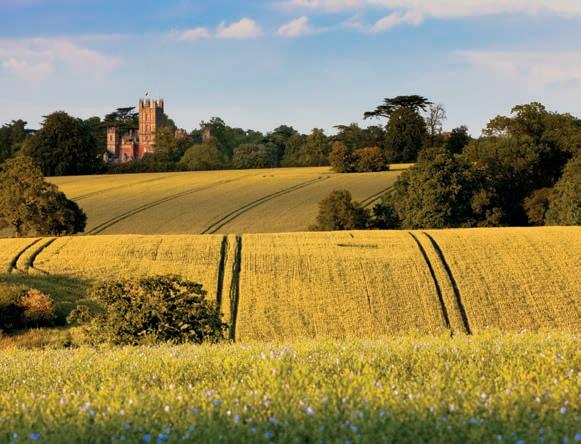
122 HIGHLIGHTS OF HAMPSHIRE Explore the coast and countryside, ancient forests and castles of this diverse county.
130 MY ENGLISH HOME Patrick Grant shares his country life in Yorkshire.



CHARLOTTE GAISFORD
A letter from home

Welcome to our much anticipated Country Issue – one that we hope you will enjoy as much as we love creating. Our four beautiful houses this month, all with their own take on country style, include a grand Georgian-style newbuild in the Cotswolds with interiors by designer Victoria Wormsley, to a once-crumbling cow barn in Somerset with a Provençal feel, lovingly restored by a Francophile couple.
Continuing in this vein, we have put together three different mood boards to help achieve the ultimate country bedroom suite, no matter where you live – from classic grandeur to pared-back neutrals to a relaxed eclectic mix. There is a sneak peek into how interior designers style their own ancillary rooms, and we have found some lovely, stylish buys with a vibrant fruit and vegetable theme, perfect for summer!
Natural materials take centre stage, too. We celebrate the versatility of stone, from flooring and worktops to sculptural baths and window surrounds, while wood features as an enduring favourite for kitchen, walls and floors, and all sorts of bespoke options, from staircases to Crittall-style doors.
Recognising that garden art is becoming increasingly popular, we meet four leading garden sculptors to discover how their designs are made, while garden photographer Mark Bolton reveals how to create the perfect cottage garden from his own plot in Devon. And last but not least, My English Home highlights The Great British Sewing Bee’s Patrick Grant in his Grade II listed house in Yorkshire.
We hope this special issue inspires you to embrace the enduring beauty and character of the English countryside.

Alison Davidson, Editor
SUMMER SALE!
Subscribe to The English Home and receive 6 issues for £10, a saving of 72%!
Two easy ways to subscribe: Visit chelseamagazines.com/ECSS26 Or call 01858 438889 and quote code CSS26

CONTACT US
The English Home
111 Buckingham Palace Road
London SW1W 0DT
Email theenglishhome@chelseamagazines.com
Website theenglishhome.co.uk
The Chelsea Magazine Company Ltd
Email info@chelseamagazines.com
EDITORIAL
Editor Alison Davidson
Deputy Editor Katy Mclean
Art Editors Andrea Lynch, Rebecca Stead
Production Editor Lea Tacey
Features Editor Suzanna Le Grove
Houses Editor Charlotte Dunford
DIGITAL
Digital Content Lead Sophia Pouget de St Victor
Senior Digital Content Writer Amber-Rose Hurst
ADVERTISING
Head of Revenue and Operations Simon Temlett
Senior Advertising Manager Laurna Barry 07470 813435; laurna.barry@chelseamagazines.com
Advertising Manager Hannah Lees 07715 631382; hannah.lees@chelseamagazines.com
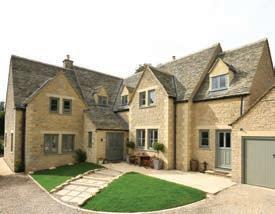
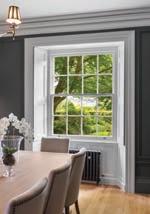
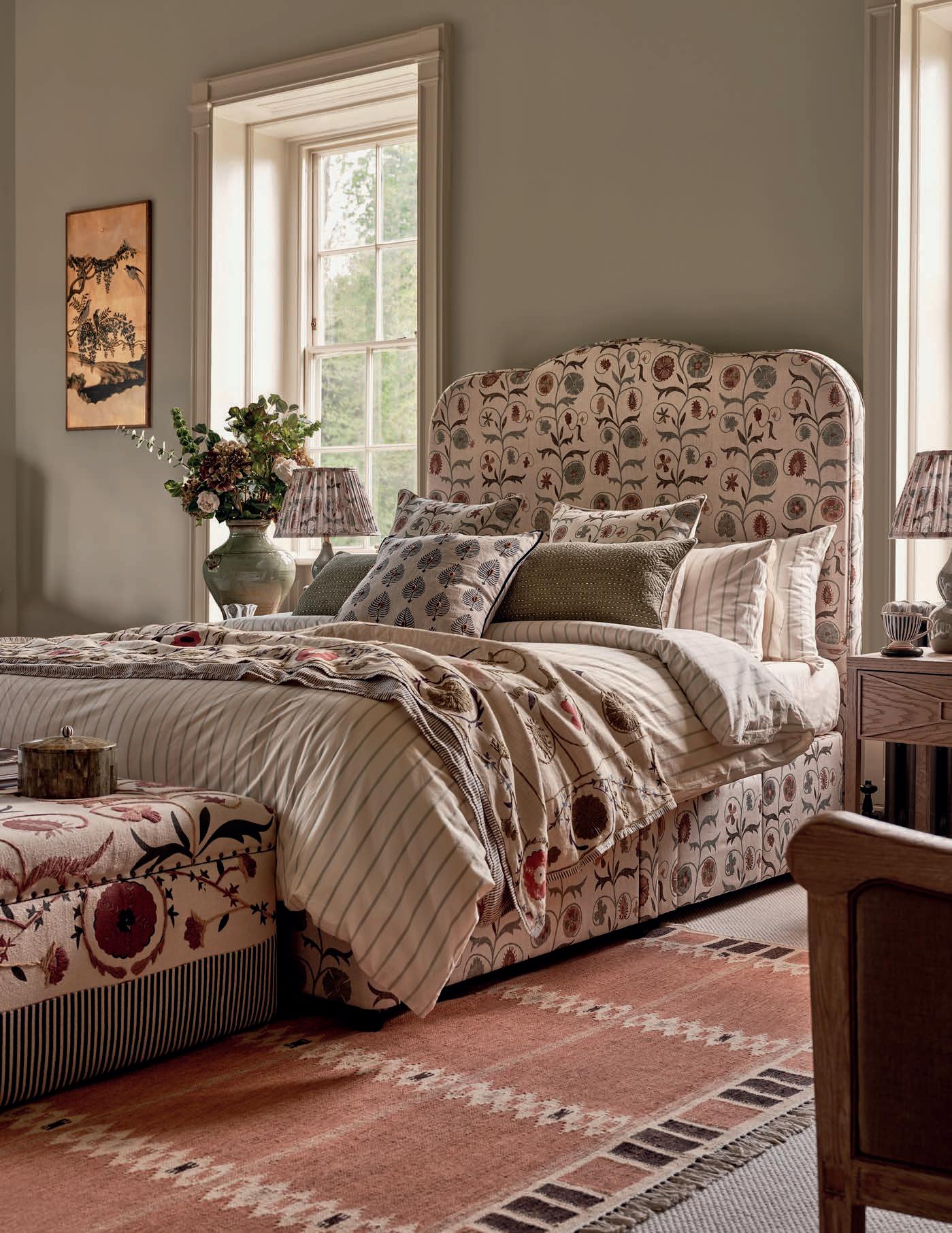
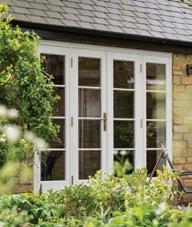
Naturally beautiful, our award-winning timber windows and doors are the logical choice. Constructed from engineered timber slow grown in cold climates, their strength, stability and beauty are guaranteed.
Our collection has been carefully and sensitively tailored to complement the English home. Unlike timber windows of old, our products will not twist, will not rot and require very little maintenance. High levels of insulation and security ensure there is no need to sacrifice beauty for comfort.
With a15% discount off all windows & doors in our Summer Sale, explore the range in 55 showrooms nationwide.




Advertising Production 01202 472781; allpointsmedia.co.uk
PUBLISHING
Managing Director Marie Davies
Chief Financial Officer Vicki Gavin
Publisher Caroline Paton-Philip
Head of Marketing Seema Bilimoria
Subscriptions Marketing Manager Parveen Bhambra
Subscriptions Data Executive Meg Muliqi
Associate Publisher Annabelle Lee
Publishing Executive Jacob Watkins
PRODUCTION
Reprographics Manager Neil Puttnam
Printing Walstead Roche Ltd
Manage your subscription: account.chelseamagazines.com Back issues: chelseamagazines.com/shop
PHONE 01858 438 889
EMAIL theenglishhome@subscription.co.uk
ONLINE theenglishhome.co.uk
POST The English Home
CDS Global, Tower House, Sovereign Park, Lathkill Street, Market Harborough LE16 9EF
CELEBRATING THE BEST OF BRITISH CRAFTSMANSHIP
● Discover the stories behind family-run British businesses that have been shaping beautiful homes through generations of craftsmanship
● Bespoke design solutions and expertly crafted details for a distinctive home
● Inside the inspiring home offices and studies of leading interior designers
● An essential guide to selecting windows and doors for every style of home
● Architectural insights and expert answers to home design questions
PLUS Celebrate autumn with beautiful seasonal flowers, embrace the art of slow living, discover the enduring beauty of Somerset, and much more…






NOTEBOOK





The most covetable new buys and launches by British makers, pieces inspired by our countryside, and fruit and vegetable designs to add a touch of whimsy

SPOTLIGHT ON… This Home Grows

As champions of craftsmanship ourselves, we are always delighted to see new ventures that support artisans and celebrate the handmade. Holly Bennet has embarked on just such an endeavour, launching a new home and lifestyle brand,


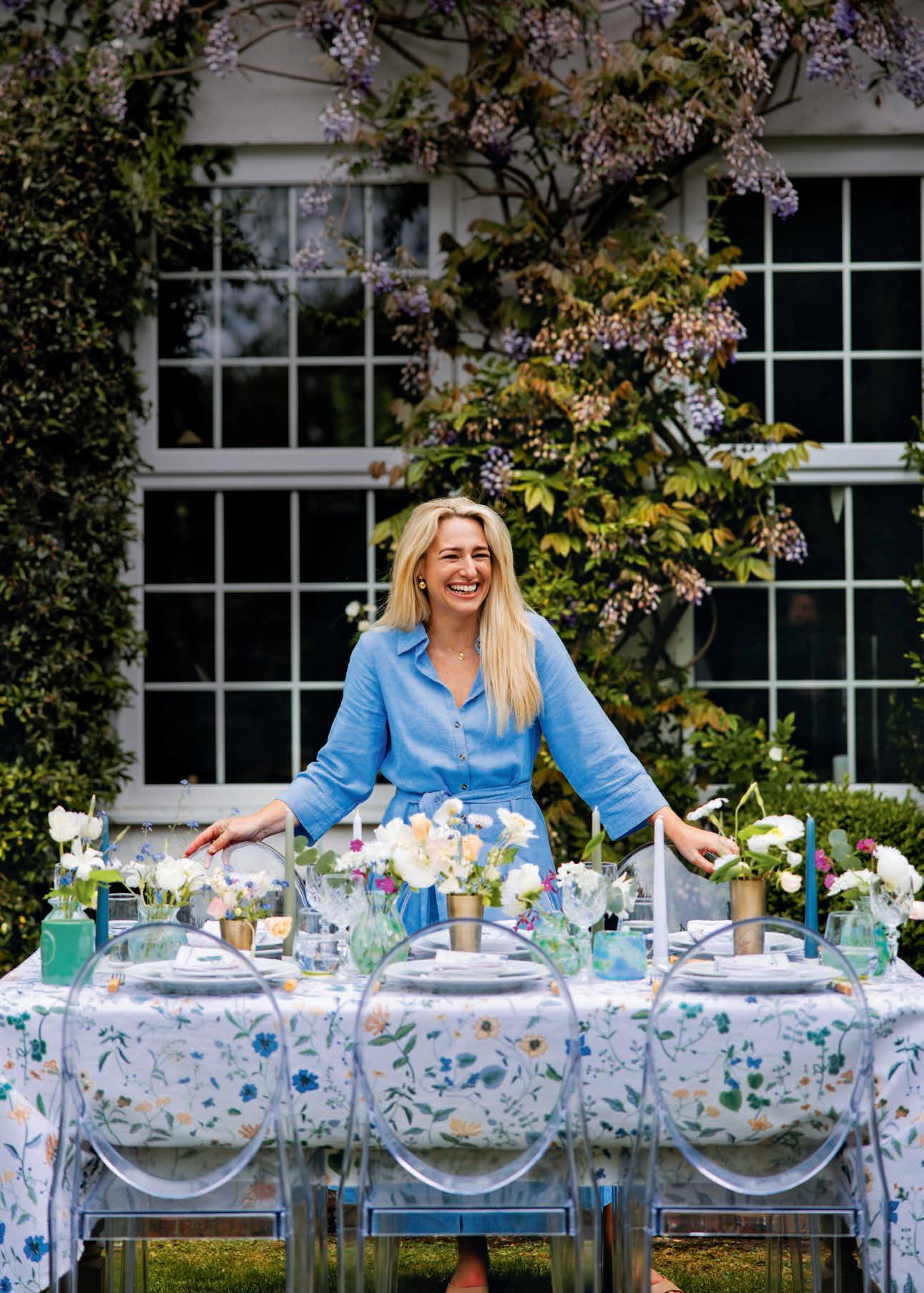
This Home Grows, offering a curated selection of pieces inspired by her home life in Devon. Having previously worked in television and broadcasting, Holly was seeking a new creative outlet and during maternity leave began exploring ways to bring together a love of seasonal living, floristry and artisanal homeware. ‘Flowers and nature have this incredible way of grounding us in a moment and creating memories around home, gathering and everyday rituals,’ says Holly.
‘I wanted to create a collection that feels thoughtful, tactile and deeply connected to nature, encouraging people to slow down and find beauty in the everyday.’

Her debut collection features bud vases, handblown in Devon, and table linen, made in the UK, with floral designs drawn by Holly herself.
The Wilding table linen, from £102 for six napkins, This Home Grows


PEOPLE PLACES
&
Covetable new collections by talented makers and designers that celebrate a country lifestyle, creative collaborations and significant anniversaries
FEATURE
KATY MCLEAN
Naturally Inspired
New from Elsie’s Daughters
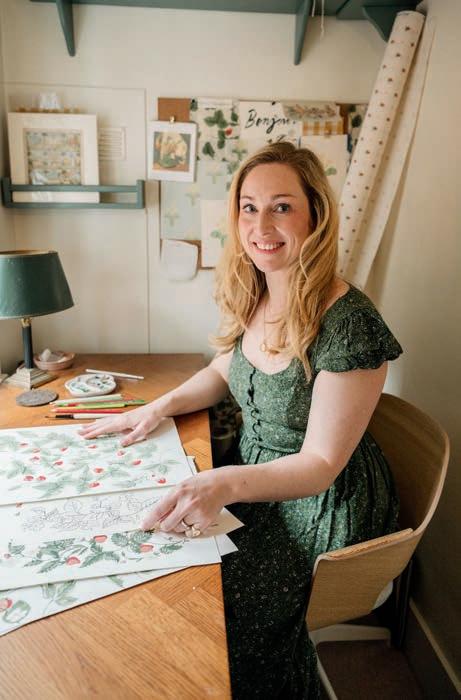
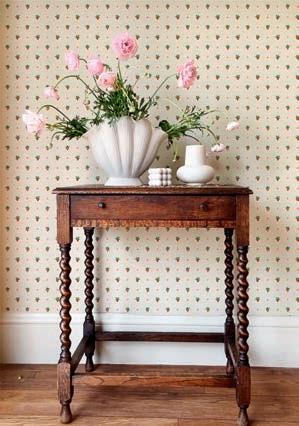
The rich variety of flora found in an English country garden has long inspired artists, and fabrics and wallpapers that capture the beauty of our native plants are a natural choice for decorating a country home. Illustrator Isabel Zarth has channelled this inspiration into her new interiors brand, Elsie’s Daughters, drawing on her garden and the surrounding landscape. With a background in illustration, Isabel creates original watercolours of native flowers, which are then transformed into made-toorder wallpapers and fabrics, printed in small batches.
The company honours Isabel’s greatgrandmother, Elsie, whose love of sewing, drawing and knitting lives on through Isabel’s nostalgic designs, which evoke a timeless, whimsical charm. ‘My aim is to grow a brand that feels collectible and enduring, with pieces designed to live with people over time, not just for a season,’ says Isabel. ‘I want to create products that bring a sense of belonging into everyday life, grounded in the belief that your home is an expression of who you are.’ elsies-daughters.com

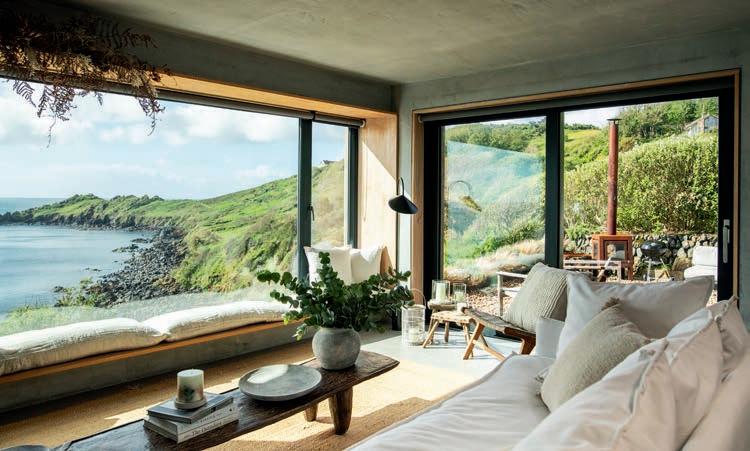





To celebrate its 25th anniversary this year, luxury holiday home specialist Unique Home Stays has joined forces with The White Company to create an exclusive summer retreat. For a limited time, one of Unique Home Stays’ properties, Ukiyo, has been transformed into an immersive summer house showcasing The White Company’s signature collection for relaxed coastal living.
Named after the Japanese concept of ‘the floating world’, Ukiyo appears to hover above the sea in Coverack, Cornwall. The striking retreat has a deep connection to its coastal setting, enhanced by thoughtfully chosen pieces from The White Company that complement its calm, understated aesthetic. Stays are available to book now, with short breaks from £1,950. uniquehomestays.com.




Well Matched
A collaboration for a debut rug collection
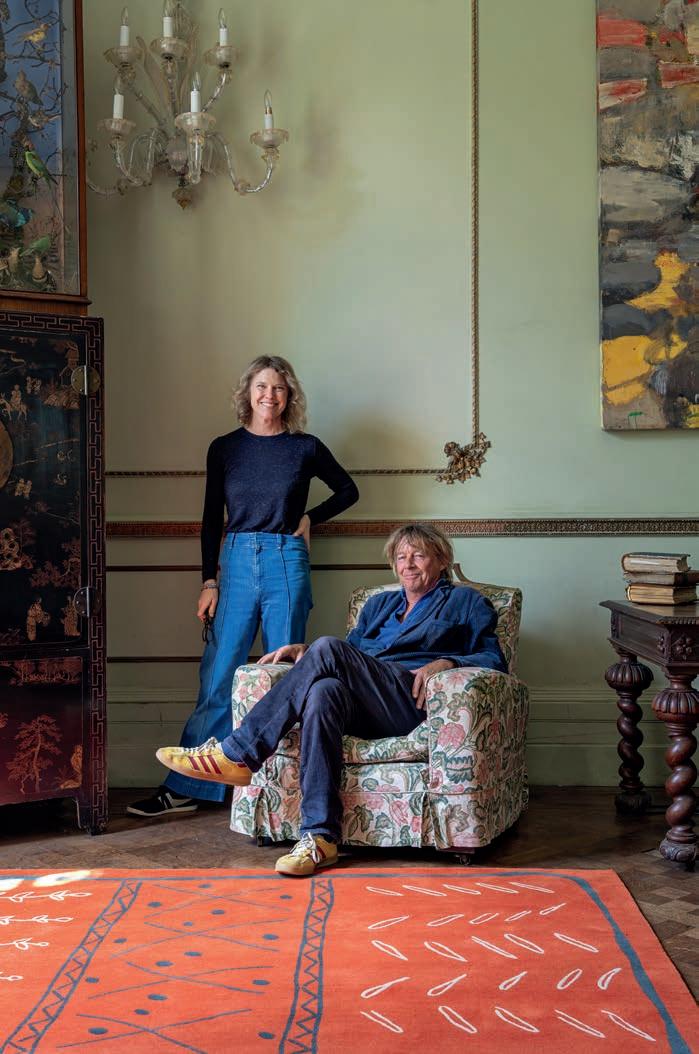
Collaborations between leading design creatives always capture our attention, so we were delighted to discover the new rug collection by Julian Chichester and Amy Kent, launching at Focus/26 (14–18 September 2026, Design Centre, Chelsea Harbour). Inspired by the Tapa cloth paintings of the Pacific Islands, Julian has reinterpreted their distinctive stencilled patterns, and Amy has brought the designs to life with her skilled artisan partners in India and Nepal. Tapa is a handwoven flatweave, crafted in Bhadohi on a traditional horizontal loom, while Harvest (pictured) is hand-knotted in Kathmandu on a vertical loom. The collection combines timehonoured craftsmanship with contemporary design to create rugs that are both beautiful and made to last. amykent.co.uk; julianchichester.com
Family Legacy
New studio Meredith House honours heritage
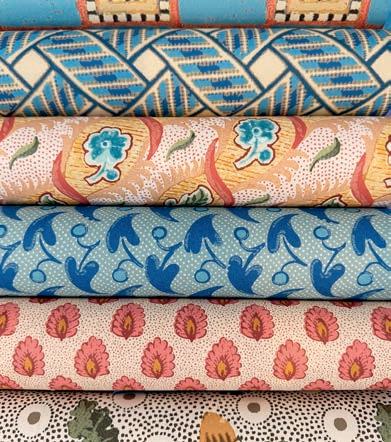
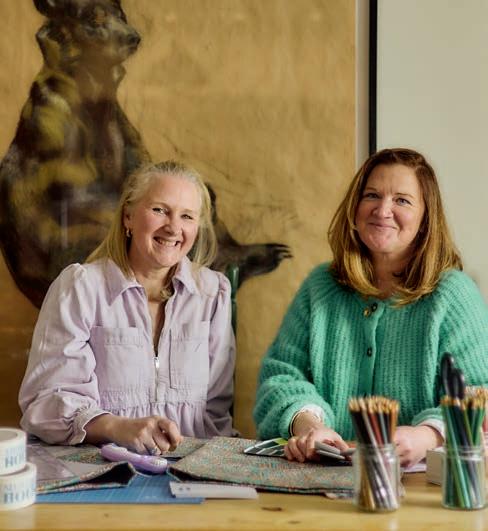
Sisters Sophie Porter and Celia Haynes’ parents had a deep passion for interiors. Their father, Charles Meredith Hamer was as a director at Turnell & Gigon, and their mother decorated the family home with rich colour, texture and pattern. ‘We grew up in houses where every detail was considered. When it came to our own homes, we knew what we were looking for, but finding the right balance of quality and design proved a challenge. So we decided to design our own,’ they say.
Meredith House’s debut collection has 14 designs in 114 colourways, exploring florals, block prints and geometrics, combining heritage and modern designs that perfectly suit an elegant country home. meredithhouse.co.uk

WOW! Factor

Martin Kemp’s furniture collection
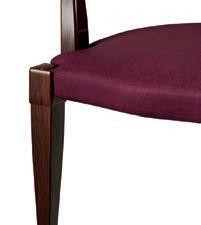
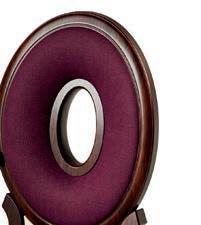
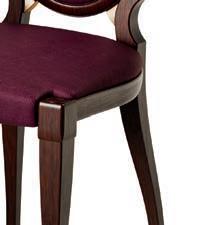
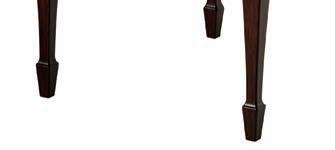
Martin Kemp Design’s Parlour at WOW!house provided an opportunity to show his debut furniture, lighting and accessories collection, From The Avenue. Among the distinctive pieces is the Nelson dining chair, notable for its single arm, which allows for easier conversation around the dinner table.
‘We wanted to create pieces that hold meaning beyond their function,’ says Martin. ‘Designs that feel timeless rather than trend-led, combining a sense of familiarity with subtle moments of surprise.’ martinkempdesign.com


Sitting Comfortably
The perfect armchair
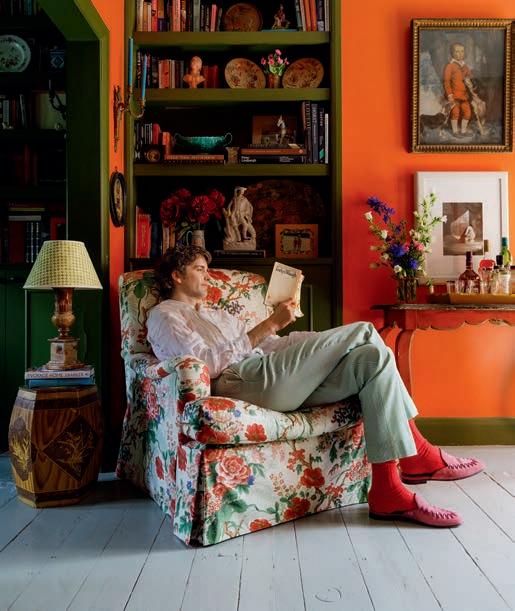
‘Over the years I’ve heard countless friends, clients and family members vent their frustration over the hunt for “the perfect chair”,’ says Max Hurd. With this clear ambition in mind, the tastemaker and stylist collaborated with furniture maker The House Upstairs to turn the idea into reality.
The result is the Look No Further chair, a take on a traditional armchair that retains all of its cosy appeal. ‘It’s inspired by some of the greatest chairs in existence, but modified for contemporary living spaces. It is that piece you have been waiting for – the chair that lives with you for the rest of your life,’ enthuses Max. thehouseupstairs.co.uk
Sweet Dreams
Rebecca Udall’s first bedlinen
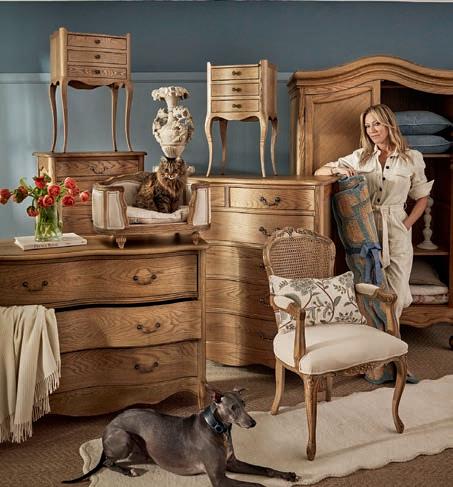
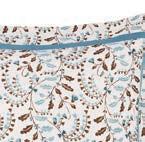
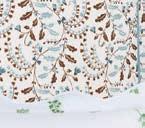
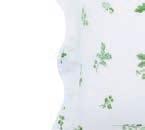
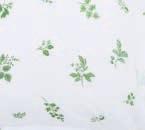
Known for producing beautiful textiles, Rebecca Udall is launching her first collection of printed bedlinen. The three designs take inspiration from nature and archival textiles. Options with smart tailored finishes and romantic ruffled edges can be combined to create a layered English country house bedscape, with hints of nostalgia and a fresh take on classic chintz.
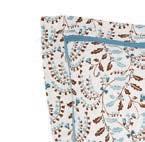
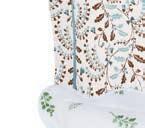

Designed in Yorkshire, the collection is ‘exclusively crafted in Italy from the raw fibre to the final tailored piece, utilising the unparalleled heritage techniques of artisans at an esteemed Florentine mill.’ rebeccaudall.com
Mutual Benefits
National Trust kitchen collection
French Connection
20 years of French Bedroom









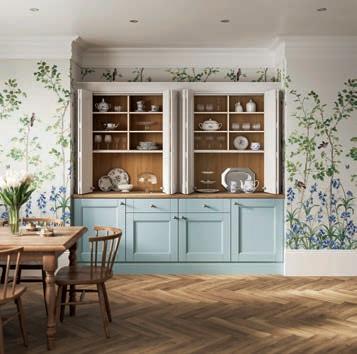
Working with kitchen maker Symphony, the largest privately owned fitted furniture manufacturer in the UK, the National Trust has created a fitted kitchen collection that champions heritage and sustainable craftsmanship. As part of the collaboration, a minimum of £50,000 from sales of The National Trust Kitchen collection will be donated to support woodland management at Hardcastle Crags, Symphony’s local National Trust site. As well as bringing heritage home, customers will also help support 400-acres of woodland. symphony-group.co.uk/nationaltrust
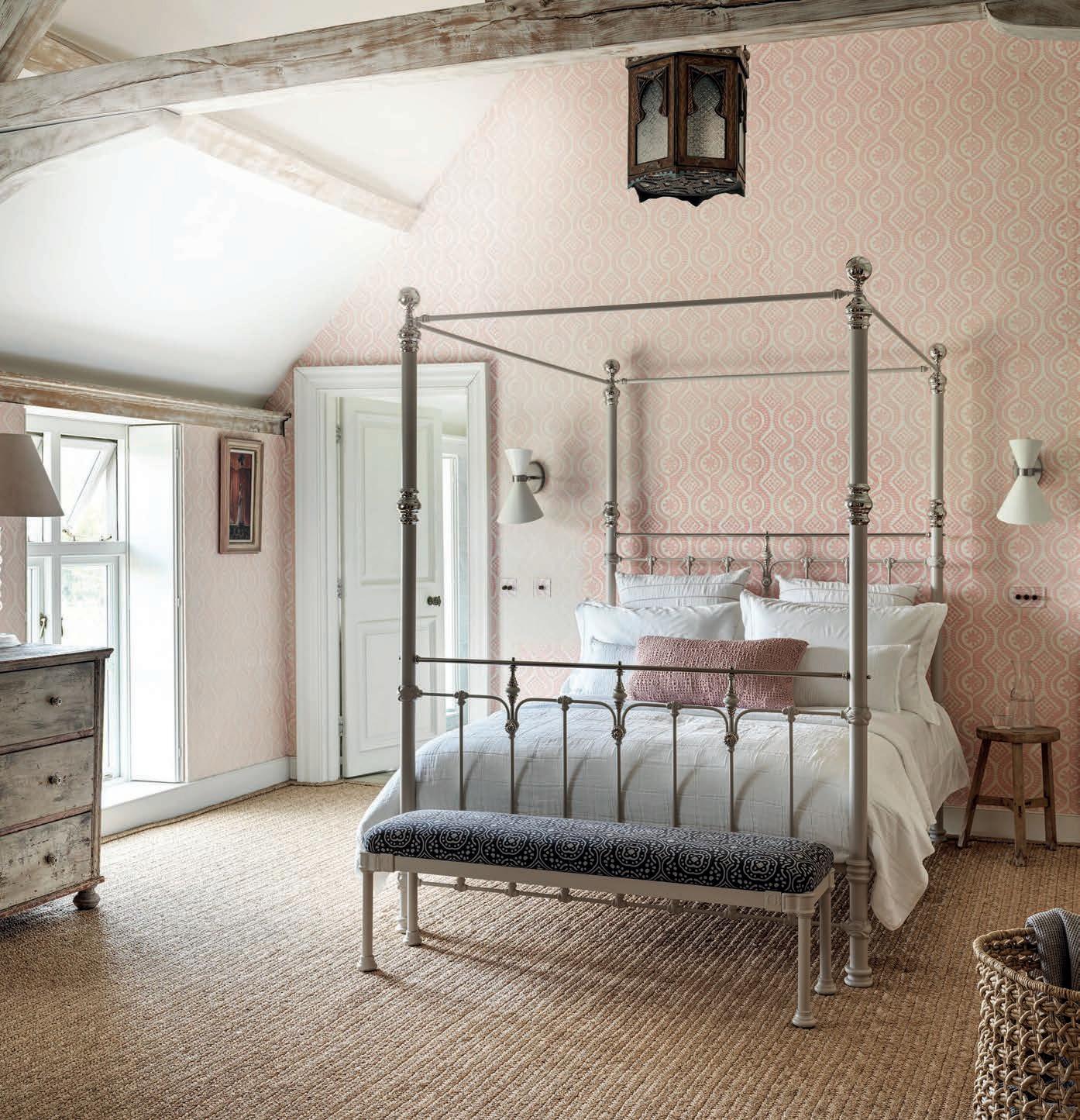
English country house style has long been shaped by influences from around the world, including the timeless romance of French interiors. Recognising a gap in the market for beautifully crafted, feminine French-style beds, Georgia Metcalfe founded French Bedroom, drawing inspiration from her travels through France – from brocantes and antique markets to rose-filled gardens. ‘French Bedroom was born from a love of characterful interiors, travel, heritage and memory – the quiet influence of home: my granny’s rose garden, my childhood Georgian home in Bath,’ she says.
Over the past two decades, the brand has grown to encompass bed linen, lighting and furniture. Georgia says, ‘2026 feels like a moment to expand what we’ve built over the past 20 years. At the heart of our vision is sustainability through longevity: crafting “antiques of the future” from solid wood, designed to outlast trends. Above all, we remain focused on building beauty that endures – creating furniture and a community that evolves with our customers while celebrating timeless, unapologetic femininity.’ frenchbedroom.co.uk ■
Summer entertaining made effortless

Save £401 when you purchase any Quooker system with a CUBE and installation by a Quooker engineer
Offer ends 31st August 2026
Discover how Quooker can transform your Summer.
Enjoy instant 100°C boiling, chilled, and sparkling water – all from one tap. A Quooker tap can be installed in your existing kitchen in under two hours*, is simple to use, and impossible to live without.
Time-saving. Energy-efficient. Safe.
Quooker transforms everyday kitchen tasks while it can help you save time, reduce waste, and help to improve safety.
See it in action – from your own home.
Book a free live virtual demonstration with our expert team. They’ll walk you through the features and answer any questions, one-to-one.
Quooker isn’t just a tap, it’s a game changer in the kitchen, and the kind of company that makes you feel good about where you’ve spent your money.
DESIGN DISCOVERIES
Floral motifs, layered textures and thoughtful details combine to create a beautiful seasonal backdrop
FEATURE SUZANNA LE GROVE
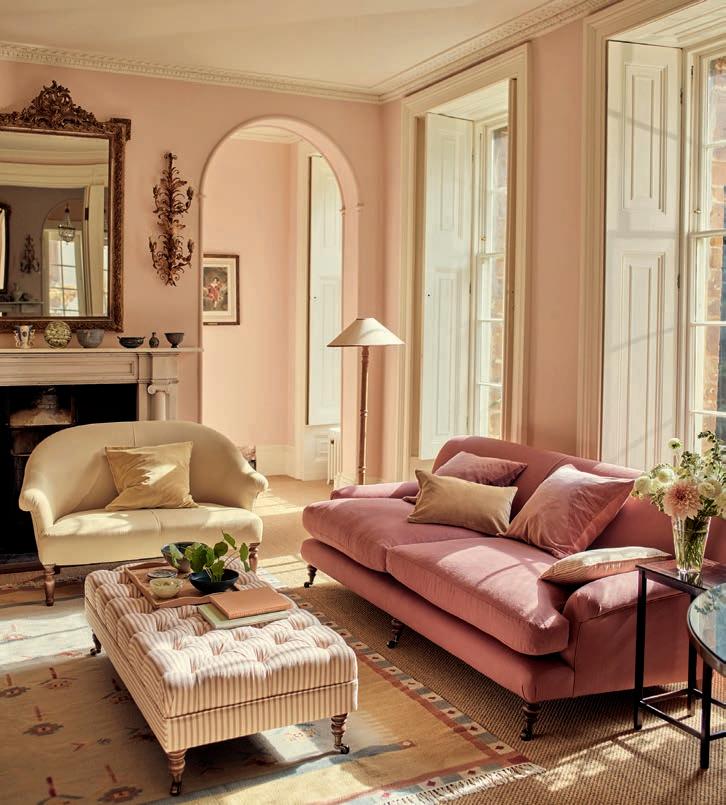
COMFORTABLY SETTLED
Made for sinking into, this three-seater sofa (on the right) embodies a relaxed country mood. The handmade design has foam-filled, feather-wrapped cushions, balanced by elegant detailing, including aged-oak legs set on antique brass casters.
Remy three-seater sofa, Aged Rose Linen, £2,778; Elbert Ottoman, Heritage Pink Stripe, £1,148, Rowen & Wren
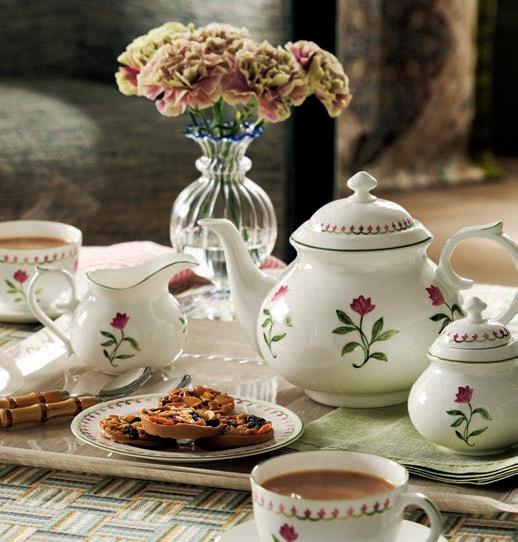
TIME FOR TEA
Elevate leisurely breakfasts or teatime treats with this fine bone china tea set. Each piece in Nina Campbell’s Marguerite collection is handmade in Stoke-on-Trent and decorated with pretty floral motifs to imbue interiors with the charm of an English country garden. Marguerite tea set in pink, from £89 for a sugar pot; Feather Stitch napkins, Peridot, £27 each; Panda Bamboo teaspoons, £20 each, Nina Campbell
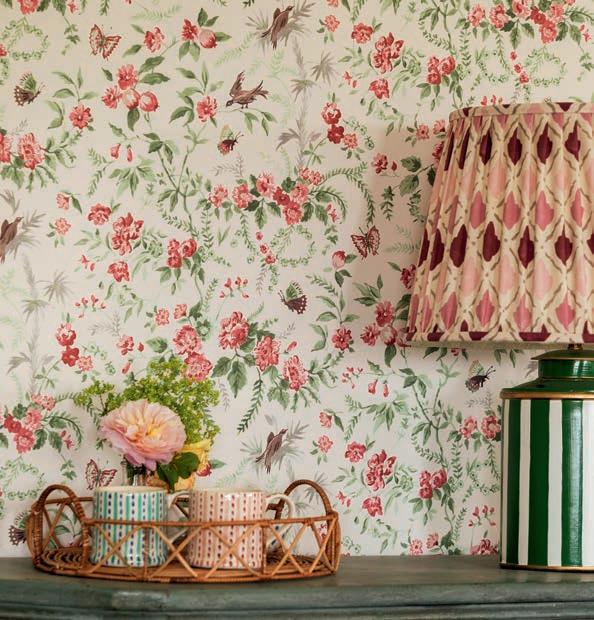
EVERLASTING FLOWERS
Capturing the joy of whiling away the hours in a shady spot outside in summer, this wallpaper’s chinoiserie-style design, with its profusion of butterflies and abundance of frothy pink flowers, is sure to make the heart sing all year round. Printed in England, it has a nostalgic appeal which can be added to with the matching fabric.
Papillon wallpaper, Pink Moss, £178 a roll, The Mews
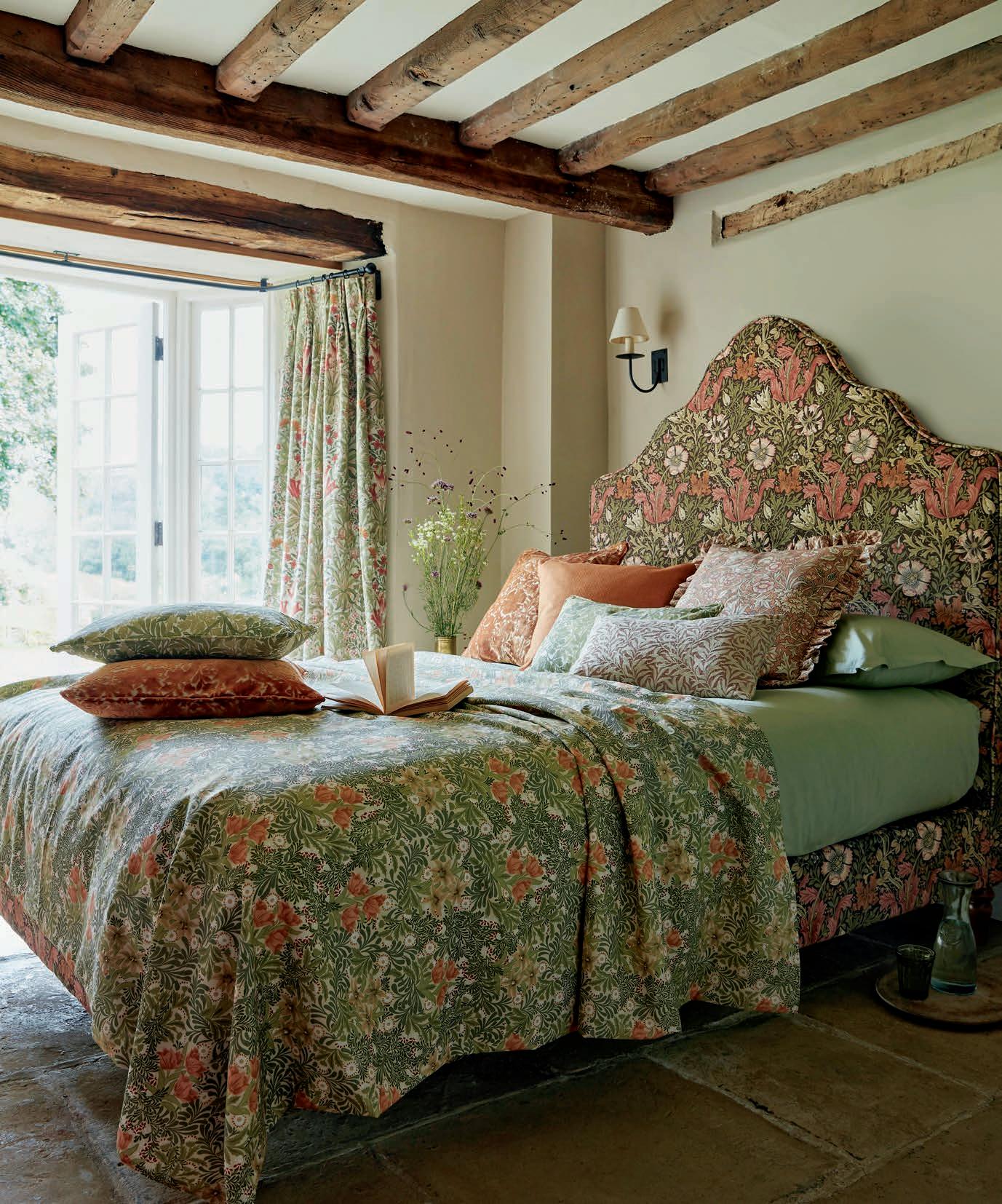
HAPPY BEDFELLOWS
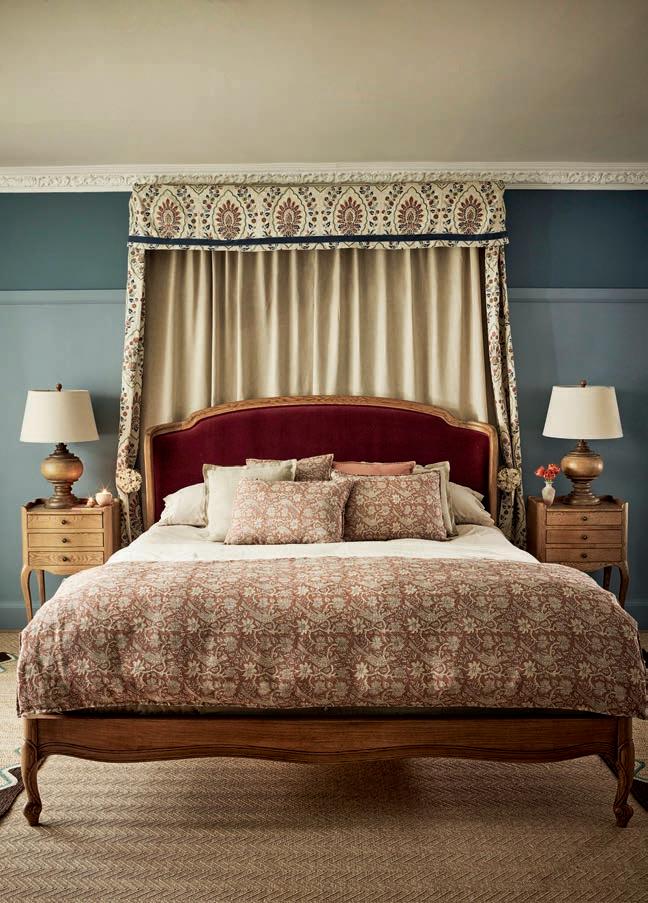
Designed to make a statement, this bed features a curvaceous headboard inspired by elegant French Rococo styles. Fittingly for an English country bedroom, it is covered in a classic William Morris fabric, paired with layers of tonal patterns in complementary nature-inspired designs. The look feels indulgent yet harmonious, lending a softer, modern-country approach to maximalist layering. Rose king-size bed frame in William Morris At Home by Ashley Wilde, £945, Button & Sprung

COUNTRY CHARM
FRESHLY DRIED
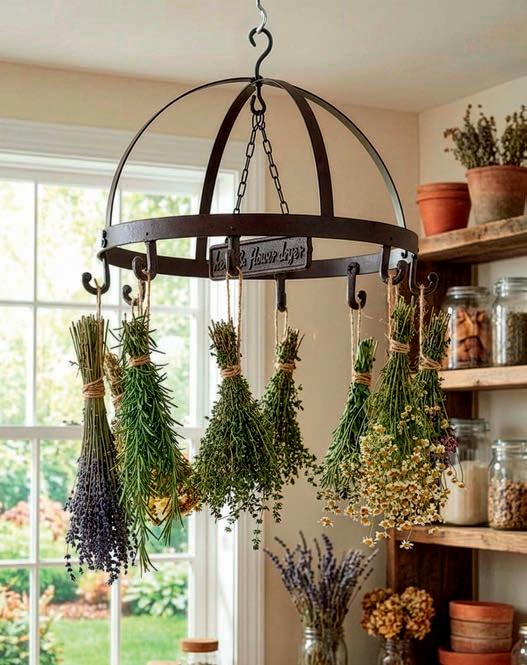
Brimming with character, this hanging drying rack is ideal for preserving favourite flowers and herbs from the garden. Its vintage-style iron frame brings oldworld charm to kitchens, utility rooms and boot rooms, while the lightweight yet durable construction ensures it is as practical as it is pretty. Origan hanging herb and flower dryer, £49, Dibor
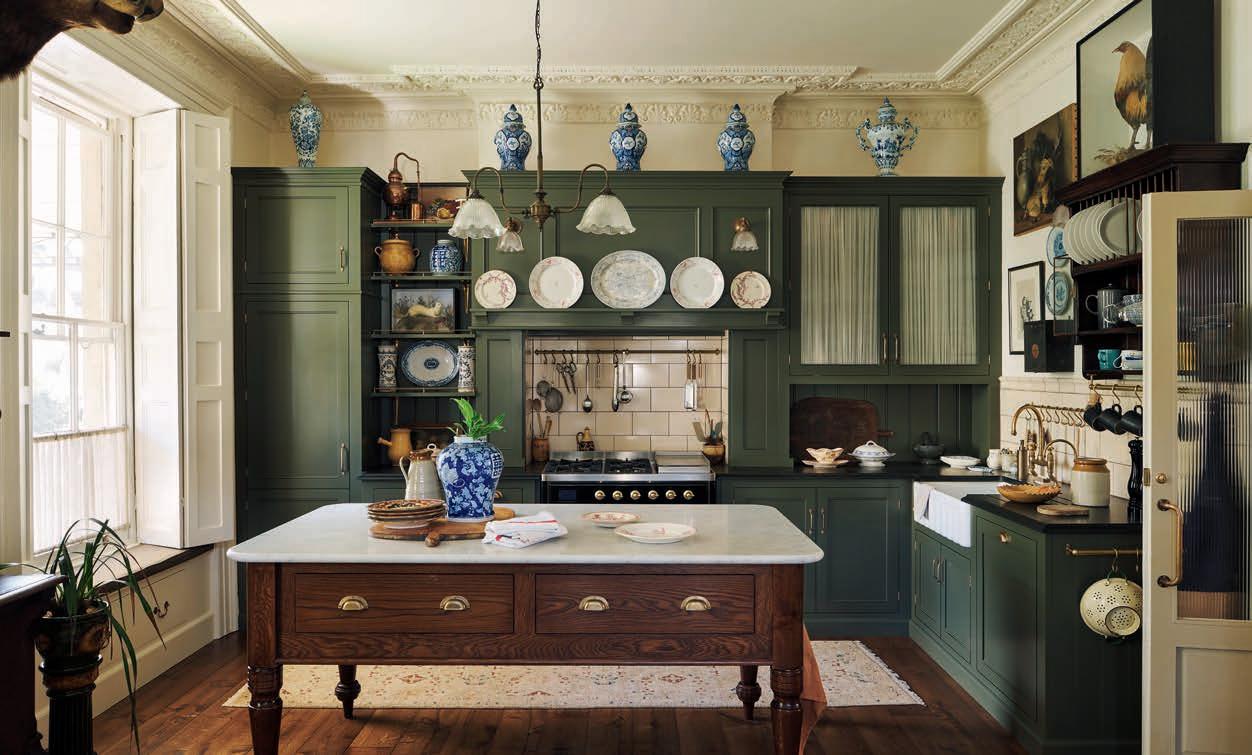
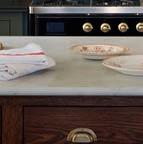
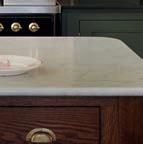
Here, DeVOL’s Classic English Kitchen features smart green and dark wood finishes, with honed black granite and light Carrara marble surfaces for a luxurious touche, and cream subway tiles to ground the look with a glossy and timeless simplicity. The Classic English Kitchen, from £30,000, deVOL

MATCHING WALLPAPER
For those who love Fermoie’s distinctive fabric patterns and wish the brand offered a wider wallpaper collection, there is good news: 11 new designs are being added to the 10 launched last year. Adapted from the company’s textile archive, the collection now includes 60 per cent of its fabric designs, all created and produced at its in-house studio in Marlborough. Eythorne wallpaper, £195 a roll, Fermoie

POTTED APPROACH
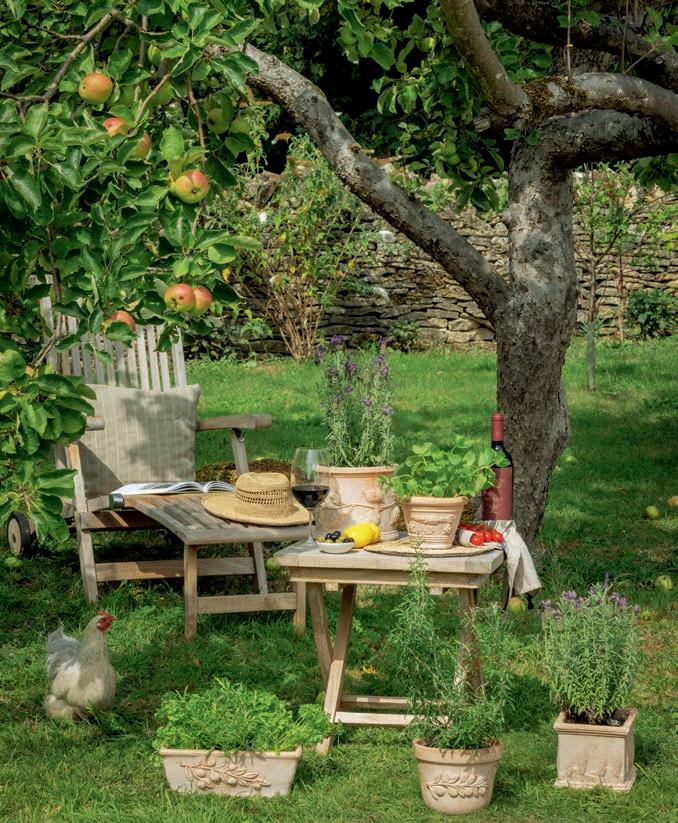
For a herb garden that has a contemporary country look and feel but nods to timeless style, group terracotta pots in different heights and shapes together. These decorative planters work especially well for arranging an attractive display next to summer seating, and, as seen here (above), they can be easily moved to create scented centrepieces on an outdoor side table or a larger dining table.
Outdoor terracotta planters, from £29.99, Ivyline
RUSTIC YET REFINED
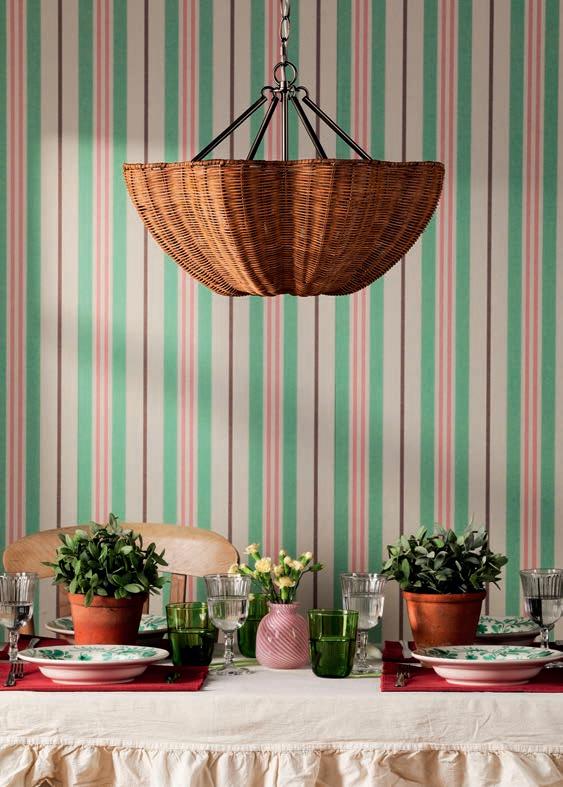
The rich tone and woven patina of a rattan light shade bring warmth and character to a scheme by day, while its natural texture casts a softly diffused glow when illuminated. This contemporary dark rattan pendant (as seen below) pairs an elegant fluted silhouette with bronze-toned metalwork, elevating the relaxed aesthetic often associated with rattan. Ideal above a dining table, it adds texture and decorative appeal. Braywick 3 light pendant satin bronze and dark rattan shade, £180, Dar Lighting
BRUNCH OUTSIDE?
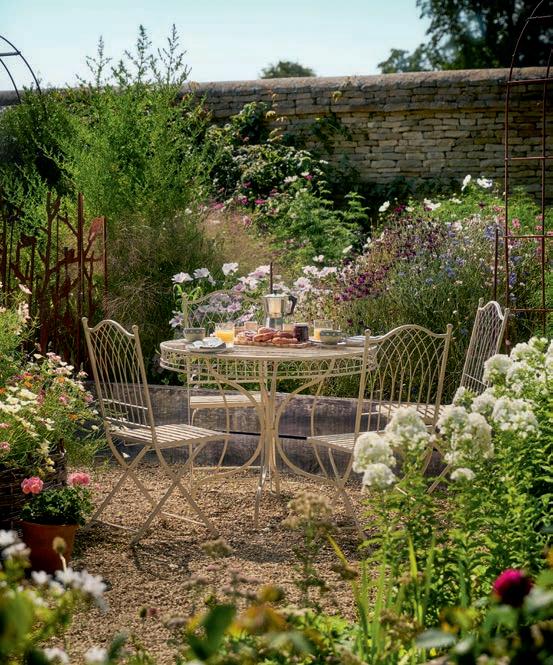
Outdoor dining sets encourage the idea of eating al fresco at a moment’s notice. Although usually positioned on a terrace or gravelled space, they can easily be moved elsewhere in the garden to enjoy a change of scenery. A larger bistro-style table, capable of seating four, offers greater flexibility – from enjoying a quiet moment alone to hosting friends and family.
Ardenne dining set in Cream, £625, Cox & Cox ■
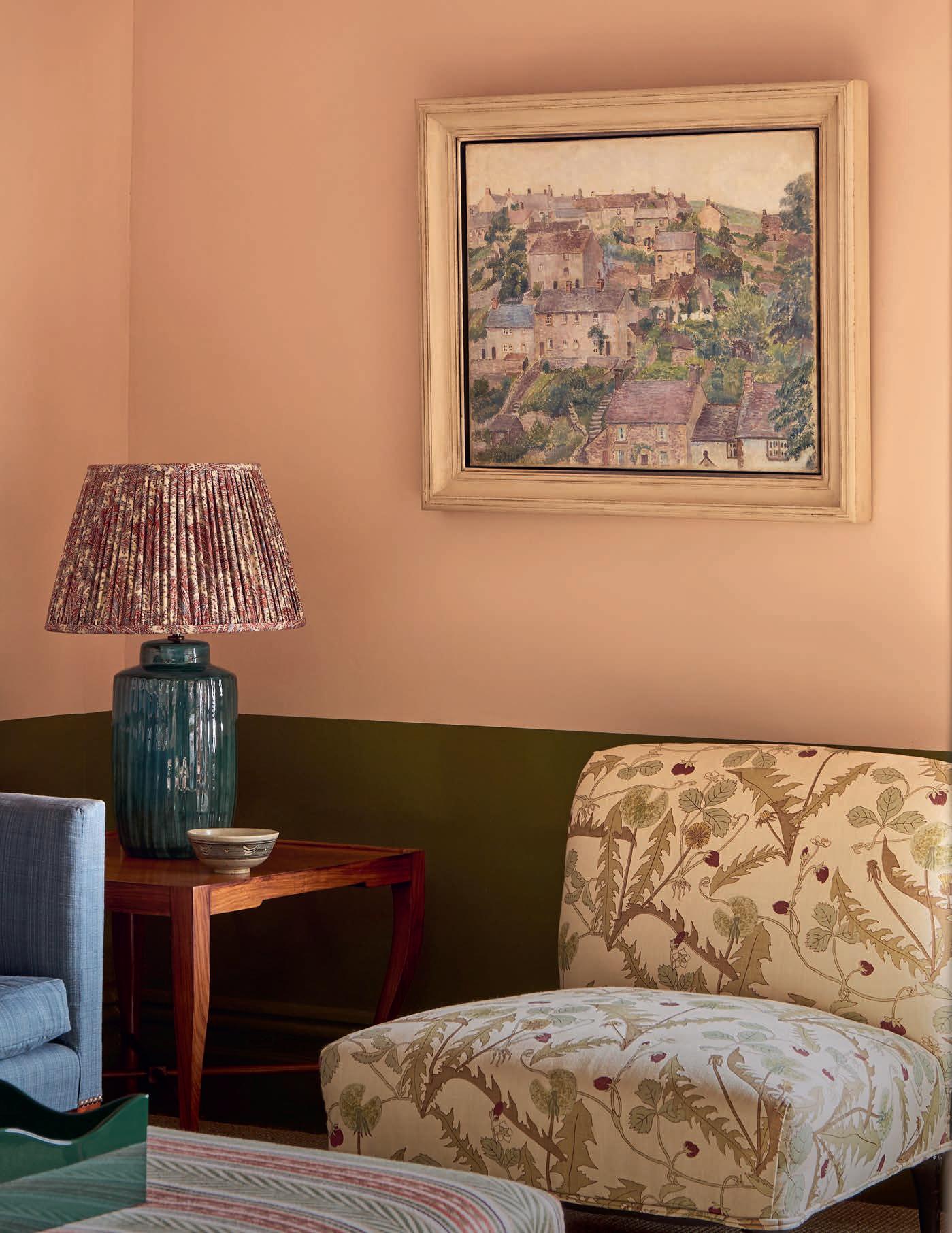
Lucien Pissarro (1863-1944), Coldwell End, Youlgreave, 1928
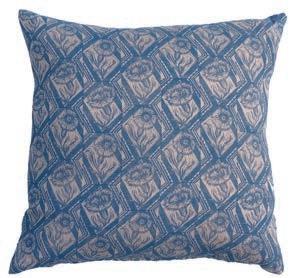
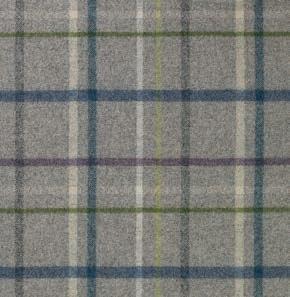
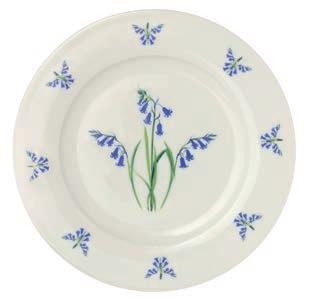

Join the COUNTY SET
Inspired by the distinctive palettes and scenery of some of England’s most beautiful counties, these designs capture the colour, character and spirit of each place
1 COTSWOLDS Garden Pinks block-printed cushion, Plaster and Slate Blue, £145, Sophie Elm
2 WEST SUSSEX Bluebell fine bone china plate, £24, Jane Abbott
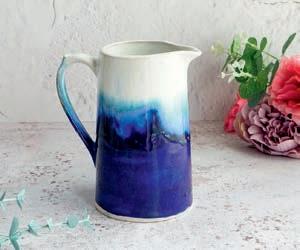
3 DORSET Lulworth Cove handcrafted ceramic stoneware jug, £40, Jenny Hopps Pottery at Holly & Co
4 YORKSHIRE Multicheck Mid Grey wool fabric, £74 a metre, Moon
5 CUMBRIA Assa Marra Day wallpaper, £80 a roll, Lakes and Fells
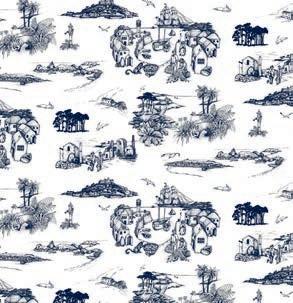
6 CORNWALL Cornish Toile linen fabric, Off White, £65 a metre, Cream Cornwall
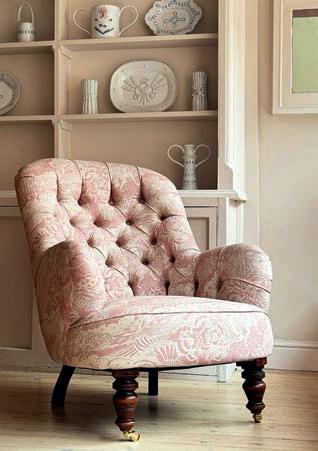
7 SUFFOLK Button-back upholstered chair in Becki Bright’s Apple Picker fabric, £2,600, The Merchant’s Table
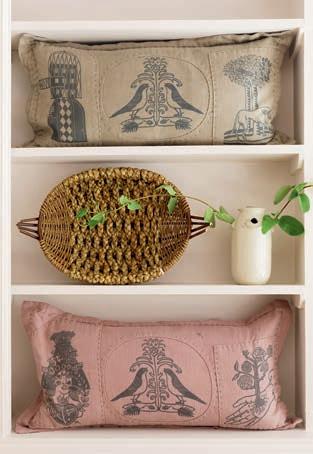
8 SOMERSET Patched-linen ‘Somerset Song’ cushions, £375 each, Bonfield Block Printers at The Merchant’s Table
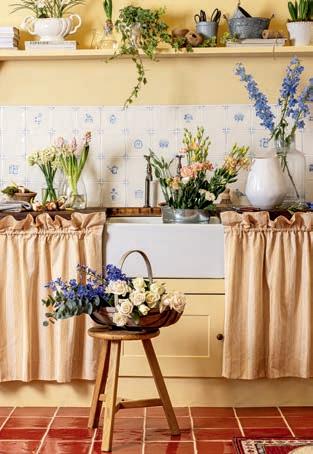
9 WILTSHIRE English Garden Delft tiles, £34.66 each; English Garden Corner Motif tiles, £4.04 each, Marlborough Tiles



Sleep Cool with Wool this Summer
Sleep Cool with Wool this Summer
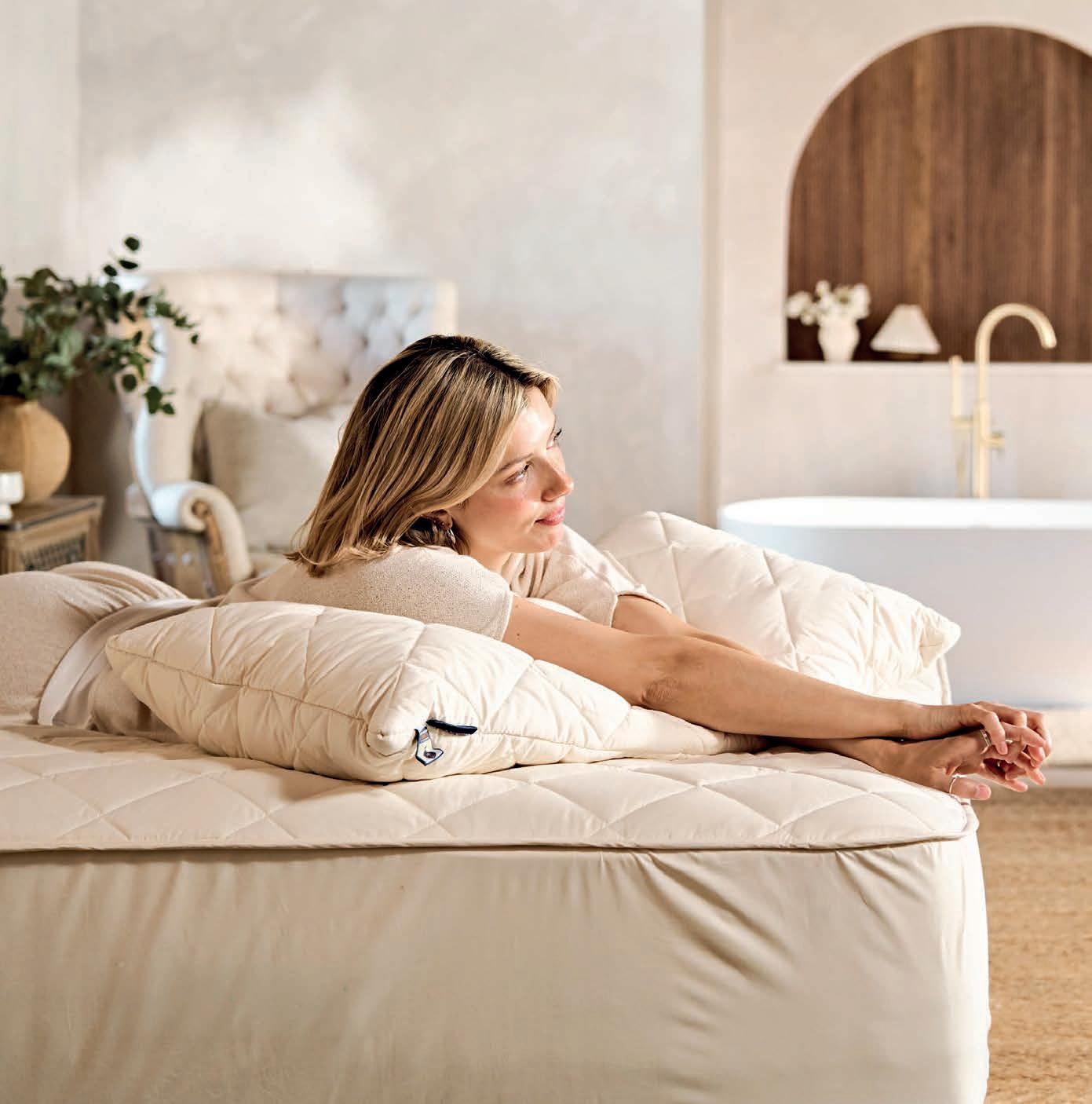
Discover British wool bedding, nature’s natural heat regulator. Woolroom bedding helps regulate your body temperature and creates the calm, breathable sleep space your body needs to rest, recover and reset. Better sleep isn’t a dream, it’s within your reach thanks to the wonders of wool.
Discover British wool bedding, nature’s natural heat regulator. Woolroom bedding helps regulate your body temperature and creates the calm, breathable sleep space your body needs to rest, recover and reset. Better sleep isn’t a dream, it’s within your reach thanks to the wonders of wool.


PEAK VILLAGE, DERBYSHIRE | OAKHAM, RUTLAND
Scan the QR to book a sleep consultation 01780 461217 | info@thewoolroom.com I woolroom.com
PEAK VILLAGE, DERBYSHIRE | OAKHAM, RUTLAND
Scan the QR to book a sleep consultation 01780 461217 | info@thewoolroom.com I woolroom.com





Cabbage serving plate, £40, Micucci


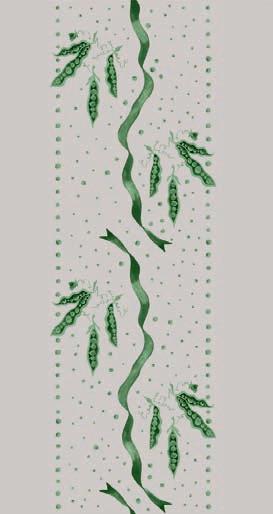

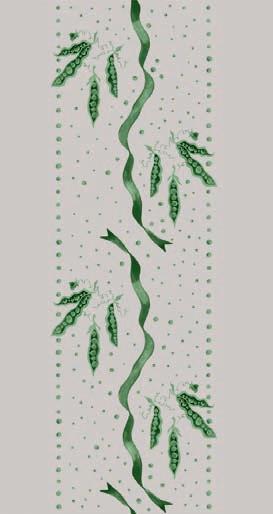


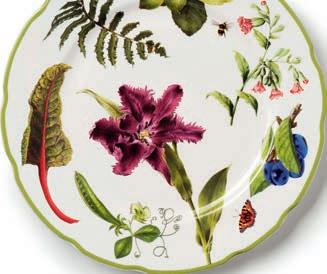














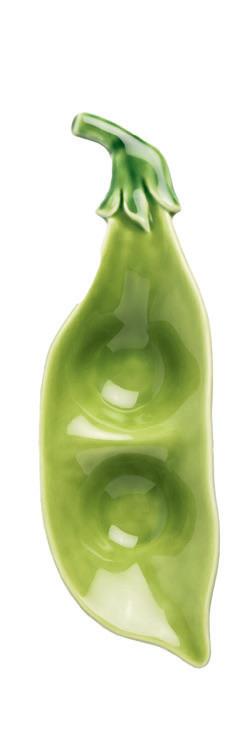
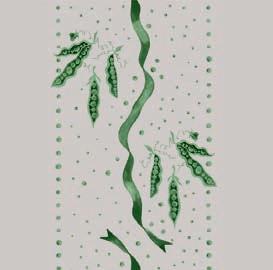
Triple Pea Pod dinner plate, £125; Pea platter, small, £45, Daylesford




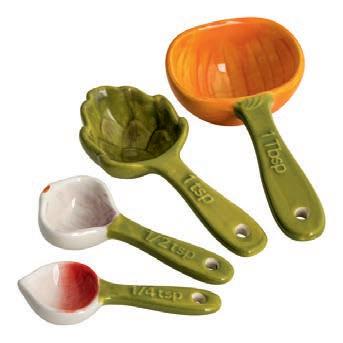
Vegetable measuring spoons, £15 for four, available September, ProCook

in
Highgrove Gardens fine bone china charger plate, £90, Highgrove Gardens Shop








Best in show
Draw inspiration from the prize-winning fruits and vegetables proudly displayed at this summer’s country shows to infuse schemes with fresh vibrancy


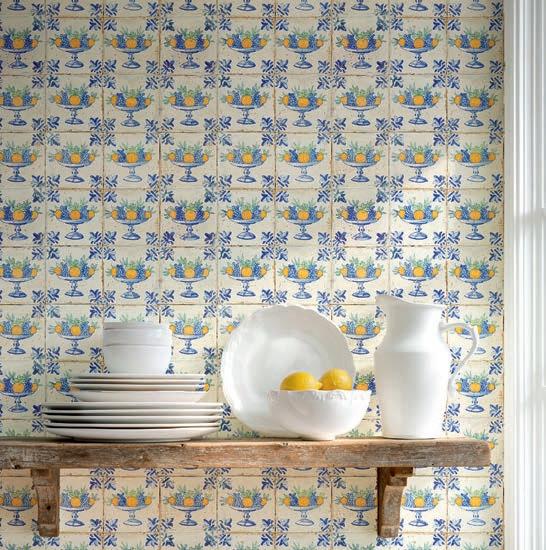


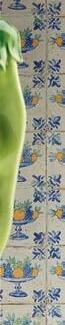
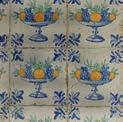
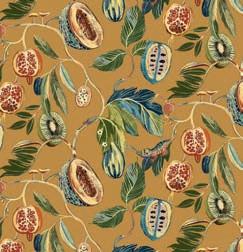
Fruit Bowl wallpaper, £230 a roll, Reimagined by Anna Stark

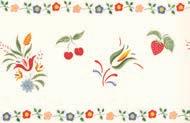
Nutcracker border, £80, Tess Newall











The
ENGLISH HOME Recommends


Strawberry cushion (top), £228, Molly Mahon for Schumacher; Freshie Fresh cushion (above), £232, Johnson Hartig for Schumacher
Heirloom Tomato mug, £10.99, Gisela Graham
Pea, £155, Flora Black
Baby Guava velvet, Manuka, £75 a metre, Arley House
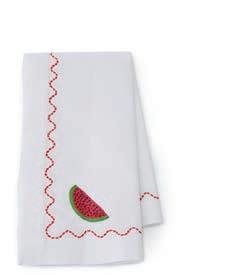
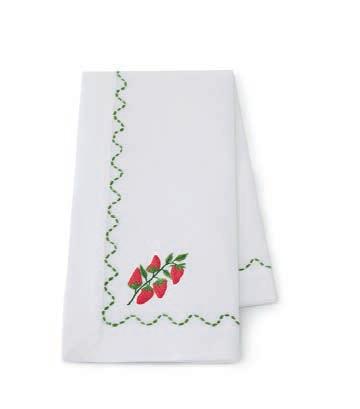
Fruit and Veg napkins, Watermelon and Strawberry, £20 each, Nina Campbell
The Trio cruet set, £155, Petra Palumbo
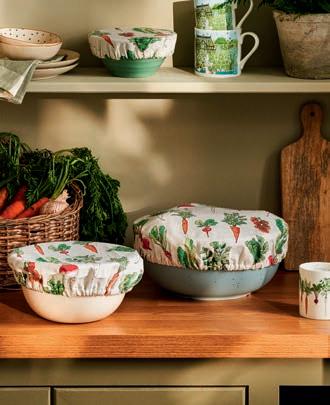
Garden Vegetables food covers, £21 for three, Sophie Allport
Interiors
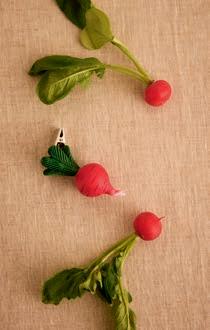
Radish table weights, £22 for four, Anthropologie
Soho recipe journal in Panama, colour Lemon, £195, Smythson
Winter Fruits fabric, Sage, £30 a metre, ILIV


THE EDIT
Our selection of ways to update the home and garden, both practical and decorative
IN THE FRAME
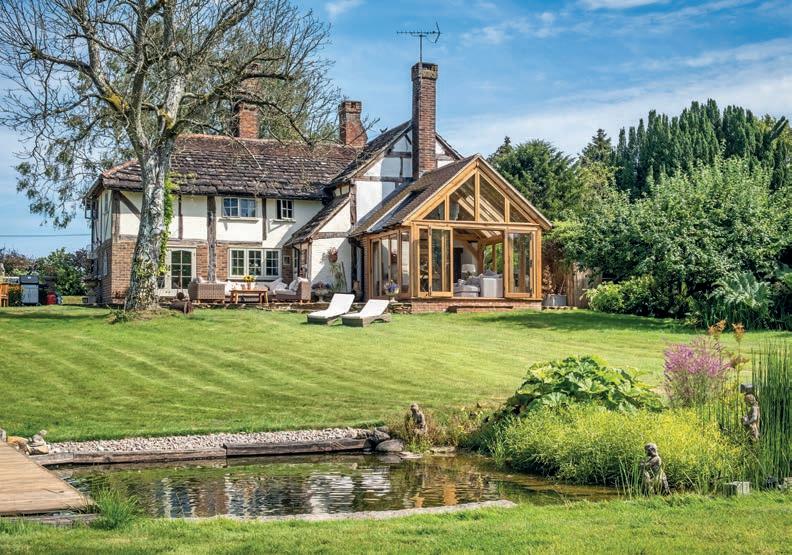
What began as a two-person operation 25 years ago at Prime Oak has evolved to become one of our most trusted manufacturers of oakframed buildings.
Today, the family-run business still prides itself on getting to know its customers and guiding them all the way through the process of creating additional space in their home and strengthening the connection between the indoors and outdoors in the process.
With the Cannon garden room at this Grade II-listed farmhouse, for instance, they were able to reconnect the historic country home to its bucolic surroundings, bathing the space with natural light and framing the garden views beautifully. primeoak.co.uk
LOVE YOUR GARDEN
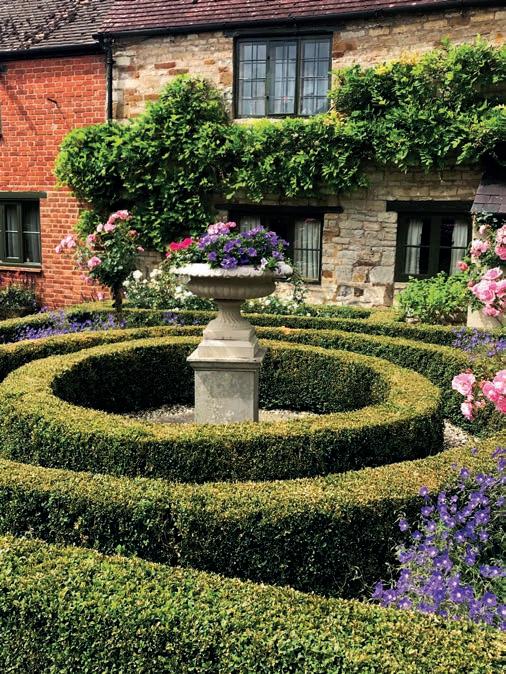
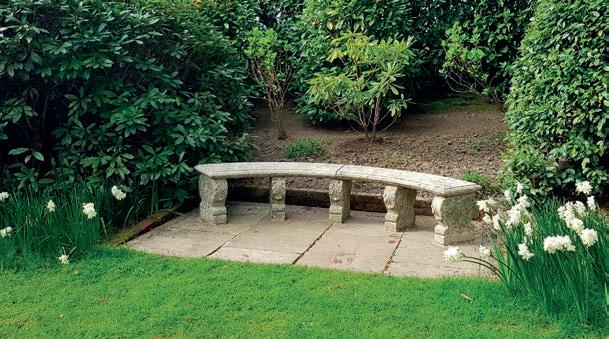
As this year’s Chelsea Flower Show proved, romantic and vibrant gardens are well and truly back in, so perhaps this is the year to invest in some classical landscape features?
Fine cast stone maker Chilstone has a beautiful range of fountains and sundials to create a Secret Garden-style atmosphere, while statues and sculptures really bring the wow factor.
For a focal point and a burst of colour, though, opt for an urn on a pedestal, such as the Preston Vase with fluted neck, seen here, which exudes summer elegance. We would happily find a place for it in our garden, indeed we think we know just the spot.
chilstone.com

FINISHING TOUCHES
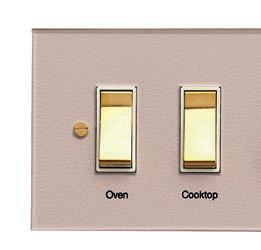
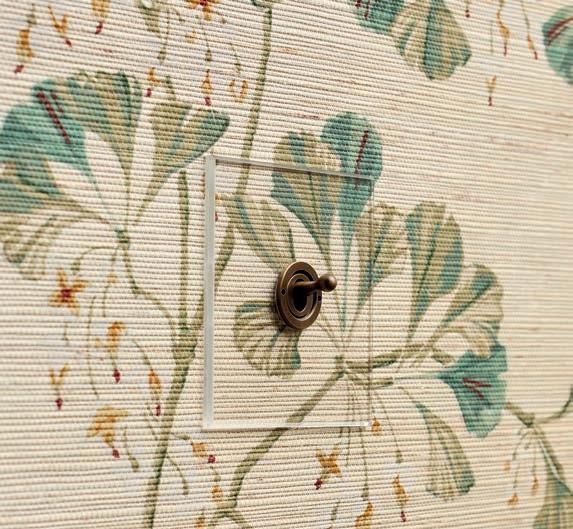
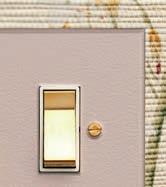
Sometimes it is the little things that make a home – a fact that has informed Forbes & Lomax’s approach to electrical accessories since 1987. Its periodstyle acrylic plates with toggles ensure its light switches look like they are from another era, yet work seamlessly with modern technologies.
Gemma Mouton, Forbes & Lomax’s managing director, says: ‘From pioneering The Invisible Lightswitch® to creating a range of beautiful metal finishes, we have something to suit every interior style without compromising on our traditional, classic aesthetic.’
With a trusted English pedigree, the firm still works from the same south-west London workshop where it all began nearly 40 years ago and is committed to using only the best British-sourced materials. forbesandlomax.com
FLUSHED WITH PRIDE
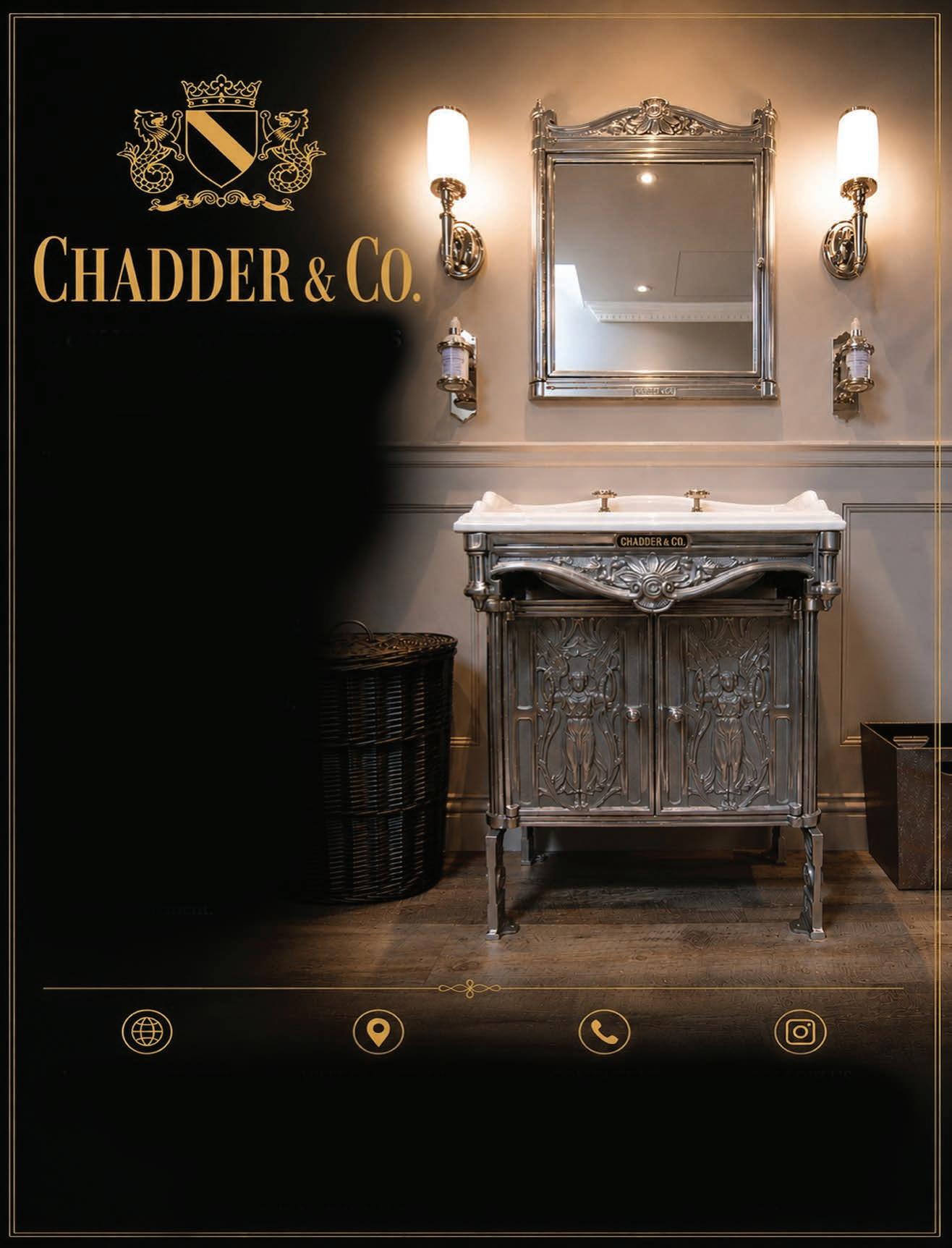
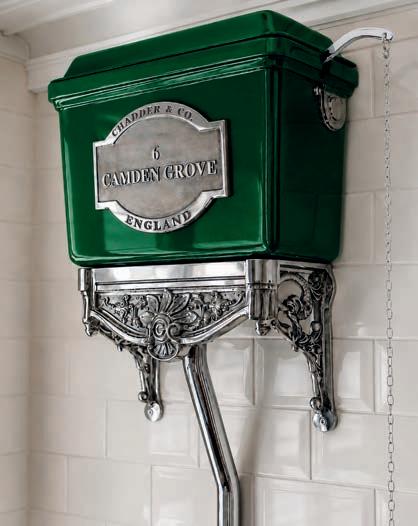
For anyone looking to inject individuality into a bathroom or downstairs loo – and perhaps raise a smile from house guests – it would be hard to find anything more bespoke than a personalised toilet. These high-level toilet cisterns from Chadder & Co., available in a range of finishes from shiny Savoy to polished Blenheim, not only add some vintage glamour to a bathroom, but they also offer the opportunity to have a little fun by adding a personalised plaque.
Made in England using traditional techniques by a family as passionate about restoration and engineering as they are about creativity, the toilets are both practical and pleasing to the eye. They prove that even the smallest room in the house can have an abundance of personality. chadder.com

COOL BY NATURE
Form an orderly queue, as natural bedding specialist Woolroom has launched four new colourways for its temperature-regulating bed linen. The soothing shades of Midnight Blue, Charcoal, Latte, and Cloud White, are available across two ranges – the award-winning Arinta, made from 100 per cent GOTS-certified organic cotton, and Mariana, in a blend of flax linen and organic cotton. Each becomes softer with every wash, is designed to regulate body heat, and pairs with Woolroom’s natural-fibre bedding. Chris Tattersall, managing director of Woolroom, says: ‘Linen is one of the most naturally cooling fibres you can sleep in: it actively draws heat away from the body rather than holding it. These new colourways mean you no longer have to choose between a bedroom that looks beautiful, feels comfortable and genuinely helps you sleep better.”
thewoolroom.com ■
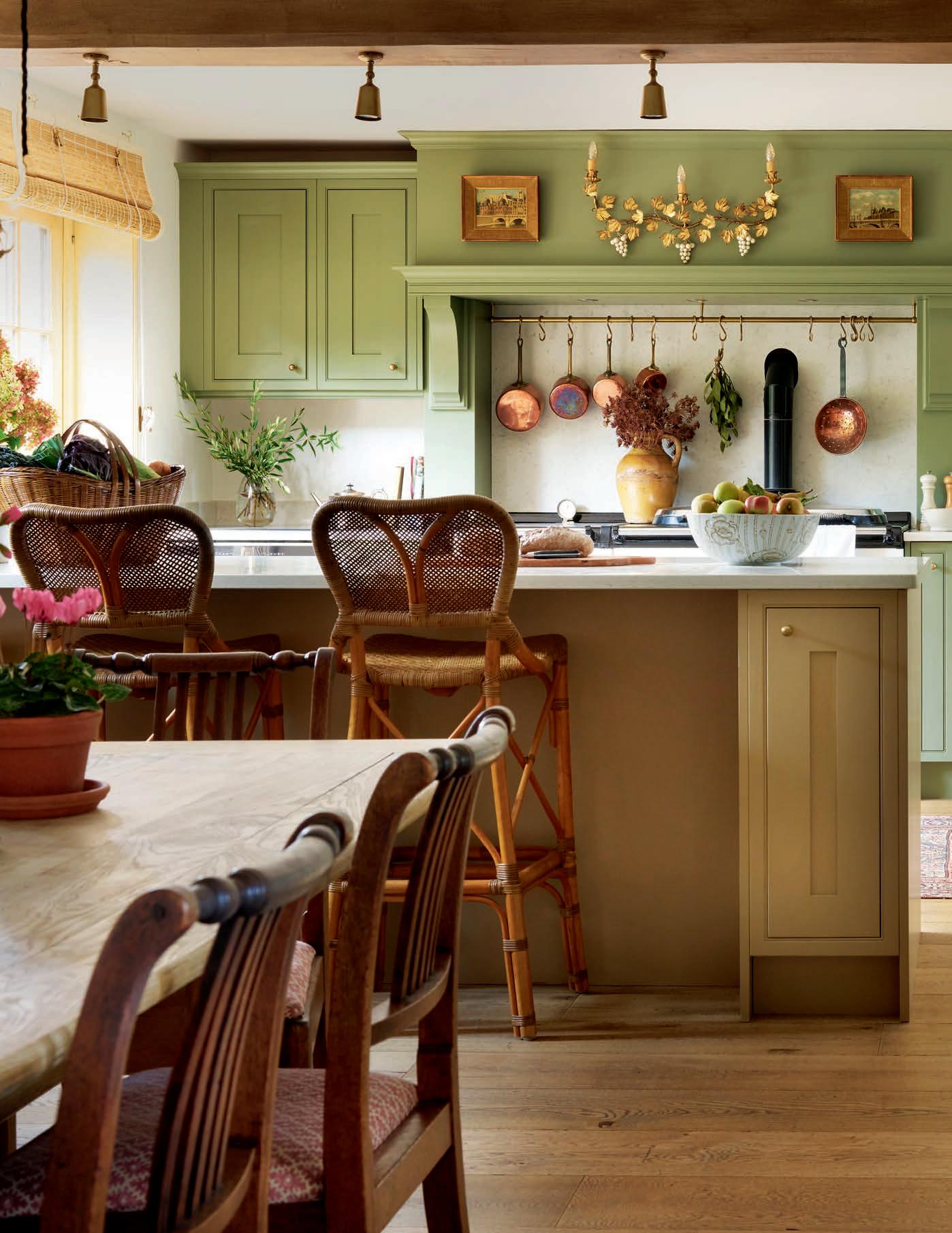
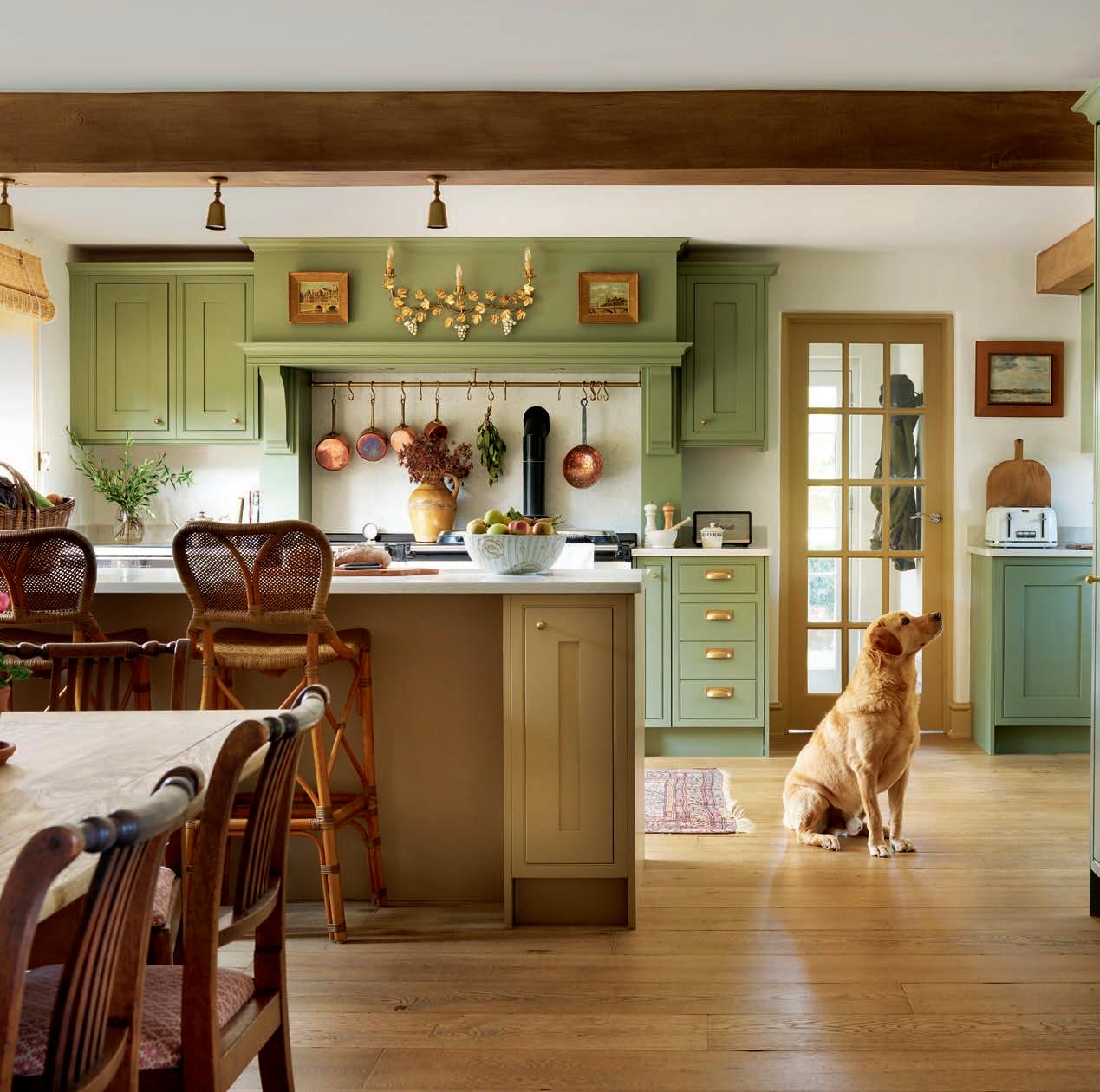
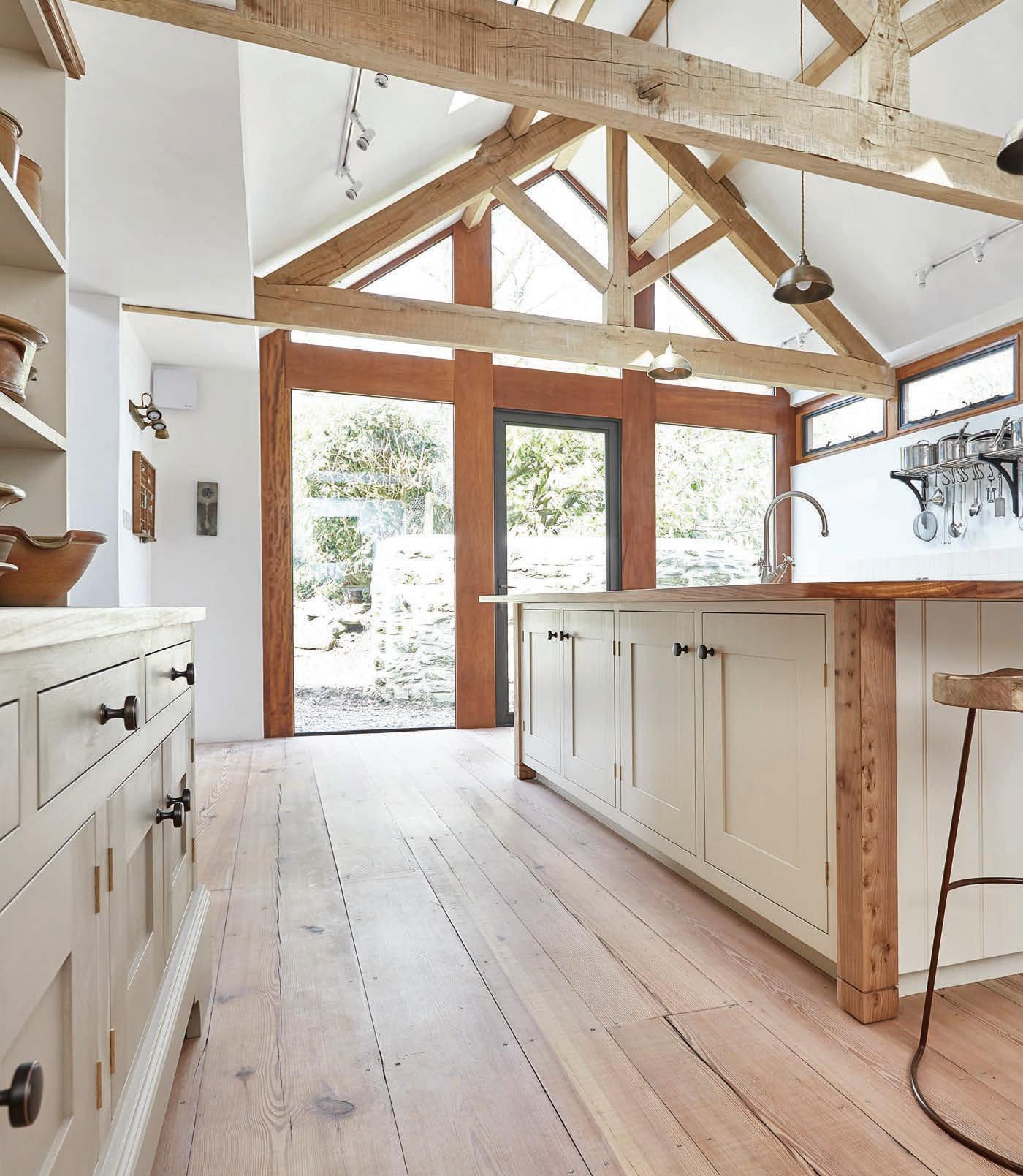
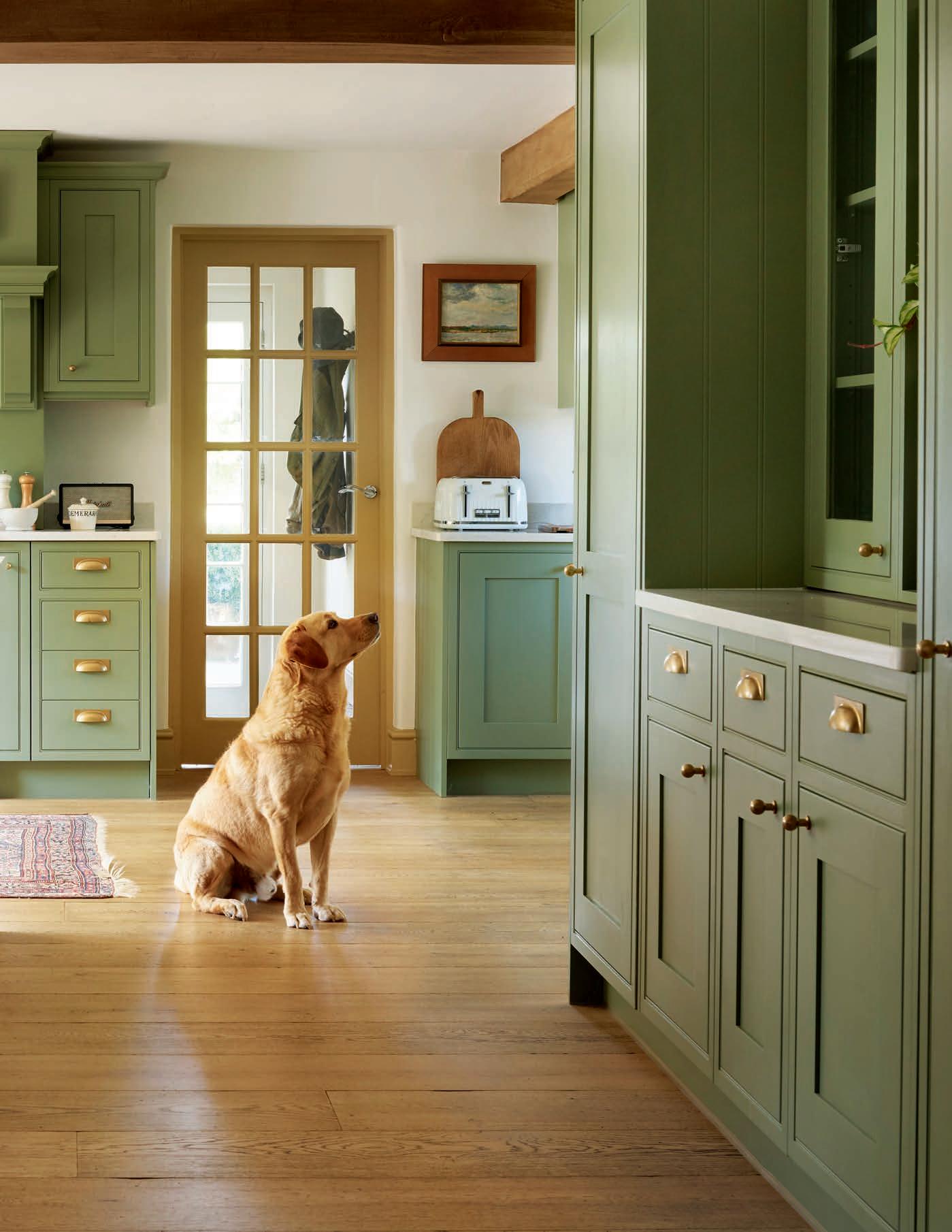
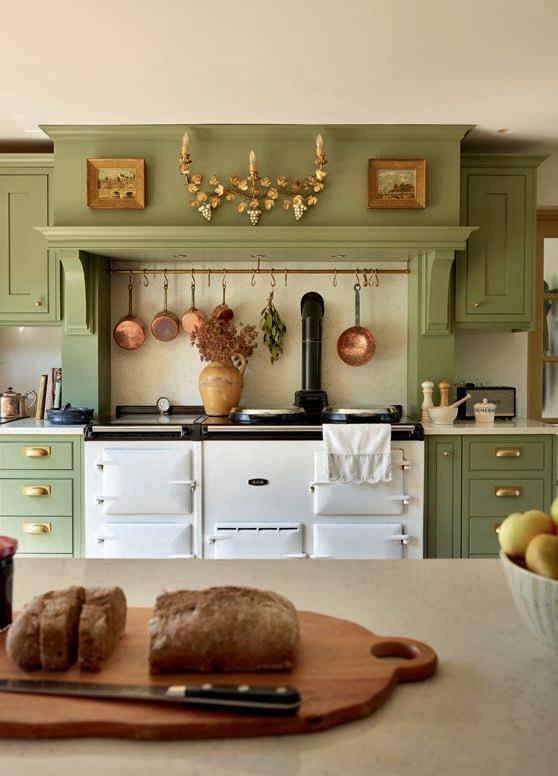
Oak boards from Nutwood Flooring cover the floor in the open-plan kitchen and create a honey-toned base. The existing units were simply repainted in Sage Green by Little Greene and treated to new handles.
A WARM WELCOME
Mellow paint shades, tactile timbers and evocative patterns come together in a comfortable mix in Deborah and Jim Scott’s Sussex farmhouse
JO LEEVERS PHOTOGRAPHY RACHAEL SMITH
FEATURE
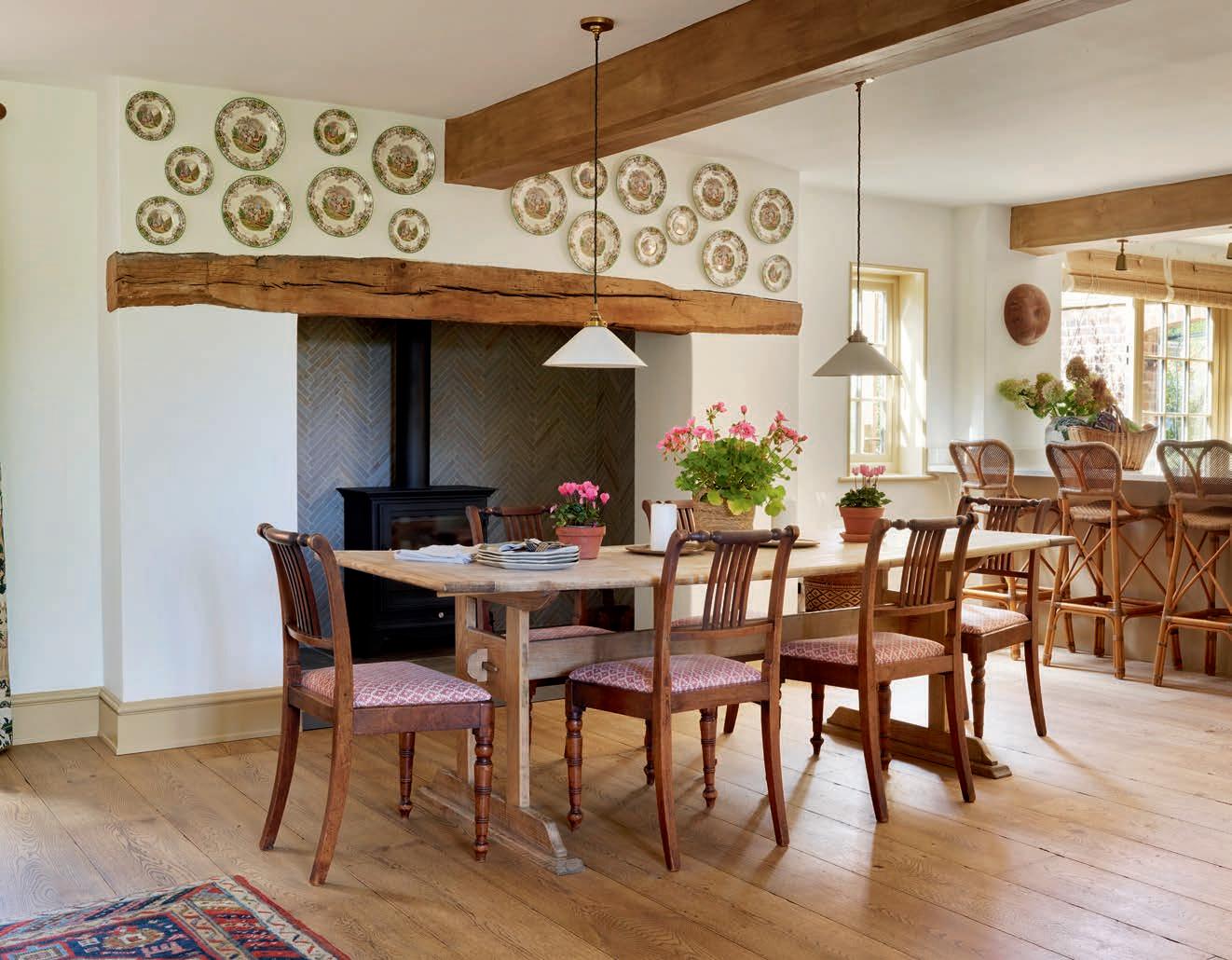
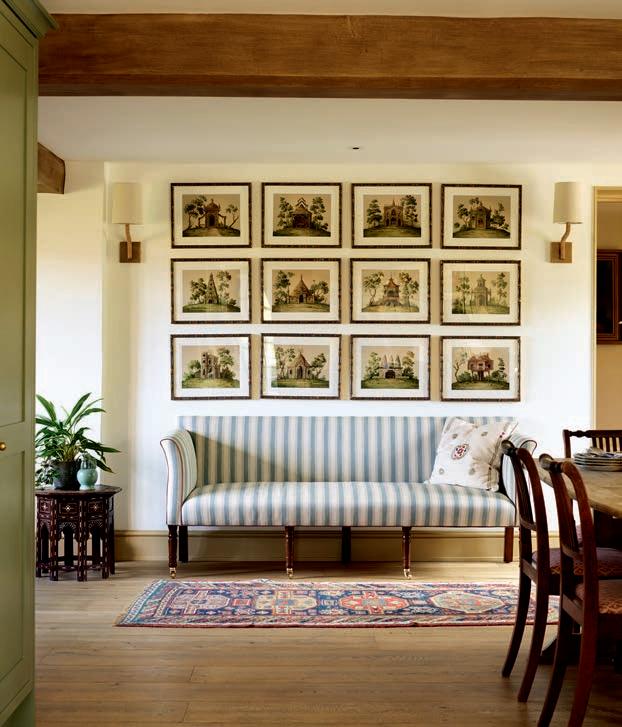
ABOVE The ceiling beams were lightened by Bespoke Beams to give the open-plan kitchen and dining space an airier feel. A rustic table from Lorfords Antiques is teamed with chairs bought at Ardingly Antiques Fair. Ceramic tiles from Lapicida set in a herringbone pattern cover the original red brick in the inglenook.
It is a surprising fact that one of Deborah and Jim Scott’s favourite rooms in their rambling five-bedroom farmhouse also happens to be one of the smallest. ‘Our yellow snug is where we head in the evenings when it’s just the two of us,’ smiles Deborah. ‘It’s full of character and comfort.’
This choice is indicative of the couple’s unpretentious approach to enjoying every inch of their home and, while the larger rooms are perfect for entertaining family and friends, they equally love quiet evenings in their golden-hued snug. ‘The fact that before our home was redesigned this was a neglected room we barely stepped foot in, makes it all the more special,’ Deborah adds.
The plan to transform the spaces of Deborah and Jim’s country home began to take shape when Deborah was leafing through her favourite magazine – none other than The English Home – with her eldest
daughter, Kitty, beside her. Although the family had lived in this house for many years and made plenty of practical improvements, Deborah felt that she had not yet hit upon an interior style that felt cohesive.
As they discussed this issue, Kitty decided it was time for some assertive action. ‘She pointed to the open pages of the magazine which showed the beautiful home of a local designer, and said, “Why don’t you give her a call?”’
The designer in question was Olya Lammas, founder of interior design practice A House To Love, and Deborah was relieved to discover that while Olya could bring a wealth of experience, ideas and contacts to the project, she also saw it as a collaborative process.
After some initial meetings, a comprehensive redesign of this heritage-rich house began. It is also home to daughters Kitty and Flora when they visit, plus the family’s pets: Labradors Gunner and Luna,
Originally
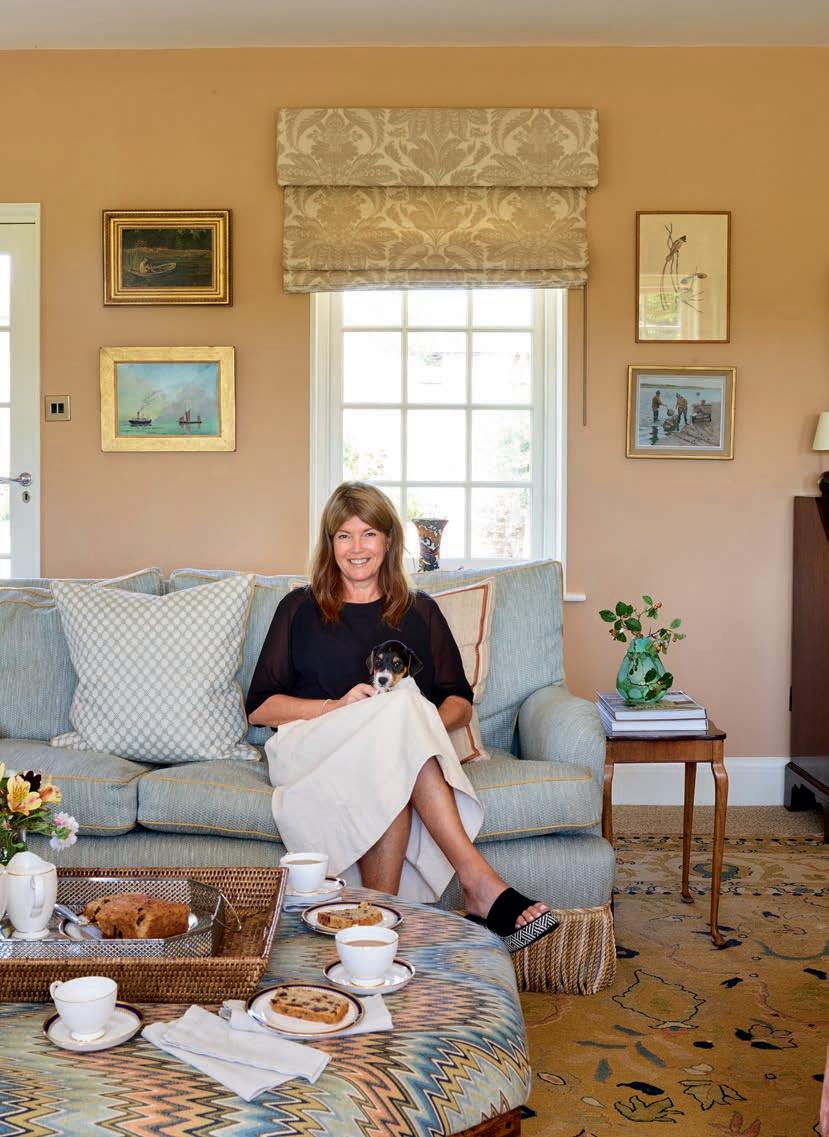
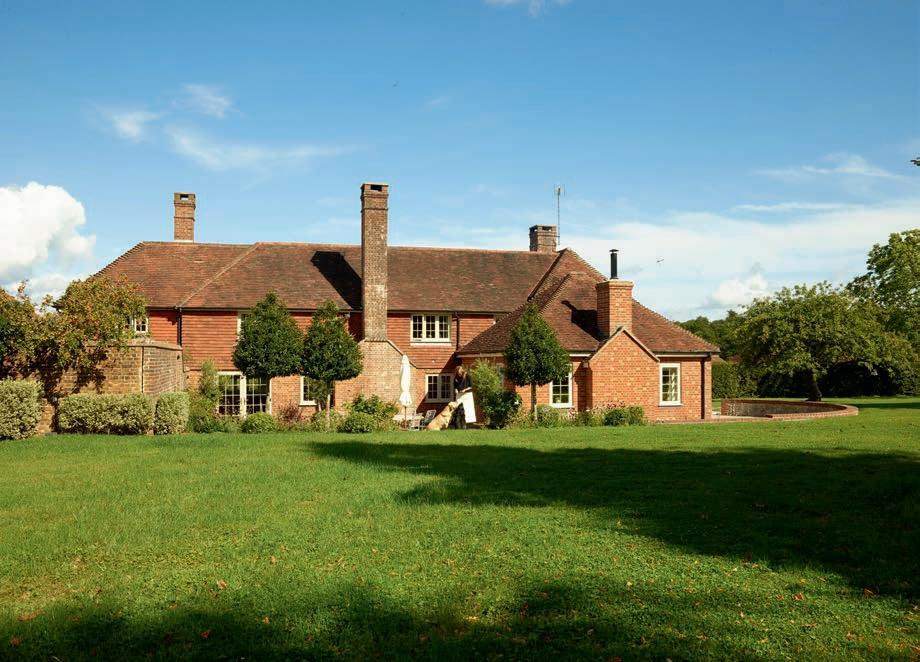
ABOVE ‘The new design elements feel as if they were always meant to be here,’ says Deborah, who called upon designer Olya Lammas of A House To Love.
LEFT The home was originally a farmhouse with attached labourers’ cottages, the core dating from the 17th century.
BELOW
bright red, the existing AGA range cooker was resprayed a crisp white to go with the newly painted kitchen. The gilt metal tole sconce echoes colour of the cabinet handles.
Jack Russell Terrier puppy Basil and Cooshay the cat. ‘Now, when we walk through the door, it truly feels like our home,’ says Deborah.
When Deborah and Jim bought this house, they inherited decor that felt overwhelming and rather dated – think exposed red brick, dark floorboards, and shotguns displayed over the inglenook fireplaces. ‘It was very “country gent” – and not very us,’ Deborah explains. Although she had managed to tone down some of this feel, she sensed that plenty more could be achieved.
Olya explained that their first priority was to look at the ‘bones’ of the house – the flooring, the lighting and the key textures. ‘Due to its age, with newer additions leading into the core rooms that date from the 17th century, the house felt quite disjointed,’ Deborah says. ‘Olya consciously introduced colours, fabrics and textures that echo from one space to the next, creating a sense of flow. Now, the views seen through an open door feel cohesive, rather than out of character.’
While the house looks dramatically different, Olya reused existing pieces where possible, rather than adding unnecessary waste and cost, something she always tries to do. For example, as the kitchen-diner’s old floorboards were narrow and painted a deep brown, they did need replacing. ‘The scale was out of proportion with the space, so we opted for wider, neutral oak boards which extend into the dining area,’ she explains. But because the kitchen cabinetry was good quality, she simply updated it with a sage paint
ABOVE LEFT A custom-built bench based on an 18th-century design and upholstered in Colefax and Fowler’s Romaine Stripe in Blue makes a relaxed spot in the kitchen-diner. Prints by Lucinda Oakes add whimsical charm, illuminated by a pair of Hector wall lights from Soho Home.
In the drawing room, Jools chose textured grasscloth for the walls, while patterned textiles in her favourite cosy reds and deep pinks
the drawing room pinks add warmth.
‘It’s an idyllic house that always felt very rooted in its surroundings, but now it has its own cohesive character’
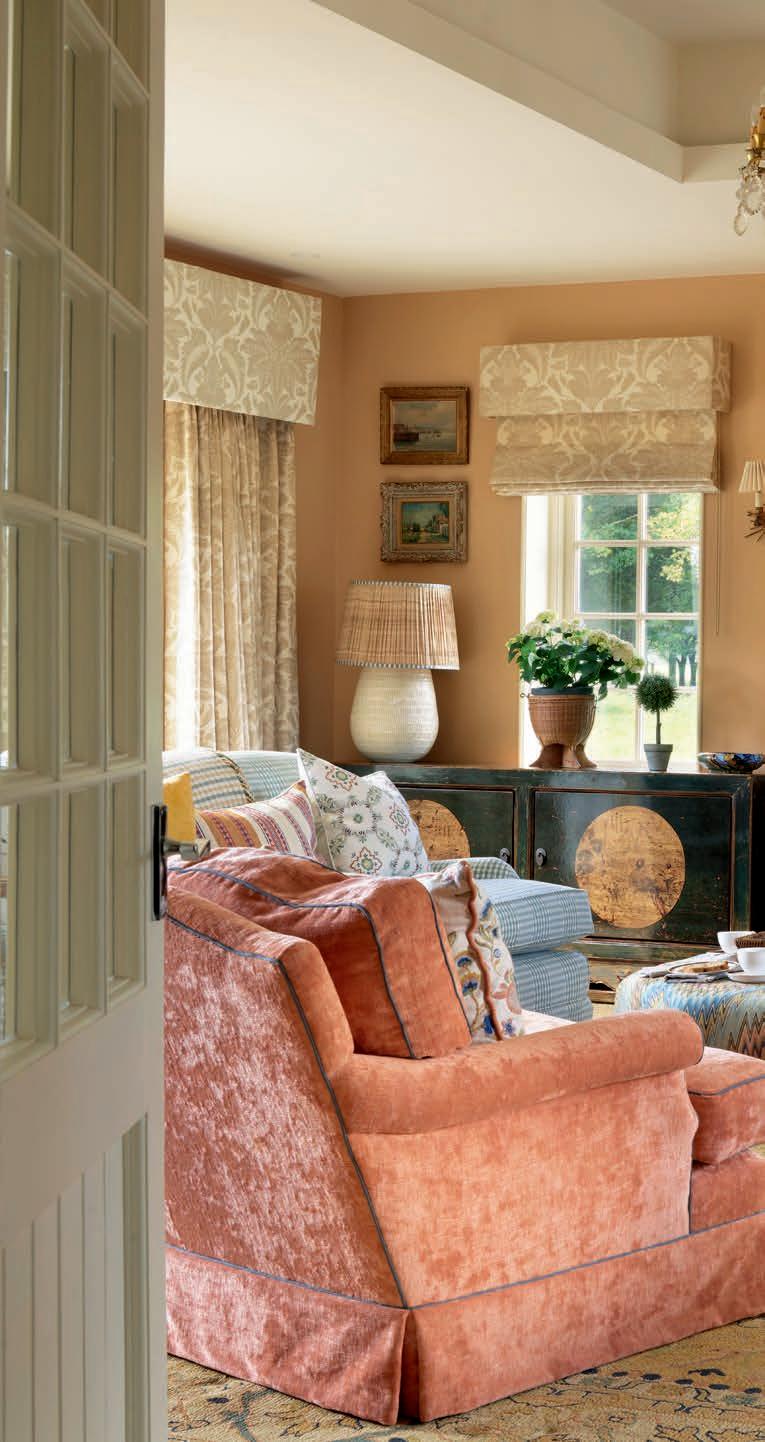
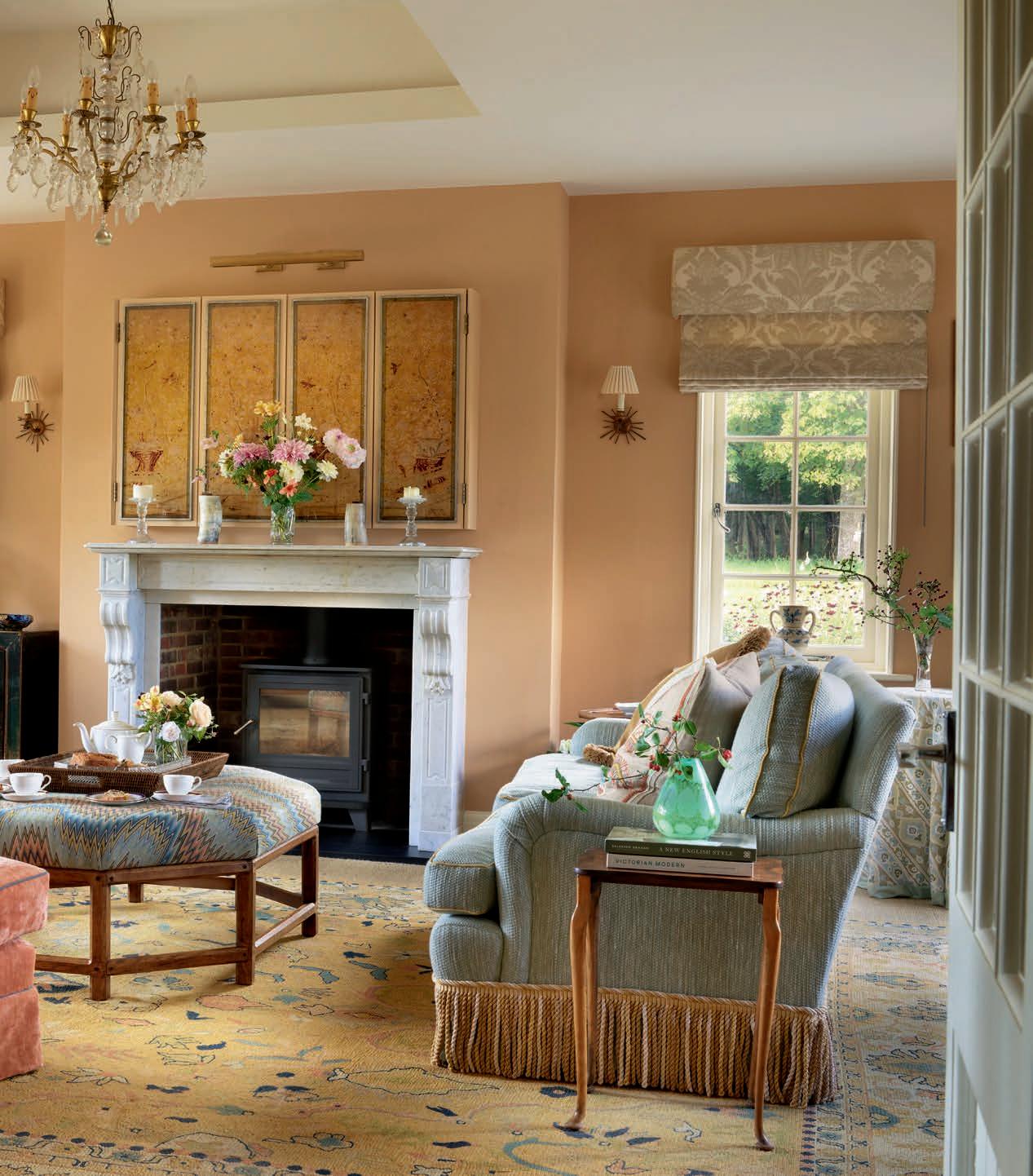
ABOVE The sitting room’s scheme embraces the natural light that floods the space. The golden tones are set by a rug from Handmade Rugs in Rye and picked up in the paint shade, Cinnamon by Edward Bulmer Natural Paint. The armchair is from George Sherlock, upholstered in Vintage Velvet in Pale Siena by GP & J Baker, and the sofas are David Seyfried.
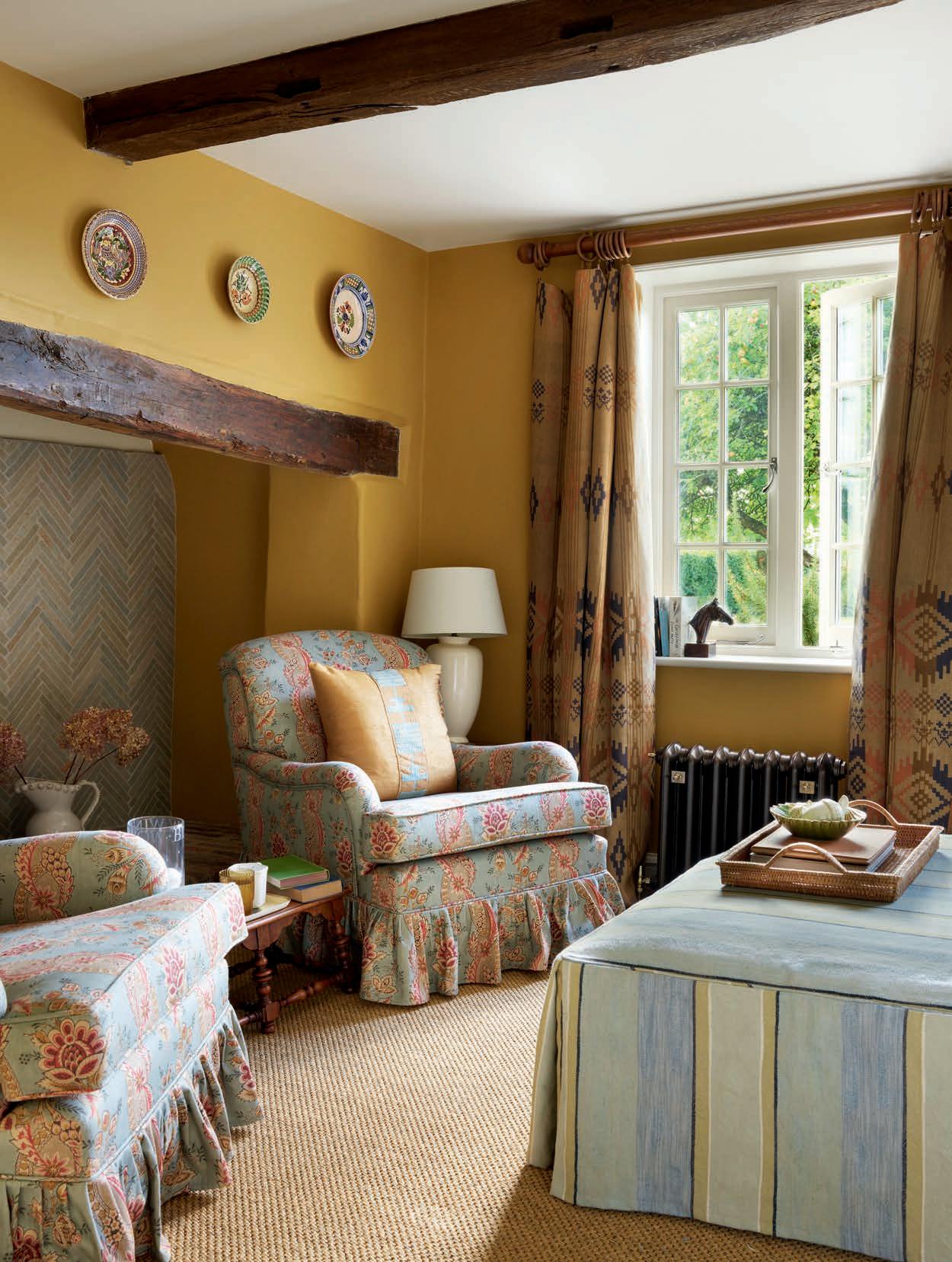
Vintage 1930s Swedish curtains bought at the Decorative Fair were the starting point for the scheme in the snug, with Yellow Pink by Little Greene used on the walls. The ottoman has been reupholstered in Pikes Stripe, Aegean by Schumacher and the armchairs are in Hodsoll McKenzie’s Highgate Floral 636.

‘Now, when we walk through the door, it truly feels like our home’
shade and new handles. Similarly, the timeless AGA range cooker was professionally resprayed from a harsh bright red to an easier-on-the-eye white.
Having tackled the ‘bones’ of the kitchen-diner, Olya went on to add furniture and fabrics that feel both rustic and elegant and, while the inglenook fireplace remains a traditional focal point, its old red brick interior has been concealed by grey limestone tiles arranged in a pleasing herringbone pattern.
Deborah has always loved fabrics, so Olya had the sitting room’s sofas and armchairs reupholstered in weaves that will stand the test of time. The room already had good quality window dressings in a Lewis & Wood damask so there was no need to change them and they exist alongside freshly innovative patterns, such as a subtle zigzag used on the ottoman. When it
came to artworks and decorative touches, antique and vintage items sourced from Olya’s trusted dealers mix easily with Deborah and Jim’s existing pieces. ‘We had a lot of fun choosing vintage paintings that reflect the country setting,’ says Deborah.
Integrating the dark rectangle of a television screen into a scheme is a familiar challenge for many an interior designer and, as the family are all big Formula One fans, the television had to be included in the redesign. Olya came up with an ingenious plan: the television is mounted on the wall above the fireplace, but is cleverly hidden behind a chinoiserie-style screen when not in use. ‘I spotted a set of wall panels in OKA and had a joinery company turn them into a folding screen. It’s a technical but beautiful solution,’ she says.
In the principal bedroom, where very little remains
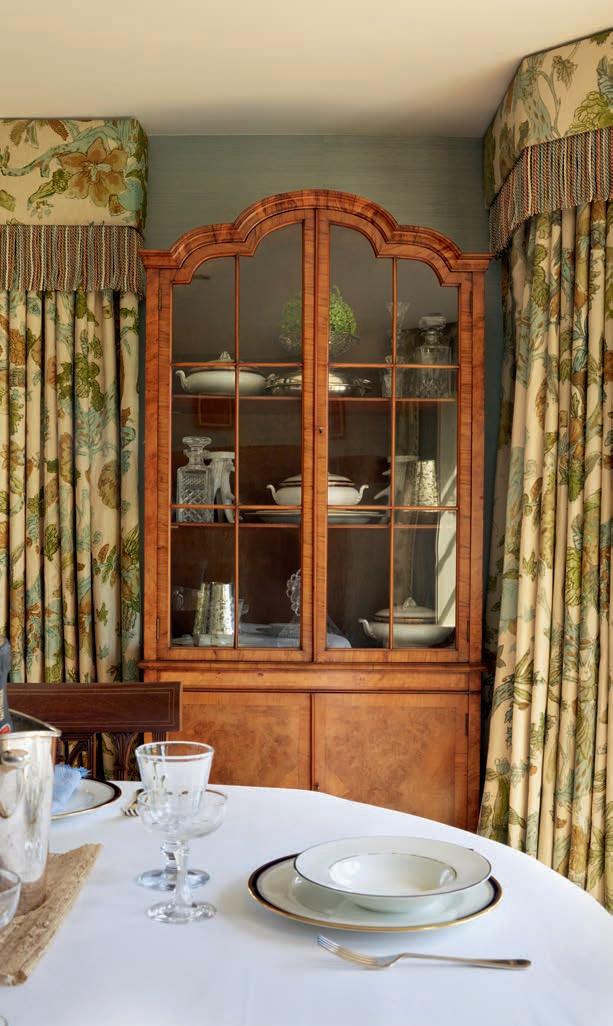
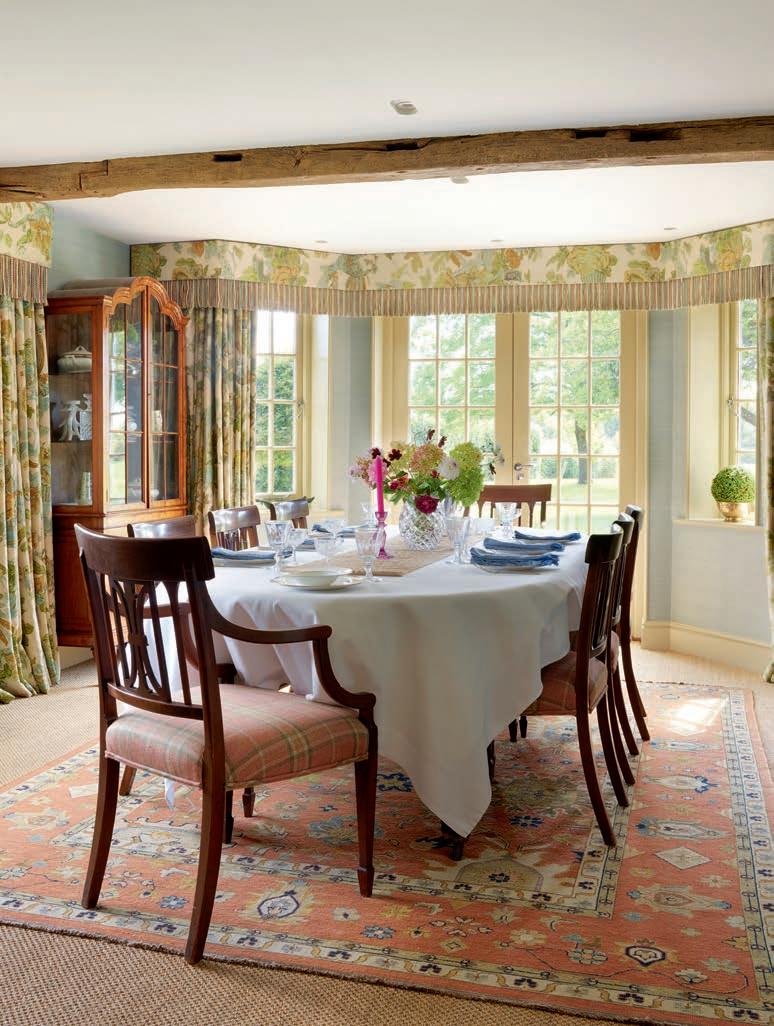
ABOVE LEFT & RIGHT In the formal dining room a handsome Queen Anne Revival display cabinet has been placed between generous curtains in Lewis & Wood’s Wild Thing in Ginger Kiwi which cleverly conceal water pipes that could not be rerouted.
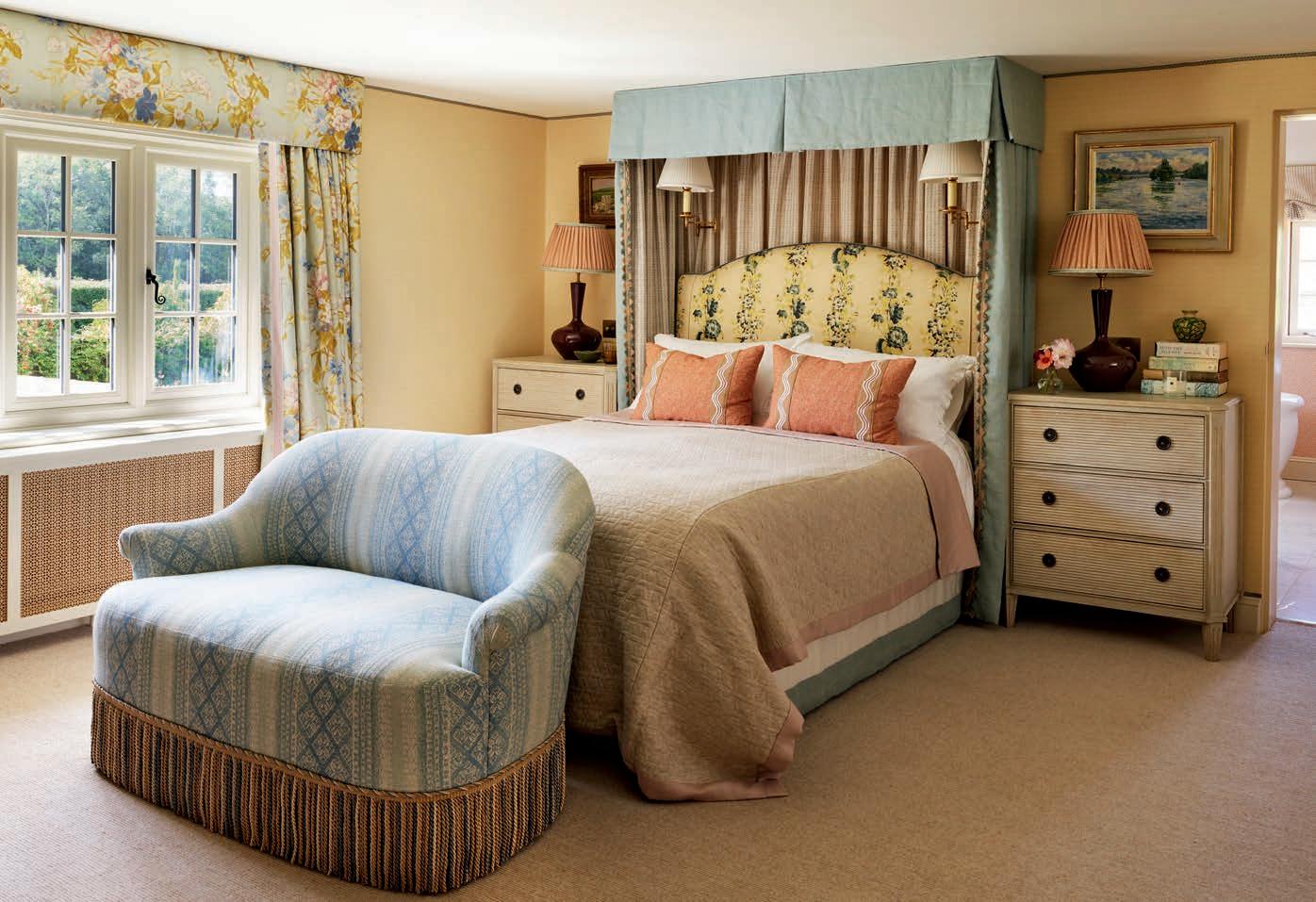
of the previous decor, the low ceilings presented another challenge. ‘Deborah loved the idea of a four-poster, but there wasn’t room,’ Olya explains, whose solution was a half tester, which still allows for layers of fabric and has the cosy wraparound feel of a canopy. Meanwhile, in the principal en-suite, which Deborah calls her ‘sanctuary’, to avoid waste, the fittings were kept and blush-pink tones introduced.
It is through a considered dovetailing of old and new that this house has been updated so that it suits its owners’ lifestyle. ‘The new design elements feel as if they were always meant to be here. It’s an idyllic house that always felt very rooted in its surroundings, but now it has its own cohesive character,’ says Deborah. ‘We couldn’t be happier.’ n ahousetolove.co.uk
ABOVE A half tester has visual impact in the principal bedroom. The layers of fabric include a canopy in Cordelia by Susanna Davis and a headboard in Bloomsbury in Kiwi by Rose Tarlow.
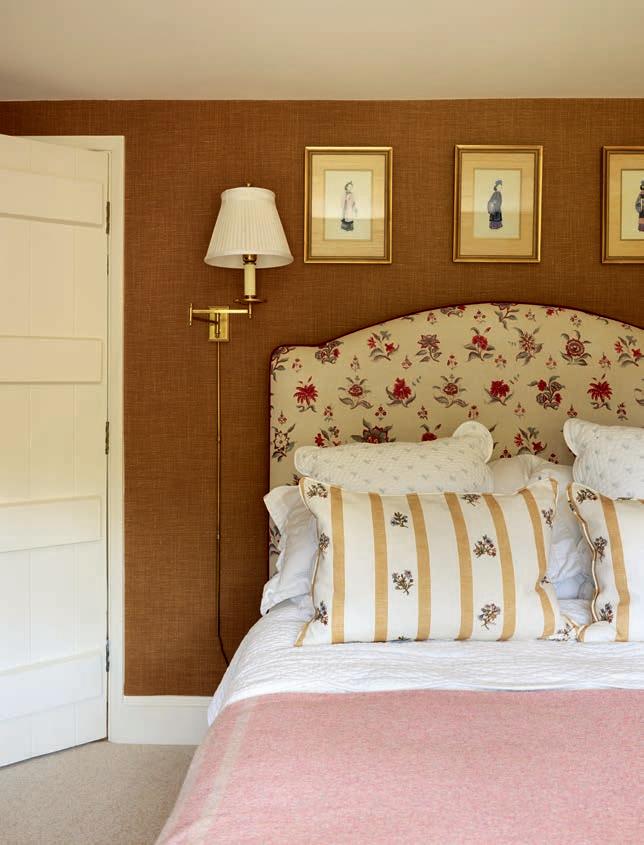
LEFT A guest bedroom strikes a balance between sophisticated and pretty, with a headboard in Kaveri by Nicholas Herbert and Flax & Field Posy Stripe cushions in Ochre by Volga Linen. The walls are in Paolo Moschino’s Leuven linen in Ochre and the wall light is from Visual Comfort.

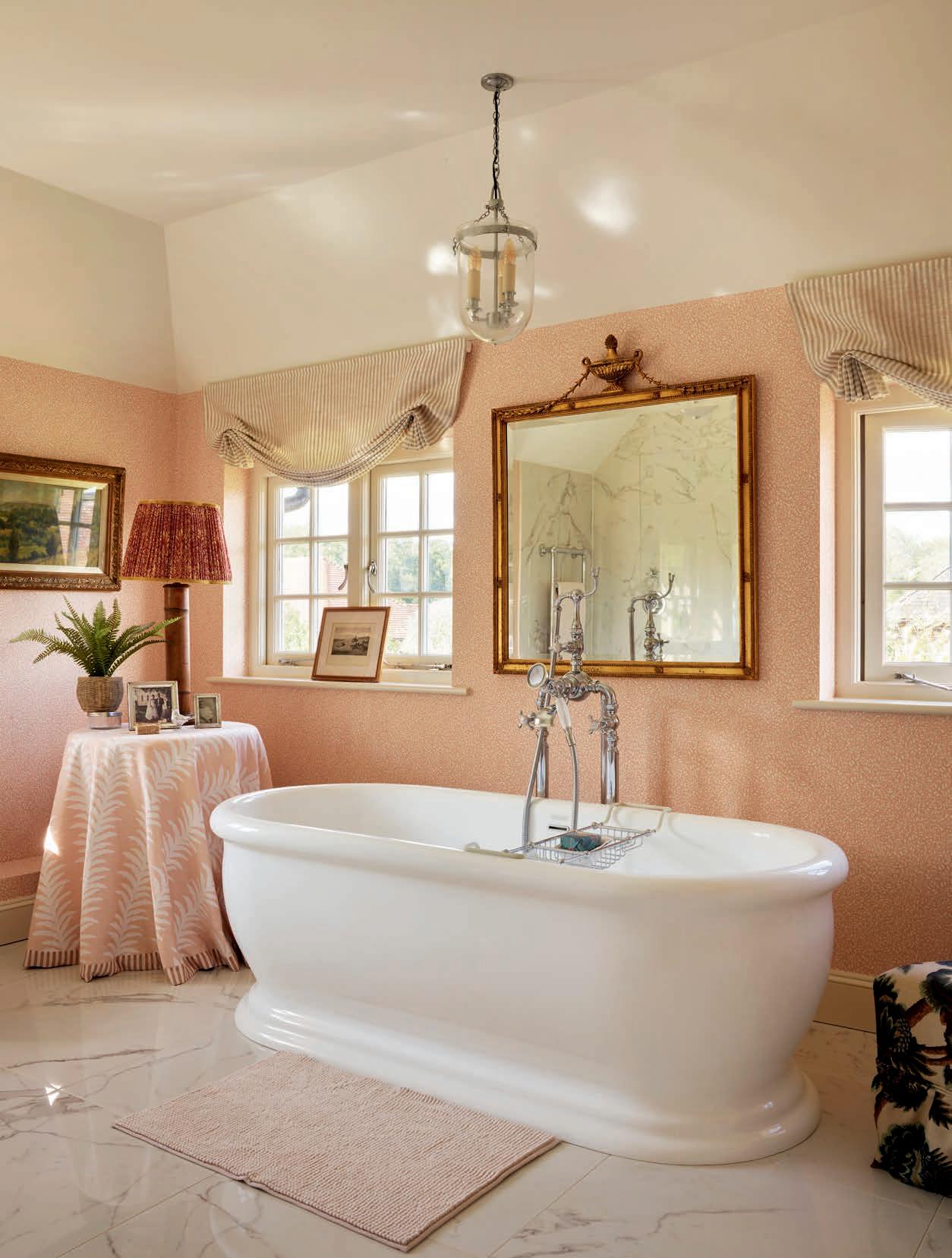
Deborah’s en-suite bathroom has been softened with Tansy wallpaper in Blush by GP & J Baker and some romantic flourishes.
A taste of PROVENCE
Tom and Pippa Godber-Ford Moore have breathed new life into a crumbling cow barn to create an enchanting, characterful haven
FEATURE JANET MCMEEKIN PHOTOGRAPHY BELLE DAUGHTRY



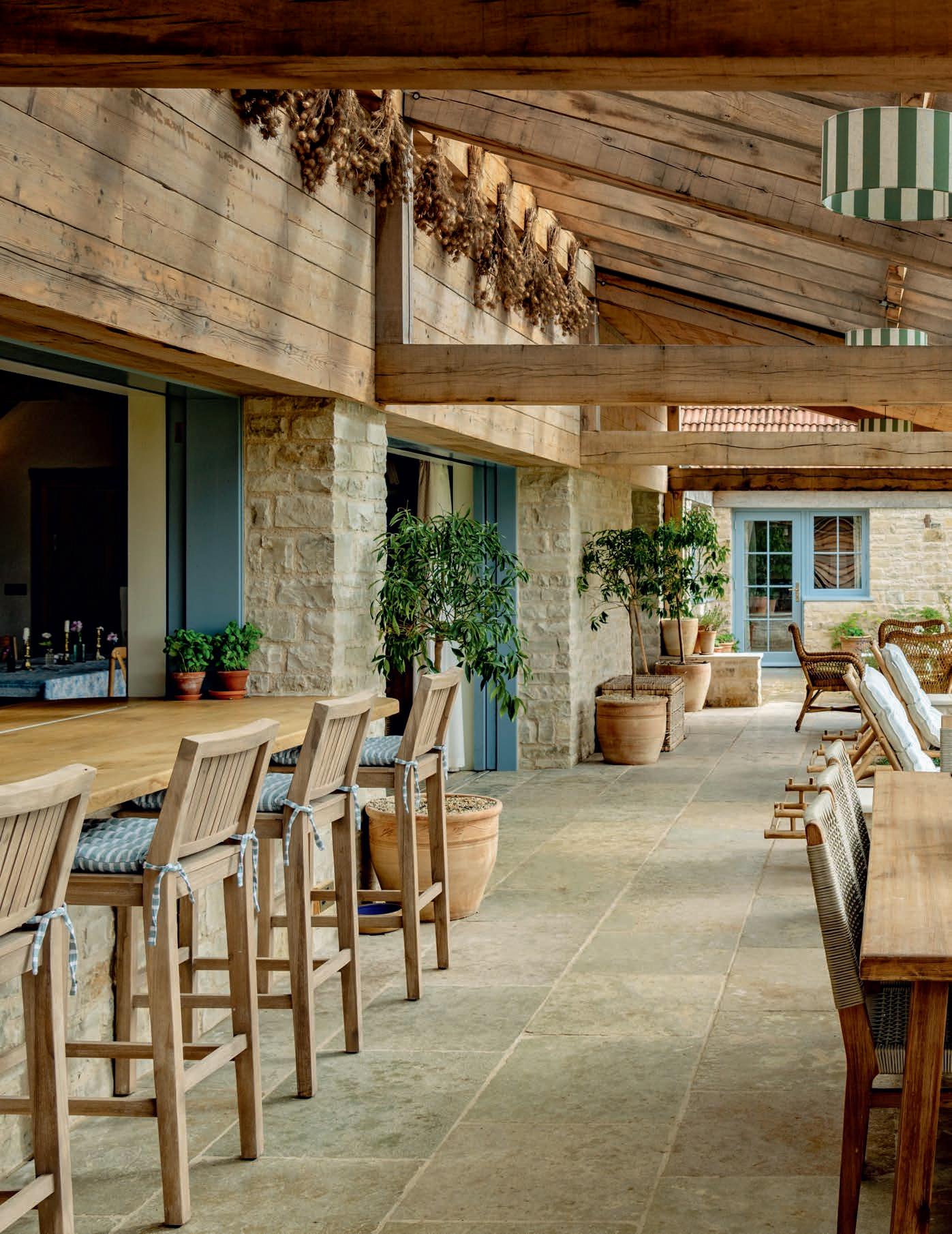
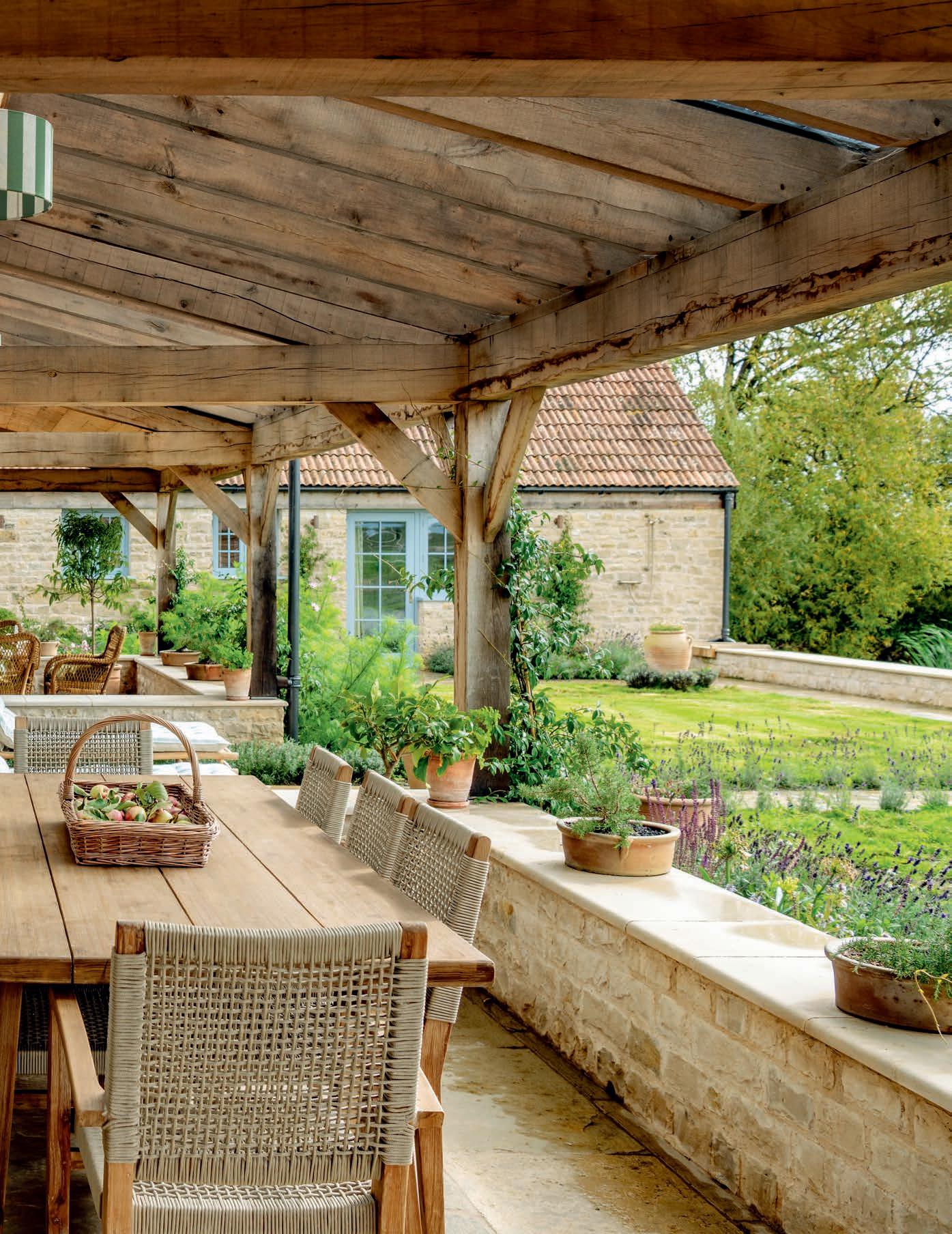
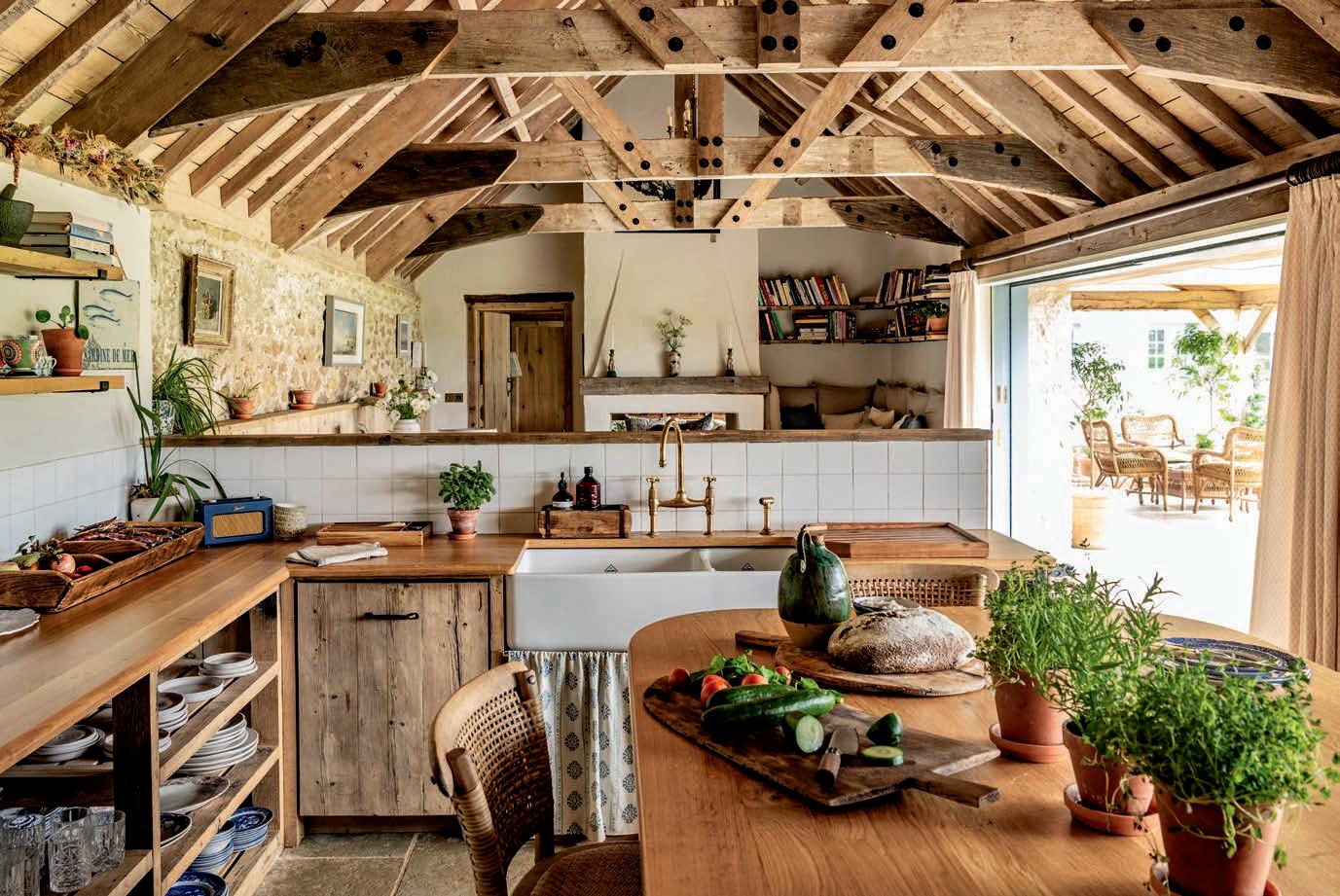
The large wooden veranda has been cleverly zoned into several seating and eating areas. Stripy lampshades add a contemporary twist, while the doors and windows in Little Greene’s Grey Stone evoke a Provençal feel. The wooden dining table and rattan dining chairs are from Garden Trading.



The Shaws of Darwen sink is paired with aged brass taps from deVOL. Cream curtains from The Pure Edit hang on curtain poles from Cameron Fuller.

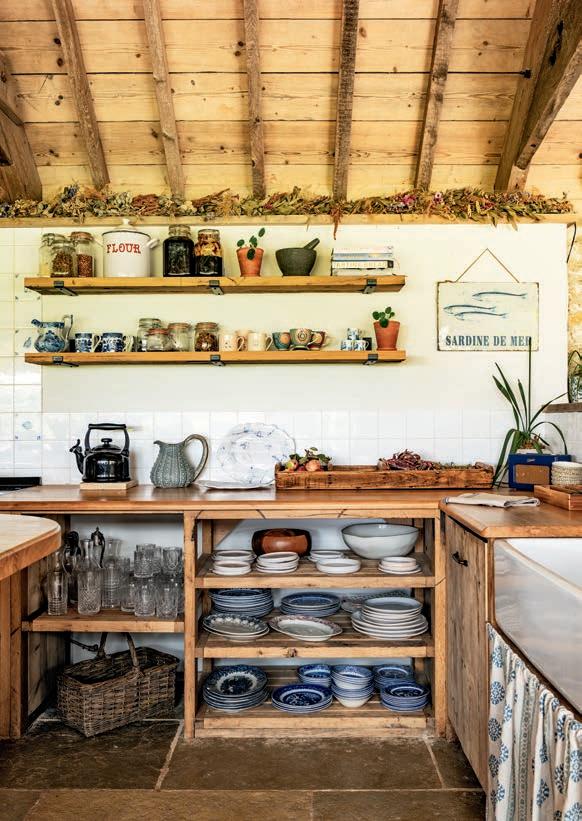
LEFT Open shelving creates a feeling of space and adds to the rustic feel. The handmade Urchin jug in Sea Blue is from Oka. Pippa and Tom bought the Sardine de Mer sign from Shepton Mallet Flea Market..
OPPOSITE BELOW
The low wall between the kitchen and dining area enhances the sociable, openplan feel. A floral tablecloth from The Mews Fabrics & Furnishings covers the table.
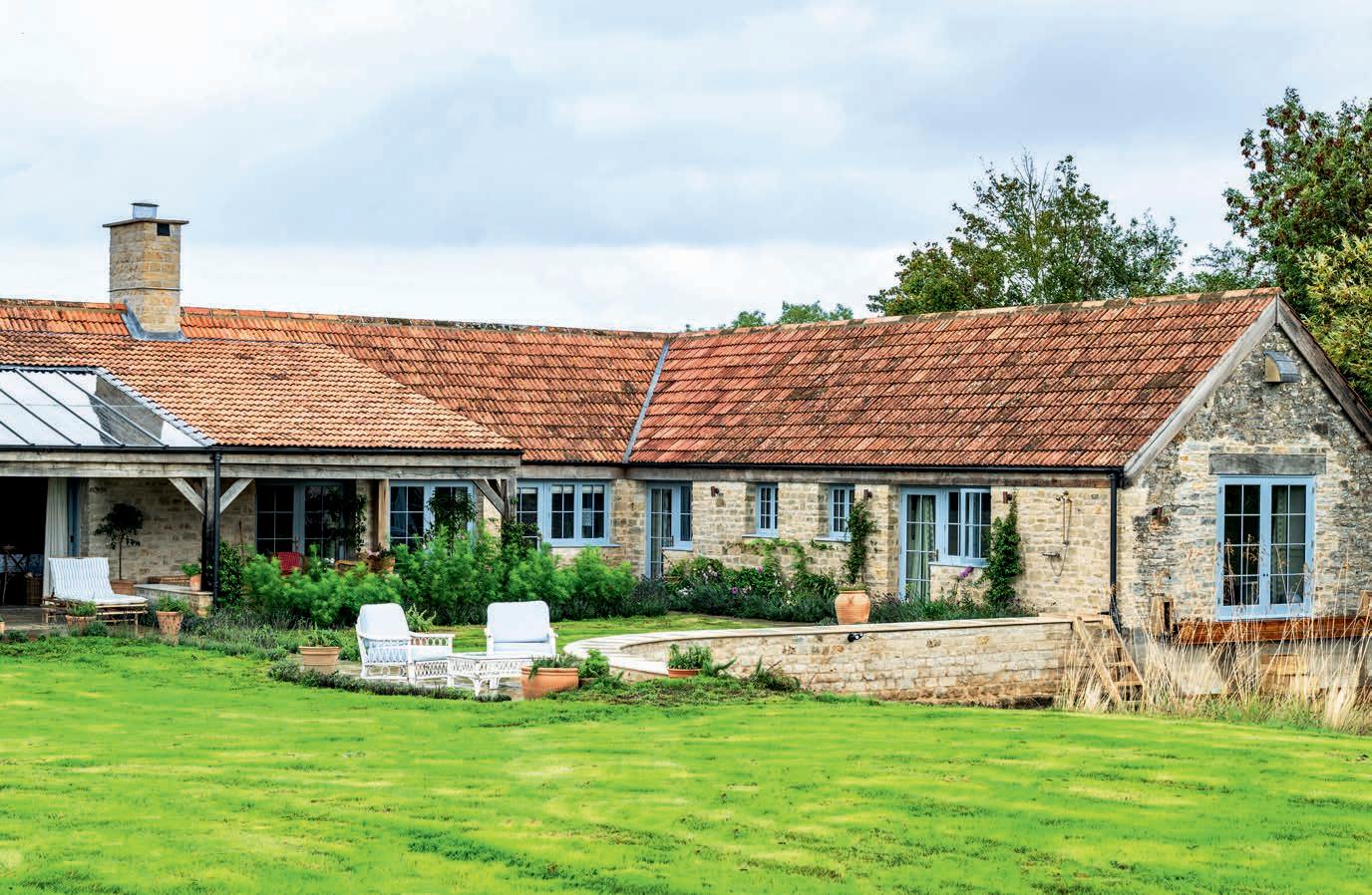
Tucked away behind a mellow stone wall in the depths of rural Somerset, one could be forgiven for thinking that Tom and Pippa Godber-Ford Moore’s timeless, rustic home has been plucked straight from the lavender-scented hills of southern France.
‘Pippa and I love that part of the world, but running our farm, hospitality business and restaurant means the likelihood of visiting France, particularly in the summer, is pretty low,’ Tom, a chef and farmer, reveals.
‘Taking matters into our own hands, we decided to create our own slice of Provence right here.’
Back in 2009, Pippa and her father, David, moved from Suffolk to Pennard Hill Farm in Somerset, where they diversified into providing luxury selfcatering accommodation and a venue for weddings. Meanwhile, Tom was juggling working in the Mediterranean as a private chef with establishing an event catering and seafood business in Devon.
When the pair met in 2020 and romance blossomed, Tom and Pippa joined forces to further develop Pennard Hill Farm into a business that would
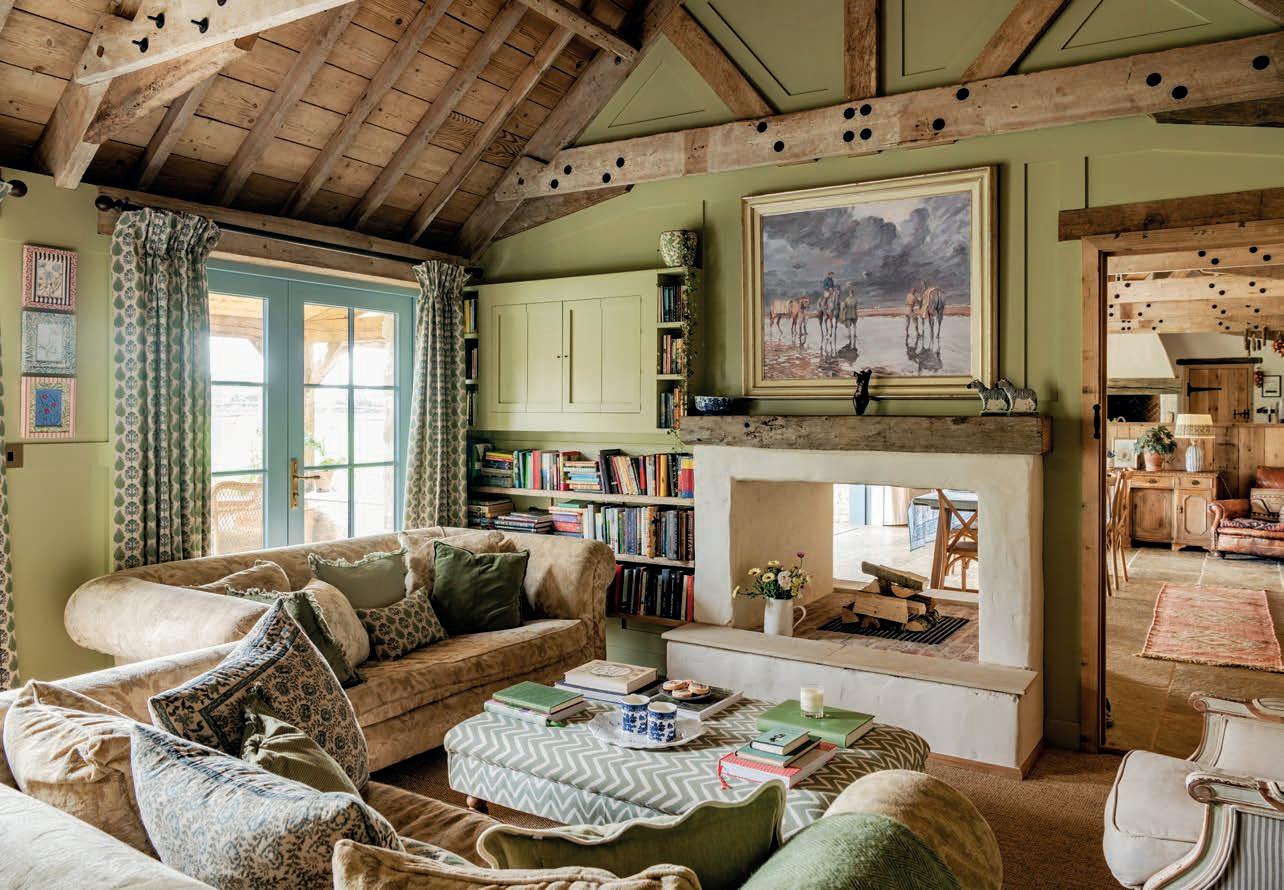
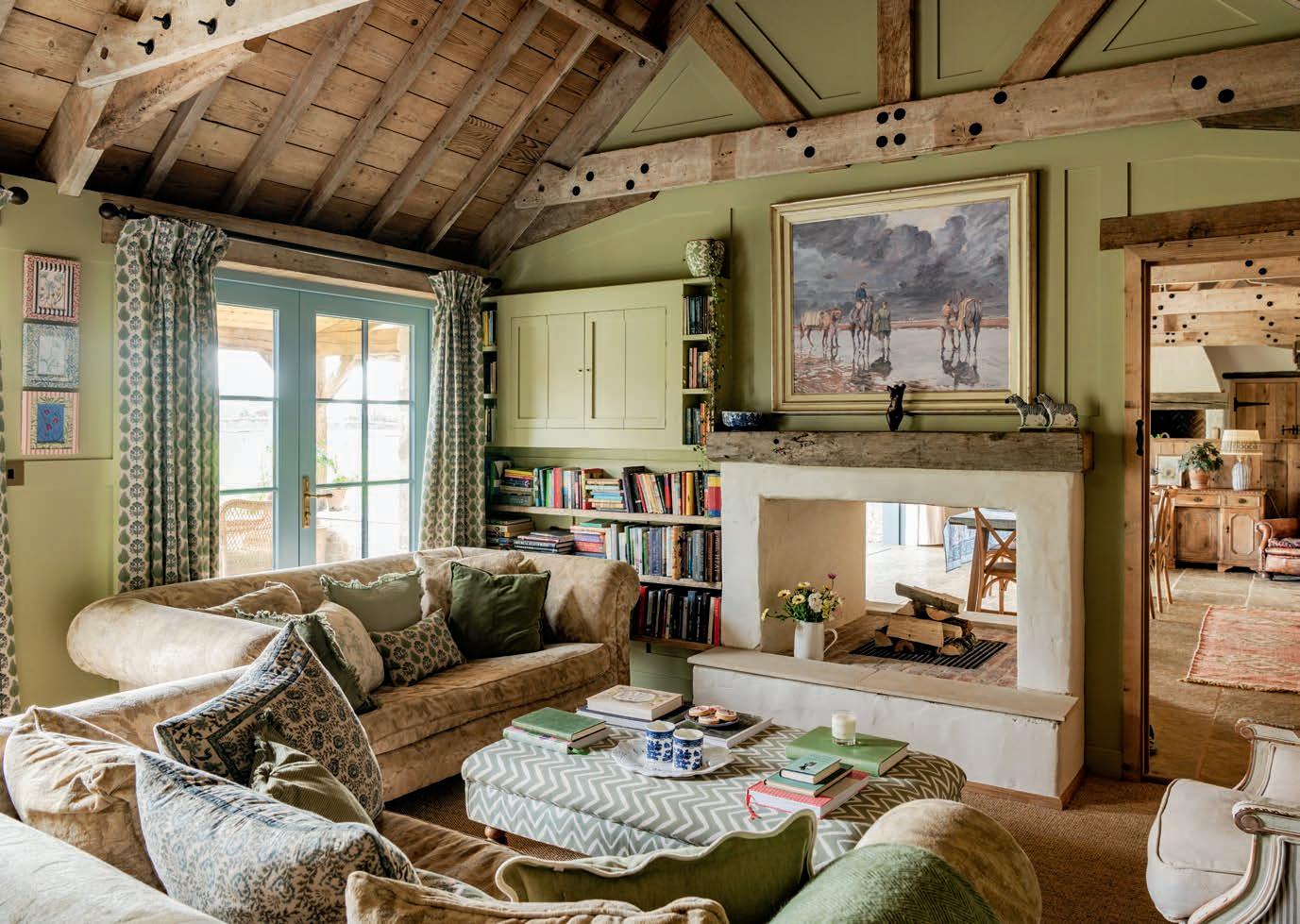
The ottoman is from Ooty Designs, upholstered in the brand’s Balinese Chevron fabric. the double-sided fireplace ensures that the main living spaces flow neatly into one another.

support them both, creating a Feasting Barn, complete with a commercial kitchen for farm-to-table dining and events.
As word spread, the 80-acre farm became increasingly popular, with guests captivated by the tranquility of the area and panoramic views of the Mendip Hills and Glastonbury. ‘We love welcoming guests to Pennard Hill Farm,’ Pippa says. ‘However, when deciding where to live, Tom and I agreed that while it was essential to be on site, we also needed our own space and privacy.’
Exploring options, the couple earmarked a dilapidated cow barn, built in the 1800s, as the perfect spot to create their Provençal-style sanctuary. ‘At the time the ramshackle building was stuffed with glamping gear and not in great shape, but all we could see was potential,’ Tom reveals. ‘As a child, I’d always dreamt of jumping out of bed and straight into a pool and, since I love swimming, maximising the pool which had once been dug to provide water for the cows, was too good an opportunity to ignore. The yard in front of the building was a
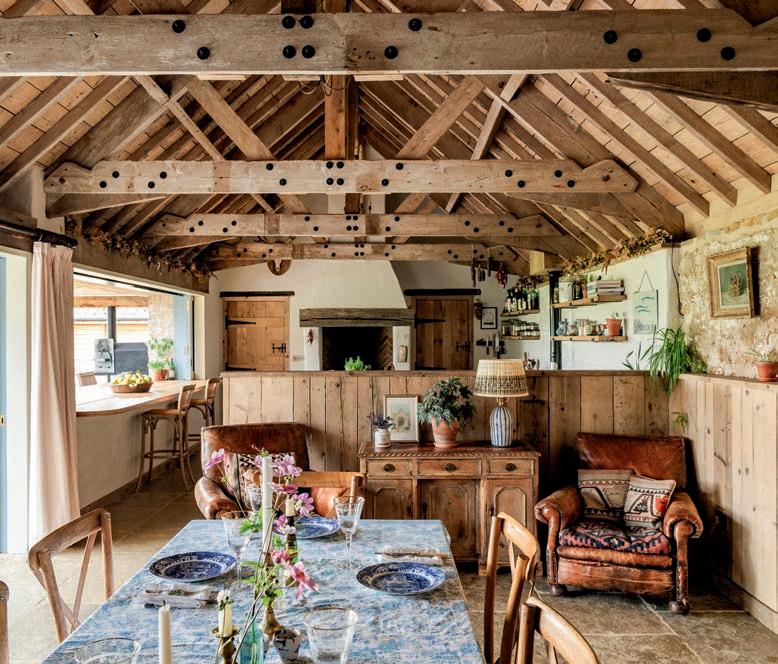
Pippa’s treasured equine painting by Daniel Crane is the focal point in this relaxed space.
ABOVE A large glazed section in the veranda enables plenty of light to pour into Tom and Pippa’s beautifully converted barn.
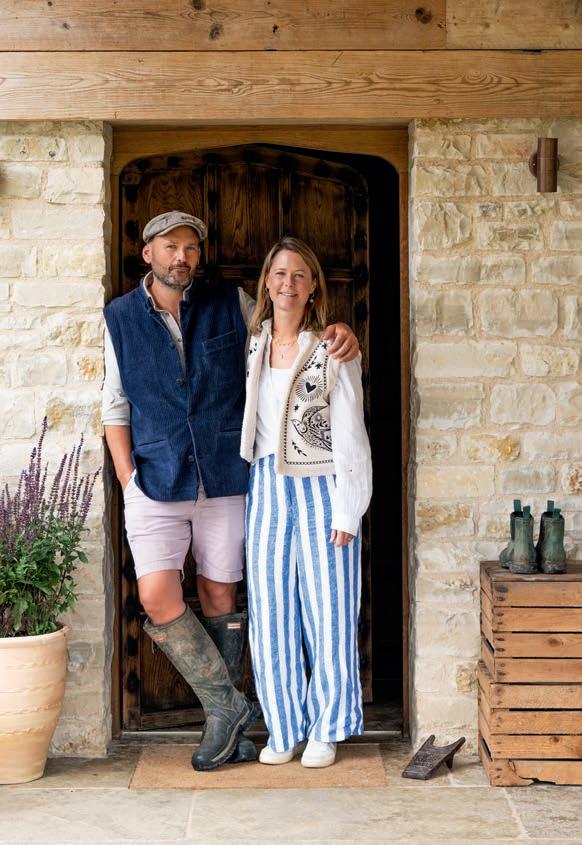
LEFT Having spent hours meticulously planning the barn conversion, Tom and Pippa are delighted with the results.
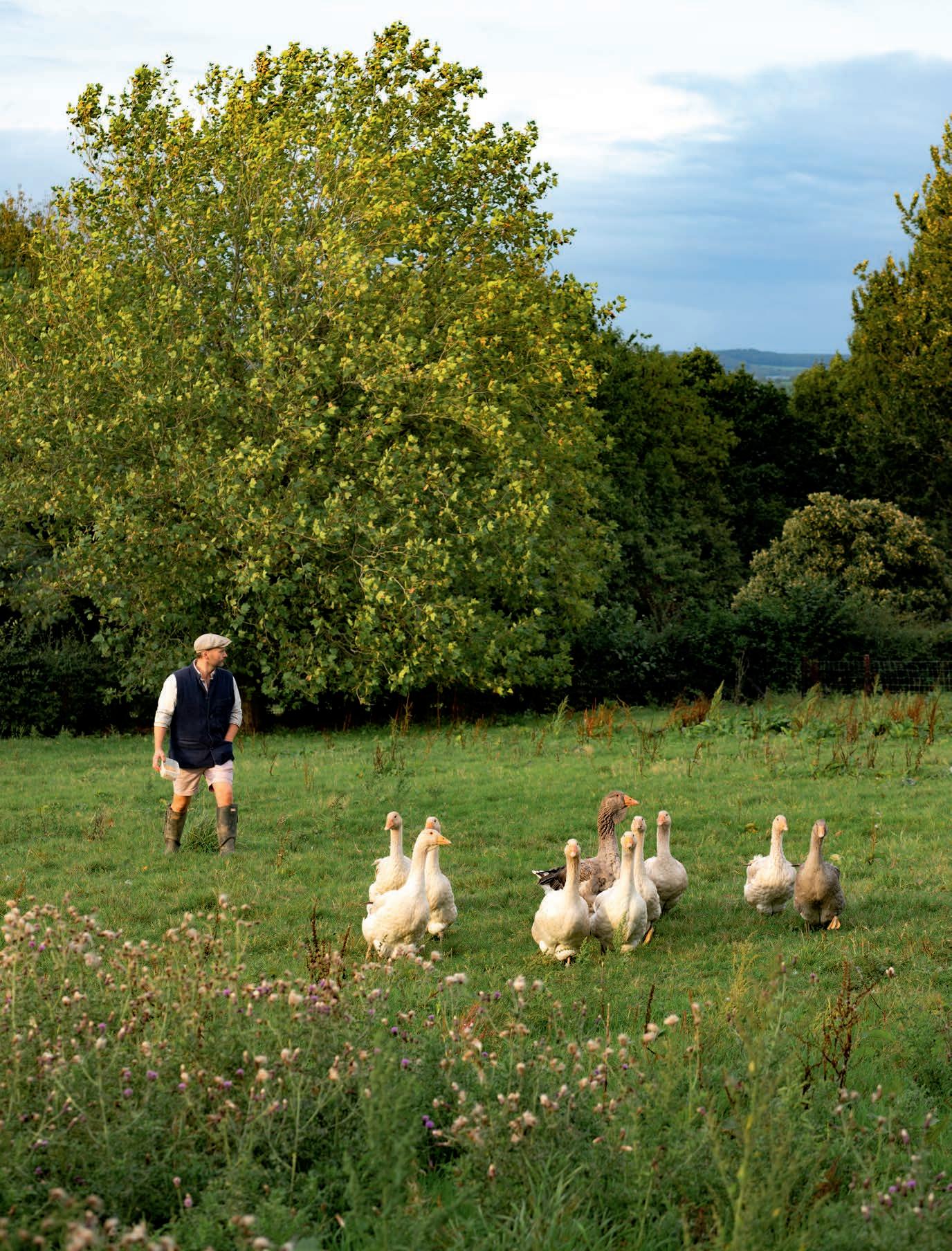
OPPOSITE Tom tends to the free-range Toulouse geese and Bresse chickens.
south-facing sun trap, ideal for creating a garden with a Mediterranean feel.’
After building a new barn to store the yurts and teepees, Tom spent many hours strolling around the barn, watching how the light changed during the day, while carefully considering its forthcoming transformation. ‘Having measured up the footprint, one night I sat down with a glass of wine in hand and began designing our three-bedroom home with a pencil and ruler,’ says Tom.
As the barn is a long, relatively narrow building with no windows on the back wall, a priority was ensuring it would be flooded with light from the southern elevation. The pair agreed that the principal bedroom should have direct access to the pond so Tom could enjoy a daily dip, and that the home would feature a fit-for-purpose kitchen with a Mediterranean-style open fire on a plinth. Other essentials included a spacious veranda covering an area where they could eat al fresco, plus large, glazed doors and windows that could slide back effortlessly, enhancing the feeling of bringing the outdoors in.
Having liaised with an architectural engineer, after planning permission was granted, West Country Renovations, headed by Geoffrey Carew, started the
‘Pippa

and I love southern France, so we decided to create our own slice of Provence right here’

The wall dividing the principal bedroom from its en-suite was designed to be half-height so the swimming pond can be seen from the en-suite’s shower, the base of which is raised with the same purpose in mind. The sleigh bed is from John Lewis & Partners.
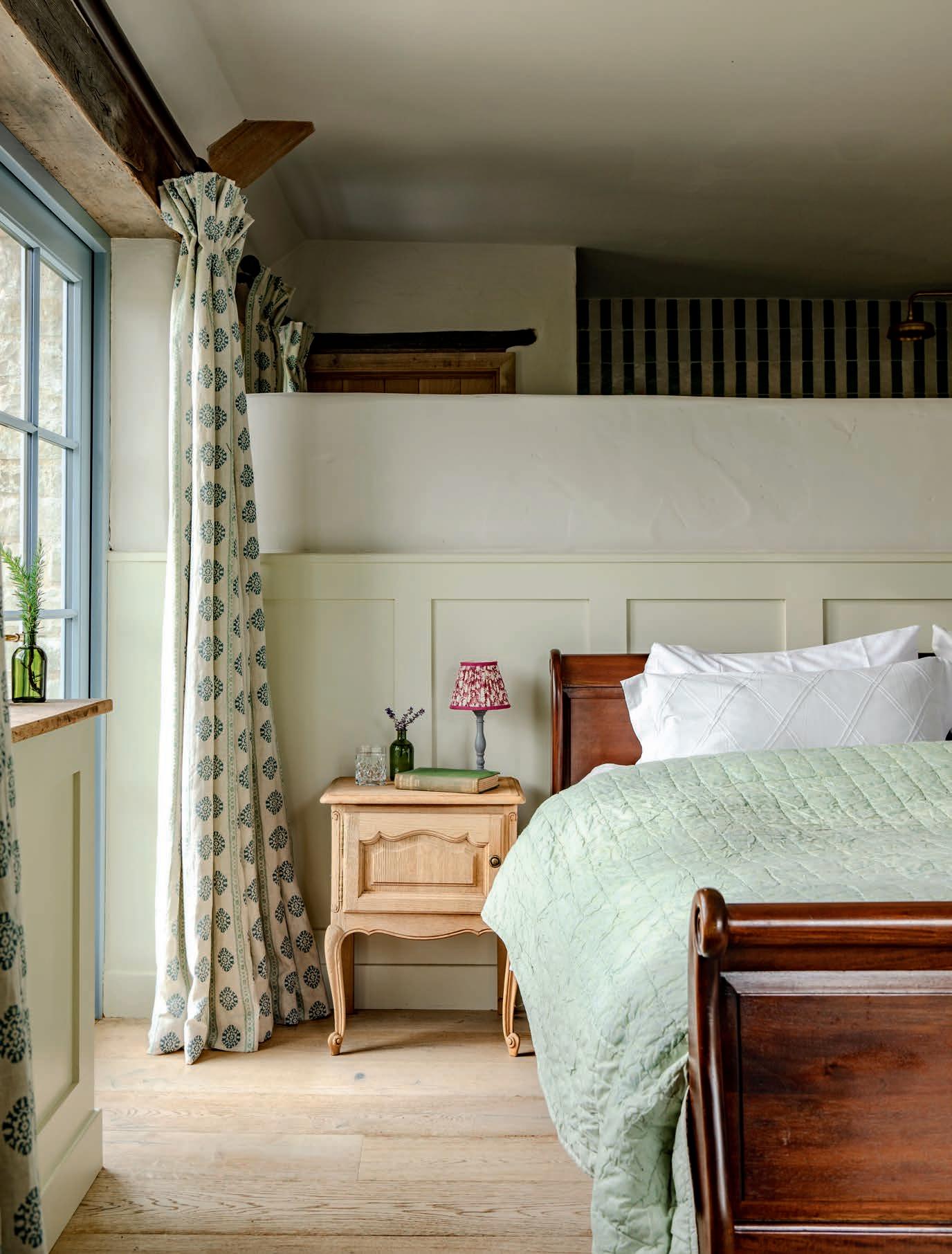
‘Most of the lintels are French railway wagon boards that arrived totally covered in soot –sanding them back revealed their fantastic patina’
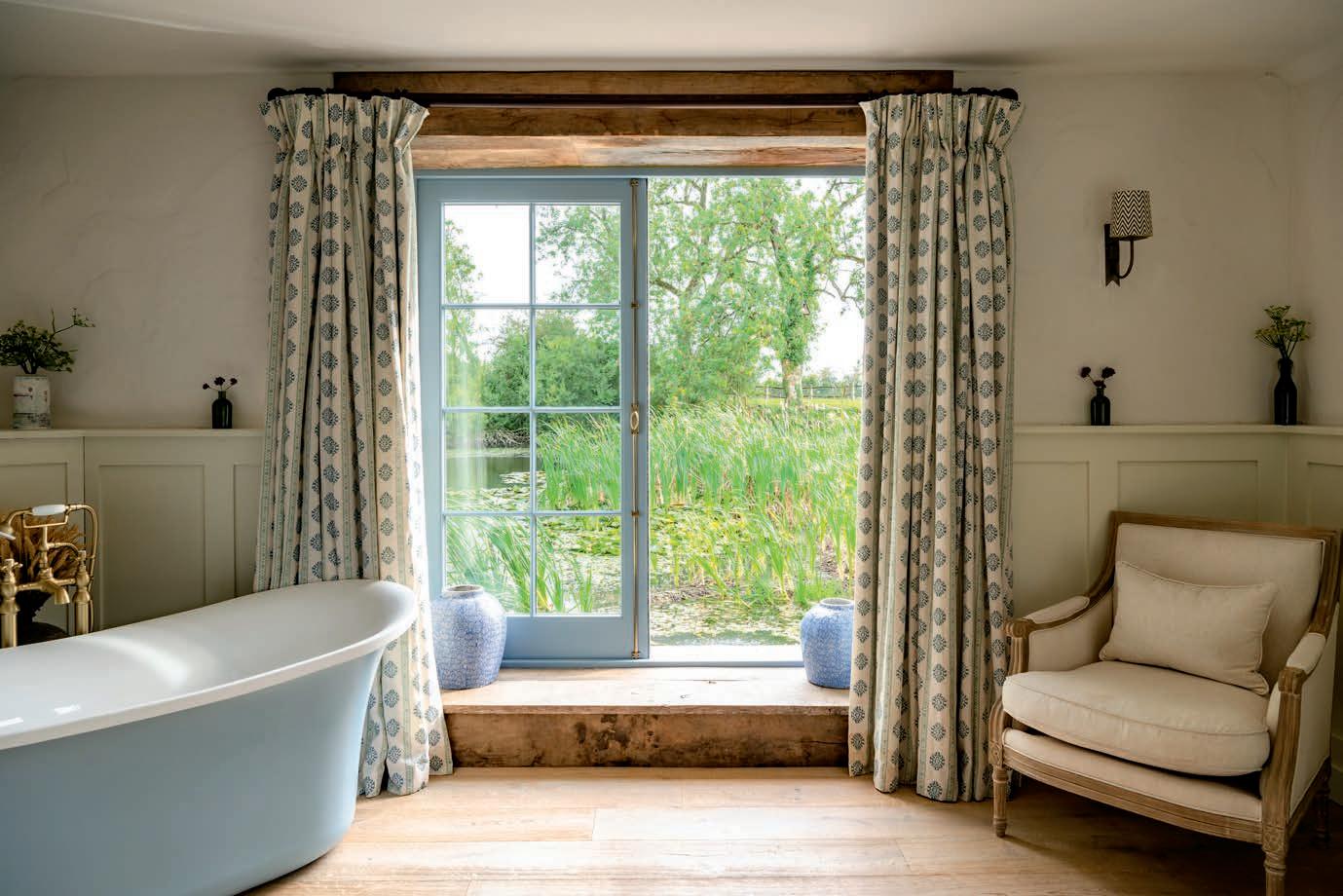
renovation project in June 2023, and the couple moved into a nearby cottage. ‘We wanted our home to feel as though it had been here for hundreds of years,’ explains Tom, who had previously renovated several properties. ‘To this end, we reused existing materials, such as the timber and many terracotta clay roof tiles.’ When the roof was removed, the couple spent hours searching online for more reclaimed timber to clad the steel struts and girders, and also painstakingly sourced extra roof tiles. ‘Most of the lintels are French railway wagon boards that arrived totally covered in soot,’ says Tom. ‘Sanding them back revealed the most fantastic patina.’
One of the main challenges was making sure the barn was watertight, particularly the gable end closest to the pond. ‘The first step was draining the pond water into a nearby ditch,’ Tom explains. ‘Since the original foundations under the gable end weren’t very stable, we had to underpin and then tank that area. When refilling the pond, it was imperative that the water levels were correct, which required careful calculations. We installed an outlet to ensure that the principal bedroom won’t flood.’
In order to achieve the relaxed Mediterranean look
ABOVE The couple never tire of waking up to this stunning view from their boutique hotel-style bedroom. The freestanding bath is painted in Farrow & Ball’s Kittiwake while the curtains are in a GP & J Baker fabric.
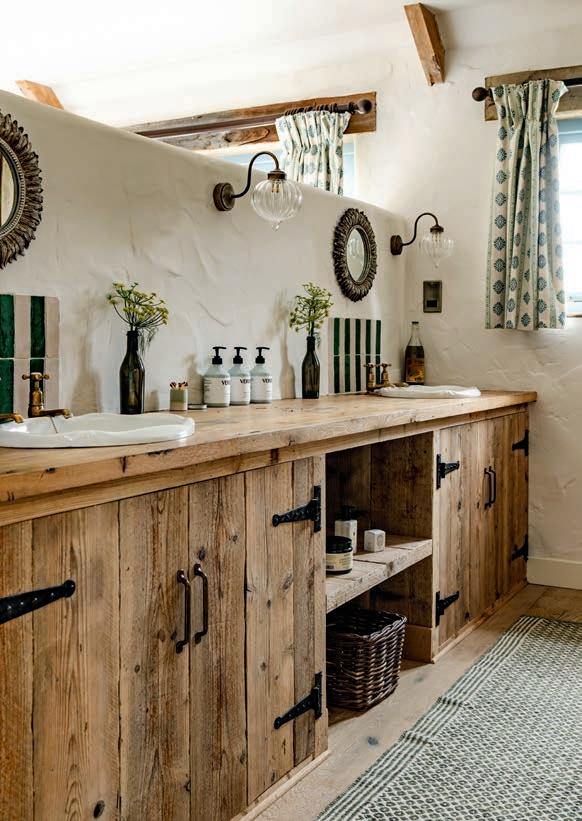
RIGHT Tom and Pippa designed a bespoke double vanity unit made from reclaimed wood and tiles from Bert & May. The mirrors are from eBay and the lights are from Jim Lawrence.
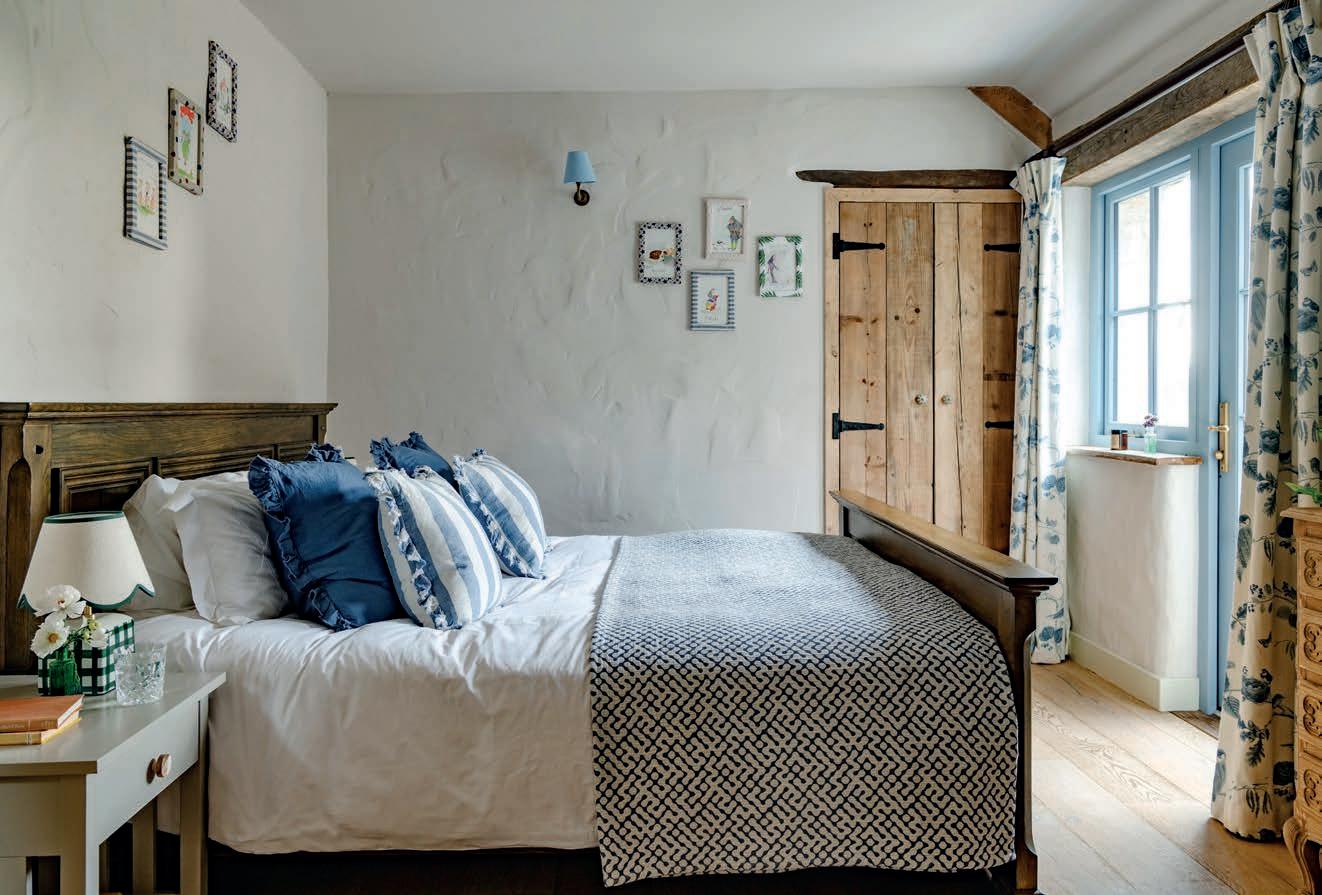
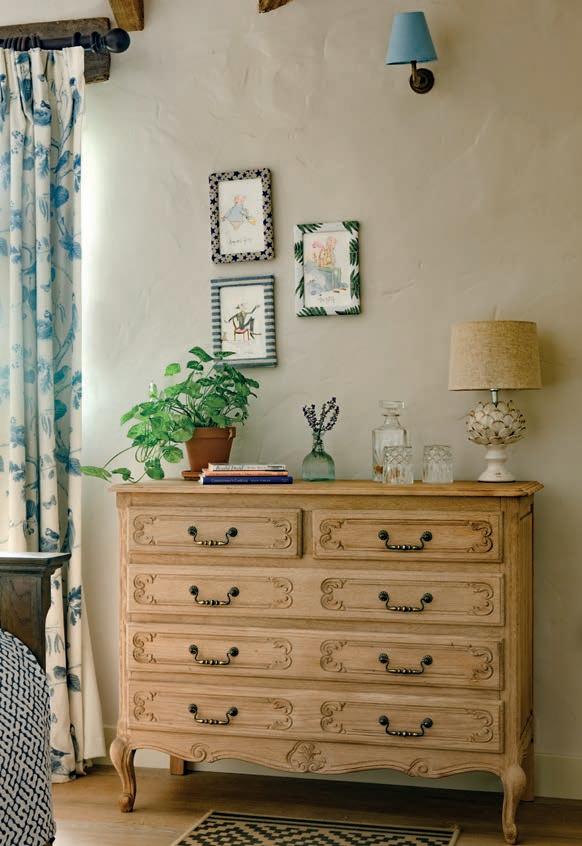
ABOVE The guest bedroom also has a Provençal theme. The wooden bed was bought from Oak Furnitureland and the curtains are in Sanderson’s Woodland Chorus.
LEFT A decorative chest of drawers injects extra charm in the guest bedroom.
the pair had in mind, the walls were plastered in three different layers and then sanded back. In regard to the interiors, Tom and Pippa had a clear vision for their home. ‘To inject that feeling of history, we’ve incorporated brass fittings rather than chrome or stainless steel,’ Tom says. ‘We considered every little detail, ordering lots of samples, from tiles to paints to fabrics. Eventually both of us would usually decide on the same thing, and if not, well – just like marriage, we chose our battles!’
Influenced by their natural surroundings, the couple opted for a palette of muted blue and green hues, plus an eye-catching mixture of patterned fabrics and soft furnishings. ‘Blue was always going to be the choice for the windows,’ Tom adds. ‘Apart from being a nod to Provence, the colour complements the honeyed, local lias stone beautifully.’
Merging the furniture and art they felt would work in their home, the couple then bought new, antique, and second-hand pieces. The result is a charming, soulful barn conversion that captures the essence of Provence. ‘We both feel really content here,’ says Tom. ‘In fact, these days, we actually find it quite difficult to drag ourselves away.’ n pennardhillfarm.co.uk
For 23 years West Country Renovations has specialised in bringing listed buildings, period properties and country homes into modern living without compromising the character that makes them special.
From complete barn conversions and full house renovations to extensions, structural alterations, bespoke kitchens and bathrooms, we deliver carefully considered renovations that respect the history of every building.
If you are converting a redundant barn into a family home, recon guring a country house or just wanting minor changes, give us a call.
Contact us on +44 7740 471 543 Geo @westcountryrenovations.co.uk
www.westcountryrenovations.com
COLOURFUL MASTERPIECE Blank canvas to
Combining painting, interior decoration and a new-found passion for gardening, Josh Hale has turned a Victorian cottage in Oxfordshire into a vibrant, textured home
FEATURE, STYLING & PHOTOGRAPHY CLAIRE WORTHY
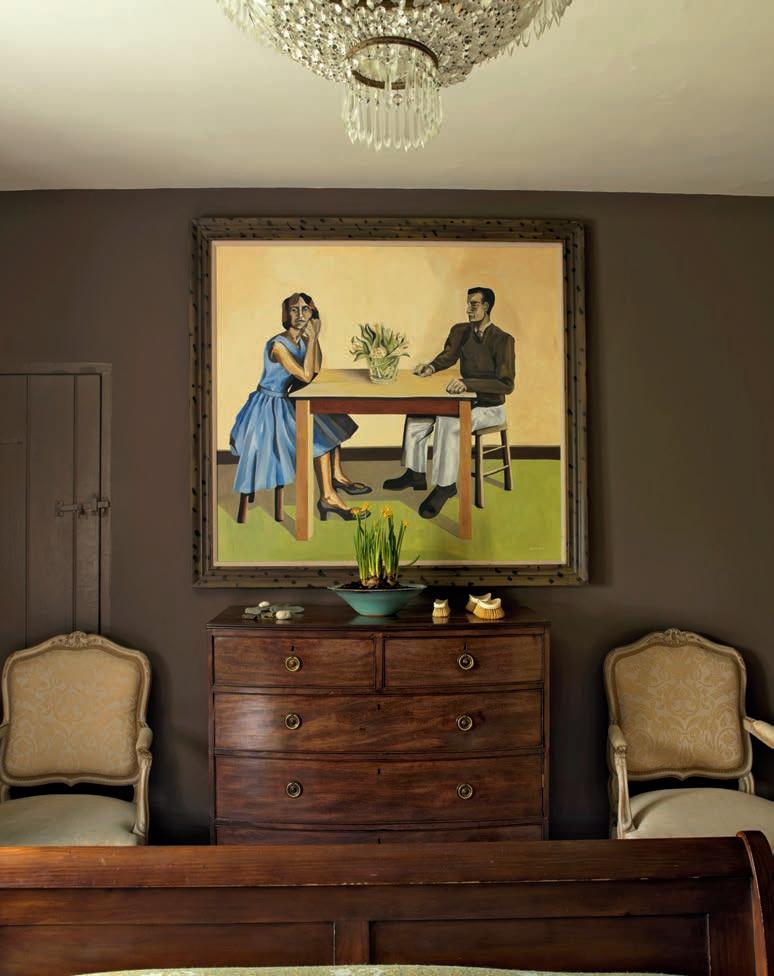
ABOVE A humorous painting by Josh, created in response to all his friends getting married, hangs above the chest of drawers. A pair of Italian-style chairs from Wallis & Wallis auction house add a touch of timeless elegance to the space.
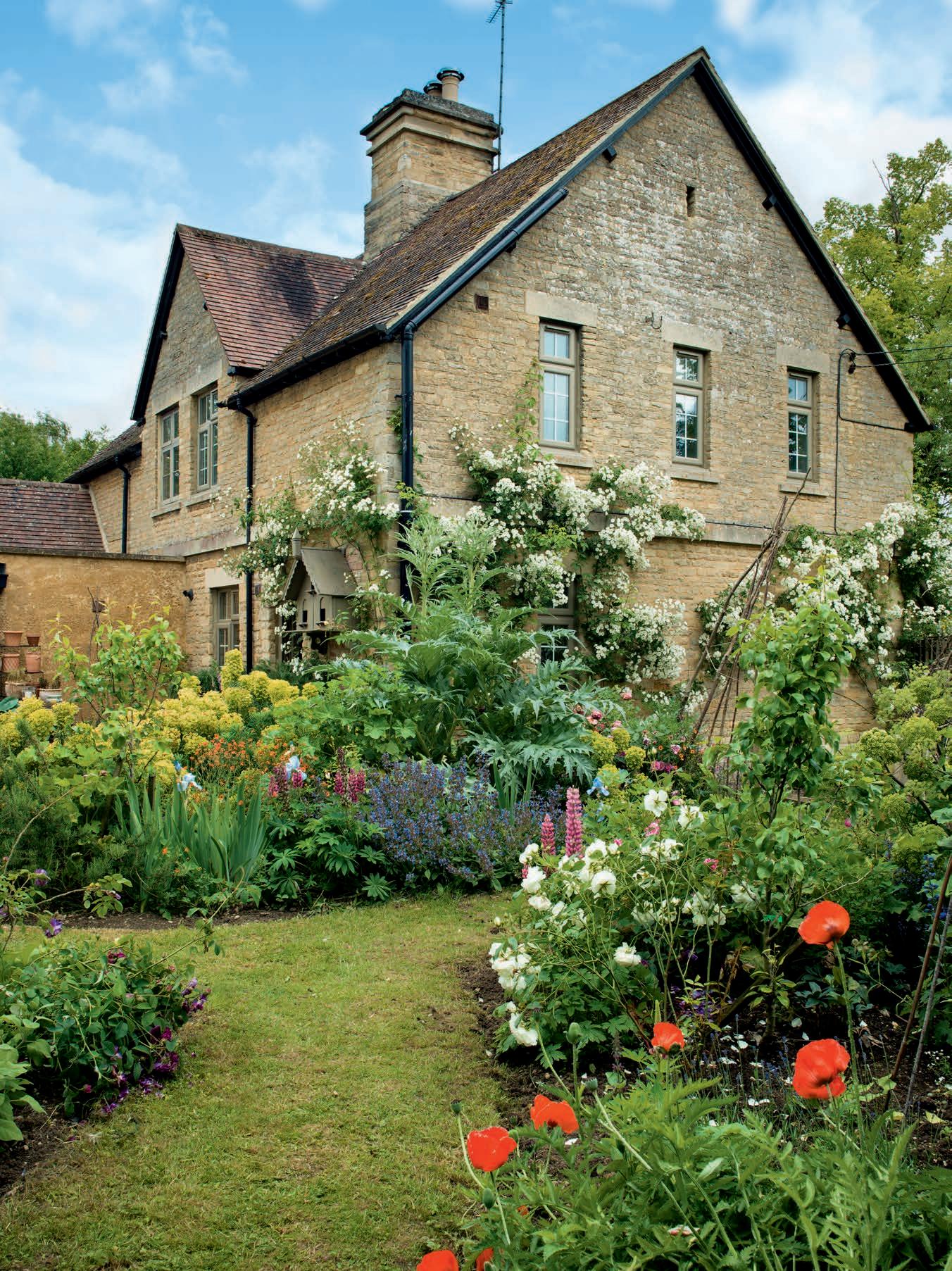
Josh has transformed the garden, once just a rectangle of grass, into a charming English country garden overflowing with roses, lupins and dahlias. ‘The trick is making sure that you give everything plenty of muck in the spring’ he says.
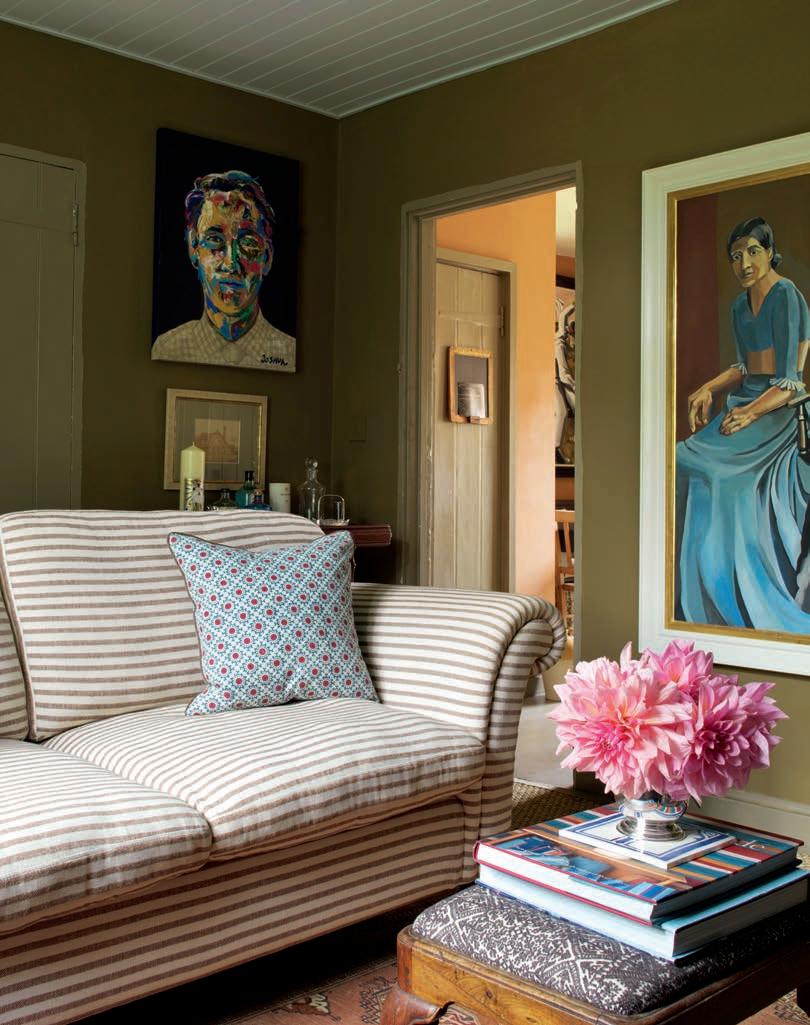
BELOW The stunning garden that Josh has created around the cottage makes the home feel welcoming, just like its owner. It also makes the cottage feel larger, as the garden becomes an additional space to enjoy and entertain in.
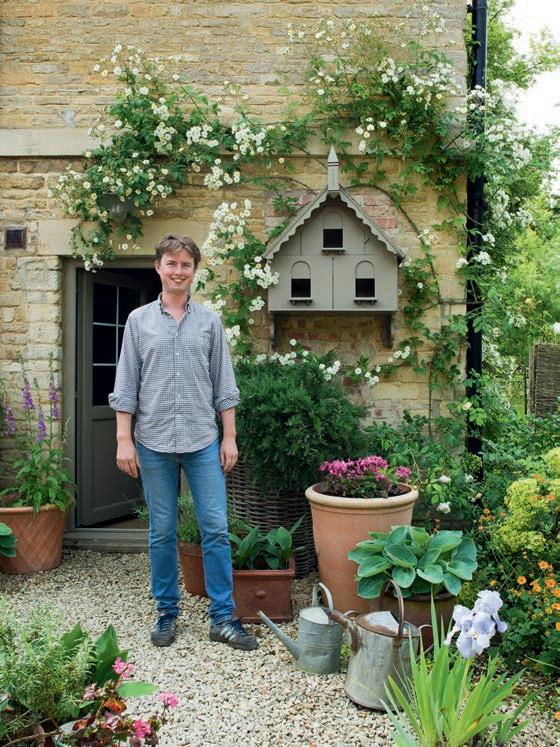
‘I can see a room from all angles in my head, like a floor plan. If a room isn’t gelling, I imagine it from above to see what needs changing’
ABOVE The sofa came from Josh’s mother. ‘It’s an old Laura Ashley design that I had recovered,’ he says. The fabric is Olive Sacking by Guy Goodfellow Collection. Many of Josh’s paintings adorn the walls, which are painted in Little Greene’s Light Bronze Green.
Josh Hale is a rare kind of creative who excels in whatever discipline he turns his hand to, but interior decoration has become his most fulfilling outlet, establishing him as a rising star.
After what he describes as a rather miserable foray into fashion, Josh found his people in Oxfordshire, a warm and spirited crowd who enjoy the pleasures of English country life and are deeply rooted in the arts. Bampton proved a natural fit, and it was here that he began to feel fully at home.
He spent his childhood living in a turnkey house designed for efficiency rather than beauty, but the Dean’s Lodging at Wells Cathedral School, where he was a pupil, opened his eyes to architecture and design. The part-medieval and part-Georgian house was, as he recalls, ‘a proper family house’. Books, papers and the daily detritus of life would be pushed aside for supper, everyone gathering around the table
in that relaxed, lived-in way he still admires. His disciplined schedule as a chorister instilled in him a strong work ethic, while nurturing his skills in drawing and painting. These artistic abilities proved invaluable at the London College of Fashion, where he could translate his ideas on to paper.
Creativity runs in Josh’s family. His uncle made sheepskin coats and shoes, while his grandmother crafted traditional Somerset slippers. ‘She would be making slippers in the sitting room as we chatted when I was young,’ he recalls. Surrounded by piles of leather and cloth, he learnt to experiment with materials and design with practicality in mind. ‘There’s no point designing something unrealistic or useless,’ he says, a principle that has deeply informed his interiors work. His sewing skills are evident throughout his cottage, from the curtains to the cushions he has made by hand.
Splashes of blue and red, found in the tiles and the silhouette pictures above the mantelpiece, which feature Emma Burns and Roger Pye, and were originally from a trade show, contrast against the dark walls. The effect is echoed in the pottery on display and the red piping and Lilies & Geraniums fabric by
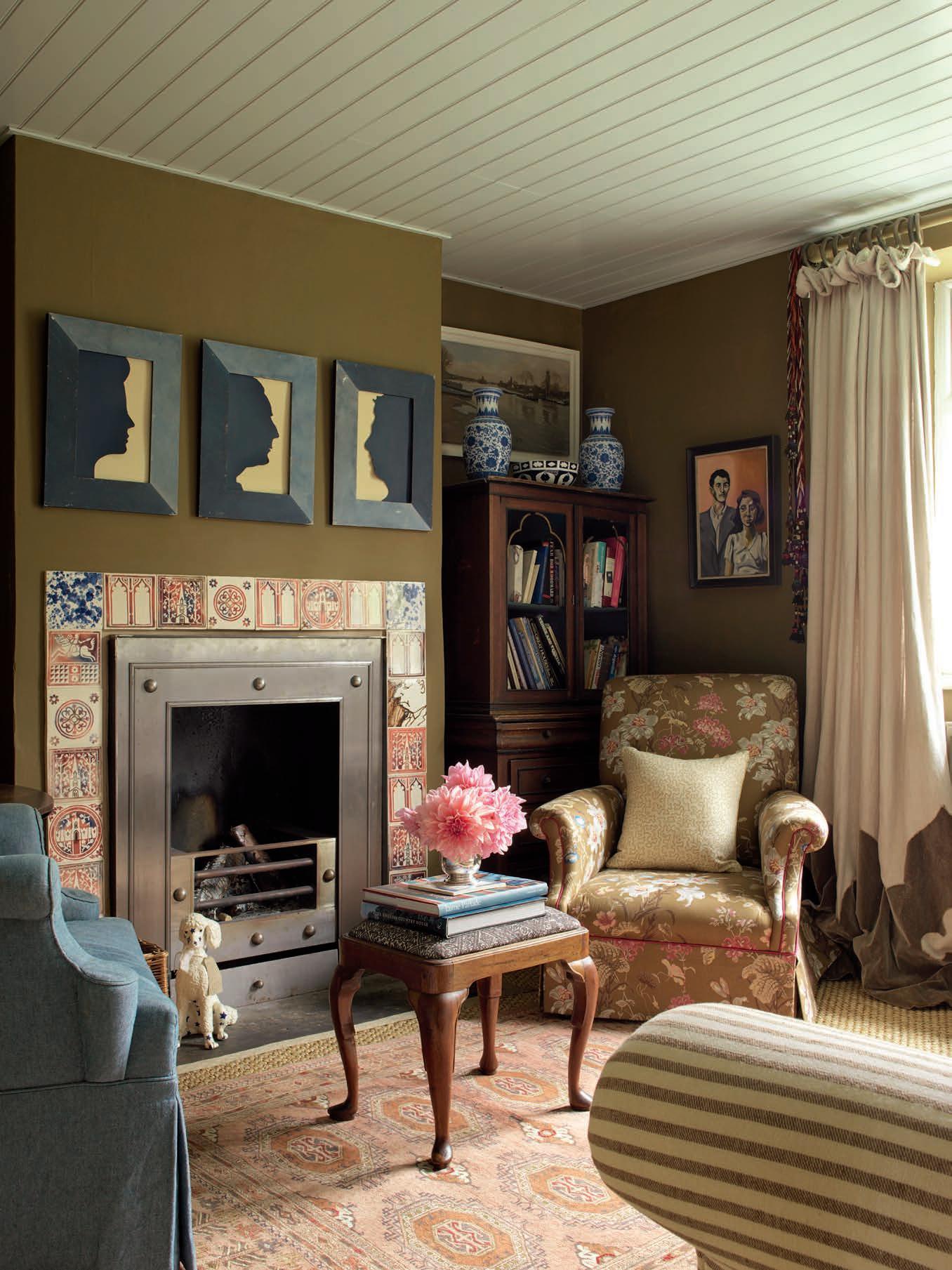
Sibyl Colefax & John Fowler on the chair.
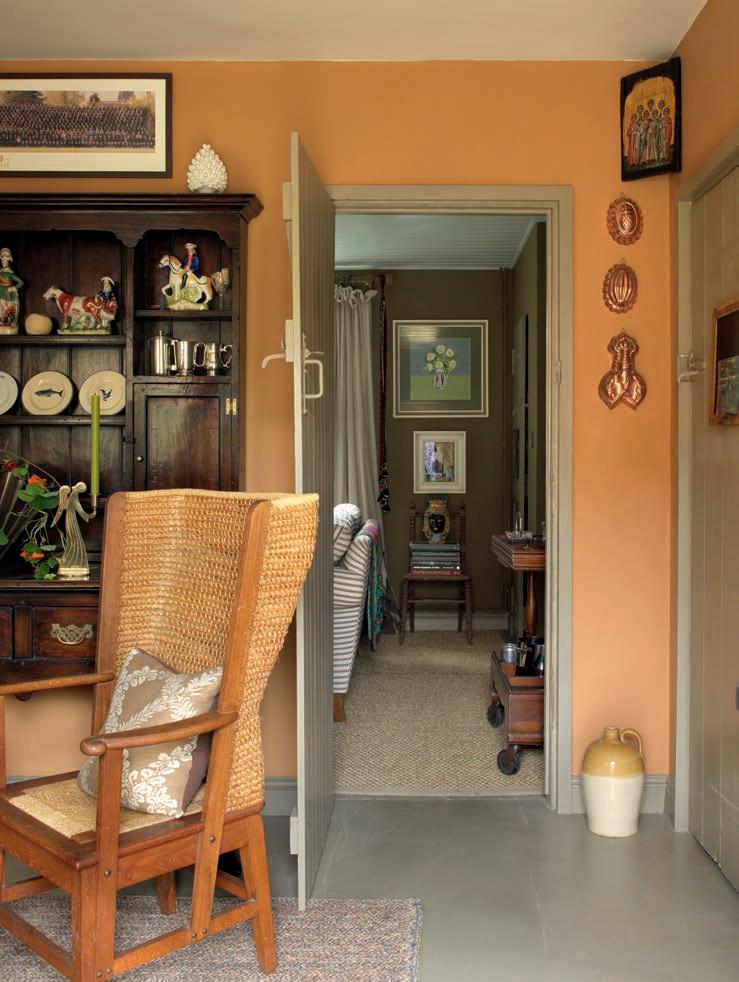
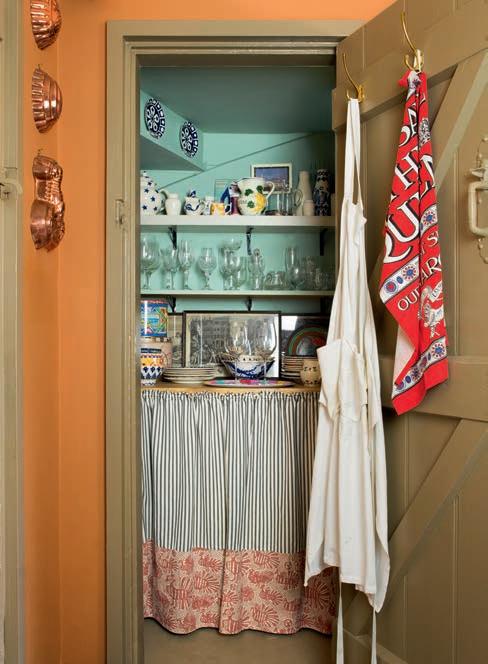
Emma Burns, managing director of Sibyl Colefax & John Fowler, is a close friend and mentor. After arriving in Bampton to work as an artist’s assistant to Matthew Rice, Josh discovered his passion for interiors and was soon entrusted with redesigning the common rooms at Queen’s College, Oxford. During lockdown, he bumped into Emma on Bampton High Street. They hit it off and decided to create an allotment in the grounds of Ham Court, the home of Matthew, who taught Josh the importance of growing your own produce and flowers. The vegetable garden he planted with Emma remains a shared labour of love. At first, the garden surrounding Josh’s cottage had been an uninspiring handkerchief of lawn. It is now a romantic English garden, brimming with colour and white roses covering every wall.
When Emma later visited Josh’s home, she was charmed by the quirky cloakroom he had decorated in salmon pink and cucumber green Garrick-style stripes, complete with hand-painted snakes. She soon asked him to paint a bookcase for one of her clients. Their friendship deepened, as did the projects they worked on together. ‘Emma generously shared her huge knowledge of textiles and design,’ Josh says. ‘She introduced me to so many lovely ideas. We’re kindred spirits when it comes to design.’
Around this time, Matthew offered Josh the chance to take over the rent of one of the Victorian cottages on the estate. He agreed and was given permission to decorate it. ‘Emma and I came up with the floor plan over a bottle of rosé,’ Josh confides. ‘Then I rolled up my sleeves and got the job done in two weeks.’
ABOVE ‘I couldn’t afford to add new flooring in the kitchen, so I painted the concrete floor that was under the blistered lino,’ Josh explains. The floor, doors, and skirting are painted in Mouse’s Back, while the walls are in Wet Sand, both by Farrow & Ball.
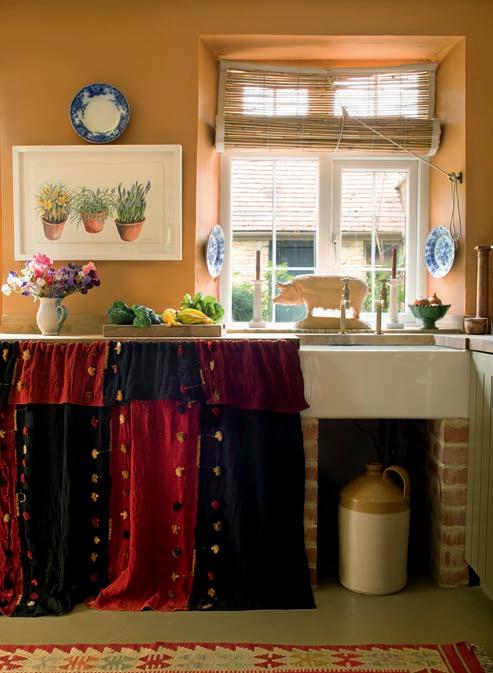
LEFT The understairs cupboard functions as a fun, practical bar and stores crockery and glassware. A curtain Josh made from a ticking offcut and a Volga Linen remnant hides an undercounter fridge.
Josh first considered the available light around the cottage, which helped him correct a mistake he had made with one of his paint choices. ‘I originally painted the sitting room in Farrow & Ball’s Setting Plaster, but I soon realised that I rarely use the space during the day. The soft pink tone was not what it needed; the room required a much denser colour to feel cosy,’ he says.
As the cottage is a rental property, rather than refinishing the uneven or damaged walls, Josh chose colours that would be forgiving of any lumps and bumps, resulting in earthy tones that flow harmoniously from room to room.
He made all the curtains himself, scoured charity shops and snapped up remnants to create an eclectic, layered look full of texture and character. Josh is a strong believer in using lots of pattern, both in his interiors and paintings. ‘While there must be an overarching balance or depth of tone to avoid it looking like a jumble sale, you can find harmonious combinations that aren’t overly matched,’ he reveals.
Today, Josh practices both as a portrait painter and an interior decorator, the two disciplines closely inform each other. ‘When something isn’t working in a painting, I’ll often turn it upside down. Your brain can tell you what it thinks it should look like, rather
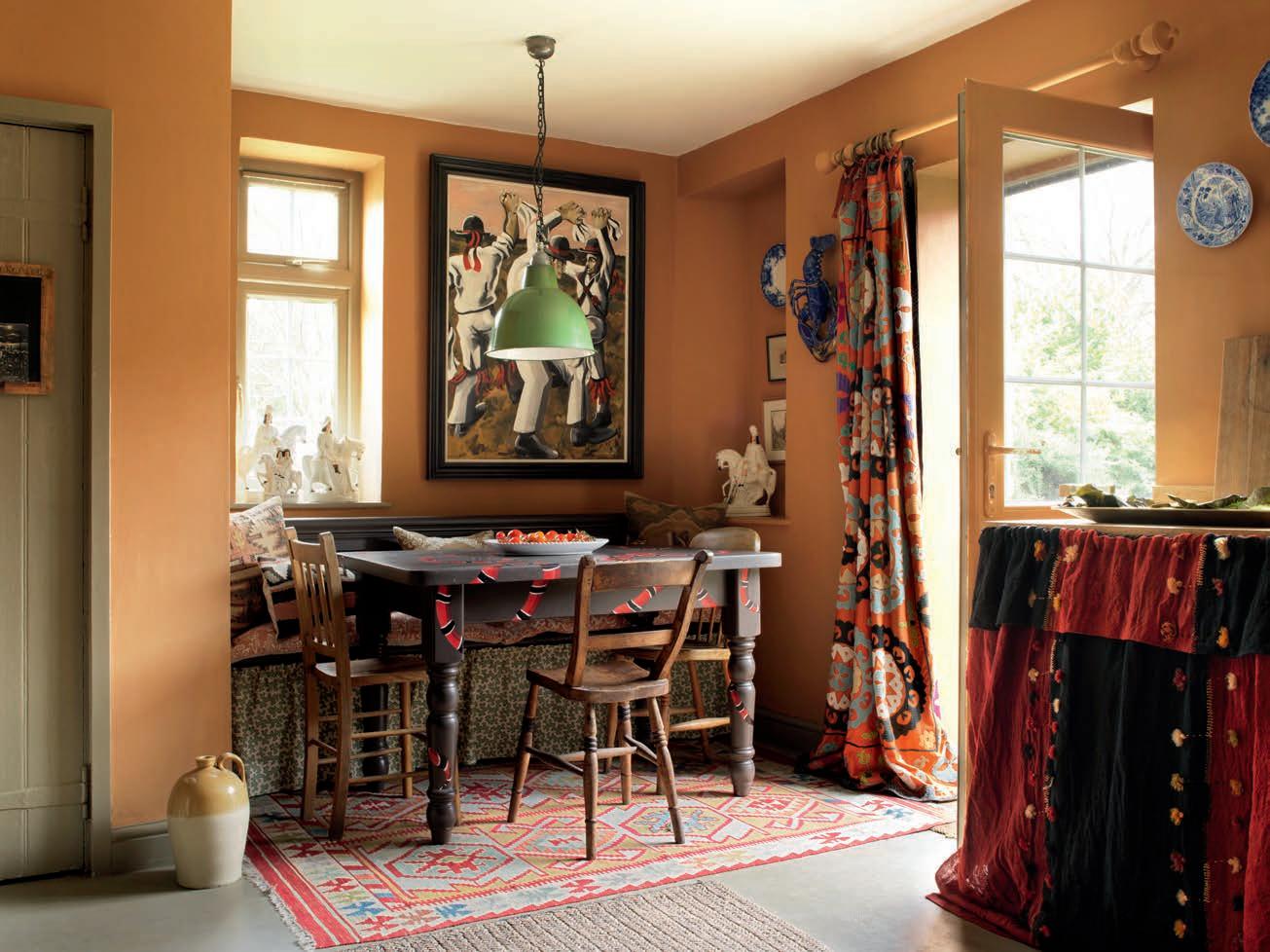
‘There must be an overarching balance to avoid it looking like a jumble sale. Find harmonious combinations that aren’t overly matched’
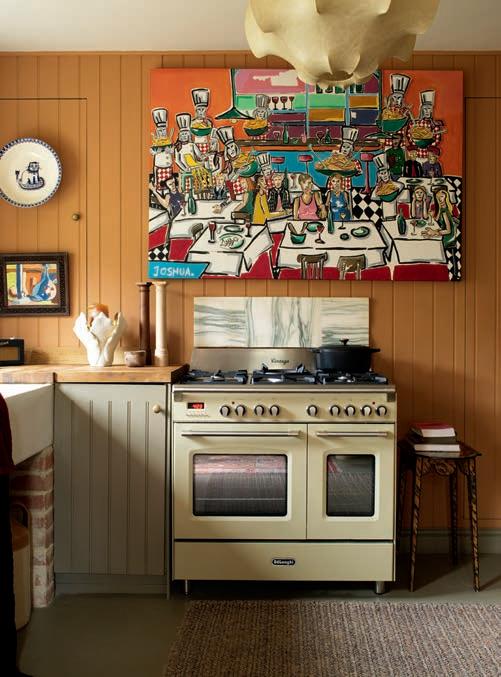
LEFT The splashback above the cooker was created from two marble offcuts. Josh had the larger section cut in half and placed the piece with the veins running in the opposite direction at the centre, which highlights the stone’s natural beauty.
RIGHT A tent hanging from Robert Kime disguises the washing machine. Josh cut it to create a chequerboard effect and used the extra length to add a frill along the top. A Matthew Rice watercolour and classic English china decorate the walls.
Josh had a pew cut down to fit the dining space, and painted the table with snakes inspired by a Gucci coat lining. A rug from Oxford Market defines the dining area.
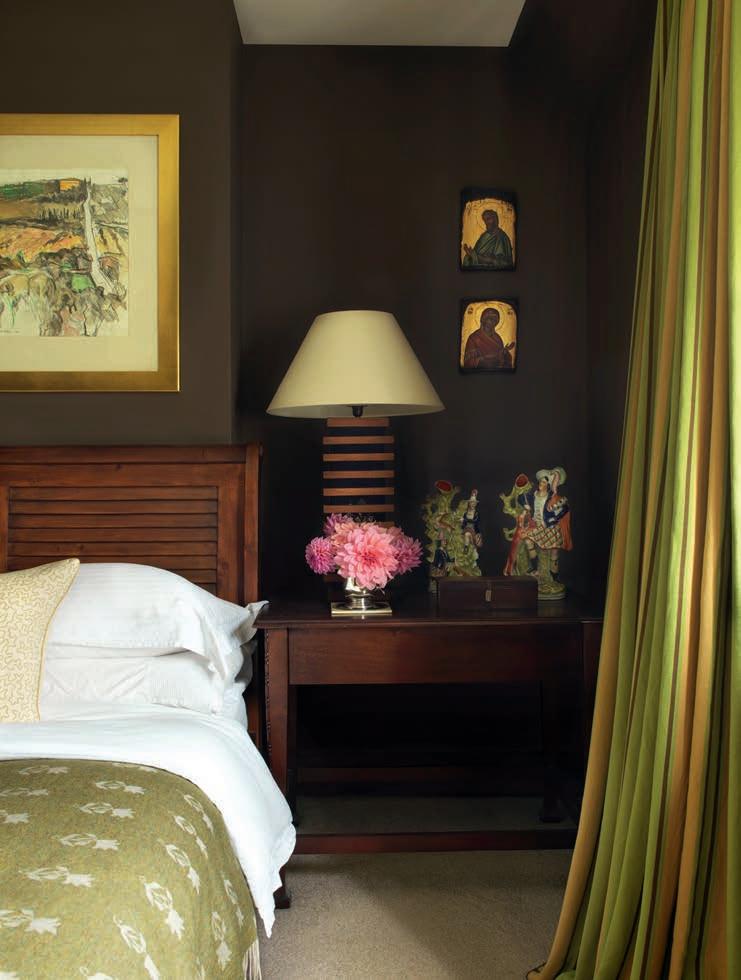
LEFT The bedroom features an eclectic mix of religious Greek icons from Sifnos, a wooden lampstand Josh made at university, and his beloved Staffordshire pottery. A cushion in Silhouette Squiggle in Caramel and the Berkeley Sprig lap rug on the bed, both by Sibyl Colefax & John Fowler, sit alongside
than what it actually looks like.’ He applies the same logic to rooms. ‘Emma and I talk a lot about having “3D brains”, we can see the room from all angles in our heads, even from above, like a floor plan. If a room isn’t gelling, I imagine it from above to see what needs changing.’ He laughs: ‘I played The Sims as a child… maybe that helped.’ His inventive use of space and his ability to create interiors with a lavish feel on a minimal budget are a testament to the way all his creative disciplines dovetail.
Moving back to the country was the right decision. Josh has flourished creatively and his cottage and garden are as vibrant and inventive as he is, full of colour, texture and surprising details that reflect a fearless approach to design. His life in Oxfordshire, shaped not only by collaboration and inspiration but also by the friendships he values most, has made him feel completely at home. n
joshuahale.co.uk
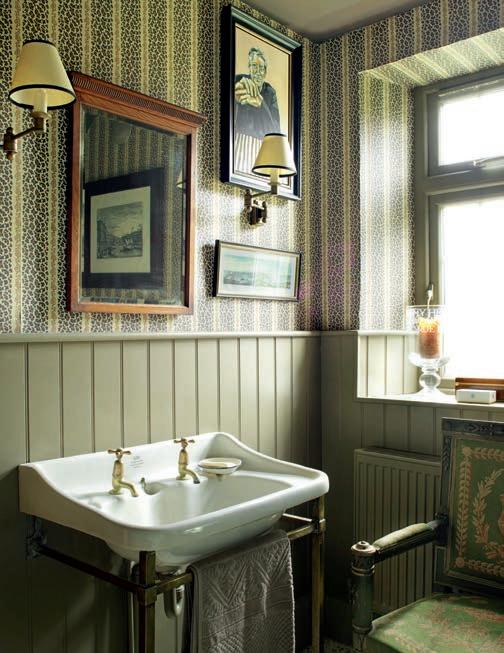
ABOVE The antique needlepoint chair in the bathroom stands up beautifully to daily use. Leopard Stripe wallpaper by Sibyl Colefax & John Fowler and Jim Lawrence wall lights complete the classic look.
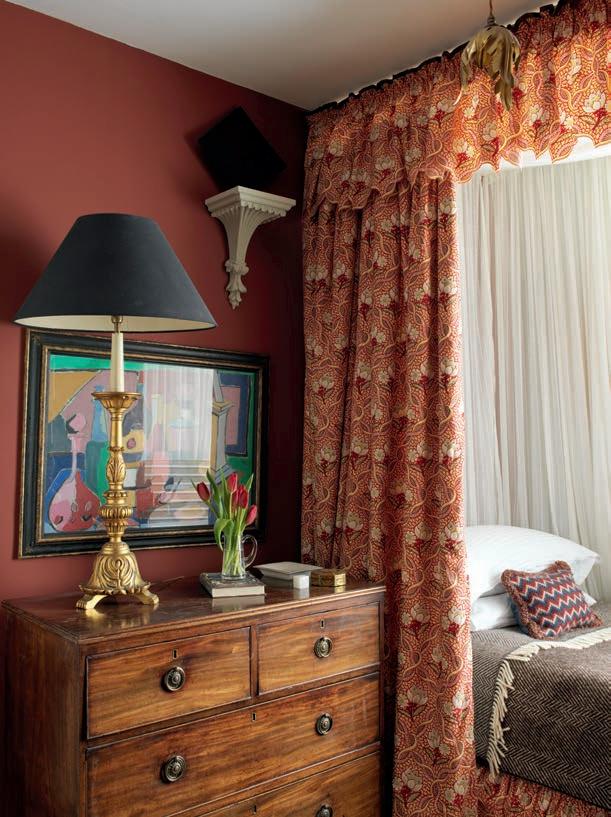
LEFT Josh carefully cut the frill around the trellis pattern on the Balmoral fabric by Pierre Frey used for the drapes on this pocket bed. The delicate brass lamp is from Jim Lawrence and the walls are painted in Beresford Red by Sibyl Colefax & John Fowler for Fenwick & Tilbrook.
curtains he made from Claremont fabric.
Balancing ACT
Interior designer Victoria Wormsley helped the owners of this Georgian-style Cotswolds house create a family home that is at once grand and comfortable
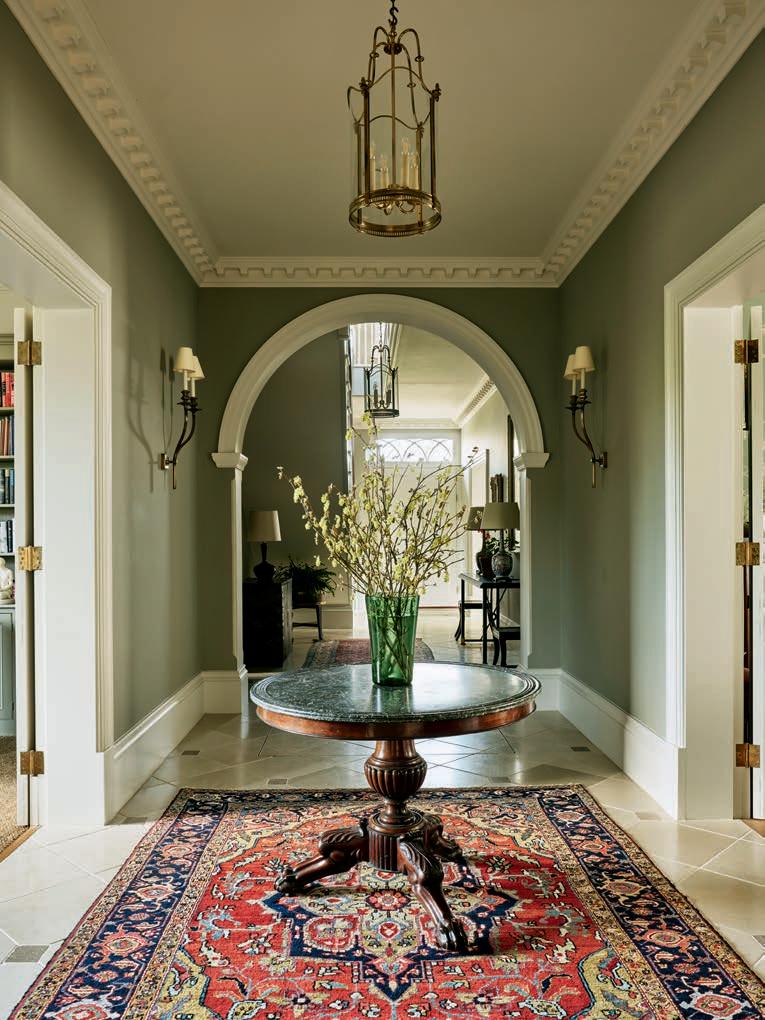
ABOVE A marble-topped table from Youlls Antiques and pendant lanterns from Carlton Davidson Antiques bring a traditional feel to the hallway. An inherited Persian rug adds a touch of drama.
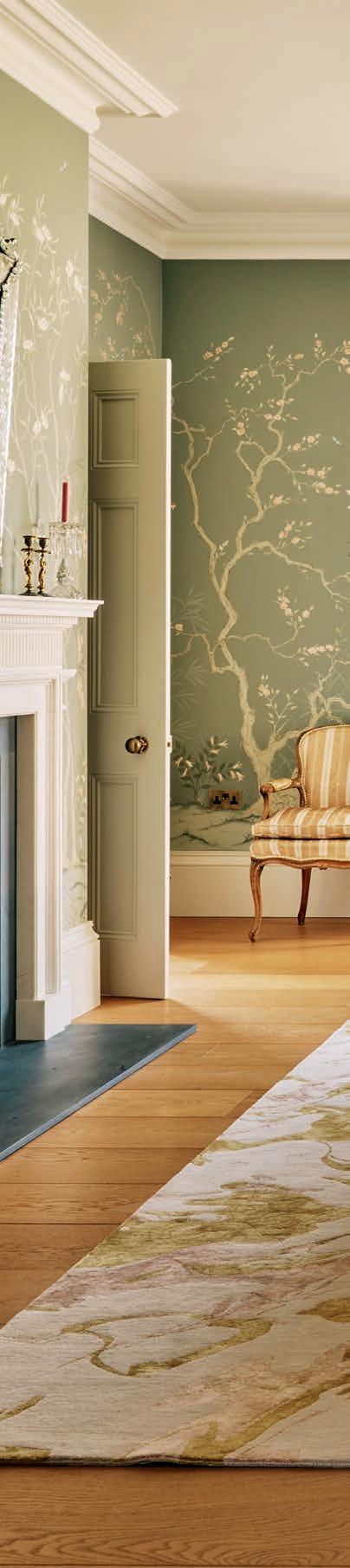
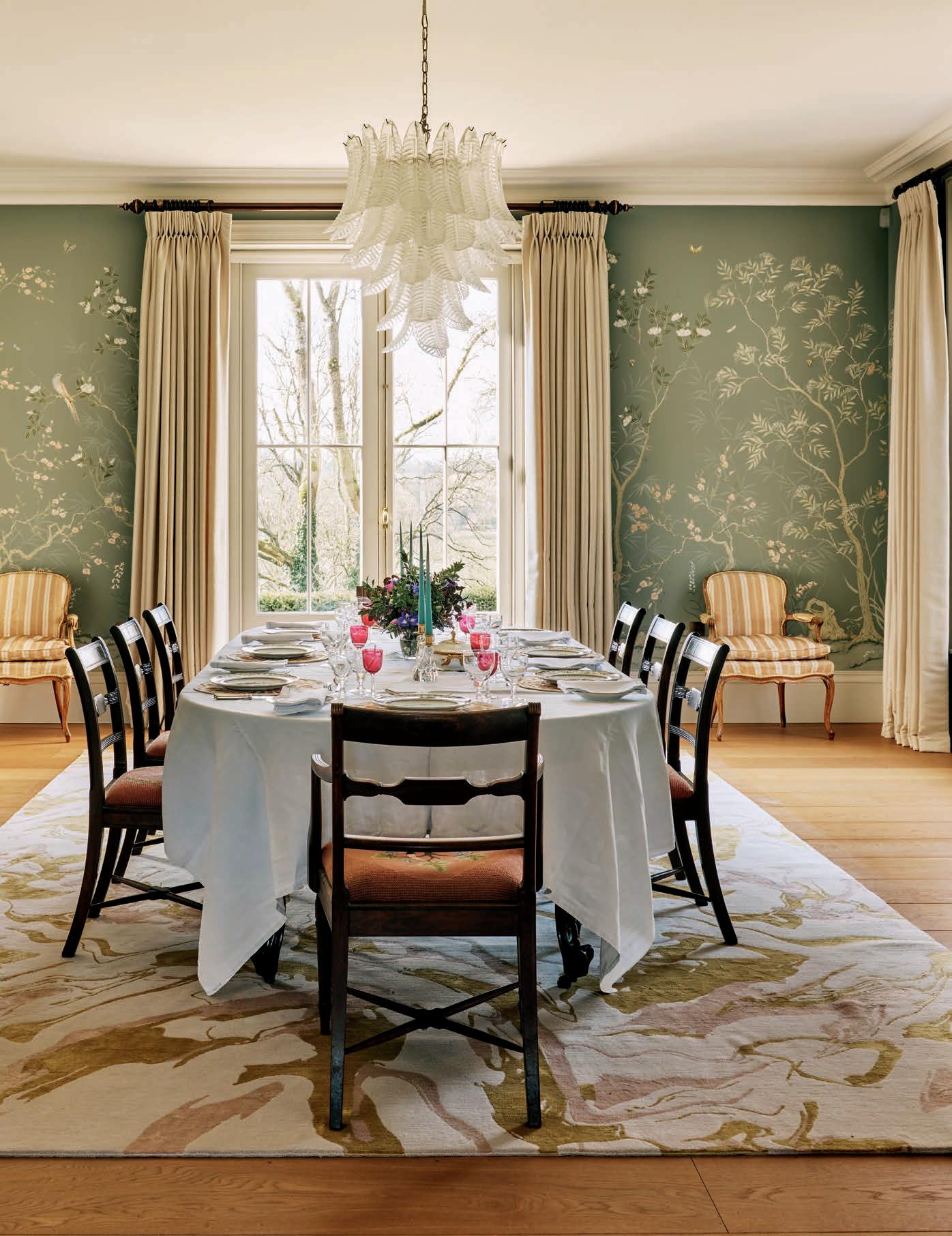
RIGHT ‘Decorating the dining room with an intricate trailing chinoiserie design chimed with the house’s 18th-century inspiration, as well as making the large room feel more intimate and glamorous,’ says Sarah.
FEATURE CHARLOTTE DUNFORD PHOTOGRAPHY CHRISTOPHER HORWOOD

A trio of Lasvit’s Neverending Glory Bolshoi pendants draw the eye above the developer-built kitchen, their glass forms perfectly suited to the airy feel of the room. The large stone floor tiles are by

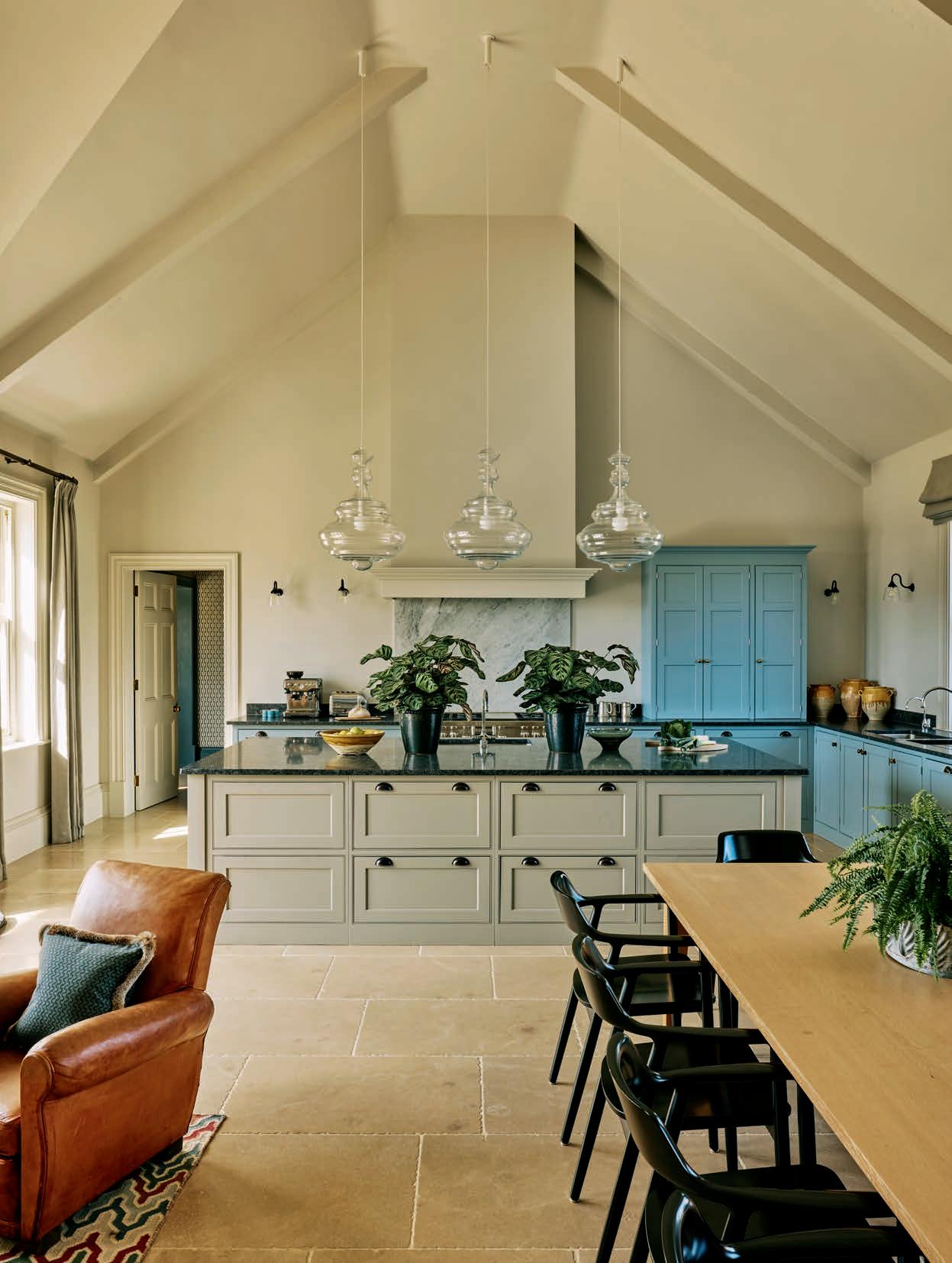
Ca’ Pietra and the dining table and chairs are from Heal’s.
This impressive home is one of many contrasts, from the traditional-style architecture that belies its recent origins to the playful juxtaposition of old and new within.
Take the dining room: a handpainted chinoiserie mural and an assortment of antique pieces lend the scheme a classical feel, yet they are carefully undercut with contemporary elements, such as the 1960s Murano chandelier and a sizeable, abstract rug. ‘The interior design needed to reflect the grandeur and formality of the house, but without taking itself too seriously: we wanted it to have a freshness and playfulness so people would feel at ease there,’ explains Sarah Pemberton, who shares the home with her husband, Simon, and their three teenage children.
The family had outgrown their previous home, a 19th-century cottage. ‘We needed something on a different scale as we love entertaining and having friends to stay,’ says Sarah. With proximity to schools and London in mind, and a yearning for picturesque countryside views, their search focused on Oxfordshire. After two years of properties with low ceilings, dark interiors and awkward layouts, the Pembertons decided to explore a different avenue.
‘We came round to thinking that a newly built house could be the answer.’
It was then that the couple came across plans for this house, due to be erected on the site of a 1960s farmhouse and several dilapidated barns. Despite being built only nine years ago, the property has the appearance of something much older. ‘The house was constructed in the traditional 18th-century style of Cotswold stone with a slate roof. It has three floors with large sash windows on the first two and curved dormer windows on the attic floor,’ says Sarah. The layout largely feels classical too, with the main part of the house sporting a symmetrical format and a wing in the style of a converted barn housing the kitchen, breakfast room, boot room and flower room behind.
‘The house took 18 months to construct, but as we both work full-time, we knew we needed some professional help from the start. There were so many decisions and it’s easy to make expensive mistakes,’ explains Sarah. The couple knew of Victoria Wormsley, founder of design studio French-Brooks Interiors, as her husband had been a former colleague. With a brief centred on honouring the
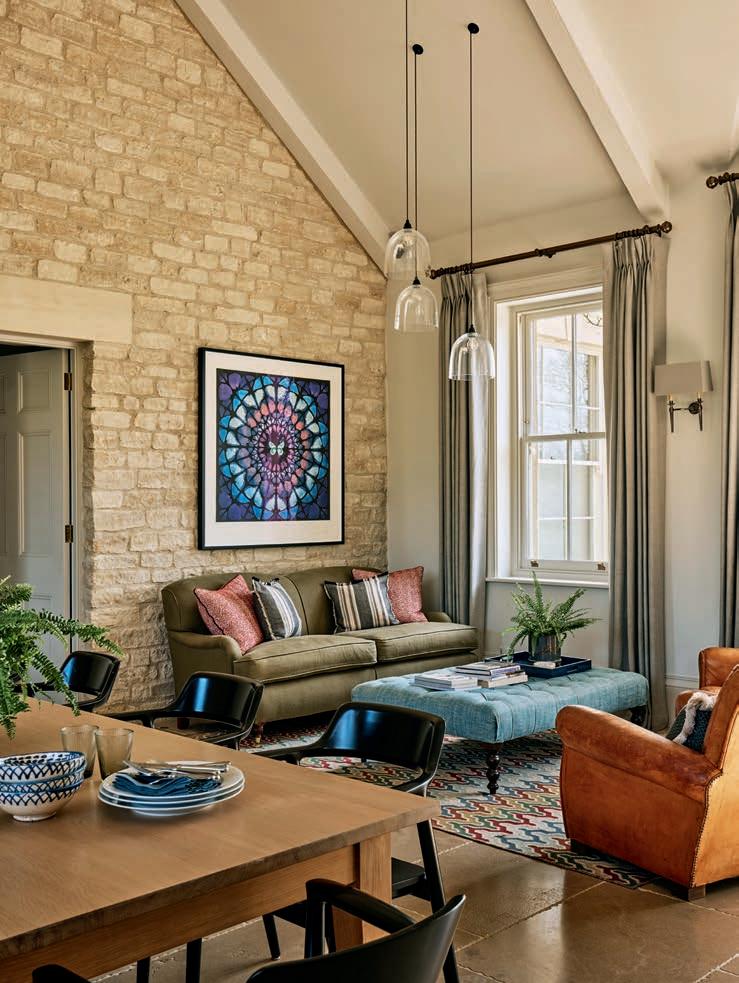
ABOVE A David Seyfried sofa, covered in Marvic fabric, a George Smith ottoman, upholstered in Fermoie fabric, and a pair of leather armchairs, all anchored by a Jennifer Manners rug, create a relaxed seating area in the open-plan kitchen. A Damien Hirst artwork sings against the Cotswold stone.
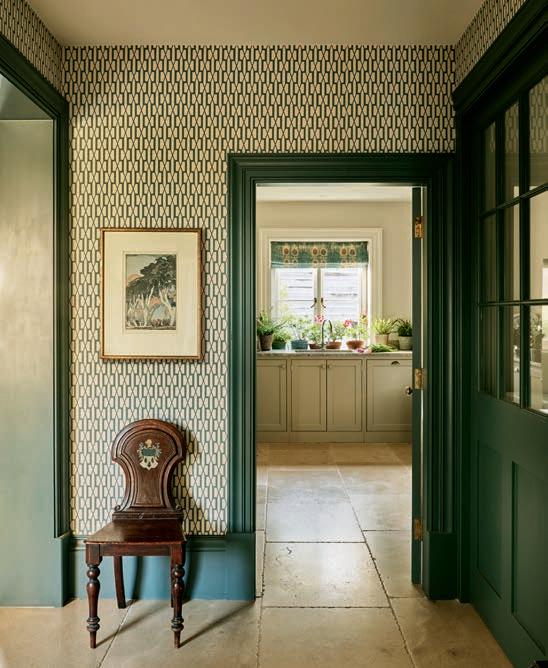
RIGHT Belvedere wallpaper in Peacock Blue by Veere Grenney for Schumacher pairs handsomely with woodwork painted in Farrow & Ball’s Inchyra Blue in the back corridor.
‘We wanted to honour the 18th-century roots of the house’s architectural style without it feeling too fusty’
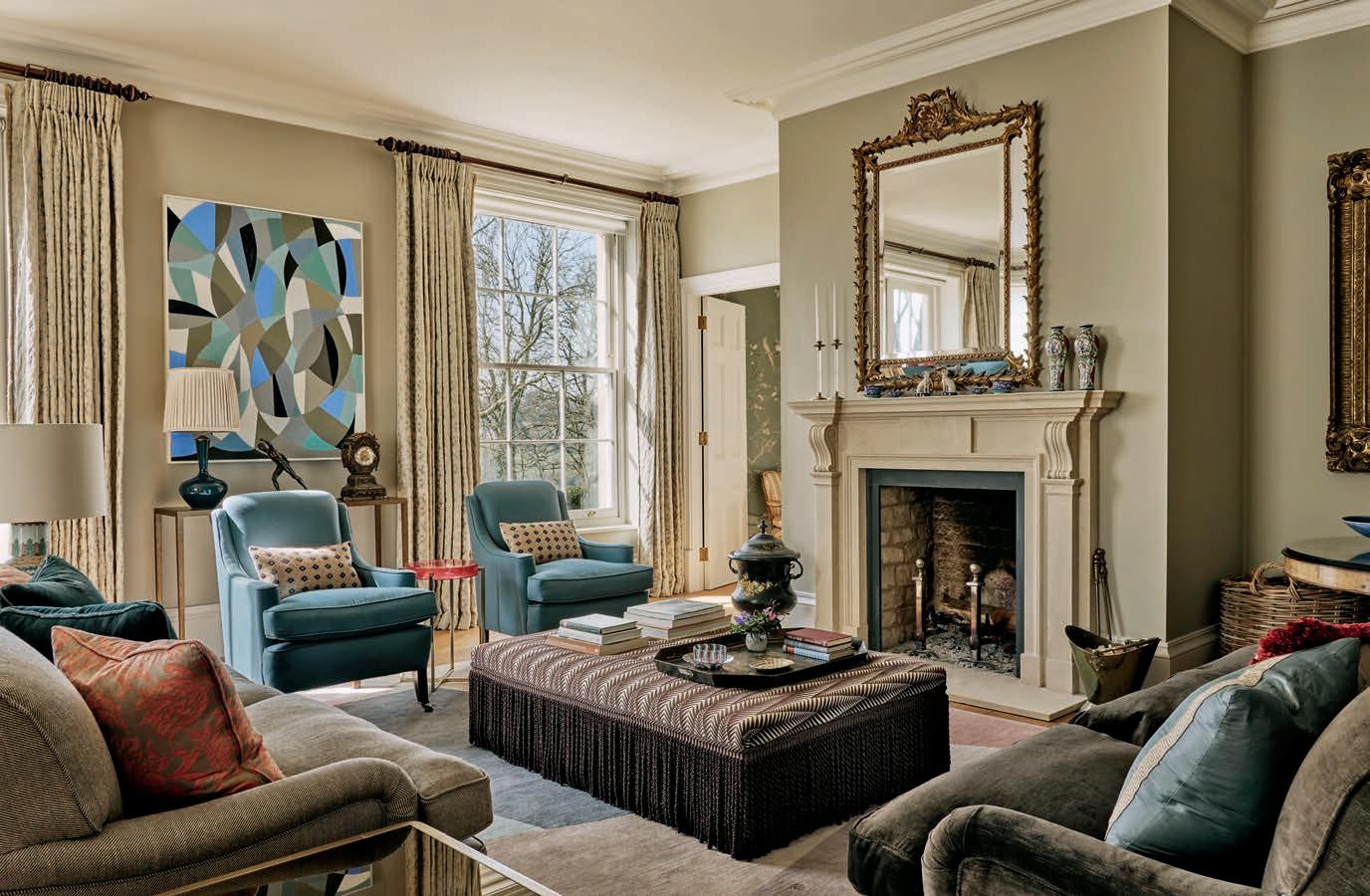
ABOVE A Dudgeon ottoman upholstered in Zebra by Neisha Crosland for Schumacher contrasts against the more classical elements of the drawing room, such as the ornate gilt mirror. The walls are painted in Little Greene’s Portland Stone Dark.
house’s 18th-century inspirations while avoiding a “reproduction” feel, Victoria’s wide-ranging experience from over 15 years in the field made her the perfect choice. ‘We liked Victoria’s design approach where she is equally comfortable working on highly contemporary and more traditional projects, sometimes weaving in elements from both,’ she adds.
The construction of the house was led by the developer, so Victoria had to make adjustments at a later stage to make the most of the generous footprint. ‘Breaking some of the spaces up by adding architectural features and using the furniture layouts prevented them from feeling large and empty,’ explains Victoria. In the drawing room, two separate seating
areas were formed – the main around the fireplace and a secondary focused on the piano – with a sofa table to define the boundary. A plasterwork arch was installed in the main entrance hall ‘to help articulate the space’, while the corridor at the back of the house was broken up with a half-glazed partition to form a second study.
The kitchen, however, required a more involved overhaul. ‘We completely redesigned the layout, breaking the large space up into cooking, dining and chill-out areas,’ says Victoria. The existing lighting plan, which ‘had been designed by the developer rather like a football stadium’, also needed revising. Now, layers of light create a versatile scheme, from spotlights illuminating the architectural elements and hidden LED ribbon along the top of cabinets, to shapely glass pendants above the island and a cluster defining the seating area. Yet, the interior artfully marries function with form. Grey-greens and blues evoke the tranquil feeling of nature while faux beams installed along the gabled roof add visual interest and contribute to the airy feel. ‘It is my favourite room because it works for life and parties, formal and informal,’ says Sarah.
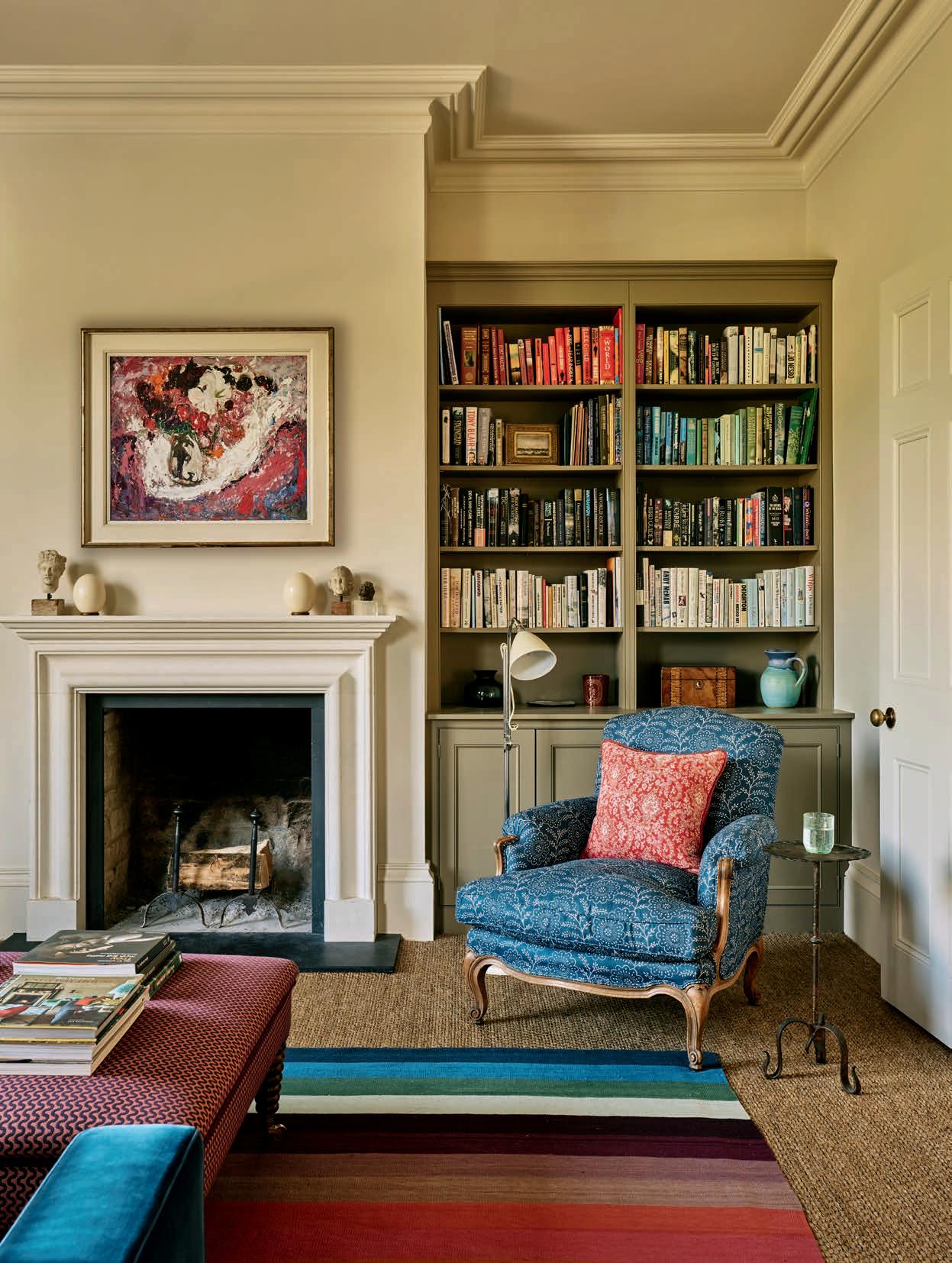



Walls in Paint & Paper Library’s Leather I are paired with joinery in Farrow & Ball’s Mouse’s Back in the sitting room. An antique armchair sourced from Lorfords Antiques has been upholstered in Lara by Décors Barbare at Tissus d’Hélène. The striped rug, designed by Ptolemy Mann, is from Christopher Farr and the artwork is by Anne Redpath.
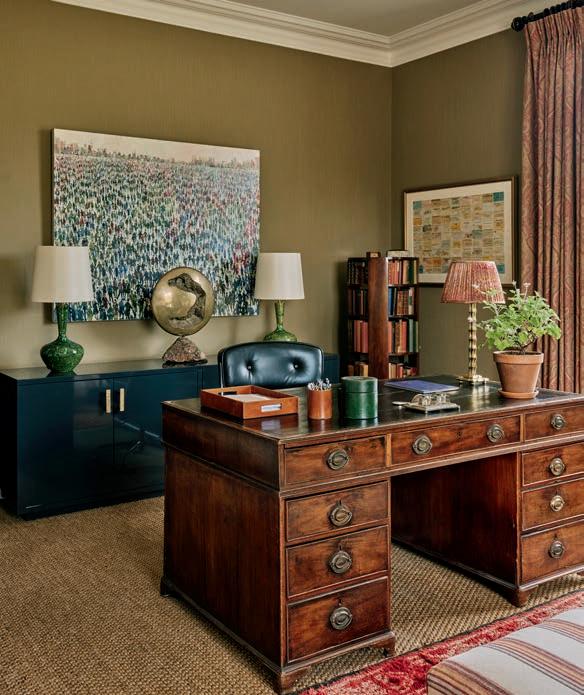
ABOVE Paper-backed linen wallpaper by Stereo brings subtle texture to Simon’s study. The sideboard is a bespoke design by French-Brooks Interiors.
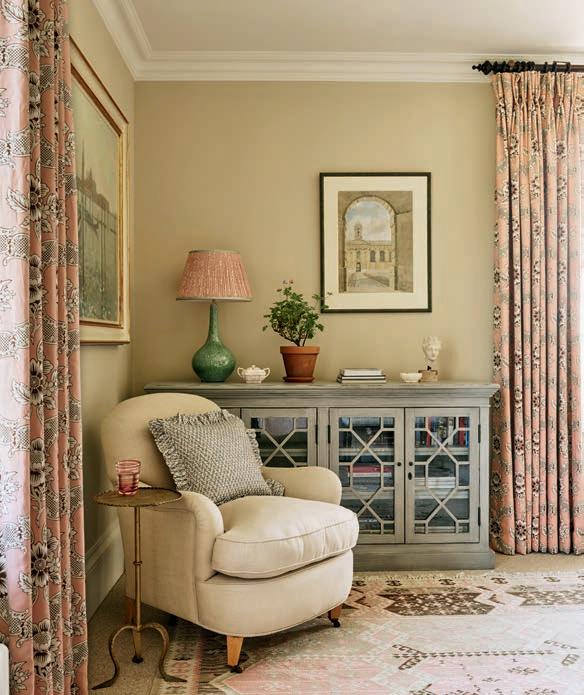
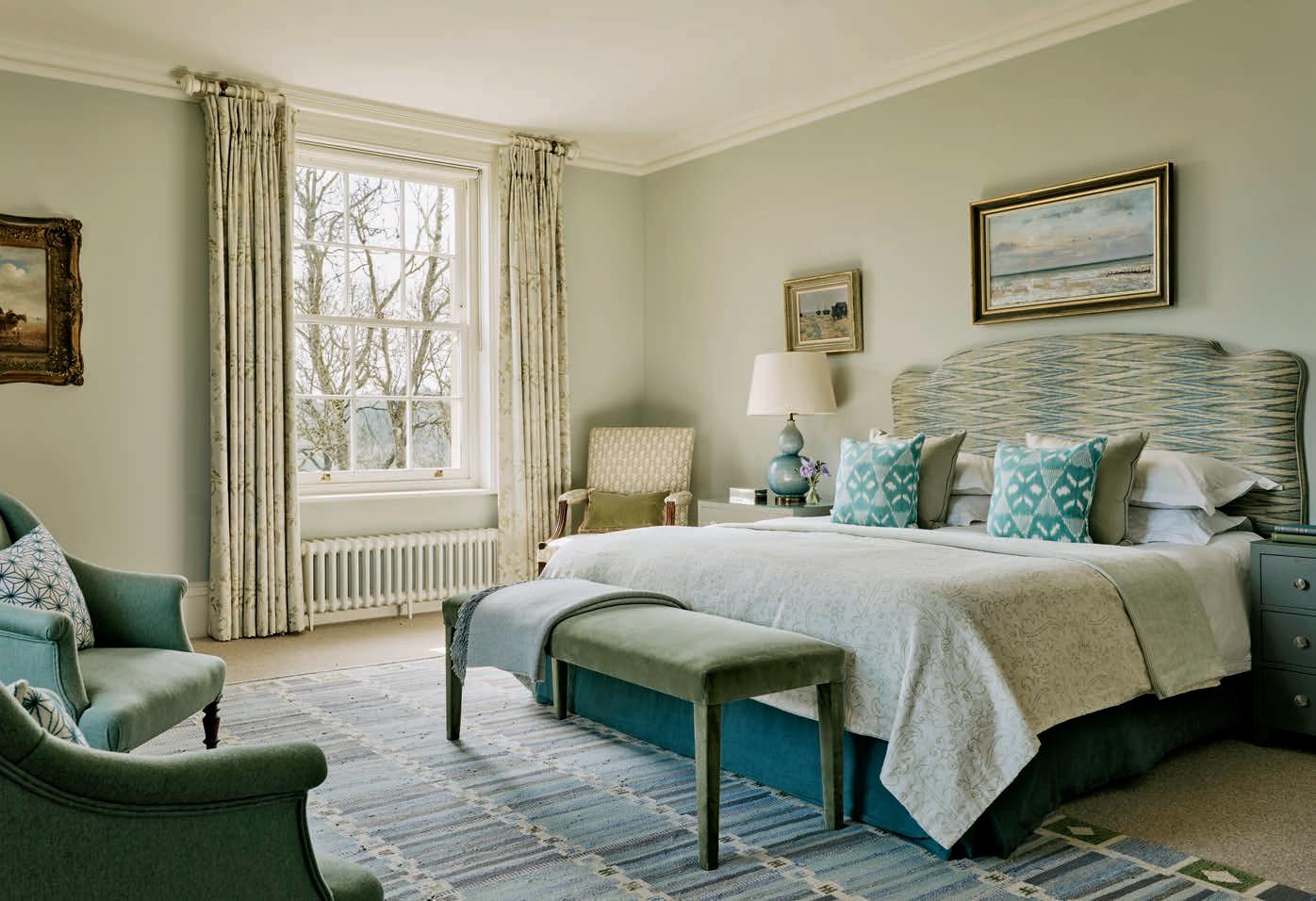
ABOVE RIGHT An armchair from Brownrigg Antiques sits seamlessly with modern pieces, such as the OKA sideboard and Penny Morrison lamp, in this bedroom.
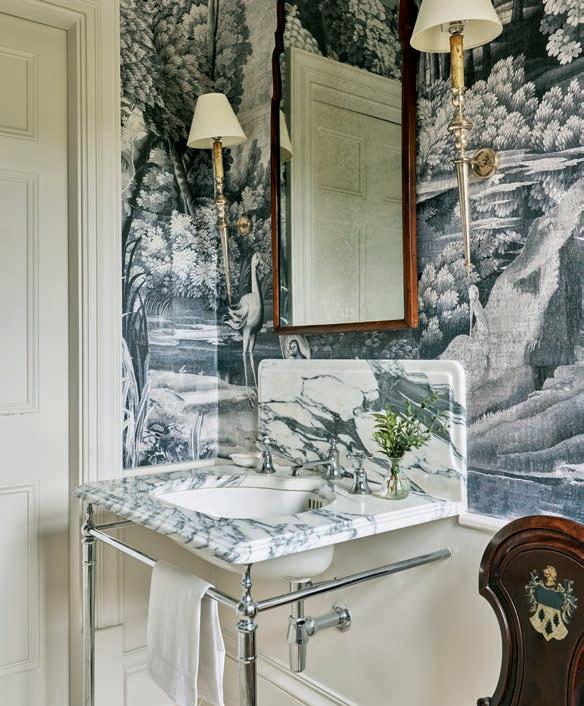
BELOW LEFT A Locky basin by Drummonds in a marble finish complements the Zardi & Zardi wallpaper in the cloakroom. The wall lights and mirror are antique.
BELOW RIGHT Victoria sourced the antique bench in this bedroom and gave it a new lease of life with Townline Road fabric in blue by Veere Grenney for Schumacher.
When attention turned to decoration, the impressive scale of the house led the way. Patterned window treatments embraced large-scale designs which felt in proportion with the windows, such as the paisley de Le Cuona print in the study and the striking John Stefanidis fabric in the guest bedroom. Wallpaper was used cleverly too, both to lend vaster rooms a cocooning feel and to play into the sense of cosiness in more limited spaces. ‘In the cloakroom, to turn the tall, thin proportions of the small space to our advantage, we added panelling and a Zardi & Zardi bespoke wallpaper based on an old tapestry which makes it feel like you’re entering an enchanted forest,’ explains Victoria.
Several cherished pieces inherited from family also guided the interiors, and places had to be found for the grand piano, Simon’s old desk and a set of mahogany chairs with needlework seats sewn by a distant aunt. ‘I felt we needed a large statement piece for the end of one of the guest beds, and Simon was delighted to bring out a dilapidated Regency chaise longue he’d been given which had been sitting in the barn with its stuffing hanging out,’ recalls Victoria. ‘We arranged for it to be restored and reupholstered in a Susan Deliss fabric which looks fantastic.’
ABOVE Subtle layering of textures infuses the principal bedroom with warmth, including Howe London’s Silhouette bench in velvet and a flatweave rug from Robert Stephenson.
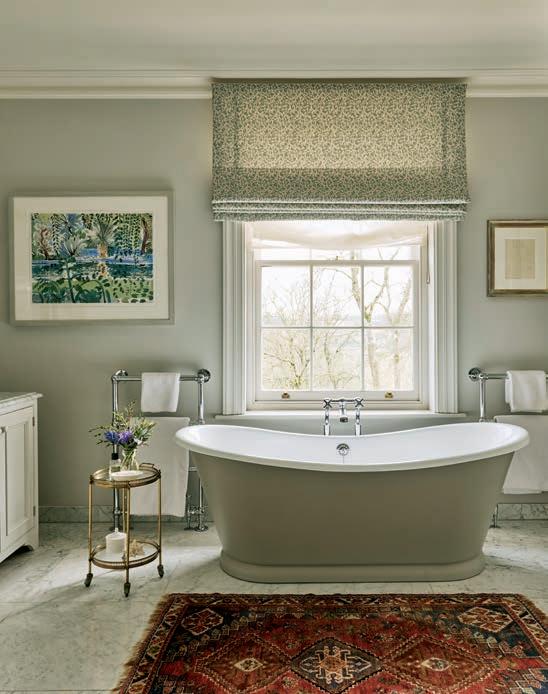
RIGHT A freestanding bath tub from Drummonds lends a luxurious touch to this bathroom. Madeaux’s natureinspired Corallina fabric (now discontinued), used for the blind, chimes with the botanical artwork collected by Sarah and Simon. The walls are painted in Little Greene’s French Grey Mid.
‘We didn’t consciously choose botanical motifs, but they naturally made their way into the design’
Since the project has ended, the house has regularly played host to family and friends. ‘It is a wonderfully welcoming home and makes entertaining easy as there’s lots of room for people to gather and also to have some time to themselves,’ says Sarah. ‘We love having the house full of children, dogs and laughter. It is our idea of heaven.’ n french-brooks.com
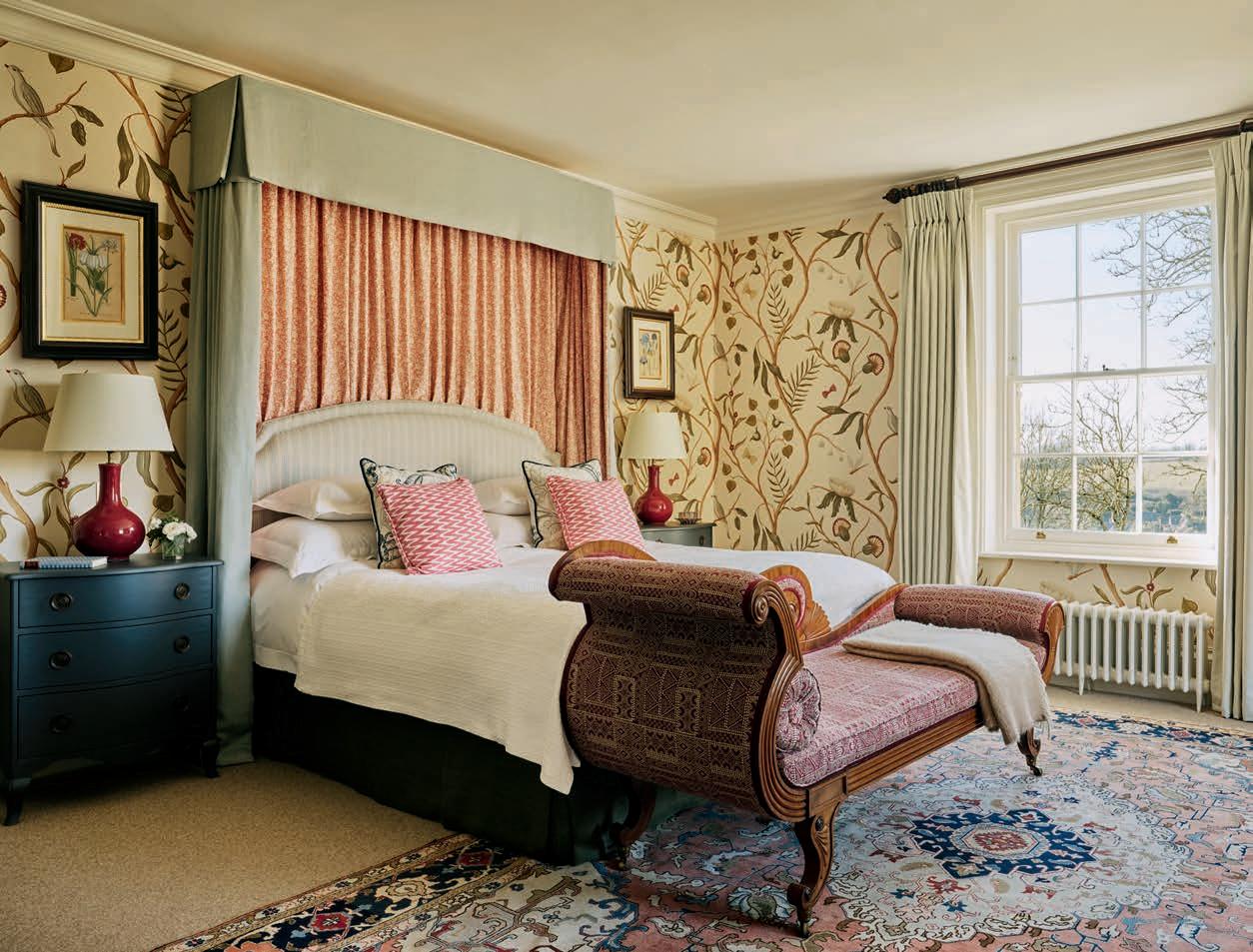
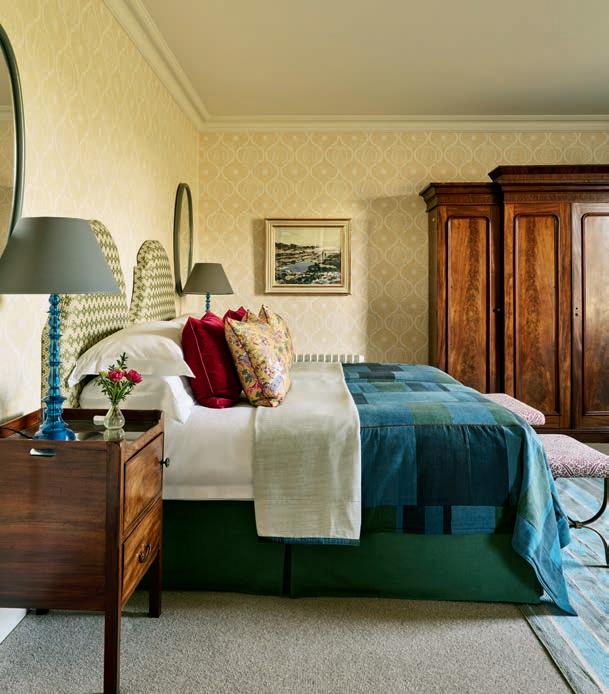
ABOVE Adam’s Eden wallpaper, designed by Adam Calkin for Lewis & Wood lines the walls of this bedroom for a cossetting feel. The headboard is covered in Madeaux’s Covehurst Stripe.
LEFT In this bedroom, Blithfield’s Persian Leaf wallpaper offers a subtle patterned background, allowing colourful accents, such as the resin lamps by Marianna Kennedy at Pentreath & Hall, to sing.
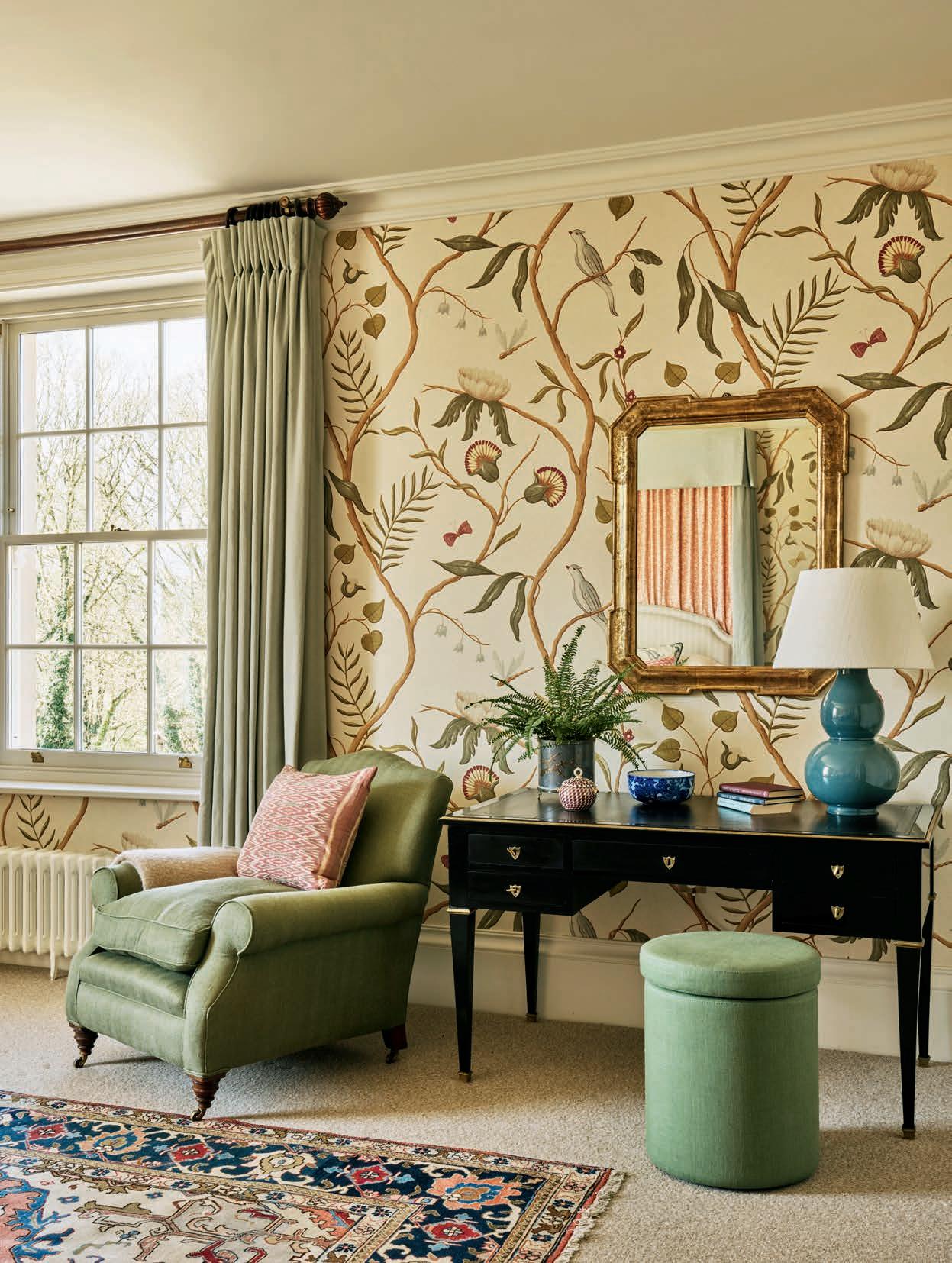


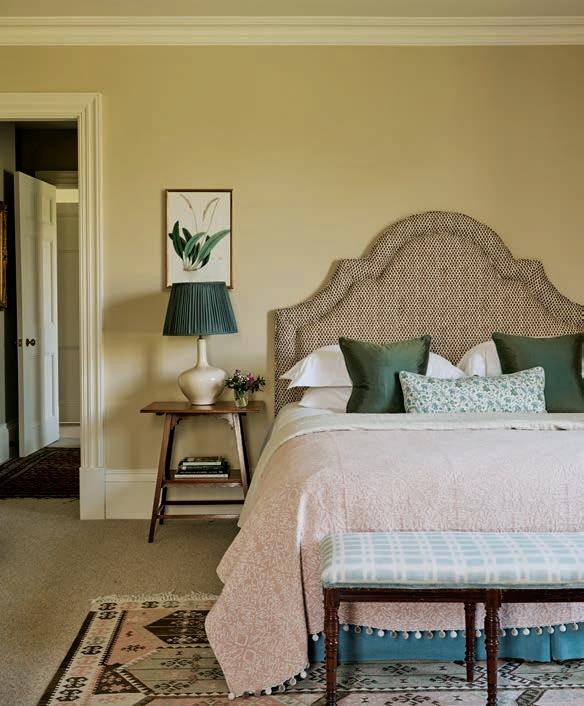
A contemporary Ceraudo footstool accompanies a dressing table from Lorfords Antiques and a mirror from 1st Dibs. The armchair was an existing piece of Sarah and Simon’s.














STYLE INSPIRATION

Balance beauty and practicality with expert guides to wood and stone, inspiring boot rooms and utility spaces, and ideas for the perfect country bedroom suite




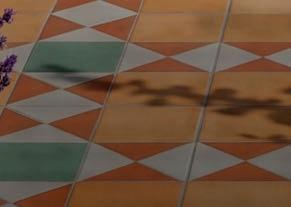
WELCOME HOME
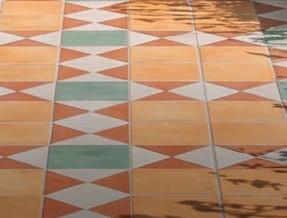
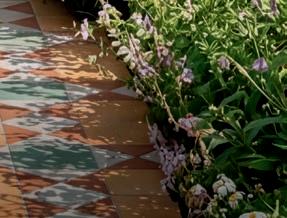
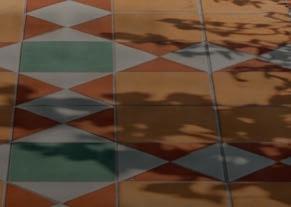

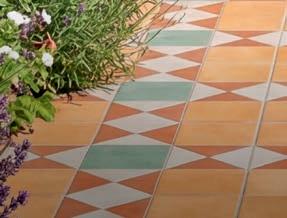
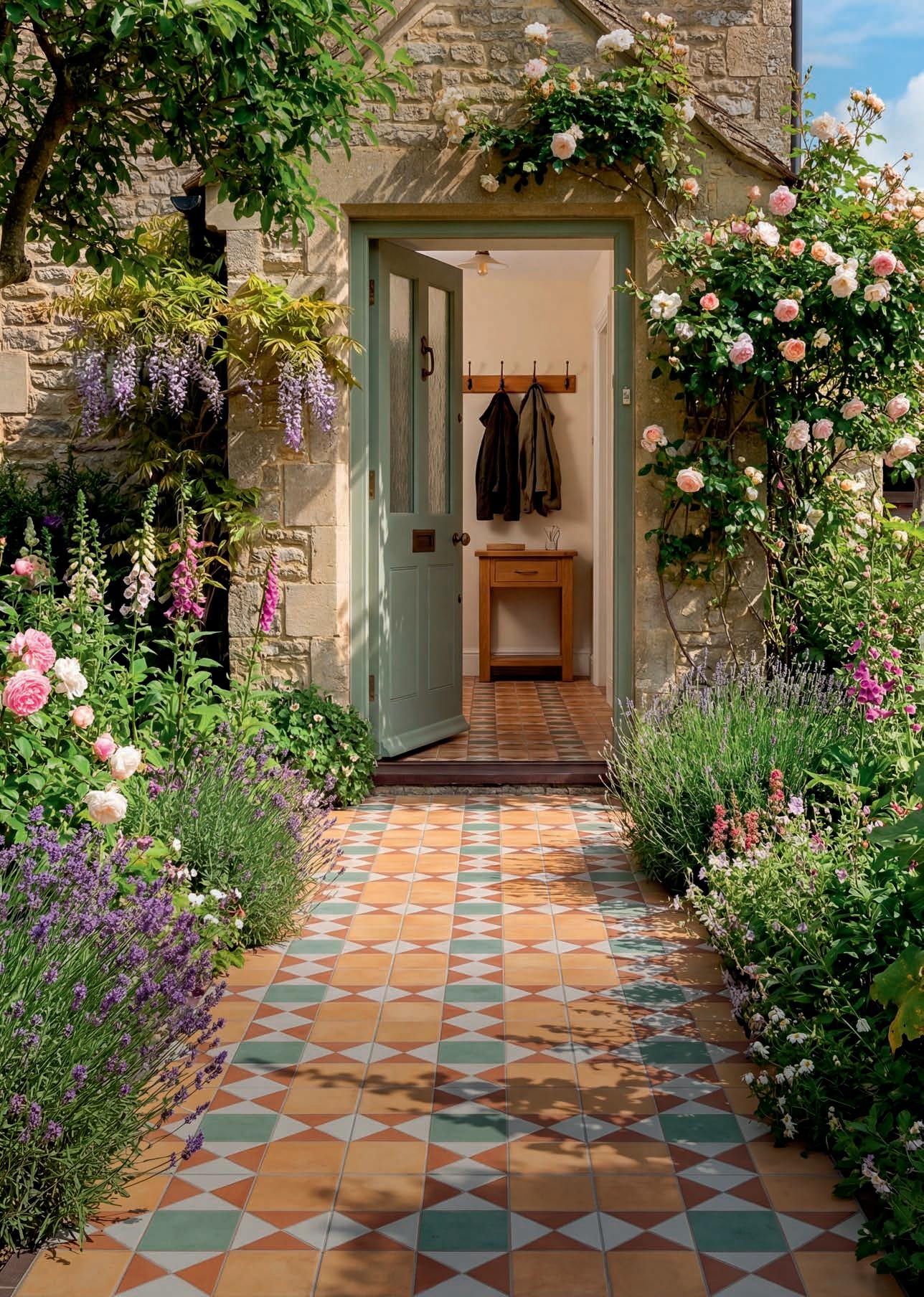
Create an entrance that sets the tone for the interior, and showcases an eye for decorative detail, with porcelain tiles in a striking geometric design that seamlessly transition from path to hallway. These practical yet stylish tiles form part of a special capsule collection from Ca’Pietra, available at B&Q, providing an edit of the brand’s signature expressive and tactile designs at a surprisingly affordable price. It is a picture-perfect welcome to a country home, completed by the cottage garden borders bursting with roses, lavender and foxgloves. Willesden Autumn Brown & Green Matt Harlequin-effect porcelain tiles, £65 a square metre, Ca’Pietra Portare for B&Q





Country dreaming
Three principal bedroom and bathroom suite schemes with a country aesthetic
FEATURE KATY MCLEAN

CALM & NATURAL
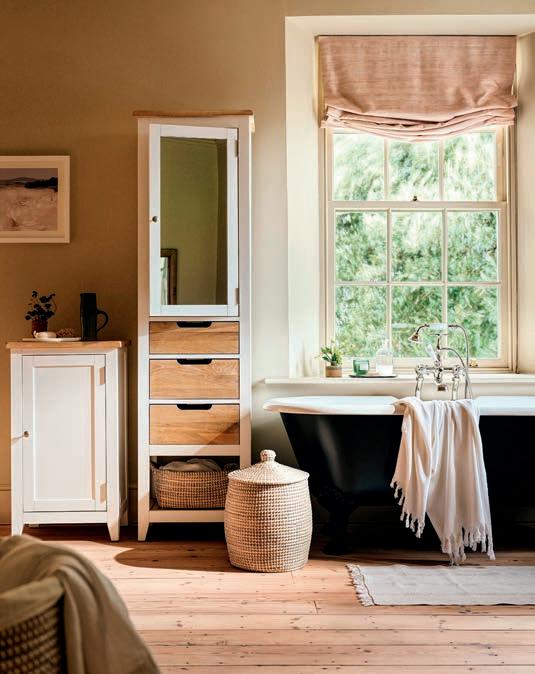
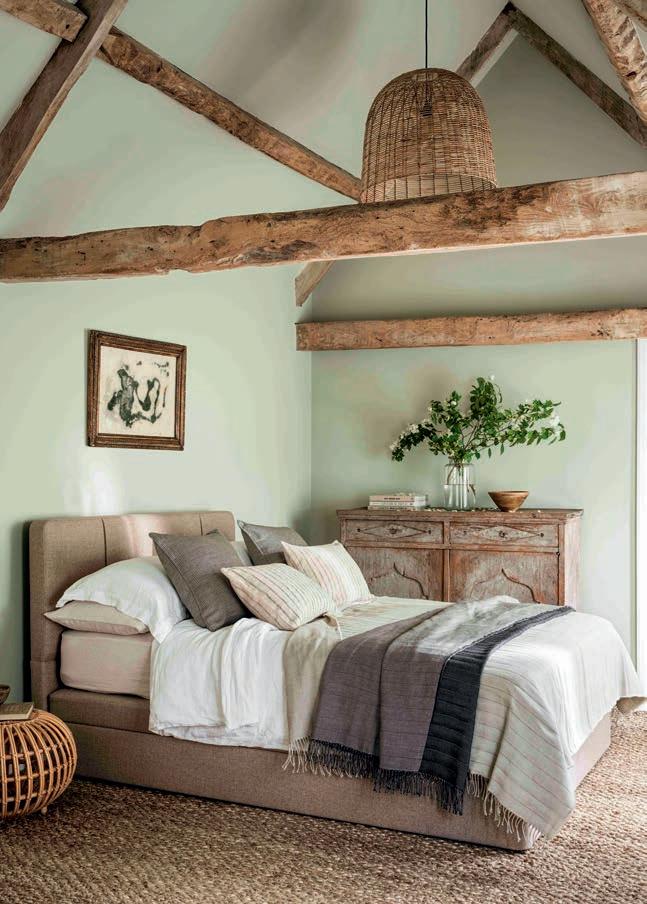
For a gently contemporary country look that celebrates natural materials and soothing neutral tones, choose pieces with tactile textures – think woven rattan, chunky knits and slubby linens. Walls in plaster tones or a matt paint finish paired with pale sage or blush pink will add a soft wash of colour alongside creamy whites and earthy browns.
Dress the bed in relaxed linen – plain or with a hint of a stripe – and add a cosy quilt or a luxurious wool blanket for warmth and depth.
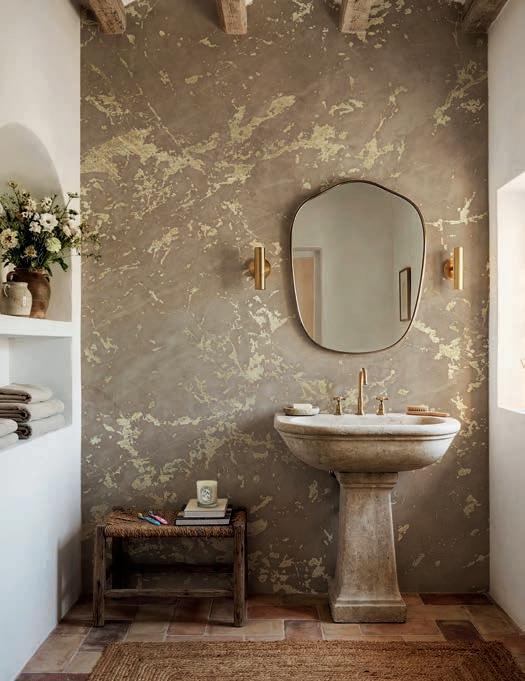











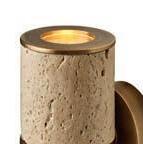
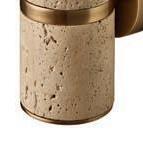
1 Travertine outdoor and bathroom up-down spot light, Brass, £229, Industville 2 Marble Cedar wallpaper, £35 a roll, Photowall
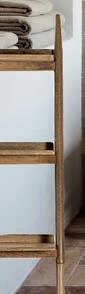
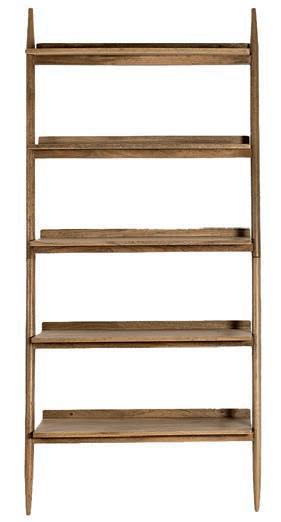
3 Southwark Natural Oak stand, £429, Swoon
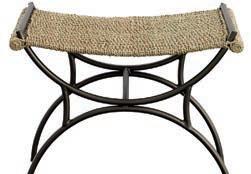
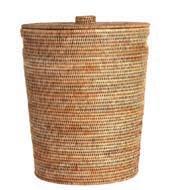
4 Round Birch Wood mirror, £130, The British Craft House 5 Playa Seagrass small bench, £588, House of Isabelle 6 Paussi linen hand towel, £25.90, White Motive 7 Rattan round laundry basket, Natural, £225, Rebecca Udall
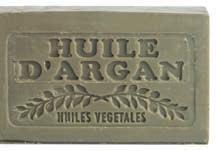
8 Marseilles Argan oil soap, £4, Heavenly Home & Gardens 9 Chester Pure White bathroom high cabinet, £550, The Cotswold Company
10 Wooden mirrored bathroom cabinet, £99.95, Melody Maison
For a seamless transition, carry wood or stone flooring through both spaces, softened with flatweave rugs or cosy sheepskin. Alternatively, a natural fibre carpet such as seagrass or jute will reinforce the organic feel. Echo any exposed timber architectural features with light wood or rattan furniture and accessories.


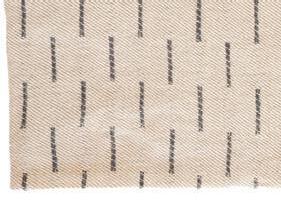

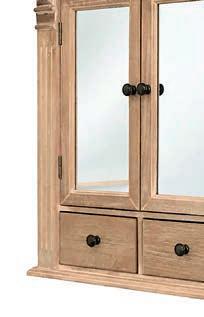


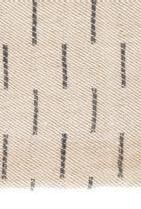

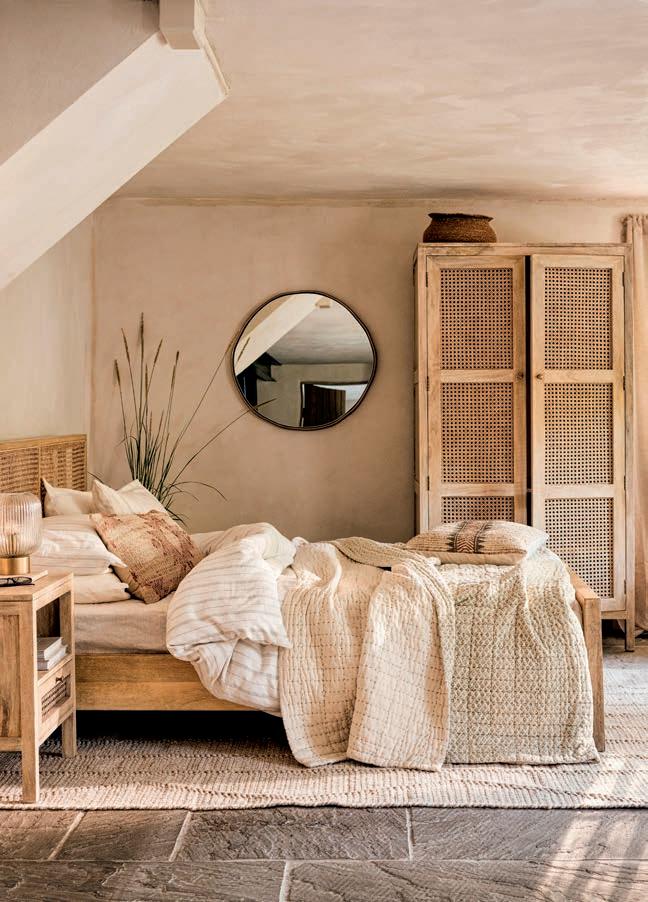
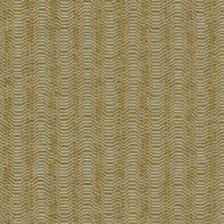
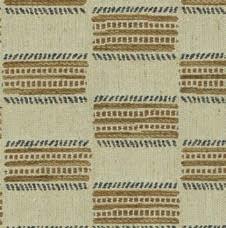
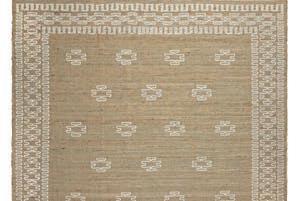
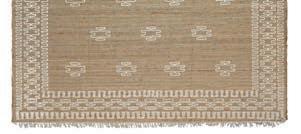


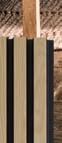
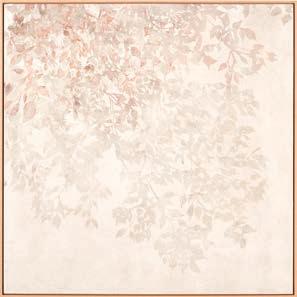


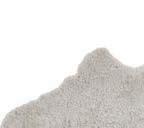
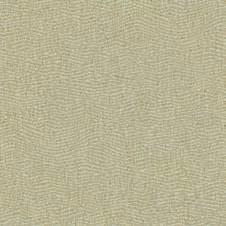





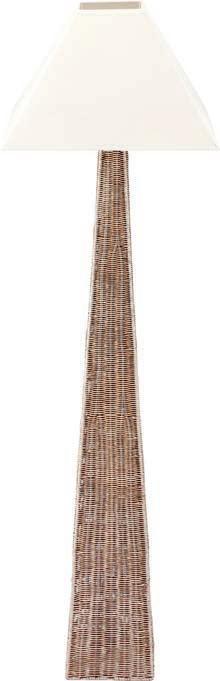
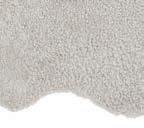


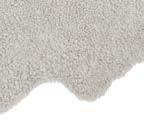



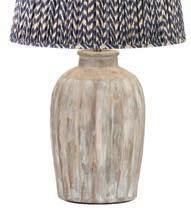


1 Saharsa Cane and Mango Wood bed, from £1,750, Nkuku 2 Fabric swatches, from top: Lamina Honeypot; Strata, Cafe Crema; Tidal Linen, all from Chesil Weaves collection, £101.80 a metre, Linwood 3 Cucito stitched jute rug, £675, Birdie Fortescue 4 Paint swatches, from top: Donkey Ride; Paw Print; Gregory’s Den, all £61.50 for 2.5l Claypaint, Earthborn 5 Antique Cream-Washed Rattan Pyramid floor lamp with shade, £225, Click Style 6 Wobbly Shearer Sheepskin rug, Natural, £130, Loaf 7 SlatWall Natural Oak and Black waterproof panel, £89.99, Nature Wall 8 Valea White and Natural Floral square canvas with natural frame, £135, Ruma 9 Wool blankets, £120 each, Fletchers on the Farm (join waitlist now for new September restock) 10 The Low Ottoman bed base (double) £2,280, Naturalmat 11 Canalasso Almond cushion, £159, Andrew Martin 12 Rustic Neutral Grey and BeigeWashed Greige Stoneware table lamp with shade, £190, Click Style







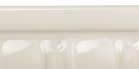

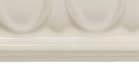
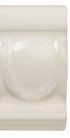





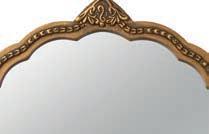
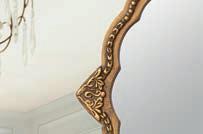
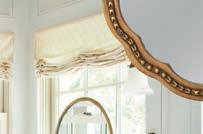
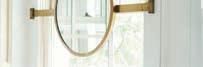
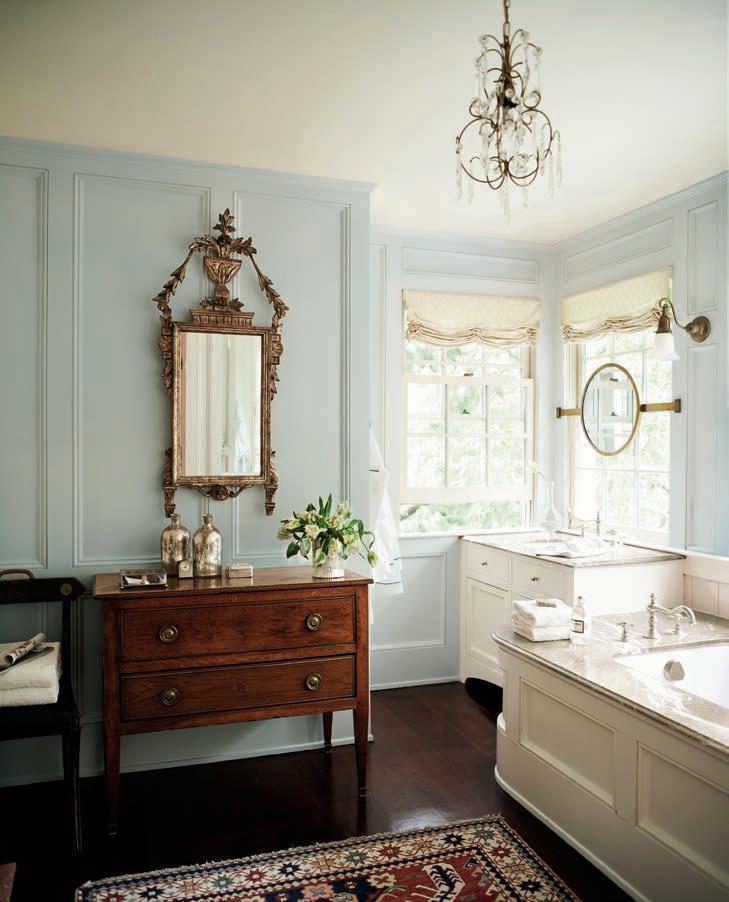
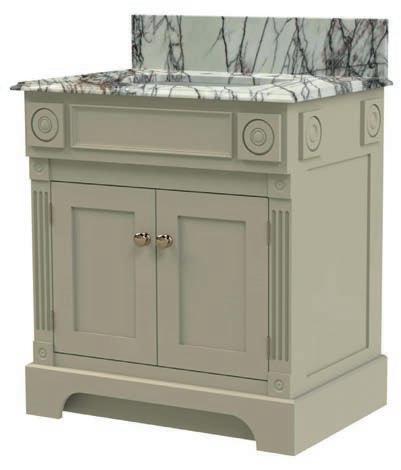
1 Walls in Breath Of Fresh Air, from £36.50 for 0.94l Aura Matte, Benjamin Moore 2 Ornate Antique Gold round mirror, £79.95, Melody Maison 3 Tamara Antique Brass & Ribbed Glass three-light bathroom light, £156, Dar Lighting 4 From top: Vintage White Egg-and-Dart tile moulding, £59.67 a linear metre; and Palladian Beige Hogarth tile moulding, £56.33 a linear metre, both Hyperion Tiles 5 Windsor single vanity unit, from £2,200, Chadder & Co 6 Mews Antique Brass hook, £20.40, Corston 7 Small horizontal bathroom light with Pineapple Finials, £740, Besselink & Jones 8 Alnwick Ivory stone-effect porcelain tiles, £56.01 a square metre, QuornStone 9 Paint swatch: Soft Fern, from £36.50 for 0.94l Aura Matte, Benjamin Moore 10 Merrin Brushed Brass wall-hung traditional heated towel rail, £289, Toasty









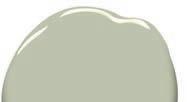

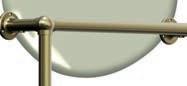





CLASSIC ELEGANCE
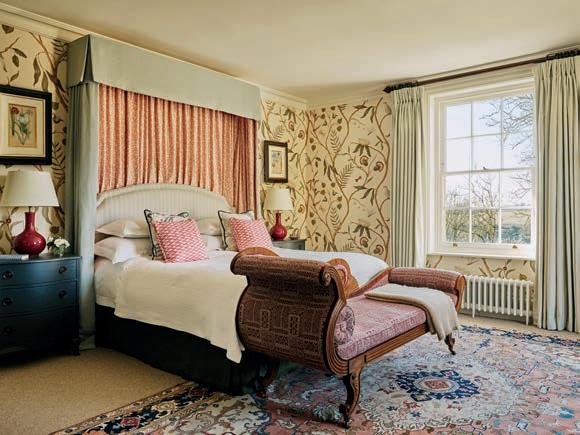
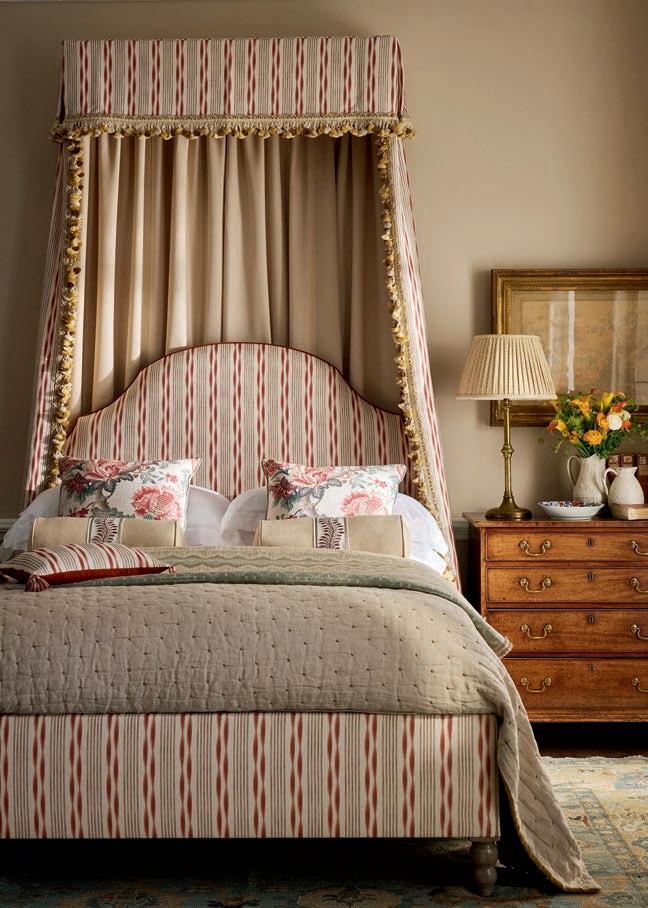
The generous proportions of a country house lend themselves perfectly to an imposing principal suite. A four-poster or tester bed creates a striking focal point, while in smaller rooms an upholstered headboard offers an elegant alternative. Colour, pattern and texture are key to this timeless country aesthetic; florals and stripes create a scheme that feels evolved rather than contrived – as seen in Salvesen Graham’s WOW!house bedroom (opposite). Draw inspiration from the rich hues of an antique rug, combining rusty reds and burnt oranges with inky blues and olive greens for a warm, inviting palette. In the bathroom, introduce brass or aged-gold fittings, marble surfaces and dark timber furniture, perhaps repurposing an antique piece as a vanity. Complete the look with a comfortable armchair or upholstered ottoman in the bedroom or bathroom.
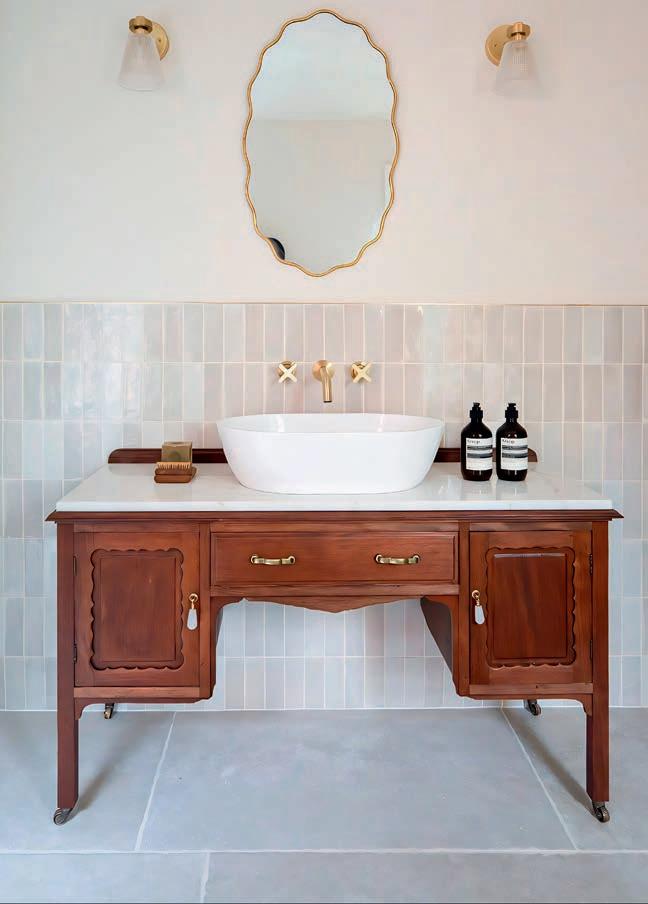


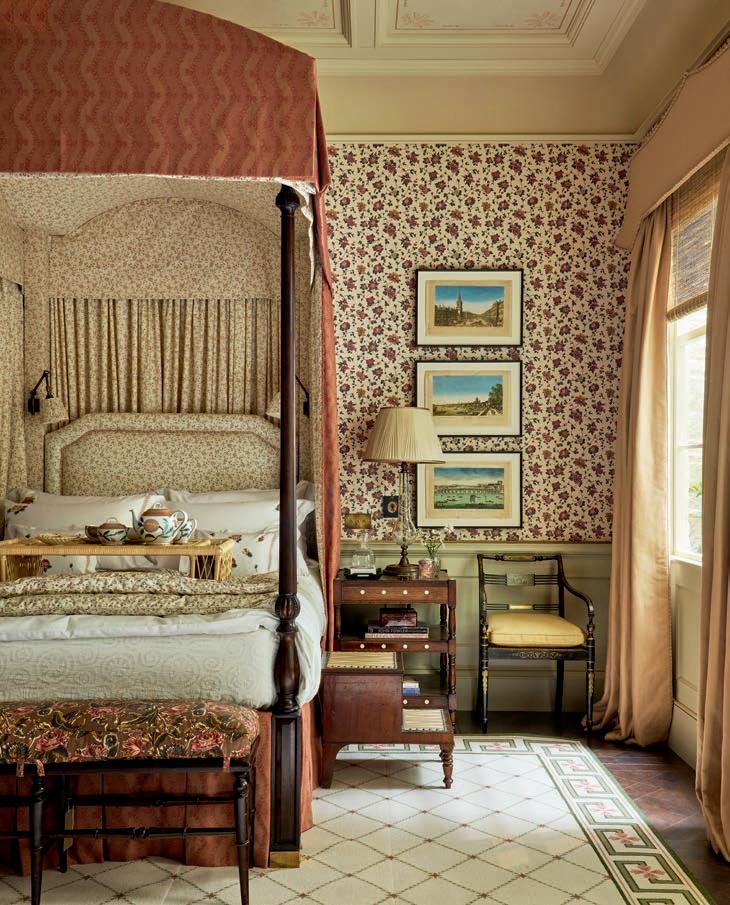
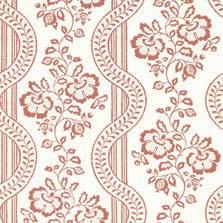








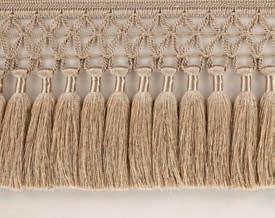
1 Constance wallpaper, £210 a roll, and interior design, Salvesen Graham 2 Paint swatches, from top: Wildflower and Van Deuse, both from £36.50 for 0.94l Aura Matte, Benjamin Moore 3 Lexington Blue bed linen, from £35 for a pillowcase, The Fine Cotton Company 4 Trellis Pale Gold fringe, £104 a metre, Temperley London x Romo 5 Buffet plain stool, £403, Darlings of Chelsea 6 Wallpaper swatches, from left: Aubrey, Fareham Red, £100 a roll; Tiger Stripe, Linen/Calico, £78 a roll; Fairdown, Forest/Olive, £116 a roll, all Sanderson 7 Canopy and headboard in Aura Stripe, Coral/Pink, £90 a metre, James Hare 8 Headboard in Bourdon Stripe, Olive, £146 a metre, Colefax and Fowler




SOFTLY ECLECTIC
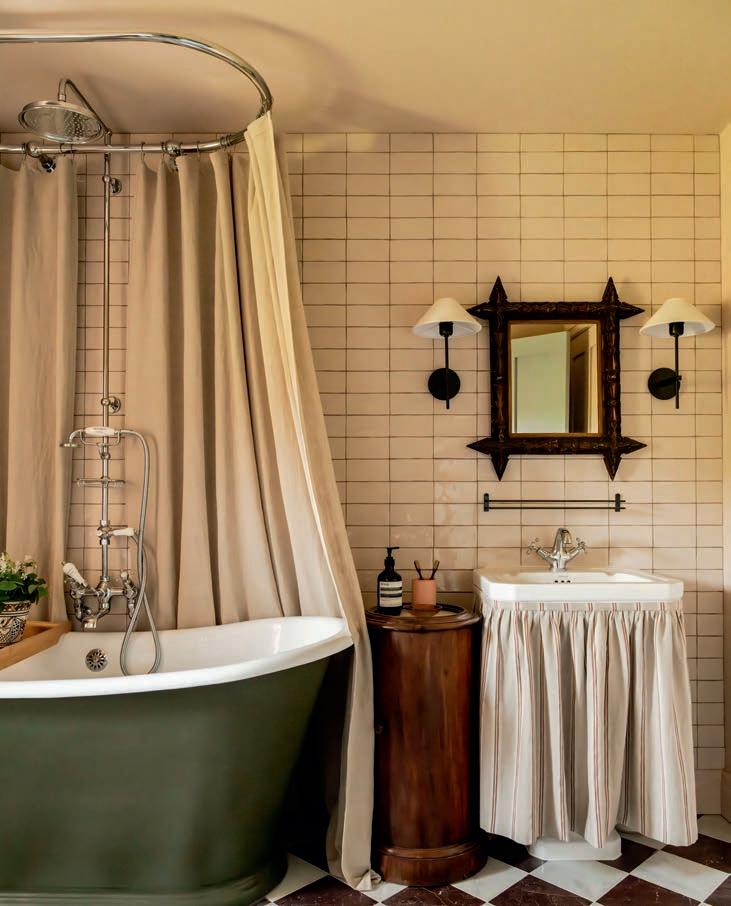
Country homes often have an evolved, eclectic feel, where influences from around the world sit comfortably alongside classic English style. Ikats, Indian block prints and suzani motifs add richness and character, but the key is to keep the palette refined so the mix feels curated rather than overwhelming.
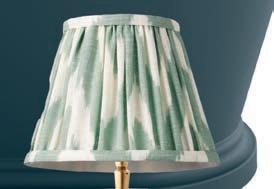
For the bedroom, choose a neutral backdrop or a single block colour on the walls, allowing pattern to shine through bedding, upholstered headboards, rugs, cushions and curtains. Painted furniture or an ottoman offers another opportunity to introduce decorative detail. Soft blues and greens, accented with mustard or muted reds, create a balanced scheme.
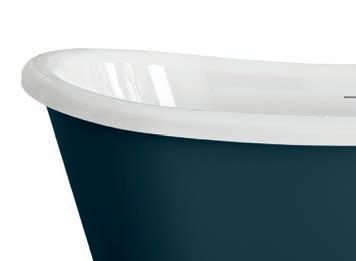
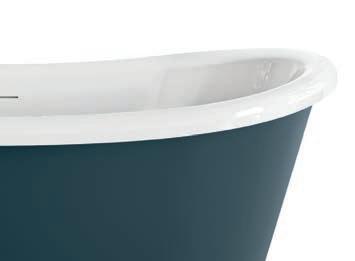
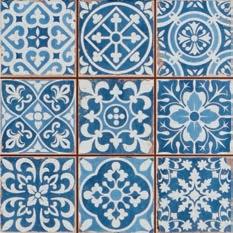
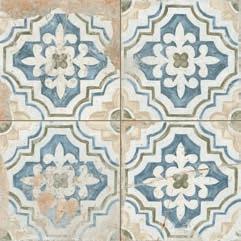
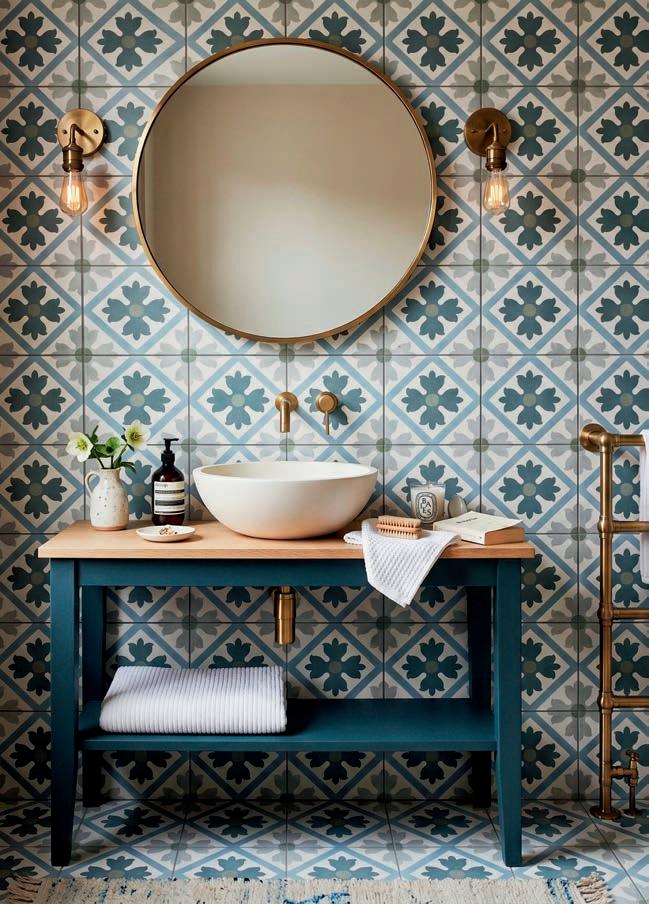
In the bathroom, patterned tiles bring a touch of global style, while a painted bath or coloured vanity echoes tones from the bedroom. Finish with antiqued bronze fittings or colourful taps and lighting for a distinctive finishing touch.





1 Birchwoods medium brick tiles, £150.14 a square metre, Marlborough
Tiles 2 Charlton Brass toilet roll holder, from £128, Soho Home 3 Las Ramblas Dotti tiles, £47.01 a square metre, Baked Tile Company 4 Bella Blue tiles, £45 a square metre, Porcelain Superstore 5 Mayfair Inky Blue freestanding roll-top slipper bath, £749.99, Bathroom Mountain 6 Neo Mint Kagera bathroom tap, £136.99, Dowsing & Reynolds 7 Primrose Turquoise Lacquered Wood wall light with shade, £106.50, Pooky 8 Tapestry Blue patterned tile, £45.50 a square metre, Porcelain Superstore






3
Emulsion,
8

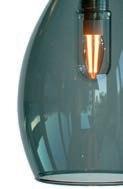










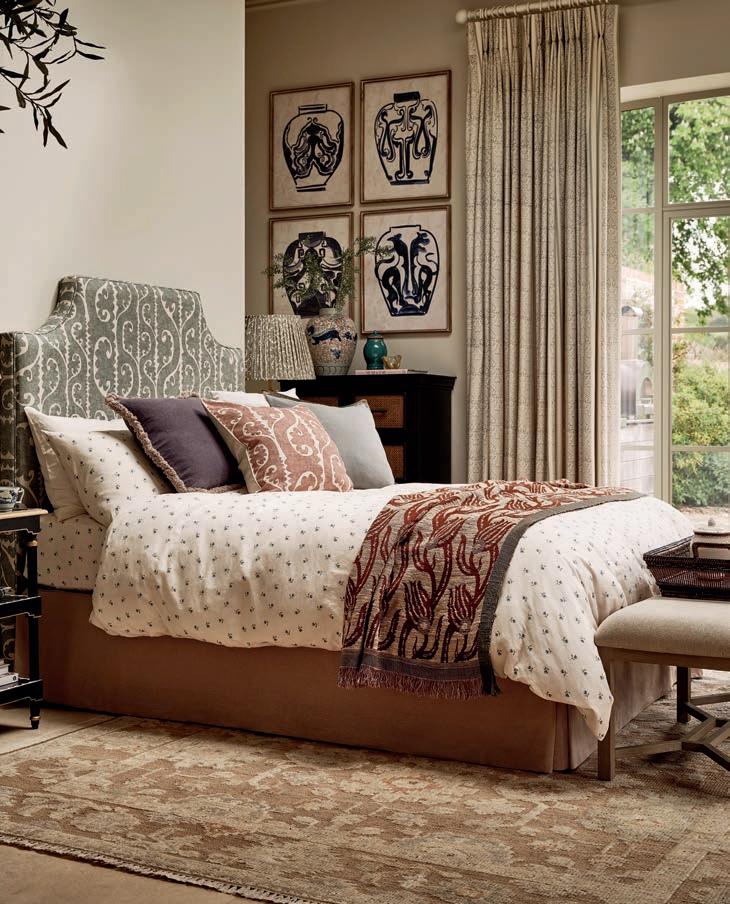





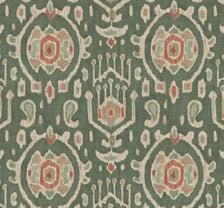







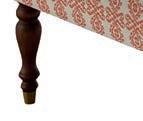
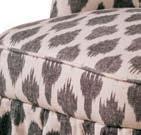
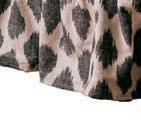
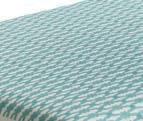
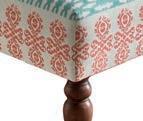
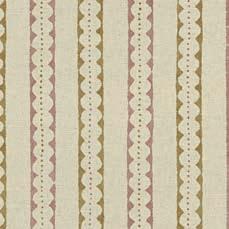


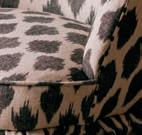
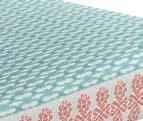




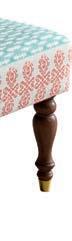

1 Arden short headboard in Totem, Dark Seafoam, £2,495, OKA x Lewis & Wood 2 Jules Smoke Grey glass pendant light £220, Glow Lighting
Savannah chair in White Ikat, £650, Graham & Green 4 Paint swatches, from top: Blue Steele; The Donald; Pink Pearl, all £44.95 for 2.5l Matt
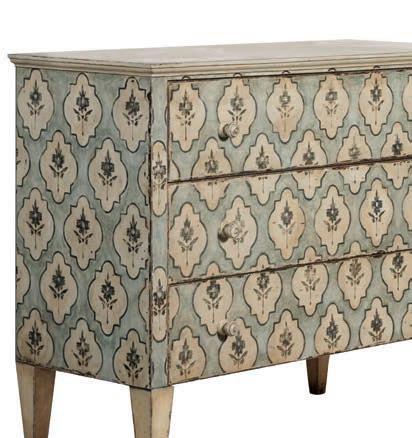
Victory Colours 5 Large Ottoman in Charlotte Gaisford Knot Blizzard Combo, £899, The Ottoman Workshop 6 Fabric swatches, from left: Chapan, Loden, £35 a metre; Bagru, Rose; Sikar, Denim, all £29 a metre, The Pure Edit 7 Stencil painted commode, £POA, Chelsea Textiles
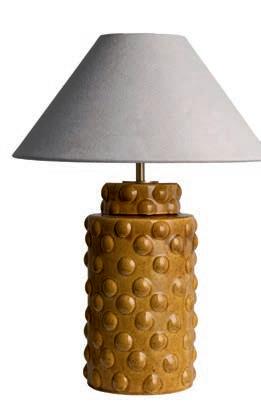
Morris table lamp, £587, Heathfield & Co 9 Love Story Cocoon French bed in Berry Velvet, £1,795 The French Bedroom Company ■
DESIGNERS’ SECRETS
ANCILLARY ROOMS
In our ongoing series, we take a room-by-room approach to explore what makes a scheme both practical and pleasing, drawing inspiration from the homes of creatives, designers and tastemakers
FEATURE EMMA J PAGE
Designed as a functional support to primary working areas such as the kitchen, ancillary spaces include laundry or utility rooms, pantries, boot rooms and storage areas. Sometimes, these spaces occupy pre-existing rooms off or near the kitchen; at other times part of the main room is requisitioned for their use.
Ancillary rooms are not a new concept – in fact, pantries have historically been a key part of British homes since medieval times –particularly as before the advent of refrigerators, cooler, separate areas were essential to keep food fresh. By the Victorian era, pantries and sculleries (larger, secondary kitchen areas, often used by servants for food preparation and washing dishes) were a largely invisible but integral part of the household. It was only in the 1960s, with the advance of modern, fitted kitchens, that ancillary spaces fell out of favour.
Now, they are back in the spotlight, perhaps inspired by a combination of nostalgia and the renewed need for small but hard-working areas in homes that are often more open-plan in their design than in previous eras. What has evolved is our approach to these rooms: often they present an opportunity to merge both function and decorative appeal, and offer practical spaces that nonetheless can elevate the everyday. Here, a selection of creatives share their approach to this once-overlooked area of the home.
Blend heritage with practicality
Joanna Pratt, interior designer
Lesser-seen, functional areas with a sense of generosity and style feel both cohesive and joyful. ‘Ancillary rooms are the hardest-working spaces in a home, yet they’re frequently treated as an afterthought,’ says Joanna Pratt, who chose an impactful finish for the utility room in her Victorian villa in West Sussex. ‘To me, these rooms should be as considered as a kitchen or living room, because they support the rhythm of everyday life.’
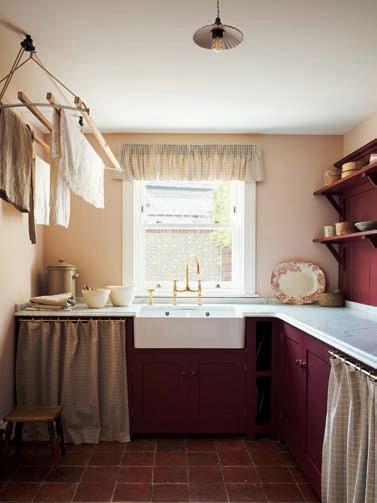
As the utility room leads off the kitchen and is partially visible from it, it had to be visually connected. ‘We used the same deVOL cabinetry and Carrara marble worktops as the kitchen to create continuity, but introduced a richer colour palette so the room still has its own identity,’ says Joanna, who designed the layout around generous work surfaces, concealed storage and a large Belfast sink, ensuring there is ample space for laundry, household tasks and everyday organisation. Bespoke cabinetry maximises every inch, while practical objects are displayed in a decorative way on the open shelving.
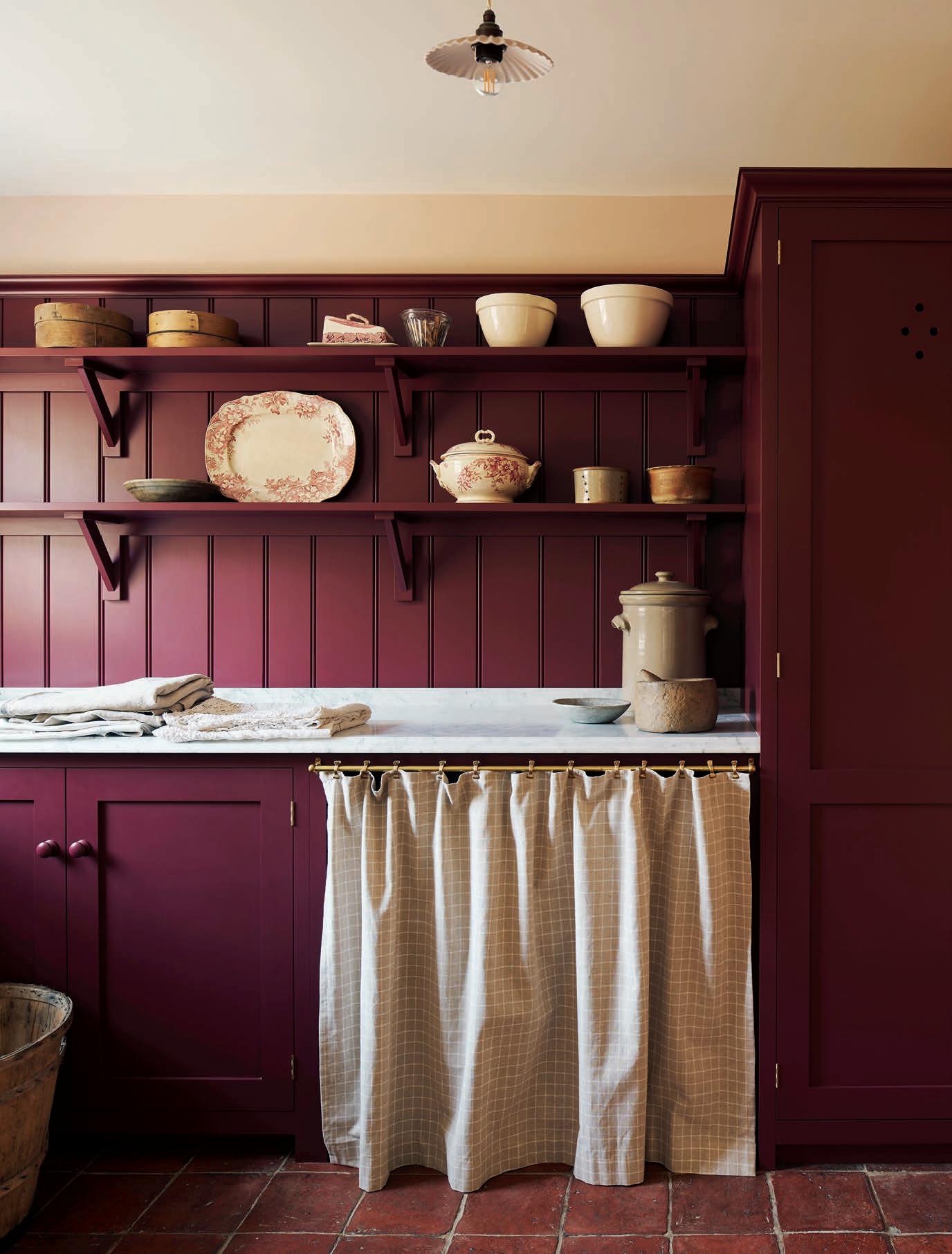
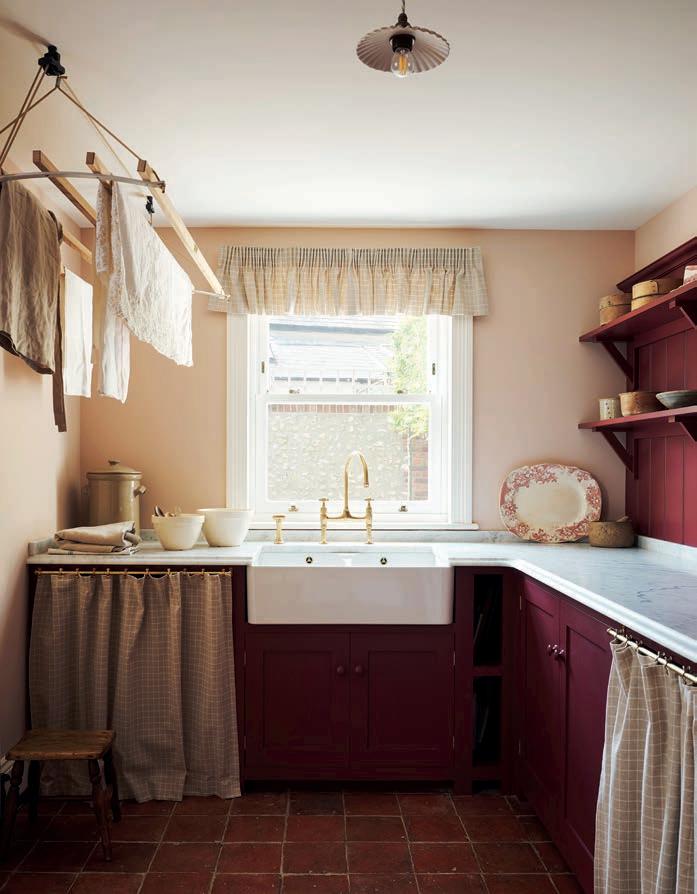
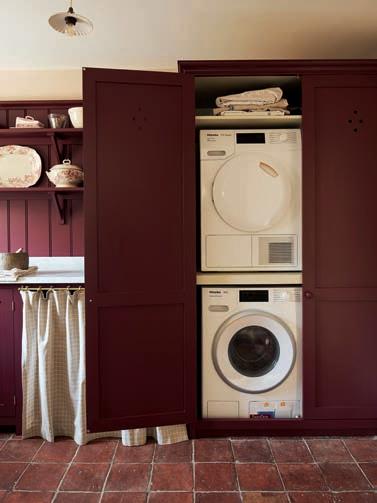
THIS PAGE In this bespoke utility by DeVOL, curtainfronted undercounter storage allows easy access to laundry baskets while keeping the room feeling soft. Carrara marble worktops offer durability and elegance. The terracotta floor tiles are from Floors of Stone.
OPPOSITE LEFT A Belfast sink and brass tapware from Perrin & Rowe add heritage appeal. The walls are painted in Jonquil by Edward Bulmer Natural Paint OPPOSITE RIGHT Rather than opting for a conventional neutral palette, Joanna chose a deep hue, DeVOL’s Refectory Red, for the cabinetry, lending the room richness.
Introduce a hardworking centrepiece
‘Prioritise robust materials, build in flexibility rather than overly prescriptive storage and include pieces that bring warmth and character’
Alexandra Young, founder and design director, Alexandra Young Design
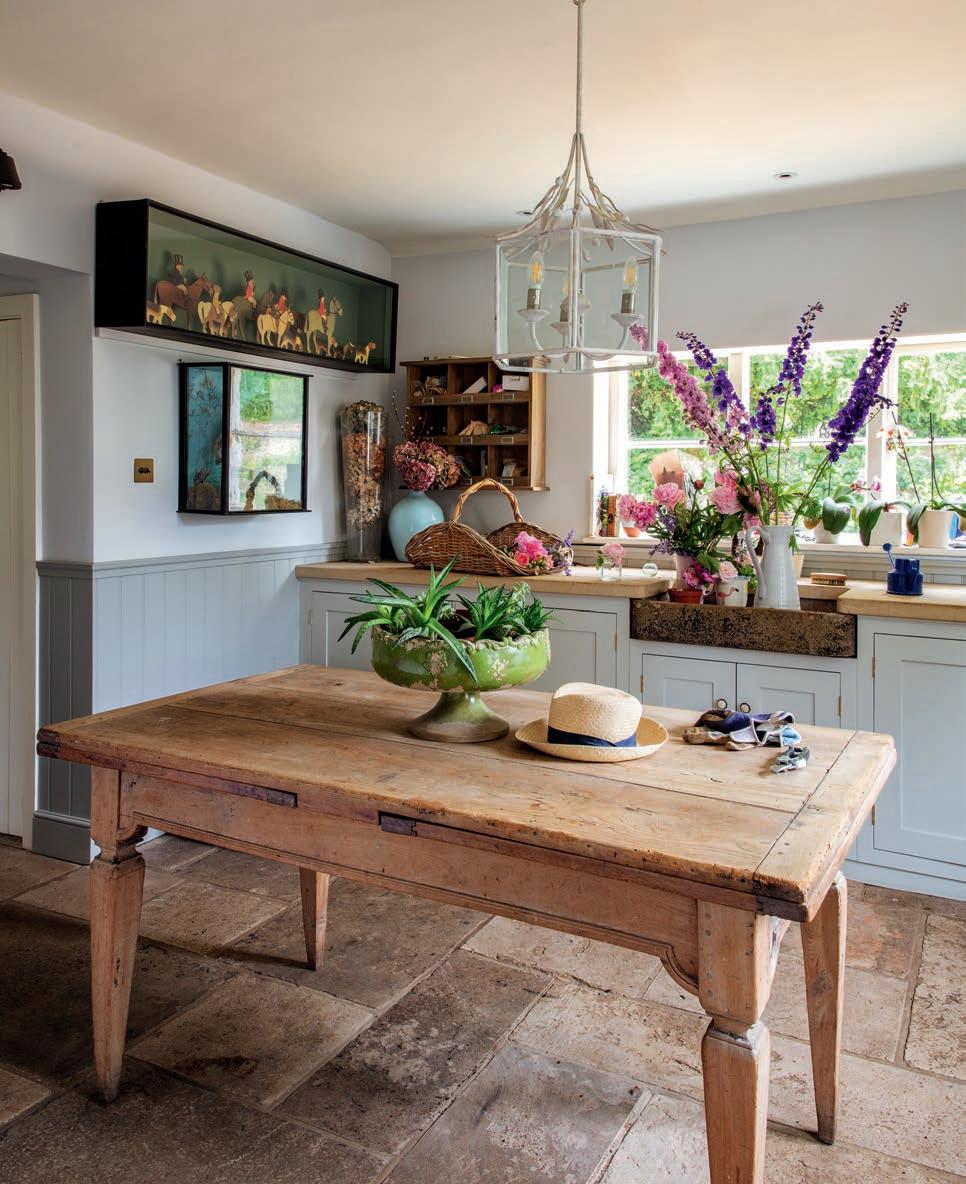
Many ancillary spaces have more than just laundry to contend with. This room – formerly a workshop with an original York stone floor – forms part of a Grade II listed farmhouse in Hampshire and it functions as boot room, tack room, flower room and dog room, so it needed to balance practicality with a sense of being a natural extension of the building. ‘My vision was to create a space that felt rooted in history rather than overly fitted or polished,’ says Young. ‘The old French farmhouse table was our kitchen table. It’s now a flower-arranging station, and a surface for unpacking shopping and for gathering everyday family items.’
Vintage pieces can work well in ancillary spaces because they soften practical elements and prevent
a scheme from feeling overly designed. Here, the surrounding cabinetry has been kept deliberately simple, with open pigeonhole shelving offering both practical storage and display for everyday objects. Coat hooks above an upholstered bench provide a comfortable place to sit while removing boots.
‘During the renovation, we carefully lifted the stone, installed underfloor heating and re-laid it,’ says Alexandra. ‘Reclaimed stone is one of the most durable and forgiving materials for a hardworking room; it copes beautifully with muddy boots, wet dogs and constant foot traffic while providing instant character. The most successful ancillary rooms work incredibly hard, but never look as though they do.’
ABOVE A farmhouse table from Maison Artefact anchors this relaxed scheme. The cabinetry and panelling is painted in Platinum Grey by Zoffany.

Utilise a niche
Jack Simpson, founder and CEO, Nomad
Not every home has space for a separate ancillary room, but with a little ingenuity, even the smallest niche can be turned into a functional support area that is appealing enough to remain on show. Designer Jack Simpson reconfigured the understairs space of his London townhouse to create a charming larder, accessed via a graceful archway in the kitchen, giving the effect of a discreet jewel, tucked away, yet still visible. ‘Additional storage within the kitchen was essential, so we designed the space to stow both food and appliances neatly out of sight,’ he says. ‘The compact nook brings a renewed sense of order and calm to the kitchen, while also providing essential, out-of-sight storage.’
With no opportunity for traditional light fixtures, Jack chose to remove the door and line the walls with softly glazed Zellige tiles – their uneven surface helping to disperse the natural light filtering in from the adjoining scheme. Simple timber shelving extends the space vertically and introduces warmth, complemented by the tactile contrast of linen café curtains. A marble countertop anchors the design, echoing the Calacatta stone used elsewhere in the kitchen, while a palette of gentle, earthy tones ties seamlessly with colours used beyond, creating a quiet continuity from the main kitchen space into the larder.
‘By incorporating a mix of materials, the understairs has been transformed into an additional space that enhances the overall kitchen design,’ he adds. ‘It combines practicality with a sense of delight.’
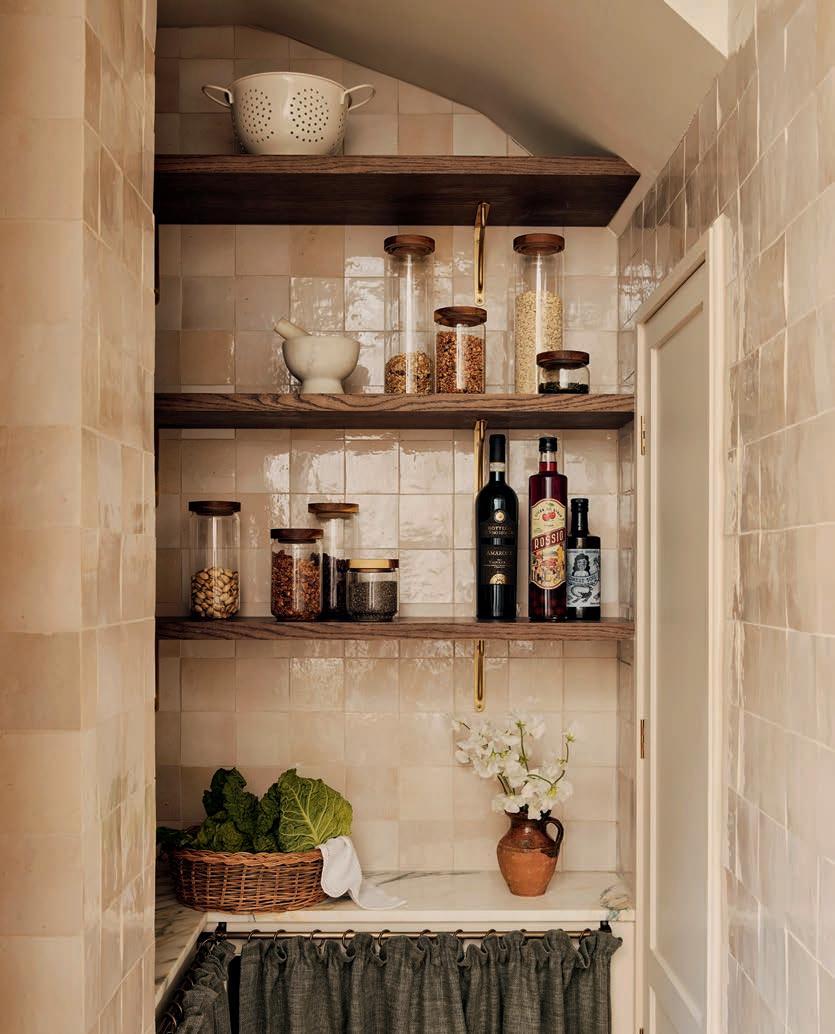
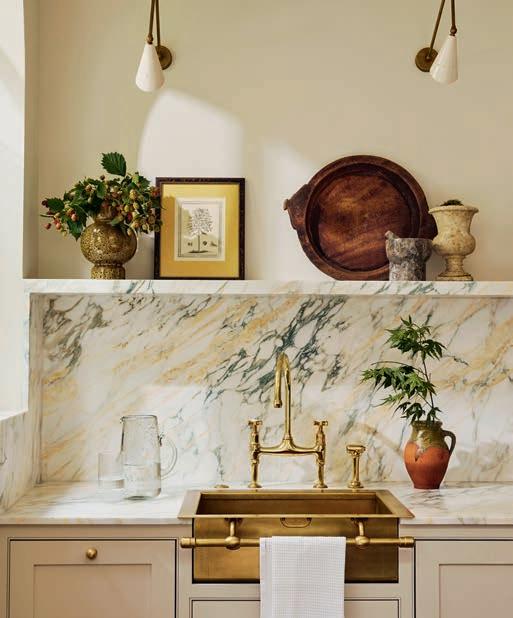
ABOVE Zellige tiles create a mellow glow in this understairs larder. The ceiling is painted in Farrow & Ball’s Stirabout, creating cohesion with the kitchen.
LEFT The kitchen carries the same tonal palette for continuity and features a brass sink from Officine Gullo and tapware from Perrin & Rowe. The kitchen cabinetry is by Kate Feather.
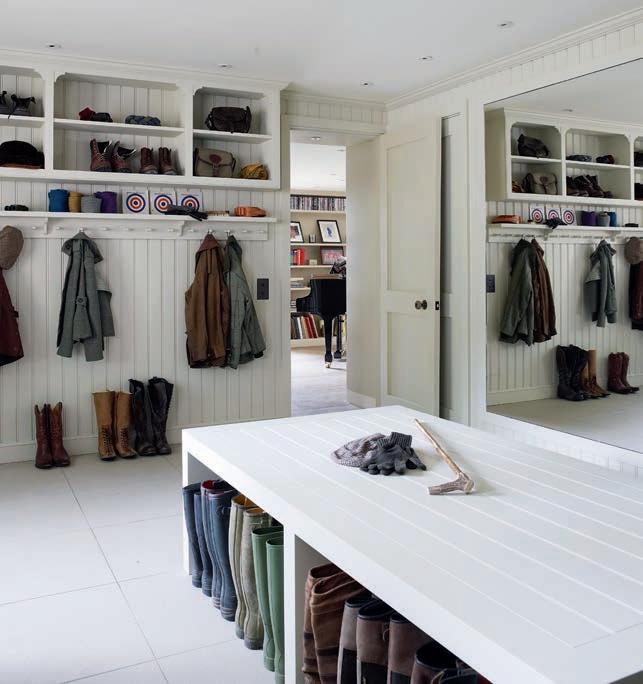

Make it a social space
Philippa Thorp, Thorp Design
ABOVE A large mirror positioned opposite the window reflects natural daylight throughout, while elsewhere, work surfaces and twin sinks allow for multifunction. Walls and joinery in Portland Stone Original, Little Greene
Occasionally, there is an opportunity to build an ancillary space from scratch, which is just what Philippa Thorp did when she designed a boot room as part of a new extension to her country house in Hampshire. ‘The vision was to create a space that anticipated every eventuality, come rain or shine,’ she says. ‘As someone who lives in the countryside with two dogs and two cats, I know first-hand that muddy boots, wet coats and outdoor paraphernalia are simply part of daily life.’
Most of the storage is positioned around the perimeter of the room, leaving generous circulation around a central seating area with storage beneath. ‘I often entertain large groups of family and friends, so the flow of the space was as important as the storage,’ she explains. ‘The seating provides a place to pull on wellies or help children get ready. I like to think about how spaces will serve multiple generations over many years. Good design should not only work for today, but continue to work for a family as it evolves over time.’
Aesthetically, simplicity and elegance reign. Timberpanelled walls provide a robust, wipeable surface, as well as warmth and character, while porcelain floor tiles are ideal for a room that sees constant foot traffic.

BELOW Finished in Farrow & Ball’s Pointing, the room acts as a canvas for vintage glassware and crockery. A counter skirt in an Ian Mankin fabric injects further colour.
Carve out space for open storage
Wendi Wolf-Lewitt, Wolf Lewitt Interiors
Functional utility spaces need not be high-tech. Sometimes, simple joinery comprising both open and concealed storage does the trick. This space, sited between the dining room and kitchen of Wendi Wolf-Lewitt’s Victorian lakefront summer cottage, sees everyone pass through it. ‘As a result, it has to work especially hard,’ says the interior designer. ‘Our guiding principle was to honour the building’s history rather than impose upon it.’
Keeping the original shelving, Wolf-Lewitt replaced the 1960s linoleum flooring with timber boards and painted the room in one colour. ‘That continuity makes a small room feel resolved, while allowing the contents of the shelves to speak,’ she says.
The original zinc sink and worktop were kept as found, while storage space beneath is concealed behind a gathered linen curtain with a delicate floral print, ‘perfectly suited given the constant flower arranging that happens here’. Open shelving lining all four walls allows effortless access from both the dining room and kitchen, as well as injecting colour via Wendi’s collection of bold glazed 1930s American dinnerware.
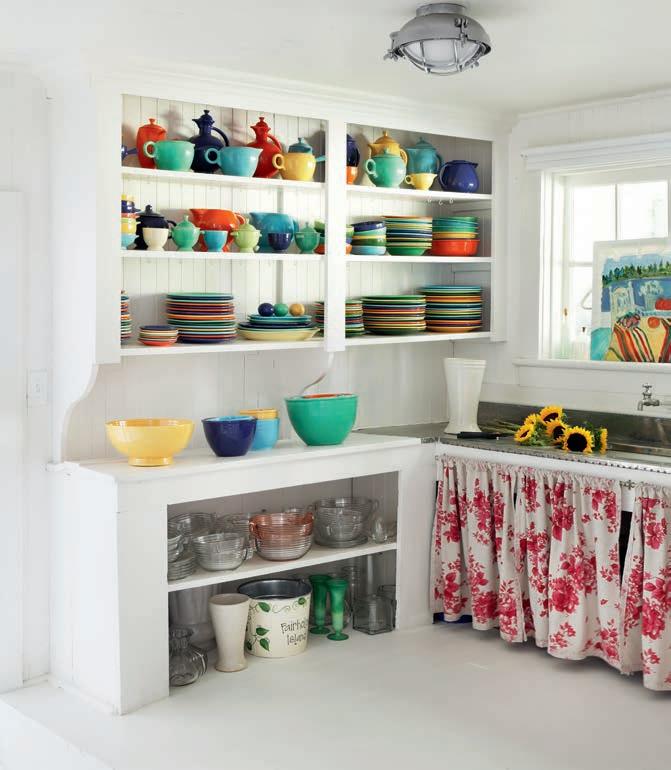
‘A
thoughtful mix of pattern, texture and treasured objects can transform even the simplest space into one full of character’
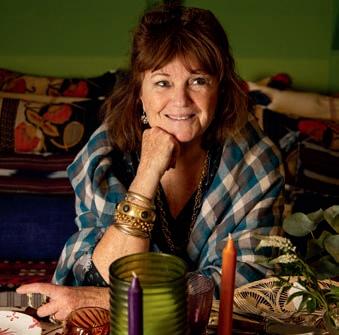
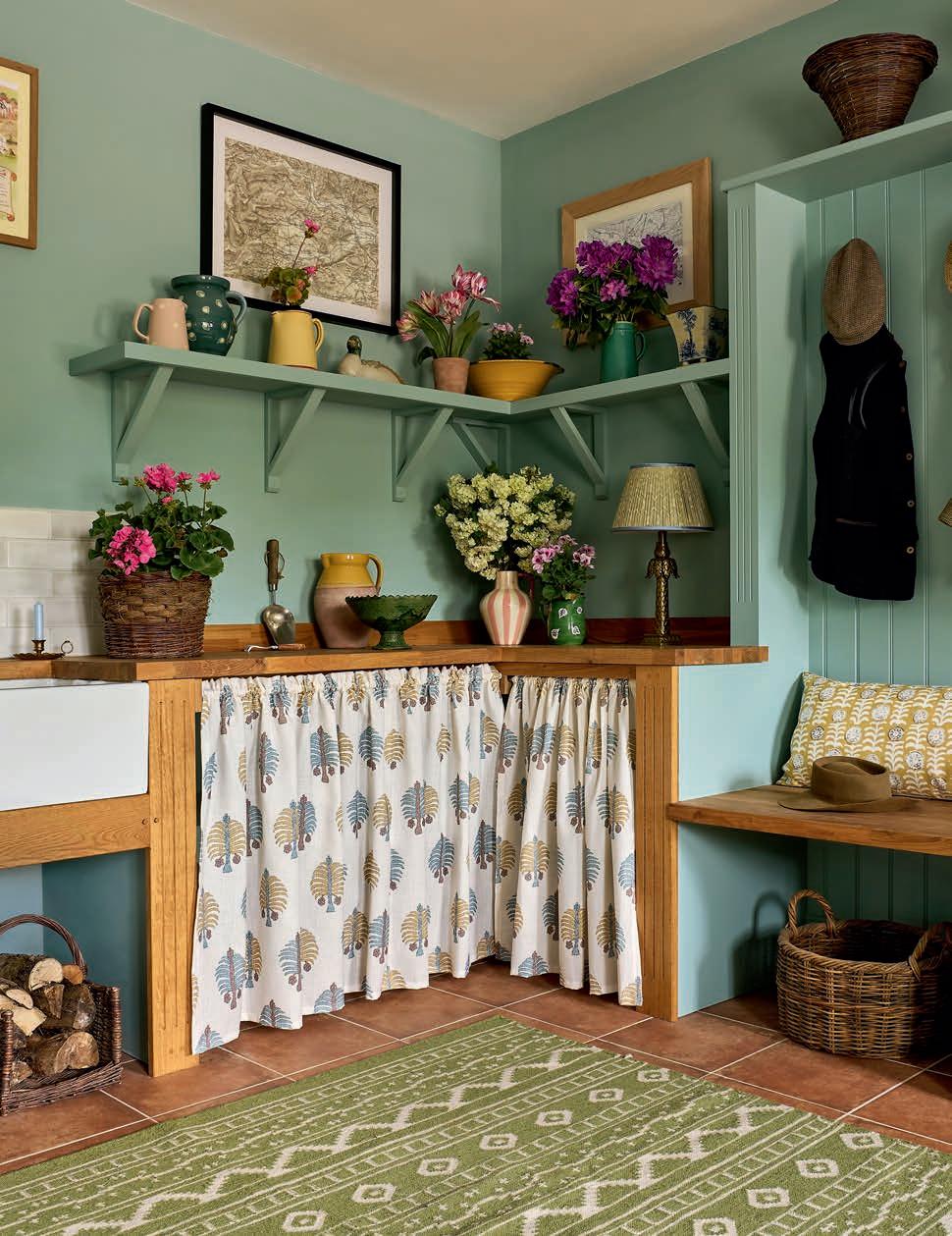
Go rustic
Penny Morrison, founder and lead interior designer, Penny Morrison
Ancillary spaces can work just as well in plain sight as they do when tucked away, especially when treated with a decorative sensibility. In the Welsh cottage of Penny Morrison’s son Ted, a boot room sits just off to the right of the main entrance hall and stairwell, acting as a welcoming transition space between inside and out. ‘These are often the rooms that greet us when we come in from the garden, kick off muddy boots or gather the essentials for the day ahead, so they should feel just as comfortable, inviting and full of personality as every other corner of the home,’ she says.
Morrison’s approach to this space was to layer, for a relaxed, informal feel. ‘A gathered sink skirt, a pleated lampshade, baskets filled with gardening gloves, favourite pieces of pottery and colourful, patterned fabrics all help create a room that feels warm, personal and lived-in,’ she says. ‘It is often these smaller spaces that offer the opportunity to be playful and introduce decorative touches that bring character to everyday life.’ In this case, a simple timber structure incorporates a Belfast sink and hidden storage –concealed behind a durable performance fabric – while open shelving keeps the look rustic.
ABOVE The sink curtain is made from Penny Morrison’s Gobi faux-linen performance fabric in Blue Yellow, combining practicality with charm while hiding less attractive everyday necessities.
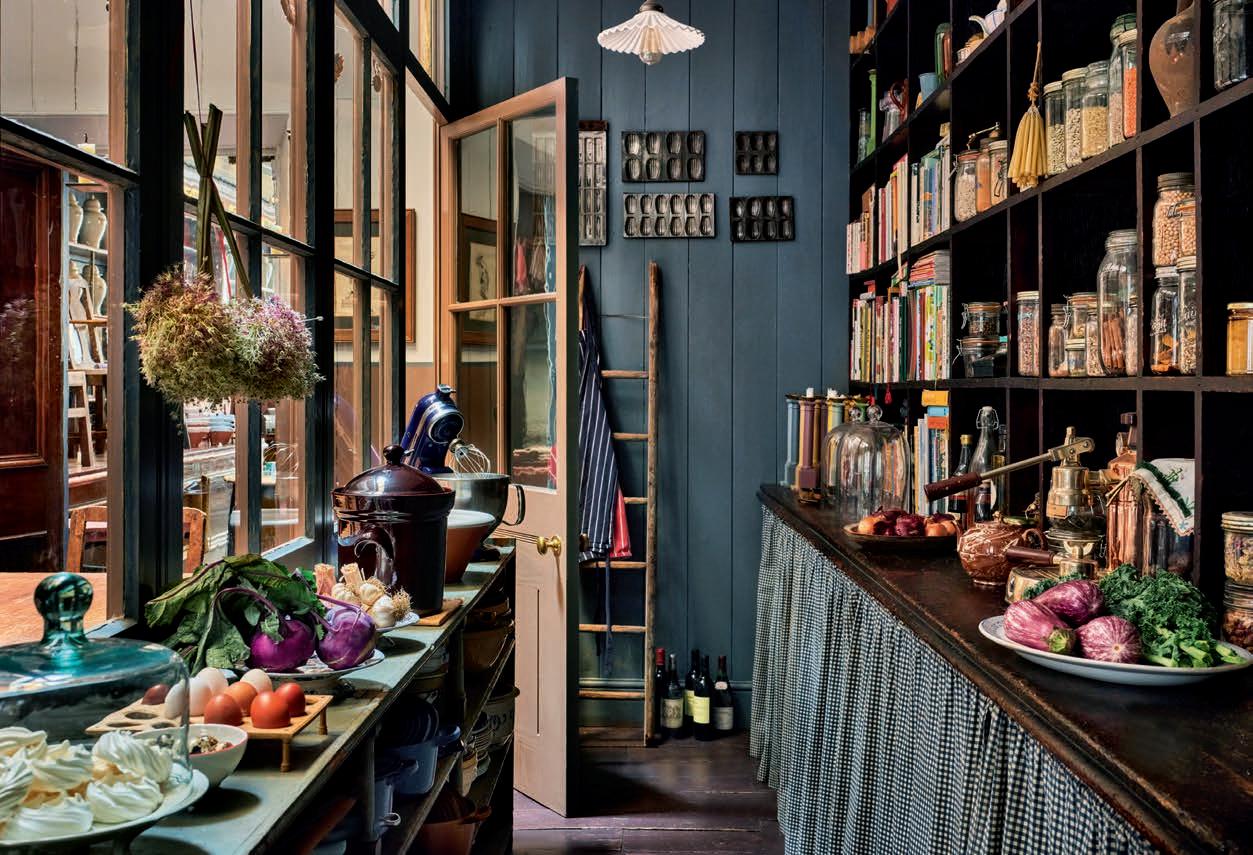


‘Pantries
should be thought of as a room, complete with proper pieces of furniture whose proportions have been considered’
Introduce atmosphere and connection
Patrick Williams, founder, Berdoulat
A glazed screen is a good way of successfully carving out space for an ancillary room within the kitchen, creating gentle delineation while maintaining unity. This is the approach that interior designer Patrick William has taken, where a generous Douglas fir and glass screen sits in front of a pre-existing built-in dresser, enclosing the space to make a pantry. The screen’s solid lower section provides wall space against which a low-level shelving unit offers out-of-sight easy access storage.
The screen is fitted with Wibble Restoration Glass (retaining the waviness and irregularities of traditional heritage panes), which Patrick prizes for its reflective surface. ‘Also, one’s eye can look through the glass to the inner edges of the pantry, thus the original scale of the whole room is maintained,’ he says. ‘In addition, when seen through a screen, a pantry’s contents tend to look more ordered and appealing.’ The upper shelves of the dresser feature a curated blend of glassware and classic food packaging. ‘I believe this approach can be applied to any pantry design,’ says Patrick. ‘By housing appliances as well as food, a considered pantry allows the main kitchen space room to breathe.’ ■
The House Rules (£40, Quadrille) by Patrick Williams is available now.
With thanks to the BIID, biid.org.uk
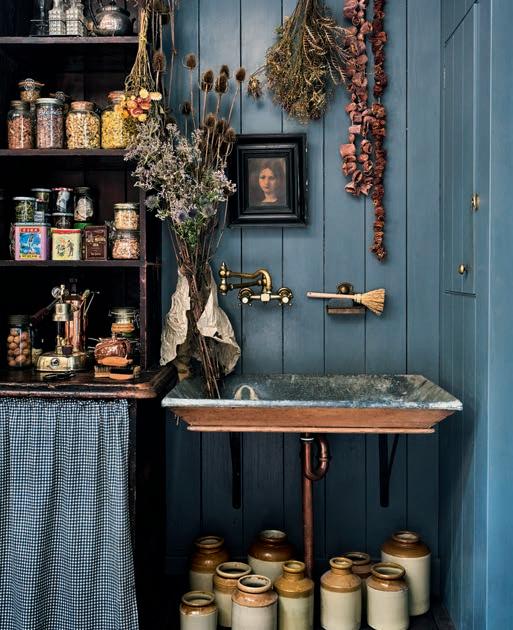
Collected objects, from earthenware and kilner jars to artwork, introduce an elegant, curated feel to this domestic space.
The pantry with its distinctive glass dividing wall and original dresser is painted in Edward Bulmer Natural Paint’s Tingry.
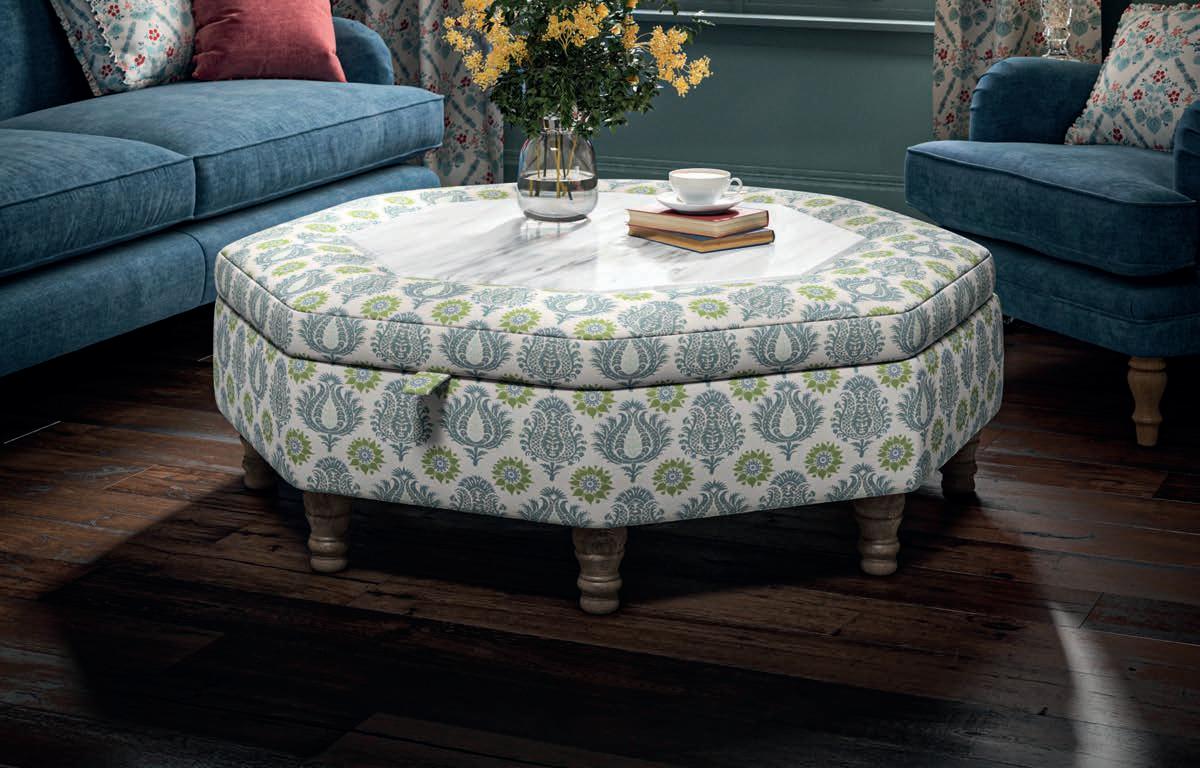
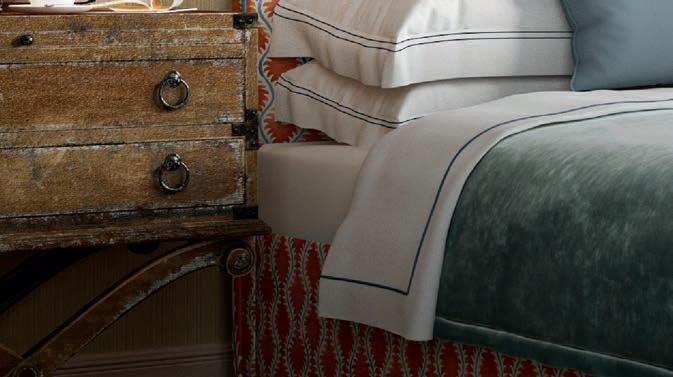
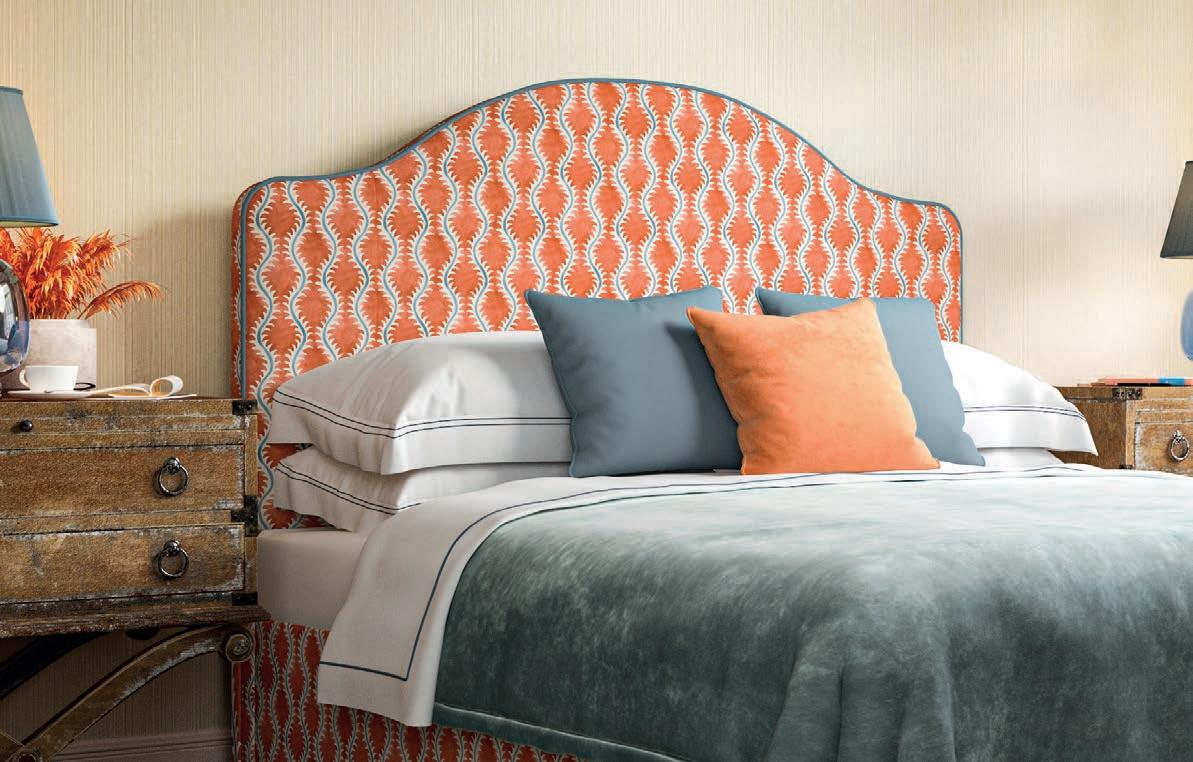
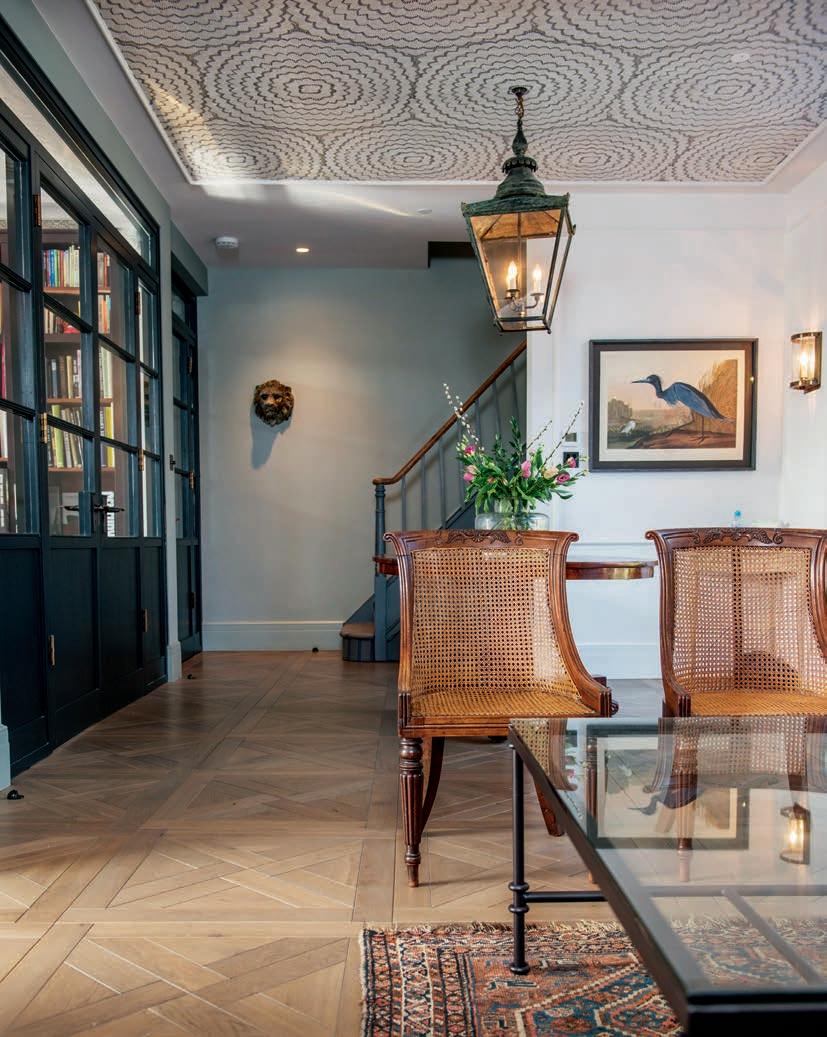
Natural warmth
Experts advise on the best ways to use wood in the home – and inspiration for the timber options available
FEATURE AMELIA THORPE
Over the centuries, wood has been a natural choice in Britain for furniture, flooring and joinery, thanks to its durability, strength and inherent beauty. Cut, carved, planed and turned, it is a sustainable material that ages gracefully, softens acoustics and provides comfort underfoot. ‘Wood adds warmth, texture and a sense of groundedness that’s
very hard to replicate with any other finish,’ says interior designer Lara Clarke, ‘and because no two pieces are the same, it instantly makes a space feel considered and personal rather than “off the shelf”.’
ABOVE Caledonian Oak engineered wood flooring in a custom parquet panel design, £276 a square metre, coated with a lacquer finish, from Urbane Living.
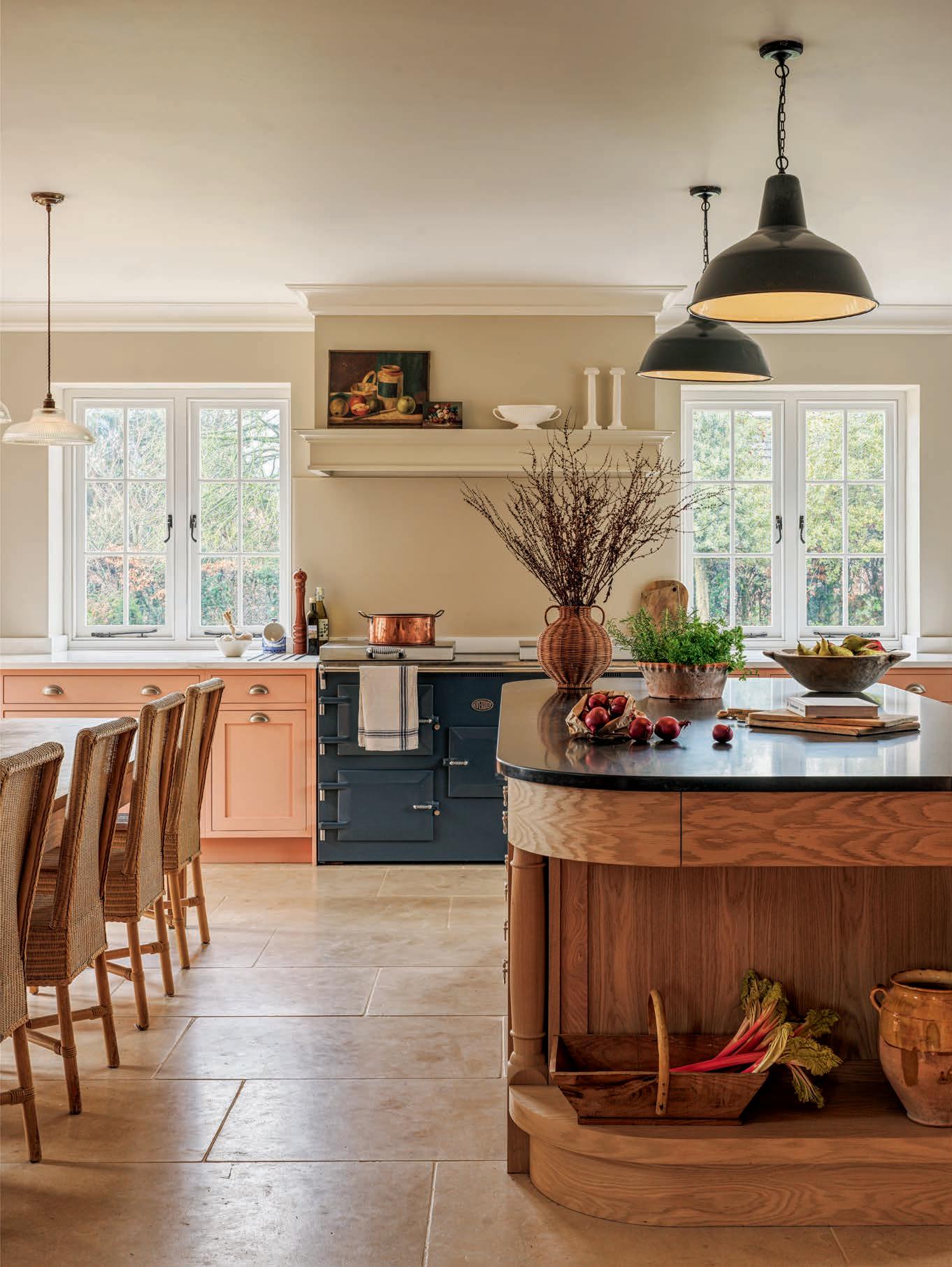
In this bespoke kitchen design by Cheverell, a statement oak island is balanced by painted cabinetry and an Everhot 150 Series range cooker in Marine Blue, from £14,500.
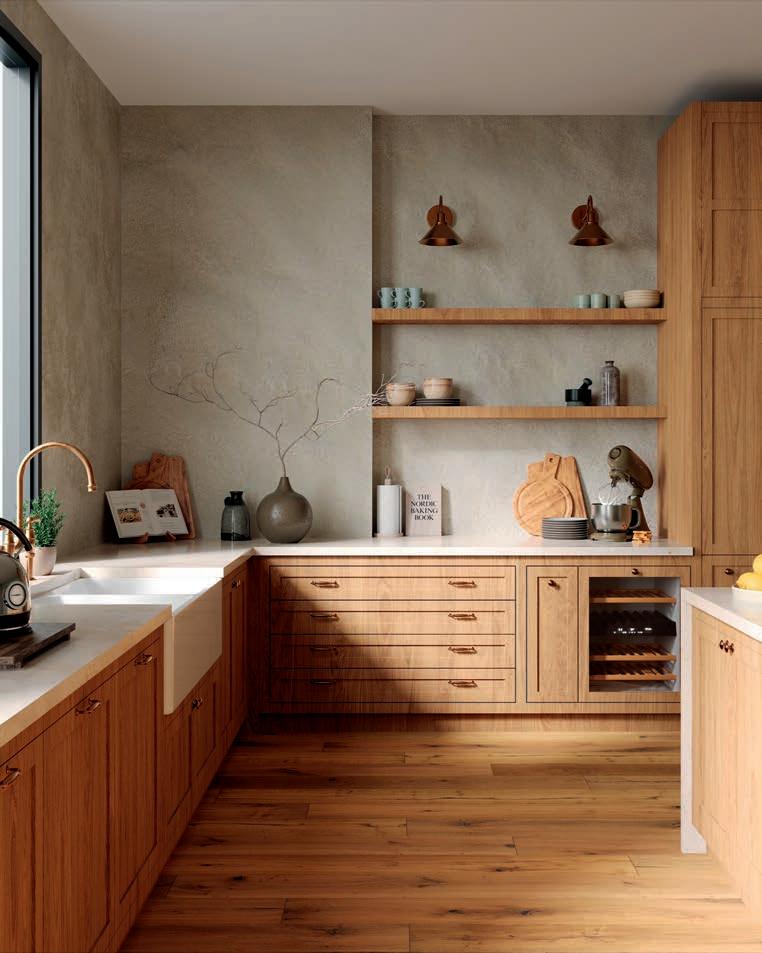
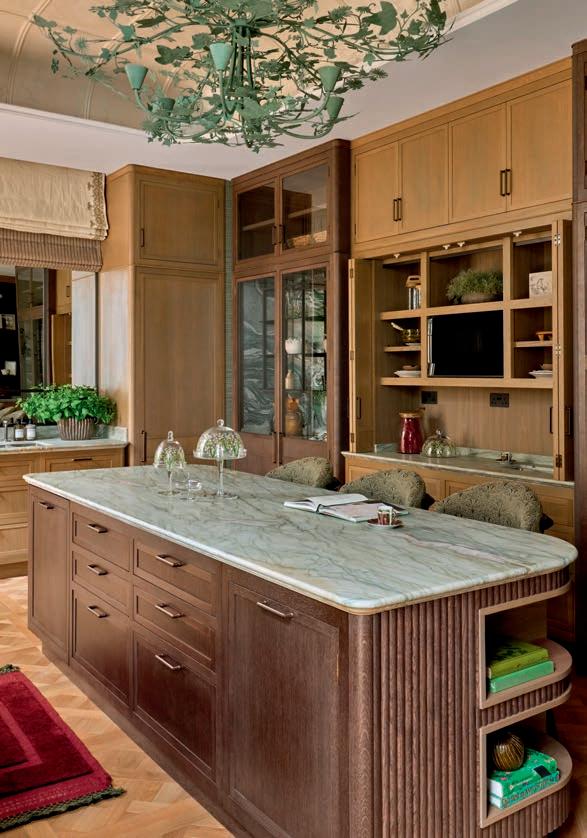
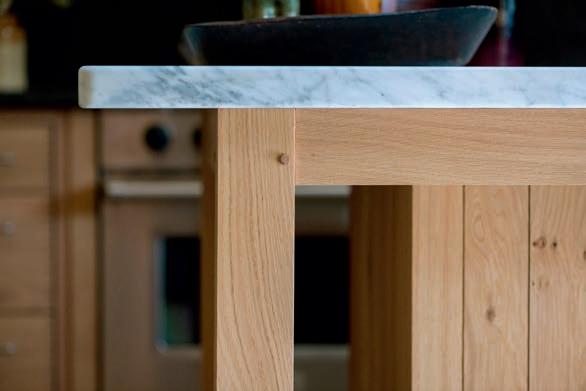
ABOVE The Joiner’s Island by Inglis Hall is made from oak with a Carrara marble worktop. Inglis Hall kitchens from £45,000.
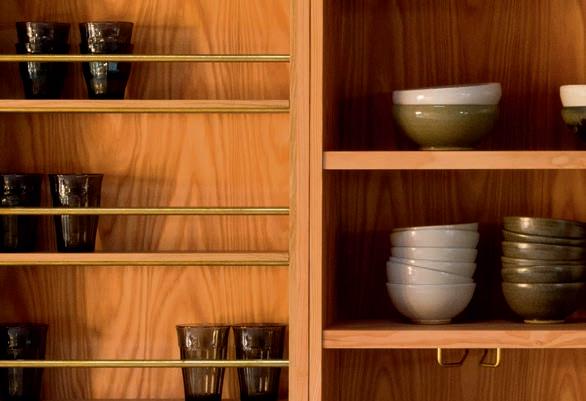
ABOVE Bespoke
Heritage Plank engineered oak flooring in Harvest, from £82 a square metre, from Knot & Grain, complements the cabinetry.
LEFT Legacy Vitae Martin Moore kitchen collection, from £45,000, unveiled at WOW!house 2026 as part of a kitchen room collaboration with Samantha Bartlett Interiors.
RIGHT Brezza plank (on wall), Italian collection, £106.95 a square metre, Havwoods.
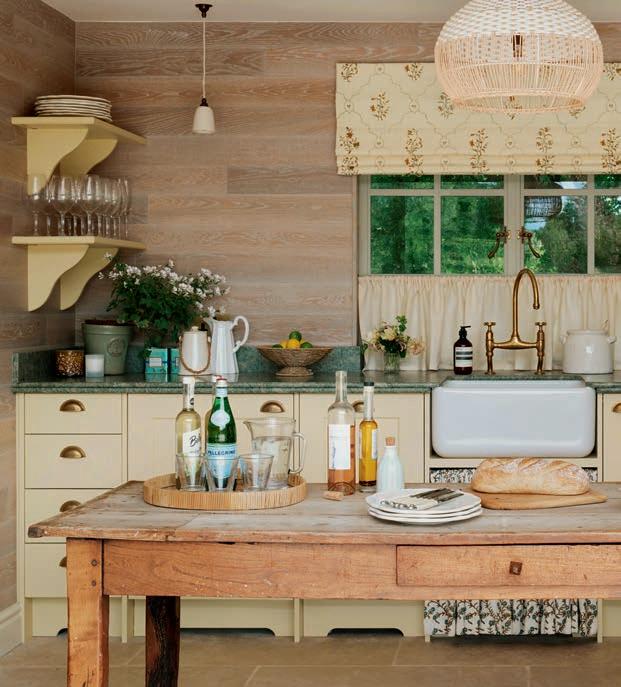
BELOW The Larder Cupboard Chalk by Inglis Hall is crafted from larch with solid oak scalloped shelf brackets, £17,200.

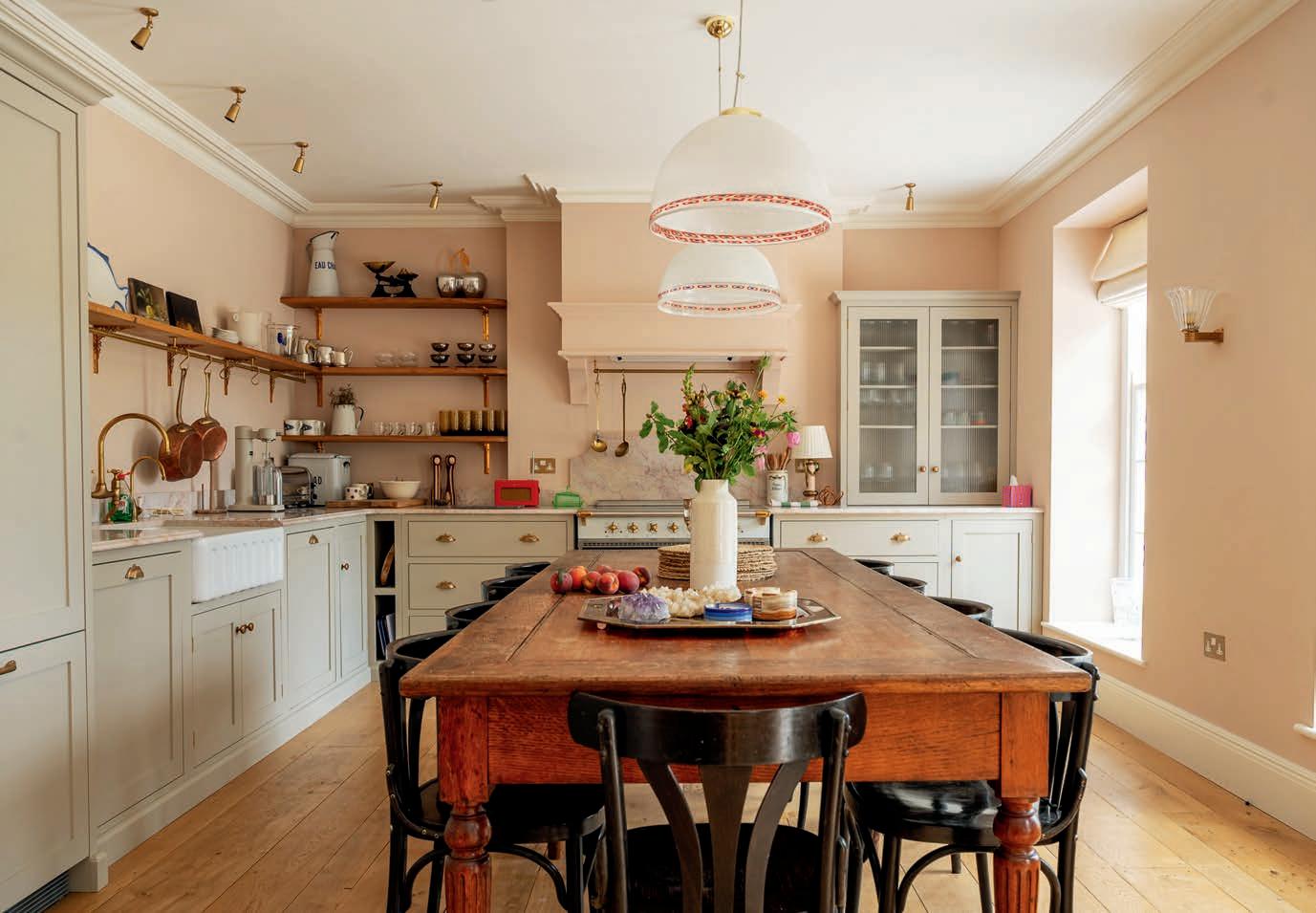
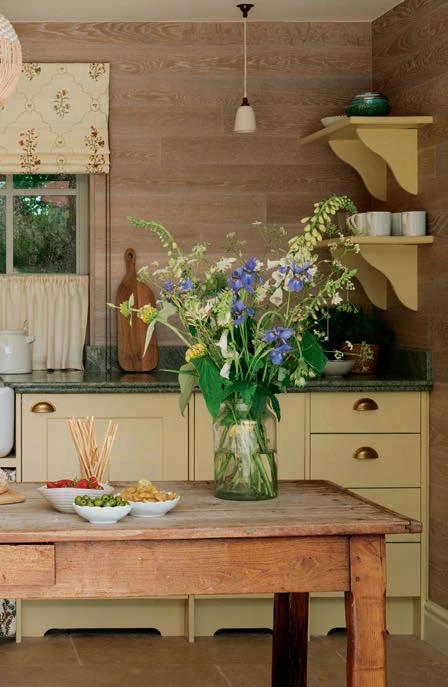
Characterful kitchens
‘Wood kitchens offer the perfect balance of timeless style and everyday practicality,’ says Sam Harris, senior design consultant, Ashford Kitchens & Interiors. Today’s timber cabinetry designs offer plenty of choice, from pared-back kitchens in pale woods to classic country looks and textured and painted offerings, sometimes mixing with marble and metal to offer a new take on this much-loved material.
For premium kitchens, woods including oak, ash, maple, walnut and tulipwood can be used. ‘Oak is a perennial favourite, valued for its strength, characterful grain and versatility,’ notes Harris. ‘Cupboard doors are often crafted as a solid timber frame paired with a veneered centre panel, providing both authenticity and structural stability.’ More expressive timbers, he suggests, can be used on islands to enhance their role as the focal point of a kitchen design. ‘Walnut or character-grade oak can introduce contrast and depth, bringing a furniture-like quality to the space.’ And for
display shelves? ‘High-quality wood veneers are often preferred, ensuring consistency in tone and stability across wider spans,’ he explains. ‘These can be colour-matched or subtly contrasted with cabinetry.’
Because wood naturally absorbs moisture, low-sheen oils and lacquers can be used to finish the timber, offering durable protection from spills and splashes, without concealing the natural beauty of the grain. When it comes to worktops, Harris recommends naturally water-resistant hardwoods. ‘Oak provides a classic, tactile feel, while walnut introduces a deeper, more luxurious tone, and iroko, with its natural oils, performs exceptionally well in areas where moisture is more prevalent.’ These surfaces are typically finished with oil and will require re-oiling as part of an ongoing maintenance routine.
ABOVE British Classic Oak solid flooring, from £120 a square metre, by Coppice & Crown is finished with an extra layer of finishing oil for added durability in this busy family kitchen.
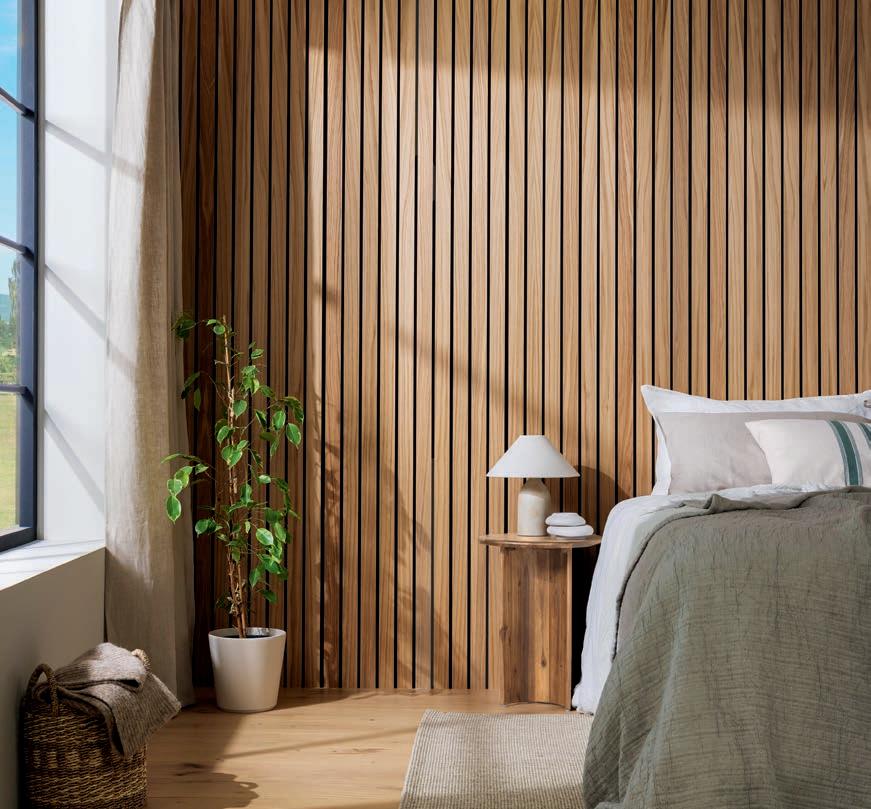
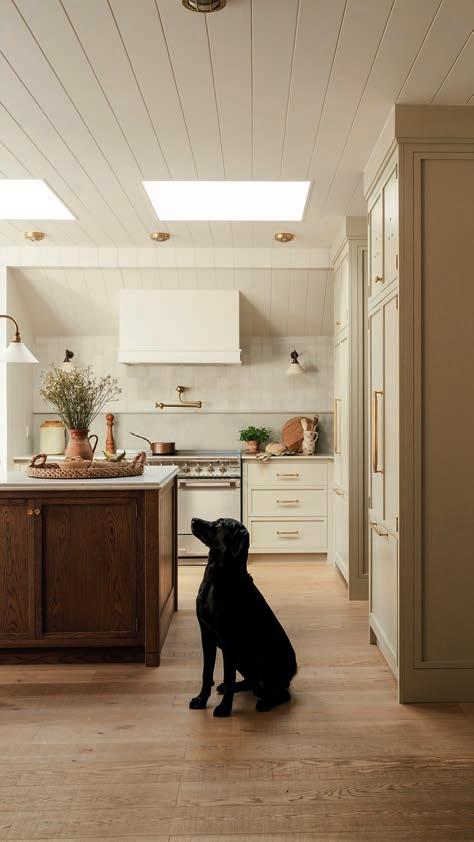
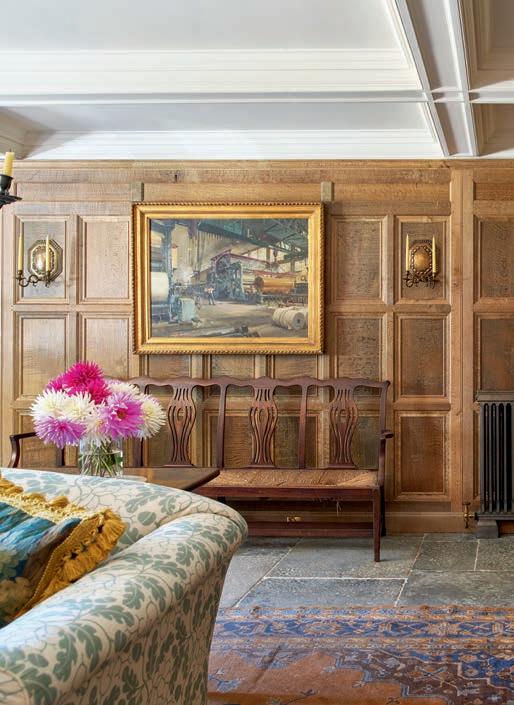
Tactile flooring and wall cladding
Deeply woven into British history, oak remains a popular choice. ‘It grows well in the UK and has incredible durability and strength for floors to last for generations,’ advises Polly Bedford, managing director, Coppice & Crown. Other options include walnut, maple and ash. ‘Victorian homes often have pine flooring, but the softwood pine of today is grown much more quickly and lacks a lot of the strength that the Baltic pine floors of the Victorian era had,’ continues Bedford, who suggests ash as a good alternative. ‘It is very similar in colour (with slightly fewer knots) but offers fantastic strength and durability.’
Solid boards are cut from one piece of timber, offering authenticity, natural beauty and wearability, and worn areas can be sanded and refinished if necessary. Engineered wood flooring is made from
ABOVE Offering characterful texture, Naturewall’s SlatWall Acoustic Honey Oak panels, £124.99 for a 2.4m x 0.6m panel, are assembled from MDF slats backed with recycled felt to reduce noise and topped with an oiled-finish wood veneer.
LEFT Light tan oak floor boards in Sawn & Brushed texture, £127.62 a square metre from Chaunceys Timber Flooring offer a forgiving finish in a kitchen.
a real wood top layer bonded to a multilayered core, designed to offer improved stability in today’s centrally heated homes where temperature and humidity levels can fluctuate. In some cases, it can be sanded and refinished once or twice, but this depends on the thickness of the real wood layer.
‘The surface texture of the floor can also make a real difference, particularly if you are concerned about visible scratches or signs of wear over time,’ explains Ian Tomlinson, managing director, Chaunceys Timber Flooring. ‘Floors with brushed, distressed or characterful finishes tend to be far more forgiving than very smooth, uniform boards, as natural variation and texture help to disguise minor wear marks.’ For the same reason, patterned styles, such as herringbone can work well too, combining practicality with decorative interest.
Planks typically range from 95–125mm widths for narrow options, ‘standard’ planks between 125–200mm, and wider planks from 200–300mm. ‘If your space is particularly narrow or small, consider steering towards a regular size plank as this will ensure the grain and colour are varied across the entire floor,’ says
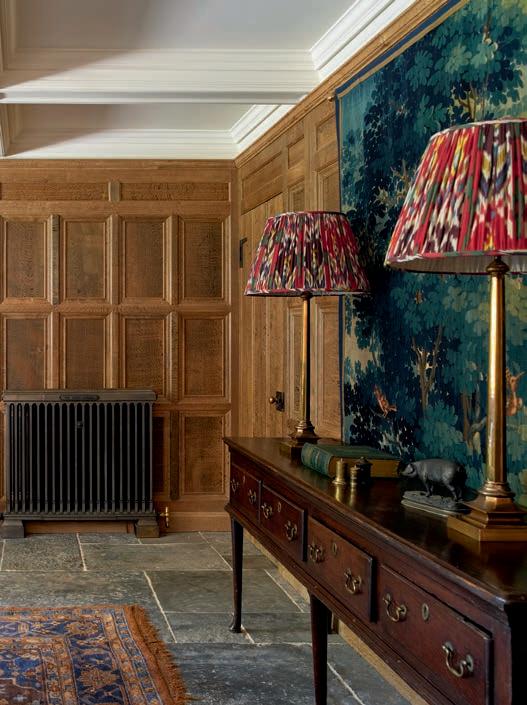
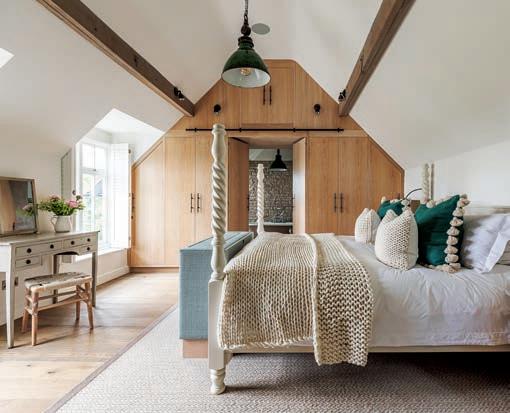
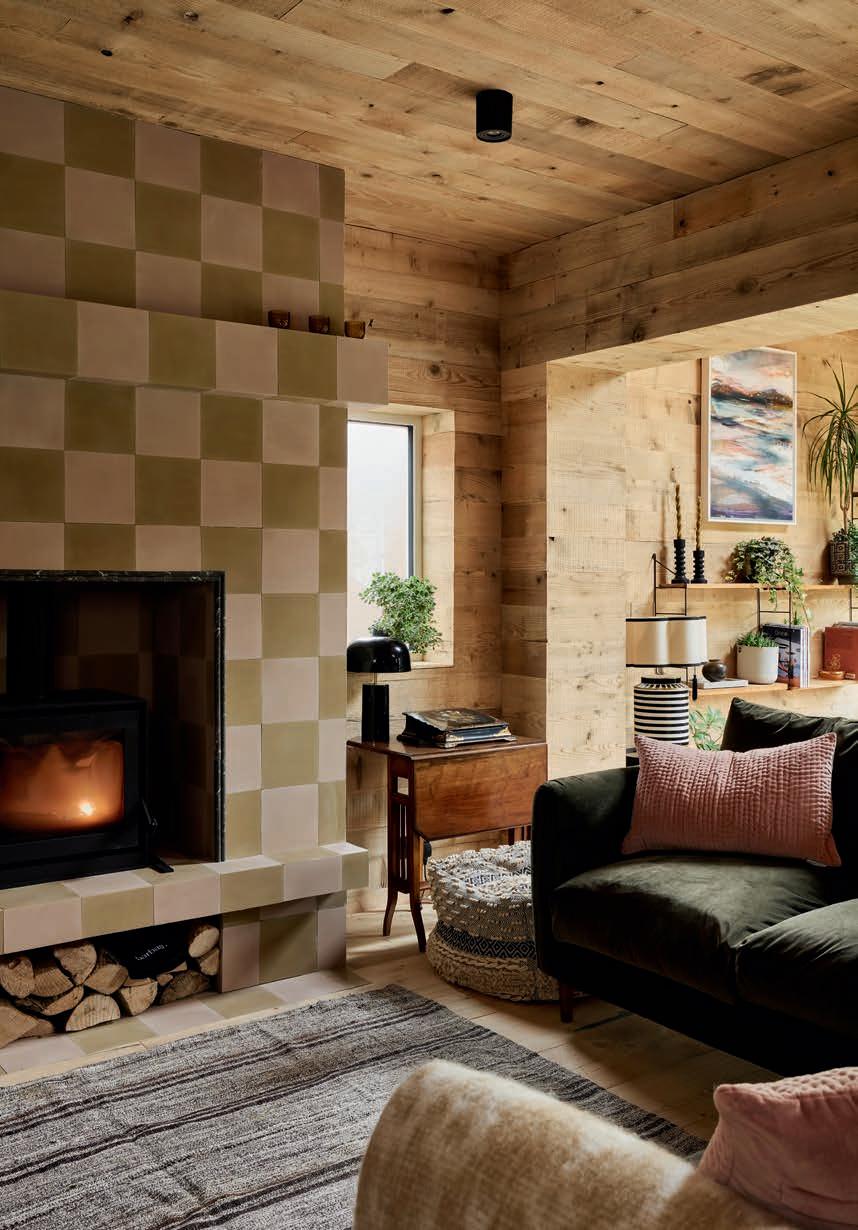

‘Floors with brushed or characterful finishes tend to be more forgiving than smooth, uniform boards, as natural variation and texture help to disguise minor wear marks’
Ian Tomlinson, managing director, Chaunceys Timber Flooring
Natalie Mudd, co-founder and creative director, Knot & Grain. ‘Narrower planks naturally lend themselves to intricate laying patterns like chevron and herringbone, while larger planks are best suited to bigger areas that can showcase the wood’s natural grain beautifully.’
Tongue-and-groove, shiplap and slatted wall and ceiling panelling and cladding can add depth, warmth and texture to a
room. Softwoods, such as pine and fir, are ideal for interior cladding that will be painted, as they are stable, affordable and easy to machine. When the grain is to be showcased, then options include oak and ash. Another way to bring characterful wood into an interior is to introduce exposed timber beams, typically custom-made from oak by timber structure specialists.
ABOVE LEFT Oak joinery made by Barr Joinery, designed by Lara Clarke Interiors, adds natural warmth to this tranquil bedroom scheme beneath the eaves.
ABOVE Hayloft reclaimed pine wall and ceiling cladding, £65.40 a square metre, by Main, creates a cocooning effect in this sitting room. TOP LEFT Bespoke, handmade solid oak panelling, traditionally constructed with mortise and tenon joinery and finished with peg detailing, by Jack Badger.

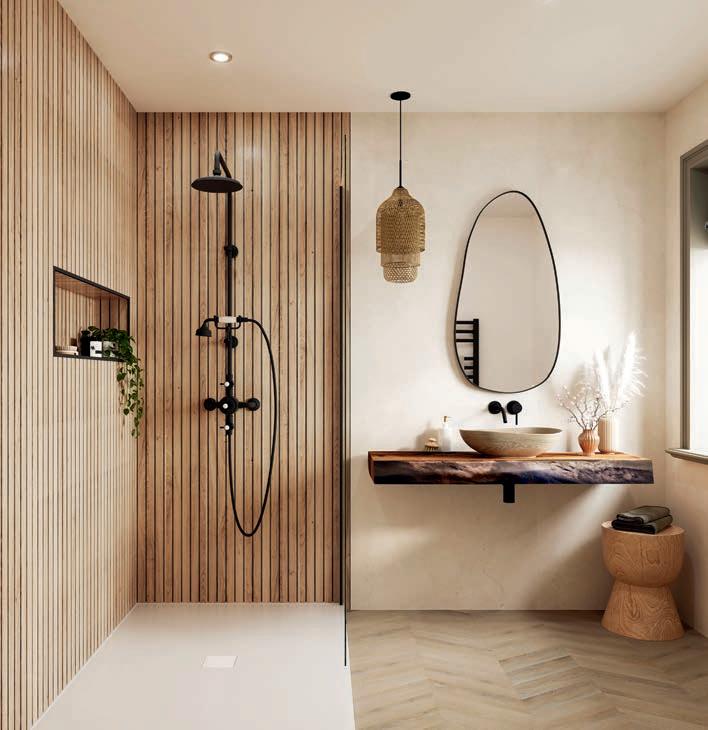
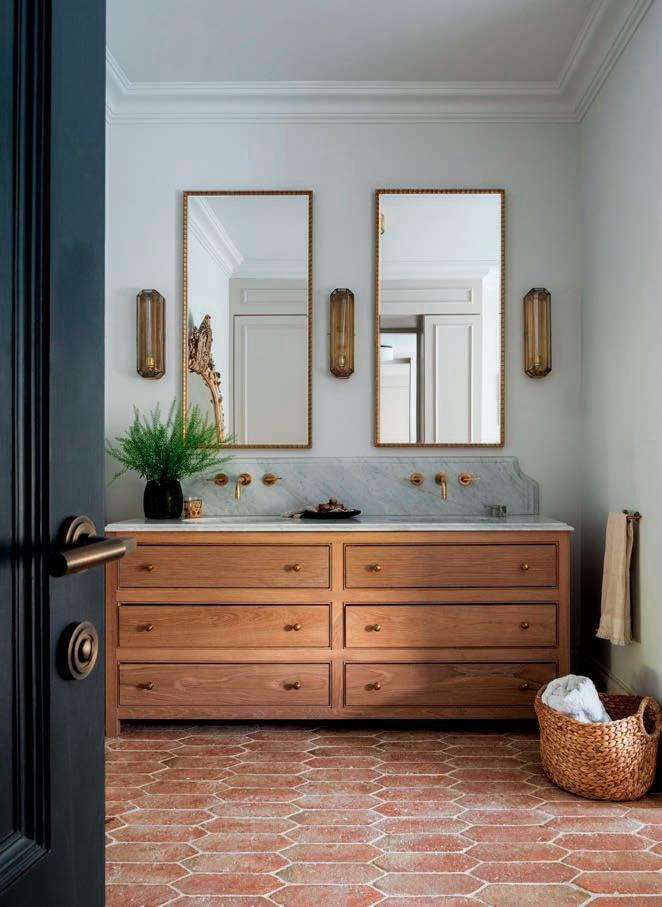
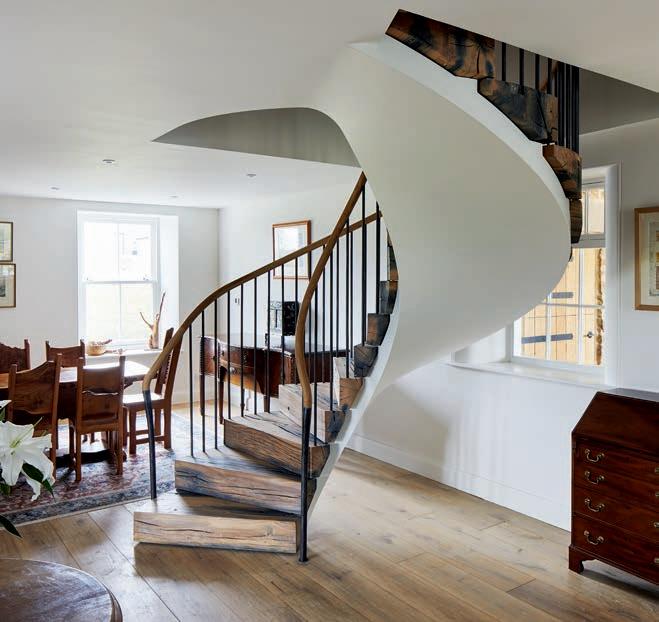
Customised options
Internal screens and room dividers, staircases and banisters, and all kinds of bespoke fitted furniture offer more opportunities to showcase the natural beauty of wood.
Richard Lane, founder and design director of staircase specialist Bisca, encourages an open approach to the wide range of timber materials and finishing techniques that can be used. ‘I always encourage clients to think about timber in a deeper sense, to consider how the wood will age and evolve in their home over time,’ he says. Character oak, finished with a natural oil, is a favourite: ‘By adding a slight white tint to the oil, the tone of the timber is softened, while the grain and individuality of the wood remain visible, ageing gracefully as the years go on.’
Reclaimed solid timber can make an exceptionally characterful staircase. ‘From old canal lock gates and greenheart timber salvaged from harbour props to reclaimed oak vodka barrels originating from Poland, each form brings its own story, texture and sense of authenticity to a staircase project,’ Lane says.
Equally, engineered and laminated timbers combined with slim steel structures can create staircases which feel visually light and elegant while offering structural integrity and long-term stability. ‘Timber offers boundless creative potential when carefully considered,’ he concludes. ■
ABOVE LEFT
Designed to bring the tactile warmth of wood into the bathroom, the Bleached Cuneo Oak waterproof panel, £200 for a 588mm x 2400mm panel, is by Naturepanel.
ABOVE RIGHT
This bespoke helical staircase is made from old oak lock gates, each tread hand carved, and finished with round oak handrails, by Bisca, prices from £40,000.
LEFT The Goldbourne oak vanity unit, from £4,099, by House Nine Design from Parker Howley & Co features two reeded drawer fronts for textural detailing.

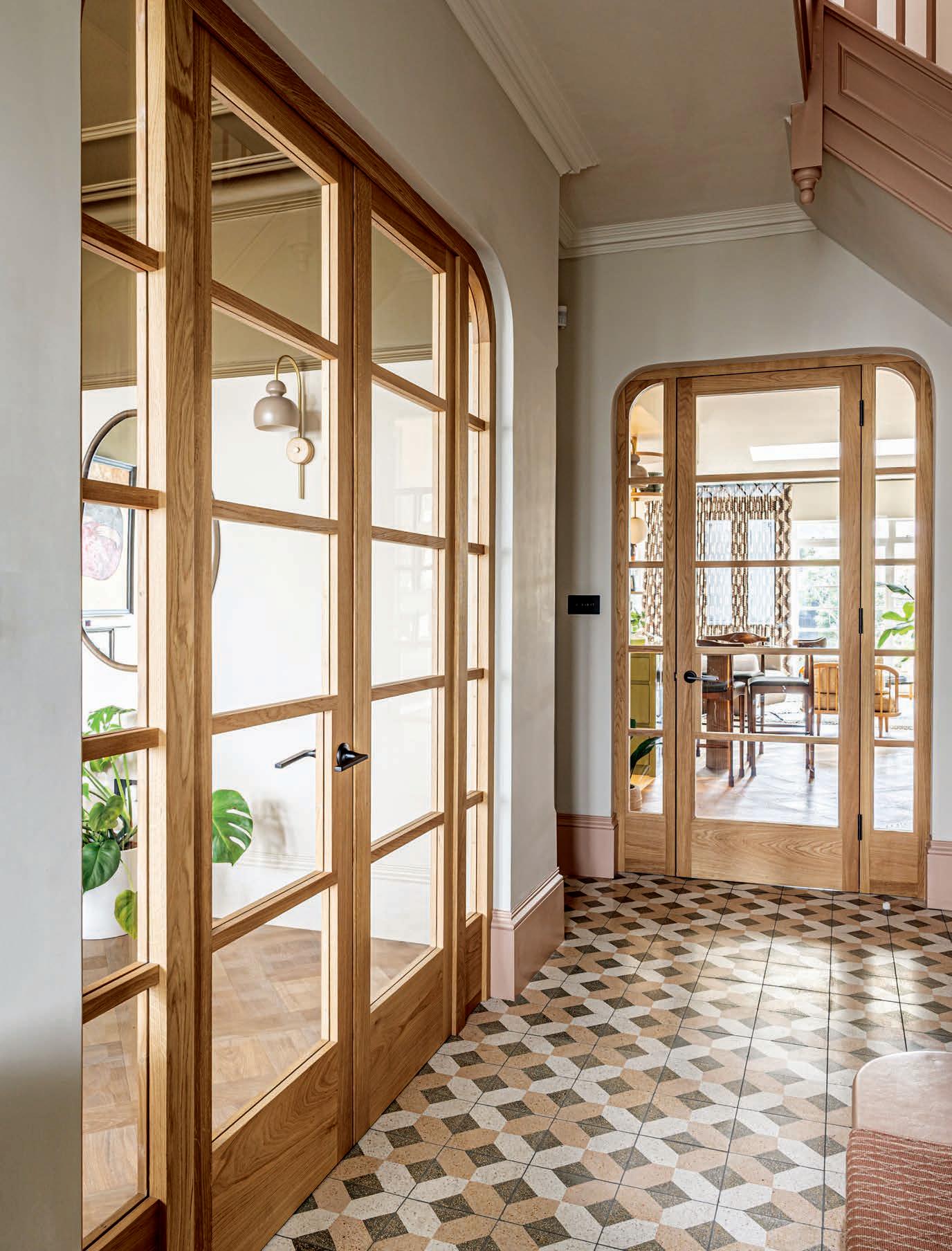
Made from solid oak, these bespoke, Crittall-style internal doors by Wood Works Brighton provide a modern twist on a classic.






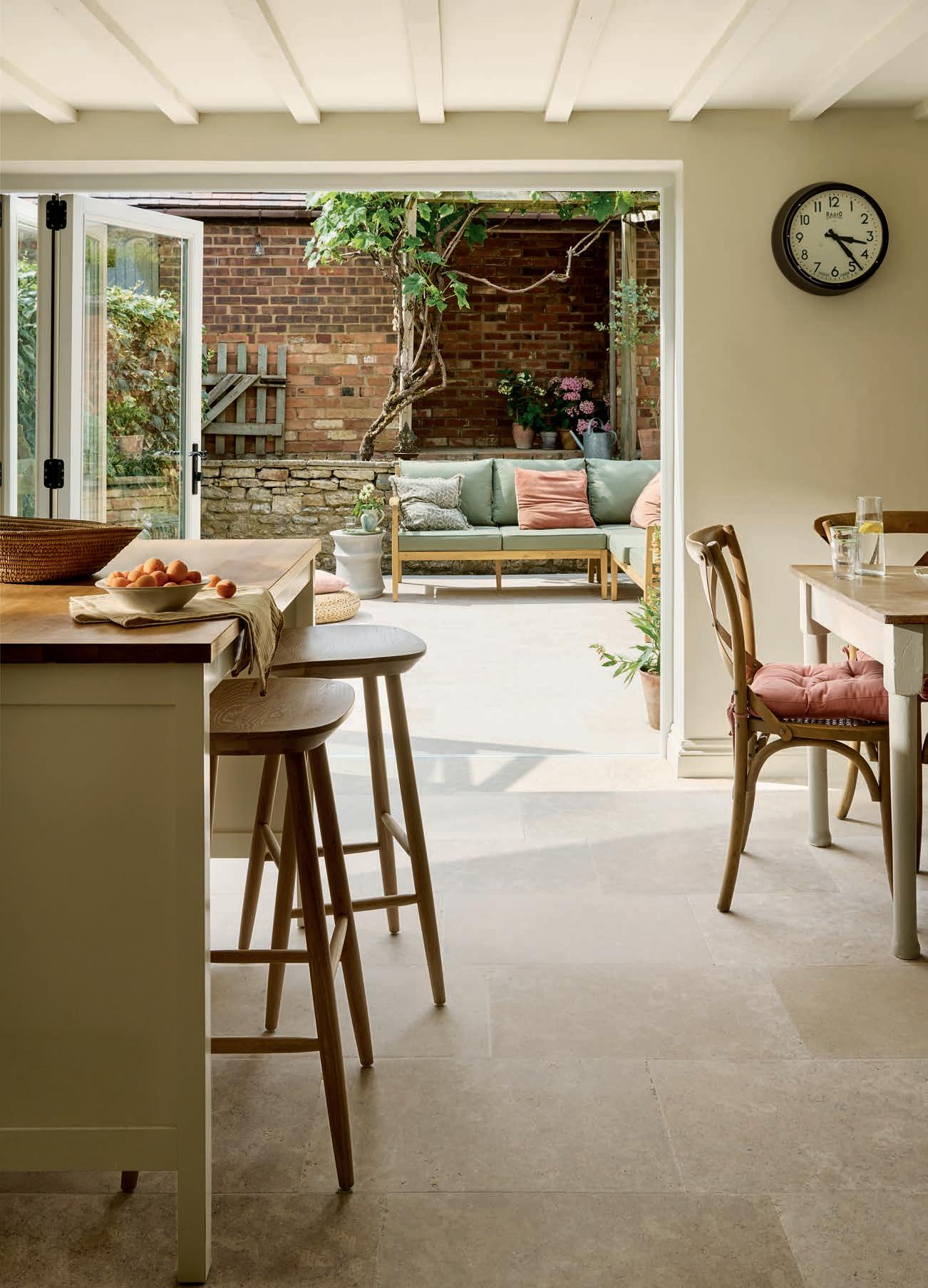

Hardwearing yet tactile and imbued with natural beauty, stone or stone-effect tiles are a timeless choice that can be used creatively to make a decorative impact
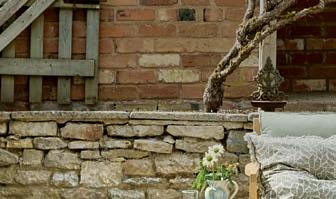
FEATURE KATY MCLEAN
SET IN STONE
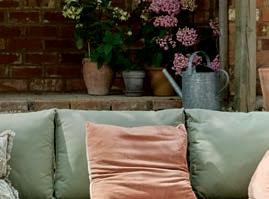
SEAMLESS FLOW


These tumbled limestone tiles are a timeless choice that is as practical as it is elegant. Their textured finish enhances slip resistance, making them well suited to outdoor use. In this scheme, the same tile is used in two different thicknesses to create a seamless transition between indoors and out, bringing a sense of continuity and harmony to both.
Dijon tumbled limestone, outdoor £44.99 and indoor £36.03, both a square metre, Claybrook

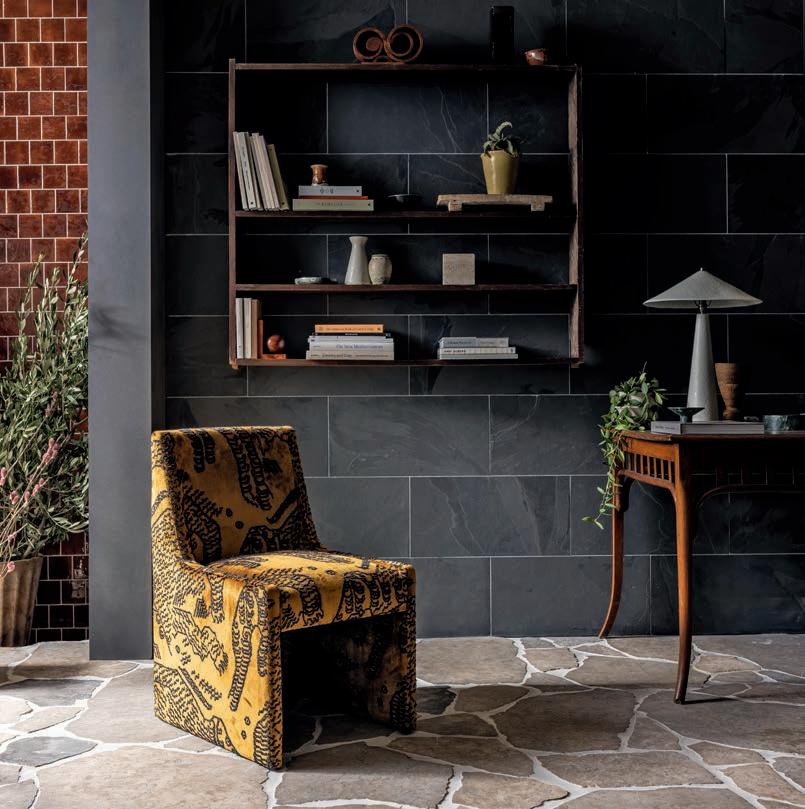
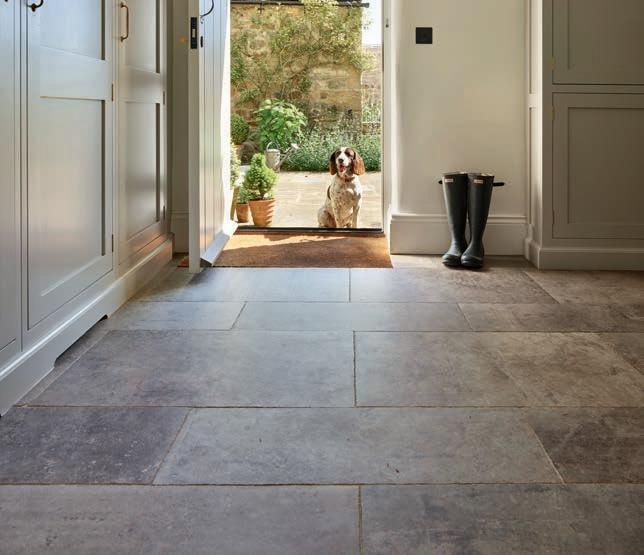
PERFECTLY PRACTICAL (above)
Hardworking hallways and boot rooms in country homes contending with muddy boots and paws on a daily basis benefit from a durable, easy-to-clean floor. This antique-textured stone, with its hand-chipped edges, brings character to the space, and, available in three different finishes, is suitable for internal floors and walls.
GO CRAZY (left)
The organic, irregular format of crazy paving is seeing a return to popularity. The varied shape and pattern gives each installation a unique character that echoes the natural rhythm and shapes of stones themselves. This range even has subtle fossil markings in the natural textures and markings of the stone.
NATURAL BEAUTY (below)
Some country homes are fortunate enough to feature original, exposed stonework. Here it is celebrated as a striking and characterful backdrop and echoed in the stone-floored kitchen beyond, seen through the rounded arch that creates a gentle transition between the two spaces.
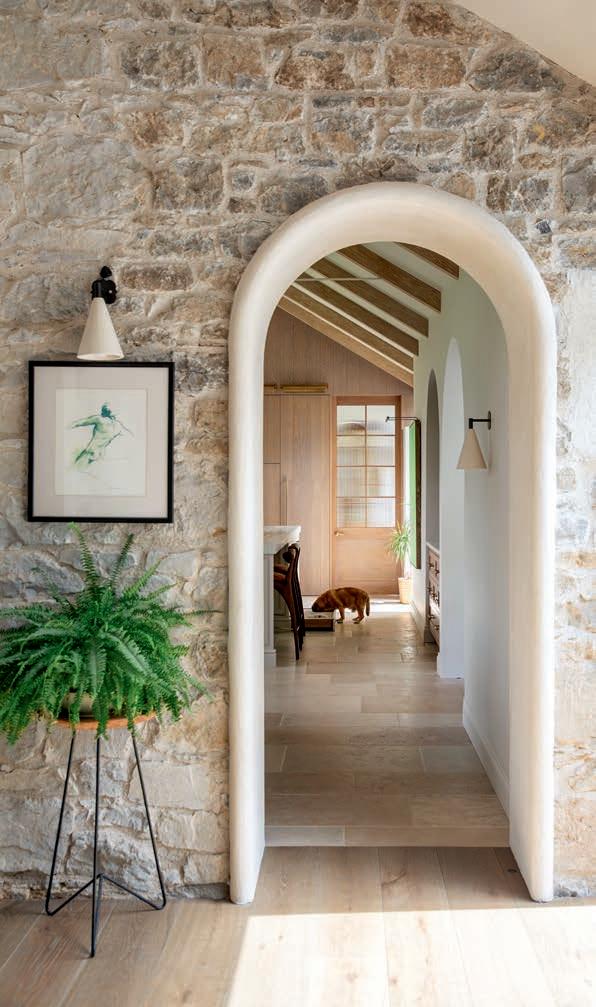
Milan Tumbled Limestone Crazy Paving, £82.80 a square metre, Mandarin Stone
Cote Bourgogne Limestone Seasoned Finish floor tiles, £229.50 a square metre, Ca’ Pietra
Empire Heritage in Gris Foncé, from £118.80 a square metre, Lapacida
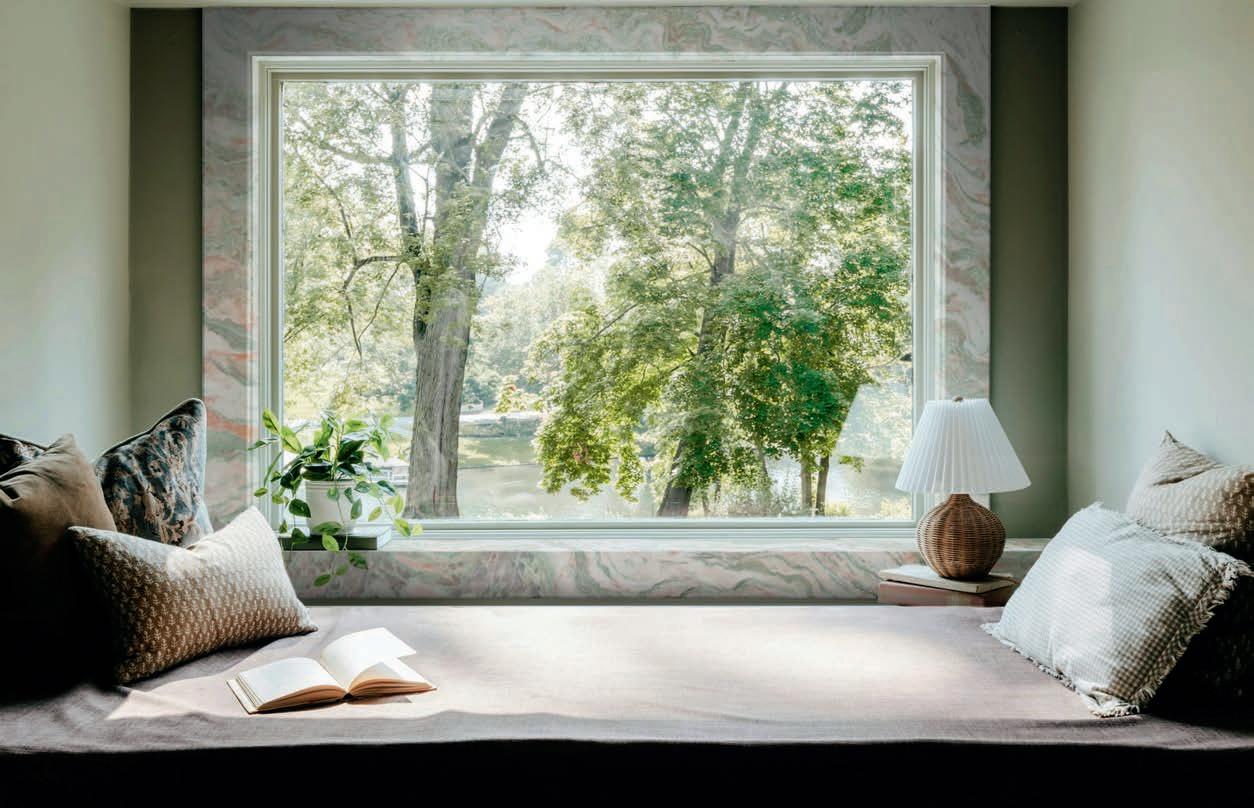

FRAME THE VIEW (
above)
The timeless beauty of marble makes it an enduring choice for adding elegance, luxury and character to spaces. Here it adds an unexpected detail as a window frame, creating a lovely harmony between the organic patterns in the natural material and the vista beyond. The calming aesthetic of marble makes it a soothing choice for this restful spot to sit and enjoy the view.
from
STAR OF THE SHOW (
right)
Marble makes for a show-stopping feature as a wall surface in a kitchen. The natural beauty of Italian Calacatta Viola marble is showcased here as an impressive splashback, its dramatic veining making a bold statement. It is allowed to shine here with a simpler treatment for worktops and a contrasting chequerboard tiled floor.
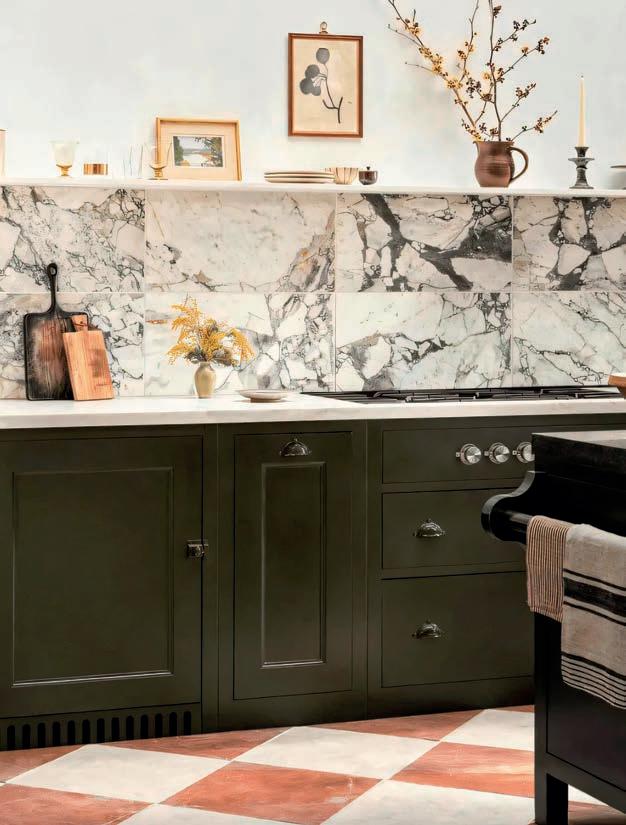
Alba Chiara marble,
£950 a square metre, Cullifords
Calacatta Viola Honed marble tiles, £180.20 a square metre, Hyperion Tiles
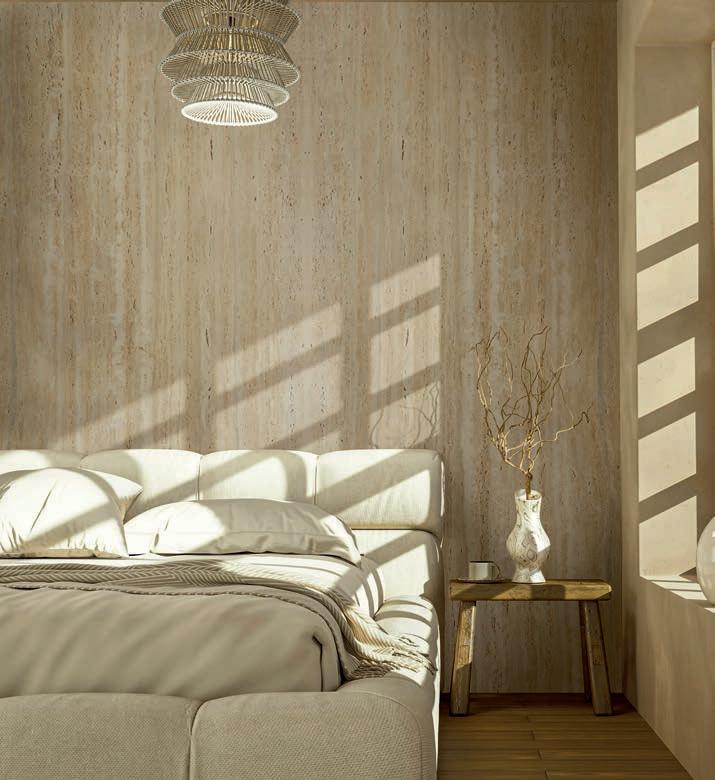
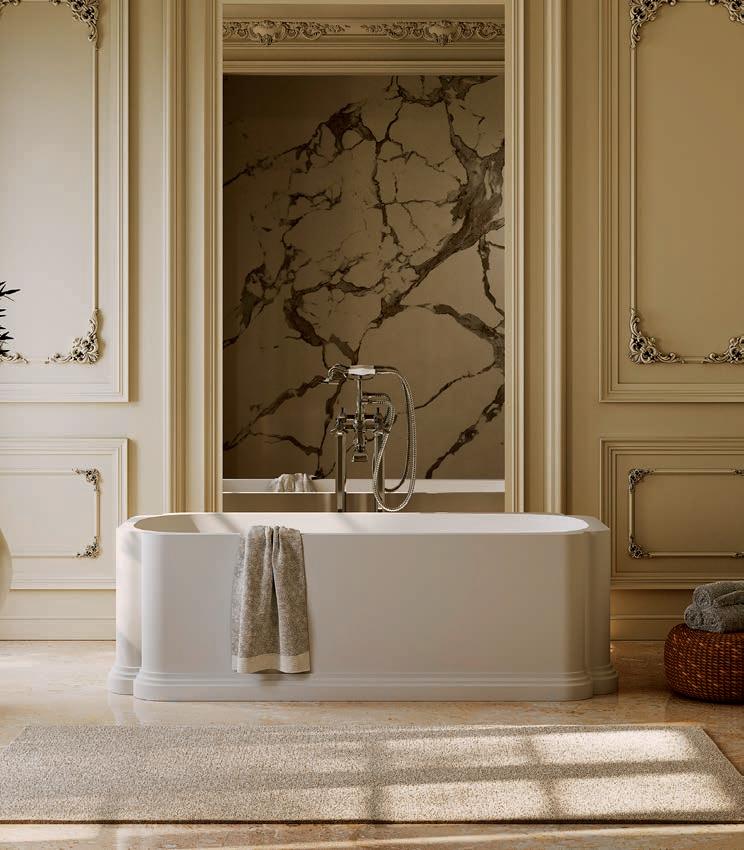
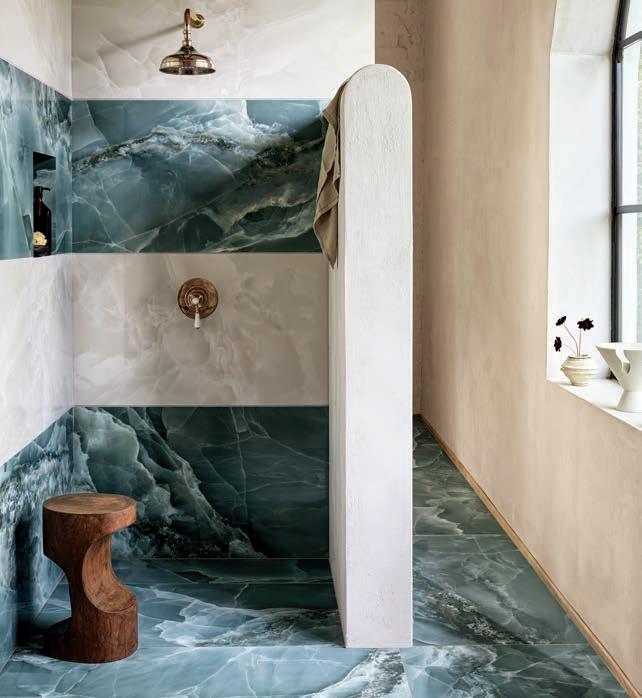
HARD BACK (above left)
Colour drenching with paint is a popular technique for creating a cohesive look, and the same idea can be applied with stone, using it to clad floors and walls.
Travertine, with its warm tones and softly banded appearance, is particularly well suited to large surface areas, as well as for a pared-back modern-country aesthetic that works beautifully with other natural materials for a calm yet unexpected decorative choice.
Travertine, from £480 a square metre, Cullifords
BAND WIDTH (
above right)
Inspired by the glamour of marble, these tiles emulate the effect of a solid stone. A playful approach with mixing different coloured options magnifies the dramatic imapact of marble veining, with the bold bands of onyx green and ivory contrasting beautifully.
Onyx Green and Ivory Matt marble-effect tiles, £75.07 a square metre, Fired Earth
SOAK IN STYLE (
left)
The sinuous form of this fluted stone resin bath offers a striking sculptural beauty. Beyond its looks, the stone resin retains heat, ensuring an indulgent and comfortable soak in total luxury.
Hampton freestanding stone bath, £1,845, Haddon

CLEAN LIVING





Flooring in a herringbone pattern is usually associated with wood, but stone can also be laid this way, lending a more contemporary feel that creates a strong foundation for an understated country aesthetic.




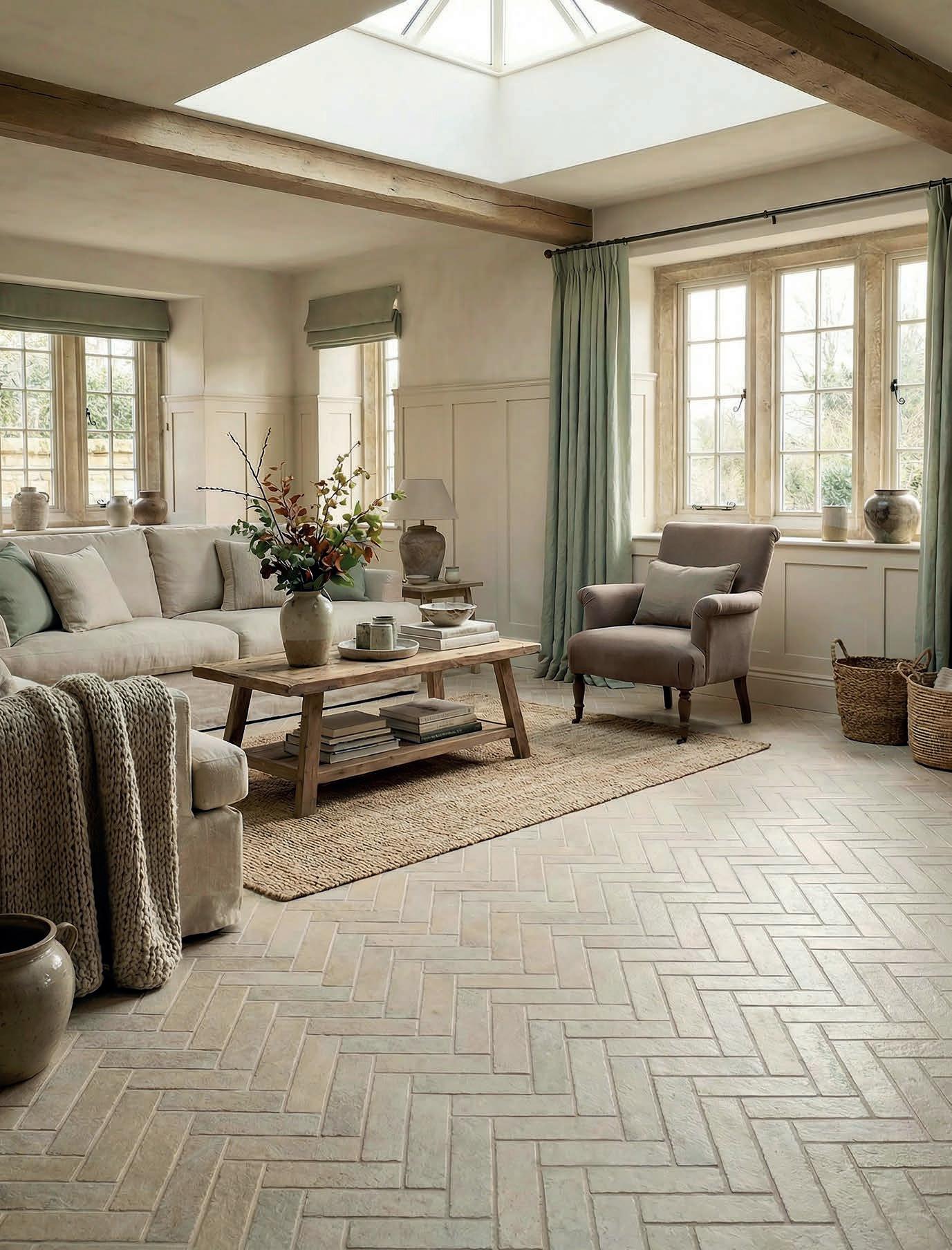


Pared-back walls, raw timbers and a neutral palette come together for a soft, welcoming and calm scheme.



Tetbury stone parquet, £65 a square metre, Baked Tiles
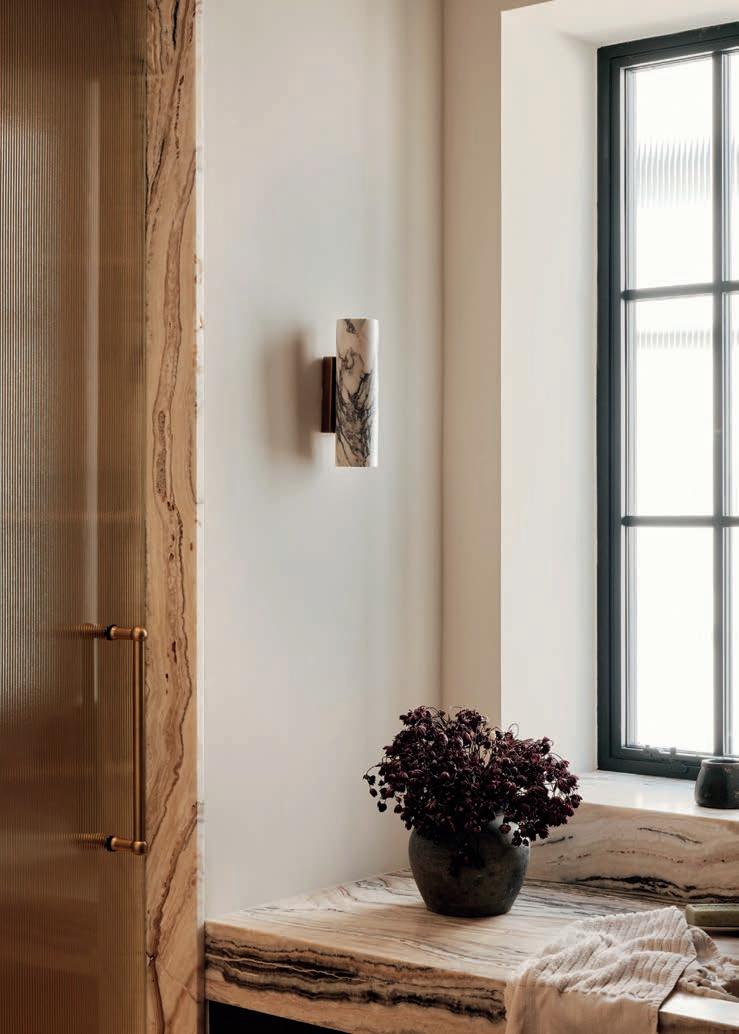
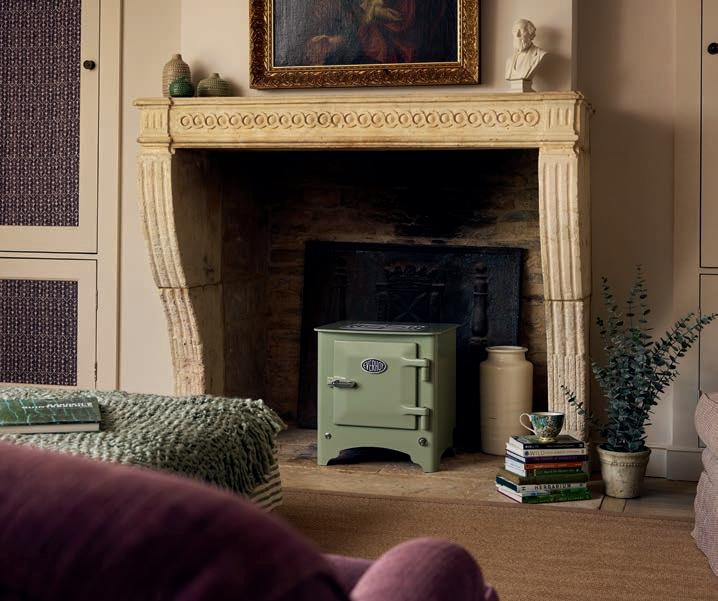
A LIGHT TOUCH (left)
Far from just a surface material, stone makes a sophisticated statement in small accessories and lighting. Illuminated from within, the distinctive veining of this Calacatta marble wall light is brilliantly enhanced. It mirrors the marble used on the countertop and wall edging, creating a cohesive, refined and impactful scheme.
Calla 2 light Calacatta Marble and Aged Brass wall light, £219, Lights and Lamps
FOCAL POINT (below left)
Though stoves and fireplaces may not be at the forefront of our minds over the summer months, they remain a feature throughout the year. Make an impact with an impressive carved-stone surround. This imposing architectural piece brings gravitas and a touch of classicism to the space, framing the electric stove, which is in a quintessential country hue.
Electric stove in Sage, £1,699, Everhot
CHIC CONTRAST (below)
A smart white kitchen is given depth and character with a warm wood island, which offsets the cool glamour of the marble worktops and wall surface. A clean, neutral stone-effect tile completes this considered ensemble of gentle contrasts.
Alnwick Ivory stone-effect porcelain tiles, from £56 a square metre, Quorn Stone
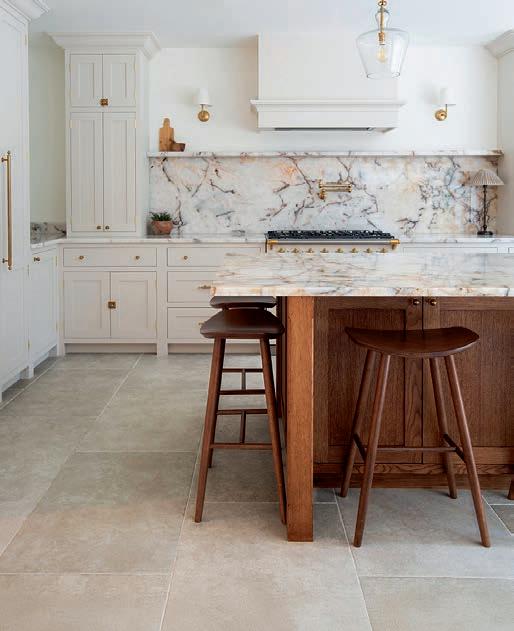
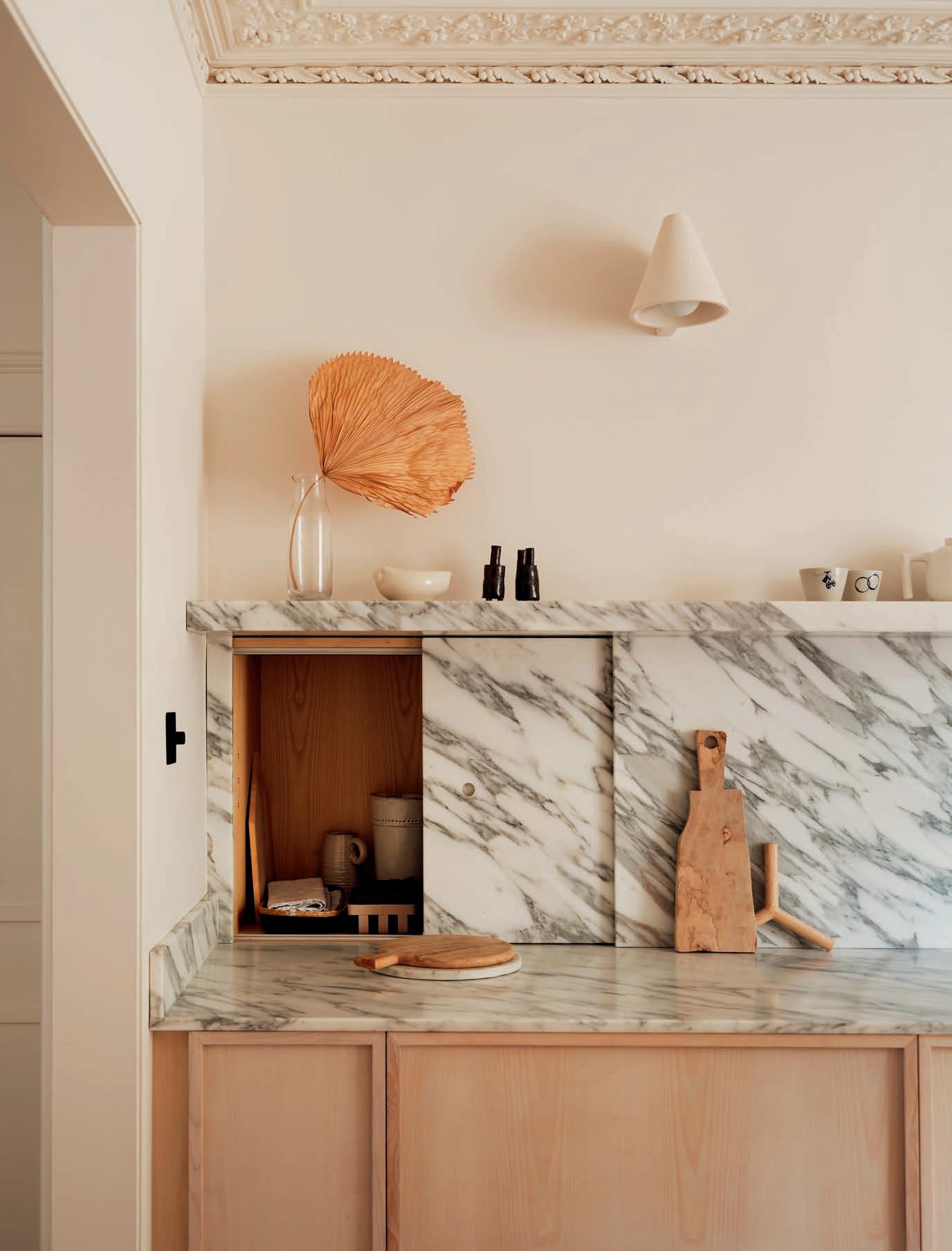


SLIDING DOORS



Here, practical storage meets bold design. This Irving Sykes kitchen design features a countertop cupboard with sliding doors to save moving items out of the way on the worktop when accessing everyday essentials. The striking marble veining is a perfect choice in this period home, balancing traditional roots with contemporary flair.





Arabescato Cervaiole Marble kitchen designed and made by Nicholas Sykes and his team at Irving Sykes. ■















LIVING THE SEASON

Discover the artists behind favourite garden sculptures, how to tend a cottage garden in late summer, our insider guide to Hampshire, and August’s natural wonders
BLUEBERRY, HONEY & OAT SCONES


These fruity scones are a delightful treat for a garden tea or picnic with friends and family

Makes 10–12 pieces

INGREDIENTS
350g plain flour, plus extra for dusting




4 tbsp rolled oats, plus extra for sprinkling
40g cold butter, cut into pieces and extra for greasing
2 tsp baking powder

2 tbsp caster sugar
125g blueberries
250ml buttermilk
2 tbsp honey
2 tbsp milk, for brushing
METHOD


• Preheat the oven to 200°C/gas 6. Grease a rectangular baking dish (approximately 18cm x 28 cm).



• Place the dough on a lightly floured work surface, knead briefly and gently, then roll out to about 2.5cm thick. Use a round 5cm cutter to cut out 10–12 circles and place closely together in the dish. Brush the tops with milk and sprinkle with 2 tbsp oats.
• Bake for 15–20 minutes until golden brown. Allow to cool slightly and serve warm with butter and a little honey.






• Sift the flour and baking powder into a large bowl, then mix in the sugar and 2 tbsp rolled oats. Quickly rub in the cold butter until the mixture resembles breadcrumbs. Gently fold in the blueberries. Create a well in the centre, pour in the buttermilk and honey, and use a round knife or pastry scraper to swiftly combine into a soft, slightly sticky dough.

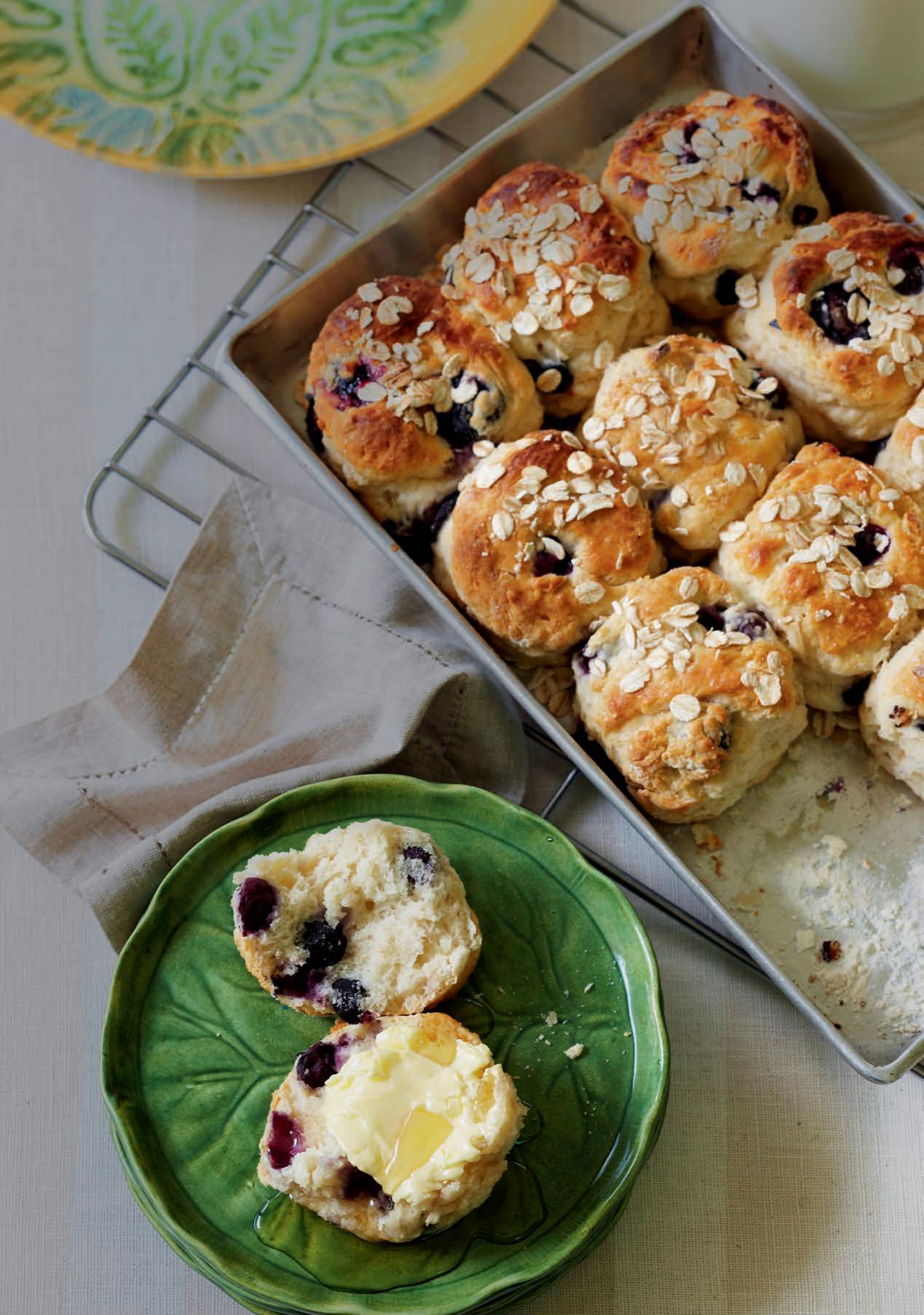



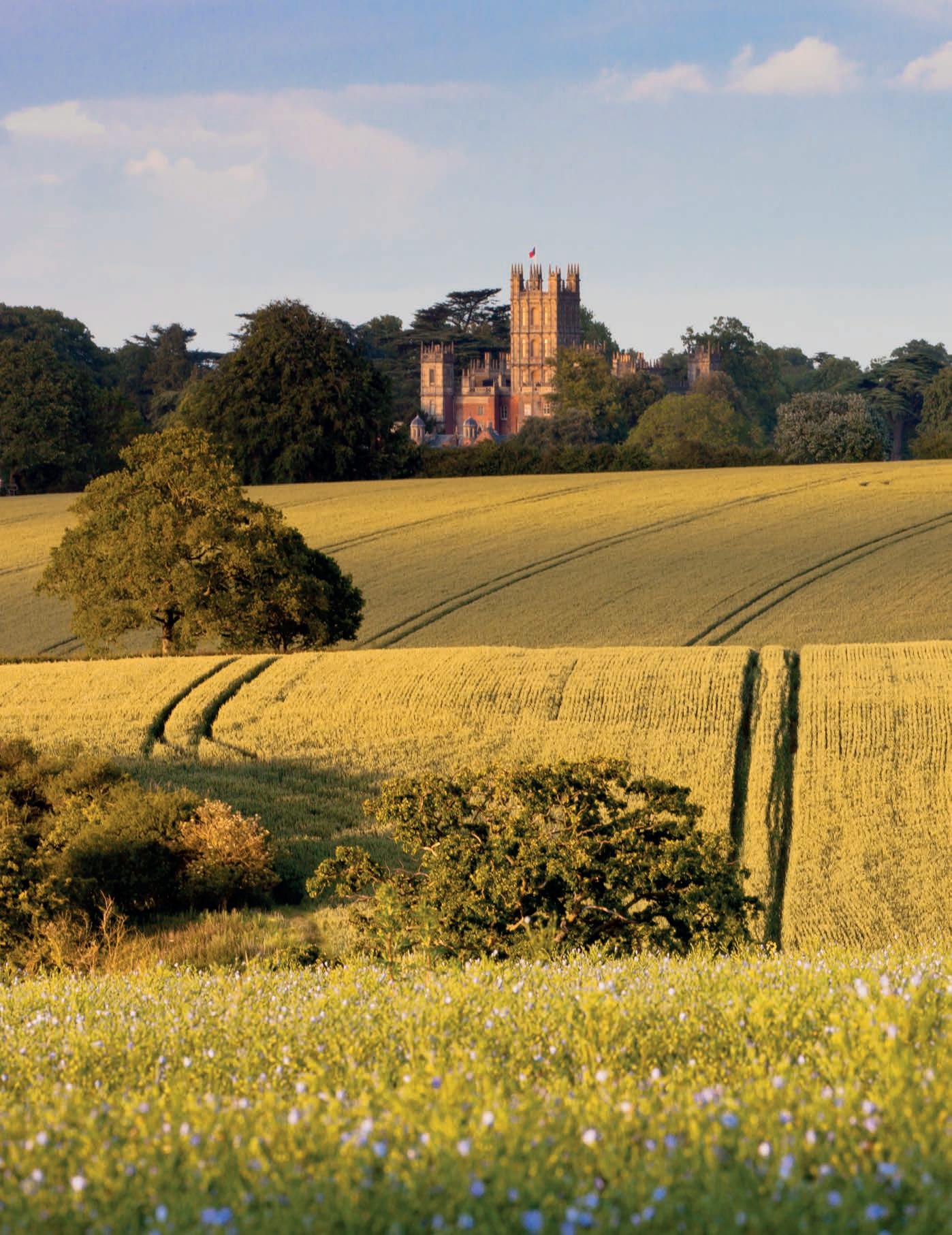

NATURE In tune with NATURAL

Enjoy the tasty harvests and beautiful sights of August
FEATURE KATY MCLEAN



SPECTACLE
Our countryside is a sight to behold at the height of summer. If weather conditions have been favourable for arable farming, swaying crops of wheat, corn, oats and barley will be ripening in fields, their golden hues heralding the approach of harvest. Whether enjoyed from country lanes or along public footpaths, these glorious landscapes offer a glimpse of rural Britain at its finest. Here, the scene is made all the more captivating by a distant view of Highclere Castle, nestled in the North Wessex Downs in Hampshire. Discover more of the county’s treasures in our Hampshire travel guide on p122.




PRESERVE REDCURRANTS
Joyously glossy redcurrants can be ready for picking from as early as June, with the harvest continuing into August, particularly for late-fruiting varieties such as Rovada or Redstart. Prized for their bright, tart flavour, they are wellsuited to jams and jellies, thanks to their naturally high pectin content. For a simple redcurrant jelly, simmer the fruit with an equal quantity of sugar for 8–10 minutes before straining to remove the stalks, seeds and skins. The resulting jelly is a classic accompaniment to poultry and lamb. For sweeter treats, turn the fruit into a compote or syrup to add a burst of sharpness to pancakes, ice cream or yoghurt. It also makes a delicious addition to cocktails, while a splash of soda transforms the syrup into a refreshing summer drink. Redcurrants can also be used much like blackcurrants: fold a handful into muffins and other bakes, or scatter them over summer pavlovas as vibrant garnish.
WILDLIFE TO SPOT
Butterflies are always a delight to see drifting among summer flowers, and we are fortunate to have a wealth of beautiful species, each adorned with striking wing patterns. August is an especially good time to look out for the Chalkhill Blue. Found predominantly in southern England, this species favours chalk grassland, where it can often be seen flitting among lowgrowing wildflowers.
The male is instantly recognisable by its shimmering silvery-blue wings, edged with a dark brown border and delicate white fringe. At times, males gather in large, cloud-like groups as they search for elusive females, creating a captivating blue haze across the grassland. Females are more understated in appearance, with predominantly brown wings highlighted by a white fringe and a subtle dusting of blue close to the body.
Aside from the exceedingly rare Large Blue, the Chalkhill Blue is the largest of Britain’s blue butterflies and one of the highlights of late summer.

PICK DAHLIAS


Often associated with autumn because they continue flowering long into September, when many other plants are beginning to fade, dahlias in fact bloom throughout the summer. With a myriad of forms and colours to choose from, they are also remarkably versatile. From tightly packed pompon blooms and the spiky petals of cactus varieties to blousy decorative forms and elegant waterlily types, there is surely a dahlia to suit every taste. Flowers range from impressive dinner-plate-sized blooms to more delicate, dainty varieties, in a spectrum of shades spanning soft creams and peachy pastels to vibrant hot pinks, rich reds and even near-black and deep indigo.


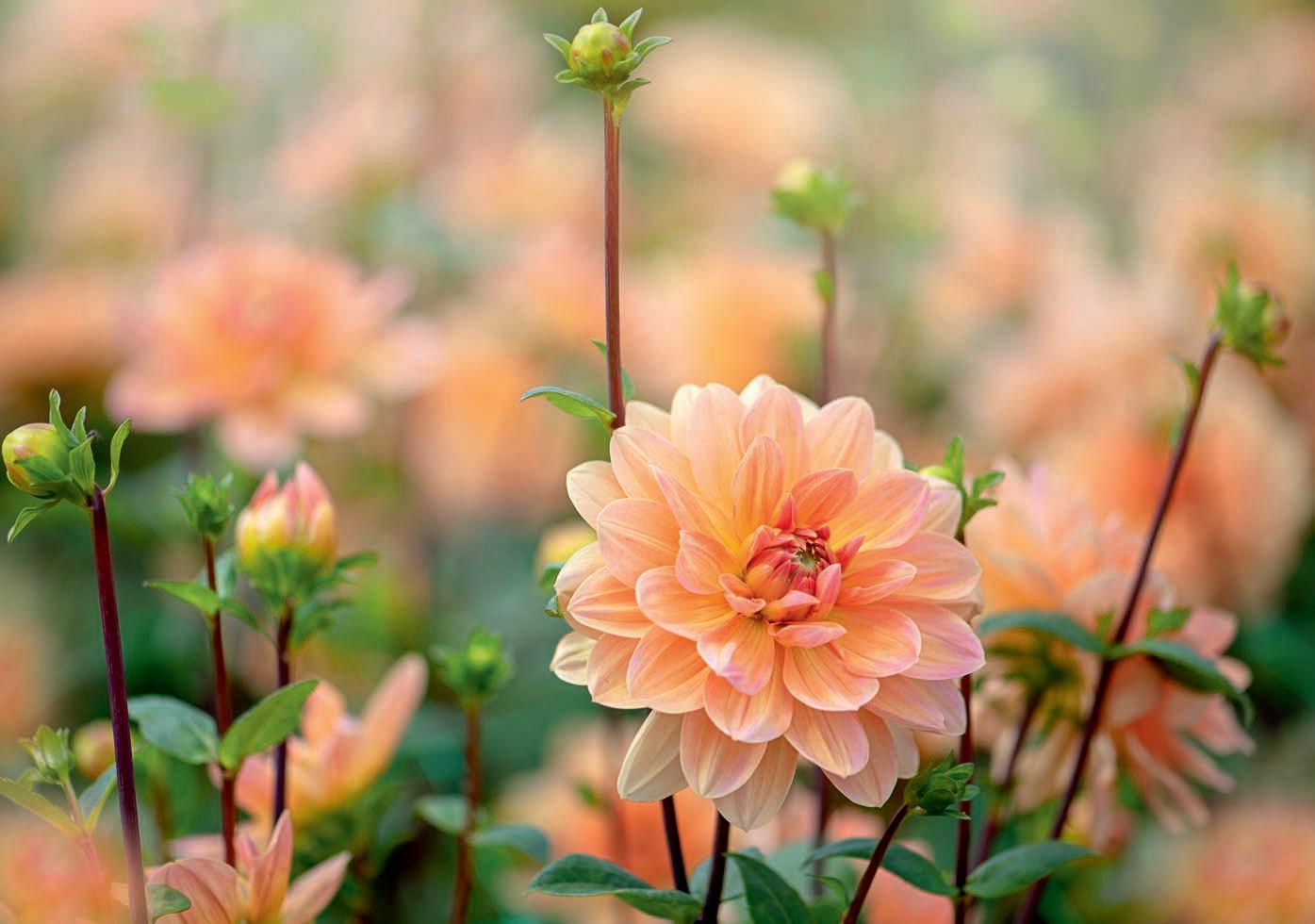
HARVEST PLUMS
The warm sunshine of August ripens plums to sweet, juicy perfection, leaving branches heavily laden with jewel-like fruit just crying out to be picked. English plums are utterly delicious when in season, their sweet fragrance signalling that they are ready to be picked and enjoyed. They are equally irresistible in baked desserts, from comforting crumbles to an indulgent tarte Tatin.
Their gently tart flavour pairs beautifully with spices, whether in puddings or in savoury sauces served alongside duck or lamb. Harvests can continue into September and even October, when the fruit combines particularly well with blackberries and hazelnuts for a more autumnal twist.
Yet at the height of summer, there can be few greater pleasures than biting into a sun-warmed plum, freshly picked from the tree or from a punnet bought from a local farm shop. ■

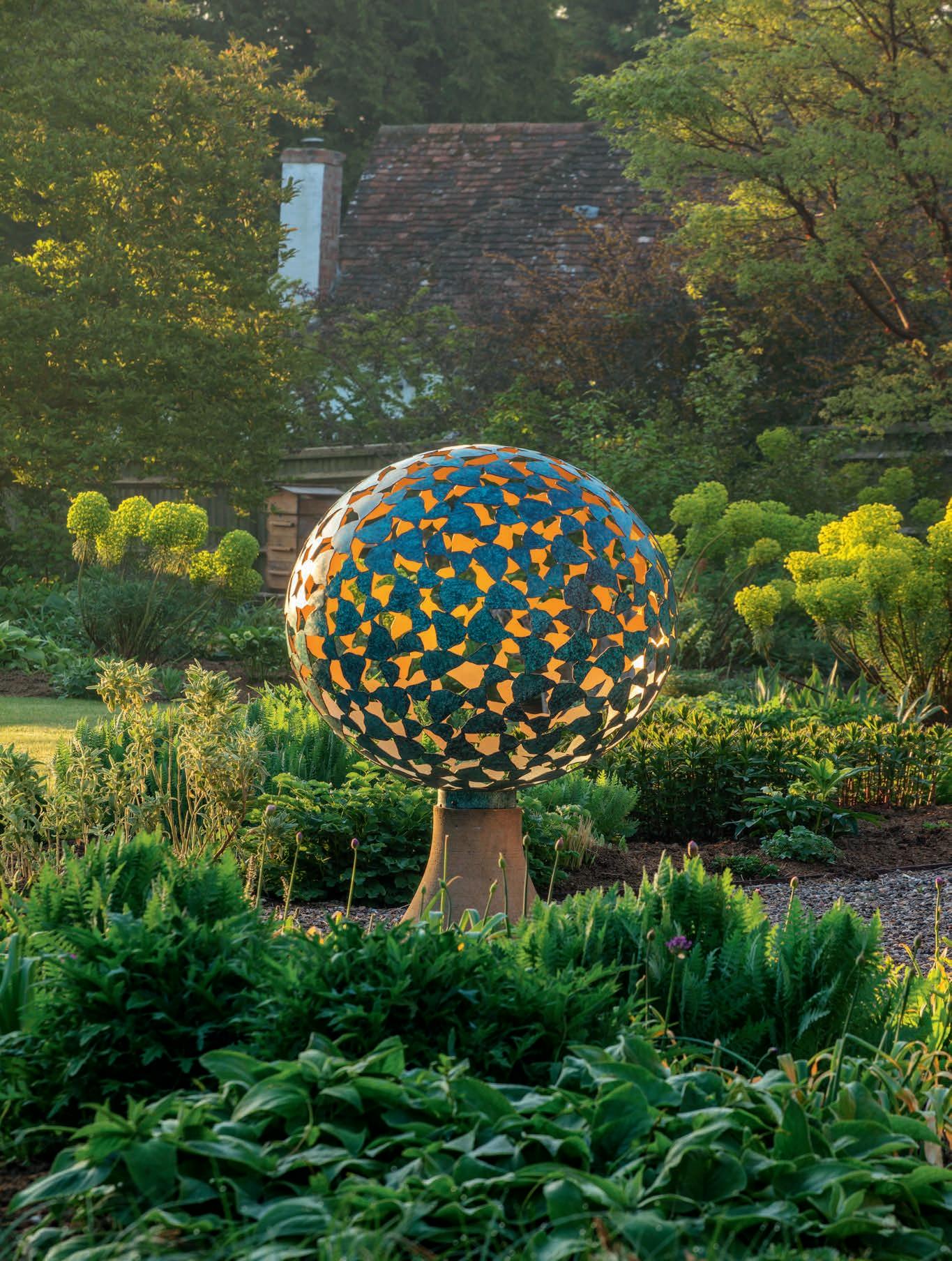

Where art meets NATURE

We highlight four sculptors whose creativity and craftsmanship enhance the landscape
FEATURE KATHERINE SORRELL
Mantle II’s form balance’s nature, geometry and David’s appreciation of the earth’s elemental energy.

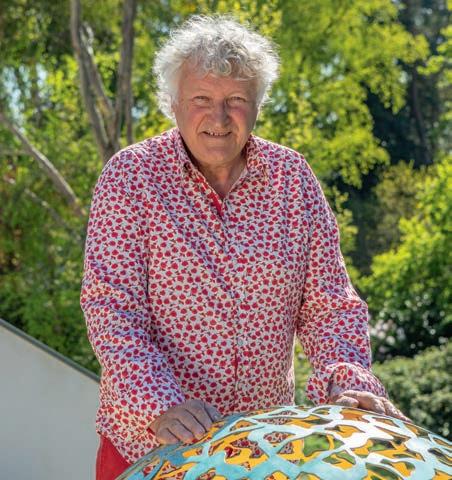
DAVID HARBER: Mantle II
‘I conceived Mantle II as a meditation on the Earth’s fragile outer layer and the immense energy beneath it. The sculpture juxtaposes a werdigris bronze exterior with a 24-carat gold interior, creating a dialogue between transience and permanence. Even faint sunlight through the cutaway metal gives the interior an ethereal glow, while the bronze petals evoke looking upwards through a tree canopy.
‘I developed an original process for making a fully spherical sculpture. After the petals are cut, we individually press them into curved shapes, and weld them to form two halves. We apply a verdigris patina, and our third-generation gilder gold-leafs the interior, then the halves are welded into a complete sphere. Mantle II can be crafted in bronze, stainless steel or Corten, and customised with engraved petals. When we make it in stainless steel, we paint the inner surface in a colour of the client’s choice.


‘The sculpture sits naturally in landscapes, connected to its surroundings. It also works beautifully in formal, architectural settings. Seen from inside a house, even on a grey day, its subtle iridescence and warm golden glow evoke comfort and quiet wonder. Clients say Mantle II never ceases to captivate them. That enduring response feels important: the ability of an object to be simple and sophisticated, organic yet refined.
‘Over time, while the gold interior retains its lustre, the bronze exterior matures and evolves through natural oxidisation according to the environment and climate, giving each sculpture its own character. In this sense, Mantle II becomes increasingly connected to the landscape in which it resides.’
Mantle II is a limited edition of 150 pieces, price on application; davidharber.co.uk
ABOVE LEFT David has been crafting garden sculptures for over 30 years.
ABOVE RIGHT & TOP LEFT Each petal is pressed into the desired curvature, then welded by hand to create the final spherical shape.
TOP RIGHT Hundreds of verdigris bronze petals, gilded on the underside in 24-carat gold leaf, Mantle II has an ethereal glow that suggests an inner life force.
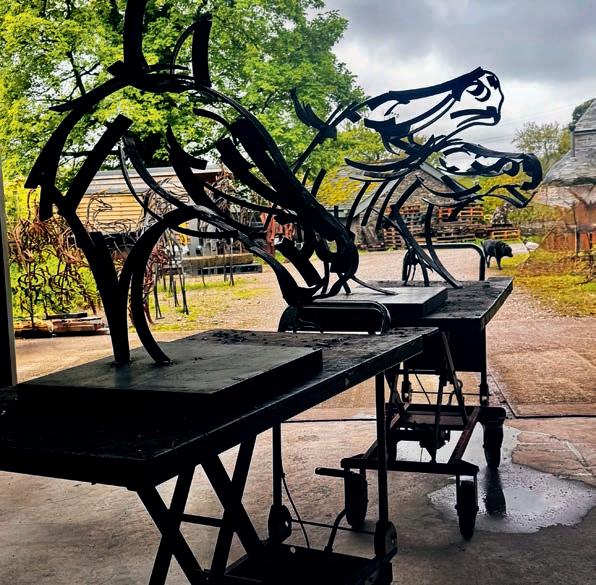

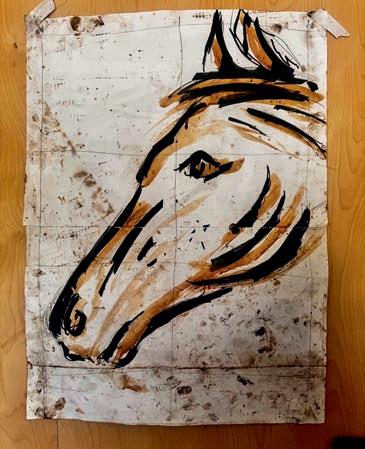


ANDREW KAY: Rhiannon Horse Head
‘Like most of my sculptures, the horse head brings a sense of moment in time – hopefully the form of the piece catching the animal’s thought of the second. To capture this moment, I look at anatomy in detail, both skeletal drawings and musculature, then work up a full-size sketch. I then take this into the workshop and offer up some pieces of steel, normally working from the base upwards. I cut and bend the solid-steel bars, then weld them into position when I’m happy with the progression of the sculpture. It is quite hard to get life and movement into my chosen materials compared to clay and bronze, so I have to work hard at getting it right, adding subtle variance to the form and shape of each steel.
‘The horse’s head is quite minimal, and it creates a gentle interaction with the landscape. Clients enjoy
the idea of quiet reflection. My sculptures work best with some space around them. If they are silhouetted on top of a hill they are very dramatic, whereas placing them in a forest or glen is more subtle visually. Left to patinate naturally, they eventually reach a similar hue to that of a real horse. Due to the thickness of the material, they will last for generations.
‘Rhiannon Horse Head is a studio piece, crafted from a master copy. I can sometimes create a one-off sculpture, which involves choosing a subject, initial sketches for approval, then slowly working up the size and scale. We end up with a piece that we all love, and that will hopefully bring joy to the client for many years to come.’
A Rhiannon Horse Head costs £1,570; andrewkaysculpture.co.uk
CLOCKWISE FROM TOP LEFT A trio of horse-head sculptures at Andrew’s workshop; Rhiannon Horse Head is a life-sized piece made using solid steel bars; sculptures being prepared for transportation from the workshop; Andrew captures the essence of the animal in a life-size sketch, which he then draws up at full size on a wall in his workshop.



HAMISH MACKIE: Highland Cow
‘The Highland cow has always felt like a powerful symbol of the British landscape to me – strong, calm, characterful and deeply connected to the land. I wanted to create something large that captured that presence in bronze. The idea came from researching Highland cattle on the Isle of Mull. I grew up on a cattle farm, so it’s a subject close to home, too.
‘My process begins with studying the animal and understanding what they are about. From anatomical measurements I create an armature, then mould a clay original. The final sculpture is cast into bronze using the ancient, lost-wax method. I tend to sell my sculptures as small, limited editions, due to the high cost of mould making and bronze casting.
‘Highland cows are one of the oldest and most recognisable cattle breeds in the world, and the
sculpture sits naturally within the landscape. It works beautifully where it has space to breathe — perhaps overlooking open landscape, positioned within long grass, on a hill or at the end of a garden vista. I also love the contrast of placing something so organic within a more structured garden design. Bronze will last forever outside. The patina can weather, and I tend to let this happen, but sculptures can be rewaxed every year to protect them.
‘This sculpture tends to make people smile. Many clients say it feels calming and reassuring, while others are drawn to its character and presence. It often becomes more than just a sculpture – it becomes part of the identity of the garden or landscape it inhabits.’
Highland Cow is made in a limited edition of nine and costs £144,000; hamishmackie.com.

CLOCKWISE FROM TOP LEFT Hamish starts his process by studying each animal in detail, taking plenty of photographs; Highland Cow looking very much at home in a field setting; Hamish works on the details of the clay sculpture, from which the final bronze piece is cast using the lost-wax method.


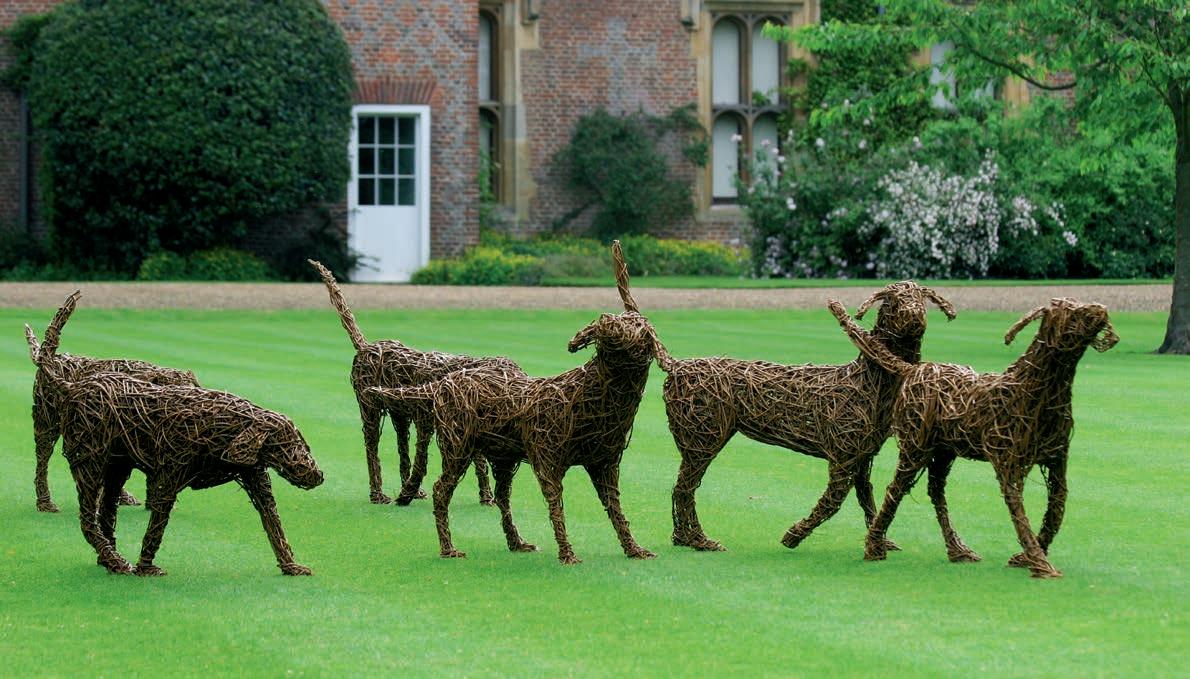
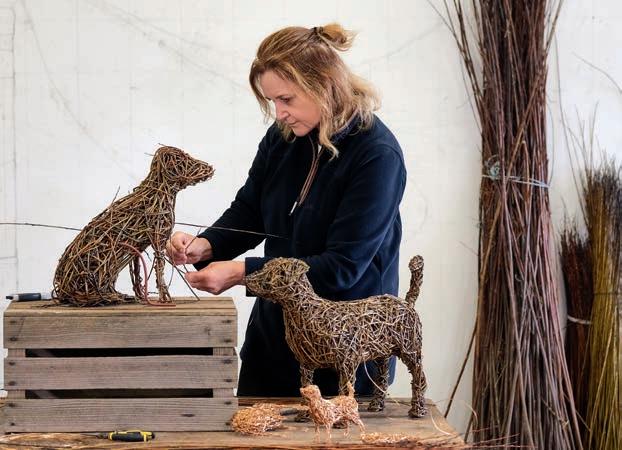

EMMA STOTHARD: Willow Dog
‘The willow dogs started when I made a life-sized sculpture of Tigga, the King’s Jack Russell, as a thank-you gift for the support I received from The King’s Trust. Since then I’ve created many dogs, including a pack of Eton beagles and a commission to portray Beth and Bluebell, the King and Queen’s rescue dogs.
‘When customers want to commemorate a beloved pet, we discuss size, pose and material – whether willow, white willow or bronze wire. I start with photographs, then drawings, and sometimes a small maquette. Then I create a mild-steel armature.
After softening the withies [willow rods] in water for about a week, I then weave them by hand, using secateurs to trim loose ends. It usually takes around five to ten days. I’m aiming to recreate the essence
of the dog, and willow gives the shape and sense of movement rather than an exact likeness. I finish with a detail in bronze or copper wire, perhaps on the tips of the ears, the nose or paws. Finally, I treat it with a 50:50 solution of linseed oil and turps substitute.
‘Most people put their willow dogs somewhere meaningful in the landscape, with a good eyeline from the house – though they may also be indoors looking out. The beauty is that you can easily move them.
Sited outdoors, the willow gets darker over time, and with regular treatment develops a hard surface. Another lovely thing is that bugs, ladybirds and spiders tend to move in. A willow sculpture can be a little home for nature, enjoyed by local wildlife as much as by the owner.’
Willow dog sculptures cost from £960; emmastothard.com ■
TOP A pack of Emma’s beagles adorn the lawn at Eton College, where she was formerly an artist in residence.
ABOVE RIGHT Emma starts by sketching each dog in a variety of stances, aiming to convey a sense of its character.
ABOVE LEFT Emma puts the finishing touches to her sculptures of the King and Queen’s dogs, Beth and Bluebell.






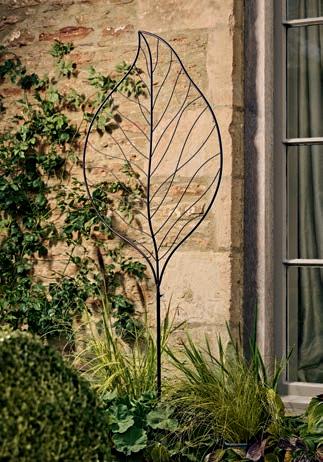
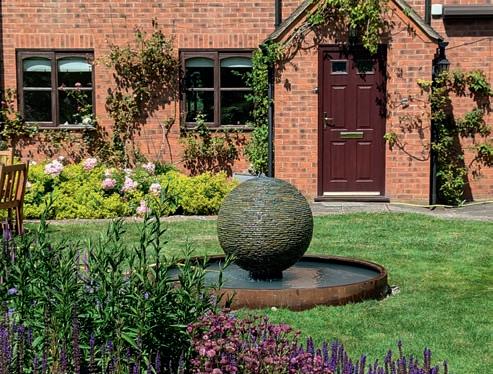
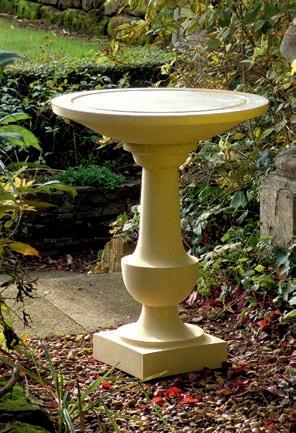
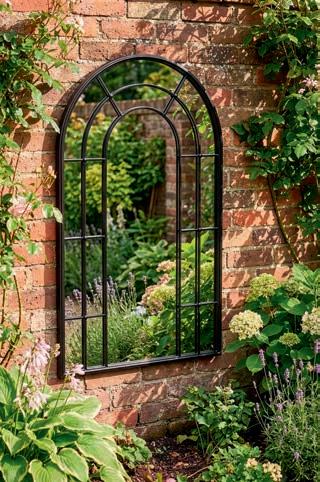






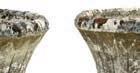





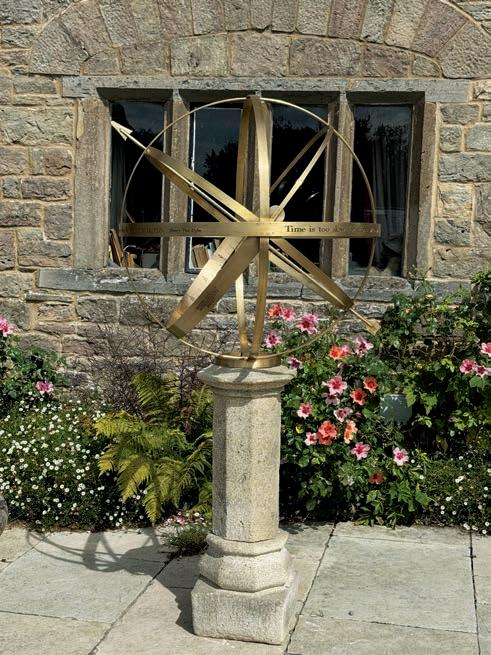


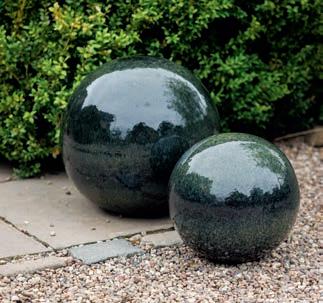
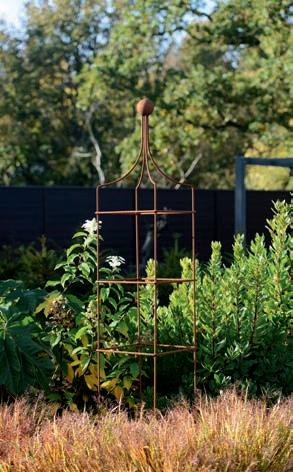
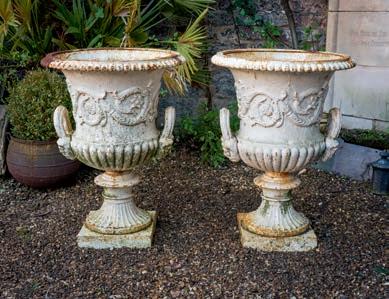
MAKE A STATEMENT
Add interest or create a focal point with elegant garden ornaments
1 Leaf stake decor (large), £62.50, Cox & Cox 2 800mm rustic Cornish slate ball water feature, from £4,800, J Hastings
3 Baluster bird table, £199, Haddonstone 4 80cm brass armillary sphere with arrow head and tail, £5,630, Border Sundials
5 Harrod vintage square wire obelisk, Rust, £170, Harrod Horticultural 6 Pair of English, cast-iron, campana-shaped, late-19th-centurygarden vases, £POA, Westland London 7 Glazed terracotta decorative spheres, Moss, from £49.99, RHS Plants 8 Pair of composition-stone, flared urns on squared plinths, £1,200, Garden Art Plus 9 Canet black tall, rounded-arch outdoor mirror, £176, Dibor ■

LUXURY RETREATS IN THE UK’S DREAMIEST LOCATIONS
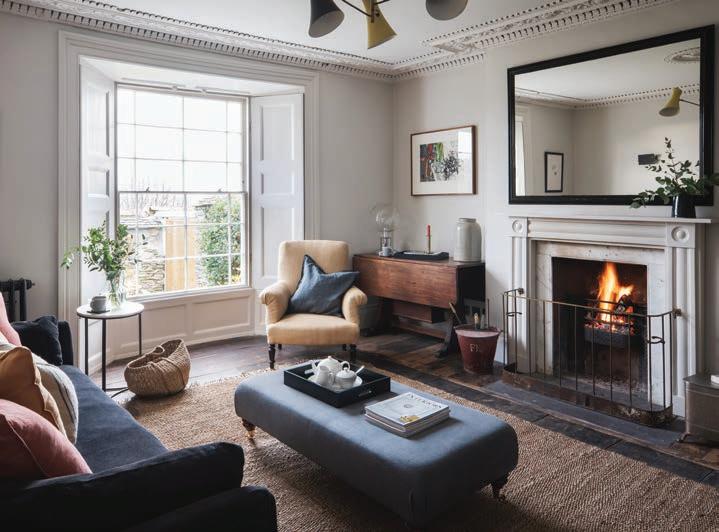
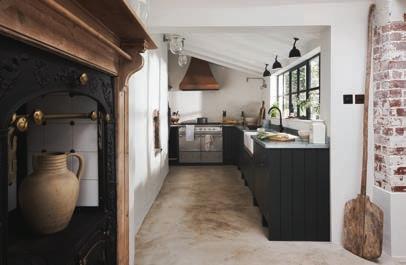
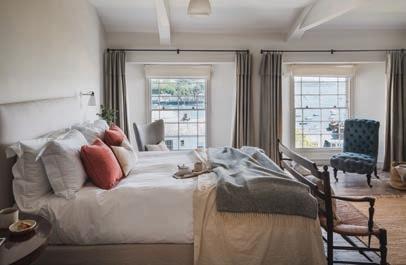
From cosying up fireside in a country cottage, to stargazing from a dreamy hot tub at your clifftop hideaway, escape the everyday and seek the magic of a staycation with Boutique Retreats. With over 260 luxury abodes to choose from, uncover our curated collection of luxury retreats, set in unique locations across the UK. We know how good getaways should be.
boutique-retreats.co.uk
+44 (0)1872 553 491 enquirie s@ boutique-retreats.co.uk
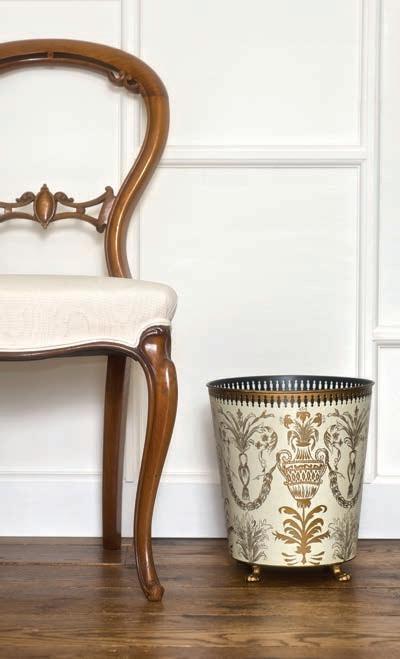
exquisite room accessories baskets tissues jardinières .. just too good to hide
accessories
jardinières


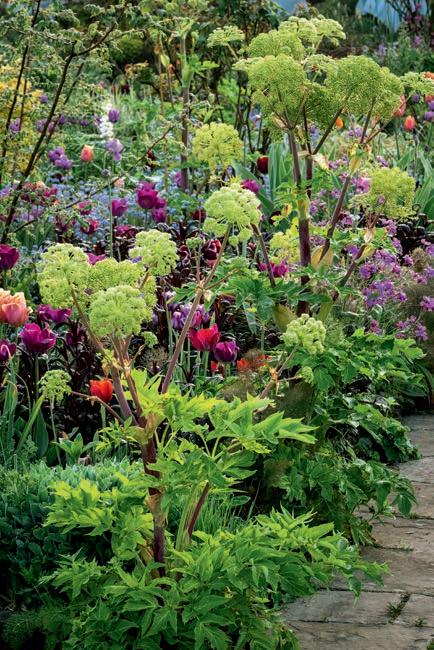


The joys of late summer in a
COTTAGE GARDEN
Photographer and keen amateur gardener Mark Bolton shares how to create a spectacular show of colour without too much outlay and just a bit of effort
FEATURE & PHOTOGRAPHY MARK BOLTON
ABOVE, LEFT TO RIGHT Dahlias fare well, and the bees have a field day; angelica is a good example of a cottage garden plant with culinary use, attractive to insects, and very beautiful as a statement plant; the back of a sunflower and the sepals that curve backwards from the flower.
BELOW, LEFT TO RIGHT Native to North America, Phlox paniculata ‘Franz Schubert’ is highly fragrant; cutting back love-in-a-mist seed heads in late summer; Hylotelephium ‘Sunset Cloud’, otherwise known as sedum, is a succulent-leaved perennial with big flat flower heads.




All gardeners know that the year-on-year, season-by-season process of making a garden is a gathering of not just seeds and plants, but of learned experience and wisdom. There will be areas that are drier, shadier, damper or sunnier. Some areas where the soil is better and some where the wind whistles through more forcefully. As the long summer progresses, there are certain areas of the garden that will need a little editing. ‘Some of the dahlias I planted in early summer stick out like sore thumbs,’ Mark Bolton explains. ‘They are by their nature, big and showy eye-catchers, and my main mistake was not labelling them with their colours last year when I took them out of the ground.’
Here, Mark relates how he and others tend their cottage gardens in late summer to ensure all the plants can be seen at their best.
The stars of the show
Hollyhocks are perhaps one of the most pictureperfect and quintessential of all cottage garden plants. They love being against a wall, and as tall plants it suits them well. Cheerful daisies or leucanthemums are a huge group of plants, particularly popular are
‘My daisies are the size of saucers this year and work well as a kind of rhythmic structure’
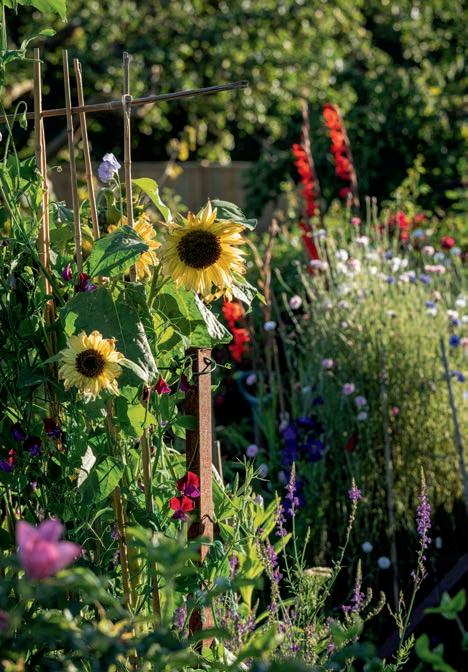
long-lasting perennials such as our native ox-eye daisy (Leucanthemum vulgare) and Shasta daisy (L. × superbum). They are, like many daisies, white (or perhaps pale lemon), they have stiff stems, and they flower all summer. ‘Edgeworth Giant’ is brilliant for giving structure to the border for a long period of time. It’s big enough to be a backdrop to lots of other plants and the flower heads are as big as saucers. They are not fussy about soil, like a bit of sun and can be divided regularly (every couple of years), giving plants for free.
Crocosmia, with its fiery, funnel-shaped flowers and sword-shaped leaves, is easy to grow and can be carefully spread around the garden by digging up the corms (which look like flattened bulbs) and replanting them elsewhere. Some are invasive (watch out for Crocosmia × crocosmiiflora), but in general they make a lovely late summer and autumn show that gives warmth to the border. They also look great against the blue of globe thistles (Echinops ritro).
Sun lovers (mostly)
Hylotelephium, otherwise known as sedum, is a succulent-leaved perennial with big, flat flower heads in shades of red, pink and white. There are some with red leaves, too, and even some with variegated foliage. It is a real stalwart in the cottage garden, can easily be divided to create more plants, and the bees and
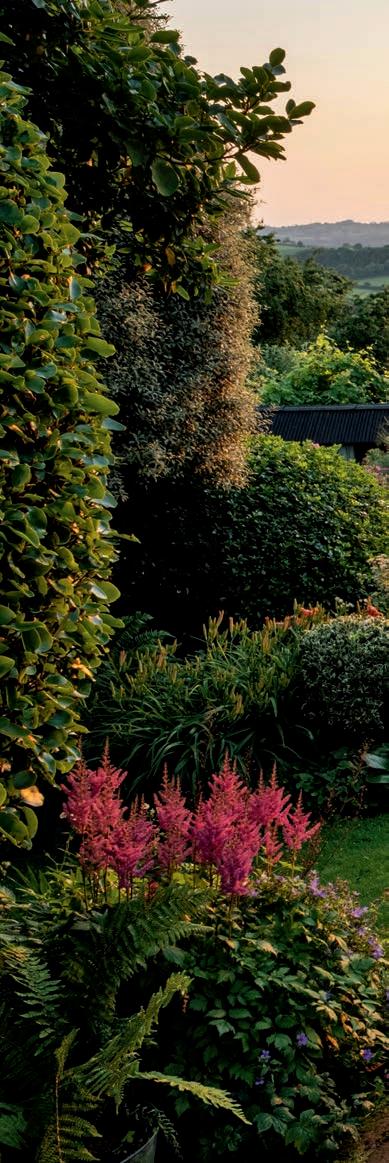


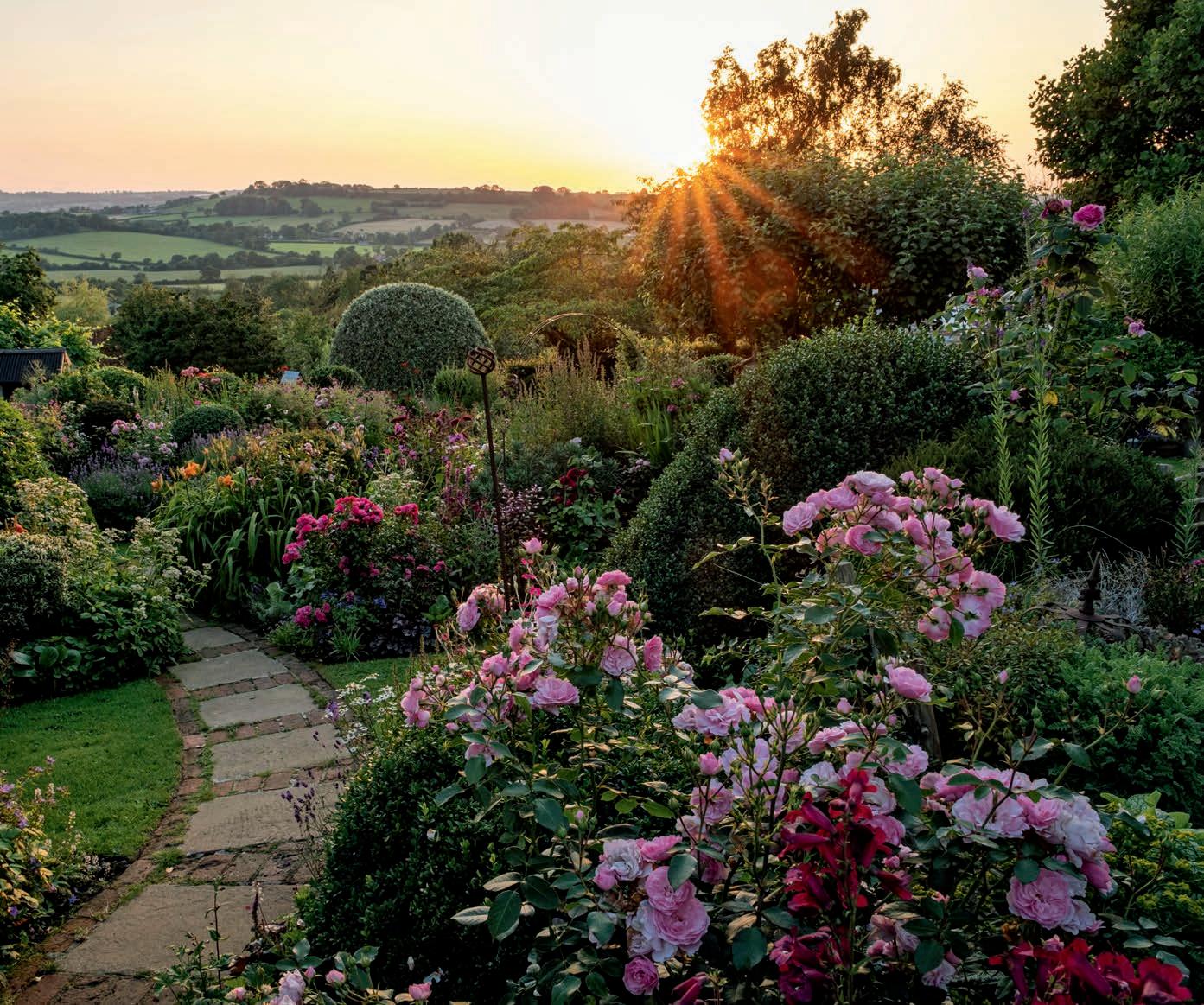

ABOVE Dusk in late summer at Longhill Carriage, Annie Stanford’s glorious garden in Somerset.
LEFT Persicaria amplexicaulis ‘Firetail’ brings late-summer colour to borders.
OPPOSITE TOP Leucanthemum vulgare ‘Edgeworth Giant’, a giant ox-eye daisy.
OPPOSITE BOTTOM
Sunflowers, gladioli and selfseeded annuals run riot at Dartmoor Flower Shed, Karen Burgess’s cottage garden in Devon.
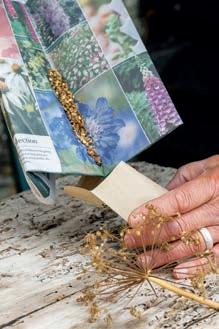

A ROUND-UP OF LATE-SUMMER JOBS
1. Collect seeds from those plants that you want to keep.
2. Sow hardy annual seeds and grow in a cold frame or unheated greenhouse ready for next year
3. Cut back chrysanthemums by as much as a third to encourage more flowers and growth.
4. Keep picking cut flowers for vases so they keep flowering.
5. Support dahlias, lilies, gladioli and other soft-stemmed plants which are easily knocked around by the wind and rain.
6. Cut back geraniums to their base; they will look tidier and may even flower again.
7. Trim back lavender to just above any woody growth.
8. Prune wisteria to keep it in check and promote healthier growth next year.
9. Sow a late batch of beetroot, spinach or radish; plenty of salad leaves will also grow quickly at this time of year
10. Prune any flowering shrubs such as philadelphus and weigela once they have finished blooming.

butterflies flock to it. It likes full sun and won’t really flower well in shade.
The tobacco plant Nicotiana alata and the so-called ‘blackcurrant sage’ (Salvia microphylla var. microphylla) work well together and form an airy mass of longlasting flowers in red, green and white. The salvia is very easily propagated, too. There is a lovely variety of nicotiana that grows quite tall but prefers dappled or part shade, Nicotiana sylvestris. It has white tubular flowers and can grow to a stately 1.5m tall. Very much worth the effort if you have a shady border or woodland garden.
Gaura (Oenothera lindheimeri) is a long-flowering and floaty perennial that, a bit like the Verbena bonariensis it grows so well with, is tall and ‘transparent’. The stems tend to flop at times so may need support, but it provides lovely late season colour and interest. It is easy to grow from seed or to propagate by cuttings, and it will flourish in most soils. Because of its floatiness it sometimes goes unnoticed, but it’s good as a filler and
‘Late summer is a time to spot and encourage (or indeed edit out) any seedlings that appear’

CLOCKWISE FROM ABOVE The tiny tomato patch produces a lot of fruit; Crocosmia ‘Star of the East’, adds warmth to borders; an unnamed red hollyhock (Alcea rosea); Tobacco plant Nicotiana mutabilis
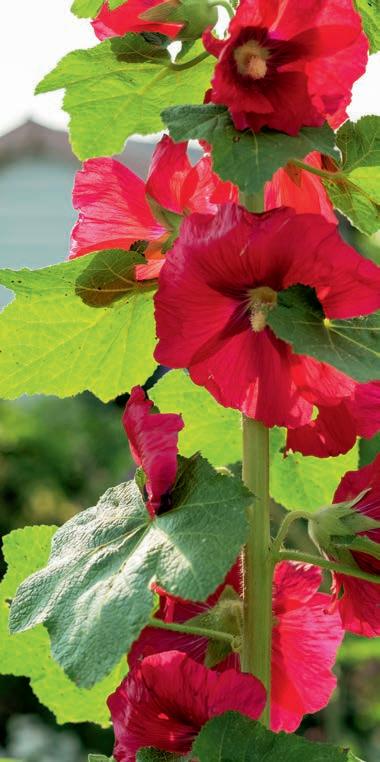
weaves its long stems up through the plants that surround it. There is a well-known cultivar called ‘Whirling Butterflies’ where each flower looks like a miniature butterfly, mostly in white or pink.
Phlox is a group of plants that varies widely – from tiny rockery plants to tall, billowing cottage garden classics. A mound of healthy phlox in summer is a sight and smell to admire. They come in pink, red, white and blue, and can grow to a metre tall. They are perennial, like moist soil, but full sun and don’t like to be crowded; leave space around them so that they don’t get mildew. Otherwise, they are trouble-free and can easily form a fragrant ‘backbone’ to a cottage garden in summer.
Sunflowers have always been popular cottage garden annuals and give a vertical accent to the borders in late summer. They have big round faces that raise a smile. They are easy to grow from seed and are an excellent way to introduce children to the delights of gardening. ‘Ruby Sunset’ is a beauty, as is ‘Velvet Queen’. Sunflowers. Keep the seeds when they have finished flowering, or leave them for the goldfinches. n
FURTHER READING
A New Cottage Garden: A practical guide to creating a picture-perfect cottage garden by Mark Bolton (Pimpernel Press, £25)

OPPOSITE The extraordinary height of this hollyhock provides a perfect vertical accent to the late-summer border. Cornflowers, larkspurs and daisies are a support act.


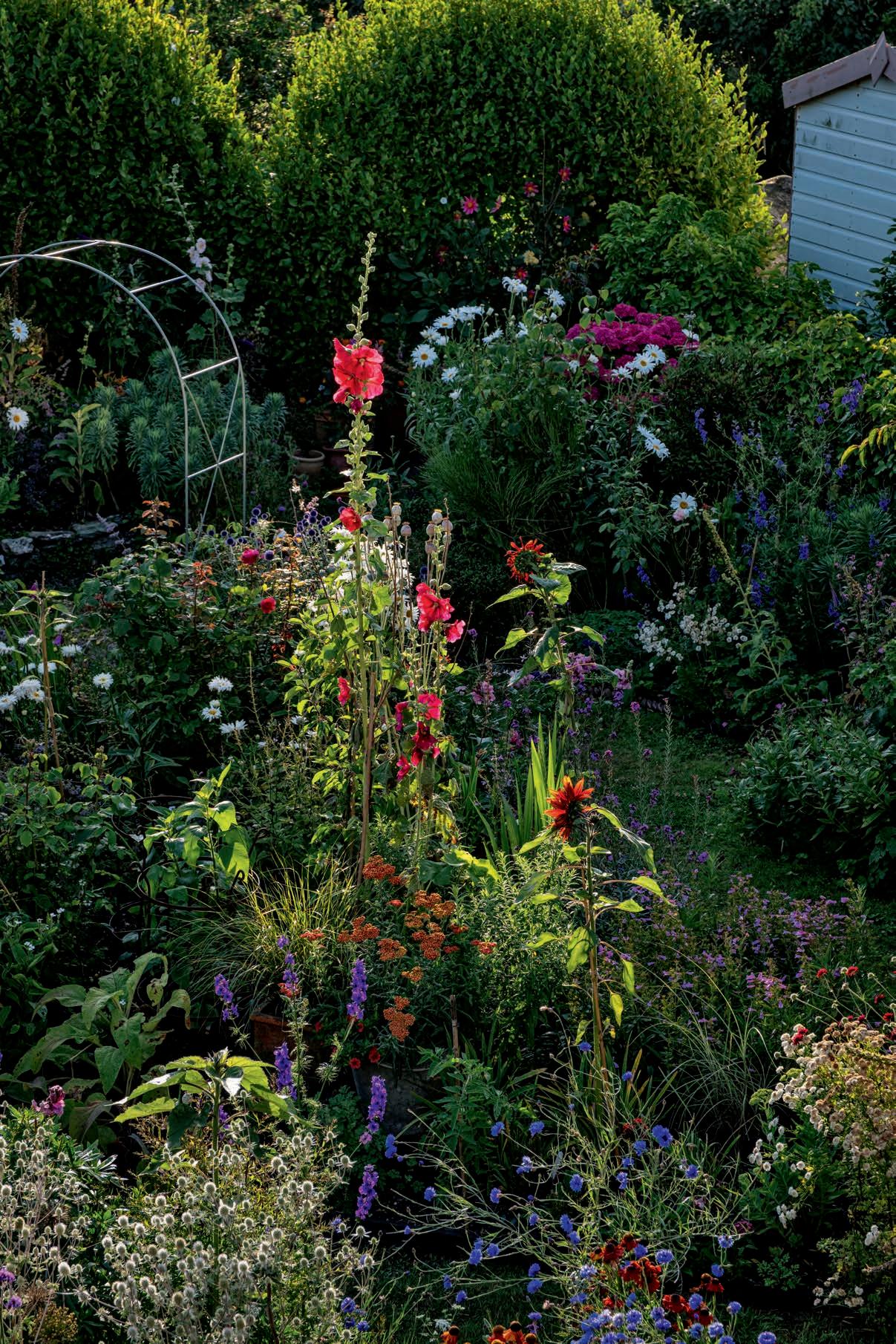
Annie’s knack for collecting is evident in displays of vintage gardening paraphernalia and old pots

Highlights of HAMPSHIRE
Boasting world-famous castles, ancient forests, picture-perfect villages and charming coastal towns, plan a trip around Hampshire with our insightful insider guide
FEATURE JANET MCMEEKIN



Wild ponies roam freely across the New Forest’s ancient heathland, adding timeless charm to this cherished Hampshire landscape.
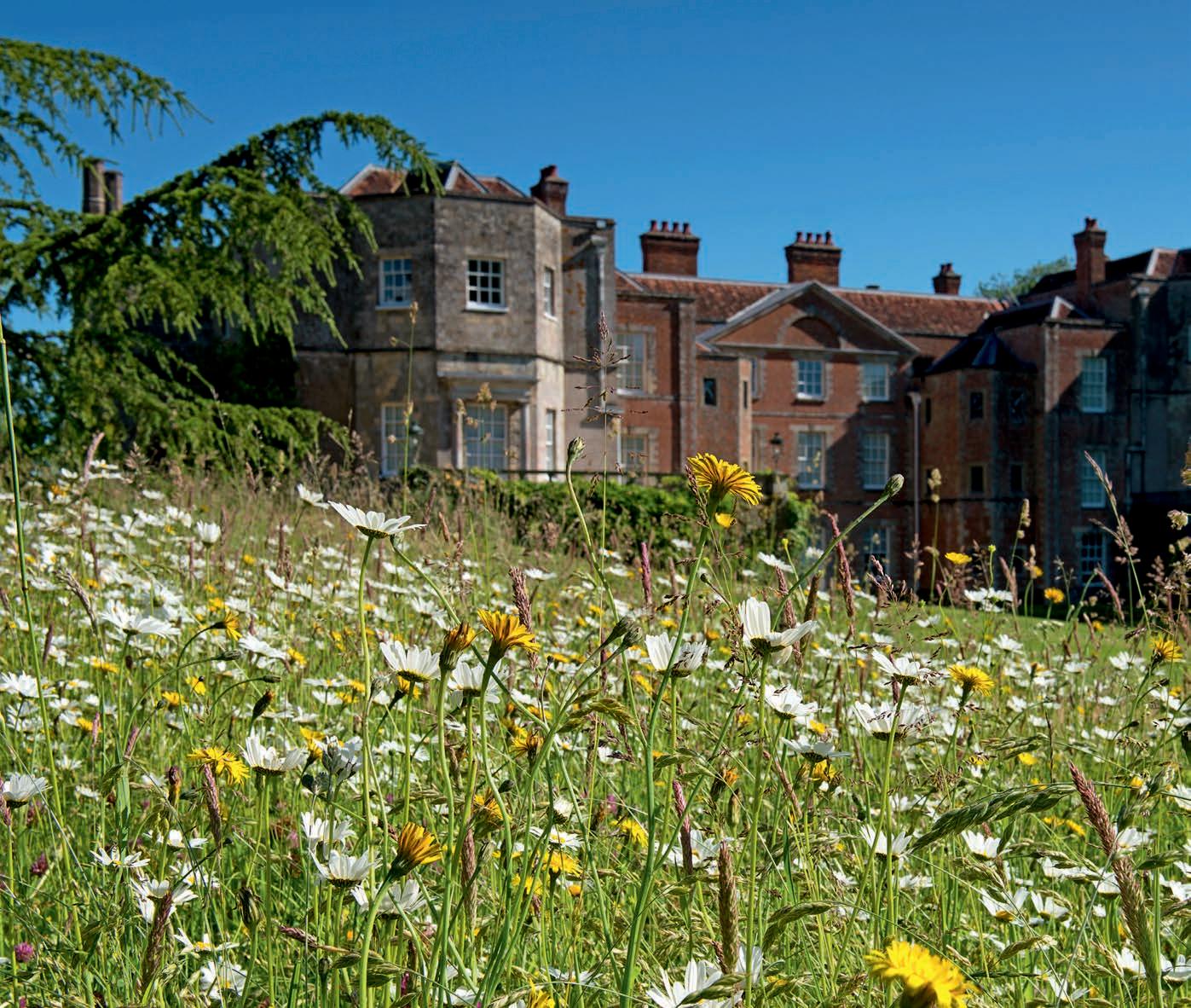
Framed by the roaming ponies and wild heathland of the New Forest, and the busy sailing waters of the Solent on England’s south coast, Hampshire is a remarkably varied county, encompassing picturesque countryside interspersed with chalk streams, low-lying pastures and the rolling landscapes of the South Downs.
Bordering Dorset, Wiltshire, Berkshire, Surrey and West Sussex, the county is defined by its natural beauty and rich maritime heritage, offering a distinctive blend of understated elegance and quiet sophistication.
Whether sailing along the coast, lingering over lunch in a historic village pub, touring a vineyard, or exploring a centuries-old country estate or castle, Hampshire offers a compelling microcosm of English life waiting to be discovered.
ABOVE Summer wildflowers at National Trust’s Mottisfont, an 18th-century house with a medieval priory at its heart.
Villages, towns and cities
Beaulieu, in the heart of the New Forest, is a must-see destination, charming visitors with its peaceful setting, historic abbey and, for motoring enthusiasts, the National Motor Museum. From Beaulieu, stroll along the scenic river path to Buckler’s Hard. An 18thcentury shipbuilding village, it is now a museum offering an insight into the county’s maritime heritage. Best for historians and literary buffs, the village of Chawton, near Alton, where Jane Austen lived and wrote, will delight. The author’s house is surrounded by idyllic countryside where visitors can follow in her footsteps. The enchanting Georgian market town of Alresford with its colourful homes is well worth a visit for independent shops, cafes and restaurants. From here, savour the magic of steam travel by boarding a heritage train for a memorable journey
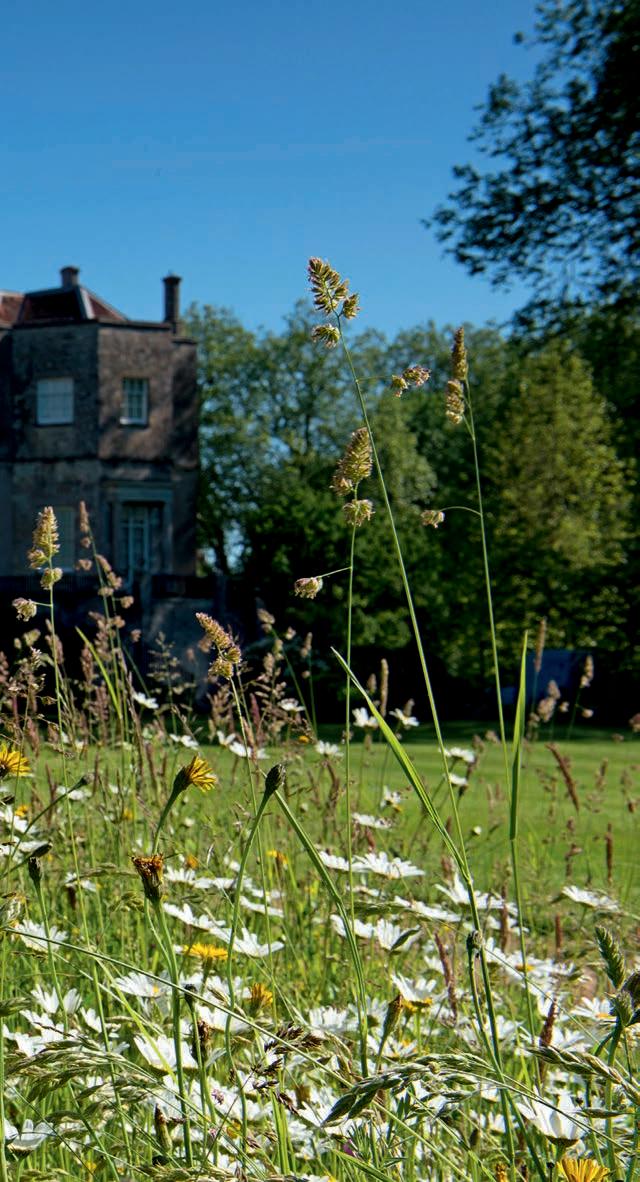
on The Watercress Line. And Winchester combines history with a lively cultural scene. Make time to visit Winchester Cathedral – the world’s longest intact medieval cathedral.
Southampton is a vibrant port city with its city walls, which are one of the best-preserved medieval defensive structures in England, plus a bustling waterfront where events such as the Southampton International Boat Show occur. It is home to the recently reopened Southampton City Art Gallery. Also on the coast, Portsmouth celebrates a century of city status this year with a calendar of events, including Portsmouth Museum and Art Gallery’s centenary exhibition.
To sample award-winning English wines and learn about winemaking in Hampshire, visit Hambledon Vineyard, Hattingley Valley – or both!

TOP The peaceful waterfront at Buckler’s Hard.
RIGHT Centuries of history are woven into the stonework of Winchester Cathedral.
BELOW Discover iconic vehicles and the story of Britain’s motoring heritage at Beaulieu’s National Motor Museum.


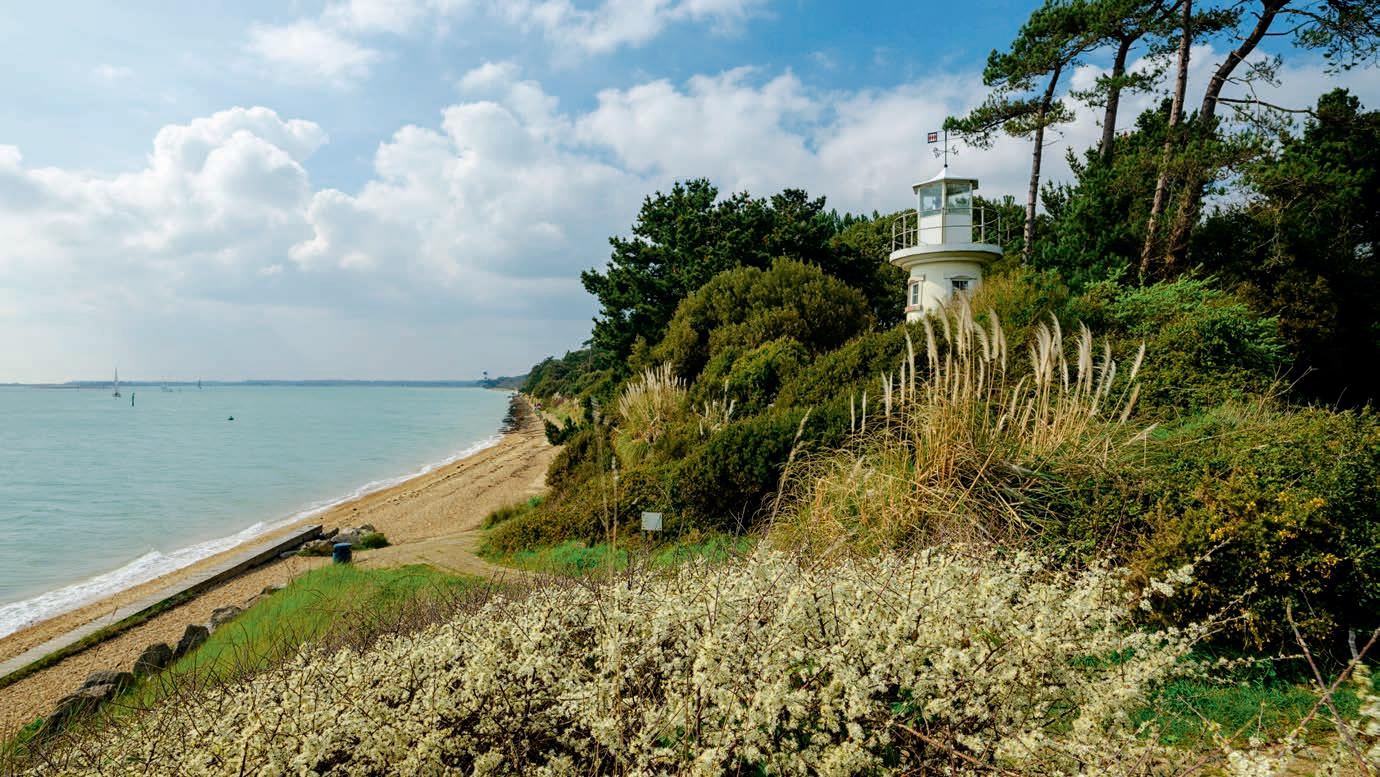
CLOCKWISE FROM ABOVE Lepe Beach is a tranquil spot to relax; HMS Warrior at dusk at Portsmouth Historic Dockyard; Southampton’s Bargate is a timeless gateway to the city’s rich past; Highclere Castle, setting for the hit television series, Downton Abbey



Gardens
Head to the magical New Forest National Park to explore its ancient woodland and heathland, where ponies and cattle wander free.
Hampshire is also celebrated for beautiful gardens such as Sir Harold Hillier Gardens, an arboretum with more than 42,000 trees and shrubs within 180 acres of stunning grounds. Equally spectacular is Exbury Gardens, created by the Rothschild family, offering colourful displays of rhododendrons, azaleas and camellias, plus a steam railway.
The county also boasts several National Trust properties including Mottisfont, near Romsey, Hinton Ampner, near Alresford, and The Vyne, close to Basingstoke. In charming Selborne, check out Gilbert White’s House and Gardens at the former home of the pioneering naturalist.
Interiors emporiums
In the thriving market town of Stockbridge, George Clark is a must-visit store offering fabrics, wallpapers, ceramics and home accessories. The Consortium, with branches in Winchester and Romsey, is popular for classic furniture, lighting and homewares.
The delightful Alresford Linen Company has a tempting array of soft furnishings and stylish womenswear, while, just a short drive from Alresford, The Long Barn is a family-run lifestyle store with a popular cafe. In Old Portsmouth’s converted historic arches, discover artists, designers and makers selling
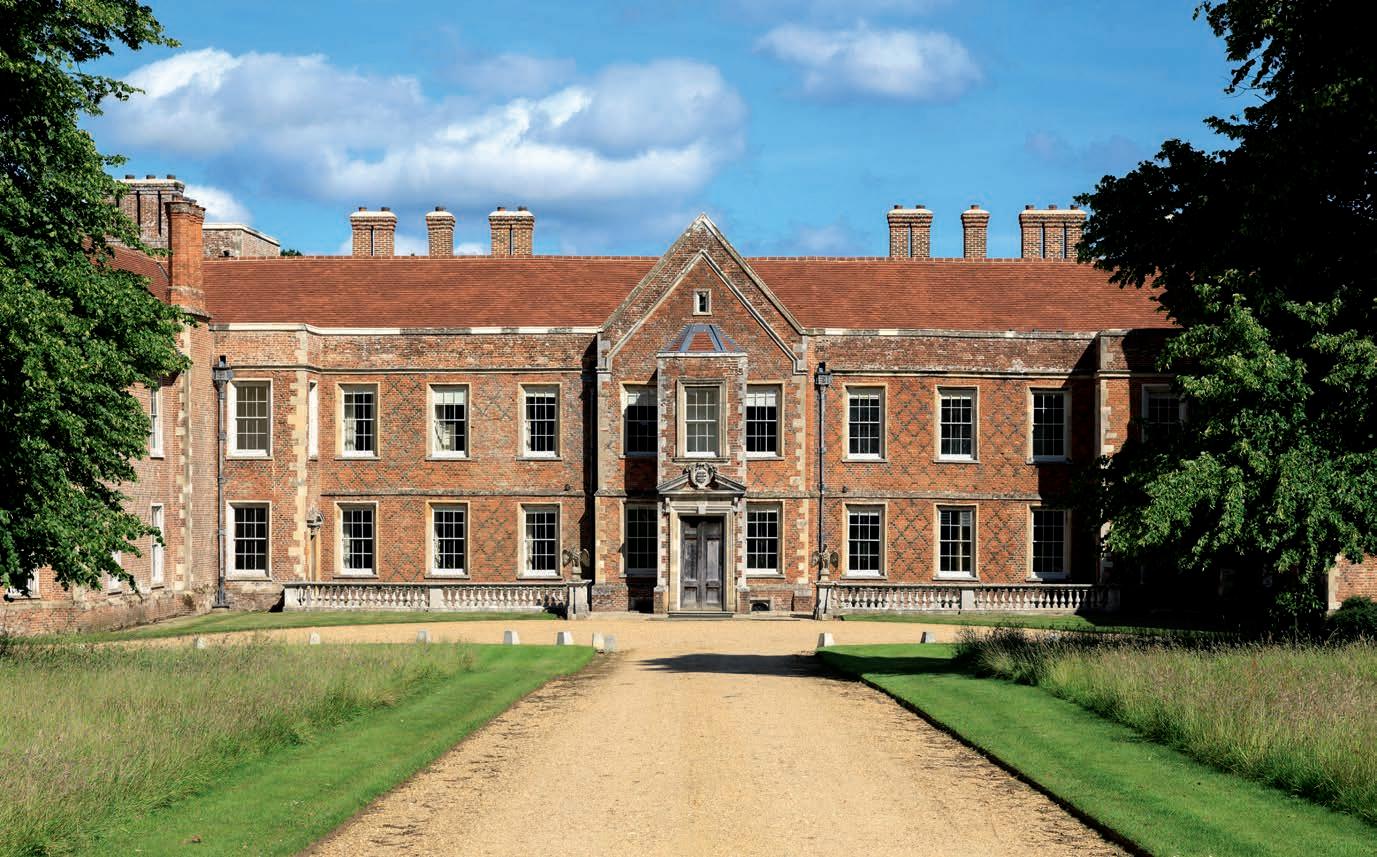
contemporary art, hand-crafted pieces and more from the Hotwalls Studios.
Historic sites
One of the most recognisable country houses in the county is Highclere Castle, home to the Earl of Carnarvon, and the location for a number of films and television series, most notably, Downton Abbey Portsmouth Historic Dockyard is one of the UK’s leading visitor attractions. Steeped in more than 500 years of naval history, the dockyard museums and exhibitions provide a unique insight into Britain’s illustrious naval past. Visitors can step aboard legendary vessels, including HMS Victory and HMS Warrior. And be sure to visit The Mary Rose Museum; a fascinating, immersive time capsule of Tudor life. In nearby Southampton, SeaCity Museum brings the city’s maritime connections vividly to life, telling poignant stories behind the Titanic’s ill-fated maiden voyage.
Butser Ancient Farm at Chalton is an open-air archaeological site where reconstructed buildings from the Stone Age, Iron Age, Roman and AngloSaxon periods allow visitors to experience how early communities once lived in the South Downs.
Built by Henry VIII at the seaward end of a coastal spit, Hurst Castle was once one of the most advanced artillery fortresses in England. These days, access is either via a ferry ride from Keyhaven or a two-mile walk along Hurst Spit.
CLOCKWISE FROM ABOVE Discover centuries of history at The Vyne, a timeless National Trust house; Consortium has branches in both Winchester and Romsey; colourful Alresford dazzles in the sunshine; Alresford Linen Co is well worth a visit; Long Barn, near Alresford is a lifestyle store, café, and plant nursery.
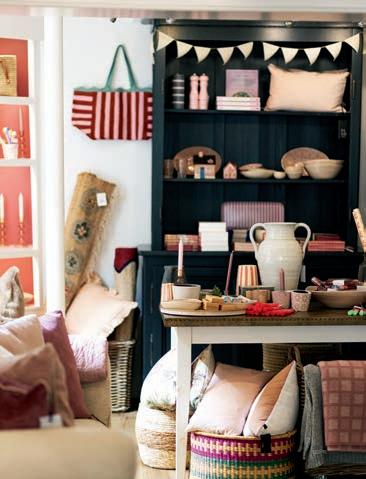
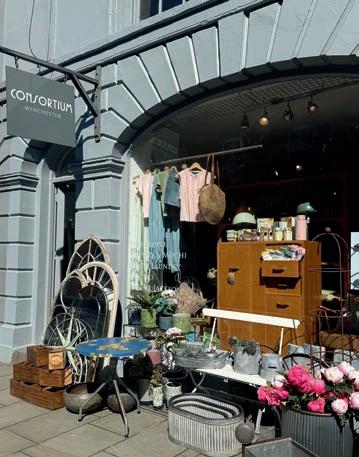
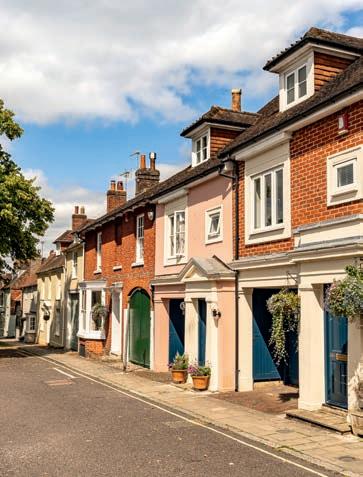
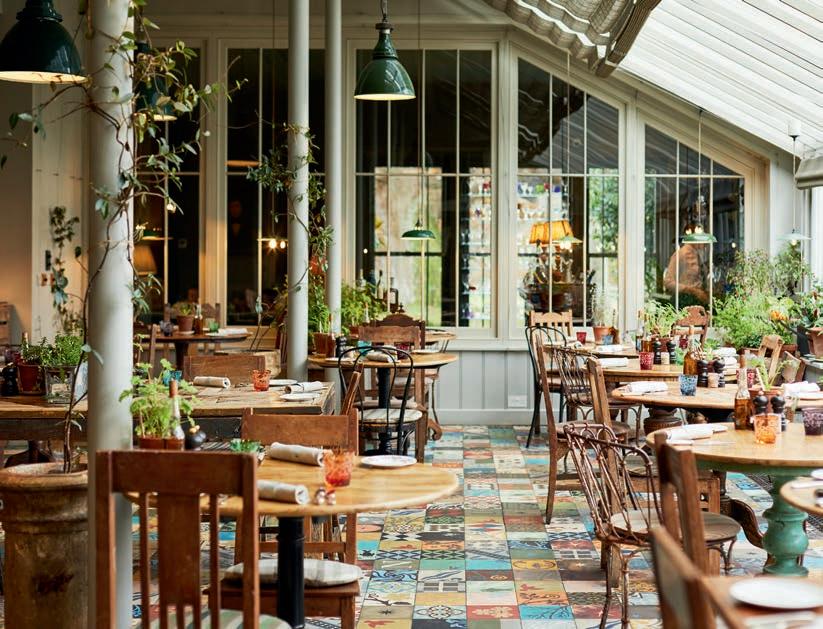

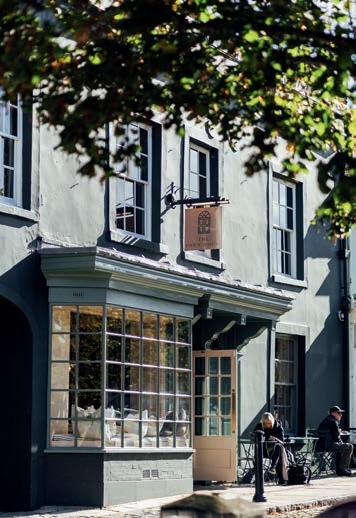


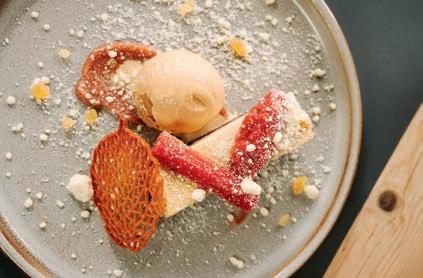
Coastline
CLOCKWISE FROM TOP LEFT The Pig in the New Forest nestles in Brockenhurst’s ancient woods; English Heritage’s Hurst Castle provides a fascinating escape by the sea; The Greyhound on the Test is located in pretty Stockbridge; The Shoe at Exton’s peaceful riverside garden; The Town House in Alresford’s Broad Street; James Matyear laying out at Hattingley Valley vineyard.
Hampshire’s coastline blends natural beauty with maritime heritage, seaside charm and delightful views of the Isle of Wight. Pretty Lymington is popular with tourists and sailors alike, and a departure point for the Wightlink ferry to Yarmouth on the Isle of Wight.
Milford-on-Sea beach has an extensive beachfront including Hordle Cliff and Hurst Road, while Lepe’s mile-long shingle beach is popular with kite and wind surfers as well as holidaymakers. Head to The Lookout cafe for a bite to eat while enjoying panoramic Solent views, or grab a coffee from the South Street Coffee Co at charming Emsworth and take a leisurely stroll downhill to the harbour.
For outdoor and indoor pursuits, Calshot Activities Centre at Fawley, near Southampton, boasts one of the largest activity centres in the UK.
Dining
Throughout Hampshire there are numerous standout restaurants in stunning locations, including several beside the county’s rivers and in historic buildings. In Stockbridge, The Greyhound on the Test sits on the banks of the River Test – one of England’s most celebrated chalk streams and a mecca for fly-fishing. The modern British menu features locally sourced ingredients, including River Test trout. The Shoe at Exton is another gem, combining locally sourced menus with an idyllic position beside the River Meon.
In Winchester, the medieval beams and interiors provide a dramatic backdrop to modern British cuisine at The Chesil Rectory, while in Alresford, The Town House, located in a Georgian townhouse, serves dishes using local, seasonal ingredients.
The Pig in the New Forest was the first and original boutique hotel in this chain, which is currently celebrating its 15th anniversary. It is still proving as popular as ever, championing local produce from its kitchen gardens. n
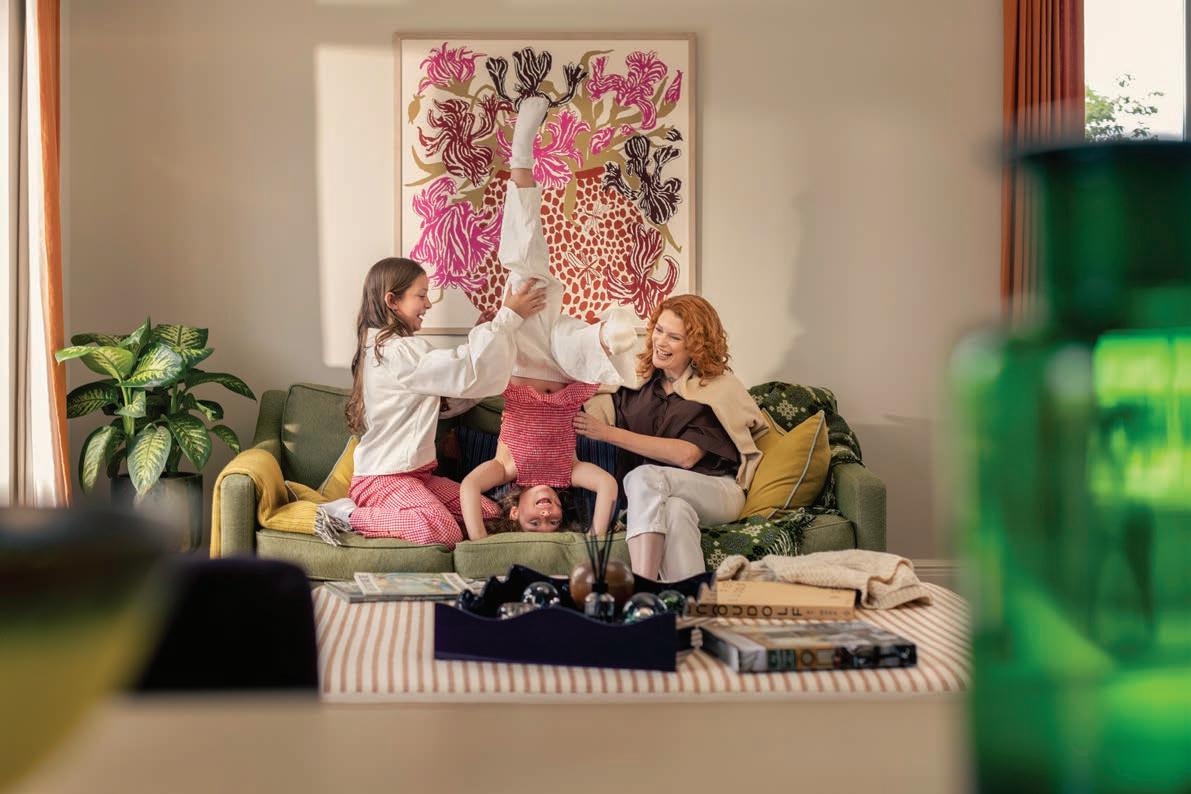

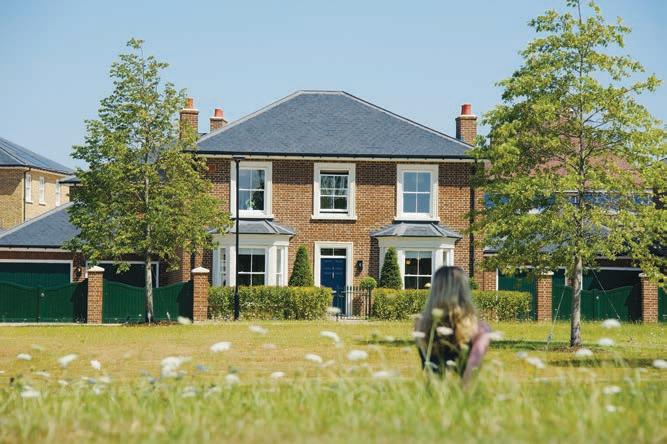
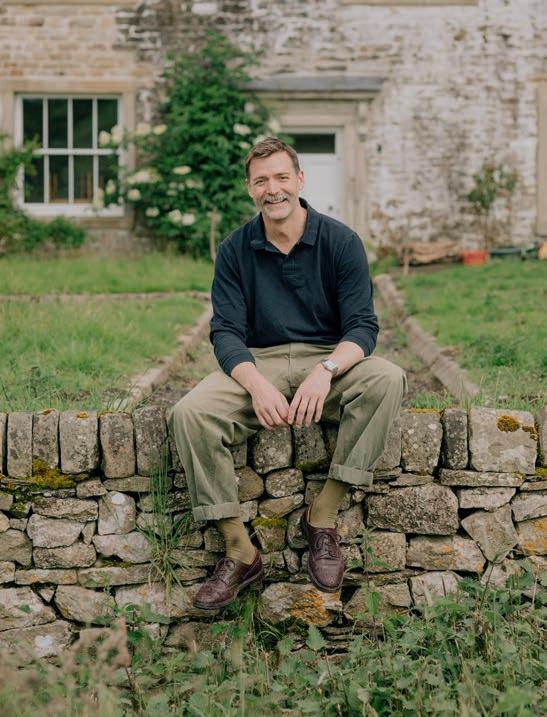
Who do you live with and where?
I live on my own in the Yorkshire Dales, a few miles from the beautiful village of Austwick.
What kind of English home do you have?
I live in a modestly sized Grade II listed 17th-century gentry house with farreaching views and a little group of barns and a small cottage (all of which are very derelict) behind it.
How long have you lived there and what kind of work have you done to the house?
I’ve owned the house since 2017, but it has only been habitable for a little over two years. It had been unoccupied since the late Nineties and was in a poor state, with about a third of it needing to be dismantled down to the ground and fully rebuilt.
That said, all the old stuff that could be reused went back in, post rebuild. The encaustic tiles for the floors, original bathroom suites from the Thirties and Seventies, as well as doors, heating stoves and clothes dryers. There were some missing or damaged encaustic tiles for the hall, which I had remade bespoke by Craven Dunnill Jackfield in Ironbridge. It is the last encaustic tile maker in the UK.
I had to replace all of the floors, and got the flooring from Havwoods, who matched
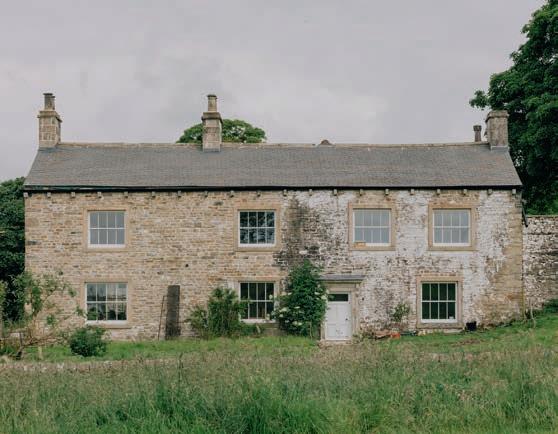
My English Home
Patrick Grant, designer, author and a judge on The Great British Sewing Bee, on championing British brands and the joy of bringing old treasures back to life
the colour and width of the original (very damaged) oak planks. In most of the upstairs spaces, and on the stairs themselves, I have beautiful, undyed British wool carpets from Brockway Carpets in Kidderminster.
The paint I’ve used is all from Farrow & Ball, a mix of some new and some classic colours like Duster, Dibber, Print Room Yellow and Naperon.
How would you describe your interiors style?
My furniture is a mix of styles and periods, from late-17th-century to Danish mid-20thcentury, and its only unifying feature is a focus on quality. I’ve been collecting furniture, art and other objects since I was 14, mostly from UK auction houses, eBay and jumble sales.
I had lots of reupholstery to do on chairs, sofas benches and stools, and cushions to be made for a window seat, which was all done by Dalesbred using fabrics from Linwood.
What is your favourite space in the house and why?
I love the kitchen. It has big windows on three sides giving me a 270-degree-view of the Yorkshire Dales and the Bowland Fells. It gets amazing light all year round, and always gets the setting sun. I also see amazing wildlife from those windows, including a stoat I saw recently, hares, a barn owl and a kestrel.
What is your most treasured possession?
I’m lucky to have lots of things I treasure in the house, because I’ve bought things with care. But the most special things are from family members, Iike a pair of oriental bronze lamp bases, with dragons on the sides, which came from my granny.
Can you tell us a bit more about Community Clothing?
We make brilliant quality clothes in the best British factories, which also make for very well-known global luxury brands. We sell the clothes at good prices, so people can buy them, and this means we create lots of work for the factories we work with, helping keep them full all year round.
And any upcoming projects you may have?
There’s another book in discussion, based around my garden restoration column for the Financial Times, and it’s Community Clothing’s 10-year anniversary in September, so we’ll have fun around that.
And finally, what should no English home be without?
Climbing roses round the front door. Mine are mostly the small dog rose type, including Garland, Open Arms and Bobby James from David Austin. n
For more information about Community Clothing visit communityclothing.co.uk