











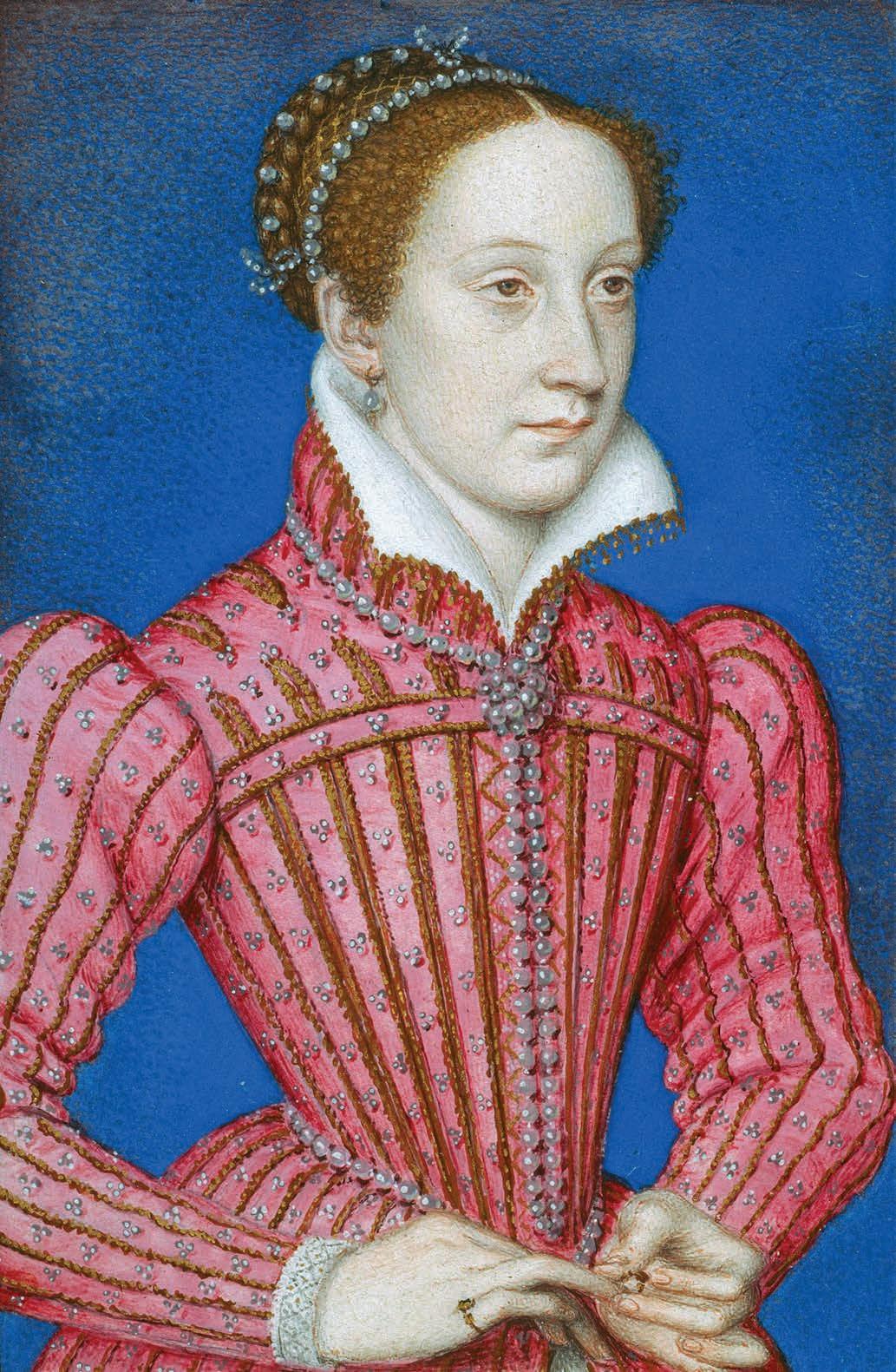
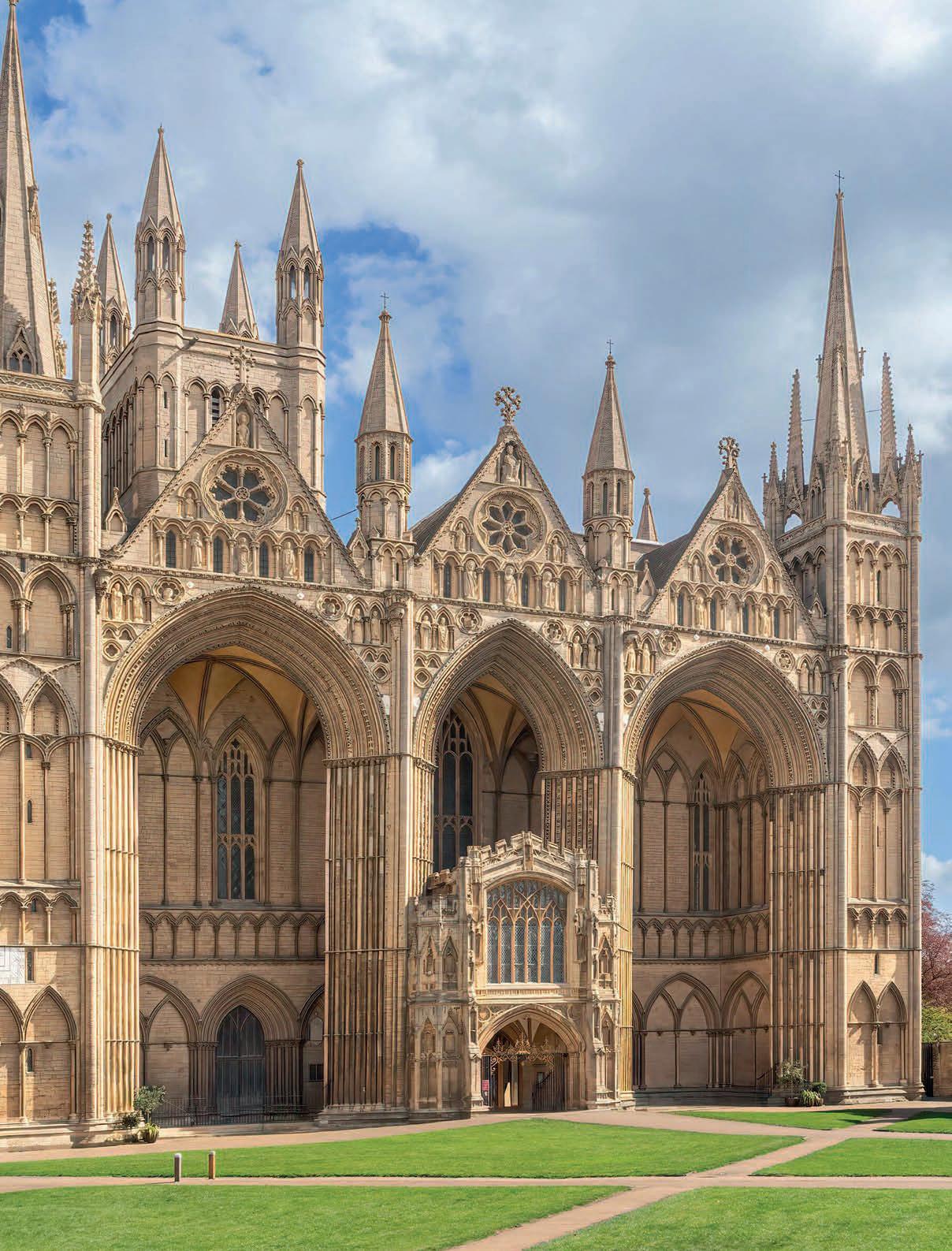
This autumn, visitors to Peterborough Cathedral will be able to see a special exhibition exploring the life and legacy of Mary, Queen of Scots, in the very place where she was first buried in 1587.
The Scottish queen was executed at nearby Fotheringhay Castle, having been held in captivity by her cousin, Queen Elizabeth I, for 18 years. She was initially laid to rest at Peterborough before being reinterred at Westminster Abbey, in London, in 1612, on the orders of her son, James I (VI of Scotland).
Exhibition curator, John White, said: “We are absolutely delighted to be staging the UK premiere of Mary Queen of Scots: The Exhibition at Peterborough Cathedral. Knowing she was originally laid to rest here adds a unique and emotive connection to Mary, allowing us to truly honour her memory.”
Mary Queen of Scots: The Exhibition will run from 21 September to 15 November 2026 and will trace Mary’s life, from her birth in 1542, right through to her death, using original historic artefacts, immersive displays, and some of her personal possessions. peterborough-cathedral.org.uk

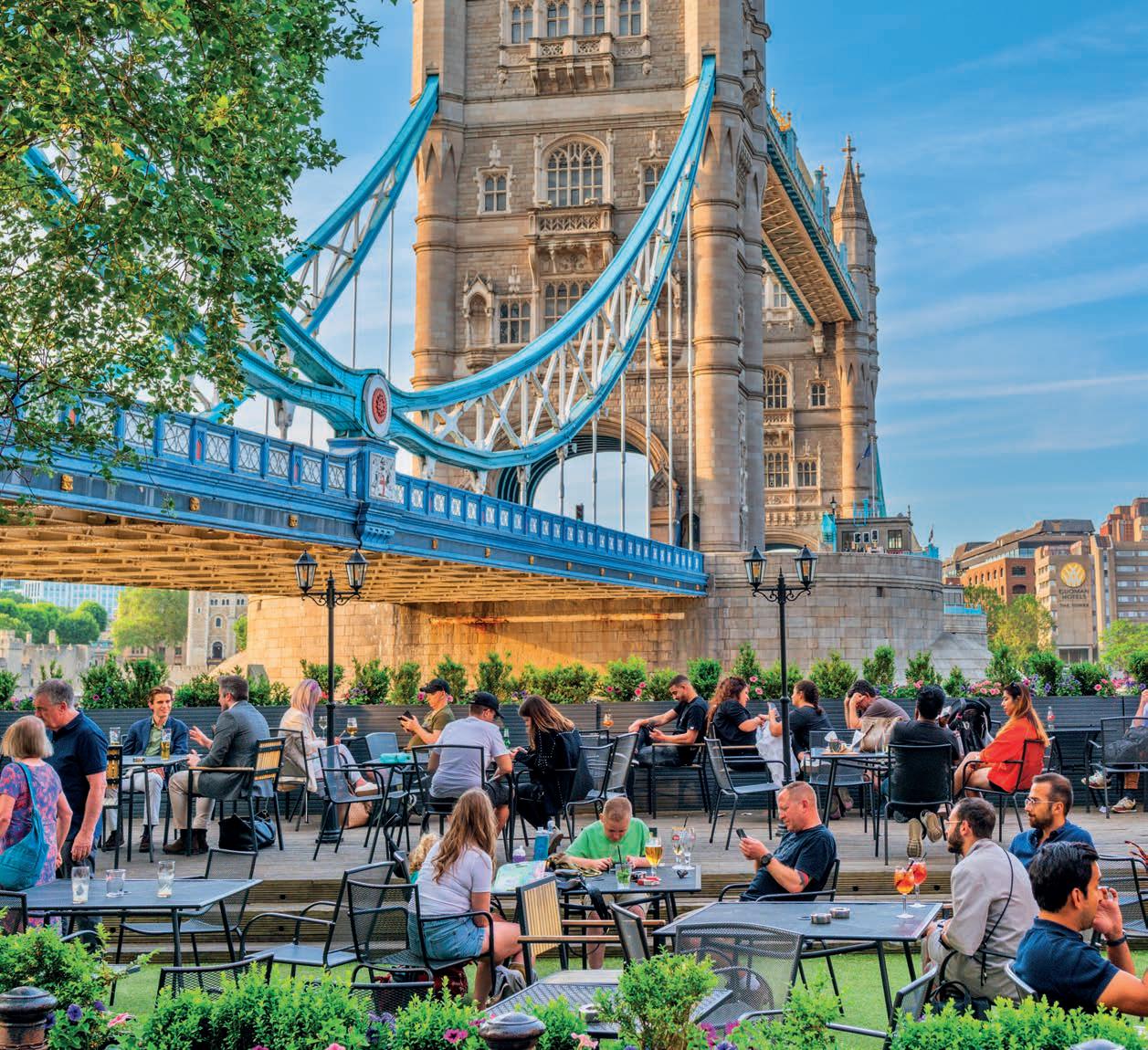
This issue, our Londonphile chooses some of his preferred ways of messing about on (or near) the river
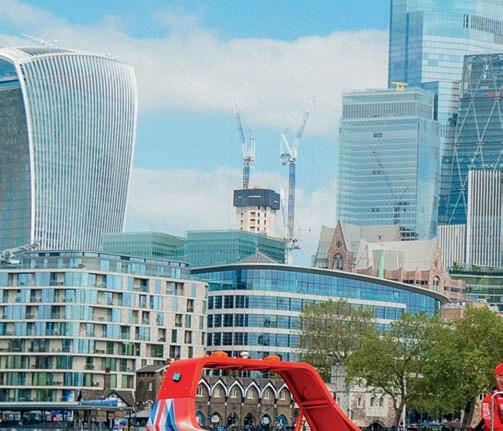
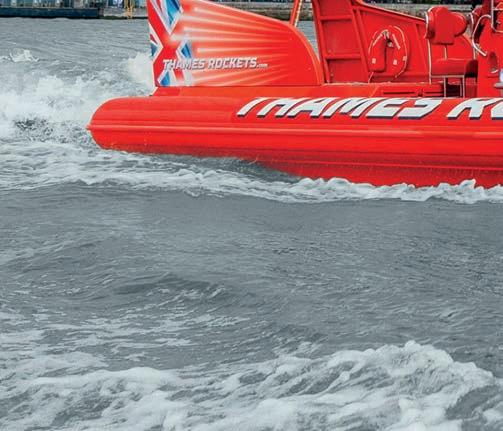
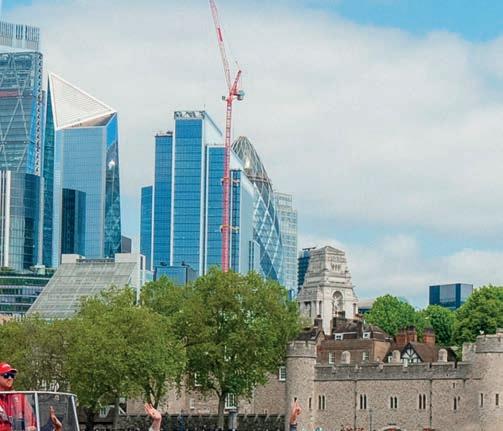
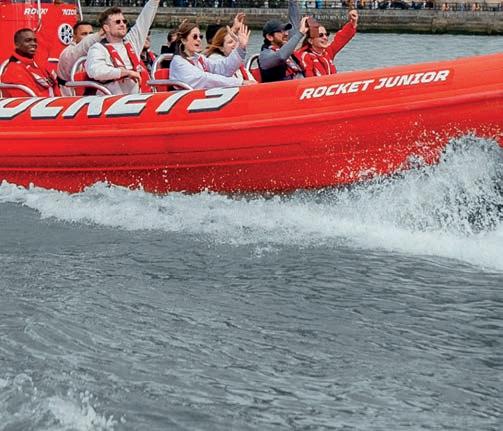
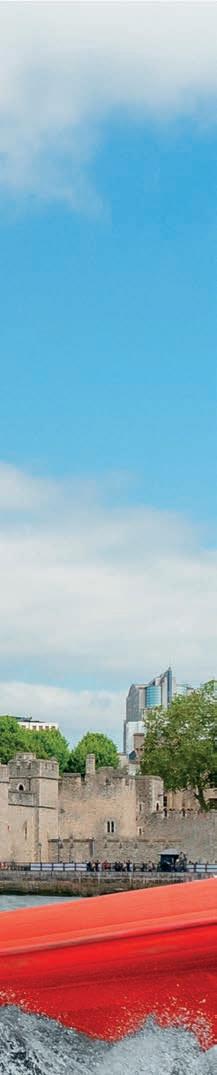
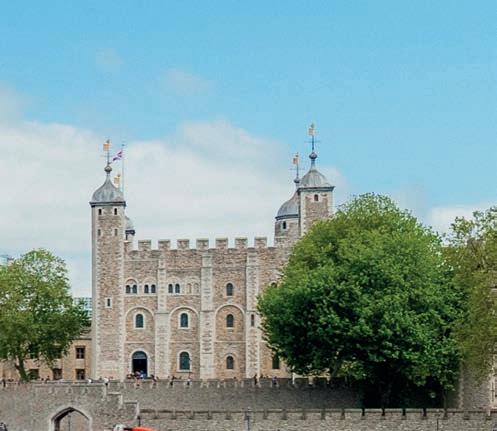
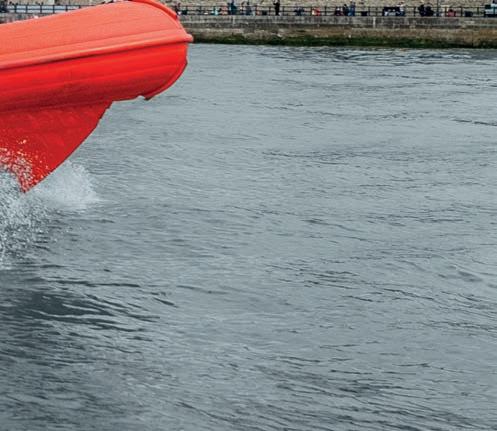
Probably the fastest, and most exhilarating, way to see London from the water, Thames Rockets is celebrating two decades on the river this year. The first ever speedboat operator in the capital now offers a range of routes to suit all interests, starting from convenient departure points on the South Bank, including the giant London Eye. My favourite is Thames Rockets’ Break the Barrier experience: a high-octane ride out to one of London’s most fascinating and important structures, the Thames Barrier, which protects the capital from flooding. I loved how our skipper, Bill, piloted the powerful vessel steadily past some of London’s most historic sites, passing right underneath Tower Bridge. Then, once safely through, he opened up the twin 340hp engines to race down the river at a thrilling 30 knots (35mph), zipping past Greenwich and the Cutty Sark, and carving through the water to excited squeals of delight from all the passengers, including me! thamesrockets.com

As Winston Churchill once said: “The Thames is no ordinary waterway, it is the golden thread of our nation’s history.” Britain’s second longest river (after the Severn) – comprising over 200 bridges, 45 locks and 80 islands, eyots and ‘aits’ – is also its busiest waterway, handling over five million tons of goods and materials each year.
Don’t be fooled by the murky brown colour, which comes from its natural silt content, as ‘Old Father Thames’ is actually one of the world’s cleanest industrial rivers, supporting over 125 species of fish as well as a variety of marine mammals – it was even visited by a bottlenose whale back in 2006. It’s also one of Britain’s most popular tourist destinations, with a range of attractions and historical sites along its banks. Here are my tips on how best to enjoy London’s river on your next visit to the capital…
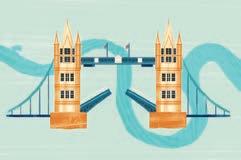

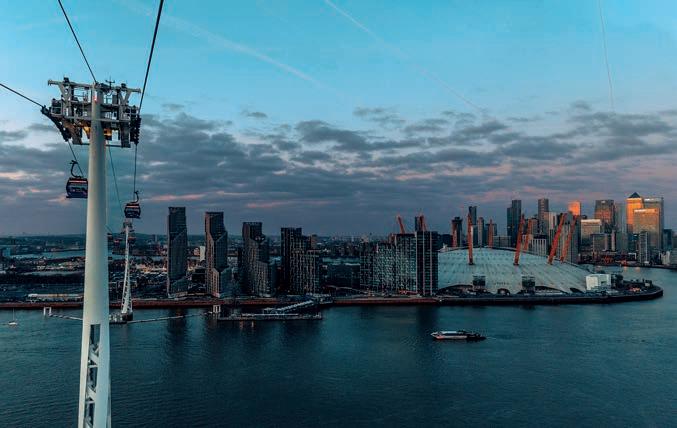
If, like me, you’re more used to seeing cable cars filled with skiers ascending snow-capped mountains, then the British capital’s version makes a novel change. Opened in 2012, before the London Olympics, the 1km (0.6-mile) route, which runs between Royal Docks and Greenwich Peninsula (for the O2 London) stations, reaches a height of 90m (295ft) as it crosses the river.
The 34 enclosed gondolas (two of which have glass-bottomed floors) can take around 5,000 people per hour, welcoming around 1.5 million passengers a year. Completely accessible to wheelchair-users, the service, which is part of the Transport for London (TfL) public transit network, offers panoramic views that take in many of London’s most famous sights, including St. Paul’s Cathedral, the Thames Barrier and Maritime Greenwich.
Lasting 10 minutes each way, that’s just enough time to enjoy the premium Champagne Experience, which includes fast-track entry, a private gondola all to yourself, and a glass of bubbly (or soft drink) to toast Old Father Thames from the air above. londoncablecar.ventrata.site/en
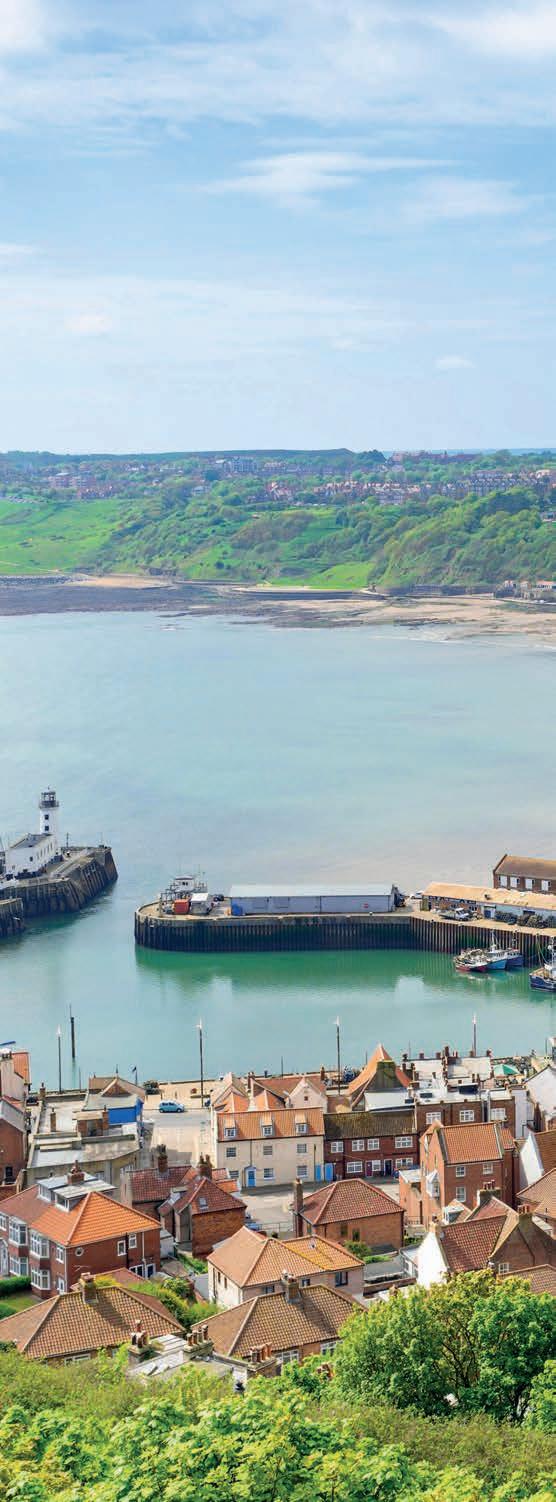
Previous page, top to bottom: Emily-Ann loves taking her children back to her hometown; Scarborough was the UK’s first seaside resort
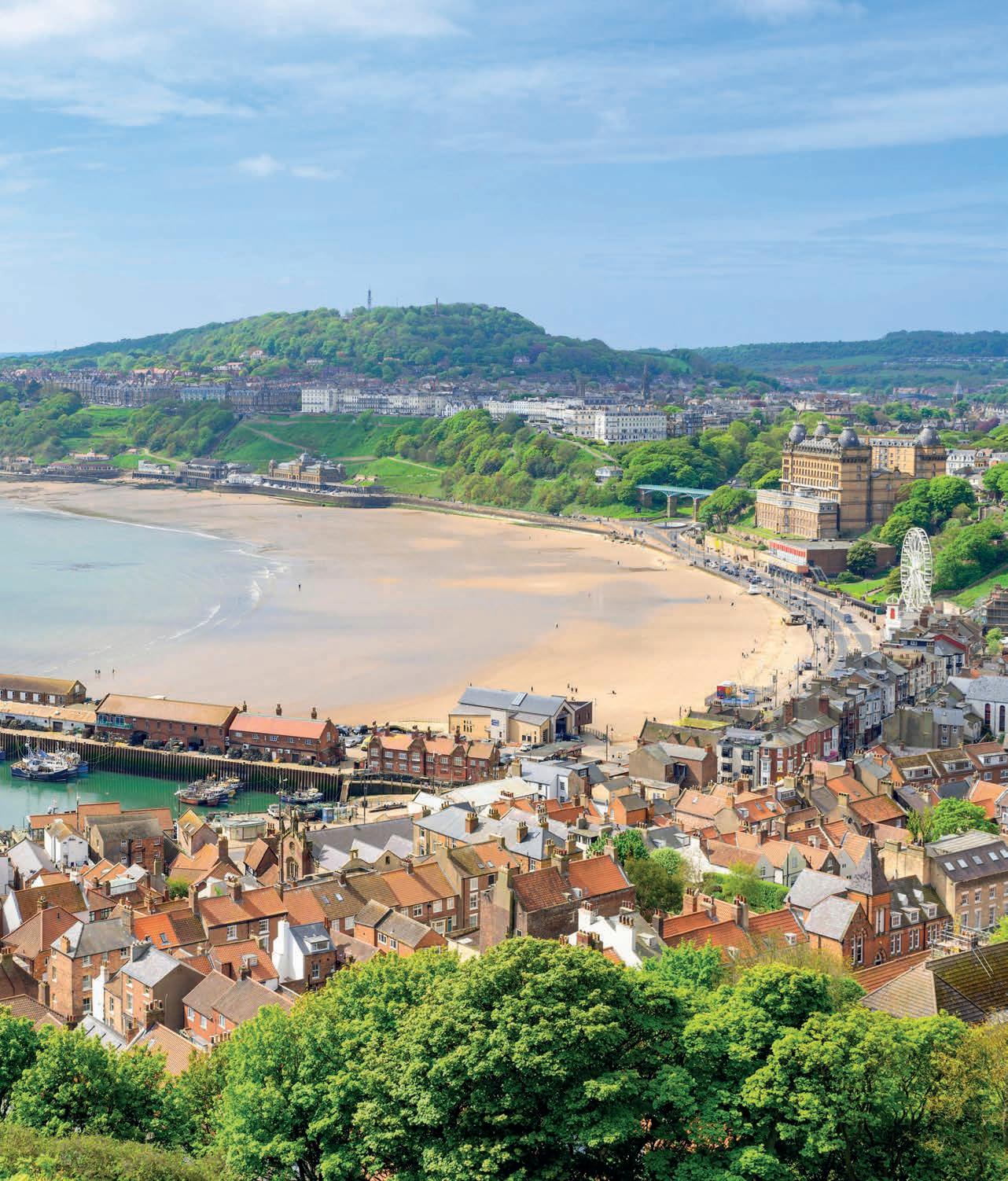
Right: Scarborough beach and harbour
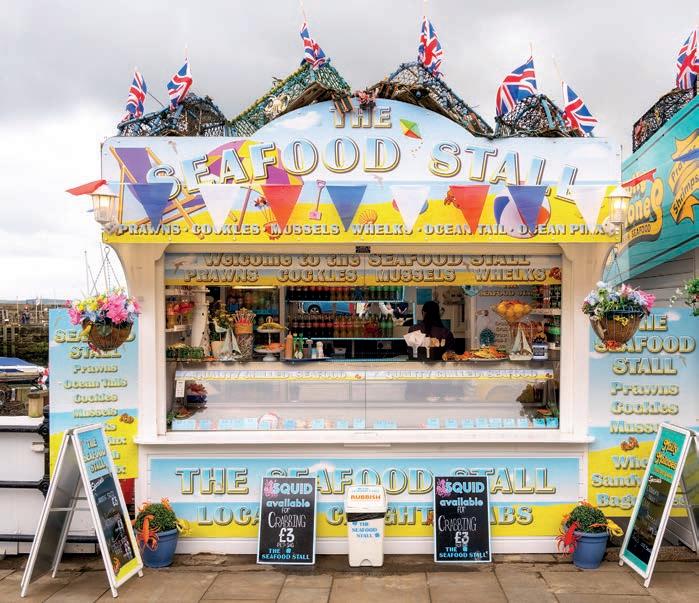
Below: Seafood in Scarborough
Back in 1626, when Thomasin Farrer discovered the mineral springs that would catapult Scarborough to fame, she couldn’t have known the enduring legacy her discovery would have on the town.
Scarborough’s water contained high levels of magnesium sulphate, said to cure minor ailments like scurvy and gout, and when visitors began flocking to the town after Dr Robert Wittie praised its properties in his book of 1660, Scarborough bathed in its glory, becoming Britain’s first seaside resort.
The arrival of the railway in 1845 was another boom, attracting huge investment in the town, including £100,000 spent on the construction of the Grand Hotel in 1867 in honour of Queen Victoria.
But it was not to last: the closure of the spa waters in the 1960s heralded the swansong of Scarborough’s golden era. Visitor numbers began to decline in the 1970s and 1980s, thanks to the lure of cheap package holidays abroad.
Still for many of us, you couldn’t beat a day at the seaside: salty fish and chips, hot sugary doughnuts and bumpy donkey rides are memories that are synonymous with British beach holidays. Growing up in Scarborough, I spent countless days on its beaches, building sandcastles, dodging the waves and savouring the thrill of a coke float at the Harbour Bar ice-cream parlour.
Now as a parent, I’ve returned to my North Yorkshire hometown many times with my own children, keen for them to experience the same joys I did, joys which still hold a nostalgic charm for many.
However, as Scarborough marks 400 years since its spa legacy began, I’ve also observed how seaside
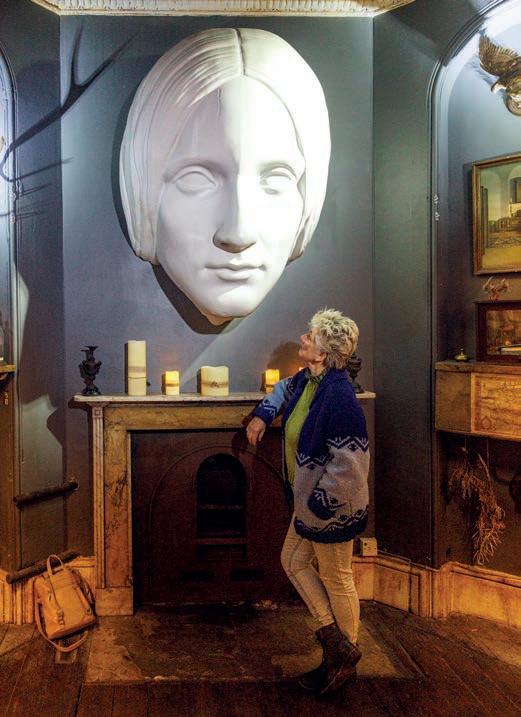
I have always wanted to work in theatre and co-founded my theatre company, Show of Strength, in 1986. Having started out as a teacher, I got some work with a theatre company that toured schools with plays. I wanted to have a go at creating my own work. I’m not very good at auditions and if you start your own company you don’t need to audition.
Our first show was called Double Vision, which we performed on an old merchant vessel in Bristol called Thekla. It was based on a forgotten Victorian novel long out of print and it went so well we toured it around the southwest. We then expanded and started a theatre in Bedminster, which evolved over the years.
I’ve always liked performing in unusual spaces and decided to take theatre to the streets. I did a piece of walking theatre, called Trade It about Bristol’s links with the slave trade.
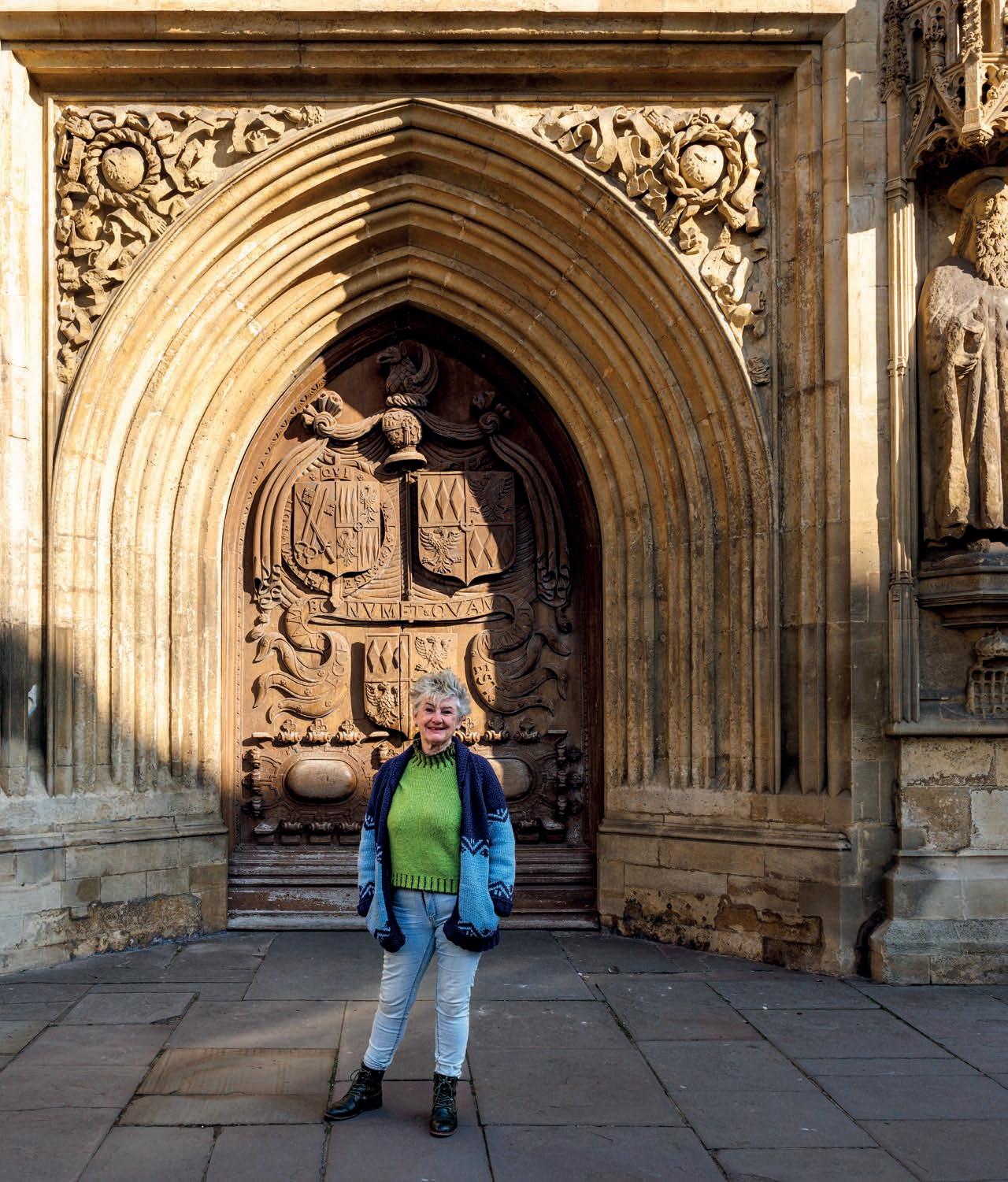
My first walking tour was about Mary Shelley’s life, while she was writing Frankenstein. Although she’s said to have written the book at Villa Diodati in Geneva, she actually wrote most of the novel in Bath, and I developed the tour from there. I practised it with a friend until the first outing on 16 June 2016, 200 years to the day since Shelley started writing the story.
Sheila Hannon, a theatrical tour guide and VisitEngland Tourism Superstar nominee, talks to Jeremy Flint about her work
➤
Mary Shelley’s life was just as extraordinary as the book. During the five months she was living and writing in Bath, her life had everything from false identities to secrets, lies, illegitimate births and suicides. When she started writing Frankenstein in Geneva, Byron challenged her to write a ghost story and she saw the waking creature in her dream, before returning to