

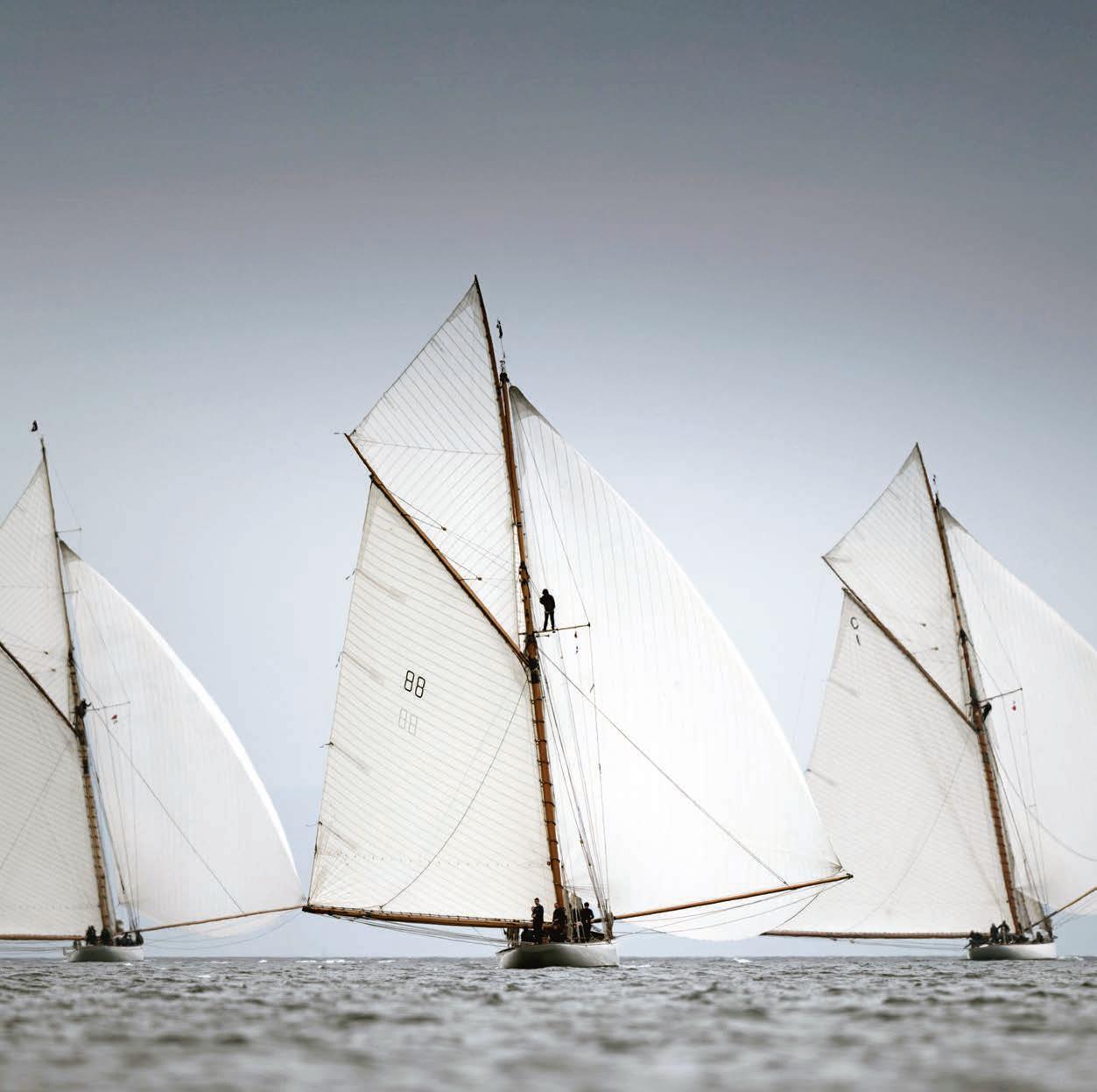




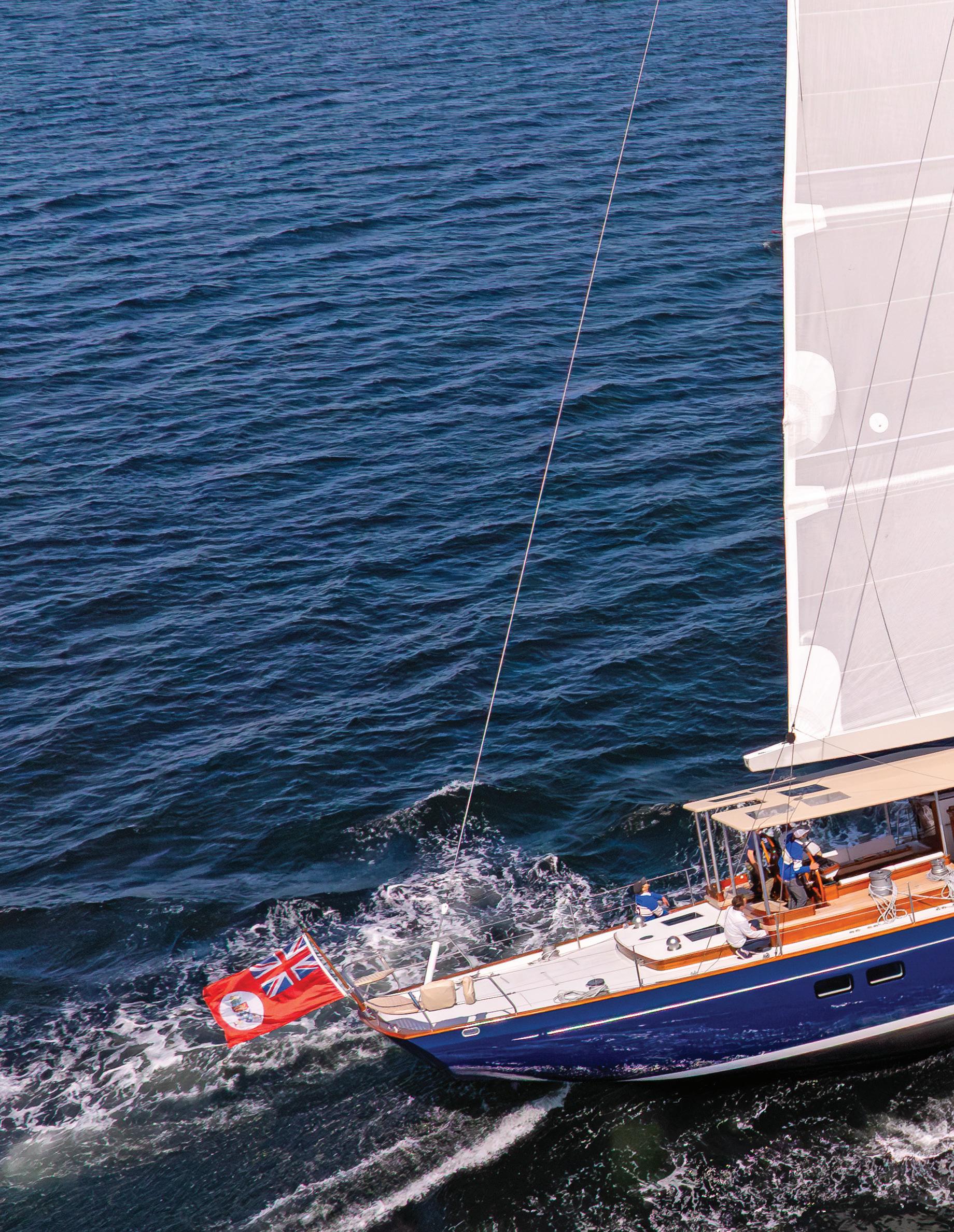
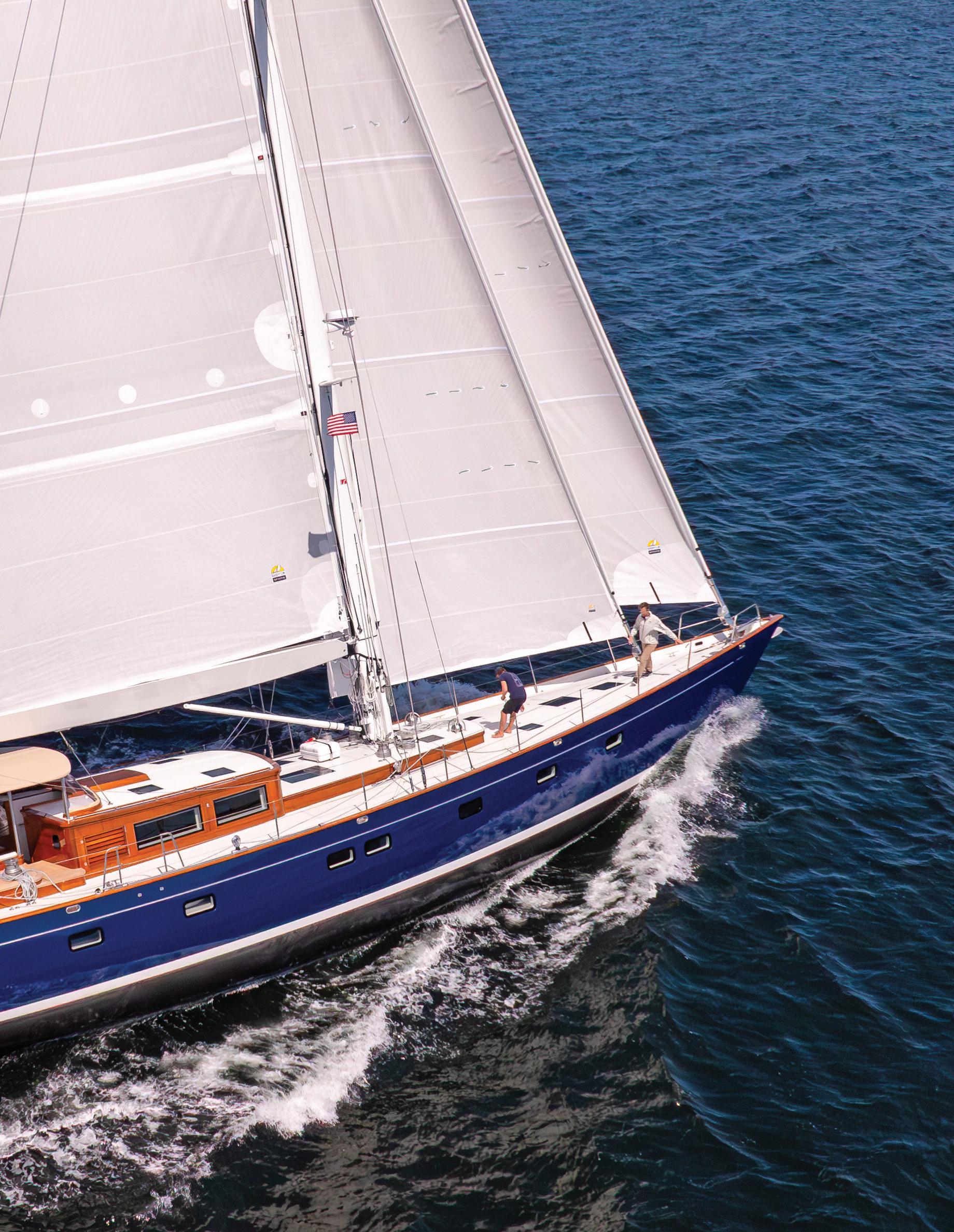
The 95ft Ouzel achieves a carefully judged three-way balance between graceful looks, sailing simplicity and state-of-theart performance
WORDS TYLER FIELDS PHOTOS TYLER FIELDS, RUSSELL KAYE, BILLY BLACK
One of Dykstra’s most recent design projects, we reported on the Q7 build story in the August issue. Having recently competed at the Puig Vela Classica,Victoria was finally able to stretch her legs in race conditions. We caught up Q7 Yacht Design’s Peter Silvester and Mario Diez after a wet and wild day off Barcelona.
WORDS CARL RICHARDSON PHOTOS NICO MARTINEZ, ALBERT MOLLON
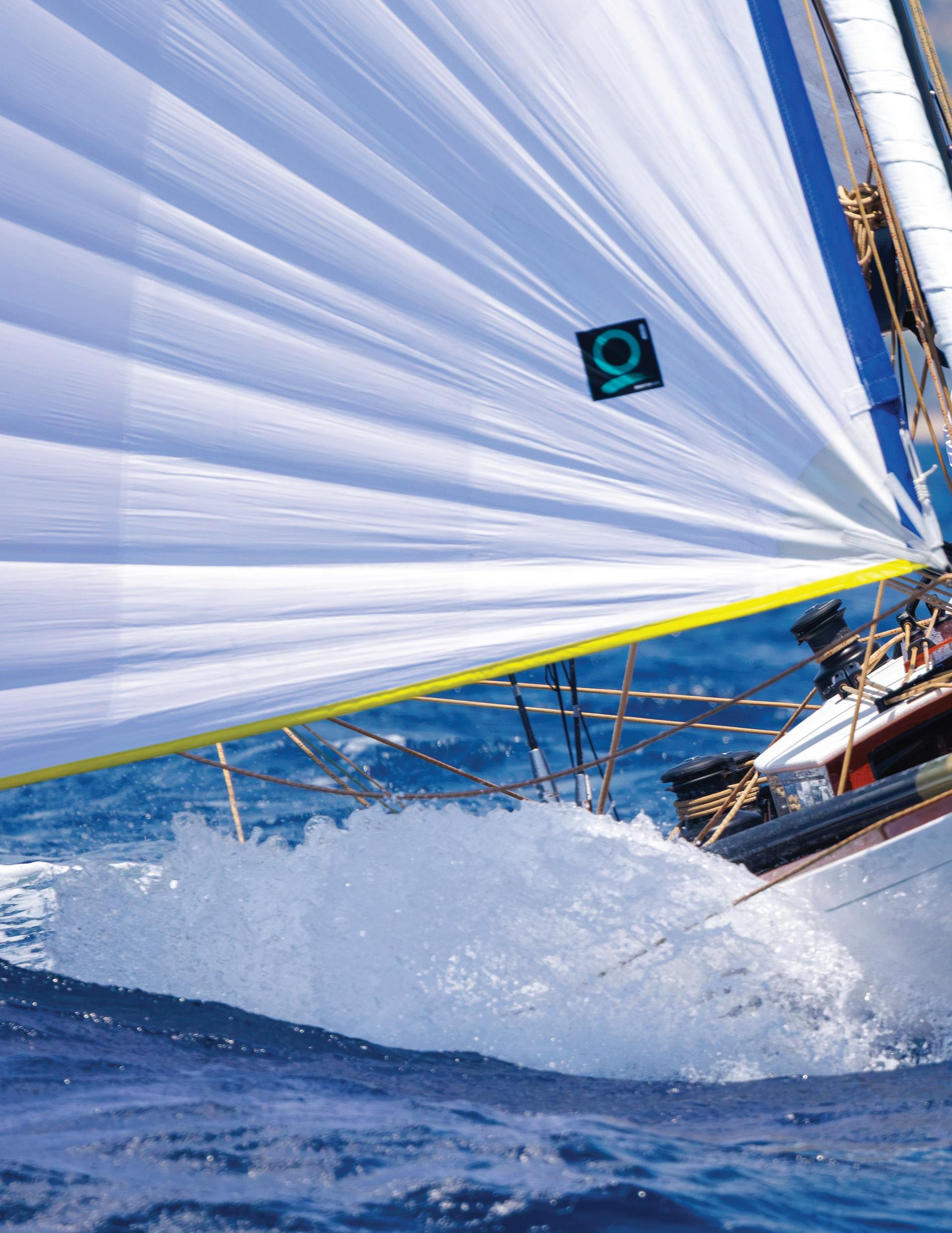
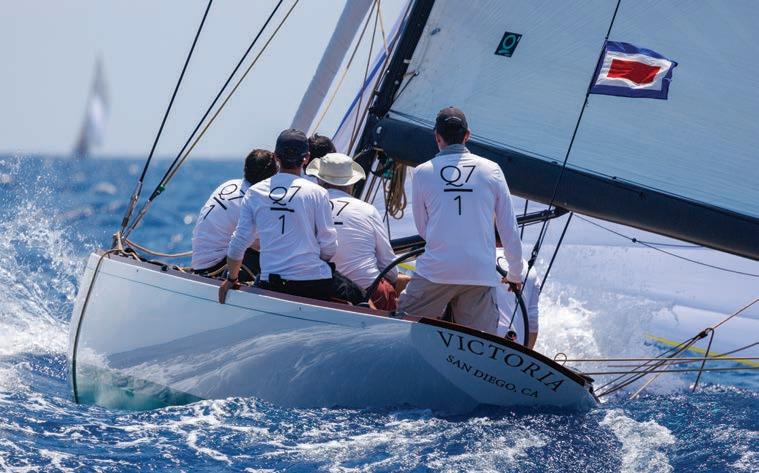
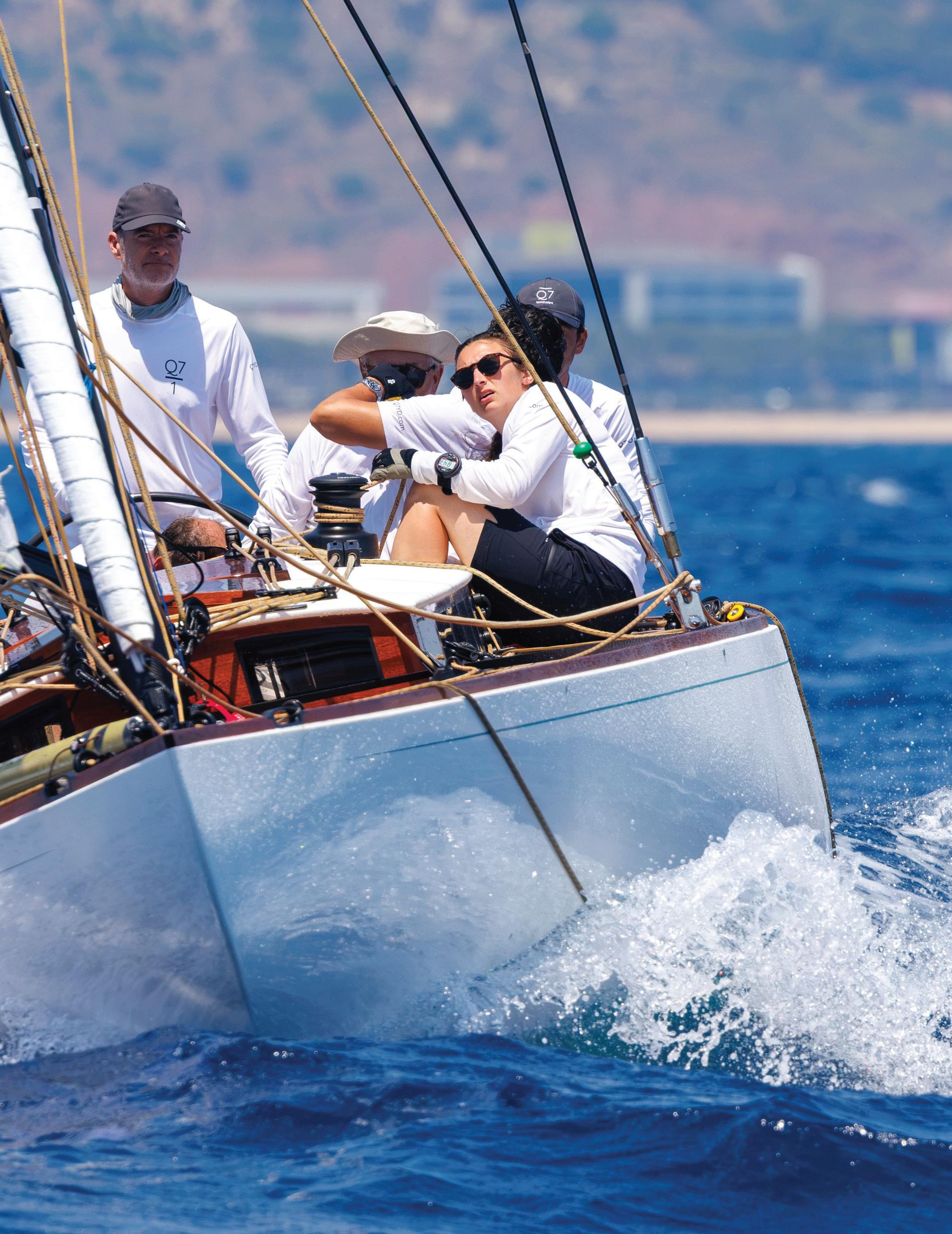
Peter Silvester: “We’re learning all the time, this was Victoria’s first Regatta and my first time at a Classic event in the Med. The starts can be a little intimidating and pretty competitive! We managed a steady 7-8 knots when we timed the waves right, getting knocked back to six when we didn’t! I stopped shouting “wave!” to the bow after a while because it was constant water but we kept a good pace.”
Mario Diez: “I am an engineer by trade, where you are tuned to performance and efficiency. Classic yachts and their handling are more romantic, it has elegance. I think what we have done here, what makes Q7-1 special, is to have merged both worlds into one yacht.”
CONWY
53° 17.47N 3° 50.22E
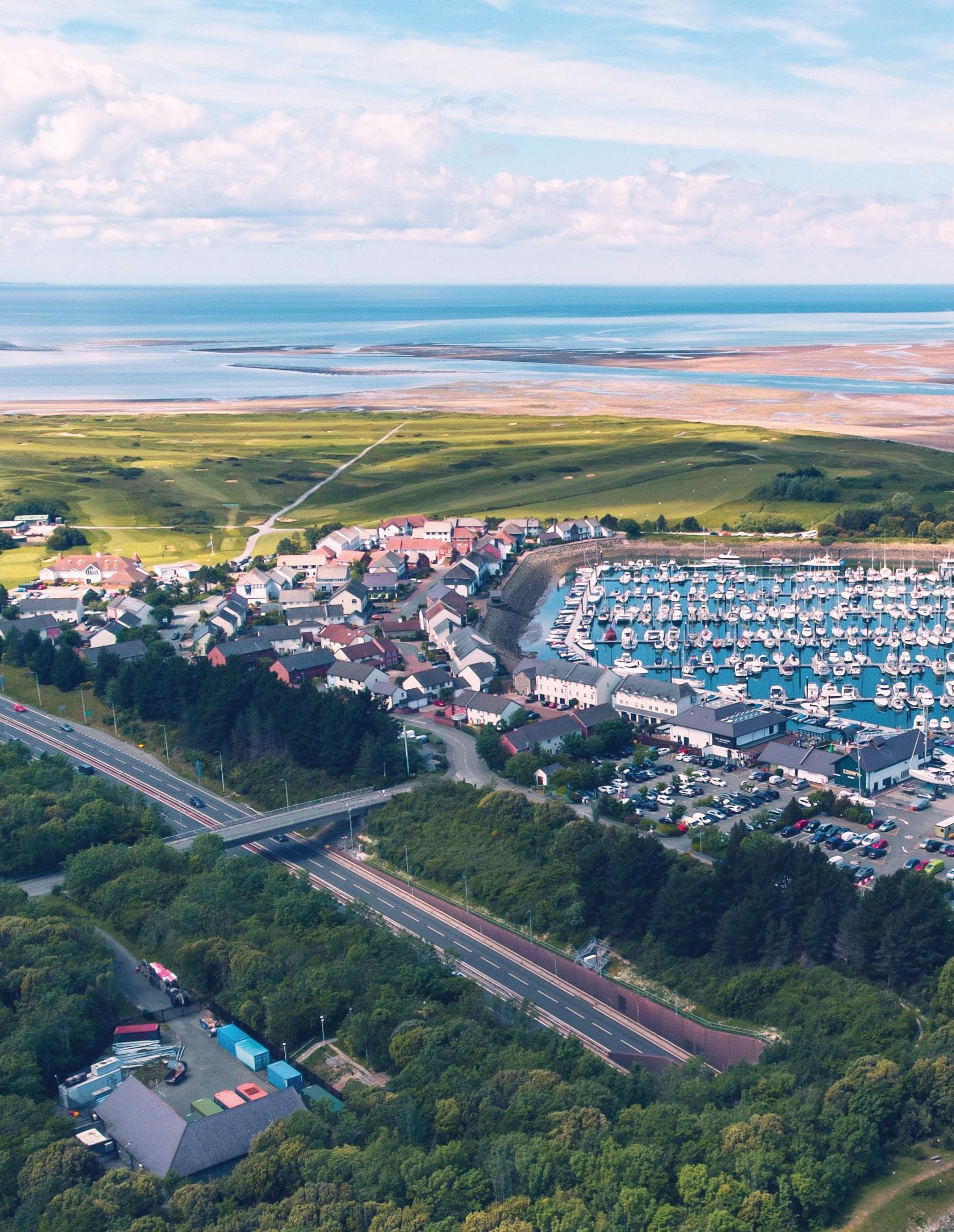
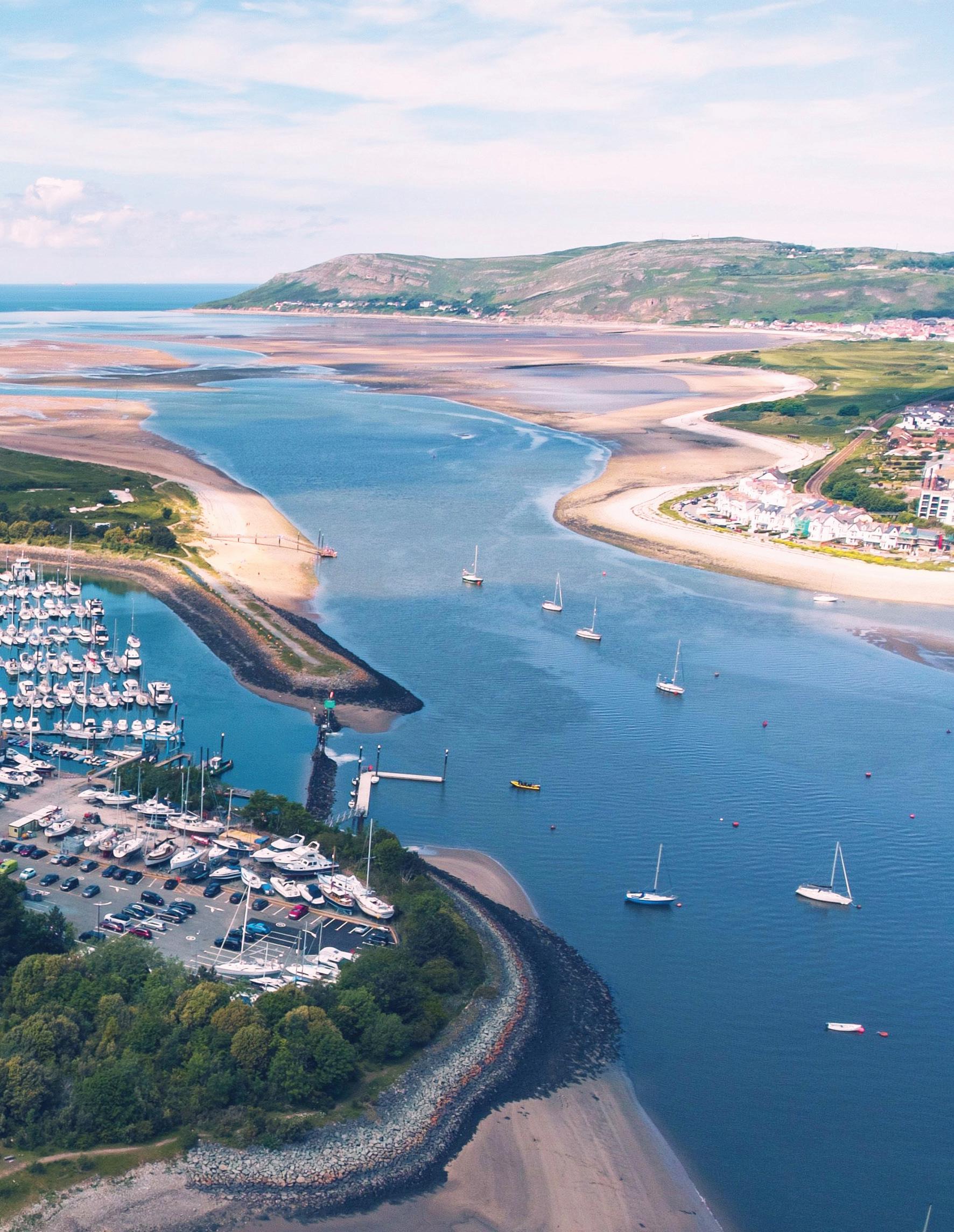
With the glory of giants like Moel yr Wyddfa on its doorstep, Conwy is a natural harbour formed by the estuary of its river. The town is dominated by the castle built in the 13th century by Edward I to subdue the Welsh, who were having none of it. The fortress is still in good shape with towers, battlements and all the fun of the fair. The town walls have mostly survived too, and you can take a walk round them on passage to the Liverpool Arms down on the waterfront. Time was when I used to refresh myself here while refitting my 1903 Colin Archer cutter, standing on her legs literally at the foot of the walls. Drying out is normal here because the tide runs to 8 metres. Come up on a biggie, then kiss the water goodbye while you get on with the job.
The marina sits behind its flapgate on the north bank before you reach the town. Pilotage is straightforward, with access to the buoyed channel at HW ±3. The vista of Snowdonia from the offing is so spectacular that waiting is no incubus.
The town is fully equipped with shops, restaurants and so on. Conwy marina has all you could want with yard, showers, chandlery, fuel and the rest, but no laundry. To ease your wallet, you can pick up a mooring and use the water taxi to get to the action. Beware, however. The stream in the river runs like a bandit and a northwest gale hits the moorings like a hammer.
Conwy Marina is on VHF Ch80 or Tel: 01492 593000
Moorings via the harbour office on VHF Ch14
Launch to moorings via the North Wales Cruising Club: ‘Club Launch’ on VHF ChM (37a) or Kevin on 07824 963061
Tom Cunliffe picks some of the most interesting yacht harbours he’s visited around the British Isles
Sailors tend to form strong opinions about anchor types and anchoring techniques. Here’s some food for thought from a seasoned skipper with plenty of first-hand practical experience
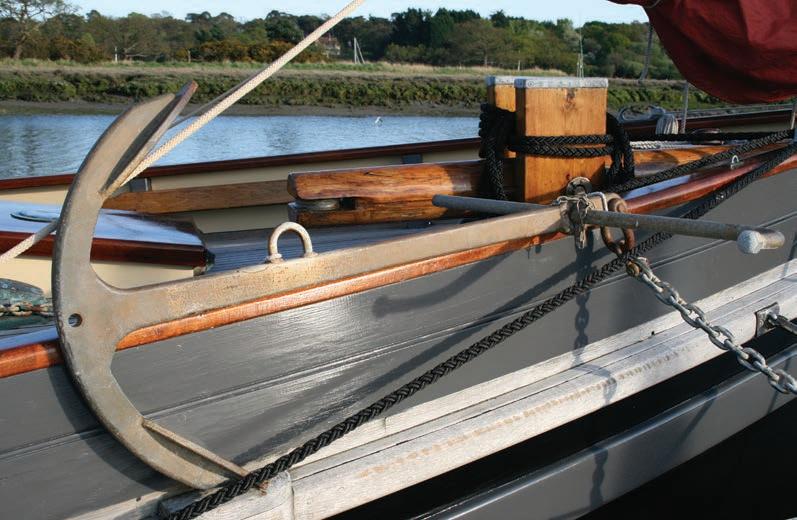
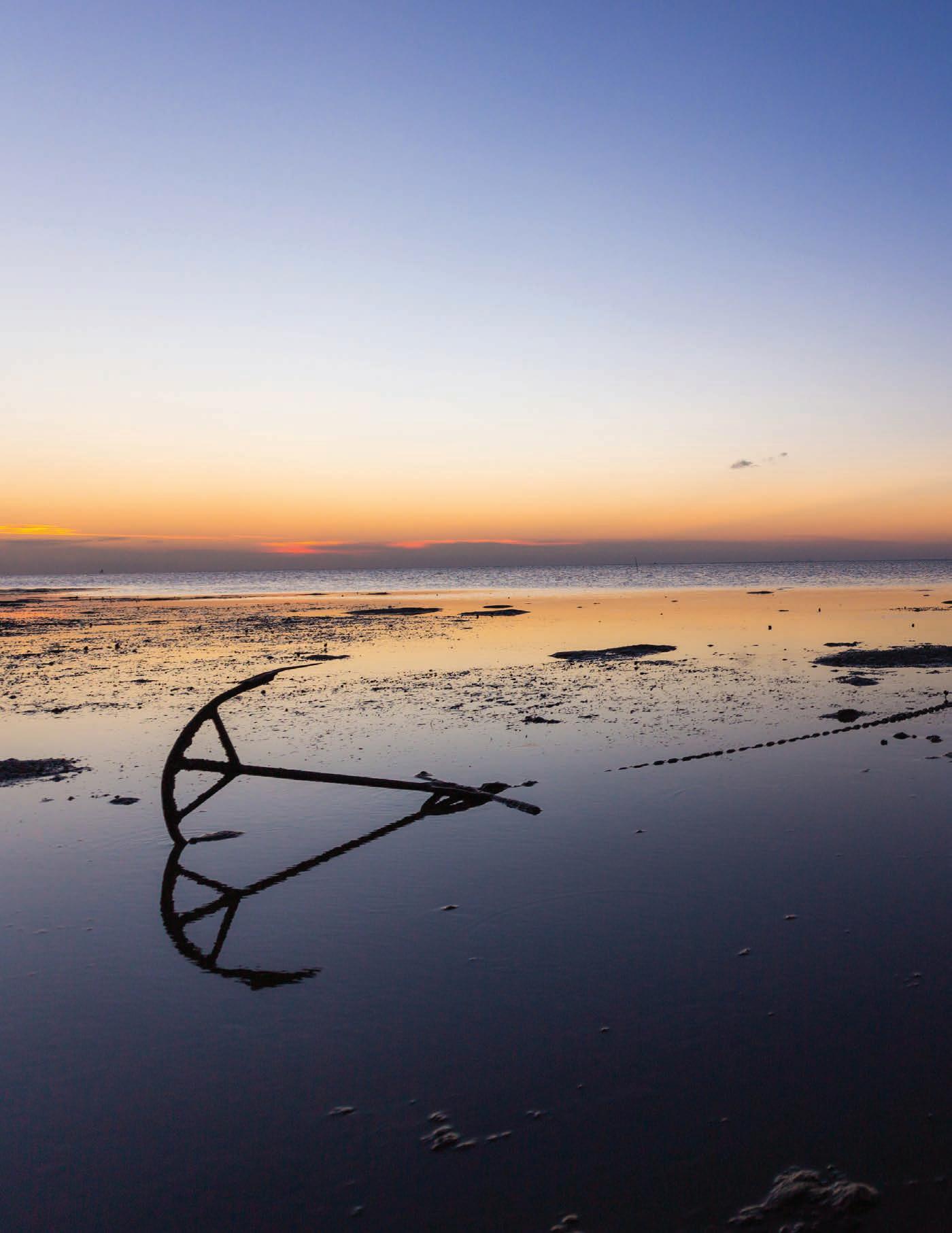
On a street corner in a town not far from me stands a neighbourhood pub called the Hope and Anchor. The honest landlord serves a useful pint of Badger, but his inn-sign has clearly been drafted by a landsman. The stock of the fisherman anchor alongside what looks like a guardian angel is in line with the flukes. It should, as any schoolboy knows, be crossing the shank at right angles.
When a ‘fisherman’ hits the bottom it has to decide which way it’s going to end up. As the cable starts to drag it along, a stock that’s set properly has no choice but to lie flat. This throws the flukes into the vertical. The lower one digs down into the seabed while the skipper kisses his troubles goodbye.
The other day I fell into conversation with a chap on the dock who was telling anyone who would listen about the virtues of his brand new Rocna anchor. He didn’t know that I owned the next-door boat and he was making some disparaging remarks about my 35kg self-stowing Bruce.
We were in an area where the holding ground is generally mud or clay, so I was able to point out that my hook was performing well above sample and that I had no plans to change it. He looked at me cynically, then made his big mistake. How many nights had I actually spent at anchor, he wanted to know. That made me think and I realised that by the turn of the millennium the total had to be well above a thousand. It didn’t seem worth totting up the last quarter-century.
Things have slowed down a bit recently. These days I’m probably only averaging about 70 nights a year. Even that gives me a reasonable perspective on the business of lying to my own ground tackle, and this is what I have learned.
The first maxim is to ship the heaviest anchor you can sensibly manage. If the gear available is nothing more than your own strong arms, there will be a limit. With a powered windlass, however, some extra mass is a winner all the way. You’ll note that I’m not pontificating about the best sort of hook to buy. This is because I’ve used most of them and experience has taught me that, in the end, the big ones hold best. Some might be superior to others in different bottom compositions, but the finest
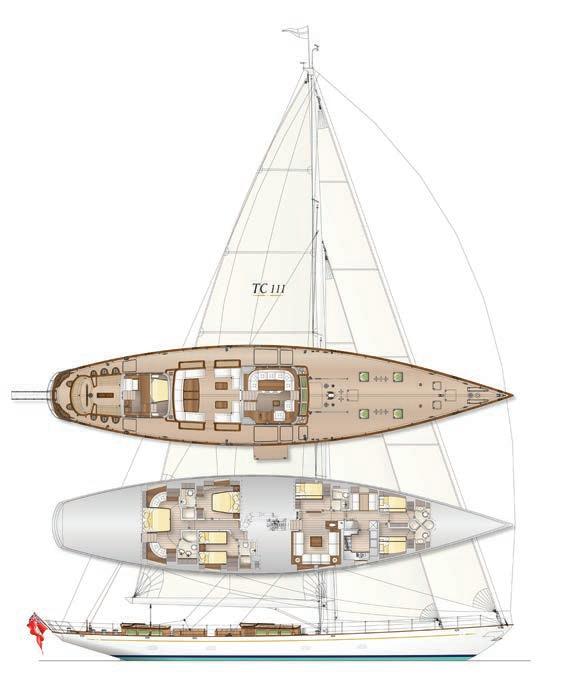
This new design fills a gap in Hoek Design’s Truly Classic range of semi-custom yachts, which combine classic looks with a modern underwater hull, spade rudder and fin keel. The new Truly Classic 111 is functionally close to the TC 128, five of which have been built – almost unheard of for a yacht of that size – with similar living quarters, ocean voyaging capability and performance. Build and operating costs, however, are significantly reduced. In cruising mode it’s designed for a crew of four. The TC 111 has the living space of a modern 105-footer, with graceful, classic aesthetics. It’s engineered for a cost-efficient build in aluminium. Key features include two cockpits, two deckhouses and a versatile cutter rig that will carry a usefully wide range of sails. The interior will be customised. The arrangement shown here has a full-beam owner’s suite and two guest cabins, plus a flex cabin and crew cabins forward. When owners are cruising, the flex cabin can be used for guests. In charter mode, more crew can be carried to deliver the required level of service. The aft deckhouse is split. Its forward half belongs to the owner’s suite; the aft part is a pilothouse with an inside helm, nav station and sofa –perfect for offshore night watches and high-latitude cruising.
TC 111-01 will have carbon spars and sailing systems optimised for racing as well as cruising. Hoekdesign.com
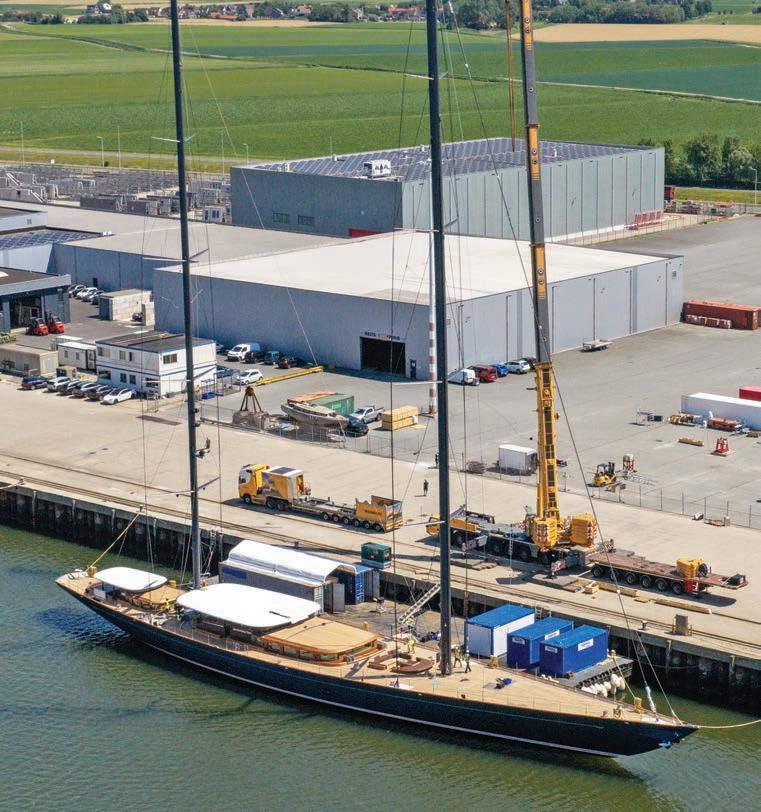
After seven years of design, engineering and build, the visionary sailing yacht Zero launched in July and her masts were stepped at the end of that month. This 69-metre Spirit of Tradition vessel, built by Vitters and designed by Vripack and Dykstra, will be the first superyacht to run entirely on self-harvested renewable energy, without compromising comfort or cruising autonomy. Built to show how a superyacht can operate without fossil fuels and without a high, negative environmental impact, Zero is packed with cutting-edge technical innovations. She has ‘breathing’ masts, a 250kW hydro-generation system, an innovative micro-grid, fully electric sailing systems, advanced hybrid solar panels, custom control software, pioneering energy storage and management systems, and a whole lot more. Technology developed for Zero will be shared via an open source platform so other yacht designers and builders can explore, adopt, adapt and refine it. Her classic appearance aims to prove that a yacht running on renewable energy and avoiding fossil fuel can still be graceful and elegant. Zero’s technical launch is the start of an intensive, extended period of commissioning and sea trials in which her vast array of groundbreaking systems will be tested and validated, and initial data gathered, prior to delivery. Foundationzero.org