



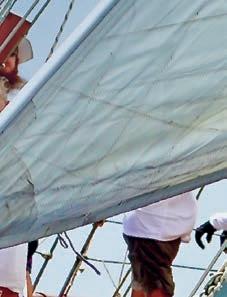
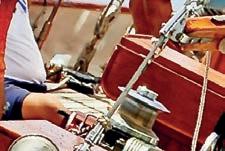


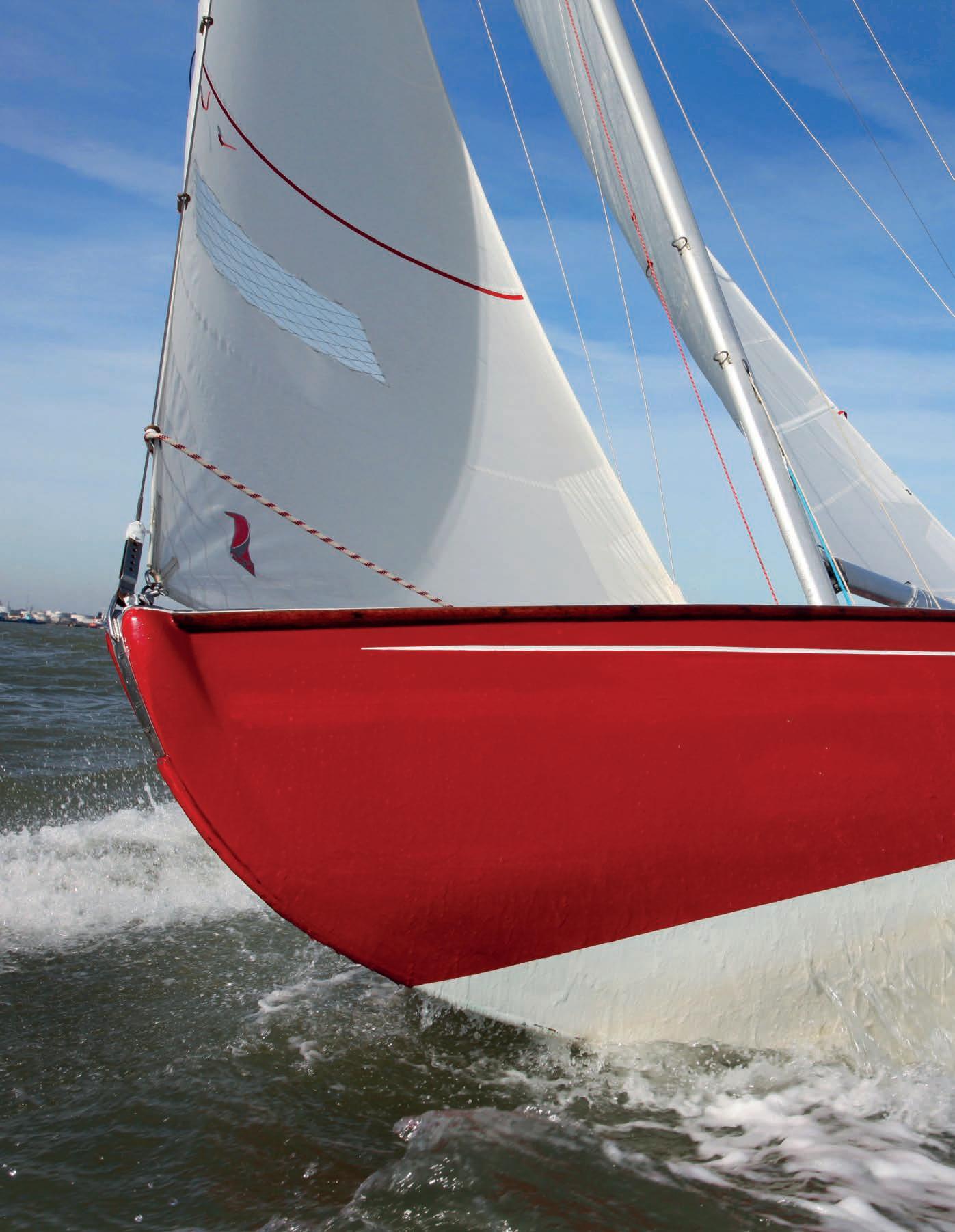
The cherished family dayboat Cockleshell has a remarkable story that now spans a century
WORDS JONTY SHERWILL
PHOTOS JOE MCCARTHY, RICK TOMLINSON, TIM JEFFREYS, HEIDI COHEN, C/O JONTY SHERWILL
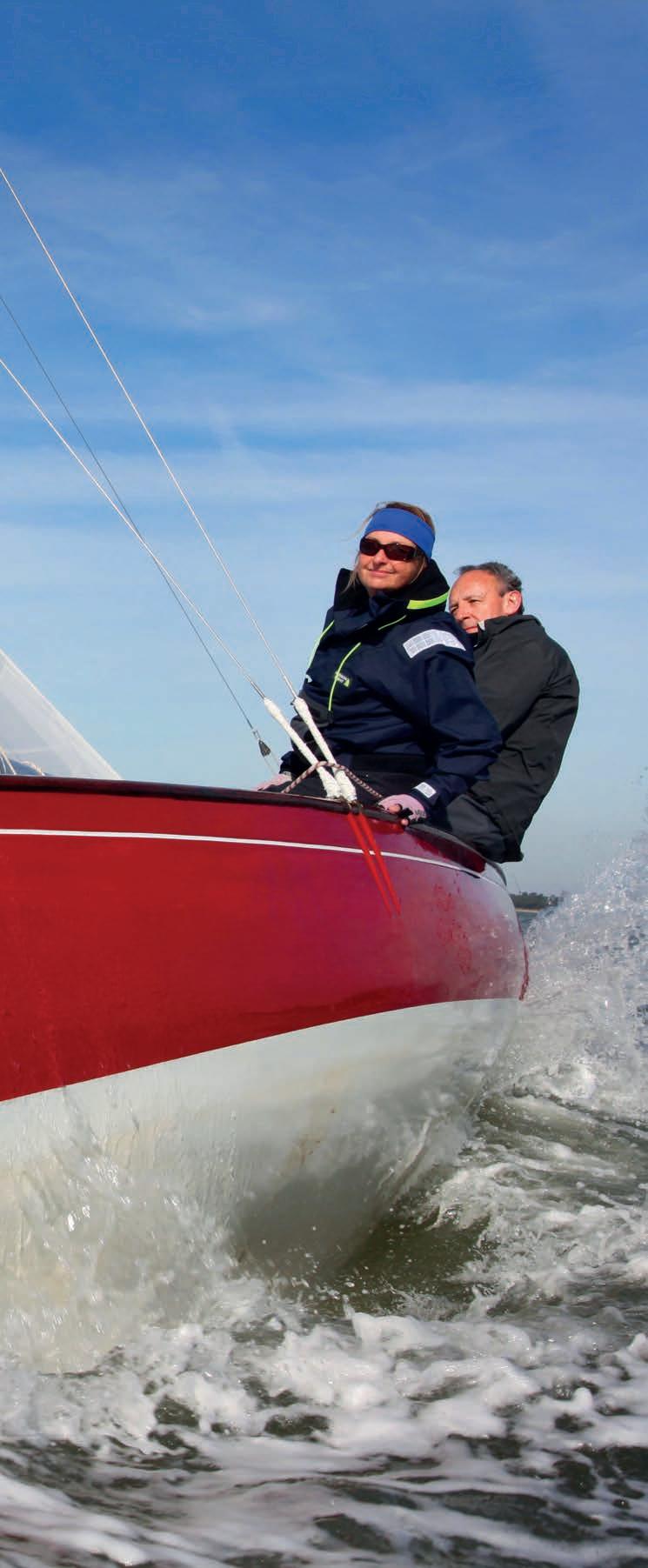
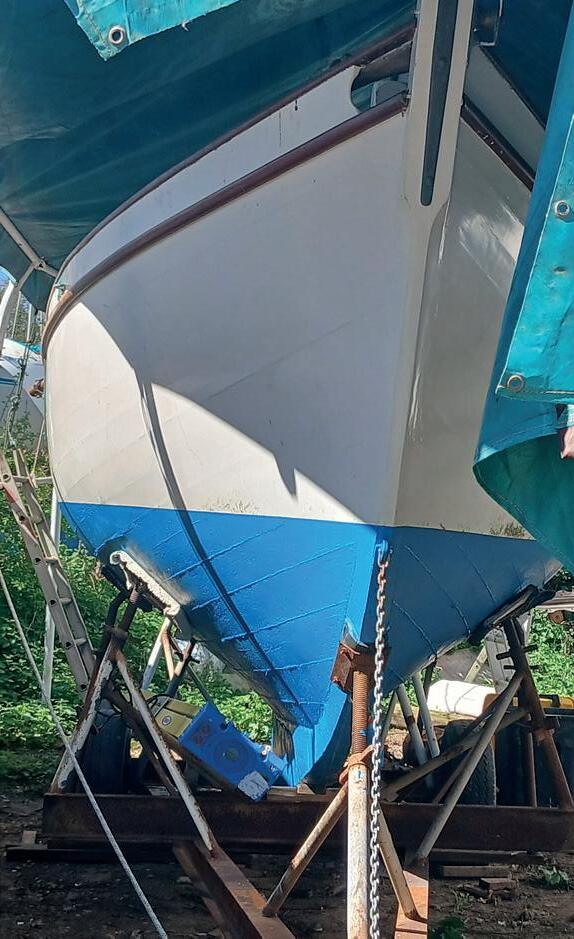
Cockleshell could be the oldest surviving Channel Island-built boat. Her creator, Arthur James Barber, ‘AJ’ to all who knew him, simply wanted a new boat for daysailing out of St Peter Port. But from such acorns, plus a war and a lot of personality, grow legends.
Born in England in 1886, AJ was an award-winning student of dentistry at Guy’s Hospital who married a Guernsey girl named Winnie Henry and together they settled in the island at a time when the professional and family life of a successful dentist would allow spare time for sailing, diving, boatbuilding and much more.
Their home and surgery was at a house called Beauregard, now Le Fregate Hotel. It overlooks St Peter Port Harbour and the neighbouring islands and is where Cockleshell was built in a large workshop with workbenches and shelves packed with tools. Here AJ lofted and planked the hull and produced every part for her including wooden patterns for the cast bronze fittings and the iron keel. On the same day that the build was completed, 29 April 1926, their second daughter Pat was born and not long after Cockleshell was launched at the St Peter Port careening hard.
AJ became a skilled navigator with clearing and striking marks for every conceivable hazard around Guernsey and Herm, so comprehensive that Adlard Coles asked him to contribute this knowledge for his Channel Pilot.
While Cockleshell was his most ambitious boatbuilding project he also built a car, an ash framed fabric-bodied coupé on an old chassis with leather upholstery stitched by his elder daughter Jocelyn.
If not sailing or making something AJ could be found deep water diving with his son Max using the diving bell he had made. This was fed with air from the compressor in AJ’s beautifully built carvel-contracted 16-foot motorboat Winkle, which was sadly lost without trace during the German Occupation.
Such was AJ’s reputation for craftsmanship that others would seek his advice. Legend has it that EA Dorey asked him to cast a critical eye over the handsome double-ended cruising boat Saint Sampson during her long build.
This contented life continued until the Second World War when the Barber family evacuated to England. Cockleshell was laid up on the harbour wall where she would remain for five years, undamaged except for shrapnel wounds from an unwelcome British air raid.
After liberation, Cockleshell was hastily re-rigged for sailing, although much of her gear had been lost in a shed fire. An early visitor after the war was Roger Pinkney aboard his Dyrachy and on an urgent mission, removal of a broken tooth. The 1946 Royal Cruising Club Journal describes this first cruise to France after the war and also some ‘rockhopping’ aboard Cockleshell.
After AJ’s unexpected death in 1952 – chain smoking killed him aged 67 – the boat was often skippered by John Sherwill who had married AJ’s younger daughter Pat in 1949. Success included winning the 1955 Round Jersey Race crewed by his younger brother Rollo, only for them to be disqualified on a frivolous technicality – that the boat had no cabin top!
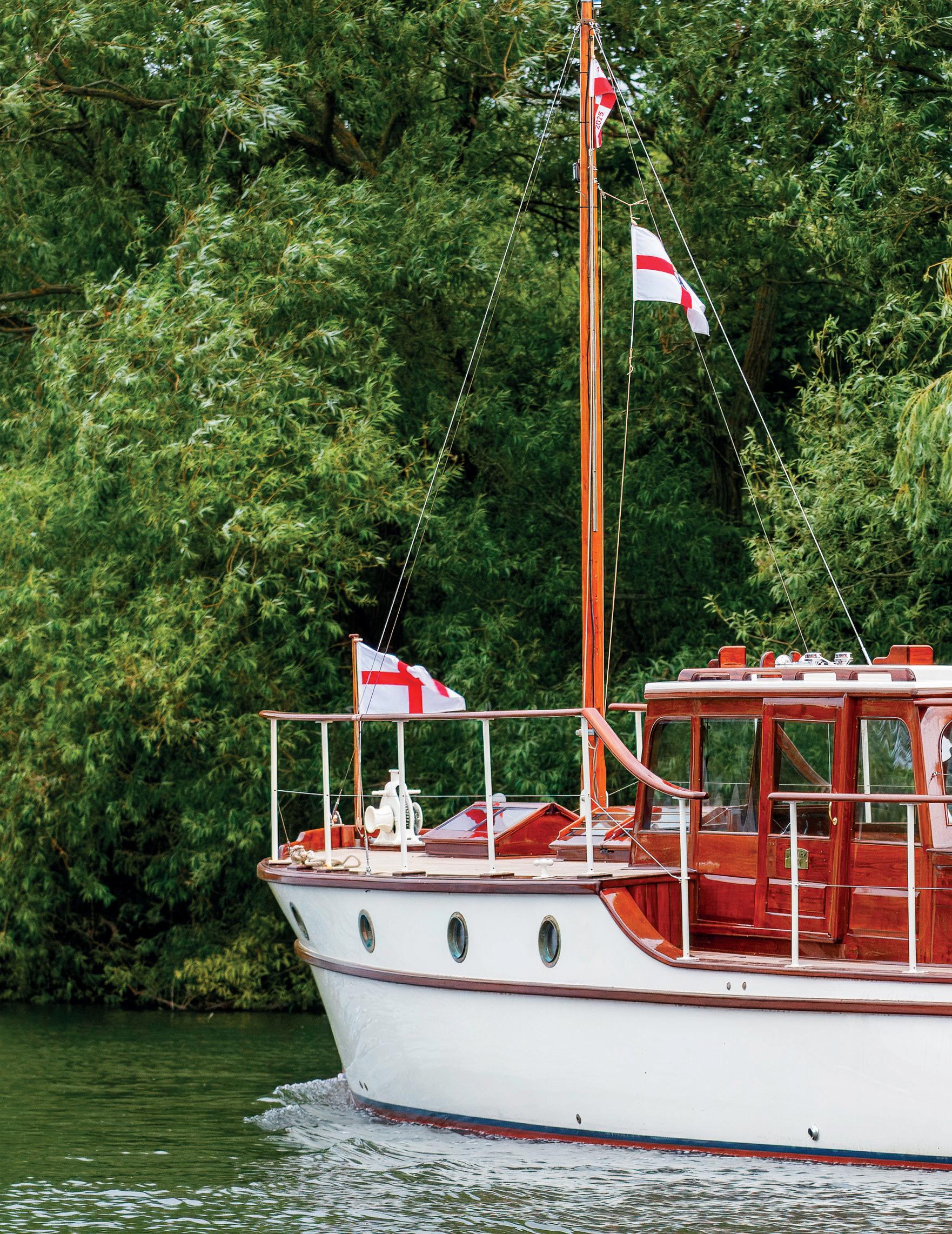









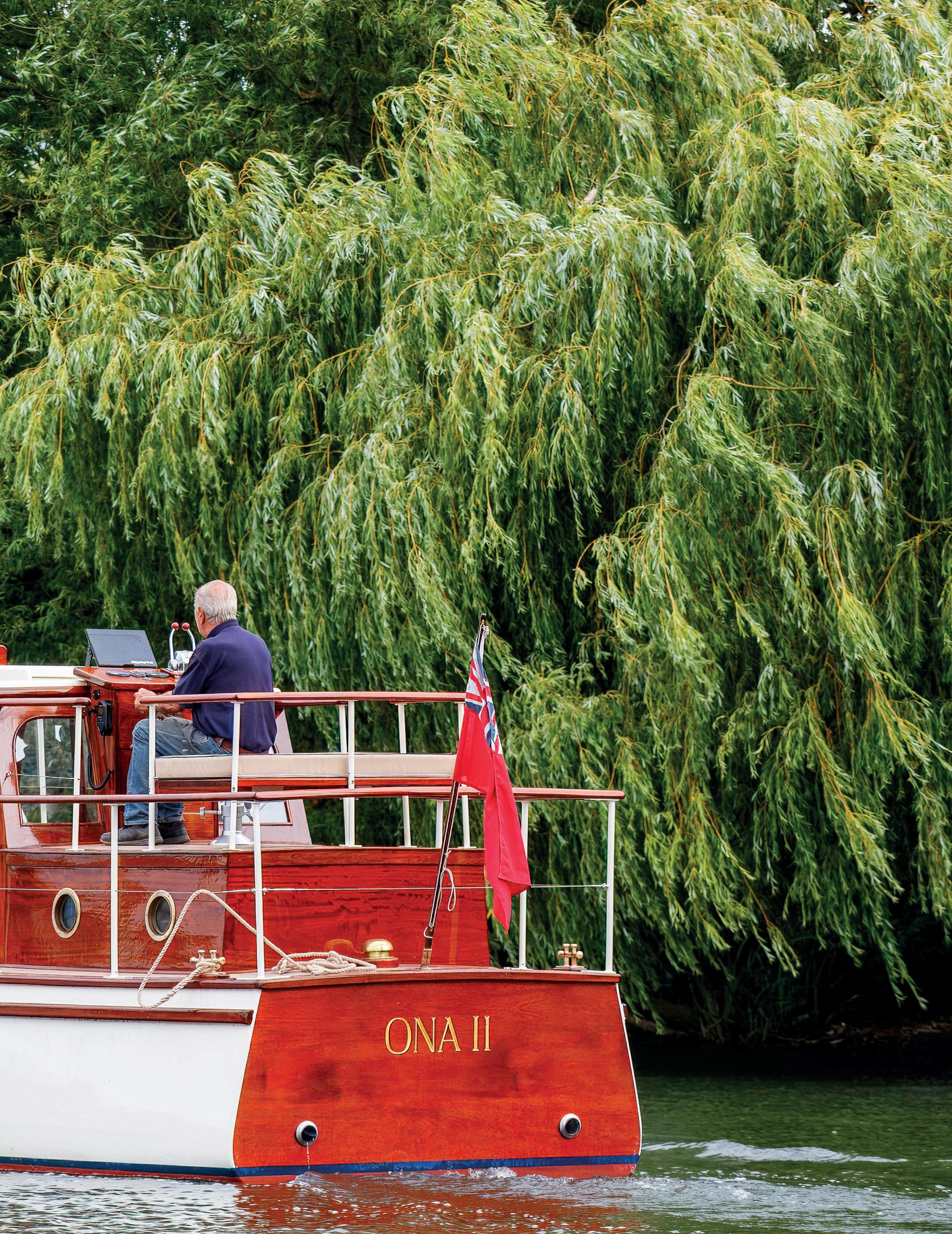
In boat restoration the road to glory is paved with power tools and pain. And a lot of sandpaper. But bringing Ona II back to her original splendour, or further, was worth it



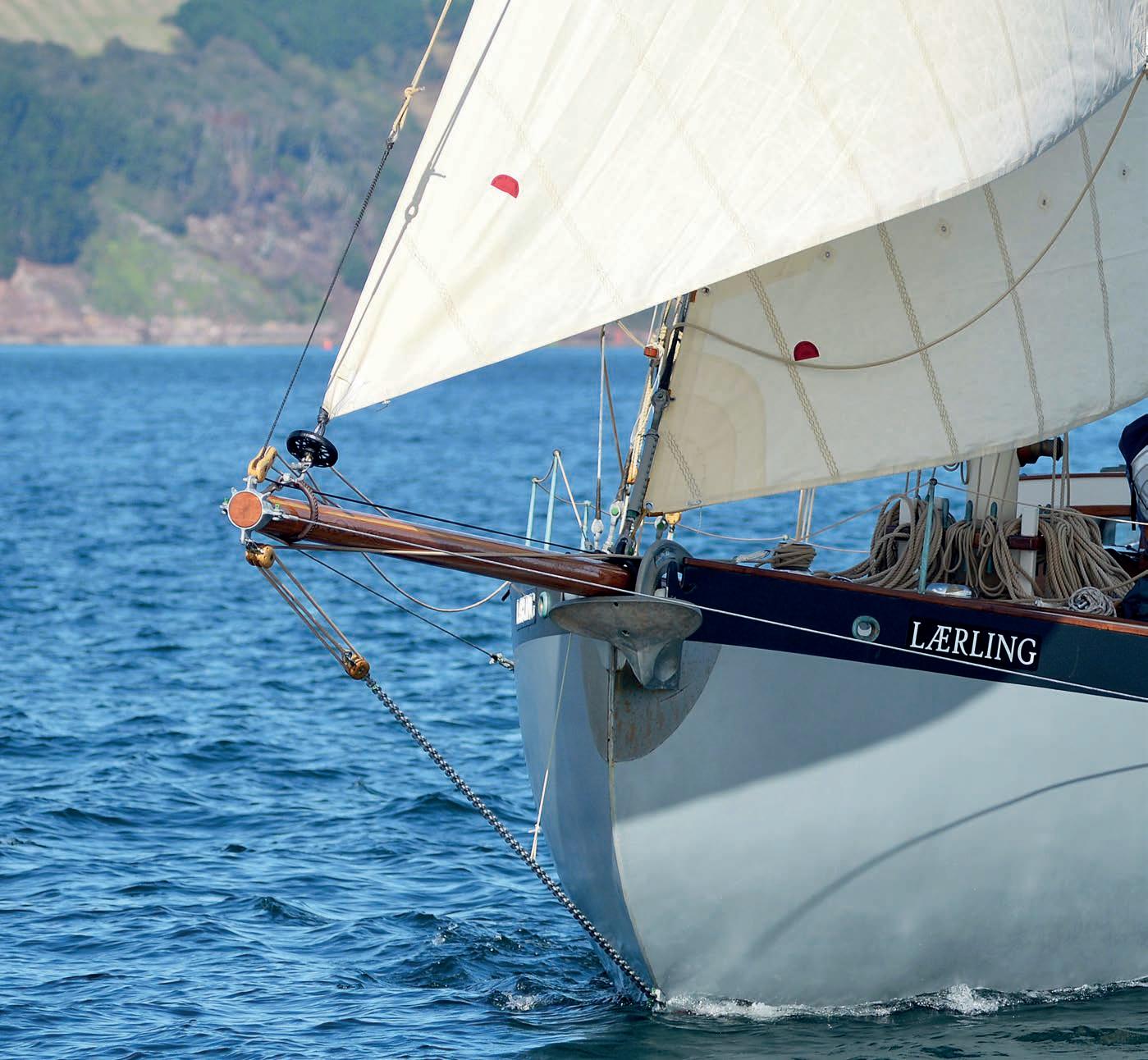
This new 52ft steel ketch is designed and built for serious ocean voyaging WORDS NIC COMPTON
Like any good project, the idea of building Lærling started in a pub,” says Chris Torrance, owner of the 52ft steel ketch which won the Spirit of Tradition category at last year’s Classic Boat Awards. The pub in question was the Queen’s Head in Maldon, a place where thousands of imaginary ships have been launched, though not all of them have survived the transition into real life. Chris had a dream to sail around the world after retirement and was looking for a suitable boat, but despite having a hefty budget, he couldn’t find anything on the market that completely satisfied him.
“I’ve looked really hard for modern production boats that might be good enough to go around the world. And there are some, but they are few and far between,” he says.
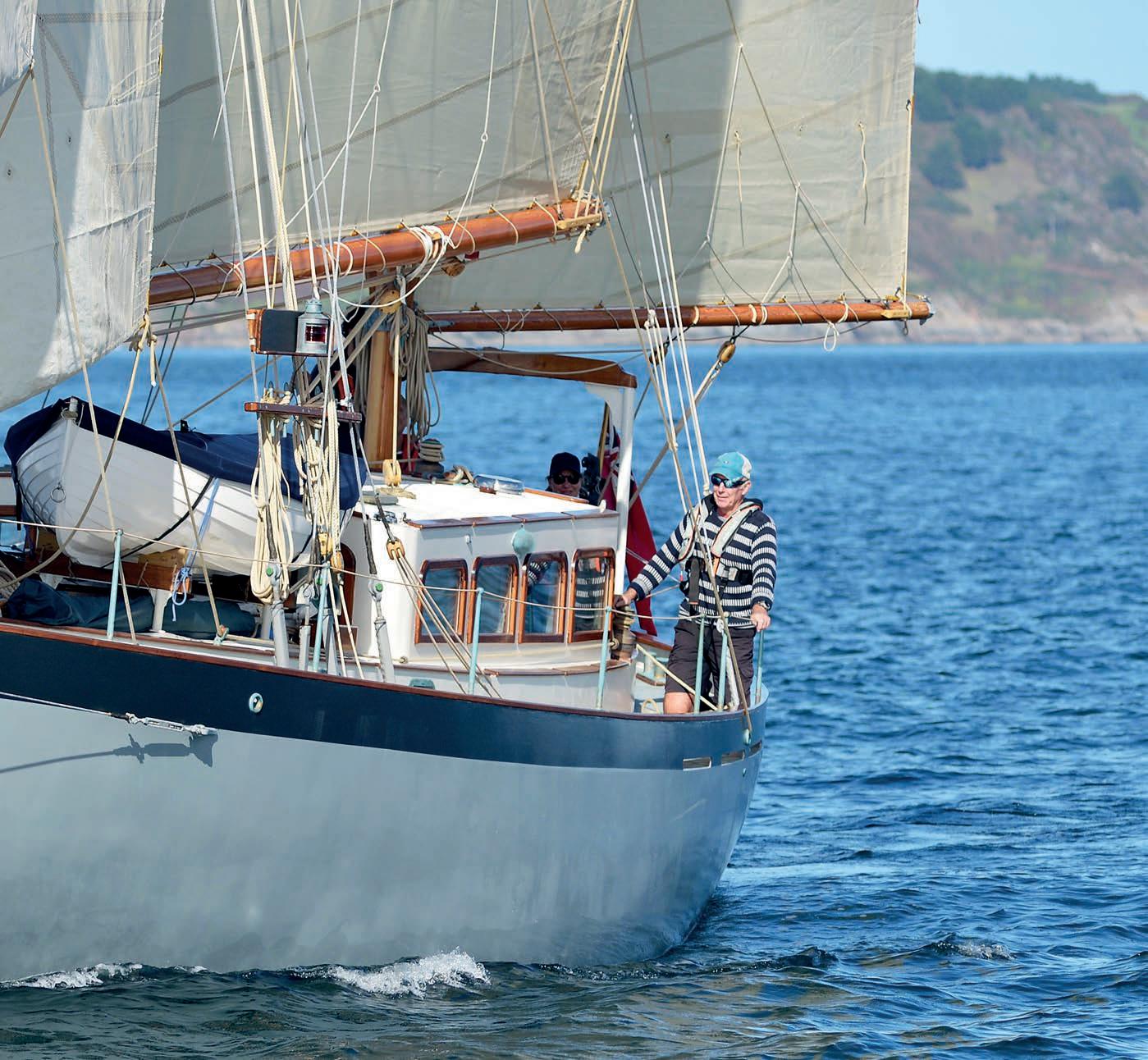
“I used to own an Albin Singoalla, a sturdily-built fibreglass boat from the 1970s, and that kind of sturdiness can’t be found in modern boats. They’re fast, and some can be adequate for going around the world, but if they’re fast, there’s going to be some compromises on the sturdiness of various things. These boats are sinking from orcas hitting them. They have thin rudders with no protection.”
By then, Chris and his wife Peta had been introduced to the pleasures of gaff rig, while sailing their 28ft Tyrell & Young (fibreglass) smack Lily on the East Coast. Despite the extra effort needed to handle what might be regarded as a cumbersome and even anachronistic rig, compared to those fast, modern boats, Chris was impressed by the seaworthiness of gaff and of the smack’s traditional, heavy-displacement, long-keel hull. He wanted something like that to sail around the world, he decided, but bigger and with some of the benefits of modern technology.
“I wanted something really sturdy that could survive any kind of weather,” he says. “And there are some boats like that on the market, but they tend to be very old and very expensive. To create a modern version of an old classic – with all the best parts of the modern world but keeping the best parts of the old world – that really had to be built from scratch.”
Which was when Chris got talking to Jim Dines at the Queen’s Head in Maldon. Jim grew up messing around on boats in Maldon and by the age of 12, when most kids his age were still bouncing around on Space Hoppers, he had a holiday job as mate on a Thames barge. He served for 18 years in the Royal Fleet Auxiliary before settling down back in Maldon, where he and his wife set up several nautical businesses from their base at the Downs Road Boatyard, including the brokerage MJ Lewis & Son and the rigging company TS Rigging.
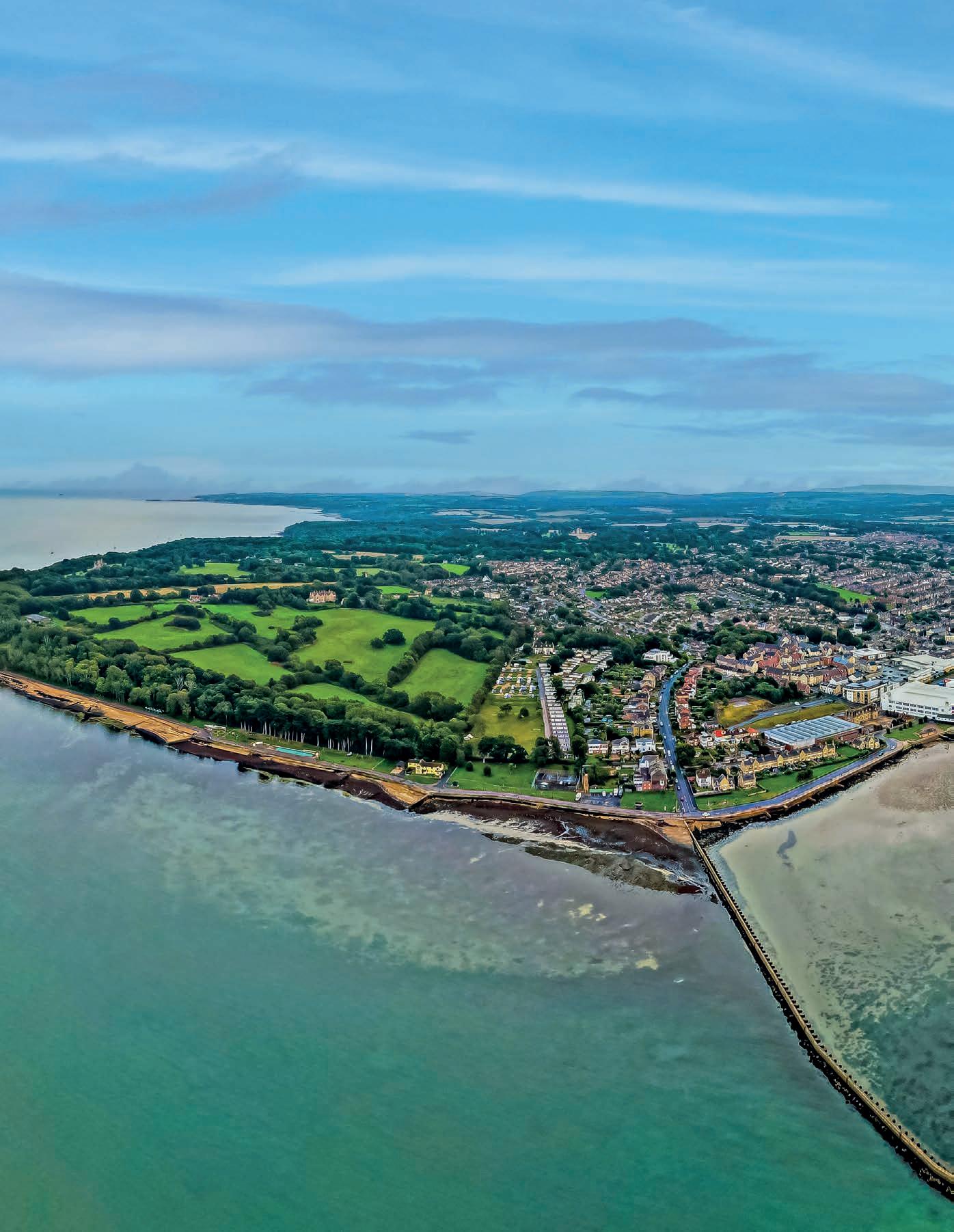
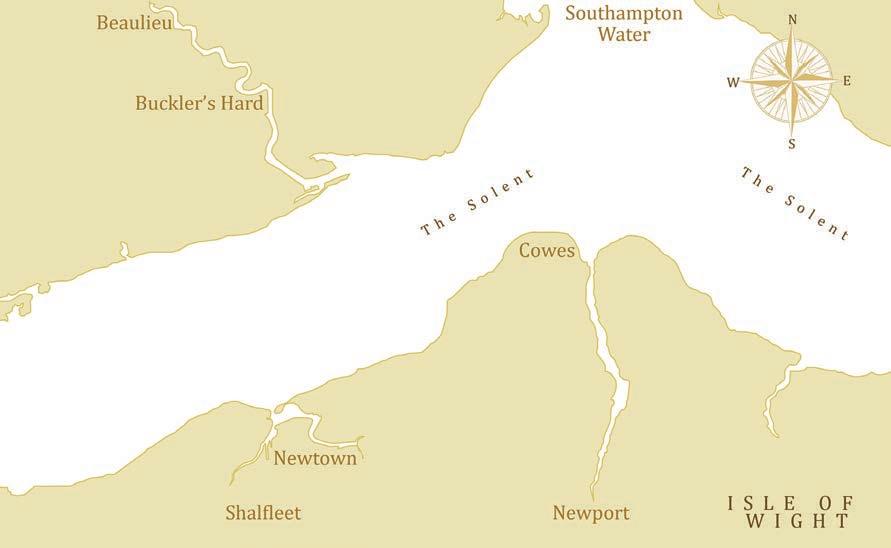
Tom Cunliffe continues his Solent odyssey, stopping in at Newtown, Beaulieu and Cowes, paying homage to the area’s history and great sailing stories
WORDS AND PHOTOS TOM CUNLIFFE
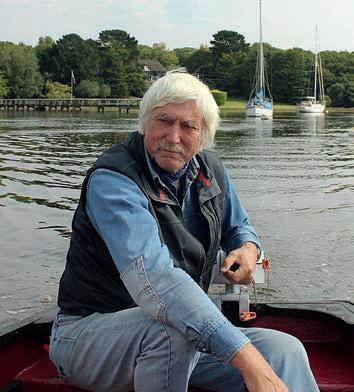
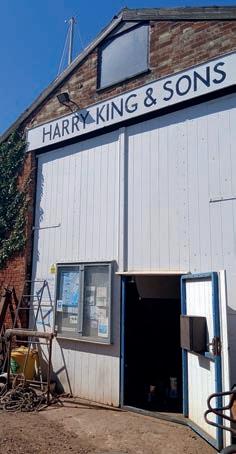
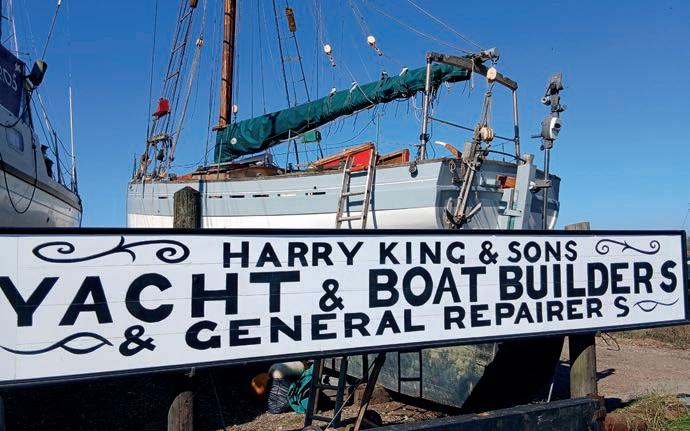
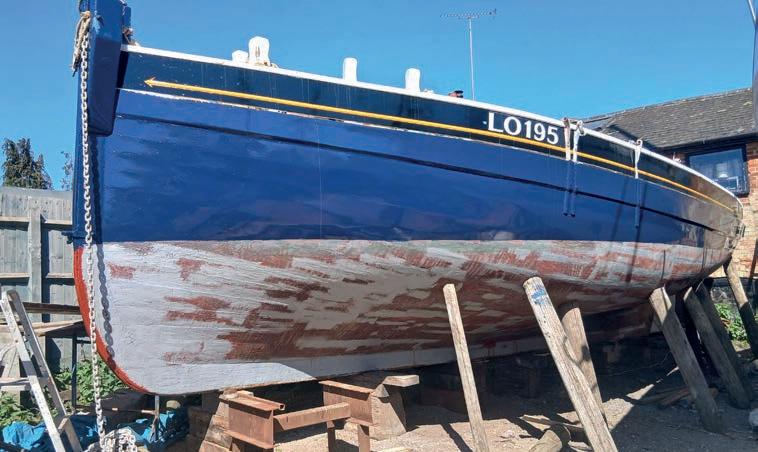
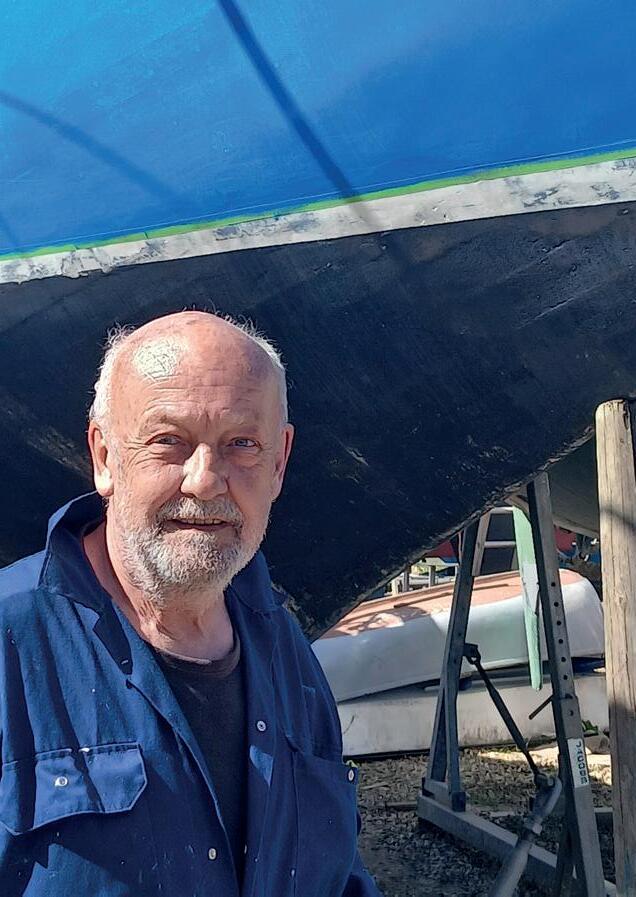
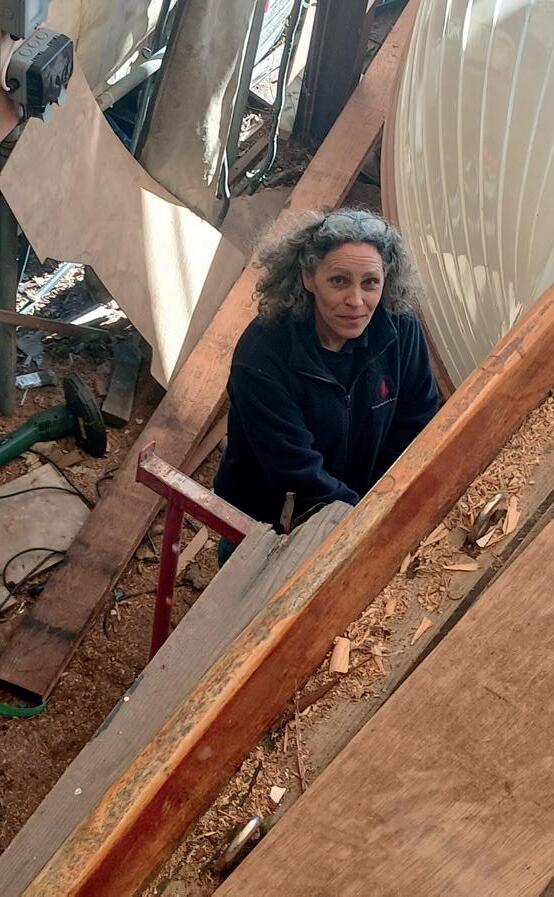
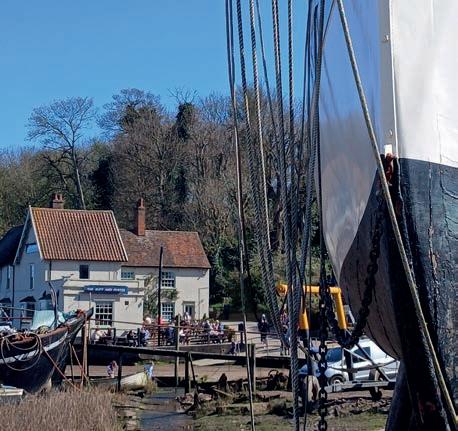
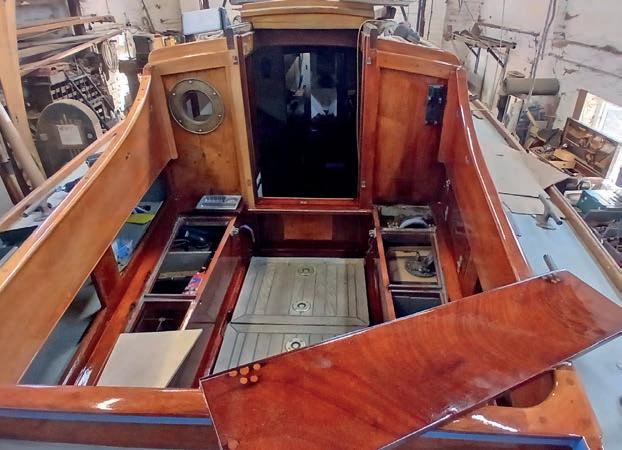
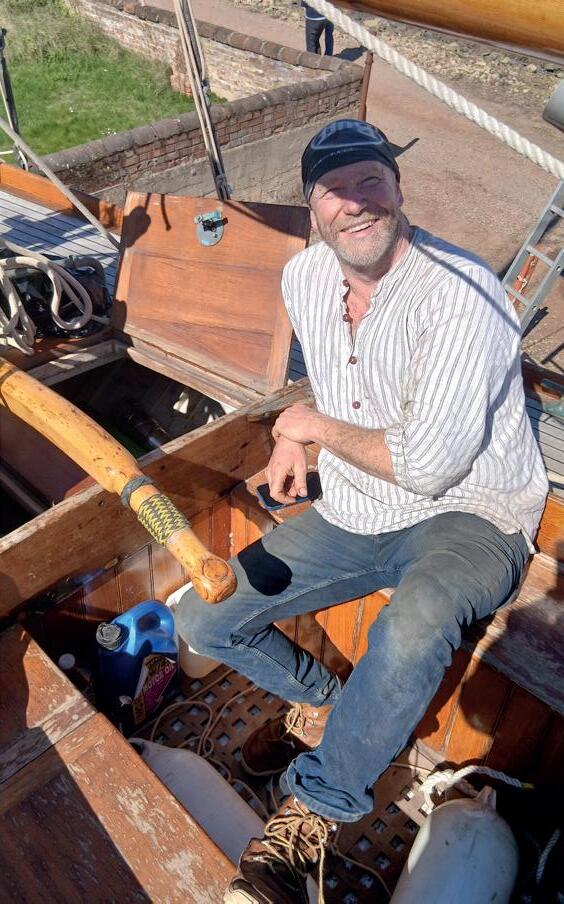
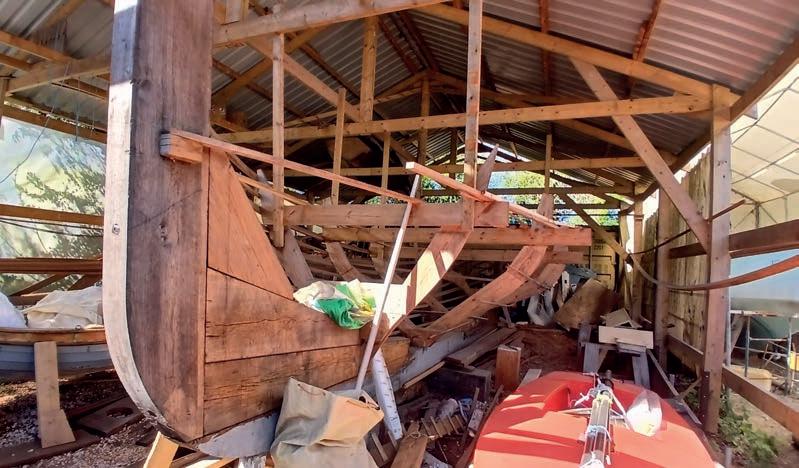
Top row: Two views of Kings and one of the Butt and Oyster pub
Second row: Gus and Sarah Curtis’s bawley Gladys; Arthur Ransome’s Nancy Blackett
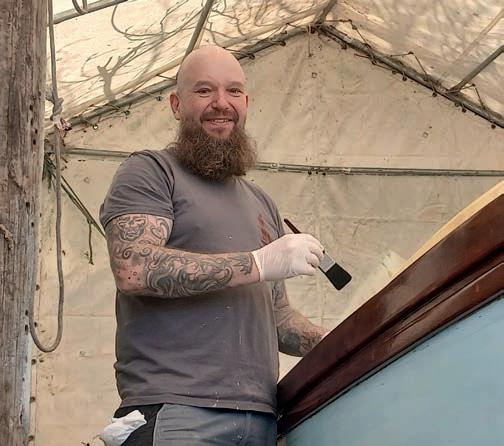
Third row: Yard customer Tony Barlow and his Kings-built sloop Twayblade; Sarah Curtis; James Boyd aboard Concorde; Ben Mills the painter
Fourth row: Colchester smack Fairy, one of Tom Curtis’s boats; the Ed Burnett-designed Frolic