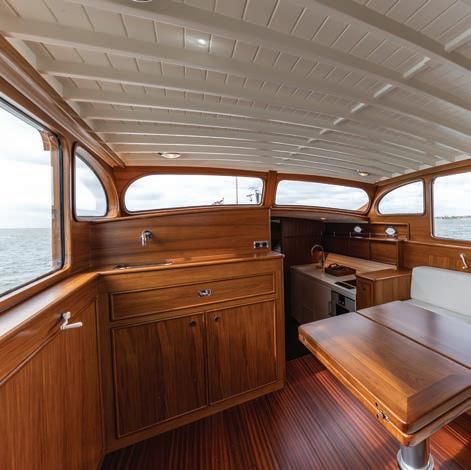

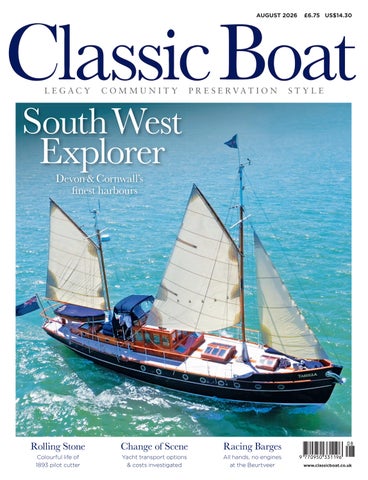








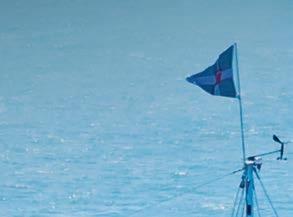
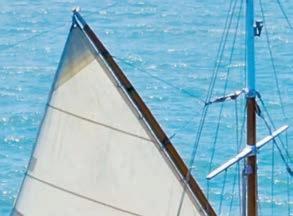


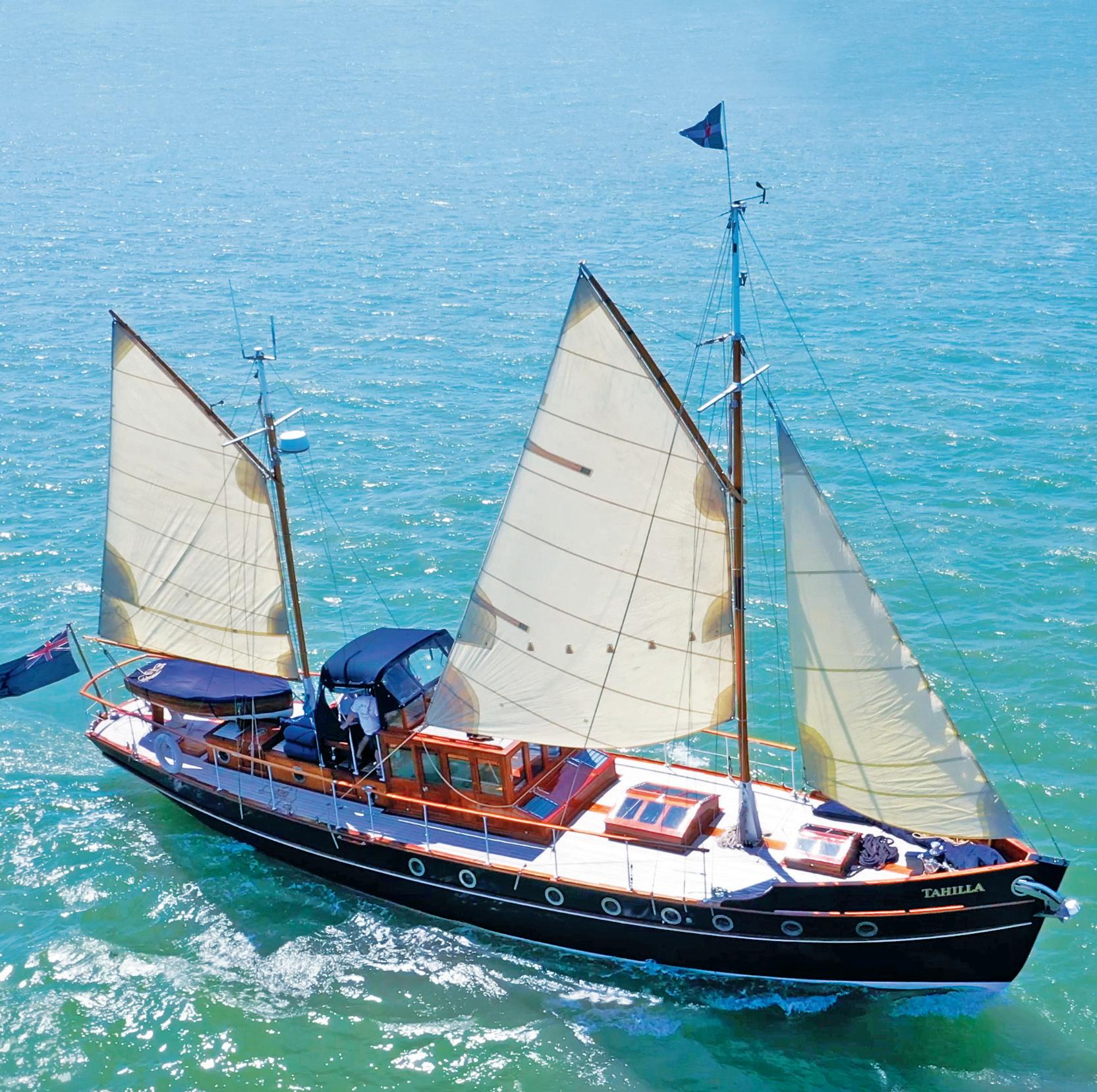
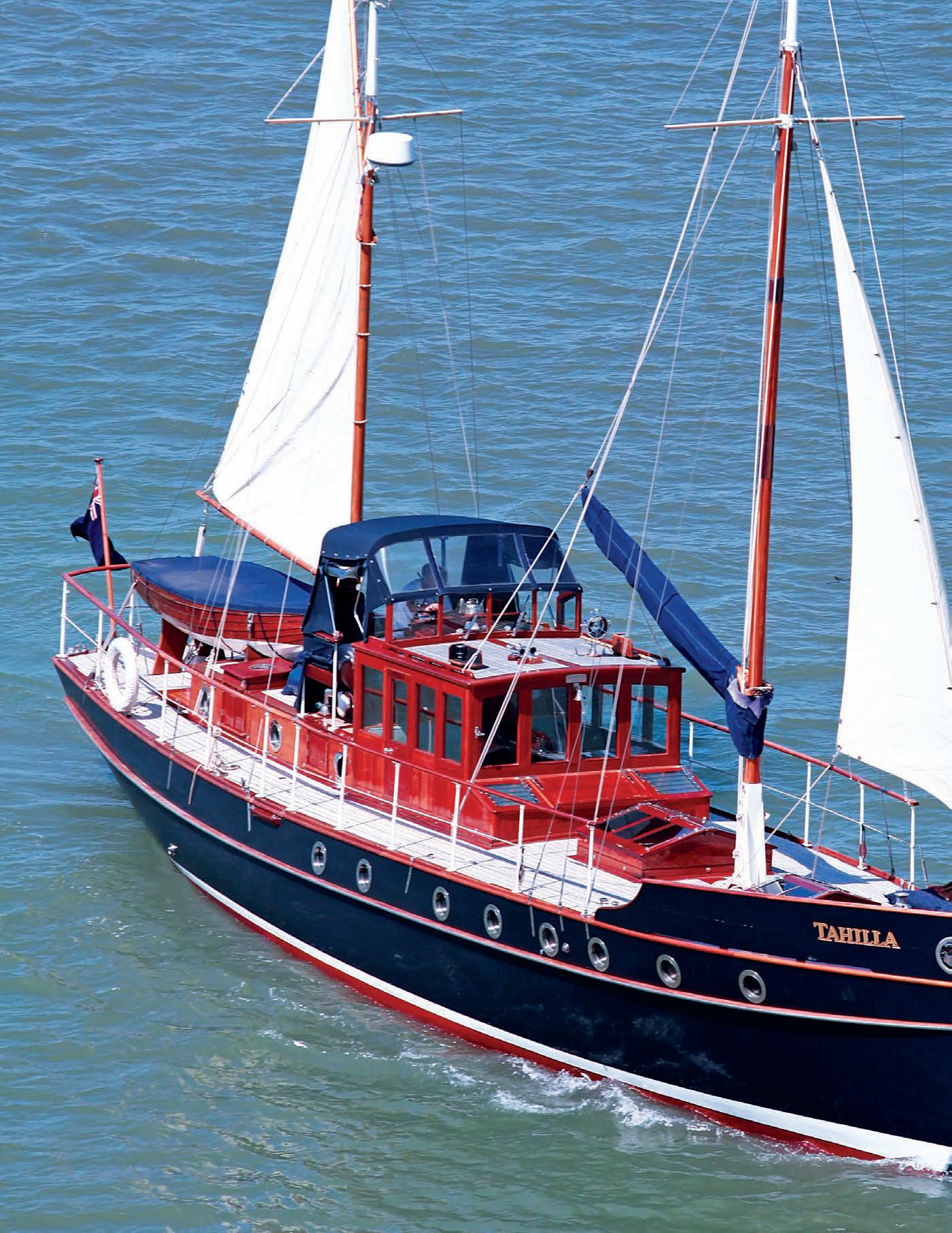
Old boats have the best stories, but few can match Tahilla’s epic tale of riches to rags and saviour to survival. We met with her owner and the builder responsible for an impressive restoration, both fully and passionately invested in this 1922 Thornycroft
WORDS CARL RICHARDSON
PHOTOS JOE McCARTHY
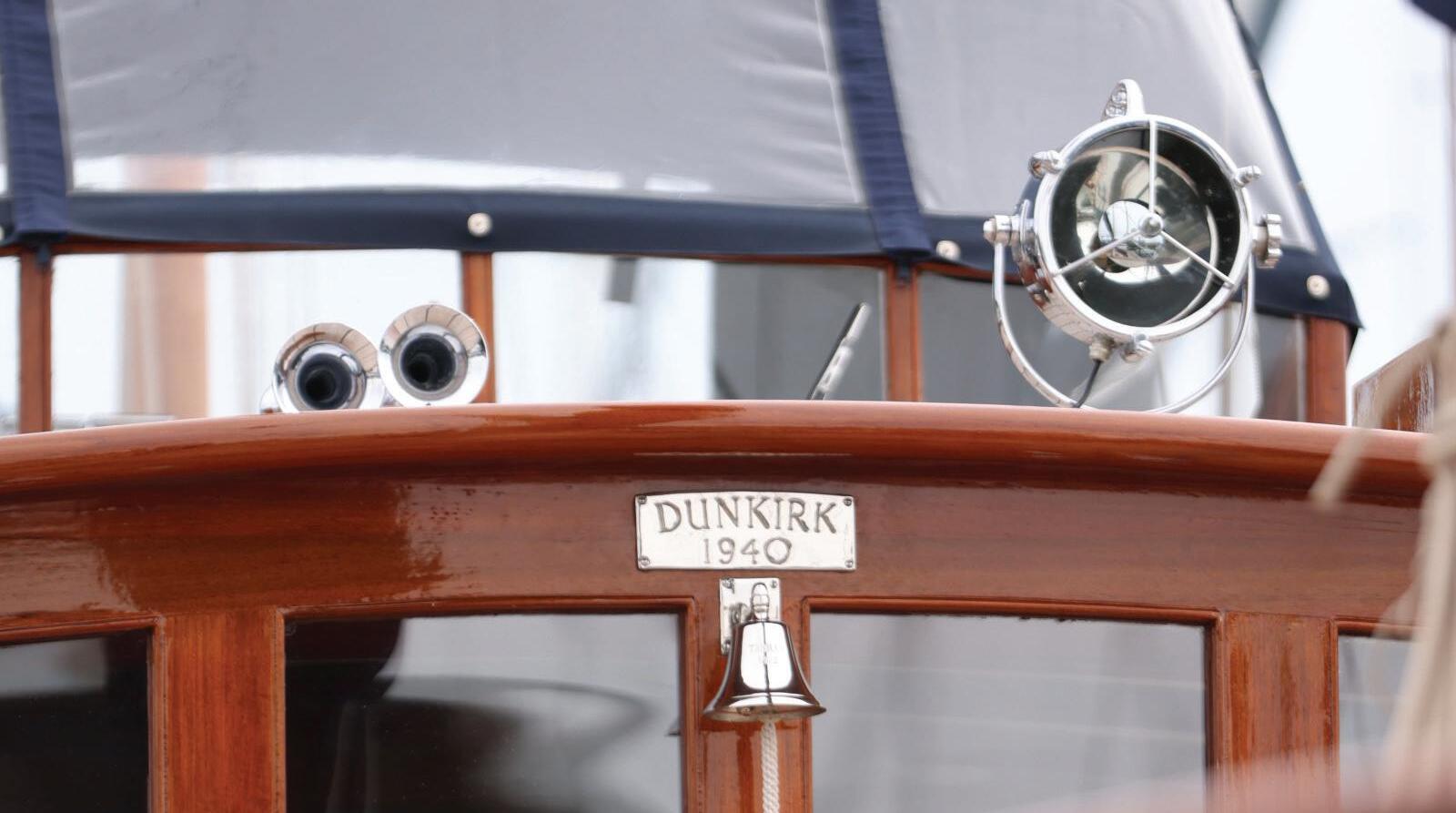
On the 19th of May 2025, the night before the 85th anniversary of Operation Dynamo, I found myself wandering the tall docksides of Ramsgate, looking out onto the assembled little ships. It wasn’t a cold evening but the warm glow of cabin lights worked their magic just the same.
One boat stood apart, in both senses. Tahilla was moored slightly away from the main group, her 60ft of teak-laid deck requiring a hammerhead. Ketch rigged but with the stature of a motor yacht, the vessel had immediate presence. In the fading light, her blue topsides and matching sail covers turned inky black, but brightwork caught the historic harbour lights and her proud bows the overhang of her slender stern sections were unmistakable. This was a special boat. I could have airlifted her to Monaco or the New York Yacht Club and she would have looked just as at home.
The story of how she came to be moored in Ramsgate that night includes a few devoted owners but, more than any one person, it is largely down to another little ship. Off the beaches of 1940, Tahilla, then called Skylark, was strafed by a Messerschmitt 109. Her stern gear was smashed. Like many others, she was abandoned and left to simply drift away. Southern Queen, under the command of Basil de Mattos found Skylark and towed her back to England. From saviour to saved.
The Tahilla story starts 20 years before Dunkirk. Walter Melville Wills, of mighty tobacco manufacturer WD & HO Wills, commissioned Messrs John I Thornycroft and Co to build a substantial vessel for the purpose of passage-making, transporting his family in comfort and luxury from their estate in Bristol to those on the West Coast of Scotland. Now, anyone who knows the Irish Sea may well reflect on how comfortable, luxurious and realistic this plan was. History does not record how many passages were undertaken, but in 1925 Skylark was sold to Thomas F Tattershall, who moved her to North West Wales, and then to W Egerton Wilson in 1932, acting as mothership to his Fife
One Design day racing sloop Siglen
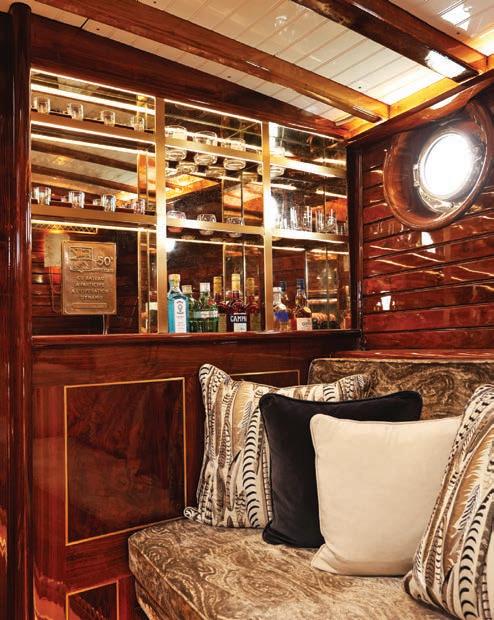
Following her Dunkirk escape, the Admiralty repaired Skylark and she remained in service until 1947. Materials were scant during the war, but it seems the yacht was in good repair when bought by Sir W Clayton Russon and returned to Wales. In 1954 Richard Myles Rothwell took ownership, probably moving the boat to the West Coast of Ireland and certainly renaming her Tahilla, after a County Kerry bay. It was at this time her original Thorneycroft 30hp paraffin-petrol engines were replaced with later 60hp variants.
In ’57 another big change saw Lt Col Samuelson










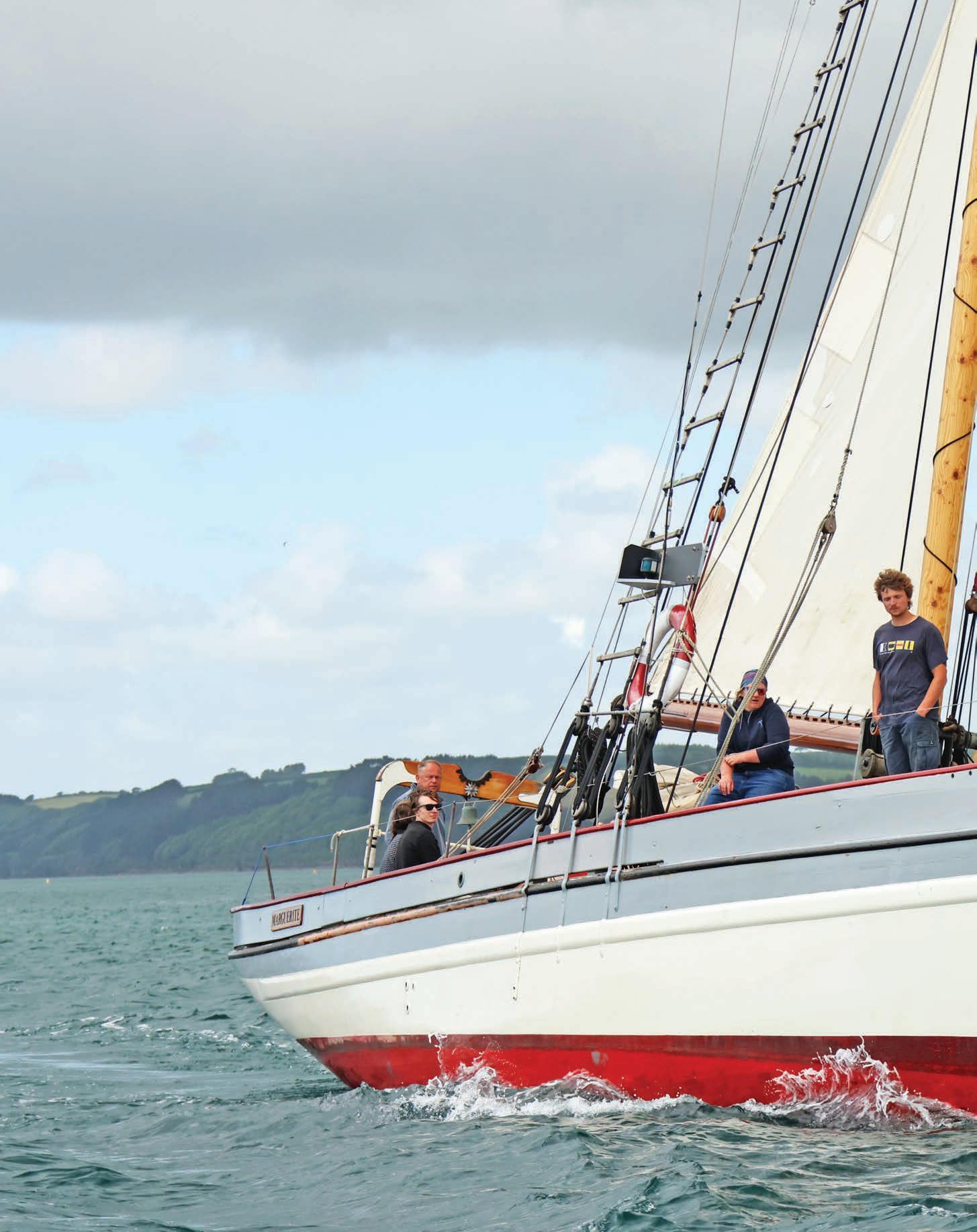
The 50ft Bristol Channel Pilot Cutter Marguerite is an easy boat to fall in love with. And she still has almost exactly the same sailplan that she originally worked with after a remarkable 133 years afloat



WORDS NIGEL SHARP PHOTOS NIGEL SHARP AND RICHARD GREGSON

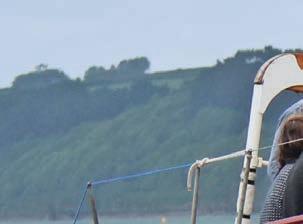

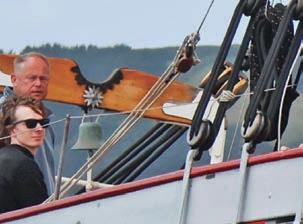
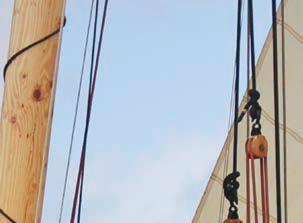
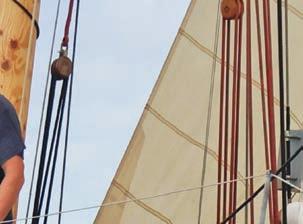
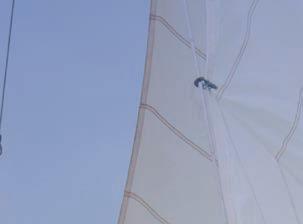
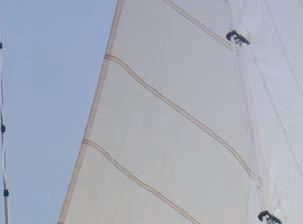
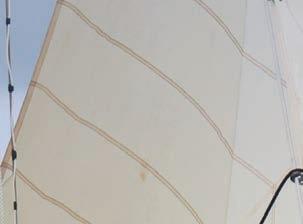
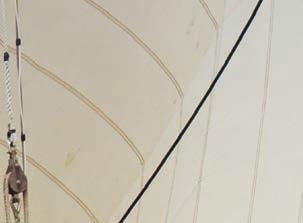
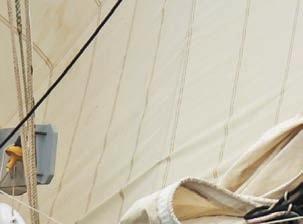


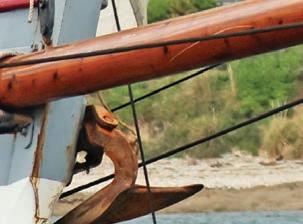








Jan and Romke Loopik, two Frisians whose lives are bound together by their love of sailing and a boat they have owned for more than 50 years: the 7.10 Metre Class Sperwer
WORDS & PHOTOS: RON VALENT
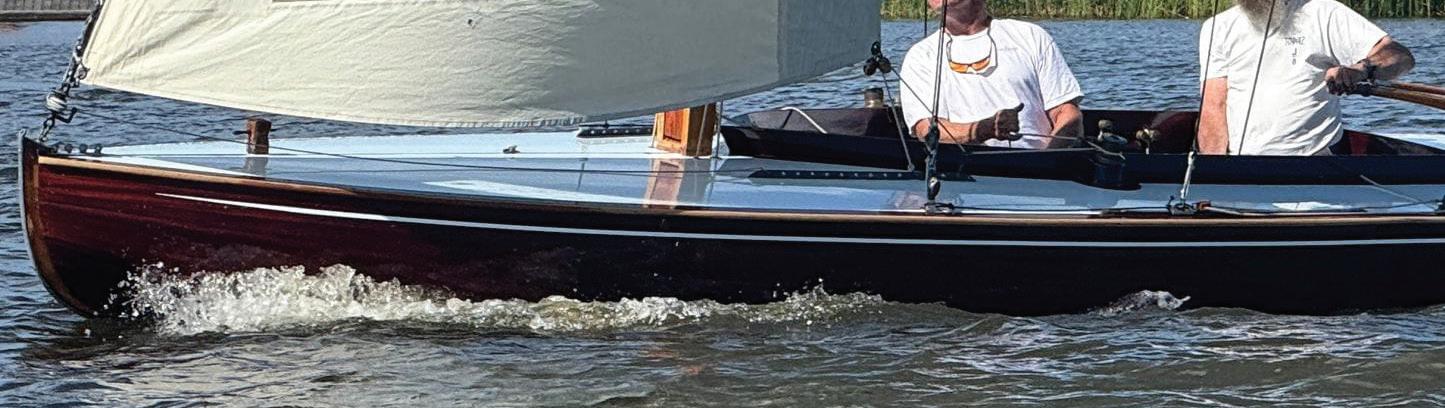
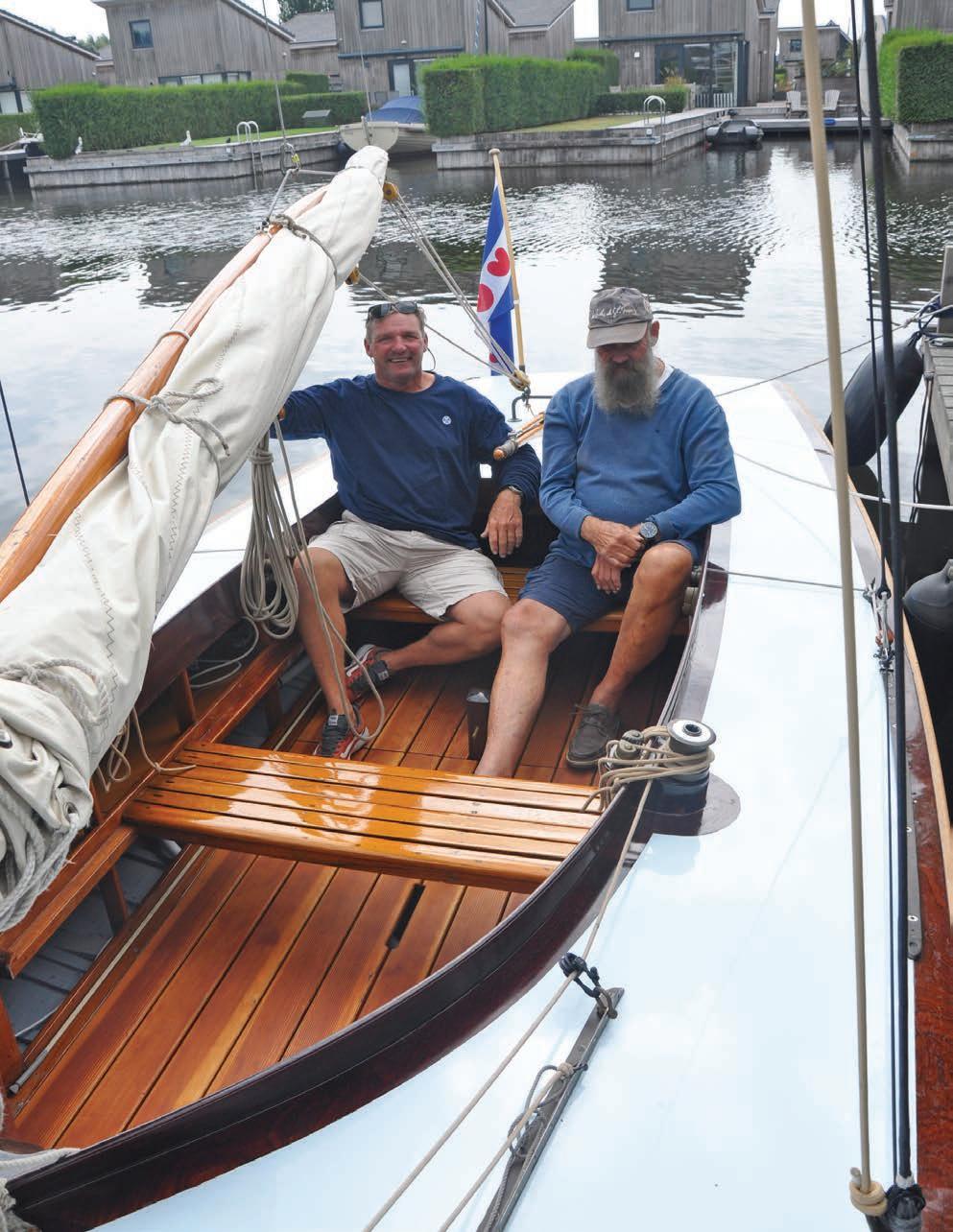
Jan Loopik, now 81 years old, a former yacht restorer, sailing instructor and harbourmaster of Heeg in the northern Dutch province of Friesland, can still be found in his boathouse every day, where he makes model ships and other nautical-themed items, such as cheese boards shaped like a flat-bottomed boat’s centreboard. He can also often be found on the water, sailing on the Heegermeer with his son in Sperwer Superyacht captain Romke Loopik divides his time between sailing the 154ft (47m) Royal Huisman-built Nilaya, and this 23ft 4in (7.1m) wooden classic from 1931. One week he’s in the Galapagos Islands or racing in the St Barths Bucket Regatta, the next he is happily out on the Heegermeer in Friesland in the 95-year-old Sperwer. For reasons of diplomacy, I did not ask which he prefers.
More than 50 years ago, a young Jan Lopik was driving from Heeg to Sneek when, glancing to his right as he passed
Above: Graceful and fast, slicing through the
a bridge, he happened to spot something strange lying in the water. “I saw a blue shape under water with the clear outline of a boat. I parked and walked to this farm.” I could see straight away that it wasn’t a 16m² or anything like that, but a completely different sort of boat. I took off my trousers and climbed inside. It was full of mud and must have been lying there for months. The farmer said that six months earlier, a student club abandoned it in that creek during a gale on the lake. He’d never seen them again. After a while, he’d removed the mast, sails and outboard motor, and all that was now in his shed.”
“The farmer did have their address and phone number, so I rang them. ‘Yes, sir,’ they said, ‘it’s a 30m² and we’re not doing anything with it anymore.’ I said I’d be happy to buy it just as it was lying there under water and offered 1,000 guilders (approx €450) as I just happened to have that lying about. After the sale was finalised, I heard from the farmer that she had to be removed within a week because the creek was going to be dredged and the boat would be crushed by the excavator. I asked the same
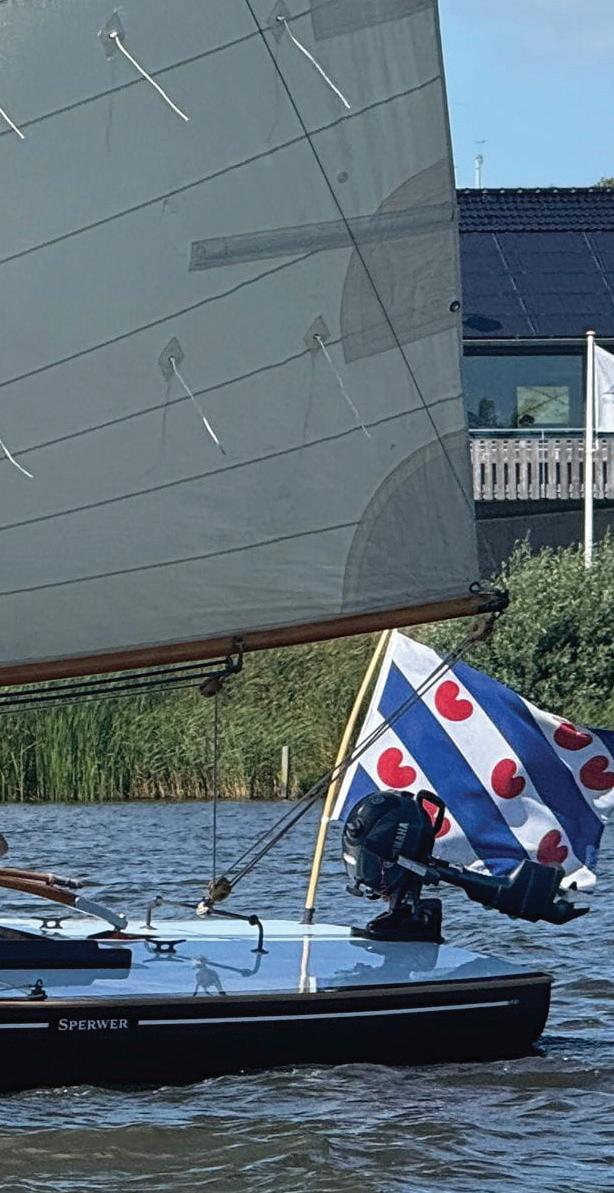
company to first lift the boat slightly with the crane so that I could get the water out with a large pump.”
“I had to get back in the water in my underpants to lower the pump into the boat and secure the lifting straps around it. I asked them to hoist it up until the edge of the cockpit was just above the water. Within 10 minutes the boat was empty and I was able to scoop out about 40cm of sludge and two barrels of eels. We ate all the eels.”
After a few days of scrubbing and hosing down, the mast, sails and engine were fitted, and Sperwer sailed to Jan’s boatyard, where she was immediately taken ashore to locate and repair the leaks. “Together with a very young Romke, we worked flat out to strip the boat completely bare and get her back into tip-top condition.”
“I then set about finding out what sort of boat this was. She turned out to be a 7.10 Metre Class. She had been built by Visser in Paterswolde for the Geveke family, at the time one of the largest contractors here in Friesland.
Geveke’s brief was: ‘Build me a boat that’s as fast as possible.’ It turned out to be a full-keeled design framed with steamed timbers, that’s probably why she’s so fast.”
The second edition of Van Kampen’s De Zeilsport, the Dutch equivalent of Dixon Kemp’s Manual, states that it was: “a class of the North Netherlands Watersports Association and, unlike most racing classes – which were all built to a standard design and were therefore uniform –this is a restricted class. The designer is free to design the boat as long as they adhere to certain prescribed maximum and minimum dimensions.”
“The 7.10m Class is what we now call a box rule,” Romke says. “So in that sense it’s actually quite modern. As long as the boat had a maximum of 7.10m length and 2.15m beam, you could do whatever you wanted. No more than 90cm of draught was allowed and 30m² of sail area. You could really go in any direction with that.
“I once had a photo showing three boats with three different types of rig in a single shot,” he continues. “One of them had a sort of junk rig with fully battened
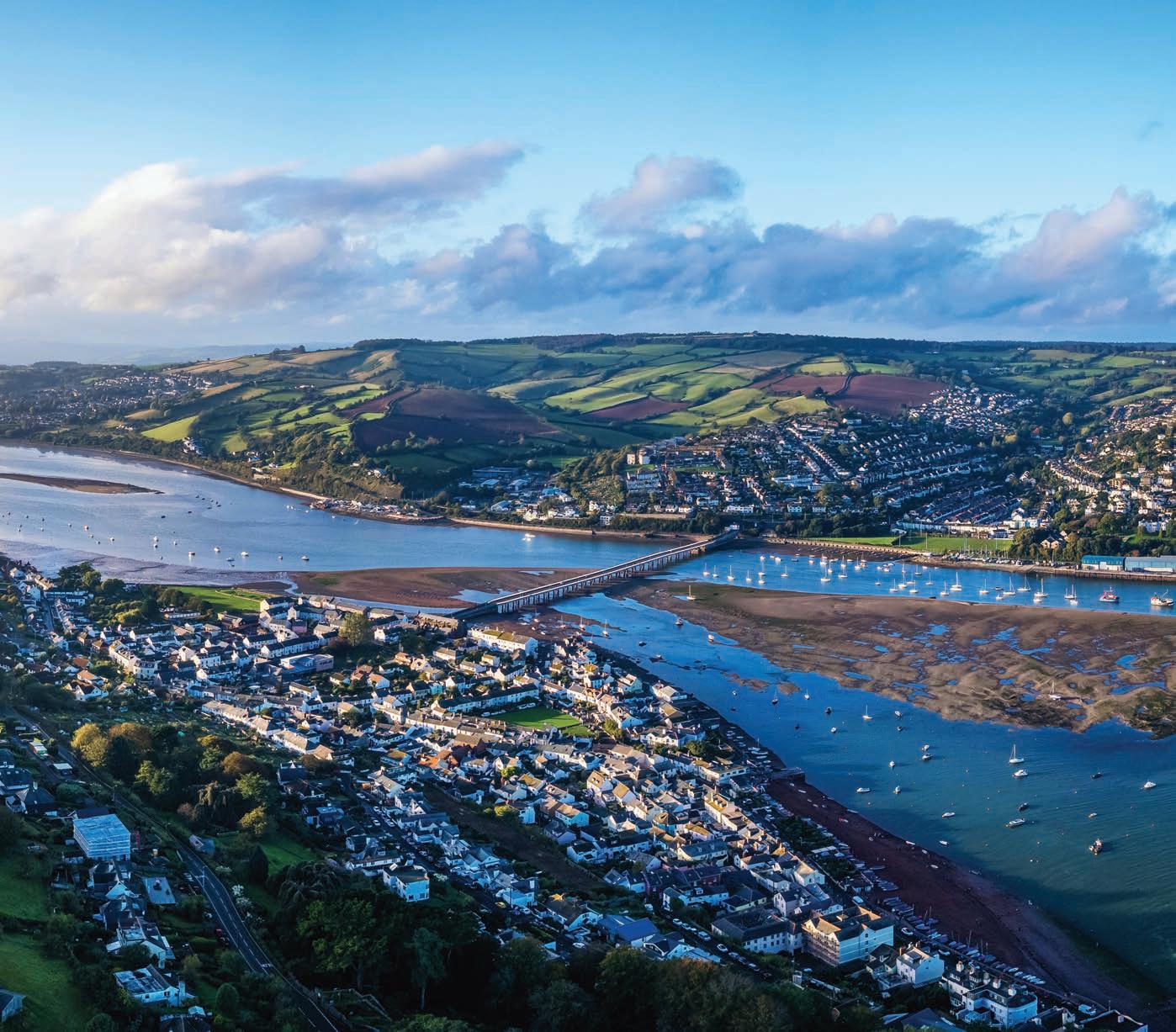
50°32’.37N 03°30’.00W
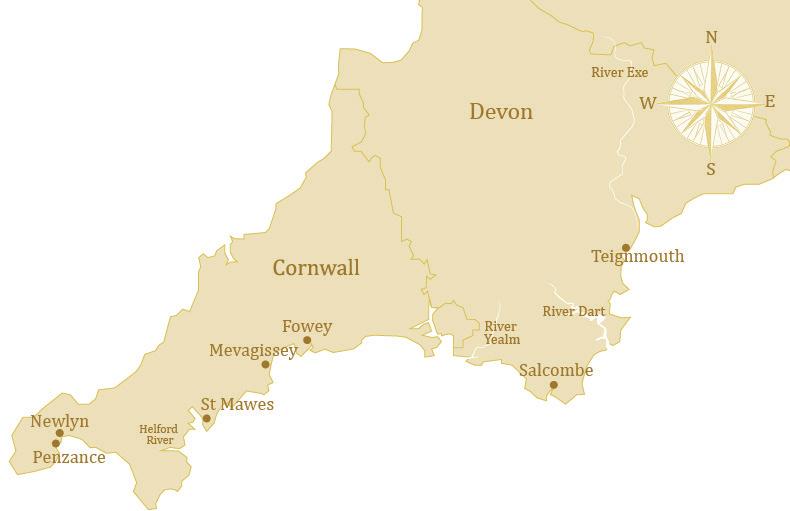
Teignmouth is a harbour that will be familiar to passengers using Brunel’s Great Western Railway, and which has strong and complex tides at its entrance. It is a busy commercial port that handles imports and exports of farm produce and clay. In the Second World War there was a short-lived plan by the US Navy to dam the harbour entrance to establish a seaplane base. In sailing circles it has an unfortunate association as the starting port for the ill-fated Donald Crowhust and his trimaran Teignmouth Electron in the late 1960s. Although anchoring is not permitted inside the harbour, there are two non-walk-ashore pontoons which can accommodate up to ten yachts just off the river beach, close to which there are several pubs such as the King William, the New Quay Inn and the Ship Inn.
Harbourmaster: VHF Ch 12, Tel: 01626 773165
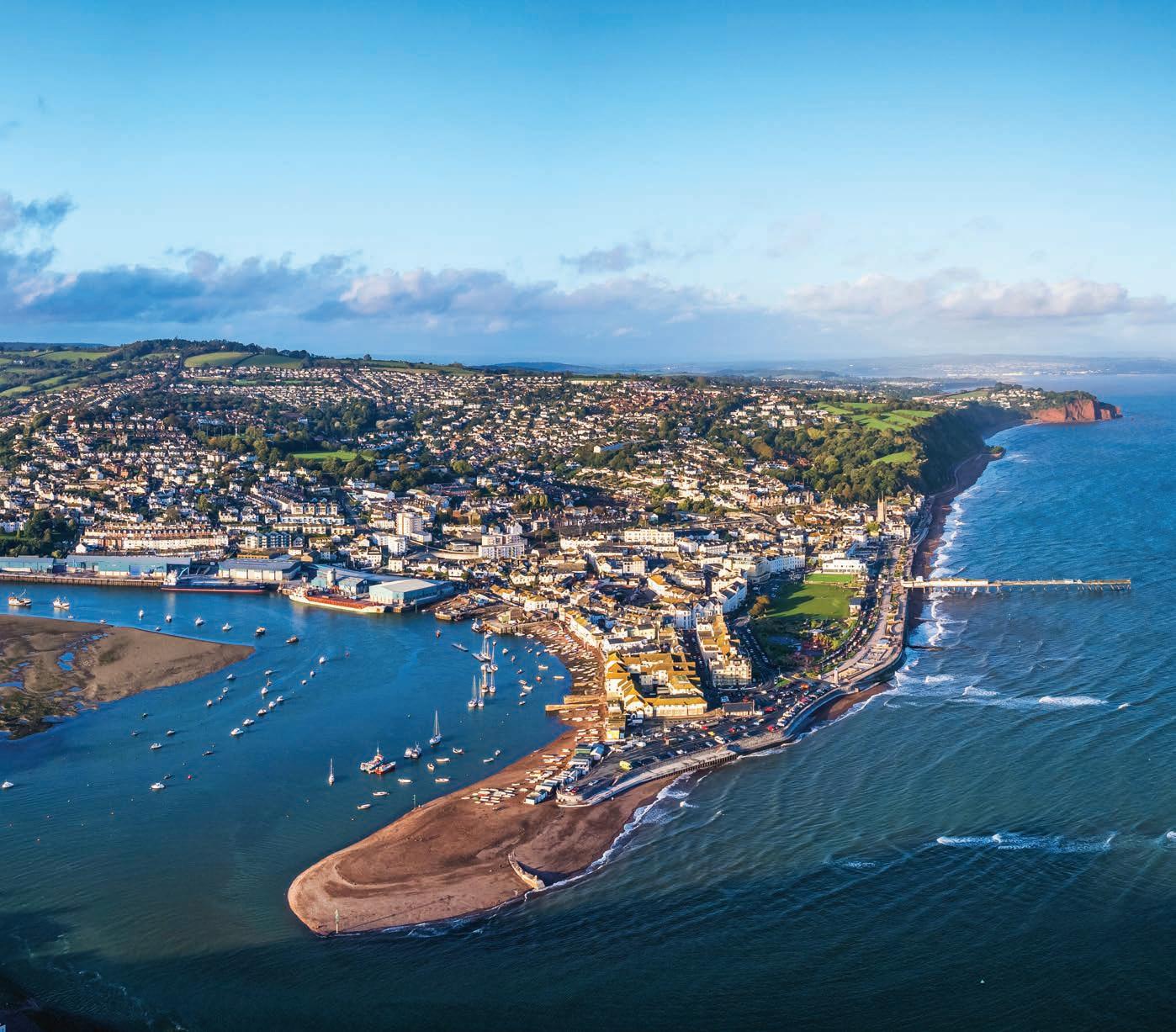
Not always easy to access but definitely worth the effort, the South West’s rivers and smaller harbours are steeped in history and surrounded by charm. We select some of the best, each one offering visitor moorings and a hot shower along with services, yard facilities and village pubs nearby. Berths can be limited and yacht sizes and draughts need checking, so it pays to plan ahead.
WORDS: NIGEL SHARP
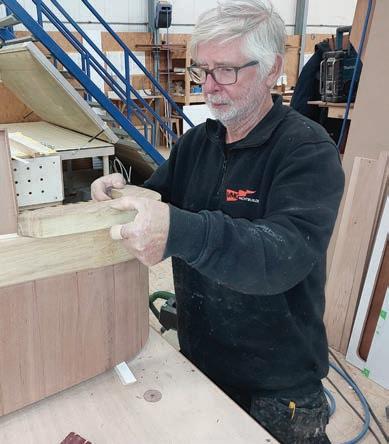
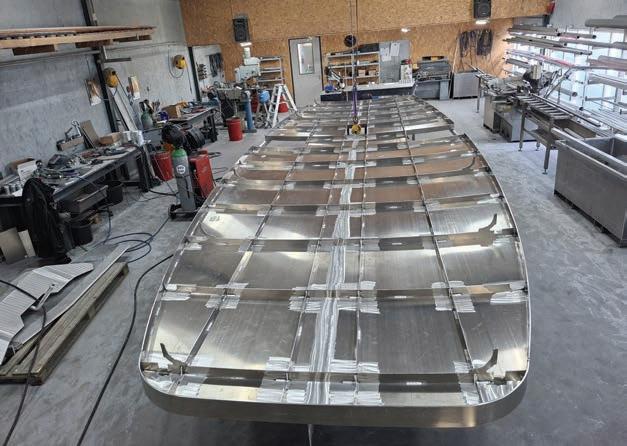
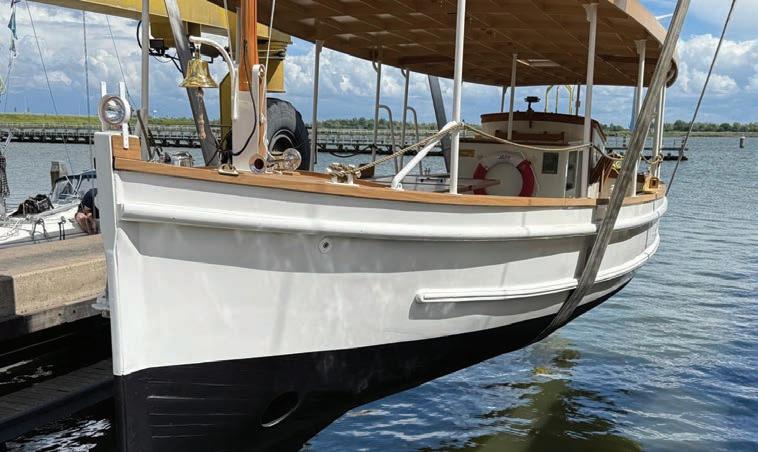
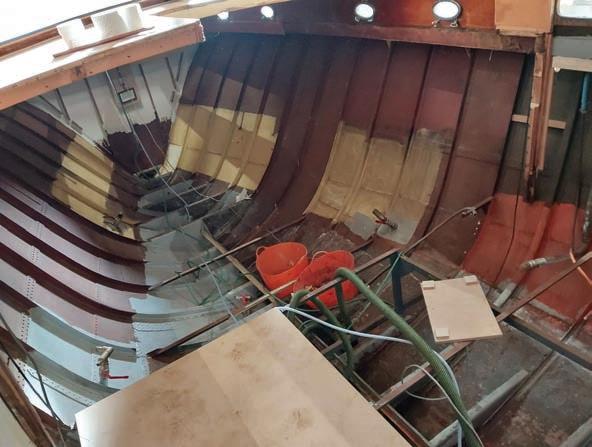
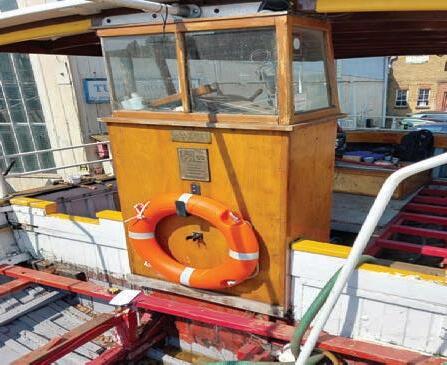
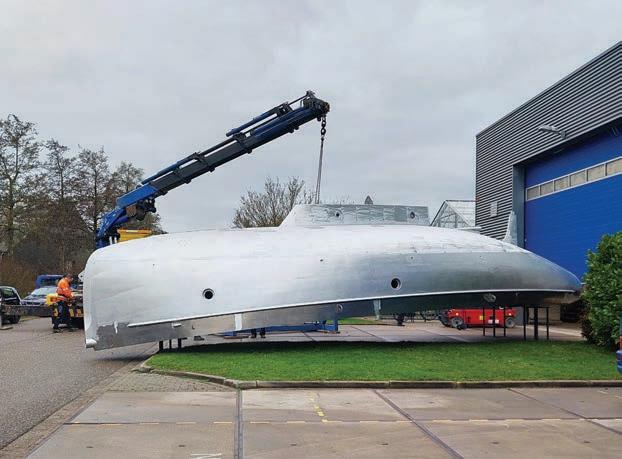
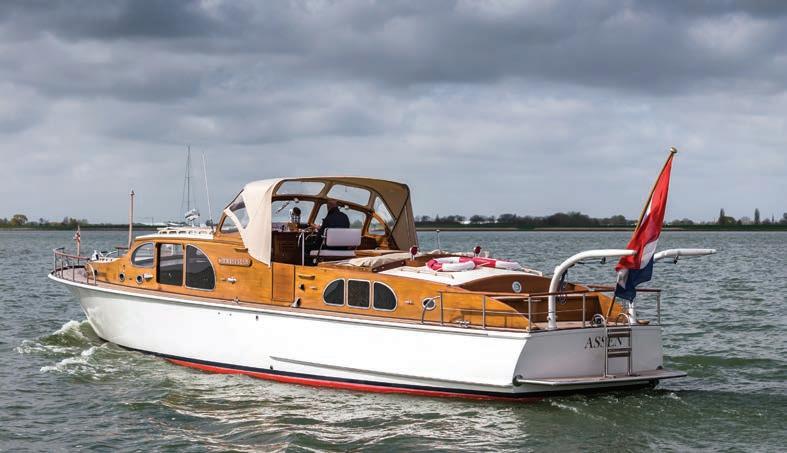
Clockwise from top left: One of VMG’s master carpenters; The new lightweight aluminium roof for Jeff in the workshop; Jeff’s original helm station before the restoration; Hull turning of the new Puffin 42; Simmerdream fully restored; the beautifully remade interior of Simmerdream; Her rebuilt helming position and cockpit; The completely gutted interior of Simmerdream before conservation and epoxy coating; The completed Jeff on her launch day, ready for another 100 years of service