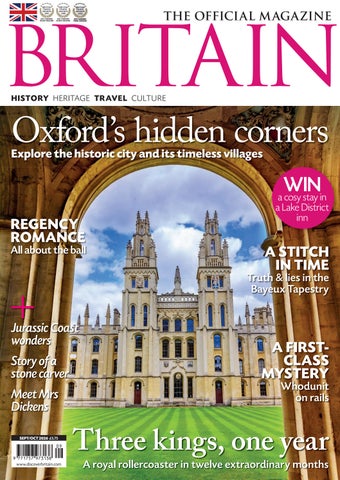

BRITAIN
Explore


a cosy stay in a Lake District inn
All about the ball

Meet Mrs Dickens


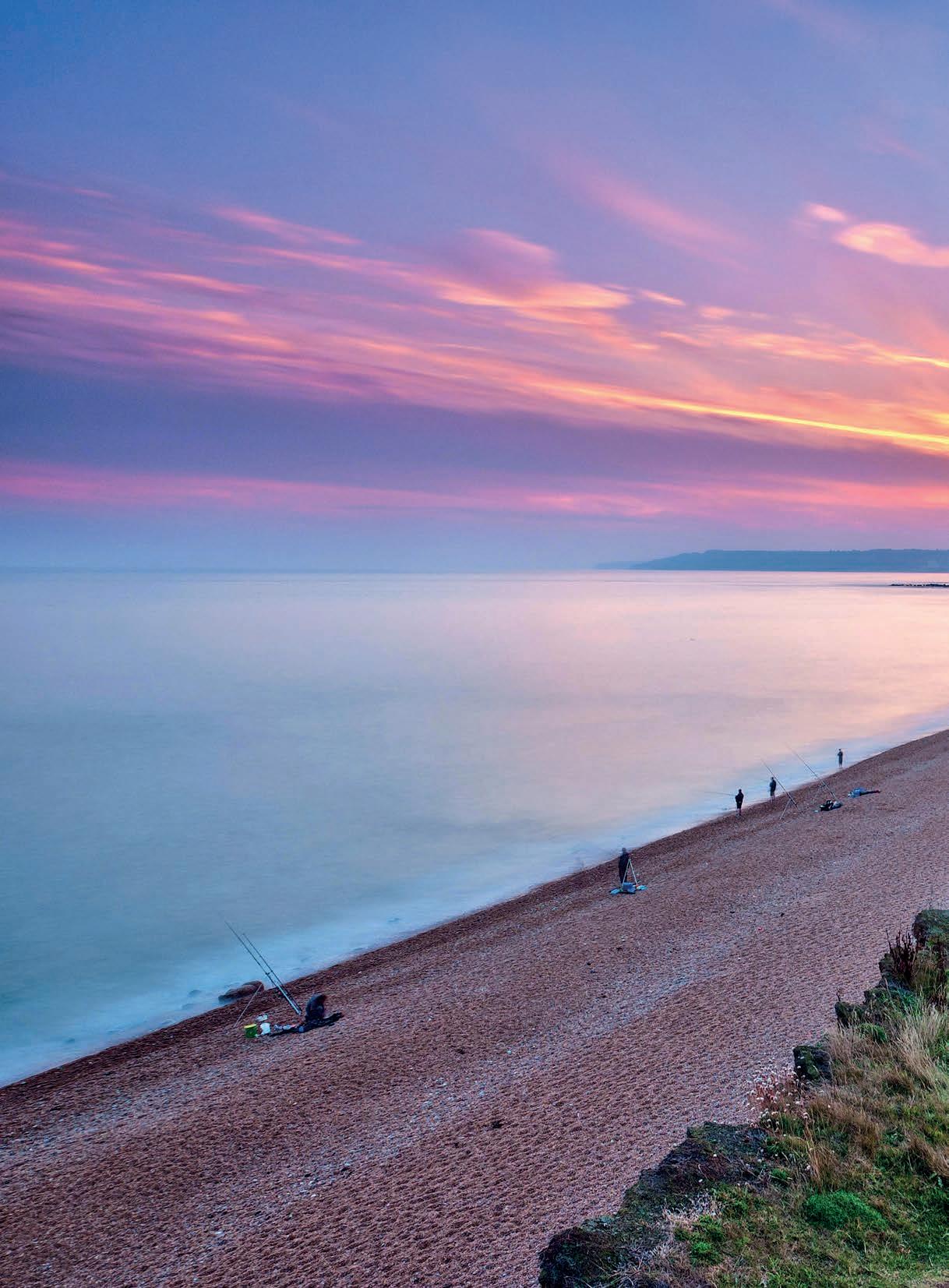
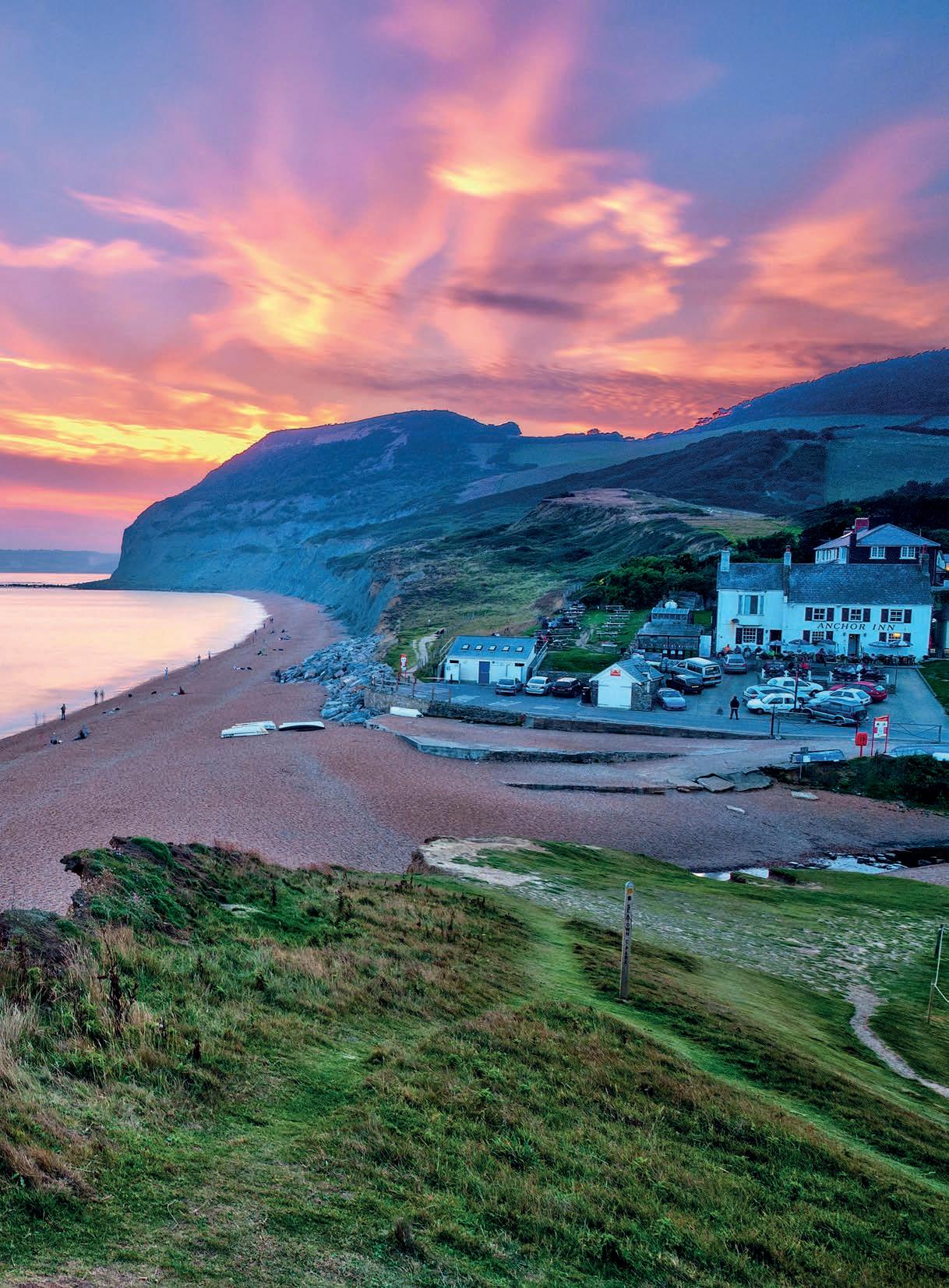
Far from the madding crowd
Following in the footsteps of Thomas Hardy, Jane Austen and Mary Anning, discover the Jurassic Coast’s fossil-rich beaches, dramatic scenery and timeless Dorset charm
WORDS JOSEPHINE SAUNDERS
Seatown beach at sunset
Most visible among the tools and symbols of this new rule were castles – the Bayeux Tapestry shows one being constructed on arrival at Hastings. Up to 1,000 would be built, from motte-and-bailey affairs to more permanent, massive stone keeps, a sight “scarcely known in the English provinces”, according to a contemporary chronicler, “so the English – in spite of their courage and love of fighting – could put up only a weak resistance to their enemies.”
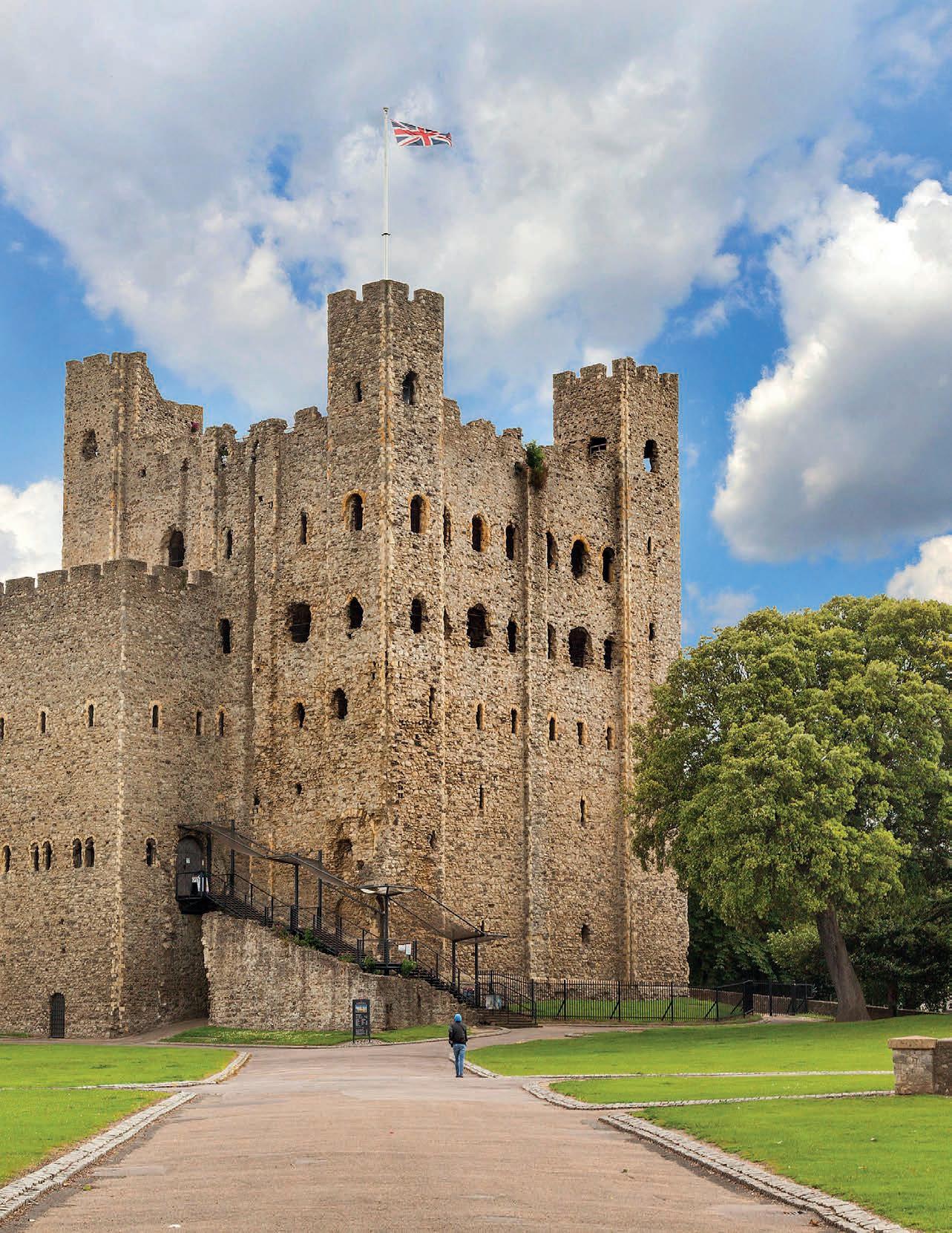
Strategic military bases, controlling trade and routes, such fortifications left no doubt over who was in charge, and many endure to this day as iconic reminders: the White Tower of the Tower of London, built “to overawe the Londoners”; Colchester and Rochester castles; or Chepstow Castle atop its riverside cliff, one of the border fortresses raised by William’s henchmen, the Marcher lords, who raided Wales and battled Welsh princes.
The Normans rebuilt the religious landscape too, their churches expressing another form of domination. The Battle of Hastings had been a close-fought, nine-hour epic and William later ordered the founding of Battle Abbey as a show of public atonement for the bloodshed, set “on the very spot where God granted him the conquest of England”, according to a chronicler. It was a monument to William’s triumph as well as his piety, and its evocative ruins impress to this day.
The Normans built in the novel Romanesque architectural style, epitomised by Durham Cathedral commanding the skyline above the River Wear, its interior awe-inspiring with colossal, geometric-patterned piers, great round arches and the country’s earliest rib-vaulted roof. Norman handiwork survives from Ely to Gloucester and Rochester cathedrals.
The Church hierarchy was overhauled, Norman choices replacing English clergy in top positions, and the aristocracy was rearranged with frightening vigour, as land tenure recorded in the Domesday Book lays bare: leapfrogging from the time of King Edward to King William (ignoring ‘usurper’ Harold’s kingship), the dispossession of pre-Conquest bigwigs is stark, with scarcely five percent of wealth remaining in English nobles’ hands after William had rewarded his cronies.
Commissioned by the Conqueror at Christmas 1085, Domesday was so detailed that “no single hide of land, nor indeed ... one ox nor one cow nor one pig which was there left out”. It has become emblematic of Norman administrative efficiency, although its purpose is hotly debated: an aid to
Most visible among the tools and symbols of the new rule were castles: the Normans would build up to 1,000 of them
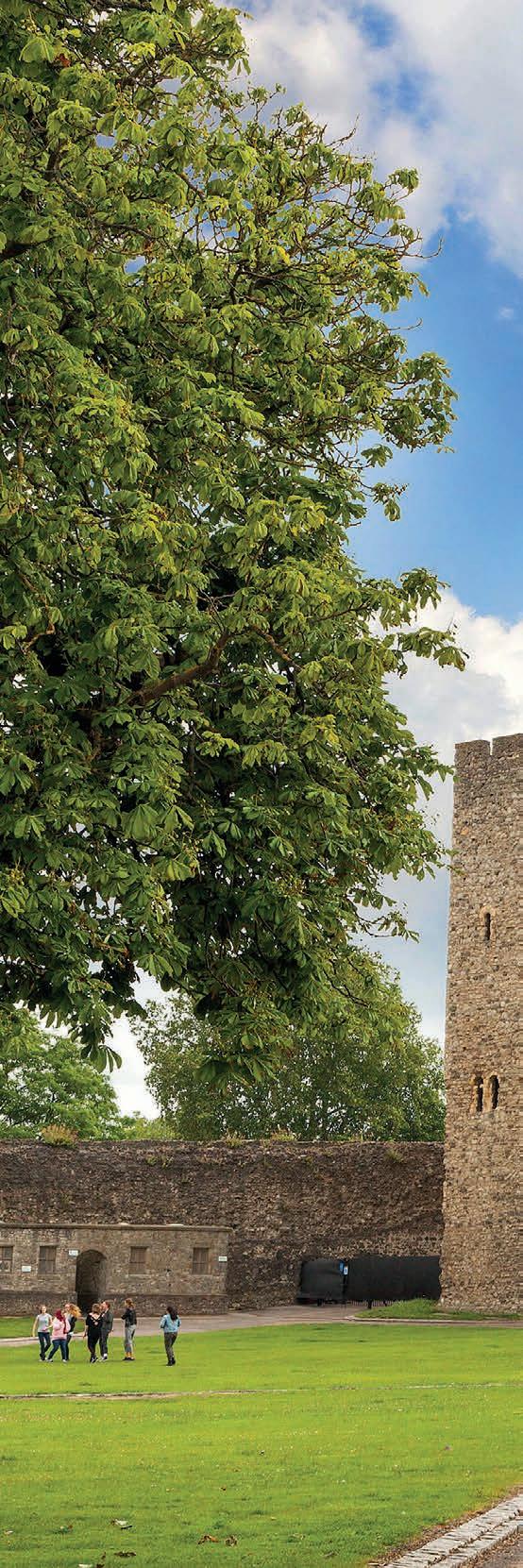
Right: Rochester Castle
Power and the story
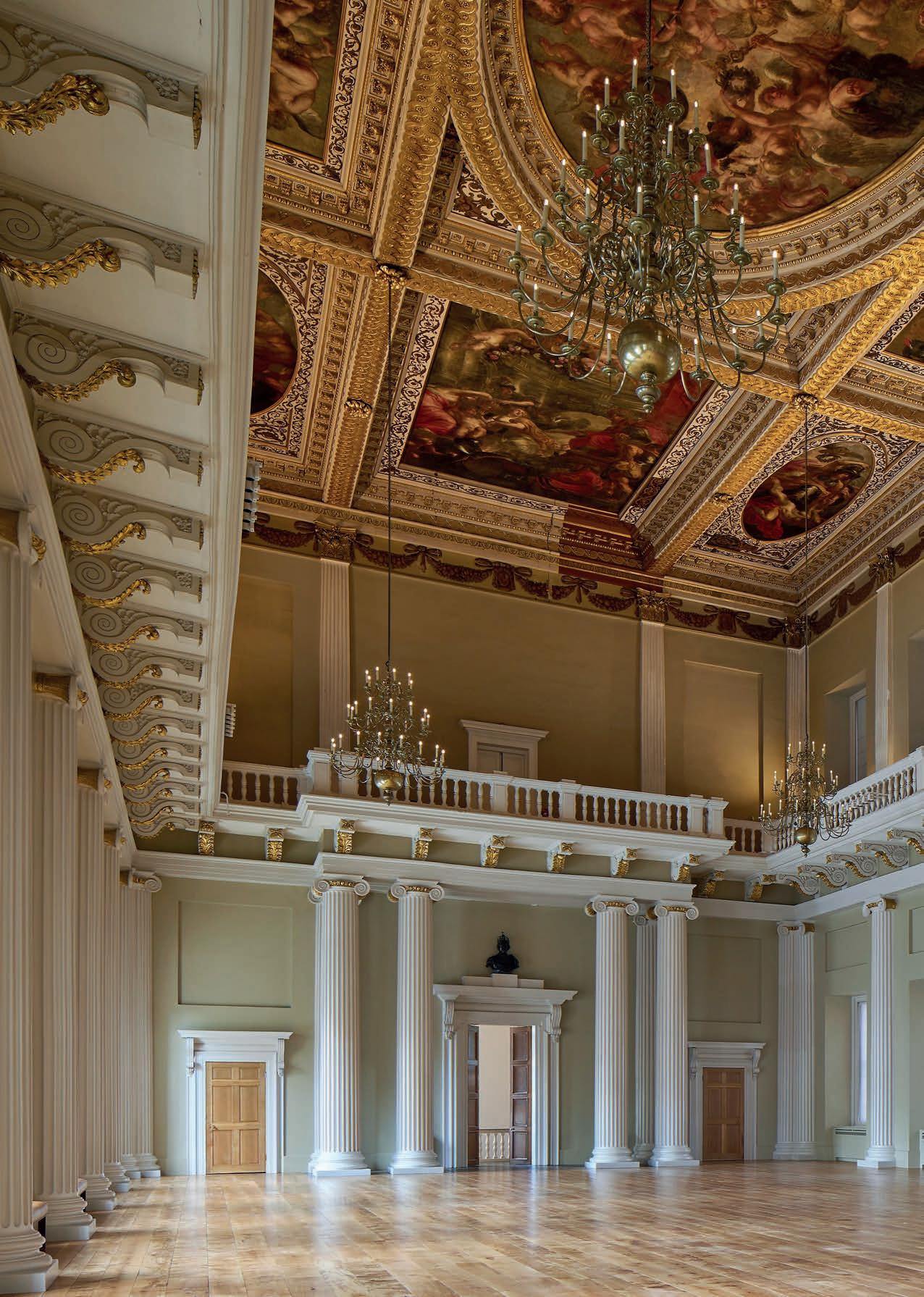
Banqueting House has a unique place in British history — and a few tales to tell . . .
WORDS ISOBEL KING
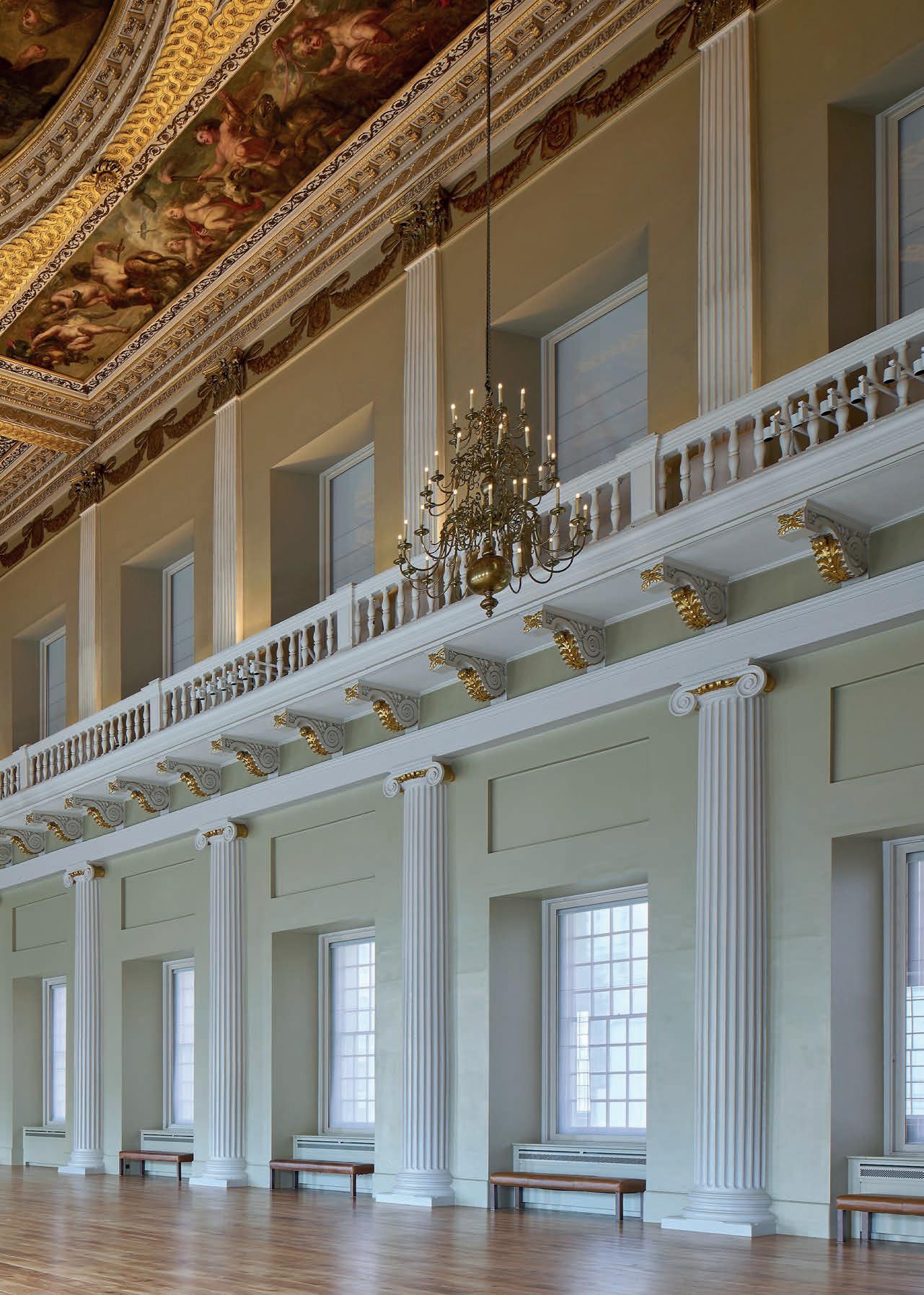
PHOTO:
All mapped out
A 400-year-old map provides a unique introduction to Oxford and its nearby villages
WORDS EMMA GIBBS
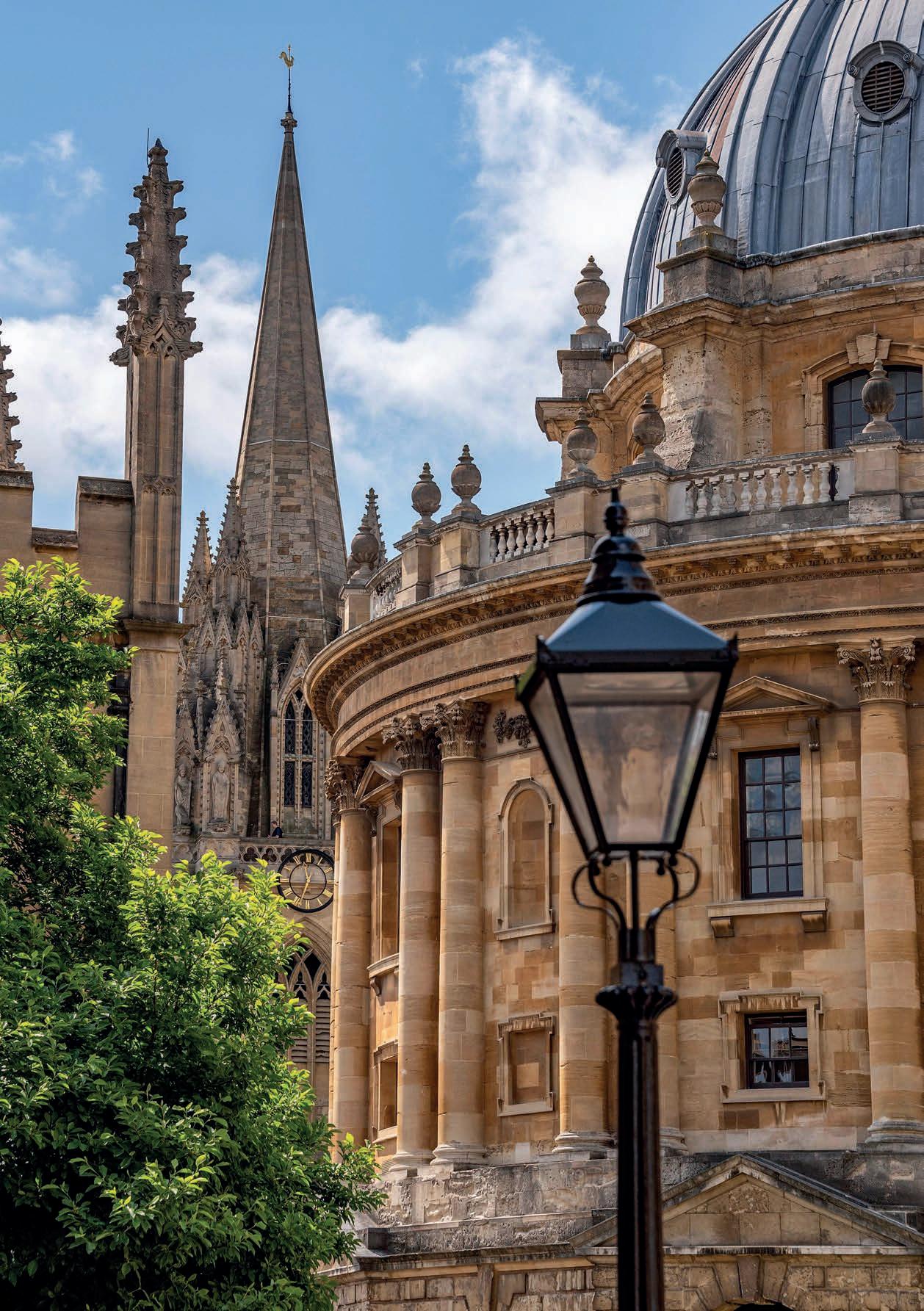
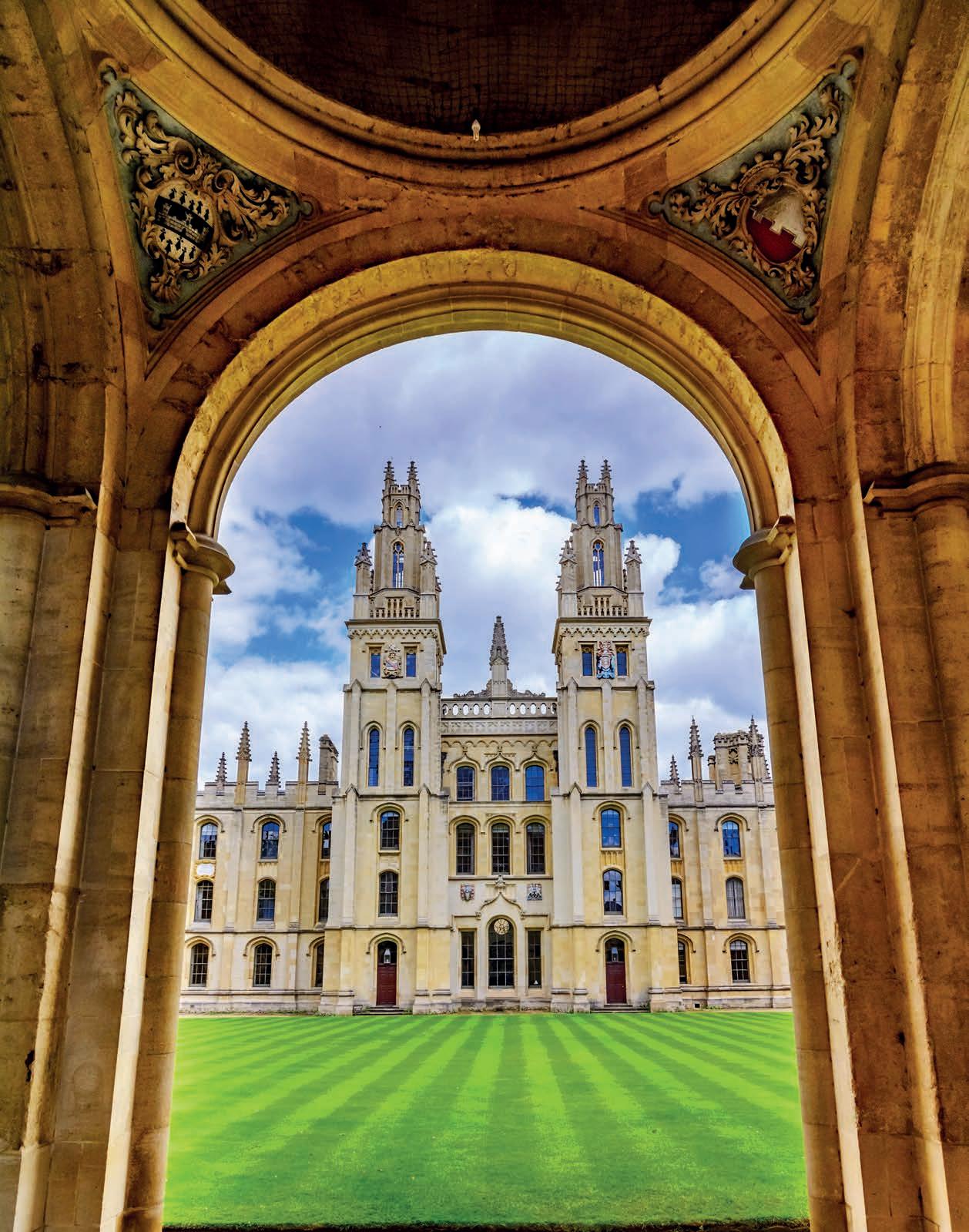
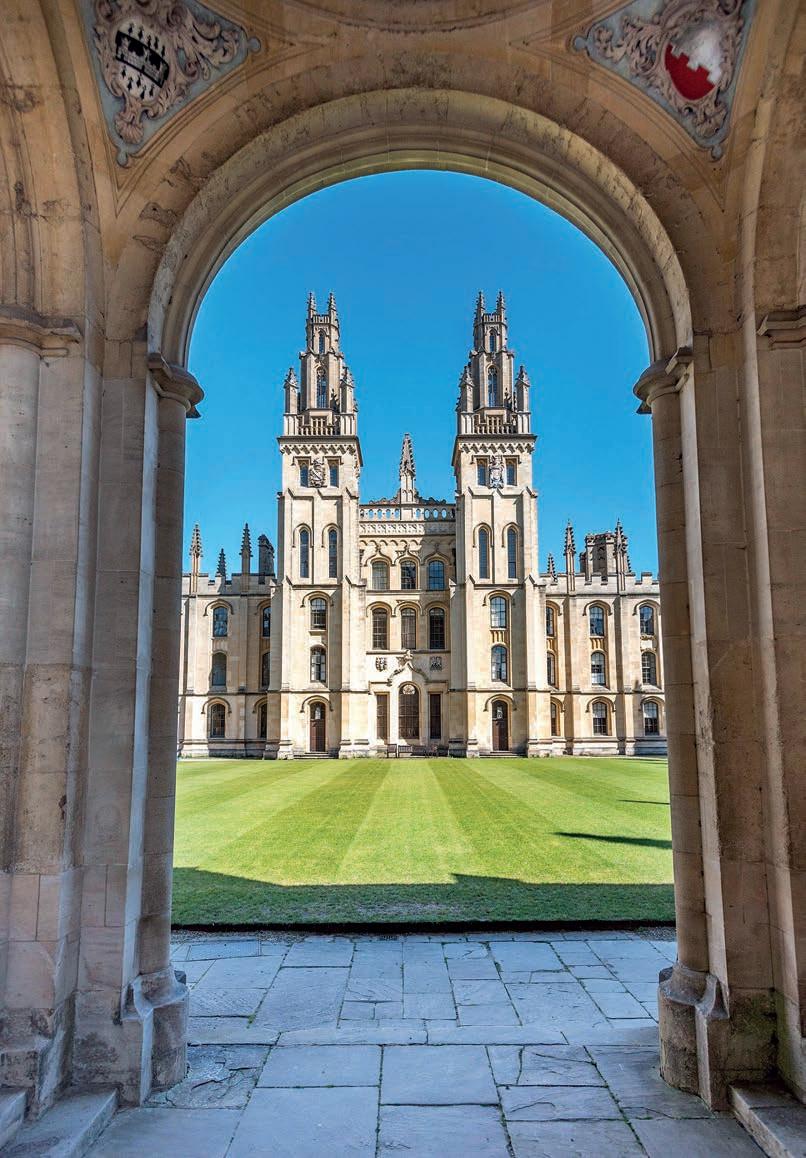
From left: All Souls College, Oxford University; Oxford’s Radcliffe Camera with University Church in the background
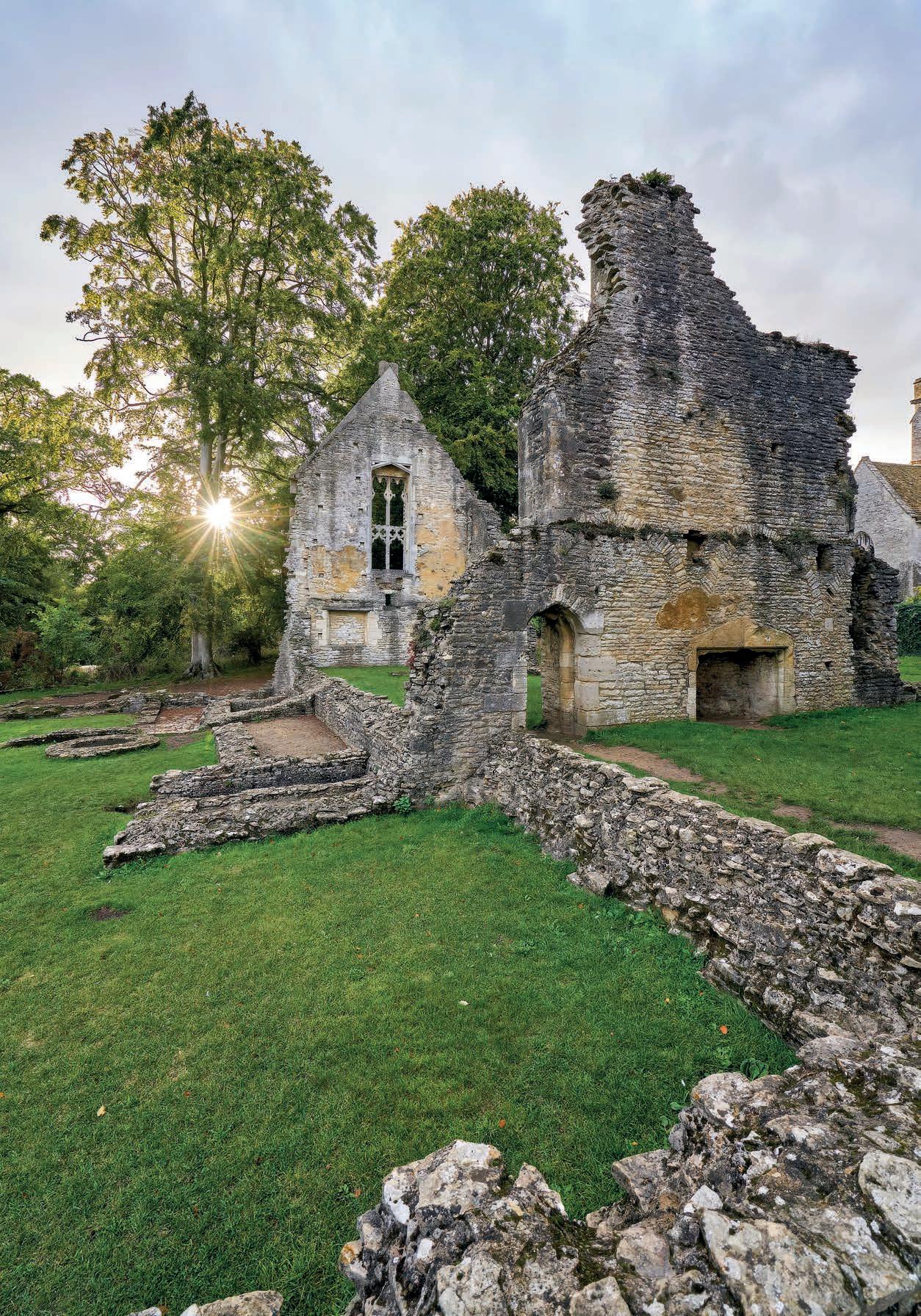
This page: The ruins of Minster Lovell Hall
Opposite, from top: Monuments in St Mary’s Church, Swinbrook; Swinbrook village