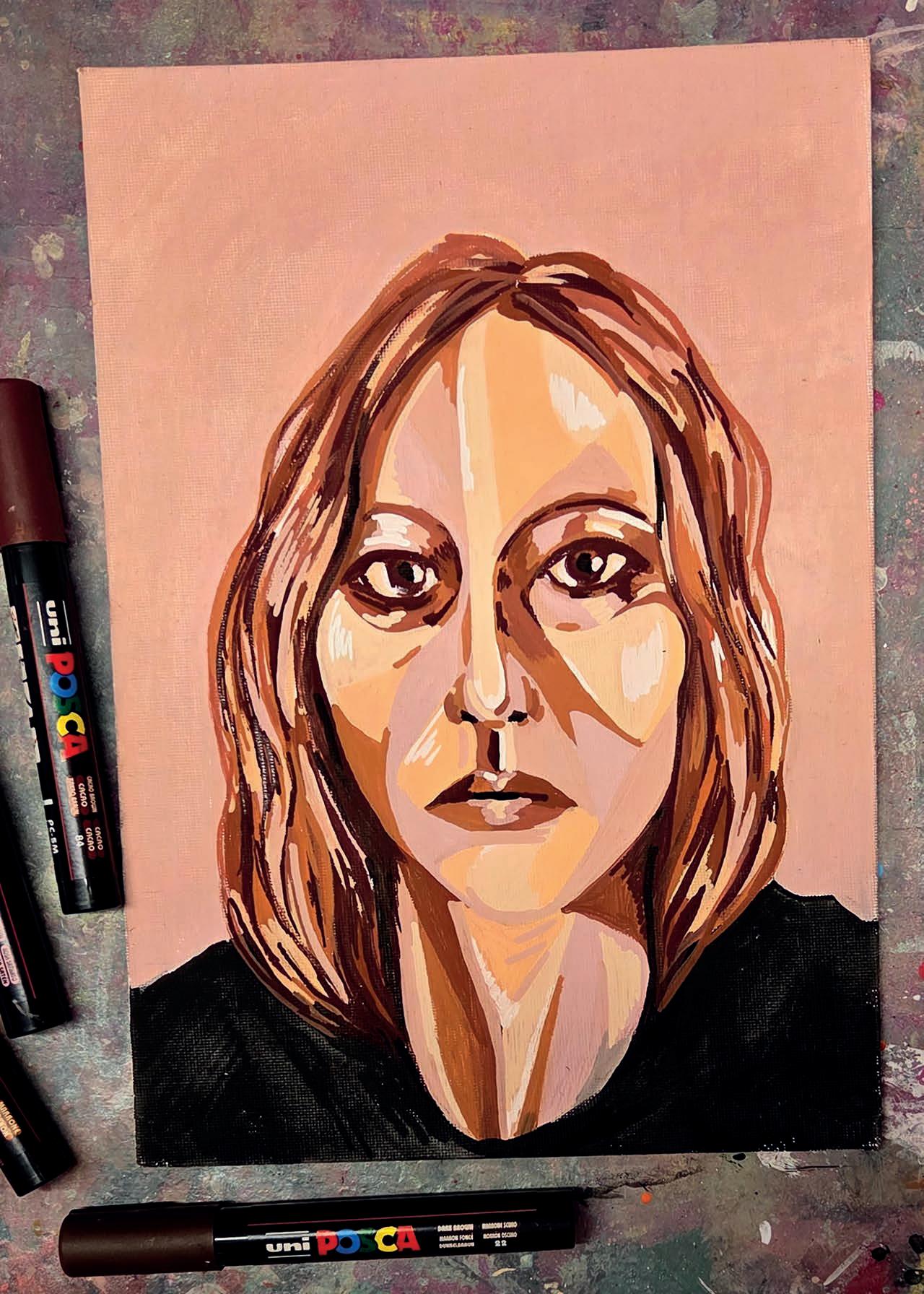

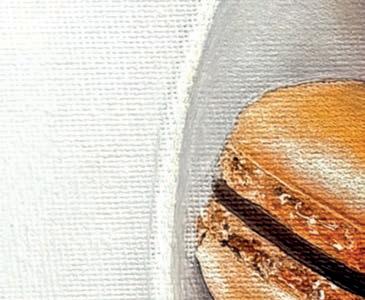
LUCY ANN O’DONNELL takes a break from creating her hyperrealist art to get real with Alfie Hoyle. She reveals how she is living a childhood dream of being an artist and describes how she explores the power of light and detail through her work
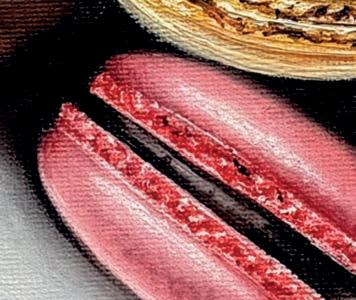
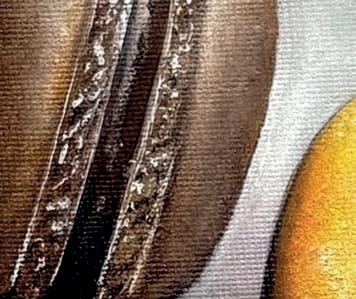
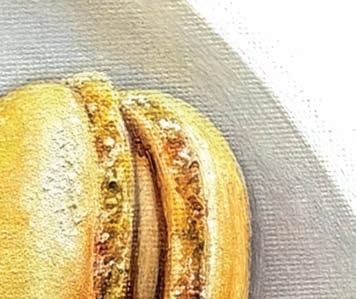
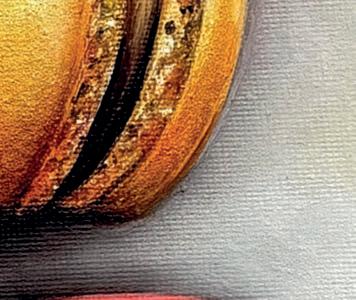
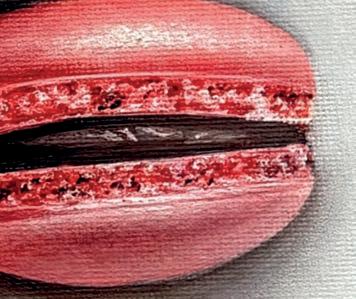
Through her hyperrealist art, Lucy Ann O’Donnell aims to invoke the same peace and calm in her audience that its creation brings her.
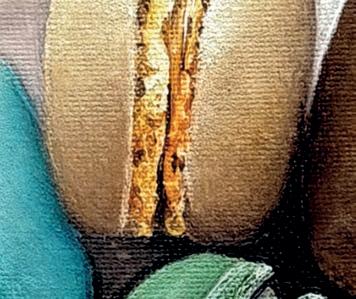
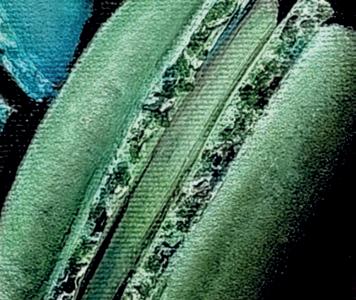
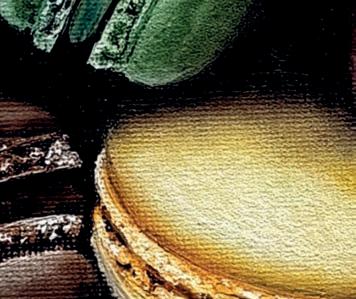
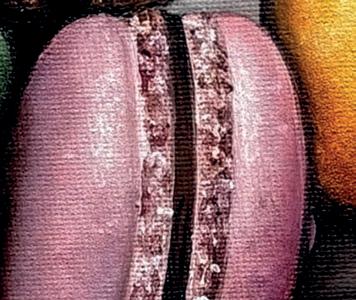
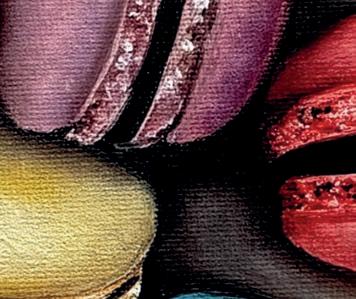
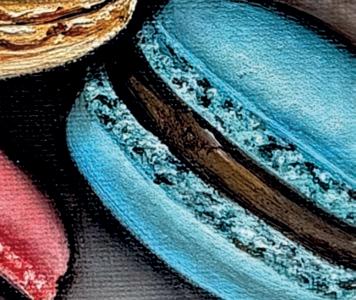
In an age of “fast scrolling and digital consumption,” Lucy has discovered that “art has a beautiful power to slow us right down.” Hyperrealism requires patience from both artist and audience to fully understand and appreciate the tiniest details in a piece. She strives to bring these details to life, and this is what drives her work with graphite drawings and oil paintings.
Lucy had always wanted to be an artist. However, this felt like a “dream career” and it “became just a casual thing for me through my teens and twenties,” she says. “I realised the positive power that art could have on my mental health, and I used drawing as a tool for calming myself from anxiety attacks, but I didn’t really take it anywhere beyond this.”
Her breakthrough came when she did a portrait of her eight-month-old daughter.
After sharing this graphite drawing with friends and family, as well as on social media, people loved the portrait and wanted Lucy to draw their own loved ones. As she describes, “I felt truly honoured to be trusted with these commissions and couldn’t believe at the time people were actually paying for my work.” Thus, the work soon snowballed, and she spent the next four years drawing full-time. From here, she developed her concentration through hyper focusing on the smallest details in a drawing for long periods of time, an essential skill for a hyperrealist artist.
However, Lucy eventually felt she had gained as much as she could from drawing. “It was a pivotal moment in my artistic journey,” she admits, “when I decided to learn how to paint.” Exploring this new medium exposed her to the power of colour and she has never looked back. ▸








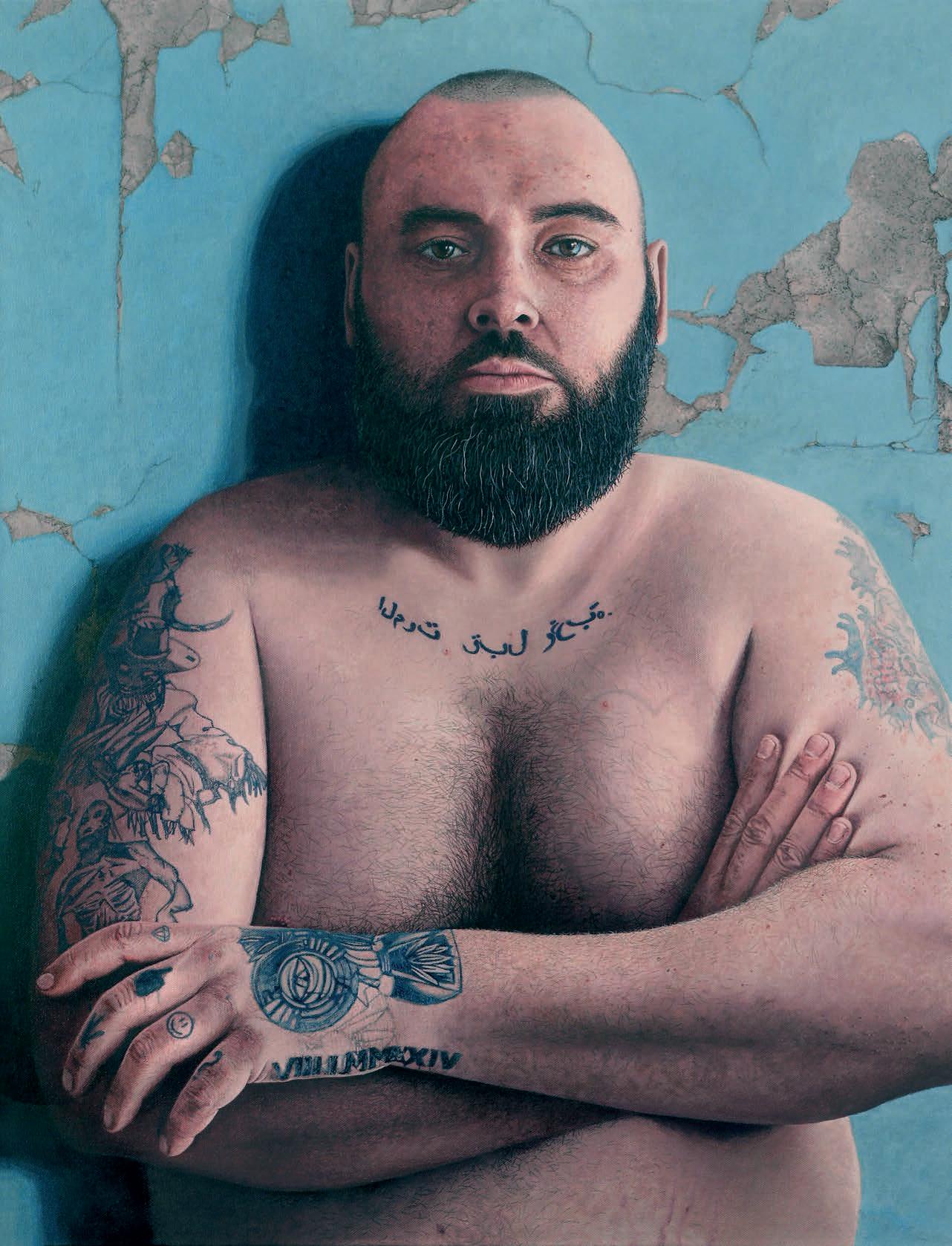
A painter who sees his practice as part of a social documentary, acrylic professional artist PETER DAVIS wants his work to make the viewer stop and think about the world and the people in it. Niki Browes gets a ring-side seat
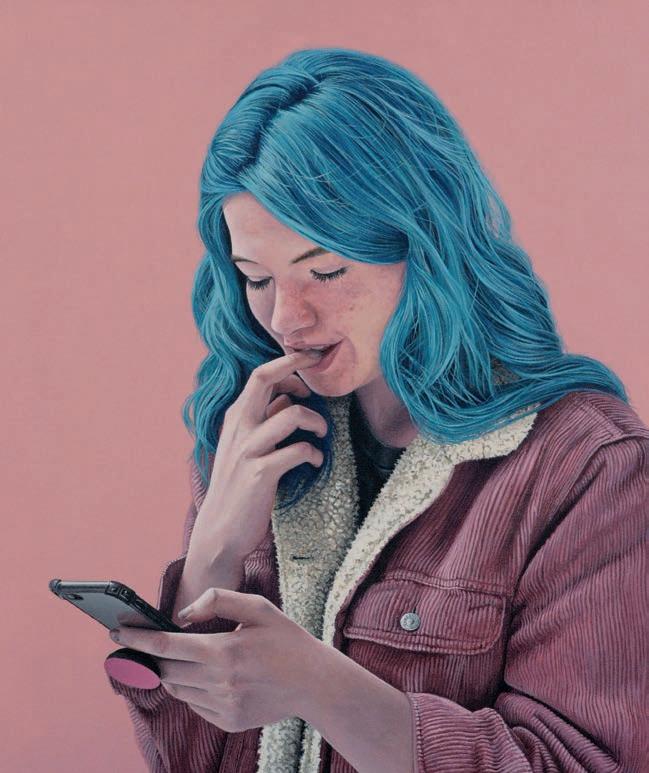
As many painters often find themselves, Peter Davis used to split his time working as a professional artist and as a Creative Director for an advertising agency. As his art career gained momentum – with the demands of galleries, painting commissions and exhibition deadlines –balancing the two became increasingly unsustainable, and he found he was regularly working seven days a week. So, something had to give. So, 12 months ago, he hung up his ad boots for good and now focuses full-time on fine art.
Fascinated by smartphones becoming ubiquitous, he found it startling that rather than talking to each other, reading the paper or a physical book, people were instead all staring down at their phones. This encouraged a move from creating semiabstract artworks, which were large colour field paintings with a strong linear element, inspired by the lifelines on people’s hands, to a new project, Zeitgeist, his ongoing series of paintings that explore our relationship with personal technology – and each other. peterdavisartist.com
The aim of my portraiture is to capture the spirit of our time as a form of social documentary. I’m especially interested in painting aspects of our everyday life that have become so familiar they’ve become invisible to us. These days, my portraits draw inspiration from the people I meet, and the narratives in my work reflect a broad range of societal themes, including mental health, race, gender, ageing, displacement and tech addiction. I place a strong emphasis on the stories running through my work, which is central to my process. For me, the ‘why’ I paint – to tell the story of our era – is much more important than ‘how’ I paint.
The themes in my work are heavily influenced by the people I meet and by what’s happening in the world.
I’m particularly interested in the semiotics of clothing and how what we wear shapes perception. Take my painting Stereo (diptych), which was selected for the Herbert Smith Freehills Portrait Award 2024 at the National Portrait Gallery. It explores the viewer’s unconscious bias through two juxtaposed portraits of the same woman wearing differently coloured hijabs. It also draws on the tradition of chiaroscuro and how it was used in ▸
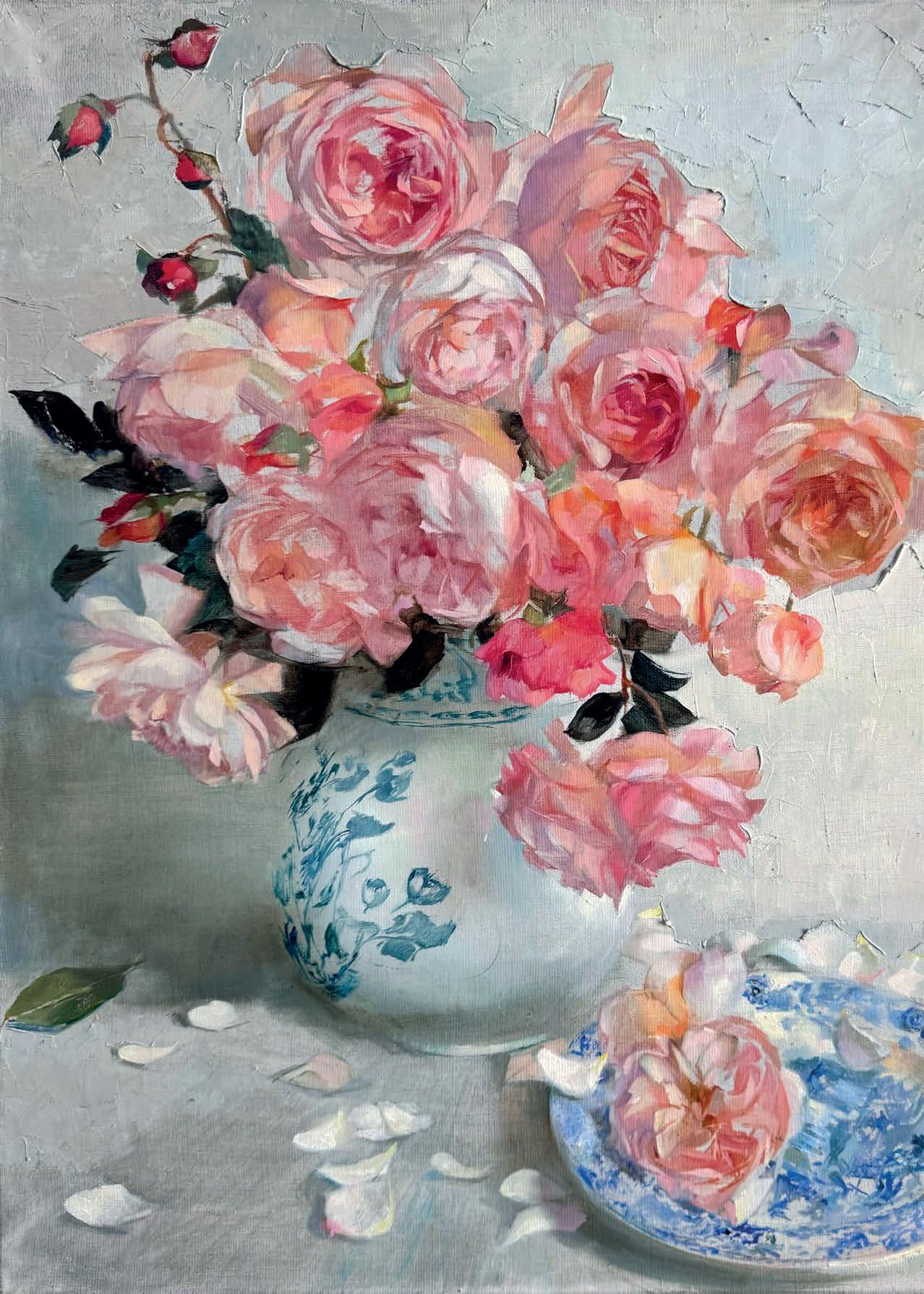
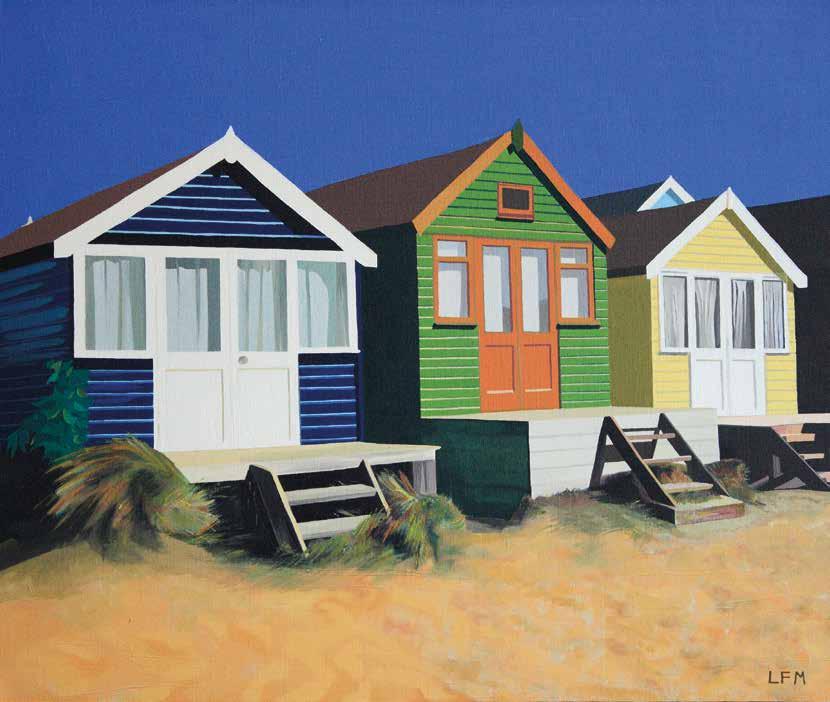
Classically trained oil artist, HARRIET SALT, tells Sarah Edghill how she records light and movement in her work ▸
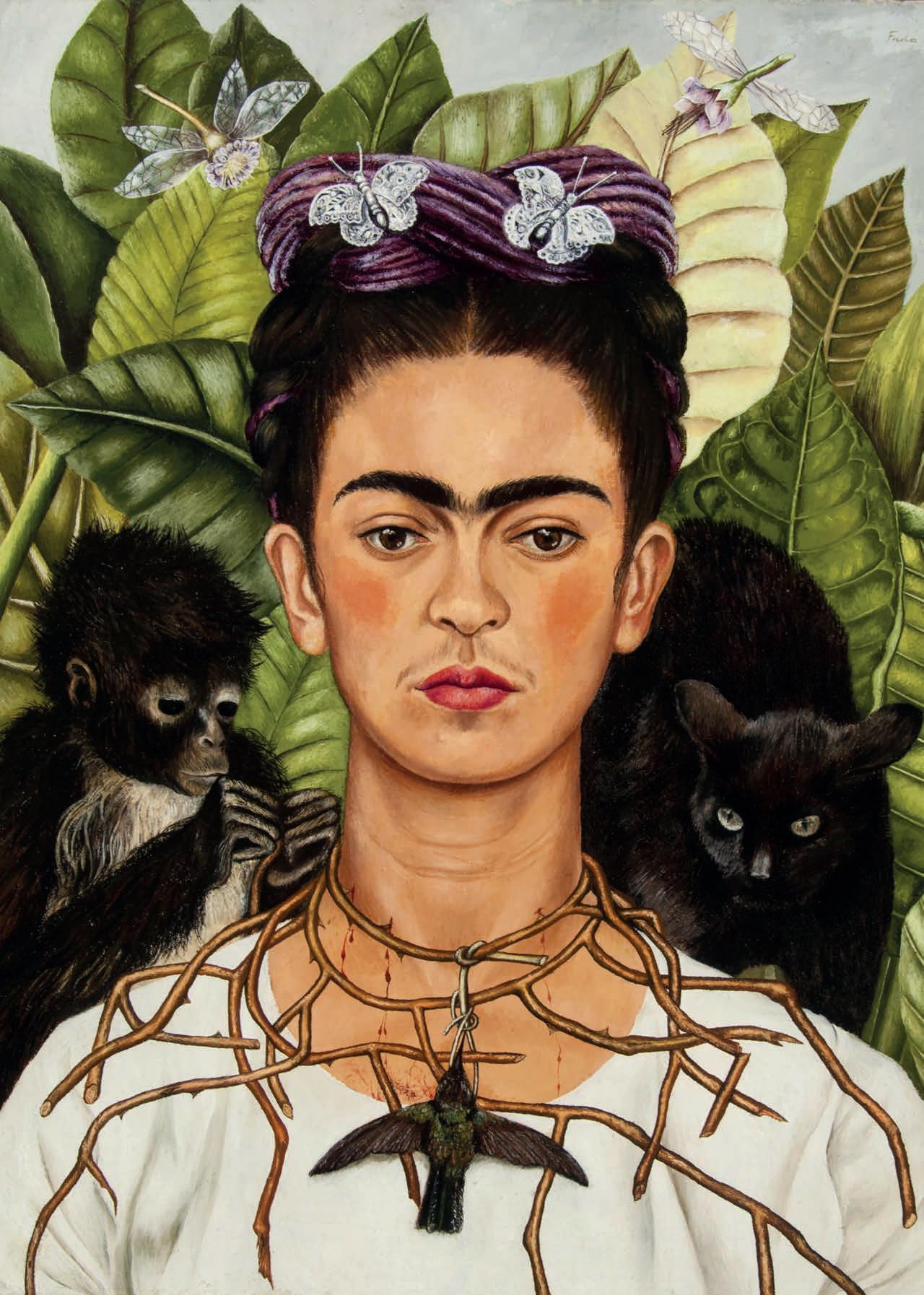
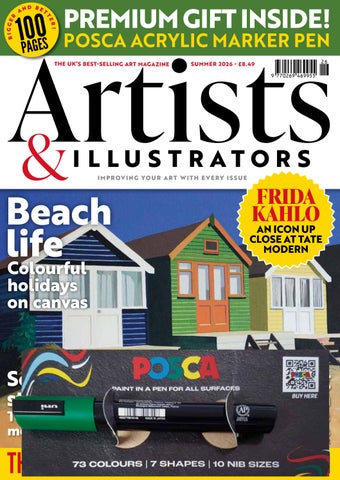
She’s one of the most influential painters of all time but it’s FRIDA KAHLO ’s image, as well as her work, that has made her into a global brand. Now an ambitious new show explores how, against all odds, she became a bona fide icon from beyond the grave. By Martha Alexander
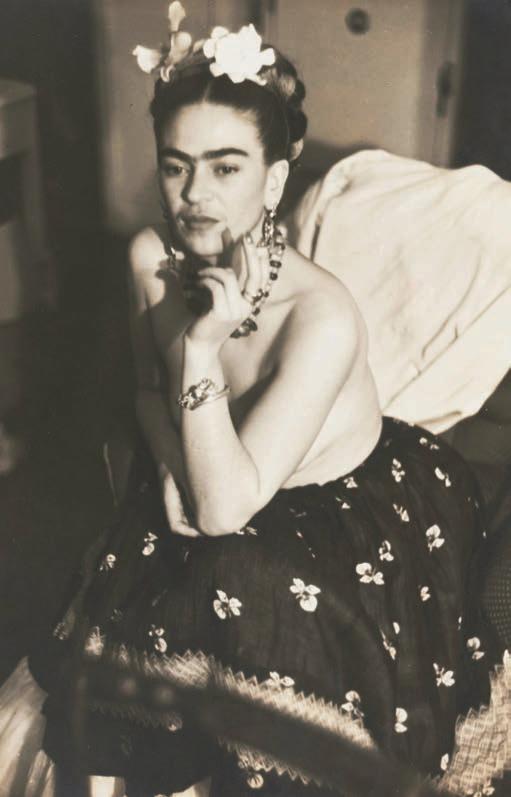
Socks, jigsaw puzzles, snow globes, bath robes, egg cups: think of any object and there’s probably a Frida Kahlo version. That is to say, bearing her singular and inimitable image: a face dominated by a penetrating stare and proud unibrow, crowned by plaited hair and vivid flowers. One of Mexico’s most celebrated exports, Kahlo is as famous for her persona as for her paintings, in most of which Kahlo conveyed a host of selves which she felt lived within her: something deeply relatable in a world which wants to pigeonhole people into neat, rigid boxes.
A show centred on her iconic – a chronically overused and inexact descriptor in most cases but in Kahlo’s completely apt status – opens this summer, using over 30 of her paintings as well as her personal photographs and clothes and around 80 further artworks by artists inspired by Kahlo, including her husband Diego Rivera.
Frida Kahlo: The Making of An Icon at Tate Modern will examine how she became a cultural phenomenon long after her death, when in life she only enjoyed moderate success, eclipsed by Rivera.
“This is not a classic show, it’s a cultural conversation,” says curator, Tobias Ostrander. “It’s asking the public ‘who is your Frida and what does she mean to you?’”
Each section of the show is underpinned by one or multiple Kahlo paintings – but accompanied by works by her peers or successors – those inspired by her and who essentially resuscitated her image and legacy in the decades after her death. From ▸