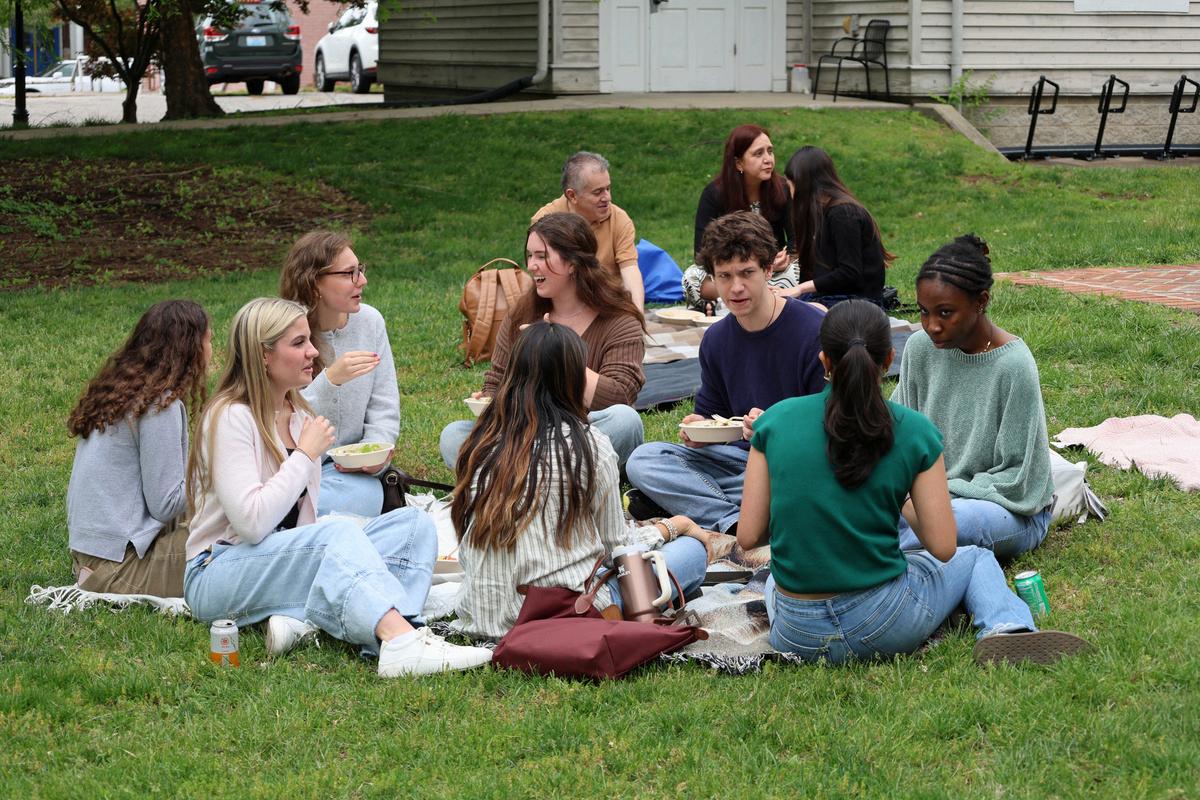
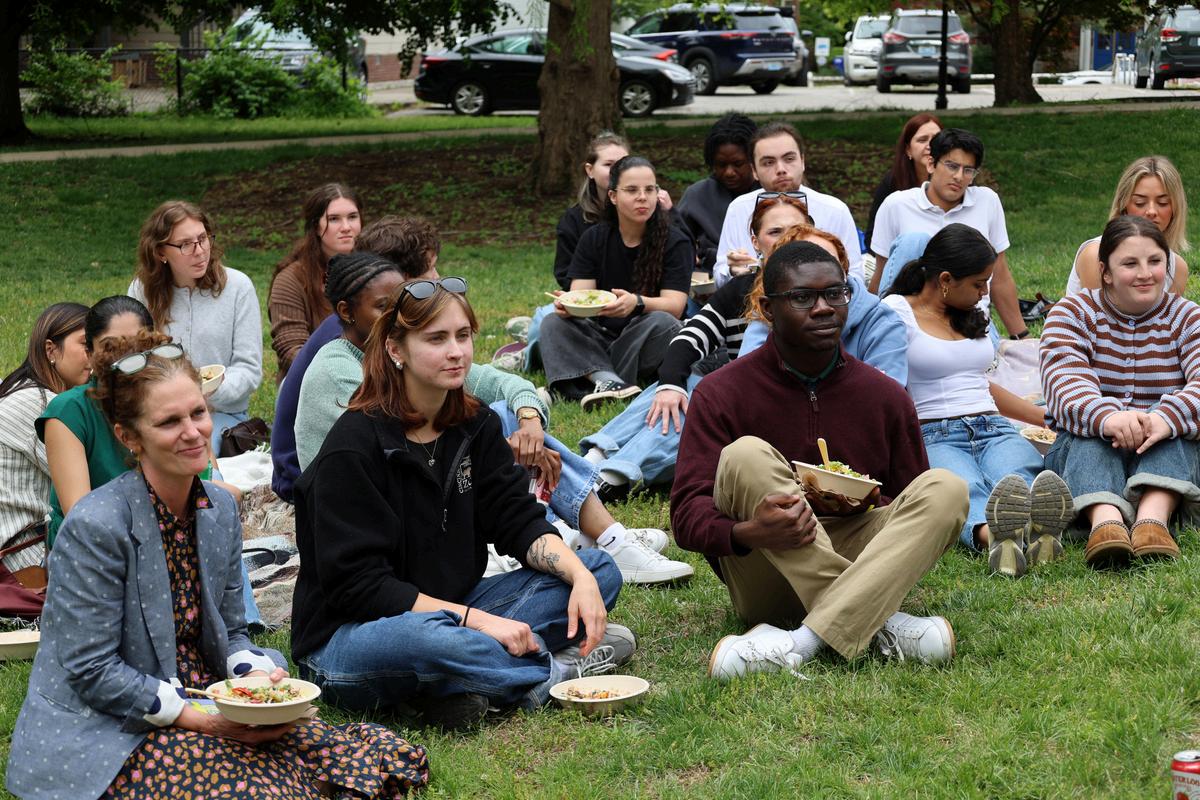
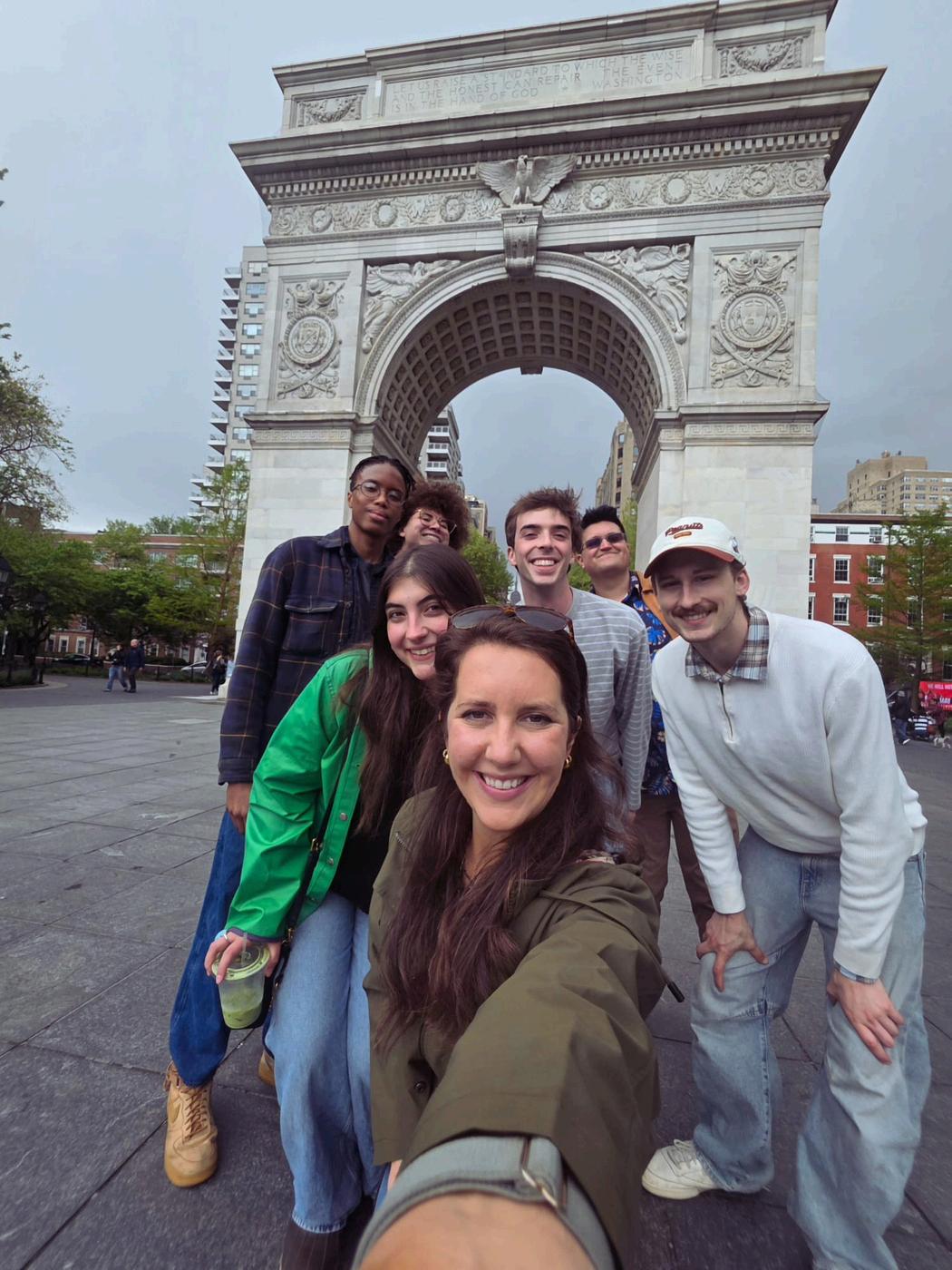
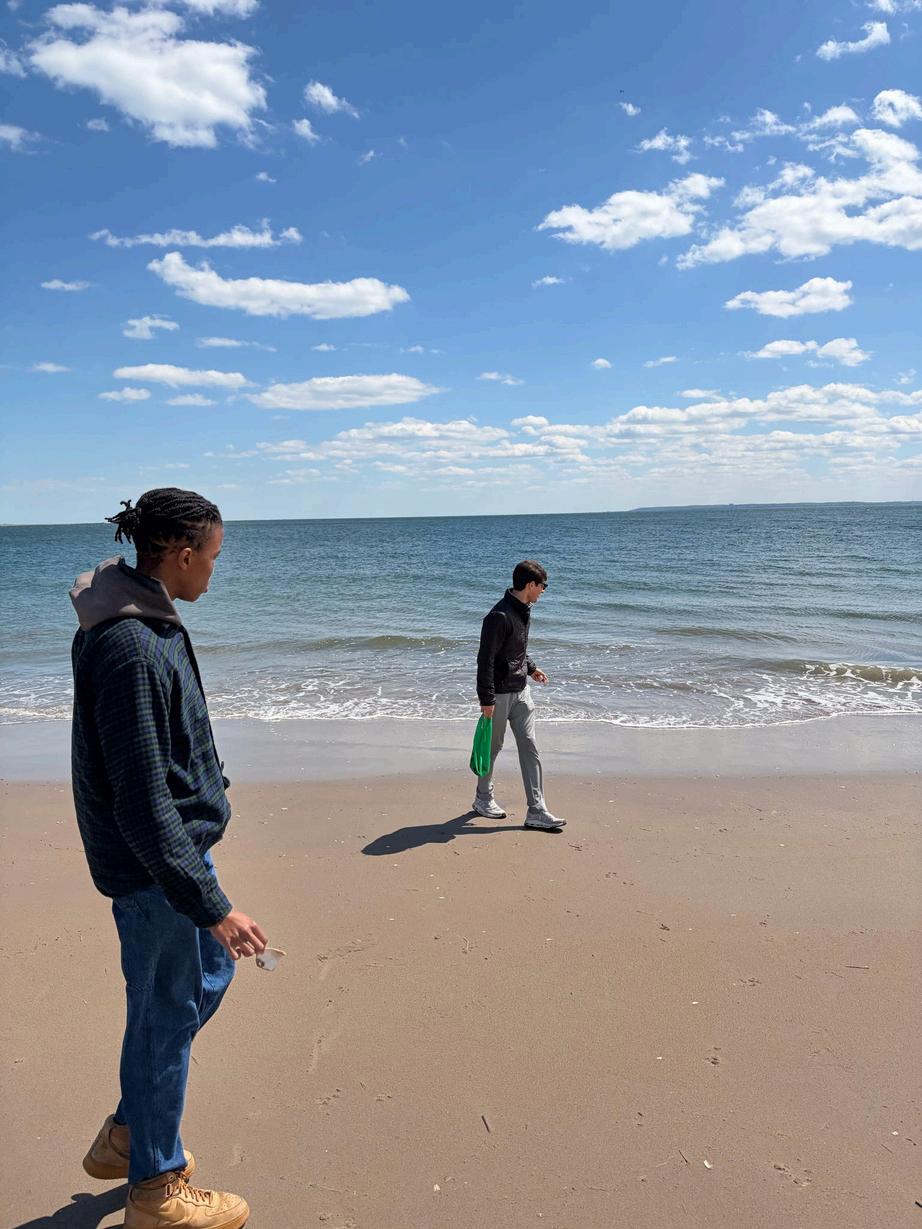
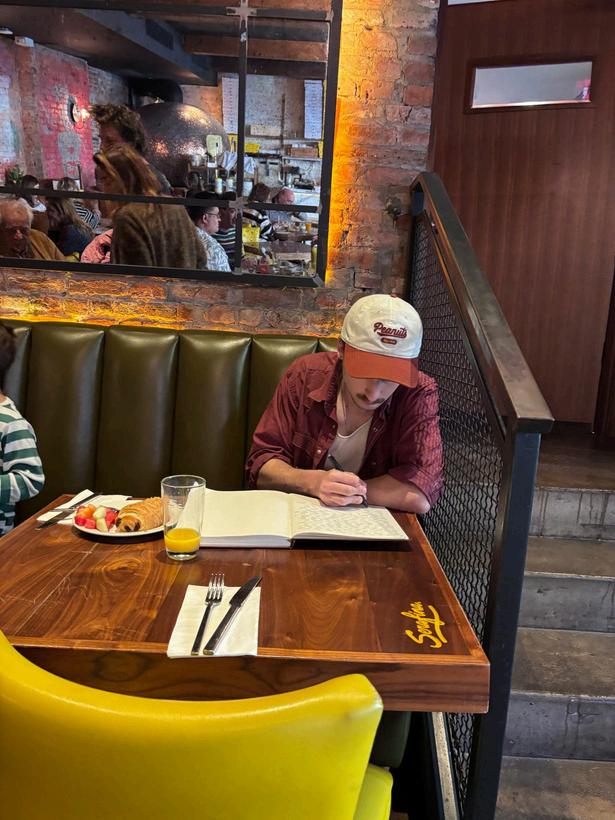
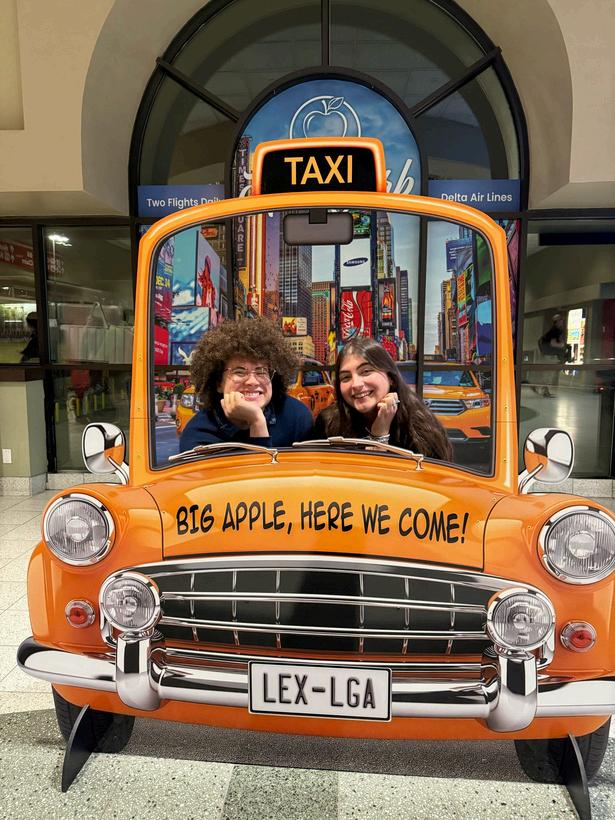
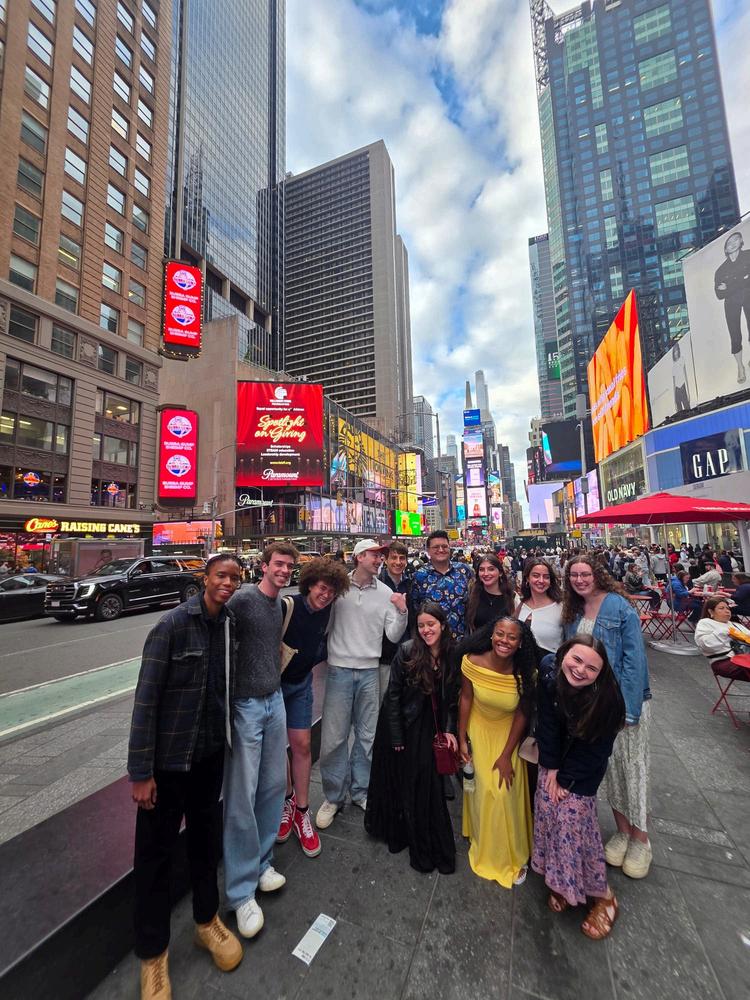
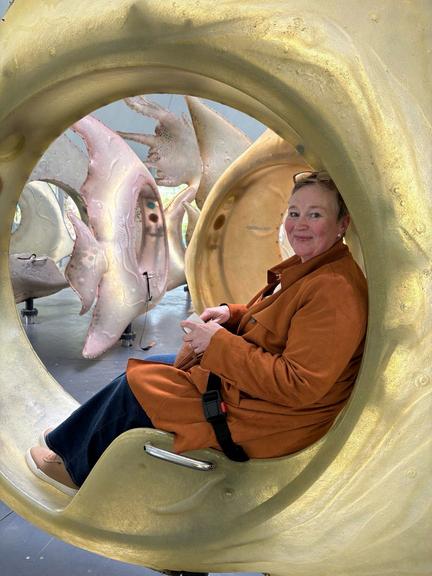
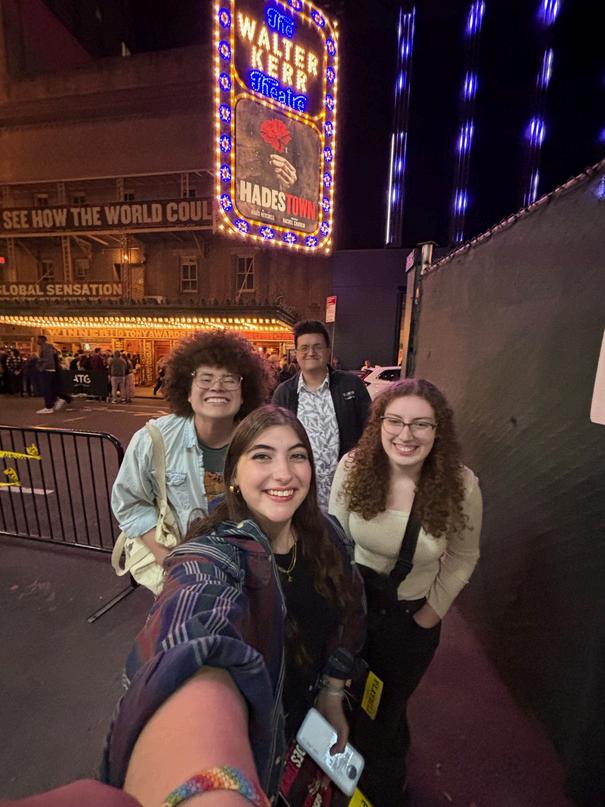
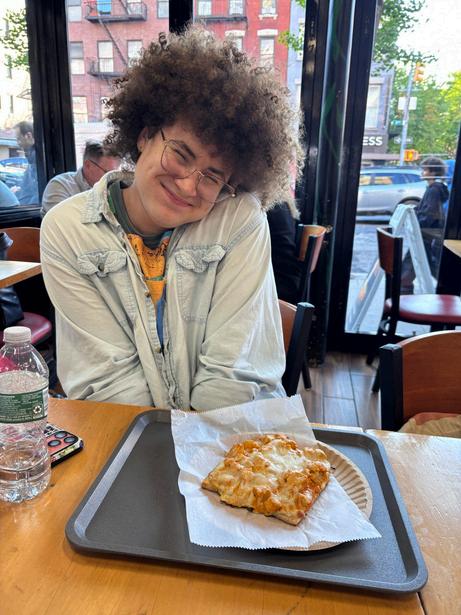
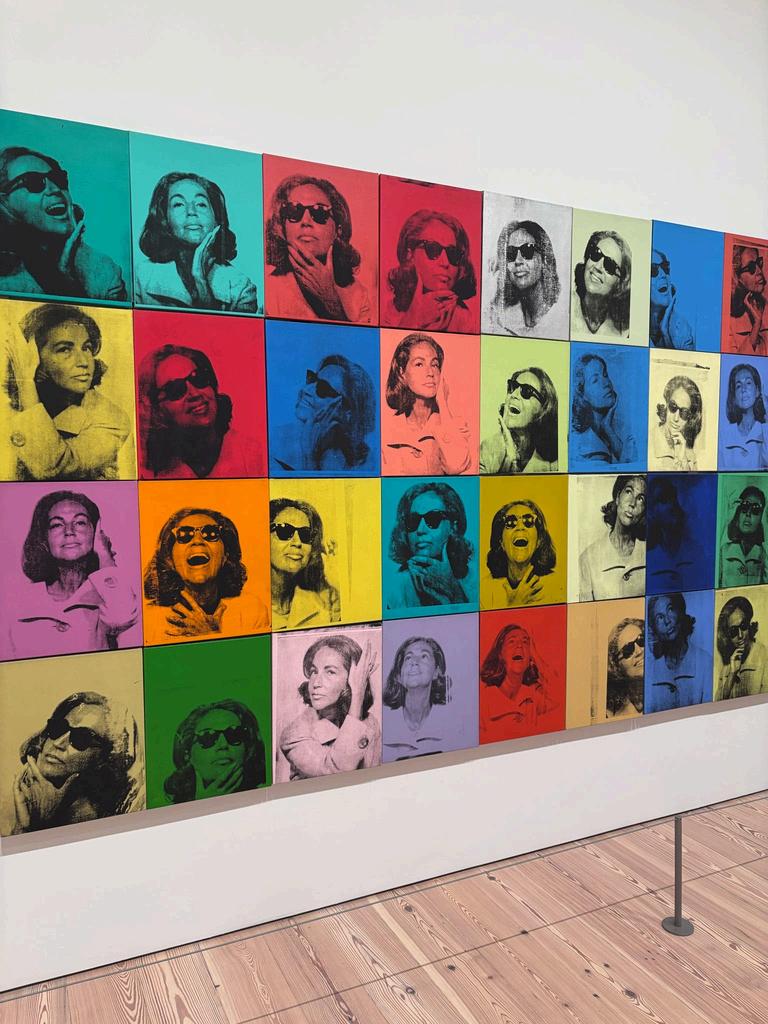
OUR NYC SCRAPBOOK: THE ART AND CULTURAL APPRECIATION EXPERIENCE
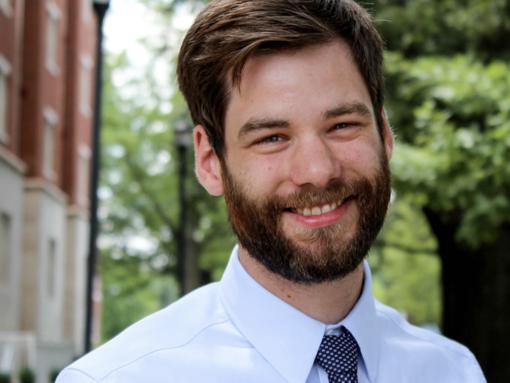
INTRODUCING OUR NEW DIRECTOR OF PHILANTHROPY: DR. KENTON SENA
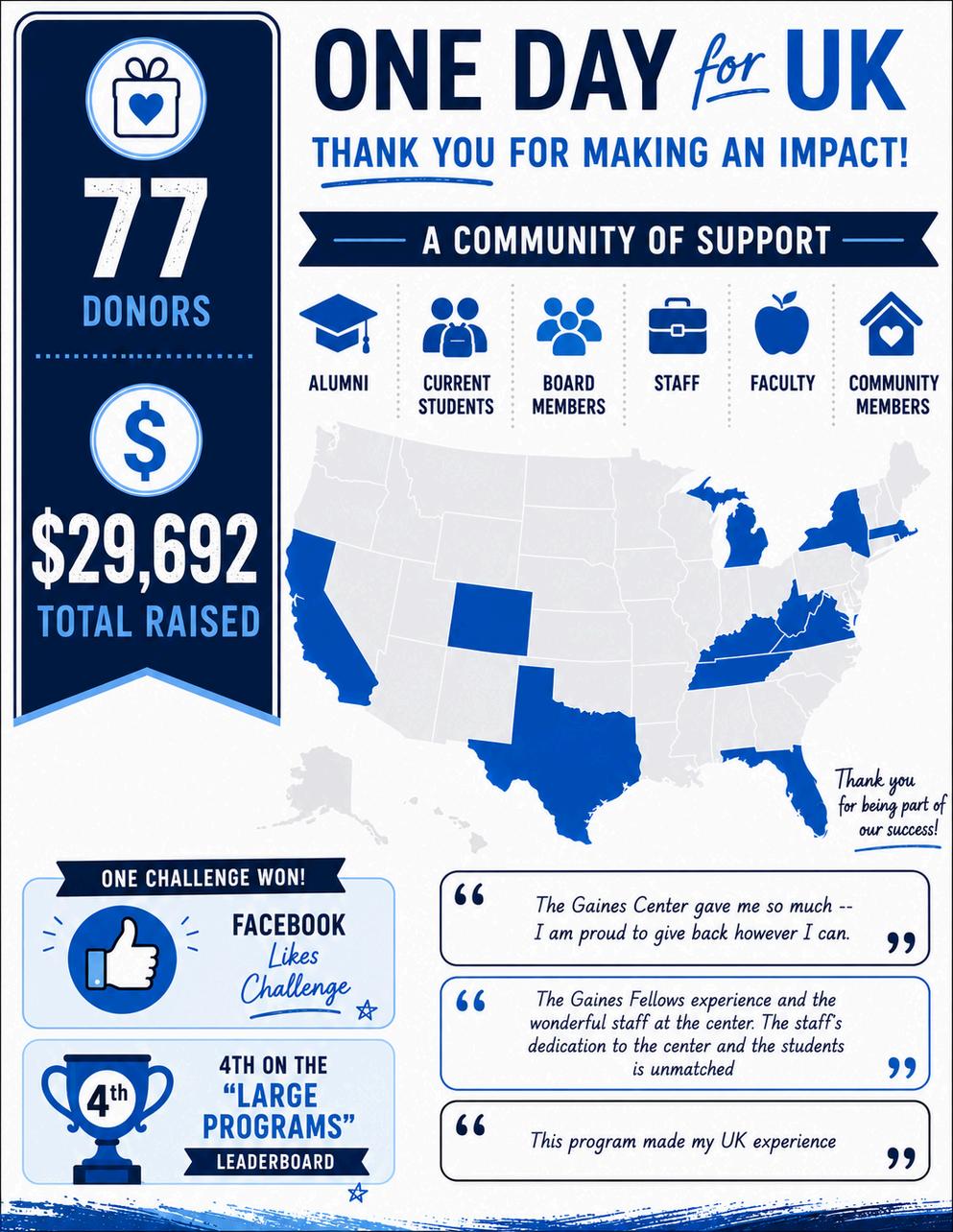
ONE DAY FOR UK: FINAL REPORT
2026 LAFAYETTE SEMINAR: HUMANITIES IN ACTION
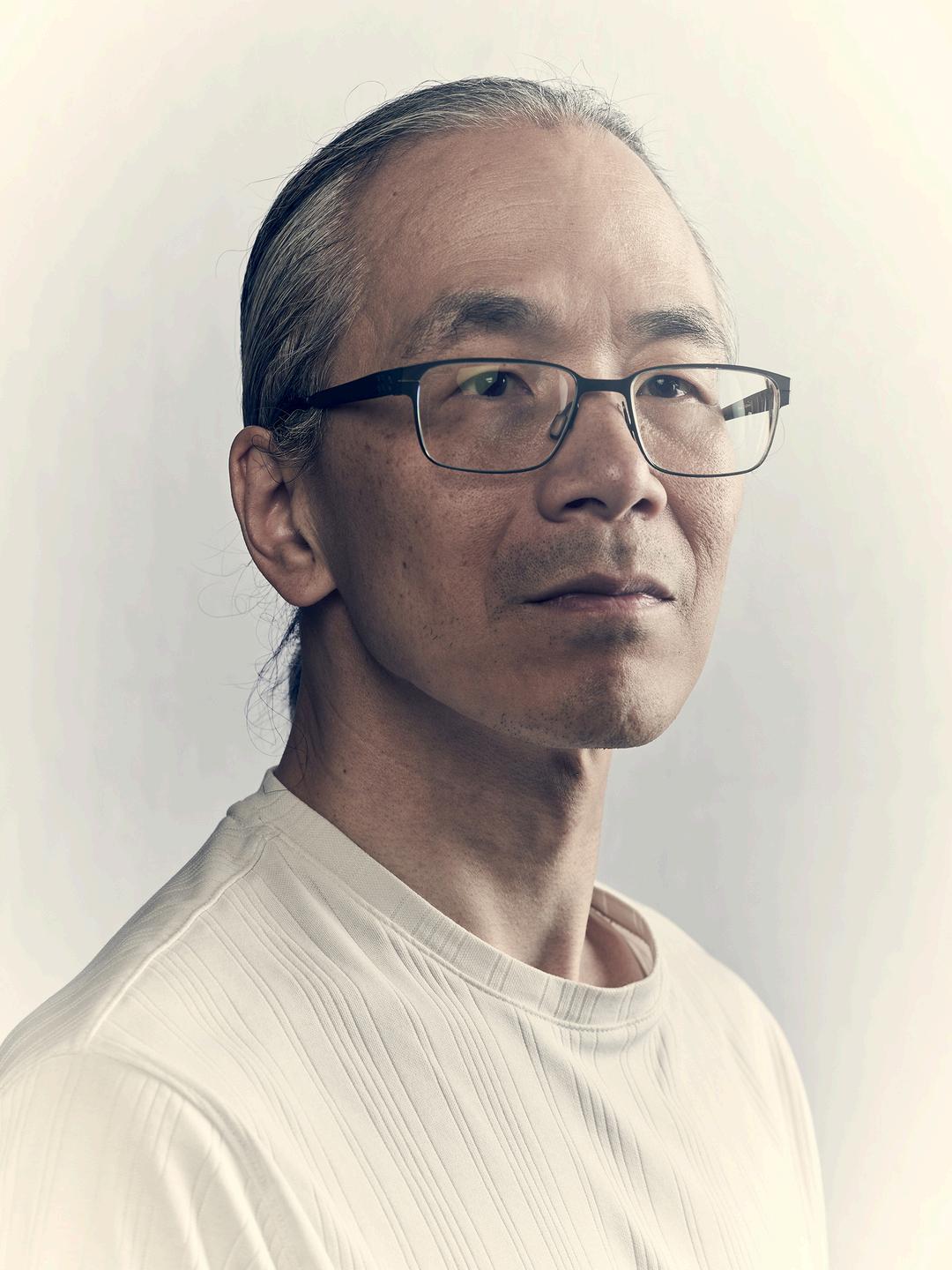
SAVE THE DATE: TED CHIANG, 2026 BALE BOONE
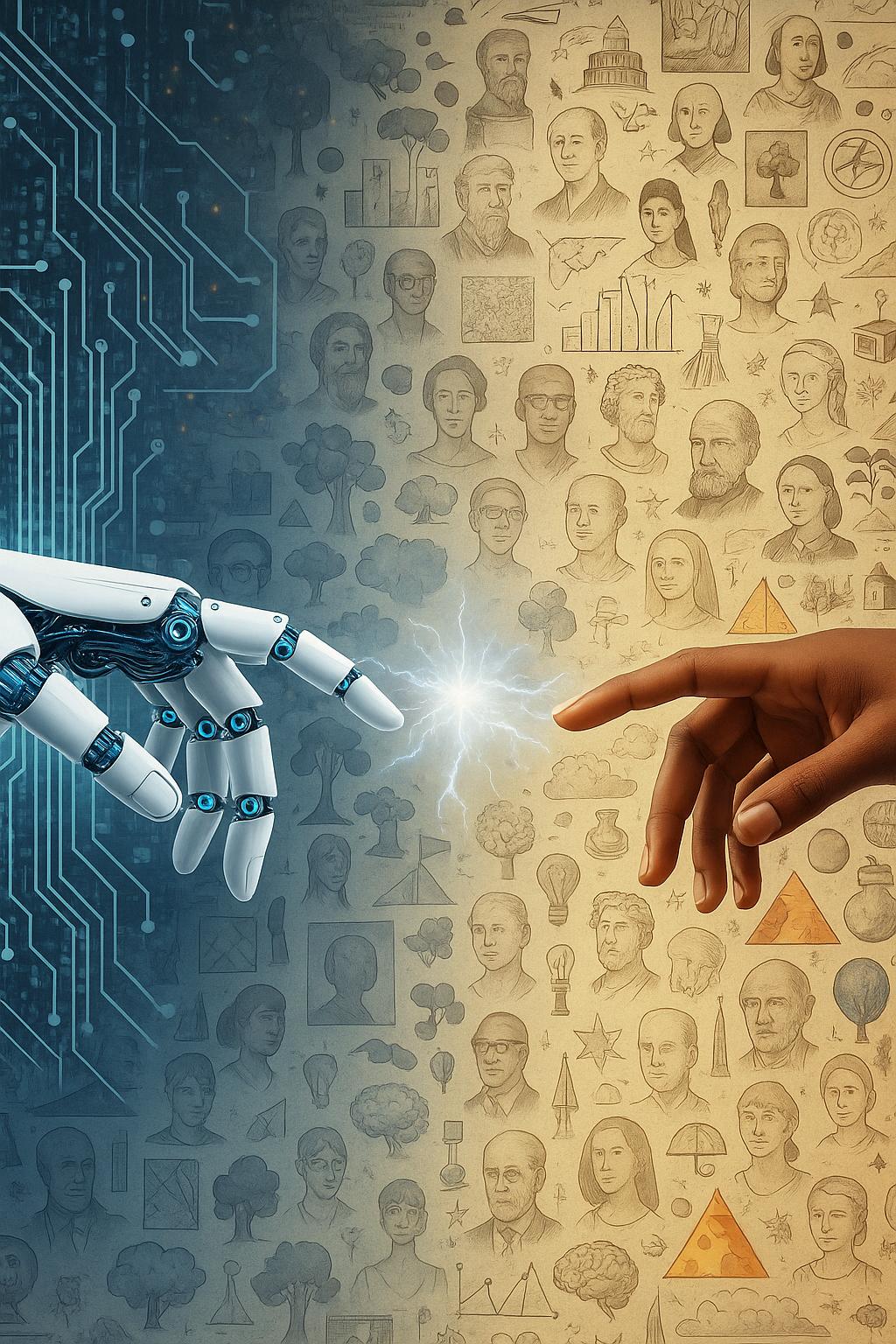
2026-27 THEME: THE HUMAN ALGORITHM
FROMTHEGAINESDIRECTOR
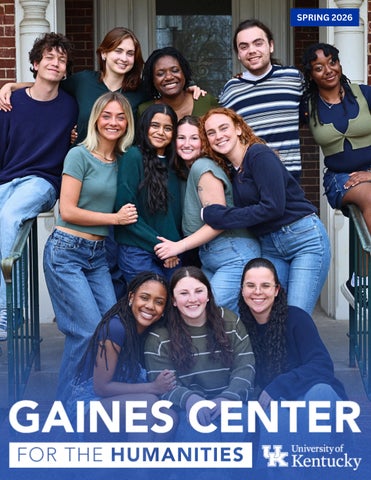
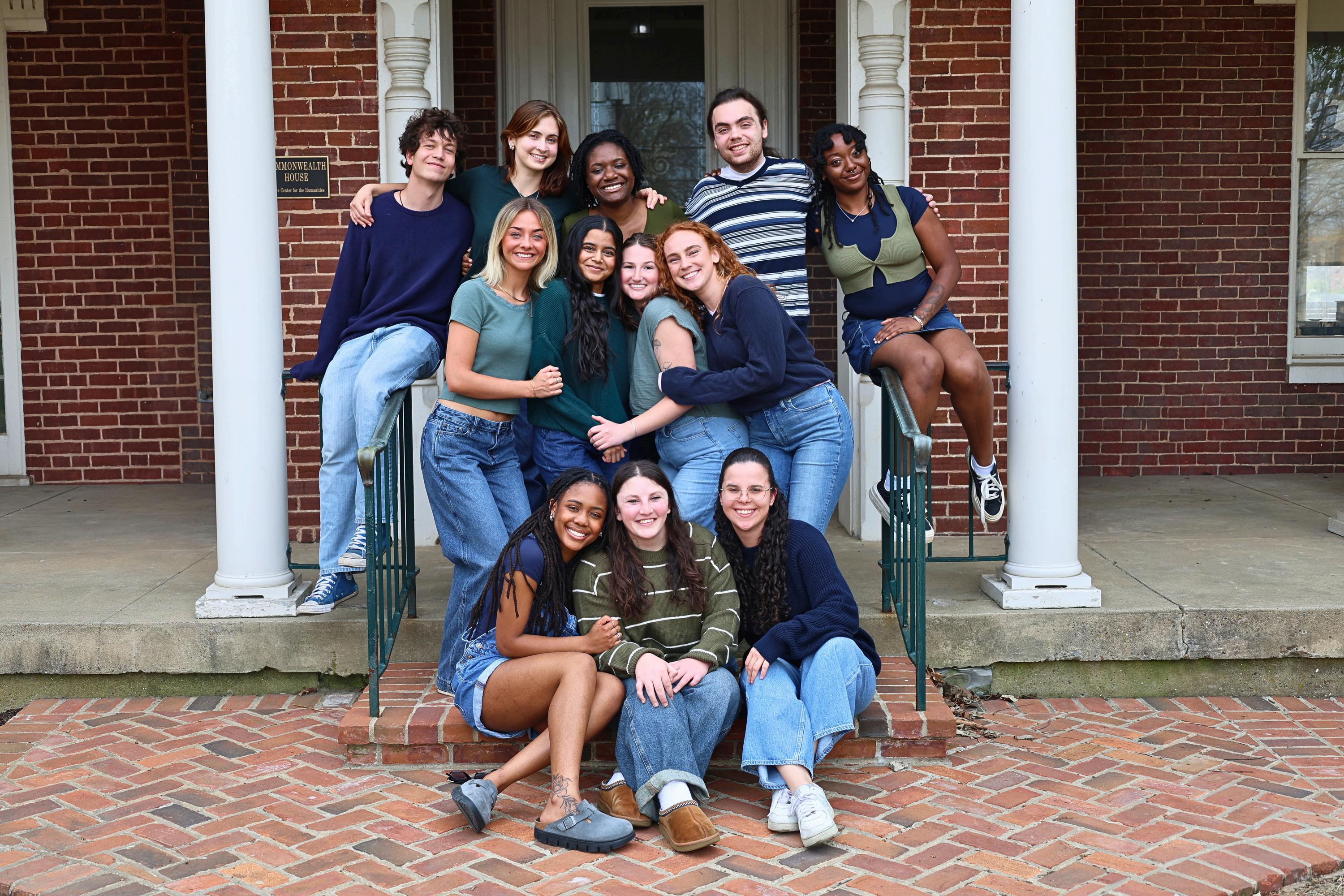
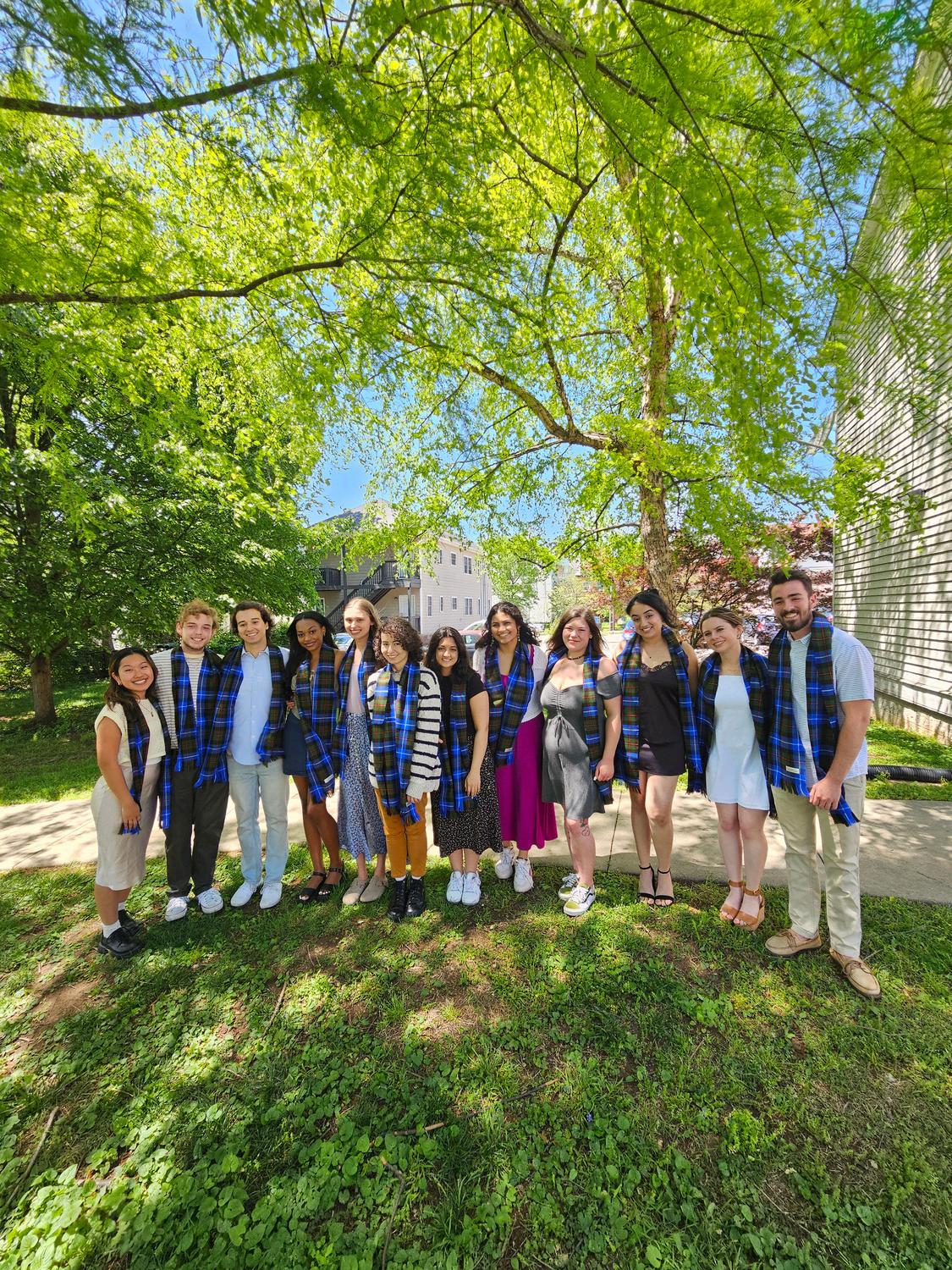
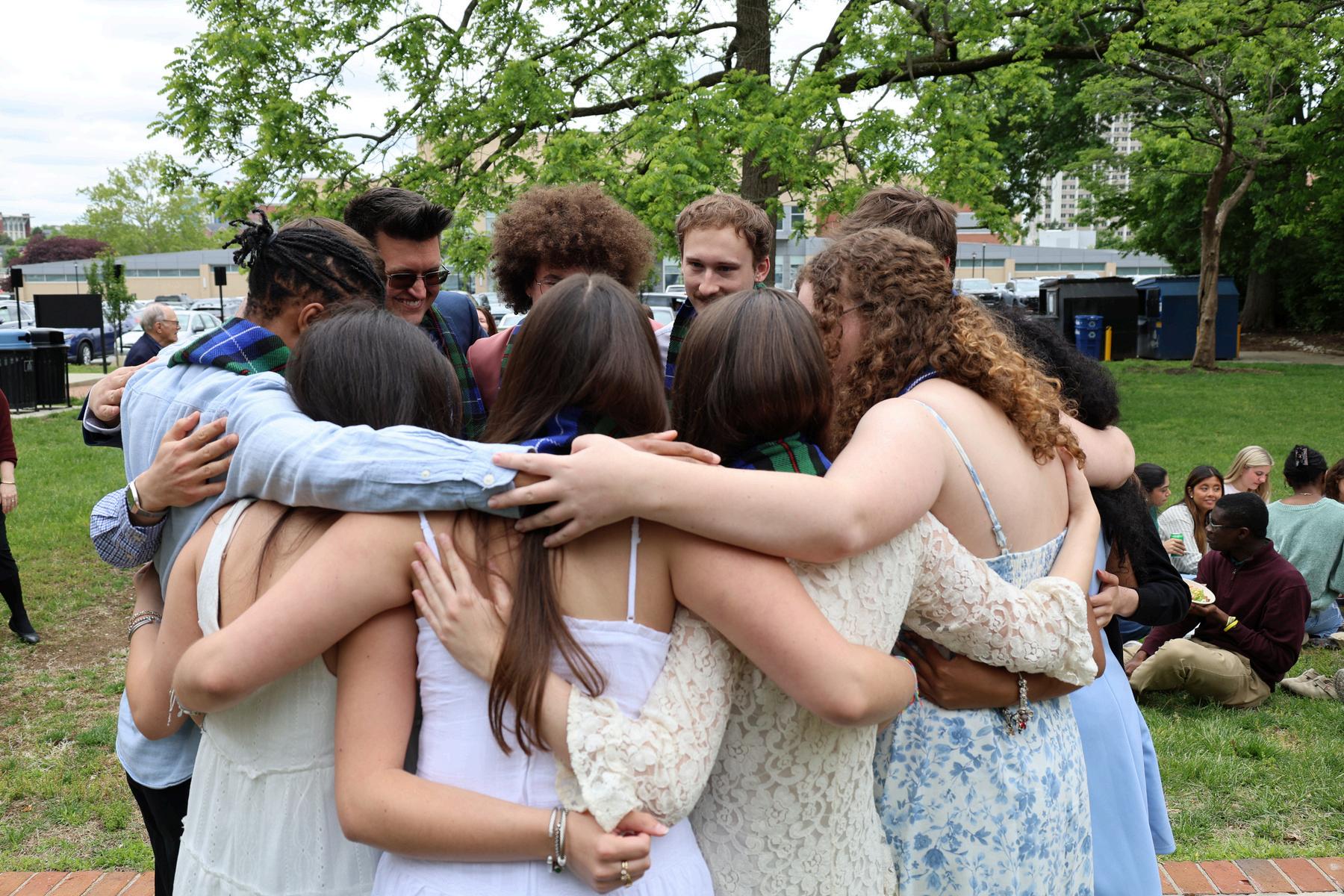
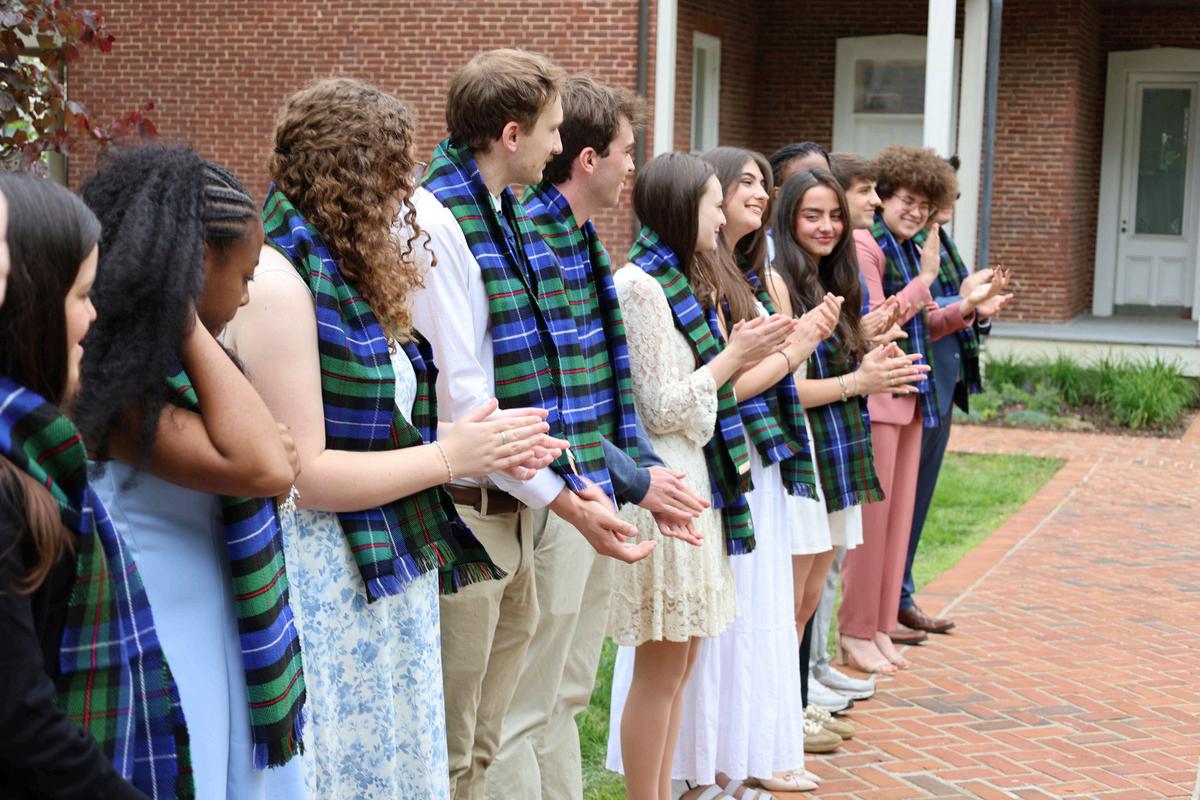
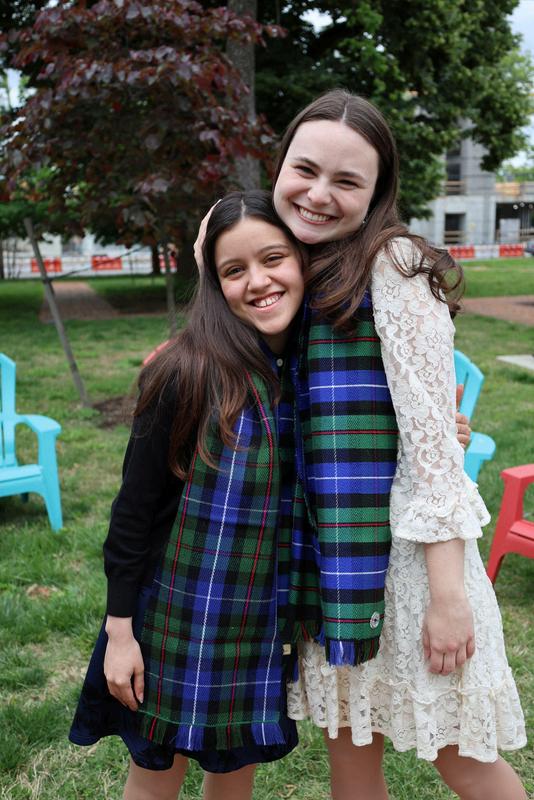
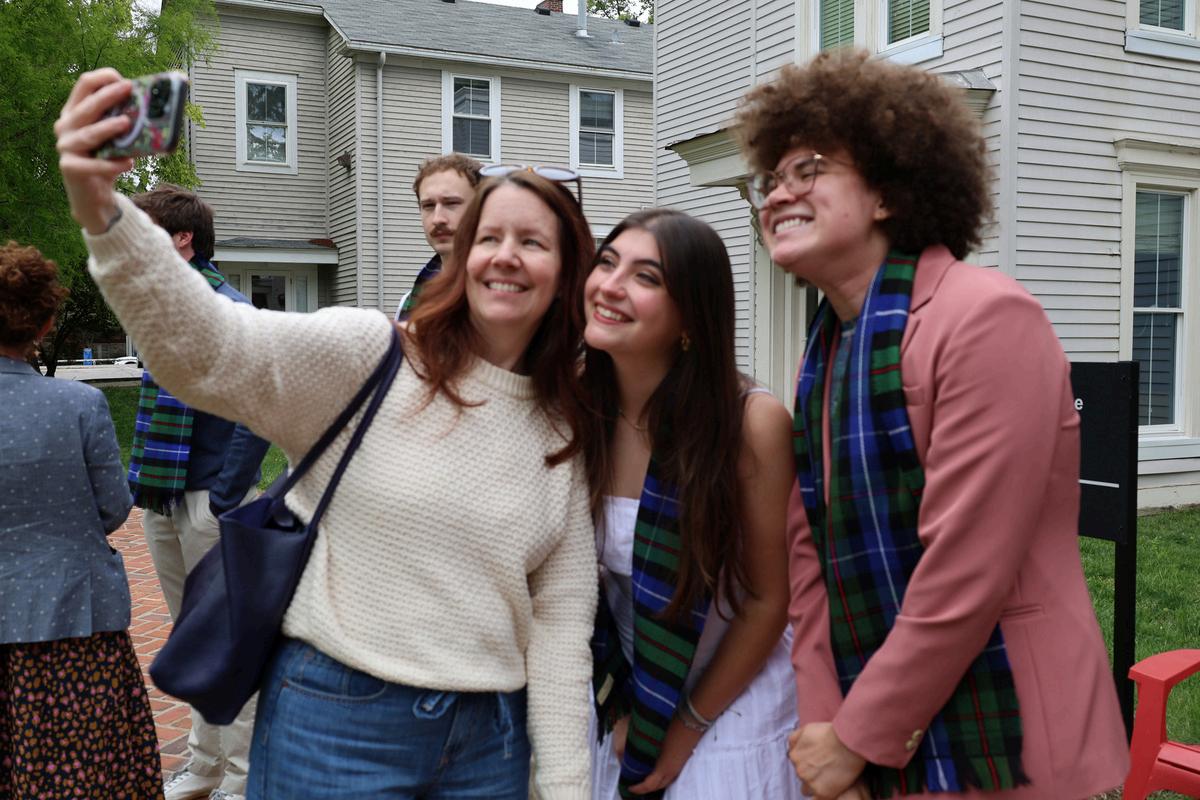
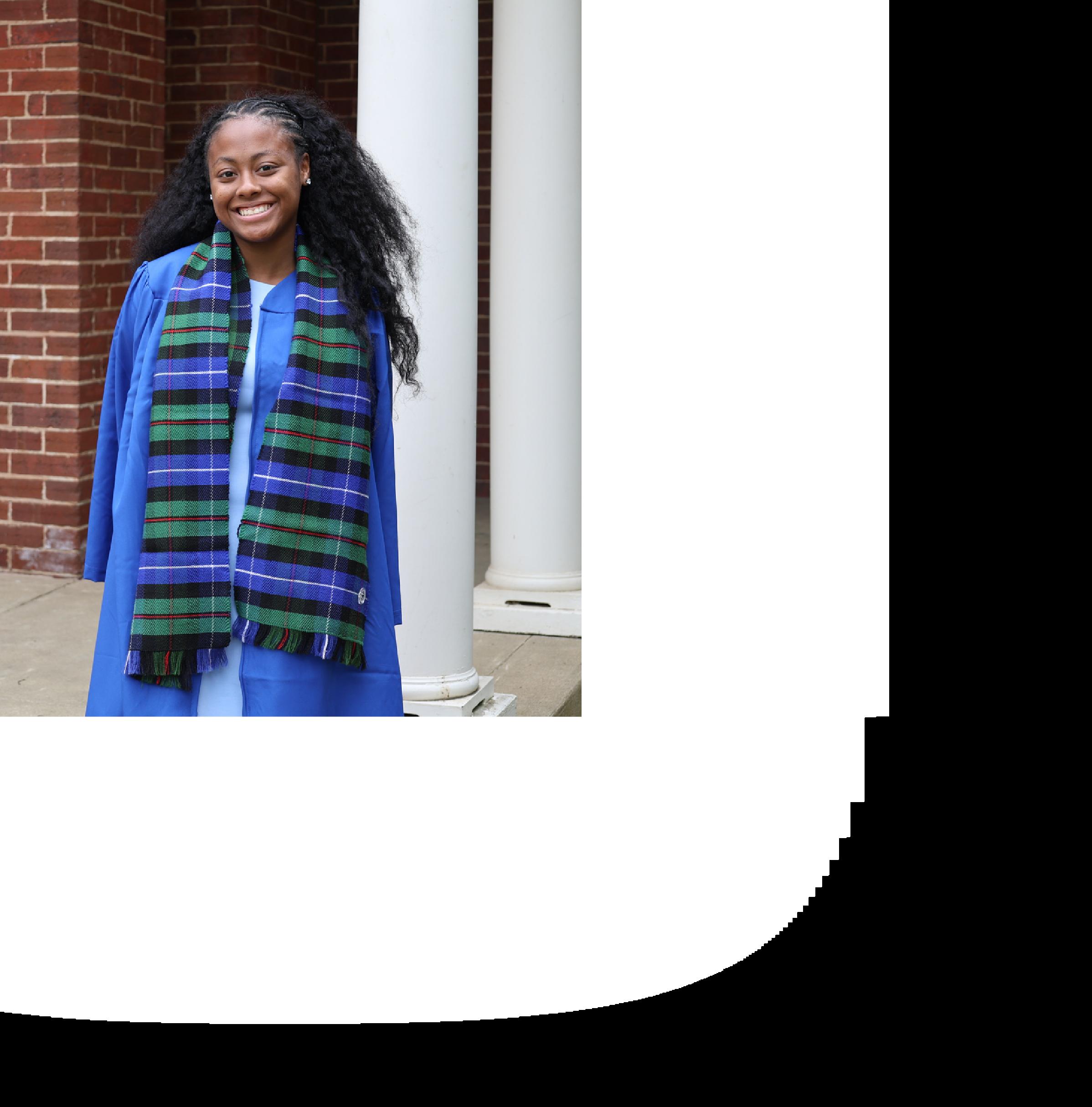
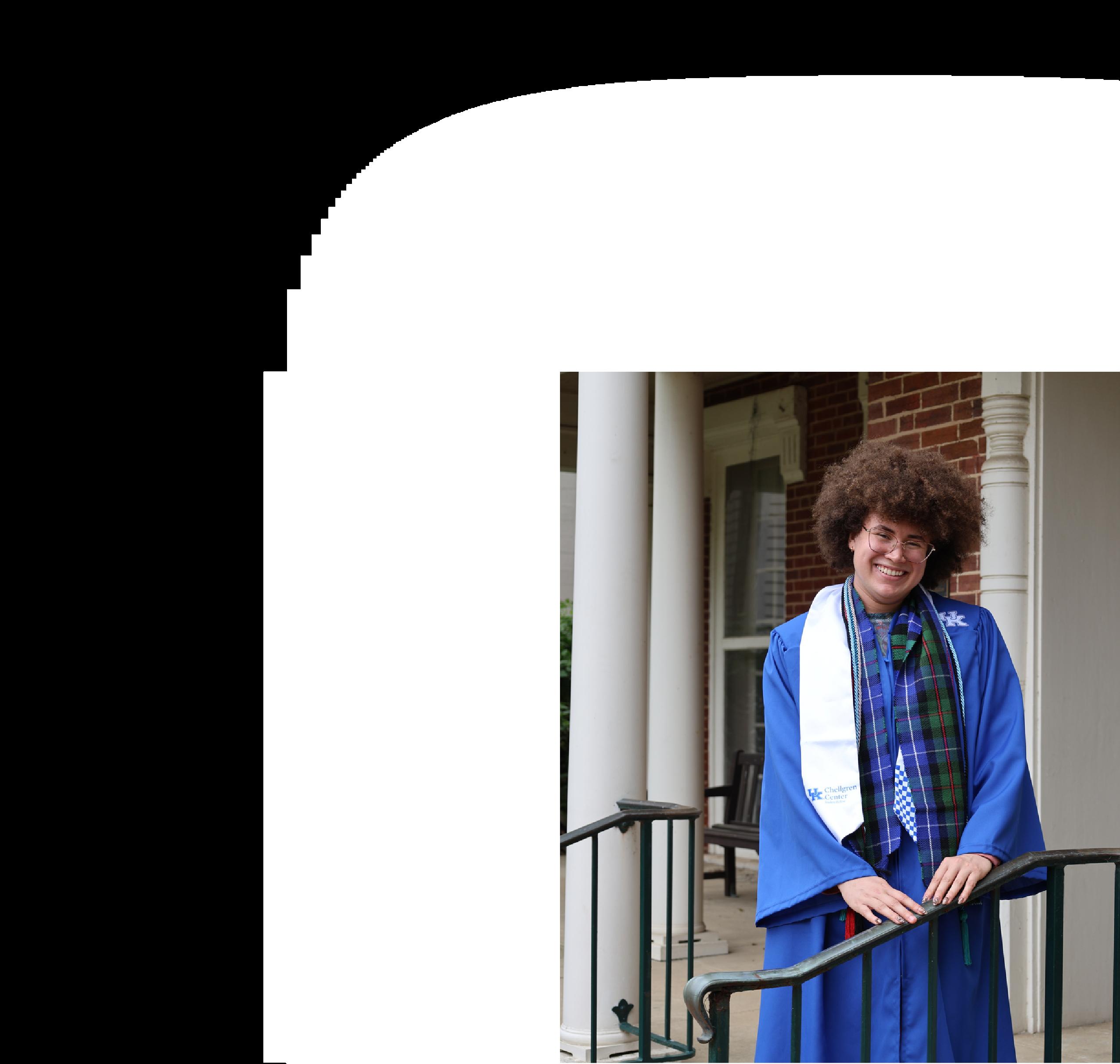
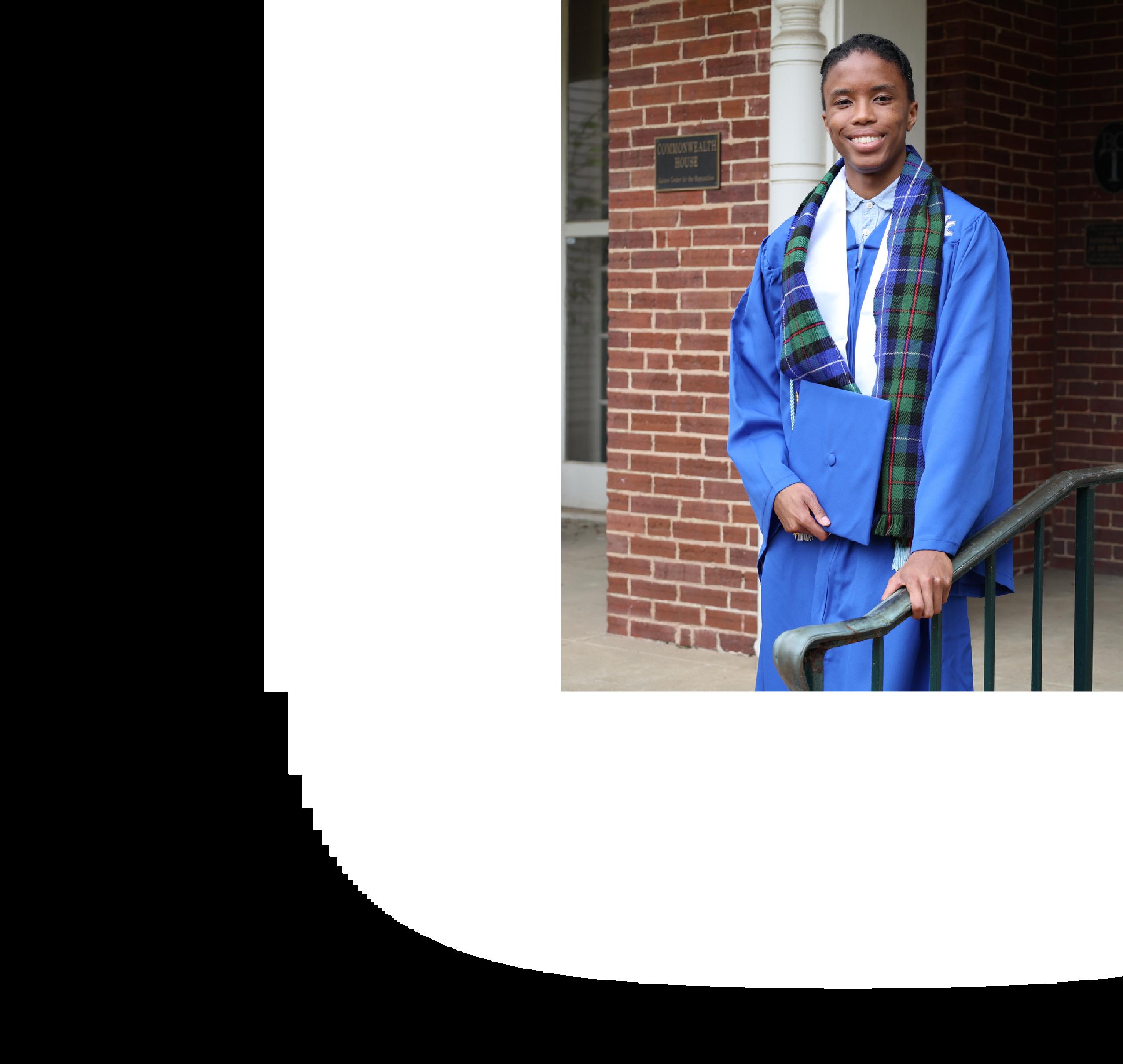
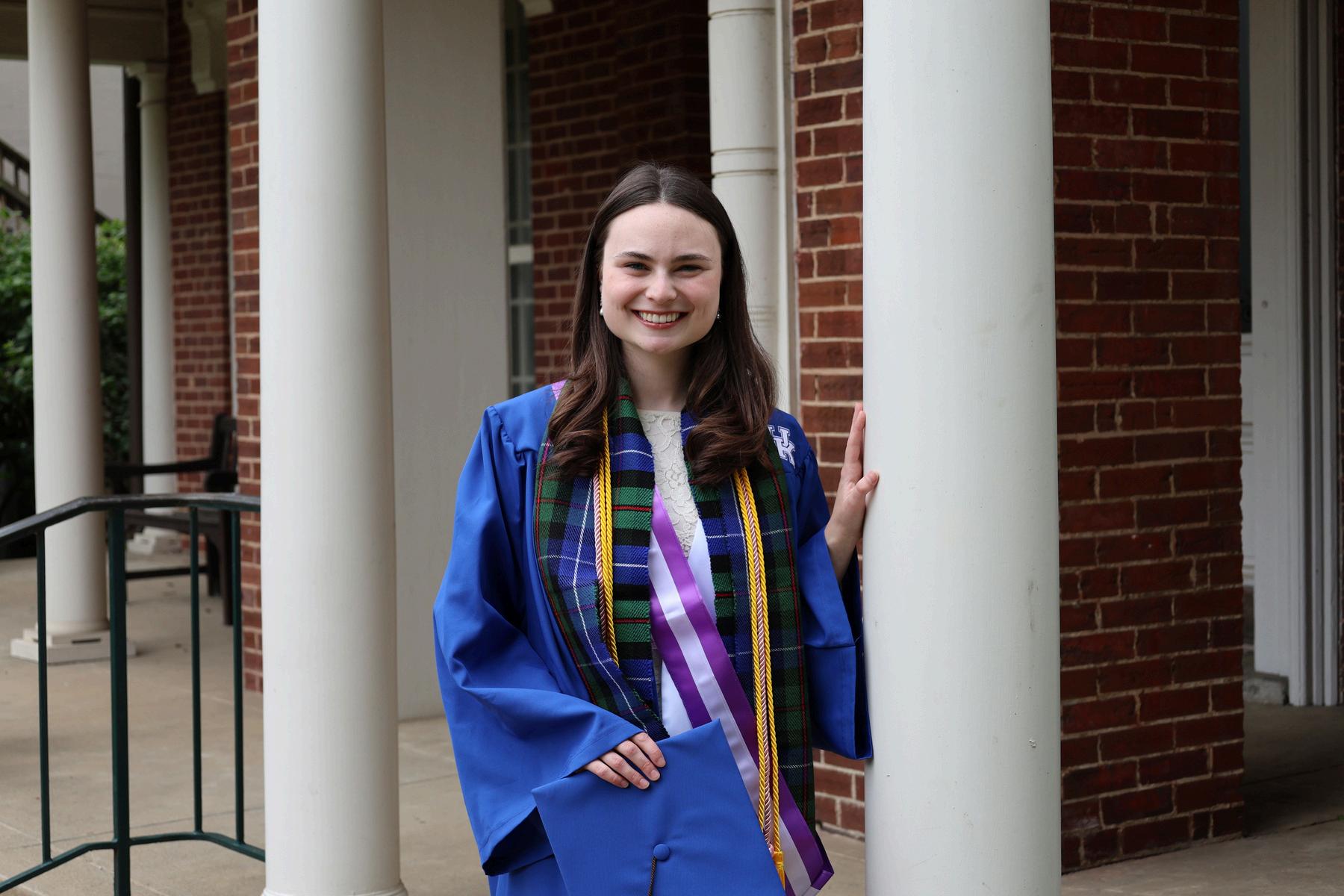
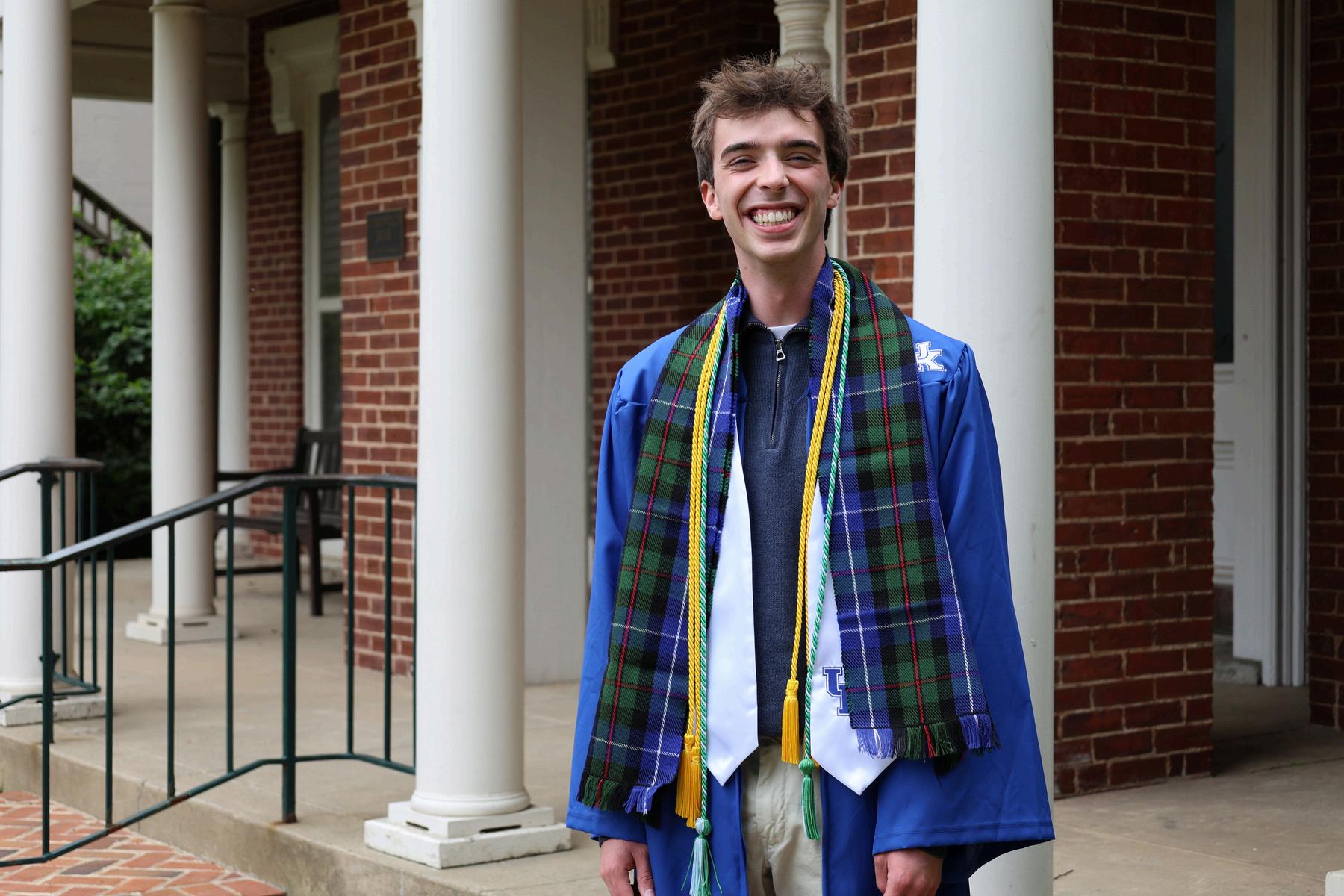
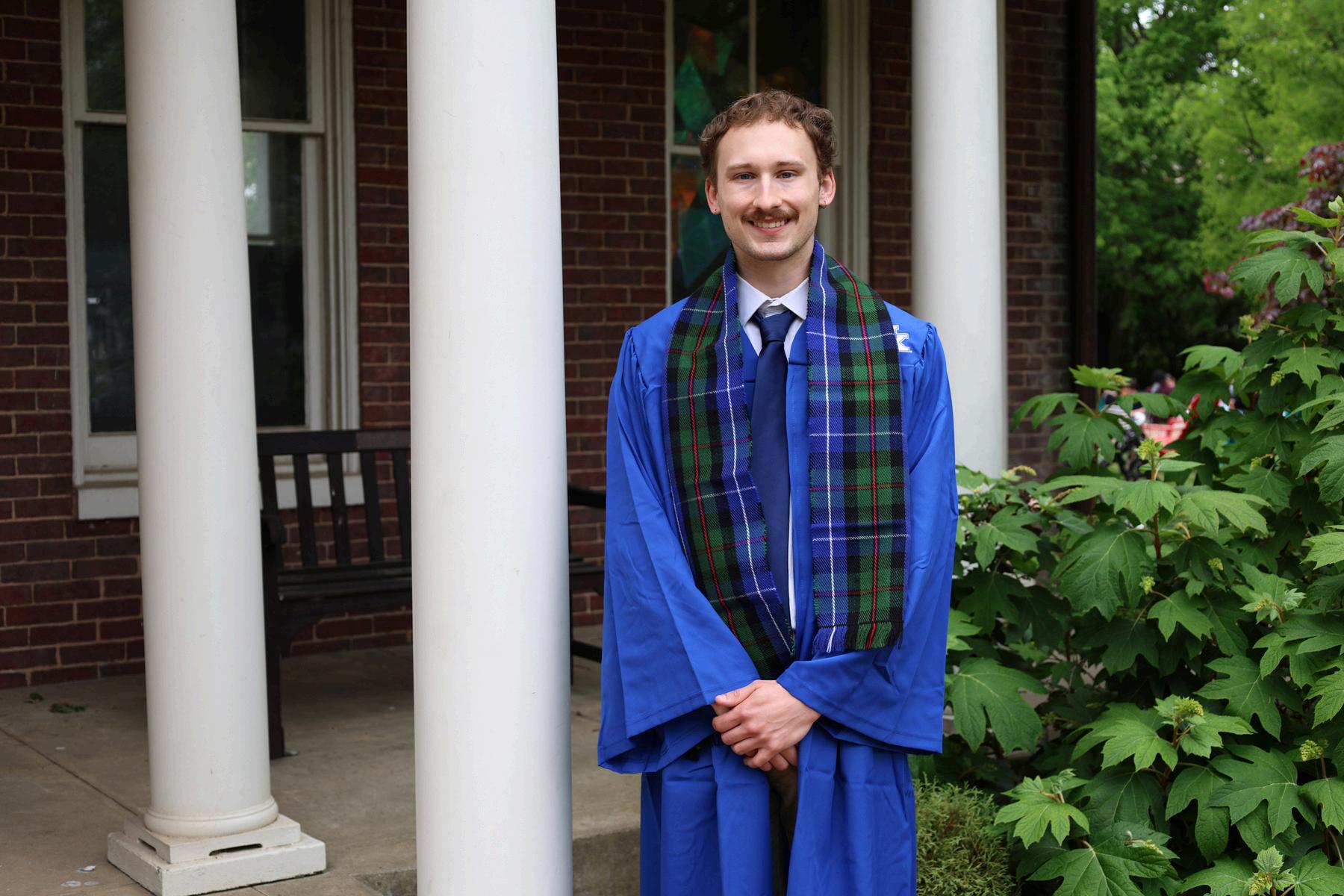
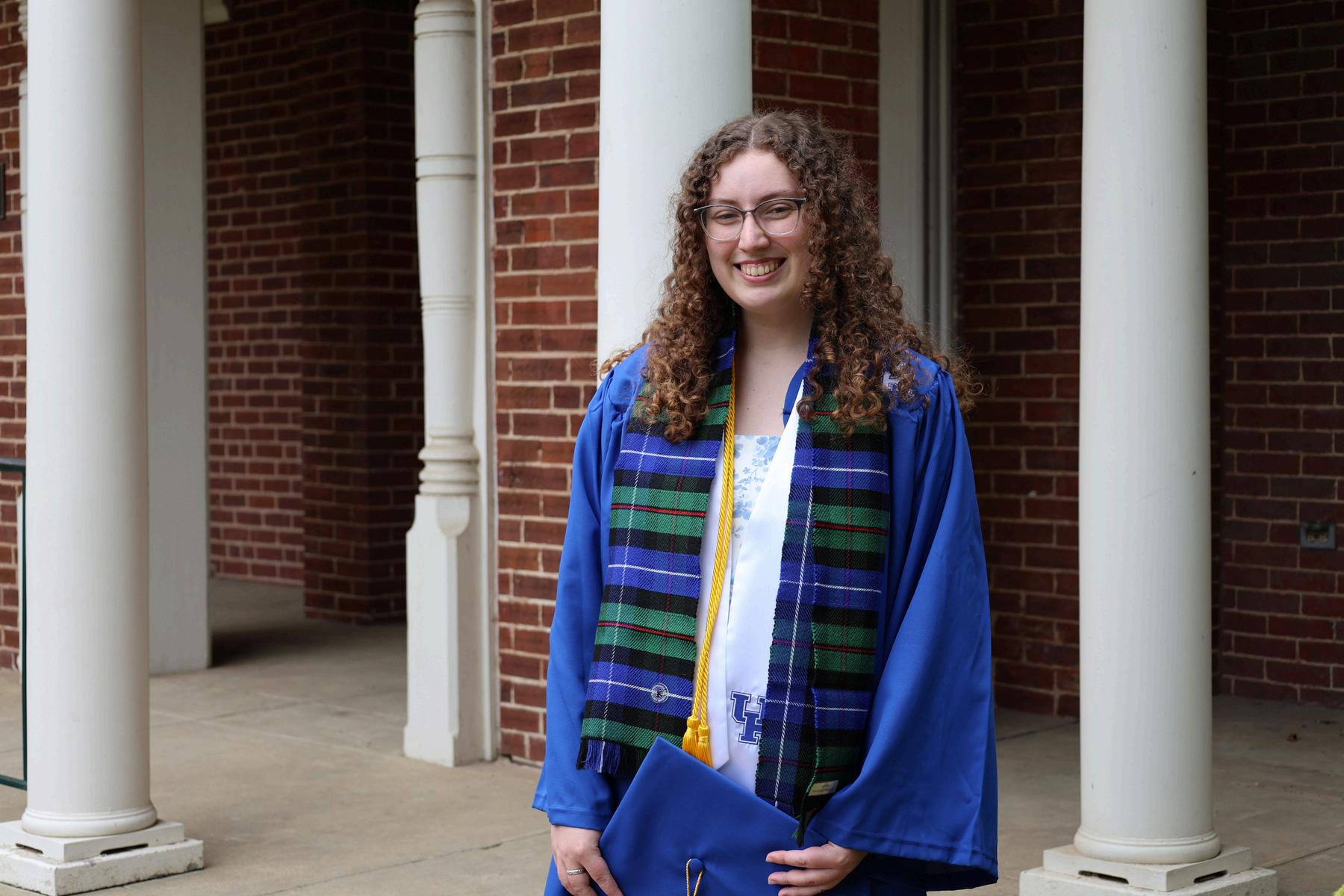
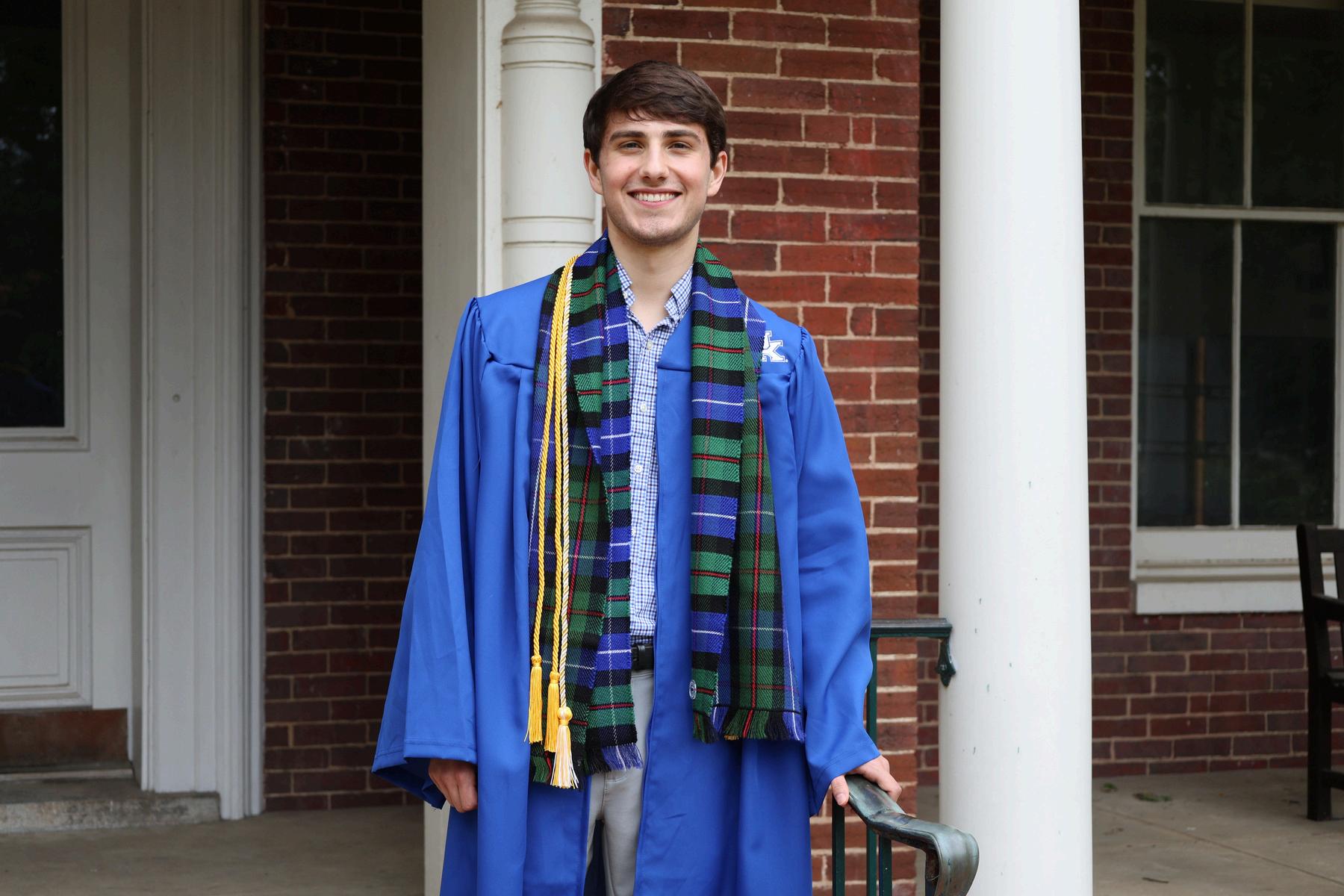
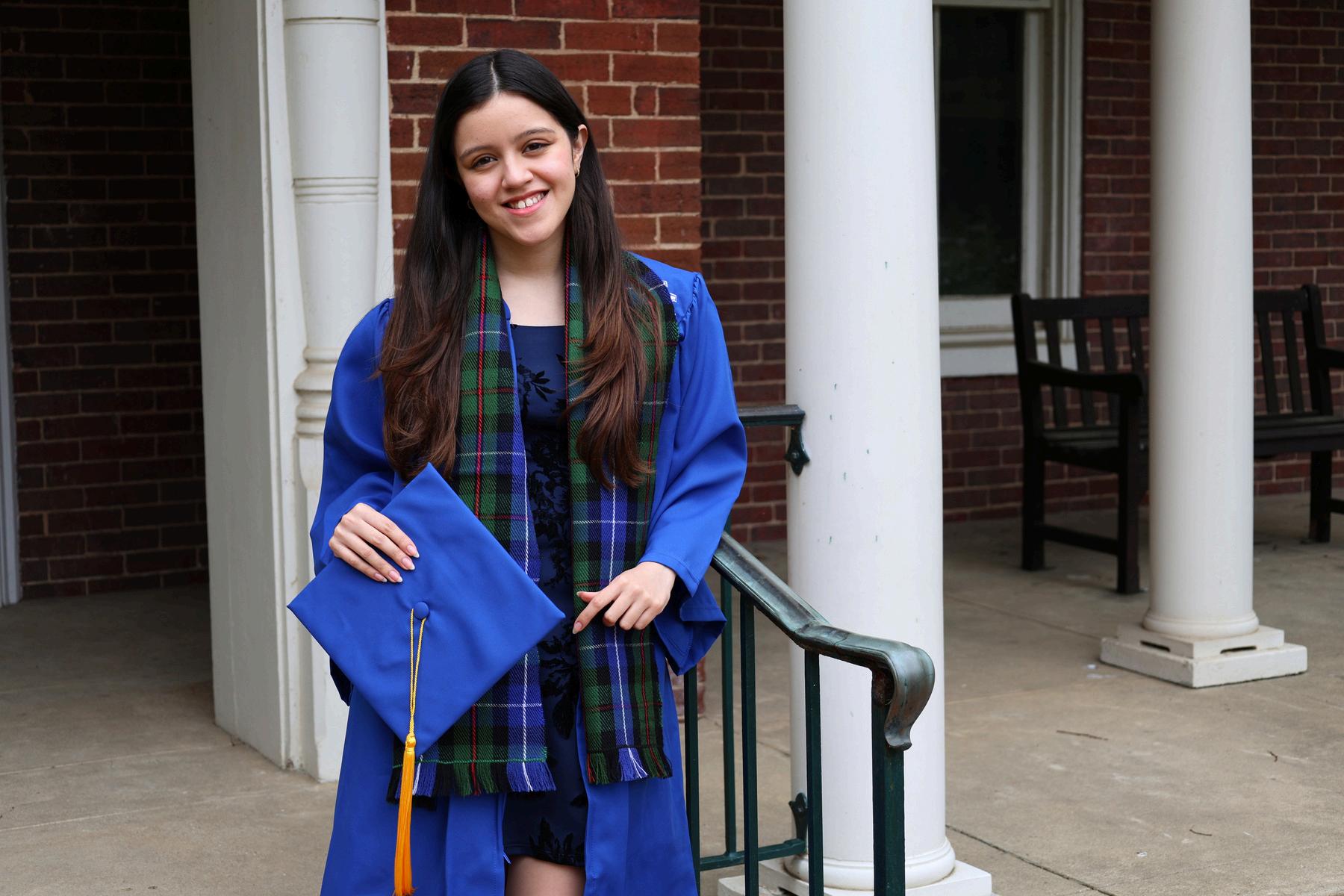
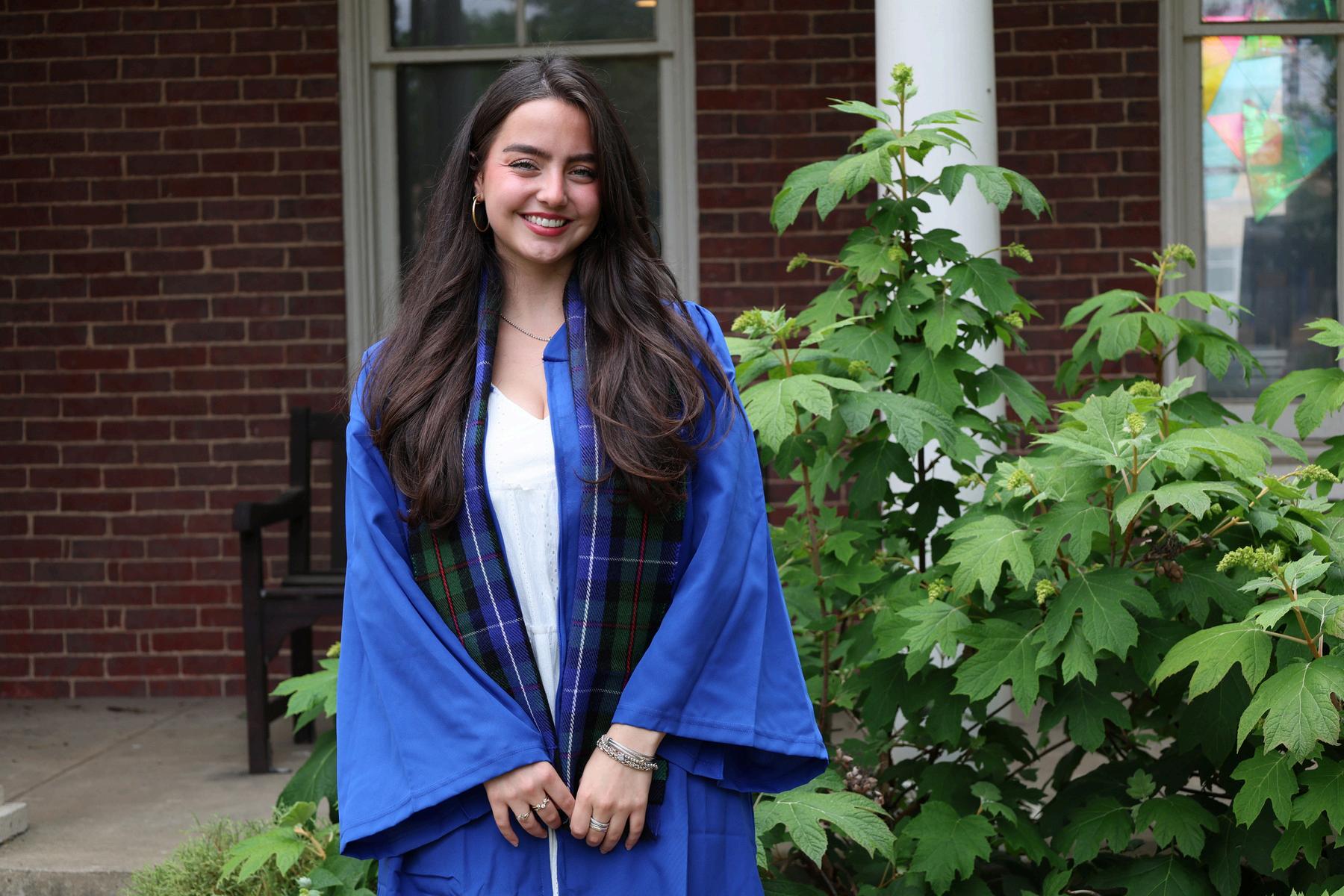
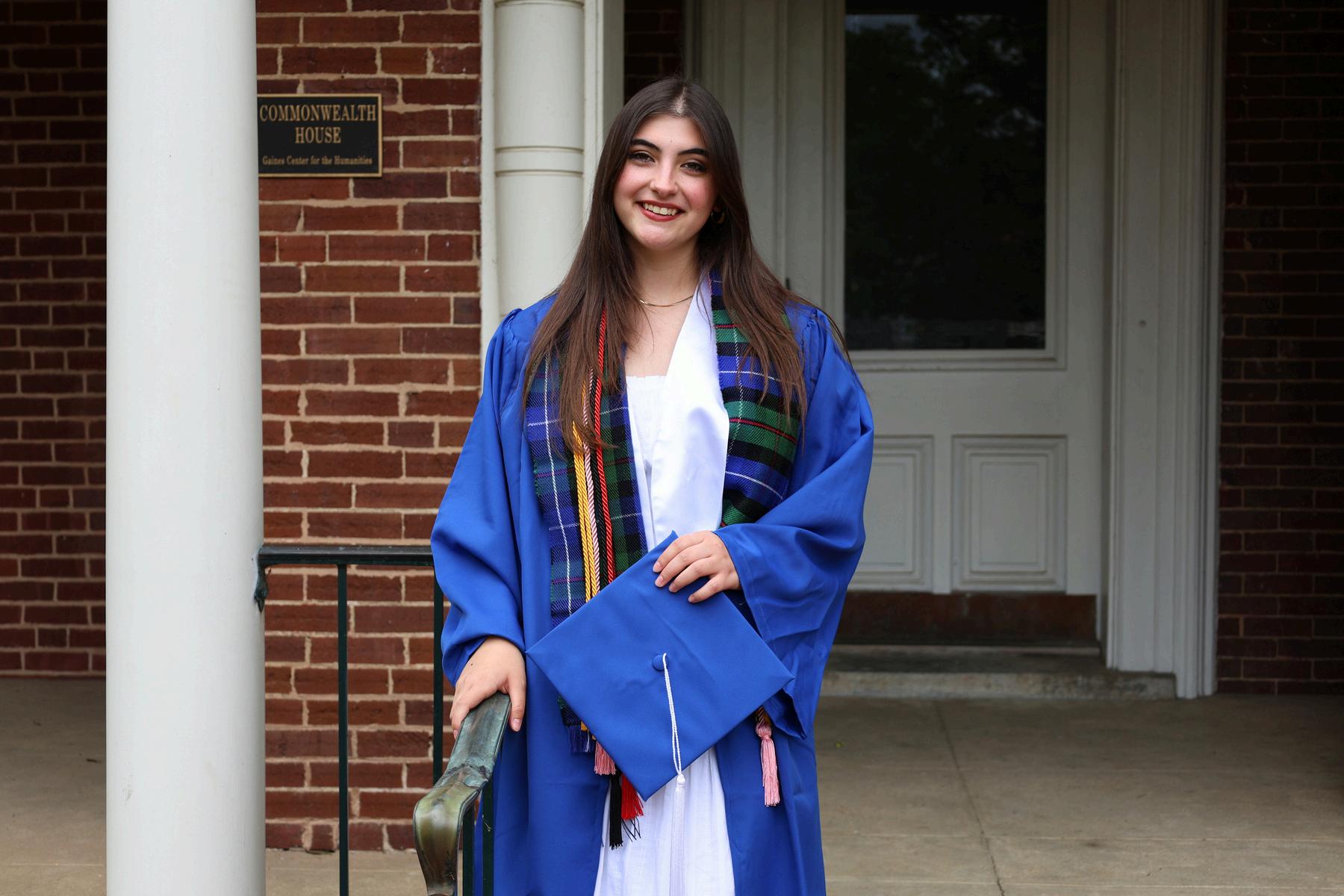
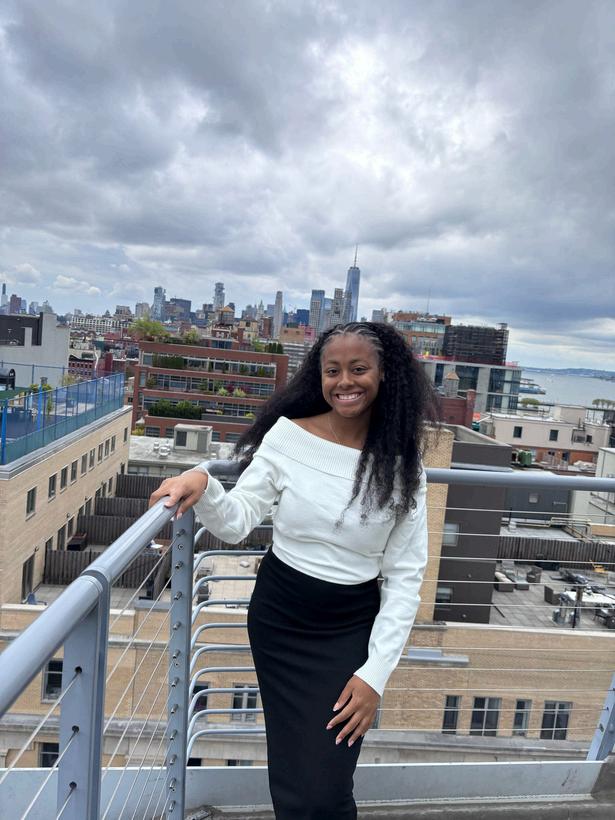
The Spring Semester was an astonishment of beauty in new beginnings. In the final weeks of the semester, the senior cohort – in New York, at the Scarf Ceremony, and at commencement – inhabited fresh possibilities, reminding us that graduation is as much a starting point as an end. These twelve lovely people leave a legacy at Gaines as special as those who came before them.
In the following pages, we feature our signature Spring events – the Lecture for Outstanding Research in the Humanities, the Breathitt Lecture, and the Lafayette Symposium – but I also wanted to make note of the many other events we have been proud to support this semester through our Mini-Grant and Cooperatives programs, as well as through our campus partnerships. In January, for example, we launched the semester with a Spring Forum featuring cross-college paired talks by Eric Weber (College of Education) and Leen Katrib (College of Design) on “Origins and Legacies: Public Education and its Built Environment.” In February, we held a conversation with Frank X Walker and Amy Taylor, moderated by George Wright, on their award-winning books Load in Nine Times and Embattled Freedom It was a powerful session that no one in the packed audience will soon forget.
In closing this academic year and preparing for the next, it’s fitting that we leave the Year of Origins for the Year of the Human Algorithm. Moving from past to future, we embark on a year-long investigation of what it means to be human in the age of Artificial Intelligence. With the rise of algorithmic curation, it’s possible that being human will involve the intentional practice of analog depth and the capacity for sustained attention. Or it could mean emotional resonances in physical spaces that digital interfaces flatten. Or engaging in the productive struggle to learn and create.
As we grapple with the impacts of AI in higher education – and in virtually every other sector – the Gaines Center looks forward to leading a conversation on campus about the importance of the humanities in providing the critical, ethical, and historical frameworks for navigating these transformations We’ll see what will become our defining human acts. But one thing is clear even now: from tech to finance, industry leaders are touting the skills and attributes of humanities majors, recognizing that “human brainpower is needed to handle the silicon variant” (Gillian Tett, The Financial Times Limited, 5/7/26).
The kickoff for next year’s theme will take place on September 1st in the Worsham Theater with a screening of Spike Jonze’s Her (2013), followed by a faculty panel discussion. We’re also excited to announce that the Bale Boone Symposium on October 6th will feature acclaimed science fiction writer Ted Chiang, who will speak with us about his viral essay “Why AI Isn’t Going to Make Art” and other topics A leading voice on technology and the art world, Chiang challenges us through his essays and fiction to think about cognitive transformations that arise from interacting with non-human intelligences, including in Stories of Your Life and Others. The title story of this collection was made into the Oscar-winning film Arrival (2016), directed by Denis Villeneuve. We hope you’ll be able to join us for one or both of these timely events.
Thank you to everyone in the Gaines community for your continued support. You’re absolutely vital to our mission of promoting the study of the Humanities at the University of Kentucky.
With best wishes for the summer,
Gaines THE new
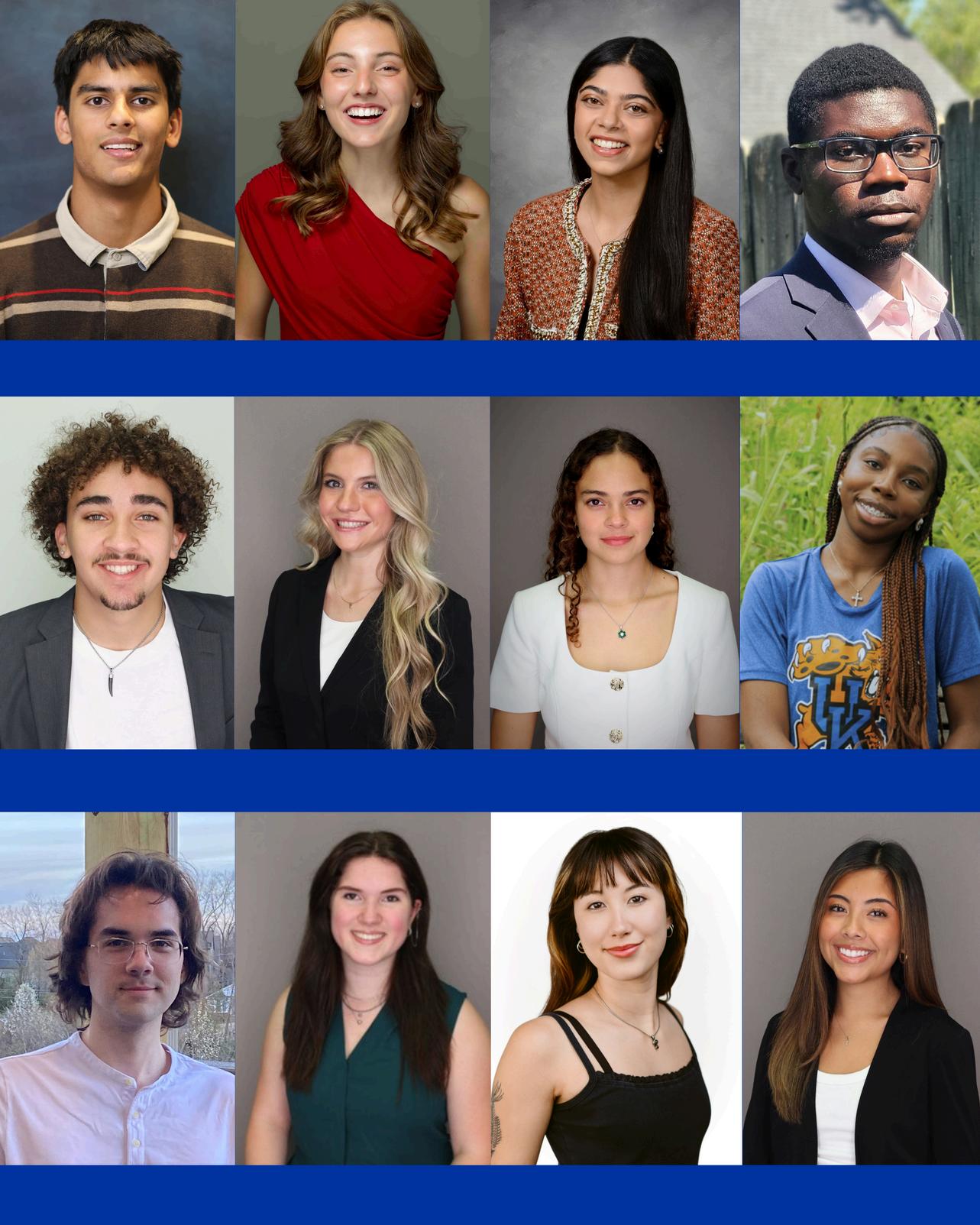
The new cohort of Gaines Fellows were carefully chosen from a record-breaking pool of applications. Among their majors, minors, and certificates, they represent the College of Arts and Sciences; College of Fine Arts; Gatton College of Business and Economics; College of Design; Stanley and Karen Pigman College of Engineering; College of Health Sciences; College of Pharmacy; College of Public Health and Lewis HonorsCollege.
ADARSH KHULLAR
ELLA CLARK
ANYA SHARMA
SAM MEKOH
ENZO FRESSOLA
KATIE NEGLIA
CATALINA HICKS
LIZ UDOH
Catching upwith Catching upwith Catching upwith
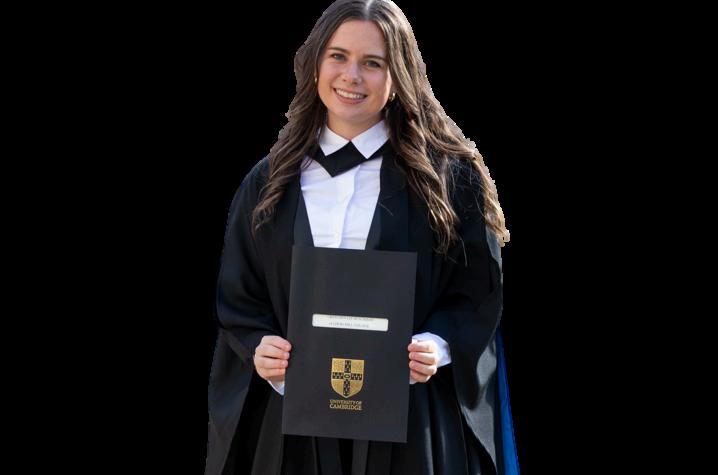
At the University of Kentucky, Gretchen Ruschman became a “well-rounded scientist.”
After graduating from the UK Martin-Gatton College of Agriculture, Food and Environment (CAFE) in 2024, Ruschman began her studies at the University of Cambridge, where she earned her Master of Philosophy in medical science with a focus on obstetrics and gynecology She is now in her first year in the NIH Oxford-Cambridge (OxCam) Scholars Program, through which students earn their doctorate while researching with one of the two universities and the U.S. National Institutes of Health.
From Athens, Kentucky, Ruschman was drawn to UK because it’s a top-tier research institution with a “strong science foundation.” She chose to study agricultural and medical biotechnology (AMBT), which offered a close-knit cohort at a large university.
Ruschman’s major and extracurricular activities soon gave her opportunities to pursue her research interests and do hands-on research.
Ruschman, who was also a Lewis Honors College student, started undergraduate research in her first semester at UK, working in the lab of Carlos M. Rodriguez Lopez, Ph.D., The Bill Gatton Foundation Distinguished Professor and associate professor in the Martin-Gatton CAFE Department of Horticulture
“Gretchen, over nearly four years, evolved from an eager observer to an independent researcher who could design experiments, troubleshoot in real time and mentor others,” Lopez said. “She built nextgeneration sequencing libraries for 400+ soil samples, led bioinformatic analyses of fungal
Written by Bailey Vandiver, this story originally appeared in the December 9 issue of UK Now. It has been abridged for this newsletter. To read the full piece, visit THIS LINK
OUTSTANDING OUTSTANDING
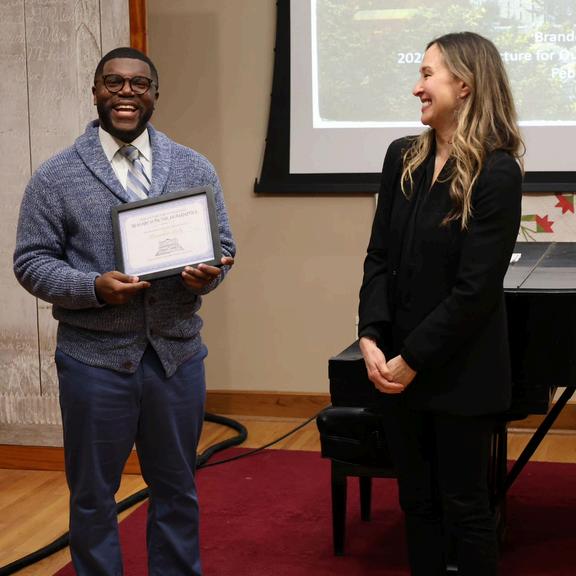
PRESENTEDTO DR. BRANDON ERBY
Early this semester, the Gaines Center hosted the Gaines Lecture for Outstanding Research in the Humanities. This year, the Junior fellows were extremely lucky because the recipient of the Lecture was a seminar instructor from the previous semester, the one and only Dr Brandon Erby.
Dr. Erby led our second seminar of the year, during which we explored protest music, what defines protest, and when and why people protest. It was a stimulating four weeks that fostered deeper connections among our cohort and prompted us all to observe media from a new lens. I can say with confidence that all of the fellows look back on that month fondly.
Considering my excitement, I must admit that the lecture was even better than I had expected. His lecture explored both the history of incarceration and current correction practices within the context of personal expression, community, and what it means to be free.
Through his lecture, he provided concise explanations of relevant context and let his reference texts speak for themselves, allowing the audience to make discoveries at their own pace The Q&A portion of this lecture proved that it meant something to everyone in the room. The questions sparked further curiosity among attendees and, once again, gave Dr. Erby the chance to lead us through complex topics to reach an understanding that made sense.
This lecture so beautifully encapsulates the mission of the Gaines Center, and I really enjoyed watching people interact with the humanities in such a complex and considerate way WRITTENBYJUNIORFELLOWCCRHEIN
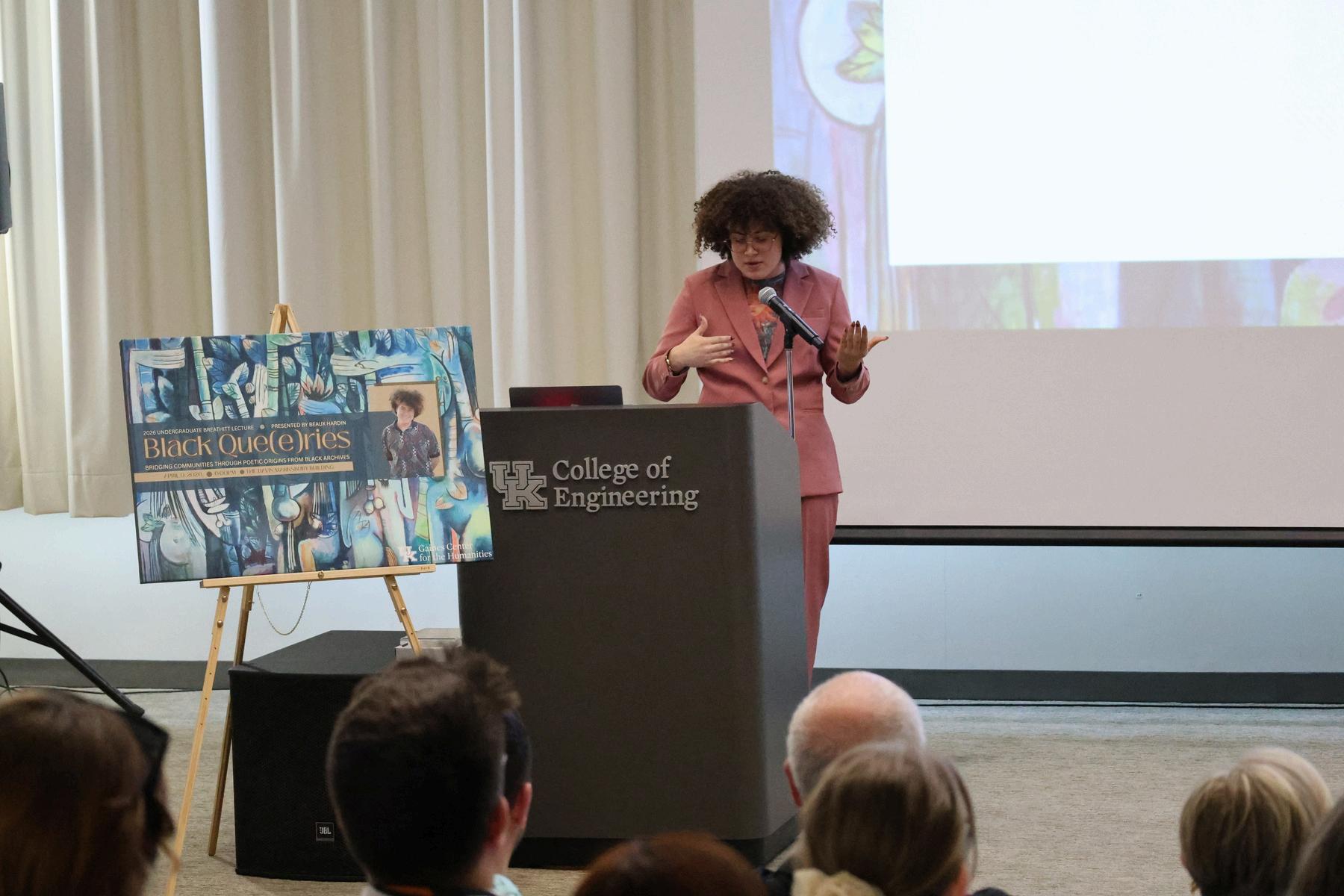
The 2026 Breathitt Lecture took place on April 9 before a packed auditorium in the Davis Marskbury Building. This year’s selected lecturer was Beaux Hardin,GainesCenterSeniorFellowanddoublemajor in Modern and Classical Languages, Literatures, and Culture, and English. Hardin’s lecture was entitled Black Que(e)ries: Bridging Communities through PoeticOriginsfromBlackArchivesand
Hardin presented a wonderful fusion between humanities research and practical application of that researchthroughwriting.Forme,itisreallyvaluableto see research distinctly within the humanities. When I came into college, I wasn’t really aware of research as a concept outside of STEM, and this presentation wouldhavebeenamazingtoseeasafreshman Itwas so amazing to see how much they had learned from otherauthorsbyapplyingittotheirownpoems.
It is inevitable that humanities-based research relates closelytotheresearcher'spersonalpassions,andany attendee could see how deeply Hardin cared about eachandeveryauthortheydiscussedintheirlecture. This deep care for the humanities and the influential Black authors they discussed, most from the Négritude and Black Arts movement, translated directly to the power of their poems. I appreciated that Hardin chose not to translate all of their original poetry into English (which had varying amounts of French).Thisapproachemphasizedtheimportanceof hearing art in its original form This also related to many of the authors Hardin discussed, who were uncompromising in the way they presented their writing. The lecture left attendees with a greater understanding of the creative process as well as the richhistoryofBlackvoiceswithinthefieldofwriting.
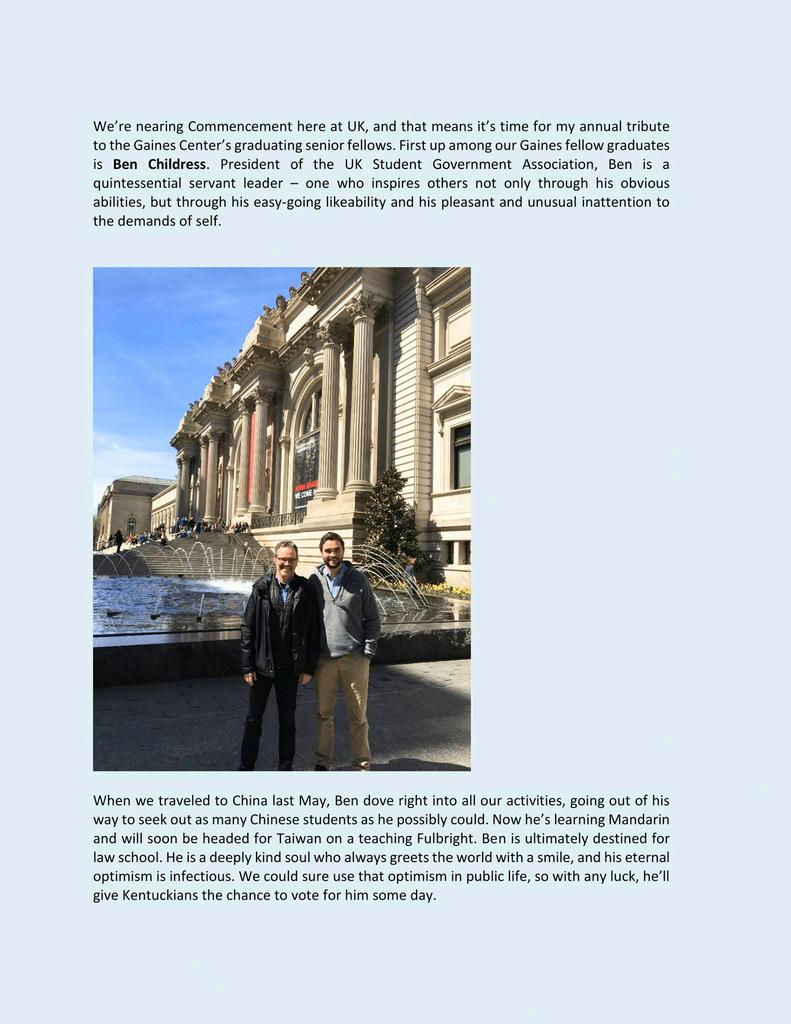
I grew up in Lexington, Kentucky. I went to high school there, and then I went to the University of Kentuckyandmajoredineconomics Iwasn’ttotally sure what I wanted to do as a career I ended up applying for a Fulbright to teach English in Taiwan and was accepted, in no small part thanks to the GainesFellowship.
Shortly before I left the country, I decided to take the LSATandconsiderlawschool.IdidmyyearinTaiwan it was incredible, and I highly recommend any future Gaines Fellows consider doing some sort of program like that or a year abroad While I was in Taiwan, I applied to law schools and ended up going to Columbia University primarily because I wanted to movetoNewYork.
I’ve been in New York since. I work at a law firm called Cravath, Swaine & Moore, where I do corporate M&A andgeneraltransactionalwork.That’skindofbeenmy pathsincegraduation.
WHYTAIWANFORYOURFULBRIGHT?
That’s actually an excellent question, and it ties into the Gaines program. When I was a Gaines Fellow, we did a triptoChina.Itwasmyfirsttimeleavingthecountry,and I thought it was so cool I had a business background, and decided I wanted to study Mandarin, so I started takingclassesattheUniversityofKentucky.
WhenIwaslookingatwheretospendayear,Iwantedto go to a Mandarin-speaking country. Taiwan has a really built-out Fulbright program with a lot of opportunities. I also had a fraternity brother from Taiwan who kept hypingitup.SoIdecidedtogo anditwasincredible.
WHYDIDYOUAPPLYFORTHEGAINES FELLOWSHIP?
I had a business background studying economics, and I enjoyedit,butaftermyfirstyearIfeltlikeIwantedmore ofahumanities-basededucation.IheardaboutGaines probably through the honors program and it sounded likethecoolestopportunityever.
Also, growing up in Lexington, I always saw the Gaines houses on Maxwell Street and thought they seemed so beautifulandinteresting.
Ultimately, I wanted to explore humanities more deeply. If I could do it again, I might have pursued more of a liberalartsmajor Gainesgavemeawaytoexplorethose interests, meet people I wouldn’t have otherwise met, and be around curious people who wanted to learn and talkaboutideas.
WHATAREYOURFAVORITECOHORTMEMORIES
FROMTHEGAINESFELLOWSHIPPROGRAM?
A big one was the China trip. It was a couple of weeks, and it was amazing to travel across the world with your cohort going to museums, exploring cities, and sharing that experience, especially with people who hadn’t traveledmuchbefore.
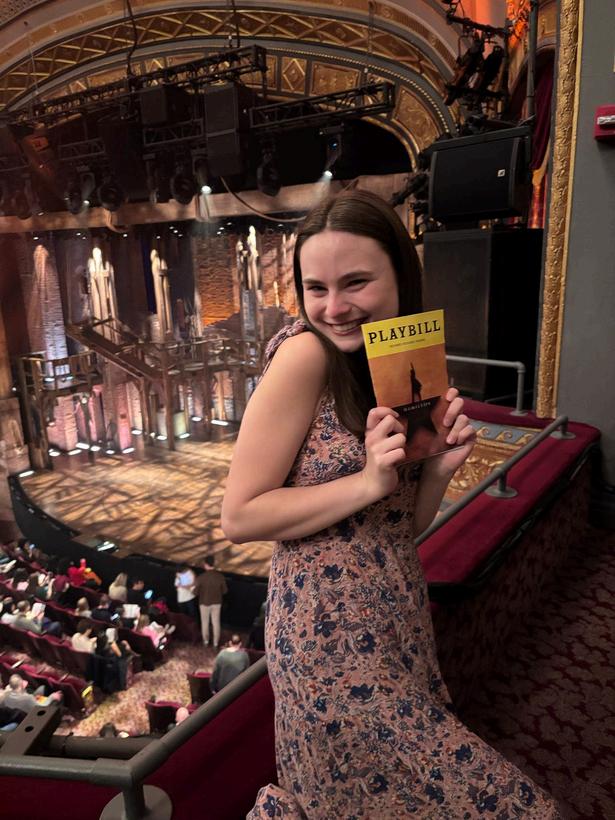
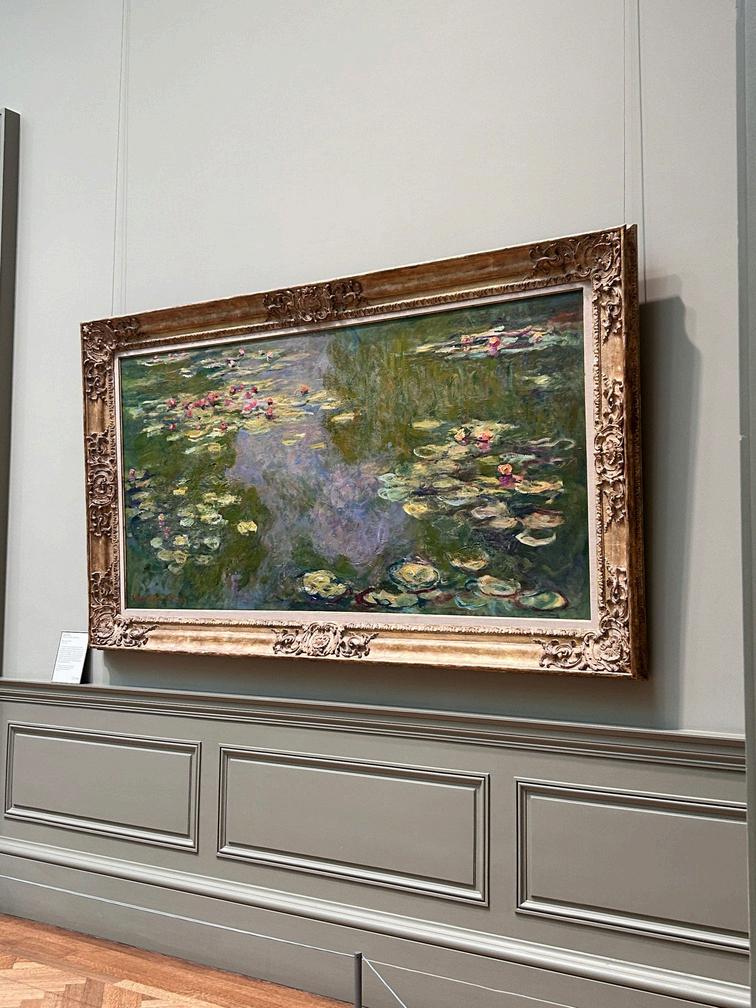
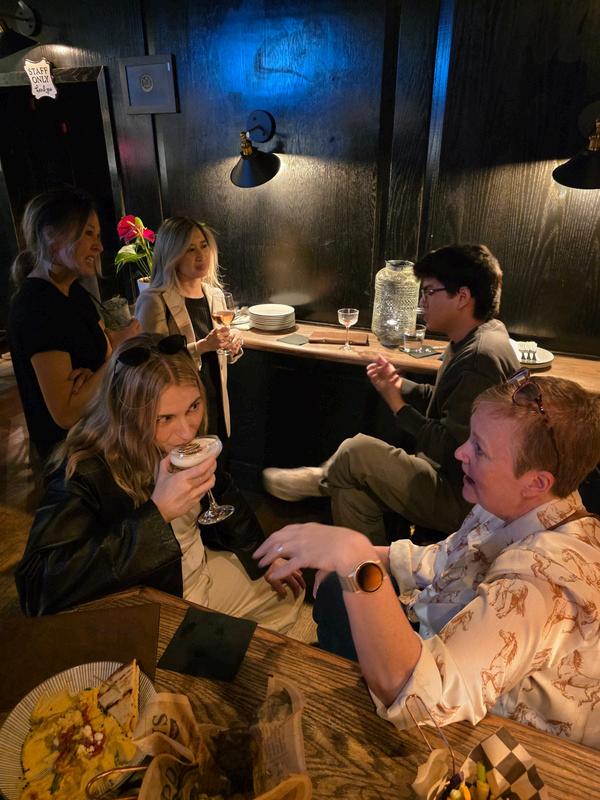
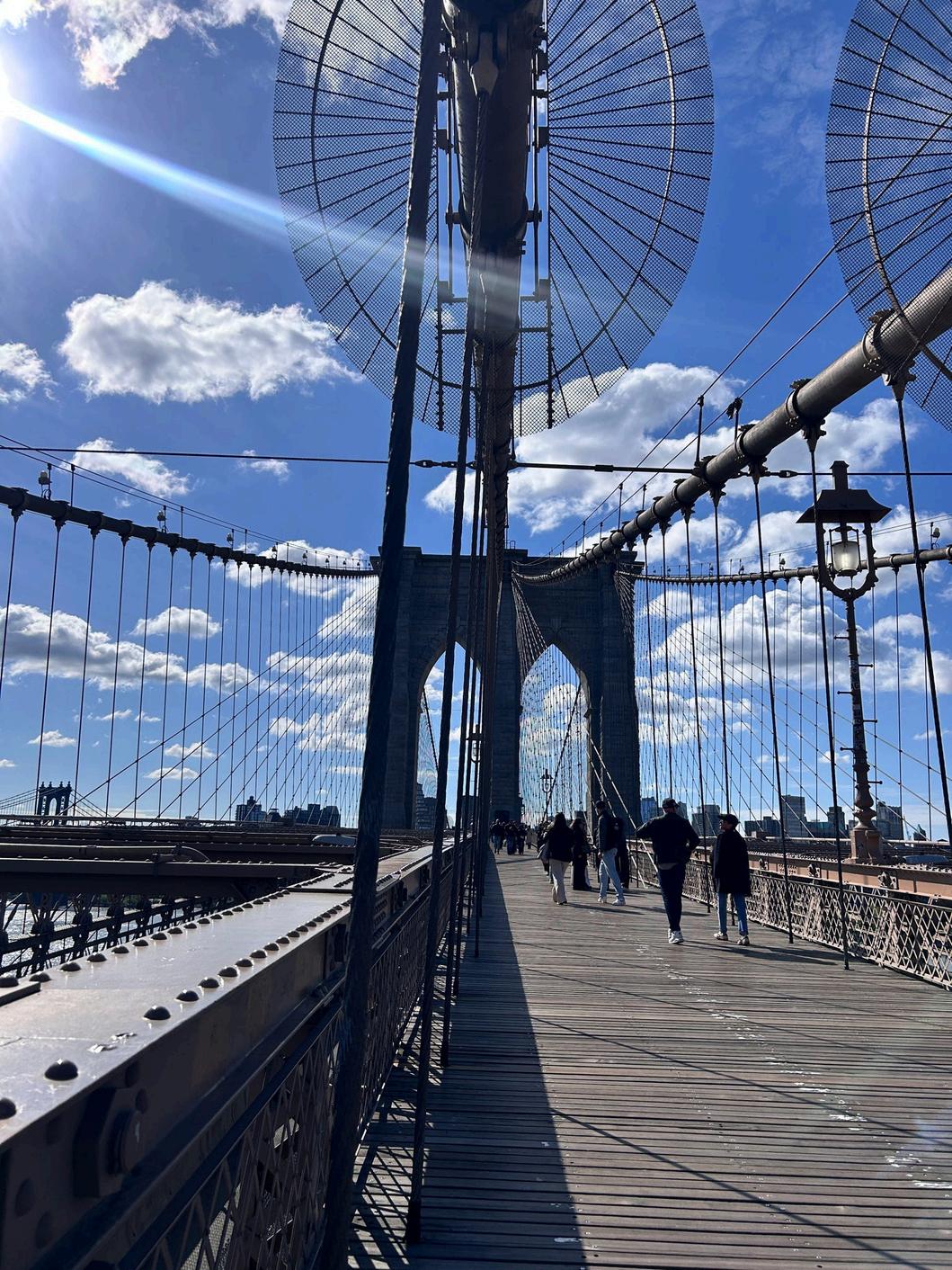
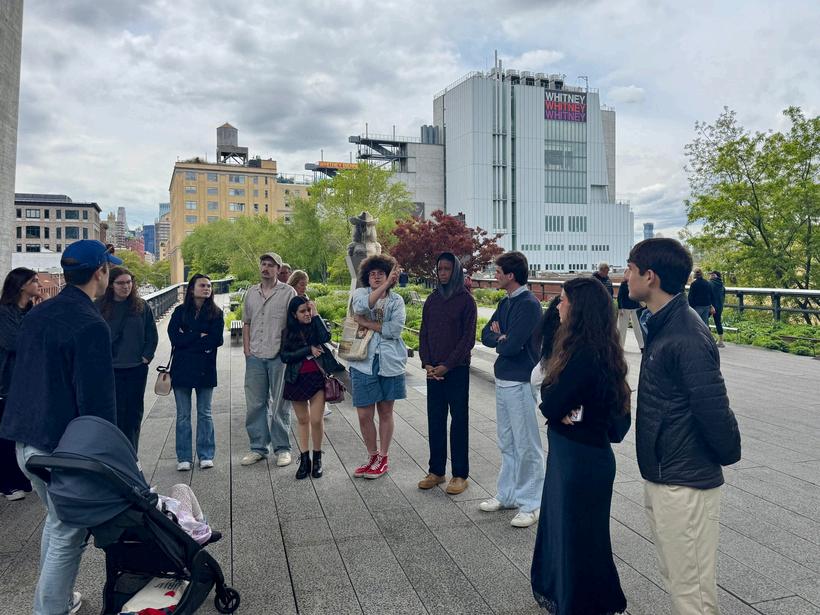
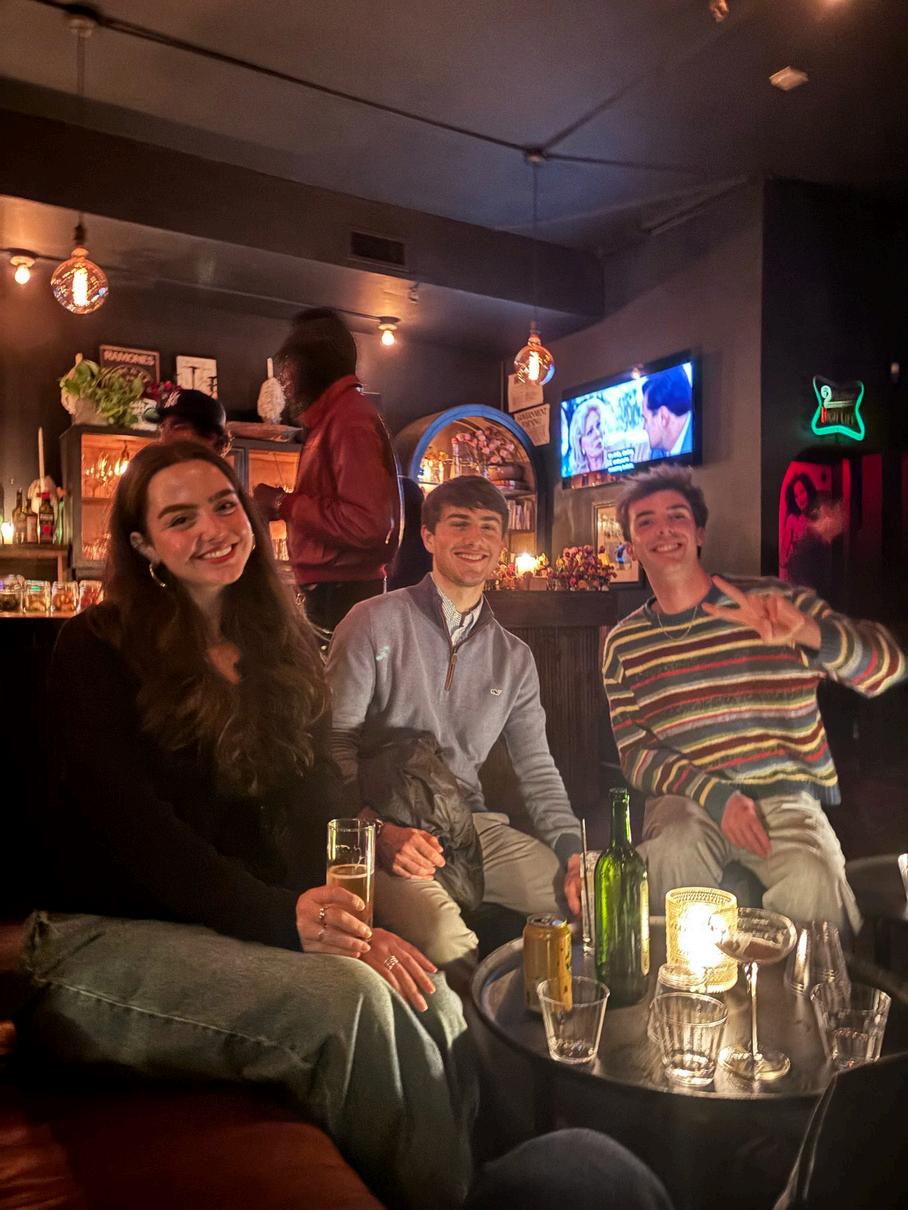
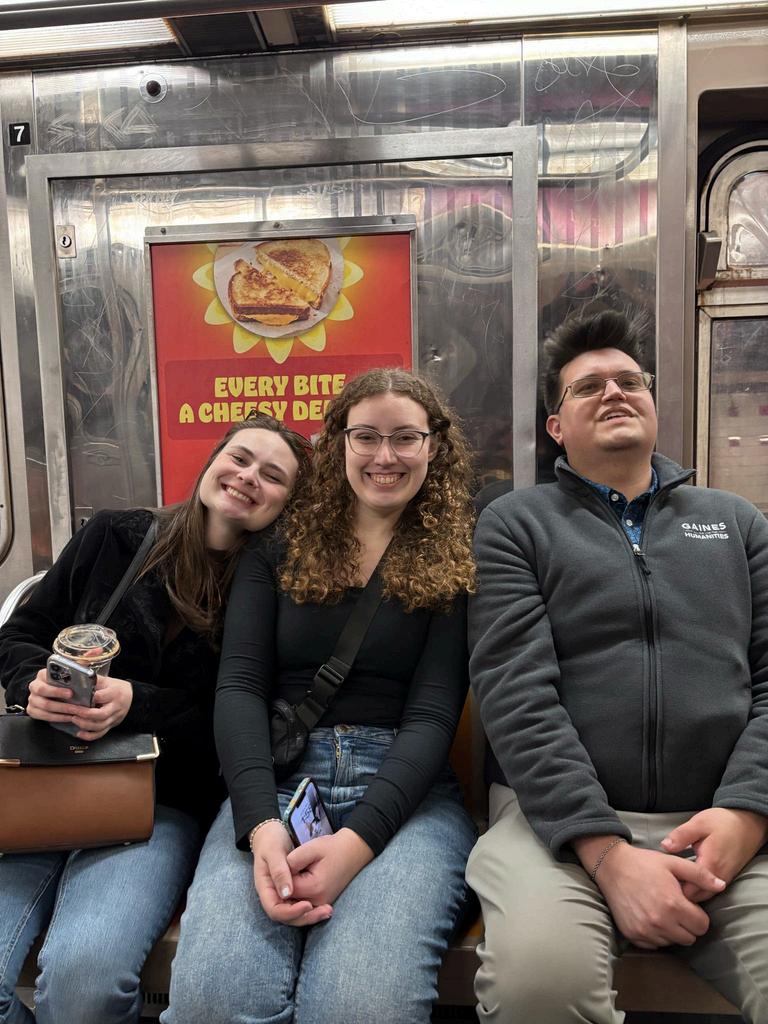
The New York trip was also great. I have a lot of fond memories of going to museums, hanging out, and just spendingtimewitheveryone.
What I really appreciate about the program is the emphasis on engaging with things outside your comfort zone learning about different arts and disciplines.
In my career, especially with technology advancing so quickly, there’s a lot of uncertainty I think having a humanities background is incredibly valuable. It helps you think critically, form your own opinions, and communicateeffectively.
Being able to write with a voice, approach problems thoughtfully, and engage with ideas—those are skills that are hard to replace. I think those are the most valuable things I gained, and honestly, I feel like I got themostfromtheGainesportionofmyeducation.
DOYOUHAVEANYADVICEFORCURRENTGAINES FELLOWS?
I would really try to travel as much as you can, especially in the next five years. It gets harder as you gain responsibilities. Some of the most rewarding experiences I’ve had came from traveling, even travelingalone
Do it even if it feels scary “do it scared.” You’ll have amazingexperiencesandbegladyoudid.
Also,pursueyourinterests.You’llbeamoreinteresting and fulfilled person if you do Even if you have a structured career path, you can still engage in things you care about outside of work. I have friends who work normal jobs but make films on the side that’s great.
NEWDIRECTOROFPHILANTHROPY NEW DIRECTOR OF PHILANTHROPY
BeginningJune1st,theGainesCenterandtheLewisHonorsCollegewill bewelcomingDr.KentonSenaasournewDirectorofPhilanthropy. Dr.Senawillberesponsiblefordevelopingrelationshipswithalumni and individualswithapassionforHonorsandtheGainesCenter.
SinceFall2018,Dr Senahastaughtinterdisciplinarycoursesatthe intersectionofthenaturalsciencesandhumanities,workingcloselywith UKphilanthropytocultivateandstewardseveralkeydonors.Hewasone ofthreefacultymembersawardeda$1milliongrantfora4-yearprojectby the National Science Foundation. A 2023 UK Alumni Association Great Teacher Award recipient, Kenton is passionate about Honors education and will bring a unique perspective when building relationships and financialsupportfortheLewisHonorsCollegeandtheGainesCenter.
Dr. Sena was trained as a restoration ecologist before providing meaningful experiential learning opportunities for students, connecting classroom instruction to real-world problems In his new role, Kentonisexcitedtocontinuesupportingthemissionbybuildingrelationshipswithalumnianddonorswho caredeeplyaboutinterdisciplinary,high-impacthighereducationforKentucky.
In addition to his work and experience with Lewis Honors, Dr. Sena is a long-time friend of the Gaines Center. He has served on multiple Gaines thesis committees and co-taught the Gaines seminar during the 2021 “Mountains” theme. He is looking forward to meeting Gaines alumni to hear more about their Gaines experiencesandideasfortheprogrammovingforward.
Whennotatwork,hecanusuallybefoundatoraroundhome,hereinLexington,withhiswifeSusannaand theirthreekids,Silas(7),Eden(5),andElanor(2).Hespendshisfreetimereading,usuallytheclassics,andis a Tolkien supernerd (ask him about his Honors class on The Lord of the Rings!). He also enjoys time in the outdoors,hiking,andgardening,andisalong-timebicyclecommuter.
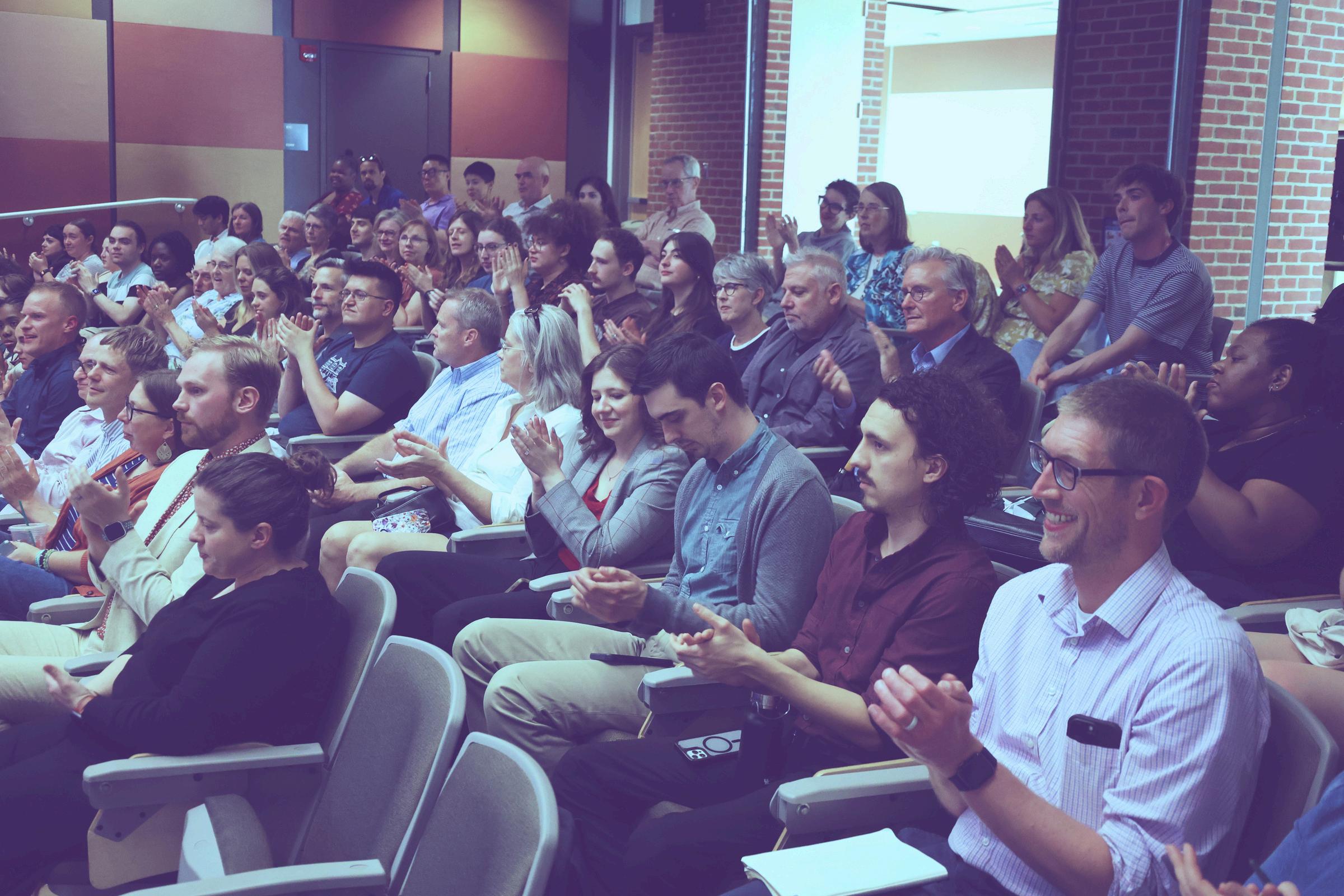
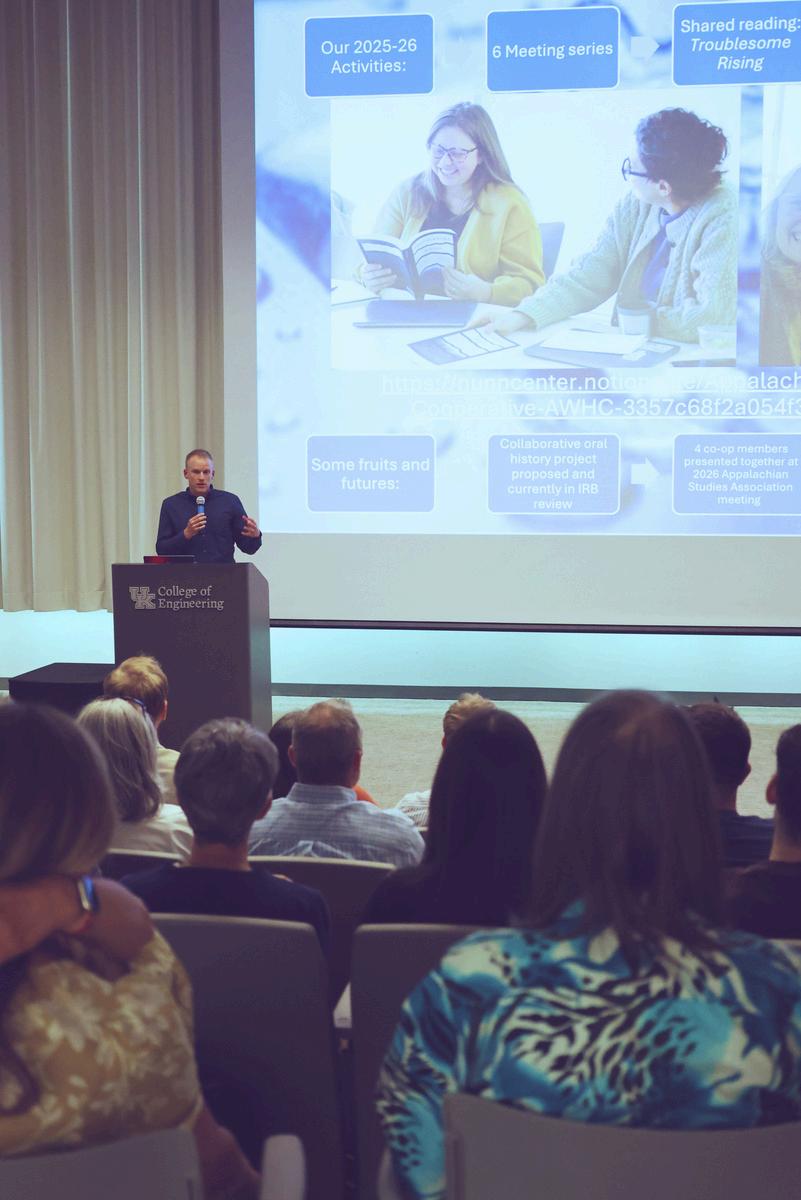
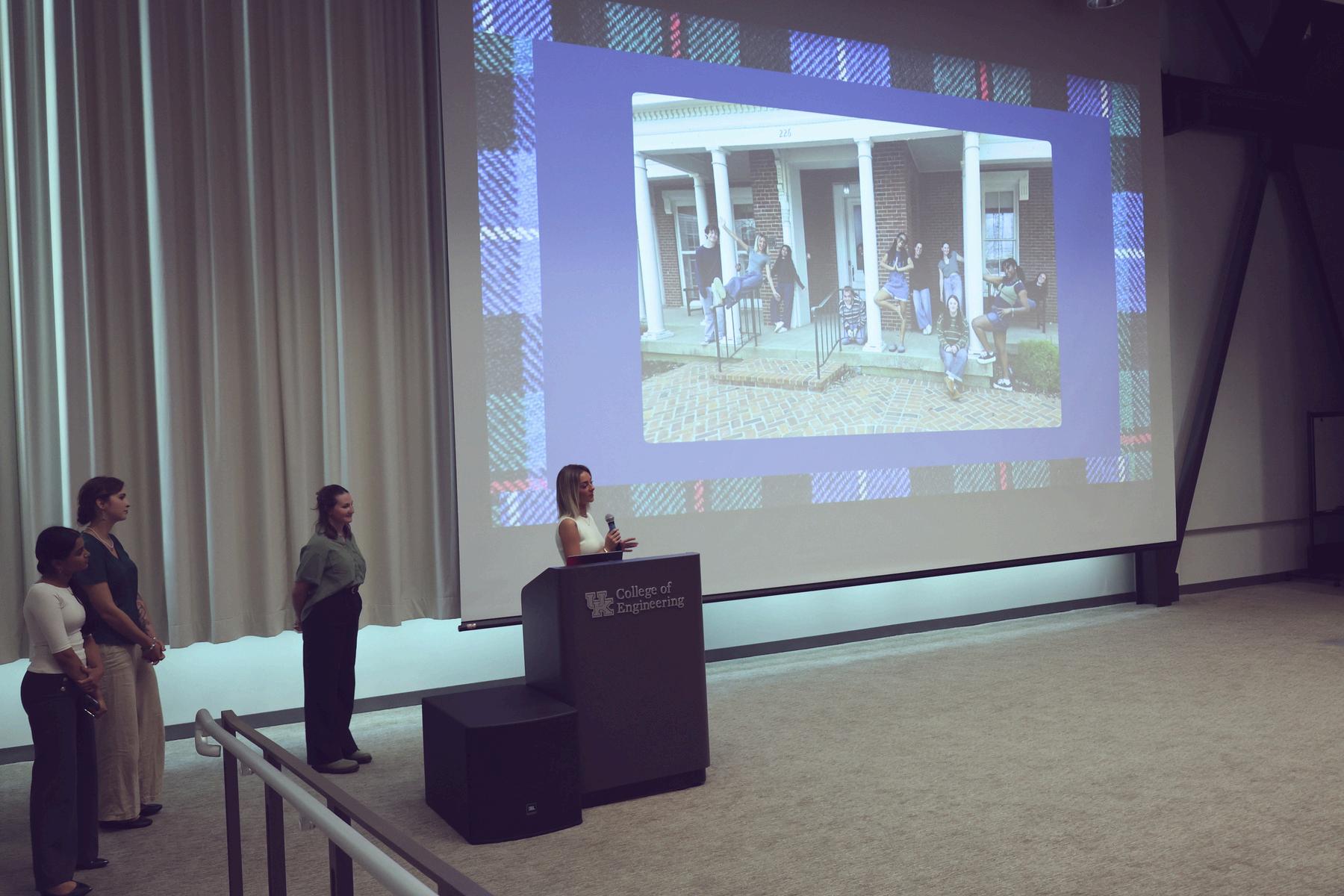
The 2026 Lafayette Seminar, “Humanities in Action,” showcased the Gaines Center’s commitment to connecting scholarship with real-world application and public engagement. Held in the Davis Marksbury Building, the seminar featured presentations from the six Gaines Humanities Cooperatives and the Junior Gaines Fellows applied humanities project.
This year’s seminar centered on the Gaines Center’s theme of “Origins” and emphasized how humanities-based approaches can address contemporary social, environmental, and cultural challenges. Cooperative presentations explored topics including health and the humanities, global crises, Appalachian water, and digital pedagogies, among others, demonstrating the breadth and impact of collaborative humanities work
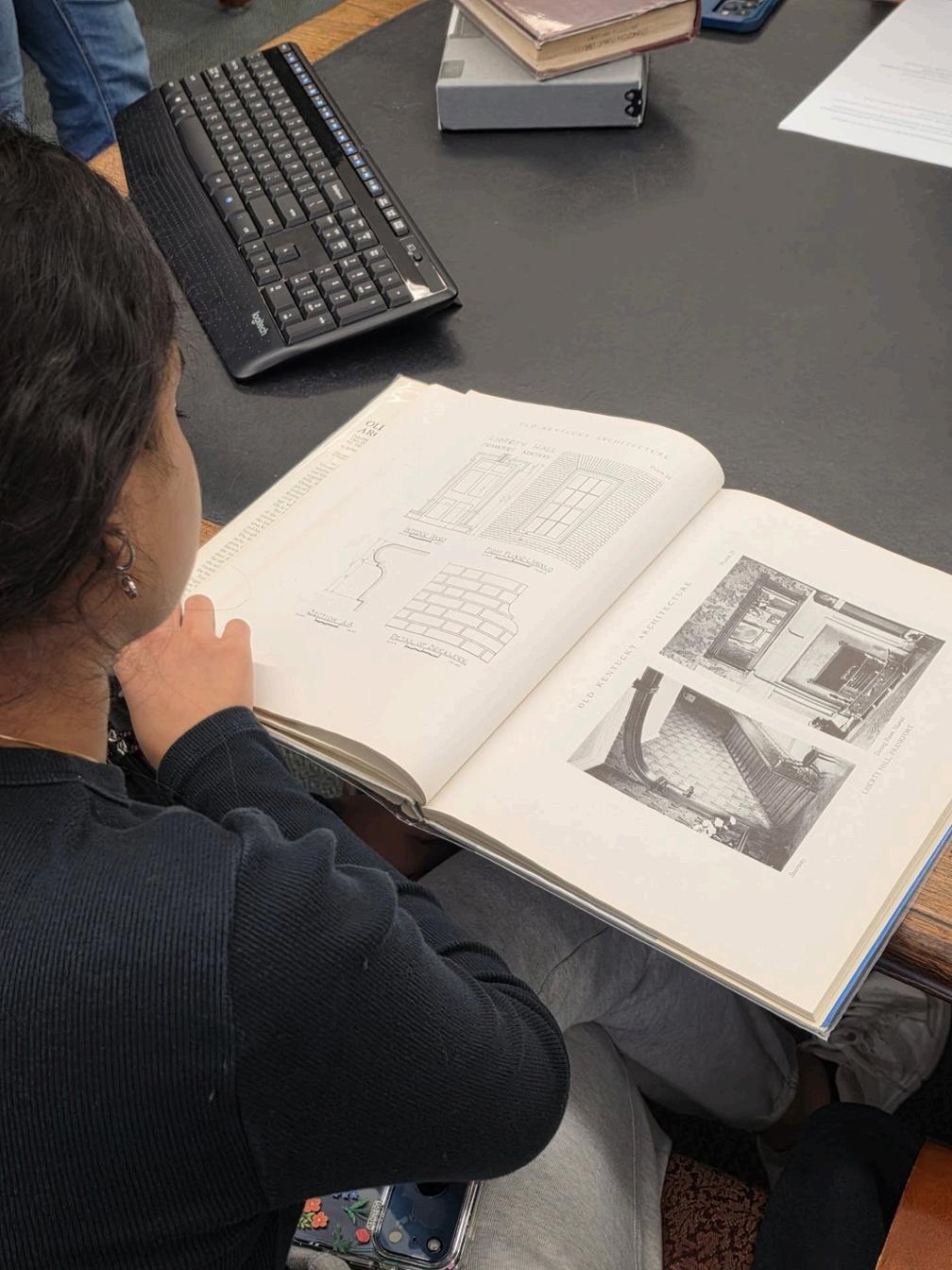
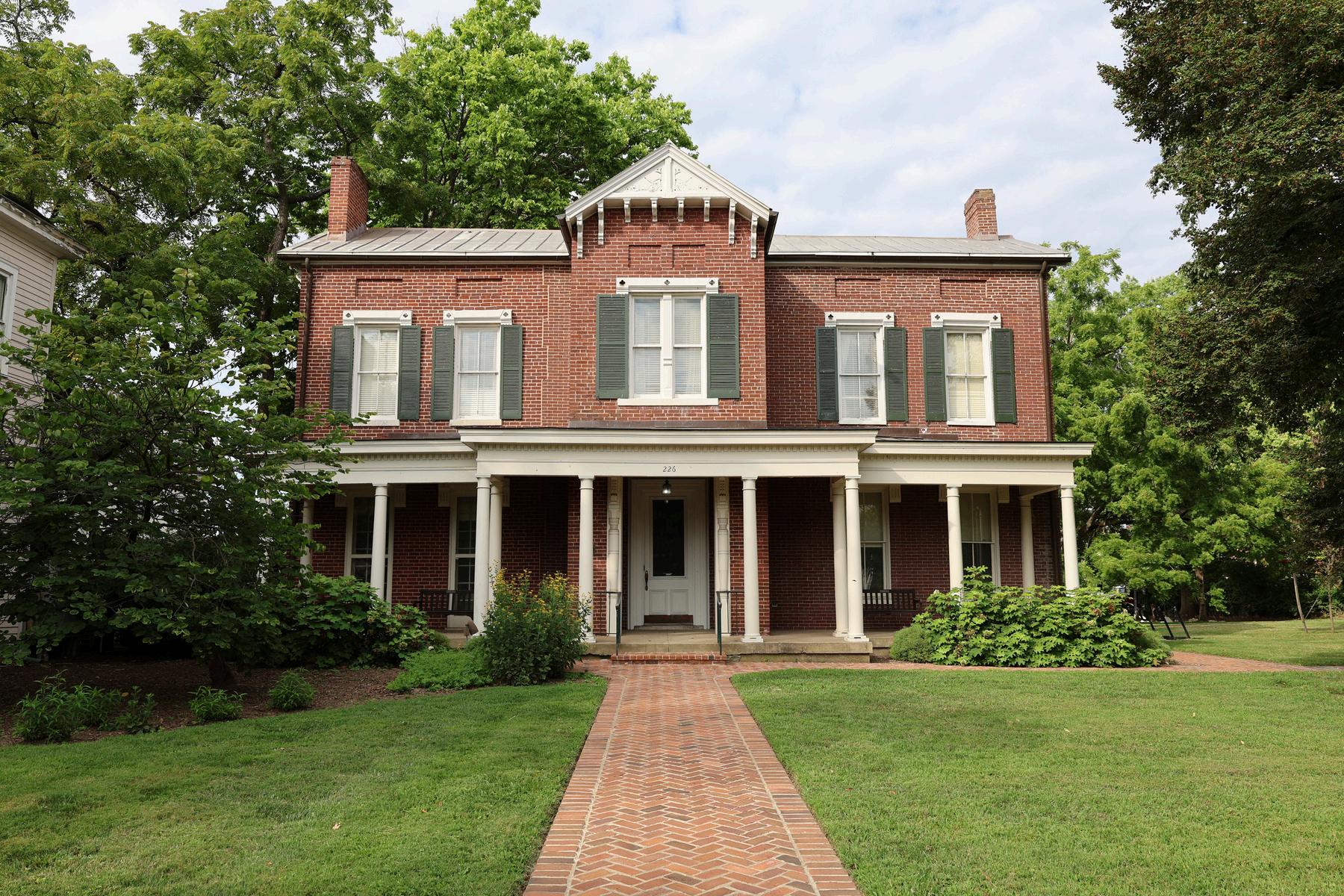
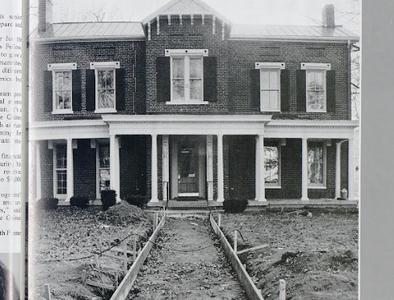
A major highlight of the seminar was a presentation of the Junior Gaines Fellows’ yearlong applied humanities project: investigating the histories of the Gaines houses — the Betts House, Bingham Davis House, and Commonwealth House. Using archival research, historical analysis, and digital storytelling tools, the students created publicly accessible research that connects university history with the broader Lexington community
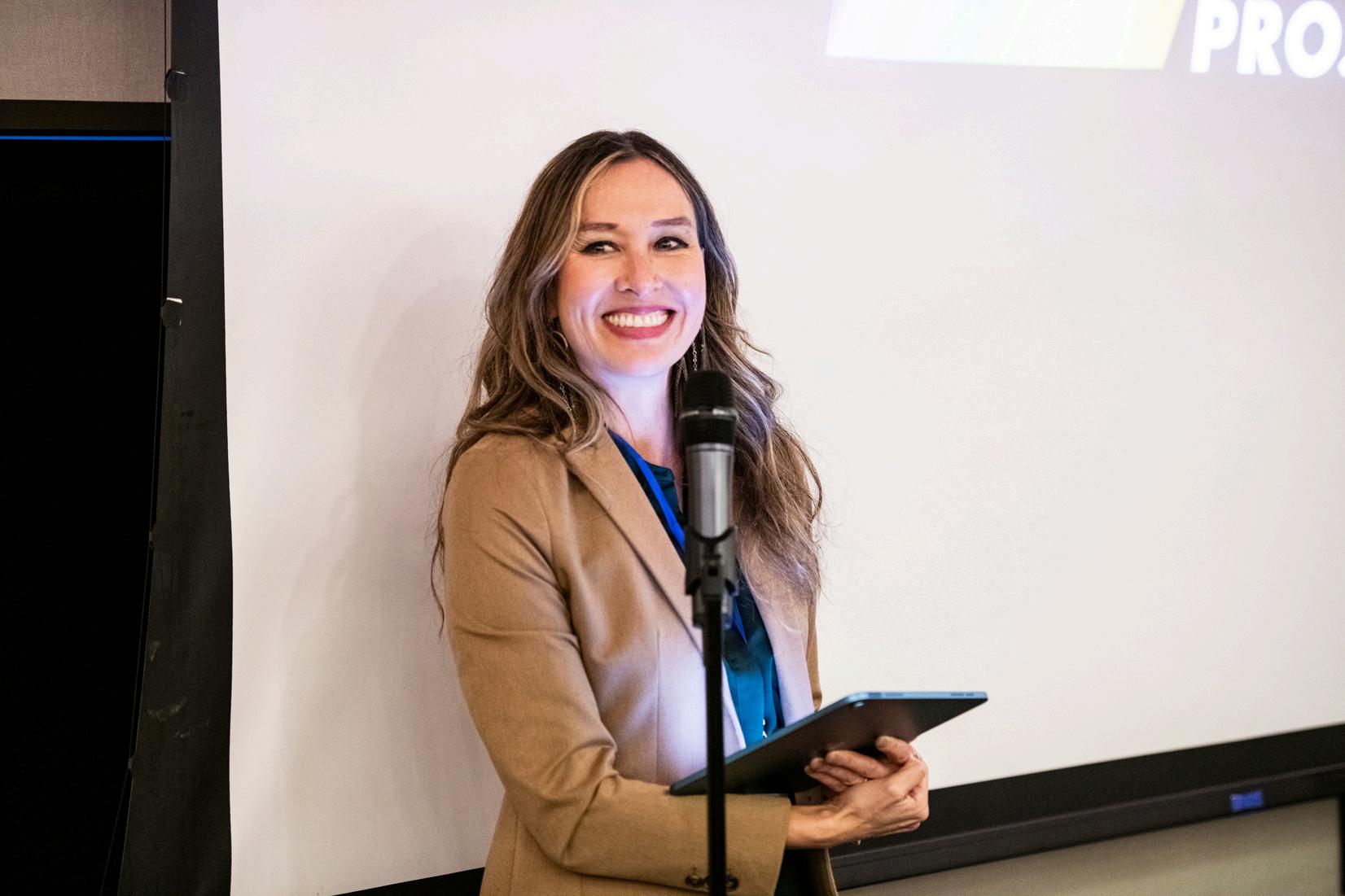
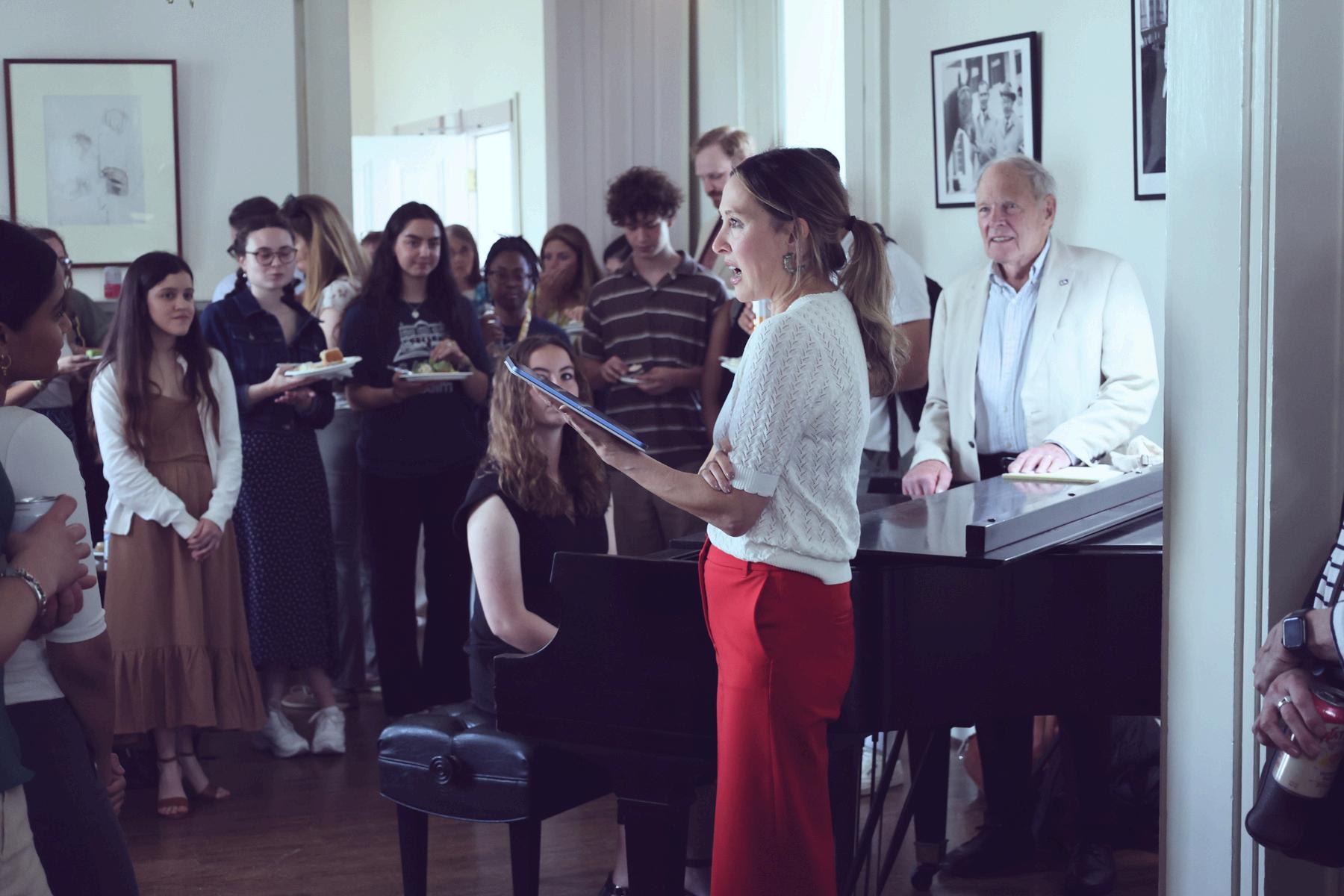
The day concluded with a reception for presenters and Fellows, where Gaines Director Dr. Michelle Sizemore dedicated the Commonwealth House piano room to longtime Gaines supporter, Audrey Rooney
WHAT DOES IT MEAN TO BE HUMAN IN THE AGE OF AI? EVERY TECHNOLOGICAL REVOLUTION PROMPTS A RETHINKING OF HUMAN QUALITIES AND CAPABILITIES NOW MORE THAN EVER WITH THE RISE OF ARTIFICIAL INTELLIGENCE MOST GLOBAL TECHNOLOGY EXPERTS PREDICT HOW HUMANS LIVE, THINK, FEEL, WORK, LEARN, CREATE, AND CONNECT WILL BE TRANSFORMED OVER THE NEXT DECADE AS WE GRAPPLE WITH THE POWERS OF AI, IT IS IMPORTANT TO EXAMINE WITH EQUAL VIGOR THE TRAITS THAT MAKE US HUMAN. AN INVESTIGATION OF BEING HUMAN IN THE TWENTY-FIRST CENTURY COMPELS US TO “REINVEST IN THE VOCABULARY OF HUMAN VALUE” AS WE ANTICIPATE THE EFFECTS (BOTH POSITIVE AND NEGATIVE) OF HUMANS’ ADAPTATION TO THE DIGITAL FUTURE