ADVENTURES IN TASTE
Sylvain Jamois and the Food
That Makes Cheese Journeys Feel Like Home
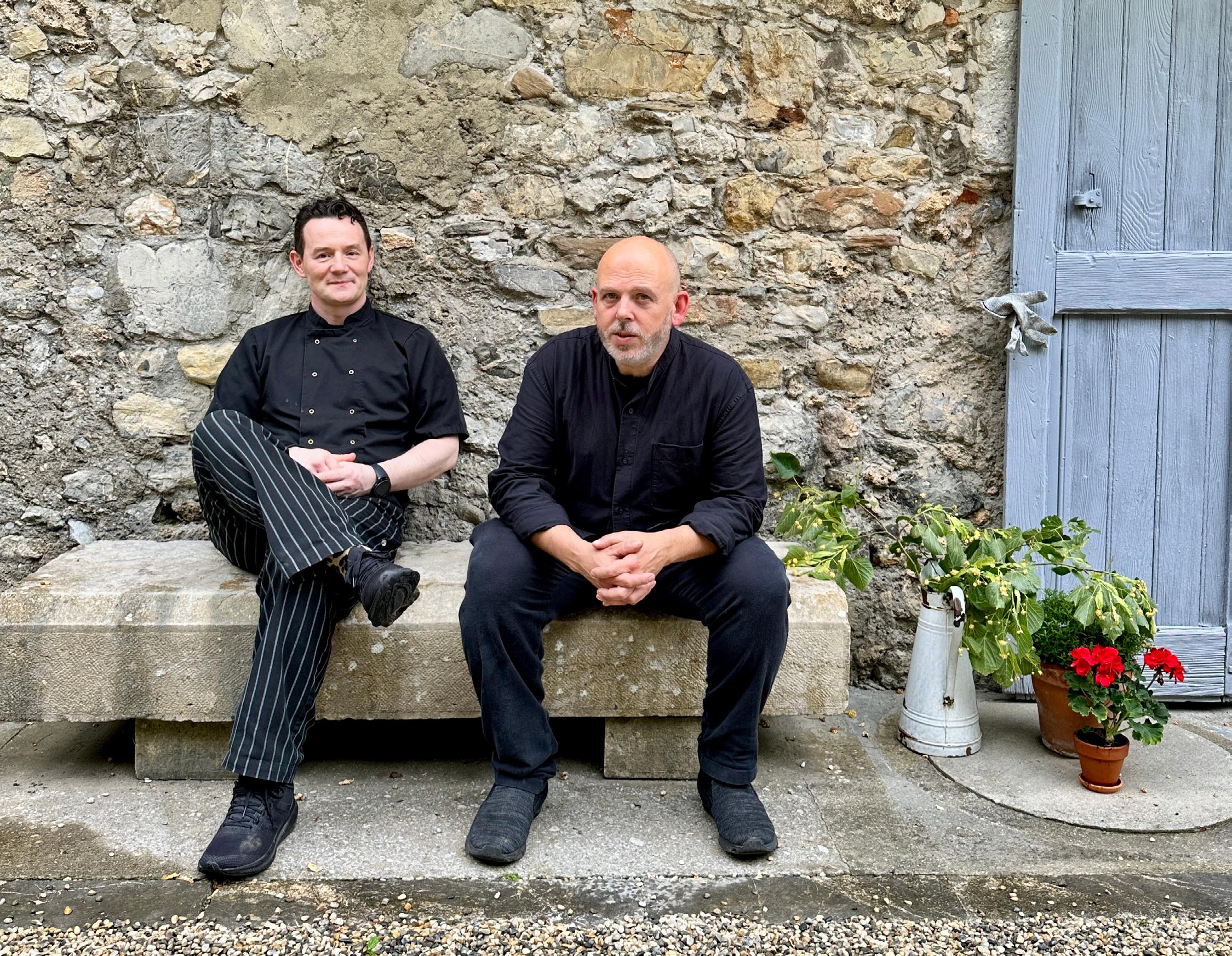
A chef at the heart of the journey
When Anna Juhl began building Cheese Journeys, she knew one thing very clearly: guests could not spend every evening in restaurants.
The whole idea was to settle into a place, take over a property, live locally, and let people return from a day of farms, markets and cheesemakers to something that felt like home.
“I wanted people coming home and having chef-prepared meals,” Anna says. “I knew I needed to find a rock-solid chef.”
That chef had to be adaptable, curious, comfortable with travel, able to cook across cuisines, confident with cheese, and warm enough to stand in front of guests and explain the story of a meal.
It was a daunting brief.
Then Jason Hinds of Neal’s Yard Dairy suggested Sylvain Jamois.
Back to the cheese world
For Sylvain, the call from Anna arrived at exactly the right angle.
He had started his food career in cheese, working at Neal’s Yard Dairy in Covent Garden. What was meant to be a summer job became three years. He worked retail, wholesale and export, often alongside Jason.
“I really liked the place,” Sylvain says. “And I missed the cheese world.”
By the time Anna called, he had cooked professionally for years, worked at Moro, run catering jobs, taught teenagers to cook through Root Camp, and done food styling. Cheese Journeys offered something unusual: a way to bring together cooking, travel, teaching and cheese.
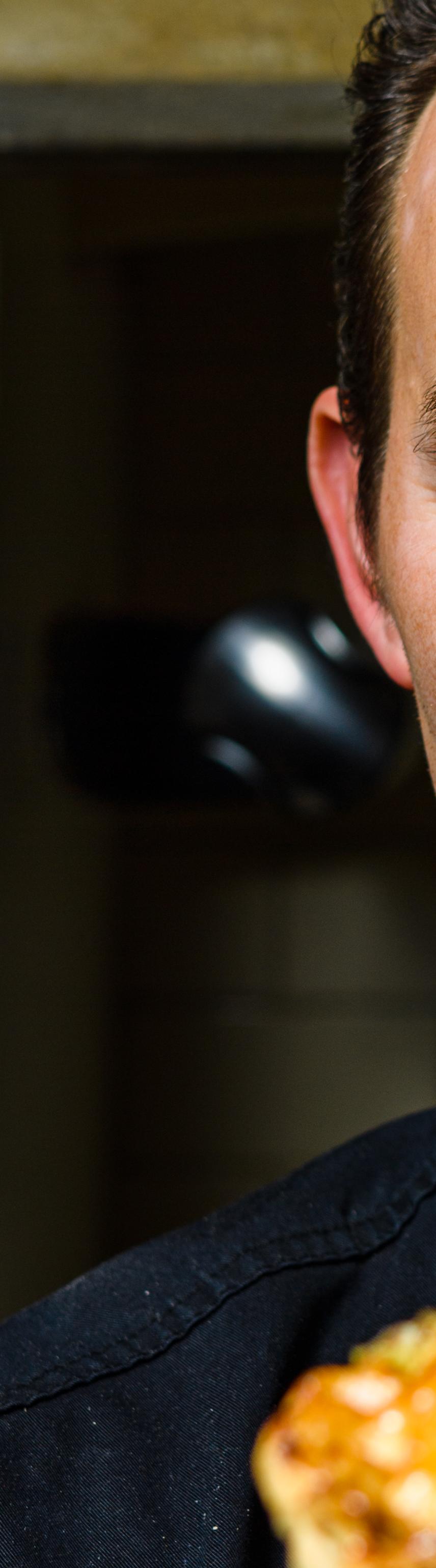
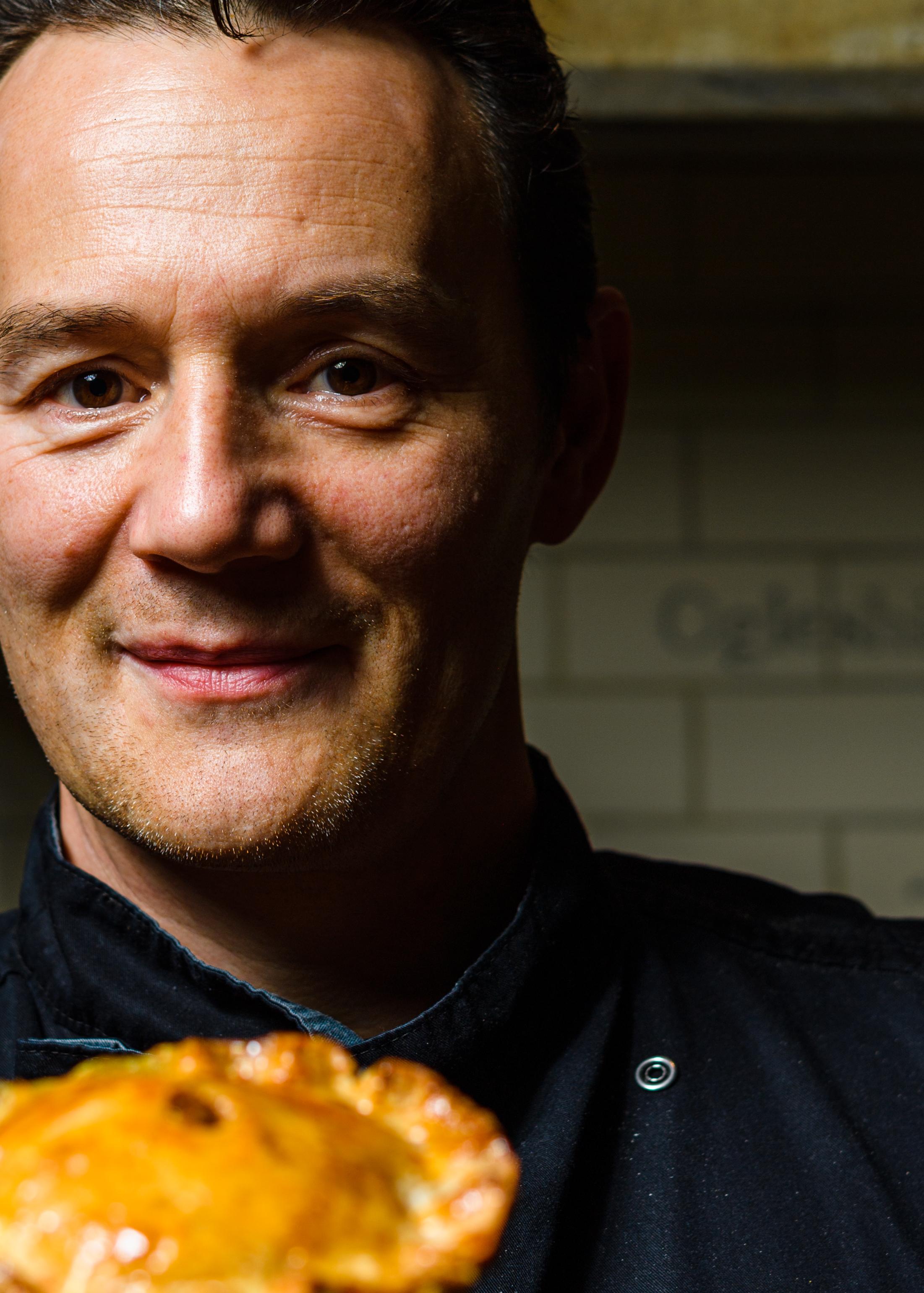
“I thought, this sounds really interesting,” he says. “I can combine my passion for cooking and get back into the cheese world somehow.”
A family of cooks
Sylvain’s love of food began long before Neal’s Yard.
He was born in Nancy and grew up in France until the age of 11, before moving to London. Food ran through the family. His grandmother owned a small bistro — “a little bit like a gastropub” — where many of her customers were American soldiers who had stayed on after the Second World War.
“So I guess it’s in my family to be cooking for Americans,” Sylvain laughs.
His grandmother was a wonderful cook. His mother also cooked in the bistro from a young age, sometimes stepping in when the chef, who had a tendency to fall asleep, was not available.
Despite all that, Sylvain resisted becoming a chef.
“I thought professional kitchens were a terrible world,” he says.
Then he found the right kitchen.
From Neal’s Yard to Moro
After Neal’s Yard, Sylvain went to Moro, the now celebrated London restaurant founded by Sam and Sam Clark.
The restaurant changed his mind about kitchens.
It had an open kitchen, a skylight, a sense of happiness and energy, and a style of cooking that connected with his childhood in the south of France: Spanish, Middle Eastern, smoky, bright, generous.
“If I was going to work in one restaurant,” he says, “it had to be that one.”
Moro taught him how a professional kitchen could still feel alive, creative and humane. That mattered. Years later, those same qualities would become central to Cheese Journeys.
Flying by the seat of their pants
The early Cheese Journeys tours were small and experimental.
“We were making it up as we went along,” Sylvain says.
Anna agrees.
“We were flying by the seat of our pants.”
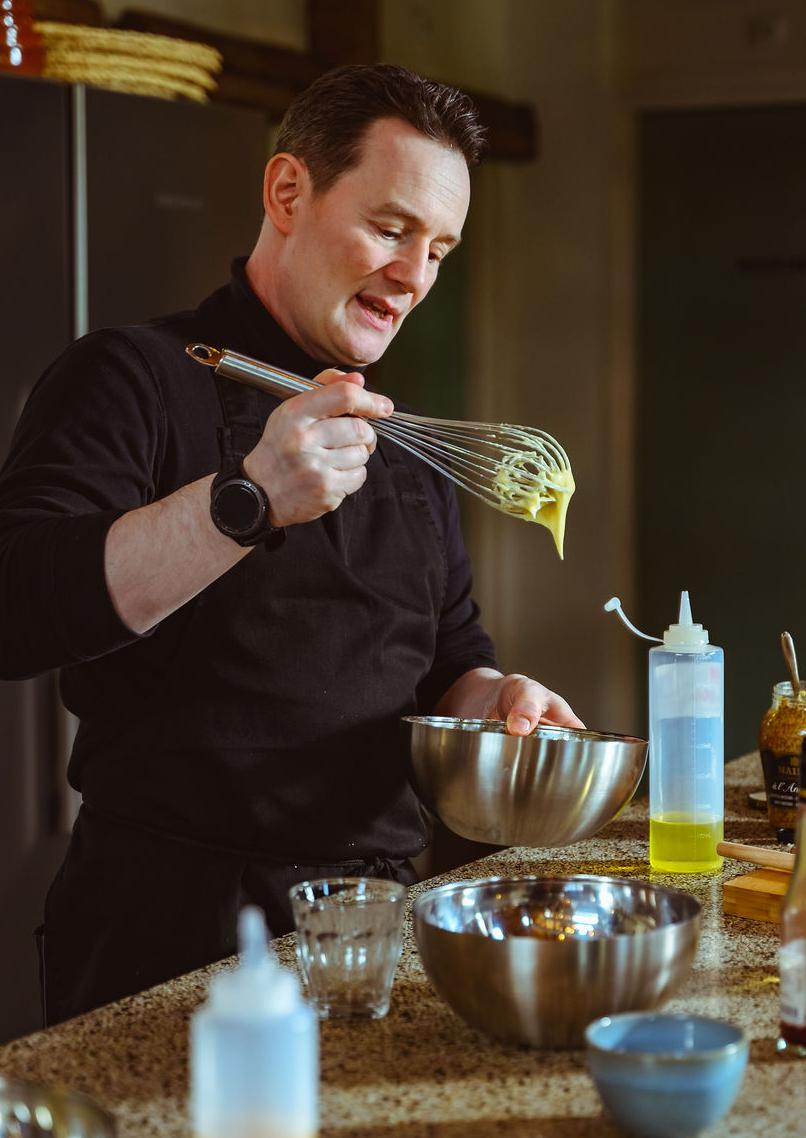
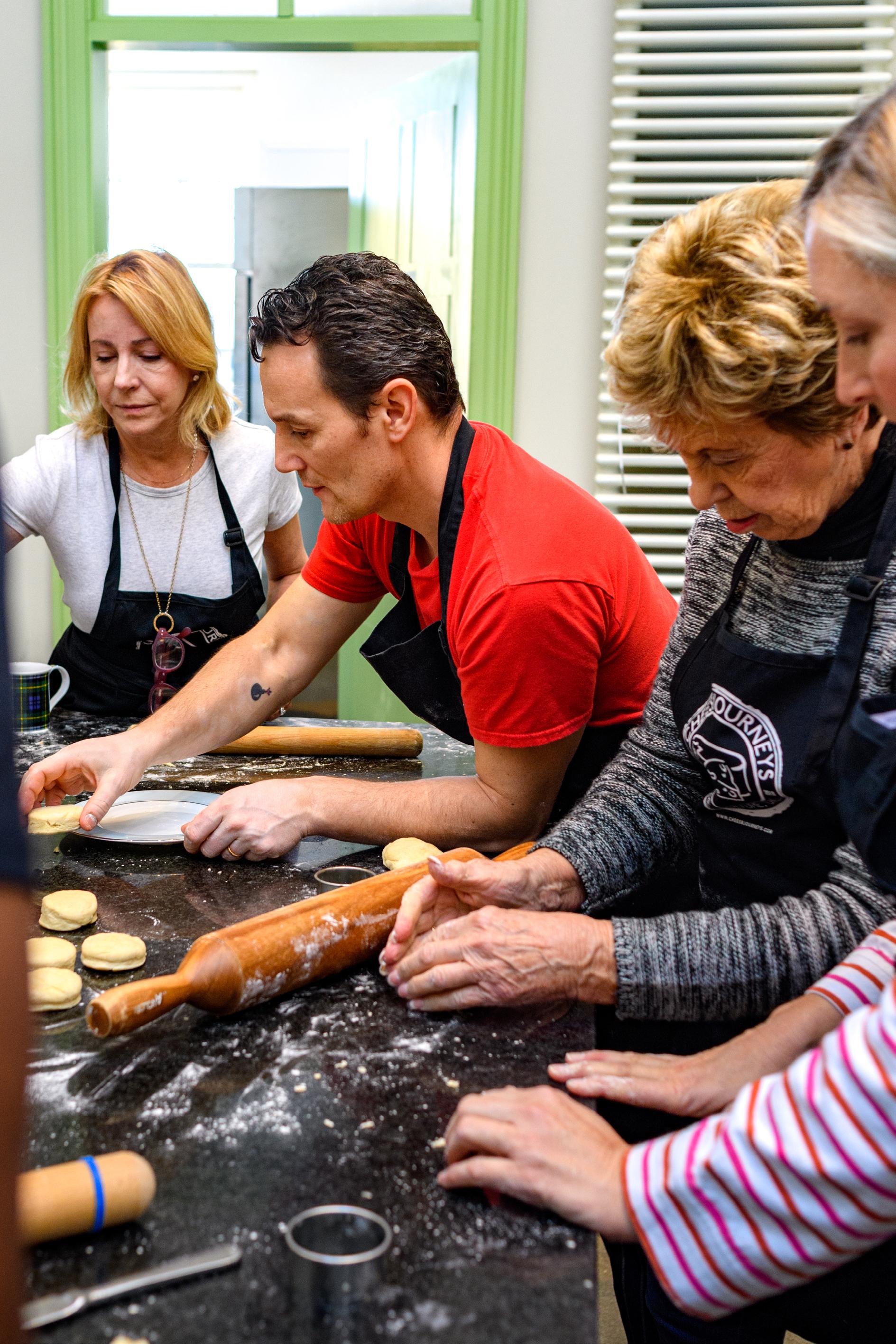
But the guests did not see the uncertainty. They saw beautiful food, polished service, generous hospitality and a team that seemed to know exactly what it was doing.
That, Anna says, is the mark of working with the right people.
“You’re creating as you go along,” she says. “But you’re conveying this unbelievably polished experience every day.”
Over the years, the tours grew from one or two a year into a full programme across Britain, France, Italy, Belgium and the Netherlands. Sylvain grew with them.
“We’ve grown into our job,” Anna says.
Cooking as cultural storytelling
For Anna, one of the great pleasures of travelling with Sylvain is hearing him introduce dinner.
She may know the outline of the menu in advance, but she does not always know the story behind it until he stands at the table and explains why he chose a dish, how it connects to the region, or what memory it carries from his own life.
“He uses food to open doors for people,” Anna says.
That is what makes his cooking so central to Cheese Journeys. The meals are not simply a pleasant ending to the day. They are part of the education.
A dish can explain a region. A stock can carry care. A pie can tell a British story. A mustard sauce can become a conversation between France and England.
The joy of refinement
Sylvain has been cooking professionally for around 30 years, but he is still learning.
On the France tours, he cooks lapin à la moutarde — rabbit in mustard sauce — a classic French dish he has refined year after year.
At first, he wanted the mustard flavour to come through boldly, but adding too much Dijon brought too much acidity. Eventually, he found the solution: cook the sauce with Colman’s mustard powder, then finish with Dijon and grain mustard.
A very French dish, improved with a very British ingredient.
“You can’t get more English than Colman’s mustard powder,” he says. “But it works.”
That kind of discovery still excites him.
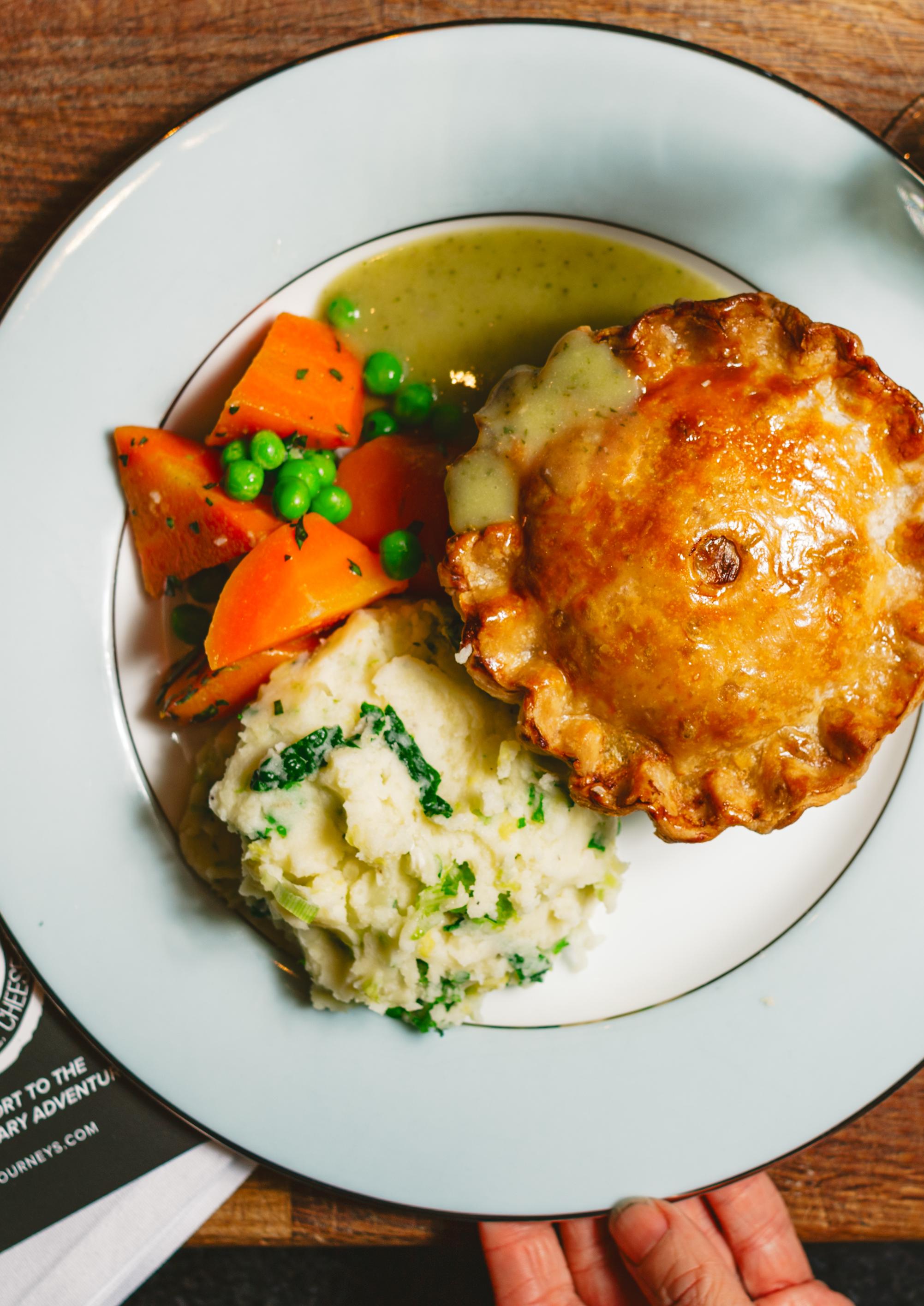
The glory of pies
If there is one food Sylvain talks about with particular affection, it is pies.
“There is no secret that I’m a really big fan of pies,” he says.
Chicken and tarragon with puff pastry. Beef and ale with suet pastry. Pork pie with hot water crust. Each filling has its pastry. Each pastry has its purpose.
He learned pie-making during a stint at The Ginger Pig, the much-loved butcher that helped shape early Borough Market.
“To me, pies are portable deliciousness,” he says.
Anna remembers the impact on American guests when Sylvain brought out a huge decorated pie.
“We so don’t understand this,” she says. “It was amazing.”
For her, the beauty lies in the detail: the stocks simmering on the stove, the careful sourcing, the refusal to cut corners.
More than once, Anna has suggested a shortcut.
Sylvain’s answer was always essentially the same: no.
When the tree fell on the château
Of course, Cheese Journeys is not always smooth.
On one tour in France, a violent storm hit just as the team returned from market. Within minutes, a massive tree came down onto the château.
The power went out. The water went out. Dinner time approached.
The guests, Anna says, were relatively relaxed.
“It’s just another tree on the château. What’s for dinner?”
Sylvain had no electricity, no running water and no lights. But he did have gas ovens, candles, spring water and a sense of humour.
The team lit the kitchen by candlelight. Sylvain put on Gregorian chants. Suddenly the medieval château really felt medieval.
“We had monks singing and candlelight,” he says. “It was fantastic.”
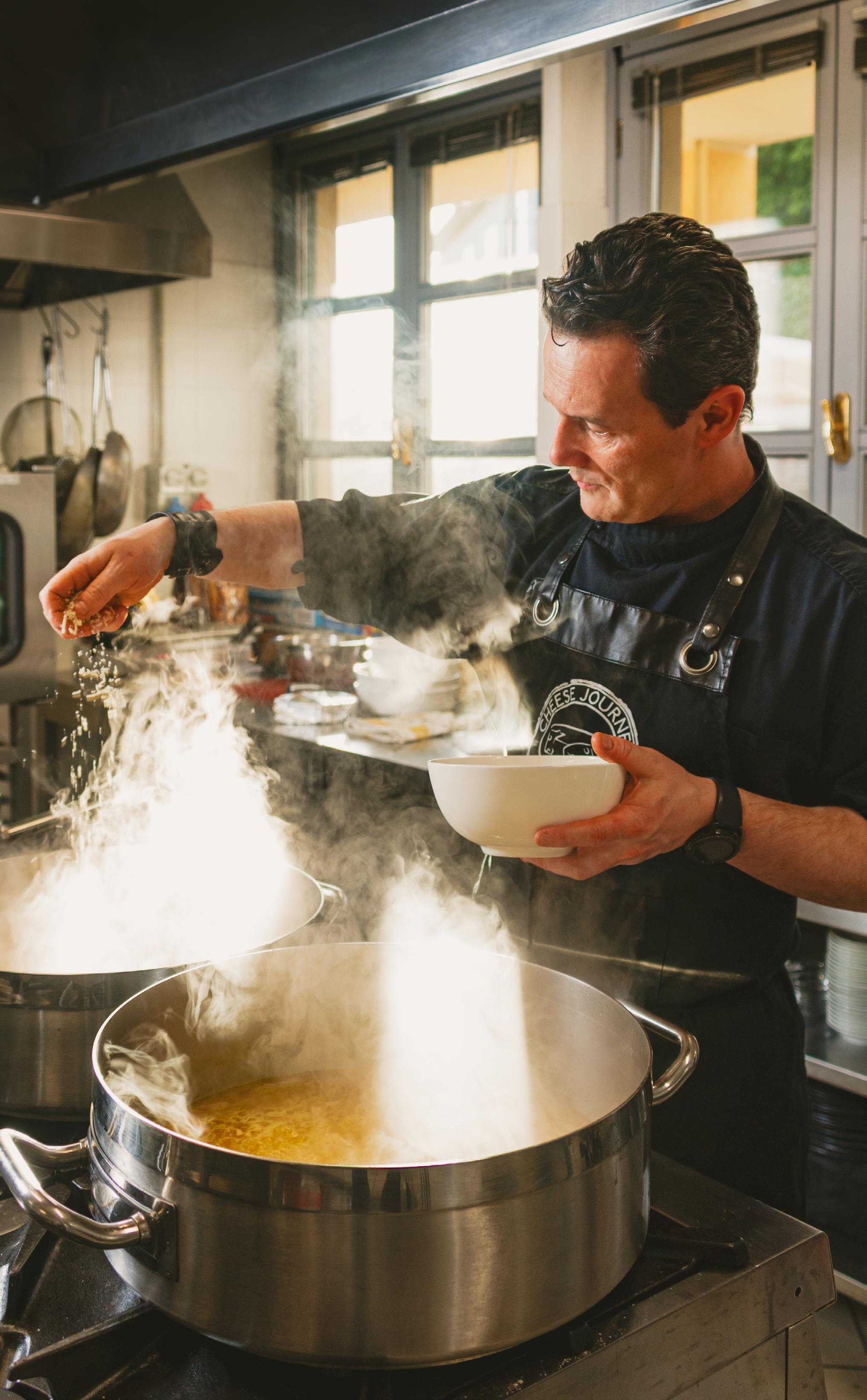
They filled huge pots with water from the spring, heated them on the stove and made the dinner work.
The guests remembered it as one of the most magical nights of the tour.
That, perhaps, is Sylvain’s gift: not just cooking beautifully, but adapting beautifully.
“You’ve got good ingredients, you’ve got good people around you,” he says. “You can do something really good whatever happens.”
The chef who makes the journey whole
Cheese Journeys may begin with cheese, but it is Sylvain’s food that often makes the experience feel complete.
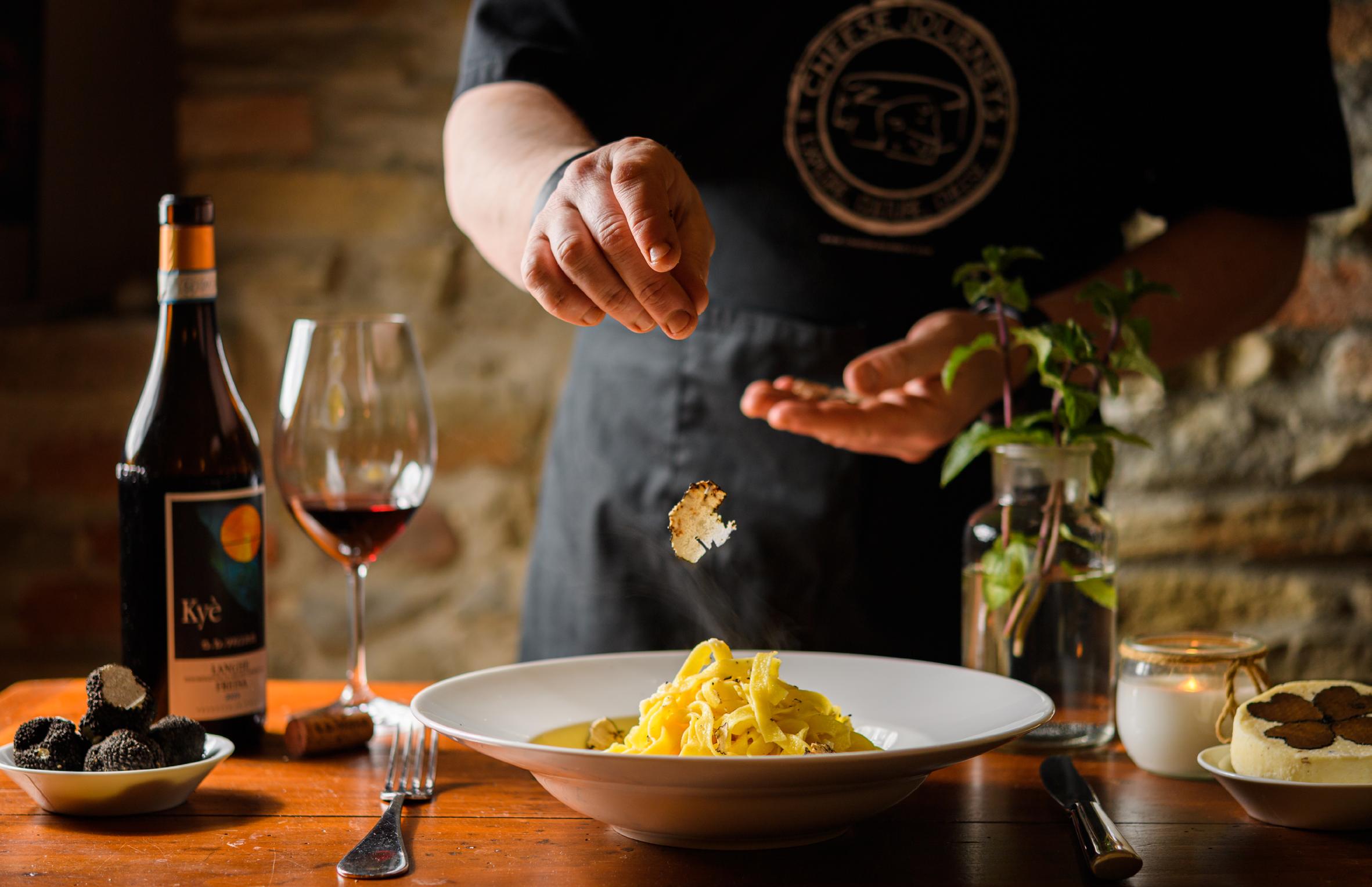
After a day of farms, caves, markets and stories, guests come back to the table. They sit down. The wine is poured. The dish arrives. Sylvain explains where it came from and why it belongs here.
And suddenly the place they have been exploring all day becomes edible. That is his role.
Not just chef, but interpreter. Not just cook, but host. The person who turns travel into a meal, and a meal into memory.