ADVENTURES IN TASTE
Through Teresa Kaufman’s
Lens: Cheese, Mountains and Human Connection

The Art of Seeing People: Teresa Kaufman’s Cheese Journey
Teresa Kaufman did not fall in love with food through restaurants. She fell in love with people.
As a six-year-old child living on a NATO military base outside Orléans in the 1960s, Teresa remembers visiting a French family for dinner for the very first time. The woman hosting them was effortlessly elegant — “the French je ne sais quoi,” as Teresa puts it.
“We had pumpkin soup,” she remembers. “And all I said to myself was, that’s what I want to be.”
That moment stayed with her. Not because of luxury, but because she sensed something deeper in the way these people lived: beauty, confidence, care and identity.
It was a world completely different from the America she knew at the time.
Discovering another world
Back home, post-war American food culture was increasingly dominated by convenience. Processed cheese slices, packaged meals and quick fixes were becoming normal.
“Modern life was anything but food,” Teresa says.
Yet there was another influence too. Her mother cooked from scratch.
“She made brownies I’ve spent my entire life trying to find again,” Teresa laughs. “Nothing compares.”
That combination — homemade food and the discovery of French culture — planted a lifelong fascination with food, craft and human connection.
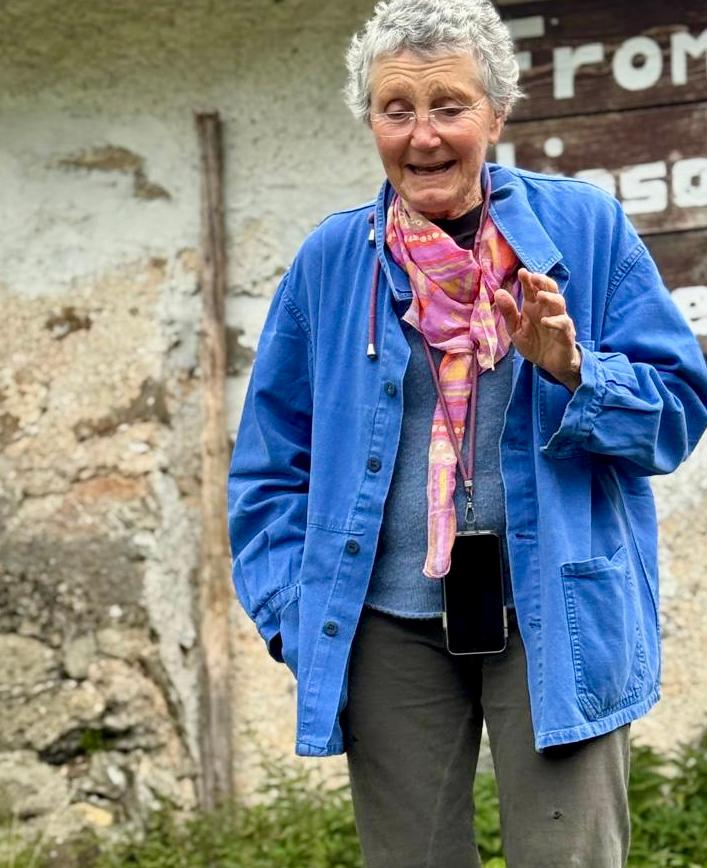
The camera as a key
Photography arrived later, but Teresa quickly realised it was more than a creative tool. It became her passport into people’s lives.
“The photography was my way of reaching the people,” she explains.
The moment she picked up a camera, conversations opened. Farmers, shepherds, builders, cheesemakers — suddenly they wanted to explain what they did.
“The camera gave them value,” she says. “They felt what they did mattered.”
That philosophy shaped her entire career. Teresa is careful never to describe herself as “taking” photographs.
“They gave me their picture,” she says instead.
Earning trust in the mountains
Over the decades Teresa became known for documenting remote communities in the Alps and Pyrenees: shepherds, cheesemakers and mountain farmers whose lives often existed far beyond the tourist gaze.
But access did not come easily.
“You cannot walk into people’s lives and expect them to give you their time unless you give them yours,” she says.
She spent years building relationships slowly — drinking coffee in kitchens, helping where she could, listening to stories and returning season after season. In the Pyrenees, she says, people were deeply private.
“They were the ‘shut up kind,’” she laughs. “Getting them to talk was hard.”
Yet patience paid off. Today her archive captures a disappearing rural Europe that, in many cases, no longer exists.
Looking for cows
Ironically, Teresa’s route into mountain culture began with disappointment.
While studying in Grenoble she joined a mountain club because she thought it would help her find cows.
Instead, her first experience involved technical climbing beside a motorway.
“I thought I was signing up for cows,” she laughs. “All I could see was cars.”
It was only later, after moving to Chamonix to work in a restaurant specialising in raclette, that mountain culture truly clicked into place. There she found people driven by passion — climbers, skiers, cheesemakers and farmers all building lives around craft, adventure and landscape.
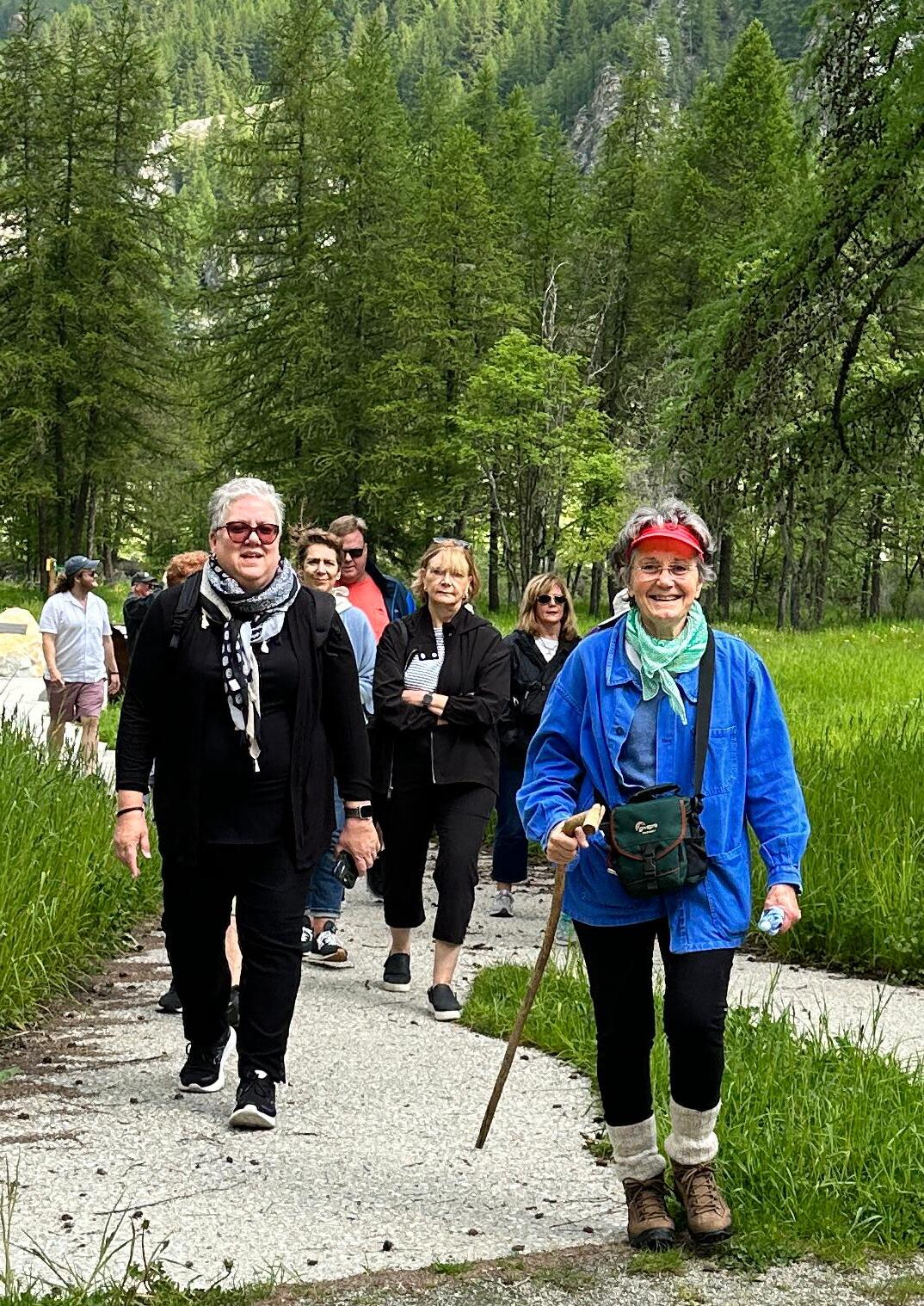
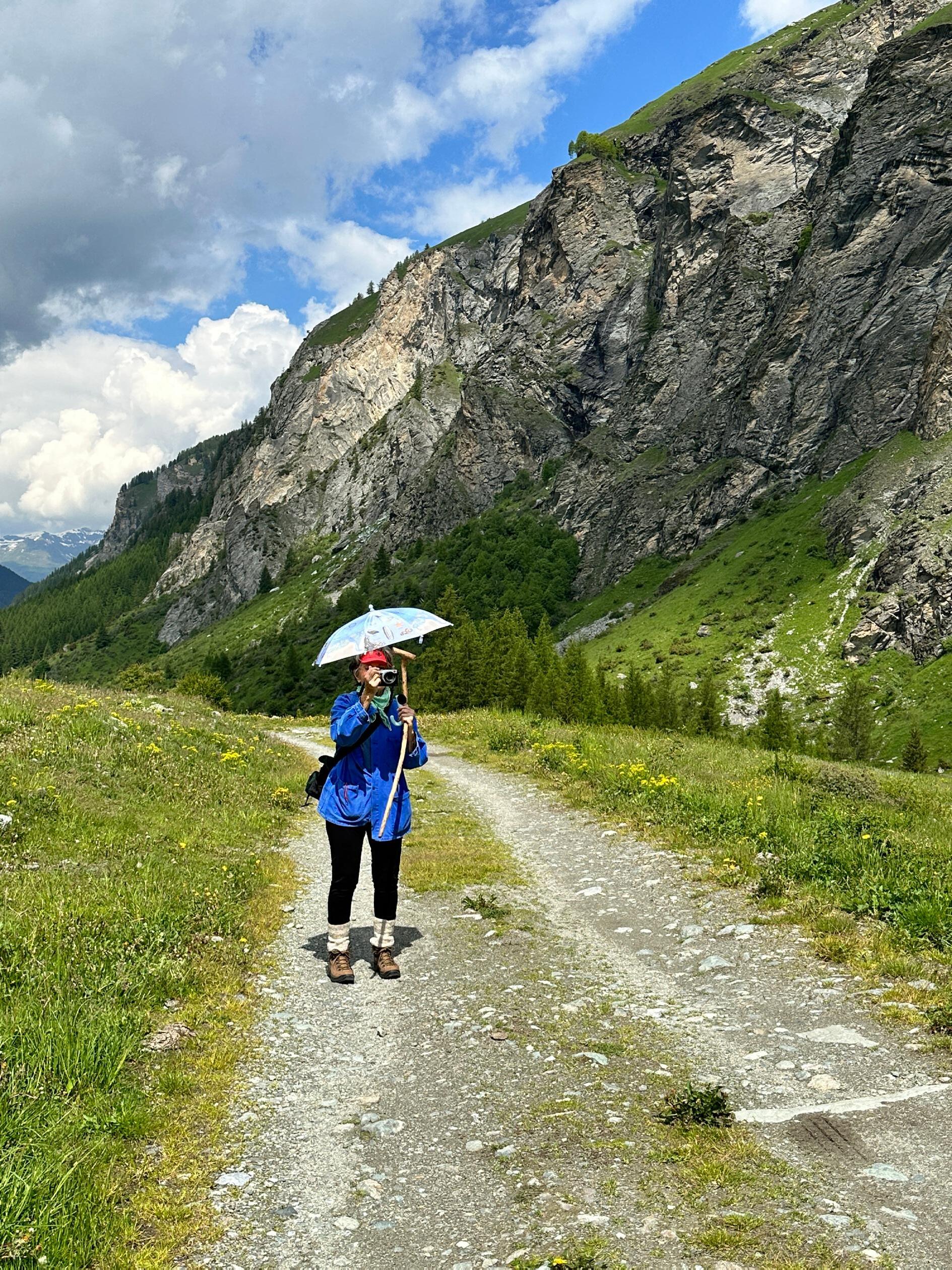
“That appealed to me enormously,” she says.
Searching for authenticity
When asked why she pursued such an unconventional life, Teresa is honest. She looked at the life being offered around her — study hard, get a job, make money — and found it deeply uninspiring.
“I was still trying to find the France I had seen in the movies,” she says. That search shaped everything that followed.
During her junior year abroad, she largely abandoned academic French classes and instead immersed herself in local life. She taught swimming, volunteered with elderly people and joined local theatre groups.
The elderly residents she cared for had lived through another century entirely. Through them, Teresa heard stories about farming, cooking and rural life that few people still valued.
At the same time, she became fascinated by the seriousness with which French people approached food.
“They taught me how important it was to present food beautifully,” she says. “Even slicing a tomato felt like a craft.”
Watching France change
By the 1970s, Teresa noticed something surprising: France itself seemed to be forgetting the value of its own food culture.
Supermarkets filled with industrial bread and processed products. Traditional foodways were disappearing. Even in Chamonix, she says, it became difficult to find authentic local cooking.
As part of a university project, Teresa travelled around Grenoble documenting the decline in bread quality.
“You could hit the bread on the table and it would crumble,” she says. But eventually the pendulum swung back.
A new generation of chefs began rediscovering local products, regional traditions and artisanal methods. Food became rooted in place again.
Today, Teresa sees hope in that revival.
“They realised it was to their advantage to value what they do best,” she says.
Why Cheese Journeys mattered
When Teresa first encountered Cheese Journeys, she immediately recognised something different.
This was not traditional tourism.
Rather than rushing visitors through famous landmarks, Cheese Journeys focused on relationships: conversations around kitchen tables, time spent with cheesemakers and visits to remote farms rarely seen by outsiders.
“That’s why your tours are unique,” Teresa tells founder Anna Juhl during their conversation.
For Teresa, the role became part photographer, part translator and part cultural bridge. Because she speaks both the language and understands the culture deeply, doors open.
Farmers who might otherwise remain cautious begin to relax. Conversations deepen. Trust develops.
Hidden places and human stories
One of Teresa’s favourite observations is that most tourists arrive in Chamonix with two goals: see the Aiguille du Midi and ride the Montenvers train.
Only after that, she says, do they begin asking the real question: “What else is there?”
That, for Teresa, is where travel truly begins.
Not in ticking off landmarks, but in discovering hidden valleys, small farms and people quietly preserving traditions that modern life nearly erased.
Anna recalls one moment perfectly. After casually mentioning an interest in historic butter moulds, Teresa immediately knew an elderly couple in a remote Alpine valley still carving them by hand.
That is Teresa’s gift: not simply knowledge, but decades of human connection.
Photographing lives
Today Teresa is preparing her life’s photographic archive for the Haute-Savoie museum collection: thousands of images documenting Alpine rural culture from the 1970s onwards.
She photographed bakeries before they closed. Farmhouses before they disappeared. Traditions before they vanished.
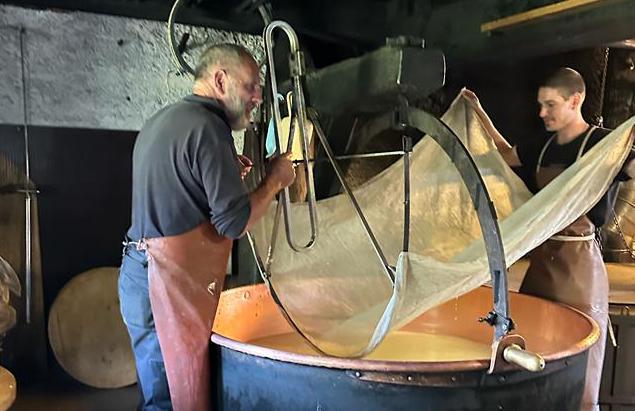
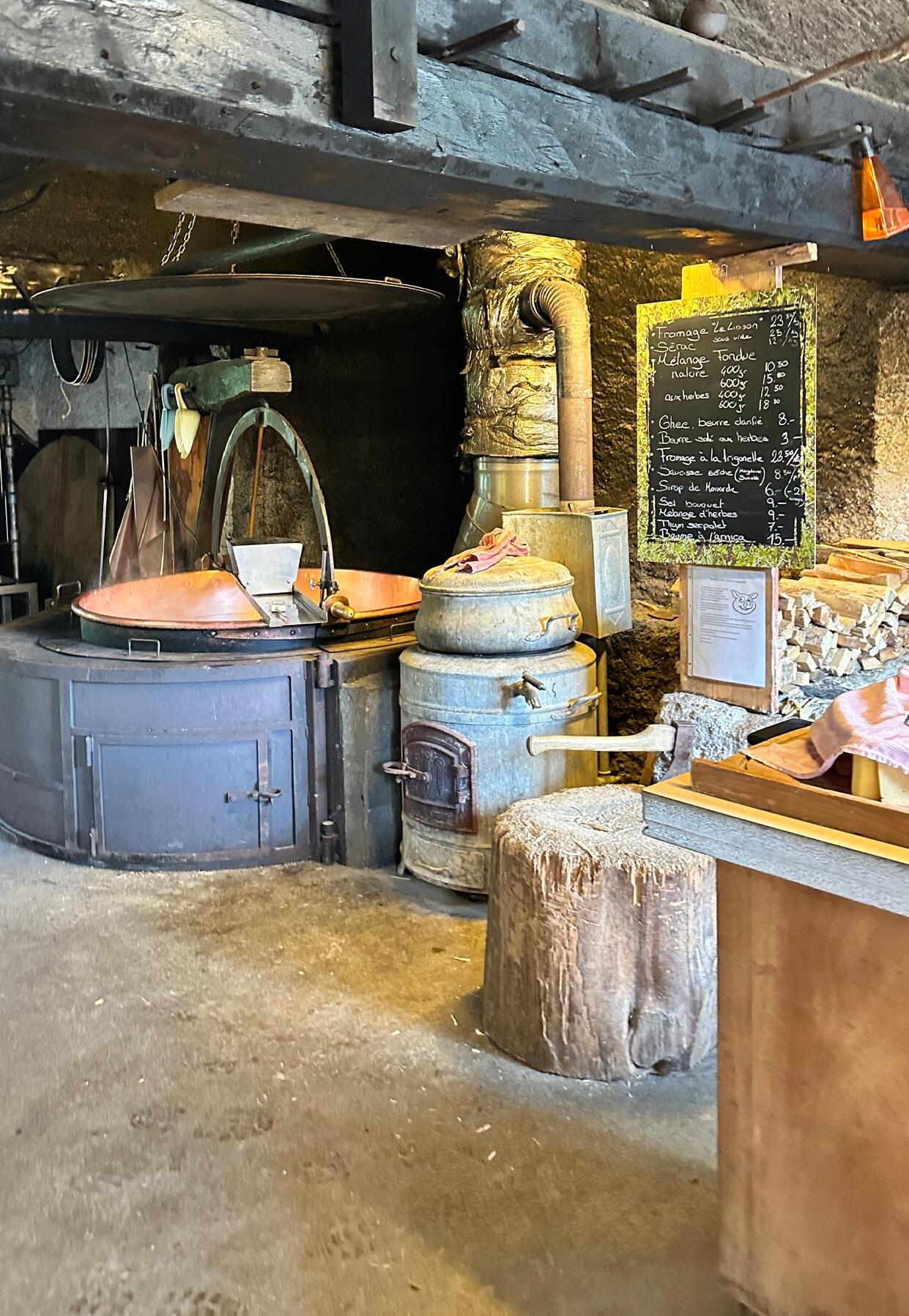
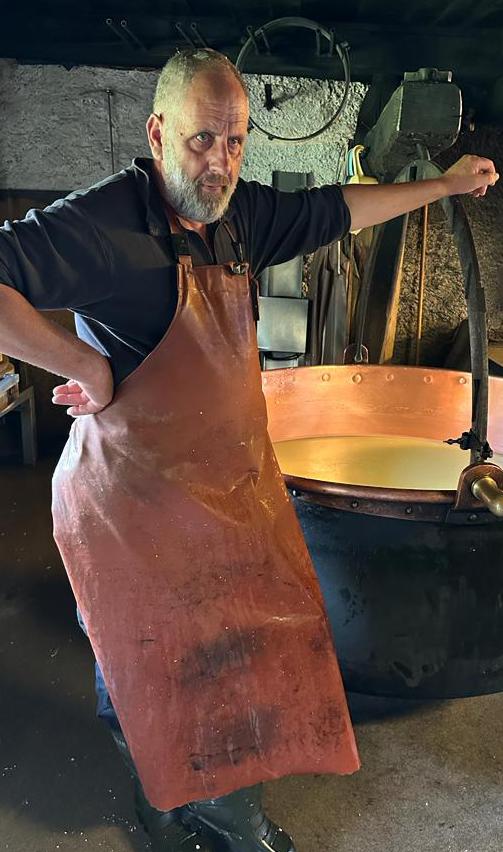
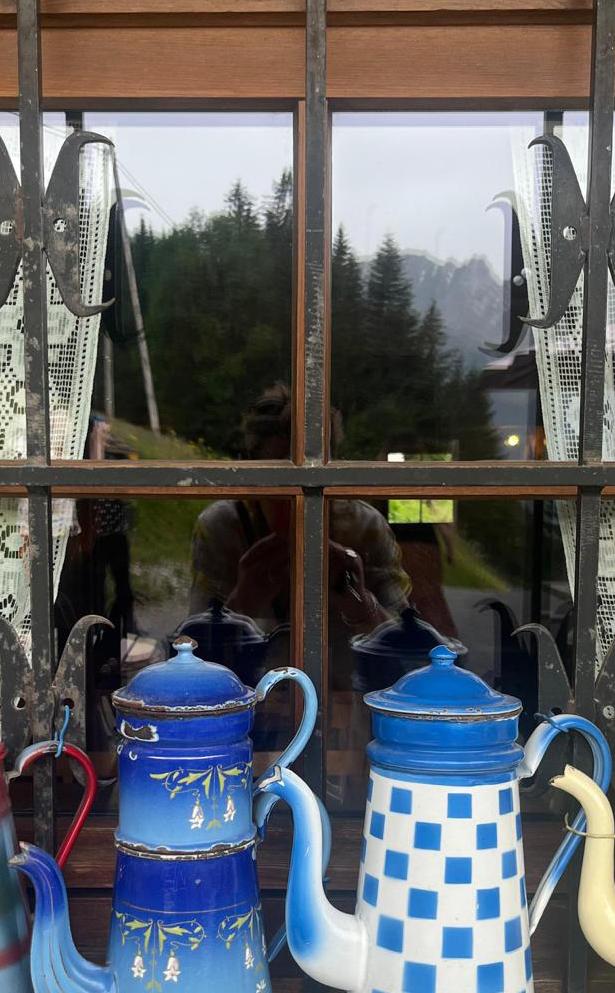
“I realised there wouldn’t be a second chance,” she says.
Yet Teresa insists she was never really photographing mountains or food. She was photographing people.
At one point in the conversation, she explains why she always encourages photography students to include people in landscapes.
Without people, she says, mountains all begin to look the same.
But with a person in the frame, suddenly the viewer can imagine themselves there.
That idea perhaps explains everything about Teresa Kaufman’s work.
Through food, farming and photography, she has spent a lifetime helping people see one another more clearly.