ADVENTURES IN TASTE
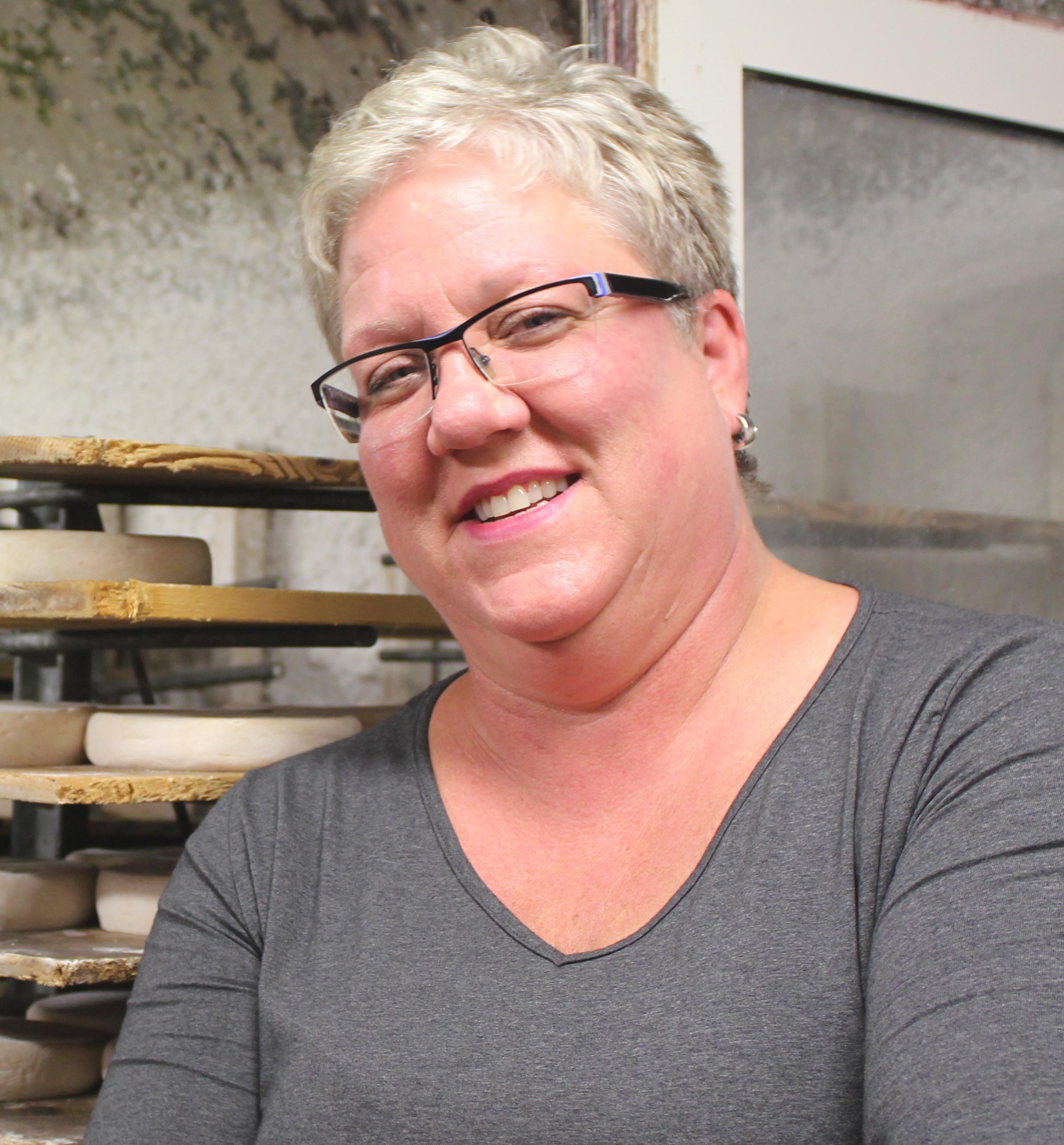
Anna Juhl
From Iowa to the World, the journey behind Cheese Journeys
Anna Juhl grew up with travel in her bones.
Her grandparents were farmers who emigrated from Czechoslovakia and Sweden, but when they retired they travelled widely — across Europe, Africa and the United States. Her father, an engineer who had le farming behind, inherited the same curiosity.
“He could sit us down around the dinner table,”
Anna remembers, “pull out the National Geographic, and our family vacations were always somewhere he’d read about.”
For a child growing up in Iowa in the 1960s and 70s, this was unusual. These were not polished resort holidays. They were shing trips to remote lakes and journeys o the obvious path.
“I think I had no fear,” Anna says.
That curiosity would eventually become the foundation of Cheese Journeys.
From healthcare to cheese
Anna’s rst career was in healthcare, following the in uence of her mother, a medical professional and nurse educator. She worked in hospitals, hospice and project development for years before life took an unexpected turn.
“Why not buy a cheese shop?” she laughs.
At the time, artisan cheese was barely part of mainstream American food culture, particularly in the Midwest. There was Maytag Blue — a cheese her father adored enough to save up for — but little else.
Buying a cheese shop meant teaching herself from scratch.
“We had Steve Jenkins’ Cheese
Primer,” Anna says. “We had one book.”
There were few importers bringing high-quality artisan cheese into the United States, and most were concentrated on the East and West Coasts. Anna was building a cheese business in Utah, far from established food culture.
So she improvised.
She hired European college students because they already understood the culture of artisan food and could help communicate it to customers.
What drove her was simple:
“Curiosity and passion. Once you taste and work with amazing ingredients and great food, there’s no turning back.”
The story behind the cheese
The idea for Cheese Journeys grew from something Anna noticed repeatedly.
When her own children travelled to Europe to learn about cheese, they came home transformed. They had walked farms, met makers, and understood the work behind a wheel of cheese in a way that simply tasting it could never teach.
At the same time, wine tourism was booming in the United States. People travelled around the world to learn about vineyards and winemaking.
So Anna asked a simple question:
Why not cheese?
“Nobody had really tackled the opportunity to build a travel business based on artisan cheese, food and wine for enthusiasts,” she says.
The key word was enthusiasts. Cheese professionals sometimes had opportunities to meet makers through distributors or industry events, but ordinary cheese lovers rarely had that access.
Anna wanted to change that.
She knew from working behind the counter that stories transformed how people experienced cheese. When a cheesemonger can say, “I’ve met that maker,” or “I’ve walked that farm,” the cheese becomes something much deeper than avour alone.
It becomes personal.
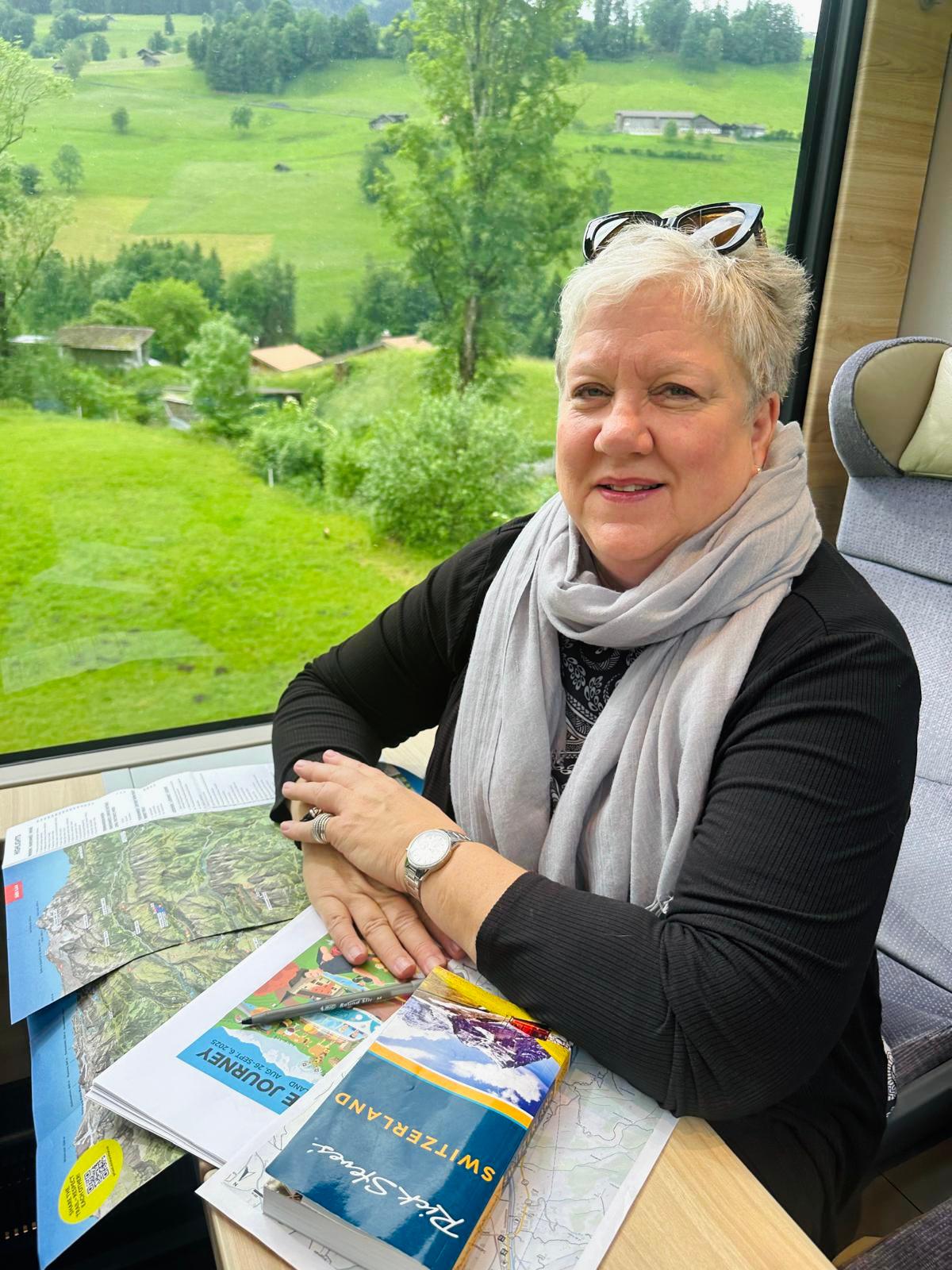
Not ten cities in ten days
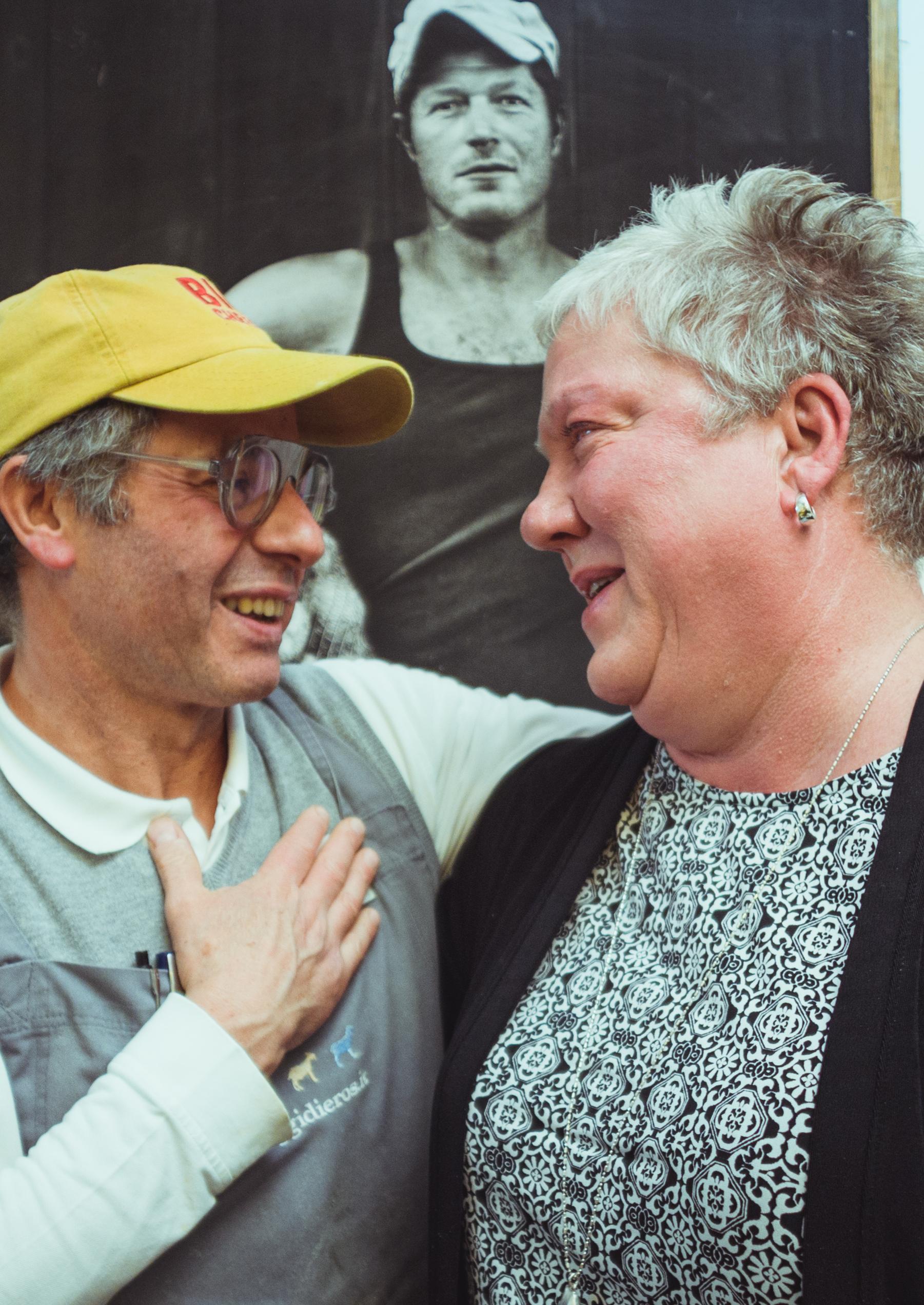
Anna later asked the woman, then nearly 90 years old, whether she would continue making the journey up the mountain each year.
“I must continue,” she replied. “What would my sons do if I wasn’t there to make polenta?”
For Anna, those moments are the reason Cheese Journeys exists. Curd to Counter
More recently, Cheese Journeys expanded into professional education through the Curd to Counter programme.
The concept is simple but powerful: American cheesemongers travel to the UK for direct mentorship with cheesemakers, a neurs and retailers.
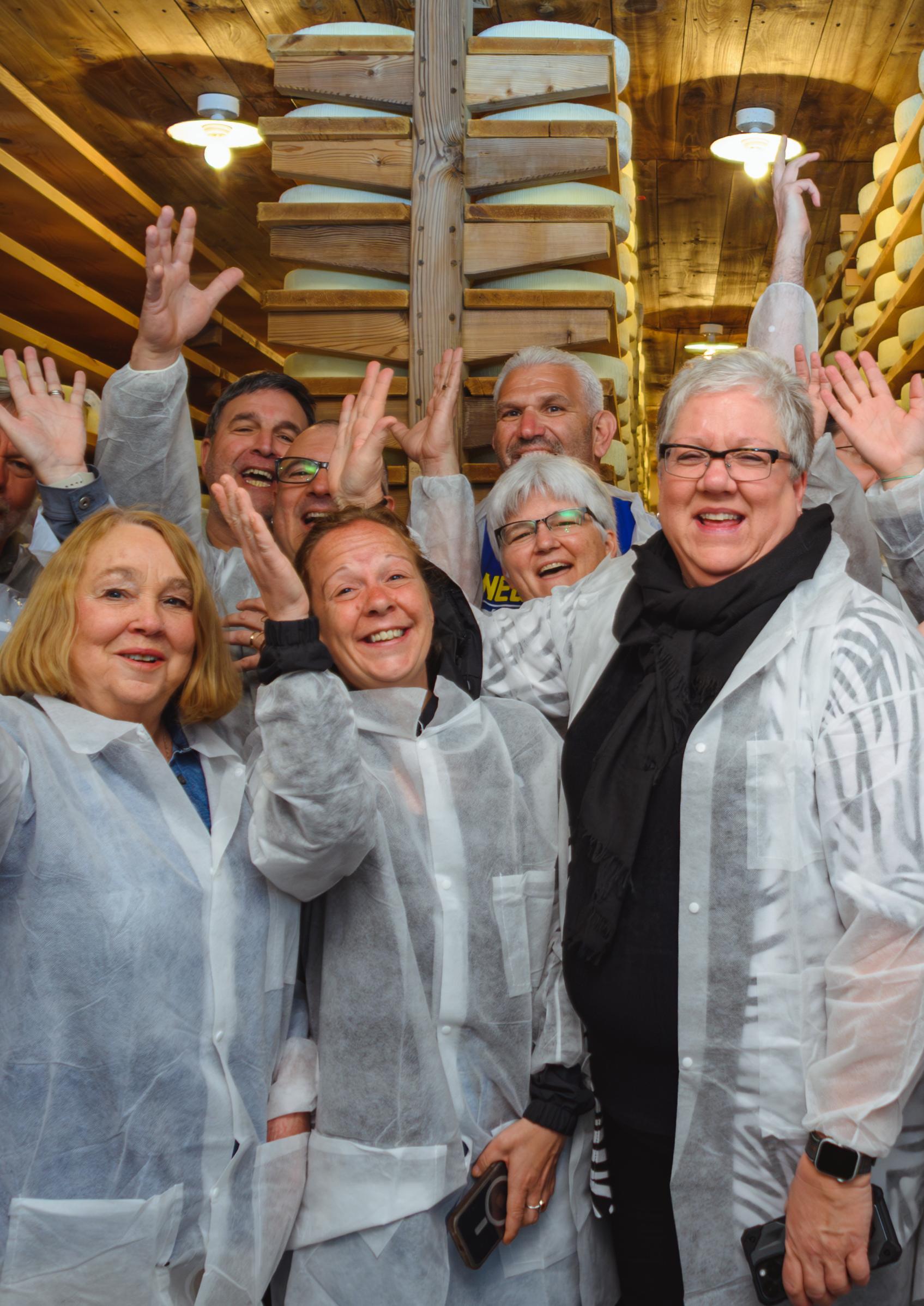
They spend time with Neal’s Yard Dairy, work on farms and stay with producers. They return home with stories, knowledge and relationships that fundamentally change how they sell and talk about cheese.
One participant from Murray’s in New York even recorded video questions from colleagues back home to ask British cheesemakers directly.
“That exchange just kept evolving,” Anna says.
The programme bene ts everyone involved. Mongers gain deeper understanding, while makers learn how their cheeses are experienced and sold abroad.
Through the back door
What makes Cheese Journeys unique is not simply the destinations. It is the trust.
Over the years Anna has built close relationships with cheesemakers, farmers and producers who now welcome guests into deeply personal spaces.
Visitors are not arriving through formal visitor centres.
They are coming through the back door of the farmhouse, sitting in kitchens and drinking co ee with people who have already milked cows before sunrise.
“It’s so personal,” Anna says.
And that personal connection changes people.
A community built around curiosity, cra smanship and connection.