Providence subsidiary looks to close biomedical research gap
By JULIE MINDA
A Providence St. Joseph Health subsidiary is trying to close a population representation gap in important medical research.
Black, Latino and American Indian people are underrepresented in colorectal cancer studies, largely because they are poorly represented in the biorepositories — or repositories of biospecimens — used in that research. These marginalized, ethnically and racially diverse populations also are less likely than white people to be screened for colorectal cancer, and they have worse
CommonSpirit hospital clues in staff so patients with dementia get appropriate care
By JULIE MINDA
A couple years ago, members of a caregiver support group at Peace Lutheran Church in Grand Island, Nebraska, got to talking about what it was like taking their loved ones with dementia to the hospital. Many of them had experienced difficulties because clinicians hadn’t known the patients had cognitive impairments and unknowingly responded unhelpfully to behaviors associated with dementia.
The support group brought their concerns to Beth Deida, a fellow church member who is a maternal-child nurse educator and patient safety specialist at Grand Island’s CHI Health St. Francis. Deida met with the group repeatedly to understand their concerns, engaged leadership at the CommonSpirit Health hospital to respond and formed a committee at the hospital to create solutions.
The result is St. Francis’ REMEMBER initiative, which provides visual cues to hospital staff to alert them when a patient has dementia or other cognitive impairments. Staff have been trained on how to take evidence-based approaches to protect
Continued on 9
In a CHA webinar, a hospice nurse says, “We do have a lot of work to do” in honoring the dignity of those with dementia Page 9
outcomes from the condition. There are similar disparities for many other medical conditions. All this is according to researchers with Providence’s Health Research Accelerator.
Those researchers are trying to better understand and address these disparities.
“If we limit our research to white people, what are we missing?” asks Kristi Roybal, a clinical research scientist with the accelerator and lead author of a study that ran in the Journal of Community Genetics in January. She notes
Continued on 11
“We are striving to do better. So: How can we be more culturally responsive? We need to understand who our patients are … We are trying to understand how to meet them where they are.”
— Kristi Roybal
Catholic healthcare providers, YMCAs partner to offer creative paths to fitness
By VALERIE SCHREMP HAHN
CHESTERFIELD, Mo. — The YMCA in this St. Louis suburb is a buzzing place: Members bustle in and out of the lobby, carry gym bags and yoga mats, pause to chat with one another and to sit at a station to check their blood pressure.
Now, before or after their workouts and classes or a swim at the Chesterfield
Family YMCA, they can go for a checkup at an attached clinic run by SSM Health. The clinic offers comprehensive services including primary and family medicine, geriatric care, behavioral health, lab services, nutrition support, and on-site social work. The clinic opened at the end of January, part of the Y’s recent $9.2 million renovation and expansion.
Continued on 7
Mercy Health — Cincinnati helps wrap services around abuse survivors
By VALERIE SCHREMP HAHN
When survivors of domestic violence or sexual abuse show up in the emergency department, sometimes hospitals are unequipped to give them the wraparound support they need. An increasingly robust
partnership between Mercy Health — Cincinnati and the nonprofit Women Helping Women is helping to fill the gaps. Women Helping Women sends an advocate to Cincinnati-area emergency departments to provide trauma-informed support to domestic violence and sexual abuse sur-
vivors. It is an increasing need: Across Ohio, there were 157 domestic violence fatalities in 2025, including victims and perpetrators, a more than 37% increase from 114 the year before, according to the Ohio Domestic Violence Network.
Catholic hospitals join the move to add ERs for expectant moms
By VALERIE SCHREMP HAHN
In the middle of the night three years ago, Chief Nursing Officer Tracey Smithson got a phone call about a pregnant patient coming from a rural area several hours away from St. Dominic Hospital in Jackson, Mississippi. The patient, in labor and bleeding, had called 911 from her home.
The paramedics who picked her up couldn’t find a hospital nearby that could properly care for her — the one they stopped at didn’t offer the specialized care she needed in its emergency room. The woman received blood there and the ambulance continued to Jackson.
When the woman arrived, she was in critical condition. She survived, but the baby died after delivery.
The staff debriefed afterward. “We said at that point: We’ve got to do something different here,” Smithson recalled. “We’ve got to bring this to attention.”
The hospital, part of FMOL Health, recently opened an obstetric emergency department that is staffed around the clock with an obstetrician and support staff.
Continued on 6
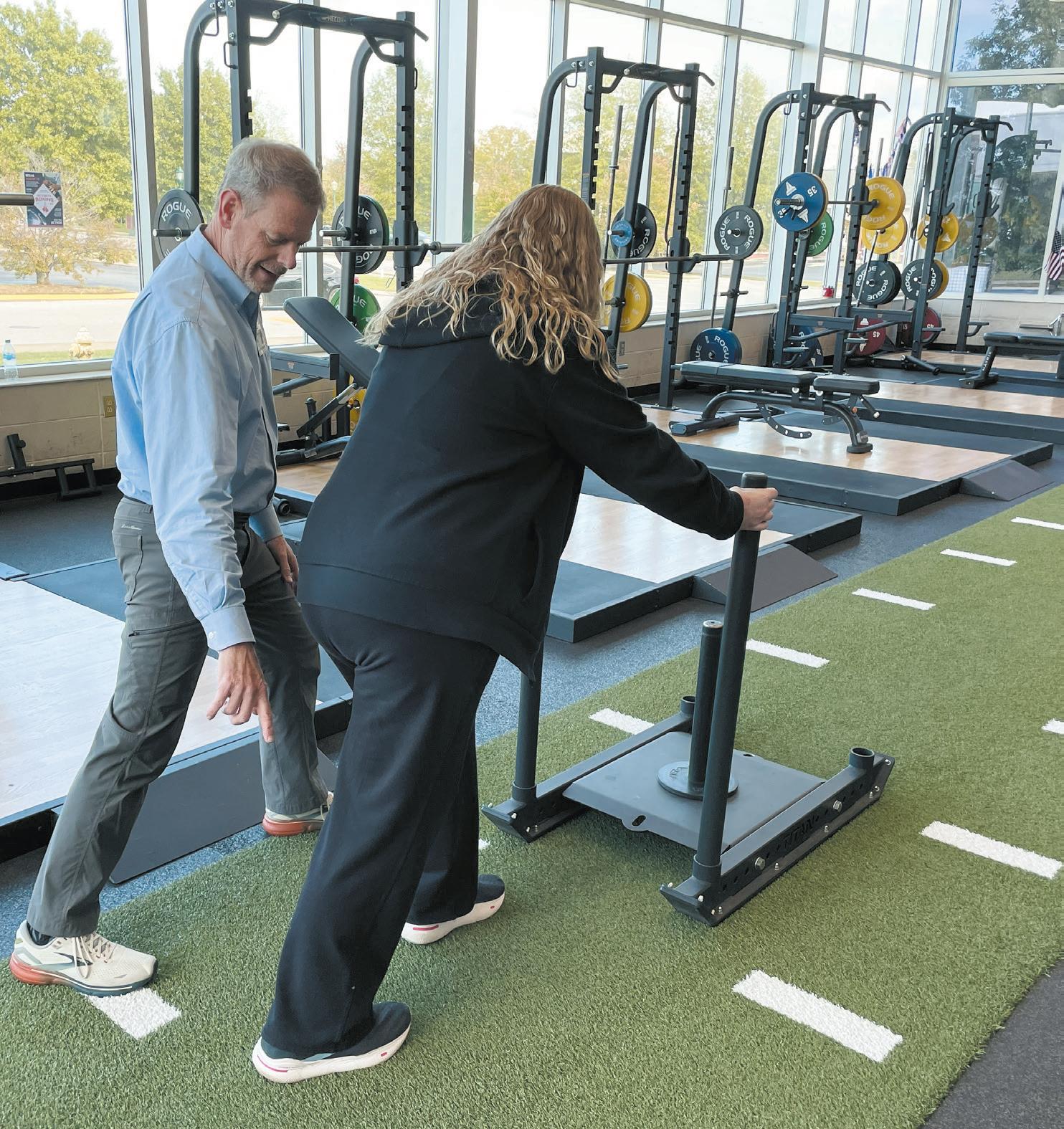
John DuVaul, a CommonSpirit Health physical therapist, works with a patient inside the Hamilton Family YMCA in Chattanooga, Tennessee.
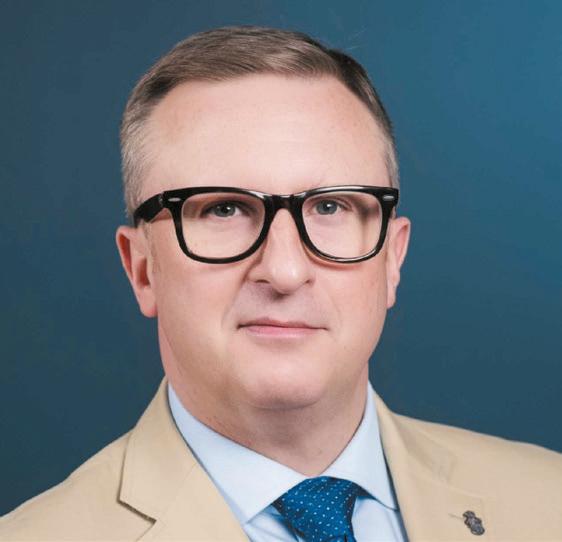
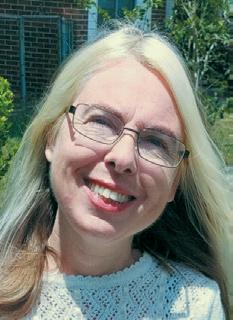
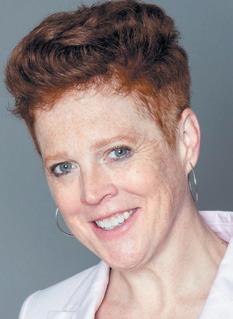
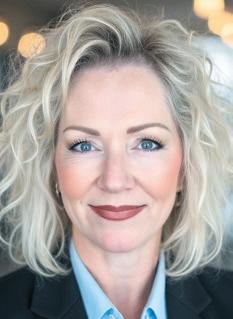
Roybal
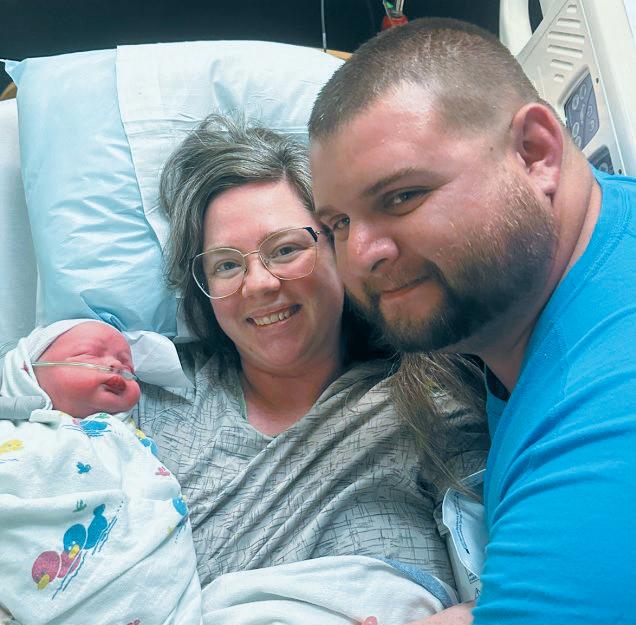
Mary and Austin Ridgeway pose with baby Bodie after he was born at Mercy Hospital St. Louis. Mary Ridgeway was admitted to the hospital in June through the obstetrical emergency department for monitoring and treatment and again in August when Bodie was born.
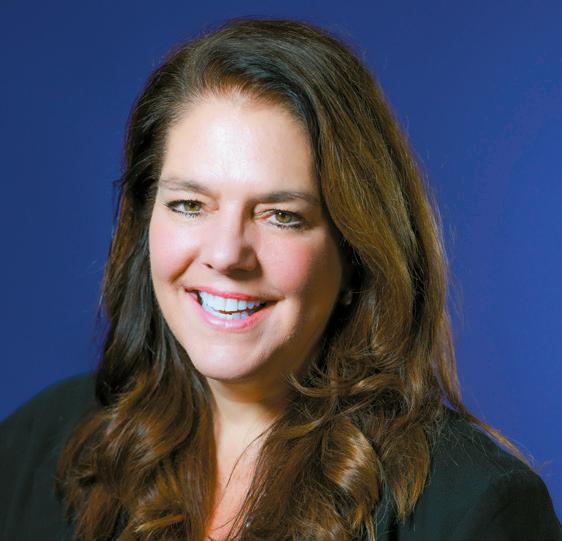
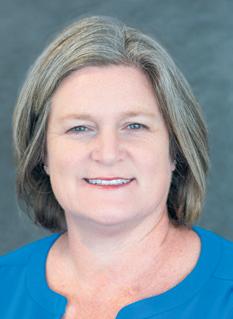
Smithson
Deida
Caring Reliably at Providence
The strategy to elevate reliability and safety across the system is grounded in principles such as teamwork, clear communication, mindfulness and a questioning attitude.
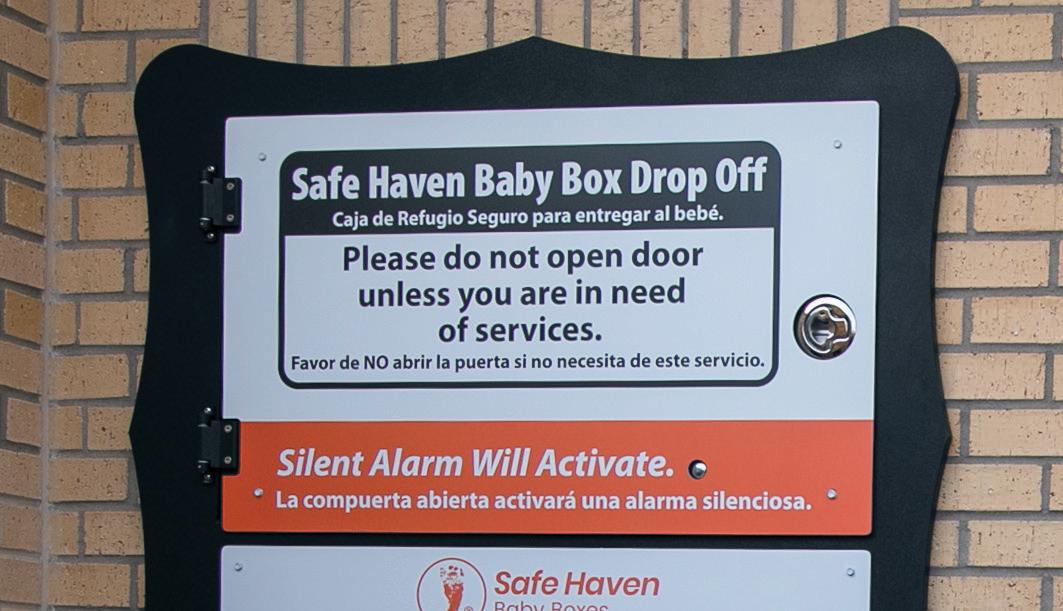
Adding a safe space
CHRISTUS Mother Frances Hospital in Tyler, Texas, installs a Safe Haven Baby Box. The box provides a compassionate and secure option for parents in crisis to drop off an infant.
Teaching from afar
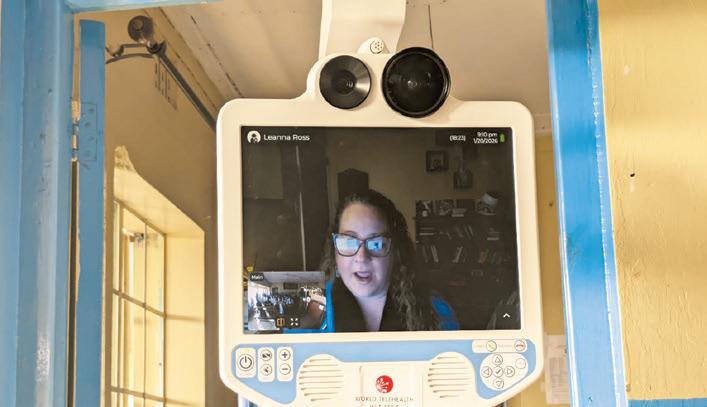
A specialist at the Providence Nursing Institute Clinical Academy is one of the healthcare providers who volunteer their time through the World Telehealth Initiative.
Providence tool kits lay out how to achieve large-scale energy savings, waste reduction
By JULIE MINDA
Providence St. Joseph Health’s information services division uses analogies when quantifying some of the wins it has achieved in environmental stewardship.
The more than 1,900 tons of e-waste the system has reclaimed since 2022 is about equivalent to the weight of eight Statues of Liberty. E-waste is hardware related to information technology that is at the end of its life and that would otherwise be disposed of.
The nearly 12.3 million sheets of paper saved through recent software and printing policy changes is equivalent to saving a forest of nearly 1,300 trees.
When implementing environmental stewardship programs in 51 hospitals and more than 1,000 outpatient sites across seven states, such large-scale accomplishments are possible. Providence St. Joseph Health has had such success with its energy-saving, waste-reducing, cost-saving and other environmental strategies that it wanted to help other organizations achieve similar results. It has created the Information Services Environmental Stewardship Toolkit to share practical ways to use technology to achieve important goals.
“I do believe grassroots efforts become movements,” says Wasif Jamal, Providence senior vice president and chief technology officer of information services, “and we have the opportunity to bring like-minded organizations together” to advance environmental stewardship.
“It takes more than one organization,” he adds. “Everyone has to play a role.”
A hardwired priority
According to the tool kit, Providence prioritizes environmental stewardship systemwide because its mission is to express God’s healing love to all, and the health of the environment is interconnected with the health of people. Providence’s work in this area is grounded in part in the so-called “Hopes and Aspirations” document that the Sisters of Providence developed when
Environmental stewardship tool kits
To spread its learnings about stewardship to other organizations, Providence St. Joseph Health’s Center for Environmental Stewardship has created multiple tool kits.
The tool kits currently available cover:
The reduction of the use of nitrous oxide
The optimization of waste reduction
The formation of green teams
Strategy and planning of environmental stewardship work
Communicating about that work
Stewardship data strategies
Information services sustainability work Assessment processes for facilities’ climate resilience
The tool kit library is available online.
they transitioned their healthcare ministry to lay sponsorship in 2009. The document calls upon Providence to be a good steward and to enable others to learn stewardship.
Beth Schenk, chief environmental stewardship officer, says stewardship is not a standalone program or one-off project — it is integrated into all of Providence. “It is hardwired throughout the health system,” she says.
She says it’s been fun and exciting to see how the smart, creative associates in information services have embraced environmental stewardship and discovered seemingly countless ways to steward Providence’s resources well.
Jamal explains that the efforts span multiple practice areas within information services, including engineering, supply chain, information technology assets and service engineering.
He says environmental stewardship is
part of Providence’s digital transformation strategy. Under this strategy, the system is putting in place the most effective technology to promote optimal healthcare delivery. The sustainability of the technology is a key factor in decision-making, he says.
Step by step
The tool kit provides a step-by-step explanation of how Providence’s information services department plans and executes its stewardship work, including strategy setting and planning, implementation, analysis and reporting. The kit also provides examples of top projects Providence has undertaken and the results. Examples include:
Reclaiming 209,000 devices and equipment to extend their use and disposing of outmoded devices in an environmentally friendly manner.
Developing strategies and partnerships with vendors to ensure print devices are modern and efficient and printing policies conserve paper. The team has cut the printing equipment used by half, saved nearly a half million sheets of paper and recycled tens of thousands of outmoded printer parts.
Analyzing equipment used throughout the system to maximize efficiency in terms of power use. This includes rightsizing hardware and adjusting settings so equipment can power down when not in use. The new processes are resulting in reductions in energy consumption.
A common home
Jamal says a challenge is that there are so many competing priorities in healthcare and limited resources to devote to each priority, so it can be difficult to keep stewardship work front and center.
However, he notes that it is very often the case that stewardship work ties in with and advances other top priorities of the health system.
“We are seeing that environmental sustainability not only is critical to do — it is a no-brainer,” he says.
jminda@chausa.org
chausa.org/events
Health World do not necessarily reflect those of CHA and do not represent an endorsement by CHA. Acceptance of advertising for publication does not constitute approval or endorsement by the publication or CHA. All advertising is subject to review before acceptance.
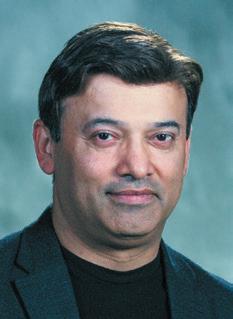
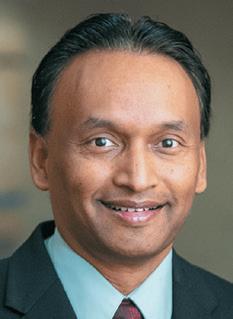
Jamal
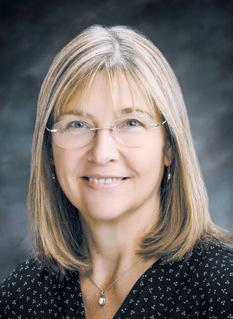
Schenk
Oregon students’ public service ads build awareness of threats to youth
By JULIE MINDA
When 22-year-old Kylee Haines of Roseburg, Oregon, learned early this year that she could join other local students in making a film to build awareness of public health threats to young people, she jumped at the chance.
Having survived a suicide attempt and then having found a passion for advocating for mental health, she says she “knew being a part of this would be meaningful and impactful for the mental health community.”
She is one of nearly a dozen students who signed on for the Student Creator Project from CHI Mercy Health’s Mercy Foundation. The grant-funded program offered the young people — including middle school, high school and college students — the opportunity to participate in a series of workshops on filmmaking. The project culminated in a whirlwind production day, with the students filming their public service announcements.
Half the students produced an announcement on suicide prevention and mental health. The other half produced one on distracted driving.
Haines, a sophomore at Roseburg’s Umpqua Community College, helped produce and played the lead role in the video on suicide prevention. She says taking part in the project “was absolutely incredible and life-changing.”
“The film is a reminder to check in on those around you and to remind others that they aren’t alone in their struggles,” Haines says.
She says she hopes the film “truly does save a life — that’s the whole point.”
Sex, lies and videotape
CommonSpirit Health’s CHI Mercy Health is a 174-bed hospital in Roseburg, in southwest Oregon. Lisa Platt is executive director of CHI Mercy Health’s Mercy Foundation and Marion Pearson manages the foundation’s violence prevention program. They say the Student Creator Project goes
back decades. Beginning in the early 2000s, the Roseburg hospital offered a program that enabled young people to film vignettes about public health threats to be shown to their peers. The hospital called the program Sex, Lies and Videotape, in a nod to a 1989 movie of the same name.
The program petered out, but in 2010, Platt attended a conference on child abuse. That sparked her memory, and she spurred the project’s resurrection. Under the new iteration called Youth Media Project, young people produced videos that could be shown on local television stations. The pandemic ended that program.
A couple years ago, Platt and Pearson again revived the project, though it has taken some time to regain momentum. This year, they’ve reimagined it as the Student Creator Project.
Key players in this year’s rollout include Jake Tranter, who as a youth participated in Mercy Foundation’s legacy film projects and found the experience “magical.” After graduating and serving in the military, he founded Spiderking Studios, which provides film production services in Douglas County, Oregon. Tranter credits his love of filmmaking in large part to Mercy Foundation’s programming. He and his team now lend their expertise to the Student Creator
Agentic AI and Health Equity
A
We Are Called Webinar
Agentic AI can proactively accomplish specific, multistep tasks without constant human oversight, raising distinct ethical concerns for healthcare and health equity.
This webinar, led by CommonSpirit Health's Becket Gremmels, Ph.D., system vice president for ethics, will examine those concerns and explore possible steps to mitigate them.
MAY 28 | 1 — 2 P.M. ET CHAUSA.ORG/EVENTS
Project. The Douglas Public Health Network helps promote the project and produces a behind-the-scenes documentary of the work that goes into the films.
Lights, camera, action
Seven students and three volunteers made up the group of participants this year. Mercy Foundation offered several weeks of workshops, including hands-on lessons on storyboarding, scripting, acting, sound, lights and cameras. During those weeks, the students also chose their topics and began mapping out plans for their videos. Then, on a very full production day, the students, volunteers and Spiderking staff completed the filming. Spiderking staff then edited the videos.
The foundation premiered both films at a March 11 screening at Roseburg Cinema. More than 50 people attended. The foundation is working to get the films released on social media, through media outlets and at schools.
Haines had never created a film before. During the workshops, her group learned about and discussed all that would go into their production. One group member excelled in storyboard writing, another in angle and scene setup, another in scripting, and another in props. Haines’ own story
formed the plot.
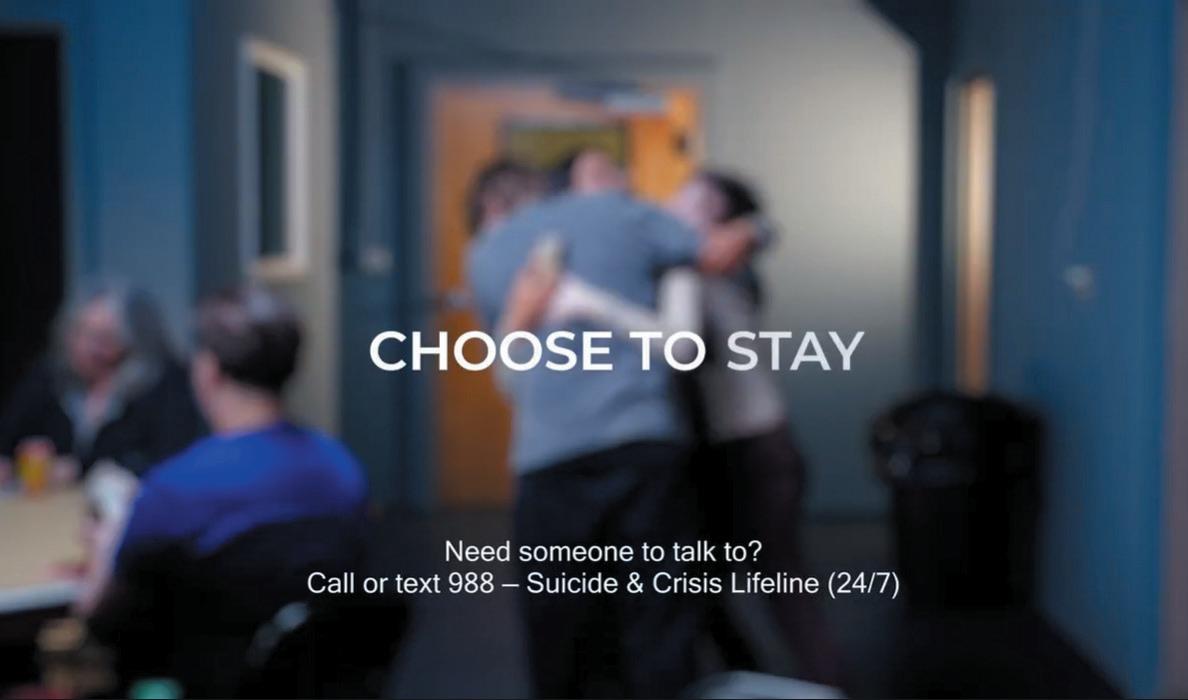
In the video, which runs just over a minute, a teenage boy approaches friends at a lunch table and laughs that he’d made his last “F” in school, implying he’d end his life. In the next scene, a young woman who had been at the table — Haines — contemplates a suicide note she’d written to her mom. In the following scene, the friends — including the boy who had received the failing grade — worry about where Haines is. She approaches them and, relieved to see her, they embrace her. This message appears on screen: “Choose to Stay.” Afterward, a screen lists resources for those with mental health challenges.
The video the other student group made features a teenage girl driving a young man through a neighborhood. The passenger constantly makes distracting comments and movements. Her attention diverted, the girl slams into a trash can, narrowly missing a pedestrian. A message — “One Distraction is All It Takes” — is followed by a screen listing organizations that address public health threats to the community, including distracted driving.
Pearson estimates the foundation used about $20,000 to support the filmmaking. Most of the dollars came from CommonSpirit Health’s Mission and Ministry Fund.
Reaching the right audience
Platt says Douglas County encompasses many diverse communities, including some where young residents confront numerous stressors. Pearson adds that they face many weighty socioeconomic issues, as is reflected in community health needs assessments. The foundation’s violence prevention work seeks to help reduce public health threats such as child abuse, human trafficking, substance misuse and assault, and mental health-related harms, which are some of the topics that students have addressed through the film projects over the years.
“We want to build awareness and provide resources and support, so we can build up protective factors, so people can stay healthy,” Platt says. “The goal is to reach kids through their own peer group.” jminda@chausa.org
Trinity Health’s Saint Alphonsus to complete $450 million multicampus expansion
Trinity Health’s Saint Alphonsus Health System is undertaking construction in southwest Idaho to respond to population growth. This includes an expansion of Saint Alphonsus’ Nampa hospital and the addition of a health plaza in North Meridian.
The construction projects together will cost about $450 million.
A Saint Alphonsus press release says the southwest Idaho region called Treasure Valley is experiencing historic population growth. The U.S. Census Bureau says the population of Canyon County — where Nampa is located — increased from about 231,000 in 2020 to about 275,000 in 2025.
The bureau says the population of Ada County — where North Meridian is located — increased from nearly 495,000 in 2020 to about 546,000 in 2025.
“As the region grows, so does our responsibility to ensure that care is never out of reach,” Saint Alphonsus Health System President and CEO David McFadyen says in the release.
In the coming decades, Treasure Valley is expected to have 1 million residents, the release says. A 2024 analysis by the Idaho Statesman says that as of 2023, the region had about 823,000 residents.
Nampa campus expansion
Saint Alphonsus is more than doubling the size of its Saint Alphonsus Medical Center — Nampa. The construction will
expand the campus’s capacity, create more access to inpatient and critical care, and address the need for more beds per capita, according to the release.
The construction, which is to begin in June and end in fall 2028, will add a sevenstory tower to the campus. It also will add two floors to the existing hospital.
The campus is licensed for 106 beds. The construction will add 64 medical/surgical and intensive care beds.
The expansion will create shell space for future growth.
North Meridian plaza
North Meridian is about 10 miles northeast of Nampa.
Later this spring, Saint Alphonsus will break ground on the North Meridian Health Plaza, an ambulatory medical office building with primary and specialty care, surgical specialties, women’s services, urgent care, advanced imaging, outpatient rehabilitation, a laboratory and other services.
Saint Alphonsus expects to complete the project in spring 2028.
The health system plans to launch a fundraising campaign to cover about 10% of the cost of all the Treasure Valley construction. This new project follows the completion of Saint Alphonsus’ Caldwell Health Plaza, about 10 miles northwest of Nampa, in what Saint Alphonsus says is another fastgrowing community.
This frame closes out one of the videos produced by students taking part in the Student Creator Project from CHI Mercy Health’s Mercy Foundation of Roseburg, Oregon. In the video, friends worried that a young woman had taken her own life, but were relieved to learn she had not.
Haines
Keynote Speakers
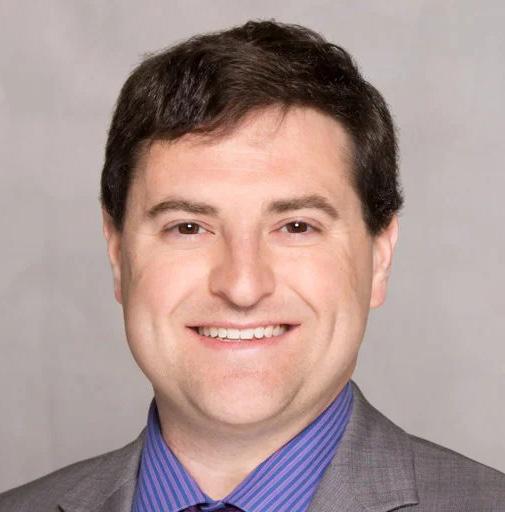
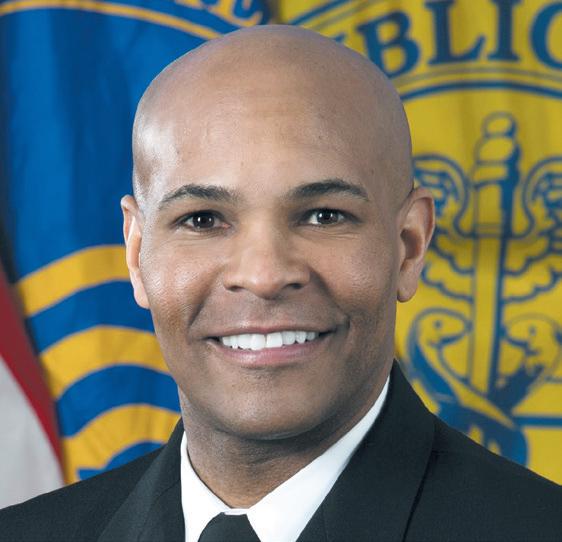
Jerome Adams David Brooks John O’Leary
Twentieth Surgeon General of the United States, distinguished professor, presidential fellow and executive director of health equity initiatives at Purdue University
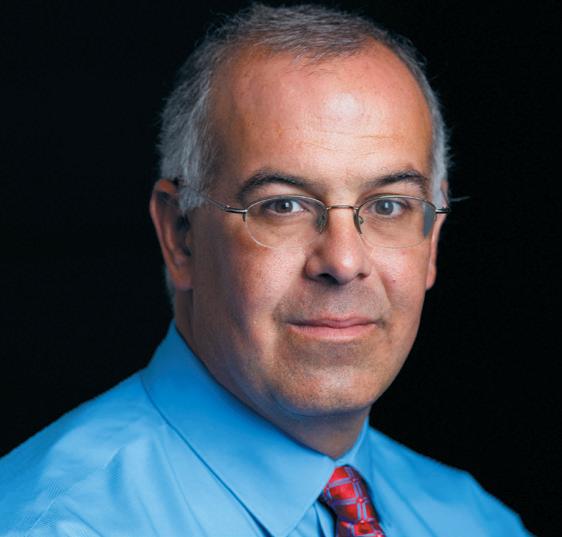
Presidential Senior Fellow at Yale, columnist and bestselling author of How to Know a Person The Second Mountain, The Road to Character and The Social Animal
Speaker, bestselling author, “Live Inspired” podcast host and subject of the movie Soul on Fire
Panel Discussion
United for Change: Catholic Leadership in Advancing Human Flourishing and the Common Good
President and CEO, Catholic Health Association
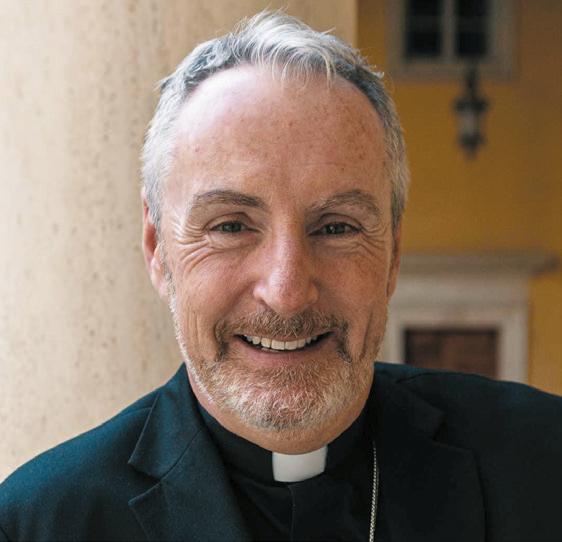
Titular Archbishop of Ossero, Secretary for the Disciplinary Section of the Dicastery for the Doctrine of the Faith
Professor of Public Theology and Director of The Bernardin Center at Catholic Theological Union, Chicago
President and CEO, Catholic Charities USA
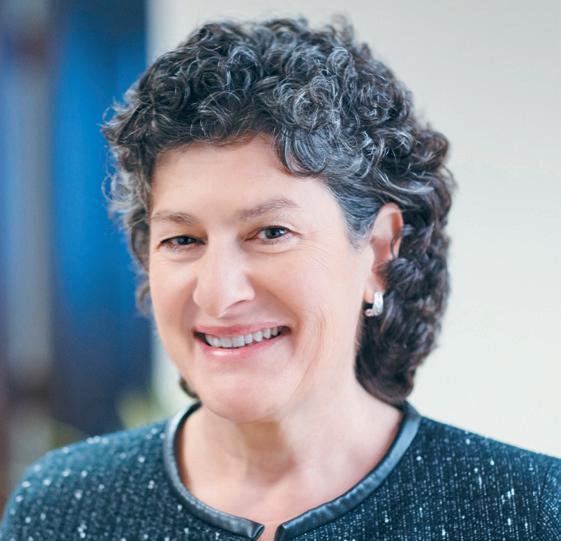
Sr. Mary Haddad, RSM The Most Reverend John J. Kennedy, JCD
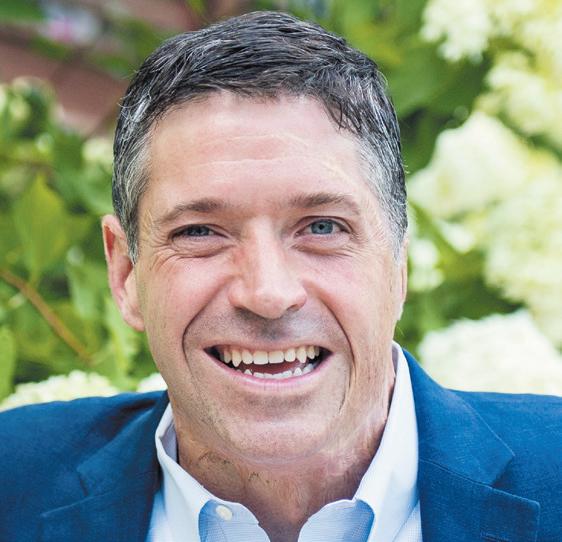
Steven P. Millies Kerry Alys Robinson
Lifetime Achievement Award
For a lifetime of contributions
BONNIE PRICE, DNP, RN, SANE-A, SANE-P, AFN-BC
Director, Community Health — Violence Response Team Bon Secours Richmond Health System
SISTER MARÍA LUISA VERA, RSM
Retired President Mercy Ministries of Laredo
Sister Carol Keehan Award
For boldly championing society’s most vulnerable
FRED ROTTNEK, MD, MAHCM Program Director, Addiction Medicine Fellowship SSM Health
Tomorrow’s Leaders Honorees
Honoring young people who will guide our ministry in the future
PRESTON BECKER
Director, Spiritual Care
Ascension St. Vincent
CHAD DILLEY, FACHE
President, Central Region
Ascension St. Vincent Indianapolis
JUSTIN YUNG HURTUBISE
Chief Mission Officer
Providence St. Joseph Health
JAYNA KELLY, MSN, RN Director of Nursing Wamego Health Center
SETH LOVELL
System Vice President of Nursing Transformation & Innovation SSM Health
MEGAN MASHL
Chief Operating Officer St. Paul Elder Services, Inc.
ANUP MYNENI, ESQ.
Deputy General Counsel
Covenant Health
LINSEY PAUL, MSN, RN
Chief Nursing Officer Mercy Health — Lima
ALYSSA PENICK, DO
Clinical Faculty — St. Anthony Family Medicine Residency
SSM Health St. Anthony Hospital — Oklahoma City
RACHEL POLZIN
Assistant General Counsel, Wisconsin Region
SSM Health
Avera receives $35 million gift, largest in system’s history
Avera Health has announced the largest single gift in its history, $35 million that will support a new children’s hospital in a patient care tower under construction at Avera McKennan Hospital & University Health Center in Sioux Falls, South Dakota.
The gift came from B. Thomas Golisano, philanthropist, entrepreneur and child health advocate. Golisano founded Paychex, a provider of payroll and human resources services for small- to medium-
Obstetrical EDs
From page 1
Pregnant patients can get immediate evaluation and treatment for conditions like preterm labor, bleeding or high blood pressure, and bypass the traditional emergency room. A 2024 article in the American Journal of Obstetrics & Gynecology reported that there has been a rise in such programs over the last two decades, with the first thought to have been launched in Florida in 2007 by the Ob Hospitalist Group. The article said clinical outcome data for OB-EDs is scarce.
The authors go on to say: “We believe that safe, high quality, and financially sustainable care for pregnant patients is elevated in a specialty-specific OB-ED. We anticipate that the number of OB-EDs will continue to increase across the U.S. as a financially solvent model of care.”
Institutions with OB-GYN hospitalists on staff have lower rates of maternal morbidity, according to a study from the Mayo Clinic.
Ob Hospitalist Group lays claim to being the nation’s largest OB-GYN hospitalist provider. The company reports supporting 240 OB-ED launches nationwide, including with Providence St. Joseph Health, CommonSpirit Health and Trinity Health. It says the partnerships ensure 24/7 coverage, uplift best practices in maternal care and reduce the workload and burnout of local private physicians.
Mercy Health — St. Rita’s Mercy Health — St. Rita’s Medical Center in Lima, Ohio, is one of several Bon Secours Mercy Health facilities with an OB-ED. Lima, about 78 miles southwest of Toledo, Ohio, is considered rural. The OB-ED, which opened in April 2025, serves as a vital link to patient care unavailable elsewhere, says Dr. Abeer Ahmed, the hospitalist in charge of the department.
Ahmed said some smaller hospitals in the region have closed their OB units, so patients who otherwise would have delivered there come to St. Rita’s.
She said one advantage of having an OB-ED is a better work-life balance for the patients’ obstetricians. Those doctors only get notified about a patient who comes to the department if the patient is admitted to St. Rita’s. Ahmed is one of five primary OB-GYNs staffing the St. Rita’s OB-ED, and other Ob Hospitalist Group providers can be called to fill gaps in the schedule, she said.
While Ahmed and her colleagues commute to Lima for their shifts, she said the model reflects a thoughtful approach to assuring access to specialized care in areas where recruitment can be challenging. “This structure allows the hospital to support local OB providers and helps ensure patients continue to have access to expert care, even when staffing sources are lim-
sized businesses. Avera announced the gift on April
ited,” she said.
HSHS St. Elizabeth’s
Hospital
Dr. Elizabeth Vonderhaar is a medical director for Ob Hospitalist Group who leads the OB-ED at HSHS St. Elizabeth’s Hospital in O’Fallon, Illinois, about 25 miles east of St. Louis. The hospital delivered 716 babies last year. Vonderhaar said the OB-ED allows St. Elizabeth’s to offer a higher level of obstetrical care than some other hospitals can.
“If you’ve been doing obstetrics long enough, you know that things can change very quickly,” she said. “Everything can be going perfectly with your pregnancy, and you can still have an emergency.”
Vonderhaar is one of five core team members who cover St. Elizabeth’s OB-ED, which opened in 2024 and uses a model similar to the one at HSHS St. John’s Hospital in Springfield, Illinois. The department is staffed by labor and delivery nurses highly trained in obstetric emergencies, and they conduct a monthly planned OB drill with nurses, residents and physicians, as well as surprise drills involving multiple departments.
Vonderhaar also worked with Ob Hospitalist Group while practicing in Alaska. “They know what they’re doing,” she said of the nationwide network. “They’re the champions of maternal health. You never have a question that is left unanswered.”
Vonderhaar hears positive feedback from patients and families. Emergency care, especially for somebody who’s scared about the well-being of their unborn child, is invaluable, she said. “It’s seeing that provider’s face and knowing that they have somebody taking care of them and making sure that everything’s OK,” she said. “It’s always very appreciated.”
Tracy Mensing, St. Elizabeth’s Women and Infants Center manager, said in a statement: “By providing around-the-clock access to specialized obstetricians and nurses in a dedicated space designed just
“Children and families should not have to travel long distances to get the care they need,” Golisano said in a statement. “My investment in the Avera Golisano Children’s Hospital is about more than a new building. It’s about giving kids access to outstanding care closer to home, supporting families, and creating better outcomes for the future.”
The gift will support the construction of the six-story, $165 million patient care tower dedicated to newborns, children and families. It is expected to open early next year. The gift will also expand access to behavioral health services for children, adolescents and families; add specialists and more timely services; and create space for families to stay close to patients during treatment and recovery.
Avera has joined 14 hospitals around the country as part of the Golisano Children’s Alliance to elevate pediatric care.
bit,” she said.
It also helps expectant mothers from the entire Jackson region. “We are just seeing people that we haven’t seen before, driving in, coming from rural areas,” she said.
While the OB-ED normally takes expectant mothers who are 18 to 20 weeks pregnant, it is looking into whether women who are miscarrying earlier in their pregnancy can be helped in the quieter environment of the OB-ED rather than the general emergency room.
“How can we meet these patients a little better than just having them sit in the ER? It’s just a hectic place that you don’t want to be, and so we’d rather have them up in the loving and specially trained hands of our nurses in the OB-ED,” Smithson said.
She noted that St. Dominic is situated on a hill next to the interstate, in view of everyone who passes by. The FMOL Health logo, which includes a cross, and other crosses are prominent on the buildings.
for them, we’re living out our Catholic mission to protect and honor the dignity of both mother and child. It’s our privilege to offer peace of mind and compassionate care when families need it most.”
St. Dominic Hospital
Smithson said St. Dominic’s OB-ED is just one way to address high maternal health and infant mortality rates in Mississippi. In 2024, the state’s infant mortality rate of 9.7 deaths per 1,000 live births was the highest in the nation, according to the Mississippi State Department of Health. In August, state health officials declared a public health emergency over the rate, which hit its highest point in a decade. Meanwhile, the 2025 March of Dimes Report Card says the state has the highest rate of preterm births, or babies born before 37 weeks of pregnancy.
“If you’ve been doing obstetrics long enough, you know that things can change very quickly. Everything can be going perfectly with your pregnancy, and you can still have an emergency.”
— Dr. Elizabeth
Vonderhaar
The OB-ED at St. Dominic has eight beds and is adjacent to the labor and delivery unit. The hospital had to delay opening the OB-ED for a few months as Ob Hospitalist Group hired enough physicians to work at the hospital, she said. There aren’t many OB-GYNs in the state, she said.
She said the arrangement helps OB-GYNs in the OB-ED have a better work/ life balance. “I think they’re loving it quite a
“A lot of people will say, ‘I drove towards the crosses.’ We get that a lot because of the impact we have in our community,” she said. “Sometimes you just do it because it’s the right thing to do.”
Mercy
Mercy Hospital St. Louis and Mercy Hospital South, both in suburban St. Louis, have handled more than 17,000 visits since their OB-EDs both opened in March 2025, according to an April press release. Both departments are run by Mercy clinicians, and each include an obstetrics hospitalist, an advanced practice provider, specialty trained nurses and patient care technicians.
“Giving our pregnant patients a place they can seek care in a less hectic environment than a traditional emergency department helps them feel a bit more comfortable in an uncertain situation,” Dr. J. Todd Glass, chairman of the department of OB-GYN at Mercy Hospital St. Louis, said in the release.
The OB-EDs replaced maternity triage units to offer a higher level of care with more oversight. The new OB-EDs have seen 20% more patients in their first year compared to the triage units.
One such patient was Mary Ridgeway, who went for a routine ultrasound at Hannibal Regional Hospital in Missouri when she was 28 weeks pregnant. The ultrasound showed the baby’s heart beating very fast and it was later determined to be in supraventricular tachycardia, a type of fast heart rhythm. Ridgeway was admitted through the OB-ED at Mercy Hospital St. Louis and was there for 11 days for monitoring and treatment. She returned in August for an induction, again being admitted through the OB-ED. Baby Bodie was born healthy at 37 weeks.
“My husband and I were taken care of every single time we walked through those doors with compassion and care,” she said in a statement. “We had great experiences at Mercy Hospital for every single visit we had.” vhahn@chausa.org
Ahmed
Vonderhaar
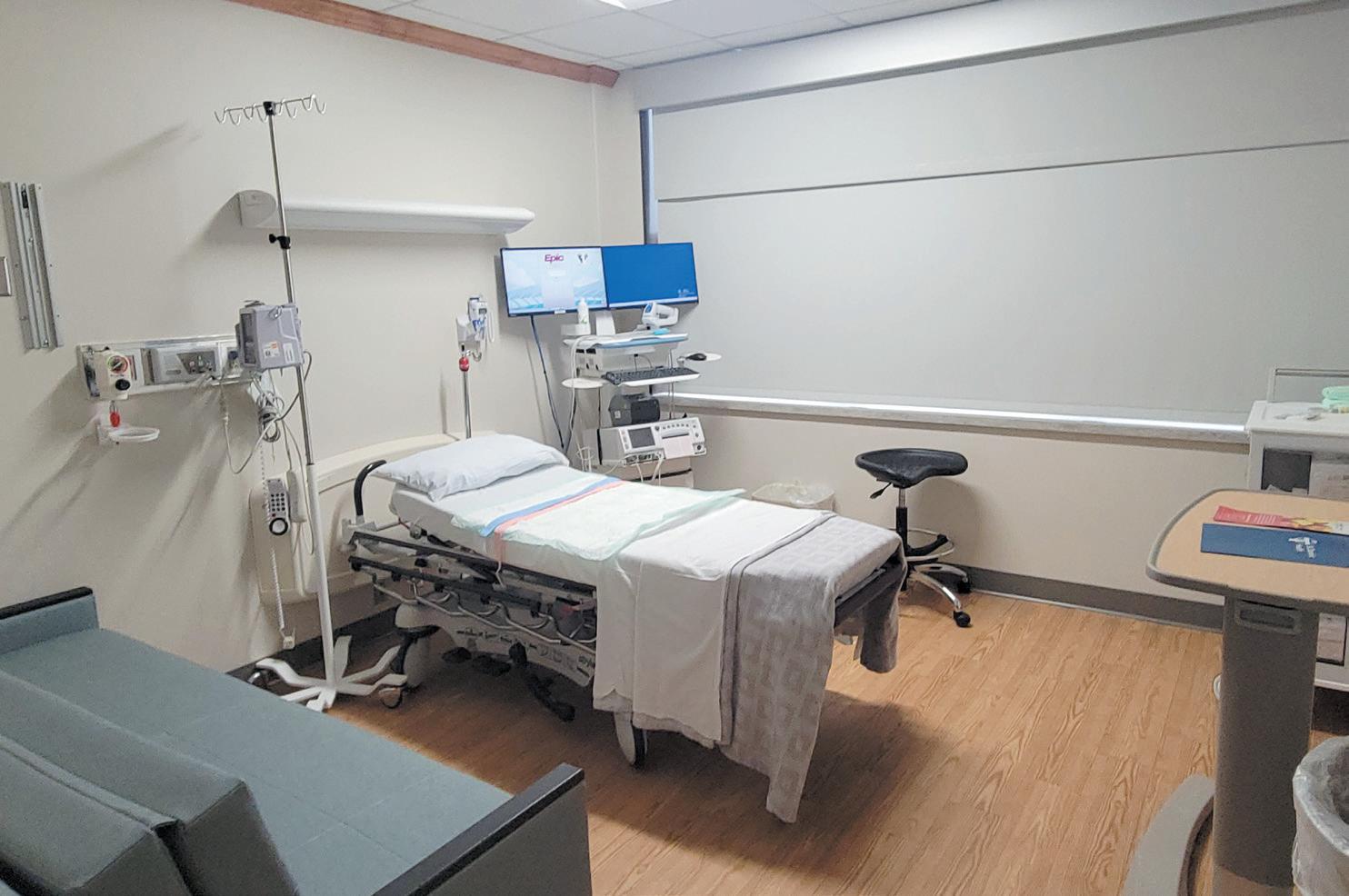
The recently opened OB-ED at St. Dominic Hospital in Jackson, Mississippi, part of FMOL Health, has eight beds and is staffed around the clock with an obstetrician and support staff.
20.
The new children’s hospital will be named Avera Golisano Children’s Hospital.
A record $35 million donation to Avera Health will go toward a children’s hospital in Sioux Falls, South Dakota. This rendering shows the patient care tower under construction at Avera McKennan Hospital & University Health Center that will include the children’s hospital.
Golisano
Efforts of employee and patient mean Ascension hospital offers specialized drug
By VALERIE SCHREMP HAHN
As a strategy consultant for Ascension Florida, Becky Washler looks for patterns in data and community needs to help the ministry plan. As a person with spinal muscular atrophy, a rare genetic disorder also known as SMA that causes muscle weakness, she’s always looked for ways to cope with the disease.
“I think my SMA made me a planner and a problem solver,” Washler said, “because I always had to figure out a different way to get at something or a problem.”
Ten years ago, when she learned that the Food and Drug Administration approved a new drug, Spinraza, to treat SMA, she wondered if her hospital, Ascension Sacred Heart Pensacola, could offer it. If not, patients there would have to drive hours to other cities like Orlando or Birmingham, Alabama. That could be a difficult and expensive trip, especially for those with advanced cases of the disease. They might have to ride while lying down or in a wheelchair.
The drug costs hundreds of thousands of dollars for a year of treatment and it’s complicated to administer. Spinraza is given through a lumbar puncture, and a clinician with advanced training is needed for patients with complicated spinal issues. Over time, the disease can take away a person’s ability to walk, eat and breathe.
Washler, 60, has a mild form of SMA. She uses a wheeled walker at home and
YMCA partnerships
From page 1
A family physician and a physician assistant practice at the clinic, and while they see a mix of ages, they focus on senior care. About 4,000 older adults are members of the Chesterfield Y.
“I had a patient the other day who asked me about, ‘How do I get signed up for SilverSneakers?’” said Dr. Mitchell Elting, the family practitioner at the clinic, referring to the Y program for senior adults. “And so it’s, ‘Let’s go across the way and we can chat with them.’”
Elting and others with SSM Health and the YMCA say the partnership promotes healthier living.
“We’re working on those relationships with YMCA, getting the resources in place to where we can really get the patients set up with them, get them on a healthier path, and prevent them from getting sick,” Elting said.
Health system and clinic partnerships with the YMCA and other organizations focused on well-being aren’t new. Tim Helm, president and CEO of the Gateway Region YMCA, which covers the St. Louis area, headed the YMCA in the Dayton, Ohio, area in the early 2000s, when that system established a partnership with Ohiobased Kettering Health. The partnership, new at the time, has grown and continues to this day, Helm said.
The SSM Health collaboration with the Chesterfield YMCA is the nonprofit’s second medical partnership in the St. Louis area. In 2023, the Emerson YMCA in the suburb of Ferguson opened an adjacent clinic with Affinia Healthcare.
“There’s a couple things in it for us,” Helm explained. “We’re nonprofit, just like Catholic hospitals, and our mission, same as (Catholic healthcare), is around serving the community. If we can create that kind of one-stop shop for people to come to a Y facility and get all the things that the Y
a wheelchair elsewhere. Getting the drug administered wouldn’t be a big issue for her. “I’m an easy stick,” she said.
Meanwhile, Nicole Wilson, 49, also learned about the new drug. Wilson has a more advanced form of SMA and uses a wheelchair. She’d need to have the drug administered through an access point in her fused spine. “I didn’t even know if I could get the medication,” she said.
Both women nudged and pushed — asking the hospital to offer the treatment and the drugmaker, Biogen, to make it available. They succeeded, and the hospital went through the complicated process of getting insurance approvals. The drug, which doesn’t have a widespread demand, is not kept in stock and is ordered for specific patients for a scheduled administration.
First injections
Eleven months after learning about the drug, Washler got her first injection, administered by a physician assistant. Because the injection was fairly easy for her, Washler became a test case to figure out any logistical or clinical barriers.
In 2018, neuroradiologist Dr. Nathan Kohler and neurosurgeon Dr. Christopher Villar joined Ascension Sacred Heart. The doctors can administer Spinraza, known generically as nusinersen, to people with complicated cases. Kohler gave Wilson her
Heart Pensacola made the drug available for pediatric patients. In March, the FDA approved a high-dose regimen.
Building relationships
Kohler regularly treats six to eight patients with Spinraza. He enjoys building relationships with them and helping them connect with one another. He started a Facebook group for local patients with SMA and will give phone numbers of patients to others with their permission.
Kohler downplays his role in the process. “I’m just the guy with the needle,” he said. “If you tell me there’s a need, for me the skill required is very minimal. There’s no reason I’m not going to say yes.”
He attributes the hospital’s ability to offer the medicine to Wilson and Washler. “You voice your concerns enough, people will listen,” he said. “I think both of them are strong advocates for their case, and I always tell patients that the best advocate for your care is you.”
first injection.
“You don’t want just anybody rooting around in your spine,” Wilson said. “Kohler is phenomenal.”
Both women report that, after regular injections of Spinraza, they have more stamina. Both appreciate that they don’t have to drive to different cities to get the drug. As far as they know, Ascension Sacred Heart is the only hospital in the Pensacola region to offer it. In 2020, the Studer Family Children’s Hospital at Ascension Sacred
offers, plus medical services, we think that’s a really good way to serve the community.”
SSM Health leases the space, formerly a space with workout equipment, in the Chesterfield Y building. That benefits the Y financially as well, Helm said.
Jeremy Fotheringham, regional president for SSM Health in St. Louis and Southern Illinois, agreed that the partnership is a good fit, and he is hopeful it will help people live longer, healthier lives. He and Helm are looking to use the partnership as a model to expand to other YMCAs in the St. Louis area.
Partnerships nationwide
Other Catholic hospital systems partner with the Y, or plan to. Mercy Health — Lima, part of Bon Secours Mercy Health, plans to lease space in the future YWCA of Van Wert County in Ohio. Ascension St. Vincent contributed funding to a namesake YMCA, which opened early last year in suburban Indianapolis, as well as one in Evansville, Indiana, that opened in 2019 and includes clinical space. Bon Secours Maryview Medical Center, also part of Bon Secours Mercy Health, and the Portsmouth YMCA in Virginia offer physical therapy and rehabilitation as part of their partnership, and so does CommonSpirit — Memorial Hospital — Chattanooga in Tennessee, part of CommonSpirit Health, and the Hamilton Family YMCA.
In Chattanooga, current CommonSpirit patients are offered a waiver to use the facility until their discharge date, explained
Rachel Williams, an office coordinator with the hospital’s physical therapy and rehabilitation program. “Discharged patients often drop in to say hello and check in,” she said. “They appreciate the sense of community, and it makes them feel like family.
“This relationship also encourages return visits; if another health issue arises, they specifically request that their referrals be sent to our location.”
Housing, day care, and healthcare
Essentia Health operates a clinic in a YMCA in the Duluth, Minnesota, suburb of Hermantown. There, the system offers physical therapy using Y equipment as well as occupational and speech therapy for children who attend the Y’s child care center. The Essentia Health Wellness Clinic also provides grief support, mental health counseling, and other wellness services.
Next year, in partnership with One Roof Community Housing, Essentia will break ground on a 72-unit affordable senior housing building on a former parking lot on the edge of its downtown Duluth campus. The project, called Brae View, will include a child care center on the ground floor that will serve 120 children and be run by the Duluth YMCA.
The relationship with the Y grew from Essentia’s partnership in Hermantown, explained Tonya Loken, Essentia’s community relations director.
Essentia employees will get first access
Washler said she knows the hospital has competing needs. One reason she was so dogged, she said, was because she knew offering the drug wouldn’t take valuable hospital resources. She also knew it could make a real difference for patients, no matter how tiny the population.
“Everybody was very receptive to trying to make it happen,” she said. “And I’m just glad we’re here where we are, and able to offer it.”
vhahn@chausa.org
to some slots at the child care center, and the Y will pay a reduced cost for use of the space.
Seniors living in the building and children attending the center will benefit from intergenerational programming.
“We’re kind of taking an all-boats-rise approach to our neighborhood,” Loken said. “Without those reputable and solid partners like the YMCA and One Roof, you wouldn’t be able to pull off projects like this. We wouldn’t do this by ourselves.”
The Y in Hermantown is across from a school, and kids walk there for after-school programs. It has a coffee shop, swimming pool, fitness space, community rooms, and a clinical space.
“When I go there, what you’ll see is a community of retired folks, sitting at the coffee shop, who have probably worked out, and maybe are waiting for their PT appointment,” she said. “These may be some of the people that go in and read to the kids in the child care facility. It is just that sense of community that we’re so thankful to have the opportunity to be a part of. It’s amazing.”
A look toward the future
SSM Health and Chesterfield YMCA officials hosted a ribbon cutting at the clinic in early March. As she waited for the ceremony to start, Chesterfield City Councilwoman Patricia Tocco said that residents are already talking about the partnership.
“It seems like it’s getting harder and harder to find a family practice,” she said. “This is perfect. There isn’t anything like it in the area. I hope it’s a big success.”
Rachel Tarr, a physician assistant at the clinic, told the people gathered that she and YMCA staff are discussing ways to collaborate, and they hope to connect patients with fitness programs, nutrition classes, and other wellness resources “literally right down the hall.”
“This kind of partnership of health and wellness is innovative, and I expect it to be remarkable,” Tarr said. “We are thrilled to be here, and excited about the healthier future we’ll help build for Chesterfield and ultimately the St. Louis area.” vhahn@chausa.org
Dr. Nathan Kohler is a neuroradiologist at Ascension Sacred Heart Pensacola, Florida, and Becky Washler is a strategy consultant for Ascension Florida who has spinal muscular atrophy, or SMA. Washler receives regular injections of a drug called Spinraza from Kohler. Washler advocated to have the drug offered at the hospital.
Wilson
Elting
Helm
Tarr
Loken
A rendering shows an affordable senior housing building called Brae View, which Essentia Health is partnering to build in Duluth, Minnesota. The project, which will open next year, will include a child care center to be run by the Duluth YMCA.
Women Helping Women
“The partnership with hospitals and advocates is hugely important,” said Kristin Shrimplin, president and CEO of Women Helping Women. “Is it new? No. Does Mercy Health do an outstanding job? Yes.”
Women Helping Women sends professional advocates to 26 hospitals in five counties in and around Cincinnati. That includes a long-standing relationship with Mercy Health — Cincinnati. The organization serves five of Mercy Health’s six Cincinnati-area hospitals. (A different advocacy organization serves the sixth hospital.) Mercy Health is a subsystem of Bon Secours Mercy Health.
Expanding into a new county
Women Helping Women only started sending advocates to Mercy Health — Clermont Hospital, just east of Cincinnati, two years ago. The organization had received hotline calls from domestic abuse survivors in the county but didn’t have a formal arrangement with the Mercy Health hospital.
Gina Hemenway, the executive director of community health at Mercy Health — Cincinnati, saw the signs that help was needed. A couple of domestic violence homicides made headlines there, including that in August 2023 of a Clermont County woman strangled with a sheet by her husband who later shot and killed himself.
Hemenway contacted Women Helping Women to see if they could again team up. “I think it was a shared understanding that we needed to do something to make that happen,” she said.
Women Helping Women launched the hospital advocate program in Clermont County in March 2024. It split the $300,000 cost three ways with Mercy Health — Cincinnati and the HealthPath Foundation of Ohio, with Mercy Health providing a planning grant and then the first year of funding. A similar financial agreement continued the second year, and Women Helping Women agreed to pick up the total costs for the third year and beyond.
“Mercy Health did something that none of the other hospital systems did, and they invested dollars,” Shrimplin said, pointing to a first in the organization’s more than 50 years.
In 2024, the advocates at the Clermont Hospital helped 130 survivors, who received more than 557 supportive services.
Serving an increasing need
Advocates typically spend four to six hours at a hospital helping a domestic or sexual abuse survivor. They offer trauma support, assistance going to court to get an order of protection, a connection to a sup port group, and help with financial assis tance to relocate or prevent eviction.
“It’s been an incredible service, and we know survivors do better when they’re not alone in a system,” Shrimplin said. “Because of that partnership, we can always go back to Mercy Health if we notice data trends or if we notice there’s some really complex things happening and maybe sur vivors’ needs aren’t getting met as best as possible. We have a trusted partner to have that conversation.”
The need for advocates at hospitals is increasing each quarter, she said. Her orga nization is seeing a jump in calls of about 25% each year. From 2020 through 2024, more than one in four violent crimes in the United States involved a domestic relation ship, according to a FBI report released in February.
Women Helping Women is seeing another troubling trend: Of the nearly 9,300 survivors their advocates responded to in
Survivors of intimate partner violence
2025, more than half of them, a record, had been strangled.
Shrimplin said strangulation is a key indicator that the victim will experience a traumatic brain injury or eventually be killed.
“This is why strong hospital responses matter, because we know if we’re seeing more injury in the community, and folks are getting rushed to the hospital ... they also have to get mapped to an advocate,” Shrimplin said. “It’ll continue to be this repeat victimization if the advocate doesn’t get on scene at the hospital where people are presenting with that type of injury.”
Relying on one another
Hemenway said that it is helpful to clinical caregivers to have that advocacy partner in the emergency department. She knows of one Clermont Hospital nurse who had
Three times as likely to meet the criteria for post-traumatic stress disorder
Two times more likely to develop symptoms of depression and three times more likely to develop a major depressive disorder
Three times more likely to engage in self-harming behaviors
Three times more likely to have suicidal thoughts and four times more likely to attempt suicide
Three times more likely to be diagnosed with an anxiety disorder
Six times more likely to have a substance use disorder
“— Kristin Shrimplin
worked in another hospital with Women Helping Women. When the nurse learned the program was expanding to Clermont, Hemenway said “you could just tell ... that a weight was lifted.” The nurse told stories about patients who were assisted and supported by Women Helping Women, Hemenway said.
Both the hospitals and Women Helping Women need each other to provide the best support to survivors, Hemenway and Shrimplin said.
“Partnerships at the hospitals matter, because (they) are a huge entry point where folks are going to come in,” Shrimplin said. “And that partnership matters to have advocates there, to be alongside survivors at entry point, so then we can walk that path with them ... throughout all the other systems, to hopefully prevent that next victimization.”
Hemenway said: “We don’t just see our job as a hospital or health system to provide clinical care. Because we are a faith-based, mission-based organization, we see our job as a hospital or health system to provide holistic healing to the patients that we support. We can’t do that alone.”
vhahn@chausa.org
Hemenway
Shrimplin
Hospice nurse: ‘We do have a lot of work to do’ in honoring the dignity of those with dementia
By VALERIE SCHREMP HAHN
As a nurse who works with people with dementia, Jordan Bauer says his own presentation is one he would have appreciated early in his career. He recalls working at a care home in high school and being intimidated by patients with dementia.
“Individuals with dementia may actually reveal something to the rest of us, which is an important theme to me and also intuited in my own practice, in my own experience as a nurse,” Bauer said in a CHA webinar in early April.
The webinar covered the conventional perceptions of dignity, what is considered intrinsic dignity versus attributed dignity, how that applies to the common good, and perceptions of people with dementia and their caregivers.
Bauer, who lives in Fort Wayne, Indiana, is a hospice nurse, an adjunct professor of nursing, theology and philosophy, and a Ph.D. candidate in healthcare ethics and
Dementia care
From page 1
these patients’ safety and well-being and to provide them and their families with wraparound support. The program launched in October.
When Deida reconnected with the caregiver support group that inspired the program, a woman whose husband has dementia told her, “Everything that we told you about the issues that we had, you’ve addressed.” She said that prior to the REMEMBER program’s inception, she was hesitant to bring her husband to St. Francis. But with the program in place, the woman relayed she would now say, “Only take him to St. Francis.”
Deida says the woman’s response “gives me goosebumps.”
A disorientating experience
According to the Alzheimer’s Association, more than 7 million Americans have Alzheimer’s disease, and that count is increasing continually. Deida says the hospital has seen such increases locally.
A St. Francis press release on REMEMBER says a hospital stay can be disorientating for patients who have dementia. Unfamiliar surroundings, changes in routine and new medications can intensify their confusion and cause anxiety and agitation. This can distress patients, their loved ones and their medical team.
Fritz Anderson is a member of the Peace Lutheran support group for caregivers of people with dementia. The group meets monthly to discuss challenges their loved ones face, how the challenges impact them and potential solutions.
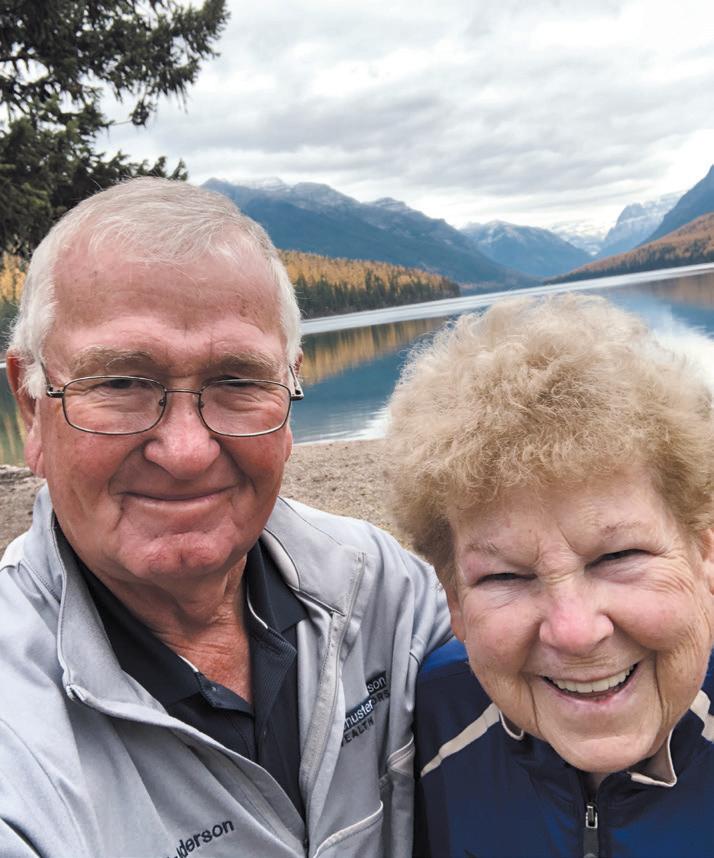
Five years ago, clinicians diagnosed Anderson’s wife of 54 years, Kathy Anderson, with frontal temporal lobe dementia. The most dangerous aspect of her condition, Anderson says, is that her motor skills have degraded significantly, severely compromising her balance. Since her diagnosis, she has been to St. Francis’ emergency department multiple times for head trauma after falls. She’s also been admitted for surgeries unrelated to the falls.
Anderson says his main concern when his wife is hospitalized is that she will try to get out of bed, fall and sustain new head trauma.
He spoke about those concerns during the support group’s initial meetings with Deida. He says support group members have described how their spouses were highly agitated in the hospital. In some cases, they didn’t understand that their medical team members were clinicians trying to help them, and so they would resist care. The clinicians did not understand
theology at Saint Louis University.
He said that people often perceive that dignity is incompatible with dementia. People might say they value their independence and don’t want to depend on others or there is no purpose or meaning in life with dementia, or they fear they may lose their dignity. Some people say, “If I ever get to a certain point in my decline, take me behind the barn out back and shoot me.”
“Unfortunately, I have personally heard this phrase expressed more times than I like to admit,” Bauer said. “It’s meant as a joke, of course, but it also indicates what we often consider to be a dignified human life versus life incompatible with dignity.”
Intrinsic and attributed dignity
actions, accomplishments or social interactions, he said. Intrinsic dignity, according to the Catholic tradition, says that an individual is made in the image and likeness of God. Another source of intrinsic dignity has to do with the ability to flourish as a human being through capabilities such as practical reasoning, an ability that does not outright disappear with dementia.
Scan to read an extended version of this story.
“It takes a significant amount of training and understanding and sometimes patience, sometimes quite a bit of patience, to enable that reasoning to flourish,” Bauer said. “The point is that it is different, but not gone.”
Other factors that affect attributed dignity include people with dementia feeling like they are part of a community, having family relationships, being part of society, and having dignified care. “Dignified care (as a factor) is not a surprise, but it also reiterates that individuals assess their own dignity based on how others treat them,” he said.
Giving and receiving
On the contrary, a big part of a caregiver’s job is to help align someone’s intrinsic worthiness or dignity with their attributed dignity, or a subjective value people confer upon themselves or others based on
Caregivers can offer the materials and discourse to help a person embrace their own dignity, such as a personalized space, mementos, and ways to engage their imagination, he said. “I want to note that some nursing homes have staff that are dedicated to this kind of work, this kind of engagement, and it is truly beautiful, and I think it’s truly meaningful work,” he said.
the dynamic and would mischaracterize the patients and treat them as combative.
Group members also said during the sessions with Deida that there was poor communication about whether patients needed help eating. They also said there was a rotating roster of therapists, so family members had to re-explain the patient’s conditions and needs with each fresh face.
requires hospitalization
make hospital
Deida says that while the 153-bed St. Francis always has delivered high-quality care in line with industry standards, these patients and their families were nonetheless having negative experiences because clinicians didn’t always know which patients had dementia and thus needed a different approach to care. If clinicians did know the patients had dementia, they didn’t always know how to alter their approach accordingly.
Deida recalls, “I promised the group I would personally ensure positive changes would happen and report back.”
Forget-me-nots
Deida says while dementia is well outside her wheelhouse, she took to heart a St. Francis motto that “every patient is my patient.”
She formed an interdisciplinary team of
From a Catholic perspective, he added that attributed dignity can be considered a common good, an example of which is the delight that a group of sailors takes in arriving at the safety of their destination. The delight is shared and creates a goal throughout the journey.
“We need to set this common experience (of attributed dignity) as our goal,” he said. “And given the perceived threat to dignity posed by dementia and the conventional perceptions of dignity and dementia, we do have a lot of work to do.”
vhahn@chausa.org
administrators and other leaders, nurses, therapists, social workers, imaging specialists and others. “All members of the committee are passionate about this project as they’ve each been impacted with a loved one who has had dementia or memory care issues,” Deida says. Her twin sister, Emily Jensen, who has worked for the hospital for more than 20 years, co-chairs the group.
The group began meeting in January 2025. They conducted a literature review, consulted with the local Alzheimer’s Foundation and talked with local specialists. They came up with the REMEMBER program. REMEMBER stands for Recognizing, Educating, Managing, Empowering, Multidisciplinary approach, Better experience, Enhancing safety, and Respect.
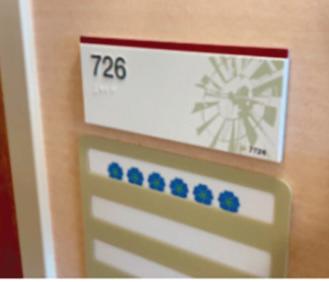
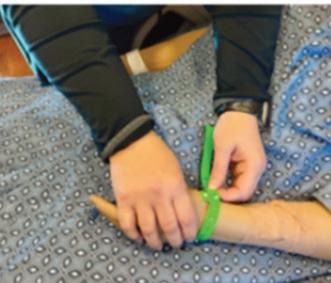
When patients opt into the program, they wear a blue hospital gown and green wristband (the reverse of all other inpatients), and staff affix blue and green forgetme-not flower decals outside the patient room door. These visual cues let staff know they should apply their specialized training as they interact with the patients.
Hospital-wide rollout
Leading up to the October hospital-wide rollout, Deida and her committee ensured every St. Francis department received information about REMEMBER. At department meetings, staff members heard the backstory of the program and learned what they can do to aid the patients and their families. They all received an email with more information.
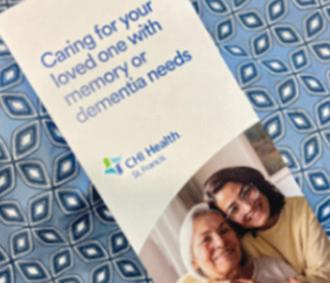
The committee gave each department a tote bag containing the gowns, wristbands and door signage as well as brochures for patients and their families.
Additionally, the committee ensured that a tool St. Francis uses for smooth patient handoffs includes a prompt on patient dementia and memory issues. The committee also has recommended that clinicians suggest that patients’ loved ones accompany them when they go to new areas of the hospital.
The committee also arranged for an expert to offer a certified dementia practitioner course at St. Francis. Anyone can take it. St. Francis’ foundation takes care of the cost of the course for staff. The training covers how best to tailor care for people with dementia, how to protect their safety and
For patients in the REMEMBER program, staff at CHI Health St. Francis in Grand Island, Nebraska, affix flower decals outside their doors, put a bright green band around their wrist and give them a blue hospital gown. These visual cues tell staff the patient has cognitive impairment. An informational brochure explains the hospital’s dementia care.
how to communicate with them and their families.
Plans call for St. Francis to update the electronic health record system to flag patients who have memory issues. Plans also call for St. Francis to have a way for families to pre-enroll patients in REMEMBER so that the hospital has their information on hand in the event of a hospitalization.
The committee is sharing the program with other hospitals, including by presenting the program at a scholar and nurse leader conference in April and by publishing a manuscript in the Advancing MedicalSurgical Nursing Journal
Daily rounding
The committee has been soliciting feedback on the new approach from hospital staff, families and the church caregiver support group. The feedback has been overwhelmingly positive, Deida says.
Clinicians say the new approach helps ensure that whenever a staff member — no matter what department they are with — walks into a patient’s room, they know because of the visual cues that they may need to approach the patient in a different way than usual. Deida says it helps them to deliver more appropriate care, even when patients can’t tell the care team about their needs or when loved ones aren’t there to explain what is needed.
St. Francis is keeping data to better understand how care delivered under the REMEMBER approach impacts various metrics, including on patient falls. The hospital has already seen a decrease in falls involving injury.
St. Francis nursing leaders now make daily rounds to check on how patients with dementia are faring under REMEMBER.
“Our patients are getting more personalized care that is helping not only to keep them safe, but to provide dignity,” Deida says. “Their loved ones can feel secure in the care being provided and that their loved ones’ unique needs are communicated shift to shift and department to department.”
Anderson, the church caregiver group member, says, “What this team has developed at his facility should be more widely adopted; it should become the standard. The medical staff at St. Francis has been super, and it starts from the top down.” jminda@chausa.org
Fritz Anderson says REMEMBER is a welcome program for Grand Island residents like him and his wife, Kathy Anderson. Kathy has frontal temporal lobe dementia. If she
at St. Francis, visual cues will
staff aware that extra precautions are needed to keep her safe.
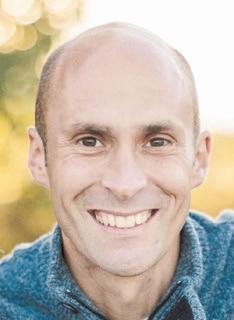
Bauer
Proud Gold Sponsor of CHA’s Assembly 2026
KEEPING UP
PRESIDENT/CEO
Christine McSweeney to hospital president for Sequoia Hospital in Redwood City, California, and Dominican Hospital in
Trust gap
From page 1
that “there may be meaningful differences” among different populations in how colorectal cancer and other conditions originate, how they develop and evolve, how they impact people and how prevention and treatment are approached.
Roybal says when it comes to these disparities, “We are striving to do better. So: How can we be more culturally responsive? We need to understand who our patients are … We are trying to understand how to meet them where they are.”
“Our work is actionable,” adds Staci Wendt, director of research for the Health Research Accelerator, which Providence founded in 2021 to harness the vast amount of information contained in the health system’s cloudbased data warehouse. The focus of the accelerator’s research is reducing disparities and accelerating innovations to improve patient care and outcomes. The accelerator has about 30 dedicated staff.
Skewed data
In the study Roybal led, she and her fellow authors say analyses have found that “racial and ethnic inequities in diagnosis and mortality … persist, as marginalized racial and ethnic groups have more risk factors, are less likely to receive screening and are more likely to be diagnosed with latestage” colorectal cancer. Roybal and team cite research that found Black Americans have the highest incidence and mortality for colorectal cancer, compared with all other racial and ethnic groups.
Roybal and her co-authors also cite research that found that nearly 90% of individuals in large-scale genomic studies and biorepositories — which contain biospecimens such as tissue, blood, plasma and urine — are of European ancestry.
Dream team
The accelerator began its work around colorectal cancer disparities using a grant from the nonprofit fundraising organization Stand Up To Cancer. The goal was to improve screening rates among marginalized people.
Santa Cruz, California. She joins Dignity Health’s California region from CommonSpirit Health’s Utah market, where she most recently was president of Holy Cross Hospital — Jordan Valley and West Valley. Dignity Health is part of CommonSpirit Health.
ADMINISTRATIVE CHANGES
Dr. Samson Jesudass to post-acute chief clinical officer of Ascension.
Stephen Taluja to chief mission officer
of Providence St. Joseph Health, effective June 29. He currently is chief sponsorship and formation officer for Bon Secours Mercy Health.
Brenda Brandl to vice president of clinical operations for the Benedictine continuum of care system based in Minnesota.
Sr. Danuta Przybylek, SAC, to vice president of mission integration for Marshall Health Network — St. Mary’s Medical Center in Huntington, West Virginia.
Kelly Hawthorne to senior director of
the Chris & Suzy DeWolf Family Innovation Center for Aging & Dementia. The center is part of Mercy Medical Center of Cedar Rapids, Iowa.
GIFT
The SSM Health St. Anthony Foundation received a $3 million gift from the Avedis Foundation to support the renovation and modernization of the Cancer Center at SSM Health St. Anthony Hospital — Shawnee in Oklahoma.
The researchers assembled what they called “the colorectal cancer health equity dream team,” which included experts in three communities — Greater Boston, Los Angeles and tribal nations in South Dakota — to determine how best to connect with community members and encourage them to get screened. The researchers conducted the outreach in areas with racially and ethnically marginalized populations.
As part of their role on the dream team, the accelerator staff deployed community health action teams made up of specially trained community members to undertake a campaign tailored to local residents in Los Angeles. They conducted longitudinal research on what works best.
Trust gap
The accelerator researchers secured a second Stand Up To Cancer grant to collaborate with the University of California Los Angeles and Massachusetts General Hospital to conduct the Roybal-led qualitative study between 2022 and 2024. The study’s purpose was to identify information needs and culturally appropriate approaches to
biorepository recruitment, Roybal says.
The researchers first interviewed experts from several states who had experience recruiting diverse participants into biospecimen research. They then assembled 21 focus groups in the same communities where the dream team focused its work. One hundred and one Black, Latino and American Indian people participated in the focus groups.
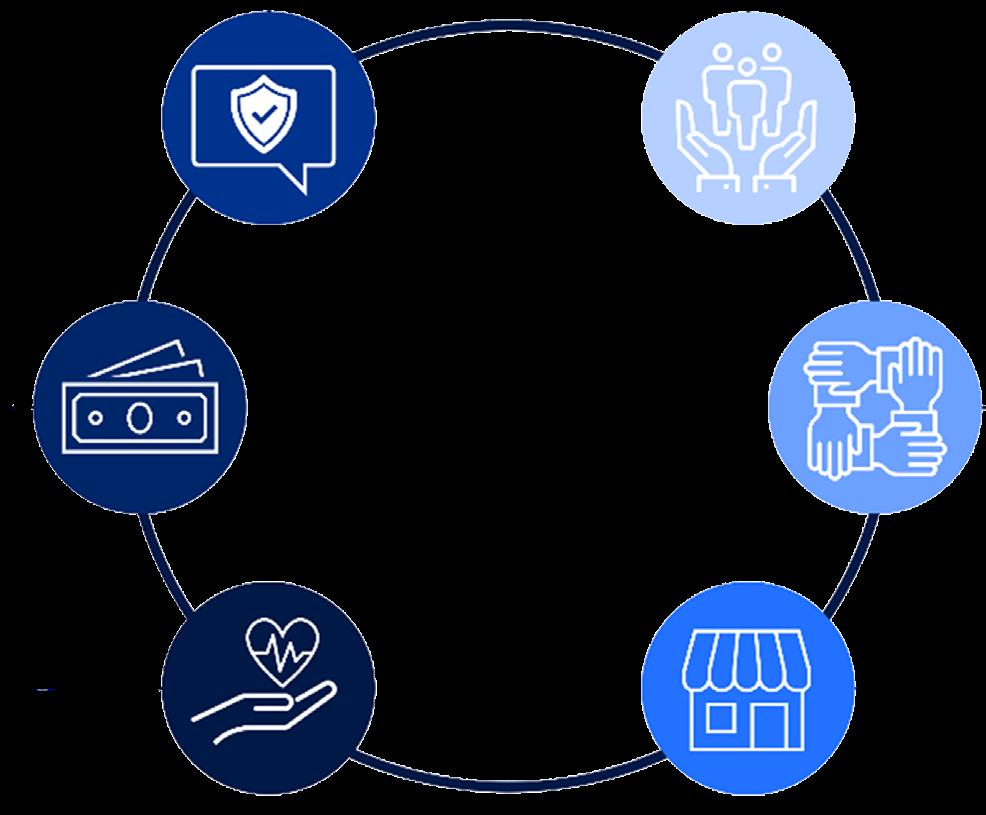
The study identified six themes that illuminate how researchers can address the “trust gap” that underlies the low representation of these communities in biospecimen research:
Cultural responsiveness and inclusivity: Diversity and inclusion should be central to any research project, study respondents said.
Community-based partnerships: Organizations that are well integrated in and respected by the community can be a pathway to connecting with community members.
Convenience and accessibility: Researchers should make it easy and costfree for people to take part in their studies.
Meaningful and compelling purpose: Researchers should be explicit about how participation in the research will benefit the local community.
Mindful incentives: If incentives like gift cards are provided, they should be usable and valuable to the participants. For instance, a grocery gift card is not valuable if individuals can’t get to a store easily.
Trusted messengers and information sharing: In communicating about the research, the researchers should engage trusted medical providers and community members to deliver the information in an authentic way.
Practical uses
The accelerator team has used their findings to produce a tool kit, “Best Practices Framework for Culturally Competent Biospecimen Research.” It puts learnings
about the trust gap study into easily understandable terms and provides prompts and suggestions to guide researchers and others in ensuring diversity in biomedical research.
Roybal and Wendt say they are optimistic that this work will help increase the representation of Black, Latino and American Indian communities in biospecimen research.
Roybal says doing so is critically important because a nuanced and comprehensive understanding of the biology of people’s diseases is needed, especially for advancing precision medicine treatments. If study participants’ biospecimens and medical information are not representative of the population generally, researchers will have an incomplete picture and understanding of the disease under study and of how to prevent, detect and treat it in the future.
Roybal and Wendt also hope the research the accelerator is conducting will prompt scientists and others to think about some of the tensions at play in medical research, particularly involving racially and ethnically marginalized communities. For instance, are researchers considering: How have harmful medical research practices impacted perceptions of the trustworthiness of researchers among Black, Latino and American Indian communities? Are the funders of medical research — including drugmakers — trusted by potential research participants? Are they trustworthy? Will racially and ethnically marginalized people reap the benefits of the biospecimen research studies they participate in?
Such questions may spur future accelerator research.
“Often, we frame trust or mistrust as an individual issue instead of an issue about health systems taking responsibility for how we shape how people perceive us,” Roybal notes. “It’s a call for demonstrating our trustworthiness. It’s on us as researchers to demonstrate we can be trusted.” jminda@chausa.org
McSweeney Jesudass Hawthorne
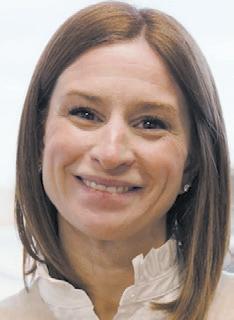
Wendt
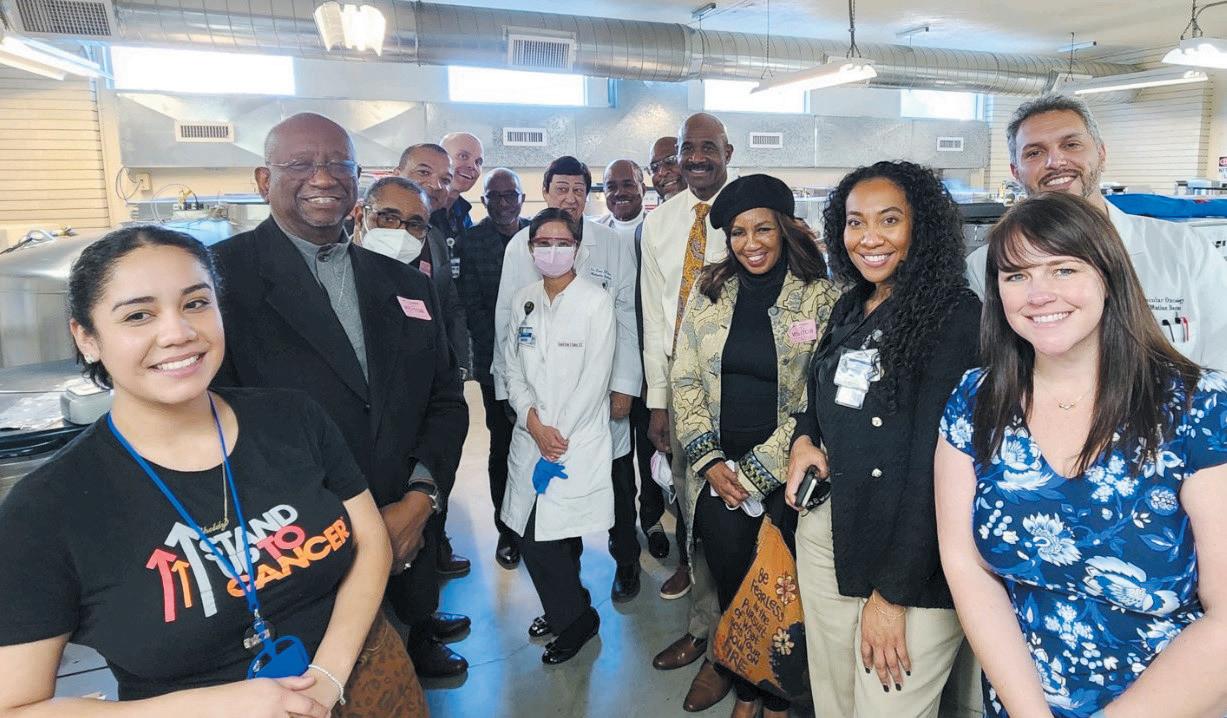
Members of several teams within Providence St. Joseph Health meet at Providence Saint John’s Cancer Institute Biobank for a tour and to discuss colorectal cancer, health equity and partnership. The groups that met were the South Los Angeles community health action team, researchers at the Providence Saint John’s Cancer Institute, the Providence Health Equity Team, and staff from the Providence Health Research Accelerator.
CommonSpirit staff in central Colorado pack ‘Blessing Bags’ for unhoused community members
By JULIE MINDA
Law enforcement officers in Fremont County, Colorado, now have some basic supplies that they can give to people in need.
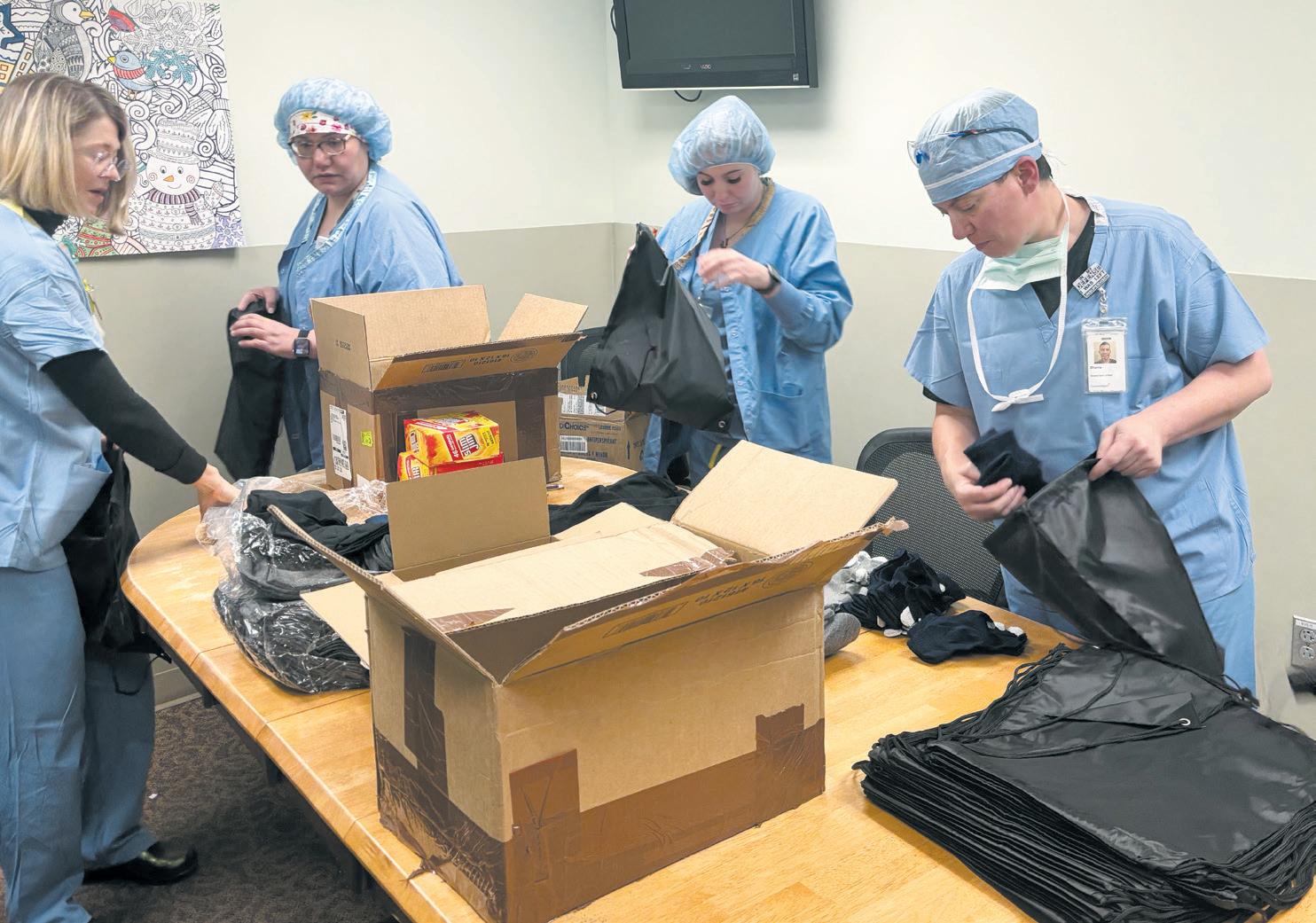
Staff volunteers at CommonSpirit St. Thomas More Hospital in Canon City, Colorado, packed about 200 “Blessing Bags” earlier this year and gave them to the police. The bags were filled with essential items to nourish, protect and comfort vulnerable community members. This follows a similar effort last year.
Fremont County police keep the bags in their patrol cars so they can distribute them right when they are needed. The county’s Undersheriff Derek Irvine said in a press release that “our deputies interact with so many people in need of basic items. These bags will be a blessing to our neighbors.”
CHRISTUS Mother Frances Hospital adds way-finding feature to mobile app
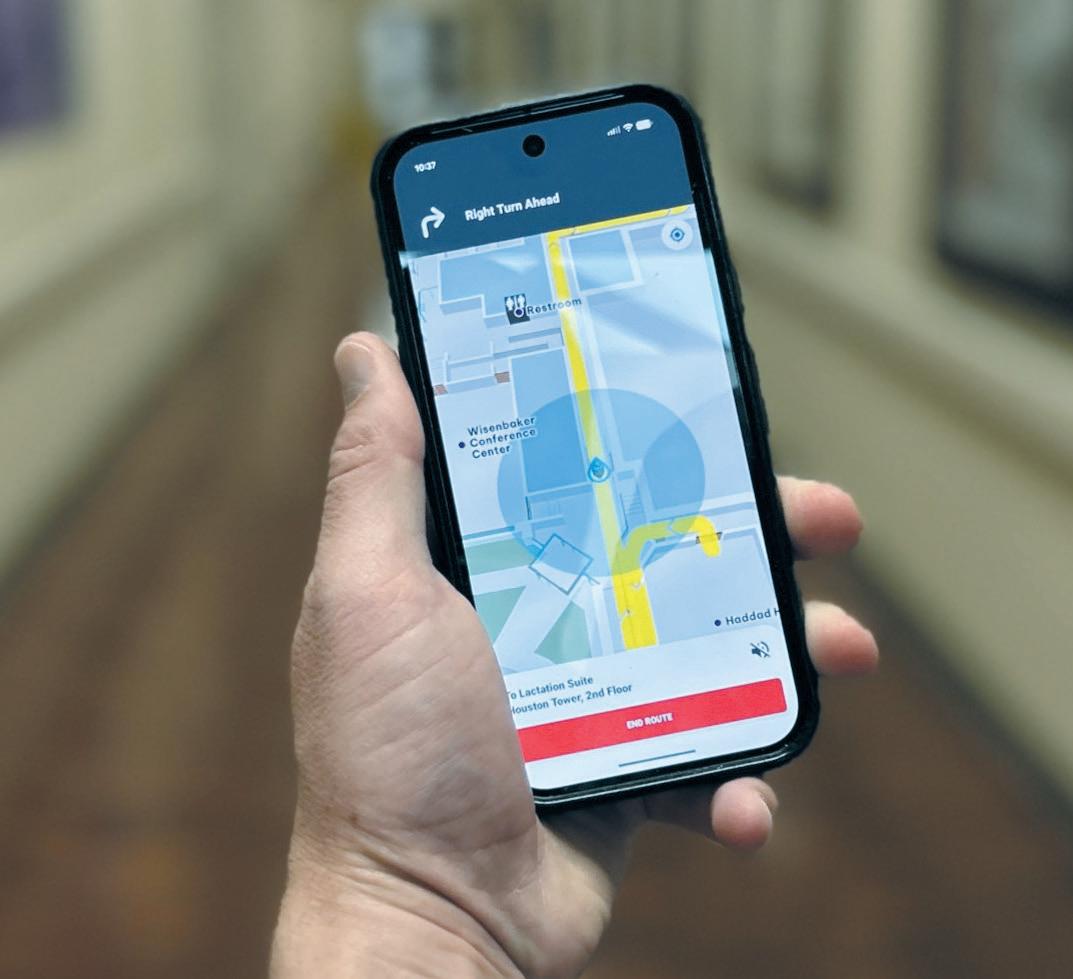
CHRISTUS Mother Frances Hospital in Tyler, Texas, has launched a new wayfinding feature to help patients and visitors navigate its campus.
The feature, inside the MyCHRISTUS mobile app, provides step-by-step directions throughout the main hospital campus, including parking areas, entrances, clinics, waiting rooms and more.
The feature allows people to save their parking location, ending the stress of trying to find it later.
“We understand that visiting a hospital can sometimes feel overwhelming, especially when you’re focused on your health or a loved one’s care,” Samantha Mullens, vice president of hospital operations, said in a press release in late March. “This new technology is another way we are improving the patient experience by making navigation simple, intuitive and stress-free.”
added
Once inside the app, users can select their destination, and the system updates in real time, guiding users on each step. The MyCHRISTUS app is available for download on Apple and Android devices.
Mother Frances Hospital is the only CHRISTUS hospital within the health system with such technology, a spokesman said.
The new feature is part of CHRISTUS Health’s ongoing commitment to accessibility, innovation, and patient-centered care, the release said.
give to people
Becky Brockman, communications manager for St. Thomas More, said the act of generosity is aligned with CommonSpirit Health’s ideal to practice human kindness. She said human kindness is “the idea of taking time to treat people with genuine love, respect and compassion. This Blessing Bag program is human kindness in
action and takes the practice outside the hospital walls.” St. Thomas More is part of CommonSpirit’s mountain region. Shannon Haas, director of St. Thomas More’s surgical services, emergency department and intensive care unit, organized the Blessing Bag effort. She was inspired by a similar initiative last year, when hospital
leaders from throughout CommonSpirit’s mountain region, which spans Colorado, Kansas and Utah, packed similar bags during a leadership summit. Those bags went to unhoused people in Denver.
For St. Thomas More’s iteration, Haas coordinated with the hospital’s volunteer services department to purchase hats, gloves, emergency blankets, socks, toiletries and high-protein snacks. During department staff meetings in February, teams from the emergency department, surgical services, respiratory therapy, imaging and intensive care units volunteered their time to assemble the bags.
“Seeing the enthusiasm and dedication of our staff in putting these Blessing Bags together has been incredible,” Haas said in the release. “I knew our team would embrace the opportunity to make a difference right here at home.”
Representatives of the Canon City Police Department and the Fremont County Sheriff’s Department picked up the bags when they were ready, and now their officers keep some bags in their cars so they can give them out.
Haas said the project “truly embodies our values of service and compassion.” jminda@chausa.org
HEALTH PROFESSIONS EDUCATION
Lead with Purpose. Teach with Impact. Learn from Anywhere.
“...almost all healthcare providers receive no formal education related to the science of teaching, pedagogy, and assessment.” (Hoffer et al., 2021)
DESIGNED WITH YOU IN MIND
• Completely asynchronous & virtual format, part-time structure to accommodate working hours
• Equips healthcare professionals & clinical students for leadership roles through interactive, human-centered learning rooted in Jesuit values of equity & reflection
• Scholarships available for Loyola, Jesuit & Trinity communities-please inquire
Certificate in Health Professions Education & Leadership
4 courses, 13 credit-hours (1 year)
• Fundamentals of Learning & Teaching
Modalities in Health Profession
• Principles of Curriculum Design
• Leadership in Health Professions Education
• Administrative Skills and Organizational Change
Master of Health Professions Education 9 courses, 32 credit-hours (2 years)
Degree Curriculum: 4 Key Domains
• Assessment & Evaluation
• Leadership
• Research & Scholarship
• Teaching & Pedagogy
Colleagues in surgical services at CommonSpirit St. Thomas More Hospital in Canon City, Colorado, assemble “Blessing Bags” in February. They were among the many hospital employees who created the bags for law enforcement officers to
experiencing homelessness.
CHRISTUS Mother Frances Hospital in Tyler, Texas, has
a way-finding feature to its mobile app to help people navigate the campus.