Advanced Cultural Studies: Narratives of Architectural Theory
WU WEI
CHARLES TWH
UBPMJR-15-M 2014-15
Wu Wei Architecture
ABSTRACT
This manifesto proposes Wu Wei Architecture: a design ethic grounded in restraint, attunement, and temporal presence. Rooted in philosophical, psychological, and sociological frameworks, it challenges the dominance of speed, spectacle, and control in contemporary practice. Five principles; letting time in, building without force, designing with what exists, resisting the spectacle, and embracing emptiness: guide a quieter, slower architecture that listens rather than asserts. In response to environmental urgency and performative culture, this is not a call to withdraw, but to build with care. A manifesto not for stillness, but for presence.
Charles
Teh Wei Hong
wei5.teh@live.uwe.ac.uk
CONTENTS INDEX
Introduction
无为之始
Theoretical Framework
道法自然
Philosophical Foundation
无为而治
Temporal Thinking
持而不守
Psychological Attunement
观其所止
Sociological & Ideological Critique
大巧若拙
Manisfesto Principles
不言之教
Implications & Future Vision
知足不辱
Reflective Practitioner Statement
反者道之动
Conclusion
大音希声
References, Bibliography & Appendix
The beginning of Wu
CHAPTER 1
无为之始
wú wéi
zhī shǐ
“This is not the beginning. It is a forgetting.”
THE ARCHICTURE OF NON- INTEREVENTION
- INTRODUCTION -
Not everything wants to be shaped. Not every site wants to be cleared. Not every silence needs filling.
I did not always believe this. Like many students, I was taught to define, to compose, to intervene. I learned to smooth uncertainty with diagrams. To draw first, and ask later. But the more I studied, the more I sensed a kind of violence beneath the lines - an urgency to control, to master, to finish. What would it mean to do less? To wait? To build without forcing?
This manifesto argues for an architecture grounded not in assertion, but in attunement. One that moves with time instead of against it. One that listens to place, material, and memory before deciding what it must become.
Wu Wei Architecture emerges from this ethic. Not a style. Not a technique. A posture. Rooted in Daoist thought and mirrored in ecological, philosophical, and sociological frameworks, Wu Wei suggests a way of building that intervenes lightly, speaks softly, and endures.
In an era shaped by acceleration, hyper-visibility, and environmental crisis, such values may seem out of step. But perhaps slowness, restraint, and silence are no longer luxuries. Perhaps they are necessities.
This manifesto unfolds in three parts: a theoretical framework that grounds this ethic, five guiding principles that embody it in practice, and a reflection on the implications of designing with care rather than command.
It does not offer certainty. But it offers a different way of beginning.
The Dao follows nature
CHAPTER 2
道法自然
dào fǎ zì rán
It grows because no one stopped it. It stays because no one forced it.
TIME, NON-FORCING, AND POETIC PRESENCE
- Theoretical Framework -
What ideas might shape a gentler architecture—one that acts without insisting?
This section lays out the theoretical foundations of Wu Wei Architecture. Drawing from philosophical, psychological, sociological, and ideological perspectives, it explores a shared attitude: that architecture need not control to be meaningful. From Laozi’s non-forcing to Heidegger’s letting-be, from Bergson’s lived time to Bachelard’s poetic space, these thinkers converge on a quiet resistance to domination. They invite us to build not with force, but with care; not by declaring, but by listening. Each framework presented here supports a different way of seeing space - not as an object to conquer, but as something to dwell within, remember, and pass through lightly. These ideas shape the principles that follow, not as doctrines, but as directions.
Philosophical Foundations: Wu Wei and the Ethic of Letting-Be
What if the most radical thing an architect could do is wait?
In a profession built on assertion - on drawing, shaping, intervening - this question can feel like heresy. Yet within Daoist philosophy, waiting is not weakness. It is alignment. Wu Wei (無為), often mistranslated as “doing nothing,” more accurately means nonforcing: acting in accordance with the unfolding of conditions, not against them. Laozi reminds us: “The Way never acts, yet nothing is left undone” (Laozi, trans. Henricks, 1989)
This approach finds a parallel in Western thought through Martin Heidegger’s concept of Gelassenheit - a letting-be. In Building, Dwelling, Thinking, Heidegger reframes architecture not as an act of construction, but of dwelling: a state of being with, not building over (Heidegger, 1971). For him, authentic architecture emerges not from will or aesthetic control, but from presence - from staying close to the land, to the thing, to the unfolding of being.
Where Wu Wei flows, Heidegger listens. Both traditions share an ethical suspicion of mastery. They challenge the assumption that good design must come from command. What if architecture could instead arise, gently and gradually, by allowing the world to speak first?
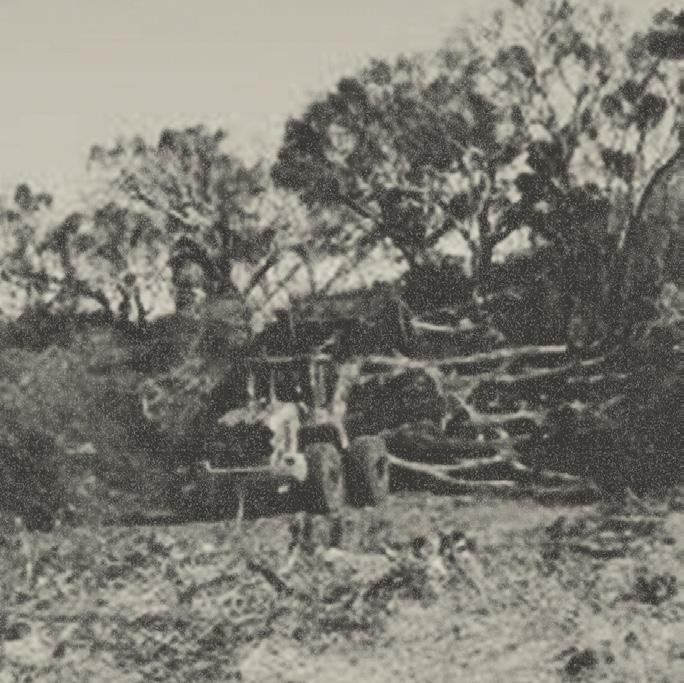
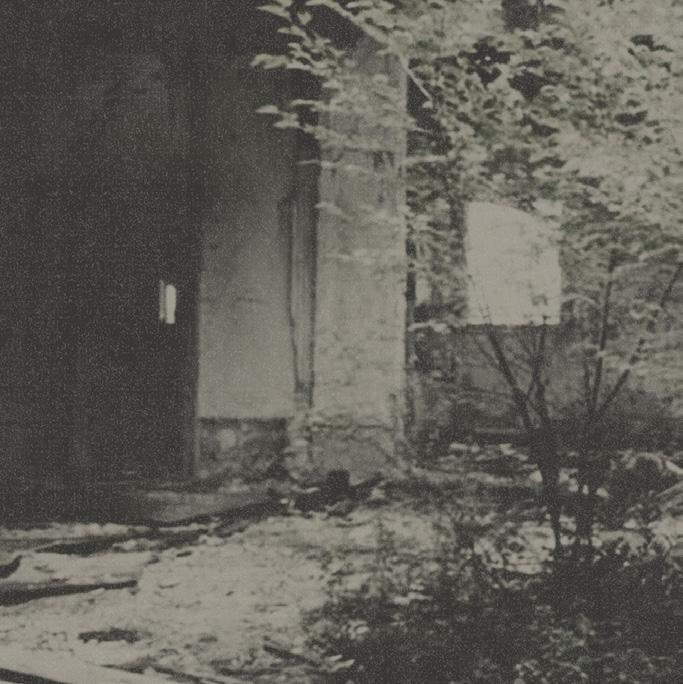
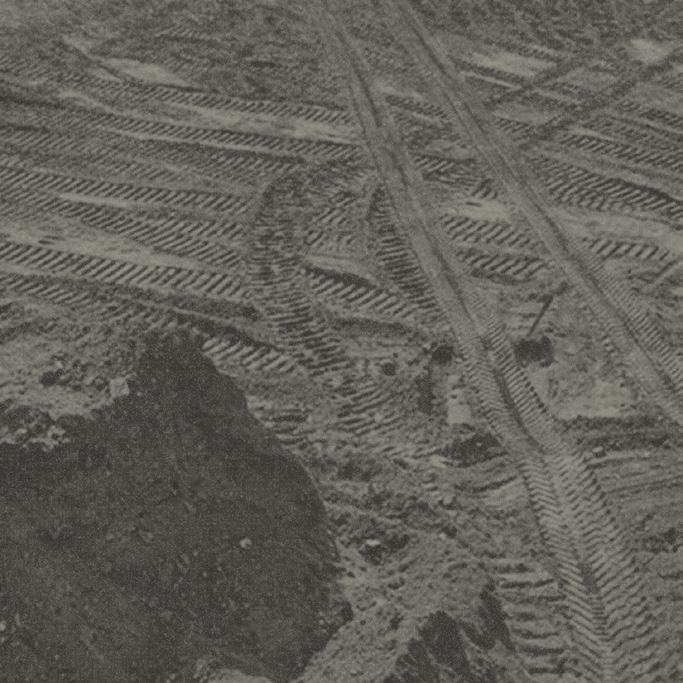
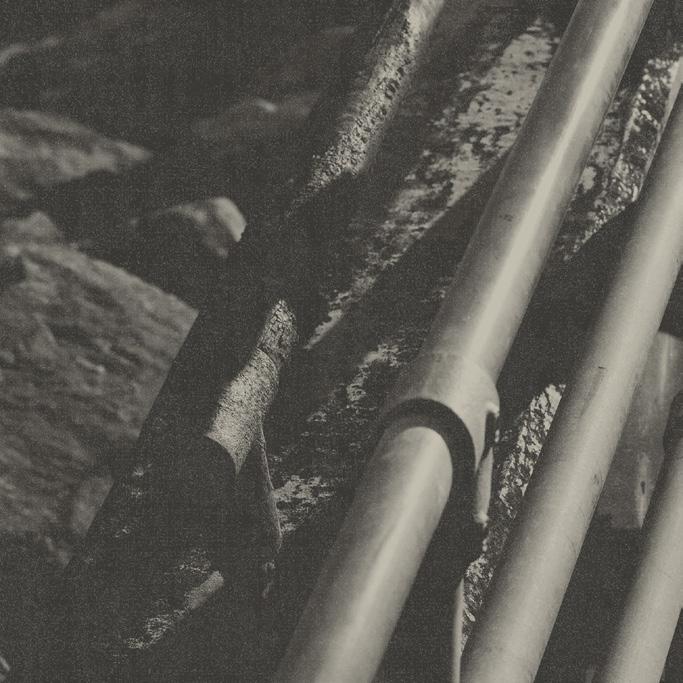
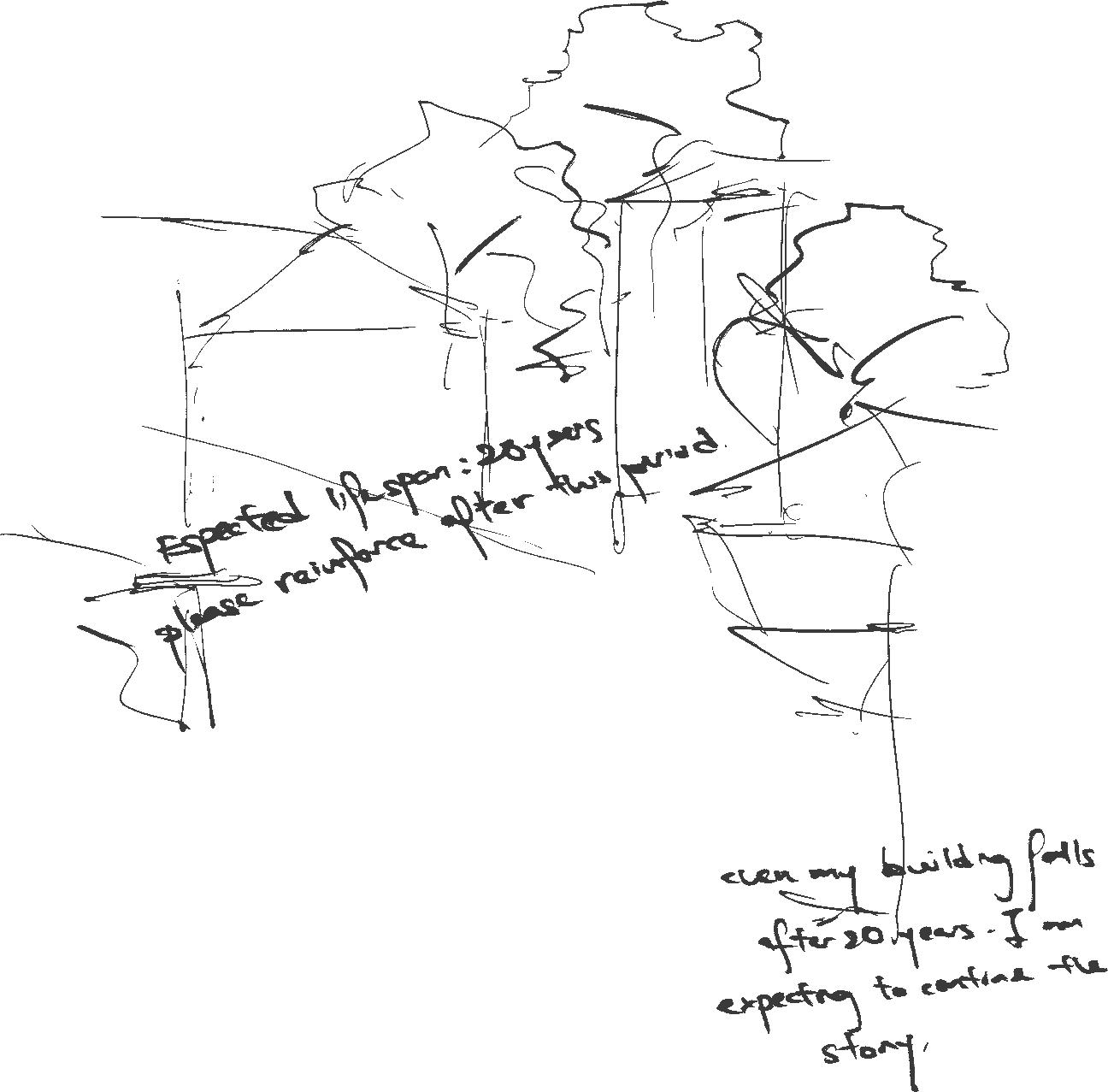
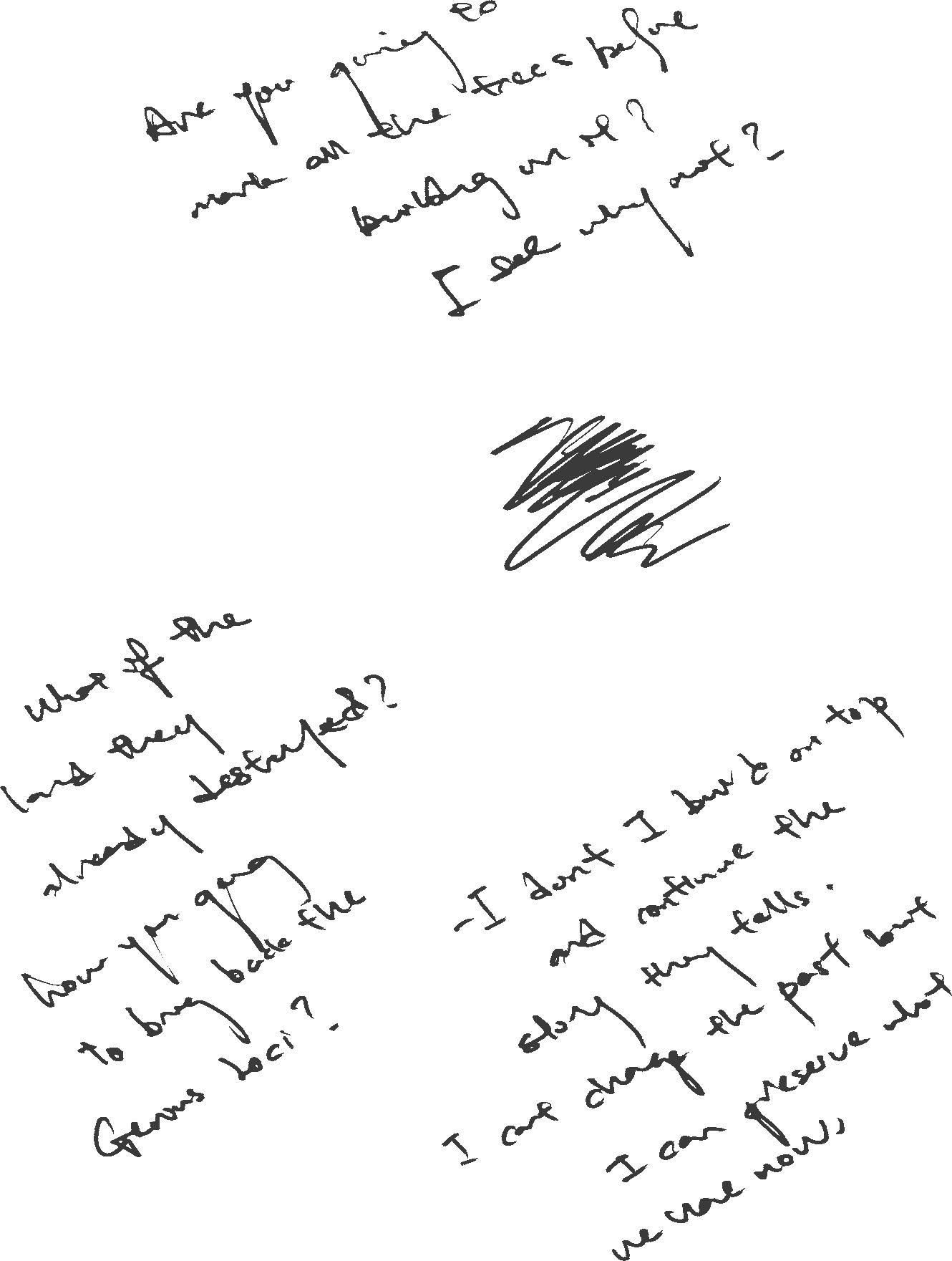
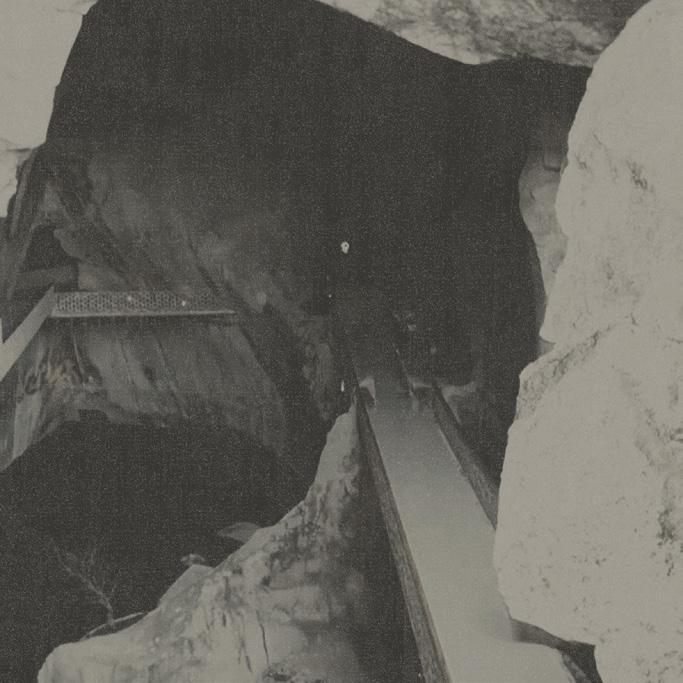
The Huangyan Quarry becomes a lived example. Once an industrial scar, it has not been erased but re-entered with care. Paths follow absences. Structures lean on what remains. The design does not impose a new story; it listens to the old one, amplifying what endures. It does not force. It attends.
This posture directly informs the principle of Build Without Forcing. To practice this is not to abandon authorship - but to shift its tone. From control to coordination. From assertion to accommodation. The architect becomes less an author and more a partner, moving with the site, not over it.
To build like this is not inaction. It is radical patience. A kind of architectural judo: working with gravity, not against it. A roof that yields to the wind. A wall that stops for a
tree. These are not acts of indecision. They are acts of grace.
My father’s voice echoes again: 強扭的瓜不甜 — “A melon forced from the vine is never sweet.” It’s a lesson about ripeness, about rightness, about timing. I did not understand him then. But now I hear it everywhere - in timber that bends, in stone that settles, in designs that feel less made than remembered.
Perhaps the greatest power an architect can exercise is restraint.
“The site was not empty. It was silenced”
Temporal Thinking: Duration, Decay, and Material Time
Architecture is often taught to protect itself from time - to seal, to harden, to endure unchanged.
We coat surfaces to seal them. We polish details to withstand weather. We photograph buildings on the day they open, as if that is the moment they are most themselves. As if aging were failure.
But time, I have come to believe, is not architecture’s adversary. It is its collaborator.
Henri Bergson’s notion of durée offers a different understanding of time - one not measured in hours or days, but in lived continuity (Bergson, 1911). Duration is not a clock, but a current. It cannot be cut into parts. It stretches, thickens, folds. And so does space. A building, if it is real, is never complete. It does not begin at construction or end at handover. It breathes across seasons. It collects marks. It remembers.
Roman Ingarden, too, describes architecture as a “multiphasic temporal object” - its essence revealed not only in plan, but in how it persists (Ingarden, 1965). A wall that gathers sun, a stair worn hollow by footsteps - these are not degradations. They are inscriptions. Time doesn’t just weather architecture. It writes it into being.
To design with time is to accept that buildings will shift, and sag, and soften. And that those changes are not symptoms of loss, but of life.
This is not nostalgia. It is attention.
Paul Ricoeur reminds us: time becomes human through narrative (Ricoeur, 1984). And if that is so, then architecture is a story told in stone - not a beginning or an end, but a continuum. A lintel that remembers light. A corner that remembers stillness. A threshold that remembers being crossed.
The principle of Let Time In arises here - not as a strategy, but as a posture. To invite duration into the design process. To trust that materials will not betray us when they weather, but speak more clearly. Limewash that fades unevenly. Timber that greys. Roofs
that green. These are not errors. They are evolutions.
Philosopher Jane Bennett speaks of vibrant matter - a world where materials are not passive, but responsive, vital, ongoing (Bennett, 2010). To build with this in mind is not to control decay, but to partner with it.
Pallasmaa writes: “The patina of wear adds the enriching experience of time” (Pallasmaa, 2005, p. 30). A wall, dulled by the brush of bodies, becomes less pristine - but more human.
In a profession obsessed with novelty, I’ve come to prefer the quiet confidence of the long-worn. The building that does not beg to be seen, but stays long enough to be remembered.
Not because it endured untouched — but because it endured with.
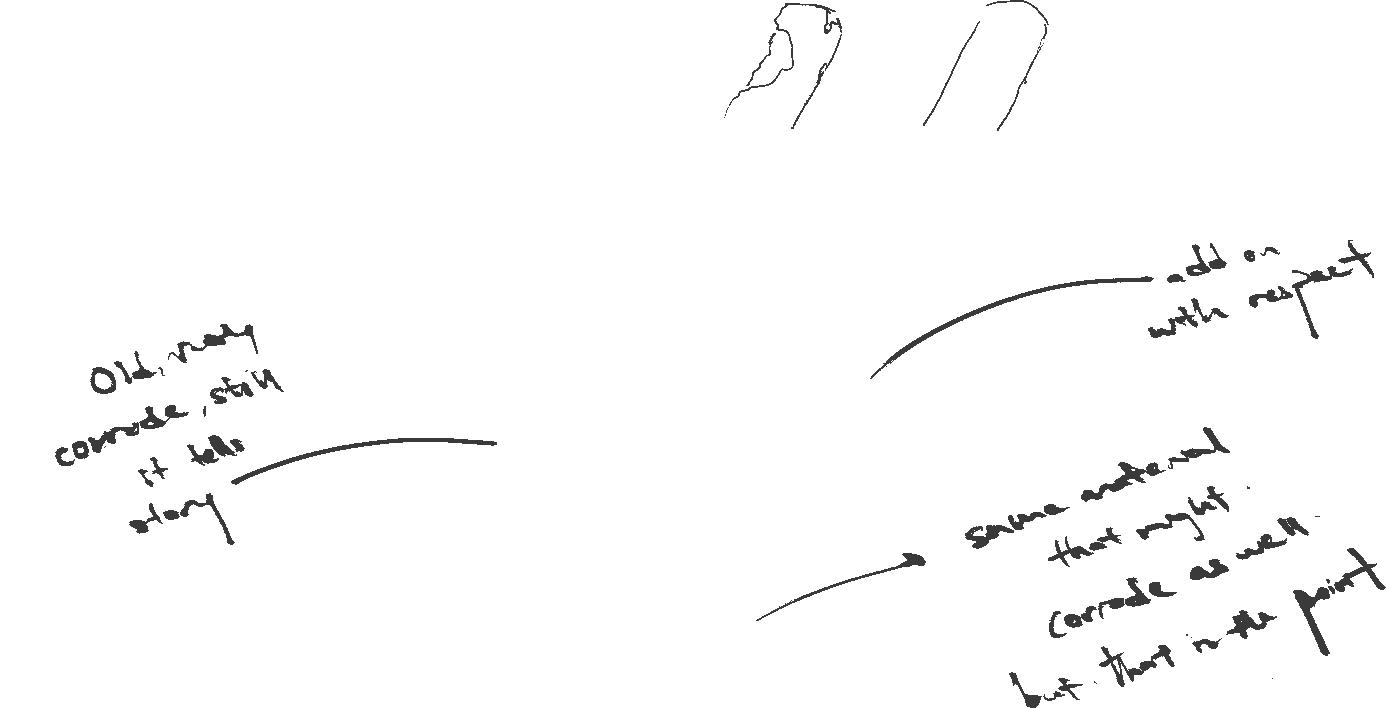
“The rust remains. The story continues.” Reversal is the movement of the Tao. – Laozi, Ch.40
Psychological Attunement:
Memory, Sensory Space, and Emptiness
Some spaces do not declare themselves. They arrive slowly, through the skin.
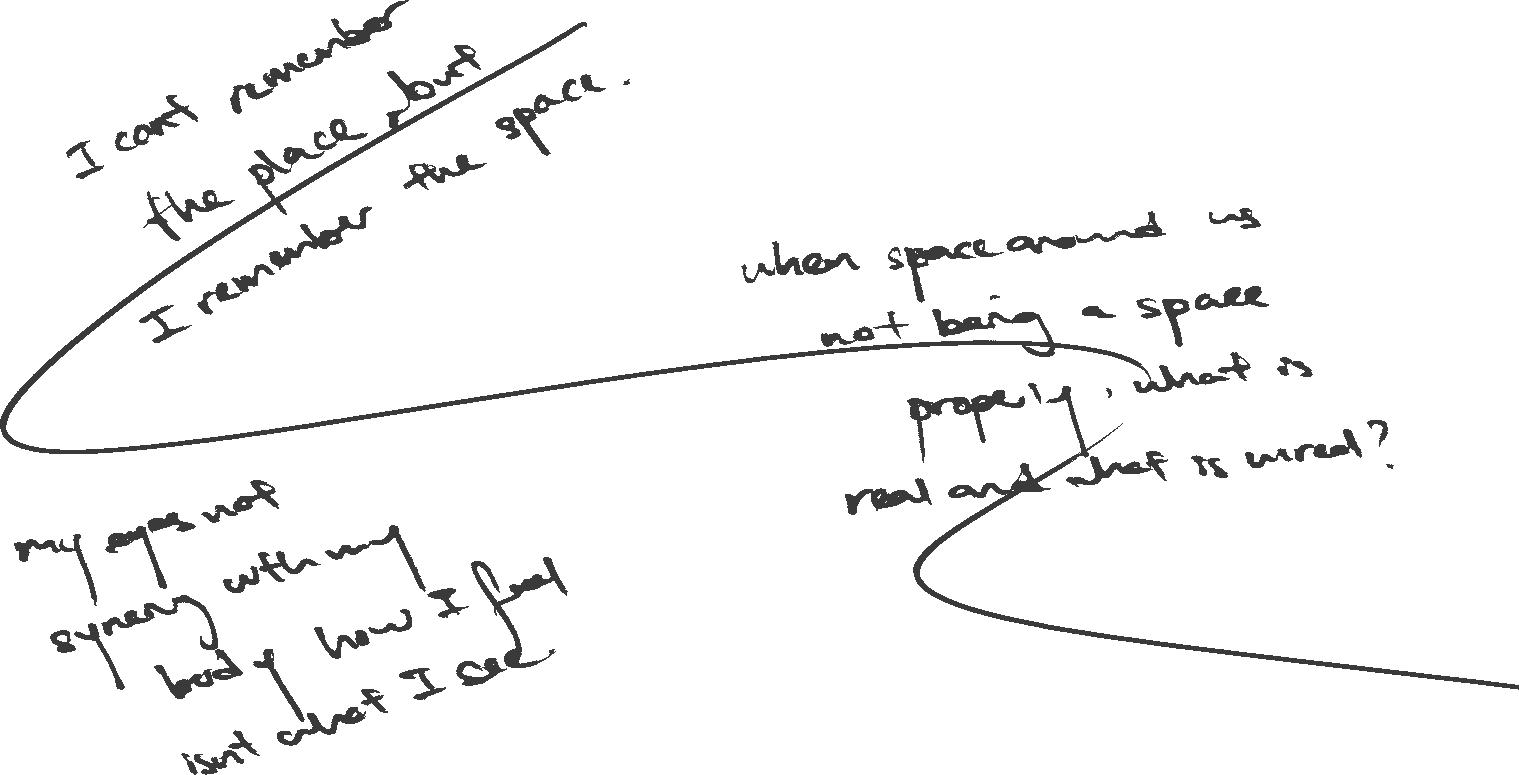
Years ago, I stepped into a storeroom somewhere near the coast - low ceiling, thick air, bundles of netting hung in the beams. I remember none of its dimensions. Only how the dust tilted in the light. How the smell of grain mixed with salt. How the silence felt textured, as if made of rope and air.
That space never asked for attention. But it stayed.
Gaston Bachelard writes of poetic space, not the grand or the monumental, but the intimate. The attic. The drawer. The corner behind a stove (Bachelard, 1958, p. 6). These are spaces that do not operate at the level of function, but of feeling. They hold reverie. They cradle thought.
“The house shelters daydreaming,” he tells us. “It protects the dreamer.”
For Bachelard, space is not a container. It is an emotional landscape. And memory is not a filing system. It is a smell, a sound, a shadow that returns without asking.
Juhani Pallasmaa extends this further. He warns that architecture has become ocular, designed to be looked at, not lived in. In The Eyes of the Skin, he reminds us that true architecture is not visual - it is bodily (Pallasmaa, 2005, p. 12). Known by the foot, the breath, the back of the hand.
“The door handle is the handshake of the building.”
To design with these insights is to understand that architecture speaks most powerfully not through spectacle, but through sensation. And sensation is slow. It lingers in the joints, the muscle, the chest. It does not announce - it accumulates.
This understanding shapes the principle of Embrace Emptiness.
A room need not be filled to be full. Space finds meaning in what it invites, not only what it contains. A hallway that narrows just before it opens. A courtyard with no axis. A room that frames not a view, but a stillness.
When space leaves something unfinished, the body completes it.
To embrace emptiness is to trust that not all meaning needs to be delivered. That silence has its own structure. That ambiguity is not vagueness, but invitation.
We do not dream in diagrams - we dream in fragments, in textures, in thresholds.
And maybe that’s where architecture matters most: not when it tells us what it is, but when it lets us discover what we are.
“why space not the same as place?”
Sociological and Ideological Critique: Spectacle,
Control, and Value
In much of today’s architecture, presence has been replaced by profile.
A building’s worth is often measured not by how it is lived in, but by how it circulates - on screens, in magazines, through curated feeds. The drawing precedes the dwelling. The rendering outlasts the user. A project becomes a performance.
Guy Debord, writing in The Society of the Spectacle, warned of this long before it became digital. In his view, modern life has shifted from being to appearing. Lived reality is displaced by representation. We are taught not just to experience the world, but to stage it (Debord, 1994, p. 12).
Architecture has not escaped this shift. In fact, it has embraced it. Students learn to compose the perfect view. Firms hire photographers before the paint dries. Awards are won by the image, not the touch.
Pierre Bourdieu, in Distinction, reveals how cultural value is rarely neutral. Aesthetic judgment, he argues, is deeply tied to habitus - the internalised dispositions shaped by one’s social position - and to the symbolic power of institutions (Bourdieu, 1984). What is perceived as “good design” is often validated not through inherent quality, but through systems of endorsement: journals, juries, awards.
Taste, in this sense, is not universal - it is class performed through preference. A polished render may signal sophistication, while a raw, unresolved detail, unless framed by institutional approval, risks being dismissed as incomplete.
This context exposes a troubling pattern: that architecture’s visibility often matters more than its viability. That quiet, context-responsive buildings go unnoticed, while bold, broadcast-ready ones dominate discourse.
And yet, some of the most powerful spaces I’ve known were never photographed.
A shaded bench in the corner of a courtyard. A passage where a breeze consistently finds
its way. A step that has settled unevenly from use, not error.
These spaces do not perform. They persist.
This informs the principle of Resist the Spectacle. Not as a rejection of beauty, but as a reframing of what beauty might mean. Not as anti-ambition, but as re-ambitionredirected toward care, not clicks.
To resist the spectacle is to build for presence, not profile. For those who will sit, lean, touch, breathe - not for the distant eye of validation.
This is not easy. The structures of acclaim are real. Developers want visibility. Journals want novelty. But value, as Bourdieu reminds us, is constructed. And what we reward, we replicate.
If we shift what we celebrate, we might shift what we build.
Not less architecture. Just quieter. More porous. Less announced, more endured.
The kind of architecture that might go unnoticed by the many - but remain unforgettable to the few who actually dwell there.
Teaching without words
CHAPTER 3 不言之教
bù yán zhī jiào
“The Five Principles” - And a quiet architecture
WU WEI IN PRACTICE
- Manifesto Principles -
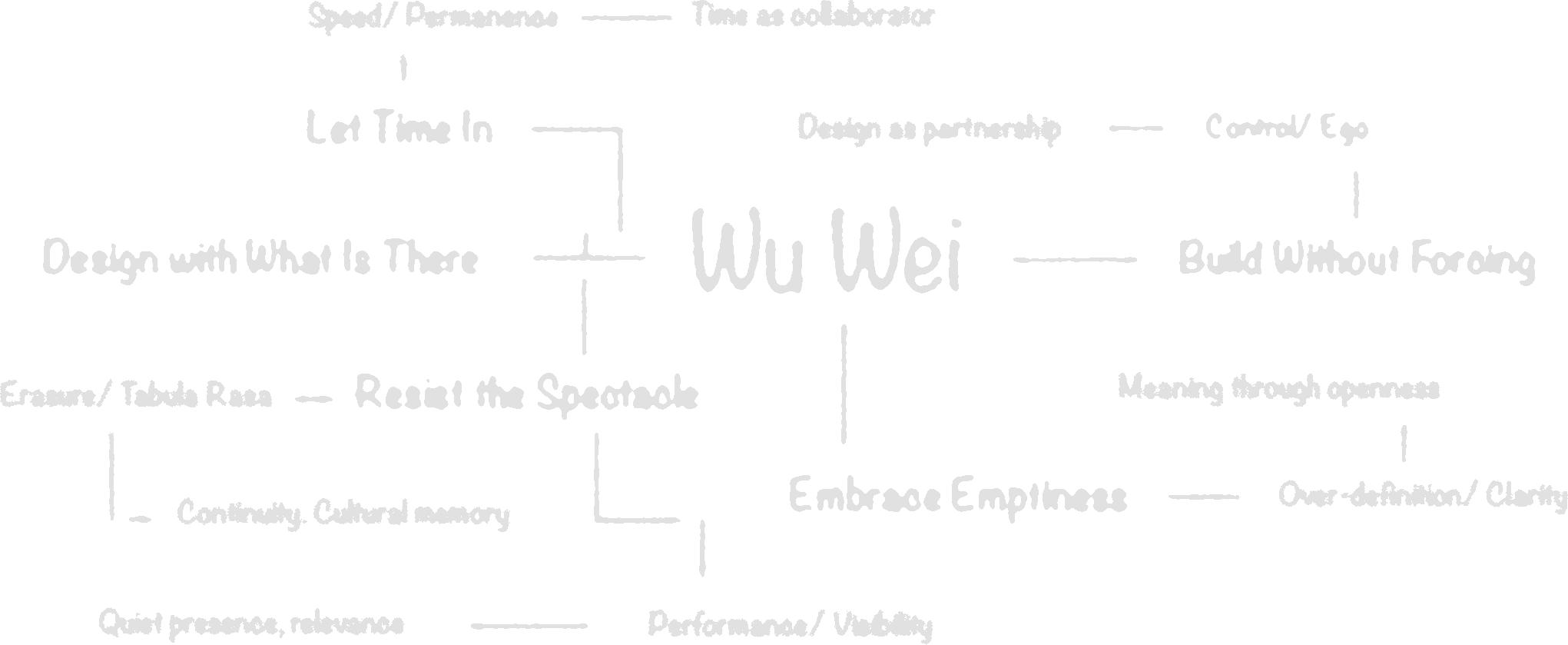
The following five principles emerge from the philosophical, psychological, and sociological perspectives outlined in the theoretical framework. Each articulates a distinct posture for practice - grounded not in method, but in ethos. They are not stylistic preferences, but spatial ethics: ways of working with time, site, material, and memory.
While each stands alone, together they form a constellation - an architecture of quiet resistance, slow authorship, and intentional incompleteness. They are not fixed. They are invitations.
No.
Principle
Conceptual Root Mandarin
Core Gesture
1 Let Time In Bergson’s Duration, Ingarden 自化 Delay, dwell
This principle draws from Henri Bergson’s philosophy of durée, which conceives time not as discrete units, but as a continuous, lived flow - messy, thick, and deeply human (Bergson, 1911). In architecture, this demands a shift from designing buildings as fixed events toward understanding them as evolving presences. Roman Ingarden’s concept of the architectural work as a “multiphasic temporal object” reframes buildings as incomplete at the moment of handover - they are only fully realised through use, weather, and adaptation (Ingarden, 1965).
This is not romanticism. It is realism with dignity.
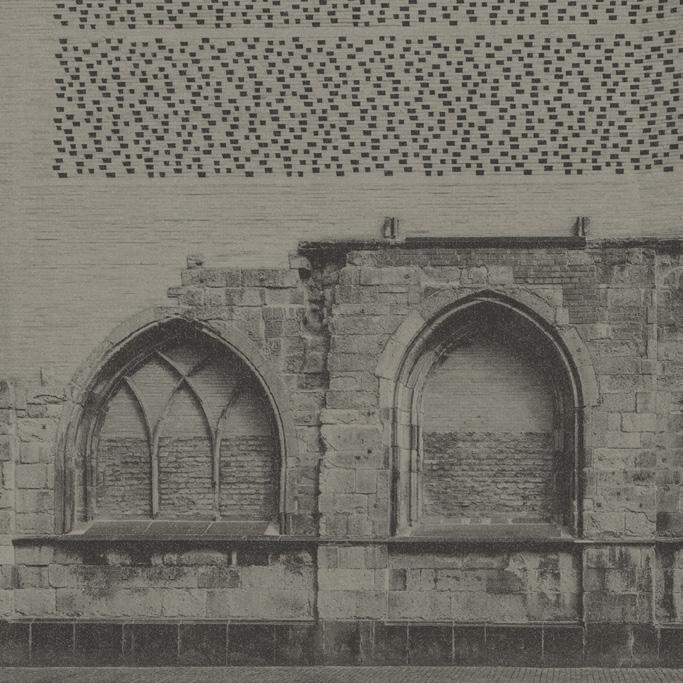
Peter Zumthor’s Kolumba Museum in Cologne exemplifies this ethos. Its muted tones, layered masonry, and intentional aging processes make time a material. The museum refuses finality. It allows dust, decay, and patina to build as part of the architecture’s expression. Its silence is not emptiness - it is active participation in time.
To let time in is to reject the illusion of permanence. It is to design knowing that materials will shift, that meanings will change, and that this is not a failure - but a form of generosity.
It is architecture that dares to stay, and to change.
In the face of climate emergency and market-driven speed, this principle insists that patience is not passivity. It is resistance. A resistance to erasure. A resistance to immediacy.
An invitation to endure.
Build Without Forcing 顺应
Critical Reflection
To build without forcing is not to withdraw from action. It is to reframe authorship as dialogue rather than dominance. In a discipline long shaped by control, signature, and assertion, this principle questions the architect’s role as master planner. Instead, it calls for the architect to become an attuned collaborator - one who listens to site, climate, culture, and material before responding.
This is not conceptual softness. It is formal discipline.
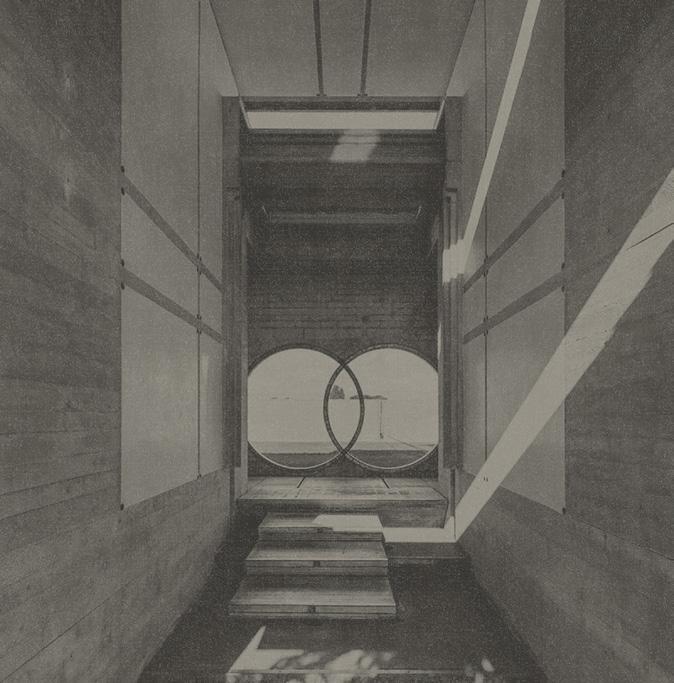
The Brion Cemetery by Carlo Scarpa exemplifies this ethos. Every gesture - each channel of water, each cut in concrete - emerges from a sensitivity to place, not imposition.Scarpa’s work reads not as a design applied to a site, but as one carved from it. He is not erasing what is there. He is folding into it.
To build without forcing also means accepting that not all conditions need resolution. Sometimes a building’s most intelligent move is to step aside - to curve around a tree, to defer to a shadowline, to rest lightly on the ground.
This is not indecision. It is intelligence measured by context.
In a profession pressured to perform, this principle is an act of refusal. A refusal to overdraw, overstate, overwrite. It insists that humility is not a retreat from design - it is design at its most ethical.
Restraint, here, becomes a form of care.
Design with What Is Already There 承续
Critical Reflection
To design with what is already there is to begin in the middle of something, never at the beginning. It is a refusal of architectural amnesia, an ethic of continuation. This principle recognises that every site has a memory, a rhythm, a structure of relations already in motion. The task is not to erase but to edit - to intervene as a respectful interruption, not a replacement.
This is not sentimentality. It is ancestral foresight - continuity without repetition.
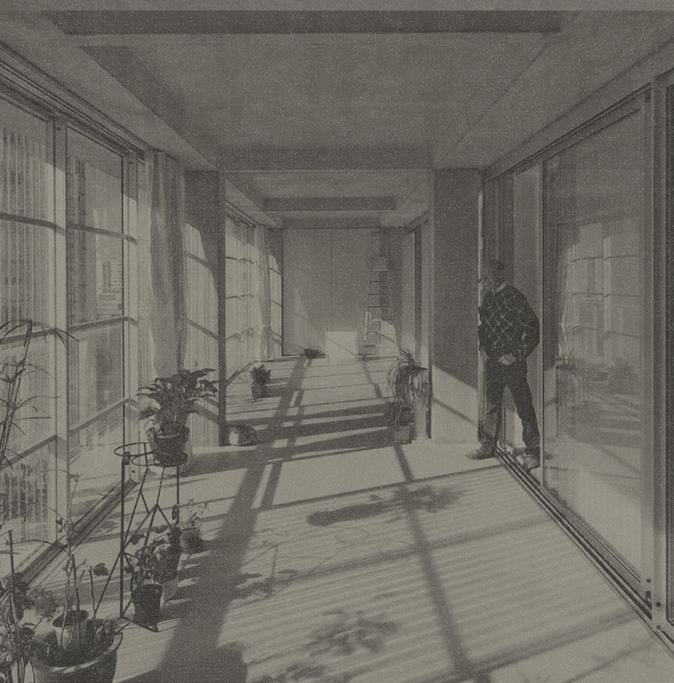
The Transformation of 530 Dwellings in Bordeaux by Lacaton & Vassal stands as a manifesto in built form. Rather than demolishing outdated social housing blocks, the architects extended and re-skinned them, creating generous new spaces without displacing their occupants. Their design did not treat the past as a problem - it treated it as material. Their work made the invisible value of lived structure visible again.
To design with what is already there is to shift from creation to continuation. It requires attentiveness, not invention. Patience, not provocation. It asks: what does this wall already want to become? What does this view already offer?
It is not a form of minimalism - it is an economy of meaning.
In a culture that prizes novelty and redevelopment, this principle insists that architectural intelligence lies in seeing potential before imposing vision. It replaces the tabula rasa with a palimpsest.
It builds not to replace, but to listen, extend, and honour what remains.
Resist the Spectacle 不显
Critical Reflection
Architecture today risks becoming a mirror - reflecting not place, but platform. In a culture obsessed with immediacy, presence is too often mistaken for visibility. Buildings are rendered for screens long before they are inhabited. Glossed. Framed. Uploaded. Architecture becomes a marketing device: the project as product, the designer as brand.
This principle is not a critique of aesthetics. It is a rejection of performance as purpose.
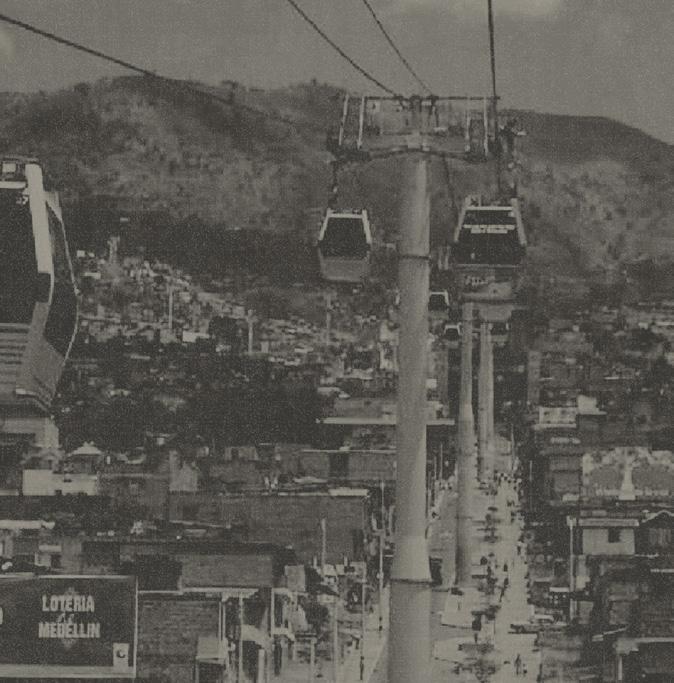
The Metro Cable project in Medellín, for example, shows how spatial justice can emerge through minimal yet responsive intervention, without visual drama. It links isolated hilltop communities with the city - not through spectacle, but through attuned infrastructure that respects the social landscape.
To resist the spectacle is not to shun beauty. It is to reframe it.
It is to ask: beauty for whom? For the jury? For the drone shot? Or for the person who will sit in the corner of a room and feel that it holds them?
This principle demands that architecture decouple itself from applause. That we stop designing to be liked, shared, pinned, archived. That we return to something harder, slower: relevance. Relevance to life, not to the algorithm.
Visibility is not proof of value. Presence is not performance. The most necessary buildings are often the least noticed — until they’re gone.
To resist the spectacle is to build for people, not portfolios. And to know that anonymity, too, can be a form of dignity.
“Limitation is vast.”
We become stuck not from lack, but from too much seeing.
Embrace Emptiness 留白
Critical Reflection
To embrace emptiness is to trust the inhabitant more than the author. It is to leave room - spatially and conceptually - for others to complete the work. This principle challenges the instinct to overdefine, overnarrate, overdesign. Instead, it values spatial indeterminacy as generosity.
This is not minimalism by style. It is minimalism by ethic.
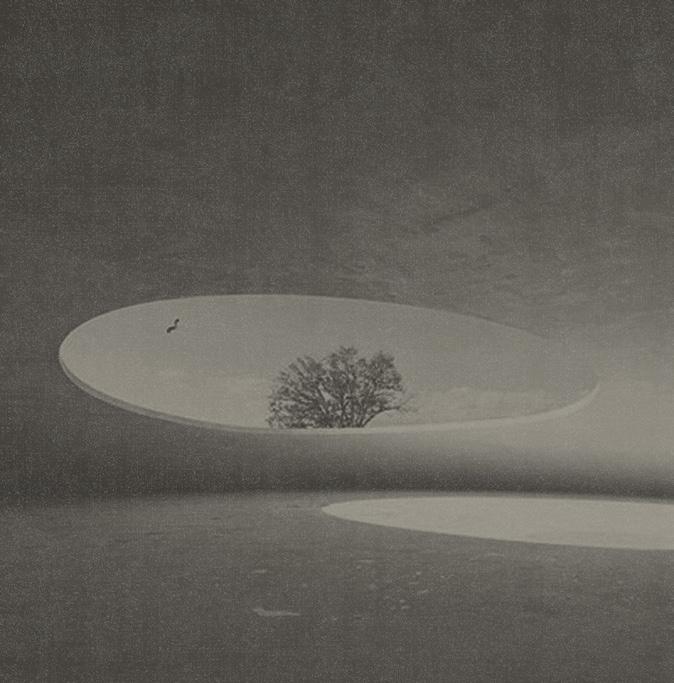
The Teshima Art Museum by Ryue Nishizawa exemplifies this with radical clarity. There are no partitions, no program, no gestures. Only a shell open to wind, rain, and light. The building becomes a vessel - not for expression, but encounter. The visitor is not directed; they are trusted.
To design like this is to release the need to be understood. It resists control. It trusts that meaning emerges in use, not in authorship. Emptiness becomes active: not absence, but availability.
In a discipline driven by clarity and closure, this principle asserts that ambiguity is not weakness - it is strength in suspension. It lets space adapt, shift, and be reclaimed.
Embrace emptiness, not because there’s nothing to say, but because not everything must be said.
These five principles do not instruct. They propose a posture - a way of being in the world through architecture. Together, they challenge speed, spectacle, authorship, and erasure. They suggest an architecture that listens more than it speaks.
They are not complete. They are meant to be inhabited, adjusted, and tested. A quiet framework for doing without forcing.
Content needs no conquest.
CHAPTER 4
Nothing here instructs. But everything here directs.
WU WEI ARCHITECTURE
- Implications & Future Vision -
If the previous section proposed a posture, this section asks what that posture means in practice. Wu Wei Architecture is not a stylistic agenda. It is a recalibration of architectural values—toward attunement, temporality, and restraint. But values are never neutral. When enacted, they challenge systems. To build with less control, less speed, and less visibility is to move against dominant architectural currents. This is where resistance begins—not just in design, but in structure.
Architecture Against Speed
The profession is built on speed. Deadlines, funding cycles, construction scheduleseverything bends to compression. Wu Wei asks: what if time was not an obstacle, but a medium? This is not about designing slower for its own sake. It is about allowing time to do what design cannot: settle, reveal, return.
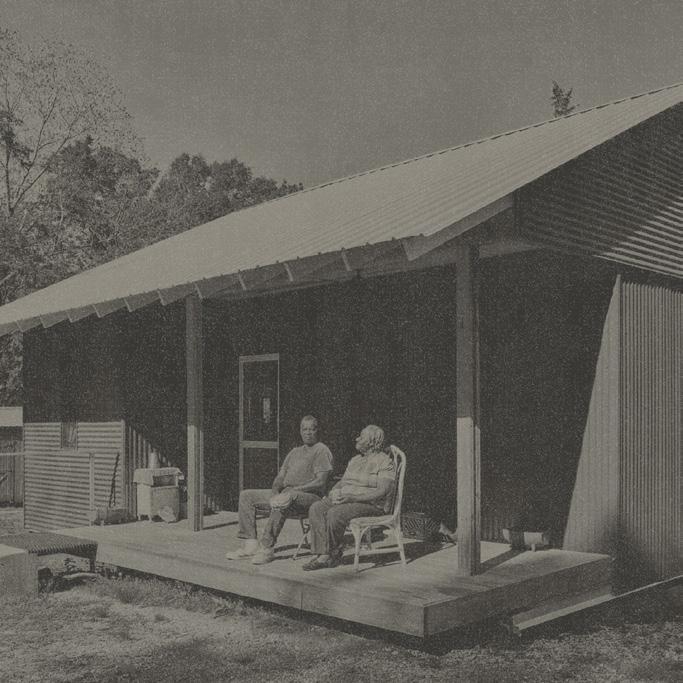
Practices like Assemble and Rural Studio have shown that working with time, not against it, creates buildings that belong more deeply to their users and sites. Slowness, in this context, is not delay. It is deference. It is also resistance. Slowness defies a system that equates efficiency with value, and time with cost. It insists that buildings grow meaningful through experience, not schedule.
Design as Care, Not Performance
To resist spectacle is to confront the systems that reward it. Studios teach students to render perfection. Competitions demand boldness in a single image. Clients want proof of performance before use. Wu Wei proposes that architecture be evaluated not by how it looks, but how it lives.
The work of Lacaton & Vassal exemplifies this: buildings that do not photograph well, but house people well. Their refusal to demolish is not just environmental; it is ethical. It says: value exists before design arrives. Their additions extend rather than erase, responding to what is already there. This aligns directly with the principle of designing with what exists, an ethic of continuation rather than command.
This vision questions authorship. It de-centres the architect. It imagines success not as recognition, but as relevance. In a field where ego is still currency, this principle will face resistance. But resistance is not a reason to stop. It is the reason to start.
Treading Lightly in the Anthropocene
In the context of climate breakdown, architectural intervention is no longer neutral. Every act of building carries ecological consequence: embedded carbon, extracted resources, dislocated ecosystems. Wu Wei architecture does not suggest that we stop building. It asks us to build with accountability. This means choosing reuse over demolition, materials that weather over those that resist, processes that adapt over those that impose. It is not passive. It is deliberate limitation.
As Dipesh Chakrabarty writes, the Anthropocene demands we think across scales, designing not just for clients, but for planetary systems (Chakrabarty, 2009). To build gently is not to vanish. It is to bear responsibility without spectacle. It is to acknowledge that we are designing inside a crisis. Scarcity of land, of time, of tolerance. Again, Wu Wei is not anti-ambition. It is ambition redirected: toward persistence, humility, and interdependence.
Projects like the 20K House by Rural Studio embody this shift. Built with constraint, they still carry dignity. Their affordability does not erase design intent; it intensifies it. Wu Wei design does not aestheticise poverty. It uses less in order to mean more.
As Jane Bennett (2010) argues, matter itself has agency. Designing with humility means designing with, not against, material behaviour. To embrace weathering, decay, and imperfection is to allow buildings to be shaped not only by their creators, but by the world they inhabit.
Rethinking Value and Resistance
This is not an easy posture to maintain. These pressures are real: market timelines, jury expectations, algorithmic visibility. Wu Wei offers none of these. But it offers something else: buildings that last not because they shine, but because they serve. Architecture becomes less a product and more a process - a continuation of what is already there.
It also asks us to reconsider how we measure value. When return on investment becomes the only metric, patience becomes a liability. Wu Wei insists that other forms of value: memory, adaptability, quiet utility - must be seen not as loss, but as gain.
This model requires a shift in power. Away from the myth of the auteur architect. Toward teams, caretakers, custodians. It requires discomfort: embracing ambiguity, delay, and unfinishedness. But this is where new forms of agency emerge.
To practice Wu Wei is not to disappear. It is to step aside just enough to let the work breathe. It is architecture as accompaniment, not command.
If we want architecture to matter beyond the image, we must design beyond the ego. This is not a manifesto for stillness. It is a manifesto for presence.
Return is the movement of the Dao
CHAPTER 5
反者道之动
fǎn zhě dào zhī dòng
“The architect steps back. The site begins.”
WU WEI ARCHITECTURE
- Reflective Practitioner Statement -
There was a time I thought architecture meant control. That a good designer knew everything in advance: materials, light, space, even how people should move. I chased precision. I smoothed out mistakes. I rendered surfaces into submission. And somewhere in the silence between deadlines, I began to feel dishonest. Not because the work was bad. But because it wasn’t listening.
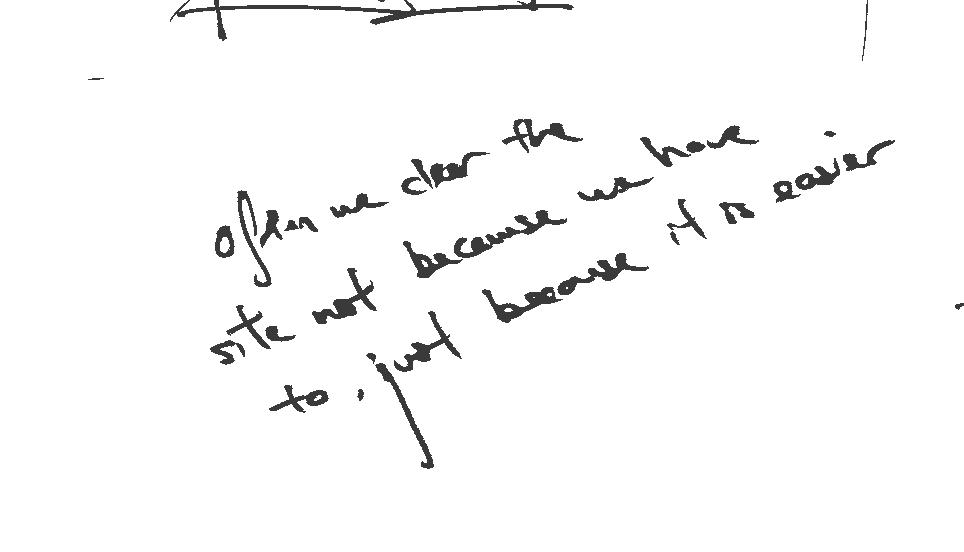
Reading Heidegger and Laozi didn’t just shift my thinking. It revealed the dissonance I already felt. I wasn’t frustrated by design, I was frustrated by the pressure to command it. The more I tried to master the process, the more I erased what made it real. Just to complete. To make it easy. What I now call Wu Wei is not a rejection of architecture. It is a return to it. A return to material, site, time, and uncertainty.
Donald Schön writes that architects are not just thinkers; they are reflective practitioners: acting, adjusting, learning in the moment. That phrase stayed with me. Reflective. Not reactive. Not performative. Reflective. It allowed me to accept that doubt wasn’t failure. It was intelligence. That patience wasn’t delay. It was care. That control wasn’t the only form of clarity.
Looking back on past projects, I now see the moments where I over-drew. Where I edited the site before I’d even met it. Wu Wei isn’t a technique I apply - it’s a posture I return to. I ask different questions now: What does the ground want? What does this space remember? What happens if I do less?
The greatest sound is barely heard
CHAPTER 6
dà yīn xī shēng
CONCLUSION
- A Quiet Return -
Architecture is often imagined as action: lines drawn, volumes carved, spaces made. But this manifesto began with a question: “not of how to act, but how to stop acting when the moment asks for stillness”. Wu Wei Architecture does not call for passivity. It calls for attunement. For a way of working that listens first. That lets time speak. That designs without dominating.
Each principle outlined here: letting time in, building without force, designing with what is already there, resisting spectacle, and embracing emptiness. Emerges not as a solution, but as a posture. Together, they describe a practice of humility: architecture not as statement, but as accompaniment.
This manifesto does not pretend to be complete. It is deliberately open. Incomplete, like the buildings it imagines. Unresolved, like the world it belongs to.
But it stands on one belief: that to build with care is to begin by stepping back. That design is not the art of intervention, but of permission. Of allowing things to be what they are, and still choosing to be with them.
A quiet building is not an empty one. A quiet architect is not absent. Presence can be soft. And still matter.
REFERENCES
Bachelard, G. (1994) The Poetics of Space. Translated by M. Jolas. Boston: Beacon Press.
Bennett, J. (2010) Vibrant Matter: A Political Ecology of Things. Durham: Duke University Press.
Bergson, H. (1911) Time and Free Will: An Essay on the Immediate Data of Consciousness. London: George Allen & Unwin.
Bourdieu, P. (1984) Distinction: A Social Critique of the Judgement of Taste. Cambridge, MA: Harvard University Press.
Chakrabarty, D. (2009) ‘The Climate of History: Four Theses’, Critical Inquiry, 35(2), pp. 197–222.
Debord, G. (1994) The Society of the Spectacle. Translated by D. NicholsonSmith. New York: Zone Books.
Frampton, K. (1983) ‘Towards a Critical Regionalism: Six Points for an Architecture of Resistance’, The Anti-Aesthetic: Essays on Postmodern Culture, pp. 16–30.
Heidegger, M. (1971) ‘Building, Dwelling, Thinking’, in Poetry, Language, Thought. Translated by A. Hofstadter. New York: Harper & Row.
Holl, S. (2006) Parallax. New York: Princeton Architectural Press.
Ingarden, R. (1965) ‘The Architectural Work and its Aesthetic Qualities’, in Tatarkiewicz, W. (ed.) Aesthetic Studies. Warsaw: Polish Academy of Sciences.
Leatherbarrow, D. and Mostafavi, M. (2002) Surface Architecture. Cambridge, MA: MIT Press.
Pallasmaa, J. (2005) The Eyes of the Skin: Architecture and the Senses. Chichester: Wiley.
Pallasmaa, J. (2012) The Thinking Hand: Existential and Embodied Wisdom in Architecture. Chichester: Wiley.
Ricoeur, P. (1984) Time and Narrative, Volume 1. Translated by K. McLaughlin and D. Pellauer. Chicago: University of Chicago Press.
Schön, D.A. (1983) The Reflective Practitioner: How Professionals Think in Action. New York: Basic Books.
Till, J. (2009) Architecture Depends. Cambridge, MA: MIT Press.
-Other Languague.-
Laozi (老子) (2012) 道德经 (Dao De Jing). Annotated by 任犀然 (Ren Xiran). Beijing: 中华书局 (Zhonghua Book Company).
BIBLIOGRAPHY
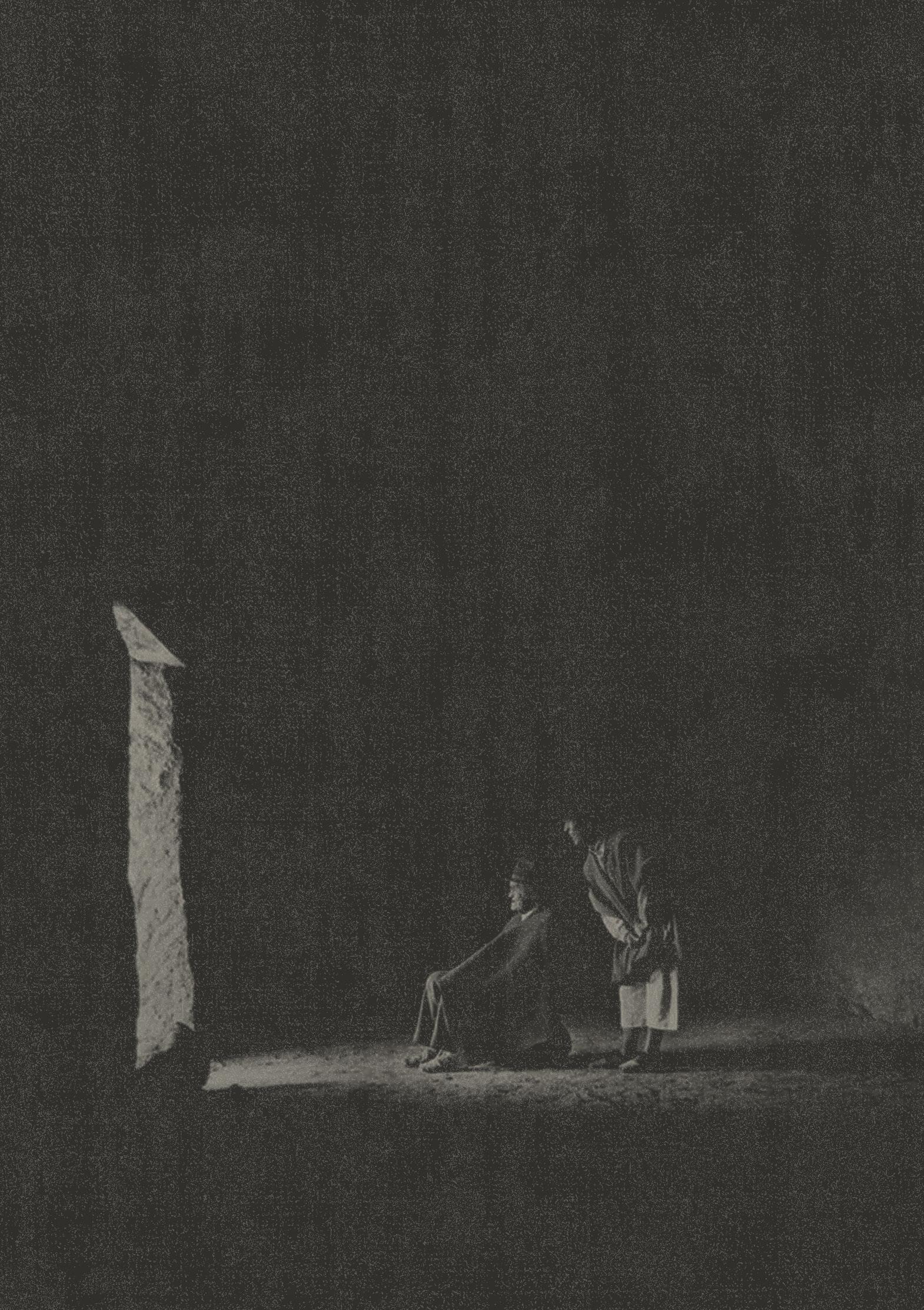
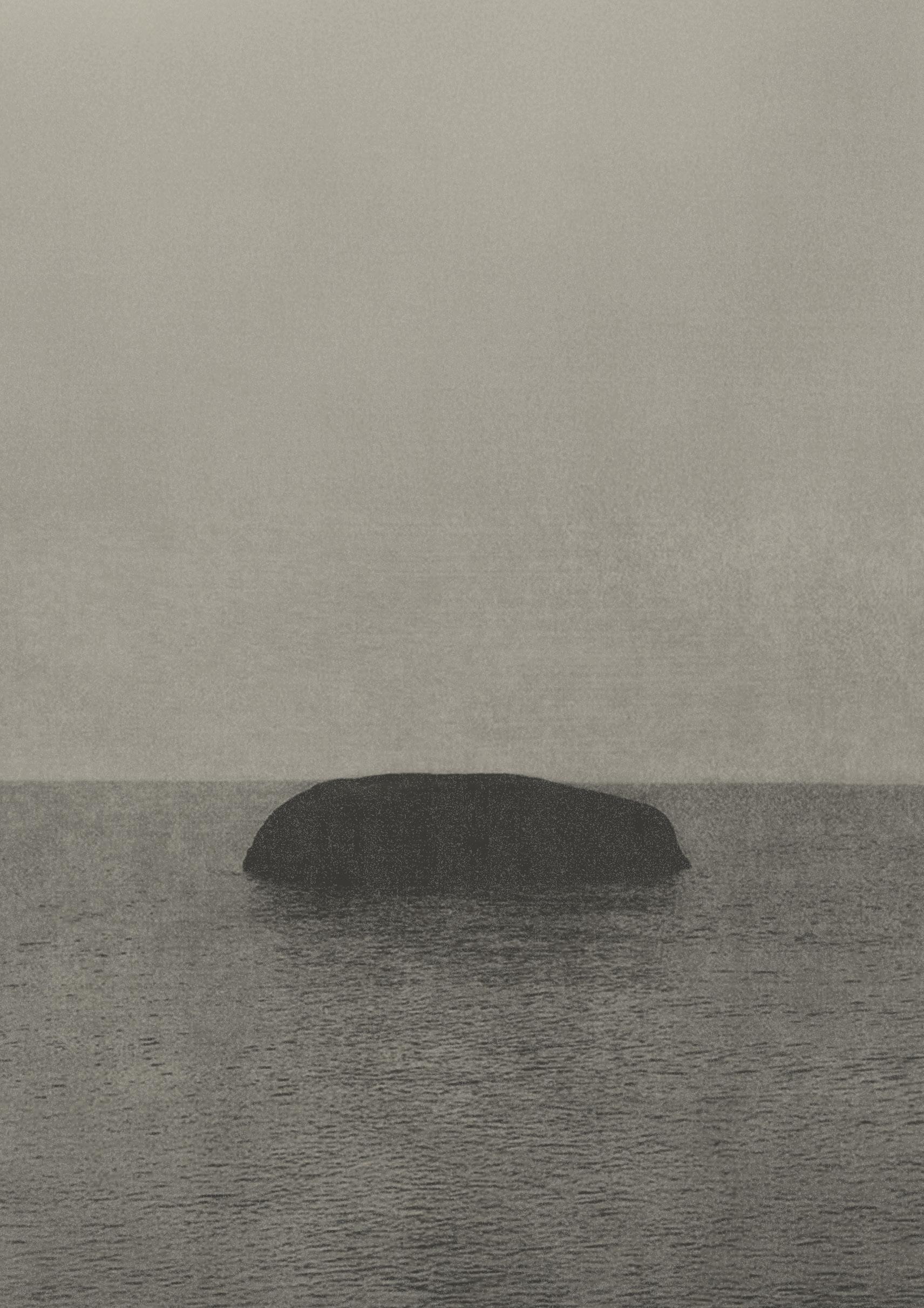
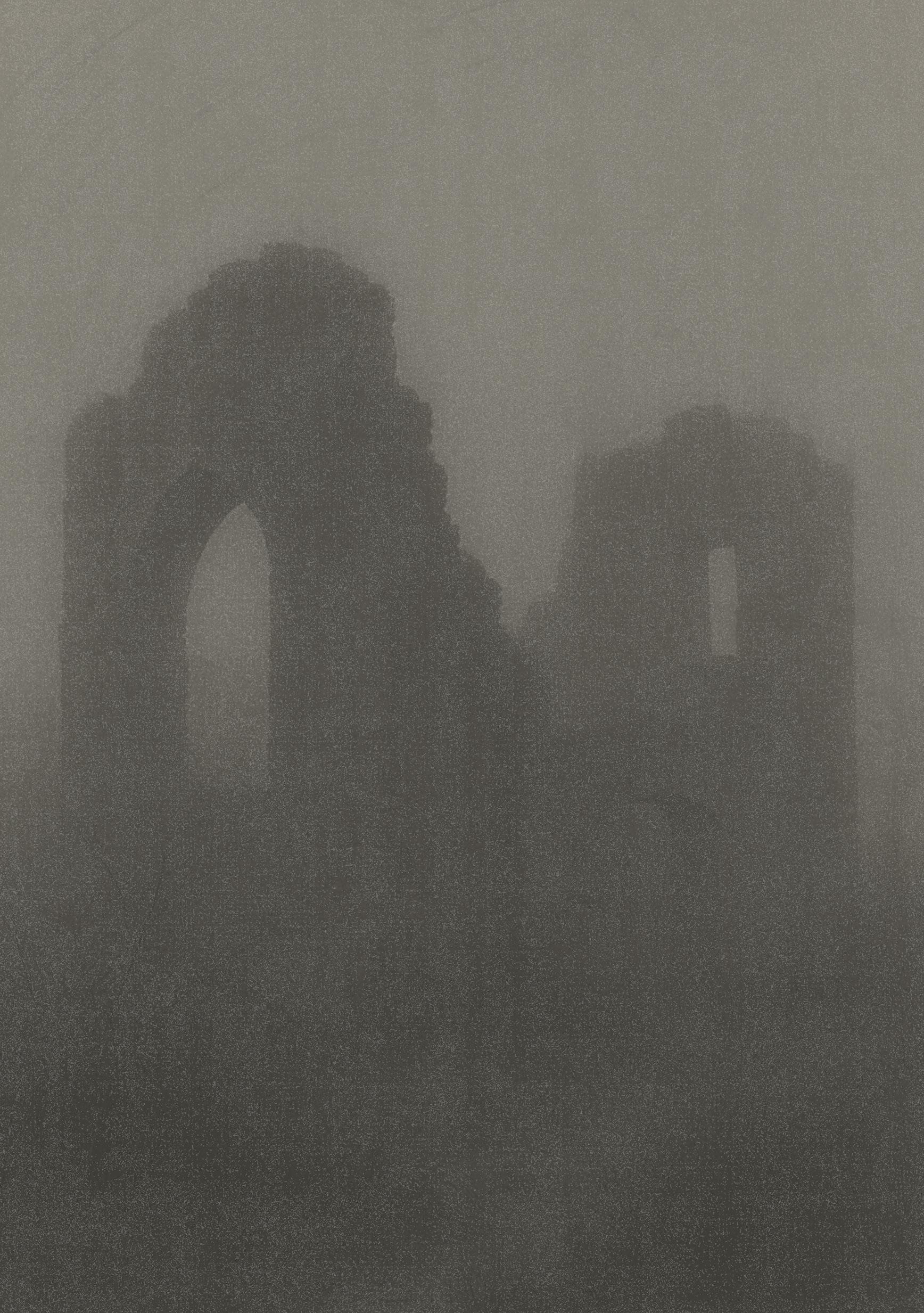
The Beginnin of Wu | Transition page I AI-generated image created using MidJourney, 2025.
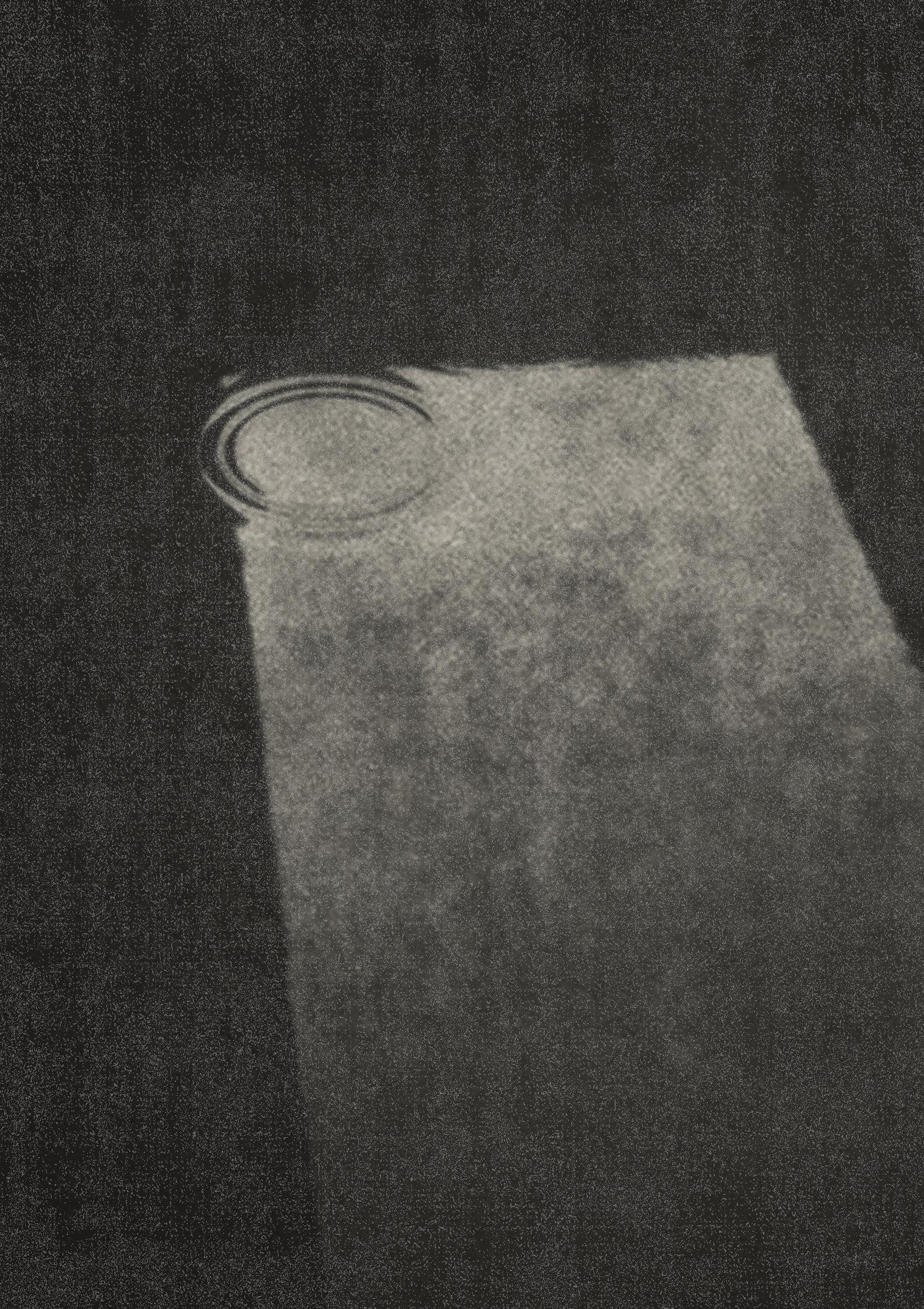
“A room that holds nothing. And because of that, it holds everything.”
Use: Embrace Emptiness : no explicit program, only presence. Meaning arises not from filling, but from framing silence.
Teshima Art Museum – Ryue Nishizawa
“when architetucre not a sole, but a companion.”
Use: Evoked in Section 2.1 as an example of non-forcing -the design follows what remains, not overwrites. Architecture enters as a guest, not an author.
Huangyan Quarry – Xu Tiantian
“What exists is not a mistake. It’s material.”
Use: Design With What Is Already There, anti-demolition stance. Architecture that adds without erasing.
Dwellings, Bordeaux – Lacaton & Vassal
530
“Every cut is an act of care.”
Use: Build Without Forcing. Gestures carved from sensitivity. He didn’t impose. He folded into.
Brion Cemetery – Carlo Scarpa
“Affordability is not a lack of design. It’s a form of it.”
Use: Future vision. Build with constraint, but without loss of dignity. Design where cost does not cost meaning.
20K House – Rural Studio
“Not a spectacle. A connection.”
Use: Resist the Spectacle. Beauty through responsiveness, not grand gesture. Questioning what is Architecture.
Metro Cable, Medellín
“Time writes here. Dust is not failure, it is form.”
Use: Let Time In. Architecture as a vessel for weathering. Materiality is not fixed, it evolves, like memory.
Museum – Peter Zumthor
Kolumba
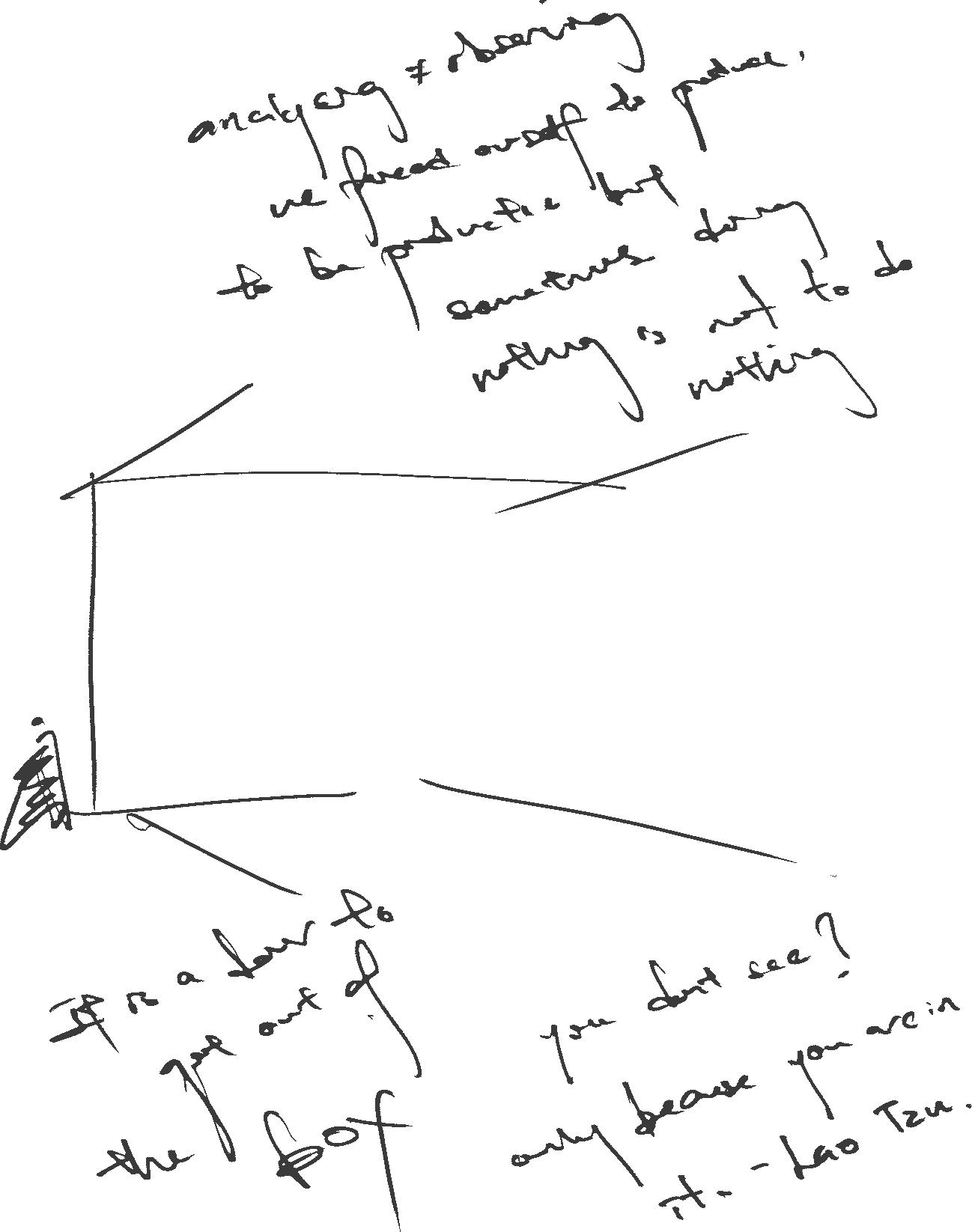
“In questioning the cage, have I built one of my own?”