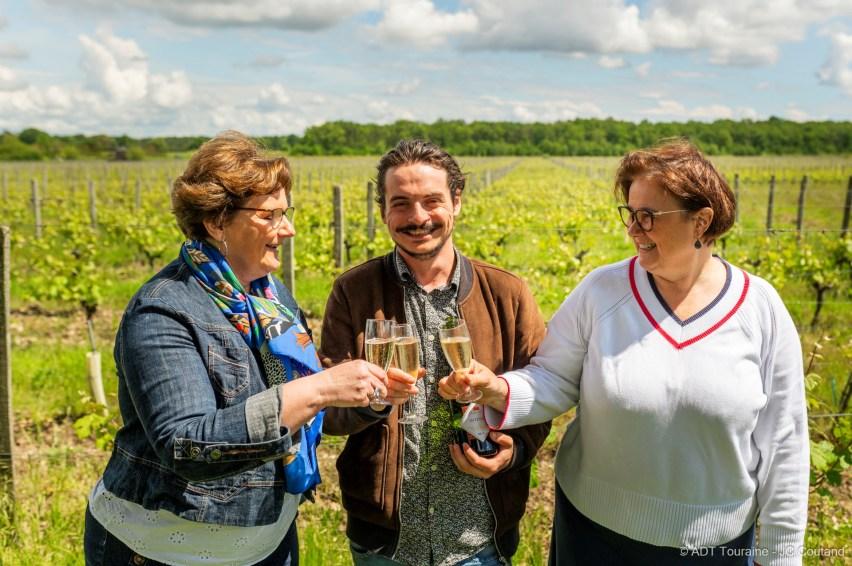
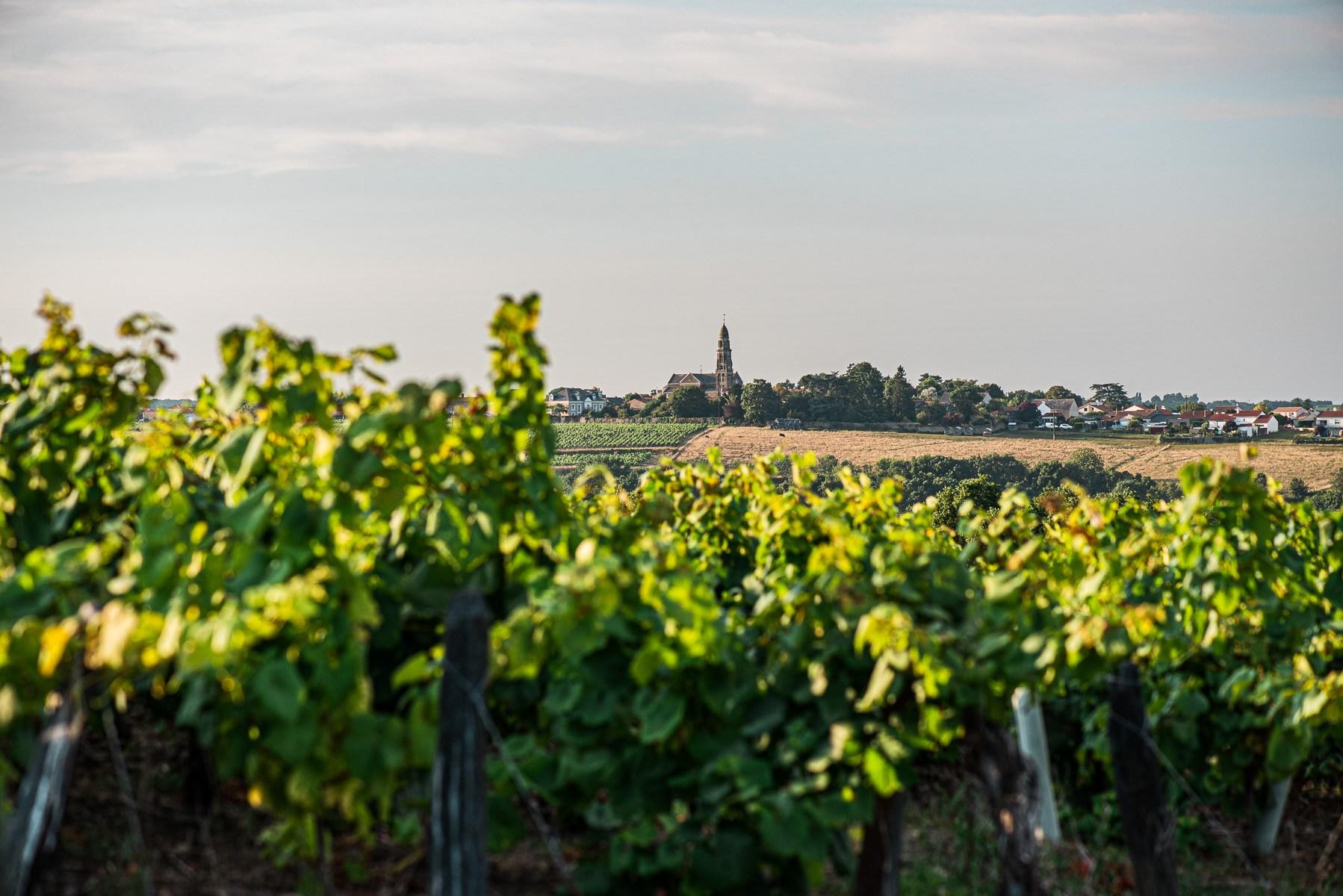
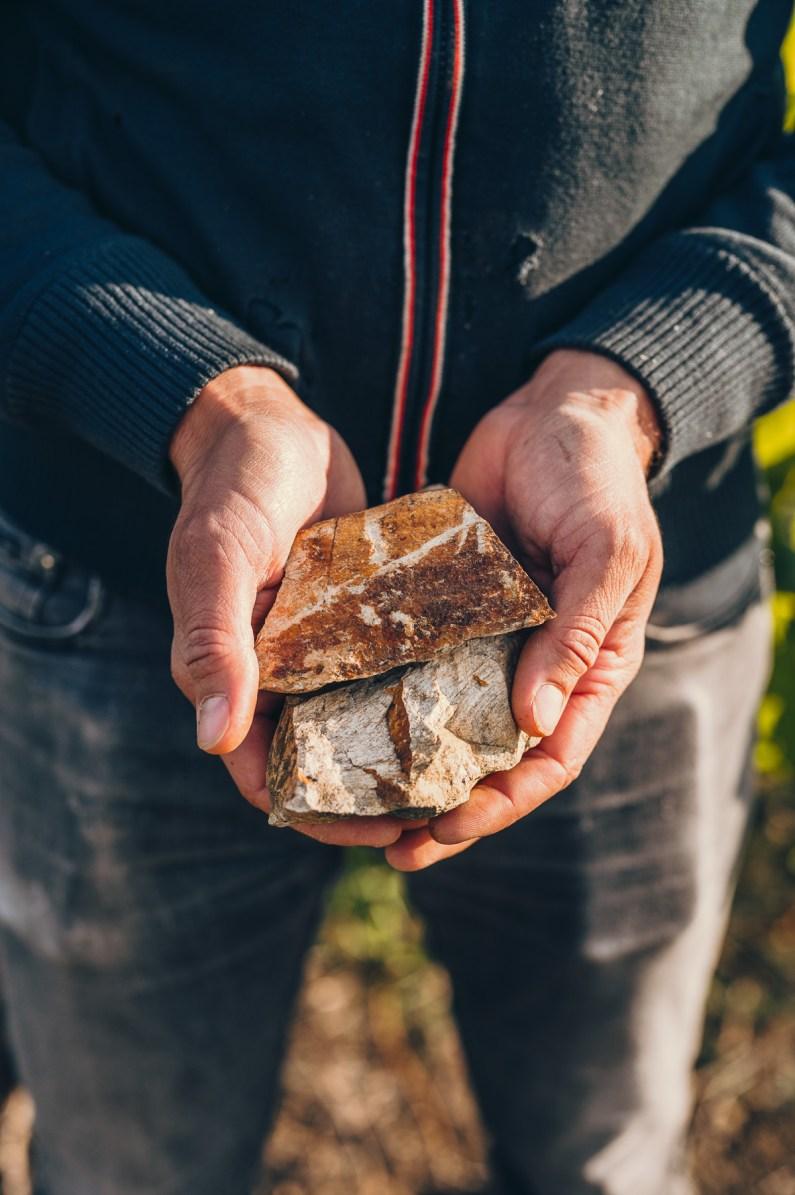
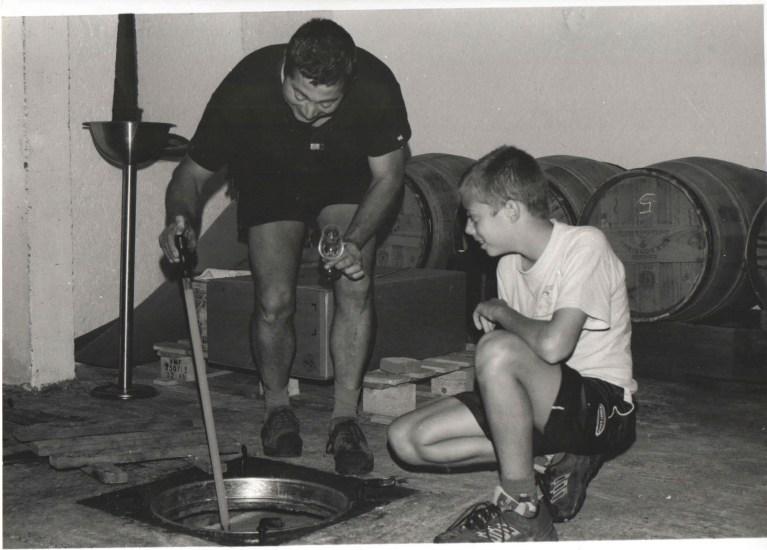
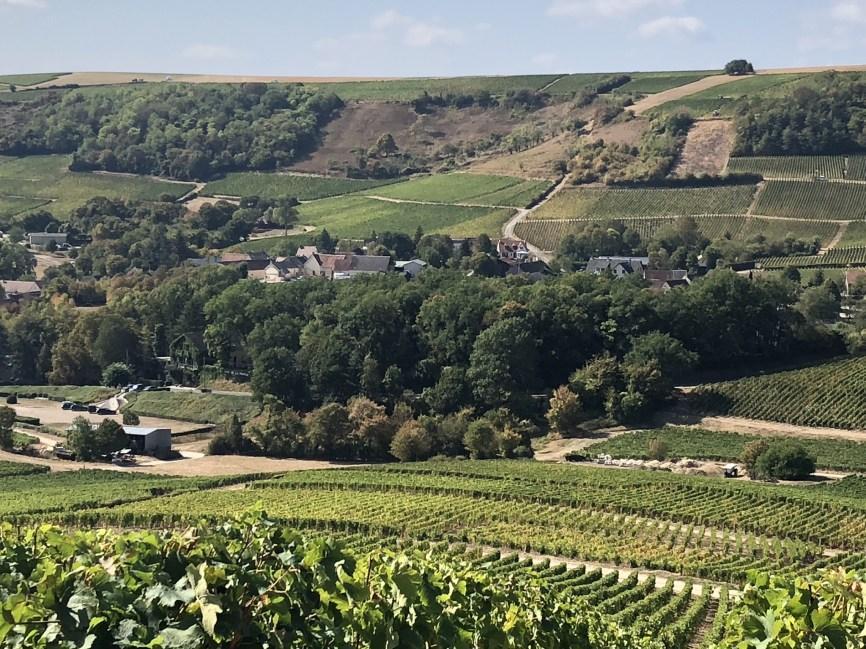
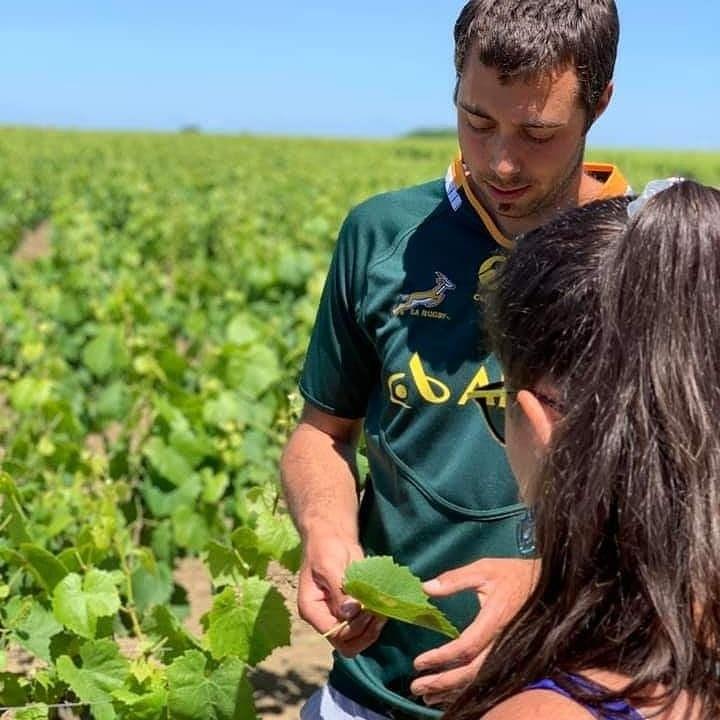
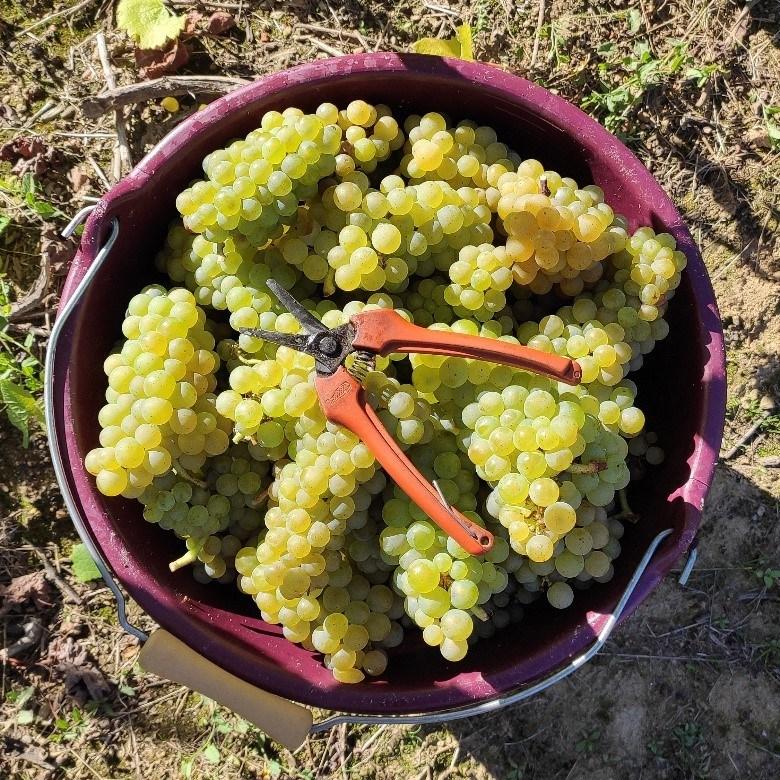
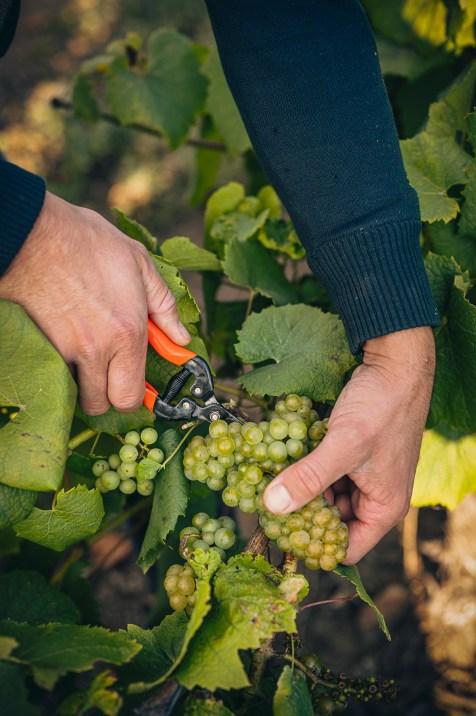
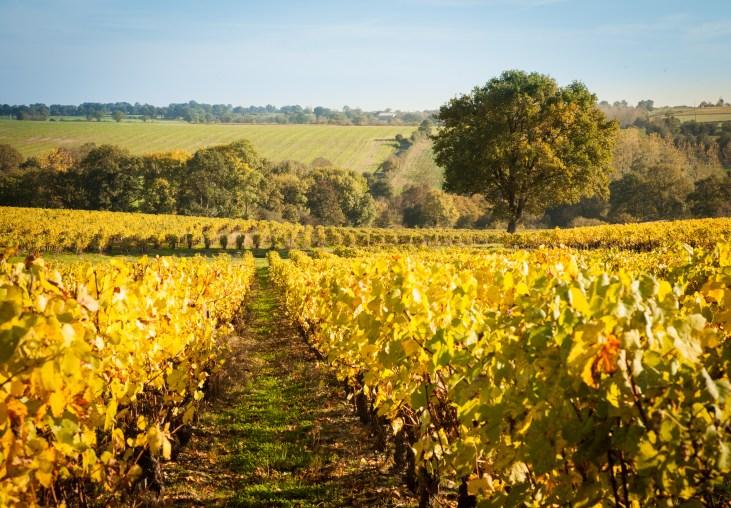
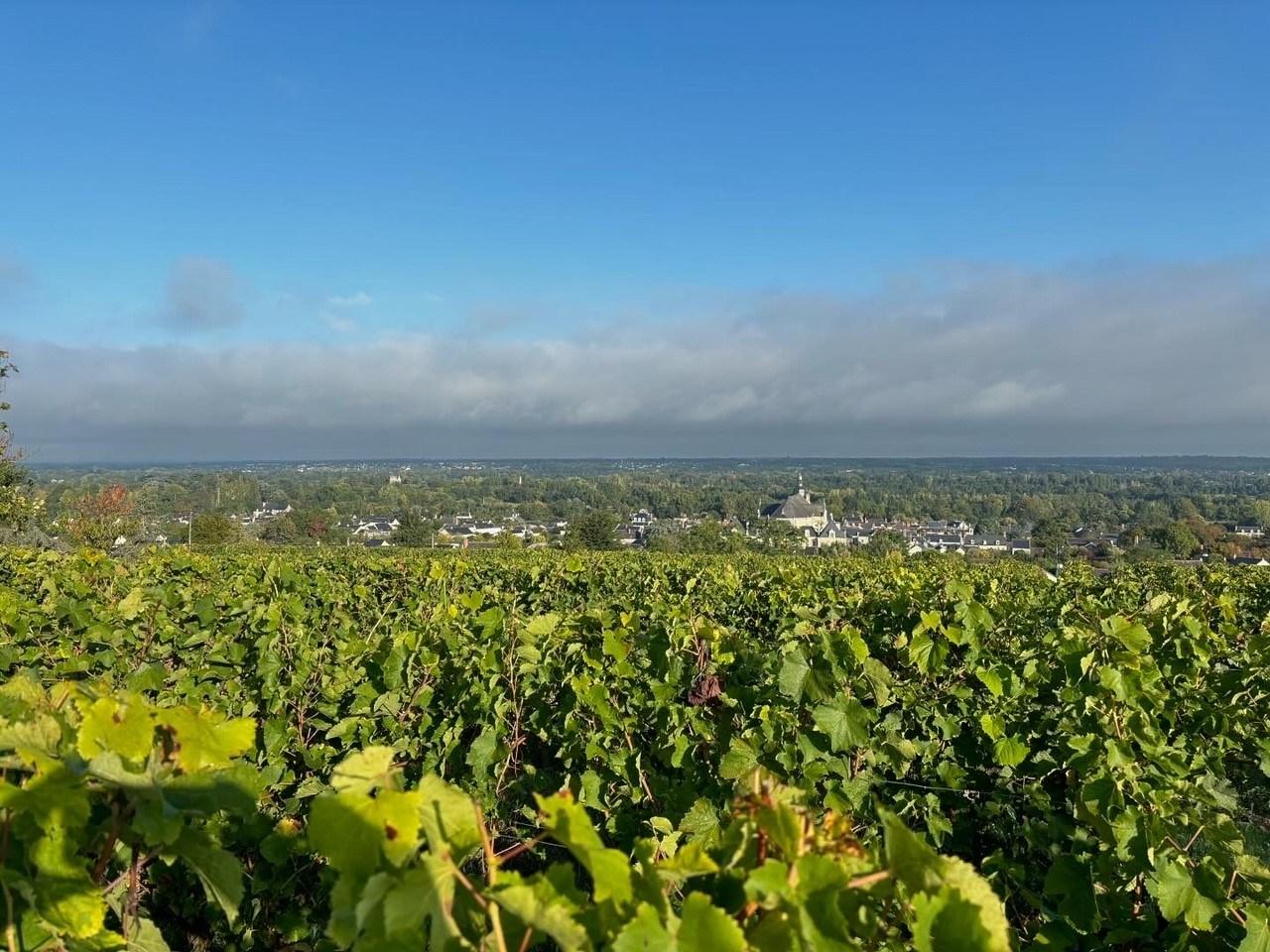
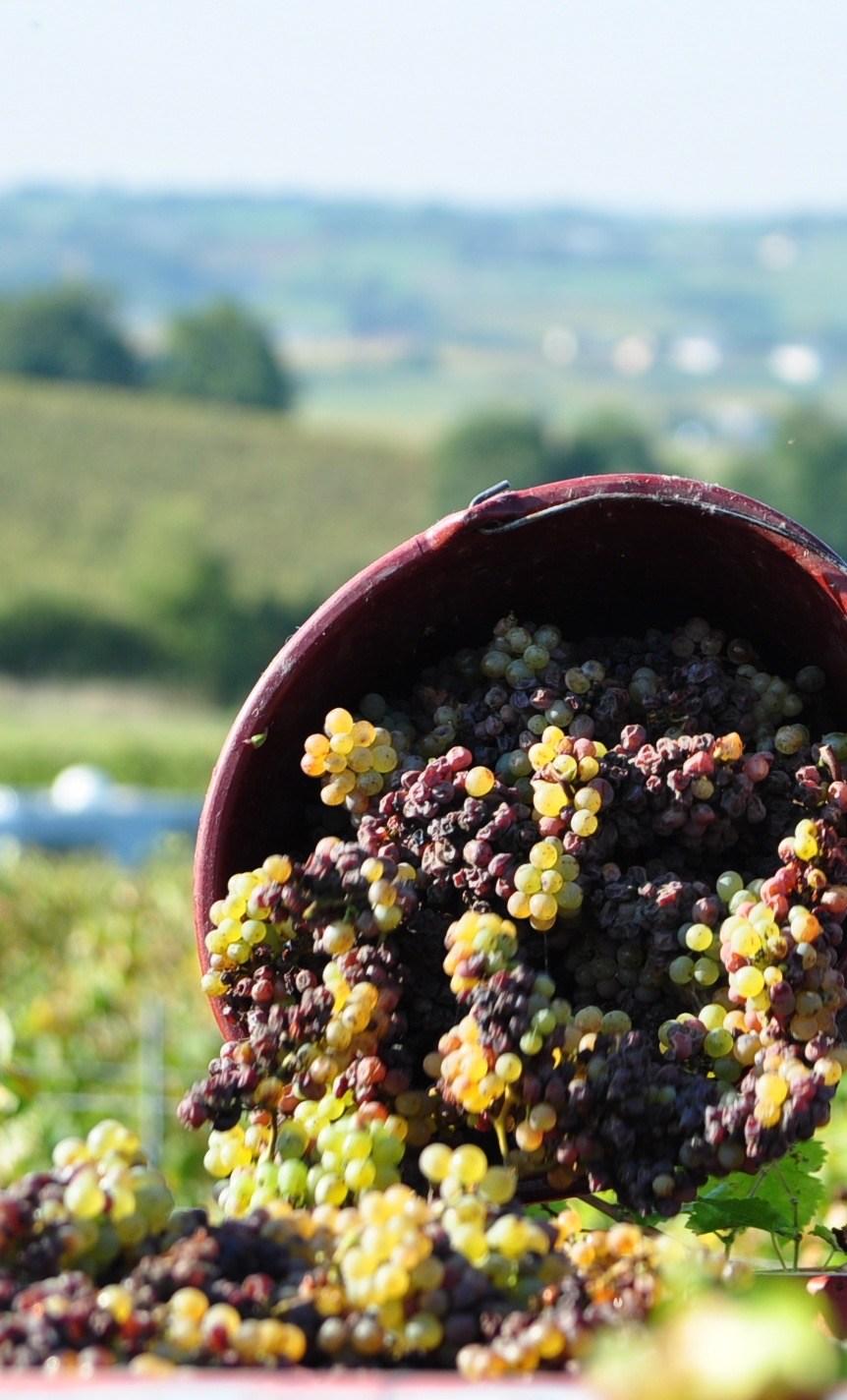
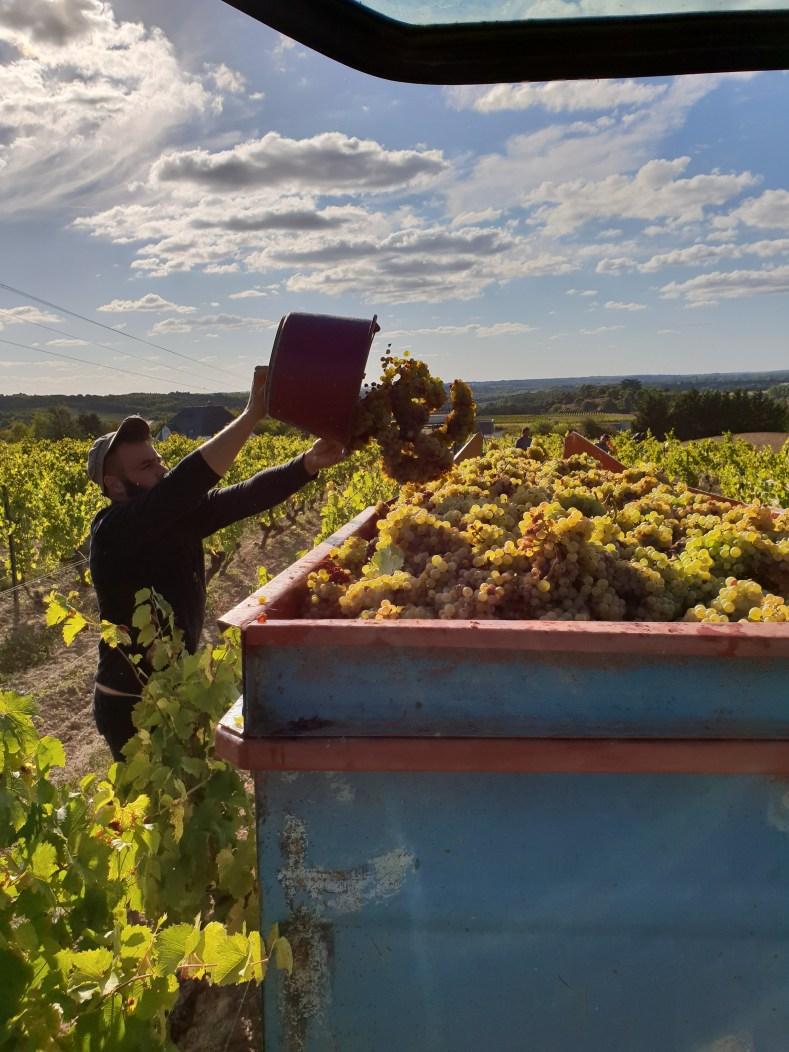
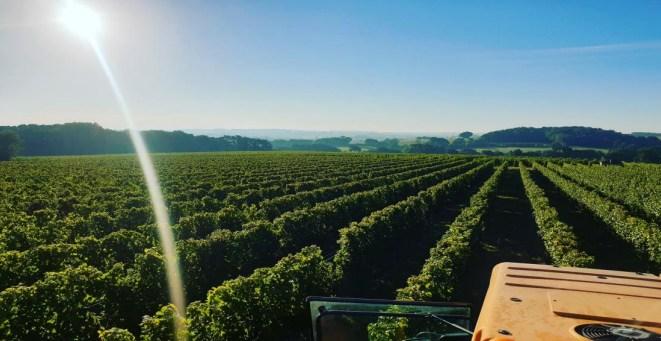
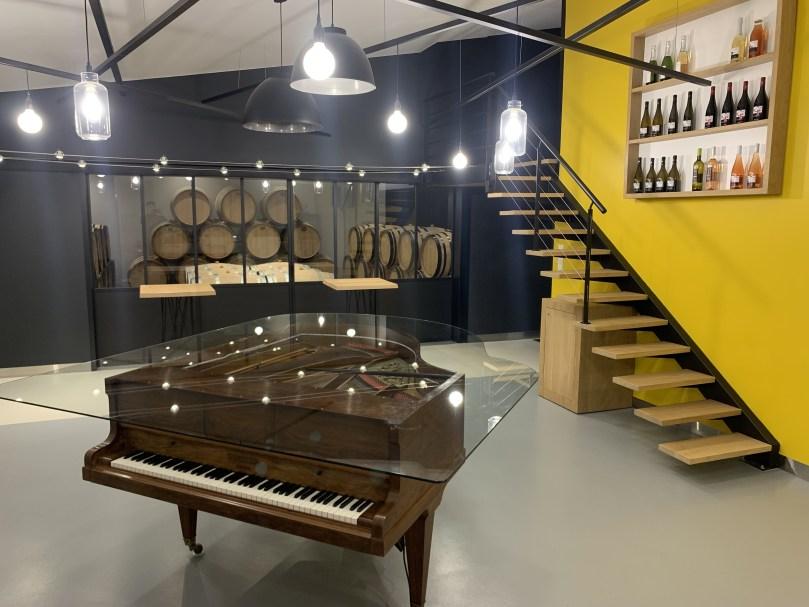
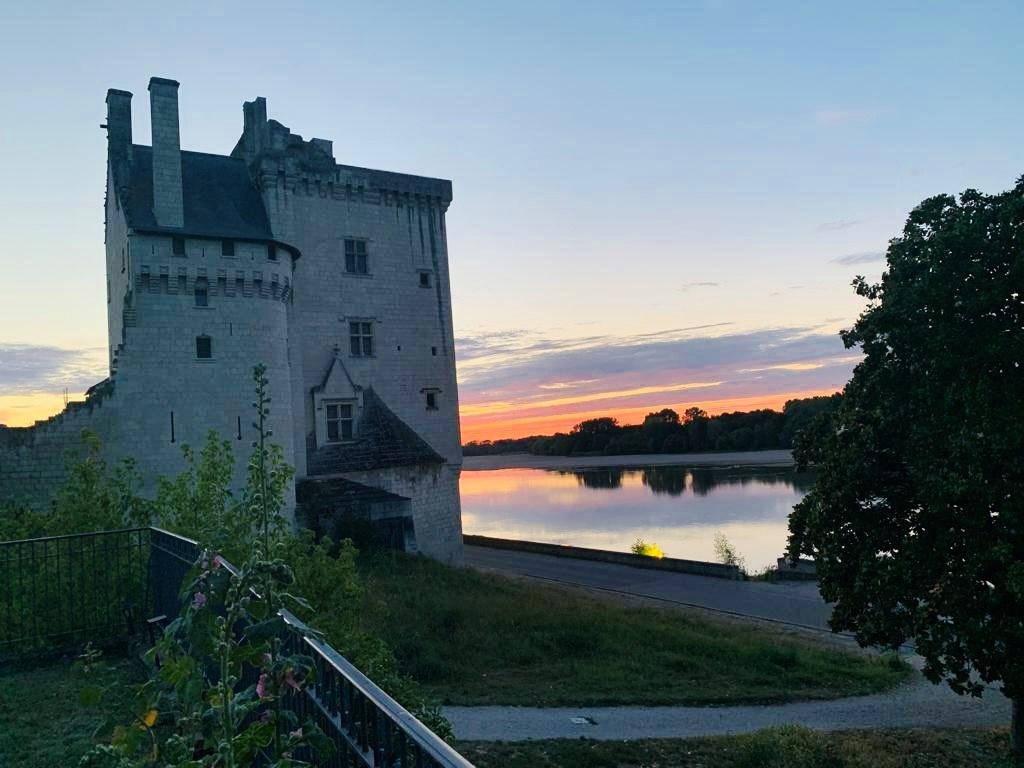
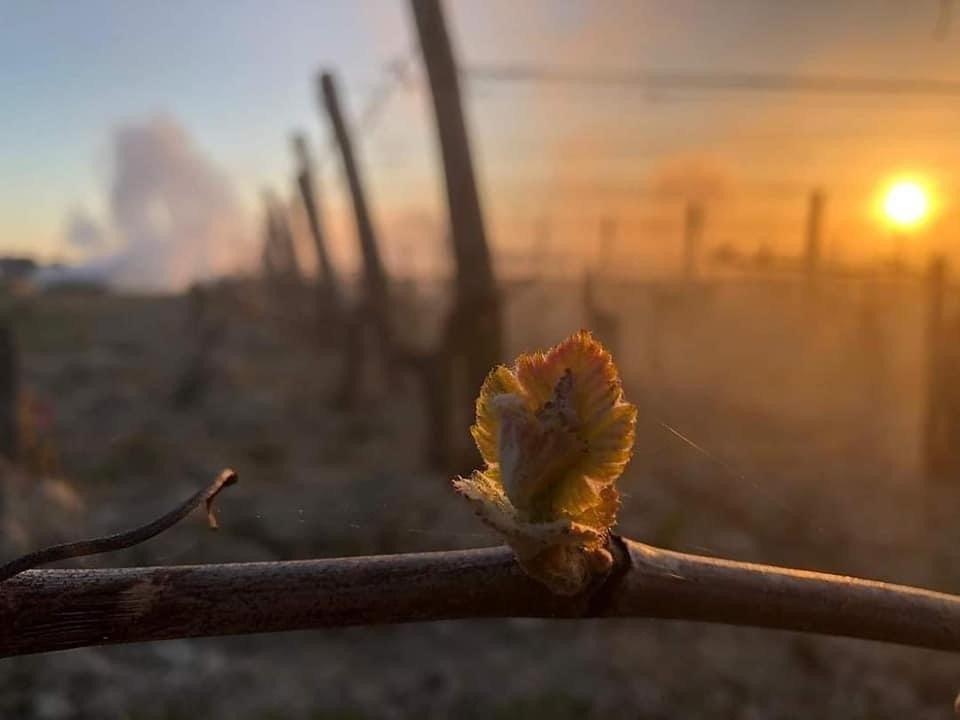
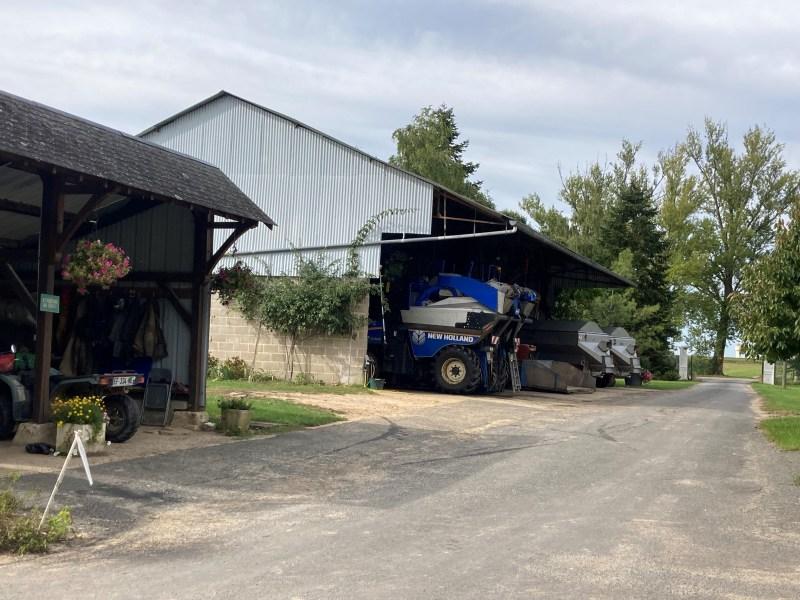
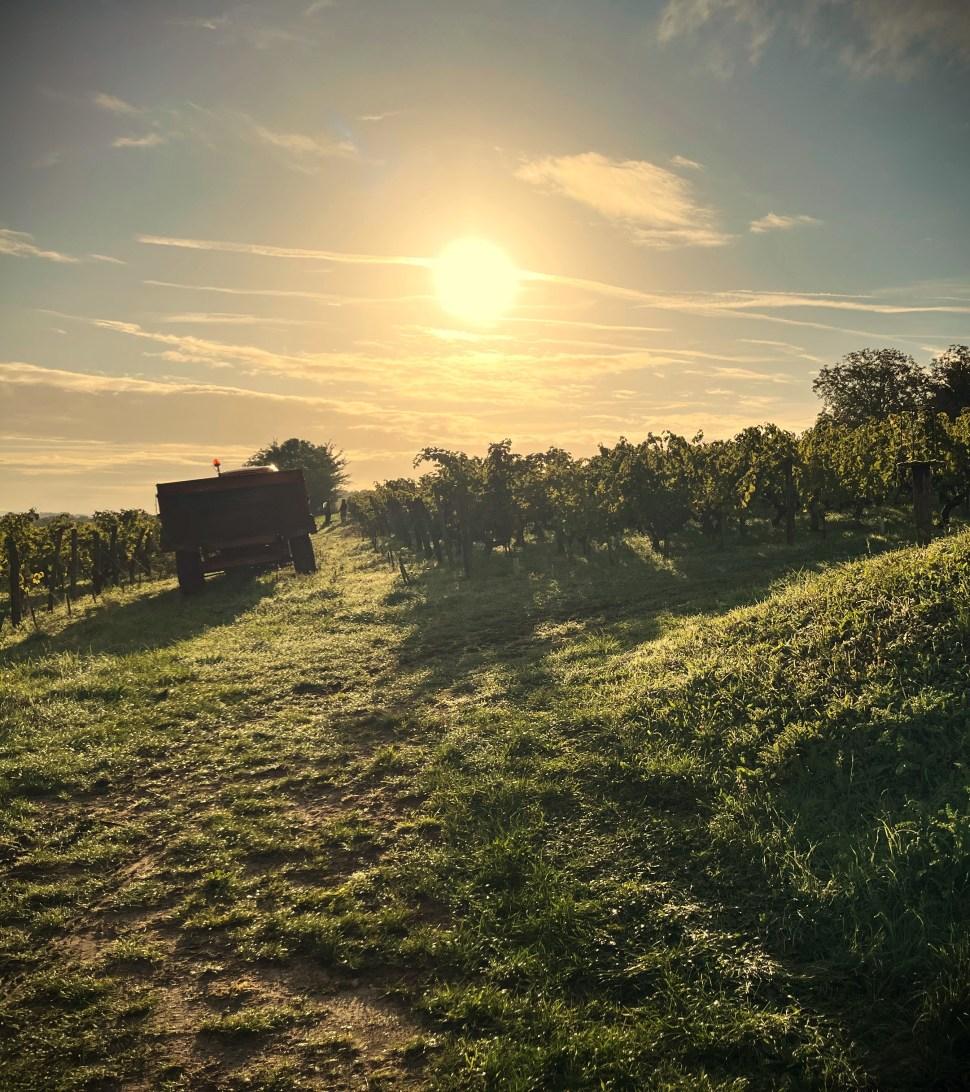
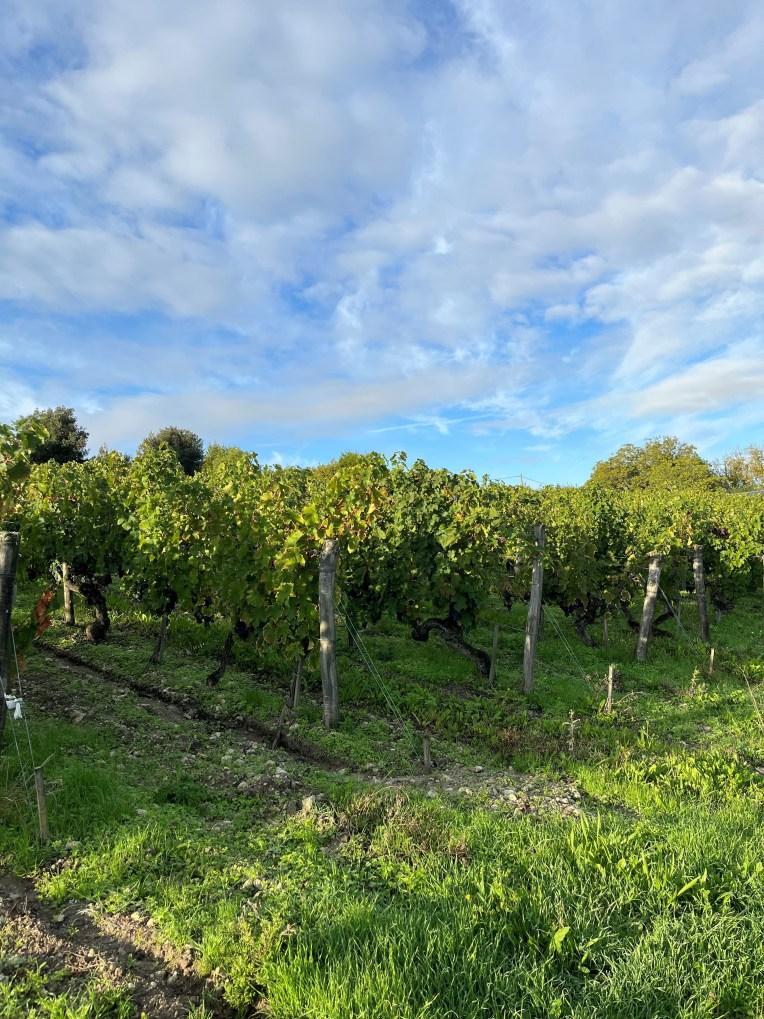
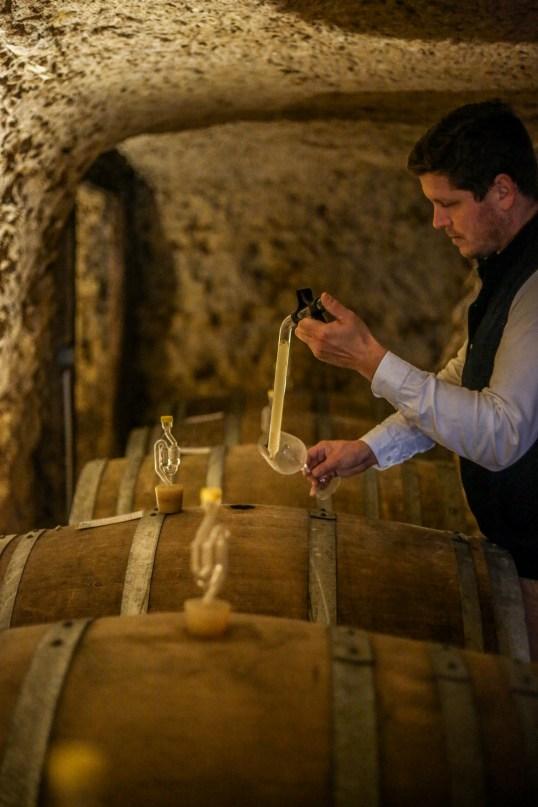
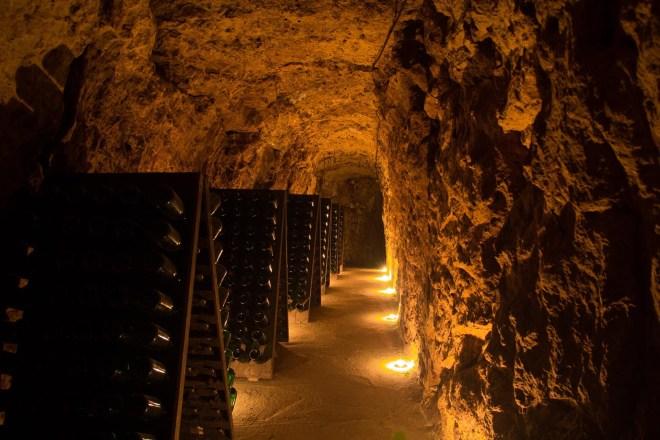
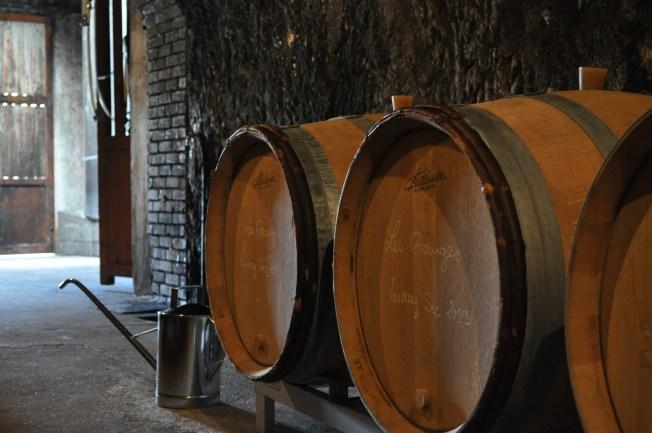
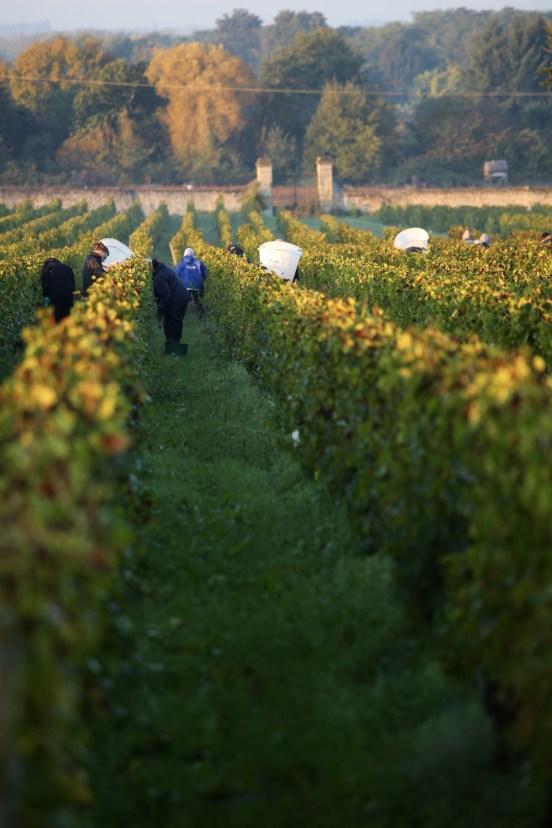
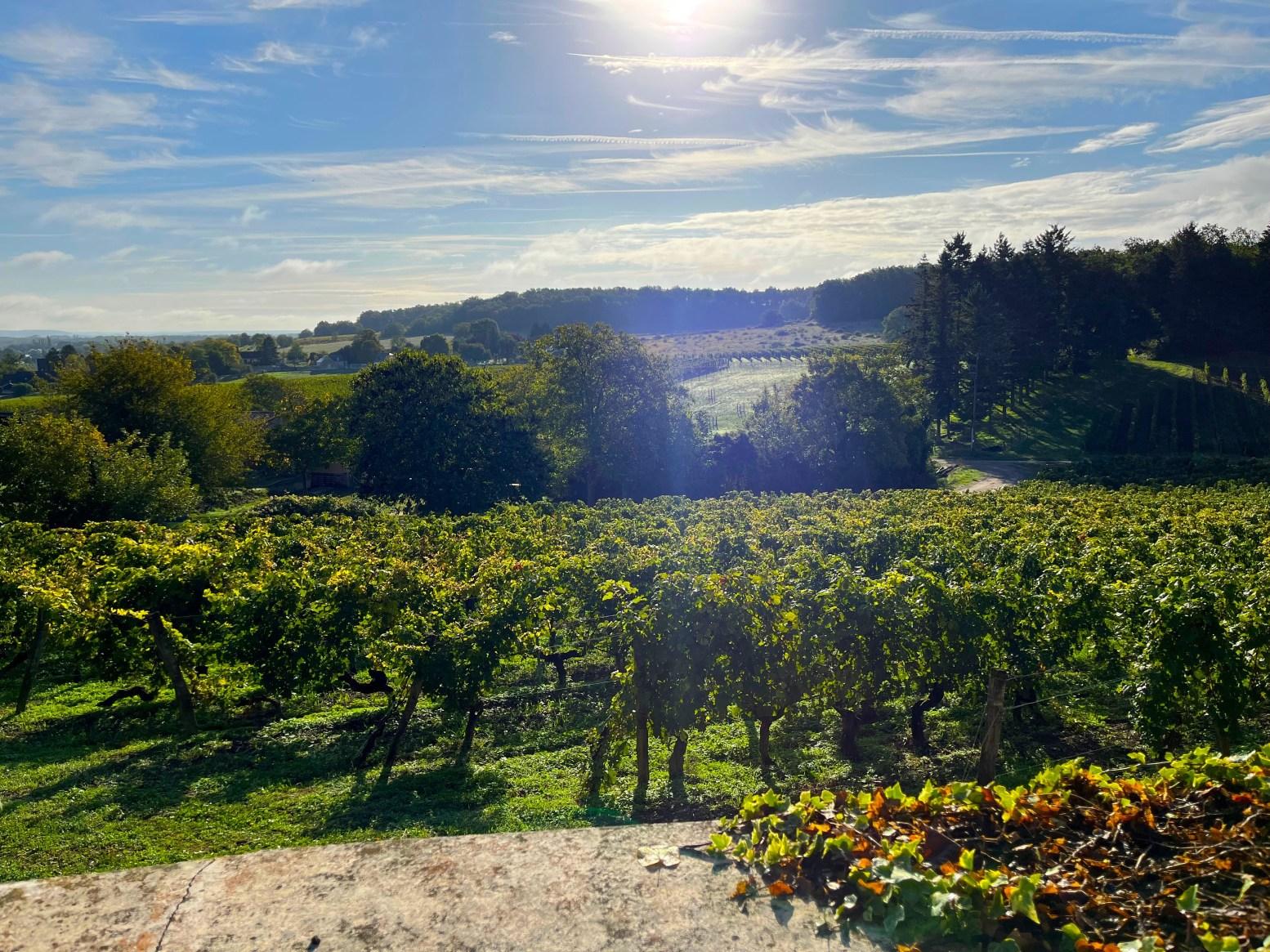
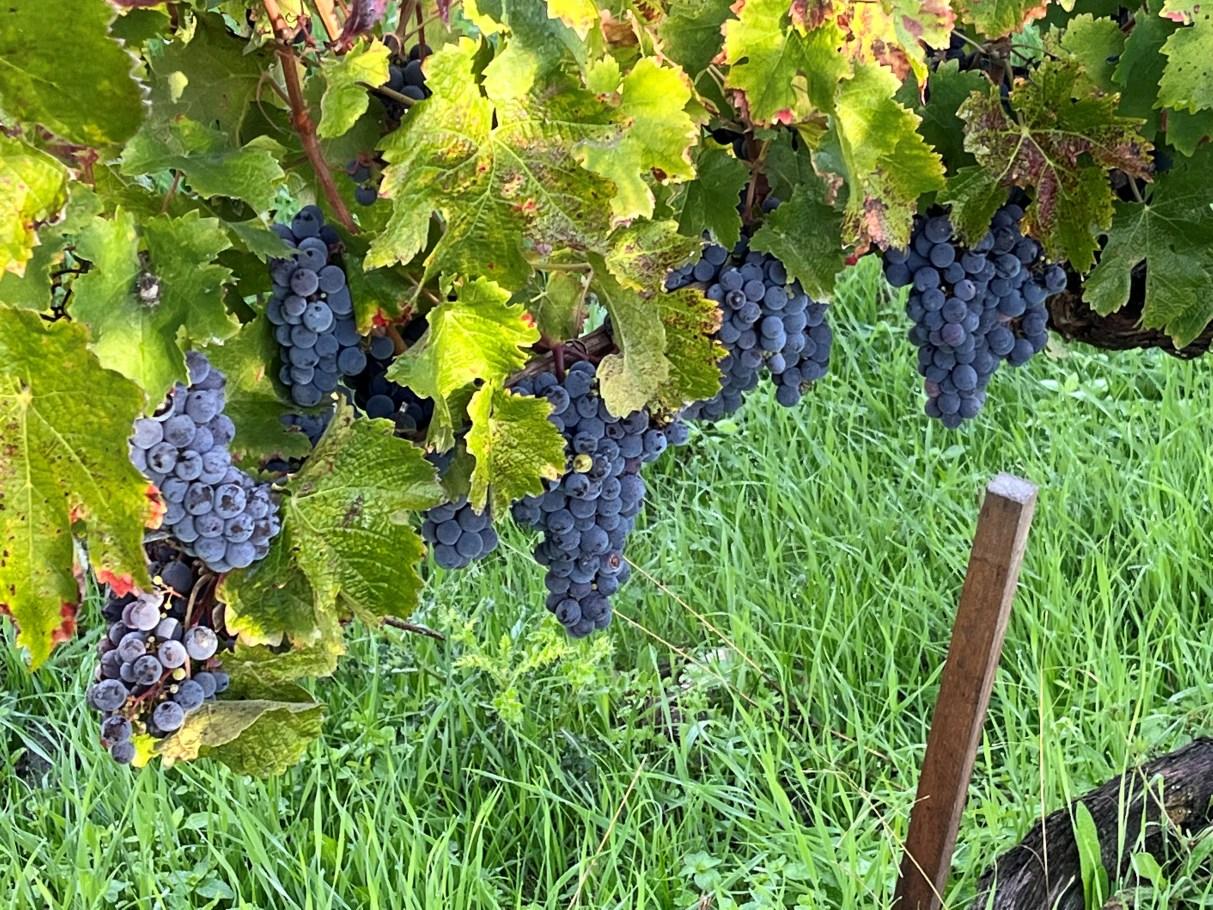
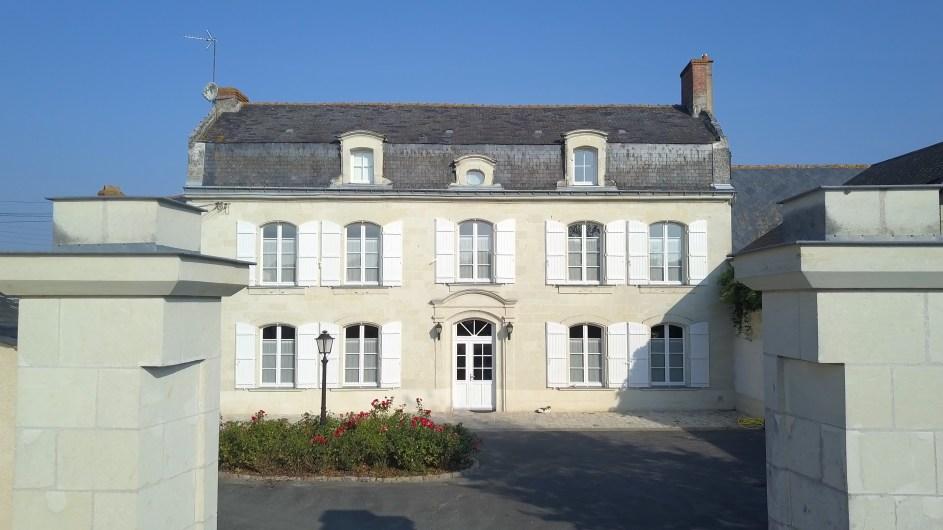
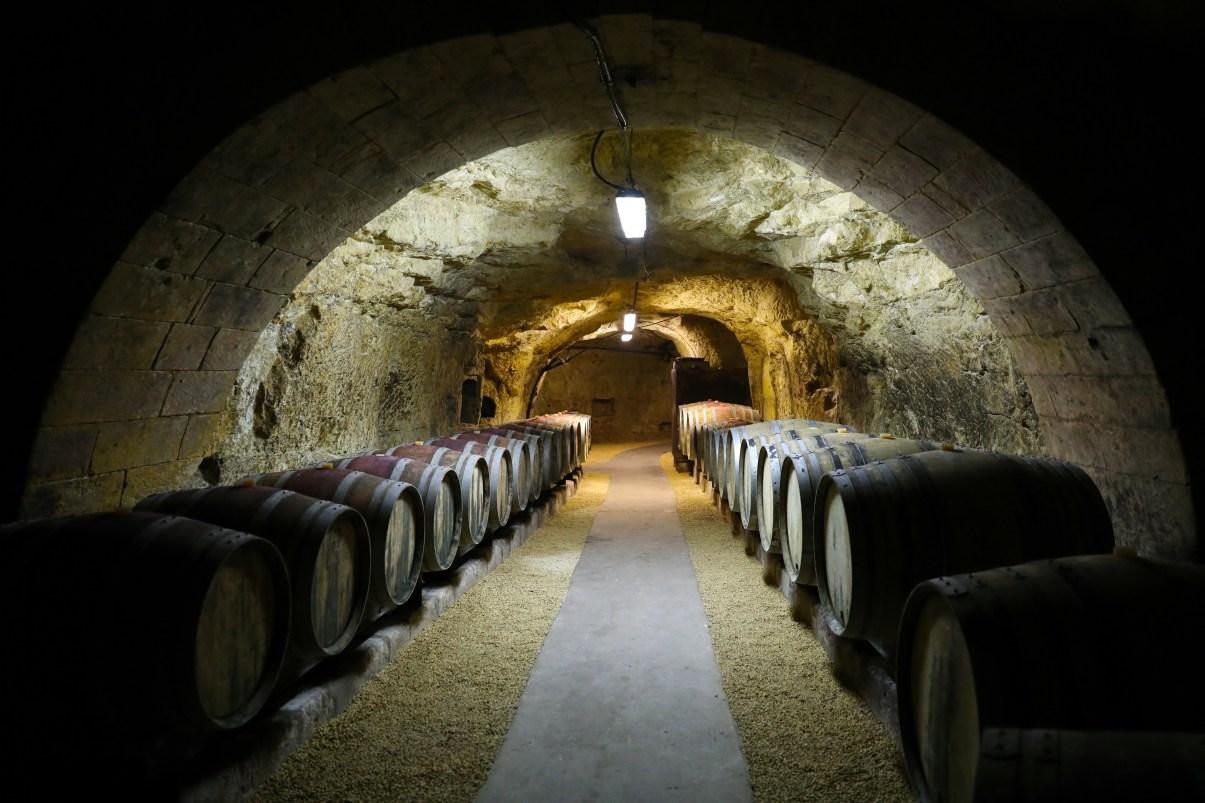
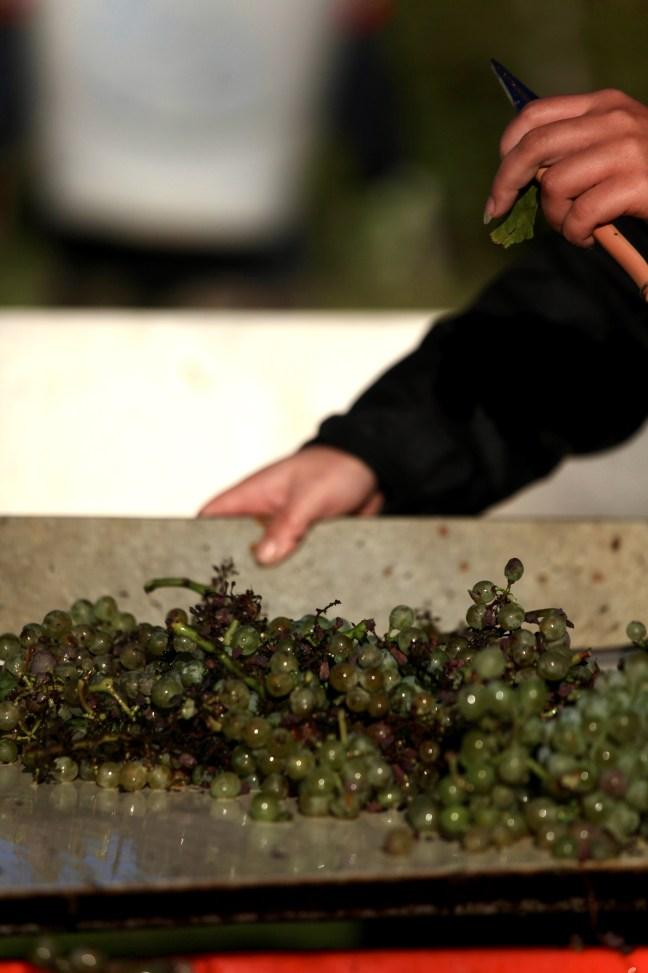
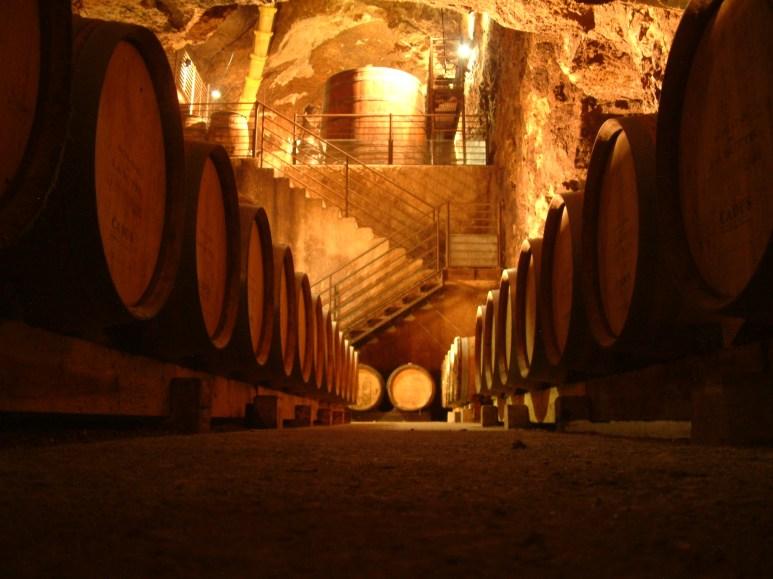
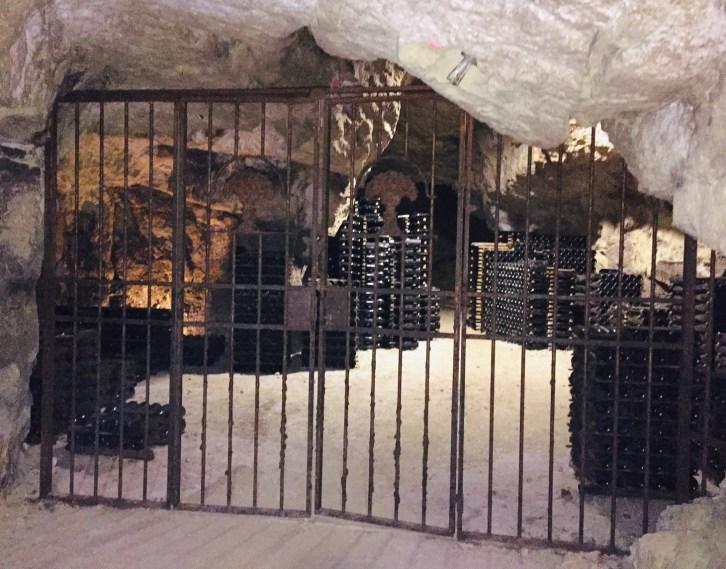
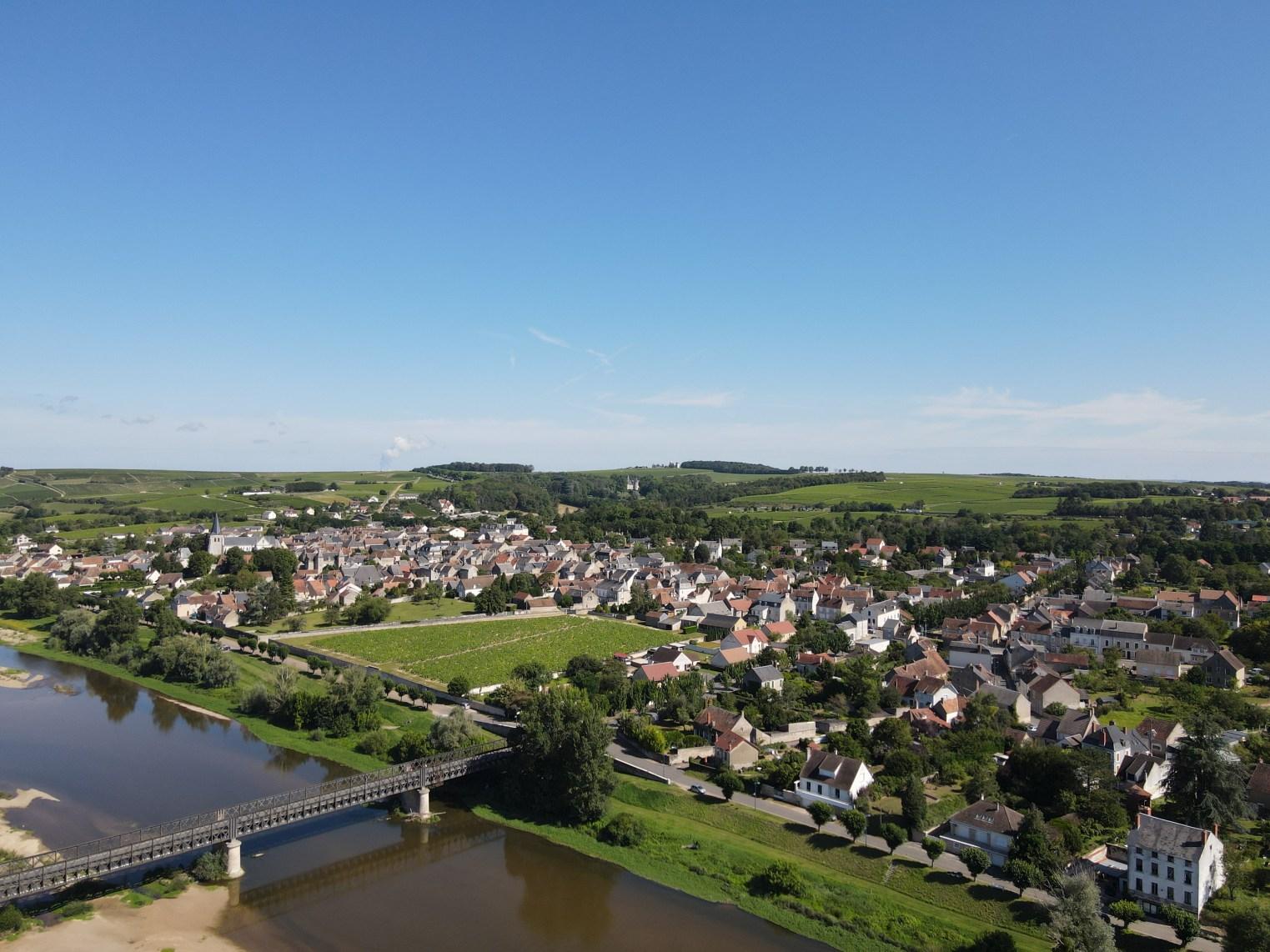
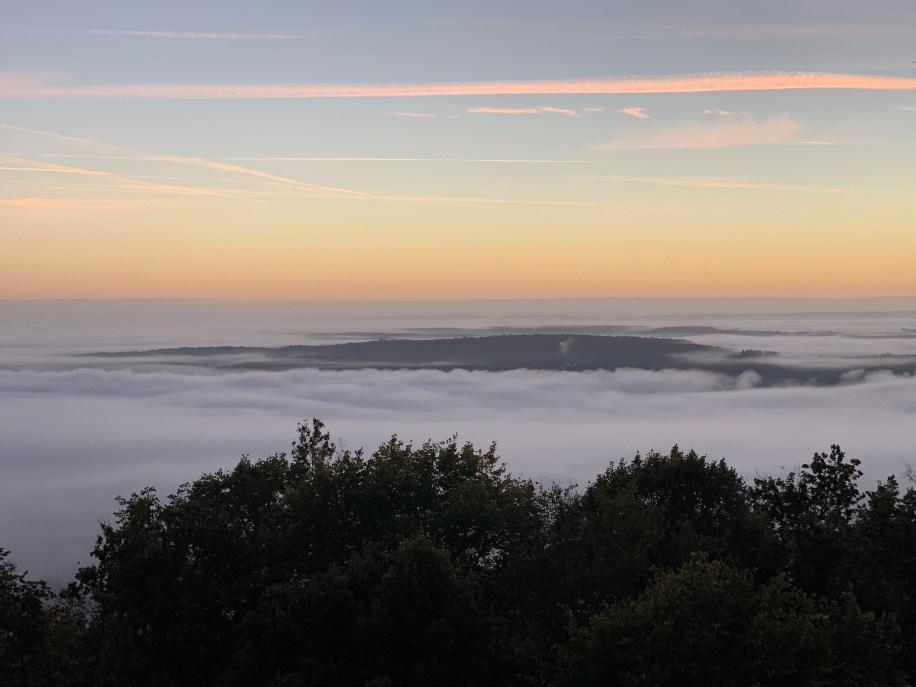
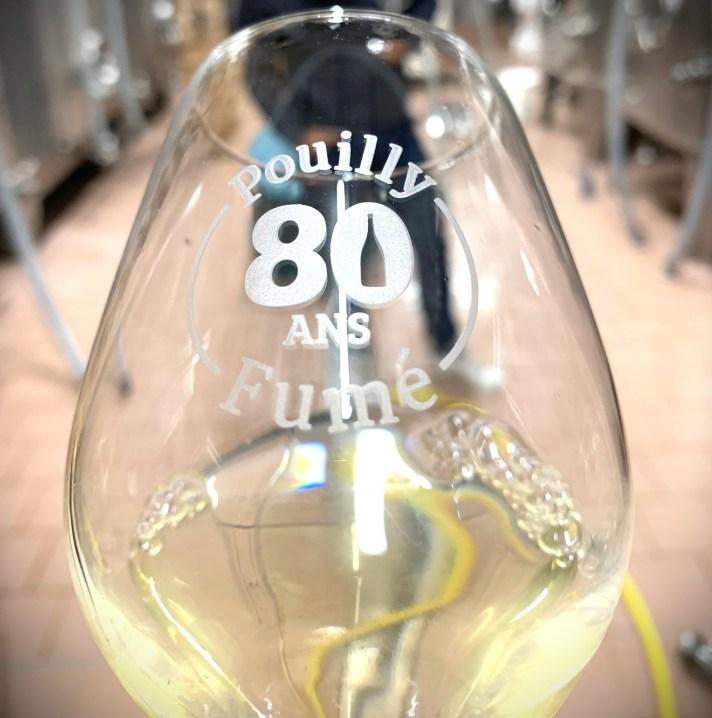
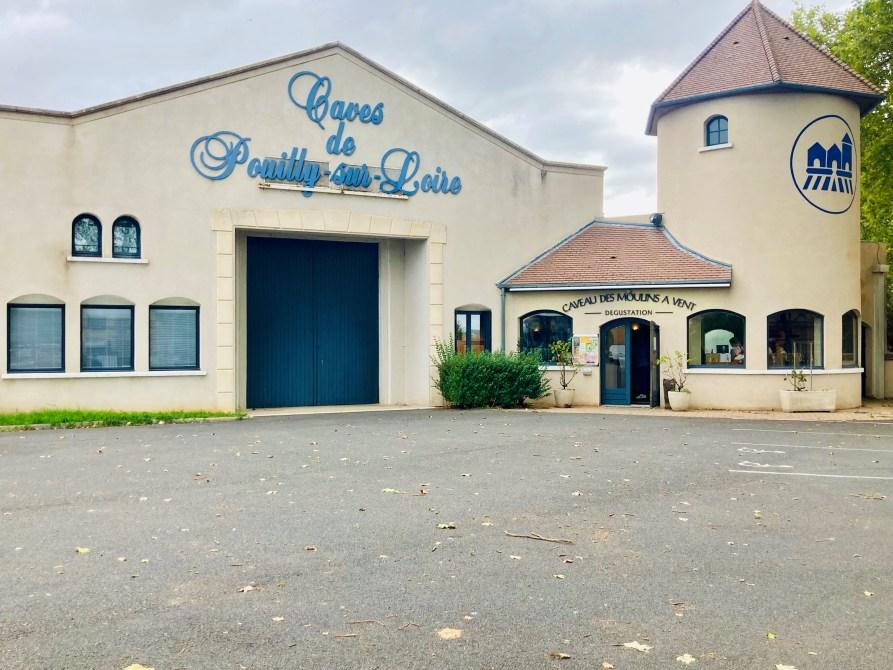
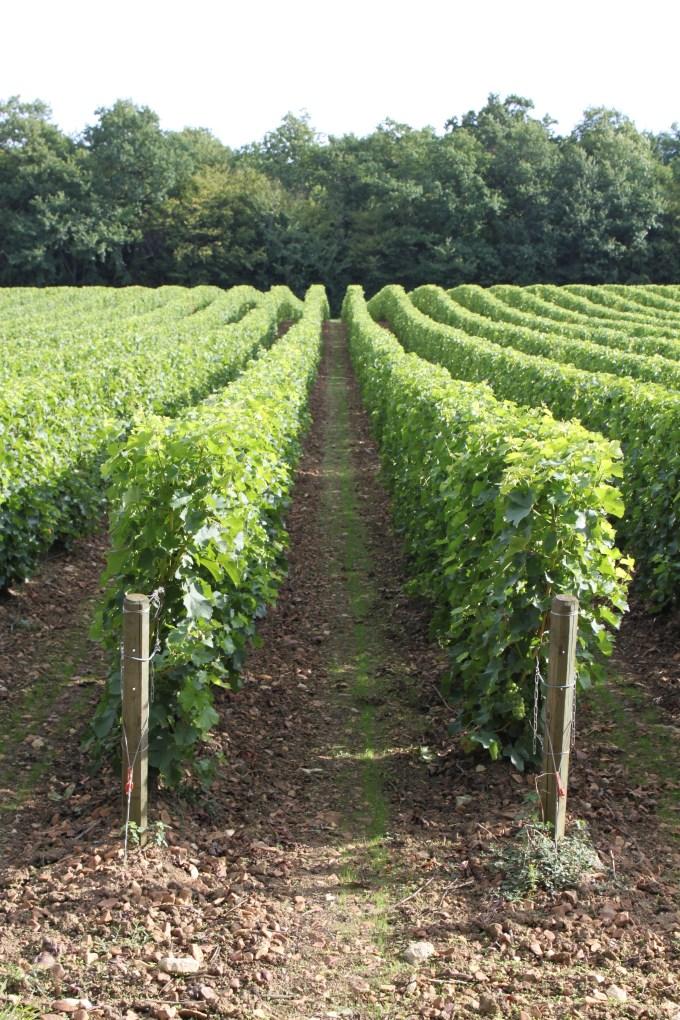
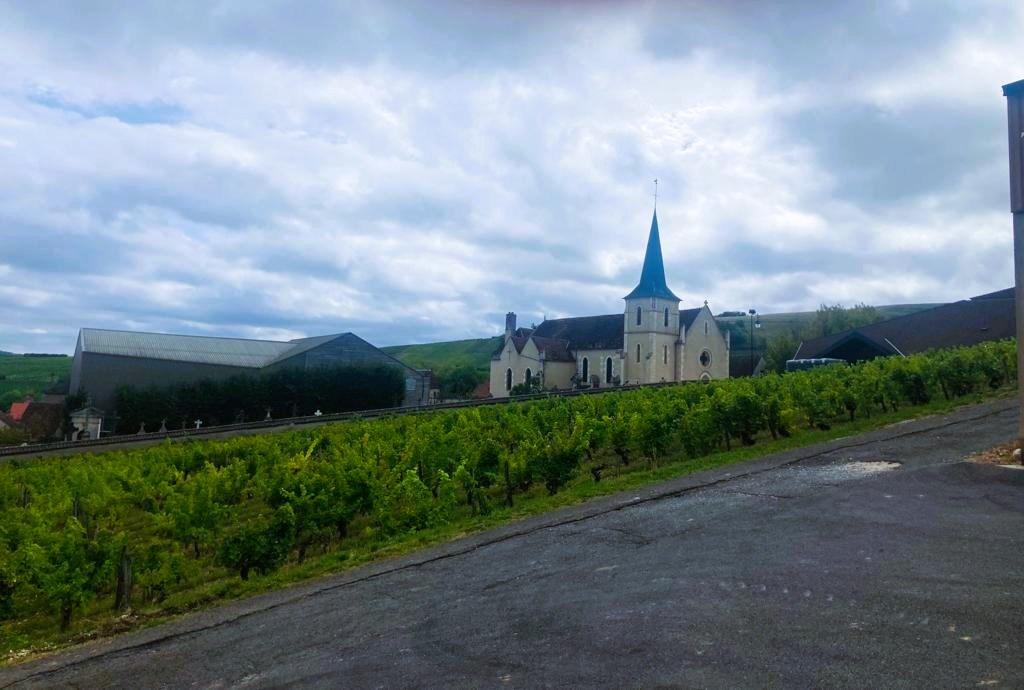
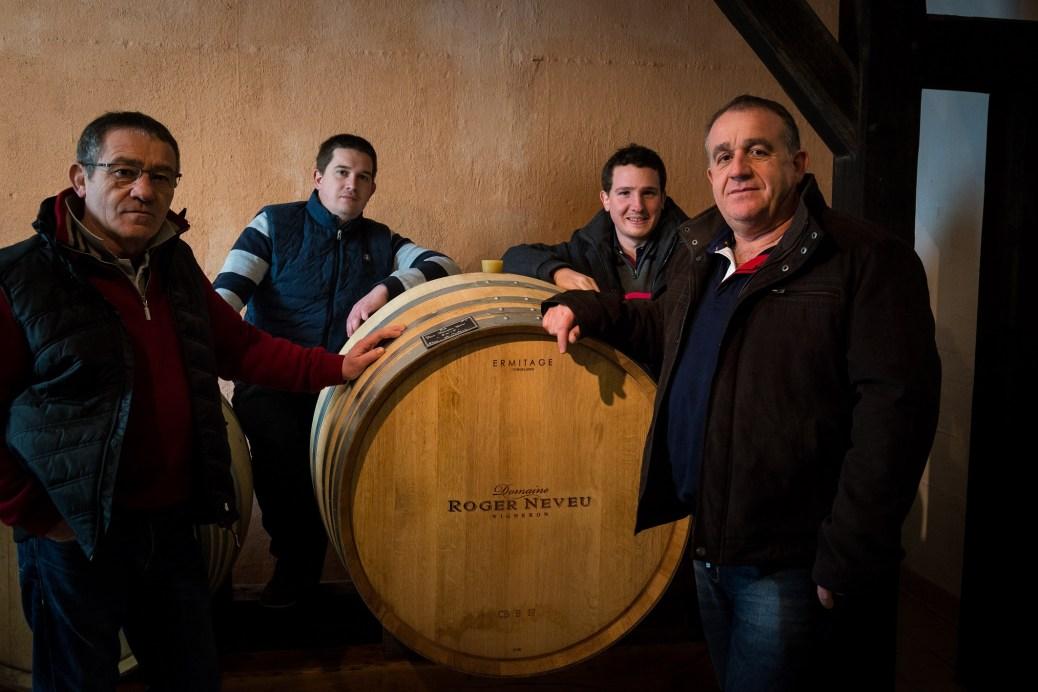
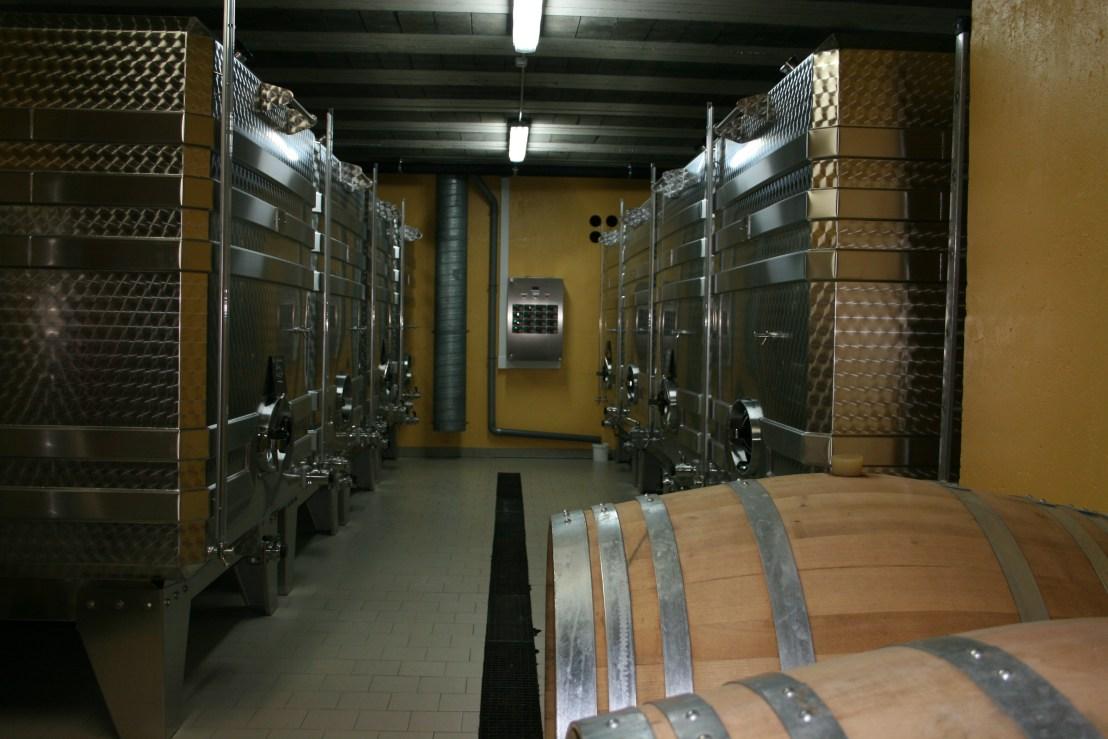
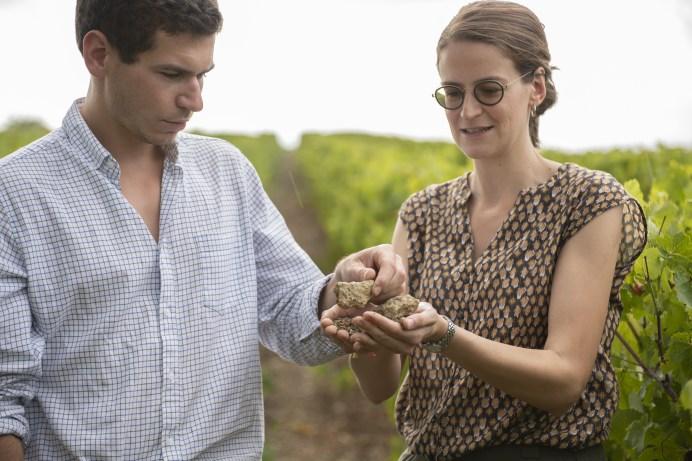
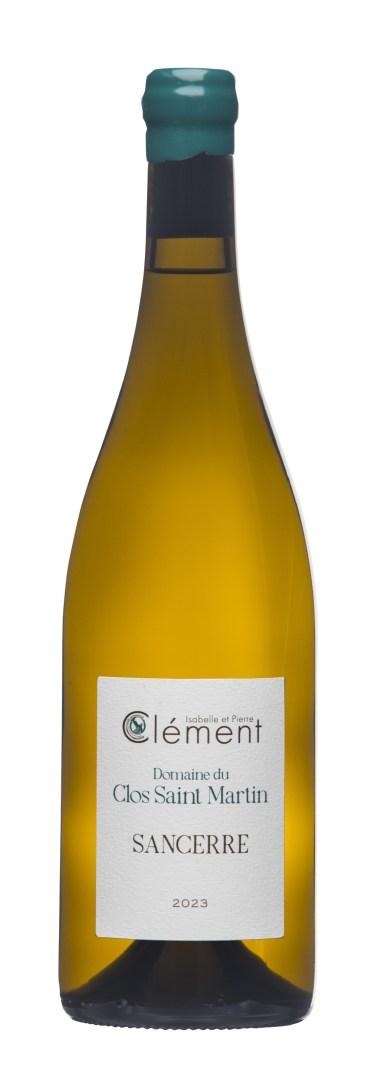
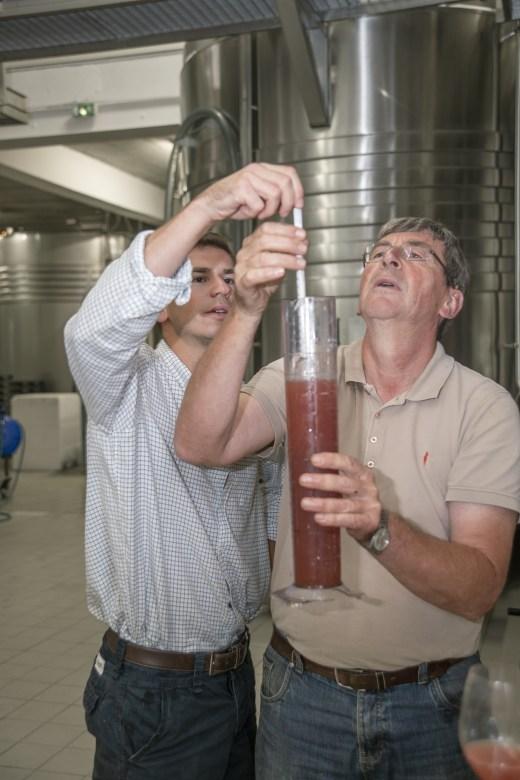
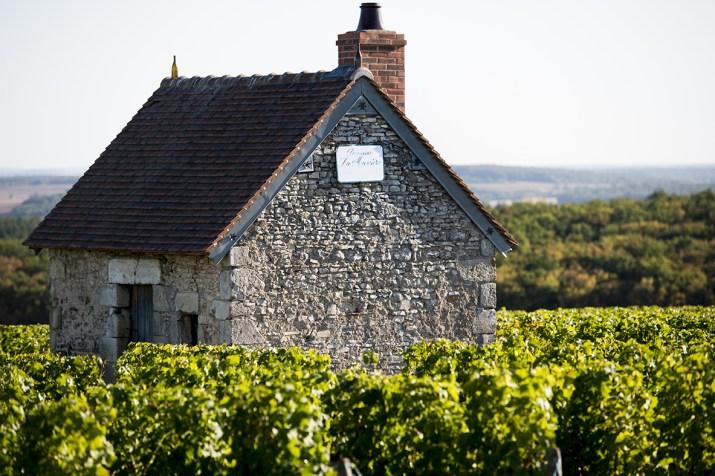
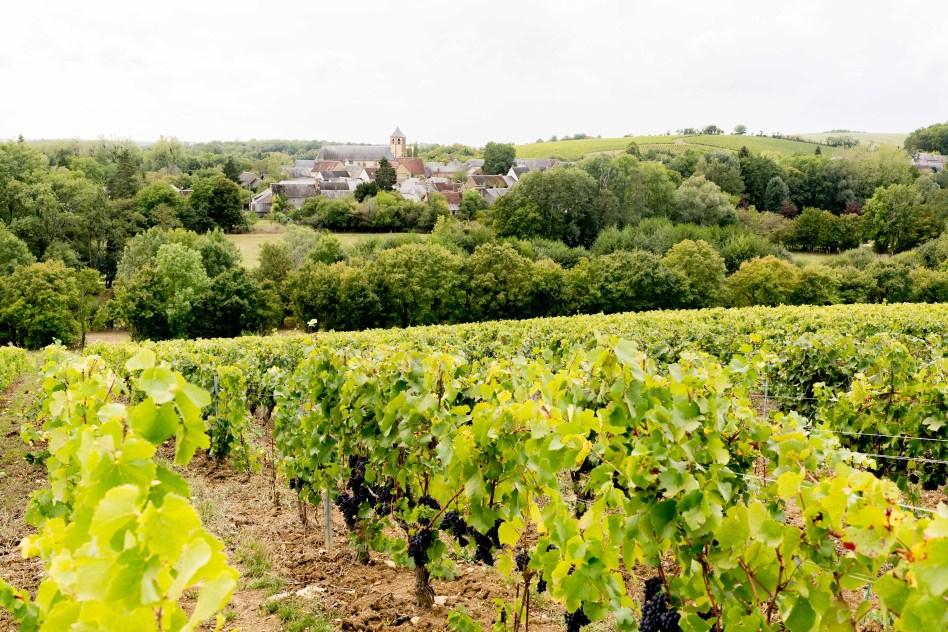
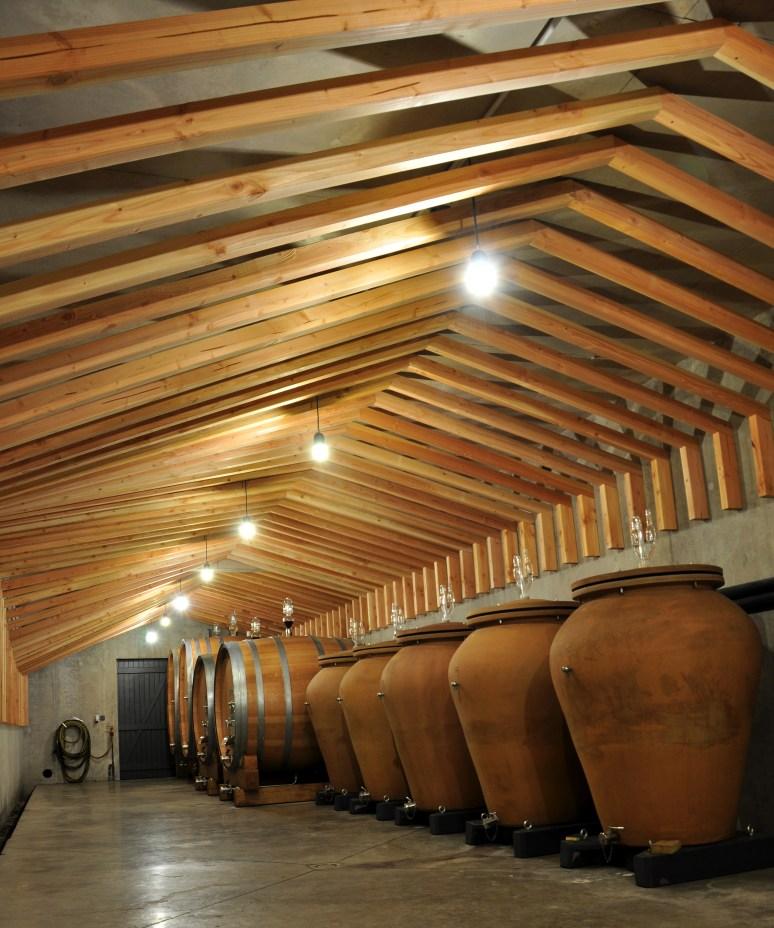
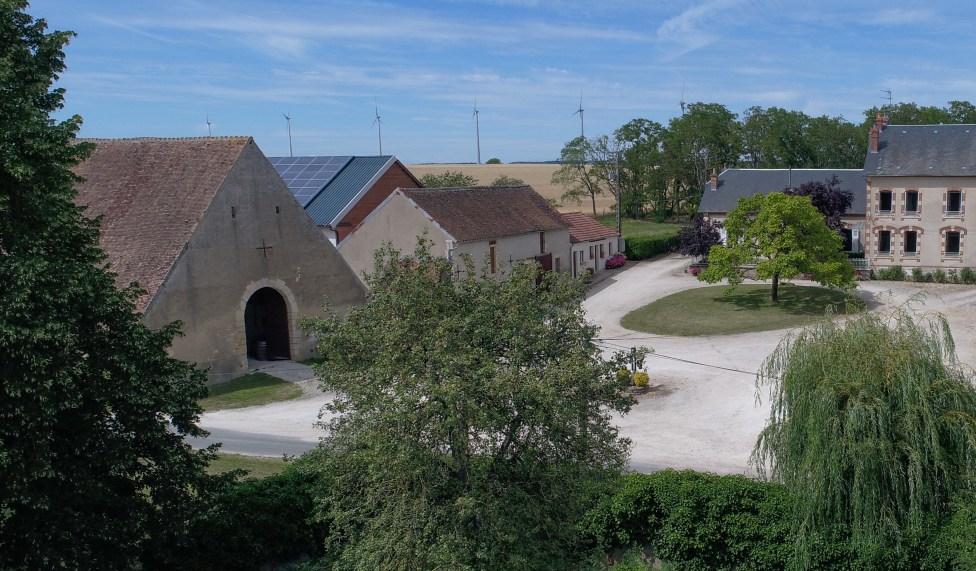
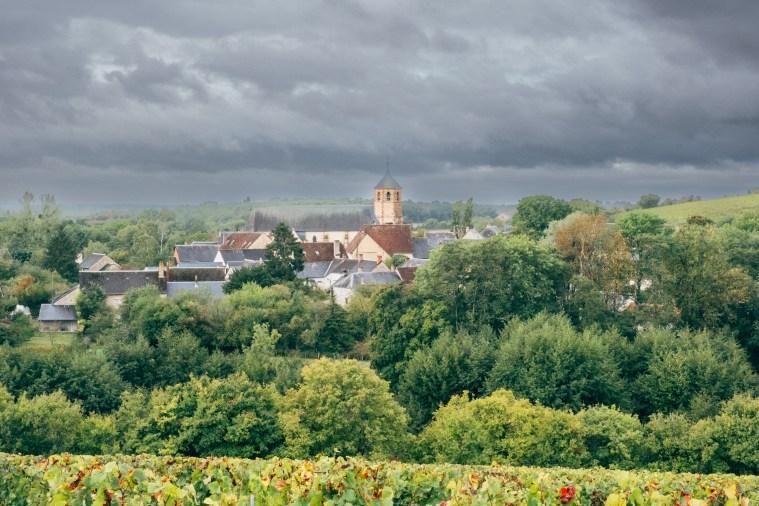
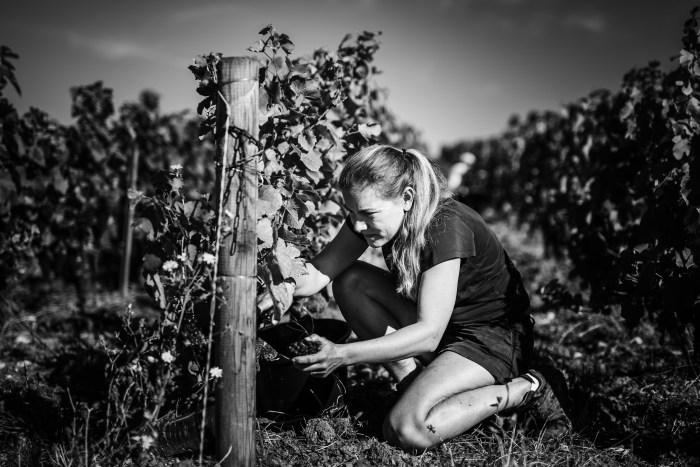
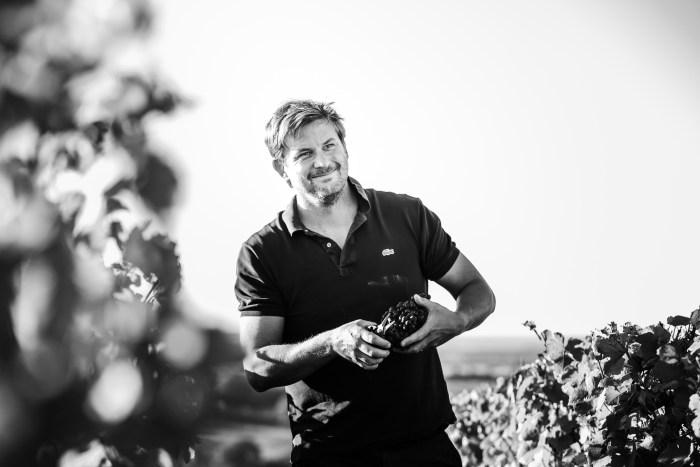
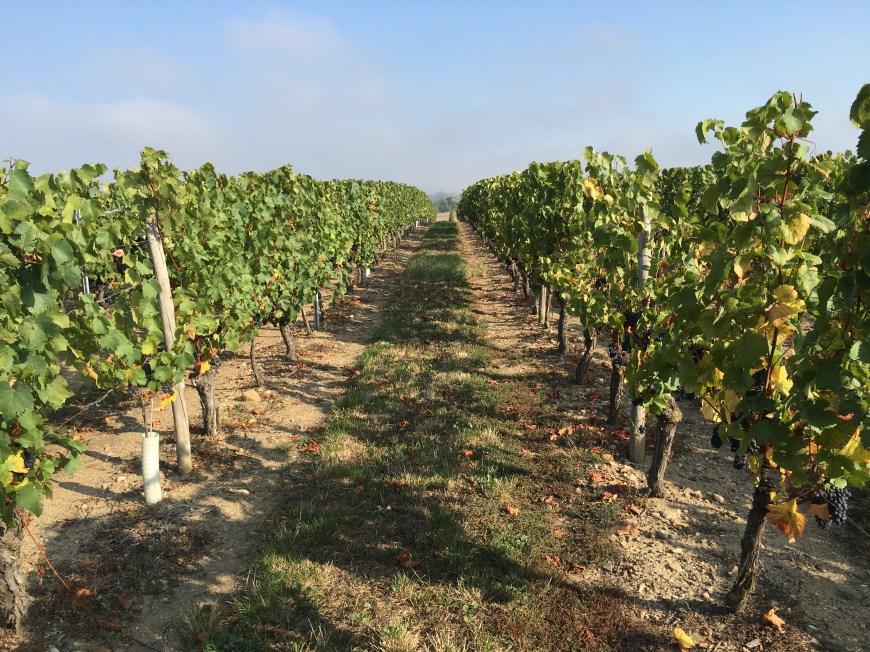
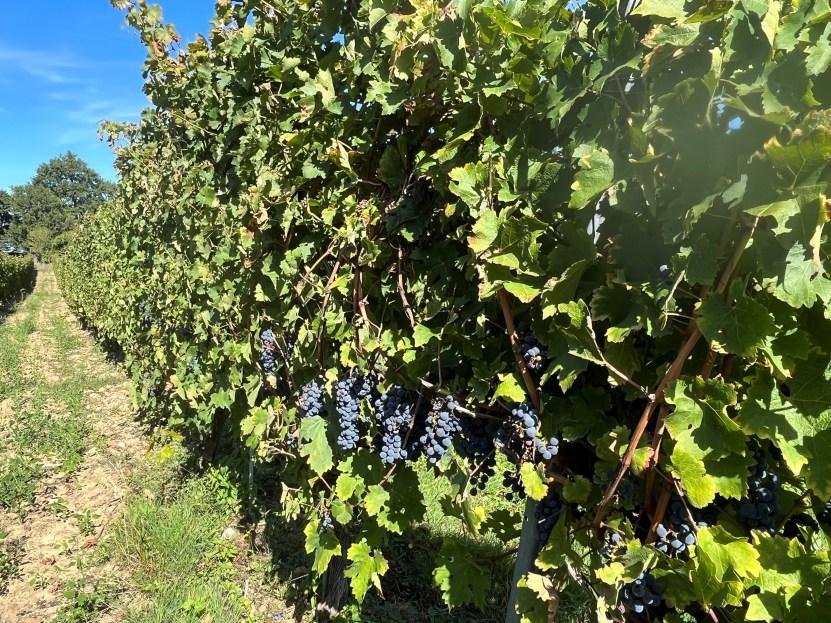
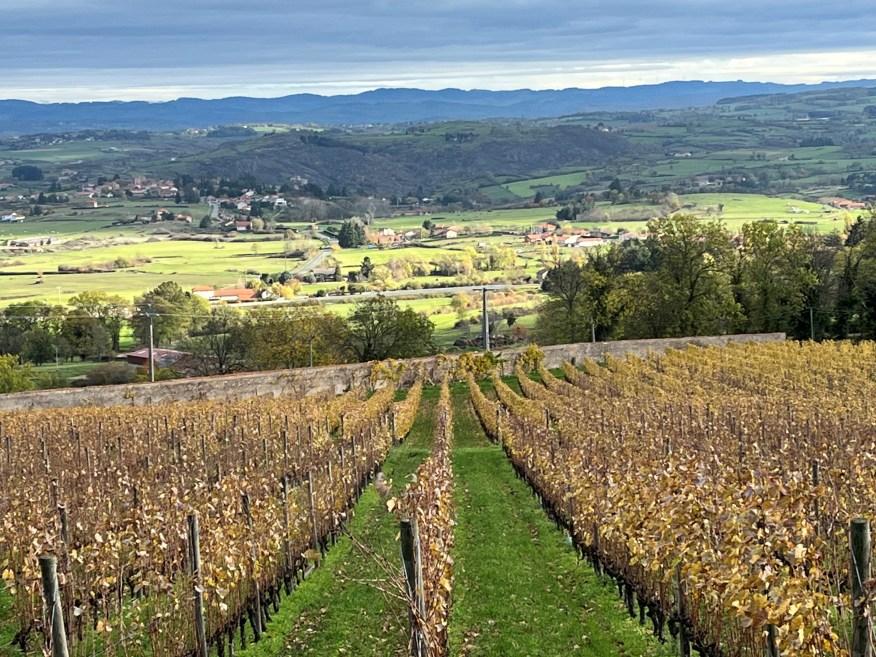
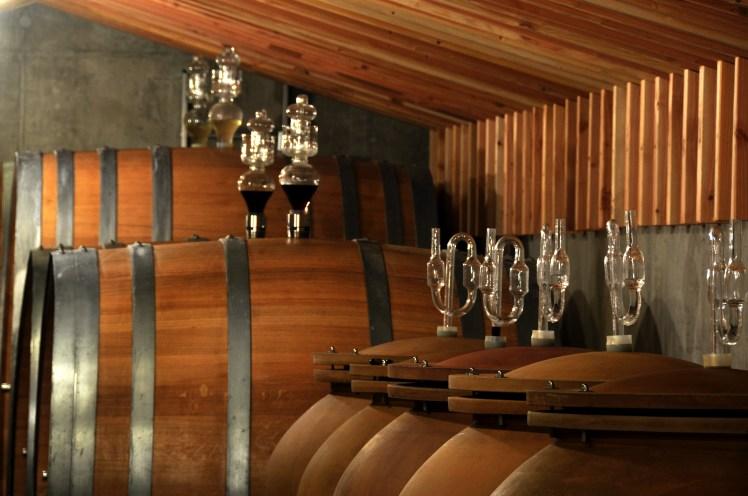
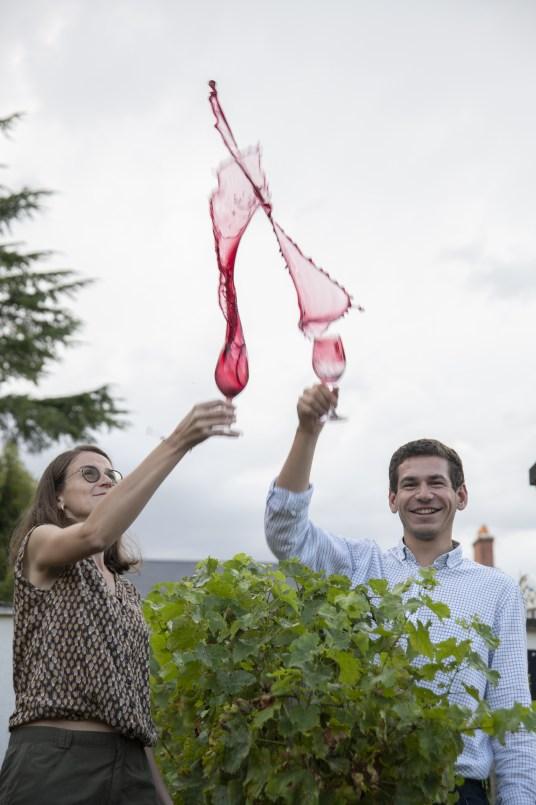
"From vine to glass, we import French wines that speak of their terroir — crafted by hand, shaped by nature, and guided by generations of vignerons in the Loire Valley."
Exquisite Selection
Exceptional Service
Extensive Reach
Exceptional Wines & Competitive Prices
Personalised & Tailored Approach
Supplying over 10 different export markets
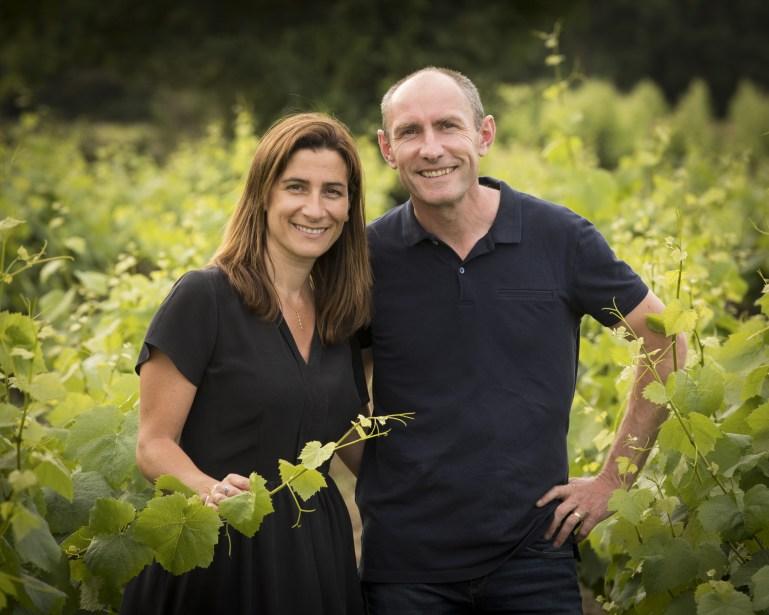
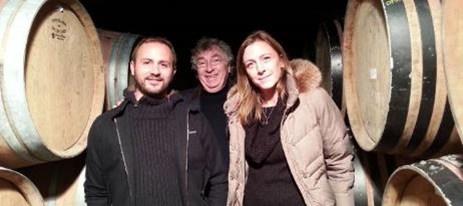
Meet The Team
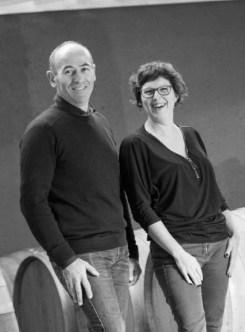
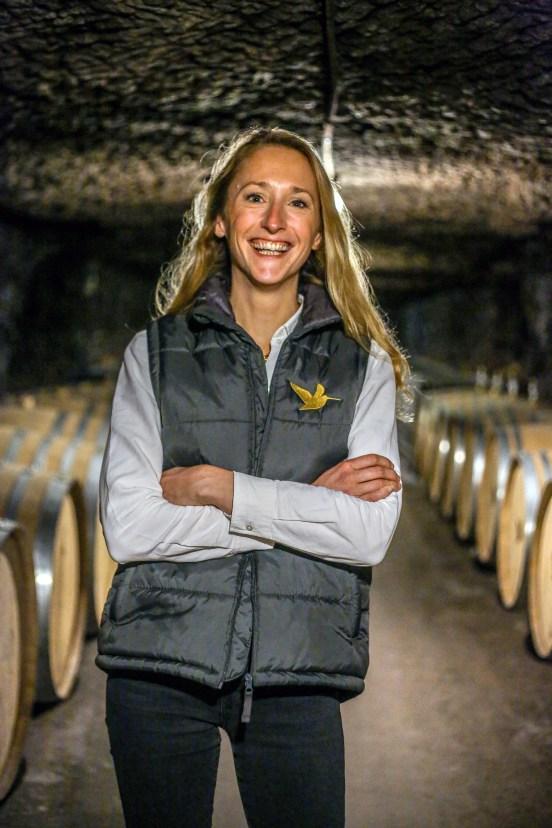
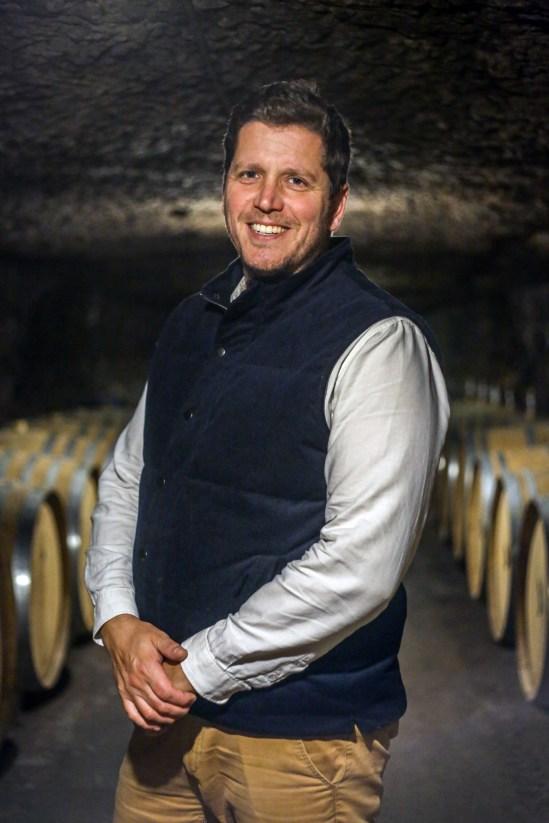
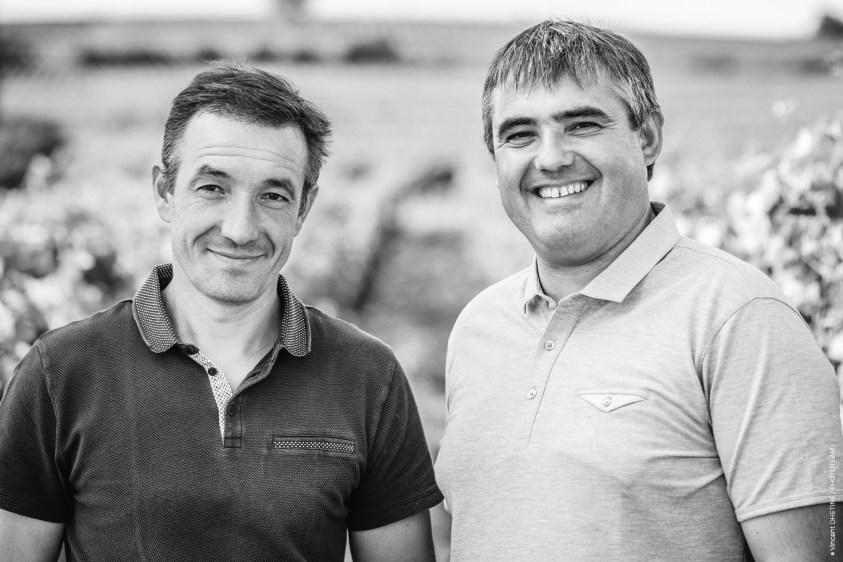
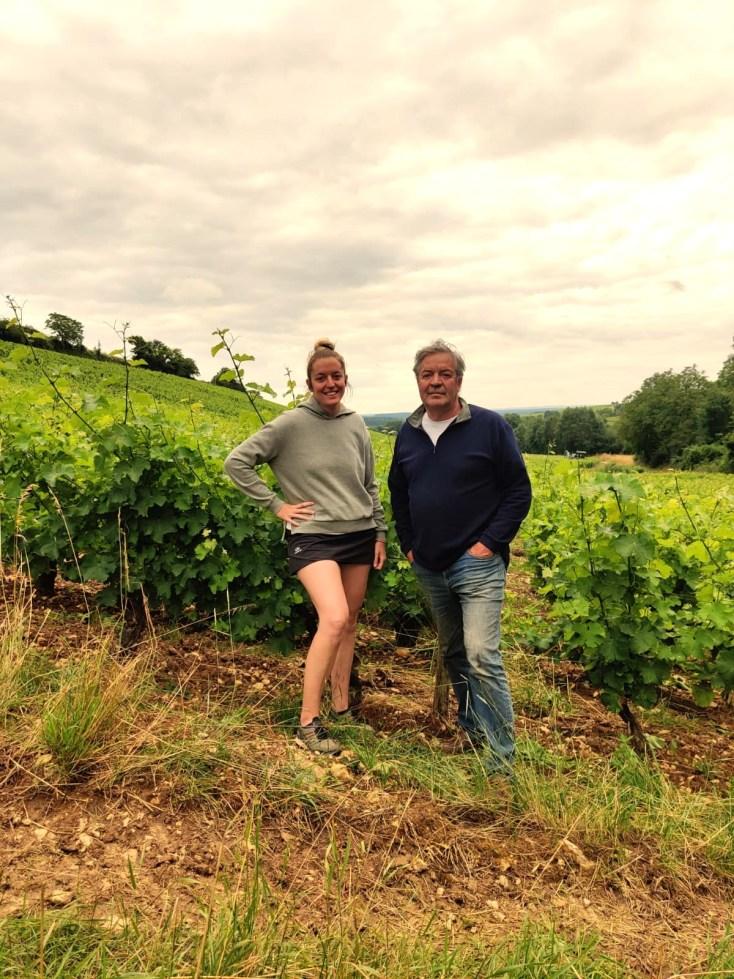
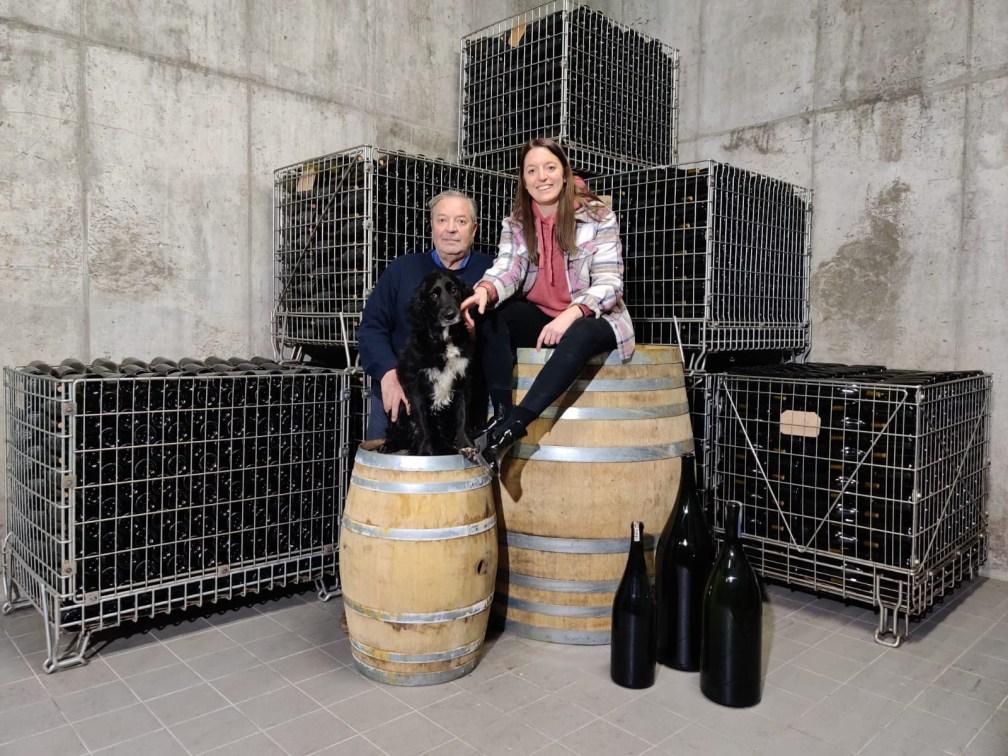
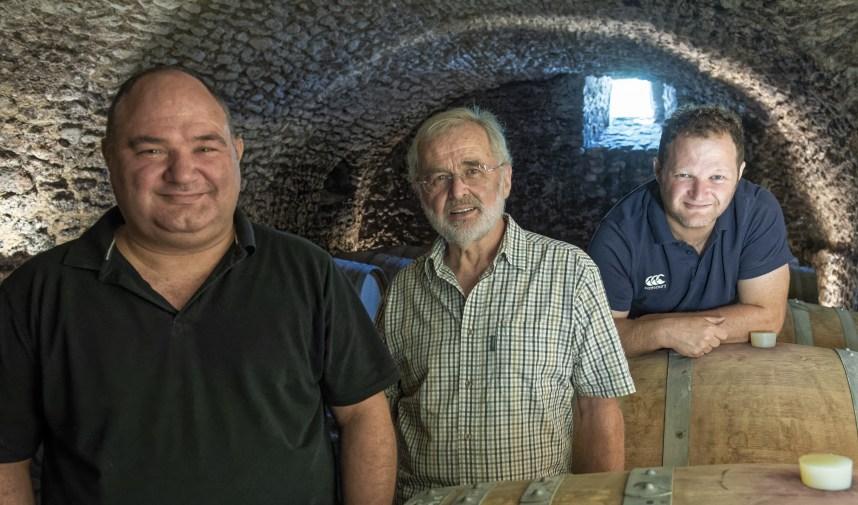
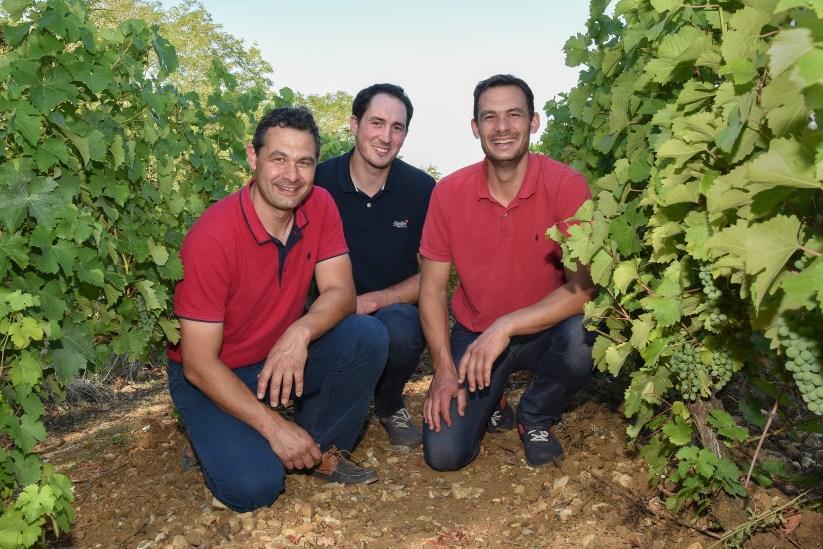
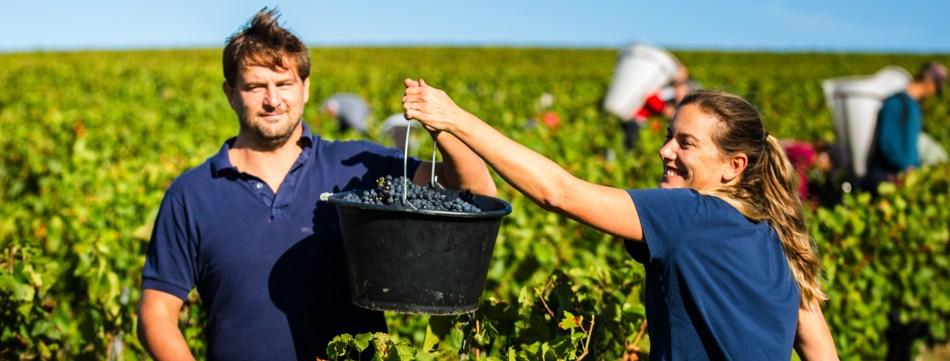
We're a small but mighty team based in the UK and France, with a mix of talents and one shared goal: to bring the best vignerons to the right customers in the UK and around the world.
Trusted by industry leaders, known for being sharp, reliable, and just a little bit obsessed with doing things right. Our clients trust us because we listen, we care, and we’re not afraid to roll up our sleeves to make big things happen.
Think of us as your behind-the-scenes dream team always ready to go the extra mile (and maybe sneak in a glass of wine along the way).
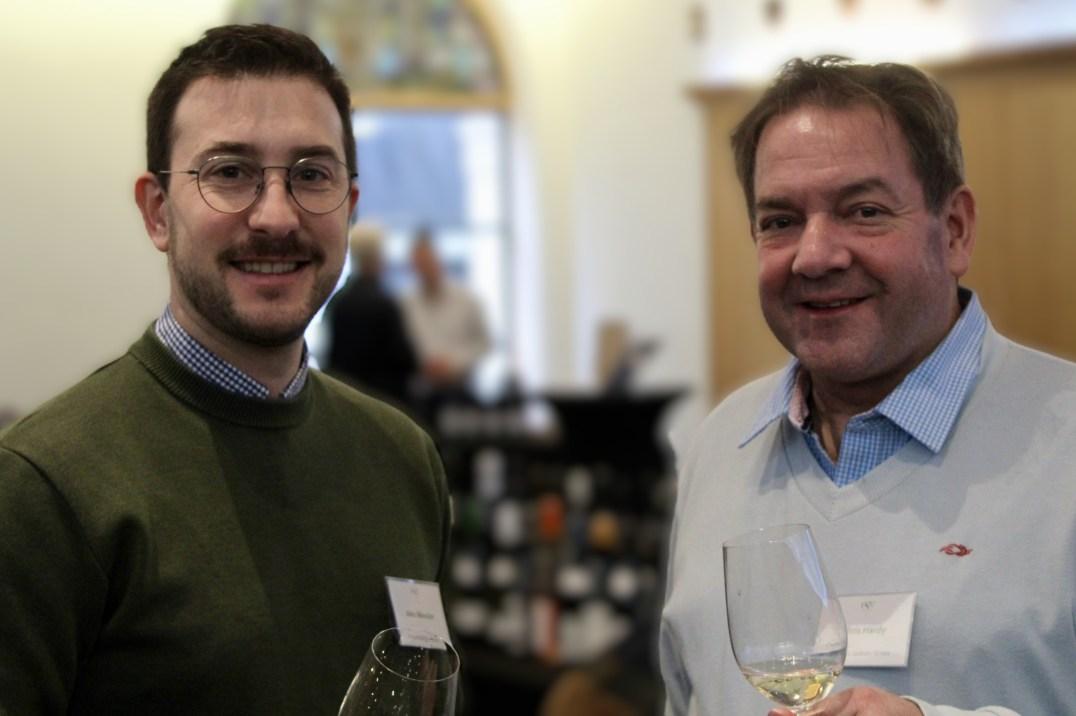
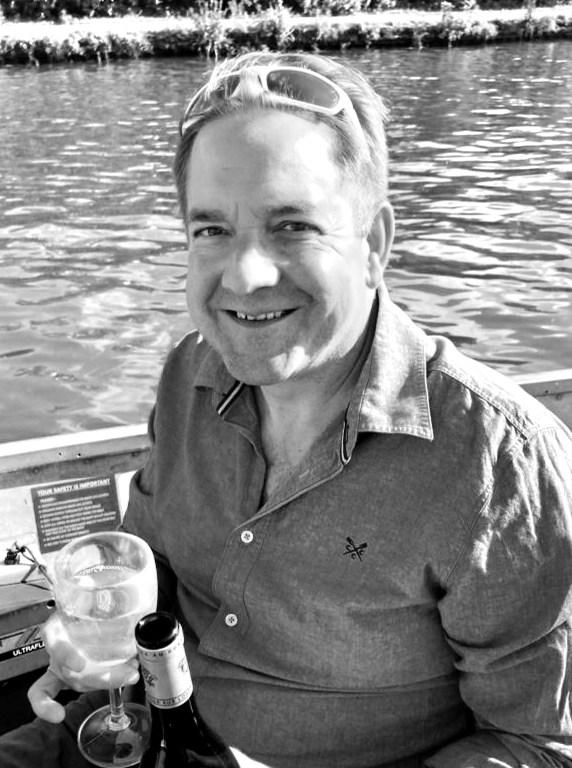
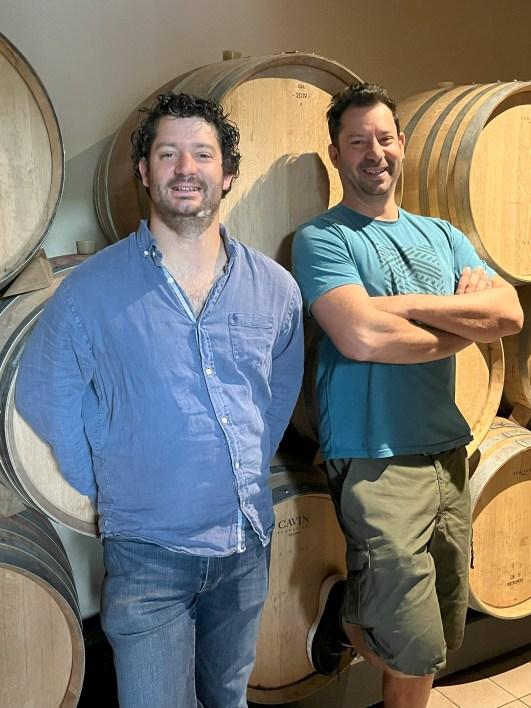
Chris acquired Charles Sydney Wines in 2016 and is Managing Director of Charles Sydney Wines Limited, based in Hertfordshire with an office in Angers, France. With over 30 years’ experience in the wine trade including 20 years as Senior Buyer at Majestic Wine and more than a decade as a Decanter World Wine Awards judge — he combines deep industry knowledge with strong relationships with buyers and leading producers to meet your needs.
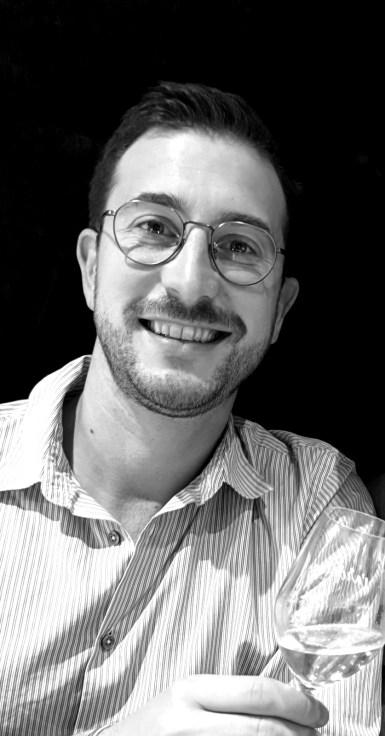
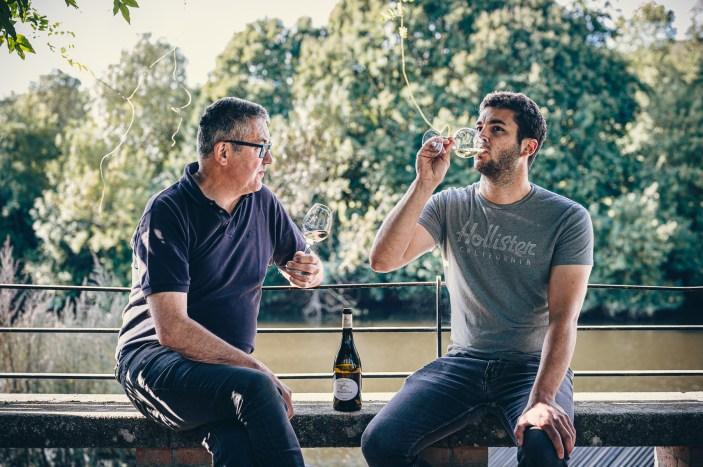
Alex joined CSW as Sales Director in 2018 and has since become a Business Partner. Alex brings a strong commercial background, having studied marketing and business management before completing a Wine Business MBA at KEDGE Business School in Bordeaux. After his studies, he spent five years working as an export manager and has a lifelong passion for food and wine. He lives in the Loire and is an expert in the wines produced in the region. He has excellent relationships with the producers in the portfolio and is an outstanding host for customers wishing to visit the wineries and meet the growers.
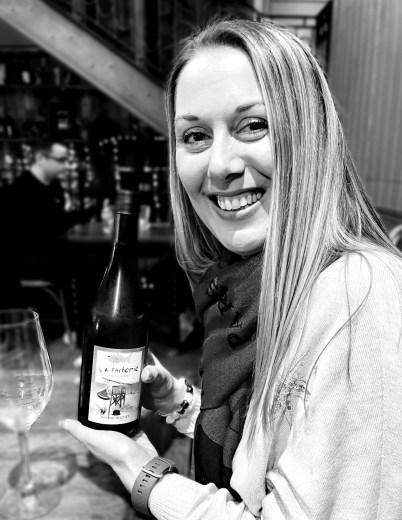
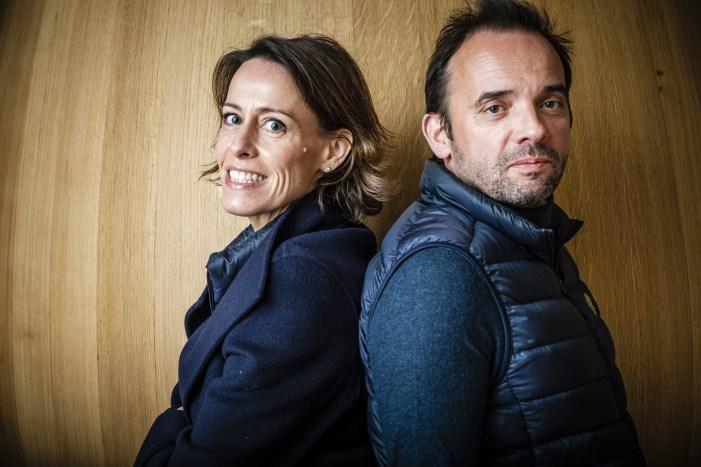
Lisa joined the CSW team in 2022, bringing with her a background in marketing, administration, and HR. She manages a range of projects to ensure the company, customers and our producers remain up to date and compliant with ever-evolving regulations. Lisa oversees all aspects of our marketing and organises the annual portfolio tasting. Importantly, she loves France and Loire wines and feels very lucky to enjoy such wonderful examples.
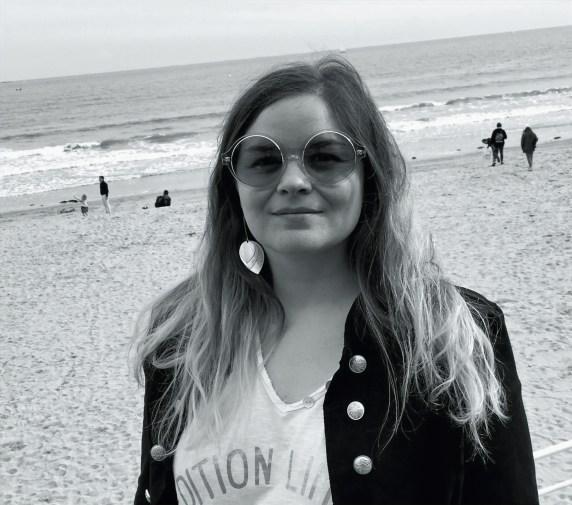
Charlotte joined CSW in October 2024 as our office administrator in the Loire and has since become Office Manager. She oversees order processing, logistics, credit control, and accounts, manages customer sample requests, and organises CSW visits to our producers. Charlotte has a wealth of experience as an export assistant and international partner manager
“Working alongside Chris and Alex is incredibly energising and truly accelerating. The Charles Sydney team consistently anticipates market headwinds and acts fast to ensure the work of Loire winemakers is protected, valued, and understood in the UK. They are a true facilitator between two worlds, creating real value for both producers and consumers. Thanks to their dedication, Loire wines don’t just arrive on the market, they arrive with meaning, story, and the emotional connection that makes wine so special”.
Jehan Sacaze, Head of Buying Direct Wines
Follow us on Instagram @charlessydneywines
2025 LOIRE VALLEY
Vintage Report
“Higher degrees, lower yields… but an exceptional vintage.”
After several years marked by extremes, 2025 will be remembered as a vintage that rewarded precision, anticipation and resilience in the vineyard. Following the frost-ravaged 2021 harvest, the drought-affected but generous 2022, the plentiful 2023 and the exceptionally difficult, low-yielding 2024, growers across the Loire entered the 2025 growing season hoping above all for stability. What emerged is not a uniformly abundant vintage, but one of striking quality, clarity and balance – and, in many respects, one of the most convincing and remarkable Loire vintages of the last decade.
The 2025 growing season was shaped primarily by heat and drought. Warm and dry conditions during flowering led to coulure in many vineyards, naturally limiting yields at an early stage. The summer remained largely dry, with water stress evident in a number of regions, particularly on younger vines and lighter soils. However, unlike other hot vintages of the past, 2025 benefited from consistently cool night-time temperatures, which proved crucial in preserving acidity, aromatic definition and freshness in the grapes. As a result, while sugar accumulation was rapid, phenolic ripeness progressed steadily and evenly, allowing growers to harvest fruit with excellent balance.
One of the most striking aspects of 2025 is the exceptional sanitary condition of the grapes. Disease pressure was extremely low across the valley, and many growers reported some of the cleanest fruit they have ever brought into the cellar. This dramatically reduced the need for sorting and allowed for very gentle extraction and precise vinification. A clear pattern also emerged during the season: those who worked their soils diligently were often the most successful. By limiting competition from grass between the rows, vines were better able to access scarce water resources, helping to maintain vine balance and avoid excessive stress. In a year of limited rainfall, viticultural decisions made earlier in the season proved decisive.
Harvest in 2025 was both exceptionally early and remarkably rapid. Picking began in Muscadet as early as 21st August and, in most appellations, was completed by mid-September. Reds in Chinon, Bourgueil and Saumur Champigny were largely finished by the end of September, and by early October almost all harvesting across the Loire – including moelleux and late-picked styles – was complete. This makes 2025 one of the earliest harvests on record. Despite the compressed timeframe, conditions during harvest were generally favourable, allowing growers to pick at optimum maturity and retain control over style and balance.
Stylistically, 2025 marks a return to more classic Loire expressions after the unusually low-alcohol 2024 vintage. Alcohol levels are higher and more in line with a warm year, but they are exceptionally well integrated. The whites show purity, aromatic intensity and precision, supported by strong tartaric structure that preserves freshness even where total acidity is moderate. The reds, particularly Cabernet Franc, are a standout of the vintage: colour is deep, tannins are ripe and supple, and the wines combine generosity of fruit with a distinctly “ligérien” sense of freshness. Pinot Noir also performed extremely well in 2025, delivering wines of concentration and vibrancy that promise both early approachability and ageing potential.
Yields in 2025 are generally down across the Loire, most commonly by 10–30%, as a direct result of coulure, drought and, in isolated cases, hail. While this is not a catastrophic shortfall, it comes after the very small 2024 harvest and therefore places additional pressure on availability in several key appellations. In regions where global demand already exceeds supply, this is likely to create tension, and allocations may be tighter than usual. In this context, long-standing partnerships and consistent relationships will be more important than ever. Encouragingly, where volumes are reduced, the concentration and quality of the wines more than compensate.
Auvergne throughout November and December, tasting the new vintage, finalising bespoke blends for selected customers and confirming volumes and pricing for 2026. This two-month process, which lasted until Christmas, precedes and enables the publication of our new catalogue in early January 2026. We are also acutely aware of the impact of UK duty increases linked to alcohol levels. While 2025 wines are naturally higher in alcohol than those of 2024, we have worked closely with our producers to limit ABV increases wherever possible – typically to +0.5%, and only in rare cases up to +1% - in order to mitigate the effect on pricing and maintain accessibility for the end consumer.
In conclusion, the 2025 Loire Valley vintage is defined by quality rather than quantity. It is a vintage of concentration without excess, ripeness without heaviness and freshness without austerity. The wines show precision, energy and complexity, reflecting both favourable natural conditions and the increasingly thoughtful vineyard practices of our growers. After the challenges of recent years, 2025 offers a welcome sense of equilibrium and stands as a compelling reminder of the Loire Valley’s ability to produce wines of elegance, character and balance even in the face of climatic extremes. We look forward to sharing these wines with you and are confident they will deliver immense pleasure, both on release and for many years to come.
Santé !
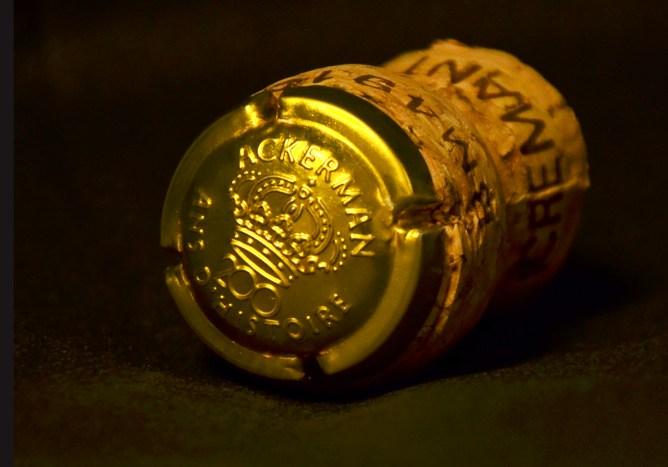
MAISON ACKERMAN
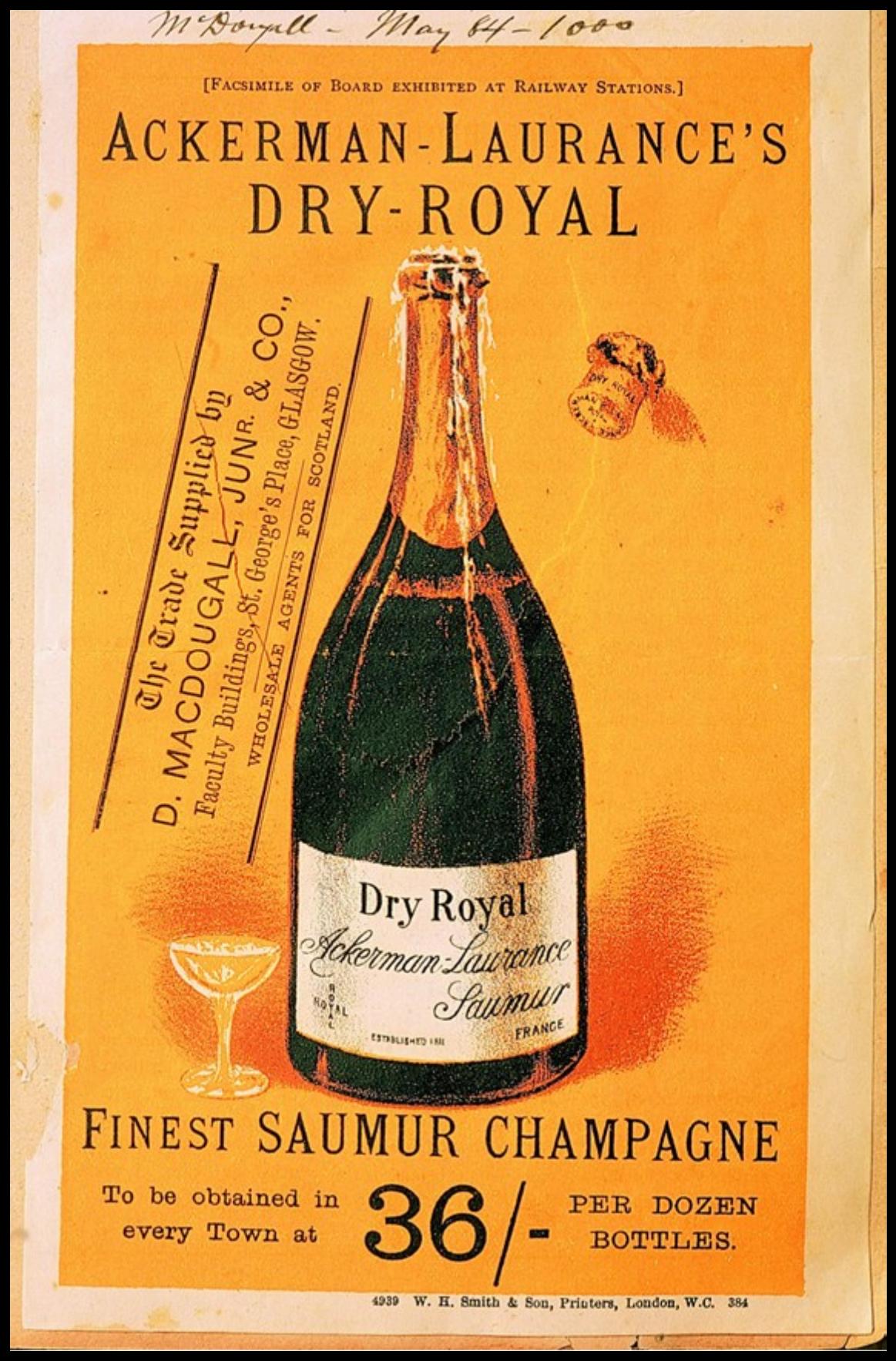
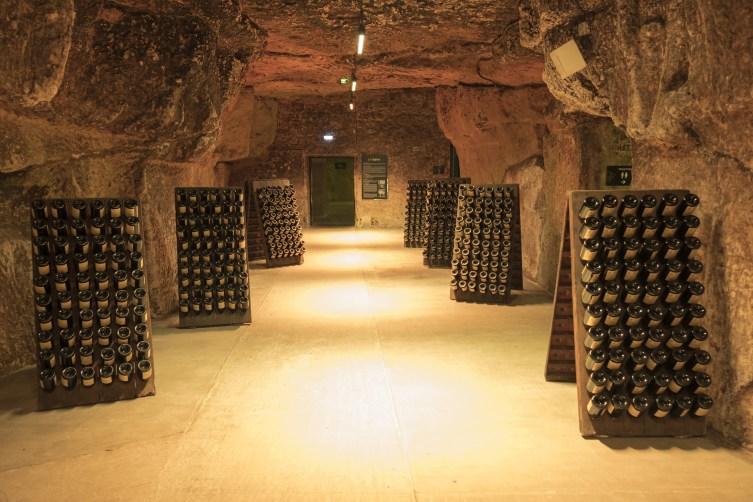
Founded in 1811 by Jean-Baptiste Ackerman, Maison Ackerman is one of the Loire Valley’s oldest and most iconic sparkling wine producers. A pioneer of the MéthodeÊTraditionnelle in Saumur, Ackerman created the revolutionary “vin mousseux façon Champagne,” laying the foundation for Crémant de Loire.
Ackerman’s story is intimately tied to the United Kingdom. From the 1830s, Jean-Baptiste was exporting sparkling wines across the Channel, but it was under his son, Louis-Ferdinand Ackerman, that the house became a true export force. In 1882, he partnered with London importer W.& A. Gilbey to launch the now-famous Royal brand crafted specifically for the British market. With its Brut Royal and Dry Royal, Ackerman became a fixture of grand hotels, luxury trains, and ocean liners. By 1900, the house was exporting over 1 million bottles per year, with 75–85% bound for the UK.
A London branch was opened as early as 1873, making Ackerman one of the first French wine houses with a permanent UK presence. In 1911, it co-hosted the Wine and Spirit Trade Benevolent Society’s centenary banquet proof of its long-standing prestige in the British trade. Today, Ackerman is France’s leading producer of Loire sparkling wines, and one of the largest exporters of Loire AOPs globally. With more than 100 medals awarded annually, Ackerman continues to innovate while preserving its two-century old savoir -faire. But beyond its role as a historic house, Ackerman is also a major winegrower, with over 430 hectares of vineyards across six domaines and châteaux.
This includes the Domaine des Dames de la Vallée in Saumur, which is dedicated entirely to sparkling production. This direct access to fruit ensures full control from grape to glass, allowing for precision, consistency and true terroir expression. All vineyards are certified HVE3 and/or organic, underlining a deep commitment to environmental stewardship.
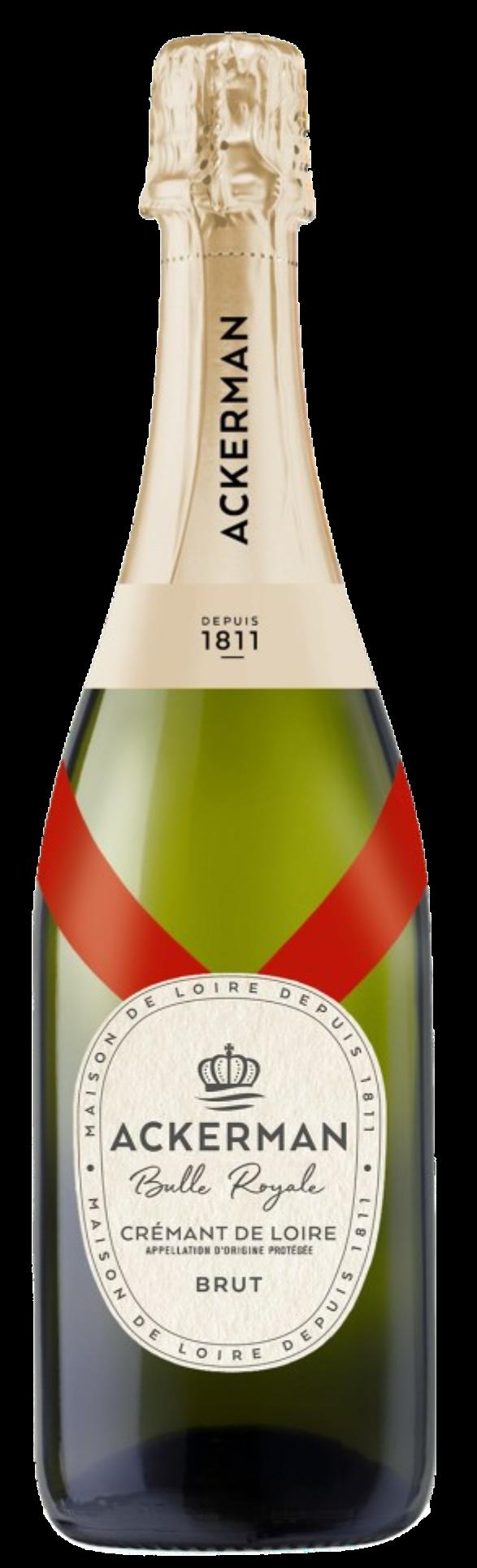
Today, Ackerman is France’s leading Loire sparkling wine producer, with over 430 hectares across six domaines and châteaux, exporting globally and winning more than 100 medals annually. Recent accolades include Decanter 2025 Gold for Bulle Royale AOP Saumur Brut NV (95 pts) and Bronze for Royal Brut Crémant de Loire 2022 (89 pts) and Bulle Royale Brut Crémant de Loire NV (88 pts).
Ackerman Bulle Royale
de Loire
Ackerman Reserve
Ackerman Royal
Ackerman - Cuvées X
Ackerman Zéro
MARIELLE HENRION
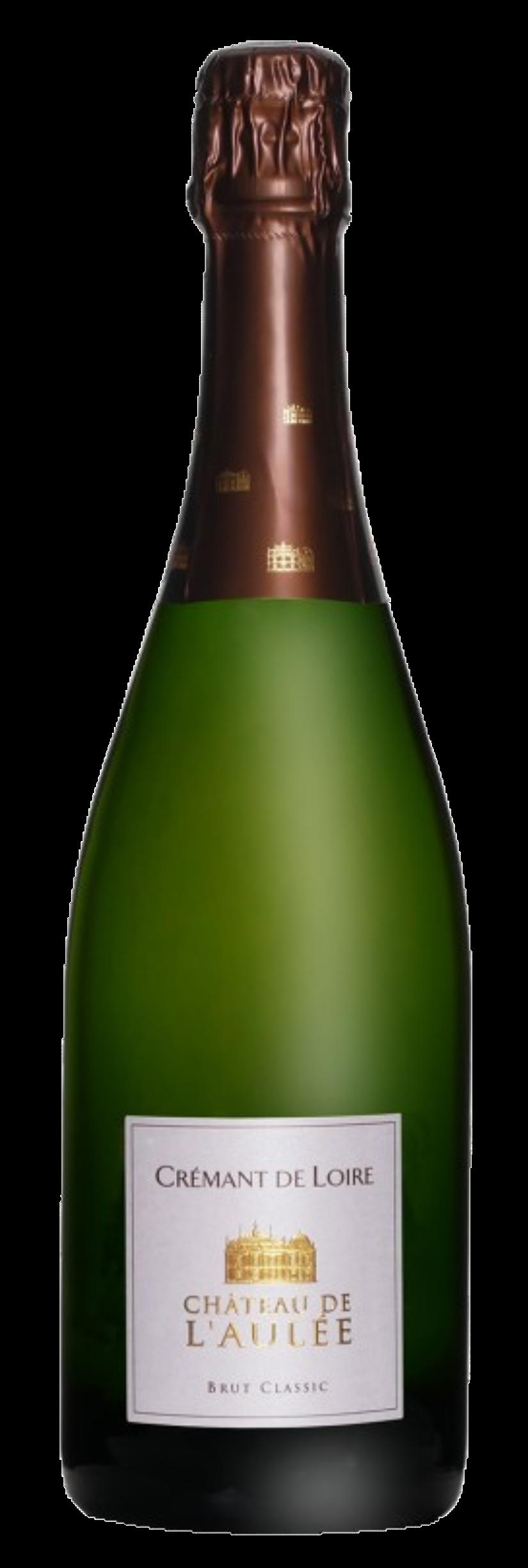
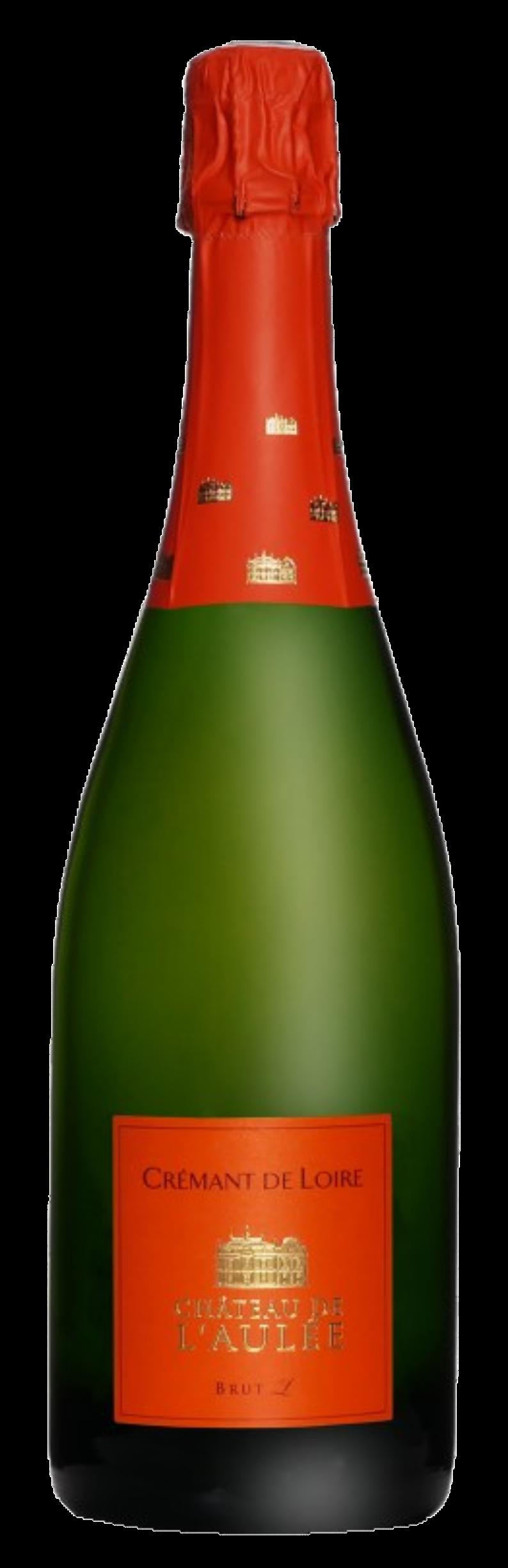
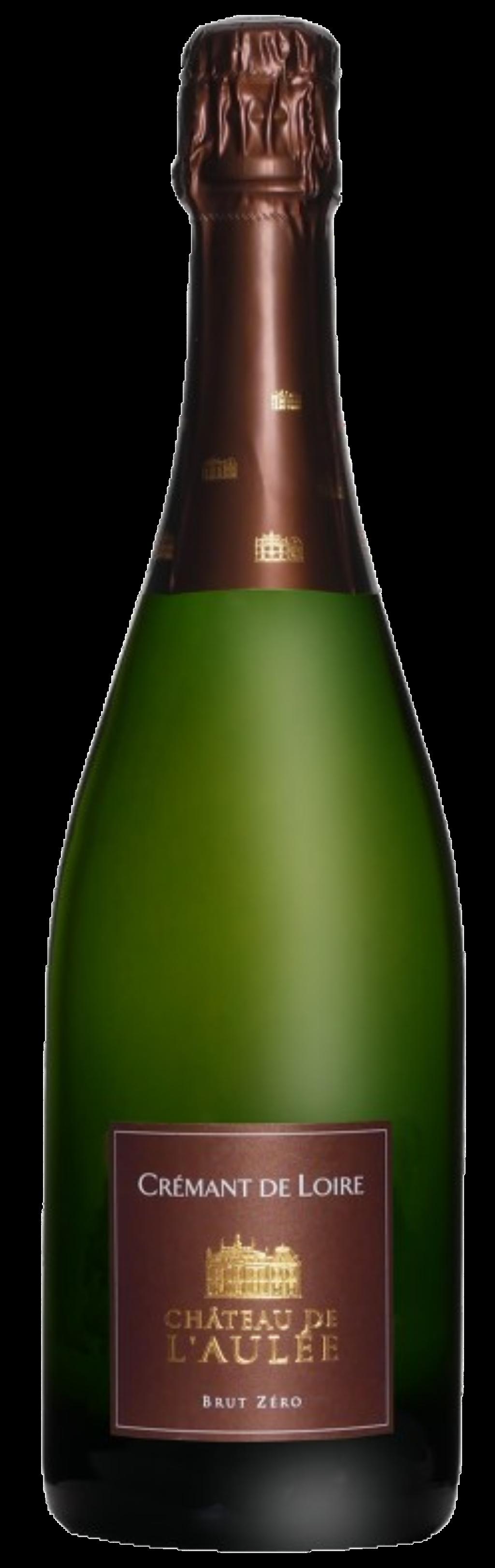
CHÂTEAU DE L’AULÉE
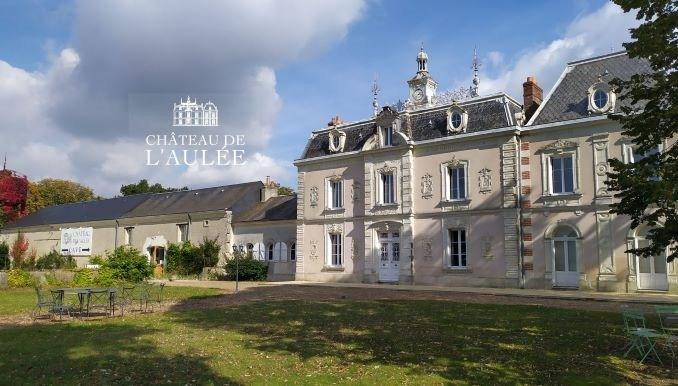
Château de L’Aulée was built just outside Azay-le-Rideau by the Cordier family of Bordeaux. After a long history it was taken over in 2004 by Marielle Henrion, a Champagne-trained oenologist who had previously worked for Pommery, Bricourt and for some years with Bollinger.
This professional experience is exactly what the Château needed and Marielle’s first concern was to get the vines under control – replacing some 30% of the vines in their first 4 years. Having re-established the vineyards her next step was to create a purpose-built winery to replace the ancient chai.
Today the estate has 30 hectares in production, including 20 of Chenin Blanc, 3 of Chardonnay, 1 of Grolleau with a further 6 ha in Chinon dedicated to Cabernet Franc grape for their crémant rosé. The vines are run according to the rules of LaÊLutteÊRaisonnée, with each plot being grassed through and run differently according to site and age of the vines.
Concentrating on making sparkling wines always the mainstay of the Château’s production – Marielle picks the Crémants by hand in small caisses while the Touraines are picked with the latest generation Pellenc machine with its revolutionary built-in tri.
After selection on a tableÊdeÊtriÊand a gentle pressing in one of the estate’s two pneumatic presses, fermentations are at controlled temperatures in stainless steel vats - or in a choice of barriques and oak vats. The wines are excellent – now with 2 years surÊlattes.
The Crémant Brut is made by picking at full ripeness - ie around 12.5% natural at harvest - and finishing the alcoholic fermentation in bottle. Aged for 24 months and made without chaptalization or dosage, this shows a toastiness that is quite remarkable for the Loire.
The richer 'L' includes 30% cabernet franc and a dosage of just 6gm, the liqueur being made from older wines that have been matured in oak. As for the fantastic oak matured cuvée 1856, which celebrated the 150 years of the Domaine in 2003, this was so popular that we're continually waiting for the next batch to be released!
produces some 200,000.00 bottles per year, among which 85% are sparkling.
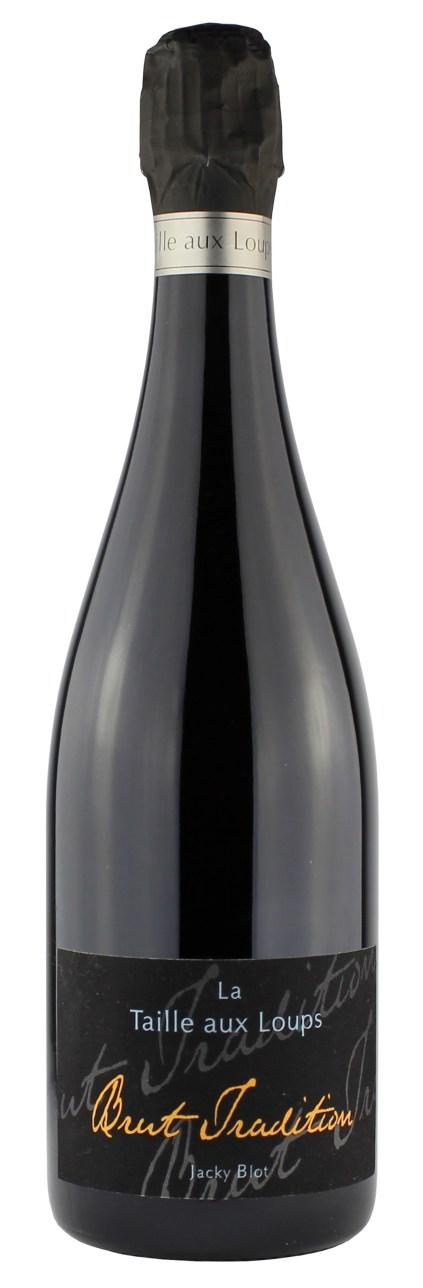
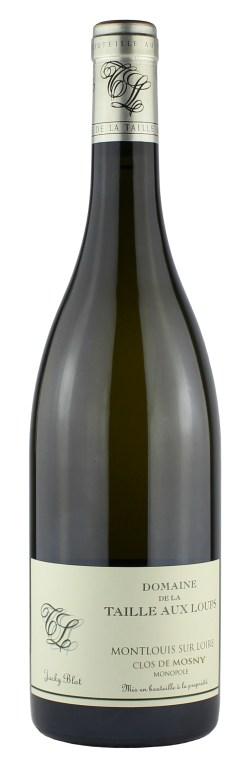
Domaine de la Taille aux Loups Triple Zéro Montlouis Pétillant
Jean-Philippe Blot
Domaine de la Taille aux Loups
Triple Zéro Rosé Montlouis
Jean-Hubert LebretonDomaine des Rochelles Crémant de Loire AOP - Blanc
Anthony & Cédric
Bonneau Domaine de la Bonneliére
Paul Pisani-Ferry
Château de Targé
Paul Pisani-Ferry
Château de Targé
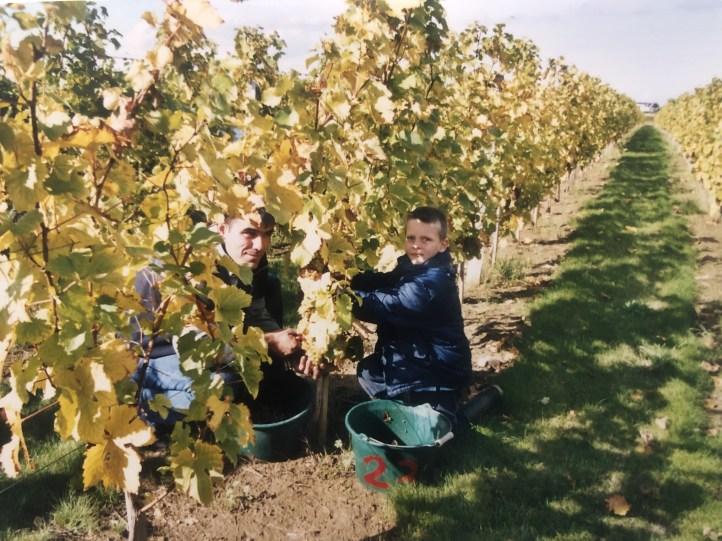
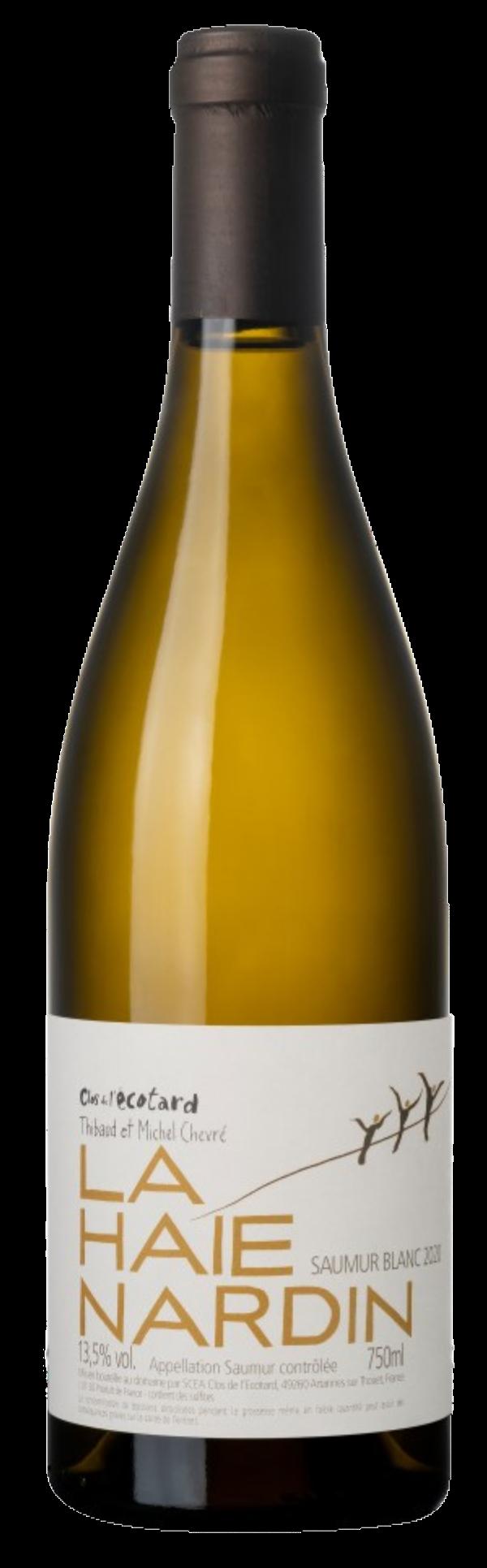
Thibaud & Michel
Crémant de Loire Blanc & Rosé AOP - Blanc
Château de Targé Saumur
Château de Targé Saumur
Chevré Clos de l'Écotard Saumur Brut AOP - Blanc
Thibaud & Michel
Chevré Clos de l'Écotard
Jérôme Billard
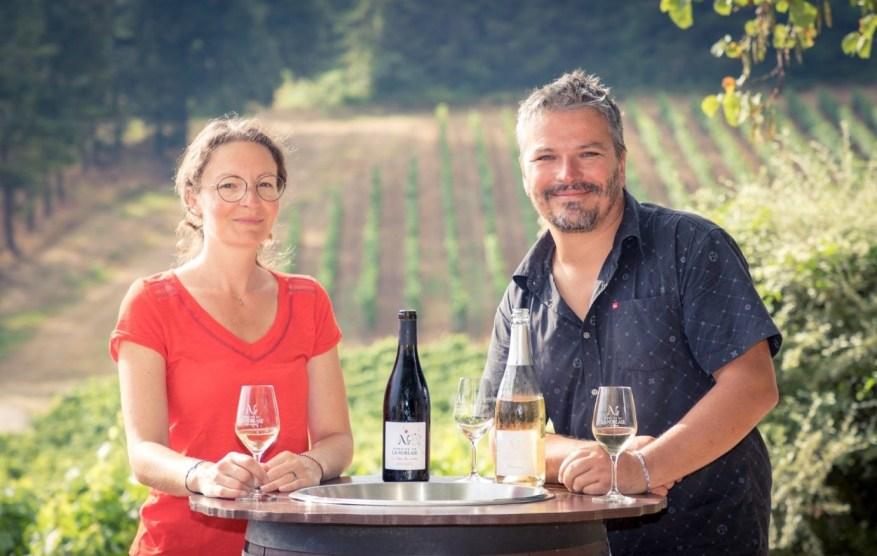
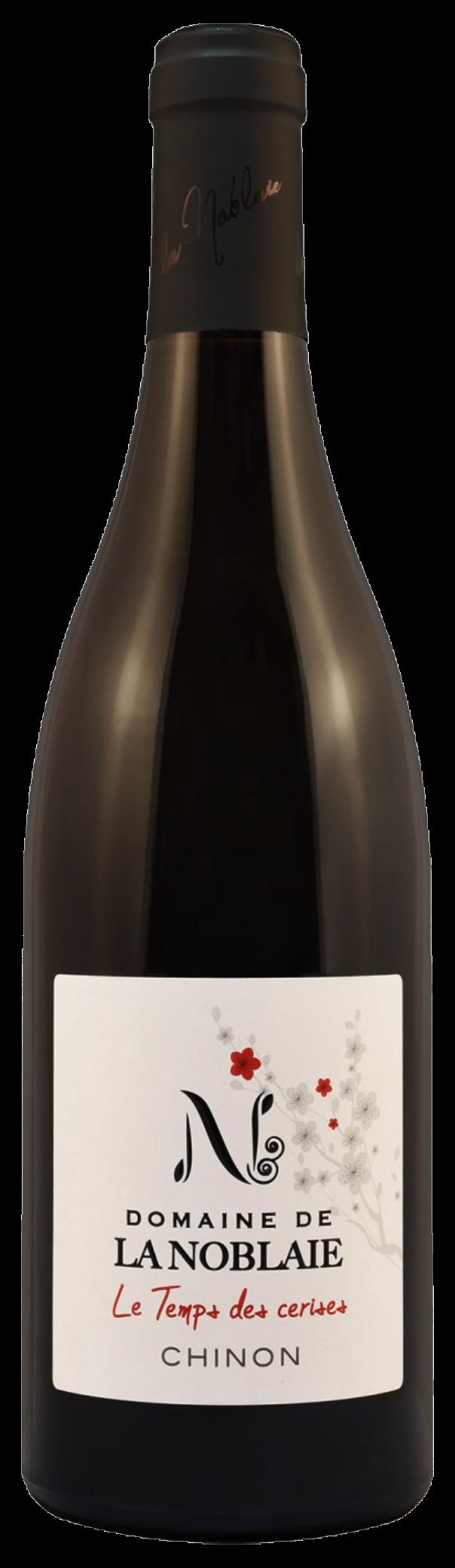
Domaine de la Noblaie
Les Quarts St Vincent Saumur Brut AOP - Blanc
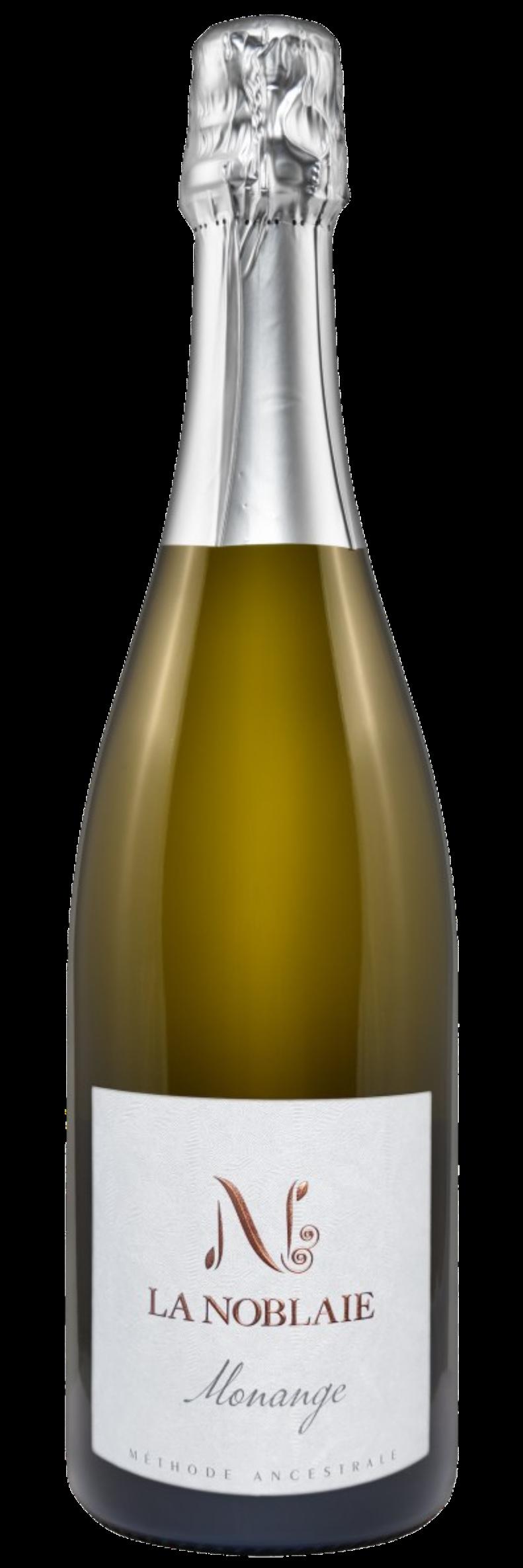
Monange Brut Nature Rosé
Muscadet
Shaped by Atlantic breezes and ancient soils, Muscadet captures the pure, coastal soul of the Loire. Crafted from the resilient Melon de Bourgogne grape, these wines emerge from a mosaic of sandy, clay, and schist terroirs, delivering piercing freshness, sea-spray minerality, and luminous acidity. Cool climates preserve their crystalline character, making Muscadet endlessly refreshing and quietly complex.
Famille Lieubeau Page 18
Guillaume Girard Page 20
Domaine Bonnet-Huteau Page 22
Jérémie Huchet Page 24
Château du Cléray-Sauvion Page 26
Domaine Gadais Père & Fils Page 28
Domaine des Herbauges Page 30
Domaine de la Morinière Page 32
FAMILLE LIEUBEAU
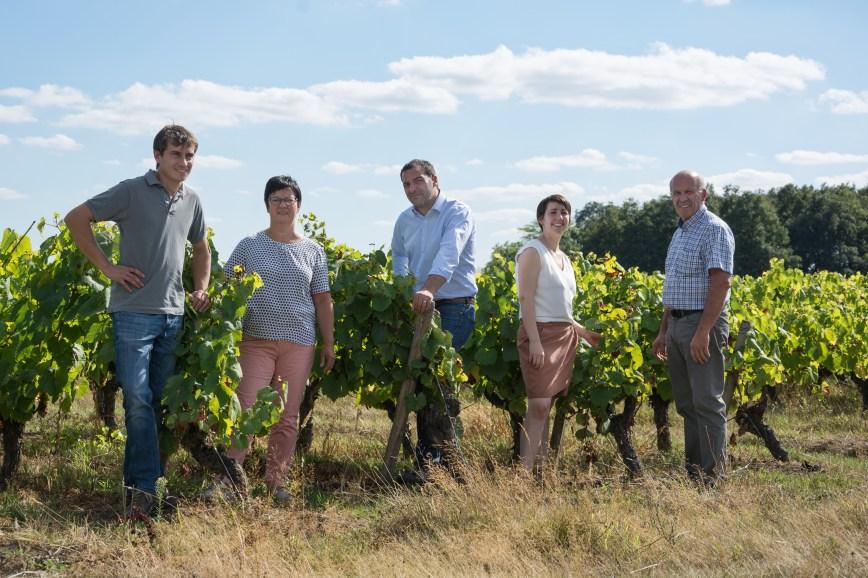
The Lieubeau family history started back in 1816 when Joseph Grégoire was left abandoned under the porch of the Hôtel-Dieu in Nantes. Those who took him in gave him the name “Lieu-Beau”, meaning “beautiful place” in recognition of where he was found.
Today, his name lives on as Pierre and Chantal Lieubeau have been joined at the Domaine by their children Marie, François and Vincent, a qualified oenologist who looks set to become one of the great winemakers from the region.
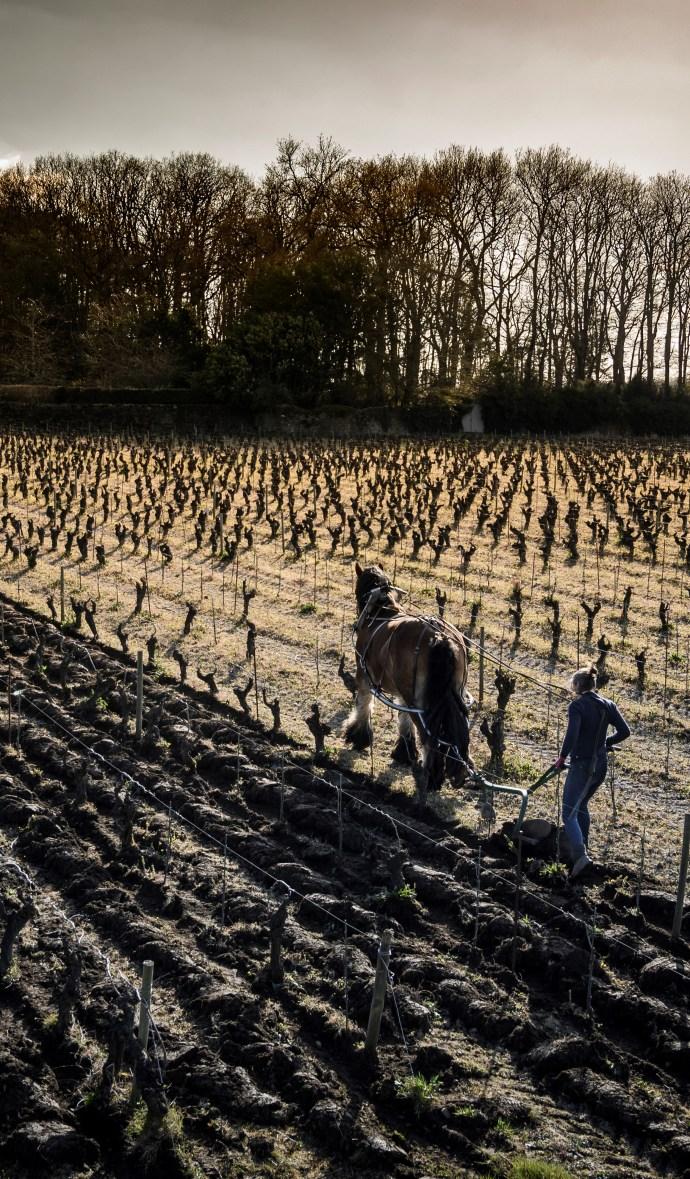
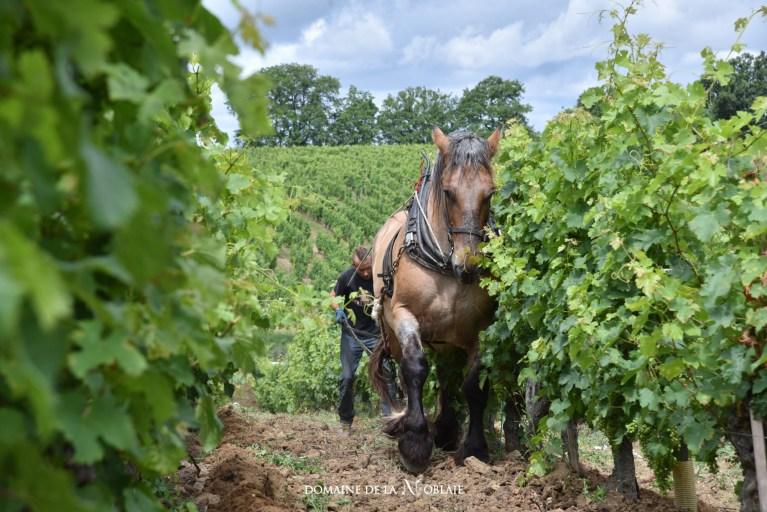
Respect for nature, living environment (horses, Ouessant sheep, bee hives in the vineyards) and biodiversity enables them to craft premium terroir wines within the Muscadet region.
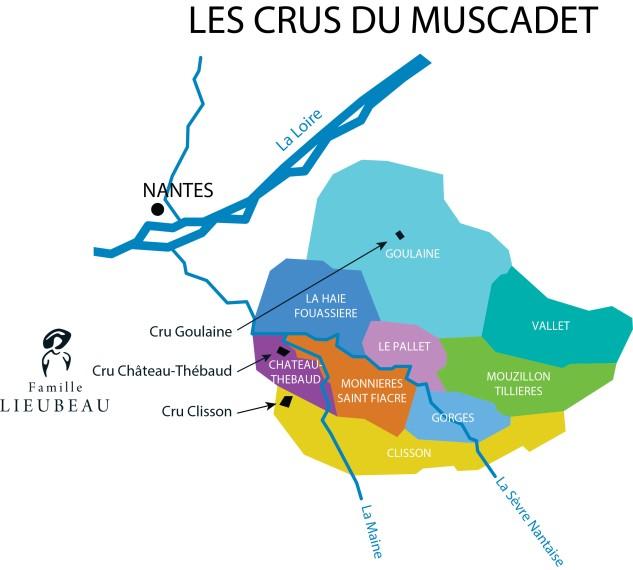
Situated at the confluence of the Sèvre Nantaise and the Maine, the estate comprises 70 hectares, very well maintained and split between the schist slopes facing St Fiacre and the granite and gneiss of Château-Thébaud. Planted mainly with Melon Blanc, the vineyard has also increased plantings of other varietals such as Chardonnay, Sauvignon and Pinot Noir. The vineyard is organically farmed, and certified. The Muscadet Crus Château-Thébaud, Clisson and Goulaine are flagships from both the family and the region. They come from minimum 50 years old single plots which are organically farmed with all soils being ploughed by horse.
For classics, the richness, intensity, and complexity of this estate’s wines makes them intensely satisfying – qualities maintained by a program of investment virtually unique in the region – both in the vineyard (including a battery of frost protection tools) and in the winery. In the vineyard, vines are grassed through to better regulate humidity. Trellising, crop thinning and de-leafing to ensure exposure to the sun and wind, keeping the grapes healthier longer, and at the same time greatly improving the ripeness of the harvest. Harvest and sorting are manual, while grapes are pressed as whole bunches in a brand new grape reception stage and fermented using wild yeast.
Traditional “sur lie” ageing in underground vats is extended to 24 or even 36 months with regular “bâtonnage” to add depth, texture and complexity for the Crus. After picking and sorting, the harvest is pressed in a pneumatic press (inerted with dry ice for grapes macerating with their skins and protected at all stages against oxygen), before going through a cold settling. Juices are fractioned between “cuvée” and “presse” and go through different winemaking processes, which is something unique in the region. Parcélaire & cru wines are made using only indigenous yeasts.
IGP Blanc Chardonnay / Sauv Bl / Rosé
IGP Pinot Noir
MUSCADET SEVRE ET MAINE SUR LIE PLOT S
USCADET SEVRE ET MAINE CRUS COMMUNAUX AOP
Wine Vintage ABV
GUILLAUME GIRARD
DOMAINE GIRARD
The Girard family has been farming the Domaine since the 1940s, with the estate now passed down through four generations of winemakers and farmers.
The estate has grown over the years and now consists of 40 hectares and is ideally located between two rivers (Sèvre & Maine), in the heart of the Muscadet area.
The vineyard is planted on schist and gneiss subsoils which give elegant fruity aromas and very interesting mineral hints to the wine. It is then left on its lees to increase its richness.
Working hard to update their methods of growing and winemaking over the years, the Domaine invested in robust frost protection methods and the estate is able to protect at least 35 out of 40 hectares, which guarantees them a satisfying harvest.
Guillaume joined forces with his father in 2019 after studying winemaking and marketing. Since then, he has focused on developing the estate’s export sales while actively leading the ecological transition of the vineyard, combining commercial growth with a more sustainable approach to viticulture.
They are HVE3 certified since 2020 for the main domaine. On top of this, they own 5 hectares of organically farmed vines and are hoping to develop this over time.
Grape varieties grown on the estate are mainly Melon B and other classic varietals under the Vin de France classification.
Following direct pressing and fermentations in underground thermo-regulated vats, the wines are left on the lees with one or two bâtonnages (stirring the settled lees back into the wine) to noticeably increase its richness and give the wine a fuller body.
Impressively they sell their wines on 4 of the 5 continents.
Domaine Girard – Tradition
Muscadet Sèvre et Maine sur Lie
Domaine Girard – Le Fleuron
Muscadet Sèvre et Maine sur Lie
Domaine Girard – Monnières St
Fiacre Muscadet Sèvre et Maine
Cru Communal
Domaine Du Grand Chene
Muscadet Sèvre et Maine sur Lie (Organic)
11.5
11.5
& 2019 12.00
DOMAINE BONNET-HUTEAU
JEAN-JAQUES BONNET
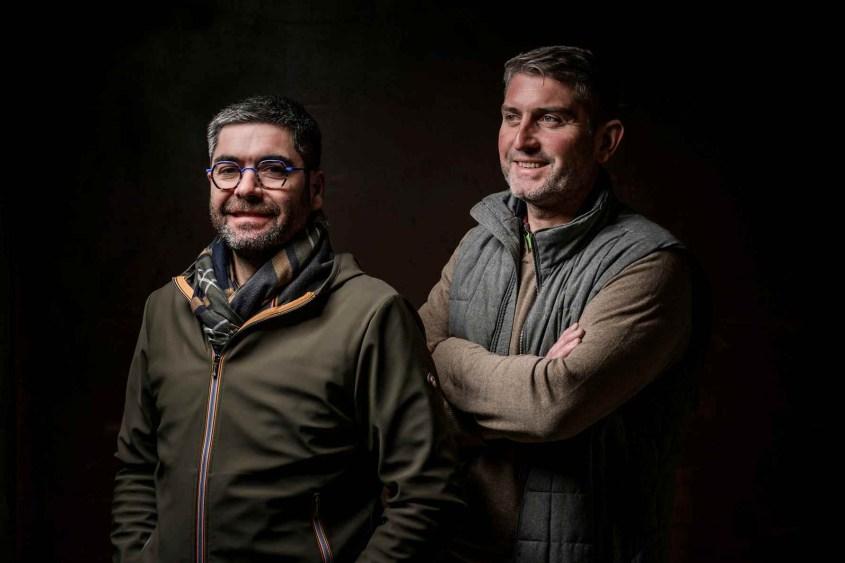
Run by Jean-Jacques Bonnet and Vincent Pineau, this environmentally friendly estate is based around the ruins of a château dating back to the Middle Ages and has 35 hectares of vines – including a small parcel of Pinot Gris used to make a rich, off-dry white.
Over the last few years, the winemakers have taken a step-by-step move from lutteÊraisonnéeÊ to organic and now biodynamic viticulture. Their professionalism and the rigour they apply to winemaking are exceptional and we rate them among the finest producers of the region. Having got the vines nicely under control, they are producing rich, balanced and satisfyingly ripe wines.
Single-vineyard wines include:
ClosÊduÊMoulinÊChartrie: 7ha on mica-schist, giving an intense mineral richness.
LesÊGautronnières: 8ha on amphibolite ‘roche verte’ making a leaner, complex and slower-to-open cuvée.
LesÊLaures: 3 ha planted on granite in nearby Vallet, giving a rounder, creamier and more approachable style.
True to their ‘green’ convictions the vineyards are grassed through and attention is paid to keeping the bunches as aerated as possible to ensure thicker, healthier skins – and more resistant grapes, giving ever greater ripeness, traits encouraged with crop thinning and regular increases in leaf height throughout the growing season. Picking is by hand for the entire estate. Pressing is by pneumatic press. Following a cool débourbage, fermentations are with wild yeasts in thermo-regulated glasslined underground or stainless steel vats, with temperatures held to 17 – 20°C to ensure maximum fruit and freshness.
Now using macerationÊpelliculaire and a partial malo on some cuvées to give weight and gras and with around 15% undergoing a cold stabulation before fermentation, the different cuvées are matured with their lees in suspension, gaining further complexity and giving wines with finesse, fruit and volume.
In the cellar, they take a low-intervention approach, allowing the wines to live and reflect the marvelous terroirs.
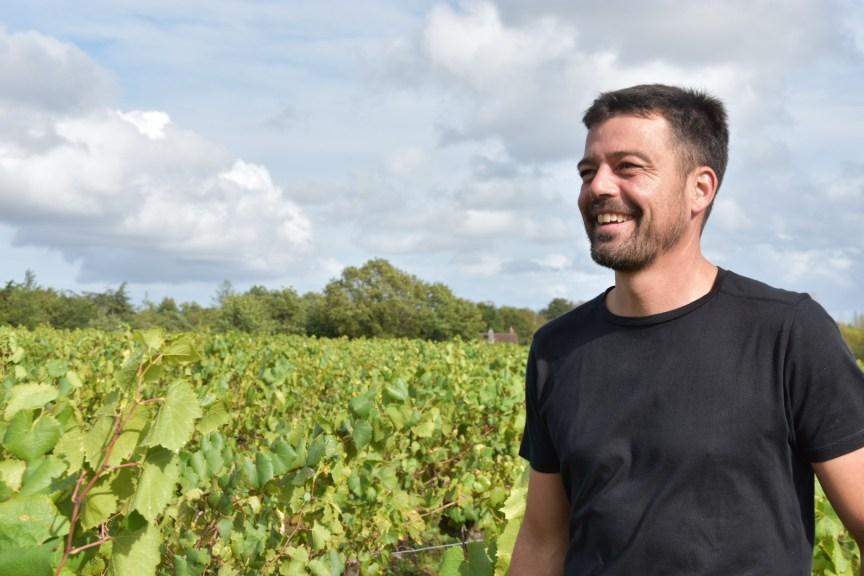
(Images by Paul Stefannaggi)
Tout Gris (Pinot/Sauvignon Gris)
IGP Val de Loire
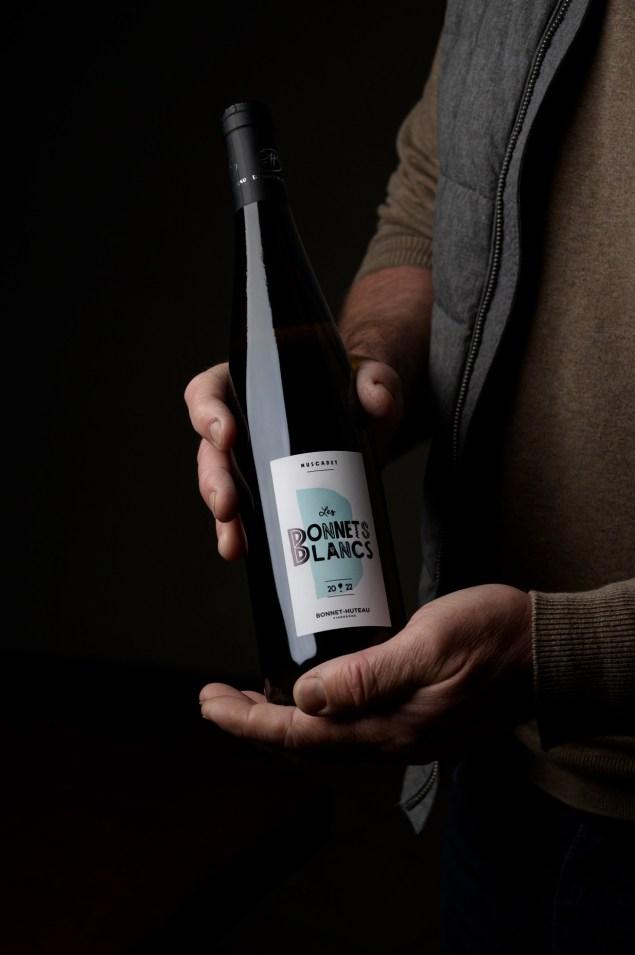
Les Bonnets Blancs
Muscadet S&M sur Lie AOP 2025 12.00
Les Bonnets Orange (Pinot/Sauv Gris)
Vin de France 2023 12.00
Les Gautronnières
Muscadet S&M sur Lie AOP 2025 12.00
Clos du Moulin Chartrie
Muscadet S&M sur Lie AOP
Les Laures
Muscadet S&M sur Lie AOP
Cru Goulaine
Muscadet Sèvre et Maine Cru Communal
Melon Blanc Vin de France
Ordolia
Pinot Gris – Vin Orange
& 2025 12.00
& 2024
12.50
Wine
JÉRÉMIE HUCHET
DOMAINE DE LA CHAUVINIÈRE AND CHÂTEAUX DE LA BRETESCHE & LA
TEMPLERIE
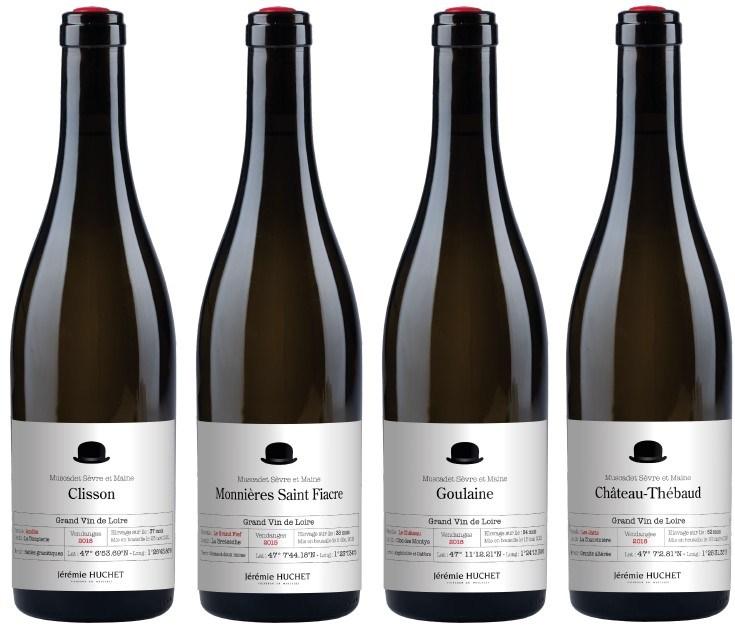
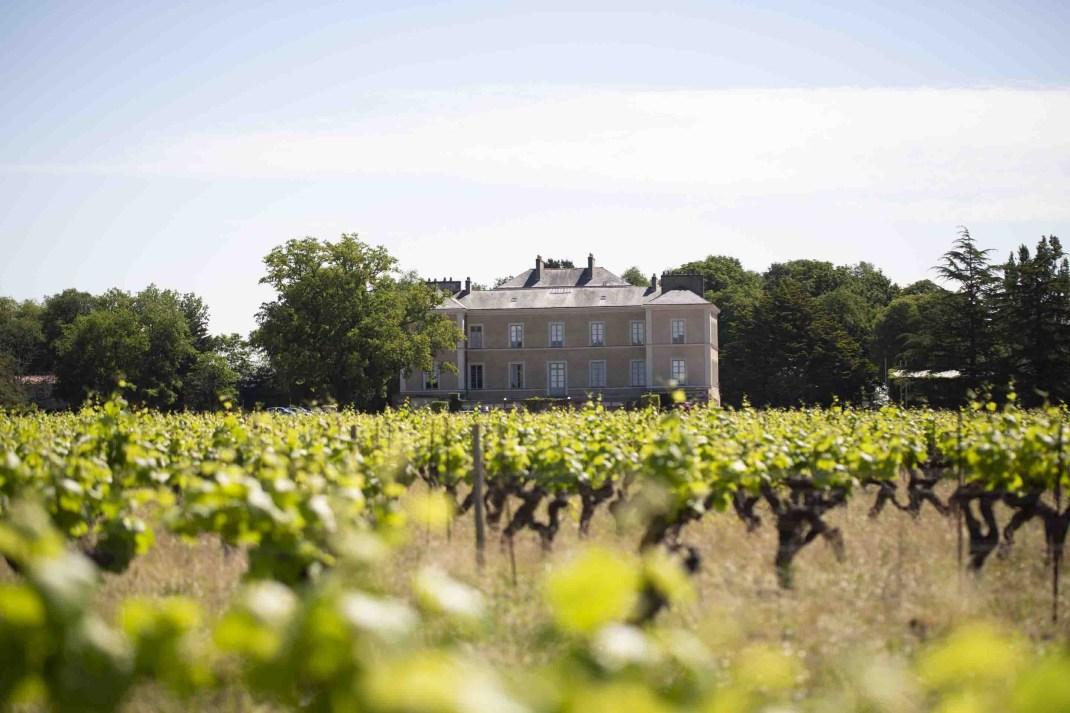
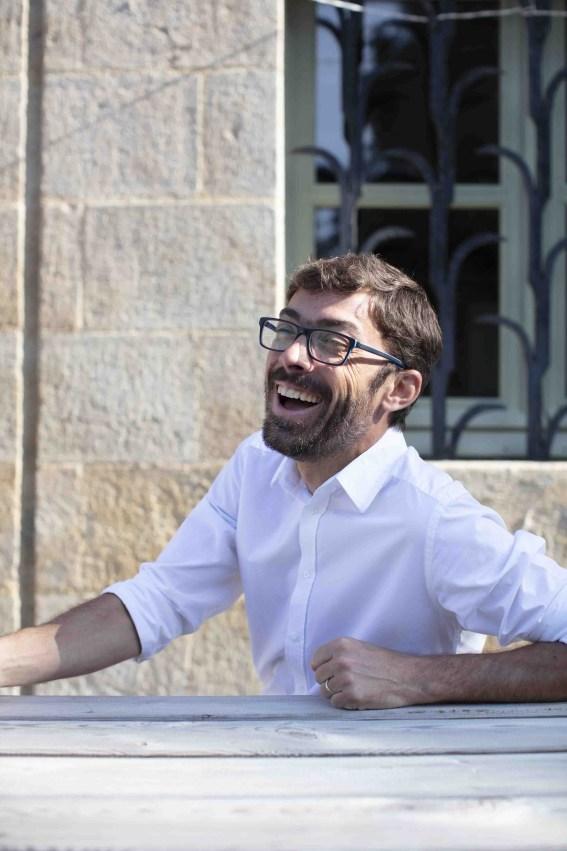
Having taken over the family estate in 2001, Jérémie has changed it beyond recognition and is seen as the up-and-coming producer in the region. He is continuing to increase the size of his estate, which now covers 64 hectares, two thirds of which are certified organic.
Each of the estate’s wines has its own history.
Domaine de la Chauvinière - perched on the edge of the cliff above the river Maine , the heart of the family's vineyards is planted on the edge of Château-Thébaud.
Château de la Bretesche - 13-hectare domaine dating back to 1387, when King Louis XIV gave it to his bodyguard Louis Jausseaume. The gneiss rock gives brilliantly balanced fruit and minerality.
Clos des Montys - this 11-hectare Clos includes a plot planted in 1914. Planted on the green amphibolite, this is extremely stony, demanding time to open.
Château de la Templerie - the most recent addition to the estate. 12 hectares of 40-year-old vines planted on granite, all run organically with Ecocert certification. Its citrusy, mineral concentration contrasts nicely with the clear-cut character of the estate’s other wines.
The non-organic vineyards are run according to the principles of sustainable viticulture, with yields kept low by a minimal use of fertilisers and with crop thinning when and where necessary.
After picking by machine and pressing in a pneumatic press, the juice is cooled to below 10°C for a cold stabulation before fermenting at controlled temperatures in a range of stainless steel and underground vats.
To add further depth and breadth to the wines, 30% undergoes a short macérationÊ pelliculaire. A classic example of the Cru style, the minty and rounded Château Thébaud, comes from a plot of 65-yearold vines, maturing for 3 years surÊlieÊÊÊ before bottling - creating one of Muscadet's top tier Crus Communaux. Wine
Meli-Melon Vin de France
Blanc/Rouge/Chenin/ Chardonay/Rosé
Domaine de la Chauvinière
Muscadet Sèvre & Maine sur lie AOP
Le Chemin des Prières - Parcellaire
Muscadet Sèvre & Maine sur lie AOP
Monty le Parc - Parcellaire
Muscadet Sèvre & Maine sur lie AOP
Cru Communal Château Thébaud
Muscadet Sèvre & Maine AOP
Cru Communal Clisson
Muscadet Sèvre & Maine AOP
Cru Communal Monnières St Fiacre
Muscadet Sèvre & Maine AOP
Cru Communal Goulaine
Muscadet Sèvre & Maine AOP
Pinot Noir, Le Poirier Noir, Vin de France
& 2025
& 2025 12.00
PIERRE-JEAN SAUVION
CHÂTEAU DU CLÉRAY-SAUVION
Grands Chais de France, the owners of the Château du Cléray, have wisely left Bordeaux-trained Pierre-Jean Sauvion in charge of winemaking on his family's old estate.
A choice that makes the most of his local know -how (retaining this prime estate's family-run image) and experience making wine in Australia and California.
A true passionné, Pierre’s wines show the finest qualities of great Muscadet, marrying gras, minerality and elegance, the whole with a touch of modernity that owes much to Pierre’s canny use of his New World skills.
At the centre of the Sèvre & Maine, the Château du Cléray’s 90 hectares of vineyards (Pierre-Jean’s 'jardin'!) are planted on the sand and clay slopes typical of the commune of Vallet, with the last plots of gros plant finally being replaced with Muscadet in 2012.
Under the guidance of Pierre-Jean, the estate is increasingly using the techniques of Lutte Raisonnée – he’s starting to grass through the first hectares - and production is held below 50 hectos/hectare through a long pruning that is followed by a spring épamprage (thinning the crop once the flowering is finished) to debud and space the bunches. After pressing in a dry-ice-inerted pneumatic press, with a macérationÊpelliculaire and/or cold stabulation to add depth and weight, the wines are fermented in stainless steel vats at controlled temperatures before maturing on their lees until bottling in the spring.
Les Rafelières
Sauvignon IGP Loire
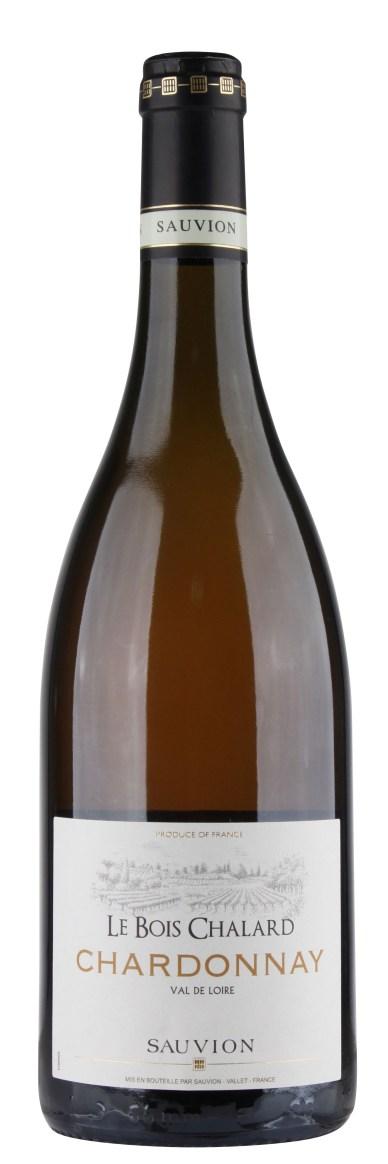
Le Bois Chalard
Chardonnay IGP Loire
La Baronne du Cléray / Sauvion du Cléray
Muscadet Sèvre & Maine Sur Lie AOP
Château du Cléray
Muscadet Sèvre & Maine Sur Lie
AOP
Cardinal Richard
Muscadet Sèvre & Maine Sur Lie
2024 & 2025 12.00
2024 & 2025 12.00
& 2025 11.50
AOP 2024 & 2025 12.00
Wine Vintage ABV %
CHRISTOPHE & PIERRE HENRI GADAIS
DOMAINE GADAIS PÈRE & FILS
From the hills overlooking the Sèvre and Maine rivers rise windmills, all of which have ultimately lost their wings. The surrounding slopes, often stony and steep, are ideal for cultivating vines and producing a refined and distinctive Muscadet. It is in this green setting that the Gadais family has established their estate over generations.
The "Grande Réserve des Moulins" they offer today has been aged in the great Nantais tradition, on its lees, for a minimum of six months. The freshness of its aromas and its inimitable light sparkle make this wine the perfect companion for all fish, shellfish, and crustaceans.
Christophe Gadais has been joined by his son, Pierre-Henri, now the 5th generation running the estate. The most recent vintage have been vinified by Pierre-Henri. Pierre-Henri has already gained experience in the USA, the UK and New Zealand and brings this knowledge back to the Domaine.
Christophe continues to excel in making the wines in his recently extended, purpose-built cellar. In the 20-odd years that Christophe has been running the domaine the whole place has had a complete face-lift thanks to his steady program of investment.
Eight years running Domaine Laporte in Sancerre before moving back to the Pays Nantais had a lasting effect on his attitude to winemaking and marketing.
After harvest and a cold débourbage, fermentations are at cool temperatures with mainly natural yeasts to give long (6 – 7 weeks) fermentations in his steadily growing row of thermo-regulated stainless steel vats. A classic élevage on the wine’s lees adds richness and gras, underscoring the character of a wine whose very essence lies in its understated freshness and versatility. With his new battery of tanks set on the first floor, bottling is now all done by gravity.
This dedication to quality is underlined by a commitment to the environmentally friendly minimum intervention rules of La Lutte Raisonnée, systematically replacing vines and keeping check on the health of the leaves and rootstock, all to give healthier, riper grapes and to make ever richer and more satisfying wines year-in, year-out.
Muscadet
It is no coincidence that 100% of the estate’s 52 hectares are devoted to the lutteÊraisonnée (HVE3) of this emblematic grape variety.
Vieilles Vignes
Muscadet Sèvre & Maine Sur Lie
Monnières St Fiacre Cru Communal
Muscadet Sèvre & Maine AOP
JÉRÔME CHOBLET
DOMAINE DES HERBAUGES
In the family since 1864, this medal-winning estate has grown under Jérôme, the 4th generation to run the domaine. Today, it has 107 hectares in production, with a further 30+ hectares under vine, making it the largest single estate in the Côtes de Grandlieu region. Furthermore, Jérôme has replanted 7 ha at the Château de la Pierre (totaling 16 ha) and has bought another 17 hectares at La Roche Blanche. More recently, he also took over a new domaine - Les 5 Chemins (12 Ha).
After 20 years farming sustainably with the FARRE organisation, Jérôme has gained Terra Vitis certification (of which he is also national Co-president) and BRC certification.
Just south of Nantes, between the Muscadet Sèvre & Maine vineyards and the Atlantic coast, the 260-hectare Côtes de Grandlieu Cru benefits from a distinctive microclimate. The Atlantic brings early warmth in spring, while the vast Lac de Grandlieu acts as a natural heat reservoir throughout the growing season, allowing the grapes to ripen more fully and develop greater fruit intensity than in neighbouring areas.
Meticulous vineyard management further enhances this natural advantage. Spring de-budding and systematic de-leafing improve air flow and sunlight around the bunches, reducing the risk of rot and keeping the fruit healthy. Summer handthinning ensures even ripening and increased concentration. Harvesting is carried out using modern selective picking machines, followed by gentle pressing in CO₂-inerted pneumatic presses, with part of the crop undergoing skin maceration. After cold settling and a slow, cool fermentation in glass-lined underground vats, the wines mature on their lees until bottling surÊ lie, resulting in balanced, fruit-driven wines with depth and marked minerality.
Equally innovative and sustainability-driven, he has extensively researched the environmental and consumer benefits of canned wine, launching a state-of-the-art canning line at the domaine in 2024. Exports have driven rapid growth, with 3 million cans and 1 million bottles sold in 2025. A second canning line will arrive by the end of 2026, supported by national retail agreements.
Recognising growing demand for mid- and lower-strength wines, Jérôme recently launched a new 8.5% ABV range of White, Red, and Rosé made from expressive Grolleau Gris and Grolleau Noir. Light, fresh, and balanced, these wines deliver aroma and texture without compromise.
Jérôme produces these wines entirely naturally and we don’t believe you’ll notice the difference from a normal-strength wine. Speaktousaboutcanningsolutions,tailoredtoyourneeds.
Wine
Le Moulin d’Argent
Chardonnay IGP Loire
Le Champ Baron 8.5%
Grolleau Gris Blanc/Rosé IGP Loire
Grolleau Noir Rouge IGP Loire
Domaine des Herbauges Classic
Muscadet Côtes de Grandlieu sur Lie
Domaine des Herbauges Terroirs;
Le Fief Guérin
Le Clos de la Sénaigerie
Le Clos de la Fine
Les 5 Chemins
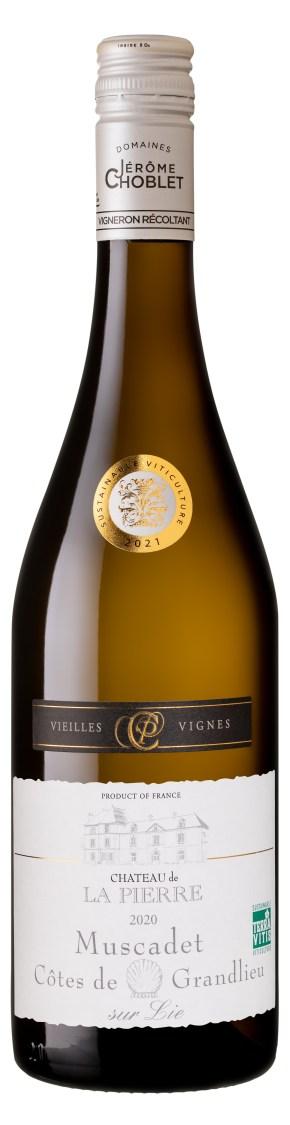
Château de la Pierre Vieilles Vignes
La Roche Blanche
Muscadet Côtes de Grandlieu sur Lie AOP
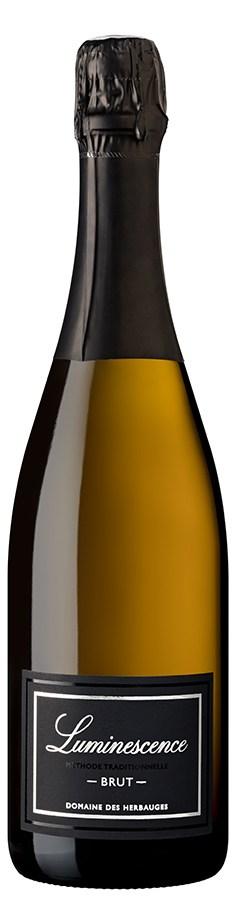
Luminescence Mousseux
10.5
Melon, Chardonnay, Grolleau Gris NV 12.00
Saumur Blanc Brut & Rosé
NV TBC
LES FRÈRES COUILLAUD
DOMAINE DE LA MORINIÈRE
The history of Les Frères Couillaud began in 1978 when they bought the Château de la Ragotière. The Château de la Ragotière is the former home of the aristocratic family Lore de la Ragotière, who settled here in the Muscadet during the fourteenth century.
Bernard, Michel and François were born into a family of winemakers based in Mouzillon for over 150 years. Auguste Couillaud, their grandfather, had nearly 20 hectares of vineyards.
In 1970, Bernard travelled to the United States and Mexico. He returned with the ambition of selling his Muscadet worldwide and decided to start selling the wine in bottle, a real revolution at that time. His brothers, Michel and François decided with Bernard to buy the Château de la Ragotière in 1978. Then in 1987, they decided to buy the Château de la Morinière, a 30-hectare vineyard 3 km away from Ragotière. On this property, they decided to plant a new variety for the region: Chardonnay. This was a major innovation in the Muscadet Appellation and this Loire Chardonnay has an extremely Burgundian expression. Since then the family have continued to develop the vineyards and have included experimental plantings of Viognier, Petit Manseng and Sauvignon gris.
In 2006, the new generation Amélie, daughter of Bernard and her husband Vincent joined the business. Amélie is a graduate in business and languages and handles exports while Vincent, an agricultural engineer is in charge of the vineyards.
In 2018, François retired after working for 12 years with the new generation who have brought in innovative projects with ecological alternatives in the cultivation of vines and the creation of new cellars.
New projects are flourishing at the estate: development of wine tourism, conversion to organic, development of the historic cellar, while remaining focused on the identity of the estate, exports and the diversity of grape varieties.
This vast vineyard planted on a single plot of 70 hectares is located on one of the highest hillsides in Sèvre & Maine.
These stony slopes which face south/south-east produce fine and aromatic wines. Here Melon de Bourgogne, Chardonnay, Pinot Gris and Sauvignon are planted.
et Vincent – La
Amélie et Vincent – Mille et Une Etoile Méthode Traditionnelle Extra
Amélie et Vincent – La Nouvelle
Anjou & the Coteaux du Layon
Rooted in history and shaped by the ancient Massif Armoricain, Anjou is a soulful expression of the Loire Valley’s western reaches. Renowned for its luminous Chenin Blancs and refined Cabernet Francs, the region draws complexity and tension from a dramatic patchwork of slate, sandstone, carboniferous schists, and volcanic rock. These soils lend the wines their signature depth, freshness, and quiet power. Set within one of France’s most celebrated wine landscapes, Anjou balances tradition with vibrancy.
Domaine Réthoré Davy Page 36
Domaine des Forges Page 38
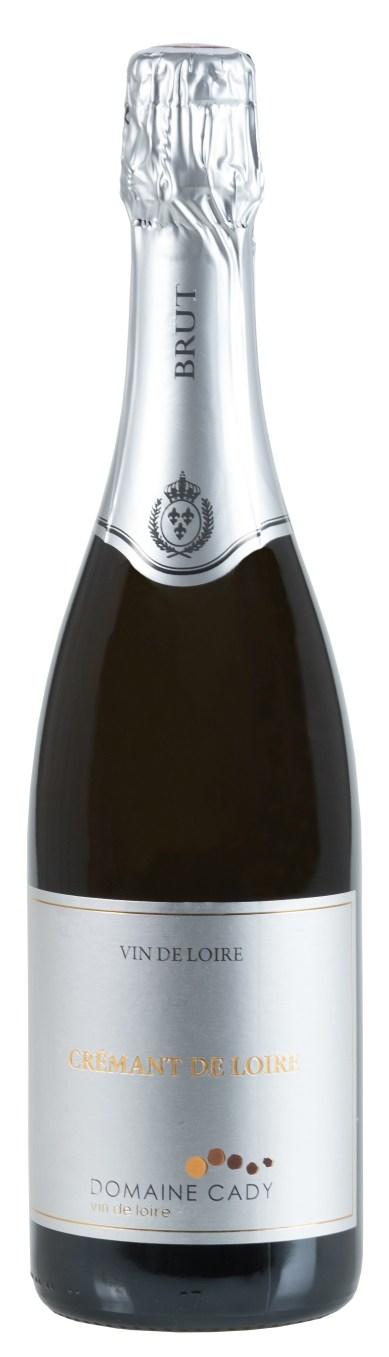
Domaine Cady Page 40
Château Pierre-Bise Page 42
Domaine des Deux Vallées Page 44
Domaine du Matin Calme Page 46
CHRISTOPHE & MARTINE RÉTHORÉ
VIGNOBLE RÉTHORÉ DAVY
The beautifully run vineyards of this 40-hectare estate are planted on the rolling hills of the Pays des Mauges - the broken metamorphic rock lying between Muscadet to the west and the Coteaux-du-Layon and the Anjou to the east. That provides great drainage and a mix of bedrock that includes micaschist, quartz, flint and slate - a pocket handkerchief-sized microcosm of all the western Loire's greatest terroirs!
Set up in 1953 by Christophe Réthoré and Jean-Michel Davy's parents, the domaine has grown and evolved into one of the most carefully thought-out estates of them all. The Domaine continues to be passed down through the generations as Lise, Christophe and Martine’s daughter has joined the team in helping to run the estate.
Benefitting from the lack of a regional AOC, all their vines are run to produce IGPs, so they can mix and match varieties to soil types as they please. Committed to the welfare of the environment being Terra Vitis (responsible viticulture) and HVE (High Environmental Value) certification. The Domaine is currently undergoing organic conversion.
Whatever the variety, the rule is the same - plant around 4400 vines/hectare, which allows Christophe to grass through the vineyards, to raise leaf height to 1.90 m and to systematically de-bud and de-leaf the vines so as to get good yields of healthy and super-ripe grapes. Harvesting by machine in the cool of the early morning, vinifications are by parcelleÊand by variety, each in CO2-inerted vats.
The schist-grown Chardonnay does an 8 - 12 hour macerationÊpelliculaire before fermenting - adding depth and fat and eliminating the need for a malo, while the 7 hectares of Sauvignon are grown on schist and quartz and vinified to bring out the fresh vivacity and aromas of the grape.
The reds are equally remarkable, with a great selection of traditional Loire varieties topped up with less traditional Malbec and Syrah. Each is vinified to bring out the sucrositéÊof ripe fruit, with the use of pigeageÊwhere useful to extract softer tannins.
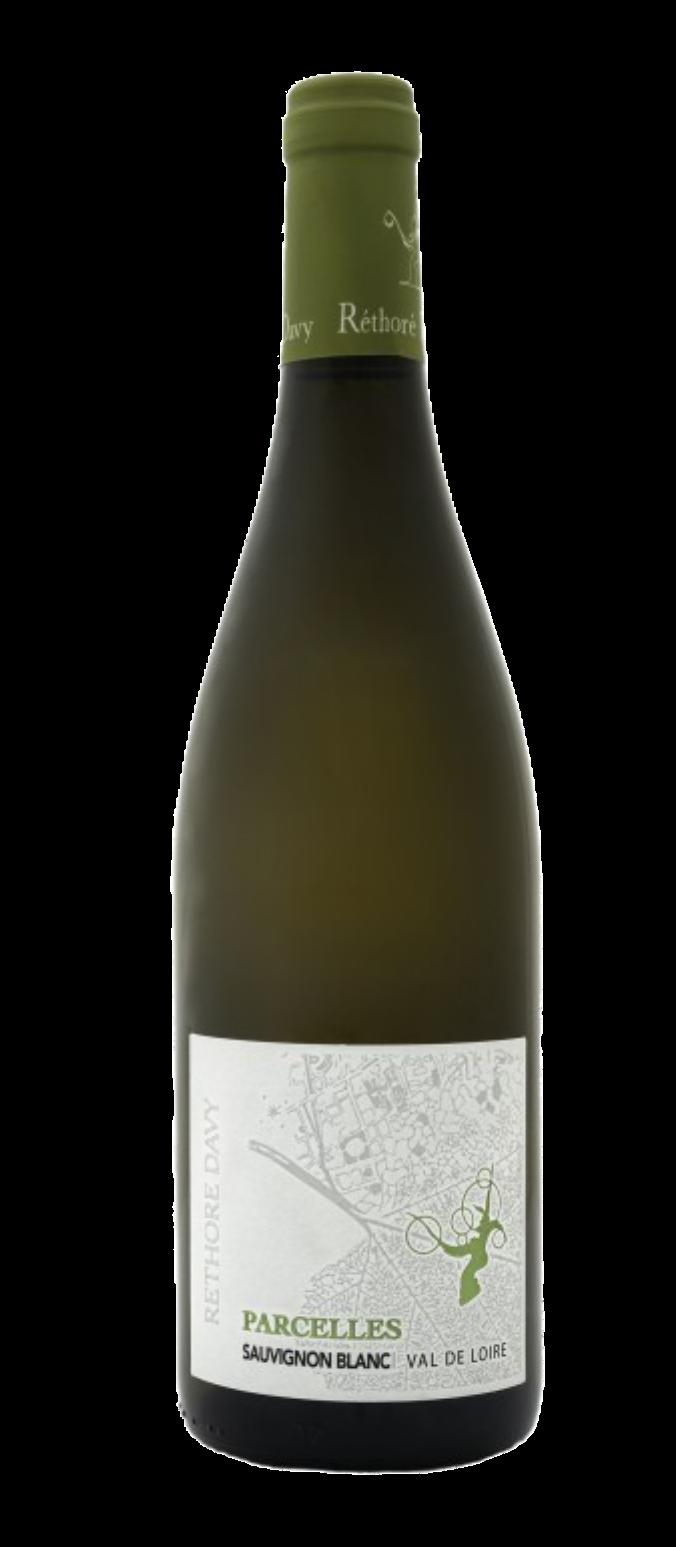
The whole is further split into two clear styles: the Parcelles which are vinified for easy fruit and mineral complexity and the Pertinence range from schist and slate. Wine
Parcelles
Sauvignon Blanc IGP Loire
Chenin Blanc IGP Loire
Parcelles Gamay/Côt / Rosé IGP Loire
Pinot Noir IGP Loire
Syrah VdF
Imagine Brut 100% Chardonnay Méthode
Noir d’Imagine
100% Pinot Noir Méthode Traditionelle
STÉPHANE & SÉVERINE BRANCHEREAU
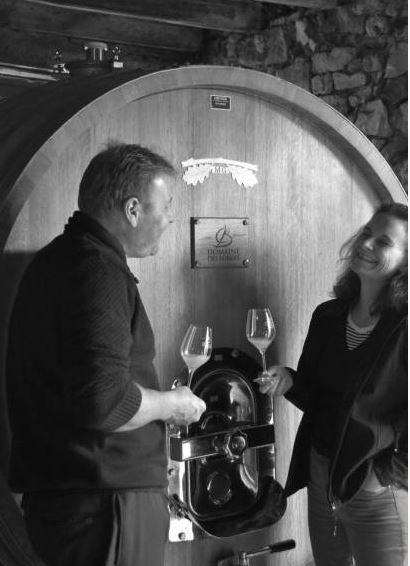
DOMAINE DES FORGES
Although his father Claude is still to be found pottering round the cellar, the current success of this estate and the quality of the wines are down to son Stéphane and his wife Séverine. Their 50 hectares of vines include something over 30 hectares of Chenin Blanc – of which 7 are on the steep slopes in the great Chaume 1er Cru.
The Chenin also includes a finely-placed 1 hectare parcel in the Loire's only Grand Cruthe Quarts de Chaume - and plots in 3 separate sites in Savennières : the sand-onschist Moulin du Gué and 1 hectare each in the mineral cru of the Roche aux Moines and in the Clos du Papillon.
We used to describe Stéphane as ‘delightfully unassuming’ but these days he is increasingly sure of his ideas on winemaking techniques, yields and rules - helping Chaume gain its Premier Cru status and Grand Cru for Quarts de Chaume. His wines express to perfection the qualities of the extraordinary terroir of this corner of France, finding its apogee in the variety of schist and carboniferous soils that mark the finest parcelles of the region.
Ensuring both quality and ripeness of the grapes by grassing-through the vineyards, pruning short and doing a summer thinning and leaf plucking around the bunches by hand, picking is in perfectionist tris – and yields seldom rise above 25 hectos/hectare for the Chenins.
In the winery, a steady program of investment has brought its share of crossflow filters, thermo-regulated vats and an enlarged barrel cellar. After a careful pressing, a controlled débourbage (and a cold prefermentation maceration for the reds), the Cabernet, Chardonnay and Sauvignon ferment at controlled temperatures in a series of stainless steel and underground vats.
Meanwhile, after filtering the juice to ensure extra purity, the Layons, Savennières and the increasingly elegant Audace Anjou Blanc, Stéphane ferments the wines slowly, parcelle by parcelle and tri by tri, in vat or in new to 4-year-old 400-litre barrels. Using a partial malo on the dry Chenins depending on vintage and careful élevageÊsurÊlieÊ to ensure extra gras and concentration, Stéphane uses a crossflow filter to stop the fermentations of the moelleux, helping to significantly reduce sulphur levels.
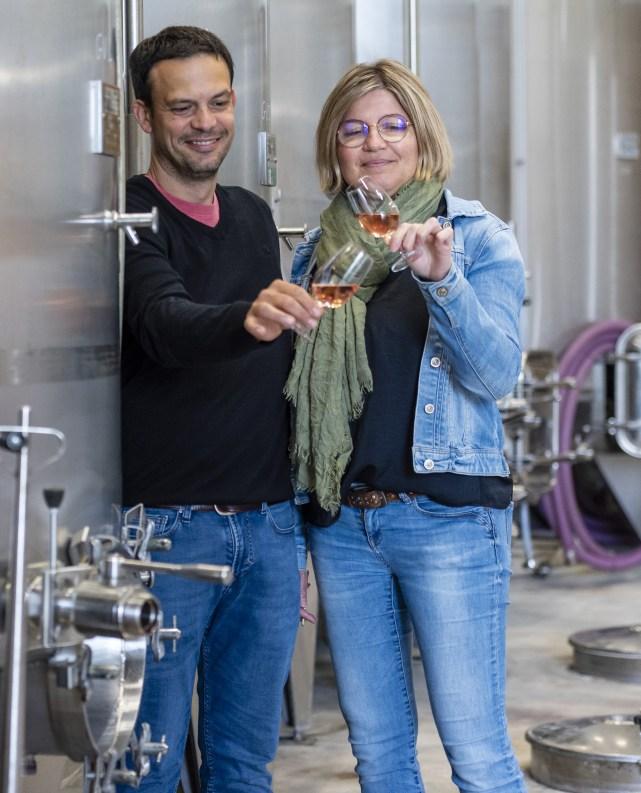
ALEXANDRE CADY
DOMAINE CADY
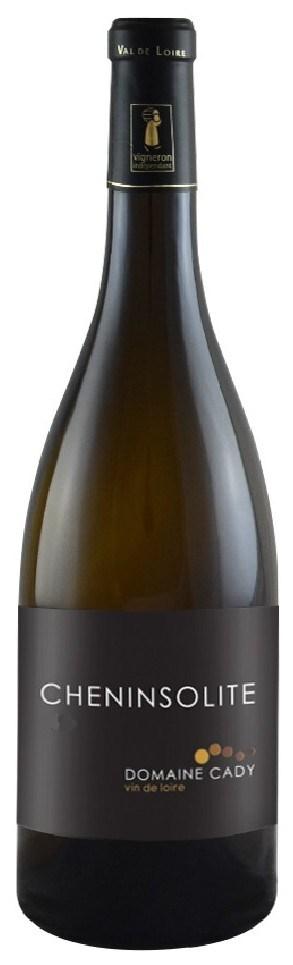
Alexandre has taken over from his dad Philippe and is the 4th generation in this family to run the family estate. Alex's touch is most visible in his immaculately precise dry Chenin 'Cheninsolite', a single vineyard in the Layon that he picks by hand in selective pickings before fermenting and maturing it with its lees in new to 10-year-old 225-litre double barriques, with a percentage doing malo in oak.
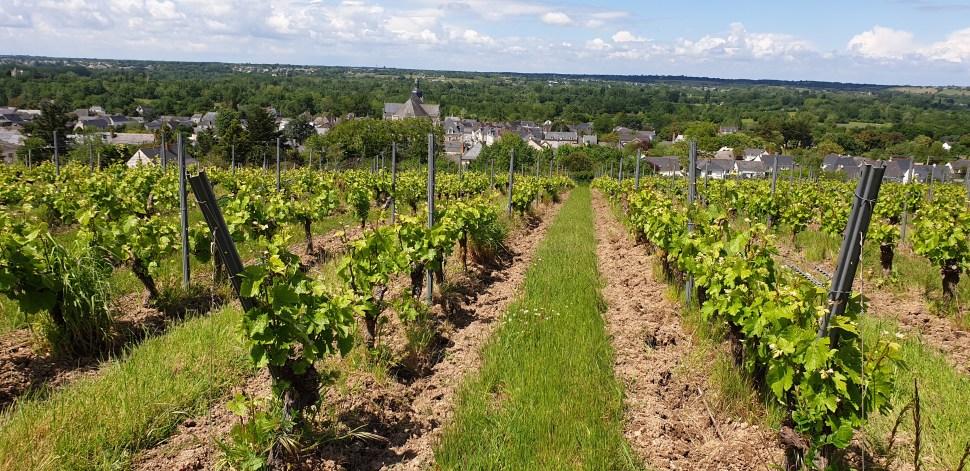
The domaine’s 32 hectares of vines include 21 of Chenin Blanc planted on some of the finest schist, quartz and carboniferous slopes of St Aubin and Chaume. The domaine suffered a devastating fire in early spring 2021, which destroyed the entire winery. The new winery was completed in 2023, just in time for the 2023 vintage. Since then, Alex has also created a new cellar in Rochefort-surLoire, and since 2025 does everything from there.
Ensuring maximum concentration by holding yields to between 20 and 35 hectos/hectare through a combination of short pruning and spring de-budding in vineyards which are now all run organically with Ecocert classification. Alex picks the Chenins by hand in successive tris, bringing in grapes at optimum concentration and ripeness.
This policy is rewarded with a quality exemplified by wines with a lovely, almost delicate balance of power-fruit. They were delighted to introduce the new cuvée to the range - the Clos du Moulin Sainte Catherine purchased in 2018. The wine is fermented and aged in amphora and has incredible purity and expression of minerality plus an abundance of perfectly ripe Chenin fruit.
With vinifications in temperature-controlled vats, permitting a long maturation with the fermentation lees, the domaine produces rich, concentrated yet delicately balanced cuvées of Coteaux du Layon, wines evocative of whipped cream and honey that are filled with fruitÊconfit flavours and freshness. Working the land using organic practices since 2011, the domaine is certified organic since 2014.
As for the Cheninsolite, well… move over Sancerre - this is what Loire dry whites are all about!
RENÉ & ANNE-CÉCILE PAPIN
CHÂTEAU PIERRE-BISE
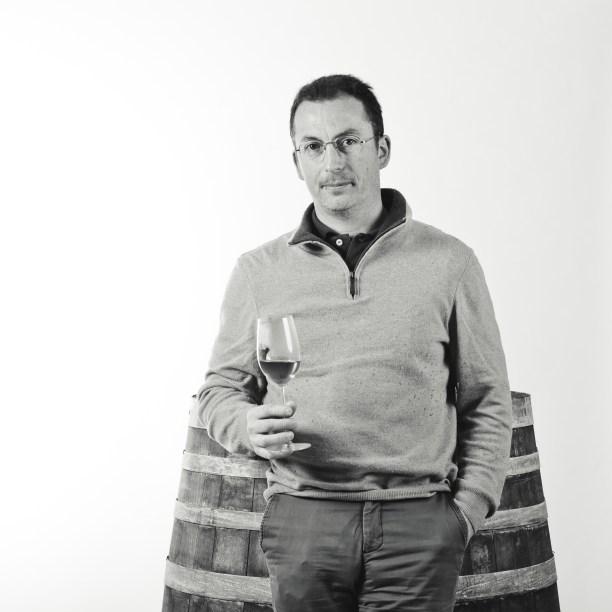
A cult figure among local producers, Claude Papin is most evangelical about the qualities of his differing terroirs – and as cartesian as can be when it comes to understanding and putting into practice the latest techniques of vineyard management and winemaking skills. Characteristics passed onto his son René, whose influence is more and more evident now he’s really imposing his own character on the estate as Claude has now officially retired.
The domaine has 10 hectares of Cabernet and some 36 of Chenin that include 3 hectares of the prestigious Quarts de Chaume, one of the syndicats of which Claude was President (and given the interminable arguments in this pocket handkerchief-sized Grand Cru, he’s welcome to that).
46 hectares of the vines are fully managed using organic regenerative farming. This is achieved using plant cover which allows an absolute minimal intervention on the soil meaning the presence of micro-organisms stabilising the soils year after year, improving fertility. René works in the strictest respect of the ideals of Lutte Raisonnée, to allow an absolute minimal intervention, the vineyards are run to a standard not seen elsewhere, with massive care in the vineyards. These are all grassed-through, with long pruning, manual leaf-plucking around the bunches and a spring de -budding keeping the grapes healthy and ensuring low yields of perfectly ripe grapes.
Harvesting is by hand in successive tris, picking bunches or part bunches as they reach full ripeness -before being reassembled tri by tri once fermentations are finished to make just the one wine per parcelle, a unique guarantee that each wine is the true expression of its terroir.
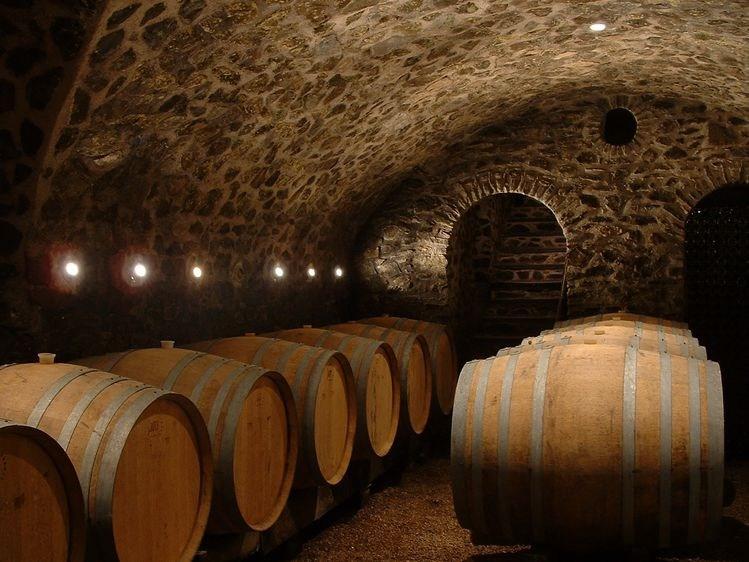
Using both a Bücher and a Coquard press (depending on the wine), the Chenins ferment either in the thermo-regulated vats of the family’s recently finished winery - or in new oak foudres or a row of 10 hecto amphorae, with a full malo on the dry whites adding breadth, making for eminently drinkable classics.
Filtration is by crossflow filter, ensuring minimal use of sulphur. Vinified by vineyard site and terroirÊÊ - the Soucherie is classic ‘carbonifère’, the Rouannières ‘spilite’Ê and the Chaume is from ‘schist’ - all the estate’s moelleux are part-fermented and matured in oak, with the Chaume and Quarts de Chaume 100% oak fermented.
This integrity combines with a willingness to squirrel cuvées away until they are ready to drink, giving us some of the most exquisite Chenins produced anywhere in the Loire.
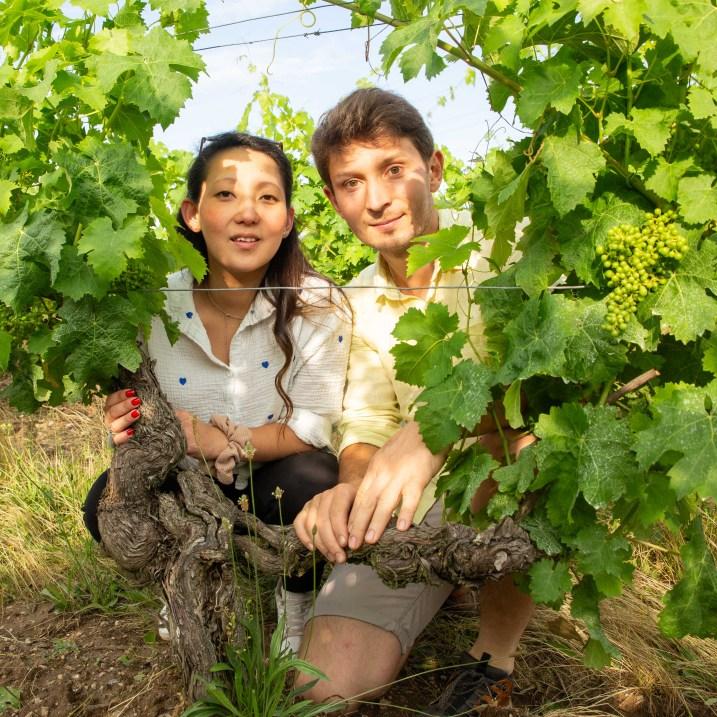
PHILIPPE & RENÉ SOCHELEAU
DOMAINE DES DEUX VALLÉES,
DOMAINE DES GAUDRIÉRES
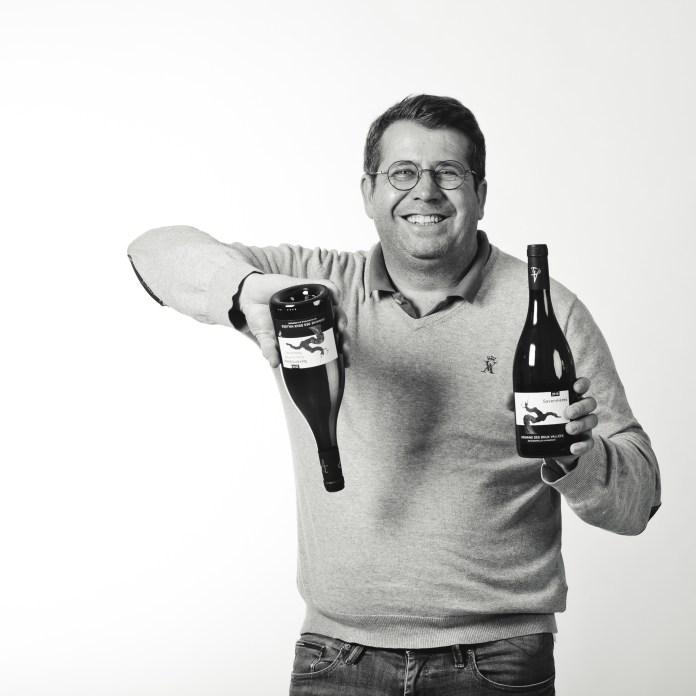
Philippe’s father had a large business comprising apple orchards, although his maternal grandfather was a vigneron. After his father sold the apple business in 2001, Philippe and his father bought the 36 ha Domaine des Deux Vallées with the proceeds. After gaining his professional agricultural qualifications, Philippe went to hone his winemaking skills with a nearby vigneron friend whilst his father tended the vines. Fifteen years later and having bought additional small parcels of vineyards here and there, the Domaine currently comprises 44 ha of vineyards.
One of the first things Philippe did was to rip out the plantings of Sauvignon and Chardonnay and to replant with Chenin with the intention of becoming a specialist of Chenin Blanc. Then in 2018, the Domaine grew further with the acquisition of Domaine des Gaudrières, which has been organic since 2021. This brings the total surface under vine to 61 ha, of which 41 ha are planted with Chenin. In 2020, Philippe took over 3ha of Savennières. The rest of the Chenin is either Anjou Blanc or Coteaux du Layon (incl a plantation of 3.5 ha in Chaume).
The property’s vineyards lie on 2 main terroirs:
The first is schist on the slopes between the Loire and the Layon and this is where the name “Deux Vallées” comes from.
The second terroir is a mixture of sand and limestone on schist around the village of Savennières.
The domaine works exclusively with natural yeasts except for the Anjou Blanc and the P’tit Rosé en Terrasses. The dessert wines are treated with a crossflow filtration which dramatically reduces the use of sulphur throughout the winemaking process, in fact sulphur is only used to arrest fermentation. Philippe was awarded Loire Winemaker of the Year for 2022 in the Guide Hachette.
Blanc En Terrasse Demi-Sec
Clos de la
AOP
Domaine des 2 Vallées AOP Coteaux du Layon St Aubin
Domaine des 2 Vallées, Clos de la Motte
AOP
St Aubin
2
Domaine des 2 Vallées, Privilège
AOP Coteaux du Layon 1er Cru Chaume
Domaine des 2 Vallées
AOP Crémant de Loire Brut, Rosé & Demi-Sec
12.50
VICTOR & ANNE-LAURA ROBION
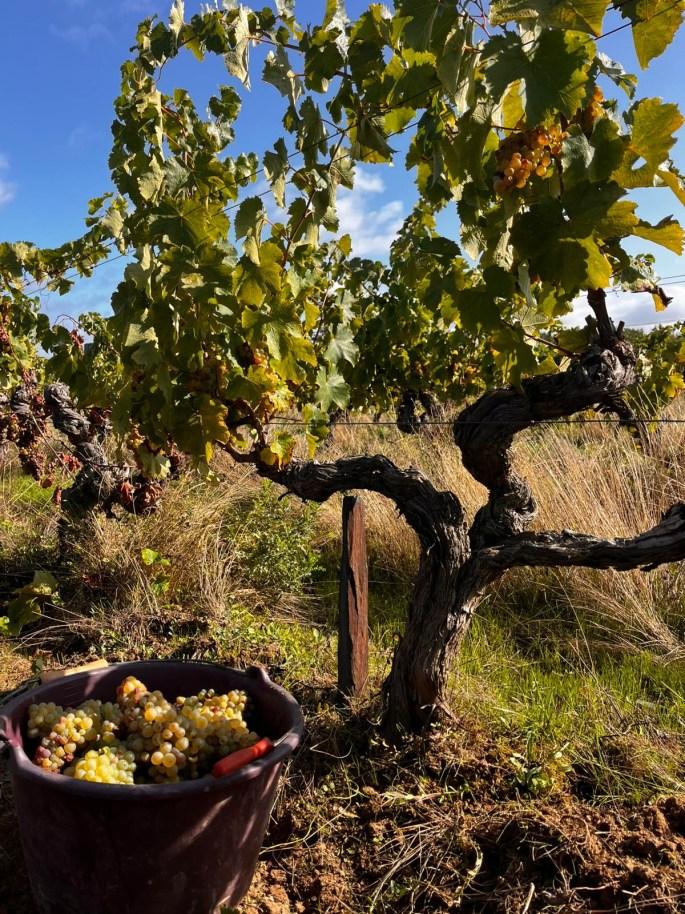
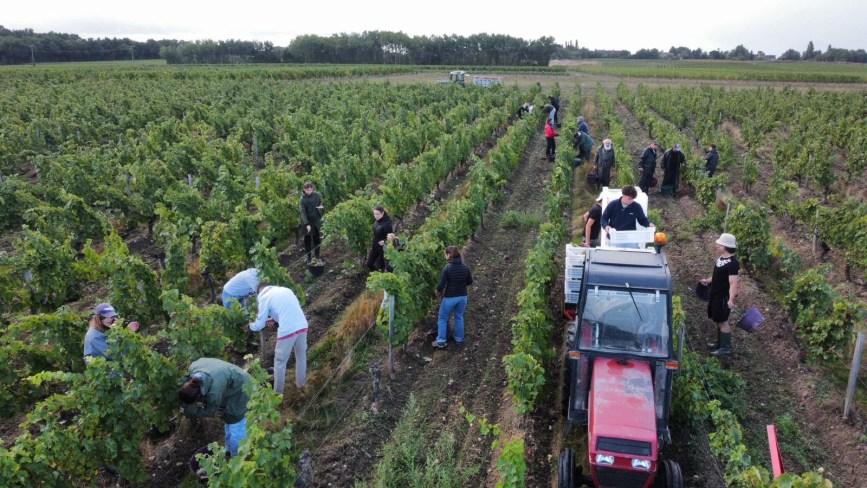
DOMAINE DU MATIN CALME
Domaine du Matin Calme was founded by Anne-Laura and Victor Robion, whose paths first crossed at the Jules Guyot Institute in Dijon. Trained respectively in oenology and viticulture, they bring together scientific precision and a sensitive, site-driven approach to winemaking. Their experience spans some of the world’s most respected wine regions, including Burgundy, Champagne, the Rhône and Loire Valley, as well as New Zealand and South Africa.
These formative years shaped a clear philosophy: wines that are precise yet expressive, respectful of nature and true to their place of origin. Drawn to the diversity and energy of Anjou, they established Domaine du Matin Calme just south of Angers, where they now farm 16 hectares across a remarkable range of soils.
The name DomaineÊduÊMatinÊCalme reflects both the serenity of early mornings in the vineyard and a personal cultural link to South Korea, which is traditionally known as “TheÊ LandÊofÊtheÊMorningÊCalm”. This search for balance and harmony underpins both vineyard and cellar work. After three years of committed work, the domaine will achieve organic certification with the 2025 vintage, confirming a long-term commitment to environmentally responsible viticulture and authentic site expression.
Vines are spread across three main areas and distinctive terroirs:
· Old Loire alluvial soils of pebbles, silts and sands
· Slate and grey schist, typical of Anjou Noir
· Volcanic rhyolites and phthanites, rich in silica
All parcels are organically farmed, with a strong emphasis on living soils and balanced vines. In the cellar, winemaking is precise and restrained, designed to enhance fruit purity and faithfully translate each site rather than impose a house style.
The range is built around two complementary expressions:
· Fresh, approachable cuvées, offering an immediate and authentic introduction to Anjou, combining clarity, balance and drinkability.
· Single-plot wines, which form the core of the domaine’s identity, highlighting the nuances, depth and individuality of each terroir through Chenin Blanc in Anjou Blanc and Cabernet Franc in Anjou Brissac (reds), as well as selective expressions in Crémant de Loire and Coteaux de l’Aubance.
Fermentation and ageing are adapted to each cuvée, using a combination of tank and barrel where appropriate, always prioritizing freshness, precision and site expression.
Domaine du Matin Calme delivers a modern, terroir-driven interpretation of Anjou, combining organic viticulture, technical precision and a clear sense of place.
The Touraine
Often called the “Garden of France,” the Touraine area is a picturesque region defined by lush landscapes and fertile soils. Its charming towns and vibrant culture make it a beloved destination for travelers in search of authentic French living. Touraine is equally celebrated for its wines, with vineyards producing renowned appellations like Vouvray, crafted from Chenin Blanc, and Chinon. The region shines with Chenin Blanc whites and Cabernet Franc reds, wines admired for their purity, expression, and finesse.
FRANÇOIS & PHILIPPE CHAINIER
PAUL BUISSE
Paul Buisse's 100-year-old family négociant firm was based in cellars under the castle town of Montrichard on the Cher Valleyjust upstream of the celebrated Château de Chenonceau. As well as working as a négociant, the firm owned its own vines - some 250 hectares split between Paul's original domaine in Pouillé and vineyards in the Touraine and Vouvray.
After building a great reputation for the quality of his wines, Paul retired in 2010, merging his firm with the Chainier family based at nearby Amboise. Philippe Chainier has now taken over the running of the estate, with his highly skilled brother François running the vineyards and vivifications – an impressive duo whose aim is to offer great quality and wonderful value.
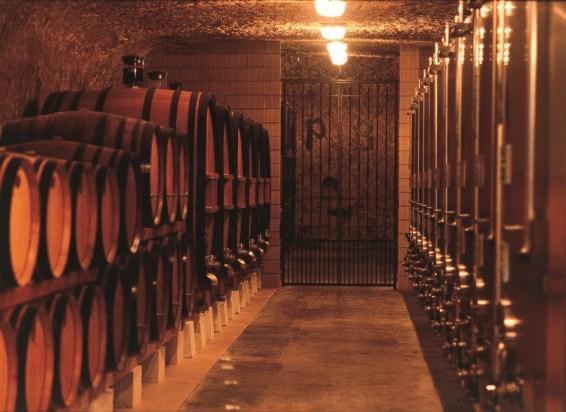
The Maison Paul Buisse works from an impeccably maintained cuverie and rock-hewn cellars and from a purpose-built winery set among the firm’s vines up above the Cher.
Specialising in the classic Sauvignon Blanc of the Loire, the domaine wines are supplemented by buying-in grapes and juices which are vinified on site before bottling in Chainier's BRC-certified site in Amboise, allowing screw cap and even bag-in-box filling.
Using up to 100% macérationÊpelliculaire to add gras to the Domaine Sauvignon, they vinify the bought-in grapes to create the crisply typé cuvée, which has just a small percentage of skin contact, adding a touch of fat to the crunchy aromatic style so typical of the cool-fermented Sauvignons of the region.
They work to high viticulture standards, focusing on sustainable agriculture, vegan wines and green practices, and are certified in safety, hygiene and environmental standards: HVE, BRC and IFS.
Sauvignon Blanc & Chardonnay
Vin de France 2025 TBC
Pinot Noir, Pinot Noir Rosé
Vin de France 2025 TBC
Rosé d’Anjou
Rosé d’Anjou AOP 2025 TBC
Paul Buisse Muscadet
Muscadet AOP 2025 TBC
Paul Buisse
Touraine Sauvignon AOP 2025 TBC
Paul Buisse Chinon Rouge AOP 2025 TBC
Paul Buisse
Vouvray AOP 2025 TBC
Paul Buisse Chinon
Chinon AOP 2025 TBC
JEAN-FRANÇOIS MERIEAU
DOMAINE MERIEAU
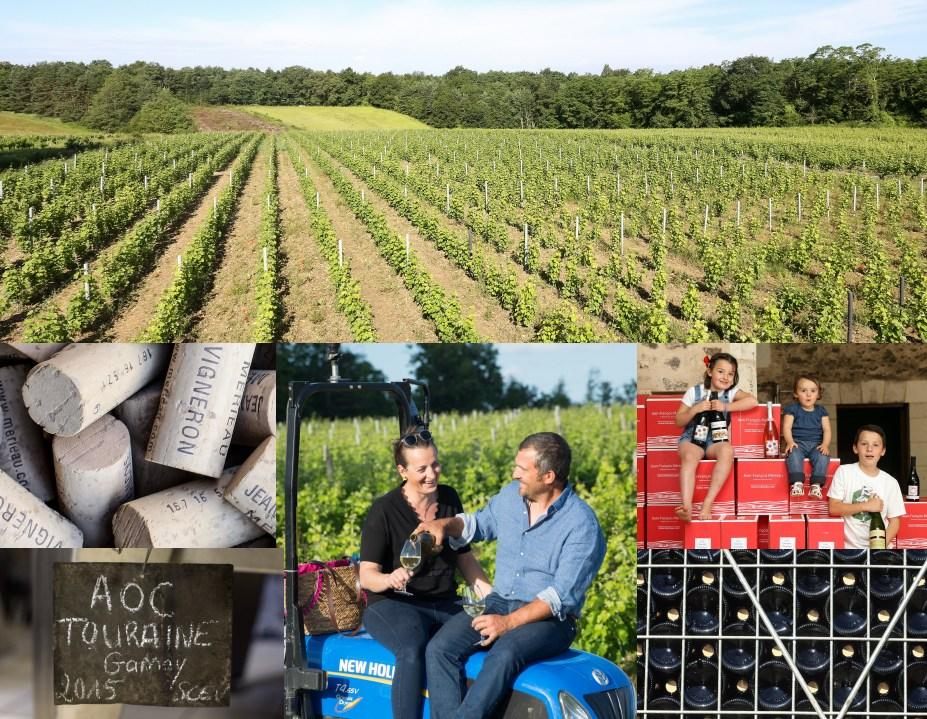
Having finished his studies at Amboise and at Bordeaux, and showing all the messianic enthusiasm you could ever hope for from a recently-qualified and highly motivated winemaker, JeanFrançois finally took over his family’s 40 hectare domaine in 2000 – and he’s already fulfilled initial promises of high quality and tookover the beautiful former winery from Paul Buisse in the heart of Montrichard and transformed it into a beautiful ‘oenotouristique’Ê place.
He has now reduced the size down to 35ha (100% organic from the 2023 vintage) and will be building a brand-new state-of-the-art winery very shortly in St Julien-de-Chédon.
Today the domaine comprises 9 hectares of Sauvignon, 9 ha of Gamay and 9 ha of Côt (including 1 ha that has been surgreffé) that is in many ways the estate’s pride and joy. The rest is planted with various grapes such as – Chardonnay, Sauvignon Rose, Cabernet Franc, Grolleau & Pineau d’Aunis.
Planted on south-facing slopes made up of hard ‘tête de chat’ limestone with pebble and flint topsoil, Jean-François’ vineyards are run enÊLutteÊ Raisonnée, with vineyards all now grassed through. Committed to low yields and high ripeness, a long pruning is followed by a spring de-budding to space out and thin the bunches, and Jeff then does a further green harvest wherever necessary in the summer.
Committed to low yields and high ripeness, a long pruning is followed by a spring de-budding to space out and thin the bunches, and Jeff then does a further green harvest wherever necessary in the summer.
Picking some 25 hectares by hand, after pressing in a pneumatic press and a long cold stabulation, fermentations (up to 6 weeks for the Sauvignon) are in temperature controlled stainless steel or underground vats, with a high percentage of macérationÊpelliculaire and long surÊlie maturation adding depth and concentration to the exceptionallyrichSauvignon.
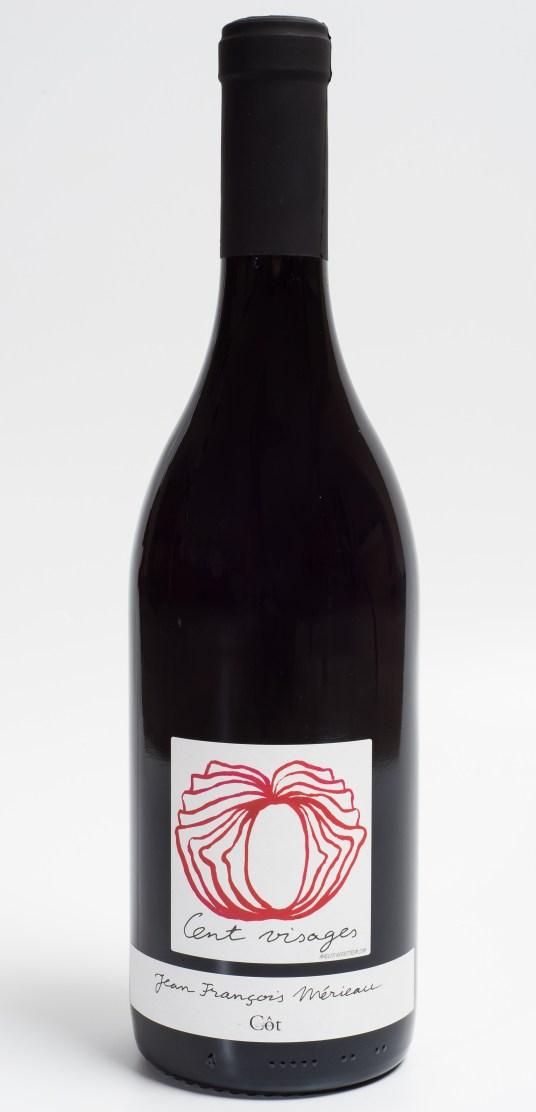
The reds are equally carefully vinified, using micro-bullage to soften the tannins and balance the wines – still a rarity in this region. A complex and fine Gamay is complemented by a spectacular old-vines Côt – Le Cent Visages – that is full of ripe, soft blackberry fruit and spice. The domaine is currently in full conversion to organic viticulure.
Hexagonale Sauvignon Blanc
Touraine Sauvignon AOP 2024 12.00
Arpent des Vaudons
Touraine Sauvignon AOP 2024 12.00
Cœur de Roche
Touraine Sauvignon AOP 2023 TBC
Les Grands Champs
Cabernet Franc / Côt Vin de France 2022 12.50
Hexagonale Pinot Noir
Vin de France 2024 12.00
Le Bois Jacou
Touraine Gamay AOP
Le Cent Visages
Touraine Côt AOP
L’Alliance des Générations (Cab/Côt)
Touraine Rouge AOP 2022 13.00
J’Ose les Fine Bulles
Touraine Méthode
Traditionelle AOP 2020 TBC
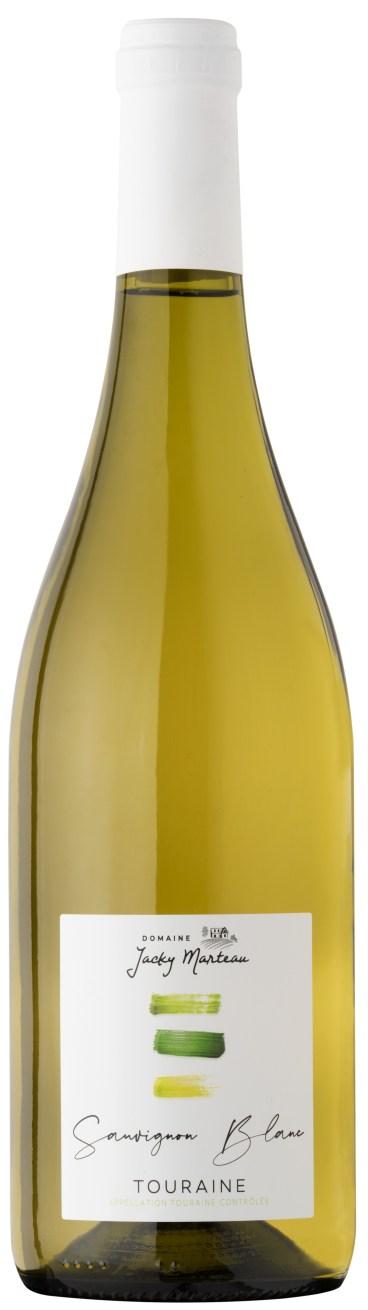
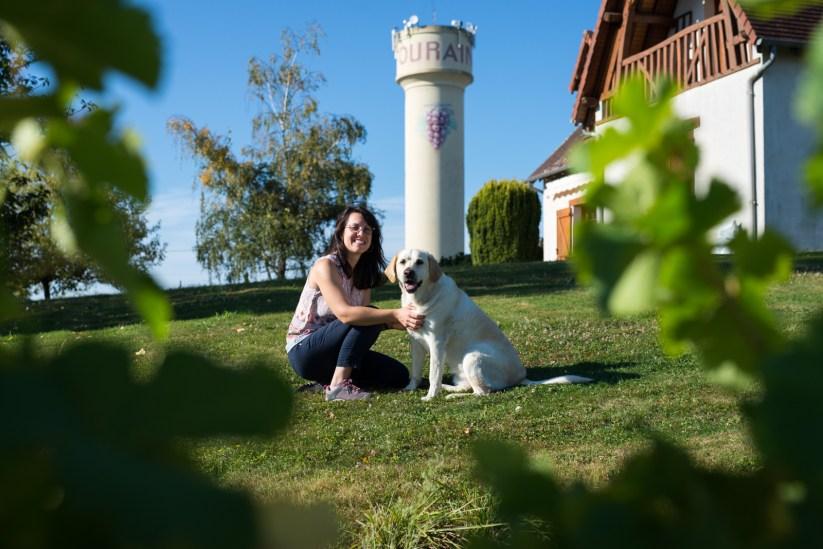
LUDIVINE MARTEAU
DOMAINE JACKY MARTEAU & DOMAINE DE LA BERGERIE
Jacky Marteau and his wife took over the estate in 1977 and made it a success. In 2010 Ludivine and her brother Rodolphe (4th generation), took over father Jacky Marteau's flagship Touraine estate and are doing an impressive job - actually improving on already impeccable quality by imposing an even more demanding style. Ludivine, alone, is now in charge of the estate.
Today the estate has 29 hectares of vines - an area steadily rising with regular plantings - that include 21 ha of Sauvignon Blanc, 4.5 ha of Gamay and a smattering of Cabernet, Malbec and Chardonnay.
Run according to the philosophy of LutteÊRaisonnée, the family’s vines are planted on some of the finest sites of the Touraine: a series of south-facing pebble and flint slopes on the south bank of the Cher. Yields are kept low and grapes are harvested at full ripeness through a combination of short or controlled pruning, supplemented by severe de-budding whilst they also grass through the vineyards, de-leaf and then thin the crop if necessary with a ‘green harvest’ at véraison.
The harvest itself is by hand or machine depending on the variety, the site and the vintage. After a gentle pressing, dry ice is used to inert, this protects juices and reduces the need for any SO2 doses. At least 25% of Sauvignon goes through a skin maceration. It lasts on average 4 hours but during the day not at night.
The percentage (25%, 50% or more) is chosen according to the vintage. Skin maceration is a natural way to lower the acidity of musts, in addition to providing enhanced aromatic complexity. Followed by a 7-10 cold stabulation, fermentations are at controlled temperatures in stainless steel or in specially created steel-lined underground vats.
The domaine’s red wines are consistently superb – the rich, fleshy Gamays are picked by hand with a severe triage at harvest and vinified with a semi-carbonic maceration to give a lovely rich, pulpy fruit that is almost unique in the region.
The Sauvignons are however the domaine’s speciality – and yet again stand out for their balance. Picked at full phenolic maturity, a gentle pressing, a cold maceration and partial macérationÊpelliculaire all add up to give rich, intense wines with a fine balance of acidity, fruit and concentration.
Despite their richness, both the Sauvignon and the remarkably intense Touraine Chenonceaux – the new Touraine Cru - retain their classic Loire aromas and balance.
Committed to the environment, by the end of 2023, 2/3 of the domaine was herbicides-free thanks to a robotic autonomous soil worker ‘vitibot’.
Ludivine aspires to be carbon neutral and is investigating ways to take the Domaine forward in this way.
Touraine Chenonceaux AOP
Domaine Jacky Marteau
Tandem
Touraine Chenonceaux Rouge AOP, Cot, Cabernet Franc
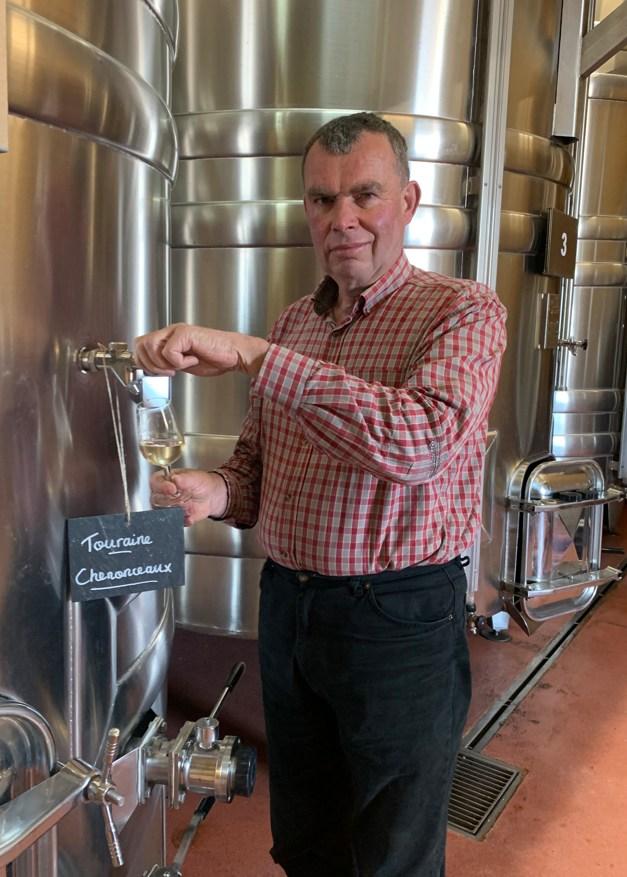
Patrick has been running the family estate for over twenty years now and continues to amaze us with his continual advances and experiments in both winery and vineyards. Patrick has recently been joined at the Domaine by his son Matthieu.
Recent investments include a new Bücher XPlus pneumatic press and a nicely up to date bottling line, two additions that bring clear improvements in both the wine and the finished bottles.
He has also become an adept of thermo-vinification, micro-oxygenation and the use of dry ice to inert press and vats… impressive! Today the estate has over 40 hectares of vines, including 30 ha of the region's classic Sauvignon Blanc, supplemented by his buying a further 10 hectares of Sauvignon surÊpied that he picks and vinifies in the estate’s recently extended and updated winery.
Set above the banks of the Cher, on the deep sand of the south-facing slopes of Noyers, a terroir of flint and sands with a clay-limestone subsoil. This makes Patrick’s vineyards ideally suited to the creation of immediately appealing and aromatic wines of great finesse. A very precise management of the vineyard in terms of fertilisation, using no chemical herbicide and being very attentive to the microbial life of the soil.
Harvesting the young vines by hand and the rest by machine, the juice is kept cold (below 8°) for a week before fermenting. Applying the method of controlled oxidation and using indigenous yeasts in a range of thermo-regulated stainless steel and fiberglass vats. Using a semi carbonic maceration for his Gamay and experimenting with thermo vinifications to soften the Cabernets and Malbec, Patrick produces reds with soft, rich fruit.
Patrick’s classic, however, is his Sauvignon. This is full, uniquely rich in flavour and structure yet immediately ‘Loire’ in style – the result of picking at full ripeness to gain maximum flavours, an overnight macerationÊpelliculaire on 15% of the crop, indigenous yeasts and a long, cool, controlled fermentation that starts at 14° and rises to 18° to add depth and complexity to this lively and aromatic wine.
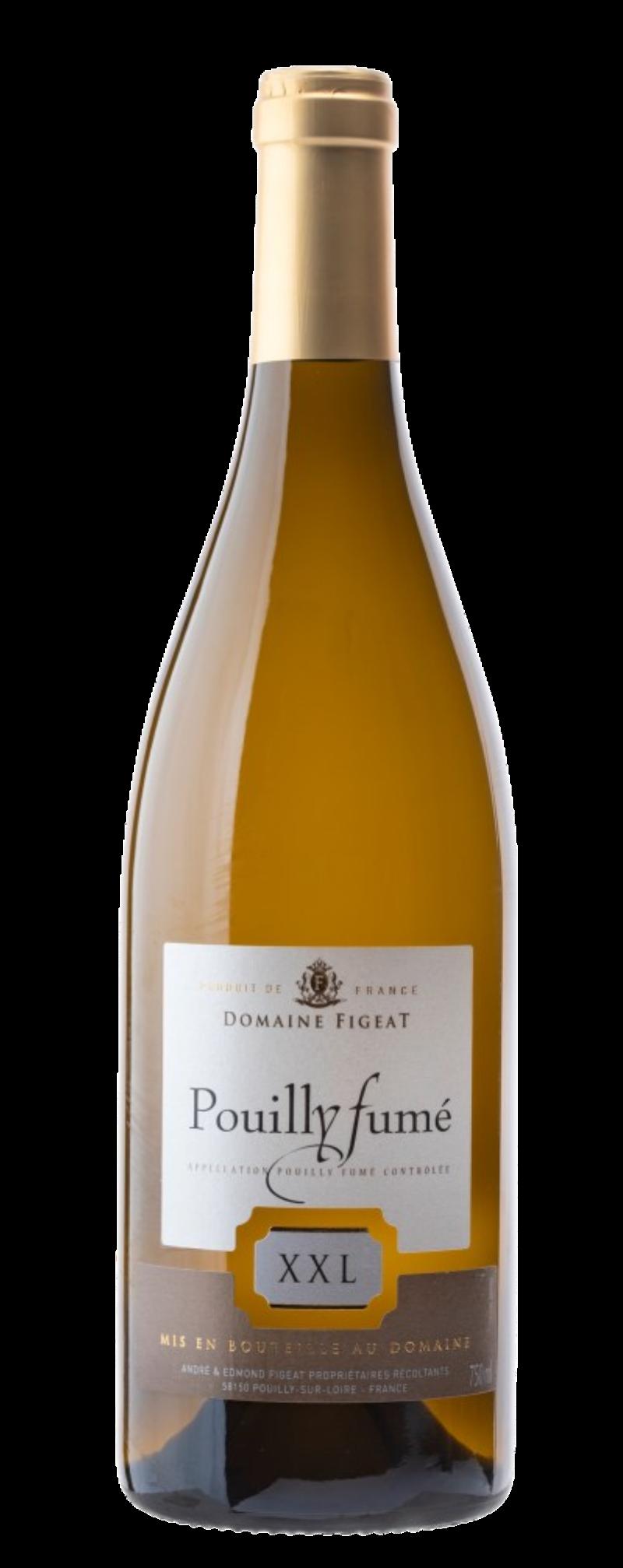
With a hint of malo adds a great touch of ripe, exotic fruit to the palate. The ‘XXL’ style Chenonceaux is richer still… Fantastic.
Rosé de Touraine AOP
Domaine Bellevue
Touraine Gamay AOP
Domaine Bellevue
Touraine Malbec AOP
Domaine Bellevue
Touraine Sauvignon AOP
Domaine Bellevue
Touraine Chenonceaux AOP
Domaine
Crémant de Loire AOP
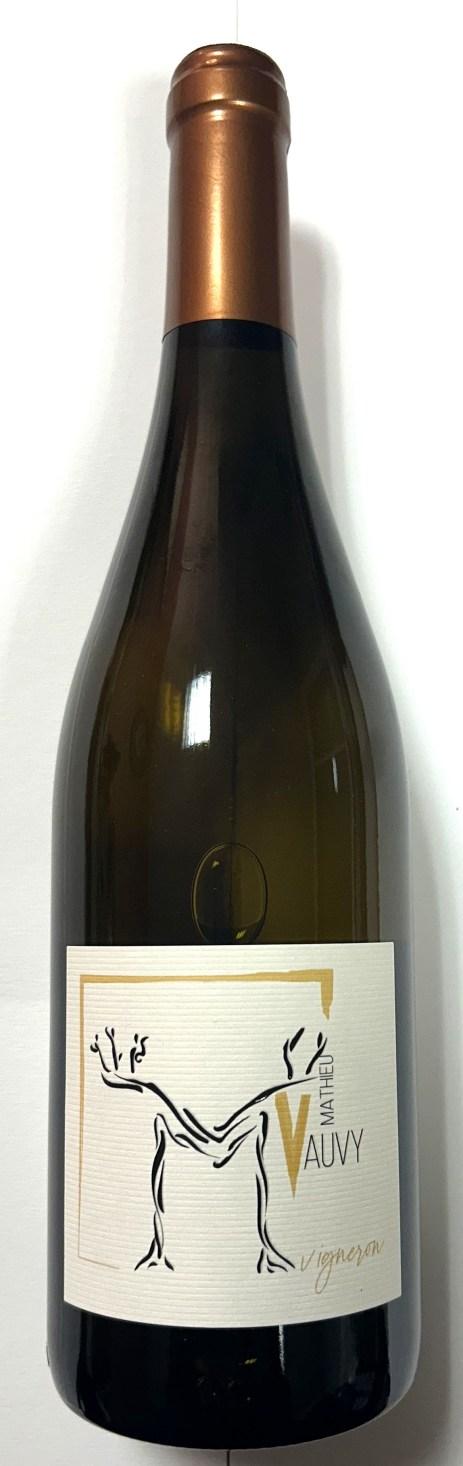
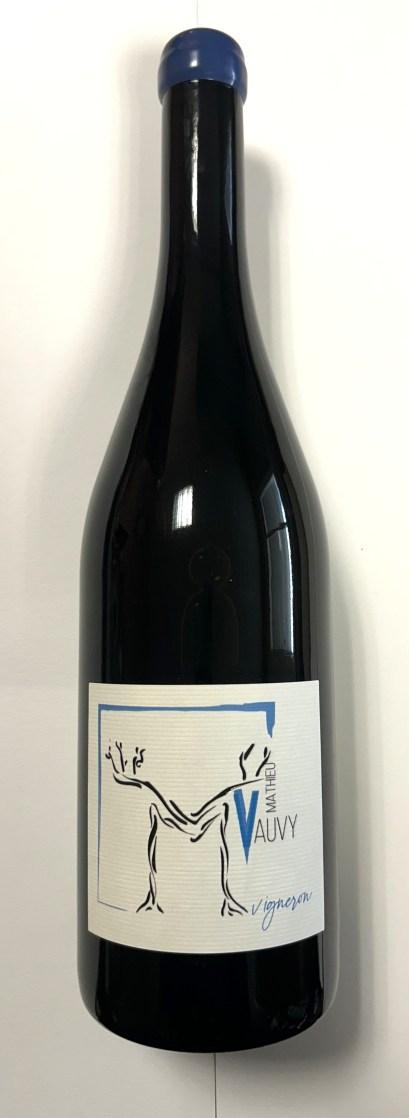
MATTHIEU VAUVY
DOMAINE MATTHIEU VAUVY
Matthieu Vauvy: A New Generation Serving the Terroir. At just 26 years old, Matthieu represents the next chapter in a lineage of passionate winemakers. Inspired at a young age by his father, Patrick Vauvy, he chose to follow in the footsteps of his ancestors, perpetuating a craft passed down for five generations. Determined to blend tradition with modernity, Matthieu didn’t just join the family business; in March 2023, he took a bold step forward by creating his own estate in Noyers-sur-Cher, on the right bank of the Cher River, in the heart of the Touraine appellation.
The estate spans 7 hectares and carries a valuable legacy, having been cultivated organically for over 25 years. Acquired from a neighboring winemaker upon retirement, this vineyard forms the foundation of Matthieu’s ambitious project.
Primarily planted with Sauvignon Blanc (90%), it also includes Gamay and Chardonnay, allowing for a diverse range of expressions in his wines.
The estate stands out for its remarkable geological diversity, offering three distinct soil types. Sandy soils with clay at depth, located on the top of the slopes, lending finesse and freshness to the wines. Clay with flint, found on the slopes, contributing power and minerality. Sandy soils with flint, at the bottom of the slopes, favoring expressive and aromatic wines.
This variety of terroirs enables Matthieu to experiment with specific vinification techniques, crafting wines that reflect both the identity of the grape and the soil.
The estate offers signature cuvées that balance tradition with innovation.
The main Touraine Sauvignon cuvée is a blend of parcels from the upper and lower slopes. It embodies the quintessential Sauvignon from the Cher Valley, bursting with citrus and exotic fruit aromas, complemented by refreshing vivacity.
The Touraine Sauvignon ZK 114 is crafted from a single parcel selection of vines on the slopes. This premium cuvée is hand-harvested and fermented with indigenous yeasts. It highlights the purity of the terroir, with smoky notes, white fruit aromas, and a vibrant acidity balanced by a lingering saline finish. The name, ZK 114, honors the cadastral parcel from which the grapes are sourced.
With a vision for the future, Matthieu Vauvy is committed to environmental preservation while innovating to elevate the reputation of his estate. Adhering to organic farming traditions, he prioritises sustainable practices and strives to showcase the unique character of his terroirs. With passion and ambition, Matthieu crafts honest, balanced, and authentic wines that captivate wine enthusiasts with their finesse and personality.
KÉVIN VIGNÉ
BEAUJARDIN
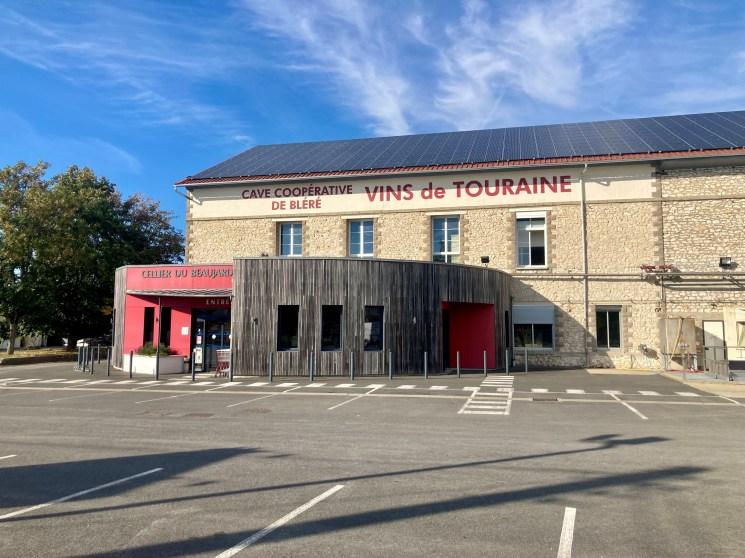
One of the central Loire’s last independent cooperative cellars, Beaujardin in the sleepy riverside town of Bléré was created in 1925. Today the cellar has taken on the smaller neighbouring caves of Athée and of La Croix, giving a total 170 hectares of vines.
The winery is still independent and produces the following appellations: Rosé and Crémant de Loire, Touraine blanc, rosé, rouge and Chenonceaux.
Unusually for a Loire co-operative, almost half of the vines are now owned by the cave itself, guaranteeing supply and quality of vineyard management techniques such as enherbement and the spring de-budding best suited to limiting yields.
In addition domaine des 7 Lieues sell all of their fruit to the co-operative, therefore allowing Beaujardin to create domaine quality wines and the domaine des 7 Lieues branded wine to be sold on site.
Over the last few years, Kévin the Director has evolved the vinifications so as to make a more internationally acceptable style and he now vinifies this with a semi maceration-carbonique to emphasize the wine's fruitreserving the vinÊdeÊpresse for the more traditional blends sold in France. The result is a balance of violet and redcurrant aromas with sweet, fat fruit that is all too rare with Loire reds and that seems to be appealing more and more to demanding export markets.
After a fire in 2014, Kevin has been making the most of the opportunity to continue its program of investment, to modernise the winery building itself and the practices used. The entire roof of the cellar is now solar panels (500 m2) which provides up to 40% of all their electricity needs. The vats are now all epoxy lined and complemented with a battery of stainless steel, all with temperature control.
He has encouraged the growers to move towards the local Côt – Malbec to us mortals – and away from the less complex and more fragile Gamay. The cave now produces 25 hectares of Malbec and Kévin is steadily pushing for riper harvests and more modern vinifications and happily using oak chips and micro-oxygenation to better emphasize the pulpy fruit of the wine.
ARNAUD ET Sibylle LECHAT
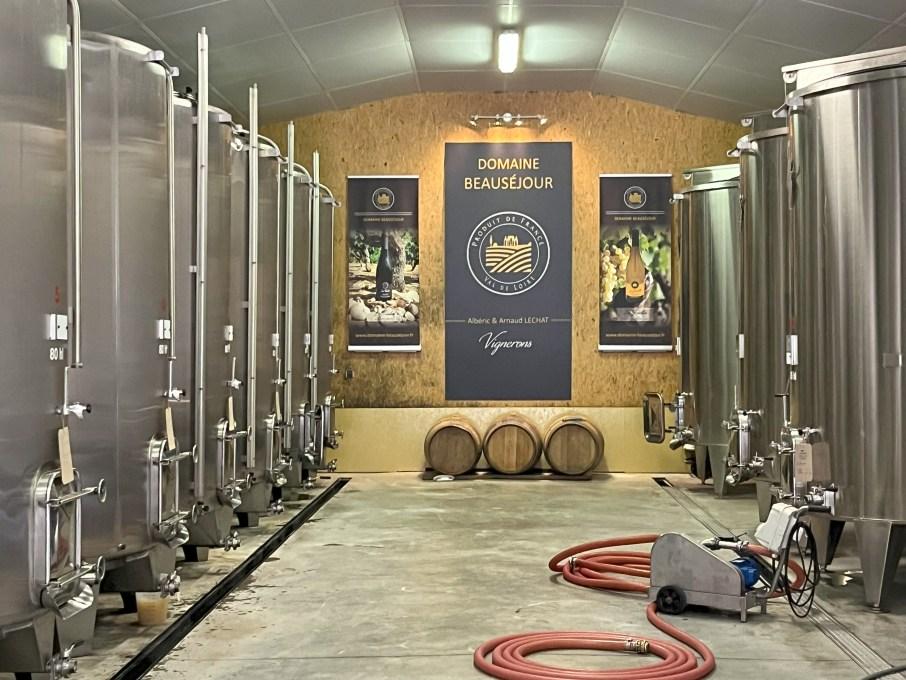
DOMAINE BEAUSÉJOUR
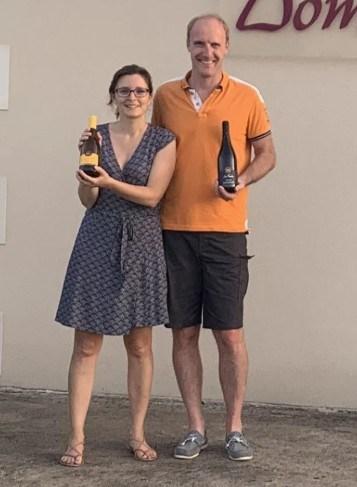
For four generations, the estate was lovingly guided by the Trotignon family, building a legacy rooted in dedication, expertise, and a deep respect for the land. In 2022, the Domaine entered an exciting new chapter when it was acquired by the Lechat family. Arnaud and Sibylle, united by their passion for viticulture and a desire to work together as a family, made the decision to carry forward the estate’s traditions while infusing it with their own vision.
By blending four generations of experience with a fresh, modern perspective, the Lechats aim to honor the estate’s history while creating wines that are expressive, elegant, and true to the Loire Valley’s storied tradition. Their story is one of passion, family, and continuity—a promise that every bottle carries not just the flavors of the vineyard, but the heart and dedication of those who tend it.
Domaine Beauséjour has been constantly transforming over the recent decades to become one of the most beautiful cellars in the appellation. Arnaud and Sibylle intend to maintain this dynamic and aim to make the estate an essential place for wine tourism in the region. Of the 20 hectares in total, 16 hectares are planted with Sauvignon Blanc, including 1 hectare with Sauvignon Rose (Fié), which brings weight and additional complexity during the blend.
Although mostly planted with Gamay, the reds include a small portion of Côt (Malbec).
The estate's vines are split equally between the deep sands of Noyers, perfect for adding immediacy to the varietal character of Sauvignon and the heavier soils of St Romain, resulting in wines that marry intense aromas with great depth.
Managing their vines according to the principle of reasoned control, Arnaud and Sibylle are fanatical about controlling yields and maturity to produce healthy grapes. Using the technique of controlled natural weeding of the vines; they prune long and late so as not to pack the grapes around the vine, whilst de-budding to maintain the yields and the health of the grapes.
This is followed, if needed in summer, by thinning around the bunches, ensuring healthier grapes with higher ripeness, lower acidity and greater complexity.
After pressing in a pneumatic press, fermentation takes place in thermo-regulated stainless steel vats and the wines are kept on the lees in suspension by gentle stirring for as long as possible before racking.
Wine Vintage ABV %
Les Fossiles
Touraine Sauvignon Blanc AOP
12.50 Les Silex
Touraine Sauvignon Blanc AOP
Les Fossiles
Touraine Gamay/Malbec AOP
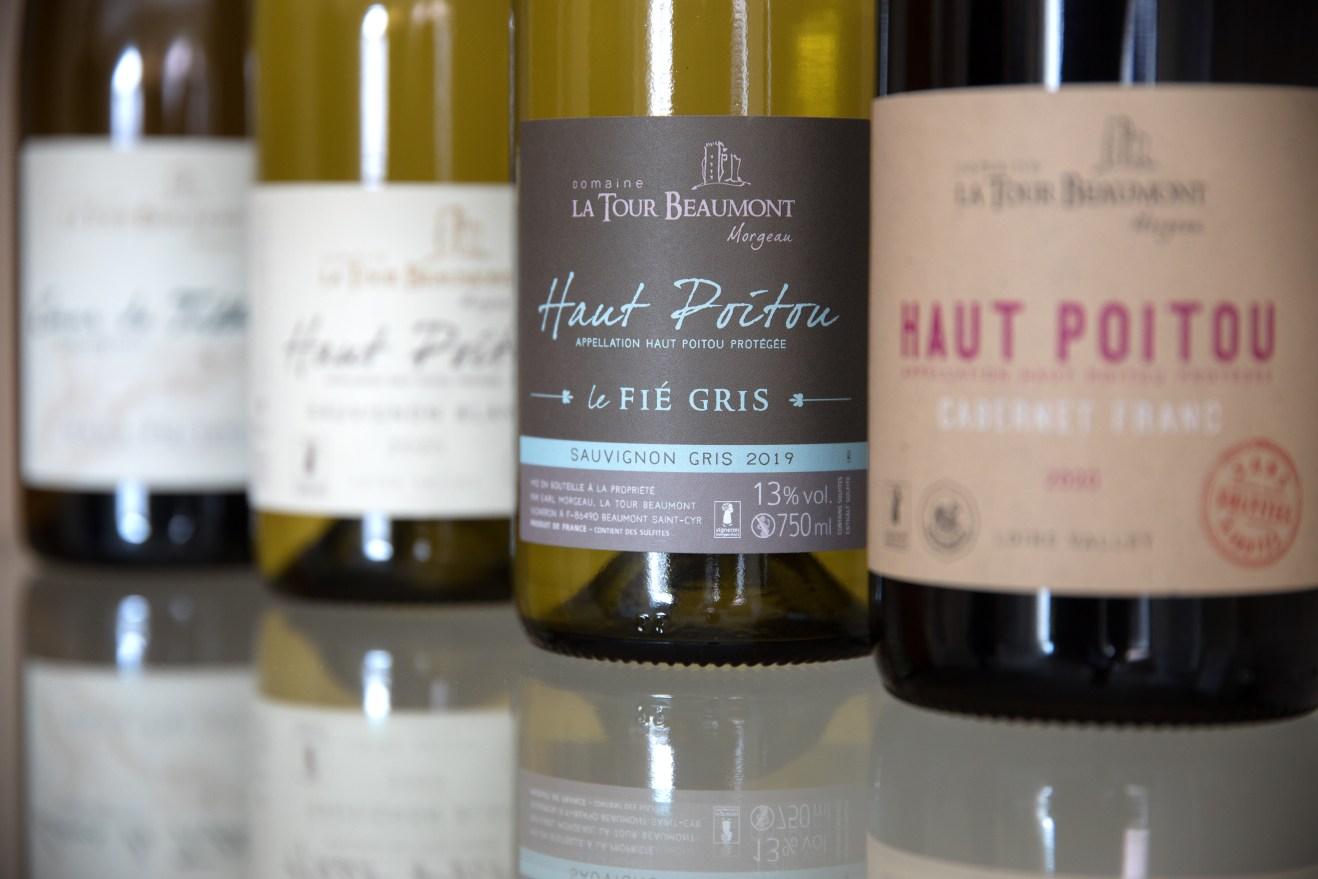
PIERRE MORGEAU
DOMAINE LA TOUR BEAUMONT
Despite being offered posts as winemaker in New Zealand and Burgundy, on leaving viticultural college, Pierre decided to take on the family estate in the southern Loire region of the Haut Poitou in 2009 - becoming the 5th generation of his family to make wines on the estate.
That's tough for the others – Pierre might be shy and retiring but they missed out on one of the best of the new generation winemakers!
Clearly benefitting from the dry, sunny climate and cooling breezes from the nearby Atlantic coast, this corner of the Southern Loire is ideally suited to producing finely balanced Sauvignon Blanc and Pinot Noir. Better still, its hard limestone soil retains the heat of the day, further helping the grapes reach full maturity. That said, true quality only really comes when you run the vineyards properly and use your brains in the winery.
Pierre runs his 32 hectares sustainably, achieving a certified High Environmental Value (HVE). He focusses on Chardonnay, Sauvignon, Pinot and Gamay but with some Malbec planted in 2017. Planted at 5000 vines/hectare, the vineyards are grassed through on alternate rows and he’s raised leaf height to over 2 metres so as to be able to leaf-pluck around the bunches, giving the grapes the best possible conditions to ripen.
After picking by machine, pressing is in a nitrogen-inerted pneumatic press - the domaine produces its own nitrogen, so the juice and wine are kept sheltered from oxidation at every stage - with the fin de press opened up to air and vinified separately. Fermentations, in part using natural yeasts, are in temperature-controlled stainless steel vats and the finished wines are kept on their fine lees with regular bâtonnage until bottling early spring.
The results are impressive!
Sauvignon Blanc
Haut Poitou AOP
Fié Gris
Haut Poitou AOP
Rosé
Haut Poitou AOP
Rouge Cabernet Franc
Haut Poitou AOP
Rouge Gamay
IGP Val de Loire
12.50
12.00
12.50
12.50
EMMANUEL & THIERRY DELAILLE
DOMAINE DU SALVARD
Vignerons de père en fils, Emmanuel and his brother Thierry Delaille represent the fifth generation of the family to run the domaine.
Florian (Emmanuel's son) and Maxime (Florian's cousin) have just joined the company and are now working on the estate. Although the estate has now grown to a substantial 40 hectares, they supplement supply by buying-in 3 – 4 ha surÊpied.
Emmanuel’s emphasis is very firmly on his 40 hectares of Sauvignon Blanc Cheverny, underlining a decision to move away from tradition and into the 21st century that is reflected in their exporting some 80% of the production. The domaine has recently been granted HVE Level 3 status.
Set on the sand-on-clay vineyards, Domaine du Salvard is located in Fougères-sur-Bièvre, on the banks of the Loire, between Cheverny and Chenonceau.
Encouraging quality and ripeness by deliberately restricting yields by grassing through the vineyards (this shows up nicely in the improved quality of the domaine’s light but intense Pinot-Gamay red), Emmanuel and Thierry also thin the crop with a green harvest where necessary.
Picking by machine, pressing is by pneumatic press with a severe cold débourbage to settle the juice. Fermentations are at controlled temperatures in a series of thermo-regulated stainless steel and epoxy-lined underground vats in the family’s recently extended chai. The wine is then matured until spring with the lees held in suspension thanks to regular bâtonnages.
The Domaine's newest team member is a "Vitibot Bakus" robot, an electric and autonomous vineyard robot - for soil work (weeding in particular). They are proud to be the first in the Cheverny appellation to have acquired this type of robot, which can only further improve the quality of production.
The consistently delicate yet intensely aromatic Cheverny (Sauvignon Blanc with just enough Chardonnay to keep the INAO happy…) is paired with a tiny quantity of Romorantin 'Cour-Cheverny' and with a prestige cuvée, the Héritière. Produced from a careful tri of extra-ripe Sauvignon grapes, this is selected from a parcelle of old vines.
Slowly fermenting for up to a year in new oak barriques, with no chaptalisation or addition of yeasts, this is really quite some bête! Working to high viticulture standards, focusing on sustainable agricultureand are certified in safety, hygiene and high environmental value: HVE 3.
Le Petit Salvard
VdF Sauvignon Blanc
Delaille
Cheverny Rouge AOP
Vouvray & Montlouis
Vouvray and Montlouis-sur-Loire sit on opposite banks of the Loire River, sharing a striking landscape shaped by rolling hills, limestone-rich soils, and dramatic tuffeau cliffs carved into ancient cellars. This unique terroir, creates ideal conditions for Chenin Blanc, the sole grape variety of both appellations. The wines are celebrated for their precision and versatility, ranging from crisp, mineral-driven dry styles to delicately off-dry, richly sweet, and elegant sparkling expressions. Vouvray and Montlouis produce wines of remarkable longevity and distinctive character.
Famille Lebrumare Page 70
(RENDEZ VOUS, Bernard Fouquet)
Famille Lebrumare Page 72
(Domaine Des Aubuisières, Domain De L A’rcadie)
Vignoble Alain Robert Page 74
Domaine d’Orfeuilles Page 76
Domaine de la Taille aux Loups Page 78
FAMILLE LEBRUMARE
RENDEZ-VOUS , Bernard Fouquet
Since January 2022 Charles Lesaffre has taken over the domaine. His grandfather used to own the domaine so he is returning to his ancestral roots!
Since 1996 contracts have been in place with partner vignerons, enabling us to select their best juices, which they vinify in either their cellars or under the supervision of our winemaker in partner cellars to create our own Bernard Fouquet cuvées.
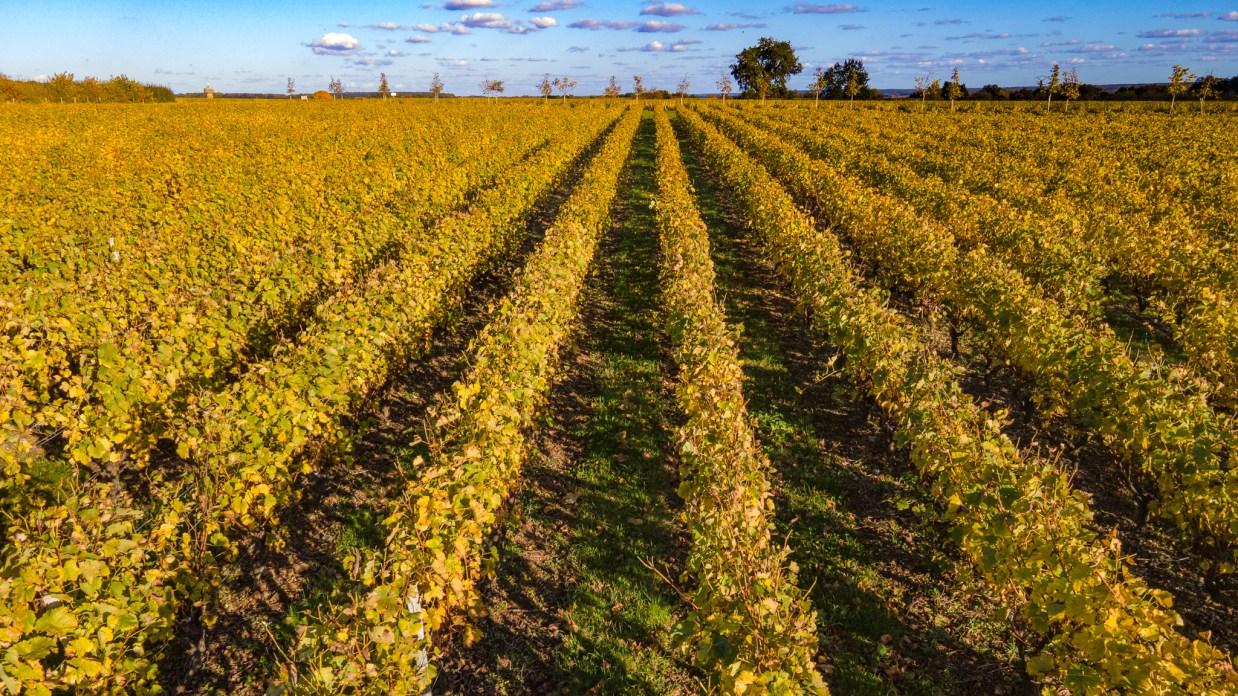
All the grapes used in our blends come from the different terroirs of the Vouvray appellation.
The Bernard Fouquet range includes both still and sparkling Vouvray wines.
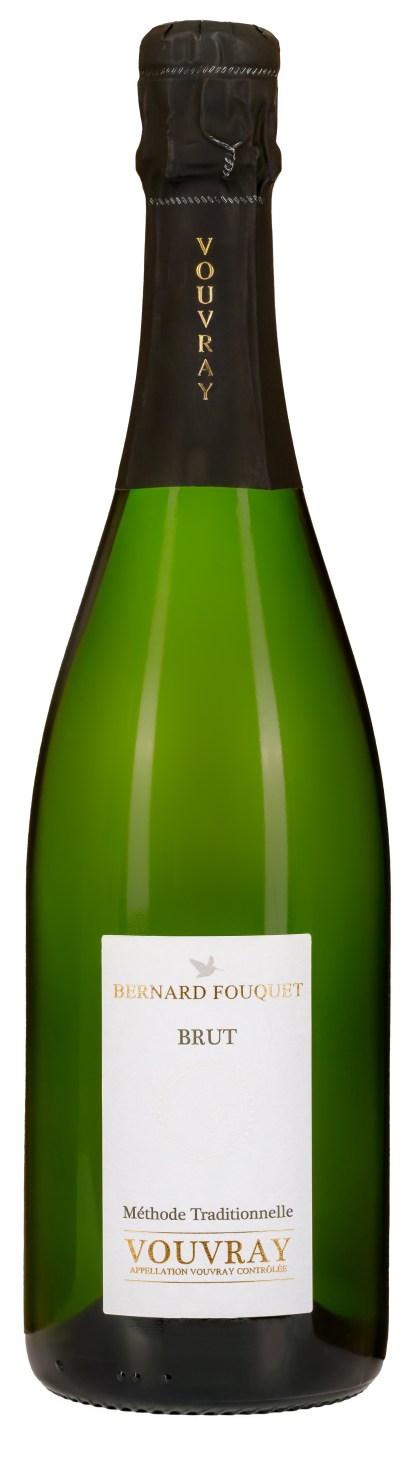
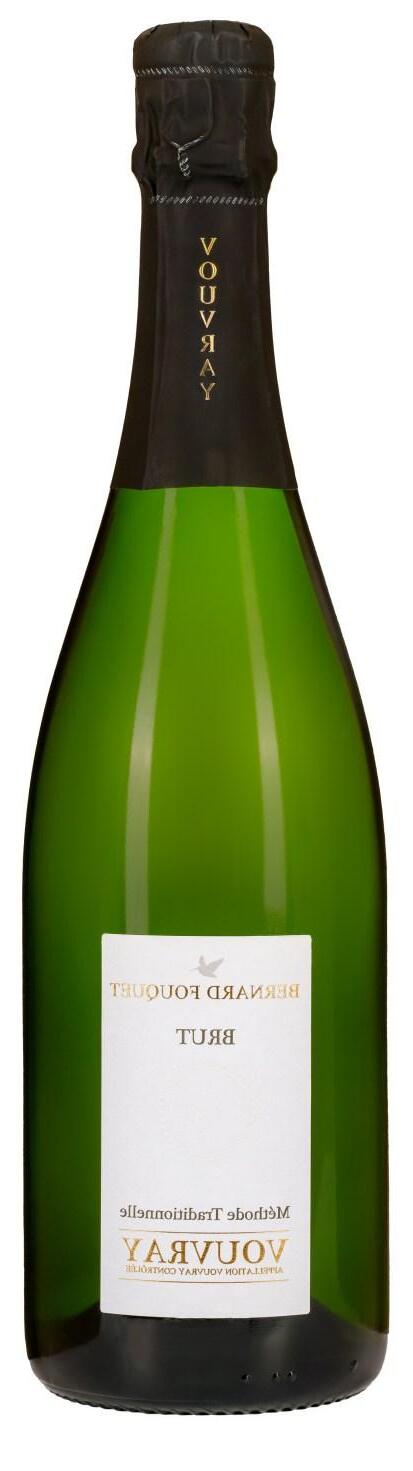
Bernard Fouquet Vouvray Méthode Traditionnelle Brut
Bernard Fouquet Vouvray sec cœur de Silex
Bernard Fouquet Vouvray moelleux cuvée Saint Jean
Wine Vintage ABV Price €
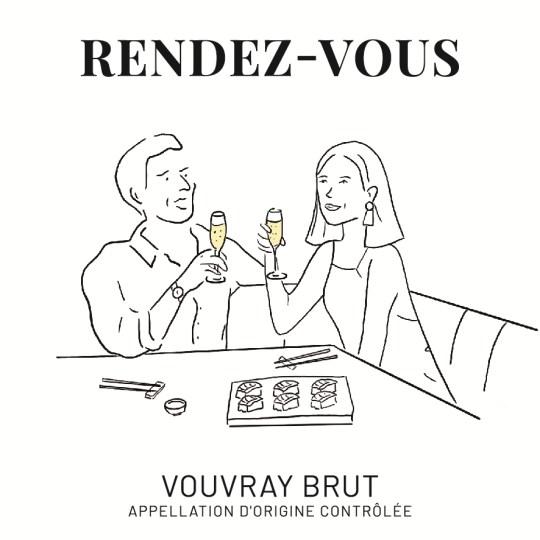
A glass of wine is always a date! The Rendez-Vous range of wines are little gems which recreate those unique and unforgettable moments in life – both for those encounters and the wines tasted. All the Rendez-Vous wines are vinified in our cellars. Wine
Vouvray sec chenin blanc 2024/2025 12%
Vouvray
FAMILLE LEBRUMARE
DOMAINE DES AUBUISIÈRES
Domaine De L’Arcadie
The domaine comprises 29 hectares of Chenin Blanc planted on some of the best terroirs of the Vouvray appellation, enabling them to produce wines which exhibit all the richness, complexity and true potential of Chenin Blanc.
Committed to making wines which have perfect balance and so in addition to our diligent vineyard management, they have also been converting to organic status since 2023.
Using different vinification methods – oak barrels, stainless and clay amphoras – they are able to produce distinctly different styles of Chenin Blanc all of which showcase the richness and complexity of this noble grape.
Created in 2024, this domaine covers 10 hectares of the Vouvray appellation and includes two Clos planted on one of the most renowned terroir in Vouvray – Les Girardières.
The vines have an average age of 40 to 50 years and express a unique style of terroir which combines limestone and flint. The vines are worked according to biodynamic principles, and this provides incredible mineral complexity and elegance in the resulting wines. The wines are vinified in our dedicated limestone cellar hewn into the cliff face and benefit from a long period of ageing in barrel following vinification.
The result is Chenin Blancs of the highest quality.
Sec Les 3 Parcelles
Girardières
CYRIL ROBERT & CATHERINE MEDARD
VIGNOBLE ALAIN ROBERT
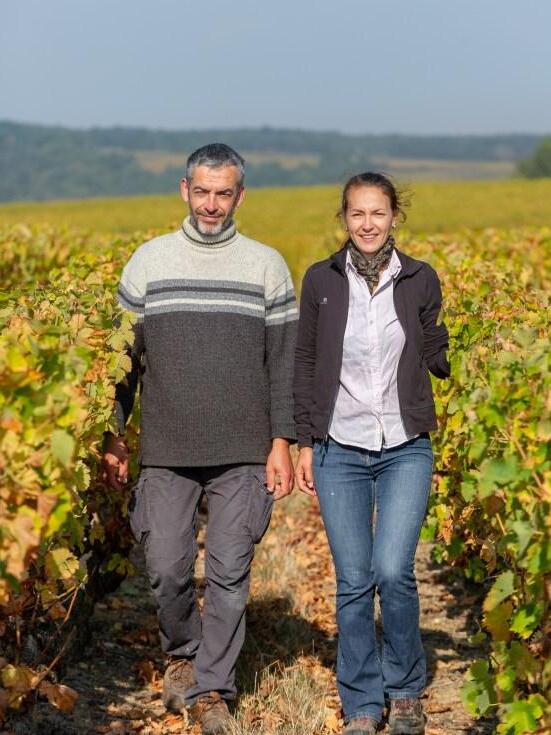
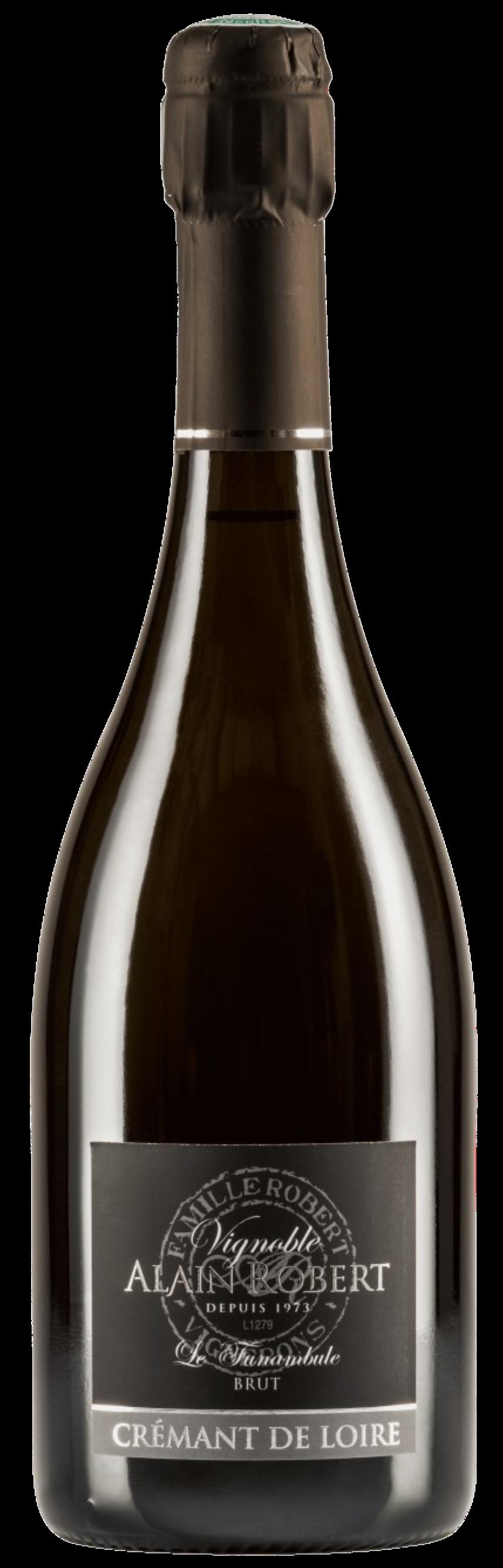
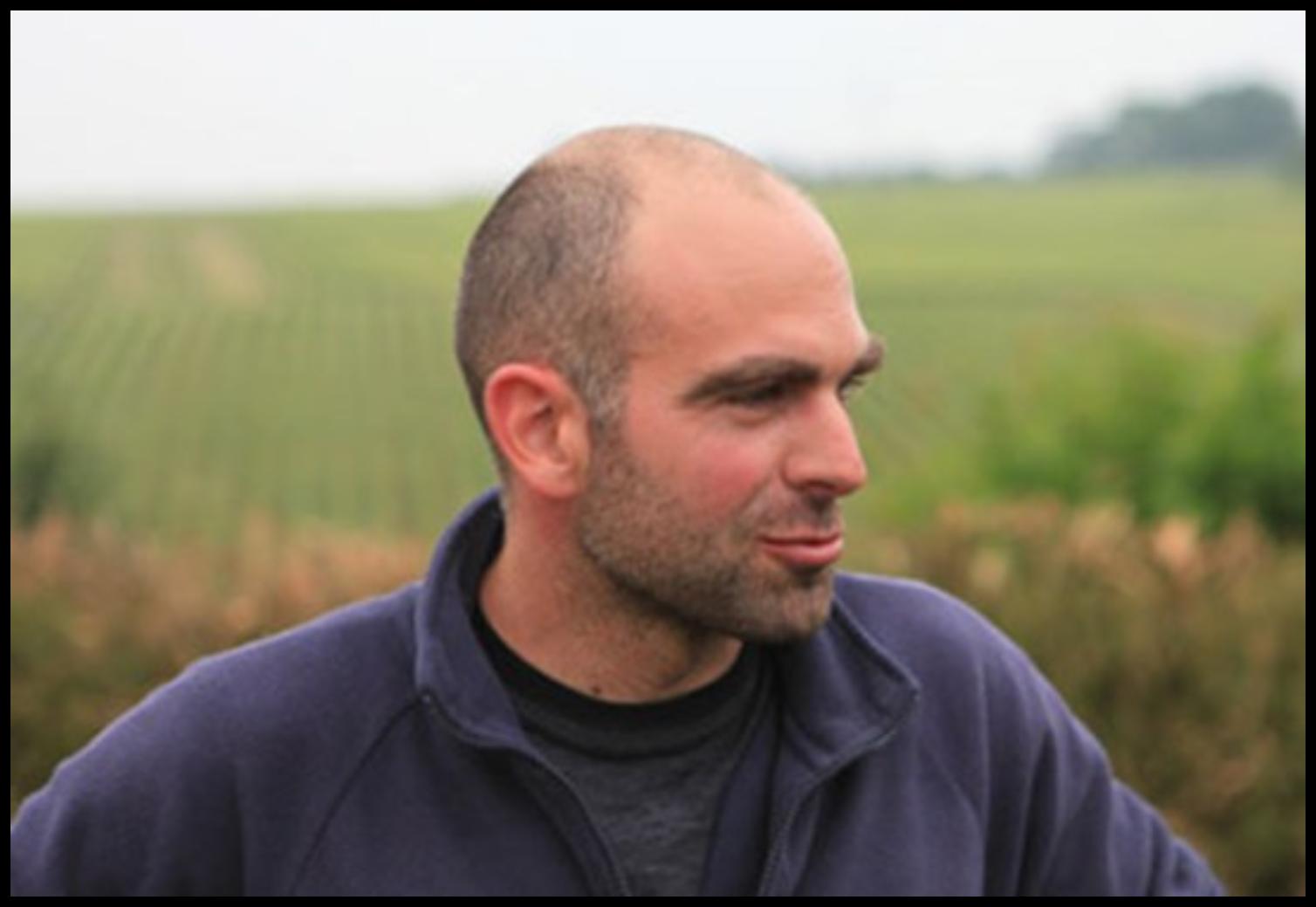
Set just behind Vernou, on the argile à silex slopes of Vouvray, Cyril and his sister Catherine’s 37 hectare domaine dates back to their greatgrandparents who (as almost every 'vigneron') were polycultural farmers. When their father Alain Robert founded the domaine in 1973, he started with a grand total 2 hectares of vines.
Cyril joined the estate in 2000 after studying viticulture at the excellent Amboise wine college, while Catherine studied wine business before working with the great Jacky Blot at the Domaine de la Taille aux Loups across the Loire in Montlouis.
After 10 years with Jacky, Catherine re-joined the family domaine in 2013, bringing some nice ideas on how to really take the domaine and its wines a step further. Together, they officially took over the estate from Papa Alain in 2014though it is good to see the 'retiree' still knows how to drive a tractor!
It's the attention to detail that makes this estate special: the attention they take to running the vineyard itself, working to keep the grapes healthy and to get real ripeness at harvest. It's easy to see the improvements in winemaking techniques and equipment over the last years, but it's the way Cyril and Catherine run the vines that give the wines that edge.
In the winery, they’ve got it right too: after picking by hand (for the still wines) and machine (for the sparkling), pressing in pneumatic press, followed by a cold settling and then fermentations in thermo-regulated stainless-steel vats or oak barrels or their new 20-hectolitre oak foudres.
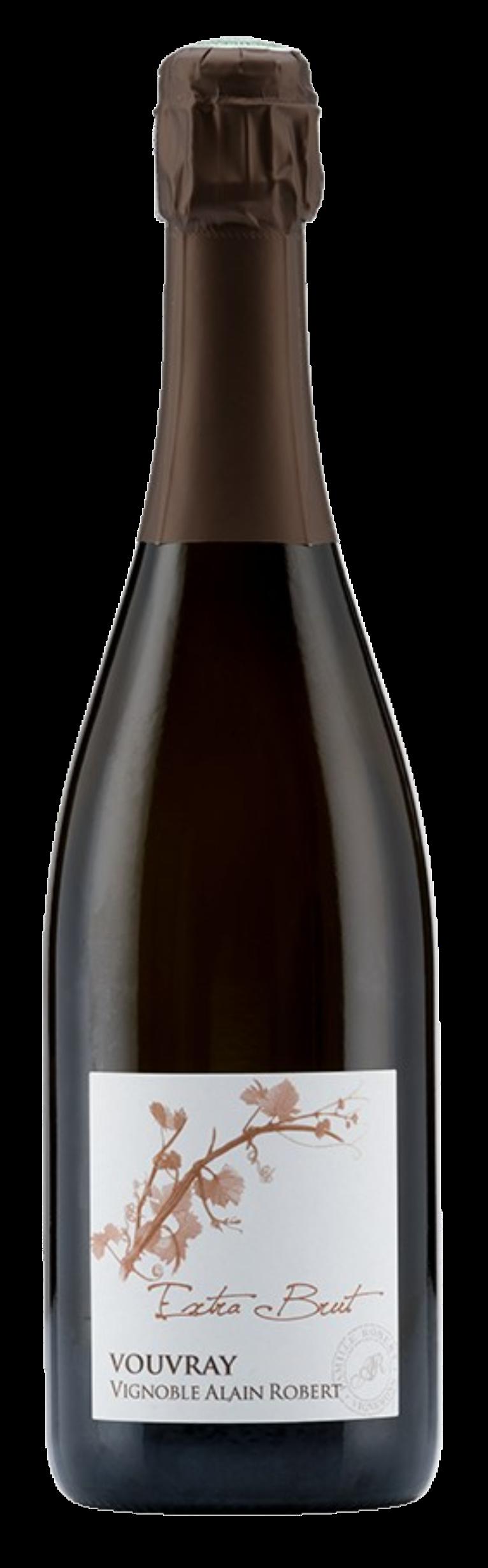
The results are a fascinating cross-section of Vouvray, with the dry oak-fermented Ammonite complementing the classic but precise Empreinte, with a brace of fine moelleux just to show off. The sparkling Vouvrays are models of the genre, with the non-dosé Extra Brut benefitting from 30 months surÊlattes.
Certified HVE 3 (High Environmental Value), this guarantees that the agricultural practices used on the entire farm preserve the natural ecosystem and minimizes the pressure on the environment (soil, water and biodiversity).
Wine
Vouvray Demi-Sec AOP
Moelleux Les Larmes
ARNAUD HÉRIVAULT
DOMAINE D’ORFEUILLES
Set up in 1947 (just in time for the Loire's 'mythic' vintage!), our old friend Bernard Hérivault's domaine had grown to 21 hectares when he was joined by his son Arnaud, who has now imposed his own approach on the estate's vineyards and winemaking, converting to organic and biodymanic viticulture and investing heavily in thermo-regulated vats, inertage and a pneumatic press.
Set on the 'arrièresÊcôtes' of the appellation - away from the river - the domaine benefits from an unusual terroir for Vouvray, with the deep limestone 'tuf' run through with layers of flint that add a crisply refreshing minerality to the ripe chenin that makes the estate's wines.
In a region where too many organic producers tend to an extreme 'natural' approach, Arnaud stands out for the rigour of his vineyard management and vinifications. The vineyards are beautifully run, with nicely separated bunches keeping grapes healthy, a trait encouraged by grass planted between the rows (but ploughed beneath), spring de-budding and Summer thinning as necessary. Added to an early de-leafing to keep the bunches nicely aerated, that makes for all the elements that are needed to keep organic grapes healthy in the Loire but which are too often avoided because of the cost and hard work involved.
After harvesting by hand (in successive tris) or machine depending on the parcelleÊand the cuvée and pressing by pneumatic press (a small 8 hl pneumatic for the moelleux), fermentations are in either thermo-regulated and CO2 inerted stainless steel vats or 500-litre casks in the cellar's impeccably maintained rock-hewn cellars.
As ever with the chenin, picking at different levels of ripeness allows the estate to make a range of wines running from a pair of sparkling Vouvrays (the flint minerality gives a great lift) through to fine moelleux and liquoreux stickies, depending on the year.
There are two dry whites - the classic, vat-fermented Sec and the Silex, from a south-facing single plot of old vines where the soil is covered with flint, giving a mineral twist that is balanced with a partial malo and by fermenting 50% in oak barriques (of which 25% are new each year). The demi-sec Les Coudraies - again a single vineyard of old vines - is also part-fermented in oak, picking around 14° at harvest to leave a natural residual sugar that is in harmony with the crystallized fruit character of concentrated Chenin.
JEAN-PHILIPPE BLOT
DOMAINE DE LA TAILLE AUX LOUPS
Having created the domaine in 1988, Jacky Blot is now widely recognised as the greatest producer of Vouvray and Montlouis.
After Jacky’s sad passing, his son JeanPhilippe took over the reins of the estate on his own, after many years working alongside his father, supported by a close-knit and passionate team, creating precise, pure and totally dry secs.
Planted entirely with Chenin Blanc, the estate has over the years, acquired many of the finest terroirs in the Montlouis appellation, following a golden rule: to remain self-sufficient and not to buy either grapes or wine.
Among the most beautiful terroirs : 3 ha. Clos Michet, 12 ha. Clos Mosny and just over 5 ha planted on two truly exceptional sites in Vouvray which are classified as Vins de France.
Across all the terroirs, massal selections have been practiced for twenty-five years ; the estate even has its own nursery to meet its needs.
Organic methods have been used from the beginning at the estate, combined with almost manically short pruning, which keeps yields down to their hoped-for target of 30 hectolitres per hectare. Picking is by hand in successive tris, with a further grape-by-grape manual sorting prior to pressing, a double selection that helps explain the concentration and purity of fruit of the estate's wines. This attention to detail continues in the rock-hewn cellar where, after a double débourbage, fermentations for all the wines are in Burgundian barriques (1000 in all, 10% new per year) at the naturally cool temperatures of the cellar.
The newer oak (10/15% max) is almost exclusively used for the single vineyard Clos and for the old (70-80 years) vines Les Hauts de Husseau. The wines are full and complex to an almost unprecedented degree, with a fresh minerality in their youth that is intensely appetising – and (according to the great Blot himself) quite unintentional! Wine
Hauts de Husseau
de Mosny Montlouis Sec AOP
Clos de la Bretonnière
Clos de Venise
Vin de France (Vouvray)
Moelleux
Montlouis Moelleux AOP
Cuvée des Loups
Montlouis Liquoreux AOP
TBC
TBC
Montlouis Brut AOP NV TBC
Triple Zéro
Montlouis Pétillant Naturel AOP NV 12.50
Triple Zéro Rosé
Montlouis Pétillant Naturel AOP
NV TBC
The Reds
Anjou, Saumur and Chinon
The red wines of Anjou, Saumur, and Chinon are led by Cabernet Franc, prized for its freshness, vibrant red fruit, and elegant structure. Alongside it, lesser-known varieties such as Pineau d’Aunis, Côt, Cabernet Sauvignon, Pinot Noir, Grolleau Noir, and Gamay add depth and diversity, from peppery and floral notes to bright, juicy fruit. Together, these grapes express the Loire Valley’s signature balance of character, finesse, and drinkability.
Domaine des Rochelles Page 82
Domaine des Sanzay Page 84
Domaine de la Bonnelière Page 86
Château de Targé Page 88
Château du Hureau Page 90
Clos de L’Ecotard Page 92
Domaine de la Noblaie Page 94
Domaine Charles Joguet Page 96
Domaine de la Butte Page 98
JEAN-HUBERT LEBRETON
DOMAINE DES ROCHELLES
Vignerons for five generations, the flagship Anjou-Villages estate is now run by Jean-Hubert Lebreton alongside his father Jean-Yves. Located near the south bank of the Loire in Aubance-Brissac, the estate spans 50 hectares, with a notable mix of Cabernet Franc and Cabernet Sauvignon for the classic reds. It also includes 12 hectares of Chenin and 3.1 hectares of Malbec, producing wines that are ripe, juicy, and silky, with soft tannins and vibrant freshness.
With vineyards on sand, slate, and schist soils, Jean-Hubert crafts exceptional reds in the prestigious Anjou-Villages Brissac appellation. The estate has been organic since 2015, and for 15 consecutive vintages, the wines have been made without chaptalisation, thanks to meticulous vineyard work including de-budding, de-leafing, and grassed rows to ensure ripe, healthy grapes.
Harvested by machine with a final hand selection, fermentations take place in thermo-regulated concrete, steel, and egg-shaped vats, with oak complementing the richly ripe ‘Millerits’Ê cuvée.
Guided by consultant Didier Coutenceau, JeanHubert produces fruit-driven, pure reds through modern techniques such as thermo-vinification, gentle macerations, and micro-oxygenation, while refusing to bleed or blend press wines back into the cuvées.
The result is wines of intensity, elegance, and authentic terroir expression, earning Jean-Hubert his place as the uncontested star of red Anjou.
The easy-going and juicy Ardoise is made from super-ripe Cab Franc grapes vinified in the main with thermo-vinification to emphasise its immediate pure-fruit character. The 80% Cab Franc (Breton) has huge ripeness and natural sweetness on the palate, while the Croix de la Mission and the Millerits (with malo and 12 months’ maturation in oak) are effectively pure Cabernet Sauvignon. The Croix de la Mission has star status in the region, showing huge fruit and silky-soft tannins.
As for the whites, the barrel-fermented Chenin Roche des Rochelles is beautifully pure and intense – traits also found in the different cuvéesÊ of Coteaux de l’Aubance moelleux, with the delightfully balanced and yet intense Ambre (a 50/50 botrytis-passerillage cuvée from slate).
DIDIER & CÉLINE SANZAY
DOMAINE DES SANZAY
Set in the ancient winemaking village of Varrains with its tuf houses surrounded by vines, Didier & Céline Sanzay's estate dates back to 1880. Didier represents the 5th generation to run the estate and son Ludovic has also studied viticulture.
Today the domaine has 28 hectares of vines that include 25 of Cabernet Franc and a few hectares of Chenin used for his dry and sparkling and whites.
The vines are planted predominantly on the 'tuf' limestone in Varrains and the surrounding communes, with one hectare on the prime lieuÊdit Les Poyeux, where the sand topsoil adds a layer of soft fruit to the wine. Following the sustainable rules of lutteÊraisonnée, Didier practices organic farming, grassing-through the vines that he then ploughs under the row. Yields are severely restricted to concentrate the fruit.
Running the vineyards for full maturity, the Cabernet Franc grapes are machine harvested. Using natural yeasts, the grapes are then gently macerated for up to 21 days (more or less depending on origin and vintage) in thermo-regulated vats, with the avowed aim of making reds to be enjoyed young.
The Les Dares cuvée - from a tiny single plot of vines planted in 1963 - is left to macerate longer than the other cuvées and is then aged 18 months in barrique before being bottled.
The cuvée "Vieilles Vignes " comes from several plots of vines that are more than 50 years old, the grapes macerate for one month and the wine is aged for one year in cellars in old barrels.
Since 2016 all the vineyards began conversion to organic viticulture, which is now complete.
ANTHONY & CÉDRIC BONNEAU
DOMAINE DE LA BONNELIÈRE
Just outside Saumur, Domaine la Bonnelière is located in the town of Varrains, in the heart of the Saumur-Champigny appellation.
Coming from a large family of winegrowers, it was in 1972 that André Bonneau and his wife decided to create the Domaine la Bonnelière in the premises of the former Caveau Saint-Vincent.
Today, Anthony and Cédric Bonneau have been running the estate since 2000 and they represent the fifth generation of Bonneau Family winegrowers.
The Domaine la Bonnelière covers an area of 42 hectares on the Varrains terroir. The terroir of this major Loire Valley appellation is located on predominantly claylimestone soil with a tufa subsoil. The particularity of this type of soil, like a sponge, is that it absorbs excess precipitation in winter and gradually returns it to the vines over the summer.
The Varrains sector of the Saumur-Champigny appellation also benefits from a microclimate, created by its geographical location in a triangle formed by the Loire, its tributary the Thouet and the forest of Fontevraud.
Six meters underground, the cellar dug into the tufa is not only the place where wines are aged in barrels but also the place of a pretty statuette of St Vincent de Varrains-Chacé (the Patron Saint of Winegrowers) and many other unusual objects and collections.
Most of the vinification takes place in the cellar in temperature-controlled vats and some cuvées are aged in French oak barrels in the underground cellar.
At La Bonnelière, the wines are made from the two main grape varieties of the Saumur appellation : Cabernet Franc and Chenin completed by 2 other complementary grape varieties: Cabernet Sauvignon and Pineau d’Aunis.
To produce this wide range of wines, the Domaine combines tradition & modernity while respecting the environment. The Bonneau family has obtained HVE certification, level 3, since 2020 and works the soil to naturally promote good vine growth. Their ethos is one of minimal intervention both in the vineyards and in the cellars.
The Domaine strives to produce wines which characterize the different terroirs and each cuvée is vinified separately to maximise the expression of each vineyard plot.
La Gourmandine
Saumur Rouge AOP
Tradition
Saumur Champigny AOP
Les Poyeux
Saumur Champigny AOP
L’Excellence
Saumur Champigny AOP
Tradition
Saumur Blanc AOP
Les Perruchers
Saumur Blanc AOP
L'Excellence
Saumur Blanc AOP
Crémant de Loire Blanc & Rosé
PAUL PISANI-FERRY
CHÂTEAU DE TARGÉ
Presented ‘for services rendered’ to the family in 1655 by Louis XIV, the Château de Targé has been the home of a good dozen ministers and is now in the capable hands of Paul Pisani-Ferry, who has explored the vineyards of the USA, Argentina, Chile and South Africa before coming back to join his father Edouard and prepare a new future for Château de Targé.
Paul started by passing the whole estate to organic production as soon as he arrived in 2017 and lowered the yields by 20% to increase the Cabernet Franc's maturity and produce ripe and juicy red wines. He immediately developed new cuvées alongside his father's, in order to explore the insane aromatic expressions of Chenin and Cabernet Franc. Paul has made enormous improvements in the vineyards and in the cellar, resulting in increasingly fruit-rich and enjoyable wines.
The château’s vineyards lie on the deep limestone tuffeau plateau overlooking the Loire, just east of Saumur, with 5 hectares of Cabernet Franc and 7 of Chenin Blanc. New vineyard trials are underway, with Pinot Noir, Grolleau Noir, Côt (Malbec), Sauvignon, and Gamay planted on the plateau to explore fresh expressions and future potential for the region. In response to climate change, the family is adapting its viticulture to cope with rising temperatures.
All new plantings follow an agroforestry approach, combining vines and trees to enhance biodiversity and provide natural shade. The vineyards are now fully grassed, with no chemical fertilizers or herbicides used, and are tended with great care.
In the chai, Paul relies mainly on temperature control and gentle remontage, with a strong focus on reducing extraction. This approach has brought greater finesse, purity of fruit, and growing recognition for the estate.
Paul has kept most of his father’s range, including the bestselling Château de Targé Tradition and Cuvée Ferry—both fruit-driven reds, with Tradition offering freshness and Cuvée Ferry more structure.
The estate’s flagship reds, Clos du Moulin and Le Gory, crafted from fully ripe fruit, are aged up to 18 months in 400-litre barrels, offering depth and elegance. The standout white, Les Fresnettes, is a dry, oak-fermented Chenin, one of the Loire’s finest modern examples. Fresh, aromatic reds like Les Cerisiers and Clos Saint Père complement the range, which also includes sparkling wines: a refined Méthode Traditionnelle and a lively Méthode Ancestrale rosé.
Wine Vintage ABV %
Le Pavillon
Saumur Blanc AOP
Le Pavillon
Saumur Champigny AOP
Clos St Père
Saumur Champigny AOP
Château de Targé
Saumur Champigny AOP
Cuvée Ferry
Saumur Champigny AOP
Clos du Moulin
Saumur Champigny AOP
Le Gory
Saumur Champigny AOP
Le Chenin de Targé
Saumur Blanc AOP
Les Fresnettes
Saumur Blanc AOP
Rosé de Targé
Saumur Blanc AOP
Saumur Extra Brut Rosé AOP
Saumur Extra Brut Blanc AOP
& 2020 13.50
13.00
PHILIPPE VATAN
CHÂTEAU DU HUREAU
Since taking over the family château and vineyards back in 1987, Philippe Vatan has used skills learnt in the family’s orchards to get the healthiest fruit possible - and is arguably the instigator of the radical changes in vineyard management seen in the Loire over the last 10-15 years.
His search for genuine ripeness has turned the estate into what is perhaps the finest source of pure, fruit-driven Cabernet Franc in the entire Loire Valley. He’s now easing his way gently into partial retirement with two of his loyal employees taking on the day-to-day running of the domaine with Philippe always on hand when needed and at harvest time of course!!
The château's vineyards (Cabernet Franc with just 1.6 ha of Chenin) are planted on the deep limestone tufa plateau and on the cliff top overlooking the Loire, a site that combines great terroir with a remarkably favourable microclimate.
The particularly high natural ripeness of fruit in their wines is achieved by using all the tricks of intelligent vineyard management with soil management being determined by the different parcelles and the climatic conditions of the vintage. In warmer years de-budding and particularly high foliage is employed throughout the vineyards, all with the declared aim of avoiding stressing out the vines through excessively low yields. The estate is now 100% organic. At harvest, Philippe and Yann assess the perfect level of maturity parcel by parcel. After de-stemming, the grapes are put into stainless steel tanks in the tuffeau cellars beneath the vineyards.
Macerations involve minimum intervention using the Vinifair system which provides the optimal contact between juice and grape skins, extracting ripe, supple tannins rather than green, bitter ones.
The white Chenin grapes are pressed immediately on arrival at the winery and are then transferred to a combination of 500 and 600-litre demi-muids where they are fermented to dry to ensure not even a trace of residual sugar remains. This results in wines packed with finesse and elegance.
At full phenolic maturity a careful maceration using his patented Vinifair system to keep the juice in contact with the skins without pumping or pigeage gives the reds great purity of fruit, offering wonderfully balanced, soft tannins… and great wine to enjoy young or mature.
Saumur Champigny AOP
Saumur Champigny AOP
Saumur Champigny AOP
Saumur Blanc AOP
THIBAUD & MICHEL CHEVRÉ
CLOS DE L’ÉCOTARD
Le Clos de L'Écotard is a 15-hectare family wine estate. Created by Michel Chevré in 2007, the passion for wine has been passed down from father to son. Thibaud, the youngest of the siblings, joined on the estate in 2017, and took full responsibility for the property in December 2023. The fatherson duo continues to work together on the estate accompanied by Guillaume, their right-hand man.
Since 2009, the estate has been fully certified in organic farming. Biodynamic farming techniques are also used and are in the process of being certified. Their objective is to always be as close as possible to nature and to obtain a real ecosystem on each plot. The planting density is high, with 8,000 vines per hectare on most plots. Of the 15 hectares of vines, 4 are worked with horses for arduous tasks such as ridging, digging and scratching.
The planted Chenin Blanc vines are the result of massal selection, supplemented by a selection of clones from different nurserymen. The other grape varieties worked are Cabernet Franc, Grolleau Gris, Grolleau Noir, Sauvignon Blanc, Gamay and Chardonnay. The estate produces four white wines from Saumur (Chenin), two reds from Saumur (Cabernet Franc), one Gamay and two Saumur Brut (one 100% Chenin – Les Quarts Saint Vincent, and the other Saumur Brut – a blend of Chenin, Cabernet Franc and Grolleau Gris), as well as a Coteaux de Saumur (Chenin).
Fermentation begins in stainless steel vats, then the juices are transferred to a selection of oak barrels and a stoneware jar.
Only 10% of barrels are new oak, sourced from select cooperages. Clos de l'Écotard produces four refined Chenin Blancs. La Haie Nardin, Les Pentes, Clos de l'Écotard, and the new Le Clos de la Huberdière renowned as some of Saumur’s finest dry whites.
Each cuvée reflects its unique terroir, from sandy soils and limestone slopes to north-facing clay-limestone, combining ripe fruit, finesse, and elegant barrel ageing.
Clos de la Silice
Saumur Blanc Sec AOP
Clos de la Huberdière
Saumur Blanc Sec AOP
La Haie Nardin
Saumur Blanc Sec AOP
Clos de l’Ecotard
Saumur Blanc Sec AOP
Les Pentes
Saumur Blanc Sec AOP
Brut Zéro
Saumur Brut AOP
Les
Grand Réage
Saumur Rouge AOP
Clos de la Chenaye
Saumur Rouge AOP
Grolleau Rouge Vin de France
JÉRÔME BILLARD
DOMAINE DE LA NOBLAIE
Jérôme and his wife Elodie have been running the estate since 2003. Jérôme studied oenology in Dijon, worked at the Château Pétrus and the Dominus Estate in Napa for a year before heading on to the Sacred Hill Winery estate, New Zealand.
Consisting of beautiful plateaus and clay/chalk hillsides, the vineyard shelters 20 hectares of Cabernet Franc and 6 of Chenin, the only varieties permitted in Chinon AOP.
To improve the vineyard management and adapting to global warming they have replaced the grass cover between the rows of vines with a mulching-cover crop-grazing rotation system. This technique allows the vine to adapt to the availability of water and nutrients provided each season, which is vital given the sudden changes in weather.
The manual harvest allows them to identify optimum phenolic maturity of each of their vintages. Gravity cellaring ensures that the grapes aren’t damaged and that oxidation is avoided. When harvesting the reds, picking earlier from the higher-yielding ends of the individual plots, is a trick that allows Jérôme to keep the rosés nice and fresh whilst reinforcing the ripeness and concentration of the reds. These are selected and vinified by terroir, with the main parcelles kept firmly separate under the old ‘cadastral’ vineyard names, with the Blancs Manteaux referring to the Knights Templar.
After fermentation with mainly natural yeasts and minimum sulphur in stainless steel vats – except for the Pierre de Tuf cuvée, which is fermented in the cellar’s original ‘tuf’ stone vat –maturation for the Chiens Chiens, the Blancs Manteaux and Pierre de Tuf is in oak double-barriques in the estate’s 15th century vaulted cellar. The ‘domaine’ cuvée “Le Temps des Cerises” is soft and ripe, with a cold maceration and fermentation 'chapeauÊimmergé' to avoid excessive extraction.
The results are impressive. Recent years have seen Jérôme’s wines gain in precision and fruit - proof that in capable hands, Cabernet Franc can ripen happily in the Loire Valley, giving rich, concentrated and complex wines.
ANNE-CHARLOTTE GENET
DOMAINE CHARLES JOGUET
More than ably run under the direction of Anne-Charlotte Genet, Chinon’s most celebrated domaine now has 36 hectares of Cabernet Franc and 3 hectares of Chenin Blanc. With a committed move to organic vineyard management methods, the domaine continues to go from strength to strength as the team moves away from the belief that quality comes with mere concentration to search for an intensity and elegance of fully ripe fruit.
The estate produces a stunning range of single-vineyard cuvées, each reflecting the particularity of its terroir and the age of the vines – over 80 years for the Dioterie.
On the left (southern) bank of the river, the Petites Roches, Varennes and Dioterie are planted on gentle limestone tuf slopes. These are complemented by a fine parcelle on deep sand near the confluence of the Vienne and Loire rivers – the origin of the fresh and juicy Silènes. The star Clos du Chêne Vert is on the steep south-east-facing limestone slopes of Chinon itself.
With all the vineyards now grassed-through, yields are held low and the quality and ripeness of the harvest is assured by a long, relatively late pruning followed by a spring de-budding, a summer de-leafing and a further thinning in August. Harvesting is by hand in caisses to ensure purity of fruit and minimum oxidation and the domaine’s willingness to selectively triÊthe grapes at harvest is primordial in its search for the greatest expression of fruit in the different wines… an expression that is further emphasised through the single-vineyard clos being bottled unfiltered.
In the winery, after a cold maceration, fermentations are in thermoregulated stainless-steel vats which have been inerted to protect the juice from oxidation. While the Silènes is tank-fermented and aged, the Cure does its maloÊ in oak barriques before maturing in oak vats for a year before being bottled.
Maturation in oak is an essential part of the more intense cuvées and the new Charmes cuvée from old vines in the village of Anché (the plot is named after the local hornbeam trees) ferments in oak vats.
The stars have always been the hugely ripe and balanced Varennes, Chêne Vert and the wine from the ancient vines of La Dioterie.
Micro-oxygenation and careful barrel-ageing keep tannins soft behind the intensity and structure of these cuvées, arguably amongst the finest reds of the Loire.
Wine Vintage ABV %
Les Silènes Rosé 2023 2025 TBC
Les Silènes Rouge
Chinon AOP 2022 2023
Les Petites Roches
Chinon AOP 2022 2023
La Cure
Chinon AOP 2022 2023 TBC
Les Charmes
Chinon AOP 2022 2023 TBC
Les Varennes du Grand Clos
Chinon AOP 2022 TBC
Clos du Chêne Vert
Chinon AOP 2022 TBC
Clos de la Dioterie
Chinon AOP 2022 TBC
Les Petites Roches Blanc
Chinon AOP 2024 & 2025 TBC
Les Charmes Blanc
Chinon AOP 2022 2023 TBC
JEAN-PHILIPPE BLOT
DOMAINE DE LA BUTTE
After 20 years working at the cutting edge of the Chenin Blancs of Vouvray and Montlouis, Jacky Blot took over this prime 16-hectare vineyard and its cathedral-esque cellars in 2002, and used the years to put the vineyard into the sort of condition he really likes - healthy vines having to work hard to produce masochistically small yields of beautifully ripe grapes.
After Jacky’s sad passing, his son JeanPhilippe took over the reins of the estate on his own, after many years working alongside his father, supported by a close-knit and passionate team.
JP runs the south-facing slopes of the Domaine de la Butte very much the same exacting way as the Chenin vineyards, adopting a Burgundian approach to the vineyard, separating plots by geological strata as they go up the hill. This effectively creates his own cru system as he picks, ferments and matures each cuvée according to its position on the slope and the age of the vines.
Picking is by hand and - as in Montlouis - he does a manual tri at the end of each row, something we've not seen elsewhere. This is followed by a further automatic tri as the grapes are de-stemmed.
Once in the vat, there is virtually no extraction and fermentations take place in epoxy-lined cement vat or open oak foudres, with maturation and maloÊcarried out in either foudres.
The wines are gorgeous: big, intense wines with the Cab Franc’s natural freshness balanced with that natural sucrosité that comes from picking at full phenolic maturity. Yields are so low that they produce a velvety, generous texture.
It is worth noting that the top 3 cuvées, the Perrières, the Haut de la Butte (fermented in oak vats and with 50% matured in barriques) and the grand Mi-Pente (fermented in oak vats and matured in new and one year old barriques) represent between them around 80% of the estate’s production, leaving just 20% for the so-called ‘base’ cuvées.
There are definitely no half-measures here!
Bourgueil
Bourgueil
Pouilly Fumé
Pouilly-sur-Loire sits along the upper Loire, where limestone and flinty soils shape a distinctive expression of Sauvignon Blanc, known for its freshness, subtle aromatics, and refined minerality. The wines are typically crisp and elegant, offering citrus, orchard fruit, and gentle floral notes with a clean, understated finish. Alongside Sauvignon Blanc, the lesser-known Chasselas is also grown here, producing light, delicate wines valued for their purity, soft texture, and quiet charm, adding another layer to the region’s diverse winemaking heritage.
CAVE DE POUILLY-SUR-LOIRE
Set up just after the war, the Cave des Moulins à Vent has taken on a new and dynamic lease of life under the direction of Christophe Denoël and oenologist François Poirier, and is today producing PouillyFumés of a quality to match the finest independent domaines.
When he took over the cave, Christophe’s first priority was to get ISO and BRC certification, a move requiring considerable improvements in traceability and in management – and a great opportunity to put the Cave right back on a quality-oriented mode.
Having substantially improved work in the winery, with major investment in a screwcap bottling line, in 2015 they extended the whole building by a massive 40%, gaining bottling and storage facilities and increasing vinification capacity from 5,000 to 7,000 hectolitres, a reflection of the quality and success that the team are now achieving.
Not satisfied with 'just' improving things in the winery, Christophe has recently been concentrating on the vineyards, aiming to precisely identify soil-types so as to better vinify the appellation’s main terroirs. On a technical level, and with François’ aid, there have been equally dramatic improvements in selection of juice at the grower’s door and of vinifications in the thermo-regulated stainlesssteel vats of the Cave’s spotless winery.
Unusually for the Loire, the Cave relies on its grower-members to press their own grapes, supplying the Cave with juice from selected plots equivalent to over 100 hectares, about 10% of the appellation.
After a cold settling, the juice is then fermented by terroir (and in some cases by domaine), with wines from sand, chalk, marneÊ and flint being vinified separately, with a small percentage from the finer vineyards and older vines being fermented and matured in oak barriques.
The results are classically fresh and delicious.
Vieilles Vignes / Silex
Pouilly Fumé AOP
Tonelum
Pouilly Fumé AOP
Old Vines Silex (20-30% vinifié en fût)
KATIA & CÉDRIC MAUROY
DOMAINE DE BEL AIR
This 16-hectare domaine is set in Le Bouchot, commune of St Andelain, with its winery surrounded by vines on the slopes coming out of Pouilly. A little Chasselas complements the Sauvignon Blanc and the vines are split 2/3rds on the argilo-calcaire at Le Bouchot with the rest planted on the marneÊ at St Andelain and the sandier soils around Pouilly itself.
Although very much a family affair, co-owned by her brother, the driving force is unquestionably Katia Mauroy-Gauliez, a qualified ingénieurÊÊÊÊ agronomeÊ – oenologue,Ê joined now also by her daughter Alexandra Gauliez.
This estate has shown an increasingly professional approach since Katia has fully taken on the direction of the winemaking. The winery, built in 2002, is a model of its genre, with its thermo-regulated stainless-steel vats and pneumatic presses.
The improvements still continue, with recent investments being in a new Bücher pneumatic press, a new bottling line and the replacement of epoxy-lined underground vats into stainless-steel, and the installation of a nitrogen generator, to reduce dissolved oxygen and therefore SO2 doses required.
In the vineyards, the great majority of the vines have now been grassed through, grass cover has been significantly reduced on certain plots in response to the droughts and heatwaves where it proved too competitive. And what remains grassy is no longer mowed, but crushed (Rolofaca tool) to prevent regrowth.
Spring de-budding is now the norm and pruning and de-leafing methods have also been adapted to protect the grapes from extreme heat and sunshine. Additionally, further changes are being made to combat climate change and they have recently made large investments in frost protection.
The resulting harvests have produced perfectly balanced grapes exhibiting both maturity and freshness - a ripeness demonstrated by the fact that Katia has only had to chaptalise once in the last 12 years. The wines are elegant, mineral and aromatic, nicely precise and complex Pouillys that offer high quality at keen prices.
The domaine has been certified as a high environmental value level 3 (HVE3) since the 2019 harvest.
ANDRE & ANNE-SOPHIE FIGEAT
DOMAINE FIGEAT
Amongst the oldest families of vignerons in Pouilly, the Figeats have handed down the estate from pèreÊenÊfils for longer than anyone would care to remember and the old Roman road running among the vines immediately behind the winery gives some indication of just how ancient the vineyards really are.
Today, having studied viticulture at Beaune and after having worked in surprising harmony with his now retired father Edmond, André produces a range of full, flavoursome Sauvignons from just over 17 hectares of vineyards - now 100% Sauvignon Blanc since he finally ripped up the remaining Chasselas.
Since 2019, André’s daughter Anne-Sophie has taken on the day-to-day running of the domaine. Trained as a pharmacist, she is well-placed to oversee the vinifications and the results of her first full harvests are most impressive. André remains at her side to offer advice and assistance in all areas.
With their completely re-built chai, the use of dry ice to inert specially-built trailers as well as press and vats so as to avoid any oxidation of the juice, the Figeats have shed their old-world image of the ‘traditional’ producer to underline the continuing professionalism of an estate remarkable for its genuine old-fashioned warmth.
The vineyards are split between Pouilly itself, the flintier soils of St Andelain and the steeper calcaire slopes that run down to the river by Les Loges.
Working hard in the vineyards to control the vigour of the vines, AnneSophie keeps yields low by using partial enherbement and a summer crop-thinning whenever necessary to get fully ripe, healthy grapes.
It also has to be said that the Figeats are often bemused at the hurry the average local seems to be in to harvest.
In the winery, after a gentle pressing by pneumatic press and a cold débourbage, fermentations are in thermo-regulated stainless-steel vats. The wines from the different plots are vinified apart, with some macérationÊ pelliculaireÊ for the aptly-named XXL before being left to mature on their lees until being bottled separately or assembled according to the style of the vintage.
The final wines show the concentration that comes with low yields of ripe grapes, the aromas of Sauvignon at its peak and an extra gras that comes from careful use of skin contact.
GREBET PÈRE ET FILS
DOMAINE DES RABICHATTES
Founded in 1620, this estate is now in the safe hands of 12th- generation brothers, Fabrice and Vincent Grebet - although their father Gérard always keeps a close eye on business.
Located in the pretty vignerons’ village of Les Loges, Domaine des Rabichattes now has 23 hectares of vines planted on a mixture of chalk, clay and flint soils.
The brothers acquired 3 hectares of vines in the IGP Côtes de la Charité, which is a historic vineyard discovered by the monks of the Abbey of Cluny in the 11th century.
The Grebets have 1.5 hectares each of Chardonnay and Pinot Noir in La Charité so we are closely following the progress of this latest project!
In Pouilly, with their vineyards planted on three distinctly different terroirs, the Grebets understood they obtained the best results by vinifying these separately thereby producing three different main cuvées.
They have their limestone vineyards on the plateau above the hamlet "Les Girarmes", the marneÊ soils between SaintAndelain and Les Loges and then the clay and flint terroirs near the commune of Puisac.
The wines are traditionally fermented at low temperatures, without the use of aromatic yeasts, to preserve the true expression of the terroir. After fermentation, they are aged on fine lees for five months prior to bottling, enhancing both elegance and structure. The estate was certified organic in 2023 and has been farmed without pesticides or herbicides since 2011. In particularly challenging growing seasons, the domaine may adapt its practices and farm in a more traditional manner to ensure the quality of the vintage.
Fumé AOP
Pinot Noir
Côtes de la Charité IGP 2025 (July) TBC
ARNAUD & JULIEN MOREUX
DOMAINE CORTY MOREUX
Domaine Corty Moreux spans three centuries of history. The origins of the Domaine date back to 1677 when Edme Corty laid the foundations of a small Domaine in Pouilly. André Moreux bought his first vines in 1702, but on the other side of the Loire, in Sancerre. These two appellations of Sauvignon Blanc were united in 1955 by the marriage of Jeannine Corty and Raymond Moreux, direct descendants of Edme and André. Today sons Arnaud and Julien Moreux run the estates. The domaines include 30 hectares of vines in Pouilly-Fumé and 6 hectares in Sancerre, around the villages of Crézancy and Chavignol.
Vineyard management, which is both sustainable and respectful of nature, is their passion. This philosophy means limiting intervention in the vineyard, reinforcing their understanding of the terroir. Treatments are kept to the minimum (no chemical fertilisers; ploughing the soils several times a year), which allows them to maximise the plants’ physiology and their natural resilience.
Voluntarily pruning short, the vines are manually de-budded, whilst observing and respecting the flow of the sap, in order to obtain the optimum durability of the vines and thus a higher concentration of grapes. The yields average between 35 and 55 hl/ha depending on the vineyard site and cuvée.
The brothers work by combining ancestral knowledge with modern techniques and always using restraint. Modern equipment and processes such as a pneumatic press, thermo-regulated tanks in the cellars and the addition of oxygen at various stages of the vinification are balanced with older methods by vinifying on fine lees and only allowing spontaneous fermentations using indigenous yeasts.
Additionally, all stages of vinification are carried out following the lunar cycle.
Each parcel is vinified separately, in thermo-regulated stainless steel tanks, producing long and slow natural ferments at low temperatures. This allows the wines to preserve their unique character, and fully express each individual terroir.
Corty Artisan Chasselas
Pouilly sur Loire AOP 2024 13.00
Corty Artisan Intro Pouilly Fumé AOP
Corty Artisan Silex
13.00 13.00
Pouilly Fumé AOP 2023 & 2024 13.00
Corty Artisan Caillottes
Pouilly Fumé AOP
Corty Artisan La Loge aux Moines Pouilly Fumé AOP
Corty Artisan Les Terrasses
2023 & 2024 13.00
2023 & 2024 13.00
Pouilly Fumé AOP 2023 13.00
Wine Vintage ABV %
LOUIS-BENJAMIN DAGUENEAU
DOMAINE DIDIER DAGUENEAU
Louis-Benjamin has run the estate since 2008 when his father sadly passed away. The quality of the harvests he has brought in since being on his own are proof of his skill, with wines standing head and shoulders above the other wines of the appellation. This dedication to quality clearly explains the respect the Domaine holds internationally.
The estate currently includes 11.5 hectares, split between some of the finest vineyard sites of Pouilly-Fumé – and a further 60 ares (the 1st vintage was in 2005) on the Côte des Monts Damnés in Chavignol. With quality and sustainability in mind, bio-dynamic and organic farming techniques are followed.
The estate’s wines are made in a purpose-built chai that dominates the butte of St Andelain. Following a manual harvest in successive tris, the different cuvées are all fermented and matured in new to 3 year old oak (a selection of elongated cigars, pipes, barriques, 600 –Litre demi-muidsÊand foudres) before spending a further 6-10 months 'marrying' in vat enÊmasse.
The estate’s entry Pouilly Fumé Blanc Etc, is a finely balanced assemblage of vines on chalk and argilo-calcaire, while the interesting BuissonÊRenard is from a flint-on-clay parcelle in Les Berthiers.
Fermenting and ageing in oak barriques, these mature with their lees until bottling before the following harvest.
After selective harvesting, the iconic Pur Sang and Silex are fermented and matured in cask, resting as long as possible on fine lees with regular bâtonnage to build depth and complexity from naturally low yields. Renowned for their intensity and precision, these wines have redefined the style of Pouilly-Fumé, challenging long-held conventions.
Beyond the Loire, the domaine also farms 3 hectares in Jurançon, producing an elegant, concentrated moelleux alongside a distinctive Jurançon sec made from old local varieties. Both are fermented and aged in oak for a year, followed by extended vat ageing to fully harmonize before release.
Blanc Etc.
Vin de France
Buisson Renard
Vin de France
Pur-Sang
Vin de France
Silex
Vin de France 2023
Clos du Calvaire
Vin de France
Mont Damné
Sancerre AOP 2023
Jardins de Babylon
Jurançon AOP Moelleux
Sancerre
Sancerre, perched on the Loire’s windswept hills, is celebrated for its Sauvignon Blanc, which produces crisp, vibrant wines with bright citrus, green apple, and flinty minerality. The region also crafts elegant rosé and red wines from Pinot Noir, offering fresh red fruit, subtle spice, and graceful structure. Together, these wines capture Sancerre’s signature balance of precision, freshness, and Loire Valley character.
La Cave de Sancerre Page 116
Domaine Roger Neveu Page 118
Domaine Reverdy-Ducroux Page 120
Domaine de la Croix St Laurent Page 122
Domaine du Clos Saint Martin Page 124
Domaine Agisson Page 126
Domaine Merlin-Cherrier Page 128
Domaine Jean-Max Roger Page 130
Domaine Vincent Pinard Page 132
Domaine Alphonse Mellot Page 134
LA CAVE DES VINS DE SANCERRE
Founded in 1963, the Cave des Vins de Sancerre now represents some 76 vignerons, 270 hectares of vines and 9% of the appellation, with a total production of some 1.6 million bottles each year. Vincent Creton is the director of the Cave and continues the excellent work and modernization.
The total is of course representative of the appellation, with 85% white (classic assemblages, but also wines vinified by terroir) and the remaining 15% slpit between red and rosé.
This is a classic cooperative cellar, offering extremely high quality, attractive and sensibly priced wines in significant volumes. The Cave is unusual in that it 'only' vinifies 1,500 hectolitres a year, roughly half of its total production, bringing the rest in as finished wine from the grower members.
The wines that are vinified on site are generally fermented with their indigenous yeasts in a range of thermo-regulated 50 - 1,000 hectolitre stainless steel vats, leading to long fermentations that often last through to the end of the year.
The cave's policy of not only vinifying wines but also of bringing in finished wines from its members may limit Vincent’s control over all the production, but at the same time it has the advantage of offering a broader range of styles that reflect the different terroirs of this appellation. Better still, it also gives us almost endless possibilities for making our own blends.
The result is a cellar that has become an essential tool for the region. The cellar is managed by Héléna Berneau who makes lovely wines - with a level of maîtrise that has allowed her to achieve IFS accreditation - and whose role at the cave allows Vincent to help regulate supply, demand and quality in the appellation as a whole.
L’étincelle
Sancerre Blanc AOP 2024 13.00
Sancerre Rouge AOP 2024 TBC
Wine Vintage ABV %
JEAN-PHILIPPE & ERIC NEVEU
DOMAINE ROGER NEVEU
Nestled in the heart of Sancerre, Domaine Roger Neveu embodies over four centuries of winemaking heritage. As early as the 17th century, André Neveu was cultivating the esteemed slopes of Verdigny, laying the foundations of a legacy shaped by time, land, and savoir-faire. In the 1960s, Roger Neveu guided the domaine into a new era, subtly blending ancestral tradition with a forward-looking vision of excellence.
Today, Eric and Jean-Philippe steward this heritage with precision and devotion, passing on their expertise and passion to the next generation, Baptiste and Florent. United by an uncompromising pursuit of quality, the family crafts wines of elegance, depth, and aging potential through meticulous work in the vineyard and cellar, always in respectful harmony with nature. This commitment to sustainability was formally recognized in 2021 with the High Environmental Value (HVE) certification.
The estate’s vineyards are planted with 80% white varieties and 20% red and rosé, all harvested and vinified on site. Spanning three emblematic Sancerre terroirs, each soil type brings a distinct expression to the wines:
Terres Blanches (clay-limestone soils) yield full-bodied, structured wines. Caillottes (stony limestone soils) produce elegant, finely textured and aromatic wines.
Silex (clay-siliceous soils) give generous, well-structured wines with a signature flinty character.
Traditional blends are enhanced by single-vineyard cuvées vinified in amphorae and barrel-aged wines, expressing purity and depth. In 2019, the domaine reached a milestone with its first Pouilly-Fumé vintage.
Wine Vintage ABV %
Domaine Roger Neveu
Sancerre Blanc La Grande Côte 2024 TBC
Sancerre Blanc La Grande Côte 2025 (from May) 13.5
Sancerre Rosé La Grande Côte 2025(From May) 13
Sancerre Rouge La Grande Côte 2024 TBC
Sancerre Rouge La Grande Côte 2025 (From July) 13
Pouilly Fumé 2024 TBC
Pouilly Fumé 2025 (from May) 13
Collection Roger Neveu
Sancerre Rouge Esprit d’Autrefois 2020 13
LAURENT & ALAIN REVERDY
DOMAINE REVERDY DUCROUX
The first recorded mention of this estate dates back to 1550 and makes Laurent Reverdy the 14th generation to run this smart and dynamic domaine. Having studied at Amboise and Beaune, Laurent took over from father Alain back in 2000 and has continued a careful program of investment and care.
Today this beautifully equipped, designed and somewhat palatial estate covers 35 hectares. The total includes 5 ha of Pinot, with blocks run differently depending on whether they are destined to his finely balanced reds or the vibrant pressurage rosé.
Although the majority of the Domaine’s vineyards are in and around the commune of Verdigny, the estate also has a range of fine parcelles planted on different crus and soil types across the appellation – notably on the argilocalcaireÊ at Bué, the silex in St Satur and the hard chalk caillottes in Crézancy. Following a gentle pressing in pneumatic presses and cold settling, fermentations take place in temperature-controlled, CO2 inerted steel or glass-lined vats. The vinification in amphorae is a recent investment at the Domaine and is in essence very natural.
The diversity of soils adds a layer of complexity to the final assemblage, producing a fine, typéÊ Sancerre with good fruit, genuine minerality and finesse.
Running the vineyards according to the sustainable principles of LutteÊÊÊÊRaisonnée, Laurent grasses through the vineyards and controls the quality of the crop by using a contre-ébourgeonnage and a systematic thinning for all the reds and wherever necessary with the hardier Sauvignon Blanc.
While Laurent's domaine cuvées are classic crunchy and aromatic, the two single vineyard white cuvées go a large step further - as does the whole bunch GrappeÊÊÊÊ Entière red.
The Vieilles Vignes Silex shows all the punch of this classic terroir, while the oak-fermented old vines cuvée, the Montée de Bouffant, from 50 year-old-vines on a perfectly exposed argilo-calcaire slope in Sancerre itself has richness and gras, the oak nicely matched with its fruit, holding a balance and the fraîcheur of the best wines of the region.
Sancerre
Grappe Entière
Sancerre
JOËL & FABIEN CIROTTE
DOMAINE DE LA CROIX ST LAURENT
A genuine Cartesian, Joël's commitment to the 'raisonnée ' side of things is clear and he runs his vineyards and winery with a rigour that is too often lacking elsewhere. This head-on-his-shoulders approach that has led Joël to work to the principles of lutteÊraisonnée for over 20 years - and that has quietly turned him into the go-to person for reducing the damage caused by esca.
Joël has now handed over the day to day running of the domaine to his son Fabien, who studied in Burgundy during which time he travelled to New Zealand. Fabien’s study and travels have positively influenced the way this neat 10.8 hectare domaine is run.
Grassing through 100% of his vineyards, Joël and Fabien pick all their grapes - red and white - by hand 'en caisses', with a further selection on the tableÊdeÊtri for the reds at reception of the harvest. After a gentle pressing, fermentations are at controlled temperatures in stainless-steel and enamelled-steel vats.
Although based in the prime village cru of Bué, Joël and Fabien also have vineyards in nearby Crézancy and on the slopes of Sancerre itself.
The reds from the family's 3.7 hectares of Pinot are vinified to avoid any excess of extraction, with malo and a 10–12-month maturation with bâtonnage of the lees in barriques to further soften the wines. Given low yields of around 40 hectos/hectare, fine ripeness and careful vinifications, these are among the most attractive reds of the appellation.
The white is classic 'Bué', each vat fermenting with a different yeast and then being left on its lees with no added sulphur until bottling - giving fine concentration to back the cru's blackcurrant-leaf purity.
The 'classic' domaine cuvée is complemented with tiny quantities (30 hectos or less) of two smart, barrel-fermented cuvées from the prime Chêne Marchand and Grand Chemarin vineyards. Committed to the welfare of the environment, the domaine is Terra Vitis certified. WINE
Domaine de la Croix St Laurent
Sancerre Blanc AOP 2025 TBC
Domaine de la Croix St Laurent
Sancerre Rosé AOP 2025 TBC
Domaine de la Croix St Laurent
Sancerre Rouge AOP 2022 TBC
* Please note we are still awaiting new vintage prices, however stock is currently all allocated.
Anne & Pierre-Alexandre Clément
Domaine du Clos Saint Martin
For more than four centuries, the Clément family has maintained a deep connection with the art of viticulture. The wine heritage took root in 1560 in Menetou-Salon and continues thanks to Anne and PierreAlexandre. Today, two generations of winegrowers work the estate, as Anne and Pierre-Alexandre pick up the torch from their parents.
Tradition and modernity have never been so well combined in order to reveal all the finesse of the clay-limestone terroirs of the Domaine de Châtenoy in Menetou-Salon and the 'caillottes' terroirs of the Domaine du Clos Saint Martin in Sancerre.
A fervent promoter of viticulture that respects the vine, the soil and the ecosystem, the Clément family has always adopted a sustainable approach, laying the foundations for exceptional wines,
This is reflected in the practices of Domaine de Châtenoy in Menetou-Salon and Clos Saint-Martin in Sancerre , both of which have organic certification. But an extraordinary terroir cannot make good wines without quality vines. They are old at the Châtenoy estate, a guarantee of the care the family give them, offering consistency in the quality of the wines produced.
Their motto: “No good wine without good grapes”
The Domaine du Clos Saint Martin is located below the village of Sancerre, near the hamlet of Amigny. The first traces of Clos Saint-Martin date back to 1650, when it was owned by the Priory of Saint Martin.
Around 1780, François Malfuson acquired it, he was at the time, well known for his profession as a court attorney, writer and pastor and for his attachment to the town of Sancerre.
The Clement family acquired the estate in 2020 which marks a new chapter for Clos Saint-Martin, the first harvest was made in 2023.
The Clos Saint Martin vines stand on steep slopes that can exceed 40%. The terroir is distinguished by the presence of hard stones that are known as 'caillottes'.
These soils benefit from very good natural drainage, they warm up quickly in spring, and reflect heat during the day and then release it during the night, thus promoting optimal ripening of the grapes. This geological particularity gives the Cléments’ Sancerre wines their unique identity and distinctive character: the true expression of the terroir.
du Clos St Martin, lieu-dit ‘Saint Martin’
Sancerre Blanc AOP
(Autumn) 13.50
(Autumn) 13.50
Jean-Philippe Agisson Domaine Agisson
Jean-Philippe Agisson is one of the most compelling new micro-producers to emerge from Sancerre, bringing together elite winemaking experience and an uncompromising, small-scale philosophy. Alongside his own domaine, Jean-Philippe works full-time as Chef de Cave at Domaine Didier Dagueneau, having previously spent a decade in the same role at Domaine Alphonse Mellot. Few young domaines can claim such a pedigree at the very highest level of Sauvignon Blanc production.
Daily collaboration with Louis-Benjamin Dagueneau, combined with long -standing friendships with growers such as Clément Pinard, has shaped Jean-Philippe’s approach: precision without excess, structure without heaviness, and an absolute respect for site. His own domaine, launched in 2017, is the personal expression of this experience, applied to minute volumes where every decision in the vineyard and cellar matters.
Based in the hamlet of La Vallée, near Sury-en-Vaux, the domaine currently farms just 1.5 hectares of vines. Jean-Philippe has converted a former farm outbuilding into a compact, immaculate “garage” winery, designed for gentle, low-intervention vinification. Vineyard holdings are expected to grow gradually over the coming years, but the focus will remain firmly on quality rather than scale.
All vineyards are farmed organically, guided by biodynamic principles, with meticulous attention to soil health and vine balance. Yields are naturally low and all harvesting is carried out by hand, often in a single day, to capture freshness and precision at optimal ripeness.
White grapes are gently pressed once, with fermentation split between large neutral oak vats and stainless steel tanks, allowing texture to build without masking purity. Wines are aged on their lees and assembled prior to bottling, with no fining or filtration, preserving natural clarity, depth and expression.
Red wines follow the same philosophy, prioritising freshness and finesse through early handling and careful temperature control.
The Wines
Sancerre “Équilibre” – Sauvignon Blanc
From a tiny Kimmeridgian limestone parcel. Textural, precise and harmoniously balanced.
Sancerre Pinot Noir
Very limited production. Fresh, elegant and finely structured.
Pouilly-Fumé “La Belle Endormie”
From a 0.5 ha parcel of 35-year-old vines in Tracy-sur-Loire. Pure, mineral and understated.
Volumes are extremely limited. We are delighted to hold exclusive UK distribution for this outstanding new domaine Wine Vintage ABV
Sancerre Blanc – Equilibre 2023 13%
Sancerre Blanc – Eclat 2023 13%
Pouilly Fumé – La Belle Endormie 2023 13%
THIERRY & AGATHE MERLIN
DOMAINE MERLIN CHERRIER
Thierry worked at the head of the estate for more than 45 years, but his daughter Agathe has now taken the helm and brings with her diversity and introduces a feminine side to the winemaking. The estate comprises just over 13 hectares and is based in the ‘premier cru’ village of Bué, where it has one hectare of the famous Chêne Marchand vineyard. Planted mainly in Sauvignon Blanc, the estate includes 2 hectares of Pinot Noir.
With their vineyards spread across the hard calcaire caillottes and the softer griottesÊ calcaire and marne soils of the village, Thierry and Agathe’s wines are typical Bué – marrying good structure with an aromatic and tangy ripe blackcurrant character on white fruit.
After more than thirty years in sustainable cultivation, the estate is now certified HVE (High Environmental Value). Thierry and Agathe have grassed through the plots they own on richer and heavier soils and they maintain low yields and high quality using spring de-budding on reds and whites and summer thinning for reds when necessary. For about five years, the domaine has been stripping off the Sauvignon and Pinot leaves, letting the wind and sun dry the grapes. The results are ever finer, more intensely aromatic whites and richer and more supple, juicy reds. After gentle pressing in a pneumatic press and cold settling, fermentation takes place parcel by parcel at controlled temperature in stainless steel and enamelled steel tanks. Working closely with the consultants of the local Sicavac, Agathe now vinifies the ends of the presses separately.
The wines from the different plots are then aged on their fine lees before being blended in spring. The Chêne Marchand from one of the oldest vineyard sites called Sancerrois is bottled after a long fermentation and 18 months of ageing on its lees.
Since 2018 a new cuvée has been produced at the domaine: the Grand Chemarin. The terroir of Grand Chemarin, composed mainly of clay and limestone, brings tension, richness and elegance. An 18-month ageing period, partly in vats and partly in oak barrels, enhances the aromatic bouquet and adds a beautiful roundness on the palate.
Domaine Merlin-Cherrier
Vintage ABV %
Sancerre Blanc AOP 2024 2025 12.50 13.00
Synopsis
Sancerre Blanc AOP 2024 TBC
Domaine Merlin-Cherrier
Sancerre Rouge AOP 2024 12.00
Wine
ETIENNE & THIBAULT ROGER
DOMAINE JEAN-MAX ROGER
Jean-Max has to be one of the most well-natured personalities in the region, perhaps matched only by his sons Etienne and Thibault for their genuine good humour and friendly, down-toearth characters.
Together they make one of Bué's - and therefore Sancerre's - great estates, but they got there the hard way. Although the family can trace its winemaking ancestors back to the 17th century, the reality is that Jean-Max started up in the early 1970s with all of 4 hectares of vines.
Today they have 33 hectares in production, an area that they're gently increasing as they plant half a hectare a year on land Jean-Max acquired way back. This includes 27 hectares in Sancerre (22 ha Sauvignon and 5 Pinot) and 6 in Morogues, the prime village cru of Menetou-Salon.
Set at the heart of Bué, the domaine is based in the old tithe barn of the village, growing steadily in each direction as Jean-Max and his sons have extended the winery, the ageing cellar and storage facilities. The concept is classic - sustainably run vineyards worked 'raisonnée' so as to get fine ripeness at harvest. Soil conservation viticulture has been used for several years now to preserve the terroirs and biodiversity further. Picking is by machine for the Domaine's 'classic' whites, by hand for the older vines and for all the reds.
Bringing the grapes into the cellar in inerted trailers and crates, after gentle pressing and a cold settling, fermentations are by soil type and start with indigenous yeasts, finishing with cultured yeasts, when necessary, all at controlled temperatures in the ranks of stainless steel or enamelled steel vats. Making a clear difference, the Vieilles Vignes cuvée is part fermented in 400 litre oak and indeed 5% of the wine from each parcelle is vinified in oak before being reintegrated into the cuvée, adding a further twist of complexity to the wines. Exceptionally for the appellation, the domaine has a policy of only releasing wines when they're ready – i.e. once the Sauvignon has 'burnt-off' its primary fermentation aromas and started to develop more complex secondary flavours.
In addition to the cuvée wines, the estate makes three plot-based wines from remarkable and exceptional lieux-dits (small geographical locations bearing a traditional name): “Grand Chemarin” and “La Côte de Bué” in Sancerre, and “Le Petit Clos” in Menetou-Salon.
In Sancerre, the best plots of two different soils are selected, “Grand Chemarin” and “La Côte de Bué”, to produce single vineyard wines which express all the typicity and the specific characteristics of the place they were grown.
“Grand Chemarin” comes from a single plot of Caillottes (limestone) soils. This selected plot produces the village’s finest, most delicate wines.
“La Côte de Bué” is an exceptional, unique locality consisting of a steep Kimmeridgian marl slope (up to 50%) that benefits from southeastern exposure. The grafts chosen were from a local massale selection (SICAVAC) for wines offering greater complexity and typicity.
The result is clear - lovely, complex wines, showing the personalities of the main caillottes, calcaire and marne terroirs. The reds and rosé from Pinot Noir are pretty damn good too!
Le
Menetou Salon
Le Clocher d'Amélie
Sancerre Blanc AOP
FLORENT & CLÉMENT PINARD
DOMAINE VINCENT PINARD
One of the most highly acclaimed producers of the Loire Valley, Vincent Pinard's domaine has slowly risen to a grand total of 17 hectares comprising 12.5 of Sauvignon and 4.5 of Pinot Noir (including a plot specially grown to make the rosé). Mainly planted on the steep calcaire slopes of Bué on the prime Chemarins, Châteaux and Chêne Marchand crus, the vineyards include a plot on the argilo-calcaireÊ of Thauvenay, with all new plantations at 10,000 vines/hectare.
Taking Vincent’s famed rigour several steps further in a mesmerizing search for quality, his sons Florent & Clément use almost excessively low yields, Guyot Poussard pruning, a spring de-budding, summer thinning and hand harvesting to get that extra ripeness, complexity and character of terroir that is the reflection of manically hard work. Grassing some of the vineyards where necessary to further control the crop, Florent is also experimenting the influence of higher leaf height on ripeness and aromas. Guided by biodynamic philosophy since 2017 and practising organic cultivation for over 20 years, the estate reached a milestone with the 2024 vintage, from which all wines are now fully organic.
Harvesting is carried out entirely by hand in small crates holding a single layer of grapes, preserving fruit integrity and eliminating the need to sulphite the musts. Pressing is extremely gentle, with vats inerted using dry ice, followed by cold settling. Fermentations are conducted parcel by parcel, with slightly elevated temperatures to enhance the expression of each wine’s terroir. Each cru matures on its fine lees until final blending: March/April for Florès and Nuance, and August for the other whites.
The wines are aged naturally without sulphur, with only minimal adjustments when necessary. The Pinard family produces its own sulphur from volcanic rock and cultivates indigenous yeasts from their vineyard plots, reflecting a deeply hands-on approach. The flagship Florès cuvée is now largely fermented in oak vats, adding complexity to one of Sancerre’s finest wines, alongside distinctive cuvées such as Nuance and Harmonie, and a growing range of small-production single-vineyard bottlings.
Fermented in 600 litre Centre France 'tonnes' these are from the ChêneÊMarchand, PetitÊChemarinÊ(firstÊvintageÊfromÊ2007) and GrandÊChemarin vineyards (first vintage 2010), with the first Château released in 2014.
If the whites are models of purity, intensity and balance, the reds are equally fine. Hand-picked and then fermented and matured in oak barrels or vats, these have that lovely depth of fruit and intensity that is perhaps the essence of fine Sancerre. A sign of their dedication to perfection is the VendangesÊEntières red – a ‘fermentation pédicelle’ using whole grapes cut from the stems.
Le Château / Petit Chemarin / Grand Chemarin
Pinard Brothers ‘La Moussière’ Sancerre
Pinard
ALPHONSE MELLOT
DOMAINE ALPHONSE MELLOT
The family domaine can trace its history back through 19 generations and over 500 years to 1513. That said, it is clear that the estate was historically tiny, only earning its place as one of the most emblematic and dynamic producers of the region under Alphonse père, who really built the estate from scratch.
Today the estate is in the more than capable hands of Alphonse 'Junior'. Watching their wines evolve these last few years has been exciting as they continue to push the boundaries for both whites and - most spectacularly for their reds.
The domaine now has 54 hectares of vines in Sancerre and a further 18 across the river in the Coteaux Charitois, an excuse to allow Alphonse to make a Chardonnay too. In a search for authenticity and quality, the estate is now run biodynamically – though we suspect that the success is 100% the result of massive work in the vineyards to keep the vines healthy followed by intensely careful picking to achieve real ripeness at harvest.
After picking by hand in small caisses so as to protect the grapes from unnecessary crushing and oxidation, the grapes undergo a further selective tri at reception in the cellar. Fermentations are then very firmly by origin, with varying percentages of oak/vat and length of maturation depending on the terroir and the age of the vines.
The domaine's La Moussière (30 hectares of south-facing vineyards planted on kimmeridgean marne) is generally 40% fermented in barrel, although the Moussière Blanc is aged 50% in wooden vats and 50% in stainless steel vats.
Complementing these main cuvées, the domaine also produces a plethora of ever more complex and rewarding cuvées - the tiny Demoiselle cuvée coming from a mere half hectare on flint, the Satellite from the Kimmeridgean marne of Chavignol, the Romains from calcaire-on-flint... each fermented (as are the top Cuvée Edmond and Génération XIX) in either oak vats or 500 litre oak casks.
However extraordinarily complex the whites, it is perhaps Alphonse's reds that really make the domaine stand out. Tiny yields, great vineyard management - and genuine care in the cellar result in wines that are quite unique in Sancerre: rich, hyper-ripe and succulent.
The Centre
Woven along the Loire’s graceful curves, the Centre-Val de Loire is a landscape of rolling hills, shimmering rivers,. It’s soils—a mosaic of limestone, clay, and flint imbue wines with minerality, vibrancy, and a true sense of place. Chenin Blanc, Sauvignon Blanc, Pinot Noir, Gamay, and Pinot Gris flourish here, their character shaped by the cool, temperate climate and the gentle rhythm of the Loire. The result is wine of luminous freshness, lively purity, and a subtle reflection of the land itself.
Domaine de Villargeau Page 138
Matthieu & Renaud Mabillot Page 140
Domaine Claude Lafond Page 142
Joseph & Marie De Maistre Page 144 (Prieuré de Saint-Céols)
Joseph & Marie De Maistre Page 146 (Domaine Denis Jamain)
Vignerons de St Pourçain Page 148
Domaine des Pothiers Page 150
Domaine de Châtenoy Page 152
MARC THIBAULT
DOMAINE DE VILLARGEAU
Set up in 1991 by brothers JeanFernand and François Thibault, the Domaine de Villargeau has effectively been run by JeanFernand’s son Marc since he finished his studies at Beaune in 2000. Christophe, Marc’s cousin, came back to the family estate in 2021 after gaining experience in Bordeaux, Champagne and Sancerre, he now manages the vineyards.
The domaine now has 23 hectares on south-southwest facing slopes, 3/4 of which are Sauvignon Blanc planted on flint and argilo-calcaire, producing wines very much on a par with those of neighbouring Pouilly Fumé.
For the reds, although the rules of this appellation (which only includes a grand total of 100 hectares planted for reds anyway!) impose a daft combination of Pinot Noir and Gamay, Marc is steadily ripping up the Gamay and replanting with Pinot to achieve a current balance of 5 Pinot to 1 of Gamay – and carefully vinifying and bottling his Pinot Noir separately, making it abundantly clear that this is one of the painfully few estates within the Giennois to take the reds seriously.
Working from a recently built chai, Marc runs the vineyards according to the principals of LutteÊRaisonnée. The Domaine gained organic certification since the 2022 vintage.
The family has recently finished grassing through the vines, where they are only using organic fertiliser.
Picking is by machine with the harvest inerted with a layer of CO2. After a cool débourbage and a cold maceration for both red and rosé, pressing is by pneumatic press. Fermentations are in stainless steel tanks with temperatures held to between 17° and 18° using a heat exchanger. A regular bâtonnage ensures maximum contact with the lees and that extra layer of depth and complexity.
Wine Vintage ABV %
Domaine de Villargeau
Coteaux du Giennois Blanc
AOP 2025 2024 13.00 12.50
Domaine de Villargeau Les
Abeilles
Coteaux du Giennois Blanc
AOP 2025 & 2023 13.00
MATTHIEU & RENAUD MABILLOT
CHAI DE REUILLY
After studies in oenology at Bordeaux, work experience at Lynch Bages and in the Napa and Barossa Valleys, Matthieu took over from his father Alain several years back and he has now been joined by his brother Renaud. Together they have increased the size of the estate from Alain’s 3 hectares to a current 10 hectares.
The estate now produces, wines, whisky and cereals. Domaine Mabillot produces wines that are both simple and distinguished.
Planted in the tiny 300-hectare appellation of Reuilly, 6 ha are Sauvignon Blanc with 3 ha of Pinot Noir and 1ha of Pinot Gris which make the appellation’s unusually attractive pale 'gris' rosé.
Aiming for wines with an extra complexity, the vineyards are now all grassed through and they combine long pruning with a systematic spring de-budding to spread out the crop and eliminate any unwanted bunches, using when necessary a summer thinning to further thin the crop and maintain ripeness. After harvesting by machine - inerting the trailer with dry ice to prevent any oxidation of the juice - the wines are fermented at controlled temperatures in the appellation’s remarkable Chai. A long, cool fermentation is followed by a long maturation surÊliesÊfines to add further complexity to this already excellent Sauvignon while a pre-fermentation cold maceration adds fruit and intensity to their finely balanced red.
Created in 1992, the whole concept of the Chai is refreshingly simple: to enable the participating growers to share the latest wine-making equipment and the services of a qualified oenologist employed full time by the group.
With each member’s wines vinified and bottled separately, the Chai has brought immense improvements to the wines of the appellation at the same time as preserving the identity of each member’s wine.
Composed of a cuvée Domain (white, red and rosé), to a parcel-based cuvée Mont Cocu (white aged 10 months in tank, red aged 10 months in oak barrel) and a white wine aged in oak barrel Le Haut de la Pente, the standard of the wines of the Domaine Mabillot represent what is happening within the Reuilly appellation. The smart Mont Cocu is 100% made with a macerationÊpellicuaireÊ and a 10 month maturation on its lees, giving a load of extra weight and complexity.
NATHALIE LAFOND
DOMAINE CLAUDE LAFOND
Under her father Claude’s direction this great domaine became the mainstay of this appellation and since his passing, Nathalie Lafond has taken it several (large!) steps further, building one of the flagship estates of the Centre-Loire. Claude’s sad demise a few years ago was a huge shock, but Nathalie has retained her father’s refreshingly simple goal: faireÊconnaîtreÊleÊReuillyÊparÊlaÊqualité.
Nathalie runs her 34-hectare estate with determination and skill, producing great wines while retaining a sense of value. Breaking away from the communal chai set up by her father and building her own winery in 2011 has given her an independence and the means to master every step of a production that until now had been subject to the limitations of the appellation's otherwise excellent chai. The result is a clear gain in the quality of the estate’s wines.
Planted mainly with Sauvignon Blanc with some Pinot Noir for the reds and a little Pinot Gris for the delicate rosé. Nathalie Lafond produces wines with that lovely balance of fruit, minerality and finesse that is the hallmark of the argilo-calcaireÊ limestone of this tiny yet prestigious appellation.
The Domaine started conversion to organic farming in 2021 and obtained certification in 2024, with the 2024 vintages being fully organic.
With the majority of her vineyards now grassed through, yields are controlled through careful pruning and where necessary by a summer ‘ green harvest’ thinning.
At harvest the grapes and vats are inerted with CO2 so as to avoid oxidation and to retain all the grapes’ aromas, and after a gentle pressing the whites are vinified at cool temperatures in stainless steel vats before resting surÊlies with regular bâtonnage until bottling.
Interestingly, the reds are improving dramatically too. Made with a 10–14-day cold maceration and with 50% maturing in barrique, these are worth watching, as is the increasingly attractive rosé, a Pinot Gris vinified as a white so as to retain freshness and aroma.
Nathalie
Reuilly Blanc AOP
& 2024 13.50 La Raie
Reuilly Blanc AOP
Clos des Messieurs
Reuilly Blanc AOP
Reuilly Rosé AOP
Reuilly Rouge AOP
MARIE & JOSEPH DE MAISTRE
LE PRIEURE DE SAINT-CEOLS
Established in 2020, Joseph and Marie de Maistre farm vineyards across two key Centre-Loire appellations: Menetou-Salon and Reuilly. They combine deep local heritage with the energy of a young, committed team, producing wines that are precise, authentic and firmly rooted in their terroirs.
Both estates are farmed organically, with elements of biodynamic practice introduced across part of the vineyards. Viticultural and cellar interventions are deliberately kept to a minimum, allowing site and vintage to express themselves clearly.
Each cuvée builds on the experience and know-how passed on by previous generations, notably Pierre Jacolin and Denis Jamain, whose legacy remains central to the identity of the wines today.
Le Prieuré de Saint-Céols – Menetou-Salon.
The history of this vineyard dates back to 1190, when land and vines were entrusted to the Abbey of Loroy. Later, Jacques Cœur, Grand Treasurer to King Charles VII, recognised the quality of the wines and helped bring Menetou-Salon to the royal table.
The region’s soils originate from ancient marine sediments rich in limestone and fossilised shells, providing an ideal environment for both Sauvignon Blanc and Pinot Noir. The estate covers 12 hectares, planted with 70 % Sauvignon Blanc and 30 % Pinot Noir, entirely farmed organically.
Fresh and finely mineral, showing tension and precision, with aromas of citrus fruits and white flowers supported by a well-defined structure. Red wines supple and elegant Pinot Noir, combining bright red fruit, gentle spice and freshness, with a refined, approachable style.
The whites are fresh, fruity and spicy with floral aromas . With notes of Citrus, menthol and pepper providing a round, a pleasing full mouth feel.
The Rosés combine freshness and finesse. They suggest aromas of white flowers, red fruits, strawberries and white peaches.
For the reds, low yields combined with a cold maceration and gentle pigeage at the start of the fermentation help to produce reds that are elegant and fragrant with red fruits characters. Best of all, though - and a definite discovery - is the estate's Crème de Cassis. Made with 800 gms of 'Noir de Bourgogne'blackcurrants per litre, it is irresistible! Wine
Cuvée des Bénédictins Menetou-Salon
Cuvée
Crème de Cassis 20°
MARIE & JOSEPH DE MAISTRE
DOMAINE DENIS JAMAIN
Established in 2020, Joseph and Marie de Maistre farm vineyards across two key Centre-Loire appellations: Menetou-Salon and Reuilly.
They combine deep local heritage with the energy of a young, committed team, producing wines that are precise, authentic and firmly rooted in their terroirs.
Both estates are farmed organically, with elements of biodynamic practice introduced across part of the vineyards. Viticultural and cellar interventions are deliberately kept to a minimum, allowing site and vintage to express themselves clearly.
Each cuvée builds on the experience and know-how passed on by previous generations, notably Pierre Jacolin and Denis Jamain, whose legacy remains central to the identity of the wines today.
Domaine Denis Jamain – Reuilly
Vinegrowing in Reuilly dates back to the 7th century, when King Dagobert granted the first vineyards to the monks of the Abbey of SaintDenis. The appellation’s Kimmeridgian limestone soils, rich in marine fossils, give the wines a strong sense of place and natural vibrancy.
The estate is built around four main lieux-dits LesÊCoignons,ÊLesÊ PierresÊPlates,ÊLesÊChâtillonsÊandÊLesÊConges — covering 23 hectares in total: 14 ha Sauvignon Blanc, 5 ha Pinot Noir and 4 ha Pinot Gris.
Certified organic, with biodynamic practices applied on 9 hectares, the domaine benefits from excellent ripening conditions and a modern winery located directly beside the vineyards, ensuring precision, hygiene and full traceability throughout vinification.
White wines
Dry, fresh and highly expressive, with lifted citrus and white-flower aromatics.
Red wines
Elegant and supple, offering notes of sour cherry, blackcurrant and fresh red fruits.
Pinot Gris Rosé
A rare style in the Loire Valley, with a delicate salmon-pink colour. Dry and fruit-driven, showing pear, white peach and subtle spice notes.
SYLVAIN MINIOT
LES VIGNERONS DE SAINT POURÇAIN
Although tracing its history back as far as the Phoenicians, radical changes in vineyard management by the local cooperative cellar and further investments in the winery over recent years have changed the quality of the wines of the region beyond recognition.
This dramatic evolution caught the eye of the INAO, who pushed through AOC status, imposing a more ‘traditional’ style with a minimum 40% Gamay for the red (a minimum 25% Pinot further complicating things) while at the same time forbidding use of oak chips or thermo-vinification techniques.
To maintain quality of their signature Pinot Noir red and rosé, the cave has chosen to move these wines to Vin de France status. They are now better than ever before, as the old VDQS rules imposed 15% Gamay. Sylvain's increasing skills have dramatically improved the quality and fruit of the cave's 'classic' reds and rosés.
Set up in 1952, the cave has 100 vigneron members and vinifies some 420 ha (including 100 ha of Pinot) of the region’s total 600 hectares.
This scale allows the cave to enforce a unique standard of work in the vineyards – grassing through all the more vigorous parcelles and imposing an obligatory spring de-budding (20% less cash at harvest for those who fail to do this!) and an obligatory green harvest where yields seem high.
The results are impressive – when the AOC reduced permitted yields to 55 hectos/hectare, the Cave had already imposed a maximum 45 hectos/ hectare yield on the Pinot.
This dramatically improves the quality of the harvest and at the same time gives noticeably higher natural ripeness, lower acidity and infinitely better quality of grapes.
In the winery, the huge investments of recent years are showing in the quality of the wines, with the latest investment being a nitrogen generator to allow them to inert vats, presses and pipes, the better to preserve the fresh fruit of the wines.
ROMAIN PAIRE
DOMAINE DES POTHIERS
The Côte Roannaise is a Loire Valley vineyard located upstream near the source of this great river. The vineyards are located on hills overlooking the Loire and forming the foothills of the Massif Central. The Appellation is small, with only slightly more than 230 hectares (568 acres) of vines planted on the best granitic hills, between 400 and 560 meters (1200ft to 1500 ft) above sea level.
The Domaine des Pothiers estate is located in the village of Villemontais, in the southern part of the appellation. The Pothier family have worked this land for centuries with vineyards accounting for the majority of the estate, with a few cows being farmed on those plots too damp for growing vines. In 1916, Blaise Pothier was killed in the Great War with the estate is taken over by his sister and her husband, Claude Paire.
In 1949, Benoît Paire, their son, inherited the estate and started modernising it - the estate was only planted with 2ha of vines at this time. His son, Georges, took his place in 1974. Passionate about wine, he started planting again, helped by his wife, Denise. The vine surface went up to 5 ha. In 2005, Romain joined his parents and got fully involved in expanding the business. Plantations continued, the winery was modernized and the estate gained organic, then biodynamic certification. Today, the estate is once again focussed on vineyards and winemaking (even though there’s still a little herd of limousine cattle) and the vineyard size has grown to 21 hectares in size.
In order to achieve the finest quality, all the grapes are harvested manually, which allows a very precise selection meaning that only the best quality grapes are vinified. The grapes are then put in tank, destemmed or not, depending on the cuvée, without sulphites, and the fermentation starts using only indigenous yeasts.
During the entire vinification process, extraction is obtained softly by gentle pumping over and punching of the cap and transfers are made entirely by gravity.
The vines are planted at a density of roughly 5,000 plants/hectare. In between the vines Romain alternates ploughing with growing natural green fertilising crops.
The ground is ploughed at the foot of the vine stocks to promote deeper rooting. Fertilisation is provided solely from composted manure provided by the cattle on the estate. The short pruning (cordon de Royat) combined with disbudding, thinning out of the leaves, trellising, etc. allows Romain to control the yields as well as optimising the aeration of the bunches. This viticultural approach ensures the best possible maturity level and optimal quality. The granitic soils are very sandy and well-drained and perfectly suited for the Gamay St Romain grape. Some plots with more clay are better suited to the Chardonnay grape. The quality and the typicity of the Côte Roannaise wines enabled them to achieve AOC status in 1994.
Anne & Pierre-Alexandre Clément
Domaine de Châtenoy
For more than four centuries, the Clément family has maintained a deep connection with the art of viticulture. The wine heritage took root in 1560 in Menetou-Salon and continues today thanks to Anne and PierreAlexandre. Today, two generations of winegrowers work the estate, as Anne and Pierre-Alexandre pick up the torch from their parents.
Tradition and innovation are seamlessly combined to reveal the full finesse of the claylimestone terroirs of Domaine de Châtenoy in Menetou-Salon and the ‘caillottes’ soils of Domaine du Clos Saint-Martin in Sancerre.
A fervent promoter of viticulture that respects the vine, the soil and the ecosystem, which lays the foundations for exceptional wines, the Clément family has always adopted a resolutely sustainable approach. This approach is reflected in the practices of Domaine de Châtenoy in Menetou -Salon and Clos Saint-Martin in Sancerre, both of which have organic certification.
The vines at the Châtenoy estate are old and reflect the care the family have invested in them, offering consistency in the quality of the wines produced.
The Menetou-Salon estate covers more than sixty hectares of vines. The plots are spread across the best terroirs of the ten communes of the appellation.
These include the Clos de Coquin, the Clos des Barres, the Clos Saint-Pierre, the Clos de Bâton, the Clos du Lardat, the Clos de Blanchet and also the Clos des Treilles - each one clearly identified on the land register - all of which benefit from a microclimate and a particular typicity of terroir, already identified over the centuries by their ancestors.
With the same care, they maintain the vines of their partner winegrowers. Two thirds of their vineyard is planted with Sauvignon Blanc and the rest with Pinot Noir for the production of their red and rosé wines.
Their vines are low and narrow planted with high density - 8000 vines/hectare - the optimal threshold to obtain the best aromatic expression and grapes nourished by plants that have drawn their resources deep from within the soils bringing even more complexity and minerality to the wines.
Don’t just take our word for it see what our customers have to say about us & our wines ...
‘We have worked with Charles Sydney for many years and have always enjoyed a friendly and collaborative professional relationship. Each time we have needed to source a new wine through them it has been very easy to do due to their comprehensive understanding of the Loire valley and far-reaching relationships.”
Ellis of Richmond, Wholesaler, London
“It is extremely impressive what has managed to achieve with this of wine. To make a wine with alcohol low that is also bone dry and totally unmanipulated is a little short of miracle. It is a pretty little thing. Extremely light, as you would expect, white peach and pink grapefruit fill the mid palate and there is a delicate hint of raspberry sherbet in the acidity. Real wine. Bravo”.
Wine review : Jérôme Choblet, Les Arômes d'Herbauges Grolleau Gris
It has been a pleasure to work with Charles Sydney over the last 15 years for a number of different wine businesses. I have always valued their expertise and straightforward approach. Their portfolio of growers is impressive and it’s great to have their eyes and ears on the ground in the Loire.
“We’ve been working with CSW for several decades: it’s always a pleasure to work with true professionals who genuinely know the Loire Valley and all its latest vintages, coming to the estate several times a year to taste the new cuvées and the trials I conduct with each harvest. They are also close to their customers and understand the issues on the ground in the UK: thanks to them, I’ve been able to develop new sales despite Brexit and tax increases, and we’ve met many buyers at trade shows. Well done, Chris and Alex!”
Famille Lieubeau, Vignerons
“We have been working with Charles Sydney Wines since we set up our company in 2005. We were drawn to their ability to sniff out treasures in the Loire, which they remain particularly talented at today. We treasure our long-standing relationship and look forward to working with them for many years to come.”
Wine review: Paul Pisani-Ferry, Clos Saint Père de Targe 2022 SaumurChampigny
Published on 17 Sep 2025 Reveiwed by: Tamlyn Currin (Jancis Robinson Author)
‘We started with Charles Sydney and Philippa in their early days. Since the arrival of Chris and Alex, we have reached a new stage with significant growth in our sales and our distribution network in the UK.
Chris and Alex have brought a new level of expertise and professionalism to the business, which has enabled us to work with all the UK wine distribution networks.
Chris has an excellent vision of the English wine market and with Alex they are always very well informed about new issues, allowing us to anticipate and provide solutions to our customers (Brexit, new duties...). This means we're always one step ahead and can offer our English customers top-quality wines that are best suited to their market.
We work with great confidence and in a very fluid and professional way.
Many thanks to Chris, Alex, Lisa and Dominique for working so closely with us and helping us to promote our wines and estates in the UK.’
JérômeChoblet , Owner&Vigneron,
HOW TO PLACE AN ORDER
Thank you for your interest in Charles Sydney Wines. We are delighted to work with trade partners worldwide and aim to make the ordering process as clear and straightforward as possible.
ORDERINGMADESIMPLE
To place an order, please email: orders@charlessydneywines.com or call +33 6 74 99 57 13 Our team will be happy to assist with availability, formats, and logistics.
OUR TERMS OF BUSINESS
All wines are offered subject to availability and without engagement.
• Prices are quoted in euros, per bottle, ex-cellars or FCA, as agreed.
• Prices may be subject to change without notice.
• Invoices are issued directly by each producer and sent to you. Payment is due within 60 days from the date of shipment, unless otherwise agreed.
• In accordance with the law, producers are obliged to charge interest on overdue accounts.
• By confirming any order, you accept that all wines remain the property of the producer until payment has been received in full. All bank charges are responsible and payable by the purchaser.
• Unless otherwise stated, wines are supplied in 75cl bottles.
• Quantity case discounts refer to 12-bottle cases.