U. s. Office: seattle, Wa www.franchisingmagazineusa.com
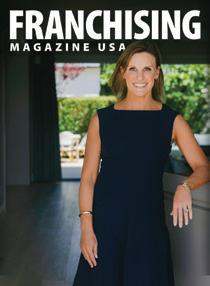
Welcome to the July 2026 issue of Franchising Magazine Usa!
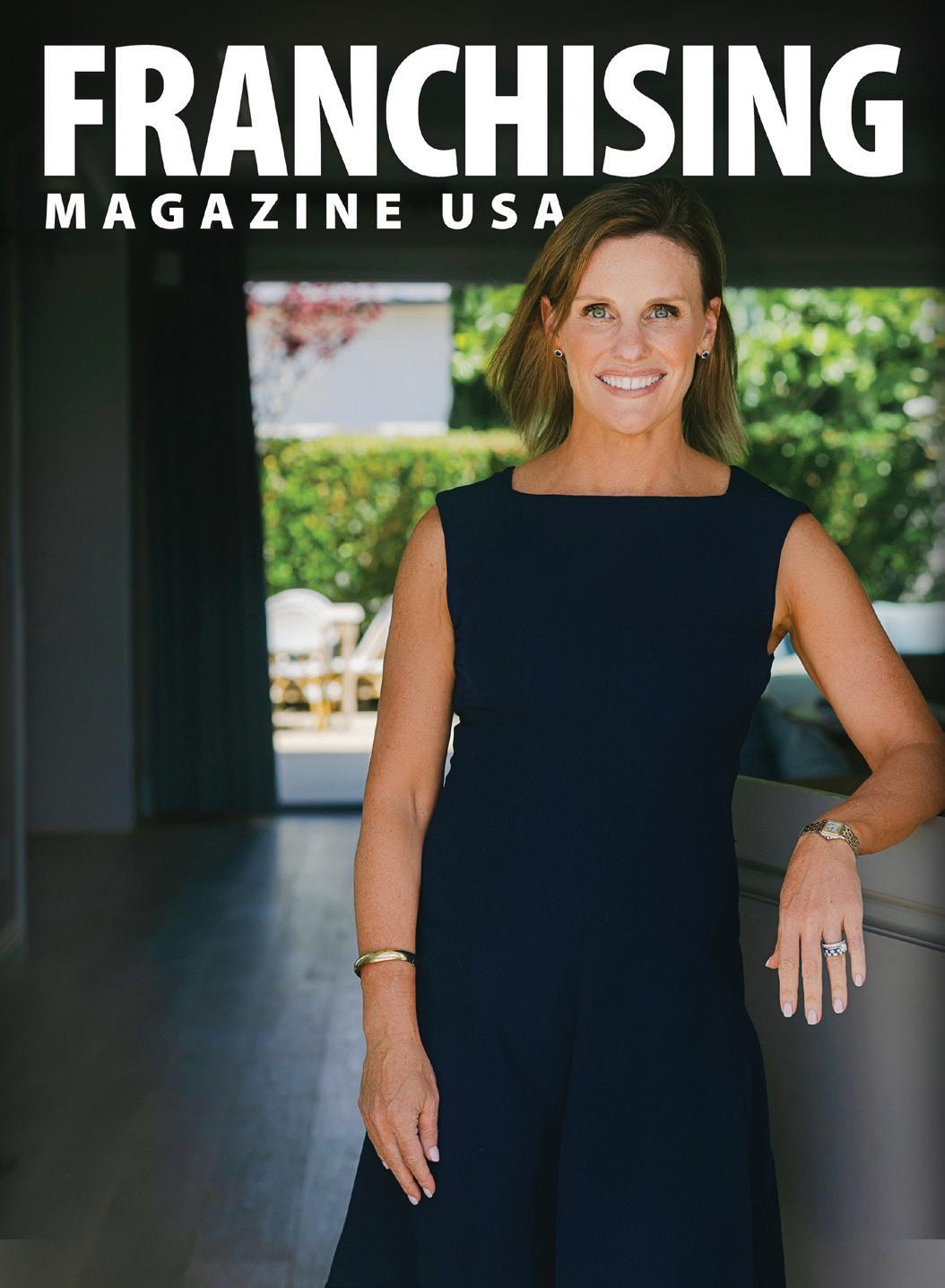
t he s eventh month of the year is already here, this year seems to have flown by and a lot of exciting events in franchising are still to come. In this issue our cover story is d aisy who are headquartered in n ewport b each, California, they launched their franchise platform in 2023 with a specific thesis: that home technology integration is ready for the same professionalization that transformed other home service trades. t he company has expanded to 40 plus locations across the country and attracted franchise owners across diverse backgrounds. turn to page 10 to learn more.
a s usual we have some great topics from our residential experts in this issue g eorge Knauf discusses how you can beat private equity to the punch. Lucas Frey asks us to own the decision and build confidence. Evan hackel delves into strategic Planning and the franchise systems competitive edge. i am also happy to have content from some guest writers in this issue such as, Bianca Evans, Mark Kreutzer, Joe g agnon and antoinette g onzales n orris.
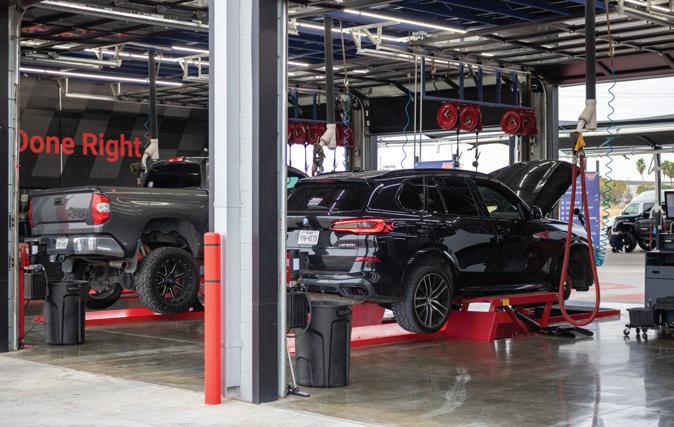
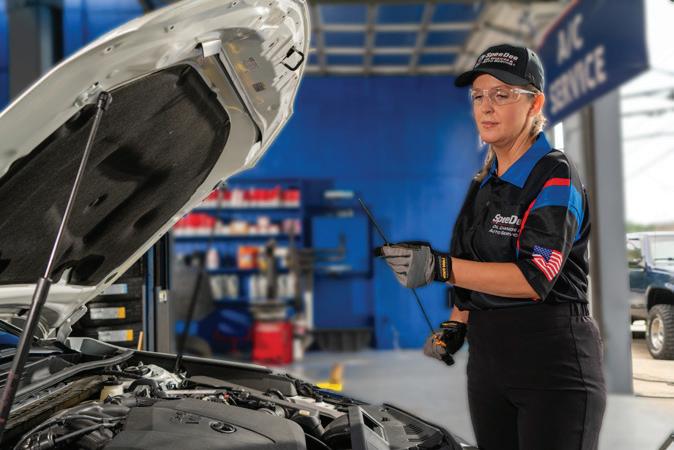
Our special supplement this issue is on the automotive industry sector of Franchising. chis conner our resident feature expert discusses beyond oil change and unexpected ways to break into this industry. Kelly Tope of Fullspeed automotive raises the question on Electric Vehicles. We also have a number of in-depth articles from Ziebart, rnr and Moran Family of brands.
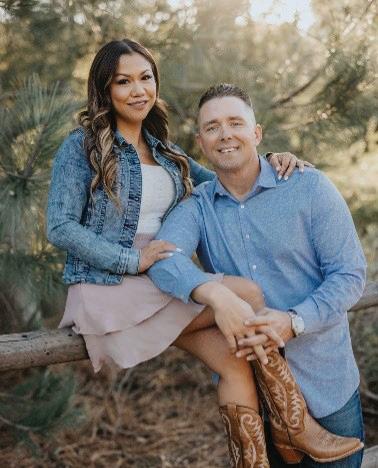
For our veteran readers, We meet Brandon and Leanne anderson, Brandon went from advisor to owner of Blow d ry Bar. Formerly a Marine corps Veteran he discusses the journey and reasons for choosing this franchise.
Plus, don’t miss our a-Z Franchise d irectory, which offers a comprehensive guide to exciting franchise opportunities across industries. happy reading!
Vikki Bradbury | Publisher Franchising Magazine USA
14 color Me Mine: Best Friends to Business Partners: how antima Jain and Pooja choudhary reclaimed their careers and Built a Top Franchise in year One
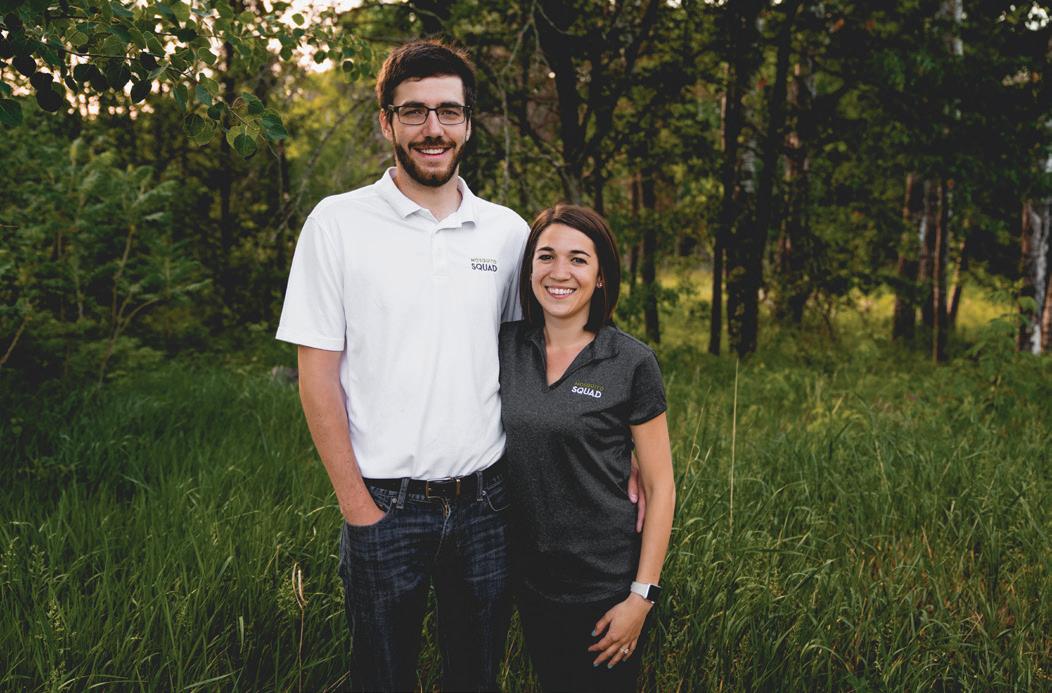
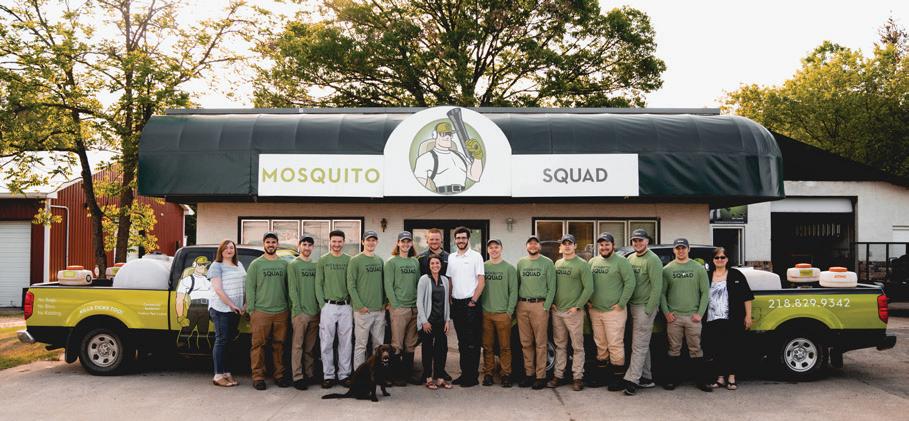
20 Mosquito Squad: how the great career shift is Fueling a new generation of Franchise Owners
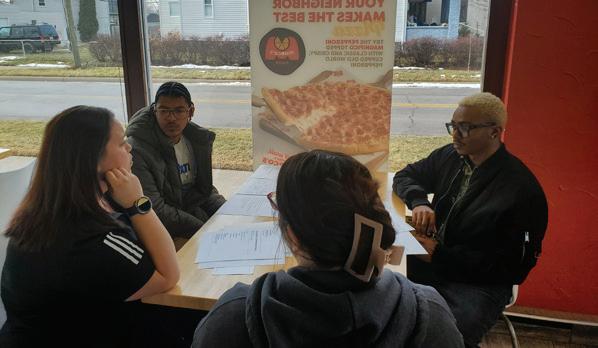
26 Marcos Pizza: Why Brands need to connect to Their communities in Order to scale
48 Visiting Angels: Mission over Money: Visiting angels Puts Passion First
Q&A
54 Ken Maynor: The Myth of Passive Franchising and What Multi- Unit Operators need to Know
Have Your Say
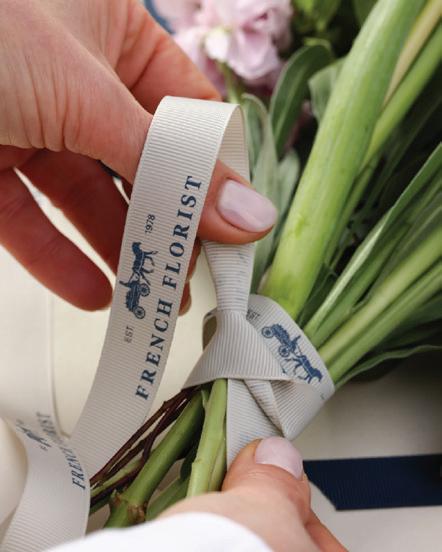
22 French Florist: redefining the Floral industry Through Unreasonable hospitality and Unprecedented growth
52 Mike Johnston: The Future of Franchising May Be More decentralized
Snapshot
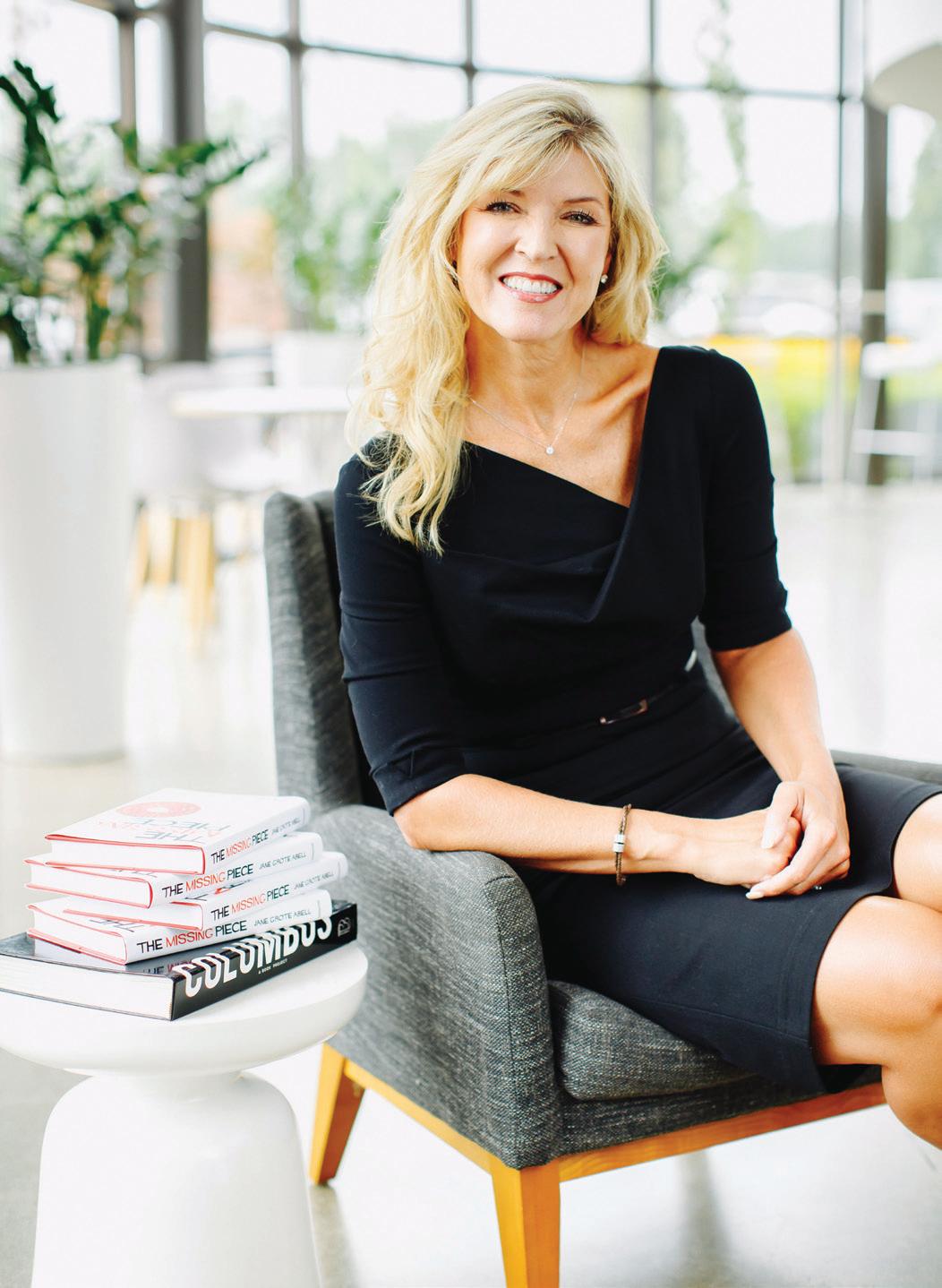
42 Donatos: restaurant industry icon Jane grote abell Joins appetronix’s Board of directors
Veterans Franchisee In Action
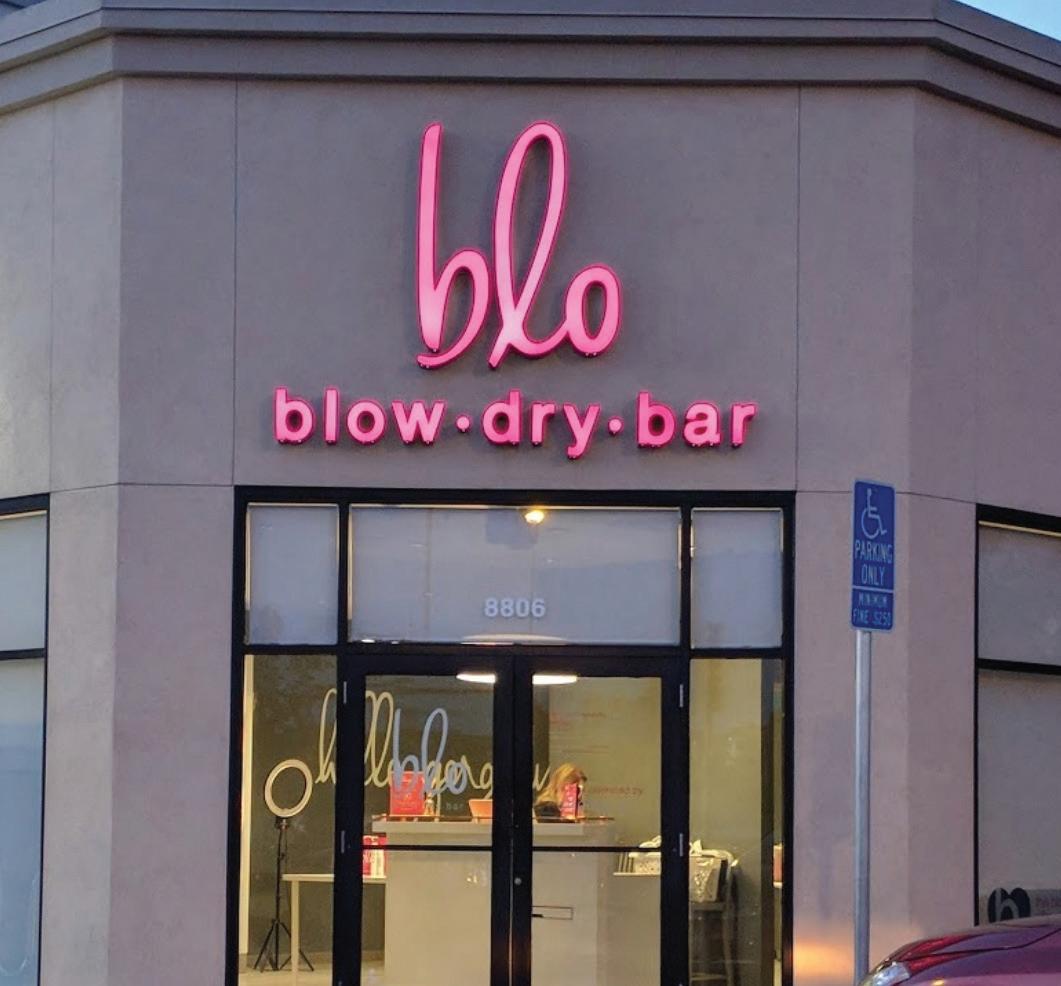
64 Blo Blow Dry Bar: From advisor to Owner: how a Marine corps Veteran Found his Place in Franchising
automotive FeatuRe CoNteNtS
Expert Advice
16 evan Hackel: strategic Planning: The Franchise system ’s competitive advantage
24 Lucas Frey: Own the decision & Build confidence
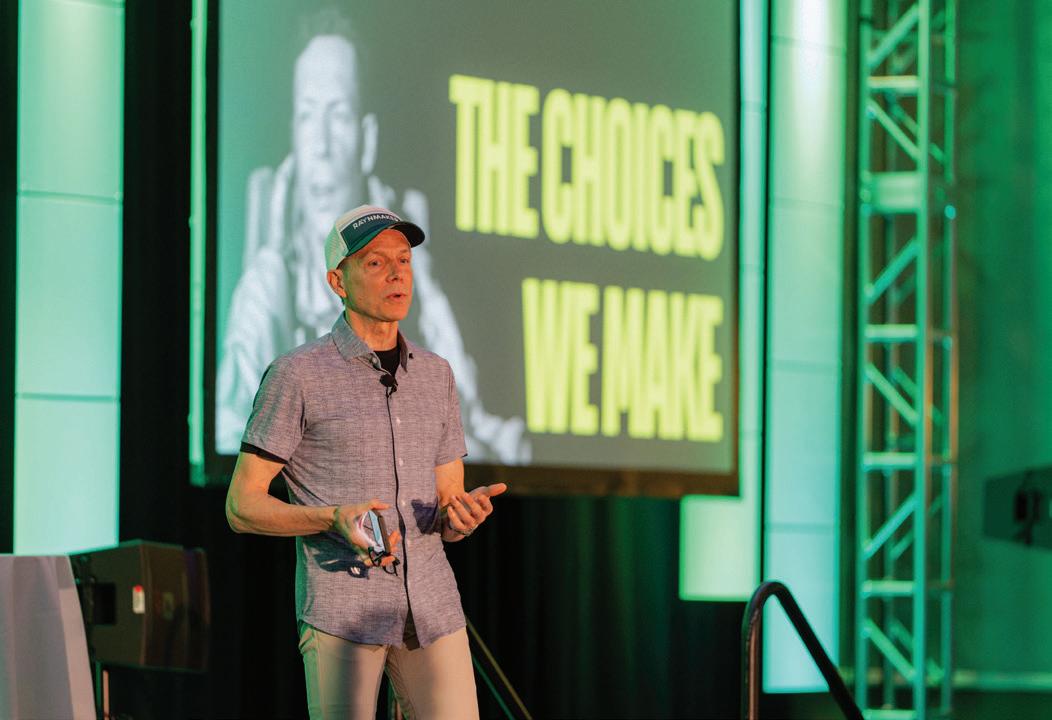
28 Joe Gagnon: how ai is reshaping Franchise sales and customer acquisition
30 Bianca evans: Buying a Business: The First call with the seller
44 Antoinette Gonzales Norris: The Best Time to sell your Business
50 George Knauf: Beat Pri]vate Equity to the Punch — With Franchisor- Level cash Flows
60 Matt Kruetzer: The Fracture Points in Today’s Franchise systems
16 chris conner: Beyond Oil changes: Unexpected Ways to Break into the automotive industry
Franchisor In Depth
34 Moran Family of Brands: Unifies north american Leadership Team for the next Phase of growth
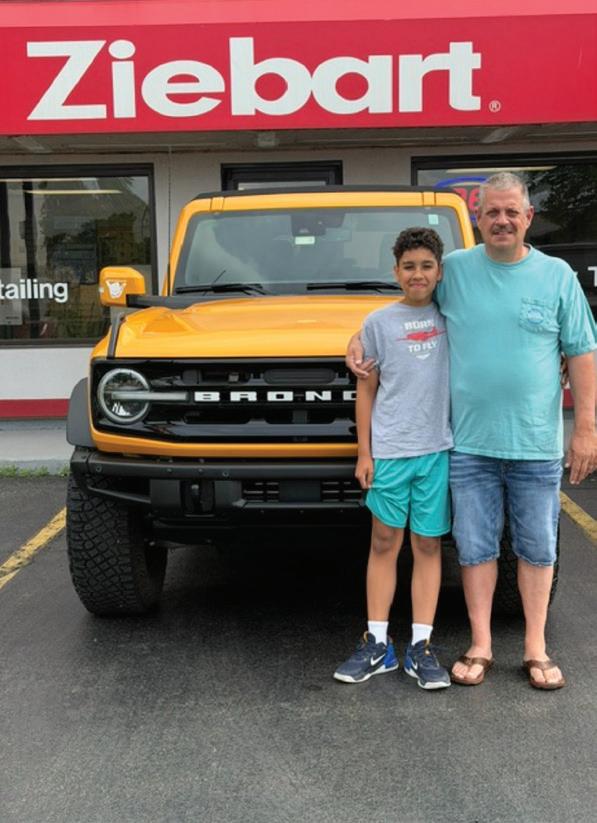
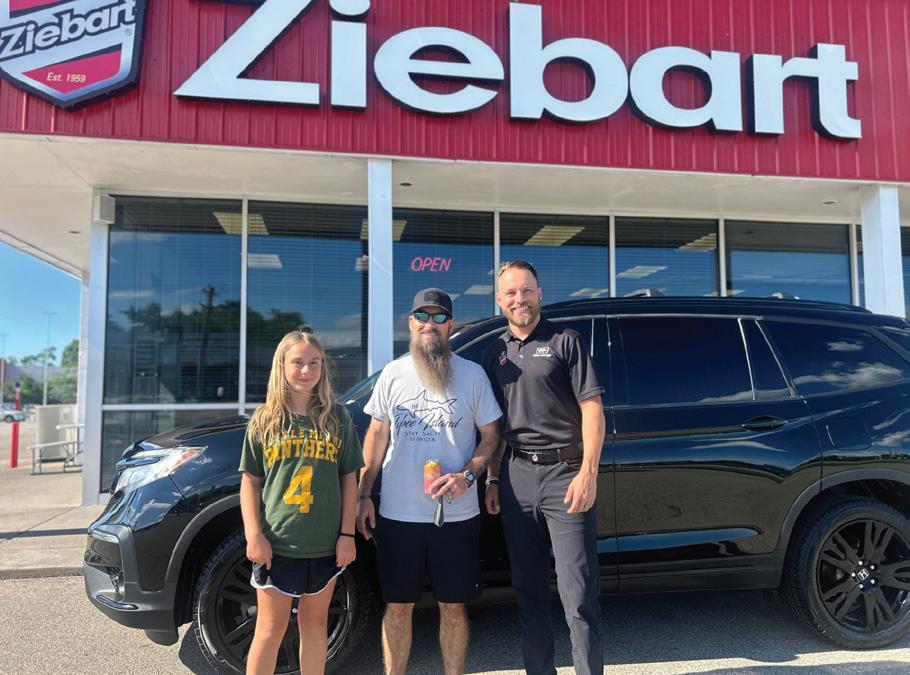
38 Ziebart: Ziebart awards complimentary detailing services to Two deserving dads as Winners of second annual Father’s day contest
Have Your Say
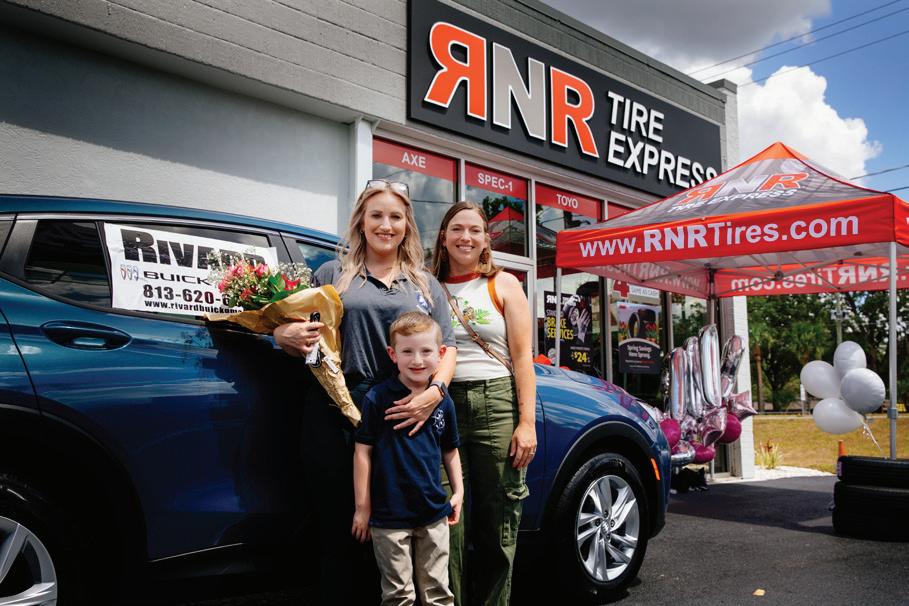
36 rNr tire express: rnr Tire Express awards Three Brand new cars to deserving Mothers for 10th annual Mother’s day giveaway
40 Kelly tope
The Electric Vehicle Question Every Franchise candidate asks
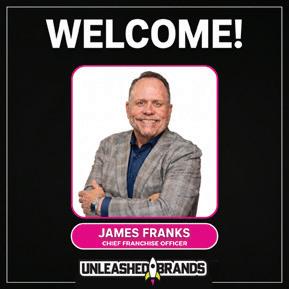
u nleashed Brands Welcomes Back Franchise Development Veteran James Franks as Chief Franchise Officer
unleashed Brands, the world’s premier youth enrichment franchise platform and parent company of seven industryleading children’s franchise brands, today announced the appointment of James Franks as chief Franchise o fficer. in this role, Franks will lead franchise development efforts across the company’s portfolio of brands including urban Air, t he Little Gym, Sylvan Learning, Snapology, class 101, Premier Martial Arts and Water Wings Swim School.
Franks returns to Unleashed Brands after serving as h ead of Franchise g rowth for WellBiz Brands. d uring his previous tenure with Unleashed Brands, he helped scale franchise recruitment efforts across the platform, awarding more than 330
franchise locations and supporting the company’s evolution into a multibrand youth enrichment organization. collectively, Unleashed Brands now serves millions of children annually through more than 1,500 locations nationwide.
“James isn’t just a great franchise development leader, he’s someone who helped build this company alongside us,” said Michael Browning Jr., cEO and Founder of Unleashed Brands. “ i ’ve known James for years and have seen firsthand the passion, experience and leadership he brings to an organization. h e understands our brands, believes in our mission and knows what makes a great franchise partner. a s we continue expanding our platform and serving more kids and families, i ’m excited to welcome James
back and have him lead this next chapter of growth.”
“ r eturning to Unleashed Brands feels like coming home,” said Franks. “ having spent nearly six years with the organization, i ’ve seen firsthand the impact our brands have on kids, families and franchisees. The opportunity ahead is tremendous, and i ’m excited to help more entrepreneurs bring these brands to their communities while continuing to expand our impact on families nationwide.”
https://www.unleashedbrands.com/ franchising
Premium service Brands Accelerates Growth, Expands National Home Services Platform with Acquisition of Wise Coatings
t he acquisition marks another significant milestone in Premium Service Brands’ continued growth strategy and reinforces the company’s commitment to building the industry’s most comprehensive home services platform.
Wise coatings specializes in premium floor coating solutions for residential and commercial applications, including garages, basements, patios, warehouses, showrooms, and other concrete surfaces. With approximately 22 locations across 20 states, the brand has built a strong reputation for delivering durable, highperformance coating systems, exceptional customer experiences, and a proven franchise model.
“The addition of Wise coatings represents exactly the type of strategic growth opportunity we seek as we continue building the premier home services franchise platform,” said Paul Flick, Founder and cEO of Premium s ervice Brands.
The acquisition further supports PsB’s strategy of building a connected home services ecosystem that allows homeowners to access trusted providers for a broader range of needs through a single family of brands. By expanding the breadth of services available within its portfolio, Premium s ervice Brands continues
to create new opportunities to engage customers, strengthen brand loyalty, and deliver greater long-term value to homeowners and franchise owners alike.
“Every new service category we add creates additional opportunities to engage homeowners, strengthen customer relationships, and expand the value we can provide to our franchise owners,” said r oxanne conrad, chief Operating Officer of Premium s ervice Brands.
“Joining Premium s ervice Brands represents an exciting new chapter for Wise coatings,” said Whitney White, cEO of Wise coatings. “PsB’s track record of franchise growth, operational excellence, and franchisee support makes them an ideal partner for our next phase of growth.
www.premiumservicebrands.com.
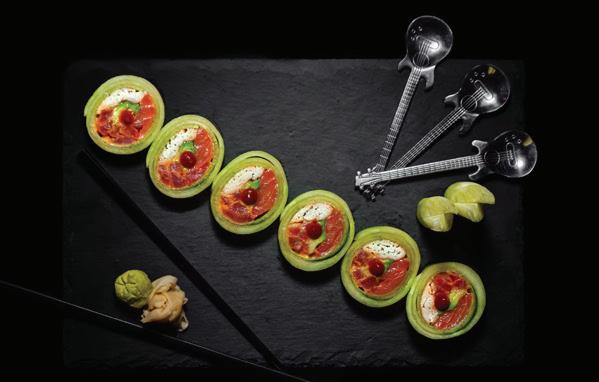
r ock n ’ r oll sushi Takes the Stage in Taylor with First Michigan Location
r ock N’ r oll Sushi, the original rockthemed sushi restaurant known for its inventive rolls and high-energy atmosphere, is turning up the volume with its Michigan debut at 23370 eureka r oad.
Located in “Eureka Way,” the heart of Taylor’s bustling retail and entertainment
corridor, the outpost marks the brand’s 78th restaurant nationwide and its arrival in the g reat Lakes state as the brand continues expanding into new markets.
The eatery is owned and operated by silvia Maruncic and hicham Bazzi.
“ hicham and i are grateful for the opportunity to make history by bringing
Michigan’s first r ock n ’ r oll sushi to the community,” said Maruncic. “Taylor is the ideal place to introduce a concept that combines bold flavors, a high-energy atmosphere and genuine hospitality. We look forward to welcoming guests, sharing our passion for great food and creating an experience that becomes a memorable part of the community for years to come.”
a s ownership partners, Maruncic and Bazzi are now cooking up something new with r ock n ’ r oll sushi. Bazzi brings extensive franchise experience to the venture, having developed several Tropical smoothie locations throughout Michigan.
Founded in Mobile, alabama, in 2010, r ock n ’ r oll sushi has built a loyal fanbase by pairing creative takes on traditional sushi rolls with a lively atmosphere fueled by classic rock culture. complete with recordstyle menus, music videos and a ‘ d ine Out Loud’ approach, the concept transforms an ordinary meal into a front-row experience. to learn more about r ock N’ r oll Sushi, visit rocknrollsushi.com.
Po P ’s Beef Honors Its Family Legacy While Building the Next Generation of Leadership
Pop’s Beef, the family-owned fastcasual brand founded in 1980 by Frank r adochonski, spotlighting its multigenerational leadership and continued growth across illinois and indiana.
n ow with 16 locations, the brand is being carried forward by the next generation: Kacie r adochonski, VP of Operations, and Frankie r adochonski, a multi-unit franchise
owner, while maintaining its commitment to relationship-driven service and steady, organic expansion , all while continuing to serve high-quality, affordable meals that have supported families across chicagoland during times of economic uncertainty.
For more than four decades, Pop’s Beef has grown from a single neighborhood stand in Palos h eights into a regional favorite, staying rooted in the values it was built on: hard work, quality food, and genuine relationships.
“Pop’s was built on the idea that quality always comes first,” said Frank r adochonski, Founder of Pop’s Beef. “From the beginning, we focused on doing things the right way by using the best ingredients we could, and making sure every sandwich met the same standard.
That consistency is what keeps people coming back.”
While the brand continues to grow, it remains grounded in commitment to quality. a s Pop’s built a loyal following and demand expanded beyond its original location, Frank saw an opportunity to bring the concept to more communities.
“We’ve grown up in this business, so it’s personal for us,” said Kacie r adochonski, VP of Operations. “a s we continue to grow, our focus is making sure every guest experience still feels like Pop’s, especially in a landscape where families are more mindful than ever about where they spend their time. We’ve always taken pride in offering meals people can count on, both in quality and value.”
https://popsbeef.com
lola Beans Secures Three Partnerships to Accelerate Growth
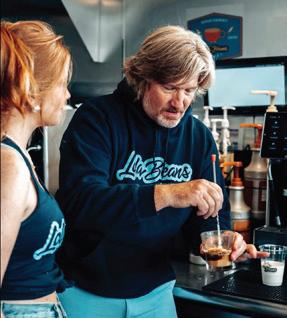
Lola Beans, the drive-thru franchise serving coffee, teas, infused sodas and plant-based energy drinks, has secured three strategic partnerships with r usso Modular, citadel Development, and Foodservice equipment Brokers to fuel its national growth.
The integrated development system helps franchisees open locations faster and more consistently through the brand’s modular “drop-and-go” model.
russo Modular, a Phoenix-based manufacturer experienced with d utch Bros, Jimmy John’s, Black r ock coffee, and 7 Brew, will produce factory-built steel buildings on ~90-day timelines running parallel to site prep. citadel d evelopment, known for work with 7 Brew coffee and smalls sliders, will handle site construction
from permitting to installation and serve as the preferred design-build partner for Lola Beans’ largest franchisee, r ise h ospitality g roup, inc. Foodservice Equipment Brokers, a national supplier since 1993, will manage equipment sourcing, design, and installation.
Texas franchisees Kirk and coleen Jeter of r ise h ospitality g roup helped lead the modular program and will be the first to roll out drop-and-go stores in Texas. “ strategic partnerships are critical when scaling a high-growth brand,” said the Jeters. “Working with the Lola Beans team has been a great collaboration, helping franchisees open faster and scale confidently across Texas and nationwide.”
Lola Beans’ modular prototype enables flexible real estate strategies like ground-
up builds and conversions while ensuring consistent layouts and operations. “This is a major step forward in how we support franchisees,” said d onny Bradley. “We have a scalable model that simplifies development, reduces build times, and supports nationwide growth.”
The announcement aligns with Lola Beans’ expansion, including its recent 120+ unit area representative agreement in Texas, as the brand partners with experienced operators to bring its high-energy drivethru concept to new markets nationwide. www.lolabeansfranchise.com
Wag n ’ Wash Launches Mobile App to Deliver a More Seamless, Connected Pet Care Experience
Wag N’ Wash, the neighborhood pet care franchise known for grooming, self-wash services, and natural pet food and treats, has officially launched its first-ever mobile app, designed to make pet care more convenient, connected and personalized for pet parents on the go.
Built to meet the needs of today’s mobilefirst consumer, the app brings together key Wag n ’ Wash services, including grooming appointments, shopping and rewards access, into one streamlined mobile experience. a s a sister brand to Pet supplies Plus, Wag n ’ Wash continues to enhance the customer experience through convenient, neighborhood-focused pet care solutions.
The new Wag n ’ Wash mobile app includes key features such as:
• Easy Booking
• Rewards Access
• Biometric Login
• Push Notifications
• Order & Service History
• Neighborhood Connection
“We know most of our customers interact with Wag n ’ Wash through their mobile
devices, so we wanted to create a more seamless way for them to engage with everything we offer,” said chris r owland, cEO of Pet supplies Plus and Wag n ’ Wash. “This app brings grooming, shopping, and rewards together in one easy-to-use platform – helping neighbors spend less time managing logistics and more time enjoying life with their pets.”
The new app also supports Wag n ’ Wash’s broader mission of making pet care easier, more convenient and more enjoyable by giving pet parents a single, intuitive hub to manage their needs.
d evelopment, enhancement, and testing of the app were led in collaboration with the teams at h orizontal d igital, a digital experience and technology partner, and Pet central (Pet supplies Plus and Wag n ’ Wash home office), whose work helped bring the mobile experience to life.
h uey m agoo’s Debuts The Filet Mignon of Chicken® in Arkansas
Arkansas, prepare to meet the Filet Mignon of chicken®! t he first of six statewide locations of Huey Magoo’s, the fast-casual chain known for its premium, handcrafted chicken tenders, is under development in conway. Area franchisee Dennis Porter, along with Sander Wood and Lawton Summerlin, will further expand the brand into Northwest Arkansas through restaurants planned for Bentonville, r ogers, Springdale, and Fayetteville.
With deep experience owning and operating numerous s onic d rive-ins in arkansas and Florida under Porter’s leadership, the team was looking to expand its multi-unit restaurant portfolio.
“ i ’ve explored countless brands throughout my 40-plus years in the restaurant industry and with huey Magoo’s, it’s chicken, it’s simple - but everything we tried was excellent and the team’s genuine approach truly resonated with us,” said Porter. “We are so excited to introduce conway and n orthwest arkansas to the Filet Mignon of chicken® and know it will quickly become a statewide favorite.”
The first restaurant will begin construction in conway in late summer and will be among the first huey Magoo’s locations to utilize the brand’s new standalone drive-through format, which can accommodate seating for up to 37 guests indoors plus 18 on the patio and has a dedicated drive-thru lane to simplify car-based orders.
“ huey Magoo’s had successfully extended its footprint west across Missouri and Mississippi, with arkansas next on the horizon, and we couldn’t have picked a more capable and enthusiastic team to launch our handcrafted chicken tenders in our next new state,” said andy h oward, President and cEO of huey Magoo’s.
With its 100th location opening later this year, huey Magoo’s is expanding steadily across the country to meet the demand for premium, handcrafted chicken tenders made fresh using only the tenderloin, the best 3% of the chicken.
h andel’s h omemade i ce c ream Signs First-Ever MultiUnit Agreement in Chicago
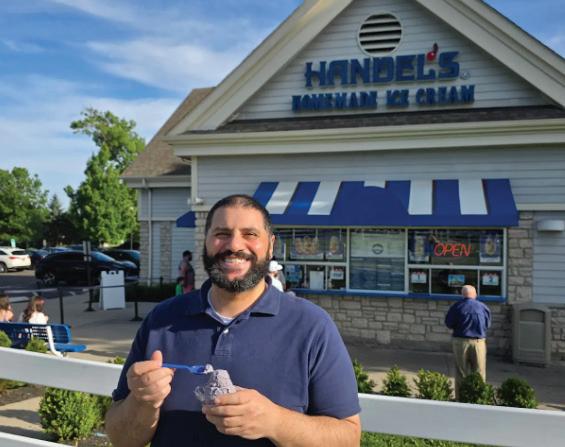
Handel’s Homemade i ce cream, the iconic dessert franchise famous for homemade ice cream, is expanding into illinois for the first time with a multi-unit agreement in the chicagometropolitan-area.
The new handel’s ice cream parlors will be developed in the chicago suburbs of Elgin, g eneva/st. charles and algonquin, with the first location slated to open in late 2027. The new franchisee at the helm of this landmark entry into illinois is c astro r afeedie, an entrepreneur with significant experience in restaurant operations.
r afeedie grew up in youngstown, Ohio, where handel’s was founded in 1945. “Bringing our hometown brand to illinois and being the first handel’s franchisee in the state is such a special feeling,” r afeedie said. “We looked at other concepts where everything was made in a central facility and shipped in, and that just didn’t appeal to us.
after starting in the restaurant industry while in college, r afeedie discovered a passion for building experiences through food and eventually went on to own a pizzeria in d ublin, Ohio, for nearly 12 years.
“We’re so excited to be expanding into illinois with such an incredible operator,” said Jennifer s chuler, cEO of handel’s i ce cream.
in april 2026, handel’s published their most recent franchise disclosure document, which again saw the brand’s average Unit Volume increase to $1,115,650.
“The amount of interest that we’re experiencing from strong multi-unit entrepreneurs in illinois is very inspiring,” says Erin snyder, VP of Franchise d evelopment. “We might be the fastest growing ice cream franchise in the nation, but i also believe that we’re most selective. The quality of entrepreneurs who are reaching out to us now that we’re developing exemplifies our high standards.
handelsicecream.com.
the Catego R y Set to Rede FiNe h ome Se R vi C e S
Walk through any newly built home in America today and count the technology systems: distributed audio, motorized shades, a security system, a networking infrastructure that has to support a dozen streaming devices including televisions, iPads, and phones, and a rack of equipment that ties it all together. Now ask the homeowner who they call when something stops working. odds are they give you four different answers.
That is the state of the home technology industry. The demand is real, the growth is undeniable, and the market is fragmented.
an industry Without a front door
For most of the past two decades, home technology integration operated at the edges of the home services world. It was the work of custom installers who showed up for a project, and then largely disappeared. The relationship was transactional. The category had no brand identity most homeowners could name.
Meanwhile, the homes those installers were wiring kept getting more complex.
Remote work drove demand for home networking. Streaming replaced cable. Security moved from simple alarm panels to multi-camera AI-powered systems. Lighting became programmable. Shades became automated. The smart home, once a novelty for early adopters, became a standard expectation for anyone building or renovating at a certain price point.
What started as a discretionary luxury upgrade has become a core part of how a home functions.
a $30 Billion market with no dominant Brand
The numbers behind this category are significant. According to CEDIA, the trade association for home technology professionals, the U.S. professional smart home installation market is approaching $30 billion, served by 20,000 independent integrators across the country. Globally, the smart home market is projected to grow from $128 billion in 2024 to more than
ABOVE: Technology, thoughtfully integrated. Daisy created a seamless smart home experience that complements every detail of this remarkable coastal estate. Simplicity Sets the Stage for Effortless Control of a Coastal Estate.
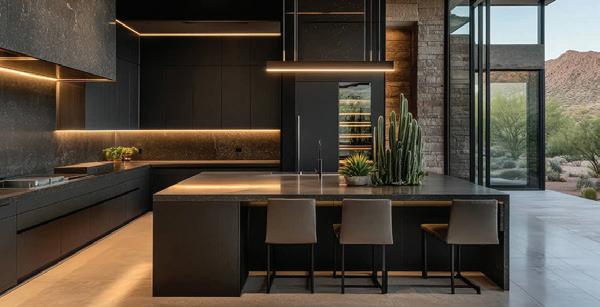
BELOW: Intelligence at the heart of the home. Daisy brings together lighting, audio, networking, and automation to create kitchens that are intuitive, connected, and designed for modern living.
A new chapter on the Ray Tomasovich with his new simplify and elevate
$537 billion by 2030, a compound annual growth rate of 27 percent (Grand View Research).
Despite that scale, no single brand commands the space. There is no household name in home technology integration the way there is in pest control, HVAC service, or carpet cleaning.
the structural Problem
Here is the issue: demand is growing fast, but the businesses serving it are structurally limited.
Most integrators are excellent technicians. Far fewer have built the operational foundation to grow beyond a certain size. Growth stalls not because the market isn’t there, but because the business was never designed to scale.
These are not failing businesses. They are businesses that have hit a ceiling.
What a modern home technology Business looks like
The operators getting this right are building businesses around three things:
• Customer-facing expertise
• Operational infrastructure
• A recurring service model that drives long-term advantage over project-based work
Where daisy fits
Daisy, headquartered in Newport Beach, California, launched its franchise platform in 2023 with a specific thesis: that home technology integration is ready for the same professionalization that transformed other home service trades. The company has expanded to 40 plus locations across the country and attracted franchise owners across diverse backgrounds.
Daisy has taken a deliberate approach to how it grows. Unlike many large home services franchise systems, which are backed by private equity and often oriented toward shorter investment horizons, Daisy is venture-backed. That distinction matters. It provides access to capital while allowing the company to prioritize long-term brand building, operational quality, and franchisee success over near-term financial exit timelines.
Daisy has also not started from scratch. The company has strategically acquired and partnered with existing integration businesses, giving it immediate exposure to real-world operations, technical expertise, and proven market demand.
At the same time, Daisy has invested heavily in the infrastructure required to scale a modern home technology business, including centralized marketing support, financial frameworks, and a proprietary technology platform designed to streamline operations and customer experience. This foundation also enables franchisees to build recurring revenue through offerings like DaisyCare, a structured service approach that extends customer relationships well beyond the initial installation. The combination of acquired operational knowledge and purposebuilt systems positions franchise owners with a level of support that independent integrators typically lack.
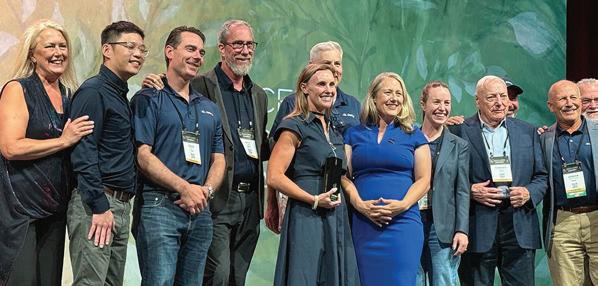
ABOVE: Award-winning innovation. Daisy received the 2025 CEDIA Newcomer Award, while Millennium Systems Design powered by Daisy took home Experience Center of the Year. Daisy Caps Breakout Year in 2025 | Daisy
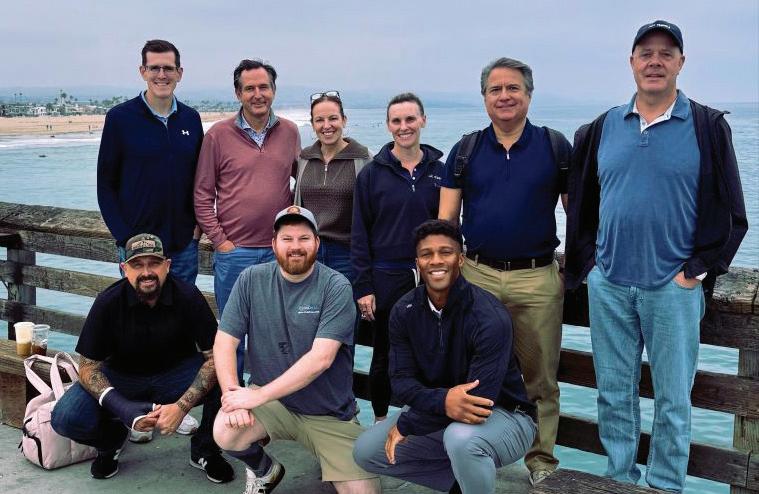
BELOW: Growing the Daisy footprint coast to coast. These entrepreneurs are among the 18 new franchise owners who joined the Daisy network in 2025, expanding access to thoughtfully integrated technology and exceptional service in communities across the country. Daisy Announces Launch of Five New Franchisees | Daisy
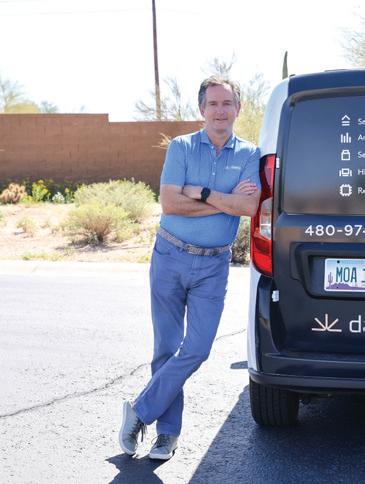
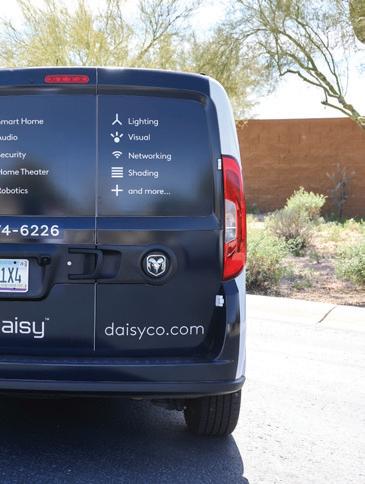
the road. North Phoenix franchisee new Daisy van, ready to help homeowners elevate life through better technology.
LEFT: Visionary leadership. Co-founder and CEO Hagan Kappler and her team are building a new category in home services. One that combines local expertise with the scale, systems, and support of a national brand.
RIGHT: A retreat, thoughtfully connected. Daisy brings together lighting, shading, audio, and automation to create bedrooms that are comfortable, connected, and perfectly tailored to each homeowner.
At the helm is Hagan Kappler, Daisy’s cofounder and CEO, who brings an unusually relevant combination of franchising depth and home services experience to the role. Kappler has led national franchise brands across pest control, HVAC, plumbing, insulation, and home and commercial cleaning, and has been part of building and scaling top brands including Merry Maids, ServiceMaster Clean, Starbucks, and Trane. Daisy’s other co-founder, Dion Persson, is also tremendously experienced in home services having led the transformation of multiple billiondollar companies and transactions, including Johns Manville (owned by Berkshire Hathaway), Trane, Terminix, and the ServiceMaster. Together, they have assembled a leadership team drawing from Apple, Rivian, and Terminix.
“We’re not building this for a moment in time. We’re building a business owners can grow with for decades,” said Persson. “That means investing in the right foundation from day one: real operational support, real brand equity, and a system that’s designed to scale.”
For someone evaluating franchise categories, this is a different conversation than another restaurant or home services concept in a mature space. The category is not experimental. The demand is established. What has been missing is a credible brand with the infrastructure to deliver consistently at scale.
“Home technology has quietly become the backbone of the modern home, yet the service model hasn’t kept pace. We built Daisy to bring structure, consistency, and
a recognizable standard to a category that until now has been fragmented and projectbased,” said Kappler.
the Window
Every category that consolidates around strong franchise brands has a period when the opportunity is clearest: after the market is proven but before the dominant players emerge.
Home technology is in that window now. The question is not whether the space will produce major franchise brands. It is who will build them, and when they will start.
Interested in learning more?
Scan the QR code or visit: daisyco.com/franchising/
Sources:
CEDIA: U.S. Smart Home Market Close to $30B Grand View Research: Smart Home Market Report
THE RULES OF WORK ARE CHANGING.
Stop playing by the old ones.
AI is rewriting the workplace. Maybe it’s time to rewrite your future. Meet franchise brands actively expanding — and see what ownership could look like for you.
B EST FRIENDS TO BuSINESS PARTNERS:
How Ant I m A JAIn An D
Poo JA C H ou DHA r Y rEC l AI m ED
t HEIr C Ar EE r S An D Bu Ilt A t o P
Fr An CHISE In Y EAr o n E
For Antima Jain and Pooja choudhary, franchise ownership wasn’t part of a long-term plan. it grew out of a quieter question they kept asking themselves as their children got older and needed them less: What do we want our next chapter to look like?
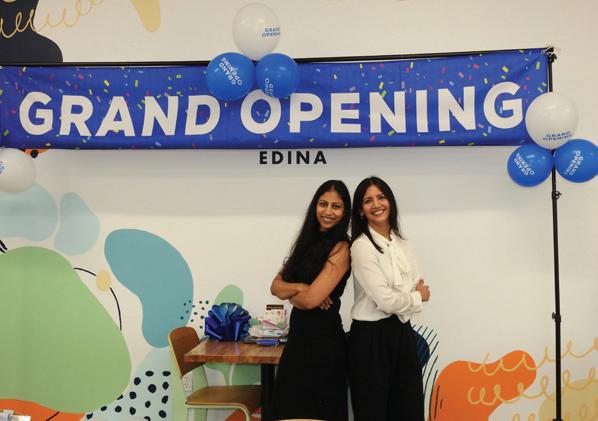
In March 2025, they found their answer when they opened a Color Me Mine paint-your-own pottery studio in Edina, Minnesota. Neither woman had business ownership experience. Yet within just five months of opening, their studio earned a place among the brand’s Top 25 locations—a ranking it has maintained ever since.
For the two best friends, their achievement is about far more than business success. It’s proof that it’s never too late to reinvent yourself, pursue a new dream and show your children what courage looks like.
stay-at- home-moms reclaiming their careers through franchising
Long before they became business partners, Antima and Pooja were friends. The two women immigrated from India and relocated to Minnesota in 2014,
where they met through a mutual friend. Drawn together by similar family values, backgrounds and interests, they quickly formed a close bond. Over the years, that friendship grew into something more akin to sisterhood.
Like many mothers, both spent years putting family first. Antima had worked as a preschool teacher in India before moving to the United States and later held a part-time position at a Kumon learning center. Pooja earned a master’s degree in engineering, but much of her adult life was focused on raising her two daughters.
As their children grew older, both women began looking for a new challenge— something that would allow them to engage with the community, pursue their creativity and build something of their own.
The pair explored several ideas, but nothing felt quite right, until they visited a Color Me Mine studio and immediately fell in love with the experience. They had never considered franchising before, as like many others, they associated the business model with gas stations and fast-food restaurants. Color Me Mine completely changed their perception, providing them with an opportunity to own a business that felt creative, meaningful and personal, while still benefitting from the support of an established brand.
Together, they decided to take the leap.
growing a Woman- owned creative Business
Like most first-time business owners, Antima and Pooja quickly experienced a learning curve faced with the realities of entrepreneurship: staffing, inventory, scheduling and day-to-day operations were all entirely new. Yet rather than be discouraged by what they didn’t know, they embraced every challenge as an opportunity to learn.
They also found confidence in the support provided by the franchise system. Rather than having to build every process from scratch, they were able to lean on the proven systems, resources and guidance available through Color Me Mine while developing confidence as business owners.
At the same time, they focused relentlessly on creating an exceptional guest experience, with the goal to make every visitor feel welcomed and inspired. Combining that commitment with active involvement in the local community through the Chamber of Commerce, local art fairs and charitable donations helped the studio quickly build a loyal customer base and land them in the brand’s Top 25 performing locations within the first five months after opening.
setting the stage for a family legacy
The thing that motivates Antima and Pooja more than business growth is family – from the beginning, they wanted to show their daughters what was possible. Launching a business in their 40s allowed them to demonstrate that personal growth does not stop and that pursuing goals is possible at any stage of life.
Today, the business has become a true family affair. Antima’s daughter, currently pursuing graduate studies, works in the studio whenever she’s home and treats the business as if it were her own. Pooja’s daughters are equally enthusiastic: her oldest helps out at the studio and her youngest eagerly counts down the days until she is old enough to officially join the team.
They also see the potential for the studio to be passed down to the next generation –building not only a successful business, but a family legacy.
What began as a conversation between two friends searching for purpose has become a thriving community hub, a successful woman-owned business and a powerful example for their daughters. Their journey proves that sometimes the most rewarding opportunities can come from having the courage to embrace a new chapter. v
StR ategi C PlaNNiN g:
in franchising, success rarely happens by accident. While great products, strong branding, and effective operations are critical, the most successful franchise organizations share another characteristic: they engage in disciplined strategic planning.
Too many franchise systems operate in a reactive mode. They spend their days responding to operational challenges, supporting franchisees, handling marketing initiatives, recruiting new owners, and managing day-to-day demands. While these activities are essential, they can also create a dangerous trap. Organizations become so focused on today’s challenges that they fail to prepare for tomorrow’s opportunities.
the critical role of strategic Planning
I would encourage you to utilize the summer months to engage in strategic planning. If you can make strong plans before the summer is over, you will be in an excellent position to take action on your plans before January and start the new year from a position of strength.
Strategic planning provides the roadmap
that transforms a franchise organization from reactive to proactive. It helps franchisors and franchisees align around a shared vision, establish priorities, allocate resources effectively, and create sustainable growth. Most importantly, strategic planning allows an organization to determine not only where it wants to go, but how it intends to get there. Strategic planning helps organizations define their purpose, align stakeholders, and create a roadmap for long-term success.
The most successful franchise brands understand that strategic planning is not an annual event. It is an ongoing process of evaluation, adaptation, communication, and execution.
Over my decades in franchising, I have observed that organizations that excel at strategic planning consistently outperform those that do not. They make better decisions, adapt more quickly to market changes, achieve stronger franchisee engagement, and generate superior financial results.
So what separates effective strategic planning from ineffective planning?
Here are the eight keys to successful strategic planning in franchising.
1start with a clear vision
Every strategic plan begins with a vision.
A franchise system must clearly define where it wants to be in three, five, or even 10 years. Without a compelling vision, planning becomes little more than a collection of disconnected initiatives.
The vision should answer critical questions:
• What does success look like?
• How large do we want the system to become?
• What market position do we seek?
• What value will we deliver to franchisees and customers?
The strongest franchise organizations create visions that inspire action while providing practical direction. When people understand where the organization is headed, they become more committed to helping achieve that future.
As an author, keynote speaker, consultant, and entrepreneur, Evan Hackel has been instrumental in launching more than 20 businesses and has managed a portfolio of brands with systemwide sales of more than $5 billion. He is the creator of Ingaged Leadership, the author of the book Ingaging Leadership: The Ultimate Edition, and a thought leader in leadership and success.
Evan is the CEO of Ingage Consulting. Visit www.evanhackel.com
2engage franchisees in the Planning Process
One of the most common strategic planning mistakes occurs when franchisors develop plans in isolation.
The best strategic plans are built collaboratively.
Franchisees possess valuable frontline knowledge about customers, competitors, operational challenges, and market opportunities. Leaders who actively seek input from stakeholders build stronger strategies and achieve greater support for implementation.
Engagement is not simply about asking franchisees to approve plans after they are complete. True engagement occurs when franchisees help shape the plan from the beginning.
When franchisees participate in developing strategy, they become invested in its success.
3use advisory councils effectively
A well-structured Franchise Advisory Council can become one of the most powerful strategic planning tools available. Unfortunately, many advisory councils function as little more than focus groups that review decisions already made.
The most effective councils participate early in the planning process. They help identify opportunities, evaluate challenges, test concepts, and provide honest feedback before major investments are made.
Organizations that use advisory councils effectively gain access to realworld insights while simultaneously strengthening franchisee relationships and trust. Strong councils create advocates for the system and improve implementation of strategic initiatives.
4focus on data and market intelligence
Strategic planning should never be based solely on assumptions.
Successful franchise organizations gather information from multiple sources, including:
• Customer research
• Franchisee feedback
• Competitive analysis
• Financial performance data
• Industry trends
• Technology developments
Data helps leaders identify opportunities and risks before they become obvious.
At the same time, franchise systems should avoid becoming trapped by historical performance. The fact that something worked in the past does not guarantee future success.
Strategic planning requires balancing data-driven decision-making with forwardlooking innovation.
5Prioritize ruthlessly
One of the biggest challenges in strategic planning is deciding what not to do.
Most franchise organizations have more opportunities than resources. Attempting to pursue every opportunity simultaneously often leads to diluted effort and disappointing results.
Successful plans identify a limited number of strategic priorities.
Instead of pursuing twenty initiatives, focus on the three to five actions most likely to drive meaningful growth and improvement.
Clear priorities create organizational alignment. They allow franchisees, support
teams, and leadership to concentrate resources where they will have the greatest impact.
6Build organizational alignment
Even the best strategic plan will fail if people do not understand it.
Every stakeholder in the franchise system should understand:
• The organization’s vision
• Strategic priorities
• Performance goals
• Individual responsibilities
Alignment occurs when everyone understands how their work contributes to the larger mission.
Organizations that communicate strategy consistently achieve stronger execution because people are moving in the same direction rather than pursuing competing priorities.
7create accountability and measurement
A strategic plan without accountability is merely a wish list.
Every strategic objective should include measurable outcomes, timelines, and assigned ownership.
Questions leaders should ask include:
• How will success be measured?
• Who is responsible?
• What milestones must be achieved?
• How often will progress be reviewed?
Regular reviews allow organizations to celebrate wins, identify obstacles, and make adjustments when necessary.
The best franchise systems treat strategic planning as a living process rather than a document that sits on a shelf after completion.
8maintain flexibility and adaptability
The business environment changes rapidly. Consumer preferences evolve. Competitive threats emerge. Economic conditions shift. New technologies create disruption.
Strategic planning should provide direction without creating rigidity.
Organizations that succeed over the long term maintain a balance between commitment and adaptability. They stay focused on their vision while remaining flexible enough to adjust tactics when circumstances change.
Curiosity, continuous learning, and openness to new ideas help organizations remain innovative and responsive. Strong leaders actively seek fresh perspectives and are willing to challenge existing assumptions in pursuit of better solutions.
the strategic Planning advantage
Perhaps the greatest benefit of strategic planning is not the plan itself. It is the alignment, engagement, and shared commitment that develop throughout the planning process.
When franchisees, corporate leaders, employees, and stakeholders participate
in creating the future together, they become more invested in achieving it.
Organizations that involve stakeholders in defining strategy create stronger commitment and better outcomes than those relying solely on top-down decision making.
Franchising has always been a business built on partnerships. Strategic planning succeeds for the same reason.
The strongest franchise systems are those that unite people around a common vision, create clear priorities, measure progress relentlessly, and remain adaptable in a changing marketplace.
In today’s competitive environment, strategic planning is no longer optional. It is a leadership responsibility and a competitive advantage.
Franchise systems that embrace it will be better positioned to grow, innovate, support their franchisees, and achieve lasting success. v
“ While no business is without challenges, having access to established systems and experienced peers can reduce uncertainty in meaningful ways ”
h ow the gR eat CaR ee R ShiF t iS FueliN g a
New
g e Ne R atio N o F
FR aNC hi S e o wNe RS
Something fundamental is changing in how younger professionals think about work. For years, more traditional career paths were seen as the standard. today, that trajectory is no longer enough.
What we’re seeing now is less of a trend and more of a recalibration. Often referred to as the “Great Career Shift,” this moment is defined by a growing number of Gen Z and Millennial professionals reevaluating where they work and how their career aligns with their values, priorities, and
desired quality of life. 66 percent of both groups considering a job change this year, and burnout rates occurring among 68 percent, it’s clear the issue isn’t just compensation. It’s fulfillment.
Younger professionals are looking for something more than just a paycheck. They want flexibility in how they spend their time, autonomy in how they make decisions, and a sense of ownership over their outcomes. Increasingly, they’re also looking for purpose and work that feels connected to something tangible, whether that’s community impact, personal growth, or building something of their own.
That’s why the franchise business model is gaining popularity with many aspiring entrepreneurs in this age range.
moving Beyond the traditional career track
The definition of “success” is evolving. For previous generations, it often meant stability within a single organization. Today, that definition feels narrower than ever.
Younger professionals have come of age during economic changes, rapid technological advances, and a global pandemic that reshaped expectations around work and life. As a result, they’re less inclined to rely on a single employer for long-term security. Instead, they’re prioritizing control over their schedules, their income potential, and their career trajectory.
At the same time, there’s a growing skepticism around corporate advancement. Long hours, limited autonomy, and unclear paths to leadership have led many to question whether the traditional climb is worth the trade-offs. Even high performers are asking: if I’m going to work this hard,
Rick Poquette, Franchise Owner, Mosquito Squad of North Central Minnesota
shouldn’t I be building something for myself?
That question is often what opens the door to entrepreneurship. But starting from scratch can feel like a leap into the unknown. Franchising can offer a more structured path forward; one that allows individuals to pursue ownership without sacrificing stability entirely.
Companies like Authority Brands are seeing increased interest from younger professionals who want to take control of their careers and learn the ropes from established systems. This growing pool of next-generation operators reflects a broader shift in mindset, where franchising is being pursued as a deliberate, early-career choice.
ownership Without isolation
Entrepreneurship is often romanticized as independence, but the reality can be isolating. One of the most overlooked advantages of franchising is that it redefines what ownership looks like.
As a franchise owner, you’re not building your business alone. You’re operating within a system that provides structure, resources, and a roadmap for growth. From initial training to ongoing operational support, franchisors equip owners with the tools they need to navigate the complexities of running a business.
Just as important is the built-in network. Other franchise owners become a valuable source of insight, offering real-time perspectives on what’s working, what’s
changing, and how to adapt. That shared experience creates a sense of community that is difficult to replicate in independent business ownership. This balance is what helps make franchising sustainable. You maintain control over your business decisions, but you’re not left to solve every challenge on your own.
For younger professionals, this structure can accelerate the transition into entrepreneurship. Instead of spending years learning through trial and error, they can step into an environment designed to support growth from day one.
It also changes the risk equation. While no business is without challenges, having access to established systems and experienced peers can reduce uncertainty in meaningful ways. The combination of ownership with support is a key reason franchising is resonating with a new generation.
flexibility as a strategic advantage
Flexibility is often discussed as a lifestyle benefit, but in franchising, it’s also a strategic advantage.
Many franchise systems, particularly in the home services sector, allow owners to build teams that manage daily operations. Over time, this creates the opportunity to step back from the day-to-day and focus on higher-level priorities like scaling the business, developing leaders, and expanding into new markets.
For younger franchise owners, this model
aligns with a broader shift in how work is structured. Flexibility is no longer viewed as optional, but as an expectation. More importantly, it’s a tool that enables better decision-making and long-term planning. When you have control over your schedule, you can allocate time more effectively. That might mean investing in team development, strengthening customer relationships, or identifying growth opportunities that would otherwise be overlooked in a more rigid role. It also allows for a different kind of balance. Rather than separating work and life entirely, franchise ownership enables integration where personal priorities and professional goals can coexist more naturally.
This flexibility doesn’t come without effort. Building a business requires time, focus, and consistency. The difference is that the effort is directed toward something you own. The return isn’t just a paycheck—it’s equity, growth, and the ability to shape your future on your own terms.
The “Great Career Shift” is not a passing phase. It reflects a deeper change in how people define success, stability, and fulfillment. As younger professionals continue to seek autonomy, purpose, and control, franchising is emerging as a practical and compelling path forward. For those willing to take that step, it offers something increasingly rare in today’s workforce: the chance to build a career that is truly their own. v
FR e NC h Flo R i S t: Rede FiNiN
g
the Flo R al iNduS tR y th R ough
uNR ea S o N able h o SPitality aNd
uNPR eC ede Nted gR owth
For decades, the American consumer has been trained to view the floral industry through a purely transactional lens. the standard experience was reduced to clicking a picture on a website, picking a price, sending the order, and moving on. Legacy market leaders stripped the emotion out of the experience, turning something inherently sacred into a mechanical, commoditized process.
French Florist is actively disrupting the $12 billion floral industry and dismantling
that outdated paradigm. By combining uncompromising botanical architecture with modern e-commerce infrastructure and a philosophy of "unreasonable hospitality," the brand is elevating the standard of what a floral company can be. As French Florist scales its footprint across the United States, it is proving that a highly emotional, beautifully crafted product can serve as the foundation for a wildly successful, high-margin franchise platform.
the founding story: Protecting the soul of the Brand
The French Florist story began in Los Angeles in 1978 as a family-owned flower
French Florists Michael Jacobson
shop. Current CEO Michael Jacobson entered the business through an unusual path when his uncle was looking to sell the company. However, as Jacobson examined the business, he realized that a flower shop is much more than a retail storefront. Flowers are arguably the most emotional product category in the world, sitting at the center of the most important human moments: birth, death, romance, forgiveness, celebration, apology, grief, gratitude, and love. Realizing that these moments are sacred, Jacobson recognized the profound responsibility of the business. His primary objective became protecting the "soul" of French Florist while simultaneously building the technology, systems, team, and franchise platform necessary to bring that level of care and love to the world at scale.
The ultimate goal for the brand is not merely to provide a remarkable experience, but to slowly untrain the American consumer, reminding them that flowers are not just a luxury or a last-minute gift; they are one of the clearest ways human beings express love.
What sets french florist apart?
French Florist operates in a fragmented U.S. floral gifting market that was valued at $12 billion in 2025. To disrupt this space, the brand has built a model that looks entirely different from the average local florist or legacy wire service.
• The "Anti-Wire Service" Model:
Unlike legacy floral networks that farm out orders with little quality control, French Florist prioritizes locally crafted arrangements, consistent brand standards, and direct customer relationships.
• Highly Tech-Enabled, Yet Deeply Human: While the brand utilizes advanced technology across operations, marketing, delivery, inventory, and customer experience, the technology is never the focal point. Technology serves the brand by creating more space for care, creativity, consistency, and human connection.
• E-Commerce Dominance: French Florist perfectly blends the artistry of a premium local boutique with the convenience of modern retail, generating approximately 95% of its orders online.
• Unprecedented Unit Economics: The financial model is highly proven. The brand's first franchise location in Scottsdale generated $937,000 in annual sales in 2025, which is nearly three times the national average for a traditional flower shop. During its first year, this location also achieved a remarkable 63% gross margin and a $157 average order value.
momentum and new market e xpansion
This powerful combination of artistry and business acumen has ignited the most significant growth period in the company’s history. In 2025 alone, French Florist awarded 45 territories, reflecting massive interest from entrepreneurs seeking a differentiated retail concept.
Breaking ground in Pennsylvania and new Jersey
French Florist recently marked a major expansion milestone by signing a threeterritory development deal to bring the brand to Pennsylvania and New Jersey for the very first time. Awarded to Jamie Gorman, a Wharton graduate who grew up in an entrepreneurial family and brings a deep background in private equity, consulting, and corporate strategy, this agreement covers the Main Line and Newtown, Pennsylvania, as well as Cherry Hill, New Jersey.
Gorman was drawn to the brand's uncompromising botanical architecture
and its ability to deliver an experience far more elevated than traditional shops. The first location on the Main Line is slated to open in January 2027. Gorman plans to leverage the region's strong population density and income levels by partnering with luxury hotels and corporate offices on B2B floral subscriptions. Furthermore, as these three territories develop, they are anticipated to support significant job creation, with each boutique requiring 4-10 positions, including designers and local drivers.
targeting the new york city metro area
Looking ahead, French Florist has identified New York City as a prime, high-volume growth market. The brand has approximately 35 territories available across the NYC metro area and is actively aiming to award them over the next 6 to 24 months.
New York City offers an unparalleled ecosystem for the French Florist model. In 2025, the city welcomed roughly 65 million travelers, generating $55 billion in direct visitor spending. The constant movement of residents, tourists, and businesses creates massive floral demand year-round. The city is specifically primed for French Florist's B2B and recurring subscription services, given its density of luxury hotels, high-end residential buildings, corporate gifting needs, and private events. The brand's digital-first infrastructure will allow NYC operators to manage these recurring commercial accounts with exceptional efficiency and consistency.
the future of floral franchising
French Florist is successfully taking a highly fragmented, deeply emotional category and building a systemized, high-margin franchise platform around it. By remaining highly selective about its franchise partners, the company ensures that its standard of care and "soul" are preserved in every new market.
The continued national expansion of French Florist is not just about proving that a premium model works in Los Angeles; it is about proving that a better, more emotionally resonant floral business can thrive everywhere. v
owN the d eC iS io N & build Co NFide NC e
the confidence cost of delay
It was a normal mid-spring storm afternoon. Our department had already been dispatched to multiple “wires down” calls when the dispatcher came back on the radio: “Structure fire: house filling with smoke after a lightning strike.”
When I arrived, I walked the perimeter to size up the situation. At the back of the house, fire was pushing out of an attic vent. Engine 94 pulled in behind me. I told the first crew to pull a large line to the rear and knock the fire down from the outside before sending anyone inside or onto the roof.
That decision wasn’t perfect. It was decisive.
By the time the final hose was loaded back onto the engine, the house was damaged but still standing.
On an emergency scene, hesitation creates more risk than imperfect action. Crews don’t lose confidence because a decision isn’t flawless. They lose confidence when no one decides.
In business, the same dynamic plays out quietly. Momentum doesn’t collapse all at once. It leaks when leaders wait for agreement instead of owning the call.
reframing the Pattern | Permission vs. ownership
Most leaders don’t start indecisively. They were trained for alignment, approval, and caution earlier in their careers. Those habits work inside established systems, until responsibility shifts.
Luke Frey is a seasoned franchise strategist with over two decades of experience in leadership and business development. His journey from the front lines as a fire chief to the helm of his own successful franchise has equipped him with unique insights into the challenges and triumphs of franchise ownership. As the author of guide to 90-Day success: The Franchisee’s strategy for Early Wins, Luke empowers franchisees to achieve early wins and sustainable growth by shortening the steep learning curve of business ownership. assionate about helping others succeed, Luke offers actionable strategies that blend practical business acumen with a deep understanding of human dynamics. Through his work, he’s committed to shaping the future of franchising, one successful business at a time.
The employee reflex is to ask before acting.
The owner reflex is to research options, decide, then inform.
The CEO rule is simpler and heavier: delayed decisions cost trust, profits, and confidence.
This is responsibility showing up visibly, not ego.
Why employees ask first
Employees are rewarded for alignment. Approval reduces personal risk. Clarity comes from above. Inside a well-designed system, that structure works.
Inside leadership roles, it slows everything down.
A McKinsey Global Institute study found that executives spend up to 70% of their time in meetings and decision-related activities, yet many organizations still struggle with slow execution because decision rights are unclear or deferred (McKinsey Global Institute, The Case for Faster Decisions).
That reflex doesn’t disappear when someone becomes a franchise owner or franchisor. It follows them into a role where it no longer fits.
the ownership shift firsttime franchisors miss
When leaders move into franchising, decision rights change before habits do. Many first-time franchisors hesitate to say “no” to their first few franchise partners. They delay enforcing standards. They soften expectations. They postpone uncomfortable calls, not because they’re unsure, but because they don’t want to damage early relationships.
Early franchisors don’t hesitate because they lack confidence. They hesitate because they don’t want to damage trust with their first franchise partners.
The result, however, is the opposite of what they intend.
Teams don’t need certainty. They need direction.
Research published in Harvard Business Review shows that organizations with faster decision cycles outperform peers on growth and profitability, not because they avoid mistakes, but because they correct them sooner (HBR, Decision-Making at the Speed of Execution).
Hesitation isn’t neutral. It’s interpreted.
ceo lens | decisions are signals
Every decision sends a message about who and what matters, who owns what, and how safe it is to act.
Slow decisions communicate doubt.
Over-consensus communicates insecurity.
Clear decisions build confidence, even when they’re adjusted later.
One of my senior engineering professors, Dr. Thorpe, once told me, “If your original design isn’t cringe-worthy a year from now, you waited too long.”
That mindset scales. Perfection doesn’t.
Decisive doesn’t mean unresearched, undocumented, or impulsive. It means owned, communicated, and revisited.
Why consensus feels safer (But isn’t)
Consensus spreads responsibility. Ownership concentrates it.
Leaders delay decisions for predictable reasons: fear of being wrong, fear of conflict, fear of disappointing someone. Many justify avoidance as “being thoughtful.”
Teams experience it as hesitation.
Bain & Company research shows that organizations that clarify decision ownership and move faster are more than twice as likely to outperform competitors financially (Bain & Company, Decide & Deliver).
Speed with ownership compounds clarity. Delay compounds confusion.
the hidden cost of Waiting
When decisions stall, teams hesitate, execution fragments, and confidence erodes.
People stop asking what to do and start waiting or worse, making their own way. Leadership feels heavier, not because the team is incapable, but rather because leadership isn’t tangible.
simple awareness e xercise | decision audit
This week, increase your self-awareness by noticing:
• Where you’re waiting for agreement.
• Which decisions only you can make.
• Where input has become a delay mechanism.
Write down one decision you’ve been circling. Not delegating. Not discussing. Just turning over in your head.
That’s your leverage point.
Action Step | Decide Without Consensus
Make one low-risk decision this week without seeking consensus. Then:
why bR aNd S Need to Co NN eC t to theiR Commu Nitie S iN oR de R to S C ale
By Bianca Benedetto a Corporate Business Leader, Marco’s Pizza
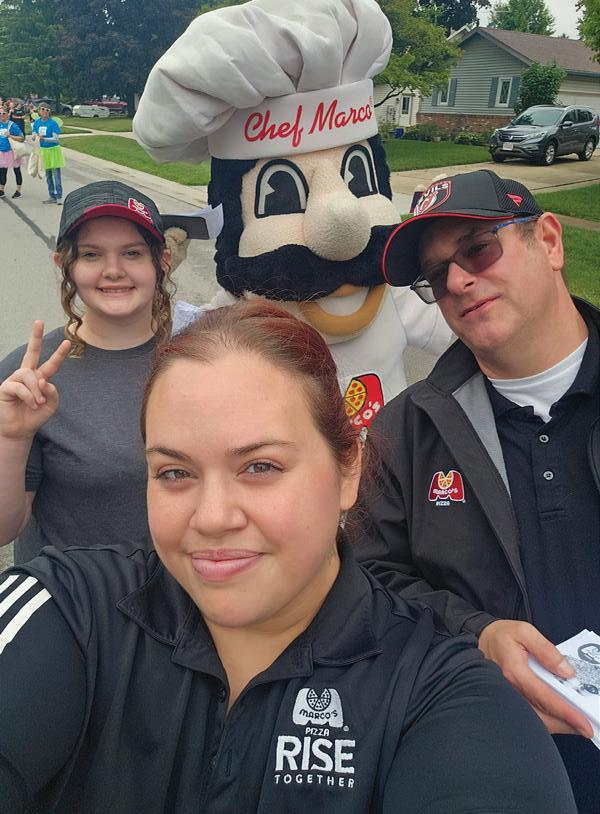
i first started at Marco’s Pizza in the driver’s seat of a delivery car. Back then, i was simply trying to make ends meet. i never even considered that this job could potentially lead to a fruitful and long-term career that would involve running multiple locations across the toledo area. By coming into the business this way, i was given a unique perspective on community engagement that no training could ever teach me. i have learned that the brands built to scale are the ones that prioritize connection before marketing.
Marco’s Pizza has a strong foundation of corporate social responsibility via the Marco’s Pizza Foundation and builds on its principles by encouraging owners to give back at the hyper-local level. Many consumers have grown to question corporate “give back” and usually for good reason. Too many campaigns are driven as a ploy to increase foot traffic. The brands that succeed are the ones that genuinely treat community as part of operations. They don’t hesitate to jump into local community initiatives even if it isn’t a splashy marketing opportunity because those are the moments that build credibility. This is the approach I have instilled across all my locations.
• Hire and promote locally: People who already belong to the community don’t have to fake their connections.
• Listen to your team members: Build an open dialogue and listen to their ideas.
• Show up before you are needed: Build a natural presence in the community before any big activations.
how local roots outrank corporate mission statements
Living in the market you serve , you don’t have to manufacture relevance. I am lucky to have an ear to the ground on all the happenings or events in the Toledo area. When an event needs sponsoring or a family needs support, I am easily accessible and can step in when it is needed. That direct access to the community is the kind of engagement a top-down corporate initiative may sometimes find challenging.
For example, I saw a specific need in the community during the holidays last year, so we held a toy drive. More than 300 gifts
were donated, and the event turned into such a success that it expanded across the region. These weren’t toys that would be delivered somewhere far away; these were gifts for the children in my own backyard, the kids who play up and down the street in my own community. It’s a clear reminder of what is possible when the effort is genuine and personal.
Charitable events and initiatives like this aren’t organized to make us look good. Rather, they’re meant to support the local communities and neighbors who feel more like family. Yes, showing up to events and providing certain kinds of support builds our reputation, but the giving is about far more than that. For me, it is about giving something to the community that raised me – and that’s the mentality that allows stores to make a real community impact.
success doesn’t start with the customer, it starts with the team
Strong community engagement begins long before a customer walks through the door. It starts with the people wearing the uniform every day.
Building meaningful relationships with our team is a top priority, and many of our most impactful community initiatives have grown directly from the passions and causes our employees care about. Creating an environment of open communication gives team members the confidence to share ideas, advocate for organizations that matter to them, and identify opportunities to make a difference locally. As the people interacting with customers and neighbors every day, they often have a pulse on community needs that leadership might otherwise miss.
When a team member is passionate about a cause, we look for ways to support it. Investing in our people beyond their role in the restaurant sends a powerful message: they are valued not just as employees, but as individuals. That level of support builds trust, strengthens morale, and creates a culture where people feel connected to something bigger than their daily responsibilities. In my experience, when team members feel genuinely supported, they bring more energy, pride,
and commitment to their work and that translates directly into stronger operations.
That energy is felt by customers the moment they walk through the door.
Community connections become personal when a customer recognizes a familiar face behind the counter: a neighbor, a former classmate, or someone from their child’s school. Those interactions create an immediate sense of trust and belonging. What could have been a simple transaction becomes the start of a lasting relationship.
By investing in local talent, supporting the causes our teams care about, and creating a culture where people feel seen and heard, we build stronger teams, deeper community ties, and ultimately more loyal customers.
Perfecting unplanned impact
Some moments that matter the most never even make it onto a calendar. Having our boots on the ground means we notice good and bad things that are happening in the world immediately around us. We
see where we can step in to help – whether that it’s recovering weather damages, supporting a family in hard times, or celebrating a school success story.
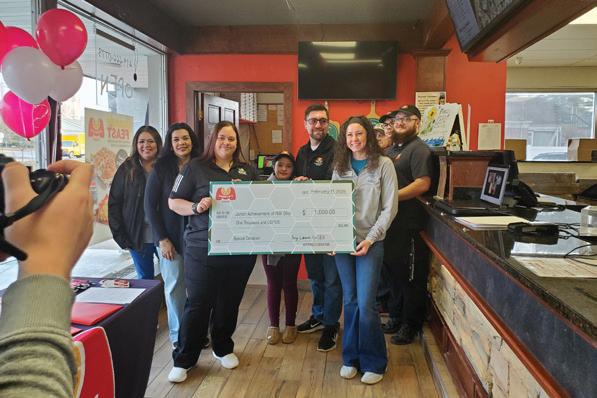
Not every act has to be a full spectacle to leave a lasting mark on the community. We first sponsored Junior Achievement as a single store partnership. When it grew into a market-wide movement, we had already built the foundation of integrity with our minor participation. The quieter moments are what gives credibility to the bigger ones. Laying the groundwork and building a steady record of showing up is what makes a larger activation feel real and not staged.
operator takeaway
Fellow operators should understand that authentic community connection is built in steady and practical steps. In order to serve the community in a genuine way, listen to your employees to find natural ways to engage, promote and hire within the community, and show up in little ways to prove credibility. v
h ow ai iS Re S haPiN g
FR aNC hi S e Sale S aNd
CuS tome R aCquiS itio N
Franchise sales have always depended on a simple but difficult balance: generating demand and responding to it quickly enough to convert. today, Ai is beginning to reshape both sides of that equation. For franchise brands, the opportunity is not just to automate tasks, but to respond faster, qualify leads more consistently, support customers across the buying journey, and create a more reliable sales experience across every location.
the lead response gap franchise Brands still face
There are three things franchise brands are often missing in the sales process, and they all start in the same place.
First, every lead tends to get the same amount of attention. There is little prioritization, inconsistent qualification, and insufficient time spent educating the
prospect about what the offer actually is.
Second, franchise brands and operators invest heavily in generating inbound demand, but the follow-up does not always match the investment. A prospect makes a call, submits a form, or sends an email, and too often the response is delayed or inconsistent. No follow-up, no sale.
Third, when a prospect buys or doesn't buy, many operators still lack the insight to explain why. They have the result without the reason. That makes it difficult to improve the process because they cannot clearly see what is broken in the first place.
That is where AI is beginning to change the equation. By helping franchise brands respond immediately, qualify leads consistently, and stay available for followup around the clock, AI is helping close the gap where so many sales opportunities are lost.
ai is changing the customer Journey
Beyond franchise lead response, AI is also changing how brands handle customer engagement across the buying journey.
Franchise operators are starting to use voice agents to answer inbound calls, ask qualifying questions, and stay available for follow-up. There are many AI tools available now, but they are not created equal. Some are limited to transactional phone answering. But when done well, the entire experience is elevated. It becomes more consistent, more cost-effective than a traditional call center, and available around the clock.
A franchise location can offer a confident, on-brand conversation at 2 a.m. on a Saturday without paying a night shift to staff it. But the bigger shift is what these tools are for. They are not simply replacing humans on busy days. They are supporting the customer buying process during every hour the business is closed.
They are also capturing conversational data that helps operators better understand what is actually happening at the front door.
Why voice matters again
The simplest reason voice and conversational AI matter is that we all know how to talk.
There is no training curve, no software to learn, and no app to download. Conversation is still the most natural form of human exchange, and voice remains the easiest way for a customer to ask a question, place an order, or follow up on a quote.
A customer with an urgent problem does not want to navigate a portal or fill out a complicated form and hope someone will respond later. They want immediate engagement from someone who sounds knowledgeable and available.
Voice is the only interface that meets customers where they already are.
What separates Brands successfully using ai
The franchise brands seeing the strongest results from AI are not necessarily the ones with the biggest budgets or the most technical sophistication. It is a willingnessto-start issue.
The operators piloting, testing, learning, and adjusting are getting further ahead every month. Those waiting for AI to be perfect are wasting time in a decision cycle built for software that did not learn.
An AI-native platform improves with every conversation. The franchise brand that started six months ago is not simply six months ahead. It is six months of conversational data, refinement, and operational learning ahead.
That gap compounds over time.
the results operators are starting to see
The benefits tend to show up in three areas. First, the economics improve. Every lead gets answered, every qualified prospect gets a follow-up, and every conversation has a better chance to convert. The marketing dollar that paid for the lead finally has a consistent opportunity to produce revenue.
Joe Gagnon is the CEO and Co-Founder of r aynmaker, an AI-native autonomous sales platform helping franchise and multi-location businesses manage customer conversations, lead response, scheduling, and sales execution through conversational AI.
Second, the customer experience improves. The catering customer who calls at 8 p.m. does not get voicemail. The homeowner with a broken HVAC system does not wait until Tuesday for a callback.
Third, operators gain conversational intelligence. For the first time, franchise brands can better understand why prospects bought, why they did not, which objections come up most often, and where friction exists in the sales process.
The sales front door becomes one of the most valuable sources of customer insight the brand has.
the future of franchise sales
Selling has always depended on human availability. The franchise that answered the phone made the sale. The one who missed the call often did not.
That has shaped franchise operations for decades, and it is finally beginning to change.
When selling no longer depends entirely on who is available in the moment, unit economics improve because the variance starts to disappear. The brands that can deliver a consistent, intelligent sales experience across every location and every shift will increasingly separate themselves from those that cannot.
AI will not eliminate the need for people. But it can reduce the gaps created by inconsistent follow-up, missed calls, and limited availability.
Most conversations with franchise leadership today are still about whether to start. In the next few years, the conversation will turn to why they did not start sooner. v
buyiN g a buS iNe SS:
T HE F Irs T C ALL WITH THE sELLE r
Bianca Evans is a highly accomplished business broker with Transworld Business Advisors and one of the industry’s top-performing professionals. since joining the firm, she has successfully facilitated more than 240 business transactions and has earned the prestigious Million Dollar plus Award every year from 2008 through 2025.
Bianca holds several of the industry’s most respected professional designations, including Certified Business Intermediary (CBI), Certified M&A professional (CM&Ap), and Board Certified Intermediary (BCI). she specializes in helping business owners prepare for successful exits through strategic planning, valuation insight, and disciplined deal execution.
Buyers make offers based on the numbers, but it’s human interaction that determines if they feel good about buying a company. it’s natural, especially for an individual buyer, to want to get to know the seller and learn about how the company has been run under their leadership
That’s why I always put the buyer and seller together for a meeting or a call. Chemistry and trust are built in this first interaction, and the success of the negotiations can rest on the strength of
the two parties’ confidence in each other’s integrity and transparency.
Here’s how I tell buyers to prepare for the get-to-know-you call: Bring your best self to the meeting. I encourage buyers to be themselves, but to be patient with what might be a very different way of thinking or communicating from the seller. If you have a strong tendency to talk numbers or challenge assumptions, this might not be the best time to bring that side out. Selling a business is an emotional experience for owners, and they are usually more interested in learning if you’re the right person to carry on their legacy. There may also be several competing offers on the
table, so the first impression you make might be the key to yours being the one that’s accepted.
Study the materials you received in advance so you ask only relevant questions. Sellers are still trying to run the business while selling the business. They’ll put in many hours over the diligence period and negotiations above and beyond their other responsibilities. They’ll be grateful not to have to explain the basics of the industry or repeat information you should already have at hand. They’ll also be evaluating how you’ll handle yourself during the course of the deal, so it will be a relief to them if you’re well-informed, efficient, and organized.
This meeting is about determining fit, so make your case for why this company is the right business for you. For buyers, the deal is mostly about making the numbers work, but sellers will be also concerned about their employees’ and customers’ wellbeing. It’s important for you to talk about why you’re interested in this specific company (in addition to profits) and let the owner see how you value and treat people. I’ve seen smaller offers accepted because the highest offer came from someone the seller didn’t like or trust.
Most owners we work with are selling a business for the first time; it’s probably the most complex transaction they’ve ever been a part of. The initial meeting can get a deal off to a great start – or kill it before it begins. My role as a broker is to serve as a credible third party who can keep communication flowing, smooth over contentious or emotional issues, and move the deal to a quick and clean close.
If I can help you find the right business to buy, let’s talk. v
START YOUR FRANCHISE JOURNEY
Connections That Drive Growth
Meet 300+ franchise brands Hear from franchise experts
EVERY INVESTOR LEVEL FROM ACROSS ALL INDUSTRIES
HUNDREDS OF LEADING FRANCHISES, ALL IN ONE PLACE
COMPREHENSIVE SEMINAR SCHEDULE
SAFEST WAY TO START A BUSINESS
beyo Nd o il ChaN ge S:
UnE xpECTED WAys TO Br EAk In TO THE AUTOMOTIv E InDUs T ry
there’s no denying it — when most people think about automotive franchising, their minds immediately shift into the same gear. oil changes. tire shops. Auto repair. they’re all excellent businesses, but they’re only one lane of a much bigger highway.
The automotive industry has evolved into an ecosystem of specialized services that stretch well beyond the repair bay. Some businesses help restore vehicles after one too many rocky encounters. Others create unforgettable driving experiences or serve the commercial fleets that keep products moving across the country. They all have one thing in common: they’ve identified a specific need and built a business around doing it exceptionally well.
For entrepreneurs, that’s an important reminder. Sometimes the best opportunities aren’t found by following the crowd. Sometimes the best business ideas grow
Chris Conner has worked in the franchise development industry for almost 20 years and helped over 600 brands franchise their brand and develop franchise distribution channels. He founded Franchise Marketing ystems in 2009, which now includes a team of 27 franchise consultants based in and Canada and supports brands around the world to grow and scale through franchise expansion.
Visit www.fmsfranchise.com for more information
from taking the exit everyone else drove past.
Beyond the Bay
There’s a very obvious reason automotive franchises continue to attract entrepreneurs. Vehicles aren’t a luxury for most Americans — they’re a necessity. People depend on them to get to work, pick up the kids, run businesses, and keep life moving. That creates consistent demand for the businesses that support vehicle ownership.
Today, supporting vehicle ownership looks a lot different than it did twenty years ago. Consumers are holding onto their vehicles
longer. Businesses are investing more heavily in commercial fleets. Customers are looking for convenience, premium experiences, and specialized services rather than one-size-fits-all solutions. As a result, entrepreneurs have more ways than ever to build a successful business within the automotive industry without opening another traditional repair shop.
Here are three concepts that prove there’s more than one way to carve out your place in this ever-evolving industry.
restoring vehicle value
It doesn’t take a major collision to create a business opportunity. A stray shopping
cart, a spring hailstorm or an absentminded driver opening their car door can leave behind dents and dings that owners would rather forget. While those imperfections may not affect how a vehicle drives, they certainly affect how owners feel about it. That’s where specialized businesses like Car Cosmetics and Dent Spot have found their niche.
Rather than trying to be everything to everyone, these concepts focus on cosmetic restoration. Car Cosmetics is a mobile business that partners directly with dealerships to provide cosmetic repair services, creating a reliable pipeline of work through long-term business relationships. Dent Spot specializes in paintless dent repair, helping customers restore their vehicles quickly while simplifying the insurance claims process.
Better yet, these services remain in high demand while occupying a relatively uncrowded niche. By becoming experts in a highly specialized service, these businesses have positioned themselves in a market where quality, relationships, and convenience matter just as much as expertise.
selling the e xperience
Not every automotive business revolves around fixing cars. Some revolve around finally getting to drive the dream car you’ve had plastered on your wall since high school.
Peacock Rentals has taken a different
approach to automotive entrepreneurship by giving customers access to luxury and exotic vehicles for weddings, milestone celebrations, vacations, business travel and special events. From Ferraris and Lamborghinis to Rolls-Royces, Bentleys and classic American muscle cars, the company delivers experiences that most people only dream about.
The concept goes a step further by offering chauffeur services and connecting customers with luxury experiences like yachts, villas and private jet partnerships. For franchise owners, the business is built as much on hospitality and relationshipbuilding as it is on the vehicles themselves.
For entrepreneurs who want to satiate their passion for the automotive world without opening another traditional service business, this concept offers a refreshing change of pace.
keeping america’s fleets looking their Best
Passenger vehicles tend to steal the spotlight, but commercial trucks are a vital piece of the industry, our economy, and our everyday life. Each day, they move food, medical supplies, construction materials, and countless online orders across the country. That kind of consistent mileage comes with wear and tear, making regular cleaning an important part of maintaining equipment, protecting resale value, and presenting a professional image, making regular cleaning and service a practical investment for truck owners.
Shiney Hiney Truck Wash has built its concept around serving that need. Designed specifically for large commercial vehicles, the business utilizes efficient touchless wash technology while building long-term customer relationships through fleet contracts, memberships, and complementary services that may include polishing, truck parking, or oil change bays, depending on the location.
It’s an often-overlooked corner of the automotive industry, but one with steady demand driven by businesses that rely on their fleets every single day.
looking Beyond the obvious
One of the biggest mistakes I see aspiring franchise owners make is assuming they already know what an industry has to offer. The automotive space is a perfect example. Yes, there will always be room for repair shops, tire stores, and oil change centers. Those businesses have earned their reputation for a reason, but they’re only a fraction of what’s out there.
Behind every vehicle on the road is an entire network of businesses helping owners protect their investment, improve their experience, or keep their operations running efficiently. Whether it’s restoring a vehicle’s appearance, putting someone behind the wheel of their dream car for the weekend, or helping commercial fleets stay road-ready, these specialized concepts demonstrate just how diverse automotive franchising has become.
The takeaway? Don’t be afraid to look beyond the obvious. Sometimes the best franchise opportunities aren’t the ones everyone is talking about.
At Franchise Marketing Systems, my team and I help entrepreneurs identify franchise opportunities that align with their goals, interests, and investment level. Whether you’re drawn to the automotive industry or another growing sector, we’re here to help you navigate the process with confidence. We also help business owners franchise their existing concepts, turning successful businesses into scalable franchise systems. To learn more, visit www.fmsfranchise.com.
m o R aN Family o F bR aN d S uNiFie S
No R th a me R i C aN leade RS hiP team
Fo R the Next Pha S e o F gR owth
Following its recent acquisition of Mister transmission, Moran Family of Brands, one of the nation’s leading automotive franchise systems, has announced a strategic leadership realignment uniting two highly respected brands under a single North American structure.
The new framework is designed to strengthen franchisee support, streamline operations, and accelerate growth across the U.S. and Canada. This integration allows the organization to combine best practices from both companies while minimizing redundancies and creating a more efficient operational structure throughout North America.
Building one north american team
At the center of the company evolution is Tony Kuczynski, who has been appointed President of North America for Moran Family of Brands. Kuczynski previously served as President and CEO of Mister Transmission in Canada, where he helped lead the brand through a period of significant growth.
Kuczynski brings more than three decades of automotive, retail, and franchise leadership experience to the role. His career began as a technician before transitioning into the business side of the automotive industry. Prior to Mister Transmission, Kuczynski held leadership roles with several major automotive and retail organizations, including Advance Auto Parts, Ace Hardware, and Canadian Tire.
During his eight-and-a-half years as President of Mister Transmission, the company experienced substantial increases in both systemwide and average store sales while also improving customer satisfaction and operational performance. In his new role, Kuczynski will focus on aligning key franchise support functions across the U.S. and Canada, including marketing, training, technical support, and store operations, as well as unifying processes and elevating performance across the system.
“Being appointed to this new leadership
role is an honor and a responsibility I take seriously,” said Kuczynski. “We are bringing together two strong organizations and working as one team with one direction. Our focus is on supporting franchisees, improving how we operate across both countries, and ensuring we deliver consistent value to customers and stores on both sides of the border.”
leadership structure designed for growth
As part of the realignment, Moran Family of Brands established three core operational pillars intended to support future expansion across North America: Finance & Administration, Franchise Support, and Growth & Development. CEO Barb Moran-Goodrich will continue leading the company with a focus on finance and administration. Kuczynski will oversee franchise support operations, while Peter Baldine has transitioned from President to Chief Growth Officer and will
Tony Kuczynski
Barb Moran-Goodrich
lead growth and development initiatives.
The leadership structure is designed to create clear operational focus areas while encouraging collaboration between departments. By separating responsibilities into specialized pillars, the company aims to improve efficiency, strengthen franchisee support, and scale more effectively in an increasingly competitive automotive aftermarket industry.
“This alignment allows us to maximize the strengths of both organizations and deliver greater value to our franchisees across the U.S. and Canada,” said Moran-Goodrich.
“By combining our resources, expertise,
and leadership into one team with a united vision, we are building a stronger platform designed for long-term growth and success.”
operational e xperience at the leadership level
In addition to the executive restructuring, Moran Family of Brands announced two key leadership appointments that further reinforce the company’s operational expertise.
Brian Schroeder has been promoted to Chief Operating Officer (COO). Previously serving as Vice President of Operations for Mister Transmission in Canada, Schroeder
brings extensive franchise operations experience and a strong understanding of system performance.
Tim Rodifer has also been promoted to Senior Vice President of Operations, Technical Support, and Vendor Management. Rodifer previously served as Moran’s Technical Director and has played an important role in strengthening technical training and support throughout the franchise network.
Together, Schroeder and Rodifer bring more than 60 years of combined experience in franchise operations, technical services, and business management.
One of the most notable aspects of the leadership team is its franchisee background. Both Schroeder and Rodifer are former top-performing franchisees themselves, giving them firsthand insight into the day-to-day realities franchise owners face at the store level.
Positioning for industry growth
The leadership changes come as the automotive aftermarket industry continues to experience strong growth across North America. According to Autocare, the industry is projected to reach $664 billion by 2028, driven by factors including longer vehicle ownership, increasing repair complexity, and sustained consumer demand for maintenance services.
For franchise systems operating within the automotive aftermarket, growth opportunities are being fueled not only by market demand but also by the need for trusted service providers capable of delivering consistent customer experiences.
Moran Family of Brands currently operates nearly 200 franchise locations across North America through seven automotive service brands, including Alta Mere, Dr. Nick’s Transmissions, Milex Complete Auto Care, Mister Transmission, Mr. Transmission, Multistate Transmissions, and Turbo Tint.
As the company moves forward under its new leadership structure, Moran Family of Brands is focused on building a more unified and scalable platform that supports franchisee success and long-term growth across North America. v
RNR tiR e e x PR e SS awaR d S th R ee bR aN d
New CaRS to d e S e R viN g m othe RS Fo R
10th aNN ual m othe R ’S day g iveaway
• Leading tire & wheel franchise retailer surprised mothers in Florida, Louisiana, and Virginia with brand-new vehicles
• RNR received over 12,000 submissions for this year’s giveaway
rNr tire e xpress, the leading franchise retailer for tires and custom wheels and part of the multi-brand franchisor company DX3 Brands, celebrated its 10th annual Mother’s Day Giveaway by awarding three deserving mothers in Florida, Louisiana, and Virginia with brand-new vehicles.
Each year, RNR invites community members to nominate mothers with incredible stories and journeys, recognizing women who dedicate themselves to their families and communities every day. With more than 12,000 stories submitted across
31 participating stores nationwide, three nominations especially stood out. Katelynn Webber from Brandon, FL, Roquila Brown of Bossier City, Louisiana, and Salina Pugh of Suffolk, VA were selected as this year’s grand prize winners.
“We’re proud to recognize Katelynn Webber, Roquila Brown, and Salina Pugh as this year’s Mother’s Day giveaway recipients,” said Adam Sutton, CEO of DX3 Brands and RNR Tire Express. “Their stories are a powerful reminder of the sacrifice and compassion that so many moms carry every single day. The love and dedication they pour into the people around them truly embody the heart of why we do this. We are honored to celebrate them and grateful for the impact they continue to
make in the lives of others.”
Webber, who was joined by her 5-yearold son, was surprised by the RNR team with her brand-new 2026 Buick Envista at the RNR Brandon location on May 19. She was nominated by her co-worker and best friend, Cassie, who described her as selfless and deeply passionate about helping others. As a behavioral specialist and mother of an autistic son, Webber has dedicated her life to supporting children with autism and emotional behavior disorders, working with students ages 3 to 22. She recently wrote a children’s book for children with autism and is pursuing her PhD in behavioral neuroscience. Brown, who was joined by her family, was surprised by the RNR team with
her brand-new 2026 Buick Envista at the RNR Bossier City location on May 22. Nominated by her 15-year-old son, Brown was described as the hero of her family. As a single mother raising three children, including a daughter with a serious heart condition and a son with autism, she has faced tremendous challenges while continuing to put her children first every day, even through financial hardships, health concerns and the recent loss of transportation that forced her to leave her job as a caretaker.
Pugh was awarded her 2026 Chevrolet Trailblazer on Thursday, June 4th at the Suffolk RNR location.
“I’m beyond grateful to my family, Cassie, and the RNR team for this incredible gift and for shining a light on mothers like me,” Webber said. “Being a mom can be overwhelming, and sometimes you don’t realize how much of yourself you give. But I wouldn’t trade motherhood for anything, and I feel blessed to connect not only with my own child, but all the children I get to work with every day. This is truly a Mother’s Day gift I will never forget.”
aBout dx3 Brands:
DX3 Brands is a value-driven, multi-brand franchisor built on more than 25 years of franchise experience. Founded in 2000 as a single brand with rNr t ire e xpress, the company has grown into a nationally recognized brand spanning more than 200 locations and generating over $350 million in annual revenue. Building on that success, DX3 Brands welcomed Gigglewaters alongside rNr t ire e xpress in 2026. DX3 Brands partners with existing brands to help them grow through proven franchise systems, operational expertise, and the infrastructure needed to support franchisee success. t he company provides franchise owners with the tools, support, and guidance to build strong teams, deliver customer-driven experiences, and impact the communities they serve.
For more information regarding DX3 Brands and its franchise opportunities, please visit www.DX3Brands.com
The moment Webber received the surprise was captured on video and is available here.
RNR has continued to see strong participation in the Mother’s Day Giveaway, with thousands of stories
aBout rnr tire e xPress:
rNr t ire e xpress is a national franchise retailer of quality tires and custom wheels known for their customer-centric, flexible lease-to-own payment options. established in 2000 by rent-to-own veteran Larry Sutton, rNr has grown to over 200 locations in 31 states and internationally. t he brand ranked in Franchise t imes’ top 400 list for 2025, was recognized by entrepreneur Magazine as one of the top Brands for Multiunit o wners and was named the No.8 automotive franchise in entrepreneur’s 2026 top 10 Franchises by industry list. Additionally, rNr ranked in entrepreneur magazine’s 2026 Franchise 500 ranking. Most recently, the company earned a Notable Distinction in the 2026 FuND topScore Awards, recognizing its performance and commitment to franchisee success. rNr t ire e xpress is seeking qualified multi-unit franchisees to help expand the franchise into prime markets throughout the country.
For more information regarding rNr franchise opportunities, please visit www. rNr franchise.com.
submitted this year from communities across the country. In addition to the grand prize vehicle, participating RNR stores RNR honored deserving mothers with free sets of tires.
For more information regarding RNR Tire Express and its ongoing community initiatives, please visit www.rnrtires.com.
ZiebaR t awaR d S Com Plime NtaR y
d etailiN g Se R vi C e S to t wo d e S e R viN
dad S a S w iNNe RS o F SeCo Nd aNN ual
Fathe R ’S day Co Nte S t
• Scott Siriani of Streator, IL recognized by foster son for his dedication as a father of three
• Military veteran Byron Mays of Morrow, OH honored with detailing to clean up his 9-year-old’s messes
• Winners of Ziebart’s Detail for Dad contest were selected based on creativity, sincerity, and heart
Ziebart, the global leader in vehicle appearance and protection services fondly referred to as the “dad of the automotive industry,” is honoring two deserving fathers with the ultimate automotive refresh just in time for Father’s Day.
Scott Sirianni of Streator, Illinois and Byron Mays of Morrow, Ohio have been named the winners of Ziebart’s second annual “Detail for Dad” contest, each earning a complimentary Interior and Exterior Detailing package complete with Inner-Guard® Plus to help restore their well-loved “dad mobiles” back to that fresh, showroom-quality look and feel.
fostering a special Bond
Nominated by his son Camron, Scott Sirianni was recognized for the unwavering love and support he has shown throughout Camron’s life after first becoming his foster father before officially adopting him into the family. Camron shared that his dad has always been by his side through every stage of life, from childhood milestones to school achievements and difficult moments.
“My dad, my fishing buddy, my best friend,” Camron wrote in his nomination. “He was my foster dad and then adopted me and loved me just the same as my brothers and sisters. He’s the one I can go
to when my world is falling apart or when I get the best news at school.”
Camron also admitted he may be one of the main reasons Scott’s Ford Bronco could use a deep clean after countless fishing trips and outdoor adventures together. Scott will receive his vehicle makeover at Ziebart’s Ottawa, Illinois location.
military dad recognized for love and Patience
In Ohio, Byron Mays was nominated by his 9-year-old son Zach, who shared a heartfelt tribute about his father’s military background, hardworking nature, and patience despite the fingerprints and messes Zach leaves behind after fishing trips, ice cream snacks, and family outings.
“My dad deserves a car detail because he was in the Marines and the Army, so he likes everything clean and neat,” Zach wrote. “Even when his car gets messy, he still takes me to do fun things with him. He always works hard and never complains.”
Byron will receive his detailing service at a participating Ziebart location in the Cincinnati market.
aBout the contest:
Launched in May, the nationwide contest invited children of all ages to submit stories explaining why their dad or father figure deserved a professionally detailed vehicle ahead of Father’s Day. Dozens of entries poured in from across the country, highlighting touching stories of fatherhood, sacrifice, mentorship, and family memories made behind the wheel. Winners were selected by Ziebart’s panel of judges based on creativity, sincerity, and heart.
“Dads spend countless hours behind the wheel taking care of their families, and often their vehicles take the hit along the way,” said t homas A. Wolfe, President & chief e xecutive o fficer of Ziebart. “ t his contest is our way of recognizing fathers and father figures who go above and beyond every day. Scott and Byron’s stories stood out because they capture the love, dedication, and selflessness that make fatherhood so meaningful.”
to find a Ziebart near you, visit www. ziebart.com. For more information on franchise opportunities with Ziebart, please visit www.ziebart.com/franchiseopportunities.
aBout Zie Bart:
Founded in 1959, Ziebart international corporation is the worldwide leader in premium automotive appearance and protection services that extend the life of vehicles. All Ziebart products and services are made and sourced in the united States. Ziebart operates over 400 locations, with more than 1,000 car dealer partners, in 37 countries. Ziebart continues to grow and offers domestic and international franchising opportunities, a best-in-class investment for qualified prospects.
For more information about Ziebart including franchise opportunities, please visit www.ziebart.com.
the e leC tR i C v ehi C le q ue S tio N e ve R y
FR aNC hiS e CaNdidate aS k S
one of the questions i hear most often from prospective franchisees has nothing to do with startup costs, territory availability or financing. it's electric vehicles.
That's not surprising. Between headlines about electric vehicle adoption, manufacturer investments and government incentives, it's one of the most talked-about topics in the industry today.
These questions come up in roughly 70% of our initial conversations with prospective franchisees, and I think those concerns often cause people to lose sight of the broader market realities.
In my view, franchise candidates are asking the wrong question. When discussing the long-term outlook for automotive service, I start with one simple fact: more than 300 million vehicles are already on U.S. roads, and consumers are keeping them longer than ever.
Rather than asking whether electric vehicles will replace oil changes someday, I believe candidates should be asking whether a franchisor has demonstrated an ability to evolve its service mix, invest in technician training, and adapt alongside changing vehicle technology.
demand for automotive service remains strong
Market demand remains overwhelmingly driven by traditional gas-powered vehicles, which still require routine maintenance such as oil changes, tire rotations, brake work and preventative care.
As vehicle prices and financing costs rise, many drivers are choosing to keep their cars longer rather than replace them. The average vehicle on the road today is more than 12 years old, creating continued demand for trusted service providers that can help keep those cars running efficiently and safely.
During periods of economic uncertainty, that tendency often becomes even more pronounced. Consumers may delay purchasing a new vehicle, but they still need to maintain the one sitting in their driveway.
This is where I think many franchise candidates get caught up in headlines instead of reality. When you're evaluating a franchise opportunity, you have to look beyond what's making news today and focus on what the market will look like over the next decade.
Even as electric vehicle adoption grows, consumers will continue driving a mix of traditional vehicles, hybrids, and electric vehicles for years to come, creating
ongoing demand for automotive service providers.
This is why I often tell franchise candidates that electric vehicle adoption is not the trend that keeps me up at night. The bigger risk is allowing headlines about the future to distract from the franchise opportunities that exist today.
how are automotive service franchisors Planning for the future?
One of the biggest mistakes people make is reducing automotive maintenance to oil changes. When candidates tell me they're worried about electric vehicles because they don't need oil changes, my response is simple: success in the aftermarket automotive industry has never been dependent on a single service category.
The revenue streams may look slightly different, but electric vehicle owners still need trusted providers to help maintain their vehicles. Brake service, tire rotations, windshield wiper replacement, inspections, battery-related services and other routine maintenance remain important parts of car ownership.
At FullSpeed Automotive, we've implemented additional electric vehiclerelated service opportunities, including Tesla-certified battery replacement services at select locations. While those initiatives
have not been rolled out across the entire system, they demonstrate how franchisors can continue expanding their capabilities.
In other words, electric vehicles aren't eliminating opportunities. They're creating new ones. As new technologies emerge, automotive service providers can expand their capabilities and serve a broader range of customers.
Just as technology has evolved over the past several decades, quick lube service providers will evolve alongside it. Franchisors have a responsibility to help franchisees understand what changes are coming, what they mean, and how to prepare for them.
We also have a responsibility to help consumers understand that automotive
service extends beyond oil changes. Many people still associate quick lube brands with a single service, but today's maintenance providers offer brake work, tire services, windshield wiper replacement, inspections, battery maintenance services, and much more. As electric vehicle adoption grows, helping consumers understand those capabilities becomes increasingly important.
What does this mean for automotive franchise growth?
One of the clearest indicators of the category’s strength is that automotive service franchisors continue to grow despite these conversations about electric vehicle adoption.
When we're evaluating growth opportunities, we're looking at population trends, car ownership, traffic counts, development patterns, and long-term consumer demand. Those fundamentals matter far more than any single trend.
In many cases, land availability, development costs and market economics have a greater impact on expansion decisions than the mix of vehicles on the road.
The strongest franchise opportunities are built around consumer needs that endure regardless of economic cycles or industry trends. People still need reliable transportation to get to work, take their kids to school, and manage their daily lives. Whether they're driving a traditional car, a hybrid, or an electric vehicle, they still need a trusted place to take that vehicle for regular service and maintenance.
That's why I believe the future of automotive service is about adaptation rather than replacement.
the solution: evolution, not disruption
Every franchise category faces change, and the automotive industry is no different.
The future of automotive service is not a choice between traditional vehicles and electric vehicles. For the foreseeable future, consumers will continue driving a mix of gas-powered vehicles, hybrids, and electric vehicles, each with its own maintenance and service needs.
For franchisors, the goal is to build businesses that can adapt. The brands that succeed will be the ones that continue investing in expanded capabilities and robust training programs to support new service offerings.
If there's one takeaway that I want to leave prospective franchisees with, it's this: the future of automotive service isn't shrinking. It's expanding. The vehicles on the road will continue to change, but consumers will always need trusted providers to help keep them moving. The brands that succeed will be the ones that continue evolving alongside their customers. v
Re
JaN e gR ote abell JoiNS aPPetR o N ix’S
b oaR d o F d iR eC to RS
A Celebrated Leader with More Than 30+ Years of Transformational Leadership Joins
Appetronix, The Company Building Fully Autonomous Restaurant-In-A-Box Solutions Across Multiple Cuisines and Usage Occasions.
Appetronix, the company behind a fully autonomous restaurant that cooks made-toorder meals with zero onsite employees, today announced that Jane Grote Abell has joined its Board of Directors. She joins Appetronix with a reputation for driving explosive brand growth and helping define the future of foodservice.
Grote Abell is the founding family member, Chief Purpose Officer, and Executive Chairwoman of the Board of Donatos Pizza and Jane’s Dough Premium Foods, a 63-year-old familyowned restaurant operator, franchisor, and manufacturing company. Grote Abell is widely recognized as a visionary known for sharp decision-making and problemsolving. She also brings public-company board experience to Appetronix, as she currently serves on the board of Texas Roadhouse.
As a second-generation member of her family business, Grote Abell navigated Donatos through its acquisition by the world’s largest restaurant company, McDonald’s, and then recognized the opportunity to rebuild the brand and led the successful effort to buy Donatos back. She credits her 4C’s of success, Character, Courage, Conviction, and Compassion, as the guideposts that led the team back to the success it enjoys today.
“Jane has done what almost no one in our industry has done…scaled a beloved restaurant brand, navigated a sale to and a buyback from the world’s largest restaurant company, and built a values-driven business that lasts. Jane’s courage, vision, passion and values perfectly represents
the credo of Appetronix. Appetronix has survived and thrived from the trust and guidance we have received from Jane and her father Jim Grote, the founder of Donatos, and we are delighted to continue building on our partnership to scale autonomous restaurants globally,” said Nipun Sharma, CEO and Co-founder of Appetronix.
Grote Abell’s influence extends well beyond restaurants too. In 2015 she released her first book, The Missing Piece: Doing Business the Donatos Way, the story of a classic American family business and an insightful account of her lifelong education in leadership, authenticity, and running a values-based business. She was also featured in CBS’s hit series Undercover Boss. She is co-founder and Board Chair of the Board of Trustees of The Reeb Center, where she architected a new model to lift people out of poverty. Grote Abell also serves as the Vice Chair of the YWCA Columbus Board and on the Governing Committee of the Columbus Foundation.
A recipient of wide recognition, Grote Abell has been named to the YWCA Academy of Women of Achievement, honored as CEO of the Year by Columbus CEO magazine, and listed among the Top 24 Women in Franchising by Franchise Update Magazine. She holds a degree from The Ohio State University, along with four honorary degrees, and resides in Columbus.
“I believe great food and strong operations go hand in hand, but it’s people who make both possible. What excites me about Appetronix is how it removes friction so teams can focus on creating meaningful guest experiences - that’s Agape Capitalism in action. Made-to-order, fresh, and consistently delicious - that’s what
guests deserve. With Nipun’s leadership, bringing together the right people and the right technology, we can finally deliver that at scale. I’m proud to help guide what comes next,” said Grote Abell.
Appetronix Inc. (formerly SJW Robotics) is a foodtech company specializing in the development and design of autonomous robotic solutions for commercial restaurant kitchens. With an expert team with extensive experience in restaurant kitchen design, worldwide expansion of restaurant chains, advanced automation, robotics, and data science, Appetronix is at the forefront of innovation in the foodservice industry. Our mission is to revolutionize the way restaurants operate by leveraging cutting-edge technology to deliver custom solutions that are scalable and tailored to meet the requirements of the next generation of quick-service restaurants. Our autonomous robotic solutions holistically automate all back of house functions including portioning, cooking, plating, and even cleaning with a singular goal of providing the best tasting food.
Donatos Pizza, founded by Jim Grote in 1963 in Columbus, Ohio, is a family-owned business known for its famous thin-crust pizzas with abundant toppings spread Edge to Edge®. Headquartered in Columbus, Donatos and its franchise partners operate over 179 stores. Additionally, Donatos Pizza is proudly served in nearly 300 nontraditional locations nationwide, including select Red Robin restaurants. Committed to quality, community, and customer satisfaction, Donatos Pizza has received numerous awards and accolades, reflecting its dedication to excellence and innovation.
For more information about Donatos Pizza and franchising opportunities, visit www.donatosfranchise.com.
the be S t time to Sell youR buS iNe SS
Antoinette Gonzales norris is a California-based business broker with more than 25 years of experience helping franchisors maximize business value, prepare for ownership transitions, and achieve successful exits. k nown for her practical, owner-first approach, Antoinette helps entrepreneurs understand not only how to build a profitable business but also how to create one that is attractive to future buyers.
this is one of the questions brokers get most often: what’s the best time to sell my business? And most brokers will give the same answer: when you’re ready to sell.
The fact is that most owners wait too long to sell; they wind up selling at a time when they’re forced to because they’re facing a personal crisis (health, financial, or family, for example), or when business is slowing down, which means they’re selling at a discount.
Here’s what I advise owners to consider about timing:
There will always be noise. Base your decision on the signal. Whether it’s a government shutdown, tariff policies, or a global pandemic, you can never know what the future will bring. No one does. So timing your decision around the current news cycle is always a bad idea. No matter how bad the news is, it will pass. Things will be resolved (as I write this, the government shutdown of 2025 has just
ended), or we’ll adjust to the new normal and get back to business as usual. You’ll never be able to time the market or the news cycle correctly, so base your decision to sell on what’s happening in your life and in your business. If you’re ready to retire or move on, make the decision and put the process in motion. Remember that selling your company can take several months, so chances are that the market, your industry, or the news cycle might be different by the time you find the right buyer and close the deal.
The best time to sell is when your business is almost at its peak. If you picture the life of your company as a bell curve, the best time to sell is when your company is performing well and still growing –imagine a point just to the left of the top of the curve. Your company will show great numbers to attract buyers and still have plenty of gas left in the tank for the new owner.
Many owners make the mistake of waiting until they burn out or the business starts to decline. Sales drop off, profitability
goes down, or the market shifts. Your business may still find a buyer, but savvy buyers will be looking for a bargain. That means a lower payout for you and perhaps a different retirement than the one you’ve been planning.
Your business doesn’t have to be perfect to be attractive to buyers. In fact, many buyers are drawn to companies that need the infusion of ideas, capital, or technology they’re bringing to the table. I recently heard about a building supply company that was bringing in almost $5 million in annual sales. The owner was
“ There will always be noise. Base your decision on the signal. Whether it’s a government shutdown, tariff policies, or a global pandemic, you can never know what the future will bring. No one does. So timing your decision around the current news cycle is always a bad idea.
too busy growing his company to take on technology, so his business didn’t even have a website. Smart buyers look at gaps as opportunities; if the company was selling $5 million in building supplies without an online presence, how much could they sell with a modern website? Every business has room for improvement. You don’t have to invest in the latest technology or invest in more modern equipment to attract a buyer. But you should make sure that your company, even if it’s a “fixer-upper,” is running as well as it can be.
Invest in your people first. My best advice to anyone looking to sell their company, whether it’s within a year or at some undetermined future date, is to promote or hire a manager who can run the business without your daily involvement. It’s important for buyers to know that the company’s success is not dependent on the owner’s skills, relationships, or personality. Having a strong management structure in place makes it much easier and less risky for the new owner to take over and build on your achievements.
If you’re thinking about selling your
business, the time to start the process is right now. Talk to an experienced broker who can help you understand what your company is worth. Put a strong manager in place and improve operational efficiency as much as you can. Keep your foot on the gas until the right buyer comes along. The bottom line: the best time to sell your business is when it’s the right time for you.
If we can help you find the right buyer for your company, the first step in our process is to get an opinion of value. v
d o C to RS Said h e would N ’t m ake it Pa S t 13. Now h e’S buildiN g the
Fa S te S t- gR owiN g healthy Fa S t-Food
FR aNC hi S e iN a me R i C a
Konala founder Trace Miller’s life was saved by diet as a child. Now he’s built a fast-food brand proving healthy and fast aren’t mutually exclusive. Three new locations opening within 90 days.
Forty more in development.
When trace Miller was three years old, doctors told his family he would never learn to read and would likely die before his thirteenth birthday. He had been diagnosed with Lennox-Gastaut epilepsy and was experiencing more than 100 seizures a day. What saved his life wasn’t a drug or a procedure, it was diet. A specialist put him on a strict, nutrient-rich meal plan, and over time the seizures stopped entirely. trace is believed to be the first person completely cured of the condition.
That experience — food as medicine, health as something worth fighting for — is the entire foundation of Konala. And right now, the rest of the country is starting to catch up to what Trace has known his whole life.
Konala, the healthy fast-food franchise known for its high-protein bowls and streamlined drive-thru model, is continuing to grow its footprint nationwide with three new locations opening in priority markets and more than 40 units in active development across California, New Jersey, Utah, Idaho, Nevada, Pennsylvania, and Washington.
the e xpansion Begins
Konala opened its Spokane location on April 30 at 1028 N Hamilton Street,
directly across from Gonzaga University’s basketball stadium. The corporate-owned restaurant occupies the ground-floor corner of a new 40,000-square-foot student housing development owned by NBA Hall of Famer and Gonzaga alumnus John Stockton.
Shortly after, Konala will open its first Utah location in Provo on May 28 at 210 Cougar Blvd, adjacent to Brigham Young University’s campus. Franchisee Tyson Adams is behind the Provo opening, which marks the start of a five-unit development agreement to expand throughout Utah. Adams is already evaluating more sites in Salt Lake City and additional Utah markets.
“Opening my first Konala location is a very exciting moment for me,” said Adams. “It’s one thing to believe in a concept, but another to see it start coming to life. The Provo site is just the beginning — we’re already looking ahead to locking in the next few locations.”
A third opening is scheduled for early July in Belleville, New Jersey, where franchisee Anthony Menicola is preparing to open at 11 Franklin Ave — further expanding Konala’s presence to the Northeast.
“We’re moving fast, but that’s intentional,” said Trace Miller, Founder and CEO of Konala. “Konala was built to scale quickly without sacrificing strategy or quality. We have franchisees signing leases, pursuing
multiple locations, and preparing to open, while our corporate team is doing the same. From day one, the goal has been to build a model that makes healthy food as delicious and convenient as possible — and that’s exactly what we’re doing.”
Built different, By design
After his military service, Trace and his wife Jammie returned to Idaho and got their start in the restaurant industry with a food truck and then the Bunker Bar, serving burgers and comfort food. It was successful. It also wasn’t them.
“My wife and I knew we needed to pivot to something that resonated with how we actually live,” Trace has said. “For us, food is more than fuel. It can be a cure. And there was nobody in fast food treating it that way.”
That gap became Konala. Founded in 2023 and named after their two rescue dogs, Kona and Nala, the brand was built around a simple but radical idea: fast food that actually makes you feel good. The entire menu is 100% gluten free, macro-focused, and built around customizable, proteinforward bowls. With zero fryers, grills, or flat tops in the kitchen. Meals are prepared in ovens, keeping the kitchen cool, efficient, and less stressful for employees. Drive-thru times run under three minutes.
It’s an operational model as intentional as
the menu itself, and it’s a big part of why franchisees can move quickly. In addition to the drive-thru, Konala offers online ordering, third-party delivery, and indoor and outdoor seating, giving customers multiple convenient ways to access the brand wherever they are.
a franchise system With momentum
Since launching, Konala has surpassed 40 franchise units signed. In addition to the three locations opening this spring and summer, the brand has a lease signed in Sparks, Nevada, with franchisees continuing to pursue additional sites nationwide.
Konala’s Utah and Idaho franchisee group has committed to developing 25 units and expects to secure 3–4 locations within the next few months. In Orange County, California, the team is actively working toward signing their first site. On the corporate side, Konala’s Kiley Ranch location in Nevada — part of a major new shopping center development in the Sparks area — is currently in buildout and targeted to open in early 2027.
Overall, Konala expects to open 5–7 locations this year and secure at least 8–10 additional leases across its franchise system.
The brand is actively seeking franchisees
— particularly experienced operators and health-conscious entrepreneurs who want to build something with real purpose behind it. Veterans receive a discount on franchise fees, a reflection of Trace’s own service and his belief that the discipline and leadership the military builds translate directly into running a great business.
“This isn’t just a business to me,” Trace said. “It’s a way of life. From fighting for my health as a kid, to serving my country, to building something with my wife that we genuinely believe in. We’re proving that healthy and fast don’t have to be at odds.”
Franchise inquiries can be submitted at konalafranchise.com.
miSS io N ove R m o Ney:
v i S itiN g aN gel S Put S Pa SS io N FiRS t
it’s a familiar story in franchising: a successful, careerdriven person lingering in the corporate world burns out. they then explore entrepreneurship. investing in a business can mean different things to different people, whether it’s ambition-driven, freedomdriven, or just about finding a better work-life balance.
For Visiting Angels owner Kathy Nelson, her new mission hit home.
“During my career, my husband LeRoy and I found a lot of success in the corporate world, but it didn’t feel like we were making a difference in anyone’s lives. That feeling was amplified when my grandmother, and later my husband’s father, both important people in my life, suddenly needed caregivers.”
Over a short period of time, Kathy’s grandmother, a diabetic, suffered a stroke and required help. Her father-in-law also developed Alzheimer’s.
“I saw first-hand just how a caregiver can improve someone’s life, not just one of their clients, but also take some of the
burden off family members who may be juggling kids, work, and a dozen other things all at once like I was.”
starting from scratch
In 2016, Kathy and LeRoy invested in Visiting Angels Santa Monica, CA, serving hundreds of clients across Los Angeles County, primarily senior citizens.
The couple quickly realized this was different from your average small business. It became an on-call, all-hands-on-deck proposition 24 hours a day, as caregivers or clients reached out in need of immediate help. These weren’t spreadsheets that needed editing, or marketing campaigns that could use another look. These were families in crises, reaching out for someone brave enough to step up to the plate. As a new franchisee, Kathy was ready to take on the challenge. She leaned on the home office at Visiting Angels and received feedback and support from fellow franchise owners and experienced leaders who understood what it takes to pursue a career in caring.
She also remembered her own experience as a family member in crises, and how much it meant to her when someone truly cared and went out of their way to help. This is what drove Kathy during those early days, and empowered her to continue on this path. “Several people told me, ‘Just hang in there, it will change’,” Nelson said. “I began to experience that once I grew the business and got to the point where we could hire staff and lighten the load a little bit. That’s when it became more manageable. The support meant the world to me, just knowing that getting involved with Visiting Angels was the right move and I was on the right track.”
delving into dementia training
Because of her personal ties to Alzheimer’s
and dementia, as well as experiencing firsthand the struggles of memory loss from her clients, Kathy began educating herself and her staff more on dementia. After completing all the courses at her disposal, she continued to seek out higher-level credentials not only for herself, but for her staff and caregivers to specialize in this care at a deeper level..
After searching for opportunities to further support dementia education in her community, she decided that creating an education program herself would be her next project. And so she did, using Visiting Angels corporate courses in combination with Teepa Snow and Second Wind Dreams advanced dementia training methods. In 2023, her team and their education plan was awarded a$1 million grant from the state of California as part of its “Caring4Cal” program. The funds were used to help Kathy and her team train 720 people in dementia care and to educate nurses, caregivers, CNAs, and others in the sector, equipping them to better address vulnerable members of the L.A. community through hands-on dementia care training.
She says that, as one of only 23 companies in the state to receive this grant (most of them official training brands), it was incredibly validating that she was making an impact.
“It meant everything to me because I was able to educate so many people and open them up to what this disease really is. I could pour into family members as well as my own caregivers and give them tools that I would not have ordinarily been able to afford. It was an experience and opportunity I will always treasure.”
e xpanding education
With multiple locations, Visiting Angels has been making a dent in the saturated caregiver market in Southern California. There are over 600 different home care agencies in Los Angeles County, more than four times in any other city in the state. Kathy has taken her education initiatives on the road with the “Virtual Dementia Tour,”. Created by Second Wind Dreams, this tour gives participants a personal understanding of what someone
with dementia actually experiences. Kathy offers this tour to her staff, her clients families, and has also brought it to conferences where the tour can truly make a difference, such as the Professional Fiduciaries Association of California National Conference.
“The value I see in the Virtual Dementia Tour is how it impacts a person. The paradigm shift is powerful, turning the learner from observer to active participant. Now we are working from a place of real empathy for someone with this disease because they got a taste of it personally.”
Additionally, Pepperdine University’s Graziadio Business School invited Kathy to join the MBA program for a trimester in the summer of 2025. Students examined Visiting Angels and specifically how Kathy’s brand uses technology in the aging sector. Students were able to present Kathy with business scenarios, including problems they were looking to solve and receive real-world feedback from her about what could work, restrictions they would face, and so forth.
“It was such a full circle moment,” Kathy admitted. “As an alumnus of Pepperdine, it was a thrill to interact with the students and cutting-edge tech available today. Their focus on ‘Technology and Aging’ aligned with my own big dreams for our
company, so it was amazing to offer insight and help guide their direction a bit.“
more than Just a Business
This year, Kathy and her husband celebrated their 10th anniversary with Visiting Angels. While operating two locations of this nationally known brand distinguishes them from a mom-and-pop shop, so does the fact that the Nelsons have two children who also work with Visiting Angels. While part of a major brand, their company is very much family owned. Her daughter first worked as a caregiver with the company, then joined their office staff for a few years after college. Her son began in sales and worked his way up to co-owner in the purchase of their second franchise. As a former technology executive, Kathy ultimately said that though she was successful, now she has a purpose.
“Working with Visiting Angels has given me the freedom to mold myself into a person who feels great about my life, my family, and builds a sense that I’m making a difference in the world,” Kathy said. “I’ve learned so much from failure as an entrepreneur, but now I’ve found business success along with a defining purpose in my life, and I love who I am as a person.” v
beat PR ivate e quity to the Pu NC h — w ith FR aNC hi S o Rlevel Ca S h FlowS
i’ve been in franchising for thirty years. i’ve sat across from thousands of people making one of the biggest financial decisions of their lives. And in all that time, one conversation has been almost completely absent from the franchisee side of the table.
The conversation about who actually gets rich in franchising — and why it isn’t usually the franchisee.
Franchisees exit at three to six times EBITDA. Franchisors exit at fifteen to twenty-five times. Same industry. Same brands. Sometimes the same addresses. A fraction of the valuation. Not because franchisees build worse businesses. Because they build different structures.
George Knauf is a Franchise Investment strategist with thirty years in franchising and twenty-two years as a buyer-side franchise consultant. He is the creator of k nauf’s Hierarchy of Franchising, founder of MyperfectFranchise.com and Orca Franchising, and author of The Last Employee: The Rise of Ownership (MyperfectFranchise publishing, 2026). He was the keynote speaker at the inaugural IFA World Franchise show and is an expert columnist for Franchising Magazine UsA.
And until recently, nobody was telling them that.
That’s starting to change.
the old Programs did What they Were designed to do
Master franchises and regional developer programs have been around for decades. They work. They created real wealth for operators who understood what they were buying: a slice of the franchisor’s economics. Royalty participation.
Franchise fee splits. Territory ownership. Not just operational plays — structural plays.
But those programs were designed to serve the franchisor’s growth needs. You were useful because you could recruit and support franchisees in a geography the franchisor couldn’t cost-effectively reach. When your interests and the franchisor’s aligned, both parties prospered. When they didn’t, you learned who the program was actually designed to serve.
And not every RD program is what it appears to be. Some franchisors offering these arrangements are cash-strapped emerging brands using RD fees to fund operations. They need the liquidity. Others need a low-cost sales force they don’t have to put on payroll. The territory rights are real. The alignment is not. You’re not a strategic partner in those arrangements — you’re a solution to their problem. Knowing the difference before you write the check is the entire game.
The new programs are being built differently. If you don’t understand the difference, you’ll mistake one for the other.
What the new model actually is
The programs emerging now aren’t about geographic rights or recruiting commissions. They’re about giving
business leaders, franchise operators, and sophisticated investors a seat at the franchisor’s economic table — without asking them to run operations they don’t want to run.
Franchise fee participation. Recurring topline revenue participation. A structured exit path at multiples that reflect the franchisor tier, not the franchisee tier. You’re not building locations. You’re building position in a system. The value compounds differently. The exit trades differently.
The franchisors inviting people into these arrangements are not looking for passive check-writers. They’re looking for operators with real credentials. People who understand how franchisees actually think. Who can coach them through hard decisions — not just read a KPI dashboard and send a report.
Most of the people being deployed in support roles today don’t clear that bar.
The Talent Problem Nobody Wants to Say Out Loud
The coaching talent being deployed inside many of these programs is not calibrated to the stakes involved. Someone who just finished an MBA, who has never owned a business, who has never talked a franchisee through an acquisition decision or a PE exit conversation — that person is being positioned as the guide for franchisees trying to build something worth $10 million or $20 million or more.
It doesn’t work. Intelligence and credential don’t equal earned pattern recognition. And pattern recognition is what franchisees actually need when they’re deciding whether to add a second brand, restructure their management team, or begin building toward an institutional exit.
The people in these roles need to operate at a near-CEO level. They need to have built something. Lost something. Recovered from something. The new programs that actually move the multiple needle will figure this out. They’ll stop staffing support functions with junior talent and start recruiting from the operator community. People who’ve lived it.
Why the e xit multiple is the only metric that matters
In The Last Employee: The Rise of Ownership, I make an argument I’ve
been making in private conversations for years: the franchise industry has done an extraordinary job helping people get into business and a mediocre job helping them get out at maximum value.
The entry transaction gets all the attention. The exit — where wealth is actually realized — gets almost none until it’s too late to build toward it.
Businesses that exit at premium multiples share specific characteristics. Not ownerdependent. Documented, transferable systems. Financial reporting structures institutional buyers can underwrite. Management depth that survives a change of ownership. A portfolio thesis that makes sense to a buyer reviewing hundreds of deals.
These are not accidents. They are built, deliberately, years before the exit conversation begins.
That is exactly what Orca Franchising is designed to support — giving franchise portfolio builders at Levels 4 and 5 of Knauf’s Hierarchy of Franchising™ the strategic infrastructure that has always been available to franchisors and almost never available to franchisees. Portfolio architecture. Operational transformation. Exit engineering. Access to the cash flow structures that historically only existed at the top of the system.
The goal isn’t to help you sell your business. It’s to help you build a Franchise Portfolio Enterprise that commands the multiple it deserves.
Beat them to the Punch
Private equity isn’t waiting for franchisees to figure this out. Roll-up activity in home services, commercial services, and multibrand portfolios is accelerating. The buyers are getting more sophisticated. The bar for a premium-multiple exit is going up, not down.
The franchisees who exit at the top of the range in the next decade are already building differently. Not because they’re smarter than everyone else. Because someone sat across from them — someone with the real-world credential to earn the seat — and told them the truth about how the exit actually works.
That conversation is available.
Most franchisees just don’t know to ask for it. v
of industries and serves on the boards of various regional groups and industry associations. FPSNH the third largest Fully Promoted franchise in the u.S., offering comprehensive branding solutions with an impressive lineup of top names in apparel, thousands of unique products, and expert embroidery and printing services.
m ike Johnston is the co-founder and ceo of Savory Spice, the specialty food company he launched with his wife, Janet, in 2004. What began as a single Denver storefront has grown into a national brand with nearly 20 locations and a thriving e-commerce business. o ver the past two decades, Mike has led the company’s growth while overseeing product innovation, brand strategy and the evolution of its retail and franchising model. He is a frequent voice on topics including the future of franchising, omnichannel retail and balancing centralized infrastructure with local operator autonomy.
the FutuR e o F
FR aNC hi S iN g m ay be
m o R e d eC e NtR ali Z ed
For decades, franchising has operated on a fairly straightforward premise –consistency creates scale. the franchisor owns the brand, controls the marketing, centralizes the systems and operators execute a proven model in local markets. that structure helped build some of the most recognizable businesses in the world.
But modern consumer behavior is beginning to expose cracks in that model. Today’s customers move fluidly between digital and physical channels. They discover brands on Instagram and TikTok,
order through apps, buy online, shop locally and increasingly expect businesses to feel personal and community-rooted, even when they’re part of a larger system.
That shift is forcing many franchise systems to confront a difficult question about who actually owns the customer relationship.
In many systems, corporate e-commerce platforms now compete directly with local operators for the same customer. National marketing campaigns can unintentionally pull revenue away from franchisees. Operators are being asked to invest deeply in local relationships while often having limited control over the digital channels where those relationships ultimately convert into sales.
rethinking Who owns the customer relationship
As omnichannel retail continues to evolve, more franchisors are beginning to reconsider whether highly centralized models still align with how customers actually behave. I’ve spent the last two decades wrestling with that question firsthand.
My wife Janet and I co-founded Savory Spice in 2004. After opening several company-owned stores in Colorado, we expanded through franchising as interest from prospective operators grew organically. For years, we operated under a fairly traditional franchise structure. We built a successful multi-location system with passionate operators and loyal customers.
But over time, slight tensions began surfacing in subtle ways. Our franchisees were the ones building relationships in their communities. They knew their customers by name. They taught cooking classes, answered questions in-store and became trusted local business owners. Yet when those same customers wanted to order online, the transaction often shifted to the corporate website. Even though everyone understood the structure contractually, the incentives gradually became misaligned operationally.
We started hearing more customers say they wanted their purchases to support their local store owner. Operators became increasingly uncomfortable directing shoppers toward a centralized e-commerce platform that they didn’t fully control. At the same time, corporate marketing efforts designed to grow online sales
sometimes created friction at the local level, particularly around promotions and discounting.
One of the biggest lessons I’ve learned is that franchising friction often emerges when the party responsible for building the customer relationship is not the same party benefiting most directly from it.
Historically, franchise systems were built for replication efficiency. Centralization made sense because it created operational consistency at scale. But digital retail changes the equation.
the rise of operator- first franchising
Customers no longer experience brands through a single channel. They experience them everywhere at once. As a result, some franchise systems are beginning to explore more operator-first approaches that give local owners greater autonomy over marketing, digital presence, customer engagement and in some cases, e-commerce itself.
This does not mean abandoning standards or weakening the brand. The key is distinguishing between what truly requires central control and what may benefit from local ownership.
For us, that required asking some uncomfortable questions. What actually created value in our system? Was it strict brand uniformity? Or was it product quality, sourcing expertise, operational knowledge and the entrepreneurial energy of local operators?
The answer ultimately led us to redesign our structure. We shifted away from a heavily centralized model and toward a more localized licensing framework that allows operators to run under their own local brand identities while maintaining shared operational standards and product consistency. Operators now control their own local marketing and e-commerce presence, while we continue supporting sourcing, systems, product development and operational infrastructure. The transition was not about loosening standards. It was about realigning incentives. And while every franchise system is different, I believe there are several lessons franchisors should consider as they evaluate whether their own models need to evolve.
five lessons from navigating decentralization firsthand
First, pay attention to where friction repeatedly appears. When operators consistently create workarounds, it often signals a structural issue rather than an operational one. In our case, stores began encouraging customers to order directly through them rather than through the centralized website. That behavior wasn’t rebellion. It was a response to misaligned ownership of the customer relationship.
Second, separate brand consistency from brand control. Many franchisors understandably fear that decentralization will dilute the brand. But customers increasingly value authenticity and local identity. Standardizing product quality and operational expectations is different from standardizing every aspect of local expression.
Third, decentralization only works when trust exists. You cannot simultaneously ask operators to think like entrepreneurs while treating them like branch managers. If franchisors want operators to take greater ownership, they must be willing to relinquish some control and create genuine partnership structures.
Fourth, local execution matters more than ever. Centralized marketing still has an important role, particularly around national awareness and brand storytelling. But operators are often better positioned than corporate teams to understand the nuances of their specific markets.
Finally, evolution should be collaborative, not imposed. One of the most important decisions we made during our transition was making participation optional and involving operators directly in shaping the structure. That process created far greater alignment and buy-in than a top-down mandate ever could have.
Franchising has always evolved alongside consumer behavior. The systems that thrive over the next decade will likely be the ones willing to rethink long-standing assumptions about ownership, control and where value is truly created.
Centralization helped define modern franchising, but the next era may belong to systems that learn how to decentralize strategically without losing what makes them strong in the first place. v
Ken Maynor, Stretch Zone franchisee, shares insights on the realities of franchise ownership, scaling operations, and navigating today’s business climate.
one of the biggest misconceptions in franchising is the idea that ownership is “passive.” Why do you think that myth persists?
I think the idea of “passive franchising” exists because people often hear success stories without seeing everything happening behind the scenes. They hear about franchisees building wealth, owning multiple locations, or stepping away from day-to-day operations over time, and they assume that’s how the business works from the start.
In reality, most successful franchise systems are built through years of active involvement, operational discipline, and leadership development. Especially in service-based businesses, owners play a critical role in setting expectations, building culture, developing teams, and maintaining consistency across locations. Franchising can certainly create flexibility and long-term opportunity, but there’s a big difference between building systems that eventually support scale and assuming a business will simply run itself.
I think many new franchisees underestimate how much leadership is required in the early stages. You’re constantly involved in recruiting, coaching managers, reviewing performance, improving customer experience, and solving unexpected challenges. Those responsibilities don’t disappear just because you own a franchise.
What do new franchisees often underestimate when entering the business?
One of the biggest things people underestimate is how important people management is. A lot of prospective franchisees focus primarily on financial projections and growth potential, which are obviously important, but operationally, the success of a business often comes down to leadership and team development. In service businesses especially, the customer experience depends heavily on the people representing the brand every day. That means owners have to
stay engaged in recruiting, training, communication, accountability, and employee development.
Another thing many franchisees underestimate is how quickly complexity increases as the business grows. Running one location is very different from managing multiple units. As you expand, communication challenges increase, staffing becomes more demanding, and operational consistency becomes much harder to maintain unless you have strong systems in place. That’s why I always tell prospective franchisees to spend time understanding the operational realities of the business, not just the financial upside.
How do the operational demands change when scaling from one unit to multiple locations?
Scaling changes the entire structure of the business. What works for one location often starts to break down when you add more units unless you intentionally build stronger systems around communication, accountability, hiring, and training. For multi-unit operators, leadership development becomes one of the most important priorities because you can’t physically be everywhere at once. You have to train strong managers who can uphold the standards and culture of the business in your absence - that takes time and intentional investment.
One of the biggest lessons I’ve learned is that recruiting never really stops. Staffing remains one of the most challenging aspects of any service-based business because the customer experience is directly tied to the quality and consistency of your team.
In today’s labor market, that challenge is even more significant. Competition for talent is high, and employee expectations continue to evolve. Franchisees who want to scale successfully need to create environments where people feel supported, valued, and motivated to grow.
As you expand, your role also changes. Early on, owners tend to be involved in almost everything operationally. Over time, the focus shifts more toward leadership
development, strategic planning, and building infrastructure that can support long-term growth.
How
important is franchisor support when growing a multiunit portfolio?
Franchisor support is incredibly important, especially for franchisees looking to scale. When I opened my first Stretch Zone location, the senior management team provided valuable operational guidance throughout the process. Having access to experienced leadership, established systems, and operational support helps us, the franchisees, avoid a lot of common mistakes.
Over the last couple of years, we’ve also seen additional leadership and operational improvements across the system that have helped improve execution and overall sales performance. That said, franchisor support can only take you so far. At the local level, franchisees still have to execute.
Strong systems and brand support create a foundation, but owner leadership is ultimately what determines long-term success. The most successful operators are the ones who stay engaged, continue learning, and adapt quickly when challenges arise.
What
economic challenges should franchisees be preparing for right now?
Economic uncertainty impacts almost every part of the business: Consumer behavior changes during uncertain economic periods, customers become more selective with discretionary spending, operating costs rise, and hiring becomes more competitive. Franchisees who assume growth will always come easily can find themselves unprepared when market conditions tighten -that’s why operational discipline becomes so important.
The franchisees who perform best during challenging periods are usually the ones who stay focused on the fundamentals. That includes delivering consistent customer experiences, managing expenses carefully, developing strong managers, investing in customer retention,
and maintaining flexibility as market conditions evolve.
Community relationships also become increasingly important during uncertain periods. Businesses that stay connected to their local markets and continue delivering value tend to build stronger long-term customer loyalty.
You also have to be realistic about growth - expansion is exciting, but scaling too aggressively without the right infrastructure, staffing, or financial preparation can create longterm operational strain. In my opinion, sustainable growth is usually more important than rapid growth.
What advice would you give someone considering multiunit franchise ownership?
I would encourage anyone considering franchise ownership to spend time evaluating more than just the financial opportunity. You need to understand whether you’re prepared for the operational realities of leading a business and developing people. Franchising can be incredibly rewarding, but it requires consistent involvement, adaptability, and long-term commitment.
I always encourage prospective owners to ask themselves a few important questions:
• Am I prepared to lead and develop people?
• Do I understand the operational demands of this business?
• Does this concept align with my interests and strengths?
• Do the local demographics support sustainable growth?
• Am I financially prepared for challenges as well as opportunities?
The franchisees who succeed long term are usually the ones who stay engaged, remain coachable, and continue investing in both their people and their operations. At the end of the day, franchising is not passive.
It’s a business that rewards operators who are willing to lead consistently, build strong teams, and stay disciplined through both growth periods and economic challenges. v
why PR o PR ietaR y teC hN ology
h a S beCome a Com Petitive advaNtage
iN FR aNC hi S iN g
When people hear
about Skiptown
for the first time, they often assume it’s simply a pet care business.
On a surface level, that’s understandable. Skiptown provides daycare, boarding, grooming, walking services, and social experiences for pups and the people who love them. Every day, the Skiptown team focuses on creating safe, engaging environments where pups can thrive and pet parents can feel confident that they are in exceptional hands.
But behind every interaction is something many customers never see: a proprietary technology platform that powers nearly every aspect of the business.
Backed by innovative technology and a profound sense of community, Skiptown is positioned to be an industry disruptor, changing the face of pet care forever.
“Technology is foundational to how we scale,” said Mike Rotondo, CEO of Skiptown. “We’re not tied to third-party
systems, which allows us to move faster, scale more effectively, and deliver a more differentiated experience for our valued pets, their parents and our franchisees.”
The company reached a point where traditional software no longer supported the impact Skiptown wanted to produce. As customer expectations evolved, so did the business. What started as a dog walking app grew into a multi-service platform encompassing daycare, boarding, grooming, memberships, and social experiences. That’s why the brand invested in developing SkipOS, a proprietary operating platform that connects nearly every aspect of the Skiptown experience.
One example of this software is the development of The Clean Pup Plan membership. Through customer insights and operational data, Skiptown was able to identify a demand for a growing group of pet parents looking for a more convenient way to stay on top of routine hygiene and wellness services. Many pups didn’t necessarily need a full grooming appointment every few weeks, but they still benefited from regular bathing, nail trims, ear cleaning, and wellness monitoring. The service genuinely addresses a need for customers while also promoting stronger engagement and recurring revenue opportunities.
Today’s consumers expect convenience but crave transparency. Skiptown shows a high value for transparency through real-time communication without overcomplicating their lives.
The technology was also designed with franchise partners in mind. For many entrepreneurs, the allure of the $150B pet care industry is often overshadowed by the reality of managing complex, high-touch operations. Skiptown changes that narrative by placing technology at the service of the
franchisee. SkipOS removes the friction typically associated with multi-service pet care.
By owning the entire tech stack, Skiptown eliminates the headache of patching together disparate third-party systems. This proprietary approach offers distinct competitive advantages that other brands in the space are struggling to offer.
Franchisees are equipped with institutional-grade reporting that provides deep visibility into unit economics. With access to real-time performance insights, partners can make evidencebased decisions regarding pricing, service offerings, and local growth strategies rather than relying on guesswork.
As Skiptown looks nationally, the platform is built to scale. SkipOS provides a consistent, unified operating environment
aBout skiP toWn:
that remains stable and reliable, regardless of market size and no matter what community they enter.
But technology alone doesn’t create loyalty; community is equally as pivotal.
Skiptown’s crusade to create a community truly comes to life during PRIDE month, where watch parties, drag shows, and supporting local organizations become the forefront of any Skiptown location.
In June, the company celebrated Love Unleashed, emphasizing a deep importance for connection between pups and humans alike.
The synergy between technology and community powers a company poised for lasting impact.
Over the past year, the company has experienced significant growth across businesses, including expanding memberships, strong consumer engagement, new service offerings, and
Skiptown is a modern tech-enabled pet care franchise redefining the experience for pups and their owners through daycare, boarding, grooming, walking services, and memberships. Led by ceo Mike rotondo, whose background spans operations, growth, and franchisefocused brands. rotondo lead Skiptown’s national expansion strategy, franchise development efforts, and continued investment in proprietary technology designed to enhance both internal and external experiences. under his leadership, Skiptown has achieved significant growth, both revenue growth and through membership models, and has had initial success with franchise expansion across the u.S.
brand eyeing new cities for franchise expansion. The emerging business acknowledges that growth happens through consistency. CEO Mike Rotondo emphasizes the importance of investing in innovation, empowering teams, and creating genuine experiences for pups and their people.
In a booming pet industry, the most successful brand will be those that recognize that technology and hospitality are not competing priorities; rather, complementary ones that work in tandem with one another.
Skiptown uses technology to strengthen human connection, improve pet care, and create meaningfully streamlined experiences for pups, parents, team members, and future franchisees alike. This is how Skiptown is shaping the future of the pet care industry.
For more details please visit: skiptown.io/franchising
Ru N way x aNd the New FR aNC hi S e Playbook: h ow b oo x kee PiN g iS
Rede FiNiN g FiN aNC ial Fou Ndatio NS
Fo R e me RgiN g o wNe RS
With a free bookkeeping program and a systems-first approach to training and support, BooXkeeping is helping franchisees reach clarity, confidence and cash flow faster than ever before.
in franchising, the first 90 days can define everything.
it’s the period when new owners are juggling training, hiring, marketing and operations, all while trying to understand whether their business is actually working. For many, financial clarity lags behind reality. By the time they fully understand their numbers, critical decisions have already been made.
That gap is exactly what BooXkeeping set out to close with the launch of RunwayX: a program designed to give franchisees
immediate visibility into their financial performance from day one.
Building financial clarity from day one
RunwayX was developed with a simple premise: if franchisees can see their numbers clearly from the start, they can make better decisions faster.
The program provides new franchisees with a professional bookkeeping setup, three months of bookkeeping services and access to QuickBooks Online, all at no cost. It also includes training and certification, ensuring owners don’t just receive reports, but understand how to use them.
There is no small print to sign. At the bare
minimum, franchisees will have a clean set of books for the first three months after engaging with BooXkeeping and RunwayX.
That simplicity is intentional. The early days of franchise ownership are often overwhelming, and bookkeeping is one of the most commonly delayed priorities. Yet it is also one of the most important.
A new franchisee of any brand can be overwhelmed. BooXkeeping figured if it can help them for the first three months, it can definitely bring value to these franchises. By removing friction and cost from the process, RunwayX allows owners to focus on what matters most: opening their doors, serving customers and building momentum.
the link Between financial visibility and cash flow
While bookkeeping is often viewed as a back-office function, BooXkeeping approaches it as a front-line growth tool. RunwayX is part of a broader initiative to help franchisees achieve positive cash flow sooner. With accurate, real-time data, owners can track performance, adjust spending and identify opportunities as they happen. This shift is critical in a franchise environment, where systems and benchmarks are already in place but execution varies by operator.
Some franchisees do not realize there is a problem until they finally sit down with old financials or tax documents months later. With current reporting, they can react while the numbers are still useful.
supporting franchisors at scale
The impact of clean financial data extends beyond individual franchisees. At the system level, it becomes a powerful tool for franchisors.
As brands grow, maintaining consistency across units becomes increasingly complex. Differences in reporting methods, categorization and timing can create challenges when compiling financial performance representations or preparing Franchise Disclosure Document (FDD) updates.
BooXkeeping’s standardized approach helps solve that problem by helping franchisors create a smoother Item 19 and FDD update process, for example. By aligning bookkeeping practices across locations, franchisors gain access to cleaner, more reliable data.
Protecting long-term value
A less-discussed advantage of professional bookkeeping is that it safeguards the value of an owner’s investment over time. Franchise ownership is really about building a valuable asset that can eventually be sold or transferred. When it comes time for that sale, having the right financial paperwork is absolutely essential for due diligence.
Clean records make resale easier and generally smooth out the whole transition process. On the other side, messy or incomplete records can easily hold up a deal or even reduce what a potential buyer is willing to pay.
By helping franchisees establish strong financial habits early on, RunwayX supports them in building not only a successful business but also a more secure financial future.
a Broader Platform for franchise success
RunwayX is one piece of a larger ecosystem that BooXkeeping has built to support franchise owners.
The company has spent more than two decades refining a model that combines professional expertise with a humancentered approach. Today, BooXkeeping supports over 100 franchise brands and serve a wide range of small and mediumsized businesses.
The BooXkeeping franchise model is designed to attract professionals transitioning out of corporate careers. To bridge that gap, BooXkeeping developed its “3/6/9/12” roadmap, which is a structured training program that guides franchisees through their first year of ownership. The program includes accounting education, royalty relief, sales training and executive coaching.
BooXkeeping is willing to fully invest in its franchisees because the brand is in it for the long haul. The goal is to help them reach peak performance while building a business they love. That investment has helped position BooXkeeping as a standout in the industry. The brand was recently ranked on the Entrepreneur Franchise 500, recognized for its growth, support systems and overall strength.
aBout the author:
Max Emma CEO and Cofounder of BooXkeeping
Max emma is a certified Franchise e xecutive with over two decades of hands-on experience in franchising. From providing bookkeeping services to over 100 franchise brands across the u.S. through BooXkeeping, to building his own bookkeeping franchise, to guiding aspiring entrepreneurs as a franchise consultant, Max is a seasoned expert in all things franchising.
His journey is anything but conventional. As an immigrant from the former Soviet union, Max arrived in the u.S. over 33 years ago, barely speaking english. t hrough his own creative “know-how,” he mastered the language, graduated with honors, and climbed the ranks of corporate America, only to leave it all behind 24 years ago to follow his entrepreneurial calling.
Max now leads three thriving businesses, all rooted in franchising and entrepreneurship. in fact, BooXkeeping recently launched its runwayX initiative, which offers new franchisees three months of bookkeeping support and access to QuickBooks.
When Max is not empowering others to find their franchise success story, he enjoys traveling, spending time with his kids, catching live theater performances, and relaxing with friends and family. Learn more at: https://www.booxkeepingfranchise.com/.
meeting the moment in franchising
The launch of RunwayX comes at a time when the franchise industry is evolving rapidly.
More professionals are turning to franchising as a path to ownership, bringing strong resumes but often limited operational experience. At the same time, competition is increasing, and margins are tightening, making early-stage decisionmaking more critical than ever.
In this environment, support systems can no longer be optional or delayed. They must be immediate, practical and aligned with real-world challenges.
RunwayX reflects that shift. By addressing financial clarity from the outset, BooXkeeping is helping redefine what franchise support looks like.
the FR aC tuRe PoiNt S iN
today’S FR aNC hiS e Sy S tem S
As inflation and pricing pressures intensify, many systems are confronting a widening gap between what the brand delivers and what still depends on the individual operator.
“ Inflation, pricing pressure, and uneven performance are not just operational challenges—they are stress tests, and what they are revealing right now is not just where systems are under strain.”
inflation, pricing pressure, and uneven performance are creating friction across many franchise systems. But the most interesting part of that friction is not the pressure itself—it’s where the pressure is showing up.
From my vantage point—advising franchisors and, at times, franchisees— these pressures are not playing out primarily as operational challenges. Instead, they are showing up in expectations: what franchisees believe the system should deliver, what franchisors expect from their operators, and how those expectations align when performance comes under strain.
In some cases, the issue surfaces when a franchisee is struggling and begins to question whether the system is delivering what was promised—whether in marketing support, technology, or overall unit economics. In others, the franchisee may be performing well but still questioning the value of the relationship, particularly in light of rising costs and ongoing royalties. In both situations, the result is the same: increasing friction, a breakdown in alignment, and often discussions about exiting or unwinding the relationship.
What sits underneath many of these situations is a growing disconnect between how much weight is being placed on the system—brand, technology, and centralized support—and how much still depends on the individual operator’s presence and execution in the local market.
Stated differently, the pressure on franchise systems today isn’t just about inflation or pricing. Those forces are exposing something deeper: assumptions about what the system provides versus what the operator must still deliver.
From where I sit, that gap tends to appear in two overlapping ways. First, franchisees may expect the brand or system— particularly marketing or technology—to carry more of the burden of generating demand than it realistically can, especially in smaller or emerging systems. Second, operators may underestimate the level of personal effort, local engagement, and
Experienced in all facets of franchise law, Matt Kreutzer assists both startup and mature franchisors with developing, protecting, and licensing their franchise and distribution systems. As part of this practice, he counsels companies regarding the laws and regulations pertaining to franchising nationwide, and assists them in creating their contracts, Franchise Disclosure Documents, and other critical operational documents. He also responds to state administrative inquires and investigations and obtains exemptions and interpretive opinions from regulatory agencies. With his background in franchise litigation, Matt understands the risks inherent in the relationship and works with his clients to limit those risks allowing those franchisors to focus on brand and system growth.
day-to-day execution required to make the business work.
Those expectations are not necessarily unreasonable in isolation. Over the past several years, many systems have emphasized the strength of their brand, marketing capabilities, or technology platforms. At the same time, broader economic conditions—particularly during and immediately after COVID—helped mask underlying weaknesses. Relief programs and a surge in consumer spending created tailwinds that made a variety of business models appear more resilient than they might otherwise have been.
As those conditions have normalized and consumers have become more selective, those same businesses are now being tested differently. When performance tightens, the question becomes more direct: what is driving results—the system, or the operator?
That question tends to surface most clearly in small to mid-sized franchise systems. Unlike large, nationally dominant brands that generate traffic through scale and brand recognition, these systems often depend far more on the individual operator’s presence in the market. Local relationships, community engagement, and hands-on involvement remain central to performance—even where brand and technology support are strong. Where frustration builds is when those dynamics are not fully aligned on the front end. Franchisees may come to rely more heavily on centralized marketing, digital tools, or brand recognition than the system can reasonably deliver. Franchisors, in turn, may view underperformance primarily through the lens of operator execution, particularly where other units are performing well.
Neither perspective is inherently wrong. In many cases, both sides are responding to the same underlying pressure—but from different starting assumptions.
Pricing discussions can further highlight this tension. When costs rise or margins tighten, the ability—or inability—to adjust pricing brings those assumptions to the surface. Questions about pricing are not just about numbers; they are about responsibility—whether performance is driven primarily by brand strategy or local execution, and how that balance should shift over time.
What both sides may be underestimating is the continued importance of relationships—within the franchise system and in the local market. That includes the relationship between franchisor and franchisee, but also the franchisee’s connection to employees, customers, referral sources, and the broader community.
In many of the situations I see, friction escalates not simply because of economic pressure, but because of how that pressure is absorbed and communicated. Where expectations are not clearly aligned, it becomes easier for each side to attribute performance challenges to the other. Over time, that dynamic can make resolution more difficult than it needs to be.
None of this is new in franchising. But in the current environment, it is showing up more frequently and more visibly across different systems. Inflation, pricing pressure, and uneven performance are not just operational challenges—they are stress tests, and what they are revealing right now is not just where systems are under strain, but where the balance between the system and the operator may have quietly shifted too far in one direction. v
By Brandon Anderson, owner of Blo Blow Dry Bar in Orange County, California with his wife, Leanne Anderson
For more than a decade, i helped aspiring entrepreneurs navigate the franchise world. As the founder of Anderluxe consulting, i worked with prospective franchisees and represented more than 900 franchise brands across a wide range of industries. After spending many years advising others on ownership, i decided it was time to take the leap myself.
Today, my wife Leanne and I own a Blo Blow Dry Bar in Orange County, California. Nearly two years after opening our doors, we’ve built a thriving business that is rooted in leadership, culture, and a genuine commitment to developing our team. For both of us, the journey to ownership was years in the making.
a veteran’s Path to entrepreneurship
Before entering the franchise industry, I served in the United States Marine Corps. After leaving the military in 2006, I transitioned into sales before launching my consulting firm, where I spent years helping others evaluate opportunities and developed a deep appreciation for the structure that the franchise model provides entrepreneurs.
As I continued advising prospective franchisees, I found myself having the same conversation with Leanne repeatedly: maybe it was time for us to own a franchise ourselves. After years of discussing the possibility, the idea finally took shape, and the two of us began searching for a concept
that aligned with both our interests and long-term goals.
finding the right opportunity
While I brought years of franchise expertise to the table, Leanne offered a different perspective. She spent years in the corporate world, most recently as an executive assistant supporting C-suite leaders at a Fortune 500 healthcare company. Entrepreneurship offered her something she valued deeply: flexibility and the ability to build something of her own.
Our professional strengths complemented each other from the start. My sales, marketing and franchise experience balanced Leanne’s operational expertise and organizational background. Together, we made a well-rounded team before we ever opened our doors. When we discovered Blo Blow Dry Bar, we both saw an opportunity that aligned with our interests and long-term goals. Nearly two years later, the decision proved to be the right one.
Building a Business through People
If you ask either of us what we’re most proud of, neither of us starts with revenue or growth. We point to our team.
For Leanne, one of the biggest accomplishments has been building a staff she trusts to help run the business and deliver consistent guest experience. When we first opened, we were there all the time. Today, we’ve built a team that we trust completely, and that’s something we’re incredibly proud of. For me, watching Leanne grow into her role as an operator
has been just as rewarding as any business milestone we’ve hit.
Staffing was one of our earliest challenges, but we focused on finding individuals who shared our values and investing in their development over the long term. The result is a culture built on trust, accountability and collaboration, one that has made the business more resilient and our team more engaged.
leading through service
We credit much of our success to a leadership philosophy rooted in service, a mindset I trace directly to my military background. Whether it’s greeting guests, answering phones or cleaning the salon, we don’t ask our team to do something we haven’t done ourselves. We believe leadership begins with leading by example and showing up for the people around you. Leanne shares a similar philosophy shaped by years working alongside corporate executives. We want people to come into work excited and happy. We focus on trust, respect and creating an environment where people can learn and grow. We also encourage our team to view mistakes as opportunities rather than setbacks. We never fail; we only learn.
Why franchising Works for veterans
Having experienced franchising on both sides, as an advisor and as an owner, I truly believe the model is particularly well suited for veterans. Military service instills leadership, discipline, accountability and the ability to operate within proven systems while adapting to real-world challenges. These are qualities that translate naturally into franchise ownership. The transition from following a mission to running a business is, in many ways, a natural one. As Leanne and I approach two years of business ownership, our focus remains on developing our team, serving our community and building a business that reflects our values. After helping others find the right franchise opportunity, I finally found my own. I’ve discovered that some of franchising’s most important lessons can only be learned from the owner’s side of the business. Every day brings new challenges and opportunities, but those experiences continue to reinforce why we chose this path. v
a roma Joe’s
Founded in 2000, aroma Joe’s is a coffee and beverage destination known for handcrafted drinks, signature a J’s rUsh ® Energy drinks, and all-day food served in a friendly, upbeat environment. headquartered in scarborough, Maine, the brand has grown to more than 100 locations across the East coast and continues to expand.
aroma Joe’s is committed to positively impacting people through passion, caring, and commitment to excellence. its proprietary coffee is craft roasted and rainforest alliance certified, ensuring it is sustainably
Batteries Plus
Batteries Plus is the nation’s leading battery and power solutions service center, offering a comprehensive selection of products, technical expertise, and customized services through a nationwide network of over 800 locations open and in development.
headquartered in hartland, Wisconsin, and
British sW im s chool
British swim school is a leading swim education franchise dedicated to building confidence in every stroke and safety for life. With over 45 years of experience, British swim school empowers swimmers of all ages and abilities with essential water survival skills that last a lifetime.
serving communities across the United states and canada, British swim school offers expert-led swim lessons through a progressive, skill-building program designed to meet swimmers where they are, whether they are just getting comfortable in the water or refining advanced techniques. Lessons are held at
c am P B oW WoW
camp Bow Wow is the premier dog care franchise, built upon a proven, scalable business model successfully operating for 25 years. recognized as a leader in brand awareness, we offer an emotionally rewarding and robust business opportunity through four key revenue streams: d oggy daycare, Overnight Boarding, grooming, and Training/Enrichment.
The “campLife” experience is defined by an uncompromising focus on safety and fun. d ogs
grown and ethically sourced. in partnership with its roaster, the company also supports a coffee Farmers group of 40 family-owned farms in honduras, each audited annually for environmental, social, and economic standards.
Focused on genuine connection, every customer is greeted by a barista and served with a smile. With flexible build-out options, strong community engagement, and multi-unit franchise opportunities, aroma Joe’s
For more information contact a shley sidney at: franchising@aromajoes.com franchising.aromajoes.com
owned by Freeman spogli, Batteries Plus is dedicated to providing reliable, commercial and residential power solutions – including batteries, lighting, and repair services – to help organizations and customers minimize downtime and maximize efficiency.
For more information about Batteries Plus and its franchising opportunities visit batteriesplusfranchise.com.
convenient, accessible pool locations and taught by highly trained instructors in a warm, welcoming environment.
British swim school’s inclusive approach ensures that everyone, from infants and toddlers to adults and individuals with special abilities, has the opportunity to become a safe and happy swimmer. Through trusted instruction and a proven method, British swim school helps families swim smarter, safer, and stronger at every age and every stage.
For more information contact a shley gundlach at: Phone: 844-576-2796
enjoy supervised, all-day play in dedicated yards, overseen by our certified camp counselors® who are trained in pet first aid and cPr . We provide pet parents peace of mind with 24/7 live-streaming webcams. With over 220 locations and high multiunit ownership, camp Bow Wow offers a strong, established system for entrepreneurs passionate about dogs.
For more information contact Mark L. Jameson at : Phone: 214-346-5679
a-Z Listings are a great way to promote your business, giving you a presence within our publication and also the Franchising Usa website.
Each detailed, full colour a-Z listing comes with a 150 word write up and your logo.
e xcellent for branding and recognition. choose a 12 or 6 month package or simply add the a-Z directory onto your Focus, Profile or ad! To learn about the a-Z directory or any other products please contact Vikki Bradbury: advertising@cgbpublishing.com or 778-426-2446
Pany
cornwell Quality Tools has been “The choice of Professionals®” since 1919. For more than 100 years, we’ve been building a reputation for producing the best tools and equipment around, trusted by professionals across the automotive, heavy-duty, and related repair industries.
We proudly manufacture quality tools and storage equipment that’s built to last. and we make it convenient for automotive technicians and shops to purchase what they need, so they can spend more
daisy
daisy is the fastest growing national brand in smart space installation and service, helping homeowners and small businesses make technology simple, reliable, and enjoyable. Local branches design, install, and support connected solutions including audio/video, lighting, shades, security, networking, smart home systems, home theater, and ongoing daisy care support.
For franchise owners, daisy brings structure to a fragmented, high-demand industry. The model combines a premium local service business with national systems, training, vendor relationships, marketing, business
f itura Brands
Fitura Brands is a next-generation wellness and performance franchise platform built for the modern consumer. headquartered in Park city, Utah, the company is developing a portfolio of categorydefining concepts positioned at the intersection of fitness, recovery, longevity, hospitality, and social wellness.
its brands include Padel//sWT, a premium indoor padel and performance club; core Precinct, an athletic reformer Pilates concept focused on precision movement and strength; and contrasTheory, a structured recovery and contrast therapy studio
ford’s g arage
The franchise offered is for a Ford’s garage restaurant that offers Prime Burgers and craft Beers alongside a full menu and full bar.
Ford’s garage gives customers the vibe of being in a 1920’s service station/ prohibition bar with its old-style brick, dark
free Way i nsurance
Becoming your own boss is a wish held by many, and franchising makes that possible. The insurance industry is an incredible option with a unique mix of limitless potential and true security: People will always need insurance — no matter the state of the economy.
choosing your insurance franchise partner relies on forming an alliance with a company that shares your values, growth expectations and, most of all, offers you the life you envision. Freeway insurance guarantees a franchise model built with your success
time focusing on getting their job done.
Our franchisees become the go-to source for these professionals in their communities, offering them the tools and equipment they want at competitive prices. Our franchise owners provide excellent, reliable customer service, meeting the demand as they expand and manage all aspects of their tool truck franchise.
For more information contact andrew scott at: Phone: 330-336-3506
coaching, and a 24/7 customer call center. Franchisees can serve luxury homeowners, remodelers, builders, designers, architects, and small businesses without needing a traditional retail storefront.
daisy is ideal for entrepreneurial operators who want to lead a relationship-driven service business, build a local team, and grow with a category-defining national platform in the connected living market. it is a modern service brand for the future of connected living.
For more information contact gavin Lantzy at: Phone: 949-799-2900
Email: gavin.lantzy@daisyco.com
Website: www.daisyco.com/franchising
centered around heat, cold, and breathwork experiences.
Unlike traditional fitness franchisors, Fitura Brands is building an integrated ecosystem designed around how people train, recover, connect, and perform today. The platform combines elevated design, centralized marketing infrastructure, operational support, and scalable franchise systems to create premium wellness destinations with long-term category relevance.
Founded in 2025, Fitura Brands is preparing for franchise expansion across the United states beginning in 2026.
colors, rich wood and hand-hammered copper bar tops.
The atmosphere allows customers to enjoy music, sports on the big-screen, and a delicious meal with friends or family.
For more information contact david ragosa at: dragosa@fordsgarageusa.com Fordsgarageusa.com
as top priority. Freeway’s winning culture revolves around people first: you, your customers and your community. simply put, we deliver the best cost, choice and convenience. That’s our customer Trifecta. With Freeway insurance’s established franchise model, focus on diversity and accessibility, and continuous support, we will turn your passion into a winning business.
For more information contact alex Trachtman at: Phone: 214-505-6973; Email: alex.trachtman@confie.com or visit www.freewayfranchise.com
h eart to h ome m eals
heart to home Meals delivers nutritious, chefcurated meals directly to the homes of older adults.
With 150+ menu options tailored to a range of dietary needs, heart to home helps seniors age in place with dignity and ease. since launching in the U. s. in 2019, heart to home Meals is where local teams deliver more than just meals by fostering meaningful personal connections
k umon n orth a merica i nc.
high school math teacher Toru Kumon developed the Kumon Method of learning more than 60 years ago in Japan, when his son was struggling with second-grade arithmetic.
realizing that a strong foundation in the basics-addition, subtraction, multiplication and division-was essential for higher-level math, Kumon created a series of math worksheets for his son to work on after school.
n erds to g o
Build a future with the computer service industry pioneers and accomplish your business dreams with NerdstoGo!
computers, handheld devices, tablets, and mobile phones are all things that only continue to grow and change the landscape of the technology industry in the 21st century. That is why nerdsTo g o is such a lucrative concept. With businesses, homeowners, and individuals continuing to rely
Penn s tation e ast coast s u B s
Penn station is a fast-casual sandwich franchise built on craveable flavor, operational discipline, and a commitment to doing things right. For more than 40 years, the brand has been known for grilled-to-order subs, classic deli sandwiches, fresh-cut fries, and fresh-squeezed lemonade—made with care by teams who take pride in the food they serve. Penn station meets guests where they are, offering sandwiches, wraps, salads, and kid meals, with options available grilled or served cold as deli classics. customers can order in-store, online for pickup, or delivery, and enjoy
Pillar to Post h ome i ns Pectors
at Pillar To Post we are the leader in the home inspection industry, as we have more owners and inspectors than any other home inspection company, highest average invoice, more million-dollar producers, more innovations, more hours of training, and more coaches than any other brand.
We offer an executive model, where the franchise business owner has full-time involvement in the business but does not have to be a home inspector.
in addition to customers paying privately for our meals, heart to home Meals also partners with various Medicaid and Medicare advantage insurances, underscoring our dedication to health equity and further emphasizing our mission to provide nutritious and delightful meals effortlessly.
For more information contact richard Peroe at: Phone: 757-818-5088
Email: richard.peroe@hearttohomemeals.com
Web: https://hearttohomemealsfranchiseusa.com
With daily practice, Kumon’s son gradually expanded his mastery of mathematical skills and by sixth grade was able to solve differential equations and integral calculus problems.
Today, at locations throughout north america, Kumon franchisees apply this method of daily practice and self-paced advancement to children’s math and reading skills.
Phone: 201-928-0444
Website: Kumonfranchise.com
on technology, handling the repairs, computer service and support, and other computer services that can accompany a technologically based society seems like second nature. This means franchise owners can tend to the high demands of a reliable customer base and reap the financial benefits by taking advantage of a constantly innovative, inventive, and lucrative industry. contact us today to learn why nerdsTo g o is one of the fastest growing computer service and technology franchises in the United states!
a welcoming, energetic in-restaurant environment.
Behind the scenes, the brand is deeply focused on franchise owner profitability, investing heavily in training, operations support, marketing, and technology. Penn station strives to turn customer love into repeat visits, stronger sales, and long-term, sustainable growth for its franchisees.
The owner is focused on building a scalable locale team.
With an established brand of 450+ franchises in the Us and canada, with a reputation for integrity and professionalism, inspiring our clients to trust us in every market. By focusing on these values, we have become the largest home inspection franchise in north america and we’re proud of our rapid growth. We are also under the First service Brands umbrella alongside Floor coverings international, certaPro Painters, Paul davis, and california closets.
https://franchise.pillartopost.com/
r andy’s d onuts
Randy’s donuts: a Franchise built on Iconic history and Fresh Opportunity
Founded in 1952, randy’s d onuts is world-famous for its giant rooftop donut and handmade treats. The brand has grown from a southern california icon to a global sensation featured in film, TV, and pop culture. since 2015, under the Kelegian family’s leadership, randy’s has modernized operations while preserving its legacy of quality and freshness. With over 70 years of donut-making expertise, the brand has earned top franchise rankings and continues expanding through
r hea l ana’s franchising s ystems, i
nc.
rhea Lana’s is the nationally recognized, awardwinning children’s consignment franchise that helps families save money, earn income, and shop highquality items for their kids.
Founded in 1997, our mission is to serve families with excellence by hosting seasonal, week-long consignment events that feature gently used, name-brand clothing, toys, baby gear, and more at a fraction of retail prices. consignors earn a generous percentage on their items, while shoppers enjoy
r odi Z io g rill
Established in 1995, rodizio grill® The Brazilian steakhouse™ is the first authentic Brazilian steakhouse in the U.s
Founded by ivan Utrera, who wanted to bring this popular Brazilian churrascaria concept, along with cherished family
s tratus Building s olutions
stratus Building solutions offers one of the most powerful Master Franchise opportunities in the industry.
ranked consistently among the top commercial cleaning franchises, stratus empowers entrepreneurs to build scalable businesses by granting exclusive regional rights to develop their own network of unit franchisees.
a s a Master Franchise Owner, you step into a proven $100+ billion industry with multiple recurring revenue streams, low overhead, and recession-resistant demand. stratus provides unmatched training, marketing,
t int World®
Tint World® automotive styling centers™ is a leading automotive styling and window tinting franchise providing customization, protection and enhancement solutions for automotive, marine, residential and commercial customers. Founded in 1982 in Tamarac, Florida, the brand began as a window tinting concept and has grown into a fullservice franchise system with more than 250 locations open or in development. Tint World specializes in window tinting, protective films, vehicle wraps, audio and security systems, car and truck accessories, wheels and tires, detailing ceramic coatings and
a proven hub-and-spoke model ideal for multi-unit investors. Franchisees benefit from flexible formats, no corporate markups on supplies, and hands-on training and support.
From onboarding to grand opening and beyond, randy’s provides tools, proprietary recipes, and ongoing guidance to help owners thrive. Backed by strong brand recognition, a focus on quality, and multiple revenue streams, randy’s d onuts offers a one-of-a-kind opportunity to grow with one of the most beloved brands in the world.
https://randysdonuts.com
incredible value. With locations nationwide, rhea Lana’s has become a trusted name in communitybased resale, combining a professional, organized shopping experience with a heart for giving back through charitable donations. Our proven business model offers franchise owners flexibility, profitability, and the opportunity to make a meaningful impact in their communities.
For more information contact riley norman at:
Ph: (501) 499-0009
Email: rileynorman@rhealana.com
Web: www.rhealana.com
recipes, to the Usa from his home country of Brazil. rodizio grill’s all-inclusive menu offers unlimited Brazilian sides, over 30 gourmet salads, and rotisserie grilled meats and grilled items, carved tableside by rodizio gauchos.
For more information, visit rodizio.com.
technology, and back-office support so you can focus on growth, recruiting and leadership.
This isn’t just another franchise it’s a business empire in a box. With more than 93 Master Franchise territories awarded across north america, stratus is changing the way ambitious professionals enter franchising, offering stability, scalability and true legacy-building potential. if you’re ready to control your future, stratus is the opportunity that puts you at the top.
For more information contact rob Lancit at: Phone: 516-551-4773
professional installation services. Through Tint World® Mobile services™, the company also offers residential and commercial window film, solar energy-saving films, security films, decorative films, graphics films and related installation services. Built around premium products, professional service, clean facilities and a customer-first experience, Tint World delivers style, protection, comfort, safety and performance for vehicles, homes and businesses.
For more information contact Michael glick at: Phone: 888-629-8777
The era of employment as a path to security is ending. Four forces are converging — and most will miss it.
u AI DISPLACEMENT
Knowledge-worker roles disappearing now
u THE BOOMER TRANSFER
Largest business handoff in US history
u THE TRADES BOOM
Structural shortage, defensible assets
u FRANCHISING MATURED
Institutional-grade exit pathways open
By George Knauf
Franchise Investment Strategist & IFA Keynote Speaker Creator, Knauf’s Hierarchy of Franchising
30 Years in Franchising · 22 Years Buyer-Side
Foreword by Vikki Bradbury, Publisher, Franchising Magazine USA
a vaila B le m ay 1, 2026 get the B ook
“I’ve known George Knauf for decades and he’s a big picture genius in the franchising industry. He sees complicated situations and trends with a crystal-clear vision that allows him to cut through the fog and produce hard hitting analysis and advice. Best of all, he knows how to explain things in a way that creates easy understanding and a definite plan of action. If you want to WIN BIG in the next decade, you need to read this his book, The Last Employee, right now.”
- Jeff Elgin, Founder, FranChoice
“George is uniquely positioned, and The Last Employee hits the right chord of what entrepreneurship is all about and how franchising can support that journey. It is a great read if you are looking to take control of your future.” - Paul Flick, CEO, Premium Service Brands