honest. Problems became easier to identify. Solutions became easier to implement. Instead of protecting positions, people started sharing ideas.
Over time, blame gave way to celebration.
The system dramatically outperformed the industry because people stopped acting like opposing parties and started acting like partners with a shared purpose.
That experience reinforced one of the most important leadership lessons I’ve learned.
Leadership isn’t about finding someone to blame.
Leadership is about creating shared ownership.
In Ingaging Leadership, I describe leadership as creating an environment where people willingly accept ownership because they feel respected, supported, and involved in achieving a common purpose. That principle applies perfectly to franchising.
The franchisor owns the strength of the system.
The franchisee owns the execution of the system.
Neither succeeds without the other.
When a business underperforms, both parties have an opportunity—not to defend themselves—but to learn.
One of the simplest and most effective tools is the “Five Whys.” Rather than stopping at the first explanation, both parties continue asking “Why?” until they uncover the true root cause.
Sales are declining.
Why?
Customer traffic is down.
Why?
Local marketing has become inconsistent. Why?
The franchisee stopped executing the marketing calendar.
Why?
They became overwhelmed managing dayto-day operations.
Why?
They never fully mastered delegation and didn’t recognize the early warning signs.
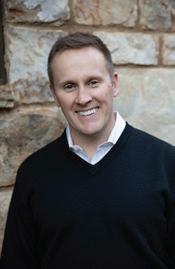
As an author, keynote speaker, consultant, and entrepreneur, Evan Hackel has been instrumental in launching more than 20 businesses and has managed a portfolio of brands with systemwide sales of more than $5 billion. He is the creator of Ingaged leadership, the author of the book Ingaging Leadership: The Ultimate Edition, and a thought leader in leadership and success.
Evan is the CEO of Ingage Consulting. Visit www.evanhackel.com
Now the conversation is completely different.
Instead of concluding that the franchisee simply isn’t trying hard enough, or that the franchisor isn’t providing enough support, both sides discover the real issue. Once the root cause becomes clear, meaningful solutions become possible.
Just as important as finding the root cause is resisting another common mistake.
Trying to fix everything.
Many improvement plans fail because they become overwhelming. A review of the business identifies twenty opportunities, resulting in twenty action items. Within weeks, nothing receives enough attention, and little changes.
High-performing leaders understand a different principle.
Focus on the vital few.
Ask one simple question:
What are the two or three actions that will have the greatest impact on this business over the next ninety days?
Perhaps it’s improving customer follow-up. Perhaps it’s rebuilding local marketing. Perhaps it’s increasing operational consistency during peak hours.
Whatever those priorities are, both the franchisor and franchisee commit to executing them exceptionally well before moving on to the next opportunity.
Execution always beats intention.
Focus always beats complexity.
Improvement comes from disciplined consistency, not lengthy checklists.
Training also deserves a different perspective.
Too often, additional training is viewed as punishment or evidence that someone has failed.
The healthiest franchise systems see it differently.
Training is an investment.
Professional athletes never stop practicing. Elite performers never outgrow coaching. The same should be true within a franchise organization. Every challenge is an opportunity to learn something that makes the business stronger tomorrow than it is today.
Finally, every improvement plan needs mutual accountability.
The franchisee commits to specific actions.
The franchisor commits to specific support.
Progress is measured.
Conversations are scheduled.
Successes are celebrated.
Adjustments are made when necessary. The accountability belongs to both sides because success belongs to both sides.
Franchising has always been built on partnership. Yet partnerships only flourish when both parties choose responsibility over blame.
The next time a franchise location struggles, resist the temptation to ask, “Who caused this?”
Instead ask, “What can we accomplish together?”
That question changes the conversation. It changes the relationship.
And ultimately, it changes the results.
The strongest franchise systems aren’t the ones with the fewest problems. They’re the ones where franchisors and franchisees stop pointing fingers, stand shoulder to shoulder, and accept shared responsibility for building something better.
Because in the end, responsibility isn’t about assigning fault.
It’s about creating the future. v
h ow the ifa world franchise s how c an e mpower Yo Ur
fU t U re
For many professionals, growth and advancement come in two forms. either you try to advance within an organization with little autonomy, or you take a big risk starting your own business. increasingly, ambitious entrepreneurs are discovering a third option, franchising.
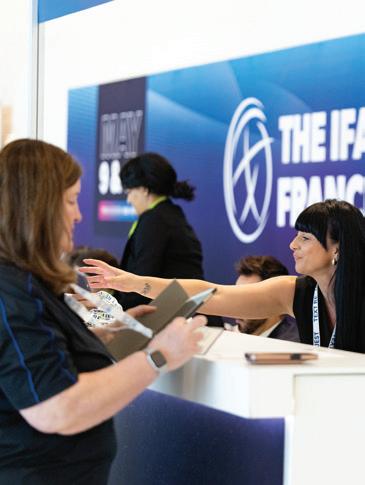
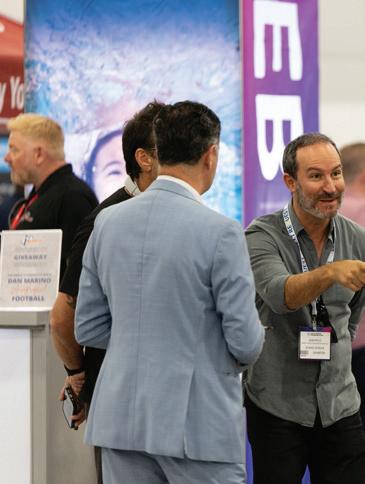
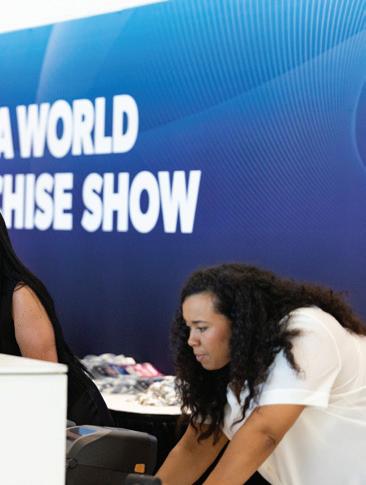
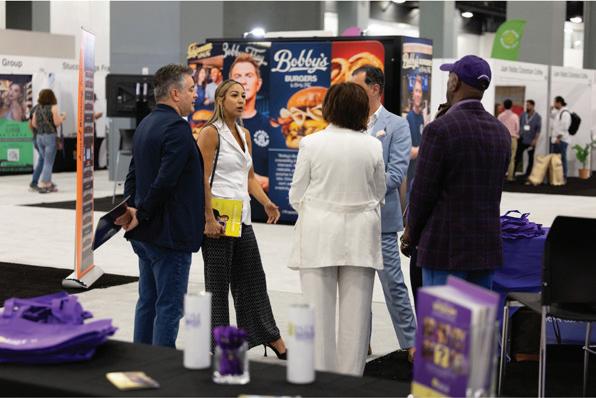
Starting a franchise is the safest and most cost effective way to become your own boss and run a business. And there's no better place to begin that journey than the IFA World Franchise Show, where over 300 franchise brands from across the globe come together under one roof.
By combining an established brand, a tested operating model, and ongoing franchisor support, franchising reduces many of the variables that make independent entrepreneurship risky. It allows aspiring business owners to focus on execution and growth, rather than trial and error. The World Franchise Show gives you the chance to see that in action, meeting the people behind these systems face to face before you commit to anything.
This article examines how franchising, and the IFA World Franchise Show in particular, provides a structured, lower-risk pathway to ownership, and why it may be one of the most practical routes to building long-term equity and independence.
what is Franchising, really?
Most people still consider franchising through a very narrow lens. The days
of choosing between 2 huge fast food chains are gone, and franchises exist in all sizes and all sectors. One of the fastest growing franchise sectors is the education industry, where private schools and tutoring businesses are creating dozens of franchises, and teachers are beginning to get involved.
The same phenomenon is happening in the fitness industry. Personal Trainers and fitness enthusiasts across the globe are investing in gyms and fitness centers, and seeing good returns. This is being repeated across home services, B2B services, senior care, and more. Finding a franchise that fits your interests and skillset is easier than ever, and the World Franchise Show is where that search comes together, spanning food and drink, children and education, health and beauty, fitness and nutrition, and dozens of other industries in a single event. So how else can franchising, and the show itself, empower you?
ownership without blindspots
Independent entrepreneurship often means testing an idea against an untested market, a process that can take years and consume significant capital before profitability is proven. Franchising removes much of that uncertainty. Franchisees operate under a business model that has already been refined through years of realworld execution, with defined processes for operations, staffing, and customer acquisition already in place. At the show, you can ask franchisors directly about that track record, comparing performance data and operating systems side by side rather
than researching brands one at a time online.
Built-in support
One of the most significant differentiators between franchising and independent business ownership is the support structure that comes with it. Franchisors typically provide initial training, ongoing operational guidance, national or regional
marketing campaigns, and established supplier relationships. This infrastructure allows franchisees to focus their time and energy on running the business day to day, rather than building every function, marketing, procurement, and hiring systems from the ground up. The IFA World Franchise Show is built around this exact need, with seminars and expert sessions designed to walk you through
what that support actually looks like before you sign anything.
Financing flexibility
Access to capital is often the primary barrier to business ownership. Because franchise models come with established financial performance data, franchisees are frequently better positioned to secure financing than independent startups, which often lack comparable track records. Many franchisors also maintain relationships with preferred lenders or offer financing support directly, and various franchise systems qualify for SBA-backed loan programs. The show brings franchise financing specialists onto the floor as well, so you can get a clearer picture of your options in the same visit.
scaling on your terms
Franchising is not a one-size-fits-all model. Ownership structures range from single-unit, owner-operated locations to multi-unit and even multi-brand portfolios, allowing franchisees to scale according to their goals, resources, and risk tolerance. Semi-absentee models also make franchising accessible to those looking to build a business alongside existing career or investment commitments. Because the IFA World Franchise Show hosts such a wide range of brands and models, it's one of the few places where you can genuinely compare a single-unit opportunity against a multi-unit portfolio play in the same afternoon.
is franchising right for me?
While franchising is cheaper and safer than a traditional business model, there are drawbacks. As with all business ventures, there is always an element of risk involved in owning a business, including a franchise, and some people prefer the stability of a traditional job. Many people ask whether franchising offers true autonomy. The increased stability associated with franchising comes at the cost of losing some of the independence that owning a business comes with. It will also depend on the business you choose, some offer more support and less independence, others offer the inverse. If you want to become your own boss, but aren't comfortable with the risk of a regular business, franchising is definitely the right choice for you, and the IFA World Franchise Show is the right place to start figuring out which model fits.
take the first step at the iFa world Franchise show
Whether you're exploring your first business venture or looking to expand your portfolio, the IFA World Franchise Show is your chance to meet leading brands, compare opportunities, and find the franchise that's right for you, all in one place and on one day.
Come to the Broward County Convention Center on September 25th & 26th to find the perfect franchise for you!
Sign up for a free ticket to this mustattend franchising event here!
another nine’s first franchise o pening s ignals a n ew c hapter for 24/7 indoor g olf
When Matt Hess opened Another Nine’s first franchise location in cornelius, North carolina, the moment represented more than a new indoor golf facility in the Lake Norman area. it marked the next stage for a young franchise brand that has quickly moved from early sales momentum into unit growth.
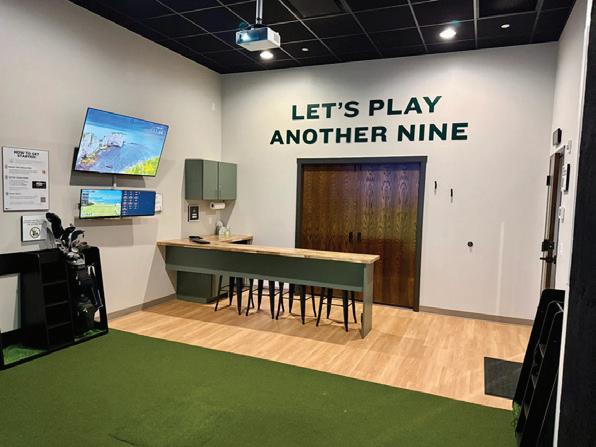
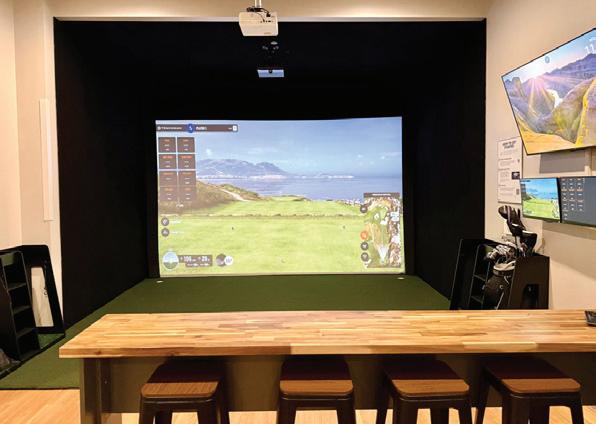
Another Nine, a 24/7 self-service indoor golf concept powered by proprietary A9OS technology and Trackman gameplay, has surpassed 75 franchise territories sold in its inaugural year of franchising. The Cornelius opening gives the brand its first franchised location and an important foothold in one of North Carolina’s most active suburban markets. For Hess, Another Nine’s first franchise owner, the facility is also the first of five locations he plans to open across the greater Charlotte area.
The broader Charlotte market has become an early proof point for the brand’s expansion strategy. Another Nine has 12 locations planned throughout the metro, making Charlotte the first fully sold-out region in its franchise network. That level of development reflects the company’s goal of building market density with local operators who understand their communities and can grow alongside the brand.
“Cornelius was the right place to begin because Lake Norman is home for me, and the community has been supportive from the start,” Hess said. “Another Nine makes it easy for people to play on their own schedule, whether they want to practice after the kids go to bed, get in a round before work, or step into a private suite between calls. The founders have built a smart model with strong technology and real support behind it. I am proud to open the first of my five locations here and help introduce Another Nine to the Charlotte market.”
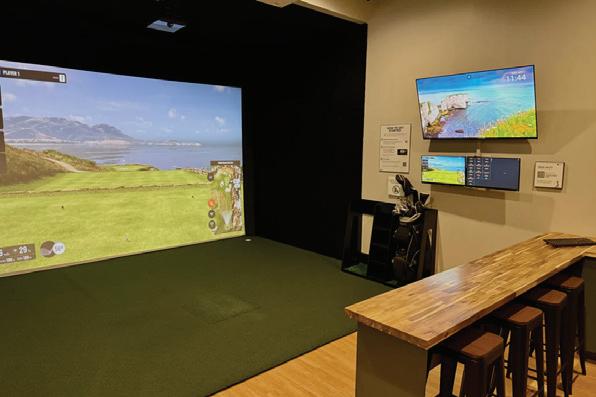
The appeal of the model starts with flexibility. Each Another Nine facility features private Sim Suites available
around the clock through the brand’s A9OS booking platform. Guests can reserve a suite by the hour, any time of day or night, and play Trackman-powered golf across more than 350 world-class courses without a membership requirement. The format is designed for serious golfers looking for practice time, casual players who want a convenient social activity, and small groups seeking a private entertainment experience.
For franchisees, the same technologydriven model is intended to create a streamlined operating structure. Another Nine locations do not include a bar or restaurant component, allowing owners to avoid some of the complexity that can come with food and beverage operations. A9OS supports booking, access and guest support, creating a leaner approach to operations while still delivering a premium guest experience.
That balance is central to the franchise story. Another Nine is not asking owners to operate a traditional golf facility, fullservice restaurant or large entertainment venue. Instead, the brand is built around a focused guest promise: private, flexible simulator access supported by technology that can manage much of the customer journey from reservation to entry. For owners, that focus can make the model easier to understand, staff and scale.
The Cornelius opening also signals a shift in the company’s own evolution. Another Nine currently operates two corporate locations in Cincinnati’s Columbia-Tusculum and Montgomery neighborhoods. With the first franchised facility now open, the brand is focused on converting its early franchise traction into operating locations across targeted growth regions.
“The Cornelius opening is a defining moment for Another Nine because it shows what this model can become with the right franchise partner in the right market,” said Ethan Grob, Co-Founder of Another Nine. “Matt understands the guest experience, the Charlotte community and the growth opportunity ahead. As we enter this next stage, our priority is to support owners like Matt while expanding thoughtfully in markets where golfers are looking for premium, flexible access to the game.”
While Charlotte has emerged as the brand’s first sold-out region, Another Nine is also placing a particular priority on the Midwest and Northeast. The company sees opportunity in dense suburban markets where year-round golf demand, strong household demographics and access to multi-unit operators align with its membership-free, technology-driven model.
Hess’s five-location plan demonstrates how Another Nine can enter a market through an operator who is deeply connected to the region and committed to building local presence over time. For an emerging franchise brand, that kind of partnership can help create operational consistency, customer awareness and stronger market penetration.
The first franchise opening is also an important validation point for prospective owners. Franchise growth is often measured in territories sold, but open and operating locations show how a concept performs in the real world. In Cornelius, Another Nine now has a working example of its self-service model, technology platform and customer experience outside its corporate base.
As the brand moves ahead, the Cornelius location stands as the first step in a larger national growth story. Backed by proprietary technology, Trackman gameplay and a streamlined operating model, Another Nine is positioning itself as a scalable franchise concept for entrepreneurs looking to enter the growing intersection of sports, technology and experiential entertainment.
For more information about franchising with Another Nine, visit anothernine. com/pages/franchise.
the first time you led without a title probably didn’t feel dramatic. it felt normal, quiet, and almost unnoticed.
A memorable example happened on a dark training ground behind the fire station.
a Fireground e xample
At the Terrace Park Fire Department, we trained at night to simulate real emergencies. Darkness changes everything. Depth perception changes. Pace changes. Communication becomes more important. One evening we ran multiple training stations off Engine 94. Tools were everywhere. Hoses stretched across the lot. Equipment was staged throughout the training ground.
When training ended, we did what firefighters always do. We cleaned up, reset the equipment, conducted a tailboard debrief, loaded the engine, and prepared it for the next call.
As we climbed back into the engine, I noticed one of our newer firefighters still walking the training ground with a flashlight. He moved slowly and deliberately. A few minutes later he returned carrying three pieces of equipment the rest of us had missed.
There was no speech. No announcement. No attempt to draw attention to himself. Just quiet thoroughness.
I remember thinking, I can rely on him. It wasn’t long before he became a lieutenant.
Authority begins the moment others rely on your response.
In growing businesses, especially emerging franchise systems, that lesson appears quickly. Long before you have fifty locations, a polished executive team, or a title that feels important, people are already deciding whether they can rely on you.
Authority starts long before the title changes.
the three Forms of Power
Most leaders move through three distinct forms of power.
Employee Power is Position-Based
You have authority because of your role. Your job description and the organizational chart define the boundaries of your authority.
Owner Power is Responsibility-Based
You carry financial risk and operational consequences. You begin shaping
culture, setting priorities, and influencing outcomes. Even if your title hasn’t changed, the burden has.
CEO Power Begins Before the Title
Many founders assume leadership arrives after scale. The opposite is usually true. Your franchise partners and team members do not follow your status. They follow your clarity, your standards, and your consistency. As Peter Drucker observed, “Management is doing things right; leadership is doing the right things.”
Early franchising requires both. Leadership simply shows up first.
the Hidden trap: waiting for official authority
Many founders hesitate in predictable situations:
• Enforcing standards with early franchise partners.
• Correcting a high-performing but culturally misaligned operator.
• Addressing internal team drift before it spreads.
The hesitation rarely comes from a lack of conviction. More often it comes from proximity.
You launched together. You celebrated
milestones together. You may have shared meals, frustrations, and victories together. Accountability begins to feel personal rather than structural.
That proximity is valuable. It creates trust and strengthens relationships. However, systems do not mature without uncomfortable conversations.
If leaders wait for scale to “earn” authority, they create a vacuum. Vacuums invite drift. Drift eventually becomes normal, and normal eventually becomes culture.
what authority actually looks like
Authority without rank is rarely loud. It is consistent.
It sounds like:
• “This is the standard.”
• “This is not how we operate.”
• “Here’s what needs to change.”
There is no need for raised voices, emotional overreaction, or lengthy explanations designed to soften the message.
Research published by Harvard Business Review consistently shows that highperforming teams combine clarity with psychological safety. High standards paired with relational stability outperform either one alone.
Authority is not dominance. Authority is predictable standards combined with calm enforcement.
Jim Collins wrote, “The moment of truth for a leader is when they confront the brutal facts.”
In early franchise systems, those facts are often cultural before they are financial. Leaders who enforce standards early usually strengthen trust rather than weaken it.
leadership Precedes title
In systems with fewer than twenty locations, culture is created primarily through visible behavior.
Culture is not built by framed values, onboarding presentations, or memorable slogans. Franchise partners watch what leaders tolerate. Internal teams watch what leaders prioritize.
Luke Frey is a seasoned franchise strategist with over two decades of experience in leadership and business development. His journey from the front lines as a fire chief to the helm of his own successful franchise has equipped him with unique insights into the challenges and triumphs of franchise ownership. As the author of Your Guide to 90-day success: the Franchisee’s strategy for Early wins, luke empowers franchisees to achieve early wins and sustainable growth by shortening the steep learning curve of business ownership.
Passionate about helping others succeed, luke offers actionable strategies that blend practical business acumen with a deep understanding of human dynamics. through his work, he’s committed to shaping the future of franchising, one successful business at a time.
When leaders hesitate to enforce standards because a conversation feels awkward, they unintentionally teach flexibility where consistency may later be required. What feels insignificant at ten locations can become expensive at thirty and extraordinarily difficult at fifty.
Authority is visible long before it is formalized.
This is often the point where emerging brands either strengthen their foundation or gradually dilute it.
the confidence equation
When leaders avoid necessary conversations:
• Standards become less clear.
• Franchise partners test boundaries.
• Internal teams hesitate.
• Decision-making slows.
• Organizational energy drains. When leaders act early and clearly:
Set theory aside for a moment and consider a practical reflection exercise.
Ask yourself:
• Where am I tolerating something I would never allow at fifty units?
• Which conversation am I postponing because it feels relationally uncomfortable?
• If I delay this conversation for six months, what precedent am I create?
Write down one name. Write down one issue. Then write down one clear sentence that needs to be said.
Clarity reduces emotional drag.
Many leaders overestimate the risk of the conversation and underestimate the cost of postponing it.
action step: lead one uncomfortable conversation cleanly
McKinsey research suggests organizations with clearly defined standards and aligned execution are significantly more likely to outperform their peers. Clarity is not soft leadership. It is performance infrastructure.
This week, have one conversation you’ve been postponing.
Not aggressively. Not defensively.
Cleanly.
Start by stating the expectations. Clarify the standard. Invite response.
Authority is not rank. Authority is not volume.
Authority is alignment.
Authority without rank protects culture. It is one of the first transitions from founder to leader.
Many founders delay their first difficult cultural conversation. The leaders who scale simply have it sooner.
#LeadershipDevelopment
#FranchiseLeadership
#CEOGrowth
#OrganizationalDesign
#FranchiseFounder
#ScalingLeadership
#CultureMatters
#PredictableScale
#94XMovement
hU ffman familY fo U ndation commits $2
m illion+
to philanthropic e fforts across m ar Y land
Investments Support Students & Families Through Education, Community Partnerships, and Access to Opportunity
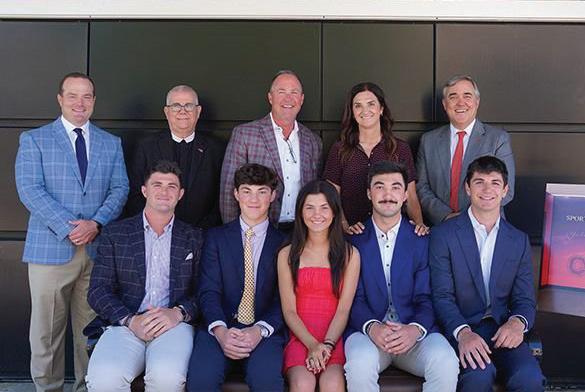
Huffman Family Brands, a unified umbrella company dedicated to social development, innovation, and empowerment, has donated over $2 million to support schools, universities and community organizations across Maryland through the Huffman Family Foundation. the investments reflect the organization’s ongoing commitment to expanding educational opportunities, strengthening student experiences, and supporting families throughout Maryland.
“Success isn’t measured only by what we build as an organization, but by the opportunities we help create for others,” said Richard Huffman, Founder & CEO of Huffman Family Brands. “Supporting education and community organizations is a responsibility we take seriously because those investments shape future leaders, strengthen families, and create a ripple effect that benefits entire communities for generations.”
investing in student e xperiences across maryland
• Calvert Hall College High School: The Huffman Family Foundation recently committed $800,000 toward the creation of The Huffman Family Sports Performance Center at the high school. The project, expected to finish before the
start of the 2026-2027 school year, will transform the existing space into a multipurpose facility designed to support both academic and athletic development, with a lecture hall, athletic training and film review areas, as well as upgraded locker rooms, bathrooms, and team meeting spaces.
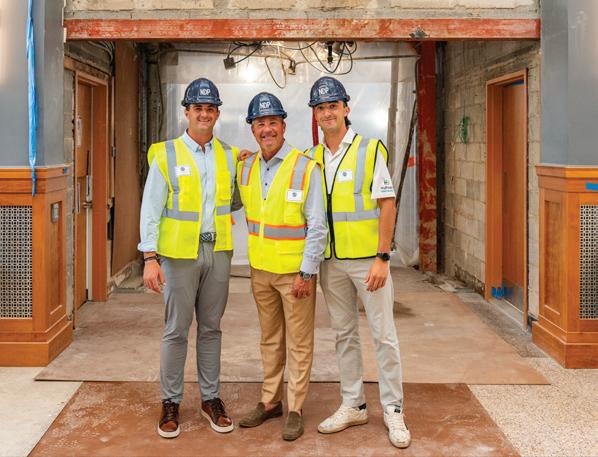
• Notre Dame Preparatory School: The Huffman Family Foundation made a historic $1 million gift to the school’s Common Ground: Building NDP’s Future campaign. The $7.5 million initiative will fund a new Student Commons designed to foster connection, collaboration and a stronger sense of community among students.
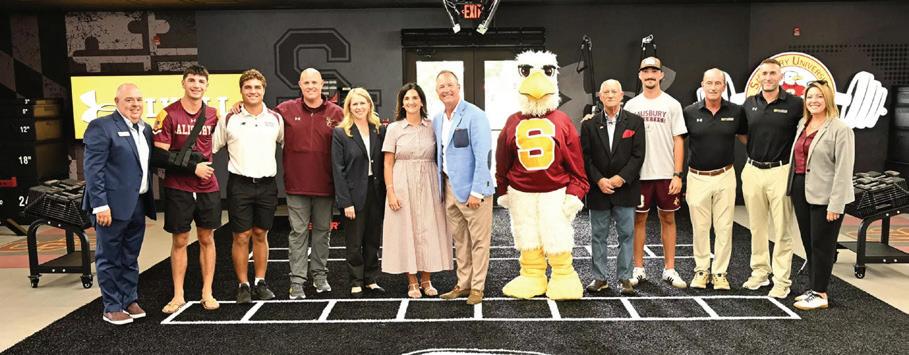
• Salisbury University: The foundation recently supported the development of The Huffman Family Sports Performance Center, a dedicated facility that enhances student-athlete training while reinforcing the university’s holistic approach to education by supporting academic, athletic, and personal development.
e xpanding access to HighQuality early childhood education
Education and community impact remain at the core of Huffman Family Brands’ mission. Through the Huffman Family Foundation and Celebree School, the organization continues to expand access to high-quality learning opportunities while supporting programs that strengthen children, families, and local communities.
Celebree School has grown into a franchise leader in early childhood education, providing infant and toddler care,
huffman Family Foundation
preschool, and summer camp programs for families across the nation. The brand was recently selected as the largest authorized provider of Maryland's Pre-K Expansion Grant Program.
Through this partnership, qualifying families may access FREE, high-quality Pre-K education in a safe, nurturing, and holistic learning environment designed to prepare children for kindergarten and beyond.
Strengthened Support for Families Though Ronald McDonald House Charities
Huffman Family Brands’ commitment to families extends beyond education.
After Huffman joined the Board of Directors of Ronald McDonald House Charities of Maryland in 2023, Huffman Family Brands expanded its partnership through financial support and volunteer engagement.
Building on that commitment, participating Celebree School locations will donate $50 to Ronald McDonald House Charities of Maryland for every new student registered and started by August 31.
“Strong communities are built when schools, families, and organizations work together,” added Huffman. “We are proud to support initiatives that create lasting opportunities for students and provide meaningful support for families throughout Maryland.”
Huffman Family Brands is deeply committed to empowering communities through its platform, leveraging expertise and resources to drive meaningful change.
For more information on Huffman Family Brands, please visit: https:// huffmanfamilybrands.com/
aBout HuFFman FamilY Brands:
Huffman Family Brands (HFB) is a unified platform company dedicated to fostering social development, innovation, and community empowerment through its portfolio of powerful and beloved brands. Led by founder richard Huffman, HFB builds on decades of success with brands like celebree School, caliday School Age Programs, celebree enterprise, and more. together, all operating brands under HFB provide early childhood education, enrichment programs, franchise opportunities, and philanthropic support to communities across the united States. With over 150 locations open or in development in 15 states, Huffman Family Brands continues to lead the way in supporting families, entrepreneurs, and communities. For more information, visit huffmanfamilybrands.com.
aBout cele Bree
scHool:
Founded in 1994, celebree School is a leader in early childhood education that provides infant and toddler care, preschool, before and aftercare, and summer camp programs. With a mission to Grow People Big and Small™, celebree School believes success in early childhood development is equal parts curriculum and connection. each school employs a customized program that addresses the physical, social, emotional, and academic needs of children and follows applicable state guidelines. in 2019, celebree School launched its franchise offering. in 2024, celebree School’s founder, richard Huffman, launched a new parent company called Huffman Family Brands, merging celebree affiliated concepts under one multi-brand company structure. Learn more about how we grow confident children who are prepared for school and life at celebree.com. connect with us on Facebook, instagram, and Linkedin.
huffman Family sports Performance center
huffman s alisbury university
the franchise m arketing d ilemma:
B A l A nc I n G s c A l E A nd loc A l rE l EVA nc E
Franchising has long been recognized as one of the most effective business models for accelerating growth. its success is rooted in a simple but powerful principle: take what works, document it, and replicate it consistently across a network of locations.
From operations and training to customer service and site selection, franchise systems thrive because they transform best practices into repeatable processes. The ability to scale consistency is what allows franchise brands to expand rapidly while maintaining quality and protecting the customer experience.
For many years, marketing fit comfortably within this framework.
A franchisor could develop a national advertising campaign, create promotional materials, negotiate media buys, and distribute marketing assets across the entire network. Television commercials, radio campaigns, newspaper advertising, direct mail, and promotional offers could be deployed broadly with relatively minor local adjustments. The larger the network
became, the greater the efficiencies and economies of scale.
Digital marketing, however, has fundamentally altered that equation. Today's consumers interact with brands through an ever-expanding ecosystem of digital channels. Search engines, social platforms, review sites, streaming services, online communities, influencers, podcasts, mapping applications, messaging platforms, video content, and AI-powered search experiences all compete for attention. The customer journey is no longer linear, predictable, or controlled by a handful of media channels.
At the same time, consumer decisionmaking has become increasingly local.
Whether someone is searching for a restaurant, home service provider, fitness studio, automotive repair shop, or retail store, they often rely on local signals to determine which business to choose. Reviews, search rankings, local content, community engagement, business listings, social media activity, and online reputation all influence purchasing decisions. Increasingly, these same local signals are being used by artificial intelligence platforms to generate recommendations and answers for consumers.
This shift has created a significant challenge for franchise organizations.
The principle of standardization that has traditionally fueled franchise growth can sometimes conflict with what makes digital marketing effective: relevance. Franchising depends on replicating proven systems at scale, while digital marketing often requires adapting messaging, content, and engagement strategies to reflect local market conditions.
In many ways, franchise organizations are facing a new reality. Growth is no longer driven solely by the ability to standardize. It is increasingly influenced by the ability to combine consistency with local relevance.
the difficulty of scaling relevance
When confronted wit h this challenge, many franchise brands tend to gravitate toward one of two approaches.
The first is increased centralization. In this model, marketing strategy, creative assets, content development, advertising decisions, and messaging are controlled primarily by the franchisor. The objective is to maintain brand consistency, simplify execution, and reduce risk.
While this approach can create a unified brand presence, it often struggles to resonate at the local level. Campaigns may be professionally executed and perfectly on-brand, yet fail to address the unique characteristics of individual markets. The result is consistency without necessarily achieving maximum effectiveness.
The second approach moves in the opposite direction by giving franchisees significant control over local marketing efforts.
This can produce stronger engagement within individual communities and allows franchisees to respond quickly to local opportunities, competitive pressures, and customer needs. However, it often introduces a different set of challenges. Marketing execution becomes inconsistent, customer experiences vary from location
to location, data becomes fragmented, and successful strategies are difficult to identify and replicate across the network. Neither model fully reflects the realities of modern franchise marketing.
The real challenge is not deciding whether marketing should be centralized or decentralized. Instead, franchise leaders must determine which components should be standardized and which should be adapted locally.
Certain areas naturally benefit from central management. Brand standards, technology platforms, customer data, reporting frameworks, strategic planning, and creative resources often become more effective when managed across the entire network. Centralization in these areas creates efficiencies, improves consistency, and strengthens the brand.
Other areas benefit from local ownership. Community engagement, reputation management, partnerships, local content creation, market-specific promotions, and customer interaction are often most effective when managed by individuals who understand the nuances of their local market.
The most successful franchise organizations recognize that their role is not to control every marketing activity. Instead, they create systems that empower local execution while maintaining strategic alignment. They provide franchisees with the tools, resources, technology, and guidance necessary to execute effectively without forcing every location to start from scratch.
This philosophy closely mirrors the essence of franchising itself. The objective is not to create hundreds of independent businesses operating without direction. Nor is it to create hundreds of identical locations incapable of adapting to changing market conditions. The goal is to combine the power of a scalable system with the entrepreneu rial energy of local ownership.
why technology is only Part of the solution
Over the past decade, franchise organizations have invested heavily in marketing technology.
Modern platforms can automate advertising campaigns, manage local business listings, monitor online reviews, distribute content, track performance
www.reshiftmedia.com www.franify.com
metrics, and generate insights across entire franchise networks. These capabilities have undoubtedly improved efficiency and visibility.
Yet technology alone cannot solve the underlying challenge.
Many franchise brands have implemented sophisticated marketing platforms only to discover that adoption varies significantly from location to location. In many cases, the technology itself is not the problem. The issue is that technology cannot overcome a lack of alignment between franchisor objectives and franchisee priorities.
For franchisees to actively participate in a marketing program, they need to understand its value. They need confidence that their local market realities are being considered. They need access to meaningful performance data and, perhaps most importantly, they need solutions that simplify their responsibilities rather than create additional complexity.
This is why franchisee adoption remains one of the most underestimated factors in marketing success. A strategy may look impressive at the corporate level, but if franchisees do not embrace it, its impact will always be limited.
The strongest franchise systems understand that sustainable marketing success is built on more than technology. It requires a combination of strategy, process, communication, trust, and execution.
ai and the next evolution of Franchise marketing
Artificial intelligence is adding a new dimension to the conversation.
AI is already transforming how content is produced, how campaigns are optimized, how data is analyzed, and how consumers discover businesses online. For franchise systems managing hundreds or thousands of locations, the potential efficiencies are significant.
However, AI does not eliminate the need for local relevance. If anything, it makes local relevance even more important.
AI-powered search engines, recommendation systems, and personalization technologies are designed to surface the most relevant information for individual users. As a result, accurate business information, strong reviews, local content, reputation signals, and community engagement become increasingly valuable.
Organizations that have invested in strong local marketing foundations will be well positioned to benefit from these changes. Those that have neglected local visibility may discover that AI simply amplifies existing weaknesses in their data, processes, and customer experience.
AI is not replacing the fundamentals of effective marketing. It is enhancing the importance of them. Brands that understand their customers, maintain strong local visibility, and consistently deliver positive customer experiences will be the ones that gain the greatest adva ntage.
the Path Forward
The franch ise organizations that thrive will be those that successfully blend centralized strategy with localized execution. They will use technology to remove complexity, not create it. They will build marketing programs that franchisees trust, adopt, and actively support.
Ultimately, winning in the digital era requires more than brand consistency alone. It requires the ability to deliver both consistency and relevance across every market served.
The franchise brands that master this balance will be best positioned for longterm growth in an increasingly local, increasingly digital, and increasingly AIdriven marketplace.
Steve Buors is the cEo and co-Founder of reshift Media, the franchise industry’s leading digital marketing agency. reshift Media is the creator of Franify, the world’s most powerful franchise marketing platform. Franify helps franchise organizations scale local marketing, advertising, and performance across every location from a single platform.
c aring s enior s ervice expands its texas reach with new h o Uston w est location
As Houston’s senior population continues to grow, owners Caleb Drew and Thazin Min Htet will offer professional family resources
caring Senior Service, a non-medical, personalized home care services company, today announced it has opened a new office, located at 5600 NW central Dr., Suite 210 in Spring Valley Village, a community in west Houston.
meeting the growing need for senior care in Houston
Caring Senior Service in Houston West owners Caleb Drew and Thazin Min Htet are a husband-and-wife team committed to helping seniors retain their independence and age comfortably in their own homes. The pair are equally passionate about enriching the lives of family caregivers throughout their community by recognizing the vital role they play and providing them with resources, information and encouragement as they plan for the future of their aging loved ones.
Houston’s growing senior population continues to increase the need for reliable in-home services. According to the U.S. Census Bureau, adults age 65 and older make up about 12.3% of Houston’s population, creating a greater demand for personalized senior support solutions.
turning Personal e xperience into Purpose
Prior to opening the business, Drew worked as an industrial engineer, and Htet worked as a legal assistant. Together, their professional backgrounds and deeply personal experiences
supporting aging family members inspired them to pursue this profession and help families navigate the aging journey.
“My wife and I chose Caring Senior Service because of the people and the company’s commitment to high-quality services,” Drew said. “We’ve seen firsthand how overwhelming caring for a loved one can be for families. As my grandmother aged, my whole family played a role in making sure she received the assistance she needed. Having a third party who can lighten that load throughout the aging process would have changed our lives for the better and allowed us to enjoy our time with her more.”
Htet’s passion for caregiving stems from helping her grandfather in Myanmar alongside her family. She said the experience showed her that serving a loved one can take an emotional and physical toll on families, which highlights the importance of having professional guidance.
“We want families to know they do not have to do this alone,” Htet said. “Caring for an aging loved one impacts every part of a family’s life. We hope to create a community where seniors are treated with dignity and their families feel comfortable reaching out when they need additional options. Our goal is to provide reliable assistance so both seniors and their loved ones feel comfortable exploring their options.”
Caring Senior Service founder and CEO Jeff Salter said the organization welcomes the couple into the company’s fold.
“Caleb and Thazin bring both compassion and purpose to Caring Senior Service in Houston West,” said Caring Senior Service founder and CEO Jeff Salter. “Their personal experiences and dedication to serving others make them a strong addition to the Caring Senior Service family. They understand the importance of dependable home care and the positive impact it can have on seniors and their loved ones.”
For more information about Caring Senior Service in Houston West, please visit www.caringseniorservice.com/spring-valleyvillage.
aBout c aring senior service:
Founded by ceo Jeff Salter in 1991, the company provides assistance to seniors, people with disabilities, and any adult who may need help with the tasks of everyday living, such as bathing, personal care, running errands, and preparing food. After adding locations throughout texas in the 1990s, the company extended its reach through franchising in 2002. it now boasts more than 50 locations throughout the united States.
For more information on caring Senior Service, please visit caringseniorservice.com.
START YOUR FRANCHISE JOURNEY
Connections That Drive Growth
Meet 300+ franchise brands Hear from franchise experts
EVERY INVESTOR LEVEL FROM ACROSS ALL INDUSTRIES
HUNDREDS OF LEADING FRANCHISES, ALL IN ONE PLACE
COMPREHENSIVE SEMINAR SCHEDULE
SAFEST WAY TO START A BUSINESS
Frank Sheldone is the Founder and President of Armor Protection Group, a private security company in Phoenix, Arizona. The security firm specializes in helping retail shop owners protect their customers and property from vandalism and theft.
SpOTLIGHT
Frank sheldon
tips to help retail franchisees vet ph Y sical sec U rit Y firms
Franchisees of a retail space must take security seriously. the safety and security of your customers, employees, and property should always be a top priority for ownership and management. Strong security can prevent shoplifting, improve communication, and, most importantly, create a safer environment for everyone.
There is no shortage of physical security teams willing to contract with retail spaces, but it is important that franchise owners understand what makes a competent retail security team and ensure they hire the right one. As a private security expert, I have worked with many retail shops on their private security plans. Here are a few tips to help you vet prospective security teams.
insurance and licensing are mandatory
This one seems like a no-brainer, yet so many shop owners overlook important details if the price is right. The first thing you should ask any security team is whether they are licensed and insured. If they can’t meet that basic standard, they should not be hired to work in your retail space.
Any security firm you work with should be licensed by your state’s Department of Public Safety or your state’s Security Agency governing body and carry at least $1 million in liability insurance. This is the bare minimum a firm should meet to be considered. Ideally, your security firm will have more than the basic licensing and liability insurance coverage.
Operating a retail space is hard work, so don’t waste your time interviewing firms that don’t meet basic licensing and insurance requirements.
e xperience is key
There are many scenarios where a firm might not need specific experience for
a security role in that industry. Retail is not one of those scenarios. You need to hire someone with retail experience. They should know loss-prevention laws in your state and have experience spotting shoplifting. They also need to know how to properly engage with someone who shoplifts or is suspected of such.
The safety of your team is the top priority of your security plan, so your security guards need experience handling shoplifters and aggressive individuals.
The primary role of retail security is to observe and report theft to law enforcement. Experienced security de-escalates situations. They don’t put everyone at risk by physically engaging with shoplifters.
Hire firms with retail security experience.
unarmed guards in plain clothes and uniforms
Unless you work in a high-value merchandise industry, you should not hire armed guards. Jewelry stores and pawn shops may need armed security, but your department store does not. In a retail space, security is about reporting theft and serving as a deterrent. You don’t want to escalate a situation with armed guards, and you don’t want them making customers feel uncomfortable. Competent unarmed security is all you need.
You want to hire a security firm that can operate in both plain clothes and uniform. Uniformed security is most important, so if you are on a budget, that should be your first priority. Uniformed security is your biggest deterrent. Shoplifters are less likely to simply leave without paying if they know a guard is at the entrance and exit.
Plain-clothes security is meant to patrol the store and catch shoplifters who might put extra goods in a shoebox. Uniformed security is unlikely to catch more discreet forms of theft. At the end of the day, it is more important to have uniformed guards at the entrances and exits than plainclothes guards catching theft on the floor. In a
perfect world, you would have a security team that distributes both types of security evenly.
references required
References are the best way to weed out bad security teams. Don’t be afraid to ask for references from any prospective security team. If a security company works extensively with retail shops, ask them to list some of those shops as references. Ask for two or three current retail clients and call them. Don’t simply ask whether the security firm did a good job; ask how they performed throughout the process, from site assessment to staying on budget.
site assessment before contract
To develop a plan, security teams will conduct a site assessment. This means a security company will walk through your retail space and ask questions about your shop and camera systems to determine the type of security your business needs. A reputable security company will conduct this site assessment before asking you to sign a contract. The site assessment is how a security team determines costs. I would avoid working with any firm that won’t conduct this assessment before making you sign a contract.
Price transparency should be a core value for physical security firms, and they shouldn’t try to commit your retail franchise to a partnership before being upfront about costs. Don’t work with security firms that don’t conduct a precontract site assessment.
Implementing the right security team is essential to the safety of your retail franchise. The right security team will keep staff and customers safe and deter theft in your store. It is important to vet a firm thoroughly before entrusting it with the security of your franchise location. Hire experienced guards whose quality can be verified by the clients they serve. Do this, and you will know you have competent retail security. v
wh Y bark & m ane r epresents the fU t U re of pet first franchising
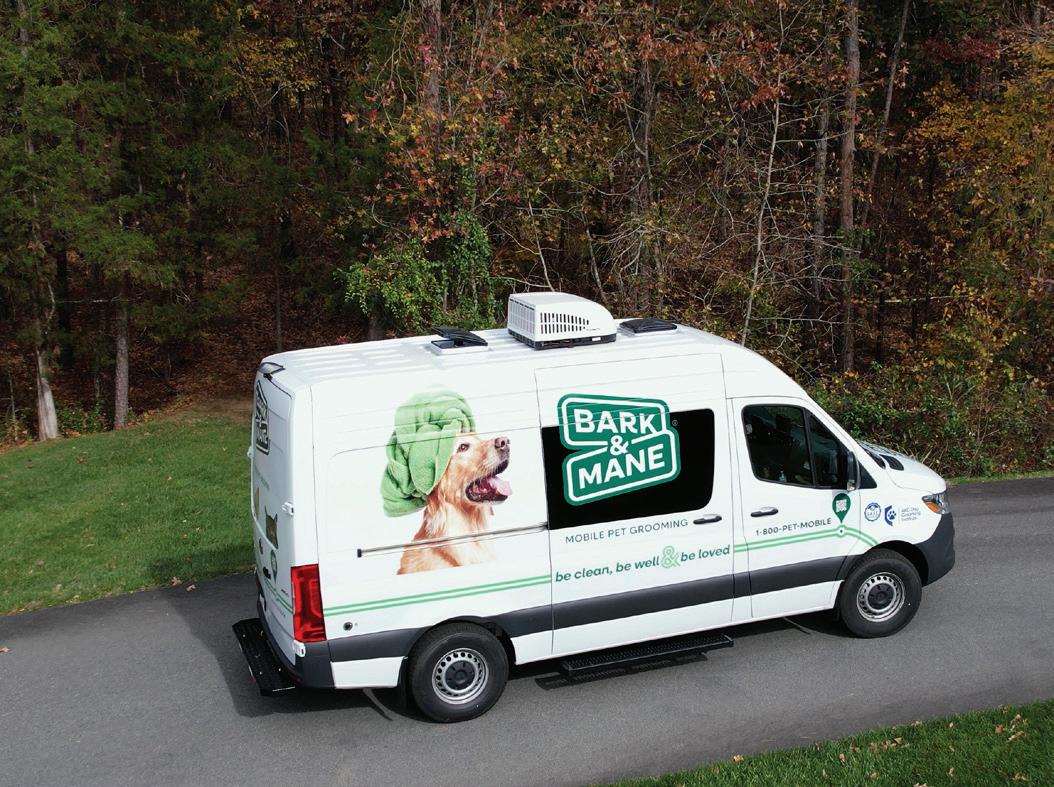
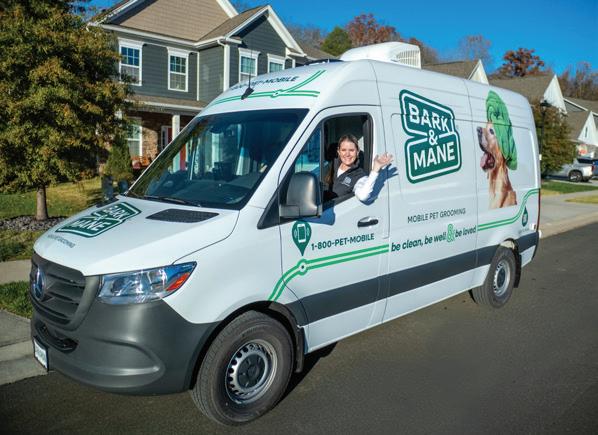
For thirty years, under our former name, Aussie Pet Mobile, we have been a pioneer in the mobile pet grooming industry. During this period, the relationship between people and their pets has grown to become even more meaningful, and owners now expect care and services that reflect that bond.
The industry’s growth mirrors this shift, with the Global Pet Grooming Services Market projected to rise from 7.34 billion dollars in 2025 to 11.62 billion dollars by 2031. As expectations evolve and a pet’s well-being has become a central part of the grooming conversation, our original identity as Aussie Pet Mobile no longer represented the depth of expertise and purpose that defines our brand today.
Bark & Mane is the result of that evolution
and the team’s commitment to leading the next chapter of mobile pet care. It reflects a stronger expression of who we are, the standards we have built over the last three decades, and the direction the category is moving. With that foundation in place, the story is more than a name change.
a Brand that reflects who we are today
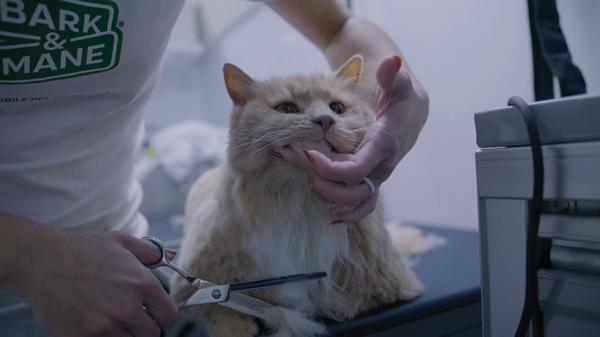
One of the earliest indicators that we had outgrown our original identity as Aussie Pet Mobile was recognizing how much our business and the mobile pet grooming industry had evolved. As the leader in mobile pet grooming, we saw an opportunity to better align our brand with our purpose and strengthen our differentiation by emphasizing what truly sets us apart: 30 years of experience, being among the largest networks of certified mobile pet groomers in the country, and an unwavering commitment to safety, trust, and pet well-being.
Our refreshed identity represents our promise to helping pets look their best, feel their best, and live happier lives. We’re able to tell a richer story about the trust, expertise, compassion, and care that have always been at the heart of our business, while appealing to both customers and prospective franchise owners.
Built around values that define the e xperience
From the beginning, we approached the rebrand as a business transformation rather than a design update. We created the new identity to more clearly express the values that have always defined our brand: compassion, expertise, trust, safety, and a deep commitment to pet well-being. Our new tagline, Be Clean. Be Well. Be Loved., embodies that philosophy. It reflects our belief that grooming is more than appearance—it contributes to a pet’s comfort, confidence, and overall wellbeing. Bark & Mane allows us to tell that
Our new tagline, Be Clean. Be Well. Be Loved., embodies that philosophy. It reflects our belief that grooming is more than appearance—it contributes to a pet’s comfort, confidence, and overall well-being.
story in a way that is more emotionally resonant and relevant to today’s pet owners who see their pets as family members. Furthermore, our commitment to pet safety remains our highest priority. We continue to invest heavily in training, education, and operational excellence.
The visual identity, messaging, digital experience, and franchise support systems were all developed to ensure the brand promise aligns with the actual experience pets and their families receive.
a stronger Platform for Franchise growth
For franchisees, the rebrand is an investment in the future of the business. Bark & Mane provides a stronger and more relevant platform for customer engagement while building upon the trust and credibility established over three decades of leadership. Supported by updated marketing resources, stronger digital capabilities, improved search
visibility, and a clearer story centered on expertise and pet well-being, this identity helps franchisees attract new customers, strengthen loyalty among existing pet parents, and increase awareness in their local markets.
Most importantly, it reinforces our unwavering commitment to innovation, growth, and scalability, giving owners confidence that they are backed by a brand that is honoring its legacy while evolving to meet the needs of future customers. Today’s entrepreneurs are looking for brands with a clear purpose, strong unit economics, and long-term growth potential, and our new identity allows us to communicate those strengths more effectively.
Positioned for the Future of Pet care
Internally, the rebrand created greater
alignment around our purpose and values. It reinforced a culture centered on compassion, expertise, and continuous improvement, and it reflected a broader shift within Home Franchise Concepts toward brands that evolve alongside changing consumer expectations while staying grounded in their core strengths. Looking ahead, Bark & Mane is positioned to lead the next era of mobile pet grooming services. Consumer expectations will continue to develop, and pet parents will increasingly seek trusted partners who can enhance every aspect of their pet’s everyday life. Our new identity gives us the credibility and flexibility to meet those expectations while continuing to reimagine services, technology, marketing, and the customer experience. Most importantly, it builds upon thirty years of leadership while creating a foundation for the future. v
s elling a branded h otel
v ers Us an independent h otel
Selling a branded hotel is often very different from selling an independent hotel. the brand affects value, the size and quality of the buyer pool, the ability to secure financing, and the complexity of the transaction.
Here are the biggest differences:
A major brand will determine what a buyer can do with the property. When buying a property under a national brand, the buyer usually inherits the existing franchise agreement. They’ll be responsible for maintaining brand and property standards, and they may have to agree to costly future Property Improvement Plans.
The new owner won’t have as much independence as they would when buying an independent property. They’ll be limited in their ability to change operations and policies, and to put their own stamp on the hotel’s brand.
The pool of buyers for a branded hotel will be larger and, in many cases, better qualified. Buyers might find it easier to obtain financing from lenders for a nationally-branded property. Lenders have more confidence in brands that have proven systems and provide strong marketing, operational, and franchise support.
Lenders also find value in a branded hotel’s track record of success, whereas an independent hotel may not be able to document performance (especially as it pertains to comparable properties). The new owner will need to produce a detailed plan for business development and property improvement.
Finding qualified buyers will also be easier with a proven brand; a significant portion of the buyer pool may have previous brand ownership experience. A branded hotel will also attract interest from REITs and Private Equity. The pool of buyers for an independent property will likely include
more local buyers and more first-time entrepreneurs, along with buyers who could not qualify for a branded property.
The brand will be involved in approving the buyer and vetting the deal. Most hotel brands screen for both quantitative and qualitative factors when evaluating franchisees. Prospective franchisees must have an appropriate real estate net worth, an entrepreneurial spirit, a commitment to a culture of excellence, strong business and management skills, and express alignment with the brand’s core values.
The brand will have a well-defined approval process, which may take up to a year from the application. The diligence process will be more complex and more detailed. There may be franchise and transfer fees that will affect the buyer’s cost of the deal. Major brands will also require new owners to attend an in-depth training program that includes mandatory brand orientation, system training, and compliance checks.
In the sale of an independent hotel, the seller and the buyer have the power to craft the terms of their agreement and changes to the property or the brand on their own. Generally, once the buyer completes the sale, they are free to make any changes they determine necessary.
Chase Keller is an advisor for Franchise clearly and an experienced broker focusing on the hotel and hospitality industry. As a certified commercial Investment Member (ccIM), he is uniquely qualified to handle business sale transactions that involve real estate.
Being aligned with a strong brand comes with plenty of benefits. Brands provide reliable, user-friendly reservation systems and loyalty programs that generate repeat business. Owners benefit from national marketing and advertising. Branded hotels usually have higher occupancy rates and better ADR (average daily rate). National brands also provide a strong career path, benefits programs, and mobility within the organization, all of which will make it easier to attract and retain top talent for the property.
There is plenty of upside in buying a local hotel, including flexibility and owner independence. If the property is in a desirable location and has a strong boutique or lifestyle brand, it will attract property developers and owner/operators with big ideas and a passion for hospitality, which is key to the hotel’s future success.
the threads that rUn thro Ugh t omorrow’s t op franchise brands
Franchising has evolved alongside the people it serves for more than a century. every generation brings a new wave of brands that recognize changing lifestyles, shifting priorities, and emerging demands. While industries continue to adapt, the franchise concepts that ultimately stand out are often the ones that recognize those changes early and build businesses around them.
As we move through 2026, today’s consumers are seeking businesses that feel more personalized, more convenient, more authentic, and more memorable. They have an unprecedented amount of attainable choices yet their expectations continue to rise. Success is no longer defined simply by offering a product or service—it comes from delivering an experience, solving a problem, or filling a need in a way that resonates long after the transaction is complete.
The franchise marketplace reflects this evolution. While opportunities exist across nearly every industry, the concepts positioned for long-term growth often share common characteristics regardless
Chris Conner has worked in the franchise development industry for almost 20 years and helped over 600 brands franchise their brand and develop franchise distribution channels. He founded Franchise Marketing ystems in 2009, which now includes a team of 27 franchise consultants based in and c anada and supports brands around the world to grow and scale through franchise expansion.
Visit www.fmsfranchise.com for more information
of what they sell. They grasp the trajectory of consumer expectations and then build business models designed to meet them.
it’s Personal. it’s Business.
We’ve become a little spoiled. We’ve grown accustomed to AI while still craving the human connection and personal touch that technology can’t replace. As consumers, we’ve increasingly come to expect businesses to understand the nuances of our needs and wants rather than offering generic solutions or one-size-fitsall experiences. That shift in consumer expectations has made personalization more than a nice-to-have. Personalization is now a significant competitive advantage. Ladies’ fitness concept StrongHER is a great example of this shift. Rather than positioning itself as another fitness center, the concept was built by industry professional Ashley Heyl to specifically fill a gap in the space. The concept meets
the unique health and strength-training needs of women through a research-backed coaching model designed for lasting results. It serves an audience that has historically been underserved, giving them a chance to feel empowered, trusting their bodies and their fitness community in ways that feel personal and long-lasting.
A similar trend is taking shape within education. STAR (Sensory Teaching And Recreation) Academy boasts a firstof-its-kind sensory gym that caters to children of all ages and abilities. Through sensory-focused learning environments and specialized support, the concept reflects the growing demand for a holistic approach to development. It’s interesting to note that this brand takes it a step further for personalization — franchise partners, too, can personalize their space to offer a multitude of essential services. From IEP & SpEd support services to group tutoring, franchisees can pick and choose the
It was because product quality and cultural fit are not the same thing.
Fitness brands face the same challenge in more personal ways. The product is not just the workout on the floor. It is the coach’s tone, the way accountability is delivered, the role of competition, the social dynamic in the room and the member’s expectation of progress.
In some markets, members respond to a coach who challenges them directly. In others, that same energy can feel aggressive or disconnected. The same session that drives retention in one market can quietly erode trust in another, and your data will often tell you something is wrong before it tells you why.
Confidence that a model can travel has to be earned through evidence – how members respond, how coaches deliver, how franchisees lead and whether the experience holds beyond the initial launch.
why the right Franchisee determines the market
This is where international expansion often goes wrong. A brand enters a new
market, selects a franchisee based on capital and enthusiasm, then discovers too late that the operator has no real roots in the community they are expected to build. Capital matters, but it can’t replace local credibility, operational discipline and genuine belief in the product.
MSA Worldwide, which has advised franchisors on international growth for decades, has long emphasized that franchisee selection is one of the most critical decisions a franchisor makes. In international expansion, the wrong choice can weaken your market position before you have had a chance to correct it. You are risking the brand narrative and the market’s early proof of concept.
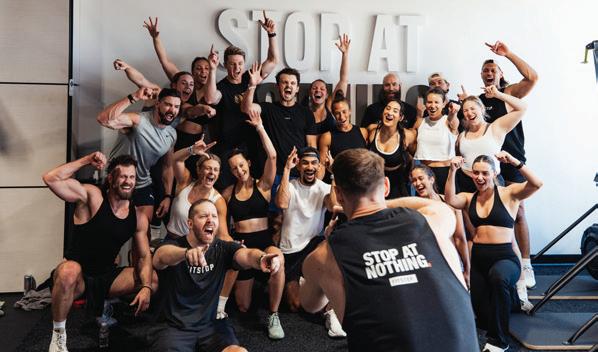
The U.S. adds another layer to this. Local knowledge is not a nice-to-have here. It is a critical selection criterion. Our Houston franchisee, Victor Guo, is a good example of why alignment matters. Before joining Fitstop, he evaluated a number of boutique fitness concepts. What mattered was not just the category opportunity, but the combination of structured programming, real coaching and a team-based environment.
That conviction matters because early franchisees do more than open locations. They set the standard for how the brand is understood.
what the u. s. market demands
The U.S. fitness consumer has seen almost every version of boutique fitness. They know quickly whether a brand is built for long-term outcomes or just a strong opening. Being new to a market is not a value proposition. You win on what happens after the first session, the first month and the first year. Opening momentum matters, but retention is the scorecard that tells you whether the model is working.
The U.S. also has a franchise culture that holds brands to a high standard. Prospective owners ask hard questions before they sign about unit economics, market ramp-up, local support and what the franchisor provides beyond opening day. That scrutiny is healthy. It forces franchisors to prove the opportunity is not only compelling, but supportable in practice.
Knowing what can adapt and what can’t
The things that can’t move are the things that make the model work. For Fitstop, that means structured, progressive programming led by accredited coaches. The coaching standard and progression of the member experience are structural, and they are non-negotiable in every market.
How you communicate, activate locally, build partnerships and create community moments is contextual. That should adapt. The strongest franchisors draw that line before they expand. They know what must be protected and what needs to change.
We are not trying to be the fastest fitness franchise to scale in the U.S. We are focused on building the right locations with the right partners and letting each community prove the model. Asking whether your model is proven is the easy question. Building one that can travel without losing what made it work is where international expansion is won or lost. v
h ow a b old n ame became bad a ss coffee’s best r ecrU iting t ool
the coffee industry is one of the most crowded corners of franchising. A prospective owner can choose among a vast number of beverage brands, and most of them pour a good cup. When quality becomes the cost of entry rather than the differentiator, a harder question surfaces for any franchisor: how do you stand out in a way that attracts both loyal customers and the right operators to run the business?
At Bad Ass Coffee of Hawaii, our answer runs counter to conventional wisdom. We leaned further into a polarizing aspect of our brand vs. work around it. In our case… it is our name.
a name that was earned, not invented
A polarizing name can feel like a risk in a business built on broad appeal. But our name is the clearest expression of who we are.
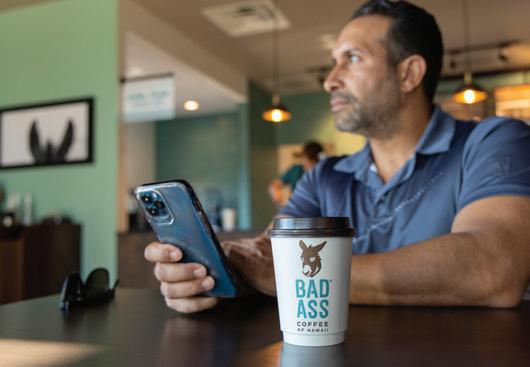
It traces back to the donkeys that once carried heavy loads of coffee cherries down the steep volcanic slopes of Hawaii's Kona region. The people of Kona called them the Bad Ass Ones. This is a respectful nod to these fine animals who were strong, stubborn and essential to the harvest. Those donkeys live on today front and center in our brand icon, Jack, whose wink tells you a lot about how we carry the name.
We stay true to the foundation we were built on, starting with coffee. We partner directly with local Hawaiian farmers, source premium beans from across the Hawaiian Islands and treat quality in the cup as non-negotiable. We are stubborn about our sourcing and ensuring we do deliver a better bean and a better cup. A name that promises boldness must be backed by a product that delivers it, or the whole thing falls apart.
the name as a Filter, not Just a Flag
The most useful thing our name does happens in franchise development, before a customer ever walks in.
Recruiting franchisees is often framed as a numbers game, where more leads are always better. We see it differently, and we are unapologetically stubborn about who we bring into the 'ohana (family). We hold out for the right partners and the right real estate the same way we hold out for the right coffee. The operators who thrive with us, hear the name, understand the story and feel energized by it. Those who hesitate were probably never the right cultural fit, and it is healthier to learn that early than to sign an owner who spends years wishing the sign said something safer.
In practice, the name screens for conviction. It attracts operators who want to run a business with personality, who buy into empowerment, energy and adventure as real values, and who want to belong to something rather than simply own a unit. That alignment shows up later in how they
welcome guests, hire their teams and serve their communities
lead and embody what the word means
A polarizing name only works if you live what it means and bring it to life for all to experience beyond a single meaning. For us the word signals boldness and a spirit of adventure, and Jack's wink keeps it playful rather than aggressive. The intent underneath is to leave people feeling a little bolder than when they walked in. We do believe our purpose is to be a catalyst for a better badass day for all and badass is good. Our name also recognizes that everyone has a little badass in them. We celebrate all who step up in their day to make it count. A name with edge and no warmth reads as hostility. The combination is what makes it work.
That balance carries into the stores, which lean on good and live energy: an Aloha greeting, a strong Hawaiian sense of place, and a franchise community we call our 'ohana, the Hawaiian word for family. The name gets people in the door out of curiosity. The experience is what brings them back. We also identified that the goodbye may be even more powerful than the hello (Aloha) – you will often hear our baristas say, “Make it a Badass Day!” when handing the coffee to a guest or when people head out of the store. The power is in the guests’ hands now to make it their very own badass day. Handled this way, a name becomes shorthand for an identity rather than a punch line.
Franchise systems are competing on identity
Our experience points to something broader than one clever name. For a long time, franchise differentiation lived mostly in the product and the operating model. Those still matter. But in saturated categories, identity is becoming a deciding factor. Prospective franchisees, who are making one of the largest commitments of their lives, want to invest in a brand with a clear point of view.
The shift rewards brands willing to be specific about who they are, even at the risk of not being for everyone. Trying to appeal to all usually produces a brand that resonates with no one. A sharp identity accepts that some people will pass, and it earns deeper loyalty from those who stay.
For franchisors weighing how to differentiate, a few practical takeaways. Audit what makes your brand genuinely distinctive and resist the urge to sand down the edges that make people react. Anchor whatever you lean into in a real story and stay in control of what it means, so the boldness arrives with warmth rather than attitude alone. Treat your brand identity as a recruiting tool, because the franchisees who self-select into a clear vision tend to become your best operators.
We built our brand around a name that is true to who we are, and we let it draw the right people toward us, both across the counter and into ownership. v
from college g rad Uate to mU lti-Unit franchise o wner: T HE J O u RNEY B EHIN d Bu ILd ING A BuSINESS WITH pu R p OSE
When Victor Lee graduated from Dartmouth college in 2019, he knew he wanted to build something of his own. What he did not know was exactly what that would look like.
Like many recent graduates, Lee was exploring his career options and thinking about what he wanted his future to become. During his time in college, he wrote down 10 personal goals he hoped to accomplish throughout his lifetime. One of those goals was to open a school.
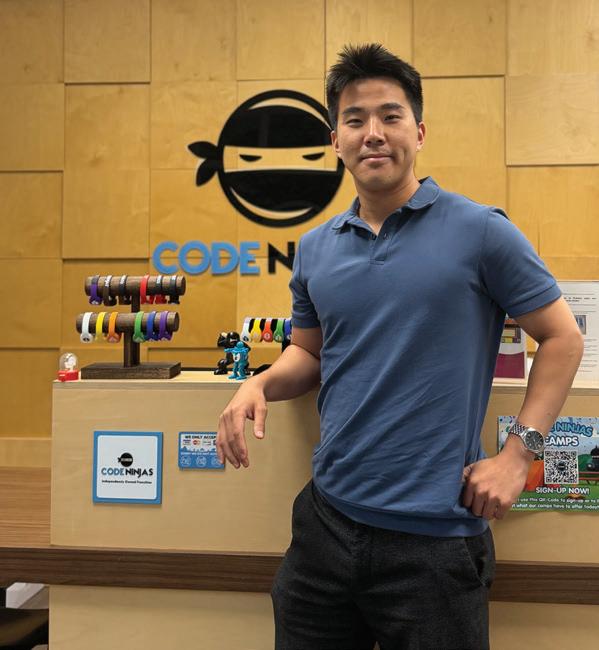
That goal became a reality sooner than he expected. In 2021, at just 24 years old, Lee purchased his first Code Ninjas location in Sudbury, Massachusetts. Since then, he has expanded his business to four locations across Massachusetts, building a franchise focused on helping students develop technology skills, confidence and problemsolving abilities.
While starting young gave Lee the opportunity to learn early, the skills that helped him grow are the same ones any franchise owner needs: the ability to adapt, continue learning and build something meaningful.
Finding entrepreneurship through Purpose
Lee’s path to franchise ownership was not driven by a desire to simply own a business. It was about finding a way to combine entrepreneurship with his passion for education.
When Lee discovered Code Ninjas, he saw an opportunity to bring those interests together: building a business while creating a space where students could learn skills in coding, robotics, and AI that would prepare them for the future.
For young professionals considering
entrepreneurship, Lee believes finding the right opportunity starts with understanding what motivates them. Franchise ownership requires significant time, energy and commitment, so choosing a business that aligns with personal goals and values can provide important direction through the challenges that come with building a brand.
what Young Professionals should consider Before investing in a Franchise
While franchising provides entrepreneurs with the opportunity to operate within an established system, Lee believes prospective franchise owners should understand that it still requires an entrepreneurial mindset.
A franchise is not simply an investment. It requires ownership – making decisions and building relationships with the community. Being a business owner means building and leading teams, creating strong customer experiences, and continuing to improve operations over time.
When Lee became a franchise owner, he quickly learned there was no way to know everything before starting. Like many entrepreneurs, he had to learn through experience, adapt to new challenges, and continuously develop as a business leader. That willingness to learn has been one of the most important factors in Lee’s growth. From managing day-to-day operations to expanding into additional locations, each
stage of ownership has required him to approach challenges with curiosity and flexibility.
For aspiring franchise owners, especially those earlier in their careers, Lee believes it is important to evaluate an opportunity beyond the initial investment. Understanding the business model, the support available, and whether the brand’s mission aligns with personal goals are all important parts of making an informed decision.
the skills that Help Young entrepreneurs succeed
Lee’s path to business ownership was not traditional. He studied political science and Arabic at Dartmouth and gained experience through tutoring and working in different family-owned businesses before becoming a franchise owner.
Lee believes many of the skills needed to succeed in franchising are not limited to a specific degree or career background. Communication, problem-solving,
adaptability, and the ability to work with different types of people have all played an important role in his journey.
One of the biggest lessons Lee has learned is the importance of consistency. Building a successful business is not about making one major decision that changes everything. Instead, growth comes from making small improvements every day.
As Lee expanded from one location to four, he learned that the skills needed to start a business are not always the same skills needed to grow one. Early on in his journey, he was involved in nearly every aspect of the business. As the company expanded, he had to learn how to delegate, trust his team and focus on becoming a stronger leader.
That transition has been one of the most important parts of his growth as an entrepreneur. Building a successful franchise requires more than completing daily tasks. It requires creating a team that shares the company’s mission and can
help maintain consistency as the business grows.
That ability to adapt has become even more important as technology continues to evolve. As an owner of a technologyfocused franchise, Lee has seen firsthand how quickly the industry changes, particularly with the rise of artificial intelligence.
For young entrepreneurs, Lee believes staying curious and willing to learn are among the most important skills they can develop. The ability to adapt to new tools, trends, and challenges can help business owners make better decisions and continue growing in an evolving marketplace.
Building a Business for the Future
Lee’s journey demonstrates that there is no single timeline for entrepreneurship. Some business owners begin after years of professional experience, while others discover their entrepreneurial path earlier in their careers.
For Lee, starting young provided the opportunity to gain experience early, but the lessons he has learned apply to franchise owners at any stage. Success requires finding the right opportunity, staying open to learning, and remaining committed to continuous improvement.
By combining his passion for education with the structure of franchising, Lee has built a business that reflects the goal he set years ago: creating an opportunity to help others learn, grow and prepare for the future. v
aU thentic pizza, m ade personal:
How Your PIE Is Bu I ld I n G F or
t HE Futur E o F FA st cA suA l
What started as a honeymoon in italy became the spark for one of fast casual’s earliest customizable pizza concepts. entrepreneurs Drew and Natalie French were celebrating their marriage on the italian island of ischia, where they were inspired by the town’s vibrant food culture and wood-fired pizza. they wanted to bring that same experience back to the u.S., and in 2008, the couple opened the first Your Pie in Athens, Georgia, becoming the nation’s first fastcasual pizza franchise.
Your Pie took the feeling of authentic Italian pizza and made it accessible, customizable and fast enough for everyday consumers. That idea is at the heart of the brand’s “Your Pie, Your Way” promise, which goes beyond choosing toppings. From hand-tossed dough and signature sauces to more than 35 fresh ingredients, guests are invited to build their meal from start to finish while still enjoying the
flavor and quality of a brick-oven pizza experience.
As restaurant guests increasingly look for personalization, convenience and quality, Your Pie makes customization simple, giving customers a dining experience that balances Italian-inspired authenticity with personal choice. That founding idea has only become more relevant as fast casual has evolved. In a restaurant environment where consumers are more intentional with their spending, guests are still seeking brands that deliver value, hospitality and memorable experiences. Your Pie’s model meets that demand by offering customizable, high-quality pizza served the way guests want it, while continuing to evolve through menu innovation, online ordering and guest feedback.
Behind that guest-facing experience, Your Pie has also been strengthening the systems that support franchisee performance. After completing major system upgrades in 2025, the brand is now using smarter tools and operational insights to create a stronger foundation for franchise partners as they navigate a competitive restaurant environment.
Those upgrades are helping the brand connect guest behavior with business decisions. By leveraging its integrated tech stack, including POS, guest experience and loyalty tools, Your Pie can use data analytics to guide menu innovation, operational improvements, guest feedback insights and franchisee support initiatives. Rather than relying on its legacy as the nation’s first fast-casual pizza franchise, the brand is actively adapting to modern restaurant expectations.
With a smaller, more flexible footprint of roughly 2,000 square feet, franchisees have more flexibility in today’s real estate market, where restaurant operators are looking for efficient spaces that can support dine-in, online ordering and offpremise demand. Your Pie has streamlined its kitchen operations, creating a simpler, more efficient layout that helps the brand maintain speed, consistency and a strong guest experience as it grows.
“After refining our operations and fully leveraging insights from our integrated tech stack, the combined analytics and AI capabilities have shaped our menu innovation, operational improvements and new support initiatives designed to strengthen franchisee performance,” said Ken Caldwell, CEO of Your Pie.
That same focus on guest insight is also shaping what appears on the menu. Extending beyond everyday pizza, with fresh salads, handcrafted sandwiches, craft beer and wine, and limited-time offerings that give customers more ways to find exactly what they are in the mood for. The broader menu helps Your Pie serve more occasions, from a quick lunch or casual dinner to group orders and catered events
The Cubano Craft Series, a limited-time menu item built around a simple idea that great food evolves, demonstrated the power of flavor innovation for the brand, combining on-trend ingredients, crosscategory menu offerings and a strategic partnership with Texas Pete to increase guest engagement and brand visibility. The series quickly became one of Your Pie’s top-performing limited-time offerings, generating more than $279,000 in sales, selling 23,600 items and appearing on
4.1% of all systemwide transactions during its run in early 2026.
Building on the strong performance and guest enthusiasm generated by the Cubano Craft Series, Your Pie is set to unveil another highly anticipated seasonal favorite later this year with the return of its award-winning Peach Craft Series. The limited-time menu celebrates the brand’s commitment to handcrafted recipes and peak-season ingredients. As Your Pie diversifies its menu, it continues to give guests new reasons to return, whether they are stopping in for lunch, picking up dinner, ordering for a group or catering an event.
Guest convenience and customization are no longer limited to the dining room. For larger groups, events, parties and community gatherings, Your Pie’s model fits the way people order and eat today. Guests can build their orders digitally and still receive the same “Your Pie, Your Way” experience. With pizza, pasta, salads, wings and other group-friendly menu options, catering has become a natural extension of the brand, giving customers more ways to enjoy Your Pie while creating another sales channel for franchise partners.
While Your Pie’s model continues to scale, the brand’s founding spirit remains rooted in local connection. Each restaurant is designed to feel like more than a place to order pizza, with franchisees serving as local business owners who bring the brand to life in their own communities. That community-driven approach, paired with a customizable dining experience, helps each guest feel like the meal was made for them while giving each location the opportunity to become a familiar gathering place for residents.
The same idea that launched Your Pie in 2008, authentic pizza made personal, continues to guide the brand as it evolves through menu innovation, off-premise convenience and a more scalable restaurant model. As fast casual continues to evolve, Your Pie is leaning into a model that pairs its brick-oven heritage with the flexibility, customization and convenience of today’s restaurant industry demands. v
By Brian Garvey, Express Employment Professionals
Franchise Owner in Greensboro / High Point, North Carolina
wh Y m ore g en z and m illennials are c hoosing franchise o wnership
For many millennials and Gen Z entrepreneurs, franchising isn't simply a path to business ownership. it's an opportunity to build the kind of organization they've always wanted to work for.
Throughout their careers, many younger professionals have found themselves asking questions whenever new initiatives or processes are introduced. Not because they're unwilling to do the work, but because they want to understand the reasoning behind the decision. Too often,
that curiosity is interpreted as resistance rather than what it really is: a genuine desire to contribute to a better outcome.
That difference in perspective has helped shape how many millennials and Gen Z view leadership. Traditional corporate structures often rely on standardized systems designed to create consistency across an organization, but they don't always leave room for different ways of thinking or leading. As a result, many younger professionals aren't walking away from those environments because they dislike hard work. They're pursuing ownership because they want the opportunity to build cultures where ideas
can be challenged respectfully, people are valued for their individual strengths and understanding the "why" behind a decision is just as important as executing the "how."
That's one of the reasons franchising has become such an attractive path. It combines the structure of a proven business model with the freedom to build a culture that reflects an owner's own leadership philosophy.
One of the biggest reasons franchising continues to resonate with millennials and Gen Z is that it aligns with how many younger entrepreneurs now define career security. Previous generations were often encouraged to find a stable employer, work hard, and build a long-term career within one organization.
While there's certainly value in that path, many younger professionals entered the workforce during periods of economic uncertainty, rapid technological change, and highly publicized corporate layoffs. They've watched successful companies restructure and eliminate positions, reinforcing the reality that even exceptional employees have little control over decisions made above them.
As a result, many are redefining what security means. A mentor once described traditional employment as "renting your career," a phrase that has stayed with me because it captures this shift in mindset so well. Business ownership isn't easier, and it certainly isn't guaranteed. In many ways, it's more demanding. But for many millennials and Gen Z entrepreneurs, the opportunity to build an asset of their own and have greater influence over their future has become increasingly appealing.
Franchising answers that desire for ownership by removing many of the traditional barriers to entrepreneurship. Most younger entrepreneurs aren't looking to reinvent industries that already have decades of proven success. They're looking for a foundation they can build upon. Franchising removes the burden of solving problems that have already been solved, allowing owners to spend less time building infrastructure and more time developing people, serving customers, growing their businesses, and creating value within their communities.
Millennials and Gen Z also came of age during a period when entrepreneurship became more visible and accessible than ever before. Through podcasts, online communities, digital platforms, and unprecedented access to successful business owners, entrepreneurship no longer felt like something reserved for a select few. It became an attainable career path. That broader exposure also shaped expectations around leadership. Many younger entrepreneurs recognize there is rarely only one right way to solve a problem. They value collaboration, transparency, and the exchange of ideas because they've grown accustomed to learning from multiple perspectives.
Franchising provides an environment where that mindset can become a strength. Owners inherit proven systems while still having the freedom to build organizations that reflect their own values, leadership styles, and communities. It provides consistency without demanding conformity.
The franchise industry has always been built on the idea that success leaves clues. Proven systems, experienced mentors, and established business models provide a foundation that new owners can build upon. Millennials and Gen Z value those principles just as much as previous generations. What they're adding is a desire to pair those proven systems with cultures that encourage authenticity, collaboration, and individual ownership.
Every generation leaves its mark on business. I believe millennials and Gen Z will leave theirs by proving that proven systems and authentic leadership can coexist. Franchising doesn't ask entrepreneurs to reinvent the wheel. It gives them the foundation to build organizations where people aren't expected to fit into the same mold but are encouraged to contribute through their own strengths. That's not a rejection of traditional business, rather it's the next evolution of it v
fresh pet food bU ilt a billiond ollar c ategor Y o nline. n at U ral
h o U nds i s franchising the part n obodY e lse t o U ched
Fresh pet food has already proven itself. the Farmer’s Dog, ollie, and Spot & tango have shown that pet parents will pay a premium for real food over kibble — and the exits have followed. But almost every dollar of that value was built through subscription boxes and paid social advertising. the customer relationship it produced is a shipping notification, not a neighborhood.
That gap is where Natural Hounds sits, and it’s why the brand looks less like the next DTC pet food label and more like a franchise opportunity built on a genuinely open category: local, made-on-site fresh pet food.
a massive, recession-resistant category — with fresh sprinting ahead of it
Pet food isn’t a bet on a trend. Globally, people spent roughly $129 billion on pet food last year, and that number climbs every year regardless of the broader economy — it’s one of the most dependable consumer spending categories that exists. Owners have shown they’ll cut gym memberships and other discretionary spending before they cut back on their pets.
Fresh is the fastest-growing slice of that category by a wide margin, on pace to grow more than 21% annually through 2030. If the overall pet food industry is moving at a jog, fresh is sprinting — several times faster than the category as a whole. For an
operator, that’s the difference between buying into a market that’s maturing and one that’s still taking off.
the whitespace is real — and
it’s
shrinking fast for anyone who waits
Even the largest legacy players are racing into fresh right now. General Mills launched Blue Buffalo’s “Love Made Fresh” line in 2025. Hill’s entered the category by acquiring fresh brand Prime100. Open Farm keeps expanding its gently-cooked line. When incumbents move this fast, it confirms the category — but every entry is a packaged product on a shelf or in a shipping box, not cooked in the community it serves by a local owner who knows the customer’s name. That’s the layer nobody has systematized. It’s also the layer that’s franchisable.
why the dtc model has a structural ceiling
Online acquisition keeps getting more expensive — some benchmarks put fully loaded DTC acquisition costs north of $200 per customer, and rising. A storefront acquires customers through local search, reviews, and in-person trial at a fraction of that cost, converting foot traffic far more efficiently than an ecommerce visit ever will. A rising ad bid buys a stranger’s click. A storefront earns a neighbor’s habit — and that compounds in ways a subscription relationship can’t.
what the model actually is
A Natural Hounds location functions as a community kitchen: retail storefront and small-batch production facility in one. Each
kitchen prepares fresh cooked recipes daily, alongside raw and single ingredient treats, sold by subscription, one-time purchase, delivery, or walk-in pickup. That range means one location can serve a customer’s entire premium-feeding journey instead of locking them into a single meal plan, and it’s a merchandising advantage no subscription box can replicate.
Just as important for operators: the pricing model is designed to break the affordability ceiling that has historically capped freshfood adoption, positioning Natural Hounds competitively against both national fresh subscriptions and raw-feeding brands without compromising on quality.
Built to scale like a franchise, not just a store
This is where the hub-and-spoke structure matters most for anyone evaluating unit economics. One production kitchen — the hub — can supply several smaller neighborhood retail locations — the spokes. That lowers the buildout and operating cost of each additional store, which is what makes multi-unit ownership realistic rather than aspirational. Add diversified revenue across fresh, raw, treats, delivery, and membership, and a single location has resilience most retail franchises built around one product don’t.
There’s an ownership story here too. Plenty of operators watched the fresh pet food DTC brands scale and exit from the sidelines, with no way to participate. A franchise flips that — an operator can own a piece of the category itself, in their own market, instead of investing in someone else’s brand from a distance.
That’s also why Natural Hounds is being brought to market by Fransmart, a franchise development firm known for finding
the next big thing before the rest of the industry catches on — specializing in emerging concepts with genuine runway and building the systems behind them to scale responsibly. Natural Hounds fits that pattern, and for operators comparing entry points, it’s currently the lowest-cost concept in the Fransmart portfolio, with a 4% royalty, backed by Fransmart’s franchise development and support.
the window is open now
In any emerging franchise category, the first movers claim the best territories and build the strongest local reputations before the space fills in. Natural Hounds is targeting major urban markets, and early franchisees stand to secure that first-mover position. The fresh food revolution was supposed to happen at your doorstep. It turns out the more interesting version happens down the street — and there’s still room to own it. v
franchise n ow appoints m arni s mith
v
ice president of sU ccess and g rowth
Industry Veteran Joins FranchiseNow to Drive Franchisor Adoption, Engagement, and Growth Across the Company’s Franchise Development SaaS Platform
FranchiseNow, inc., an innovative SaaS platform transforming franchise development by bringing greater accountability, control, and transparency to the qualification and funding process, today announced the appointment of Marni Smith as the organization’s Vice President of Success and Growth.
A certified franchise executive (CFE), Smith brings more than 25 years of c-suite-level experience spanning franchise operations, franchise development, technology, and relationship management, having worked with top-flight organizations such as Great Clips, Propelled Brands, CarePatrol, and Sandler to name a few. In her new role, she will lead franchisor onboarding, adoption, training, engagement, and growth initiatives across FranchiseNow’s expanding network of franchise partner brands.
“Marni’s experience, industry relationships, and passion for helping franchisors succeed make her an outstanding addition to our leadership team,” said Sam Phelps, president of FranchiseNow. “As we continue to scale our platform and support more franchise brands, Marni will play a critical role in helping our partners maximize the value of FranchiseNow while creating greater accountability, control, and transparency throughout the franchise development and funding process.”
Prior to joining FranchiseNow, Smith built
a distinguished career working alongside franchisors and franchise development teams, helping organizations improve operational performance, drive growth, and enhance the franchise candidate experience. Her extensive background uniquely positions her to help franchise brands integrate FranchiseNow into their development process while accelerating adoption and engagement across franchise sales organizations.
“When I was introduced to FranchiseNow, I immediately recognized that they’re revolutionizing the franchise development and funding experience,” said Smith. “The ‘Now’ in FranchiseNow is significant. When a candidate signs the Franchise Agreement, they no longer have to wait for the traditional (and troublesome) 45, 90, or even 120 days to fund their franchise. The franchisor gets paid now. The new franchisee starts training now. Think of it as Venmo meets franchise funding.”
“This creates a powerful win-win-win,” Smith added. “FranchiseNow provides franchisors, franchise candidates, and development teams accountability, transparency, and control. A source of truth to dramatically reduce development bottlenecks during a vital stage of a candidate’s franchise ownership decision. Our online, do-it-yourself platform makes franchise funding accessible and easy to understand. I’m excited to help our franchisor partners embrace the platform and realize its full potential.”
Smith added, “I’m not saying this because I’ve joined the company; I joined the company because I’m a true believer. After I was introduced to FranchiseNow, I introduced FranchiseNow to all my candidates and each of them chose to use
their services, with a 100% success rate. When someone decides on a franchise, they shouldn’t spend months securing funding. They should be able to move forward immediately to onboarding and training with the franchisor after they sign the franchise agreement, while their enthusiasm is at the highest. FranchiseNow empowers them to do just that.”
FranchiseNow’s platform helps franchisors and franchise candidates navigate qualification and funding through a centralized process designed to improve communication, accelerate timelines, and provide real-time visibility throughout the journey toward franchise ownership. Through its DreamStart™ Funding Program and integrated qualification platform, FranchiseNow helps align franchise candidates, franchisors, and funding resources while reducing delays and uncertainty.
The addition of Smith comes during a period of significant growth for FranchiseNow, as the company continues expanding its partner network, onboarding new franchise brands, and helping candidates move from inquiry to ownership with greater speed and confidence.
aBout FrancH ise now:
FranchiseNow, inc. is an innovative franchise development SaaS platform dedicated to bringing accountability, control, and transparency to the franchise qualification and funding process. t hrough its integrated platform and DreamStart™ Funding Program, FranchiseNow helps franchisors, franchise candidates, and funding partners work together more efficiently while accelerating the path to franchise ownership.
p ositivit Y is n ot a personalit Y trait. it is a franchise g rowth s trateg Y.
Ricky Kalmon is a mindset expert, motivational speaker, and author of the leverage Your Mindset book series. For more than three decades, he has worked with franchise organizations, business leaders, global companies, professional athletes, and sports teams to strengthen resilience, embrace change, build stronger cultures, and drive sustainable growth. His newest release, leverage Your Mindset for Franchise Growth, is now available on Amazon.
RickyKalmon.com
Franchise growth is often discussed in terms of systems, market expansion, customer acquisition, and operational consistency. those elements matter, but every strategy ultimately depends on the mindset of the people responsible for executing it.
A franchise can have a proven model and still struggle when leaders resist change, franchisees disengage, or employees focus more on problems than solutions.
Organizations that build a constructive, growth-oriented culture are better equipped to
navigate pressure, retain talent, implement change, and strengthen the customer experience.
Positivity is not manufactured enthusiasm or the avoidance of difficult conversations. Productive positivity is the ability to confront reality while believing that progress is possible and individual actions can influence the outcome.
Positivity must lead to action
Positive thinking without action has little business value. In high-performing franchise organizations, positivity is a disciplined response to challenges.
Consider two franchisees facing the same disappointing quarter. One blames
the market, changing customers, and insufficient corporate support. The other reviews the data, speaks with the team, identifies performance gaps, and determines what must change.
The difference is not blind optimism. It is accountability combined with the belief that improvement remains possible. Growth rarely comes from waiting for better circumstances. It comes from responding more effectively to the circumstances that already exist.
mindset determines How well the system Performs
Franchise systems create consistency, but consistency depends on human behavior. A manual cannot force someone to embrace feedback. A process cannot make a leader communicate effectively. Training cannot produce results when participants have already decided it will not work in their market.
Mindset must be treated as part of the operating model, not as a separate cultural initiative. The beliefs people bring to a system influence how consistently they follow it, how quickly they adapt, and how effectively they use available resources.
This applies equally to franchisors and franchisees. Corporate leaders must listen, adapt, and acknowledge when franchisee feedback reveals a legitimate weakness. A growth mindset cannot be a one-way expectation.
leaders create the emotional environment
Leadership behavior is most visible
during difficult periods. Employees and franchisees watch how leaders respond when sales decline, initiatives fail, or customers complain.
Fear, blame, and frustration may create short-term urgency, but they often produce hesitation and disengagement. People become more focused on protecting themselves than improving the business.
Constructive leaders create a different environment. They acknowledge the problem while directing attention toward solutions, responsibilities, and measurable next steps.
“Everything will be fine” is reassurance without substance. “Here is what we know, what must improve, and what each of us can do next” is leadership.
redirect destructive autothoughts™
In my books, I refer to automatic negative patterns of thinking as Destructive AutoThoughts™. Within a franchise system, they often sound like: “Corporate does not understand our market,” “Franchisees will never support this initiative,” “My team does not care,” or “This system will not work in my location.”
When repeated, these thoughts can weaken communication, create resistance, and damage trust between franchisors and franchisees. The goal is not to replace legitimate concerns with positive slogans. It is to recognize these destructive patterns and redirect them toward more constructive, actionable questions.
Instead of asking, “Why will this never work?” ask, “What can we adjust, improve, or communicate more effectively to make it work?” That shift encourages accountability, strengthens collaboration, and keeps the entire franchise system moving forward.
make Positivity visible
Customers experience an organization’s mindset long before they see its strategic plan. They notice whether employees are engaged, whether problems are handled with ownership, and whether service remains consistent across locations.
A positive culture becomes visible when employees listen before reacting, leaders recognize progress, mistakes become coaching opportunities, and customer concerns are treated as problems to solve.
These behaviors must be reinforced through hiring, onboarding, coaching, recognition, and leadership example. Culture becomes credible when stated values and daily decisions align.
The strongest franchise organizations do not ignore problems or depend on temporary motivation. They develop people who can face challenges honestly, manage their internal dialogue, and choose constructive action.
That is the business value of positivity. It strengthens leadership, improves adaptability, deepens accountability, and creates a culture capable of sustainable growth. Motivation may create the spark, but mindset determines what happens after it fades. v
d rama k ids: m eeting the g rowing d emand for c reative learning in a d igital age
Drama Kids Franchise Opportunity Addresses Rising Concerns around Screen Time and Child Development
Drama Kids is an international children’s enrichment franchise that uses developmental drama to help children build confidence, communication skills, creativity, and leadership, is accelerating its franchise growth across the united States as families increasingly seek screen-free, skill-building activities for their children. the brand is actively recruiting new franchise owners in a range of priority markets while welcoming inquiries from entrepreneurs nationwide.
understanding the effects of screen time on child development
In an increasingly digital world, many educators, employers, and parents are raising concerns about communication, confidence, and face-to-face social skills, fueling demand for offline enrichment programs. According to Common Sense Media, children ages 8 to 12 now average roughly five and a half hours of screen media each day, and many parents are looking for engaging, in-person alternatives.
Furthermore, Mayo Clinic estimates that excessive screen time has been linked to a range of concerns, including behavioral challenges, attention difficulties, irregular sleep patterns, and reduced academic
performance. Perhaps most importantly, time spent on screens can reduce opportunities for active, imaginative play: the very activity that helps children build critical social, emotional, and cognitive skills.
Programs like Drama Kids are designed to address developmental needs by creating an environment where children actively participate rather than passively consume content. Through role-playing, storytelling, improvisation, and creative movement, students practice public speaking, collaboration, critical thinking, and selfexpression.
In this environment, children interact directly with peers and instructors, building confidence while learning to communicate effectively and think creatively. These are skills that researchers increasingly identify as essential for both academic achievement and future career success.
How drama Kids develops the “ theory of mind” and other Key milestones
Role-playing helps children build empathy and develop “theory of mind,” or the ability to understand that others have different perspectives and feelings. Unlike traditional theater programs focused on producing performers, Drama Kids uses drama-based learning to prioritize socialemotional and cognitive development. The curriculum emphasizes participation and personal growth rather than performancebased outcomes, helping every child
develop a strong sense of self.
One of the greatest benefits of drama is its ability to help children build selfconfidence. When children step into different roles and characters, they are often able to step outside of their fears and insecurities. Whether speaking in front of a group, improvising a scene, or performing a character, drama provides a safe space to take risks and develop selfassurance. As children gain experience expressing themselves and sharing ideas, their confidence often extends beyond the classroom and into everyday life.
“At Drama Kids, we aren’t trying to create performers; we’re focused on helping children develop the confidence and communication skills they will use throughout their lives,” said Faith Gavelek, President of Drama Kids International. “Every kid deserves an opportunity to be heard, to express themselves, and to discover what they are capable of.
Watching children grow over the course of a session is one of the most rewarding parts of what we do.”
turning a Passion for education into a Business opportunity
What truly sets Drama Kids apart is not only its mission, but its proven franchise system. For nearly 50 years, the brand has refined a proprietary curriculum, comprehensive training program, and operational model that enables franchise owners to deliver consistent, highquality experiences in their communities. Rather than spending years developing curriculum, building operational systems, testing marketing strategies, and establishing credibility from scratch, franchisees launch with a proven business model backed by decades of experience, an experienced leadership team, ongoing coaching, national brand recognition, and a collaborative network of franchise owners. This turnkey approach allows entrepreneurs to focus on growing their business while making a meaningful impact in the lives of children. Gavelek’s path with the brand began as a franchisee. Her passion for the concept led to progressively larger leadership roles,
from Manager of Franchise Admissions to Vice President of Franchise Support and Development, and ultimately to her appointment as President.
The Drama Kids franchise is designed to be accessible and flexible. The total estimated initial investment ranges from $43,500 to $54,500, including a $36,000 initial franchise fee. Because franchisees typically operate from a home office and hold classes in partner facilities such as schools and community centers, the model requires no storefront, no build-out, and no inventory, keeping startup costs low compared with many child-focused franchises.
As it expands its network, Drama Kids is seeking entrepreneurs who want to make a difference in their communities by placing a deep emphasis on childhood development. The opportunity has resonated with educators, parents reentering the workforce, and communityminded business owners looking for a flexible model with meaningful local impact.
Priority markets include:
• South Florida (Miami-Dade and Broward)
• Metro Atlanta (Gwinnett County)
• Dallas–Fort Worth area (Tarrant County)
• Phoenix metro (including Mesa, Chandler, and Pinal County)
• Salt Lake County
• Denver metro (Adams, Arapahoe, and Jefferson counties)
“Many of our most successful franchise owners never had a background in theater,” said Dulcie Mishkin, Franchise Development Coordinator at Drama Kids International. “What they share is a passion for helping kids succeed and a commitment to following a proven system. Our franchisees have the chance to build a business that creates lasting impact for families while becoming a valued resource within their communities.”
Drama Kids supports franchise owners with comprehensive training, ongoing operational guidance, and technology that simplifies business management and enrollment. The brand’s proprietary systems give franchisees the tools to deliver consistent experiences while building strong local relationships.
Founded in 1985 and franchising since 1989, Drama Kids offers fun, developmental drama programs, theater classes for kids, and after-school acting lessons across the United States. Its classes help children and young adults build soft skills including confidence, creative thinking, self-esteem, public speaking, leadership and teamwork. Drama Kids operates internationally as part of Helen O’Grady Drama Academy, the world’s largest developmental drama organization, serving more than 100,000 students in weekly classes worldwide since 1979. For entrepreneurs looking to build a meaningful business with measurable community impact, Drama Kids offers an opportunity to change children’s lives while building a scalable business backed by nearly five decades of experience. v
the biggest m istake franchise bUY ers m ake: thinking like an e mploY ee
George Knauf is a Franchise Investment strategist with thirty years in franchising and twenty-two years as a buyer-side franchise consultant. He is the creator of Knauf’s Hierarchy of Franchising, founder of MyPerfectFranchise.com and o rca Franchising, and author of The Last Employee: The Rise of Ownership (MyPerfectFranchise Publishing, 2026). He was the keynote speaker at the inaugural IFA world Franchise show and is an expert columnist for Franchising Magazine usA.
Most franchise buyers don’t fail because they picked the wrong brand. they fail because they never stopped thinking like an employee.
After 30 years in franchising—from grill cook to franchisee to franchisor to advising hundreds of buyers—I’ve watched this pattern destroy more deals than bad unit economics ever could.
The employee mindset is subtle. It doesn’t announce itself. It shows up in the questions people ask, the metrics they obsess over, and the decisions they avoid.
How employees evaluate opportunities
When someone with an employee mindset looks at a franchise, they ask:
“Will this give me a stable income?”
“Is the brand well-known enough that customers will just show up?”
“Does the franchisor have a system I can follow?”
“What’s the salary I can pay myself?”
These aren’t bad questions. But they’re the wrong questions.
They’re rooted in the same thinking that made you a good employee: follow the system, collect the paycheck, let someone else worry about the bigger picture.
The problem? Franchising doesn’t reward employees. It rewards owners.
How Business owners evaluate opportunities
A seasoned business owner asks different questions entirely:
“What’s the return on my invested capital?”
“What’s my exit multiple in five to seven years?”
“How do I build enterprise value, not just income?”
“Can I scale this into multiple units or stack complementary brands?”
“What does the management layer look like when I’m not there every day?”
See the difference?
One mindset optimizes for security. The other optimizes for wealth creation.
One asks what the business can give them today. The other asks what the business can become.
the three traps of employee thinking
Over three decades, I’ve watched employee-minded buyers fall into the same three traps:
Trap #1: Buying a Job
The most common mistake. They buy a franchise that requires them to be the operator—the one opening the doors, managing the staff, handling the customers. They’ve purchased a job, not a business. A seasoned owner asks: “Can this run without me? What does management independence look like at scale?”
Trap #2: Ignoring the Exit
Employees don’t think about exits. They think about tenure. So when they buy
a franchise, they never ask the most important question: “Who’s going to buy this from me, and for how much?”
The math is brutal. Franchisees typically exit at 3x earnings. Franchisors exit at 15x or more. If you’re not engineering your exit from day one, you’re leaving money on the table.
A seasoned owner starts with the end in mind. They choose brands, territories, and growth strategies that create an attractive acquisition target—whether for a regional consolidator, a private equity group, or a strategic buyer.
Trap #3: Undervaluing Capital Allocation
Employees think about salary. Owners think about capital allocation.
Where does every dollar go? What’s the return on that dollar? Should I reinvest in this unit, acquire another, or deploy capital elsewhere?
Employee-minded buyers often pull too much cash out too early, starving the business of growth capital. Or they leave cash sitting idle because they don’t understand how to compound it.
Seasoned owners treat their franchise like an investment portfolio. Every decision is measured against the opportunity cost of capital.
the mindset shift that changes everything
The franchise industry has spent decades marketing to employees. “Be your own
boss.” “Follow our proven system.” “Escape the corporate grind.”
None of that is wrong. But it attracts buyers who are running away from employment rather than running toward ownership.
True ownership requires a different operating system:
You’re not buying income. You’re buying an asset.
You’re not following a system. You’re building enterprise value.
You’re not escaping a job. You’re creating something that can exist without you.
The people who thrive in franchising—the ones who build multi-unit empires, stack brands, and exit to private equity—they made this shift before they ever signed an FDD.
what seasoned owners do differently
They evaluate business models before they evaluate brands.
They study margins, labor models, and scalability.
They map their territory strategy against long-term consolidation trends.
They build management teams that create independence.
They engineer their exit narrative 18 to 24 months before they plan to sell.
Most importantly, they ask: “What is this business worth to the next buyer?” Not just “What can this business pay me?”
the Bottom line
The franchise industry doesn’t need more employees buying businesses.
It needs more business owners who understand that franchising is one of the greatest wealth-building vehicles available—if you approach it like an investor, not a job seeker.
The brands are proven. The systems work. The opportunity is real.
But the outcome depends entirely on the mindset you bring to the table.
Stop thinking like an employee.
Start thinking like an owner.
That’s where the real returns live. v
h ow franchising helps entrepreneUrs
become a better version of themselves
the allure of entrepreneurship is hard to deny. Many people dream of going into business for themselves in order to be their own boss, experience greater work-life balance or achieve further financial security. Aspiring entrepreneurs may also desire to leave a legacy for themselves, for their families, even for their community.
In short, entrepreneurship is widely seen as an avenue to self-improvement—a way for aspiring business owners to live the life they have always longed for, and to be a more idealized version of themselves.
As admirable as these goals are, achieving them can be difficult—and anything but certain. In periods of economic unrest or uncertainty, starting a new business may seem like an especially big gamble. That’s where franchising comes in. While becoming a franchise owner does not eliminate uncertainty—nor does it eliminate the need for hard work—it does provide some important safeguards, mediating risk and providing a clearer path to a life of balance and security.
For those who wish to use business ownership as a means for selfimprovement, buying into a franchise system may be the most prudent option.
Proven models, established systems
In fact, the risk inherent to entrepreneurship is a big part of franchising’s draw. Anyone who’s considering starting their own business knows that the outcome is uncertain, yet franchising provides proof-of-concept. A franchise system can provide evidence of how their model has proven successful, again and again; new owners simply have to take that proven model and replicate it in their own market.
One way to consider the appeal of franchising is to consider the distinction between entrepreneur and intrapreneur. The former is someone whose gift is for creating a vision and executing it from the ground up. Intrapreneurs, on the other
Colt Florence is chief d evelopment o fficer for Five star Franchising, an innovative, growing platform of home service brands, including Five star Bath s olutions, Five star Flooring, Gotcha covered, Bio- o ne, 1-800-Packouts, c ard My Yard, d ecorate with l ights and Mosquito shield. He has more than a decade of experience in franchise development and sales, including leadership positions with successful franchise brand platforms.
hand, are skilled in taking an established system and running with it—often identifying ways to make it even better or more efficient.
Not everyone possesses the skillset or disposition required for entrepreneurship— but those who have spent years working in a business setting, gaining familiarity with different internal processes and systems, may have a leg up on intrapreneurship. For these professionals, franchising provides a low-threshold opportunity to pursue the life they dream of.
greater balance, greater security
There are several specific ways in which franchising can help aspiring business owners enjoy greater balance in their life, experience greater financial security and even start thinking in terms of their legacy.
One way to think about work-life balance is to consider the franchising royalty. Every franchise owner is required to pay royalties to the franchisor, and new owners often want to know: what exactly are they paying for?
In a very real way, that royalty is paying for greater personal and professional balance. Think about it this way: starting an independent business from scratch means hiring or outsourcing to customer service representatives, enlisting a marketing agency, sourcing IT vendors and more—or else, it involves the business owner doing all these tasks on their own. Franchise royalties pay for system-level support, which saves owners the time and headache required to shoulder these burdens— potentially leaving more time for family, hobbies, fitness and more.
Self-improvement isn’t just about having more time and balance, though; it’s also about feeling more financially secure.
Here, it’s relevant to mention that franchising is a heavily regulated industry, with legal requirements for significant financial transparency. What this means for aspiring owners is that they don’t have to speculate or guess as to how profitable a franchise is. They can actually review large volumes of historic data, review trends and gain real clarity about how the particular franchise model performs.
None of this means that franchise owners will achieve perfect balance right out of the gate, nor that financial success is a guarantee—yet franchising does provide a clear path toward achieving a better life.
leaving a legacy
In short, franchising can help cultivate a better future—in fact, it even provides an opportunity for owners to leave a legacy for their family and their community.
Because franchising is all about executing established systems, it makes it easy to build a business and then pass it on to children or grandchildren when the time comes—turning a franchise opportunity into a family business lineage.
Also note that many franchises— particularly those in spaces such as home services or property restoration—allow local owners to become trusted authorities within their community, impacting their neighbors through competence and expertise. Establishing credibility within a local community can be a powerful legacy in and of itself, especially when paired with support for local charities or nonprofits.
The bottom line: for anyone looking to grow into their best self, looking not just to the present but to the long tail of their legacy, franchising represents a path worth exploring. v
k eeping a merica o perating
o n E V E t E r A n’s Journ EY I nto
EssE nt IA l-sE r VI c E Fr A nc HIsI n G
When people hear i went from flying Navy helicopters to owning a hydraulic and industrial hose service business, they usually assume the hardest part was learning a completely new industry. it wasn't.
Understanding hydraulic systems and the technical side of the business came with time. What surprised me was how little my job changed. The mission was different, but the work leading people, making decisions under pressure, owning the outcome, was the same. Nearly two years into ownership, that realization still shapes how I run this business every day.
why i chose to Build
After more than a decade in the Navy, I reached a point familiar to many veterans. My wife and I had built our lives in Jacksonville, welcomed our son, and knew we wanted to stay for the long term. The question was what came next.
I considered corporate America. Instead, I kept coming back to the idea of building something of my own, something that would let me keep leading people and serving my community. That search led me to PIRTEK.
the Biggest myth in Franchising
Here is one of the biggest misconceptions people have about franchising: that you need years of technical expertise before
you can own a business in a specialized field.
You don't.
What you need is the ability to lead people, solve problems, and keep learning. The technical knowledge comes from the technicians and support teams around you. My job is to build an environment where skilled people can do their best work, and our customers receive exceptional service. On our shop floor, I'm surrounded by people who know hydraulics better than I ever will. That's the point.
This approach came straight from the aircraft. Every mission I flew depended on preparation, trust, and execution. Everyone had a role, and the outcome depended on each person understanding the objective and doing their job well. Running a franchise works the same way.
leadership is about trust
If the Navy reinforced one lesson above
all others, it's that leadership means putting people in positions where they can succeed, not having all the answers yourself. Whether someone on my team is answering the phone, managing operations, or rolling out to an emergency service call at two in the morning, I want them to feel real ownership of the outcome. When people know they are trusted, they show up differently. I've watched it happen in a squadron, and I watch it happen in our shop every week.
Keeping essential industries moving
The work itself matters, too. Every day, our team helps construction companies, equipment rental businesses, marine operators, and manufacturers keep essential industries moving. When a hydraulic hose fails, a customer's operation can grind to a halt and getting them back to work quickly and safely is the whole job.
The stakes are not measured the way they
were in the Navy, but the responsibility is still very real.
rethinking risk
Business ownership also asks for a different relationship with risk. In aviation, you are trained to eliminate unnecessary risk wherever you can. In business, you learn to evaluate it carefully and manage it well rather than avoid it altogether.
It is also where veterans have an edge. We have spent our careers making decisions in uncertain conditions. We are trained to stay calm, adapt quickly, and focus on the mission instead of the obstacles.
Those instincts translate remarkably well into franchising.
a team recognition
One of the most rewarding parts of this journey has been watching our team grow alongside the business. Earlier this year, our PIRTEK Philips Highway location was named to PIRTEK's CEO Circle, a recognition reserved for the topperforming locations in the system. I am proud of that, but I don't see it as a personal accomplishment.
It reflects an entire team that believes in serving customers the right way, supporting one another, and showing up committed to doing the work well. Those are the same values that shaped me in uniform, and they will continue to guide us, however much the business grows.
my advice to veterans
If I could offer one piece of advice to veterans considering franchising, it is this: don't underestimate how valuable your experience already is.
Leadership. Accountability. Communication. Adaptability. Those are business skills as much as military ones. You don't have to know everything on day one. You need the willingness to learn, the humility to trust good people, and the confidence to lead through the hard moments.
For me, franchising has become another way to keep serving others, just in a different uniform.
And that is a mission worth taking on.
a roma Joe’s
Founded in 2000, aroma Joe’s is a coffee and beverage destination known for handcrafted drinks, signature a J’s rUsh ® Energy Drinks, and all-day food served in a friendly, upbeat environment. headquartered in scarborough, Maine, the brand has grown to more than 100 locations across the East coast and continues to expand.
aroma Joe’s is committed to positively impacting people through passion, caring, and commitment to excellence. its proprietary coffee is craft roasted and rainforest alliance certified, ensuring it is sustainably
Batteries Plus
Batteries plus is the nation’s leading battery and power solutions service center, offering a comprehensive selection of products, technical expertise, and customized services through a nationwide network of over 800 locations open and in development. headquartered in hartland, Wisconsin, and
Britis H s wim s c H ool
British swim school is a leading swim education franchise dedicated to building confidence in every stroke and safety for life. With over 45 years of experience, British swim school empowers swimmers of all ages and abilities with essential water survival skills that last a lifetime.
serving communities across the United states and canada, British swim school offers expert-led swim lessons through a progressive, skill-building program designed to meet swimmers where they are, whether they are just getting comfortable in the water or refining advanced techniques. lessons are held at
c am P B ow wow
camp Bow Wow is the premier dog care franchise, built upon a proven, scalable business model successfully operating for 25 years. recognized as a leader in brand awareness, we offer an emotionally rewarding and robust business opportunity through four key revenue streams: Doggy Daycare, o vernight Boarding, grooming, and training/Enrichment.
t he “camplife” experience is defined by an uncompromising focus on safety and fun. Dogs
cornwell Qualit Y tools com Pan Y
cornwell Quality tools has been “ t he choice of professionals®” since 1919. For more than 100 years, we’ve been building a reputation for producing the best tools and equipment around, trusted by professionals across the automotive, heavy-duty, and related repair industries.
We proudly manufacture quality tools and storage equipment that’s built to last. and we make it convenient for automotive technicians and shops to purchase what they need, so they can spend more
grown and ethically sourced. in partnership with its roaster, the company also supports a coffee Farmers group of 40 family-owned farms in honduras, each audited annually for environmental, social, and economic standards.
Focused on genuine connection, every customer is greeted by a barista and served with a smile. With flexible build-out options, strong community engagement, and multi-unit franchise opportunities, aroma Joe’s
For more information contact a shley sidney at: franchising@aromajoes.com franchising.aromajoes.com
owned by Freeman spogli, Batteries plus is dedicated to providing reliable, commercial and residential power solutions – including batteries, lighting, and repair services – to help organizations and customers minimize downtime and maximize efficiency.
For more information about Batteries plus and its franchising opportunities visit batteriesplusfranchise.com.
convenient, accessible pool locations and taught by highly trained instructors in a warm, welcoming environment.
British swim school’s inclusive approach ensures that everyone, from infants and toddlers to adults and individuals with special abilities, has the opportunity to become a safe and happy swimmer. t hrough trusted instruction and a proven method, British swim school helps families swim smarter, safer, and stronger at every age and every stage.
For more information contact a shley gundlach at: phone: 844-576-2796
enjoy supervised, all-day play in dedicated yards, overseen by our certified camp counselors® who are trained in pet first aid and cpr . We provide pet parents peace of mind with 24/7 live-streaming webcams. With over 220 locations and high multiunit ownership, camp Bow Wow offers a strong, established system for entrepreneurs passionate about dogs.
For more information contact Mark l . Jameson at : phone: 214-346-5679
time focusing on getting their job done. o ur franchisees become the go-to source for these professionals in their communities, offering them the tools and equipment they want at competitive prices. o ur franchise owners provide excellent, reliable customer service, meeting the demand as they expand and manage all aspects of their tool truck franchise.
For more information contact andrew scott at: phone: 330-336-3506
Daisy is the fastest growing national brand in smart space installation and service, helping homeowners and small businesses make technology simple, reliable, and enjoyable. local branches design, install, and support connected solutions including audio/video, lighting, shades, security, networking, smart home systems, home theater, and ongoing Daisy care support.
For franchise owners, Daisy brings structure to a fragmented, high-demand industry. t he model combines a premium local service business with national systems, training, vendor relationships, marketing, business
e x Press e m PloYment
Pro Fessionals
Express Employment professionals is the leading staffing franchise in north america and has been ranked the number one staffing franchise by Entrepreneur Magazine every year since 2012.
With more than 850 offices across the United states, canada, south africa, australia, and new Zealand, Express has built a strong reputation for helping businesses find talent and helping people find meaningful work.
o wning an Express franchise provides the opportunity to lead a professional business that serves local employers while helping job seekers achieve their career goals. Express franchisees work with companies across a wide range of industries, delivering staffing solutions including evaluation hire, temporary placement, contract
Fitura Brands
Fitura Brands is a next-generation wellness and performance franchise platform built for the modern consumer. headquartered in park city, Utah, the company is developing a portfolio of categorydefining concepts positioned at the intersection of fitness, recovery, longevity, hospitality, and social wellness.
its brands include padel//sW t, a premium indoor padel and performance club; core precinct, an athletic reformer pilates concept focused on precision movement and strength; and contrast heory, a structured recovery and contrast therapy studio
Ford’s g arage
t he franchise offered is for a Ford’s garage restaurant that offers prime Burgers and craft Beers alongside a full menu and full bar.
Ford’s garage gives customers the vibe of being in a 1920’s service station/ prohibition bar with its old-style brick, dark
FreewaY i nsurance
Becoming your own boss is a wish held by many, and franchising makes that possible. t he insurance industry is an incredible option with a unique mix of limitless potential and true security: people will always need insurance — no matter the state of the economy.
choosing your insurance franchise partner relies on forming an alliance with a company that shares your values, growth expectations and, most of all, offers you the life you envision. Freeway insurance guarantees a franchise model built with your success
coaching, and a 24/7 customer call center. Franchisees can serve luxury homeowners, remodelers, builders, designers, architects, and small businesses without needing a traditional retail storefront.
Daisy is ideal for entrepreneurial operators who want to lead a relationship-driven service business, build a local team, and grow with a category-defining national platform in the connected living market. it is a modern service brand for the future of connected living.
For more information contact gavin l antzy at: phone: 949-799-2900
Email: gavin.lantzy@daisyco.com
Website: www.daisyco.com/franchising
grow and thrive over time.
Unlike many franchise opportunities, Express offers traditional business hours and a business-to-business focus. Franchisees build relationships with local companies, provide valuable workforce solutions, and create opportunities for people seeking employment. t he model is designed to support long term growth while offering a rewarding and purpose driven career path.
Express franchises generate a strong roi, with franchise opportunities available from an investment starting at $131,000. new franchisees gain access to comprehensive training, ongoing support, proven systems, advanced technology, and the strength of an established international brand.
Express is actively expanding and seeking qualified franchise candidates throughout the United states.
centered around heat, cold, and breathwork experiences.
Unlike traditional fitness franchisors, Fitura Brands is building an integrated ecosystem designed around how people train, recover, connect, and perform today. t he platform combines elevated design, centralized marketing infrastructure, operational support, and scalable franchise systems to create premium wellness destinations with long-term category relevance.
Founded in 2025, Fitura Brands is preparing for franchise expansion across the United states beginning in 2026.
colors, rich wood and hand-hammered copper bar tops.
t he atmosphere allows customers to enjoy music, sports on the big-screen, and a delicious meal with friends or family.
For more information contact David ragosa at: Dragosa@fordsgarageusa.com Fordsgarageusa.com
as top priority. Freeway’s winning culture revolves around people first: you, your customers and your community. simply put, we deliver the best cost, choice and convenience. t hat’s our customer trifecta. With Freeway insurance’s established franchise model, focus on diversity and accessibility, and continuous support, we will turn your passion into a winning business.
For more information contact alex trachtman at: phone: 214-505-6973; Email: alex.trachtman@confie.com or visit www.freewayfranchise.com
Heart to Home m eals
heart to home Meals delivers nutritious, chefcurated meals directly to the homes of older adults.
With 150+ menu options tailored to a range of dietary needs, heart to home helps seniors age in place with dignity and ease. since launching in the U. s. in 2019, heart to home Meals is where local teams deliver more than just meals by fostering meaningful personal connections
Kumon n ort H a merica i nc.
high school math teacher toru Kumon developed the Kumon Method of learning more than 60 years ago in Japan, when his son was struggling with second-grade arithmetic.
realizing that a strong foundation in the basics-addition, subtraction, multiplication and division-was essential for higher-level math, Kumon created a series of math worksheets for his son to work on after school.
in addition to customers paying privately for our meals, heart to home Meals also partners with various Medicaid and Medicare advantage insurances, underscoring our dedication to health equity and further emphasizing our mission to provide nutritious and delightful meals effortlessly.
For more information contact richard peroe at: phone: 757-818-5088
Email: richard.peroe@hearttohomemeals.com
Web: https://hearttohomemealsfranchiseusa.com
n erds to g o
Build a future with the computer service industry pioneers and accomplish your business dreams with NerdstoGo!
computers, handheld devices, tablets, and mobile phones are all things that only continue to grow and change the landscape of the technology industry in the 21st century. t hat is why nerdsto g o is such a lucrative concept. With businesses, homeowners, and individuals continuing to rely
Penn s tation e ast coast s u B s
penn station is a fast-casual sandwich franchise built on craveable flavor, operational discipline, and a commitment to doing things right. For more than 40 years, the brand has been known for grilled-to-order subs, classic deli sandwiches, fresh-cut fries, and fresh-squeezed lemonade—made with care by teams who take pride in the food they serve. penn station meets guests where they are, offering sandwiches, wraps, salads, and kid meals, with options available grilled or served cold as deli classics. customers can order in-store, online for pickup, or delivery, and enjoy
Pillar to Post Home i ns Pectors
at pillar to post we are the leader in the home inspection industry, as we have more owners and inspectors than any other home inspection company, highest average invoice, more million-dollar producers, more innovations, more hours of training, and more coaches than any other brand.
We offer an executive model, where the franchise business owner has full-time involvement in the business but does not have to be a home inspector.
With daily practice, Kumon’s son gradually expanded his mastery of mathematical skills and by sixth grade was able to solve differential equations and integral calculus problems.
today, at locations throughout north america, Kumon franchisees apply this method of daily practice and self-paced advancement to children’s math and reading skills.
phone: 201-928-0444
Website: Kumonfranchise.com
on technology, handling the repairs, computer service and support, and other computer services that can accompany a technologically based society seems like second nature. t his means franchise owners can tend to the high demands of a reliable customer base and reap the financial benefits by taking advantage of a constantly innovative, inventive, and lucrative industry. contact us today to learn why nerdsto g o is one of the fastest growing computer service and technology franchises in the United states!
a welcoming, energetic in-restaurant environment.
Behind the scenes, the brand is deeply focused on franchise owner profitability, investing heavily in training, operations support, marketing, and technology. penn station strives to turn customer love into repeat visits, stronger sales, and long-term, sustainable growth for its franchisees.
t he owner is focused on building a scalable locale team.
With an established brand of 450+ franchises in the Us and canada, with a reputation for integrity and professionalism, inspiring our clients to trust us in every market. By focusing on these values, we have become the largest home inspection franchise in north america and we’re proud of our rapid growth. We are also under the First service Brands umbrella alongside Floor coverings international, certapro painters, paul Davis, and california closets.
https://franchise.pillartopost.com/
r andY ’s d onuts
Randy’s donuts: a Franchise built on Iconic history and Fresh Opportunity
Founded in 1952, randy’s Donuts is world-famous for its giant rooftop donut and handmade treats. t he brand has grown from a southern california icon to a global sensation featured in film, t V, and pop culture. since 2015, under the Kelegian family’s leadership, randy’s has modernized operations while preserving its legacy of quality and freshness. With over 70 years of donut-making expertise, the brand has earned top franchise rankings and continues expanding through
rH ea l ana’s Franc H ising sYstems, i nc.
rhea l ana’s is the nationally recognized, awardwinning children’s consignment franchise that helps families save money, earn income, and shop highquality items for their kids.
Founded in 1997, our mission is to serve families with excellence by hosting seasonal, week-long consignment events that feature gently used, name-brand clothing, toys, baby gear, and more at a fraction of retail prices. consignors earn a generous percentage on their items, while shoppers enjoy
r odizio g rill
Established in 1995, rodizio grill® t he Brazilian steakhouse™ is the first authentic Brazilian steakhouse in the U.s
Founded by ivan Utrera, who wanted to bring this popular Brazilian churrascaria concept, along with cherished family
s tratus Building s olutions
stratus Building solutions offers one of the most powerful Master Franchise opportunities in the industry.
ranked consistently among the top commercial cleaning franchises, stratus empowers entrepreneurs to build scalable businesses by granting exclusive regional rights to develop their own network of unit franchisees.
a s a Master Franchise o wner, you step into a proven $100+ billion industry with multiple recurring revenue streams, low overhead, and recession-resistant demand. stratus provides unmatched training, marketing,
t int world®
t int World® automotive styling centers™ is a leading automotive styling and window tinting franchise providing customization, protection and enhancement solutions for automotive, marine, residential and commercial customers. Founded in 1982 in tamarac, Florida, the brand began as a window tinting concept and has grown into a fullservice franchise system with more than 250 locations open or in development. t int World specializes in window tinting, protective films, vehicle wraps, audio and security systems, car and truck accessories, wheels and tires, detailing ceramic coatings and
a proven hub-and-spoke model ideal for multi-unit investors. Franchisees benefit from flexible formats, no corporate markups on supplies, and hands-on training and support.
From onboarding to grand opening and beyond, randy’s provides tools, proprietary recipes, and ongoing guidance to help owners thrive. Backed by strong brand recognition, a focus on quality, and multiple revenue streams, randy’s Donuts offers a one-of-a-kind opportunity to grow with one of the most beloved brands in the world.
https://randysdonuts.com
incredible value. With locations nationwide, rhea l ana’s has become a trusted name in communitybased resale, combining a professional, organized shopping experience with a heart for giving back through charitable donations. o ur proven business model offers franchise owners flexibility, profitability, and the opportunity to make a meaningful impact in their communities.
recipes, to the Usa from his home country of Brazil. rodizio grill’s all-inclusive menu offers unlimited Brazilian sides, over 30 gourmet salads, and rotisserie grilled meats and grilled items, carved tableside by rodizio gauchos.
For more information, visit rodizio.com.
technology, and back-office support so you can focus on growth, recruiting and leadership.
t his isn’t just another franchise it’s a business empire in a box. With more than 93 Master Franchise territories awarded across north america, stratus is changing the way ambitious professionals enter franchising, offering stability, scalability and true legacy-building potential. if you’re ready to control your future, stratus is the opportunity that puts you at the top.
For more information contact rob l ancit at: phone: 516-551-4773
professional installation services. t hrough t int World® Mobile services™, the company also offers residential and commercial window film, solar energy-saving films, security films, decorative films, graphics films and related installation services. Built around premium products, professional service, clean facilities and a customer-first experience, t int World delivers style, protection, comfort, safety and performance for vehicles, homes and businesses.
For more information contact Michael glick at: phone: 888-629-8777
The era of employment as a path to security is ending. Four forces are converging — and most will miss it.
u AI DISPLACEMENT
Knowledge-worker roles disappearing now
u THE BOOMER TRANSFER
Largest business handoff in US history
u THE TRADES BOOM
Structural shortage, defensible assets
u FRANCHISING MATURED
Institutional-grade exit pathways open
By George Knauf
Franchise Investment Strategist & IFA Keynote Speaker Creator, Knauf’s Hierarchy of Franchising
30 Years in Franchising · 22 Years Buyer-Side
Foreword by Vikki Bradbury, Publisher, Franchising Magazine USA
“I’ve known George Knauf for decades and he’s a big picture genius in the franchising industry. He sees complicated situations and trends with a crystal-clear vision that allows him to cut through the fog and produce hard hitting analysis and advice. Best of all, he knows how to explain things in a way that creates easy understanding and a definite plan of action. If you want to WIN BIG in the next decade, you need to read this his book, The Last Employee, right now.”
- Jeff Elgin, Founder, FranChoice
“George is uniquely positioned, and The Last Employee hits the right chord of what entrepreneurship is all about and how franchising can support that journey. It is a great read if you are looking to take control of your future.” - Paul Flick, CEO, Premium Service Brands a vaila B le m a Y 1, 2026 get t H e B oo K