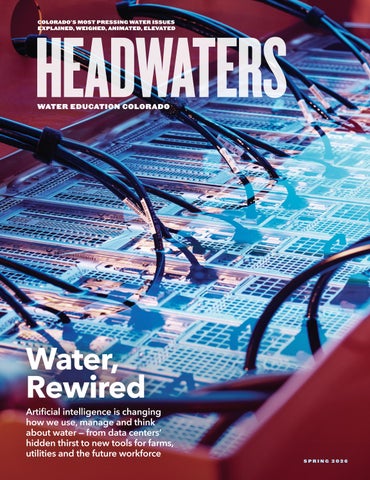

Water, Rewired
Artificial intelligence is changing how we use, manage and think about water — from data centers’ hidden thirst to new tools for farms, utilities and the future workforce
The Artificial Intelligence Issue
Amid the AI boom, the water sector faces a wave of opportunity and a new era of risk. Explore how water managers and users are putting artificial intelligence to work, resulting in smarter utility operations, better forecasting and modeling, new ways to train employees, more precise irrigation, and much more. Still, questions loom about the water and energy use of data centers, as many communities grapple to set guardrails and demand better reporting, without hindering growth.

Rethinking The AI-Water Nexus
Artificial intelligence is rethinking our water systems — how is AI being used in the water sector? And how can it help, and hurt, water.
BY ELIZABETH MILLER
The Next Wave
What does AI mean for the water workforce? It’s still hard to know.
BY EMILY PAYNE
Muddying The Waters
Communities in the arid Southwest are struggling with critical questions about industrial water use amid a data center-building bonanza.
BY ELISABETH KWAK-HEFFERAN
Water news from across Colorado
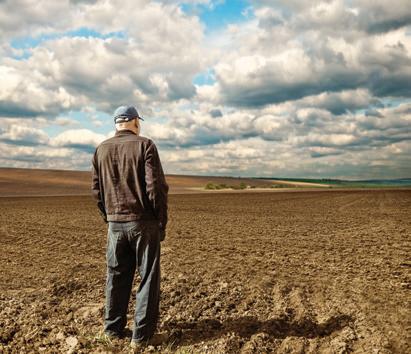
Running Dry Colorado farmers tighten their belts as water supplies dwindle.
Weather Whiplash
A super El Niño is in the forecast. What does that mean for Colorado?
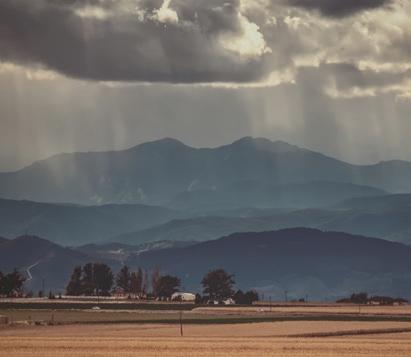
Around The State
Quick updates from Colorado's major watersheds
MEMBER'S CORNER Celebrate WEco’s members
A Note From The Director
The AI Current INTRODUCTION


Dear readers of Headwaters Magazine, This edition explores one of the most complex and consequential topics of our time: Artificial Intelligence (AI) and its impact on water. As WEco continues its mission to educate all Coloradans about water so that they are equipped to guide our state toward a sustainable water future, this issue of Headwaters feels especially timely and relevant.
This magazine examines the uncertainty surrounding AI while recognizing its rapid growth and its increasing integration into our daily lives. Beyond our individual experiences, the ways in which AI is being incorporated into the water industry are still evolving.
Several articles explore workforce implications, the unpredictability of the industry’s impacts on our state, and, on the other hand, how some municipalities are already using AI to reduce costs by identifying and repairing water leaks more efficiently.
Throughout this issue, you will also learn about legislation introduced to address this rapidly expanding technology, as policymakers navigate the balance between incentivizing innovation and establishing meaningful regulation.
We hope the information presented here serves as a starting point for understanding the implications of AI on water and energy use, the ongoing efforts to regulate it, and the potential benefits of implementing AI in water administration, while also recognizing the risks that come with it.
As WEco continues educating communities on this issue, we have also launched our Water Leaders Class of 2026, started our 2026 Water Fluency Program, and announced the date for our annual President’s Reception — join us September 10 at the Denver Botanic Gardens. We hope to see you there, and we sincerely thank our partner organizations, members and sponsors whose support makes our mission and vision possible.
Strengthening Colorado’s water community will always remain at the center of our work — education about AI is a facet of that. While this technology and industry continue to evolve rapidly, staying informed about AI’s impacts on water, both positive and negative, is essential for us to be educated on it as a step toward ensuring a sustainable water future for our state.
Onwards,

Executive Director
STAFF
Juan Pérez Sáez Executive Director
Sabrina Scherma Programs Director
Saeda Aljazara Administrative and Programs Coordinator
David Grimsland Membership and Development Manager
Paulina Gutierrez Program and Outreach Coordinator
Jerd Smith Fresh Water News Editor
Caitlin Coleman Publications and Digital Resources Managing Editor
CREATIVE
Dana Smith Headwaters Art Director
BOARD OF TRUSTEES
Lisa Darling
President
Dulcinea Hanuschak
Vice President
Brian Werner
Secretary
Alan Matlosz
Treasurer
Cary Baird
Monika Bardier
Perry Cabot
Nick Colglazier
Nathan Fey
David Graf
Eric Hecox
David LaFrance
Dan Luecke
Karen McCormick
Leann Noga
Peter Ortego
Nate Pearson
Dylan Roberts
Ana Ruiz
Elizabeth Schoder
Don Shawcroft
Chris Treese
Katie Weeman
THE MISSION of Water Education Colorado is to ensure Coloradans are informed on water issues and equipped to make decisions that guide our state to a sustainable water future. WEco is a non-advocacy organization committed to providing educational opportunities that consider diverse perspectives and facilitate dialogue in order to advance the conversation about water.
HEADWATERS magazine is published three times each year by Water Education Colorado. Its goals are to raise awareness of current water issues, and to provide opportunities for engagement and further learning.
THANK YOU to all who assisted in the development of this issue. Headwaters’ reputation for balance and accuracy in reporting is achieved through rigorous consultation with experts and an extensive peer review process, helping to make it Colorado’s leading publication on water.
© Copyright 2026 by the Colorado Foundation for Water Education DBA Water Education Colorado. ISSN: 1546-0584
CSU Spur, Hydro/The Shop, 4777 National Western Drive, Denver, CO 80216 (303) 377-4433
WHAT WE'RE DOING

Sustaining Colorado Watersheds Conference – Save The Date!
October 6-8
This year’s theme, Across the Divide, celebrates the remarkable collaboration happening across our state. Learn together as we discuss the novel work being done to support environmental and resource sustainability across Colorado. Scholarship applications open in June and registration opens in August. The conference is collaboratively hosted by Water Education Colorado, the Colorado Watershed Assembly, and the Colorado Riparian Association.
ONLINE
Growing Our Impact With Intention
In January, Water Education Colorado adopted a new strategic plan to guide the next five years of our organization’s work. Through engagements with more than 500 partners, the plan identifies a total of four strategic pillars and nine strategies to achieve those. Find the new plan on our website: https://watereducationcolorado. org/about-us/strategy-policies/
Seven Community Guides Available in Spanish!
Most of the books in WEco’s Community Guide series are now available in Spanish! Find them all on our website or order copies from our shop.

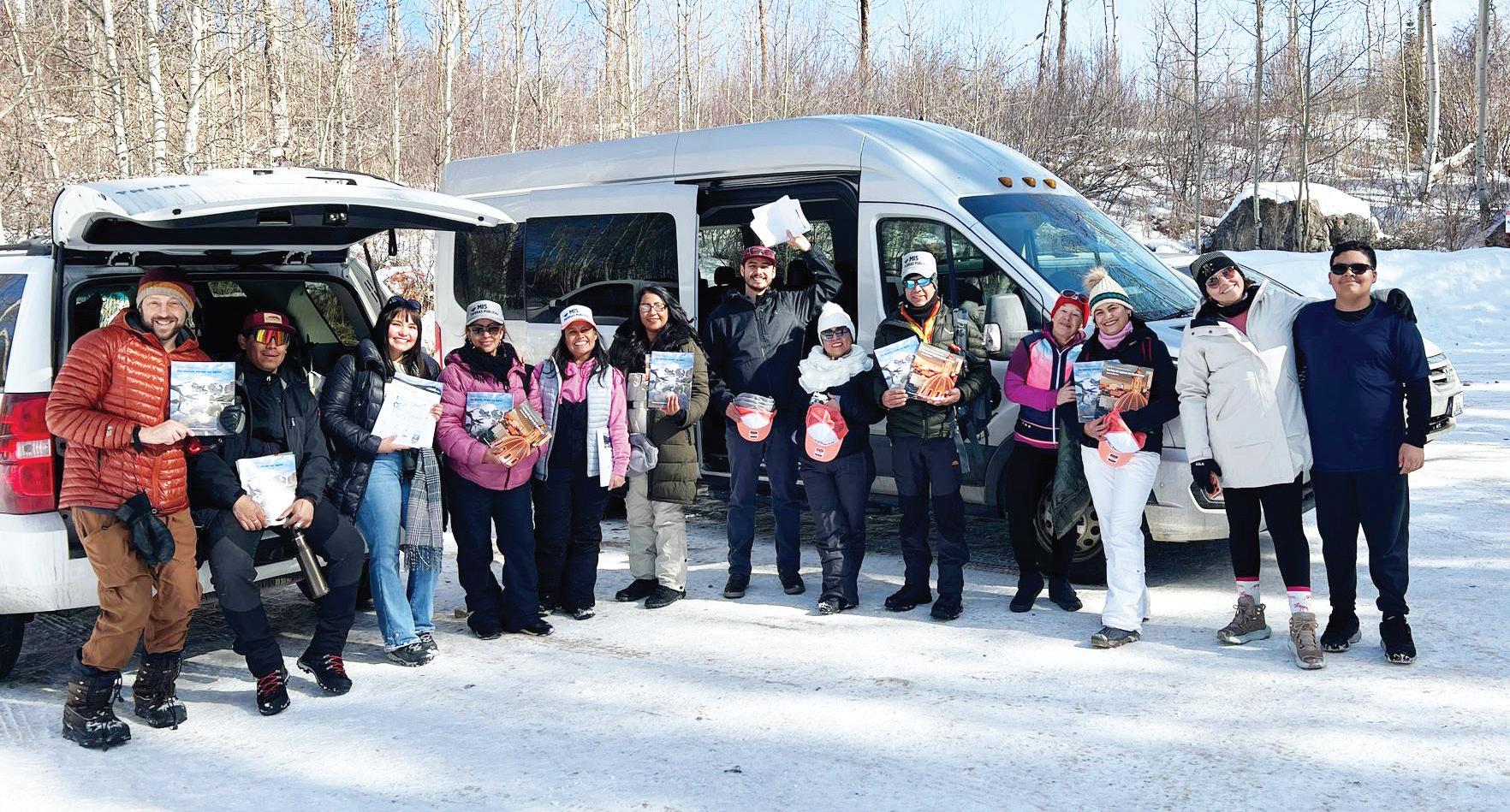
SPANISH LANGUAGE COMMUNITY OUTREACH
WEco has been collaborating with various organizations to promote Spanish engagement around water and to share our community guides. Keep an eye out for a blog post highlighting WEco’s Latino and Hispanic community outreach, and stay tuned for more events and childrens’ versions of community guides, thanks to CalWood, coming later this year.
FROM THE SOURCE
A Letter From The President
A New Chapter
Over the past year and a half, Water Education Colorado has made some exciting progress and undergone various changes under the leadership of Juan Perez Saez — not least of which was the completion of WEco’s new Strategic Plan, which was finalized in January 2026 with the input of more than 500 stakeholders across Colorado’s river basins. This comprehensive blueprint will guide our organization over the coming five years.
And now, a new transition is upon us. Juan’s last day as executive director of Water Education Colorado is June 30. During his nearly two years of tenure, we achieved meaningful organizational progress together, maintaining the strength and continuity of our signature programs, publications, and digital presence, in addition to the completion of the Strategic Plan. We were successful in securing some of the largest grants in WEco’s history, and increased sponsorship support for our annual reception. I am proud of what we accomplished collectively during this period of transition and growth. On behalf of the Board of Trustees, we thank Juan for his service to this organization.
This means a new chapter for WEco as we begin to search for our next leader. Our team of staff and board members is excited for WEco’s next phase and remains committed to our important mission. Our organization was founded during the drought year of 2002, when the state legislature believed that Colorado needed a non-advocacy organization to ensure that Coloradans are informed on water issues and equipped to make smart water decisions. Here we are, 24 years later, another drought year in which we saw the warmest spring and winter on record. Our work is as critical as ever.
While change is coming and transitions are always challenging, our programs continue to grow and momentum continues to build. There are many ways to engage with us over the coming months:

South Platte River Basin Tour: This year’s tour will take place August 4-5, exploring perspectives, priorities and work in the South Platte River Basin. We’ll spend those days in the field, seeing water infrastructure and hearing from various water users.
President’s Reception: Plan on attending the water party of the year, WEco’s President’s Reception on the evening of September 10 at the Denver Botanic Gardens! This year marks our 20th year of hosting the reception in celebration and support of water leadership and education.
Sustaining Colorado Watersheds Conference: The conference will take place in Avon, from October 6-8. This year’s theme “Across the Divide” celebrates the remarkable collaboration happening across the state. We are proud to collaboratively host this conference with the Colorado Riparian Association and Colorado Watershed Assembly.
And of course, our News and Publications remain a high priority for WEco. Fresh Water News is still the go-to source for water-related news in Colorado and the West. We have exciting future issues of Headwaters magazine coming on the heels of this one — with an issue on real estate and development printing later this summer and a look at youth and climate education in the fall issue. Plus, we’re proud to have translated nearly all of our community guides into Spanish.
We’re excited for what lies ahead and grateful that you are on this journey with us!

Lisa Darling, Board of Trustees, Water Education Colorado Executive Director, South Metro Water Supply Authority
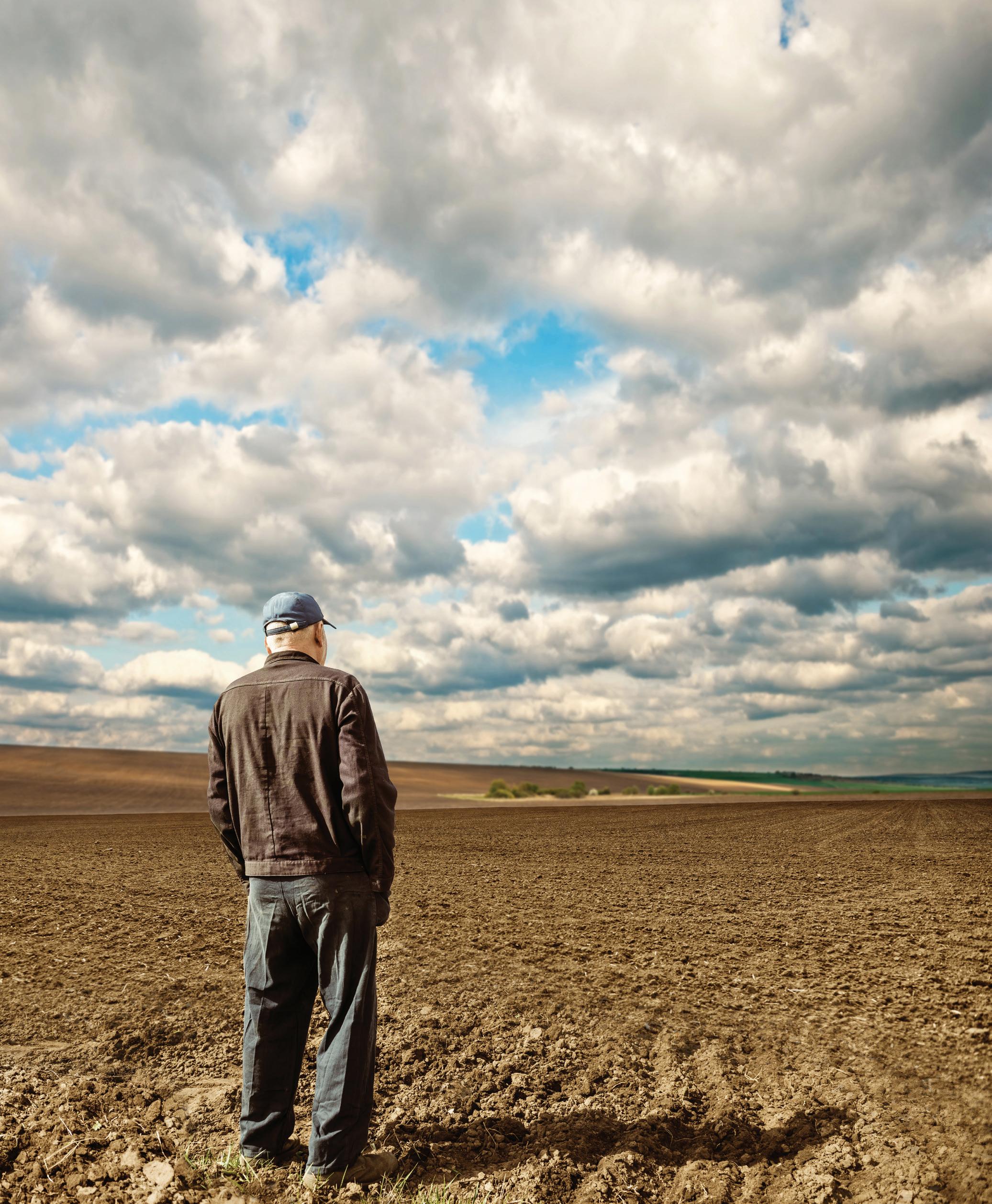
Waiting for Water
After a record-dry winter, Colorado’s farmers, ranchers and water managers are weighing hard choices now— and watching the forecast for any sign of relief.
Water News From Across Colorado
Running Dry
Colorado farmers tighten their belts as water supplies dwindle.
BY SHANNON MULLANE
Michael Vicenti did quick mental math while driving his pickup past acre after acre at the Ute Mountain Ute Farm and Ranch, trying to tally the impact of a record dry winter.
“I believe we’re going to have maybe 900 fields that are fallowed,” he says.
The tribe’s Farm and Ranch Enterprise expects to receive less than 14% of its usual water supply this year — and it isn’t alone. After the worst winter on record ended with a record heat wave in March, many farmers and ranchers in Colorado are tightening their belts and searching for any extra drop of water they can find.
“We’re just going to have to make the best of it,” Vicenti said in April. “According to our calculations, we’ll have enough water until June. That’s it.”
The state’s snowpack, a vital water supply for Coloradans and communities in 19 downstream states, took a nosedive in early April. Cooler temperatures and a few storms helped slow the rapid melt, but it will be difficult for the snowpack to rebound, climate experts say.
About 96% of Colorado was experiencing some level of drought as of May 14, with 46% of the state falling in the two worst drought categories identified by the U.S. Drought Monitor.
Farmers and ranchers expect heavy impacts from the lack of water.
“The livelihoods of many, many people are on the line here,” said Mike Bartolo, a retired vegetable crop specialist in southeastern Colorado. “I hope people recognize this is a pretty dire situation for rural Colorado.”
The Arkansas River Basin had 16% of its normal snowpack as of mid-May.
That’s combined with other challenges this year: high fuel and fertilizer prices. The livestock and ranching industries, which are
economically tied to the region’s cropland, are under stress because of the lack of rain on the prairies, Bartolo said.
“To have that at the beginning of the season is unprecedented and uncharted territory,” he said. “When added onto these existing stresses … it’s very difficult to imagine how we’re going to come out of this unscathed.”
In northeastern Colorado, the Northern Colorado Water Conservancy District said it would provide 80% of its usual water supply this year, spokesperson Jeff Stahla said.
The district delivers water from the Western Slope across the mountains to water utilities, communities, farms and ranches in northeastern Colorado. The water goes to about 1.1 million people and about 615,000 irrigated acres.
This year’s water supply comes mainly from the snowpack in previous years,
Nearly all of Yamcolo Reservoir’s water is for agriculture, and its water is delivered early and fast. The reservoir was 60% full in mid-April, and irrigators expected to receive about 60% of their normal supply.
“Our irrigation season, as far as a stored water standpoint, is going to be fairly quick,” he said.
Back in southwestern Colorado, the Farm and Ranch Enterprise spans 7,700 acres just west of Cortez, where the snow water equivalent was about 2% of the 30year norm as of mid-May.
As the farm’s general manager, Simon Martinez, talked about how much water the Ute Mountain Ute Farm and Ranch expected to receive this year, he turned to a map on the wall. He blocked off section after section with his hand, indicating which portions of the farm would be taken out of production.
Agricultural producers are making livestock and irrigation management decisions, like raising smaller herds, based on summer forecasts.
like 2023 through 2025, not this year’s snowpack, he said.
“Going into this year, we actually had more than average water stored,” Stahla said. “That’ll certainly change next year.”
Northwestern Colorado is bathed in a deeper red than most other areas of the state on the U.S. Drought Monitor’s maps, marking exceptional drought, characterized by large agricultural and recreational economic losses.
Agricultural producers are making livestock and irrigation management decisions, like raising smaller herds, based on summer forecasts.
“They’re expecting the worst and hoping for a little relief,” said Andy Rossi, general manager of the Upper Yampa Water Conservancy District.
As of mid-April, he expected neither of the district’s reservoirs, Yamcolo and Stagecoach, to fill this year. Stagecoach has less demand and can temporarily share extra water with downstream irrigators and municipalities to help in extremely dry years like this.
“All we kept is this,” he said, covering everything but the top left corner of the map, dubbed the 4,000 block.
The tribe’s agricultural enterprise, one of the largest farms in the state, is no stranger to deep cuts to its water supply. As one of the more junior users downstream from McPhee Reservoir, it has received half, a third, and just 10% of its normal supply in recent dry years.
Martinez spent days in mid-April poring over different scenarios for how to manage the business this year. The Farm and Ranch planned to fallow over 6,000 acres, or more than 9 square miles. That’s going to hurt jobs, he said. Even though they’d have to maintain the fields so weeds wouldn’t take over, watering a few fields doesn’t require five irrigators — it takes three.
“I have really good people around that shine in their areas of expertise,” Martinez said. “I’m blessed to be able to have them around to help make those decisions. But the water issue’s the biggest one. What can you do with 3,500 acre-feet when you were hoping you’d have 20,000?”
Weather Whiplash
A super El Niño is in the forecast. Here's what that means for Colorado.
BY SHANNON MULLANE
As Coloradans grapple with a record low snowpack heading into summer, the super El Niño and strong monsoon season in the forecast could provide some relief.
This year’s La Niña conditions, created by cooler water temperatures in the Pacific, should have brought snow to Colorado’s northern mountains. Instead, the state ended the winter a month early with record hot days and a rapid snowmelt, prompting drought restrictions and water cutbacks around Colorado.
The La Niña ended in April, and the odds are increasingly good for a super El Niño later in 2026 — a climate pattern that has historically brought wetter winter conditions to Colorado, according to the National Weather Service.
It’s a tentative dose of hope for residents looking for a reprieve from record-breaking dry conditions, said Russ Schumacher, Colorado state climatologist.
“I don’t think we’re going to be stuck in just dry, dry, dry for many, many more months to come. I think there is some reason for optimism,” Schumacher says. “It doesn’t guarantee that things are going to improve in the near term,” Schumacher adds, “but we have a better chance of it if La Niña is in the rearview mirror.”
El Niño and La Niña are opposing climate patterns in the Pacific Ocean that affect weather worldwide. Together, they’re called the El Niño-Southern Oscillation cycle, ENSO for short. The ENSO events can lead to flooding, heavy rains, landslides and drought.
El Niño tends to bring wetter-thanaverage conditions, particularly to southern Colorado in the fall and spring. During La Niña, the conditions flip. Colorado’s northern mountains often receive more
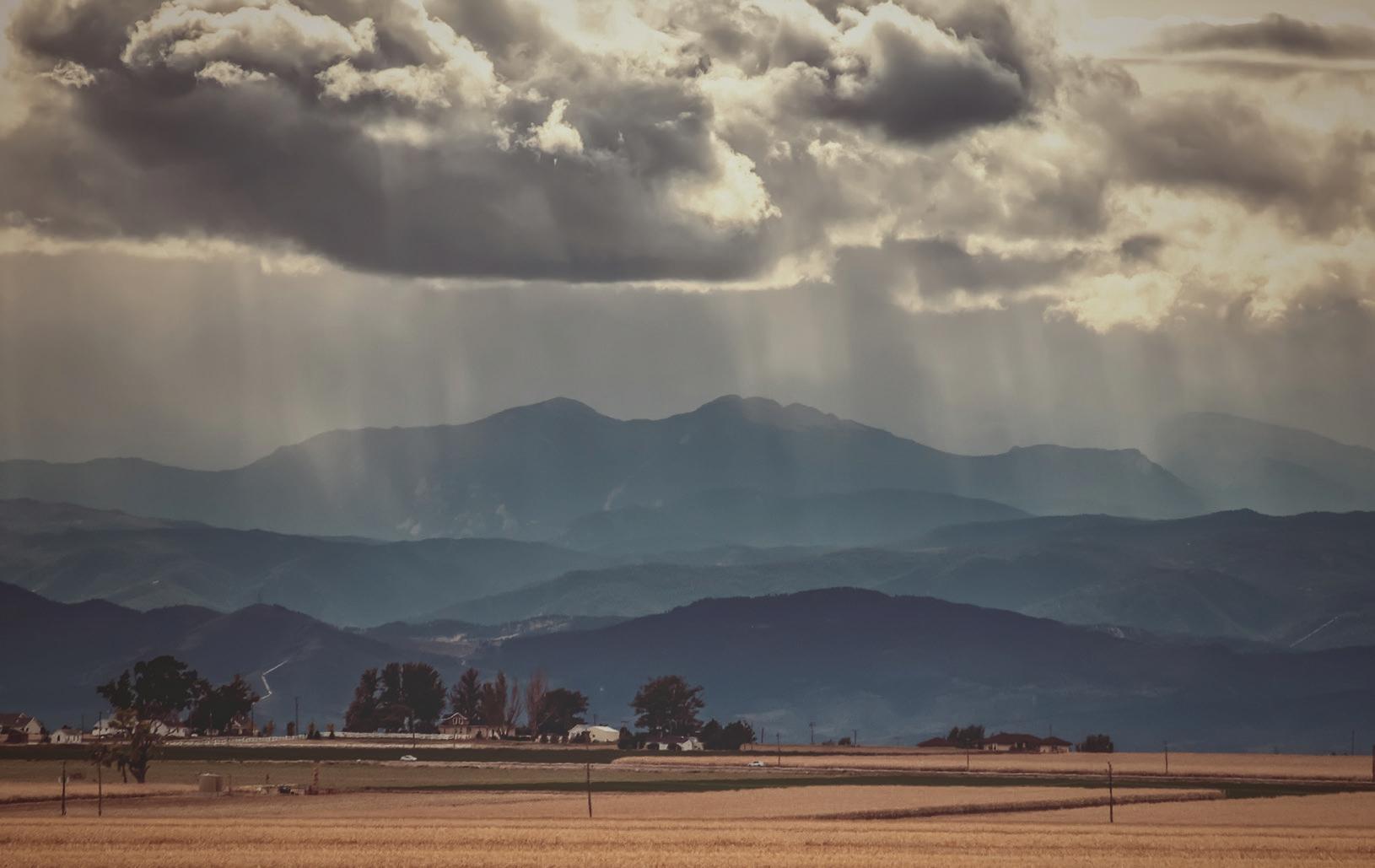
snow, while southern portions of the state are warmer and drier.
That doesn’t always happen: This winter is an example of La Niña conditions that did not drop very much snow on the northern part of the state — or anywhere.
Which team should Coloradans be on?
Definitely El Niño, Schumacher says.
“It tilts the odds toward things being wetter,” he says.
This year, scientists expect neutral conditions between April and June. After that, conditions could stay neutral or transition into a strong “super” El Niño, according to the National Weather Service’s Climate Prediction Center.
For anyone looking for rain and snow in Colorado, this is a reason for optimism later in the summer and for the coming winter, Schumacher says. But what exactly would a super El Niño mean for Colorado?
“The short answer is, we don’t really know,” he says.
One other weather phenomenon will come into play this summer: monsoons.
“The outlooks are pointing toward the active monsoon season this summer, and so that’s probably the thing to keep a closer eye on in the near term,” he says.
Monsoons are local seasonal circulations that develop every summer in the
Southwest. Active monsoon seasons can provide a large fraction of the annual precipitation to lower elevations in parts of the state, like western and southeastern Colorado. This year’s forecast indicates monsoons are likely for July, August and September, Schumacher says.
These active seasons bring afternoon thunderstorms every day and flash floods in Colorado’s canyons. They can help reduce some of the risks of a historic drought year, like wildfire risks later in the summer.
“As with any seasonal forecasting, it’s uncertain,” Schumacher says.
An active monsoon season will offer some relief, but in the big picture, they do not provide very much water.
“Monsoon rains just aren’t nearly enough to fill up reservoirs or even bring them back up from really low levels,” Schumacher says.
This story originally appeared in Fresh Water News, a collaboration between The Colorado Sun and Water Education Colorado. Read it online at wateredco.org.
Shannon Mullane writes about the Colorado River Basin and Western water issues for The Colorado Sun.
PULSE
Around The State: Quick Updates From Colorado's Major Watersheds
ARKANSAS RIVER BASIN
Fresh Water News reports on President Trump’s late-December veto of a bipartisan bill that would have funded the completion of the Arkansas Valley Conduit. Without the funding, project proponents are evaluating next steps. Construction on the $1.39 billion, 130mile pipeline began in 2023. There’s enough money left from the $500 million appropriated by Congress to continue building for three years. If completed, the project will supply water to roughly 50,000 people — from Pueblo Reservoir to Lamar — who can’t currently count on safe municipal drinking water.
COLORADO RIVER BASIN
The Colorado Sun reports that Lake Powell is set to receive 13% of its normal spring runoff, the lowest amount from upstream snowmelt on record, according to a federal forecast released in early May. U.S. Bureau of Reclamation projections show hydropower generation could stop as soon as September without intervention.
Aspen Journalism reports that in Colorado, the Colorado River District proposed a series of drought-mitigation actions to reduce impacts to water users. Those actions include asking its board to freeze all new water marketing contracts while staff determines the best use of available water. They're also hoping that water providers who benefit from the River District's supply will limit outdoor watering, and the River District is asking the board to sign off on a system prioritizing water use sectors.
GUNNISON RIVER BASIN
The Grand Junction Sentinel reports that Buck Creek Ranch, north of Paonia Reservoir, has been permanently protected through a conservation easement with the Colorado West
Land Trust. Approximately 182 acres of the nearly 500-acre working ranch are irrigated, with senior water rights. By conserving both land and water, the project helps address declining water supplies, supports local agriculture, and protects habitats.
NORTH PLATTE RIVER BASIN
The Michigan River Water Conservancy District received $311,095 from the Colorado Water Conservation Board’s Water Supply Reserve Fund to repair Meadow Creek Reservoir. The reservoir holds up to 4,400 acre-feet of water. The rehabilitation project involves repairing a fractured and leaking outlet, mitigating seepage, and repairing a failing pipe that connects two sections of the reservoir.
RIO GRANDE BASIN
The Alamosa Citizen reports that Irrigation season began early this year in the Rio Grande Basin — March 16 on the Conejos River and March 23 in the Rio Grande area. Typically the irrigation season begins May 1 in Colorado. The division engineer, Craig Cotten, said that he began the season early so water users could take advantage of early runoff. Cotten also said that diverting water early will help avoid over-delivering water to the New Mexico stateline.
SAN JUAN/DOLORES RIVER BASIN
Fresh Water News reports that the Trump administration will release $47 million in federal funding for four drought-fighting Colorado water projects. One entity receiving funding is the Southwestern Water Conservation District, which submitted one application to fund 17 projects with $25.6 million in southwestern Colorado. The district still has to work out a contract with the U.S. Bureau of Reclamation. Funded projects include diversion repairs, work to remove concrete from a ditch, invasive
plant removal, and more. The feds also released about $16.7 million for work on the Southern Ute Reservation. The tribe will be able to use the money to improve fish passage, water quality, the health of the Pine River watershed, and a maintenance backlog on the Pine River Indian Irrigation Project.
SOUTH PLATTE RIVER BASIN
In response to the drought, many cities and water providers have put water restrictions in place to preserve limited supplies of H2O. In the Denver metro area, Aurora, Arvada, Brighton, Denver Water, Edgewater, Golden, Northglenn, Thornton, and Woodland Park, among others are under mandatory water restrictions, Colorado Public Radio reports. The Colorado Sun reports that Denver Water, in April, locked in lawn watering surcharges for the summer that will cost a "non-conserver" — someone who fails to cut use by 20% in 2026 — $45 extra. Denver Water is also draining and closing South Park’s Antero Reservoir to avoid evaporation losses, which will keep 5,000 acre-feet of water from evaporating. The agency is instead sending Antero’s water to Cheesman Reservoir.
YAMPA/WHITE/GREEN RIVER BASIN
The Steamboat Pilot reports that the Yampa White Green Basin Roundtable has launched a new interactive online Storymap, “A River’s Reach,” to tell the story of how the river is managed and make water policy digestible for everyone. The Storymap explores the spirit of the basin, the impact of a shifting climate and rising population, water usage, water policy, and management. Ultimately it aims to be an educational resource for community empowerment.
Caitlin Coleman
Rethinking the AI-Water Nexus
How artificial intelligence is reshaping the systems that move, manage and strain our most essential resource.
BY ELIZABETH MILLER

Glossary
Generative AI (Gen AI): An advanced technological approach that creates new content including text, images, videos and music. Generative AI trains itself on patterns found in source material, then constructs new images or text by replicating and innovating based on those patterns. Gen AI uses large language models.
Large language models: An AI system trained on enormous amounts of text data. Neural networks (mathematical systems modeled after the human brain that actively learn skills by identifying and analyzing statistical patterns in data) learn to forecast word sequences, and can now hold dialogues, write prose, and review text.
Machine learning: A subfield of AI where algorithms learn patterns and relationships through data rather than programming and can improve their performance on a specific task with experience and feedback. Capacities include making predictions, classifications, or decisions on new data. Machine learning is a building block to artificial intelligence.
Supervised learning: A machine learning technique that uses labeled data sets to train AI models. Labeled data sets consist of sample data points along with correct outputs and answers. Supervised machine learning helps organizations solve various real-world problems at scale, and can build highly accurate machine learning models.
Unsupervised AI, or unsupervised machine learning: Analyzes and clusters unlabeled data sets, discovering hidden patterns or data groupings without human intervention. It can discover similarities and differences in information, making it good for exploratory data analysis or image recognition.
AI agents: Or AI decision makers, are built using large language models and can observe and reason, and relay information in natural language.
Digital twin: A virtual model of a real-world physical product, system or process that uses real-time data to reflect its real-world counterpart’s behavior, performance and conditions. Digital twins enable continuous monitoring, simulation
WHEN DENVER WATER BROUGHT ONLINE THE NORTHWEST Water Treatment Plant in 2024, that meant staff had to learn a whole new set of operating instructions. The plant, located north of Golden, Colorado, incorporated new technology and adjusted approaches from other water treatment plants. Already, the water utility had secured a licensing agreement with Microsoft that allows for deploying its artificial intelligence interface, Copilot, throughout the organization, but with data secured internally. Copilot can assist with basic tasks like writing emails or technical documents. But in early December 2025, Jonathan Spitze, director of business technology and project management with Denver Water, sat down with staff at that new treatment plant to introduce them to the testing phase for a pilot program AI tool to help them run the new facility. The operating instructions were spread over several lengthy documents, but a Copilot agent, an AI-powered system that can learn, problem-solve, and perform tasks, and is generally built by reviewing massive amounts of text,
and analysis of an object, product or system over the course of its lifecycle. A key feature is real-time, two-way data exchange between the object and its replica.
SCADA, or Supervisory Control and Data Acquisition: A computer system used to monitor and control industrial processes, gather and process real-time data, or record events.
Responsible AI: Guides the people designing AI systems to be safe and fair, from the machine learning model to the software and user interface and rules and restrictions.
Water usage effectiveness (WUE): A metric created to measure the amount of water used by data centers. It’s obtained by dividing the number of liters of water used in a year by the equipment’s energy use in kilowatt hours. WUE varies by cooling design and by location, with warmer climates requiring more water to lower air temperatures.
Power usage effectiveness (PUE): measures a data center’s energy efficiency.
had been trained on those procedural manuals. Now, staff can ask it simple questions and get answers with links to the actual documentation.“They were super excited,” Spitze says. “We see a lot of value from making these more targeted [Copilot] agents.”
“While we’re still early in testing, we’re encouraged by how the tool is supporting operators by streamlining access to information and enabling staff to make quicker, informed decisions,” Stephanie Riley, engineering senior specialist in water quality and treatment with Denver Water, said via email.
Spitze and others in the water sector see this kind of assistance as a key way in which AI could help.
Recent AI advancements have seen the technology leap into modern life with surprising capacities and, at times, seemingly limitless possibilities for solving problems. Water managers, too, have been looking at the technology — and some AI start-ups are targeting the water world, tailoring their solutions to problems like pipe
maintenance and leak-detection. The possibilities and promises include more efficient water management, conservation, improved ability to forecast floods and droughts, and boosted productivity in the workforce. But increasing reliance on AI raises questions too, about if and how this technology opens water utilities up to cybersecurity concerns, and how to balance the water savings AI might offer with water consumption at data centers that power it.
State and federal governments have both asserted a desire to harness and lead in this new technology. The Trump administration outlined a goal of seeing the United States as a global leader in artificial intelligence. The State of Colorado has likewise expressed a dedication to leveraging artificial intelligence and ensuring an ethical, equitable and responsible deployment of AI. All signs point toward a widening presence of the technology, which seems to further insert itself with every software upgrade.
Work is just beginning to outline best practices and standards for some of the thornier issues ringing AI. Those would include building ethical and responsible AI systems that keep humans involved in decisions and make clear what role AI plays, and ensuring equitable access for smaller and resource-limited utilities, Exton says. The group is also working on drafting and distributing best practices and standards for how to balance the quantities of water data centers consume with the water savings AI might offer.
“It’s the two sides of the equation that need to be equally tackled — it’s how can you use AI to benefit what we do around the water
“When you’re talking about human health, human safety, and effects on people’s lives, a machine shouldn’t be making those decisions for us. That doesn’t mean that we don’t use AI as a tool — help me look at different scenarios, and help me analyze the problems I’ve been facing.”
“The blend of digital technology and AI is the big opportunity to boost efficiency and protect water resources,” says Ralph Erik Exton, executive director of the Water Environment Federation, a not-forprofit organization that provides technical and educational support for water quality professionals.
JONATHAN SPITZE, DIRECTOR OF BUSINESS TECHNOLOGY AND PROJECT MANAGEMENT WITH DENVER WATER
The Water Environment Federation jointly launched the WaterAI Nexus Center in September to convene utilities, academia, and finance and technology professionals, effectively pairing water and AI experts to develop sustainable water practices for AI infrastructure while using AI to solve global water challenges. The project arose from conversations at a White House roundtable on water security and infrastructure in late 2024, Exton says, in which artificial intelligence repeatedly resurfaced in the conversation but with more questions than answers.
The water industry is, admittedly, risk averse: It’s in the business of securing health and safety for communities and economies, and disinclined to make untested changes. The Water Research Foundation has developed a project to share demonstrated success stories to build confidence through quantifiable and real case studies. Trepidation around security and privacy can make it even more difficult to adopt software innovations.
“When you’re talking about human health, human safety, and effects on people’s lives, a machine shouldn’t be making those decisions for us. That doesn’t mean that we don’t use AI as a tool — help me look at different scenarios, and help me analyze the problems I’ve been facing,” says Spitze. “But at the end of the day, it still needs to be a person that says, ‘yes, this is the right thing to do,’ because we want humans taking care of humans. A machine is not going to understand the responsibility that comes with that.”
While generative AI promises much, a 2025 report from MIT found that most initiatives stall: 95% of GenAI pilot programs do not meaningfully impact their companies’ profit or loss. The researchers for that report suggested flawed integration: In part, generative AI often seeks to work on the sales and marketing side, but the biggest gains might lie in back-office automation.
footprint and the environment, but also how do we make sure that all of this exploding use of AI isn’t doing further damage to the environment?” Exton says. “Those two things need to be equally as strong and carry equal weight.”
Already, the Water Environment Federation has suggested using air cooling instead of water cooling at data centers in water-stressed regions, which some data centers in Arizona, India, Mexico and South Africa have already done. However, studies suggest that since aircooled systems require significantly more energy than water-cooled systems, they could end up with a larger overall water footprint. That’s because traditional power generation from gas and coal has a very high water footprint. Where sustainable sources or replenishment isn’t possible, data centers could also be designed to use water for cooling without evaporation. Using recycled municipal water is also an option, as is on-site rainwater harvesting. The goal, Exton says, is to find ways to move from “linear systems that take, use and dispose of water to circular approaches that focus on reducing, reusing, and regenerating resources.” The organization is working on a standard for how to balance water savings and use by AI in part because, he says, now, with different companies using different standards, it’s difficult to assess or compare.
“I certainly wake up in the mornings thinking, we’ve got to move even faster on our mission to help the utilities,” Exton says.
Cutting Losses
When Breckenridge Water Division staff were alerted to a possible leak through their newly installed Kamstrup Flow IQ meters with an acoustic leak detection system in November, water from the ruptured water line was just starting to seep through the surface. The meters use ultrasonic sensors that both measure flow and receive sound waves, effectively listening to the water pipes for noises that indicate a crack. The technician who responded found a skim of ice
on the dirt road outside town where the leak detection system had signaled a brewing problem.
“We were able to catch it and get it taken care of the next day instead of being at the mercy of when it really gets worse and surfaces,” says Laura Lynch, water division manager for Breckenridge.
The tourist town faces the challenge of being staffed as though it’s a small town, but having to support 40,000 people during peak visitation. The limits mean contractors were reviewing only about a third of the water system every year, and the utility was living with persistent and undetected leaks and making emergency repairs as they popped up. The new system uses machine learning algorithms to analyze noise patterns from service lines and water mains that often indicate leaks. The new technology could save as much as 580 acre-feet of water per year, Lynch says.
“Without AI, operators would need to manually review thousands of graphs to spot these leaks,” Blake Michal, manager of solution management for Kamstrup, explains. “Machine learning automates this process, making it faster, more accurate, and scalable for utilities with tens of thousands of meters.”
The water sector already includes automation through the likes of smart meters, which automatically track and relay information rather than require in-person meter readings, as well as widespread sensor use and connected sensors embedded in various physical objects to provide real-time data through the “internet of things.” AI could thrive in such a data-rich environment. It is particularly well-suited to analyzing vast amounts of data and spotting patterns and anomalies. It can also combine data from multiple sources, like smart meters and weather forecasts, to improve demand forecasts.
For Breckenridge, staff are still learning to filter out signals from pressure-reducing valves and booster pumps. The system could hand over more autonomy to customers, many of whom keep second homes in town and would call for essentially plumbing or property management services from the water division when their bill indicated a leak. Eventually, a customer portal will allow them to set up personal leak alerts.
Breckenridge spent the winter gathering data, tracking suspected leaks, and doing as much testing as possible, Lynch says. “Then come springtime, [we] have a game plan with what we need to actually dig up and repair.”
Aiding Employees
Denver Water began using machine learning about 20 years ago to identify water mains due for replacement by assessing many factors — age, location, soil composition, corrosion, repair history, and exposure to freezing temperatures — and predicting repairs before main breaks occurred. The utility can only replace about 1% of the thousands of miles of pipe that run all over Denver each year, so it’s crucial to know exactly where to target that work. AI accounts for these many factors and identifies high problem areas.
Denver Water is also in early stages of creating an AI agent to interface with developers and builders who submit their plans to the utility for approval ahead of construction. The lengthy list of requirements often means applications need repeat revisions, and depending on how busy the building season has been, it may take weeks for someone with Denver Water to review an application. This AI system
How To Best Prepare For AI In Your Organization
Start small and scale up. Companies, organizations and water utilities that have successfully integrated AI started with small projects that delivered fast results. The approach allows for building confidence in the technology and how to scale it.
Identify specific operational challenges that AI might be able to support. “You have to look at what do you have, and do you have what you need to build a model in that area and is that something that could be automated,” says Joshua Goldman, with Metro Water Recovery.
Consider a free trial for AI that can address a specific problem and demonstrate success before full deployment. However, when using a free trial, be wary about what information you’re sharing, and whether it will be kept confidential.
Already, vendors have developed programs to help water utilities and others with predictive maintenance, capital improvement planning, automated water quality monitoring, and energy optimization at large pumping stations, says Jim Fitchett, with VODA.ai, which is deploying its water main repair prediction program in Greeley. He also suggests looking for vendors offering solutions that fit well within existing systems, rather than ones that require a full overhaul.
Watch for the opportunities that come your way.
Metro Water Recovery built a reputation for engaging with new technologies, and so has been approached by several vendors about participating in new projects, some of which had secured outside funding. Integrate new technology when replacements are due. Breckenridge Water Division last replaced water meters in 2005, so was due for an upgrade. The division also enlisted the help of an energy performance contractor to review options and found that new meters with acoustic leak detection would solve a known problem: a high volume of unaccounted for water.
With a wave of retirements expected at many facilities and even at farms, AI can also help preserve institutional knowledge by capturing what those soonto-be retirees know.
Look for ways for AI to add to existing staff expertise, not replace it. Successful deployments focus on providing operators with more and better information. “We call it augmented intelligence,” Fitchett says. “It amplifies what people can do, not replaces them.”
would provide instant feedback on plans and how to match them up to the city’s rules. Even if the AI agent isn’t perfect but gets the drawings most of the way there before a person reviews them, says Jonathan Spitze with Denver Water, that could save significant time in the process for both staff and builders.
Optimizing Operations
Metro Water Recovery, which provides wastewater services for several Front Range municipalities, was already, effectively, drowning in data from tens of thousands of data points coming from field equipment and controls and automated systems. Some level of automation was managing and synthesizing the data for operators, says Joshua Goldman, senior wastewater process engineer, but it was a struggle to utilize and react to that much information.
“We think AI can help there,” he says. “Overall, it’s just going to help us with optimization and better decision-making — let’s find correlations in complex systems that we were unable to pull out before.”
Particularly machine learning models, which can process those many, many parameters and data points and find signals humans might miss, could better inform human decision-makers. Although, for now, those models are better at forecasting arising issues than explaining why the problem occurred or how to fix it in the future.
Metro Water Recovery is about halfway through development with a third-party vendor of an AI agent that would fine-tune “solids dewatering,” the process in which the bacteria that consume carbon, nitrogen, and phosphorus are then separated from wastewater as solids, to save costs, energy and water. Other machine learning projects could optimize disinfection and phosphorous removal.
For areas that can be a challenge to reach because the space is physically small or filled with enough dangerous chemicals or gases that sensors won’t survive, AI’s forecasting abilities could fill in gaps with a rough estimate for what’s going on based on the rest of the data and some non-traditional sources including audio, vibration, emails and other documents. That approach is called “soft sensing.”
Somewhat similarly, AI-powered models can run what’s called a “digital twin,” a digital model that replicates a real-world product or system, and can be used to glean insights on monitoring and maintenance, predict problems, and optimize operations. A digital twin of a water treatment plant, for example, would use machine learning models and artificial intelligence to find areas for improvement and head off operations disruptions. Models can also recommend optimal chemical doses, saving costs and improving regulatory compliance, and they can predict equipment failures, leading to more effective maintenance strategies and reduced downtime.
Already, the City of Aurora has purchased a digital twin for managing water and wastewater infrastructure and planning for how to make

limited infrastructure meet the demands of a growing city. In Boulder, city managers turned to an analytics software platform, City Simulator, to model the likelihood of a similar storm to the one that created devastating floods in September 2013 and plan for upgrading infrastructure.
“We understand that there’s a lot of opportunities with these technologies and we’re trying to figure out where they plug in and where they make the most sense,” Goldman says. “We don’t anticipate them taking over our jobs or operating our plants for us, but we see them being able to interpret data and help us make better decisions in a more timely manner.”
Saving Farmers’ Water And Wisdom
Think of a spray irrigation system on a farmer’s fields like the zones in a backyard sprinkler system: Each zone can be set to water for more or less time, based on whether grass there is getting enough water, but that takes time and attention. Farmers irrigating with overhead sprinklers can similarly adjust those systems, but deciding how much to change requires analyzing variables including crop type and growth stage, soil profile, and recent and forecast weather. Plus, instead of five or six zones, a field can have hundreds of zones and localized data from hundreds of sensors. Processing that much data is easy for machines, so Perry Cabot, a professor with the Colorado Water Center at Colorado State University, has tasked AI with analyzing those many data points to calculate precise prescriptions for watering fields.
The research project, which is funded by the U.S. Department of Agriculture, is in the second of three years. When deployed, even farmers who have already increased efficiencies in their fields could save about 10% in each watering.
“That last 10% is important,” Cabot says.
He’s using drone and satellite imagery to verify field conditions, checking for crop stress signaled through yellow leaves, and hoping to relay information in a way that will help farmers who wouldn’t have a drone of their own. AI tools might also be able to show that more watering won’t make a significant difference for a crop, including in fields still flood irrigating.
What he’d love to see is an AI-versus-farmer showdown, perhaps through the Testing Ag Performance Solutions program, which runs projects around the country in which farmers compete to demonstrate best yield or best profits. “I think that’ll be fascinating to figure out how well those two entities can be played off of each other.”
Fast-Forwarding Reviews
When Brian Zavareh was working with the IT department for Denver’s wastewater utility in 2019, he caught snippets of the hours of video staff watch of the inside of sewer pipes, scanning for maintenance and repair needs. In the previous five years, utility workers had reviewed about 1,000 miles of the 1,500 miles of pipes through the city and attempted to accurately and consistently apply one of 249 codes to different anomalies and features within them.
“It is working, but it is time-consuming and error-prone,” Zavareh said.
As a PhD student with the University of Denver’s College of Engineering, Design and Computing, he returned to the utility with an idea: What if he could train AI to review that video for defects and deterioration? And what if AI could be trained to more consistently apply those codes, flagging possible points of failure for repairs?
“It’s not replacing a human, but an AI-enabled environment helps them to do whatever they’re doing faster and more accurately and more consistently,” Zavareh said.
The utility gave him 10 years of videos to train the model and through it, his program demonstrated an ability to review the videos faster than a person. He expects the program to increase efficiency enough to survey an additional 200 to 300 miles of pipe per year, heading off potentially costly ruptures, reducing costs,
AI—if it works—could help new farmers fine-tune processes without seasons of trial and error, or answer questions when previous generations of farmers aren't still around to do so.
“It’s a tool that allows us to test things that we think we know, and then actually help figure out what we don’t know, such that we could maybe apply it to more simplified irrigation systems,” he says.
As with water utilities, he worries about the loss of generational knowledge about farming as young people drift away from the work of running the family farm. AI — if it works — could help new farmers fine-tune processes without seasons of trial and error, or answer questions when previous generations of farmers aren’t still around to do so. But AI will have to prove itself.
“It can’t just say, ‘Go put this amount of water on,’ and then it’s wrong,” Cabot says. In that case, farmers would give up on using AI. “We have to take advantage of this current time frame where the producers can help us say, yes, that’s a legit decision.”
and lengthening the lifetime for some equipment. AI would help people work through that footage faster and more consistently, he says, supporting staff without supplanting jobs with AI.
He’s since co-founded a company, InfraSmart Solutions, through CU Denver’s Smart Futures Lab, a business incubator and accelerator, with one of his professors and secured grant funding for training the AI for defect detection. He’s seen other companies do the same elsewhere, but where InfraSmart seeks to extend the solution is in forecasting deterioration and prioritizing work orders, adding information to the model including pipe shape, material, and age, all of which can affect the likelihood and timeline of repairs. The result would be a ChatGPT-like program that can essentially converse about maintenance needs. Building that part of the system could take another year and a half, assuming they can get all the data they need to train the model.

Filling In Environmental Gaps
Measuring conditions around the many streams and rivers threaded across the country is expensive, often requiring localized sensors, and so data is rare, says Li Li, a professor with PennState Institute of Energy and the Environment. Long-term data can be particularly hard to find.
“Usually each site has a small amount of data, has it in different times, is measuring different times at different locations for different decades, things like that,” Li said, “That is a big limitation in water quality fields in terms of how much data has been available and has been a bottleneck for developing a consistent understanding of the river quality.”
She used a deep learning model to fill in the gaps in fragmented and discontinuous data for 1,471 U.S. river sites between 1980 and 2022. She and her team trained a deep learning model to reconstruct continuous daily water temperatures by feeding it data including precipitation, temperature, solar radiation, land use, and soil properties. They compared predicted data with measured data, where available, and re-trained the model until it began to consistently match real data. The results showed a startling increase in riverine heat waves, or instances of abnormally high water temperatures in rivers. The model also reported those heat waves occurred about half as often as air heat waves, and with about a third the intensity, but lasted nearly twice as long. Rivers in the Rocky Mountain area showed some of the sharpest increases, likely linked to shrinking snowpack and earlier warming in spring. Smaller snow-
pack results in lower streamflows, with smaller streams that heat up more quickly.
A second machine learning model assessed about 30 different characteristics to determine which factors, such as winter and summer temperature increases and land use characteristics, were most influential in creating a riverine heat wave. The strongest influence landed on higher air temperatures, particularly at night.
Better knowledge about riverine heat waves, she said, can help people managing rivers understand what’s happening in those ecosystems, and plan for how to mitigate effects.
“For me, it’s important to increase awareness,” Li says. While water quantity concerns are often linked to climate change, like floods and droughts, she says, “These studies point out that water quality tends to be affected a lot by climate warming.”
On the whole, water users and researchers are finding success deploying AI. How to balance the water used to power that AI with the savings that technology might provide remains murky, raising its own practical and ethical questions to consider. Spitze, with Denver Water, points to the need to hew to an even wider philosophy aired in the book “Genesis: Artificial Intelligence, Hope, and the Human Spirit.”
“The value that AI will offer to our society is enormous, as long as AI continues to see that its purpose needs to be helping the human race,” he says. “It’s a little on the scary side, but the reality is, I think that’s why humanity can’t relinquish all control.”
Cybersecurity Protocols To Protect Systems And Data
With increased AI use will come increased cybersecurity risks to infrastructure, public health and safety. The possibilities are grim: Hackers accessing computers controlling treatment plants could shift the chemical mixture to poison people or shut off the water supply. More often, the news features hackers getting into electrical utility systems than water utilities, but the concern exists.
“Drinking water and wastewater systems are an attractive target for cyberattacks because they are a lifeline critical infrastructure sector but often lack the resources and technical capacity to adopt rigorous cybersecurity practices,” then-EPA Administrator Michael Regan and White House National Security Advisor Jake Sullivan wrote in a letter sent to all 50 governors in March 2024. The letter named recent and ongoing threats of cyberattacks to the drinking water system in the United States.
“There is always a risk,” says Brian Zavareh, the PhD student working on sewer line inspections. Small changes to how these models are programmed could create big problems: Picture retraining the program for an autonomous driving vehicle to view a stop sign as a yield sign. Industry standards are trying to head off concerns around data leaks and close cybersecurity loopholes — before AI solutions are added to a system.
Water users who have worked with new AI solutions encourage others to start with the basics. Before onboarding an AI vendor, ask how data is encrypted, stored and protected. Companies can secure and show proof of data certifications, such as ISO certification, a third-party validation that vets
the security of data storage and encryption based on internationally recognized standards.
But AI users should begin taking caution when determining what information is released to an AI system. At Denver Water, a cybersecurity team scans the system for data that shouldn’t be there, traces it to its source, and re-educates the person who shared it about withholding confidential or restricted data, personally identifying information or other potentially compromising details.
Jonathan Spitze, director of business technology and project management with Denver Water, suggests focusing on using publicly available information or what would be subject to a Colorado Open Records Act request as the guideline for what to share with artificial intelligence. Because bad
actors are already using AI to their advantage, increasing the number of cyberattacks, AI may also need to be recruited for defense, to detect and thwart cyber-attacks, suggests Ralph Erik Exton, executive director of the Water Environment Federation. The Department of Homeland Security’s Cybersecurity and Infrastructure Security Agency (CISA) has offered “cyber hygiene services” to help water utilities identify and reduce vulnerabilities. The American Water Works Association also offers a risk management tool for water sector cybersecurity. Request cybersecurity technical assistance or an evaluation at www.epa.gov/cyberwater/ epa-cybersecurity-water-sector.
The risks associated with AI don’t always come from cyberattackers — humans must think critically about the inherent bias of AI and analyze any recommenda-
tions from an AI agent. AI’s biases emerge because human biases skew the original data used to train AI, according to IBM. This can perpetuate societal and cultural biases and generate inaccurate or undesirable results. For example, had an AI agent planned Denver Water’s Lead Pipe Replacement Program, AI may have prioritized pipe replacements based on parameters that did not take into account disadvantaged neighborhoods. How can inherent bias be avoided? Organizations must govern their AI by managing and monitoring AI activities.
Independent journalist Elizabeth Miller writes about environmental issues in the American West for publications including The Washington Post, Scientific American, Outside, Backpacker, and The Drake.


THE NEXT WAVE
AI’s Promise and Uncertainty for the Water Workforce
BY EMILY PAYNE
AS TALK OF ARTIFICIAL INTELLIGENCE spreads from water conferences to utility boardrooms and plant floors, water professionals are increasingly asking how the technology will impact their careers. The answer is — unsurprisingly — nuanced: promising in the short-term, and profoundly uncertain in the long-term.
“The trajectory of growth of these technologies is so massive and so rapid that is very hard to anticipate this, in my opinion,” says Mazdak Arabi, creator and director of the One Water Solutions Institute at Colorado State University. “You can ask 10 different people who work in the water sector, you will get 10 different answers.”
Like other critical infrastructure industries, the water sector will likely see new roles emerge to support operational technology, including data scientists and analysts, robotics and automation technicians, AI infrastructure architects, AI ethics and governance specialists, and cybersecurity professionals. These roles help integrate AI into the day-to-day operations of complex systems, enabling utilities to make sense of more processes than ever before.
“This is a phenomenal opportunity for developing a workforce that is much more capable of understanding processes, guiding and managing operations that are much more rigorous, robust, and reliable, just because our capacities are massively increasing and understanding the systems,” says Arabi.
The impact on core water positions, for now, might look like evolving job descriptions.
“Most roles in water utilities persist, but their work shifts,” says Nirmal Kumar Balaraman, an applications engineer at Inframark LLC, which specializes in operating water infrastructure. “Maintenance staff, SCADA designers, and data analysts remain essential; they spend less time on manual rounds, ad-hoc screen building, and basic reporting, and more time supervising AI recommendations, verifying changes, refining displays, and interpreting insights for action.”
Balaraman predicts that the roles most transformed by AI in the water sector will be data historians and loggers, as data collection, tagging, and quality checks will likely be automated. Rather than “hand-moving data,” Balaraman says, these roles might focus more on defining data standards, ensuring integrity, and resolving edge cases — but they won’t be replaced outright.
“In the near future, AI is more of a copilot than an actual job replacement,” Gigi Karmous-Edwards, adjunct lecturer at North Carolina State University, specializing in digital transformation and smart water
technologies, said at the 2025 Water in the West Symposium in Denver.
Karmous-Edwards shared the story of Jerry, an 82-year-old water distribution professional who fielded questions every day at his small utility, particularly about chlorine protocols. Through a generative AI pilot project with the Water Research Foundation, Karmous-Edwards helped create a chatbot, “What Would Jerry Do?,” which identified Jerry’s most asked questions and answers to preserve his expertise. It eventually grew into a virtual assistant that helps field workers find guidance from Jerry’s perspective — preserving his decades of institutional knowledge long after he retires.
These types of tools can help ease the transition as long-serving, baby-boomer
Bringing in the Next Generation
The silver tsunami in the water sector is occurring alongside an AI-driven, digital transformation. This could be well-timed, says Peter Delgado, director of commercial excellence at Oldcastle Infrastructure. Bringing the next generation into the water workforce can help ease the sector’s transition to AI-driven protocols, he says.
“In the near future, AI is more of a copilot than an actual job replacement.”
— Gigi Karmous-Edwards, adjunct lecturer at North Carolina State University
employees are retiring at an increasing rate, leaving gaps in institutional knowledge and operational expertise — the so-called “silver tsunami” in the water sector.
However, Arabi and other experts emphasize that because AI technologies are growing so rapidly, it is impossible to predict their workforce impact beyond these short-term gains.
“There’s going to be a lot of alignment and realignment of how we do things because of these increased capacities within the next 10 years at least,” says Arabi. “And to be honest with you, after 10 years, nobody knows.”
According to Delgado, leak detection is a prime example of this. With AI, utilities can find leaks in just a few hours that previously took months or years to detect.
“Before it would require knowledge from your seasoned veteran who has been there 20, 30 years,” says Delgado. Now, emerging technologies enable employees to detect leaks from a phone app.
Oldcastle’s AI-driven waterasset management platform, called CivilSense, consists of acoustic leak detection sensors combined with predictive analytics, which pinpoint active leaks and assess risk throughout a water distribution network. In a pilot program across 80 miles of a water distribution network in Georgia, the technology uncovered previously unidentified leaks within months that saved the county more than 43 million gallons of water annually.
“That next generation [can] come in and be able to work with the app, be able to work with the algorithms … it removes that labor-intensive side where you’d have to go out there and actually sit and listen to whatever it might be as you’re out there in the field,” says Delgado.
“The generation that is entering the workforce … they’re so good when it comes to the technology that we might be able to be more advanced in the decades to come. Yes, they’re going to be co-piloting a lot of these technologies, but also the speed of what [technologies] might be able to absorb would probably be a lot faster.” H
Emily Payne is a writer covering the intersection of food, agriculture, health and climate. She is editor of the global nonprofit Food Tank.
Muddying
AS THE DIGITAL WORLD EXPANDS, SO DOES A LARGELY HIDDEN DEMAND FOR WATER — PROMPTING EVEN TECH COMPANIES TO INVEST IN NATURE-BASED SOLUTIONS, AND COMMUNITIES TO CALL FOR DATA CENTER REGULATION AND TRANSPARENCY.
theWaters
BY ELISABETH KWAK-HEFFERAN
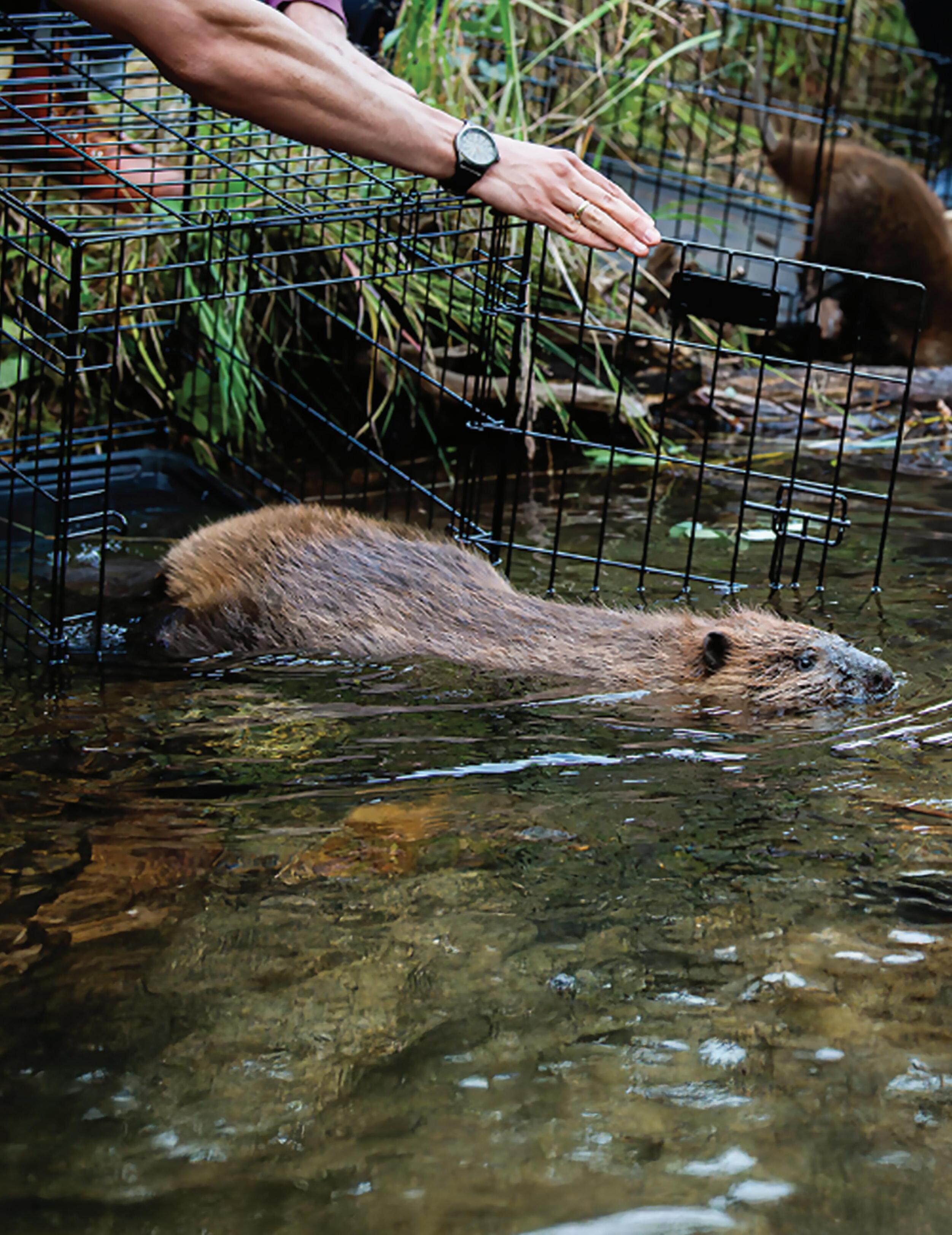
Beavers build dams that slow and store water, a natural solution drawing renewed attention as data centers and other industries increase demand on limited water supplies. At left, the Boulder Watershed Collective releases beavers as part of its beaver reintroduction and coexistence program.
LAST FALL, WHEN A HANDFUL OF URBAN BEAVERS MOVED INTO NEW HABITAT IN NORTHERN COLORADO’S HIGH COUNTRY, THEY ARRIVED COURTESY OF A PERHAPS
SURPRISING SUPPORTER: GOOGLE.
The tech giant has invested in local nonprofit Boulder Watershed Collective’s beaver restoration work, one of the company’s more than 100 such water conservation and quality projects across the country (a Google representative declined to share the amount donated to BWC). What’s Google’s interest in busy, buck-toothed rodents? Beavers are natural engineers, building dams that hold water on the landscape. And these days, tech companies have reason to care very much about water.
The data centers that run cloud computing — and increasingly, artificial intelligence (AI) — have a collectively enormous energy and water footprint. Data centers, relied upon by companies like Google, Meta, Microsoft, and Amazon, are essentially giant warehouses storing the physical infrastructure that powers the digital world. Today, in what’s often referred to as the AI goldrush, these tech giants and startups, are investing big money in data center development to meet AI demand — a projected $650 billion in 2026, up 59% over 2025 spending, according to an analysis by Bridgewater Associates. The computer servers in data centers use huge amounts of electricity as they perform searches and stream videos, generating lots of heat. Hot computers won’t function, so data centers must cool the equipment. Both cooling equipment
and generating electricity often require water — and lots of it. Google’s investment in the Boulder beavers and their ability to conserve water is part of its goal to replenish 120% of the company’s total water use.
Exactly how much water a data center taps remains a difficult question to answer. Tech companies don’t have to publicly report their data centers’ water use, and in many cases, have proven reluctant to disclose it. That lack of transparency creates headaches for communities that are already stressed about water scarcity. If the public doesn’t know how much water these computing powerhouses will swallow up, then how can we be sure any given data center won’t use too much?
What We Know — And Don’t Know
Not all data centers are created equal. Smaller centers that have handled online searches and streaming for years don't need as many resources as the rapidly expanding hyperscale centers doing more complex work for AI development. Speaking in broad averages, a mid-sized data center today uses some 110 million gallons of water per year for cooling, or 337 acre-feet, roughly the same as 1,000 American households, according to a 2025 report from the Environmental and Energy Study Institute. But hyperscale data centers may use around 1.8 billion gallons annually, or more than 5,520 acre-feet, according to that report.
Taken together, those numbers have raised concerns, especially in drought-stricken parts of the country. A report by Lawrence Berkeley National Laboratory found that data centers in the U.S. collectively consumed more than 17.4 billion gallons, or 53,399 acre-feet in 2023, and are on track to gulp 32.76 billion gallons, or 100,537 acrefeet annually, by 2028. In the five states of Colorado, Arizona, Nevada, New Mexico and Utah alone, data centers could consume 4.5 billion gallons, or 13,810 acre-feet, annually on site by 2030, according to a Western Resource Advocates study. If no sideboards are put in place, experts expect these numbers to skyrocket as AI drives the frenzied construction of more data centers.
All those numbers, though, are basically meaningless when it comes to an individual data center. “[Water use] can vary
from zero to many million liters per day,” says Shaolei Ren, an associate engineering professor at the University of California, Riverside. “It really depends on the cooling system.” It also depends on the season — even low-water cooling systems use water during hotter months, which is when demand peaks for other water users as well, adding stress to water systems. Some methods guzzle water for evaporative cooling, while others employ closed-loop liquid or air-cooling systems that use little or none. Air-cooling is similar to air conditioning,
and closed-loop liquid cooling systems recirculate the same liquid coolant around computer equipment — the coolant doesn't need to be refilled but evaporative cooling may still be used to cool the facility. Importantly, waterless cooling systems generally use significantly more electricity.
And that’s only the water a data center uses directly in its on-site cooling system — a fraction of its total water footprint. A 2021 study from Virginia Tech and Lawrence Berkeley National Laboratory researchers estimates that 75% of a center’s water use is actually
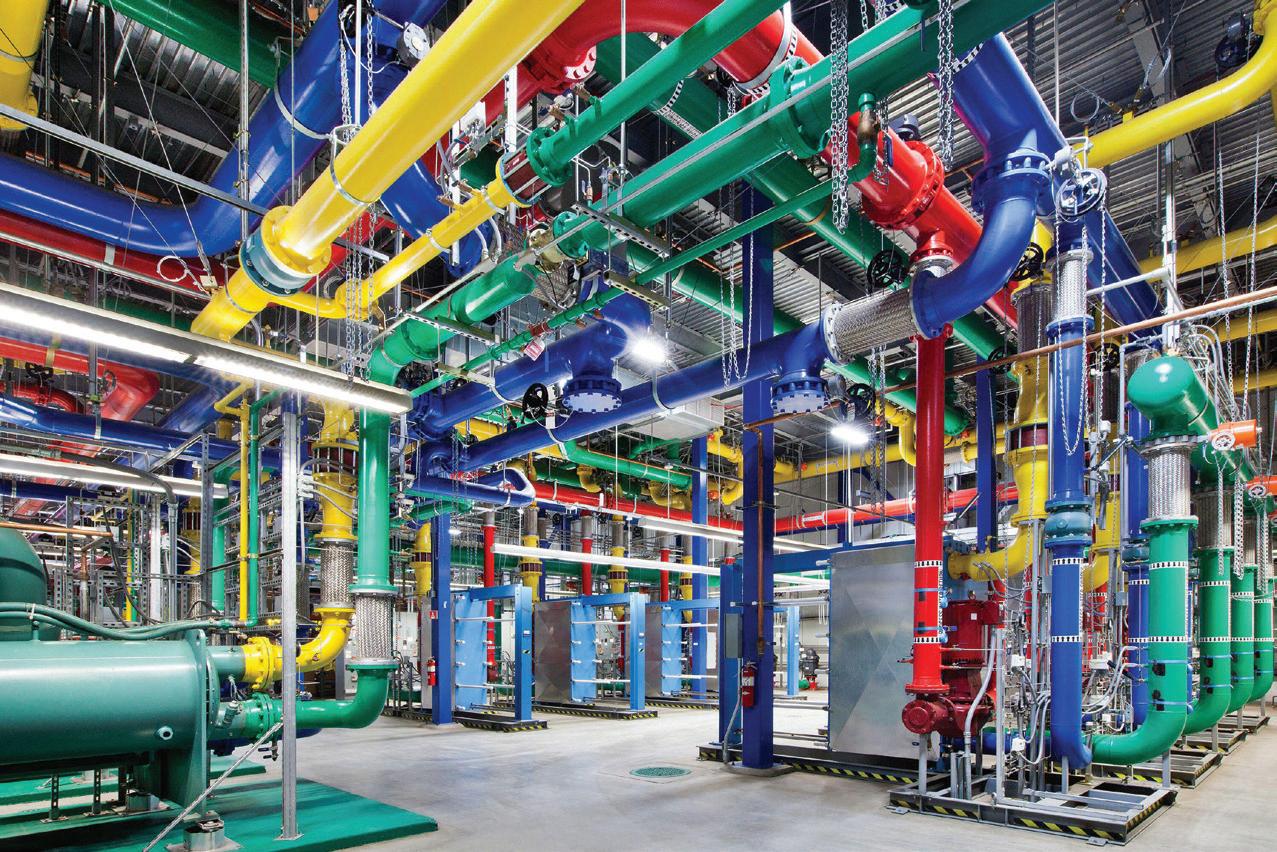
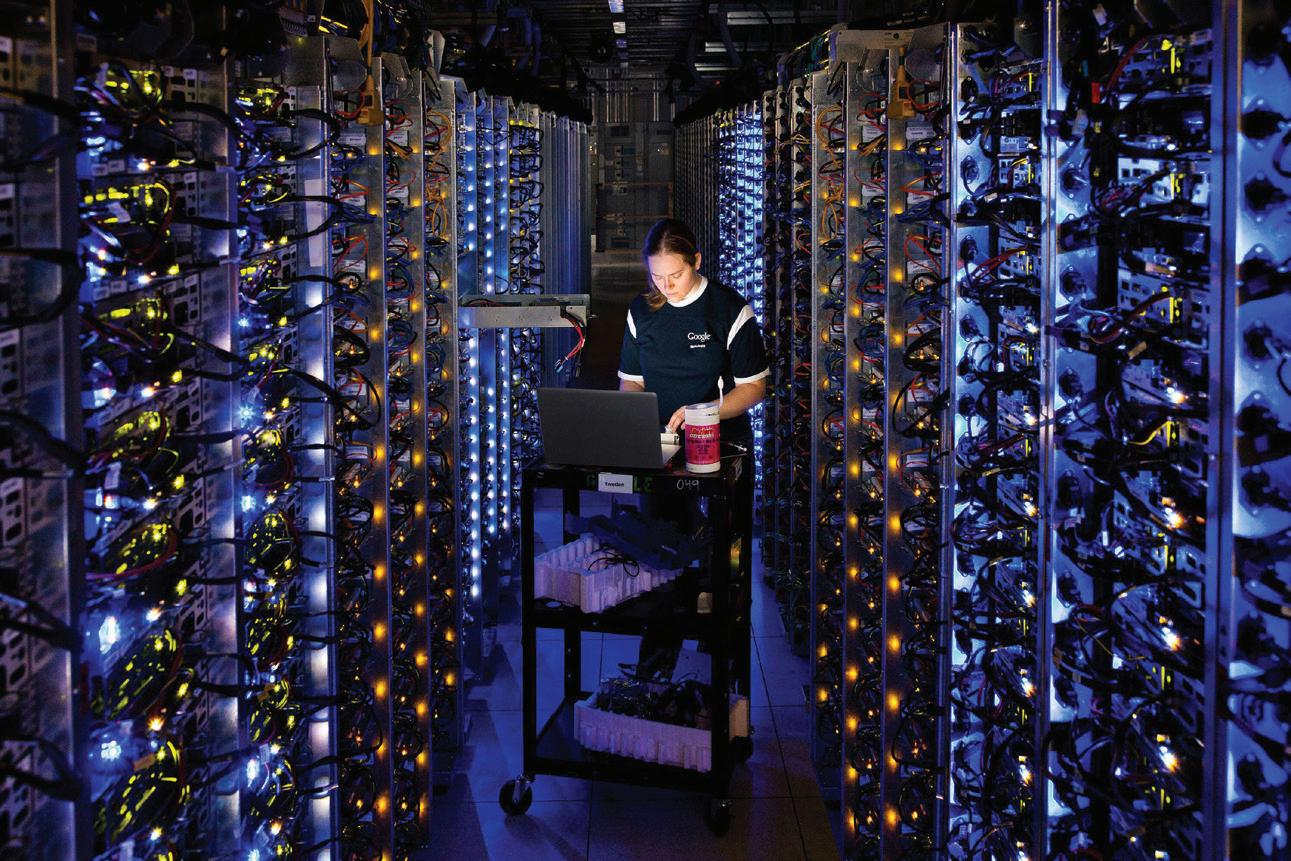
A look inside one of Google's data centers. Blue pipes carry cold water into the facilities and red pipes take hot water out. Keeping data centers cool can require large volumes of water, a demand that is rising alongside cloud computing and AI.
indirect, consumed by off-site power plants as they generate electricity to run the servers. The International Energy Agency projects that electricity consumption at U.S. data centers will more than double from 183 terawatt-hours (TWh) in 2024 to 426 TWh by 2030.
The amount of water required for that surge in power generation varies depending on the source of energy. In a statement, Xcel Energy notes that “It is difficult to predict exactly how data centers will be operating in the future and what mix of generation technologies will be supporting them. Overall, Xcel Energy is using less water for generation every year as more renewable generation like solar and wind replaces coal and gas.”
Often data centers’ water and energy demands vary inversely, says Lindsay Rogers, municipal water conservation policy manager with Western Resources Advocates. Some technologies, like evaporative cooling, use less water but more energy, and other technologies, like dry cooling, will use more energy but less water. “Unfortunately, it’s a tricky thing to answer exactly how much water and energy these facilities use,” she says. “That’s partially because there’s not a lot of transparent data available at the site level on their demands.”
Local utilities know how much water data centers use, and in some cases, the companies themselves release the numbers. But many have resisted making their stats public — binding officials to nondisclosure agreements. This opacity makes it hard for officials and the public to evaluate the impacts of existing and proposed data centers.
Business Insider went to court to obtain water-use records from the Denver Water Board and Colorado Springs Utilities last year. Tech groups opposed a 2025 California bill that would have required data centers to report their water use, arguing it would expose trade secrets, arm competitors with sensitive information, and even create security risks (Governor Gavin Newsom ultimately vetoed the bill). Colorado's proposed SB26-102 would have required large-load data centers to disclose annual electricity and water consumption but failed in the legislative session. Plus, says Dan Diorio, the Denver-based vice president of state policy for the Data Center Coalition, mandating disclosure for data centers but not other large users, like industrial plants or golf courses, doesn’t make sense. “Other members of the system get a free ride to use
as much water as they want to because they aren’t being targeted for disparate treatment,” he notes.
Despite concerns about high water use, data centers are popping up all over the Southwest, including in Colorado. The Centennial State hosts nearly 60, mostly in the Denver Metro area; other clusters have grown around Phoenix, Reno and Salt Lake City. California’s status as a tech hub has attracted even more. Currently, Xcel Energy has received about 35 applications for data centers across its systems in Colorado. Tri-State Generation and Transmission Association says that it has received requests for 8 Gigawatts of new power, largely from data centers — more than three times the utility’s existing 2.5 GW system which spans four Western states including Colorado. Not all proposed data centers end up being built.
Companies go for sites with lots of available, affordable land to develop; access to electricity, plus electrical transmission and fiber optic infrastructure; an acceptable level of risk for natural disasters; and tax incentives. Colorado currently lacks the latter: It does not have a sales and use tax exemption for computer equipment. A proposed tax incentive for data centers failed in the state legislature in both 2025 and 2026.
ter development. But some projects, such as southern New Mexico’s Project Jupiter, aim to skirt that challenge by building self-contained microgrids to generate their own electricity.
Planning for the Boom
With interest and investment in data centers exploding, a few communities have attempted to get in front of tricky water-use questions. In 2024, Aurora became a national leader when it developed a large water users guide — the guide was codified in 2025 — capping how much water a new development is allowed to consume. Any company anticipating water use above a certain daily threshold simply won’t be served. As the city saw increasing interest from data centers and other industrial operations in recent years, officials at Aurora Water began to get nervous.
“We don’t have an unlimited supply of water,” says Chong Woo, deputy director of engineering services at Aurora Water. “This is a way to ensure that we have a water supply that will allow us to supply our community well into the future.”
Water rights are becoming harder to find in Colorado, says Aurora Water’s deputy director of internal and external affairs, Shonnie Cline, adding to the urgency. “This
Water availability matters, but it’s not necessarily a developer’s number-one concern. In some cases, such as in Goodyear, Arizona, tech companies have paid to upgrade a municipality’s water system so it could accommodate a new data center’s surge in use. Similarly, access to energy can be a limiting factor for data cen-
is protective to both industry and residents — looking at the long view, as opposed to just jumping on an economic opportunity that sounds really good for today, but that could potentially be damaging to the municipality if we don’t have the resources to serve them into perpetuity,” she says.
TO REGULATE OR INCENTIVIZE?
Colorado lawmakers have tried to lead when it comes to AI and data centers, but differing approaches have left them stymied. Here's what's been happening with state legislation:
SB24-205, Consumer Protections for Artificial Intelligence, aimed to govern high-risk AI systems in order to protect consumers from risks of AI discrimination. The bill was signed into law in 2024 and lauded by consumer groups as landmark legislation. Meanwhile, many in the tech industry warned that it could create heavy administrative burdens for startups, deter innovation, and slow economic growth. Lawmakers pushed the policy’s start date back so legislators could make changes during the 2026 session. While SB24-205 was set to take effect in June, Colorado's Attorney General agreed to suspend the state's enforcement of the law when a federal judge granted a stay in a lawsuit brought against the state by Elon Musk's xAI.
SB26-189, Automated Decision-Making Technology, replaces SB24-205, narrowing the scope of the previous law. This new law simply requires disclosure when automated decision-making technology is being used and requires that more info is provided to consumers if requested.
SB26-102, Large-Load Data Centers, failed in session, but would have set guardrails on large-load data centers with requirements around utility contracts, environmental impacts, operations and location. Among other things, the bill called for data centers to implement water-efficient technology and report annual electricity and water consumption.
SB26-1030, Data Center and Utility Modernization, failed in session, but would have incentivized data center development in Colorado by allowing a 100% state sales and use tax exemption on qualified purchases to the operator of a certified data center.
Since the policy went into effect, the city has negotiated with proposed data centers to get their water use down to acceptable levels. “We’ve asked data centers to be more creative in terms of how their processes consume water,” says Vern Adam, Aurora Water’s recently retired deputy director of engineering services.
“We’ve had users that no longer use wet evaporative cooling, and are using other means to provide cooling for their servers.”
In 2024, the town of Marana, Arizona, went even further by passing a city ordinance stating it wouldn’t supply potable water to a data center at all, and that a company must disclose its water use publicly. “A couple of years ago, we were excited about the prospect of having data centers move into our community,” says Mayor Jon Post. “Then we started to hear some discontent from some of the communities in metro Phoenix about what data centers were taking
With so many unknowns ABOUT WATER USE WITHIN SUCH A RAPIDLY EVOLVING INDUSTRY, PERHAPS THE BEST WATER POLICIES WILL BE CUSTOMIZED TO EVERY DATA CENTER — AND ITS NEIGHBORS.
Also last year, Tucson passed an ordinance regulating “large-quantity water users” after public outcry sank a proposed data center called Project Blue. The new rules require any prospective water-intensive development to apply to the city council (making its water use public record), submit a water conservation plan, and agree to use some recycled water.
from their resources. We wanted to make sure that they did not take from the resources that we have available to our residents. We have done a really good job with our water portfolio. We feel we are positioned well for future growth in our community. But that did not include data centers.”
The regulations haven’t stopped data centers from approaching Marana. As of last winter, Post says the city has been in talks about at least three proposed developments since passing the ordinance, all of which would use a closed-loop cooling system. “Having the ordinance in place is going to make [the application] process much simpler,” he says. “They already know what they have to do to get approvals from the town.”
In Colorado, more communities are taking a step back to set data center policies. In Spring 2026, Larimer County, Jefferson County, Saguache County, and the Denver City Council adopted a moratorium on applications for new data centers, to allow them time to gather public input and develop land use regulations. Similarly, in April, Weld County Commissioners added data centers to their land use code, limiting data center construction to industrial zones, and requring proof of water.
With so many unknowns about water use within such a rapidly evolving industry, perhaps the best water policies will be customized to every data center — and its neighbors. “The question is, how do you use the least amount of water as possible, and how do you do that in conjunction with the stakeholders in the community?” says Howard Neukrug, executive director of the University of Pennsylvania’s Water Center, which recently launched the Water-AI Nexus Center of Excellence. “Water is a global issue. The solutions are all very local.”
COOL AND DRY
Innovations in cooling technologies let data centers drastically cut their water use.
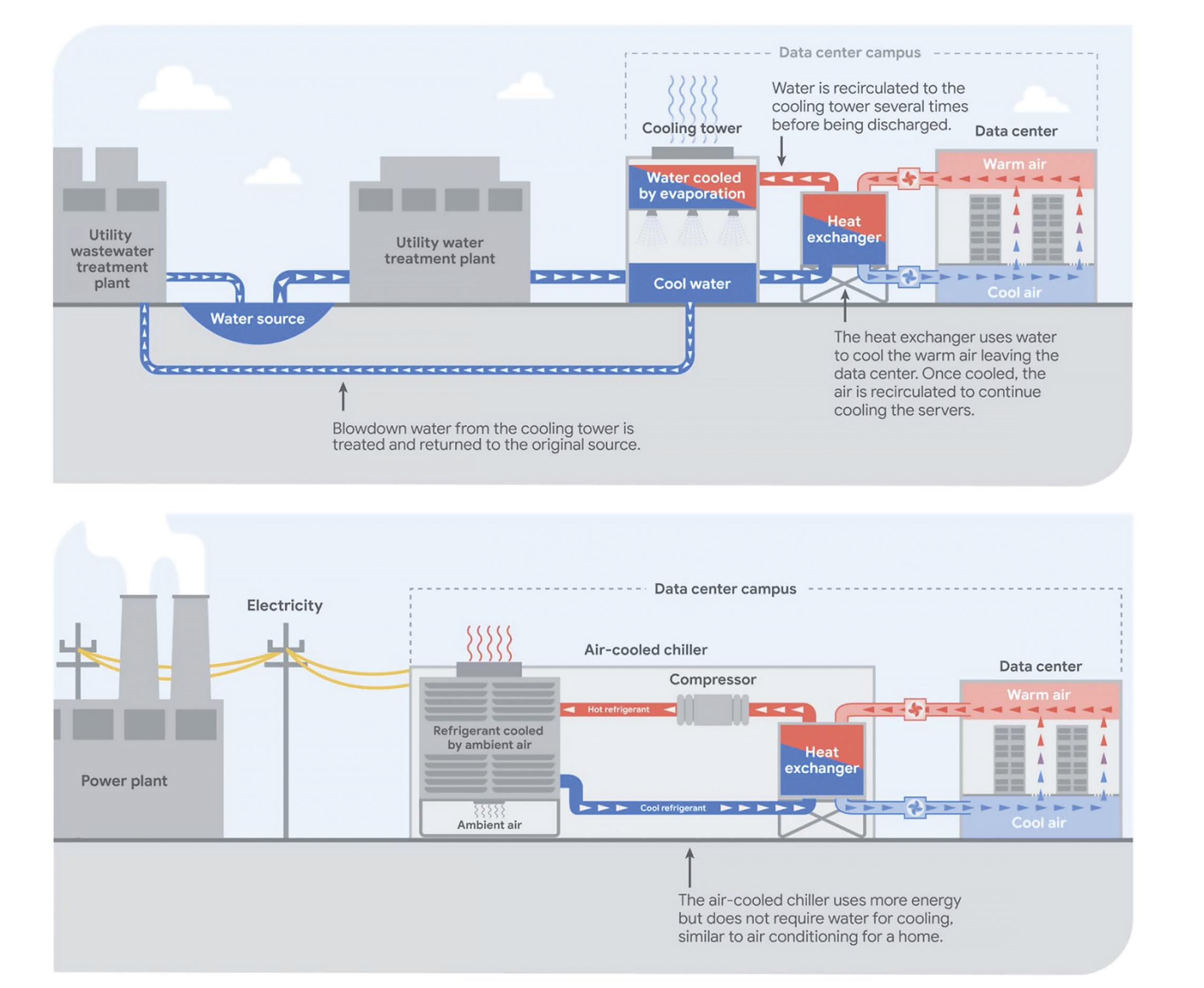
Wet Cooling
Dry Cooling
Do data centers actually consume staggering amounts of water? It depends on the type of data center and the technology used to cool its servers. Methods that rely on evaporation are notorious for high water use, while other technologies get the job done with less, or even no, water.
Refrigeration cooling or dry cooling methods work like air conditioners, circulating cool air in a data center and removing hot air. This is done through an air-cooled chiller (known as dry cooling) or a water-cooled chiller. Air-cooled chillers are more energy-intensive but consume no water, while water-cooled chillers may use a cooling tower — those with cooling towers are generally the most waterintensive cooling systems used in data centers.
Adiabatic- or direct-evaporative cooling systems use water to cool the air that is circulated in a data center. These systems are similar to swamp coolers found in residential and commercial buildings. They work well in dry climates, but not in humidity.
Free cooling, aka ambient cooling, uses fans to draw in “free,” colder outside air. After passing through the building, the heated air is vented outdoors. This method is best suited to colder climates, and is often paired with a backup system for when the weather gets too warm.
Liquid cooling methods rely on the fact that liquid conducts heat more efficiently than air. With immersion cooling, computer hardware is placed in a fluid that conducts heat but not electricity. The liquid absorbs the servers’ heat, releases it via a heat exchanger,
then cools and flows back into the system. Direct-to-chip liquid cooling is even more targeted, attaching cold plates to the hottest parts of the equipment. The coolant liquid flows through the plates, removing heat and returning to the system. Liquid cooling is increasingly being used by AI data centers.
A data center’s electricity source makes a major difference in its water use, too. Fossil fuel plants consume large amounts of water, while renewables don’t use any. The greener a data center’s electricity, the less water it will use.
Elisabeth Kwak-Hefferan is a writer who specializes in the environment. She writes for The New York Times, Sierra, National Geographic, and more.
MEMBER'S
A Community Of People Who Care About Water
Thank You
Water Education Colorado members make our work possible!
The WEco community is connected by a deep appreciation for water and love for our state. Together we’re committed to ensuring Coloradans are informed on water issues and equipped to make decisions that guide our state to a sustainable water future. We are continually inspired by our members who share our vision for a well-informed and water-aware Colorado. We would like to recognize our current members (as of June 1, 2026). Find a full listing of all our members and supporters, in our 2025 Annual Report, found at wateredco.org/reports.
HEADWATERS LEVEL ($5,000+)
Chevron Corporation
Colorado Water Resources and Power Development Authority
South Metro Water Supply Authority
BASIN LEVEL ($2,400+)
Colorado River Water Conservation District
Northern Colorado Water Conservancy District
Pueblo Water
Southwestern Water Conservation District
Spheros Environmental
Ute Water Conservancy District
AQUIFER LEVEL ($1,200+)
Basalt Water Conservancy District
City of Grand Junction
Colorado Springs Utilities
Colorado Water Center
Denver Water
Northern Water Municipal Subdistrict
Parker Water & Sanitation District
Roxborough Water & Sanitation District
SGM
South Platte Water Related Activities Program (SPWRAP)
Town of Monument Public Works
Tri-State Generation and Transmission Association
Upper Yampa Water Conservancy District
W. W. Wheeler & Associates, Inc.
RIVER
LEVEL ($600+)
AE2S
Carlson, Hammond & Paddock, LLC
Carollo Engineers
City of Boulder
Cividesk
Cockrel Ela Glesne Greher & Ruhland, PC
Colorado Farm Bureau
CSU Spur
GEI Consultants
Mount Werner Water District
Pinery Water and Wastewater District
Pitkin County Healthy River Program
Roggen Farmers' Elevator Association
South Adams County Water & Sanitation District
St. Vrain and Left Hand Water Conservancy District
Upper Arkansas Water Conservancy District
Upper Gunnison River Water Conservancy District
TRIBUTARY LEVEL ($300+)
Alpine Bank
Applegate Group
Christine Arbogast
Arkansas River Basin Water Forum
BBA Water Consultants, Inc.
Buffalo Mountain Metropolitan District
Anne Castle
Castle Rock News Press
City of Westminster Public Works and Utilities
Colorado Municipal League
Cottonwood Institute
Delta County
Dominion Water & Sanitation District
Douglas County
ELEMENT Water Consulting
Evans Group, LLC
Fairfield and Woods, PC
Forsgren Associates Inc.
Jennifer Gimbel
Tom Gougeon
Grand County
Great Outdoors Colorado
Helton & Williamsen, P.C.
Highlands Ranch Water and Sanitation District
Kent Holsinger
Kogovsek & Associates, Inc.
Tristan Loar
Martin and Wood Water Consultants
John Maus
John McClow
Middle Park Water Conservancy District
Morgan County Quality Water District
Platte Canyon Water and Sanitation District
Pueblo West Metropolitan District
Republican River Water Conservation District
Rocky Mountain Farmers Union
San Juan Water Conservancy District
Mike Shimmin
Claire Sollars
Southeastern Colorado Water Conservancy District
Town of Frederick
Triview Metropolitan District
Daniel Tyler
United Water and Sanitation District
Water Demand Management
Water Information Program
Western Resource Advocates
Wilson Water Group
Wright Water Engineers, Inc.
STREAM LEVEL ($120+)
Lisa Bailey
Gary Boldt
Mark Bush
Peter Butler
Joan Card
Kevin Collins
Kenneth Curtis III
Sarah Dominick
Paul Fanning
Taylor Hawes
Matt Heimerich
Ray Hilliard
Lauren Hix
Sam Krage
David LaFrance
Paul Lander
Donald Langley
Alan Matlosz
Lisa McVicker
Larry Morgan
Gary Nuss
Pete Ortego
Bill Parzybok
Bob Peters
Chris Pletcher
Howard Ramsdell
Joel Schaap
Brent Schantz
Alli Schuch
Bo Shaffer
Brian Werner
Gerald Wischmeyer
Dick Wolfe
INDIVIDUAL LEVEL ($60+)
Taishya Adams
Zach Ahlberg
Beth Albrecht
Matthew Appelbaum
Drew Beckwith
Ken Beegles
Courtney Black
Glen Black
Amy Blackwell
Josh Boissevain
Andrea Borkenhagen
Dave Bower
Jean Marie Boyer
Gene Bradley
Sean Brennan
Sen. Jeff Bridges
Marjorie Brooks
Tom Brossia
Lisa Brown
Marilyn Brown
Lisa Buchanan
Ann Bunting
Logan Callihan
Lee Campbell
Carol Carpenter
Jennifer Carruthers
Rick Casey
Tia Cavender
Christine Collin
Ted Collin
Tony Connell
Craig Cotten
Ethan Cozzens
Allegra da Silva
Susan Deans
Glenda DeBekker
Reed Dils
Sarah Doegler
Sarah Doelger
Kristen Doyle
Donna Duncan
Tracy Emmanuel
Joanne Fagan
David Ferry
Nathan Fey
Michael Fink
Patrick Fitzgerald
Thomas Flanagan Jr.
Jack Flowers
Sandy Flowers
Timothy Gablehouse
Nicole Garrimone-Campagna
Randy Giffin
Katie Gill
Jordan Gillen
Jon Girand
Steve Glammeyer
Daniela Gosselova
Hillary Hamann
Wendy Hanophy
Paul Harms
Zac Haynes
Polly Hays
Eric Hecox
Julie Hellman
Carla Hendrickson
Gregg Hendry
Jeannette Hillery
Aaron Hilshorst
Suzy Hiskey
Jim Hokit
Michael Holmes
Barbara Horn
Terry Huffington
Arlie Huffman
Dan Huntington
David Inouye
Matt Isgar
Tanya Ishikawa
ENGAGE
Dive into our diverse programming. Find more information on our website. A few ideas to pique your interest:
Attend WEco's 2026 South Platte Basin Tour Aug. 4-5. Learn more and register at watereducationcolorado.org/programs-events/tours.
Save the date to attend the 2026 Sustaining Colorado Watersheds Conference Oct. 6-8 in Avon, Colorado.
Make your voice heard! Visit our social media pages or craft a letter to the Fresh Water News editor to share your thoughts, opinions or experiences.
Julio Iturreria
Torie Jarvis
Steve Jeffers
Greg Johnson
Lynn Johnson
Erik Jorgensen
Julie Kallenberger
David Kalmbach
Kelli Kavinsky
Kurt Keeley
Russell Kemp
Anne Khuong
David Kienholz
Stan Kloberdanz
John Knapp
Julie Knudson
David Kracman
Chris Kraft
Stephen Krest
Michael Landis
Dennis Larratt
Donna Larson
Lisa Leben
Byron Levkulich
Mark Levorsen
David Liberman
Patricia Locke
Newton Logan
James Lovvorn
Scotty MacGregor
Vic Makau
Ann Malinaro
Jo Manternach
Kevin McCarty
Mark Mccluskey
Jan McCracken
Gordon McCurry
Maura McGovern
Joe Meigs
Cathy Metz
Jim Mock
Mike Montgomery
Mae Morley
Ann Mullins
Dorothy J Myers
Phil Nelson
Ken Neubecker
Mark Neyrinck
Gary Nuss
Steve O'Dorisio
John Orr
Eric Perramond
David Peters
Stephanie Phippen
Pikes Peak Library District Special Collections
Jessica Pope
Jayla Poppleton
Quigley Library
Diana Ramser
Gene Reetz
Cynthia Reiners
Melvin Rettig
Patricia Rettig
Richelle Riley
Vicki Ripp
Donny Roush Jr.
Ana Ruiz
Wayne Schieldt
Jerry Schmitt
Thomas Schmugge
Don Schwindt
VOLUNTEER
We rely on our volunteers! Visit wateredco.org/volunteer:
Share your expertise and we’ll plug you in — as a blog contributor, a speaker, or a peer reviewer for publications.
Join a contact list to provide local support when we bring one of our programs to your area.
Be a WEco ambassador by sharing educational resources with your community.
Keith Scoular
Alison Scully
Thomas Sharp
Jim Siriano
David Skarka
Matt Smith
Laura Spann
Vicki Spencer
Alex Stelzer
David Stewart
Terrance Stokka
Ed Struzeski
Gregg Stults
Deems Taylor
Clay Terry
Edward Tolen
Chris Treese
Thomas Trout
Molly Trujillo
Leslie Walker
Susan Walker
Robert Ward
David Wegner
Michael Welsh
Brian Werner
Bruce Whitehead
Cora Wiese Moore
Jody Williams
Richard Wojciechowski
Sensa Wolcott
Bob Wolff
India Wood
Joe Tom Wood
Connie Woodhouse
Edith Zagona
GIVE
Your gift advances an engaged Colorado, leading to informed decisions and sustainable solutions.
Three ways to give:
Contribute to Drought Action 2026, WEco's 2026 summer drought campaign.
WEco accepts charitable gifts of appreciated stock — you get double the tax benefit!
Sponsor an upcoming program or event to showcase your organization’s support for water education. Visit watereducationcolorado.org/ get-involved/sponsorship-opportunities to learn more.
WATE R EDUCATION COLO R ADO .O R G
Publication of Water Education Colorado's Headwaters magazine is made possible by the generous support of sponsors and advertisers. We would like to extend our appreciation and thanks to these sponsors for contributing financially to this issue.

Thank You to our 2026 Annual Partners: