LEARN. ENGAGE. BE INSPIRED.

On behalf of BC Children’s Hospital Research Institute, it is our pleasure to welcome you to Mini Med School Prince George. We are honoured to be speaking to you from the unceded traditional territory of the Lheidli T’enneh, who are part of the Dakelh (Carrier) First Nations.
At Mini Med School, you’ll learn about some of the latest big ideas and discoveries in health research. Our speakers include some of Canada’s leading scientists, healthcare professionals and up-and-coming researchers. They are eager to share with you their passion, dedication and the way they’re working to transform child health for kids in Canada and around the world.
We’re here today with a big goal: to inspire you. We hope that you leave today excited about what’s possible in the fields of science and health and, most importantly, the endless opportunities ahead for your own future careers.
Sincerely,
2026 Mini Med School Team

Event Details: Friday, May 8, 2026 8:30 am – 2:30 pm
Ramada Plaza Prince George, 444 George Street, Prince George, BC

8:30 am Registration & Welcome Activity
9:00 am
Meet the Mini Med School Faculty! Learn more about the BC Children’s Hospital researchers who are pursuing discovery and translating their research into life-saving medical advancements.


9:15 am
Pediatric emergency medicine is a fast-paced, high-stakes field where compassion, quick thinking, and science come together. Hear from a pediatric emergency doctor as she shares her career journey and takes you inside a real shift. Discover what doctors diagnose and treat, and how research is seamlessly woven into real-time care at BC Children’s Hospital. Presented by Dr. Quynh Doan
Did you know BC Children’s Hospital Research Institute conducts world-class research to improve the health of children and families? 2000+ researchers and staff members are leading scientific discoveries for a healthier future for all kids in BC, Yukon and beyond.
9:45 am
Get ready for some hands-on science! You will work in groups to participate in a selection of the following activities:
Dive into the fascinating world of the brain by building your own “mini brain” network! Get hands-on with different brain cells (neurons, astrocytes, microglia, and oligodendrocytes), explore each cell’s unique role in keeping the brain healthy and functioning, and uncover key neuroscience concepts in a fun and interactive way that brings the brain to life.
Presented by Dr. Inês Caldeira Brás
Step into the immune system and discover how immune cells work together! In this session, you’ll work in teams to see how regulatory T cells, the “peacekeepers” of immunity, act together with effector T cells to keep the immune system in balance. Compete for prizes while exploring how these important cells team up to keep us healthy in different situations!
Presented by Dana Lao

Become a biomedical engineer as you design a patient monitor to help healthcare providers track vital signs. In this session, you’ll explore how key measurements (heart rate, breathing rate, temperature, blood pressure, and oxygen saturation) are used in patient care, then work together on a case study to design your own patient monitor that communicates vital changes clearly and discretely. Presented by Rosalyn Carr
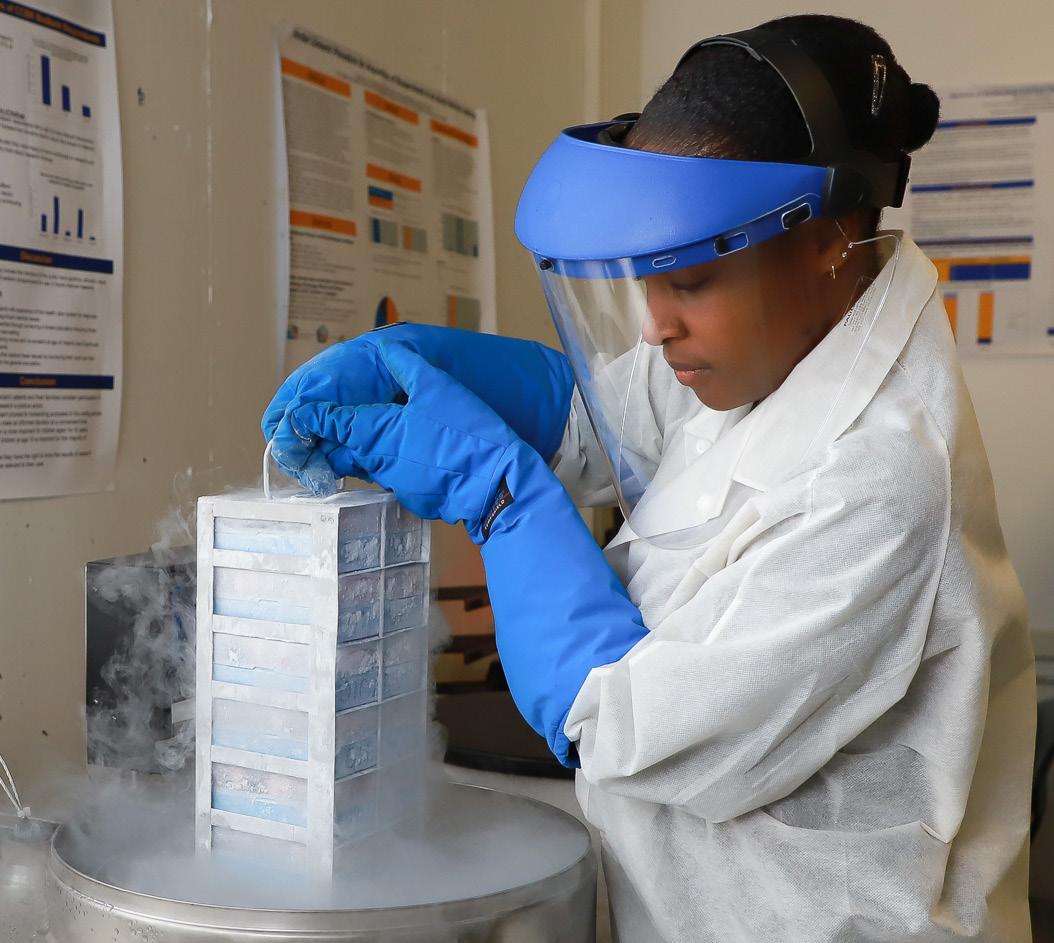
Have you ever thought about how your blood carries oxygen, and how iron (Fe) makes it all possible? In this hands-on activity, you’ll model hemoglobin with LEGO blocks to see how its structure depends on iron. Along the way, you’ll explore why hemoglobin levels vary between males and females and how iron deficiency affects oxygen transport and performance. By the end, you’ll understand how crucial iron is for keeping your body active and healthy. Presented by Ailish Babicki-Moore
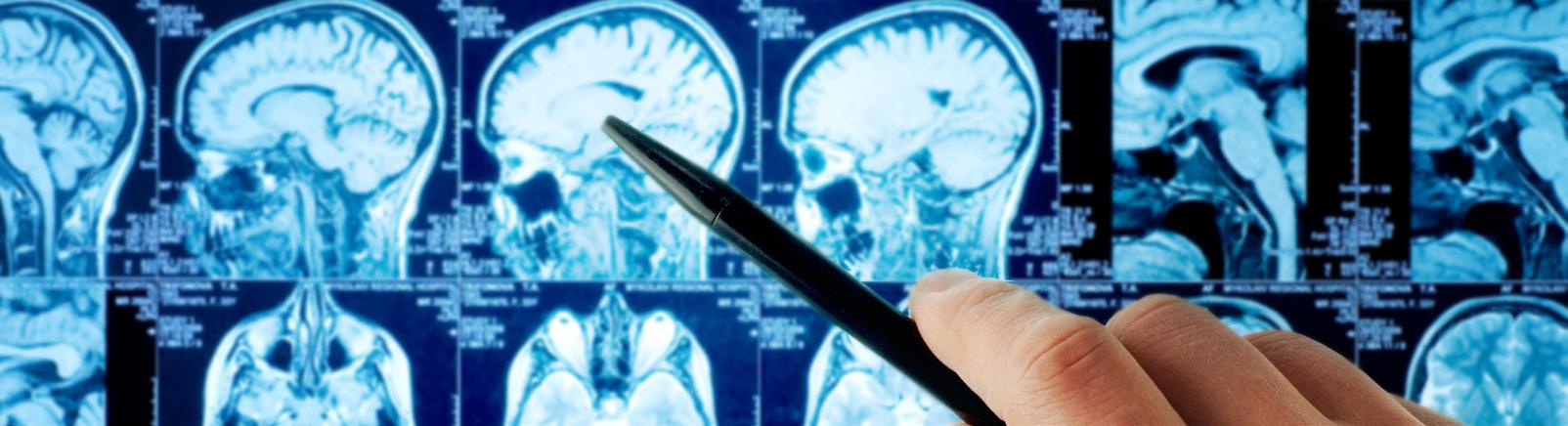
Step into the world of neuroscience and uncover real brain mysteries! Working in teams, you’ll explore MRI scans and patient stories to see how different brain injuries can affect behavior. Learn how clinicians use critical thinking and evidence-based reasoning to solve these “brain mysteries” and get a first-hand look at how scientists link the brain’s structure to its function to understand symptoms and improve patient care. Presented by Cynthia Li
We often see just the “tip” of a case, symptoms on the surface, but the real answers hide below. In this hands-on session, you and your team will sift through a patient story, paper-based lab visuals, and a plain-language genetic snapshot to uncover what’s underneath. Working like clinicians, researchers, geneticists, and pharmacologists, you’ll connect clues, choose a care plan, and submit a one-page consult note to reveal the solution. Come see how collaborative science turns hidden patterns into real help for kids and families. Presented by Pariya Yousefi
Experience what it’s like to be a qualitative researcher! Instead of running experiments or analyzing large data sets, qualitative researchers explore people’s experiences, behaviours, and perspectives to understand the why behind human actions. In this activity, you’ll discover how methods like interviews, observations, open-ended surveys, photos, and creative tasks can reveal deeper insights into how people think, feel, and act. Learn more about a scientific approach that helps us investigate the social and psychological aspects of health. Presented by Anguli Bharmota

Have you ever wondered how your daily choices around food, sleep, stress, and physical activity affect your energy, mood, and overall well-being? In this interactive session, you’ll explore real-life scenarios to see how everyday decisions impact your life. By the end, you’ll discover how small, realistic changes can make a big difference, empowering you to take charge of your health. Presented by Cristian Massaro
In 2017, Mini Med School expanded beyond Vancouver for the first time to Terrace, BC. Over the past few years, sessions were also held in Fort St. John, Kamloops, Williams Lake, Chilliwack, Victoria, Nanaimo, Nelson, Castlegar, Vernon, Salmon Arm and Whitehorse.
Where to next? This award-winning science education program will be on the road for years to come!
10:15 amBreak -
10:30 am
Continue to work in groups and participate in different activites from Session 1.
11:00 am
Put your health sciences knowledge to the test! This interactive game offers a chance to compete for prizes while gaining deeper insights into the latest advancements in science.

11:15 am
Explore diverse career opportunities and engage with health science experts. This interactive discussion will be guided by participants, so come prepared with your questions!
11:45 am Lunch
Lunch will be provided. Mini Med School is not a nut-free event. Participants with any food allergies or dietary restrictions are asked to bring a lunch.
12:45 pm
Think you’ve got what it takes to outsmart a BC Children’s Hospital researcher? Test your skills by teaming up to create questions that challenge our Mini Med School Faculty. We’ll see how these experts fare against high school students and find out just how much they remember from their own high school science classes!
1:00 pm
Studies show that it can take about 17 years for new medical discoveries to become part of everyday healthcare, what’s often called the implementation gap. Together we’ll explore how researchers work to close this gap for common respiratory illnesses, which are one of the leading causes of hospital admissions for children in BC and around the world. Presented by Dr. Claire Seaton
The Summer Student Research Program fosters research awareness and interest for undergraduate and medical students. Each year, the program provides an opportunity to participate in research projects related to child and family health under the supervision of researchers at BC Children’s Hospital. Learn more: www.bcchr.ca/ssrp
1:30 pmBreak -
2:15 pm 1:45 pm
Continue to work in groups and participate in different activites from Sessions 1 and 2.
Participants will be dismissed at 2:30 pm.
2:30 pm
Interact with our health science experts! After dismissal, the Mini Med School Faculty will be available until 3:00 pm to network one-on-one with any interested participants.
High school students get the chance to virtually participate in different BCCHR research events throughout the year. For the most up-to-date information on upcoming public events and other opportunities to get involved in research, sign-up for our newsletter.
Stay connected with us on social media: @bcchresearch




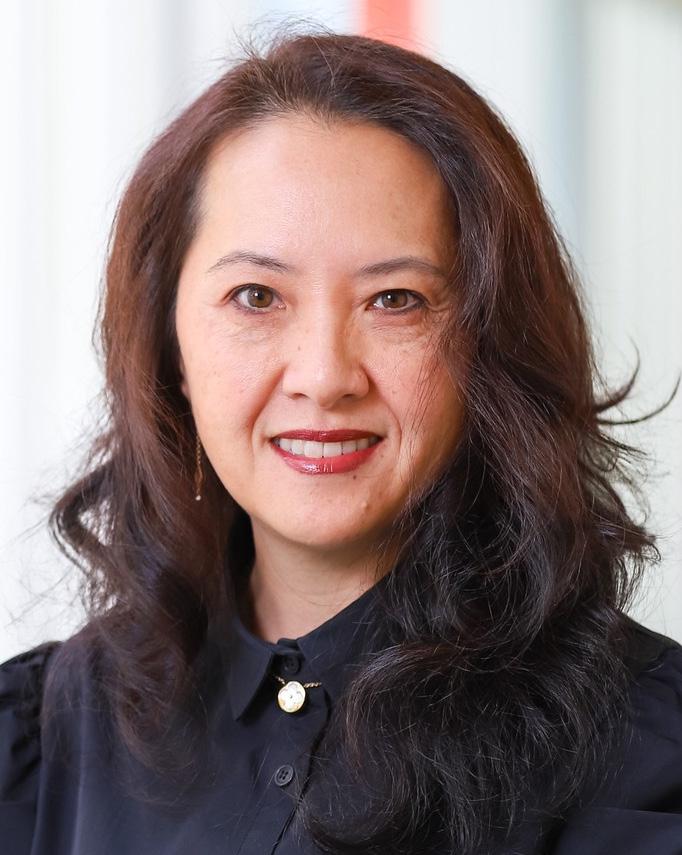
Senior Executive Director, Associate Dean, Research, Congdon Family Hospital Chair in Research, BC Children’s Hospital; Clinician Scientist, Pediatric Emergency Medicine; Professor, Department of Pediatrics, UBC
Dr. Quynh Doan is a clinician-scientist at BC Children’s Hospital. As a pediatric emergency physician and the Associate Dean of Research, her research focuses on how pediatric emergency departments are used and the impact of emergency care on kids and their families. With a strong passion for youth mental health, Quynh created MyHEARTSMAP, a digital tool designed to help kids, teens, and their families better understand their mental health and find the support they might need. She is also a champion for inclusivity, ensuring research represents families whose first language isn’t English. Growing up in Montréal, Quynh is fluent in French. She completed her medical degree at McGill University and trained in pediatrics and pediatric emergency medicine at the University of British Columbia. In addition to her clinical training, she earned a Master of Health Sciences and a PhD from UBC’s School of Population and Public Health, combining her medical expertise with a strong interest in health services research. In her free time, Quynh enjoys cooking, eating, and staying active.
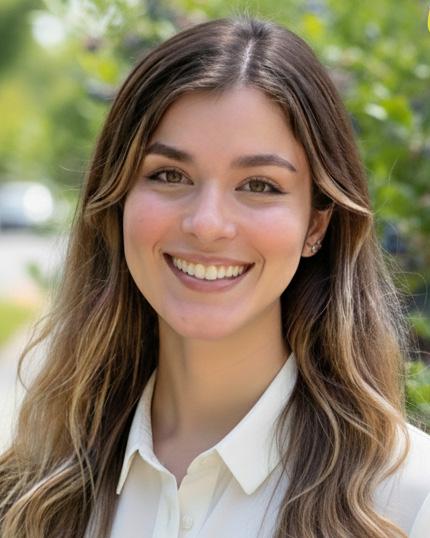
Research Assistant, Biggs Research Team, BC Children’s Hospital
Pariya Yousefi is a research assistant in pediatric immunology at BC Children’s Hospital. Her work focuses on understanding how genetic changes impact immune signaling and how these insights can accelerate diagnosis and improve care for children with rare conditions. In her daily work, Pariya designs and conducts bench experiments, reviews genetic variants, and translates complex results into clear, clinically useful summaries. She completed her studies in Montréal before moving to BC to collaborate closely with clinical teams on rare disease cases. With a background in molecular biology and immunology, Pariya is passionate about transforming scientific discoveries into practical solutions for families. Outside the lab, she maintains a steady yoga practice and enjoys exploring new coffee spots with friends.
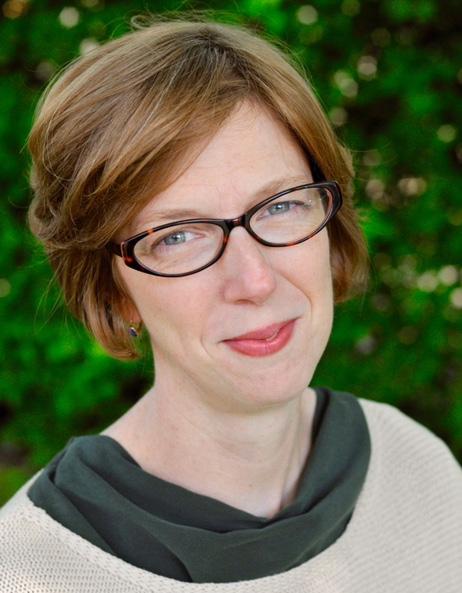
Researcher & Pediatrician, BC Children’s Hospital; Clinical Associate Professor, Department of Pediatrics, UBC
Dr. Claire Seaton is a hospitalist general pediatrician at BC Children’s Hospital (BCCH) working with the BCCH Asthma Clinic. Her pediatric training in Oxford and London, UK led to a respiratory fellowship at BCCH, and she has been at BCCH since 2016. Her clinical work and research interests have intersected to focus on Knowledge Translation, Implementation Science and Quality Improvement, and Education, with a particular focus on common pediatric respiratory conditions. If she’s not thinking about coughing or wheezing kids, she loves walking her dog, swimming in the ocean, and trying to figure out what her 3 teenage kids are actually talking about!
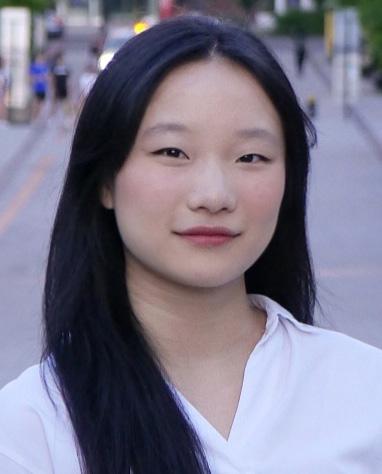
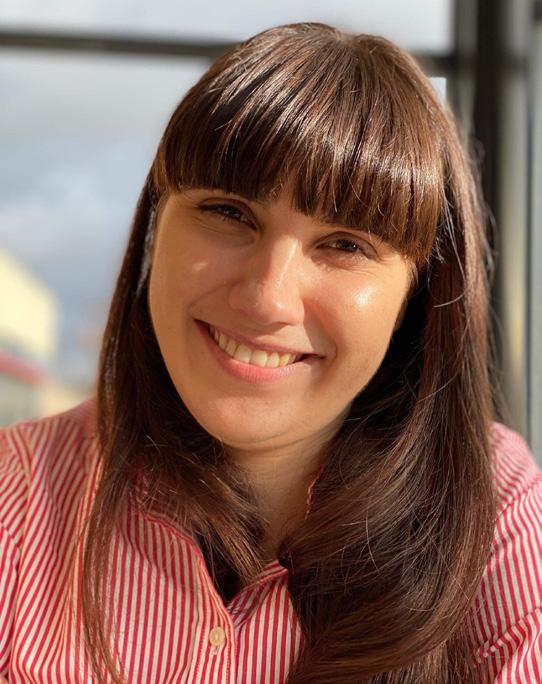
Master’s Student, Selvanathan Research Team, BC Children’s Hospital; Women+ and Children’s Health Sciences, Faculty of Medicine, UBC
Cynthia Li is a first-year MSc student in Women+ and Children’s Health Sciences at UBC. She recently earned an Honours BSc in Anatomy and Cell Biology at McGill University. Her research focuses on neurodevelopment and the use of neuroimaging, with her current project exploring how white matter injuries affect functional connectivity in preterm infants. By studying these injuries and their impact on brain networks, Cynthia aims to help improve clinical outcomes and improve the quality of care for preterm infants.
Postdoctoral Fellow, Hayden Research Team, Centre for Molecular Medicine and Therapeutics, BC Children’s Hospital; Faculty of Medicine, UBC
Dr. Inês Caldeira Brás is a postdoctoral fellow focused on developing novel biomarkers for Huntington disease, with a background studying molecular mechanisms involved in disease progression and degeneration in neurodegenerative disorders. She is passionate about making neuroscience accessible and easy to understand for everyone. Actively engaged in science outreach, Inês is dedicated to inspiring curiosity and demonstrating how neuroscience research translates into real-world insights and potential therapies.
Master’s Student, Wright Research Team, BC Children’s Hospital; School of Kinesiology, Faculty of Education, UBC
Ailish Babicki-Moore completed her Bachelor’s degree in Kinesiology at UBC in 2024. After graduation, she took a short break from academia to attend cooking school in France, combining her love of food with her passion for health. This unique experience inspired her to pursue a Master of Science in Kinesiology, where she now works in the END Lab (Exercise, Nutrition & Drugs) under the supervision of Dr. David Wright. Her research explores how weight-loss drugs affect muscle health, a topic that perfectly aligns with her interests and makes her graduate studies deeply rewarding. Reflecting on both her undergraduate and graduate experiences, Ailish is a strong advocate for finding personal meaning and connection in the subjects we study.
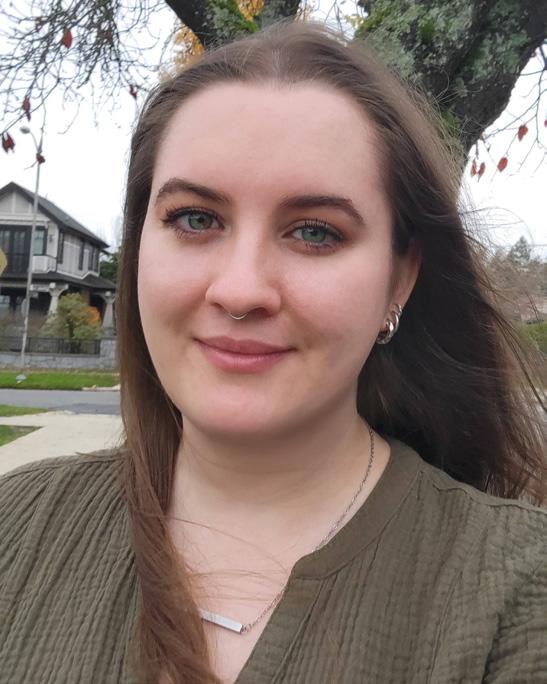
PhD Candidate, Digital Health Innovation Lab, BC Children’s Hospital; School of Biomedical Engineering, Faculty of Applied Science & Faculty of Medicine, UBC
Rosalyn Carr is a PhD candidate in Biomedical Engineering at UBC and a researcher with the Digital Health Innovation Lab at BC Children’s Hospital. Their research focuses on using human-centred design to create digital tools that help return research results to study participants, improving the experience for researchers, children, and families. Before starting their PhD, Rosalyn earned their BASc in Biomedical Engineering at UBC, specializing in biomedical informatics, with a minor in Psychology. Outside of research, Rosalyn enjoys teaching workshops at the UBC Pottery Club and volunteering as a figure skating judge.

High school students throughout BC and Yukon can experience Mini Med School online at any time and from anywhere. Participants in our self-directed program are also eligible to receive an electronic certificate of participation. Learn more: www.bcchr.ca/mmsonline
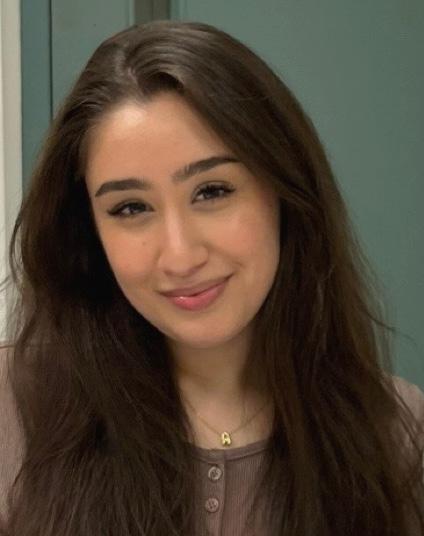
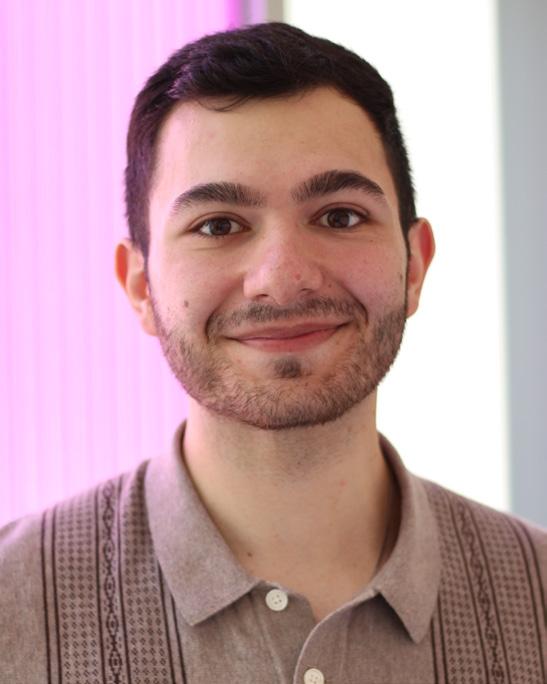
Master’s Student, Brussoni Research Team, BC Children’s Hospital; Faculty of Medicine, UBC
Anguli Bharmota is a first-year Master’s student at the University of British Columbia in the Women+ and Children’s Health Sciences program. She is a part of the Outside Play Lab at BC Children’s Hospital, a team of researchers dedicated to studying research in children’s outdoor risky play and injury prevention. With many years of experience working with children and infants, Anguli is passionate about research in children’s mental health and physical activity.
Master’s Student, Lunken Research Team, BC Children’s Hospital; Department of Experimental Medicine, Faculty of Medicine, UBC
Cristian Massaro is a graduate researcher who believes science should be something everyone can connect with and learn from. Living with a chronic illness has shown him firsthand the power of shared knowledge and clear communication. His research explores how food choices and lifestyle habits influence overall health and quality of life, with a focus on translating complex science into practical insights people can use every day. Cristian was awarded the national AbbVie IBD Scholarship from Crohn’s and Colitis Canada in recognition of his dedication to research, mentorship, and public engagement. Through his work, he aims to spark curiosity, foster connection, and make a lasting impact in the communities he serves.
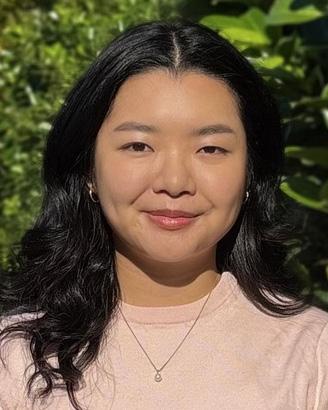
Master’s Student, Levings Research Team, BC Children’s Hospital; Department of Experimental Medicine, Faculty of Medicine, UBC
Dana is a second-year Master’s student at UBC working with the Levings Research Team at BC Children’s Hospital. Her research focuses on a special type of immune cell called regulatory T cells, which help reduce excessive immune responses. The team studies how these cells could be used as therapies for immune-related conditions such as graft rejection and type 1 diabetes. Dana is part of a team exploring regulatory T cell therapy for patients undergoing stem cell transplants and also currently serves as the trainee lead for a clinical trial investigating a potential treatment for recent-onset type 1 diabetes. In her free time, she enjoys reading, crocheting, and hiking.
What do all those acronyms and academic titles mean? Our Mini Med School Faculty represents a variety of educational backgrounds. While everyone has a unique career path, typically training looks something like this:
Undergraduate Student BSc (Science)
Medical Student MD
Master’s Student MSc (Science)
Individual enrolled in an undergraduate program at a college or university to study a subject of their choice.
Individual enrolled in a medical school program with the goal of becoming a licensed physician. 4 years
Individual enrolled in a graduate program providing advanced training and specialization in a particular field or discipline. 2-3 years
Doctoral
Student/ PhD Candidate PhD
Postdoctoral Fellow PDF
Clinical Resident/Fellow
Additional Training (MD Completed)
Individual pursuing a doctoral degree program. Doctoral students are engaged in advanced research, coursework, and often have teaching responsibilities related to their field of study. 4-6 years
Individual who has completed a doctoral degree and is seeking further training in a particular area of research. 1-3 years
Individual who has completed medical school and is undergoing specialized training in a particular field of medicine (ex. family medicine, pediatrics, surgery, etc.).
After residency, some doctors do additional subspeciality training called a fellowship. 2-7 years depending on speciality
The following University of British Columbia affiliated programs engage Indigenous youth in various ways and support their interest in pursuing higher education.
There are also opportunities for students from outside the Metro Vancouver area to participate in these summer programs. See more examples offered by UBC
Verna J. Kirkness Education Foundation Program
Grades 11-12
UBC Summer Science
seed2STEM
Grades 9-12
Grades 9-12
Each year, the Verna J. Kirkness Education Foundation brings hundreds of First Nations, Métis, and Inuit high school students to campuses across Canada for a week of hands-on learning and cultural exchange. Paired with professors and researchers in science, engineering, and health sciences, students experience academic life up close as active participants.
UBC Summer Science is a one-week cultural, health and science program for Indigenous students entering grades 9-12 in the Fall. The program is based at the UBC Vancouver campus and hopes to inspire an interest in pursuing postsecondary programs within the health and science fields.
In seed2STEM, university labs host Indigenous high school students for a 6-week paid summer research internship. Research topics include neuroscience, engineering, chemistry, biology, math, physics, and other areas of STEM.
Looking for additional opportunities to get involved in research and health sciences?
Check out the resources below to see the different types of outreach programs available for high school students.
BC Children’s Hospital is not affiliated with the programs below. For any questions, please contact the program organizers directly.
UBC Pathways to Medicine Club Online Resource
Shad Canada Summer Program
UBC Pathways to Medicine is a club run by current UBC Medical Students, and offers equitable access and guidance to students who would like to learn more about the field of medicine.
Shad is a month-long STEAM program that allows grade 10 and 11 students to collaborate and work with different peers across Canada.
The Shad Virtual program allows students to virtually participate in real-time sessions.
Let’s Talk Science Outreach Program
Pre-Health Shadowing Online Resource
Let’s Talk Science provides programs and resources that engage students of all ages in science, technology, engineering and math. They offer a range of virtual activities including symposiums, workshops, career resources and professional learning.
Pre-Health Shadowing can be completed from the comfort of your home. Hear from healthcare professionals from various domains and specialties to get an inside look at their education and career paths.