TRAVIS MACDONALD HAD A FARM
TRAVIS
MACDONALD
HAD A FARM
TEXT
NICOLAS VAMVOUKLIS
CONTEMPORARY FINE ARTS
HAD A FARM
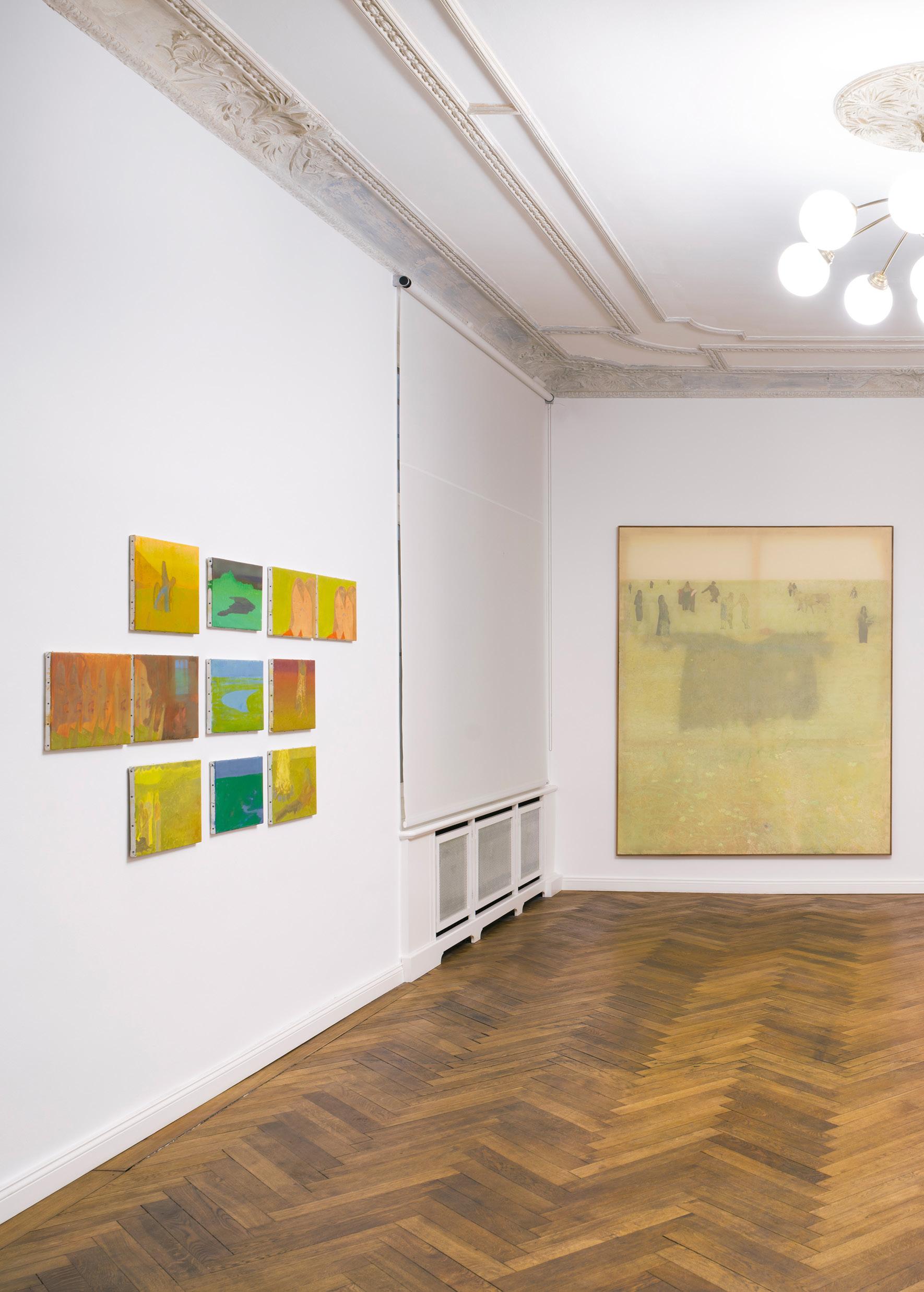
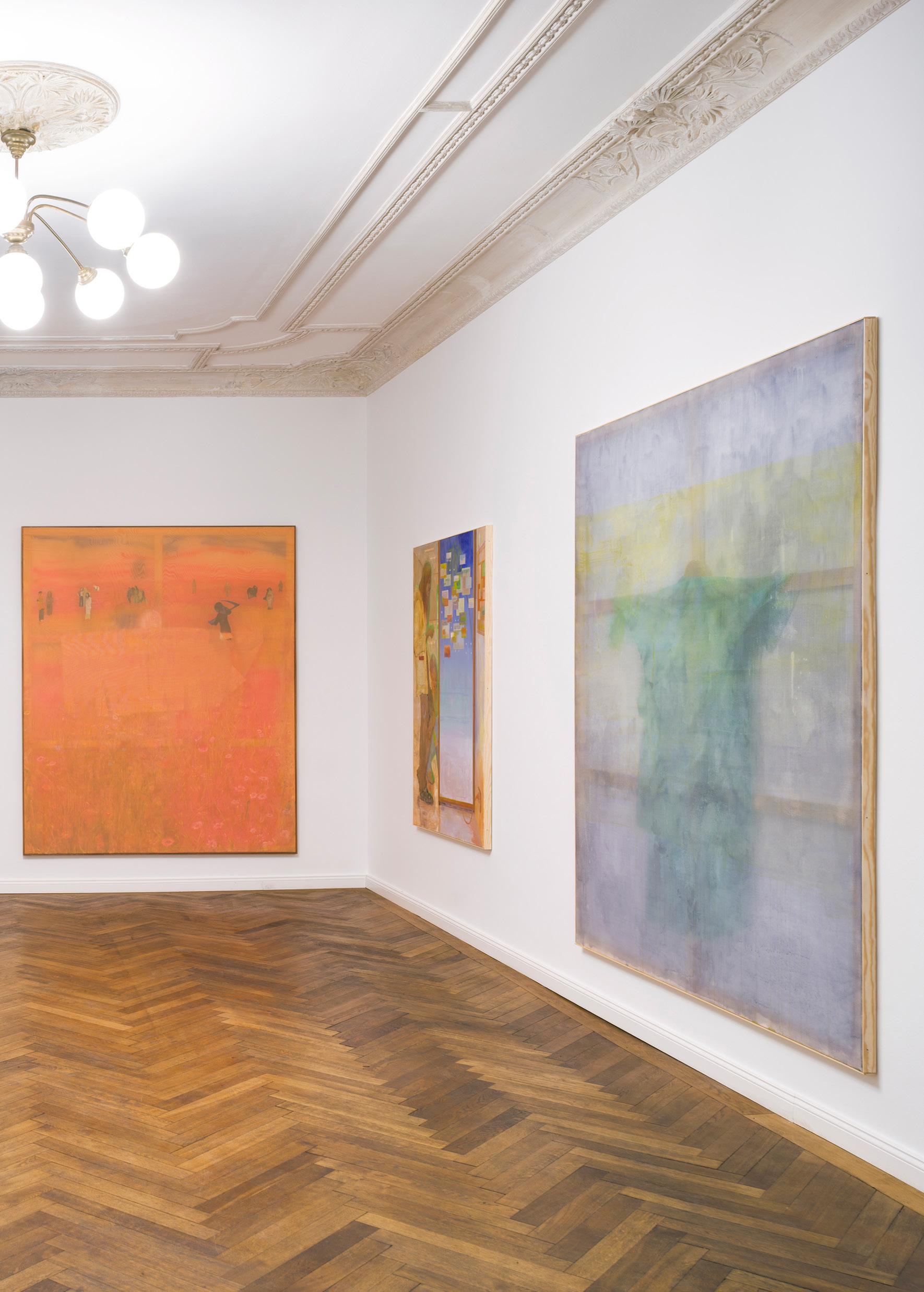
Contemporary Fine Arts presents Had a Farm, a solo exhibition by Travis MacDonald opening on the occasion of Gallery Weekend Berlin 2026. The show occupies the upper floor of the gallery and brings together new paintings that extend his ongoing inquiry into countercultural aesthetics. For the artist, this process filters research through lived experience. What begins as study turns into narration.
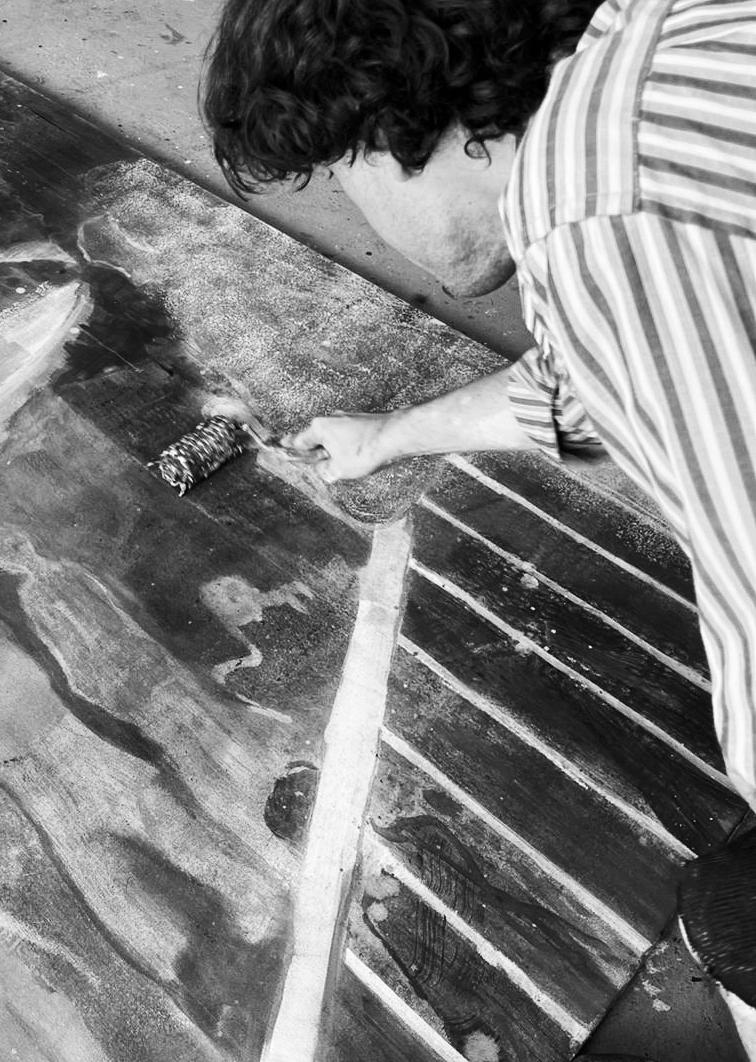
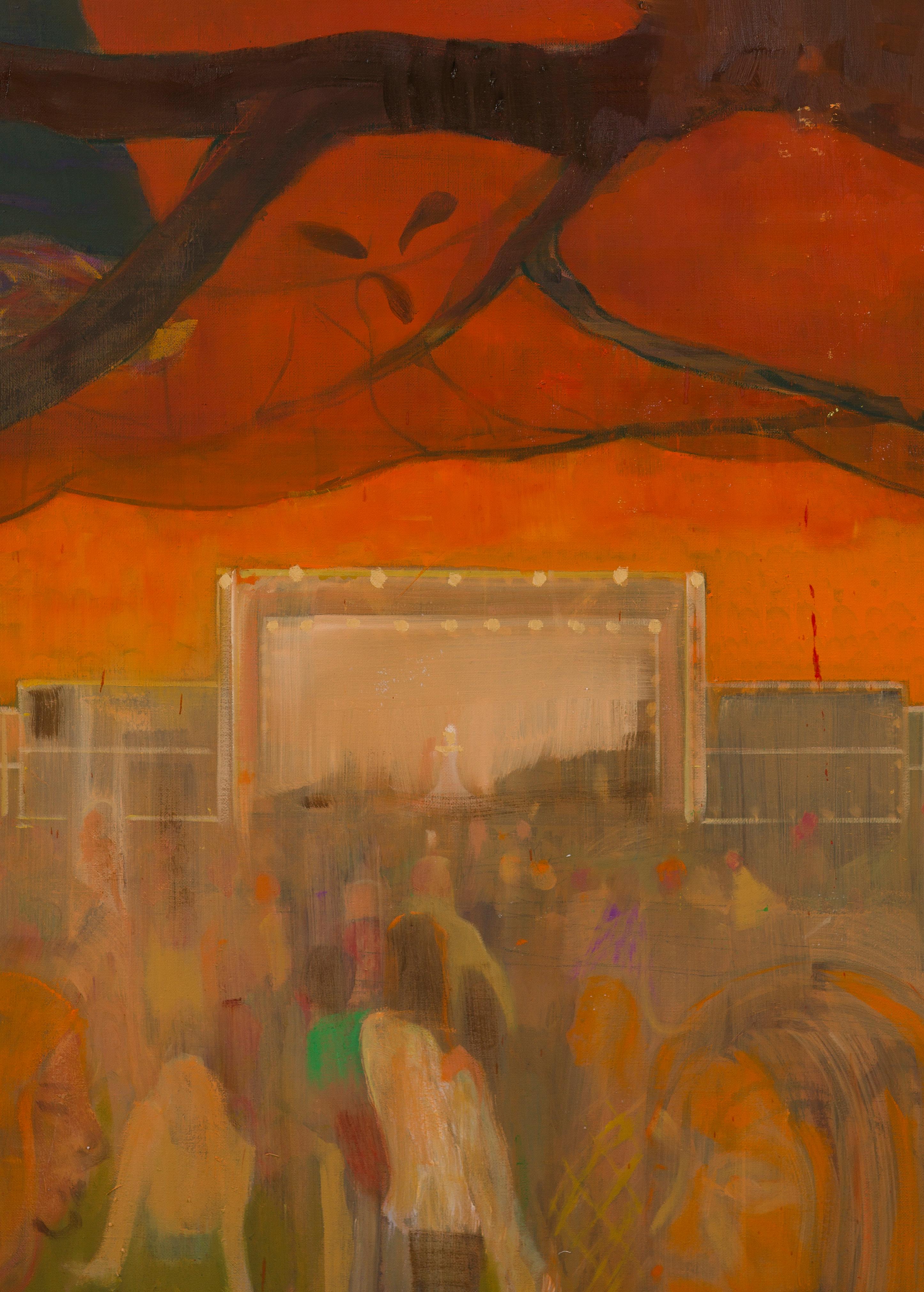
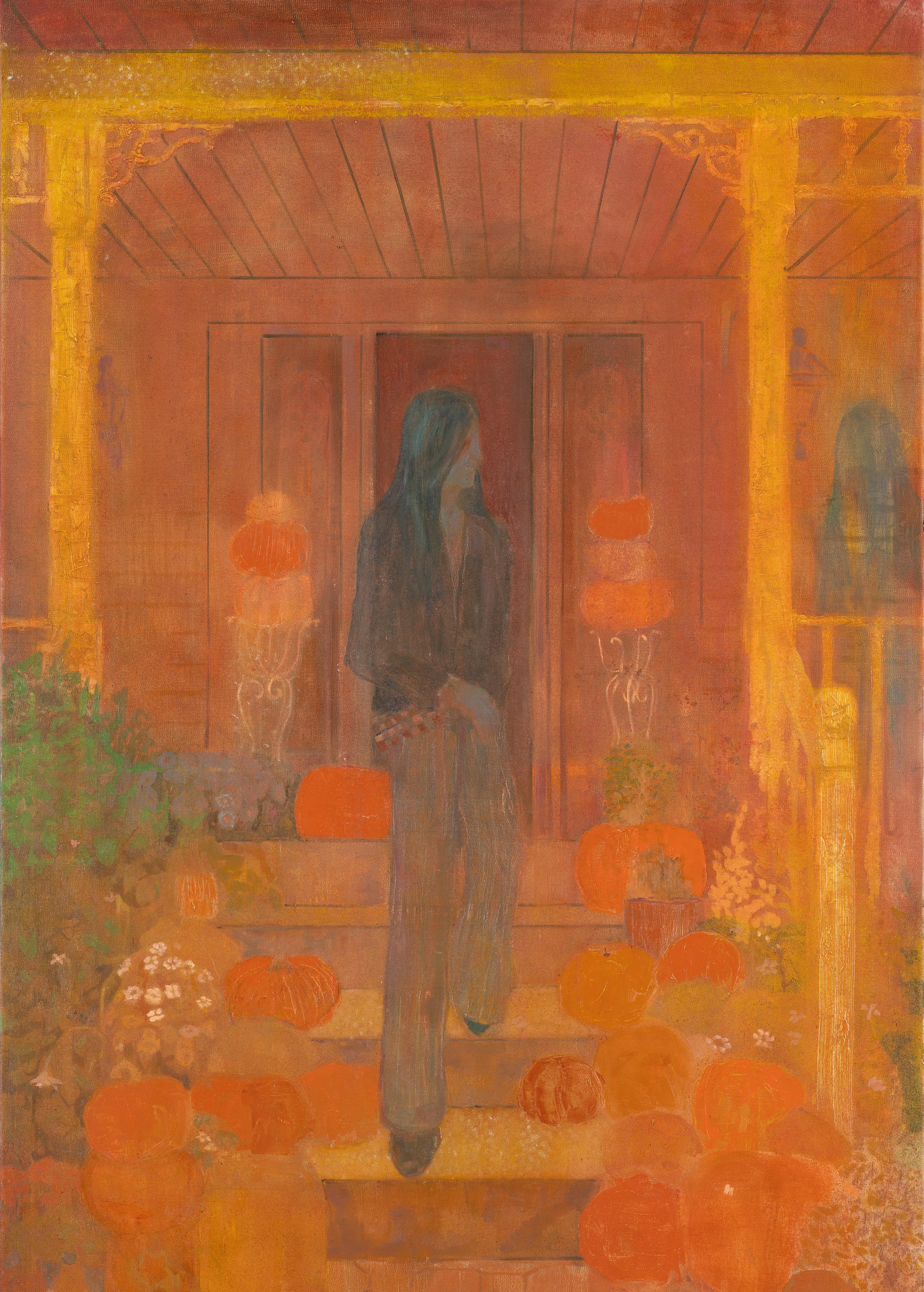
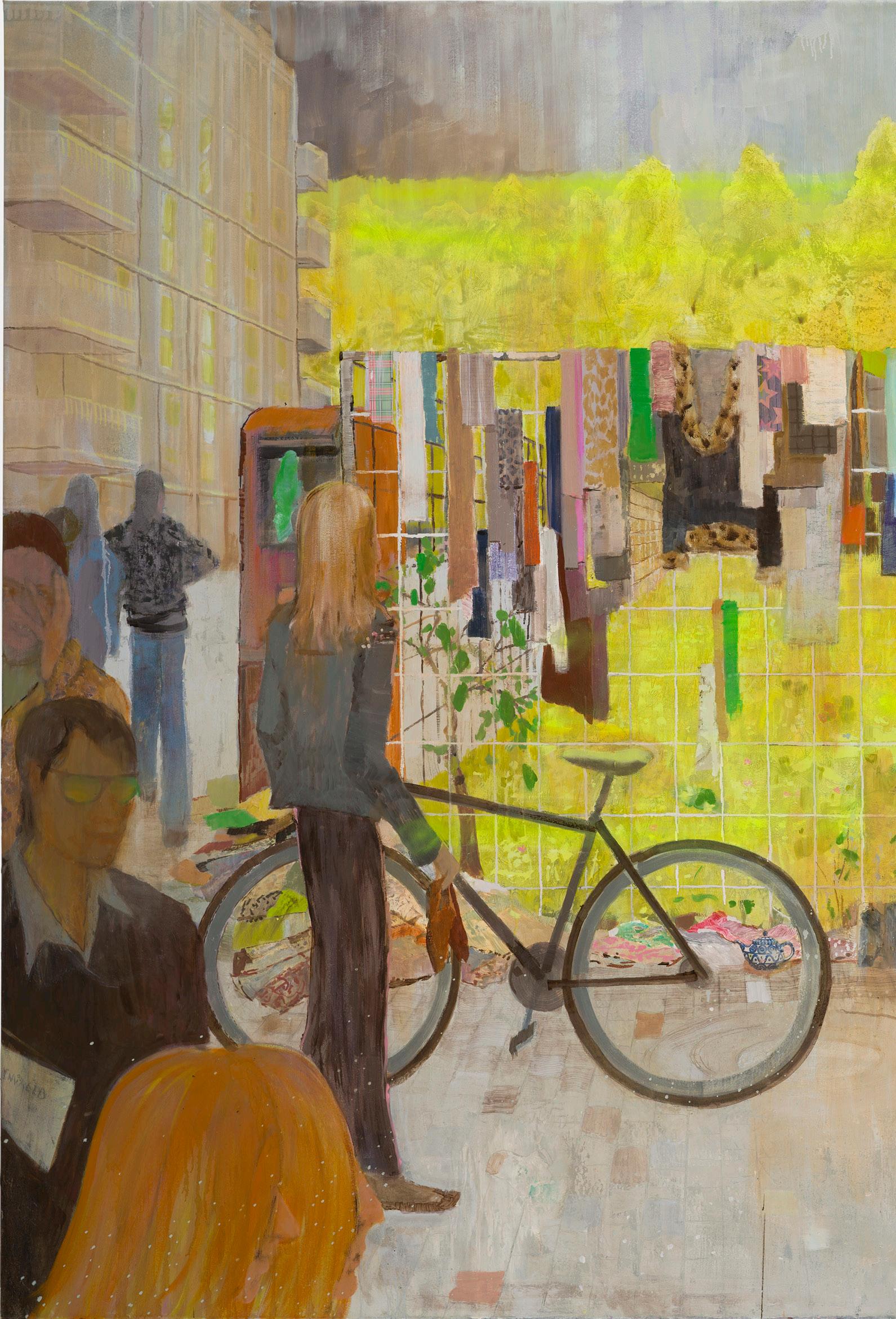
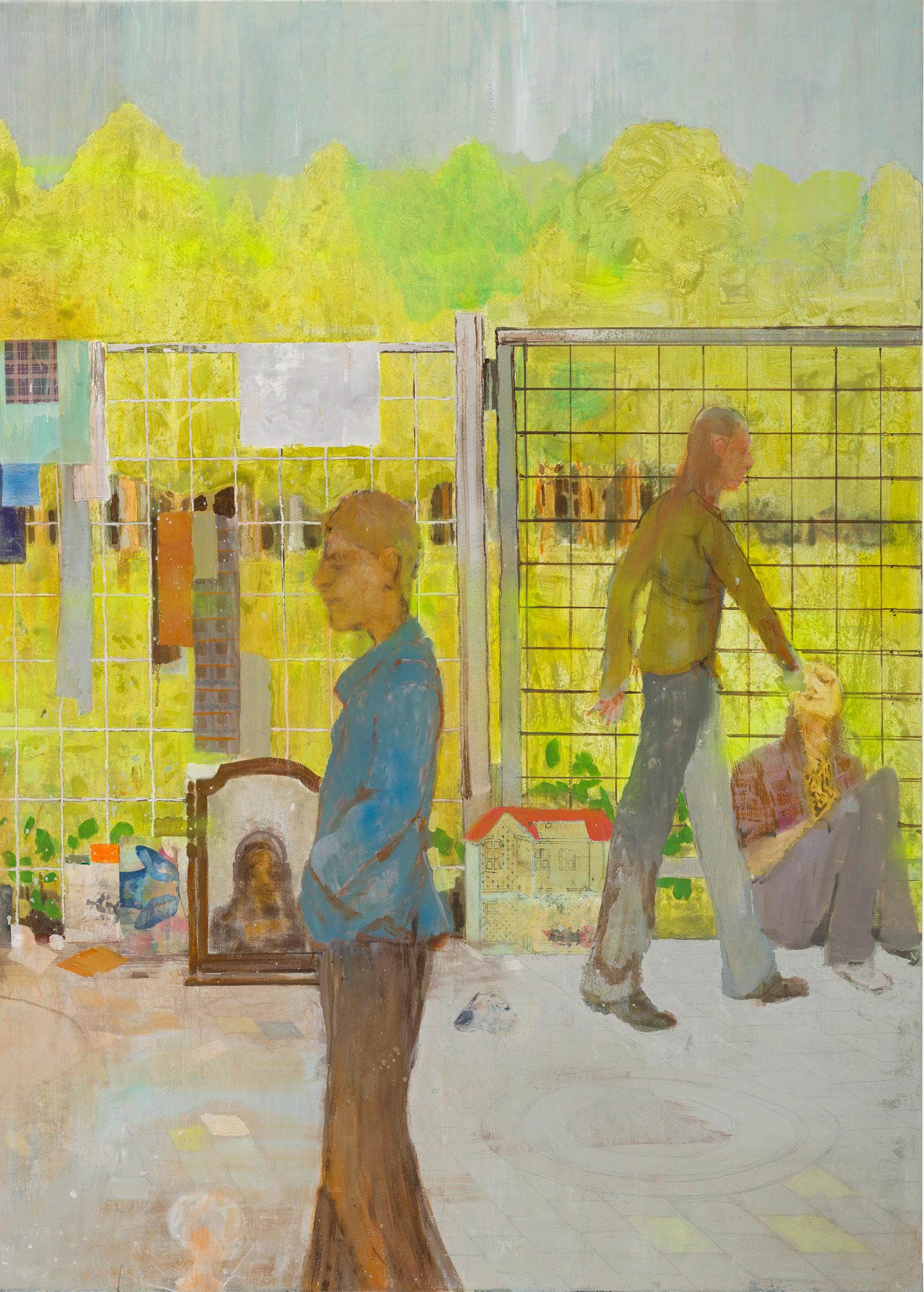
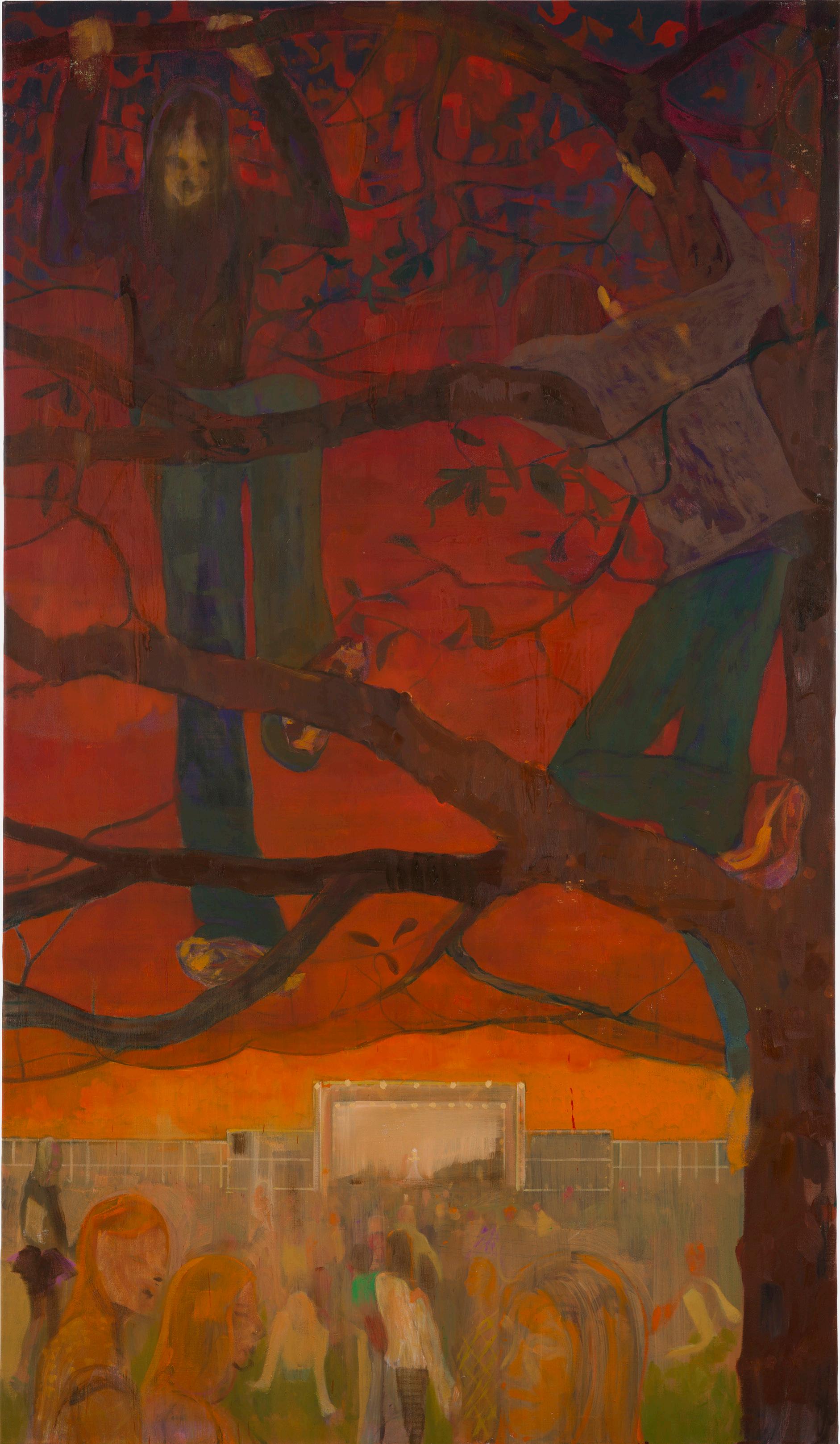
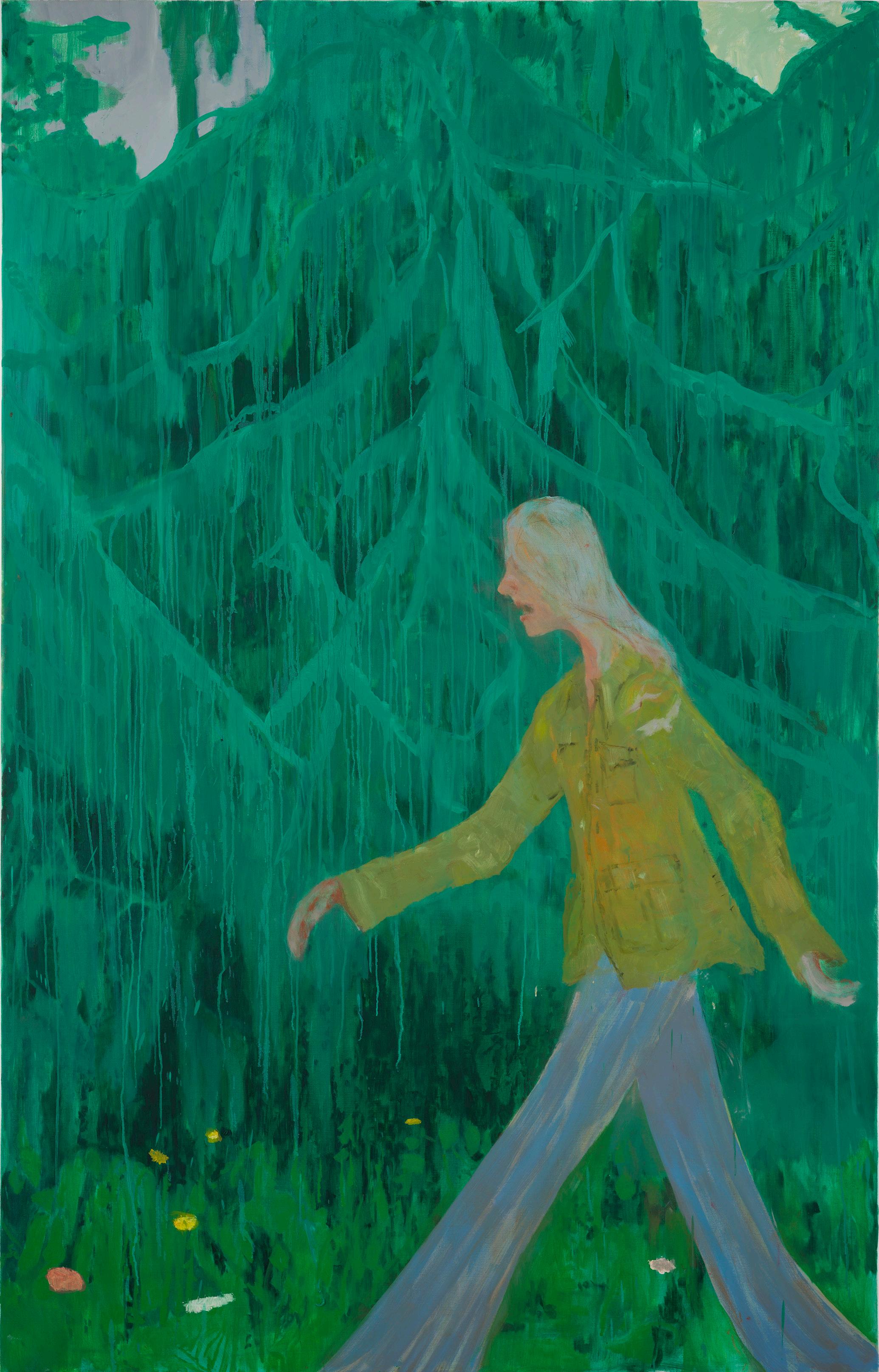
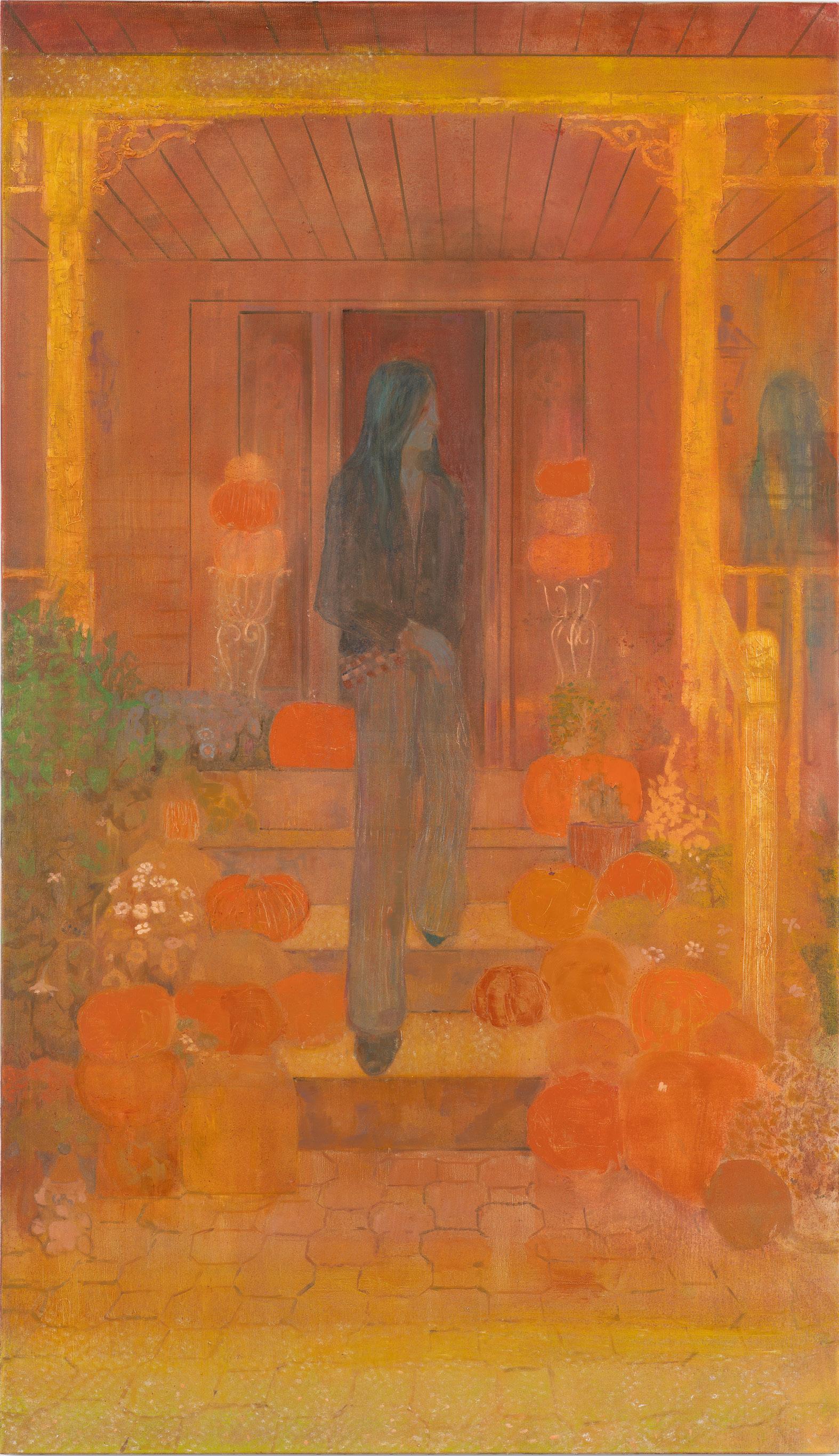
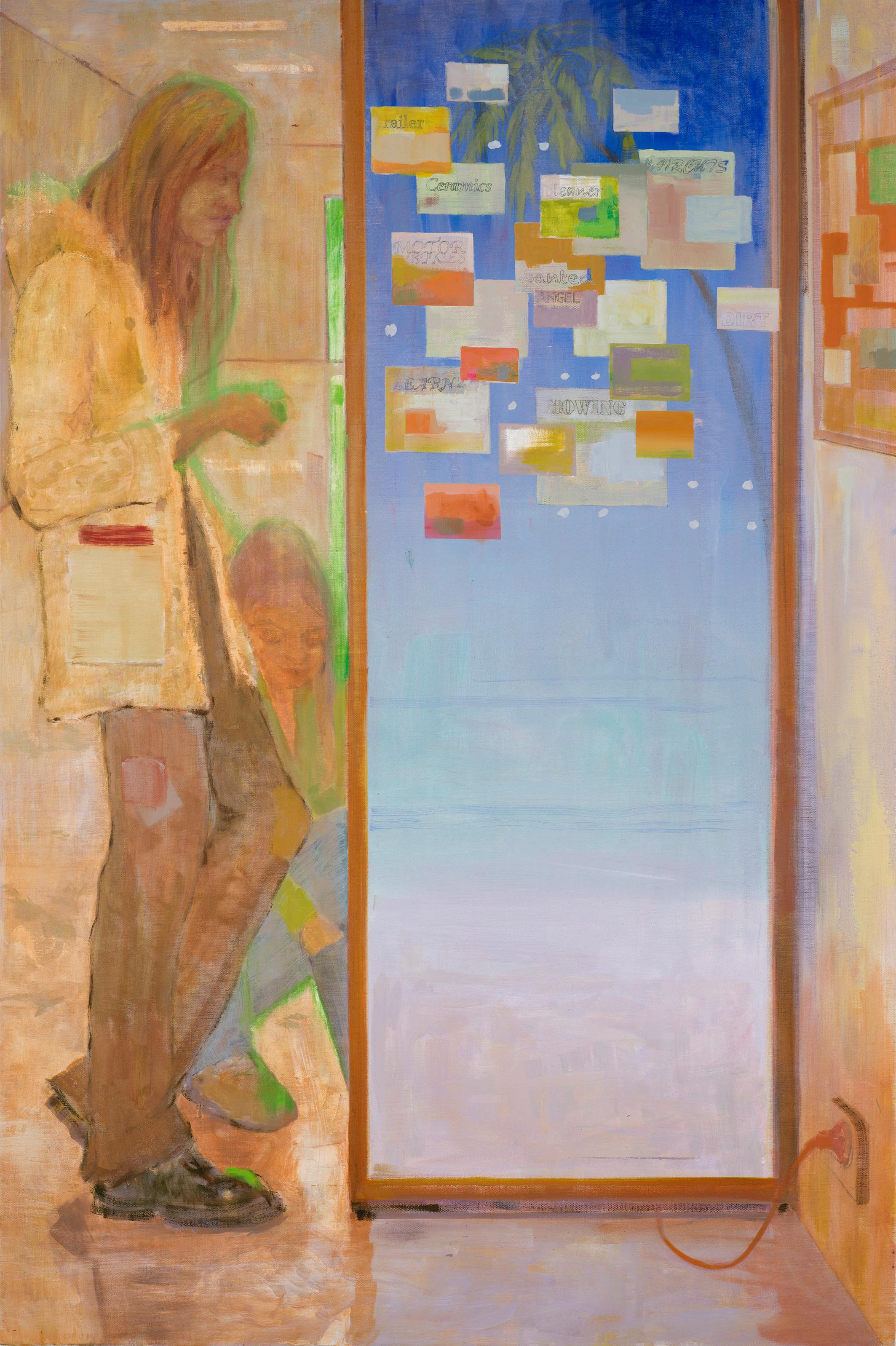
Across these works, long-haired androgynous figures inhabit a setting suspended between rural life and subcultural staging. Rooted in hippie movements, these protagonists also function as analogues of the artist himself. MacDonald returns to this type of figure to explore how selfportraiture can take on different roles. Hair operates on several levels here. It carries associations of style and refusal, but it is equally bound to the material demands of his method. Wet oil descends under gravity, lending contour to each body and to the atmosphere around it. The result is an elongation that echoes the romantic spirit of Art Nouveau, with its affinity for elegance and ghostly sensuality.
The title Had a Farm introduces the exhibition with wit, giving the artist’s name an almost folkloric ring. Yet MacDonald is clear that “the farm is not to be taken literally.” Instead, it becomes a frame for cultivation, whether of a practice, an ideology, or even hair itself. The paintings unfold in an imagined settlement, based on photographic archives of experimental communes from the 1970s, many established in disused farms or small towns. From that source, he builds scenes shaped by proximity and friction, and by the wish to (co)exist otherwise.
Before the brush meets the canvas, MacDonald writes a script and assembles a storyboard. The premise is simple: amid a housing crisis, young, educated people relocate to a provincial area, where they encounter conservative residents whose families have been there for generations. The clash is both cultural and political. MacDonald approaches it obliquely. He does not reduce it to a slogan. Rather, he selects intimate episodes and small but revealing gestures, rendering them as compositions whose natural, earthy palette keeps the drama grounded.
2. A Place to Raise My Twins 2026
These paintings draw on Pier Paolo Pasolini’s 1973 essay Il discorso dei capelli, published in English as The Hippies’ Speech. MacDonald responds to Pasolini’s understanding of appearance as a political sign and to the responsibility of paying attention to one’s surroundings. The reference feels timely. Without making the works direct statements, he suggests a quiet parallel between past expressions of nonconformity and the current rise of authoritarian thinking. Care, in this context, is not softness. It is an ethic of alertness.
What emerges in Had a Farm is a world with its own logic. MacDonald has developed this language over time, using it as a vehicle for storytelling and observation. Here, it grows sharper and more decisive. The show invites viewers into a charged social space where identification remains open and belonging stays provisional. It is a place of attraction and unease. The pull of a group is palpable, as is the strain that shadows any departure from the norm. These paintings do not offer escape. They ask how closeness can hold under pressure, and whether something larger than the self might still be forged.
Nicolas
3. Runaway 2026
Vamvouklis
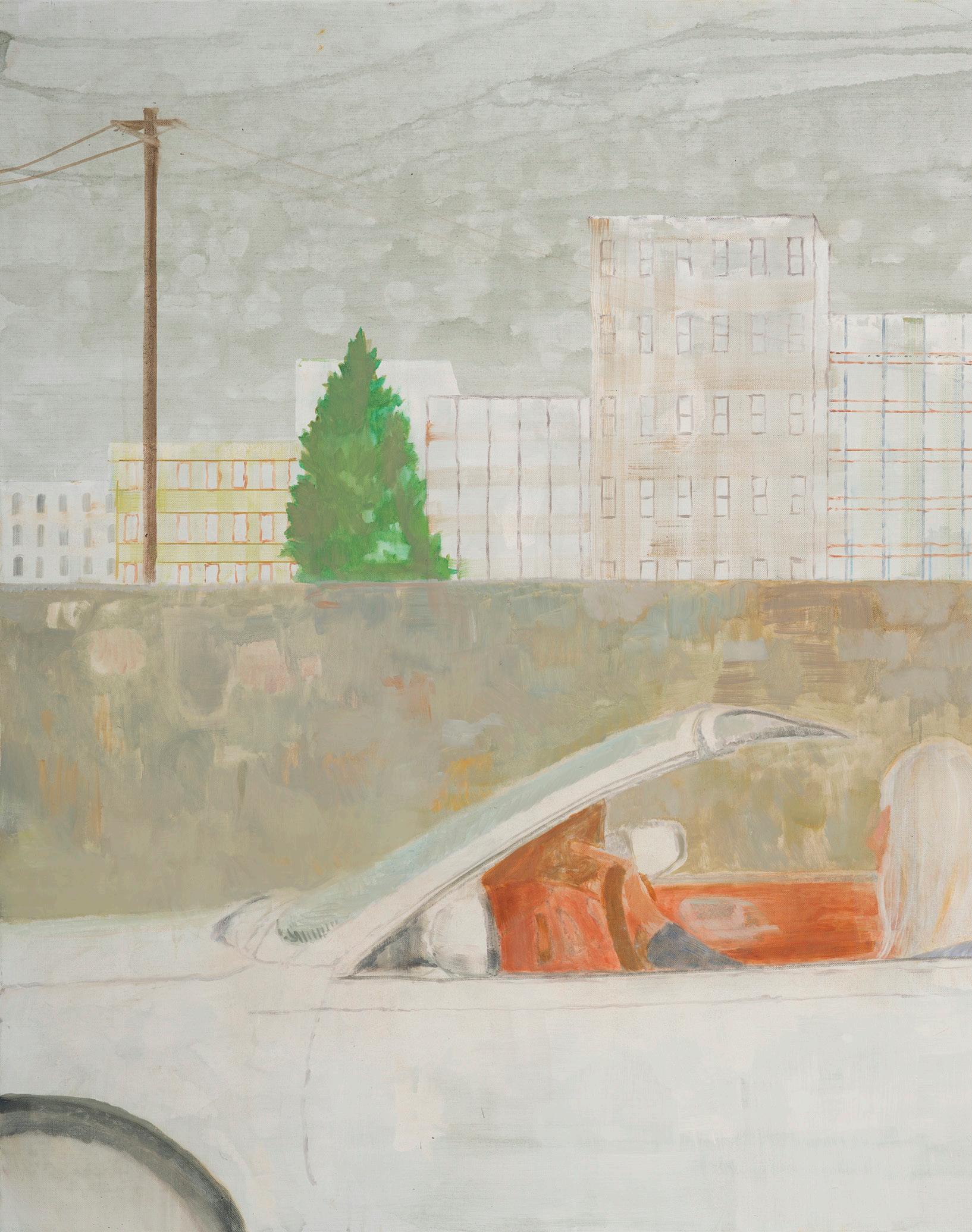
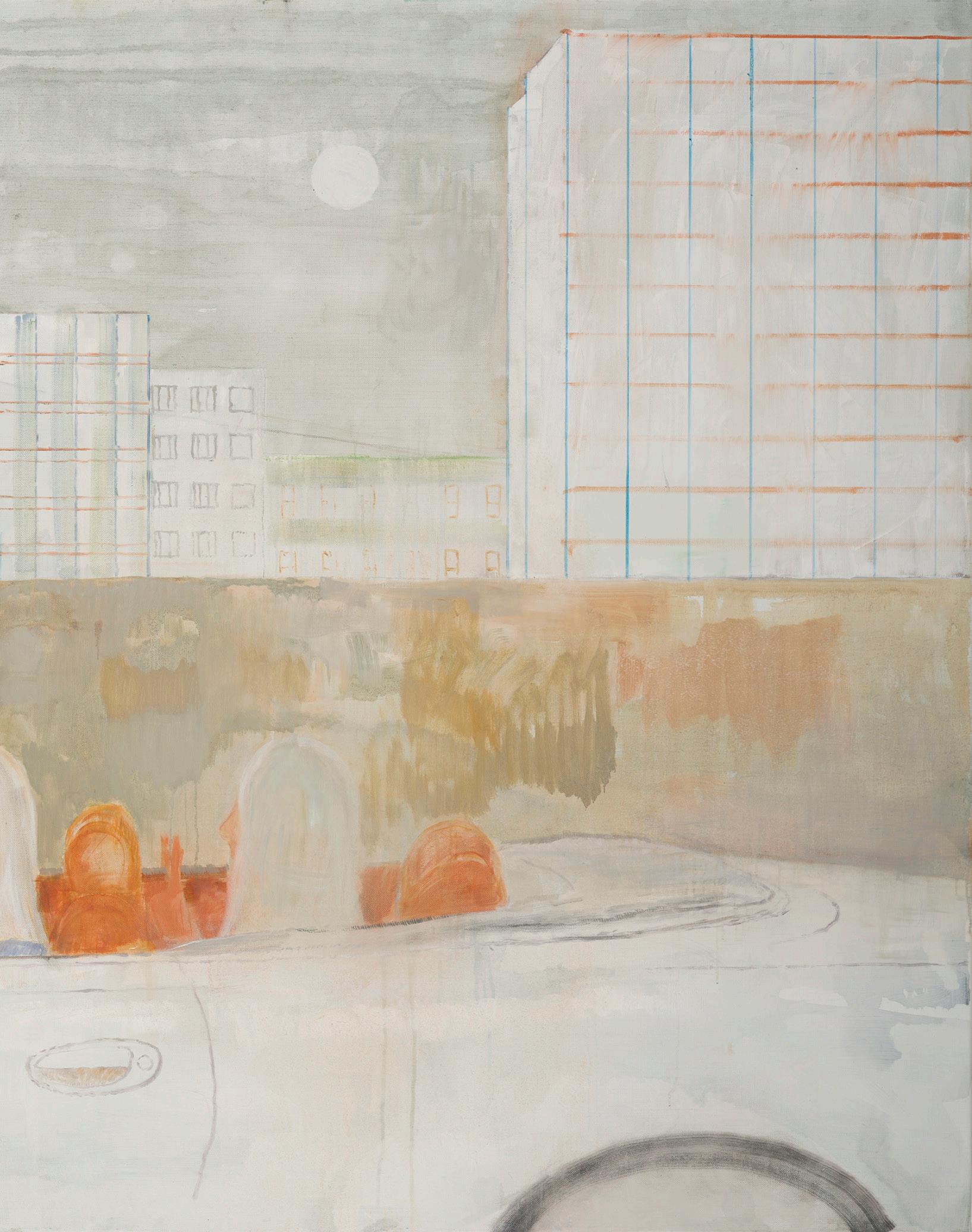
4. Going to Town in a Cool
HAD A FARM
Contemporary Fine Arts präsentiert Had a Farm, eine Einzelausstellung von Travis MacDonald, die anlässlich des Gallery Weekend Berlin 2026 eröffnet wird. Die Ausstellung in der Belétage der Galerie versammelt neue Arbeiten, die seine kontinuierliche Auseinandersetzung mit der Ästhetik der Gegenkultur weiterführen. Für den Künstler bedeutet dieser Prozess, seine Recherchen durch gelebte Erfahrung zu verdichten. Was als Studie beginnt, entfaltet sich zu einer Erzählung.
In seinen Bildern bewegen sich langhaarige, androgyne Wesen in einer Umgebung, die zwischen ländlichem Leben und subkultureller Inszenierung schwebt. Diese Protagonisten mit Wurzeln in der Hippie-Bewegung, fungieren auch als Alter Egos des Künstlers selbst. MacDonald beschäftigt sich mit dieser Art von Figuren, da ihn interessiert, wie Selbstporträts unterschiedliche Rollen annehmen können. Das Haar weckt Assoziationen von Stil und Widerstand, ist aber an die materiellen Anforderungen der künstlerischen Technik gebunden. Das feuchte Öl fließt unter dem Einfluss der Schwerkraft und verleiht jedem Körper und der ihn umgebenden Atmosphäre eine Kontur. Es entstehen gestreckte Formen, die den romantischen Geist des Jugendstils widerspiegelen, mit seiner Vorliebe für Eleganz und geheimnisvolle Sinnlichkeit.
Der Titel Had a Farm leitet die Ausstellung mit einem Augenzwinkern ein und verleiht dem Namen des Künstlers einen beinahe folkloristischen Klang. MacDonald betont jedoch, dass „die Farm nicht wörtlich zu verstehen ist“. Vielmehr dient sie als Rahmen für Prozesse der Kultivierung – sei es einer Praxis, einer Ideologie oder sogar des Haares selbst. Die Bilder entfalten sich innerhalb einer imaginären Siedlung, die auf Fotoarchiven experimenteller Kommunen der 1970er Jahre basiert, von denen viele auf stillgelegten Bauernhöfen oder in Kleinstädten entstanden. Davon ausgehend entwickelt MacDonald Szenen, die von Nähe und Reibung ebenso geprägt sind wie von dem Wunsch, auf eine neue Weise zusammenzuleben.
Bevor der Pinsel die Leinwand berührt, verfasst MacDonald ein Drehbuch und erstellt ein Storyboard. Die Prämisse ist einfach: Inmitten einer Immobilienkrise ziehen junge, gebildete Menschen in eine ländliche Gegend, wo sie
5. Suspicious Minds 2026
auf konservative Bewohner treffen, deren Familien dort seit Generationen verwurzelt sind. Der „Clash“ ist sowohl kultureller als auch politischer Natur. MacDonald nähert sich dem Thema auf indirekte Weise. Er reduziert es nicht auf eine zugespitzte Formel, sondern wählt intime Episoden und kleine, aber aufschlussreiche Gesten und setzt sie als Kompositionen in Szene, deren natürliche, erdige Farbpalette das Drama auf dem Boden der Tatsachen hält.
Die Bilder greifen auf Pier Paolo Pasolinis Essay Il discorso dei capelli aus dem Jahr 1973 zurück, der auf Englisch unter dem Titel The Hippies’ Speech erschienen ist. MacDonald setzt sich mit Pasolinis Verständnis von Erscheinungsbild als politischem Zeichen auseinander und mit der Verantwortung, der eigenen Umgebung Aufmerksamkeit zu schenken. Dieser Bezug wirkt aktuell. Ohne dass die Werke direkte Aussagen treffen, deutet er eine stille Parallele zwischen früheren Ausdrucksformen der Nonkonformität und dem gegenwärtigen Aufkommen autoritären Denkens an. Achtsamkeit ist in diesem Zusammenhang keine Schwäche. Sie ist eine Ethik der Wachsamkeit. Was sich in Had a Farm offenbart, ist eine Welt mit eigener Logik. MacDonald hat diese Bildsprache im Laufe der Zeit entwickelt und nutzt sie als Mittel zum Erzählen und zur Beobachtung. Hier wird sie prägnanter und entschlossener. Die Ausstellung führt die Betrachter in einen spannungsgeladenen sozialen Raum, in dem Identifikation offen bleibt und Zugehörigkeit vorläufig ist. Es ist ein Ort der Anziehungskraft und des Unbehagens. Der Sog der Gruppe ist spürbar, ebenso die Anspannung, die jede Abweichung von der Norm begleitet. Diese Bilder bieten keine Fluchtmöglichkeit. Sie fragen, wie Nähe unter Druck bestehen kann und ob sich trotzallem etwas schaffen lässt, das über das eigene Selbst hinausgeht.
Nicolas Vamvouklis
6. And in a Month it All Changes Again 2026
HAD A FARM
Contemporary Fine Arts présente Had a Farm, exposition personnelle de Travis MacDonald inaugurée à l’occasion du Berlin Gallery Weekend 2026. Installée à l’étage supérieur de la galerie, elle réunit de nouvelles peintures qui prolongent l’exploration de l’artiste autour des esthétiques contre-culturelles. Chez MacDonald, la recherche passe toujours par le filtre de l’expérience vécue : ce qui naît comme une étude se transforme progressivement en récit.
Les œuvres montrent des figures androgynes aux cheveux longs évoluant dans un univers suspendu entre vie rurale et mise en scène subculturelle. Inspirés des mouvements hippies, ces personnages agissent aussi comme des doubles de l’artiste. MacDonald revient régulièrement à ce type de figure, interrogeant la manière dont l’autoportrait peut se déplacer vers la construction d’une persona. Les cheveux y occupent une place centrale : ils condensent des signes de style et de retrait, tout en étant directement liés aux contraintes matérielles de sa pratique. L’huile encore fraîche s’écoule sous l’effet de la gravité, dessinant les contours des corps autant que l’atmosphère qui les enveloppe. Il en résulte un allongement des formes qui évoque le romantisme de l’Art nouveau, entre élégance et sensualité spectrale.
Le titre Had a Farm introduit l’exposition sur un ton légèrement ironique, donnant au nom de l’artiste une résonance presque folklorique. Pourtant, MacDonald précise que « la ferme ne doit pas être comprise au sens littéral ». Elle devient plutôt un espace de culture - qu’il s’agisse d’une pratique, d’une idéologie ou même de cheveux eux-mêmes. Les peintures s’inscrivent dans un territoire imaginaire nourri d’archives photographiques de communes expérimentales des années 1970, souvent installées dans d’anciennes fermes ou de petites villes. À partir de ces sources, l’artiste construit des scènes faites de proximité et de friction, traversées par le désir de (co)exister autrement.
Avant de peindre, MacDonald élabore un scénario et un storyboard. Le point de départ est simple: dans un contexte de crise du logement, de jeunes personnes éduquées s’installent en région rurale, où elles entrent en tension avec des habitants conservateurs issus de familles implantées depuis plusieurs générations. Le choc est autant culturel que politique. L’artiste
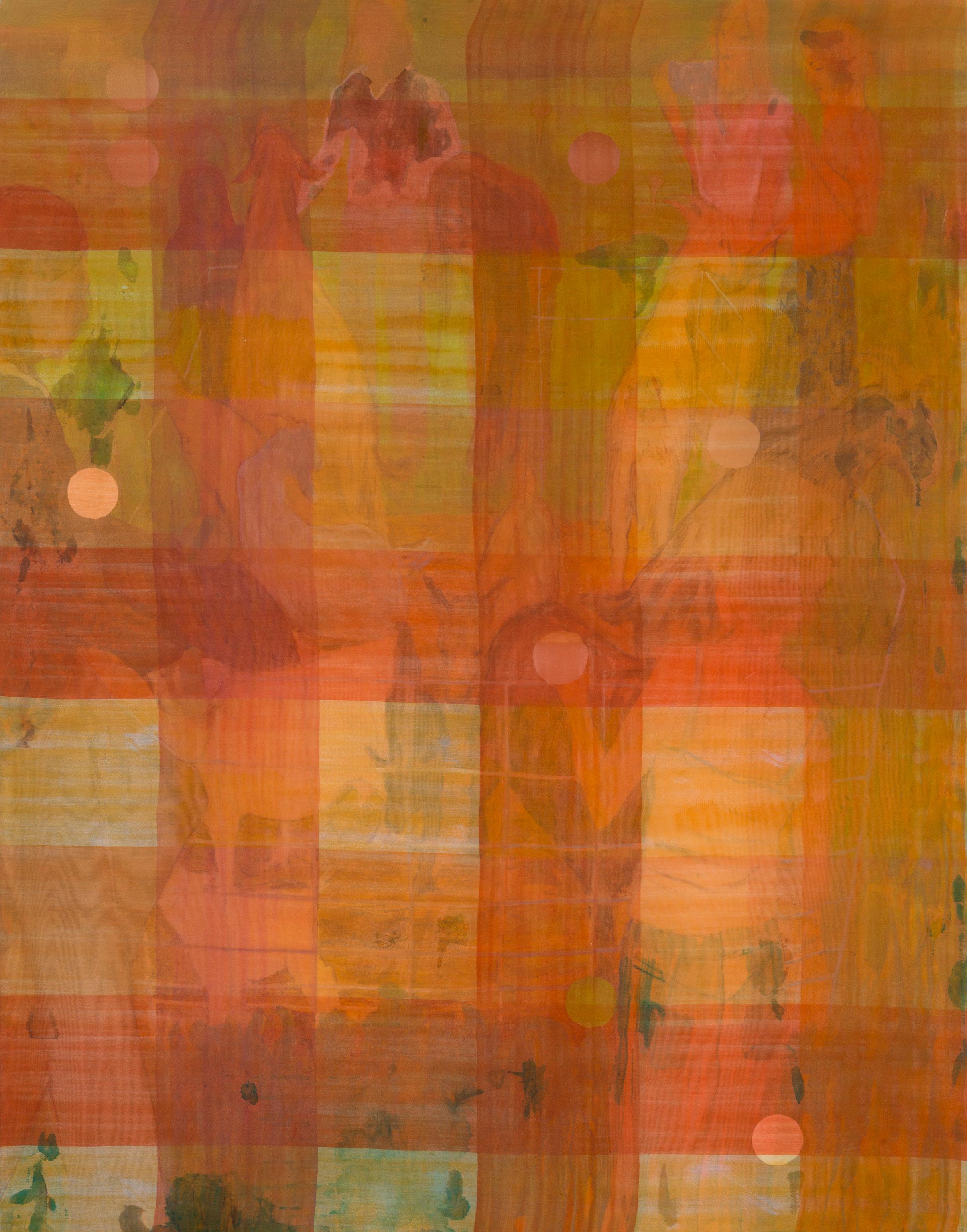
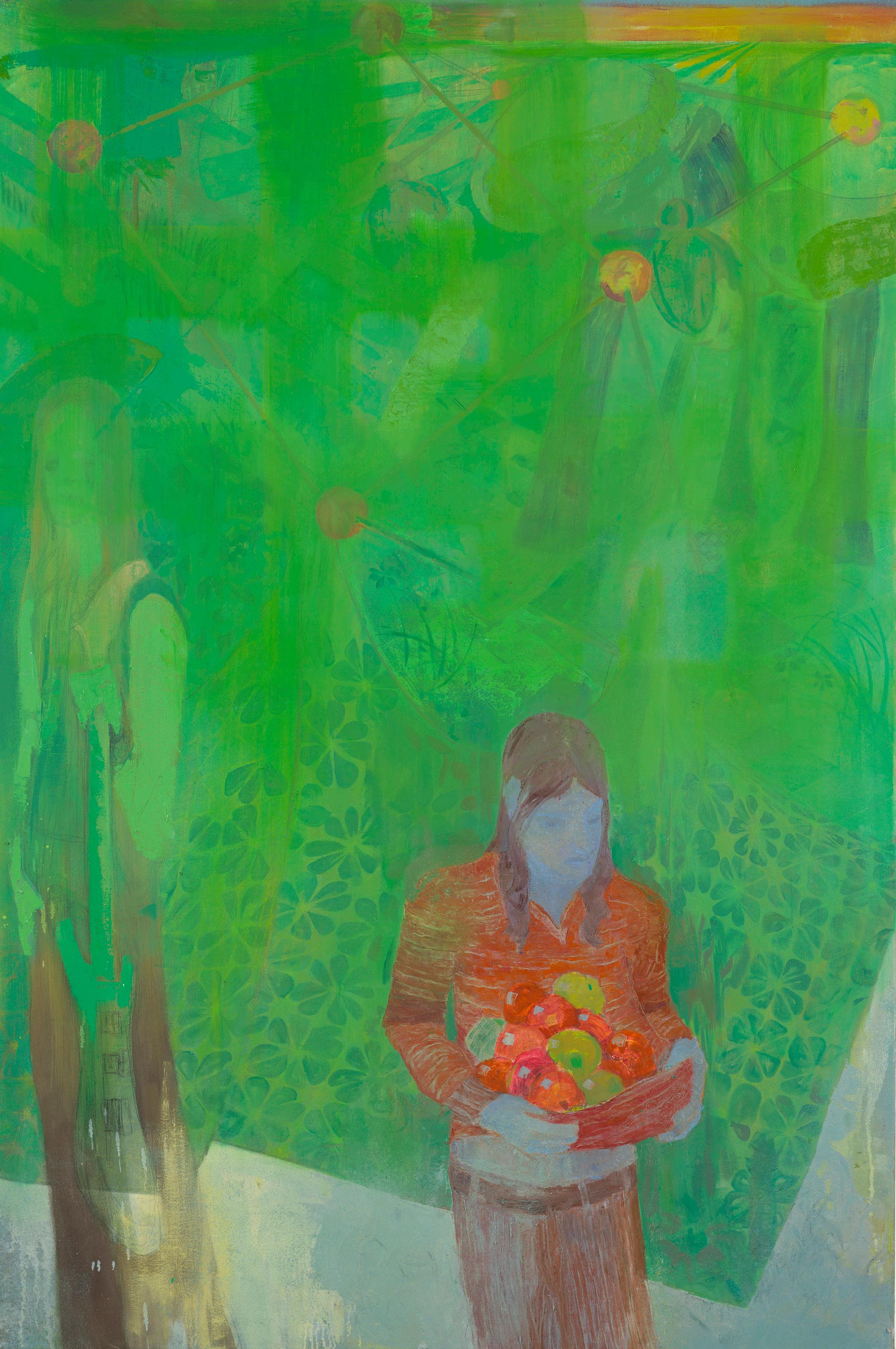
l’aborde de manière indirecte, sans le réduire à une démonstration. Il privilégie des épisodes intimes, des gestes discrets, mais révélateurs, qu’il transforme en compositions dont la palette terreuse maintient le récit ancré dans le réel.
Ces peintures s’inspirent de l’essai de Pier Paolo Pasolini de 1973, Il discorso dei capelli, publié en anglais sous le titre The Hippies’ Speech. MacDonald fait écho à la lecture pasolinienne de l’apparence comme signe politique, ainsi qu’à l’idée d’une responsabilité envers son environnement. Cette référence résonne avec une actualité particulière : sans formuler de déclaration directe, l’artiste esquisse un parallèle entre les formes passées de non-conformisme et la montée actuelle des pensées autoritaires. Ici, le soin n’est pas synonyme de douceur, mais relève d’une éthique de vigilance.
Ce qui émerge dans Had a Farm est un monde doté de sa propre logique. MacDonald affine ce langage au fil du temps, en le mobilisant comme outil d’observation et de narration. L’exposition le rend ici plus précis, plus affirmé. Elle plonge le spectateur dans un espace social chargé, où l’identification reste ouverte et l’appartenance toujours instable. C’est un lieu d’attraction autant que d’inquiétude: la force du groupe y est palpable, tout comme la tension liée à toute tentative de s’en extraire. Ces peintures ne proposent pas d’échappatoire. Elles interrogent plutôt la manière dont la proximité peut résister à la pression, et si quelque chose de plus vaste que le soi peut encore advenir.
Nicolas Vamvouklis
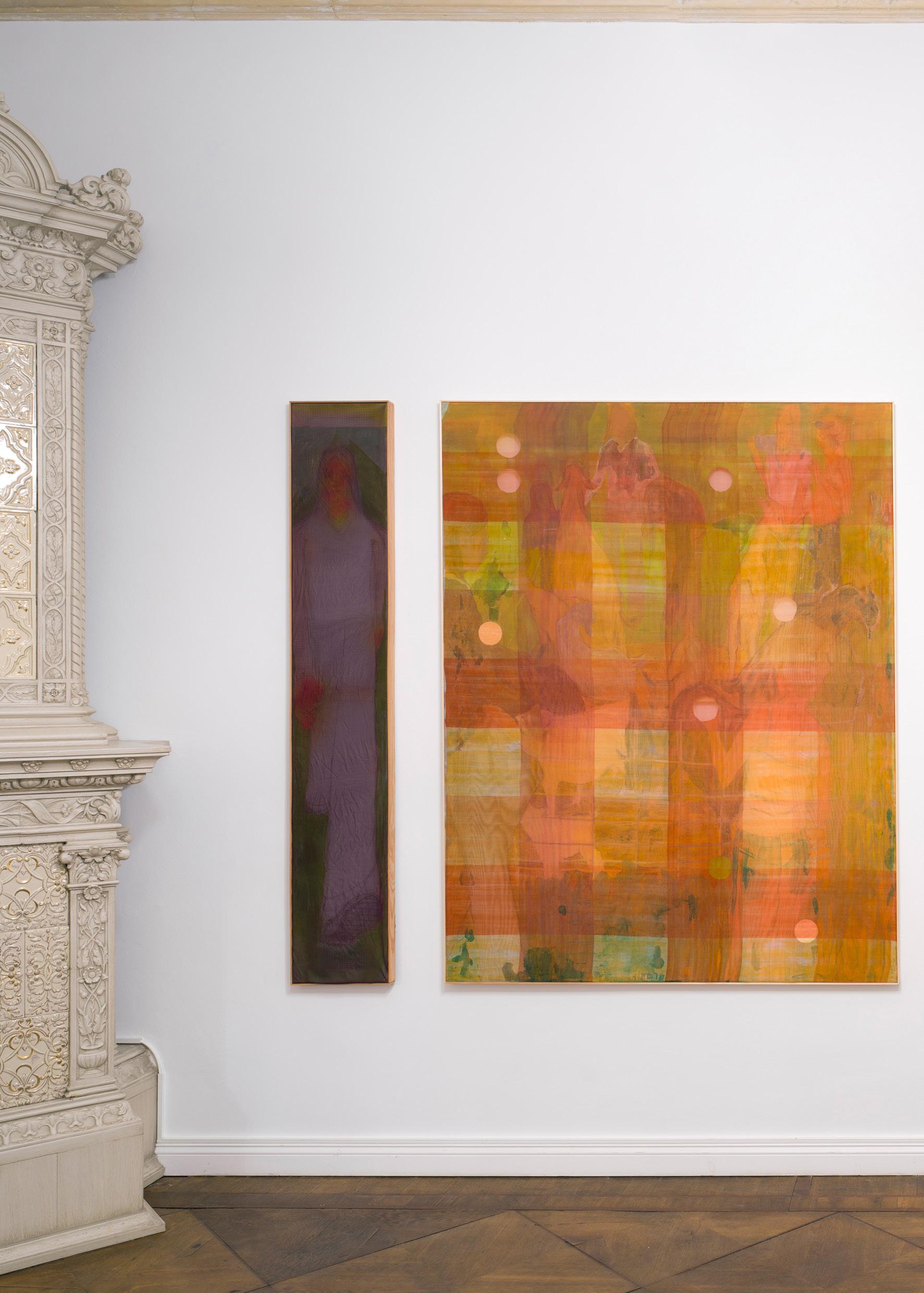
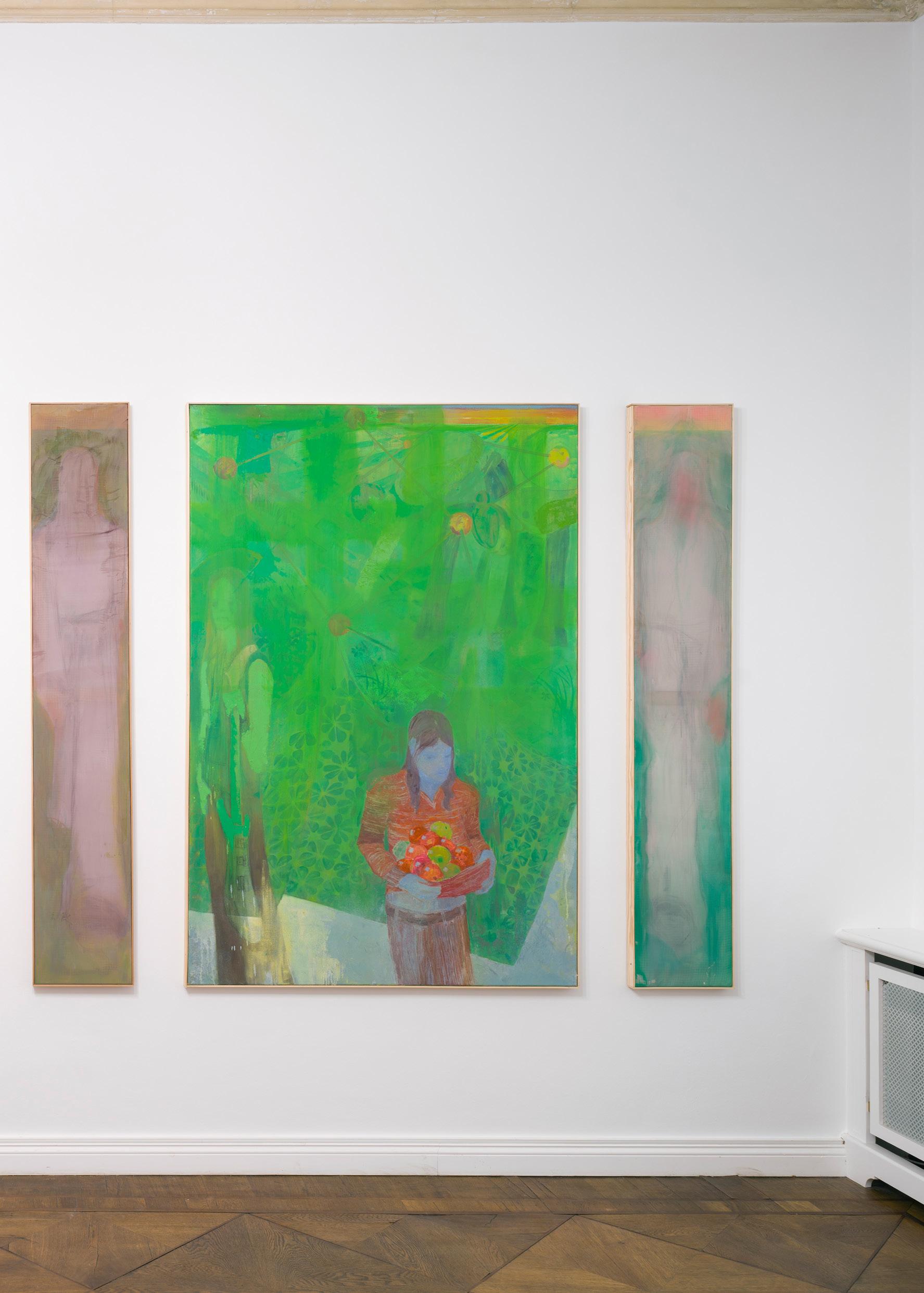
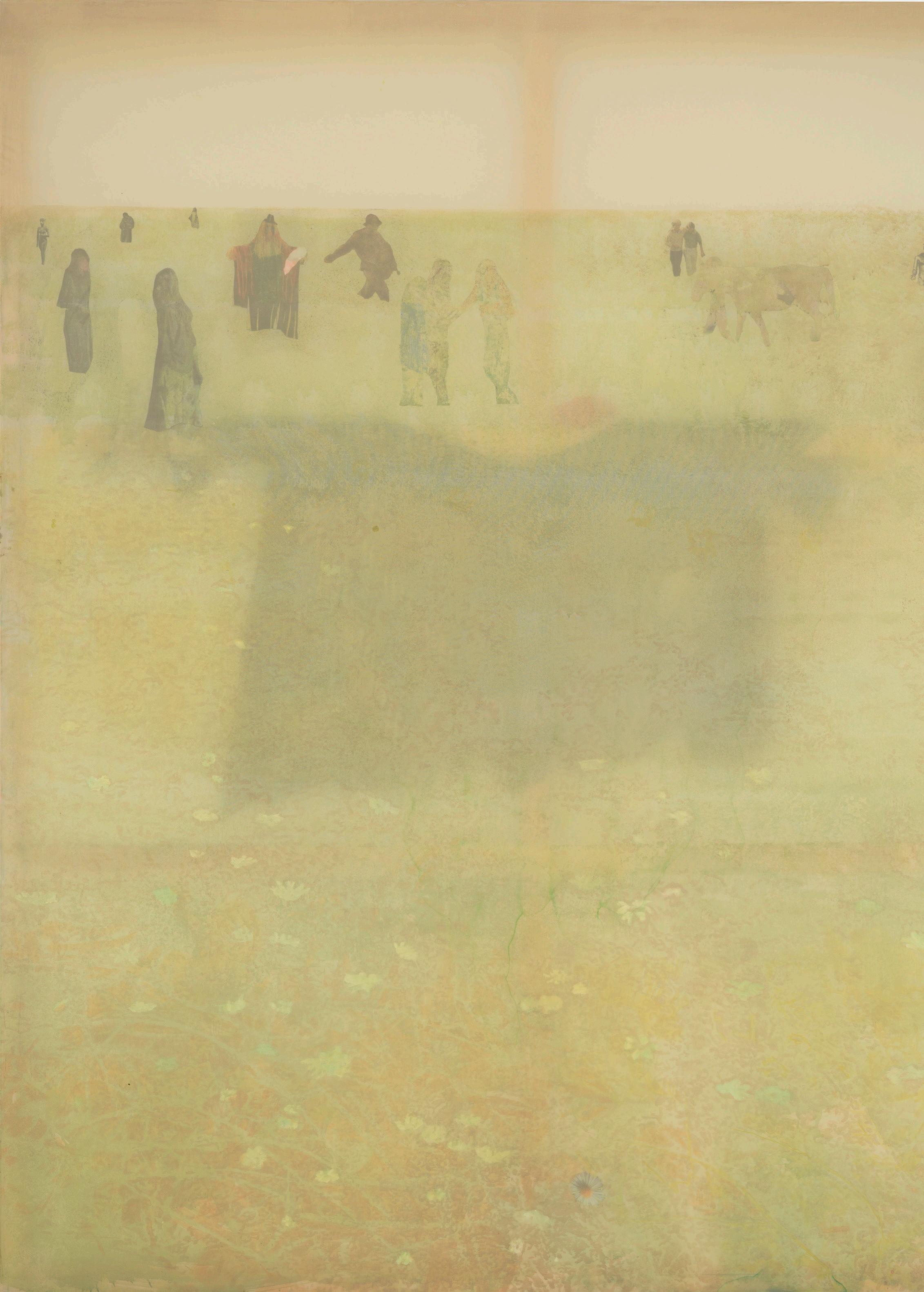
9. The Field
The Field II 2026

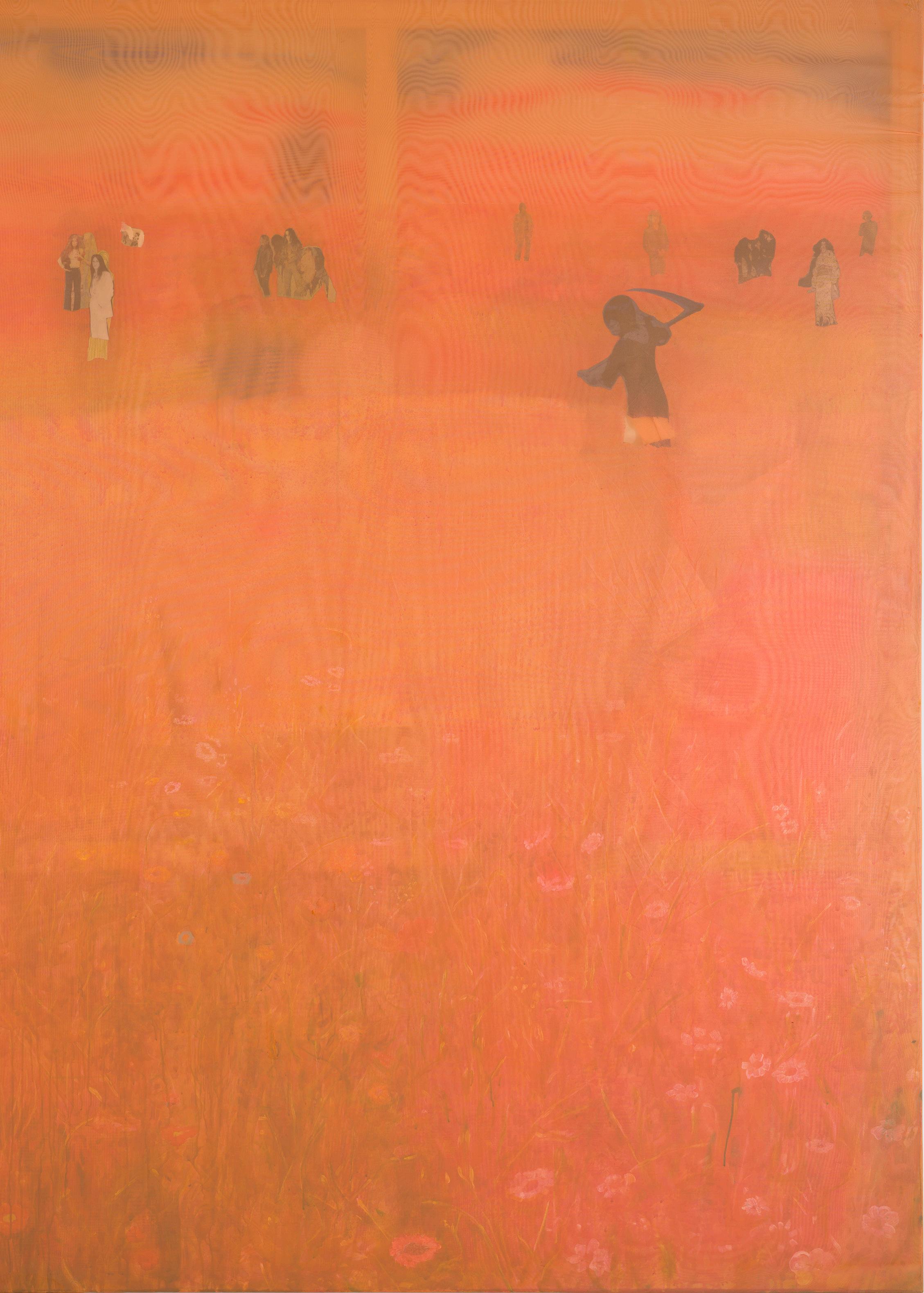
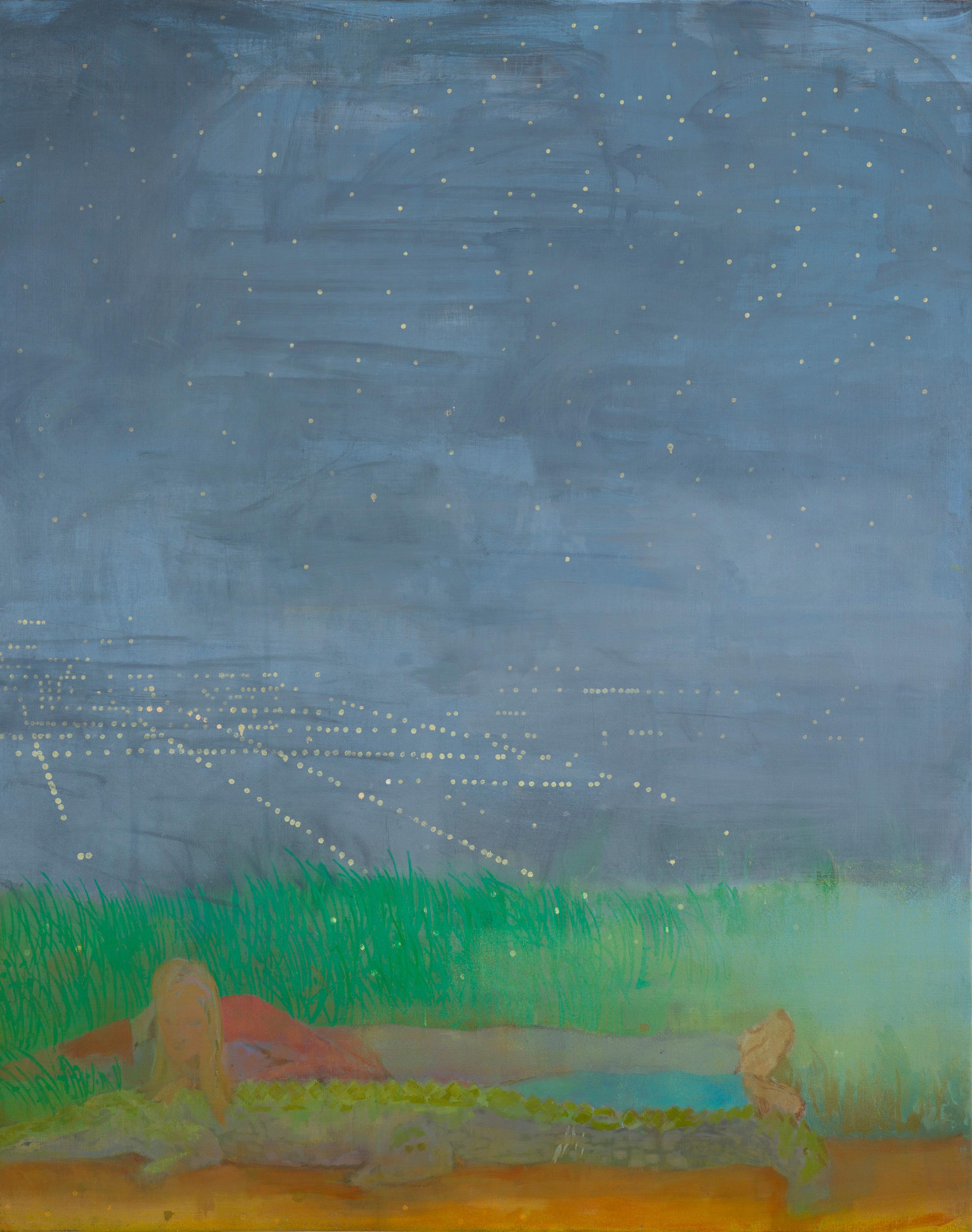
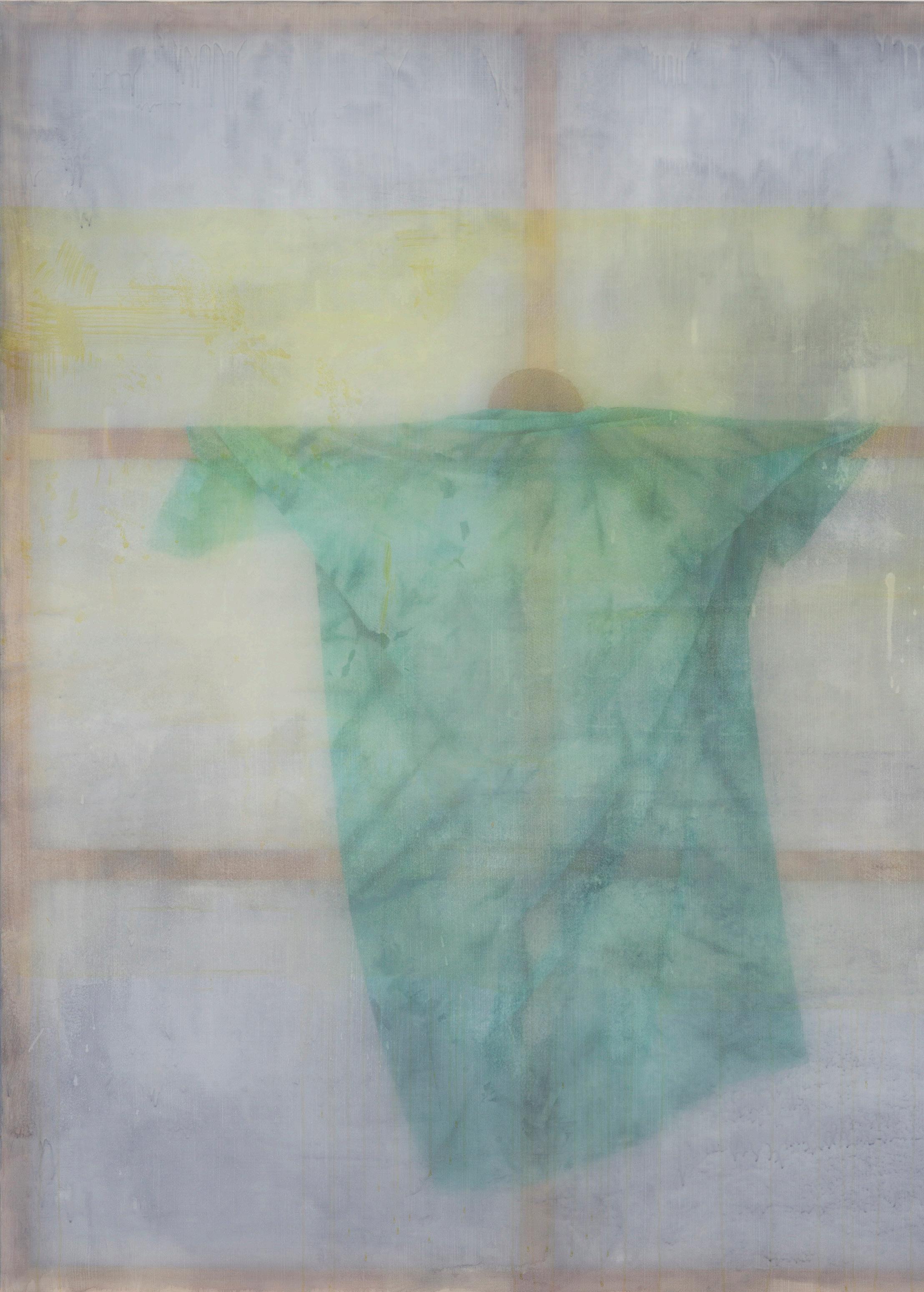
12. Scarecrow I 2026
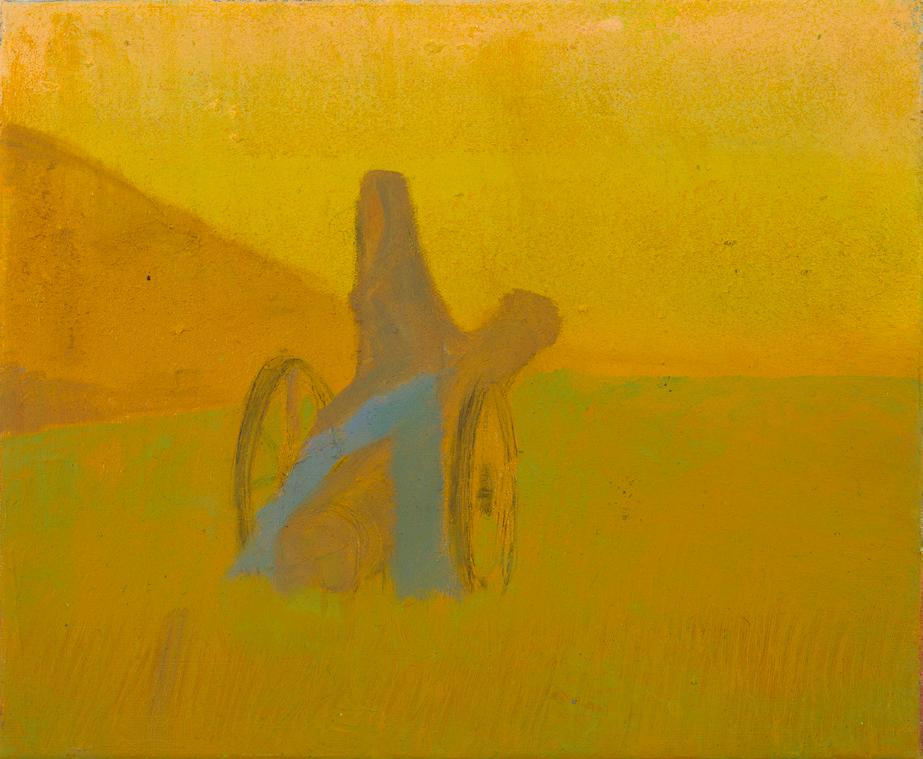
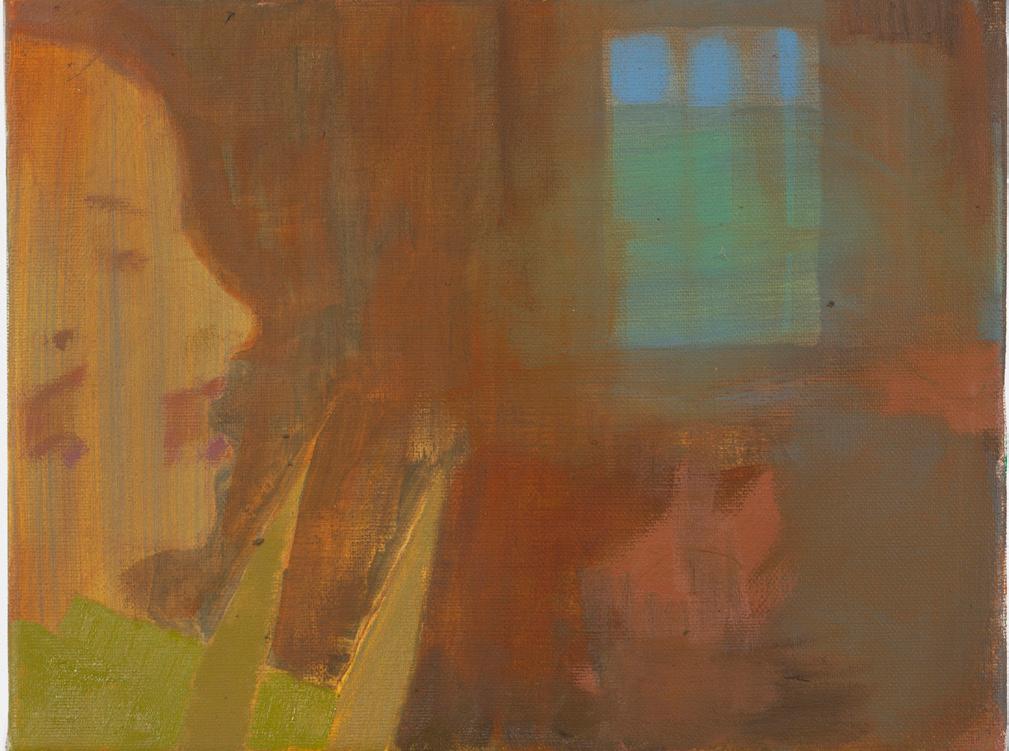
13. Memorial 2026
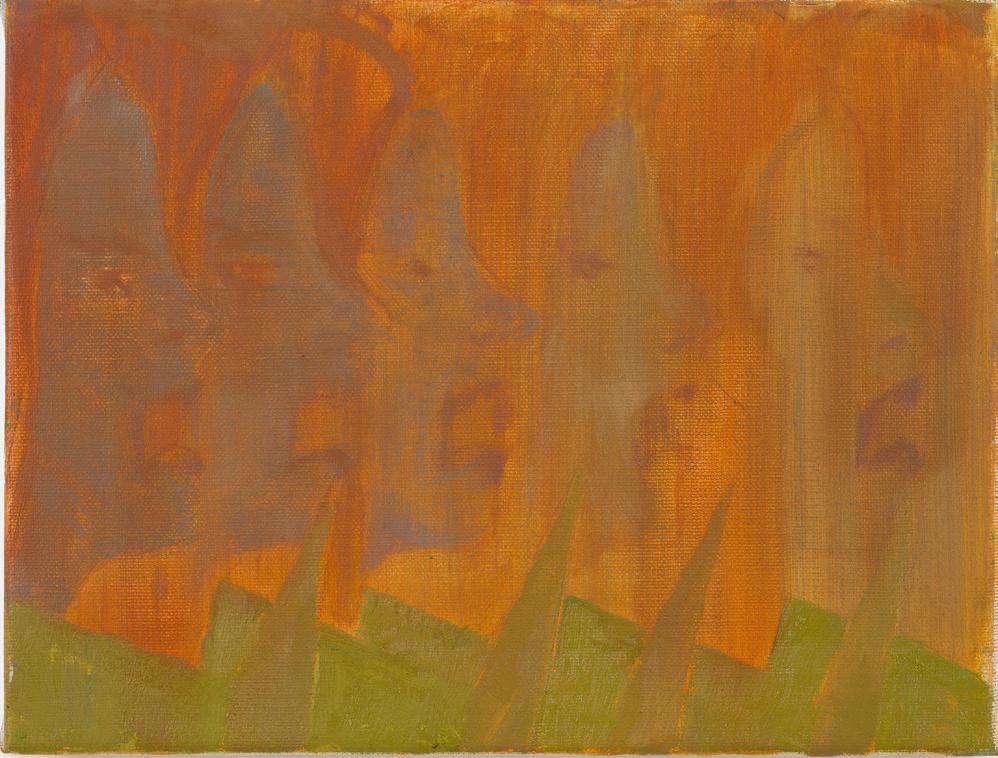
14. Choir 2026
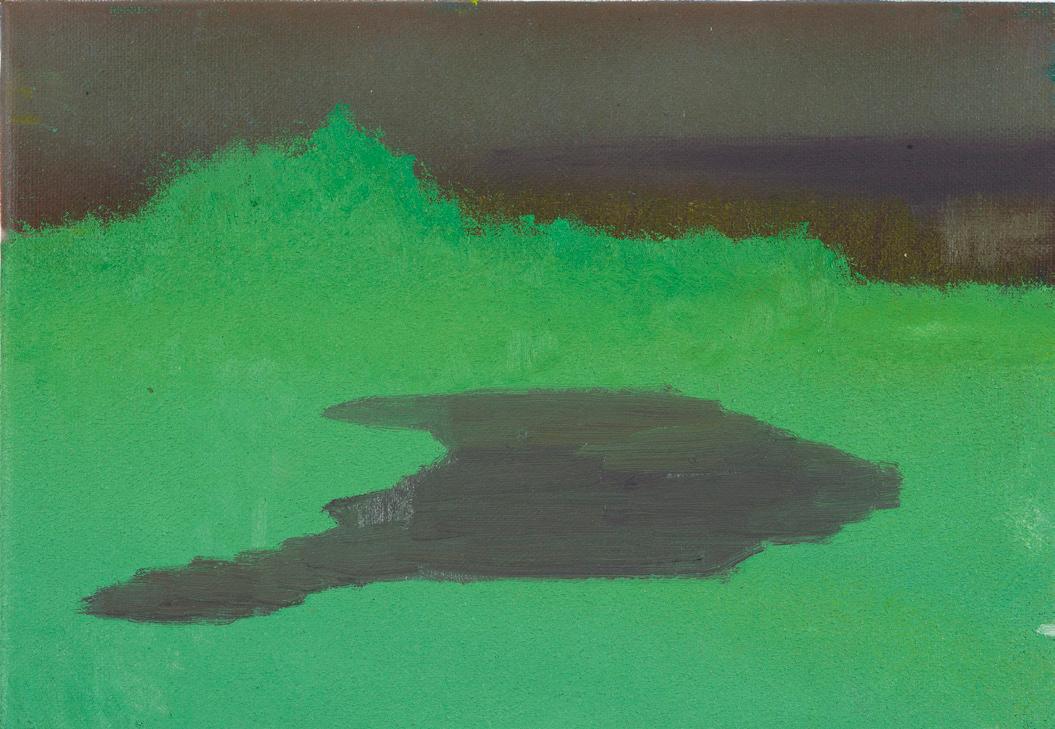
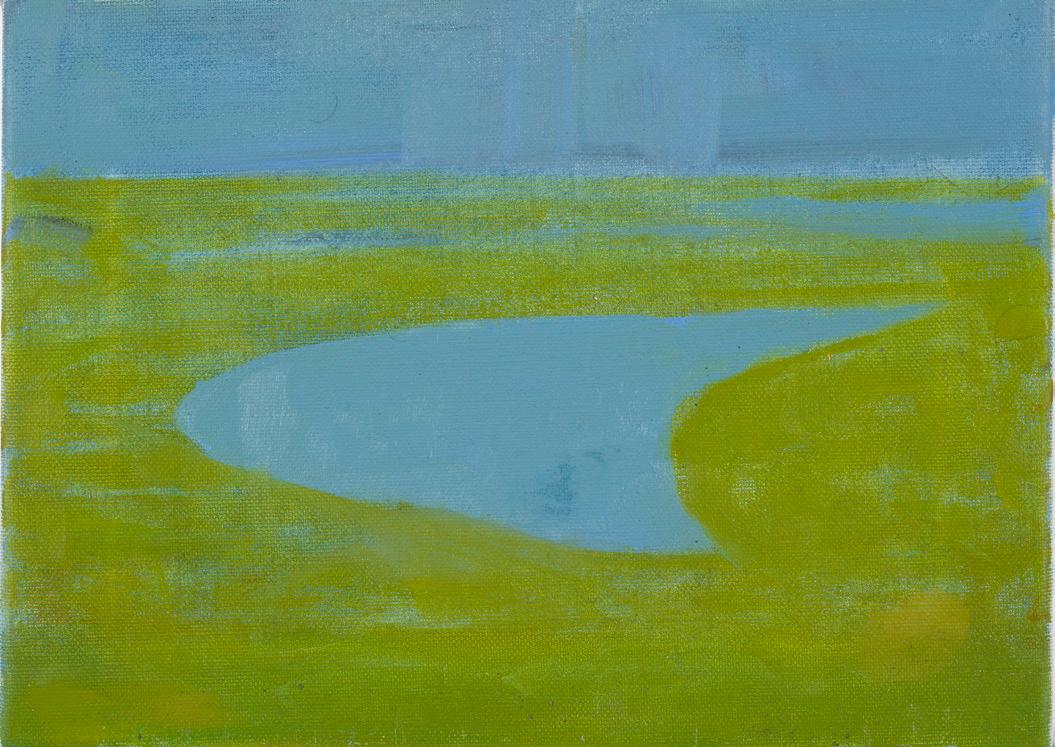
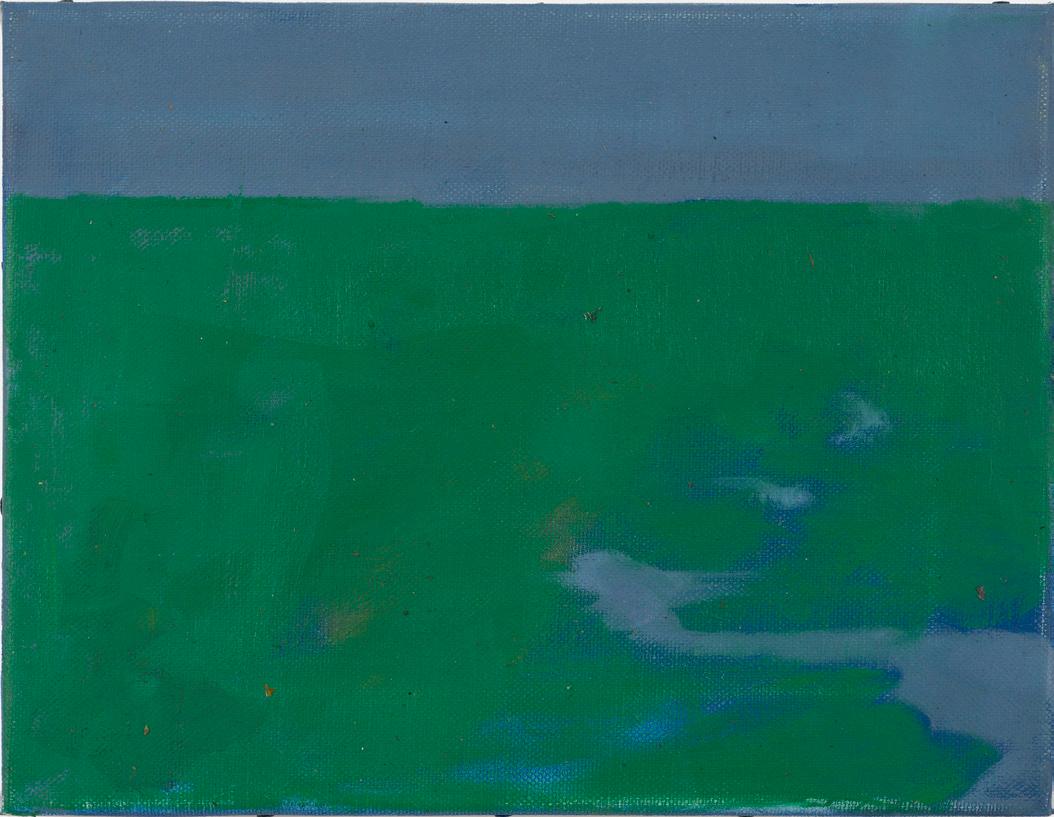
15. Body of Water II 2026
16. Body of Water I 2026
17. Body of Water III 2026
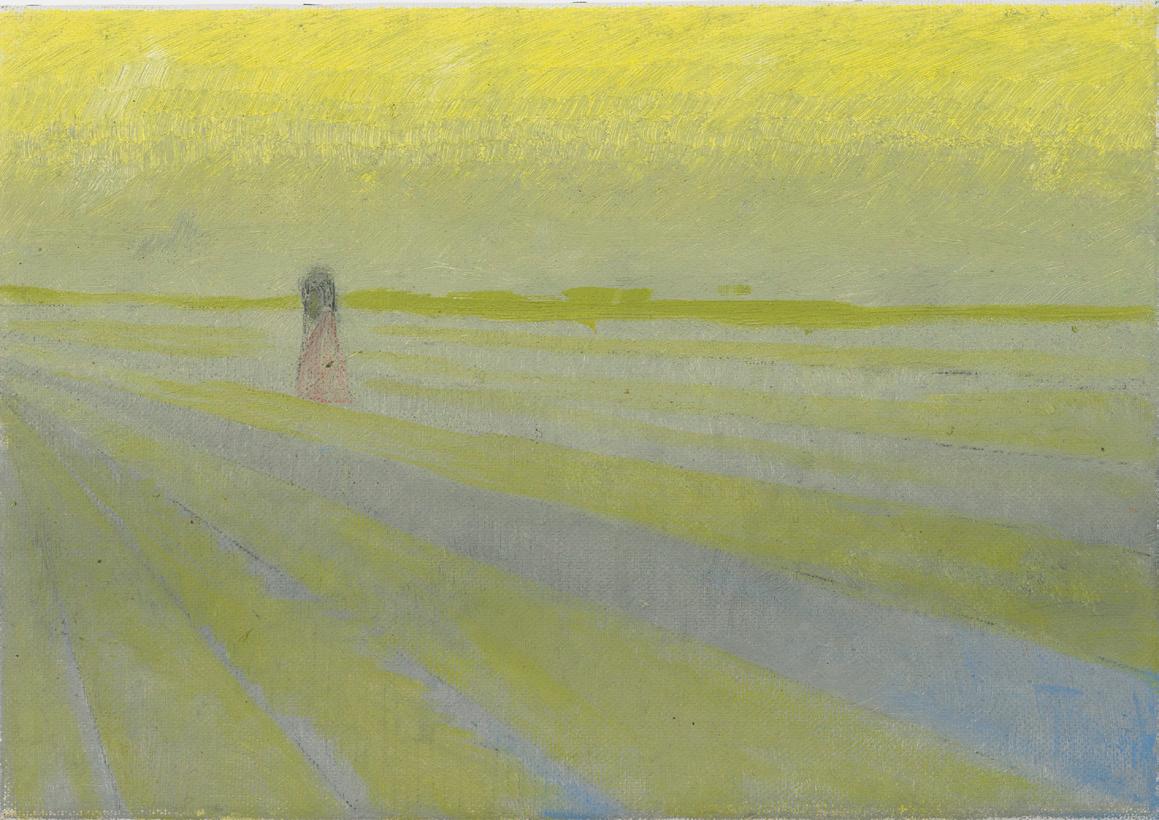
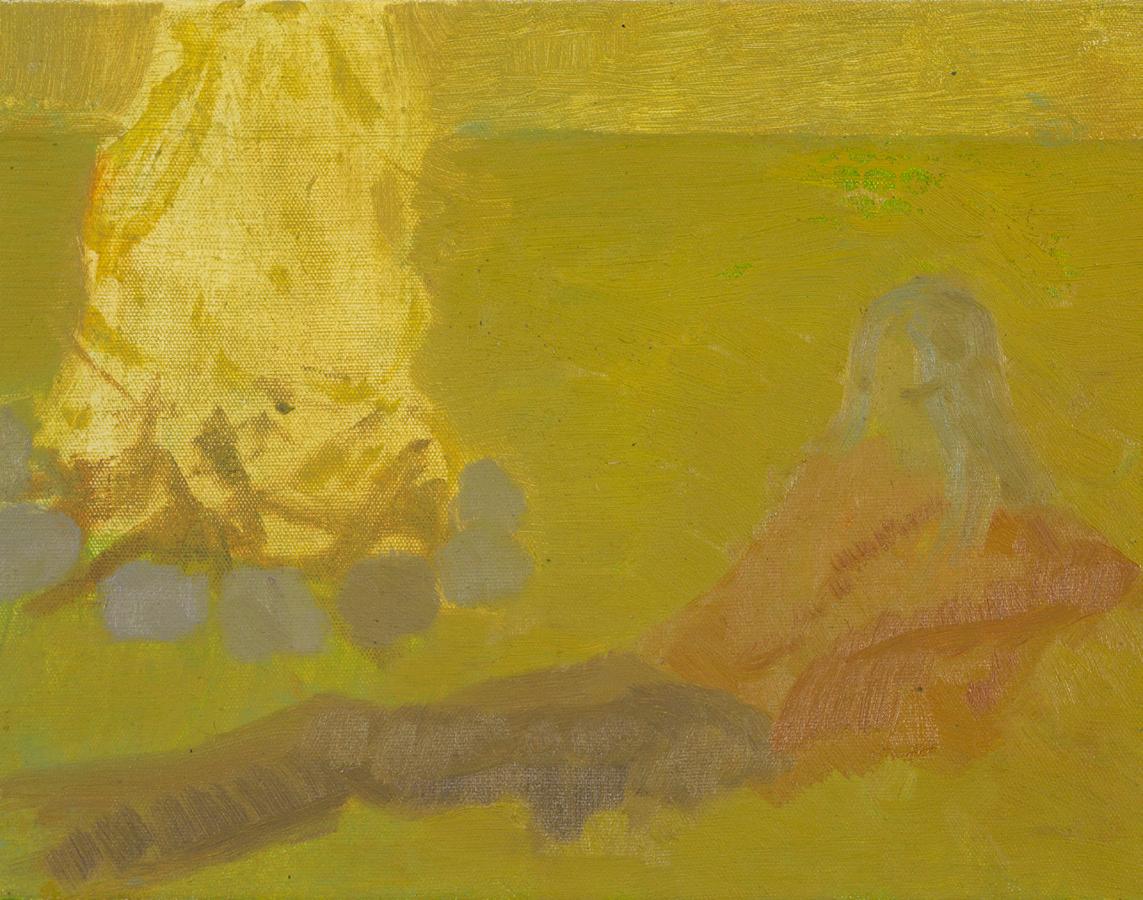
18. Distant Dave 2026
19. Loner 2026
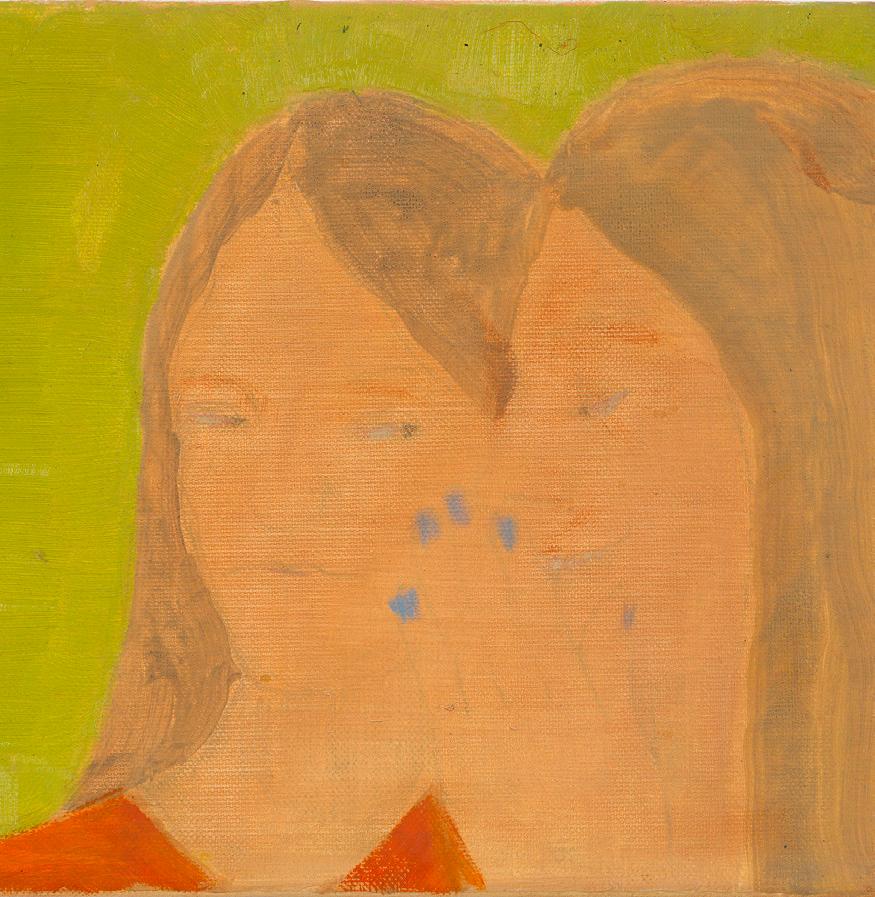
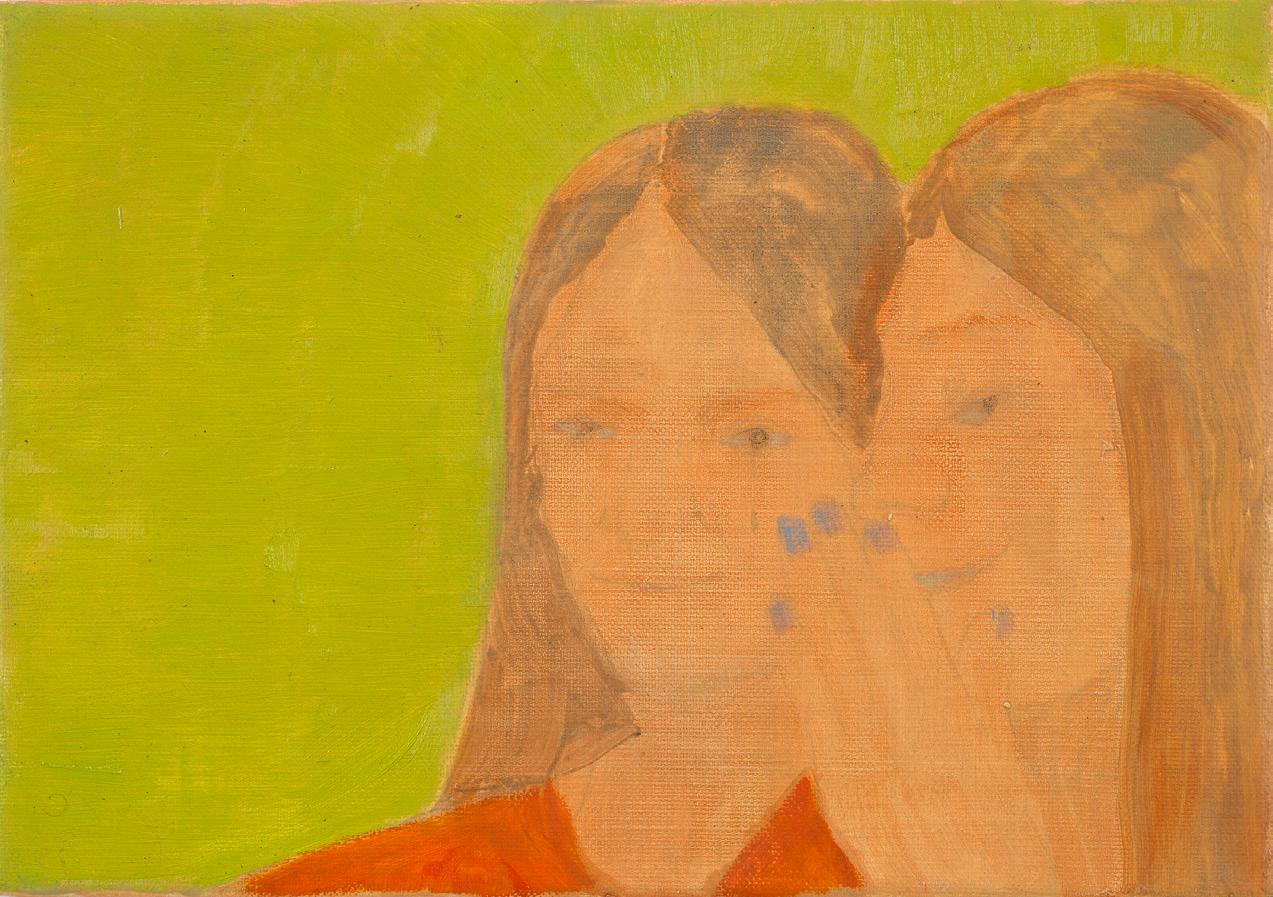
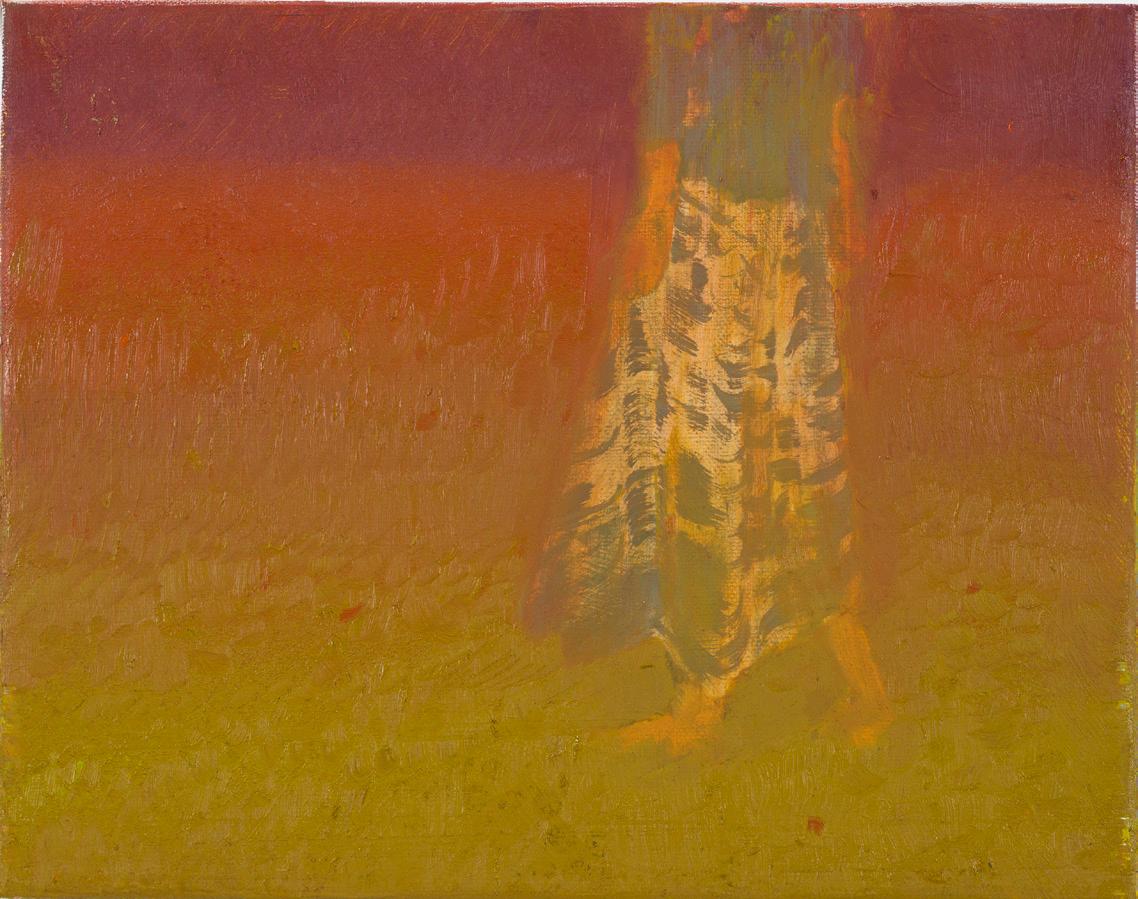
21. Untitled 2026
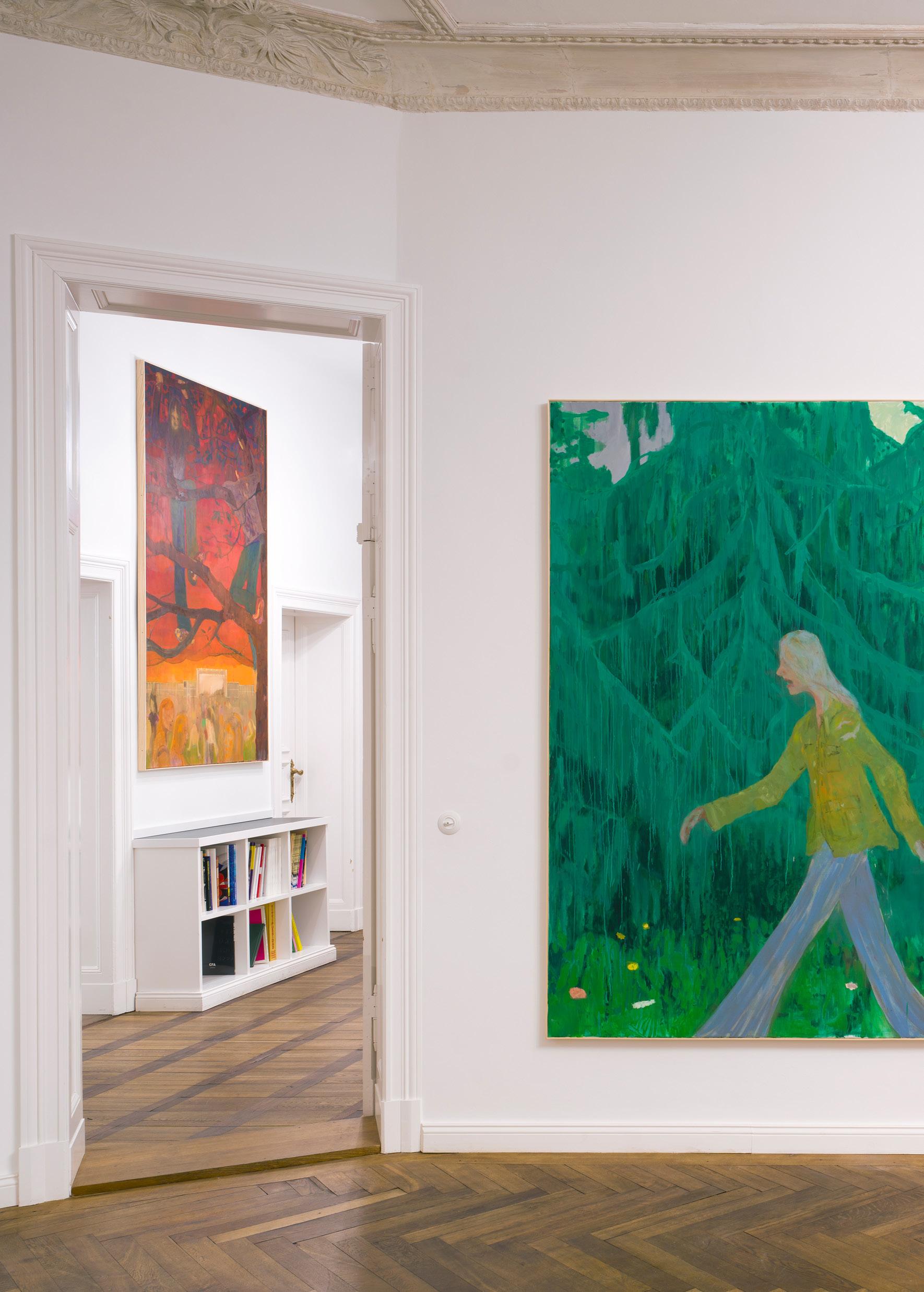
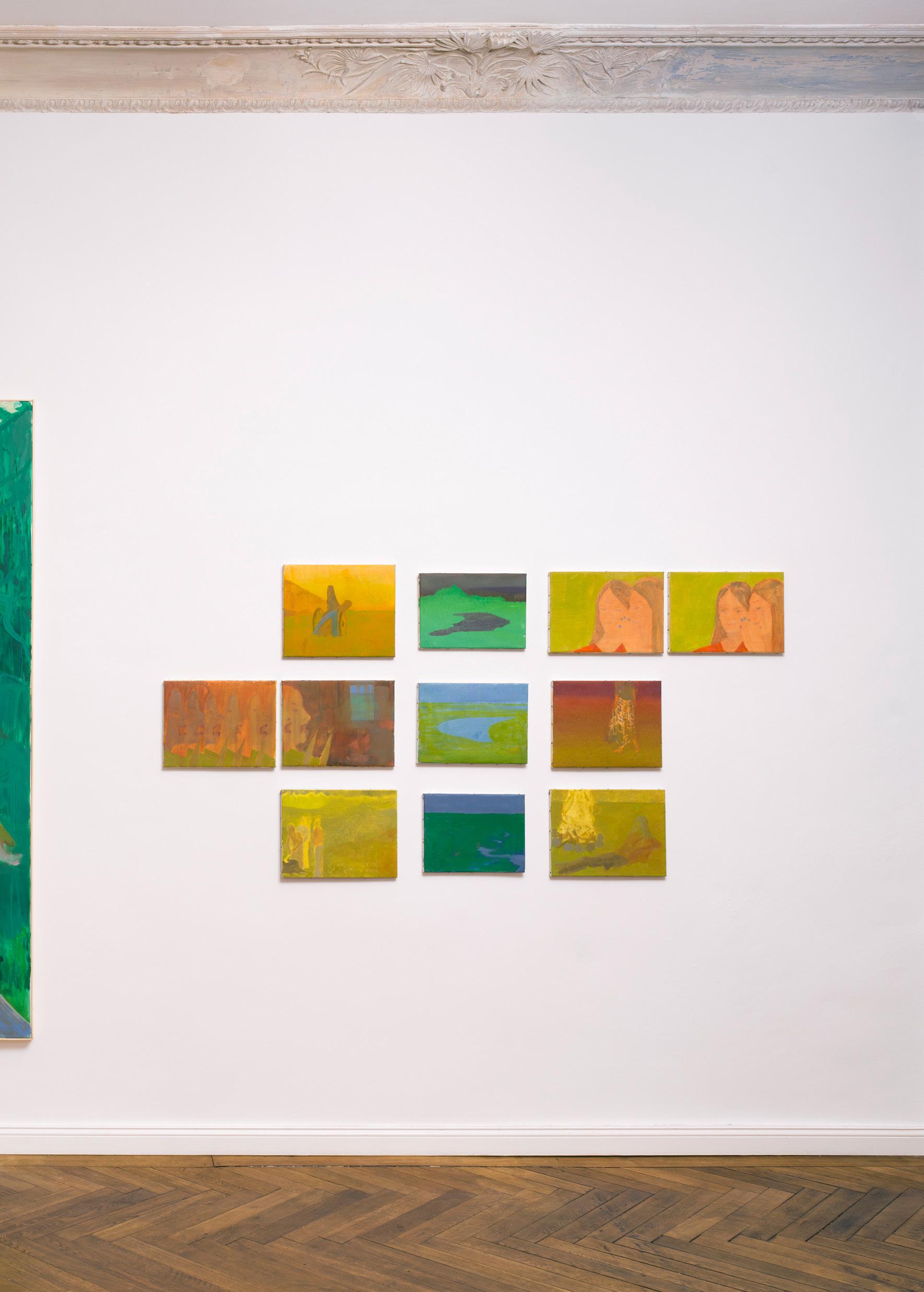
Werke / Works
1
The Gleaners
2026
Öl & Collage auf Leinwand
Oil and collage on canvas
180 x 240 cm
70 7/8 x 94 1/2 in TMC/M 55
2
A Place to Raise
My Twins
2026
Öl auf Leinwand
Oil on canvas
210 x 120 cm
82 5/8 x 47 1/4 in TMC/M 61
3 Runaway 2026
Öl auf Leinwand
Oil on canvas
220 x 140 cm
86 5/8 x 55 1/8 in
TMC/M 58 4
Going to Town in a Cool Detached Irony 2026
Öl auf Leinwand
Oil on canvas
150 x 220 cm
59 x 86 5/8 in TMC/M 62 5
Suspicious Minds 2026
Öl auf Leinwand
Oil on canvas
190 x 110 cm
74 3/4 x 43 1/4 in TMC/M 54 6
And in a Month it All Changes Again 2026
Öl auf Leinwand
Oil on canvas
180 x 120 cm
70 7/8 x 47 1/4 in
TMC/M 60
7
Petting Zoo
2026
Acryl, Kohle & Öl auf Seidenleinwand
Acrylic, charcoal & oil on silk canvas
181 x 141 cm
71 1/4 x 55 1/2 in TMC/M 71 8
Subsistence Aura Farming
2026
Öl auf Leinwand
Oil on canvas
180 x 120 cm
70 7/8 x 47 1/4 in TMC/M 60 9
The Field I 2026
Öl auf Seidenleinwand
Oil on silk canvas
240 x 200 cm
94 1/2 x 78 3/4 in
TMC/M 68
10
The Field II
2026
Öl auf Seidenleinwand Oil on silk canvas
240 x 200 cm
94 1/2 x 78 3/4 in TMC/M 69
11
Shhhhhhhhh... ................
2026
Öl auf Leinwand
Oil on canvas
196 x 169 cm
77 1/8 x 66 1/2 in TMC/M 70 12
Scarecrow I
2026
Öl auf Seidenleinwand & Stoff Oil on silk canvas & fabric
240 x 200 cm
94 1/2 x 78 3/4 in TMC/M 72
13
Memorial
2026
Öl auf Leinwand Oil on canvas
32 x 39 cm
12 5/8 x 15 3/8 in TMC/M 85 14
Choir
2026
Öl auf Leinwand Oil on canvas
30 x 80 cm
11 3/4 x 31 1/2 in Zweiteilig Two parts TMC/M 59 15
Body of Water II
2026
Öl auf Leinwand Oil on canvas
26 x 37 cm
10 1/4 x 14 5/8 in TMC/M 82
16
Body of Water I
2026
Öl auf Leinwand
Oil on canvas
28 x 38 cm
11 x 15 in TMC/M 81 17
Body of Water III
2026
Öl auf Leinwand
Oil on canvas
27 x 35 cm
10 5/8 x 13 3/4 in TMC/M 76 18
Distant Dave
2026
Öl auf Leinwand
Oil on canvas
26 x 37 cm
10 1/4 x 14 5/8 in TMC/M 80
19
Loner 2026
Öl auf Leinwand
Oil on canvas
30 x 40 cm
11 3/4 x 15 3/4 in TMC/M 74
20
It’s All About You
2026
Öl auf Leinwand
Oil on canvas
28 x 80 cm
11 x 31 1/2 in
Zweiteilig
Two parts TMC/M 77
21
Untitled 2026
Öl auf Leinwand
Oil on canvas
30 x 38 cm
11 3/4 x 15 in TMC/M 84
22
Unveiling New Work
2026
Öl auf Leinwand
Oil on canvas
30 x 40 cm
11 3/4 x 15 3/4 in TMC/M 83
23
Distant Voice 2026
Öl auf Leinwand
Oil on canvas
31 x 40 cm
12 1/4 x 15 3/4 in TMC/M 79
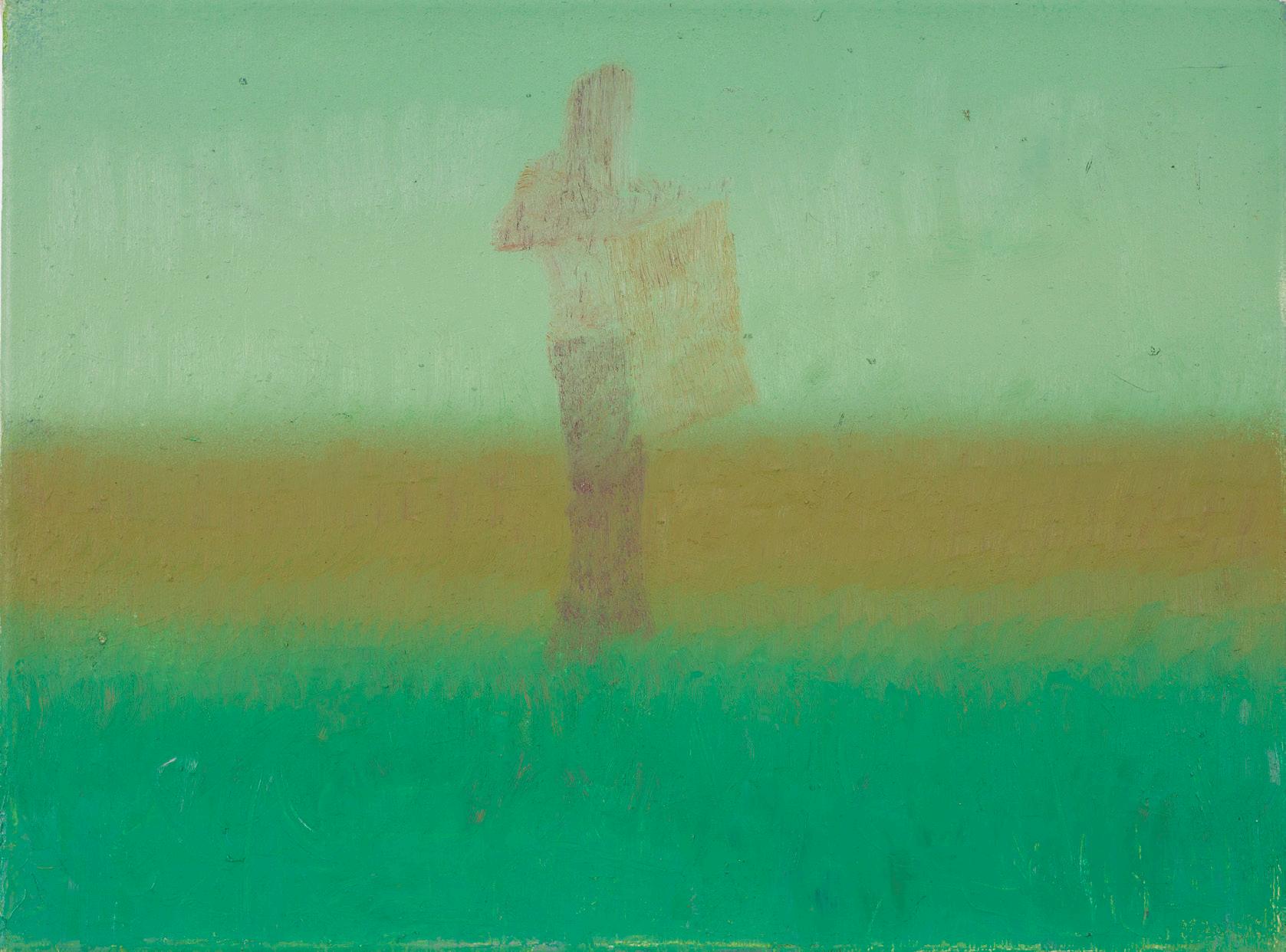
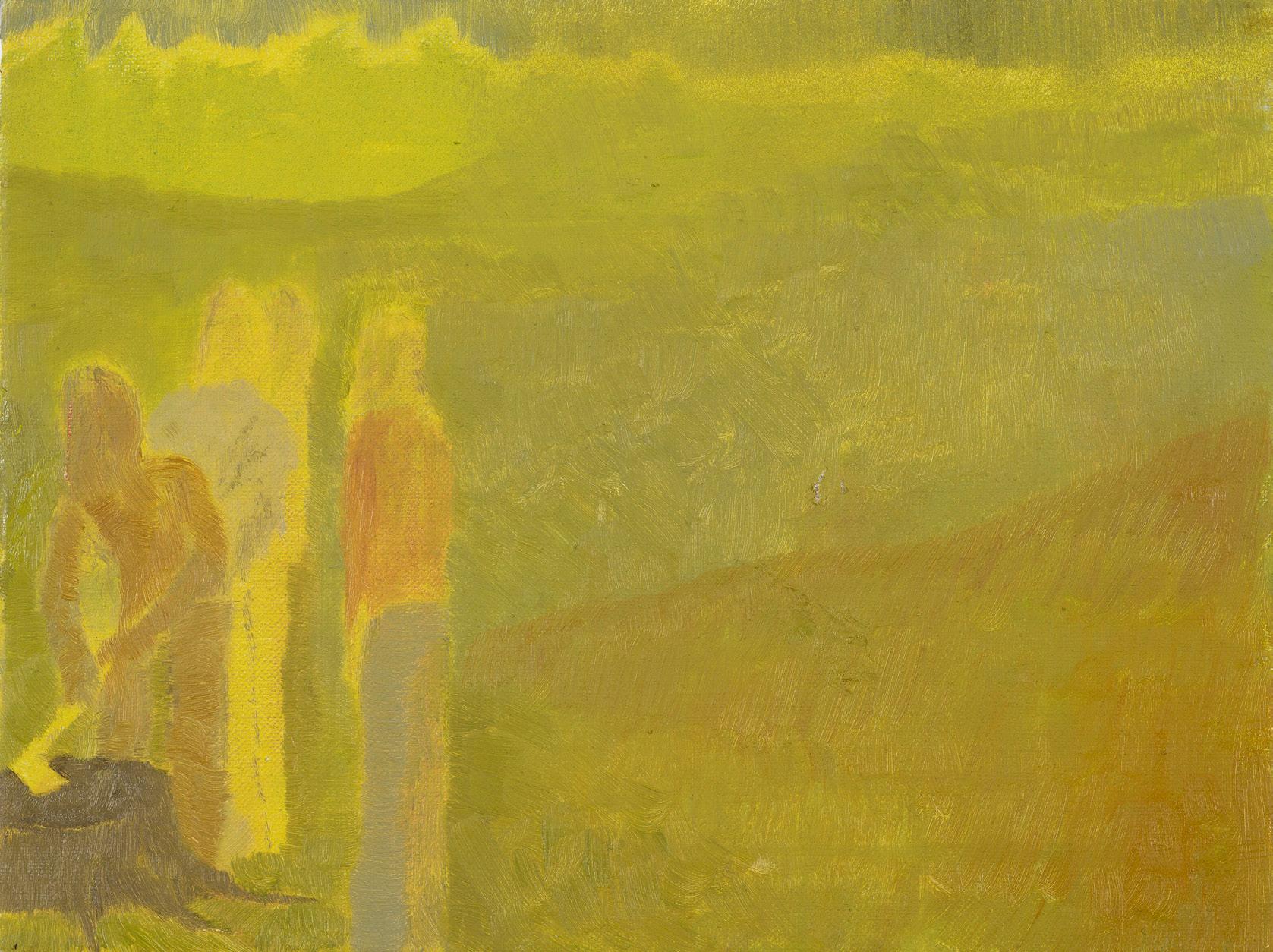
22. Unveiling New Work 2026
23. Distant Voice 2026
Dieser Katalog erscheint anlässlich der Ausstellung
This catalogue is published as part of the exhibition
Travis MacDonald
Had A Farm
2. Mai – 6. Juni 2026 2 May – 6 June 2026
Contemporary Fine Arts, Berlin
Bruno Brunnet & Nicole Hackert Grolmanstraße 32/33 10623 Berlin, Germany
Tel. +49 (0) 30-88 77 71 67 www.cfa-gallery.com gallery@cfa-berlin.de
© 2026
Contemporary Fine Arts, die Autoren und die Fotografen the authors and photographers
Text
Nicolas Vamvouklis
Gestaltung
Design
Imke Wagener
Fotografie
Photography
Nick Ash