CEVA POULTRY PRODUCTS
2026 - 2027
2026 - 2027
FROM THE HATCHERY TO THE FIELD, WE ARE COMMITTED TO HELPING OUR CUSTOMERS OPTIMIZE THEIR PERFORMANCE AND REDUCE ANTIBIOTIC USE THROUGH INNOVATIVE SOLUTIONS AND SUPPORT.
Ceva Animal Health is a worldwide leader in the development and production of poultry vaccines to combat health issues such as Infectious Bursal Disease, Coccidiosis, Newcastle Disease, Marek’s Disease, Infectious Bronchitis Virus, and Salmonella. From the latest vector vaccine technology in the Vectormune range, to our custommade vaccines, we work together with our customers to find the right solutions.
Empowering poultry operations to take charge of their health management goes beyond providing them with effective vaccines.
Ceva has 2 dedicated campuses for vaccination innovation: the Ecat-iD campus, providing in ovo solutions, such as Egginject, and the Desvac campus, developing innovation for day of hatch vaccine administration such as Desvac Dovac, and Desvac in-line Duo Spray & Gel. COMPANY OVERVIEW
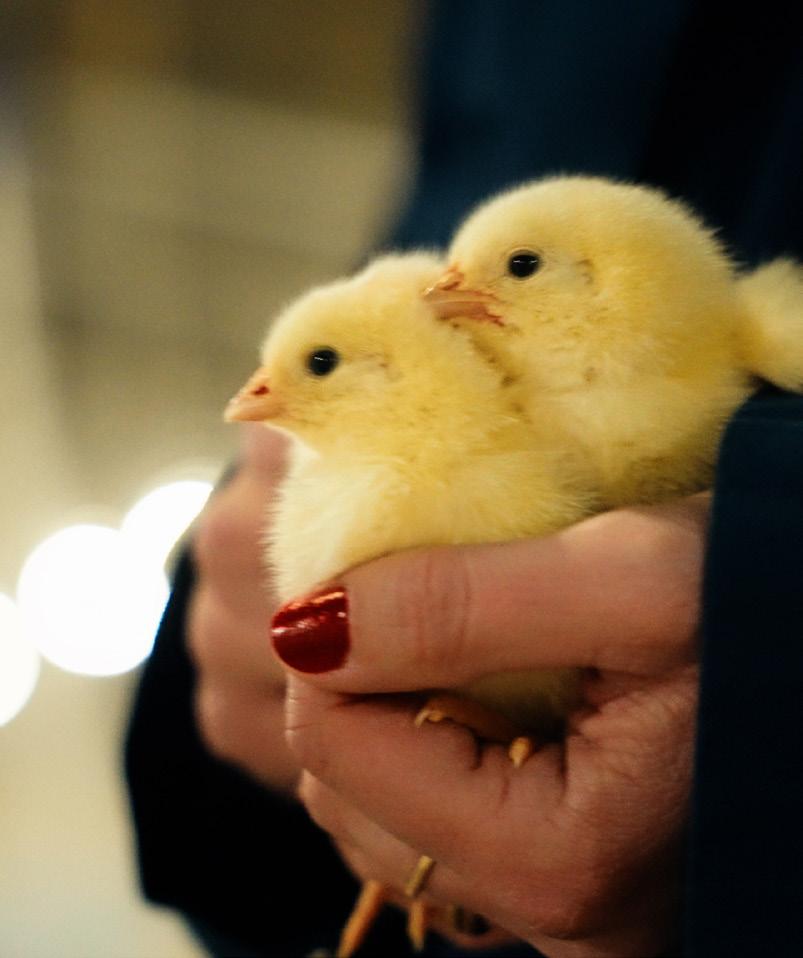
The process of effective immunization requires a holistic approach, encompassing not only the most advanced science for vaccine creation, but also practical implementation in the field. Ceva is a global leader in optimizing vaccine administration from vaccination equipment and service, to monitoring programs and personnel education and training. Our teams are dedicated to developing customized and convenient vaccination solutions.
20 YEARS OF DEDICATION AND INVESTMENT HAS MADE CEVA THE WORLD LEADER IN VACCINES, VACCINATION SERVICES AND EQUIPMENT.
Ceva’s C.H.I.C.K Program was the first hatchery service program to be Quality Recognized by Bureau Veritas Group.
INFECTIOUS BRONCHITIS
COMPOSITION
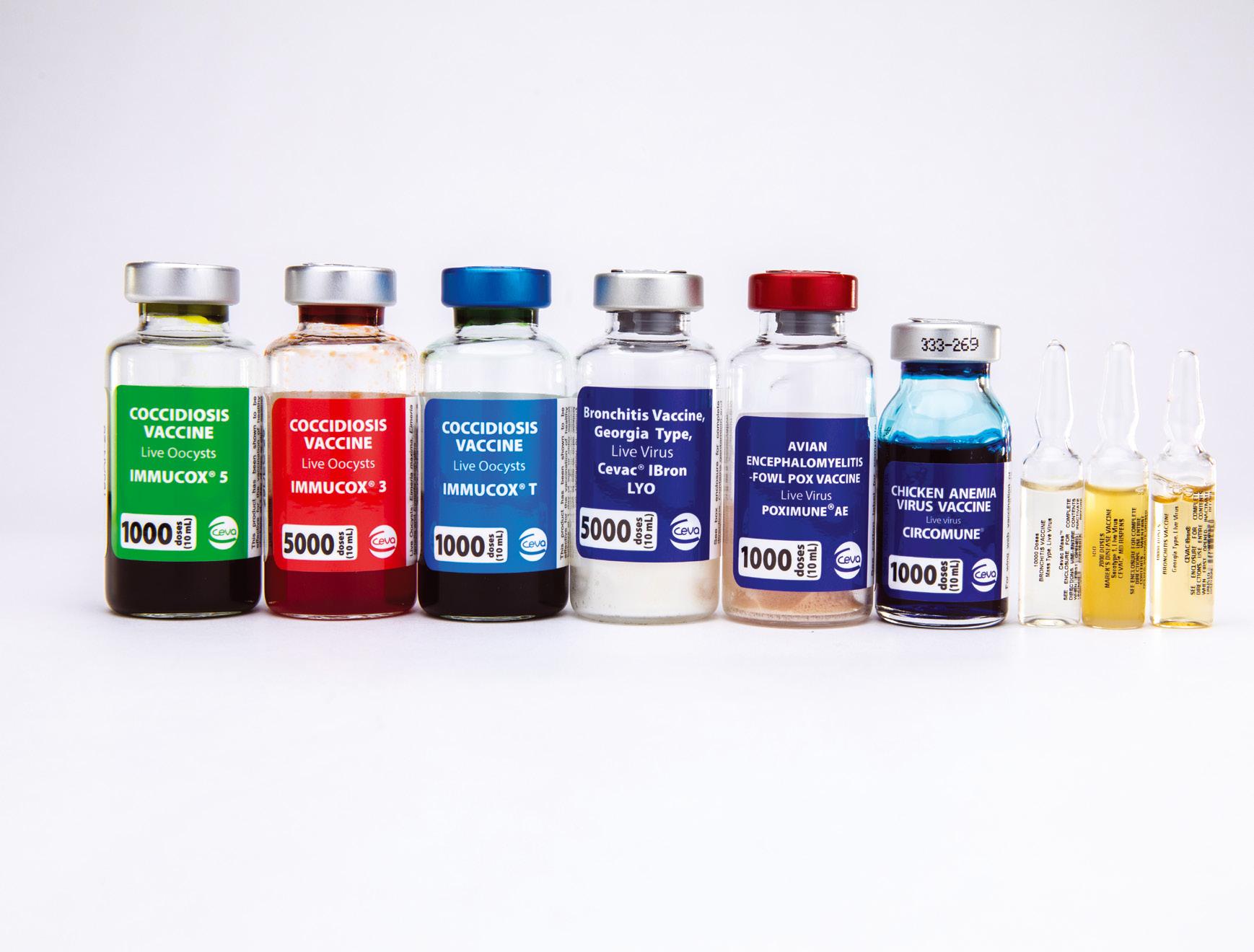
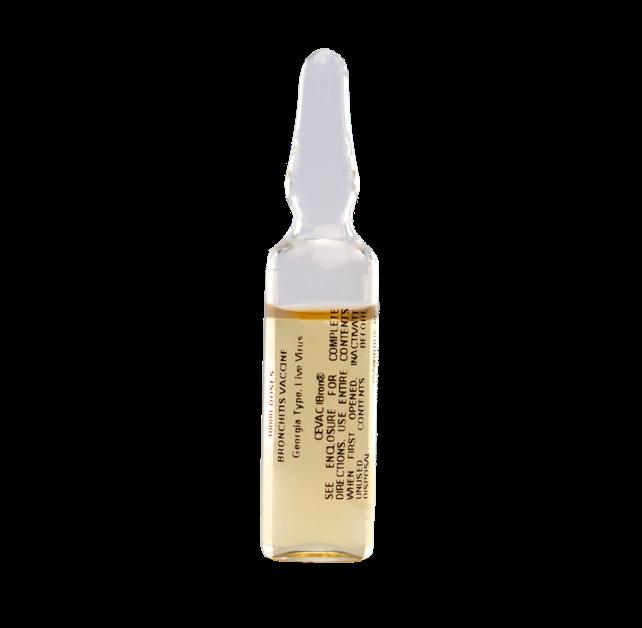
CEVAC IBron® is a live monovalent bronchitis vaccine containing the Georgia (GA) 08 serotype of IBV. This Bronchitis vaccine is presented in a frozen form. The IB virus particles are very fragile and require careful handling to prevent damage or loss of titer in order to achieve optimum efficacy.
INDICATIONS
This product has been shown to be effective for the vaccination of healthy chickens at one day of age or older against bronchitis caused by IBV GA08 and IBV GA13 via the coarse spray route and IBV GA08 and DMV 16/39/11 IBV Types via gel droplet by oral administration.
ADMINISTRATION AND DOSAGE
Prior to use, the vaccine must be thawed and diluted appropriately with the sterile vaccine diluent as stated in the package insert. Immediately use the vaccine and mix occasionally to ensure uniform suspension of cells. One full dose per bird should be administered by nebulization with coarse spray or via gel droplet at 1 day of age or older. Vaccine should be administered within 1 hour of mixing.
STORAGE
• Store and transport this vaccine frozen in liquid nitrogen (-196°C). The liquid nitrogen containers must be checked regularly for liquid nitrogen level and must be refilled as needed.
PRESENTATION
5,000 and 10,000 doses ampoules
CEVAC® IBRON® is also available in freeze dried form in presentation of 5,000 doses per bottle
INFECTIOUS BRONCHITIS
COMPOSITION
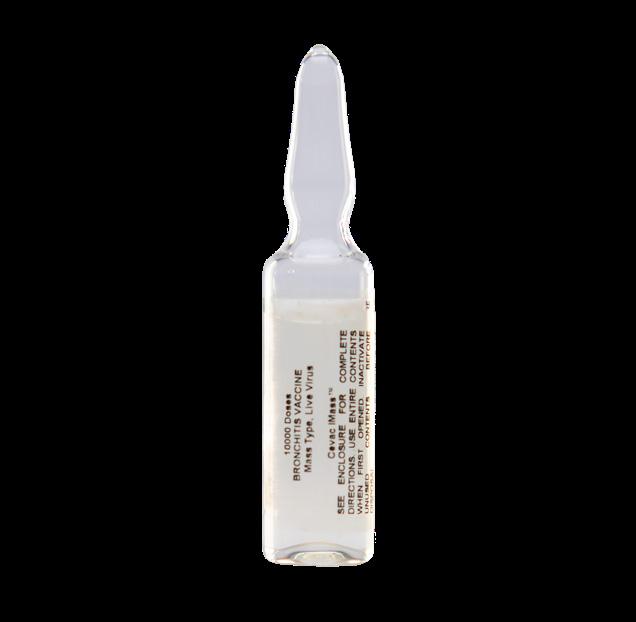
CEVAC IMASS® is a live monovalent bronchitis vaccine containing the Massachusetts (Mass) serotype of Infectious Bronchitis Virus (IBV). This Bronchitis vaccine is presented in a frozen form. The IB virus particles are very fragile and require careful handling to prevent damage or loss of titer in order to achieve optimum efficacy.
INDICATIONS
This product has been shown to be effective for the vaccination of healthy chickens at one day of age or older against bronchitis caused by IBV Mass serotype.
ADMINISTRATION AND DOSAGE
Prior to use, the vaccine must be thawed and diluted appropriately with the sterile vaccine diluent as stated in the package insert. Immediately use the vaccine and mix occasionally to ensure uniform suspension of cells. One full dose per bird should be administered by nebulization with coarse spray. Vaccine should be administered within 1 hour of mixing.
STORAGE
• Store and transport this vaccine frozen in liquid nitrogen (-196°C). The liquid nitrogen containers must be checked regularly for liquid nitrogen level and must be refilled as needed.
PRESENTATION
5,000 or 10,000 doses ampoules
CHICKEN INFECTIOUS ANEMIA
COMPOSITION
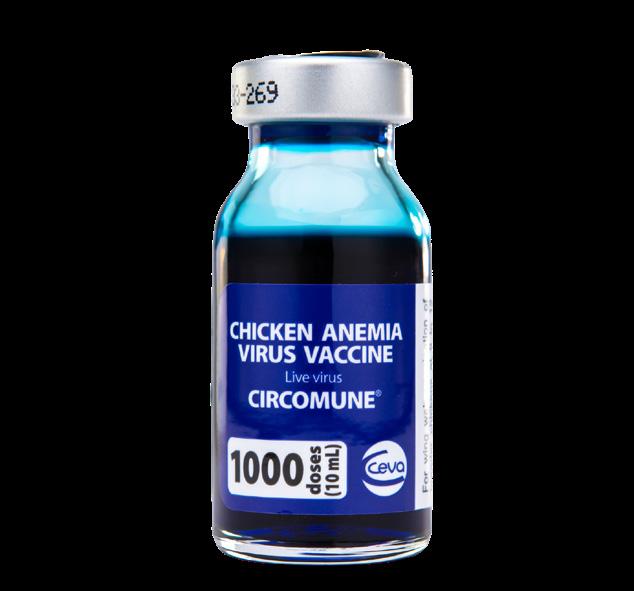
CIRCOMUNE® L is a live Chicken Infectious Anemia Virus vaccine, Del Ros strain, for use in chickens using wing web administration. The vaccine is stable allowing it to be presented in a liquid, ready to use preparation that can be stored at 35–45°F (2–7°C).
INDICATIONS
IRCOMUNE® L is recommended for the active immunization of chickens against Chicken Anemia Virus. Maternal antibodies are transferred to progeny to aid in the prevention of disease caused by Chicken Infectious Anemia Virus. Use only by wing web administration to healthy, susceptible chickens 9 to 12 weeks of age.
ADMINISTRATION AND DOSAGE
Wing Web: Insert the applicator into the webbed portion of the wing avoiding feathers, muscle, bone and blood vessels (0.01 ml dose/bird). Vaccine should be used within one hour.
STORAGE
• Store vaccine between +2°C and +8°C or 35°F and 45°F
• Protect from light
PRESENTATION
10 x 1,000 dose vials and wing web applicators
FOWL POX & AVIAN
ENCEPHALOMYELITIS
COMPOSITION
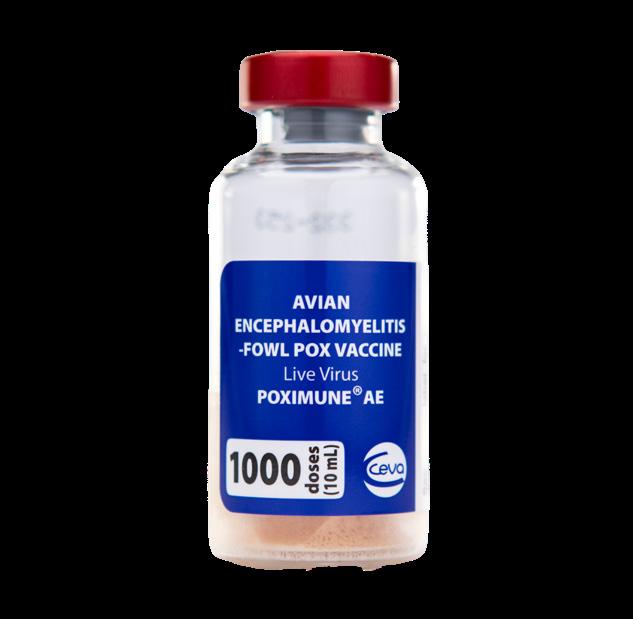
POXIMUNE® AE is a combined live vaccine containing Fowl Pox virus and Avian Encephalomyelitis virus. This vaccine is supplied as a freeze-dried preparation.
INDICATIONS
POXIMUNE® AE is recommended for wing web administration to healthy, susceptible chickens 8 weeks of age or older, but at least 4 weeks prior to the onset of egg production.
ADMINISTRATION AND DOSAGE
Vaccine should be reconstituted with provided diluent following label instructions.
Wing Web: Insert the applicator into the webbed portion of the wing avoiding feathers, muscle, bone and blood vessels (0.01 ml dose/bird). Vaccine should be used within one hour.
STORAGE
• Store vaccine between +2°C and +8°C or 35°F and 45°F
• Protect from light
PRESENTATION
10 x 1,000 dose vials with diluent and wing web applicators
WARNING
To prevent losses in egg production and/or vertical transmission of Avian Encephalomyelitis Virus to progeny, DO NOT ADMINISTER THIS VACCINE TO CHICKENS DURING OR LESS THAN 4 WEEKS PRIOR TO EGG PRODUCTION!
AVIAN COCCIDIOSIS
COMPOSITION
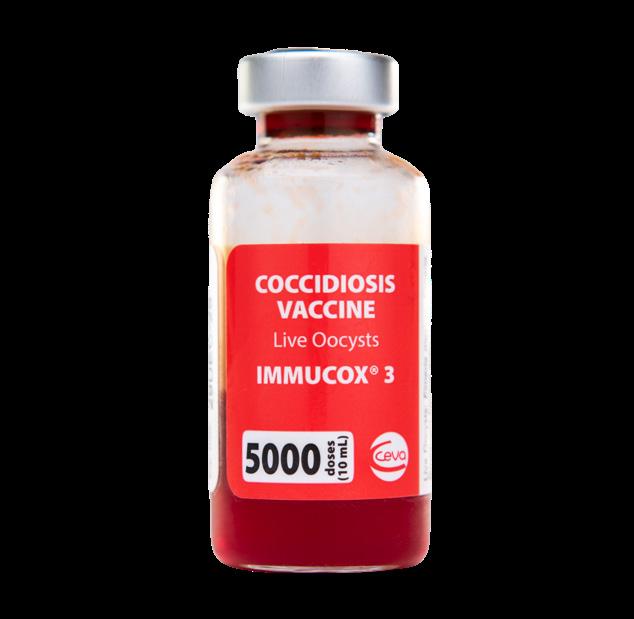
IMMUCOX®3 contains live, sporulated oocysts of Eimeria acervulina, Eimeria maxima and Eimeria tenella in a liquid suspension.
INDICATIONS
IMMUCOX®3 delivers uniform, optimum doses of live oocysts to chickens to aid in the development of immunity against coccidiosis. When administered according to the directions IMMUCOX®3 can stimulate immunity against coccidiosis caused by E. acervulina, E. maxima and E. tenella.
ADMINISTRATION AND DOSAGE
Prior to use, the vaccine must be mixed appropriately with Cevagel diluent as stated in the package insert. Administer one full dose per bird via gel droplet. Apply 25mL of vaccine per 100 birds using gel spray equipment. Use vaccine within 4 hours of mixing.
PRESENTATION
• Store vaccine between +2°C and +8°C (35°F and 45°F)
• DO NOT FREEZE
PACKAGED
10 x 5,000 doses vials/box
10 ml vials
COCCIDIOSIS
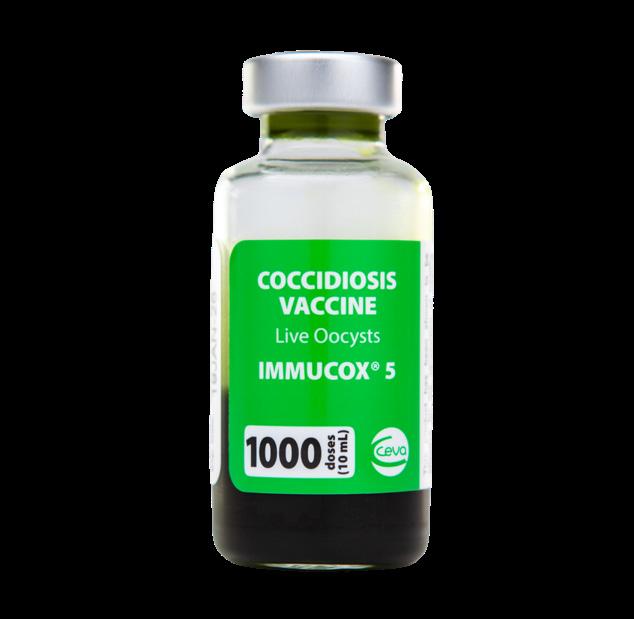
COMPOSITION
IMMUCOX®5 contains live, sporulated oocysts of Eimeria acervulina, E. maxima, E. tenella, E. necatrix and E. brunetti in a liquid suspension.
INDICATIONS
IMMUCOX®5 delivers uniform, optimum doses of live oocysts to chickens to aid in the development of immunity against coccidiosis. When administered according to the directions IMMUCOX®5 can stimulate immunity against coccidiosis caused by Eimeria acervulina, E. maxima, E. tenella, E. necatrix and E. brunetti.
ADMINISTRATION AND DOSAGE
Prior to use, the vaccine must be mixed appropriately with Cevagel diluent as stated in the package insert. Administer one full dose per bird via gel droplet. Apply 25mL of vaccine per 100 birds using gel spray equipment. Use vaccine within 4 hours of mixing.
STORAGE
• Store vaccine between +2°C and +8°C (35°F and 45°F)
• DO NOT FREEZE
PRESENTATION
10 x 1,000 doses vials/box 10 ml vials
COCCIDIOSIS
COMPOSITION
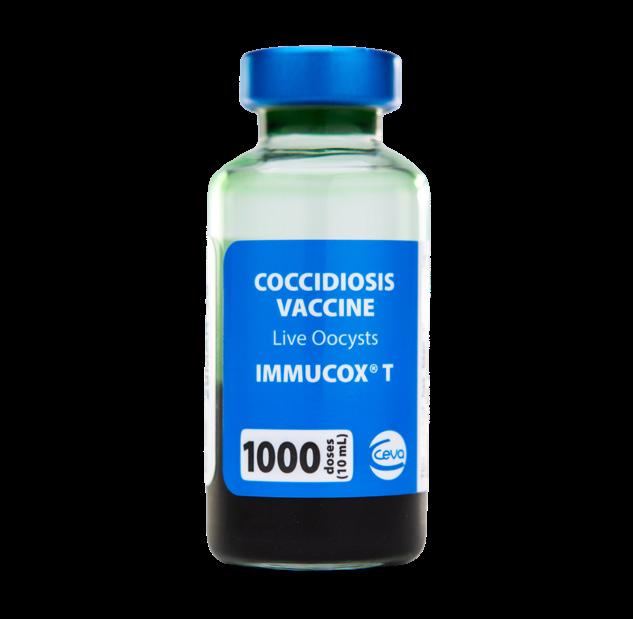
IMMUCOX®T contains live, sporulated oocysts of Eimeria meleagrimitis and Eimeria adenoides in a liquid suspension.
INDICATIONS
IMMUCOX®T delivers uniform, optimum doses of live oocysts to turkey poults to aid in the development of immunity against coccidiosis. When administered according to the directions, IMMUCOX®T can prevent mortality caused by Eimeria meleagrimitis and Eimeria adenoides.
ADMINISTRATION AND DOSAGE
Prior to use, the vaccine must be mixed appropriately with Cevagel diluent as stated in the package insert. Administer one full dose per bird via gel droplet. Apply 25mL of vaccine per 100 birds using gel spray equipment. Use vaccine within 4 hours of mixing.
STORAGE
• Store vaccine between +2°C and +8°C (35°F and 45°F)
• DO NOT FREEZE
PRESENTATION
10 x 1,000 doses vials/box
10 ml vials
For faster Gumboro disease control to protect against all IBD virus
Nextmune™ is a frozen IBD immune complex vaccine consisting of the Winterfield 2512 strain linked to specific antibodies called Virus Protecting Immunoglobulins. This vaccine uses a balanced virus to antibodies ratio to generate faster onset of immunity in broilers and stop the Gumboro cycle earlier.
The vaccine is recommended for use in 18-day-old embryonated chicken eggs or in healthy one-day-old chicks for the active immunization of broiler chickens in order to reduce mortality, clinical signs, weight loss, acute lesions of bursa of Fabricius and to prevent virus shedding caused by classical and very virulent strains of Infectious Bursal Disease virus.
ADMINISTRATION AND DOSAGE
Prior to use, the vaccine must be thawed and diluted appropriately with the sterile vaccine diluent as stated in the package insert. Immediately use the vaccine and mix occasionally to ensure uniform suspension of cells.
For in ovo administration, one single dose of 0.05 ml is injected into each 18-day-old embryonated broiler chicken egg using in ovo equipment. The vaccine is delivered to the amniotic sac.
For subcutaneous administration, a single injection of 0.2 ml per chick is applied at one day of age. An automatic syringe may be used. The vaccine is delivered under the skin of the neck.
• Store and transport this vaccine frozen in liquid nitrogen (-196°C). The liquid nitrogen containers must be checked regularly for liquid nitrogen level and must be refilled as needed.
PRESENTATION
2,000 dose; 4,000 dose; 8,000 dose ampoules
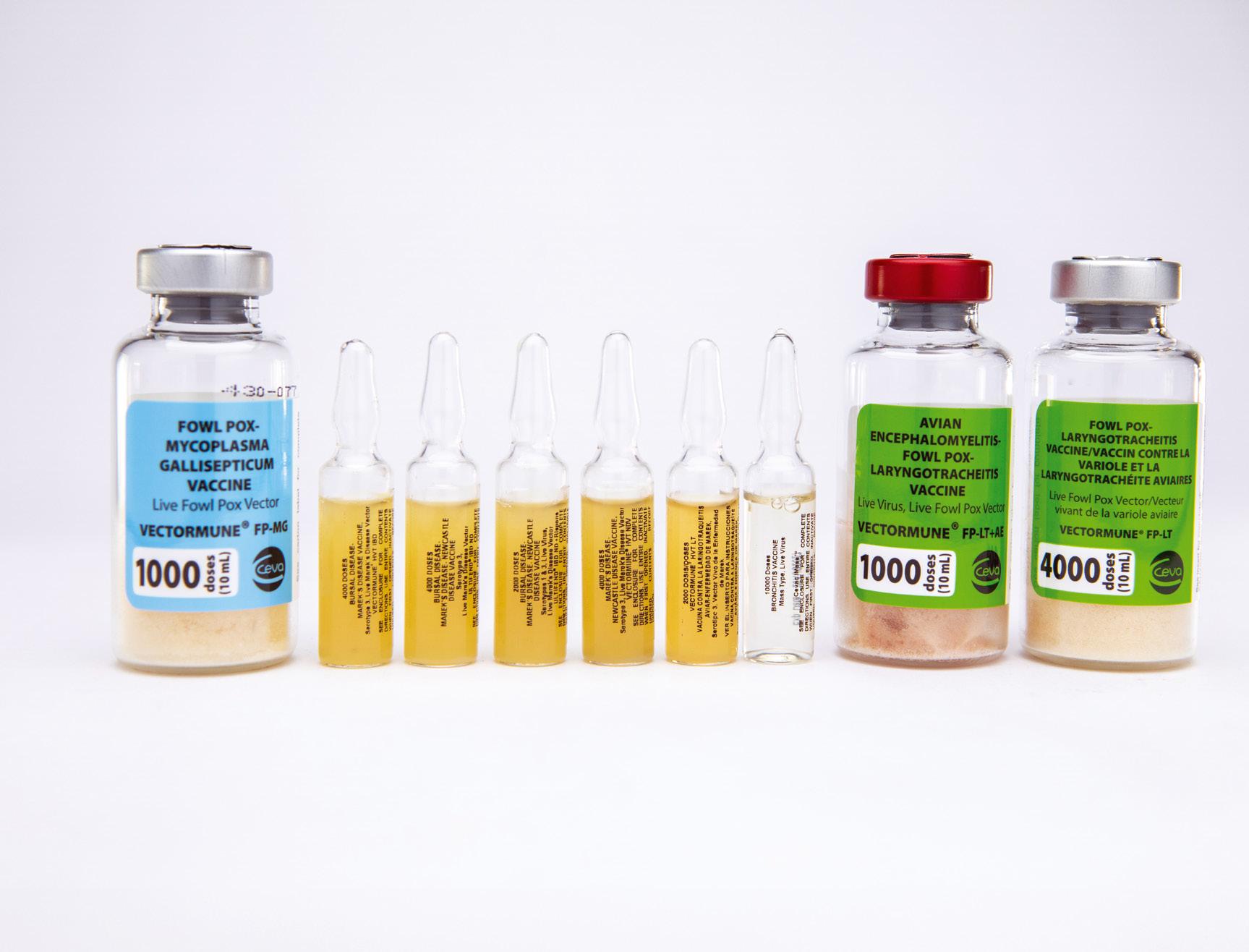
NEWCASTLE DISEASE, INFECTIOUS BURSAL DISEASE & MAREK’S DISEASE
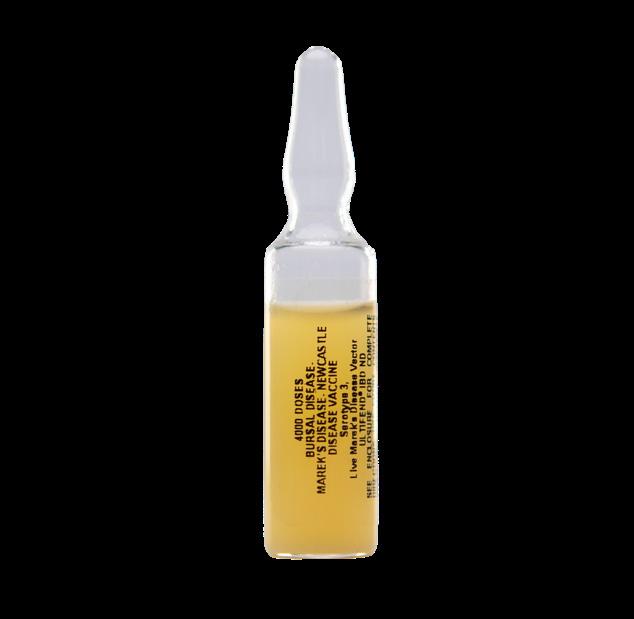
COMPOSITION
ULTIFEND® IBD ND is cell-associated live recombinant turkey herpesvirus (rHVT/ND/IBD), expressing the fusion protein of Newcastle disease virus and the VP2 protein of infectious bursal disease virus. This vaccine is presented in a frozen cell associated form.
INDICATIONS
This product has been shown to be effective for the vaccination of healthy chickens 1 day of age or older against standard bursal disease, Newcastle disease and very virulent Marek’s disease.
ADMINISTRATION AND DOSAGE
Prior to use, the vaccine must be thawed and diluted appropriately with the vaccine diluent as stated in the package insert. Mix vaccine occasionally to ensure uniform suspension of cells. Use within 1 hour of mixing.
For in ovo administration, embryos are inoculated with one full dose of vaccine (in 0.05 or 0.1 ml diluent/dose).
For day-old vaccination, one-day-old chicks are subcutaneously vaccinated with one full dose of vaccine (in 0.2 ml of diluent/dose) in the back of the neck.
STORAGE
• Store and transport this vaccine frozen in liquid nitrogen (-196°C). The liquid nitrogen containers must be checked regularly for liquid nitrogen level and must be refilled as needed.
PRESENTATION
2,000 or 4,000 dose ampoules
ULTIFEND® IBD ND also can be administered in combination with a SB-1 MDV vaccine
NEWCASTLE DISEASE, INFECTIOUS BURSAL DISEASE & MAREK’S DISEASE
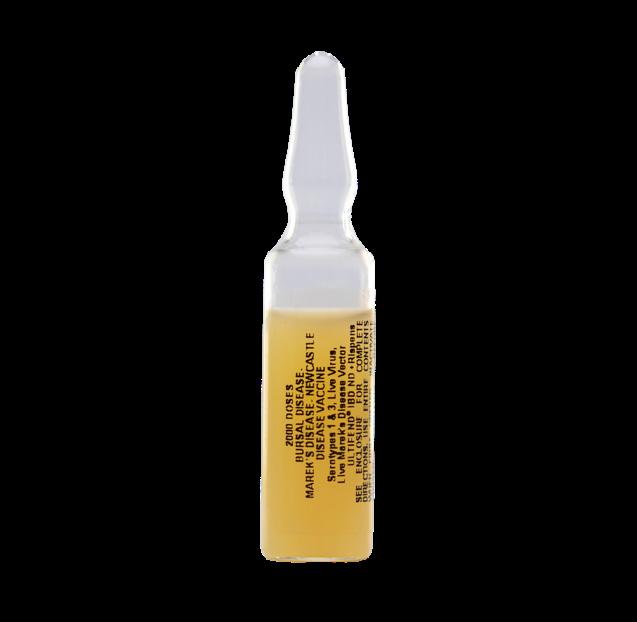
COMPOSITION
ULTIFEND® IBD ND + Rispens contains a genetically engineered Marek’s disease vaccine of serotype 3 (turkey herpesvirus or HVT) expressing infectious bursal disease and Newcastle disease key protective antigens and a serotype 1 (Rispens) Marek’s disease vaccine. This bivalent Marek’s disease vaccine containing serotypes 1 and 3 is presented in a frozen cell associated form.
INDICATIONS
This product has been shown to be effective for the vaccination of healthy chickens 1 day of age or older against standard bursal disease, Newcastle disease and very virulent Marek’s disease.
ADMINISTRATION AND DOSAGE
Prior to use, the vaccine must be thawed and diluted appropriately with the vaccine diluent as stated in the package insert. Mix vaccine occasionally to ensure uniform suspension of cells. Use within 1 hour of mixing.
For day-old vaccination, one-day-old chicks are subcutaneously vaccinated with one full dose of vaccine (in 0.2 ml of diluent/dose) in the back of the neck.
STORAGE
• Store and transport this vaccine frozen in liquid nitrogen (-196°C). The liquid nitrogen containers must be checked regularly for liquid nitrogen level and must be refilled as needed.
PRESENTATION
2,000 dose ampules
INFECTIOUS BURSAL DISEASE (GUMBORO DISEASE) & MAREK’S DISEASE

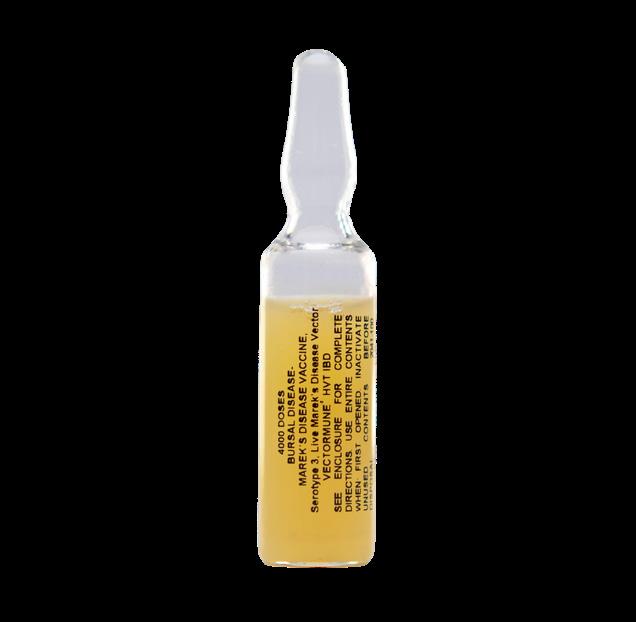
COMPOSITION
VECTORMUNE® IBD contains a genetically engineered Marek’s Disease virus of serotype 3 (turkey Herpesvirus or HVT) expressing Infectious Bursal Disease key protective antigens. This vaccine is presented in a frozen cell-associated form.
VECTORMUNE® IBD is recommended for use in healthy one-day-old chickens or in 18 to 19-day-old embryonated chicken eggs as an aid in the prevention of Bursal Disease caused by standard and variant strains and Marek’s Disease.
ADMINISTRATION AND DOSAGE
Prior to use, the vaccine must be thawed and diluted appropriately with the vaccine diluent as stated in the package insert. Mix occasionally to ensure uniform suspension of cells. Use within 1 hour of mixing.
For in ovo administration, embryos are inoculated with one full dose of vaccine (in 0.05 or 0.1 ml diluent/dose).
For day-old vaccination, one-day-old chicks are subcutaneously vaccinated with one full dose of vaccine (in 0.2 ml of diluent/dose) in the back of the neck.
STORAGE
• Store and transport this vaccine frozen in liquid nitrogen (-196°C). The liquid nitrogen containers must be checked regularly for liquid nitrogen level and must be refilled as needed.
PRESENTATION
1,000; 2,000 or 4,000 dose ampoules
INFECTIOUS LARYNGOTRACHEITIS & FOWL POX
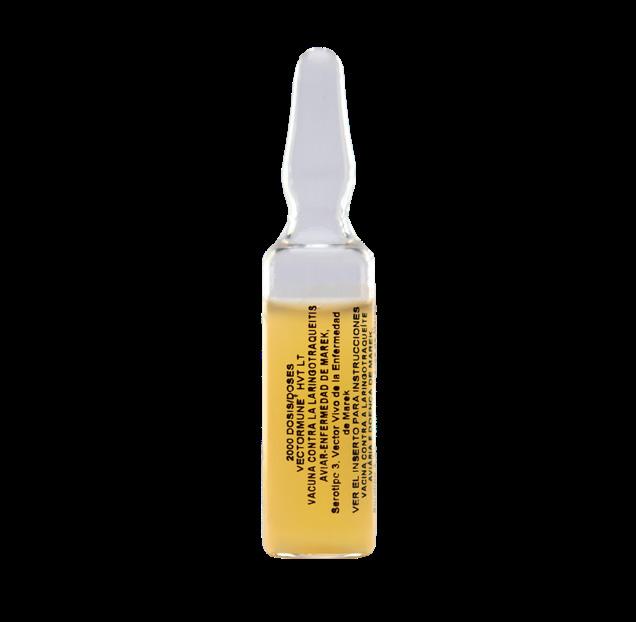
VECTORMUNE® LT contains a genetically engineered Marek’s Disease vaccine of serotype 3 (turkey Herpesvirus or HVT) expressing a Laryngotracheitis virus key protective antigen. This vaccine is presented in a frozen cell associated form.
VECTORMUNE® LT is recommended for use in healthy one-day-old chicks or in 18 to 19 day-old embryonated chicken eggs as an aid in the prevention of Laryngotracheitis and Marek’s Disease.
ADMINISTRATION AND DOSAGE
Prior to use, the vaccine must be thawed and diluted appropriately with the vaccine diluent as stated in the package insert. Mix occasionally to ensure uniform suspension of cells. Use within 1 hour of mixing.
For in ovo administration, embryos are inoculated with one full dose of vaccine (0.05 ml or 0.1 ml)
For day-old vaccination, the vaccine should be administered subcutaneously with a 0.2 ml diluted vaccine dose in the back of the neck.
• Store and transport this vaccine frozen in liquid nitrogen (-196°C). The liquid nitrogen containers must be checked regularly for liquid nitrogen level and must be refilled as needed.
PRESENTATION
1,000; 2,000 and 4,000 dose ampoules
NEWCASTLE DISEASE & MAREK’S DISEASE

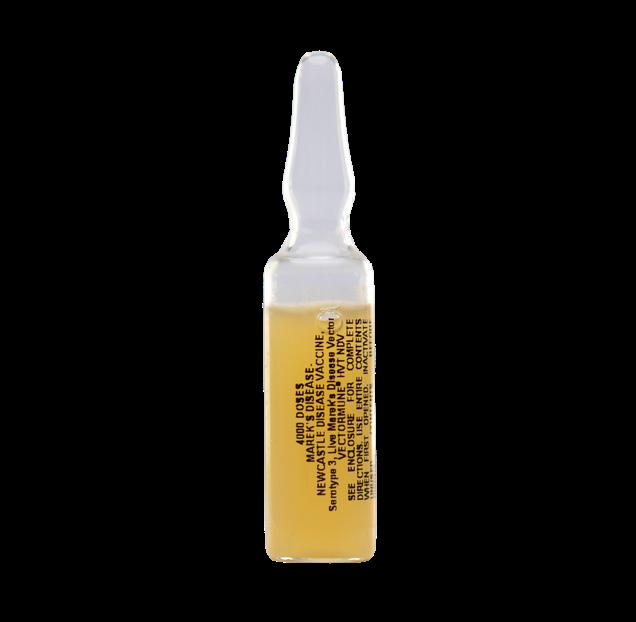
VECTORMUNE® ND contains a genetically engineered Marek’s Disease virus of serotype 3 (turkey Herpesvirus or HVT) expressing a key protective antigen of Newcastle Disease virus. This vaccine is presented in a frozen cell-associated form.
VECTORMUNE® ND is recommended for use in healthy one-day-old chicks or in 18 to 19-day-old embryonated chicken eggs as an aid in the prevention of Newcastle Disease and Marek’s Disease.
ADMINISTRATION AND DOSAGE
Prior to use, the vaccine must be thawed and diluted appropriately with the vaccine diluent as stated in the package insert. Mix occasionally to ensure uniform suspension of cells. Use within 1 hour of mixing.
For in ovo administration, embryos are inoculated with one full dose of vaccine (in 0.05 or 0.1 ml diluent/dose).
For day-old vaccination, one-day-old chicks are subcutaneously vaccinated with one full dose of vaccine (in 0.2 ml of diluent/dose) in the back of the neck.
• Store and transport this vaccine frozen in liquid nitrogen (-196°C). The liquid nitrogen containers must be checked regularly for liquid nitrogen level and must be refilled as needed.
• Store the solvent below 25°C.
PRESENTATION
1,000; 2,000 or 4,000 dose ampoules
Vectormune® ND also can be administered in combination with a SB-1 MDV vaccine
INFECTIOUS LARYNGOTRACHEITIS & FOWL POX

COMPOSITION
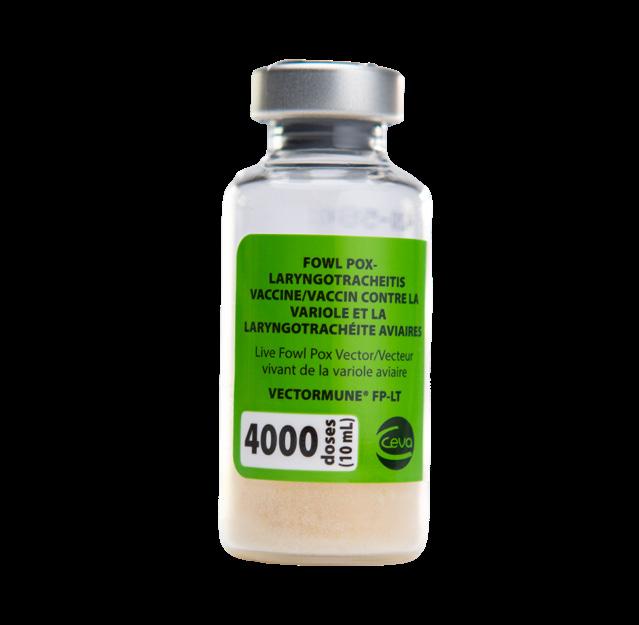
VECTORMUNE® FP LT is a genetically engineered, live Fowl Pox virus vaccine for use in chickens. The Fowl Pox virus has been genetically modified to express key protective Laryngotracheitis (LT) virus antigens. This vaccine is presented in a freeze-dried preparation.
VECTORMUNE® FP LT is recommended for wing web application to healthy, susceptible chickens eight weeks of age or older, but at least four weeks prior to the onset of egg production. VECTORMUNE® FP LT is indicated as an aid in the prevention of Fowl Pox and Infectious Laryngotracheitis. Chickens receiving this vaccine must not have been previously exposed to field Fowl Pox virus or pox vaccine due to interference with immunity following vaccination.
Reconstitute vaccine according to the package insert instructions.
Wing Web: Insert the applicator into the webbed portion of the wing avoiding feathers, muscle, bone and blood vessels (0.01 ml dose/bird). Vaccine should be used within one hour.
STORAGE
• Store vaccine between +2°C and +8°C or 35°F and 45°F
• Protect from light
PRESENTATION
10 x 1,000 dose vials with diluent and wing web applicators. 10 x 2,000 dose vials with diluent and wing web applicators.
INFECTIOUS
LARYNGOTRACHEITIS & FOWL POX

For the active immunization of chickens against Infectious Laryngotracheitis, Fowl Pox and Avian
COMPOSITION
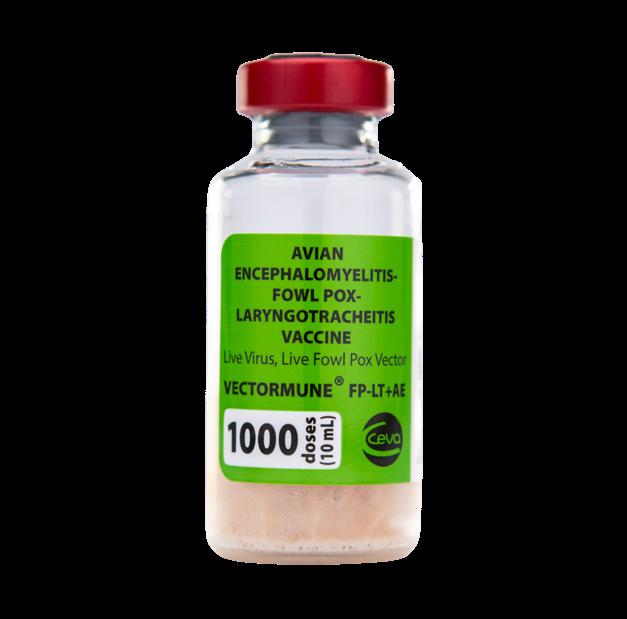
VECTORMUNE® FP LT + AE is a genetically engineered live Fowl Pox virus vaccine for use in chickens. The Fowl Pox virus has been genetically modified to express key protective Laryngotracheitis (LT) virus antigens. In addition to the Fowl Pox virus vector, this freezedried vaccine contains a conventional live Avian Encephalomyelitis (AE) virus. This vaccine is presented in a freeze-dried preparation.
INDICATIONS
VECTORMUNE® FP LT + AE is recommended for wing web application to healthy, susceptible chickens 8 weeks of age or older, but at least 4 weeks prior to the onset of egg production.
VECTORMUNE® FP LT + AE is indicated as an aid in the prevention of Fowl Pox, Infectious Laryngotracheitis and Avian Encephalomyelitis. Chickens receiving this vaccine must not have been previously exposed to field Fowl Pox virus or pox vaccine due to interference with immunity following vaccination.
ADMINISTRATION AND DOSAGE
Reconstitute vaccine according to the package insert instructions.
Wing Web: Insert the applicator into the webbed portion of the wing avoiding feathers, muscle, bone and blood vessels (0.01 ml dose/bird). Vaccine should be used within one hour.
STORAGE
• Store vaccine between +2°C and +8°C or 35°F and 45°F
• Protect from light
PACKAGED
10 x 1,000 dose vials with diluent and wing web applicators.
(Patent Numbers: U.S. 6312696)
MYCOPLASMA GALLISEPTICUM & FOWL POX & AVIAN ENCEPHALOMYELITIS

For the active immunization of chickens against Mycoplasma gallisepticum, Fowl Pox and Avian Encephalomyelitis
COMPOSITION
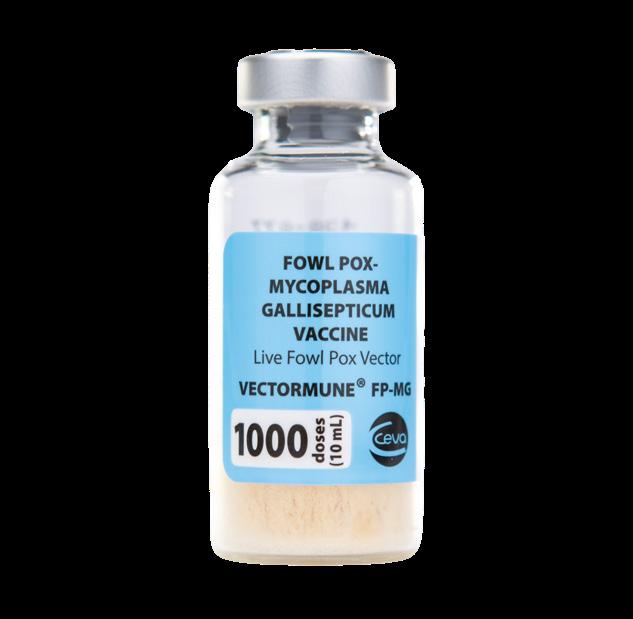
VECTORMUNE® FP MG + AE is a genetically engineered, live Fowl Pox virus vaccine for use in chickens. The Fowl Pox virus has been genetically modified to express key protective Mycoplasma gallisepticum antigens. In addition to the Fowl Pox virus vector, this freezedried vaccine contains a conventional live Avian Encephalomyelitis (AE) virus for use in the prevention of Avian Encephalomyelitis.
INDICATIONS
VECTORMUNE® FP MG + AE is recommended for wing web application to healthy, susceptible chickens eight weeks of age or older, but at least four weeks prior to the onset of egg production.
VECTORMUNE® FP MG + AE is indicated as an aid in the prevention of Fowl Pox, Mycoplasma gallisepticum infection and Avian Encephalomyelitis. Chickens receiving this vaccine must not have been previously exposed to field fowl pox virus or pox vaccine due to interference with immunity following vaccination.
ADMINISTRATION AND DOSAGE
Reconstitute vaccine according to the package insert instructions.
Wing Web: Insert the applicator into the webbed portion of the wing avoiding feathers, muscle, bone and blood vessels (0.01 ml dose/bird). Vaccine should be used within one hour.
STORAGE
• Store vaccine between +2°C and +8°C or 35°F and 45°F
• Protect from light
PRESENTATION
10 x 1,000 dose vials with diluent and wing web applicators.
CUSTOMIZED VACCINES
BY CEVA
In an ever-evolving pathogen landscape, Ceva ADAPT™ offers a customized vaccine process designed to complement and compensate for existing options and gaps. This serviceled platform diagnoses, designs and delivers farm-specific immunization strategies using responsive, targeted, and high-quality custom vaccines.
Key benefits of Ceva ADAPT ™
• Responsive: From diagnostics to delivery, the timeline can be as short as 12 weeks for bacterial and 16 weeks for viral products.
• Consistent: Designed from the diagnostics, custom vaccines fill gaps in treatment and prevention protocols.
• Flexible: The validated and verified process is repeatable, but adaptable, to meet emerging and changing challenges.
• Global: Our seven global site locations help to diagnose, design, and deliver custom immunization strategies by using internal and external experts, in addition to classical and molecular diagnostic techniques, with a regionality focused understanding.
The scientific rigor placed on finding a solution to meet your need doesn’t change from one day to the next. From surveillance on the farm to diagnostic testing and confirmation, our team begins with the best information to formulate the most effective solution.
We rapidly isolate and identify the disease agents and thoroughly characterize the pathogens to ensure the optimal isolates are selected for maximum vaccination protection. Working under the direction of your farm’s licensed veterinarian, we regulate and produce custom vaccines in accordance with specific country regulations and requirements.
To achieve optimal results on your farm, our team places extreme importance on key areas including isolate selection & master seed, adjuvant selection, production, and fulfillment. This helps ensure a flexible, science-driven strategy to protect your animals and farm from every angle.
CUSTOMIZED VACCINES BY CEVA
• When no conventional vaccines are available
• To support specific programs, such as antibiotic-free, reduced-antibiotics, or food safety
• Fighting concerns against multi-resistant or high-mutation pathogens
HOW ARE THEY USED?
• On already affected animals
• Prior to new animal entry to affected units
• As passive immunity through progeny
ADAPT TO THE CHALLENGE. CUSTOMIZED VACCINES BY CEVA.
What makes autogenous vaccines different?
Autogenous vaccines are custom vaccines made with pathogenic strain(s) isolated from a specific farm.

Autogenous Vaccines Production Facility in Verona, WI
1.
Automatic or semiautomatic devices are used to deliver 0.1 ml to 0.2 ml volume in the neck.
This method is operator dependent, and injection failure can lead to more immediate consequences like wet fluff, bleeding, or death of the chick. Equipment selection and team training is of paramount importance to ensure successful vaccination and animal welfare.
Site of injection is critical to achieving effective immune response of in ovo administered vaccines. There are 5 basic compartments on an egg during the final stage of incubation: Air Cell, Allantoic sac, Amniotic sac, Intra-Embryo and Yolk sac. From the 5 basic compartments, only the amniotic sac and the intra-embryo location can promote positive immune response. To maximize injection in the target locations (amniotic sac or intra-embryo) the optimum embryo development at time of in ovo vaccination is 18.5–19 days.
• Closer to 18.5 days of embryo development, most of the eggs will be injected in the amniotic sac. When the vaccine is delivered into the amniotic fluid, the vaccine will be swallowed by the embryo prior to hatch, and stimulate the immune response.
• Closer to 19 days of development as the embryo is more mature, a larger percentage of embryos will receive injection in the body. Injection in the embryo body is acceptable, and protective; however, excessive depth penetration can result in embryo damage and risk of vital organ perforation.
Spray application brings live virus vaccines with respiratory tissue tropism into contact with upper respiratory tract tissue through droplets. Such s timulation will induce local cell mediated immunity stimulating immunoglobulin A (IgA). Application quality depends on dosage, droplet size and spray pattern.
A precise volume of spray must be used for each box. It is calculated according to the number of animals placed per box and spray coverage. If the volume is lower than specified, then the animals will not receive the correct dose of vaccine and they may not be well immunized.
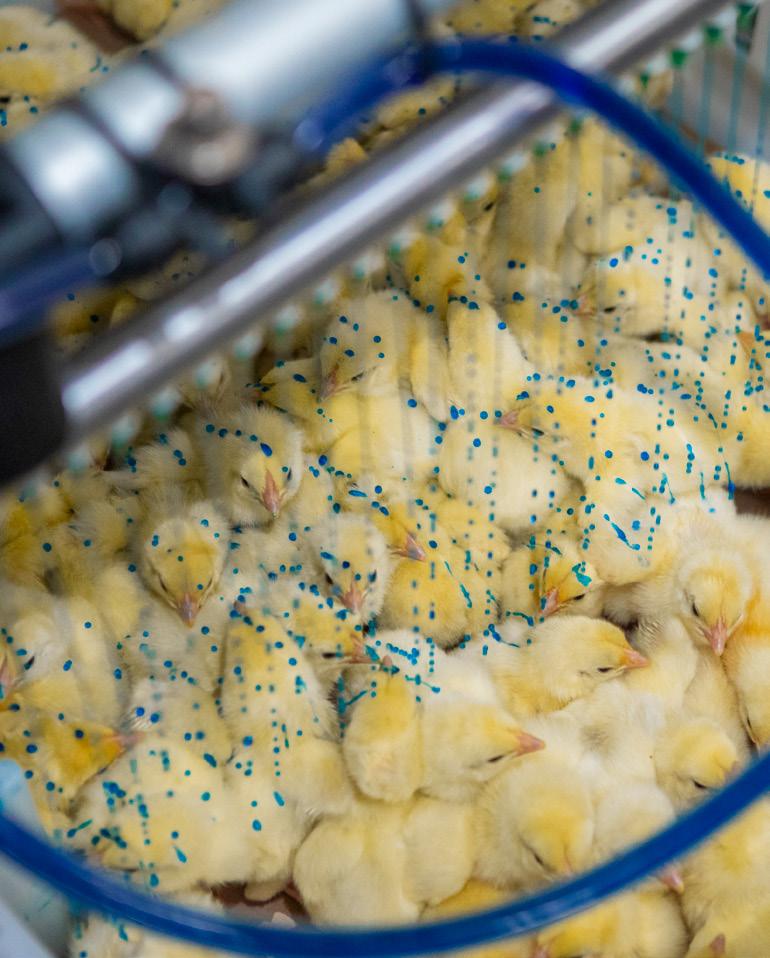
Droplets are generated by putting the vaccine solution under pressure and spraying it through a nozzle onto the chicks where the coarse spray droplets reach the chicks’ eyes and nostrils either directly or through preening. It is not necessary nor desirable for chicks to inhale the vaccine in order to develop a sound immune response.
Spray distribution and pattern will depend on equipment design, volume of vaccine solution delivered, pressure and nozzle size and type (conical or flat). Additionally, there are automatic systems where a conveyor belt in-line with the vaccination spray cabinet continuously delivers chick boxes or semi-automatic systems that rely on operators placing chick boxes in the spray cabinet. A combination of appropriate and well-maintained equipment along with regular and professional monitoring are necessary to ensure proper vaccine administration.
Gel application mixes coccidiosis vaccine with a diluent in gel, so oocysts are kept in suspension during application. The viscosity of the gel solution avoids oocyst sedimentation and facilitates uniform uptake of all species included in the in the vaccine. IBRON is also approved for use in gel application. Discuss with your veterinarian which vaccines may be applied in gel.
Gel volume to be applied varies from 20 to 25 ml. It is calculated according to the number of animals placed per box and gel coverage. Droplets are obtained by putting the vaccine solution under pressure and delivering it through a gel-bar above the animals to be vaccinated. Droplets will remain on the chicks’ down and will be ingested by neighboring birds, and enter the eyes and sinuses through preening.
Specific equipment is needed for gel application which can be automatic or semi-automatic, including a handheld portable unit. Regular maintenance and professional monitoring are key to ensuring proper vaccine delivery.
Follow vaccine label instructions for mixing.
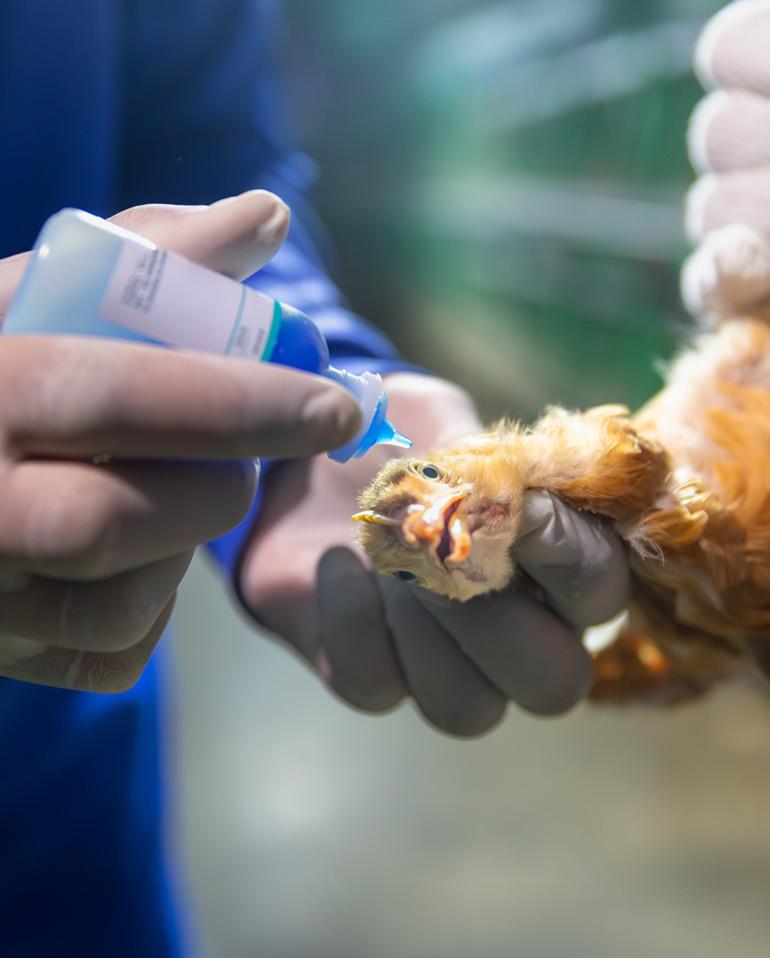
30 ml of diluent should be used to administer 1,000 doses. Hold the bird to be vaccinated with the head tilted to one side. Hold the plastic bottle with the dropper tip down, gently press the sides, dropping one drop of vaccine onto the eye of the bird. Be sure the vaccine spreads over the eye before releasing the bird.
Follow vaccine label instructions for mixing.
It is preferable to use a sprayer working under constant pressure, specifically dedicated for that purpose (a semi-automatic cabinet sprayer in the hatchery, or a hand sprayer in the farm). Use the right nozzle size (as prescribed by the sprayer manufacturer) and tune the pressure to produce a coarse spray (droplet size: around 120 microns).
On farm, vaccinate during the coolest time of the day. Delivery rate varies from 0.2 to 0.3 liter/1,000-day-old chicks in a box, from 0.5 to 1 liter/1,000 birds on litter.
The volume may change according to environmental conditions. Switch off the heaters and shut down the ventilation if environmental conditions allow. Gather the birds on the ground or in boxes. Dim the lighting and spray 8-12 inches above the birds.
Return to spray a second time. Leave the birds quiet for at least 15 minutes after vaccination. Switch on ventilation and heaters. The birds should be slightly wet after vaccination.
For spray vaccination no spray machine emitting small droplets of less than 30 μm size must be used because the aerosol inhaled into the lower regions (bronchiole) of the respiratory system may cause respiratory post-vaccination reactions.
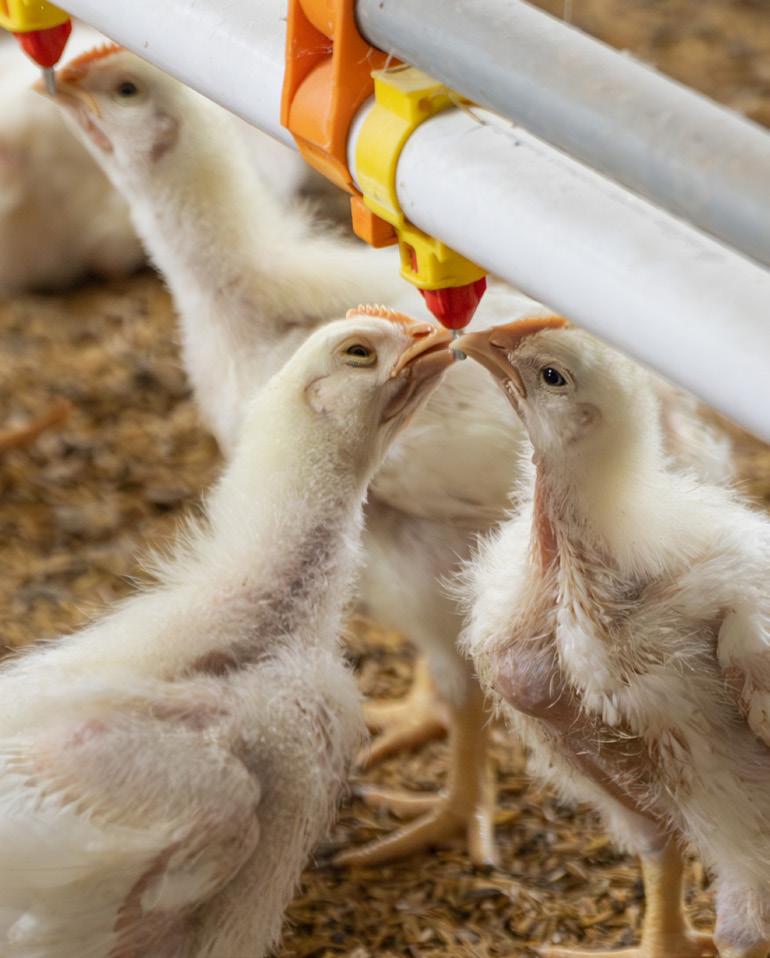
Do not use a disinfectant in the drinking water for a period of 48 hours prior to and 24 hours after vaccination.
When a chlorine pump is used, switch it off for the same period of time. Close the water distribution system, raise, and empty the nipple lines or empty the waterers. Water withholding period varies according to age of birds and climatic conditions. Prepare only the amount of vaccine to be used immediately. Use only plastic material and tools to prepare and administer vaccine. Prepare the required volume of water that will be consumed by the birds in 2 hours. This volume may change according to environmental conditions.
AGE 3–4 weeks From 10 weeks
MIN. AMOUNT OF WATER FOR 1000 BIRDS 25 to 30 liters 40 liters
As an aid in preserving the virus activity, neutralize the chlorine with CEVAMUNE. or 2.5 g of skimmed milk powder per liter of water. Do not use water containing high concentrations of metal ions.
Mix the vaccine with clean, cool, non-chlorinated water by opening the vials under the water and let stand for 10 minutes.
Charge the waterlines and lower lines once water with blue dye appears. Check distribution throughout the house on all lines.
Follow vaccine label instructions for vaccine mixing.
To apply the vaccine, dip the applicator into the prepared vaccine and stab into the webbed portion of the wing from the underside of the wing. Avoid stabbing through feathers, as they would wipe off the vaccine.
At 7–10 days after vaccination, a small swelling should be observed under the skin with scab formation at point of administration. This indicates that the vaccination was effective. This post-vaccination sign does not occur in previously immunized birds or in case of improper application.
• Subcutaneous injections are given into the skin at the base of the neck. This zone offers the advantage of being one of the cleanest areas on the birds. After elongating the bird’s neck, the operator raises the skin slightly by pulling on the plumage and perforates the skin in this raised zone. Care must be taken not to pierce through the skin twice which would result in the vaccine being injected outside the bird.
• Intramuscular injections are given into the thigh or the upper pectoral muscle. The needle is inserted perpendicular to the skin into the fleshiest area away from the bones (sternum or femur). The syringe piston is then depressed to deliver the dose of vaccine once the needle is in place. Care must be taken to fully inject the complete vaccine dose before withdrawing the needle from the muscle.
If the operator accidentally injects him/herself, it is essential to follow the procedures for accidental self-injection.
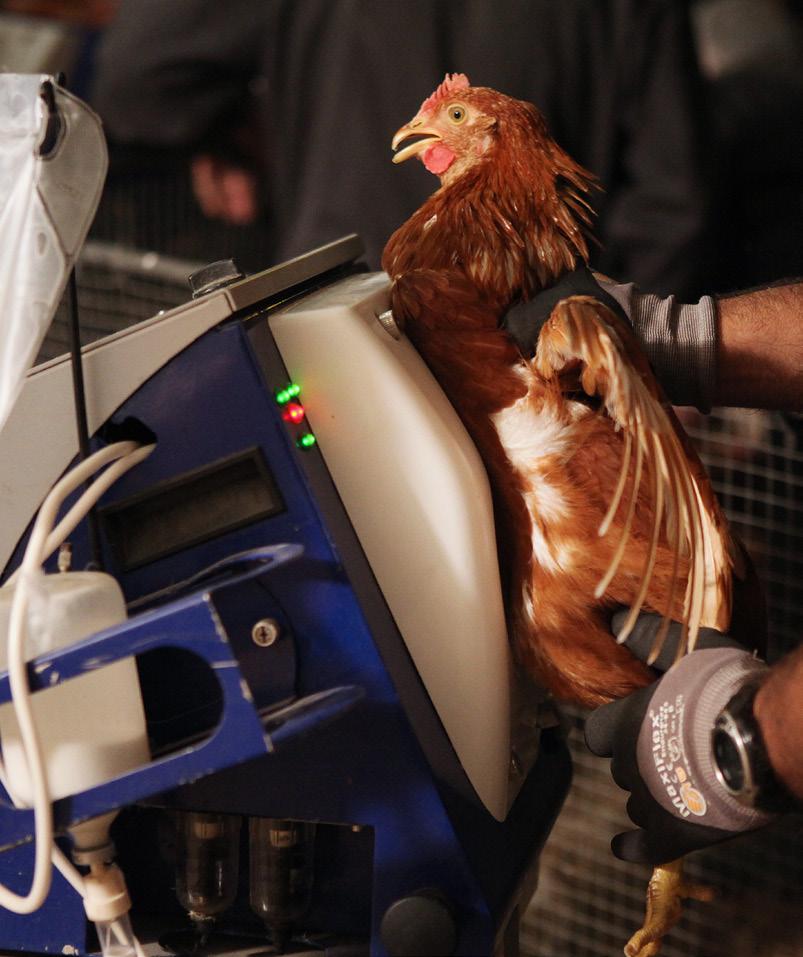
• Employees performing injections should be thoroughly trained in the correct methods of administration and the risks involved.
• The employee should be alert and use precision when injecting each animal. Short breaks or rest periods are necessary to prevent fatigue and other conditions such as strain injury, which can lead to self-injection.
• Protective equipment such as leather finger tabs may also reduce the risk of self-injection.
• Proper lighting is essential for accurate vaccination techniques.
• Physical hazards, which might cause tripping, cuts and bruises should be removed.
• When setting up the injection equipment, a job instruction checklist should be followed to ensure that everything is ready before the operation begins.
• Procedures should be in place for proper disposal of used needles and other items that need to be replaced and should not pose a risk.
• All operators should be vaccinated against tetanus.
IF YOUR PHYSICIAN NEEDS ADVICE ON TREATING SUCH AN INJURY, CALL THE NUMBER BELOW:
24 HOURS A DAY INFOTRAC 1-800-535-5053 www.infotrac.net FOR USE IN USA ONLY
It is critical that the attending physician knows that the product is an oil emulsion and should be treated for its content as well as for possible contamination due to injection.
Ceva Animal Health, LLC 8735 Rosehill Road, Suite 300 Lenexa, KS 66215
Self-injection of inactivated vaccines is a serious concern.
Risk factors
• The bacterial or viral portion of our inactivated vaccines is inactivated during production and does not pose a transmission or infection risk.
• There is a risk of bacterial contamination from the environment at the injection site.
• Bacterial inactivated vaccines may contain endotoxins which can cause reactions in animals and humans.
• The vaccine may contain Formalin and/ or Thiomersal in very low concentrations and should not pose a risk.
The adjuvant in the autogenous vaccine does impact the medical treatment:
• Aluminum hydroxide is a water-based adjuvant system and does not pose the risks associated with oil-based adjuvants.
• Oil emulsions can cause local tissue irritation that can result in significant inflammation in non-muscle, non-fat tissue areas.
• The main concern is in areas that allow minimal swelling or that consist mainly of tendon tissue.
• The external site of injection may not look serious, but the oil emulsion that has been injected is trapped and may travel along the tendon sheath or tissue plane.
• This can cause severe pain and swelling and surgery may be required if the emulsion is not removed promptly.
Notify Your Supervisor / Crew Leader Immediately
1. Seek medical attention as soon as possible. Take essential information with you (such as the SDS for the product or this fact sheet).
2. Squeeze area around the injection site immediately to remove as much vaccine as possible from the wound.
3. Clean the affected area with water and soap as soon as possible to prevent secondary infection.
4. Put ice on the area where injection has occurred to reduce potential swelling.
5. Cover the wound with a dry, sterile bandage or a clean, dry cloth if sterile bandage is not available.
6. Keep the injured limb elevated to reduce swelling.
7. Antibiotics and a tetanus shot (if needed) may be administered by medical personnel.
8. For oil-based products, because of the nature of the emulsion (liquid paraffin, tween, and/or mineral oil), the injected fluid MUST BE REMOVED.
GENDER SORTING SYSTEM
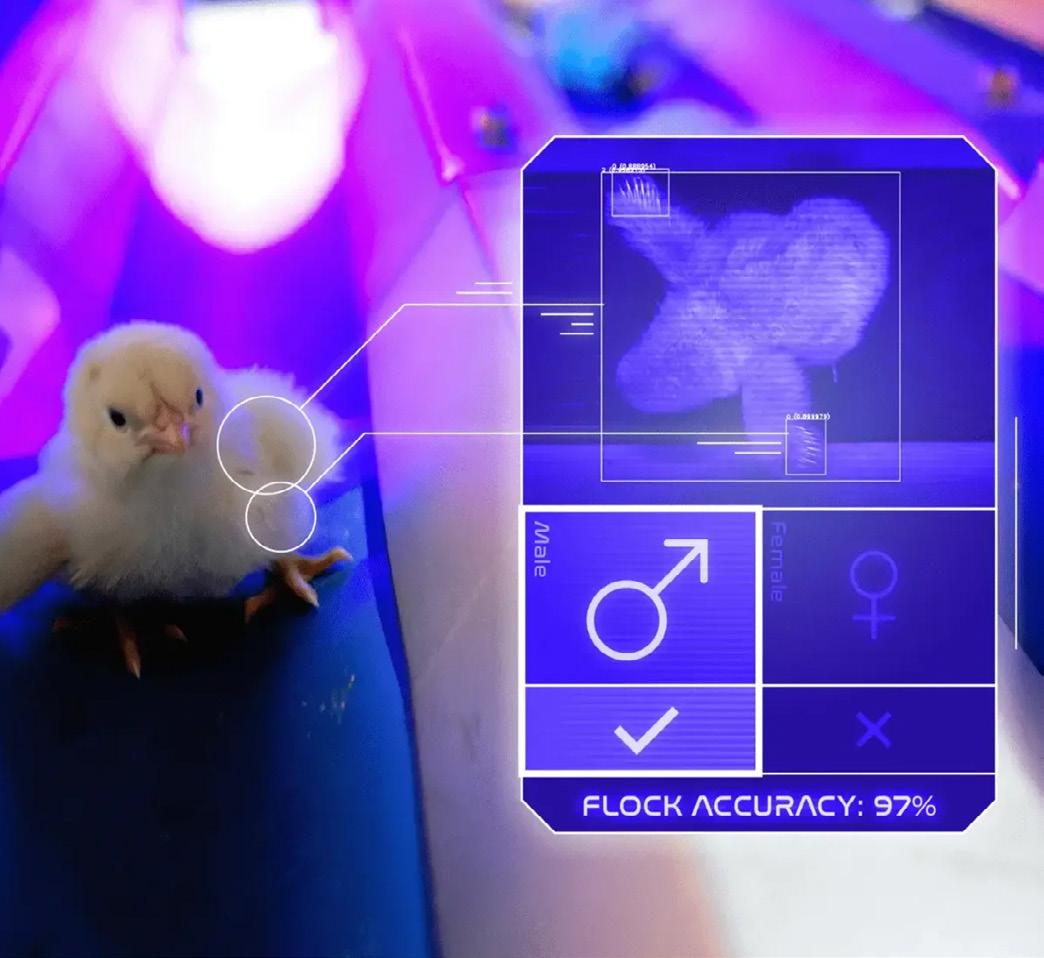
Flock uniformity is essential to meet retailers’ and consumers’ expectations in poultry production. Gender sorting is a common practice to ensure specific weights for broiler carcasses and cuts. Manual sorting can lead to inconsistent accuracy and is vulnerable to labor shortages.
The Genesys™ gender sorting system addresses both challenges. Operated by a powerful algorithm that categorizes and separates male and female birds, this technology uses feather sorting to sort 50,000 day old chicks (DOC) per hour per module with greater than 97% accuracy. For reliable and consistent broiler gender sorting, rely on Ceva Genesys.™
Key specifications
• Feather sorting technology
• 50,000 DOC/hour per module
• 97% sorting accuracy
• 3805 x 1466 x 2100 mm (5m2)
• Local technical service offering 24/7 support
CEVA HATCHERY IMMUNIZATION CONTROL KEYS

C.H.I.C.K is a global program of Ceva’s specialist teams visiting hatcheries to check the quality of vaccine administration. We check whether vaccines are properly stored, prepared, and administered as well as the operation and cleaning of equipment and also provide continuous training for hatchery operators.
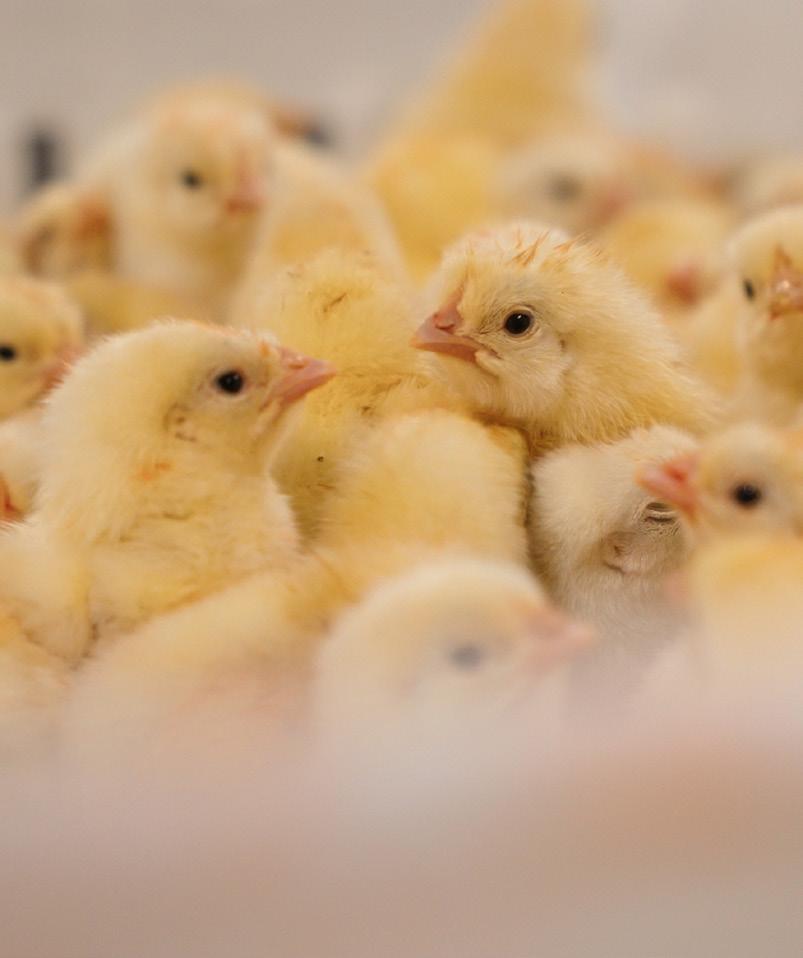
Our joint objective with operators is to ensure the highest hatchery vaccination quality for all birds before being sent to farms. With a team of over 175 specialists who work with hatchery managers around the world to track performance, we ensure continuous improvement and the same level of services from one country to another.
This international quality standard is summarized in 4 points:
1. Qualified teams dedicated to monitoring in ovo and day-old chick vaccination quality.
2. Delivery of continuous training for customer operators involved in vaccine storage and handling, preparation, administration quality, equipment maintenance and results monitoring.
3. Regular hatchery visits to contribute to continuous improvement of results.
4. Management of equipment with a preventive maintenance program.
LEARN MORE ABOUT JOINING THE C.H.I.C.K PROGRAM TO ENSURE ALL YOUR BIRDS ARE WELL VACCINATED. HTTPS://POULTRY.CEVA.COM/VACCINATION-SERVICES/C-H-I-C-K-PROGRAM/
We believe in customer passion, shaping each solution and the way we work around each customer’s specific business ambitions, needs and challenges. We build strong, long-term relationships and work as partners, innovating and developing new solutions together.
Our entrepreneurial spirit empowers individuals with the agility to deliver results faster and quicker. We share knowledge and take opportunities. We think and do things differently, creatively. All to find the best possible solutions for our customers.
Solidarity is about teamwork. Our shared purpose is to combat the world’s major animal health challenges. We give individuals space to make decisions and we respect each other’s work. This extends into our customers’ worlds where we foster open, collaborative relationships.
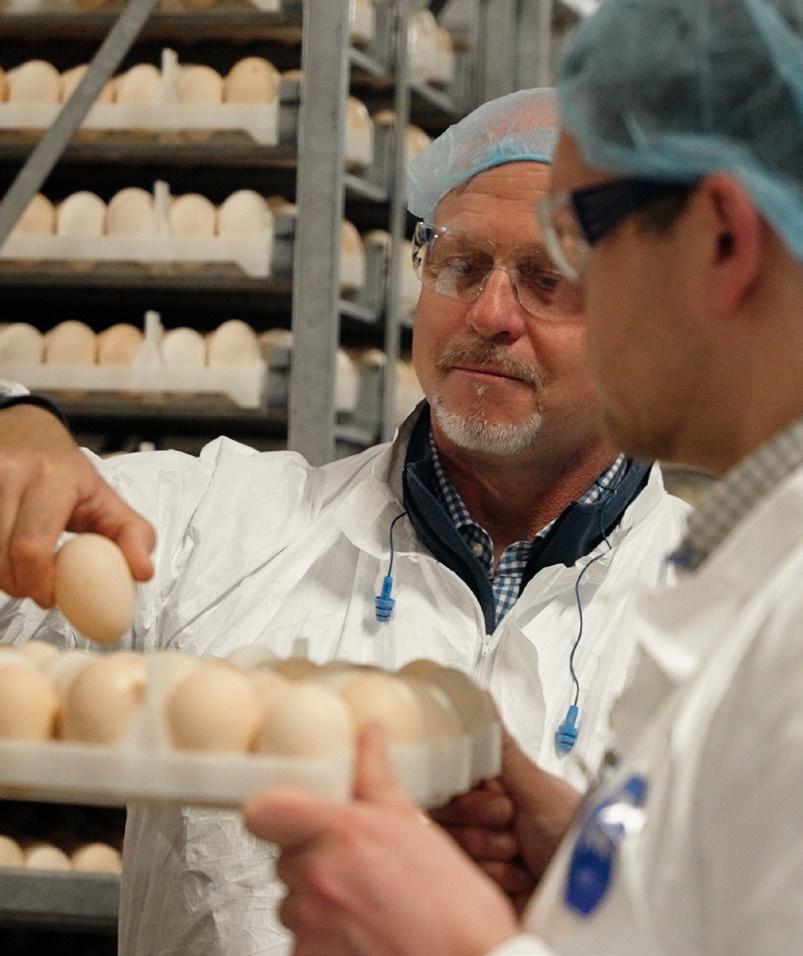
Our innovation mindset keeps us focused on the highest quality and continuous improvement. It’s not just about product innovation but constantly challenging ourselves to find new ways to create long-term value – for us and for our customers.