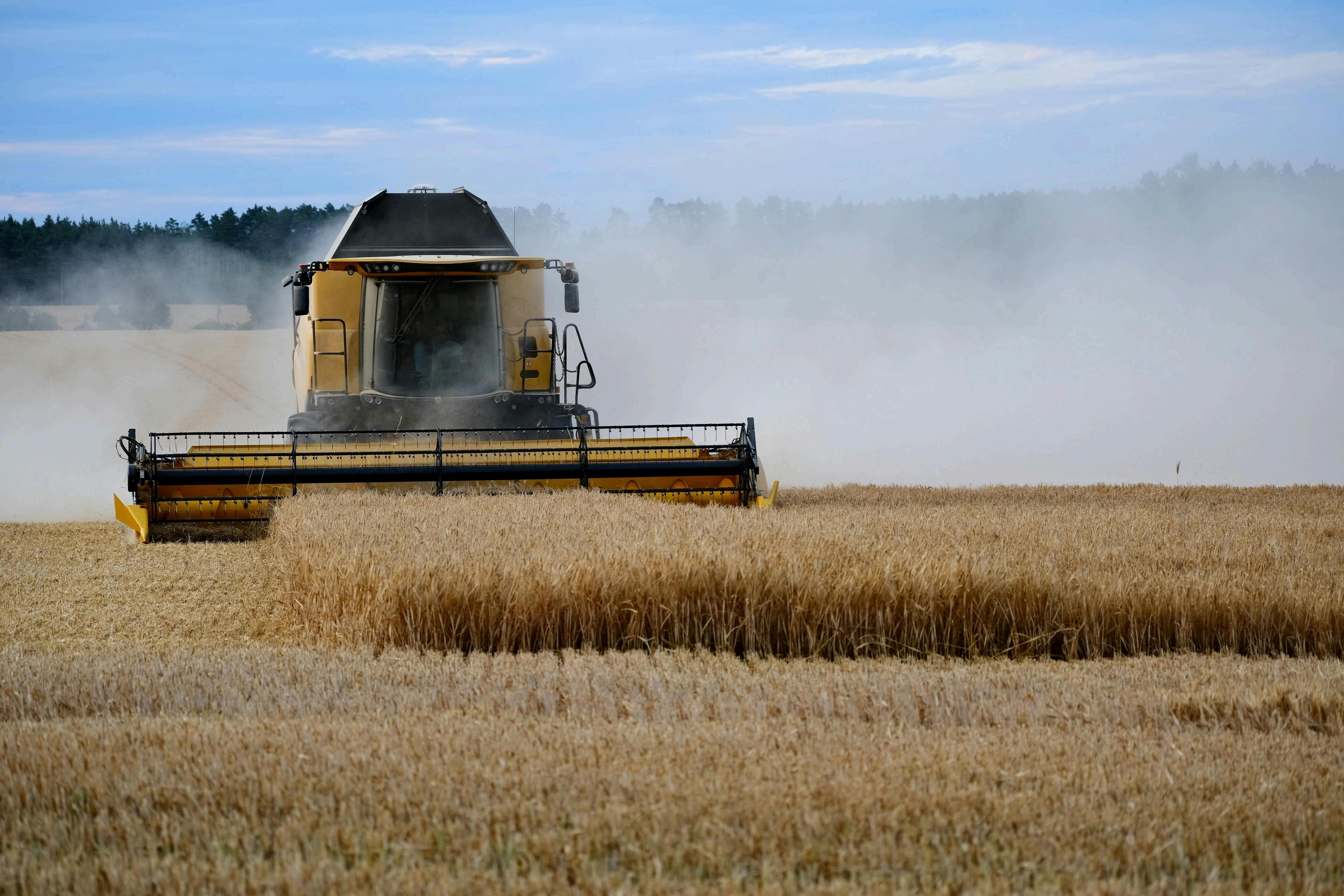

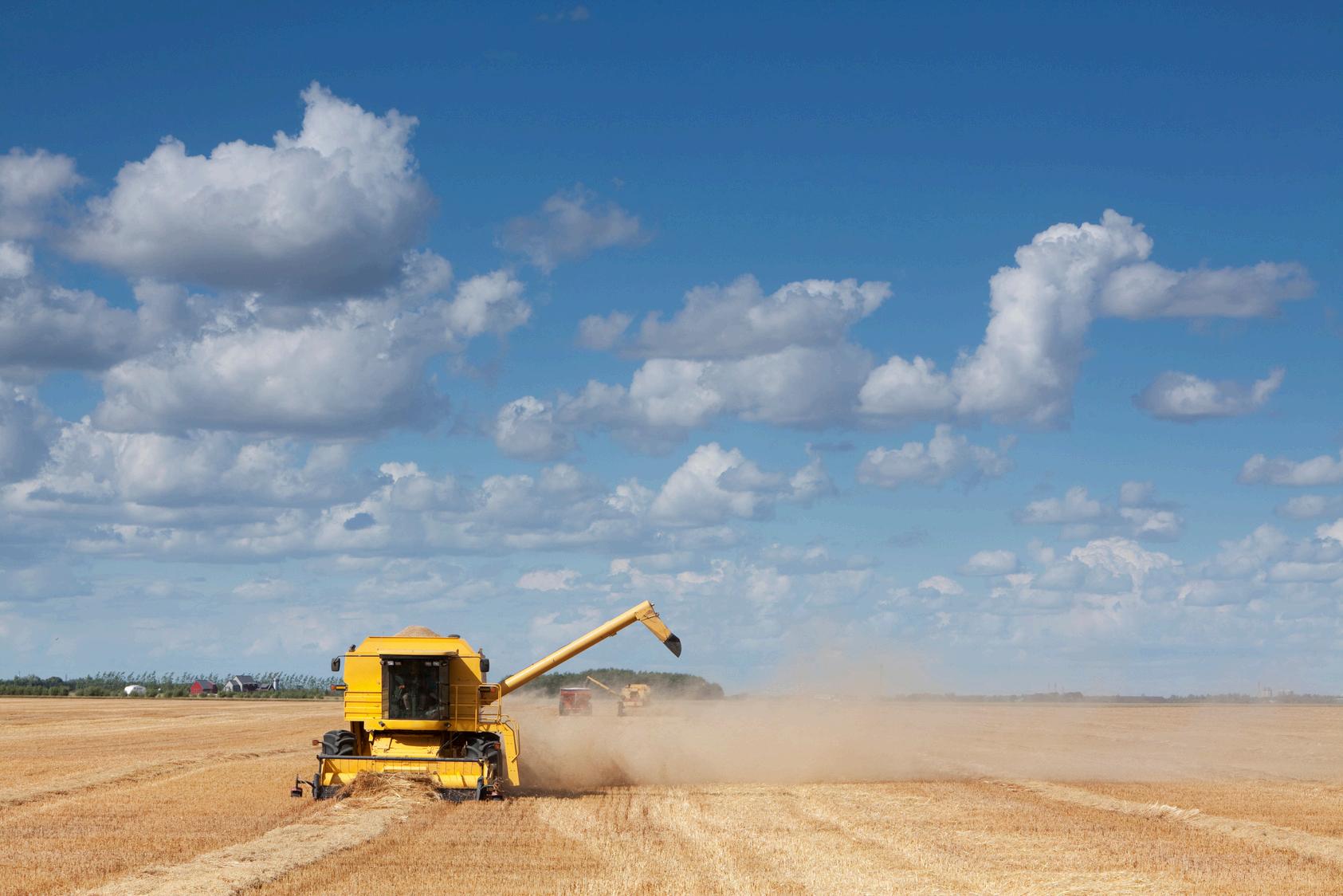
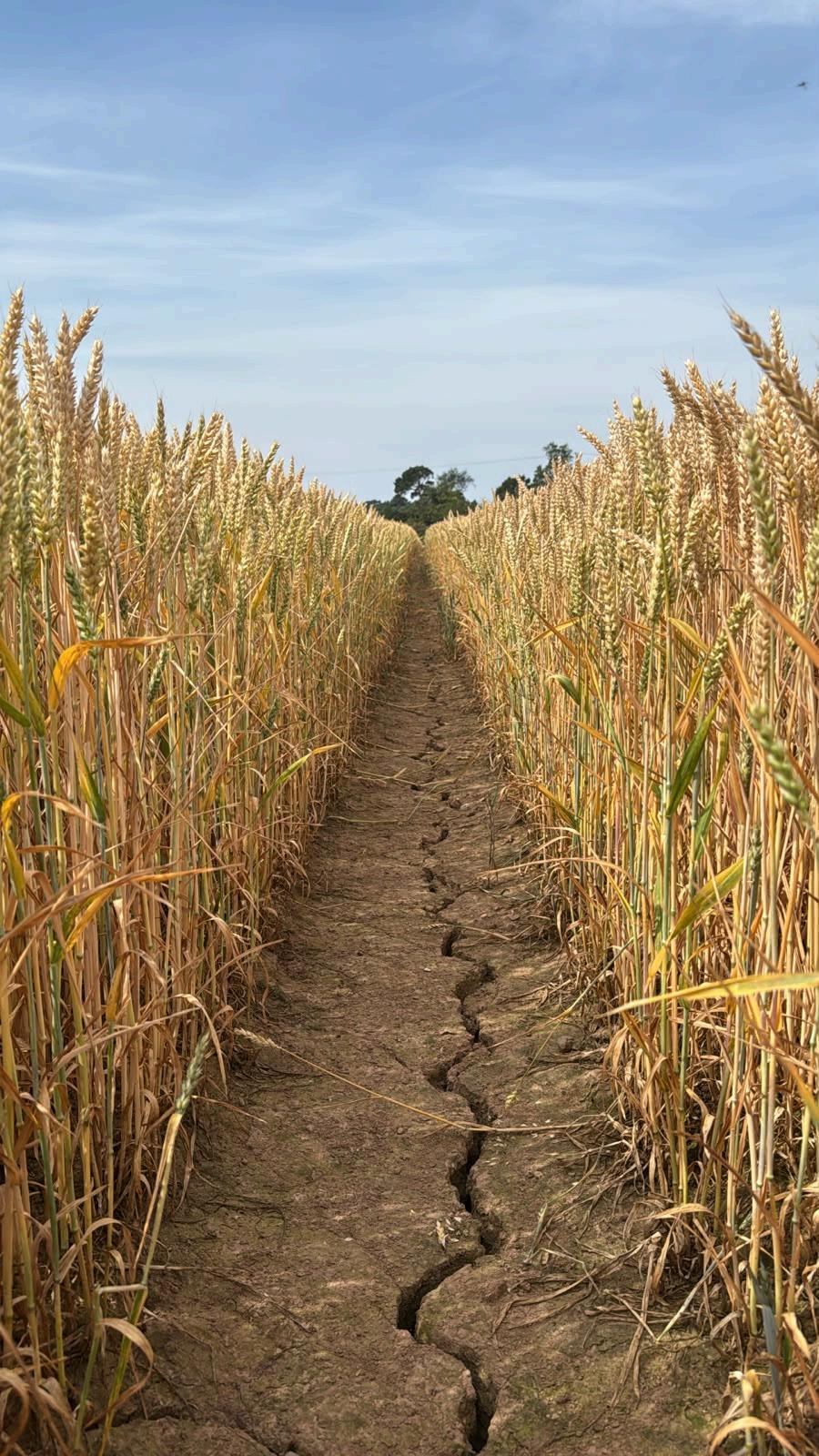
Crops across the East of England have continued to progress rapidly with the hot, dry conditions arriving earlier than many experienced last year, placing crops under moisture stress during key growth stages Rainfall during June was much needed and helped maintain yield potential in many situations. However, the benefits were variable, and for crops that had already suffered prolonged drought stress, the rain was often too little too late to fully recover lost yield potential. In contrast, spring crops responded particularly well to the return of moisture, with many showing a marked improvement following the June rainfall
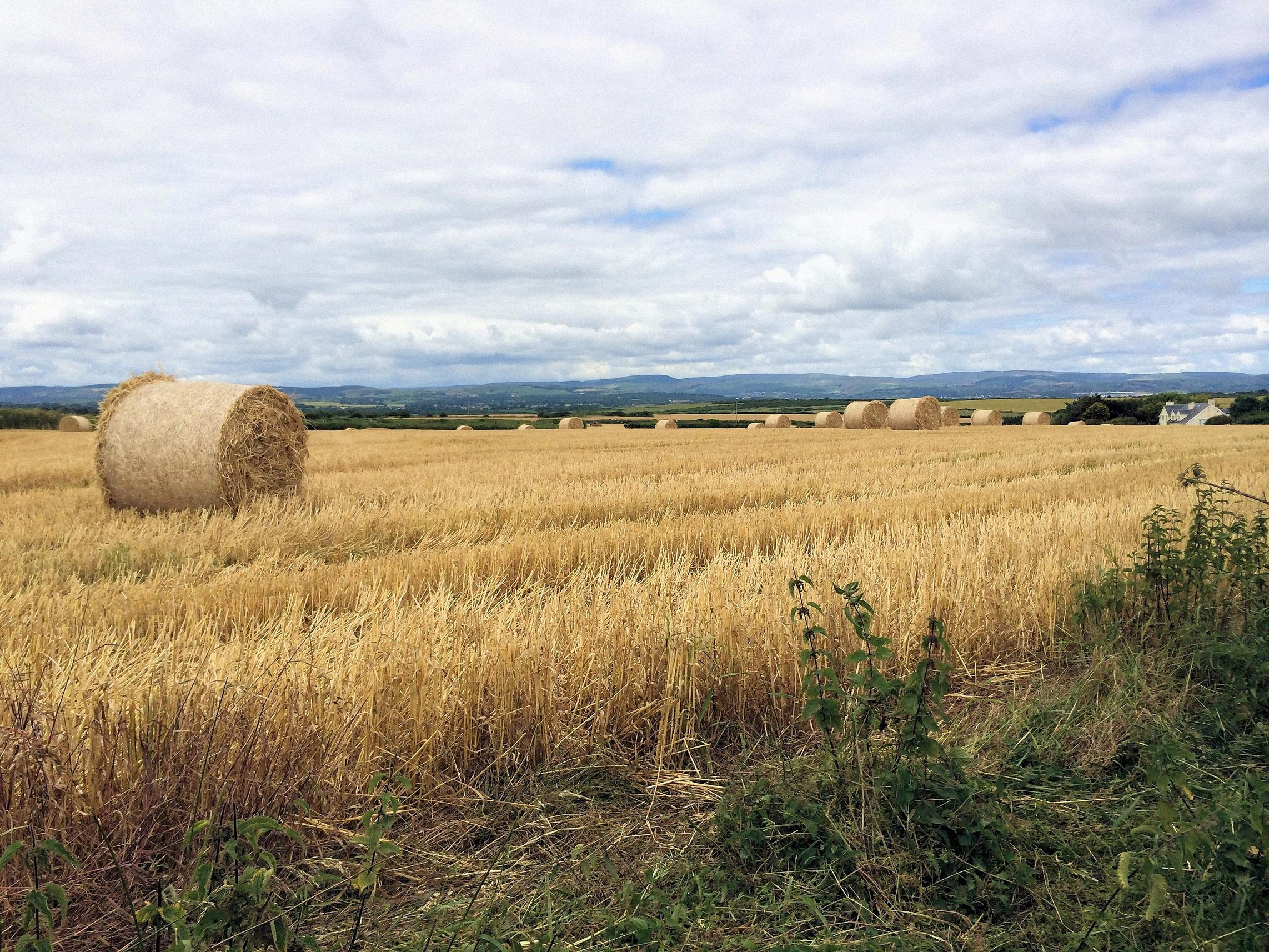
Winter barley harvest is already underway across the East of England, while winter wheat crops continue to ripen rapidly ahead of what is expected to be an earlier-thanaverage harvest. The excellent establishment conditions last autumn have undoubtedly helped winter cereals withstand the challenges of a dry spring. Strong root systems have enabled crops to access moisture from deeper within the soil profile, particularly on heavier land, helping plant growth through extended periods of drought. However, the prolonged spell of warm, dry weather has inevitably reduced yield potential in many areas, especially on lighter soils where moisture reserves were quickly depleted
Yield expectations remain variable, with results likely to depend heavily on soil type and local rainfall patterns. As harvest progresses, attention will increasingly turn to grain quality In winter wheat, lower yields may lead to higher grain protein concentrations, potentially increasing the proportion of crops achieving milling specification. However, the prolonged dry conditions slowed fertiliser uptake, which may limit the expected uplift in protein levels where nitrogen has not been fully utilised by the crop. As a result, grain quality could be variable.
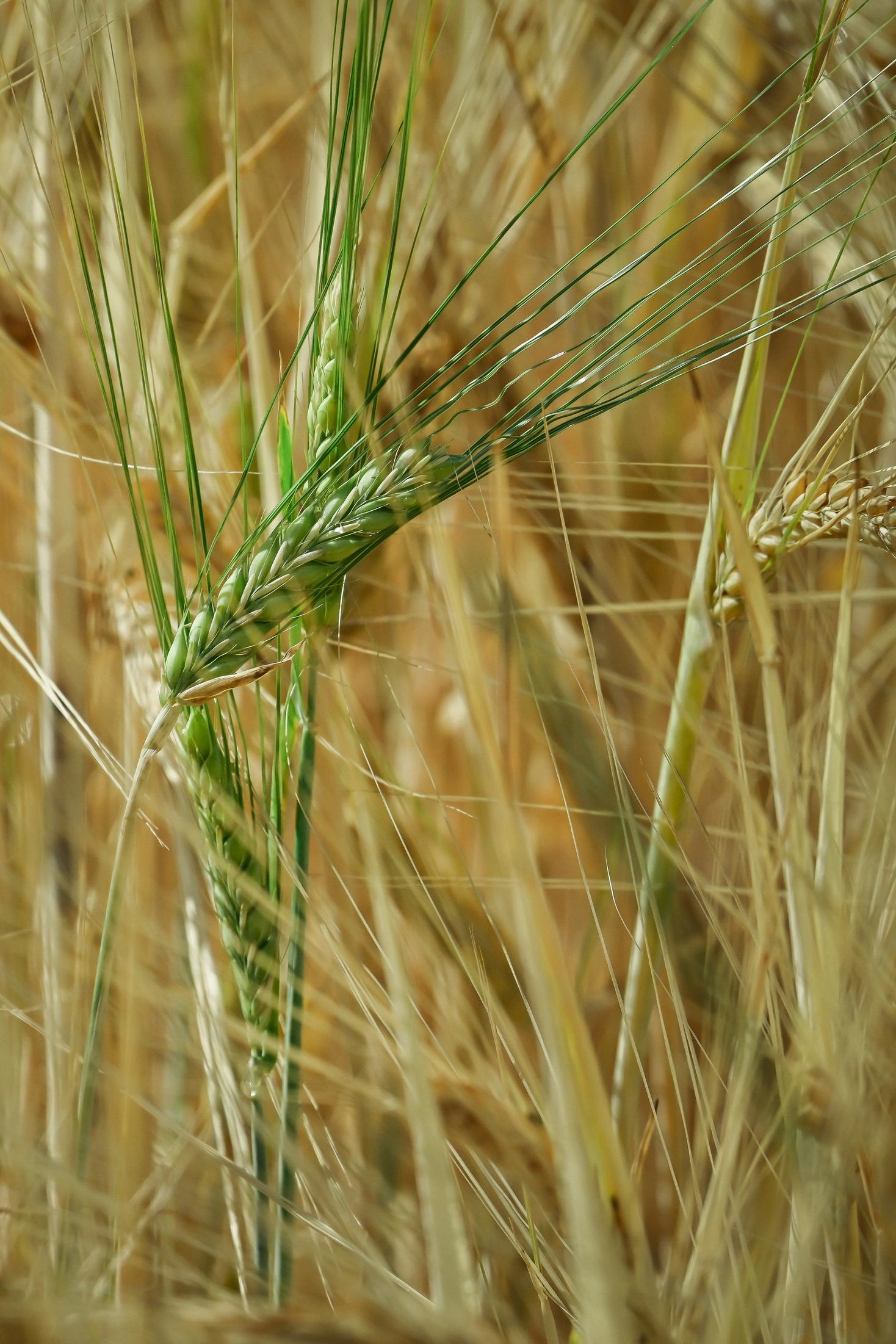
Spring crops have arguably been the biggest beneficiaries of the June rainfall After coming under increasing pressure from the dry spring, many crops responded quickly once moisture became available. Spring barley, in particular, has recovered well and is now progressing rapidly towards harvest The rain arrived at a critical stage, helping to support grain fill and preserve yield potential, while the subsequent warm weather has accelerated crop development and ripening. Although yields are still expected to be below early-season expectations in some areas, the rainfall significantly improved crop prospects and helped limit the impact of the prolonged dry conditions.
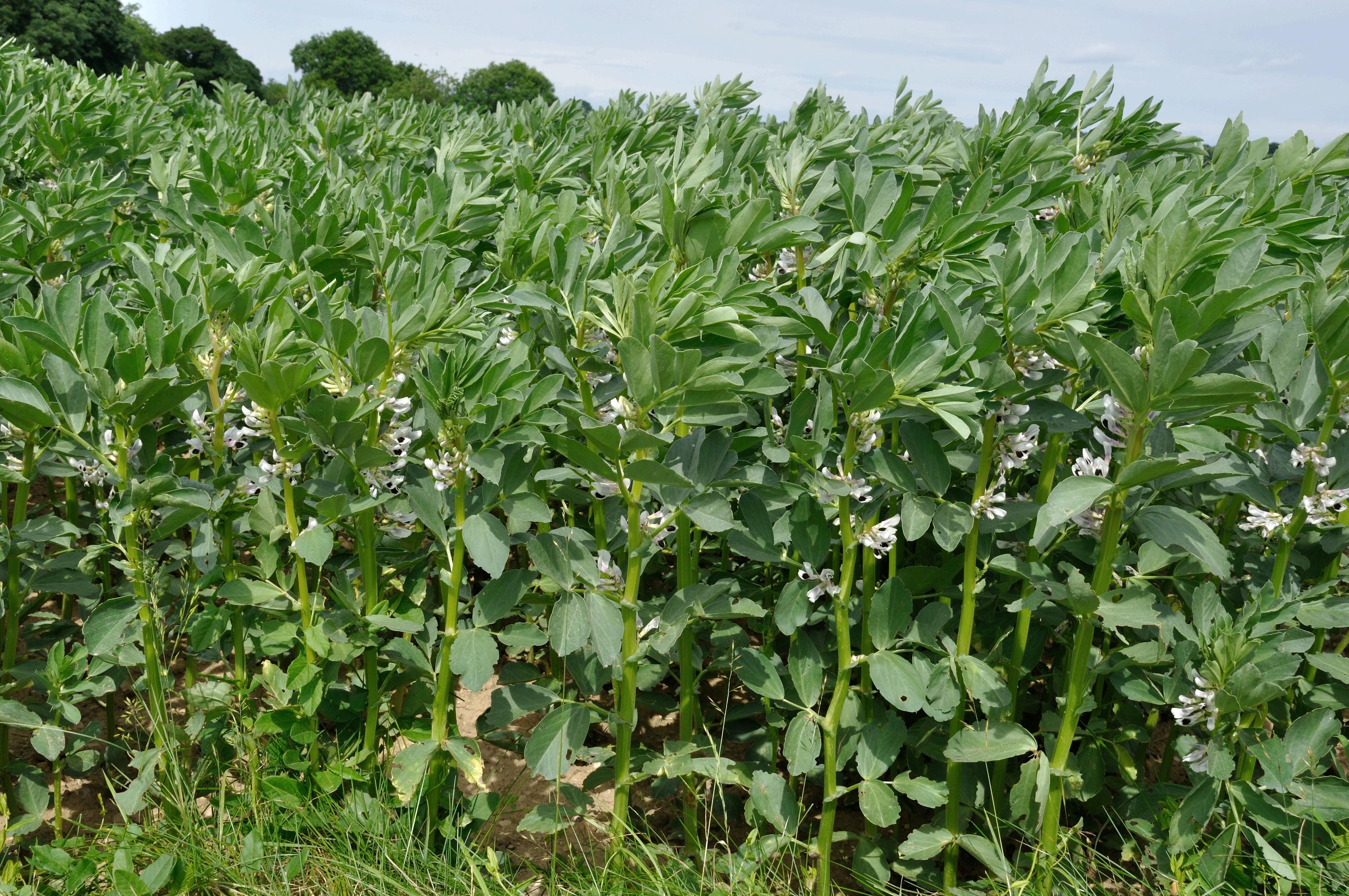
Chocolate spot remained the key disease to monitor. Whilst many crops received timely fungicide applications, the humid conditions experienced during periods of June have increased pressure in some areas, particularly where canopies are thick and lush.
Bruchid beetle pressure has been variable Crops should have been monitored carefully throughout flowering, particularly during conditions above 20°C. As pod set progresses, the risk of damage will begin to decline, although seed quality remains an important consideration for those targeting premium markets.
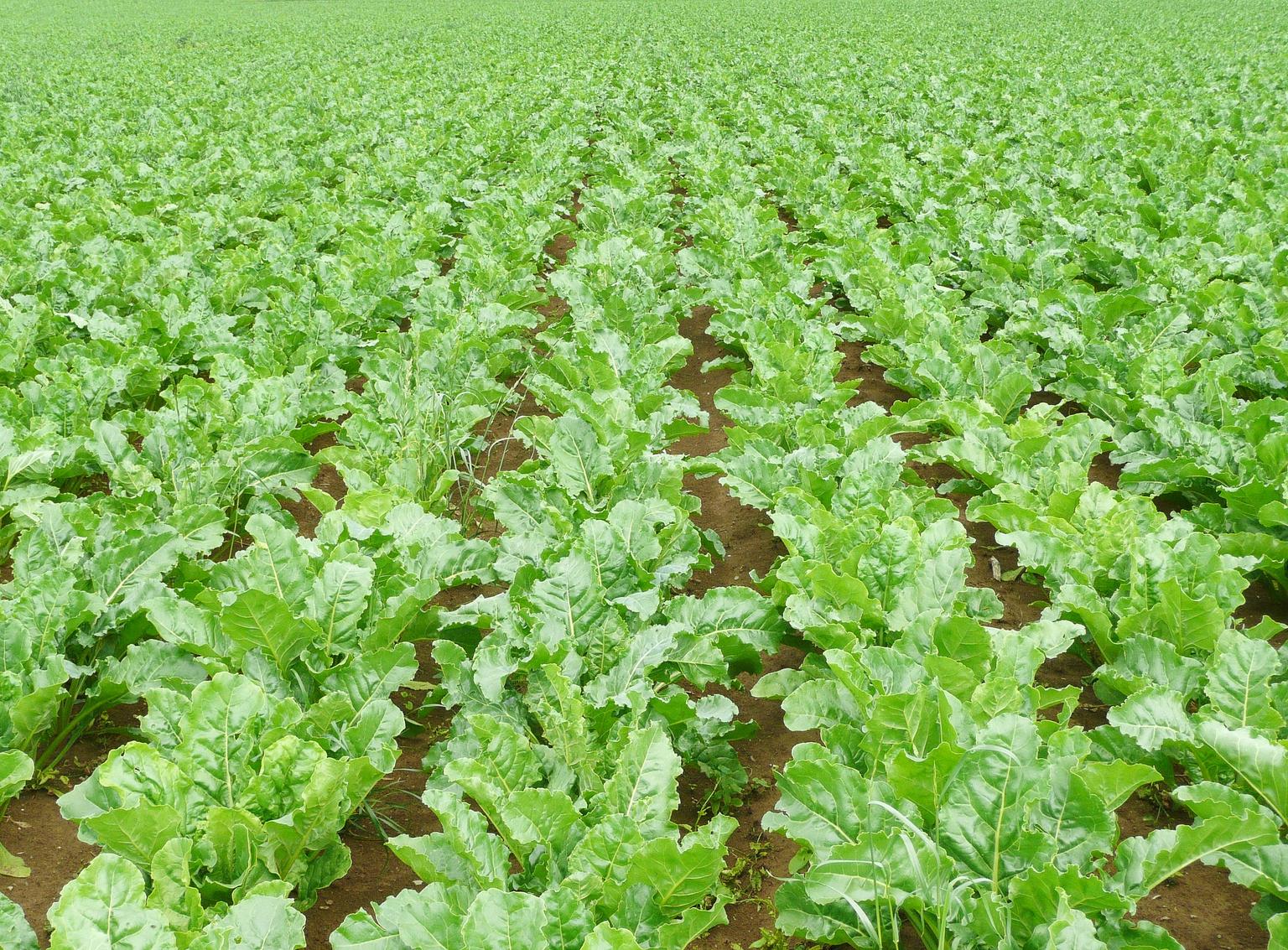
Sugar beet crops have shown a mixed picture across the region this season. Early drilled crops established into good seedbeds with adequate moisture have performed well and are now carrying strong canopies. On the contrary, some crops on lighter chalk soils struggled, with establishment levels as low as 40% where seed remained dormant in dry seedbeds and failed to chit
Recent rainfall triggered a second flush of emergence in many of these fields, resulting in uneven crops with late-emerging plants at the 4-6 leaf stage, while betterestablished crops had already met between the rows by the end of June. Although the rain has significantly improved crop prospects, the impact of these variable plant populations on final yield remains uncertain
Attention is now turning to protecting yield potential through the remainder of the season. Growers should monitor crops closely for foliar diseases, particularly cercospora and rust, and ensure fungicides are applied promptly where thresholds are reached to maintain green leaf area and maximise sugar production.
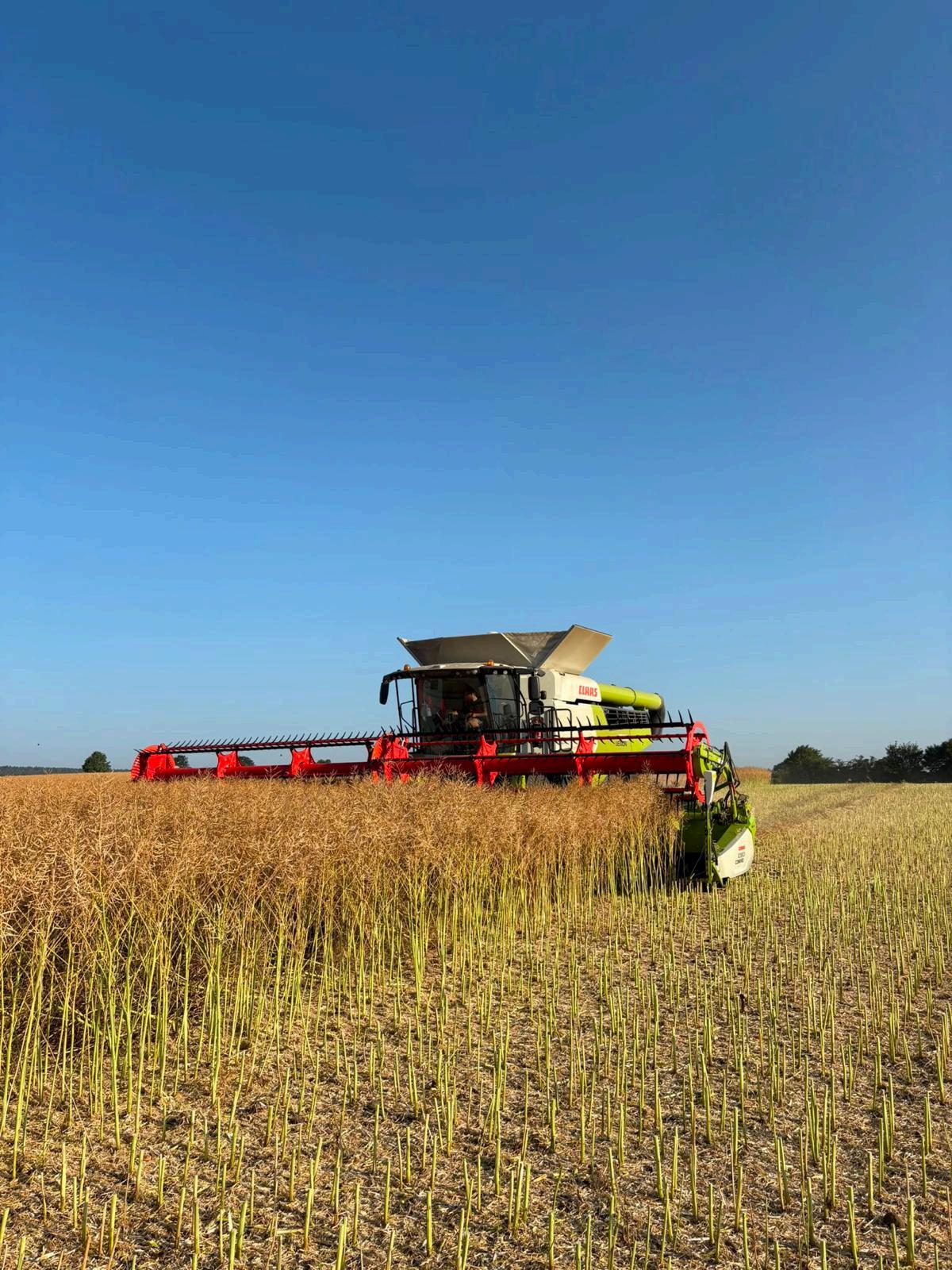
This year’s crop has demonstrated what can be achieved when establishment conditions align. Many crops achieved strong establishment, good spring growth and uniform flowering corner-to-corner, with generally lower cabbage stem flea beetle (CSFB) pressure than has been experienced in recent years.
The challenge now is whether growers are willing to increase area again. Gross margin projections suggest that, despite the general ongoing challenge of CSFB, OSR remains one of the more financially attractive break crop options available for 2027 History suggests that when OSR area expands, CSFB pressure often follows. Therefore, while the economics are attractive, successful growers are likely to be those who continue to treat establishment as the most critical stage of the crop, selecting suitable fields, drilling into moisture, good seed-to-soil contact and choosing varieties with the vigour needed to get away quickly in the autumn. Where conditions are not right, waiting for meaningful rainfall may be the better option than forcing a crop into dry ground.
However, no approach is risk-free, and decisions should be made field by field, considering soil type, moisture, previous cropping, local CSFB history and the ability of the crop to establish quickly.
If OSR is not on your agenda for next season, have you thought about Linseed or Mustard? Dan Matthews discusses alternative crops for diversifying rotations for profitability and resilience here, including wider nutritional oil crops, food and health crops, and specialist contract crops
cuts have been promising but due to the lack of rain, third cuts are virtually nonexistent and the question is whether to apply nitrogen or not. Generally, as there is no rain in the forecast, it’s not advisable to apply nitrogen right now On the other hand, it has been a brilliant time for making hay with another window of opportunity coming up, relatively stress-free.
As harvest progresses, attention will soon turn to post-harvest cultivations and autumn drilling. With soil moisture still limited in many areas, growers looking to encourage a grassweed chit may need to be patient, as dry seedbeds are unlikely to provide a strong flush. Establishing cover crops and oilseed rape could also prove challenging until further rainfall arrives, although they remain an important tool for improving soil health and resilience If dry conditions persist, preserving moisture through shallow, targeted cultivations will be key, either that or delaying primary cultivations altogether. What remains true is the ability to remain as flexible as possible with establishment plans
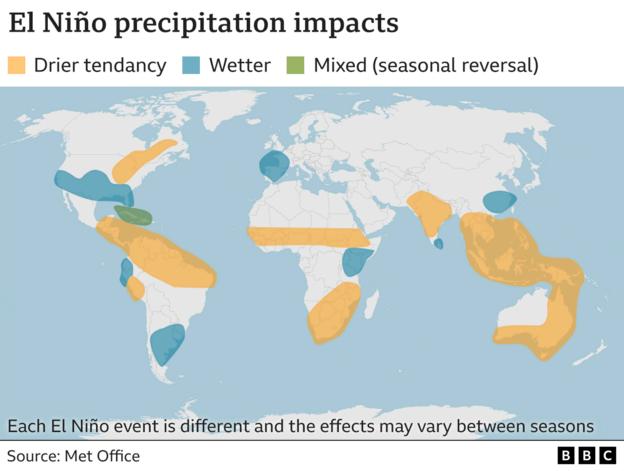
The developing El Nino is expected to kick in, in full force, later this year with greater impacts than previously seen. El Nino is a natural climate pattern where warm water builds up in the central and eastern Pacific Ocean This shifts global atmospheric circulation and tends to raise global temperatures, often contributing to recordbreaking heat years – partly explaining what we’ve seen so far this spring/summer. Looking into autumn however, El Nino could bring a more mild and wet winter, providing continued difficult drilling conditions for those late starters or early crop establishment following what could be a dry summer right through For more information on this, please visit this article by Ceres Research which explains these natural cycles in greater depth and sets out what growers may face in 2027.
Defra confirmed that the new Sustainable Farming Incentive (SFI26) would open in two application windows, with a total annual budget of £240 million available for new agreements. The first application window opened on the 30th June 2026 for smaller farms and businesses (up to 50 ha) without an existing ELM revenue agreement and has been allocated £60 million. The scheme will close when the budget has been ‘fully allocated or after two months, whichever comes first’ Currently (07/07/26), we have been told that 50% of the Window one budget has been allocated.
Window two is planned for September, which again will close when the budget is allocated or by March 2027 – whatever is soonest. Window one will close before Window two opens and any unused funding from the first window will roll into the second window
The most notable change is the fact that there is a £100k limit per SBI (each SBI must have at least 3 ha associated with it) on applications and you are no longer able to increase the area of rotational actions within SFI 2026 agreements. The new offer is limited to 71 actions – management payments for new SFI agreements have been removed, along with other popular actions such as payments for soil testing and species-rich grassland (endorsed action). Other notable changes include CIPM4 (no insecticide) which is no longer permissible on a Maize crop, and AHW9 (unharvested cereal headland) where the
payment rate remains unchanged (£1072/ha) but there is a new restriction of 24m maximum width for headlands and/or strips.
Farmers with agreements due to expire by the end of February 2027 may be eligible to apply for a replacement agreement through the second SFI 2026 application window, expected in September 2026. This includes a range of existing agreement types, including SFI 2023, Countryside Stewardship Mid Tier, legacy Countryside Stewardship Higher Tier and Higher Level Stewardship agreements.
For further information on changes and easy wins, please read Rosie Uden’s article here.
Capital Grants guidance was published at the end of May, with the scheme expected to open towards the end of this month. A further £75 million is available compared with 2025, taking the total fund to £225 million.
Financial limits remain unchanged across the four categories, with caps of £25,000 for water quality, air quality and natural flood management, and £35,000 for boundaries, trees and orchards. The scheme is expected to be oversubscribed and may only be available for a short period, so businesses should plan ahead and be ready to apply as soon as the window opens It is advisable to get your evidence together ahead of time, so you are ready to apply when the application window opens. The list of evidence required can be found here.
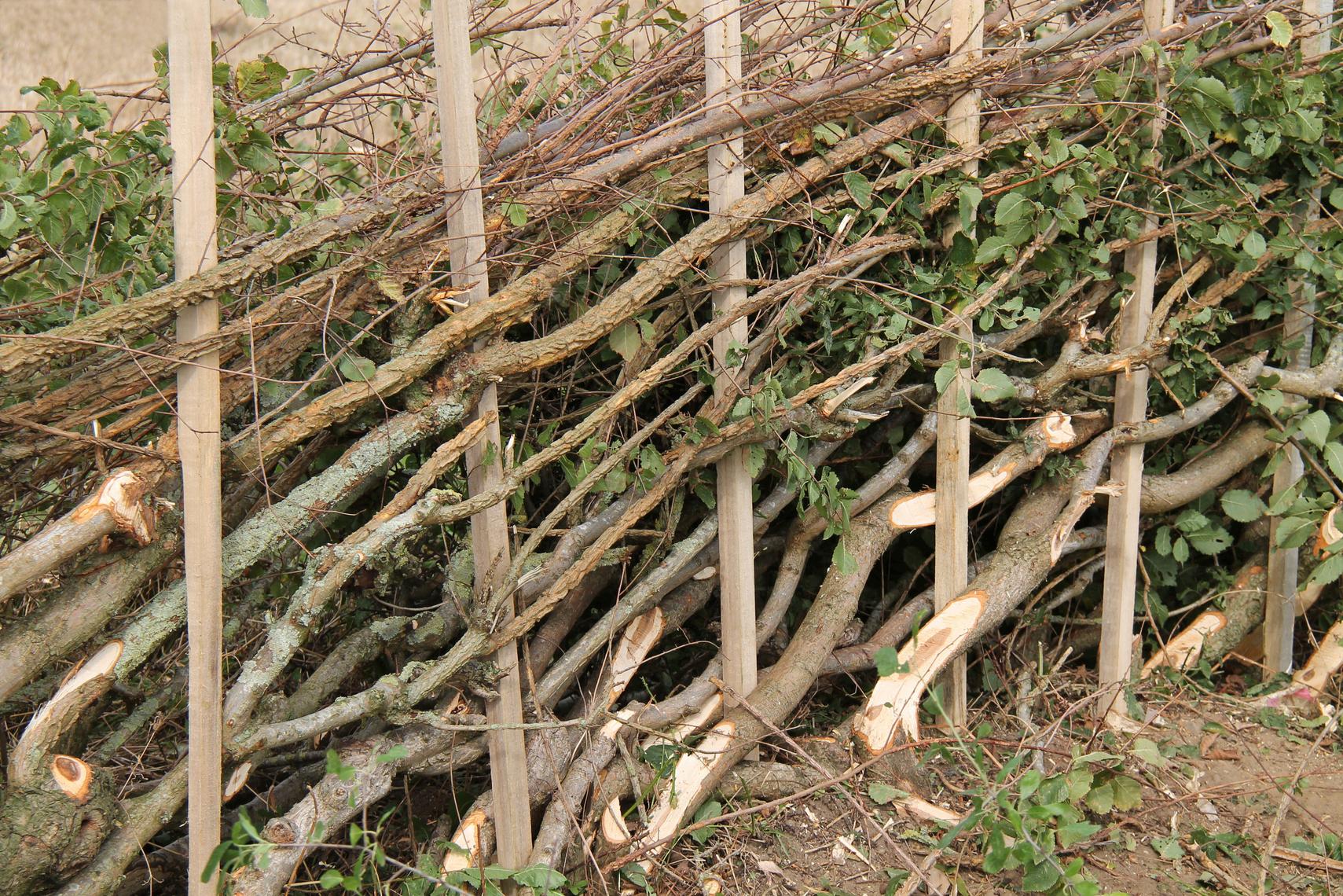
Following the 'invited-only' status of applicants so far this year, it has been announced that later this summer, farmers and land managers will be able to begin the application process by submitting an Expression of Interest for agroforestry, woodland, and new single-focus agreements At least £50 million will be available for new CSHT agreements this year.
The continued UK–EU discussions on a new Sanitary and Phytosanitary (SPS)agreement are bringing “dynamic alignment” into sharp focus, with proposals that could see the UK match EU plant health and pesticide rules from July2027. A summit between the UK and EU is expected later this month (22nd July, delayed slightly from the earlier suggestion of a 13th July Summit) to discuss implementation details of this alignment. Initial guidance from the Government has been shared, outlining how to prepare your business ahead of such deal, which you can view here
Despite the industry holding firm on the fact that a potential CBAM will increase fertiliser costs significantly for an already challenged farming industry in terms of profitability, the current direction of Government is that the UK CBAM is not being abandoned or postponed; implementation is due for the 1st January 2027, with 2026 focused on final rules and business readiness.
The Government released a policy summary earlier in the year, which details the emerging compliance framework The document currently confirms that the first CBAM return/payment, which will fall to the UK fertiliser importer, is due by 31st May 2028. Therefore, the additional fertiliser tax will more than likely be felt by growers from the beginning of 2027, if not creeping in before.
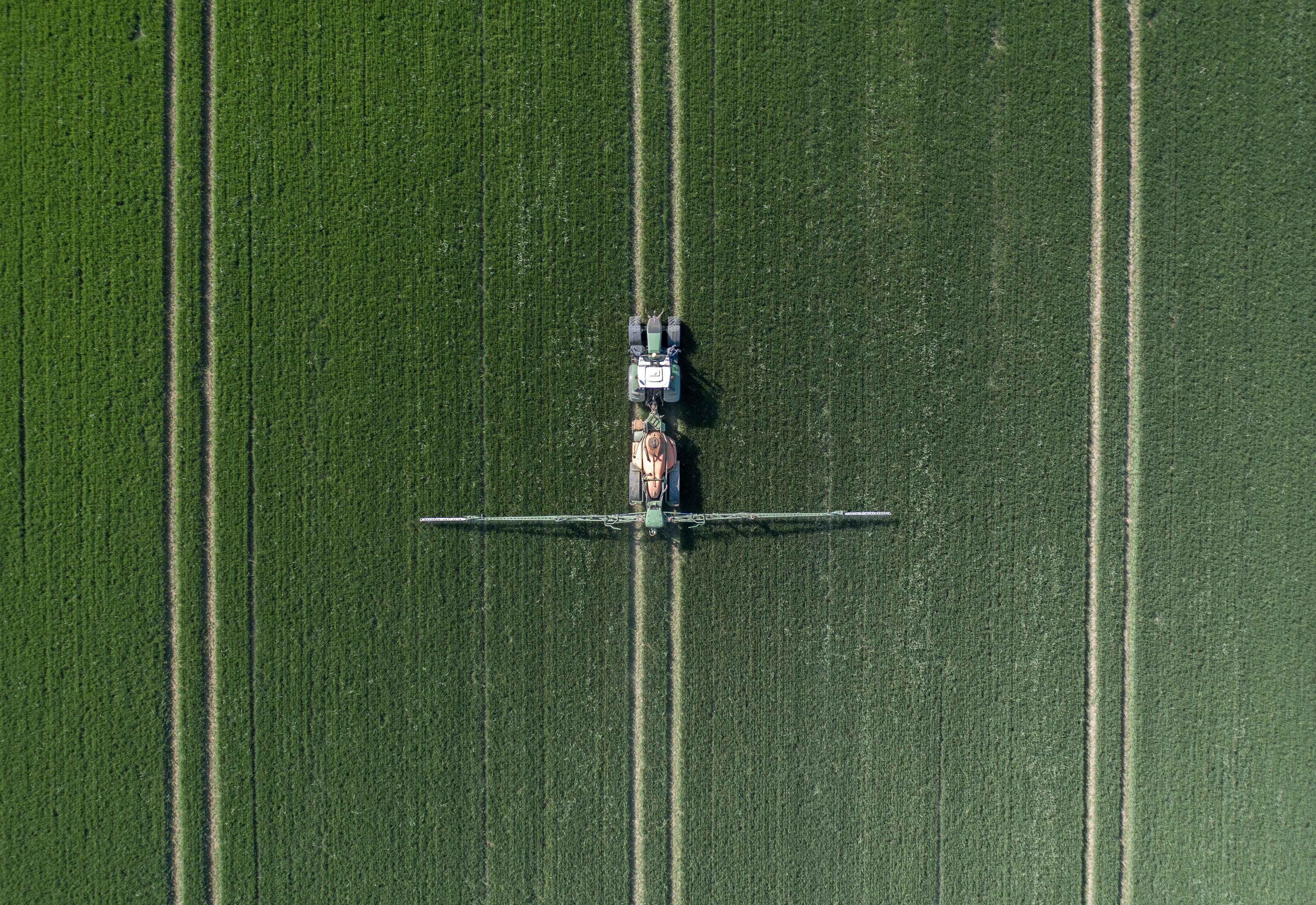
ADOPT is a Defra funded programme, delivered through Innovate UK, that supports farmer-led innovation projects to test and demonstrate new technologies, practices and approaches on farm The aim is to generate practical evidence that helps farmers improve productivity, resilience, sustainability and progress towards net zero. Farmers can apply for funding between £50k and £200k (recently increased from a max of £100k) with projects running up to 24 months.
Ceres Research is an official Project Facilitator and can support with ideas and applications. We currently have a list of projects that we are looking to submit and are therefore eager to have more farmers on board. Please visit here to see a list of projects we are going to submit and reach out if you are interested to be involved in any. Additionally, please get in touch if you have an idea or need support to gain access to this funding.
With the first-round of 2026 applications opening under the SFI, the preliminary window is open to businesses under 50 ha, giving an opportunity for viticulture businesses to benefit from this new rule

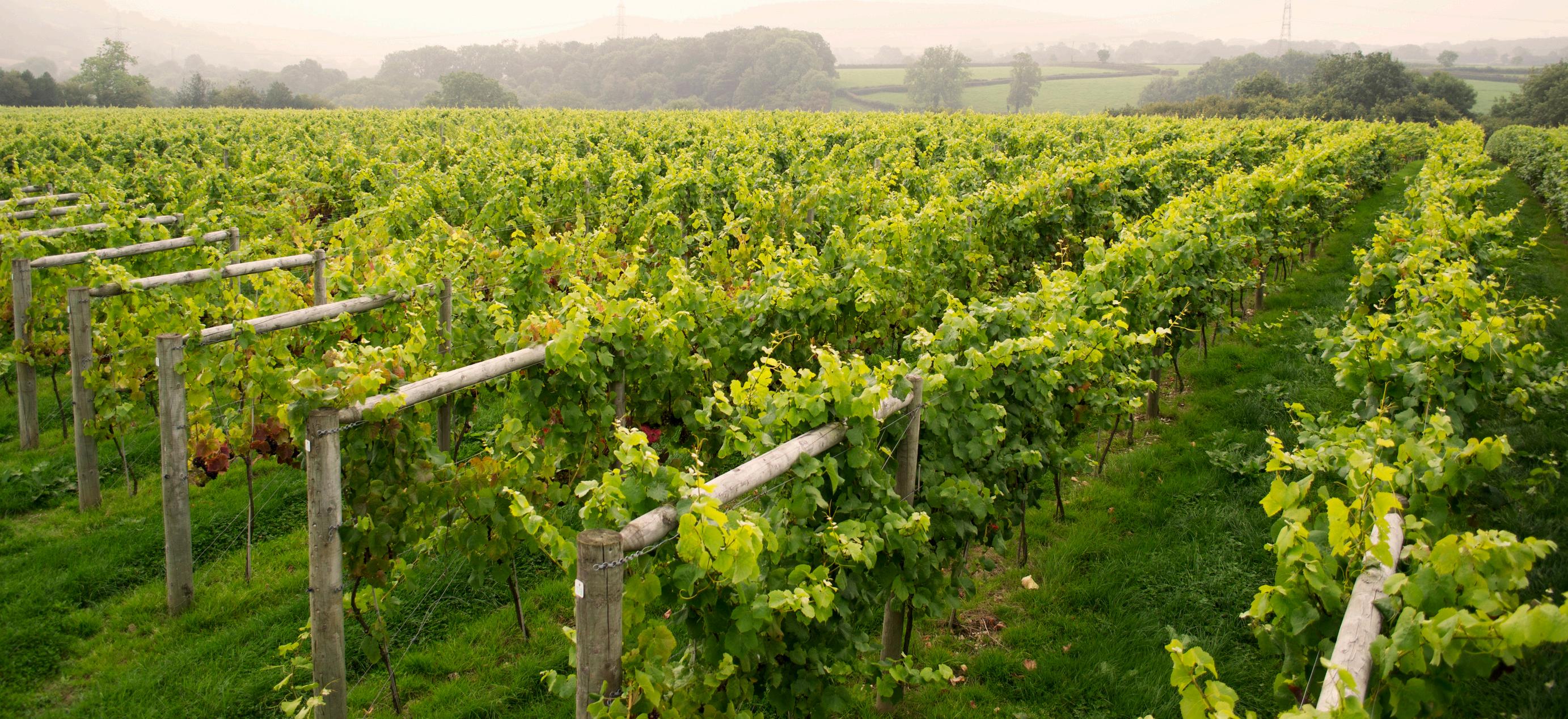
Like others, these agreements will also be capped at £100k per business, with options such as (AHL2) winter bird food and (ALH3) grass field corners restricted to 25% of the totaleligibleland area, although this is unlikely to present challenges for businesses with a high percentage of permanent crops planted Applications will remain open only whilst funding allows, so it is crucial that businesses are proactive and ready to apply as soon as possible.
Similarly, with Capital Grants likely to reopen soon, items such as hedgerow planting, concrete yard renewals and fencing could receive partial funding under the scheme. Whilst Capital Grant funding is not competitive per se, it is again unclear how long the application window will remain open, and therefore prior planning is required to ensure your business is at the top of the list.
If you would like more information on how SFI and Capital Grants can be utilised by your business, please contact: Beth
Speakman beth.speakman@ceresrural.co.uk
07592 041601
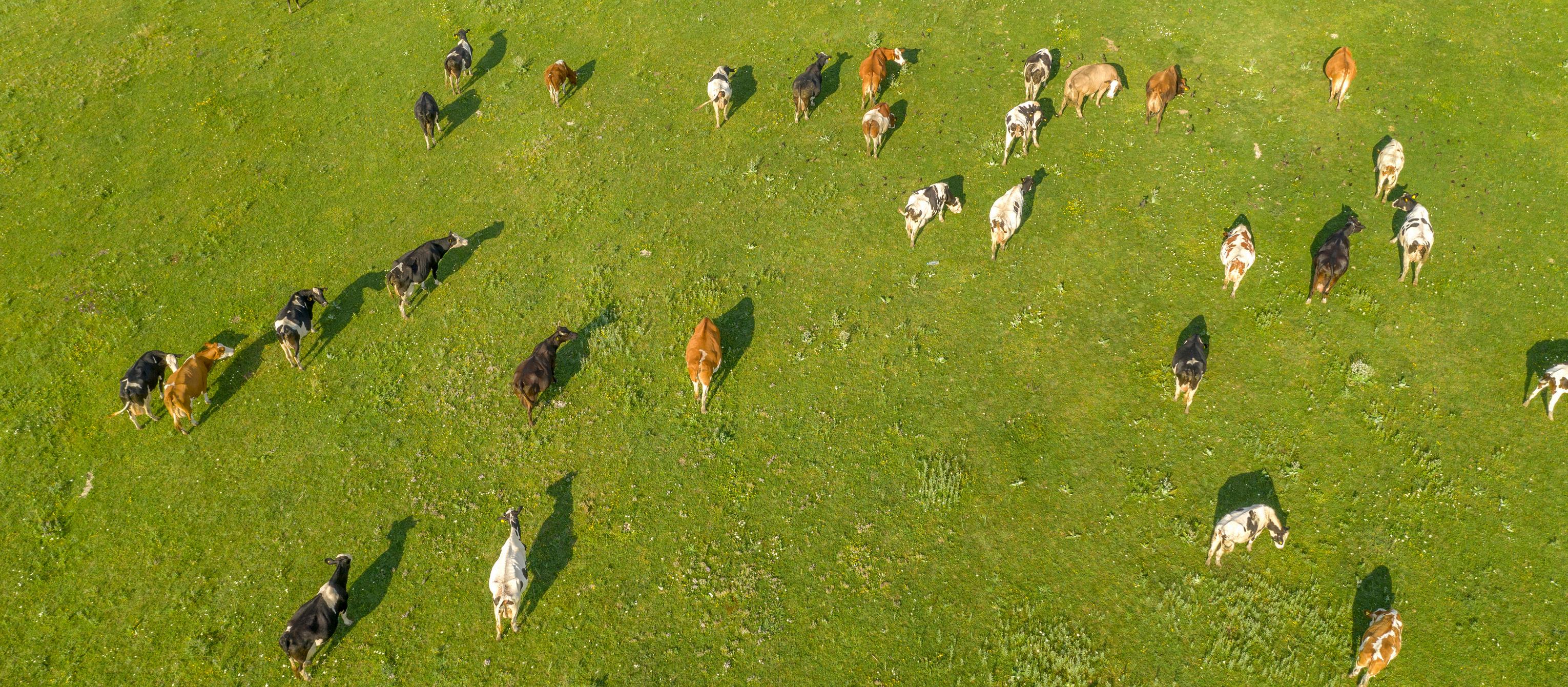
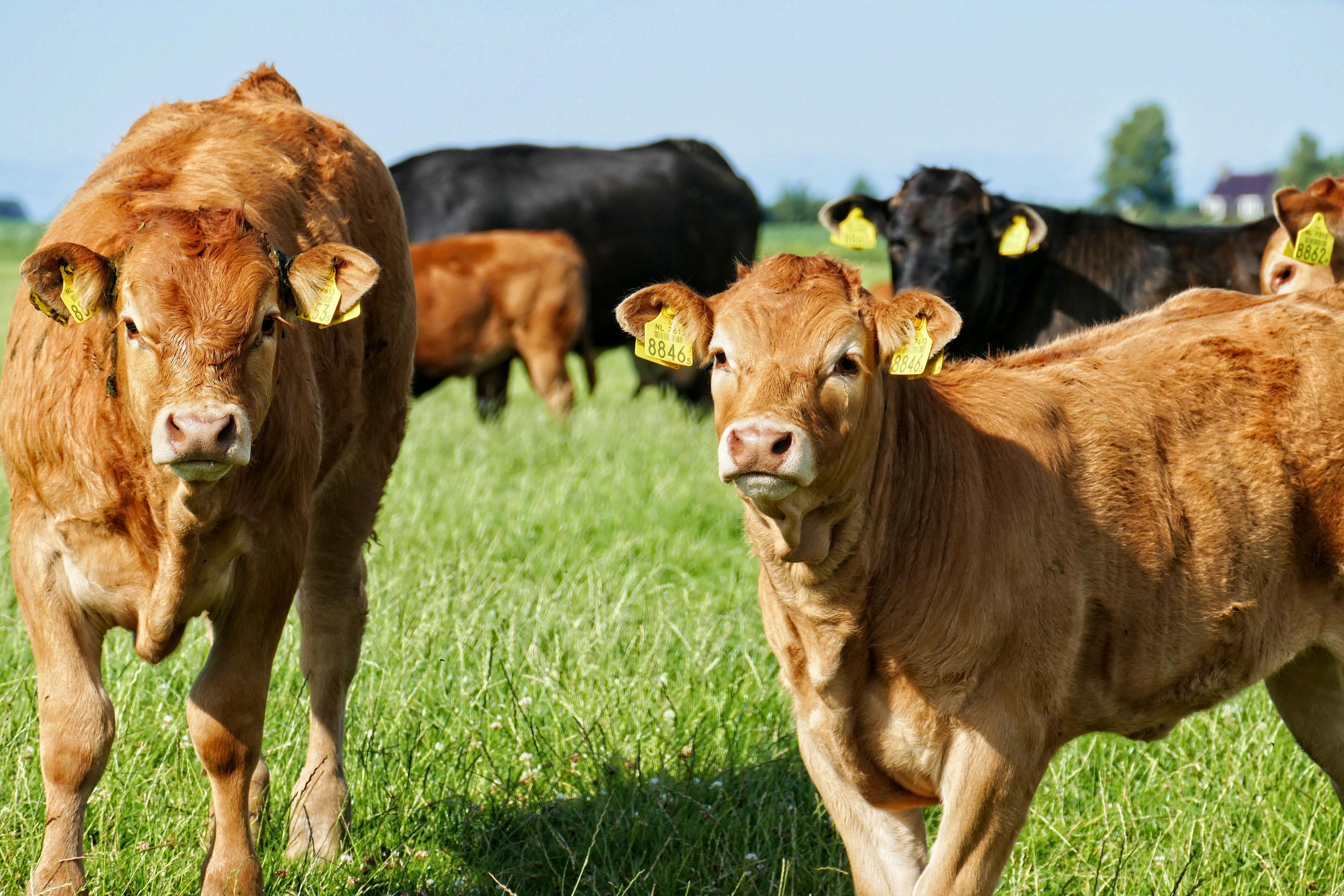
Unlike last year, where blue tongue was mainly concentrated in the East, this year it is already established in the West and farmers are encouraged to vaccinate against the disease Bovine tuberculosis is still variable with reactors being found on several holdings and is still an ongoing battle. However, there is a new badger vaccination programme which has recently been rolled out in Shropshire, Worcestershire and Oxfordshire The government initiative will be delivered by Farmcare Solutions delivering vaccinations on behalf of landowners and farmers. Additional areas will be added each year as the project expands Practical details including how to engage with the service and how it will operate at a farm level will likely influence the uptake of this initiative.
The Animal Health & Welfare Review is a funded annual vet visit available to eligible livestock keepers in England. Following this, you can choose to undertake an Endemic Disease Follow-up, a second funded visit. This Government blog details further information and how to apply
There are new rules in Wales regarding Bovine Viral Diarrhoea (BVD) whereby Welsh farmers are legally obliged to carry out an annual screening test and must hold a BVD Negative status before movement of cattle. The result of the test will be valid for 60 days before animals are sold Cattle of unknown BVD status moving onto a Welsh holding from outside Wales must be tested within 20 days of arrival. It is worth noting that there are similar discussions taking place in England – it is likely that a compulsory testing scheme will eventually be introduced in England too.
wise man once said ‘booking a padel court after work is like trying to get tickets to the oasis reunion tour’

Padel blends elements of tennis and squash and has long been a staple in Spain, where it’s the second most-played sport.
Its appeal lies in its accessibility. It’s easy to pick up, less physically demanding, and highly social!
If you have a barn that may be suitable, get in touch with Rohan at Rebound Padel: rohan@reboundpadel.co.uk

Source: Merchant North Herts ex. farm bids (as of 24th June 2026)
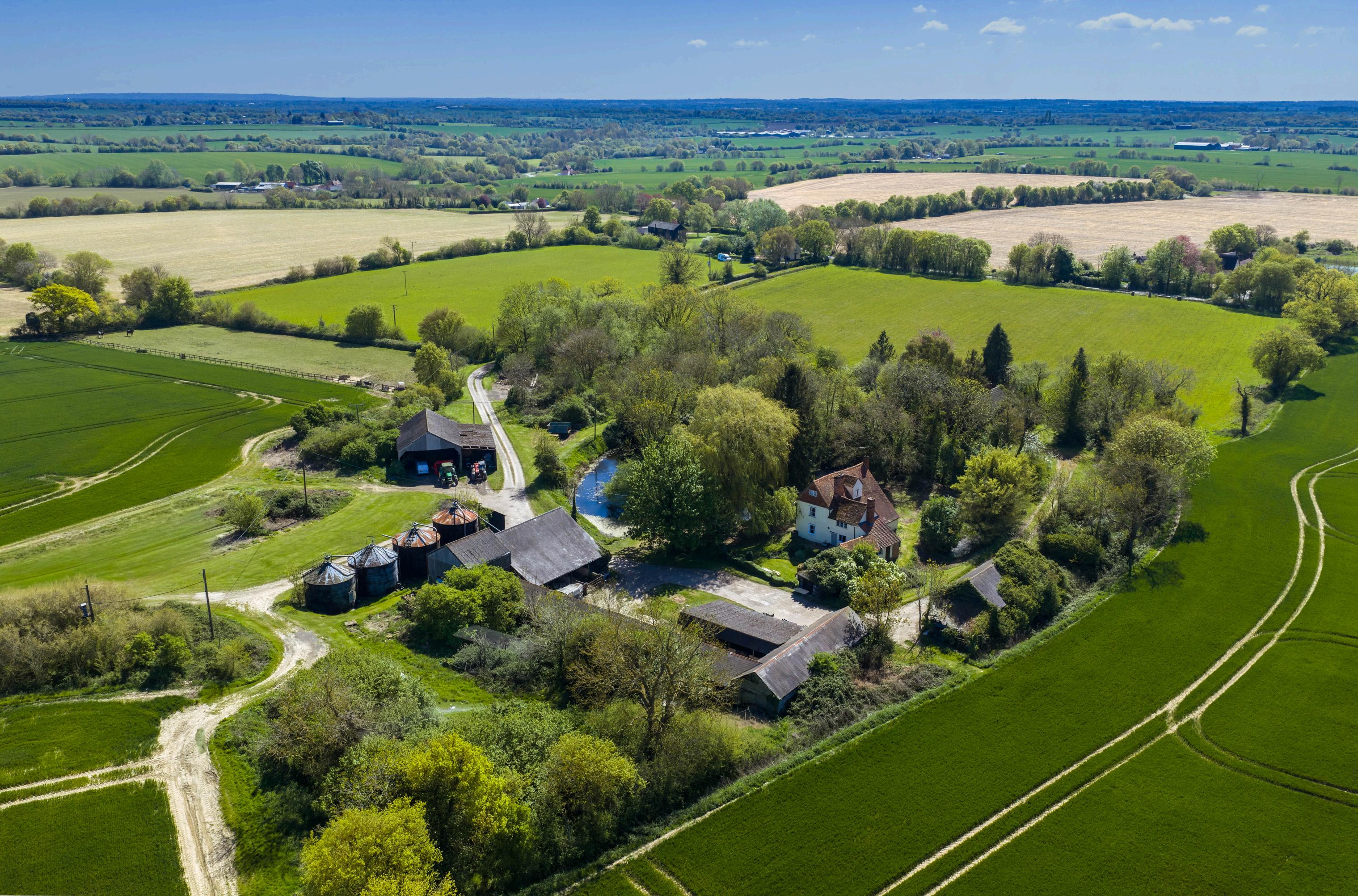
If there is one defining feature of the first half of 2026, it has been the timing of supply coming to the market. After a slow start, Q2 brought a late flurry of farms to the market, largely down to the wet weather and the geopolitical uncertainty around the Strait of Hormuz, both of which caused vendors to delay their spring launches. With that backlog now released, overall levels of supply have caught up and sit broadly in line with where we were this time last year.
Demand, by contrast, has been notably varied – and the theme of polarisation we flagged in March has, if anything, sharpened What we mean by that is a widening gap in the values achieved per acre between the very best farms and more secondary holdings or blocks of bare land. Appetite remains for well-equipped commercial farms, and for residential farms in popular, accessible or commutable locations that offer the complete package.
The picture is very different for more secondary holdings and outlying blocks of bare arable land, where a vendor is far more beholden to their local market. Land whose appeal is purely agricultural – lacking a commercial or strategic angle, and in locations where rollover and high net worth buyers are more scarce – is under the most scrutiny of all.
The second half of 2026 promises to be telling. With the farms we are currently marketing now under offer, we are working towards getting these over the line before turning to our September launches.
The key theme we have seen this year, whether acting for buyers or sellers, is that the successful transactions are almost without exception those where a realistic guide has been set, the sale is well prepared, and a well-considered marketing strategy is in place.
With a growing number of discussions for farms now taking place off market, making yourself known to those active in your local market has never been more important. If you are contemplating a sale or are looking to buy, please do get in touch with one of our farm agency team to discuss, we would be delighted to hear from you
The recent heatwaves and news headlines highlight the growing importance of managing heat stress on farms, particularly as hotter summers become the norm High temperatures increase the risk of dehydration, fatigue, impaired concentration and accidents, especially when operating machinery. Consider these steps to manage the heat risk:
1.Encourage regular rest breaks, provide access to shaded areas, and ensure workers stay hydrated throughout the day rather than waiting until they feel thirsty
2.Air-conditioned cabs can improve comfort but do not eliminate the risks of dehydration and fatigue during long working hours.
3 Monitor teams for signs of heat stress, manage workloads carefully, and rotate tasks where possible.
4.Where practical, schedule the most physically demanding work during cooler parts of the day and avoid peak afternoon temperatures
“As harvest gets under way for many, heat management should be treated as a core health and safety consideration to protect both worker wellbeing and operational performance”
If you haven’t booked in your pre-harvest health and safety briefing – do get in touch with Robert as soon as possible:
robert gazely@ceresrural co uk 07592 041617
Ceres Research Members have full access to the Farming Update ‘Plus’. A publication that takes a deeper dive into some of the topics covered in the Ceres Rural Farming Update. Given the timeliness of autumn considerations, this Plus edition focuses on Farming without Flufenacet. Considering the regulatory pressure on the UK’s dynamic alignment with the EU, we take a deep dive into what scenarios could happen with Flufenacet use in the UK, what blackgrass control looks like without it, and what new chemistry and pipeline products could offer other opportunities for growers.
Become a Ceres Research Member today to access this ‘Plus’ publication, as well as many other insights and tools to help you and your business. Remember, existing Ceres Rural Agronomy clients get 25% off the membership Speak to Danni, Research and Knowledge Exchange Assistant, for further information.
Following the success of last year’s sell-out event, Ceres Group are proud to host the Ceres AgriStrategy Conference 2026.
Designed for progressive farmers, agronomists and agricultural leaders, the conference provides an opportunity to take stock of the past year and look ahead with clarity and confidence
The day brings together expert speakers, practical insights and evidence-led discussion to support strategic planning. We’re excited to build on the momentum of last year, with new features designed to make this year’s conference even more valuable and engaging for attendees.
Join industry peers for a focused day of learning, discussion and connection, aimed at supporting resilient, informed and forward-thinking agri-businesses. BASIS and NRoSO points will be available.
Ceres Research Members receive a further 50% off the delegate ticket price Click here to view the full agenda or buy your tickets.

Want to discuss any of the topics in this issue of the Farming Update? Contact the project leaders, Annis Cousins, Peter Mason, Will Spurdens or Dr Dannielle Robb.